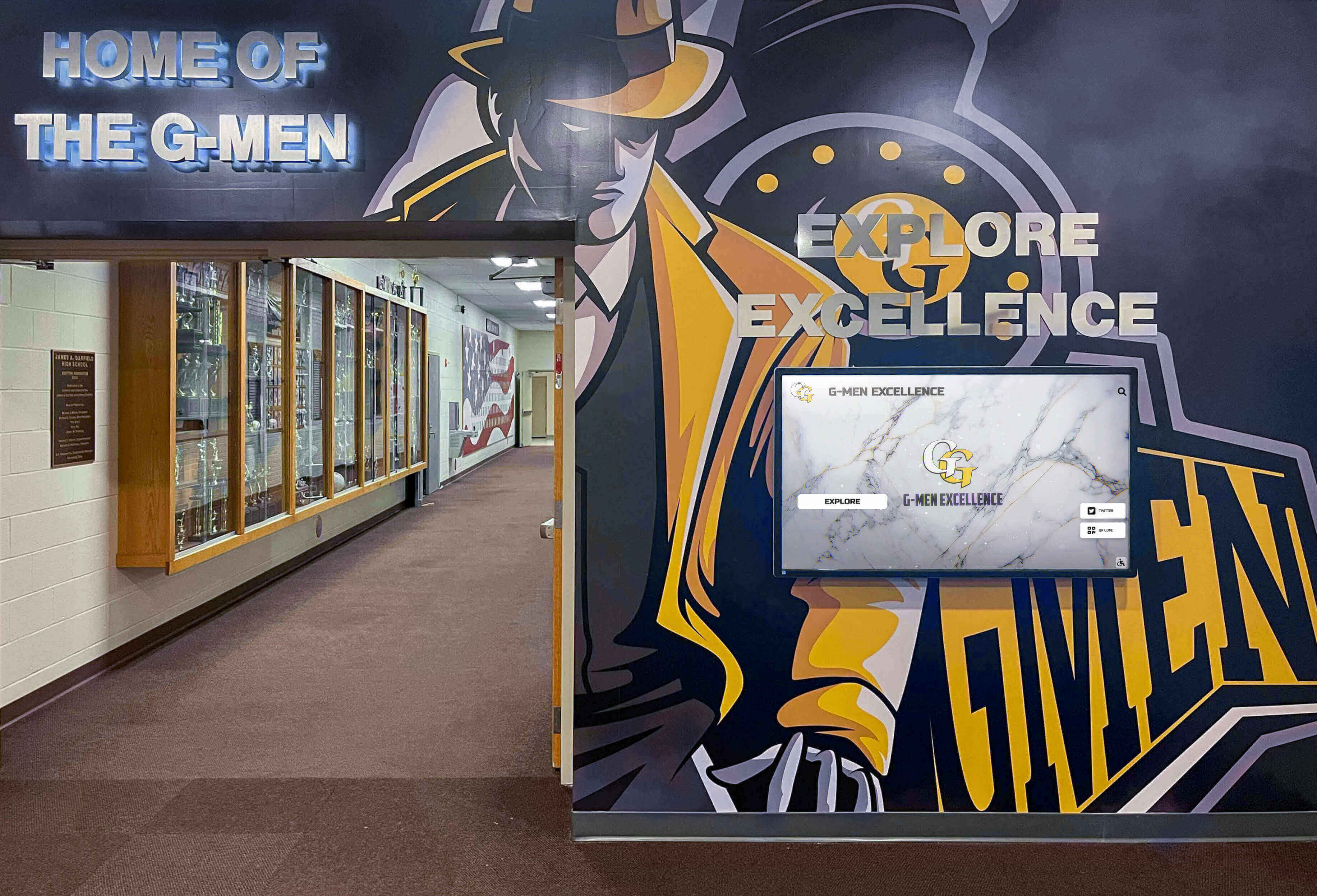
School Trophy Case Desiccant Indicator Card Inspection: When to Regenerate or Replace Drying Media
Intent: research — a school trophy case desiccant indicator card inspection is a structured evaluation of the desiccant charges installed inside enclosed display cases to determine whether the drying media has absorbed enough atmospheric moisture to require regeneration or replacement. Desiccant indicator cards — color-coded sensors inserted alongside desiccant packets, canisters, or trays — provide a visible saturation signal: when the card’s indicator compound transitions from its dry-state color to its saturated-state color, the desiccant is no longer actively removing moisture from the case interior, and the interior relative humidity is rising toward ambient levels. Performing this inspection at documented intervals allows facilities staff, athletic directors, and archivists to maintain the controlled-humidity interior that championship trophies, silver and brass awards, paper certificates, photographs, and textile memorabilia require — before moisture-driven tarnish, mold growth, brittleness, or dimensional changes become visible on the artifacts themselves. This guide explains how indicator cards work, how to read them correctly, how to sequence a complete desiccant inspection, and how to make the regenerate-versus-replace decision for each desiccant charge.
Read More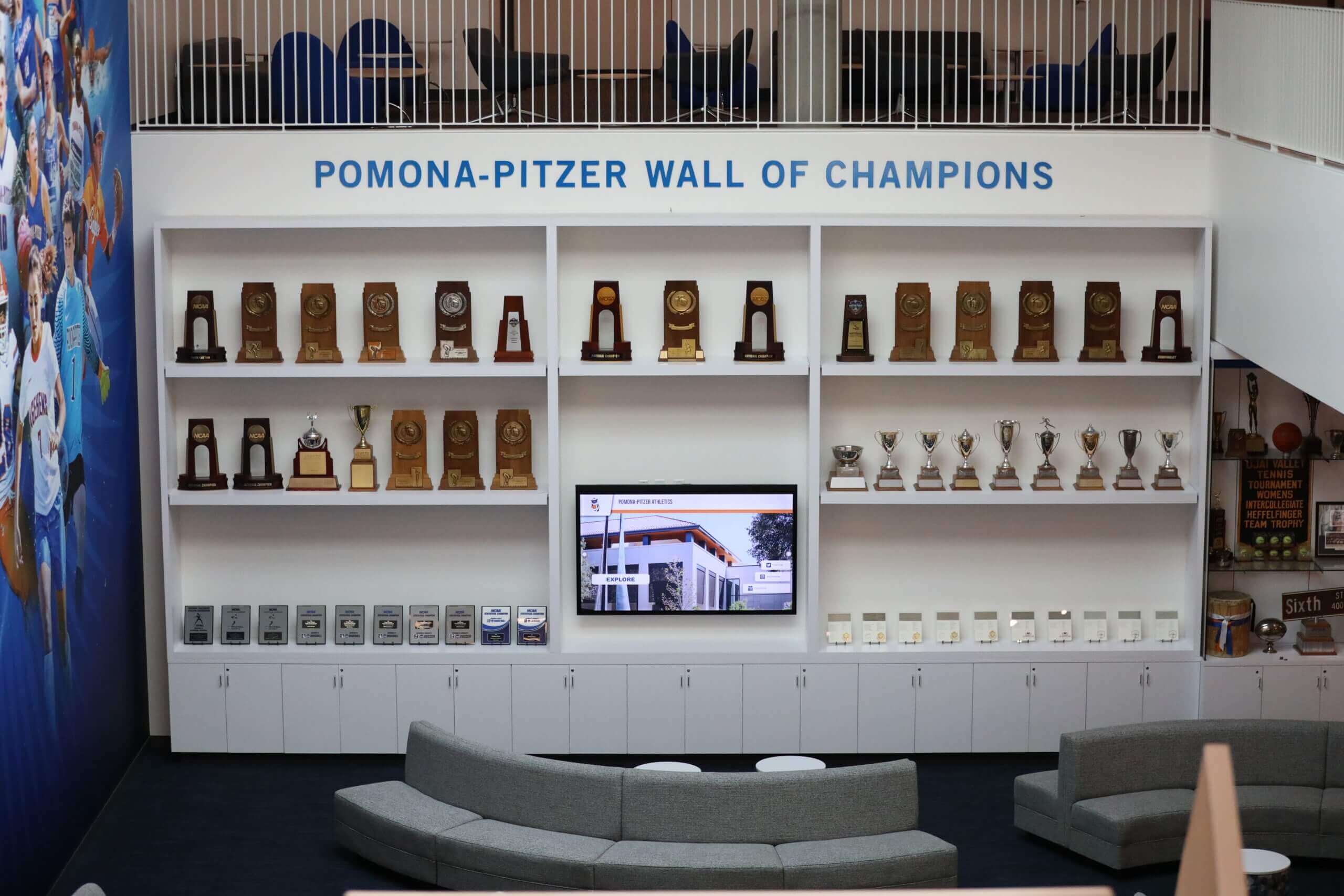
Trophy Case Silica Gel Replacement Log: Control Moisture Around Athletic Memorabilia
A trophy case silica gel replacement log is a dated maintenance record that tracks when desiccant packets inside display cases are inspected, tested, regenerated, or swapped out—and what humidity readings were found at each check. Most indicator-type silica gel needs attention every 60–90 days in climate-controlled school buildings; facilities teams in high-humidity climates or near HVAC discharge vents often need 30-day cycles. A written log converts an easy-to-forget consumable into a documented maintenance workflow that protects signed uniforms, championship photographs, paper programs, and metal awards from the tarnish, mold, and fiber degradation that unchecked moisture causes inside sealed glass cases.
Read More