School Trophy Case Spontaneous Glass Breakage Investigation Checklist
Spontaneous glass breakage in a school trophy case is the fracture of a glass panel in the absence of any observed direct impact — a panel that was intact at the end of one school day is found shattered at the start of the next, or breaks during a quiet hallway period when no collision was witnessed. A school trophy case spontaneous glass breakage investigation is the structured process of documenting the failure scene, reading the fracture pattern to identify the most probable cause category, preserving physical evidence for glazier or manufacturer review, and determining what corrective action is required before the case is returned to service. Three cause categories account for the overwhelming majority of spontaneous failures in school display cases: thermally induced contact stress from inadequate glass-to-metal clearance, edge damage introduced during original installation or subsequent hardware handling, and — in tempered glass panels — delayed fracture triggered by nickel sulfide (NiS) inclusions that expand microscopically over time until the glass’s internal tension is exceeded. This checklist guides facilities staff through each investigation phase in the order that preserves the most diagnostic information.
Read More
School Trophy Case Glass-to-Metal Clearance Inspection for Safer Installations
Glass-to-metal clearance is the measured gap that must exist between a glass panel’s edge or face and any adjacent metal component — including frame lips, shelf fronts, door corner fittings, hinge bodies, cam lock housings, and strike plates — to prevent direct hard contact under normal use conditions. When that gap is absent or has closed to zero through thermal movement, gradual panel migration, or hardware misalignment, the glass edge or surface presses directly against metal, concentrating stress at precisely the point where glass is most vulnerable to fracture. A school trophy case glass-to-metal clearance inspection systematically checks every contact point where glass and metal come within measurable proximity, assigns a condition rating to each, and identifies findings that require glazier attention before hard contact produces a crack or a shattered panel in an occupied hallway. This guide defines glass-to-metal clearance precisely, explains why inadequate clearance is a safety concern specific to school environments, describes the measurement procedure for each contact-point type, and provides a condition rating table and escalation framework facilities teams can apply to every enclosed trophy case in a school’s inventory.
Read More
School Trophy Case Glazing Bite Measurement for Safe Glass Engagement
Intent: research — school trophy case glazing bite measurement is the process of quantifying how deeply a glass panel’s edge is captured within the surrounding glazing frame, stop member, or bead channel. Glazing bite — also called edge engagement or glass engagement depth — is measured from the visible glass edge inward to the back wall of the channel or to the stop face, and it represents the margin that prevents the glass from pulling free of the frame under lateral load, thermal cycling, or glazing bead failure. A panel with inadequate bite can appear secure while retaining only 4 or 5 millimeters of edge capture — well below the minimums that glazing industry guidance references for framed glass in regularly accessed display cases. This guide defines glazing bite precisely, describes the ruler-and-depth-gauge measurement method in step-by-step terms, provides a condition rating table referenced to glazing industry baseline minimums, and identifies the specific bite deficiencies that require immediate escalation — giving facilities teams and athletic directors a documented protocol for confirming that every glass panel in a school’s trophy case inventory is adequately engaged in its frame.
Read MoreSchool Trophy Case Glass Haze Inspection: Find Residue, Etching, and Fogging
Intent: research — a school trophy case glass haze inspection is a structured visual and tactile examination of each glass panel in an award display case, performed to determine whether observed cloudiness originates from removable surface residue, mineral or acid etching bonded to the glass, sealant or gasket off-gassing deposits on interior panel faces, or laminate interlayer fogging that cannot be removed without panel replacement. The distinction matters before any cleaning attempt: applying an acidic cleaner to a panel that is already acid-etched accelerates permanent damage, and scrubbing an interior surface fogged by laminate failure wastes effort while potentially introducing new residues that obscure the underlying condition. This guide walks facilities teams, athletic directors, and school administrators through a four-step decision tree — surface-location test, dry cloth test, water test, and solvent test — that assigns every haze pattern to the correct category and specifies whether the finding is cleanable on-site, requires a glazier, or should prompt a conversation about permanently digitizing the recognition records housed inside the affected case.
Read MoreSchool Trophy Case Glass Stress-Birefringence Inspection Guide
Intent: research — a school trophy case glass stress birefringence inspection is a non-destructive optical examination that uses polarized light to reveal the residual stress distribution in trophy case glass panels. Residual stress in glass — whether from thermal tempering, thermal shock, edge damage, or improper annealing — causes birefringence: the glass splits polarized light into two rays traveling at different speeds, producing interference fringe patterns visible through crossed polarizing filters. Interpreting those patterns tells a facilities inspector whether a panel’s stress state is uniform and expected for its glass type, whether stress concentrations at edges or points of contact indicate elevated breakage risk, and whether an annealed panel has developed abnormal residual stress that was not present at installation. This guide explains the optics, equipment, step-by-step inspection procedure, fringe interpretation criteria, escalation thresholds, and documentation requirements for performing a birefringence inspection on school trophy case glass — giving facilities teams and athletic directors a systematic method that complements tempered glass stamp verification, glazing bead inspection, and gasket condition assessment.
Read More
School Trophy Case Sealant-Compatibility Inspection for Safe Glazing Repairs
Intent: research — a school trophy case sealant compatibility inspection is a structured pre-repair assessment that identifies the sealant type currently in a trophy case’s glazing assembly, characterizes the substrate materials it contacts, and determines whether a proposed repair sealant is chemically and mechanically compatible with those substrates before any material is applied. Compatibility failures — adhesion loss, gasket softening, glass staining, metallic corrosion, or acidic off-gassing that damages memorabilia inside the case — are almost always avoidable when the inspection precedes the repair. This guide defines the sealant categories present in school trophy case glazing, describes the failure modes each incompatibility produces, provides a substrate identification protocol, presents a step-by-step inspection sequence, and supplies an escalation table that distinguishes safe-to-proceed findings from conditions requiring a glazier consultation or manufacturer confirmation before work begins.
Read MoreSchool Trophy Case Roller-Wave Distortion Inspection for Safety Glass
Intent: research — a school trophy case roller wave distortion inspection is a structured visual assessment that identifies roller-wave surface undulations in heat-treated glazing panels installed in school display cases, distinguishes those periodic distortions from surface contamination, film haze, or mounting deformation, and determines whether each finding represents a cosmetic optical defect or a condition that warrants safety escalation. Roller wave distortion is introduced during the tempering process when softened glass travels through a roller-hearth furnace and sags slightly between roller contact points, producing a repeating sinusoidal pattern perpendicular to the direction of glass travel. The wave is embedded in the glass body — not on its surface — which means cleaning cannot remove it and standard glass bow measurement cannot characterize it. This guide defines roller wave precisely, describes the angled-light inspection method that allows field identification without laboratory equipment, provides a side-by-side comparison of roller wave against the four most commonly confused glass conditions, presents an escalation table separating cosmetic-only findings from safety triggers, and supplies a quick-reference checklist facilities teams and athletic directors can use during routine trophy case maintenance rounds.
Read More
School Trophy Case Nickel Sulfide Inclusion Inspection: Assess Glass Breakage Risk
Intent: research — a school trophy case nickel sulfide inclusion inspection is a structured risk assessment process that evaluates the probability that tempered glass panels in a school’s enclosed display cases contain nickel sulfide (NiS) inclusions capable of triggering spontaneous breakage — conducted by facilities teams, athletic directors, or school administrators to establish a documented risk profile for each case unit and identify escalation actions appropriate to that risk level. Because NiS inclusions are sub-millimeter particles embedded within the glass body, no visual inspection from the glass surface can confirm their presence or absence: the inspection instead focuses on risk factors that are documentable in the field — glass age and vintage, installation history, heat soak test records, prior spontaneous breakage events in the building, and physical condition indicators — and produces an escalation decision for each case panel based on the combination of those factors. This guide defines NiS inclusions precisely, explains what facilities teams can and cannot identify during a field inspection, provides a risk factor assessment table, and describes the escalation steps available when a panel’s risk profile warrants professional glazier involvement.
Read MoreSchool Trophy Case Glass Bow Measurement: A Flatness and Safety Inspection Checklist
Intent: research — school trophy case glass bow measurement is the process of quantifying how far a glass panel installed in a display case deviates from a true flat plane. Glass bow — also called warp or flatness deviation — is a dimensional condition, not a breakage event: a panel can be bowed without any crack, chip, or visible surface damage, while still exerting damaging stress on its mounting frame, creating edge contact risks, or indicating a structural loading condition that will shorten the panel’s safe service life. This guide defines glass bow precisely, describes the straightedge measurement method in step-by-step terms, provides a tolerance-escalation table referenced to ASTM C1036 and ASTM C1048 manufacturing baselines, and identifies the specific findings that require immediate stop-work action — enabling facilities teams and athletic directors to assess every glass panel in a school’s trophy case inventory with a consistent, documented protocol.
Read More
School Trophy Case Laminated Glass Delamination Inspection Checklist
Intent: research — a school trophy case laminated glass delamination inspection is a structured assessment of the interlayer bond condition in multi-ply laminated glass panels installed in enclosed display cases used to house school recognition collections. Laminated glass — constructed from two or more glass plies bonded by an interlayer of polyvinyl butyral (PVB), ethylene vinyl acetate (EVA), or structural ionomer film — is the only common glass type that holds its fragments in place when broken, a safety characteristic that depends entirely on the integrity of the bond between the interlayer and each glass ply. When that bond fails in a condition called delamination, the laminate no longer behaves as a unified panel: edge bubbles form along the perimeter, haze spreads inward from the glass margins, moisture infiltrates the gap between plies, and the safety performance that distinguishes laminated glass from other glass types degrades silently behind an otherwise intact exterior surface. This guide explains what laminated glass delamination is, how to identify it through visual inspection, how to apply a repair-versus-replace framework to findings at each severity level, and how to use a structured checklist to document condition and assign correct follow-up actions for every laminated glass panel in a school’s trophy case inventory.
Read MoreSchool Trophy Case Glazing Gasket Inspection: A Safety Checklist
Intent: research — a school trophy case glazing gasket inspection is a structured safety evaluation of the compressible elastomeric seals seated in the glazing channels of enclosed display case frames. Glazing gaskets — typically extruded EPDM rubber, neoprene, or silicone profiles — sit directly inside the frame channel in contact with the glass edge and face, cushioning the pane against the surrounding metal or wood structure, filling the annular void between the glass edge and channel wall, and distributing clamping load uniformly along the panel perimeter. When these gaskets harden, crack, compress permanently, or pull away from the channel, the glass moves toward direct contact with the metal frame — a condition that transfers concentrated thermal expansion stress to the glass edge, creates the conditions for stress cracking and spontaneous panel failure, and removes the protective cushion that absorbs vibration from door slams, foot traffic, and HVAC cycling. This guide explains what glazing gaskets are, how they differ from door perimeter seals and glazing beads, how to conduct a step-by-step inspection, and how to use a structured safety checklist to document findings and assign the correct follow-up action for each case in a school building.
Read MoreSchool Trophy Case Desiccant Indicator Card Inspection: When to Regenerate or Replace Drying Media
Intent: research — a school trophy case desiccant indicator card inspection is a structured evaluation of the desiccant charges installed inside enclosed display cases to determine whether the drying media has absorbed enough atmospheric moisture to require regeneration or replacement. Desiccant indicator cards — color-coded sensors inserted alongside desiccant packets, canisters, or trays — provide a visible saturation signal: when the card’s indicator compound transitions from its dry-state color to its saturated-state color, the desiccant is no longer actively removing moisture from the case interior, and the interior relative humidity is rising toward ambient levels. Performing this inspection at documented intervals allows facilities staff, athletic directors, and archivists to maintain the controlled-humidity interior that championship trophies, silver and brass awards, paper certificates, photographs, and textile memorabilia require — before moisture-driven tarnish, mold growth, brittleness, or dimensional changes become visible on the artifacts themselves. This guide explains how indicator cards work, how to read them correctly, how to sequence a complete desiccant inspection, and how to make the regenerate-versus-replace decision for each desiccant charge.
Read More
Interactive Touch Screen Digital Signage: How It Works and What You Need
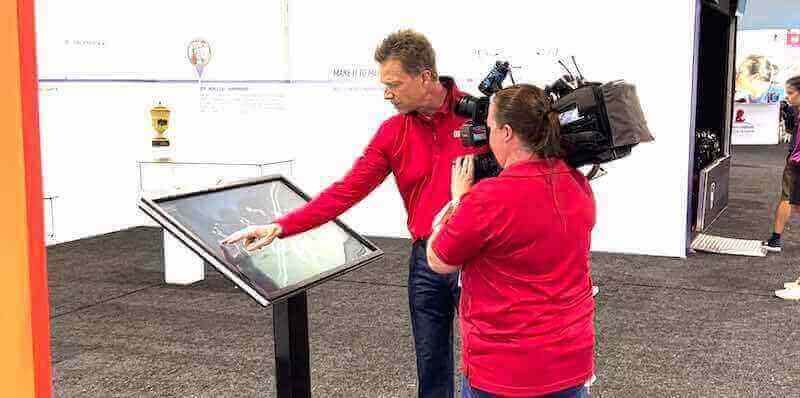
Intent: research — interactive touch screen digital signage lets visitors browse, search, and engage with content using direct touch rather than passive viewing. This guide explains the underlying technology, the hardware and software components you actually need, the questions worth answering before you purchase, and the ongoing management tasks that determine whether an installation succeeds long-term. Whether you are evaluating a first display or expanding an existing network, the information here will help you make a better-informed decision.
Read MoreSchool Trophy Case UV-Filter Film Inspection: Adhesion, Haze, and Replacement Timing
Intent: research — a school trophy case uv filter film inspection is a structured evaluation of the protective film applied to the glass or acrylic glazing panels of enclosed display cases, performed by facilities staff, athletic directors, or archives personnel to assess whether the film’s UV-blocking capability, adhesion integrity, and optical clarity remain adequate to protect the trophies, photographs, jerseys, paper awards, and memorabilia displayed inside. UV-filter film is a thin laminate — applied directly to the interior or exterior face of the glazing panel — that absorbs or reflects the ultraviolet wavelengths of light responsible for photochemical fading, dye degradation, and structural deterioration in organic display materials. When this film delaminates from the glass surface, develops internal haze, or yellows to the point where it alters the visual appearance of the case interior, it requires inspection-triggered replacement rather than continued reliance on a film that may no longer deliver its rated UV-attenuation performance. This guide explains the three primary inspection criteria — adhesion condition, optical haze, and discoloration — provides a step-by-step inspection sequence, a pass/fail checklist table, an inspection frequency table by case type, and guidance on replacement timing.
Read More
School Trophy Case Cam Lock Inspection and Key-Retention Checklist
Intent: research — a school trophy case cam lock inspection is a structured preventive-maintenance check of the cam lock hardware securing each display case door, performed by facilities staff, athletic directors, or archives personnel to verify that the cam seats correctly behind the case frame, the key-retention feature operates as intended, the lock body is secure in its mounting panel, and no fastener or tailpiece degradation has compromised the controlled-access function that protects athletic awards and memorabilia. Cam locks — the most common door-securing hardware on enclosed school trophy cases — consist of a tubular lock body installed through a drilled panel hole, a rotating cam plate attached via a tailpiece to the rear of the cylinder, and a key-retention mechanism that governs when the key can be inserted and removed. This guide explains each inspection point, provides a printable key-retention checklist table, and connects the physical inspection discipline to the digital preservation layer that protects a school’s recognition record beyond what hardware alone can accomplish.
Read MoreSchool Trophy Case Magnetic Catch Adjustment for Secure Display Doors
Intent: research — a school trophy case magnetic catch adjustment is a structured evaluation and realignment of the magnet-and-striker assembly that keeps hinged display case doors closed in the latched position, conducted by facilities staff or athletic directors to confirm that each door holds securely at rest, releases cleanly under deliberate hand pressure, and does not drift open on its own during normal building activity. Magnetic catches on enclosed school trophy cases — the paired hardware consisting of a magnet body recessed into the case frame and a steel striker plate attached to the door face or door edge — maintain holding force by precise face-to-face contact between the magnet and the striker. When that contact degrades through mounting screw loosening, door sag, frame humidity swelling, or magnet age, the catch provides less resistance than the door’s weight or air pressure requires, and the door begins to drift, bounce, or fall open without any deliberate action by staff. A systematic magnetic catch inspection and adjustment prevents a door from swinging open into a heavy trophy, into a visitor’s hand, or into a glass shelf — outcomes that are straightforward to prevent at the adjustment stage and significantly more consequential once the door has already moved.
Read MoreSchool Trophy Case Roller Track Inspection for Smooth Sliding Doors
Intent: research — a school trophy case roller track inspection is a structured evaluation of the upper and lower slide channels, roller wheels or glide inserts, door alignment, and track mounting hardware on enclosed display cases with sliding glass doors, conducted to confirm that each door panel moves smoothly across its full travel range without binding, grinding, or derailing. Roller tracks on sliding trophy case doors accumulate fine debris — grit from corridor floors, eraser dust, particulate shed by trophies and display materials — that embeds in track channels and gradually impedes roller travel. Tracks can also become dented, warped, or loosened from their mounting points, and rollers can develop flat spots, fractures, or axle wear that cause a door to ride unevenly and eventually derail during a routine access event. A systematic roller track inspection prevents the progression from minor friction to a stuck or dropped door and provides facilities teams with documented findings to prioritize maintenance before recognition hardware or glass is damaged.
Read MoreSchool Trophy Case Shelf Clip Inspection and Replacement Guide
Intent: research — school trophy case shelf clip inspection is a structured evaluation of the small metal or plastic clips that support removable shelves inside enclosed display cases, conducted to confirm that every clip is fully seated in its mounting hole, correctly oriented, free of corrosion or deformation, and matched to the case’s pin-hole gauge. Shelf clips are the only load-bearing hardware standing between the weight of trophies, plaques, and championship hardware and the shelf dropping. Because clips are inexpensive and inconspicuous, they are frequently overlooked in routine facilities rounds — yet a single bent, missing, or mismatched clip can cause a shelf to tilt, shift, or fall. This guide explains what shelf clips are, how to inspect them systematically, and how to use a replacement decision table to turn inspection findings into documented action items.
Read MoreSchool Trophy Case Glazing Bead Inspection for Loose or Damaged Glass
Intent: research — Glazing beads are the strips of rubber, vinyl, or aluminum that hold glass panels in trophy case frames. When they loosen, crack, shrink, or go missing, the glass they retain can shift inside the frame — creating a displacement risk that facilities staff can identify visually long before the glass actually moves. This guide explains what glazing beads are, how to inspect them in school trophy cases, and how to separate the checks a facilities team member can perform safely from the repair and replacement work that belongs to a glazier.
Read More
School Trophy Case Tempered Glass Stamp Verification Checklist
Intent: research — a school trophy case tempered glass stamp verification is a structured examination of the permanent safety-glazing marks — commonly called the “bug” or “stamp” — that appear on properly fabricated tempered glass panels in enclosed display cases, conducted by facilities teams, athletic directors, or school administrators to confirm that every glazed panel protecting championship trophies, retired jerseys, historic photographs, and recognition hardware was manufactured to a recognized safety-glazing standard. Glass that lacks a legible, permanent safety-glazing mark cannot be confirmed as tempered without laboratory testing, which means staff cannot verify it will shatter into the small, blunt-edged fragments characteristic of tempered safety glass rather than the large, sharp shards produced by annealed glass breakage. This guide explains what the stamp indicates, where to find it on trophy case panels, how to conduct a systematic verification checklist across a building’s entire case inventory, how to document findings consistently, and how to escalate panels with missing or questionable stamps to the appropriate decision point.
Read MoreSchool Trophy Case Hinge Alignment Inspection: Prevent Door Sag and Glass Stress
Intent: research — a school trophy case hinge alignment inspection is a structured evaluation of the pivot hardware, mounting screws, frame attachment points, and door clearance gaps on enclosed display case doors, conducted to confirm that each door hangs at the correct angle, closes squarely against the frame seal, and applies no lateral or torsional stress to its glass panel. Hinges that have shifted from their original position — through screw loosening, mounting-board swelling, repeated door cycling under load, or frame racking from building settlement — place sustained mechanical stress on the glass panel attached to the door. Because trophy case glass is typically not rated for lateral bending, progressive hinge misalignment can produce micro-fractures that propagate without visible indication until the panel fails. This guide explains how to identify hinge misalignment on school trophy case doors, conduct a systematic inspection across the building’s case inventory, and determine which conditions require in-house adjustment versus vendor or glazing-contractor escalation.
Read MoreSchool Trophy Case Safety Film Inspection Checklist for Display Glass
Intent: research — a school trophy case safety film inspection is a structured evaluation of the polyester or multi-layer safety film applied to the glass panels of enclosed display cases, conducted to verify that the film is providing effective shatter-containment protection for students and visitors and adequate preservation protection for championship hardware, retired jerseys, historic photographs, and athletic memorabilia stored inside. Safety film that has delaminated at the edges, developed bubbles across its face, yellowed from UV exposure, or sustained puncture damage no longer performs its protective function reliably — yet these failure conditions are frequently invisible in normal corridor lighting and are rarely included in standard facilities inspection rounds. This guide explains how safety film works on trophy case display glass, what inspection indicators to look for, how to conduct a step-by-step checklist assessment, and how to rate severity consistently across a building’s entire case inventory.
Read MoreSchool Trophy Case Gasket Seal Inspection: Dust and Humidity Control Guide
Intent: research — a school trophy case gasket seal inspection is a structured evaluation of the perimeter seals on enclosed display cases that helps administrators, athletic directors, facilities staff, and archivists determine whether door gaskets, panel weatherstripping, and frame compression seals are providing effective barriers against dust infiltration and humidity fluctuation. Because a gasket seal that appears intact from the hallway may have lost compression, developed gaps at corners, or degraded chemically — allowing humid air, fine particulate, and environmental pollutants to cycle through the case interior with every seasonal temperature shift — periodic gasket inspection is one of the most cost-effective preventive steps available to a school maintaining championship hardware, retired jerseys, historic photographs, and athletic memorabilia. This guide explains the function of trophy case gasket seals in dust and humidity control, how to recognize the signs of seal failure on both the gaskets themselves and the artifacts they protect, how to conduct a structured inspection, and when findings require replacement rather than reseating.
Read MoreSchool Trophy Case Off-Gassing Inspection Guide: Protect Awards, Photos, and Memorabilia
Intent: research — a school trophy case off-gassing inspection is a structured evaluation that helps administrators, athletic directors, facilities staff, and recognition-program owners identify case materials and interior conditions that release volatile organic compounds (VOCs) capable of damaging championship hardware, medals, paper awards, photographs, textiles, and memorabilia over time. Because off-gassing in enclosed cases concentrates invisible chemical vapors that can tarnish silver, corrode copper alloys, yellow paper, fade photographs, and degrade adhesive labels — often with no visible source — periodic inspection of case materials and artifact condition is the most practical early-warning tool available to a school without an on-site conservator. This guide explains the primary off-gassing sources found in school trophy cases, how to recognize chemical damage on the items inside, how to sequence an inspection, and when findings require professional conservation rather than in-house remediation.
Read MoreTrophy Case Metal Corrosion Inspection Checklist: Protect Medals, Cups, and Plaques
Intent: research — a trophy case metal corrosion inspection checklist gives school administrators, athletic directors, facilities staff, and booster volunteers a structured process for identifying tarnish, rust, verdigris, and dissimilar-metal galvanic damage on championship cups, medals, plaques, and hardware before that deterioration becomes irreversible. Because metal corrosion in enclosed display cases progresses silently — accelerated by humidity, pollutant gases, and direct contact between incompatible metals — periodic visual inspection with a documented severity rating is the most effective early-warning tool available to a school without an on-site conservator. This guide explains what to look for by metal type, how to sequence an inspection, and how to determine when a finding warrants a qualified metal conservator rather than routine cleaning.
Read More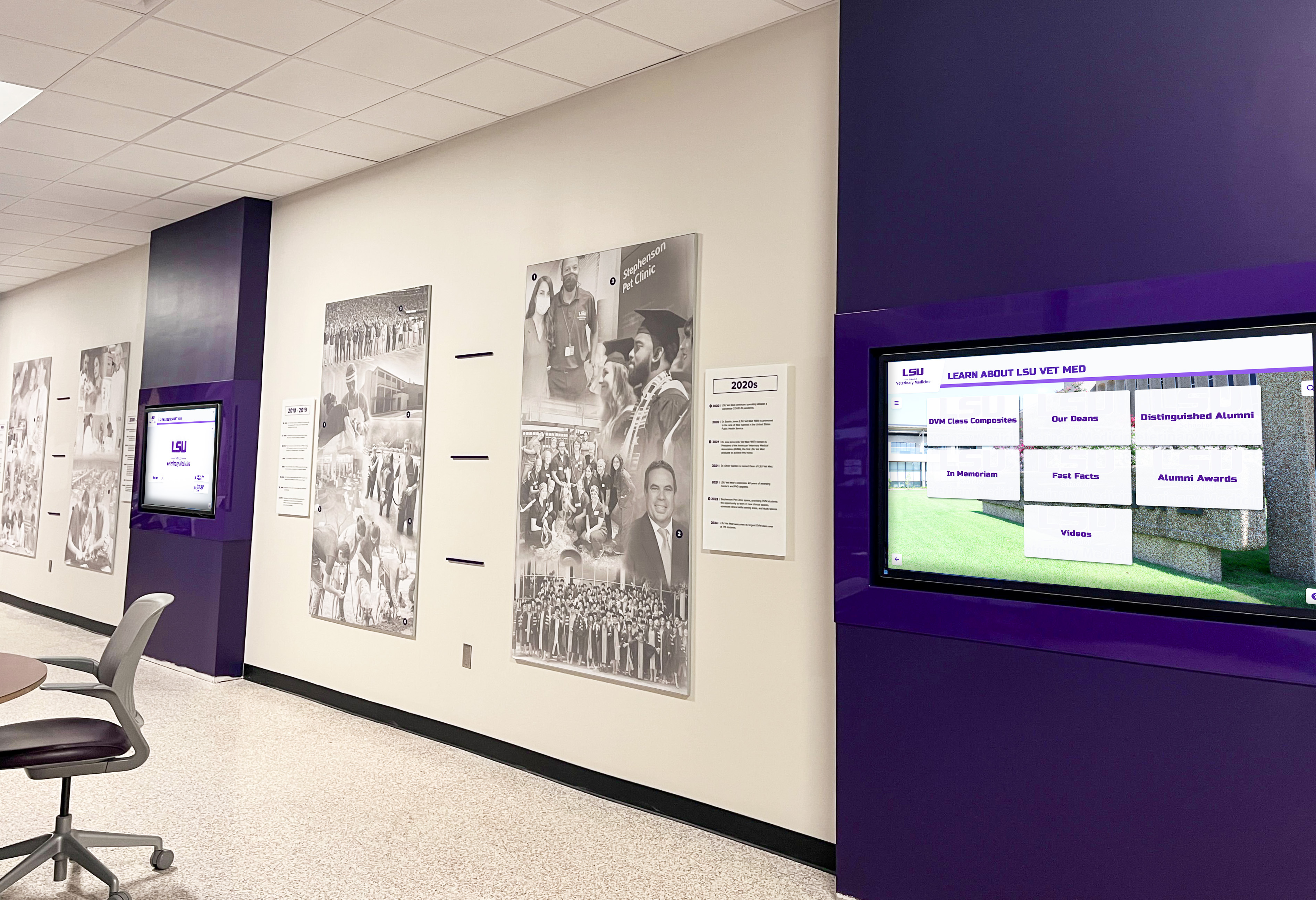
Digital Signage for Schools: Unlimited Displays, MDM Management, and Recognition at $50/Year
Intent: decide — schools comparing digital signage options need to understand what a full-featured, affordable platform actually includes before committing.
Read MoreTrophy Case Collection Condition Survey: A School Inspection Workflow
Intent: decide — a trophy case collection condition survey is a structured, building-wide inspection workflow that gives school administrators, athletic directors, and facilities teams a consistent method for assessing every trophy case in the school at once, scoring each case against the same criteria, identifying which cases require immediate repair, which are stable but aging, and which are strong candidates for supplemental digital recognition — so conservation resources and capital decisions are prioritized with evidence rather than guesswork.
Read MoreTrophy Case Acrylic Crazing Inspection Checklist: Spot Fine Cracks Before Panels Fail
Intent: decide — a trophy case acrylic crazing inspection checklist is a structured facility tool that gives school administrators and maintenance staff a step-by-step method for identifying fine crack networks, stress whitening, and micro-fractures in acrylic display panels before those defects deepen into failures that expose championship hardware, retired jerseys, historic photographs, and signed memorabilia to dust infiltration, moisture, and direct handling risk. This guide explains what acrylic crazing is, how it differs from surface scratches, what specific indicators to look for, how to rate severity consistently, and how to decide when crazing warrants panel replacement — including when the cumulative cost of panel maintenance points toward a digital display alternative.
Read MoreTrophy Case Glass Scratch Assessment Log: Document Damage Before Repair or Replacement
Intent: decide — a trophy case glass scratch assessment log is a structured document that records the location, severity, and display impact of scratches on school trophy case glass or acrylic panels before facilities staff choose between polishing, panel replacement, or full case replacement. This guide provides a copyable severity table, a field-by-field log template, a seven-step assessment workflow, and a repair-versus-replacement decision checklist — so athletic directors, facilities managers, and archive teams have the documentation they need to protect championship hardware, retired jerseys, historic photographs, and memorabilia from the secondary damage that accelerates when scratched glass is left unaddressed.
Read MoreTrophy Case Shelf Load Inspection Checklist: Protect Awards and Artifacts
Intent: decide — a trophy case shelf load inspection checklist gives school administrators, athletic directors, and facilities teams a documented process for verifying that every shelf, mount, bracket, and anchor point in a display case can safely support the weight of trophies, plaques, championship hardware, and historic artifacts before those items are placed. This guide provides a copyable inspection table, a numbered eight-step workflow, weight load guidance for common trophy case contents, and guidance on connecting physical findings to corrective actions — and to a digital recognition system that preserves your school’s collection regardless of what happens to the physical cases over time.
Read MoreTrophy Case UV Exposure Monitoring Log: Protect Jerseys, Photos, and Awards from Light Damage
Intent: research — A trophy case UV exposure monitoring log is a structured record tracking cumulative light levels that jerseys, framed photographs, trophies, and documents inside a display case receive over time. Schools that maintain this log can rotate or remove vulnerable items before permanent fading, yellowing, or brittleness sets in—extending the life of athletic archives and recognition collections by years or even decades.
Read MoreTrophy Case Glass Breakage Response Plan: Protect People, Awards, and Evidence
Intent: research — a trophy case glass breakage response plan gives school administrators, athletic directors, and facilities teams a step-by-step process for responding to a shattered or cracked display case: isolating the scene immediately, protecting students and staff from glass hazards, escalating to licensed facilities professionals, safely recovering affected awards and memorabilia, documenting condition and evidence, arranging interim artifact storage, and maintaining recognition continuity through temporary digital display while the case is repaired. Safety requirements and insurance obligations vary by jurisdiction and district policy; consult your school’s facilities director, risk manager, and legal counsel before finalizing any official response protocol.
Read MoreTrophy Case Electrical Safety Inspection Checklist for School Facilities Teams
Intent: research — a trophy case electrical safety inspection checklist gives school facilities teams a structured, non-invasive process for evaluating the electrical condition of illuminated display cases, nearby power receptacles, visible cord runs, lighting components, power supplies, heat indicators, and physical damage signs. Because illuminated trophy cases in school lobbies and gymnasiums often operate continuously and may go years without formal review, periodic visual inspections by facilities staff — followed by prompt escalation to licensed electrical professionals when specific conditions arise — are a responsible element of any school’s preventive maintenance program. Electrical codes and safety requirements vary by jurisdiction; consult a qualified licensed electrician before any work involving wiring, panels, or components inside the case.
Read MoreTrophy Case Water Damage Response Plan: Protect School Awards and Memorabilia
Intent: define — a trophy case water damage response plan is a documented, phase-by-phase protocol that helps school administrators, athletics staff, and facilities personnel respond safely to leaks, pipe bursts, roof intrusion, or flooding that threatens a school’s trophy case, awards, and physical memorabilia. The plan covers people safety first, then condition documentation, award stabilization, material-specific drying, and permanent digital archiving so that no championship record or honoree name is ever lost to a water event, regardless of what happens to the physical items.
Read MoreTrophy Case Seismic Anchoring Inspection Checklist for School Recognition Displays
Intent: research — a trophy case seismic anchoring inspection checklist gives school facilities teams and administrators a structured process for documenting cabinet attachment points, wall and floor conditions, fastener integrity, load distribution, lateral clearance, and professional follow-up requirements around school awards and memorabilia displays. This guide delivers a numbered checklist organized by inspection category, a responsibility table, a common-deficiency reference, and guidance on how digital recognition displays reduce the seismic risk profile of trophy display areas. Nothing in this article constitutes structural engineering or legal advice — always engage a licensed structural engineer or qualified seismic specialist for assessments specific to your facility and jurisdiction.
Read MoreTrophy Case Fire Safety Inspection Checklist for School Displays
Intent: research — a trophy case fire safety inspection checklist gives school administrators, athletic directors, and facilities staff a structured process for verifying that display cases holding trophies, memorabilia, and athletic hardware meet fire-safety requirements related to electrical installation, lighting fixtures, combustible load, exit pathway clearance, and suppression system access. This guide delivers a numbered checklist organized by inspection category, a responsibility table mapping tasks to roles, a common-deficiency reference, and guidance on how digital displays reduce the fire-risk profile of recognition areas. Nothing in this article constitutes legal or code-compliance advice — always consult your authority having jurisdiction (AHJ) and applicable codes for your specific facility.
Read MoreTrophy Case Environmental Monitoring Log: Track Light, Heat, Humidity, and Damage
Intent: research — a trophy case environmental monitoring log gives schools a structured, repeatable record of the temperature, relative humidity, light levels, and visible condition changes inside and around their display cases, connecting environmental data to inventory entries so that deterioration trends become visible before irreversible damage occurs. This guide delivers target environmental ranges, a ready-to-use log template, a material-specific risk reference table, and a workflow for linking physical condition notes to a digital inventory.
Read MoreTrophy Case Artifact Handling Checklist: Safely Move, Clean, and Reinstall School Memorabilia
Intent: research — a trophy case artifact handling checklist gives school administrators, athletic directors, booster leaders, and archivists a structured protocol for safely removing, cleaning, transporting, and reinstalling trophies, plaques, jerseys, game balls, photographs, and other memorabilia during display updates, facility renovations, or digitization projects. Without a written handling procedure, well-intentioned staff inadvertently damage irreplaceable items through improper grip, unsuitable cleaning products, or unrecorded condition changes. This guide delivers a five-phase checklist organized by workflow stage, a material-specific cleaning reference table, and guidance on how a digital trophy case system prevents the preservation gaps that physical handling alone cannot solve.
Read MoreAthletic Memorabilia Chain of Custody Form: Track Loans, Transfers, and Display Handling
Intent: research — an athletic memorabilia chain of custody form is a structured document that records every person, location, and condition change associated with a piece of school athletic memorabilia from acquisition through its current location. Schools use these forms to protect jersey collections, championship trophies, game balls, photographs, and retired equipment from loss, unauthorized removal, or provenance disputes — especially when items move between storage, display cases, loan agreements, and off-site exhibitions. This guide provides a complete field table you can adapt into a working form, a numbered seven-step workflow for completing it correctly, and guidance on how a digital trophy case system reinforces chain-of-custody accountability.
Read MoreTrophy Case Pest Inspection Checklist: Protecting School Memorabilia from Insect and Rodent Damage
Intent: research — a trophy case pest inspection checklist gives school administrators, athletic directors, archives staff, and facilities personnel a structured method for detecting insect activity, rodent evidence, and mold growth in trophy cases housing textiles, paper records, photographs, and athletic hardware. Without periodic inspection, carpet beetles, silverfish, clothes moths, and mice can cause irreversible damage to jerseys, banners, letters, and paper-backed plaques before anyone notices. This guide delivers a numbered inspection checklist organized by material type, a severity escalation table, prevention strategies, and guidance on what digital records can preserve when physical memorabilia cannot be fully protected.
Read MoreTrophy Case Key Control Log: Track Access to School Awards and Memorabilia
Intent: research — a trophy case key control log gives school administrators, athletic directors, hall-of-fame committees, and archives staff a reliable system for recording who holds keys to physical trophy cases, when access was granted, why it was needed, and when keys were returned. Without this record, a school has no way to determine who had access during the window when a trophy went missing, a display was disturbed, or a loaned memorabilia item disappeared. This guide delivers a practical log format, a step-by-step access workflow, and guidance on when physical key logs should be supplemented with digital access tools.
Read MoreTrophy Case Opening and Closing Checklist: Daily Security and Condition Checks
Intent: research — a trophy case opening closing checklist gives school administrators, athletic directors, hall-of-fame committees, and facilities staff a brief, repeatable daily routine for confirming that doors are locked, lighting is operational, objects are in undisturbed condition, and any incidents are recorded before the building opens and after it closes each day. Without this routine, the gap between scheduled maintenance checks is where undetected vandalism, lighting failures, and shifting display items accumulate. This guide delivers a practical two-column daily checklist, an incident log template, and guidance on what to do when a daily check reveals something physical cases alone cannot solve.
Read MoreTrophy Case Object Mount Guidelines: Safely Display Jerseys, Trophies, and Memorabilia
Intent: define — trophy case object mount guidelines cover the materials, methods, and spacing rules that keep jerseys, trophies, plaques, and athletic memorabilia stable and damage-free on active display. The short answer: each object category needs its own support strategy — fabric items require acid-free padded hangers rather than wire clips, trophy bases need non-slip pads and level platforms, and framed plaques require two anchor points that distribute weight rather than concentrate stress on a single edge. Getting these fundamentals right protects your school’s recognition history and simplifies rotation when items cycle off display into a digital catalog.
Read MoreTrophy Case Exhibit Rotation Schedule: Keep School Recognition Displays Current
Intent: define — a trophy case exhibit rotation schedule is a documented, repeatable plan that governs which trophies, photos, banners, and plaques are on active display, when they change, and how historical items are preserved when they leave the case. Most schools without a written schedule let displays stagnate for years, which buries recent achievements behind decades of older hardware and signals to current students and visitors that the school’s recognition program is frozen in the past.
Read MoreAthletic Memorabilia Light Exposure Guidelines: Protect Jerseys, Photos, and Banners
Intent: research — athletic memorabilia light exposure guidelines address one of the most invisible threats to school recognition collections: the slow, cumulative damage that light inflicts on jerseys, photographs, championship banners, signed documents, and trophies displayed in hallways and trophy cases. This guide explains which types of light cause the most harm, what illumination and UV thresholds are commonly cited in preservation literature, and what schools can realistically do to slow fading and color loss without removing items from public view. Preservation policies and legal requirements vary by jurisdiction and collection type; for items of significant historical or monetary value, consultation with a qualified conservator is appropriate before making final decisions.
Read MoreTrophy Case Humidity Control: Protect School Awards, Photos, Jerseys, and Documents
Intent: research — trophy case humidity control is one of the most overlooked aspects of protecting the awards, photographs, retired jerseys, and archival documents stored in school display cases. This guide explains what relative humidity levels are typically recommended for mixed-material display environments, how to monitor conditions throughout the year, and what facilities and athletic staff can realistically do to reduce moisture-related damage — without making conservation guarantees. For collections of significant historical or monetary value, consultation with a qualified preservation professional is the appropriate next step beyond these general practices.
Read MoreTrophy Case Maintenance Checklist for Schools: Cleaning, Lighting, Labels, and Safety
Intent: research — a trophy case maintenance checklist gives school administrators and athletic staff a repeatable schedule for cleaning glass panels, inspecting lighting, auditing labels and signage, and verifying structural safety throughout the academic year. Without a written routine, trophy cases accumulate grime, burned-out bulbs, peeling labels, and unchecked mounting hardware until a visitor complaint — or a safety incident — forces reactive attention. This guide delivers a complete, actionable checklist organized by frequency, plus practical guidance on what to do when a maintenance review reveals problems that physical cases alone cannot solve.
Read MoreTrophy Case Accessibility Checklist: Safer, More Inclusive School Recognition Displays
Schools invest significantly in recognition displays honoring athletes, scholars, donors, and community members. Yet many trophy cases built decades ago were designed without today’s accessibility standards in mind. Fixed glass cases mounted at standing eye level, dense plaques engraved in small text, and hallways crowded with trophy cabinets can exclude students who use wheelchairs, visitors with low vision, and anyone who cannot comfortably approach or read the display.
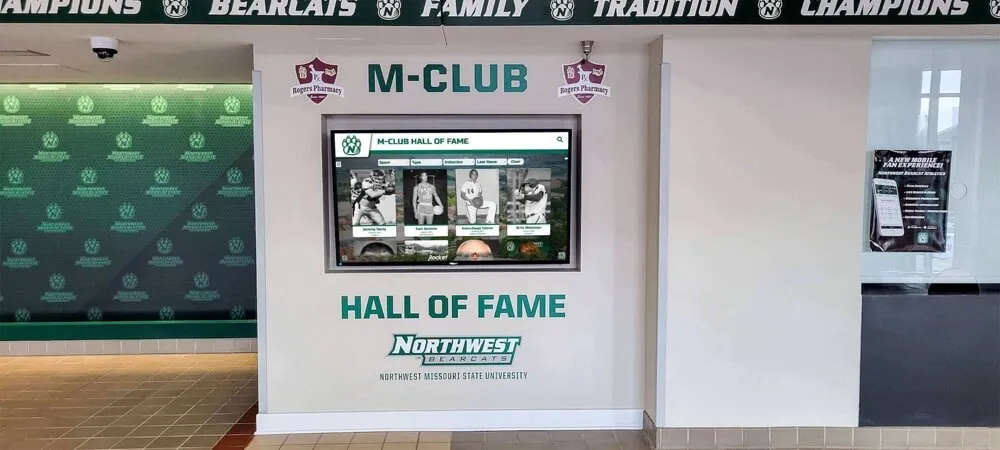
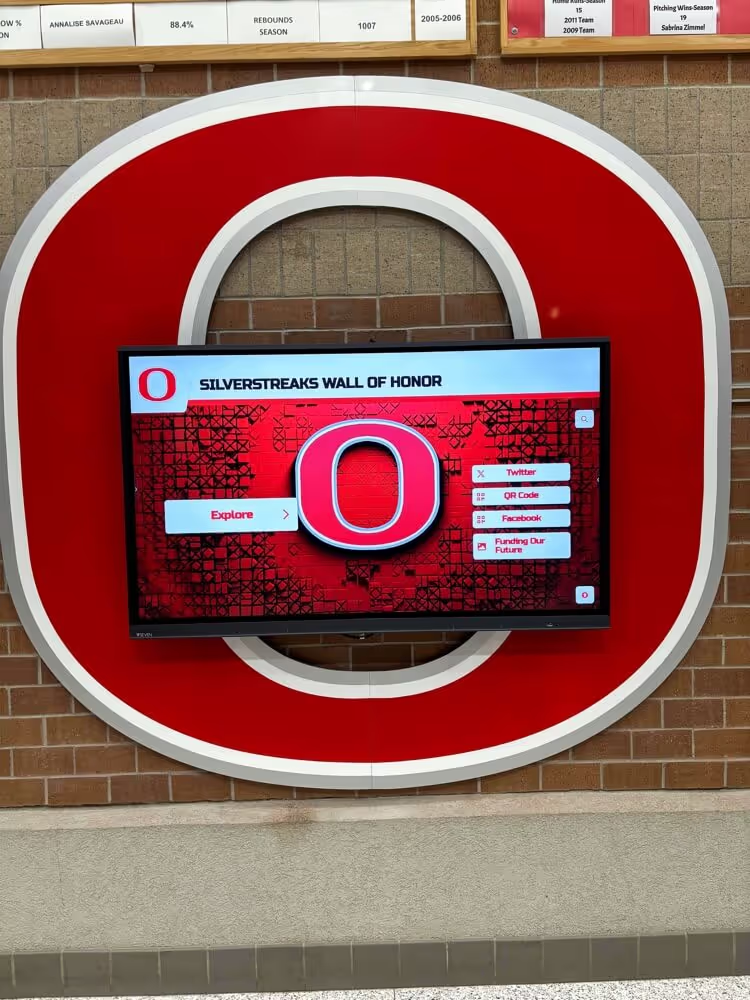
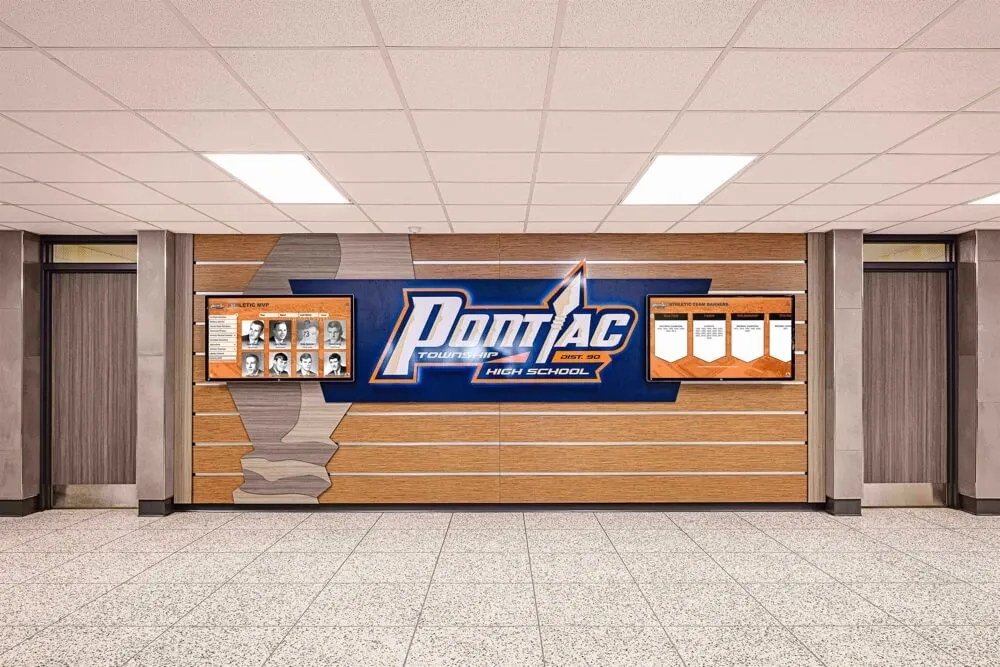
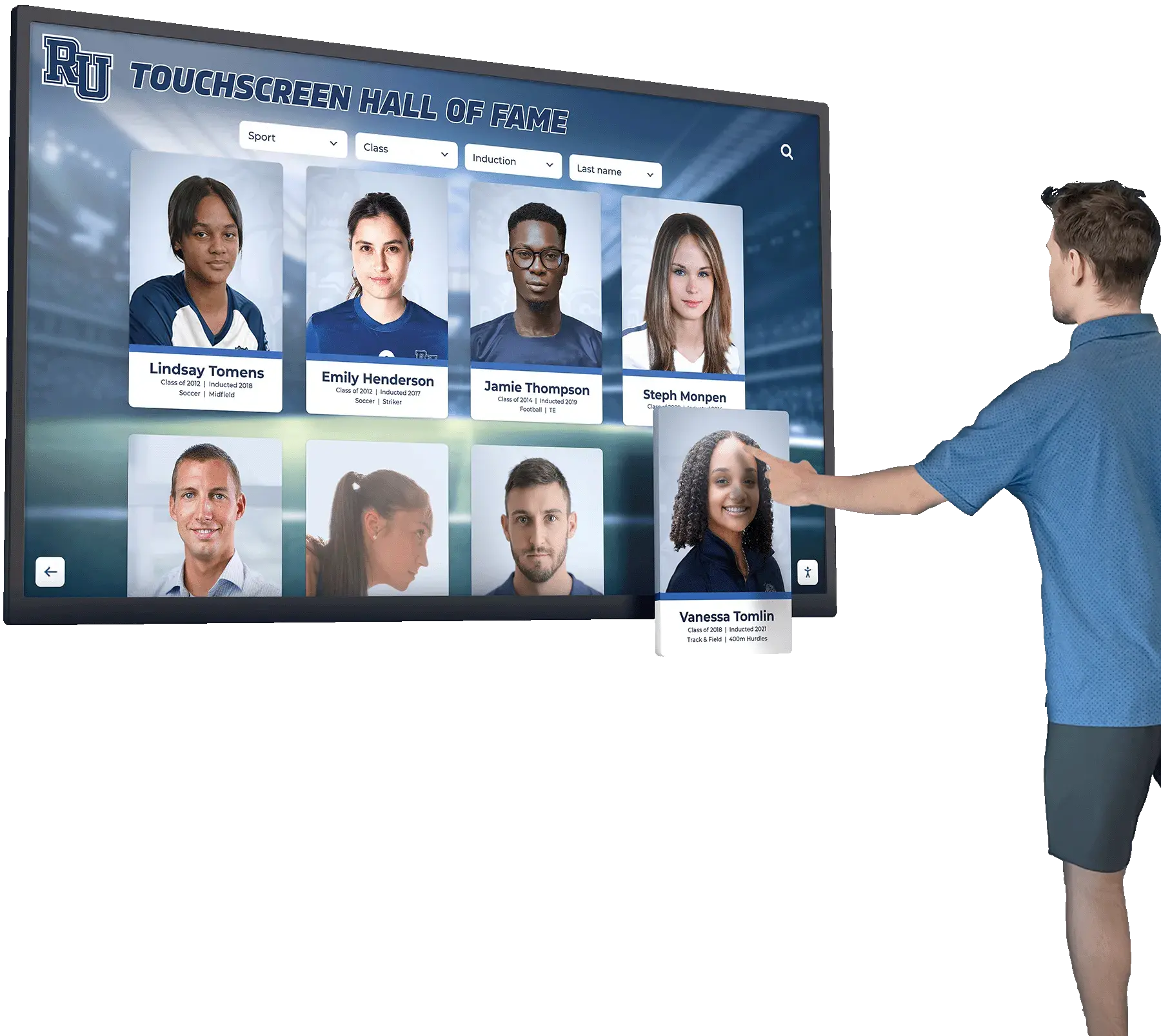
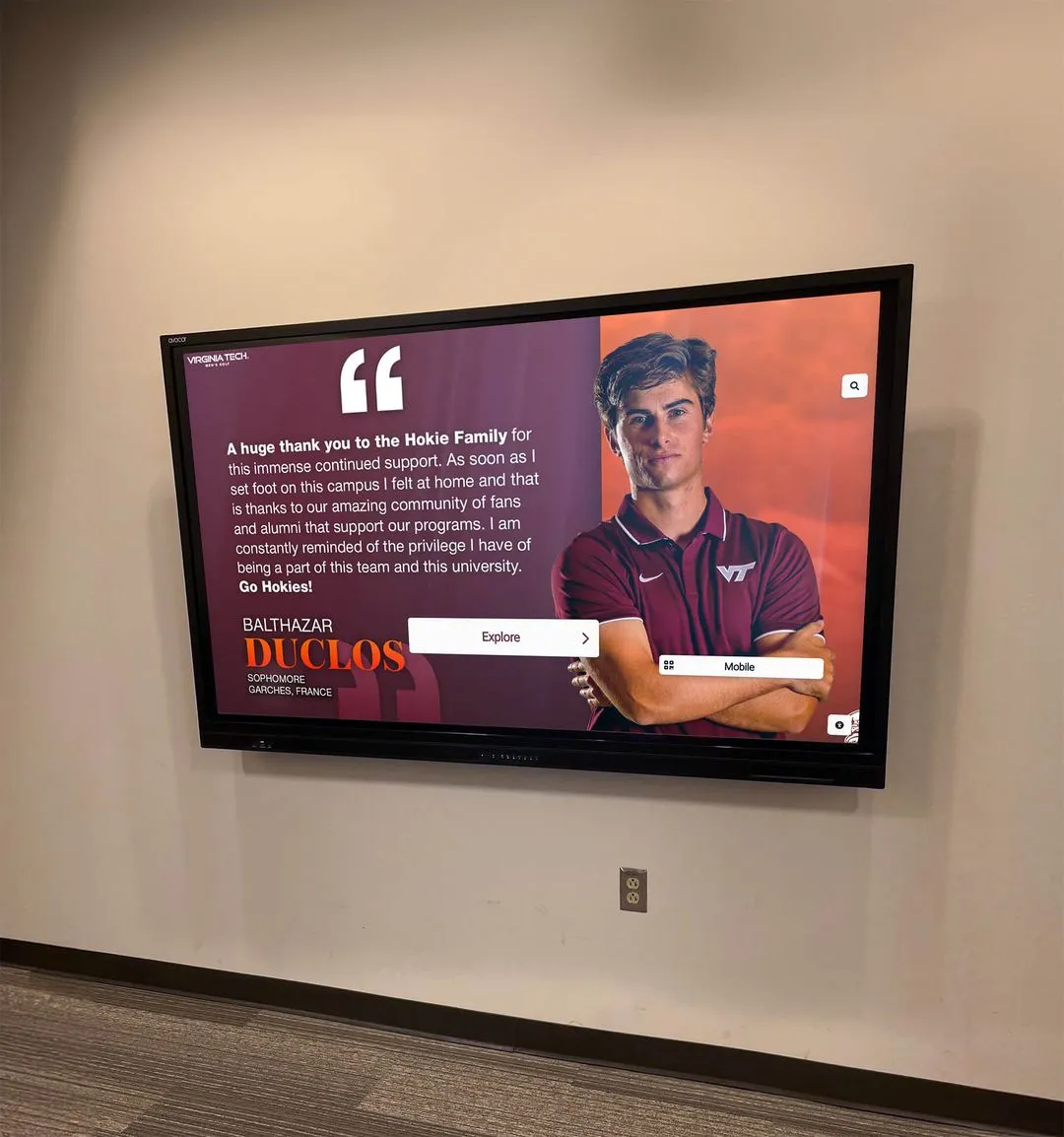
Read MoreDigital Trophy Case Kiosk: How Schools Make Awards Searchable Without More Cabinets
Intent: decide — A glass trophy cabinet holds what it holds. When the school wins a fourteenth regional title, or the swim team produces its ninth state qualifier, the question is no longer which plaque to hang. It is where to put all of it without another renovation estimate landing on the principal’s desk.
Read MoreAthletic Achievement Award: Criteria, Wording, and Display Ideas for Schools
An athletic achievement award recognizes a student-athlete who demonstrated exceptional performance, character, or contribution to their program. When criteria are clearly defined and wording is intentional, these awards carry lasting meaning—motivating current athletes and building the institutional identity that alumni revisit for decades.
Read MoreAward Certificate Holders vs Digital Recognition Displays for Schools
Every year, schools hand out hundreds of certificates—academic honor rolls, athletic achievement awards, service recognition, fine arts honors, leadership distinctions. Someone orders the frames. Someone signs each one. Someone files the extras. And then, more often than not, those certificates sit in a drawer, fade inside a plastic sleeve, or get lost entirely when a student cleans out a locker.
Read MoreTrophy Cases for Schools: When to Use Physical, Digital, or Hybrid Displays
Selecting the right display system is one of the most common comparison decisions athletic directors face. Intent: compare. Trophy cases for schools have anchored athletic hallways for generations, but the format that serves a program best in 2026 depends on factors most vendors don’t mention up front: how fast the achievement backlog is growing, whether alumni and families can actually see the displays, how much staff time is available for maintenance, and what happens when a championship trophy no longer fits on the shelf.
Read More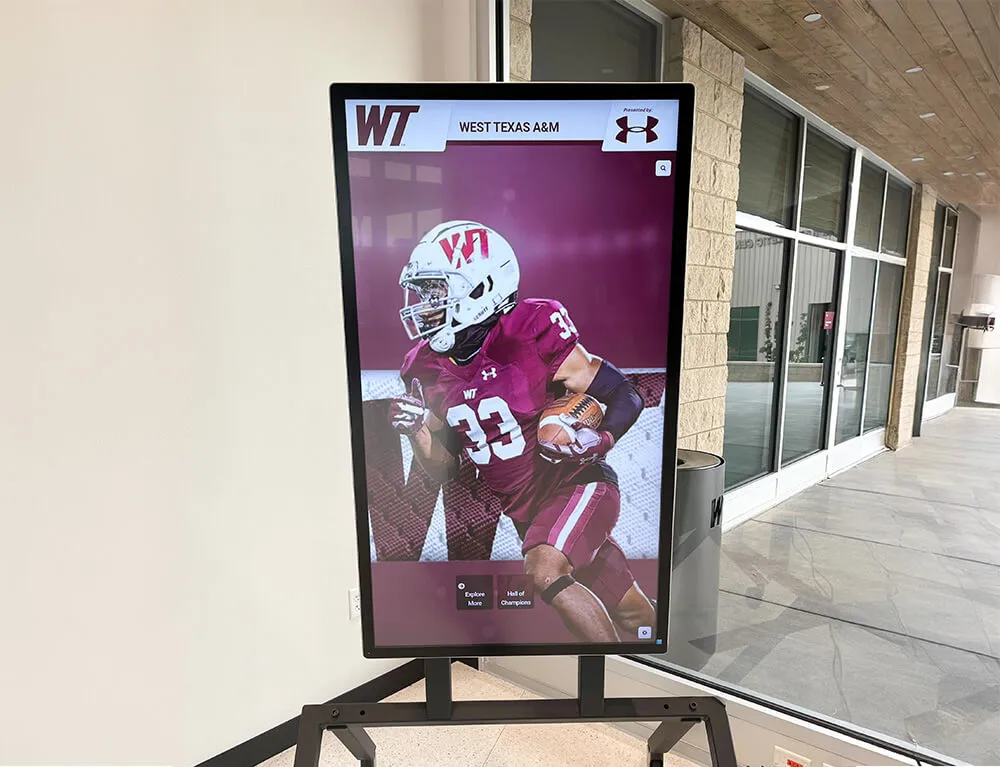
Jersey Frame Ideas: How Schools Display Retired Jerseys, Signed Uniforms, and Athlete Stories
Intent: demonstrate how schools use jersey frame ideas to build lasting recognition for retired athletes, hall of fame programs, and signed uniform collections that honor athlete stories across generations.
Read More
Digital Trophy Case Software: Features Schools Need Before Replacing Glass Cabinets
The hardware decision is easy: a touchscreen kiosk replaces a glass cabinet, and the hallway looks modern. The harder decision is the software running on that screen. Every school that has replaced glass trophy cases with interactive displays will tell you the same thing—the platform powering the experience matters far more than the display hardware itself.
Read MoreMedal Display Rack Ideas for Schools: Shelves, Hangers, Cases, and Digital Trophy Displays
A medal display rack is a wall-mounted, freestanding, or case-integrated fixture that holds athletic or academic medals in a visible, organized arrangement—typically using hooks, pegs, or rails spaced to hang medal ribbons without tangling. For schools, the right display solution depends on volume, budget, and whether recognition needs to reach an audience beyond the physical hallway.
Read More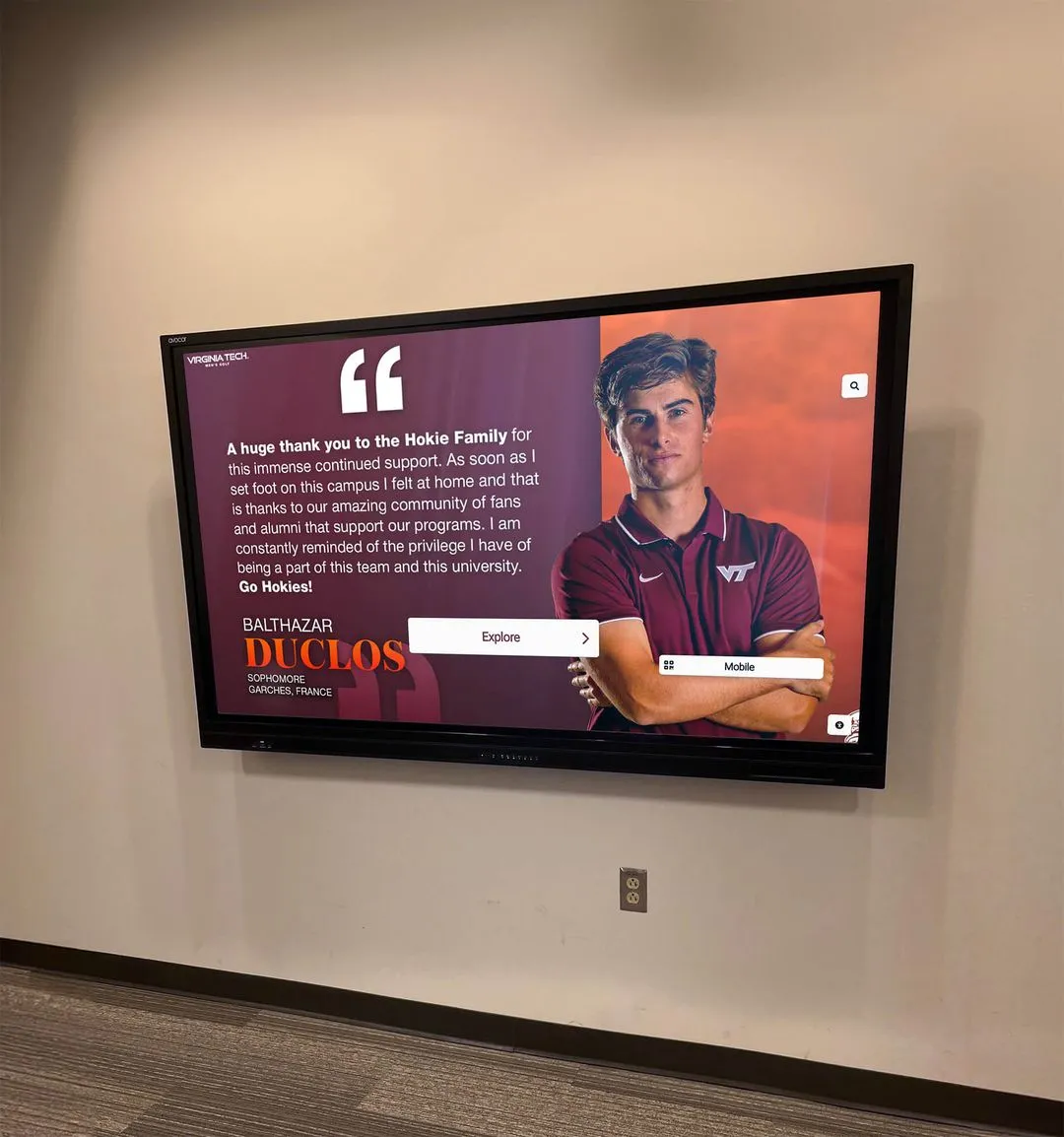
What to Do With Old Trophies: A School's Guide to Repurposing, Donating, and Digitizing
Intent: decide — if your school trophy case is overflowing with dusty hardware from the 1980s, you’re not alone and the solution depends on what each trophy represents. Most schools can donate individual trophies to youth leagues or local charities, return them to the awarded athletes or teams, repurpose the hardware creatively, or—best of all—photograph and digitize the entire collection before retiring the physical pieces. Digitizing preserves every championship and every name permanently without occupying a single square foot of physical space, which is why it has become the default long-term answer for schools facing a cluttered or outdated trophy case.
Read More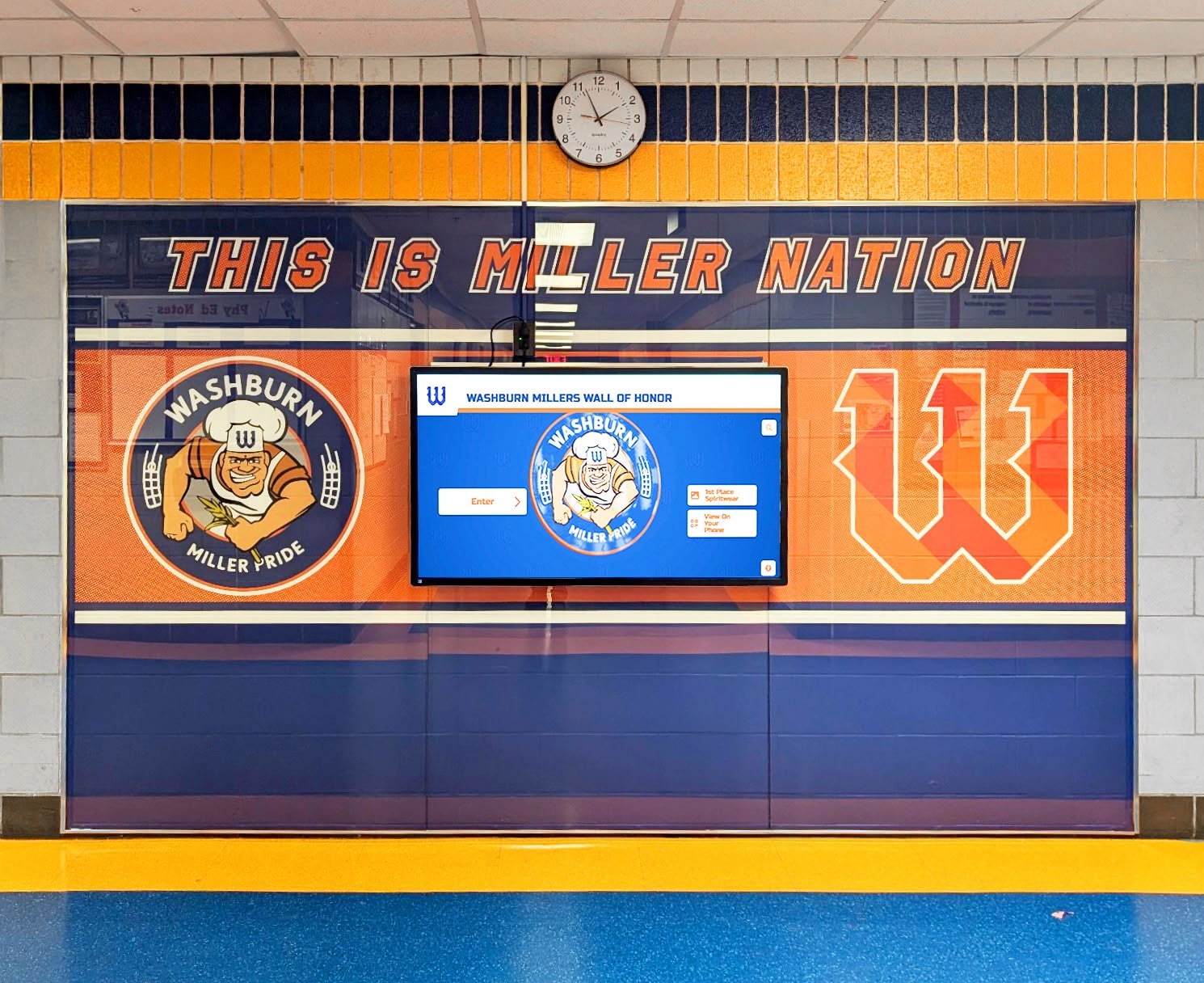
Graduation Honors Explained: A Complete Guide to School Recognition Tiers and Display Ideas
Every May, schools and universities around the country prepare to send off graduating classes—and with them comes one of the most meaningful conversations in education: who earned what, and how should those achievements be recognized? Graduation honors exist precisely to answer those questions, giving institutions a structured language for distinguishing levels of academic excellence and giving graduates a permanent record of their hard work.
Read MoreNational Technical Honor Society (NTHS): A Complete Guide for Schools Recognizing CTE Excellence
Every year, thousands of students in welding shops, healthcare labs, culinary kitchens, IT classrooms, and automotive bays earn credentials and skills that will define their careers. The National Technical Honor Society exists specifically to recognize those students — and yet NTHS remains far less understood than its academic counterpart NHS, even among the administrators and CTE coordinators who work with these students daily.
Read MoreSchool Trophy Case: Design Ideas, Display Strategies, and Modernizing the Way Schools Showcase Awards
Walk into nearly any school in America and you’ll find a trophy case somewhere near the front entrance. Generations of students have stopped in these hallways to find a parent’s old team photo. Coaches have pointed to championship hardware to motivate this year’s roster. Alumni have reconnected with accomplishments that defined their years in these halls. The school trophy case carries real weight in school culture—yet most of them are also running out of room, gathering dust, and struggling to tell a complete story of what the school’s community has actually achieved.
Read MoreFBLA Competitive Events: Categories, Format, and How Schools Honor Their Champions
Each spring, thousands of high school students compete in FBLA competitive events that test everything from accounting knowledge and public speaking to cybersecurity skills and entrepreneurial thinking. Future Business Leaders of America runs one of the most rigorous student competition structures in American secondary education, with individual, team, and chapter-level events spanning dozens of business disciplines. Yet despite the intensity of these contests and the achievement they represent, many schools struggle to give FBLA winners the sustained recognition their accomplishments deserve.
Read More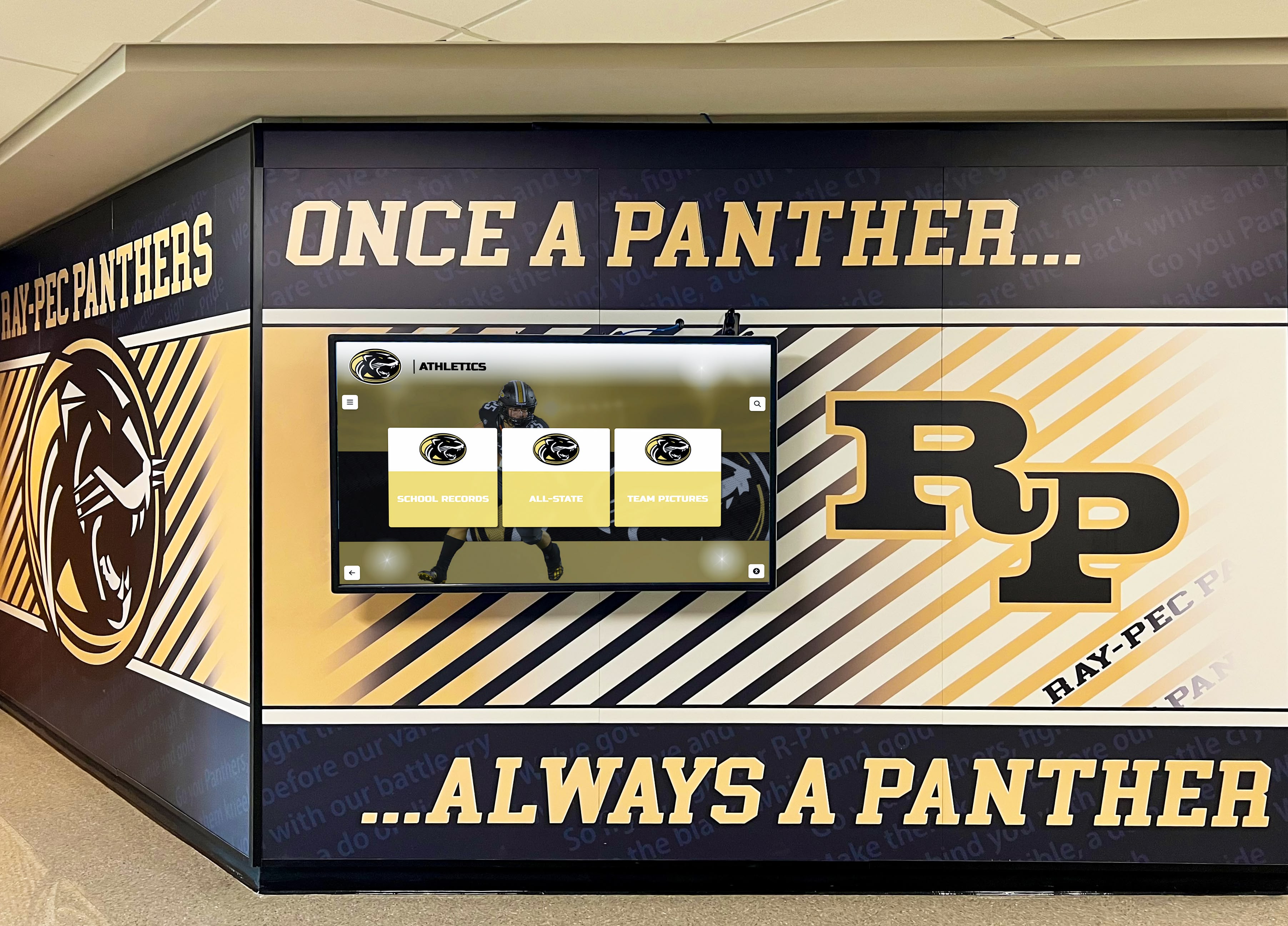
Retirement Banner Ideas: 25 Ways Schools Honor Retiring Coaches, Teachers, and Staff
After decades of dedication—early mornings, late evenings, countless lives shaped—retiring educators and school staff deserve recognition that truly honors their legacy. A thoughtfully designed retirement banner creates a visible celebration of their years of service while providing a focal point for the school community to express gratitude during those final weeks and months.
Read MoreTrophy Display Case Options for Schools: Traditional Glass vs Digital Solutions
Every school administrator knows the frustration: championship trophies accumulating faster than display space allows, glass cases so packed that recent achievements get relegated to storage, and maintenance requirements that make updating recognition displays a quarterly project instead of an ongoing celebration. The trophy cabinet that seemed spacious during installation now overflows with decades of excellence, forcing impossible decisions about which accomplishments deserve visibility and which disappear into forgotten storage rooms.
Read More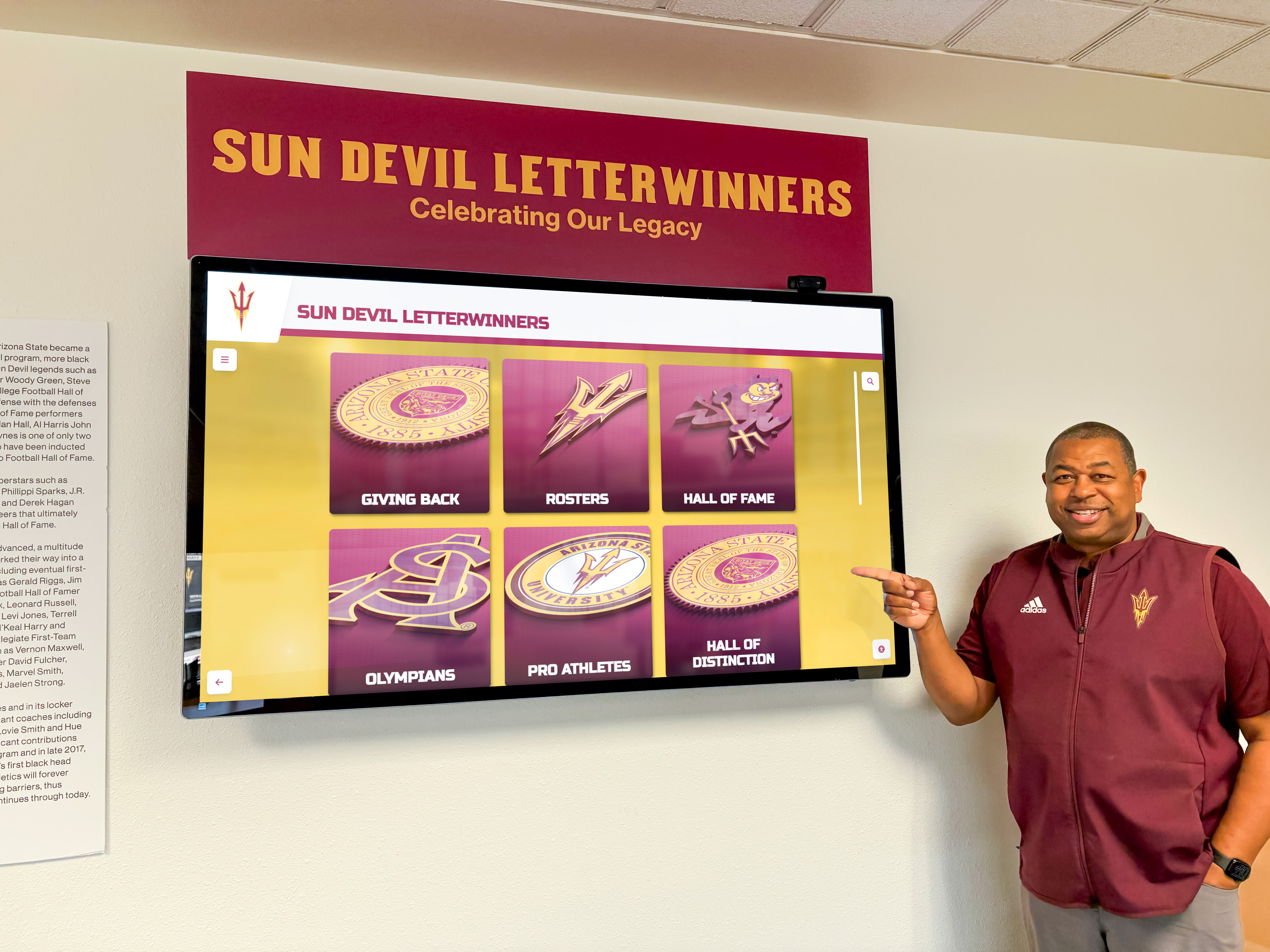
Varsity Letter Display Ideas: Creative Ways to Showcase Your Athletic Achievement at Home and School
Earning a varsity letter represents countless hours of practice, dedication to your team, and athletic achievement that deserves proper recognition. Yet too often, these hard-won letters end up folded in drawers, stuffed in closets, or displayed haphazardly on bedroom walls without the presentation their significance warrants. Whether you’ve earned a single letter or accumulated multiple pins and patches throughout your high school career, choosing the right display method transforms your athletic accomplishment into a lasting showcase that preserves the memory while inspiring pride for years to come.
Read MoreDigital Trophy Case Ideas: How Schools Are Replacing Glass Cabinets with Interactive Displays
Walk through any high school built before 2010, and you will encounter the same scene: glass-fronted trophy cases lining hallways, packed with tarnished trophies, yellowing plaques, and faded photographs. These traditional displays served schools well for decades, but they share common frustrations that athletic directors and school administrators increasingly recognize as insurmountable limitations rather than minor inconveniences.
Read More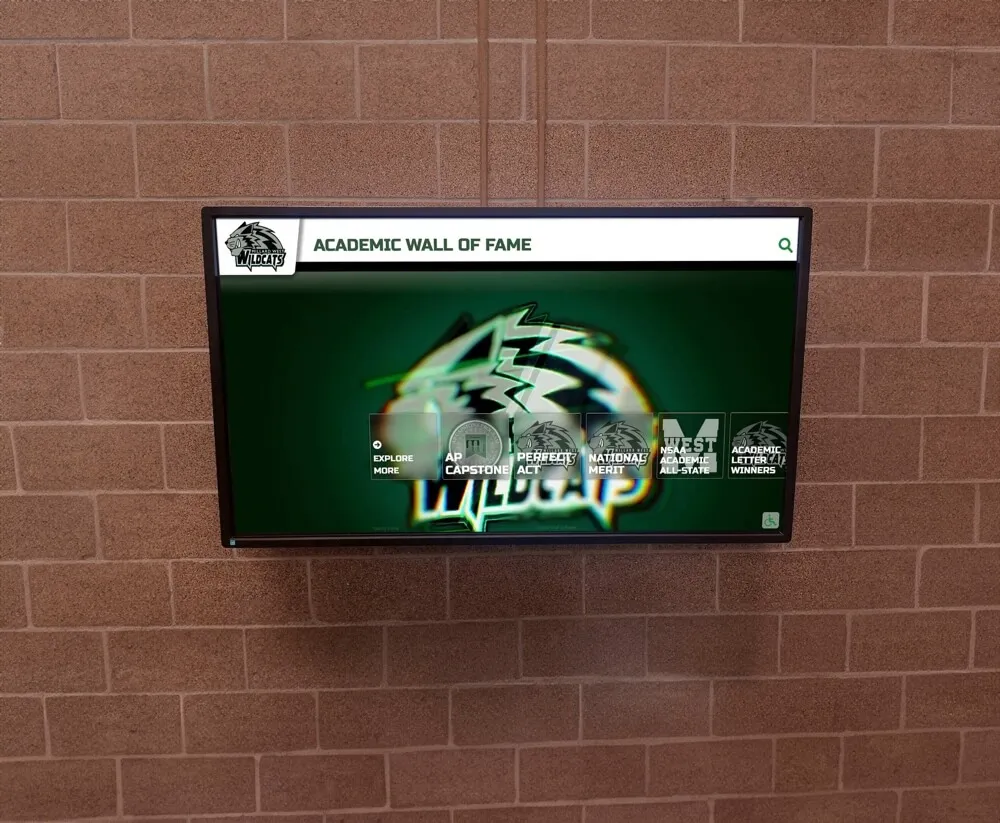
Academic Awards for High School Students: 50+ Recognition Categories Worth Celebrating
The end-of-year awards ceremony approaches, and once again you face the challenge of recognizing academic excellence across your entire student body. Beyond the obvious valedictorian and honor roll certificates, hundreds of students demonstrate remarkable achievement that deserves acknowledgment—the junior who transformed from struggling in math to mastering calculus, the senior who mentored younger students every lunch period, or the sophomore whose curiosity drove an independent research project that impressed university professors.
Read MoreRocket Recognition: Complete Guide to Digital Recognition Displays for Schools and Organizations
Recognition drives organizational culture, donor engagement, and student motivation in ways that spreadsheets and databases never capture. When schools honor athletic achievements, celebrate academic excellence, or acknowledge philanthropic generosity through visible permanent displays, they create environments where accomplishment receives the celebration it deserves while inspiring others toward similar success.
Read More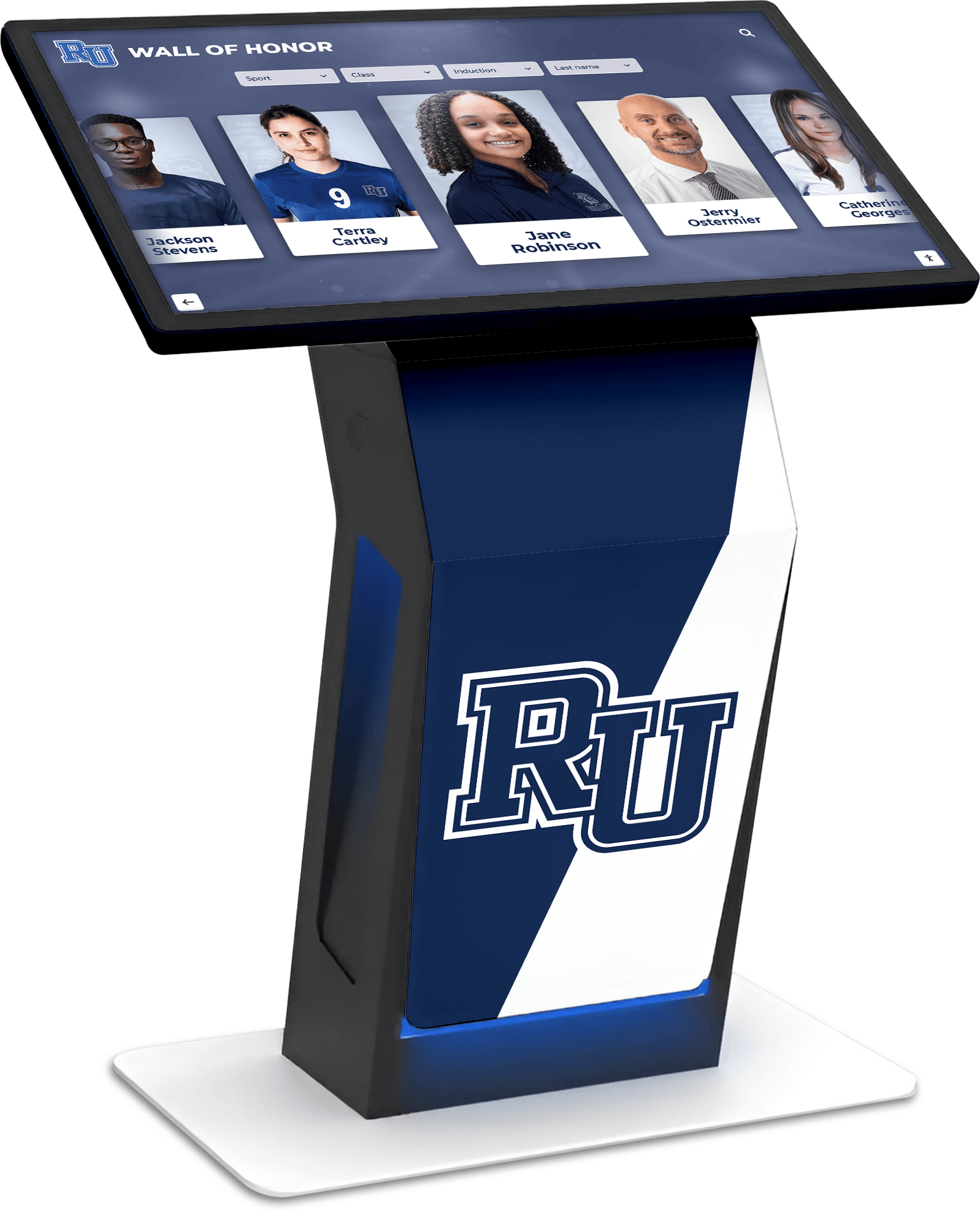
Digital Class Composite Displays: Interactive Yearbook and Photo Recognition Guide 2026
For decades, schools have displayed class composites in hallways and lobbies—those framed collections of individual student portraits arranged by graduating year. Students, alumni, and visitors would flip through pages or scan mounted photos to find familiar faces, relive memories, or connect names with images from years past.
Read More
Alumni Wall Ideas: Connecting Past and Present Students
Every school has stories worth telling—from the class of 1965 that built the first gymnasium, to last year’s graduate now serving in Congress, to the alumna who invented medical technology saving lives worldwide. Yet these narratives often remain scattered across yearbooks, archived newsletters, and fading memories instead of inspiring current students and strengthening institutional identity.
Read MoreAcademic Recognition Programs: A Complete Guide to Celebrating Student Excellence in 2025
Academic recognition programs represent one of the most powerful tools educational institutions have to motivate student achievement, reinforce educational values, and create cultures of excellence. When schools systematically celebrate academic accomplishments—from perfect attendance to National Merit recognition—they send clear messages about what matters while providing motivation that extends far beyond individual recognized students.
Read More