School Trophy Case LED Power-Factor Review: Compare Driver Input Ratings Before Lighting Upgrades
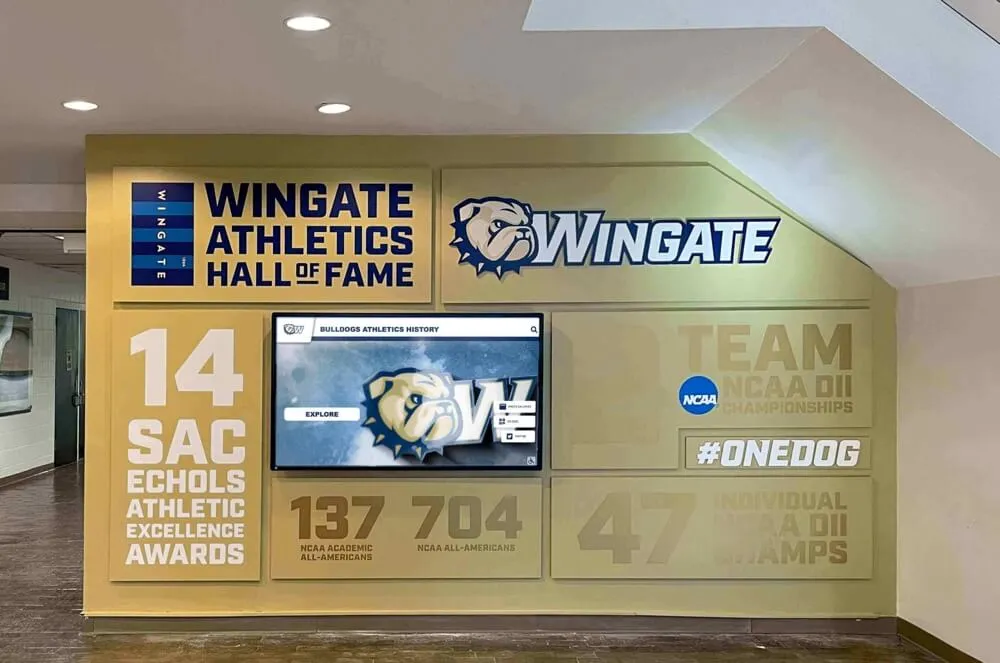
Reviewing power factor on LED driver specification sheets before a school trophy case lighting upgrade is a practical step that helps facilities teams understand how much current each driver will draw from the branch circuit — not just how many watts it will consume. LED drivers with lower power factor draw more apparent current than their wattage alone implies, which affects circuit sizing, breaker loading, and dimmer compatibility in ways that a simple wattage count does not reveal. This guide explains what power factor is, how to locate and interpret the relevant ratings in supplier documentation, and what questions a qualified electrician should review before fixtures are installed in the school’s athletic trophy case corridor.
Read More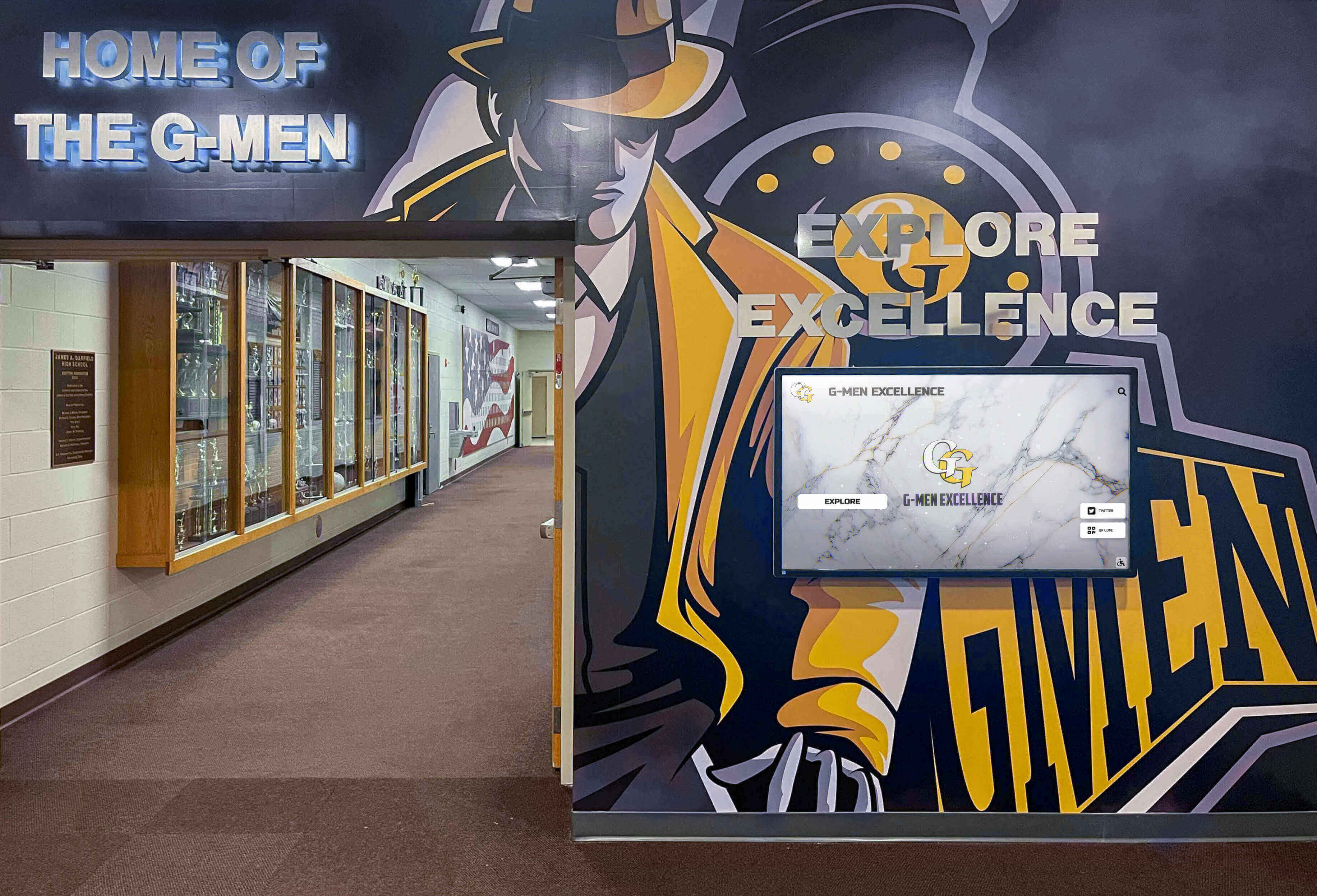
Trophy Case LED Driver Ripple Measurement for Stable Exhibit Lighting
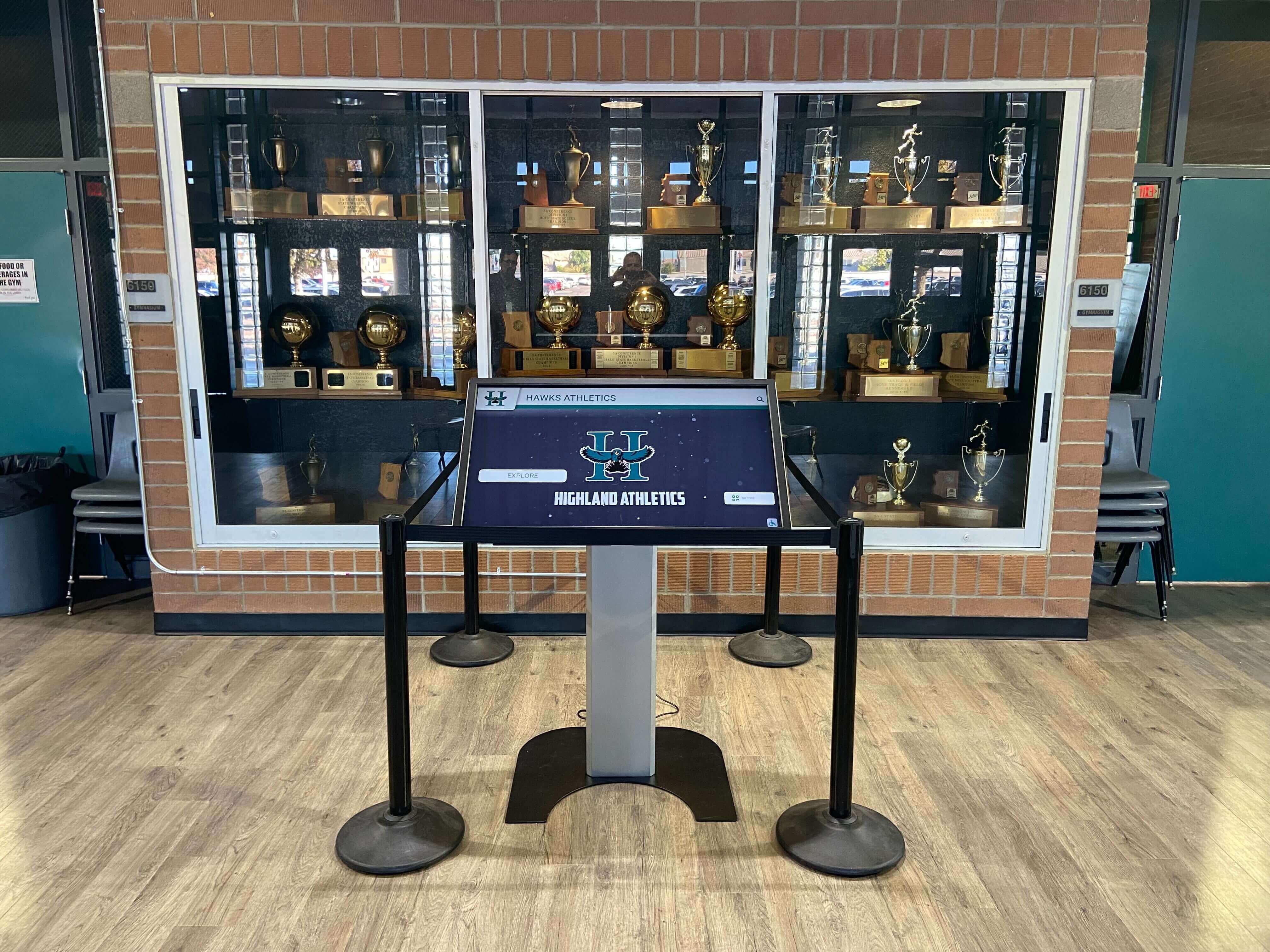
Intent: identify/document. Trophy case LED driver ripple measurement is the process of quantifying the residual AC voltage variation that persists in a constant-current or constant-voltage LED driver’s DC output after conversion from mains power. Every LED driver extracts direct current from alternating current; the conversion is never perfectly clean, and what remains is a cyclic output fluctuation — ripple — that mirrors the mains frequency or its harmonic. On a 60 Hz supply, ripple typically completes 120 cycles per second. At levels above accepted thresholds, that variation modulates the trophy case fixture’s light output at the same frequency, producing the conditions that cause visible flicker to photosensitive visitors, rolling bands in video footage, and color inconsistency across display zones. This guide walks school facilities teams through recognizing the symptoms of high-ripple LED drivers, understanding what the measurement reveals, completing a structured seven-step documentation procedure, and determining when findings require escalation to a qualified electrical installer.
Read MoreTrophy Case LED Surge Protection Checklist for School Facilities Teams
Intent: decide/calculate. Trophy case LED surge protection means installing Surge Protective Devices (SPDs) on the branch circuits that power your school’s trophy case lighting so that voltage transients — from lightning strikes, utility switching events, or HVAC startup on shared distribution panels — are clamped before they reach and damage LED drivers. Unlike fluorescent ballasts, which tolerate transient overvoltages through inductive impedance, LED drivers contain switching power supplies with MOSFETs, filter capacitors, and control ICs that fail at voltage levels well below the driver’s maximum rated input. A single unprotected surge can destroy a driver outright, or degrade it gradually so that fixtures begin failing months later with no obvious cause. This checklist walks facilities teams through a structured nine-step process for assessing, selecting, and documenting surge protection for school trophy case LED lighting circuits.
Read More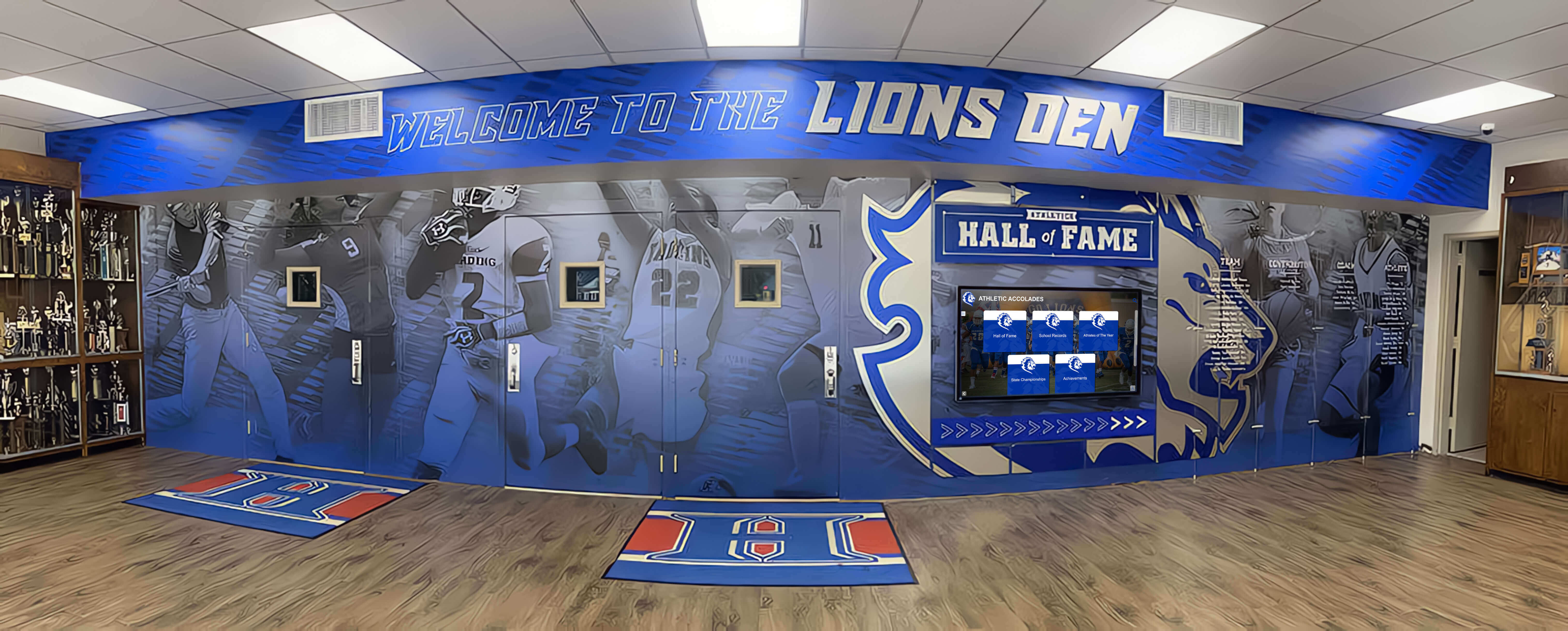
Trophy Case LED Inrush Current Check Before Lighting Upgrades
Intent: calculate/decide. Trophy case LED inrush current is the brief surge of electrical current that LED drivers draw the instant a circuit is switched on — typically 10 to 30 times higher than the fixture’s steady-state operating current and lasting only a few milliseconds. In a single-fixture installation that surge is negligible. In a trophy case corridor where a lighting upgrade adds six, eight, or twelve LED fixtures to an aging branch circuit already protected by a legacy breaker or controlled by a phase-cut dimmer, the cumulative inrush can exceed protection device ratings and cause nuisance tripping, dimmer malfunction, or premature relay failure. This guide explains what inrush current is, why it matters specifically before a school trophy case LED upgrade, and how facilities teams can complete a structured eight-step check — without specialized instruments — before fixture installation begins.
Read MoreTrophy Case LED Thermal Management Check for Long-Term Lighting
Trophy case LED thermal management is the practice of monitoring and controlling heat buildup from LED lighting inside enclosed school recognition display cases. When LED strips or fixtures operate inside sealed or poorly ventilated trophy cases, heat accumulates in the enclosure and can accelerate LED degradation, shorten driver lifespan, warp plastic award components, and reduce overall exhibit visibility over time. Schools can assess current thermal conditions using an inexpensive infrared thermometer and the eight-step procedure in this guide — no specialized training is required. This guide addresses general best practices applicable to standard school trophy case installations; for cases with integrated digital screens or complex electrical systems, consult a qualified electrician or the fixture manufacturer for specific guidance.
Read More