Ceramic School Trophy Glaze Crazing: Record Surface Lines Before Cleaning or Display
Intent: research — ceramic school trophy glaze crazing describes a network of fine lines in the glaze surface of a ceramic award — a condition that may be intentional, age-related, or both, and that looks markedly different from a crack through the ceramic body, a loose patch of separating glaze, or an old adhesive repair join. Recognition-program staff who encounter these surface lines on a historic ceramic plaque, tile award, or decorated trophy need one thing first: a documented intake record created before the trophy is cleaned, repositioned, or placed in a display case. The Canadian Conservation Institute’s guidance on ceramics and glass preventive conservation makes clear that handling and condition decisions for ceramic objects require careful visual assessment — and that probing, flexing, tapping, or wetting a surface cannot substitute for that assessment. This guide explains what to look for, what to record, and when to stop and seek conservator guidance rather than proceeding with cleaning.
Read More
Historic Trophy Shellac Finish Intake: Document Original Coatings Before Cleaning
When a historic wooden trophy base shows a glossy, amber-toned surface that might be an original shellac or natural-resin coating, the right first step is documentation — not cleaning. Photograph the full surface from consistent angles, record every area where the finish appears different from the surrounding field (lifting, cloudy, cracked, or re-coated), note any inscribed dates or base markings that give the trophy a manufacture period, and log all of this in the awards database before the trophy is moved or touched with any cloth. The Canadian Conservation Institute’s guidance on caring for furniture finishes is clear that characterizing old natural resin coatings is very difficult and that cleaning of degraded surfaces belongs to an experienced conservator — not to staff-applied products. A complete intake record created before any cleaning attempt is the single most important step your school can take to protect both the original coating and the recognition history that trophy carries.
Read MoreHistoric School Trophies With Mother-of-Pearl Inlays: A Condition and Handling Checklist
Conservative care of a historic school trophy with mother-of-pearl inlay starts before you touch the object: photograph every inlay panel, note any loose edges, chips, or prior adhesive repairs, and check whether any insert has already separated. Support the whole trophy from below when you move it — never by the figurine or a projecting element — and keep metal-polishing products away from the shell surface entirely. If any inlay insert is loose, lifting, or detached, do not press it back or attempt a field repair; store the loose piece separately and refer the trophy to a conservator. A complete digital recognition record preserves the athletic achievement these trophies represent even when the physical object enters a conservation workflow.
Read MoreHistoric School Trophy Bases: Bakelite Identification Referral and Handling Records
School trophies awarded between roughly the 1920s and the early 1960s often rest on bases that may be phenol-formaldehyde resin — produced commercially under trade names including Bakelite, Catalin, and Durez. Recognizing those bases provisionally before a trophy returns to public display matters because phenolics respond poorly to solvents, abrasive polishes, and rough handling. An equally important caution: a base that looks identical to Bakelite might be casein-formaldehyde, urea-formaldehyde, hard rubber, or a later epoxy casting — and each material has different vulnerabilities. This checklist guides athletic staff through provisional visual assessment, safe support, condition photography, and conservation referral before a historic trophy is re-installed.
Read MoreSchool Trophy Case Microcrystalline Wax Decision Checklist for Metal Awards
Microcrystalline wax is a protective coating that conservators sometimes apply to metal objects — including display-case trophies, championship cups, and engraved plaques — when environmental controls alone are insufficient to slow corrosion or tarnish. It is not a routine cleaning product, and it is not appropriate for every metal surface in a school trophy case. Before a school athletic program considers wax as part of its preservation approach, the collection items need to be assessed against a specific set of criteria: what is the substrate, what coatings or plating already exist, how porous is the surface, and is the treatment reversible if circumstances change. This checklist walks athletic directors, facilities staff, and recognition program administrators through that assessment in a structured sequence.
Read More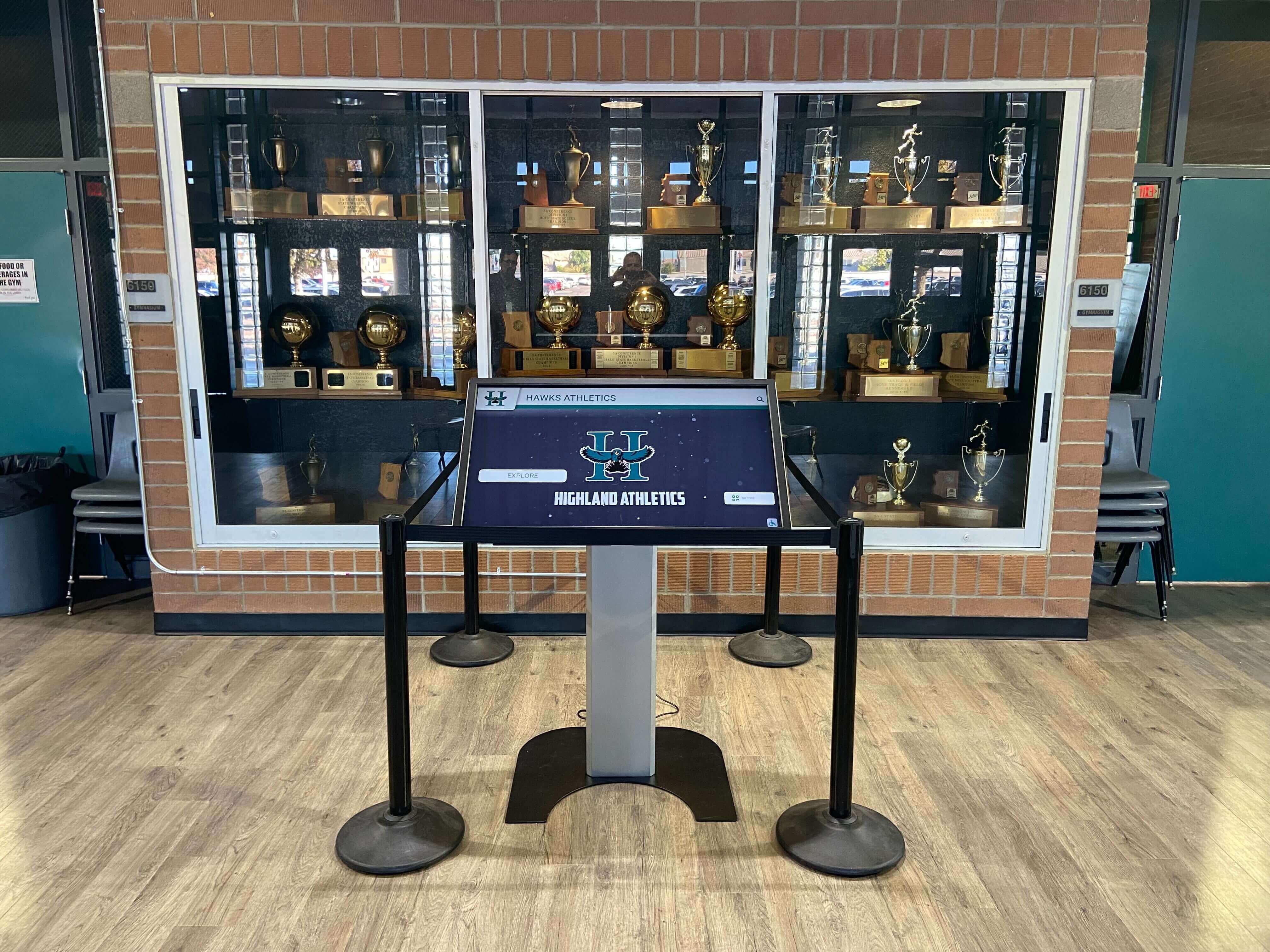
Microfade Testing Referral Checklist for Historic School Trophy Case Textiles
Historic championship ribbons, pennants, and game jerseys in a school trophy case carry decades of athletic identity—but many were dyed with colorants whose light sensitivity has never been measured. When a textile fades visibly in a display case, the damage is already permanent. Microfade testing is a specialist assessment method that characterizes how quickly a specific dye responds to light, giving school administrators the data they need to decide how long a historic textile can safely stay on display, when it should rotate into protected storage, and whether an accurate digital facsimile should stand in for the original. This checklist guides athletic directors and facilities staff through the referral process—from identifying candidates to acting on results.
Read More