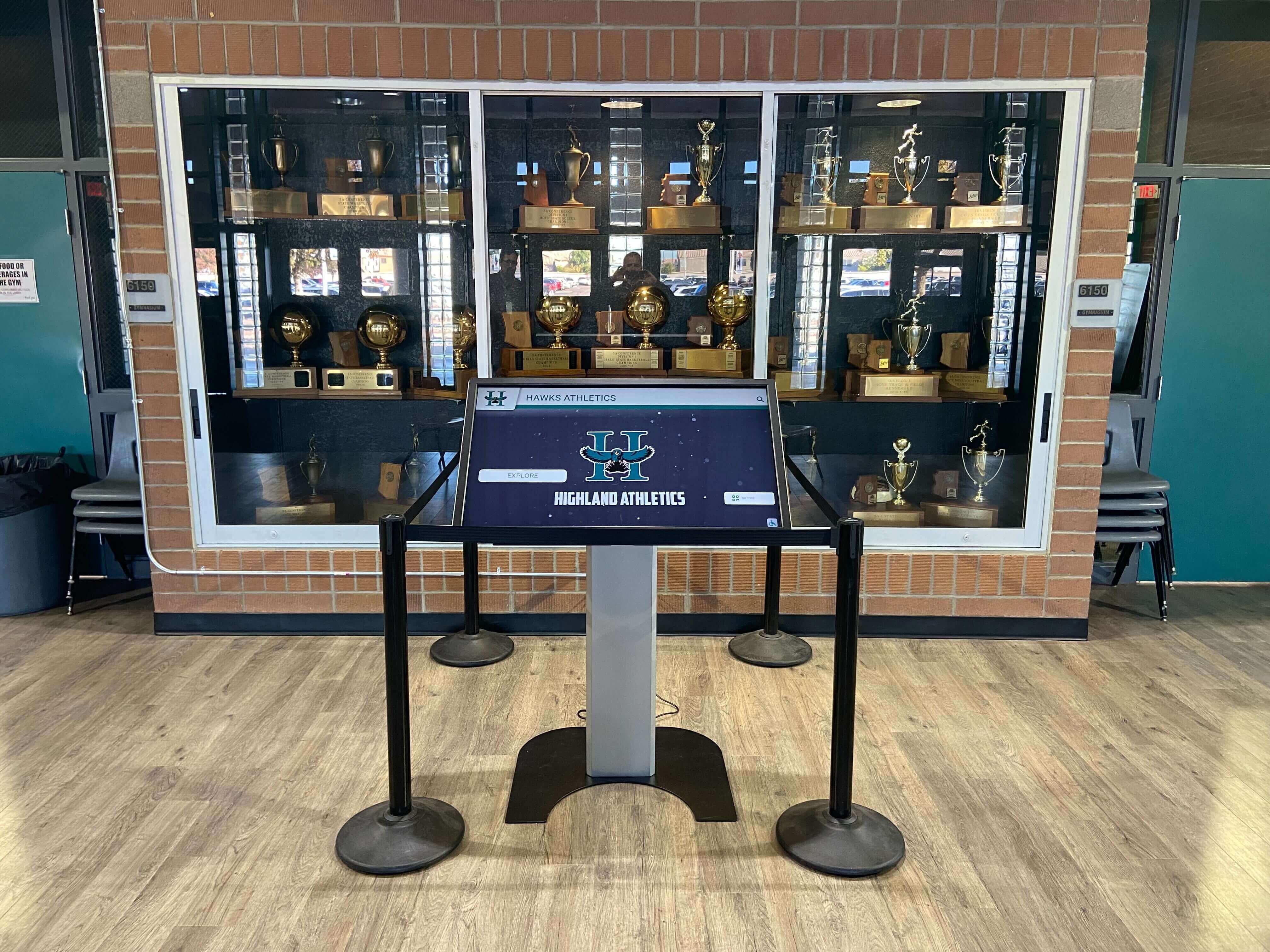
Trophy Case IEC 62471 Photobiological Safety Check for LED Lighting
Intent: research — a trophy case IEC 62471 photobiological safety check reviews the photobiological risk group classification of LED luminaires installed near visitors and memorabilia in school award display environments. IEC 62471, the international standard for photobiological safety of lamps and lamp systems, places each light source into one of four risk groups based on its potential to produce UV, blue-light, or thermal radiation hazards. In trophy case settings — where fixtures may be positioned inside the case at close range to memorabilia, or mounted overhead in positions that visitors lean toward to read award content — confirming that luminaires carry appropriate risk group documentation is a baseline step in responsible facilities management.
Read MoreUGR Glare Check for School Trophy Case Lighting: A Practical Viewing Inspection
Intent: research — a school trophy case UGR lighting check evaluates whether the luminaires positioned above or around a glass-fronted award display produce discomfort glare or veiling reflections that make trophies, plaques, and mounted photographs difficult to view. UGR — the Unified Glare Rating — is a CIE-standardized metric that quantifies how much glare a luminaire creates for an observer standing in a defined viewing position. In trophy case environments, where glass panels reflect overhead fixtures directly back at approaching visitors, UGR is the practical metric that connects fixture placement and brightness to the actual viewing experience your recognition display delivers.
Read More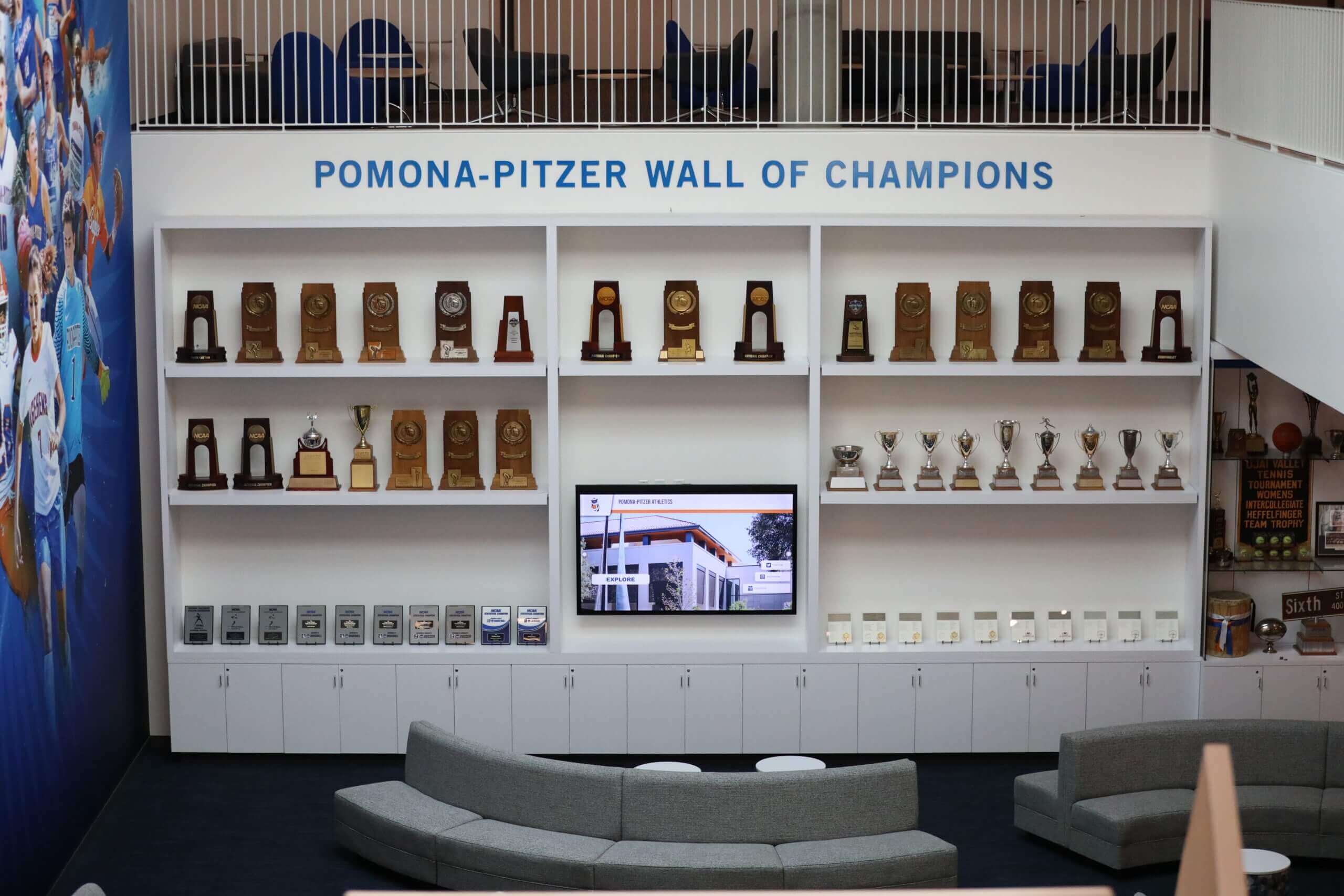
Trophy Case Duv Lighting Check: Eliminating Green and Magenta Tint from School Award Displays
Intent: research — a trophy case Duv lighting check measures whether LED fixtures in a school award display are producing a green or magenta tint that distorts how jerseys, banners, gold finishes, and award certificates appear to visitors. Duv (delta-uv) is the metric that quantifies tint on the green–magenta axis, and it captures a dimension of color quality that CCT labels, CRI scores, and even TM-30 Rf values do not directly surface. Fixtures can carry identical 3000K ratings and near-identical Rf scores while producing visibly different tint — and that difference shows up on every white plaque face, every certificate background, and every athlete portrait mounted in the case.
Read More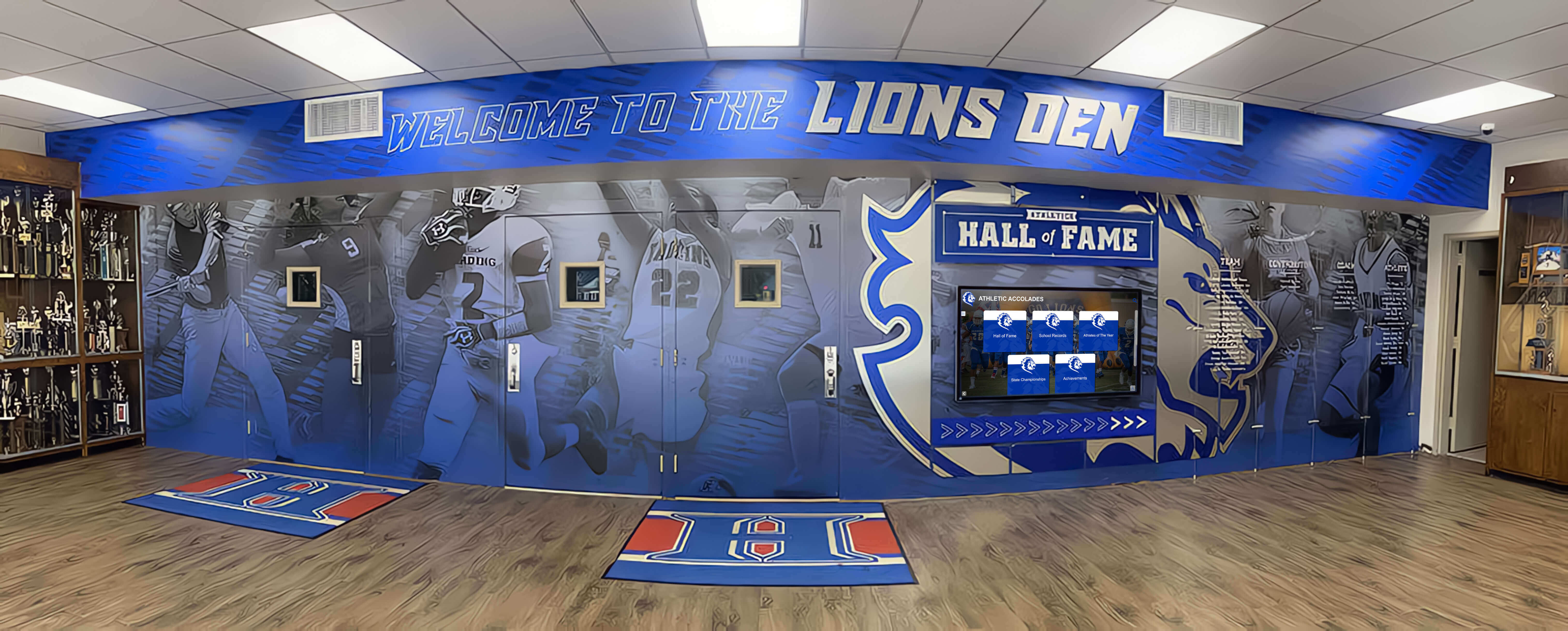
Trophy Case TM-30 Lighting Evaluation for Accurate School Colors
Intent: research — a trophy case TM-30 lighting evaluation measures two metrics that CRI cannot provide: how faithfully fixtures render the full color spectrum (Rf, the Fidelity Index) and whether they compress or expand the gamut of colors in the case (Rg, the Gamut Index). Together, Rf and Rg tell facilities teams and athletic directors whether the LEDs currently illuminating jerseys, medals, championship plaques, and school-color banners are presenting those items as designed — or quietly distorting them in ways that no casual walkthrough will catch.
Read More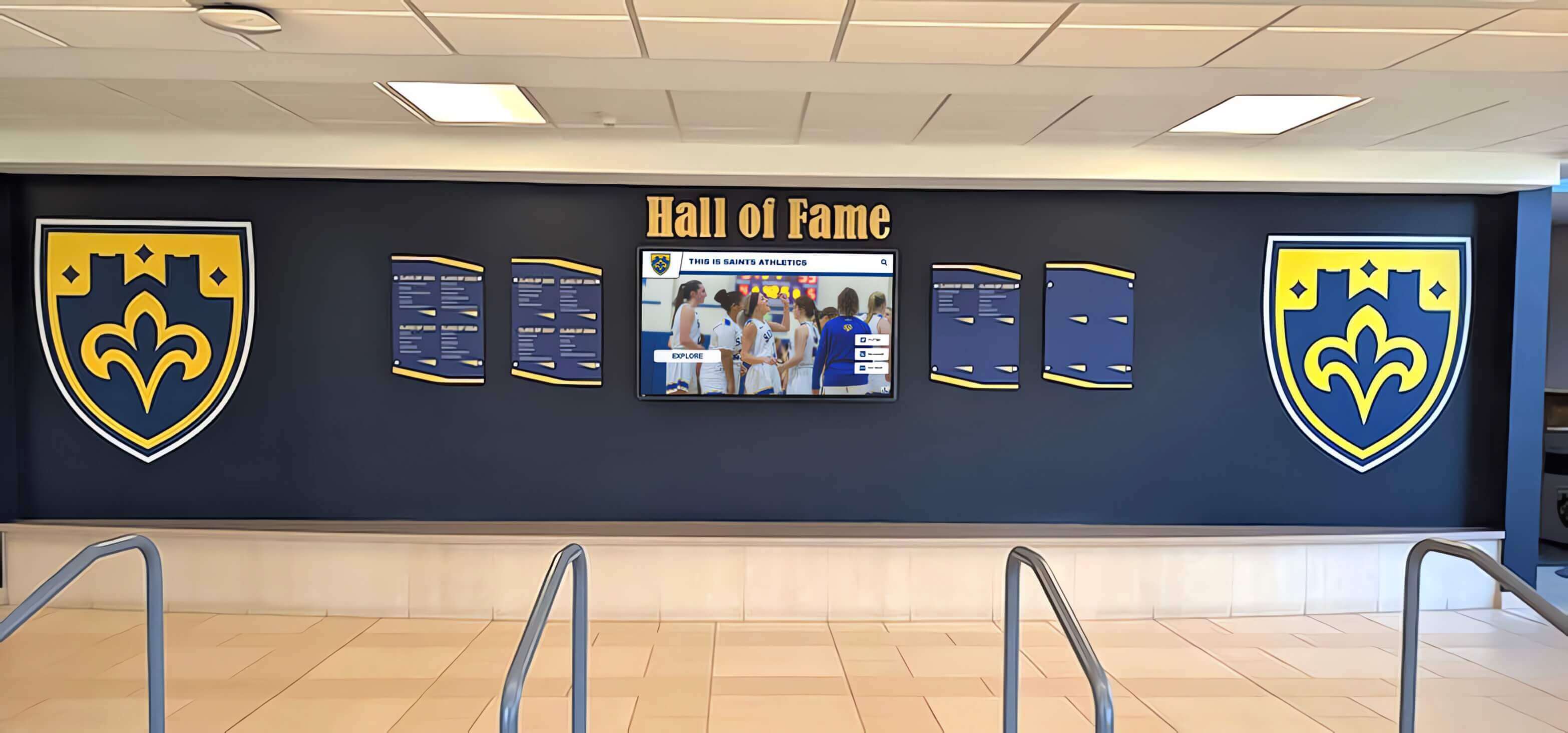
School Trophy Case LED Flicker-Index Test for Safe, Consistent Award Lighting
The LED fixtures inside a school trophy case look identical when the lights are on: same color temperature label, same brightness level, same supplier. What facilities teams and athletic directors often cannot see — but what a smartphone camera shooting at 240 fps, a video crew panning across the display, and any visitor with a photosensitive condition will notice immediately — is the cyclic output variation that most LED drivers produce when they convert alternating current into the direct current LEDs require. Flicker completing 100 or 120 cycles per second is invisible to casual inspection but measurable, documentable, and correctable with a structured audit.
Read MoreSchool Trophy Case MacAdam Ellipse Lighting Check for Consistent Award Colors
When a visitor walks past your school’s trophy case, their eye notices something wrong before their brain names it: the gold on one championship trophy looks brassy and warm while the identical trophy two shelves up looks cool and slightly silver. The school colors on the banner at the left look vivid while the same banner on the right looks washed out. The culprit is usually invisible—mismatched LED fixtures whose color coordinates fall outside the same MacAdam ellipse.
Read More