



The yearbook cover represents your school’s first impression and lasting legacy. Long after students close the book for the final time, that cover remains visible on shelves and in storage boxes—a snapshot of an entire school year compressed into a single, powerful design. Yet many yearbook committees struggle with where to begin, cycling through generic templates that fail to capture what made their specific year unique.
A truly memorable yearbook cover does more than look attractive. It tells a story about your school community, captures the spirit of the graduating class, and creates an emotional connection that makes alumni reach for that volume years later. Whether you’re designing for elementary, middle school, or high school, the right cover concept balances creativity with timelessness, innovation with tradition, and visual impact with meaningful representation.
This comprehensive guide explores dozens of creative yearbook cover ideas, design principles, technical considerations, and strategies for creating covers that your school community will treasure for generations.
Creating an exceptional yearbook cover requires understanding fundamental design principles, knowing your audience, and developing concepts that authentically represent your school’s unique identity. The most successful covers emerge from collaborative processes that engage students, reflect institutional values, and balance artistic vision with practical execution.

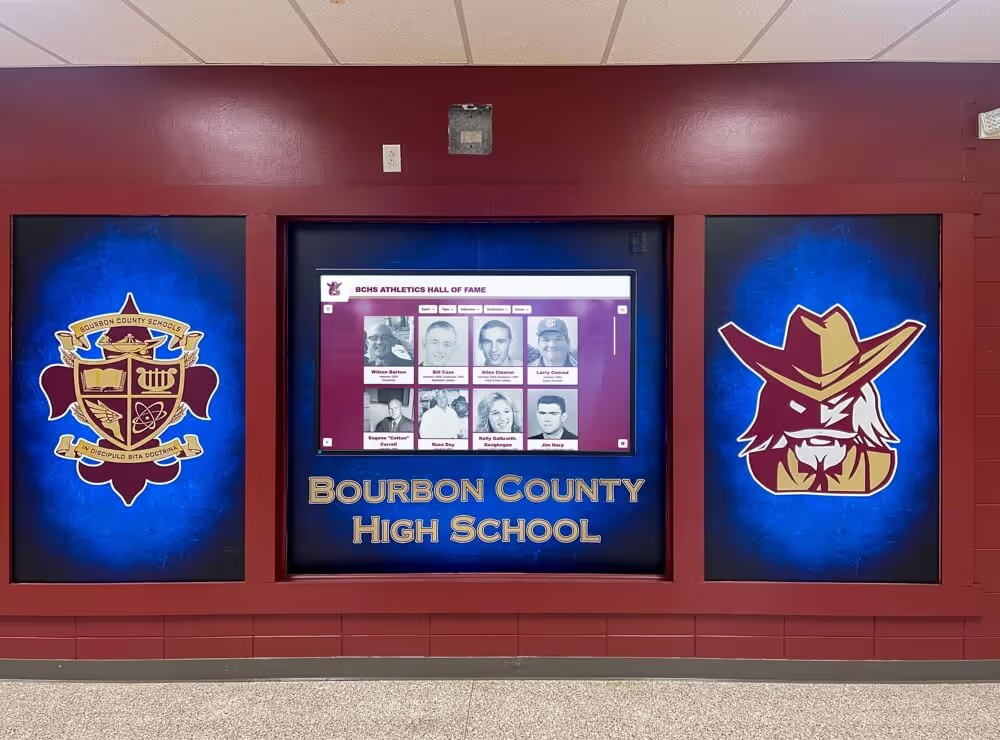
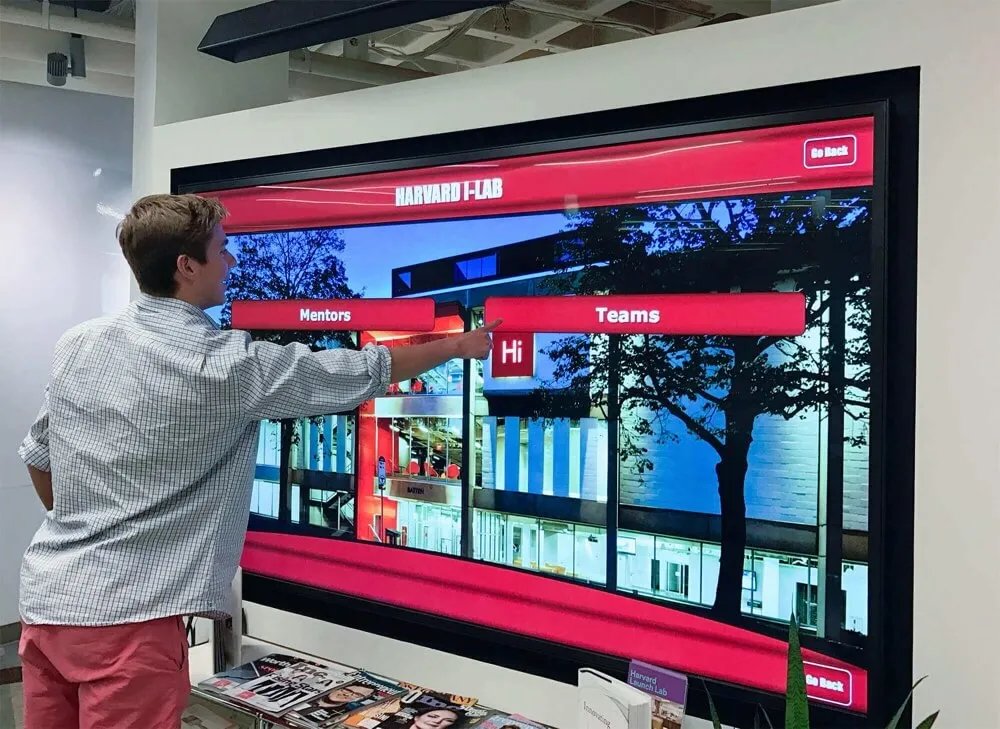
Yearbook content preserves student memories and school history, making the cover design critically important as the first and lasting impression
Understanding Yearbook Cover Fundamentals
Before exploring specific design ideas, understanding core principles ensures your cover succeeds both aesthetically and functionally.
The Purpose and Impact of Yearbook Covers
Yearbook covers serve multiple critical functions beyond simple protection:
Memory and Identity Preservation The cover becomes the visual shorthand for an entire school year:
- Instantly identifies the year and school when browsing shelves decades later
- Captures the zeitgeist of a specific time period
- Represents the collective experience of everyone pictured inside
- Creates nostalgia triggers that transport alumni back to that year
- Establishes the tone and theme carried throughout interior pages
Marketing and First Impressions Before purchase decisions, the cover sells the yearbook:
- Generates excitement during pre-sales and promotional campaigns
- Creates social media moments students want to share
- Influences purchase decisions among students on the fence
- Establishes quality expectations for the entire publication
- Reflects the professionalism and dedication of the yearbook staff
Community Pride and Representation The cover should make every student feel represented:
- Showcases school colors, mascot, and institutional identity
- Includes diverse representations of the student body
- Balances academic, athletic, artistic, and social aspects
- Celebrates what makes your specific school unique
- Creates pride in being part of that year’s class
Schools that involve students in cover selection report significantly higher yearbook sales and satisfaction compared to covers designed solely by advisors or publishers.
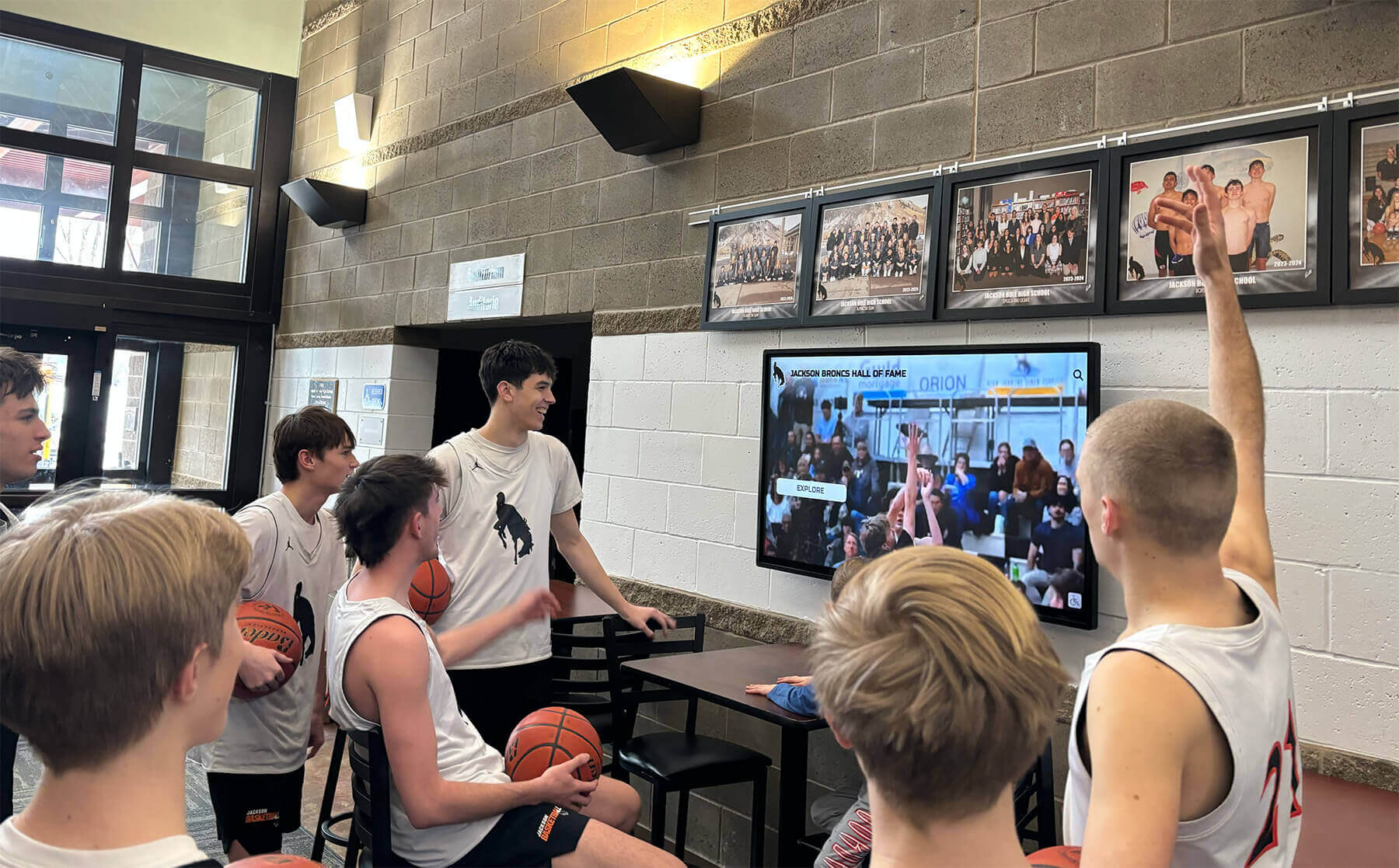
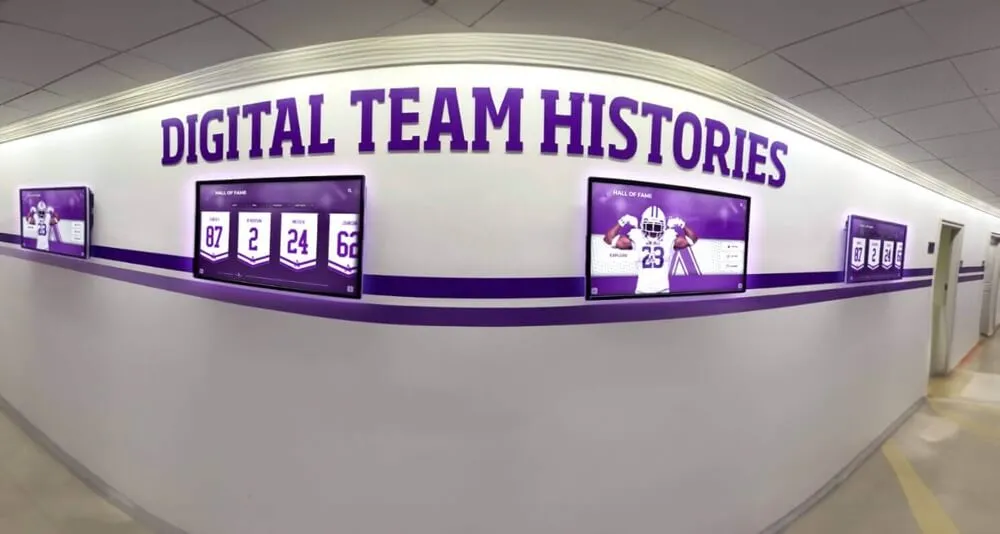
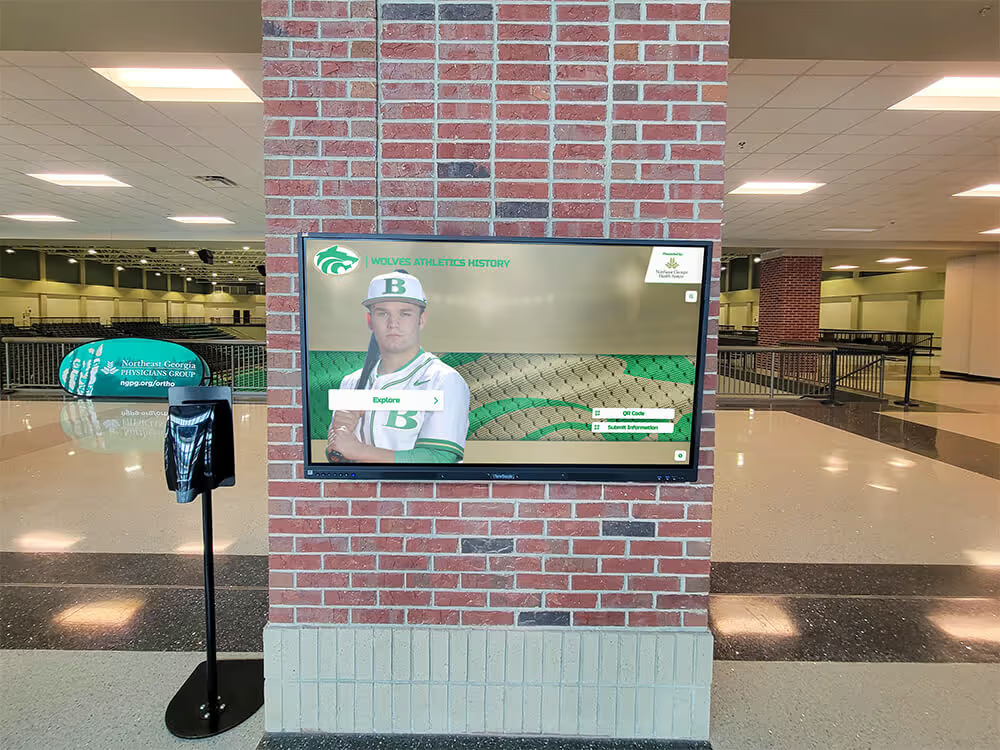
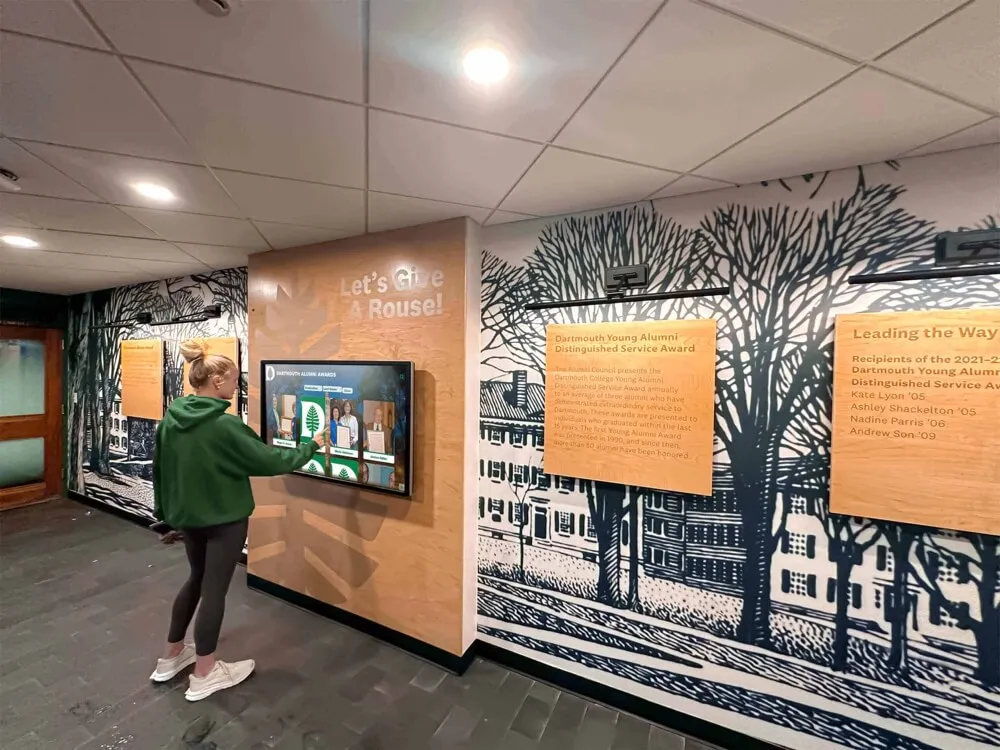
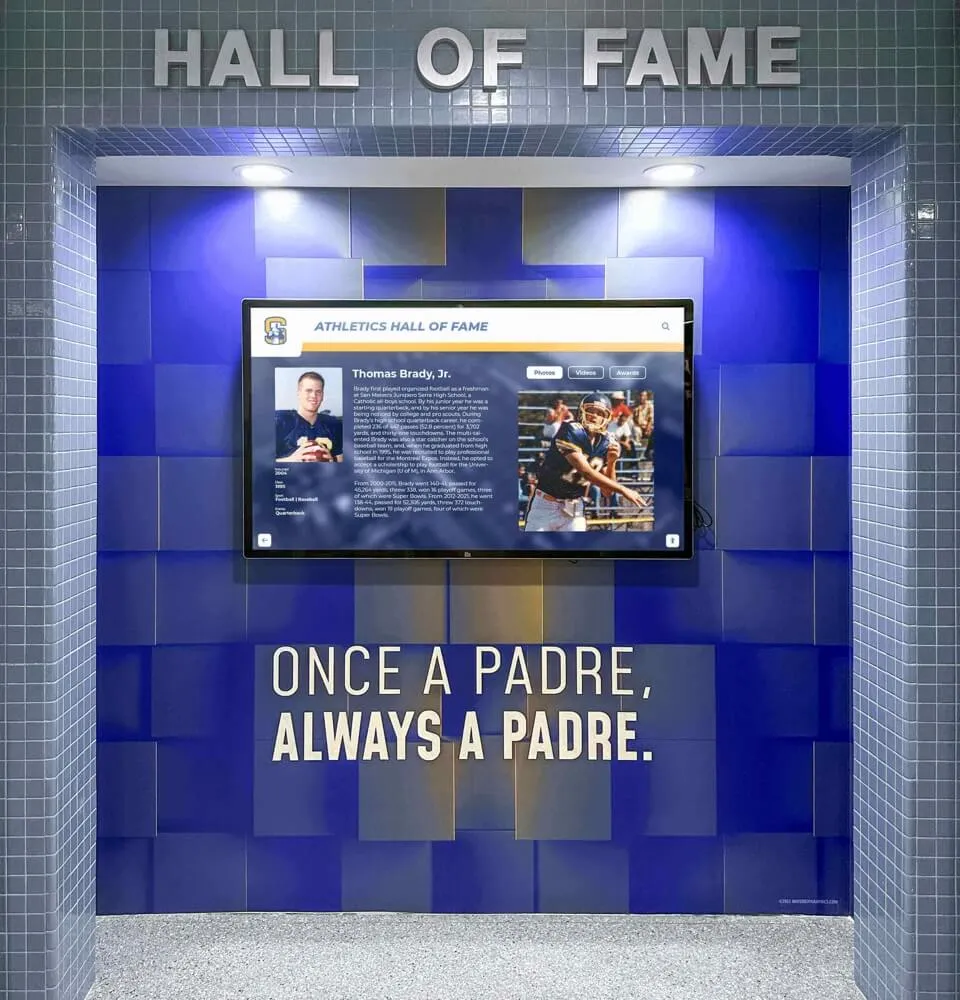
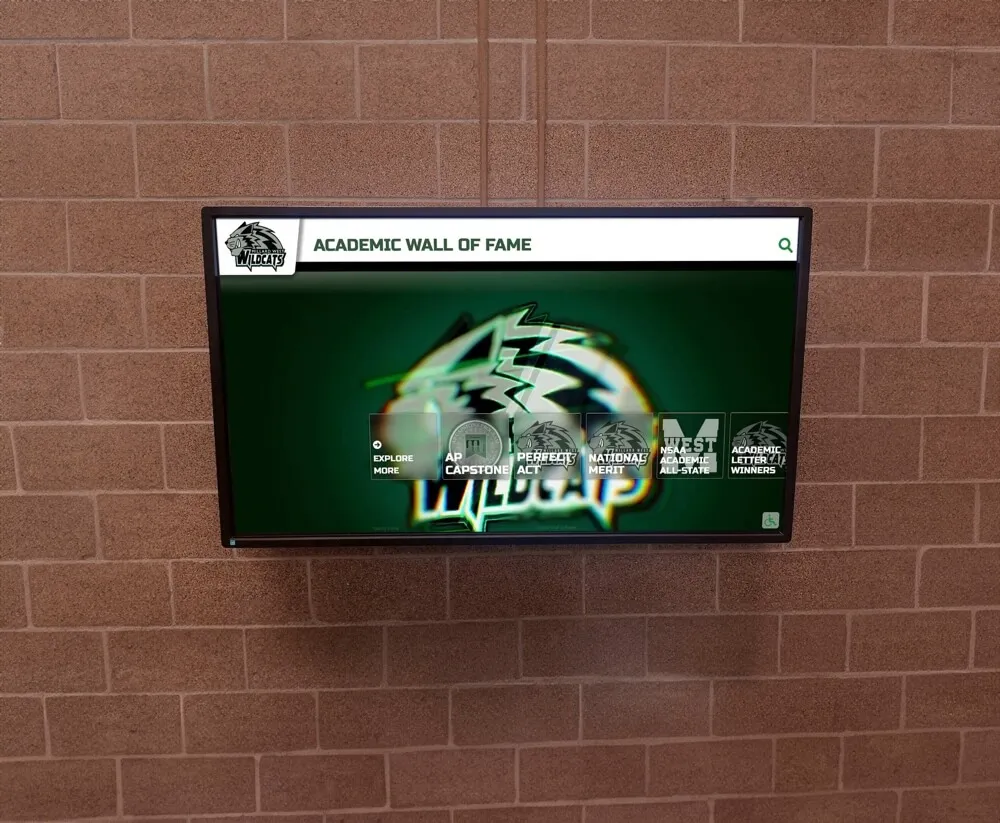
Just as digital displays engage students with school achievements, yearbook covers should create immediate emotional connection and pride
Essential Design Elements
Effective yearbook covers balance multiple design components:
Typography and Text Hierarchy Text elements require strategic placement and styling:
- School name: Should be immediately legible and prominent
- Year: Critical for identification on bookshelves
- Volume number: Traditional element connecting to historical continuity
- Theme or slogan: Optional but adds personality when done well
- Font selection reflecting school character (traditional serif for classic schools, modern sans-serif for contemporary institutions)
Color Psychology and School Identity Color choices communicate emotional tones:
- School colors: Primary palette connecting to institutional identity
- Accent colors: Secondary shades adding visual interest without overwhelming
- Trend awareness: Contemporary color palettes that won’t feel dated in five years
- Print considerations: Colors that reproduce accurately in printing processes
- Contrast: Ensuring text remains legible against background colors
Imagery and Visual Composition Photographic and illustrative elements anchor the design:
- Central focal point: Primary image or design element drawing the eye
- Balance: Visual weight distribution across the cover
- White space: Breathing room preventing cluttered appearance
- Rule of thirds: Classical composition principles creating pleasing layouts
- Bleed and safety zones: Technical considerations ensuring elements aren’t cut off
Technical Specifications and Constraints
Understanding production requirements prevents design disappointments:
Dimensions and Formatting Yearbooks typically follow standard sizes:
- Portrait orientation: Most common format (8.5" x 11", 9" x 12", or similar)
- Landscape orientation: Less common but distinctive option for unique concepts
- Square format: Modern alternative creating different visual opportunities
- Spine width: Varies based on page count, requiring calculation before design finalization
- Cover type: Hardcover (most durable), softcover (budget-friendly), or padded (premium feel)
Print Production Requirements Professional printing demands specific technical specifications:
- Resolution: Minimum 300 DPI for professional quality reproduction
- Color mode: CMYK for print (not RGB) ensuring accurate color representation
- Bleed area: Typically 0.125" - 0.25" beyond trim line for edge-to-edge designs
- Safety zone: Interior margin keeping critical elements away from trim edges
- File format: Usually PDF with embedded fonts and linked images
- Lamination options: Matte, glossy, or soft-touch finishes affecting appearance and durability
Working within these technical constraints from the beginning prevents last-minute scrambles or disappointment when designs don’t translate to physical covers.
Traditional Yearbook Cover Design Approaches
Classic cover concepts provide timeless appeal that remains effective year after year.
School Building and Campus Photography
Architectural photography celebrates physical spaces students know intimately:
Iconic Building Perspectives Feature your school’s most recognizable structures:
- Main entrance facades students pass through daily
- Historic buildings with architectural significance
- Athletic facilities representing school pride
- Libraries or academic buildings symbolizing educational mission
- Unique architectural features distinguishing your campus
Seasonal and Atmospheric Variations Familiar buildings gain interest through photographic treatment:
- Golden hour photography during sunrise or sunset creating warm, nostalgic tones
- Dramatic weather conditions (approaching storms, fresh snow, autumn leaves)
- Night photography with interior lighting creating glowing window effects
- Seasonal transitions showing campus transformation throughout the year
- Drone aerial perspectives offering fresh views of familiar spaces
Schools with distinctive architecture or beautiful campus settings particularly benefit from building-focused covers, though even modest facilities can photograph beautifully with skilled composition and lighting.
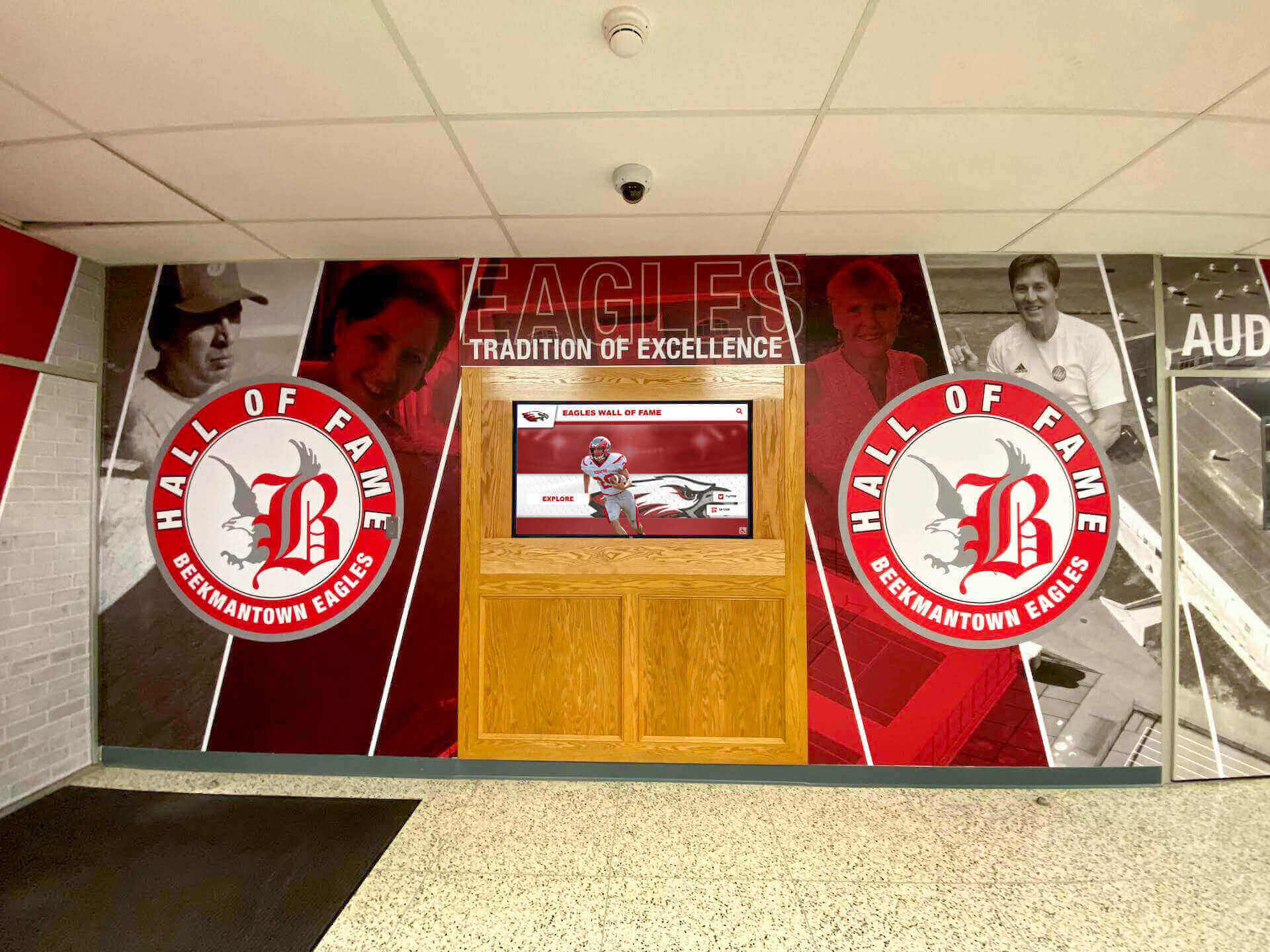
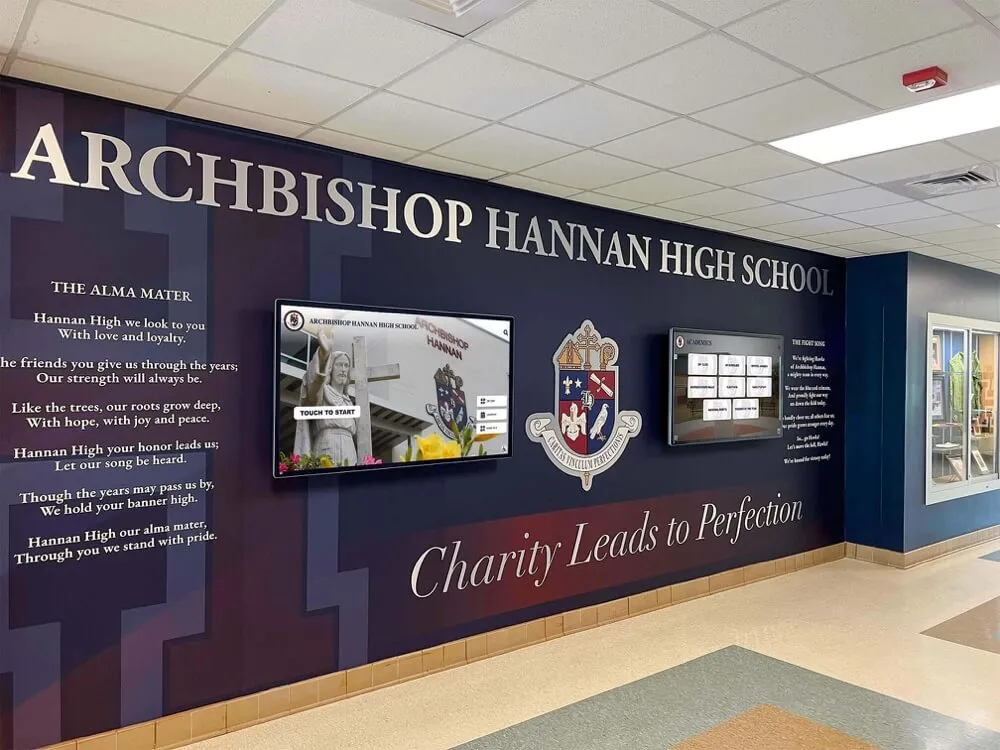
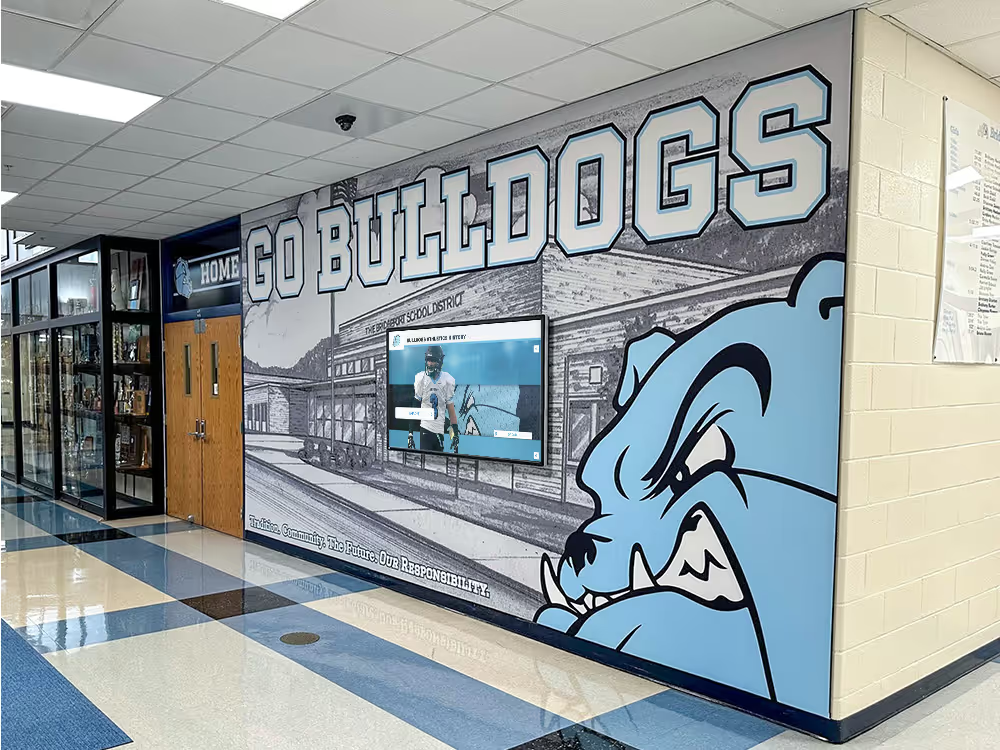
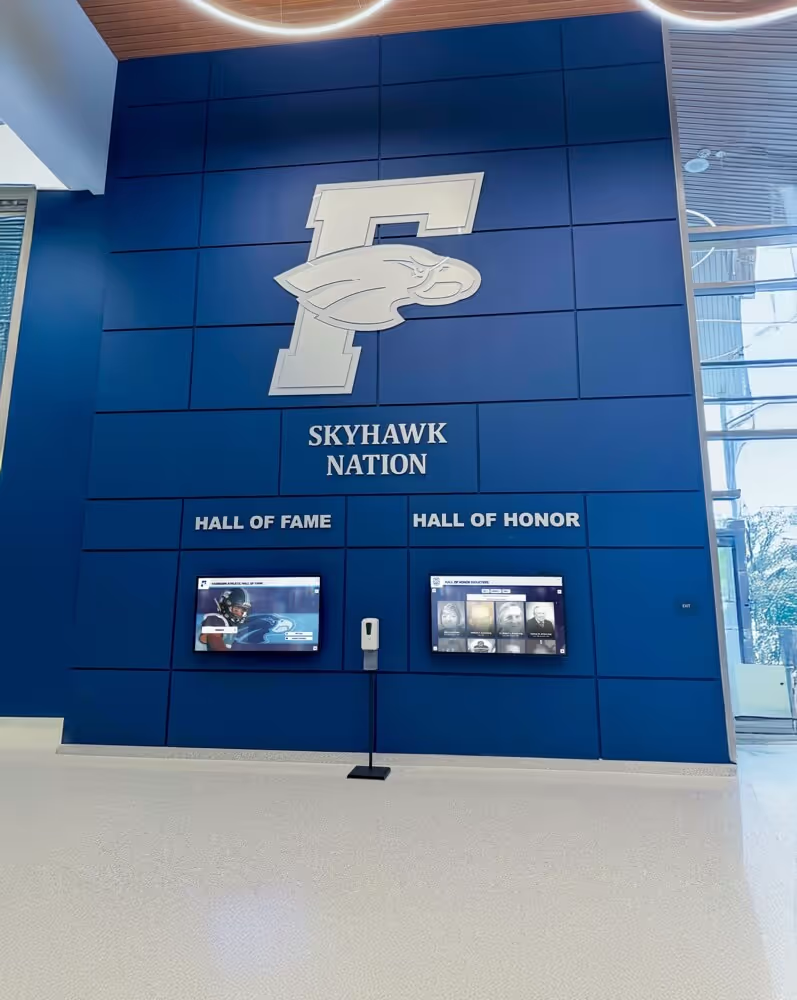
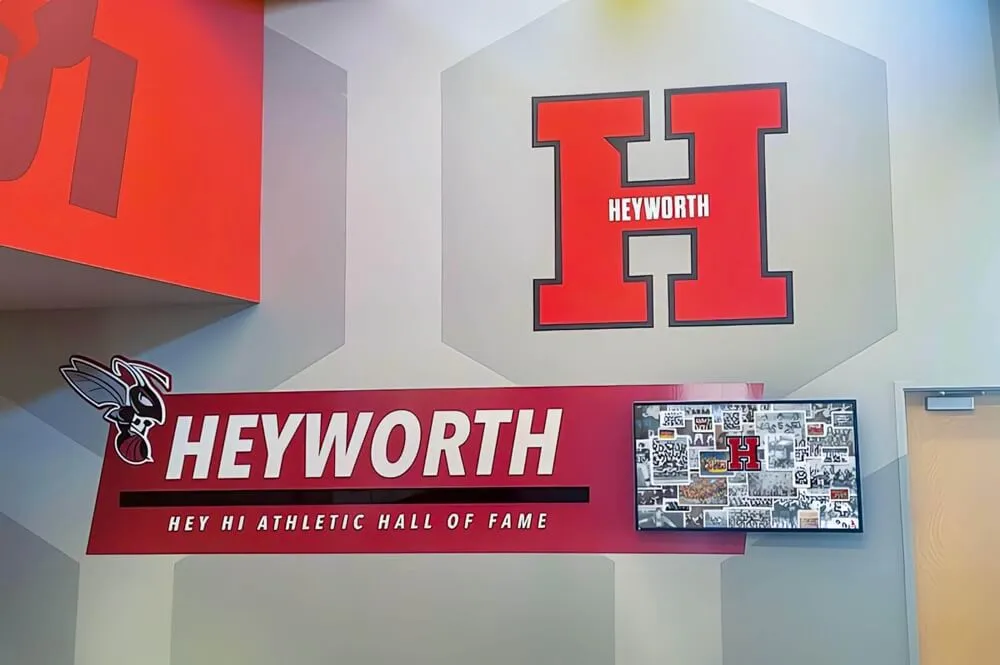
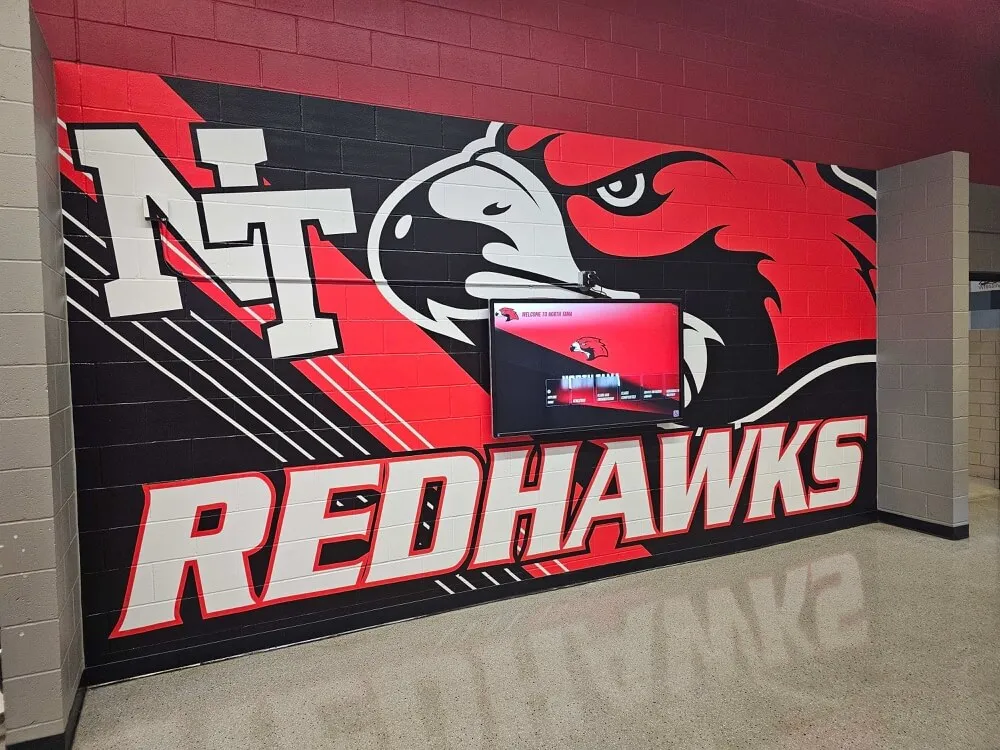
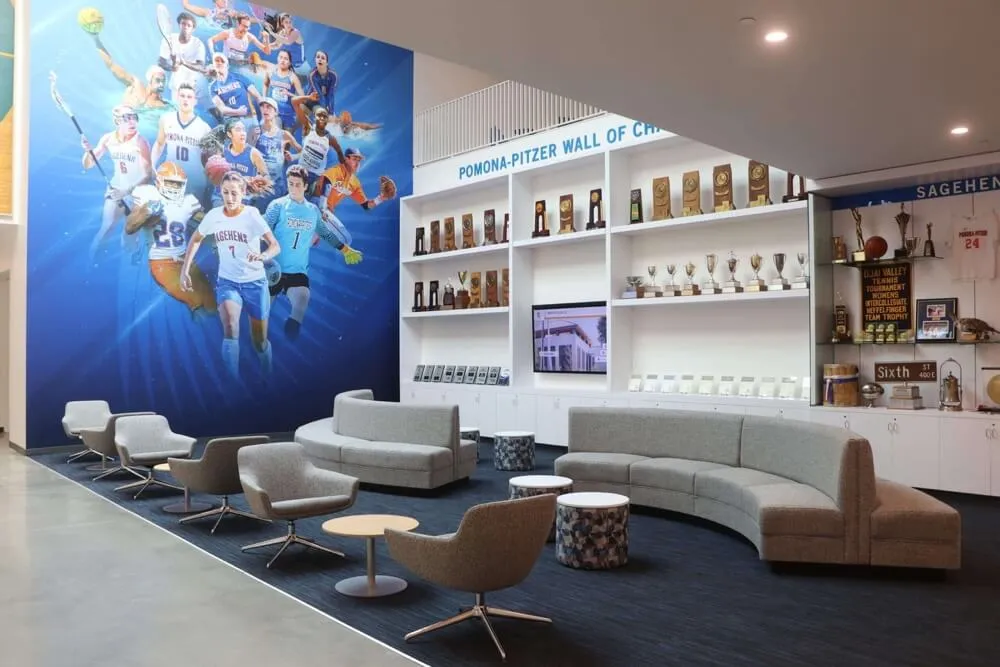
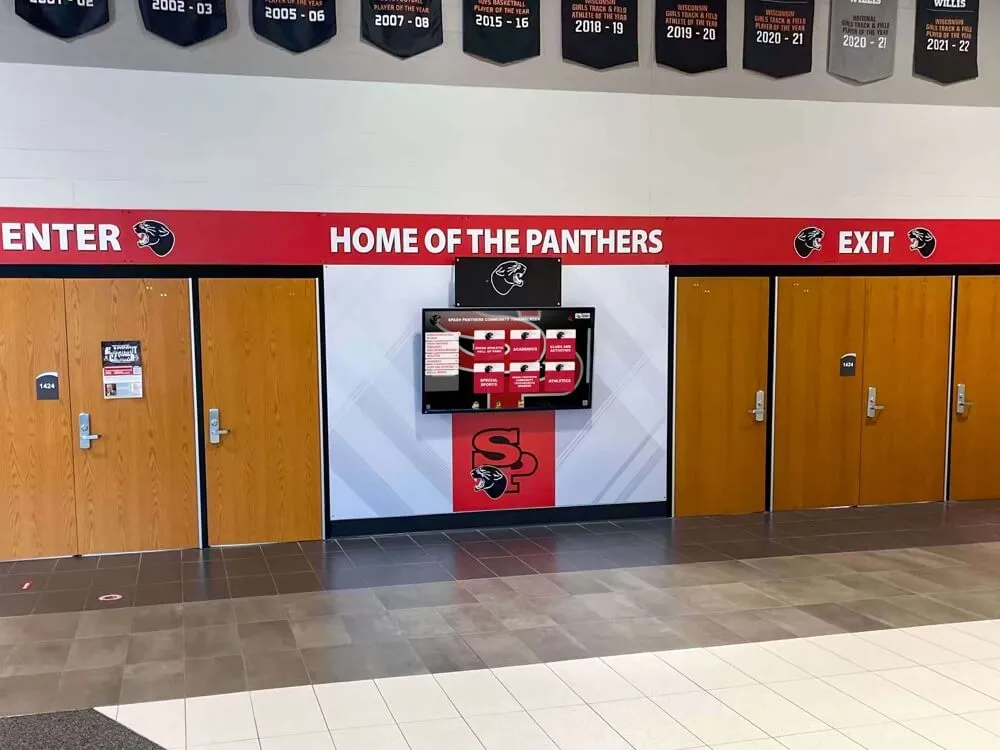
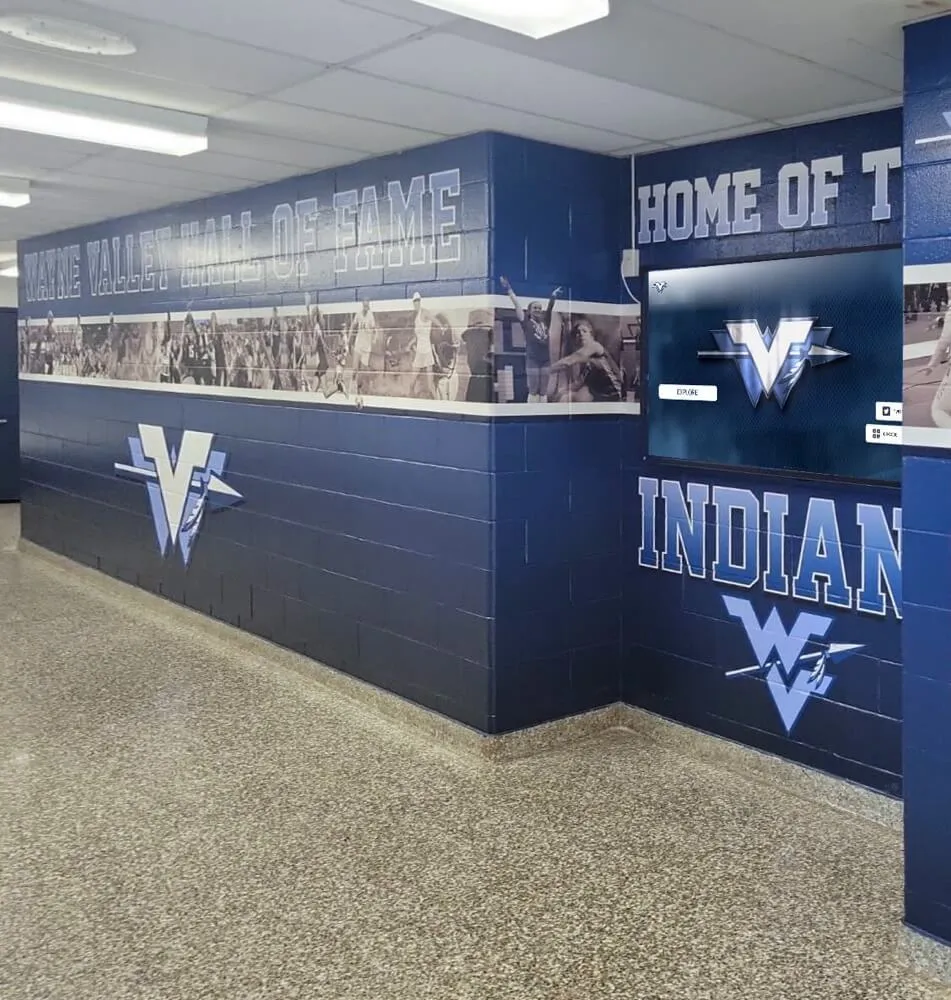
School spaces and branding create identity—yearbook covers that feature these elements connect students to their daily environment
Mascot and School Symbol Integration
Mascot designs create immediate school identification:
Traditional Mascot Illustrations Classic approaches with timeless appeal:
- Professional mascot artwork in school colors
- Mascot rendered in various artistic styles (realistic, stylized, geometric)
- Dynamic action poses conveying energy and spirit
- Mascot interaction with year numbers or text elements
- Vintage-inspired mascot designs connecting to school history
Photographic Mascot Approaches Real mascot costume photography:
- Action shots from athletic events or pep rallies
- Posed portraits with dramatic lighting
- Mascot interacting with students in candid moments
- Composite images blending mascot with campus scenes
- Series of mascot images showing different expressions or poses
Abstract Symbol Interpretation Modern takes on traditional symbols:
- Geometric patterns derived from mascot shapes
- Minimalist icon designs
- Typography incorporating mascot elements
- Negative space designs where mascot emerges from background
- Watercolor or artistic interpretations of school symbols
Mascot covers work particularly well for schools with strong athletic traditions or distinctive, beloved mascot identities that students genuinely rally around.
Class Composite and Student Photography
Putting students front and center ensures personal connection:
Senior Class Portraits Featuring the graduating class:
- Grid layouts showing every senior portrait
- Mosaic designs where individual portraits form larger images
- Selective feature portraits representing diverse student body
- Candid group photography capturing authentic interactions
- Formal posed groups at iconic campus locations
Student Life Collages Candid moments capturing the year’s experience:
- Photo montages showing diverse activities and events
- “Day in the life” sequences following students through typical days
- Seasonal progressions showing year’s evolution
- Emotion-focused collections (laughter, concentration, celebration)
- Behind-the-scenes glimpses of classes, clubs, and activities
Representative Student Groups Strategic selection showing diversity:
- Students from different grades, backgrounds, and activities
- Action shots from academics, arts, athletics, and clubs
- Natural interactions in hallways, cafeterias, and common spaces
- Event photography from dances, games, and performances
- Candid laughter and friendship moments
Student-focused covers create immediate personal connection but require careful selection ensuring the chosen students truly represent the broader community rather than just the most visible or popular individuals.
Modern and Creative Yearbook Cover Concepts
Contemporary approaches push beyond traditional boundaries while maintaining functionality.
Typography-Driven Designs
Text becomes the primary visual element:
Bold Statement Typography Text as artwork:
- Oversized year numbers dominating the cover
- School name in experimental typography
- Word-based designs using mission statements or mottos
- Layered text creating depth and visual interest
- Hand-lettered or calligraphic approaches adding personality
Kinetic Typography Motion-implied text designs:
- Letters appearing to move or explode
- Fragmented text elements suggesting energy
- Perspective effects creating dimensional text
- Typography integrated with photographs
- Text forming recognizable shapes or patterns
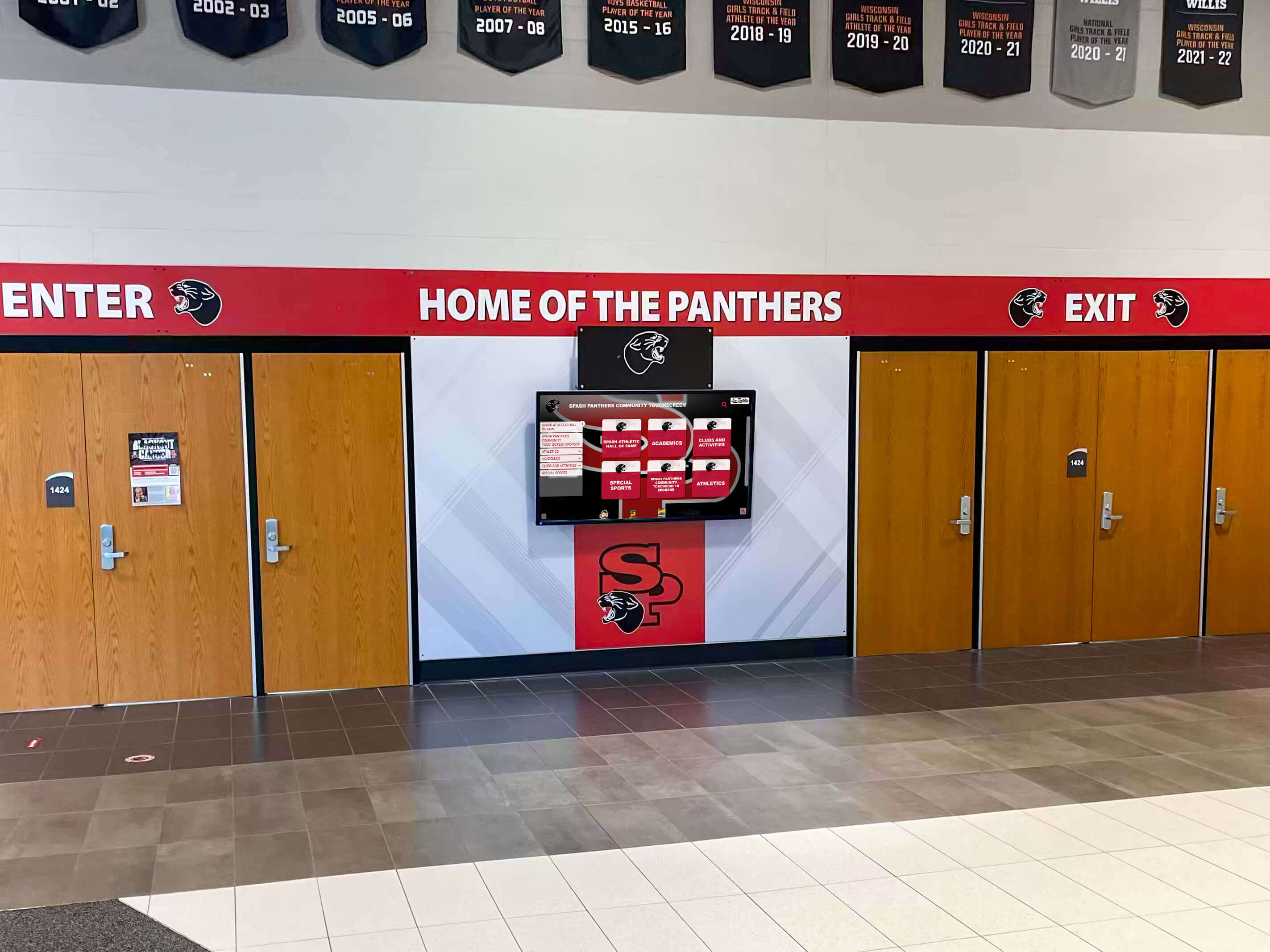
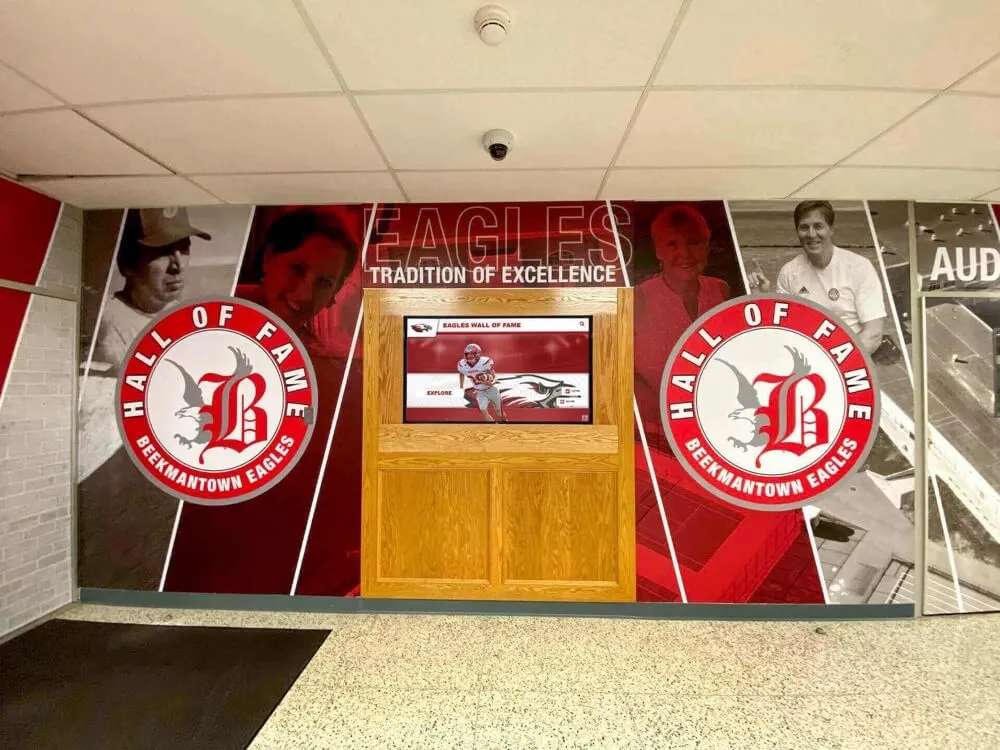
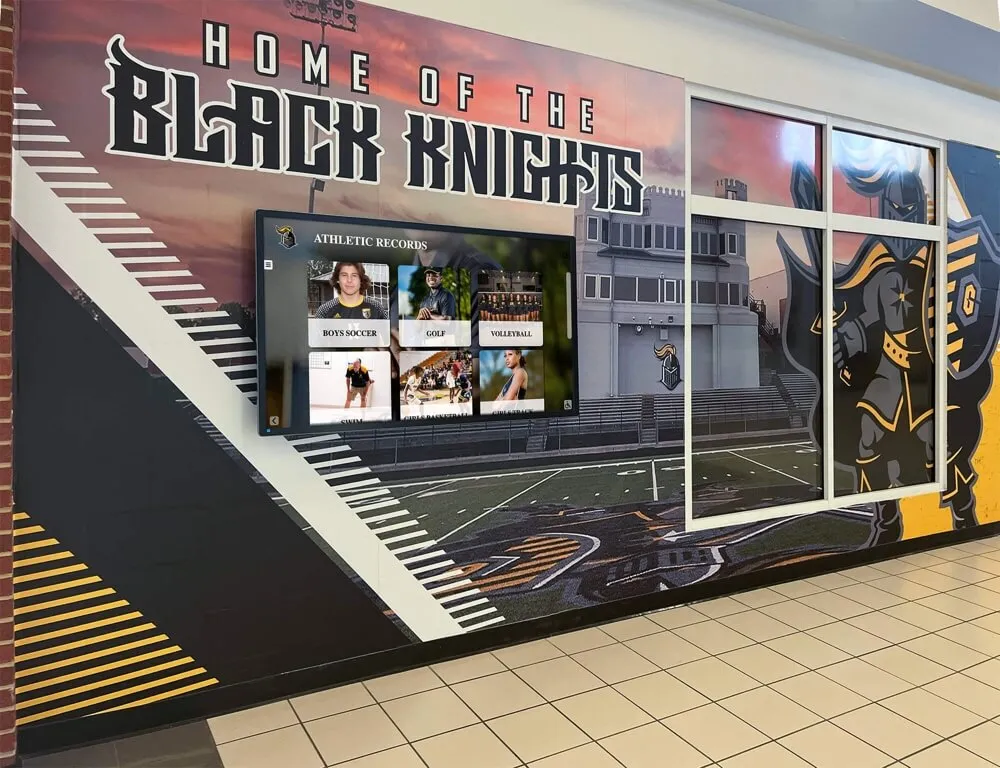
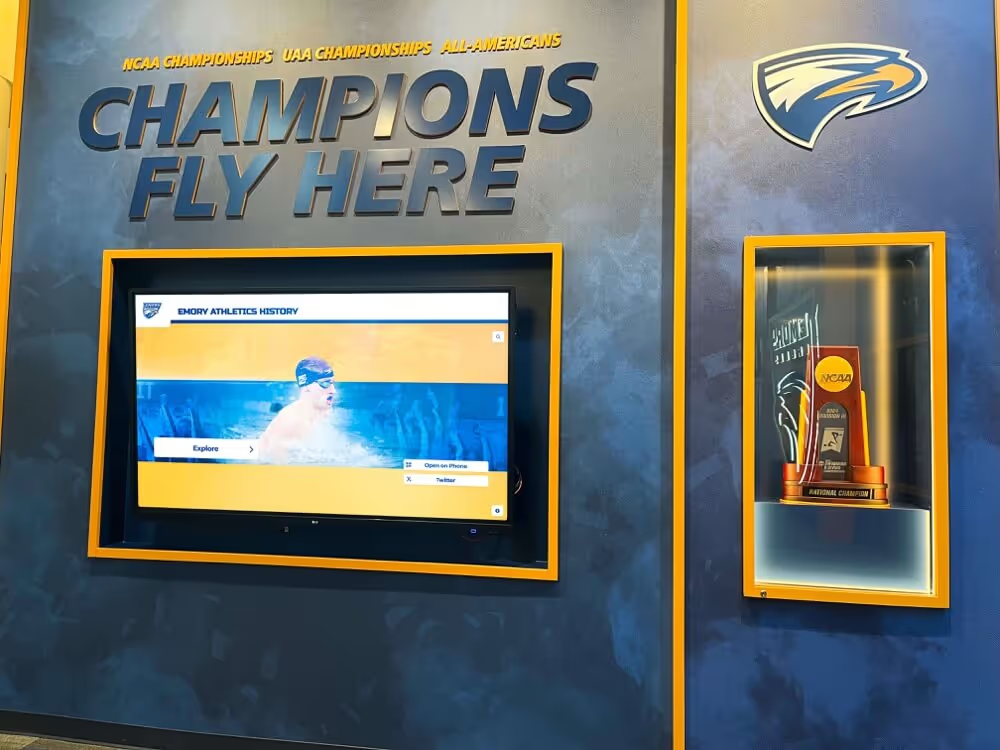
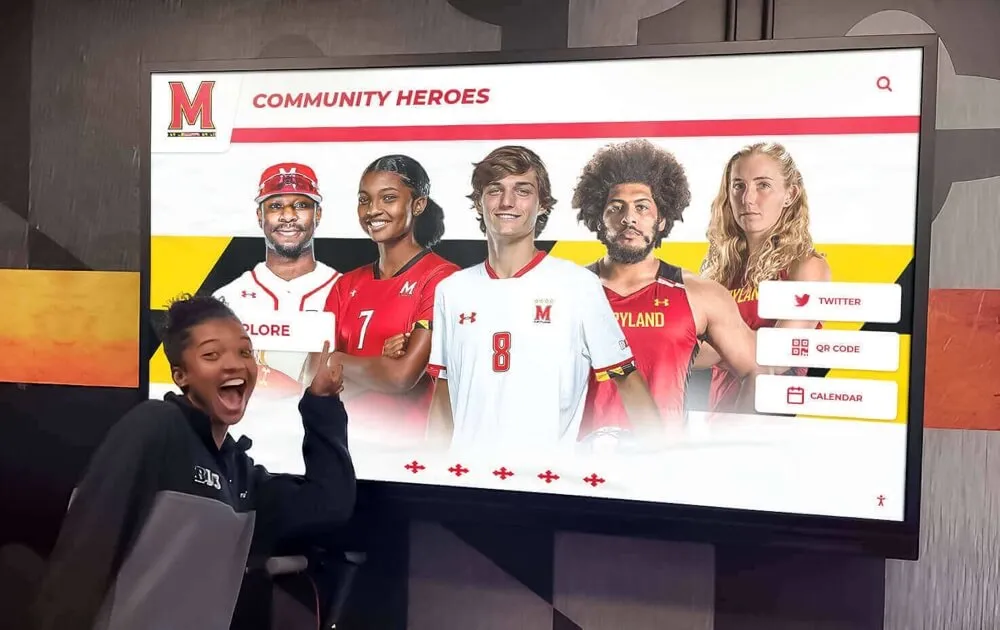
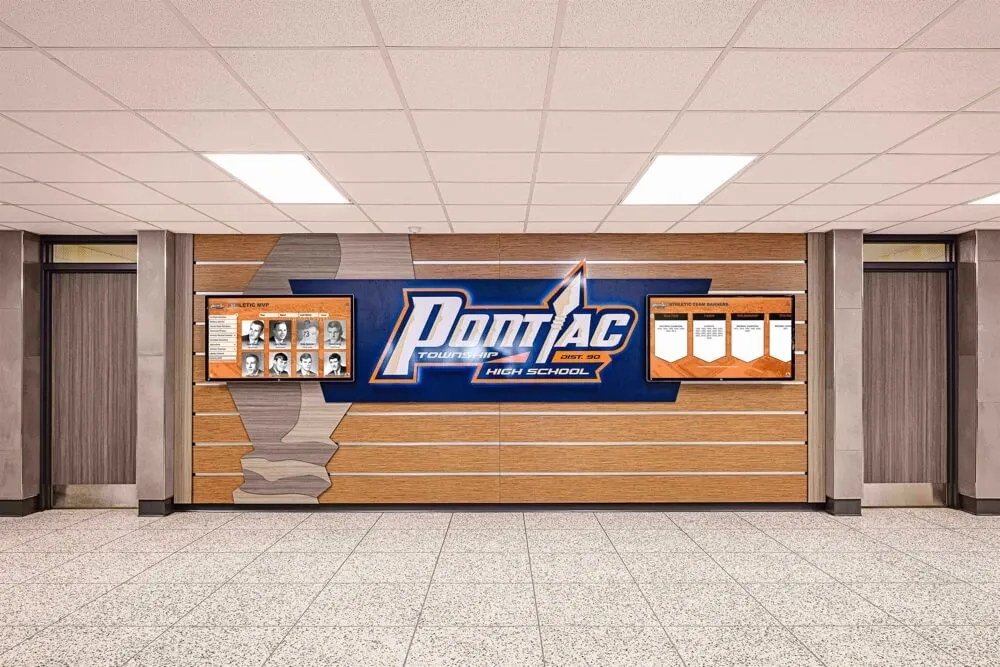
Strong branding and visual identity, whether in physical spaces or yearbook covers, creates immediate school recognition and pride
Illustration and Artistic Approaches
Original artwork creates unique, unreplicable covers:
Custom Illustration Styles Original artwork commissioned or created by students:
- Pen and ink drawings of campus scenes
- Watercolor interpretations of school life
- Digital illustration in contemporary styles
- Comic book or graphic novel aesthetics
- Mixed media combining photography with illustration
Student Artwork Showcase Celebrating artistic talent within your school:
- Selecting winning pieces from art competitions
- Collaborative murals created by multiple art students
- Designs that interpret school theme through visual art
- Gallery-quality presentations of exceptional student work
- Recognition crediting student artists prominently
Schools with strong visual arts programs particularly benefit from illustration-based covers, providing recognition for artistic students while creating distinctive, memorable designs.
Pattern and Texture Concepts
Repeating elements create visual interest:
Geometric Patterns Mathematical precision meets artistic design:
- Tessellations using school colors
- Sacred geometry or mandala designs
- Modern minimalist patterns
- Op-art optical illusions
- Architectural patterns inspired by campus buildings
Photographic Patterns Imagery used as repeating elements:
- Thumbnail photo grids creating larger images
- Repeated mascot symbols in various colors
- Student portrait patterns
- Texture photographs (brick walls, athletic surfaces, natural elements)
- Abstract close-ups of campus details
Textured Backgrounds Tactile visual elements:
- Vintage paper textures suggesting history
- Fabric textures (denim, leather, canvas)
- Natural textures (wood grain, stone, water)
- Urban textures (concrete, metal, graffiti)
- Digital glitch or noise patterns for contemporary feel
Pattern-based designs work well for schools seeking modern, design-forward covers that don’t rely on specific photographic moments that may not age well.
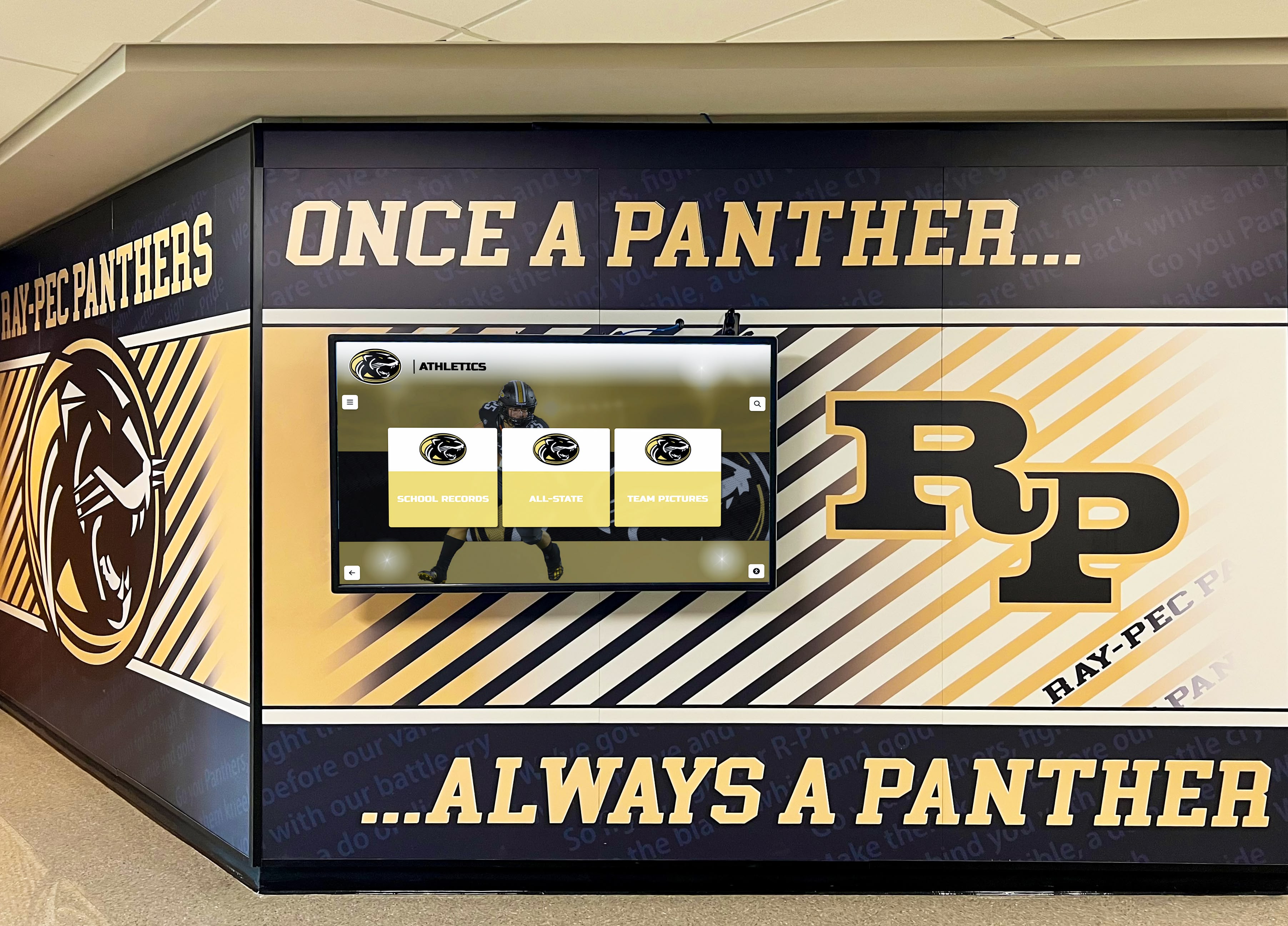
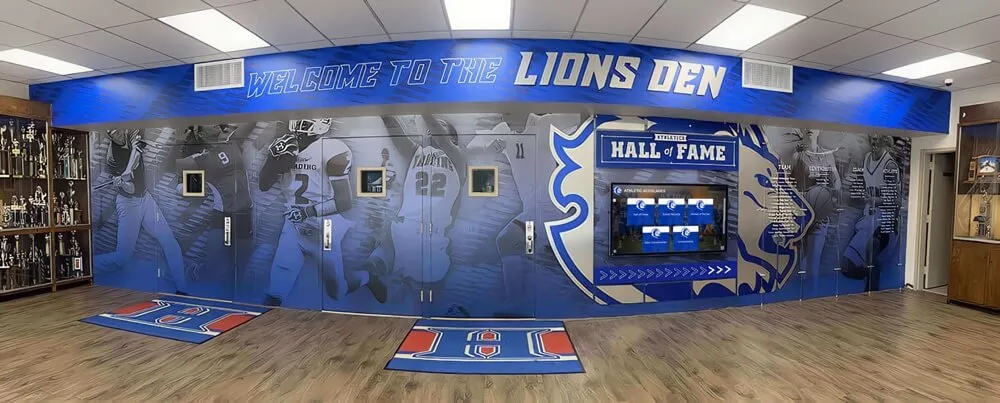
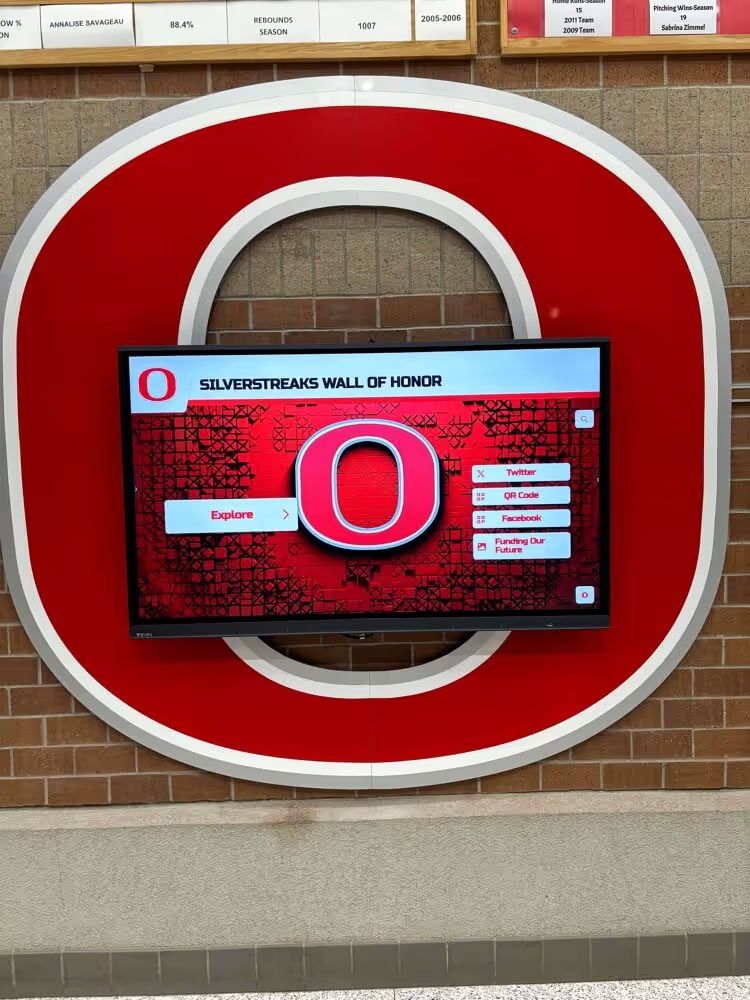
Strong visual branding in school spaces demonstrates how cohesive design elements create memorable identity
Theme-Based Yearbook Cover Ideas
Conceptual themes provide cohesive frameworks for cover and interior design.
Annual Theme Integration
Covers should reflect yearbook’s organizing concept:
Time and Journey Themes Temporal concepts with broad appeal:
- “A Year to Remember” with calendar or clock imagery
- “Journey” themes using roads, pathways, or maps
- “Chapter” concepts with book or story imagery
- “Moments” focusing on snapshots in time
- “Timeline” designs showing progression through the year
Growth and Achievement Themes Educational development focus:
- “Rising” or “Ascending” with upward visual movement
- “Building” concepts using construction or architectural elements
- “Roots and Wings” balancing foundation and aspiration
- “Transform” showing before and after evolution
- “Legacy” connecting current students to school history
Unity and Community Themes Collective experience emphasis:
- “Together” or “United” with collaborative imagery
- “One School, Many Stories” celebrating diversity
- “Family” concepts emphasizing belonging
- “Home” making school the center of community
- “Tradition” honoring what connects generations
Theme selection should emerge from genuine reflection about the year’s character rather than arbitrary assignment, ensuring authentic connection to actual student experience.
Location and Place-Based Themes
Geographic identity grounding the design:
City and Regional Pride Celebrating local context:
- City skyline silhouettes behind school name
- Local landmarks integrated with school imagery
- Regional characteristics (mountains, oceans, plains, forests)
- State or regional pride elements
- Urban or rural aesthetic reflecting location
Campus as Place The school itself as theme:
- “Where We Belong” focusing on school spaces
- “Our Place” emphasizing ownership and connection
- Map-based designs showing campus layout
- Architectural element close-ups
- Rooms and spaces where memories were made
Virtual and Hybrid Space Themes For schools with significant online components:
- Digital aesthetic with pixels or code elements
- Screen interface design concepts
- “Connected” themes showing digital and physical integration
- Split designs showing online and in-person experiences
- Technology motifs reflecting contemporary education
The latter category gained relevance during pandemic years and remains relevant for schools with substantial online learning components or tech-focused identities.
Pop Culture and Contemporary Themes
Current references creating time capsules:
Current Year Cultural References Capturing the moment (with caution):
- Music or entertainment references defining the year
- Social media aesthetics and visual language
- Trending design styles and color palettes
- Technology or app interface designs
- Memes or viral content (selected very carefully)
Retro and Vintage Themes Looking backward with intentional nostalgia:
- Specific decade aesthetics (80s neon, 90s grunge, Y2K futurism)
- Vintage photography filters and effects
- Retro typography and design elements
- “Throwback” concepts connecting to school’s earlier eras
- Vintage yearbook cover designs reimagined
Caution with Trendy Themes Balance contemporary relevance with longevity:
- What feels cutting-edge today may look embarrassingly dated in five years
- Inside jokes or references may not make sense to future viewers
- Ensure themes remain comprehensible to community members who aren’t chronically online
- Test concepts with diverse student groups including less pop-culture-engaged students
- Consider whether references will need explanation even one year later
Pop culture themes work best when balanced with timeless design principles, using contemporary elements as accent rather than entire concept basis.
Color Palette and Visual Style Strategies
Strategic color and style decisions dramatically impact cover effectiveness.
Color Scheme Selection
Color choices communicate before viewers consciously process design:
School Color Emphasis Traditional approach with variations:
- Primary school colors as dominant palette
- School colors as accents with neutral base
- Tinted or toned school colors for sophistication
- Metallic versions of school colors (gold instead of yellow, silver instead of gray)
- School colors with unexpected complementary shades
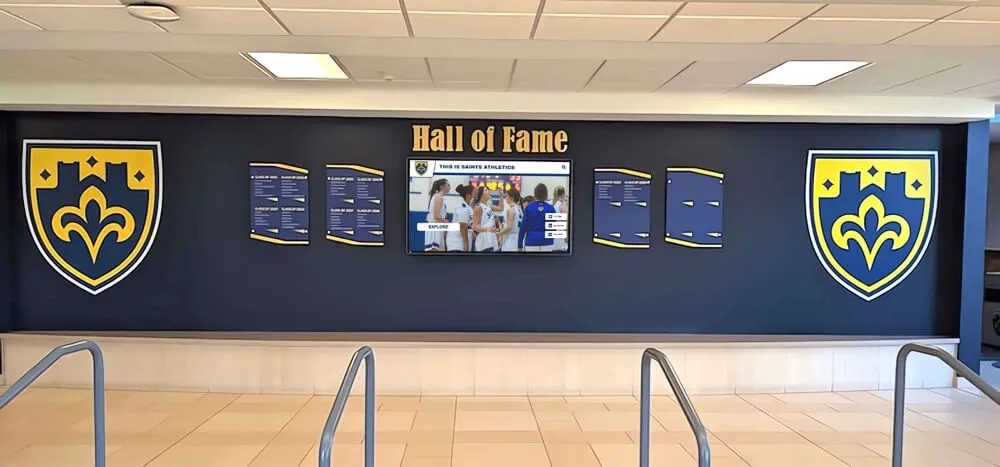
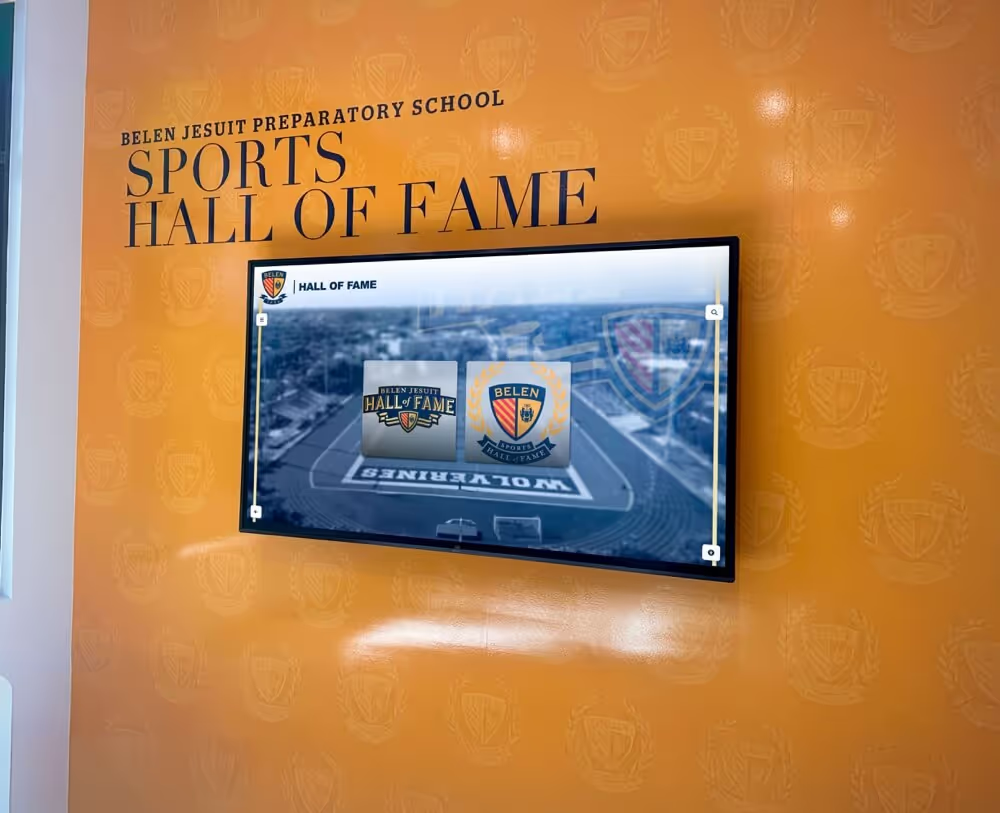
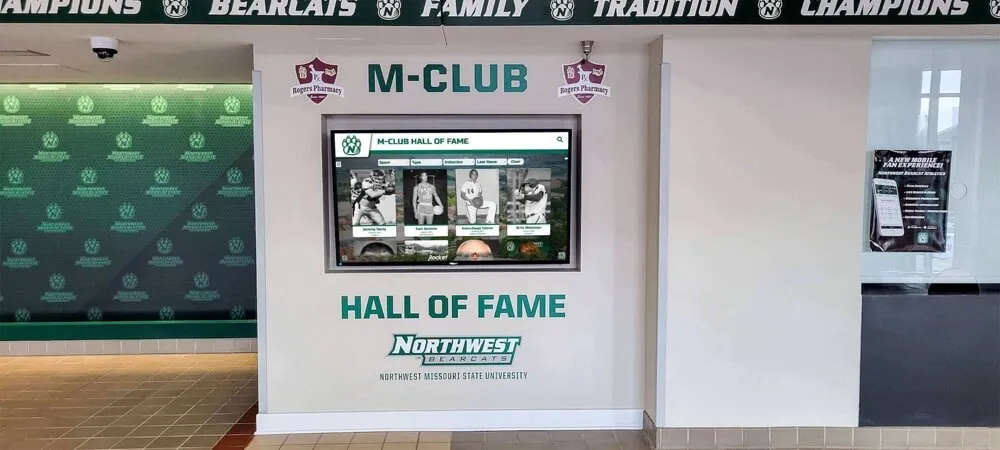
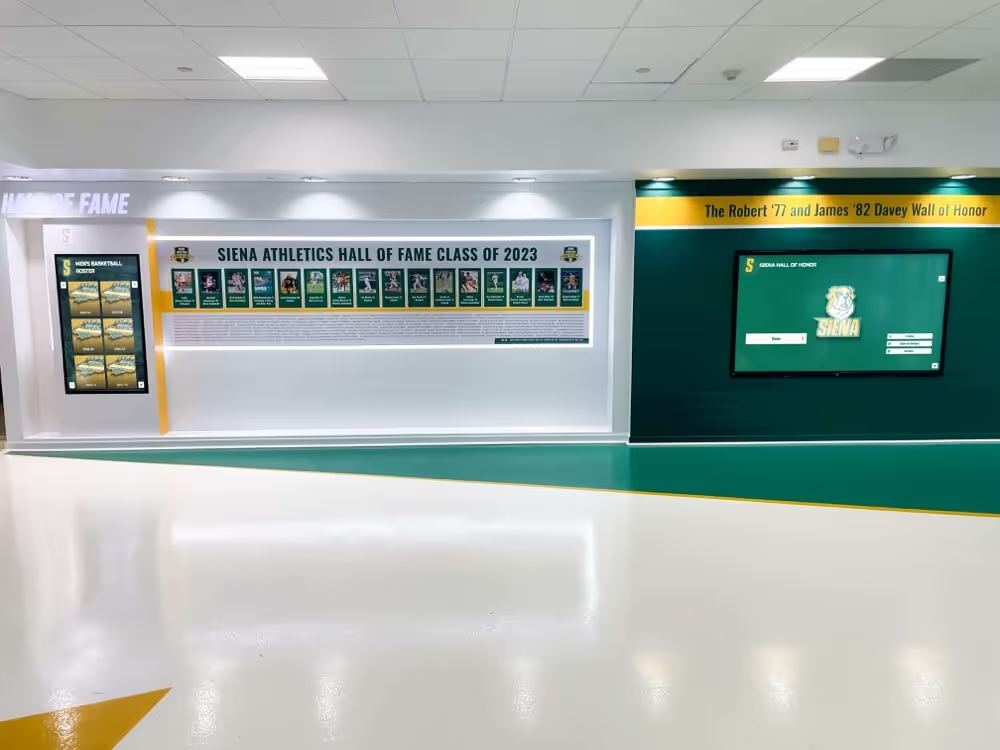
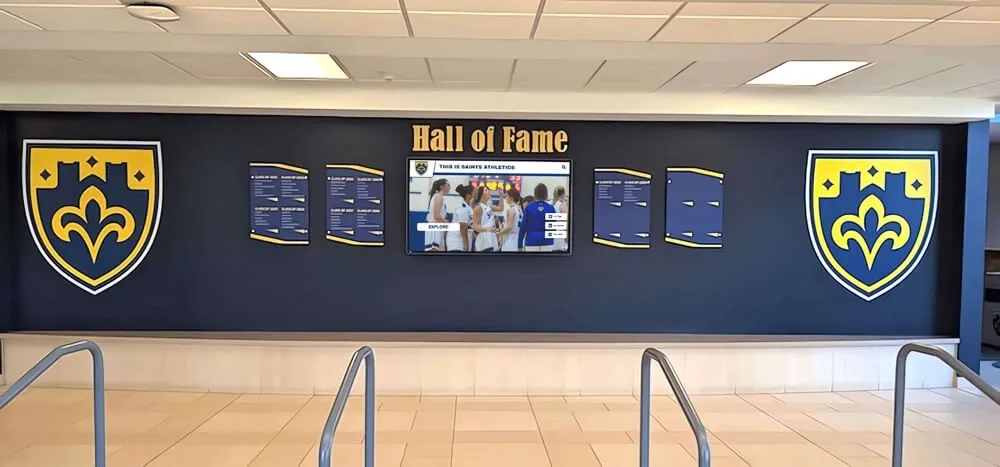
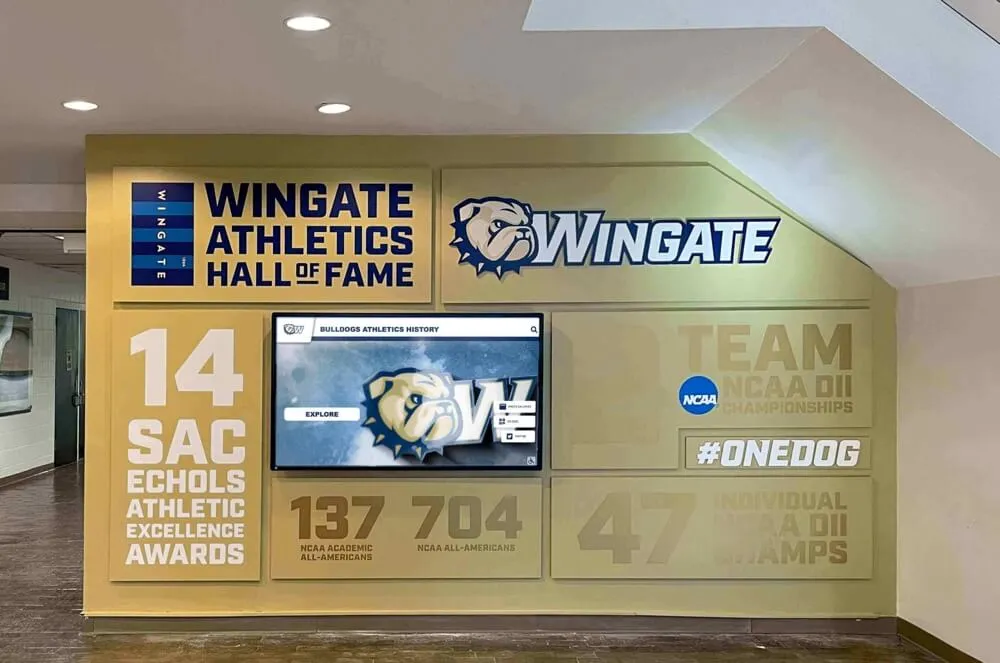
Recognition displays demonstrate how school colors and visual identity create cohesive, professional presentations
Monochromatic Sophistication Single color in multiple values:
- Black and white classic elegance
- Grayscale with single accent color
- Tones of school’s primary color
- Sepia or vintage single-color treatments
- Navy, burgundy, or forest green sophistication
Contemporary Color Trends Modern palettes feeling current:
- Millennial pink and gold combinations
- Sage green and terracotta earth tones
- Bold jewel tones (emerald, sapphire, amethyst)
- Muted pastels with strong contrast
- Unexpected color pairings (coral and navy, mustard and gray)
Gradient and Transition Effects Color progression creating movement:
- Sunset gradients from warm to cool
- Subtle tonal shifts adding depth
- Bold ombré effects
- Duotone treatments on photographs
- Color blocking with graduated transitions
Color psychology matters: Blues convey trust and calm, reds suggest energy and passion, greens connect to growth and nature, while yellows and oranges project optimism and warmth.
Finish and Material Considerations
Surface treatments affect durability and aesthetics:
Lamination Options Protective coatings with visual effects:
- Gloss lamination: Vibrant color reproduction with reflective shine, shows fingerprints
- Matte lamination: Sophisticated, subtle finish with better fingerprint resistance
- Soft-touch lamination: Premium velvet-like feel, distinctive tactile experience
- Spot UV: Selective glossy areas on matte base creating dimensional contrast
- Texture lamination: Raised patterns adding physical dimension
Special Effects and Enhancements Premium treatments elevating design:
- Foil stamping: Metallic elements (gold, silver, copper, holographic)
- Embossing: Raised design elements creating shadows and texture
- Debossing: Pressed elements creating subtle sophistication
- Die-cutting: Custom shaped covers beyond standard rectangles
- Windows: Cut-out elements revealing interior pages or colors
Budget significantly impacts finish options, with basic lamination adding minimal cost while extensive foiling or die-cutting creating premium price points. Schools should select effects that genuinely enhance design rather than applying them simply because they’re available.
Incorporating School Identity and Achievements
Covers should celebrate what makes your specific school year unique.
Academic Excellence Recognition
Honoring intellectual achievement:
Scholar and Achievement Highlights Celebrating academic success:
- National Merit Scholar acknowledgment
- Academic competition victories (Science Olympiad, Math Bowl, etc.)
- Academic recognition programs and honor roll achievements
- Advanced Placement or IB program participation milestones
- Perfect attendance or GPA achievements
Specialized Program Recognition Unique academic offerings:
- STEM programs and innovation labs
- Performing arts academies or specialized tracks
- Career and technical education certifications
- Dual enrollment or early college programs
- Language immersion or international programs
Schools with distinctive academic identities should prominently feature these elements, ensuring yearbooks reflect comprehensive student achievement beyond athletics.
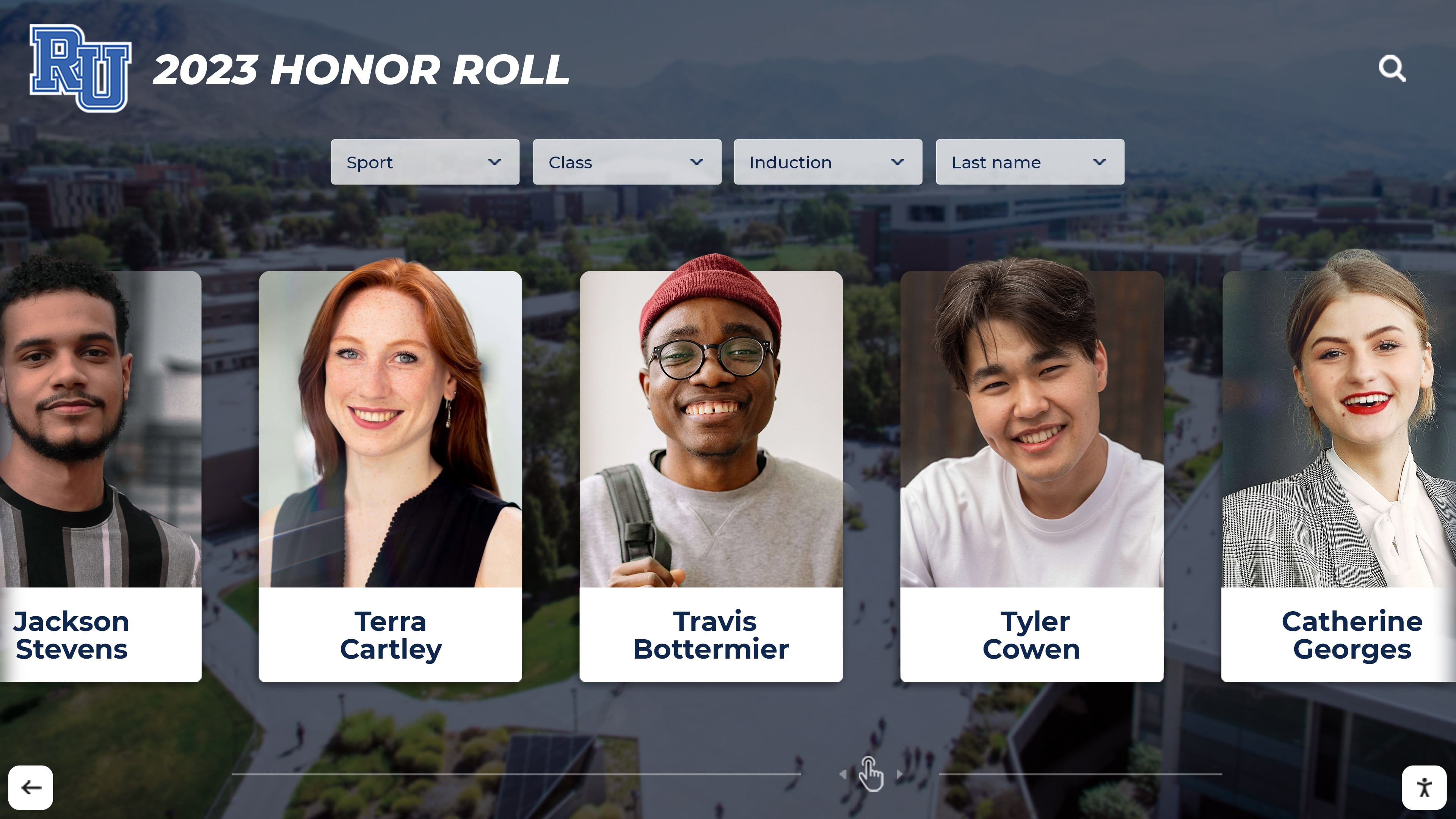
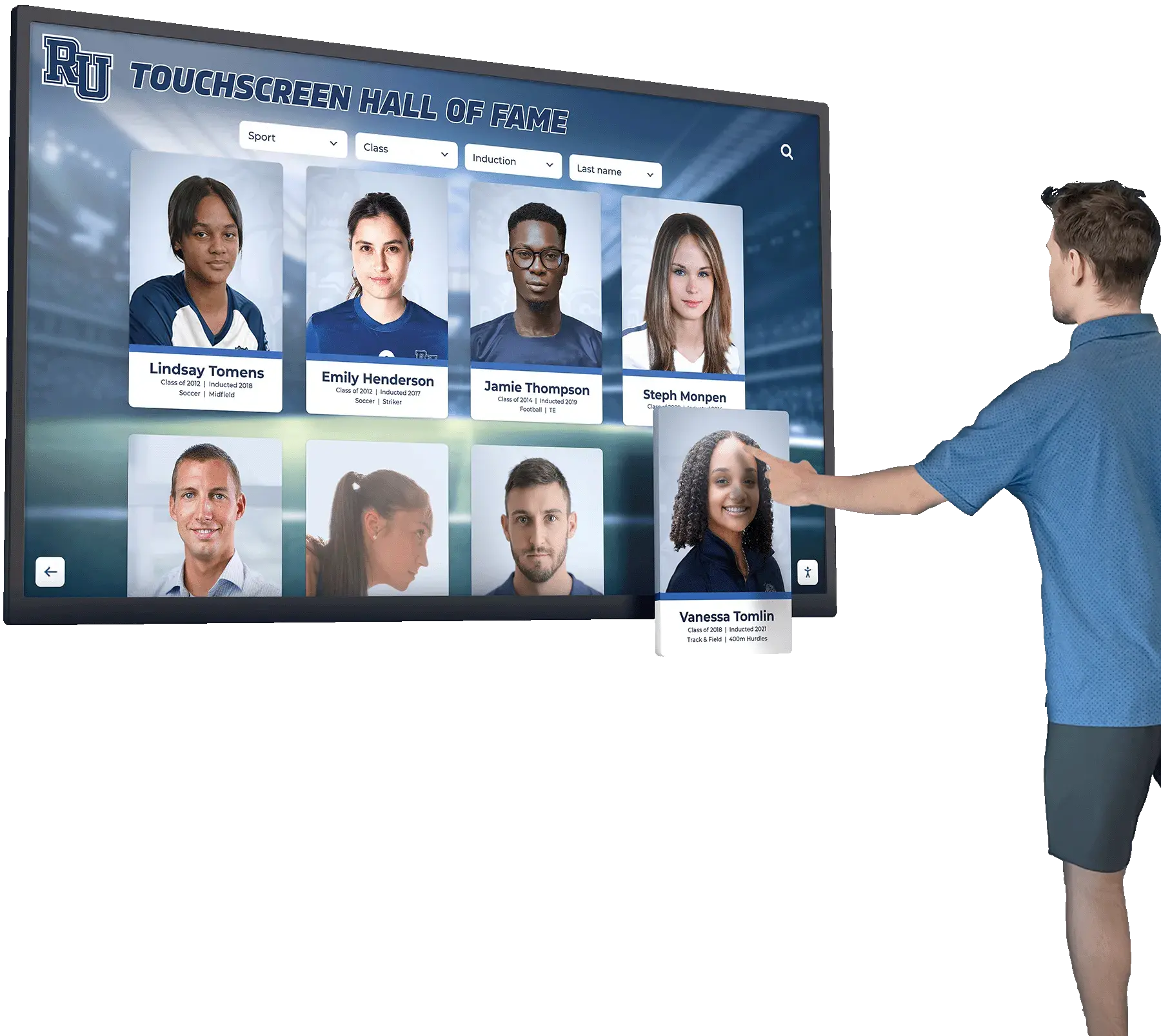
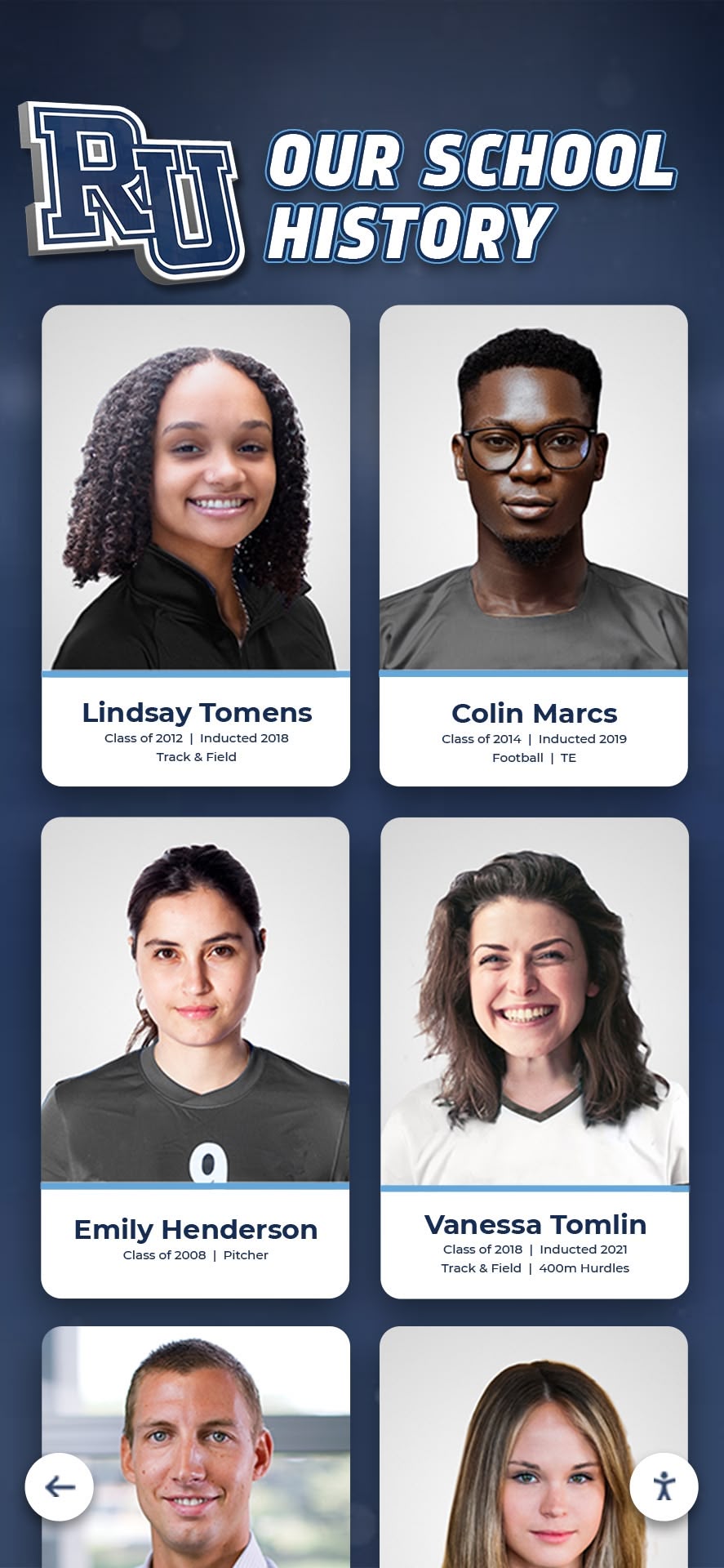
Individual student recognition cards demonstrate how yearbooks can celebrate academic achievements alongside traditional content
Athletic Accomplishments and School Spirit
Celebrating competitive success:
Championship Recognition Highlighting winning seasons:
- State championship victories in any sport
- Conference or district titles
- Undefeated seasons or historic records
- Individual athlete state or national recognition
- Team achievements reaching unprecedented levels
Spirit and Tradition Celebration Beyond competition results:
- Spirit week activities and participation
- Homecoming traditions and celebration
- Student section enthusiasm and creativity
- Mascot visibility and tradition
- Pep rally energy and participation
Inclusive Athletic Recognition Ensuring comprehensive representation:
- All sports receiving proportional recognition
- JV and freshman team inclusion
- Senior night celebrations across all sports
- Individual milestones and achievements
- Sportsmanship and character awards
Balance athletic prominence with other achievements, ensuring students uninterested in sports still see themselves represented in yearbook content and cover design.
Arts and Extracurricular Highlights
Celebrating creative and organizational achievement:
Performing Arts Recognition Theatre, music, and dance accomplishments:
- Musical or play productions reaching new audience levels
- All-state music recognition for individual students
- Competition success in marching band, choir, or orchestras
- Dance team performances and competition victories
- Speech and debate achievements
Visual Arts and Publications Creative student work recognition:
- Art class excellence and competition success
- Photography program achievements
- Literary magazine publication milestones
- Journalism and newspaper recognition
- Film and media production accomplishments
Club and Organization Achievements Student leadership and initiative:
- Robotics competition success
- Student government initiatives and projects
- Service organizations and community impact
- Academic clubs reaching new participation levels
- Special interest groups creating inclusive communities
Comprehensive representation ensures all students find themselves or their activities somewhere in the yearbook, increasing purchase likelihood and creating genuine community documentation.
Student Involvement in Cover Design Process
Engaging the yearbook audience creates ownership and improves outcomes.
Collaborative Design Approaches
Multiple pathways to student input:
Design Competition Open call for cover concepts:
- Announce competition with clear submission guidelines
- Establish evaluation criteria (creativity, technical feasibility, theme alignment, school representation)
- Form diverse judging panel including students, staff, and possibly alumni
- Consider multiple rounds narrowing field from many submissions to finalists
- Provide constructive feedback to all participants
- Recognize all submitted designs even if not selected
Design competitions engage artistic students while generating multiple concepts to consider, though require significant time and coordination.
Student Surveys and Voting Democratic selection process:
- Create 3-5 strong cover designs (by staff, professional designer, or competition finalists)
- Present options to entire student body
- Conduct voting through online survey, paper ballots, or both
- Ensure voting legitimacy preventing ballot-stuffing
- Share results transparently
- Implement winning design or use voting data to inform final refinement
Voting creates buy-in and ensures selected design genuinely resonates with majority rather than reflecting only yearbook staff preferences.
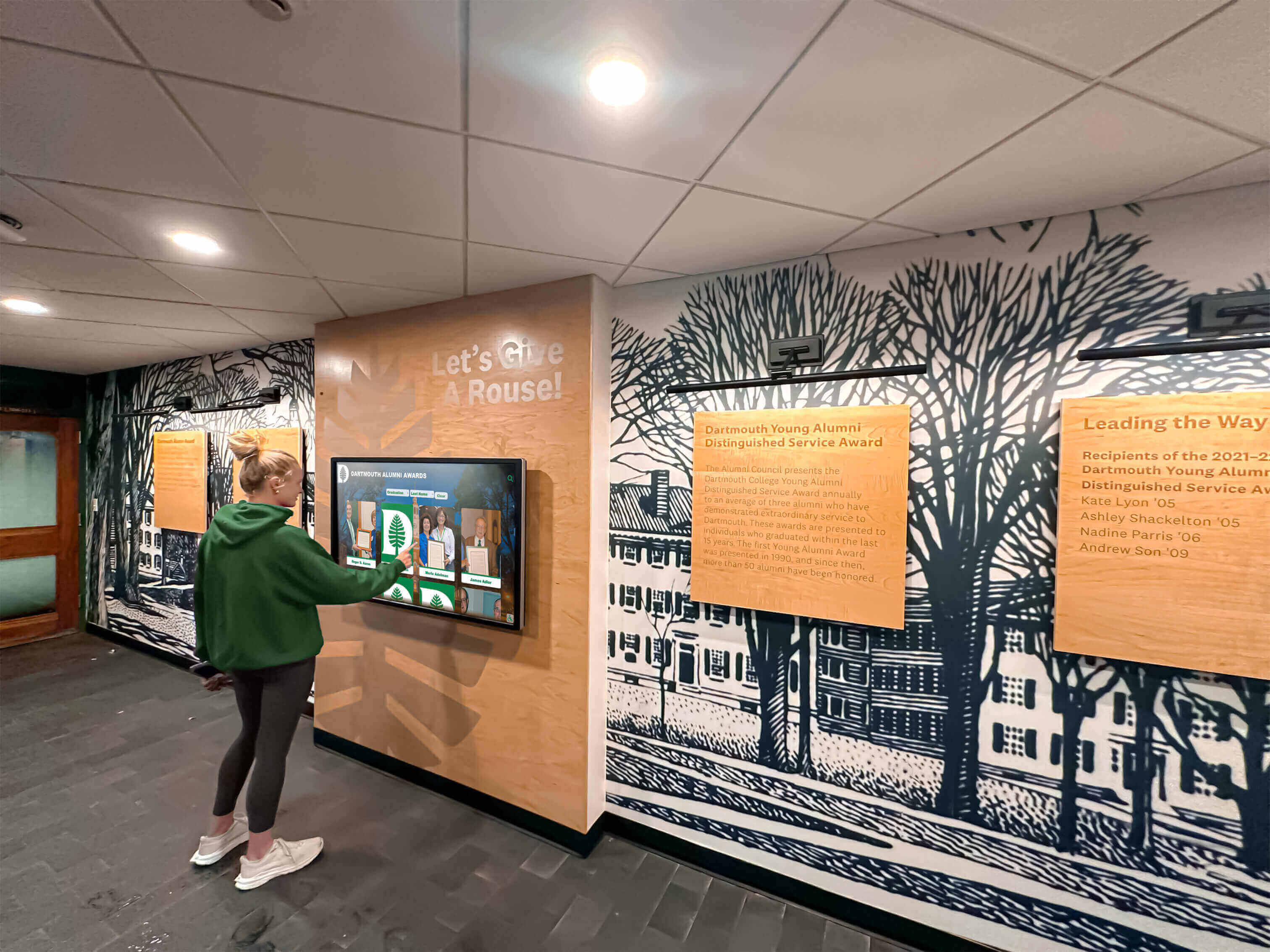
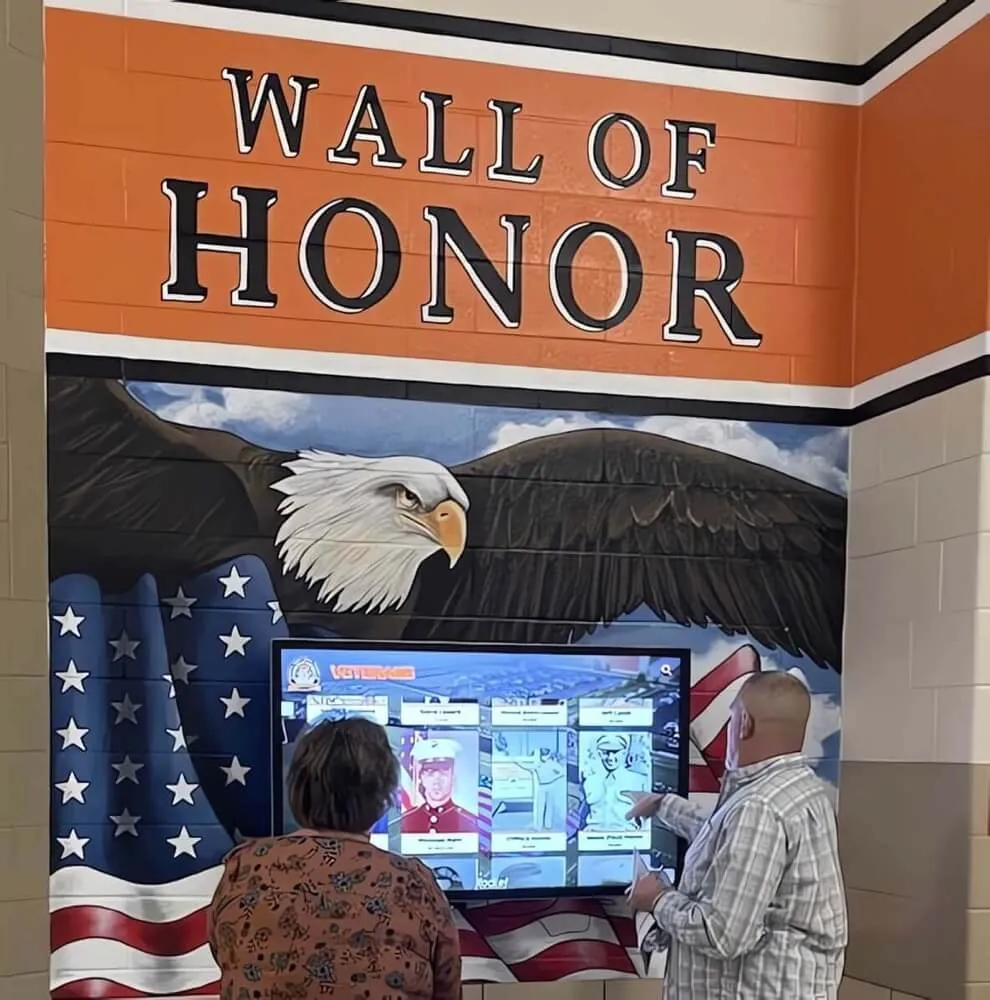
Engaging students through interactive technology or participatory processes creates ownership and connection
Yearbook Staff Collaboration Committee-based development:
- Assign cover design as special project for small team
- Research cover trends and compile inspiration boards
- Develop multiple concept directions
- Iterate based on advisor and peer feedback
- Collaborate with professional designer implementing concepts
- Document process for portfolio development
Staff-driven design builds leadership skills while ensuring those most invested in the yearbook drive creative direction.
Focus Groups and Feedback Sessions
Testing concepts before finalizing:
Diverse Representative Groups Gathering broad perspectives:
- Include students from different grades
- Represent various social groups and activities
- Ensure racial, ethnic, and gender diversity
- Include both yearbook purchasers and those who typically don’t buy
- Invite students with different aesthetic preferences (traditional vs. modern, etc.)
Structured Feedback Collection Systematic response gathering:
- Present cover options without indicating preferences
- Ask specific questions about each design’s strengths and weaknesses
- Inquire what each design communicates about the school
- Determine which cover makes students most proud to own the yearbook
- Gather suggestions for refinement or combination elements
- Document all feedback for designer reference
Focus groups prevent echo chamber effects where yearbook staff lose perspective on what resonates with broader student population.
Design Trends and Timeless Approaches
Balancing contemporary aesthetics with enduring appeal.
Current Yearbook Design Trends
Understanding what’s popular currently:
Minimalist Aesthetics Less-is-more approaches:
- Generous white space creating breathing room
- Simple geometric shapes and lines
- Limited color palettes (2-3 colors maximum)
- Clean sans-serif typography
- Single strong focal image rather than collages
Bold Typography Dominance Text as primary visual:
- Oversized year numbers or school names
- Experimental typeface combinations
- Hand-lettered or custom typography
- Type as image through creative treatments
- Minimal imagery letting text carry design
Authentic Photography Real moments over posed shots:
- Candid action photography
- Documentary-style coverage
- Unfiltered authentic expressions
- Behind-the-scenes glimpses
- Photojournalistic composition
Maximalist Busy Designs More-is-more approaches:
- Layered complex compositions
- Dense pattern and detail
- Multiple photo collages
- Vibrant color saturation
- Baroque ornamental elements
Trends cycle—what feels fresh today may look dated tomorrow. Consider your school’s conservative or progressive nature when deciding how trendy to be.
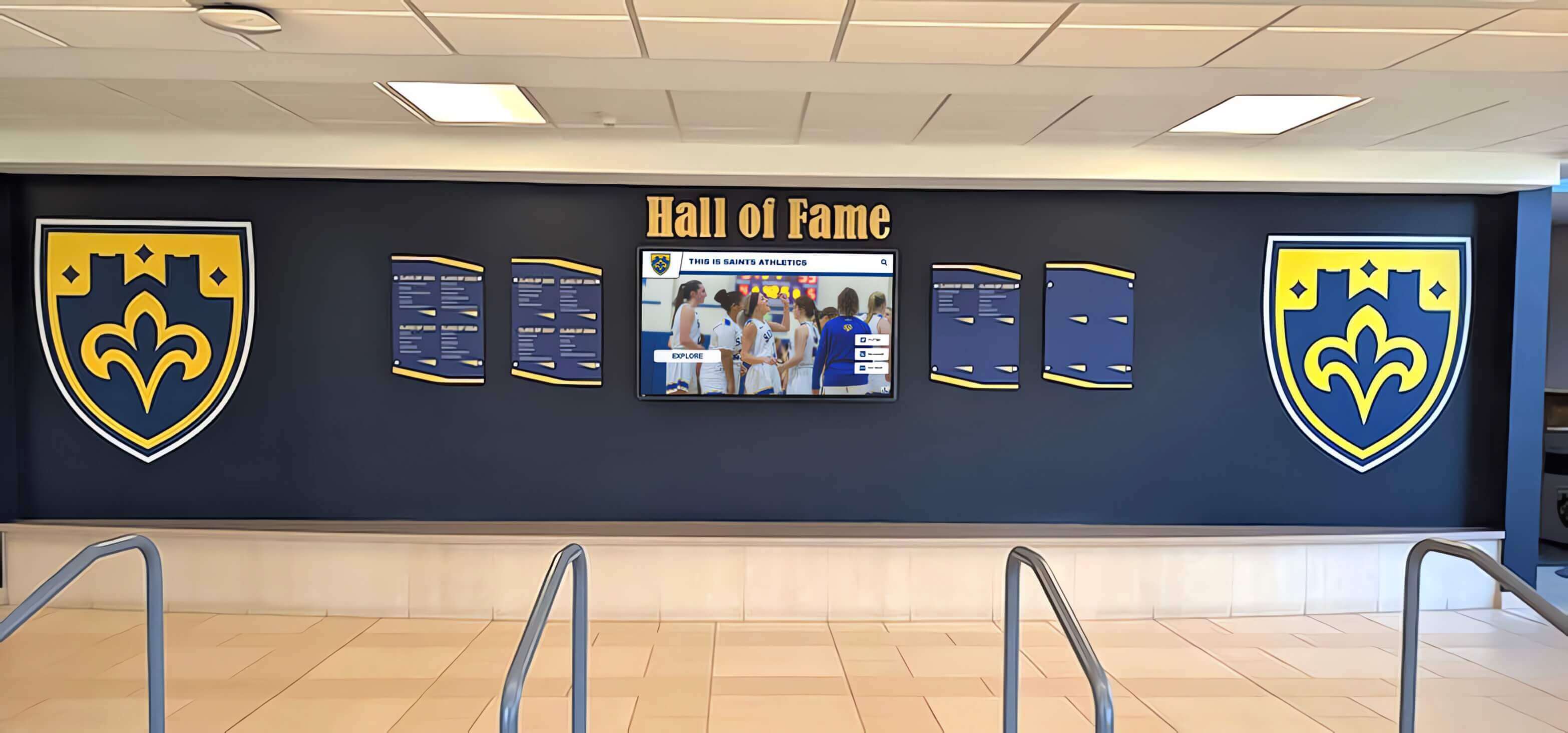
Schools with strong visual identity and traditional elements can blend classic and contemporary design approaches
Creating Timeless Designs
Strategies for longevity:
Classic Composition Principles Enduring design foundations:
- Rule of thirds for balanced layouts
- Strong focal points with clear visual hierarchy
- Harmonious color relationships
- Legible typography in appropriate sizes
- Professional photography with strong lighting and composition
Avoiding Dated Elements Design choices that age poorly:
- Overused trendy filters (heavy Instagram effects, etc.)
- Meme references or viral trend imagery
- Hyper-specific pop culture references
- Typefaces having particular cultural moment (looking at you, Papyrus)
- Design software default effects (drop shadows, bevels, lens flares)
Hybrid Approach Contemporary yet enduring:
- Classic structure with modern accents
- Timeless photography with current graphic treatments
- Traditional school elements presented in fresh ways
- Current color palettes in professional applications
- Contemporary without being aggressively trendy
The best yearbook covers feel current when published but don’t immediately identify as being from specific year when viewed decades later—they age gracefully rather than appearing frozen in obviously dated moment.
Budget Considerations and Cost Management
Creating impressive covers within financial constraints.
Cost Factors and Budget Tiers
Understanding expense variables:
Basic Cover Elements Standard yearbook packages:
- Four-color printing on standard cover stock
- Basic protective lamination (gloss or matte)
- Standard dimensions without custom die-cutting
- Publisher-provided design templates with customization
- Digital file submission without significant design iterations
- Typical cost: Base yearbook price per book
Mid-Range Enhancements Moderate upgrades:
- Custom photography or professional designer fees ($500-$2,000)
- Premium lamination (soft-touch) adding tactile quality
- Spot UV accent creating dimensional contrast
- Upgraded cover stock for improved durability
- Additional design revisions and customization
- Typical cost addition: $2-$5 per book
Premium Design and Production High-end options:
- Extensive professional design services ($2,000-$5,000+)
- Foil stamping (metallic elements) adding luxury
- Embossing or debossing creating texture
- Die-cut custom shapes or windows
- Multiple special effects combined
- Typical cost addition: $5-$15+ per book
Budget constraints often limit options, but creative thinking within basic tiers produces impressive results without premium costs.
Maximizing Impact Within Budget
Strategies for quality without expense:
Student Talent Utilization Free creative resources:
- Art students creating original illustrations
- Photography students shooting cover images
- Graphic design class projects developing concepts
- Yearbook staff learning design software rather than outsourcing
- Teacher or parent volunteers with professional design experience
Strategic Premium Effect Usage Selective enhancements:
- Single foil element rather than extensive foiling
- Spot UV on focal area rather than multiple locations
- Upgraded lamination feeling premium across entire cover
- One sophisticated effect rather than multiple competing treatments
- Professional photography for cover with student photos inside
Template Customization Excellence Making provided templates distinctive:
- Selecting less commonly chosen templates
- Customizing colors beyond obvious school color application
- Incorporating custom photography within template structure
- Modifying template proportions or layouts
- Combining elements from multiple templates
Fundraising for Premium Options Generating additional budget:
- Booster club support specifically for yearbook enhancements
- Selling yearbook ads to local businesses
- Sponsorship from businesses adding logo in exchange for funding
- Yearbook sales incentives with early-bird discounts
- Hosting fundraising events generating design budget
Even modest budgets yield professional results with strategic planning and creative resource utilization.
Working with Publishers and Designers
Professional partnerships ensure technical success.
Selecting Yearbook Publishers
Major publishers with different strengths:
National Publishers Major companies serving schools nationwide:
- Jostens: Largest publisher with extensive resources and options
- Herff Jones: Strong service reputation with comprehensive support
- Balfour: Premium options with robust online tools
- Walsworth: Excellent customer service and design flexibility
- Lifetouch: Photography integration with yearbook services
Regional and Specialty Publishers Smaller companies with personalized service:
- Local printers offering customization beyond template limitations
- Boutique publishers specializing in artistic or premium yearbooks
- Schools with printing programs producing yearbooks in-house
- Digital-only yearbook services for modern alternatives
Publisher selection significantly impacts design options, support quality, timeline flexibility, and budget. Research thoroughly and request samples before committing.
Professional Designer Collaboration
When to hire outside help:
Designer Services Value Professional expertise provides:
- Original concepts beyond template limitations
- Technical file preparation preventing printing problems
- Design software expertise creating sophisticated effects
- Objective perspective on what works visually
- Portfolio of proven successful yearbook designs
- Time savings for yearbook staff focusing on content
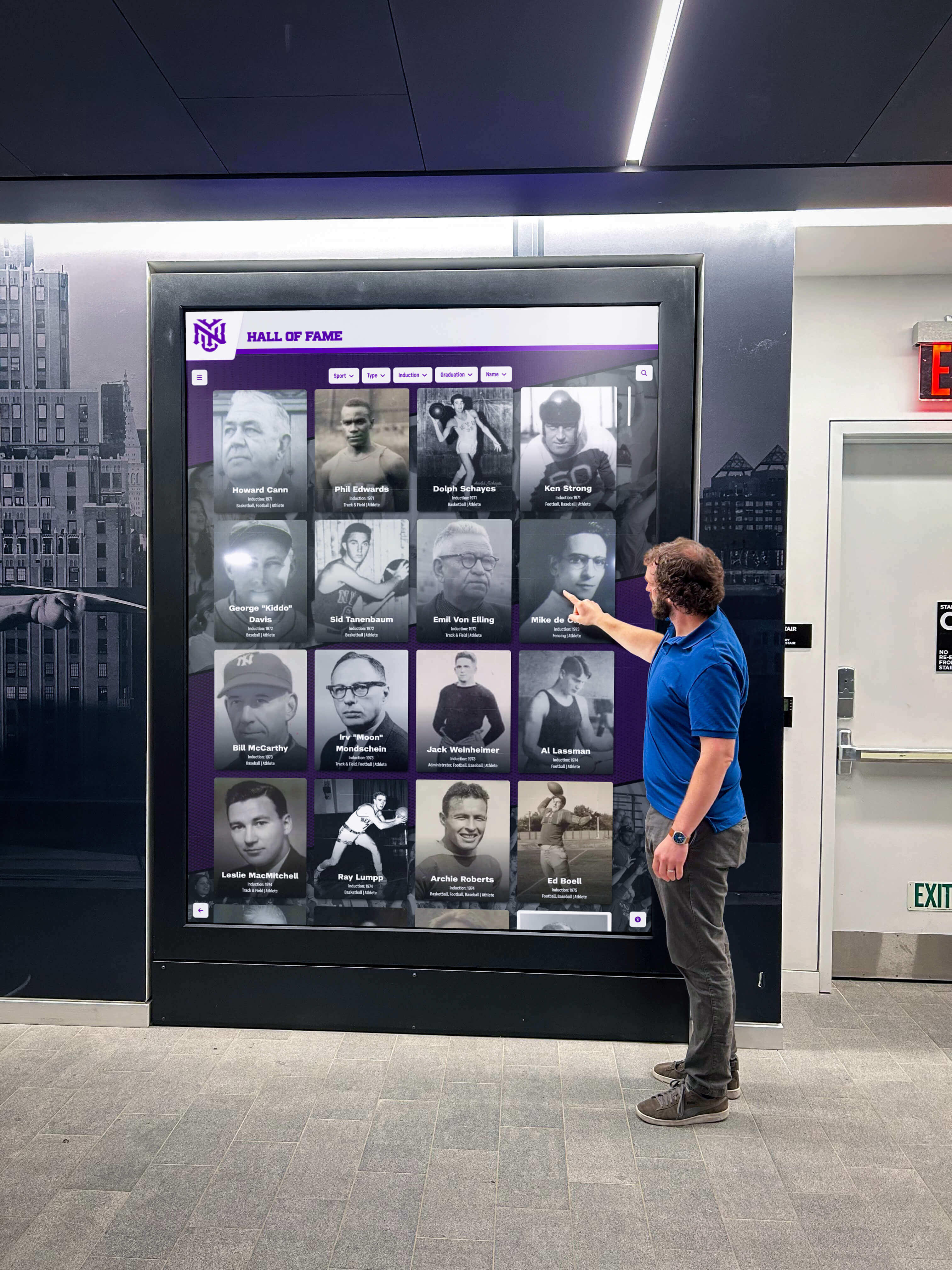
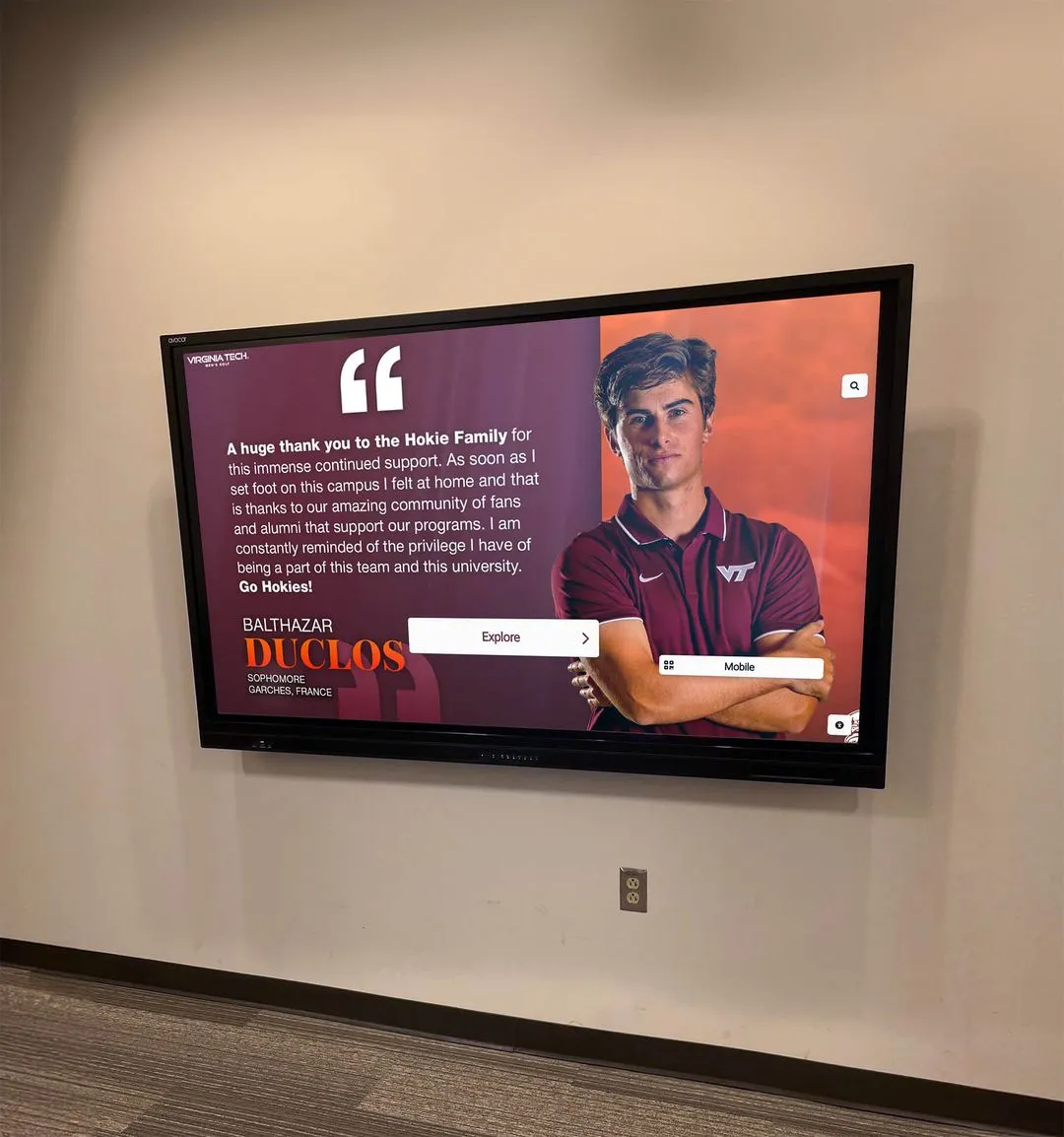
Professional design, whether for yearbooks or digital displays, creates polished presentations celebrating school community
Designer Selection Process Finding the right partner:
- Request portfolios showing previous yearbook covers
- Verify experience with your publisher’s technical requirements
- Check references from other schools
- Discuss revision policies and number of included concepts
- Clarify what’s included in quoted price versus additional fees
- Establish clear timeline with milestones
Effective Designer Collaboration Maximizing the relationship:
- Provide comprehensive creative brief with examples of liked designs
- Share research about your school’s identity and year’s highlights
- Establish primary contact person preventing conflicting feedback
- Give structured feedback focusing on specific elements
- Trust designer expertise while providing school-specific guidance
- Plan adequate time for revision cycles without rushed deadlines
Professional designers typically charge $1,500-$5,000+ for yearbook cover design depending on complexity, revision rounds, and designer experience level.
Digital and Alternative Yearbook Formats
Modern alternatives complement or replace traditional print yearbooks.
Digital Yearbook Covers
Online formats require different approach:
Interactive Digital Covers Features impossible in print:
- Animated elements creating motion
- Video integration showing school year highlights
- Clickable elements linking to additional content
- Slideshow covers rotating through multiple images
- Sound integration with school songs or messages
Mobile-Optimized Design Adapting for screens:
- Vertical orientation for smartphone viewing
- Touch-friendly navigation elements
- Simplified designs working at small scales
- Fast-loading imagery with optimized file sizes
- Responsive designs adapting to different devices
Social Sharing Considerations Designs working beyond the platform:
- Square format for Instagram sharing
- Recognizable thumbnail representation
- Clear school identification visible at small sizes
- Shareable graphics students want to post
- Branded elements creating consistent identity
Digital archives and yearbooks expand accessibility while reducing costs, though many communities still prefer physical books as keepsakes.
Hybrid Physical-Digital Approaches
Combining traditional and modern:
QR Code Integration Linking physical to digital:
- QR codes on covers connecting to online content galleries
- Extended video content accessible via smartphone
- Behind-the-scenes design process documentation
- Virtual tours of school via cover QR codes
- Links to digital purchasing or ordering systems
Augmented Reality Covers Technology creating enhanced experiences:
- AR apps revealing animated overlays on physical covers
- Hidden content visible only through AR viewing
- 3D models emerging from cover imagery
- Interactive games or experiences triggered by cover
- Personalized AR messages from classmates
Companion Digital Content Physical yearbook enhanced by online presence:
- Social media accounts documenting yearbook creation process
- Websites showcasing cover design evolution
- Digital galleries expanding beyond print page limitations
- Online communities discussing yearbook memories
- Virtual access for alumni unable to purchase physical copies
These hybrid approaches create engagement opportunities impossible with print-only formats while maintaining tangible keepsake appeal.
Preserving Yearbook Content Beyond the Cover
The cover protects and represents content deserving long-term preservation.
Long-Term Memory Preservation
Ensuring yearbooks remain accessible:
Physical Preservation Strategies Protecting printed yearbooks:
- Climate-controlled storage preventing deterioration
- Archival-quality materials in binding and printing
- School and community library archival copies
- Historical society donation preserving community record
- Duplicate copies in multiple locations preventing total loss
Digital Archiving and Access Preserving content electronically:
- Scanning historical yearbooks creating digital archives
- Academic history archiving programs preserving institutional memory
- Cloud storage ensuring disaster-resistant backups
- Searchable databases enabling keyword finding of specific students
- Public access portals connecting alumni with memories
Solutions like Rocket Alumni Solutions provide platforms where historical yearbook content becomes accessible through interactive displays, enabling current students to explore school history while preserving memories in formats surviving longer than physical books.
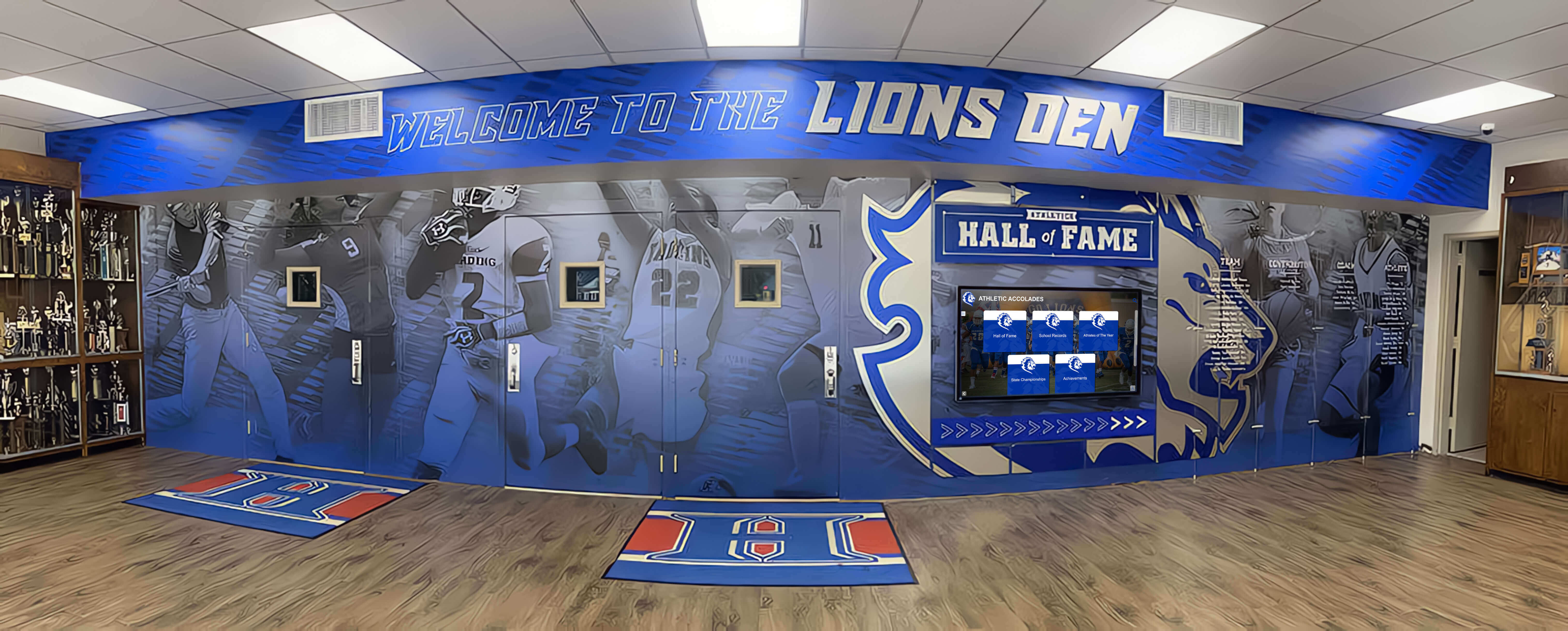
Schools increasingly combine traditional physical recognition with digital platforms preserving and showcasing historical content
Interactive Recognition Displays
Modern yearbook content access:
Digital Recognition Platforms Interactive touchscreen displays bring yearbook content to life:
- Searchable student directories from historical yearbooks
- Photo galleries browsable by year, student, or activity
- Athletic achievement records connecting to yearbook photos
- Academic honor roll recognition from yearly publications
- Alumni updates showing current status of historical graduates
Benefits Beyond Physical Yearbooks Digital platforms overcome print limitations:
- Unlimited capacity eliminating space constraints
- Continuous updates rather than annual publication
- Accessibility from anywhere via web access
- Engaging interactive experiences for digital-native students
- Cost-effective recognition for schools with budget limitations
Integration with Current Documentation Connecting past and present:
- Current yearbook content flowing into digital archives
- Historical context for current school experiences
- Multi-generational family connections showing siblings and parents
- Tradition documentation connecting decades
- Alumni recognition maintaining engagement beyond graduation
Schools implementing comprehensive digital recognition find that yearbook covers from decades ago gain new relevance as gateways to archived digital content, extending the cover’s lifespan and impact far beyond original printing.
Timeline and Production Management
Successful cover creation requires strategic planning.
Annual Production Schedule
Typical yearbook timeline:
Fall Semester (August-December) Initial planning and concept development:
- August-September: Theme brainstorming and initial concept discussions
- September-October: Cover design competition launch or initial design work
- October-November: Design development and student feedback collection
- November: Final cover selection and technical file preparation
- December: Cover files submitted to publisher
Spring Semester (January-May) Interior content and final production:
- January-April: Interior page design and content completion
- April: Final proofs and corrections
- May: Print production
- Late May/Early June: Yearbook distribution
Cover design happening early in year means making aesthetic decisions before the school year concludes, requiring careful consideration about what elements remain relevant throughout the full year.
Critical Deadlines and Milestones
Key dates requiring attention:
Publisher Deadlines Non-negotiable submission dates:
- Initial cover design submission (typically November-December)
- Final cover approval and technical file delivery
- Interior page submission dates
- Final proof approval
- Late addition cutoff dates
Missing publisher deadlines delays production and potentially misses distribution targets, making timeline adherence critical.
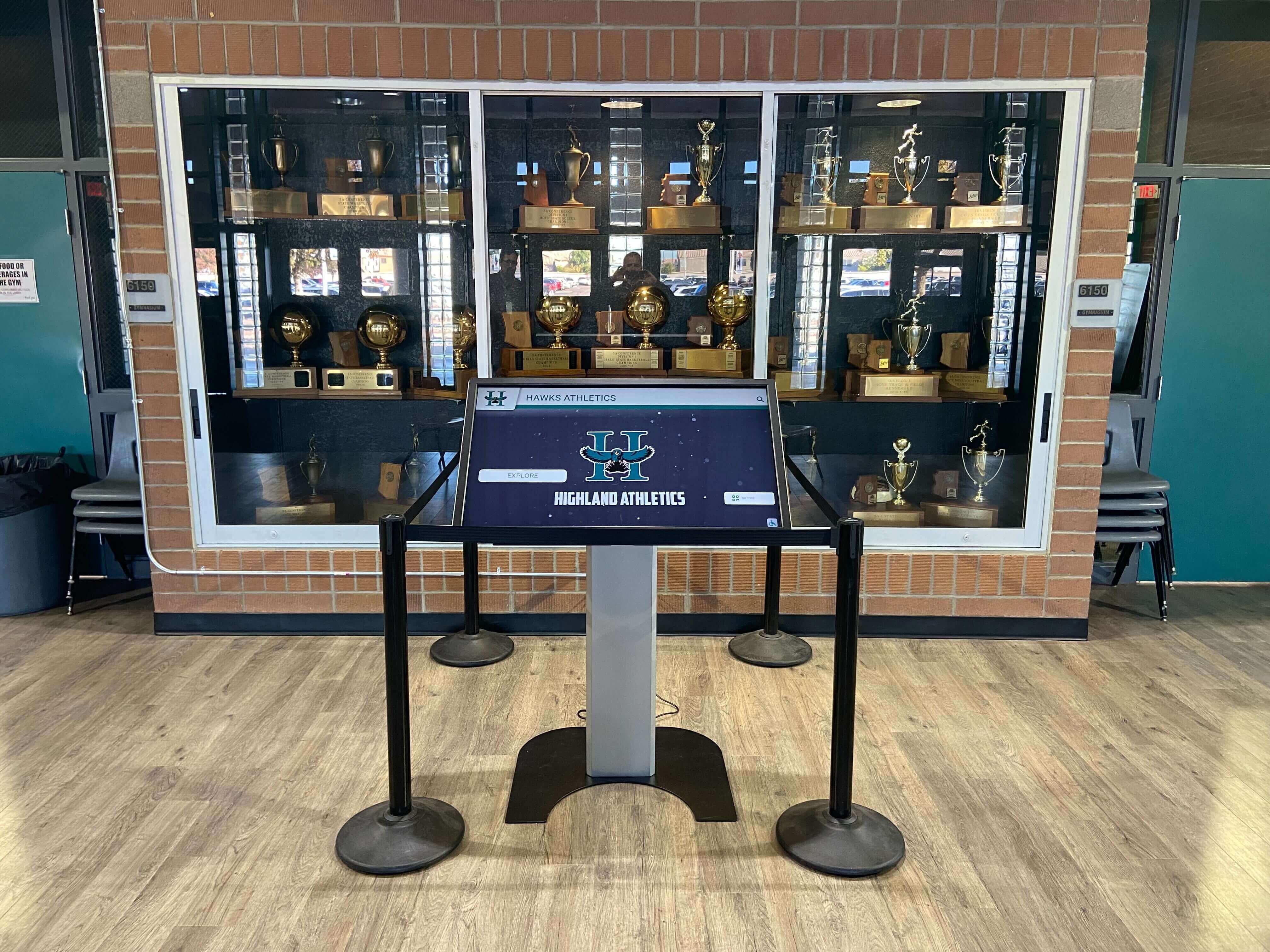
Integrating modern digital recognition with traditional displays demonstrates how schools can honor both heritage and innovation
Internal School Deadlines Building buffer before publisher dates:
- Student design submission deadline (if running competition)
- Design selection or voting completion
- Administrative approval checkpoint
- Budget approval and purchase order processing
- Photography session scheduling and completion
- Design revision completion
Build adequate cushion between internal and publisher deadlines preventing last-minute crises when unexpected complications arise.
Common Design Mistakes to Avoid
Learning from frequent missteps:
Visual Design Errors
Technical and aesthetic problems:
Cluttered Compositions Too much competing for attention:
- Excessive elements crowding the cover
- Multiple focal points diluting impact
- Insufficient white space creating claustrophobic feel
- Too many fonts or colors creating chaos
- Conflicting visual styles not harmonizing
Poor Photography Choices Image quality issues:
- Low resolution images appearing pixelated when printed
- Poorly composed shots with distracting backgrounds
- Improper lighting creating muddy or washed-out images
- Subjects too small to be recognizable
- Group shots where individuals are indistinguishable
Typography Problems Text treatment failures:
- Illegible fonts particularly at smaller sizes
- Insufficient contrast between text and background
- Overuse of decorative fonts reducing readability
- Inconsistent sizing creating unclear hierarchy
- Missing or illegible year identification
Professional designers or publisher representatives help identify and correct these issues before printing.
Content and Representation Issues
Inclusivity and appropriateness concerns:
Narrow Representation Failing to reflect full community:
- Only featuring popular students or athletes
- Excluding significant portions of student body
- Over-representation of specific groups
- Ignoring diverse activities and interests
- Perpetuating cliques or exclusionary dynamics
Inappropriate Content Elements creating problems:
- Inside jokes incomprehensible to broader community
- References that become insensitive or outdated quickly
- Copyrighted imagery used without permission
- Student photos used without proper releases
- Content violating school policies or values
Missing Critical Information Functional elements overlooked:
- School name too small or unclear
- Year invisible or illegible
- Volume number omitted
- Return address information missing from back cover
- Copyright information not included
Careful review by diverse stakeholders catches these issues before expensive printing makes corrections impossible.
Preserve Your Yearbook Content for Generations
While designing the perfect yearbook cover captures a single year, digital recognition platforms preserve and showcase your school's yearbook content and student achievements permanently. Discover how schools nationwide use interactive touchscreen displays to make historical yearbook content accessible while celebrating current student accomplishments.
Explore Recognition SolutionsConclusion: Creating Yearbook Covers That Endure
The perfect yearbook cover balances artistic vision with practical function, contemporary aesthetics with timeless appeal, and creative expression with accurate community representation. When done well, covers create immediate emotional connection while remaining meaningful decades later—visual time capsules transporting alumni back to specific years and experiences.
This comprehensive guide has explored dozens of creative approaches from traditional school photography to modern digital integration, from student collaboration strategies to professional production techniques. The strategies that work best for your school depend on unique factors: your community’s character, budget reality, student body preferences, existing traditions, and institutional identity.
The most successful yearbook covers emerge from processes that engage students authentically, leverage available resources strategically, and maintain focus on genuine community representation rather than chasing superficial trends. Whether you ultimately select building photography, student collages, illustration-based designs, or bold typography, ensure the cover reflects real student experiences and creates pride in ownership.
Start early, involve diverse voices, plan adequate revision time, and don’t underestimate technical requirements. Work collaboratively with publishers or designers, test concepts with representative student groups, and remember that the cover represents not just aesthetic choices but documentary evidence of an entire community’s year.
The yearbook covers you design today become historical documents tomorrow. Students may initially focus on finding their photos inside, but years later, it’s often the cover they remember—the image summarizing who they were, where they belonged, and what mattered during that specific moment. That responsibility deserves the thoughtful planning, creative exploration, and collaborative engagement this guide encourages.
Your students’ memories deserve covers as memorable as the experiences documented inside. With strategic planning, creative thinking, and attention to both aesthetic and functional elements, you can create yearbook covers that your community treasures not just this year, but for generations to come.
Ready to enhance how your school preserves and celebrates student memories? Explore how modern digital recognition platforms can complement traditional yearbooks by making historical content accessible through interactive displays, preserving school history, and creating engaging experiences where current students explore the yearbook covers and content from decades past.