



Every championship wrestler’s journey begins with a single fundamental that separates elite competitors from those who struggle on the mat: the wrestling stance. Before executing takedowns, escapes, or pinning combinations, wrestlers must master the athletic position that enables explosive movement, defensive stability, and strategic control throughout every match.
Yet walk into most high school wrestling rooms and you’ll see athletes defaulting to poor stances—standing too upright, distributing weight incorrectly, positioning hands ineffectively, and creating vulnerabilities opponents ruthlessly exploit. These fundamental flaws limit athletic potential, increase injury risk, and create bad habits that become progressively harder to correct as wrestlers advance through competitive levels.
This comprehensive guide explores wrestling stance fundamentals that championship programs teach from day one—covering proper body positioning, weight distribution, hand placement, footwork, common mistakes, and progressive training methods that build instinctive stance discipline translating to competitive success.
Effective wrestling stances create athletic readiness enabling instant explosive movement in any direction while maintaining defensive integrity against opponent attacks. When coaches emphasize stance fundamentals consistently and wrestlers develop proper positioning as automatic habit rather than conscious effort, entire programs elevate—improving takedown percentages, reducing defensive vulnerabilities, and building technical foundations supporting advanced skill development.

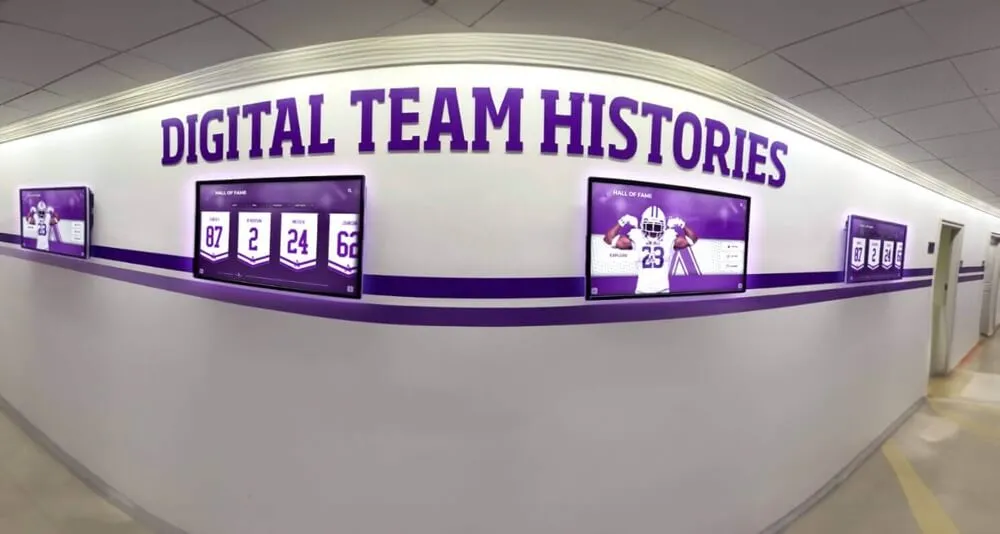
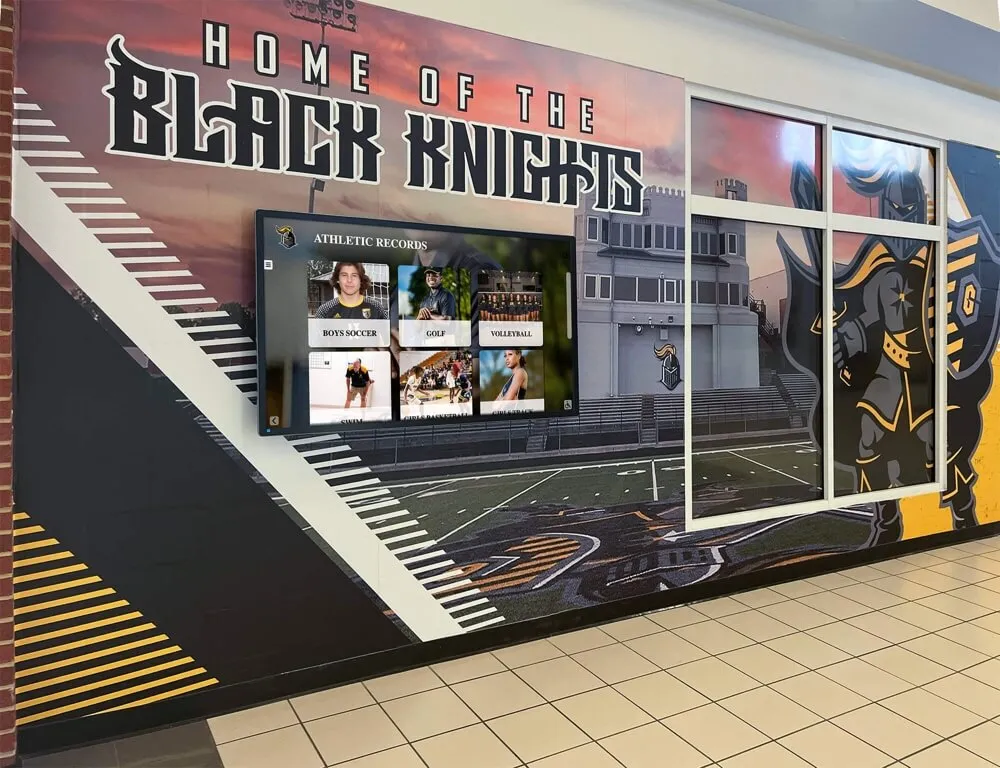
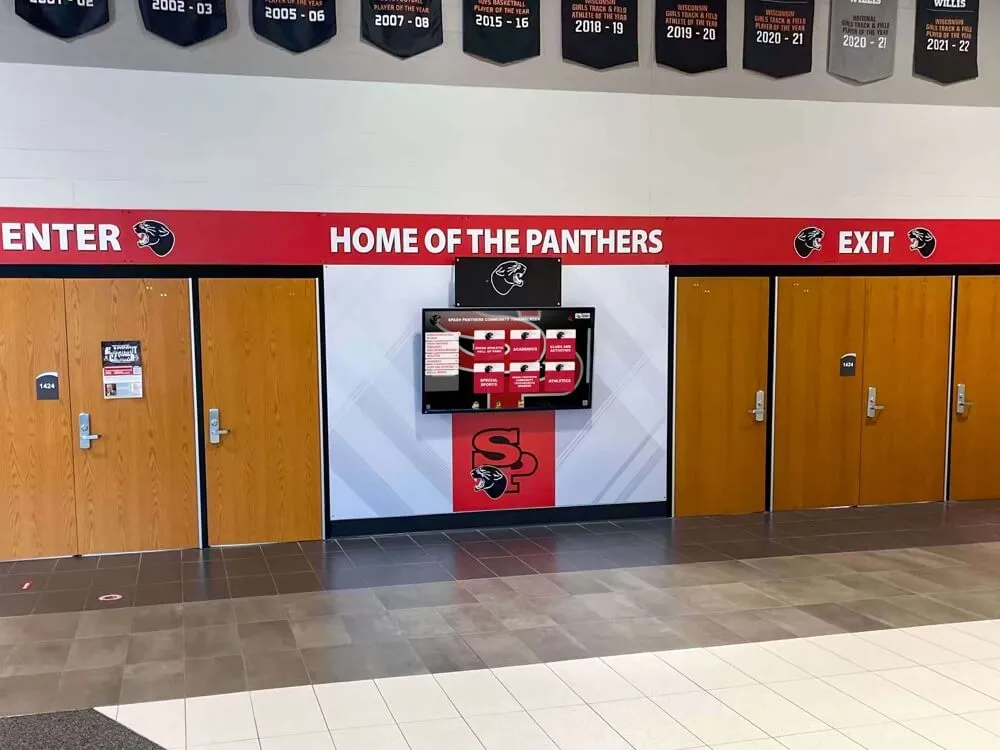
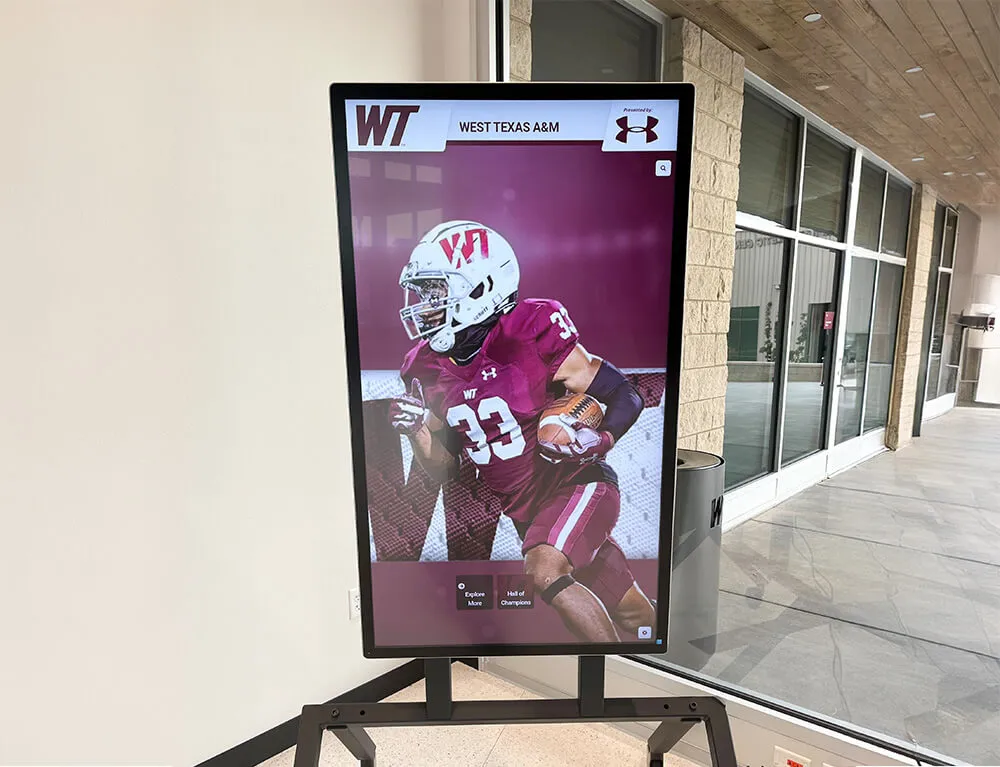
Championship wrestling programs build cultures of excellence starting with fundamental technique discipline celebrated through comprehensive athlete recognition
Understanding Wrestling Stance Purpose and Principles
Before drilling specific positioning details, wrestlers benefit from understanding why proper stance matters strategically and biomechanically.
The Athletic Foundation of Wrestling
Wrestling stance serves multiple simultaneous functions throughout competition:
Offensive Readiness
- Enables explosive penetration steps initiating takedown attacks
- Provides balanced platform for level changes and shot setups
- Creates angles facilitating hand fighting and tie-ups
- Allows quick direction changes pursuing opponent movement
- Maintains attacking threat forcing defensive opponent reactions
Defensive Stability
- Establishes low center of gravity resisting opponent attacks
- Creates base preventing easy penetration and off-balancing
- Enables quick defensive reactions to opponent shots
- Maintains balance during hand fighting and tie-up exchanges
- Provides recovery position after defending attacks
Strategic Control
- Allows constant position adjustment controlling mat space
- Enables tactical pressure application advancing on opponents
- Creates optimal distance management for offensive and defensive purposes
- Facilitates quick transitions between neutral, offensive, and defensive situations
- Conserves energy through efficient biomechanical positioning
Championship wrestlers understand that stance isn’t merely starting position—it’s the constant athletic foundation maintained throughout neutral wrestling, creating platform enabling all subsequent technical execution.
Biomechanical Principles of Effective Stances
Proper wrestling stances align with fundamental athletic movement principles:
Center of Gravity and Balance
- Lower center of gravity increases stability and resistance to force
- Weight distributed across entire foot base rather than heels or toes
- Balanced positioning enables movement in all directions equally
- Core engagement maintains postural integrity during movement
- Athletic readiness position similar to defensive stances in other sports
Force Generation and Movement
- Bent knees and hips create loaded springs for explosive movement
- Proper weight distribution enables instant acceleration
- Forward lean positions body weight over movement direction
- Maintained athletic position throughout movement preserves readiness
- Quick recovery to stance after movements maintains constant threat
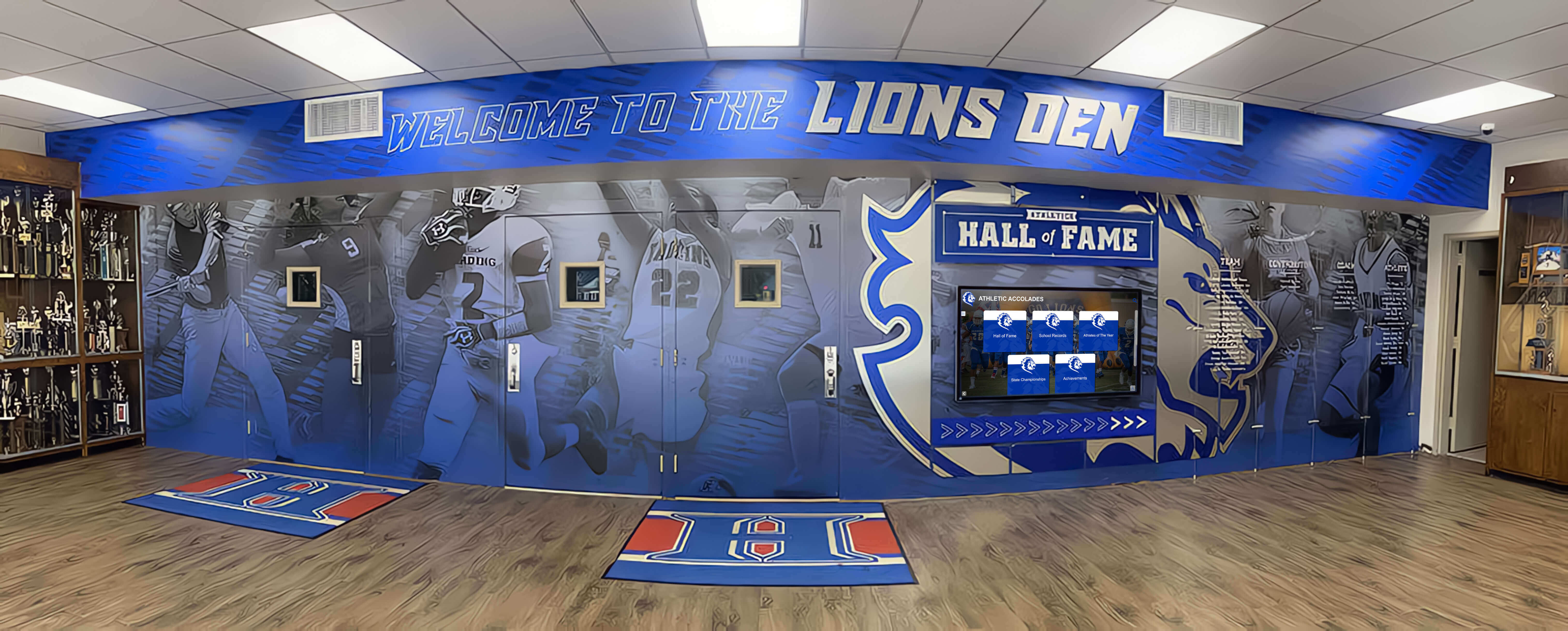
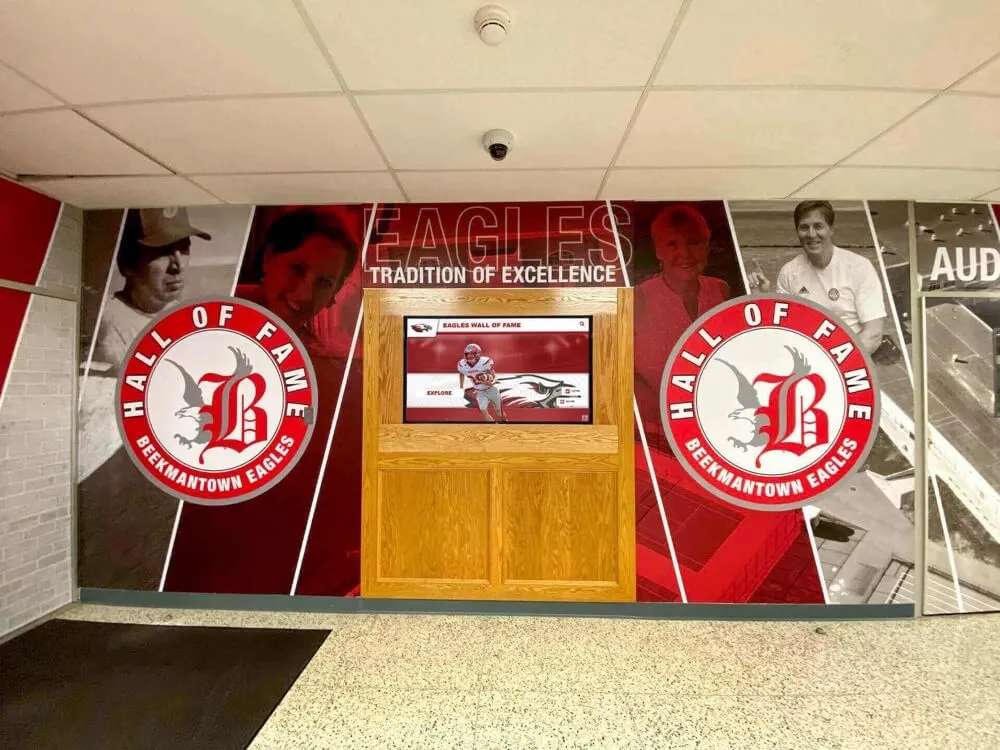
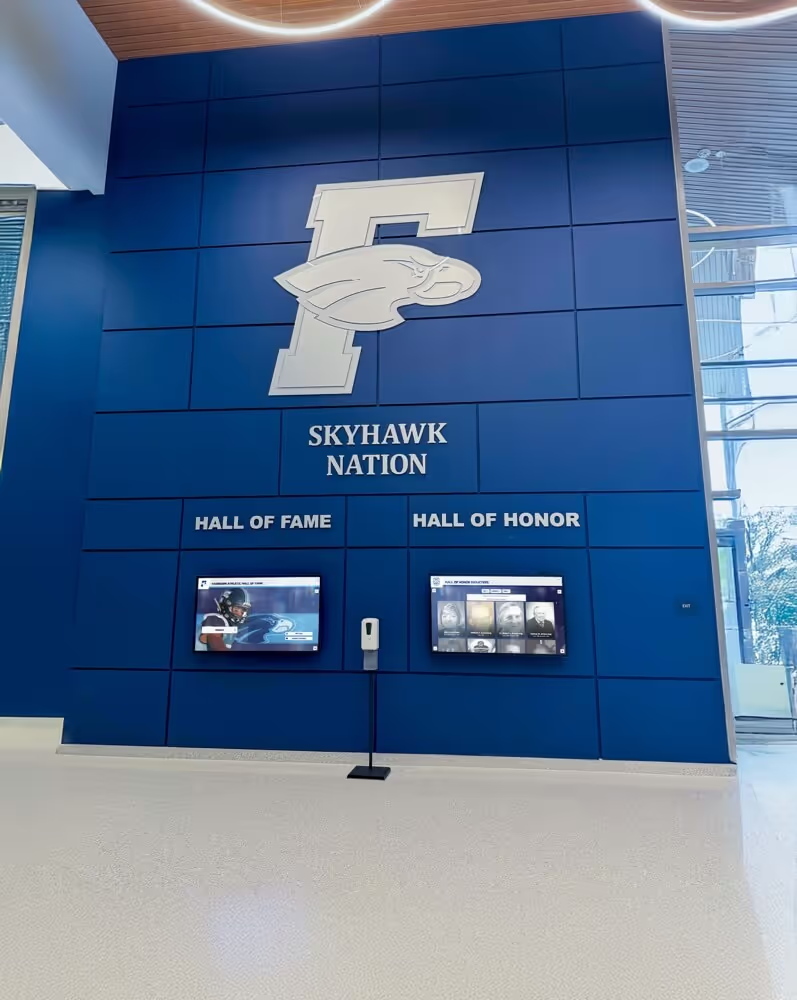
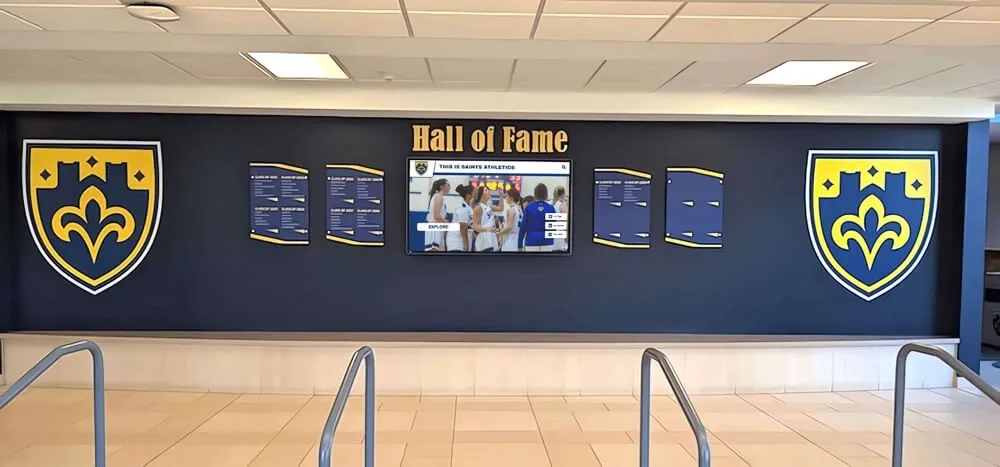
Wrestling programs celebrating technical excellence through recognition displays reinforce the fundamental discipline separating champions from competitors
Energy Efficiency
- Proper stance reduces unnecessary muscle tension and energy waste
- Relaxed upper body combined with engaged lower body optimizes endurance
- Efficient positioning allows longer maintenance of athletic readiness
- Breathing remains natural rather than restricted by poor posture
- Mental focus stays on strategy rather than conscious position correction
Programs emphasizing these principles help wrestlers understand stance as athletic science rather than arbitrary coaching preferences, improving buy-in and technical retention.
The Four Essential Components of Wrestling Stance
Championship stances integrate four fundamental elements working together as unified system.
Component 1: Foot Position and Base
Proper foot placement creates the foundation supporting all subsequent positioning:
Staggered Stance Width
- Feet positioned shoulder-width apart laterally creating stable base
- Lead foot forward approximately half-step to full-step ahead of rear foot
- Stagger distance varies based on individual comfort and tactical situation
- Wider stances increase stability but reduce movement speed
- Narrower stances enhance mobility but decrease defensive stability
Weight Distribution
- Weight centered on balls of feet allowing quick movement in any direction
- Heels remain light contact with mat rather than loaded
- Avoid excessive forward lean placing all weight on toes
- Equal weight distribution between both feet for balanced movement
- Pressure through full foot preventing cramping and fatigue
Foot Alignment and Angle
- Both feet pointed generally forward toward opponent
- Slight outward angle natural and acceptable
- Avoid excessive pigeon-toe or duck-foot positioning
- Lead foot alignment creates clear penetration step direction
- Rear foot positioning enables push-off power generation
Schools implementing comprehensive athletic programs recognize how wrestling develops fundamental movement skills transferable across all sports and physical activities.
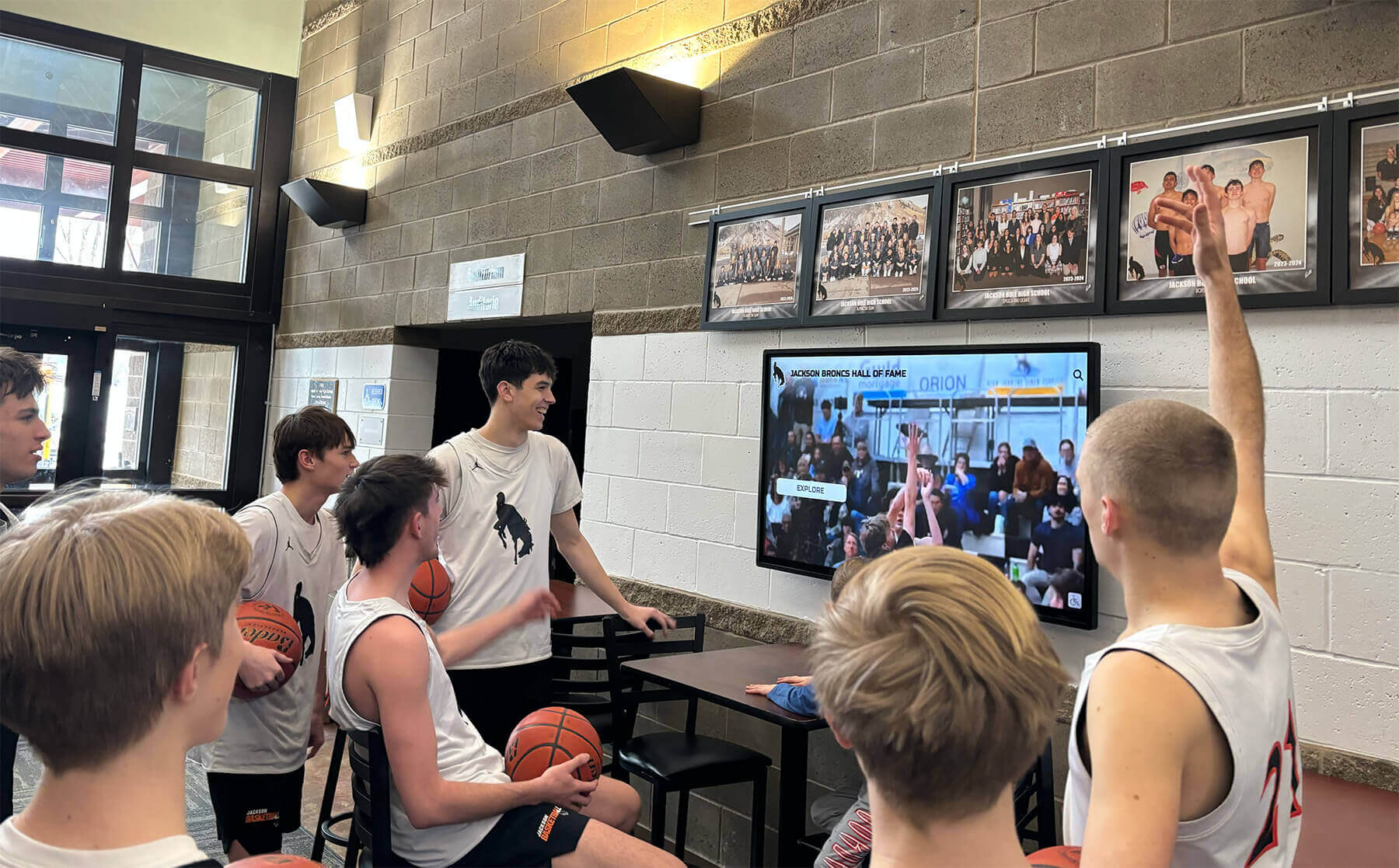
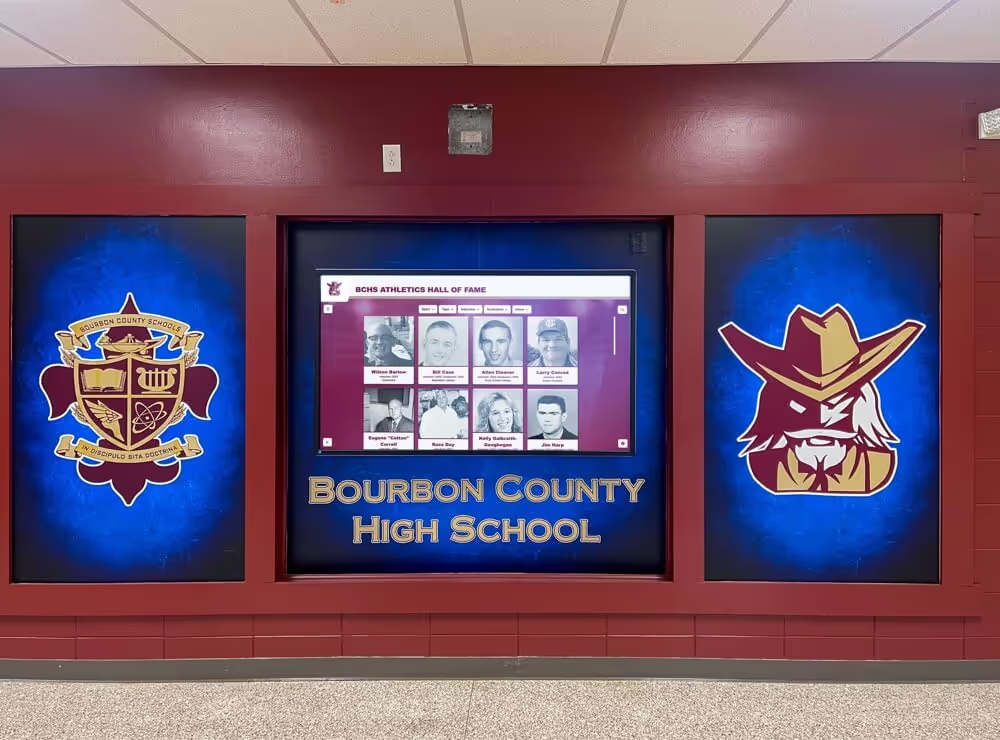
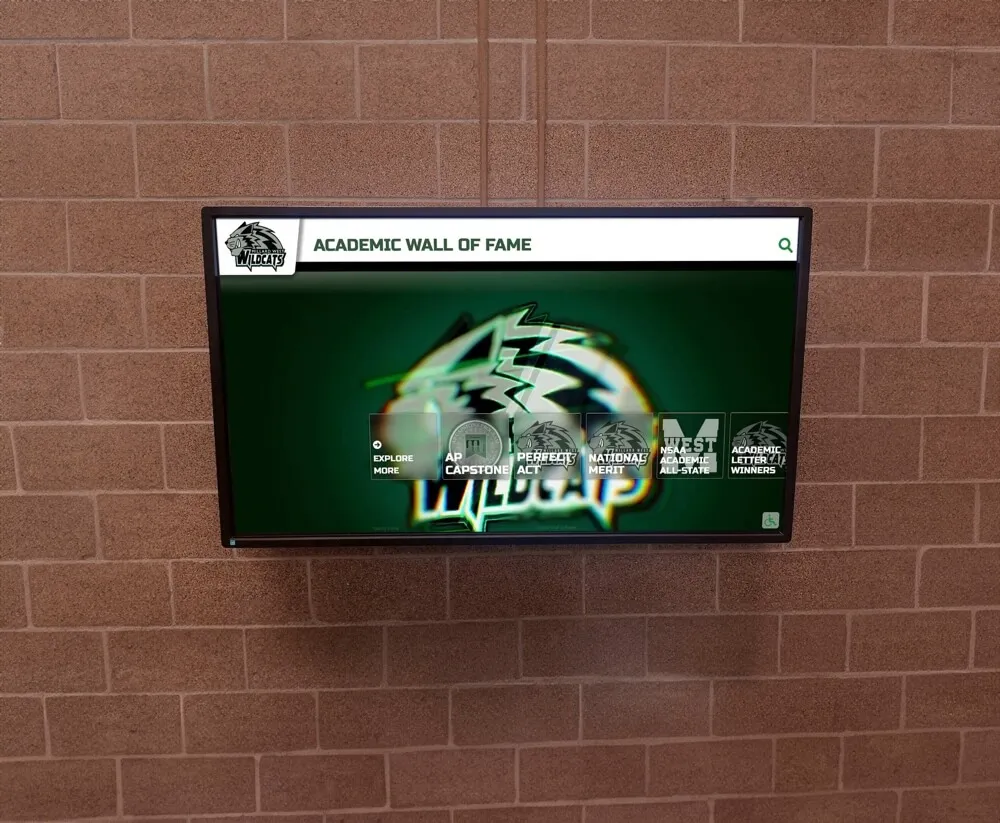
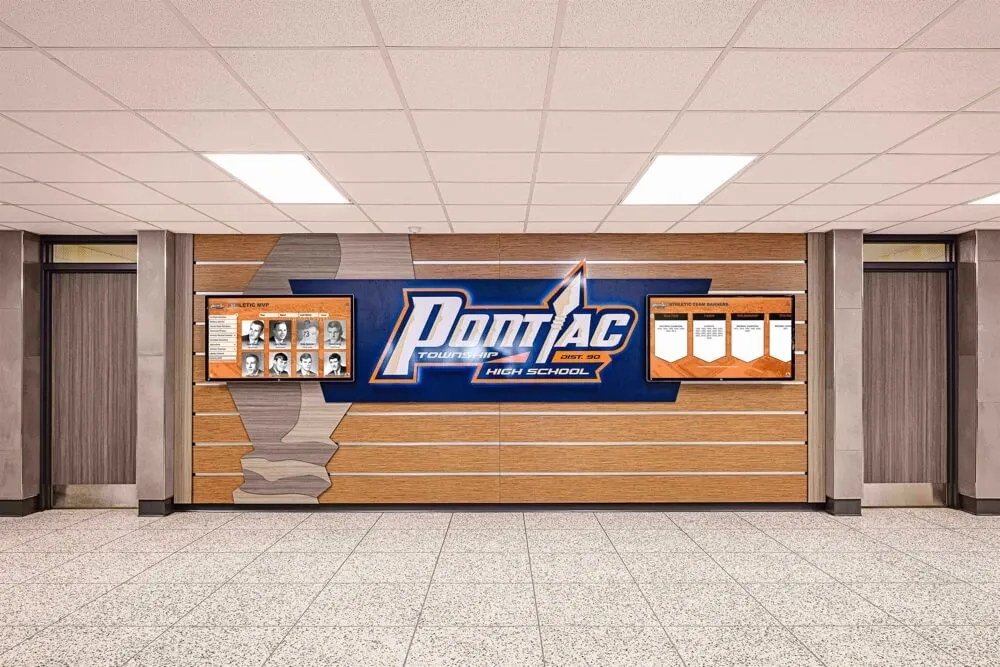
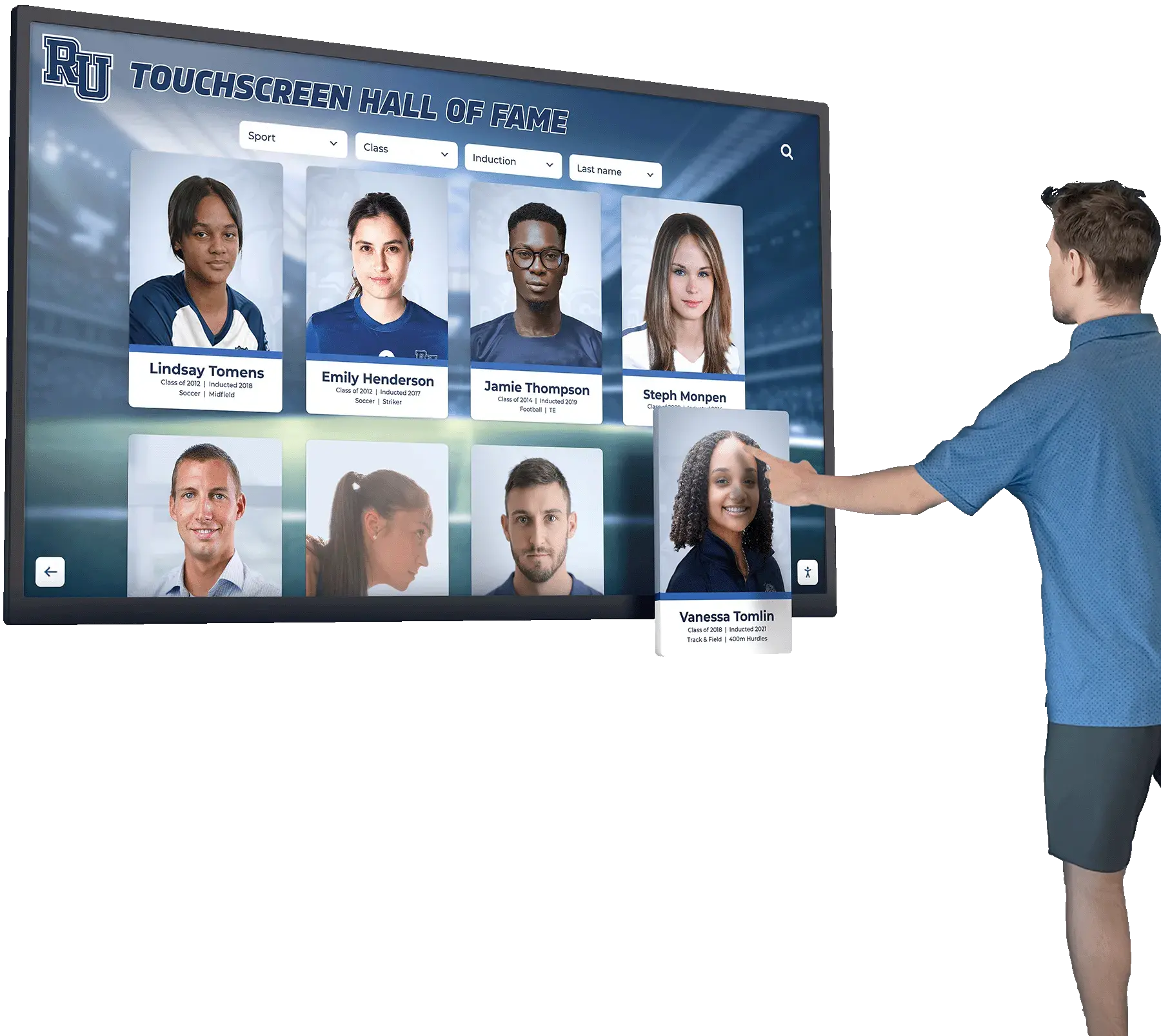
Modern athletic programs use video analysis and digital displays helping wrestlers review stance fundamentals and competitive performance
Component 2: Knee and Hip Position
Lower body positioning creates the athletic power base enabling explosive movement:
Knee Bend and Flexion
- Knees bent creating approximately 120-150 degree angle
- Excessive knee bend (deep squat) creates inflexibility and slow movement
- Insufficient bend (nearly straight legs) eliminates explosive capability
- Active muscle engagement rather than passive resting in position
- Constant readiness for instant direction change or level change
Hip Positioning
- Hips lowered but not dropping into deep squat position
- Weight slightly forward creating attacking posture
- Hip flexibility allows deep penetration steps during attacks
- Avoid excessive backward hip positioning creating defensive posture
- Core engagement connecting upper and lower body movements
Lower Body Alignment
- Knees tracking over toes rather than collapsing inward
- Hips squared to opponent maintaining balanced base
- Avoid twisting or opening hips prematurely telegraphing movements
- Lower body coiled and ready like compressed spring
- Muscle tension balanced between relaxation and readiness
Component 3: Upper Body and Torso Positioning
Proper torso positioning protects against attacks while enabling offensive movement:
Spine Angle and Posture
- Slight forward lean from ankles creating attacking pressure
- Back straight rather than rounded or excessively arched
- Head up with eyes on opponent rather than looking down
- Shoulders squared to opponent maintaining balanced posture
- Chest up preventing rounded shoulders and collapsed posture
Arm and Hand Placement
- Hands positioned between shoulder and waist height
- Elbows bent approximately 90 degrees
- Hands open and active rather than clenched fists
- Lead hand forward for hand fighting and tie-up opportunities
- Trail hand protecting head and body while ready for movement
Head Position and Vision
- Head up maintaining visual awareness of entire opponent
- Chin slightly tucked protecting neck and jaw
- Eyes focused on opponent’s chest or hips reading movement intention
- Peripheral vision tracking opponent’s hands and feet
- Avoid staring at mat or single opponent body part
Component 4: Mental Readiness and Athletic Tension
The final stance component exists beyond physical positioning:
Balanced Muscle Activation
- Lower body engaged and ready for explosive movement
- Upper body relatively relaxed preventing fatigue and tension
- Breathing natural and unrestricted supporting endurance
- Constant micro-adjustments maintaining optimal positioning
- Mental focus on tactical situation rather than position mechanics
Strategic Awareness
- Reading opponent stance and positioning for attack opportunities
- Anticipating opponent movements based on setup patterns
- Maintaining mat awareness including boundary proximity
- Time and score consciousness affecting tactical approach
- Constant threat assessment and opportunity recognition

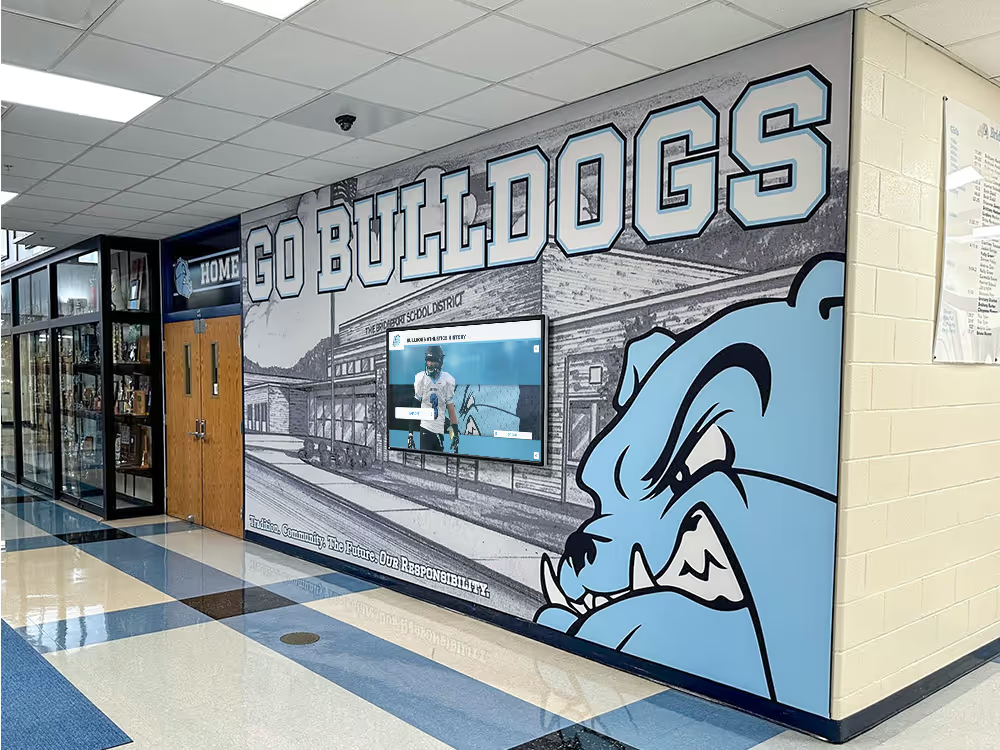
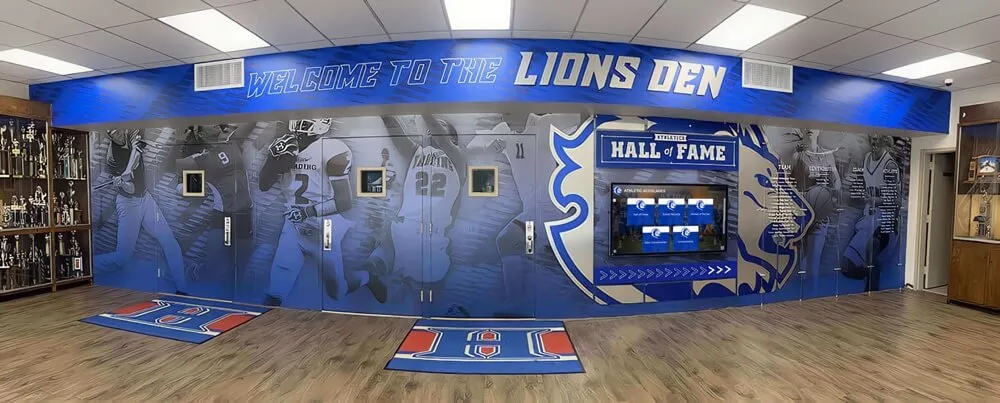
Programs celebrating championship achievement create cultures where fundamental excellence like proper stance discipline becomes non-negotiable standard
Wrestling programs emphasizing comprehensive athlete development recognize stance as mental discipline as much as physical positioning—creating instinctive athletic readiness through deliberate practice and constant reinforcement.
Lead Leg vs. Trail Leg Stance Considerations
Wrestlers must develop proficiency in both lead leg configurations while understanding strategic implications.
Right Leg Lead Stance
Most wrestlers naturally adopt right leg forward stance:
Advantages and Characteristics
- Aligns with natural movement patterns for right-handed athletes
- Creates clear penetration step direction for right leg attacks
- Facilitates left-handed tie-ups and collar controls
- Enables strong right leg defense against opponent left leg attacks
- Provides familiar positioning for most drilling and technique development
Common Attack Setups
- Single leg attacks penetrating with right leg
- High crotch entries using right leg penetration
- Ankle picks targeting opponent lead ankle
- Sweep singles and low singles from right stance
- Level change attacks utilizing right leg drive
Left Leg Lead Stance
Developing proficiency with left leg forward creates tactical advantages:
Strategic Benefits
- Creates opposite looks confusing opponents expecting right stance
- Opens different attack angles and setups
- Matches well against left-stance opponents
- Provides defensive advantages against certain opponent attacks
- Demonstrates technical versatility and tactical sophistication
Training Recommendations
- Dedicate specific practice time to opposite stance development
- Begin with fundamental movement drills in opposite stance
- Progress to technique execution from non-dominant configuration
- Develop comfort switching stances mid-match strategically
- Achieve sufficient proficiency to compete effectively from either stance
Elite wrestlers seamlessly transition between stances based on tactical situations, opponent positioning, and strategic advantages—demonstrating technical mastery separating championship performers from one-dimensional competitors.
Common Wrestling Stance Mistakes and Corrections
Understanding frequent errors helps coaches and wrestlers identify and fix fundamental flaws.
Mistake 1: Standing Too Upright
Problem Identification
- Minimal knee bend creating nearly vertical posture
- High center of gravity easily displaced by opponent force
- Slow reaction time requiring extra movement for level changes
- Vulnerable to opponent attacks requiring minimal setup
- Creates defensive rather than attacking presence
Correction Approach
- Emphasize “sitting in chair” feeling with bent knees
- Use resistance band drills maintaining low stance under tension
- Partner penetration drills reinforcing low positioning
- Video review showing stance height differences
- Constant coaching reminders during live wrestling
Mistake 2: Weight on Heels
Problem Identification
- Backward lean placing center of gravity over heels
- Inability to move forward quickly or change levels explosively
- Easy to push backward or off-balance
- Poor offensive threat and primarily defensive posture
- Often compensating for weak core or poor conditioning
Correction Approach
- Weight distribution drills emphasizing balls of feet
- Partner pushing drills testing balance and forward pressure
- Stance walks maintaining forward weight throughout movement
- Core strengthening exercises supporting proper positioning
- Mirror work providing visual feedback on weight placement
Schools implementing comprehensive weight room programs build the strength and conditioning foundation supporting proper wrestling stance mechanics throughout extended matches.
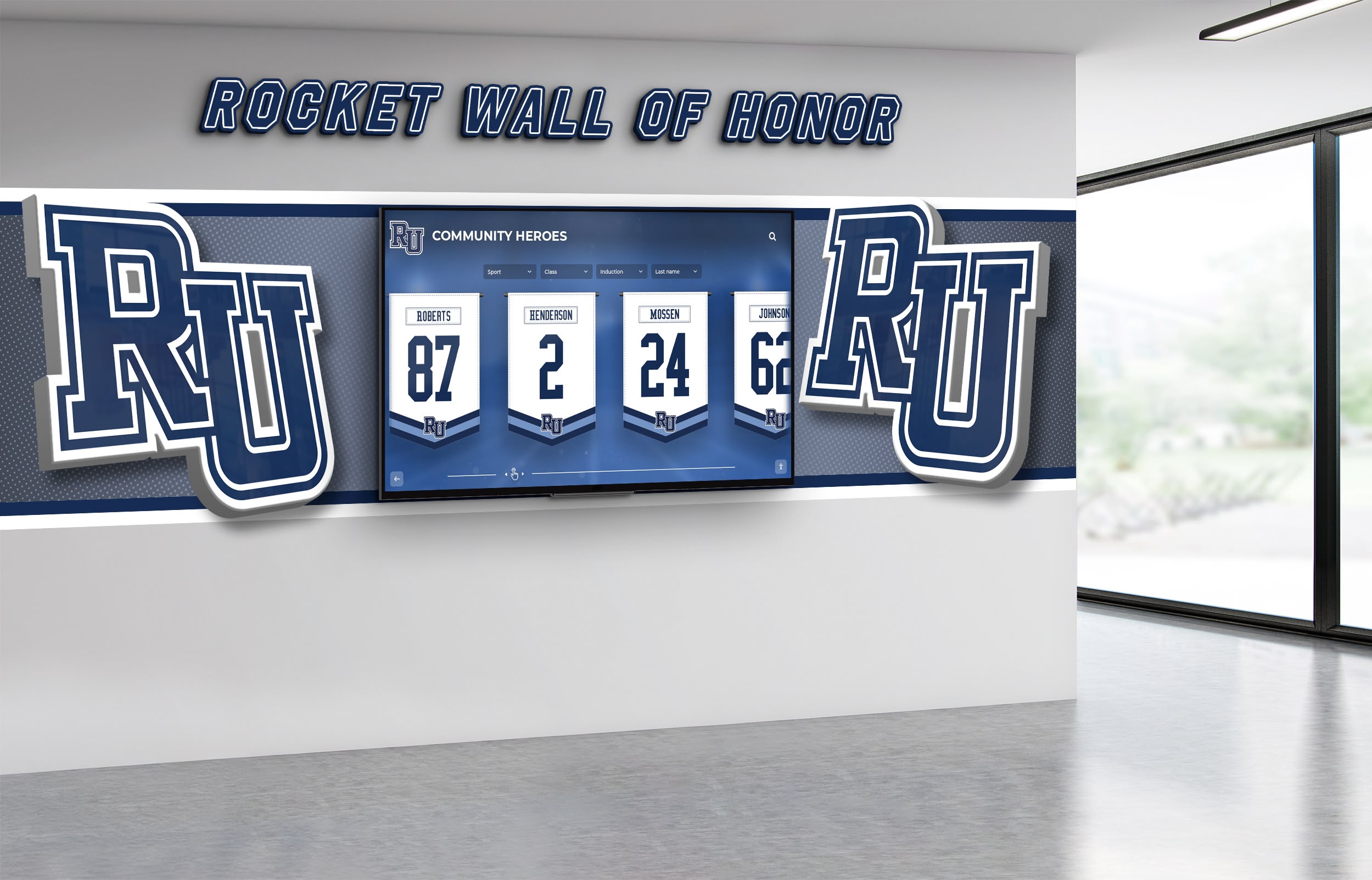
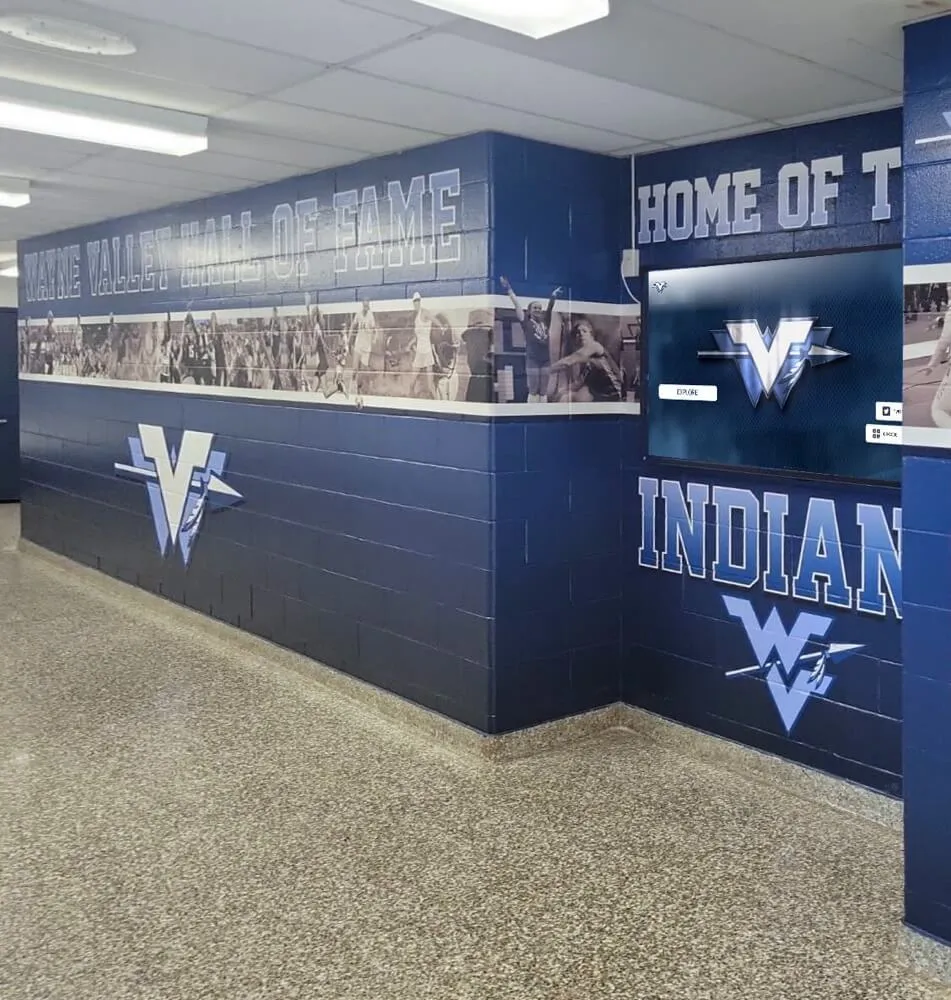
Digital recognition systems celebrate individual wrestlers while showcasing the technical excellence and fundamental discipline defining championship programs
Mistake 3: Hands Too Low or Too High
Problem Identification
- Hands hanging below waist creating slow defensive reactions
- Hands held too high near face creating tension and fatigue
- Poor hand fighting positioning from suboptimal placement
- Telegraphing movements through exaggerated hand positioning
- Leaving openings for opponent tie-ups and controls
Correction Approach
- Establish target hand position zone between shoulders and waist
- Hand fighting drills from proper starting positions
- Partner feedback providing tactile correction
- Conscious repetition building muscle memory
- Film review comparing hand placement to elite wrestlers
Mistake 4: Squared-Up Stance With No Stagger
Problem Identification
- Feet parallel creating unstable forward-backward base
- Difficult to generate explosive forward movement
- Vulnerable to being driven backward
- Limited attack angles and penetration options
- Often indicates fundamental misunderstanding of wrestling stance
Correction Approach
- Clear instruction on staggered stance purposes and mechanics
- Shadow wrestling emphasizing proper foot positioning
- Constant stance checks during practice
- Partner resistance drills demonstrating squared stance vulnerability
- Progressive skill development ensuring stance mastery before advancing
Mistake 5: Excessive Forward Lean or Hunching
Problem Identification
- Rounded back and hunched shoulders
- Head down looking at mat rather than opponent
- Overextended weight placement creating instability
- Vulnerable to opponent snaps and front headlocks
- Poor breathing mechanics from compressed chest cavity
Correction Approach
- Posture drills emphasizing straight back and chest up
- Core strengthening supporting proper spinal alignment
- Partner hand placement providing postural feedback
- Video analysis comparing proper vs. hunched positioning
- Flexibility work addressing mobility limitations
Programs building systematic recognition of technical excellence create cultures where proper stance fundamentals become point of pride rather than tedious requirement.
Progressive Stance Training Methodology
Effective coaching develops stance proficiency through systematic progression rather than expecting instant mastery.
Phase 1: Static Stance Development (Weeks 1-2)
Initial Skill Introduction
- Demonstrate proper stance with clear component explanation
- Practice static stance holds building position awareness
- Partner and coach feedback correcting positioning
- Mirror work providing visual self-assessment
- Short duration holds (15-30 seconds) with rest and reset
Assessment and Correction
- Individual stance evaluation identifying specific errors
- Targeted correction focusing on one element at a time
- Positive reinforcement for proper positioning
- Clear standards establishing acceptable stance parameters
- Frequent checks ensuring retention and preventing regression
Phase 2: Stance with Movement (Weeks 3-4)
Dynamic Skill Integration
- Stance walks maintaining positioning while moving forward, backward, laterally
- Circle drills moving around partner while maintaining stance
- Direction change drills testing position maintenance
- Partner following requiring constant stance and movement adjustment
- Gradually increasing speed and complexity
Progressive Challenges
- Add partner hand fighting while maintaining stance
- Incorporate level changes and penetration steps
- Respond to partner movements requiring reactive adjustments
- Introduce fatigue through extended duration
- Competitive games maintaining stance under pressure

Wrestling programs showcasing championship achievements through professional displays reinforce the connection between fundamental discipline and competitive success
Phase 3: Stance in Live Situations (Weeks 5+)
Competition Integration
- Positional wrestling requiring stance maintenance
- Live wrestling with stance emphasis and coaching
- Video review identifying stance breakdowns during competition
- Specific corrections addressing individual tendencies
- Continuous reinforcement building automatic habit patterns
Advanced Development
- Stance variation based on tactical situations
- Opposite stance development and switching capabilities
- Fatigue resistance maintaining position through extended matches
- Strategic stance adjustments reading opponent tendencies
- Complete integration making stance instinctive rather than conscious
Year-Round Stance Emphasis
Championship programs treat stance as continuous emphasis rather than early-season focus:
Daily Practice Integration
- Every practice beginning with stance fundamentals
- Constant coaching corrections during drilling and live wrestling
- Pre-match warmups including stance activation
- Post-match film review analyzing stance discipline
- Recognition and reward for consistent stance excellence
Seasonal Progression
- Off-season conditioning maintaining stance during fitness work
- Pre-season intensive technique development
- In-season refinement and individual correction
- Post-season analysis planning next year’s emphasis
- Multi-year development expecting continuous improvement
Programs implementing comprehensive athlete recognition systems celebrate technical mastery alongside competitive results, reinforcing that fundamental excellence deserves acknowledgment equal to championship victories.
Stance Variations for Different Wrestling Situations
While fundamental stance principles remain constant, tactical situations require specific adjustments.
Neutral Wrestling Stance
Standard wrestling stance described throughout this guide:
- Balanced offensive and defensive capabilities
- Athletic readiness for movement in any direction
- Standard configuration for majority of neutral wrestling
- Comfortable sustainable position for extended periods
- Creates constant threat requiring opponent attention
Tie-Up and Hand Fighting Stance
Adjustments during upper body contact:
Positioning Modifications
- Slightly more upright to engage upper body effectively
- Increased hip distance preventing easy opponent penetration
- Enhanced upper body tension maintaining controls
- Quick ability to lower level defending against opponent attacks
- Balance between tie-up effectiveness and defensive readiness
Strategic Considerations
- Reading opponent’s tie-up stance revealing attack intentions
- Maintaining lower body readiness despite upper body engagement
- Quick transitions between tie-up and attacking stances
- Preventing opponent from establishing dominant control positions
- Creating attacking opportunities from hand fighting exchanges
Defensive Stance Against Opponent Attacks
Stance modifications when defending shots:
Immediate Reactions
- Hip sprawl lowering center of gravity behind attack
- Weight distribution backward resisting forward penetration
- Upper body forward pressure driving down on opponent
- Quick foot positioning establishing defensive base
- Transition readiness for counter-attacks or re-establishing neutral
Recovery Positioning
- Return to athletic stance as quickly as possible after defending
- Avoid remaining in defensive posture inviting continued attacks
- Re-establish offensive threat immediately after successful defense
- Maintain mat awareness preventing boundary violations
- Mental reset maintaining competitive aggression
Attacking Stance and Shot Setup
Subtle adjustments preceding offensive attacks:
Pre-Attack Positioning
- Slightly closer distance facilitating attack execution
- Enhanced forward pressure loading rear leg for penetration
- Controlled upper body movement creating reaction opportunities
- Strategic hand placement setting up specific attacks
- Mental commitment to attack execution
Attack Execution
- Explosive level change from athletic stance
- Full commitment to penetration step and attack mechanics
- Maintaining attacking posture throughout technique
- Quick stance recovery if attack unsuccessful
- Chain wrestling from stance if initial attack defended
Schools building comprehensive recognition of athletic achievement across all sports create cultures where wrestling excellence receives acknowledgment equal to higher-profile programs.
Conditioning and Strength Training Supporting Proper Stance
Physical development directly impacts stance quality and maintenance capability.
Wrestling-Specific Strength Requirements
Lower Body Power and Endurance
- Quadriceps strength maintaining knee bend throughout matches
- Hip flexor development enabling explosive penetration steps
- Glute and hamstring power supporting stance stability
- Calf strength facilitating quick footwork and positioning
- Single-leg strength preventing collapse under fatigue
Core Stability and Strength
- Anterior core preventing excessive forward lean
- Posterior chain supporting proper spinal alignment
- Rotational strength enabling quick direction changes
- Isometric endurance maintaining positioning under pressure
- Integrated core function connecting upper and lower body
Upper Body Support
- Shoulder stability supporting hand fighting positioning
- Back strength maintaining upright posture under fatigue
- Arm endurance for constant hand activity
- Neck strength protecting against opponent controls
- Balanced development preventing postural compensation
Stance-Specific Conditioning Drills
Static Hold Variations
- Timed stance holds building position-specific endurance
- Weighted vest holds increasing difficulty
- Partner resistance holds simulating competition pressure
- Isometric wall sits developing leg endurance
- Progressive duration increases building capacity
Dynamic Movement Conditioning
- Stance penetration step intervals
- Directional change sprints from wrestling position
- Ladder drills maintaining low stance throughout
- Medicine ball work from athletic position
- Plyometric exercises developing explosive power
Programs implementing systematic strength and conditioning create athletic foundations supporting technical wrestling excellence while building school pride through comprehensive program development.
Flexibility and Mobility Supporting Stance
Hip Mobility Development
- Deep squat progressions enabling low stance positioning
- Hip flexor stretching preventing compensatory mechanics
- External and internal rotation facilitating movement
- Dynamic warmup routines preparing for stance demands
- Consistent flexibility work preventing tightness affecting positioning
Ankle Mobility and Stability
- Ankle dorsiflexion enabling proper forward knee position
- Balance and proprioception work strengthening ankle stability
- Calf flexibility supporting full range positioning
- Single-leg stability exercises preventing ankle collapse
- Injury prevention work protecting vulnerable joints
Coaching Strategies for Teaching Stance Fundamentals
Effective coaching methodology accelerates stance development across entire rosters.
Individual vs. Team Instruction Approaches
Whole-Team Stance Teaching
- Group instruction establishing baseline expectations
- Simultaneous practice allowing peer comparison and modeling
- Efficient use of practice time covering fundamental concepts
- Team culture development around technical excellence
- Clear standards applied consistently across all wrestlers
Individual Correction and Development
- Personalized feedback addressing specific positioning errors
- One-on-one work with wrestlers struggling with concepts
- Individual physical limitation accommodation
- Customized progressions matching development readiness
- Relationship building through individual attention
Video Analysis and Feedback
Practice Footage Review
- Recording stance work during practice for later analysis
- Wrestler self-assessment identifying own positioning issues
- Coach-guided review highlighting specific improvements needed
- Comparison footage showing proper vs. improper positioning
- Progress tracking over time documenting improvement
Competition Film Study
- Match footage analysis identifying stance breakdown patterns
- Fatigue impact assessment on position maintenance
- Tactical situation analysis showing context-appropriate adjustments
- Opponent tendencies revealed through stance observation
- Championship wrestler footage providing exemplar models
Positive Reinforcement and Culture Building
Recognition of Stance Excellence
- Verbal acknowledgment during practice
- Practice awards or recognition for consistent fundamentals
- Peer modeling utilizing wrestlers demonstrating proper technique
- Emphasis on stance as foundational to all success
- Connection between stance discipline and competitive results
Programs implementing comprehensive recognition systems celebrate technical excellence alongside competitive achievement, reinforcing that fundamental mastery deserves acknowledgment and creates foundation for championship performance.
Stance Development Across Age and Skill Levels
Appropriate progression ensures wrestlers develop proper fundamentals matching developmental readiness.
Youth Wrestling Stance Introduction (Ages 6-10)
Developmentally Appropriate Approach
- Simplified stance instruction focusing on basic positioning
- Game-based learning making stance practice fun
- Short duration activities matching attention span
- Heavy use of demonstrations and visual models
- Positive encouragement emphasizing effort over perfection
Key Teaching Priorities
- Bent knees and low position as primary emphasis
- Weight forward on balls of feet
- Head up looking at opponent
- Hands up and ready
- Movement while maintaining position
Middle School Refinement (Ages 11-14)
Increasing Technical Sophistication
- Component breakdown teaching individual elements
- More detailed positioning instruction
- Increased conditioning demands
- Video analysis introduction
- Competitive integration with continued coaching
Development Emphasis
- Proper staggered foot positioning
- Enhanced upper body positioning
- Strategic awareness development
- Opposite stance introduction
- Habit formation through consistent practice
High School Mastery and Application (Ages 15-18)
Advanced Technical Development
- Complete stance mastery expected
- Tactical situation-specific adjustments
- Individual style development within fundamental framework
- Championship-level execution standards
- Complete integration making stance automatic
Competitive Application
- Maintained discipline under championship pressure
- Fatigue resistance through extended matches
- Strategic adjustments reading opponent tendencies
- Mentor responsibility teaching younger wrestlers
- Leadership through technical excellence demonstration
College and Elite Level Sophistication
Subtle Refinement and Optimization
- Individual biomechanical optimization
- Strategic deception through stance variation
- Opponent-specific adjustment capability
- Complete unconscious competence
- Coaching future wrestlers with deep understanding
Connecting Stance Excellence to Program Culture
Championship wrestling programs recognize stance fundamentals as cultural values rather than mere technical requirements.
Building Technical Excellence Identity
Program Philosophy and Values
- Stance discipline as non-negotiable cultural expectation
- Technical excellence valued equally with competitive results
- Pride in fundamental mastery defining program identity
- Veteran wrestler mentorship teaching stance to newcomers
- Recognition systems celebrating technical achievement
Coaching Consistency and Persistence
- Every coach teaching identical stance principles
- Unified messaging across all program levels
- Continuous emphasis throughout all seasons
- Never accepting poor stance regardless of circumstances
- Modeling and demonstrating proper positioning constantly
Schools implementing modern recognition technology preserve wrestling program excellence through digital trophy case displays showcasing individual wrestlers and team achievements while connecting current competitors to program traditions.
Recognizing Fundamental Excellence
Celebrating Technical Mastery
- Practice awards for consistent stance discipline
- Public recognition during team meetings
- Film highlights showcasing proper technique
- Peer acknowledgment and respect for fundamentals
- Written program records honoring technical achievement
Long-Term Program Legacy
- Hall of fame recognition including technical criteria
- Championship wrestler profiles emphasizing fundamental discipline
- Coaching philosophy documentation preserving program values
- Alumni testimonials connecting stance mastery to success
- Digital displays celebrating program technical excellence
Troubleshooting Common Stance Development Challenges
Even with excellent instruction, wrestlers encounter specific obstacles requiring targeted intervention.
Challenge: Wrestler Physically Unable to Achieve Proper Position
Potential Causes
- Limited hip or ankle mobility restricting positioning
- Strength deficits preventing position maintenance
- Previous injuries creating compensatory patterns
- Body composition affecting optimal positioning
- Unique anatomical structure requiring accommodation
Solution Approaches
- Targeted flexibility and mobility programming
- Strength development addressing specific weaknesses
- Physical therapy or athletic training consultation
- Individualized positioning adjustments within sound principles
- Patient progression allowing gradual improvement
Challenge: Wrestler Understands But Can’t Maintain Under Pressure
Potential Causes
- Insufficient practice volume building automatic habits
- Conditioning deficits causing fatigue breakdown
- Mental focus issues during competition
- Lack of consequence for poor positioning
- Competing priorities distracting from fundamentals
Solution Approaches
- Increased practice emphasis with accountability
- Live wrestling requiring stance maintenance
- Video review showing competition breakdowns
- Clear consequences and expectations
- Competitive drills simulating pressure situations
Challenge: Wrestler Regresses After Initial Improvement
Potential Causes
- Insufficient reinforcement allowing old habits return
- Focus shift to new techniques neglecting fundamentals
- Competition pressure reverting to comfort patterns
- Coaching inconsistency in correction
- Lack of continued feedback and assessment
Solution Approaches
- Renewed fundamental emphasis
- Film review reconnecting to proper mechanics
- Return to basic progression drills
- Consistent coaching across all situations
- Recognition of proper technique rewarding good habits
Programs building comprehensive cultures recognize that sustained excellence requires persistent attention to fundamentals throughout wrestlers’ careers.
Celebrate Your Wrestling Program's Technical Excellence
Discover how digital recognition displays preserve your wrestling program's legacy of fundamental discipline and championship achievement. Showcase individual wrestlers mastering technique fundamentals, display team accomplishments building program culture, and create searchable archives connecting current competitors to decades of wrestling excellence. See how schools nationwide build authentic wrestling pride through comprehensive recognition celebrating both competitive success and technical mastery.
Explore Recognition SolutionsConclusion: Building Championship Foundations Through Stance Mastery
Wrestling stance fundamentals represent far more than starting position—they create the athletic foundation enabling every successful technique, the defensive stability preventing opponent scoring, and the competitive discipline separating championship wrestlers from those struggling to compete effectively. When wrestlers master proper body positioning, weight distribution, hand placement, and movement patterns as automatic habit rather than conscious effort, they unlock potential for advanced skill development while building competitive consistency.
The most successful wrestling programs treat stance development as continuous emphasis rather than early-season requirement, establishing cultural expectations where technical excellence receives celebration equal to competitive victories. Through systematic instruction progression, targeted conditioning supporting position demands, consistent coaching reinforcement, and recognition systems honoring fundamental mastery, championship programs build rosters of technically sound wrestlers executing proper stances instinctively under the highest competitive pressure.
By implementing the stance fundamentals, teaching progressions, common mistake corrections, and cultural development strategies explored throughout this comprehensive guide—from proper foot positioning and lower body mechanics to upper body alignment and tactical adjustments—wrestling coaches create technical foundations supporting long-term competitive success while developing athletes understanding that championship performance begins with fundamental discipline.
Your wrestlers’ competitive potential starts with athletic positioning maintained throughout every second of neutral wrestling. With deliberate stance instruction, sufficient practice volume building automatic habits, appropriate strength and conditioning supporting position demands, and program culture celebrating technical excellence, you develop wrestlers competing with championship-level fundamentals regardless of their current competitive level or experience.
Ready to enhance how your wrestling program celebrates both competitive achievement and technical excellence? Explore how digital recognition solutions provide unlimited capacity to showcase individual wrestlers and team accomplishments while preserving program legacy.