



Intent: decide — if your school trophy case is overflowing with dusty hardware from the 1980s, you’re not alone and the solution depends on what each trophy represents. Most schools can donate individual trophies to youth leagues or local charities, return them to the awarded athletes or teams, repurpose the hardware creatively, or—best of all—photograph and digitize the entire collection before retiring the physical pieces. Digitizing preserves every championship and every name permanently without occupying a single square foot of physical space, which is why it has become the default long-term answer for schools facing a cluttered or outdated trophy case.
Walk into almost any school built before 2000 and you’ll find the same scene: a trophy case packed shoulder-to-shoulder with tarnished plaques, toppling cup towers, and dusty figures no one has touched in a decade. Newer championships sit in closets because there is no room in the case. Older trophies belong to teams and athletes who graduated before most current students were born. Nobody knows who to call, and nobody wants to throw awards away.
This guide gives school administrators, athletic directors, and facilities managers a clear, practical path through every realistic option—from donating individual pieces to building a fully interactive digital trophy case that replaces the physical display entirely.

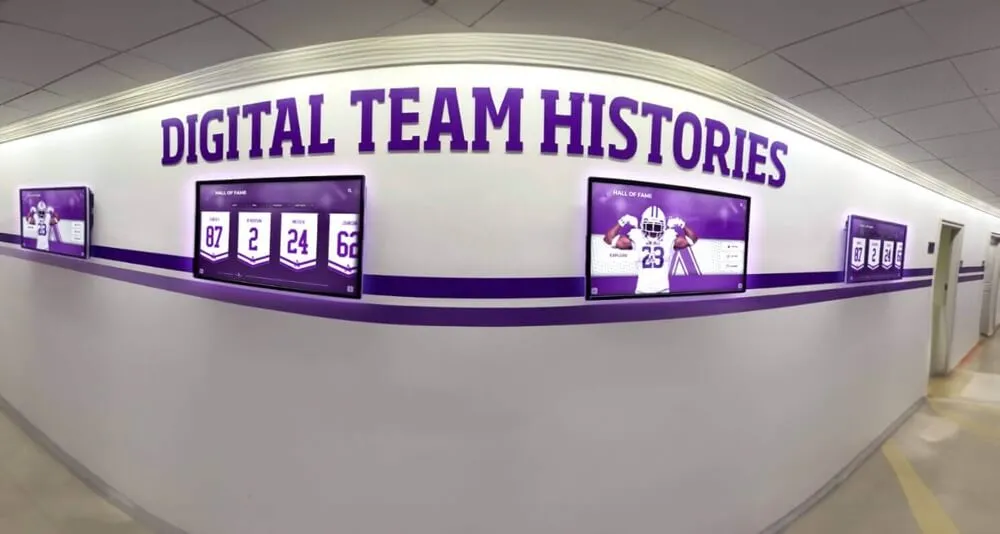
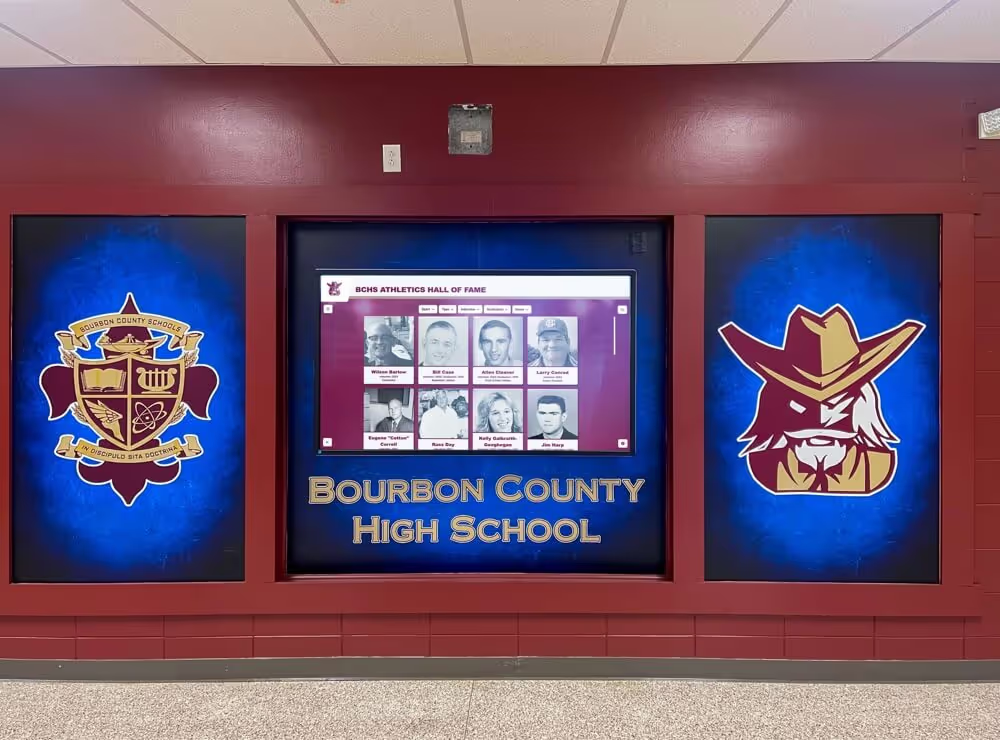
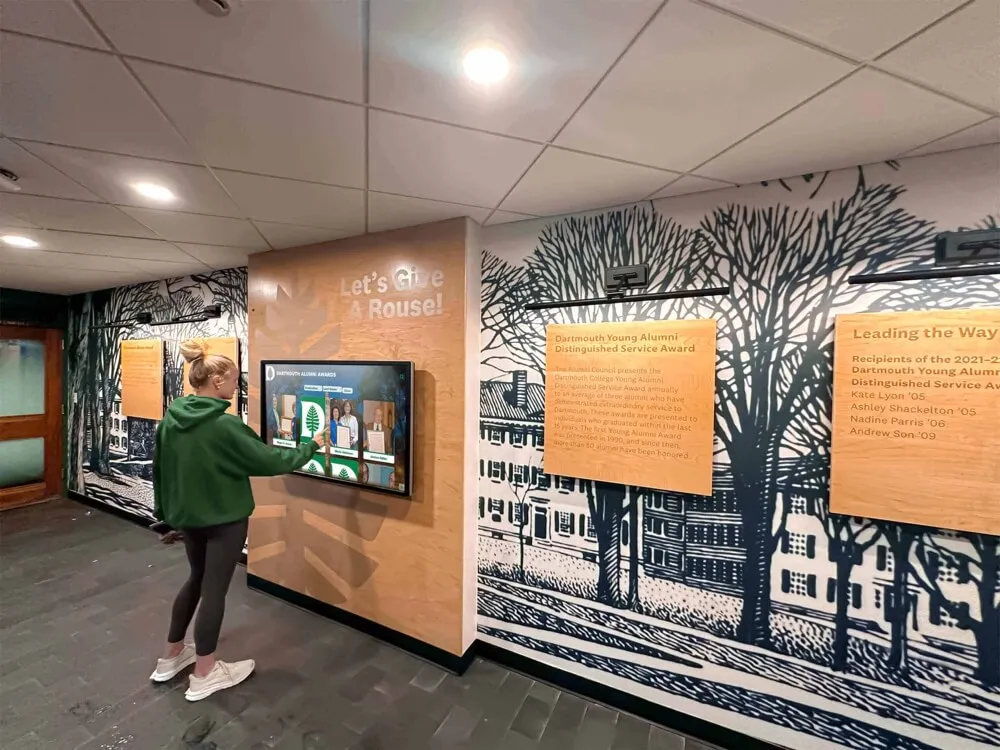
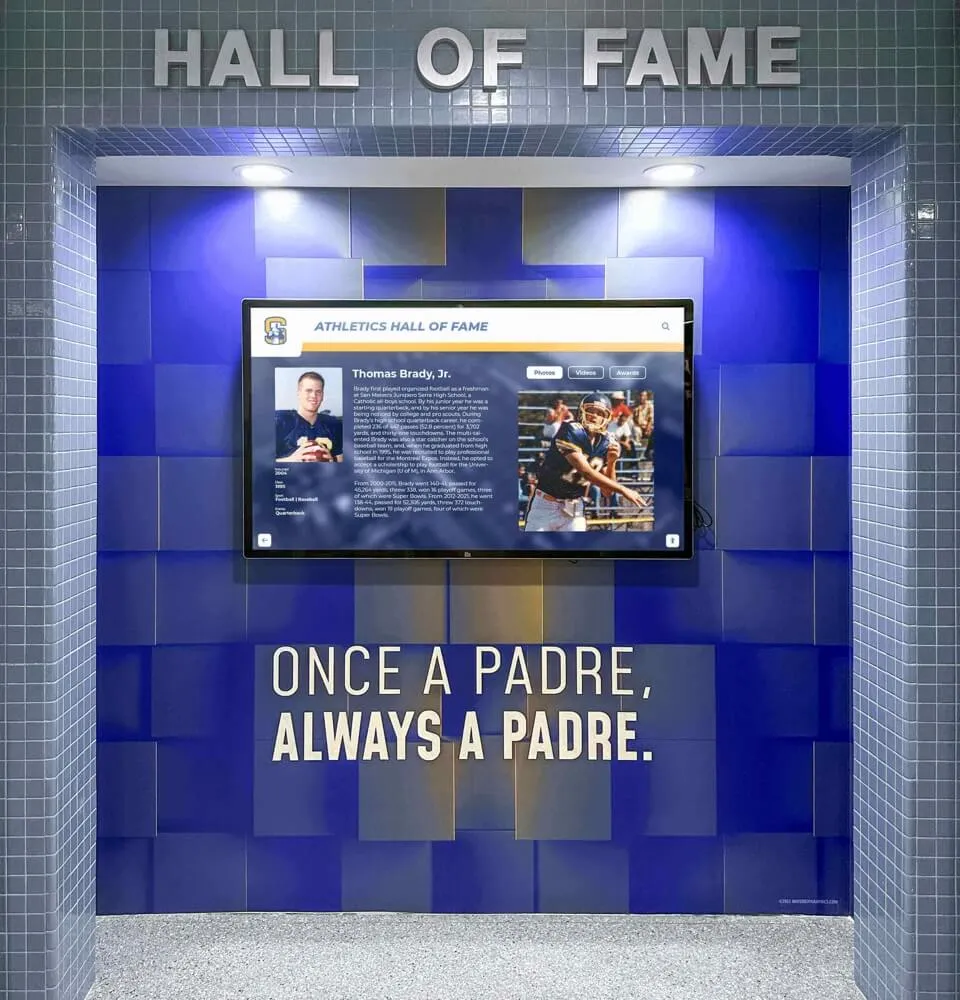
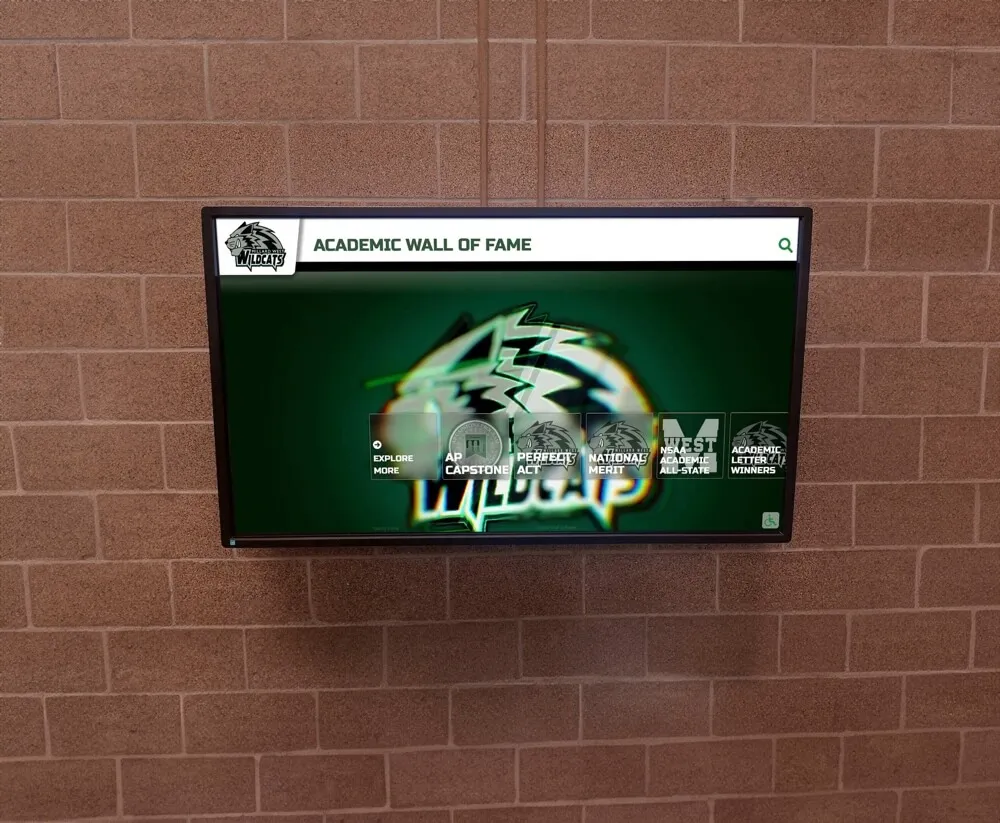
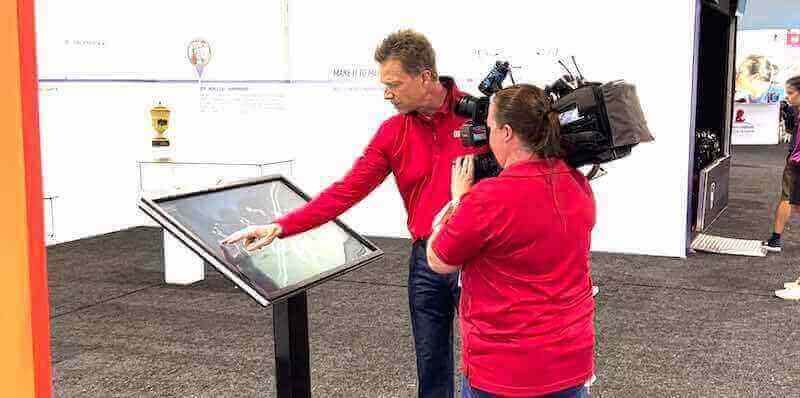
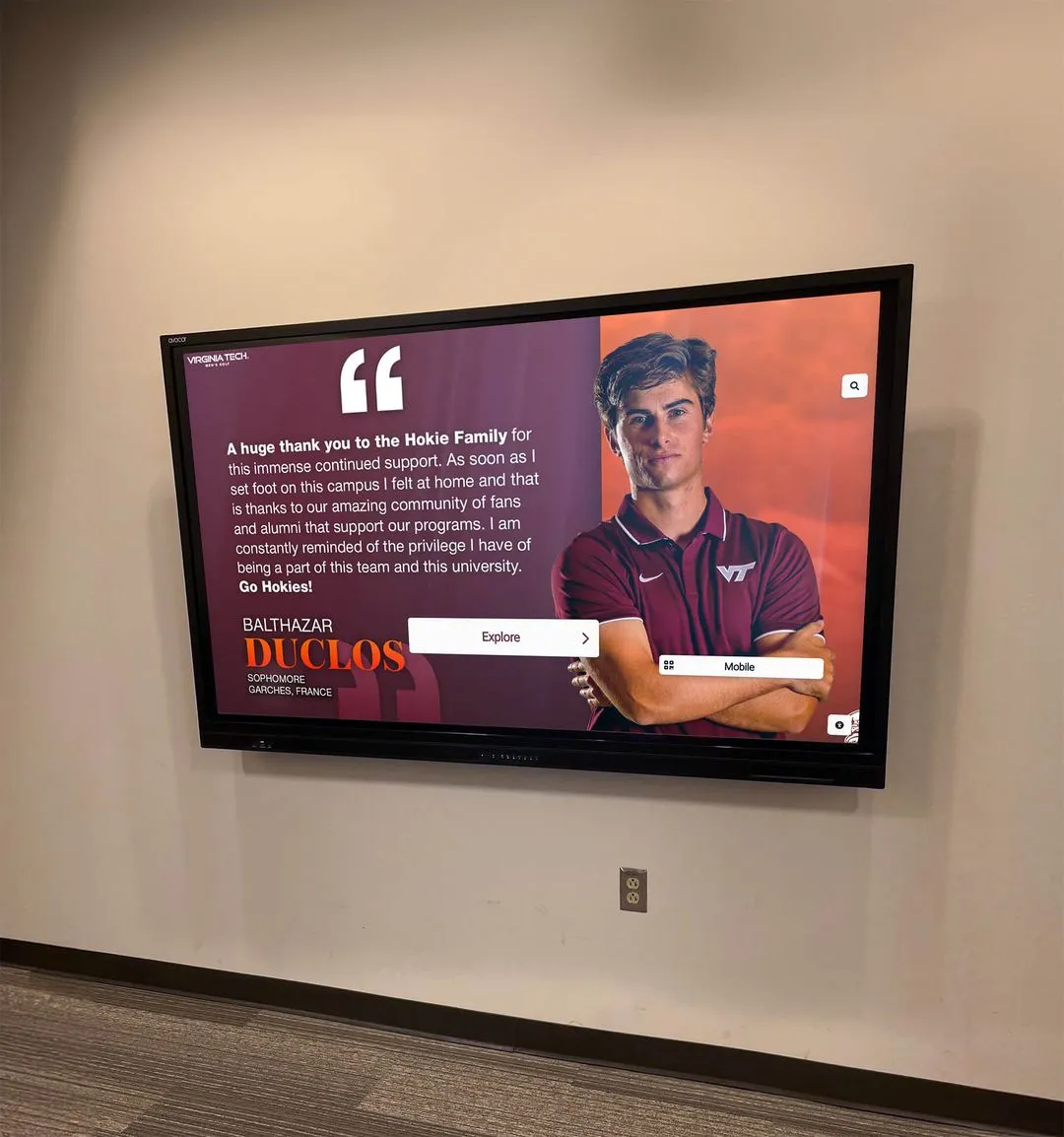
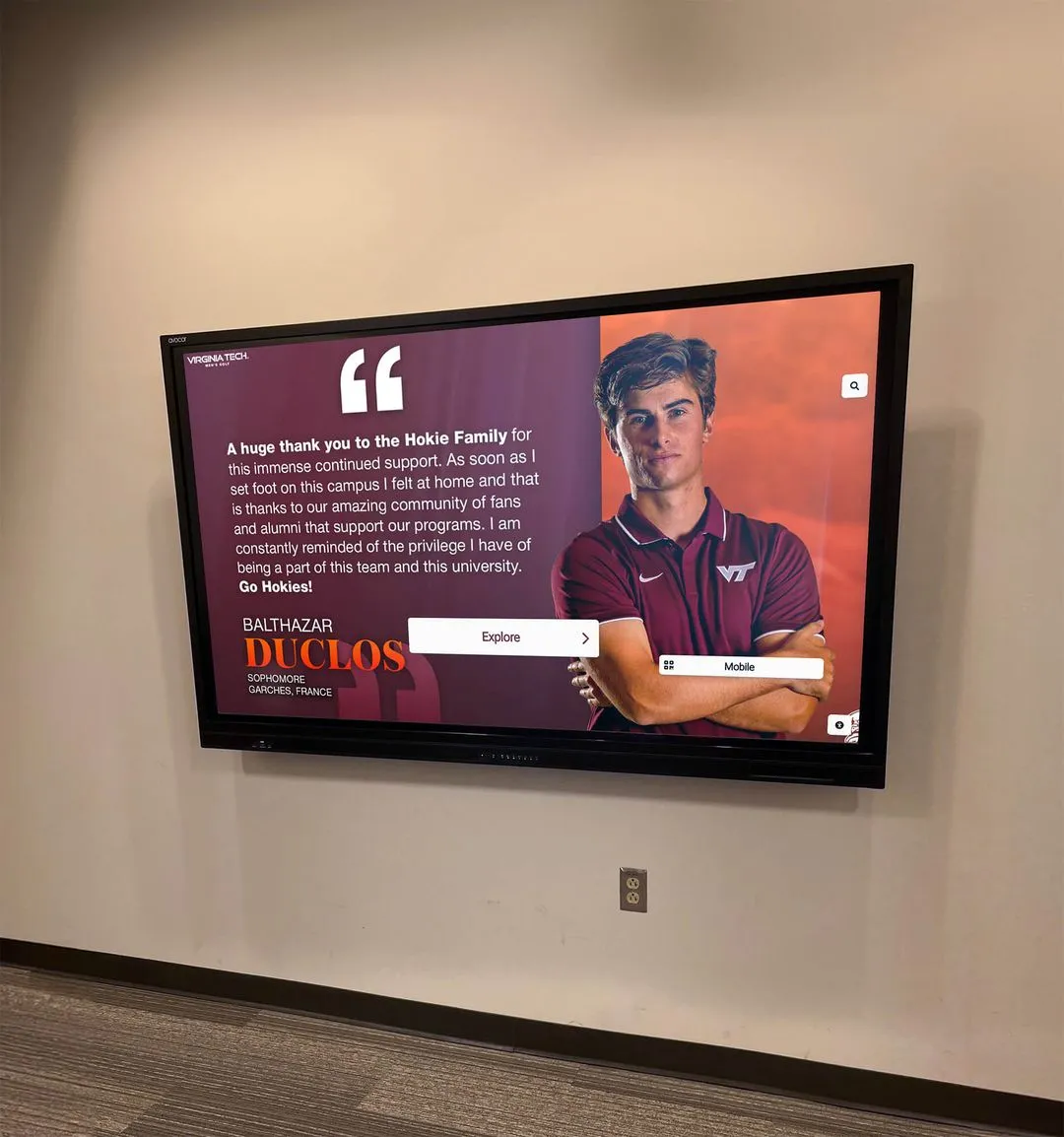
Modern digital displays preserve every championship and athlete—with no physical space constraints and no dust
The Trophy Accumulation Problem Every School Faces
Trophy cases were designed for a different era. A case installed in 1975 might have held 40 trophies comfortably. After 50 years of championships, award banquets, and donation drives, that same case may hold 200 items—with another 300 pieces boxed in the athletic director’s storage room.
Several forces drive accumulation:
Decades of donations. Alumni frequently donate personal trophies back to the school. A regional tennis champion from 1969 may leave her trophy to the athletic department when she cleans out a family home. These donations arrive with emotional weight that makes disposal feel wrong.
Space constraints at newer facilities. School renovations rarely prioritize trophy storage. When a new gymnasium opens, the original trophy case may shrink or disappear entirely, displacing physical awards with nowhere to go.
Program evolution. Schools that once competed at one classification may now compete at another. Sports that no longer exist—or teams that merged with other programs—leave orphaned trophies without clear ownership.
Anxiety about discarding history. Staff members hesitate to throw away a 1983 state championship trophy even if it’s missing its base plate and the name engraving has faded past legibility. The fear of erasing institutional memory keeps trophies in boxes long after their physical condition warrants disposal.
Researchers studying school consolidation patterns note that facilities challenges—including recognition storage—multiply whenever schools merge or reorganize. A look at the history of consolidated schools and merging athletic programs shows how trophy case decisions become particularly urgent when two institutions combine into one.
Before You Retire Any Trophy: The Documentation Step That Changes Everything
Regardless of what you decide to do with old trophies, photograph and record every item before it leaves your building. This single step—often skipped—means the difference between erasing history and preserving it.
Create a master inventory with:
- A high-resolution photo of the front and any engraving
- The award name, year, sport or activity, and recipient(s) if identifiable
- Any additional context: championship level, division, coach name
- Condition notes
Even a Google Sheet paired with a smartphone camera produces a workable archive. Schools investing in more robust preservation use dedicated scanning stations and cloud-based trophy databases—a process that pairs naturally with the digitization strategies covered later in this guide.
For physical memorabilia that falls outside standard trophy formats—banners, plaques, letter jackets, game balls—the approach to display and archiving differs. Reviewing school memorabilia display ideas can help you decide which non-trophy items deserve physical preservation versus digital cataloging.
Once documented, each trophy has a clear path forward.
Option 1: Return Trophies to Award Recipients or Teams
The cleanest answer for trophies awarded to identifiable individuals or teams is to return them. A regional swim championship won by the class of 1991 belongs to those swimmers—not the institution.
How to execute a return program:
- Cross-reference your documentation inventory with alumni records or yearbooks
- Post an announcement through alumni channels, social media, and school newsletters describing the items available for pickup
- Set a 60–90 day claim window with a clear pickup or shipping process
- Partner with your alumni association for outreach—reconnecting graduates with athletic memories can also spark engagement for alumni events and reunions
Many recipients are genuinely moved to reclaim awards they assumed were long gone. Teams from the 1970s and 1980s have organized informal reunions around pickup days, creating unexpected community-building opportunities.
Unclaimed items after the window closes move to the next option.
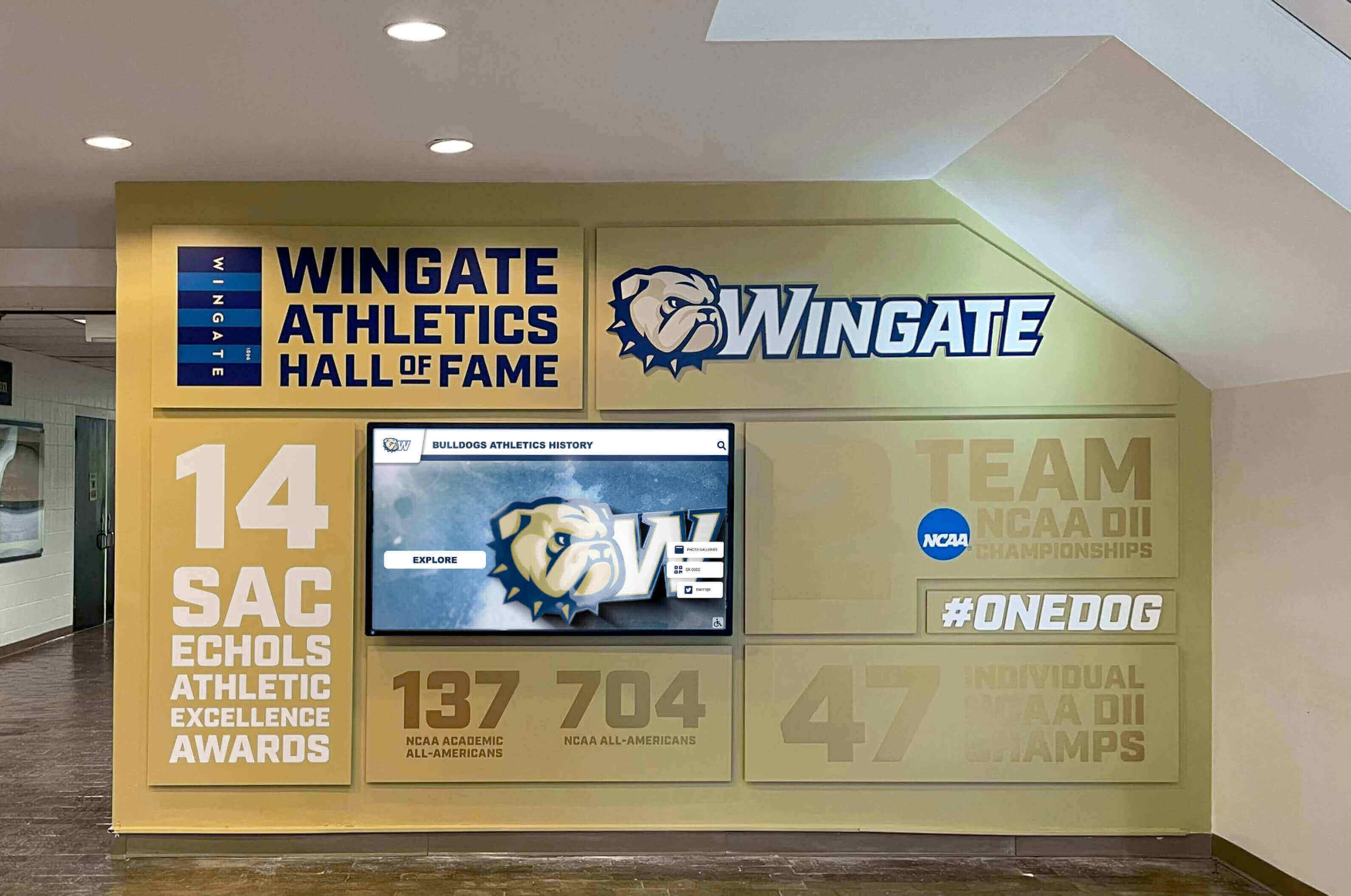
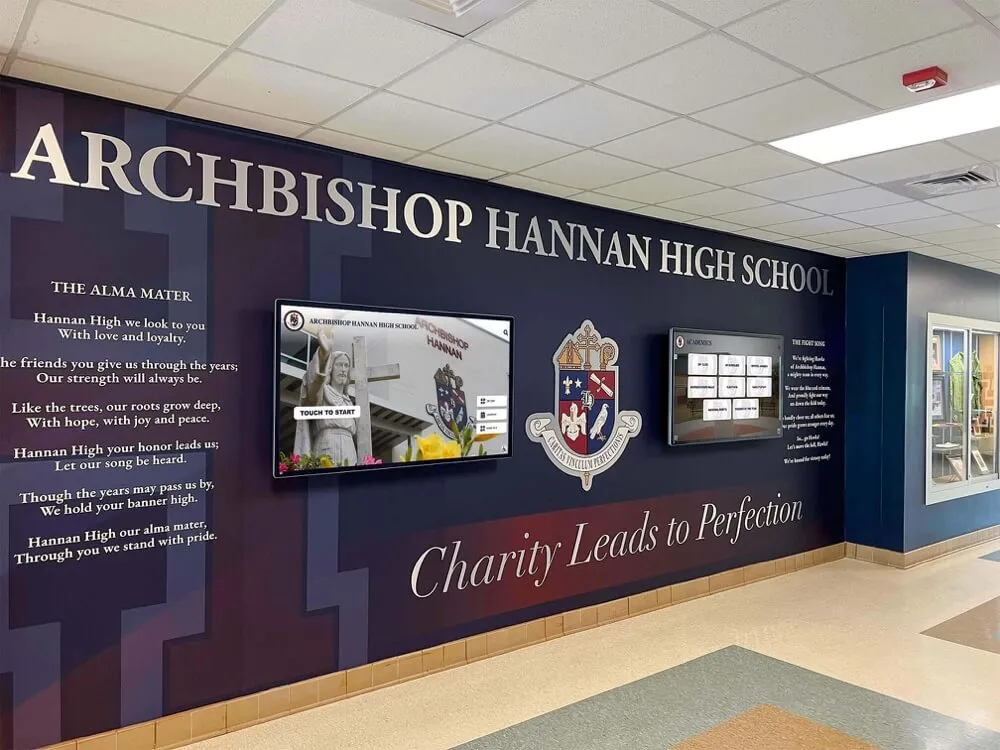
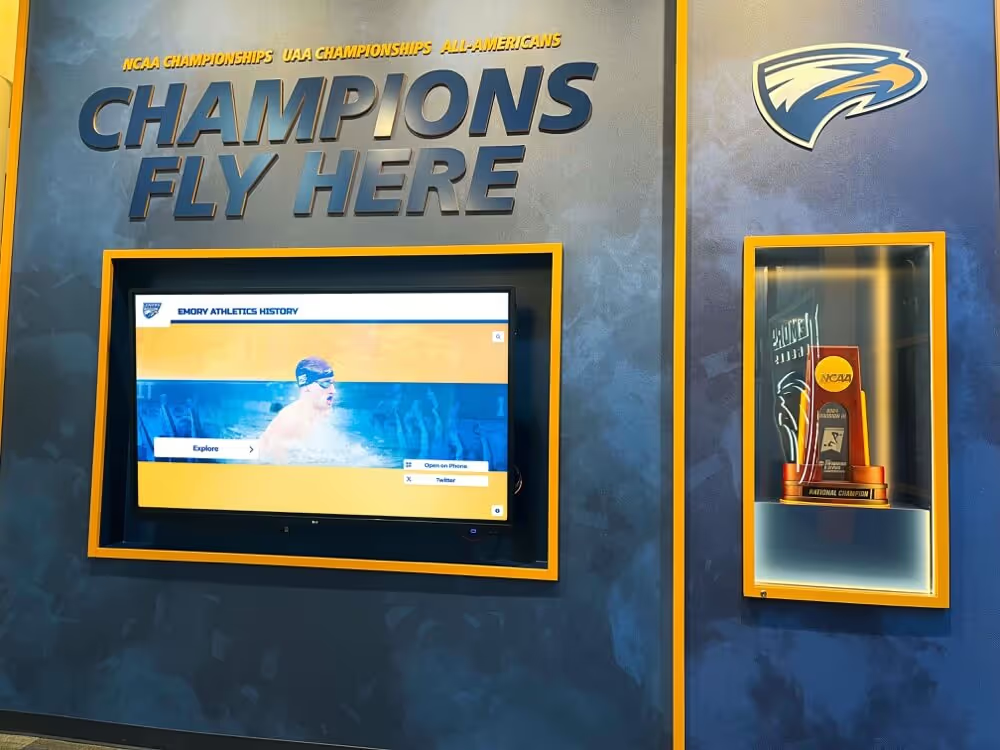
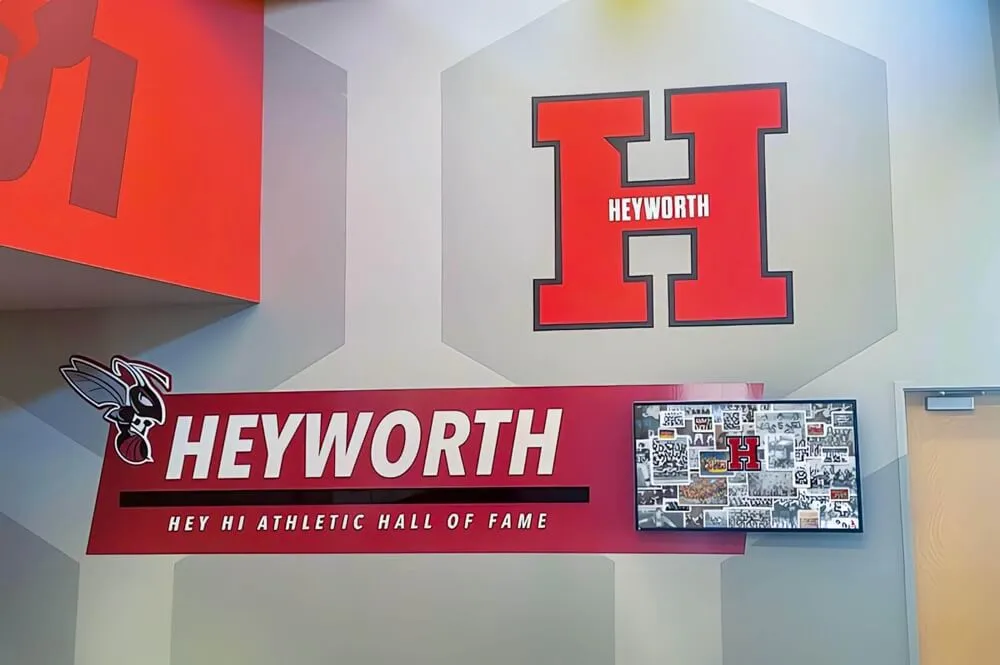
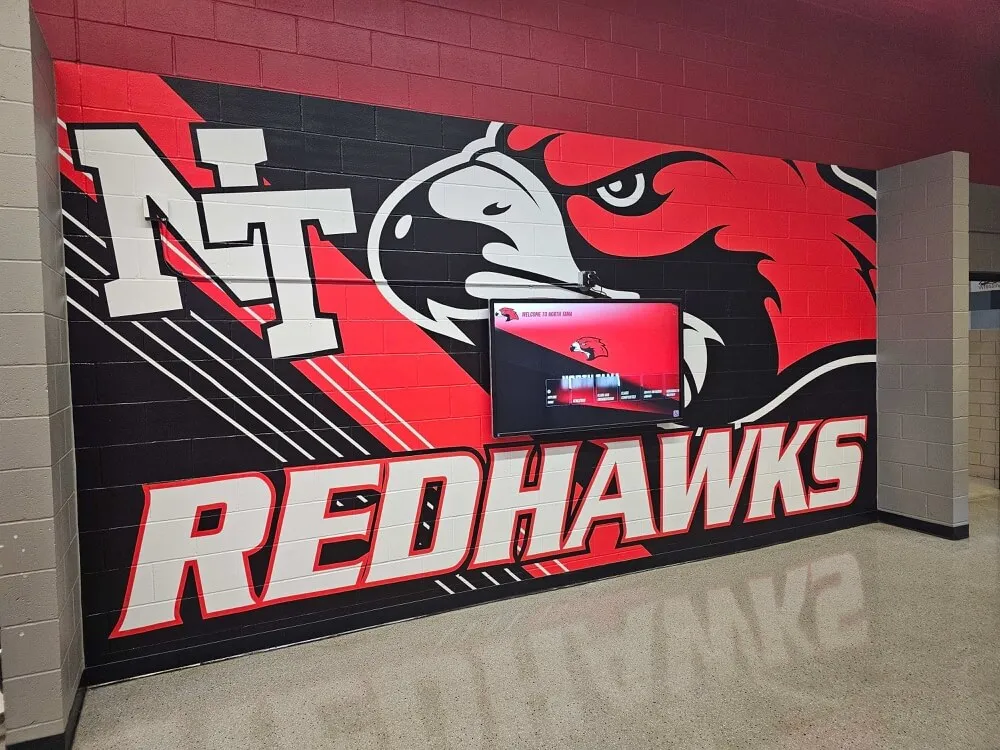
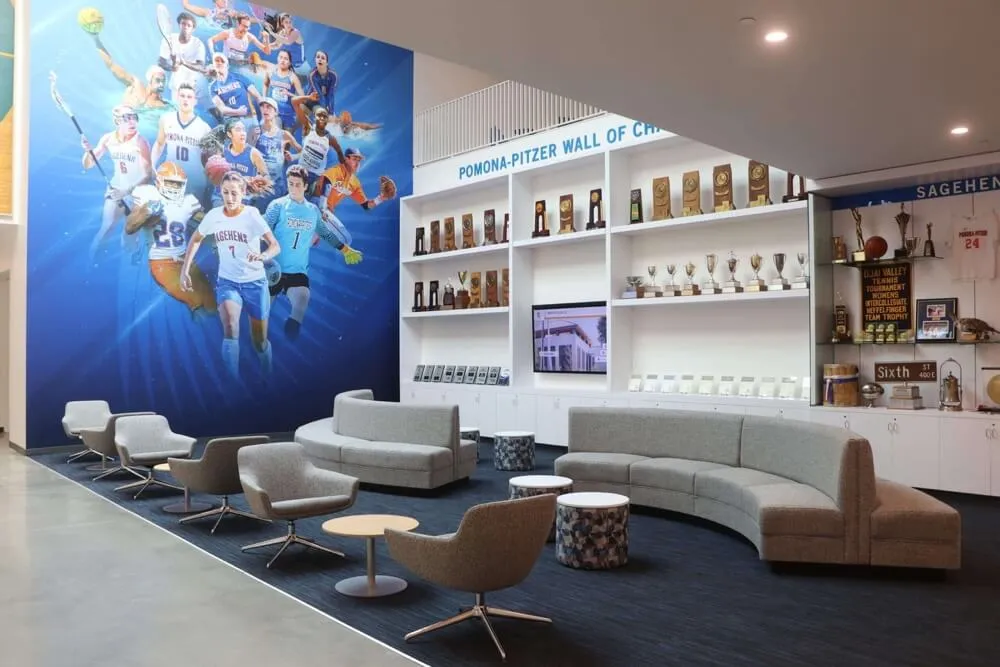
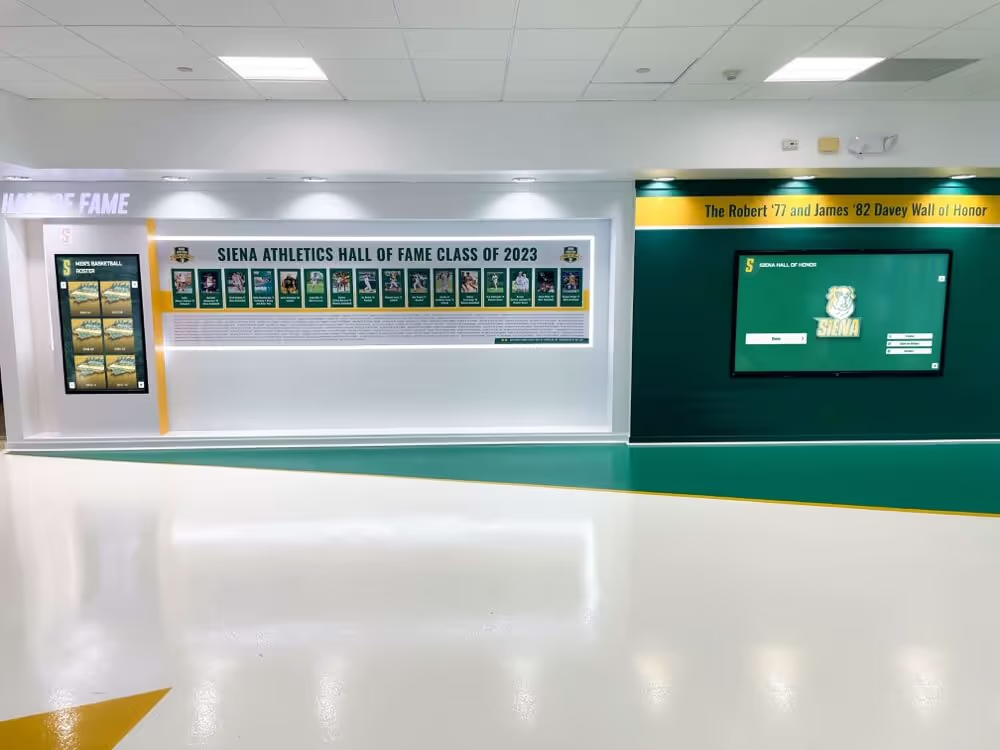
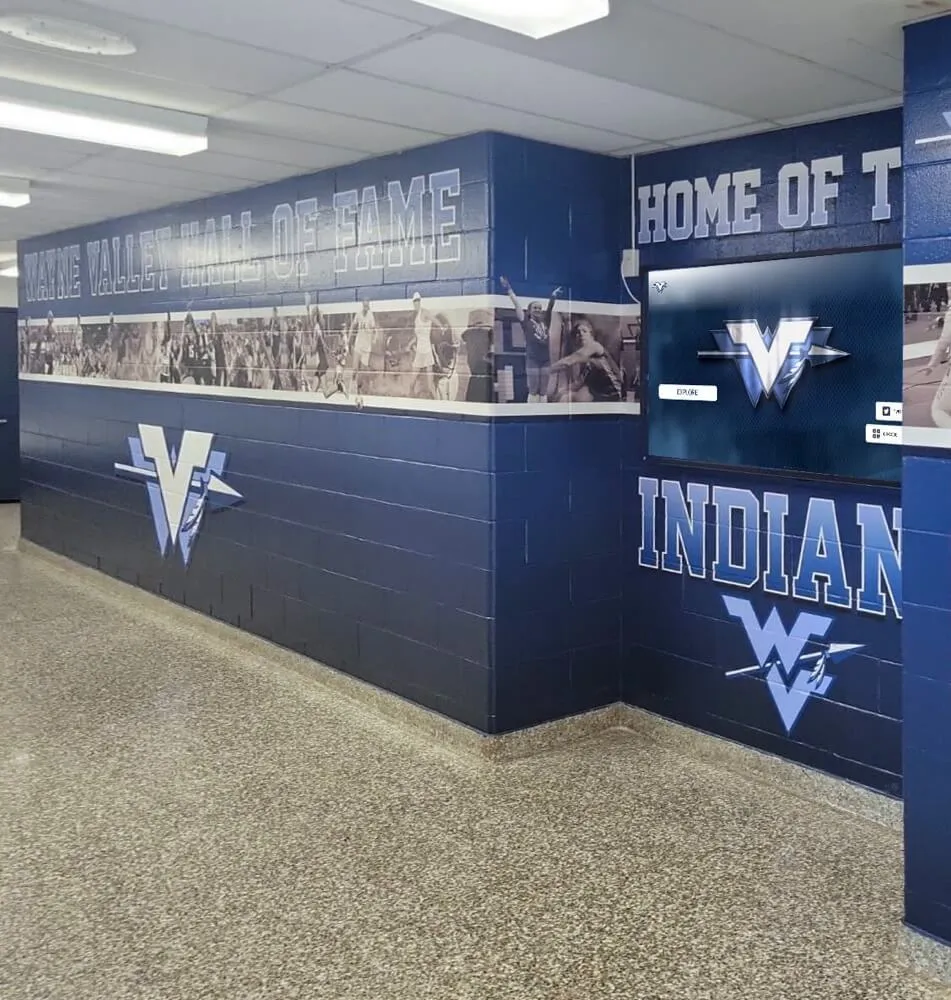
Schools increasingly combine physical trophy cases with digital recognition walls—then retire the physical pieces once history is preserved digitally
Option 2: Donate Old Trophies
Trophies that cannot be returned to original recipients often find second lives through donation. Several organizations accept or repurpose used award hardware:
Youth sports leagues. Recreation leagues, little leagues, and youth athletic organizations frequently operate on tight budgets. A collection of clean, presentable trophies can supply years of end-of-season awards. Contact your local parks and recreation department or search youth sports organizations in your county.
Charitable organizations. Groups like Goodwill and similar donation centers accept trophies for resale. Specialty resellers purchase trophy cups and figures—a quick search for “used trophy buyers” surfaces local and national options.
Trophy and award shops. Many retailers accept used trophy components for reclamation. Column risers, figurines, and marble bases are frequently reused in new award configurations, reducing waste and generating small offsets against shop credit.
Schools in underserved communities. Schools or leagues that cannot afford new trophies often welcome gently used award sets. Partner with your district office to identify potential recipient organizations.
When donating, be selective. Donate items that are structurally intact, legibly engraved, and presentable. Heavily damaged, illegible, or institution-specific items (pieces engraved with your school’s name that would confuse recipients at another organization) are better candidates for recycling.
Option 3: Repurpose and Upcycle Trophy Components
Trophies that cannot be donated because of damage, institutional specificity, or sheer volume often work well in repurposed applications:
Display components. Trophy bases—particularly heavy marble or granite pieces—serve as bookends, paperweights, or plant risers. Columns and risers make effective display stands for small sculptures or awards in new configurations.
Art and maker projects. Many schools incorporate unwanted trophy components into art classes or maker space projects. Students have created everything from sculptures to functional furniture using trophy hardware, turning disposal into a learning opportunity.
Recognition event décor. Clusters of older trophies styled together can create powerful visual centerpieces for athletic banquets and recognition ceremonies—a nod to program history that costs nothing. School recognition programs often use award imagery creatively to build culture, and creative award ideas beyond the standard trophy demonstrate how recognition evolves when physical constraints disappear.
Option 4: Recycle the Materials
Trophies beyond repair or reuse can be disassembled and recycled by material:
- Metal components (brass, zinc, aluminum bases and figures): Most municipal recycling programs or scrap metal yards accept these
- Marble and stone: Quarry and masonry suppliers sometimes accept stone bases; municipal solid waste programs accept others
- Plastic resin figures and columns: Check local plastic recycling capacity, as acceptance varies by resin type
- Wood plaques and bases: Untreated wood goes to composting or green waste programs
Many trophy shops will handle disassembly and sorting for a small fee if volume makes self-sorting impractical.
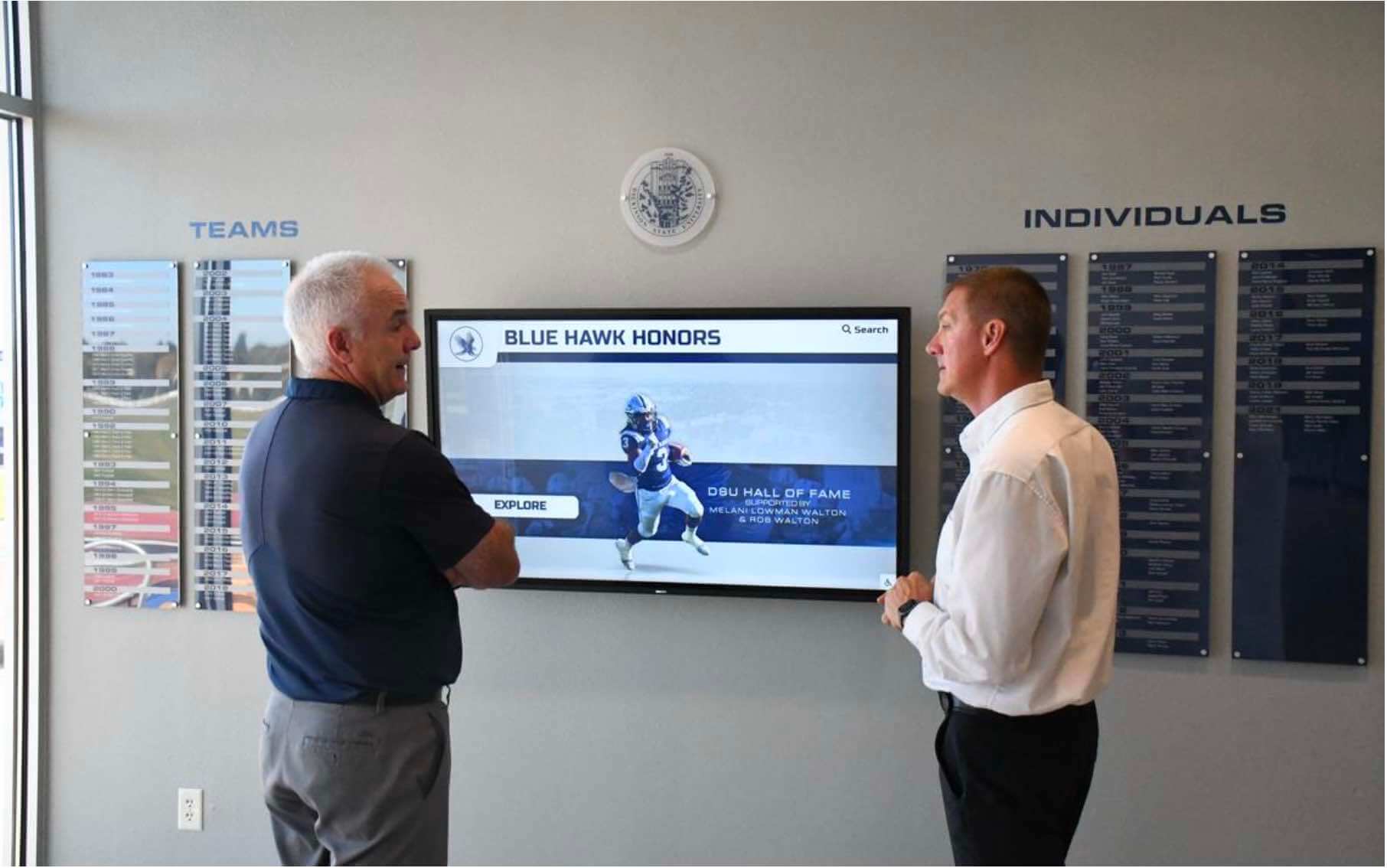
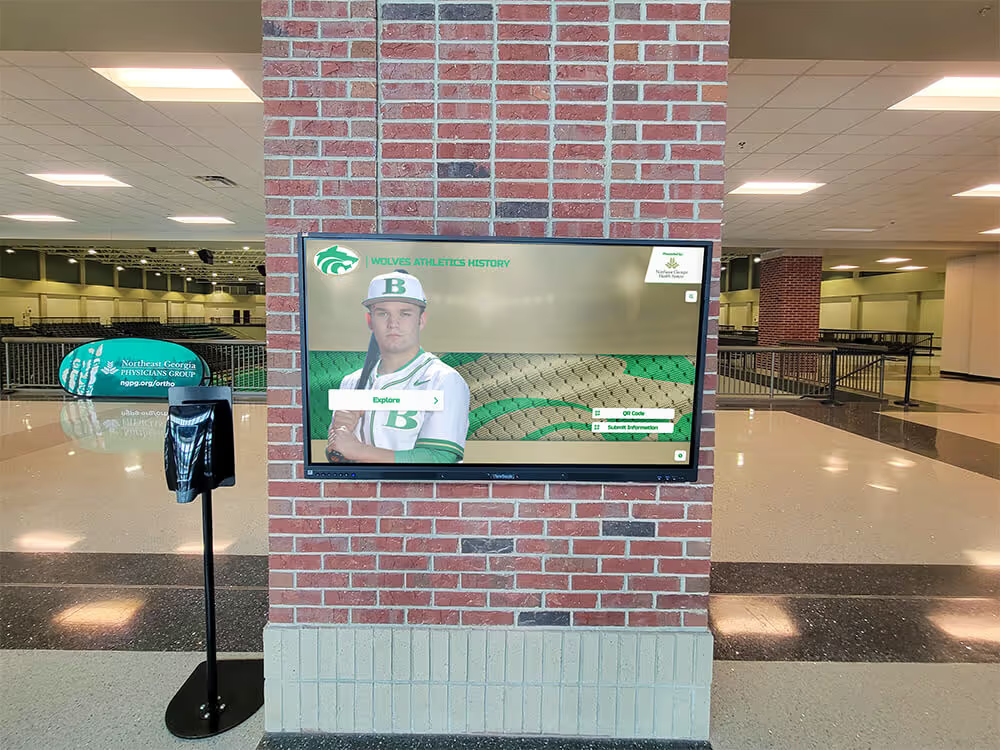
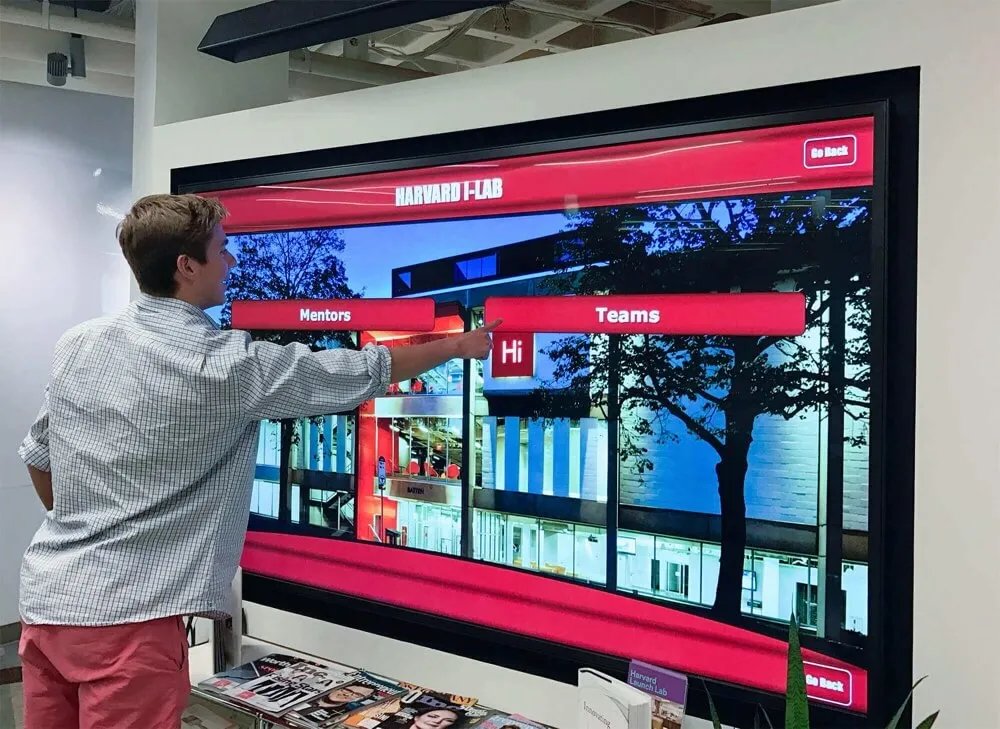
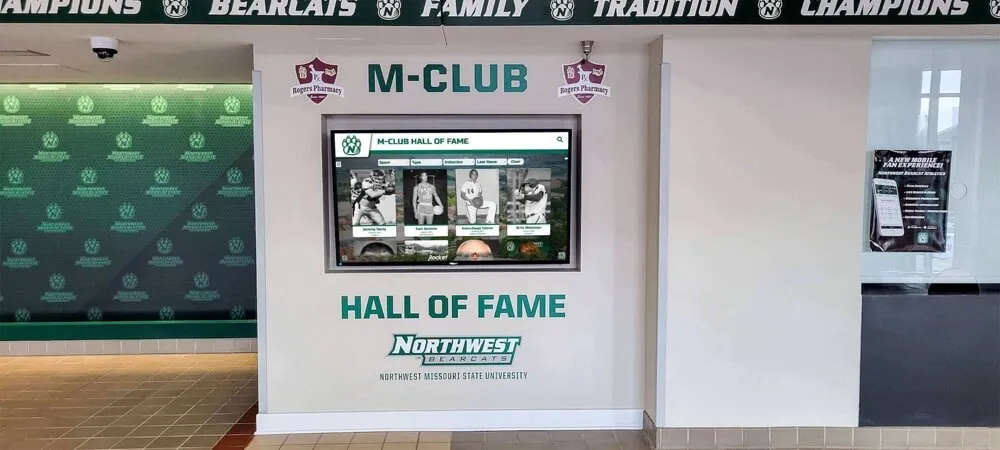
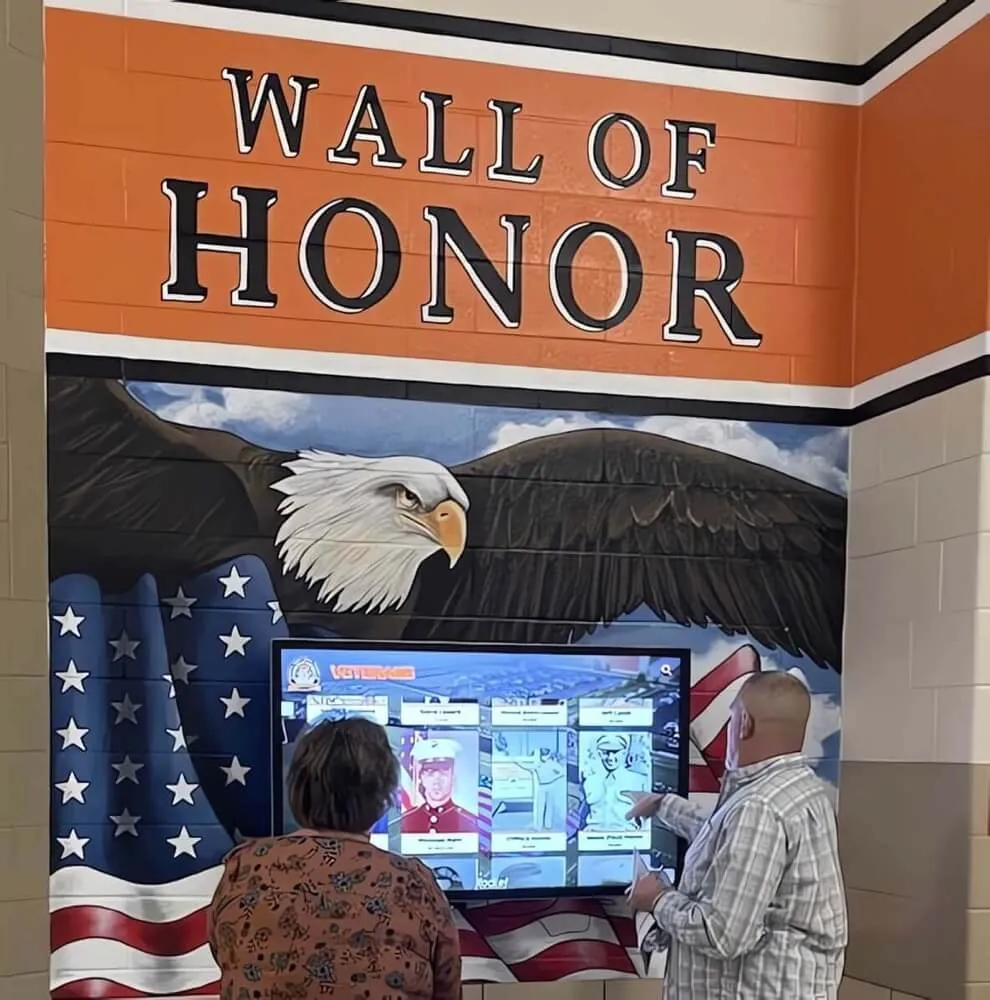
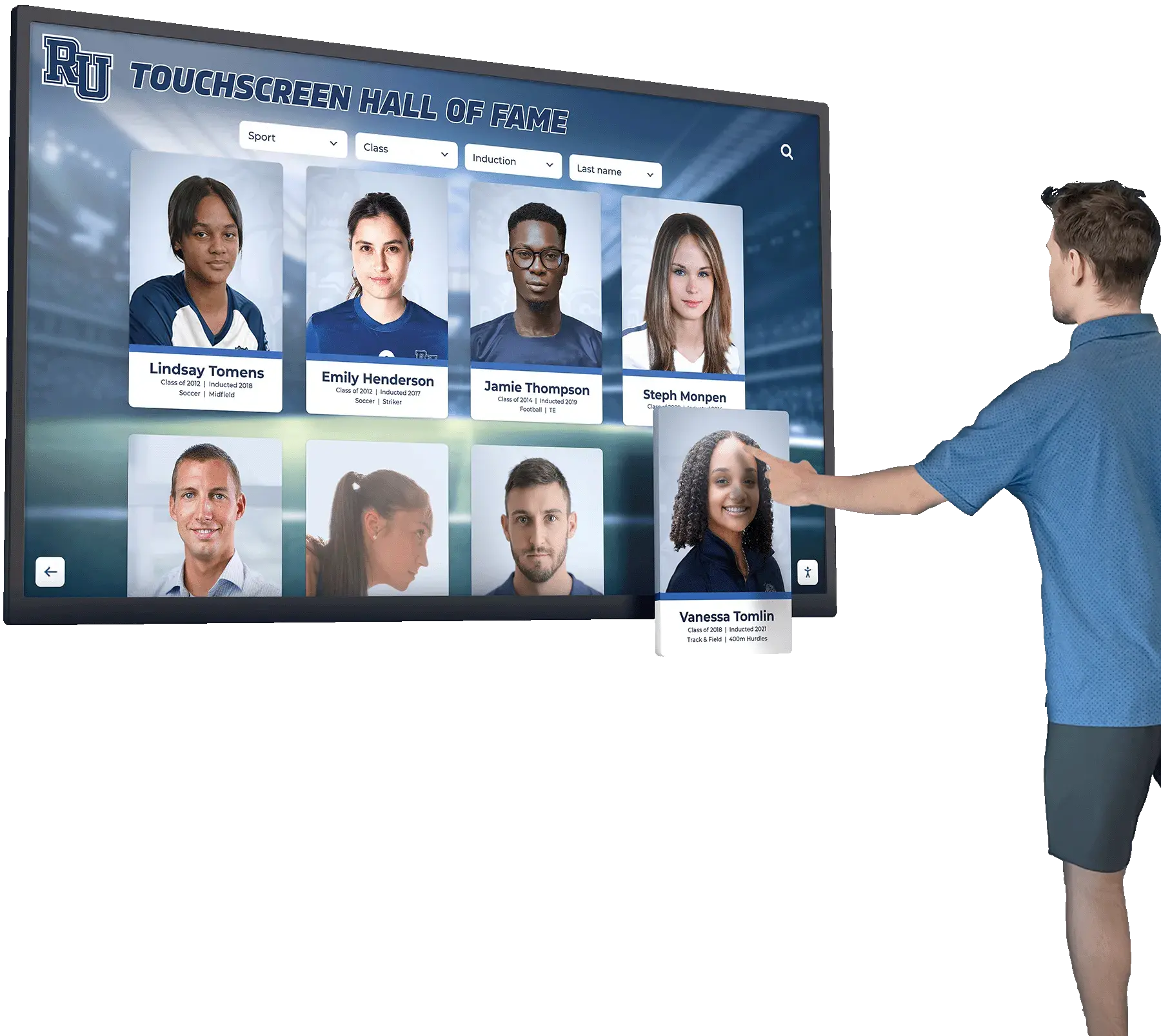
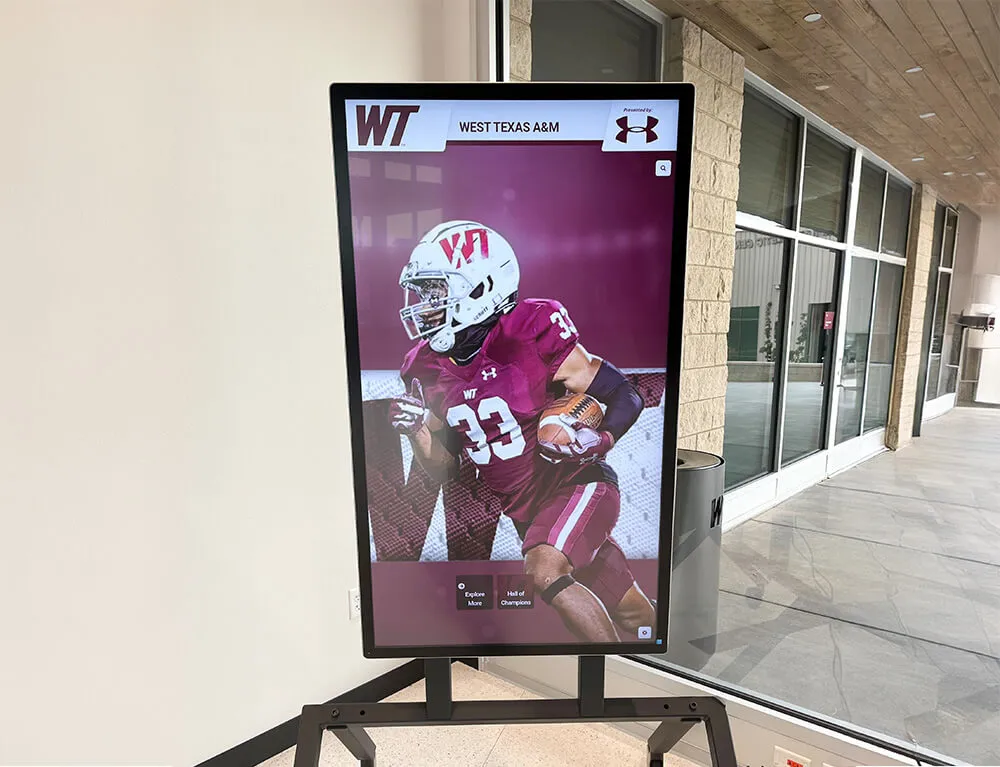
Interactive digital displays let visitors explore decades of achievement without a single physical trophy
Option 5: Digitize Your Trophy Case — The Long-Term Solution
Returning, donating, repurposing, and recycling solve the current overflow. They do not prevent the next overflow, and they leave schools without a living record of achievement that future students can actually engage with.
Digitizing your trophy case solves both problems simultaneously. Every championship, every athlete name, every record—preserved permanently in a searchable, interactive display that never runs out of space.
What Digitizing a Trophy Case Looks Like in Practice
A digital trophy case is a touchscreen display installed in the space your existing trophy case occupies (or nearby). Staff manage the content remotely through a cloud-based CMS, adding new achievements in minutes without IT tickets or physical display changes.
Key capabilities include:
Unlimited storage. Physical cases hold dozens of items under optimal conditions. A digital trophy case holds thousands of records—every team photo, every championship, every individual award—without crowding.
Searchable by year, sport, athlete, or achievement. Students browsing the display can find the 1987 state championship basketball team in seconds. Physical cases offer no such navigation.
QR code access for remote viewing. Visitors who cannot view the in-building display access the same records on a smartphone by scanning a QR code—making your recognition accessible to alumni worldwide.
Remote updates via cloud CMS. Staff add a new championship or individual award from a laptop anywhere. Updates appear on the display within minutes—no vendor visits, no new hardware, no physical rearrangement.
ADA WCAG 2.1 AA compliance. Modern digital trophy case platforms meet accessibility standards that physical cases cannot match, ensuring all visitors can engage with school history.
Automatic ranking and sorting. Records organize themselves by year, category, or achievement level automatically, eliminating the manual curation physical cases require.
For schools building athletic record boards alongside their trophy displays, reviewing digital record board solutions provides a clear picture of how dynamic record tracking integrates with broader recognition displays.
Schools tracking records across sports like basketball benefit particularly from digitization—comprehensive high school basketball scoring records demonstrate exactly how much historical data physical trophy cases simply cannot surface, while digital systems display it all simultaneously.
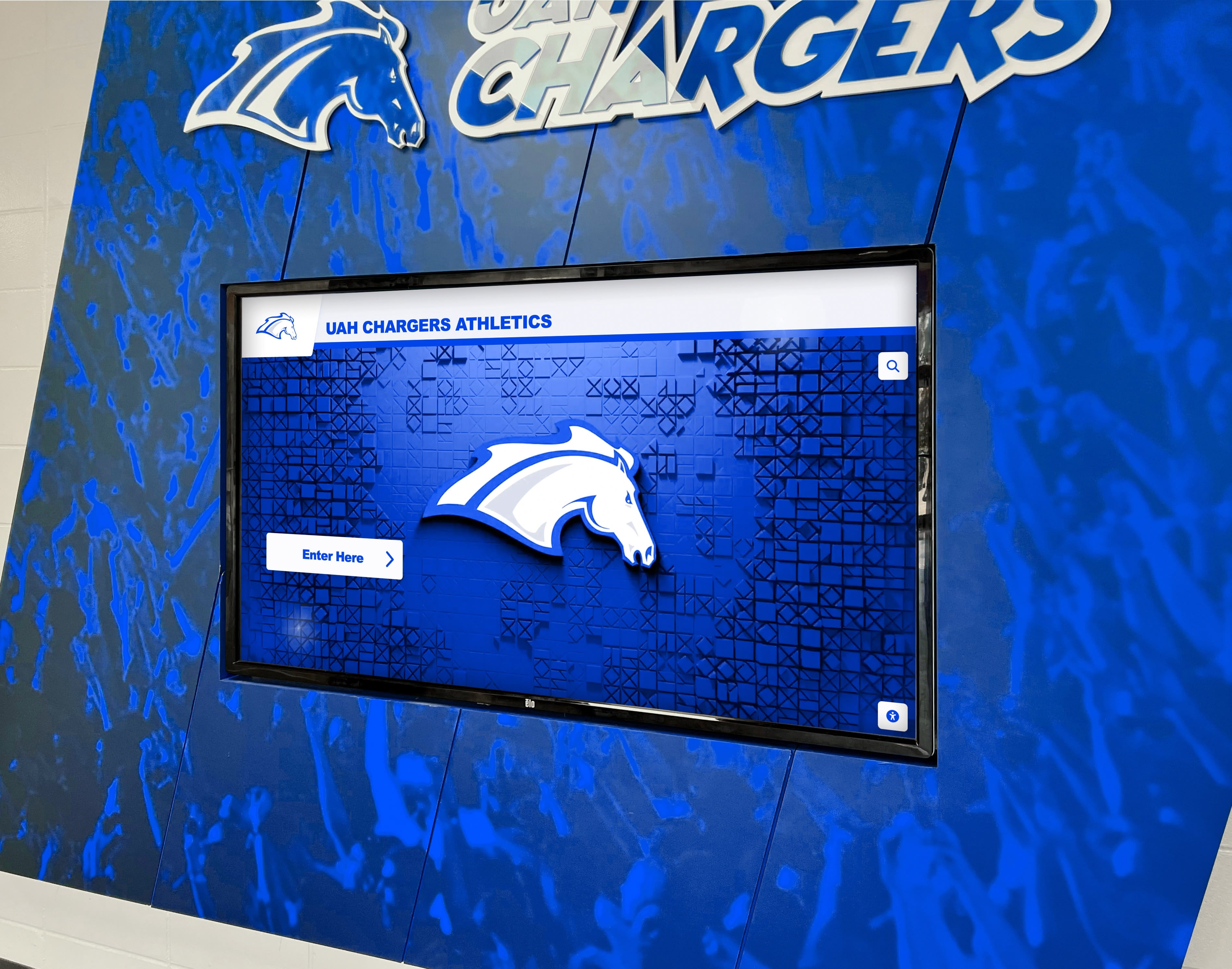
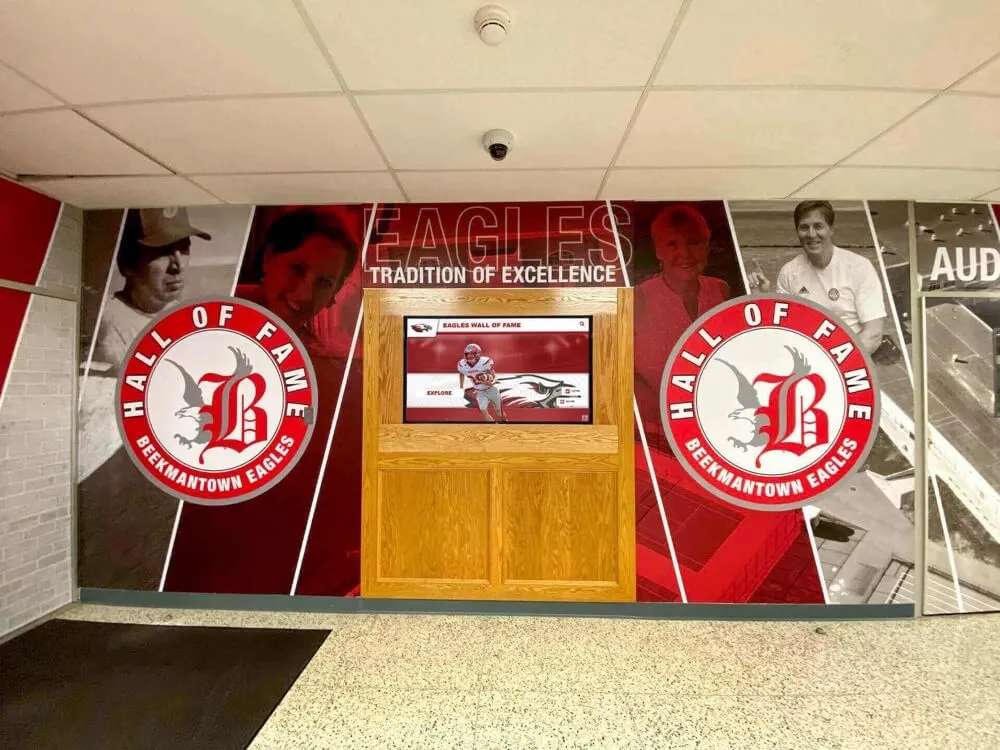
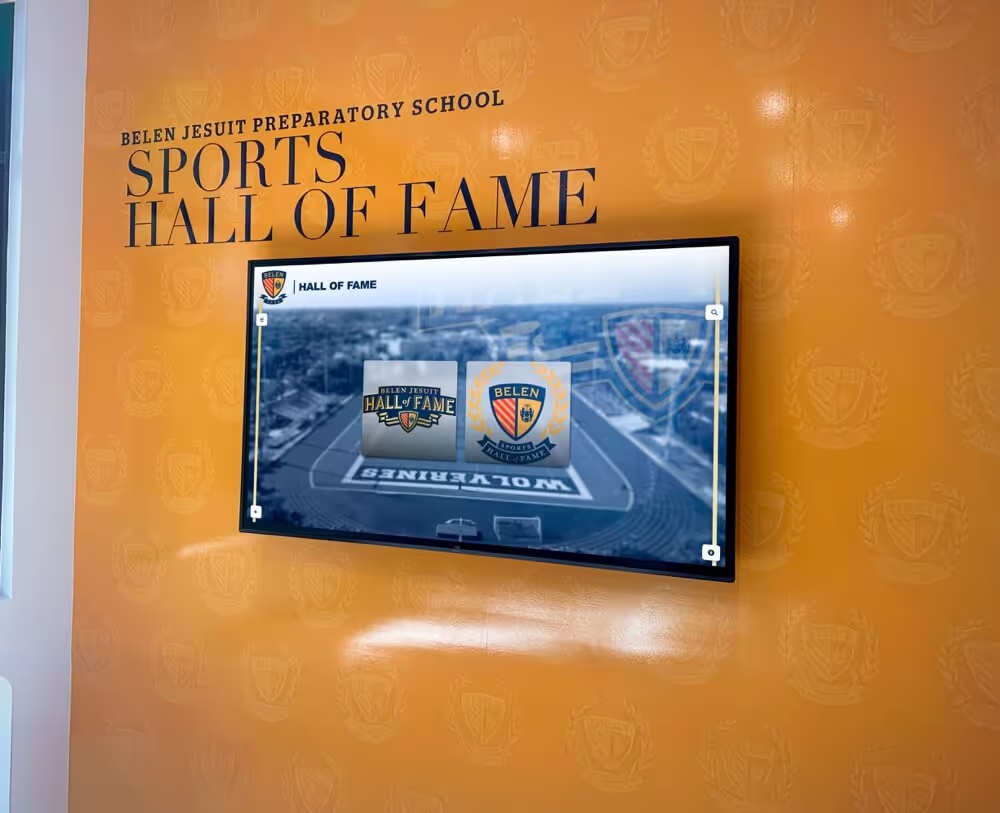
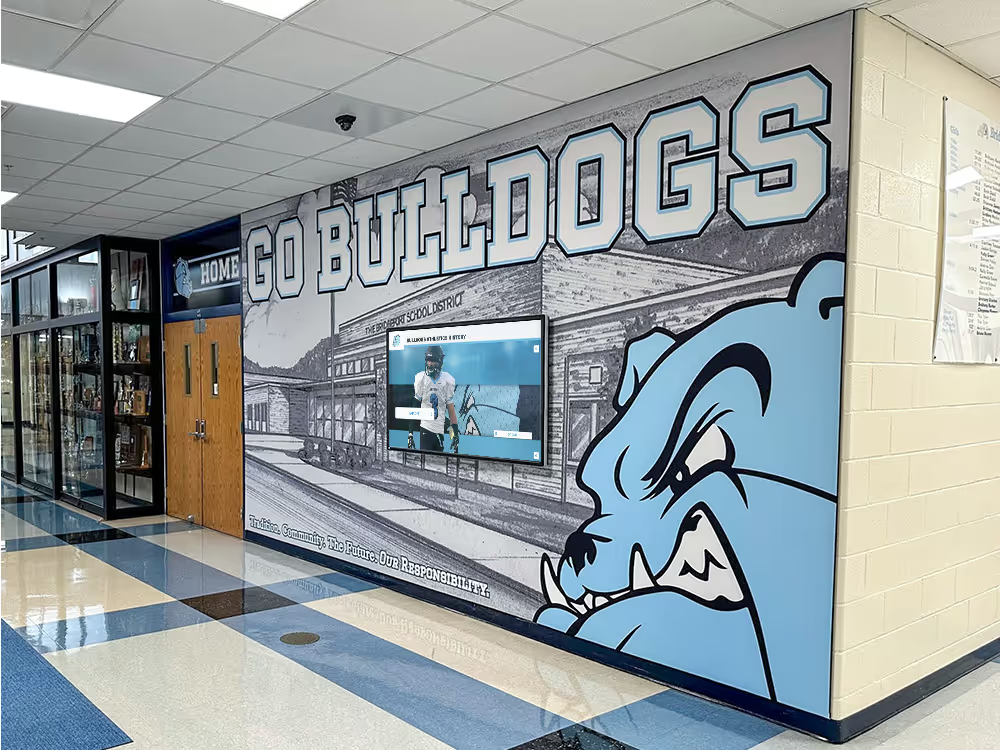
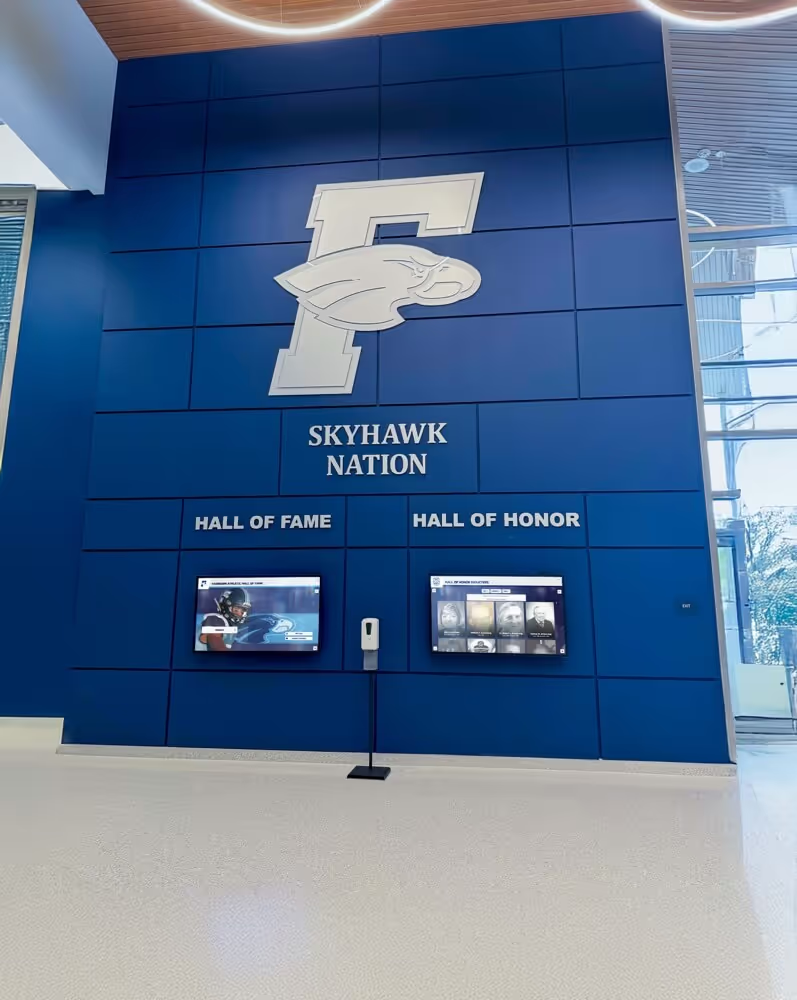
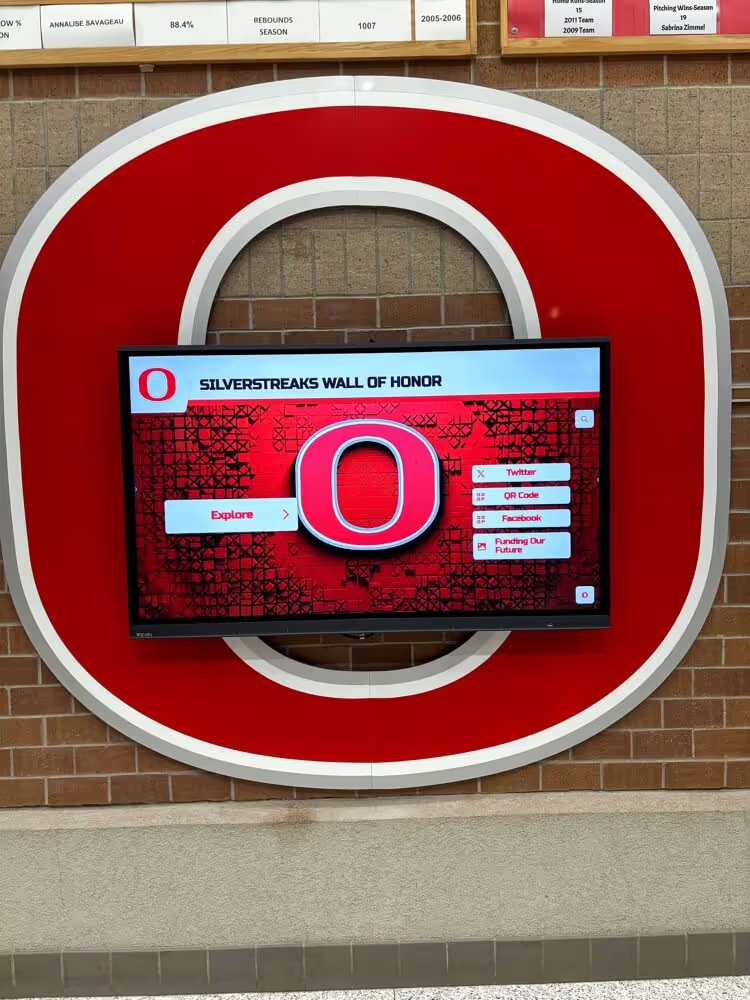
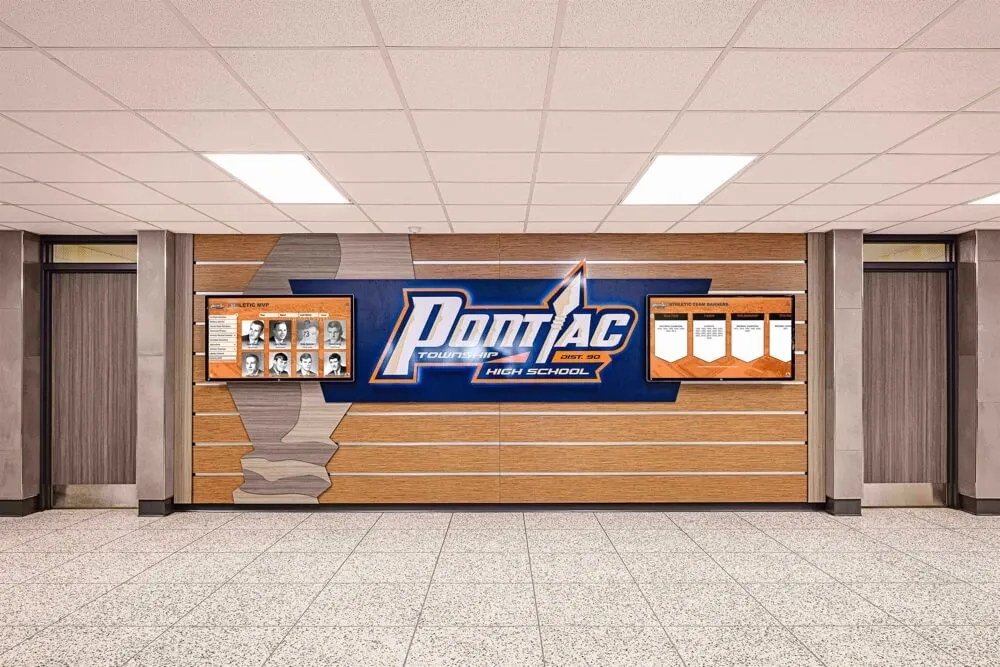
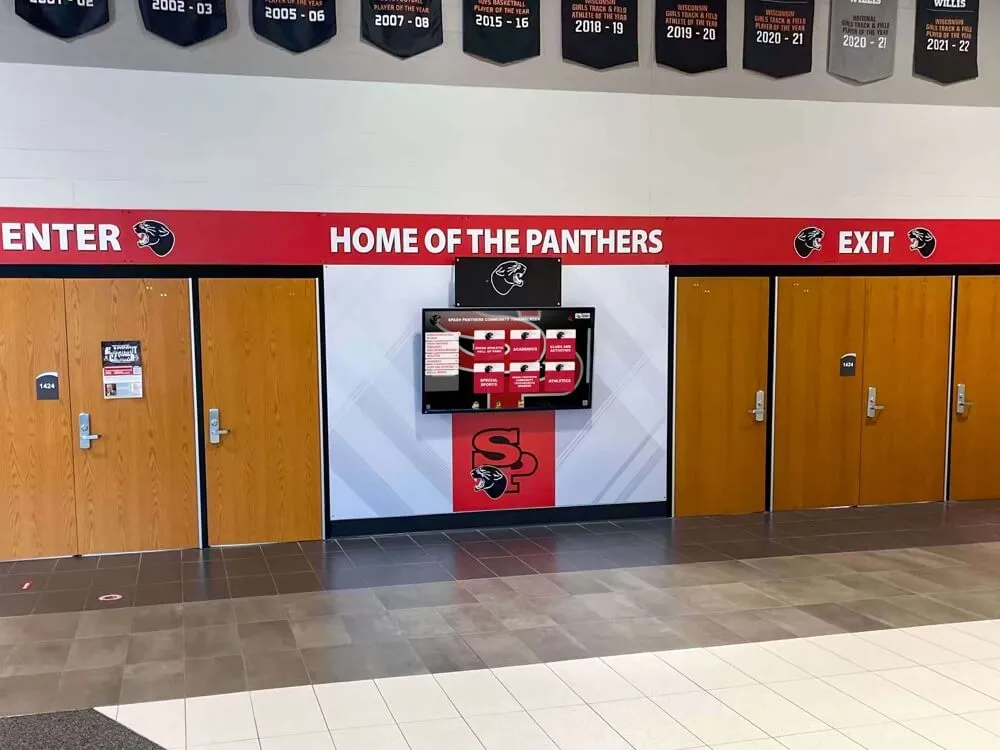
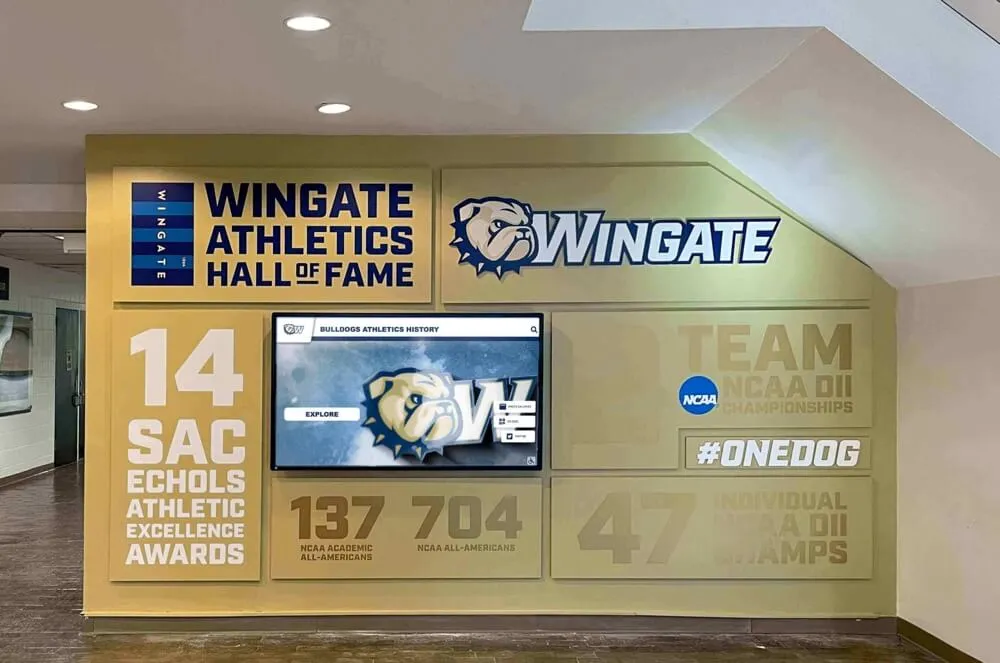
A wall-mounted digital display replaces an entire trophy case footprint while holding decades more recognition content
How to Transition From a Physical to a Digital Trophy Case
The transition process is more manageable than it appears when broken into phases.
Phase 1: Inventory and Photograph (4–8 Weeks)
Use the documentation approach described earlier. Assign student interns, athletic department staff, or parent volunteers to photograph and catalog every item. Aim for consistency: same background, same framing, same data fields per entry.
Focus on capturing:
- Team championship trophies with year, sport, and classification
- Individual award recipients with name, year, and award category
- Athletic records (fastest time, highest score, most wins) with the record holder’s name and date
- Retired jersey numbers and their recipients
Phase 2: Load Content into the Digital System (2–4 Weeks)
Most digital trophy case platforms provide onboarding support that accelerates upload. Some offer concierge data entry services where their team loads existing records from your inventory file and photographs.
During this phase, work with your platform provider to organize records into the display hierarchy that serves your community best: by sport, by era, by achievement type, or by a combination.
Phase 3: Install the Display and Transition the Physical Case
Once content is live in the system, install the display. This is typically a wall-mounted touchscreen, a freestanding kiosk, or a combination. The footprint is dramatically smaller than a traditional trophy case—often a single screen occupying the space where multiple glass cases once stood.
With the display active, physically retire the trophy case. Execute the return, donation, and recycling steps described above for the physical hardware. Your institution’s history remains fully intact in the digital system.
Phase 4: Establish a Content Update Routine
Assign a staff member (often the athletic director or their assistant) as the content manager. Set a quarterly or seasonal update cadence: after each season, new team records and championship wins are added to the display within days of their occurrence. Schools with active programs update content weekly.
Teams in all sports benefit from this always-current recognition. Programs tracking football records across generations see particular value in dynamic displays—football records recognition systems show how rich decade-spanning data becomes when presented interactively rather than trapped in a glass case.
What to Look for in a Digital Trophy Case Platform
Not all digital display platforms are built for the recognition use case. When evaluating options, prioritize:
Purpose-built for recognition. General-purpose digital signage platforms require extensive customization. Platforms designed specifically for school trophy cases and halls of fame include built-in record structures, athlete profile templates, and team history formats.
Cloud-managed content. Staff should update content from any browser without IT support or on-site vendor visits. Scheduled publishing—the ability to set a future date for a record to go live—is a valuable feature for schools announcing recognition at ceremonies.
Sponsorship display capabilities. Many schools offset platform costs by featuring sponsor logos on the display. This feature, available in robust digital trophy case platforms, requires no additional hardware and generates recurring revenue.
Scalable content capacity. Confirm the platform imposes no per-record or per-entry fees. Schools with 50 years of history to upload need genuine unlimited capacity.
Integration with broader recognition platforms. Schools often expand from a single trophy case display to networked recognition across athletic hallways, donor walls, and academic achievement boards. Choose a platform that scales.
Trends in smaller college sports facilities confirm that digital recognition is becoming standard even in programs with limited physical space—a direct result of the unlimited-capacity, minimal-footprint advantages digital displays provide.
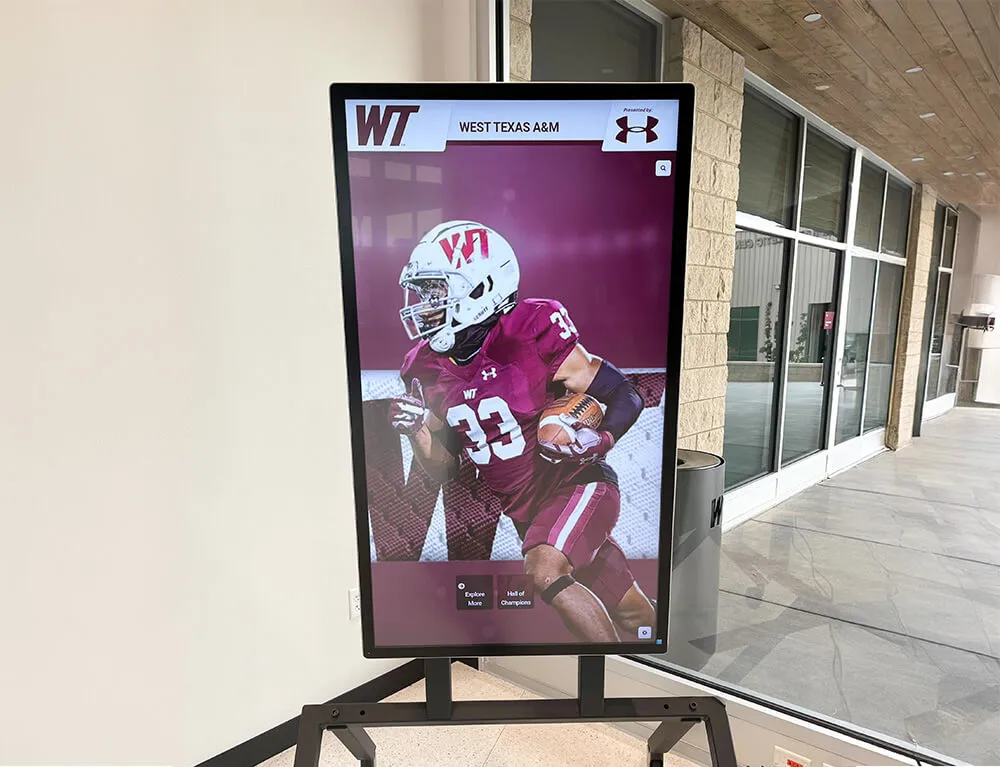
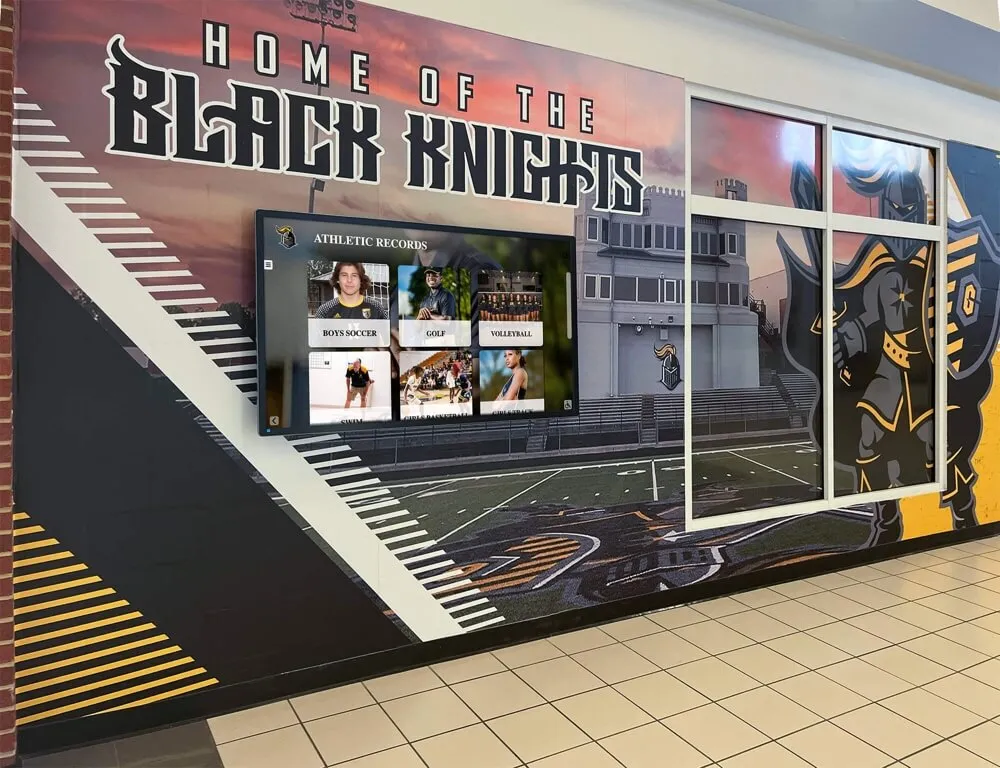
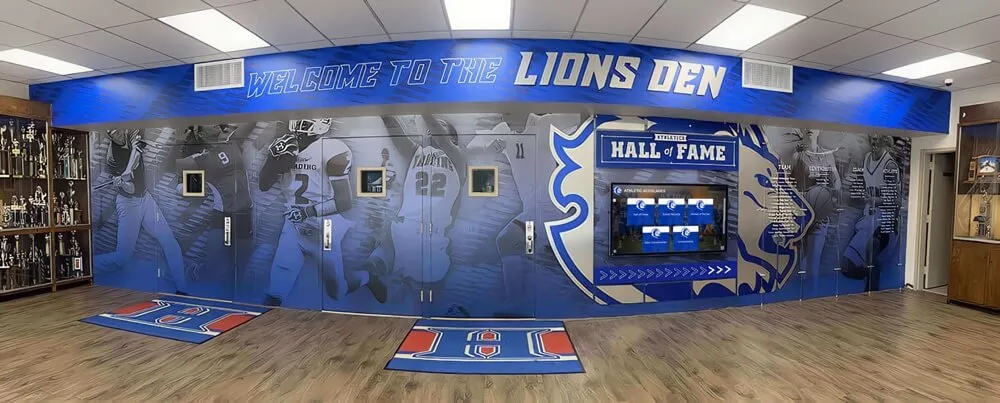
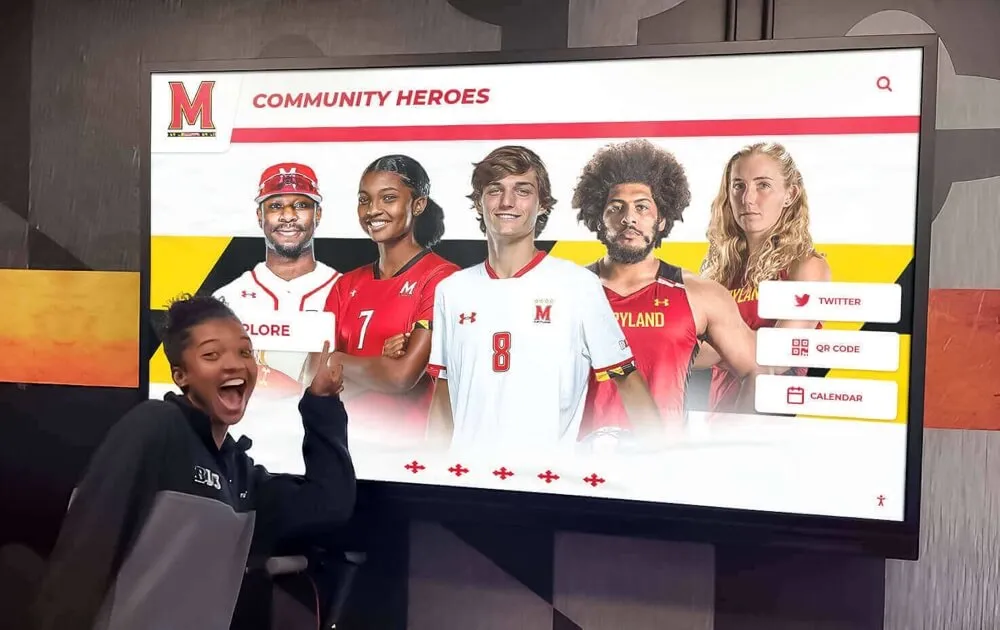
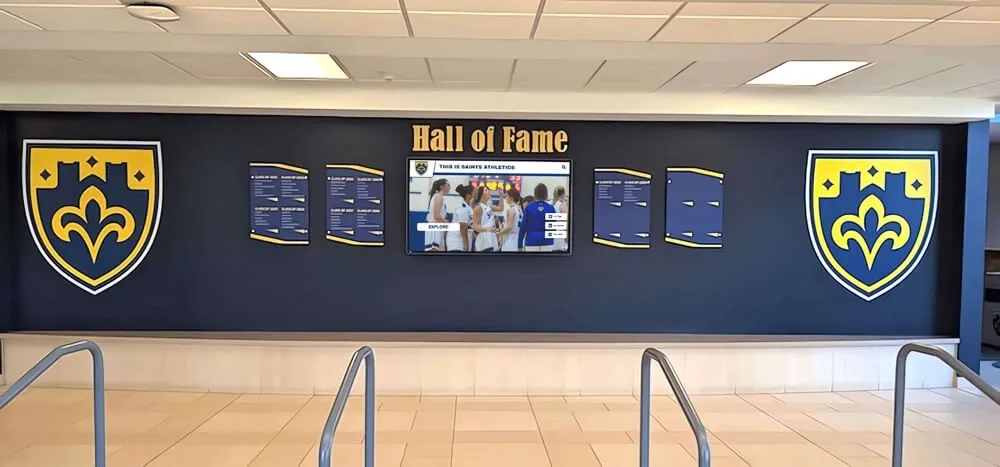
College and high school programs use lobby digital displays to make athletic achievement visible at scale—without physical trophy limitations
Making the Case for Digitization to Your School Board
Budget approval for a digital trophy case system typically requires framing the investment around institutional priorities rather than aesthetics. Three arguments consistently resonate with decision-makers:
Space recapture. A four-panel trophy case occupying twelve linear feet of hallway space can be replaced by a single 55-inch display. That recaptured space—worth real dollars per square foot in many facilities—has tangible value.
Preservation of institutional history. Physical trophies degrade. Engraving fades. Bases crack. Digital records do not deteriorate, and cloud backups mean institutional history survives physical disasters. This argument resonates particularly for schools with championship heritage that predates current staff.
Current student engagement. Static trophy cases have low engagement rates—students walk past without stopping. Touchscreen displays report measurable engagement: students interact voluntarily, browse historical records, and spend significantly more time with the content. Schools with active volleyball or track programs, for example, find that athletes browse historical practice records and achievement histories on digital displays far more readily than on laminated sheets in a physical case.
If budget is a near-term constraint, beginning with the documentation and inventory phase costs nothing beyond staff time—and positions the school to move quickly when funding becomes available.
Frequently Asked Questions
What is the best thing to do with old trophies from a school? The best approach combines short-term and long-term steps. First, photograph and document every trophy before removing it from the case. Then return identifiable individual or team trophies to recipients, donate presentable pieces to youth leagues or charities, and recycle or repurpose what remains. For the long term, digitize the entire trophy collection into an interactive display—this preserves every championship permanently without physical space constraints and prevents future overflow.
Can you throw away old school trophies? Technically yes, but documentation should come first. Once a trophy’s image and information are recorded in a digital archive, the physical piece can be disposed of without erasing institutional history. If the trophy is structurally sound and presentable, donating it to a youth league or charity extends its useful life before disposal becomes necessary.
Who accepts donated trophies? Youth sports leagues, recreation departments, Goodwill and similar donation organizations, trophy and award shops (for component reclamation), and schools or leagues in underserved communities frequently accept donated trophies. Award quality and condition determine which outlets are appropriate—badly damaged or institution-specific pieces are better recycled than donated.
How do you organize a cluttered school trophy case? Start with a full inventory and photograph every item. Then establish categories—team championships, individual awards, athletic records, retired numbers—and decide what belongs on display versus in storage. If space is the core problem, removing items that have been catalogued digitally frees significant space. The permanent solution to trophy case clutter is a digital display, which holds unlimited records without any physical footprint.
How much does a digital trophy case cost? Costs vary by provider and configuration. Typical setups for a school-grade digital trophy case—including hardware, installation, and a content management subscription—range from a few thousand dollars for a single-screen kiosk to more for multi-screen installations. Many schools fund digital trophy cases through booster contributions, athletic department budgets, or facility upgrade grants. Sponsorship display features available on some platforms can offset subscription costs over time.
What happens to the records when a school merges or closes? Physical trophies from merged or closed schools are frequently lost or discarded during facility transitions. Digital systems preserve records indefinitely in cloud storage, making institutional history accessible regardless of what happens to the physical building. Schools navigating consolidation should prioritize digital preservation before physical moves occur.
Is it disrespectful to remove old trophies from a trophy case? Not if the history they represent is preserved. Removing a physical trophy from a case while permanently displaying its record—including the team photo, championship date, athlete names, and achievement details—in a digital system actually honors that achievement more comprehensively than the original display did. The disrespectful act is discarding records without documentation.
Ready to Solve Your Trophy Case Problem for Good?
Rocket Alumni Solutions builds interactive digital trophy cases and halls of fame for schools nationwide. Unlimited record capacity, cloud-managed updates, ADA-compliant touchscreens, and QR code access—all in a footprint smaller than your current glass case. See how schools are clearing physical clutter while preserving every championship, every name, and every record permanently.
Explore Digital Trophy Case SolutionsOld trophies are not a burden—they are the physical residue of real achievements by real people. The goal is never to erase that history but to carry it forward in a format that serves current students, honors past achievers, and leaves room for future championships. Digital preservation makes all three possible at once.
Start with documentation. Move through the return, donation, and recycling steps systematically. Then invest in the digital infrastructure that ensures you never face this problem again—while giving every student who walks your hallways access to the full sweep of what your school has accomplished.