



Students across America aspire to receive that coveted invitation to join National Honor Society—a recognition that signals academic excellence, strong character, and leadership potential. Yet many students and parents remain unclear about what National Honor Society truly represents, the specific requirements for membership, and why this distinction matters far beyond high school graduation.
National Honor Society stands as one of the most prestigious recognition programs available to high school students, with membership appearing prominently on college applications and serving as a significant credential throughout academic and professional careers. Schools recognize NHS members as students who exemplify not just academic achievement but comprehensive excellence across multiple dimensions of character and contribution.
This guide explores everything you need to know about National Honor Society—from the rigorous selection criteria and membership responsibilities to the lasting benefits and modern recognition approaches schools implement to celebrate these exceptional students.
National Honor Society membership represents more than excellent grades. It signifies a student’s demonstrated commitment to scholarship, service, leadership, and character—the four pillars upon which this century-old organization was founded. Understanding what NHS means and how schools recognize members helps students set appropriate goals while enabling schools to implement recognition programs that honor these achievements effectively.

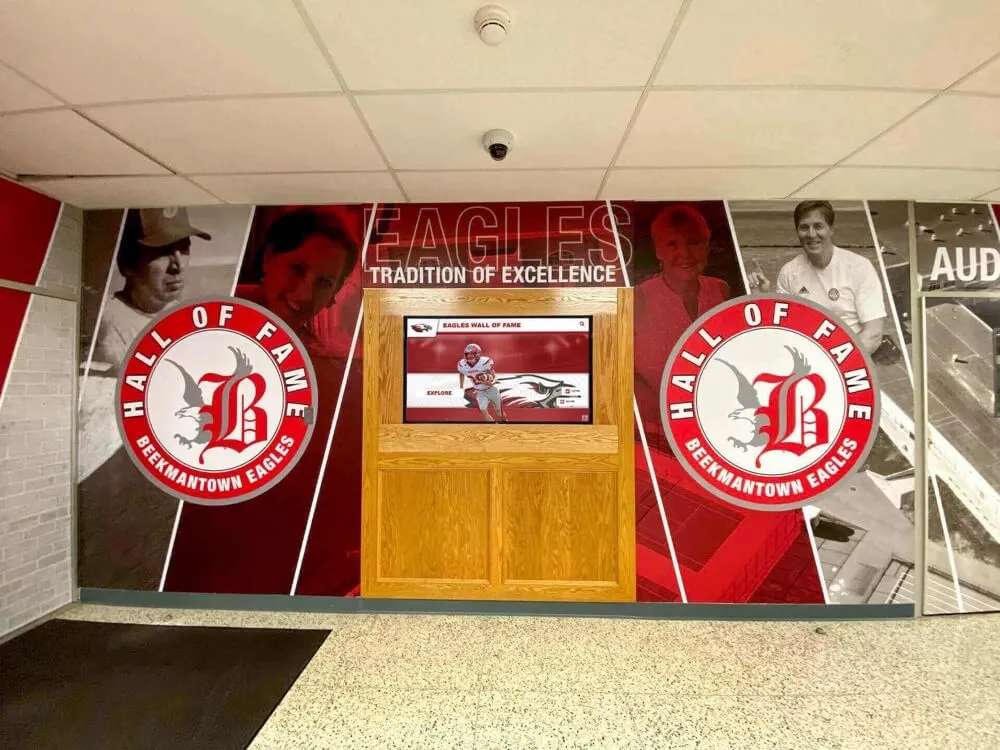
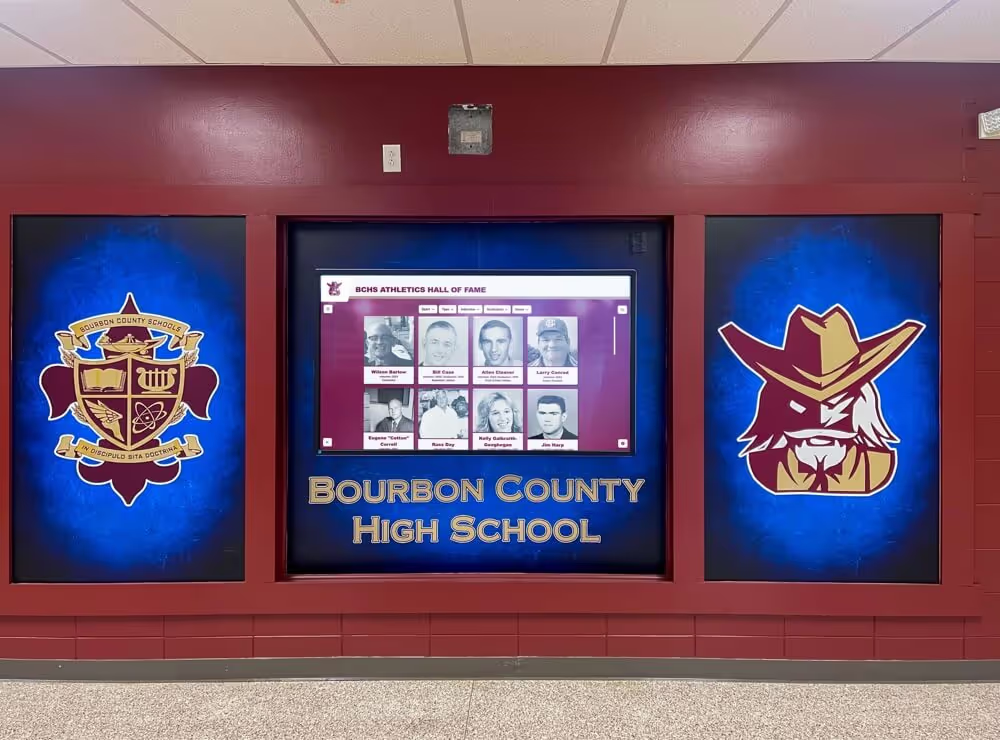
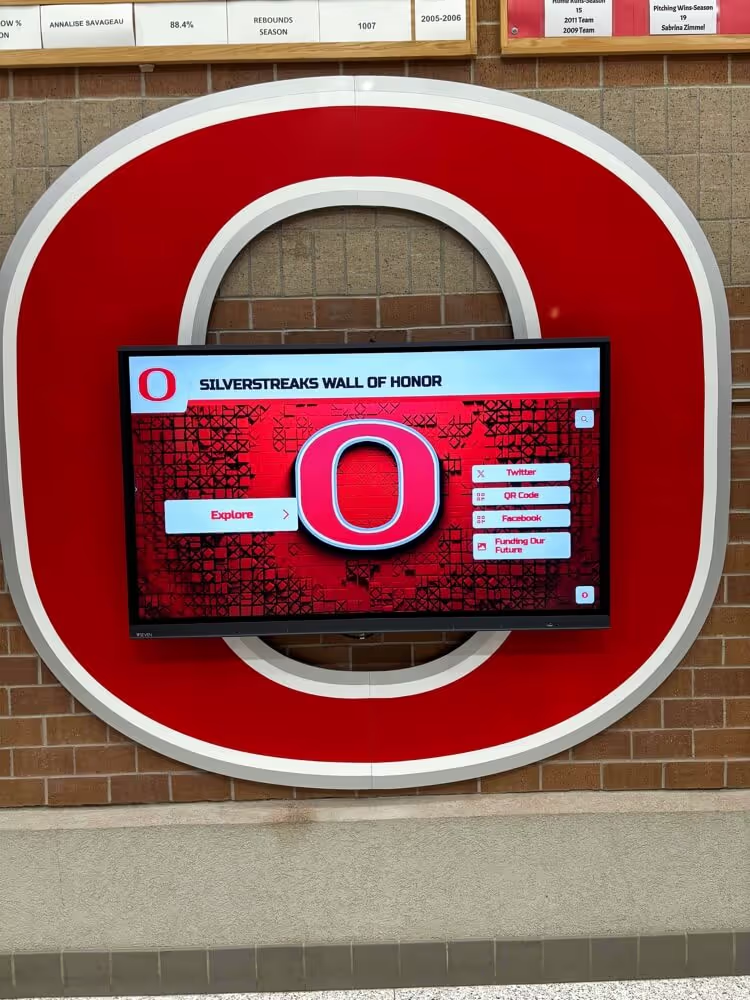
Modern academic recognition displays make National Honor Society achievements visible throughout school communities, inspiring future student excellence
Understanding National Honor Society: History and Purpose
Before examining specific requirements and benefits, understanding NHS’s foundations illuminates why this recognition carries such significance.
The Origins and Evolution of NHS
Founding and Mission
The National Honor Society was established in 1921 by the National Association of Secondary School Principals to create a standardized national organization recognizing and encouraging academic achievement while developing other essential qualities in students. According to the National Honor Society organization, the program now exists in all 50 states and many countries worldwide, serving more than 1 million students annually.
The founding purpose centered on identifying students who demonstrated excellence across four core pillars:
- Scholarship: Outstanding academic achievement and intellectual engagement
- Service: Meaningful contribution to school and broader community
- Leadership: Positive influence and initiative in school and community activities
- Character: Integrity, ethical behavior, and demonstration of core values
This comprehensive approach distinguished NHS from purely academic honor rolls by requiring demonstrated excellence in multiple dimensions rather than grades alone.
National Honor Society Today
NHS has evolved significantly while maintaining core principles:
- More than 25,000 chapters in high schools nationwide
- International expansion with chapters in select countries
- Middle school equivalent program (National Junior Honor Society)
- Specialized honor societies for specific academic disciplines
- Increased emphasis on service hours and leadership documentation
- Digital credential programs providing verified membership documentation
The organization continues adapting to contemporary educational environments while preserving the rigorous standards that make NHS membership meaningful.
Why National Honor Society Membership Matters
Institutional Recognition and Credibility
NHS membership provides nationally recognized validation of student excellence:
- Standardized criteria ensuring consistent meaning across different schools
- National organization oversight maintaining program integrity
- Recognition by colleges, universities, and scholarship programs
- Employer familiarity with NHS quality and selection rigor
- Alumni network spanning decades and diverse professional fields
- Lifetime membership extending beyond high school years
College Application Enhancement
Admissions officers understand NHS significance:
- Common Application specifically includes NHS membership field
- Demonstrated commitment to service hours requirements
- Leadership positions within NHS chapters carry additional weight
- Long-term membership showing sustained excellence versus one-time achievement
- NHS activities and projects providing compelling application essay material

Interactive displays enable students to explore National Honor Society member achievements and understand membership expectations
Schools implementing comprehensive academic recognition programs find that National Honor Society recognition creates clear goals motivating students toward sustained academic and personal excellence.
National Honor Society Requirements: What It Takes to Join
NHS membership requires meeting rigorous standards across all four pillars, with specific criteria established nationally and refined by individual school chapters.
Academic Requirements (Scholarship)
GPA Standards
The foundational NHS requirement centers on academic excellence:
- Minimum GPA: Most chapters require 3.5 GPA on 4.0 scale (85% on 100-point scale)
- Calculation period: Typically cumulative GPA through most recent semester
- Weighted versus unweighted: Policies vary by school regarding honors/AP course weighting
- Core course focus: Some chapters emphasize academic course performance over electives
- Consistency expectations: Sustained achievement rather than one exceptional semester
According to National Honor Society guidelines, schools may set higher GPA requirements than national minimums but cannot set lower thresholds. Many competitive schools establish 3.7 or higher GPA requirements reflecting their academic environments.
Course Rigor Considerations
Beyond GPA, many chapters evaluate:
- Advanced Placement, International Baccalaureate, or honors course participation
- Academic challenge level relative to student capabilities
- Performance in core academic subjects
- Intellectual curiosity demonstrated through course selection
- Academic growth trajectory over time

Individual recognition profiles celebrate National Honor Society members' specific achievements and contributions
Grade Requirements
Most chapters specify:
- Eligibility typically beginning sophomore or junior year
- Minimum enrollment period before application consideration
- No failing grades in most recent evaluation period
- Academic integrity standards with disciplinary record considerations
- Continued GPA maintenance after induction
These academic standards ensure NHS members represent genuine intellectual achievement and sustained academic commitment.
Service Requirements
Community Service Hours
NHS requires documented service demonstrating commitment beyond self-interest:
Before Induction
- Most chapters require 10-25 service hours during candidacy period
- Service must occur outside paid employment
- School-based and community service both typically acceptable
- Documentation including organization verification often required
- Quality and impact considerations beyond simply counting hours
After Induction
- Annual service hour requirements typically 15-30+ hours
- Ongoing service maintaining membership and good standing
- NHS chapter group service projects often required
- Individual service activities supplementing group requirements
- Leadership roles in service projects carrying additional value
Acceptable Service Activities
Schools typically accept diverse service including:
- Tutoring younger students or peers
- Volunteering with community organizations and nonprofits
- Religious institution service activities
- Environmental conservation projects
- Fundraising for charitable causes
- Mentorship programs with younger students
- Community event organization and support
- Food bank, shelter, or social service volunteering
Meaningful engagement matters more than simply accumulating hours, with chapters emphasizing quality service creating genuine community impact.
Leadership Requirements
Demonstrated Leadership Activities
NHS requires evidence of positive influence and initiative:
School-Based Leadership
- Student government positions and participation
- Club or organization officer roles
- Athletic team captain or leadership positions
- Peer mentorship and tutoring programs
- School event planning and coordination
- Classroom leadership roles
- New student orientation and guidance activities

Recognition displays celebrate NHS members alongside [athletic achievements](https://toucharchives.org/blog/track-and-field-records-display-athletic-achievements/?utm_source=organic&utm_medium=seo-auto&utm_content=digital-trophy-case&utm_campaign=what-is-national-honor-society&utm_term=seo) and other student accomplishments
Community Leadership
- Youth group officer positions
- Religious organization youth leadership
- Community organization involvement and initiative
- Volunteer program coordination
- Advocacy and awareness campaign leadership
- Coaching or instructing younger children
- Employment leadership responsibilities
Leadership Evaluation Criteria
Chapters assess leadership through:
- Initiative in starting or improving programs
- Positive influence on peers and organizational culture
- Responsibility demonstration in sustained roles
- Reliability and follow-through on commitments
- Collaboration skills working with diverse groups
- Problem-solving contributions to organizations
- Mentorship provided to others
Character Requirements
Character Evaluation Process
The most subjective but crucial NHS pillar:
Faculty Input Process
- Teachers, counselors, and administrators provide confidential feedback
- Character rating systems assessing integrity, respect, responsibility
- Specific incident documentation both positive and concerning
- Multiple faculty perspectives creating comprehensive picture
- Comparison with other students establishing relative assessment
Character Indicators
Schools evaluate character through:
- Academic integrity and honesty in all schoolwork
- Respectful behavior toward peers, teachers, and staff
- Responsibility in meeting obligations and deadlines
- Positive attitude and constructive engagement
- Ethical decision-making in challenging situations
- Behavior consistency across different contexts
- Response to authority and feedback
- Conflict resolution approaches
Disciplinary Record Considerations
Character assessment includes:
- Major disciplinary infractions typically disqualifying students
- Suspension records reviewed carefully
- Academic dishonesty incidents seriously considered
- Pattern of minor infractions indicating character concerns
- Redemption and growth considered for past incidents
- Current behavior weighted more heavily than distant past
Schools implementing honor roll certificate programs alongside NHS recognition create multiple pathways for celebrating student achievement at various levels.

Comprehensive recognition spaces showcase NHS members within broader celebration of academic, athletic, and service excellence
The National Honor Society Selection Process
Understanding how schools identify and induct NHS members helps students navigate the application successfully.
Application and Candidacy
Eligibility Notification
When students meet minimum academic requirements:
- School notifies eligible students of candidacy opportunity
- Application packets distributed with detailed requirements
- Deadlines established for submission (typically 2-4 weeks)
- Information sessions explaining process and expectations
- Faculty advisors available for questions and clarification
Application Components
Typical NHS applications require:
Written Materials
- Personal statement or essay addressing all four pillars
- Service documentation including dates, hours, and supervisor contacts
- Leadership activity descriptions with roles and contributions
- List of extracurricular involvement and achievements
- Academic transcript review and verification
Supporting Documentation
- Service hour verification forms signed by supervisors
- Leadership position confirmation from advisors or coaches
- Teacher recommendation letters (some chapters)
- Signed student pledge agreeing to NHS standards
- Parent or guardian acknowledgment forms
Essay Prompts
Schools commonly ask students to address:
- How you demonstrate each NHS pillar in daily life
- Most meaningful service experience and impact
- Leadership situation where you made positive difference
- Character challenge and how you responded with integrity
- Why NHS membership matters to your goals and values
- How you plan to contribute to the chapter if selected
Strong applications provide specific examples rather than generic statements, demonstrating genuine reflection on personal growth and contribution.
Faculty Council Review
Selection Committee Composition
NHS chapters establish faculty councils conducting selection:
- Five or more faculty members from diverse departments
- Principal or administrator often included
- Faculty advisor serving as council coordinator
- Members trained on selection criteria and process
- Rotating membership ensuring broad school representation
Review Process
Faculty councils systematically evaluate candidates:
Quantitative Assessment
- Academic records verification confirming GPA requirements
- Service hour totals validation through documentation
- Leadership position confirmation
- Disciplinary record review
Qualitative Evaluation
- Faculty feedback compilation from character ratings
- Application essay evaluation for insight and authenticity
- Overall impression of candidate’s fit with NHS values
- Comparative assessment among candidate pool
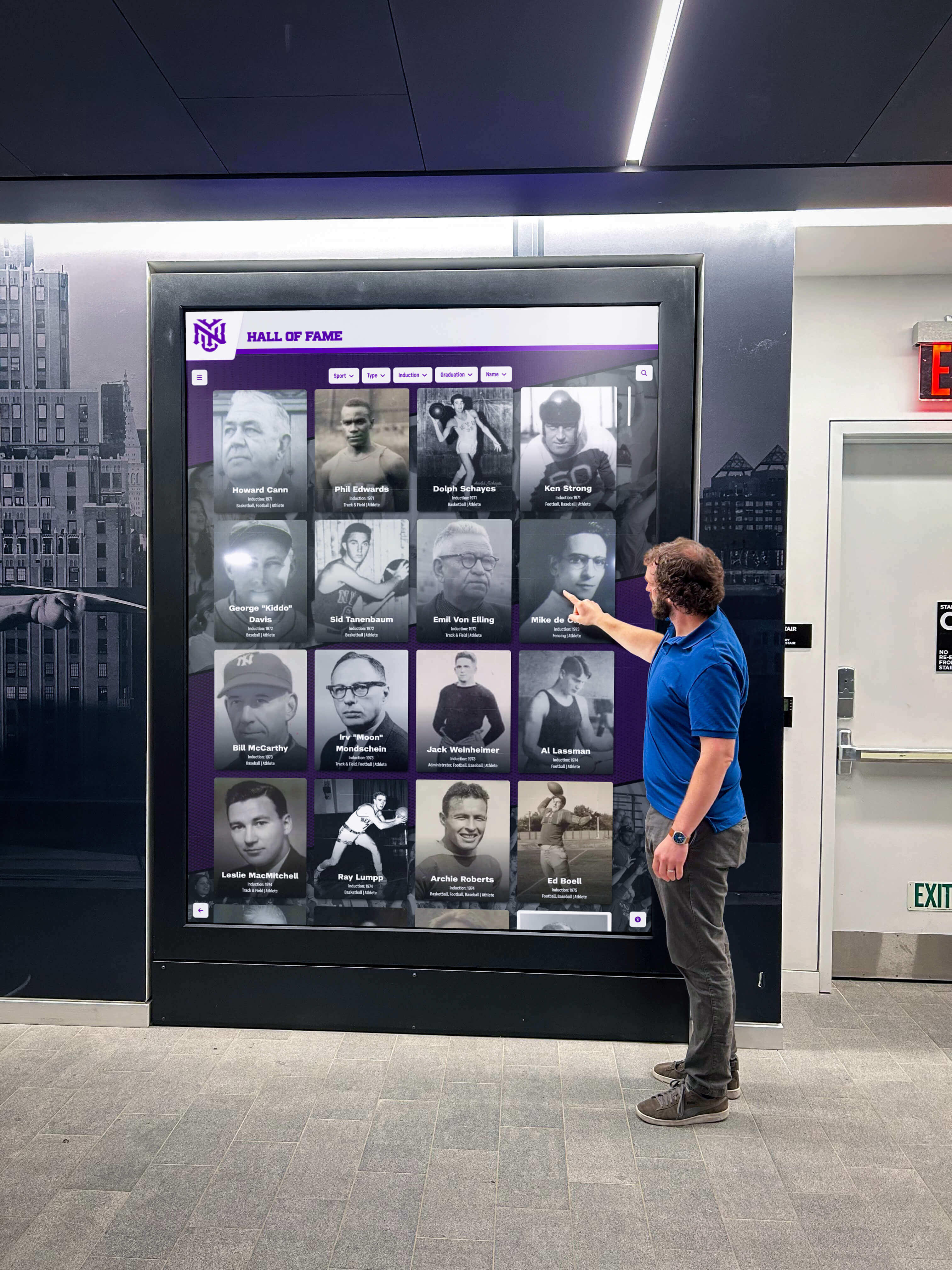
Interactive displays enable families and community members to explore NHS member achievements and service contributions
Selection Decisions
Council outcomes include:
- Acceptance: Student meets all criteria and demonstrates NHS qualities
- Conditional acceptance: Student accepted with specific requirements (additional service, probationary period)
- Deferral: Application returned for additional documentation or clarification
- Rejection: Student does not meet criteria or concerns exist about qualifications
Schools must provide rejection explanations and appeal processes ensuring fairness.
Induction Ceremonies
Formal Recognition Events
Accepted students participate in formal induction ceremonies:
Ceremony Components
- Evening events with family, faculty, and community attendance
- Formal attire expectation reflecting ceremony significance
- Principal or superintendent speeches about NHS importance
- Individual student recognition with certificate presentation
- Candle lighting or symbolic tradition specific to chapter
- Recitation of NHS pledge committing to four pillars
- Reception celebrating new members and families
Induction Symbols
NHS members receive:
- Official NHS membership certificate
- Membership card for wallet or credentials
- NHS pin or insignia for wearing
- Membership cord for graduation ceremonies (gold and blue)
- Chapter-specific recognition items
- Digital credential through national NHS database
These formal ceremonies create meaningful milestone moments recognizing sustained achievement while establishing expectations for continued excellence.

Prominent lobby displays ensure NHS induction ceremonies and member achievements receive ongoing visibility throughout the school year
Benefits of National Honor Society Membership
NHS membership provides tangible advantages extending from high school through college and professional career.
Academic and Educational Benefits
College Admissions Advantages
NHS membership strengthens college applications through:
- Recognized national achievement appearing on all applications
- Demonstrated commitment across scholarship, service, leadership, character
- Concrete examples for application essays and personal statements
- Interview talking points about meaningful involvement
- Third-party validation of excellence beyond self-reporting
- Sustained involvement showing long-term commitment versus one-time achievement
According to college admissions research, NHS membership factors positively in holistic application review, though it complements rather than substitutes for strong academic records and other meaningful involvement.
Scholarship Opportunities
NHS provides scholarship pathways:
NHS-Specific Scholarships
- National Honor Society administers annual scholarship programs
- Chapter-level scholarships from local community sponsors
- State and regional NHS scholarship competitions
- Service-focused scholarship programs valuing NHS experience
General Scholarship Enhancement
- Many scholarships specifically request NHS membership
- Community service hour requirements easily met through NHS involvement
- Leadership experience documented through NHS activities
- Character references available from NHS advisors
- Essay material drawn from NHS service and leadership projects
Schools implementing academic honor roll recipient recognition alongside NHS create comprehensive systems celebrating achievement at multiple levels.

Entrance displays ensure NHS achievements remain visible to students, families, and community members throughout the school year
Academic Network and Resources
NHS membership provides:
- Access to NHS online community and resources
- Connection with NHS members at prospective colleges
- Alumni network spanning higher education institutions
- Academic support resources and study materials
- College transition guidance from NHS advisors
Personal Development Benefits
Leadership Skill Development
NHS involvement cultivates valuable capabilities:
Organizational Leadership
- Chapter officer positions (president, vice president, secretary, treasurer)
- Committee leadership for service projects and activities
- Event planning and coordination experience
- Meeting facilitation and parliamentary procedure practice
- Budget management for chapter activities and fundraising
Service Project Leadership
- Identifying community needs and developing solutions
- Recruiting and coordinating volunteers
- Managing multi-phase projects from planning through completion
- Communicating with community partners and beneficiaries
- Evaluating outcomes and impact assessment
Schools implementing digital hall of fame displays find that showcasing NHS leadership creates aspirational examples motivating younger students.
Character Development
NHS membership reinforces values through:
- Consistent ethical decision-making across contexts
- Service orientation beyond self-interest
- Responsibility demonstration through sustained commitments
- Respect for diverse perspectives within collaborative environments
- Integrity maintenance even when challenging
- Growth mindset through continuous improvement expectations
Social and Community Benefits
Peer Connections
NHS membership creates relationships with:
- Like-minded peers valuing academic excellence and service
- Diverse students from different social groups united by shared values
- Older student mentors providing guidance and support
- Younger students looking up to NHS members as role models
- Faculty advisors serving as mentors beyond classroom contexts
Community Recognition
NHS members receive acknowledgment through:
- School-wide recognition at assemblies and events
- Senior night celebrations honoring graduating NHS members
- Community organization appreciation for service contributions
- Local media coverage of NHS activities and achievements
- Digital recognition displays preserving member achievements

Comprehensive recognition systems celebrate NHS achievements alongside athletic excellence creating cultures valuing diverse forms of achievement
Professional Network Development
Long-term NHS benefits include:
- Alumni connections spanning diverse career fields
- Networking opportunities through college NHS chapters
- Professional mentorship from accomplished NHS alumni
- Resume credential recognized by employers
- Interview talking points about leadership and service experience
Practical and Financial Benefits
Graduation Recognition
NHS members receive special graduation acknowledgment:
- NHS cords worn during graduation ceremonies (gold and blue)
- Special recognition during graduation programs
- NHS medallions or stoles (some chapters)
- Diploma distinction noting NHS membership
- Senior award recognition for sustained membership
Resume Enhancement
NHS membership strengthens resumes through:
- Nationally recognized achievement credential
- Documented leadership positions and responsibilities
- Quantified service hours and project outcomes
- Character and ethics demonstration valued by employers
- Long-term involvement showing sustained commitment
Employers familiar with NHS requirements understand members demonstrated academic excellence, leadership capability, service orientation, and strong character—all qualities valued in professional environments.
National Honor Society Chapter Activities and Responsibilities
Membership requires ongoing participation beyond initial induction.
Required Activities and Commitments
Mandatory Participation Elements
NHS chapters typically require:
Meeting Attendance
- Monthly chapter meetings throughout academic year
- Special event planning sessions
- Officer meetings (if holding chapter leadership position)
- Induction ceremonies for new members
- End-of-year recognition events
Service Hour Obligations
- Annual individual service hours (typically 15-30+ hours)
- Participation in chapter group service projects
- Documentation and verification of service activities
- Service hour tracking and reporting to chapter leadership
- Balance between individual and group service activities

Hallway displays combining digital screens with traditional trophy cases create comprehensive recognition celebrating NHS members alongside athletic achievements
Academic Standards Maintenance
Continued membership requires:
- Maintaining GPA at or above chapter minimum (typically 3.5+)
- Avoiding academic integrity violations
- Consistent academic performance across all courses
- Upholding character standards through behavior and decision-making
- Positive disciplinary record
Failure to maintain these standards can result in probation or membership revocation.
Chapter Service Projects
Typical NHS Service Activities
Chapters organize diverse service initiatives:
School-Based Service
- Tutoring programs for struggling students
- New student mentorship and orientation
- School beautification projects
- Academic support sessions before tests
- Organizing teacher appreciation events
- School supply drives for students in need
Community Service Projects
- Food and clothing drives for local organizations
- Environmental cleanup and conservation projects
- Fundraising for charitable causes and disaster relief
- Partnership with community nonprofits
- Volunteer work at shelters, food banks, hospitals
- Awareness campaigns for social issues
Signature Chapter Initiatives
Many chapters develop ongoing signature projects:
- Annual book drives for underserved schools
- Seasonal food or coat drives
- Adopt-a-family programs during holidays
- Community health fairs or awareness events
- Scholarship fundraising for graduating NHS seniors
- Mentorship programs with elementary students
These signature projects create chapter identity while providing sustained community benefit over multiple years.
NHS Officer Positions and Responsibilities
Chapter Leadership Opportunities
Competitive officer elections provide leadership experience:
President
- Leading chapter meetings and setting agendas
- Representing chapter at school events and community gatherings
- Coordinating with faculty advisor on overall chapter direction
- Facilitating officer meetings and committee coordination
- Serving as primary student voice for chapter decisions
Vice President
- Assuming presidential duties in president’s absence
- Coordinating specific committees or service initiatives
- Supporting president in meeting planning and facilitation
- Managing member attendance and participation tracking
- Leading special projects and activities

Hall of fame displays create prominent spaces celebrating NHS members alongside [athletic letter winners](https://best-touchscreen.com/blog/banquet-program-template-awards-ceremony-guide/?utm_source=organic&utm_medium=seo-auto&utm_content=digital-trophy-case&utm_campaign=what-is-national-honor-society&utm_term=seo) and other achievers
Secretary
- Recording meeting minutes and maintaining records
- Managing chapter communications and announcements
- Coordinating information distribution to members
- Maintaining membership rosters and contact information
- Documenting chapter activities for annual reports
Treasurer
- Managing chapter funds and budget tracking
- Coordinating fundraising activities
- Processing payments for chapter activities and events
- Preparing financial reports for membership and administration
- Ensuring fiscal responsibility and transparency
Committee Chairs
- Leading service project planning and execution
- Coordinating tutoring or mentorship programs
- Managing specific chapter initiatives
- Recruiting committee members and delegating tasks
- Reporting to chapter officers and membership
These leadership positions provide authentic experience managing organizations, coordinating teams, and delivering results—valuable preparation for college and career leadership roles.
How Schools Recognize National Honor Society Members
Schools implement various approaches to honor NHS members and make these achievements visible throughout the educational community.
Traditional Recognition Approaches
Physical Recognition Methods
Schools commonly celebrate NHS members through:
Honor Boards and Plaques
- Hallway displays listing current NHS members
- Permanent plaques recognizing NHS inductees by year
- Trophy cases including NHS achievement recognition
- Dedicated NHS bulletin boards in prominent locations
- Graduation program special sections for NHS members
Ceremony and Event Recognition
- Formal induction ceremonies with family attendance
- Recognition at school assemblies and honors programs
- Awards banquet presentations celebrating NHS achievements
- Graduation ceremony cord wearing and special acknowledgment
- Senior recognition nights honoring graduating NHS members
Academic Publications
- School newspaper features on NHS activities and members
- Yearbook dedicated pages for NHS chapter
- School website sections highlighting NHS achievements
- Social media posts celebrating inductions and service projects
- School newsletters featuring NHS member accomplishments

Modern digital displays showcase NHS members alongside athletic recognition creating comprehensive celebration of student excellence
Modern Digital Recognition Solutions
Limitations of Traditional Physical Displays
Conventional recognition methods face inherent constraints:
- Limited physical space requiring difficult choices about displayed achievements
- Static presentations unable to showcase comprehensive member accomplishments
- Outdated information as graduation removes members from displays
- Maintenance challenges as physical materials deteriorate
- Accessibility only to those physically present on campus
- Difficulty documenting service projects and leadership contributions beyond names
Digital Display Advantages
Solutions like Rocket Alumni Solutions transform NHS recognition through interactive platforms:
Unlimited Recognition Capacity
- Showcase every NHS member across all graduating classes
- No space constraints limiting recognition to recent inductees
- Comprehensive archives preserving chapter history
- Individual profile pages for each member with detailed achievements
- Documentation of service projects with photos and impact descriptions
Rich Multimedia Presentations
- Professional member profiles with photos and biographical information
- Service project documentation including before/after images
- Leadership position descriptions and contribution highlights
- GPA and academic achievement statistics
- Individual statements about NHS experience and impact
- Video testimonials and project documentation

Interactive kiosks provide unlimited capacity to showcase NHS members while enabling visitors to explore service projects and leadership contributions
Enhanced Accessibility Features
- Searchable databases enabling quick member location
- QR code access for mobile viewing by families and alumni
- Web-based platforms extending recognition beyond physical campus
- Social sharing capabilities enabling members to celebrate recognition
- 24/7 availability for remote access by community members
- Alumni connections enabling mentorship and networking
Simple Content Management
- Cloud-based updates from any internet-connected device
- No technical expertise required for adding members or updating information
- Scheduled publishing coordinating with induction ceremonies
- Bulk import tools for historical NHS member data
- Real-time updates reflecting current chapter activities
Schools implementing digital recognition systems report significantly higher student engagement and pride while eliminating space constraints limiting traditional displays.
Recognition Display Placement Strategies
Strategic Location Selection
Maximizing NHS recognition visibility through thoughtful placement:
High-Traffic School Locations
- Main entrance lobbies ensuring first-impression visibility
- Cafeteria areas with sustained student congregation
- Library or academic resource centers
- Main office reception areas for community visibility
- Hallways connecting high-traffic areas
- Near guidance offices where college discussions occur
Academic Focus Areas
- Honor roll and academic achievement display zones
- College and career center locations
- Department hallways emphasizing academic excellence
- Classroom buildings reinforcing intellectual achievement value
- Testing or academic support centers

Interactive displays engage students while preserving comprehensive NHS member histories inspiring future academic excellence
Multiple Display Coordination
- Coordinating NHS recognition with other achievement displays
- Creating comprehensive recognition zones celebrating diverse excellence
- Ensuring NHS receives prominence equal to athletic recognition
- Maintaining consistency across multiple display locations
- Digital and physical display integration for comprehensive approach
Strategic placement ensures NHS achievements receive visibility comparable to athletic and other accomplishments throughout school communities.
Maintaining NHS Membership and Standards
Induction represents the beginning of NHS commitment, not the conclusion of requirements.
Ongoing Member Expectations
Academic Performance Maintenance
Continued membership requires sustaining standards:
- GPA remaining at or above chapter minimum threshold
- Academic integrity in all coursework and assessments
- Consistent performance across courses avoiding grade declines
- Continued enrollment and engagement in challenging coursework
- Positive academic citizenship in classroom environments
Service Hour Fulfillment
Annual service obligations include:
- Individual service hour completion by specified deadlines
- Participation in chapter group service projects
- Quality engagement producing meaningful impact
- Proper documentation with verification
- Timely submission of service hour records
- Balance between individual initiative and chapter activities
Meeting and Event Attendance
Active participation expectations include:
- Regular chapter meeting attendance
- Special event participation (induction ceremonies, service projects)
- Officer meetings for students holding leadership positions
- Response to chapter communications and announcements
- Punctuality and engaged participation demonstrating commitment

Prominent displays ensure NHS recognition maintains visibility alongside [athletic achievements](https://best-touchscreen.com/blog/track-and-field-awards-ideas-recognizing-athletes/?utm_source=organic&utm_medium=seo-auto&utm_content=digital-trophy-case&utm_campaign=what-is-national-honor-society&utm_term=seo) creating cultures celebrating comprehensive excellence
Probation and Dismissal Policies
Warning and Probation Procedures
Chapters implement progressive accountability:
Initial Concerns
- Written warning when standards slip below requirements
- Meeting with faculty advisor discussing concerns and expectations
- Specific action plan with timeline for improvement
- Probationary status with defined requirements for regaining good standing
- Monitoring period ensuring compliance with expectations
Probation Conditions
- Specified timeframe (typically one grading period)
- Clear requirements for returning to good standing
- Additional advisor check-ins monitoring progress
- Restricted participation in chapter activities during probation
- Documentation of probationary status in member records
Dismissal Circumstances
Membership revocation occurs when:
- Academic performance falls significantly below minimum standards
- Service hour requirements consistently unmet
- Major disciplinary infractions involving integrity or character
- Attendance failures showing disengagement from chapter
- Inability to meet probation requirements within specified timeframe
- Serious violations of school policies or legal standards
Dismissal decisions follow formal processes including:
- Faculty council review of circumstances
- Student opportunity to address council and provide context
- Parent notification of concerns and potential dismissal
- Formal written notification of dismissal decision
- Appeal process ensuring procedural fairness
- Permanent record notation of membership termination
These accountability measures maintain NHS credibility and ensure membership represents sustained excellence rather than one-time achievement.
Comparing NHS to Other Honor Societies
Understanding how National Honor Society relates to other recognition programs helps students navigate opportunities effectively.
Subject-Specific Honor Societies
Academic Discipline Societies
Specialized honor societies recognize excellence in specific subjects:
Common Subject-Specific Societies
- Mu Alpha Theta (mathematics)
- Science National Honor Society
- Spanish National Honor Society
- French National Honor Society
- Tri-M Music Honor Society
- Thespian Society (theatre)
- Quill and Scroll (journalism)
- National Art Honor Society
- National English Honor Society
Relationship to NHS
- Students can belong to multiple honor societies simultaneously
- Subject societies require excellence in specific areas versus NHS’s comprehensive requirements
- Subject societies often have lower membership rates focusing on specialized achievement
- NHS membership more universally recognized on college applications
- Subject societies provide deeper engagement in specific academic interests
- Combined membership demonstrating both breadth (NHS) and depth (subject societies)
Schools implementing FFA awards digital displays and other specialized recognition create comprehensive systems honoring diverse student achievements.

Coordinated display systems showcase NHS members alongside specialized honor societies creating comprehensive academic recognition
College-Level Honor Societies
Post-Secondary Recognition Programs
College introduces additional honor societies:
Phi Beta Kappa
- America’s oldest and most prestigious academic honor society
- Invitation-only based on exceptional liberal arts achievement
- Highly selective membership enhancing graduate school applications
- Lifetime membership providing networking and scholarship opportunities
Golden Key International Honour Society
- Recognizes top 15% of college juniors and seniors
- Academic excellence focus with leadership and service elements
- International membership spanning multiple countries
- Scholarship and networking opportunities
National Society of Collegiate Scholars
- First and second-year college student recognition
- Top 10% academic performance requirement
- Leadership and service emphasis similar to NHS
- Early college achievement recognition
Discipline-Specific College Societies
- Each academic major typically has associated honor society
- Graduate program applications enhanced by membership
- Professional networking within specific career fields
- Research and conference opportunities
High school NHS membership provides foundation for college honor society participation, demonstrating sustained commitment to academic excellence and service.
Addressing Common NHS Questions and Misconceptions
Clarifying frequent confusion helps students and families understand NHS accurately.
Selection and Application Questions
“Is NHS membership guaranteed with a high GPA?”
No. While GPA provides eligibility for consideration, NHS selection examines all four pillars—scholarship, service, leadership, and character. Students with exceptional GPAs can be rejected for insufficient service, limited leadership, or character concerns. The comprehensive evaluation ensures NHS members exemplify excellence across multiple dimensions, not just academic performance.
“Can students apply multiple times if initially rejected?”
Policies vary by chapter. Some schools allow reapplication the following year after students address deficiencies. Others limit application to a single opportunity during junior year. Students should consult specific chapter policies and work with advisors to strengthen future applications if reapplication is possible.
“How important is NHS for college admissions?”
NHS membership strengthens college applications but doesn’t guarantee admission. Selective colleges expect applicants to have NHS or equivalent recognition, making membership one expected element among many. NHS matters most as demonstration of sustained commitment to service and leadership, providing concrete examples for application essays and interviews. Students should view NHS as valuable but not sufficient credential for competitive college admissions.

Prominent displays ensure NHS achievements receive recognition creating [cultures celebrating academic excellence](https://digitalrecordboard.com/blog/national-merit-scholars-touchscreen-recognition-guide/?utm_source=organic&utm_medium=seo-auto&utm_content=digital-trophy-case&utm_campaign=what-is-national-honor-society&utm_term=seo) alongside athletic success
Membership and Activity Questions
“How much time commitment does NHS require?”
Typical NHS involvement requires:
- Monthly meetings (1 hour each)
- Annual service hours (15-30 hours, averaging 1-2 hours monthly)
- Chapter service project participation (2-3 events annually)
- Officer responsibilities if holding leadership position (additional 2-5 hours monthly)
Total commitment averages 3-5 hours monthly for typical members, more for officers. This represents significant but manageable commitment for students already demonstrating strong time management through academic achievement and activities.
“Can NHS membership be included on resumes?”
Yes, absolutely. NHS membership remains valid credential on resumes throughout professional career. Many professionals include NHS membership in education sections decades after high school, particularly when applying for positions valuing integrity, service orientation, and proven academic excellence. The national recognition and understood requirements make NHS meaningful to employers familiar with American educational systems.
“What happens to NHS membership after graduation?”
NHS membership is lifetime designation. While active participation ends with high school graduation, the recognition remains permanent credential. The National Honor Society organization maintains alumni networks and provides digital credential verification. Graduating seniors receive membership cards and certificates documenting their achievement for college applications and future reference.
Maximizing Your NHS Experience
Students who gain maximum value from NHS membership approach it strategically and genuinely.
Getting the Most from Membership
Strategic Involvement Approaches
Leadership Position Pursuit
- Run for chapter officer positions gaining valuable experience
- Lead service project committees developing project management skills
- Volunteer for visible roles building confidence and capability
- Mentor newer members developing coaching and teaching abilities
- Represent chapter at school events enhancing communication skills
Service Project Selection
- Choose service aligning with personal interests and potential career fields
- Seek service developing specific skills valued in college and career
- Balance individual service with chapter group activities
- Document service impact with photos and outcome data
- Reflect on service experiences for application essays and interviews
Network Development
- Build relationships with faculty advisors who provide recommendations
- Connect with fellow NHS members across different social groups
- Engage with community partners through service projects
- Maintain contact with NHS alumni for mentorship and guidance
- Participate actively in chapter discussions and decision-making

Digital recognition systems enable detailed NHS member profiles showcasing service projects, leadership roles, and academic accomplishments
Documenting NHS Achievements
College Application Strategies
Common Application NHS Section
- List NHS under “Honors” section with specific recognition year
- Describe officer positions or significant roles in “Activities” section
- Calculate total service hours across NHS membership
- Quantify leadership impact (volunteers coordinated, funds raised, people served)
- Reference NHS experiences in supplemental essays when relevant
Essay and Interview Material
- Use specific service project examples illustrating personal values
- Discuss leadership challenges and growth through NHS activities
- Describe how service experiences influenced career or college interests
- Explain NHS selection process demonstrating holistic achievement
- Share meaningful mentorship or community connection stories
Recommendation Letter Preparation
- Provide NHS advisors with “brag sheet” detailing contributions
- List specific projects, leadership roles, and memorable contributions
- Remind advisors of particular moments demonstrating character or growth
- Request letters well before deadlines allowing thoughtful writing
- Thank advisors appropriately for time and support
Beyond High School: NHS Alumni Network
Continued Engagement Opportunities
College-Level Participation
- Many colleges have NHS alumni chapters or recognition
- Continuing service involvement building on high school foundation
- College honor society participation extending recognition
- Alumni mentorship programs connecting with current high school members
Professional Benefits
- Resume inclusion of NHS membership and leadership roles
- Interview talking points about service and leadership experience
- Professional networking through NHS alumni associations
- Character and integrity demonstration valued by employers
- Alumni giving back through mentorship and chapter support
The students who benefit most from NHS view membership as genuine commitment to service and excellence rather than resume credential, developing authentic passion for contribution that continues throughout their lives.
Celebrate National Honor Society Members at Your School
Discover how modern digital recognition solutions provide unlimited capacity to showcase NHS members, document service projects, and preserve your chapter's history. See how schools nationwide create professional presentations inspiring students while eliminating space constraints that limit traditional recognition displays.
Explore Recognition SolutionsConclusion: The Enduring Value of National Honor Society
National Honor Society represents far more than another line on college applications—it signifies comprehensive student excellence across academic achievement, community service, leadership capability, and personal character. When students earn NHS membership, they join a century-old tradition recognizing young people who exemplify the qualities that build strong communities and successful futures.
The rigorous selection criteria explored in this guide—from GPA requirements and service hours to leadership demonstrations and character evaluation—ensure NHS membership means something substantial. Fewer than 20% of eligible students typically receive induction at most schools, making this recognition genuinely selective and meaningful. NHS members demonstrate not just academic capability but commitment to contributing beyond self-interest and leading with integrity.
Schools that implement comprehensive NHS recognition programs—particularly through modern digital displays providing unlimited capacity and rich multimedia presentations—create cultures where academic excellence receives visibility equal to athletic achievement. These recognition systems preserve chapter history, showcase service project impacts, and inspire younger students toward their own academic and service excellence.
For students pursuing NHS membership, understanding the comprehensive requirements helps you build strong applications demonstrating genuine commitment across all four pillars. For those already inducted, maximizing your NHS experience through active participation, meaningful service, and authentic leadership development provides benefits extending far beyond high school—from college admissions advantages and scholarship opportunities to professional credentials and lifelong service orientation.
National Honor Society membership transforms students while benefiting communities through meaningful service and positive leadership. Whether you’re a student aspiring to NHS recognition, a parent supporting your child’s achievement, or a school administrator implementing recognition programs, understanding what NHS truly represents helps you appreciate the dedication these exceptional students demonstrate daily.