



Homecoming court represents one of the most anticipated traditions in high school culture—a celebration that honors students who embody school spirit, leadership, and community values. Each fall, schools across America nominate and celebrate homecoming court members through assemblies, football games, and elaborate coronation ceremonies that create lasting memories for students, families, and communities.
Yet many students, parents, and even educators remain unclear about what homecoming court truly represents, how selection processes work, and what participation entails. Questions about nomination criteria, voting procedures, ceremony expectations, and the broader significance of this tradition create confusion that can diminish what should be a universally positive celebration.
This comprehensive guide explores everything you need to know about homecoming court—from historical origins and selection processes to modern recognition approaches that help schools celebrate these honored students in ways that resonate throughout the year and preserve these memories permanently.
Homecoming court traditions create defining moments in the high school experience, celebrating students who represent the best of their school communities while building school spirit and creating connections between current students and alumni. Understanding this tradition helps schools design meaningful experiences that honor nominees appropriately while engaging broader school communities in celebration.

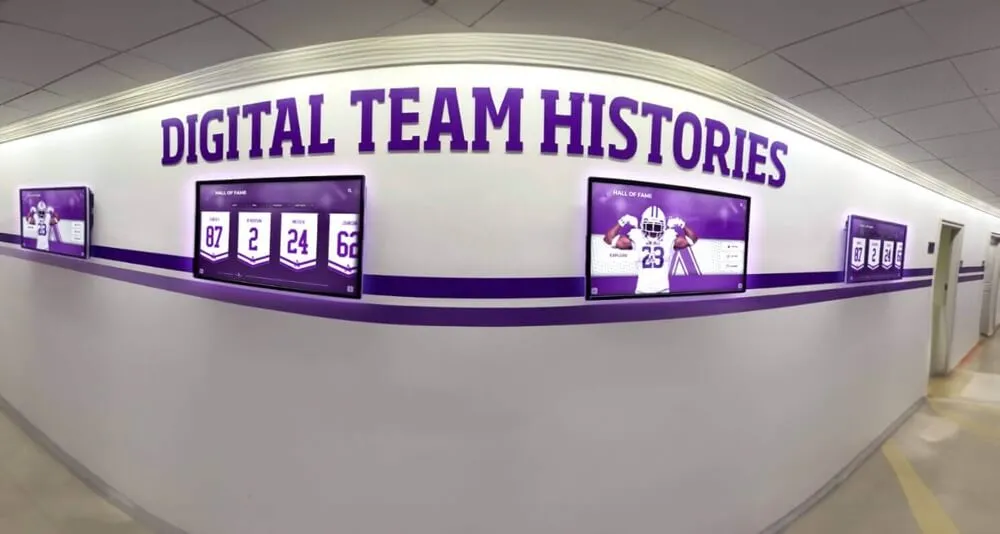
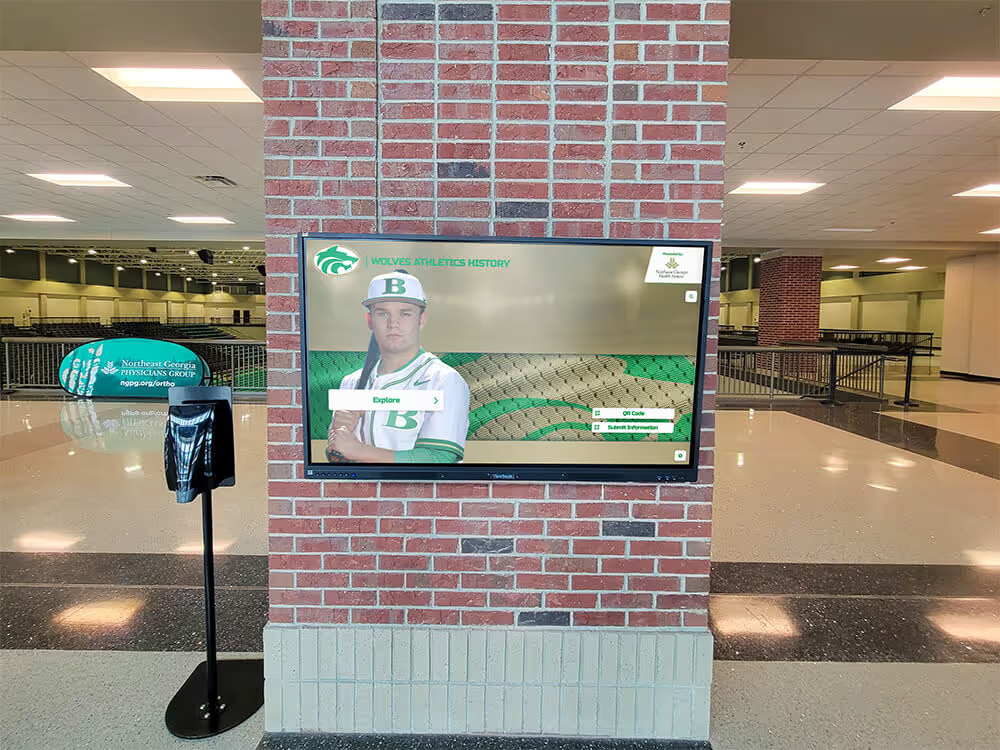
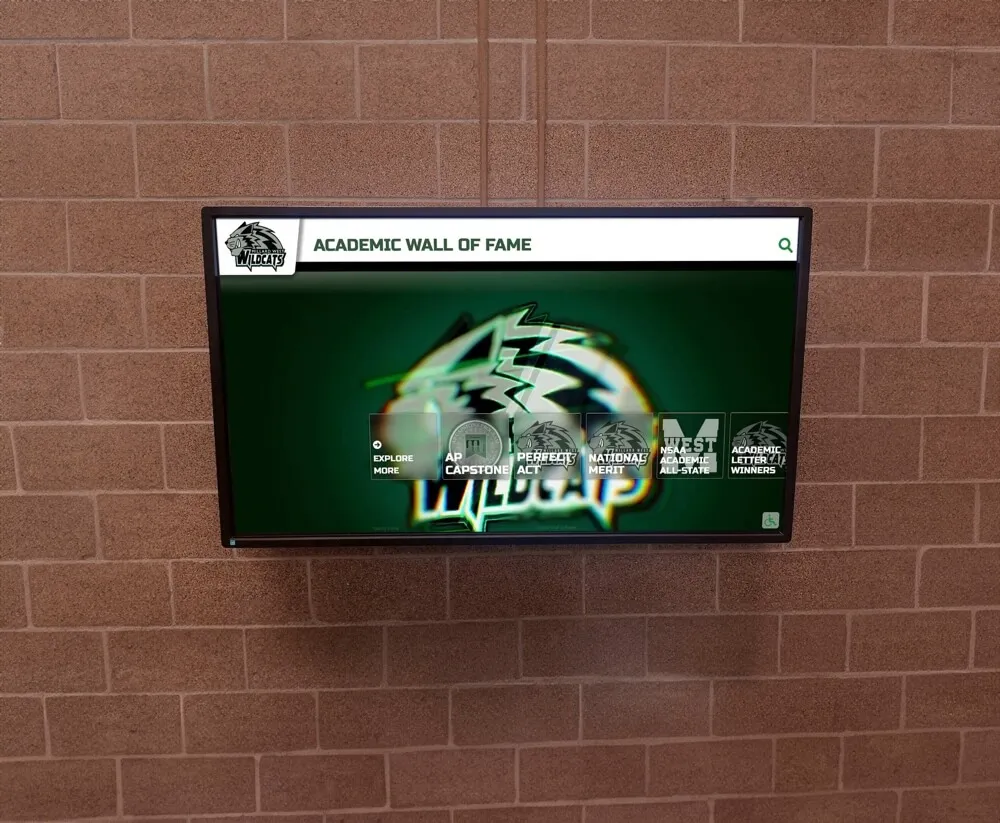
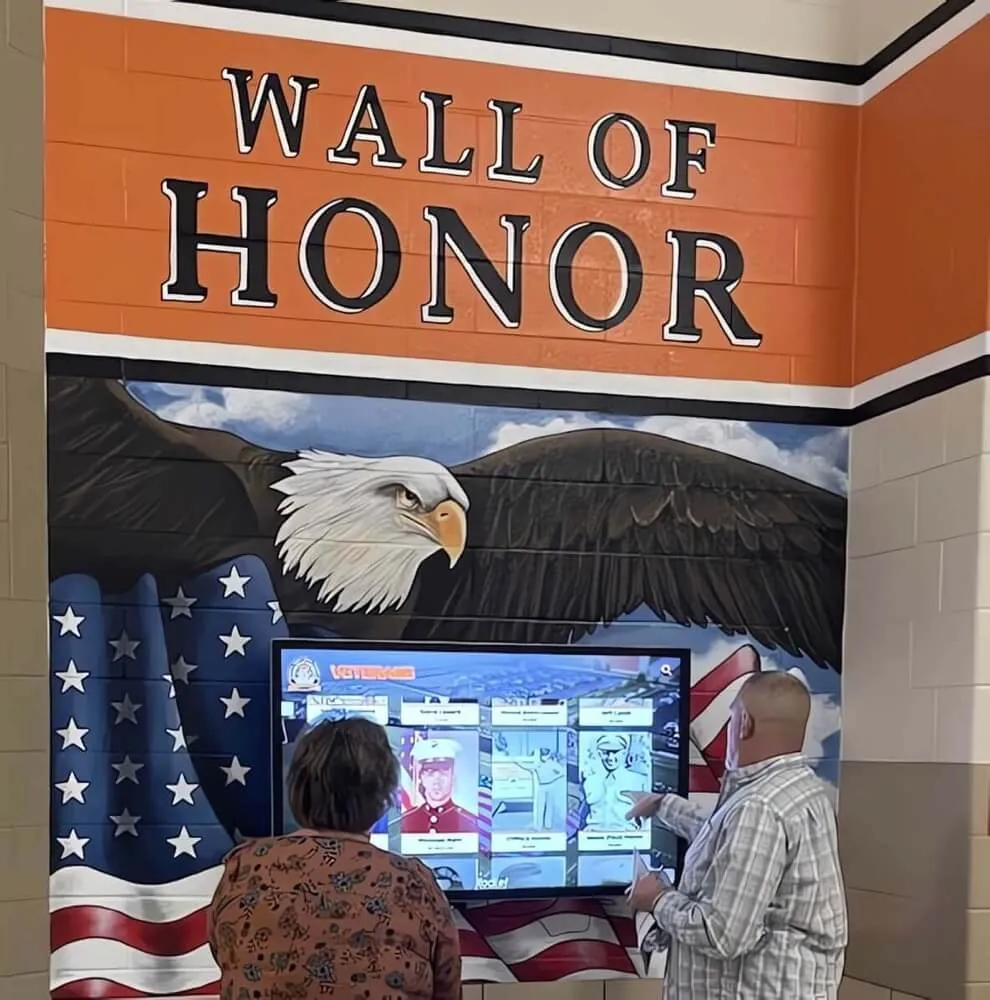
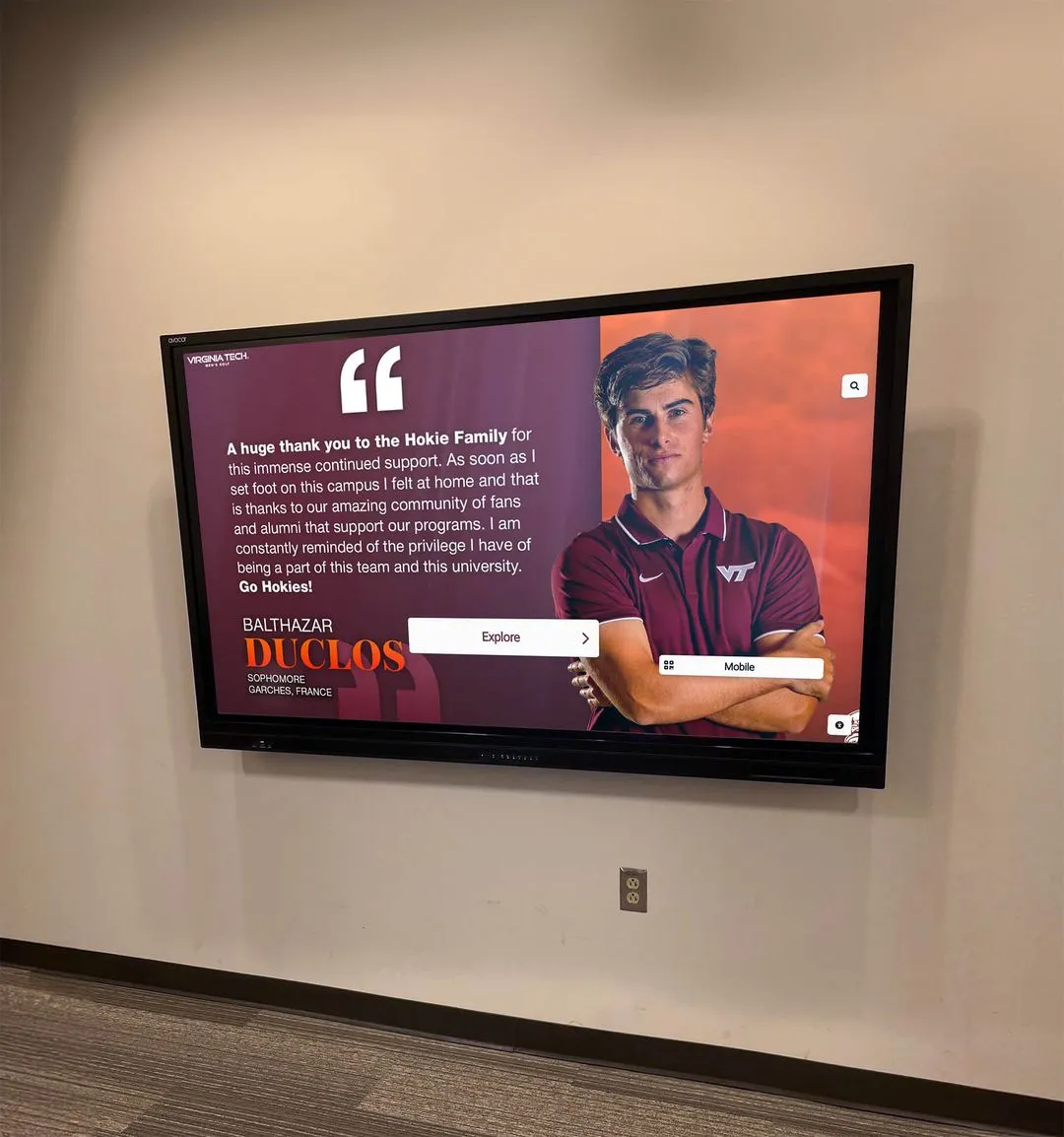
Modern schools preserve homecoming court memories through interactive displays that students can explore throughout their high school years
Understanding Homecoming Court: Definition and Purpose
At its core, homecoming court is a group of students selected by their peers to represent their school during homecoming week festivities and ceremonies.
What Homecoming Court Represents
Core Purpose and Meaning
Homecoming court serves multiple important functions within school communities:
- Recognition of positive leadership and character: Students selected typically demonstrate qualities like school spirit, kindness, involvement, and positive influence
- Symbol of school unity: The court represents diverse students who collectively embody what the school community values
- Connection to alumni traditions: Homecoming celebrates school history and legacy, with court members serving as bridges between past and present
- Peak moment of school spirit: The homecoming court celebration creates climactic moments during the school’s most spirited week
- Inclusive celebration: Modern approaches ensure homecoming court recognizes students across different friend groups, activities, and backgrounds
Historical Context and Evolution
Homecoming traditions originated in American colleges during the early 20th century, with the University of Missouri hosting the first documented homecoming celebration in 1911. The tradition quickly spread to high schools nationwide, evolving over decades to reflect changing social values and educational priorities.
Traditional vs. Modern Approaches
- Traditional model: Often focused primarily on popularity, physical appearance, or dating relationships
- Contemporary approach: Increasingly emphasizes character, leadership, school involvement, and representative diversity
- Evolved recognition: Modern schools often include multiple courts (freshman through senior), specialized categories, and broader representation ensuring more students receive acknowledgment
Typical Court Structure
Most high schools organize homecoming court with recognizable structures:
Court Composition
- Homecoming King and Queen: Senior students crowned as the ultimate honor recipients
- Senior Court: 4-10 senior nominees from which king and queen are selected
- Underclass Courts: Separate courts for juniors, sophomores, and sometimes freshmen
- Gender considerations: Many schools now offer gender-neutral options or modified structures respecting all students
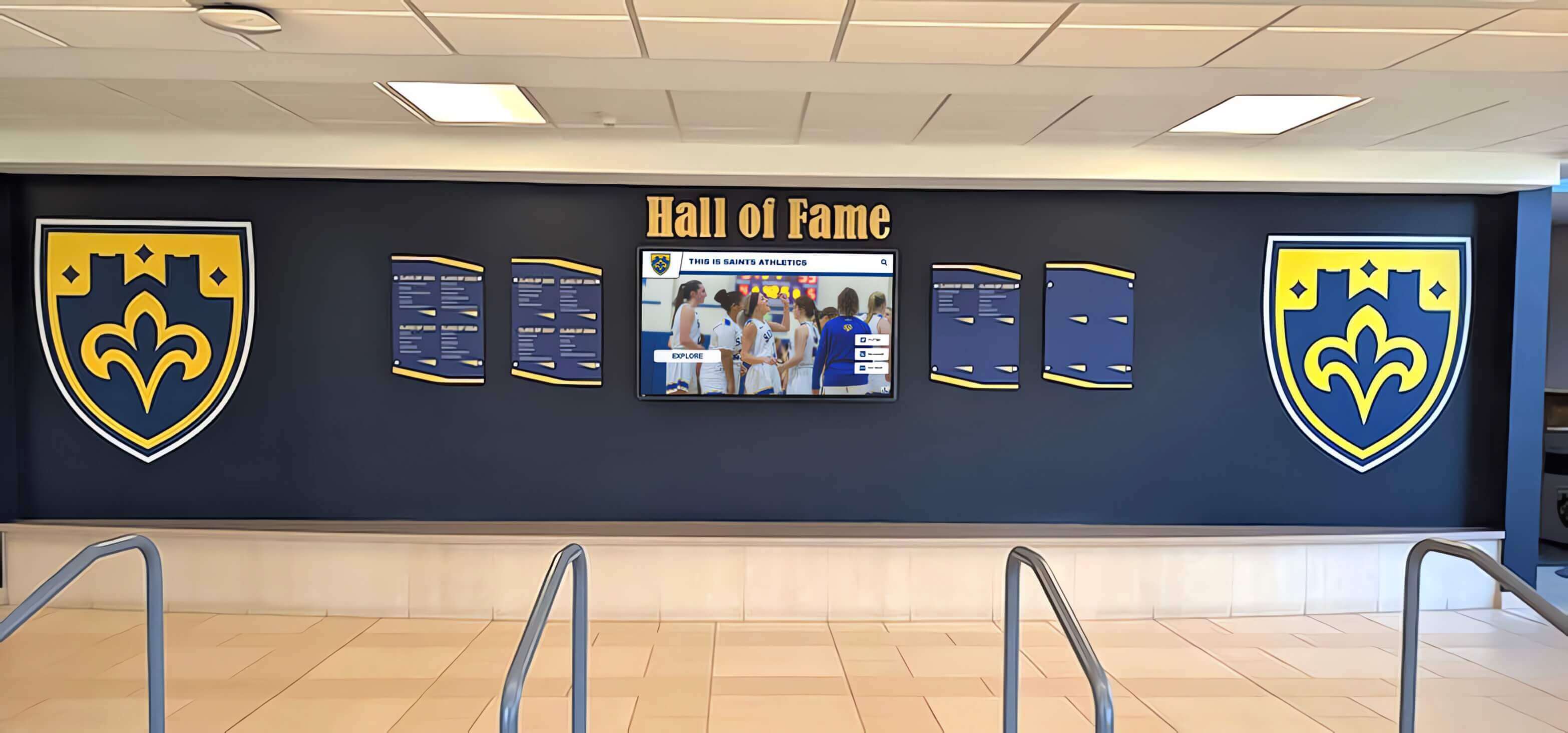
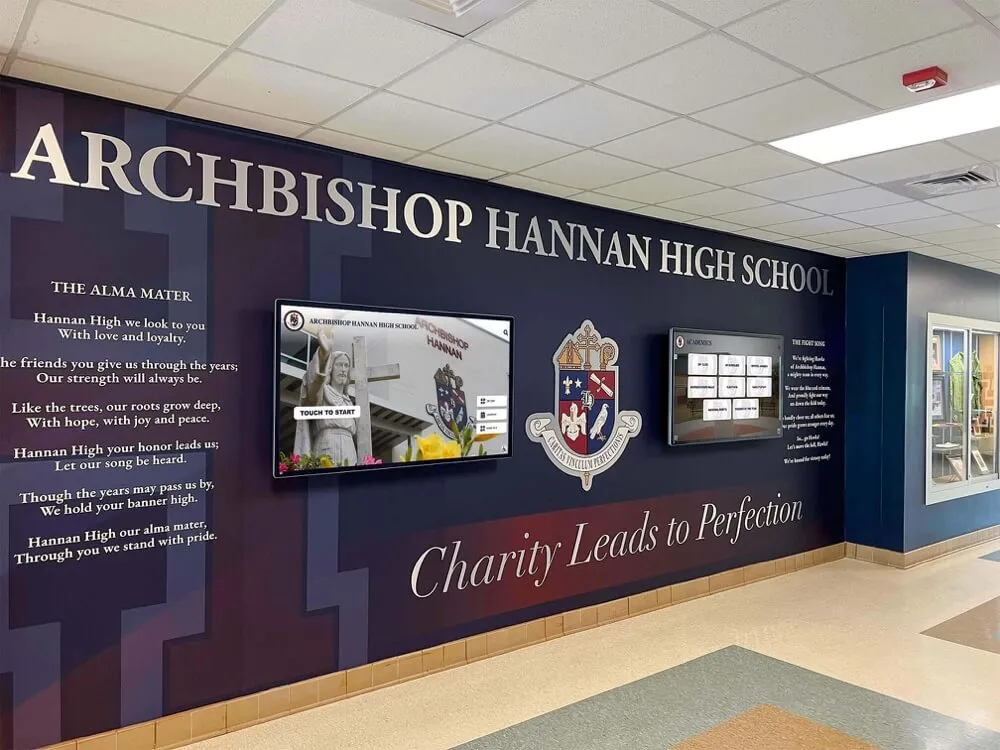
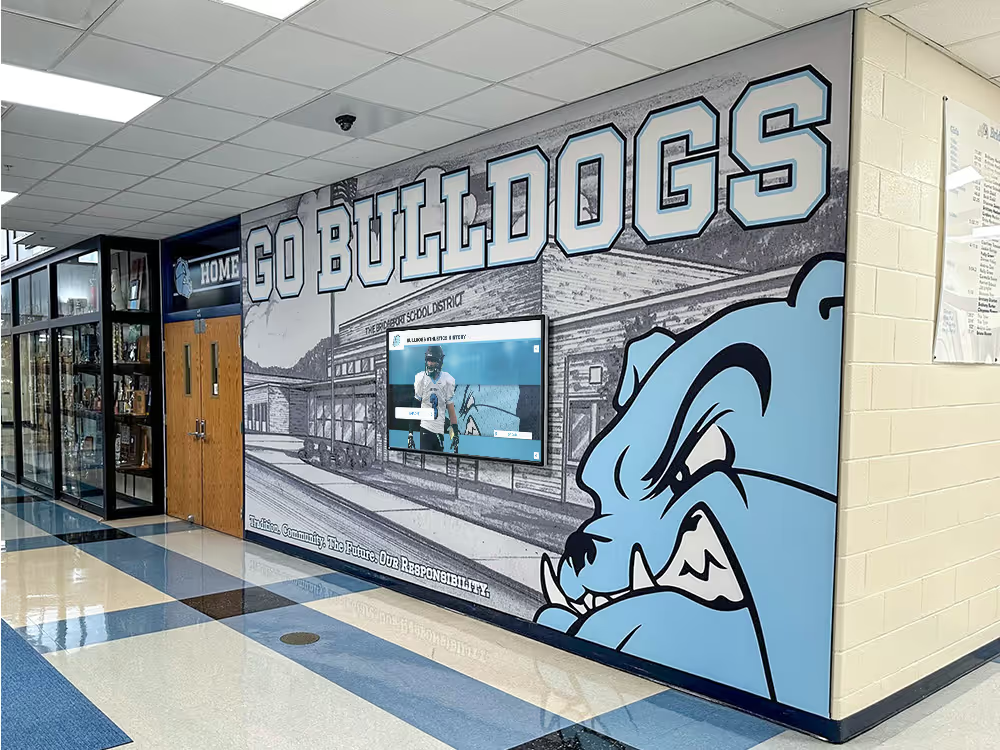
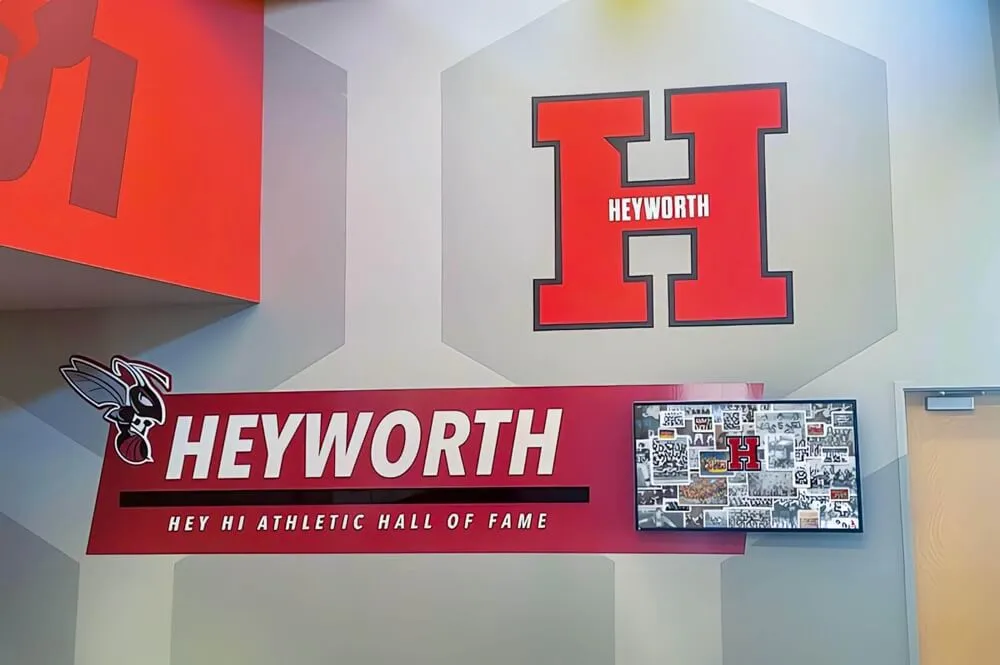
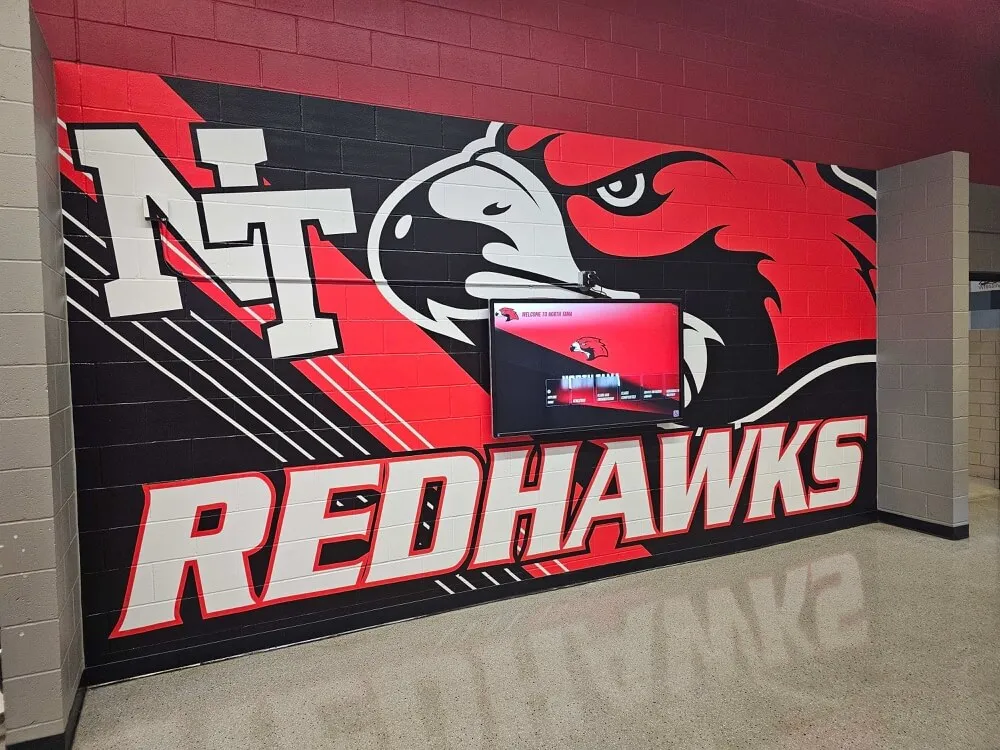
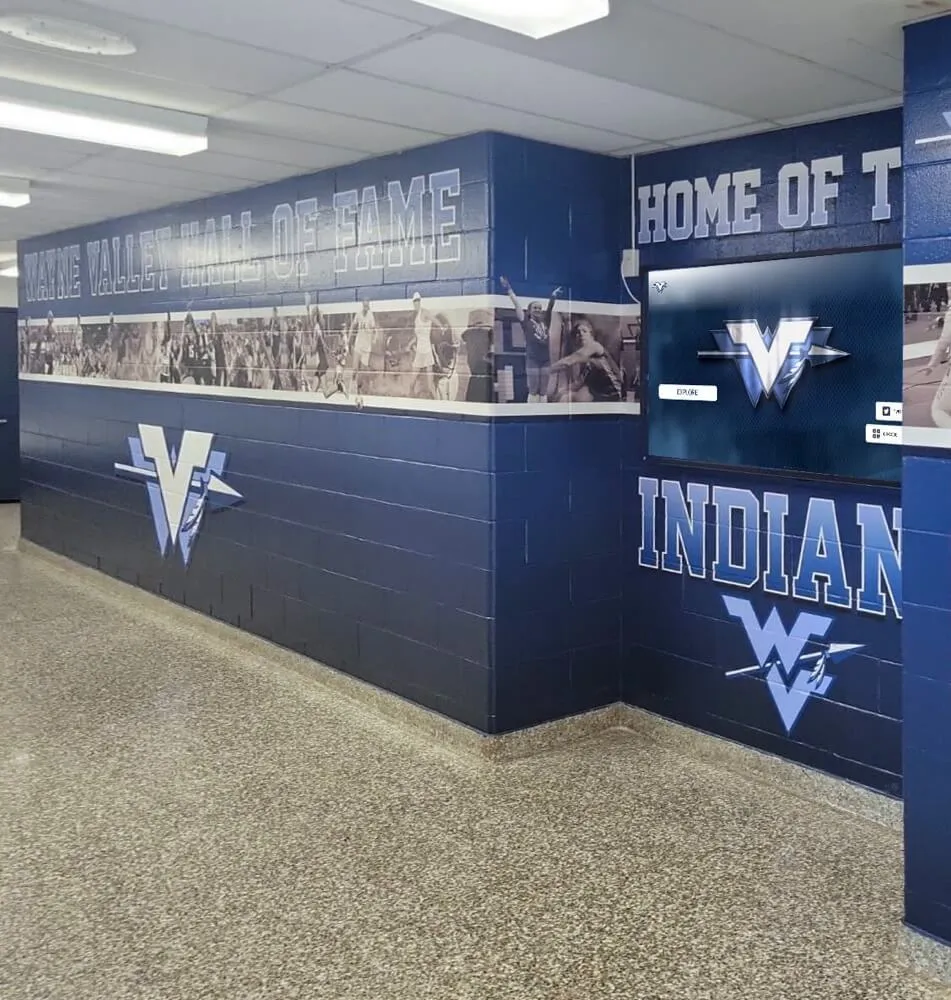
Dedicated recognition spaces celebrate homecoming court members alongside other honored students and achievements
Court Titles by Grade
- Senior Court: Homecoming King and Queen (winners), plus additional senior court members
- Junior Court: Junior Prince and Princess or Junior Court members
- Sophomore Court: Sophomore Prince and Princess or Sophomore Court members
- Freshman Court: Freshman Prince and Princess or Freshman Court members
This tiered structure ensures recognition opportunities exist for students across all grade levels, creating anticipation that builds throughout high school careers.
The Selection Process: How Students Join Homecoming Court
Selection procedures vary significantly between schools, but most follow general frameworks balancing peer input with school oversight.
Nomination Phase
The process typically begins with nominations several weeks before homecoming:
Student Nomination Methods
- Open peer nomination: Students nominate classmates they believe should be recognized
- Grade-level nomination: Each grade nominates candidates from their class
- Activity-based nomination: Student organizations, clubs, and sports teams nominate representatives
- Self-nomination: Some schools allow students to put themselves forward with peer endorsements
- Teacher input: Faculty may nominate students demonstrating positive character and leadership
Typical Eligibility Requirements
Schools establish criteria ensuring nominees meet basic standards:
- Minimum GPA requirements (often 2.0-3.0 depending on school)
- Good disciplinary standing with no major violations
- Active participation in school activities or community service
- Parental permission and nominee acceptance
- Sometimes participation requirements for homecoming week activities
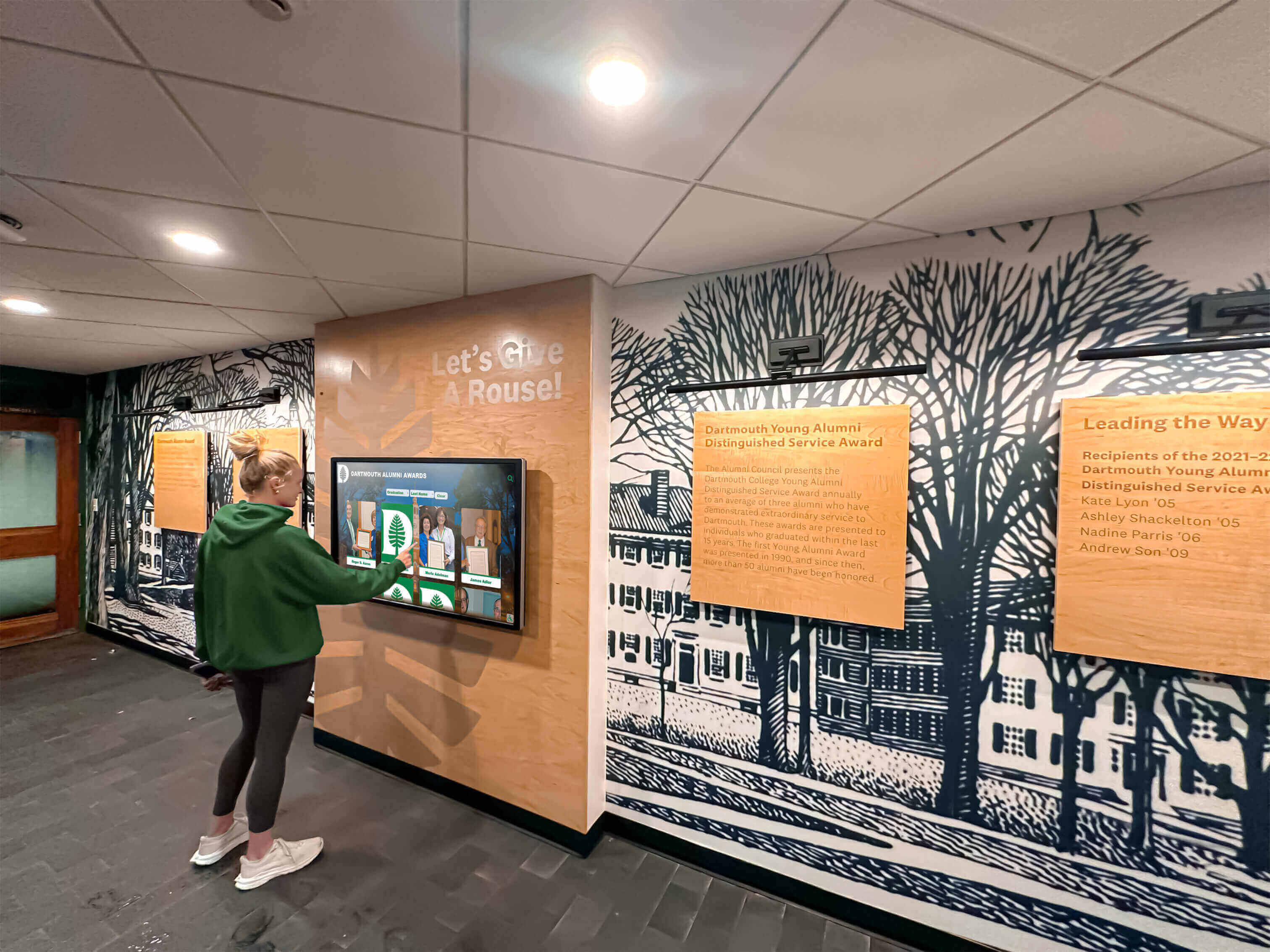
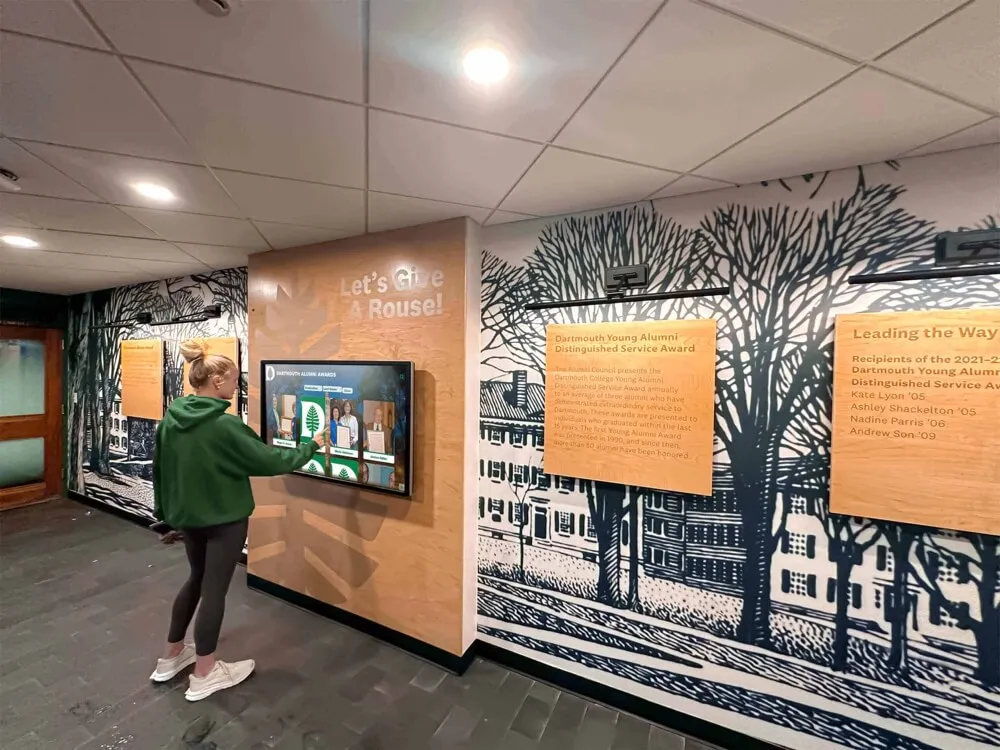
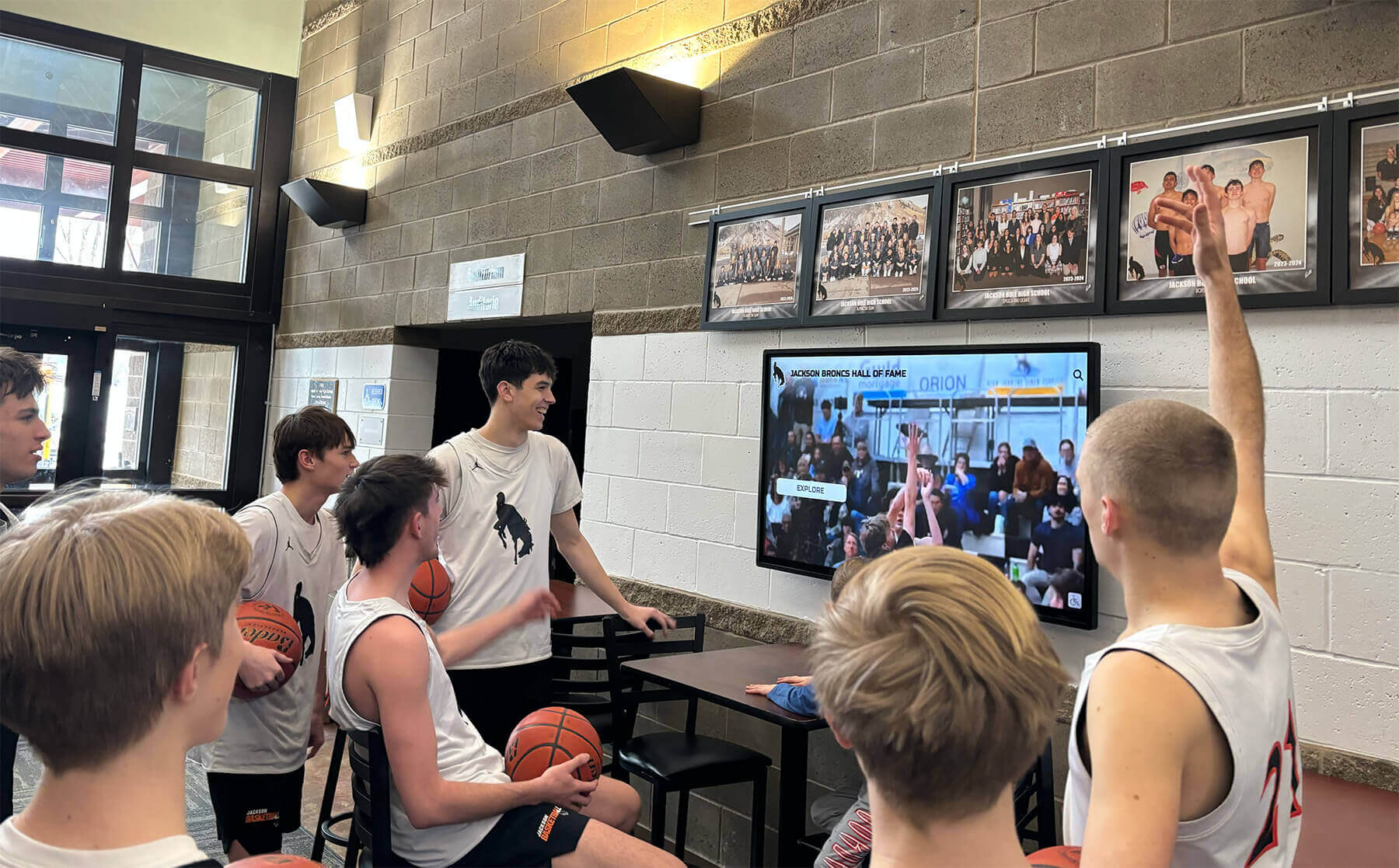
Interactive displays allow students to explore homecoming court history and see themselves as part of ongoing school traditions
Voting and Selection
After nominations, schools employ various selection methods:
Common Voting Structures
- Student body vote: All students vote to select court members from nominees
- Grade-level voting: Each class votes for their own court representatives
- Weighted voting: Sometimes limited to specific grades (juniors and seniors) for upperclass courts
- Runoff elections: Initial voting narrows large nominee pools before final selection
- Faculty input: Some schools include teacher votes alongside student selections
Ensuring Fair and Positive Processes
Responsible schools implement safeguards protecting election integrity and student wellbeing:
- Anonymous voting preventing coercion or social pressure
- Clear communication that all nominees are honored regardless of final selection
- Supervision of nomination and voting to prevent bullying or inappropriate campaigns
- Emphasis that selection reflects positive qualities, not popularity contests
- Private result notification to winners before public announcement
Schools implementing comprehensive student recognition programs find that positioning homecoming court within broader recognition cultures reduces the pressure around any single honor.
Homecoming Week Activities and Court Responsibilities
Once selected, homecoming court members participate in various activities throughout homecoming week.
Pre-Game and Game Day Traditions
Week-Long Activities
- Spirit week participation: Court members often lead themed dress-up days and activities
- Assembly presentations: Introduction during school-wide assemblies
- Photo sessions: Professional photography for yearbooks, displays, and programs
- Community appearances: Some schools have court members attend community events or visit elementary schools
- Hallway decoration: Participating in decorating competitions between grades
Game Day Ceremony Elements
The homecoming football game typically serves as the backdrop for court presentations:
- Processional entrance: Court members enter the field or court, often escorted by family members
- Individual introductions: Announcer reads biographical information about each court member
- Recognition of accomplishments: Highlighting activities, sports, clubs, and achievements
- Crown presentation: King and queen receive crowns or tiaras during coronation
- Congratulatory moments: Photos, congratulations from school officials, celebration with peers
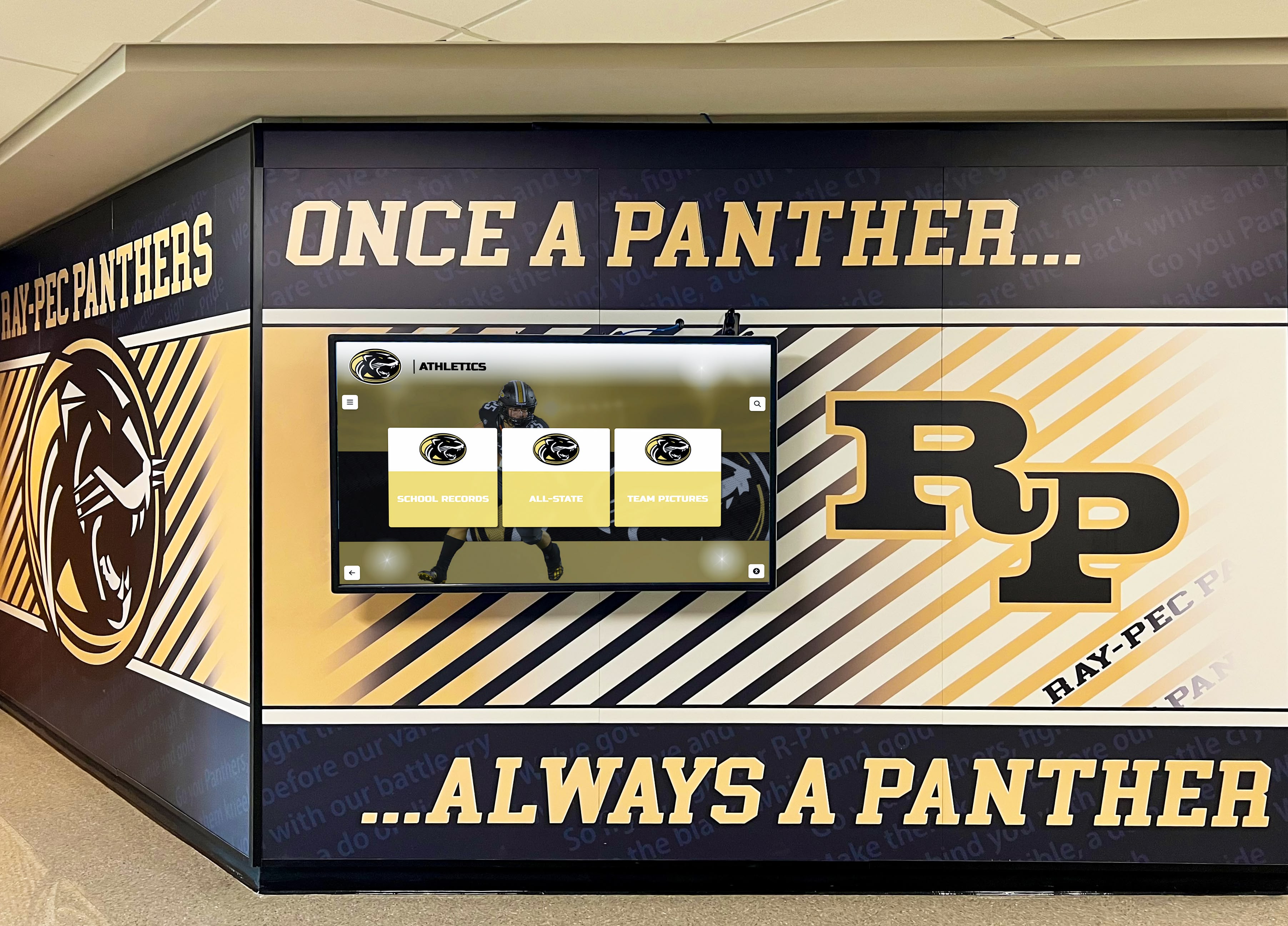
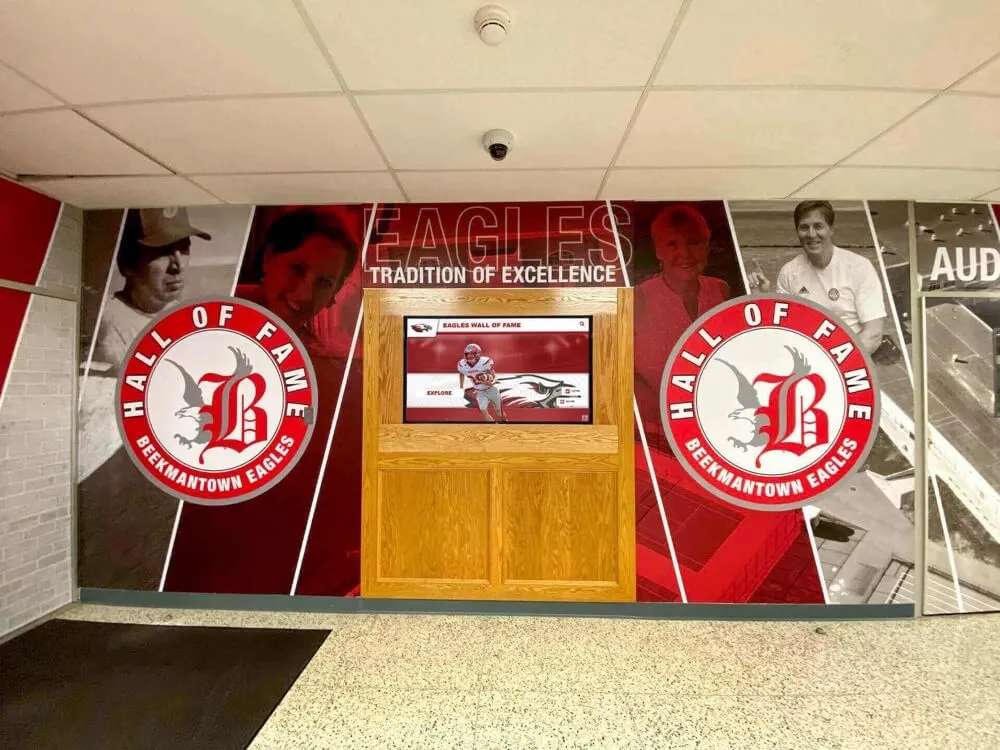
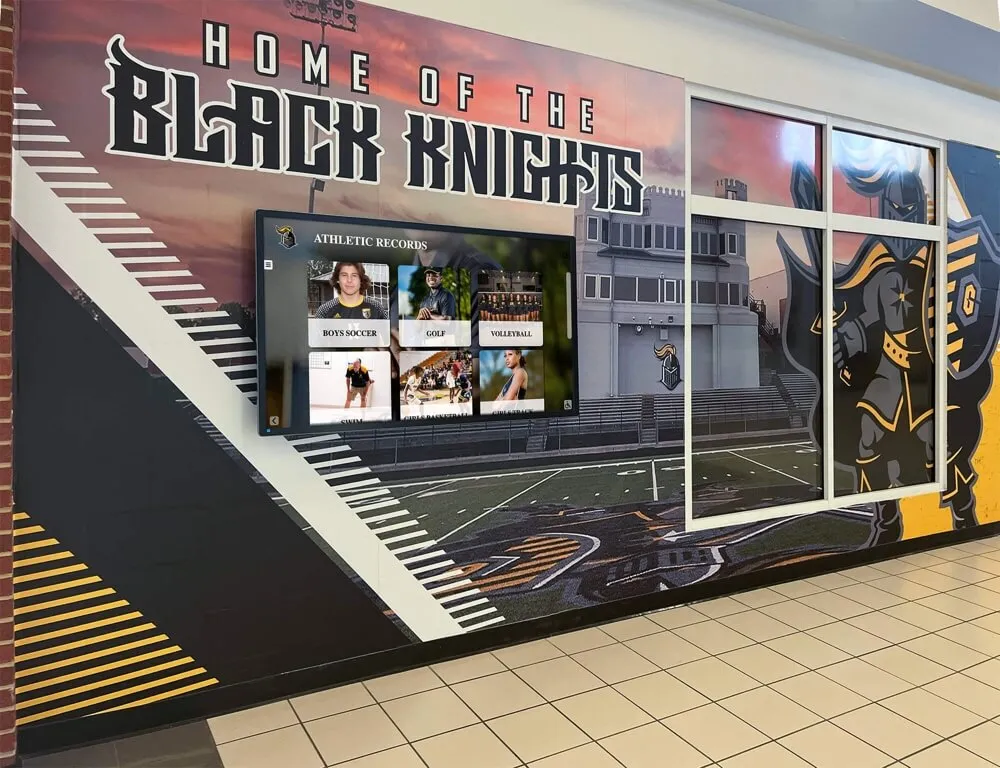
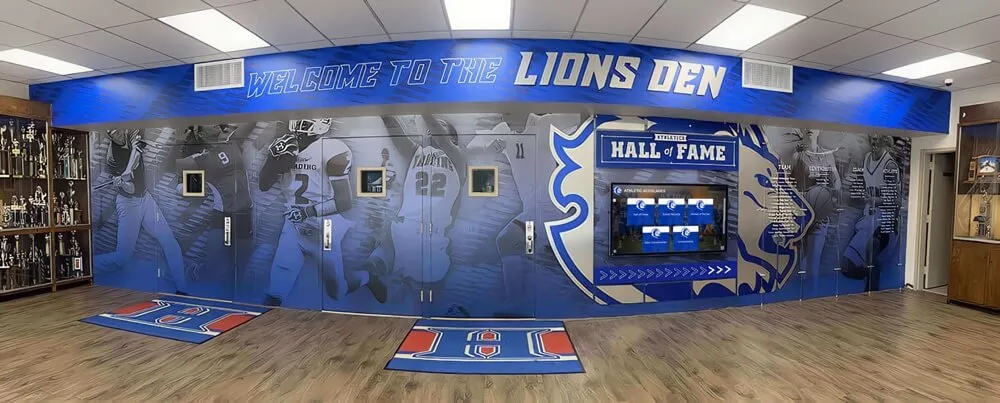
Athletic facilities provide natural settings for displaying homecoming court recognition alongside sports achievements
Dance and Additional Celebrations
Homecoming Dance Recognition
Many schools continue celebrations at the homecoming dance:
- Special recognition or dances for court members
- Photo opportunities at decorated “court” areas
- Sometimes additional crowning or recognition moments
- Creating memorable experiences for court members and attendees
Extended Recognition Opportunities
Forward-thinking schools extend homecoming court recognition beyond single-week celebrations:
- Permanent display additions in trophy cases or recognition areas
- Yearbook features with detailed court member profiles
- Social media celebration throughout homecoming season
- Alumni connection opportunities linking current court with previous years’ honorees
Creating Inclusive and Positive Homecoming Court Experiences
Modern schools increasingly focus on ensuring homecoming court traditions feel positive and inclusive for all students.
Addressing Potential Challenges
Traditional homecoming court structures sometimes create unintended negative experiences:
Common Concerns
- Perception as popularity contests rather than merit-based recognition
- Limited diversity in court member selection
- Students feeling excluded or undervalued if not selected
- Gender binary structures not accommodating all students
- Emphasis on romantic pairs (king/queen) excluding single students
Modern Solutions
Progressive schools implement approaches addressing these concerns:
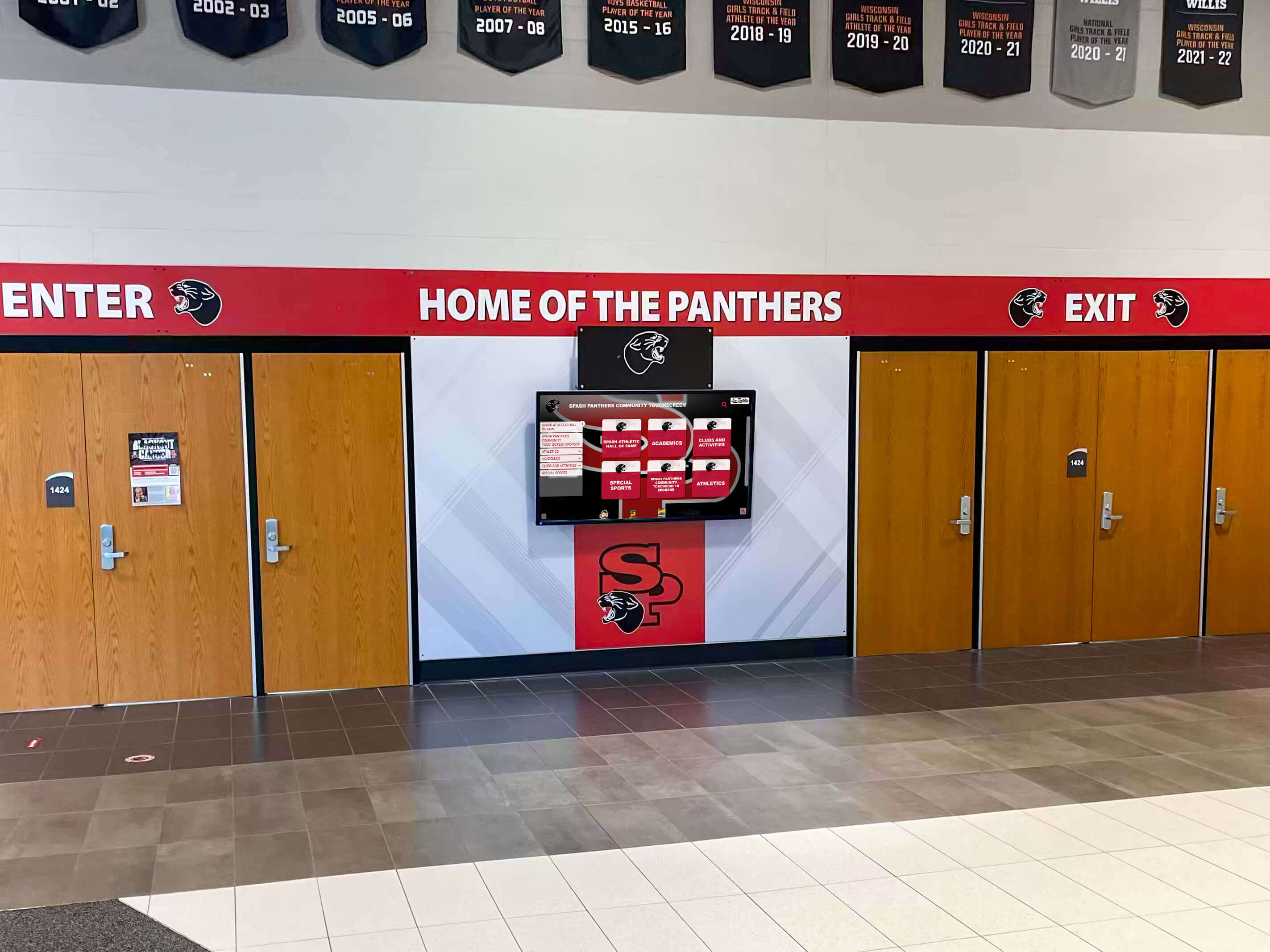
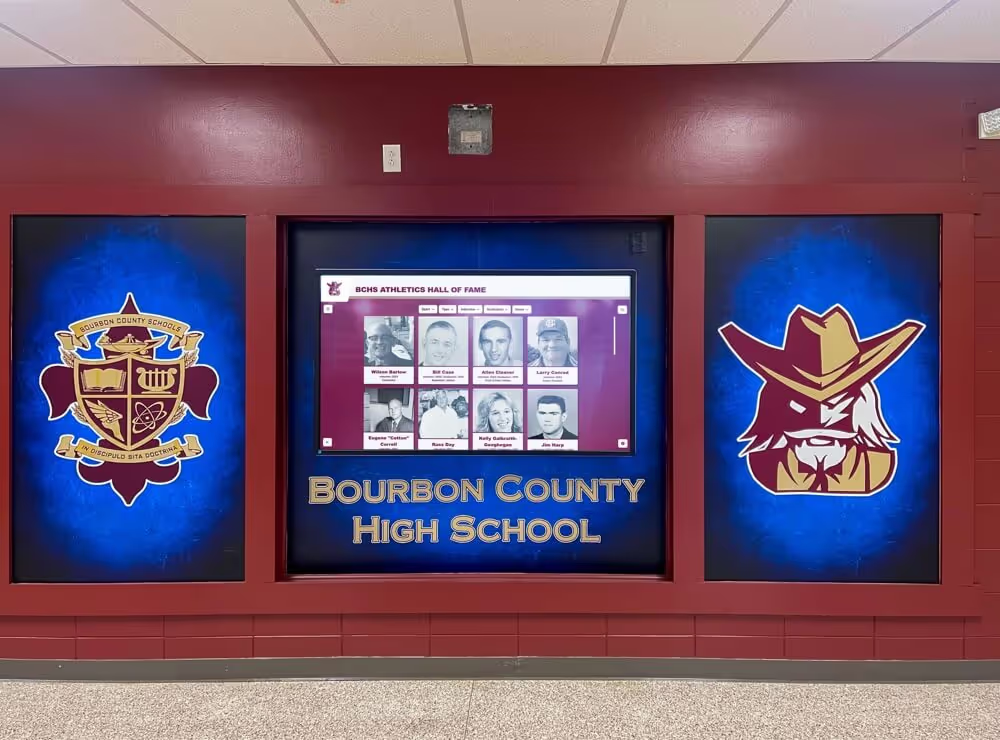
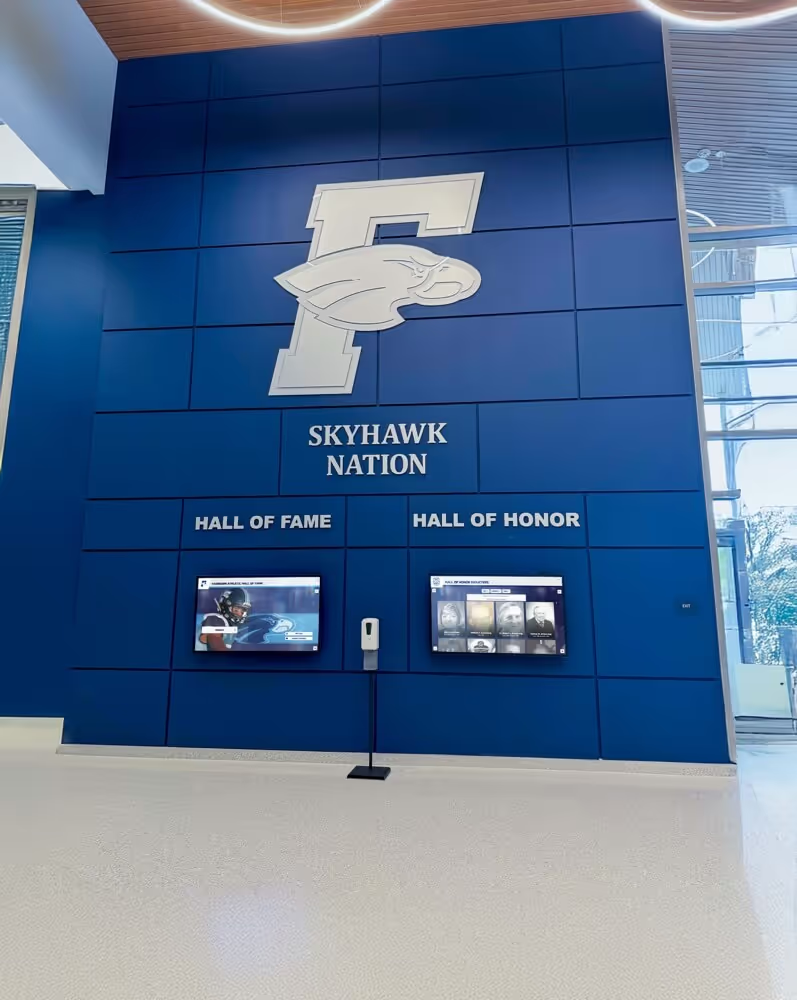
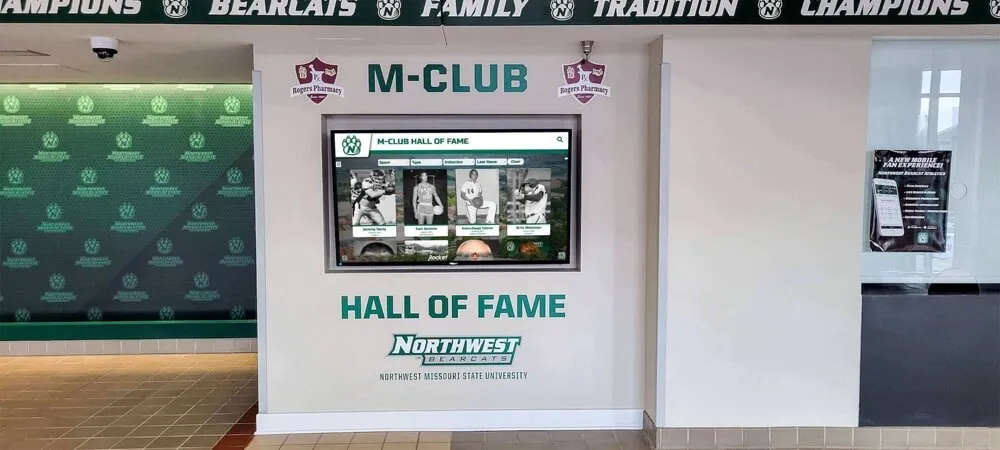
Prominent entrance displays ensure homecoming court members receive ongoing recognition as students pass by daily
Broadening Selection Criteria
- Clearly communicating that selection should reflect character, leadership, and positive influence
- Creating rubrics or guidelines helping students consider meaningful criteria
- Including teacher or staff input alongside peer voting
- Recognizing nominees across diverse friend groups, activities, and backgrounds
- Academic recognition alongside social popularity
Gender-Inclusive Approaches
- Gender-neutral court positions rather than strictly king/queen designations
- Individual recognition not requiring paired partnerships
- Allowing students to run for any position regardless of gender identity
- Creating additional recognition categories beyond binary structures
- Focusing on celebration of individuals rather than dating relationships
Ensuring All Nominees Feel Honored
Smart schools ensure that nomination itself represents meaningful recognition:
Nomination Recognition Strategies
- Public acknowledgment that all nominees demonstrate honor-worthy qualities
- Certificates or recognition items for all court nominees, not just winners
- Featured displays or social media posts celebrating all nominated students
- Inclusive nomination ceremonies where all nominees receive applause and recognition
- Communication emphasizing that being nominated reflects peer respect and admiration
Many schools discover that celebrating all nominees reduces pressure around final selection while ensuring broader student populations feel valued and recognized.
Preserving Homecoming Court Memories: Modern Recognition Approaches
While homecoming court creates memorable moments, traditional trophy case plaques and yearbook pages provide limited ongoing recognition.
Challenges with Traditional Recognition
Physical recognition faces inherent limitations:
Space Constraints
- Trophy cases fill quickly with multiple years of court members
- Limited wall space forces removal of older recognition to accommodate new honorees
- Difficult to provide equal visibility for all grade-level courts
- Photo displays deteriorate over time or become outdated
Limited Engagement
- Static plaques provide minimal information beyond names and photos
- No ability to share court member accomplishments or involvement
- Graduating students rarely return to campus to see their recognition
- Current students may not engage with old photographs or outdated displays
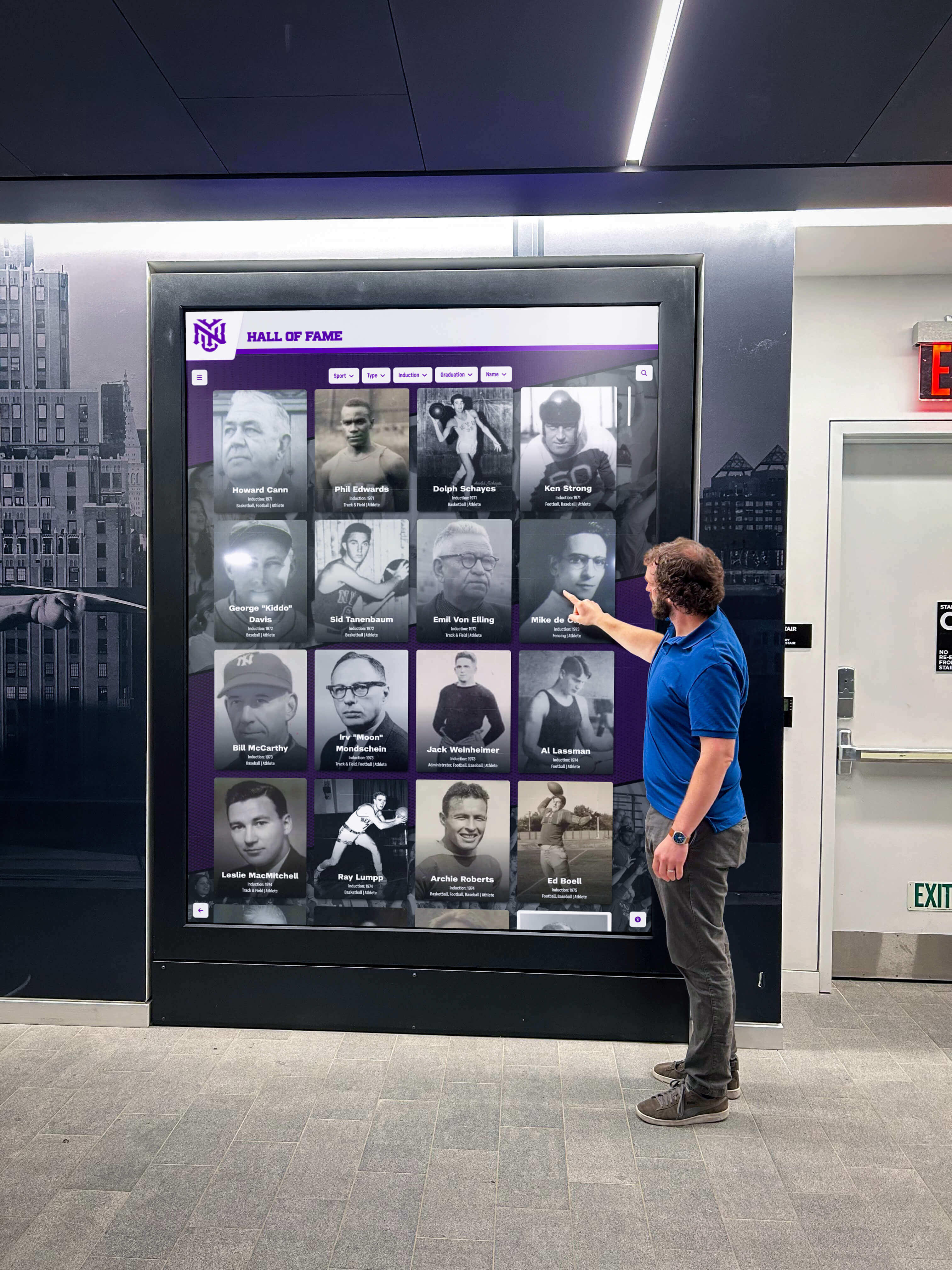
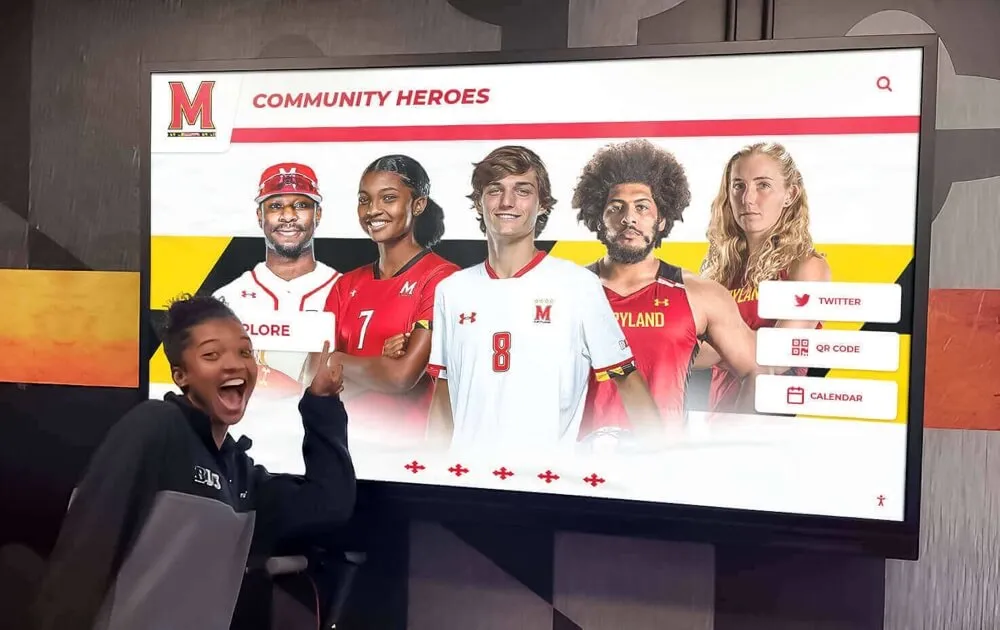
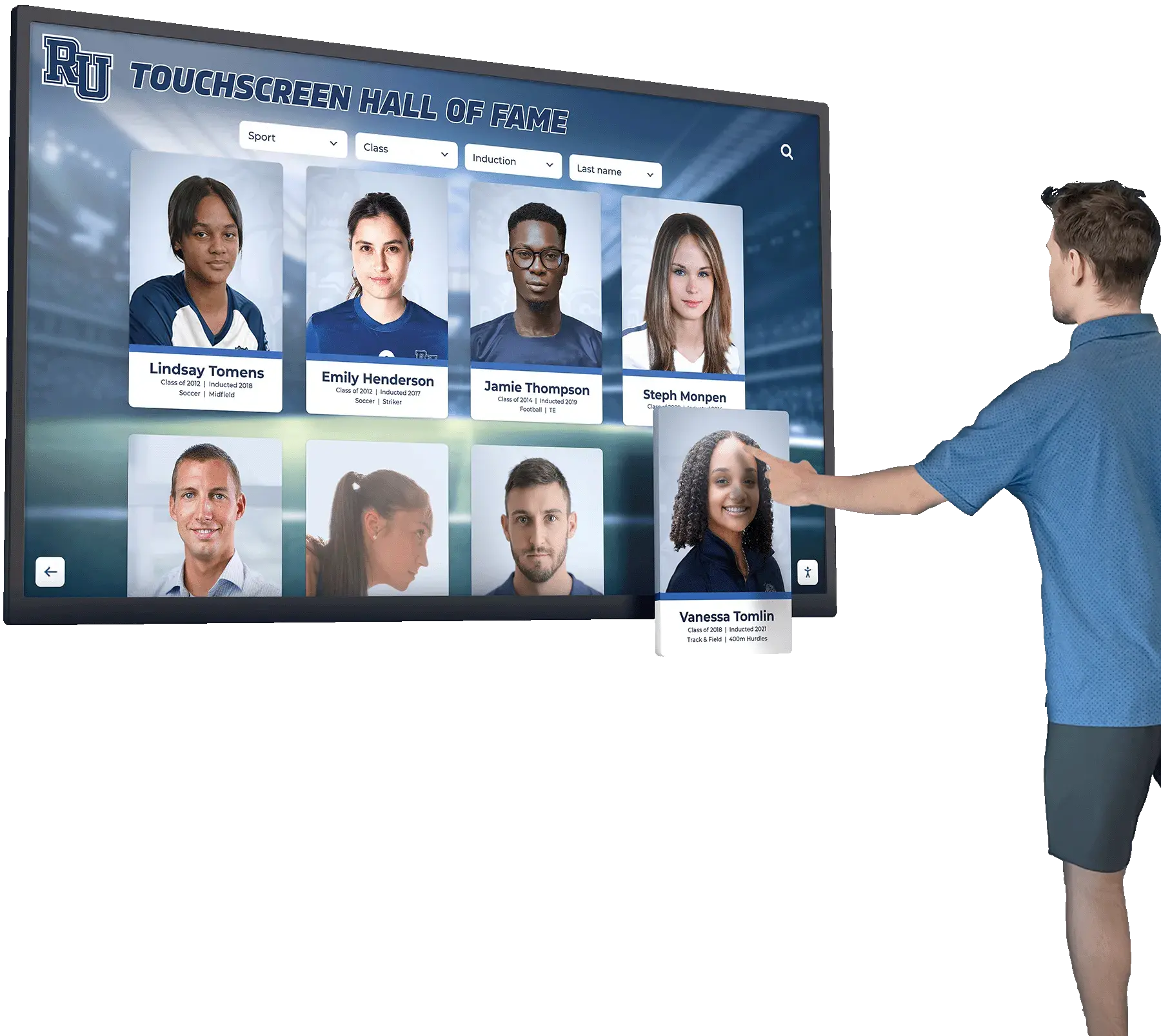
Interactive touchscreen displays enable detailed exploration of homecoming court members' stories and accomplishments
Digital Recognition Solutions
Modern schools increasingly implement digital recognition displays that eliminate traditional limitations while creating engaging experiences.
Unlimited Recognition Capacity
Digital platforms like Rocket Alumni Solutions provide space for unlimited homecoming court members across decades:
- Single display showcases every court member from school history
- No need to remove historical recognition when adding current year’s court
- Equal visibility for senior court, underclass courts, and all nominees
- Comprehensive archives preserving institutional tradition permanently
Interactive Features and Enhanced Storytelling
Digital recognition displays transform simple name plaques into rich profiles:
- Detailed biographical information about each court member
- Photos from coronation ceremonies and homecoming activities
- Information about activities, sports, clubs, and achievements
- Video segments from homecoming ceremonies or interviews
- Searchable databases allowing visitors to find specific years or students
- Social sharing capabilities enabling court members to celebrate accomplishments
Remote Management and Easy Updates
Cloud-based systems simplify ongoing administration:
- Add new homecoming court members each year from any internet-connected device
- Update information or add additional photos throughout the year
- Schedule content publishing coordinating with homecoming ceremonies
- No physical maintenance or trophy case reorganization required
- Alumni can access recognition online from anywhere in the world
Web-Based Recognition Extensions
Digital homecoming court recognition extends beyond physical campus:
Online Accessibility
- Alumni worldwide can explore current homecoming court members
- Families can access and share recognition with extended relatives
- College applications can link to online recognition profiles
- Social media integration enabling celebration across platforms
- Mobile optimization ensuring accessibility on all devices
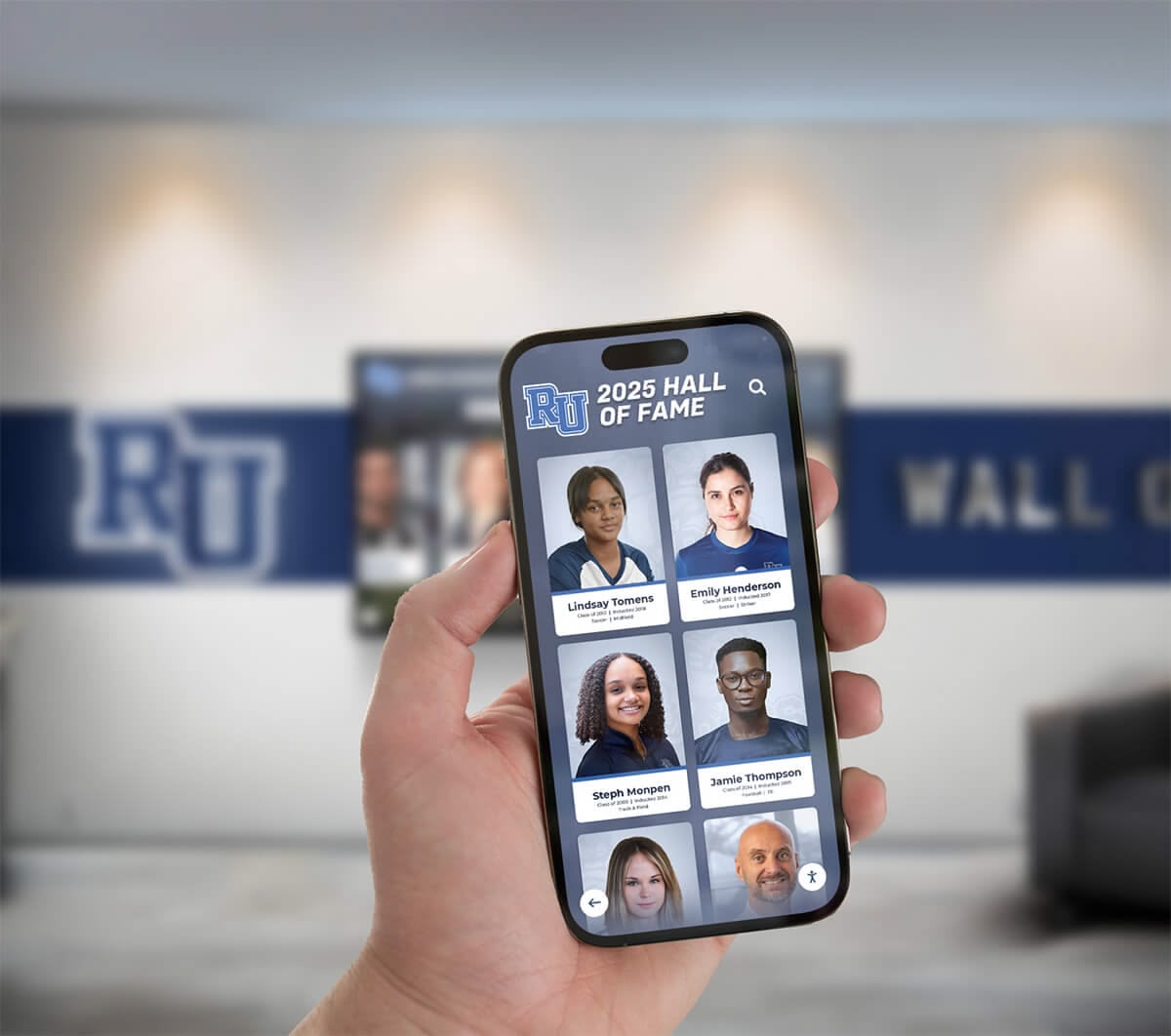
Mobile access enables homecoming court members and families to explore recognition from anywhere, sharing accomplishments widely
Engagement Analytics
Schools can track recognition impact:
- Monitor how often students and visitors interact with homecoming court displays
- See which profiles receive most attention and sharing
- Assess whether recognition displays increase school spirit and engagement
- Understand optimal placement for maximum visibility and interaction
Schools implementing comprehensive digital recognition report that homecoming court members and their families express significantly higher satisfaction when recognition remains visible and accessible beyond single-ceremony moments.
Planning Successful Homecoming Court Programs
Schools establishing or improving homecoming court traditions benefit from systematic planning approaches.
Timeline and Key Planning Elements
Fall Semester Timeline (August - October)
August - Early September
- Review and refine homecoming court policies and procedures
- Communicate nomination criteria and timeline to students and staff
- Establish selection committees and voting procedures
- Plan ceremony logistics and secure necessary resources
Mid-September
- Open nomination periods for all grade levels
- Collect nomination submissions and verify eligibility
- Announce nominees and begin campaign period
- Schedule photo sessions and information gathering for court profiles
Late September
- Conduct voting across student body or designated groups
- Count votes and verify results
- Notify winners and their families privately
- Prepare ceremony scripts and recognition materials
Early October (Homecoming Week)
- Public announcement of court members
- Week-long spirit activities with court participation
- Homecoming game ceremony and coronation
- Homecoming dance recognition and celebration
- Post-event recognition updates and permanent display additions

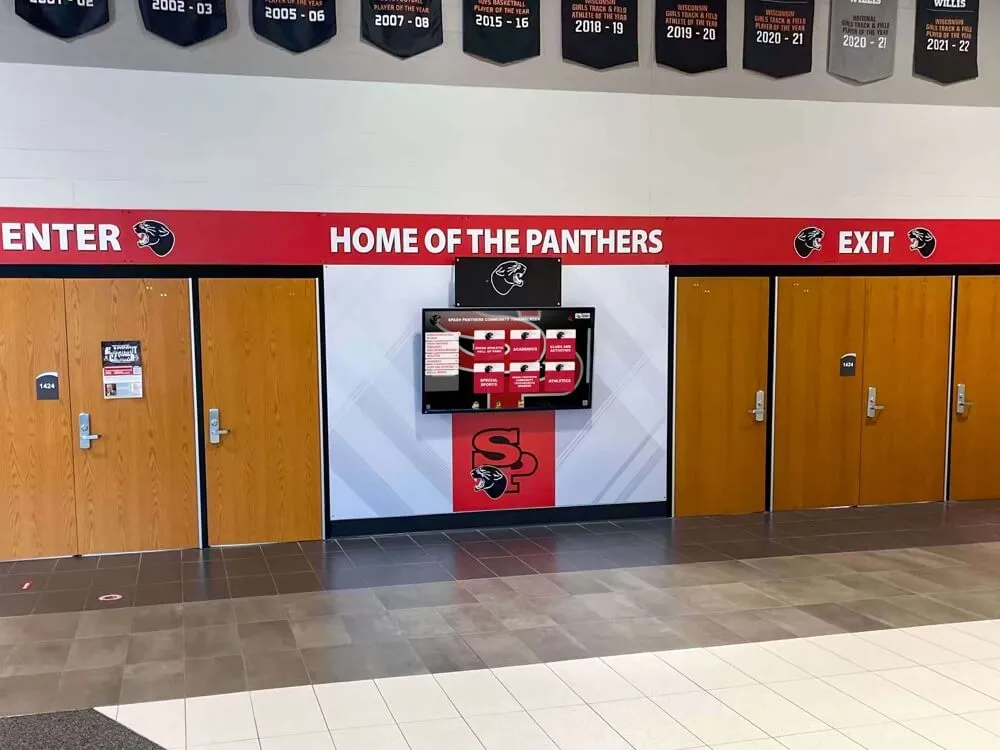
Hallway recognition displays provide high-visibility spaces where homecoming court members receive daily recognition
Budget Considerations
Homecoming court programs require various resource allocations:
Traditional Recognition Costs
- Crowns, tiaras, or sashes for court members ($50-200 per set)
- Flowers or bouquets for court presentations ($20-50 per person)
- Professional photography services ($300-800 for ceremony)
- Printed programs for ceremony distribution ($100-300)
- Physical plaques or trophy case additions ($150-400 per year)
Modern Digital Recognition Investments
Many schools find digital recognition provides superior long-term value:
- Initial touchscreen display installation ($2,500-6,000 one-time cost)
- Cloud-based content management platform ($100-300 monthly)
- Unlimited ongoing recognition capacity without space limitations
- Professional presentations enhancing program prestige
- Easy updates eliminating physical modification costs
- Extended web access providing broader engagement
Schools implementing digital trophy case solutions find that initial investments provide decades of value while eliminating recurring physical display upgrade costs.
Homecoming Court Etiquette and Best Practices
Understanding appropriate behavior ensures positive experiences for all participants.
For Court Nominees and Members
During Campaign Period
- Maintain humility and graciousness regardless of election outcome
- Avoid making selection about popularity or treating nomination as competition
- Support fellow nominees and celebrate all students being recognized
- Participate in homecoming week activities with enthusiasm and school spirit
- Represent school values positively throughout process
After Selection
- Express gratitude to peers who voted and school community support
- Acknowledge that all nominees were worthy of recognition
- Fulfill all ceremony and appearance responsibilities
- Remember selection reflects peer appreciation, not superiority
- Continue demonstrating the positive qualities that led to nomination
For Students, Parents, and Schools
Creating Positive Culture
Schools should actively foster environments where homecoming court represents genuine honor:
- Frame selection as recognition of positive qualities, not popularity contests
- Ensure all nominees receive meaningful acknowledgment and celebration
- Communicate that being nominated reflects peer respect and admiration
- Address inappropriate campaign behavior or social media negativity quickly
- Position homecoming court within broader student recognition programs recognizing diverse achievements

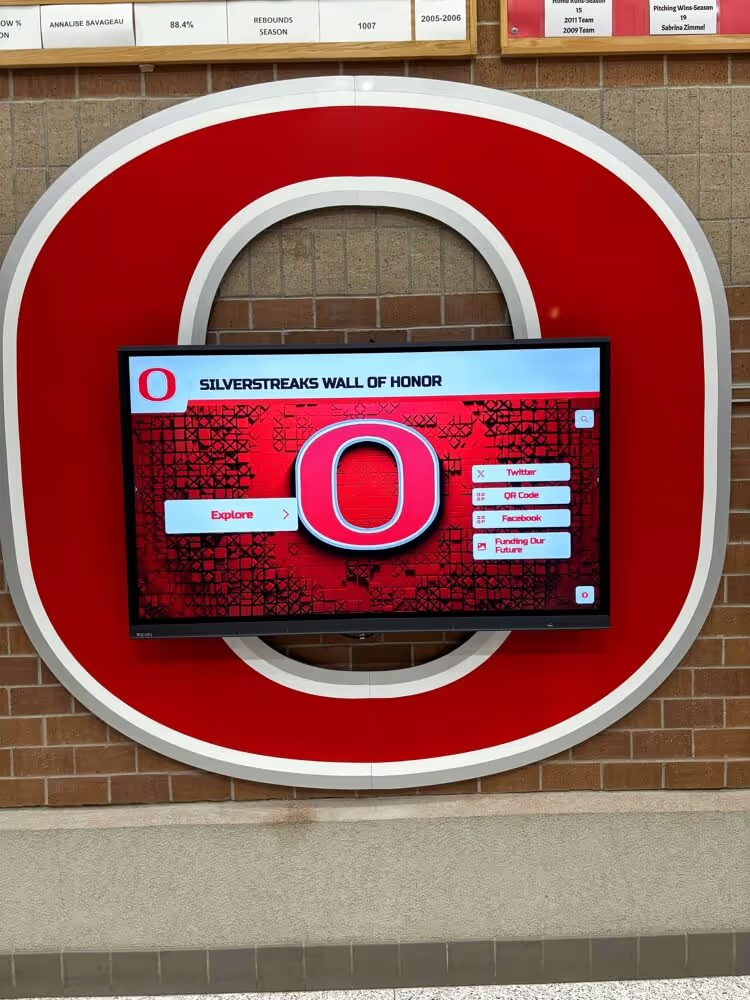
Integrated recognition displays combine digital screens with traditional elements, creating comprehensive celebration spaces
Parent Support
Families play important roles supporting positive homecoming court experiences:
- Help students maintain perspective about nomination and selection
- Encourage appreciation for honor of nomination regardless of outcome
- Support school’s selection criteria emphasizing character and leadership
- Celebrate all court members and nominees, not just own student
- Participate respectfully in ceremonies and recognition activities
Connecting Homecoming Court to Broader School Culture
Most effective programs position homecoming court within comprehensive recognition systems celebrating diverse student achievements.
Building Comprehensive Recognition Culture
Multiple Recognition Pathways
Schools should ensure students see various routes to acknowledgment and honor:
- Academic excellence through honor roll and subject-specific awards
- Athletic achievement via sports recognition programs
- Leadership recognition for student government and club leadership
- Service acknowledgment for community involvement and volunteer work
- Arts celebration for creative and performing arts achievements
- Character awards recognizing positive influence and values
Unified Recognition Displays
Digital platforms enable schools to showcase homecoming court alongside other honored students:
- Comprehensive recognition systems displaying academic, athletic, arts, service, and social achievements
- Students see multiple pathways to recognition and celebration
- Homecoming court becomes one honored category among many
- Reduces pressure on any single recognition while maintaining significance
- Creates culture where diverse forms of excellence receive celebration
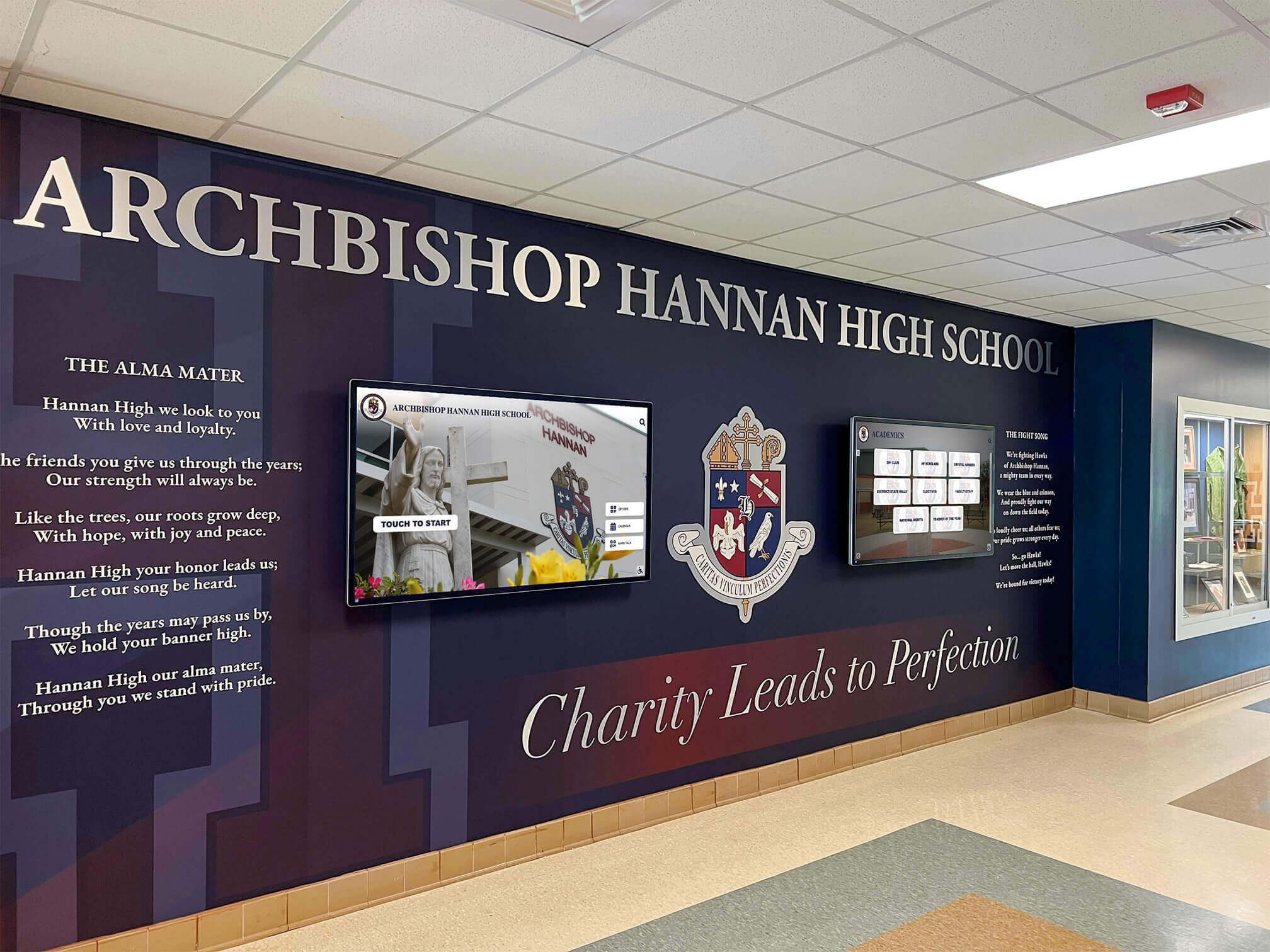
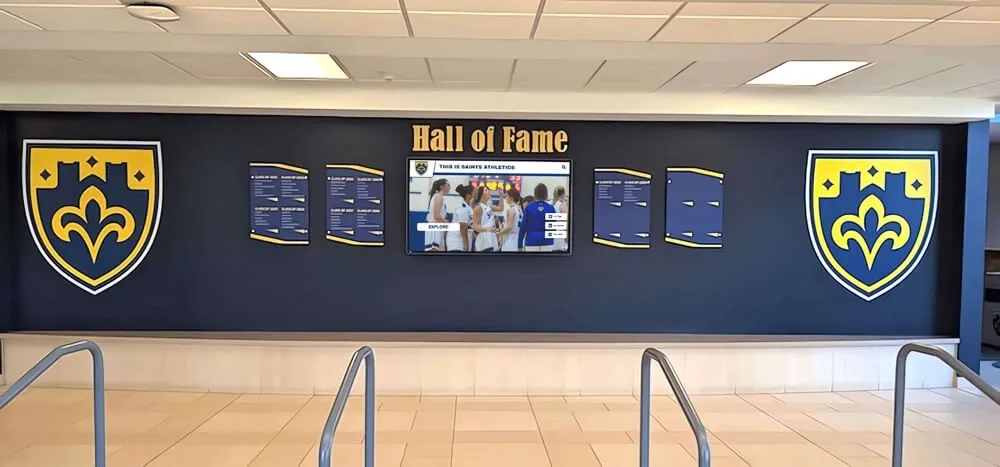
Prominent lobby displays showcase homecoming court within broader recognition programs celebrating diverse student achievements
Alumni Engagement and Historical Connection
Homecoming court recognition creates natural alumni engagement opportunities:
Connecting Past and Present
- Alumni directories showing previous homecoming court members
- Historical displays documenting decades of homecoming traditions
- Reunion activities featuring former court members
- Mentorship connections between current court and alumni
- Fundraising opportunities from engaged alumni motivated by recognition
Schools implementing comprehensive alumni recognition systems find that preserving homecoming court history strengthens connections between current students and successful graduates, creating mentorship networks and supporting development.
Special Considerations for Different School Contexts
Homecoming court approaches should adapt to specific school characteristics and community values.
Small Schools vs. Large Schools
Small School Approaches
- Often have everyone nominated know each other well
- May struggle with having enough nominees to create competitive selection
- Benefit from creating multiple recognition categories ensuring broader participation
- Can emphasize individual student stories due to smaller populations
- Often have stronger student body unity around homecoming celebrations
Large School Considerations
- Need clear nomination processes preventing overwhelming nominee numbers
- May have multiple homecoming courts by program or academy
- Benefit from preliminary rounds narrowing large nominee pools
- Should ensure representation across diverse student populations
- Can leverage technology making large court member rosters accessible
Urban, Suburban, and Rural Differences
Different community contexts shape homecoming court traditions:
Urban Schools
- Often serve diverse populations requiring thoughtful representation
- May have competing community events during homecoming season
- Can leverage technology enabling broader family participation across distance
- Benefit from online recognition extending reach beyond immediate neighborhoods
Suburban Schools
- Often have strong parent involvement in homecoming activities
- May have highest resources for elaborate ceremonies and recognition
- Can implement comprehensive digital systems given technology infrastructure
- Often have established traditions requiring careful modernization
Rural Schools
- Frequently have strongest community integration in homecoming celebrations
- Often face budget constraints requiring cost-effective recognition approaches
- Benefit from whole-community participation in homecoming activities
- Can leverage digital recognition systems providing permanent displays without recurring costs
The Future of Homecoming Court Traditions
Homecoming court continues evolving to reflect changing student populations and educational values.
Emerging Trends
Increasing Inclusivity
- Gender-neutral court structures accommodating all students
- Selection criteria explicitly emphasizing character over appearance
- Multiple recognition categories reducing pressure on single honor
- Broader representation ensuring diverse students feel welcome
- Anti-bullying initiatives integrated into nomination and selection processes
Technology Integration
- Virtual participation options for remote or absent families
- Social media celebration expanding recognition reach
- Digital voting systems improving accessibility and security
- Comprehensive online recognition preserving memories permanently
- Interactive displays engaging current students with tradition
Connection to Educational Goals
- Emphasizing leadership development and positive character
- Integrating homecoming court with service learning programs
- Recognition criteria aligned with school mission and values
- Using selection process to teach civic participation and democratic processes
- Connecting tradition to broader character education initiatives
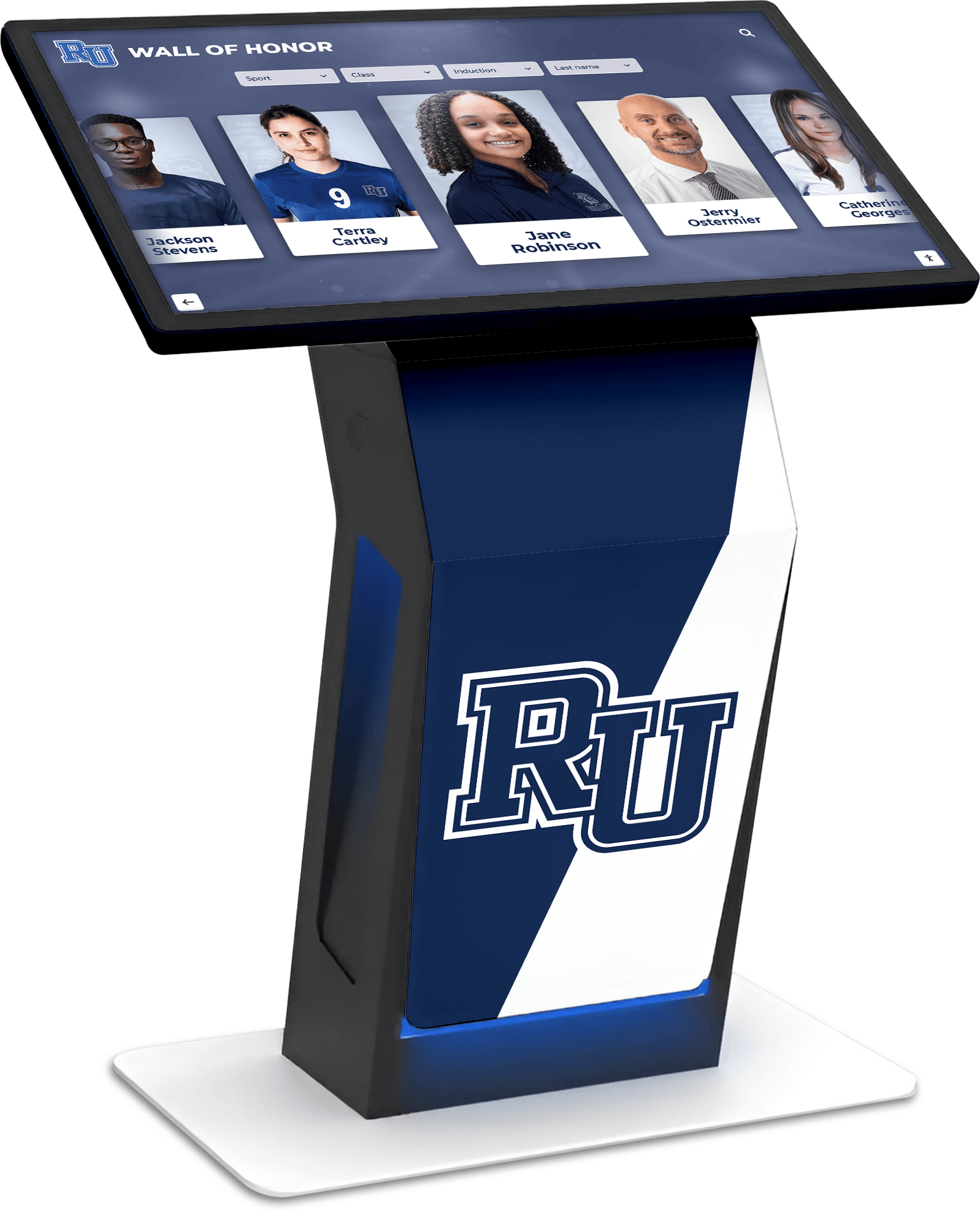
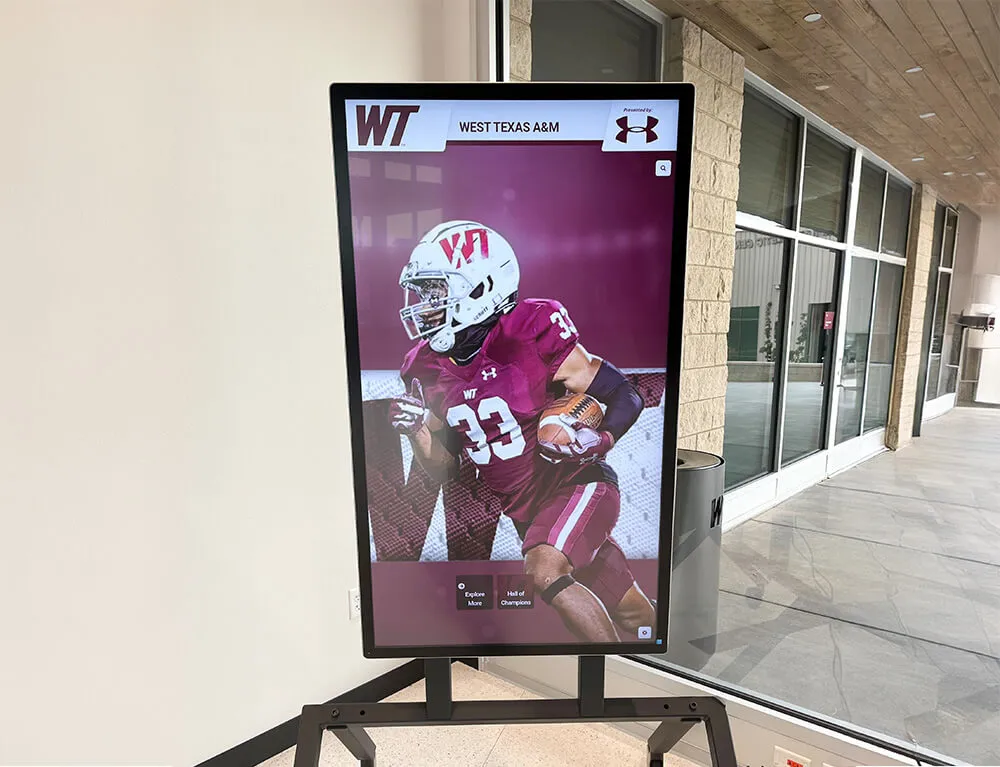
Modern recognition kiosks provide engaging interfaces where students explore homecoming court history and school traditions
Balancing Tradition and Progress
Successful schools maintain beloved traditions while adapting to contemporary values:
- Preserving ceremony elements students and community cherish
- Modernizing selection processes ensuring fairness and inclusivity
- Updating recognition approaches leveraging technology advantages
- Maintaining emphasis on positive character and school spirit
- Evolving traditions reflecting current student population needs
Conclusion: Celebrating Homecoming Court Meaningfully
Homecoming court represents more than a popularity contest or single-night celebration—it’s an opportunity to recognize students who embody positive qualities schools value while creating memorable experiences that strengthen school community and build lasting traditions. When schools approach homecoming court thoughtfully, establishing clear criteria emphasizing character and leadership, implementing inclusive nomination and selection processes, and creating meaningful recognition that extends beyond single ceremonies, these traditions become powerful expressions of school culture that resonate throughout students’ lives.
The strategies explored in this guide provide frameworks for establishing or improving homecoming court programs that honor students appropriately while engaging broader communities in celebration. From transparent selection processes ensuring fairness to digital recognition displays providing permanent visibility, these approaches transform homecoming court from temporary ceremonies into lasting traditions woven throughout institutional culture.
Preserve Your Homecoming Court Tradition
Discover how modern digital recognition solutions enable unlimited homecoming court displays, interactive exploration, and permanent celebration of this cherished tradition. See how schools nationwide are honoring homecoming court members with professional presentations that remain visible throughout students' high school years and beyond.
Explore Recognition SolutionsModern schools increasingly recognize that preserving homecoming court memories requires more than yearbook pages and deteriorating photographs. Digital recognition displays provide unlimited capacity to showcase every court member with detailed profiles, ceremony photos, and accomplishment information—creating interactive experiences that keep traditions alive for current students while enabling alumni to revisit their high school memories from anywhere.
As you plan this year’s homecoming court program, remember: the goal isn’t simply crowning a king and queen—it’s creating comprehensive systems that celebrate students who embody school values while building traditions that strengthen community, inspire current students, and create connections spanning generations. With thoughtful planning, inclusive processes, and appropriate recognition technology, homecoming court traditions become powerful expressions of what makes your school community special.
Ready to transform your homecoming court recognition? Explore how digital trophy case solutions can help you celebrate this cherished tradition with professional presentations that honor students appropriately while preserving memories that last long after homecoming week concludes.