



Eagle Scout represents the pinnacle of achievement in Boy Scouts of America, a distinction earned by fewer than 6% of all Scouts. When community members hear someone is an Eagle Scout, they immediately understand this individual demonstrated exceptional leadership, dedication, and service—qualities that took years of sustained effort to develop and prove.
Yet many people remain unclear about what becoming an Eagle Scout actually requires, why this achievement carries such weight decades after earning it, or how communities appropriately recognize these accomplished young leaders. Questions about the specific requirements, the infamous Eagle Scout project, timeline expectations, and long-term impact create confusion around this venerable American tradition that has shaped leaders since 1911.
This comprehensive guide explores everything you need to know about Eagle Scouts—from the rigorous advancement requirements and service project expectations to the lasting professional advantages and appropriate community recognition approaches that honor these exceptional achievements.
Eagle Scout is not simply another merit badge or rank advancement. It represents a comprehensive leadership development journey requiring sustained commitment, demonstrated character, extensive service, and significant personal growth. Understanding what Eagle Scouts accomplish helps communities, schools, and organizations recognize these young leaders appropriately while appreciating the depth of dedication this achievement represents.

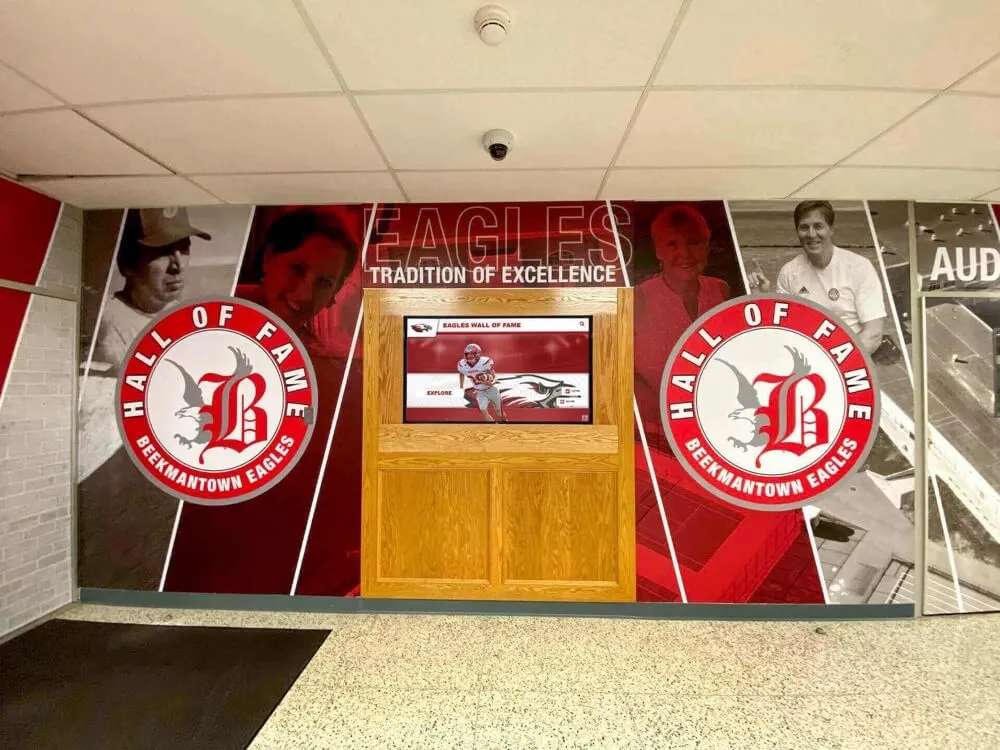
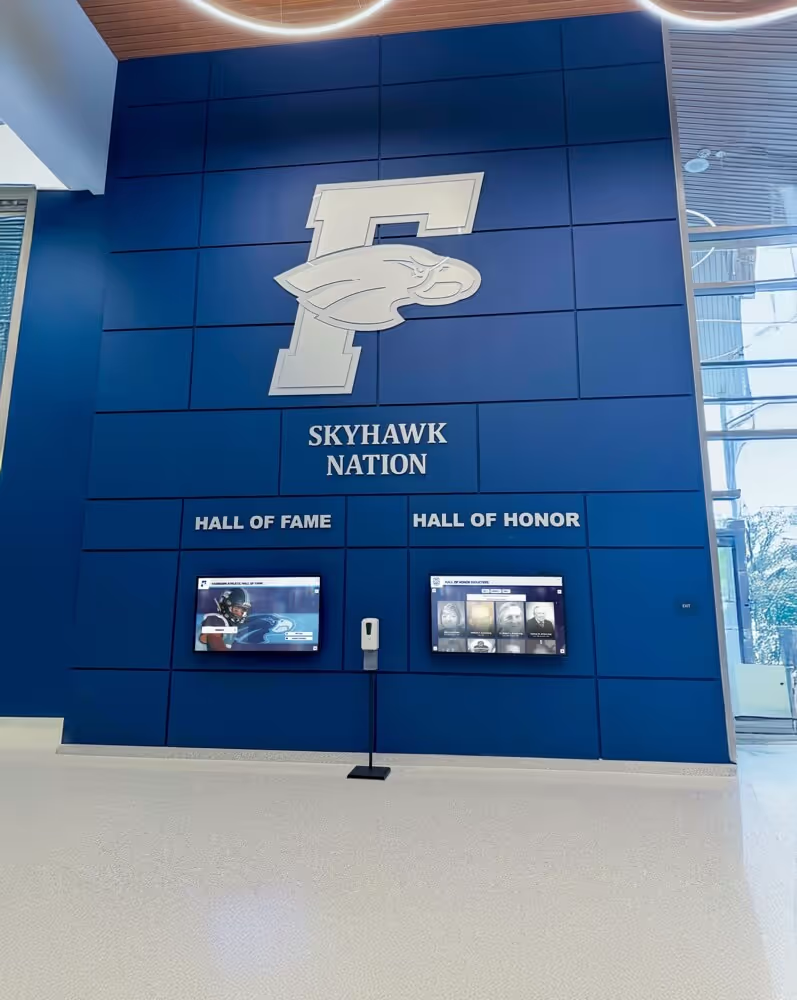
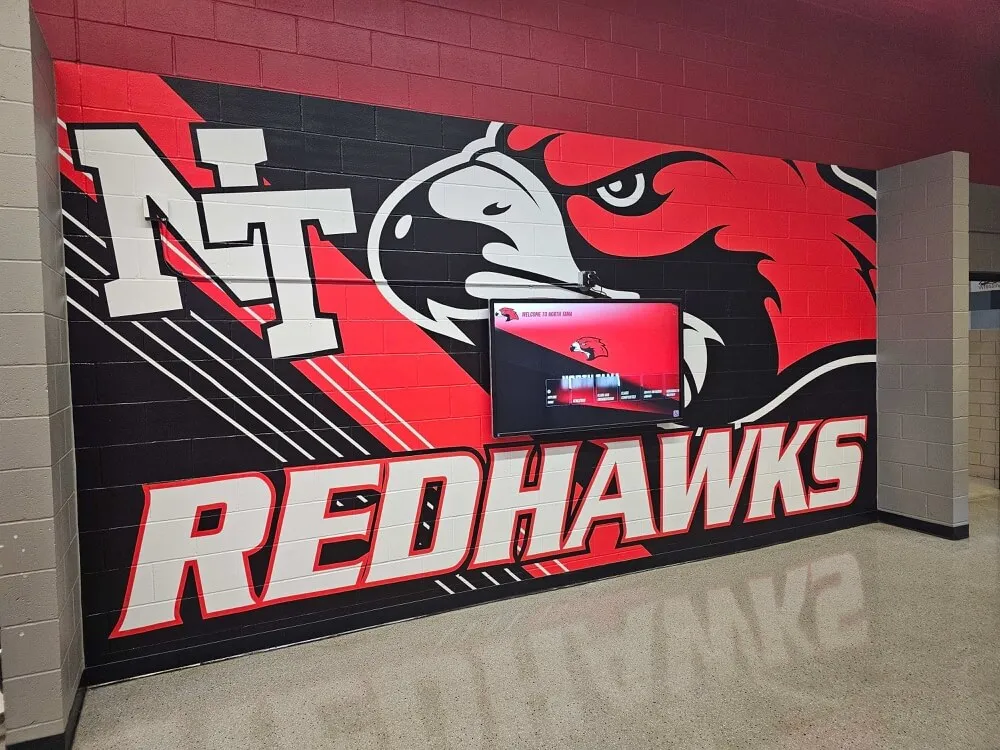
Modern recognition displays celebrate Eagle Scouts alongside other community achievements, preserving these important accomplishments for future generations
Defining Eagle Scout: The Highest Boy Scouts Rank
Eagle Scout is the highest advancement rank in Boy Scouts of America, requiring Scouts to complete extensive requirements demonstrating leadership, outdoor skills, citizenship, personal fitness, and community service commitment.
Historical Context and Significance
Origins and Evolution
The Eagle Scout rank was established in 1911, making it one of America’s oldest youth achievement recognitions. According to Boy Scouts of America, more than 2.7 million Scouts have earned Eagle Scout rank since the program’s inception—representing roughly 6% of all Scouts who have participated in the program over the past century.
This low percentage immediately signals the achievement’s selectivity and difficulty. Unlike many youth programs where majority participation leads to highest recognition, Eagle Scout demands sustained excellence across multiple years and diverse skill areas.
Cultural Recognition and Prestige
Eagle Scout carries unique recognition in American culture:
- Professional advantage: Many employers specifically recruit Eagle Scouts, recognizing the leadership and commitment the rank represents
- Military recognition: All branches of U.S. military services offer advanced rank to Eagle Scouts upon enlistment
- College admission weight: University admission officers recognize Eagle Scout as significant leadership achievement
- Network connections: Eagle Scout alumni associations provide mentorship and professional networking across industries
- Lifetime distinction: Unlike many youth achievements, Eagle Scout remains meaningful credential throughout adulthood
Who Can Become an Eagle Scout?
Eligibility Requirements
According to official Boy Scouts of America requirements, Scouts must:
- Be registered as active Boy Scout or Varsity Scout members
- Demonstrate Scout Spirit through living the Scout Oath and Law in daily life
- Earn required merit badges and rank advancements
- Serve in troop leadership positions for specified periods
- Complete an approved service project demonstrating leadership
- Pass a board of review assessment
- Complete all requirements before 18th birthday (with limited extensions for special circumstances)
Age Timeline Considerations
Most Eagle Scouts complete requirements between ages 14-17, though timeline varies significantly based on:
- When Scout first joined Boy Scouts (typically ages 10-11)
- Pace of merit badge and rank advancement
- Time required to plan and complete Eagle Scout service project
- Individual commitment level and outside activity involvement
- Troop culture and advancement support systems
The 18th birthday deadline creates urgency that teaches valuable lessons about goal-setting, time management, and sustained effort toward long-term objectives.
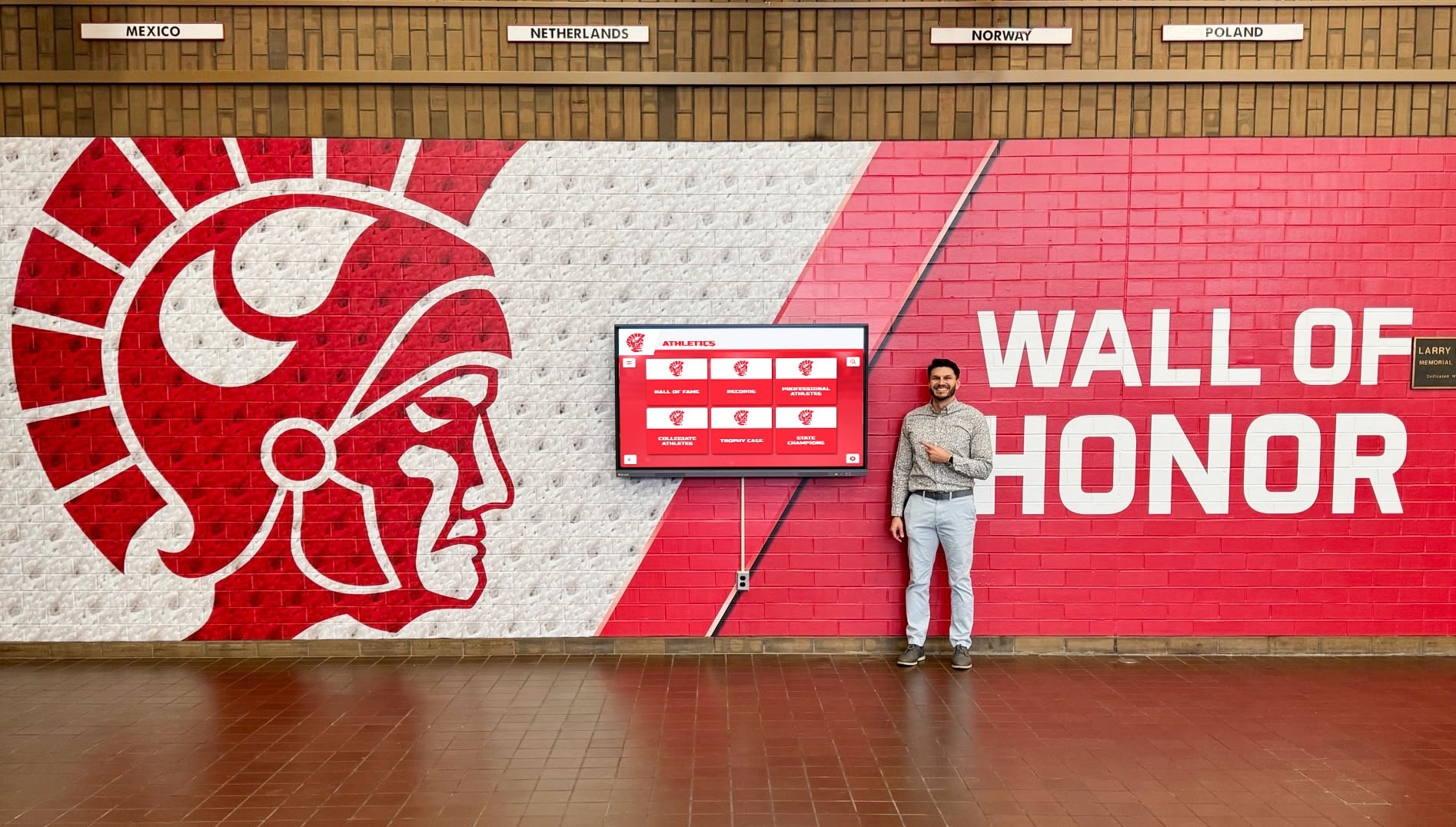
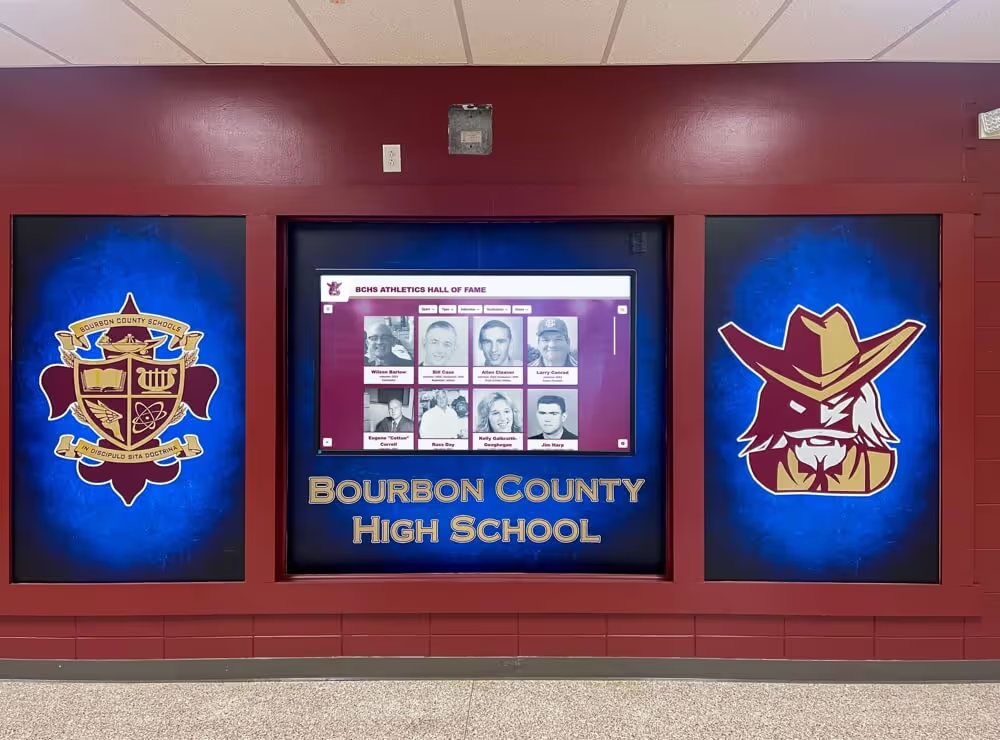
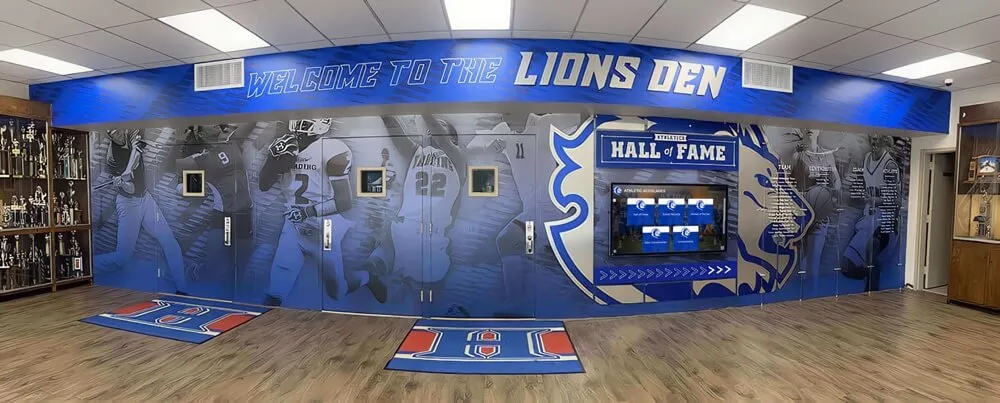
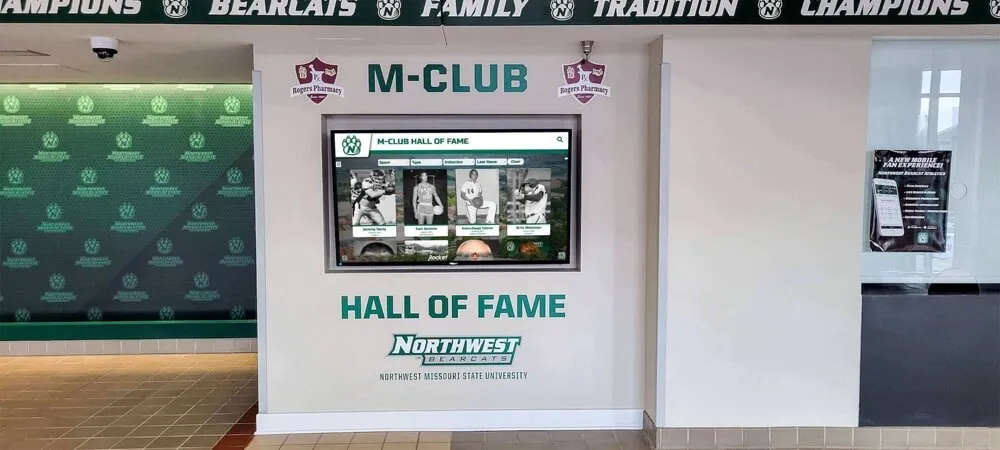
Schools and community organizations increasingly recognize Eagle Scouts through permanent displays celebrating local achievement
The Eagle Scout Requirements: What It Takes to Earn This Rank
Understanding specific requirements illuminates why Eagle Scout represents such significant accomplishment.
Rank Advancement Progression
Before attempting Eagle Scout, Scouts must complete all preceding ranks:
Required Rank Progression
- Scout Rank: Entry-level demonstrating basic skills and Scout Law understanding
- Tenderfoot: Outdoor skills including camping, cooking, and first aid basics
- Second Class: Advanced camping skills and physical fitness requirements
- First Class: Leadership development beginning and expanded outdoor competencies
- Star Rank: Merit badge focus begins, plus leadership service requirements
- Life Rank: Additional merit badges and extended leadership position requirements
Each rank builds upon previous accomplishments, creating cumulative skill development over several years. According to Boy Scouts of America data, average time from joining Scouts to earning Eagle Scout is 5-6 years, though some exceptional Scouts complete requirements more quickly.
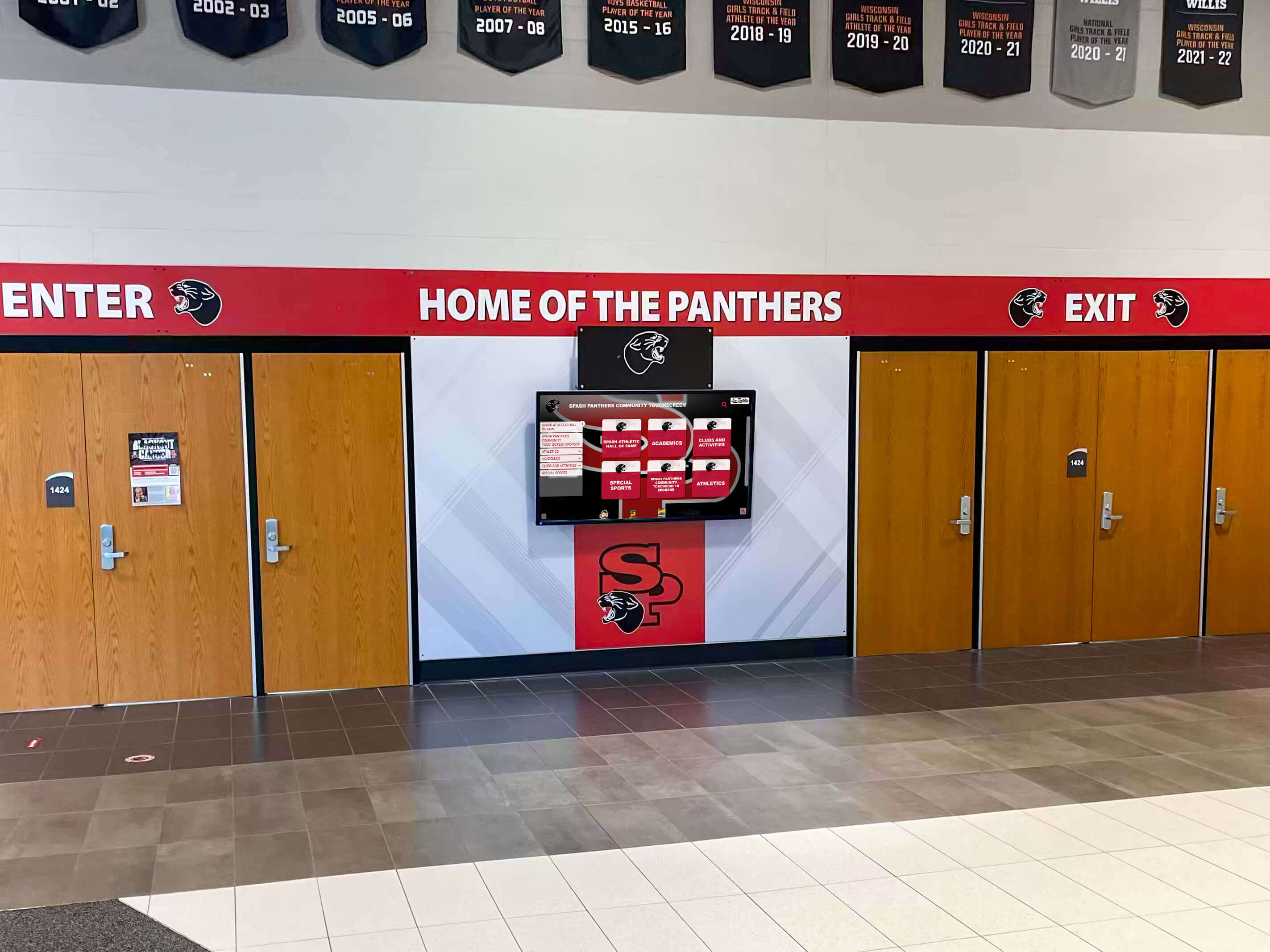
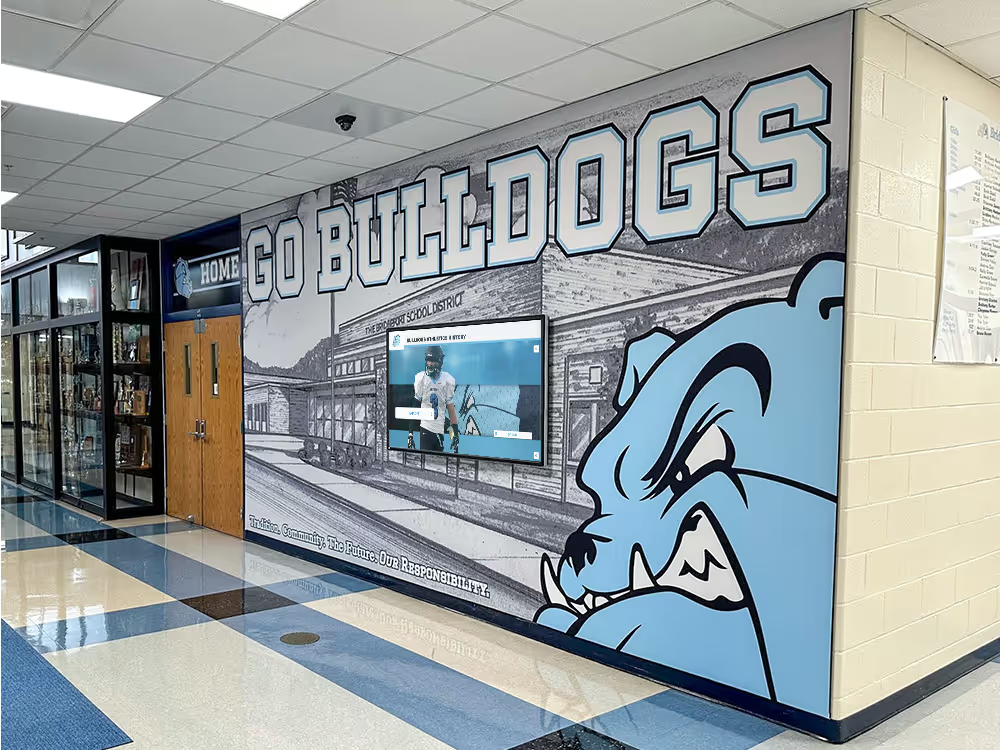
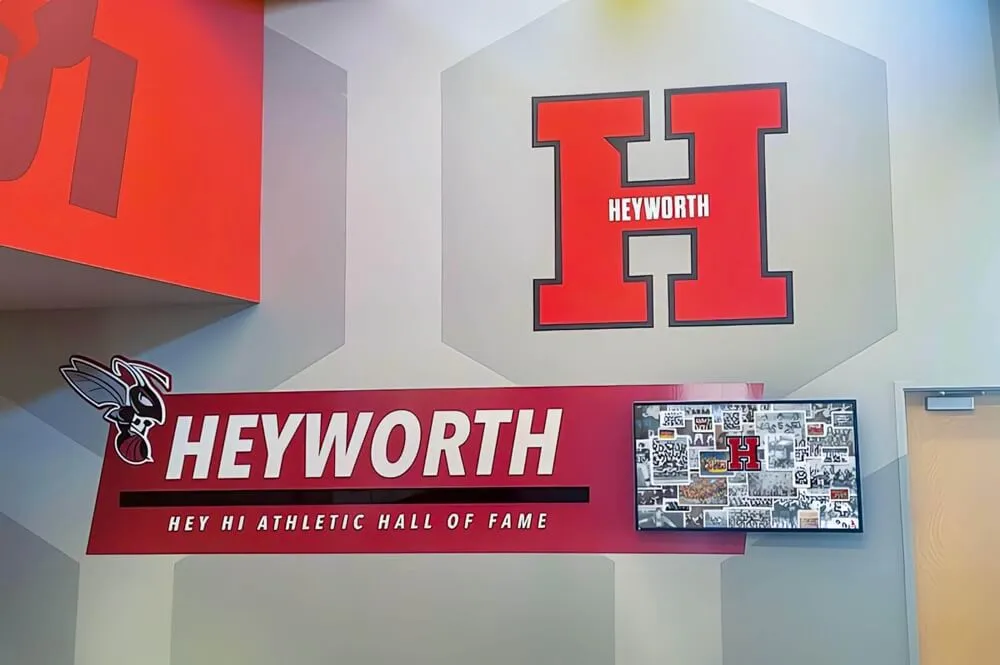
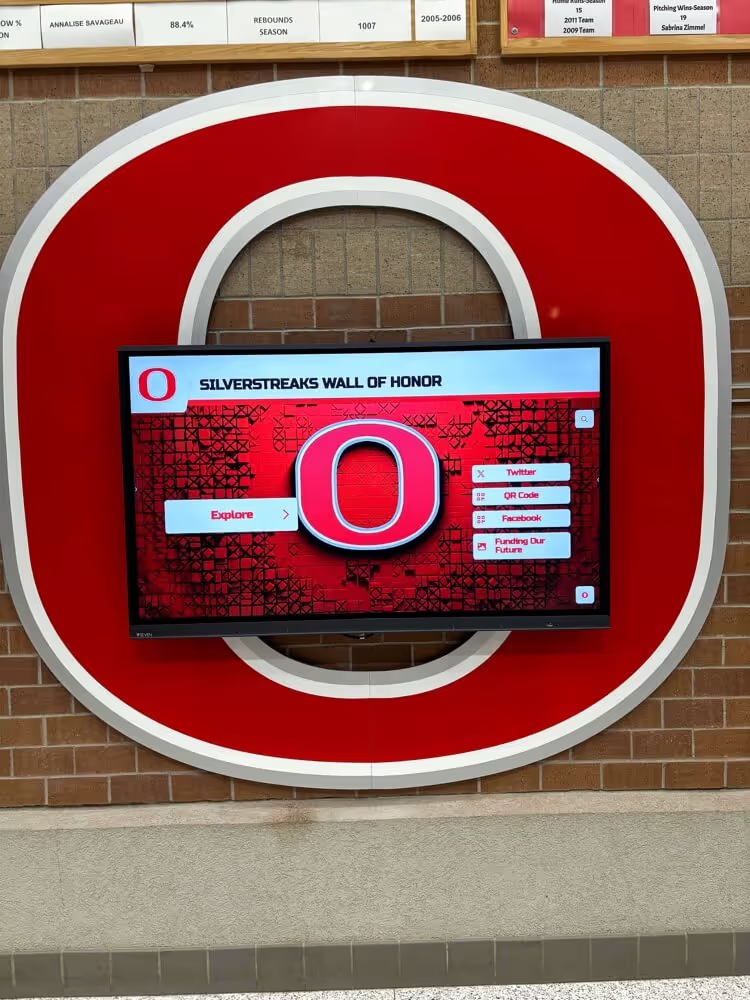
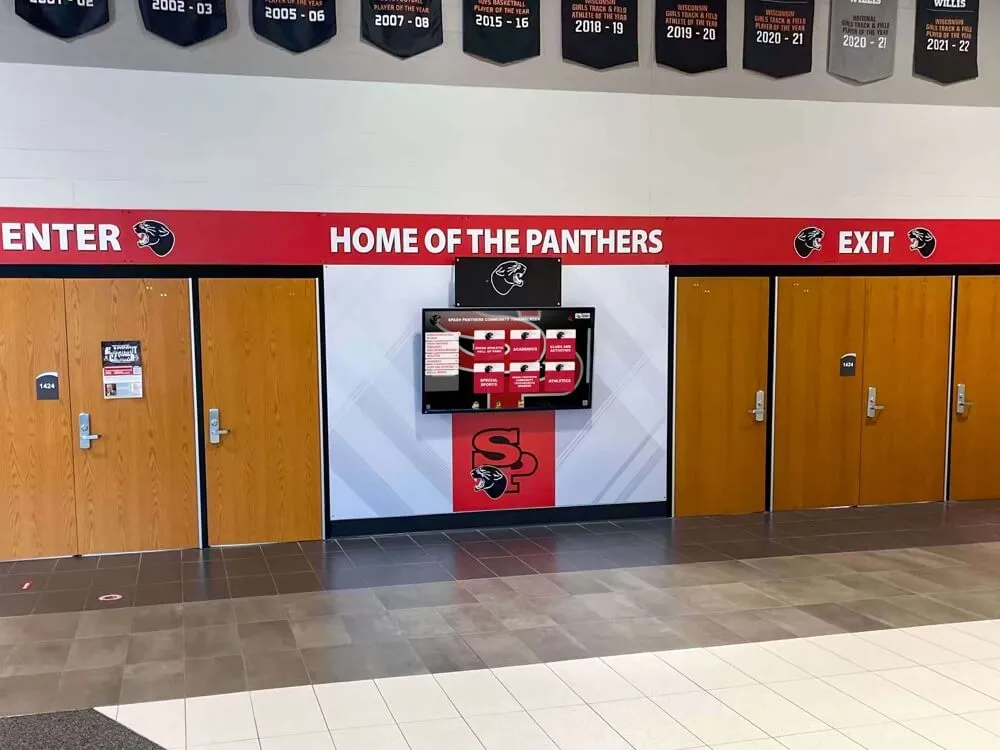
Prominent entrance displays ensure Eagle Scouts and other achievements receive ongoing recognition from students, families, and community members
Merit Badge Requirements
Eagle Scout requires earning minimum 21 merit badges, including 14 specifically designated as required:
Required Merit Badges for Eagle Scout
- First Aid: Emergency response and medical care skills
- Citizenship in the Community: Local civic engagement understanding
- Citizenship in the Nation: Federal government and national issues knowledge
- Citizenship in the World: International relations and global awareness
- Communication: Public speaking, writing, and effective communication development
- Cooking: Meal planning, nutrition, and food preparation skills
- Personal Fitness: Physical health, exercise, and lifestyle habits
- Emergency Preparedness OR Lifesaving: Crisis response capabilities
- Environmental Science OR Sustainability: Environmental stewardship understanding
- Personal Management: Financial literacy and resource management
- Swimming OR Hiking OR Cycling: Physical fitness and outdoor recreation
- Camping: Extended outdoor skills and wilderness experiences
- Family Life: Relationship skills and family dynamics understanding
Additional 7 merit badges come from Scout’s choice among 130+ available options, allowing personalization around individual interests.
Merit badges require significant effort beyond simple attendance. Each badge involves multiple requirements including research, skill demonstration, project completion, and expert consultation. Some badges require months to complete, such as Personal Fitness (12-week physical activity log) and Personal Management (13-week budget tracking).
Leadership Service Requirements
Eagle Scout requires demonstrated leadership through troop position responsibilities:
Minimum Leadership Positions
Scouts must serve minimum 6 months in designated leadership position while Star Scout or higher. Acceptable positions include:
- Senior Patrol Leader coordinating troop activities and leadership development
- Assistant Senior Patrol Leader supporting overall troop leadership
- Patrol Leader directly leading patrol of 6-8 younger Scouts
- Troop Guide mentoring new Scout patrol
- Order of the Arrow Representative connecting troop with honor society
- Librarian managing troop resource materials
- Instructor teaching skills to other Scouts
- Various other designated positions demonstrating responsibility
These positions develop real leadership skills as Scouts plan activities, resolve conflicts, mentor younger members, and coordinate complex group initiatives—not simply “holding titles” but actively leading peers.

Comprehensive recognition programs celebrate Eagle Scouts alongside [athletic achievements](https://best-touchscreen.com/blog/sports-banquet-ideas/?utm_source=organic&utm_medium=seo-auto&utm_content=digital-trophy-case&utm_campaign=what-is-an-eagle-scout&utm_term=seo) and academic honors
The Eagle Scout Service Project: Defining Requirement
The Eagle Scout service project represents the most challenging and distinctive requirement—a comprehensive leadership demonstration that separates Eagle Scout from all other advancement ranks.
What the Eagle Project Entails
Project Definition and Scope
According to Boy Scouts of America guidelines, the Eagle Scout service project must:
- Provide meaningful benefit to religious institution, school, or community organization
- Demonstrate significant leadership by Scout planning, developing, and leading others
- Require minimum hours of work by others under Scout’s leadership (typically 100+ total hours)
- Receive advance approval from benefiting organization and Scout council
- Include detailed written project proposal and workbook completion
- Result in sustainable, lasting benefit (not temporary or consumable outcomes)
The project must be Scout’s own initiative and leadership—not simply participating in someone else’s existing project or completing pre-planned work.
Planning Phase Requirements
Before any physical work begins, Scouts must:
- Identify appropriate benefiting organization and secure formal approval
- Research project thoroughly, including materials, costs, and coordination needs
- Develop detailed project plan including timeline, budget, and personnel requirements
- Create fundraising strategy if project requires financial resources
- Submit comprehensive proposal for formal approval by multiple reviewing bodies
- Revise proposal based on feedback until receiving final authorization
This planning phase often takes 2-4 months, teaching project management, stakeholder communication, and iterative improvement—valuable real-world skills beyond the physical project execution.
Execution and Leadership Demonstration
Active Leadership Requirements
During project execution, Eagle Scout candidates must demonstrate genuine leadership:
- Recruit and coordinate volunteer workers (often 15-30+ people)
- Communicate clear instructions and expectations to diverse skill levels
- Solve unexpected problems and adapt plans as challenges emerge
- Ensure safety compliance throughout project activities
- Maintain positive team morale and motivation across multiple work sessions
- Document hours, expenditures, and outcomes for final reporting
The Scout cannot simply participate in work—they must actively lead others while often doing relatively little physical labor themselves, forcing development of delegation, supervision, and management capabilities.
Common Eagle Scout Project Examples
Typical projects include:
- Building playground equipment or outdoor learning spaces for schools
- Creating hiking trails or conservation projects for parks
- Constructing accessibility improvements for community facilities
- Organizing collection drives for food banks, shelters, or disaster relief
- Developing educational materials or program resources for nonprofit organizations
- Installing memorial gardens or recognition spaces honoring community members
- Renovating facilities for religious institutions or community centers
Projects range dramatically in scope, but all require demonstrating genuine leadership while providing lasting community benefit.
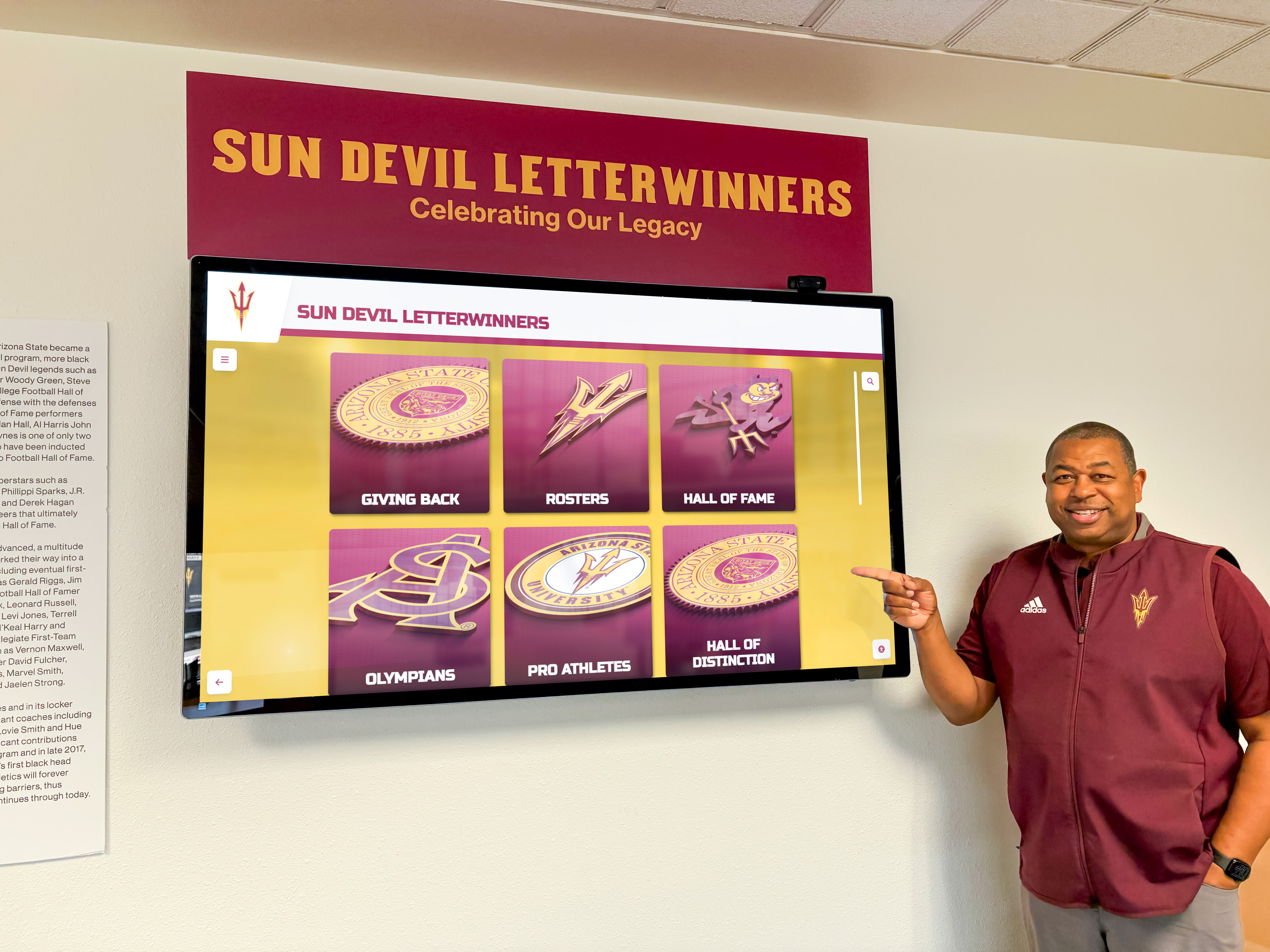
Recognition displays can showcase Eagle Scout projects alongside other [community service achievements](https://best-touchscreen.com/blog/donor-recognition-wall-ideas/?utm_source=organic&utm_medium=seo-auto&utm_content=digital-trophy-case&utm_campaign=what-is-an-eagle-scout&utm_term=seo)
Post-Project Documentation and Review
After completing physical work, additional requirements include:
- Final project workbook completion documenting hours, costs, and outcomes
- Reflection essays analyzing leadership lessons and personal growth
- Photographs and documentation evidencing project completion and impact
- Thank-you communications to volunteers, donors, and benefiting organizations
- Final project review ensuring all components met requirements
This documentation phase reinforces that Eagle Scout demands follow-through and accountability—not just initial enthusiasm but sustained commitment through project conclusion and evaluation.
The Eagle Scout Board of Review: Final Assessment
After completing all requirements, Eagle Scout candidates face a final board of review—a rigorous interview examining the Scout’s journey, character, and understanding.
Board Composition and Purpose
Review Panel Structure
Boards of review typically include:
- District or council representatives (not from Scout’s own troop)
- Community leaders providing external perspective
- Often 3-6 experienced adults conducting comprehensive interview
- Emphasis on character assessment, not just requirement verification
Unlike earlier rank boards of review conducted by troop leaders who know the Scout well, Eagle Scout boards intentionally involve unfamiliar adults, creating more formal interview experience.
Assessment Focus Areas
Board members explore:
- Scout’s understanding of Scout Oath and Law application in daily life
- Leadership development and specific examples of growth across Scouting career
- Eagle Scout service project planning, execution, challenges, and lessons learned
- Merit badge experiences and how various skills connect to future goals
- Personal character, integrity, and commitment demonstration
- Plans for continued service and leadership beyond Eagle Scout
This interview can last 30-90 minutes, requiring candidates to articulate complex experiences, reflect on personal growth, and demonstrate maturity.
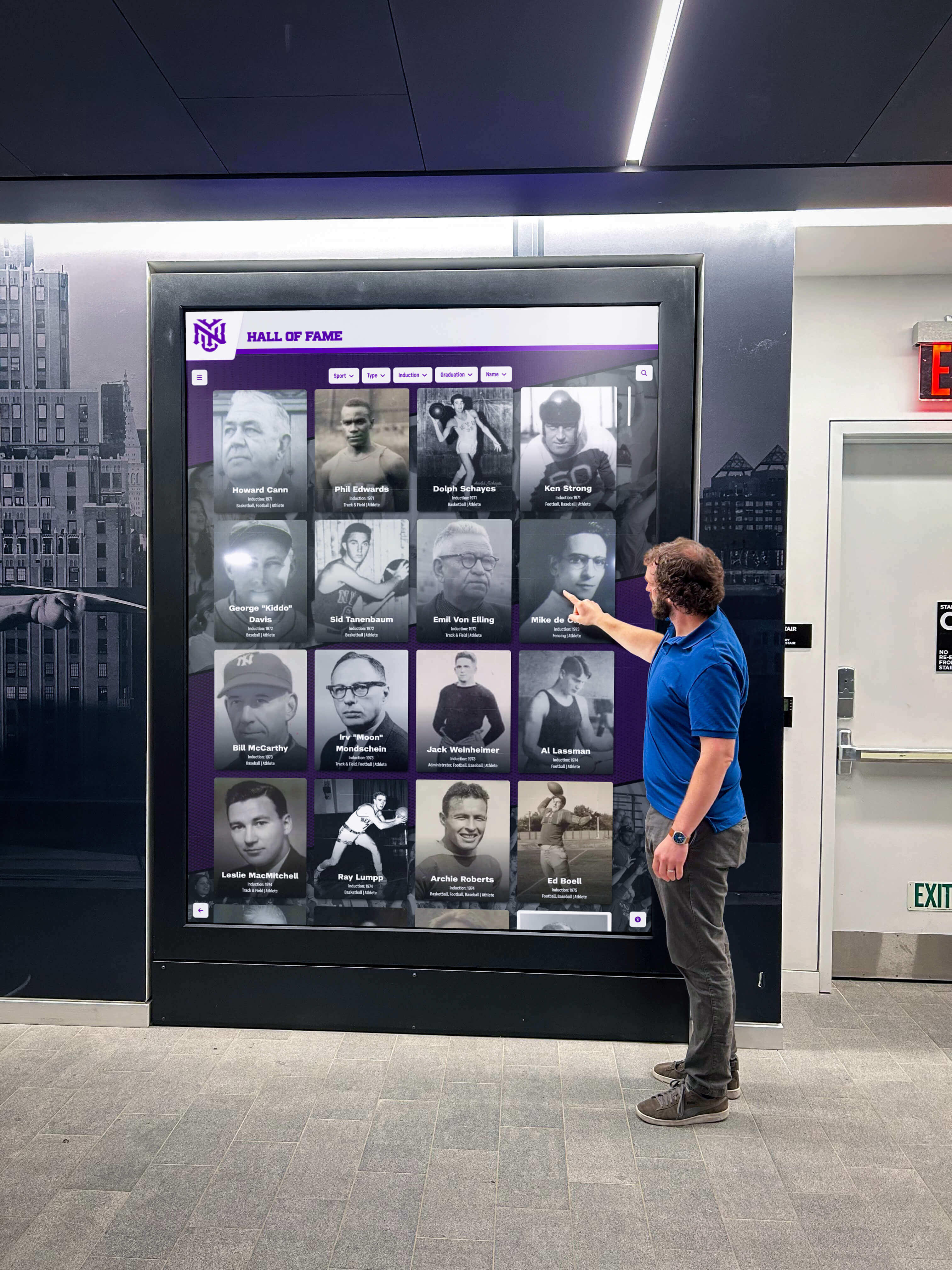
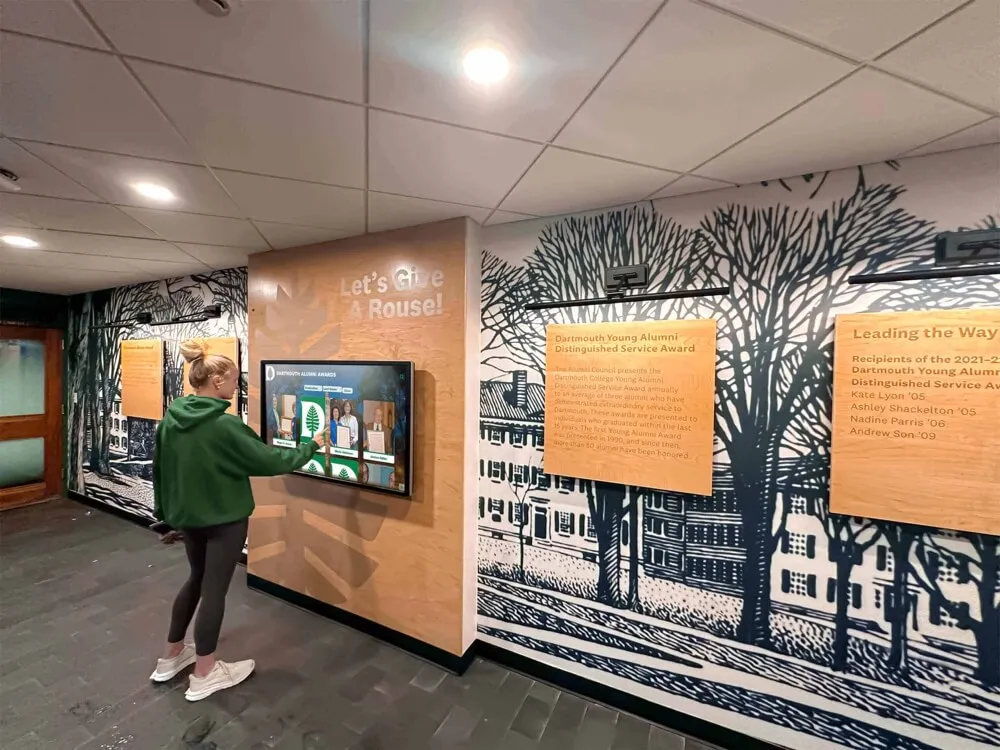
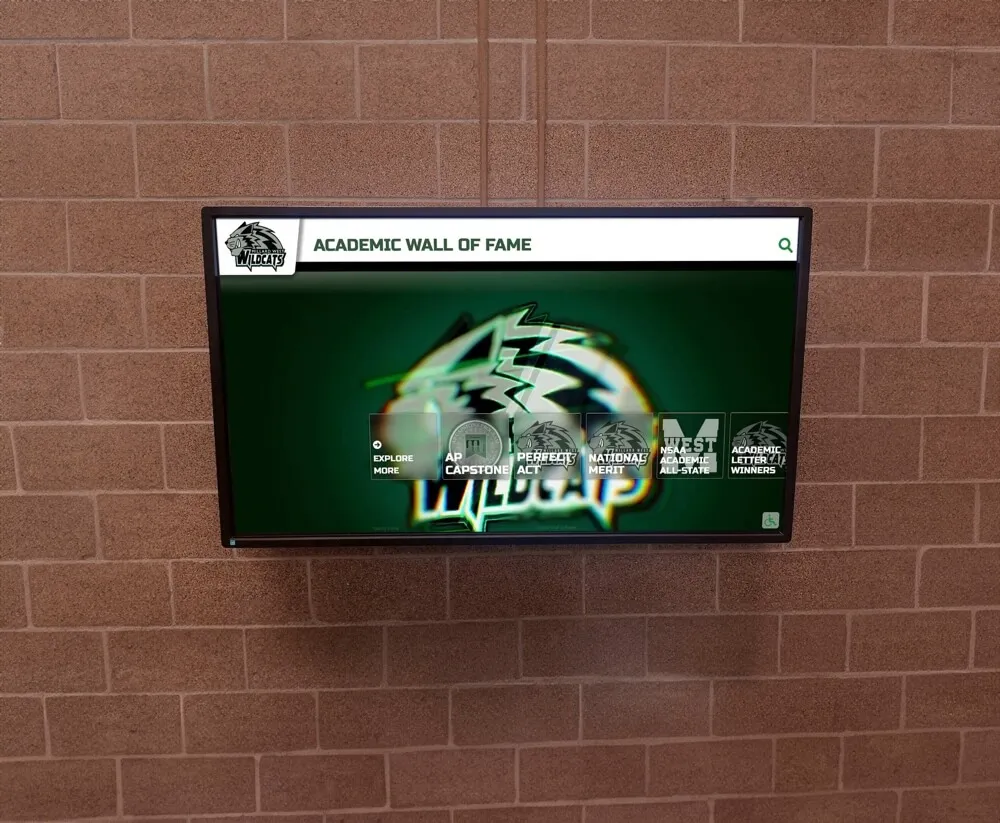
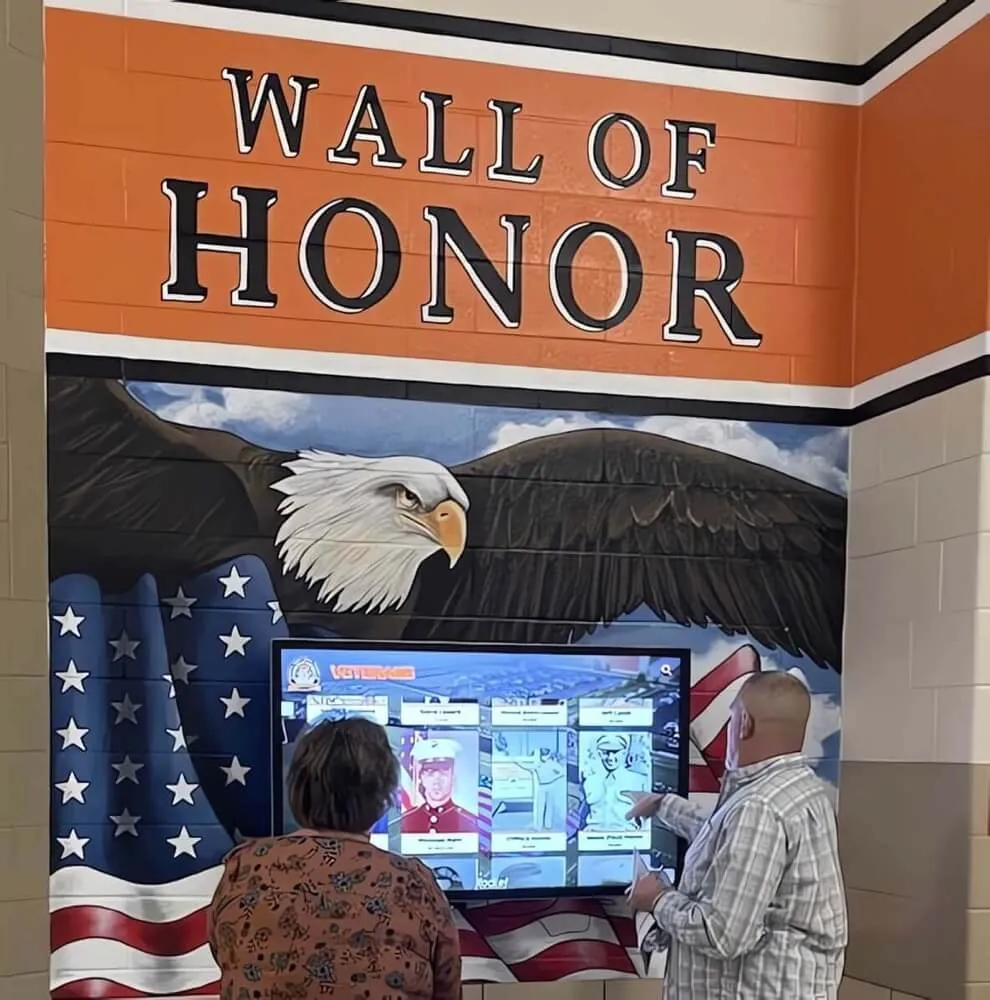
Interactive displays enable detailed exploration of Eagle Scout accomplishments and service project impacts
Potential Outcomes and Next Steps
Review Results
Boards of review can:
- Approve Scout’s Eagle rank, congratulating completion of all requirements
- Request additional information or clarification before final approval
- Identify deficiencies requiring correction before approval
- In rare cases, deny advancement if serious character or requirement concerns emerge
Approval rates are high for candidates reaching this stage, as extensive prior reviews typically identify issues earlier. However, boards take assessment seriously, reinforcing that Eagle Scout represents genuine accomplishment rather than automatic progression.
Recognition Ceremony Planning
After board approval, families and troops typically plan Eagle Scout Court of Honor ceremonies celebrating achievement:
- Formal presentations recognizing Scout’s accomplishment and journey
- Adult leaders, family members, and friends sharing reflections on Scout’s growth
- Presentation of Eagle Scout medal, certificate, and rank insignia
- Often mentor or parent presentations of special recognitions
- Community acknowledgment of service project impact
- Celebration bringing together people who supported Scout’s development
These ceremonies create meaningful milestone moments acknowledging years of sustained effort and achievement.
Why Eagle Scout Matters: Long-Term Impact and Recognition
Understanding Eagle Scout’s enduring significance helps explain why this youth achievement receives exceptional recognition throughout recipients’ lives.
Professional and Educational Advantages
Career Benefits
Eagle Scout provides tangible professional advantages:
- Preferential hiring: Many employers, particularly in engineering, military, public service, and technology sectors, actively recruit Eagle Scouts
- Leadership credibility: Eagle Scout demonstrates proven leadership at young age, differentiating candidates in competitive job markets
- Network access: Eagle Scout alumni associations provide mentorship and professional connections across industries
- Character signal: Employers understand Eagle Scout required sustained commitment, integrity, and follow-through over multiple years
According to research from the Merit Badge Research Institute, Eagle Scouts report higher career satisfaction, faster advancement, and increased leadership positions compared to demographic controls.

Eagle Scouts often excel in athletics and academics, meriting inclusion in comprehensive [achievement recognition displays](https://best-touchscreen.com/blog/athletic-hall-of-fame-complete-guide-for-school-admin/?utm_source=organic&utm_medium=seo-auto&utm_content=digital-trophy-case&utm_campaign=what-is-an-eagle-scout&utm_term=seo)
Educational Recognition
Colleges and universities recognize Eagle Scout significance:
- Scholarship opportunities specifically for Eagle Scouts from various organizations
- Enhanced college applications demonstrating sustained leadership and commitment
- Admission officers weighting Eagle Scout alongside academic achievements
- ROTC programs offering advanced standing and opportunities
- Many universities specifically asking about Eagle Scout status on applications
Military Advancement
All U.S. military branches offer advancement benefits:
- Army: Enlist at E-3 rank (Private First Class) instead of E-1
- Navy: Advanced rank upon completion of basic training
- Air Force: Accelerated promotion timeline
- Marines: Advanced rank recognition
- Coast Guard: Preferential consideration and advanced standing
This recognition acknowledges leadership skills and maturity Eagle Scouts demonstrated before military service.
Character Development and Life Skills
Beyond credentials, Eagle Scout develops transferable capabilities:
Leadership Competencies
- Planning and executing complex multi-phase projects
- Recruiting, motivating, and managing diverse teams
- Solving unexpected problems under time and resource constraints
- Communicating effectively with stakeholders at various organizational levels
- Balancing competing priorities across school, activities, and Scouting
Personal Character Attributes
- Sustained commitment to long-term goals over multiple years
- Perseverance through challenges and setbacks
- Integrity and ethical decision-making in various contexts
- Service orientation and community contribution mindset
- Self-discipline and time management across competing demands
These capabilities developed through Eagle Scout journey provide foundation for success in any career or life path.
Recognizing Eagle Scouts in Communities and Schools
Communities, schools, and organizations increasingly implement formal recognition programs honoring local Eagle Scouts.
Why Communities Should Recognize Eagle Scouts
Community Benefit Recognition
Eagle Scout service projects provide tangible community improvements:
- Infrastructure enhancements like trails, playgrounds, and facilities
- Educational resources for schools, libraries, and community organizations
- Conservation and environmental restoration projects
- Support for vulnerable populations through various service initiatives
- Enhanced community spaces improving quality of life
Recognizing these contributions acknowledges meaningful impact while encouraging future community service.

School hallways provide ideal locations for [permanent Eagle Scout recognition](https://best-touchscreen.com/blog/what-is-honor-roll/?utm_source=organic&utm_medium=seo-auto&utm_content=digital-trophy-case&utm_campaign=what-is-an-eagle-scout&utm_term=seo) alongside academic and athletic achievements
Inspiring Future Achievement
Visible recognition of Eagle Scouts:
- Creates aspirational examples for younger Scouts pursuing Eagle rank
- Demonstrates community values around service and leadership
- Builds institutional culture celebrating achievement and contribution
- Encourages continued civic engagement from recognized individuals
- Strengthens connections between youth and community organizations
Traditional Recognition Approaches
Common Recognition Methods
Communities typically honor Eagle Scouts through:
- Proclamations or certificates from local government officials
- Recognition during city council or school board meetings
- Newspaper features highlighting achievement and service projects
- Plaques or name displays in community centers or Scout facilities
- Letters of congratulations from elected officials and community leaders
- Special recognition during Scout advancement ceremonies
These approaches provide meaningful acknowledgment, though often temporary or limited in ongoing visibility.
Modern Digital Recognition Solutions
Limitations of Physical Displays
Traditional trophy cases and plaque walls face inherent constraints:
- Limited physical space requiring difficult choices about whose achievements display
- Static presentations providing minimal information beyond names and dates
- Maintenance challenges as physical displays deteriorate over time
- Difficult access for alumni wanting to revisit their recognition
- Space constraints preventing comprehensive local Eagle Scout history preservation

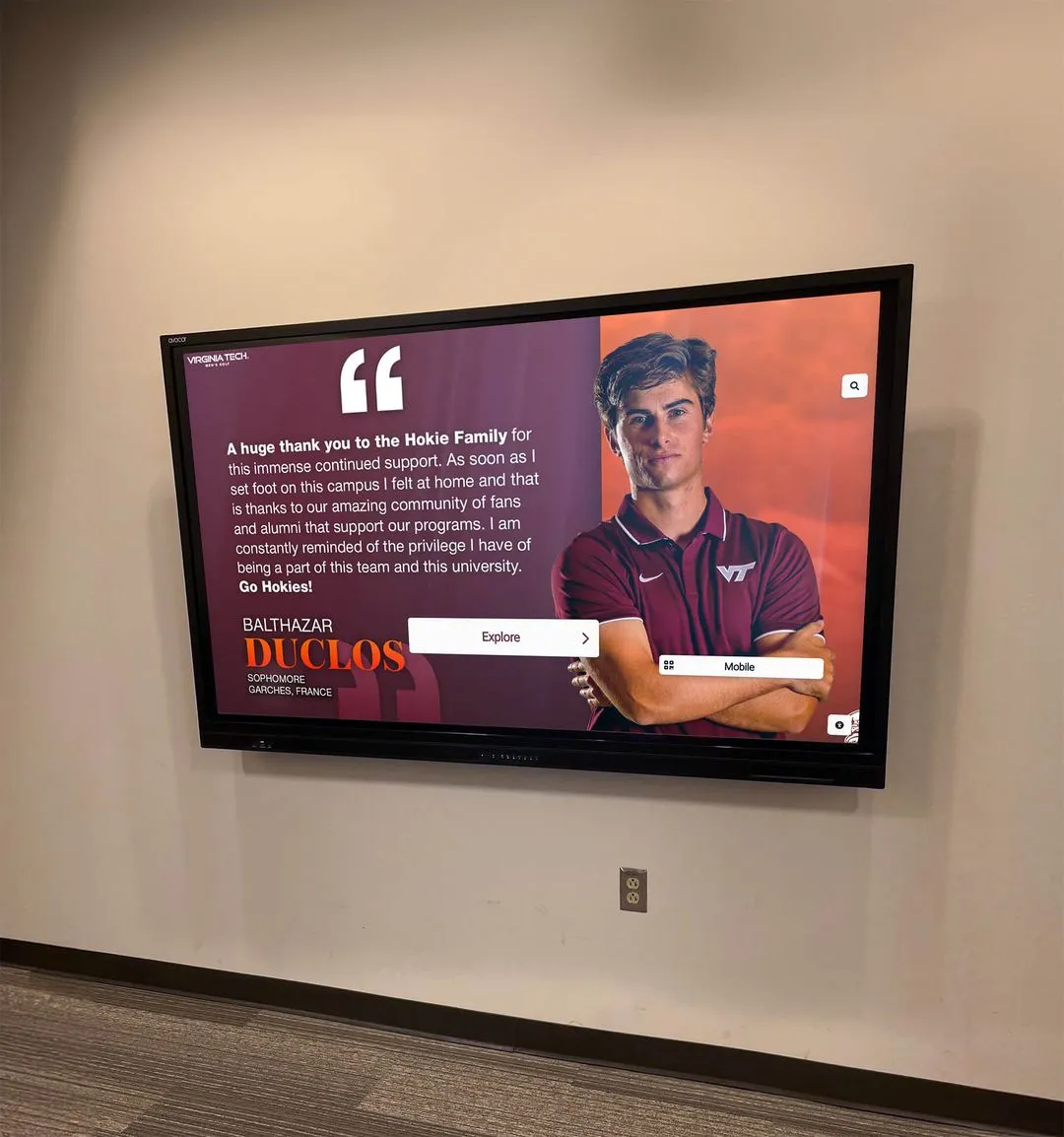
Mobile-accessible recognition enables Eagle Scouts and families to explore achievements from anywhere, sharing accomplishments widely
Digital Display Advantages
Modern recognition platforms like Rocket Alumni Solutions provide comprehensive alternatives:
- Unlimited capacity: Showcase every local Eagle Scout across decades without space constraints
- Rich storytelling: Include detailed Eagle Scout project descriptions, photos, and achievement documentation
- Interactive exploration: Enable students and visitors to search and explore Eagle Scout history
- Easy updates: Add new Eagle Scouts through simple cloud-based management without physical modifications
- Permanent preservation: Maintain comprehensive archives preserving community history
- Web accessibility: Extend recognition reach beyond physical locations through online directories
Schools and community organizations implementing digital recognition displays report significantly higher engagement and community pride compared to traditional static approaches.
Comprehensive Recognition Integration
Effective programs position Eagle Scout recognition within broader achievement celebration:
- Showcase Eagle Scouts alongside academic honors, athletic achievements, and arts recognition
- Create unified recognition systems celebrating diverse forms of excellence
- Connect Eagle Scout service projects with benefiting organizations through integrated displays
- Maintain historical archives showing decades of community leadership development
- Enable searchable databases helping mentorship connections between current Scouts and Eagle Scout alumni
This integrated approach ensures Eagle Scouts receive appropriate acknowledgment while maintaining perspective that multiple achievement pathways deserve celebration.

Comprehensive lobby displays celebrate Eagle Scouts within broader recognition programs honoring diverse student achievements
Supporting Scouts on the Eagle Scout Journey
Understanding how communities, schools, and families can support Scouts pursuing Eagle rank helps more young people achieve this significant goal.
Creating Supportive Environments
School and Community Support
Organizations can facilitate Eagle Scout success by:
- Providing accessible service project opportunities at schools, parks, and community facilities
- Offering meeting spaces for troop activities and Eagle project planning
- Connecting Scouts with subject matter experts for merit badge counseling
- Publicizing Eagle Scout service projects to recruit volunteers and donors
- Recognizing Eagle Scout achievement through formal acknowledgment programs
- Maintaining relationships with local Scout troops through partnership agreements
These support systems reduce barriers Scouts face while emphasizing community investment in youth leadership development.
Family Support Strategies
Parents and guardians play crucial roles in Eagle Scout success:
- Encouraging sustained commitment through inevitable challenges and setbacks
- Providing logistical support for meetings, camping, and service projects without taking over responsibilities
- Helping Scouts maintain perspective when advancement feels overwhelming
- Celebrating incremental progress rather than focusing exclusively on final Eagle rank
- Connecting Scouts with mentors and resources when specialized knowledge needed
- Reinforcing that Eagle Scout pursuit develops valuable life skills beyond the rank itself
The most successful Eagle Scouts typically have families balancing active support with expectations that Scouts drive their own advancement.

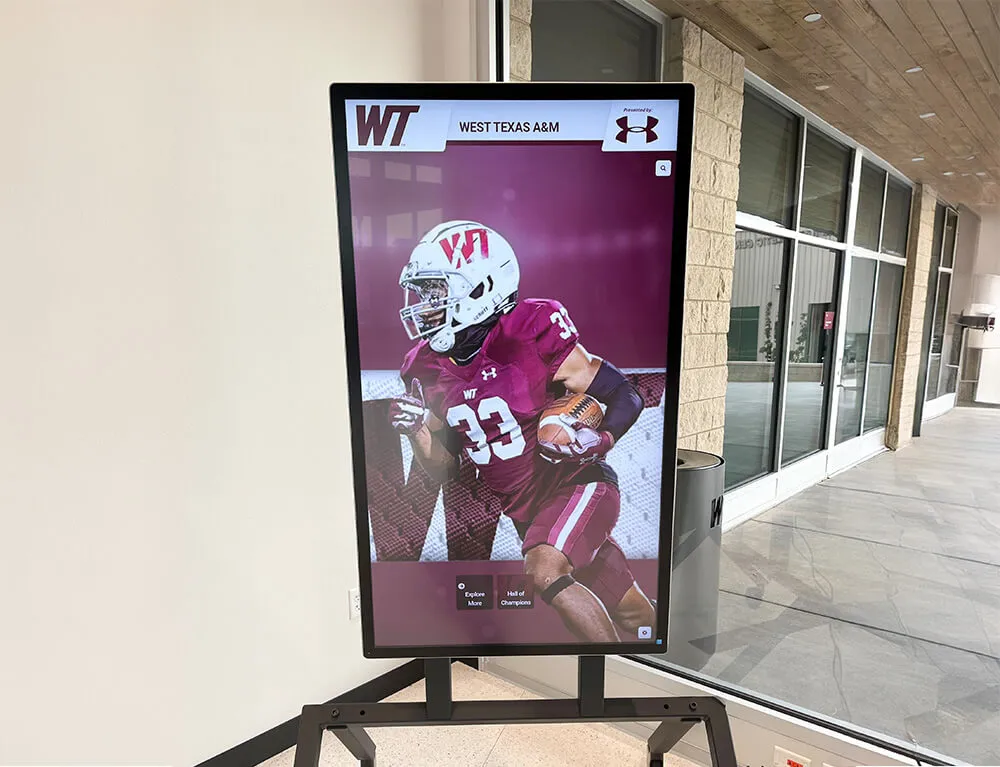
Touchscreen recognition displays enable detailed Eagle Scout profiles showcasing service project impacts and personal accomplishments
Addressing Common Challenges
Time Management Issues
Many Scouts struggle balancing:
- Academic demands increasing in high school
- Athletic commitments consuming significant weekly hours
- Other extracurricular activities and social obligations
- Part-time employment for older Scouts
- Family responsibilities and personal relationships
Solutions include strategic planning starting Eagle Scout project early (15-16 years old), front-loading merit badge completion, and maintaining consistent small progress rather than waiting for “free time” that may never materialize.
Eagle Project Scope Management
Scouts often face challenges with:
- Over-ambitious projects impossible to complete within reasonable timeframes
- Insufficient planning leading to material shortages or coordination failures
- Difficulty recruiting and managing adequate volunteers
- Unforeseen obstacles threatening project completion before 18th birthday
Successful Scouts work closely with adult advisors to right-size projects, develop comprehensive backup plans, and begin execution with adequate time buffers before birthday deadlines.
Eagle Scout Statistics and Demographics
Understanding who earns Eagle Scout and completion patterns provides context for this achievement’s selectivity.
Achievement Rates and Timeline
National Statistics
According to Boy Scouts of America:
- Approximately 6% of all Scouts who join Boy Scouts achieve Eagle rank
- Over 2.7 million total Eagle Scouts since rank creation in 1911
- Approximately 50,000-60,000 new Eagle Scouts annually in recent years
- Average age at Eagle Scout achievement: 16-17 years old
- Average time from joining Scouts to Eagle Scout completion: 5-6 years
Demographic Considerations
Eagle Scout achievement varies across:
- Geographic regions with different Scouting culture and troop strength
- Socioeconomic factors affecting access to Scouting programs and resources
- Community support levels for youth programs and service project facilitation
- Troop quality and adult leader engagement driving advancement culture
- Individual family emphasis on Scouting participation and achievement
Communities with strong Scouting traditions and supportive infrastructure typically see higher Eagle Scout achievement rates from participating Scouts.

Prominent hallway displays ensure Eagle Scouts receive daily recognition alongside [school athletic records](https://best-touchscreen.com/blog/trophy-display-case-ideas/?utm_source=organic&utm_medium=seo-auto&utm_content=digital-trophy-case&utm_campaign=what-is-an-eagle-scout&utm_term=seo) and academic achievements
Notable Eagle Scout Alumni
Public Figures and Leaders
Eagle Scouts appear prominently across various fields:
- Multiple U.S. Presidents including Gerald Ford and former Eagle Scout Neil Armstrong
- Astronauts including Neil Armstrong (first person on the moon) and 39 additional space program participants
- Business leaders including former Walmart CEO Sam Walton and numerous Fortune 500 executives
- Military leaders across all service branches reaching highest ranks
- Politicians, judges, and civic leaders at all government levels
- Entertainment figures, athletes, and cultural leaders across industries
While correlation doesn’t prove causation, Eagle Scout alumni consistently appear in leadership positions across sectors.
The Future of Eagle Scout Recognition
Eagle Scout rank continues evolving to reflect changing society while maintaining core leadership and service emphasis.
Program Evolution and Adaptations
Recent Changes
Boy Scouts of America has implemented significant updates:
- Girls now eligible for all Scouting programs including Eagle Scout rank (beginning 2019)
- Increased emphasis on STEM merit badges reflecting technology importance
- Expanded merit badge options addressing contemporary issues
- Modified advancement timelines accommodating different participation patterns
- Enhanced project approval processes ensuring meaningful service project scope
These adaptations maintain Eagle Scout rigor while ensuring program relevance for current generations.
Ongoing Recognition Importance
Despite social changes, Eagle Scout recognition remains significant because:
- Sustained multi-year commitment increasingly rare in modern short-attention culture
- Leadership development programs for youth remain limited compared to academic activities
- Service project requirement teaches civic engagement more effectively than passive community service hours
- Merit badge diversity exposes Scouts to career fields and skills beyond typical school curriculum
- Character development emphasis addresses timeless leadership qualities transcending specific eras
Celebrate Eagle Scouts in Your Community
Discover how modern digital recognition solutions enable unlimited Eagle Scout displays, comprehensive service project documentation, and permanent celebration of these exceptional achievements. See how schools and community organizations are honoring Eagle Scouts with professional presentations that inspire current Scouts while preserving community leadership history.
Explore Recognition Solutions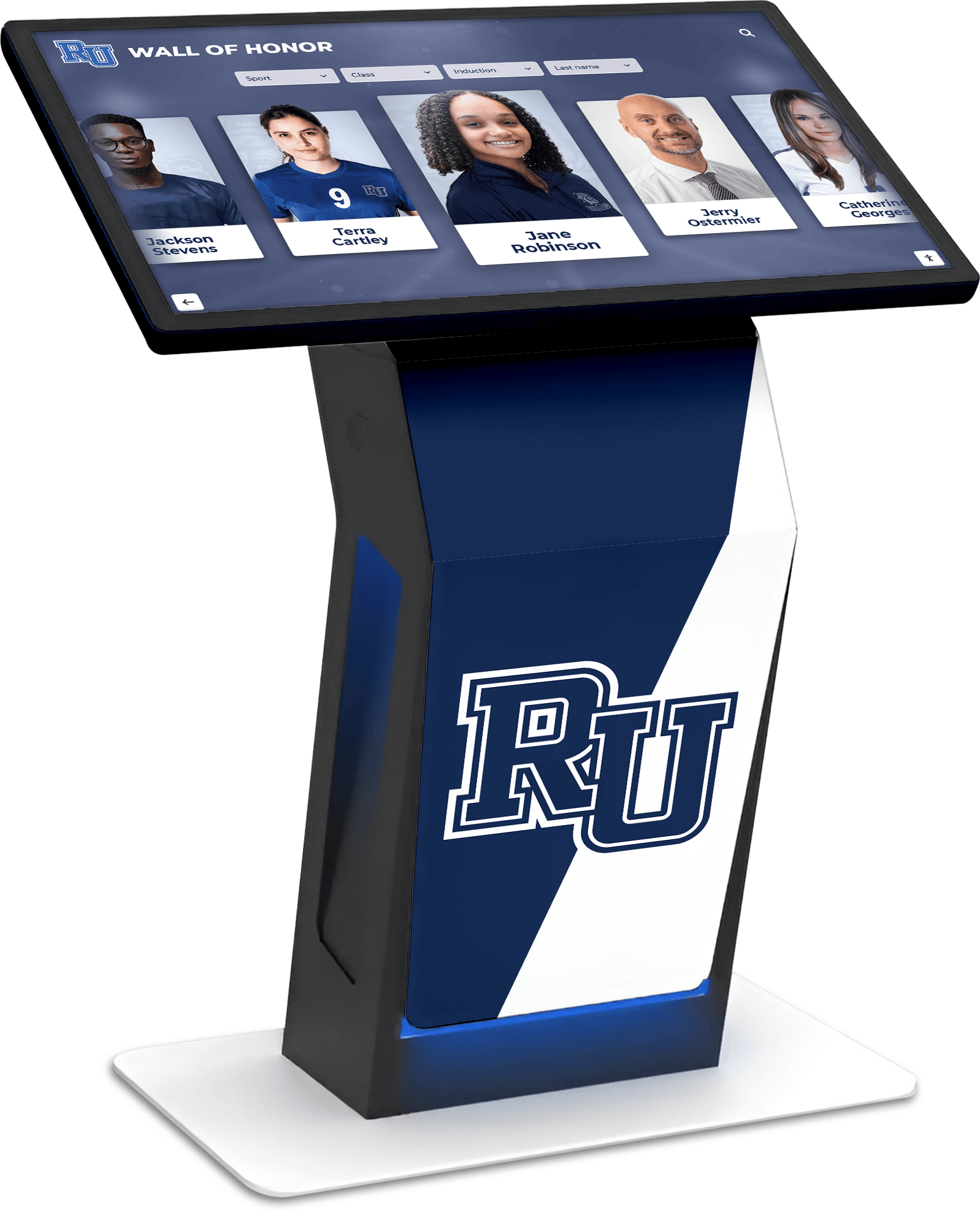
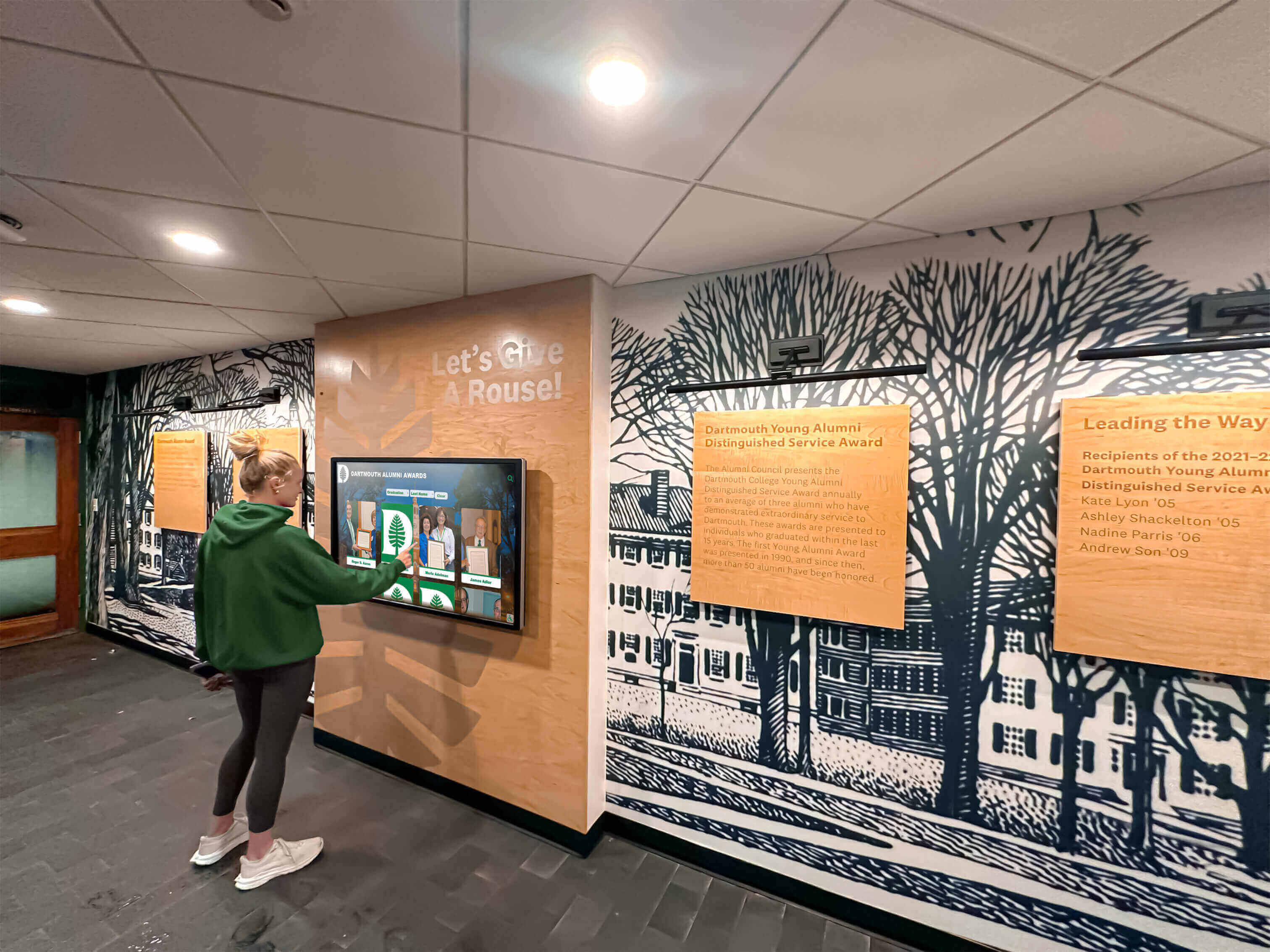
Interactive kiosks provide engaging platforms where communities explore [local Eagle Scout history](https://digitalwarming.net/blog/10-best-hall-of-fame-tools/?utm_source=organic&utm_medium=seo-auto&utm_content=digital-trophy-case&utm_campaign=what-is-an-eagle-scout&utm_term=seo) and service project impacts
Conclusion: Understanding and Honoring Eagle Scout Achievement
Eagle Scout represents far more than a youth program milestone—it signifies years of sustained leadership development, extensive service contribution, and demonstrated character that prepares young people for lifelong success. When someone mentions they’re an Eagle Scout, that simple statement conveys they completed rigorous advancement requirements, led significant community service projects, and demonstrated integrity and commitment worthy of recognition from one of America’s most selective youth achievement programs.
The comprehensive requirements explored in this guide—from merit badge diversity and leadership position responsibilities to the demanding Eagle Scout service project and final board of review—illustrate why fewer than 6% of Scouts achieve this rank despite years of participation. Eagle Scout demands sustained excellence across multiple competency areas over extended timeframes, developing capabilities that serve individuals and communities throughout recipients’ lives.
Communities, schools, and organizations recognizing Eagle Scouts appropriately honor not only individual achievement but also tangible community improvements these young leaders provide through their service projects. Modern digital recognition platforms enable comprehensive celebration that preserves decades of local Eagle Scout history while creating engaging displays inspiring current Scouts toward their own achievement.
As you encounter Eagle Scouts in your community—whether recent recipients or adults carrying this distinction from decades past—understanding the rigor behind this achievement helps you appreciate the dedication, leadership, and service excellence it represents. Supporting local Scouts pursuing Eagle rank, providing service project opportunities, and implementing appropriate recognition programs strengthens youth leadership development while building community connections spanning generations.
Eagle Scout achievement transforms individuals while benefiting communities. With comprehensive understanding of what Eagle Scout truly requires and appropriate recognition approaches celebrating these exceptional young leaders, we strengthen traditions that have developed American leaders for over a century while inspiring future generations toward their own service and achievement.