



Walk through most high school hallways and you’ll spot students proudly wearing letterman jackets adorned with chenille letters, patches, and pins celebrating athletic achievements. The varsity letter tradition is deeply embedded in American high school culture, instantly recognizable as a symbol of athletic excellence and team dedication. Yet a quieter parallel tradition exists in hundreds of schools nationwide—one that honors intellectual achievement with the same prestigious chenille letter recognition traditionally reserved for athletes.
Academic letters recognize students who demonstrate exceptional classroom performance, sustained scholarly excellence, or achievement in specific intellectual pursuits. Unlike athletic letters earned through sports participation, academic letters celebrate achievements like maintaining high honor roll status, excelling in Advanced Placement coursework, earning National Honor Society membership, or demonstrating outstanding performance in specific academic disciplines.
Many students—and even parents—remain unaware that academic letters exist as recognition options. Schools that offer them report that academic letter programs validate intellectual achievement with the same visible prestige athletics receives, create additional motivation for scholarly excellence, and provide tangible recognition that students can display on letter jackets, in shadow boxes, or through school-wide honor walls alongside their athletic counterparts.
For schools seeking to elevate academic culture and provide equitable recognition across all achievement domains, academic letters offer powerful tools that communicate a clear message: intellectual excellence deserves celebration equal to athletic accomplishment.

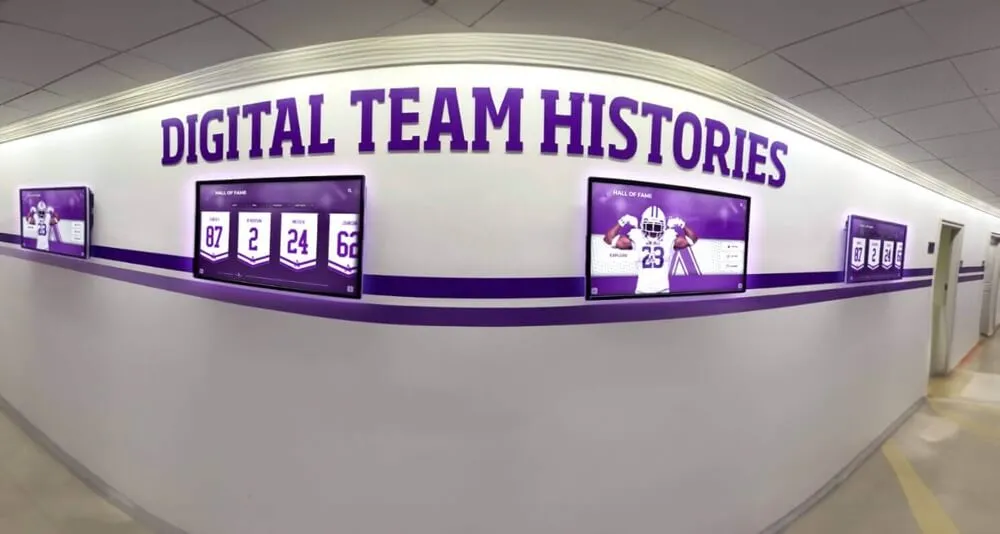
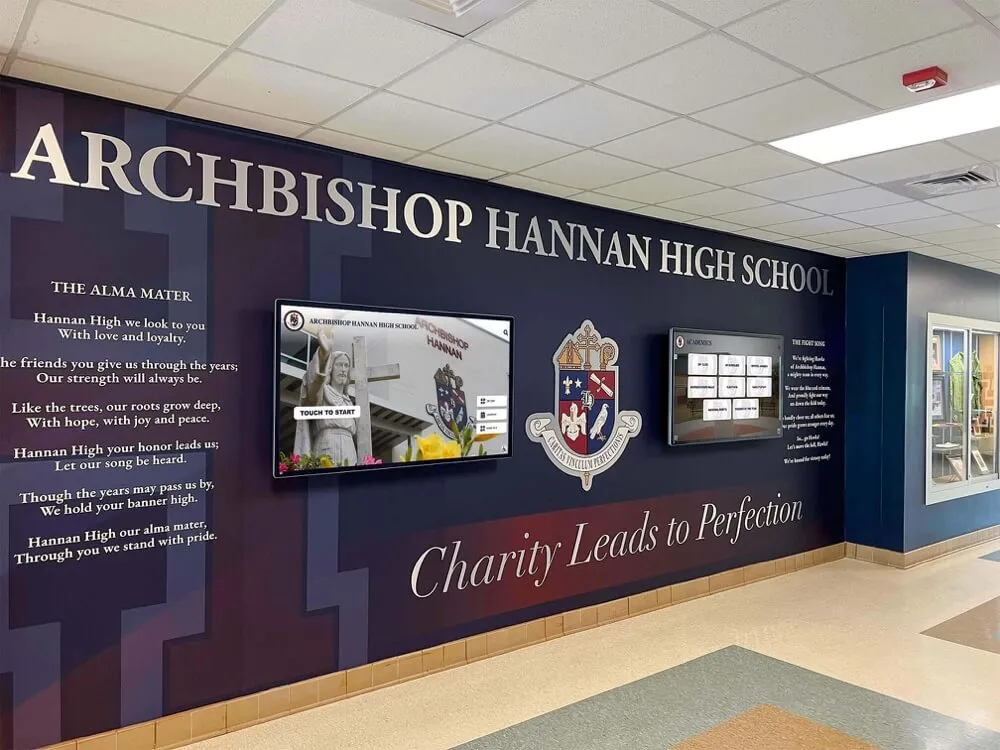
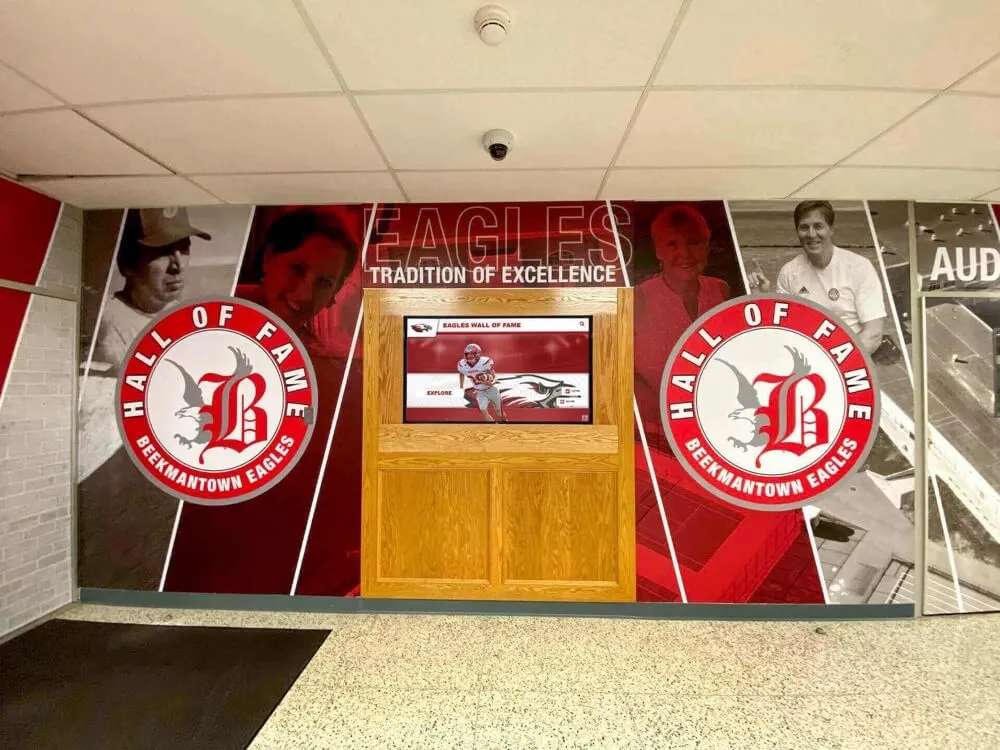
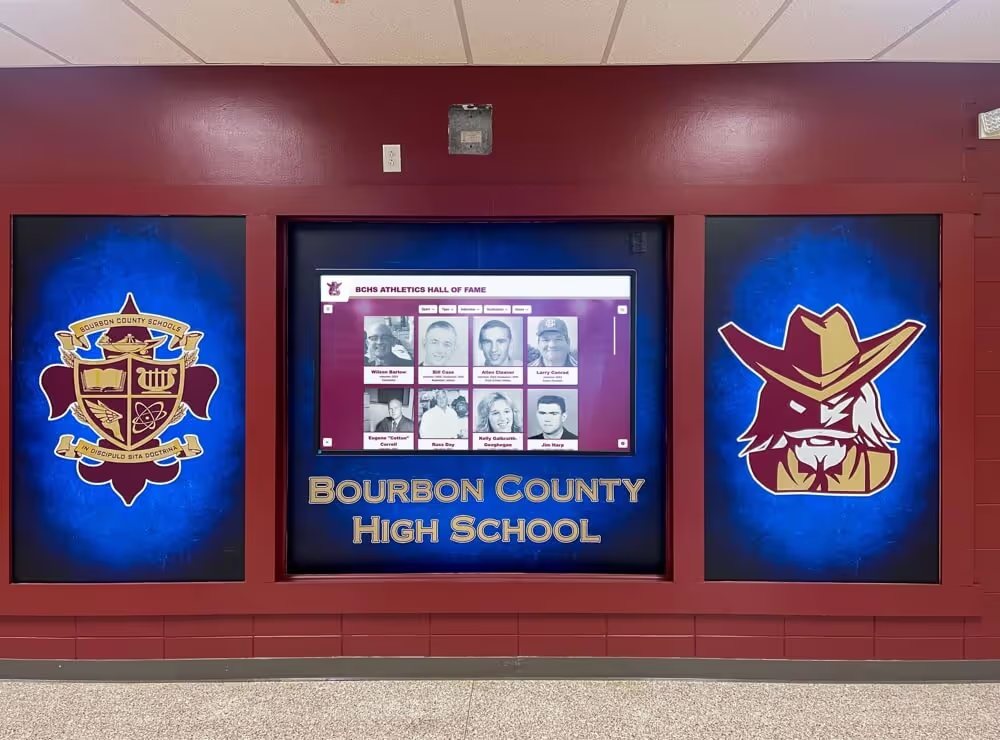
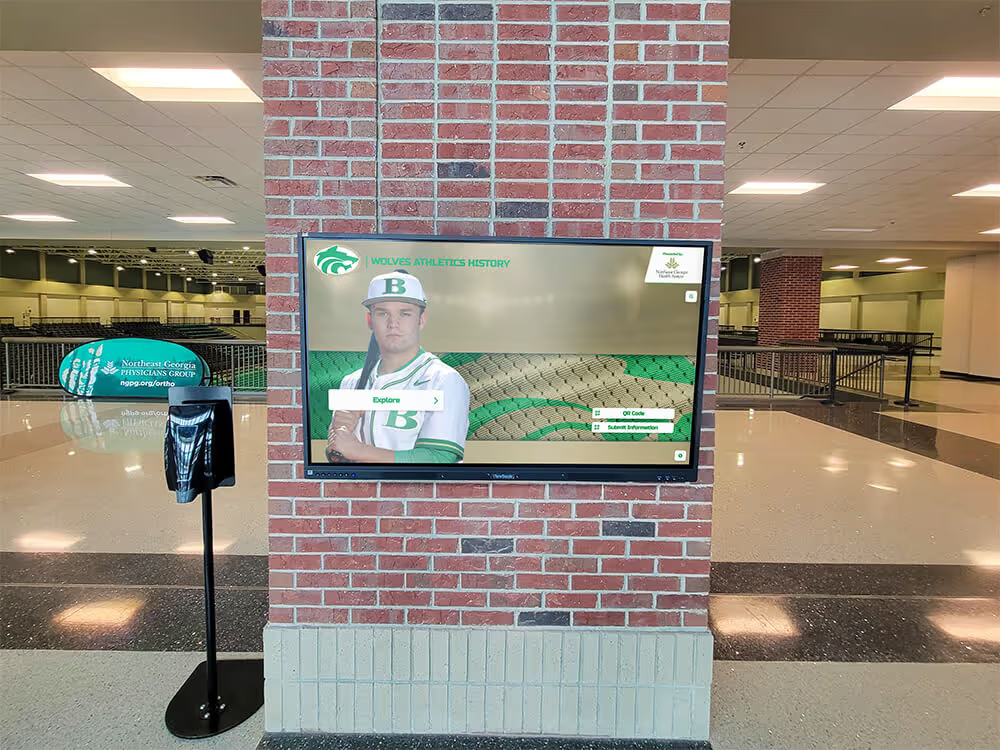
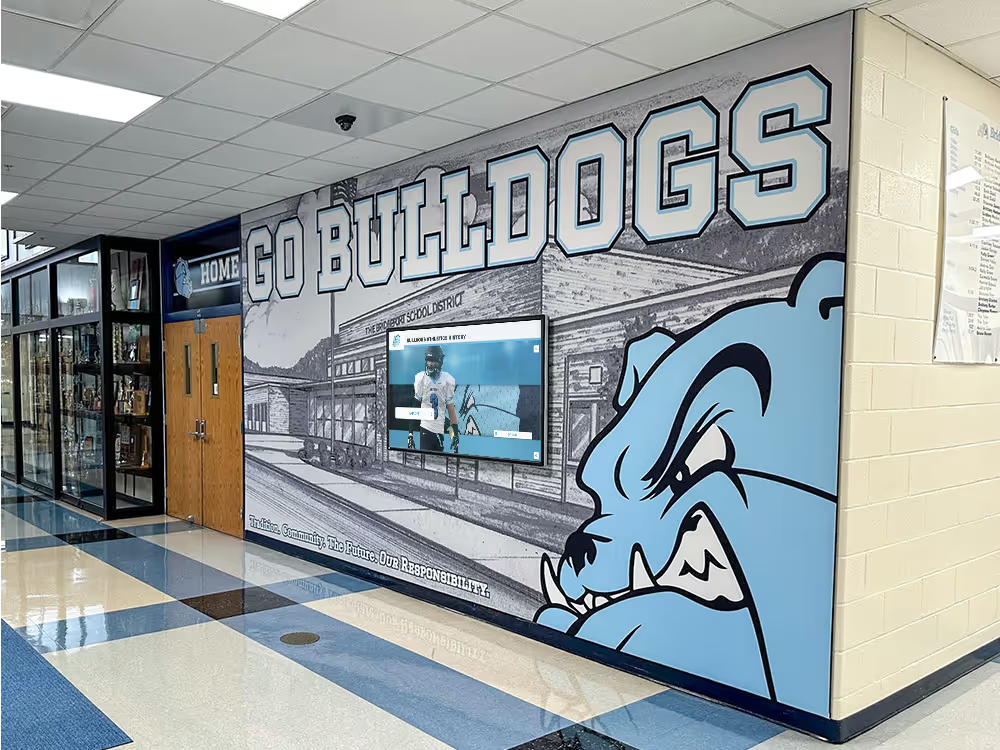
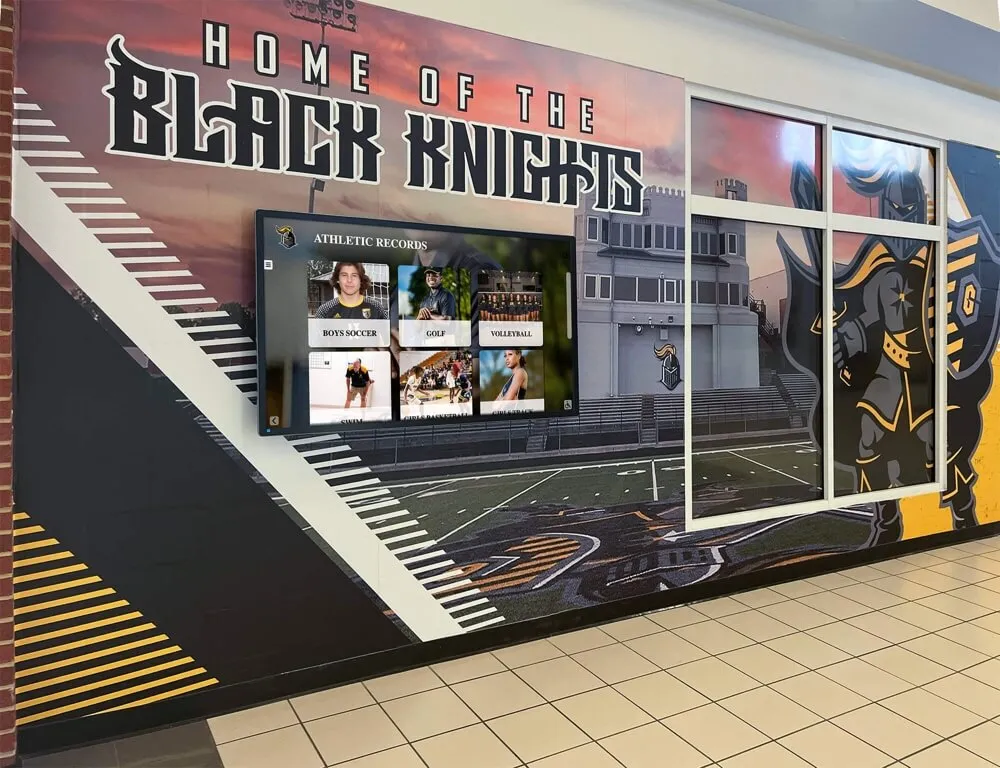
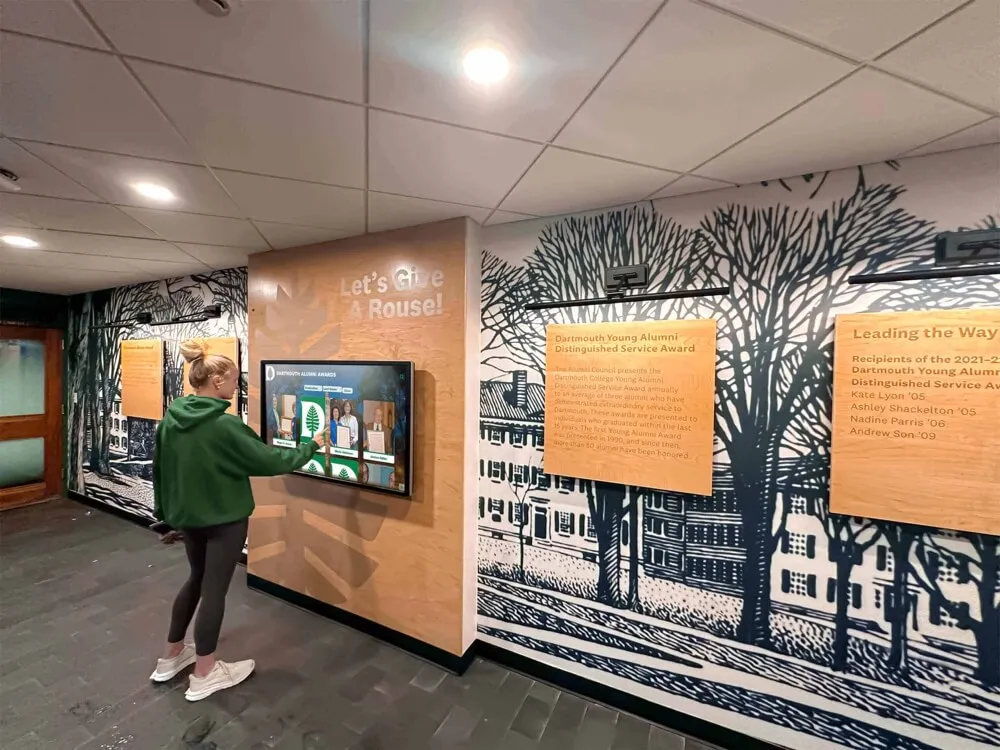
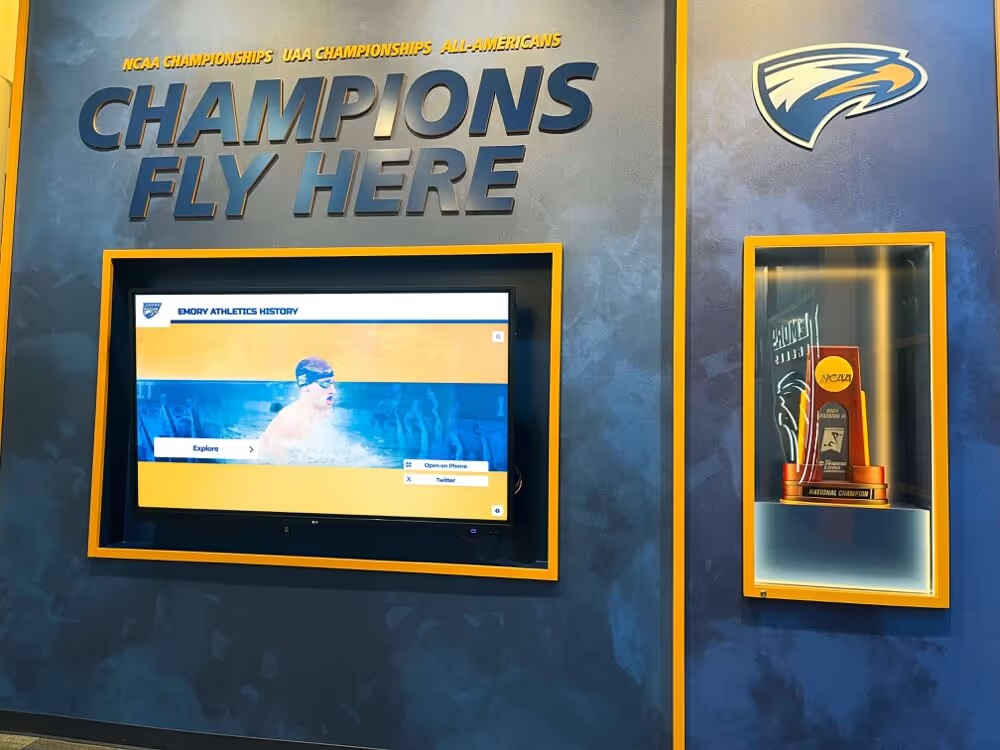
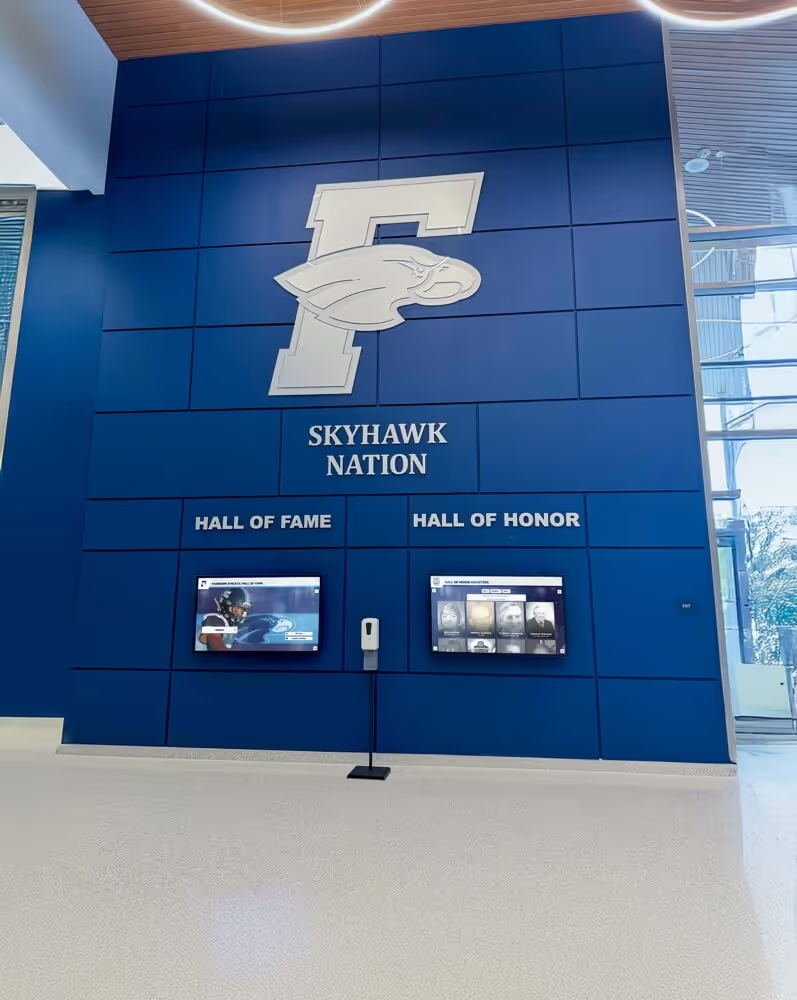
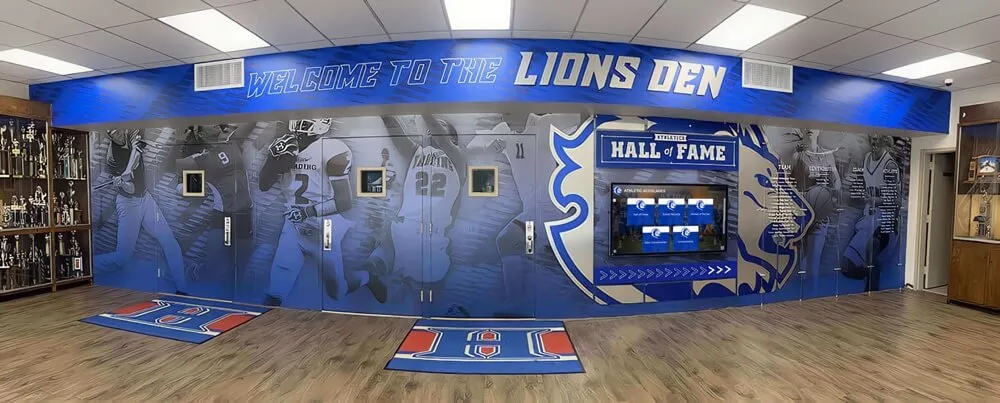
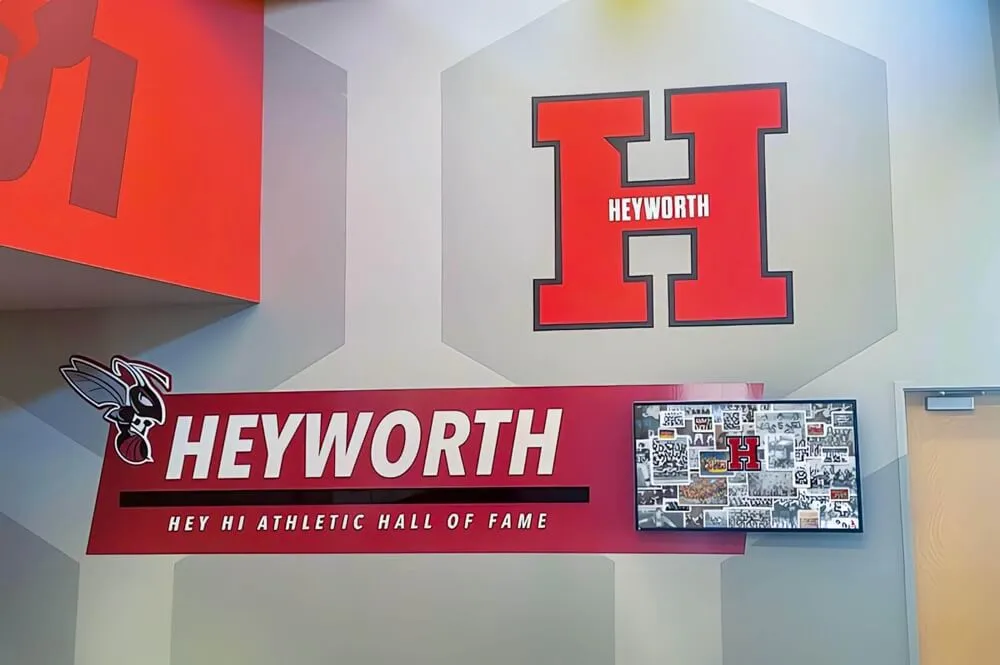
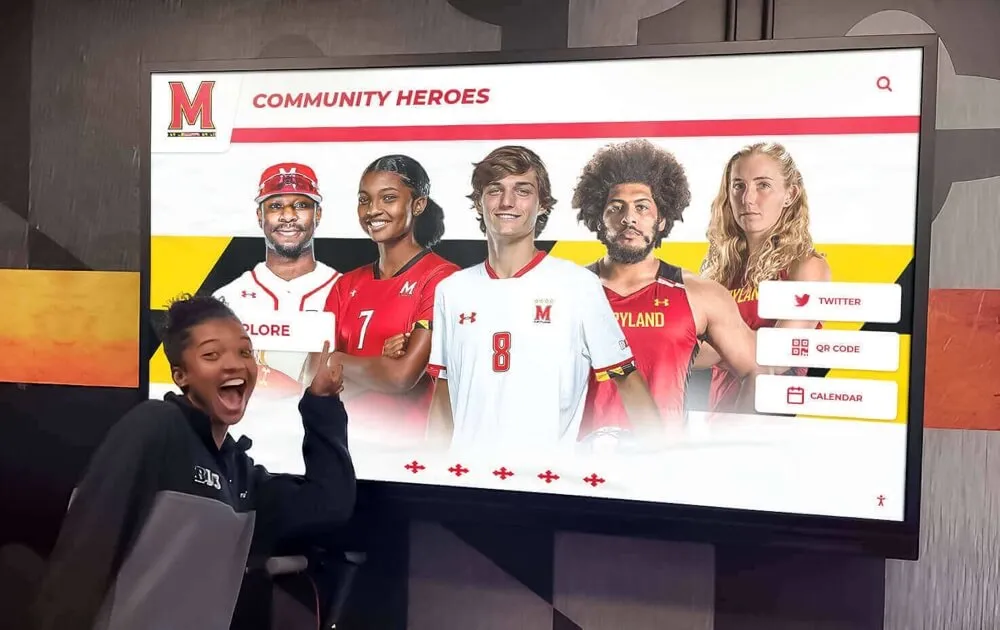
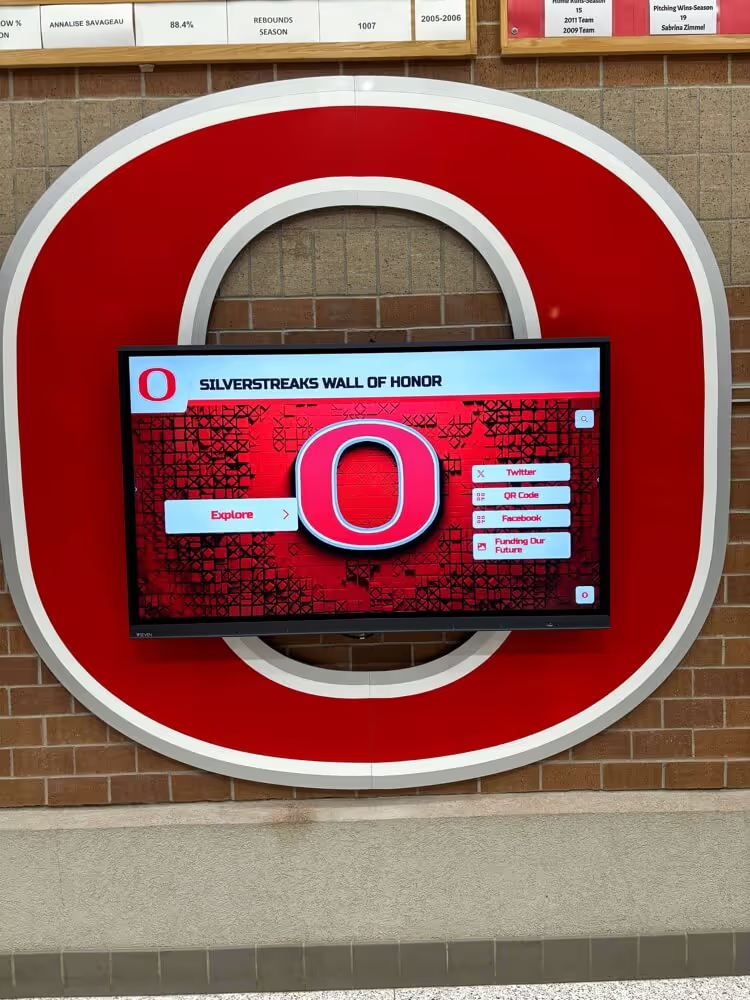
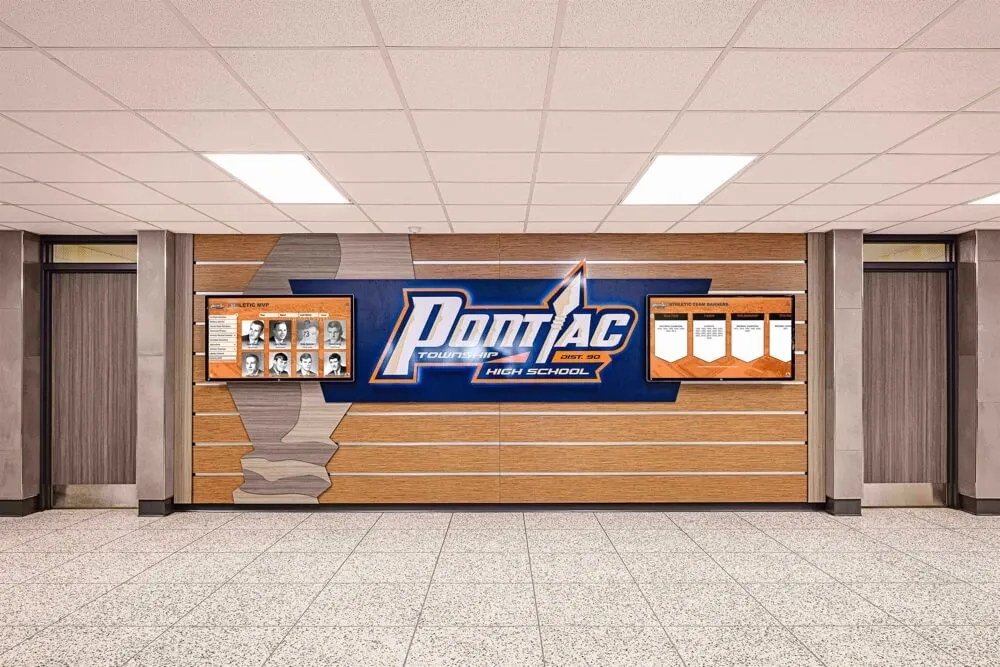
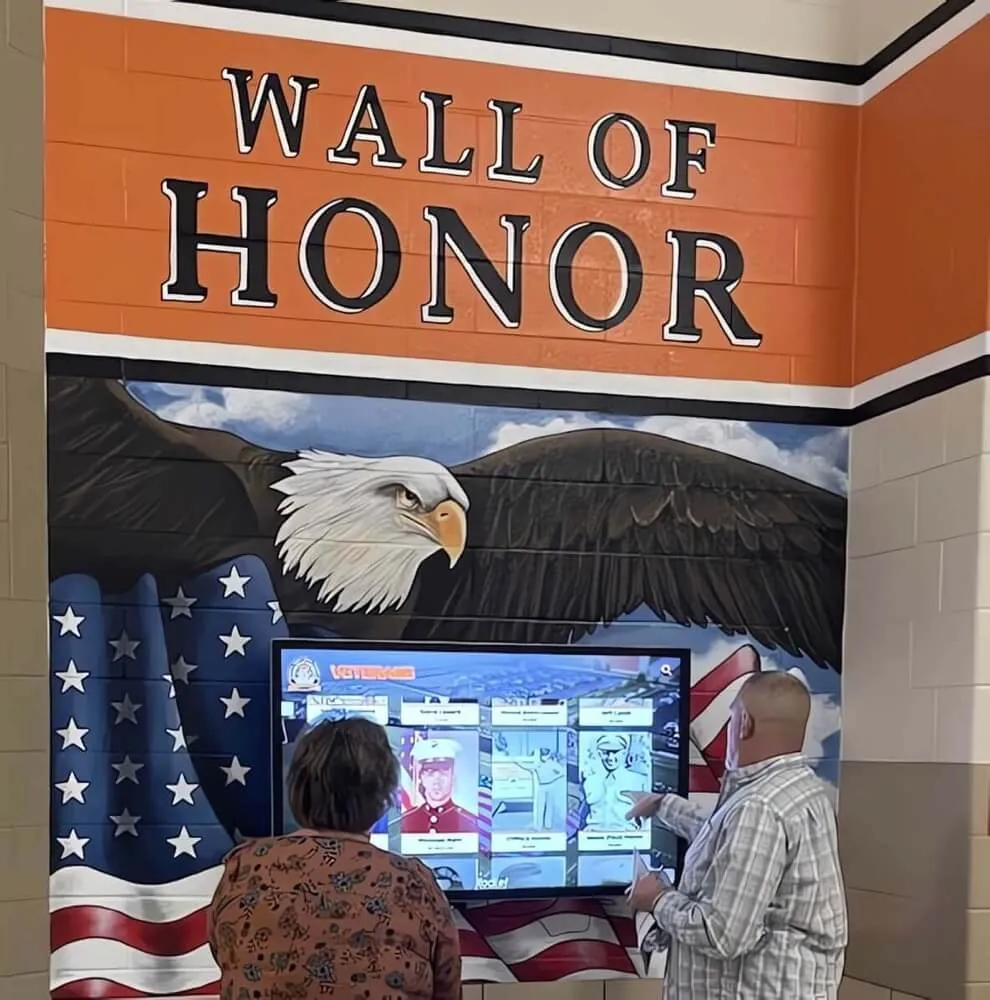
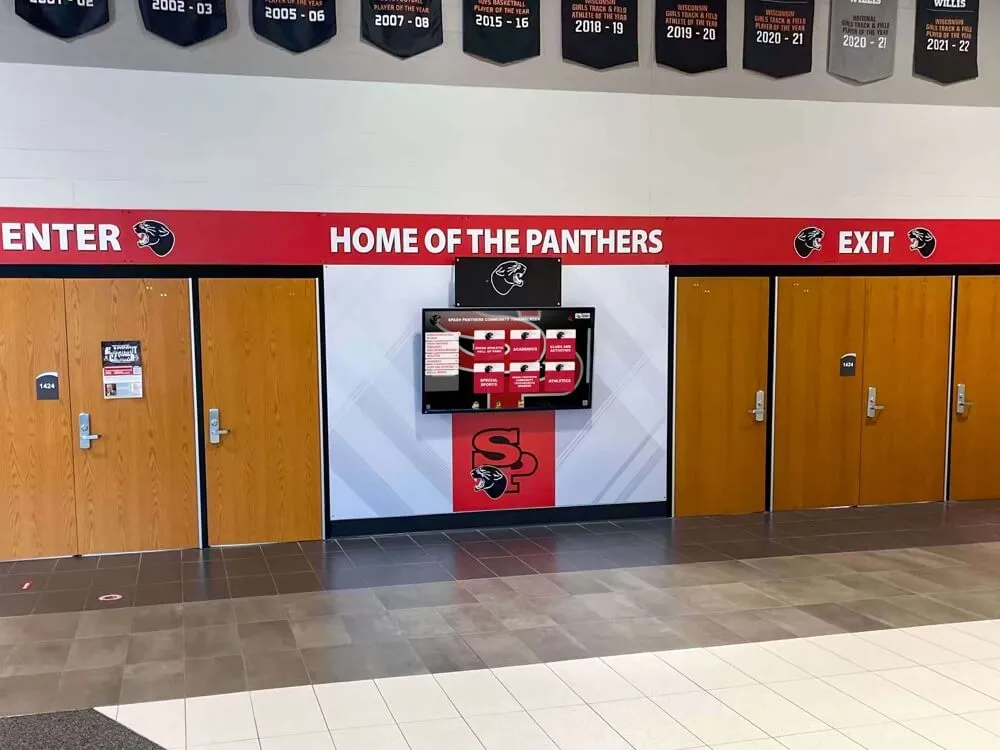
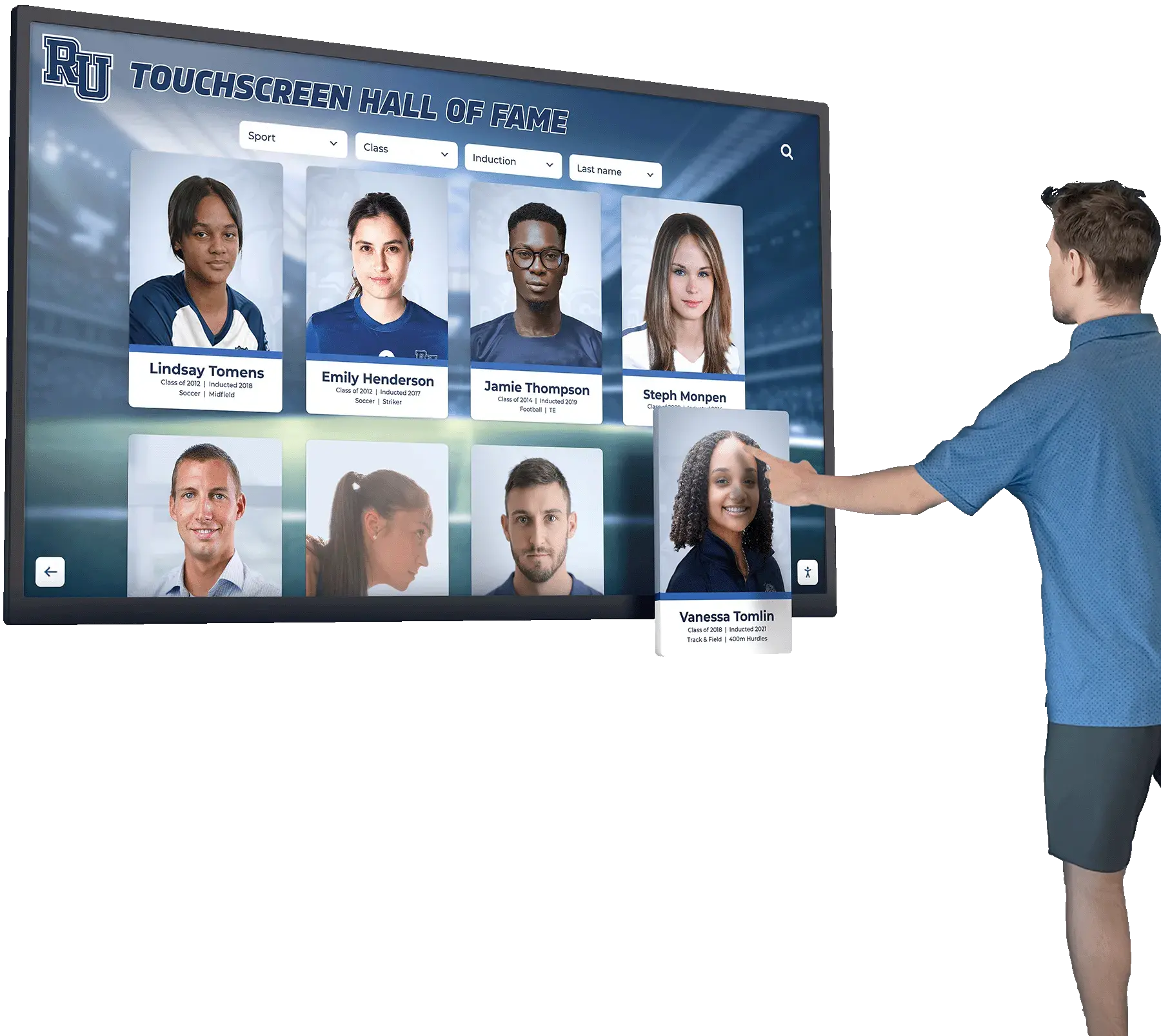
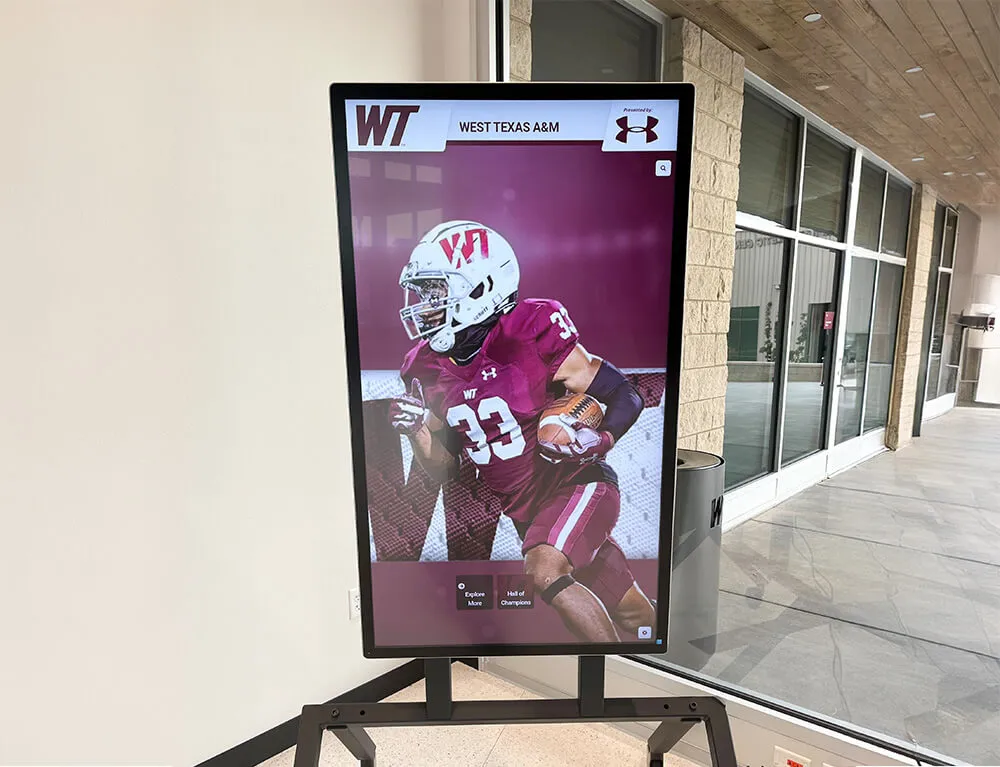
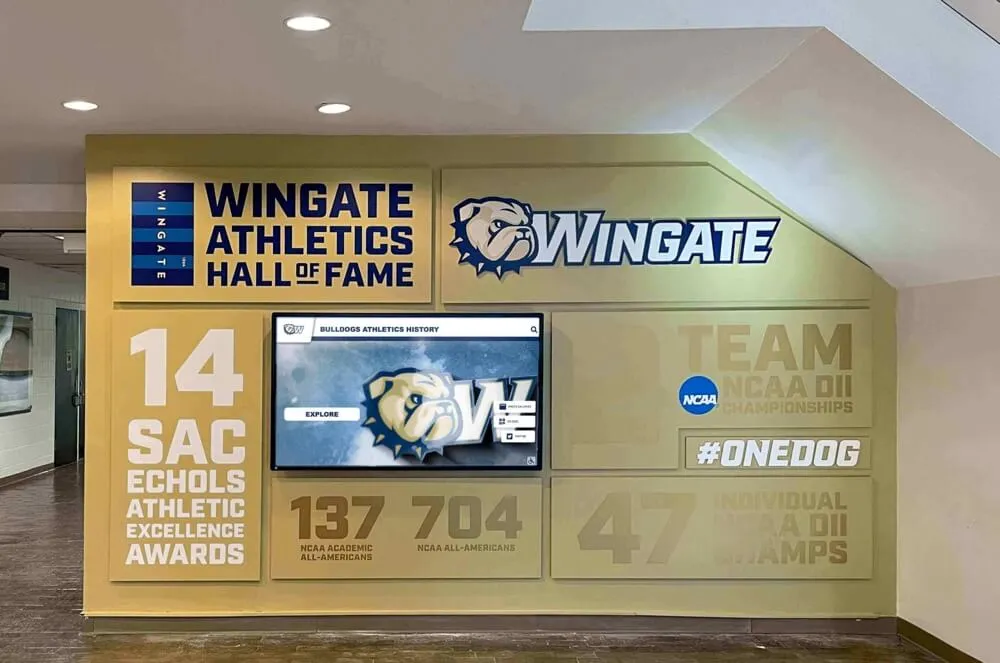
Schools display academic achievers prominently through portrait cards and honor walls, celebrating scholarly excellence alongside athletic recognition
Understanding the Academic Letter: Definition and Purpose
Before exploring how schools award academic letters, understanding what they represent and how they function within school recognition systems provides essential context.
What Exactly Is an Academic Letter?
An academic letter is a chenille fabric letter—typically in school colors—awarded to students who meet specific academic achievement criteria, mirroring the varsity letter tradition for athletic accomplishment.
Physical Characteristics
Academic letters share visual similarities with athletic letters:
- Chenille construction: The same textured fabric used for athletic letters
- School letter: Usually the first letter of the school name or mascot
- Size and style: Typically 5-7 inches tall, matching athletic letter dimensions
- Color scheme: School colors, often matching athletic letter designs
- Attachment method: Designed to be sewn onto letter jackets or displayed independently
The visual similarity to athletic letters is intentional—academic letters deliberately use the same recognizable format to elevate academic achievement to equivalent prestige.
Symbolic Meaning
Beyond their physical form, academic letters carry significant symbolic weight:
- Validation of intellectual effort: Public acknowledgment that classroom achievement matters
- Visible recognition: Wearable or displayable evidence of scholarly excellence
- Peer status: Recognition visible to classmates, creating academic role models
- Tradition and legacy: Connection to school’s academic heritage and values
- Personal milestone: Tangible marker of high school intellectual achievement
Schools implementing academic letters alongside athletic recognition create balanced systems where students pursuing different excellence pathways receive equitable celebration.
Academic Letters vs. Athletic Letters: Key Differences
While visually similar and symbolically parallel, academic and athletic letters differ in several important ways:
Earning Criteria
- Athletic letters: Earned through sports participation, typically requiring season completion, minimum playing time, or specific performance benchmarks
- Academic letters: Awarded for classroom achievement, usually based on GPA thresholds, honor roll status, or specific academic accomplishments
Time Investment
- Athletic letters: Represent daily practice attendance, game participation, and seasonal commitment
- Academic letters: Reflect sustained academic performance across multiple courses and semesters
Multiple Letter Potential
- Athletic letters: Students may earn separate letters for different sports or bars/pins for additional seasons
- Academic letters: Schools vary—some award one academic letter with pins for subsequent years, others offer subject-specific letters
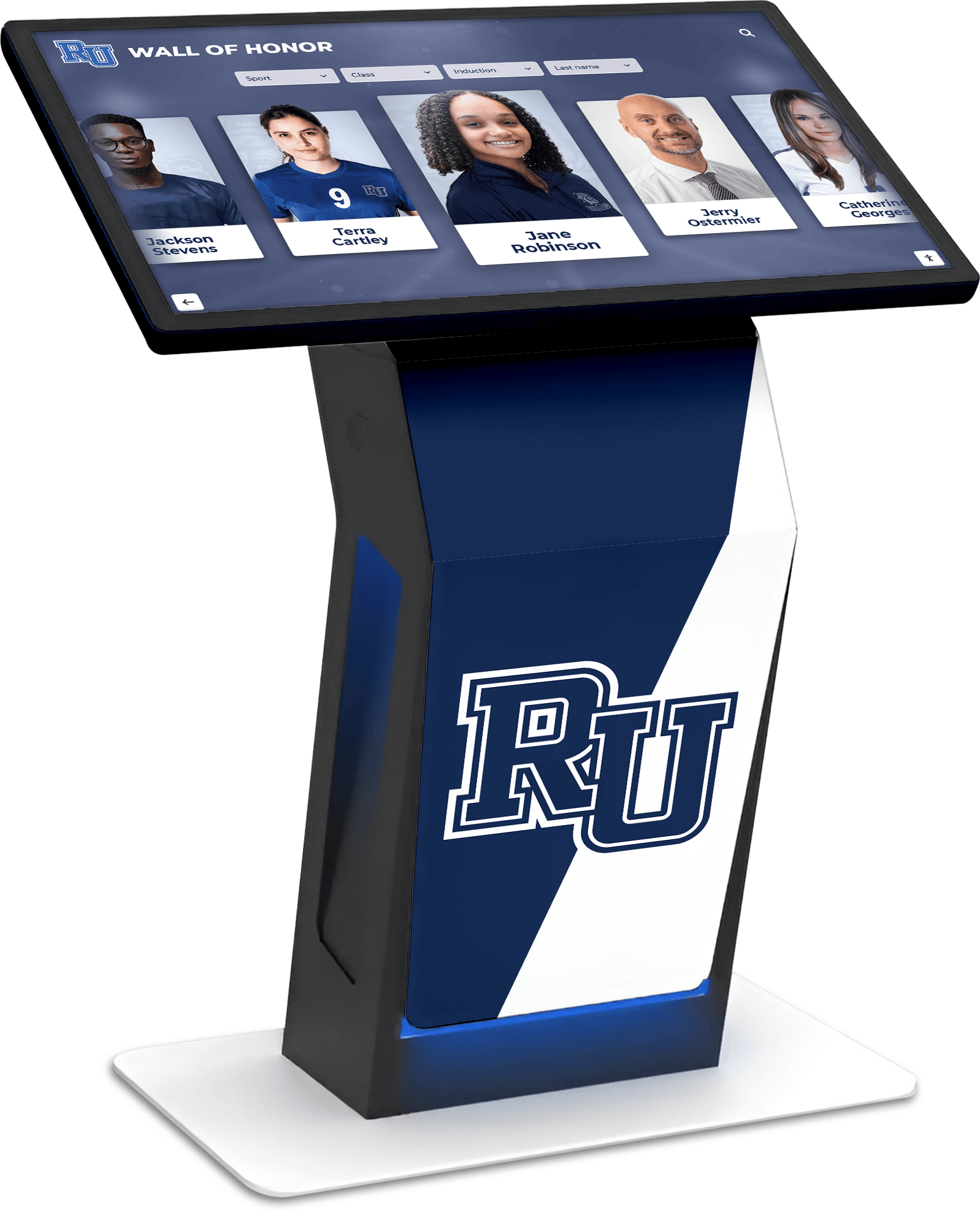
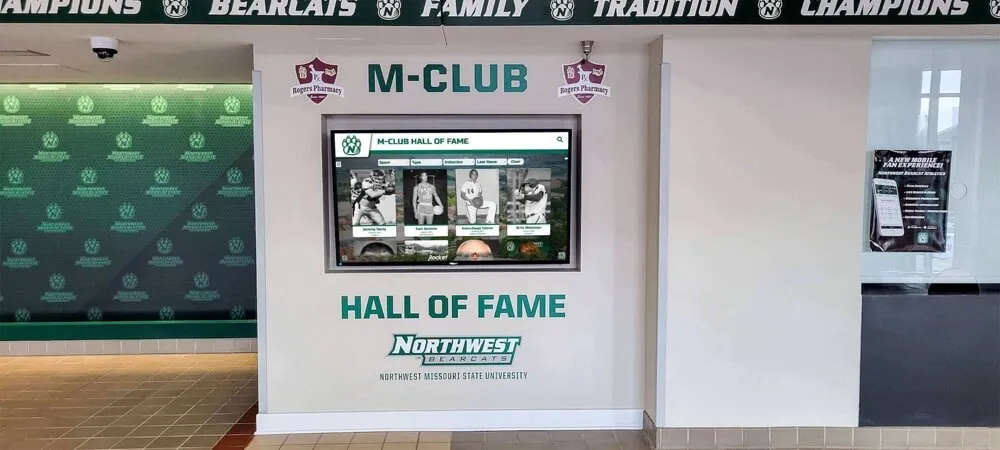
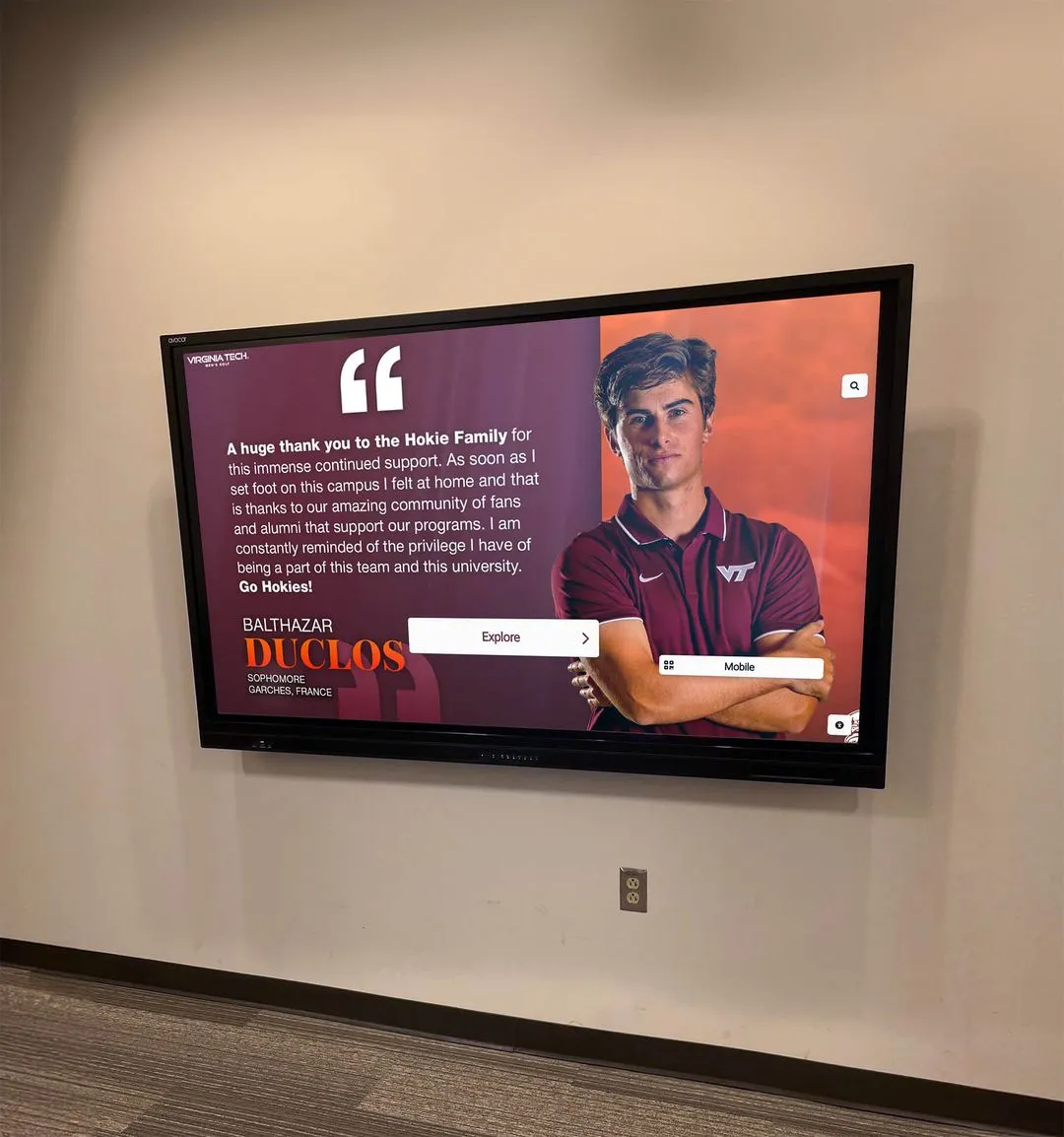
Digital recognition kiosks showcase academic achievers through interactive displays, providing unlimited capacity for celebrating scholarly excellence
Why Schools Offer Academic Letters
Forward-thinking schools implement academic letter programs for several compelling reasons:
Creating Balanced Recognition Culture
Schools offering only athletic letters inadvertently communicate that physical achievement deserves more visible recognition than intellectual accomplishment. Academic letters correct this imbalance by providing equivalent recognition for different talent domains.
Motivating Academic Excellence
Visible, prestigious recognition influences student behavior. When academic achievement receives the same tangible rewards as athletic success—wearable letters displayed proudly on jackets—students pursuing scholarly paths gain additional motivation and validation.
Serving Non-Athletic Students
Many exceptional students don’t participate in athletics due to time constraints, physical limitations, or simply different interests. Academic letters ensure these students have access to the same prestigious recognition system their athletic peers enjoy.
Reinforcing School Values
Offering academic letters sends clear messages about institutional priorities. Schools serious about intellectual culture back that commitment with recognition systems treating academic achievement as seriously as athletic success.
Programs establishing comprehensive academic recognition systems often begin with academic letters as foundational elements in broader strategies elevating scholarly culture.
How High Schools Award Academic Letters: Common Criteria
Academic letter requirements vary significantly across schools, but several standard approaches have emerged as common frameworks.
GPA-Based Academic Letters
The most widespread criterion uses grade point average thresholds as objective qualification measures.
Cumulative GPA Requirements
Many schools set specific GPA benchmarks:
- 4.0 GPA requirement: Maintaining perfect grades across all courses
- 3.75+ GPA standard: High honor roll level performance
- 3.5+ GPA threshold: Honor roll achievement level
- Weighted vs. unweighted: Some schools use weighted GPAs acknowledging advanced coursework difficulty
Sustained Performance Standards
Schools often require maintaining GPA thresholds across multiple marking periods:
- Full academic year: Maintaining qualifying GPA for both semesters
- Two consecutive years: Junior and senior year sustained excellence
- Entire high school career: Cumulative GPA across all four years meeting the threshold
Sustained performance requirements ensure letters recognize consistent achievement rather than single-semester spikes.
Tiered Recognition Systems
Some schools offer different recognition levels:
- Gold academic letter: 4.0 GPA or equivalent
- Silver academic letter: 3.75-3.99 GPA
- Bronze academic letter: 3.5-3.74 GPA
- Bars and pins: Additional recognition for subsequent qualifying years
Tiered systems allow more students to achieve academic letter recognition while maintaining distinction for the highest performers.
Honor Roll-Based Academic Letters
Rather than specific GPA numbers, some schools tie academic letters to existing honor roll programs.
Honor Roll Letter Criteria
Typical honor roll-based requirements:
- High honor roll: Appearing on high honor roll for multiple consecutive semesters
- Principal’s list: Making the principal’s list (often 4.0 GPA) for specified periods
- Dean’s list: High school dean’s list recognition over time
- Never below honors: Maintaining honor roll status every marking period throughout high school
This approach integrates academic letters with recognition systems already in place, simplifying administration and building on established traditions.
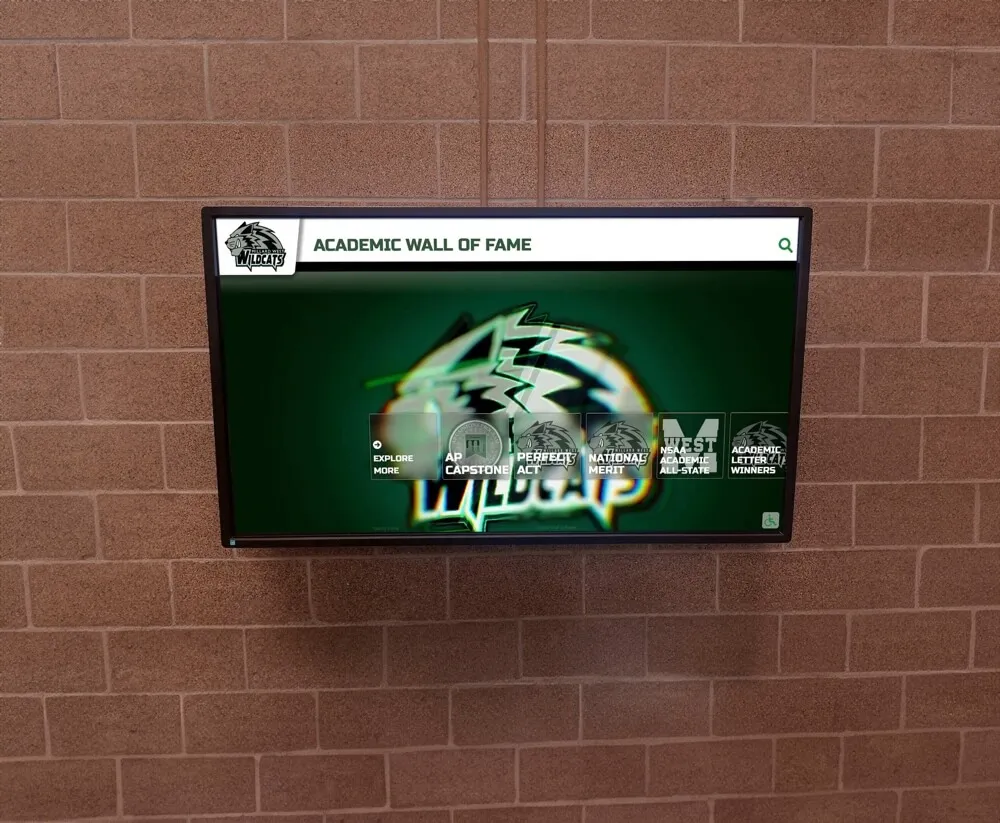
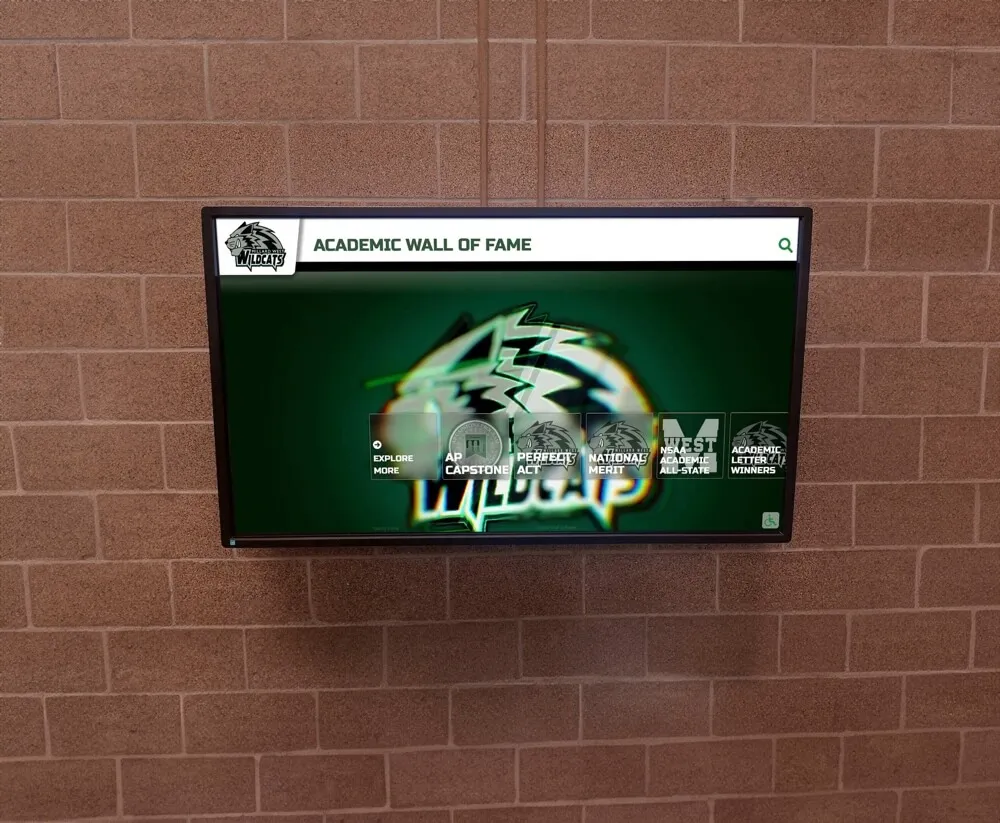
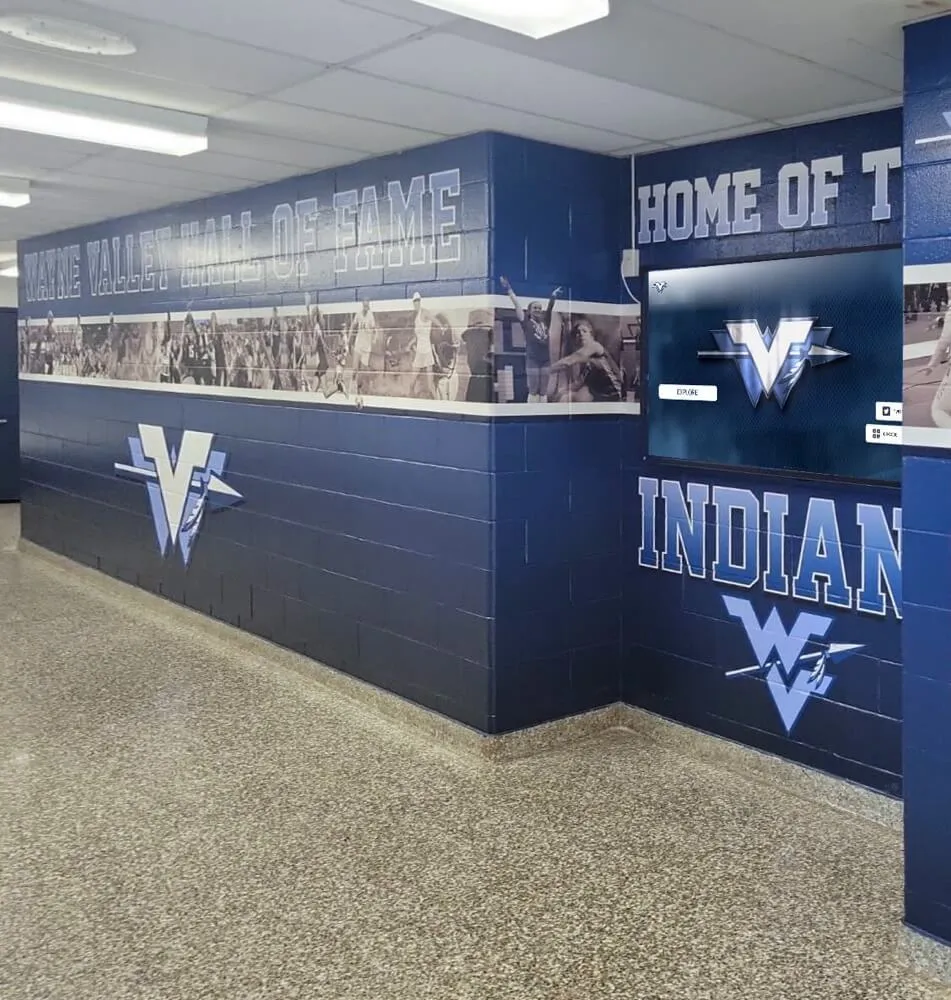
Digital academic walls of fame showcase scholar achievements prominently in high-traffic areas, creating visible celebrations of intellectual excellence
Subject-Specific Academic Letters
Some schools award letters for exceptional achievement in particular academic disciplines rather than overall performance.
Departmental Academic Letters
Subject area recognition options:
- Mathematics letter: Exceptional performance in math courses or math competition success
- Science letter: Outstanding achievement in scientific disciplines or research
- English letter: Excellence in language arts, writing, or literature
- Social studies letter: Superior performance in history, government, or social sciences
- World language letter: Proficiency in foreign language study or multilingual achievement
Specialized Program Letters
Academic program-specific recognition:
- STEM letter: Achievement across science, technology, engineering, and math disciplines
- Arts letter: Excellence in visual or performing arts academics
- Career and technical education letter: Outstanding CTE program performance
- Advanced Placement letter: Earning qualifying scores on multiple AP examinations
- International Baccalaureate letter: IB diploma or certificate completion
Subject-specific letters allow students excelling in particular areas to receive recognition even if overall GPA doesn’t meet general academic letter thresholds.
Membership-Based Academic Letters
Many schools automatically award academic letters to students earning membership in prestigious academic organizations.
National Honor Society Letters
The most common membership-based academic letter:
- NHS induction: Automatic letter upon National Honor Society acceptance
- Requirements alignment: NHS criteria (scholarship, leadership, service, character) ensure high standards
- Additional recognition: Some schools add NHS-specific patches or pins
- Junior vs. senior induction: Letters awarded upon acceptance regardless of grade level
Schools may require active NHS membership maintenance throughout the year to retain letter eligibility, ensuring ongoing participation rather than merely initial selection.
Students can learn more about National Honor Society requirements and recognition at many educational institutions nationwide.
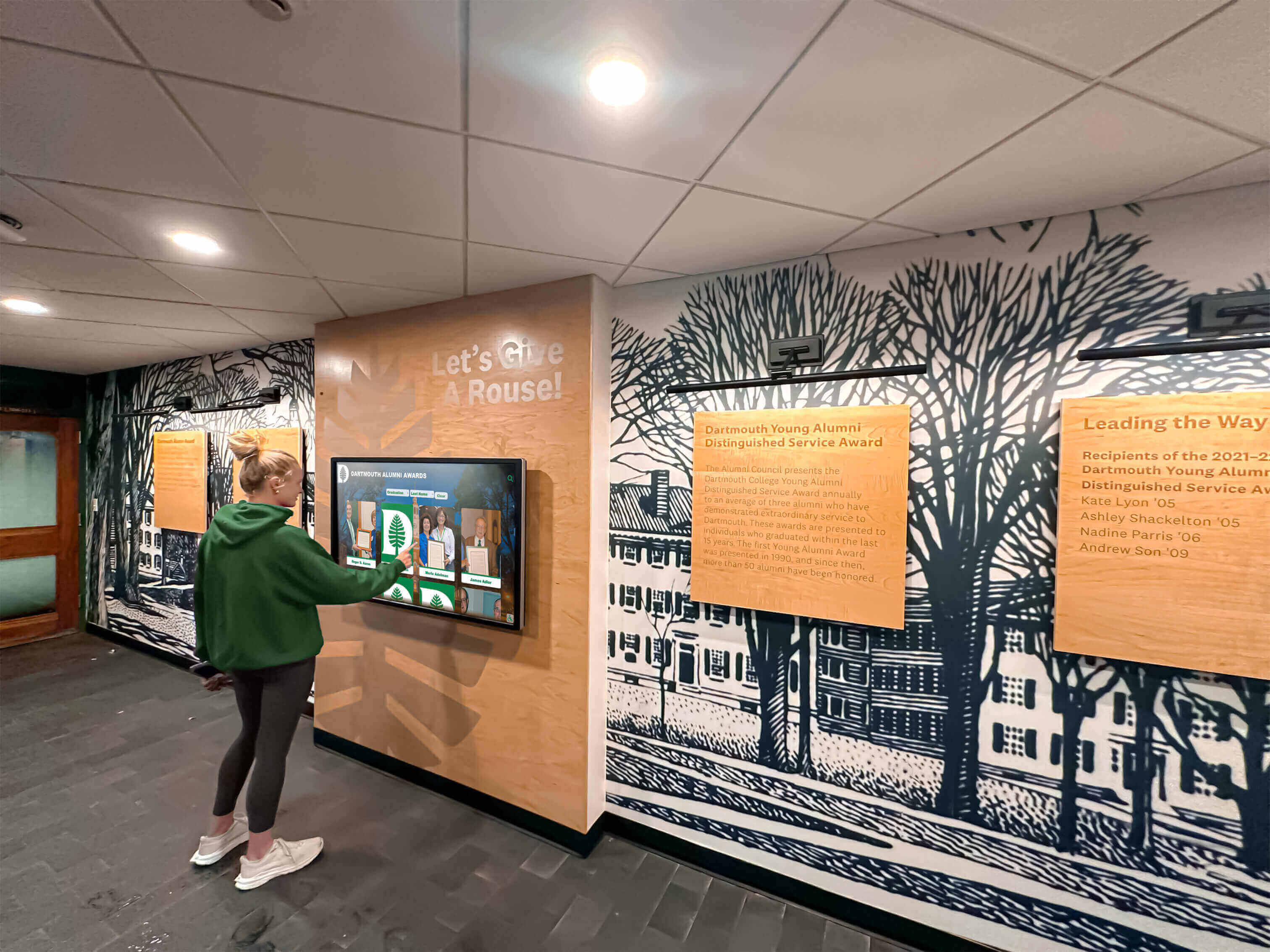
Students engage proudly with digital recognition displays showcasing academic excellence and peer achievements
Other Academic Organization Letters
Beyond NHS, additional organization-based letters:
- Academic decathlon: Team membership and competition participation
- Quiz bowl: Academic competition team letters
- Debate and forensics: Speech and debate excellence
- Science Olympiad: Science competition team recognition
- Math team: Mathematics competition participation and achievement
Hybrid and Custom Criteria
Many schools combine multiple factors into comprehensive academic letter requirements.
Point-Based Systems
Students accumulate points across various academic achievements:
- GPA points: Higher GPAs earn more points
- Honor roll appearances: Points for each semester on honor roll
- AP/IB exam scores: Points for qualifying exam performance
- Academic competitions: Points for participation and placement
- Academic club leadership: Additional points for officer positions
Schools set threshold point totals required for academic letter eligibility, allowing multiple pathways to qualification.
Faculty Nomination Systems
Some schools incorporate subjective elements alongside objective criteria:
- Teacher recommendations: Faculty nominate outstanding students
- Academic character: Recognition of integrity, curiosity, and collaboration
- Intellectual contribution: Leadership in classroom discussions and learning
- Review committees: Faculty groups evaluate nominees and select recipients
Nomination systems recognize qualities beyond grades that contribute to academic excellence and school intellectual culture.
The Academic Letter Application and Award Process
Understanding how schools administer academic letter programs helps students pursue this recognition effectively.
Application and Eligibility Verification
Schools implement various processes for identifying and confirming eligible students.
Automatic Qualification Review
Many programs automatically identify eligible students:
- Transcript review: Counselors or administrators review student records each semester
- GPA calculations: Automatic identification of students meeting GPA thresholds
- Honor roll integration: Students appearing on honor roll lists automatically considered
- Notification letters: Eligible students receive letters informing them of qualification
Automatic systems ensure no eligible students get overlooked due to unawareness of academic letter opportunities.
Student Application Required
Other schools require students to apply for academic letters:
- Application forms: Students submit forms requesting letter consideration
- Documentation: Applicants provide transcripts, test scores, or achievement evidence
- Essays or statements: Some schools request brief essays explaining achievement
- Teacher recommendations: Letters of support from faculty members
- Application deadlines: Specific submission dates each semester or year
Application requirements create investment in the recognition process and provide opportunities for students to reflect on their academic journey.
Verification and Approval
Regardless of identification method, schools verify eligibility:
- Transcript confirmation: Official grade verification
- Attendance review: Ensuring students meet attendance standards if applicable
- Discipline check: Confirming good standing (no serious infractions)
- Administrator approval: Final sign-off from principals or academic directors
- Parent notification: Informing families of student’s academic letter qualification
Recognition and Presentation
Once eligibility is confirmed, schools present academic letters through various ceremonial approaches.
Award Ceremony Presentations
Formal recognition events:
- End-of-year academic ceremonies: Dedicated events for academic awards and recognition
- Honors convocations: Special assemblies celebrating scholarly achievement
- Combined athletics-academics ceremonies: Joint events recognizing all letter recipients
- Senior awards nights: Final recognition for graduating students
- Quarterly or semester assemblies: Regular recognition throughout the year
Ceremonies create memorable milestone moments and publicly celebrate academic excellence before peers and families.
Letter Distribution
Physical letter distribution methods:
- Direct presentation: School officials hand letters to recipients during ceremonies
- School store pickup: Students pick up letters at school stores or bookstores
- Mail delivery: Letters sent home to families with congratulatory messaging
- Counselor distribution: Students collect letters from guidance offices
- Letter jacket vendors: Some schools coordinate with jacket suppliers for combined purchase
Schools often provide the first academic letter at no cost, with students purchasing their own letter jackets or display materials.
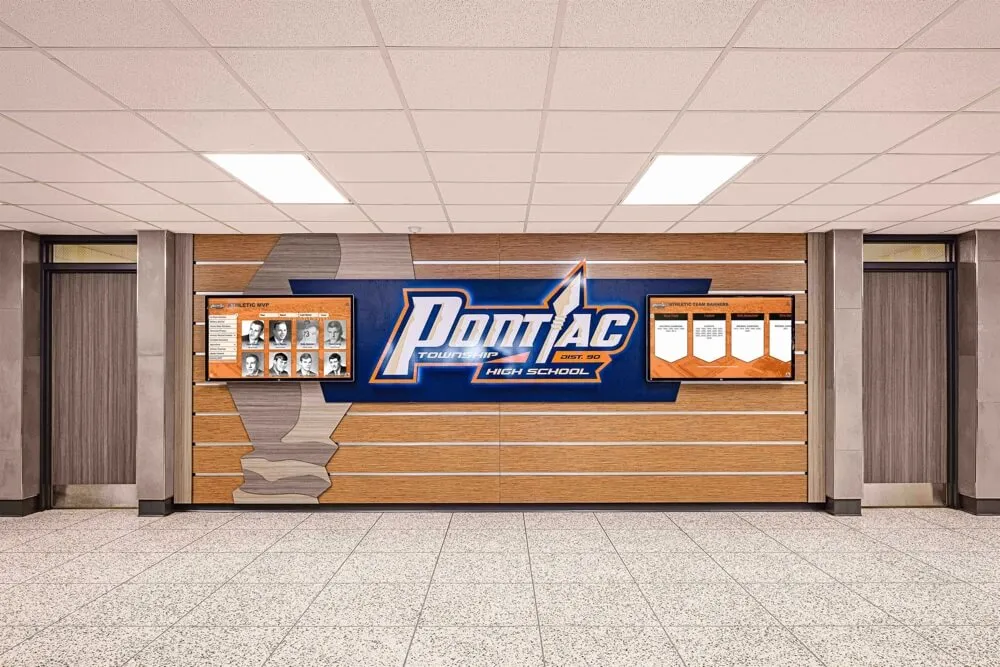
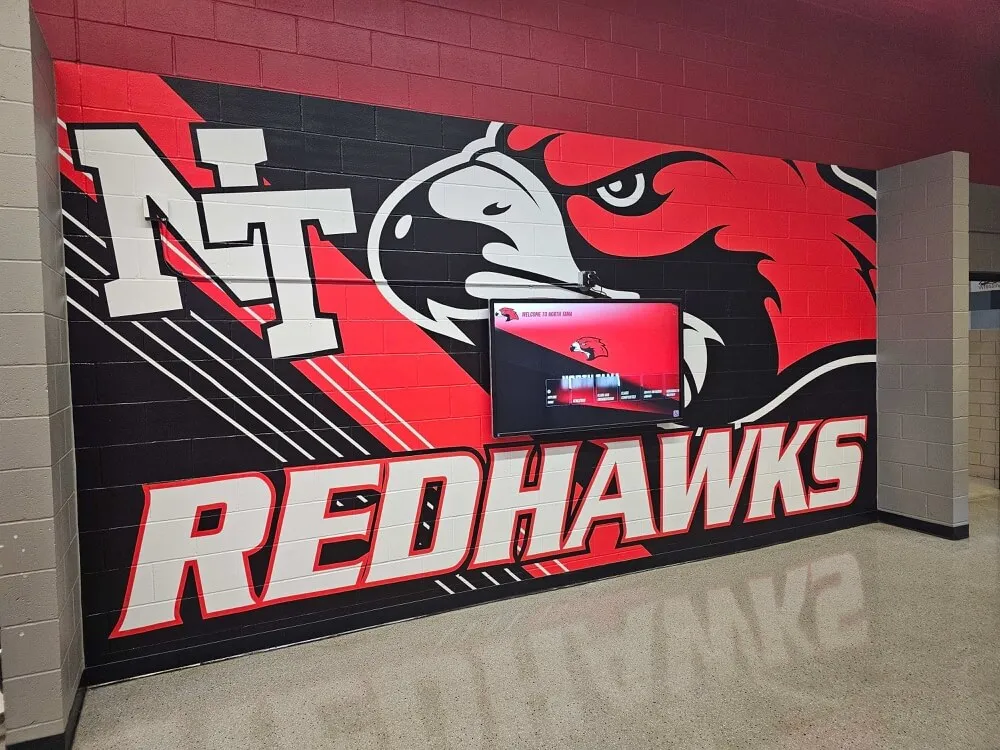
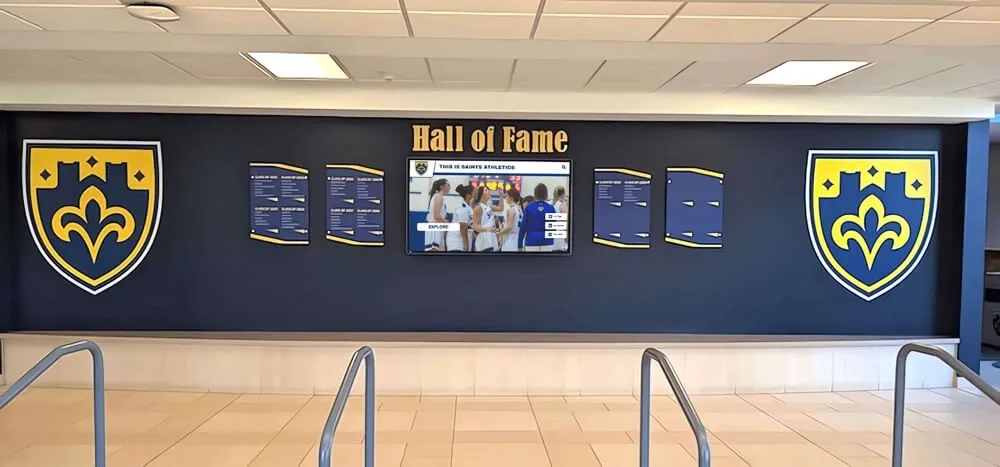
Dedicated hallway spaces showcase academic excellence through permanent displays, creating inspiring environments celebrating intellectual achievement
Letter Jacket Purchase and Display
Receiving an academic letter opens the question of how to display this achievement.
Letter Jacket Options
Students have several jacket choices:
- Traditional wool and leather jackets: Classic letterman jackets ($200-400)
- Lightweight alternatives: Windbreaker-style letter jackets ($75-150)
- Varsity-style pullovers: Hooded sweatshirts or quarter-zips with letter placement areas ($50-100)
- Custom embroidery: Some students add letters to existing personal jackets
Many students earning both athletic and academic letters display both on the same jacket, often with academic letters on the right chest and athletic letters on the left, or vice versa depending on school tradition.
Alternative Display Ideas
Not all students choose to wear letter jackets, leading to alternative recognition displays:
- Shadow box displays: Framed presentations showcasing letters with pins and patches
- Bedroom wall displays: Letters mounted on plaques or frames
- College dorm decoration: Achievement displays in residence halls
- Digital recognition: School honor walls and online platforms
Students interested in creative presentation can explore graduation party themes that incorporate academic letter recognition into celebration decor.
The Evolution and Tradition of Academic Letters
While athletic letters have existed for over a century, academic letters represent a more recent—yet growing—recognition tradition.
Historical Context: Athletic Letter Origins
Understanding academic letters requires knowing the athletic letter tradition they parallel.
The Birth of the Varsity Letter
The varsity letter originated at Harvard University in 1865:
- First letter: Harvard baseball manager awarded “H” letters to outstanding players
- Tradition spreads: Other universities and eventually high schools adopted the practice
- Cultural icon: Letterman jackets became symbols of American high school athletics
- Peak popularity: 1940s-1980s saw universal letterman jacket culture
- Continued relevance: Though less ubiquitous today, varsity letters remain prestigious
The athletic letter tradition established a powerful recognition framework—visible, wearable, peer-recognized achievement symbols that academic letters now leverage for intellectual accomplishment.
Academic Letter Development
Academic letters emerged as educators recognized the need for balanced recognition.
Origins and Growth
Academic letter programs developed gradually:
- Early adoption: Select preparatory schools and academically-focused high schools pioneered academic letters in the mid-20th century
- Expansion: 1980s-1990s saw broader adoption as schools emphasized academic achievement
- Recognition equity: 2000s movement toward balanced athletics-academics recognition drove adoption
- Current status: Hundreds of high schools nationwide now offer academic letter programs
- Regional variation: More common in certain states and districts than others
Unlike standardized athletic letter criteria (season participation, playing time), academic letter standards vary significantly between schools, with each institution establishing criteria reflecting their academic culture and priorities.
Modern Resurgence
Recent years have seen renewed interest in academic letters:
- College admissions competition: Heightened academic achievement emphasis
- Balanced recognition movements: Efforts to value intellectual pursuits equally with athletics
- Parent advocacy: Families of high-achieving students requesting equivalent recognition
- Cultural shift: Growing acknowledgment that diverse excellence pathways deserve celebration
- Digital amplification: Modern recognition platforms making academic achievement more visible
Schools implementing comprehensive academic recognition increasingly view letters as essential components of intellectual culture development.
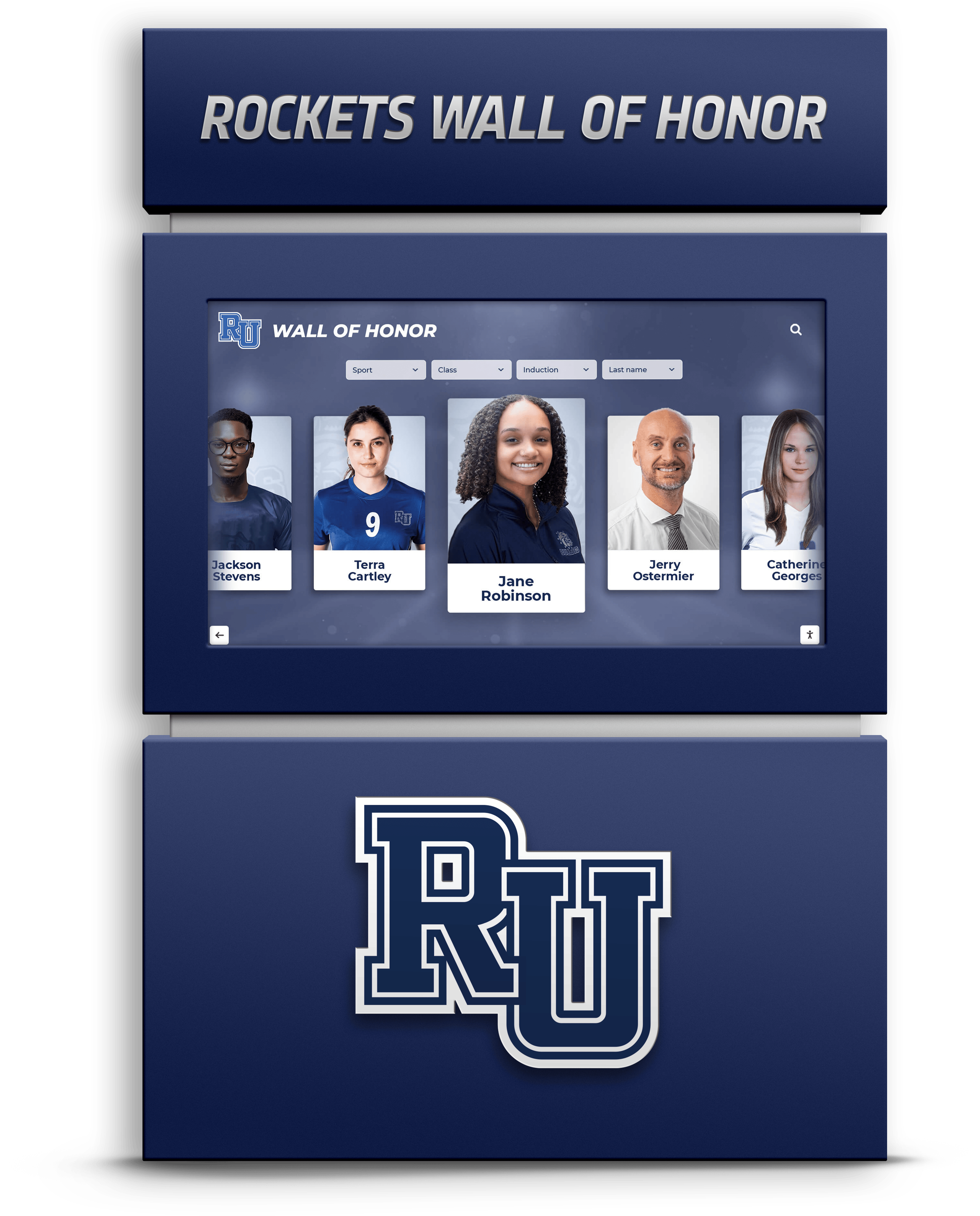
Interactive touchscreen displays provide unlimited capacity to showcase academic letter recipients across graduation years with individual profiles and achievements
Expanding Academic Letter Programs: Beyond Basic GPA
While GPA-based academic letters remain most common, innovative schools are developing specialized recognition addressing diverse intellectual achievement forms.
Advanced Coursework Recognition Letters
Academic rigor deserves acknowledgment alongside achievement.
AP Scholar Letters
Advanced Placement achievement recognition:
- AP Scholar: Earning qualifying scores (3+) on three or more AP exams
- AP Scholar with Honor: Average 3.25+ on all AP exams with 3+ on four exams
- AP Scholar with Distinction: Average 3.5+ on all AP exams with 3+ on five exams
- School-specific criteria: Some schools set their own AP-based letter standards
Students pursuing rigorous coursework sometimes achieve lower GPAs than those taking standard courses, making AP-specific letters important for recognizing challenge-seeking over grade protection.
IB Program Letters
International Baccalaureate recognition:
- IB Diploma recipients: Automatic letters for full diploma earners
- IB Certificate students: Letters for specified certificate completions
- Extended Essay excellence: Recognition for outstanding research projects
- Theory of Knowledge achievement: Philosophy and critical thinking honors
Dual Enrollment Letters
College coursework completion recognition:
- Credit hour thresholds: Letters for earning specific amounts of college credit while in high school
- College GPA standards: Maintaining high performance in college courses
- Program completion: Finishing associate degrees or certificates before high school graduation
Academic Competition Letters
Competitive academic achievement offers another recognition pathway.
Individual Competition Letters
Personal achievement in academic contests:
- Science fair placement: Regional, state, or national science fair recognition
- Essay competitions: Excellence in writing contests
- Mathematics olympiads: Math competition achievement
- History day: Research and presentation competition success
- Spelling bee: District, state, or national spelling competition advancement
Team Competition Letters
Collaborative academic excellence:
- Quiz bowl teams: Academic trivia competition participation
- Science olympiad: Team science competition achievement
- Math team: School mathematics competition representation
- Academic decathlon: Multi-subject competition team membership
- Mock trial: Legal competition team participation
Schools with strong academic competition programs often award letters following athletic letter models—participation letters plus advancement bars or pins for state and national competition success.
Character and Leadership Academic Letters
Intellectual character extends beyond grades to encompass how students approach learning and contribute to academic community.
Academic Integrity Letters
Recognizing ethical scholarship:
- Four-year honor code adherence: Perfect academic integrity record throughout high school
- Peer honor council leadership: Service on academic integrity boards
- Character demonstration: Consistent modeling of ethical academic behavior
- Teacher nomination: Faculty recognition of exceptional integrity
Intellectual Curiosity Letters
Celebrating love of learning:
- Independent research: Self-directed study projects beyond coursework
- Reading achievement: Exceptional breadth or depth of reading
- Intellectual questioning: Contributions to classroom discourse
- Cross-disciplinary exploration: Pursuing learning across multiple domains
- Academic initiative: Seeking challenges beyond requirements
Peer tutoring letters
Service through knowledge sharing:
- Tutoring hours: Significant time spent helping peers learn
- Tutoring effectiveness: Measurable improvement in helped students
- Study group leadership: Organizing and facilitating collaborative learning
- Academic mentorship: Supporting younger students academically
Programs recognizing peer support acknowledge that teaching represents deep understanding and that contributing to classmates’ learning enriches school academic culture.
Modern Digital Recognition for Academic Letter Recipients
While physical letters and jackets remain meaningful, digital recognition platforms dramatically expand visibility and accessibility of academic achievement celebration.
Digital Academic Honor Walls
Contemporary technology enhances traditional recognition approaches.
Interactive Touchscreen Displays
Schools increasingly install digital recognition systems:
- Searchable databases: Students, families, and visitors can search for specific academic letter recipients
- Photograph integration: Individual student photos with achievement details
- Multi-year archives: Recognition spanning decades, not just current year
- Achievement categories: Filtering by letter type, graduation year, or specific honors
- Multimedia presentations: Video messages from scholars or achievement slideshows
Solutions like Rocket Alumni Solutions specialize in academic recognition displays, providing professional platforms where schools showcase academic letter recipients alongside athletic letterwinners, honor roll students, and other achievement categories through unified, visually cohesive systems.
Benefits Over Traditional Static Displays
Digital recognition offers significant advantages:
- Unlimited capacity: No physical space constraints limiting how many students receive recognition
- Easy updates: Adding new recipients requires minutes, not weeks for engraving
- Cost-effectiveness: One-time installation vs. ongoing plaque and engraving expenses
- Enhanced engagement: Interactive exploration creates deeper connection than passive viewing
- Remote accessibility: Web-based access allows alumni to explore recognition from anywhere
- Historical preservation: Digital archives preserve achievement records indefinitely
Virtual and Social Recognition
Digital platforms extend beyond physical displays into virtual spaces.
School Website Integration
Online academic letter recognition:
- Dedicated honor pages: Website sections listing academic letter recipients
- Individual student profiles: Achievement details with photos
- PDF certificates: Downloadable recognition documents
- News announcements: Features celebrating new letter recipients
- Alumni sections: Historical archives of past academic letter earners
Social Media Celebration
Amplifying academic achievement visibility:
- Recipient spotlights: Individual student features on school platforms
- Ceremony coverage: Photos and videos from academic letter presentations
- Achievement announcements: Posts celebrating letter qualification
- Student sharing: Recognition content students can share personally
- Community engagement: Broader awareness of school academic culture
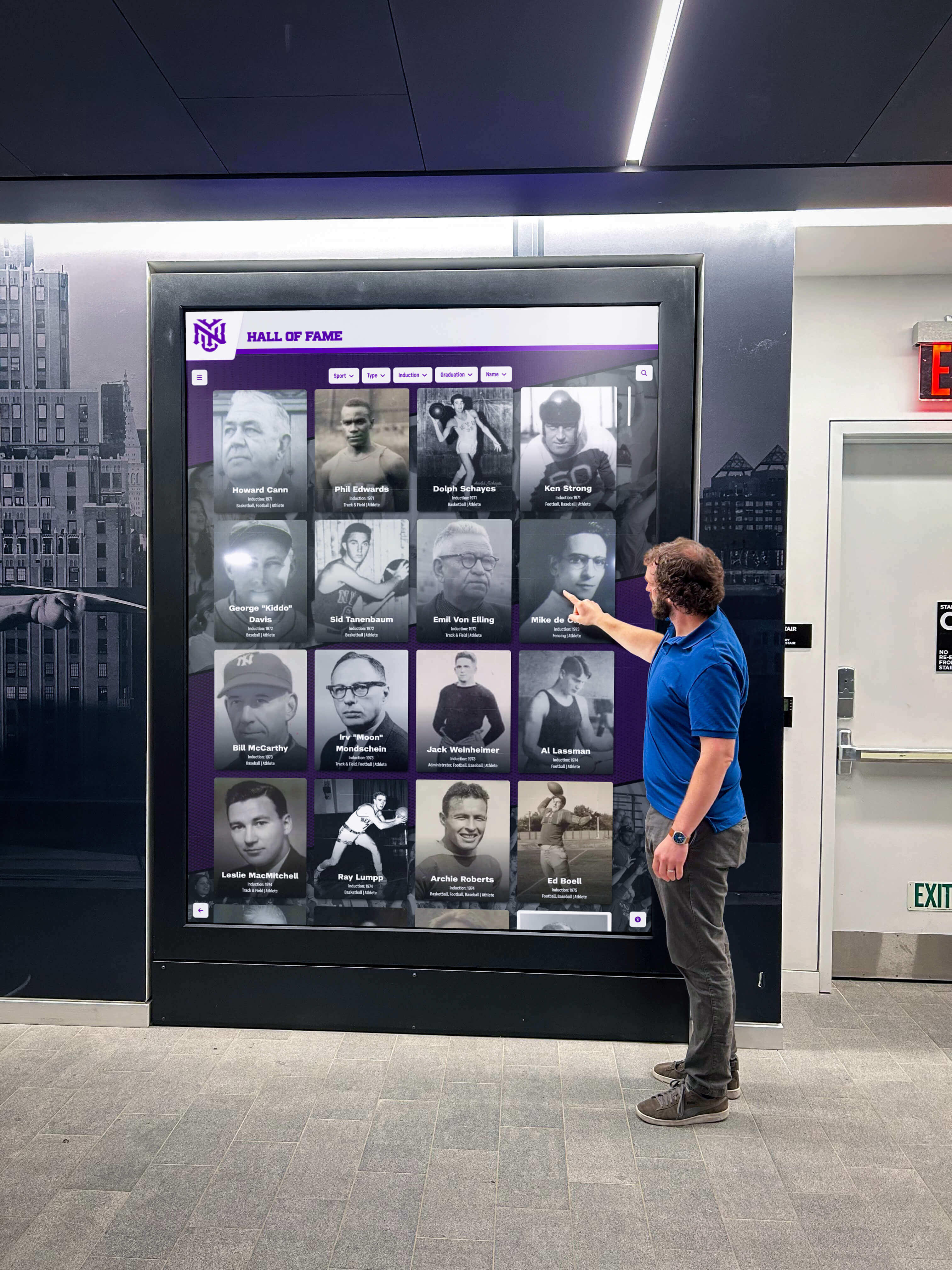
Interactive displays invite exploration of academic achievements, creating engaging experiences for students, families, and community members
Coordinating Physical and Digital Recognition
The most effective approaches combine traditional and contemporary elements.
Integrated Recognition Ecosystems
Comprehensive systems include:
- Physical letter and jacket: Tangible, wearable achievement symbols
- School digital displays: High-traffic area recognition visible daily
- Ceremony presentations: Memorable milestone moments with families
- Online archives: Permanent digital records accessible forever
- Social media amplification: Broader community awareness and celebration
Schools implementing comprehensive student achievement showcases create recognition programs where academic letters represent one component within broader systems celebrating diverse excellence.
The Impact of Academic Letters on Student Culture
Beyond individual recognition, academic letter programs influence school culture and student behavior in meaningful ways.
Elevating Academic Achievement Status
Visible academic recognition reshapes how students perceive scholarly excellence.
Creating Academic Pride
Academic letters contribute to intellectual culture:
- Peer recognition: Classmates acknowledge academic achievement visibly
- Status symbol: Academic letters carry prestige previously limited to athletics
- Role models: High-achieving students become visible aspirational figures
- Tradition building: Academic letter legacy connects current students to past scholars
- Value communication: Tangible demonstration of what the school celebrates
Schools reporting the strongest academic letter program impact often ensure equivalent visibility to athletic recognition—dedicating display space, ceremony time, and promotional emphasis that matches athletics rather than treating academic achievement as secondary.
Reducing Academic Achievement Stigma
In some school cultures, students face social pressure to downplay academic success. Academic letters help counter this dynamic:
- Normalizing excellence: When multiple students wear academic letters, achievement becomes normal rather than exceptional
- Visible celebration: Public recognition reduces incentive to hide accomplishments
- Peer culture shift: Critical mass of recognized scholars influences social dynamics
- Alternative status pathway: Non-athletes find recognition equivalent to athletic stars
- Diversified prestige: Multiple excellence pathways receive equal celebration
Motivating Academic Effort
Tangible, visible recognition influences student behavior and academic engagement.
Goal-Setting and Achievement
Academic letters create specific, attainable targets:
- Clear criteria: Students know exactly what performance earns recognition
- Visible reward: Concrete acknowledgment rather than abstract praise
- Sustained effort: Multi-semester requirements encourage consistent performance
- Peer motivation: Seeing classmates earn letters inspires pursuit
- Family pride: Parents celebrate academic letters similarly to athletic achievements
Broadening Excellence Pathways
Academic letters ensure diverse students find recognition opportunities:
- Non-athletes: Students not participating in sports access prestigious recognition
- Subject specialists: Excellence in specific areas receives acknowledgment
- Different learners: Multiple criteria allow various achievement types to qualify
- Growth recognition: Improvement-based criteria serve students at different starting points
Programs establishing diverse recognition approaches ensure that academic letters serve all students rather than only those already excelling through traditional metrics.
Implementing or Enhancing Academic Letter Programs
For schools considering new academic letter initiatives or improving existing programs, strategic planning ensures effective implementation.
Establishing Academic Letter Criteria
Developing fair, meaningful qualification standards requires careful consideration.
Defining Achievement Thresholds
Criteria development considerations:
- Accessibility: Requirements achievable by reasonable percentage of students (typically 10-20%)
- Rigor: Standards reflecting genuine achievement, not participation alone
- Objectivity: Clear, measurable criteria reducing subjective judgment
- Flexibility: Multiple qualification pathways serving diverse achievers
- Alignment: Criteria reflecting stated school academic values and priorities
Schools often form committees including administrators, counselors, teachers, and student representatives to develop criteria with broad input and stakeholder buy-in.
Balancing Single vs. Multiple Letter Types
Programs must decide structure:
Single Academic Letter Approach
- One academic letter with uniform criteria
- Additional bars, pins, or patches for subsequent years or specific achievements
- Simplicity in administration and student understanding
- Clear parallel to athletic letter model
Multiple Letter Types
- Subject-specific letters (Math, Science, English, etc.)
- Tiered letters (Gold, Silver, Bronze levels)
- Program-based letters (AP, IB, NHS, etc.)
- Greater recognition diversity but increased complexity
Program Administration
Effective management ensures smooth operation and consistent application.
Administrative Responsibilities
Key program management tasks:
- Eligibility tracking: Monitoring student academic performance against criteria
- Application processing: Reviewing student applications if required
- Verification: Confirming qualifications through transcript review
- Letter ordering: Purchasing appropriate quantities of letters and accessories
- Ceremony planning: Organizing recognition presentations
- Record keeping: Maintaining historical archives of recipients
Schools often assign academic letter program coordination to counselors, assistant principals, or dedicated academic program directors.
Timeline Development
Typical annual academic letter calendar:
- Fall semester: Announce program criteria and application processes if applicable
- Mid-year: Review first semester performance, identify potential qualifiers
- Spring semester: Final eligibility determination based on full-year performance
- Late spring: Letter ordering, ceremony planning, recipient notification
- End-of-year: Letter presentation ceremonies, jacket ordering coordination
- Summer: Record updates, preparation for following year
Budget Considerations
Academic letter program costs:
- Letters: $15-30 per chenille letter depending on size and customization
- Bars and pins: $5-15 for additional recognition elements
- Ceremony expenses: Programs, refreshments, venue costs ($200-1,000)
- Display materials: Shadow boxes, frames, or plaques ($20-100 each if provided)
- Digital recognition: One-time platform investment ($3,000-8,000) vs. ongoing physical display costs
Many programs operate with minimal budget impact by requiring students to purchase their own jackets while schools provide the letters themselves or fund letters through parent organizations or booster clubs.
Promoting Academic Letter Programs
Students and families can’t pursue recognition they don’t know exists.
Program Awareness Strategies
Effective communication approaches:
- Orientation presentations: Introducing academic letters during freshman orientation
- Regular announcements: Periodic reminders about criteria and application deadlines
- Counselor communication: Academic advisors discussing letters during individual meetings
- Parent newsletters: Information for families about academic recognition opportunities
- Visual displays: Posters in counseling offices and classrooms explaining the program
- Student handbook inclusion: Program details in official school documentation
Celebrating Recipients Publicly
Visibility drives awareness and motivation:
- School announcements: Public acknowledgment of letter recipients
- Display cases: Featuring academic letter recipients prominently
- Website features: Online celebration of academic achievement
- Social media posts: Highlighting individual recipients and their achievements
- Local media: Press releases to community newspapers celebrating scholars
Schools with the strongest academic letter program impact ensure recognition receives visibility proportional to athletic letter ceremonies and celebration.
Showcase Academic Excellence with Professional Digital Recognition
Discover how digital recognition displays transform how schools celebrate academic letter recipients and scholarly achievement. Rocket Alumni Solutions provides interactive touchscreen platforms with unlimited capacity to showcase academic excellence alongside athletic accomplishments, creating balanced recognition that elevates intellectual culture. Cloud-based management makes updates instant, while professional multimedia presentations engage students, families, and visitors with your school's tradition of academic achievement.
Explore Recognition SolutionsConclusion: Honoring Excellence in All Its Forms
Academic letters represent more than chenille fabric and patches—they symbolize institutional commitment to honoring intellectual excellence with the same visibility and prestige traditionally reserved for athletic achievement. In schools where only athletes receive wearable recognition displayed proudly on letterman jackets, an implicit message emerges that physical accomplishment deserves celebration while academic achievement receives only certificates filed away in drawers.
The question “what is an academic letter?” extends beyond simple definition to fundamental considerations about what schools value and how they communicate those values through recognition systems. Academic letters answer with clear messaging: scholarly excellence, intellectual curiosity, sustained academic performance, and classroom contribution deserve tangible acknowledgment equal to success on athletic fields.
For students earning academic letters, the recognition validates years of disciplined study, intellectual effort, and academic commitment. The ability to display achievements visibly—whether on letter jackets worn daily, in shadow boxes preserving high school memories, or through digital honor walls showcasing accomplishments permanently—creates pride and motivation that abstract praise alone cannot generate. Academic letters transform excellent students into recognized scholars whose achievements inspire peers and establish visible models of intellectual success.
For schools implementing or considering academic letter programs, the decision represents strategic investment in academic culture development. Programs succeeding at maximizing impact ensure several elements: criteria that balance accessibility with rigor, making recognition achievable yet meaningful; visibility equivalent to athletic recognition through ceremonies, displays, and promotion; and integration with broader academic honor systems including honor rolls, NHS, and subject-specific awards creating comprehensive recognition ecosystems rather than isolated initiatives.
Modern digital recognition platforms dramatically enhance what’s possible with academic letter celebration. While physical letters and jackets remain personally meaningful, digital trophy cases and interactive honor walls provide unlimited capacity to showcase recipients across decades, allow easy updates adding new scholars instantly, offer searchable databases accessible to school communities and alumni, and preserve achievement records permanently rather than depending on physical plaques that deteriorate or get removed during renovations.
The most effective academic recognition programs combine traditional elements—physical letters, letter jackets, ceremony presentations—with contemporary technology creating year-round visibility through hallway displays, website integration, and social media celebration. This integrated approach ensures academic achievement receives sustained attention rather than brief acknowledgment at annual ceremonies.
Whether your school currently offers academic letters or you’re considering implementation, the underlying principle remains consistent: students pursuing intellectual excellence deserve recognition reflecting their dedication, achievement, and contribution to academic community. Academic letters provide that recognition through time-tested formats students understand, families celebrate, and schools can implement practically within existing structures and budgets.
Ready to create or enhance recognition celebrating academic letter recipients and scholarly achievement at your school? Explore how digital recognition displays help schools honor intellectual excellence with the visibility, prestige, and permanence these achievements deserve, building academic pride that strengthens culture and motivates future generations of scholars.