



Valedictorian status represents the highest academic honor most schools bestow upon graduating students—a recognition celebrating years of exceptional academic achievement, dedication, and scholarly excellence. Each spring, valedictorians deliver graduation speeches, receive special recognition, and carry this prestigious designation into college applications and professional opportunities.
Yet confusion surrounds exactly what valedictorian means, how schools determine who earns this honor, and what happens when multiple students share the highest academic standing. Parents wonder whether their students should pursue valedictorian status, schools debate selection methodologies, and communities seek meaningful ways to preserve these accomplishments beyond graduation ceremonies.
This comprehensive guide explores everything about valedictorians—from historical origins and modern selection processes to recognition strategies that honor these exceptional academic achievers throughout their high school careers and beyond.
Understanding valedictorian traditions helps schools design meaningful recognition programs while providing students and families clarity about this pinnacle academic achievement. Modern approaches ensure valedictorian honor remains prestigious while adapting to evolving educational landscapes and creating lasting recognition that extends far beyond graduation day.

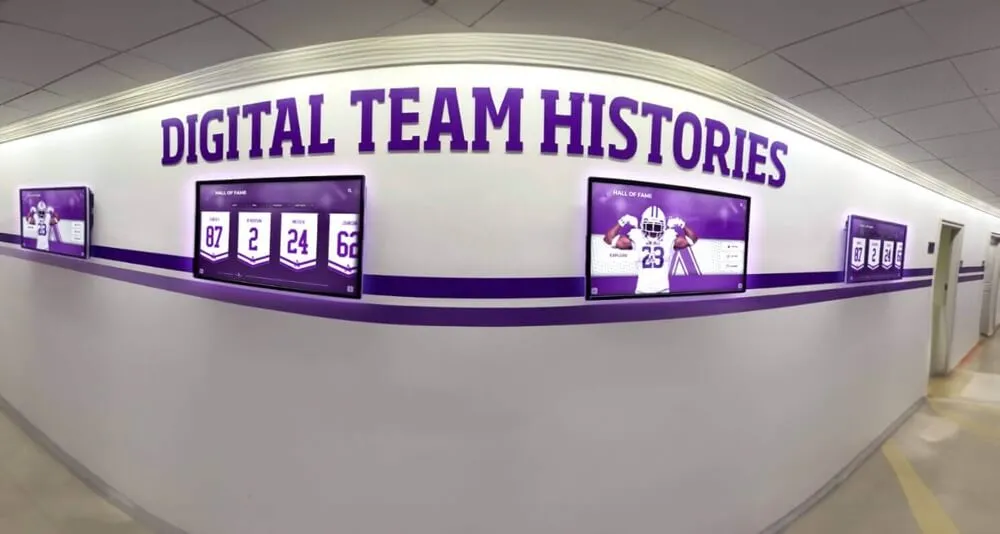
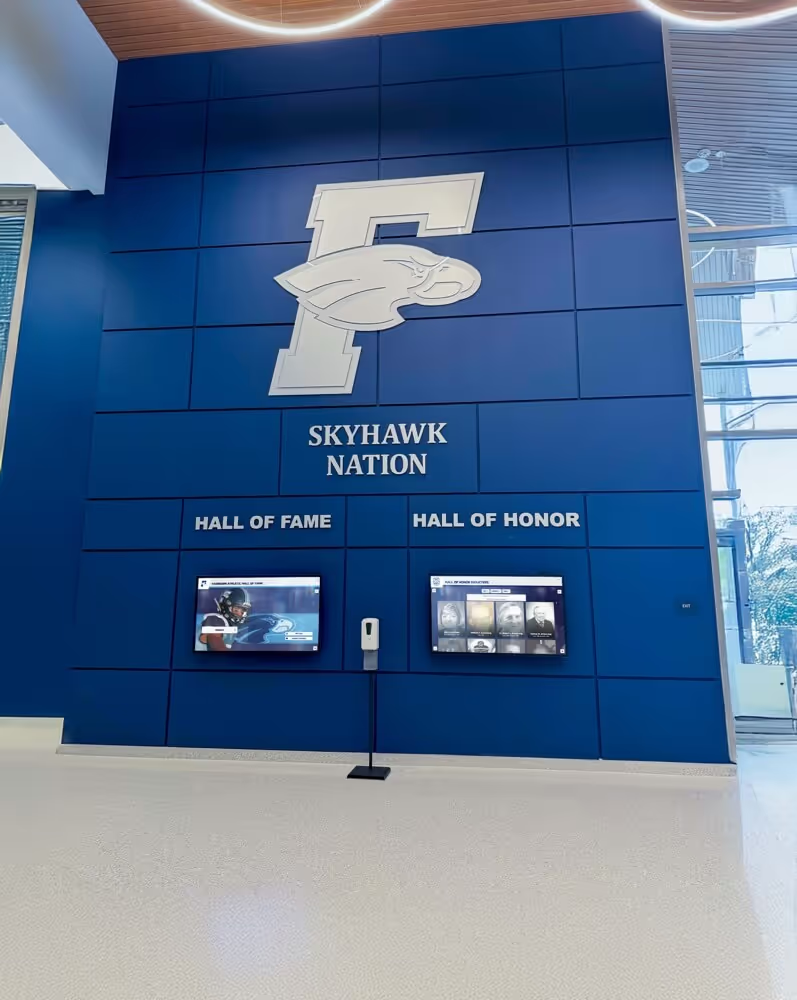
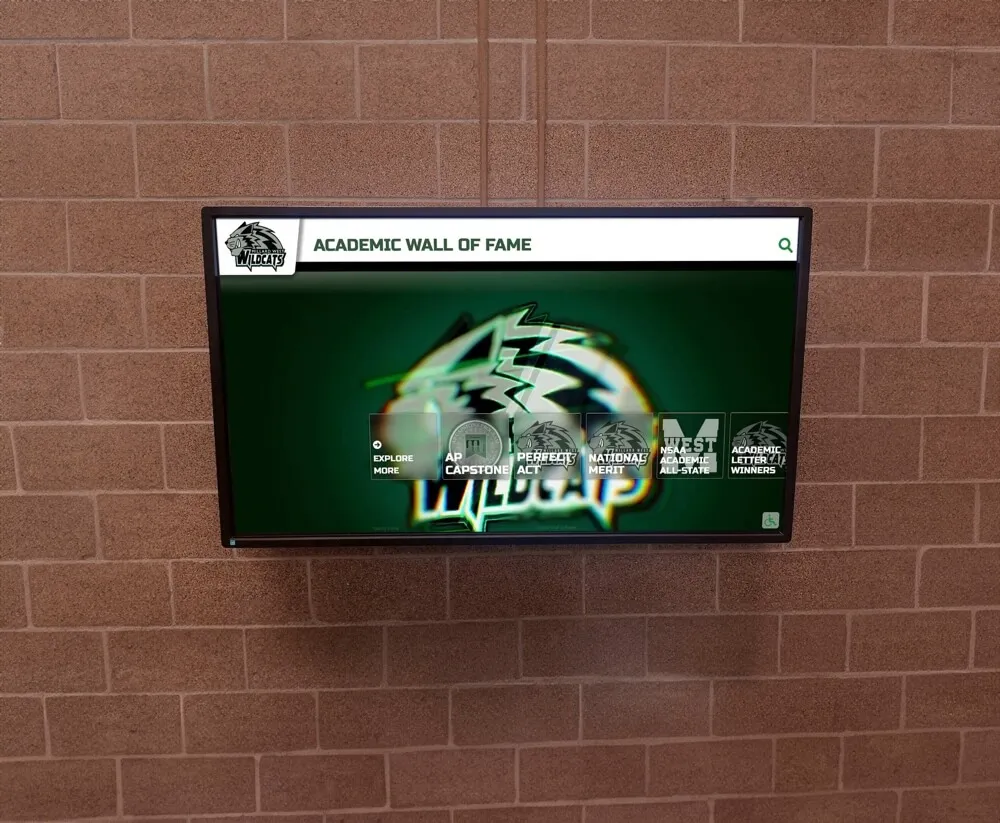
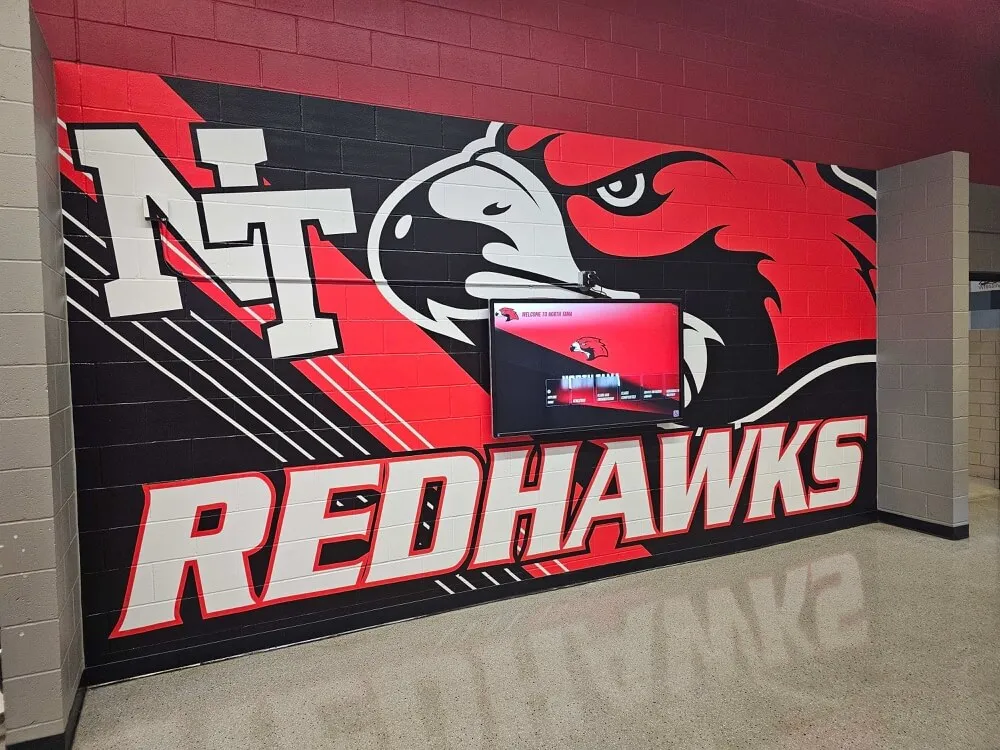
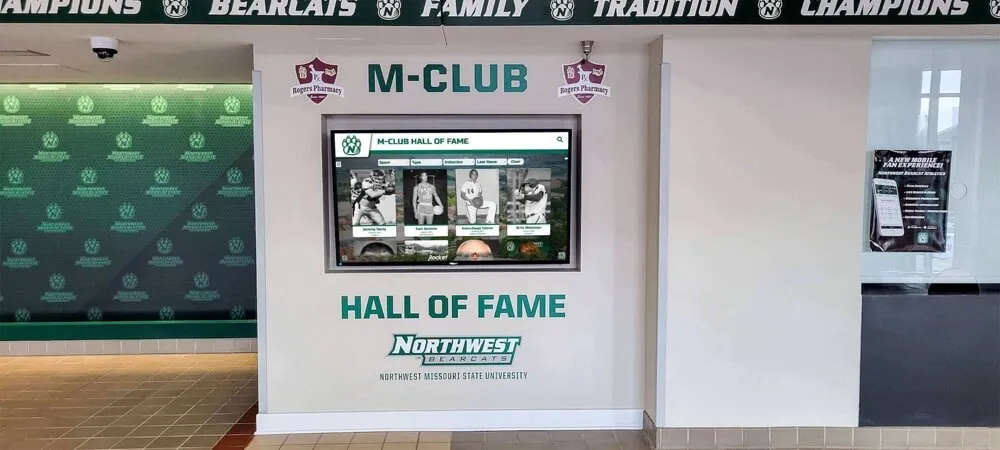
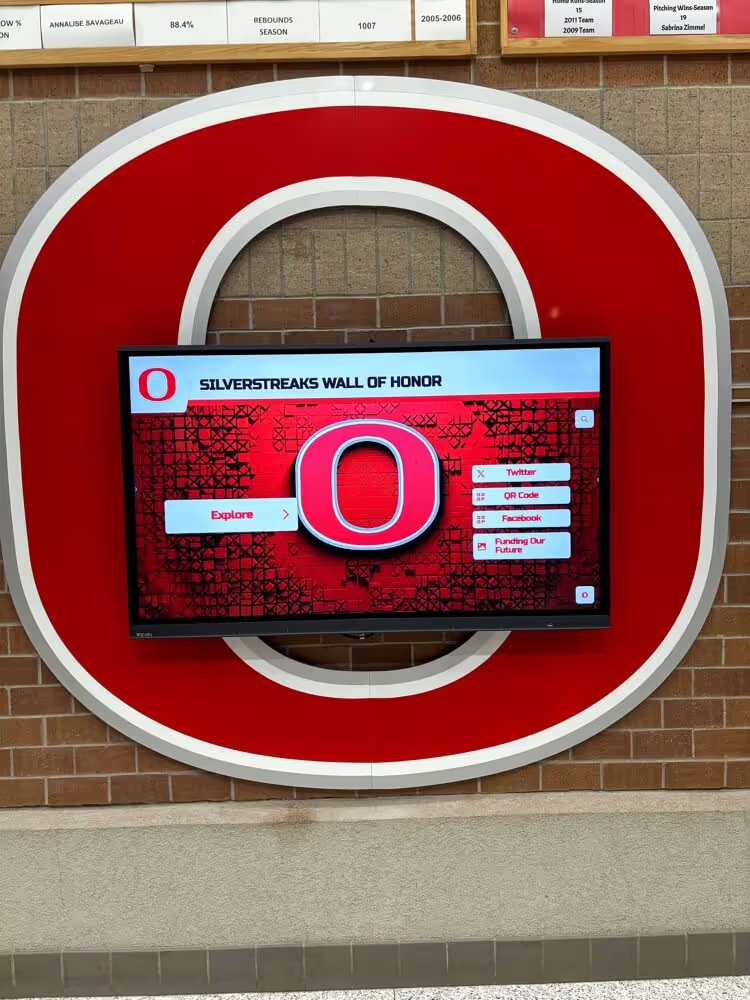
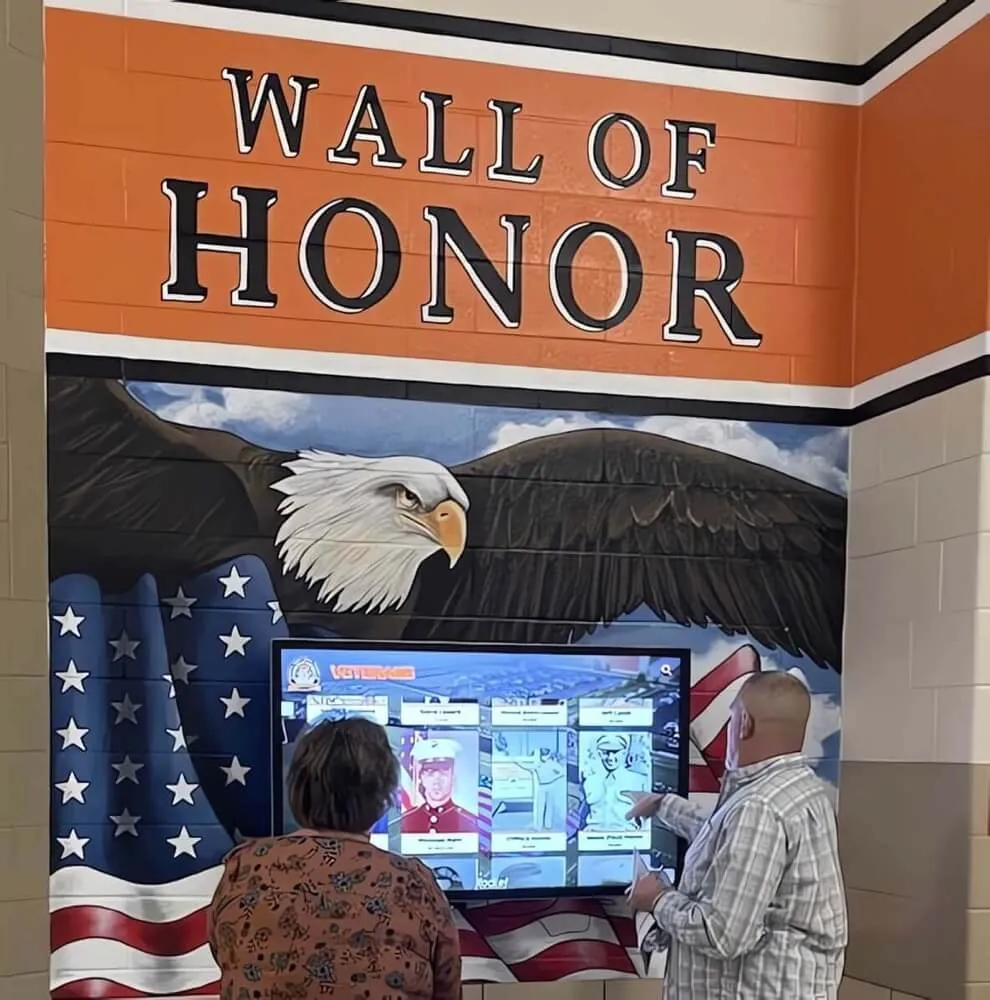
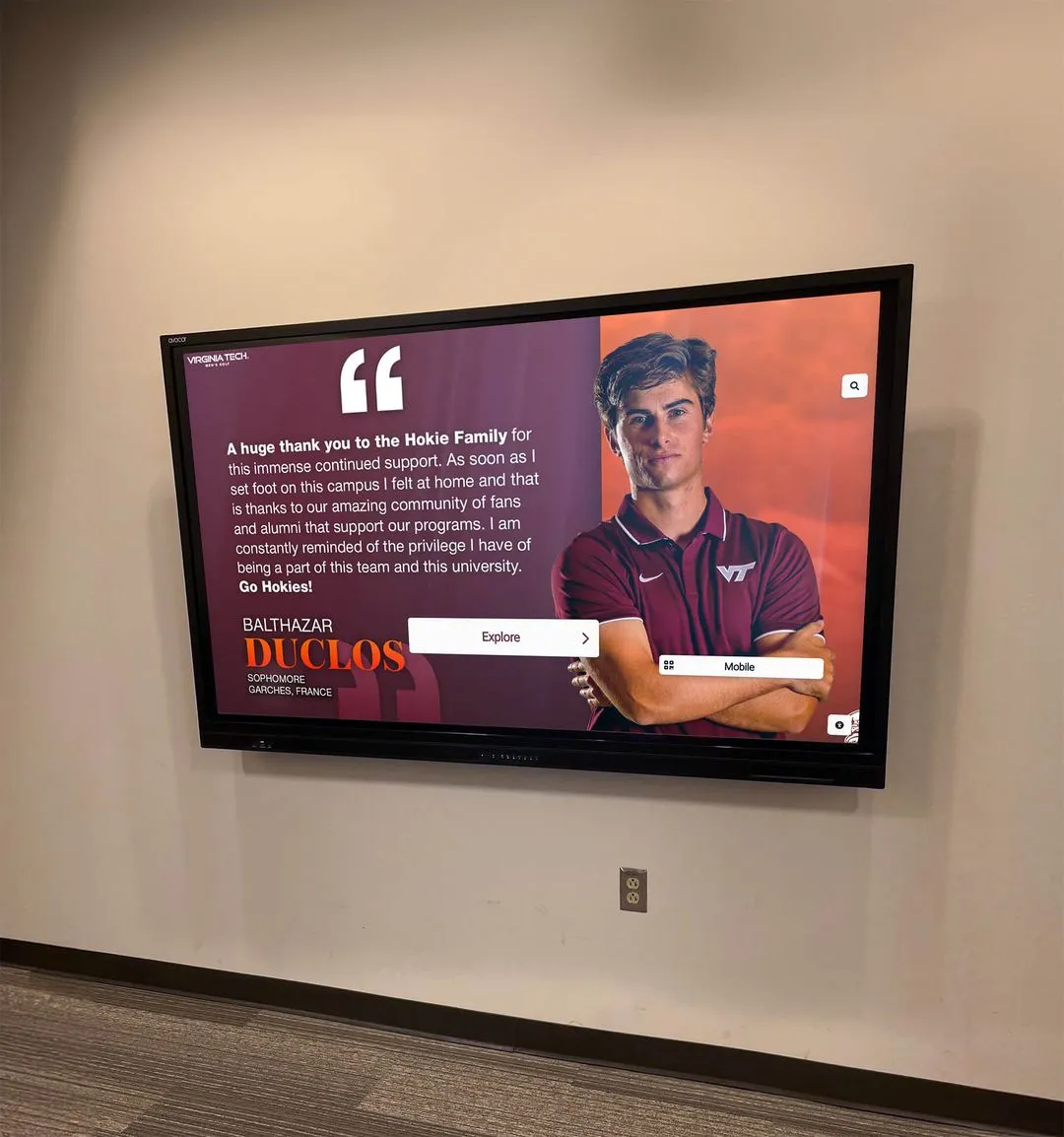
Modern schools preserve valedictorian recognition through interactive displays that celebrate academic excellence permanently
Understanding Valedictorian: Definition and Meaning
At its essence, a valedictorian is the student graduating with the highest academic standing in their class.
Core Definition and Etymology
What Valedictorian Means
The term “valedictorian” derives from the Latin “valedicere,” meaning “to say farewell.” This linguistic origin reflects the valedictorian’s traditional role delivering a farewell address at graduation ceremonies on behalf of the entire graduating class.
Modern Valedictorian Designation
In contemporary American education, valedictorian represents:
- Highest academic achievement: The student(s) graduating with the highest grade point average
- Academic leadership recognition: Acknowledgment of sustained excellence throughout high school
- Speaking privilege: Traditional opportunity to deliver the graduation valedictory address
- Permanent honor: Designation appearing on transcripts, diplomas, and school records
- Historical tradition: Recognition dating back centuries to earliest American educational institutions
Salutatorian Distinction
Most schools also recognize a salutatorian—the student with the second-highest academic standing.
Salutatorian Definition
- Derived from Latin “salutare” meaning “to greet”
- Traditionally delivers welcoming or greeting address at graduation
- Second-highest academic honor after valedictorian
- Receives similar recognition and ceremonial roles
This dual recognition structure creates opportunities for multiple students to receive top academic honors and graduation speaking roles.
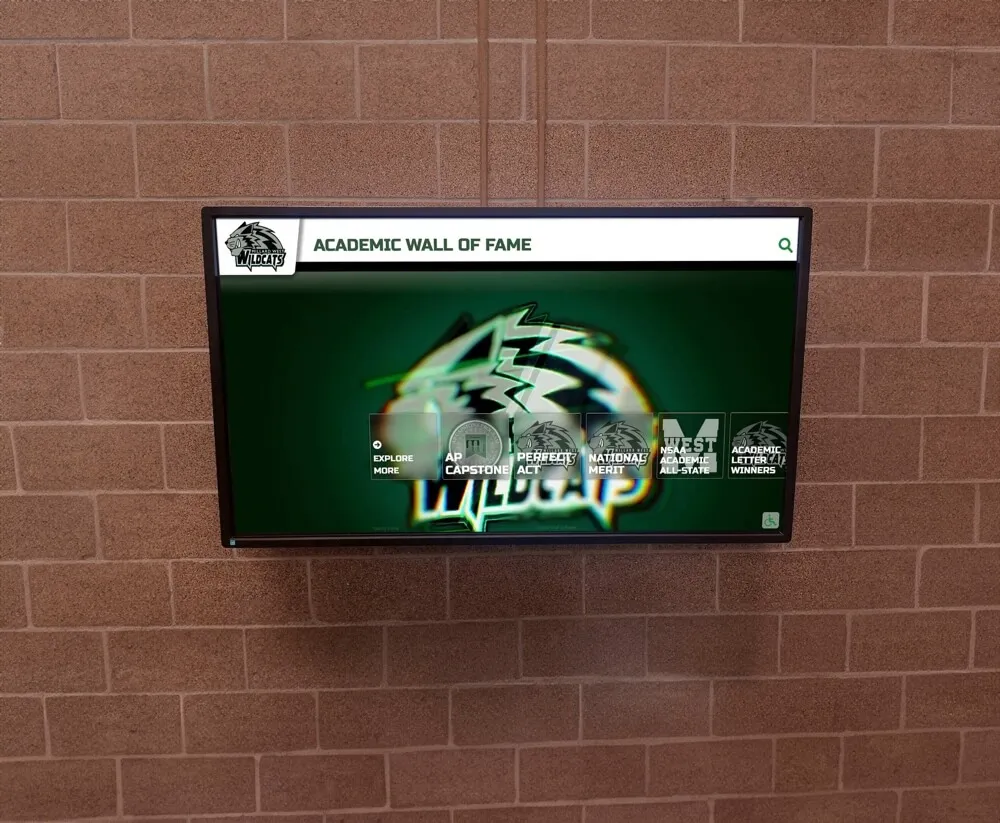
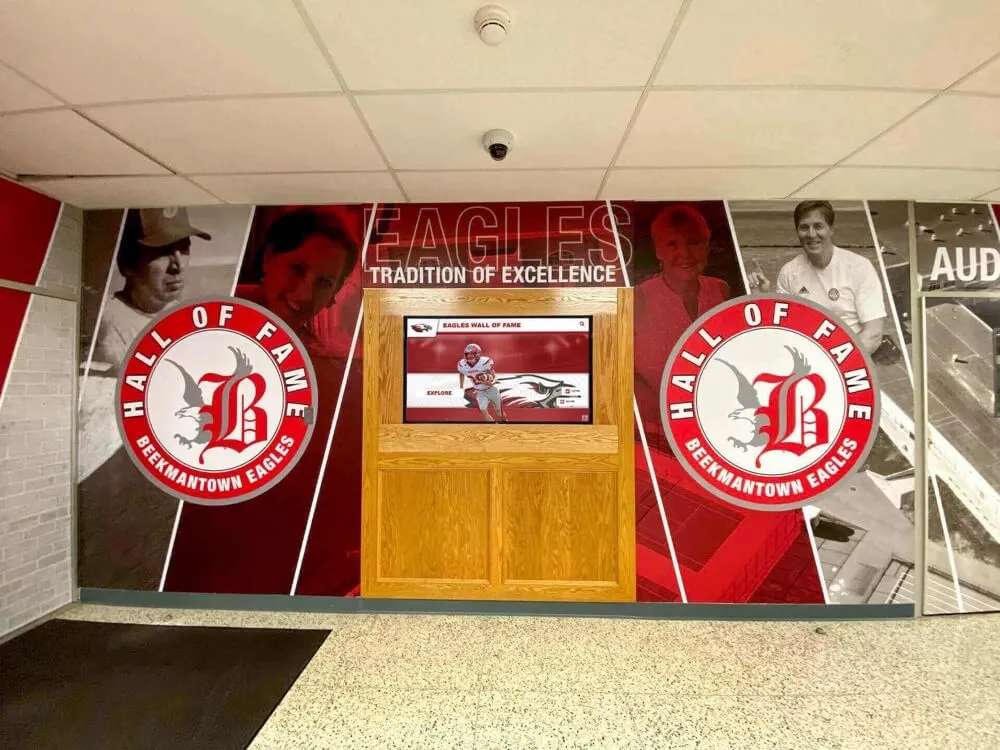
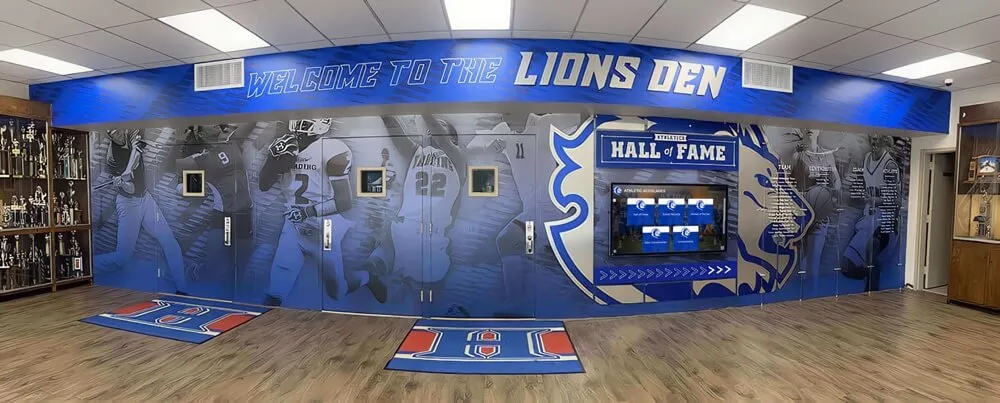
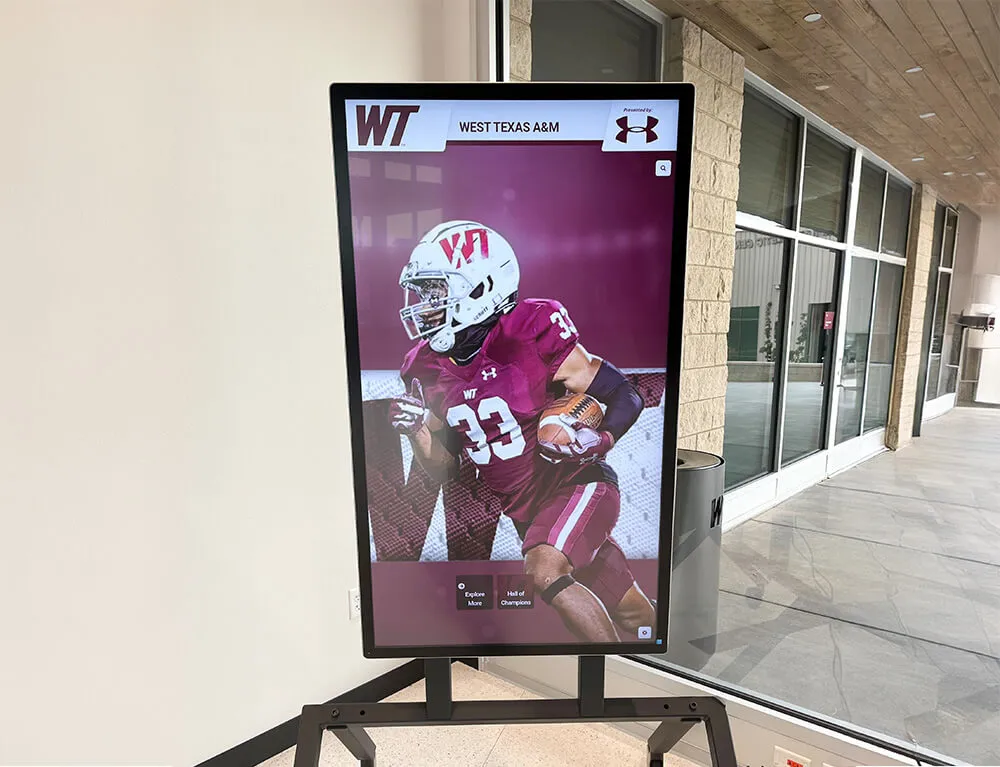
Dedicated recognition displays ensure valedictorian achievements remain visible throughout school communities
Historical Context: The Evolution of Valedictorian Traditions
Valedictorian recognition has evolved significantly since its origins in early American education.
Historical Origins
Colonial and Early American Education
Valedictorian traditions emerged in colonial colleges during the 17th and 18th centuries:
- Students graduating with highest academic marks delivered Latin farewell orations
- Recognition emphasized classical education and oratorical skill
- Early valedictorian addresses conducted entirely in Latin
- Tradition spread from colleges to preparatory schools and eventually high schools
- Originally limited to male students at all-male institutions
19th and Early 20th Century Evolution
As American education expanded and diversified:
- English replaced Latin for valedictorian addresses
- Recognition extended to women as coeducation expanded
- High schools adopted college valedictorian traditions
- Academic measurement became more standardized with grading systems
- Selection focused increasingly on grade point average
Modern Valedictorian Practices
Contemporary approaches reflect changing educational priorities and diverse student populations.
Traditional Single Valedictorian
- One student graduates with highest GPA
- Delivers graduation speech representing class
- Receives special recognition and ceremonial honor
- Name recorded in school history and records
- Standard approach at many schools nationwide
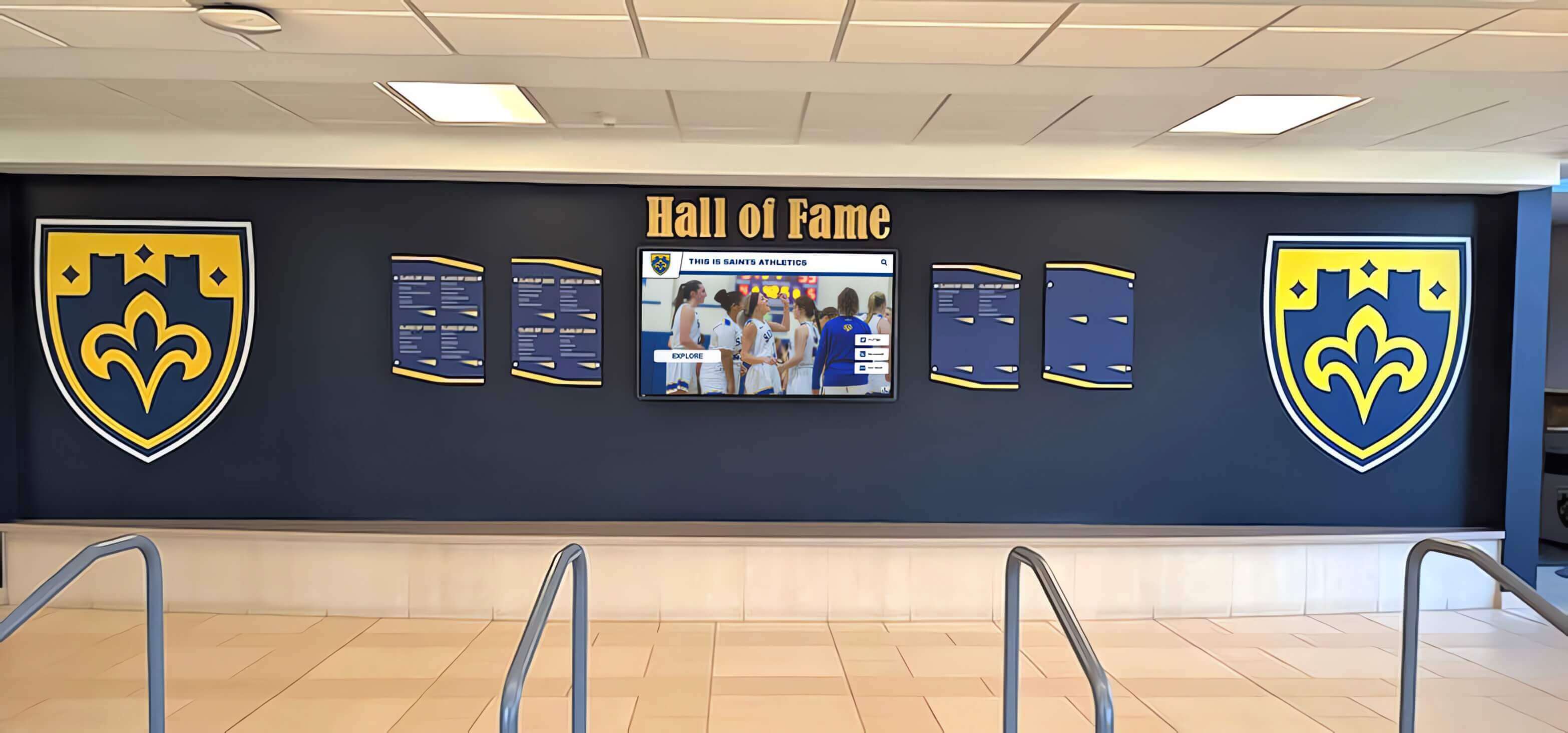
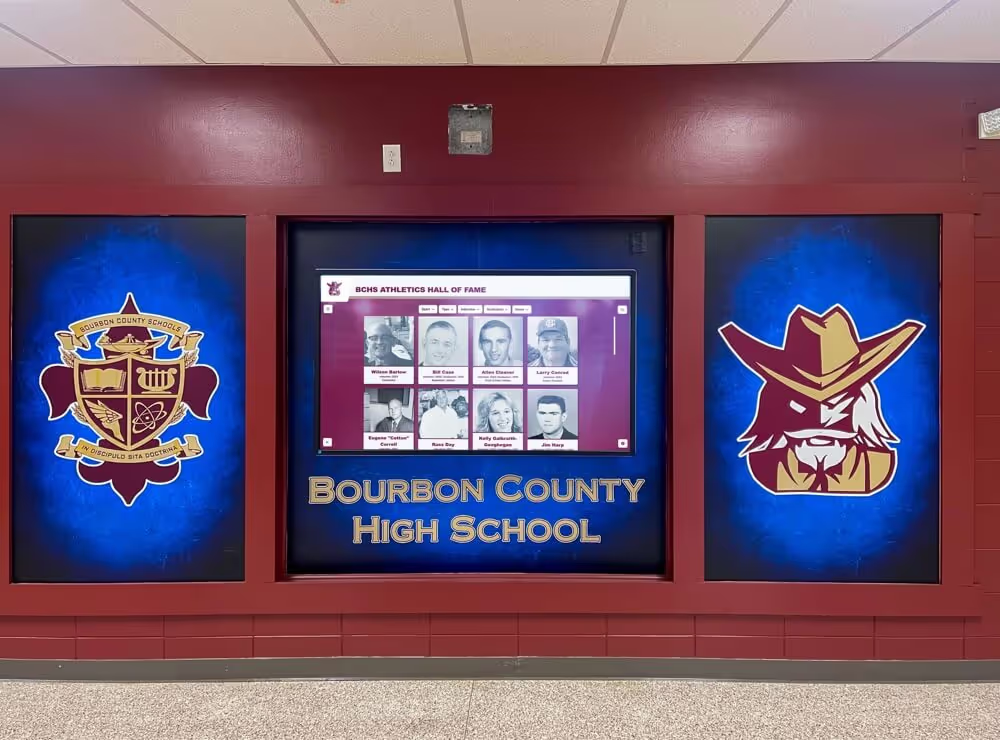
Prominent display spaces showcase valedictorian recognition alongside other honored students and achievements
Multiple Valedictorians Growing numbers of schools recognize multiple valedictorians:
- Students tying with identical highest GPAs all receive valedictorian designation
- Increasing grade inflation creates more students with perfect 4.0+ weighted GPAs
- Some schools name all students exceeding specific GPA thresholds as valedictorians
- Multiple valedictorians share graduation speaking opportunities
- Debate continues about whether multiple designations dilute honor’s meaning
Alternative Recognition Structures Some schools have modified or eliminated traditional valedictorian designation:
- Latin honors system (summa cum laude, magna cum laude, cum laude) instead of single valedictorian
- Top percentage recognition (top 1%, top 5%, etc.) rather than individual ranking
- Multiple honors for different achievement types beyond pure GPA
- Elimination of class ranking entirely to reduce academic pressure
- Focus on individual achievement rather than competitive ranking
Schools implementing comprehensive academic recognition programs find that expanding recognition beyond single valedictorian honors creates more inclusive cultures while maintaining prestigious top designation significance.
How Schools Calculate and Determine Valedictorian
Selection methodologies vary significantly among schools, creating different pathways to valedictorian status.
GPA Calculation Methods
Weighted vs. Unweighted GPA
The most fundamental distinction in valedictorian determination:
Unweighted GPA (4.0 Scale)
- Standard grading where A=4.0, B=3.0, C=2.0, etc.
- All courses count equally regardless of difficulty
- Perfect 4.0 requires straight A grades in all courses
- Simpler calculation but doesn’t reward challenging coursework
- Can disadvantage students taking rigorous courses
Weighted GPA (5.0+ Scale)
- Honors, Advanced Placement, and International Baccalaureate courses receive extra weight
- A grade in weighted course might equal 4.5 or 5.0 points
- Encourages students to challenge themselves academically
- More complex calculation requiring clear policies
- Can result in GPAs exceeding 4.0 (student with 4.3 GPA taking weighted courses)
Schools must clearly communicate which GPA calculation determines valedictorian status and ensure policies remain consistent throughout students’ high school careers.

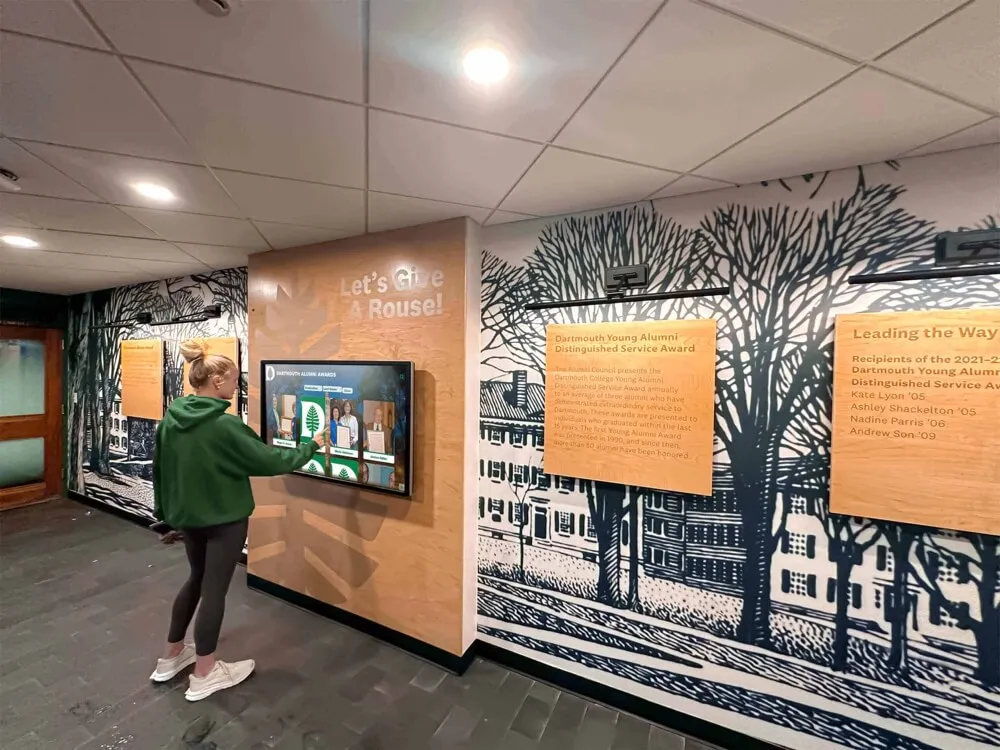
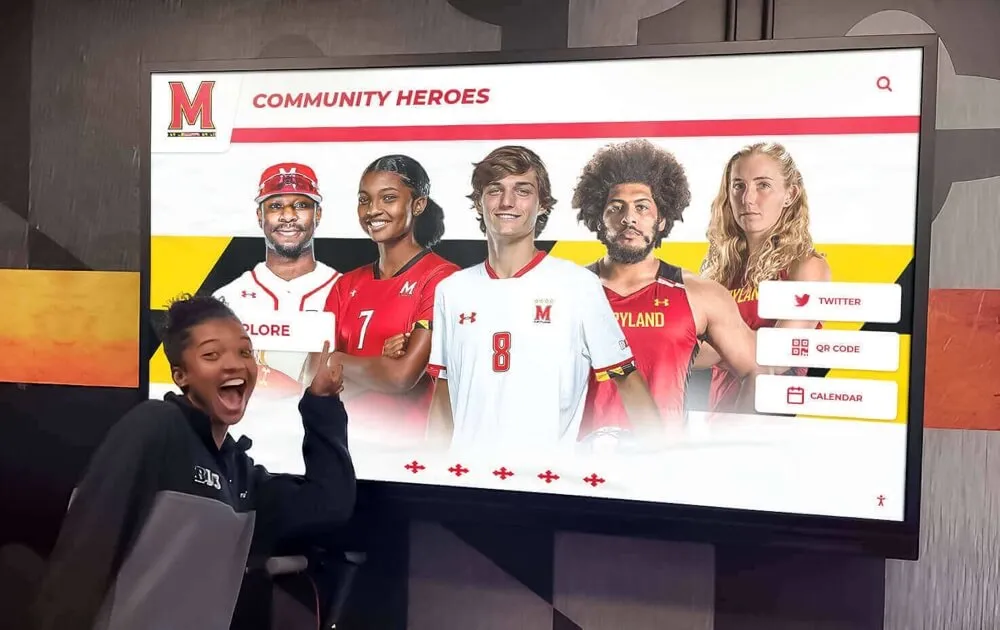
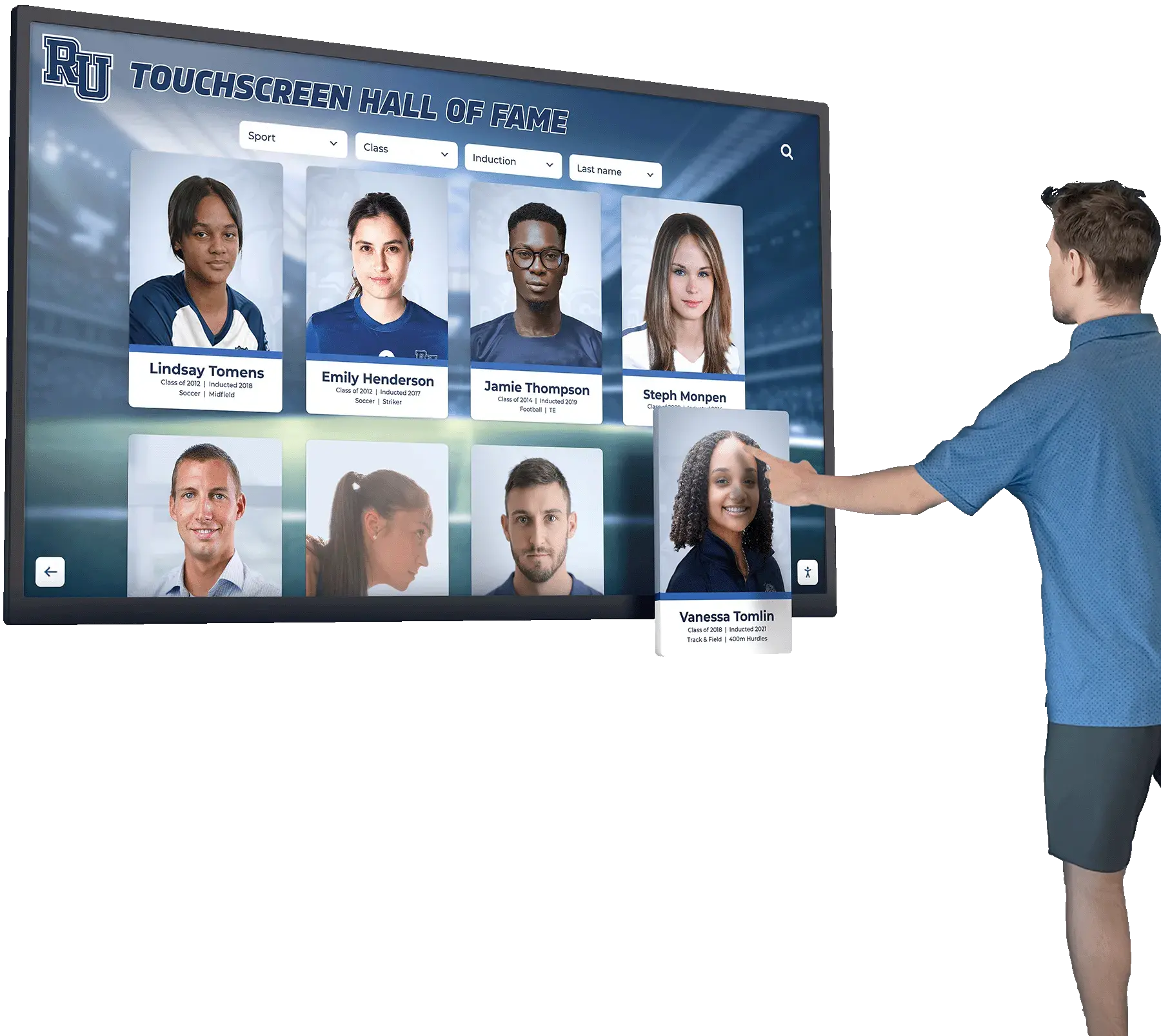
Interactive touchscreen displays enable students to explore academic achievement histories and see valedictorian legacies
Course Selection Considerations
Eligible Coursework
Schools must define which courses count toward valedictorian GPA:
Typical Inclusions
- All core academic courses (English, mathematics, science, social studies)
- Foreign language courses
- Advanced Placement and honors courses
- Some or all elective courses depending on school policy
Common Exclusions
- Physical education classes (at many schools)
- Teacher aide or office assistant periods
- Pass/fail courses
- Courses taken outside regular school day
- Some online or virtual courses depending on policy
Transfer Student Policies
Schools need clear guidelines for students who transfer:
- How to incorporate grades from previous schools
- Whether to use only courses completed at current school
- Minimum residency requirements for valedictorian eligibility
- Policies for students attending multiple high schools
- Treatment of international transcripts and grading scales
Tiebreaker Procedures
When multiple students achieve identical GPAs, schools employ various tiebreaking methods:
Common Tiebreaker Approaches
- Calculation to additional decimal places (3 or 4 decimal precision)
- Comparison of specific course categories or subject areas
- Consideration of standardized test scores (SAT/ACT)
- Total number of weighted courses completed
- Cumulative unweighted GPA as secondary metric
Multiple Valedictorian Designation Increasingly, schools name all students with identical highest GPAs as co-valedictorians rather than employing tiebreakers, recognizing that tiny GPA differences don’t necessarily reflect meaningful achievement distinctions.
Special Circumstances and Exceptions
Early Graduation
- Students graduating early may compete for valedictorian with their original cohort
- Some schools count early graduates separately
- Policies should be established before students make early graduation decisions
Accelerated Programs
- Students completing high school in less than four years
- Dual enrollment and early college programs
- Treatment of college courses taken during high school
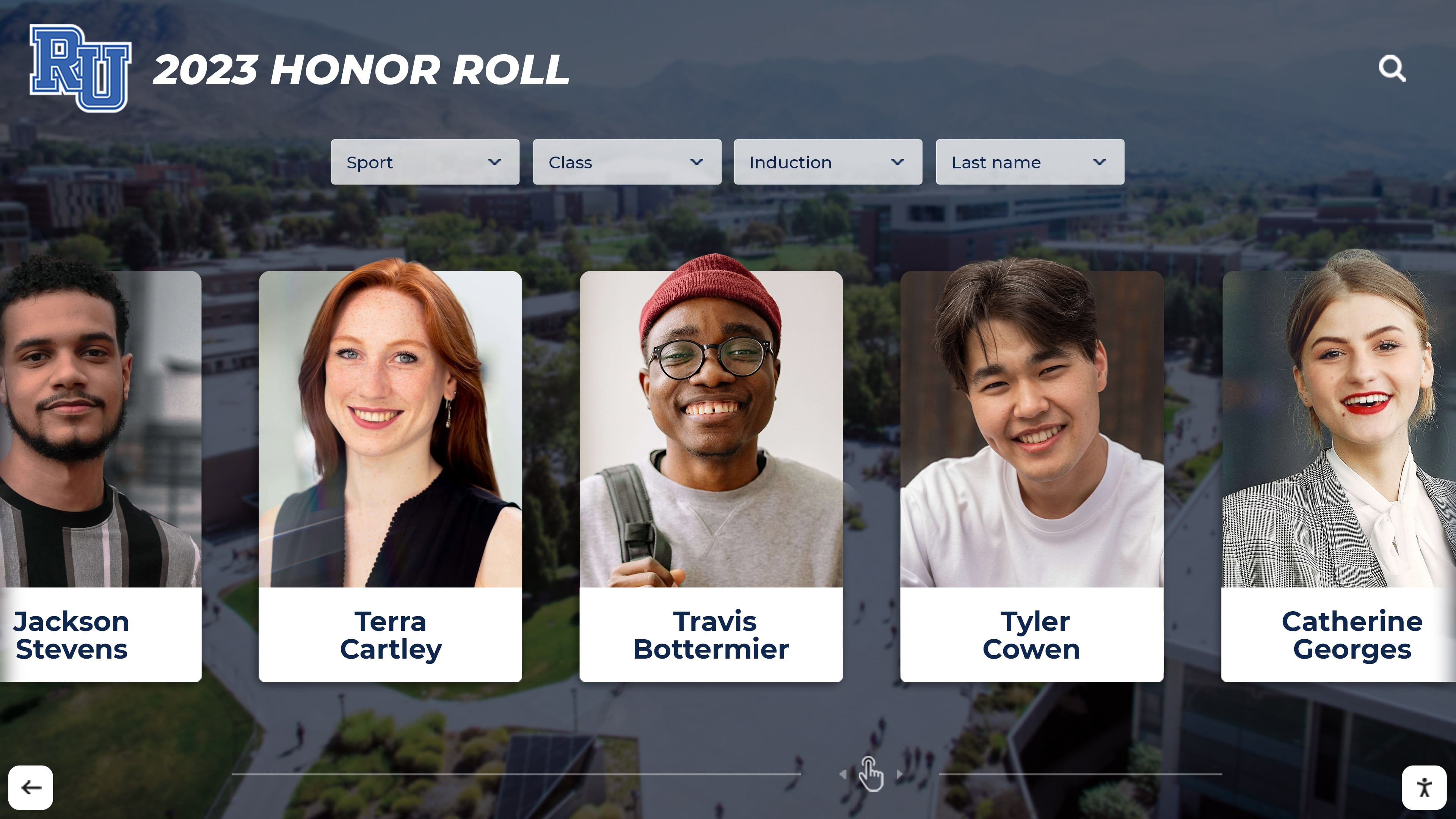
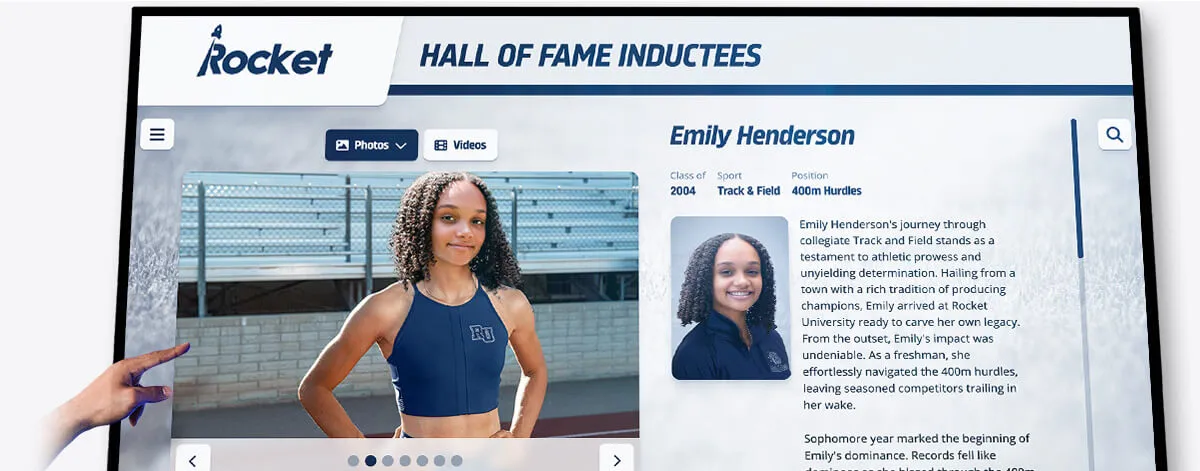
Individual recognition profiles celebrate valedictorian achievements with detailed academic journey documentation
Grade Forgiveness Policies
- Whether repeated courses replace original grades
- Treatment of summer school grade improvements
- Credit recovery program grade calculations
Clear, consistently applied policies ensure fairness and transparency in valedictorian determination while preventing disputes and confusion.
Valedictorian Responsibilities and Traditions
Beyond academic achievement, valedictorian status involves specific roles and expectations.
Graduation Speech Requirements
The valedictory address represents the most visible valedictorian responsibility.
Speech Preparation
Traditional valedictorian speeches:
- Reflect on shared high school experiences
- Acknowledge teachers, families, and administrators
- Offer advice or perspective to fellow graduates
- Look forward to future opportunities and challenges
- Balance serious reflection with appropriate humor
- Typically 5-8 minutes in length
School Support for Speech Development
Responsible schools provide:
- English teacher or speech coach guidance
- Advance timelines with clear deadlines
- Review processes ensuring appropriate content
- Practice opportunities and feedback
- Technical support for speech delivery
When multiple valedictorians exist, schools may rotate speaking opportunities, allow all to speak briefly, or select representatives through additional processes.
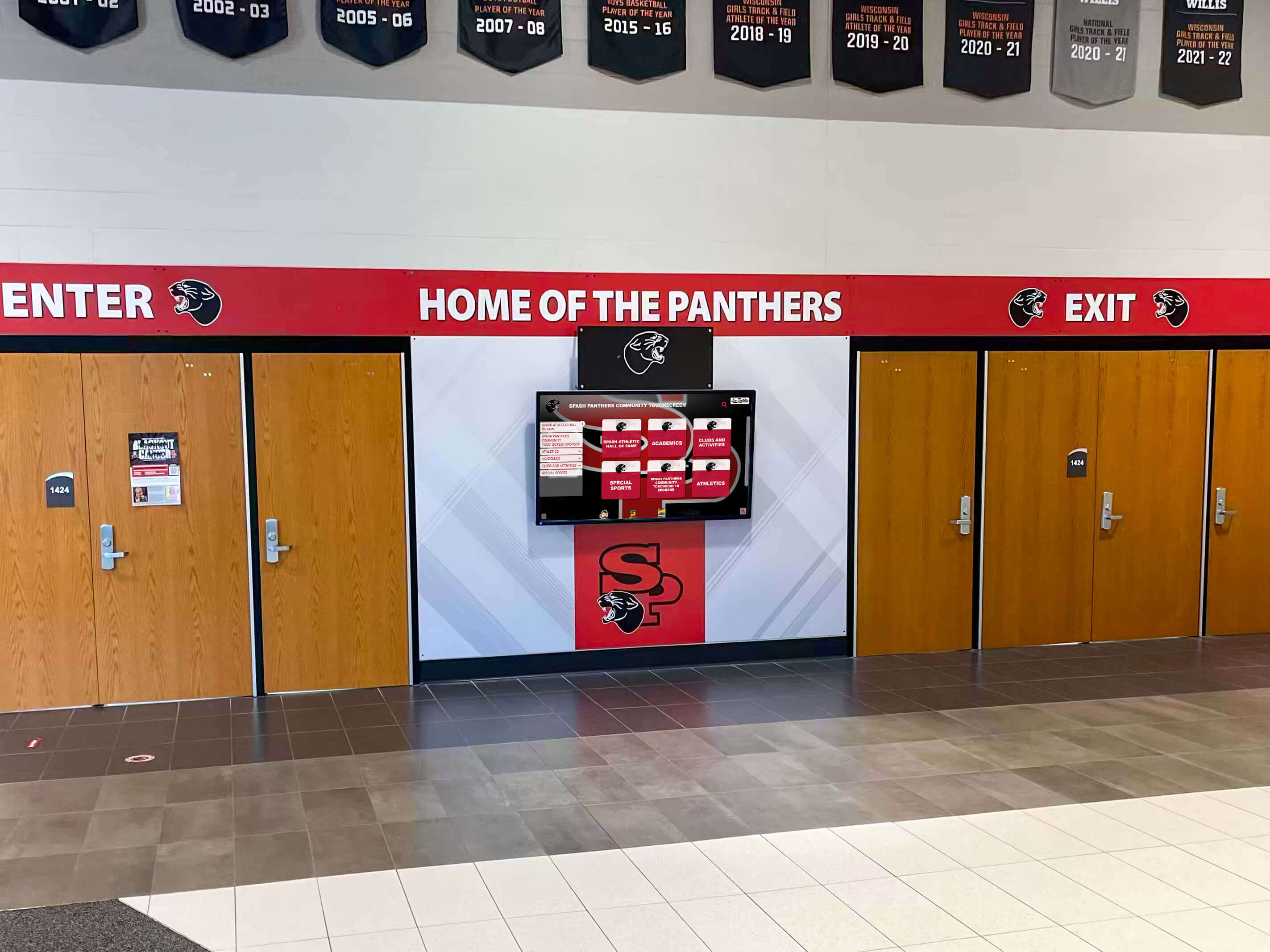
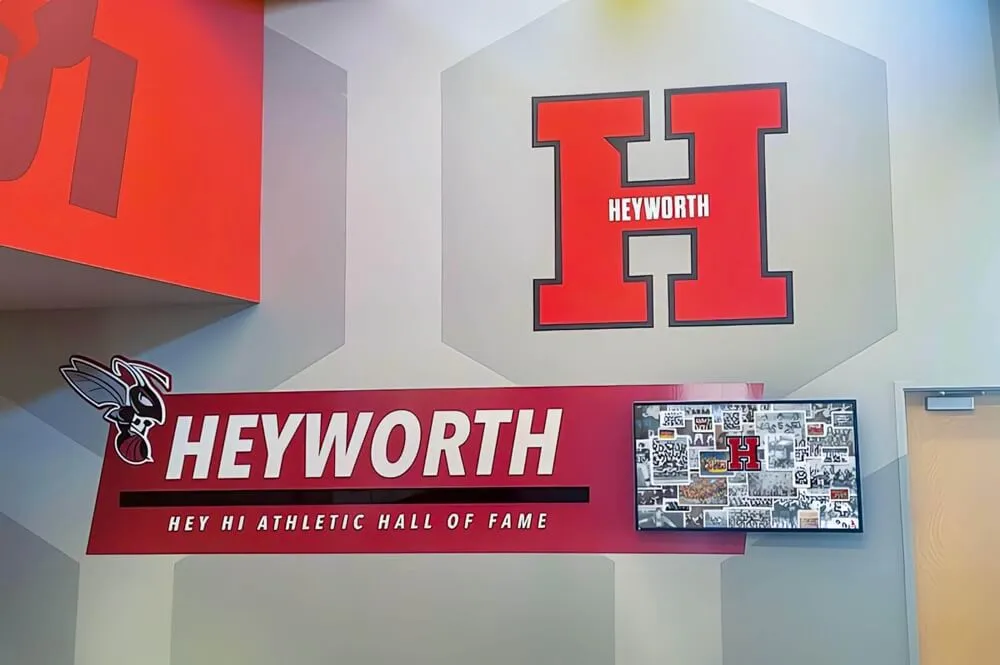
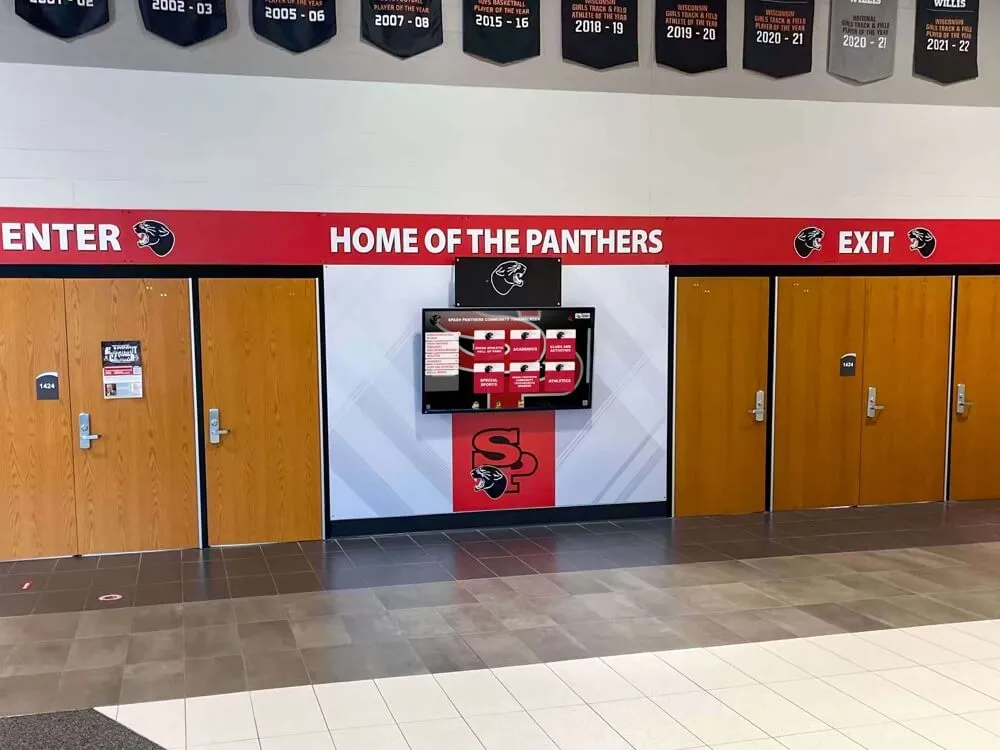
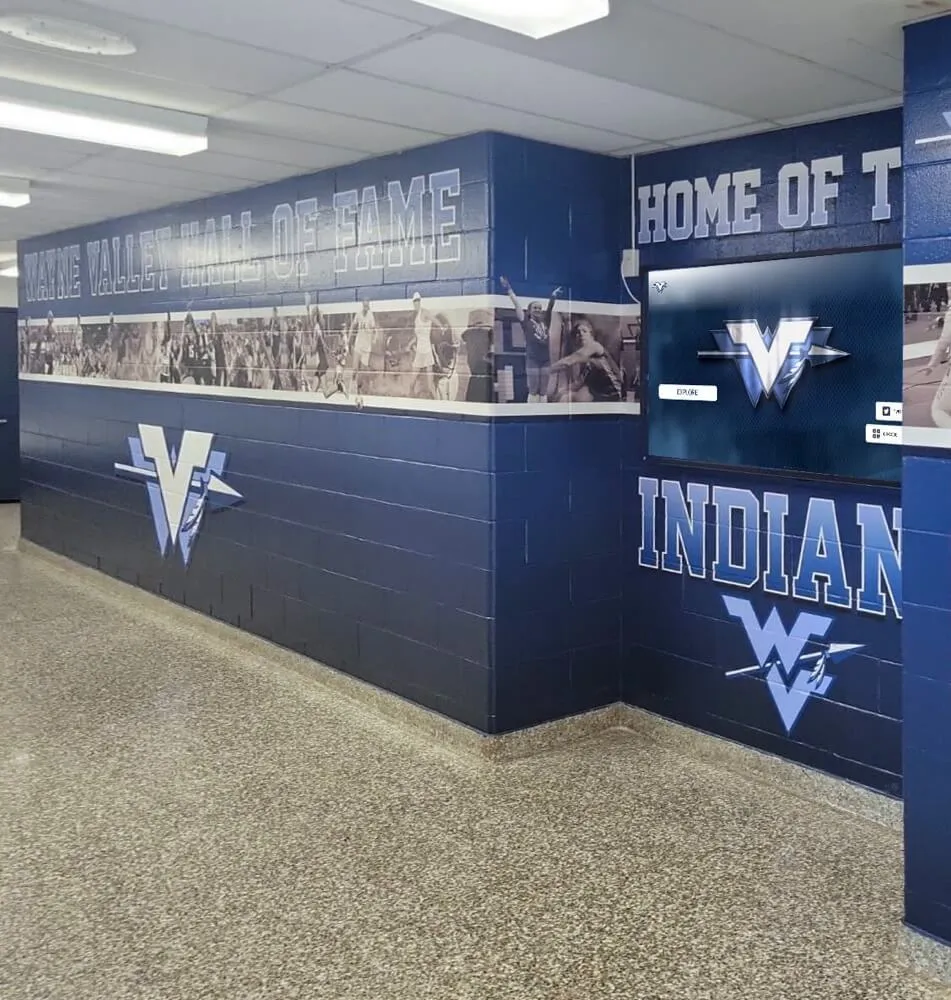
Entrance displays ensure valedictorian recognition receives prominent visibility as students, families, and visitors enter buildings
Additional Recognition and Honors
Graduation Ceremony Recognition
Valedictorians typically receive:
- First introduction during graduation ceremonies
- Special seating positions or processional placement
- Distinctive honor cords, stoles, or medallions
- Recognition in printed programs
- Photographs with school leadership
- Special diploma presentation or acknowledgment
Academic Record Documentation
Permanent recognition includes:
- Valedictorian designation on official transcripts
- Recognition on diploma itself
- Permanent school records and archives
- Yearbook featured placement and recognition
- School website and publication acknowledgment
Awards and Scholarships
Many valedictorians receive:
- School-specific valedictorian scholarships
- Community organization academic awards
- University recruitment and scholarship opportunities
- Local business and civic group recognition
- State or regional valedictorian honors
Schools implementing digital recognition displays ensure valedictorian achievements remain permanently visible rather than fading after graduation ceremonies conclude.
Benefits and Challenges of Valedictorian Status
Understanding both advantages and potential drawbacks helps students, families, and schools navigate valedictorian recognition.
Academic and Career Benefits
College Application Enhancement
Valedictorian status provides significant advantages:
- Demonstrates sustained academic excellence over four years
- Distinguishes applications in competitive college admissions
- Qualifies students for valedictorian-specific scholarships
- Creates conversation points for application essays and interviews
- Signals strong work ethic and academic commitment
Scholarship Opportunities
Many scholarships specifically target valedictorians:
- Full-tuition scholarships at many universities
- Community foundation valedictorian awards
- National scholarship programs seeking top achievers
- Cumulative scholarship value often reaching $50,000-$100,000+ across four years
Professional Recognition
Valedictorian designation provides long-term advantages:
- Resume distinction throughout early career
- Leadership program recruitment consideration
- Graduate school application enhancement
- Professional network respect and recognition
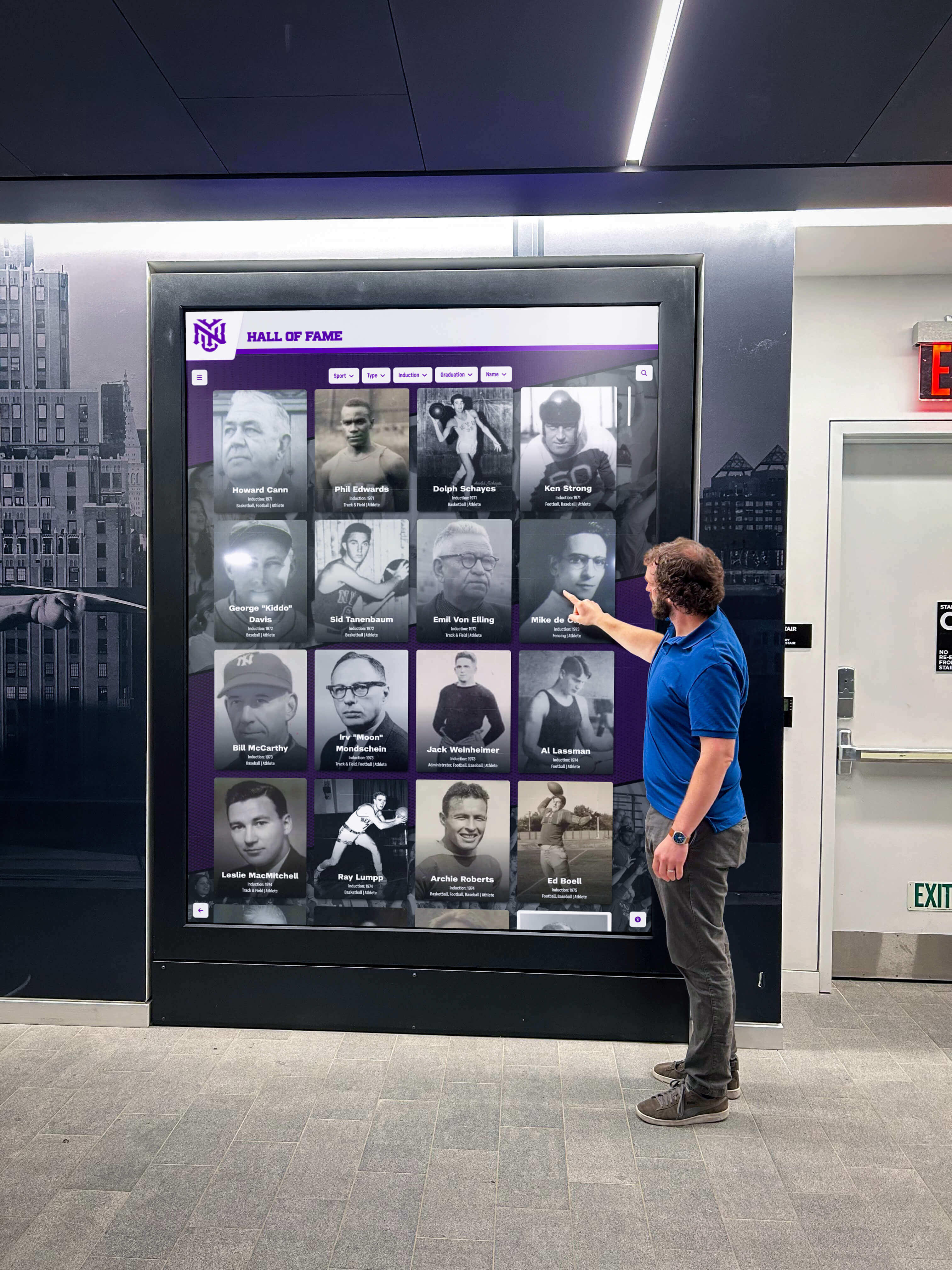
Interactive displays enable families and community members to explore valedictorian achievements and school academic excellence
Potential Challenges and Pressures
Academic Pressure and Stress
Pursuing valedictorian status can create:
- Intense pressure to maintain perfect grades across all courses
- Reluctance to take challenging courses that might lower GPA
- Anxiety about grade point differences measured to hundredths
- Unhealthy competition among high-achieving students
- Stress affecting mental health and overall wellbeing
Course Selection Limitations
GPA-focused students may:
- Avoid interesting electives that might negatively impact GPA
- Choose easier courses over genuinely challenging opportunities
- Select courses strategically for grades rather than learning
- Miss exploration opportunities in arts, career-technical education
- Develop narrow academic focuses missing broader education
Schools should ensure comprehensive recognition programs celebrate diverse achievements beyond pure GPA, reducing pressure while maintaining valedictorian honor significance.
Social and Emotional Considerations
Peer Relationships
Valedictorian pursuit can affect social dynamics:
- Pressure in friendships among competing high achievers
- Potential resentment from peers viewing competition as excessive
- Balance between academic achievement and social activities
- Identity formation around academic performance
Personal Development Balance
Students need opportunities to:
- Develop interests and passions beyond academics
- Participate in extracurricular activities and leadership
- Build social skills and emotional intelligence
- Explore identity beyond academic achievement
- Maintain physical and mental health
Healthy valedictorian pursuit involves sustained academic excellence while maintaining balanced overall development and wellbeing.
Modern Recognition Approaches: Honoring Valedictorians Permanently
Traditional valedictorian recognition—graduation speeches, yearbook photos, and trophy case plaques—provides limited ongoing visibility.
Challenges with Traditional Recognition
Physical Display Limitations
Static recognition faces inherent constraints:
Space Problems
- Trophy cases fill quickly with decades of valedictorians
- Wall space limits how many years of valedictorians receive display
- Physical plaques deteriorate or become outdated
- Adding new valedictorians requires removing historical recognition
- Limited room for comprehensive valedictorian information
Engagement Limitations
- Static plaques provide only names and graduation years
- No ability to share valedictorian accomplishments or stories
- Graduates rarely return to campus to see recognition
- Current students may not engage with outdated displays
- Families and alumni worldwide cannot access recognition

Hallway recognition displays provide high-visibility spaces where valedictorians receive ongoing daily recognition
Digital Recognition Solutions
Modern schools increasingly implement digital recognition displays eliminating traditional limitations.
Unlimited Recognition Capacity
Digital platforms like Rocket Alumni Solutions provide space for unlimited valedictorian recognition:
- Single display showcases every valedictorian from school history
- No need to remove historical recognition when adding current valedictorians
- Equal visibility for all valedictorians regardless of graduation year
- Comprehensive archives preserving institutional tradition permanently
- Ability to feature both valedictorians and salutatorians equally
Interactive Features and Enhanced Storytelling
Digital recognition displays transform simple name plaques into rich profiles:
- Detailed biographical information about each valedictorian
- Photos from graduation ceremonies and academic achievements
- Information about awards, scholarships, and college destinations
- Video segments from valedictorian speeches or interviews
- Post-graduation updates showing career successes
- Searchable databases allowing visitors to find specific years or students
Remote Management and Easy Updates
Cloud-based systems simplify ongoing administration:
- Add new valedictorians each year from any internet-connected device
- Update information or add additional photos after graduation
- Schedule content publishing coordinating with graduation ceremonies
- No physical maintenance or trophy case reorganization required
- Alumni can access recognition online from anywhere worldwide
Web-Based Recognition Extensions
Digital valedictorian recognition extends beyond physical campus:
Online Accessibility
- Alumni worldwide explore current valedictorian recognition
- Families access and share recognition with extended relatives
- College admissions offices view comprehensive student profiles
- Social media integration enabling celebration across platforms
- Mobile optimization ensuring accessibility on all devices
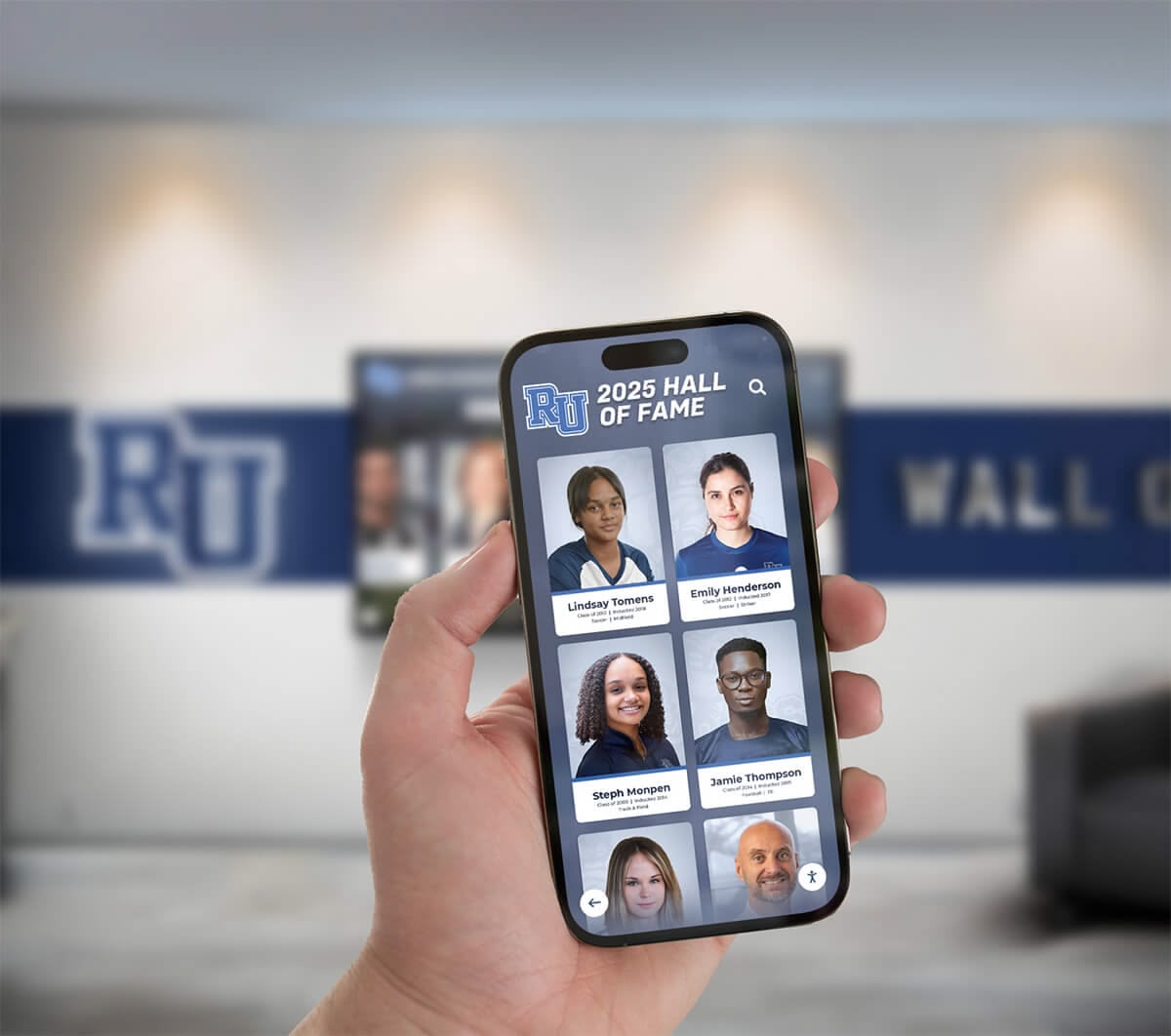
Mobile access enables valedictorians and families to explore recognition from anywhere, sharing accomplishments widely
Engagement Analytics
Schools can track recognition impact:
- Monitor how often students and visitors interact with valedictorian displays
- See which profiles receive most attention and sharing
- Assess whether recognition displays increase academic culture
- Understand optimal placement for maximum visibility
- Measure alumni engagement with historical valedictorian records
Schools implementing comprehensive digital recognition report that valedictorians and their families express significantly higher satisfaction when recognition remains visible and accessible throughout high school years and beyond graduation.
Valedictorian Recognition Best Practices
Schools establishing or improving valedictorian recognition benefit from systematic approaches.
Clear Policy Development
Establishing Transparent Criteria
Effective policies include:
Documentation Requirements
- Written policies defining valedictorian calculation methodology
- Clear specification of weighted vs. unweighted GPA usage
- Explicit inclusion/exclusion of course categories
- Tiebreaker procedures clearly explained
- Transfer student and special circumstance guidelines
- Publication timelines and announcement procedures
Communication Standards
- Policies communicated to students and families starting freshman year
- Annual reminders about GPA calculation and valedictorian determination
- Available consultation with counselors about academic planning
- Written documentation preventing disputes and confusion
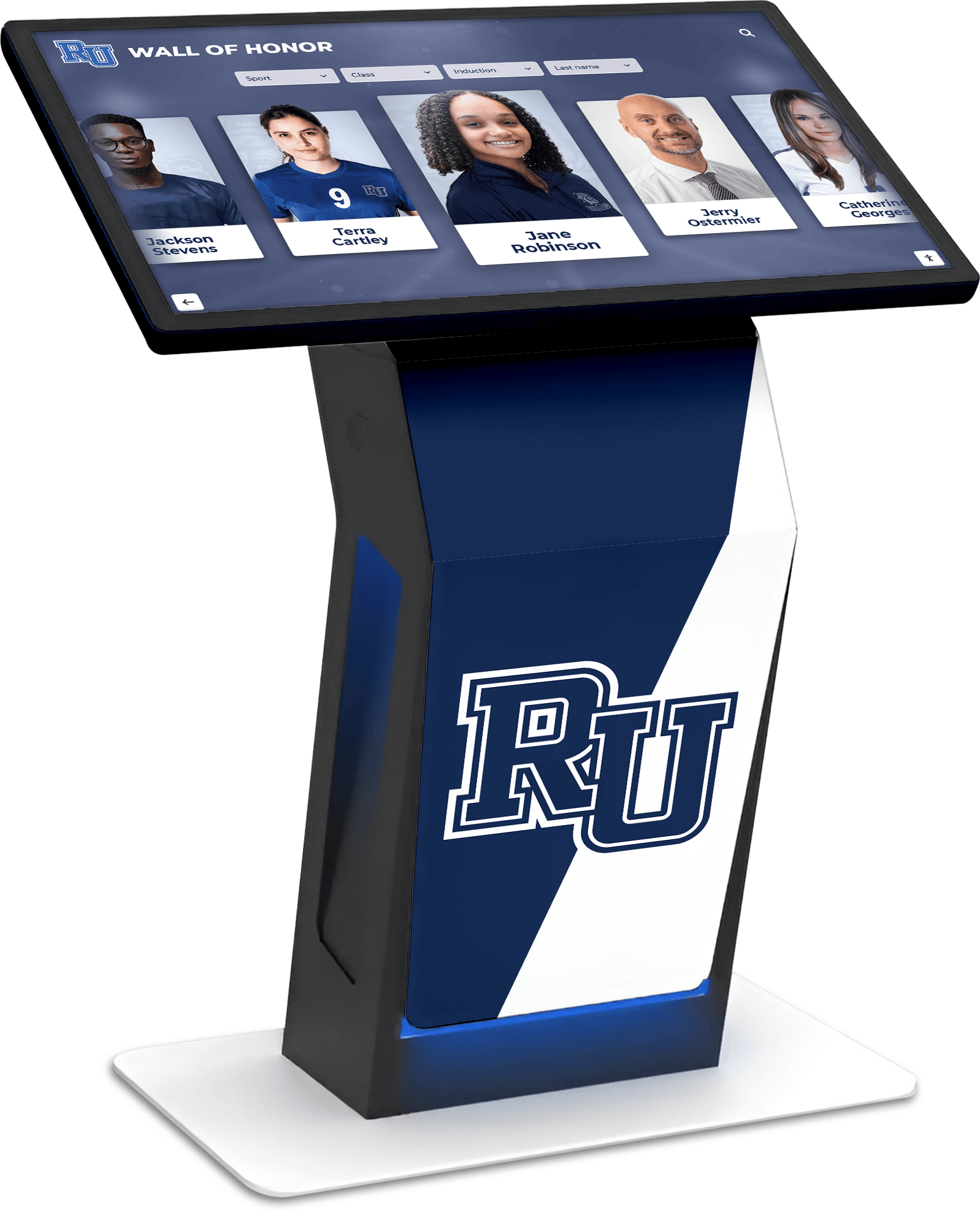
Modern recognition kiosks provide engaging interfaces where students explore valedictorian history and academic traditions
Timeline Management
Senior Year Valedictorian Process
Systematic timeline ensures smooth recognition:
Fall Semester (August - December)
- Review senior transcripts and current GPA standings
- Communicate potential valedictorian candidates
- Remind students of final semester grade importance
- Plan graduation ceremony logistics
Spring Semester (January - May)
- Calculate final GPAs after completing coursework
- Determine final valedictorian designation
- Notify valedictorian(s) privately before public announcement
- Support speech preparation and ceremony planning
- Prepare permanent recognition updates
Post-Graduation
- Update digital and physical recognition displays
- Add valedictorian to school historical records
- Track post-graduation achievements for future recognition
- Maintain alumni connection and engagement
Supporting Healthy Competition
Creating Positive Academic Culture
Schools should actively foster environments where valedictorian pursuit remains healthy:
- Frame academic excellence as personal achievement rather than only competition
- Celebrate all high-achieving students, not just valedictorian
- Provide counseling support for students experiencing unhealthy pressure
- Encourage course selection based on interest and challenge, not just GPA impact
- Position valedictorian within broader student recognition programs recognizing diverse achievements
Parent Communication
Families play important roles supporting healthy academic achievement:
- Help students maintain perspective about valedictorian pursuit
- Encourage balanced development including social and emotional growth
- Support challenging course selection rather than GPA protection
- Celebrate learning and intellectual curiosity beyond grades
- Model healthy attitudes about achievement and competition
Connecting Valedictorian Recognition to Broader School Culture
Most effective programs position valedictorian honor within comprehensive recognition systems.
Building Comprehensive Recognition Culture
Multiple Recognition Pathways
Schools should ensure students see various routes to acknowledgment:
- Academic excellence through honor roll and valedictorian recognition
- Athletic achievement via sports recognition programs
- Leadership recognition for student government and clubs
- Service acknowledgment for community involvement
- Arts celebration for creative achievements
- Character awards recognizing positive influence
Unified Recognition Displays
Digital platforms enable schools to showcase valedictorians alongside other honored students:
- Comprehensive recognition systems displaying academic, athletic, arts, and service achievements
- Students see multiple pathways to recognition
- Valedictorian becomes one honored category among many
- Reduces excessive pressure on single recognition while maintaining significance
- Creates culture where diverse excellence receives celebration
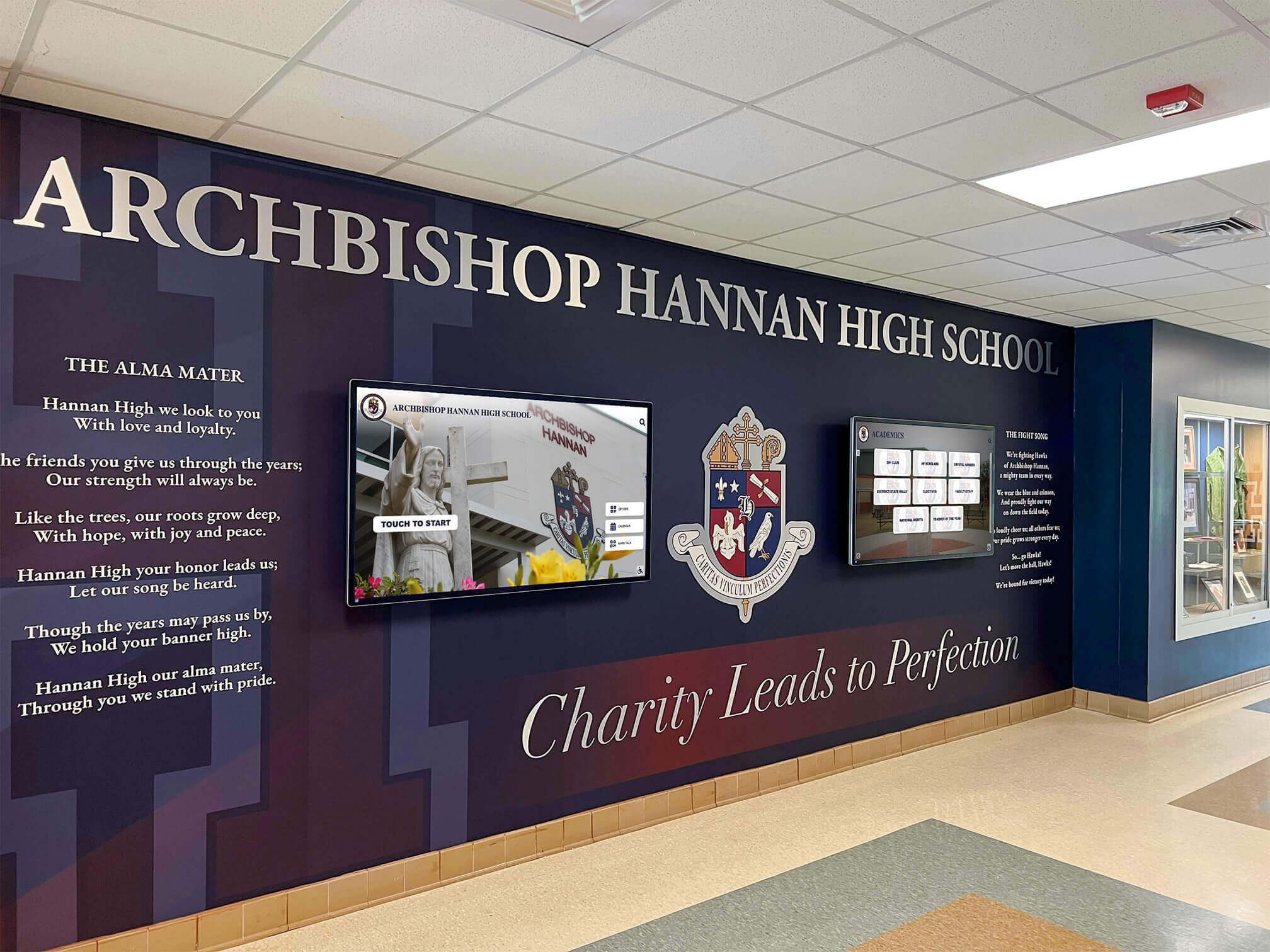
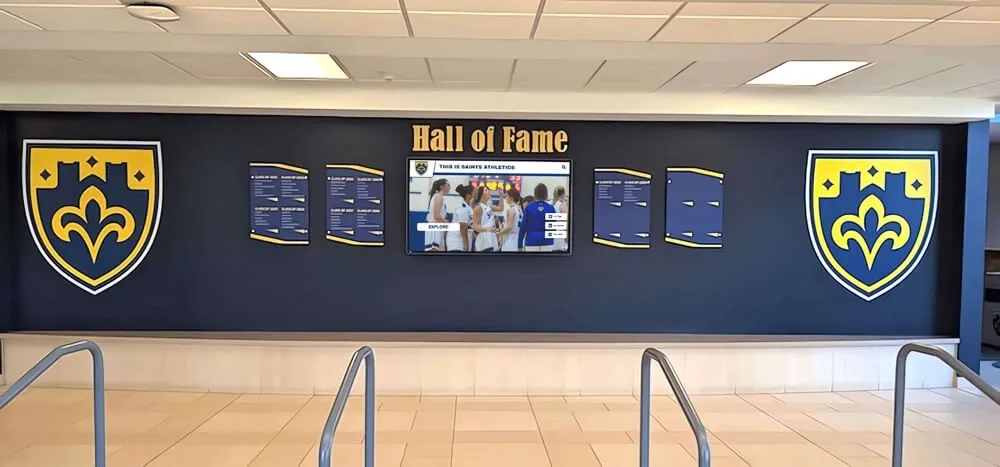
Prominent lobby displays showcase valedictorians within broader recognition programs celebrating diverse student achievements
Alumni Engagement and Historical Connection
Valedictorian recognition creates natural alumni engagement opportunities:
Connecting Past and Present
- Alumni directories showing historical valedictorians
- Displays documenting decades of academic excellence
- Reunion activities featuring former valedictorians
- Mentorship connections between current students and valedictorian alumni
- Fundraising opportunities from engaged alumni
Schools implementing comprehensive alumni recognition systems find that preserving valedictorian history strengthens connections between current students and successful graduates.
Special Considerations: Different School Contexts
Valedictorian approaches should adapt to specific school characteristics.
School Size Considerations
Small Schools
- May have multiple students achieving perfect GPAs
- Tighter competition among smaller numbers of students
- Personal relationships may complicate competitive dynamics
- Can emphasize individual student stories and achievements
- May designate multiple valedictorians more frequently
Large Schools
- Statistically less likely to have multiple students with identical top GPAs
- Greater variety of course offerings affecting GPA calculations
- Need clear policies managing hundreds of graduating students
- Can leverage technology making large valedictorian rosters accessible
- May recognize top percentage rather than single valedictorian
Public vs. Private School Differences
Public Schools
- Often use standardized state reporting and calculation methods
- Subject to district policies regarding class ranking
- May face pressure to modify traditional valedictorian recognition
- Typically have more diverse student populations
- Balance tradition with evolving educational philosophies
Private Schools
- Greater autonomy in establishing valedictorian policies
- May maintain traditional single-valedictorian approaches
- Can implement unique recognition structures
- Often have strong alumni traditions around academic honor
- May emphasize valedictorian recognition in school marketing
International School Perspectives
Different Grading Systems
- International Baccalaureate point calculations
- Percentage-based rather than letter-grade systems
- Different course weighting approaches
- Adaptations required for American valedictorian tradition
Cultural Variations
- Some educational systems don’t emphasize individual class ranking
- Collective achievement celebration over individual recognition
- Different speaking traditions at graduation ceremonies
- Balance between American traditions and local educational cultures
The Future of Valedictorian Recognition
Valedictorian traditions continue evolving to reflect changing educational landscapes.
Emerging Trends
Expanding Recognition
- Multiple valedictorians becoming more common
- Latin honors systems supplementing or replacing single valedictorian
- Top percentage recognition reducing competitive pressure
- Multiple honor categories beyond pure GPA
- Holistic achievement recognition alongside academic excellence
Technology Integration
- Virtual participation in graduation ceremonies
- Digital recognition extending beyond physical campus
- Online valedictorian speech recordings
- Interactive historical archives
- Social media celebration expanding recognition reach
Connection to Educational Goals
- Emphasis on learning and intellectual curiosity beyond grades
- Recognition of growth and improvement alongside absolute achievement
- Integration with college and career readiness programs
- Character and leadership recognition alongside academic metrics
- Balance between individual achievement and collaborative learning

Integrated recognition systems combine digital displays with traditional elements creating comprehensive valedictorian celebration
Balancing Tradition and Progress
Successful schools maintain beloved traditions while adapting to contemporary values:
- Preserving valedictorian honor prestige and significance
- Modernizing selection processes ensuring fairness and transparency
- Updating recognition approaches leveraging technology advantages
- Maintaining emphasis on academic excellence and achievement
- Evolving traditions reflecting current student population needs
Conclusion: Celebrating Academic Excellence Meaningfully
Valedictorian recognition represents more than a single graduation ceremony honor—it’s an opportunity to celebrate sustained academic excellence while inspiring future students and preserving institutional traditions. When schools approach valedictorian designation thoughtfully, establishing clear and transparent policies, providing comprehensive support for honorees, and creating meaningful recognition extending beyond single ceremonies, this tradition becomes a powerful expression of educational values that resonates throughout students’ lives.
The strategies explored in this guide provide frameworks for establishing or improving valedictorian programs that honor top achievers appropriately while maintaining healthy academic cultures. From transparent GPA calculation policies to digital recognition displays providing permanent visibility, these approaches transform valedictorian recognition from temporary ceremonies into lasting traditions woven throughout institutional culture.
Preserve Your Valedictorian Legacy
Discover how modern digital recognition solutions enable unlimited valedictorian displays, interactive exploration, and permanent celebration of academic excellence. See how schools nationwide honor valedictorians with professional presentations that remain visible throughout students' high school years and far beyond graduation.
Explore Recognition SolutionsModern schools increasingly recognize that preserving valedictorian memories requires more than yearbook pages and deteriorating plaques. Digital recognition displays provide unlimited capacity to showcase every valedictorian with detailed profiles, graduation photos, speech recordings, and post-graduation achievements—creating interactive experiences that keep traditions alive for current students while enabling alumni to revisit their accomplishments from anywhere.
As you plan your school’s valedictorian recognition, remember: the goal isn’t simply identifying top academic achievers—it’s creating comprehensive systems that celebrate intellectual excellence while building traditions that strengthen community, inspire current students, and create connections spanning generations. With thoughtful planning, transparent processes, and appropriate recognition technology, valedictorian traditions become powerful expressions of what your school community values most about academic achievement.
Ready to transform your valedictorian recognition? Explore how digital trophy case solutions can help you celebrate this cherished honor with professional presentations that preserve academic excellence memories long after graduation ceremonies conclude.