



Walk into any thriving high school athletic facility and you’ll notice something beyond championship banners and trophy cases—you’ll see evidence of booster club support. From state-of-the-art equipment and upgraded facilities to recognition displays showcasing athletic achievements, these parent-led organizations quietly power programs that shape student development far beyond wins and losses.
Yet despite their critical importance, many people misunderstand what booster clubs actually do. Some see them as exclusively fundraising machines. Others view them as parent groups focused solely on supporting star athletes or high-profile sports. The reality reveals much more—booster clubs serve as comprehensive support systems bridging funding gaps, building community connections, and creating opportunities that school budgets alone cannot provide.
This comprehensive guide explores what booster clubs are, how they function, why they matter tremendously for athletic programs, and how schools can build effective booster organizations that strengthen student-athlete development while creating sustainable support systems benefiting entire school communities.
Understanding booster clubs requires recognizing their unique position within school ecosystems—volunteer organizations operating alongside official athletic departments yet maintaining independence that allows flexibility, focused fundraising, and community engagement impossible through traditional school structures. When managed effectively, they become indispensable partners transforming athletic programs from basic offerings into comprehensive experiences developing champions in sport and life.

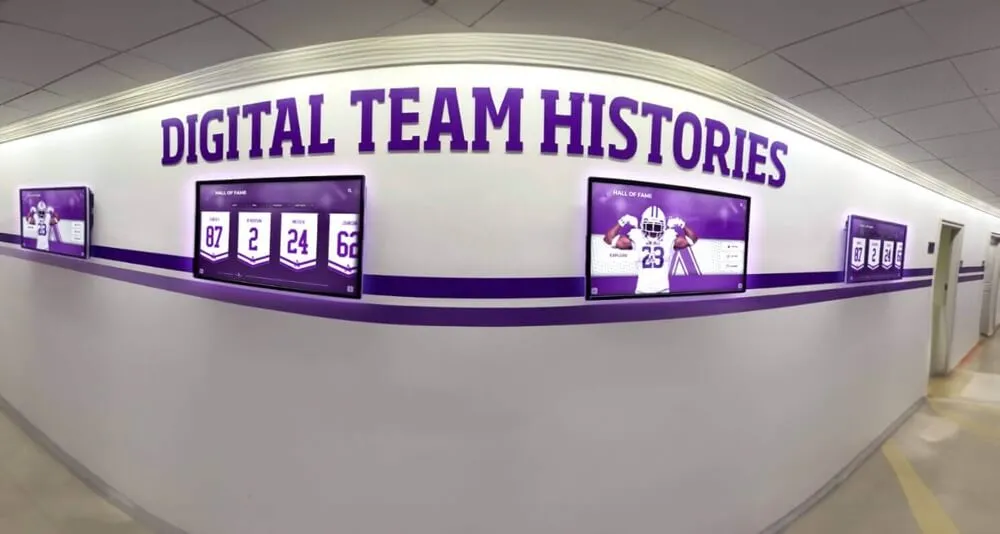
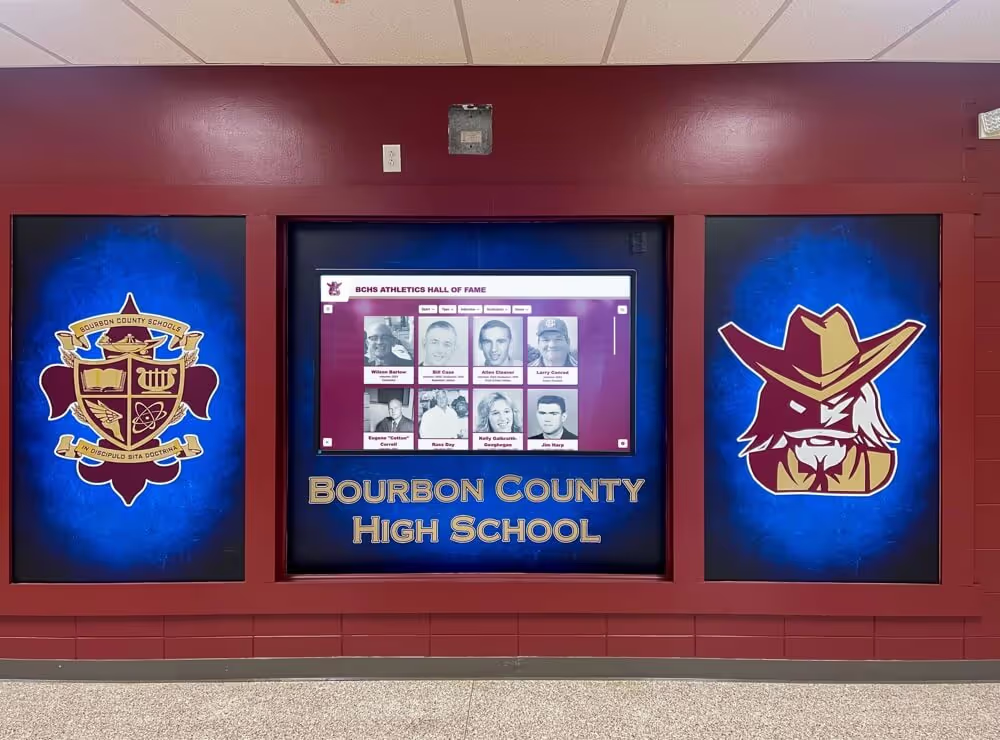
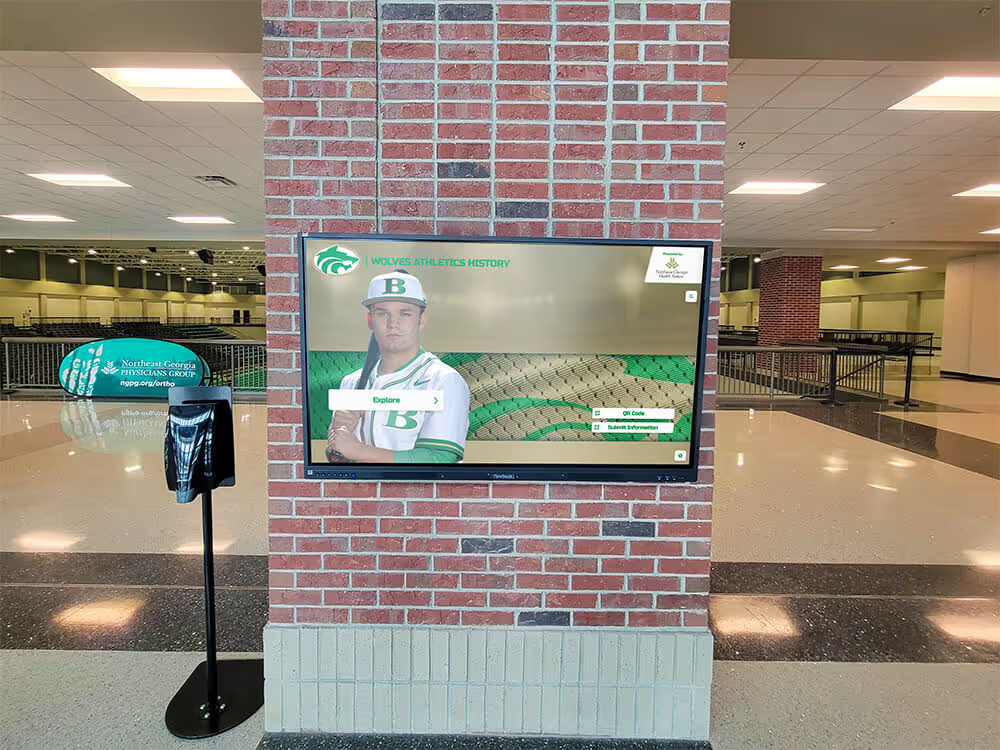
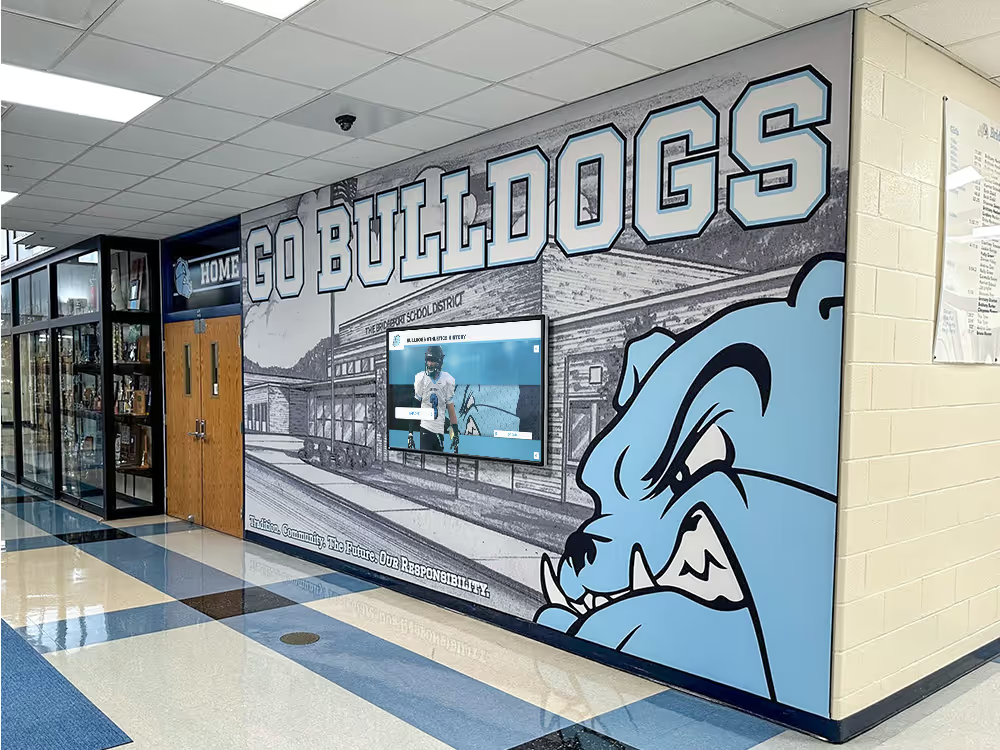
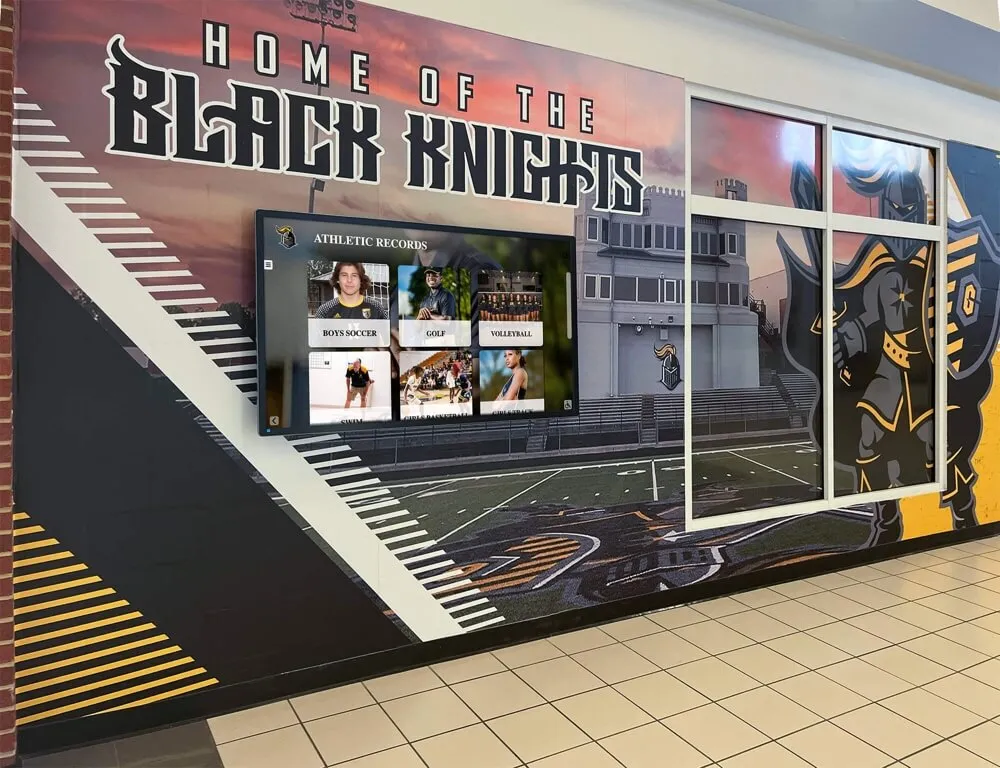
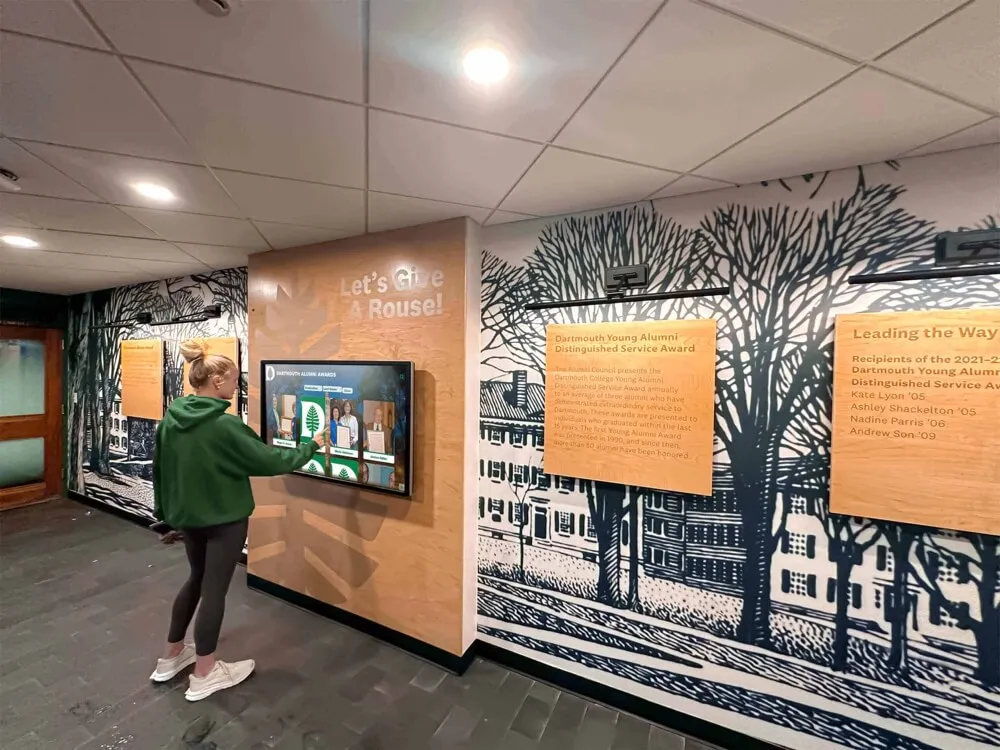
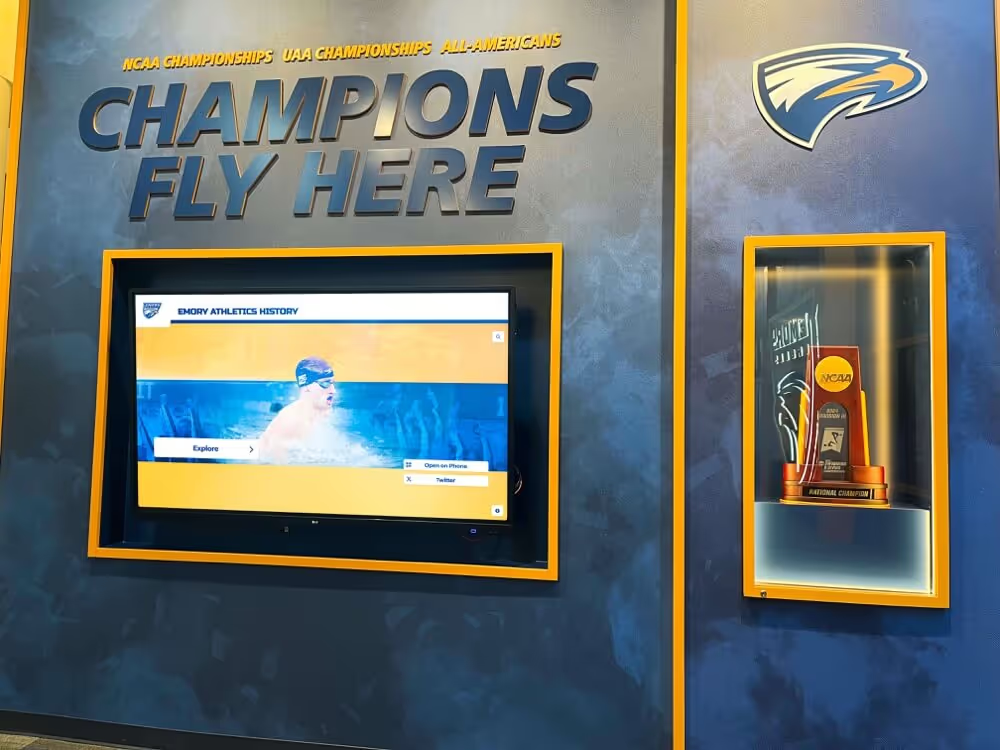
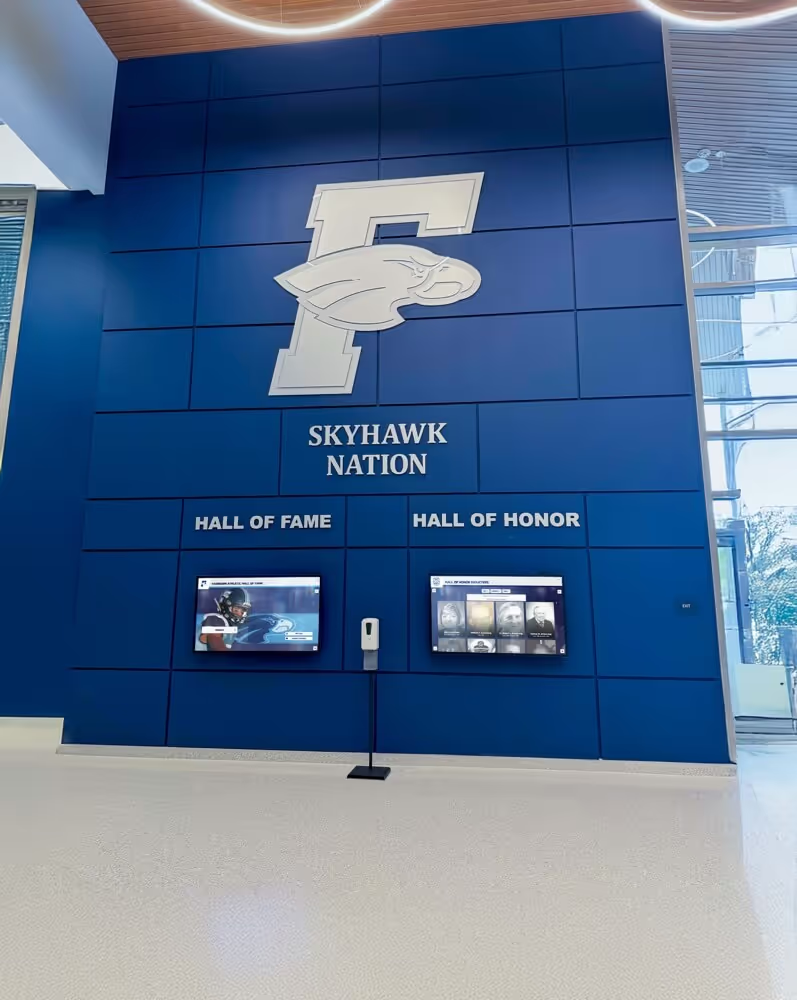
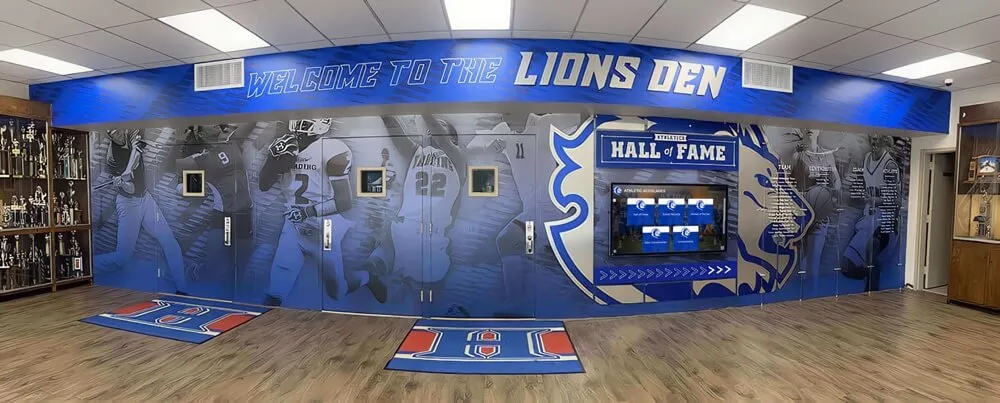
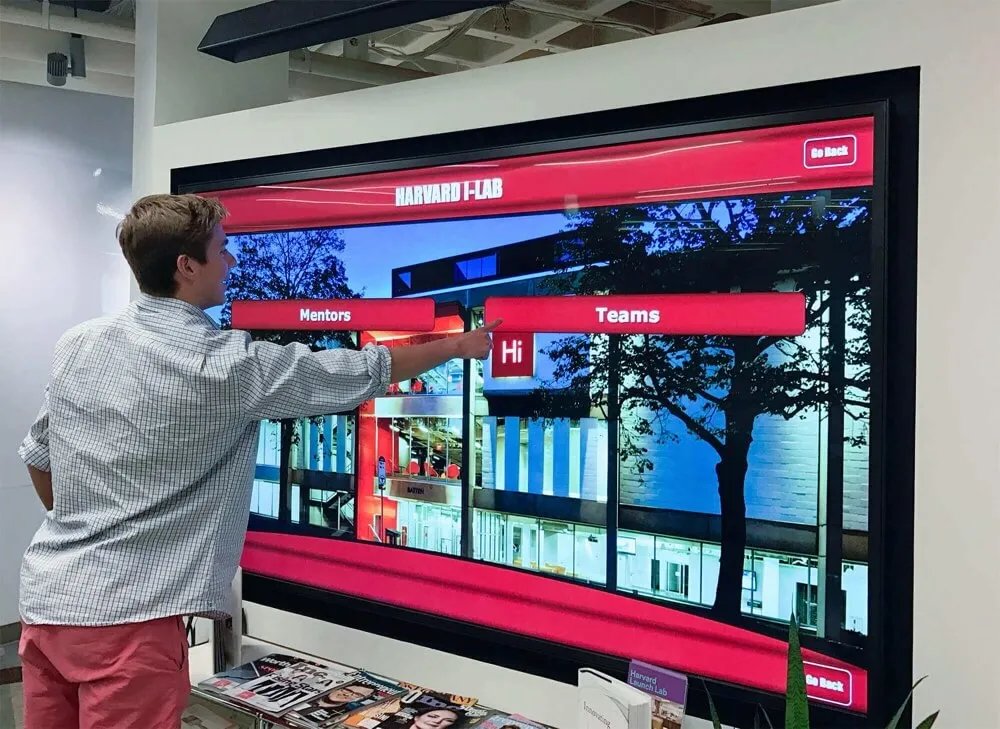
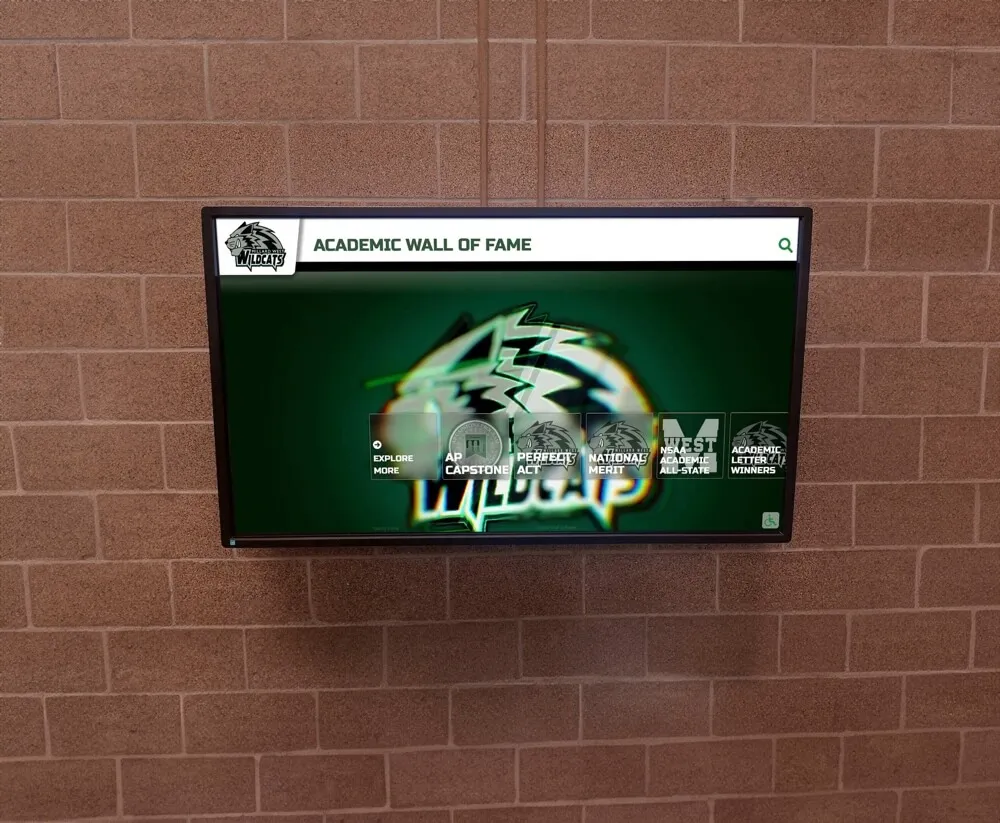
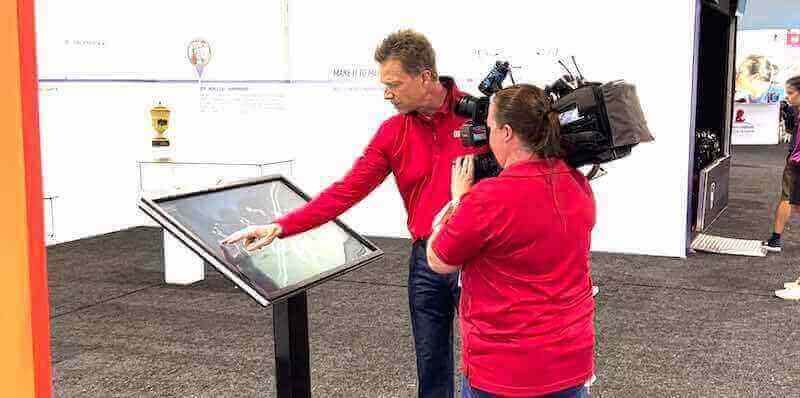
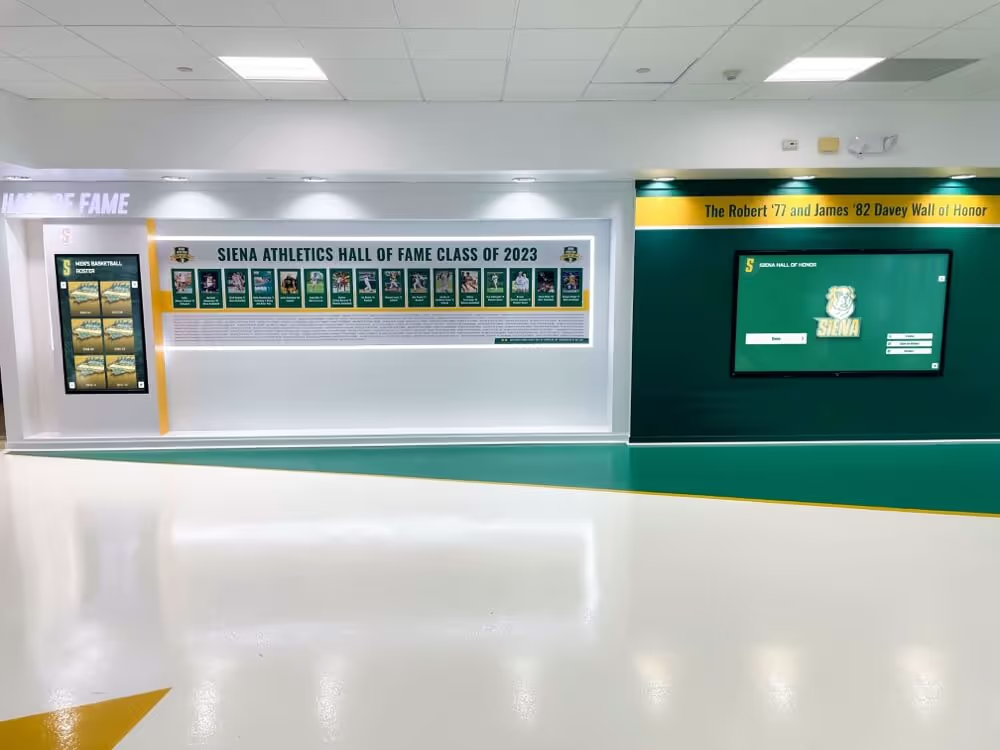
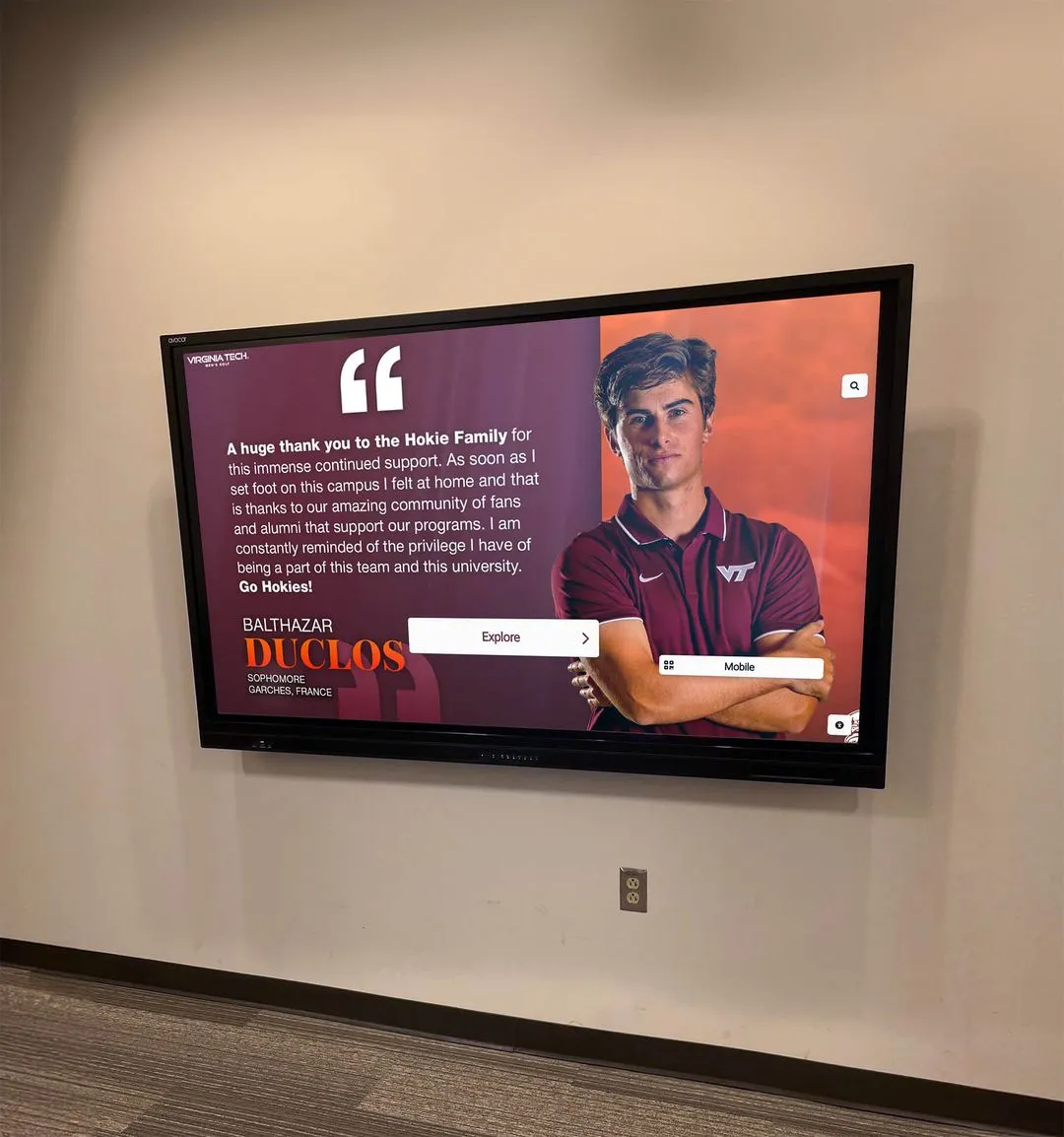
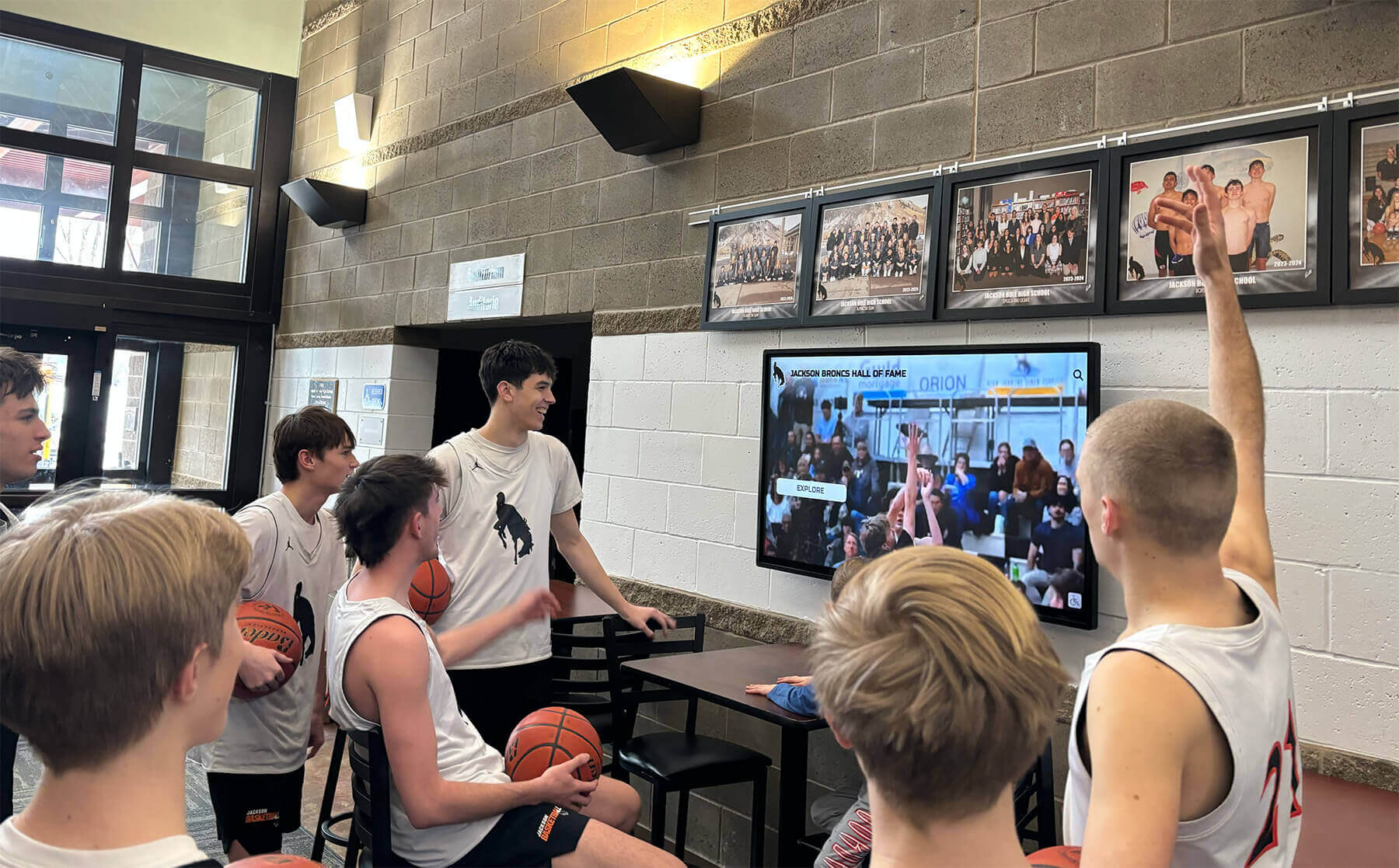
Modern athletic facilities showcase achievements through digital displays often funded by booster club support
Defining the Booster Club: Purpose and Function
At its core, a booster club represents an organized group of parents, alumni, community members, and supporters dedicated to enhancing athletic programs through fundraising, volunteer support, and advocacy.
The Primary Mission
Booster clubs exist to supplement—not replace—school athletic budgets by providing additional resources enabling programs to excel:
Financial Support Functions
- Fundraising for equipment purchases beyond basic school allocations
- Facility improvements and maintenance the school budget doesn’t cover
- Travel expenses for tournament participation and competitive opportunities
- Program enhancements including strength training, sports medicine, and technology
- Recognition and celebration events honoring athletic achievements
- Scholarship programs supporting student-athlete education
Community Building Roles
- Creating networks connecting parents, athletes, coaches, and community
- Organizing events building school spirit and athletic pride
- Coordinating volunteer support for program needs
- Facilitating communication between athletic department and stakeholders
- Building traditions strengthening institutional identity and culture
- Recognizing achievements through comprehensive celebration systems
Schools implementing effective booster programs report 30-50% increases in available athletic resources while building stronger community connections that extend far beyond financial contributions.
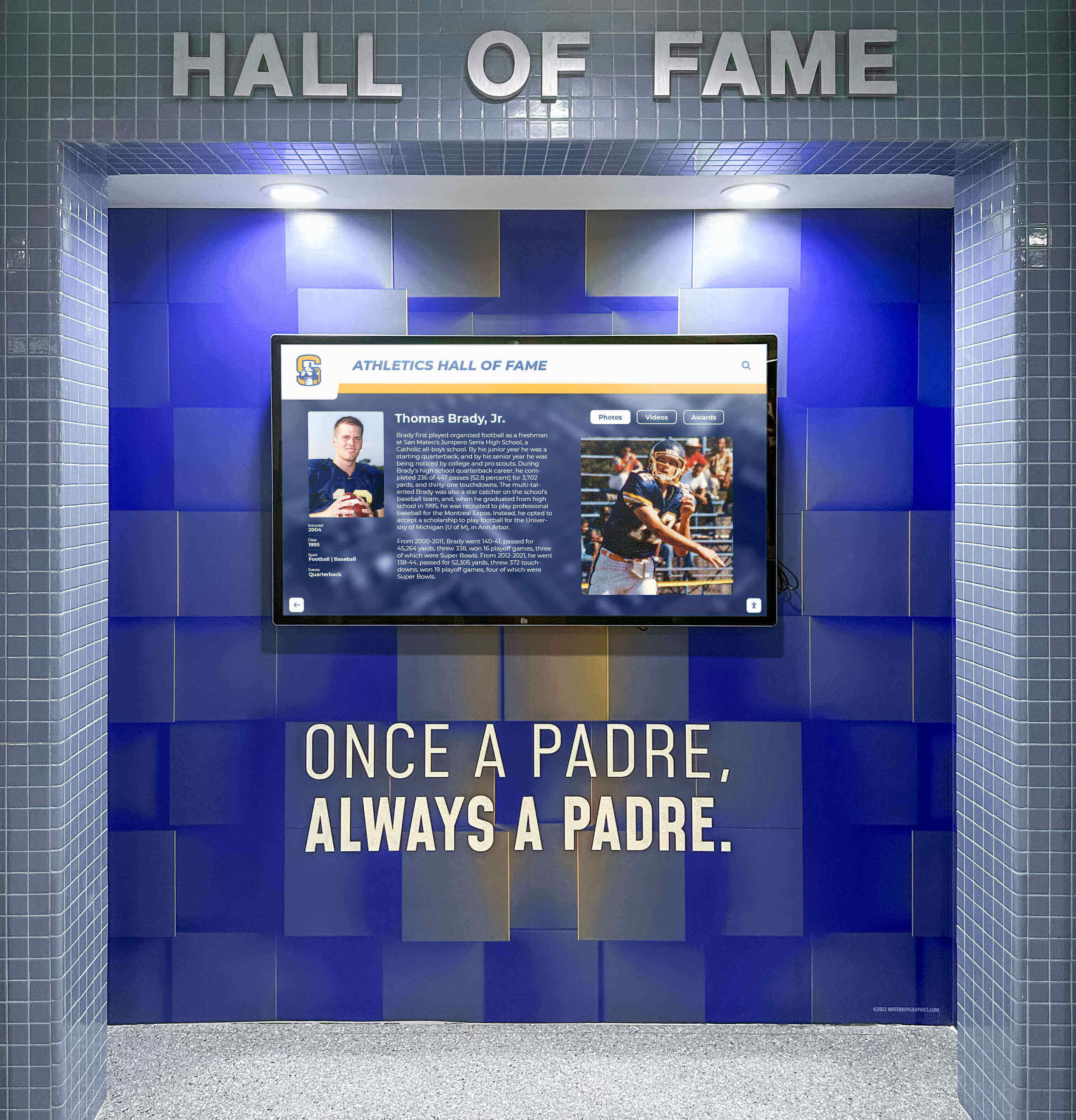
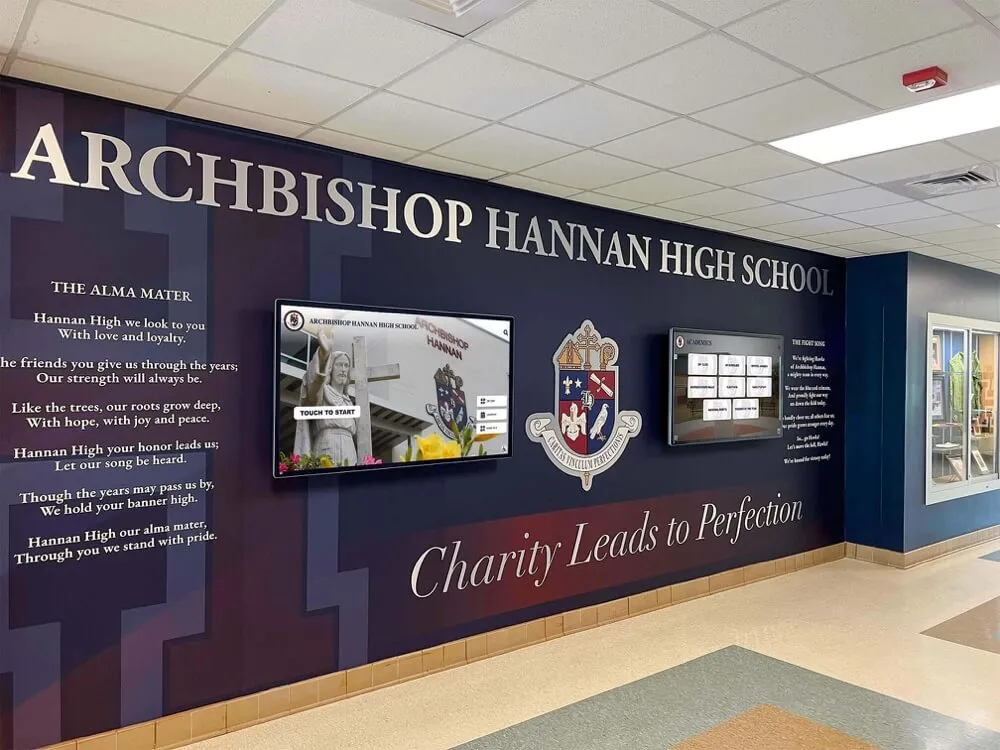
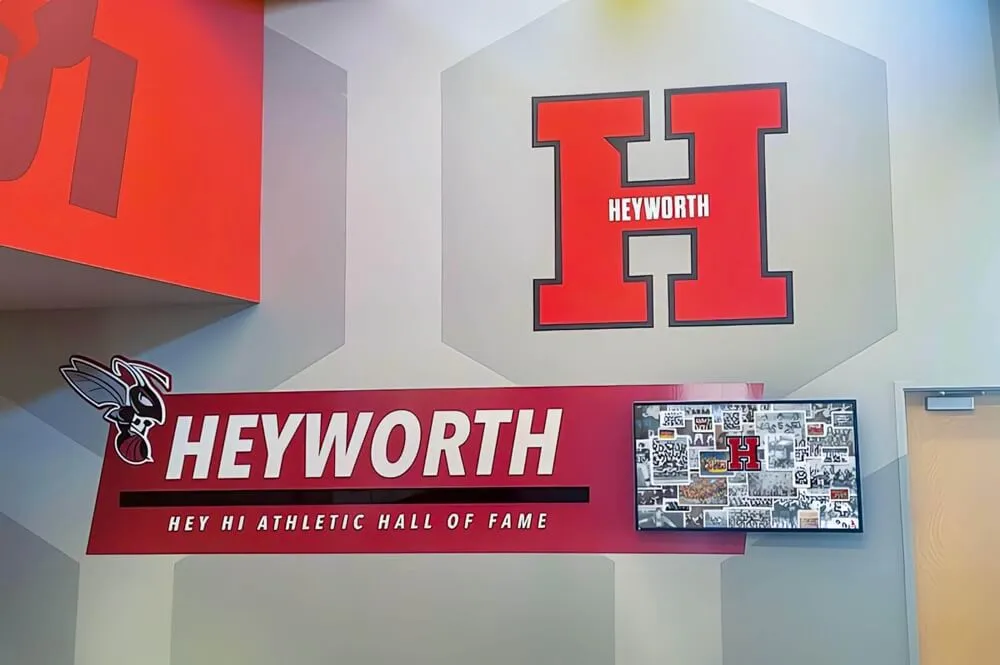
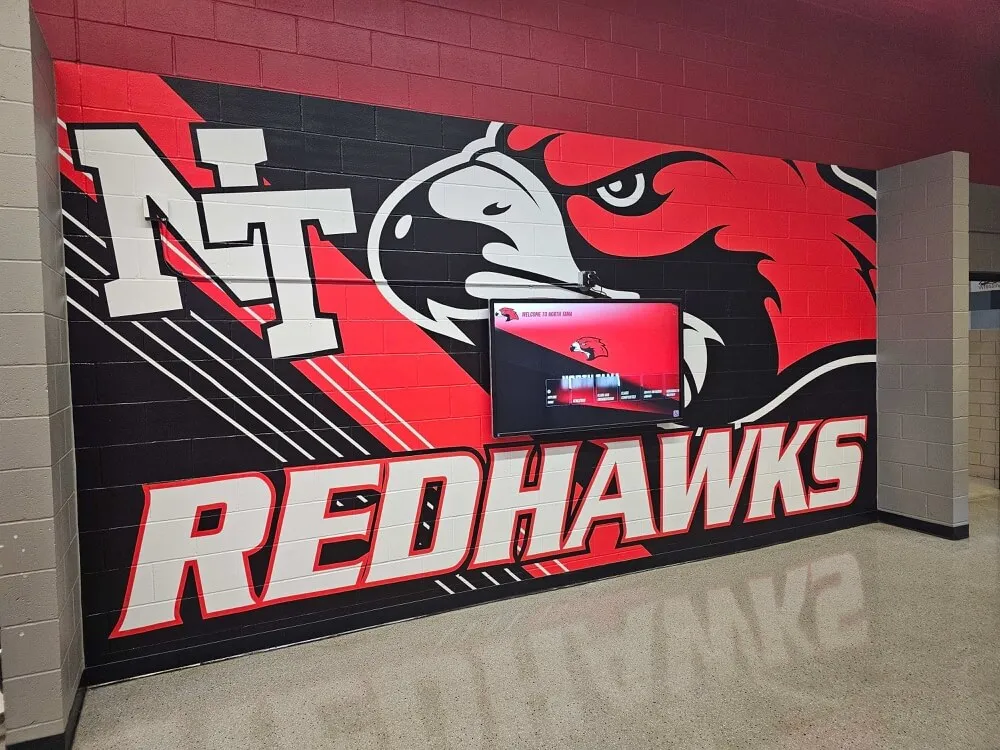
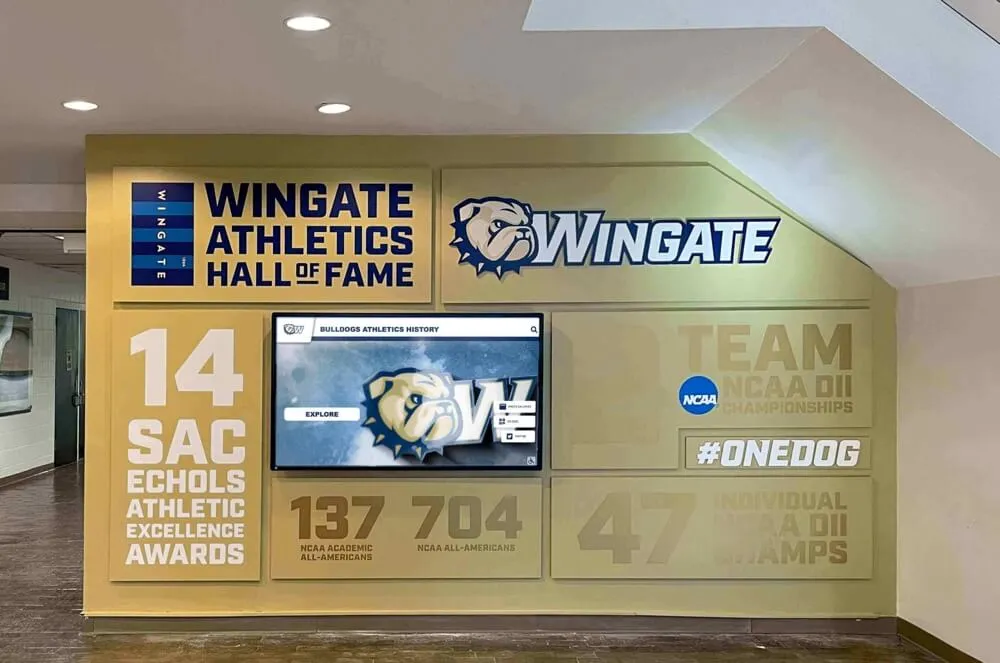
Booster-funded recognition displays celebrate athletic excellence while creating lasting tributes to program achievements
How Booster Clubs Differ From Other School Organizations
Understanding what makes booster clubs unique clarifies their specific role:
Versus PTA/PTO Organizations
- Booster clubs focus exclusively on athletics rather than general school support
- Typically operate with more autonomy regarding fundraising and spending
- Member base centered on sports families rather than all school families
- Closer working relationship with athletic directors versus school principals
- Programs and events specifically supporting competitive athletics
Versus School Athletic Departments
- Booster clubs are volunteer-led organizations, not official school departments
- Function as separate 501(c)(3) nonprofit entities with independent governance
- Provide supplementary support rather than managing core athletic operations
- Can pursue fundraising approaches official school departments cannot
- Create flexibility while maintaining alignment with school mission and values
Versus Alumni Associations
- Primary focus on current student-athletes rather than graduated alumni
- Membership predominantly includes current parents and active supporters
- Immediate program enhancement versus long-term endowment building
- Season-to-season impact rather than institutional legacy focus
- Though many booster clubs do include alumni engagement components
This unique positioning allows booster clubs to move quickly, respond to immediate needs, and pursue creative fundraising while maintaining mission alignment with school athletic departments.
Organizational Structure: How Booster Clubs Operate
Effective booster clubs require formal organizational structures ensuring accountability, sustainability, and efficient operations.
Leadership and Governance
Executive Board Positions
Successful booster clubs typically include:
- President: Overall leadership, strategic planning, liaison with athletic director
- Vice President: President support, specific project management, succession planning
- Treasurer: Financial management, budget oversight, reporting and compliance
- Secretary: Record keeping, meeting minutes, communication documentation
- Fundraising Chair: Coordinating revenue-generating activities and campaigns
- Volunteer Coordinator: Organizing volunteer support for events and programs
- Communications Director: Managing communications, social media, and marketing
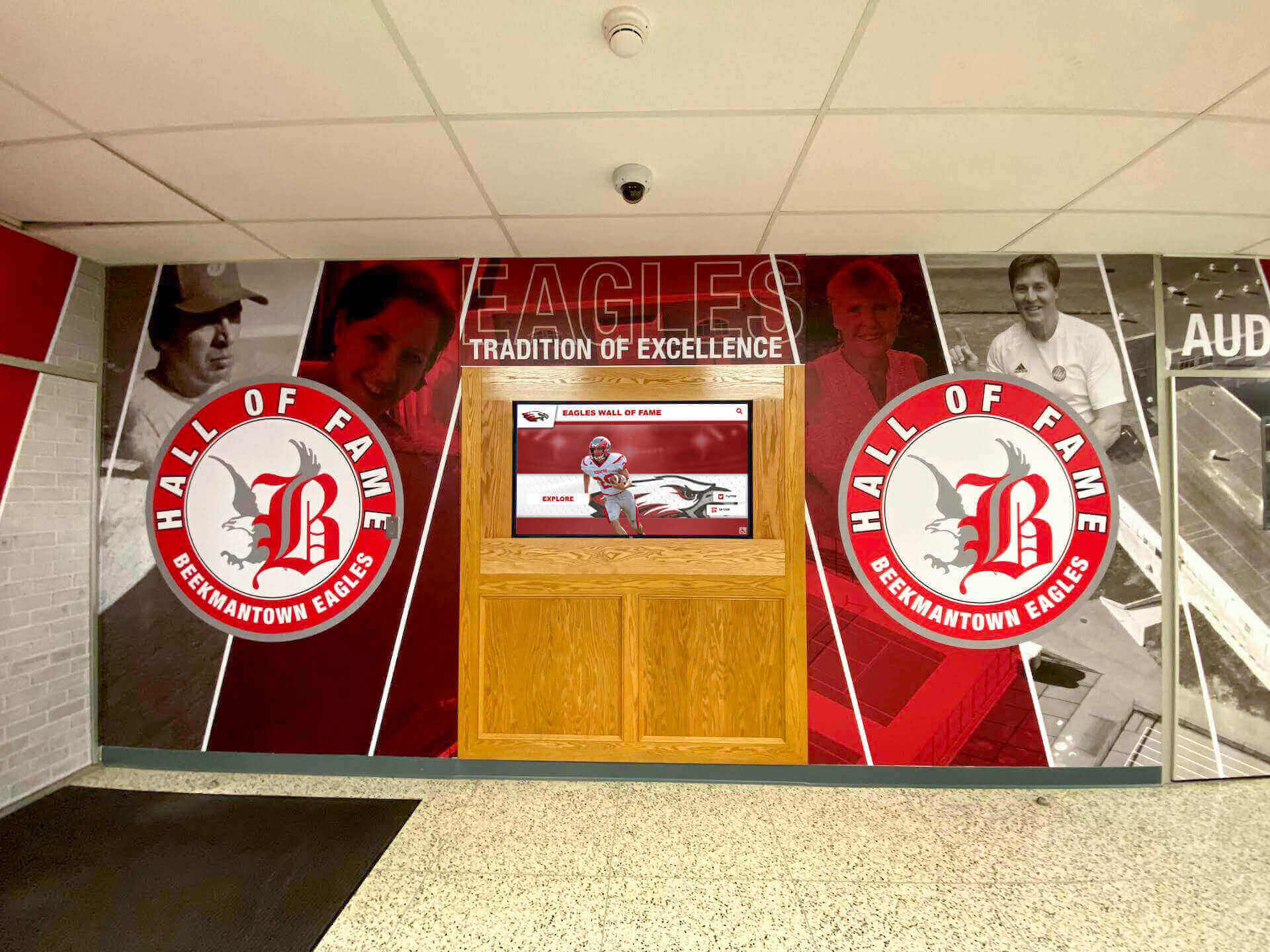
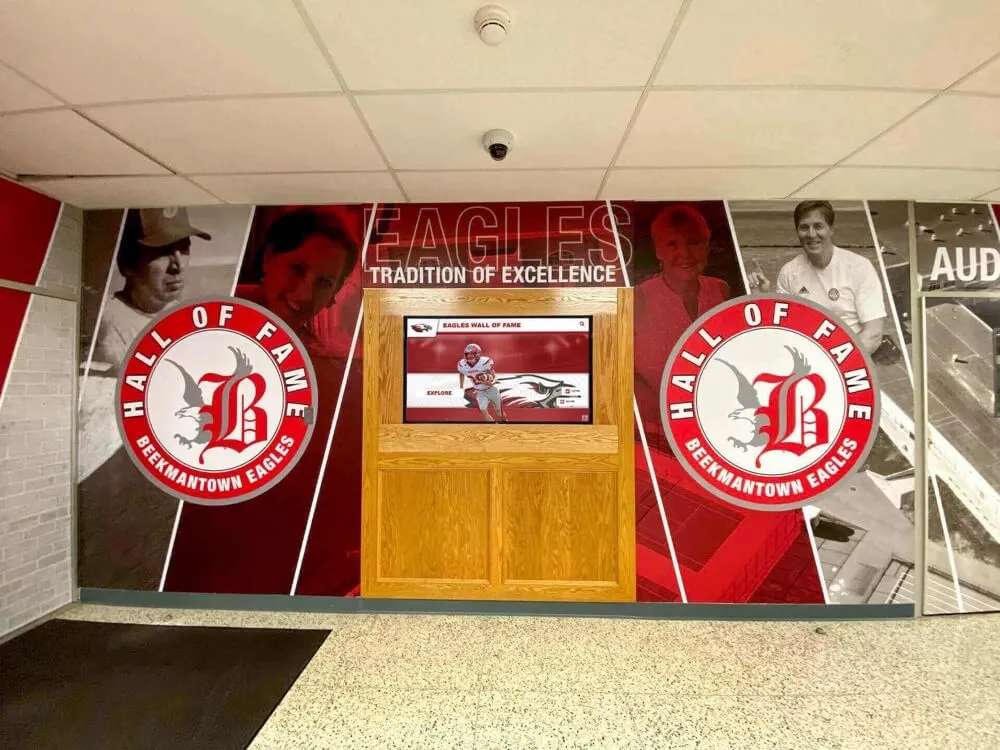
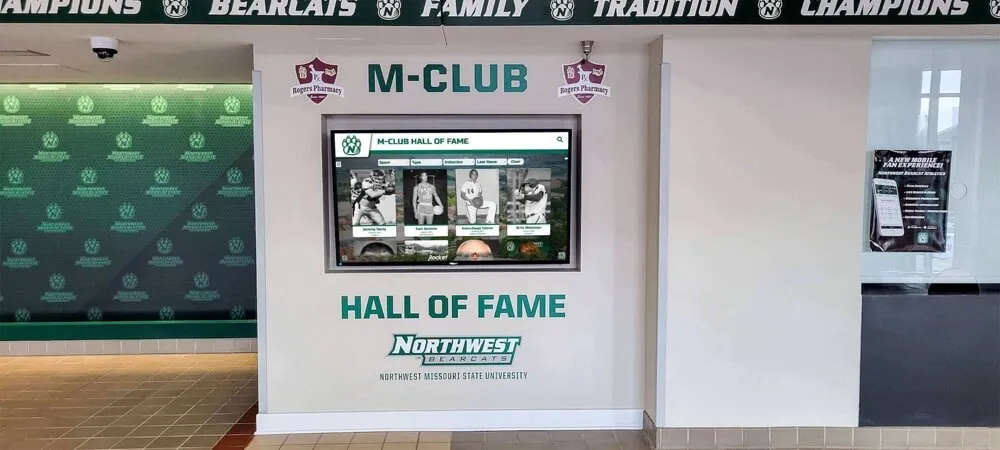
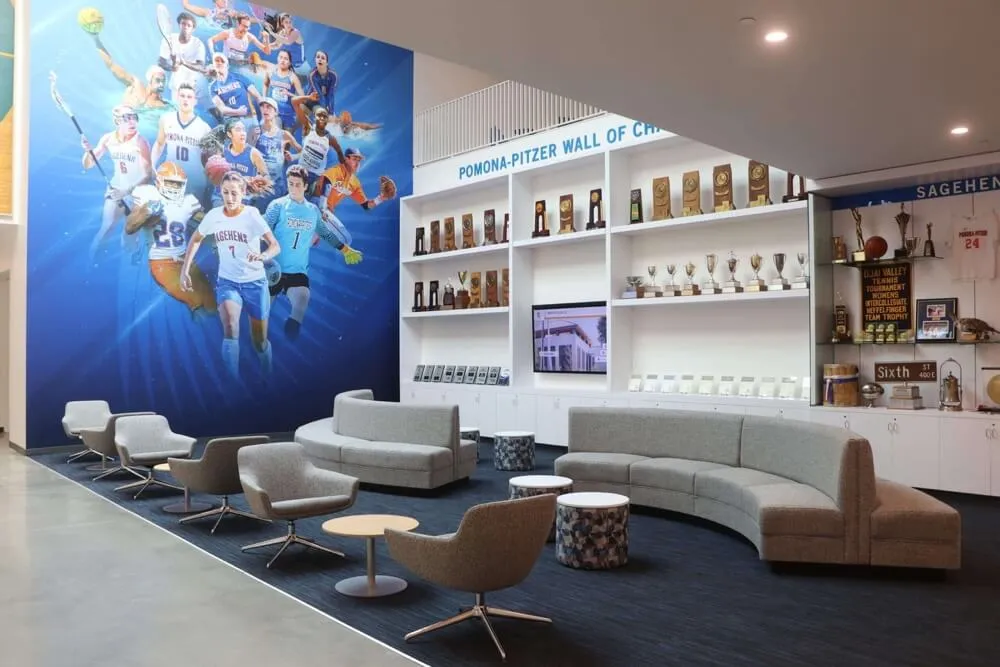
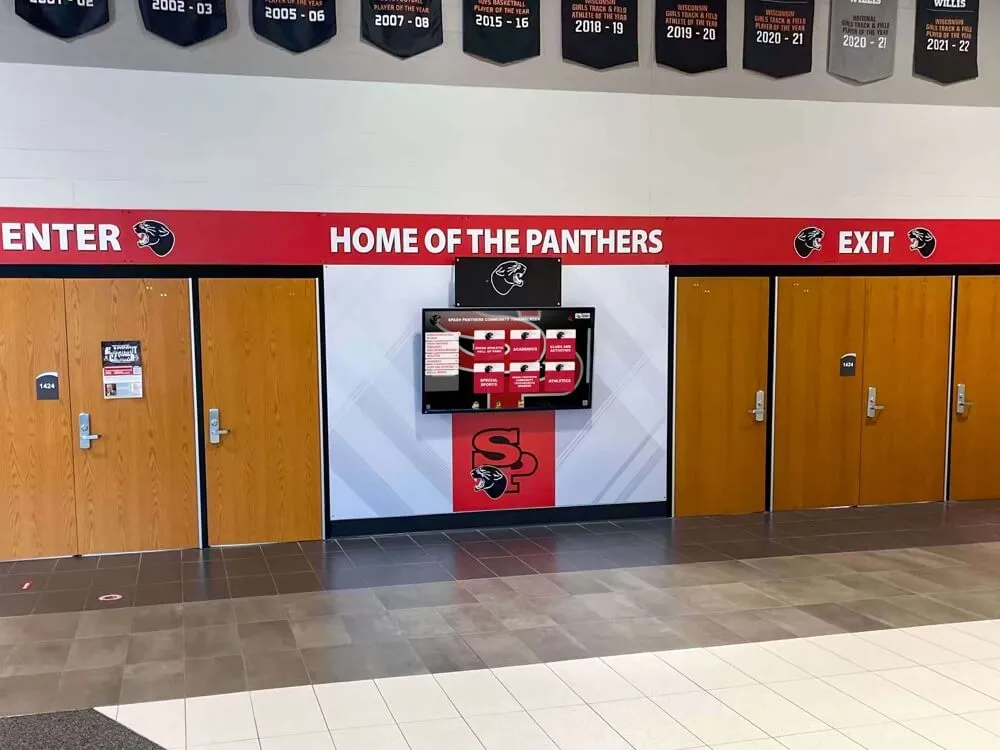
School lobbies featuring athletic recognition create visible reminders of booster club impact throughout campus
Committee Structure
Beyond executive leadership, committees focus on specific functions:
- Sport-specific committees supporting individual team needs
- Event planning committees organizing fundraisers and celebrations
- Facility improvement committees overseeing physical enhancement projects
- Recognition committees managing athlete celebration programs
- Membership committees recruiting and engaging supporters
Legal and Financial Requirements
Legitimate booster club operations require proper legal and financial foundations:
Nonprofit Status Considerations
- Most effective booster clubs establish 501(c)(3) tax-exempt status
- Allows donors to receive tax deductions for contributions
- Requires formal governance including bylaws, board meetings, and documentation
- Mandates financial transparency through annual reporting (Form 990)
- Establishes legal separation from school district while maintaining partnership
Financial Management Best Practices
- Separate bank accounts independent from school district funds
- Dual signature requirements preventing single-person financial control
- Regular treasurer reports and annual financial audits
- Documented procedures for revenue collection and expense approval
- Transparent communication about fund usage and program impact
Insurance and Liability Protection
- General liability insurance protecting organization and volunteers
- Directors and officers insurance for board members
- Event-specific insurance for fundraisers and activities
- Coordination with school district regarding facility use and student participation
- Clear policies addressing risk management and safety protocols
Schools partnering with properly structured booster clubs avoid compliance issues while ensuring sustainable organizations that withstand leadership transitions and maintain community trust.
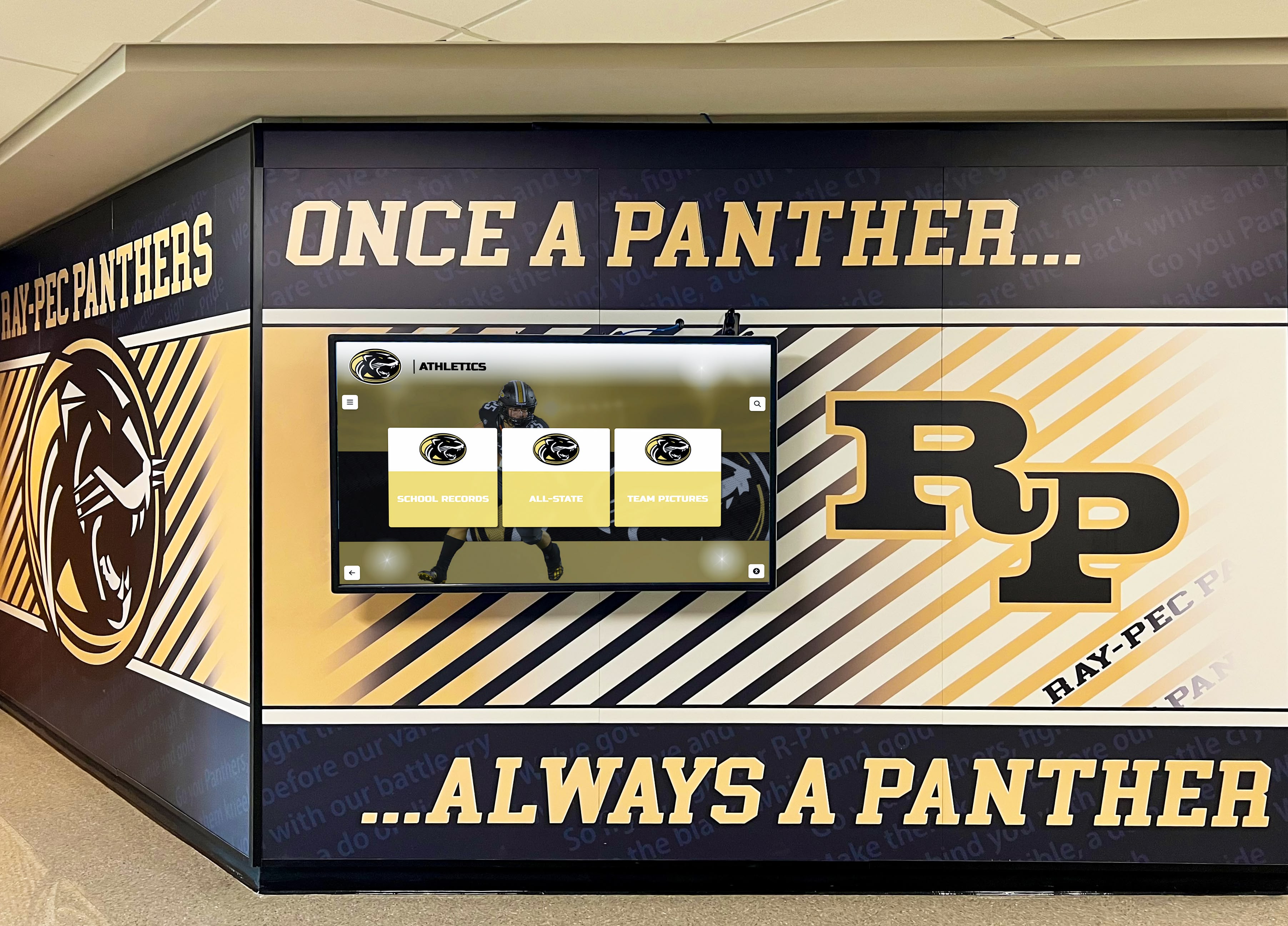
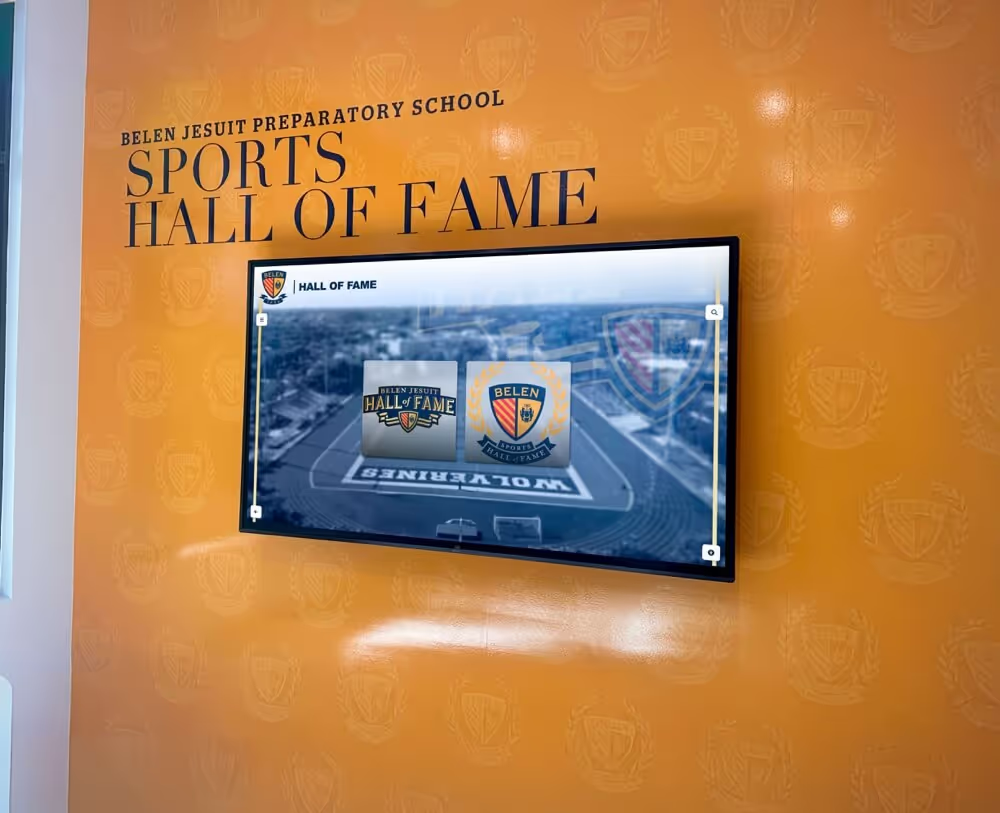
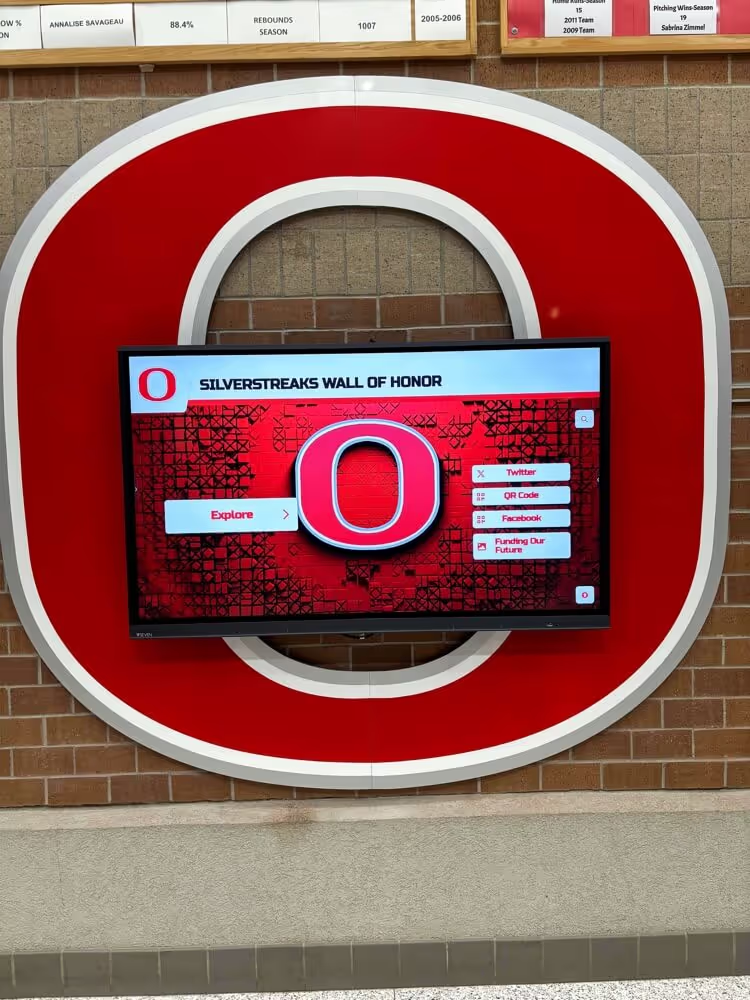
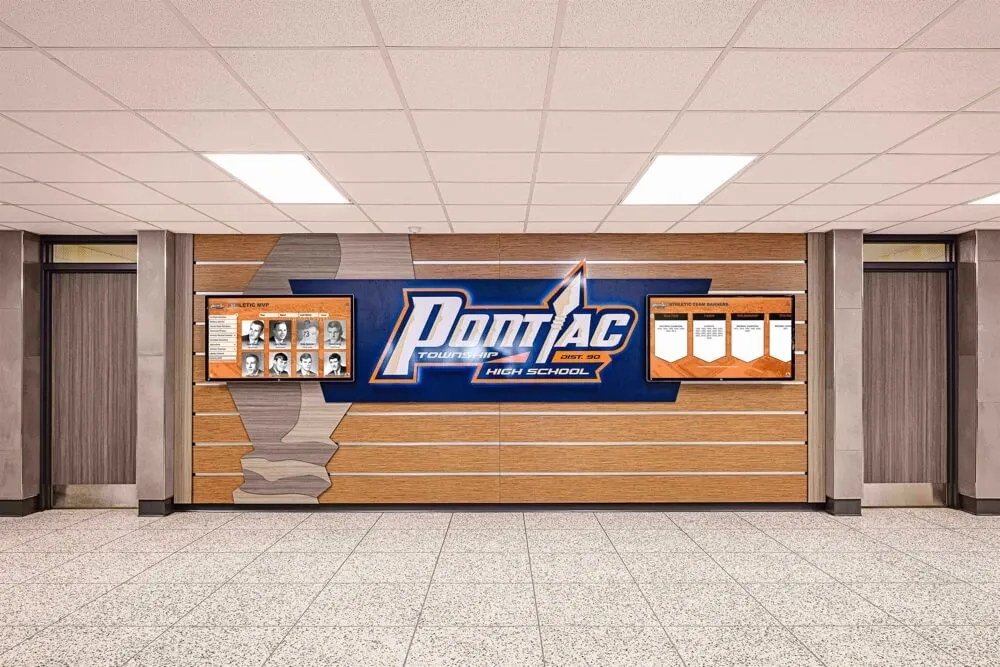
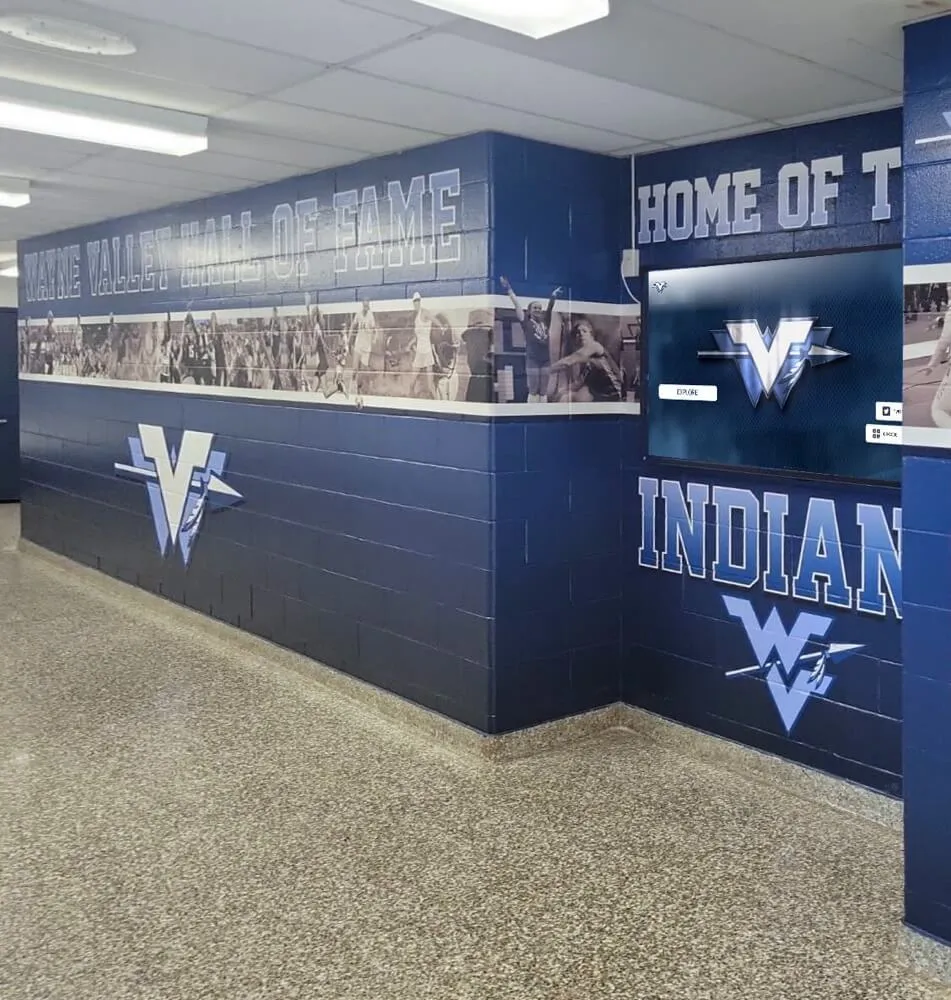
Athletic corridor branding often results from booster club facility enhancement projects creating pride-building environments
Primary Functions: What Booster Clubs Actually Do
Beyond general fundraising, effective booster clubs perform diverse functions supporting comprehensive athletic excellence.
Equipment and Uniform Funding
One of the most visible booster club contributions involves providing equipment and uniforms beyond basic school provisions:
Essential Equipment Purchases
- Sport-specific gear: balls, training equipment, protective equipment
- Strength and conditioning equipment for athlete development
- Technology: video analysis systems, timing equipment, training apps
- Medical supplies and training room equipment
- Practice equipment allowing coaches to run effective training sessions
Uniform and Apparel Programs
- Competition uniforms updated on regular cycles
- Practice gear and training apparel for all team members
- Warm-ups and travel uniforms creating professional appearance
- Spirit wear for athletes, families, and supporters
- Coaching apparel maintaining program identity and professionalism
Research from the National Athletic Directors Association indicates that schools with active booster clubs provide 40-60% more equipment and uniform resources than schools relying solely on district athletic budgets.
Facility Improvements and Maintenance
Booster clubs often spearhead facility enhancement projects transforming athletic spaces:
Major Facility Projects
- Weight room equipment and facility upgrades
- Field improvements: turf installation, lighting, drainage
- Stadium enhancements: seating, press boxes, scoreboards
- Locker room renovations creating professional environments
- Recognition displays showcasing athletic achievements permanently
Ongoing Maintenance Support
- Seasonal maintenance school budgets don’t adequately cover
- Equipment repair and replacement
- Facility cleaning and improvement beyond basic custodial service
- Landscaping and aesthetic improvements
- Safety equipment updates ensuring student-athlete protection
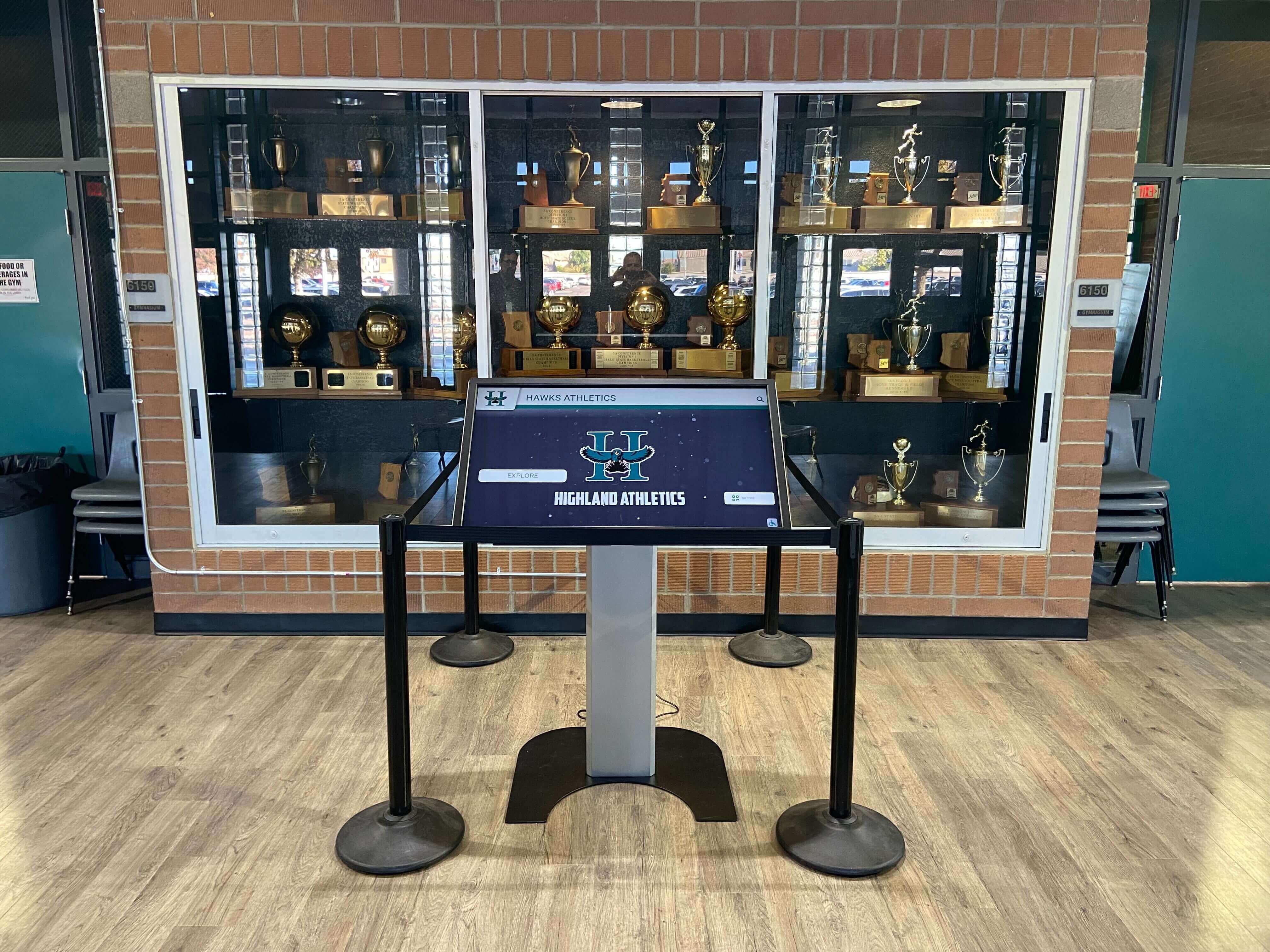
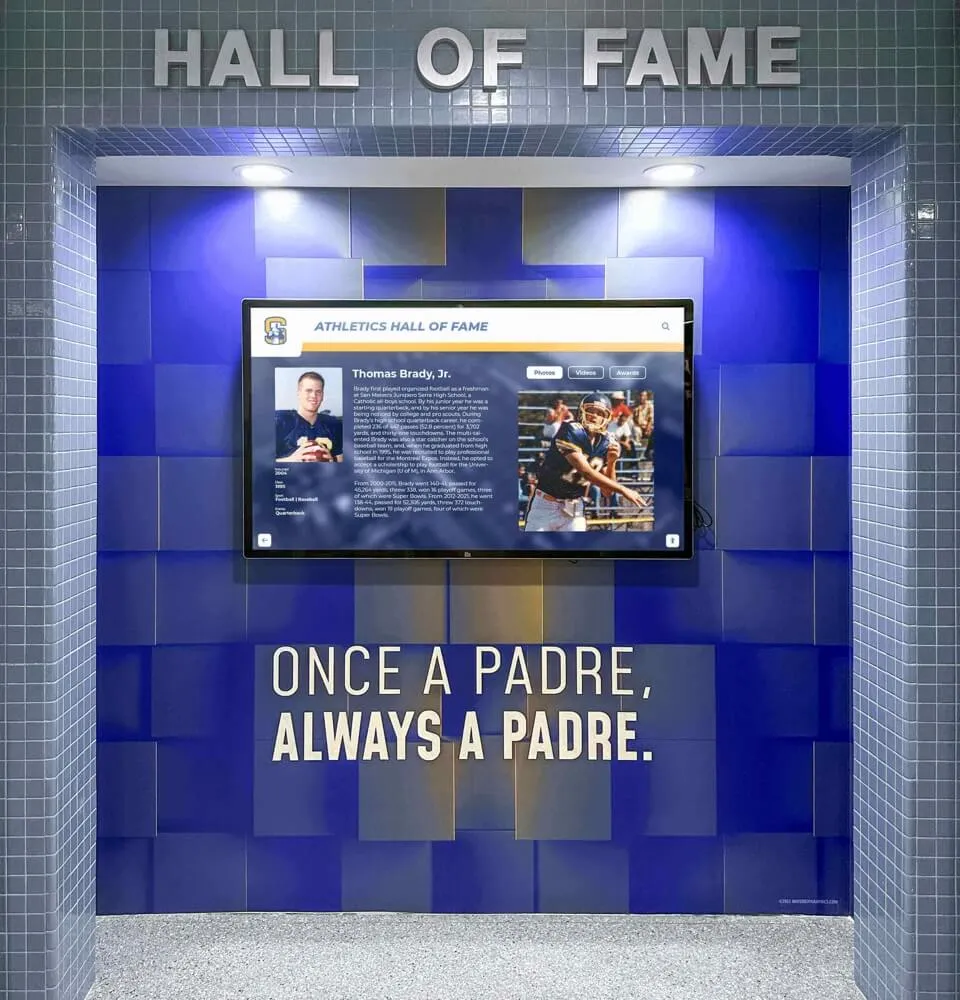
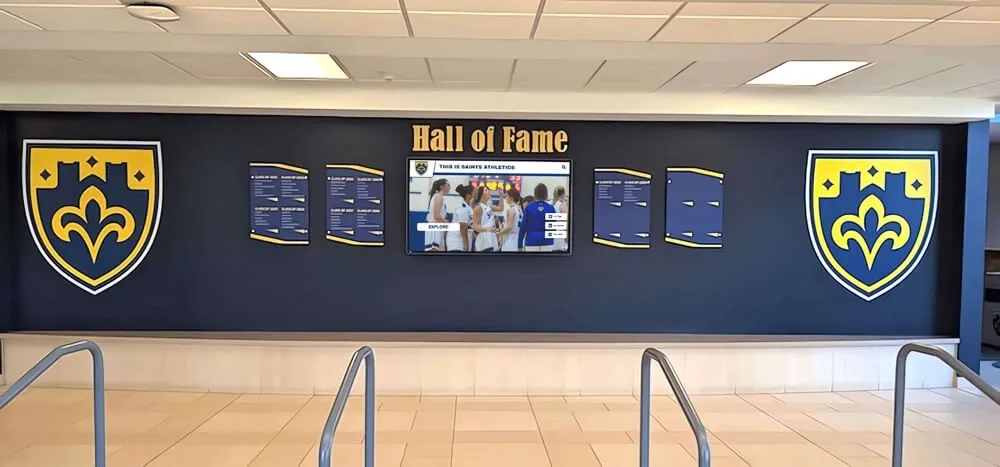
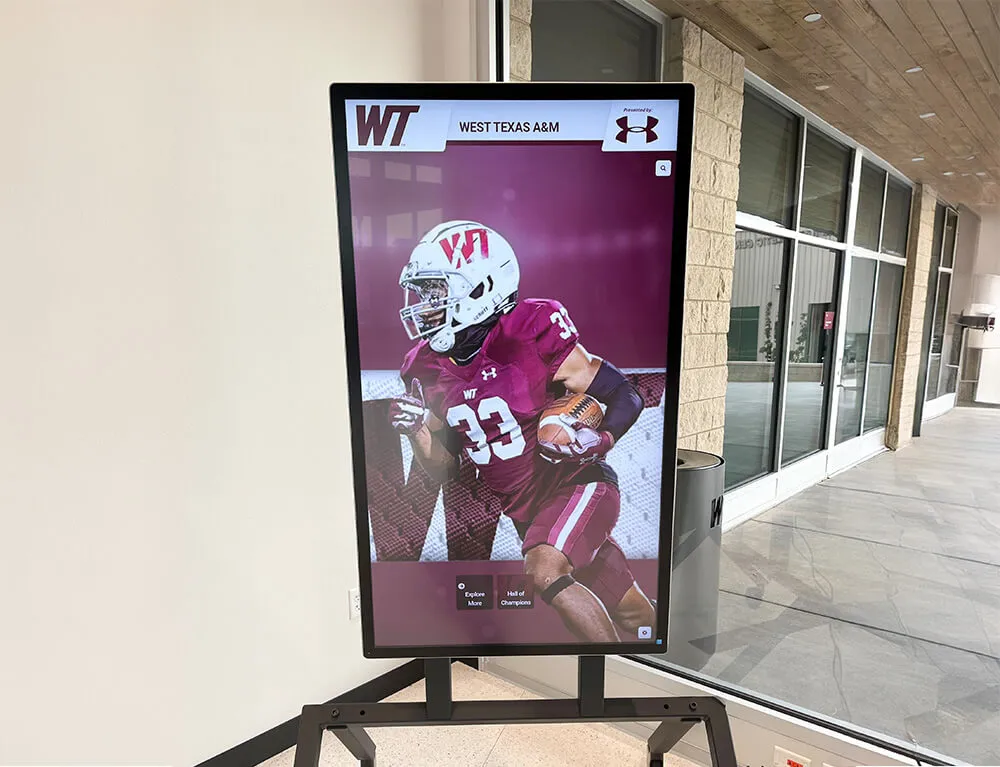
Digital kiosks expand trophy case capacity, showcasing unlimited achievements through booster-funded recognition technology
Supporting Competitive Excellence
Booster clubs enable participation in competitions and opportunities school budgets cannot support:
Travel and Tournament Support
- Tournament entry fees for competitive opportunities
- Travel expenses for out-of-district competitions
- Accommodation costs for overnight tournament participation
- Meal stipends during travel reducing family financial burden
- Transportation for additional competitive opportunities
Specialized Training and Development
- Off-season training programs and camps
- Specialized coaching and skill development clinics
- Sports psychology and mental performance training
- College recruiting support and showcase participation
- Leadership development for student-athletes
These investments create opportunities for student-athlete development extending far beyond what standard school funding provides.
Building Community and School Spirit
Beyond financial contributions, booster clubs serve critical community-building functions strengthening school culture.
Event Organization and Coordination
Booster clubs organize events creating memorable experiences celebrating athletics:
Game Day Experience Enhancement
- Concession stand operations generating revenue while serving spectators
- Spirit activities and promotions building excitement and attendance
- Senior night celebrations honoring graduating athletes
- Pep rally support creating enthusiasm before competitions
- Parking coordination and facility management during events
Special Recognition Programs
- End-of-season banquets celebrating team achievements
- Athletic award ceremonies recognizing individual excellence
- Hall of fame programs honoring legendary athletes and coaches
- Senior athlete recognition events celebrating graduating classes
- Community appreciation events thanking supporters and volunteers
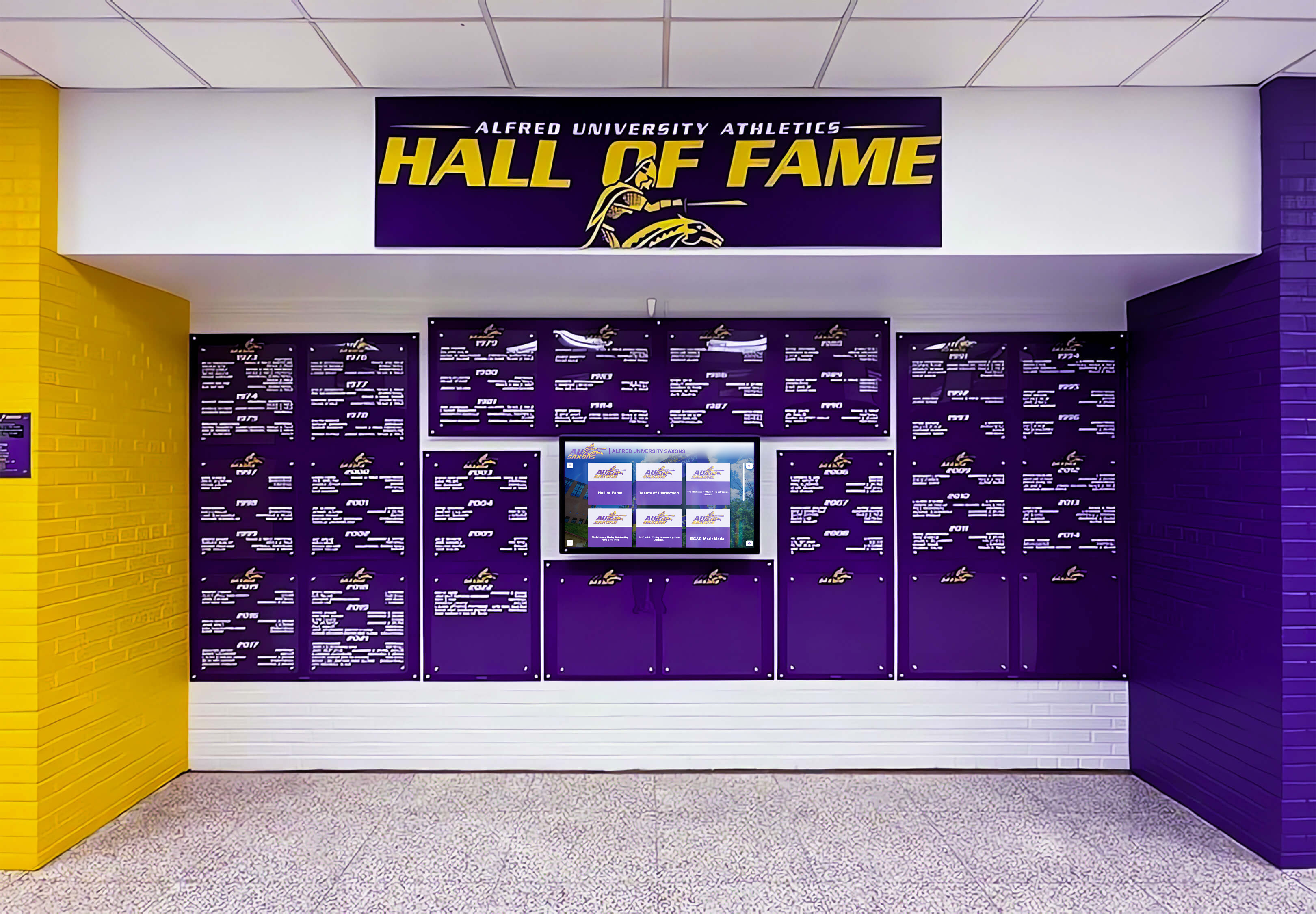
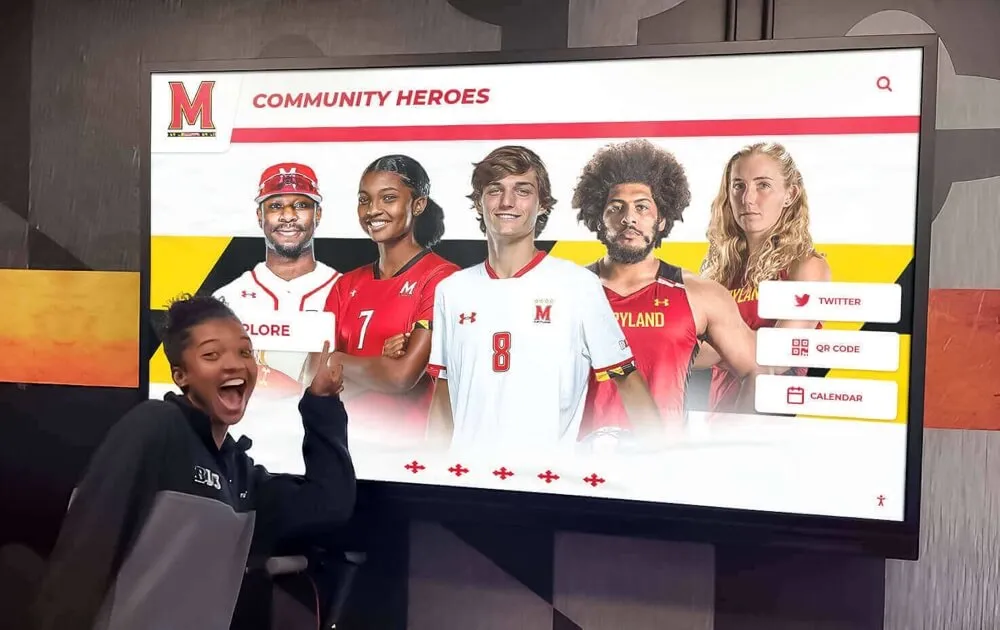
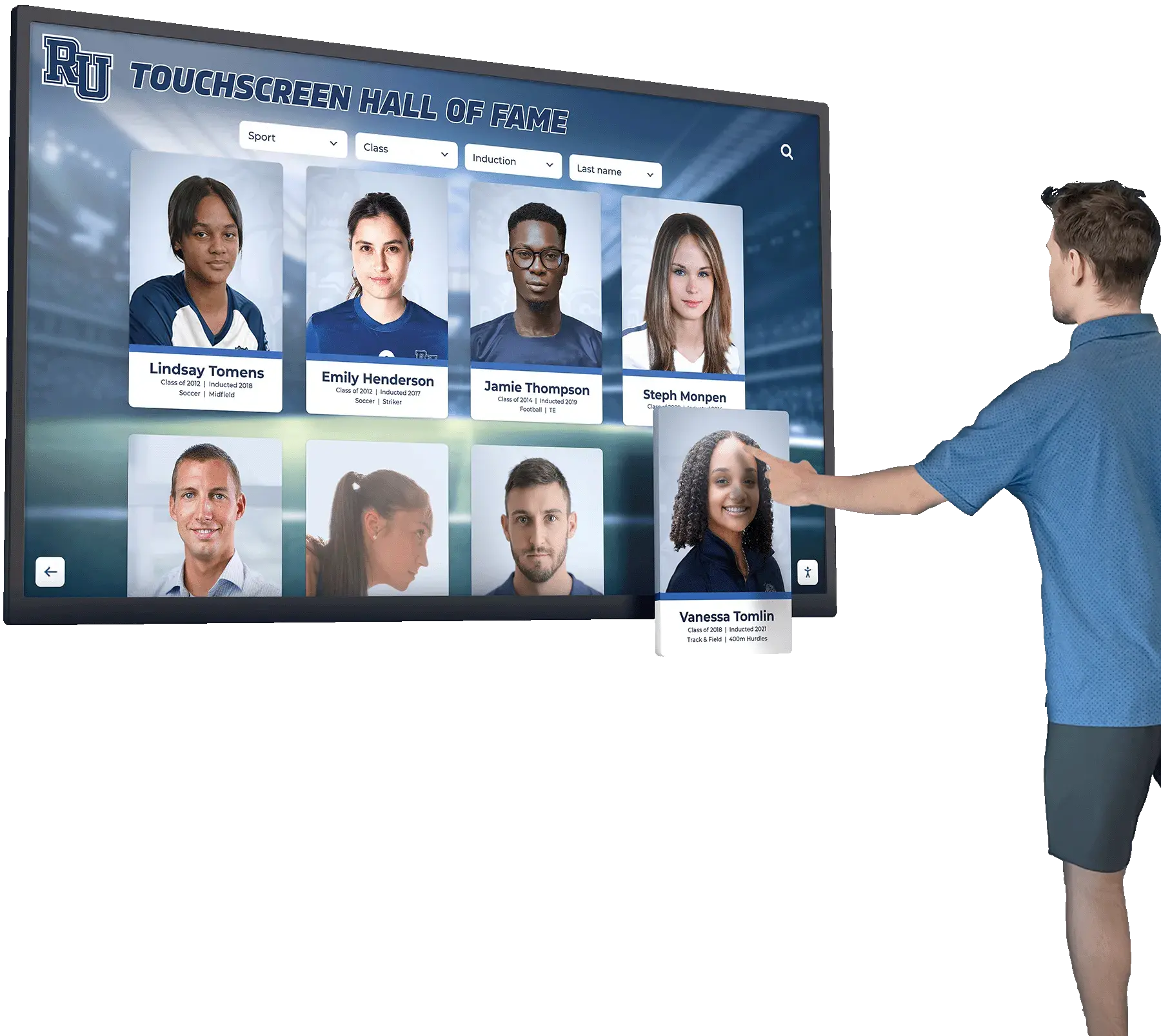
University-level recognition systems showcase how booster-funded displays create professional celebration spaces
Communication and Information Sharing
Effective booster clubs maintain robust communication keeping stakeholders informed and engaged:
Communication Channels
- Regular newsletters updating families on programs and events
- Social media presence celebrating achievements and sharing information
- Email distribution lists for time-sensitive communications
- Website maintaining comprehensive program information
- Mobile apps for schedules, scores, and real-time updates
Stakeholder Engagement
- Regular meetings keeping members informed and involved
- Parent education about athletic programs and opportunities
- Coach liaison ensuring booster support aligns with program needs
- Athletic director partnership maintaining institutional alignment
- Community outreach building broader support base
Volunteer Coordination and Management
Successful athletic programs require extensive volunteer support booster clubs organize:
Game Day Operations
- Ticket sales and admission management
- Concession stand staffing
- Event setup and facility preparation
- Crowd management and safety monitoring
- Cleanup and facility restoration
Behind-the-Scenes Support
- Equipment management and organization
- Team meal coordination and preparation
- Transportation assistance for team travel
- Administrative support for coaches and athletic staff
- Media management including photography and video coverage
Schools report that well-organized volunteer programs coordinated by booster clubs contribute the equivalent of thousands of dollars in paid labor while building stronger community connections to athletic programs.
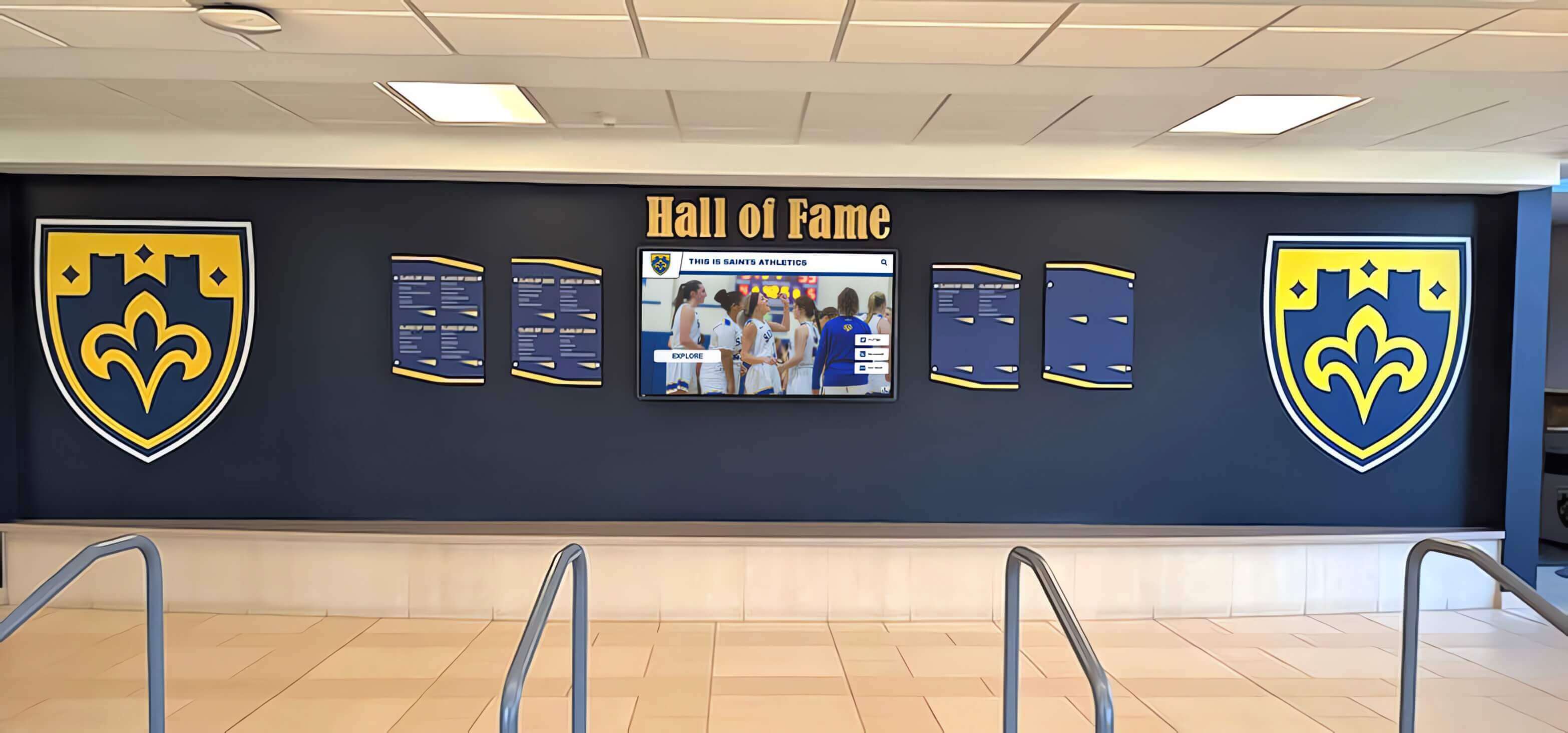
Lobby recognition areas create gathering spaces where booster clubs can showcase achievements and build program pride
How Booster Clubs Generate Revenue
Understanding diverse revenue streams helps booster clubs build sustainable funding supporting long-term program needs.
Traditional Fundraising Approaches
Time-tested fundraising methods remain effective when executed strategically:
Product Sales Programs
- Spirit wear and team apparel sales
- Discount card programs with local business partnerships
- Seasonal product sales (flowers, holiday items, gift products)
- Online shopping programs generating passive revenue
- Branded merchandise and accessories
Event-Based Fundraisers
- Athletic showcases and skills competitions
- Golf outings and tennis tournaments
- Fun runs and community fitness events
- Auction events featuring experiences and donated items
- Social events (trivia nights, dinner events, raffles)
Many successful booster clubs generate 40-60% of annual revenue through diversified product sales and event fundraisers carefully scheduled throughout the calendar year.
Modern Digital Fundraising
Contemporary technology enables new fundraising approaches expanding reach and reducing administrative burden:
Online Crowdfunding and Giving
- Project-specific campaigns for equipment or facility needs
- Peer-to-peer fundraising empowering athletes and families
- Social media campaigns expanding donor reach
- Matching gift programs leveraging corporate philanthropy
- Recurring giving programs creating predictable revenue
Digital Recognition as Fundraising Tool Modern schools discover that recognition technology itself generates revenue:
- Naming rights and tribute opportunities on digital displays
- Annual recognition renewal programs creating ongoing giving
- Sponsorship display integration showing business supporters
- Athlete profile sponsorships honoring student achievements
- Championship team recognition purchased by families
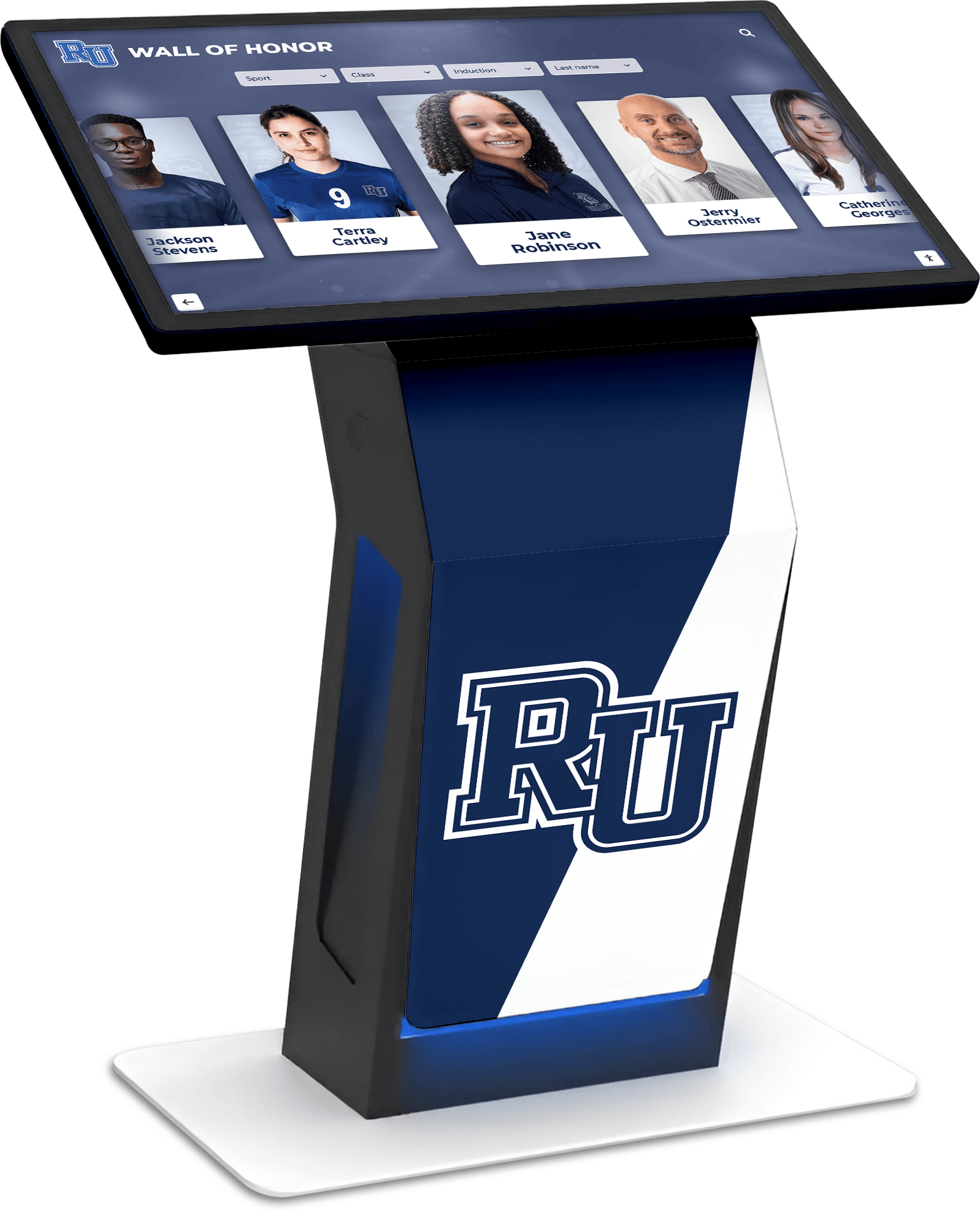
Interactive recognition kiosks create engagement while providing unlimited tribute opportunities generating booster revenue
Solutions like Rocket Alumni Solutions enable unlimited recognition capacity without physical space constraints—allowing booster clubs to continually offer tribute opportunities that previously would have required impossible facility modifications.
Sponsorship and Corporate Partnership
Business relationships create win-win scenarios generating significant revenue:
Sponsorship Program Structures
- Tiered sponsorship levels with defined recognition benefits
- Sport-specific sponsorships supporting individual teams
- Facility naming rights for major donor recognition
- Event title sponsorships for tournaments and showcases
- Banner and signage programs in athletic facilities
In-Kind Donation Programs
- Equipment donations or discounts from sporting goods providers
- Professional services (printing, accounting, legal) donated by businesses
- Restaurant partnerships providing team meals
- Transportation companies supporting travel needs
- Construction and maintenance services for facility projects
Effective sponsorship programs clearly communicate benefits—including visibility through digital displays, social media recognition, event acknowledgment, and community appreciation—justifying business investment while generating substantial revenue.
The Athletic Director and Booster Club Partnership
The relationship between school athletic departments and booster clubs determines program success or failure.
Establishing Clear Roles and Expectations
Successful partnerships require defined boundaries and mutual understanding:
Athletic Director Responsibilities
- Communicating program needs and priorities
- Providing oversight ensuring booster activities align with school policies
- Attending booster meetings maintaining relationship and information flow
- Coordinating with school administration regarding booster activities
- Ensuring equitable support distribution across all sports
Booster Club Boundaries
- Supporting programs without interfering with coaching decisions
- Raising funds rather than directing how coaches run teams
- Advocating for athletic programs without undermining school leadership
- Operating within school policies regarding student participation and safety
- Maintaining financial transparency and regulatory compliance
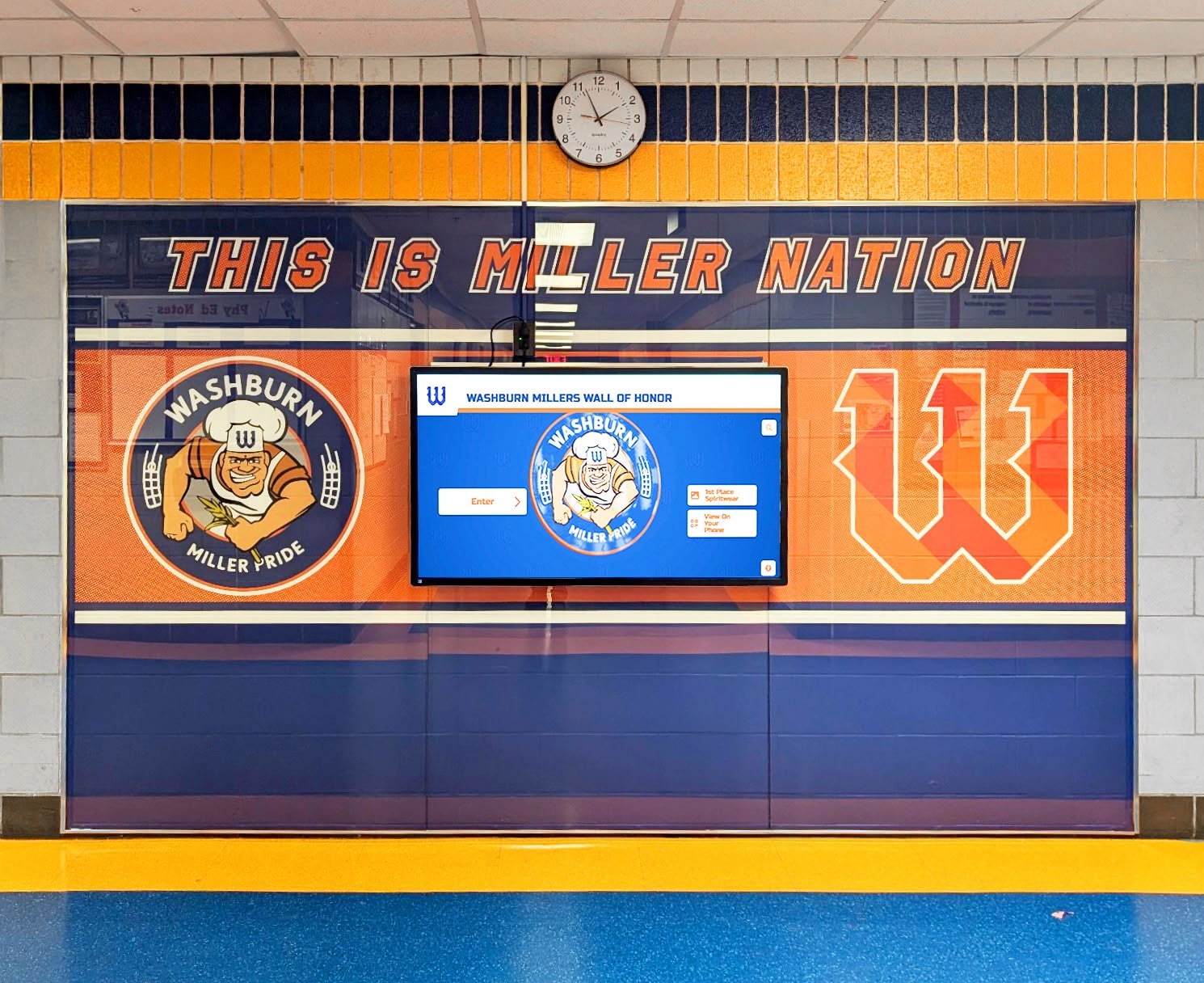
Hallway displays show booster impact throughout facilities, creating visible appreciation for supporter contributions
Communication Protocols and Regular Interaction
Ongoing communication prevents misunderstandings and maintains alignment:
Regular Meeting Rhythm
- Monthly joint meetings between athletic director and booster leadership
- Quarterly comprehensive meetings with full membership
- Pre-season planning sessions for each sport
- Post-season debriefs evaluating support and identifying improvements
- As-needed communication addressing immediate issues or opportunities
Documentation and Transparency
- Written agreements clarifying responsibilities and expectations
- Shared budget planning ensuring aligned priorities
- Regular reports on fundraising and spending
- Joint communication to stakeholders about program developments
- Documented policies addressing common scenarios and procedures
Navigating Challenges and Conflicts
Even strong partnerships encounter difficulties requiring professional resolution:
Common Challenge Areas
- Disagreements about fund allocation and spending priorities
- Parent complaints regarding playing time or coaching decisions
- Pressure for special treatment of specific athletes or teams
- Overstepping boundaries into coaching or program management territory
- Conflicts between athletic director and booster leadership personalities
Resolution Strategies
- Return to documented agreements and established policies
- Involve school administration when necessary for mediation
- Focus on student-athlete best interests rather than adult preferences
- Maintain open communication preventing small issues from escalating
- Address problems directly and professionally rather than avoiding conflict
Schools maintaining healthy athletic director and booster partnerships report 60-70% higher program satisfaction among coaches, athletes, and families compared to schools where these relationships are strained or undefined.
Benefits to Student-Athletes and Programs
Understanding tangible benefits helps communicate booster club value to broader school communities.
Enhanced Competitive Opportunities
Booster support directly enables competitive experiences otherwise impossible:
Access to Elite Competition
- Tournament participation requiring significant travel and entry fees
- Showcase events where college coaches evaluate prospects
- Out-of-state competition against top-tier opponents
- Championship tournament participation
- Elite training opportunities and specialized clinics
Resource Advantages
- Equipment quality matching or exceeding competitors
- Strength and conditioning resources supporting athletic development
- Technology enabling performance analysis and improvement
- Specialized coaching and expert instruction
- Medical and training support preventing and treating injuries

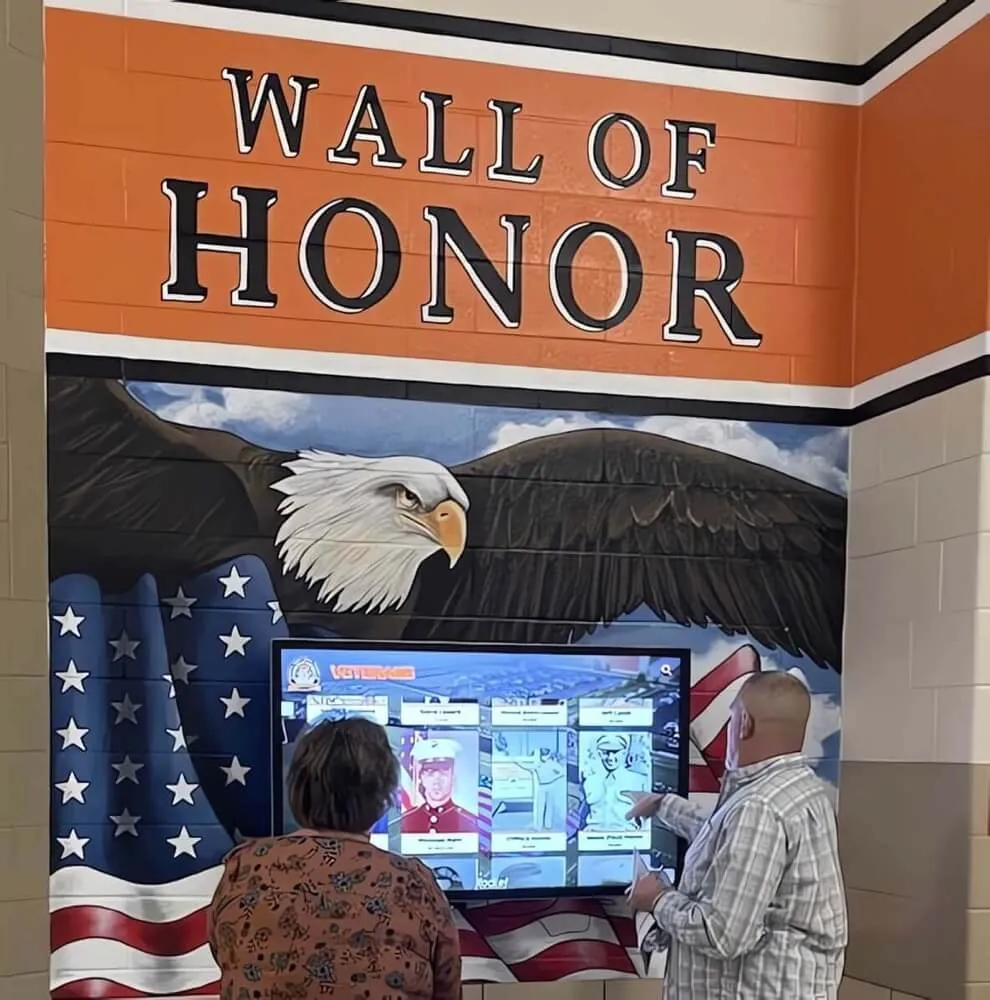
Interactive displays let students explore athletic history, connecting current experiences to traditions booster clubs help build
Character Development and Life Skills
Beyond competitive benefits, booster-supported programs develop essential character qualities:
Leadership Development
- Student-athlete leadership roles and responsibilities
- Community service opportunities connected to athletics
- Peer mentorship within teams and across programs
- Public speaking and communication skill development
- Organizational and planning experience through team activities
Work Ethic and Perseverance
- Goal-setting and achievement through athletic participation
- Resilience through challenges, setbacks, and competition
- Time management balancing athletics with academics
- Commitment and follow-through despite difficulties
- Accountability to teammates, coaches, and supporters
Research consistently demonstrates that student-athletes in well-resourced programs supported by active booster clubs report higher satisfaction, greater personal development, and stronger school connection than athletes in programs lacking comprehensive support systems.
Recognition and Celebration
Booster clubs ensure achievements receive appropriate acknowledgment:
Individual Recognition Programs
- End-of-season awards celebrating athletic and character excellence
- Record-breaking achievement acknowledgment
- All-conference and all-state honors celebration
- Academic achievement recognition for student-athletes
- Senior athlete tributes honoring graduating classes
Team Celebration Systems
- Championship recognition and permanent commemoration
- Season success acknowledgment regardless of final record
- Team accomplishment displays throughout athletic facilities
- Tradition-building ceremonies connecting past and present
- Digital recognition preserving achievements permanently
Modern booster clubs increasingly invest in comprehensive recognition technology ensuring unlimited celebration capacity extending far beyond physical trophy case space constraints.
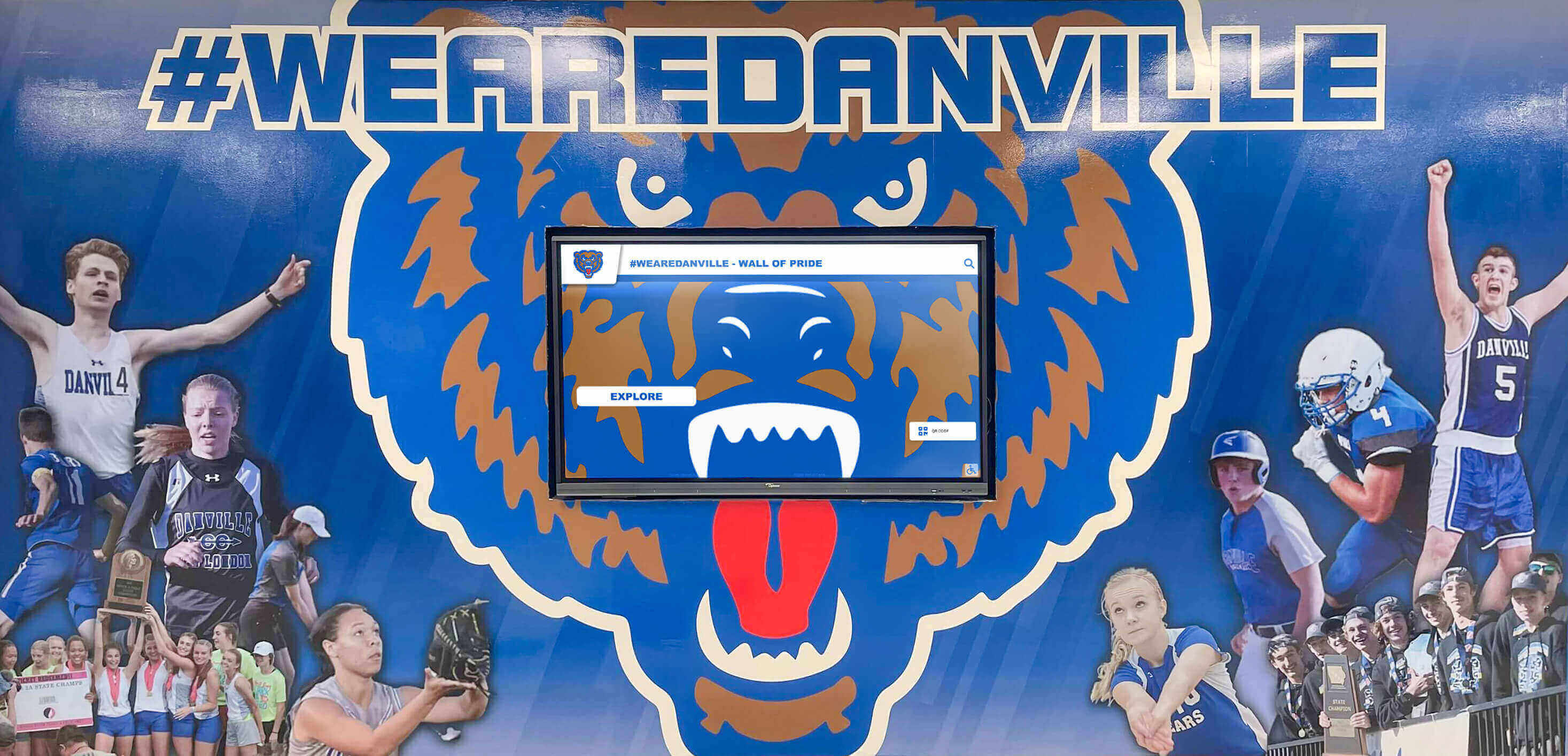
Athletic branding combined with digital displays creates immersive environments celebrating traditions and current achievements
Starting a Booster Club: Essential Steps
Schools lacking booster organizations can establish effective support systems following strategic implementation approaches.
Initial Planning and Organization
Launching successful booster clubs requires thoughtful groundwork:
Assessing Need and Interest
- Survey parents, community members, and stakeholders about interest
- Identify specific program needs booster club would address
- Research successful booster models at comparable schools
- Gain athletic director and administrative support before launching
- Determine scope: single-sport versus all-athletics support
Forming Founding Leadership
- Recruit committed, organized individuals for initial board positions
- Seek diverse leadership representing various sports and perspectives
- Identify individuals with relevant skills (finance, fundraising, communications)
- Establish clear time commitments and expectations
- Create succession planning ensuring sustainability beyond founding members
Legal and Organizational Foundation
- Develop bylaws defining governance, membership, and operations
- Apply for 501(c)(3) tax-exempt status with IRS
- Establish bank account and financial management systems
- Create liability insurance and risk management protocols
- Develop policies addressing common scenarios and compliance requirements
Building Membership and Engagement
Sustainable booster clubs require broad membership extending beyond a few dedicated parents:
Recruitment Strategies
- Presentations at parent meetings and school events
- Direct communication to all athletic families
- Social media and website promotion
- Personal invitations from coaches and athletic directors
- Clear communication about how involvement makes a difference
Membership Structure Options Different models serve different communities:
- Open membership: Anyone interested can participate and vote
- Dues-based membership: Annual fees support operations while defining voting members
- Multi-tier membership: Various involvement levels from active to supporting members
- Sport-specific representation: Ensuring all teams have voice in governance
- Alumni and community inclusion: Extending beyond current parent base
Successful booster clubs typically maintain active membership of 10-15% of total athletic families, with broader supporter networks engaging at various participation levels.
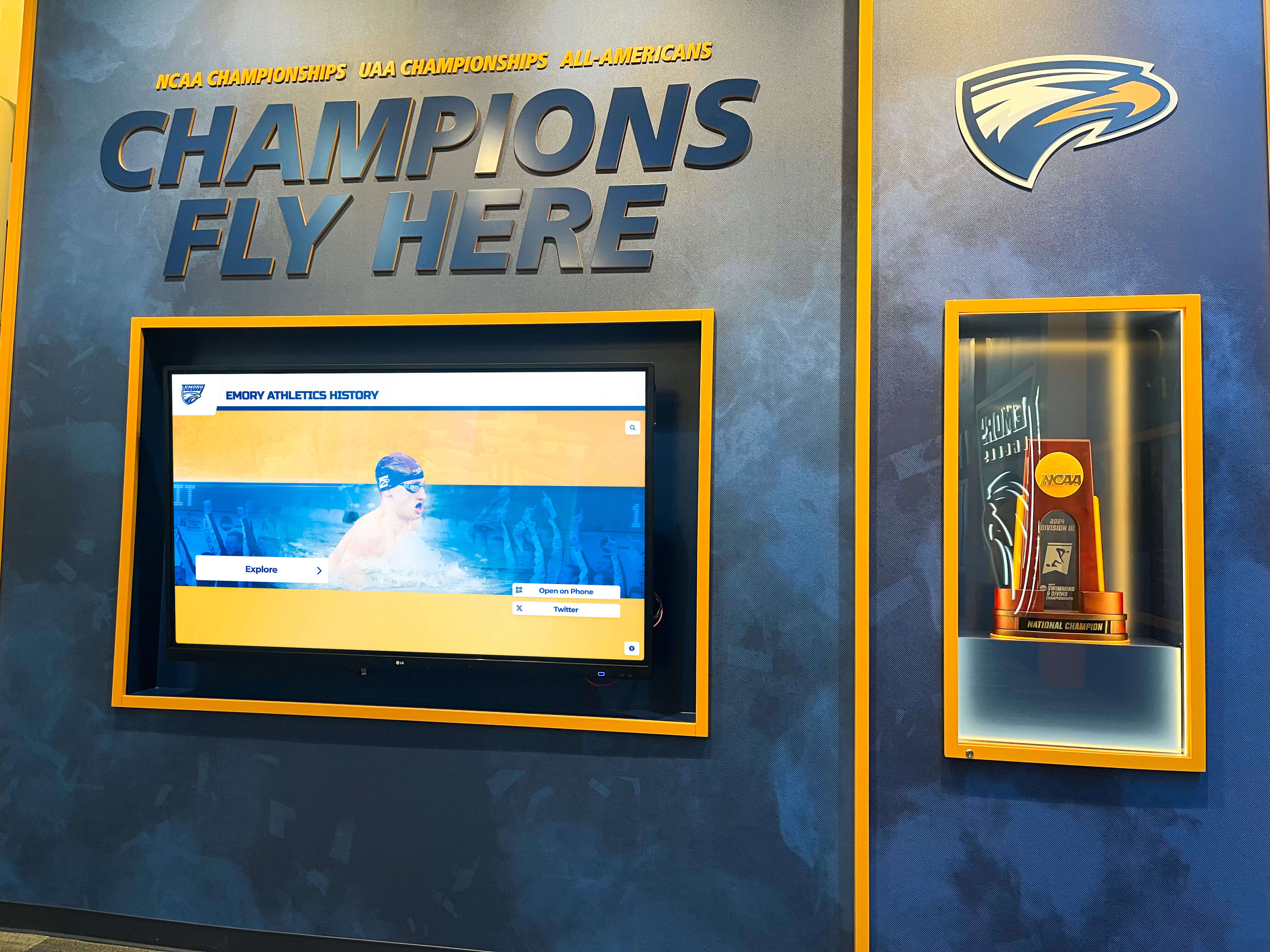
Championship walls document program excellence while showing tangible results of booster support and investment
Establishing Initial Programs and Activities
Starting with manageable initiatives builds momentum and credibility:
First-Year Priority Activities
- One or two proven fundraisers generating immediate revenue
- Specific equipment or facility project showing tangible impact
- Regular communication establishing presence and transparency
- One major recognition event building community and celebrating success
- Partnership with athletic recognition programs creating visible achievement celebration
Building From Success
- Document impact and communicate results clearly
- Expand activities gradually based on capacity and interest
- Celebrate wins building enthusiasm and participation
- Learn from challenges adjusting approaches for improvement
- Develop sustainable systems rather than personality-dependent operations
Schools launching booster clubs report that establishing credibility through transparent operations, visible impact, and inclusive engagement creates momentum enabling significant program enhancement within 2-3 years.
Common Challenges and Solutions
Understanding typical obstacles helps booster clubs navigate difficulties effectively.
Volunteer Burnout and Leadership Transitions
Challenge: Small Group Carrying Heavy Load Limited volunteers assume excessive responsibility leading to exhaustion and frustration.
Solutions:
- Distribute tasks across many individuals rather than few people
- Create specific, time-limited volunteer roles rather than open-ended commitments
- Develop clear job descriptions with defined time expectations
- Recognize and appreciate volunteers regularly
- Build leadership pipeline identifying and developing future leaders
- Implement term limits preventing prolonged service in demanding positions
Challenge: Leadership Transitions and Lost Knowledge Founding leaders or long-tenured board members leave, taking institutional knowledge with them.
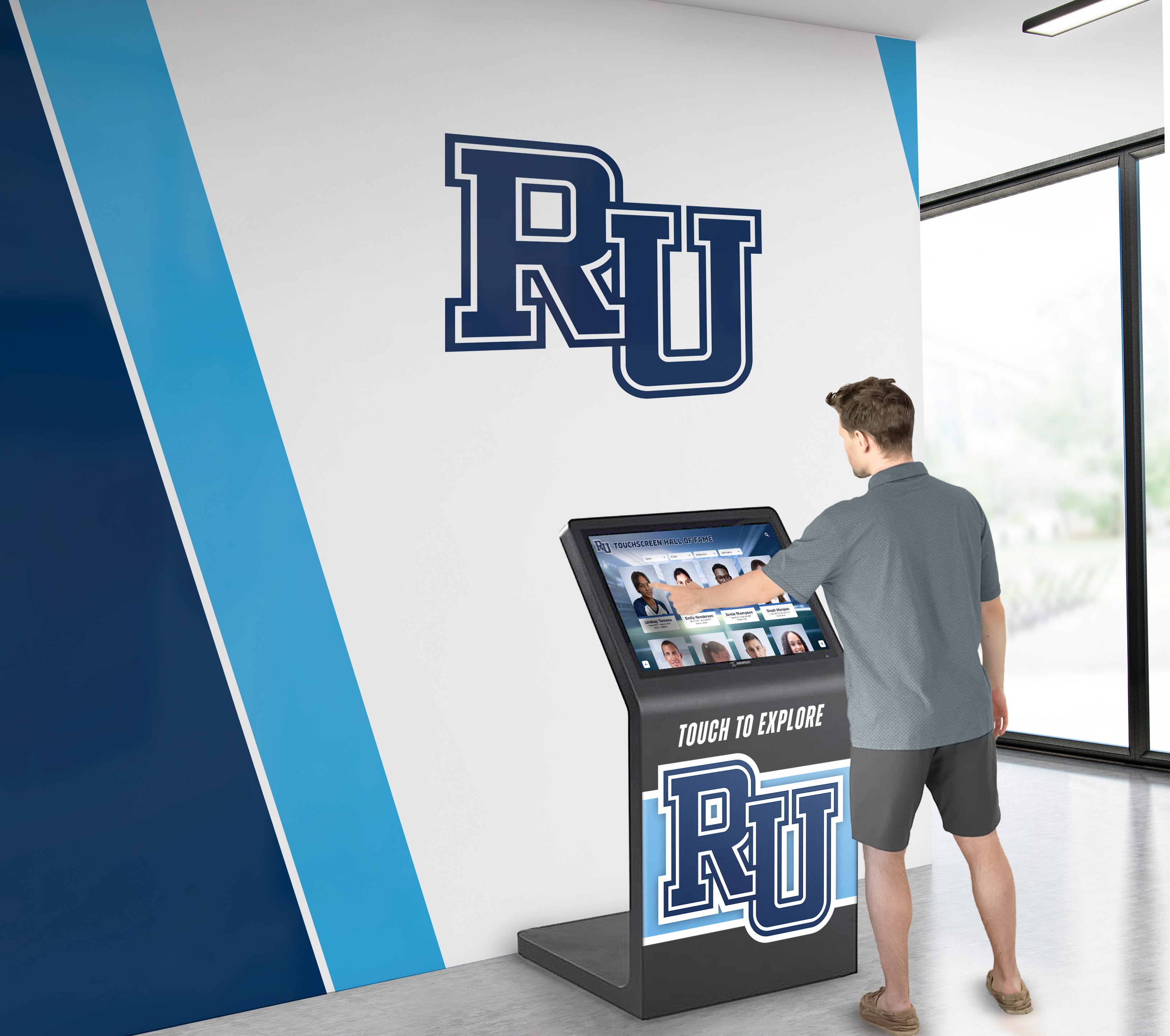
Modern recognition systems provide lasting infrastructure outliving individual booster leadership transitions
Solutions:
- Document procedures, contacts, and institutional knowledge in accessible formats
- Implement overlapping leadership terms ensuring continuity
- Create vice president or president-elect positions preparing future leaders
- Maintain organizational files accessible to current and future leaders
- Regular knowledge transfer sessions between outgoing and incoming leadership
- Advisory roles for past presidents maintaining institutional memory
Equity Across Sports and Programs
Challenge: Funding Disparities Between Programs High-profile or well-attended sports receive disproportionate support while smaller sports struggle for resources.
Solutions:
- Establish funding formulas distributing resources equitably across programs
- Set minimum support levels for all sports regardless of revenue generation
- Rotate featured fundraisers among different sports
- Celebrate achievements across all programs equally
- Implement sport-specific committees ensuring all teams have advocacy
- Recognition systems showcasing unlimited athletes preventing visibility disparities
Challenge: Gender Equity Compliance Federal Title IX requirements mandate equitable support for male and female athletics.
Solutions:
- Regular equity audits ensuring comparable support across programs
- Athletic director involvement ensuring compliance with regulations
- Written policies addressing equitable resource distribution
- Transparent communication about funding decisions and rationale
- Proactive support for traditionally under-resourced programs
Financial Management and Transparency
Challenge: Misunderstandings About Fund Usage Stakeholders question how money is spent or perceive favoritism in allocation decisions.
Solutions:
- Regular financial reports shared with membership and broader community
- Clear communication about funding decisions and priorities
- Athletic director involvement in spending decisions ensuring alignment
- Annual audits providing independent financial verification
- Transparent policies addressing fund allocation and spending authority
- Public recognition of donor contributions and their specific impact
Schools maintaining rigorous financial transparency report 80-90% higher donor confidence and sustained giving compared to organizations with opaque financial management.
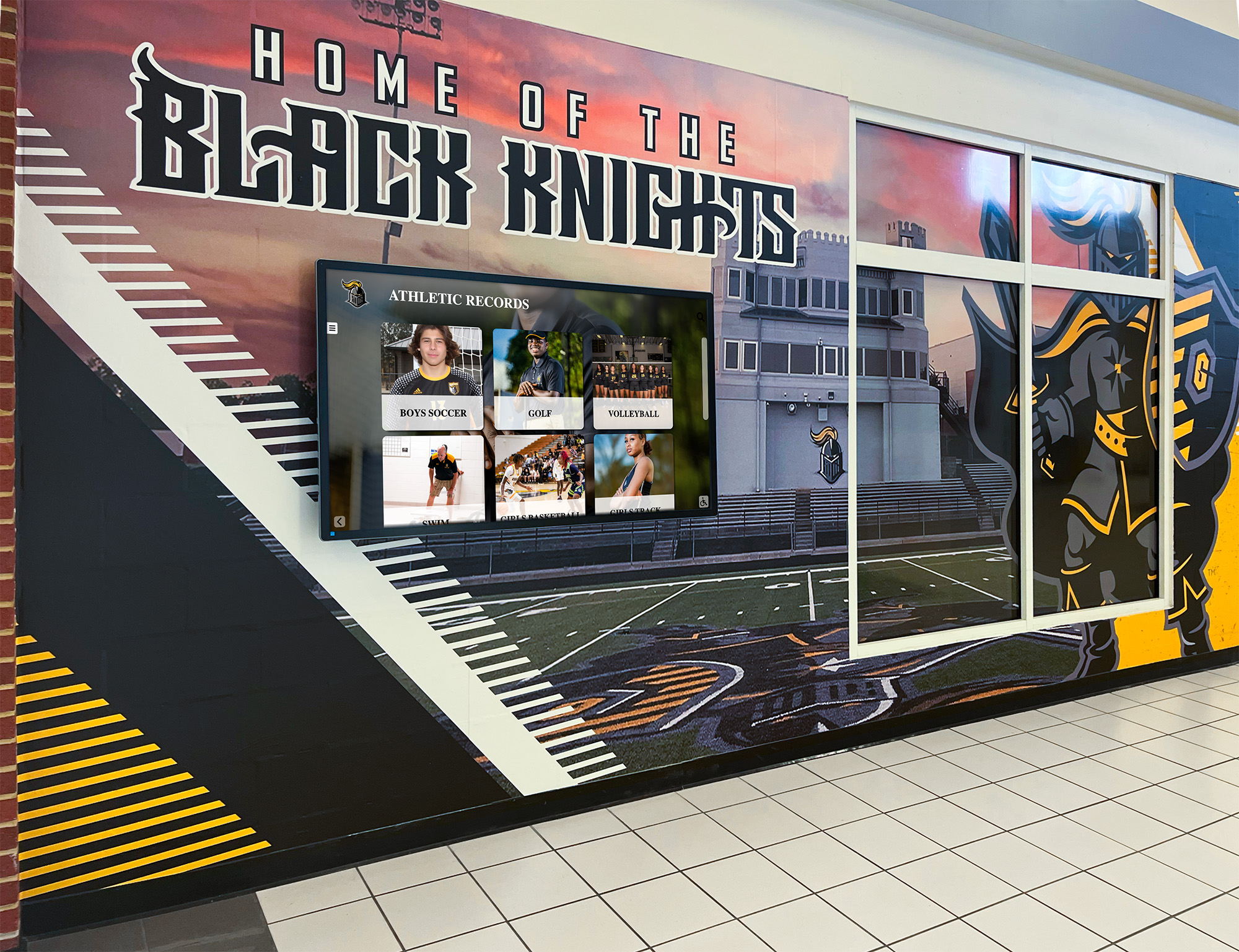
Athletic corridor displays show ongoing impact of booster support through comprehensive achievement documentation
Modern Recognition: Digital Displays as Booster Legacy Projects
Forward-thinking booster clubs increasingly invest in recognition technology creating lasting impact extending far beyond equipment purchases.
The Limitation of Traditional Recognition
Physical trophy cases create frustrating constraints limiting booster recognition efforts:
Space Capacity Issues
- Limited physical space forcing difficult choices about what to display
- Expensive construction required to expand recognition capacity
- Outdated displays accumulating while new achievements have nowhere to go
- Impossible to recognize all deserving athletes without construction projects
- Physical constraints preventing comprehensive celebration of all programs
Engagement Limitations
- Static plaques providing minimal achievement information
- No mechanism for exploring detailed athlete or team histories
- Alumni and community members cannot access recognition remotely
- Difficult or impossible to update information or add achievements
- Limited storytelling capacity beyond basic names and dates
Digital Recognition Advantages for Booster Programs
Modern solutions like Rocket Alumni Solutions transform booster recognition capabilities:
Unlimited Recognition Capacity
- Showcase every athlete, team, and achievement without space constraints
- Include all sports equally regardless of profile or attendance
- Add new achievements easily through cloud-based management
- Preserve complete program histories with unlimited photos and details
- Represent multi-sport athletes comprehensively across all their activities
Enhanced Engagement and Accessibility
- Searchable databases allowing visitors to find specific athletes or achievements
- Mobile accessibility via QR codes enabling remote viewing by alumni worldwide
- Rich multimedia presentations with photos, videos, and comprehensive details
- Interactive exploration engaging students with program traditions
- Social sharing capabilities allowing athletes to share their recognition
Ongoing Recognition Revenue Digital displays create perpetual fundraising opportunities:
- Annual recognition renewals keeping donors visible
- Tribute additions as families celebrate new milestones
- Sponsorship rotations providing fresh visibility to multiple donors
- Upgraded recognition levels for increased contributions
- Team-specific displays funded through season-by-season support
Unlike static plaques requiring construction for additions, digital platforms accommodate unlimited recognition without space constraints—enabling booster clubs to continually offer recognition opportunities generating sustained revenue.
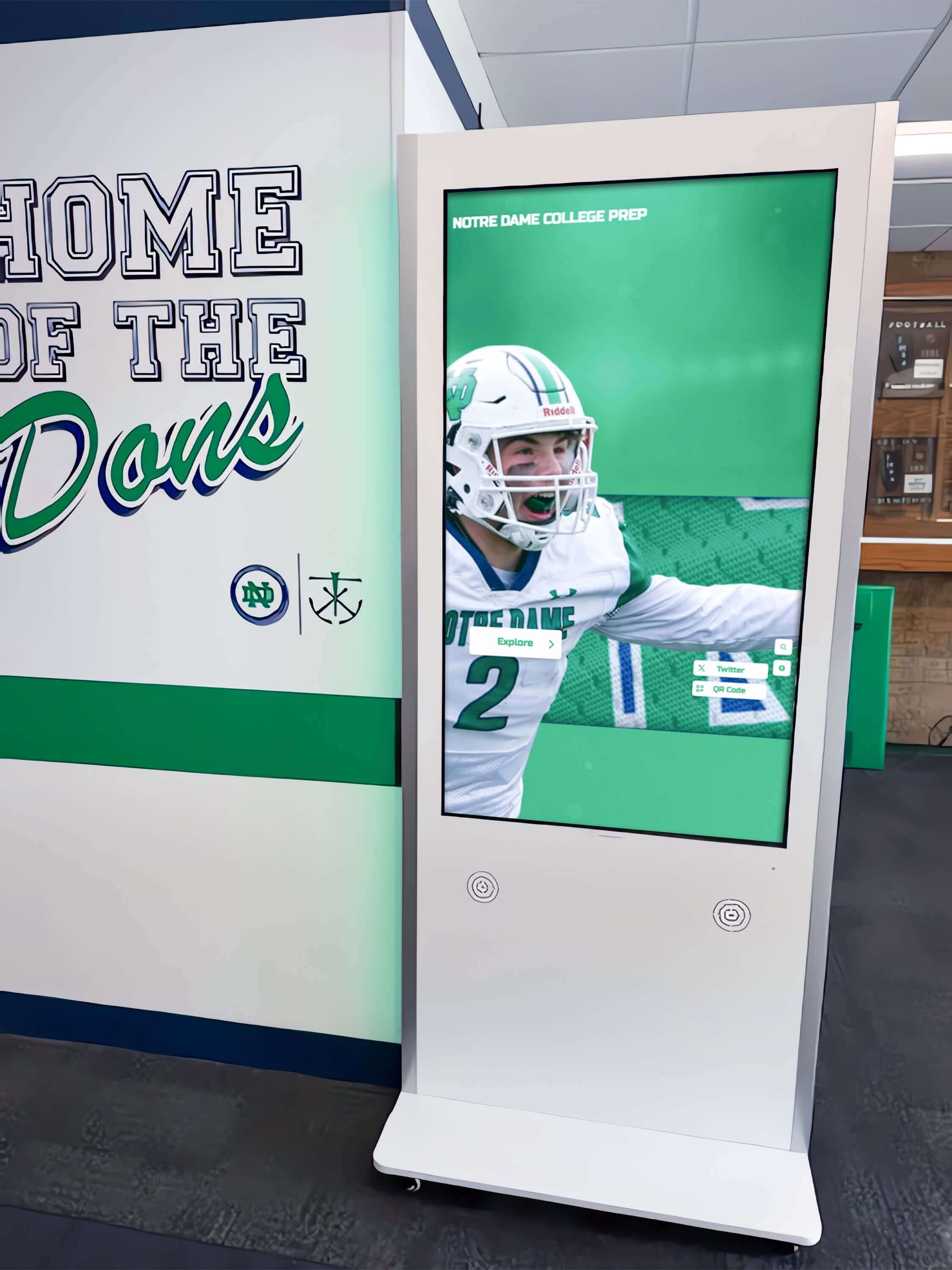
Professional digital displays showcase booster-funded recognition creating prestigious spaces celebrating athletic excellence
Implementing Recognition Technology as Booster Project
Strategic planning maximizes recognition display impact:
Planning Considerations
- Placement in high-traffic areas ensuring maximum visibility
- Content development recognizing historical and current achievements
- Integration with ongoing fundraising and recognition programs
- Training for athletic staff and booster leadership on content management
- Communication plan celebrating display launch and explaining ongoing use
Funding Strategies
- Capital campaigns specifically for recognition display acquisition
- Naming rights and tribute opportunities funding initial investment
- Corporate sponsorships supporting technology infrastructure
- Multi-year payment plans making investment manageable
- Grant opportunities from foundations supporting educational technology
Booster clubs implementing comprehensive digital recognition displays report that these systems become signature legacy projects demonstrating lasting impact extending decades beyond typical equipment purchases that eventually wear out and require replacement.
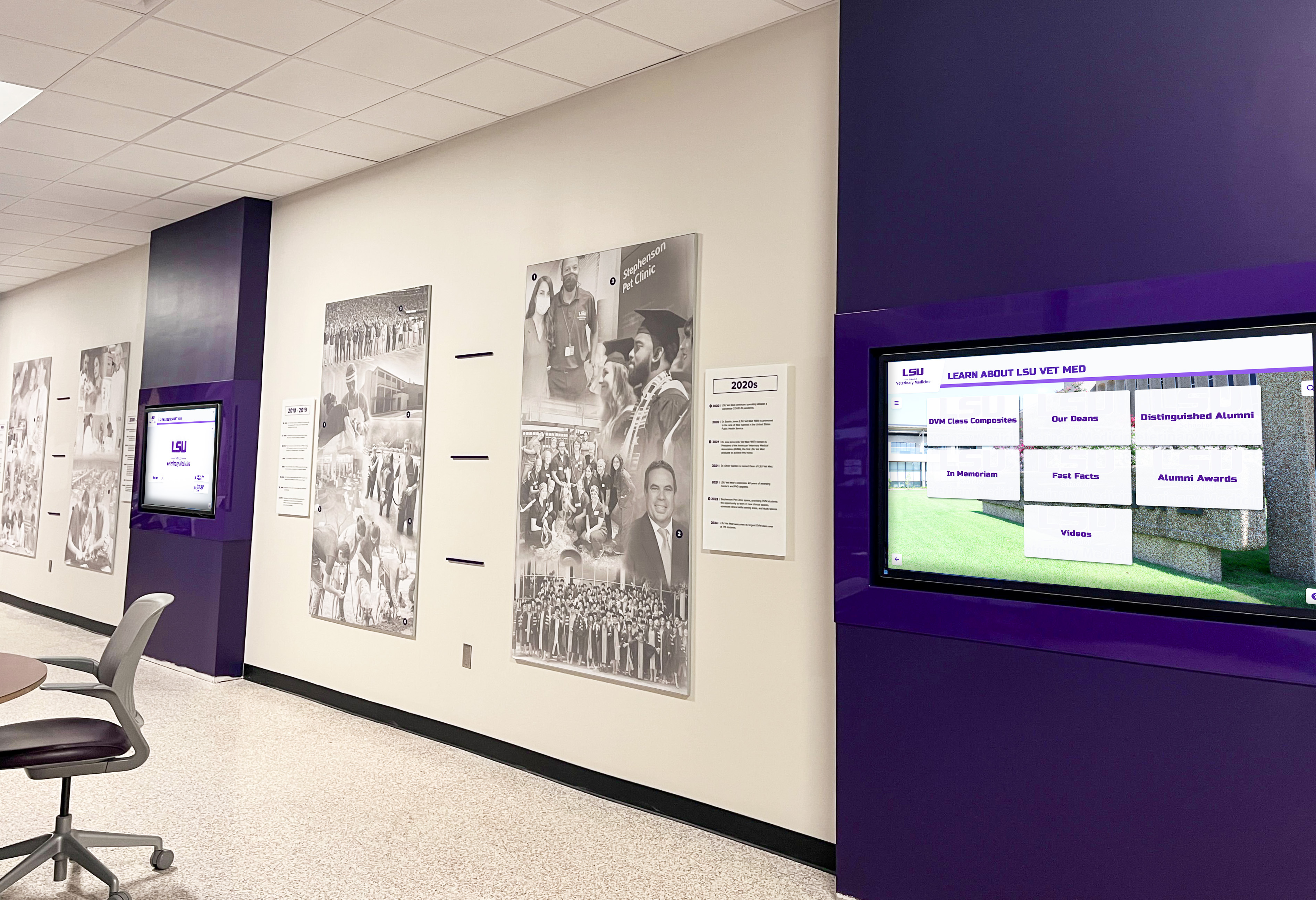
Multiple coordinated displays create comprehensive recognition environments showcasing booster investment in program excellence
National Examples and Best Practices
Learning from successful booster clubs nationwide provides models for effective operation and impact.
Characteristics of Highly Effective Booster Clubs
Research on top-performing booster organizations reveals common traits:
Strong Leadership and Governance
- Written bylaws and documented procedures ensuring consistency
- Regular board meetings with documented decisions and actions
- Clear role definitions preventing confusion and conflict
- Succession planning ensuring sustainability across transitions
- Professional operations rivaling small businesses in organization
Diverse Revenue Streams
- Multiple fundraising approaches reducing dependence on single source
- Mix of large and small revenue opportunities engaging various donors
- Annual events creating predictable income alongside one-time projects
- Passive income sources (sponsorships, recurring giving) supplementing active fundraising
- Strategic capital campaigns for major facility or equipment investments
Transparent Communication and Operations
- Regular updates to membership, athletic department, and broader community
- Financial transparency through regular reporting and annual audits
- Clear policies addressing common questions and scenarios
- Accessible leadership maintaining open communication channels
- Celebration of impact demonstrating how support creates tangible results
Comprehensive Program Support
- Equitable resource distribution across all sports and athletes
- Support extending beyond equipment to recognition, celebration, and development
- Partnership with athletic department ensuring aligned priorities
- Long-term strategic planning complementing annual operational focus
- Investment in infrastructure (like recognition displays) creating lasting impact
Schools with booster clubs exhibiting these characteristics report 2-3 times higher annual revenue and dramatically stronger community engagement compared to clubs operating without clear structure and strategic focus.
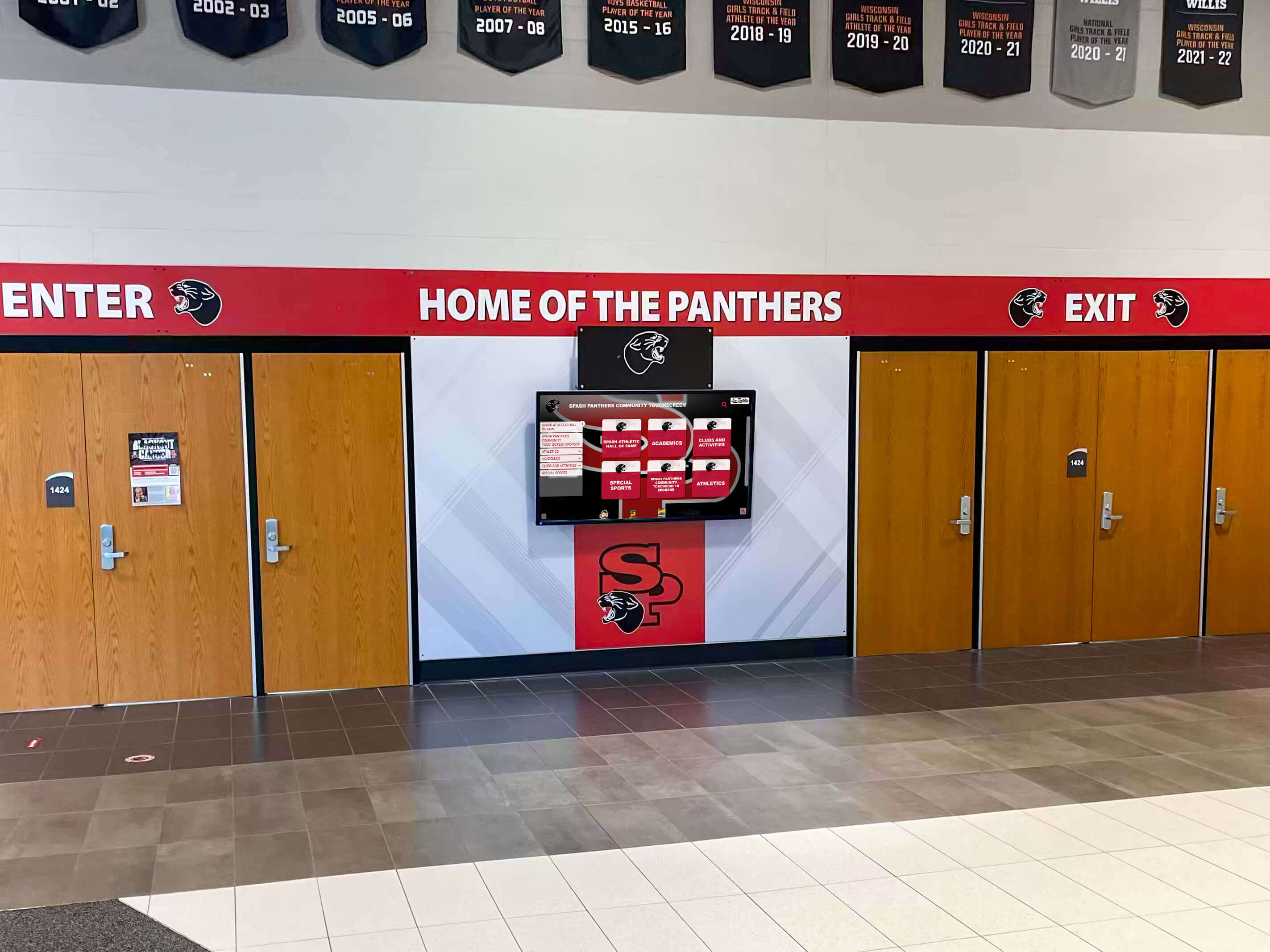
Entrance displays welcome everyone with athletic pride, demonstrating booster commitment to comprehensive program excellence
The Future of Booster Clubs in School Athletics
Evolving educational landscapes and changing student needs require booster clubs to adapt while maintaining core mission focus.
Emerging Trends and Opportunities
Technology Integration
- Digital fundraising platforms expanding reach and reducing administrative burden
- Social media engagement connecting broader supporter communities
- Online volunteering and remote participation options
- Virtual events and auctions expanding geographic reach
- Recognition technology preserving achievements permanently
Mental Health and Wellness Support
- Funding sports psychology and mental performance resources
- Supporting student-athlete wellbeing initiatives beyond physical training
- Creating healthier athletic cultures prioritizing long-term development
- Addressing pressure and burnout through comprehensive support systems
- Educating coaches and parents about developmental appropriateness
Equity and Inclusion Initiatives
- Ensuring all students can participate regardless of financial circumstances
- Supporting equipment needs for athletes from low-income families
- Creating inclusive cultures welcoming diverse participation
- Addressing opportunity gaps through targeted support
- Recognizing diverse achievements beyond traditional athletic excellence
Alumni Engagement and Endowment Building Forward-thinking booster clubs begin transitioning from purely annual operations toward building lasting endowments:
- Planned giving programs incorporating athletics in estate plans
- Alumni outreach creating lifelong supporter relationships
- Endowed funds generating perpetual program support
- Legacy recognition honoring long-term donor commitment
- Strategic partnerships with school foundations and development offices
Create Lasting Recognition for Your Athletic Programs
Discover how modern digital recognition displays transform booster club impact from temporary equipment purchases to permanent celebration systems showcasing unlimited achievements. See how schools nationwide preserve athletic legacies while creating ongoing recognition revenue through comprehensive digital platforms.
Explore Recognition SolutionsConclusion: The Indispensable Role of Booster Clubs
Booster clubs represent far more than fundraising organizations—they serve as comprehensive support systems enabling athletic programs to provide transformative experiences developing student-athletes into confident, capable adults. From purchasing essential equipment and funding facility improvements to building community connections and creating recognition systems celebrating achievement, these volunteer organizations bridge critical gaps between limited school budgets and the resources programs need for genuine excellence.
The most effective booster clubs operate with professional organization, transparent governance, and strategic focus extending beyond immediate needs toward sustainable program enhancement. They maintain healthy partnerships with athletic departments ensuring support aligns with educational mission and coaching vision. They distribute resources equitably ensuring all athletes—regardless of sport profile or family resources—receive comprehensive support. And increasingly, they invest in infrastructure like digital recognition technology creating lasting legacies extending far beyond current membership tenure.
For schools lacking active booster organizations, the opportunity exists to build support systems dramatically enhancing athletic programs while creating community engagement strengthening broader school culture. For established booster clubs, the challenge involves continuous improvement—evolving operations, embracing modern technology, and maintaining relevance for changing student needs while preserving mission focus on comprehensive student-athlete development.
Behind every championship banner, record-breaking achievement, and positive athletic experience stands not only dedicated coaches and talented athletes, but also committed booster club supporters who invest time, resources, and energy ensuring programs have what they need to succeed. These often-unsung heroes deserve recognition proportional to their profound impact on student development and institutional excellence.
Whether you’re considering starting a booster club, seeking to strengthen existing operations, or simply understanding what these organizations contribute to school athletics, remember that effective booster clubs transform athletic programs from basic offerings into comprehensive developmental experiences preparing students for success in competition, classroom, and life. The investment in building strong booster organizations returns dividends measured not in trophies alone, but in the character, confidence, and capability of young people shaped by exceptional athletic experiences.
Ready to learn more about supporting your school’s athletic programs? Explore booster club fundraising strategies generating sustainable revenue, discover comprehensive athletic recognition systems preserving achievements permanently, or learn about creating lasting booster legacies through strategic facility and recognition investments.