



Behind every successful high school or college athletic program stands an athletic director orchestrating the complex coordination of teams, coaches, budgets, facilities, compliance requirements, and student-athlete development. These administrators balance competing priorities daily—from ensuring Title IX compliance and managing million-dollar budgets to coordinating transportation logistics and responding to parent concerns after Friday night’s game.
Yet the athletic director role remains misunderstood by many outside athletics. Some view them simply as schedulers arranging game dates and hiring coaches. Others assume they’re glorified fans watching games from preferred seating. Still others believe they’re coaches who’ve moved into offices, removed from the real work of developing athletes.
The reality involves far more complexity. Modern athletic directors serve as education leaders, business managers, compliance officers, facility coordinators, fundraising directors, public relations professionals, and student development advocates—often simultaneously. This comprehensive guide explores what athletic directors actually do, the essential skills distinguishing effective administrators, career pathways into this challenging role, and how modern technology is transforming athletic administration for schools and universities nationwide.
Whether you’re an aspiring athletic director planning your career path, a school administrator seeking to understand this critical role, or simply someone curious about the leadership behind athletic programs you follow, understanding athletic director responsibilities provides insight into the sophisticated management required to operate today’s educational athletic departments successfully.

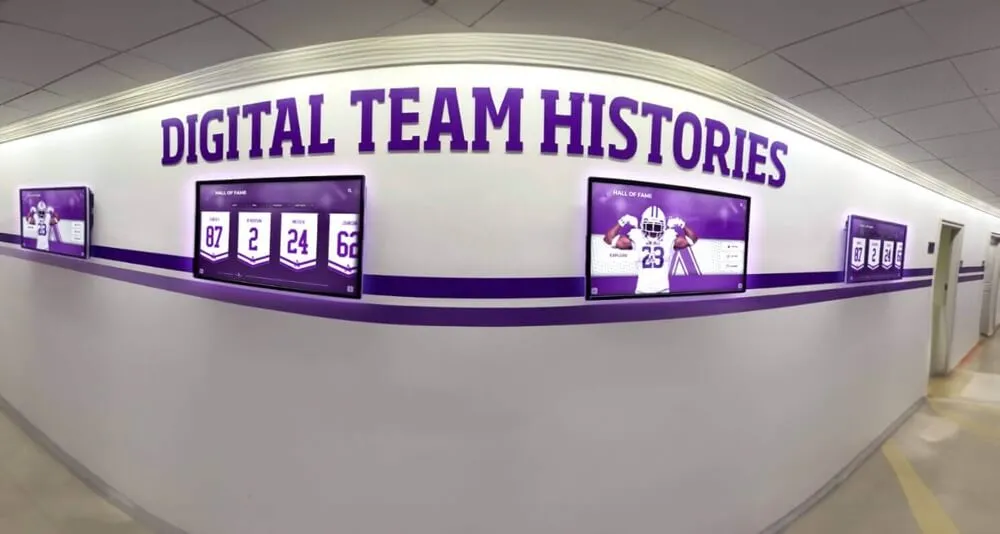
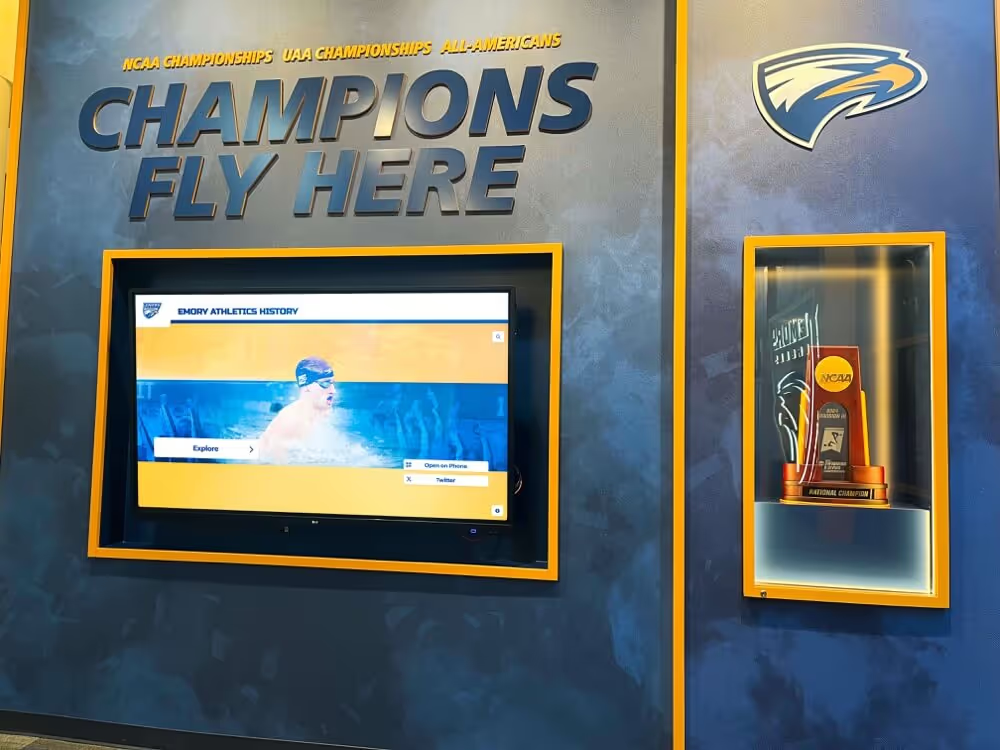
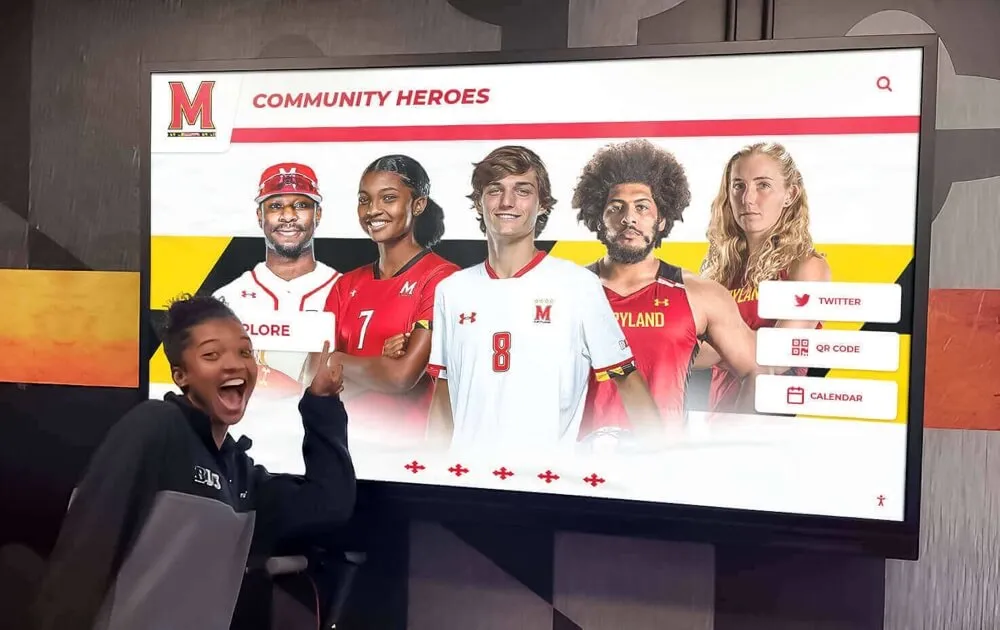
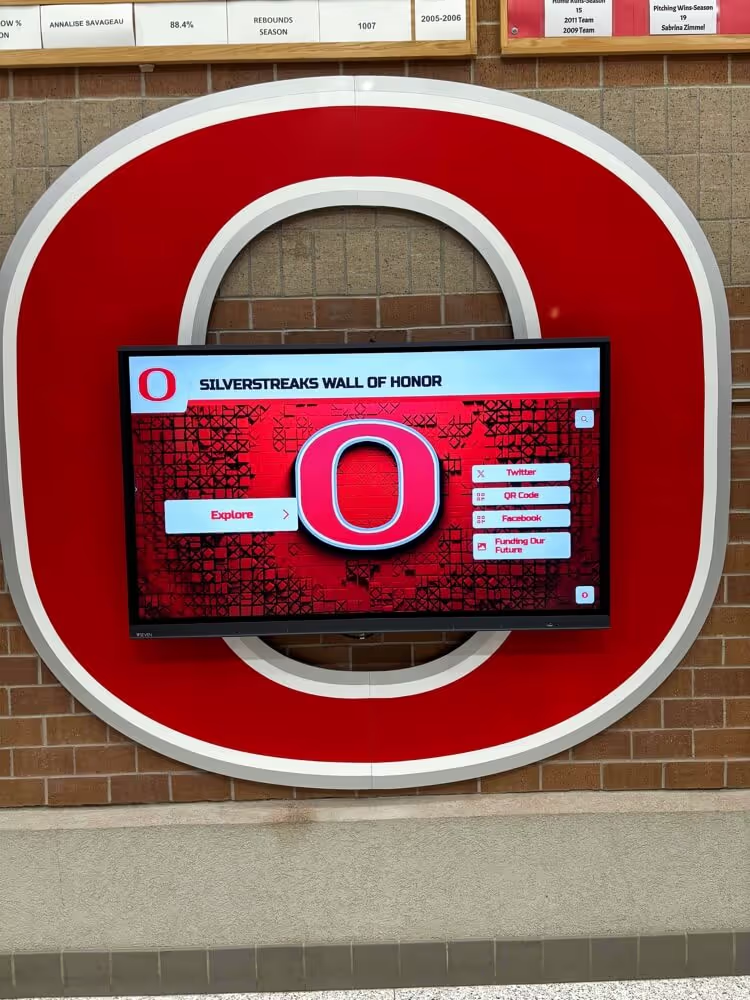
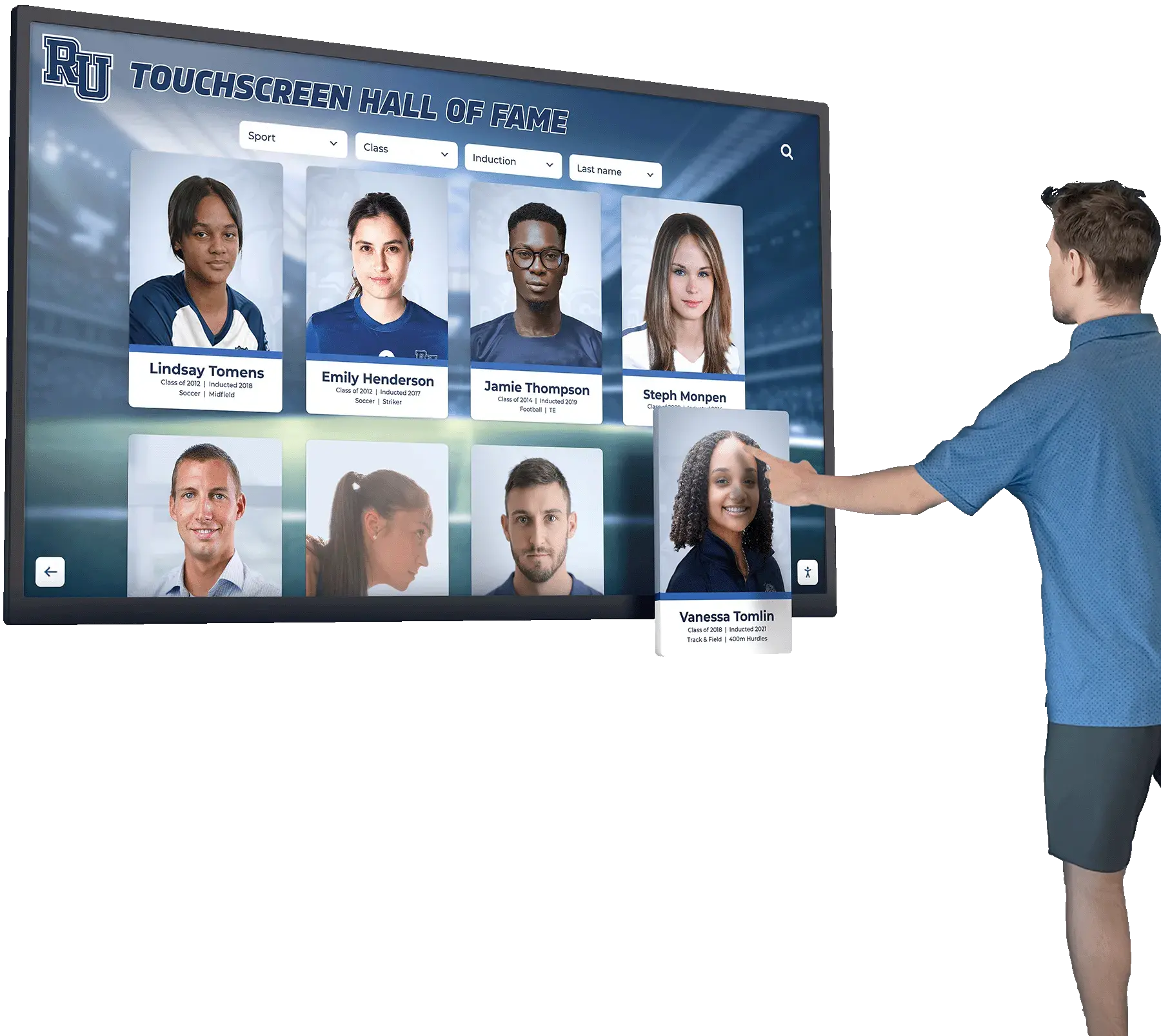
Athletic directors oversee recognition systems celebrating athlete achievements while managing comprehensive program operations
Understanding the Athletic Director Position
Before exploring specific responsibilities, establishing foundational understanding of the athletic director role, organizational position, and institutional significance clarifies why this position matters so critically to educational institutions.
Defining Athletic Director Responsibilities
Comprehensive Program Oversight
Athletic directors serve as chief administrators for entire athletic departments:
- Supervising all coaching staff across every sport program
- Managing athletic budgets from thousands to millions of dollars
- Ensuring compliance with governing body regulations and rules
- Coordinating facility scheduling, maintenance, and improvement
- Overseeing student-athlete eligibility and academic support
- Directing equipment purchases and inventory management
- Managing athletic staff hiring, evaluation, and professional development
- Coordinating transportation and travel logistics for teams
The position requires balancing immediate operational needs (tonight’s basketball game requires officials, crowd management, and concession staffing) with long-term strategic planning (developing five-year facility improvement plans and coaching succession strategies).
Educational Leadership Integration
Athletic directors function as education leaders rather than mere sports administrators:
- Aligning athletic programs with institutional mission and values
- Supporting student-athlete academic achievement and graduation
- Developing character, leadership, and life skills through athletics
- Ensuring inclusive opportunities across diverse student populations
- Collaborating with counselors, teachers, and administrators
- Representing athletics in school leadership team discussions
- Advocating for athletics as essential educational component
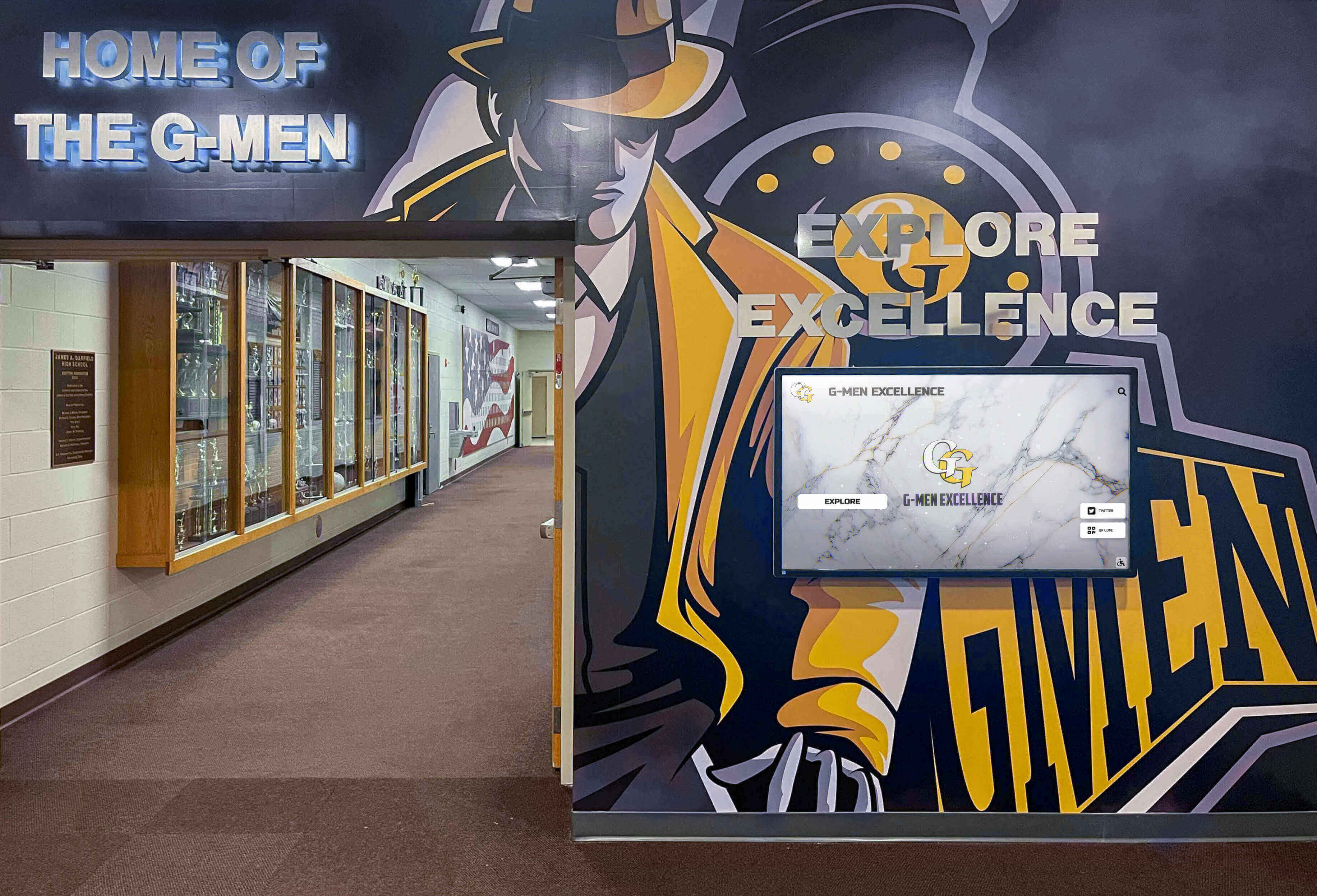
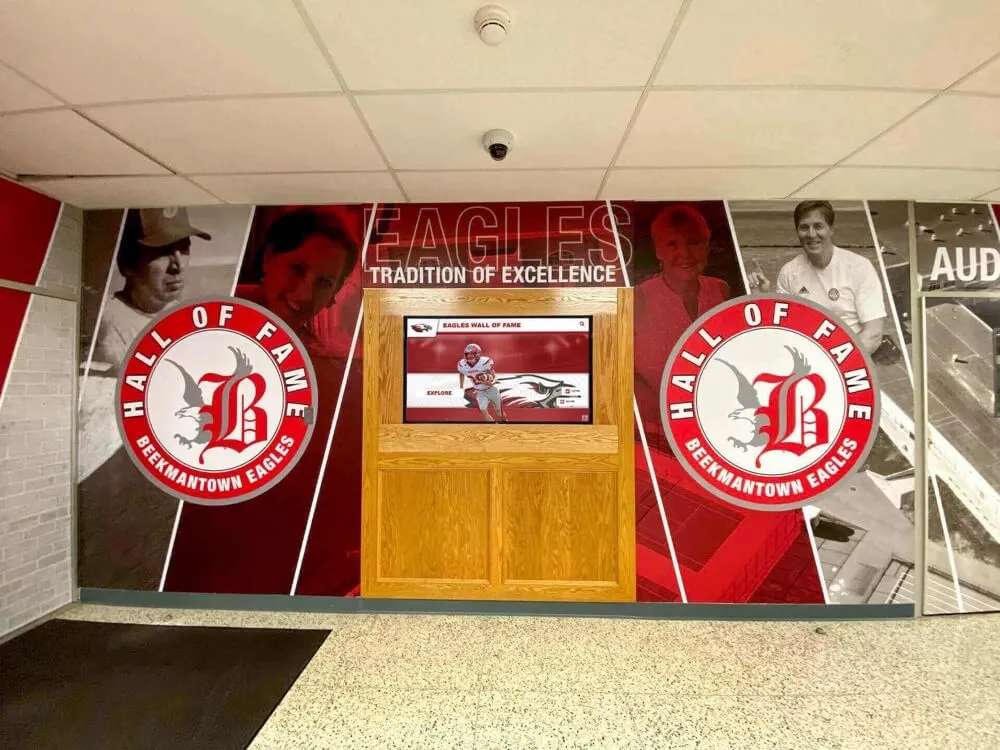
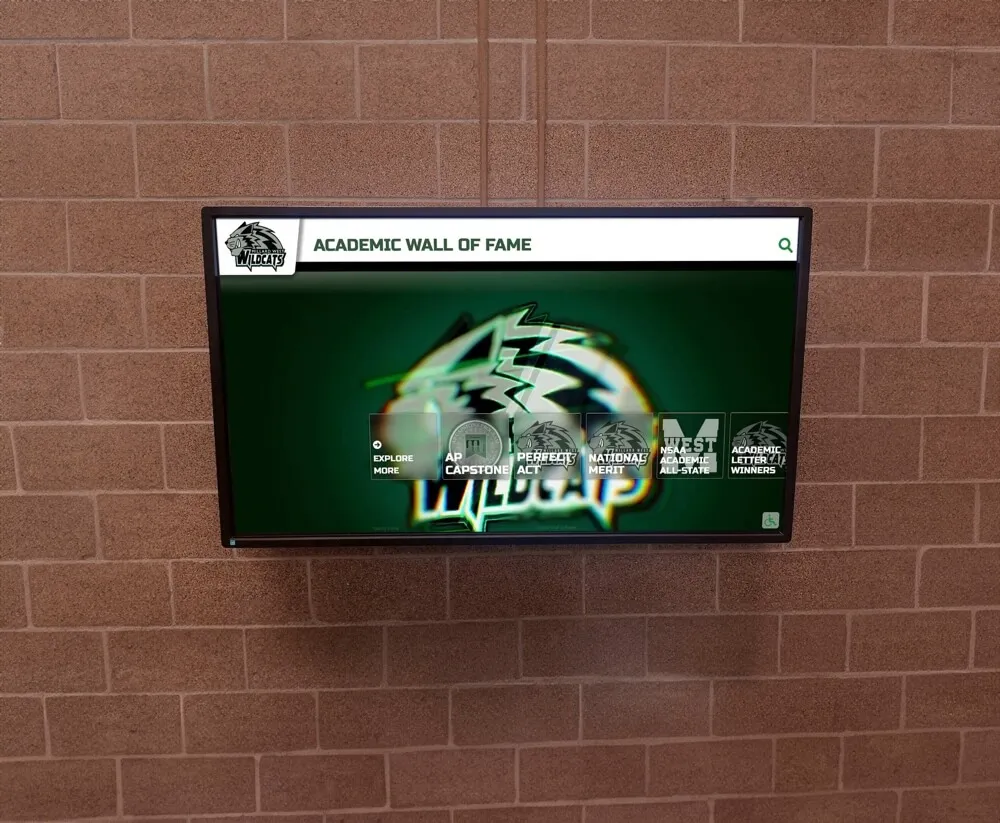
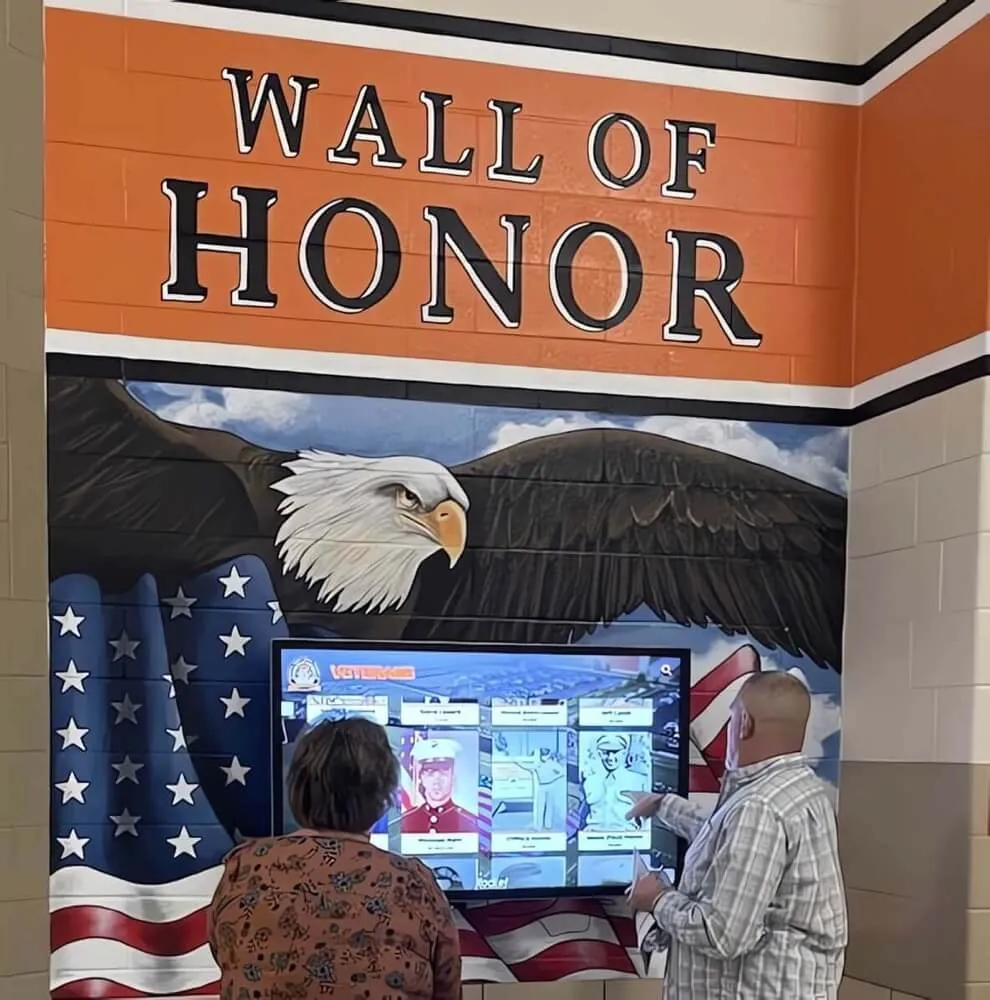
Athletic directors manage recognition displays showcasing program achievements while coordinating comprehensive department operations
Organizational Structure and Reporting
High School Athletic Directors
Secondary school athletic directors typically report to:
- School principal as direct supervisor
- District athletic coordinator in larger districts
- Superintendent for district-level athletic matters
- School board through principal and superintendent
High school athletic directors often teach classes or coach in addition to administrative duties, particularly at smaller schools where athletic department budgets limit full-time administrative positions.
College and University Athletic Directors
Higher education athletic directors generally report to:
- President or chancellor at smaller institutions
- Vice president for student affairs at mid-sized universities
- Vice president for athletics or athletics administrator at large universities
- Board of trustees or regents for major athletic program matters
Division I athletic directors at major programs manage departments with 200+ employees and budgets exceeding $100 million, operating essentially as sports business CEOs. Division III athletic directors at small colleges may oversee 15-20 sports with budgets under $2 million while wearing multiple administrative hats.
Position Evolution and Modern Challenges
Historical Athletic Director Role
Traditional athletic directors primarily:
- Scheduled competitions and arranged transportation
- Hired and supervised coaches
- Ordered equipment and uniforms
- Managed eligibility and academic requirements
- Coordinated facility use and maintenance
- Represented schools at conference meetings
Contemporary Athletic Director Demands
Modern athletic directors navigate significantly more complex environments:
- Extensive compliance requirements from multiple governing bodies
- Title IX gender equity mandates requiring constant attention
- Concussion protocols and evolving safety regulations
- Social media management and digital communication
- Fundraising and revenue generation pressure
- Facility modernization in competitive recruitment landscape
- Mental health support for student-athletes
- Transfer portal and NIL considerations at college level

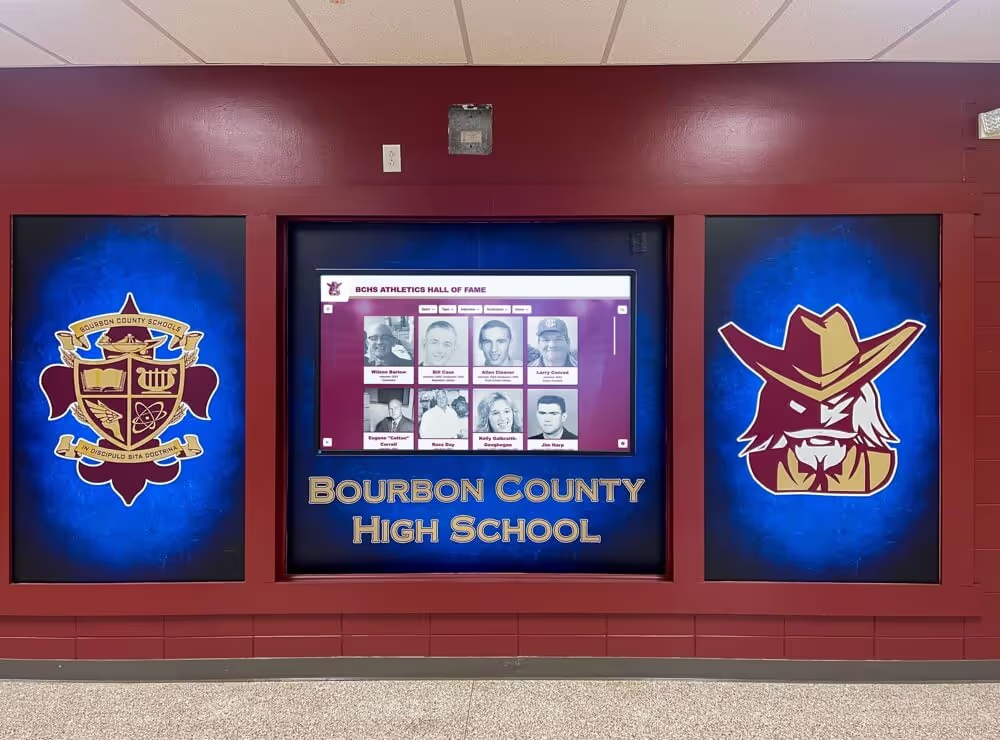
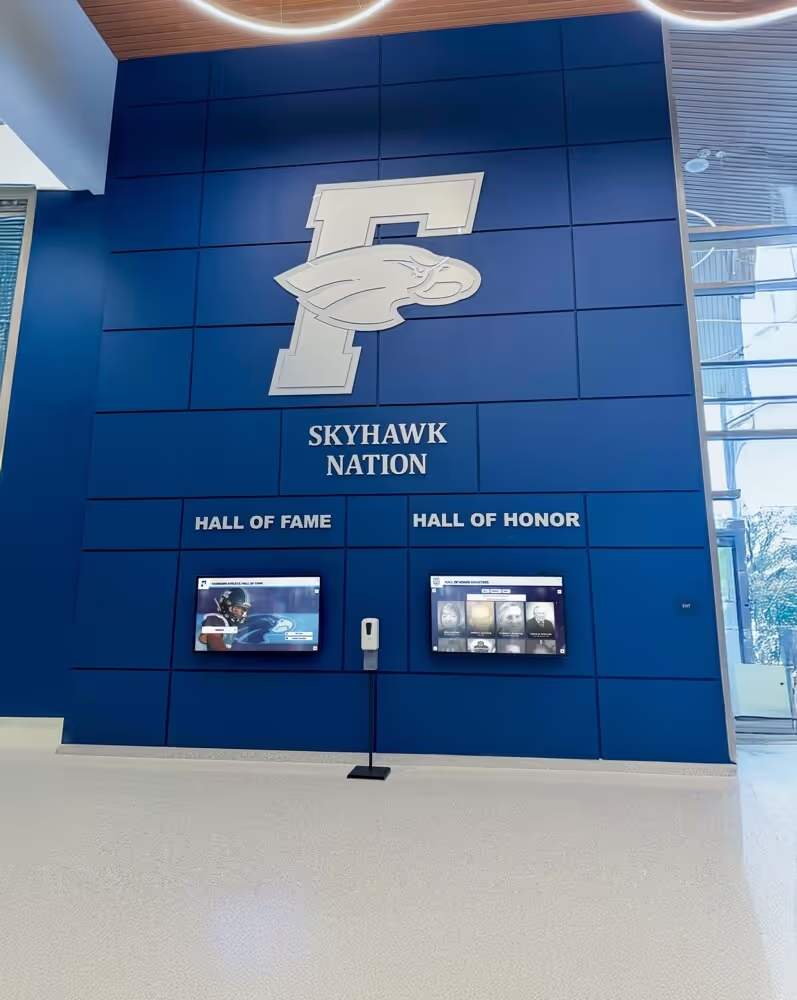
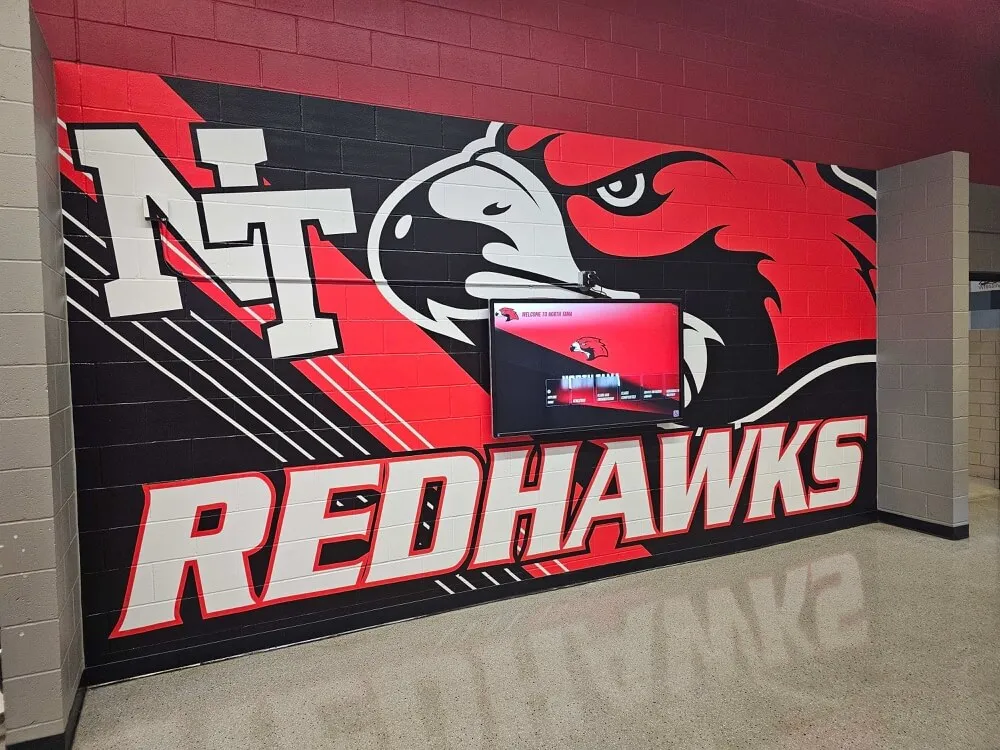
Modern athletic directors implement digital recognition systems providing unlimited capacity for celebrating achievements
The role has transformed from scheduling and supervision to comprehensive business management requiring diverse expertise across multiple domains. Schools implementing comprehensive athletic recognition programs understand that modern athletic directors need technology solutions simplifying complex administrative tasks while enhancing program visibility and community engagement.
Core Athletic Director Responsibilities
Successful athletic directors juggle multiple responsibility categories requiring diverse skills and constant priority management.
Program Administration and Operations
Coaching Staff Management
Athletic directors serve as supervisors for all coaching personnel:
- Recruiting, hiring, and onboarding coaches across all sports
- Conducting annual performance evaluations and feedback
- Providing professional development opportunities and training
- Addressing coaching performance concerns and improvement plans
- Managing coaching contracts and compensation
- Mediating coaching conflicts with parents, athletes, or administrators
- Building positive coaching culture aligned with program values
Effective coaching supervision balances supporting coaching autonomy in their sports with ensuring consistent professionalism, ethical conduct, and alignment with institutional standards across all programs.
Team and Competition Scheduling
Coordination complexity increases with program size:
- Negotiating competition schedules with opponents and conferences
- Balancing home and away game distributions
- Avoiding academic conflicts with school calendars and testing
- Securing practice and competition facilities across multiple sports
- Coordinating official assignments for all home competitions
- Managing playoff and tournament participation and logistics
- Scheduling make-up competitions for weather or conflict cancellations
Schools participating in state championship tournaments require athletic directors who understand complex tournament logistics and qualification procedures.

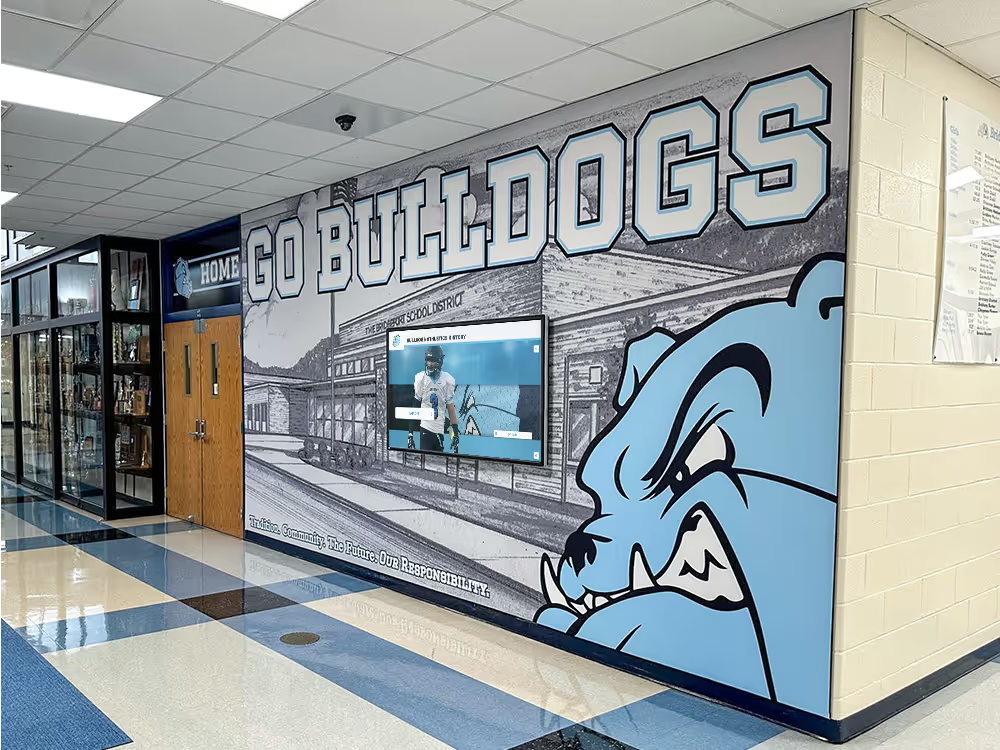
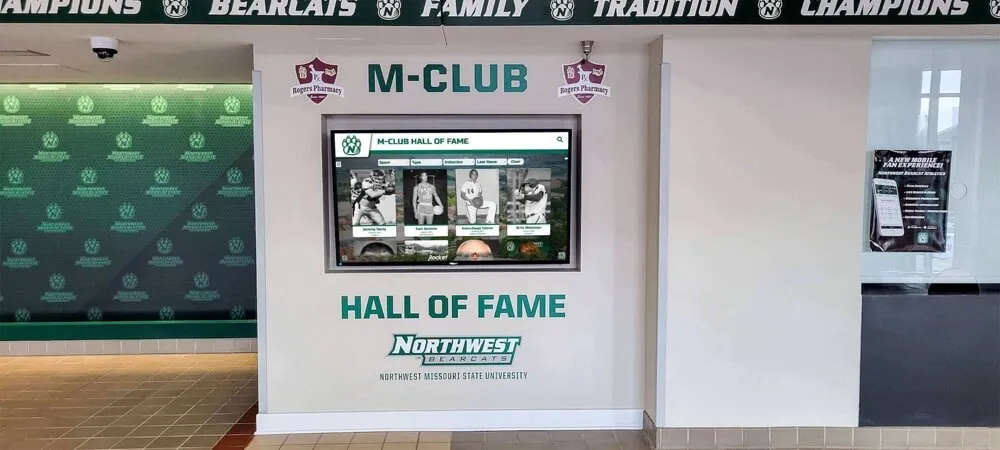
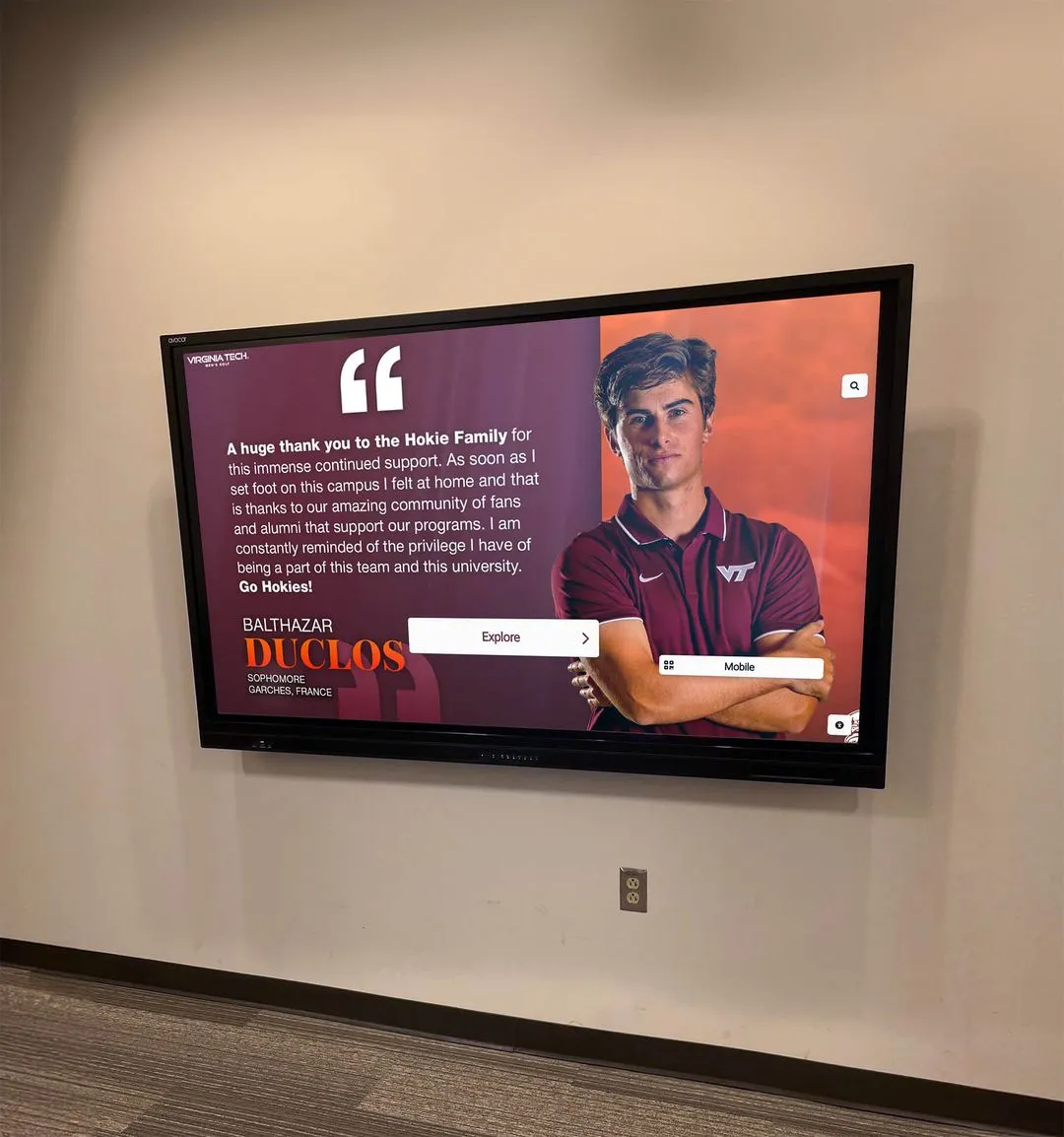
Athletic directors coordinate lobby displays celebrating program history while managing daily operational demands
Eligibility and Compliance Management
Athletic directors ensure rule adherence across multiple domains:
- Monitoring student-athlete academic eligibility requirements
- Verifying age, enrollment, and residency compliance
- Managing transfer student eligibility determinations
- Coordinating physical examinations and health clearances
- Maintaining accurate participation and eligibility records
- Reporting violations and implementing corrective measures
- Training coaches on compliance requirements and updates
- Responding to eligibility inquiries and investigations
Compliance failures create serious consequences including competition forfeitures, playoff ineligibility, sanctions, and reputational damage. Athletic directors maintain meticulous records and systems preventing inadvertent violations while ensuring appropriate response when issues emerge.
Budget and Financial Management
Budget Development and Oversight
Financial stewardship represents essential athletic director responsibility:
Revenue Management
- Gate receipt collection and accounting
- Fundraising coordination with booster organizations
- Sponsorship development and fulfillment
- Summer camp and clinic revenue
- Facility rental income
- Conference and playoff revenue distributions
- Grant applications and management
Expenditure Control
- Coaching salary and stipend management
- Equipment and uniform purchasing
- Transportation and travel expenses
- Officials and event staff payments
- Facility maintenance and utilities
- Equipment repair and replacement
- Insurance and risk management costs

Athletic directors allocate resources for recognition infrastructure celebrating achievements while balancing comprehensive budget needs
Financial Planning and Sustainability
Long-term thinking prevents crisis management:
- Multi-year budget projections and planning
- Capital improvement planning for facility needs
- Reserve fund development for emergency needs
- Revenue diversification reducing single-source dependence
- Cost-benefit analysis for program and facility decisions
- Financial transparency with stakeholders and community
- Collaboration with booster clubs supporting supplemental funding
Athletic directors at well-run programs implement financial systems providing clear visibility into budget status while enabling informed decision-making about resource allocation across competing program needs.
Facility Management and Coordination
Facility Scheduling and Use
Complex coordination prevents conflicts and maximizes resources:
- Scheduling practices across multiple teams and facilities
- Coordinating competition use with practice needs
- Managing facility access for community and external groups
- Scheduling facility maintenance during appropriate windows
- Coordinating field preparation and game-day setup
- Balancing competing sport demands for limited facilities
- Planning seasonal transitions between sport seasons
Schools with limited facilities face particular challenges requiring creative scheduling solutions ensuring all programs receive adequate practice time and home competition opportunities.
Facility Maintenance and Improvement
Athletic directors oversee facility condition and enhancement:
- Conducting regular facility inspections and maintenance scheduling
- Coordinating repairs addressing safety concerns immediately
- Planning capital improvements requiring significant investment
- Working with facilities staff on athletic-specific needs
- Managing construction projects and renovations
- Ensuring compliance with ADA accessibility requirements
- Implementing modern recognition displays in facility planning
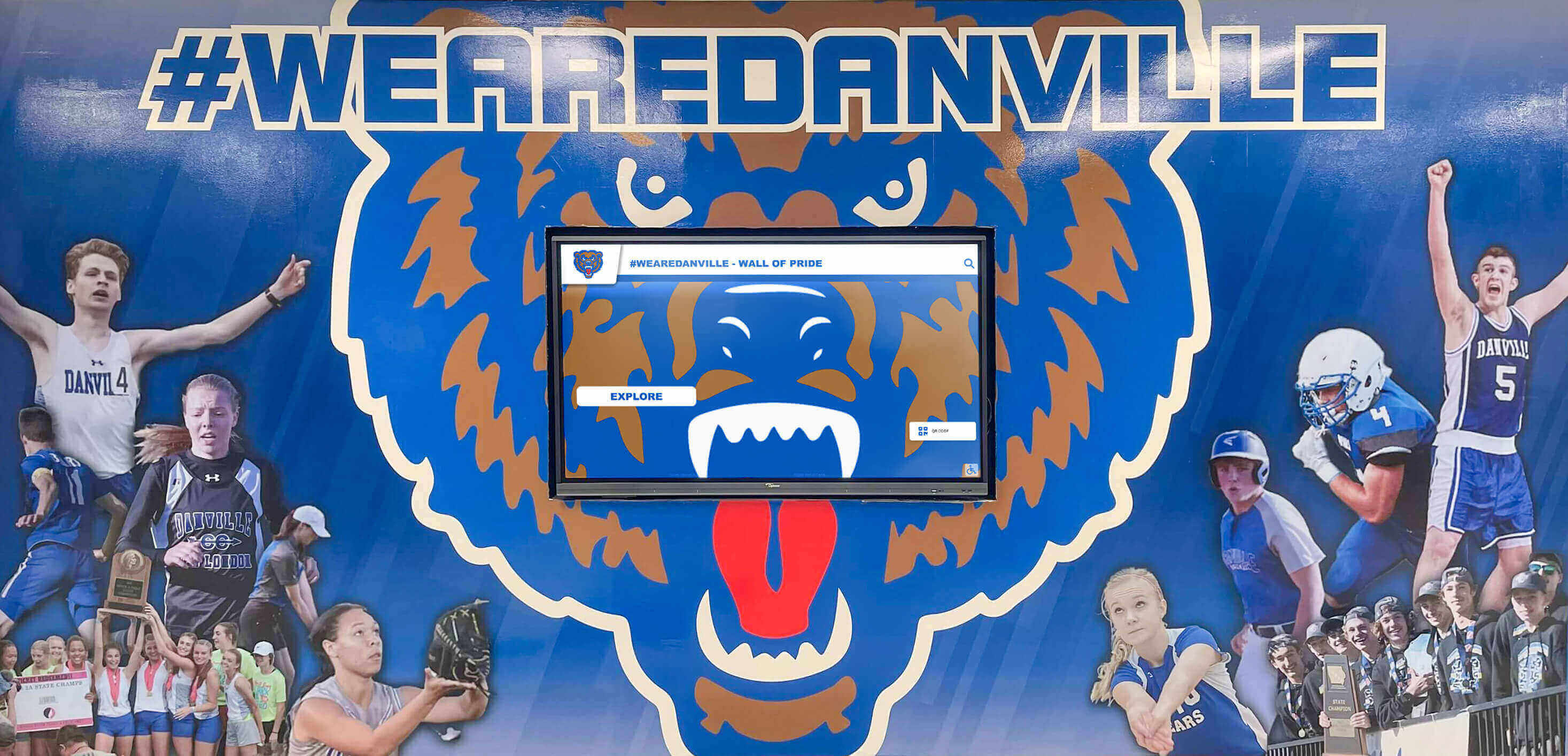
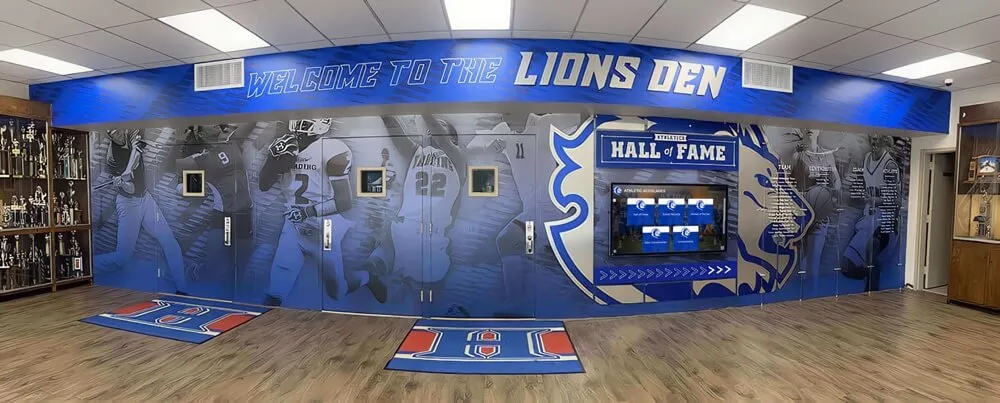
Athletic directors coordinate facility branding and digital displays creating professional environments showcasing program excellence
Safety and Risk Management
Facility safety represents paramount athletic director responsibility:
- Implementing emergency action plans for medical emergencies
- Conducting safety training for coaches and staff
- Managing concussion protocols and return-to-play procedures
- Ensuring proper equipment fitting and safety standards
- Coordinating athletic training services and medical coverage
- Maintaining insurance coverage for participants and programs
- Responding to injuries and medical emergencies appropriately
- Documenting incidents and implementing preventive measures
Student-Athlete Development and Support
Beyond competition management, athletic directors ensure athletics serves educational and developmental purposes.
Academic Support and Integration
Eligibility Monitoring Systems
Keeping student-athletes academically eligible requires systematic approaches:
- Regular grade checks and academic progress monitoring
- Early warning systems identifying struggling student-athletes
- Communication with teachers about athlete academic status
- Study hall coordination for athletes needing support
- Tutoring program development and coordination
- Scheduling accommodations for travel and competition
- Academic recognition programs celebrating scholarly excellence
Schools implementing academic recognition programs understand that athletic directors must balance competitive success with student academic achievement and growth.
Student-Athlete Balance Support
Helping athletes manage competing demands:
- Educating coaches about reasonable time demands
- Monitoring practice and competition hour compliance
- Supporting athletes in time management skill development
- Addressing overload when athletes participate in multiple activities
- Communicating with parents about balance concerns
- Providing resources for student-athletes struggling with demands
- Modeling balanced priorities valuing academics equally with athletics
Character Development and Life Skills
Leadership Development Programming
Athletics provides leadership development laboratories:
- Team captain selection and training programs
- Student-athlete advisory council coordination
- Community service and engagement projects
- Peer mentorship programs connecting veterans and newcomers
- Leadership recognition celebrating student leadership contributions
- Character education integration in athletic programming
Social-Emotional Learning
Athletic directors ensure athletics supports whole-person development:
- Mental health awareness and resource provision
- Coping skills for pressure and adversity
- Team building and relationship development
- Conflict resolution and communication skills
- Sportsmanship and ethical conduct emphasis
- Resilience development through challenge navigation
- Self-awareness and emotional regulation support
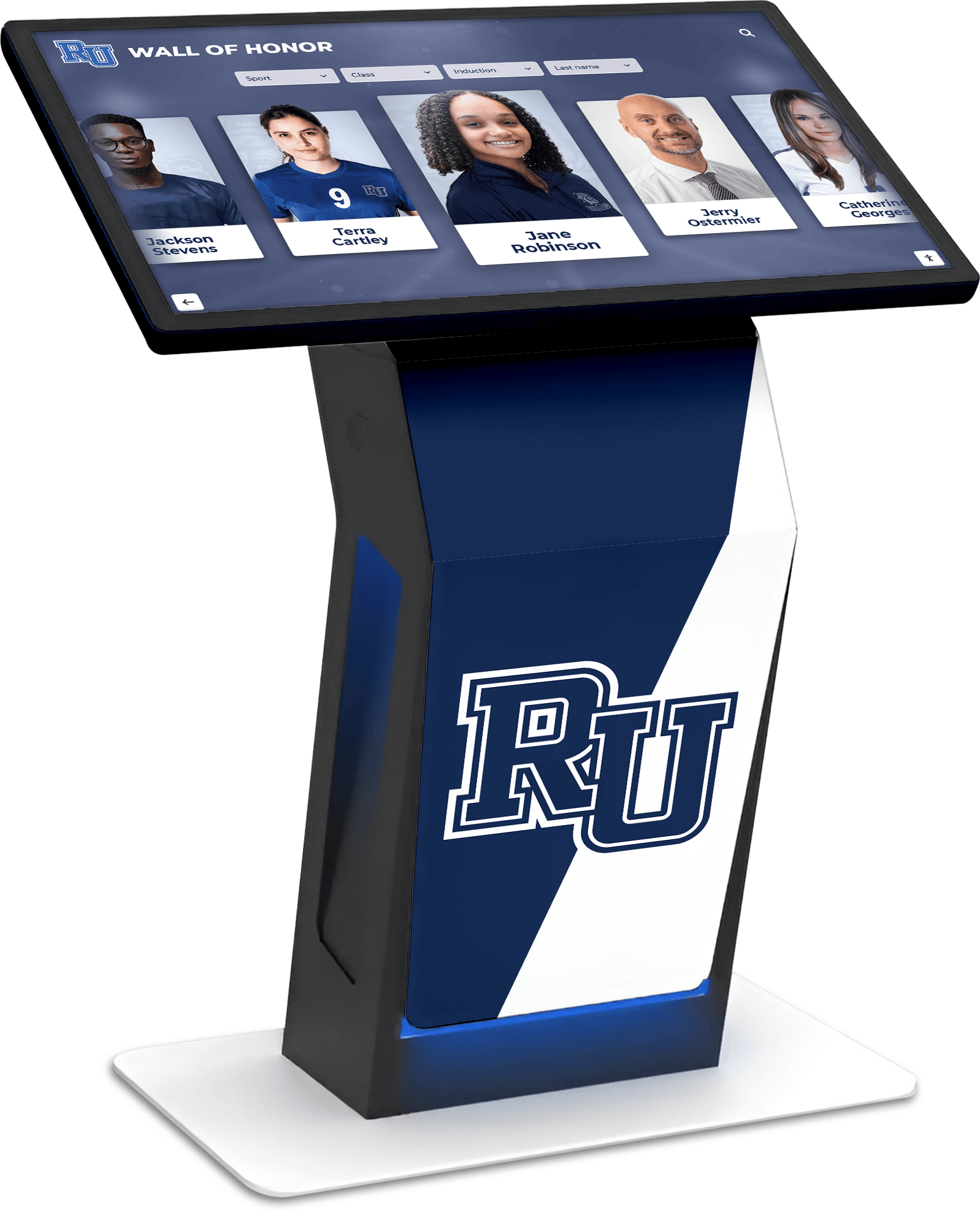
Modern recognition kiosks help athletic directors celebrate student-athlete character and achievement beyond competitive statistics
Recognition and Award Programs
Celebrating Diverse Achievement
Comprehensive recognition goes beyond championship trophies:
- All-conference and all-state athlete recognition
- Most improved player and character award programs
- Academic achievement honors for scholar-athletes
- Senior night ceremonies honoring graduating athletes
- Team captain recognition programs
- Sportsmanship and leadership awards
- Record-breaking performance celebrations
- Hall of fame and legacy recognition programs
Modern Recognition Infrastructure
Progressive athletic directors implement comprehensive recognition systems:
- Digital displays showcasing unlimited athlete achievements
- Interactive touchscreen platforms engaging students with program history
- Remote content management enabling easy recognition updates
- Mobile accessibility extending recognition beyond campus
- Comprehensive archives preserving complete athletic history
- Equal visibility for all sports and achievement levels
Solutions like Rocket Alumni Solutions provide athletic directors with professional recognition platforms eliminating space constraints of traditional trophy cases while creating dynamic, engaging displays that students actively explore. These systems transform recognition from static plaques to interactive celebrations connecting current athletes with program traditions.

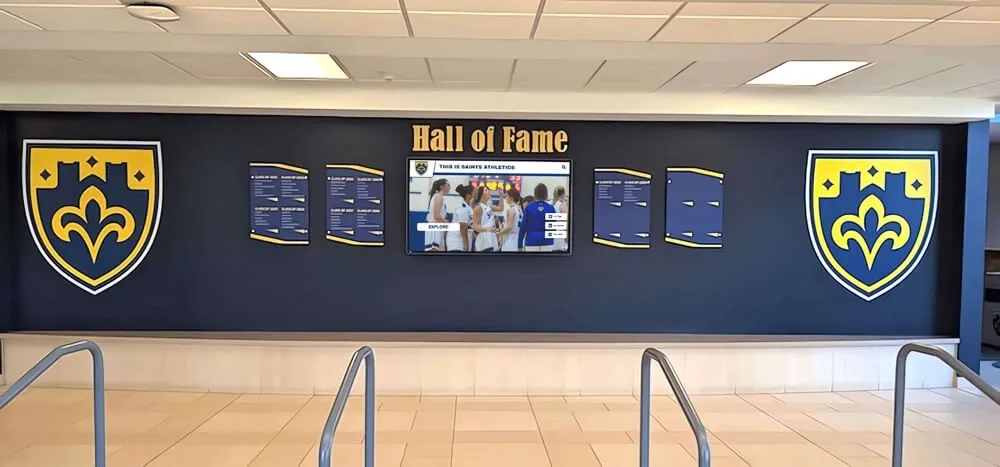
Digital recognition systems allow athletic directors to showcase achievements across all sports while engaging current students with program history
Stakeholder Relations and Communication
Athletic directors serve as primary point of contact for diverse constituencies with varying interests and expectations.
Parent and Family Communication
Managing Expectations and Concerns
Parent relations require diplomacy and clear communication:
- Explaining playing time decisions and coaching philosophy
- Addressing safety concerns about injuries or concussions
- Communicating eligibility requirements and status
- Responding to complaints about coaching or team dynamics
- Balancing parent advocacy with coach support
- Mediating conflicts between families and programs
- Setting boundaries for appropriate parent involvement
Effective athletic directors establish clear communication protocols including office hours, email response expectations, and processes for raising concerns that protect instructional time while ensuring legitimate issues receive appropriate attention.
Family Engagement and Support
Building positive parent partnerships:
- Preseason parent meetings explaining expectations and policies
- Regular communication about schedules, travel, and logistics
- Recognition programs celebrating parent volunteer contributions
- Booster club collaboration for supplemental program support
- Parent education about development and athlete support
- Transparency about program decisions and rationale
- Appreciation events recognizing family support and engagement
Community and Public Relations
Media Relations Management
Athletic directors serve as program spokesperson:
- Responding to media inquiries about programs and athletes
- Coordinating interviews with coaches and student-athletes
- Writing press releases about achievements and announcements
- Managing social media presence and content
- Addressing negative publicity or controversy appropriately
- Promoting program accomplishments and positive stories
- Building relationships with local media representatives
Community Engagement
Strengthening school-community connections through athletics:
- Coordinating youth camps and clinics
- Scheduling community events at athletic facilities
- Partnering with civic organizations and businesses
- Promoting athletic events and encouraging attendance
- Facilitating community service by teams and athletes
- Serving on community boards and committees
- Building sponsor and donor relationships
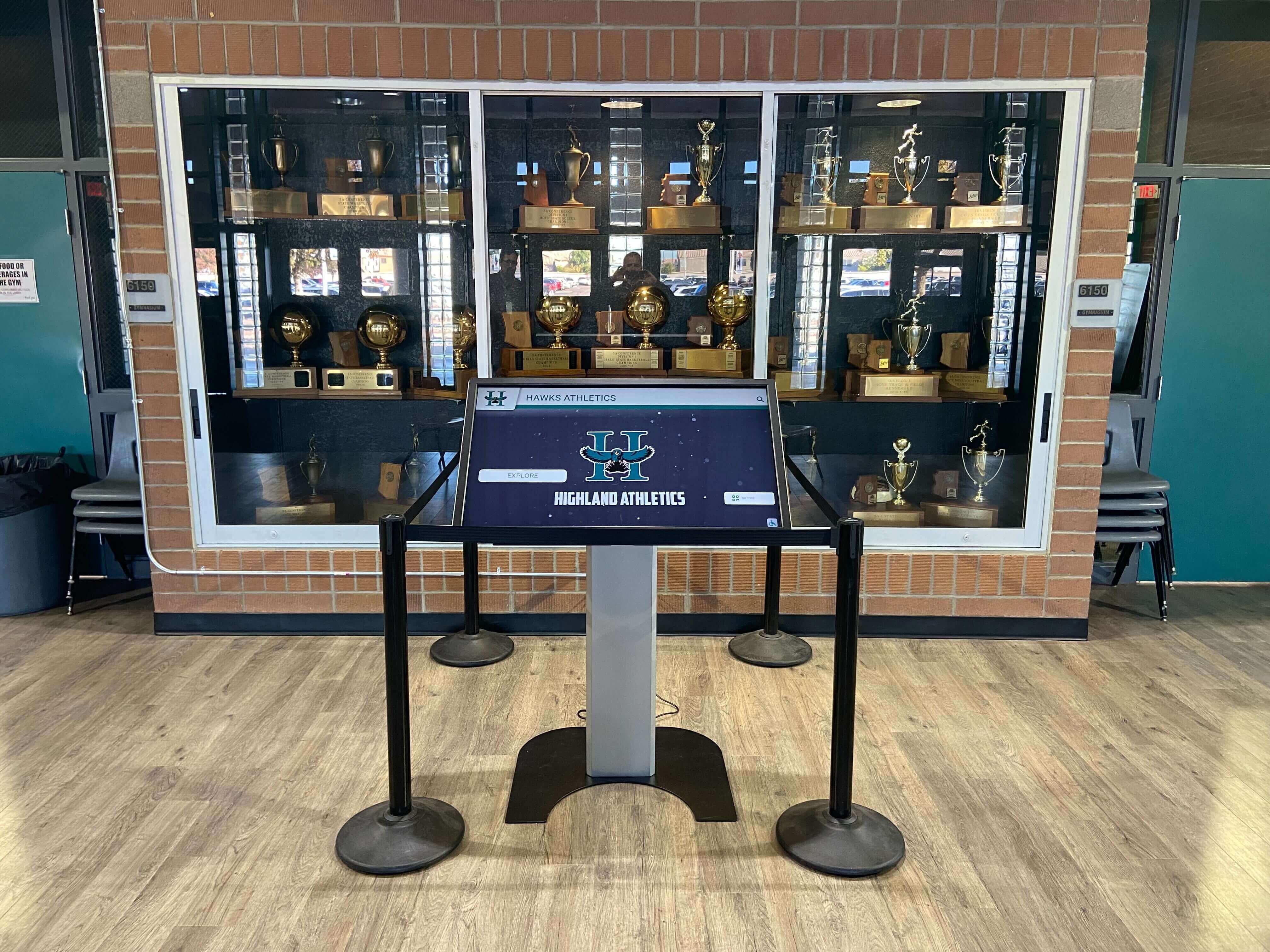
Athletic directors implement recognition displays that engage community members while showcasing program achievements to visitors
Conference and Governing Body Relations
League and Association Coordination
Athletic directors represent schools in broader athletic community:
- Attending conference meetings and voting on policies
- Serving on committees developing rules and regulations
- Coordinating with state athletic associations
- Hosting conference meetings and championships
- Advocating for school interests in policy discussions
- Ensuring compliance with conference rules and standards
- Building collaborative relationships with peer athletic directors
Programs competing in competitive state championships require athletic directors who understand state association procedures and maintain strong relationships with state athletic administrators.
Essential Athletic Director Skills and Qualifications
Success requires diverse competencies spanning management, leadership, and technical domains.
Educational Background and Credentials
Typical Educational Paths
Most athletic directors hold:
- Bachelor’s degree in physical education, sports management, or related field
- Master’s degree in educational leadership, athletic administration, or sports management
- Teaching certification for secondary school positions
- Administrative certification for principals and supervisors
Professional Development and Certification
Continuing education maintains currency:
- State athletic administrator certification programs
- National Interscholastic Athletic Administrators Association (NIAAA) certification
- Conference attendance and professional workshops
- Webinars on compliance, safety, and management topics
- Graduate coursework in specialized athletic administration areas
- Legal and risk management training updates
- Technology and innovation education
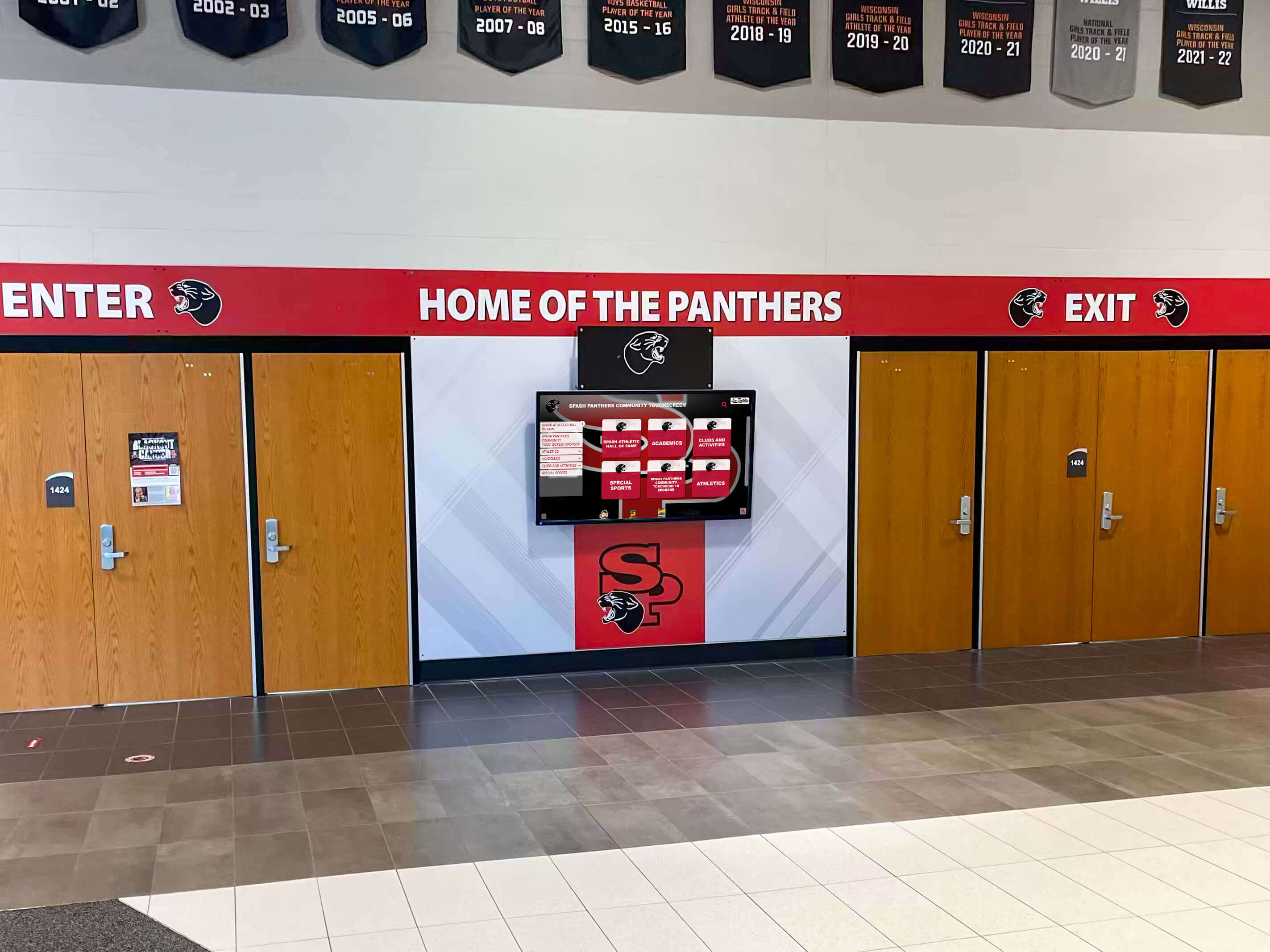
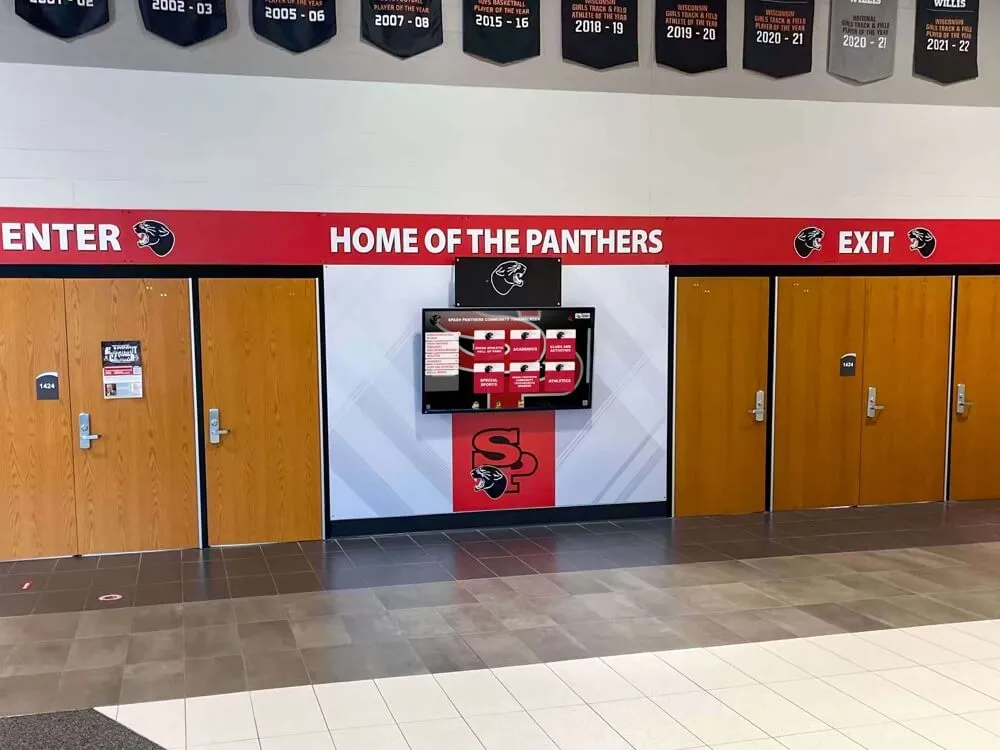
Athletic directors coordinate entrance displays welcoming visitors while showcasing program pride and achievements
Management and Leadership Competencies
Organizational and Administrative Skills
Effective athletic directors demonstrate:
- Detail orientation ensuring nothing falls through cracks
- Time management juggling multiple priorities and deadlines
- Project management coordinating complex initiatives
- Problem-solving addressing unexpected challenges creatively
- Decision-making balancing competing interests and constraints
- Delegation empowering staff while maintaining oversight
- Systems thinking understanding how components interconnect
Interpersonal and Communication Abilities
People skills prove as important as technical competence:
- Active listening understanding stakeholder perspectives
- Clear communication explaining complex issues simply
- Diplomacy navigating sensitive situations tactfully
- Conflict resolution mediating disputes constructively
- Relationship building developing trust across constituencies
- Public speaking presenting to groups confidently
- Written communication drafting clear policies and messages
Ethical Leadership and Integrity
Character foundation sustains program credibility:
- Consistent values demonstrating authentic commitment
- Fairness treating all sports and individuals equitably
- Transparency communicating openly about decisions
- Accountability accepting responsibility for mistakes
- Compliance prioritizing rules over competitive advantage
- Student-first perspective putting athlete welfare above winning
- Professional conduct modeling appropriate behavior
Technical Knowledge Requirements
Rules and Compliance Expertise
Athletic directors must understand:
- State athletic association rules and bylaws
- Conference policies and eligibility requirements
- Title IX gender equity regulations
- ADA accessibility standards
- FERPA student privacy protections
- Concussion protocols and safety regulations
- Worker’s compensation and liability issues
- Contract law for coaches and vendors
Financial Management Skills
Budget responsibility requires:
- Financial planning and forecasting
- Budget development and monitoring
- Revenue generation and fundraising
- Expense control and purchasing
- Financial reporting and transparency
- Grant writing and management
- Contract negotiation and management
- Audit preparation and compliance

Athletic directors implement comprehensive lobby displays integrating traditional school branding with modern digital recognition
Technology Proficiency
Modern athletic administration depends on technology:
- Scheduling software and calendar management
- Athletic registration and eligibility systems
- Communication platforms and social media
- Website management and digital promotion
- Financial accounting software
- Digital recognition display systems celebrating achievements
- Data analysis for decision-making
- Video platforms for coaching and promotion
Career Pathways to Athletic Director Positions
Understanding typical progressions helps aspiring athletic directors plan development strategically.
Entry Points and Experience Building
Coaching Foundation
Most athletic directors begin as coaches:
- Head coaching experience demonstrating leadership
- Assistant coaching developing program knowledge
- Multiple sport coaching showing versatility
- Successful team records building credibility
- Positive player development and program culture
- Professional conduct and ethical standards
- Administrative responsibilities beyond coaching
Teaching experience typically accompanies coaching at secondary level, providing educational context and building relationships with academic faculty colleagues essential for athletic director success.
Administrative Apprenticeship
Gaining relevant experience before athletic director positions:
- Assistant athletic director roles learning operations
- Athletic coordinator positions at large schools
- Athletic secretary or business manager experience
- Conference coordinator or committee service
- Facility management responsibilities
- Summer camp or clinic directing
- Volunteer leadership in athletic associations
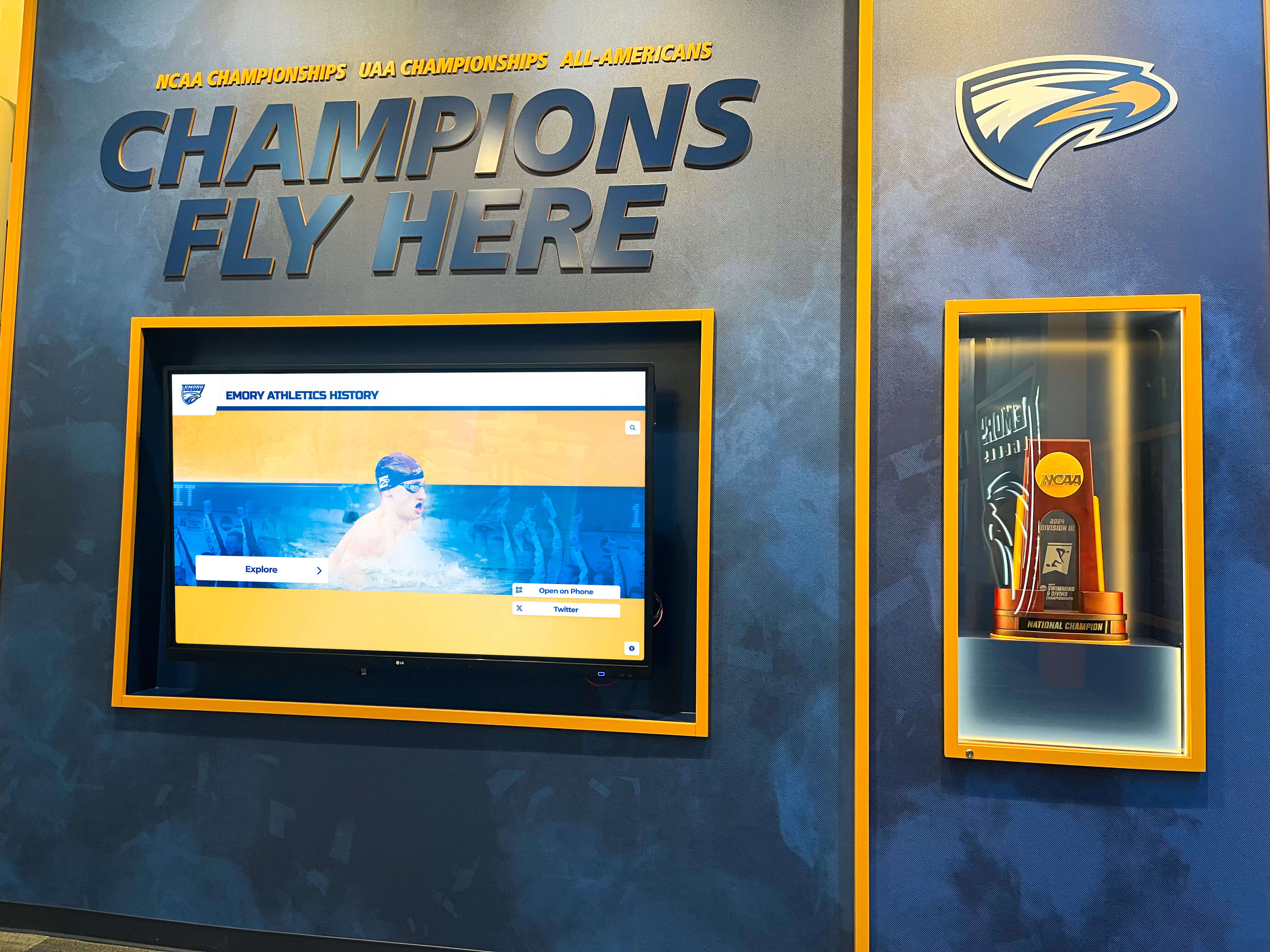
Athletic directors coordinate championship recognition displays celebrating program excellence and competitive achievement
Professional Growth and Advancement
Position Progression
Typical career advancement patterns:
- Assistant athletic director at larger school
- Athletic director at small school
- Athletic director at medium-sized school
- Athletic director at large or prestigious program
- District athletic coordinator overseeing multiple schools
- College athletic administrator roles
- State athletic association positions
- Conference commissioner positions
Continuing Development
Successful athletic directors prioritize ongoing growth:
- Advanced degree completion in relevant fields
- Professional certification advancement
- Conference attendance and networking
- Mentorship from experienced athletic directors
- Committee service developing expertise
- Publication and presentation opportunities
- Leadership roles in professional associations
Challenges Facing Modern Athletic Directors
Contemporary athletic administration involves navigating complex and evolving challenges.
Budget Constraints and Resource Limitations
Doing More With Less
Many athletic directors face financial pressure:
- Stagnant or declining school budgets
- Rising costs for equipment, transportation, and officials
- Facility maintenance needs exceeding available funding
- Pressure to add sports without additional resources
- Competition for limited school funding with academic programs
- Dependence on fundraising and external support
- Difficult decisions about program cuts or reductions
Strategic athletic directors emphasize efficiency, explore alternative funding sources, prioritize investments carefully, and communicate transparently about financial realities while advocating effectively for adequate athletic program support.
Equity and Access Issues
Title IX Compliance
Gender equity remains constant athletic director focus:
- Proportionate participation opportunities
- Equitable treatment in facilities, equipment, and resources
- Scholarship allocation at college level
- Coaching compensation and support parity
- Publicity and promotion balance
- Scheduling and practice time equity
- Budget allocation fairness across programs
Inclusive Access for All Students
Beyond gender, athletic directors address:
- Adaptive sports for students with disabilities
- Cost barriers limiting participation for low-income families
- Transportation challenges for students without family resources
- Language and cultural barriers for immigrant families
- Pay-to-play concerns excluding economically disadvantaged students
- LGBTQ+ inclusion and safe environment creation
- Racial equity in coaching, leadership, and discipline

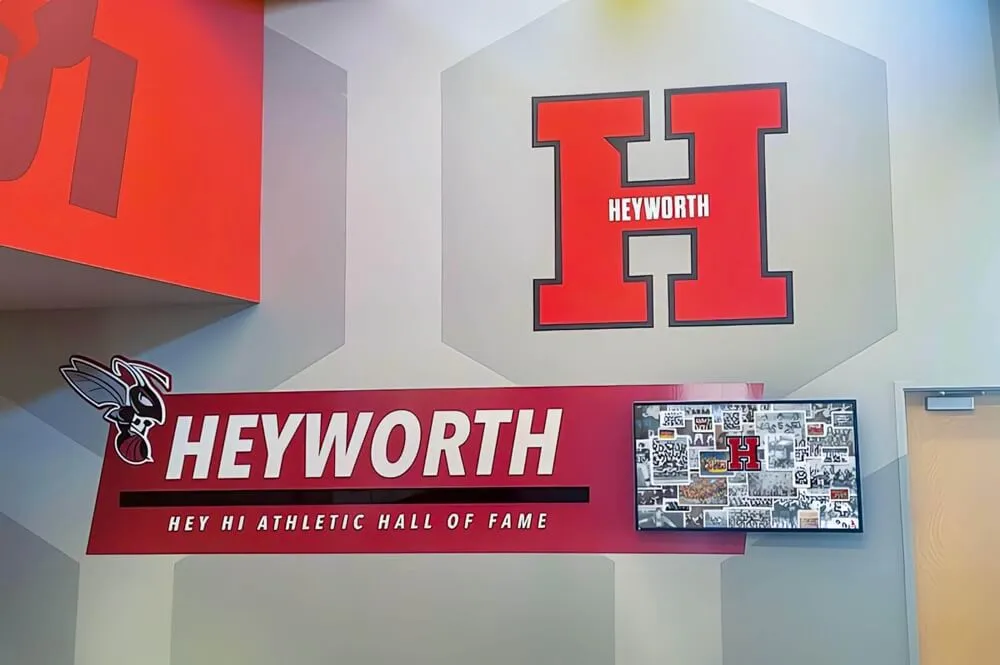
Athletic directors implement hall of fame displays ensuring equitable recognition across all sports and student populations
Schools implementing inclusive recognition programs ensure that athletic directors celebrate diverse achievements and contributions rather than privileging high-profile sports or star athletes exclusively.
Health, Safety, and Liability Concerns
Concussion Management
Traumatic brain injuries require systematic protocols:
- Baseline testing for all contact sport participants
- Sideline assessment procedures during competition
- Return-to-play protocols requiring medical clearance
- Coach education about concussion recognition
- Parent communication about risks and symptoms
- Documentation systems tracking injuries and recovery
- Policy development balancing safety with participation
Comprehensive Risk Management
Athletic directors manage diverse safety concerns:
- Emergency action plans for cardiac and medical events
- Lightning and severe weather protocols
- Heat illness prevention and response
- Communicable disease protocols (COVID-19 and others)
- Background checks for all coaches and staff
- Sexual abuse prevention training and reporting
- Transportation safety and vehicle maintenance
- Spectator crowd management and security
Technology Transformation in Athletic Administration
Modern athletic directors leverage technology for efficiency, engagement, and enhanced program quality.
Communication and Promotion Platforms
Digital Presence Management
Effective athletic directors utilize:
- Athletic department websites with schedules and information
- Social media platforms (Twitter, Instagram, Facebook)
- Mobile apps providing real-time updates
- Email communication with parents and stakeholders
- Text messaging for urgent announcements
- Video platforms showcasing highlights and content
- Online registration and payment systems
- Digital newsletters and program updates
Visibility and Engagement
Technology extends program reach:
- Live streaming of competitions for remote audiences
- Video highlights promoting programs and athletes
- Photography showcasing athletic experiences
- Online recognition celebrating achievements
- Alumni engagement through digital platforms
- Recruiting coordination for college-bound athletes
- Community building across generations

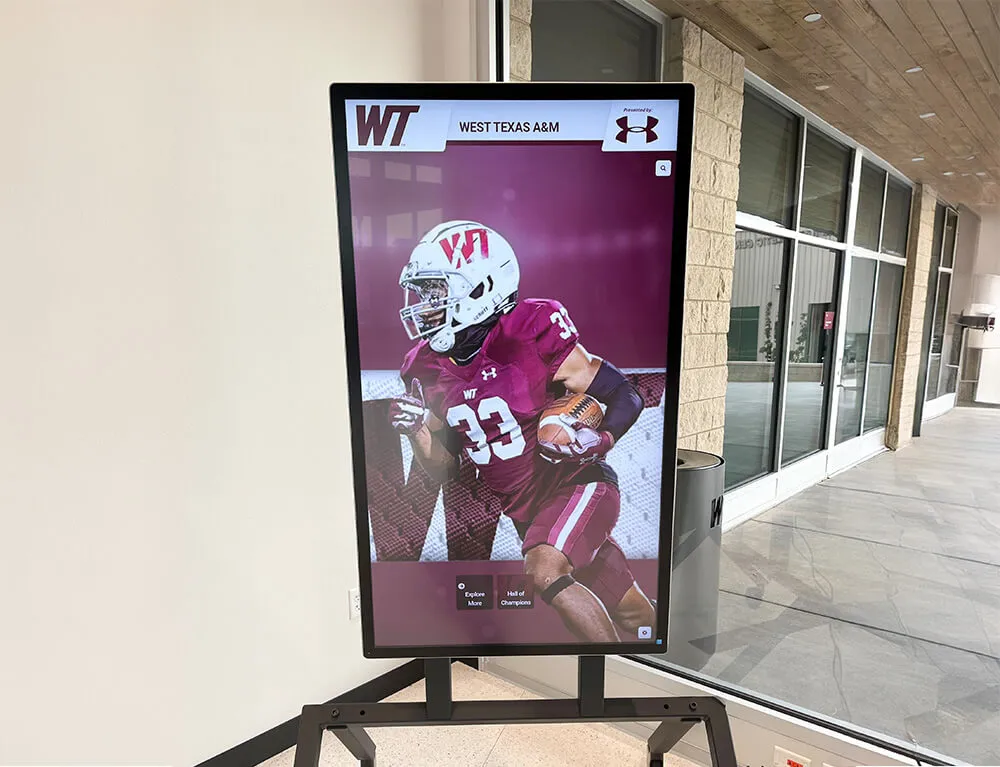
Athletic directors coordinate digital displays throughout facilities creating comprehensive program promotion and recognition
Athletic Management Software
Comprehensive Administrative Systems
Modern platforms streamline operations:
- Scheduling software coordinating teams, facilities, and officials
- Eligibility tracking ensuring compliance automatically
- Registration systems managing participant information
- Financial management tracking revenue and expenses
- Inventory systems monitoring equipment and uniforms
- Transportation coordination and driver management
- Communication platforms integrating multiple channels
- Analytics providing data for informed decision-making
Recognition and Achievement Platforms
Progressive athletic directors implement:
- Digital trophy case displays replacing space-limited physical cases
- Interactive touchscreens engaging students with program history
- Cloud-based content management enabling remote updates
- Unlimited recognition capacity without construction requirements
- Multimedia presentations with photos, videos, and statistics
- Mobile accessibility extending recognition beyond campus
- Comprehensive archives preserving complete athletic history
Solutions like Rocket Alumni Solutions transform how athletic directors recognize achievements. Rather than choosing whose trophies fit in limited display cases, digital platforms showcase every athlete, team, coach, and contributor across decades of program history. Cloud-based systems allow athletic directors to update recognition from any device, adding new achievements instantly without facility visits or construction projects. These professional displays elevate program prestige while saving administrative time and providing engagement impossible with traditional static cases.
Conclusion: The Athletic Director as Educational Leader
Athletic directors serve as far more than schedulers and supervisors—they function as comprehensive education leaders ensuring athletics fulfills its developmental purpose while operating sustainable, ethical, and excellent programs serving diverse student populations. From managing complex budgets and ensuring regulatory compliance to supporting student-athlete character development and coordinating modern recognition systems, athletic directors balance competing demands requiring diverse skills, unwavering ethics, and genuine commitment to student welfare above competitive outcomes.
The responsibilities explored in this guide represent just the visible components of athletic director work. Behind every successful competition stands extensive preparation addressing countless details most people never notice. Between high-profile games, athletic directors manage ongoing operations requiring constant attention and problem-solving. Beyond competitive seasons, they plan strategically for program sustainability and improvement across years and decades.
Schools seeking excellent athletic programs prioritize strong athletic director leadership as much as coaching quality or facility resources. Athletic directors set the tone for entire departments—their values, work ethic, communication style, and priorities cascade throughout programs influencing coaching behavior, athlete experiences, and community perceptions.
Transform Your Athletic Recognition Program
Discover how modern digital recognition displays help athletic directors celebrate unlimited achievements without space constraints. See how schools nationwide preserve athletic legacies while simplifying recognition management through cloud-based platforms providing professional displays that students actively engage with rather than ignore.
Book A DemoFor aspiring athletic directors, the path forward requires building diverse experience, pursuing relevant education, developing essential competencies, and seeking mentorship from experienced administrators. The role demands much yet offers tremendous rewards for those passionate about supporting student-athlete development through comprehensive educational athletic programs.
For current athletic directors navigating modern challenges, remember that perfect solutions rarely exist—every decision involves trade-offs and competing priorities. Success comes from maintaining clear values, communicating transparently with stakeholders, seeking continuous improvement, and remembering that your ultimate purpose involves serving student-athletes developing skills, character, and experiences serving them throughout their lives.
Modern technology provides valuable tools for today’s athletic directors. Digital recognition systems like Rocket Alumni Solutions eliminate the frustration of space-limited trophy cases while creating engaging displays that students actually explore. Cloud-based management platforms free athletic directors from tedious manual processes, allowing focus on high-value leadership activities that truly matter. Strategic technology adoption doesn’t replace athletic director judgment and leadership—it amplifies administrative effectiveness while enhancing the experiences technology ultimately exists to serve.
Ready to explore how modern recognition technology can transform your athletic program? Discover how Rocket Alumni Solutions helps athletic directors nationwide create professional recognition experiences celebrating every achievement without the limitations, maintenance demands, and constant construction projects required by traditional trophy cases.