
The Easiest Touchscreen Solution


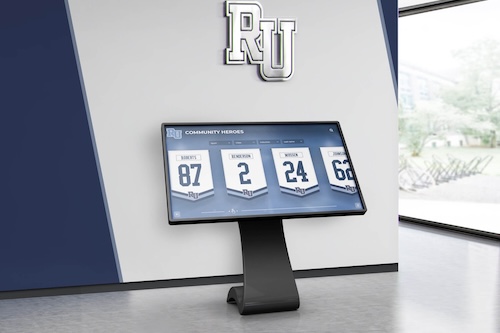
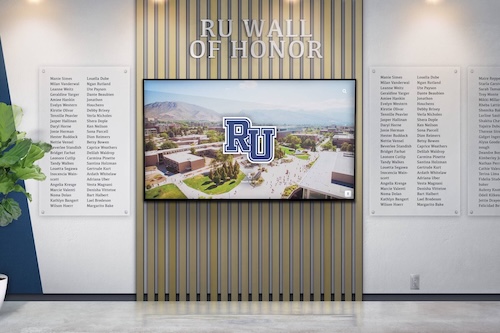
Live Example: Rocket Alumni Solutions Touchscreen Display
Interact with a live example (16:9 scaled 1920x1080 display). All content is automatically responsive to all screen sizes and orientations.
The short answer: check with the school first. Beyond that, comfortable clothing in school colors and footwear suited to the actual walk-out route are reasonable choices for most senior night football ceremonies—but they are not universal requirements. Every school runs its event differently, and what family members wear matters far less than showing up prepared, present, and ready to honor the senior walking beside them.
This guide is for any parent, guardian, or chosen family member participating in a high-school football senior-night recognition walk. It covers what to ask before the event, practical outfit ideas for different weather conditions, and how to prepare without stressing over what to wear.
Senior night football ceremonies typically take place before or at halftime of a home game, with family members walking with the senior athlete onto or near the field, being introduced to the crowd, and pausing for photos. The route, surface, and any dress expectations vary from program to program—so a brief conversation with the school is the most useful first step. Understanding what actually happens during a senior night ceremony can help you prepare the right questions.

Senior night recognition for football programs extends beyond the game—knowing what the school has planned for the ceremony helps families arrive prepared
What to ask the event coordinator
The athletic director, head coach, or senior night coordinator is your best source of practical information. A brief email or a few questions at a team meeting can cover everything before the night arrives.
Questions worth asking:
- Where does the family walk-out start and finish—sideline, track, field surface, or a mix?
- What is the surface like—artificial turf, natural grass, rubberized track, pavement?
- Does the school have any rules about clothing, colors, or logos for participating family members?
- Does the school request or prefer family members wear school colors?
- What is the contingency plan if the weather is poor?
- Are there steps, ramps, uneven ground, or other access factors to plan around?
- When should families arrive, and where do they stage before the walk?
- When are photos taken—before the walk-out, on the field, or immediately after?
Why this matters:
No outside guide can tell you whether a particular shoe heel is safe on your school’s specific surface—only the school can. A program that holds senior night on natural grass in late October has different footing than one using a rubberized track or a dry artificial turf field. Some schools use a carpet runner on the track; some walk participants straight onto the field; some keep everything on the sideline pavement.
Similarly, some programs have a tradition of requesting family members wear team colors; others make no request at all. If a dress code or color preference exists, the coordinator will tell you.
Optional outfit ideas by weather condition
The examples below reflect what families commonly find practical, not a required wardrobe. The goal is to feel comfortable and confident while standing near a football field for roughly twenty to forty minutes.
Mild autumn evening (roughly 50–65°F)
A light layer over school-color clothing works well at moderate temperatures. Some options to consider:
- A pullover, zip fleece, or light jacket in the school’s main color worn over a comfortable shirt
- Clean jeans, chinos, khakis, or similar casual trousers
- Flat shoes, sneakers, or low boots with a sole suited to the surface you have confirmed with the coordinator
- A small bag or jacket pocket for your phone, keys, and a packet of tissues
If the school requests a specific color and you own something in that range, that is usually enough. A team-color shirt under a neutral jacket, or a scarf in the school’s color, captures the spirit of the request without requiring anything new.
Cold or late-season game (below roughly 40°F)
October and November football can mean genuinely cold nights, particularly in northern regions. Warmth is more important than color coordination:
- A heavy coat, parka, or insulated jacket—color matters less than staying comfortable during the walk
- Thermal underlayers beneath school-color clothing if you want team colors visible when the coat comes off for photos
- Warm socks and closed-toe shoes or ankle boots; thin-soled flats and open-toe footwear can be uncomfortable in cold conditions
- A hat and gloves are practical and common; you can remove them briefly for photos if you prefer
A cold senior night ceremony is still worth enjoying fully. A team-color hat or scarf over a warm coat shows support without requiring a full matching outfit.
Rain or wet conditions
If rain is a possibility, check with the coordinator first—some programs move the ceremony indoors or shorten it in poor weather. If it continues outdoors:
- A waterproof outer layer is more important than color
- Umbrella policy varies by school; ask whether you will have a free hand during the walk, or whether holding an umbrella is practical for your route
- Rubber-soled shoes or waterproof boots reduce slip risk on wet turf or damp track surfaces
- A neutral or clear rain poncho over school-color clothing keeps you dry without covering your colors entirely
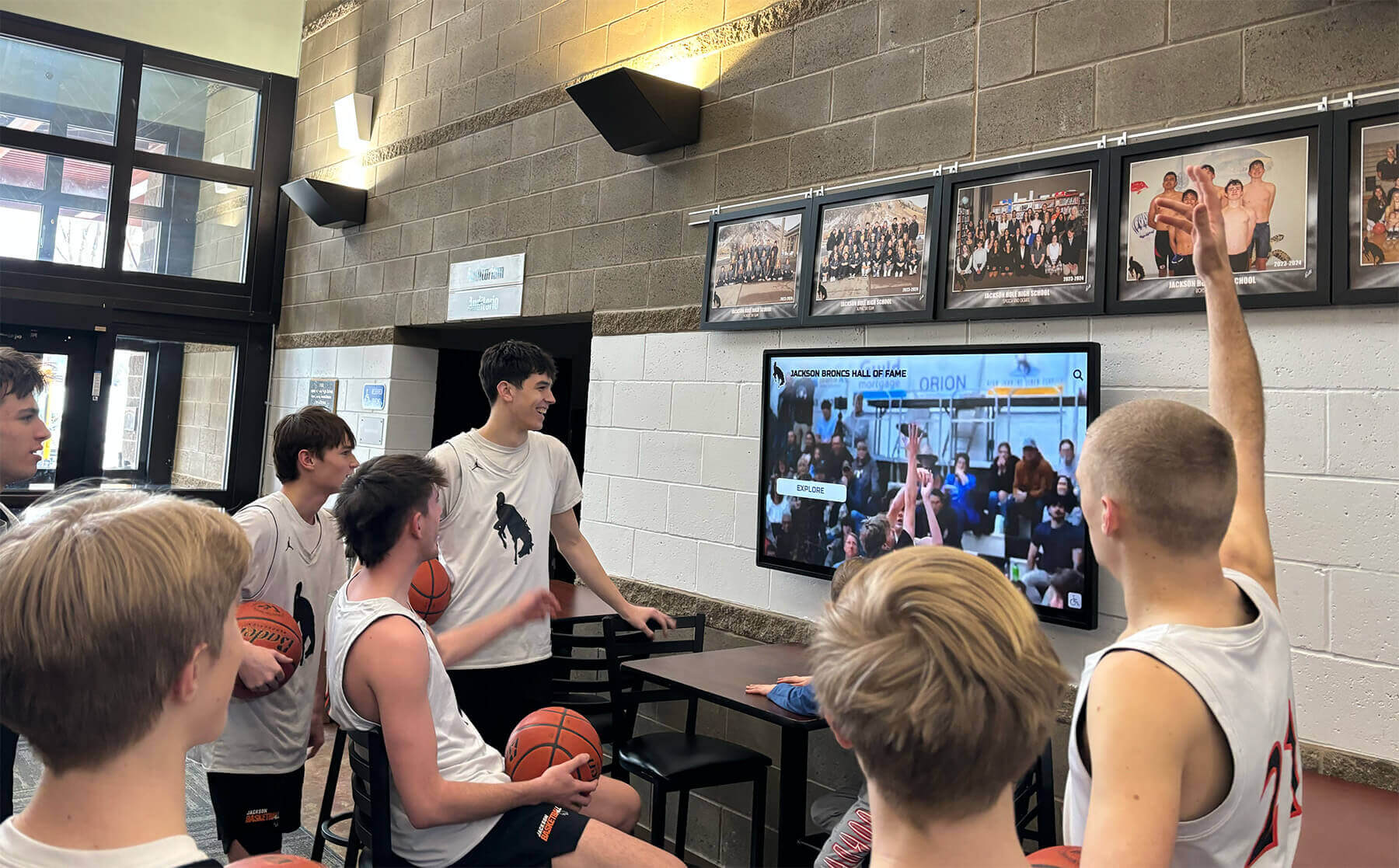
Senior night is a whole-school community event—comfortable preparation helps family members stay focused on the athlete rather than their own discomfort
Using what you already own
Most families can handle senior night football with clothing already in the closet. Before buying anything:
- Check whether you own anything in the school’s main color—a shirt, sweater, scarf, hat, or jacket in that range works
- A neutral outer layer pairs with nearly any school color underneath
- Clean, comfortable footwear suited to the surface matters more than style
- Jeans are appropriate at most high-school senior night football ceremonies; there is no standard dress code requiring anything more formal
Showing up—dressed in something clean and comfortable—is what matters. The senior athlete has put months of effort into this season. No one is grading family wardrobes.
Coordinating with the senior
Many families wonder whether they need to match one another, match the athlete, or coordinate colors across everyone attending. You do not. Matching outfits can look great in photos, but they are not a requirement for a meaningful ceremony.
A practical approach:
- Ask the senior what, if anything, would make them happy—some athletes have strong opinions about family color coordination; many have none
- If multiple family members are participating in the walk, a shared color accent (a same-color shirt or scarf) creates visual cohesion without requiring identical clothing
- Put coordination energy toward logistics: knowing the timing, being where you are supposed to be, and not fumbling with phones or flowers during the walk itself
If the school sends home a parent information sheet, it sometimes includes an attire or color note. Read it before assuming any coordination is needed.
Managing layers and items during the walk
Walk-outs often involve carrying flowers, a framed photo, a gift, or a sign—sometimes more than one. Thinking through what you will be holding before the night saves fumbling in the moment:
- Bouquets are easiest to carry one-handed if your outer layer has pockets for your phone and keys
- A small tote or stadium bag can hold extras until you reach the staging area, then be handed to someone in the stands
- Avoid large handbags that swing or catch on fencing while walking
- If you are wearing an open coat, check whether it stays managed in wind on an open field
- If mobility aids, strollers, or wheelchair access are part of your group’s situation, confirm the route surface and any ramp arrangements with the coordinator in advance
The simplest approach: hand off anything you do not need for the walk to a family member in the stands before lining up.
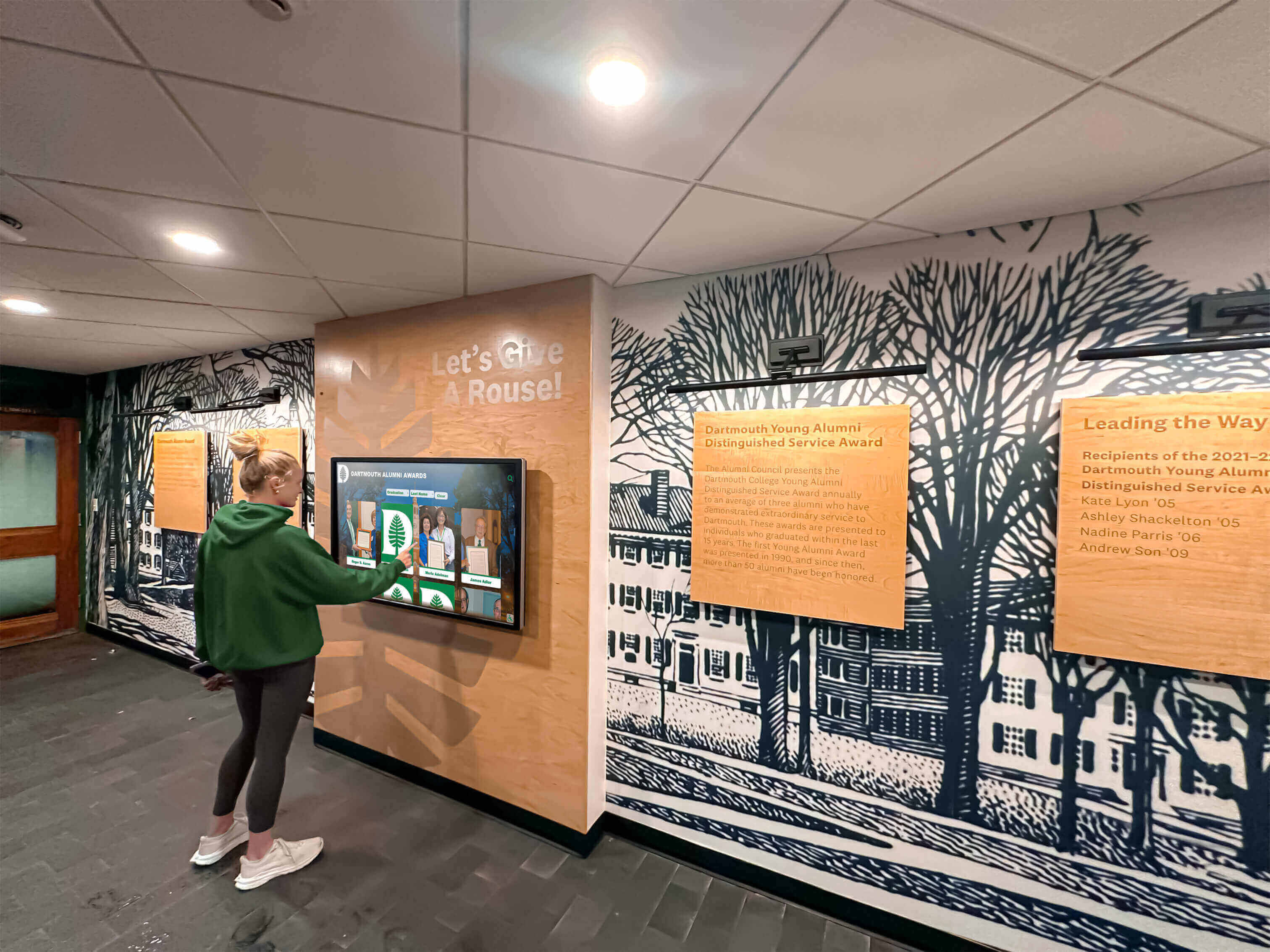
School recognition traditions extend beyond the field—understanding what the program has planned helps families show up ready for the full experience
Day-before checklist
A short checklist the evening before the ceremony prevents last-minute scrambling:
Clothing and footwear
- Outfit confirmed and laid out
- Shoes checked for heel height, sole grip, and comfort on the expected surface
- Outer layer suited to the forecast for game time
- Anything needing washing or pressing finished now
Logistics
- Arrival time and staging location confirmed with the coordinator or a team contact
- Parking plan in place—game nights often fill adjacent lots early
- Photo plan discussed with family members joining from the stands
- Flowers, gifts, or signs ready and set aside where they are easy to grab
Communication
- Senior knows who is participating and approximately where to find them at staging
- Any family members who may be invited to speak have reviewed their remarks—preparation notes for senior night remarks can help if the school has asked for family comments
- Phone charged and notifications silenced for the ceremony
- Program order or timing reviewed if the school provided one
Frequently asked questions
Are jeans appropriate for senior night football?
At most high-school football senior nights, jeans are entirely appropriate. Senior night is an athletic event, not a formal banquet, and practical clothing suits the outdoor setting. If the coordinator sends different guidance, follow that instead.
Do family members need to wear school colors?
Many schools appreciate it; some specifically request it; others make no request. The easiest way to know is to ask the coordinator or read the parent information sheet if one is distributed. If you own something in the school’s colors, wearing it is a simple gesture. If you do not, a neutral outfit is fine.
Is formal or dress-up clothing needed?
Senior night football is an outdoor athletic ceremony, not a formal dinner or awards banquet. Formal clothing—particularly footwear with very thin soles or high heels—can make the walk less comfortable on grass, track, or field surfaces. Clean, neat casual clothing is the practical choice for most family members.
What if the school hasn’t communicated details yet?
Contact the athletic director’s office or the head coach directly. A brief email a week before the event is entirely reasonable—coordinators generally prefer answering questions early to families arriving unprepared on the night itself.
What if a family member cannot attend in person?
Let the senior know ahead of time. Ask whether the school will livestream or record the ceremony. Many programs share senior night clips through their athletic social media channels, and some broadcast through local streaming platforms, so remote family members can still see the moment.

Senior night photos and athlete profiles often appear in school recognition displays—verifying the senior's name, jersey number, and photo before any submission matters
Saving the recognition memory
Choosing a family photo
Senior night photographs are among the most-kept images from a high-school athlete’s career. A few things worth planning before the night:
- Decide in advance who will handle the primary photos—on the field and from the stands—so the moment is not missed while everyone assumes someone else has it covered
- Ask the senior which photos they want: with specific family members, with teammates, with the whole group, or some combination
- If the school has a photographer, ask how families receive copies and what the expected timeline is
Before sharing or printing anything, confirm the athlete’s correct name spelling, jersey number, and graduation year. A small error in a caption can stay attached to a photo for a long time.
Recognition beyond ceremony night
Some schools collect senior night photos and athlete information for display in the athletic hallway, trophy case, or a year-end program. If the school requests a photo submission, clarify what permissions are being granted before agreeing—display in the school building and publication on public social media are different scopes, and the senior’s preferences should guide that decision.
Platforms like Rocket Alumni Solutions allow programs to build digital recognition displays that pair athlete profiles with photos and brief recognition notes, keeping a senior’s contributions visible to students, staff, and visitors throughout the year. Whether the memory ends up as a framed print, a shared family album, or a lasting display in the school hallway, the most important step is making sure the athlete’s name, year, and wishes are represented accurately before anything is published or displayed.

School recognition displays that include a verified name, photo, and graduation year preserve a senior's contributions accurately for future students and visitors
Help Your Program Build Lasting Senior Night Recognition
Rocket Alumni Solutions helps schools create searchable, cloud-managed recognition displays that keep senior athlete profiles visible long after ceremony night. If your athletic program is exploring a digital recognition solution, reach out to the team to learn more.
Live Example: Rocket Alumni Solutions Touchscreen Display
Interact with a live example (16:9 scaled 1920x1080 display). All content is automatically responsive to all screen sizes and orientations.