The Easiest Touchscreen Solution




Live Example: Rocket Alumni Solutions Touchscreen Display
Interact with a live example (16:9 scaled 1920x1080 display). All content is automatically responsive to all screen sizes and orientations.
Every thriving school runs on a quiet engine most people never see: the parent who arrives at 6:30 a.m. to set up science fair tables, the retiree who tutors struggling readers three days a week, the booster club treasurer who reconciles receipts until midnight. These volunteers don’t ask for applause. But schools that genuinely recognize their helpers—through well-designed volunteer appreciation events—consistently see stronger recruitment pipelines, higher retention, and cultures where community members want to invest more.
The challenge is that most volunteer appreciation falls flat. A generic certificate mailed home, a half-hearted shout-out during morning announcements, a plate of store-bought cookies left in the office—these gestures acknowledge that helpers exist but fail to communicate that they matter. Volunteers notice the difference.
This guide explores practical, creative volunteer appreciation event ideas schools can implement at every budget level, from quick classroom moments to all-school community nights. The goal isn’t a single perfect event—it’s building a recognition culture that makes volunteers feel seen throughout the year and inspires others to join.
Done well, volunteer appreciation events accomplish three things at once: they honor existing helpers with the depth their contributions deserve, they signal to parents and community members on the fence that this school genuinely values involvement, and they create visible traditions students remember long after graduation. When families attend an appreciation night and see the gym filled with neighbors who gave countless hours, community pride grows in ways no newsletter headline can replicate.

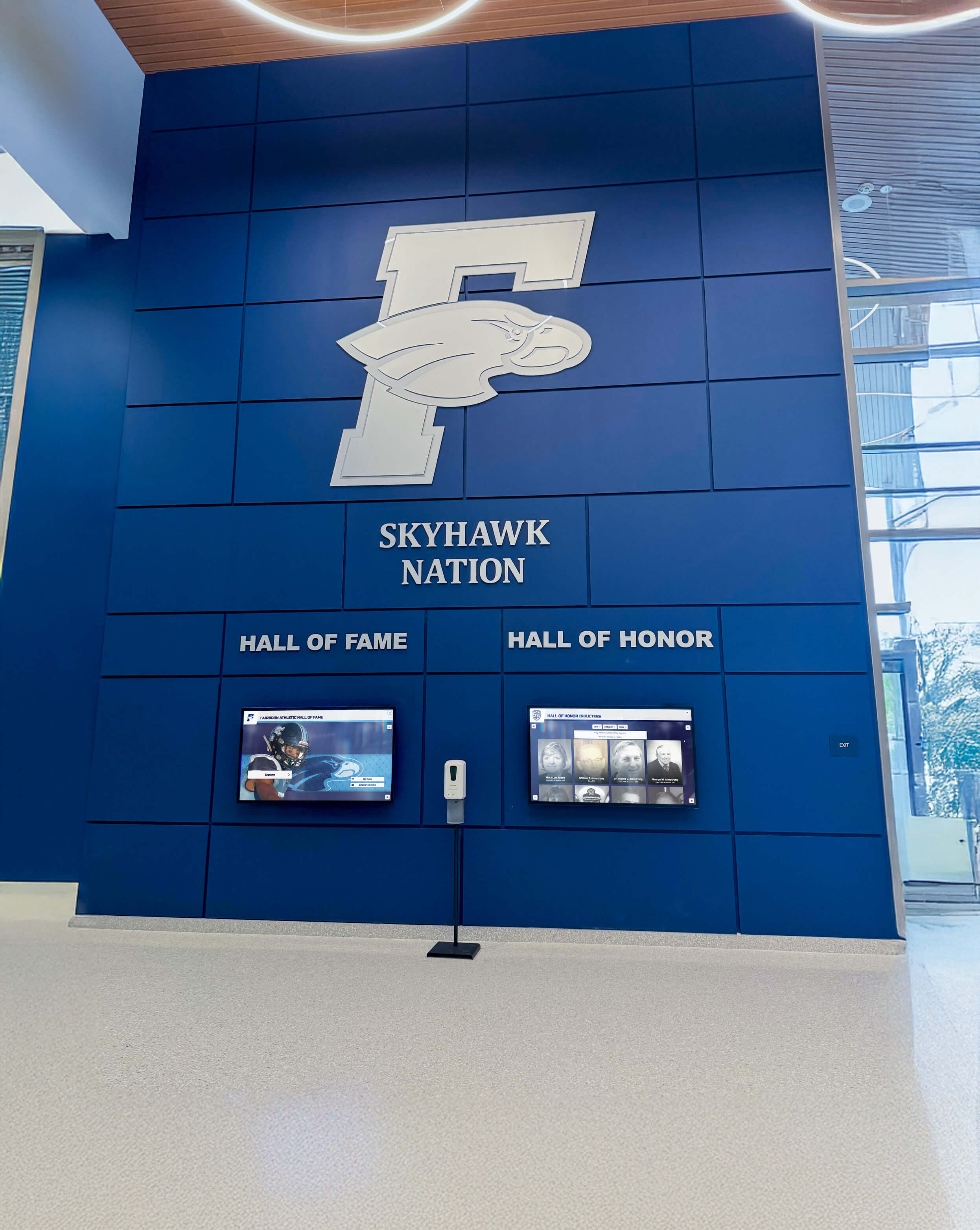
Lobby recognition walls create a visible statement of gratitude that greets every volunteer, family member, and visitor who walks through the door
Why Volunteer Appreciation Events Matter More Than You Think
Recognition isn’t simply nice to have—it directly affects how long volunteers stay and how enthusiastically they recruit others.
The Retention Math Is Simple
When volunteers feel genuinely appreciated, they return. When they feel invisible, they find other ways to spend their time. Schools investing in structured recognition programs report measurably longer average volunteer tenures and stronger word-of-mouth recruitment. The National PTA has documented that parent engagement rises significantly when schools treat volunteers as valued partners rather than unpaid labor.
Beyond retention, authentic appreciation expands the volunteer pool. Every recognition event attended by prospective volunteers—parents who haven’t committed, community members curious about involvement—functions as a recruitment moment. Watching a room celebrate the work of helpers inspires people to want that experience for themselves.
What Volunteers Actually Want From Recognition
Effective event planning starts with understanding motivations. Research on volunteer engagement consistently identifies these top recognition needs:
Feeling seen as individuals, not categories. Volunteers want acknowledgment that recognizes their specific contribution—not “thanks to all our helpers” but “thanks to Maria, who trained fifteen new reading buddies this year.”
Public validation proportional to investment. Someone who has given 400 hours over two years deserves more than a form letter. The recognition should match the scale of commitment.
Connection to outcomes. Volunteers invest more deeply when they can see impact. Appreciation events that show volunteers the results of their work—student testimonials, program growth metrics, project outcomes—create emotional resonance that generic certificates cannot.
Community. Many school volunteers continue not just because the cause is good but because they’ve built friendships. Appreciation events that facilitate genuine connection among volunteers strengthen those relational ties.
Schools that build comprehensive recognition cultures find that addressing these motivations—rather than defaulting to token gestures—produces dramatically better outcomes in both volunteer satisfaction and community investment.
Volunteer Appreciation Event Ideas by Format
1. The Volunteer Appreciation Luncheon or Dinner
The classic appreciation meal endures because it works—but execution determines whether it feels meaningful or perfunctory.
What makes it work:
- Invitations that communicate value. A hand-addressed envelope or a personal call from the principal signals this isn’t a form-letter event.
- Seating that facilitates connection. Mix volunteers from different programs rather than siloing reading buddies at one table and booster club members at another. Cross-pollination builds community.
- Planned program, not just food. A meal without structure becomes a nice lunch. Add a brief welcome, specific recognition moments, and a student presentation to transform it into a ceremony.
- Specific acknowledgments. Reserve five minutes to call out individuals by name, describe their contribution, and explain why it mattered. This is the part volunteers actually remember.
Format variations:
- Breakfast before school works well for volunteers with daytime work constraints
- Potluck-style events create participation and reduce cost
- Outdoor garden parties in spring weather become distinctive annual traditions
- Separate grade-level or program-specific events allow more intimate recognition for large schools
Budget tip: The quality of the recognition matters far more than the quality of the catering. A catered dinner with a generic certificate feels worse than a simple potluck with a thoughtful five-minute personal tribute.
2. The All-School Community Appreciation Night
For schools wanting to celebrate volunteers as a pillar of school identity, a community-wide event creates unmatched impact.
Structure that works:
- Schedule during an existing high-attendance event (after a performance, during curriculum night, following a sports competition) to maximize turnout
- Create a display area showcasing volunteer contributions—photos, project outcomes, service hours totals
- Invite students to share brief personal testimonials about specific volunteers who helped them
- Feature a slideshow or digital display of volunteer highlights from the year
- Include a brief volunteer hall of fame induction segment for exceptional contributors
What to include for inclusivity:
- Translation services or multilingual materials for families whose primary language isn’t English
- ADA-accessible venue setup with seating for mobility needs
- Childcare options allowing volunteers who are parents to attend without logistical barriers
- Recognition categories covering every volunteer role, not just the most visible ones
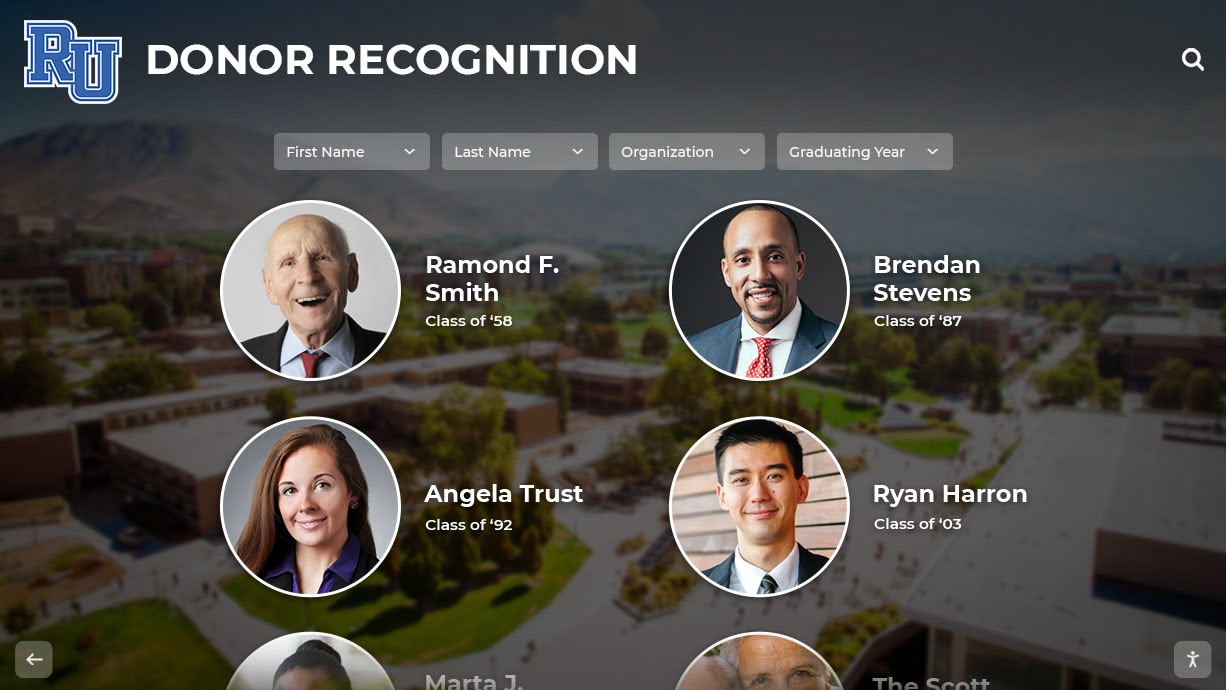
Portrait-style recognition displays create a permanent visual tribute that community appreciation events can draw from throughout the year
The “hero wall” element: Many schools set up a temporary or permanent display featuring photos of volunteers with brief captions explaining their contributions. When volunteers arrive and see their faces on the wall, the event immediately signals that this isn’t a generic gathering.
Schools implementing digital hall of fame and donor recognition systems find that touchscreen displays in lobby areas naturally become the centerpiece of appreciation events—allowing visitors to browse complete volunteer profiles, watch tribute videos, and explore program histories during pre-event mingling.
3. Classroom and Grade-Level Appreciation Events
Not every recognition moment needs to be all-school. Classroom-level events create more intimate, personal appreciation that often resonates more deeply with volunteers who worked closely with specific teachers or programs.
Classroom appreciation ideas:
- Student-run tea or coffee hour where the class prepares simple refreshments and each student delivers one specific thank-you statement to a classroom volunteer
- Memory jar project where students write appreciation notes throughout the year deposited in a jar, presented at year’s end with a count of hours contributed
- “Impact wall” reveal where the teacher creates a display showing before/after outcomes connected to the volunteer’s work (reading levels improved, science projects completed, event milestones reached)
- Student art dedications where the class creates collaborative artwork titled with the volunteer’s name
Why smaller works: Volunteers working in specific classrooms often feel disconnected from all-school events. A personal celebration in the context where they actually served—surrounded by the students they helped—frequently produces more emotional resonance than a large banquet.
4. The Surprise Appreciation Moment
Surprise recognition, executed thoughtfully, creates memorable experiences that volunteers talk about for years.
Ideas that work well:
- Coordinate student council to “ambush” a volunteer during their regular shift with a crowd of students holding hand-made signs, a framed certificate, and a brief student speech
- Arrange for the principal to appear unexpectedly at a volunteer event with a camera crew filming a tribute video
- Organize a standing ovation when a long-tenured volunteer walks into what they think is a routine PTO meeting
- Have students line the hallway as a volunteer arrives to their last shift before retirement
Cautions: Know your volunteer. Some people find public surprise uncomfortable. Check with those who know the individual before organizing a large surprise moment.
5. Virtual Appreciation Events
For schools with volunteers in multiple locations, hybrid families, or time-constrained helpers who can’t attend in-person events, virtual formats provide accessible recognition.
Effective virtual formats:
- Appreciation video compilations emailed or posted on the school portal—short clips from teachers, students, and the principal thanking specific volunteers by name
- Live virtual recognition ceremony where volunteers can join from home, see presentations, and receive personal acknowledgment
- Digital tribute pages that volunteers can view at their own pace and share with family
- Social media appreciation campaigns with a school hashtag where teachers and students post specific thank-you messages tagging volunteers
Student council and leadership programs often take ownership of virtual appreciation campaigns, designing social media content and coordinating video collection—building student leadership skills while honoring community helpers.
6. Service-Hour Milestone Events
For schools tracking volunteer hours, milestone celebrations create natural recognition touchpoints throughout the year.
Milestone structure:
- 25 hours: Personal thank-you from the principal
- 50 hours: Certificate and name in school newsletter
- 100 hours: Invitation to milestone reception, named in school announcement
- 250 hours: Permanent recognition in digital or physical display
- 500+ hours: Formal induction into volunteer hall of fame or equivalent program
The reception format: Hosting brief quarterly or semi-annual “milestone receptions” for volunteers who have crossed thresholds creates multiple recognition moments per year rather than a single annual event. These can be simple—30-minute breakfast before school—but the personal invitation and name-specific acknowledgment communicate genuine appreciation.
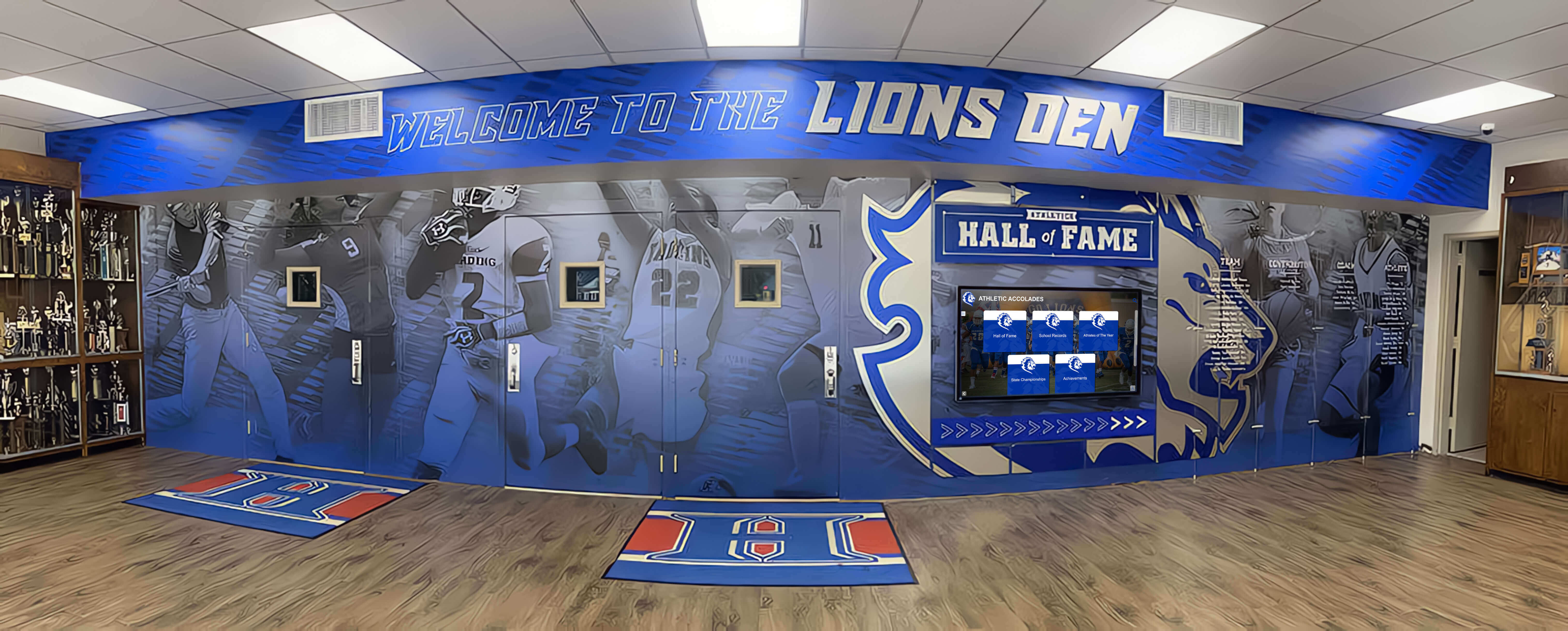
Permanent legacy spaces like hall of fame murals and trophy cases give appreciation events a physical home—a place where honored volunteers' contributions endure beyond the event itself
Appreciation Event Ideas by School Level
Elementary School Volunteer Appreciation Events
Elementary volunteers often have deep classroom relationships and respond especially well to student-led recognition.
Events that resonate at elementary level:
- Volunteer Appreciation Assembly where each classroom sends a representative to share what their volunteers did, followed by a school-wide performance dedicated to helpers
- Volunteer star hallway display with photos, hand-written student quotes, and a “why I help” statement from each featured volunteer
- Take-home appreciation packages students create during class time—decorated folders, artwork, letters, and small gifts students chose or made themselves
- Reading buddy celebration where longtime literacy volunteers are invited to a special storytime led by students they helped develop as readers
- “Secret appreciation week” where different classrooms take turns leaving surprise notes and small gifts at the volunteer sign-in desk each day
What works for elementary: Young students communicate unfiltered, authentic gratitude. Events that spotlight genuine student expressions—videos, letters, drawings, live performances—create more emotional impact than adult-organized gestures.
Schools using school assembly formats effectively can incorporate volunteer appreciation segments into existing all-school gatherings, making recognition a natural part of school culture rather than a separate obligation.
Middle School Volunteer Appreciation Events
Middle school programs benefit from student ownership and peer-driven recognition.
Events that work at middle school level:
- Student-produced appreciation film festival where teams create short tribute videos for different volunteer groups and screen them during an appreciation event
- Volunteer “shark tank” showcase where students present programs made possible by volunteers to an audience that includes the volunteers themselves
- Social media takeover day where student council runs the school’s social accounts for a day posting specifically about volunteers
- Behind-the-scenes recognition honoring volunteers who work in less visible roles—office helpers, facilities volunteers, tech support—with spotlights explaining the behind-the-scenes work most students never see
- Career-connection recognition highlighting community professional volunteers who brought workplace expertise to students, with brief remarks from students about how those experiences affected their goals
High School Volunteer Appreciation Events
High school events can be more formal and can directly connect volunteer recognition to program outcomes and community impact.
Events that resonate at high school level:
- Annual Volunteer Excellence Awards Ceremony modeled on graduation in formality, with specific awards for different volunteer categories, student presenters, and permanent recognition in displays
- Legacy dinner for retiring volunteers where the school celebrates long-tenured helpers transitioning out of active service with tributes, a video retrospective, and naming opportunities
- Athletic booster appreciation night tied to a home game or end-of-season banquet, recognizing the parent volunteers who keep athletics programs running
- Senior tribute speeches where graduating seniors thank specific volunteers who influenced their high school experience—part of senior week programming
- Hall of fame induction event formalizing volunteer recognition as a permanent institutional tribute alongside athletic and academic recognition
For schools building comprehensive digital recognition systems, high school appreciation events often become launch moments for new digital tribute profiles—a volunteer’s induction into a permanent digital display creates lasting recognition that doesn’t fade when the event ends.
Athletic and extracurricular volunteer recognition: The volunteers who support athletics, music, drama, and academic competitions invest enormous time in roles that directly shape student experiences. Recognizing them specifically—rather than lumping them into general “parent volunteer” categories—communicates that the school understands the depth of their contributions.
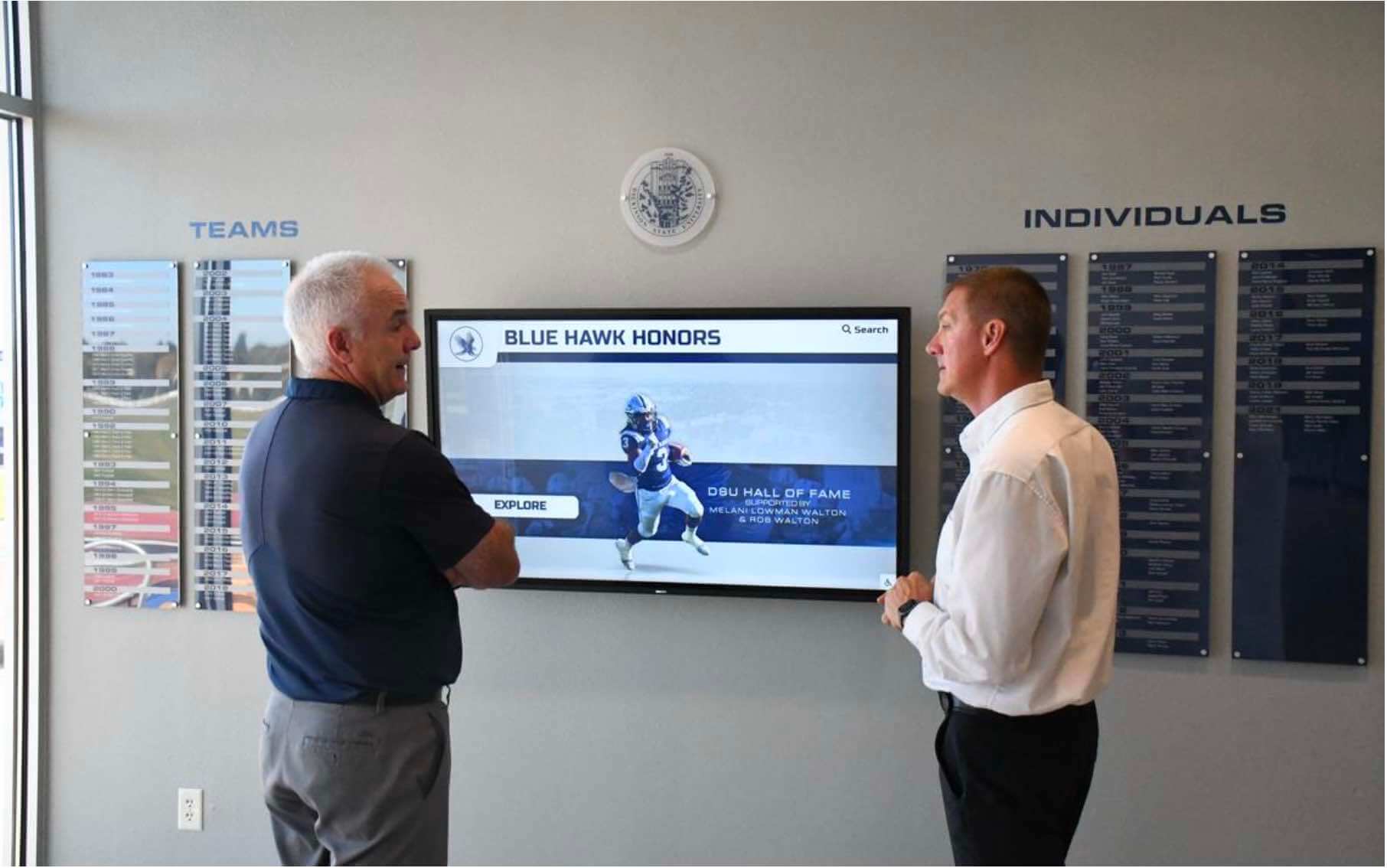
Interactive digital recognition displays give appreciation events a permanent dimension—honored volunteers can be featured in lobby kiosks accessible to the entire school community year-round
Making Volunteer Appreciation Events Genuinely Inclusive
The word “inclusive” gets used loosely, but for volunteer appreciation events it has specific, practical meaning: every volunteer who contributed—regardless of visibility, role, language, schedule, or cultural background—should feel equally honored.
Recognize the Full Spectrum of Volunteer Roles
The most common failure in volunteer appreciation is concentrating recognition on highly visible roles while behind-the-scenes contributors go unacknowledged. This creates a two-tier system where some volunteers feel like valued community members and others feel like unpaid laborers.
Often overlooked categories worth specific recognition:
- Facilities and maintenance volunteers who painted hallways, built storage, repaired equipment
- Administrative office helpers who answered phones, filed paperwork, managed communications
- Evening and weekend volunteers who staffed events when most families weren’t watching
- Single-event contributors who may have given 30 hours to one specific project
- Professional skill donors who provided legal advice, accounting, marketing, or technology expertise
- Community organization volunteers (scouts, service clubs, senior center participants) who contributed as organized groups rather than individuals
Creating recognition categories that explicitly honor each of these roles communicates that the school pays attention to who actually shows up—not just who gets the most visibility.
Address Language and Cultural Barriers
Schools serving multilingual communities should design appreciation events that don’t inadvertently exclude non-English-speaking volunteers.
Practical steps:
- Translate event invitations into the primary languages represented in your school community
- Include interpretation services or bilingual staff at the event
- Use visual recognition elements (photos, displays, videos with subtitles) that communicate across language barriers
- Ensure award certificates and recognition materials are available in volunteers’ primary languages
- Designate bilingual volunteer liaisons who can facilitate connection at the event
Schedule for Accessibility
Many volunteers who contribute during school hours work evening or weekend shifts, meaning a Thursday-afternoon appreciation luncheon systematically excludes significant contributors.
Scheduling strategies:
- Offer multiple event times (morning option, evening option) for the same appreciation season
- Allow volunteers who can’t attend to receive recognition remotely—video link to the ceremony, mailed certificate, personalized digital tribute
- Consider weekend events for communities where weekday attendance is structurally difficult
- For booster club and athletic volunteers especially, tie recognition to events they already attend (home games, banquets, spring parent meetings)
Involve Volunteers in Planning
The most inclusive events are designed with volunteer input, not just for volunteers.
Simple mechanisms:
- Survey volunteers in early spring about what recognition feels meaningful to them
- Create a small volunteer planning committee with seats for representatives from different program areas
- Ask returning volunteers what they wish last year’s event had included
- Follow up after events with a brief feedback form
Academic recognition program structures that incorporate stakeholder feedback loops consistently show stronger engagement than top-down approaches—the same principle applies directly to volunteer appreciation design.
Digital Recognition at Volunteer Appreciation Events
Modern schools increasingly use digital recognition technology to extend appreciation beyond the event itself—creating permanent tributes that don’t end when the room empties.
What Digital Recognition Adds to Live Events
Before the event: Digital displays in school lobbies can feature a “Volunteer Spotlight” rotation in the weeks leading up to an appreciation event, building anticipation and helping the broader school community recognize the faces of regular volunteers before the formal celebration.
During the event: Interactive kiosks allow attendees to browse volunteer profiles, view contribution histories, and watch tribute videos—creating engagement during mingling periods and adding depth to individual recognition moments. A slideshow of volunteer photos cycling on a lobby screen creates atmosphere while signaling to everyone in the room that these are the school’s honored community members.
After the event: Permanent digital profiles ensure that recognition survives beyond the celebration. A volunteer inducted into a digital hall of fame can share their profile with family members who couldn’t attend. Alumni can explore decades of volunteer history. New volunteers can see the community they’re joining.
Digital Recognition Formats for Appreciation Events
Tribute slideshows: A curated photo presentation running throughout the event, featuring volunteers in action with brief captions about their contributions. Easy to produce, high emotional impact when photos are candid and authentic rather than formal posed shots.
Testimonial video compilations: Brief clips from students, teachers, and the principal speaking specifically about named volunteers. These videos—when played during an appreciation ceremony—consistently produce the highest emotional resonance of any recognition format.
Interactive profile kiosks: Touchscreen displays where event attendees can browse volunteer profiles, view photos, and explore contribution histories. Particularly valuable for large schools with many volunteers—guests can find their own profiles and those of volunteers they know.
Social media real-time displays: Live feeds from school social media accounts showing appreciation posts from teachers and students, displayed on a screen during the event. Creates energy and connects the live event to the broader school community watching online.
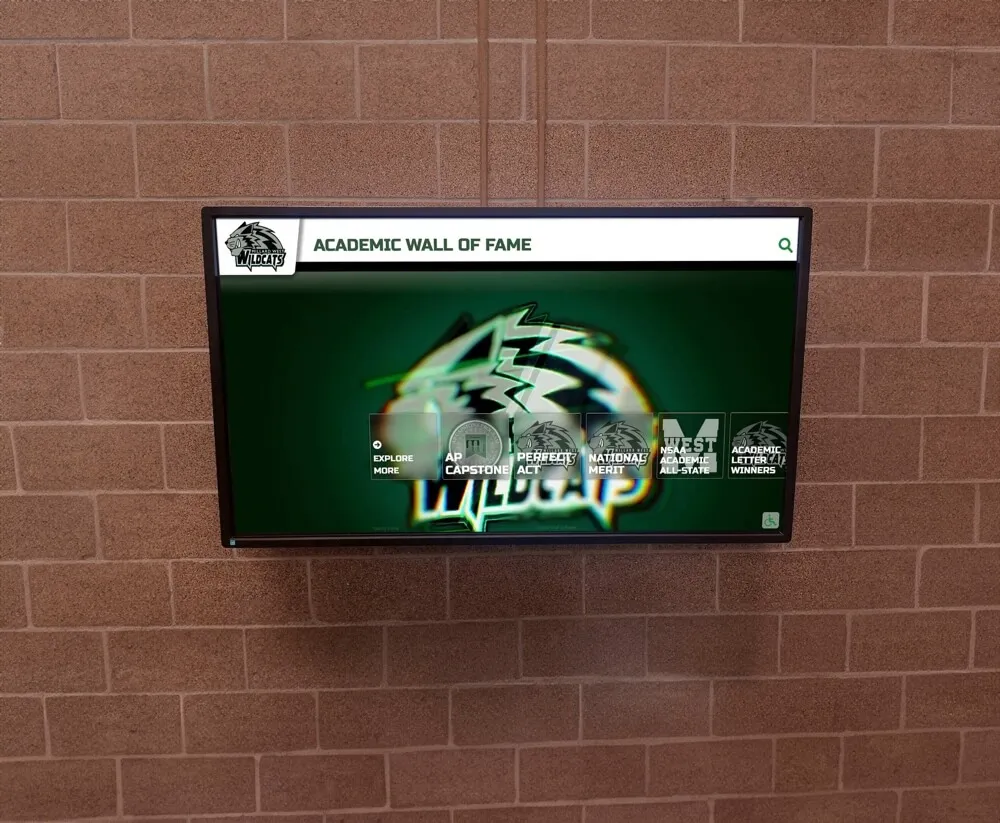
Digital screens integrated into existing recognition walls allow volunteer appreciation displays to sit alongside student academic and athletic honors—reinforcing volunteers as full members of the school's legacy
Building a Permanent Volunteer Recognition Display
Schools that invest in permanent volunteer recognition infrastructure—whether a dedicated wall display, a digital kiosk, or a digital trophy case featuring volunteer profiles—transform annual appreciation events into building blocks of a lasting legacy program.
Components of an effective permanent display:
- Volunteer portraits with names, years of service, and program areas
- Contribution summaries describing specific projects and programs each volunteer supported
- Impact data where available—students served, hours contributed, funds raised, events coordinated
- Personal quotes from volunteers about why they serve the school community
- Student testimonials preserving the words of community members whose lives volunteers touched
Physical plaques and bulletin boards cap out quickly—there’s only so much wall space, and updating physical displays requires physical labor and expense. Digital recognition platforms solve both problems: unlimited volunteer profiles, easy content updates, and multimedia capacity (photos, videos, documents) that static displays cannot match.
Solutions like Rocket Alumni Solutions provide cloud-managed interactive display platforms that schools use for volunteer recognition, athletic hall of fame, donor walls, and community hero features—all accessible through touchscreen kiosks in school lobbies. Volunteer profiles can be updated remotely, scheduled for release on appreciation event dates, and shared digitally with families who can’t visit campus.
Planning Your Volunteer Appreciation Event: Practical Guide
Timeline for a Successful Appreciation Event
8-10 weeks before:
- Confirm event date, time, and venue
- Form a planning committee with representatives from different volunteer groups
- Establish budget
- Begin collecting volunteer data: hours, program areas, tenure milestones
6-7 weeks before:
- Send save-the-date notices in multiple languages
- Begin collecting student testimonials and nomination letters
- Identify special recognition honorees (milestone awards, hall of fame inductees)
- Start gathering photos for displays and slideshows
4-5 weeks before:
- Send formal invitations with clear event details
- Coordinate student performers or presenters
- Design recognition certificates, plaques, or digital profiles
- Finalize menu or catering
2-3 weeks before:
- Finalize program with specific recognition moments and timing
- Prepare tribute presentations, slideshows, and video compilations
- Confirm RSVPs and adjust catering/seating accordingly
- Brief student presenters and ceremony participants
1 week before:
- Final technology check for any AV elements
- Set up any pre-event lobby displays or digital recognition features
- Prepare volunteer name badges or seating cards
- Brief event volunteers (often student helpers) on their roles
Day of:
- Arrive early to ensure setup is complete before first guests arrive
- Test all AV and digital elements
- Designate a welcoming committee to greet volunteers personally at the door
- Have a program printed for each guest
Appreciation Event Budget Templates
Low-budget option (under $200):
- Potluck or simple refreshments (coffee, tea, light snacks)
- Student-created decorations and displays
- Printed certificates from office printer
- Student-performed music
- Handwritten personal cards from principal
Mid-budget option ($200–$800):
- Catered light meal or dedicated dessert reception
- Professionally printed certificates or framed recognition
- Photo displays and printed tribute books
- Small appreciation gifts (school-branded items, local business gift cards)
- Rented or borrowed AV equipment for video tribute presentation
Higher-investment option ($800+):
- Full catered meal
- Permanent display installation or expansion
- Professional photography/videography of the event
- Engraved plaques or significant gift items for major honorees
- Live entertainment (student band, choir performance)
- Digital recognition platform launch or update coinciding with event
Recognition Award Categories to Consider
Rather than a single “Volunteer of the Year” award that creates one winner and dozens of people who weren’t selected, consider multiple specific categories:
- Outstanding Classroom Support – volunteers who worked directly with students in academic settings
- Community Builder Award – volunteers who organized events and created school-wide connections
- Long-Term Service Recognition – milestone acknowledgments (5, 10, 15, 20+ years)
- Behind-the-Scenes Excellence – honoring volunteers in less visible but essential roles
- New Volunteer Impact Award – recognizing first-year volunteers who made exceptional contributions
- Team Excellence Award – honoring volunteer groups (booster clubs, committees, organized teams) rather than only individuals
- Community Partner Recognition – acknowledging business and organizational partners
Schools that have developed honor roll and formal academic recognition frameworks can adapt the same tiered recognition structures to create volunteer award systems with clear, consistent criteria that build credibility over time.
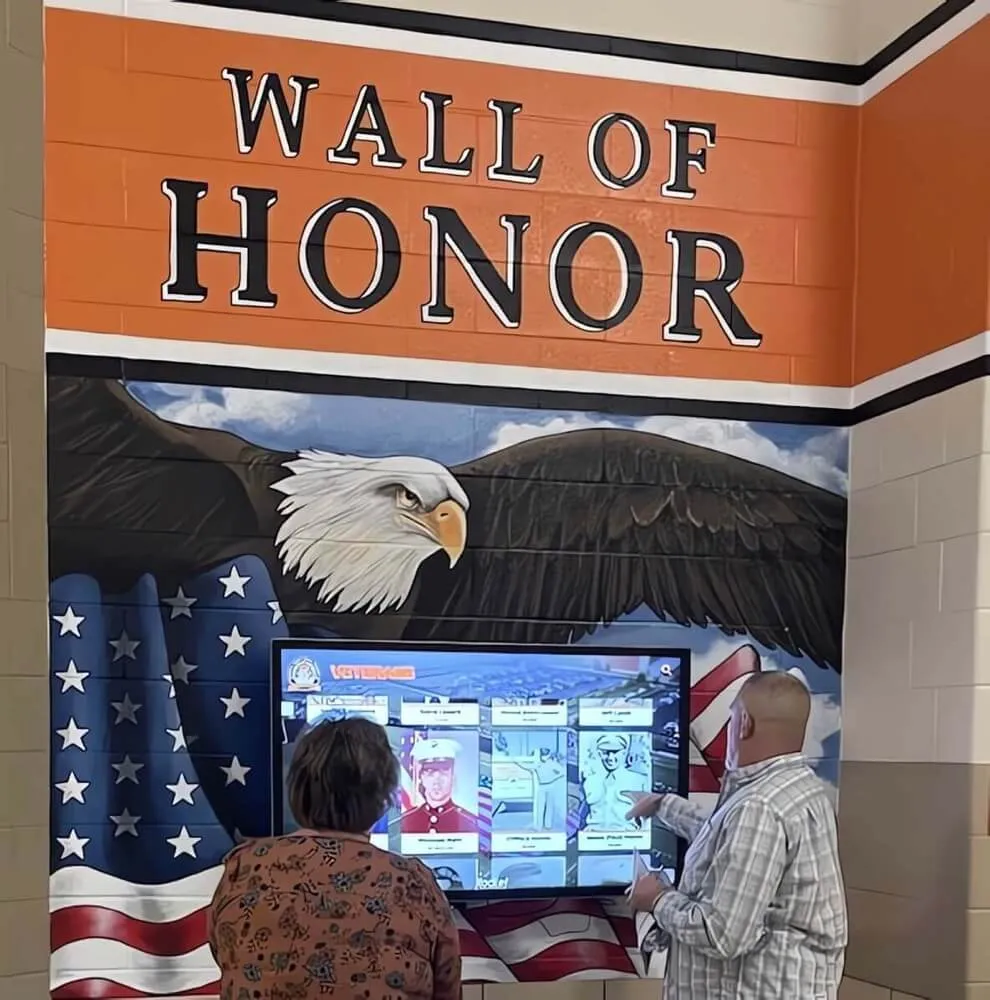
Interactive recognition walls engage visitors of all ages—appreciation events that center on a permanent digital display create experiences guests remember and want to return to
Building Year-Round Appreciation Culture
A single annual event, however excellent, won’t sustain volunteer engagement on its own. The schools with the strongest volunteer cultures treat appreciation as a year-round practice, with the annual event serving as a peak celebration within ongoing recognition.
Monthly and Seasonal Recognition Touchpoints
September: Kick-off welcome for returning volunteers; formal onboarding event including recognition of returners and orientation for new volunteers
November: Mid-fall milestone recognition—service hour updates shared with volunteers, shout-outs in school newsletter
January: New year appreciation moment—personal notes from principal to all active volunteers, brief mid-year celebration
April (National Volunteer Month): Primary annual appreciation event; hall of fame inductions; milestone awards
June: End-of-year recognition tied to school closing events; personal farewell communications to each volunteer; year-in-review statistics shared
Making Recognition Part of Every Interaction
At volunteer sign-in: A simple board updating service hour totals communicates that the school is tracking and values each visit.
In school communications: A dedicated “Volunteer Spotlight” section in the monthly newsletter or weekly email, featuring one volunteer per issue with a photo and brief personal profile.
In public spaces: Rotating volunteer photo features in lobby digital displays, hallway bulletin boards, or digital signage throughout the school.
In student instruction: Teachers who reference volunteer contributions during class instruction—“Remember when Ms. Chen came in to help with our science projects?"—normalize appreciation as part of school culture rather than a discrete annual event.
Schools building interactive campus experience programs often incorporate volunteer recognition into school tour content, ensuring that prospective families and new students understand from their first visit that community contribution is a core institutional value.
Volunteer Hall of Fame: Building a Legacy Program
The most powerful long-term recognition structure schools can create is a formal volunteer hall of fame—a permanent recognition program with clear criteria, annual induction ceremonies, and lasting tributes to inducted volunteers.
Elements of a credible volunteer hall of fame:
- Written eligibility criteria published and available to all community members
- Nomination process open to staff, students, parents, and community members
- Selection committee including representation from multiple stakeholder groups
- Annual induction ceremony with appropriate formality and community attendance
- Permanent recognition in physical or digital displays that endures after inductees are no longer active
What makes hall of fame recognition special: Unlike annual awards, hall of fame induction is permanent. It communicates that the school will honor a volunteer’s contribution indefinitely—not just for the year they won an award. For long-tenured volunteers especially, permanent induction creates a legacy connection to the institution that motivates continued engagement and deepens community bonds.
Schools planning recognition plaque displays and formal recognition infrastructure can design volunteer hall of fame displays that sit alongside athletic and academic recognition—reinforcing that community service is held in equal esteem to competitive achievement.
Common Mistakes That Undermine Volunteer Appreciation Events
Even well-intentioned schools make consistent errors that reduce event impact.
Recognizing the same volunteers every year. Rotating recognition systematically and creating multiple award categories prevents the appearance of favoritism and ensures that dedicated helpers in less prominent roles receive acknowledgment.
Generic certificates that could apply to anyone. “In appreciation for your service to [School Name]” communicates minimal effort. Specific certificates that name the program, describe the contribution, and quantify the impact feel genuinely personal.
Inviting volunteers but not showing them the impact. An appreciation event that doesn’t connect helpers to outcomes misses the most motivating element of recognition. Weave student testimonials, program statistics, and project outcomes throughout the event program.
Treating appreciation as a one-time event. The schools whose volunteers feel most valued don’t rely on an annual dinner to carry all the recognition weight. Year-round touchpoints—newsletters, digital spotlights, in-person thank-yous, milestone communications—sustain the feeling of being appreciated.
Excluding behind-the-scenes contributors. Office volunteers, facilities helpers, administrative supporters, and single-event contributors often go unrecognized because they lack a designated contact person advocating for them. Build explicit outreach processes to identify and recognize these contributors.
Underestimating digital recognition capacity. Physical walls and bulletin boards cap at whatever space is available. When the display fills, new recognition gets crowded out. Digital platforms solve this constraint entirely while adding multimedia depth unavailable with static displays.
Measuring Volunteer Appreciation Event Success
How do you know whether your appreciation event actually achieved its goals?
Volunteer retention rate: Track what percentage of volunteers from the previous year return. Schools with strong appreciation cultures see year-over-year retention above 70–75%.
Post-event feedback surveys: Brief three-to-five question surveys sent within a week of the event capture volunteer perceptions while they’re fresh. Ask specifically about whether they felt genuinely recognized, not just whether the event was “enjoyable.”
New volunteer applications following events: Strong appreciation events, especially those attended by prospective volunteers, typically produce a bump in new volunteer inquiries in the weeks following.
Volunteer hour totals: Year-over-year comparison of total volunteer hours contributed provides the most direct measure of whether your recognition culture is sustaining engagement.
Qualitative observations: What are volunteers saying to each other and to staff afterward? Are they sharing photos on social media? Are they talking about the event with prospective volunteers? These informal signals often reveal impact that surveys miss.
Create Volunteer Recognition That Lasts Beyond the Event
Discover how schools use interactive digital recognition displays to honor volunteers with permanent profiles, multimedia tributes, and lobby touchscreens that celebrate community helpers year-round—not just during appreciation week. See how a digital recognition platform can serve as the centerpiece of your volunteer appreciation events while building a lasting legacy your school community will treasure.
Explore Recognition SolutionsConclusion: Building the Appreciation Culture Your Volunteers Deserve
The schools with the strongest volunteer programs aren’t usually the ones with the biggest budgets or the most elaborate annual events. They’re the ones that have made appreciation a consistent practice—where volunteers feel seen during sign-in, recognized in newsletters, celebrated at events, and preserved in permanent displays that outlast their active service.
The ideas in this guide aren’t sequential steps toward a single perfect event. They’re components of a year-round culture where community members understand, from every interaction with the school, that their time and expertise are genuinely valued.
Whether you start with a student-created appreciation video series, a milestone recognition reception, or a digital hall of fame profile for your longest-serving volunteer, the principle is the same: specific, visible, proportional recognition changes how volunteers experience their relationship with your school—and changes who decides to become one.
Your volunteers gave their time because they believed in your students and your community. The appreciation they receive should reflect exactly how much that belief has meant.
Live Example: Rocket Alumni Solutions Touchscreen Display
Interact with a live example (16:9 scaled 1920x1080 display). All content is automatically responsive to all screen sizes and orientations.