



The volleyball arcs skyward from the server’s toss, the athlete charges forward with explosive steps, and the entire gymnasium holds its breath as arm swings meet ball at maximum height—sending a rocket serve screaming over the net at speeds exceeding 60 mph. The opposing team scrambles, the serve clips the tape, and the point ends before the rally even begins. This is the volleyball jump serve: the weapon that changes matches, intimidates opponents, and earns players recognition as elite competitors.
Yet mastering this advanced serving technique challenges even experienced players. The timing coordination between toss, approach, jump, and contact requires hundreds of repetitions to develop consistency. Too many athletes attempt jump serves prematurely, developing flawed mechanics that produce more errors than aces, ultimately abandoning the skill entirely rather than progressing through proper technical development.
This comprehensive guide breaks down the complete volleyball jump serve technique into learnable steps, identifies the most common mechanical mistakes preventing consistency, and provides a progressive drill sequence taking players from beginner attempts to match-winning serves that earn all-conference selection and permanent recognition in school athletic halls of fame.
The jump serve represents the highest-level serving skill in volleyball, combining explosive power generation with precise ball control. Players developing reliable jump serves transform from contributors to difference-makers—athletes opponents specifically game-plan against and coaches build strategic advantages around.

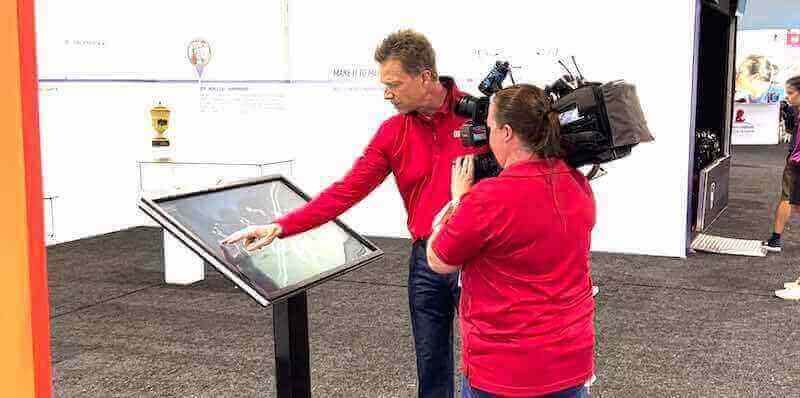
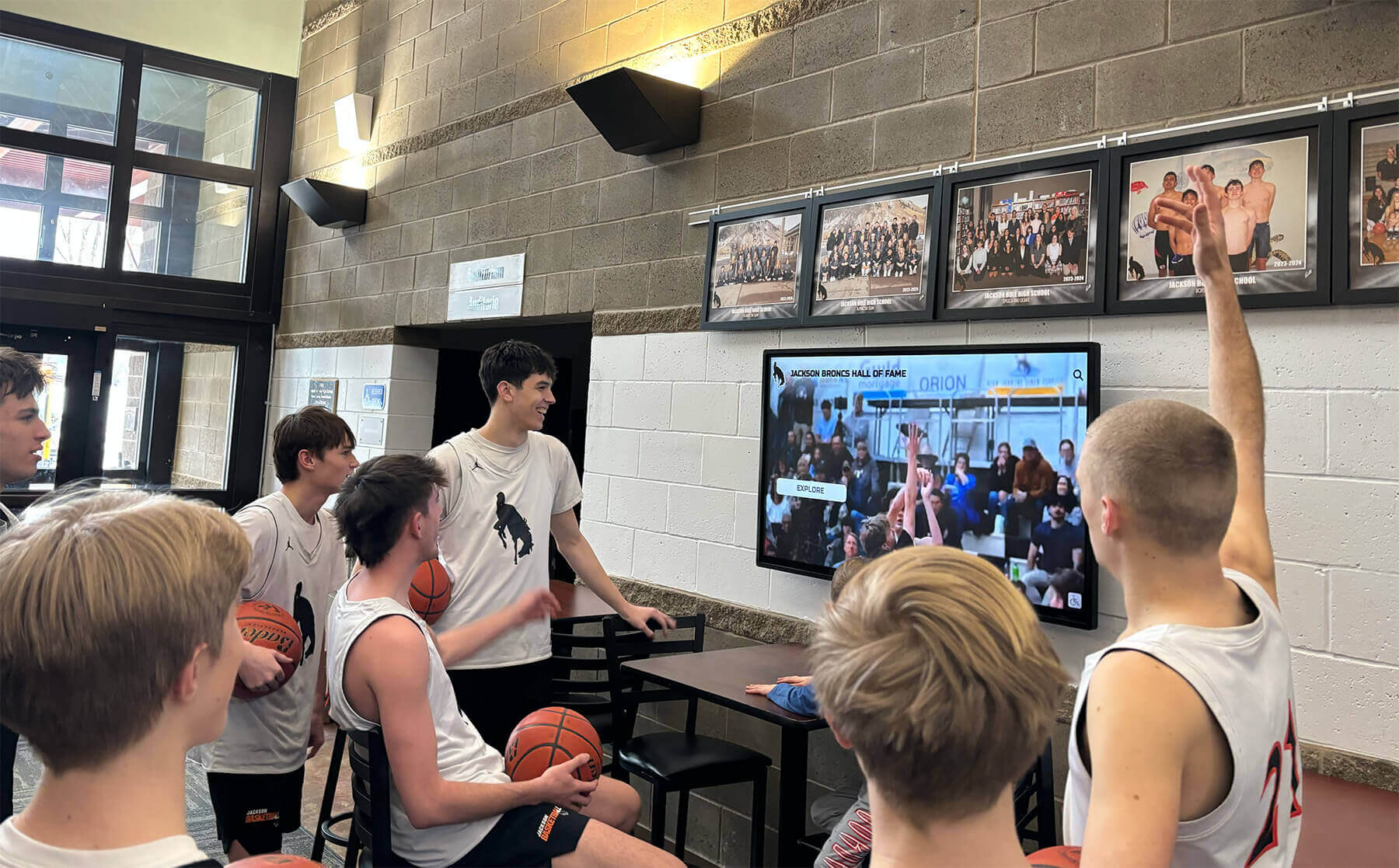
Modern athletes use video analysis to refine technical skills, breaking down complex movements like jump serves into correctable components
Understanding the Volleyball Jump Serve
Before attempting technique development, understanding what makes jump serves effective helps players appreciate why specific mechanical elements matter.
Why the Jump Serve Dominates Modern Volleyball
The Strategic Advantage of Aggressive Serving
Jump serves create competitive advantages impossible with standing techniques:
- Increased velocity: Contact at maximum height with full-body momentum generates significantly higher ball speeds than standing serves
- Downward trajectory: Elevated contact point allows serves to travel downward over the net, reducing opponent reaction time
- Topspin rotation: Proper contact creates forward spin making balls drop sharply after crossing the net
- Psychological pressure: Aggressive serves force opponents into defensive mindsets before rallies begin
- Disrupted offense: Poor serve-receive passes limit opponent attacking options and strategic flexibility
The most successful high school and college programs build serving strategies around jump serves, with elite athletes recognized for their match-changing abilities that translate directly to team success and individual honors.
When to Develop Jump Serve Skills
Not all players should immediately attempt jump serves:
- Players with consistent standing float serves should develop jump serves as advanced weapons
- Athletes with volleyball experience understanding serving fundamentals benefit most
- Strong jumpers and coordinated athletes often progress faster than those still developing athleticism
- Competitive players willing to accept initial error rates while developing technique
- Players committed to extensive repetition practice required for consistency
Schools implementing comprehensive volleyball programs recognize athletes at multiple skill development stages, celebrating improvement and technical mastery alongside traditional statistical achievements.
Jump Serve Types and Variations
Understanding Different Serve Styles
Jump serves fall into distinct categories:
Jump Float Serve
- Limited topspin with unpredictable flight path
- Similar contact to standing float but from elevated position
- Ball “floats” without spin, moving erratically in flight
- Easier control than topspin variations
- Strategic choice against strong passers who struggle with movement
Topspin Jump Serve
- Aggressive forward rotation creating sharp downward break
- Maximum velocity with intentional spin
- Riskier execution but highest upside when consistent
- Primary focus of competitive players seeking elite serving
- This guide emphasizes topspin technique given competitive application
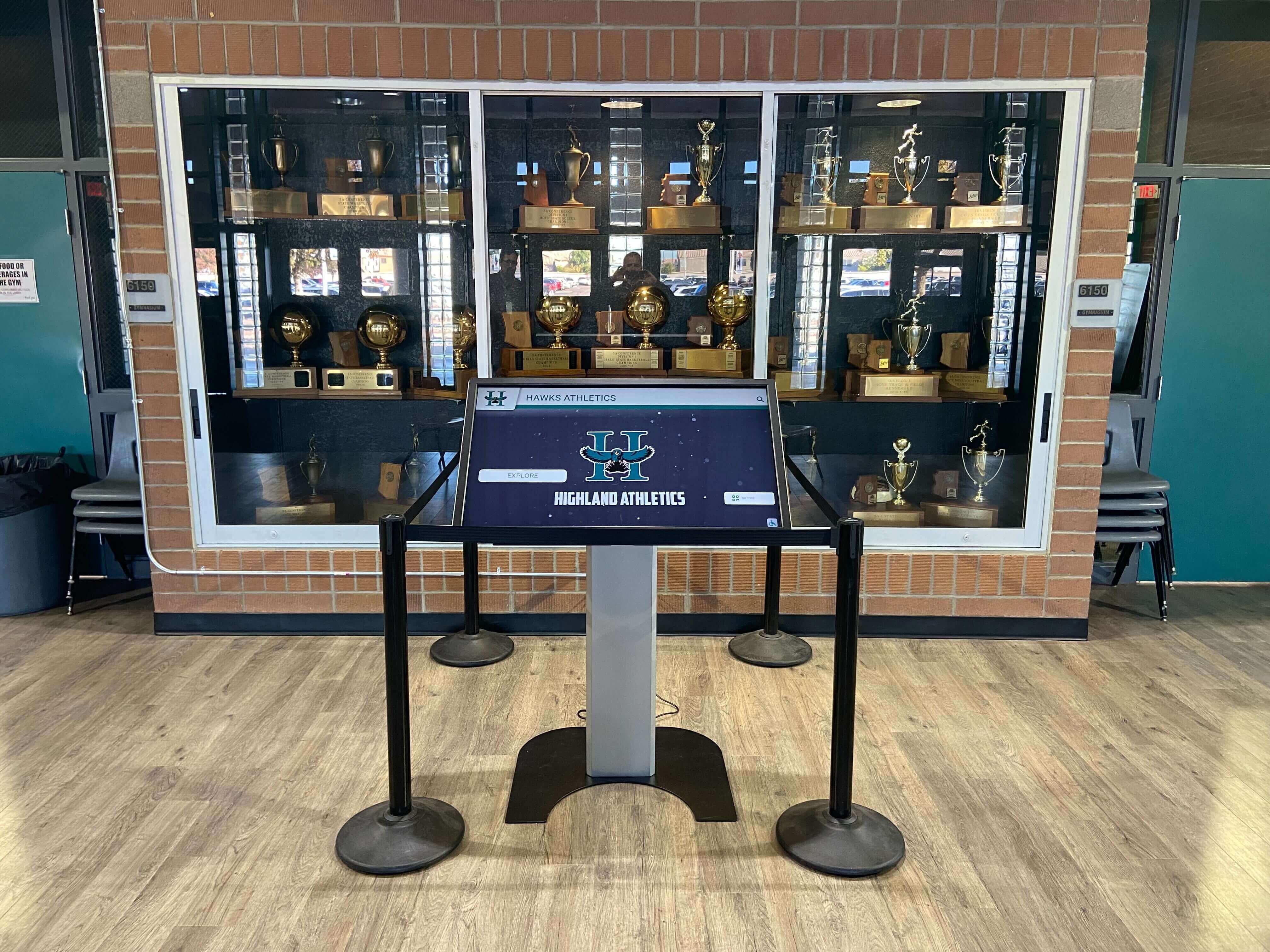
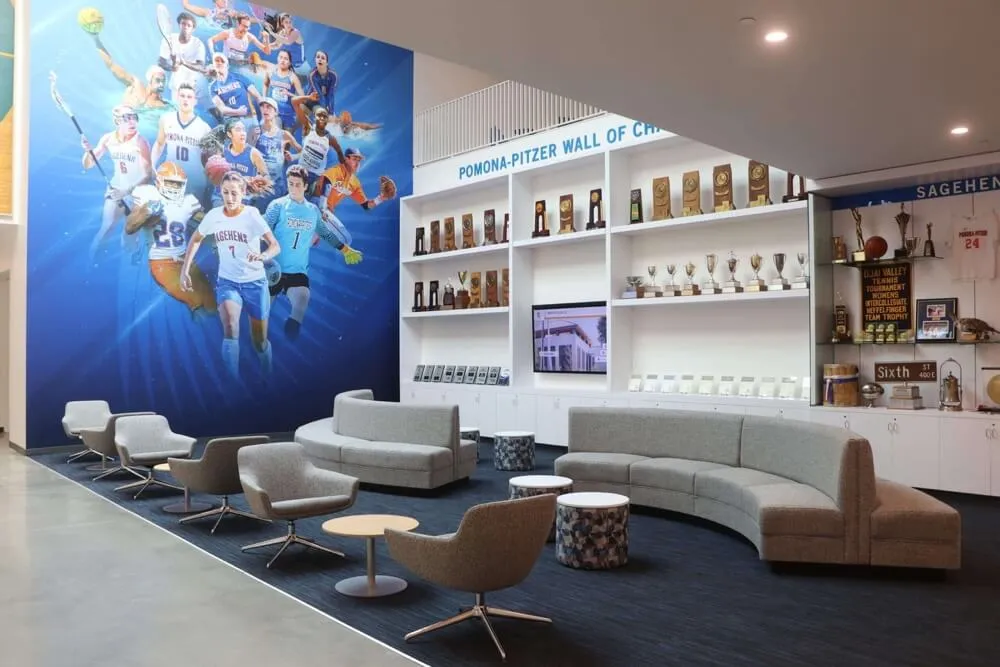
Championship trophies and all-conference selections recognize athletes who develop match-winning skills like dominant jump serves
Complete Jump Serve Technique: Step-by-Step Breakdown
Mastering the volleyball jump serve requires understanding and executing seven distinct phases in proper sequence.
Step 1: Starting Position and Alignment
Establishing Your Serve Foundation
Begin several feet behind the service line with proper setup:
Positioning
- Stand 3-5 feet behind the end line allowing approach space
- Align body toward intended serve target (typically deep corners or between passers)
- Feet shoulder-width apart with weight balanced
- Ball held in non-hitting hand at chest height
- Hitting arm relaxed at side, not pre-loaded
- Eyes focused on target area before beginning sequence
Mental Preparation
- Identify specific target zone before tossing
- Establish consistent pre-serve routine (bounces, breaths, visualization)
- Commit fully to aggressive serve attempt rather than tentative contact
- Accept that developing consistency requires accepting temporary error rates
Athletes developing reliable serves through consistent technique earn recognition as dependable competitors under pressure, the exact players coaches rely on during critical match moments.
Step 2: The Toss
Critical Element Determining Serve Success
The toss represents the most important technical component:
Toss Execution
- Use non-hitting hand to control ball completely
- Toss ball 2-3 feet in front of starting position
- Height should allow contact at maximum jump reach
- Minimal spin on ball during flight (not spinning wildly)
- Consistent toss location in same spot every repetition
- Release ball with flat hand, not thrown with wrist flick
Toss Timing Coordination
- Begin approach steps immediately after toss release
- Toss height coordinated with approach speed (slower approach requires lower toss)
- Ball should be descending slightly at contact point, not still rising
- Practice toss separately before adding approach ensures consistency
Common Toss Errors
- Tossing too far forward forcing off-balance contact
- Toss too close requiring backward lean at contact
- Inconsistent toss location varying by several feet each attempt
- Spinning toss creating unpredictable ball movement
- Toss too high giving excessive time for approach but reducing control
Step 3: The Approach
Building Momentum and Timing
The approach generates power while establishing contact timing:
Approach Steps (Right-Handed Players)
- Step 1: Short step with right foot beginning forward movement
- Step 2: Longer step with left foot building momentum
- Step 3: Quick right foot plant converting forward motion to upward explosion
- Step 4: Left foot closes rapidly for two-foot takeoff
Left-handed players reverse the footwork pattern.
Approach Technique Keys
- Gradual speed increase through steps rather than sprinting immediately
- Steps angled slightly toward toss location tracking ball movement
- Final two steps quick and close together (right-left for righties)
- Arms swing backward during approach preparing for upward drive
- Body leans slightly forward maintaining balance and momentum
- Eyes track ball throughout approach never losing visual contact
Approach Distance
- Total approach typically covers 8-12 feet from start to takeoff
- Adjust starting position ensuring last step occurs well behind service line
- Foot faults eliminate serve effectiveness regardless of technique quality
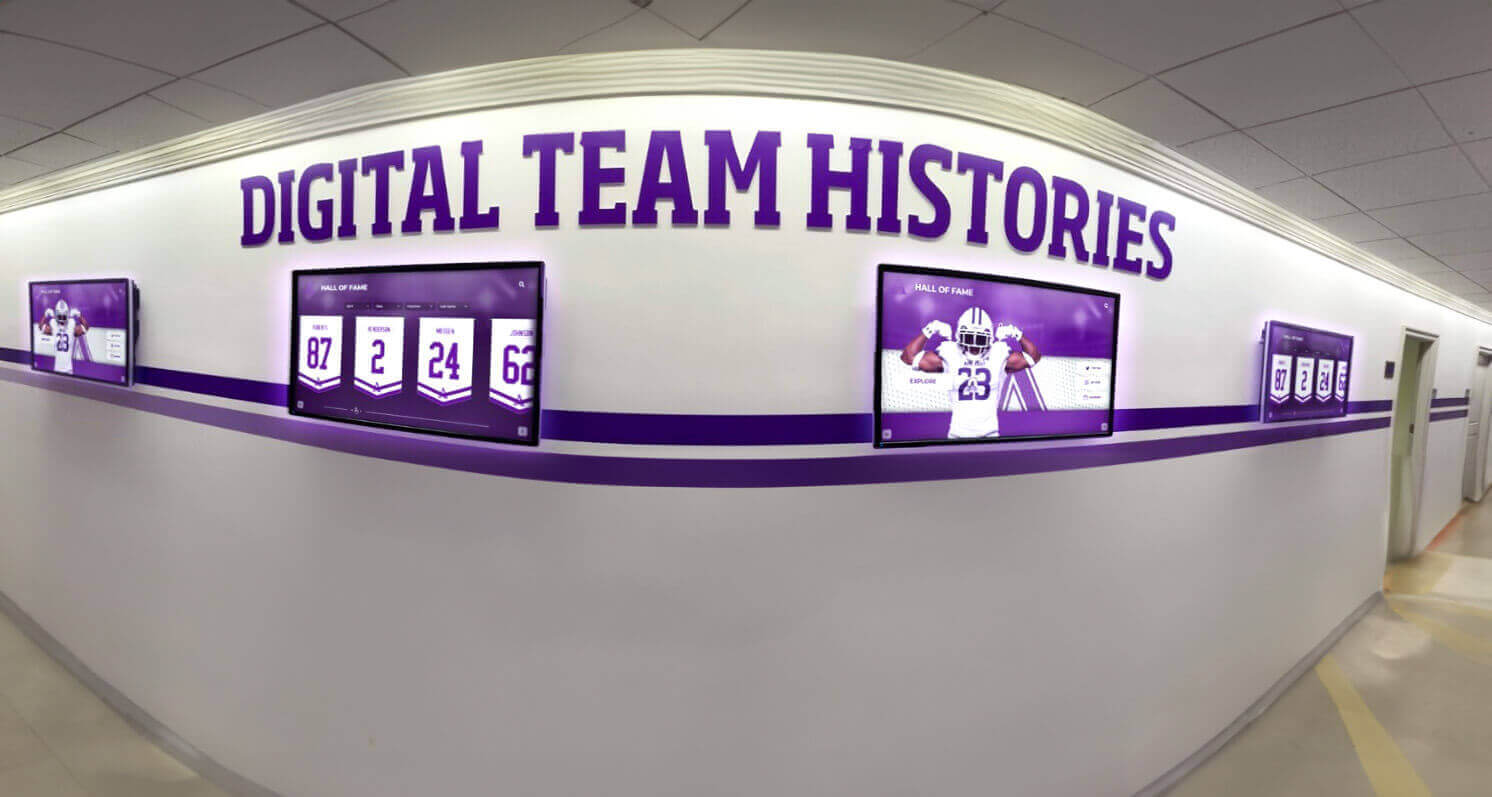
Programs celebrate individual excellence and technical mastery that contribute to team success and championship traditions
Step 4: The Takeoff
Converting Momentum to Vertical Explosion
Proper takeoff mechanics maximize contact height:
Takeoff Execution
- Both feet plant simultaneously shoulder-width apart
- Knees bend absorbing forward momentum and loading for jump
- Arms swing aggressively upward driving vertical explosion
- Push explosively through balls of both feet
- Body extends fully from legs through torso to shoulders
- Maintain forward momentum traveling into court (not straight up)
Timing Coordination
- Takeoff occurs when tossed ball reaches peak height beginning descent
- Ball should be slightly in front and above jumping position
- Too-early takeoff results in contact while ball still rising
- Too-late takeoff forces contact during descent reducing power
Balance and Body Control
- Core engagement maintains body control during flight
- Shoulders stay level preventing tilted contact
- Hips face forward toward net not rotating open
- Eyes remain focused on ball throughout jump phase
Step 5: The Arm Swing
Generating Contact Power
Arm mechanics determine serve velocity and accuracy:
Swing Sequence
- Non-hitting arm points toward ball during jump providing aim reference
- Hitting shoulder rotates backward (bow-and-arrow position)
- Elbow draws high above shoulder level
- Rapid shoulder rotation drives elbow forward
- Forearm and hand lag behind creating whip action
- Contact occurs with arm fully extended at maximum reach height
Hand and Wrist Action
- Palm contacts top-back portion of ball
- Wrist snaps over ball creating topspin rotation
- Hand stays firm and flat through contact (not cupped or bent)
- Follow-through continues downward after contact
- Fingers spread across ball surface maximizing contact area
Power Sources
- Core rotation contributes significantly to swing speed
- Sequential activation from legs to hips to shoulders to arm
- Relaxed arm muscles allowing faster movement than tense rigidity
- Maximum extension at contact rather than early arm bend
Athletes mastering complex athletic skills like jump serves develop mental toughness and competitive excellence translating across all competitive situations.
Step 6: Ball Contact
The Critical Moment
Contact determines serve effectiveness:
Contact Point
- Ball contacted at absolute maximum height jump allows
- Contact occurs in front of hitting shoulder
- Hand meets ball while arm fully extended (not bent elbow)
- Contact top-back of ball (if ball is clock, contact between 11-1 o’clock)
- Firm wrist and hand creating solid contact sound
Creating Topspin
- Palm contacts slightly behind top of ball
- Wrist snaps forward and down through contact
- Hand finishes facing downward after follow-through
- Spin makes ball rotate forward (top of ball moving toward net)
- Proper spin creates sharp downward break after crossing net
Contact Errors
- Hitting dead center of ball produces flat serve without spin
- Contacting too low on ball sends serve out beyond end line
- Hitting ball with bent elbow reduces power and control
- Cupped hand creates unpredictable contact and spin
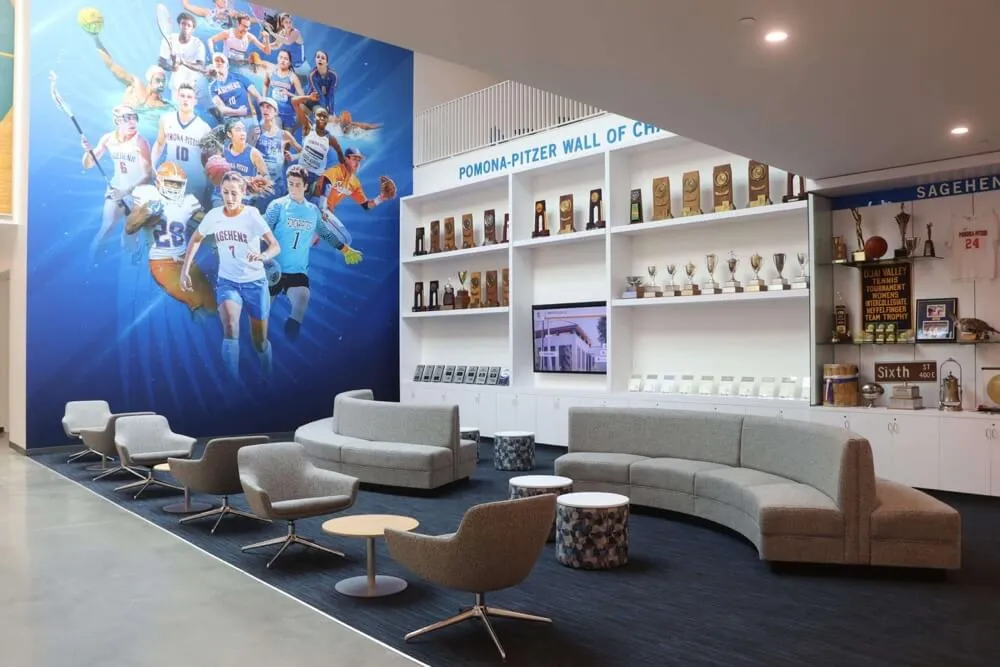
Athletic spaces showcase championship achievements and individual excellence, inspiring current athletes developing elite skills
Step 7: Landing and Recovery
Safe Completion and Court Positioning
Proper landing prevents injuries and prepares for rally:
Landing Mechanics
- Land on both feet simultaneously distributing impact
- Knees bend absorbing landing force
- Land inside court after forward momentum (not behind service line)
- Balanced landing without stumbling or additional steps
- Immediate visual focus shifts to opponent court tracking serve result
Court Position Recovery
- Quickly backpedal to defensive position
- Communicate with teammates about serve outcome
- Prepare mentally for defensive responsibilities if rally continues
- Reset immediately for next serve if point ends quickly
Landing Safety
- Avoid landing on single leg creating injury risk
- Control landing preventing ankle rolls on court boundaries
- Maintain awareness of surroundings (walls, equipment, teammates)
Common Jump Serve Mistakes and Corrections
Understanding frequent errors accelerates technical improvement.
Mistake 1: Inconsistent Toss
Problem: Toss location varies significantly each attempt making consistent contact impossible
Why It Happens:
- Rushing toss motion without focus on placement
- Using wrist flick instead of controlled hand lift
- Not practicing toss independently from complete serve
- Looking at target instead of toss hand during release
Corrections:
- Practice 50 tosses focusing solely on consistent placement
- Mark target spot on floor with tape where toss should land
- Use video analysis checking toss release point and trajectory
- Slow down pre-serve routine ensuring deliberate toss focus
- Toss with flat hand and extended arm rather than bent wrist
Schools implementing structured skill development programs recognize that technical mastery requires isolated practice of individual components before combining complete movements.
Mistake 2: Poor Timing Between Toss and Approach
Problem: Arriving at takeoff too early or too late for optimal contact
Why It Happens:
- Toss height inconsistent with approach speed
- Starting approach before or after toss release
- Rushing final approach steps or hesitating mid-approach
- Not tracking ball visually throughout approach
Corrections:
- Establish consistent toss-to-approach timing trigger
- Begin approach immediately as toss releases from hand
- Practice approach without ball counting rhythmic steps
- Video analysis comparing successful versus mistimed attempts
- Start with lower, more controlled tosses while developing timing
Mistake 3: Jumping Straight Up Instead of Forward
Problem: Vertical-only jump results in contact behind body reducing power and causing net violations
Why It Happens:
- Excessive focus on maximum jump height over proper contact position
- Final approach steps slow down instead of maintaining momentum
- Fear of foot faults causing conservative positioning
- Misunderstanding that legal serve requires release before landing, not takeoff position
Corrections:
- Approach with intent to land 2-3 feet inside court
- Practice approach and takeoff without ball focusing on forward trajectory
- Start position farther behind line allowing aggressive forward momentum
- Film serves from side angle checking jump direction and landing position
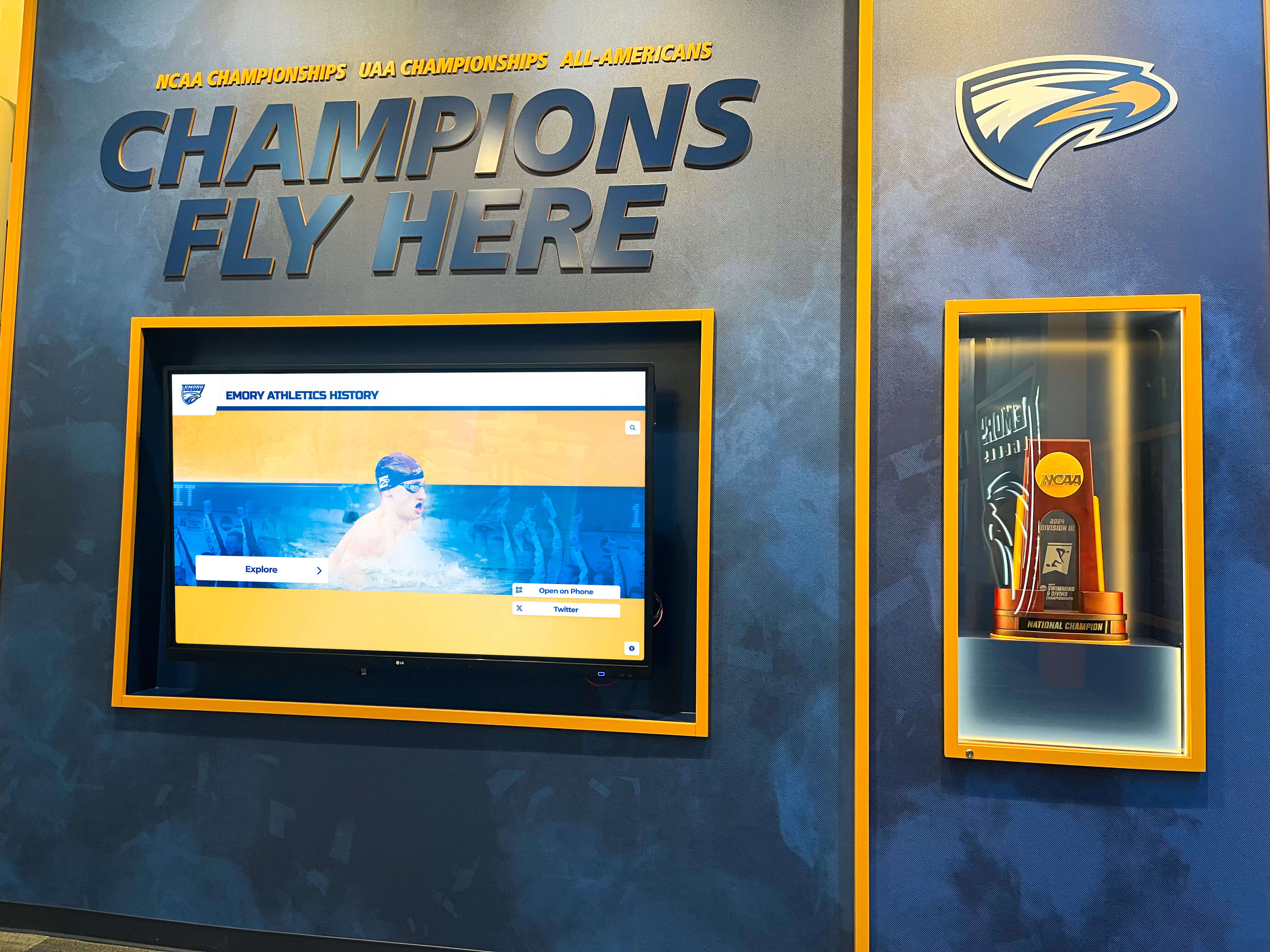
Championship achievements and athletic excellence stem from mastering fundamental skills and developing competitive weapons like dominant serves
Mistake 4: Contacting Ball with Bent Elbow
Problem: Bent arm at contact reduces power, accuracy, and spin effectiveness
Why It Happens:
- Toss too close to body forcing shortened arm swing
- Lack of shoulder flexibility limiting overhead extension
- Swinging arm too early before reaching maximum height
- Attempting to guide ball rather than aggressive contact
Corrections:
- Toss farther forward allowing full arm extension at contact
- Shoulder mobility exercises improving overhead range of motion
- Focus on reaching maximum height before beginning swing
- Practice throwing motions emphasizing full extension at release
- Video analysis from side angle checking arm position at contact
Mistake 5: Lack of Topspin
Problem: Flat serves travel predictably without downward break making passing easier
Why It Happens:
- Contacting dead center or bottom of ball instead of top-back
- Rigid wrist preventing snap-through motion
- Slapping at ball instead of brushing contact creating spin
- Misunderstanding spin mechanics and hand positioning
Corrections:
- Exaggerate wrist snap initially developing feel for spin creation
- Practice standing topspin serves mastering spin before adding jump
- Contact focus on “top third” of ball with downward hand finish
- Slow-motion video analysis comparing spin versus flat contact
- Partner feedback confirming visible ball rotation
Mistake 6: Landing Behind the Service Line
Problem: Vertical-only or backward jump prevents legal contact position and reduces power
Why It Happens:
- Fear of foot faults causing tentative approach
- Not understanding that landing location doesn’t determine fault (release point does)
- Starting position too close to service line limiting approach space
- Jumping backward away from contact instead of through ball
Corrections:
- Start 4-5 feet behind line ensuring adequate approach space
- Practice aggressive approaches emphasizing forward momentum
- Film serves confirming legal release occurs before landing
- Coach feedback confirming landing 1-2 feet inside court indicates proper technique
Athletes developing consistent execution under pressure earn recognition as clutch performers their teams rely on during critical match moments and championship runs.
Progressive Drills to Master the Jump Serve
Systematic skill development follows logical progression from simple to complex.
Beginner Progression (Weeks 1-2)
Drill 1: Standing Toss Consistency
Develop reliable tosses before adding complexity:
- Stand behind service line without ball
- Practice toss motion 25 repetitions focusing on consistent height and location
- Mark target spot on floor 2-3 feet in front with tape
- Toss should land on target mark within 1-foot radius
- Progress: Toss and catch ball at maximum reach height without jumping
Drill 2: Approach Without Ball
Master footwork pattern separately:
- Start 10 feet behind service line
- Execute four-step approach focusing on rhythm and speed progression
- Final two steps quick and close together
- Land inside court on both feet simultaneously
- Repeat 20 times establishing consistent approach pattern
- Progress: Add arm swing to approach maintaining balance and timing
Drill 3: Standing Topspin Serves
Learn spin mechanics with controlled serves:
- Serve from service line without approach or jump
- Focus entirely on contact and wrist snap creating topspin
- Serve deep to back third of court observing ball rotation
- Complete 25 serves attempting maximum spin visibility
- Progress: Gradually increase serve velocity while maintaining spin
Intermediate Progression (Weeks 3-4)
Drill 4: Toss and Approach Integration
Combine toss timing with approach:
- Start full approach distance behind line
- Toss ball and begin approach immediately
- Catch ball at maximum jump height (not spiking yet)
- Focus on arriving at correct timing and body position
- Repeat 20 times perfecting toss-approach coordination
- Progress: Add simplified arm swing still catching rather than hitting
Drill 5: Short-Court Jump Serves
Build confidence with reduced distance:
- Serve from 15-20 feet from net instead of full court
- Execute complete jump serve technique
- Shorter distance allows technique focus without power pressure
- Complete 25 serves emphasizing contact and spin quality
- Progress: Gradually move back toward regulation service line
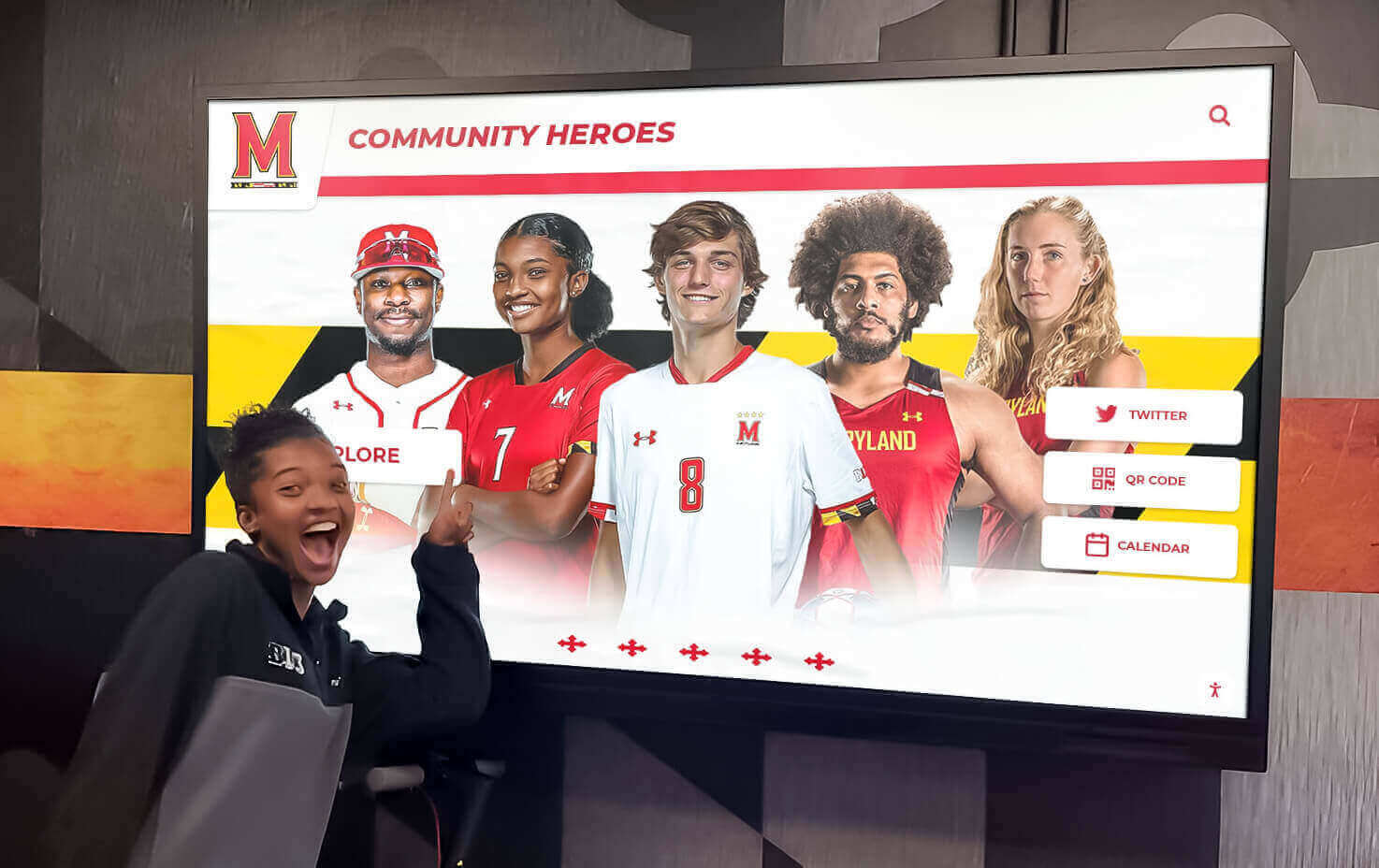
Recognition programs celebrate athletes who develop elite skills through dedicated practice and technical mastery
Drill 6: Target Zone Serving
Develop accuracy alongside power:
- Place targets or markers in deep corners of opponent court
- Attempt serves to specific zones alternating targets
- Track success rate by zone identifying accuracy patterns
- Begin with larger targets (3x3 meter zones) progressing to smaller areas
- Complete sets of 10 serves per target zone
Advanced Progression (Weeks 5-8)
Drill 7: Consecutive Successful Serves
Build consistency under pressure:
- Attempt to complete 3 consecutive legal jump serves landing in court
- If serve goes out or into net, reset counter to zero
- Progress to requiring 5, then 7, then 10 consecutive successful serves
- Simulates match pressure requiring consistent execution
- Track daily best streak measuring improvement
Drill 8: Serve and Defend Transition
Connect serving to rally play:
- Execute jump serve then immediately transition to defensive position
- Coach or partner initiates ball over net requiring defensive play
- Develops realistic match habits and court awareness
- Complete 15 repetitions emphasizing quick recovery after serving
- Progress: Add specific defensive assignments based on serve outcome
Drill 9: Pressure Serving Scenarios
Simulate match situations:
- Serve in “game situations” (example: down 24-23, must serve aggressively)
- Create point consequences (successful serve worth 2 points, error worth -1)
- Compete against teammates in serving competitions
- Practice serving while fatigued after conditioning
- Film serves analyzing technique under pressure versus practice
Drill 10: Match-Play Integration
Apply skills in competitive context:
- Use jump serves exclusively during practice scrimmages
- Accept temporary error rates while developing match consistency
- Track serving statistics (aces, errors, opponent passing efficiency)
- Gradually increase jump serve percentage as consistency improves
- Analyze post-match video identifying technical breakdowns under pressure
Programs developing athletes through progressive skill acquisition create systems where individual improvement directly contributes to team success and championship opportunities.
Physical Conditioning for Jump Serve Development
Athletic preparation supports technical skill development.
Strength Training Focus Areas
Lower Body Power
- Squats and lunges building explosive jumping strength
- Plyometric box jumps developing quick-twitch power
- Single-leg exercises improving balance and stability
- Calf raises enhancing ankle strength for takeoff and landing
Core Stability
- Rotational exercises (medicine ball throws, wood chops)
- Planks and anti-rotation movements building trunk control
- Oblique strengthening supporting body control during flight
- Hip stability work preventing energy leaks during approach
Shoulder and Arm Development
- Overhead pressing movements building serving strength
- Rotator cuff exercises preventing overuse injuries
- Lat pulldowns supporting arm swing mechanics
- Elastic band work developing shoulder stability
Flexibility and Mobility Work
Critical Mobility Areas
- Shoulder range of motion allowing full overhead extension
- Hip flexibility supporting explosive approach mechanics
- Ankle mobility enabling quick direction changes
- Thoracic spine rotation supporting full body coordination
Daily Mobility Routine
- Arm circles and shoulder dislocations
- Hip openers and dynamic leg swings
- Ankle mobility exercises
- Foam rolling and soft tissue work
Volleyball-Specific Conditioning
Jump Training
- Approach jump repetitions building sport-specific endurance
- Continuous jumping drills developing landing mechanics
- Varied jump heights and distances
- Fatigue resistance through high-repetition sets
Explosive Movement Patterns
- Sprint intervals improving approach speed
- Direction change drills building court agility
- Reaction training supporting quick adjustments
- Medicine ball throws developing explosive upper body power
Mental Approach and Serving Strategy
Technical mastery combines with strategic intelligence.
Developing Serving Confidence
Mental Preparation
- Visualization of successful serves before practice and matches
- Pre-serve routines creating consistent mental triggers
- Accepting that aggressive serves produce temporary higher error rates
- Confidence building through documented improvement tracking
Pressure Management
- Practice serving in high-pressure simulations
- Breath control and relaxation techniques before serves
- Focusing on process (technique) rather than outcome (result)
- Learning from errors rather than fearing them
Strategic Serve Selection
Reading Opponents
- Identifying weak passers through observation
- Targeting zones between players creating communication challenges
- Serving deep to back row preventing offensive options
- Mixing speeds and spins keeping passers off-balance
Match Situation Awareness
- Score-dependent serving (aggressive when ahead, tactical when behind)
- Rotation-specific targeting based on opponent positioning
- Serving trends and opponent adjustment recognition
- Risk-reward assessment by game situation
Athletes developing complete competitive skill sets combining physical execution with strategic intelligence earn recognition as complete players and team leaders.
Tracking Progress and Setting Goals
Measurable improvement requires systematic tracking.
Key Metrics to Monitor
Technical Consistency
- Percentage of serves landing in court
- Toss consistency rating (subjective 1-10 scale)
- Approach and timing quality assessment
- Contact quality and spin consistency
Performance Statistics
- Aces per match or set
- Service errors per match or set
- Opponent passing efficiency against your serves
- Points directly won from serving pressure
Physical Benchmarks
- Vertical jump height
- Approach speed measurements
- Serve velocity using radar gun or video analysis
- Consecutive successful serve streaks
Progressive Goal Setting
Short-Term Goals (Weekly)
- Technical focus areas (example: improve toss consistency)
- Drill performance targets (complete 5 consecutive successful serves)
- Specific repetition volumes (100 jump serve attempts this week)
Medium-Term Goals (Monthly)
- Match implementation milestones (use jump serve 50% of time in games)
- Statistical improvements (reduce error rate from 30% to 20%)
- Physical development (increase vertical jump by 2 inches)
Long-Term Goals (Seasonal)
- Becoming primary jump server for team
- Earning all-conference recognition for serving
- Achieving specific statistical benchmarks (10+ aces, under 15% error rate)
- Contributing to team success through serving advantage
Schools recognizing athletes across multiple achievement dimensions celebrate technical mastery, statistical excellence, and competitive impact equally.
Equipment and Training Resources
Proper equipment supports skill development.
Essential Equipment
Volleyballs
- Match-quality balls for all practice (not recreational balls)
- Multiple balls allowing rapid repetition without chasing
- Consistent ball pressure checked regularly
- Indoor-specific balls for court training
Training Aids
- Serving target systems or markers
- Video recording capability (phone or camera on tripod)
- Measuring tape for toss and landing distance tracking
- Radar gun for velocity monitoring (optional advanced tool)
Facilities
- Regulation net height for accurate practice
- Full court depth allowing realistic serving distance
- Safe landing areas free from obstacles
- Wall space for individual toss practice
Video Analysis Tools
Recording Setup
- Side angle view capturing complete approach and contact
- Front angle showing alignment and balance
- Slow-motion capability revealing contact and spin details
- Comparison capability showing successful versus unsuccessful attempts
Analysis Focus
- Toss consistency and placement
- Approach timing and footwork
- Arm swing path and extension
- Contact point and hand position
- Landing location and balance
Coaching and Instruction Resources
Learning Sources
- Qualified volleyball coaches providing individualized feedback
- Online instructional content from elite players and coaches
- Camps and clinics emphasizing serving development
- Peer learning with teammates developing similar skills
Preventing Injuries and Managing Fatigue
Sustainable development requires injury prevention awareness.
Common Serving Injuries
Shoulder Overuse
- Rotator cuff strain from excessive repetition
- Impingement from poor mechanics
- Prevention through strength training and proper warm-up
- Volume management avoiding excessive daily repetitions
Lower Body Injuries
- Ankle sprains from landing mechanics
- Knee stress from repeated jumping impact
- Prevention through strengthening and proper landing technique
- Adequate recovery between heavy serving sessions
Warm-Up Protocol
Pre-Practice Serving Preparation
- General cardiovascular warm-up increasing blood flow
- Dynamic stretching targeting shoulders, hips, and legs
- Gradual progression from standing serves to jump serves
- Approach jumps without ball before serving
- Initial serves at reduced intensity building to full power
Recovery and Volume Management
Practice Structure
- Serving sessions limited to 50-75 maximum-effort attempts
- Rest intervals between serving sets
- Alternating heavy and light serving days
- Complete rest days allowing tissue recovery
- Monitoring fatigue and technique breakdown as volume indicators
Beyond High School: Jump Serves in College Volleyball
Understanding the role of jump serves in college recruiting and play.
College Recruiting Perspective
Skills College Coaches Value
- Consistent jump serve demonstrating offensive capability
- Statistical production showing competitive impact
- Versatility with multiple serve types (float and jump)
- Match composure using aggressive serves in pressure situations
Recruiting Showcases
- Highlight videos featuring serving aces and pressure-situation success
- Tournament play demonstrating serve consistency
- Statistical documentation of serving performance
- Physical metrics (serve velocity, vertical jump) supporting evaluation
Continuing Development at Higher Levels
College-Level Expectations
- Higher serve velocity standards (65+ mph for women, 75+ mph for men)
- Reduced error tolerance with consistent accuracy demands
- Strategic serving coordinated with team defensive systems
- Specialized serving roles on roster (serving specialists)
Athletes earning all-conference and all-American recognition typically possess at least one elite weapon skill, with jump serving frequently differentiating players in competitive selection processes.
Conclusion: Building Your Jump Serve Into a Competitive Weapon
The volleyball jump serve represents more than an advanced technical skill—it’s a competitive advantage transforming good players into game-changers and contributing directly to team championships and individual recognition. Athletes mastering this complex movement develop not only serving excellence but also the dedication, technical understanding, and mental toughness defining elite competitors.
By following the step-by-step technique progression outlined in this guide—from establishing consistent tosses through coordinated approaches to powerful topspin contact—players build the mechanical foundation necessary for match-winning serves. Understanding and correcting common mistakes accelerates development while preventing frustrating technical plateaus that derail many athletes’ serving progress.
The progressive drill sequence provides a systematic pathway from beginner attempts to advanced competitive consistency. Combined with appropriate physical conditioning, strategic intelligence, and measurable progress tracking, dedicated athletes develop jump serves earning aces, intimidating opponents, and winning critical points during championship matches.
Schools celebrating athletic excellence through comprehensive recognition systems showcase not just final statistics but the technical mastery and competitive development producing those results. Athletes developing elite skills like dominant jump serves earn the all-conference selections, team MVP awards, and permanent hall of fame recognition celebrating their contributions to program tradition and competitive success.
Celebrate Athletic Excellence and Skill Mastery
Discover how digital athletic recognition displays showcase the technical achievements, championship moments, and individual excellence of athletes who develop elite competitive skills. Preserve match-winning performances, highlight all-conference selections, create searchable athlete profiles, and build permanent digital halls of fame celebrating the dedication and mastery that defines your program's greatest competitors.
Explore Recognition Solutions