



Each graduation season brings renewed attention to two of the most prestigious academic honors in American education: valedictorian and salutatorian. Standing before their classmates at commencement ceremonies, these top academic achievers represent years of sustained excellence, countless hours of dedicated study, and exemplary intellectual achievement.
Yet confusion often surrounds these distinctions. Parents wonder whether the difference between first and second place truly matters. Students question how schools make these determinations and what separates one top performer from another. Administrators grapple with how to recognize these achievements meaningfully while managing increasingly complex situations like multiple students with identical GPAs.
This comprehensive guide clarifies the valedictorian vs salutatorian distinction, explores how schools determine these honors, examines what they mean for students’ futures, and reveals how modern recognition systems ensure these achievements receive lasting visibility that extends far beyond graduation day.
Understanding academic honors like valedictorian and salutatorian helps families navigate high school achievement, enables students to set appropriate goals, and provides schools with frameworks for celebrating intellectual excellence in ways that motivate entire communities.

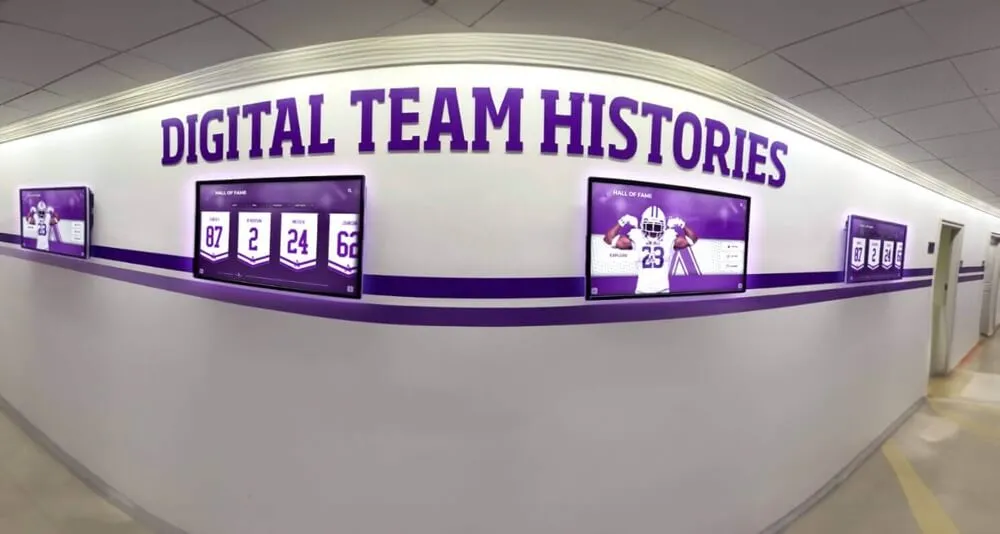
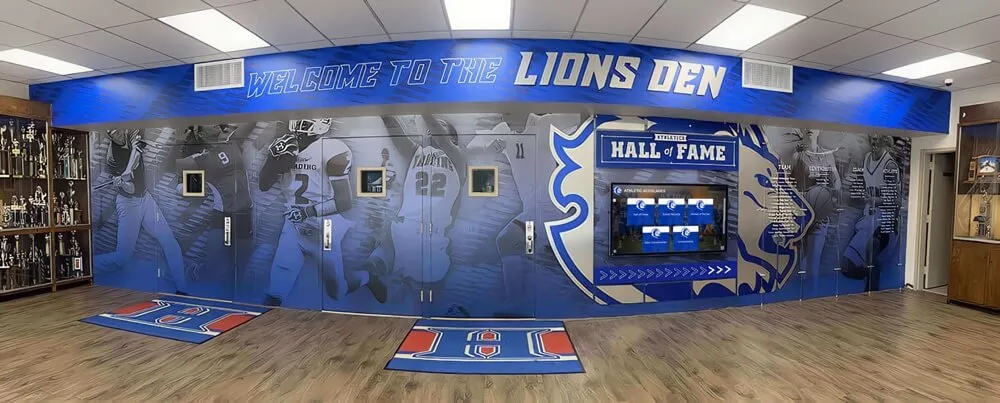
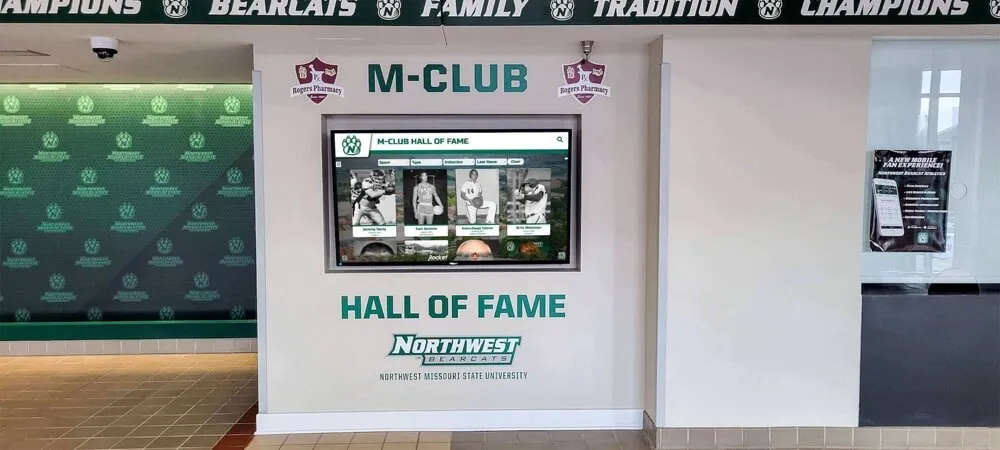
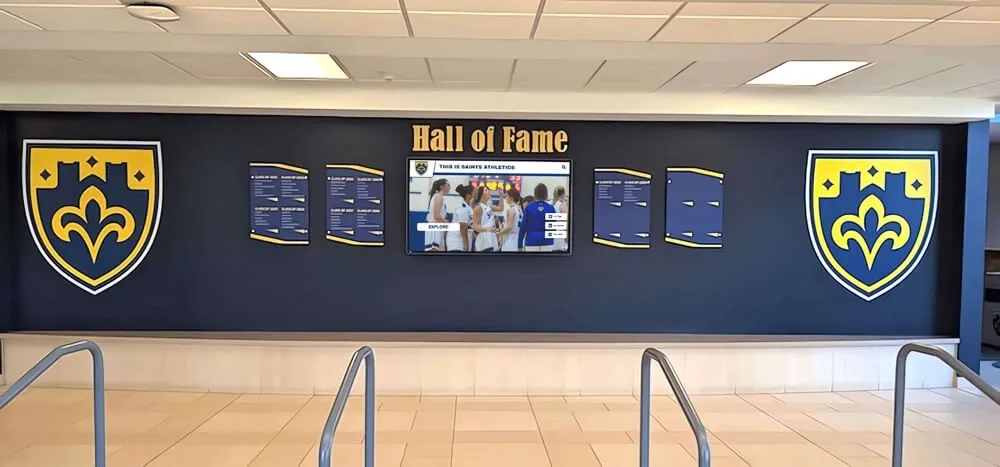
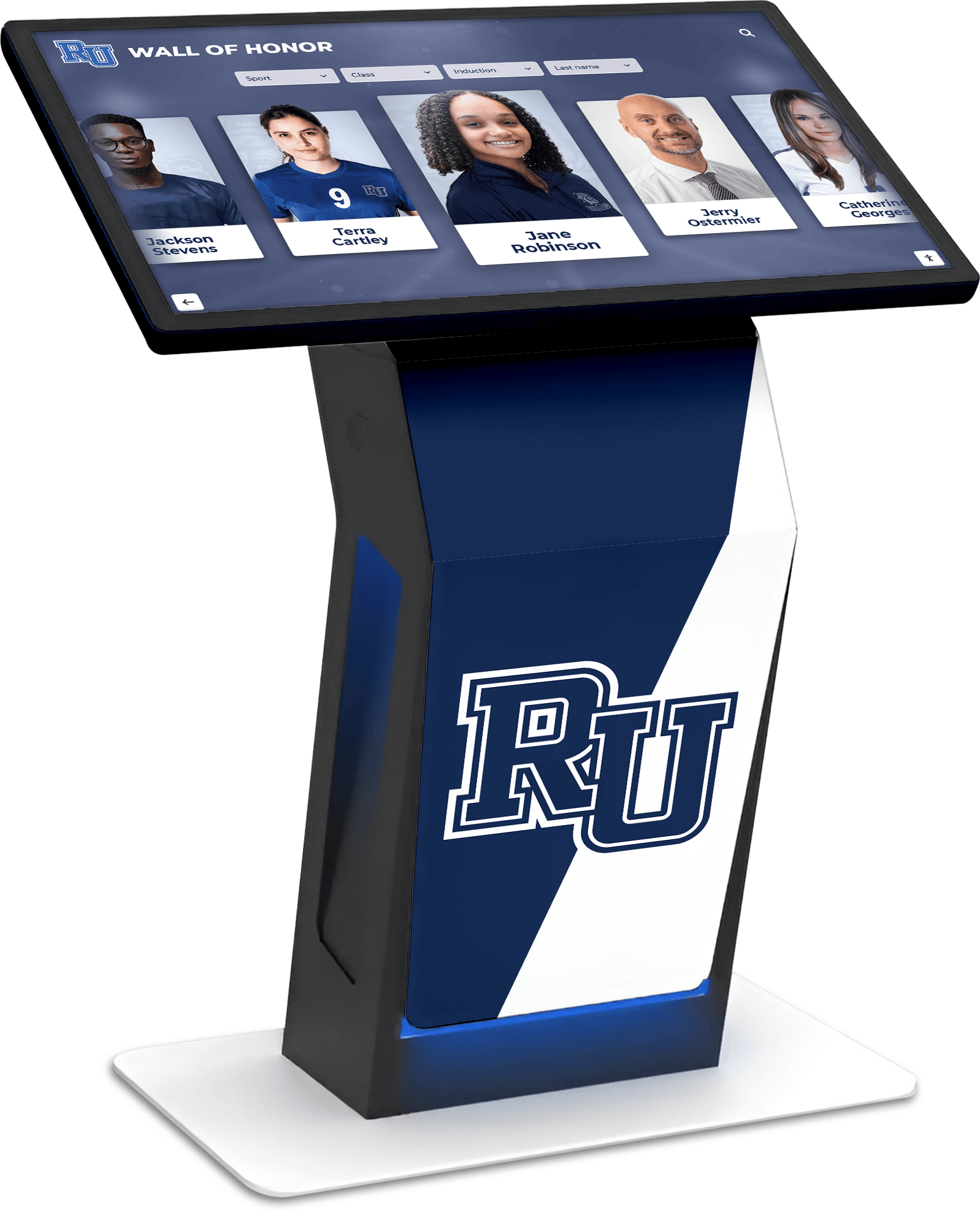
Modern schools preserve valedictorian and salutatorian recognition through interactive displays that celebrate academic achievement permanently
Valedictorian vs Salutatorian: The Core Differences
While both honors recognize exceptional academic achievement, several key distinctions separate valedictorian from salutatorian designation.
Academic Ranking Position
The primary difference lies in class rank:
Valedictorian: #1 Academic Position
- Student with the highest cumulative grade point average in the graduating class
- Top academic achiever among all classmates
- First in class rank ordering
- Often referred to as “top of the class”
- Separated from #2 position by as little as 0.01 GPA points in some cases
Salutatorian: #2 Academic Position
- Student with the second-highest cumulative GPA in the graduating class
- Second place in academic standings
- Recognition for near-top academic excellence
- May have identical or nearly identical academic profile to valedictorian
- Often within decimal points of first place
In many schools, the actual academic difference between valedictorian and salutatorian proves remarkably small—sometimes just one grade in one course over four years creating the distinction. This reality has prompted many educators to question whether such fine differences warrant separate designations.
Historical Origins and Traditions
Both honors trace roots to Latin academic traditions:
Valedictorian Etymology
- Derived from Latin “valedicere” meaning “to say farewell”
- Reflects traditional role delivering farewell address at graduation
- Dates to colonial American colleges and universities
- Spread from higher education to secondary schools
- Emphasized oratorical skill alongside academic achievement
Salutatorian Etymology
- Comes from Latin “salutare” meaning “to greet” or “to welcome”
- Traditionally delivers welcoming or opening remarks at commencement
- Historically introduced graduation ceremonies before valedictorian closed them
- Recognition emerged as complement to valedictorian honor
- Creates opportunity for multiple student voices at ceremonies

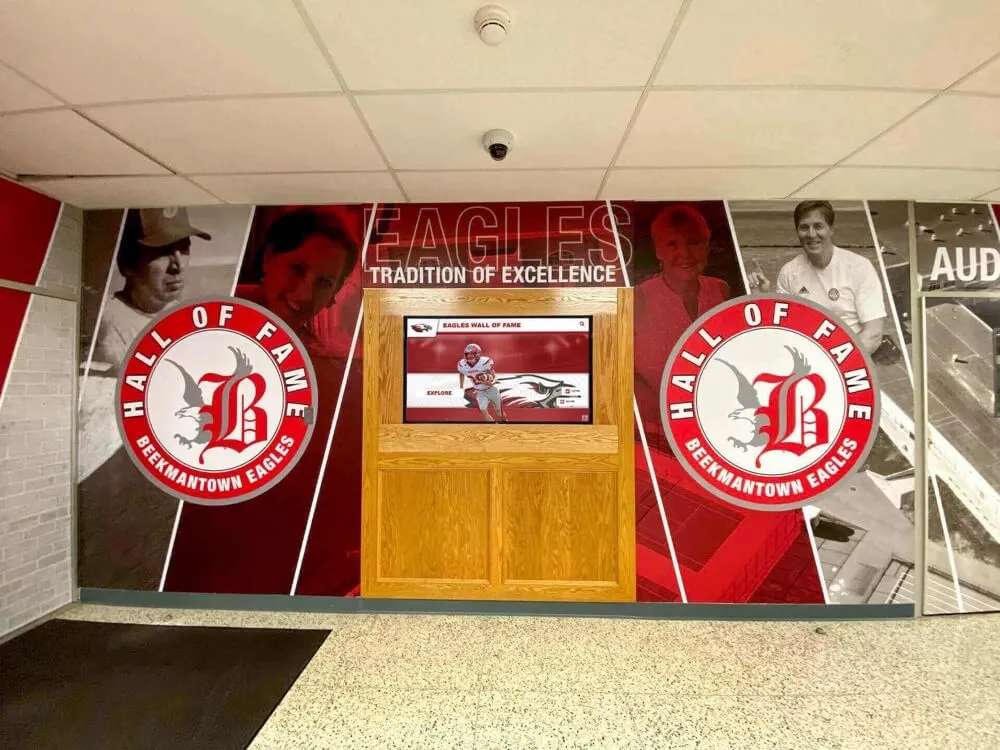
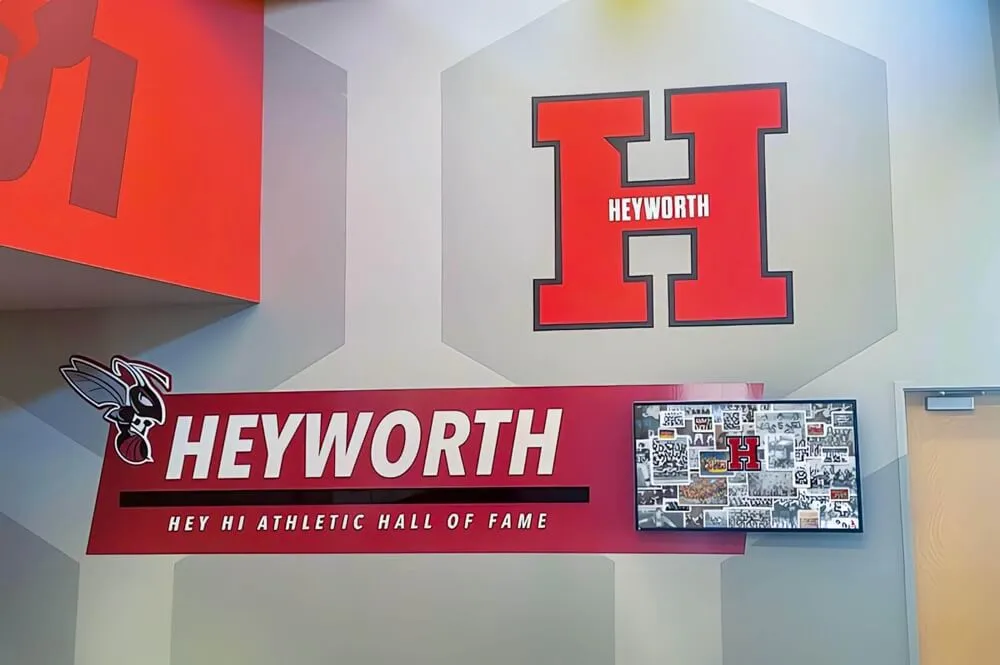
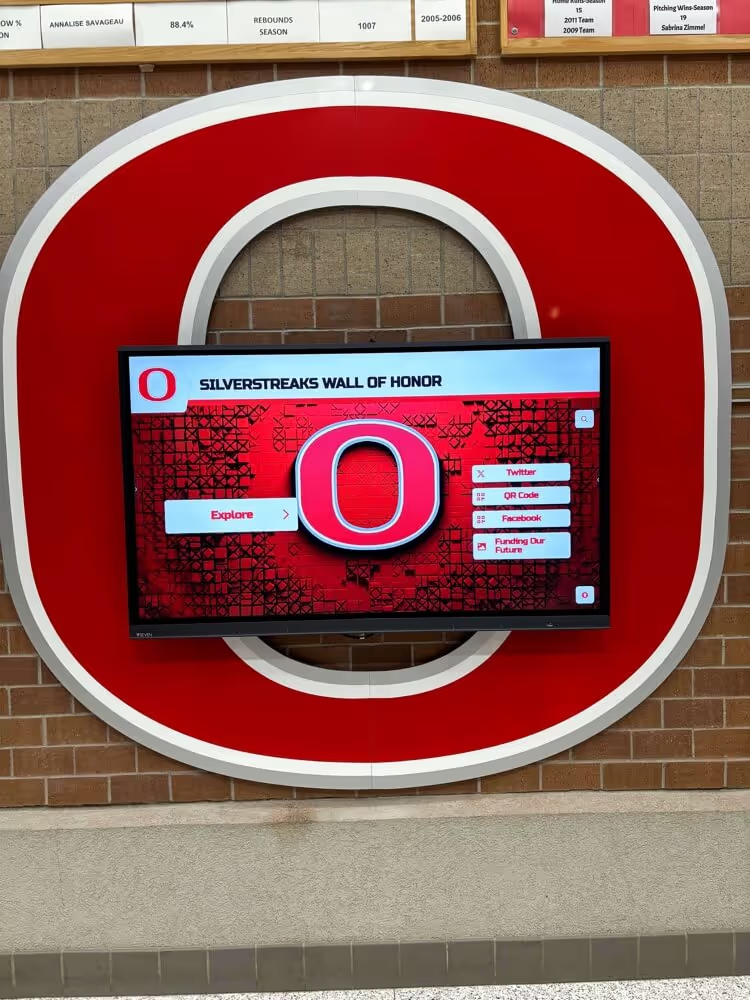
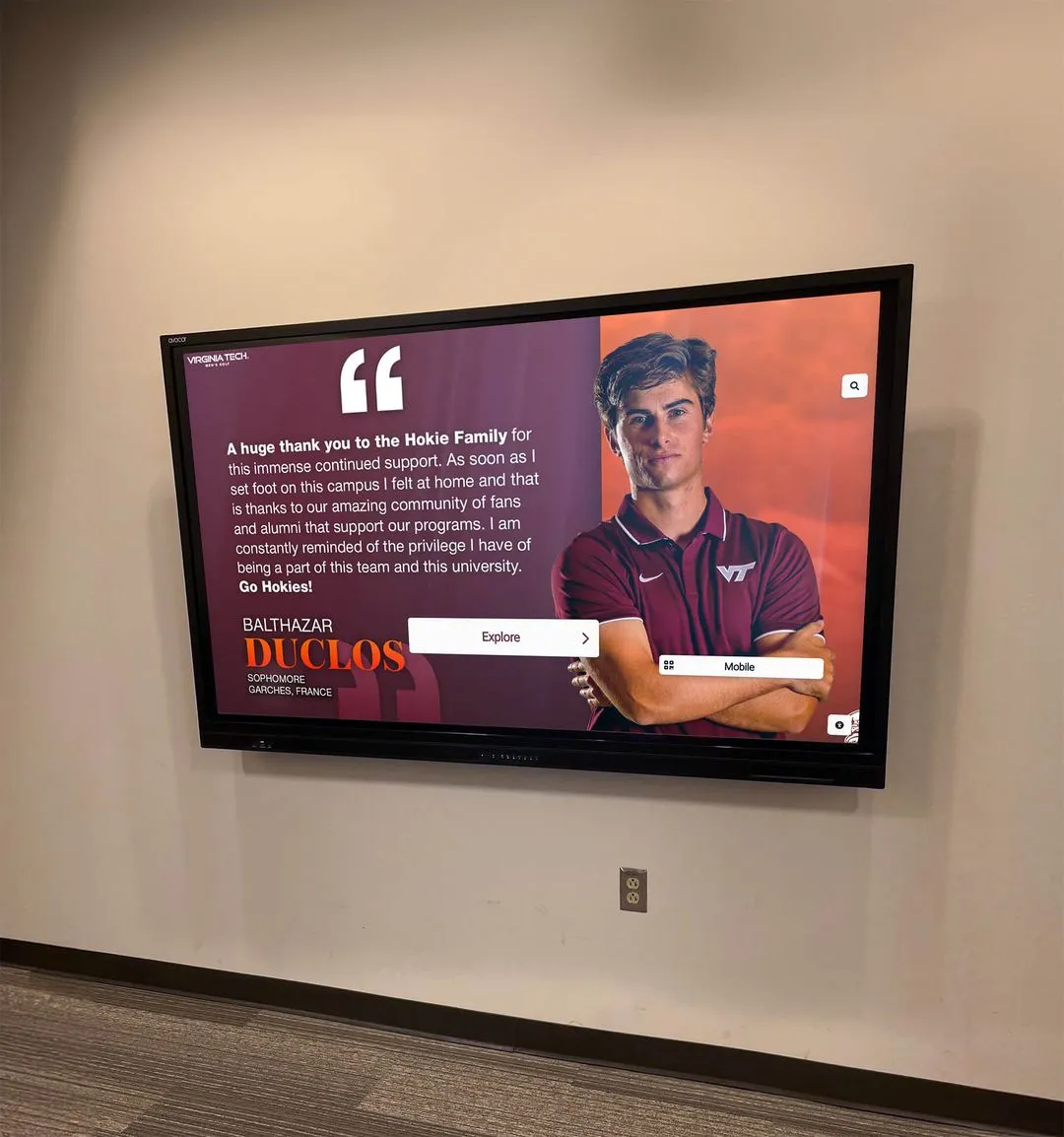
Individual recognition profiles celebrate both valedictorian and salutatorian achievements with detailed academic journeys
These historical traditions continue influencing modern graduation ceremonies, though many schools have adapted practices to reflect contemporary educational values and circumstances.
Graduation Ceremony Responsibilities
Traditional graduation roles differ between these honors:
Valedictorian Ceremony Role
- Delivers valedictory address—typically the final student speech before diploma presentation
- Speech focuses on farewell, reflection, and looking forward
- Usually 5-10 minutes in length
- Considered the premier student speaking opportunity
- Name appears prominently in graduation programs and materials
Salutatorian Ceremony Role
- Traditionally delivers salutatory address—welcome remarks opening the ceremony
- Speech often emphasizes greeting and acknowledgment of attendees
- Typically 3-7 minutes in length
- May precede other ceremony elements
- Receives formal recognition though sometimes less prominent than valedictorian
However, these traditional distinctions have evolved considerably. Many modern schools now alternate speech order, combine addresses, allow both students equal time, or even select graduation speakers through processes beyond class rank. Schools implementing comprehensive student achievement wall ideas often celebrate both honors with equal prominence through digital displays.
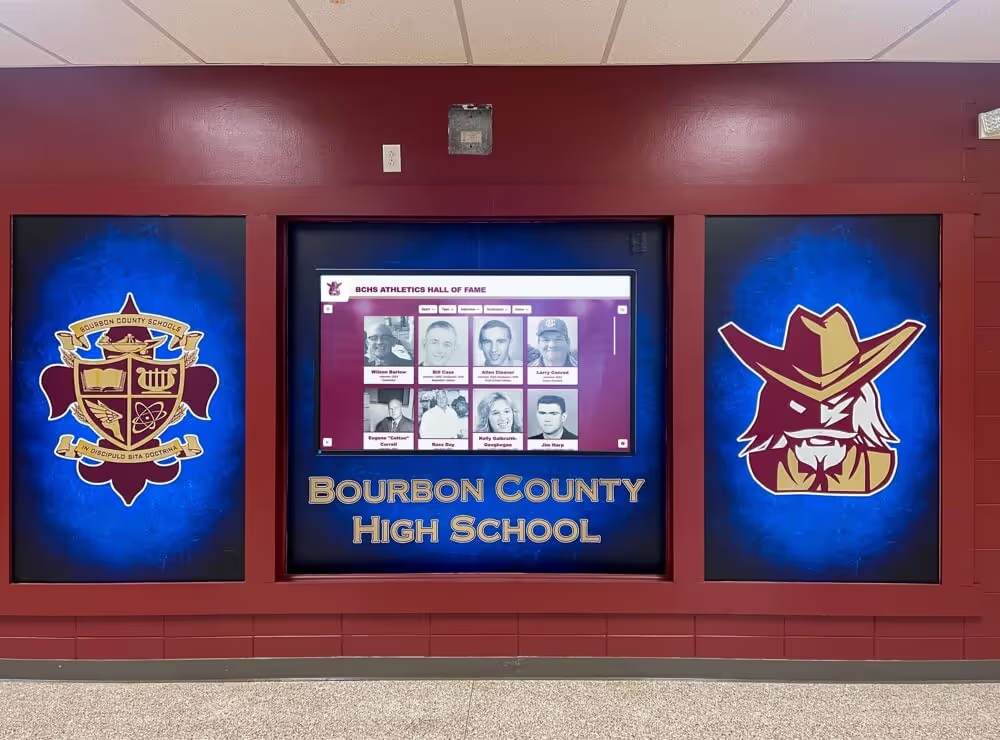
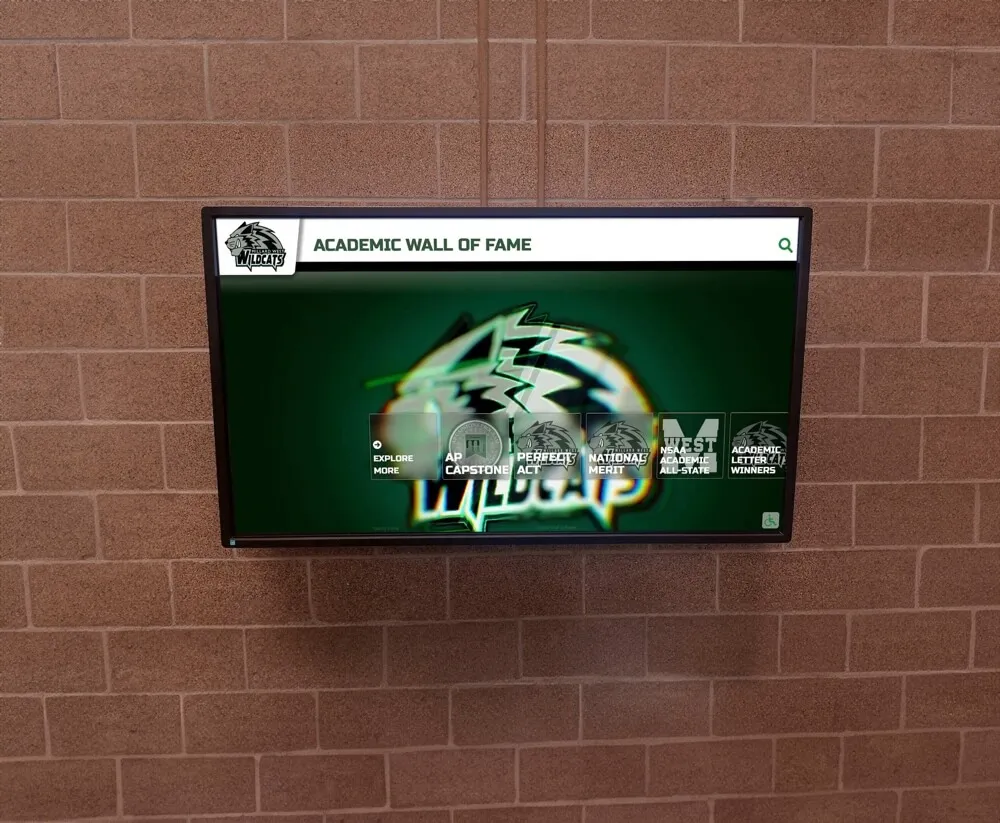
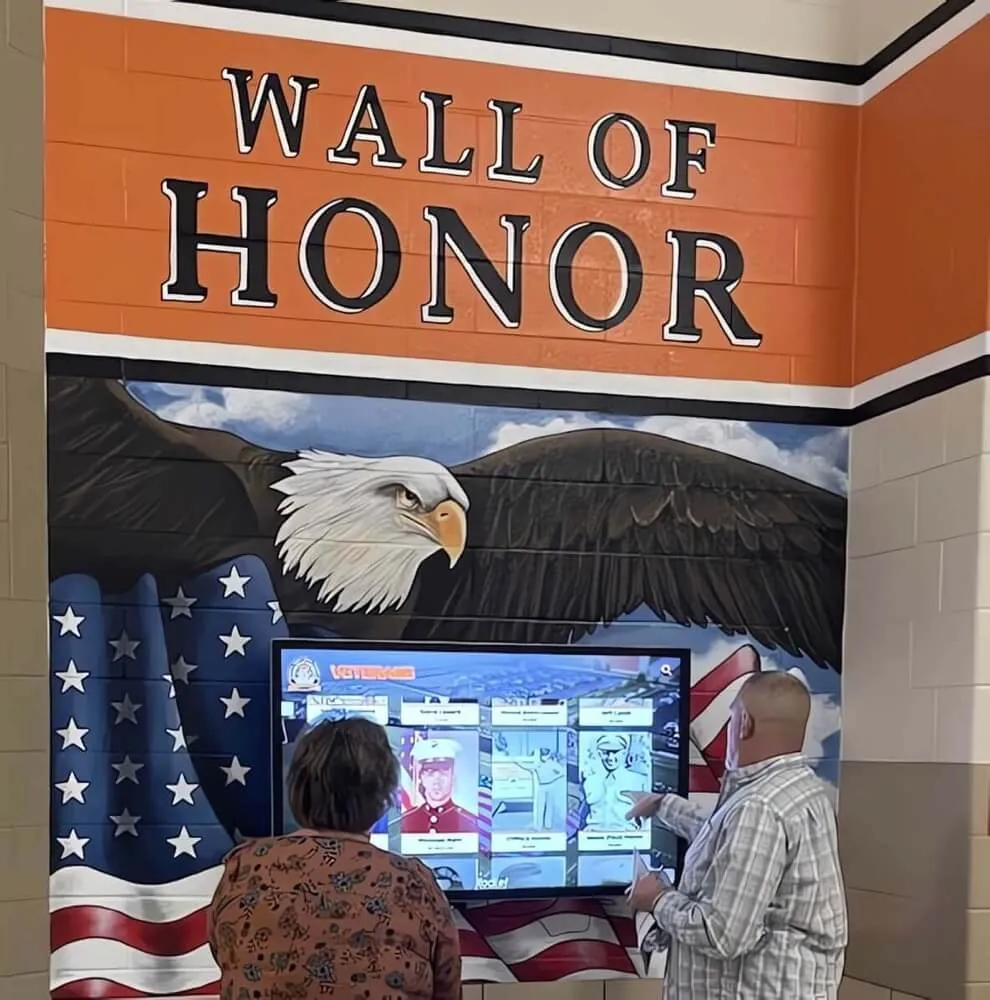
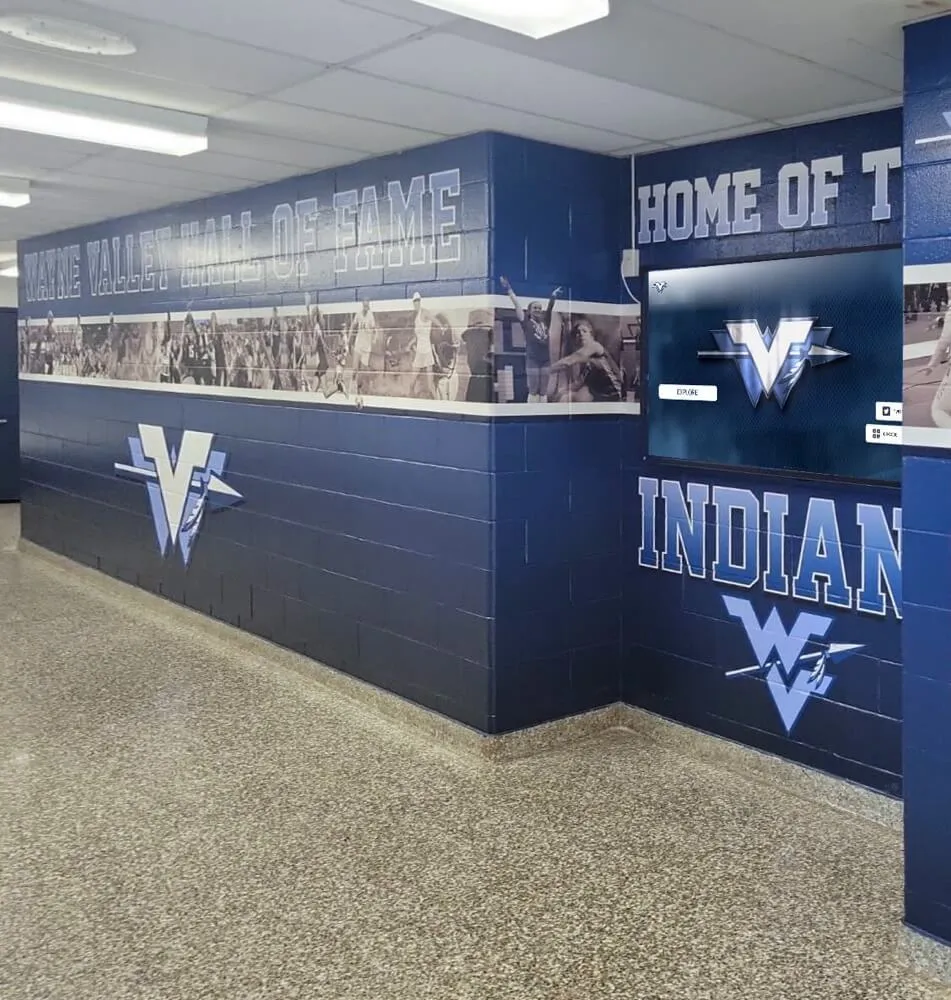
Interactive displays enable schools to showcase both valedictorians and salutatorians with equal prominence and comprehensive achievement profiles
Recognition and Awards
While valedictorians often receive slightly higher profile acknowledgment, salutatorians access similar recognition:
Shared Recognition Elements
- Special graduation regalia including cords, stoles, or medallions
- Prominent acknowledgment during commencement ceremonies
- Recognition on official transcripts and diplomas
- Featured placement in yearbooks and graduation programs
- School historical records and archives inclusion
- Photographs with administrators and board members
Potential Differences
- Valedictorians may receive first introduction or final spotlight
- Some local scholarships specifically target valedictorians only
- Media coverage may emphasize valedictorian more prominently
- Historical recognition displays may feature valedictorians more prominently
That said, these differences continue diminishing as educational institutions increasingly recognize that tiny GPA distinctions between first and second positions don’t necessarily reflect meaningful achievement differences. Progressive schools ensure both honors receive equivalent celebration through modern digital recognition displays that accommodate unlimited profiles without hierarchical constraints.
How Schools Determine Valedictorian and Salutatorian
Selection methodologies vary significantly across schools, though most follow GPA-based approaches with specific calculation rules.
GPA Calculation Methods
The fundamental determination comes down to cumulative grade point average, but calculation methods differ:
Weighted GPA Systems (Most Common)
- Awards additional points for advanced coursework difficulty
- Honors classes typically add 0.5 points (converting to 4.5 scale)
- Advanced Placement and International Baccalaureate classes typically add 1.0 points (5.0 scale)
- Encourages students to take challenging courses without GPA penalty
- Can result in cumulative GPAs exceeding traditional 4.0 maximum
- Approximately 70% of American high schools use weighted systems
Unweighted GPA Systems
- Maintains standard 4.0 maximum scale regardless of course difficulty
- A grade equals 4.0 in all courses from basic to advanced
- Treats all courses equally without difficulty adjustment
- Simpler calculation but doesn’t reward academic risk-taking
- Less common for determining top academic honors
- May disadvantage students who challenged themselves
Hybrid or Modified Approaches
- Some schools weight only core academic courses
- Different weighting schemes for different subject areas
- Calculation methods varying by district or state policy
- Sometimes creates controversy over fairness and transparency
The GPA calculation method fundamentally shapes who receives valedictorian and salutatorian honors, making transparency about these policies critically important.
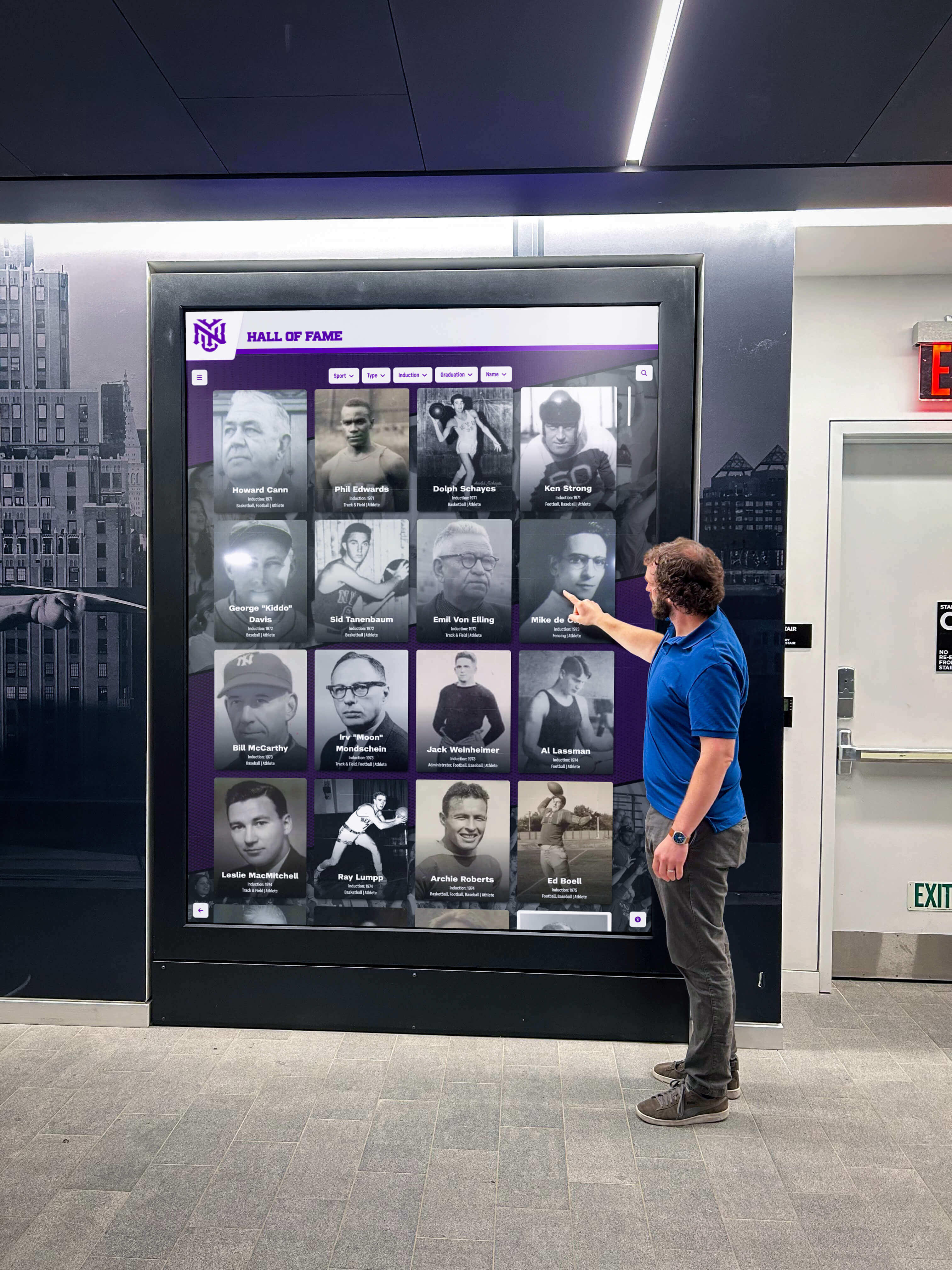
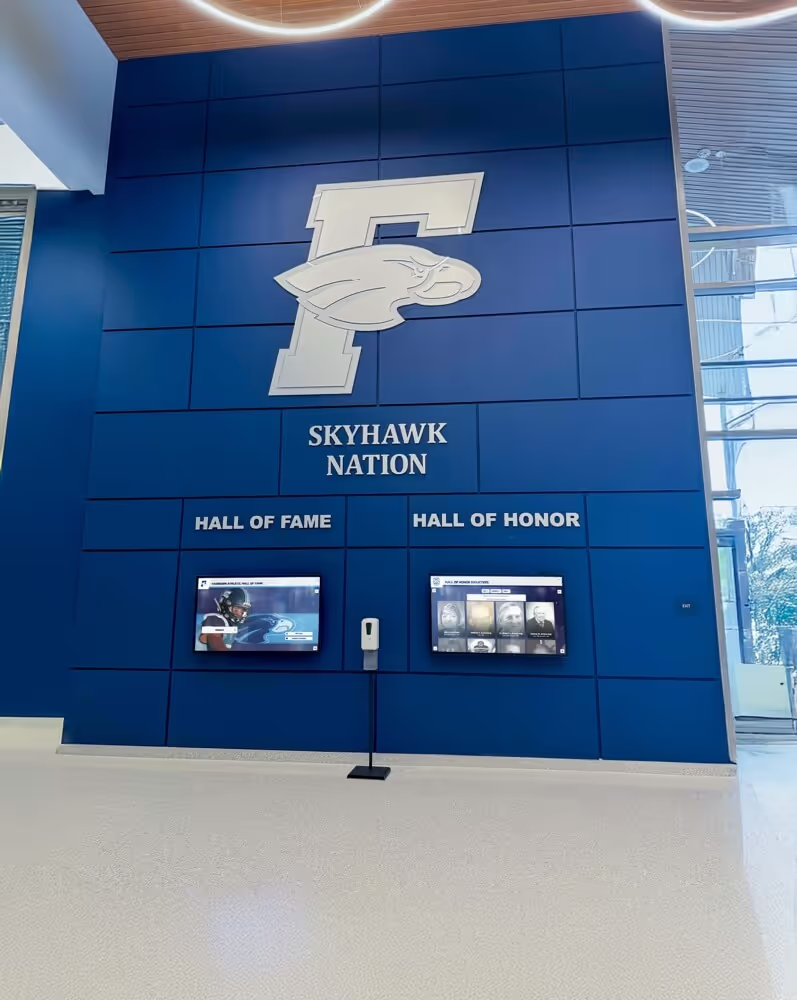
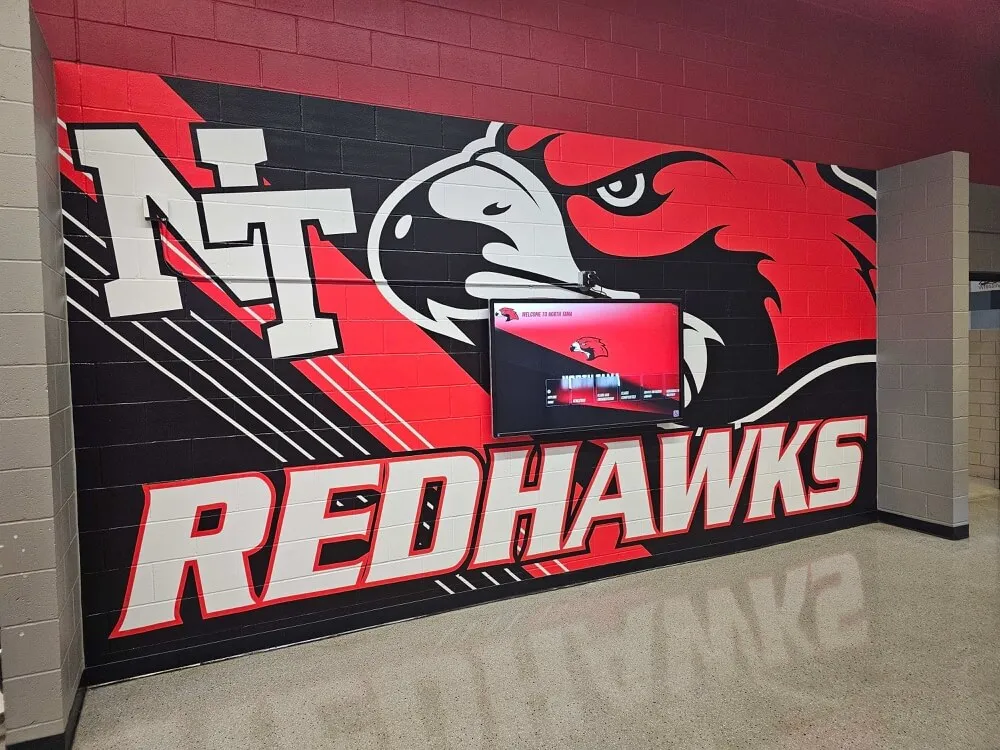
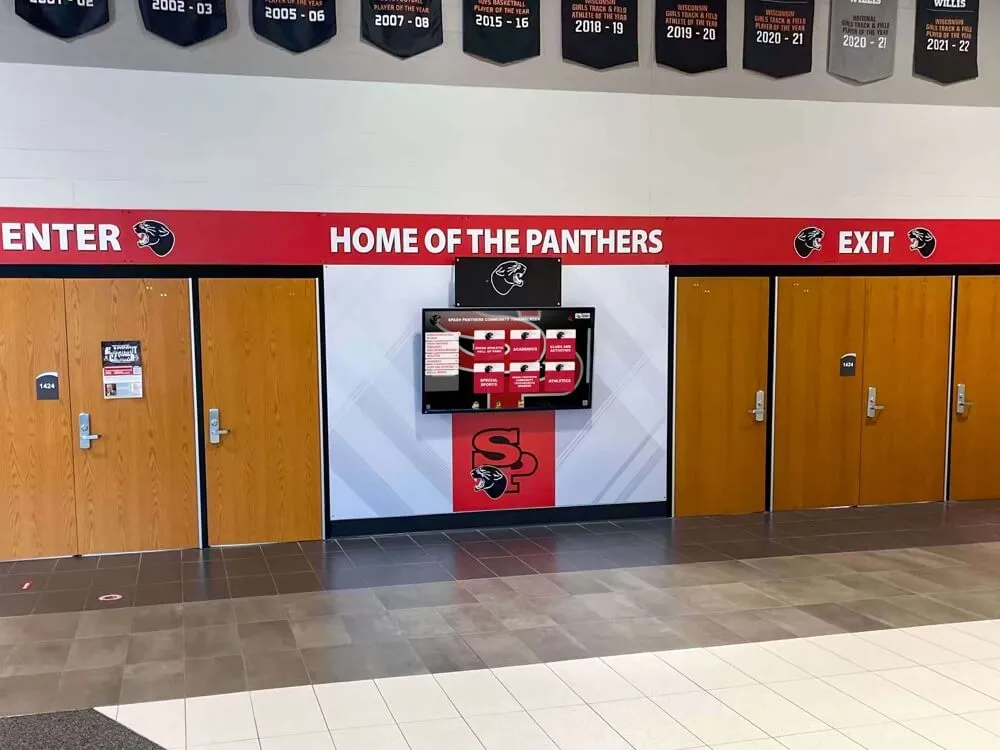
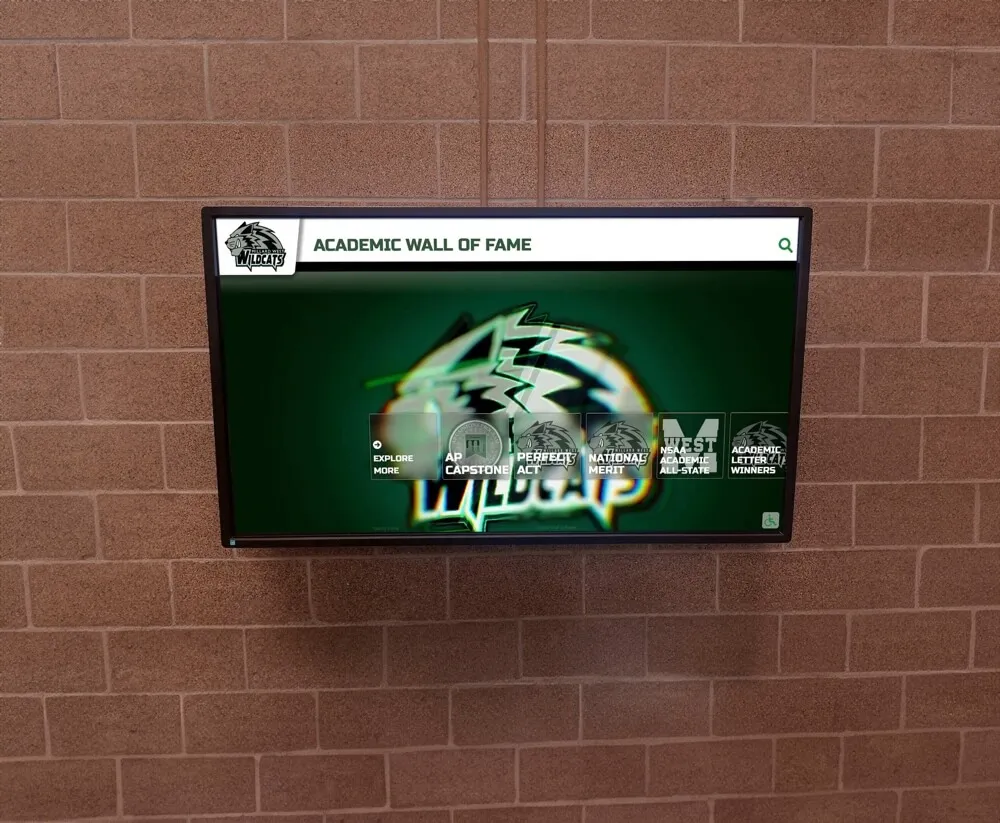
Interactive recognition systems enable families and community members to explore academic excellence and understand achievement criteria
Which Courses Count Toward Class Rank
Schools establish specific policies determining which coursework factors into valedictorian and salutatorian calculations:
Typical Inclusion Criteria
- Core academic subjects: English, mathematics, science, social studies
- World language courses and cultural studies
- Approved electives meeting academic standards
- Advanced Placement and International Baccalaureate courses
- Dual enrollment college classes completed during high school
- Some career and technical education courses depending on policy
Common Exclusions
- Physical education classes (varies significantly by school)
- Pass/fail courses without letter grades
- Teacher assistant or office aide periods
- Some elective courses outside academic departments
- Summer school credit recovery in some cases
- Courses taken at previous schools (sometimes)
These policies profoundly impact outcomes. A student taking maximum honors-level courses might achieve valedictorian status over a peer with slightly higher performance in fewer weighted classes. Understanding these policies early in high school helps families make informed academic planning decisions.
Timeline for Determination
The valedictorian and salutatorian selection process follows specific timing:
Typical High School Timeline
- Freshman through Junior Year: Cumulative GPA builds across first six semesters
- Fall Senior Year (Semester 7): Preliminary rankings emerge based on seven semesters
- Spring Senior Year (Semester 8): Final semester grades complete the calculation
- 6-8 Weeks Before Graduation: Official final class rankings determined
- 4-6 Weeks Before Graduation: Valedictorian and salutatorian notification
- 2-4 Weeks Before Graduation: Speech preparation and approval (if required)
- Graduation Day: Public recognition and ceremony roles
Most schools wait until final senior year grades submit before official determination, meaning performance through the very end of high school matters. Students sometimes exchange positions between preliminary and final rankings based on final semester performance.
Managing Tied GPA Scenarios
Schools increasingly face situations where multiple students share identical highest or second-highest GPAs:
Resolution Approaches
- Extended Decimal Precision: Calculating GPAs to three or four decimal places to break ties
- Multiple Designations: Recognizing all students sharing top GPA as co-valedictorians
- Additional Criteria: Considering standardized test scores, specific subject performance, or total credits
- Co-Honor Recognition: Officially recognizing multiple valedictorians and salutatorians
- Latin Honors Alternatives: Implementing summa/magna/cum laude systems instead
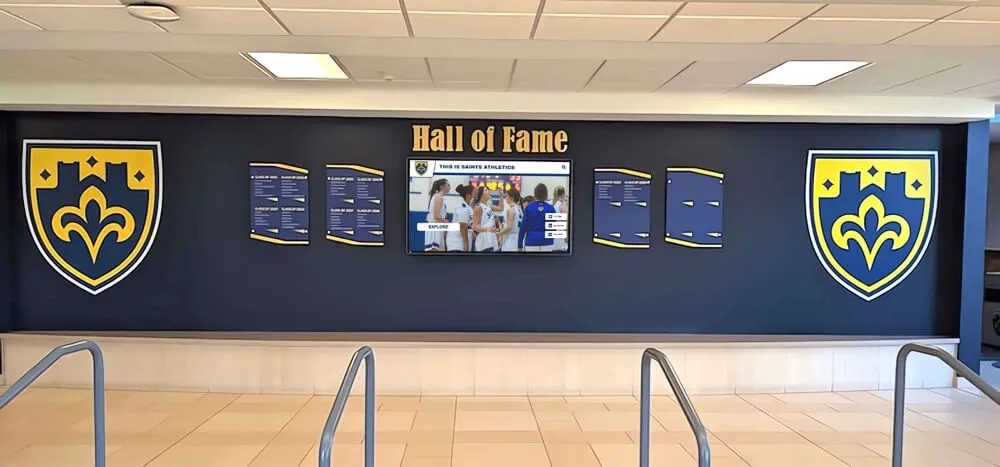
Modern recognition displays accommodate multiple honor recipients without physical space limitations
Tied scenarios have become increasingly common as weighted GPA systems create mathematical complexity and more students pursue identical rigorous course patterns. Progressive schools often embrace multiple valedictorians and salutatorians rather than seeking arbitrary tiebreakers, recognizing that multiple students genuinely deserve top recognition.
The Significance: What These Honors Mean for Students
Understanding the practical value of valedictorian and salutatorian designation helps contextualize their importance.
College Admissions Impact
Both honors significantly strengthen college applications:
Demonstrated Academic Excellence
- Clear evidence of sustained achievement over four years
- Signal of work ethic, discipline, and intellectual capability
- Demonstration of ability to succeed in challenging coursework
- Differentiation from peers in competitive applicant pools
Contextual Evaluation
- Highly selective colleges evaluate achievement within school context
- Salutatorian at rigorous school may impress more than valedictorian at less competitive institution
- Admissions officers consider course rigor alongside class rank
- Holistic review processes weigh multiple factors beyond ranking
Practical Considerations
- Both valedictorian and salutatorian status enhance applications meaningfully
- Neither honor guarantees admission to any specific institution
- Value depends on complementary factors: test scores, essays, recommendations, extracurriculars
- Many selective colleges have reduced emphasis on class rank in recent years
While these honors don’t guarantee acceptance anywhere, they undeniably strengthen applications when combined with strong overall profiles.
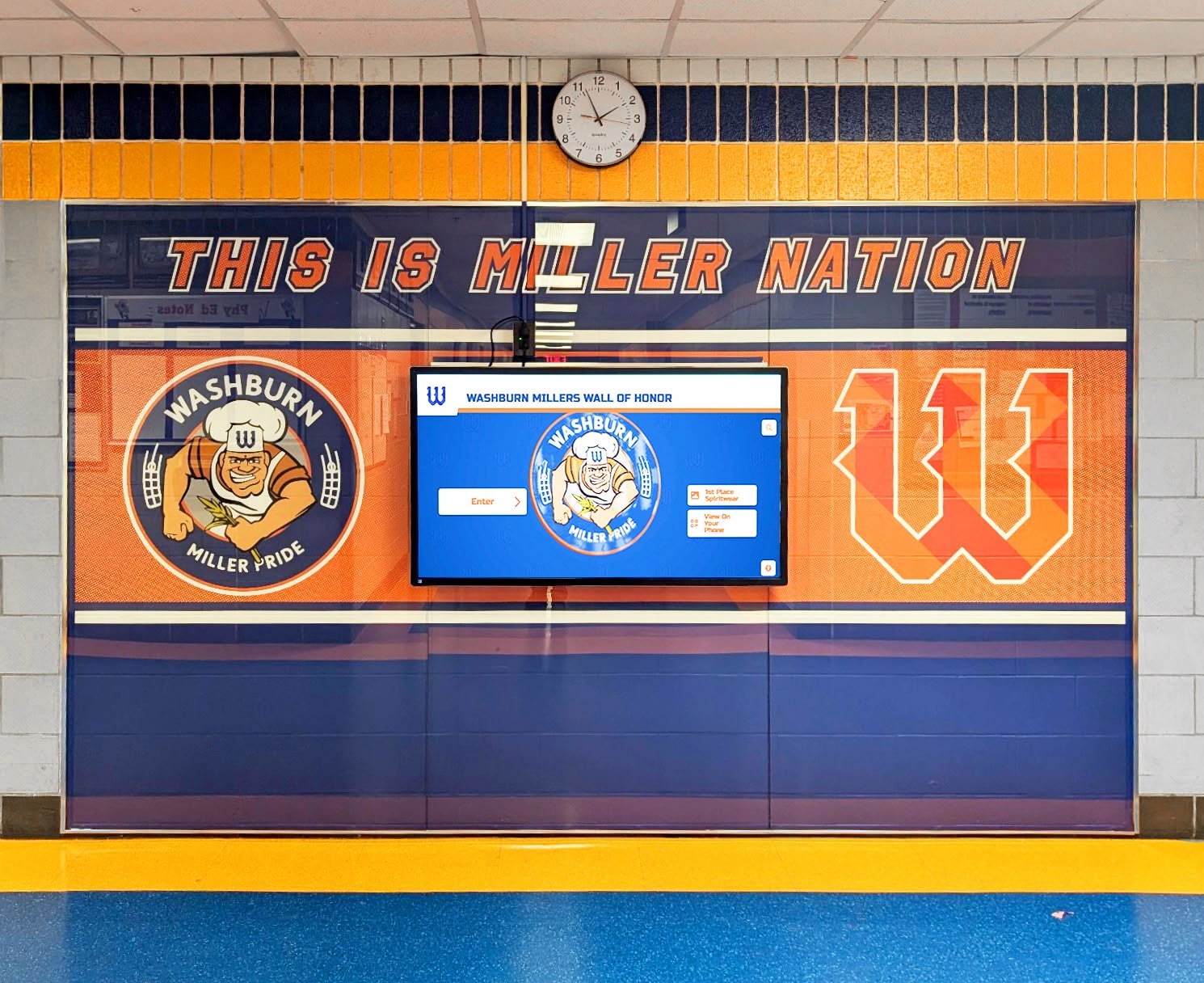
Permanent recognition displays in high-traffic areas ensure valedictorian and salutatorian achievements inspire current students while honoring graduates
Scholarship Opportunities
Numerous merit-based scholarships specifically target top academic performers:
Institutional Merit Scholarships
- Many colleges offer automatic awards for students above GPA thresholds
- State university systems often provide significant tuition reductions for high achievers
- Private universities use merit scholarships for competitive recruitment
- Both valedictorian and salutatorian typically meet or exceed eligibility requirements
External Scholarship Programs
- National Merit recognition often correlates with valedictorian/salutatorian achievement
- Local civic organizations prioritize top academic performers in their communities
- Industry-specific scholarships target high-achieving students in relevant fields
- Many applications specifically request class rank and academic honors
Cumulative Financial Impact Research indicates that high-achieving students combining top class rank with strong standardized test scores receive significantly higher merit scholarship offers. The cumulative scholarship value for valedictorians and salutatorians often reaches $50,000-$100,000+ across four years.
Long-Term Professional and Personal Value
Recognition extends beyond college admissions with lasting significance:
Resume and Career Development
- Appropriate to include on resumes through early career stages
- Demonstrates achievement orientation to potential employers
- Relevant for graduate school applications years later
- Professional recognition of sustained excellence under pressure
Personal Development Benefits
- Validation of years of academic dedication and sacrifice
- Confidence boost entering college and professional environments
- Sense of accomplishment shared with family and community
- Milestone marking educational journey and personal growth
Alumni Identity and Connection
- Inclusion in school’s legacy of academic excellence
- Connection point with other high-achieving alumni
- Recognition in school communications and reunion materials through modern alumni recognition systems
- Continued association with academic excellence throughout life
The honor provides important recognition acknowledging remarkable academic success while understanding that small GPA differences separating first and second positions often reflect factors beyond pure intellectual capability or work ethic.
Common Questions: Valedictorian vs Salutatorian
Practical questions reveal what families most want to understand about these academic honors.
Does the Difference Really Matter?
Functionally: Limited Practical Difference
- Both honors demonstrate exceptional academic achievement to colleges and employers
- Scholarship eligibility and college admissions impact remain comparable
- Professional recognition values both honors equally
- Long-term career trajectories show no meaningful distinction
Symbolically: Personal Significance Varies
- Some students and families view valedictorian designation as important personal goal
- Others recognize that tiny GPA differences don’t reflect meaningful achievement gaps
- School culture influences how much emphasis communities place on the distinction
- Individual perspective determines personal significance
The honest answer: these honors matter more for what they represent (sustained academic excellence) than for the specific ranking position. Schools implementing comprehensive academic achievement examples help students understand that intellectual achievement deserves celebration regardless of whether someone finishes first or second.
Can There Be Multiple Valedictorians or Salutatorians?
Absolutely. Schools increasingly recognize multiple students when they share identical GPAs:
Co-Valedictorian Scenarios
- Two or more students graduate with identical highest GPAs
- All students sharing top GPA receive valedictorian designation
- Becoming more common with weighted GPA systems and increased rigor
- Some schools recognize all students above specific GPA thresholds as valedictorians
Co-Salutatorian Situations
- Multiple students tie with second-highest GPA
- Recognition extends to all students at that performance level
- May occur even when single valedictorian exists
- Ensures fairness when academic achievement is truly equivalent
Speech Accommodations When multiple valedictorians or salutatorians exist, schools typically:
- Allow all recognized students to deliver brief remarks
- Rotate speaking opportunities among co-recipients
- Select speech representatives through audition or volunteer processes
- Create collaborative presentations featuring multiple voices

Modern recognition systems accommodate multiple honor recipients, ensuring every deserving student receives appropriate celebration
What GPA Do You Need?
There’s no universal GPA requirement for either honor—designation depends entirely on class rank rather than absolute thresholds:
Variable Requirements by School Context
- Highly competitive schools may require weighted GPAs of 4.5+ for valedictorian consideration
- Schools with less academic pressure may see valedictorians with 3.9 unweighted GPAs
- Required GPA depends on classmates’ performance, not fixed standards
- School grading policies, inflation/deflation, and course offerings all influence requirements
Only Requirement: Top Two Positions
- Valedictorian must rank first in graduating class regardless of absolute GPA
- Salutatorian must rank second in graduating class
- Performance relative to classmates matters more than specific GPA number
- Competition level determines what GPA achieves top rankings
Do These Honors Exist at Every School?
No. While common, valedictorian and salutatorian recognition varies:
Schools That Maintain Traditional Honors
- Most public high schools still recognize valedictorians and salutatorians
- Many private and parochial schools continue the tradition
- Schools with formal class ranking systems typically designate these honors
- Rural and suburban schools often emphasize traditional academic recognition
Schools Moving Away from Rankings
- Approximately 40% of American high schools no longer provide class rank
- Some schools have eliminated valedictorian/salutatorian designations entirely
- Alternative approaches include Latin honors systems (cum laude, magna cum laude, summa cum laude)
- Progressive schools may recognize top percentages rather than specific rankings
International and Alternative Perspectives
- International Baccalaureate programs may use different recognition systems
- Some schools emphasize comprehensive achievement over single rankings
- Alternative education models often avoid competitive academic designations
- Charter schools and specialized academies may implement unique approaches
Controversies and Evolving Practices
Despite longstanding tradition, valedictorian and salutatorian designations face increasing scrutiny and debate.
Concerns About Class Ranking Systems
Educational researchers and reformers raise significant concerns:
Academic Risk-Taking Concerns
- Students may avoid challenging courses that could lower GPA
- Fear of grade impact prevents enrollment in interesting electives outside comfort zones
- Weighted systems don’t always fully compensate for genuine difficulty differences
- Creates incentive for strategic course selection over intellectual curiosity
- May discourage exploration and well-rounded education
Excessive Pressure and Competition
- Creates unhealthy competitive dynamics among high-achieving peers
- Contributes to student stress, anxiety, and mental health challenges
- Can damage friendships and collaborative learning environments
- Emphasis on ranking over genuine learning and understanding
- Pressure particularly intense in highly competitive suburban schools
Equity and Access Issues
- Students from well-resourced backgrounds may have systematic advantages
- Access to advanced courses varies significantly by school and district
- Grading standards differ across teachers affecting outcomes
- Some students carry family responsibilities limiting academic focus
- Fundraising ideas for school clubs and support systems may not be equally available to all students

Interactive displays can showcase diverse achievement categories ensuring recognition extends beyond traditional rankings
Alternative Recognition Approaches
Growing numbers of schools implement modified systems:
Latin Honors Systems
- Cumulative GPA thresholds determine honors levels
- Summa cum laude (highest honors), magna cum laude (high honors), cum laude (honors)
- Multiple students can achieve each level
- Reduces single-position competition while maintaining excellence standards
Percentile-Based Recognition
- Top 10%, top 25% designations rather than specific rankings
- Acknowledges achievement without precise hierarchical ordering
- Reduces pressure while maintaining recognition for excellence
- Easier to communicate and understand
Multiple Excellence Categories
- Academic achievement alongside leadership, service, character recognition
- Subject-specific excellence awards beyond overall GPA
- Recognition for growth and improvement alongside absolute achievement
- Comprehensive approaches celebrating diverse forms of excellence
These alternative systems attempt to maintain academic excellence emphasis while reducing unhealthy competition and expanding recognition opportunities.
Modern Recognition: Preserving Academic Achievement Permanently
Traditional valedictorian and salutatorian recognition—graduation speeches, yearbook photos, and occasional plaques—provides limited long-term visibility.
Challenges with Traditional Static Recognition
Physical recognition displays face inherent constraints:
Space Limitations
- Trophy cases fill quickly with decades of honorees
- Limited wall space restricts how many years receive display
- Physical plaques deteriorate, discolor, or become damaged over time
- Adding new honorees often requires removing historical recognition
- Expansion requires construction and ongoing costs
Limited Information Capacity
- Static plaques typically show only names and graduation years
- No ability to share accomplishments, stories, or post-graduation achievements
- Graduates rarely return to campus to see their recognition
- Current students may not engage with outdated or minimal displays
Maintenance Challenges
- Physical updates require engraving, construction, or replacement
- Damaged plaques create poor impressions
- Keeping displays current demands ongoing resources
- Historical records get lost as physical elements deteriorate
Digital Recognition Solutions Transform Academic Celebration
Modern schools increasingly implement digital recognition displays that eliminate traditional limitations:
Unlimited Recognition Capacity Digital platforms provide space for unlimited valedictorian and salutatorian recognition:
- Single display showcases every honoree from school history
- No need to remove historical recognition when adding current achievers
- Equal visibility for all recipients regardless of graduation year
- Comprehensive archives preserving institutional tradition permanently

Integrated recognition systems combine digital displays with traditional elements for comprehensive celebration
Rich Interactive Features Digital recognition displays transform simple name listings into comprehensive profiles:
- Detailed biographical information about each honoree
- Graduation ceremony photos and academic achievement documentation
- Information about college destinations and scholarship awards
- Valedictorian and salutatorian speech recordings when available
- Post-graduation updates showing career successes and continued accomplishments
- Searchable databases allowing visitors to find specific students or years
Remote Management and Easy Updates Cloud-based systems simplify ongoing administration:
- Add new valedictorians and salutatorians from any internet-connected device
- Update profiles with additional information after graduation
- Schedule content publishing coordinating with graduation ceremonies
- No physical maintenance or case reorganization required
- Administrators manage recognition from offices without campus visits
Extended Reach and Accessibility Modern recognition systems extend beyond physical campus:
- Alumni worldwide can access recognition online from anywhere
- Families share accomplishments with extended relatives across distances
- Mobile optimization ensures accessibility on all devices
- Social media integration enables celebration across multiple platforms
- QR codes on physical displays unlock mobile viewing experiences
Solutions like Rocket Alumni Solutions enable schools to showcase valedictorians and salutatorians through professional recognition systems that grow with institutions rather than imposing physical limitations.

Modern recognition kiosks provide engaging interfaces where students, families, and visitors explore academic excellence comprehensively
Creating Comprehensive Academic Recognition Programs
Most effective approaches position valedictorian and salutatorian honors within broader recognition systems:
Multiple Recognition Pathways Schools should ensure students see various routes to acknowledgment:
- Academic excellence through honor roll, valedictorian, and salutatorian recognition
- Athletic achievement via sports recognition programs
- Leadership recognition for student government and organizational involvement
- Service acknowledgment for community contributions
- Arts celebration for creative achievements and performances
- Character awards recognizing positive influence and personal growth
Unified Recognition Displays Digital platforms enable schools to showcase valedictorians and salutatorians alongside other honored students:
- Comprehensive systems displaying academic, athletic, arts, and service achievements together
- Students see multiple pathways to recognition and celebration
- Valedictorian and salutatorian become honored categories among many
- Reduces excessive pressure on single recognition type while maintaining significance
- Creates culture where diverse excellence receives appropriate celebration
Schools implementing comprehensive digital class composites and recognition systems report that students appreciate seeing multiple achievement dimensions celebrated equally.
Supporting Healthy Academic Achievement
While valedictorian and salutatorian honors celebrate remarkable accomplishment, schools should foster healthy pursuit of academic excellence.
Creating Positive Academic Culture
Emphasis on Learning Over Competition
- Frame academic excellence as personal achievement rather than defeating classmates
- Celebrate intellectual curiosity and genuine learning alongside grades
- Provide counseling support for students experiencing unhealthy pressure
- Encourage course selection based on interest and challenge, not just GPA impact
- Help students maintain perspective about academic achievement’s place in overall wellbeing
Transparent Communication
- Clearly communicate GPA calculation policies starting freshman year
- Provide regular updates about class standing for students interested in top honors
- Offer guidance counselor consultation about academic planning
- Explain how course selection influences class rank
- Set realistic expectations about valedictorian/salutatorian likelihood
Parent and Family Support Families play crucial roles supporting healthy academic achievement:
- Help students maintain perspective about valedictorian pursuit
- Encourage balanced development including social and emotional growth
- Support challenging course selection over GPA protection strategies
- Celebrate learning and intellectual curiosity beyond grades
- Model healthy attitudes about achievement and competition
Schools implementing approaches recognizing excellence across multiple dimensions find that academic pressure decreases while overall achievement culture improves.

Prominent lobby displays showcase valedictorians and salutatorians within broader recognition programs celebrating diverse student achievements
Recognition Best Practices
Clear Policy Development
- Written policies defining calculation methodology and criteria
- Explicit specification of weighted vs. unweighted GPA usage
- Clear course inclusion/exclusion guidelines
- Tiebreaker procedures transparently explained
- Transfer student and special circumstance policies documented
- Regular policy review ensuring continued fairness and relevance
Meaningful Ceremony Recognition
- Both valedictorian and salutatorian receive prominent acknowledgment
- Equal speaking opportunities or clearly justified differences
- Special recognition items and regalia
- Photography opportunities creating lasting memories
- Family inclusion in recognition celebrations
Permanent Historical Recognition
- Archives preserving all valedictorians and salutatorians across school history
- Display systems ensuring ongoing visibility beyond graduation day
- Regular updates maintaining recognition currency and accuracy
- Integration with overall school culture and tradition
- Connection between past honorees and current students
Conclusion: Celebrating Academic Excellence Appropriately
The valedictorian vs salutatorian distinction represents one aspect of academic recognition systems that, when implemented thoughtfully, celebrate intellectual achievement while building positive educational cultures. While these honors acknowledge individual distinction based on class rank, their real value lies in what they represent: sustained academic excellence, intellectual dedication, and commitment to learning over entire high school careers.
Understanding the similarities and differences between valedictorian and salutatorian honors helps families navigate academic planning, enables students to set appropriate goals, and provides schools frameworks for meaningful recognition. As educational philosophies evolve, many institutions are finding ways to honor top achievers while reducing unhealthy competition and expanding recognition opportunities across diverse achievement dimensions.
Transform Academic Recognition at Your School
Discover how modern digital recognition solutions enable unlimited celebration of valedictorians, salutatorians, and all academic achievers through interactive displays that preserve excellence permanently. See how schools nationwide honor intellectual achievement with professional presentations that inspire current students while celebrating graduates for generations.
Explore Recognition SolutionsModern schools increasingly recognize that preserving academic achievement requires more than static plaques that quickly become outdated. Digital recognition displays provide unlimited capacity to showcase every valedictorian and salutatorian with comprehensive profiles, graduation photos, speech recordings, and post-graduation achievements—creating interactive experiences that keep traditions alive for current students while enabling alumni to revisit accomplishments from anywhere.
Whether your school maintains traditional valedictorian and salutatorian designations or implements alternative recognition approaches, the goal remains constant: creating systems that celebrate intellectual excellence while building traditions strengthening community, inspiring current students, and creating connections spanning generations. With thoughtful planning, transparent processes, and appropriate recognition technology like digital trophy case solutions, academic traditions become powerful expressions of what educational communities value most about intellectual achievement and personal growth.