



Every spring, high school graduation ceremonies spotlight two students who have achieved something remarkable: the valedictorian and salutatorian. These top academic honors represent years of dedication, countless hours of studying, and exceptional intellectual achievement. Yet for many students, parents, and even educators, questions remain about what actually separates these two distinctions and how schools can meaningfully celebrate both.
The confusion is understandable. Both honors recognize outstanding academic performance, both students typically deliver speeches at graduation, and the GPA difference between first and second place can be as small as a few hundredths of a point. Some graduating classes have multiple valedictorians, while others eliminate these rankings entirely. Schools vary widely in how they calculate, announce, and celebrate these achievements—from brief mentions at ceremonies to permanent recognition displays showcasing decades of top academic performers.
Understanding what distinguishes valedictorian from salutatorian helps students set appropriate goals, enables families to appreciate these accomplishments, and provides schools with frameworks for creating recognition systems that honor both achievements with the visibility and permanence they deserve.
This guide clarifies the fundamental differences between valedictorian and salutatorian, explores graduation ceremony traditions for both honors, examines how schools determine these distinctions, and reveals modern recognition approaches that give both top academic achievers lasting visibility within school communities.

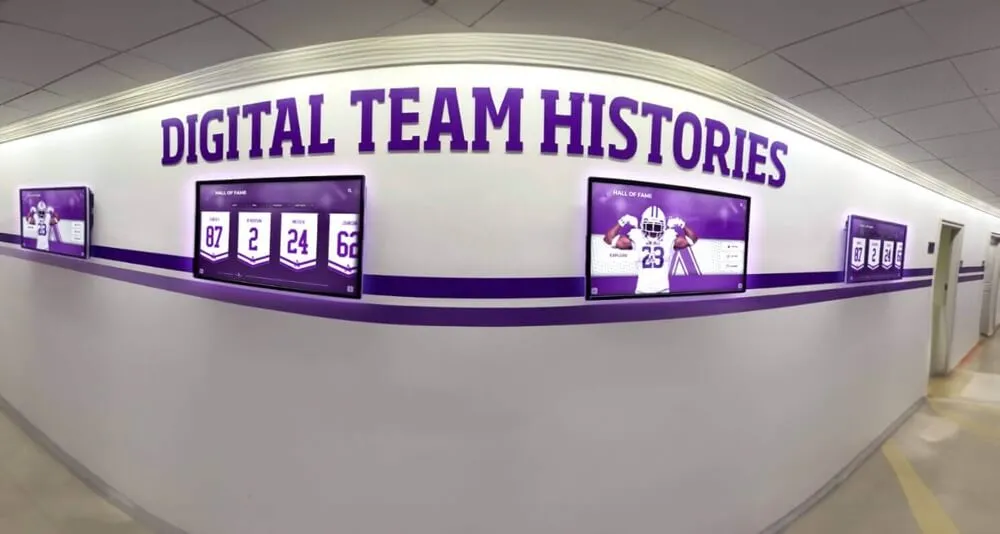
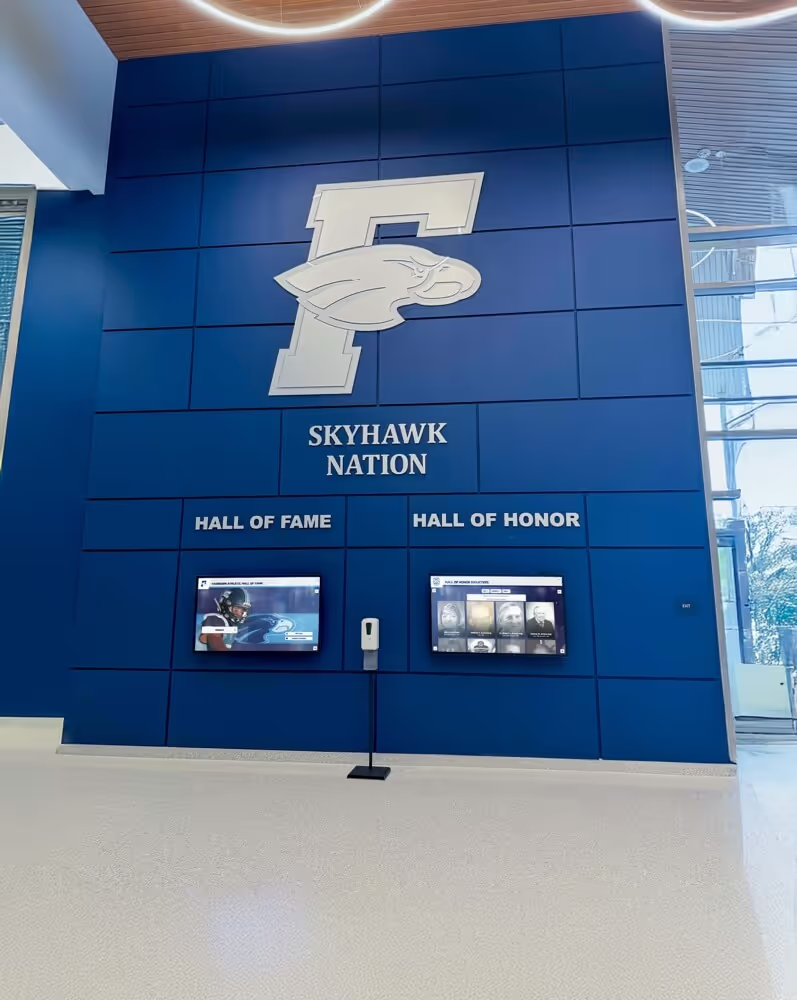
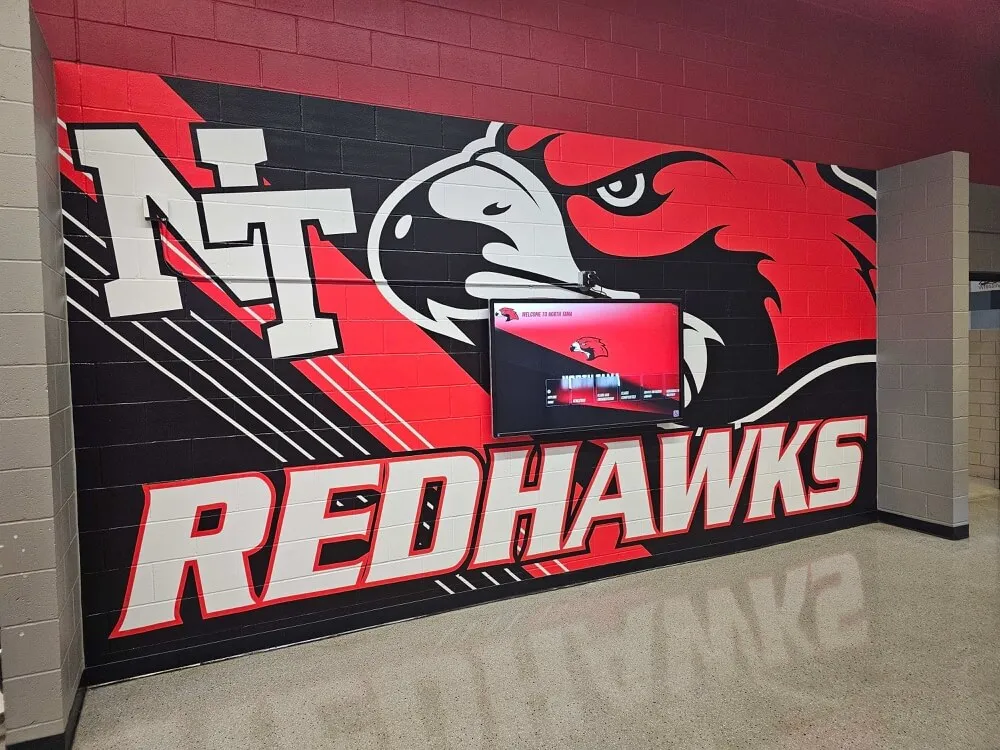
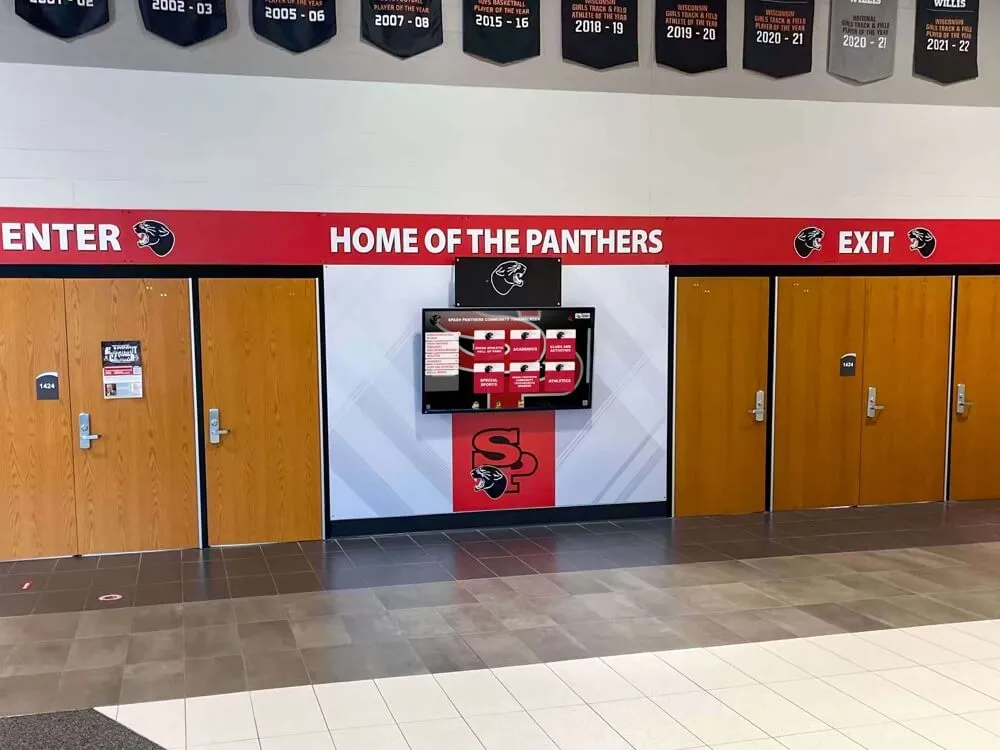
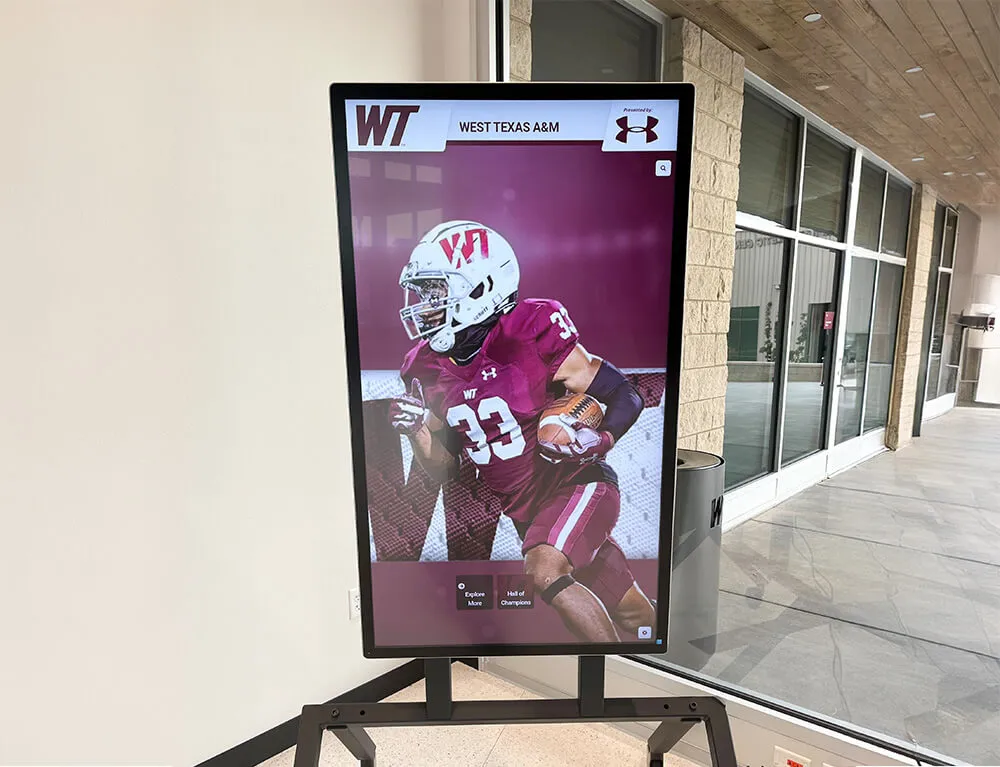
Modern schools showcase valedictorian and salutatorian achievements through prominent digital displays that celebrate academic excellence permanently
The Core Distinction: Valedictorian vs Salutatorian
While both honors celebrate exceptional academic achievement, several clear factors differentiate valedictorian from salutatorian designation.
Class Rank: The Primary Difference
The fundamental distinction comes down to one simple fact: class rank position.
Valedictorian: The #1 Academic Achiever
- Holds the highest grade point average in the graduating class
- Ranks first among all students in the class
- Considered the top academic performer
- Typically earns first speaking opportunity or closing remarks at graduation
- Receives the most prominent recognition in yearbooks and programs
Salutatorian: The #2 Academic Achiever
- Holds the second-highest grade point average in the graduating class
- Ranks second in class standings
- Demonstrates near-identical academic excellence to the valedictorian
- Often separated from first place by minimal GPA differences
- May have taken equally rigorous coursework with marginally different results
In many competitive high schools, the difference between valedictorian and salutatorian might be a single test grade in one course over four years, or just 0.01 GPA points. This reality has prompted many educators to question whether such minimal differences warrant separate honors, leading some schools to recognize co-valedictorians or eliminate rankings altogether.
Etymology and Historical Meaning
Both titles derive from Latin academic traditions that reveal their ceremonial purposes:
Valedictorian Origins
- From Latin “valedicere” meaning “to say farewell”
- Reflects the traditional role of delivering the farewell address
- Emphasizes closing the chapter of high school and looking forward
- Dates back to colonial American colleges before spreading to high schools
- Historically connected oratorical excellence with academic achievement
Salutatorian Origins
- From Latin “salutare” meaning “to greet” or “to welcome”
- Traditionally delivers welcoming or opening remarks
- Introduces the ceremony and acknowledges those in attendance
- Complements the valedictorian’s closing address
- Creates dual student voice opportunities at commencement

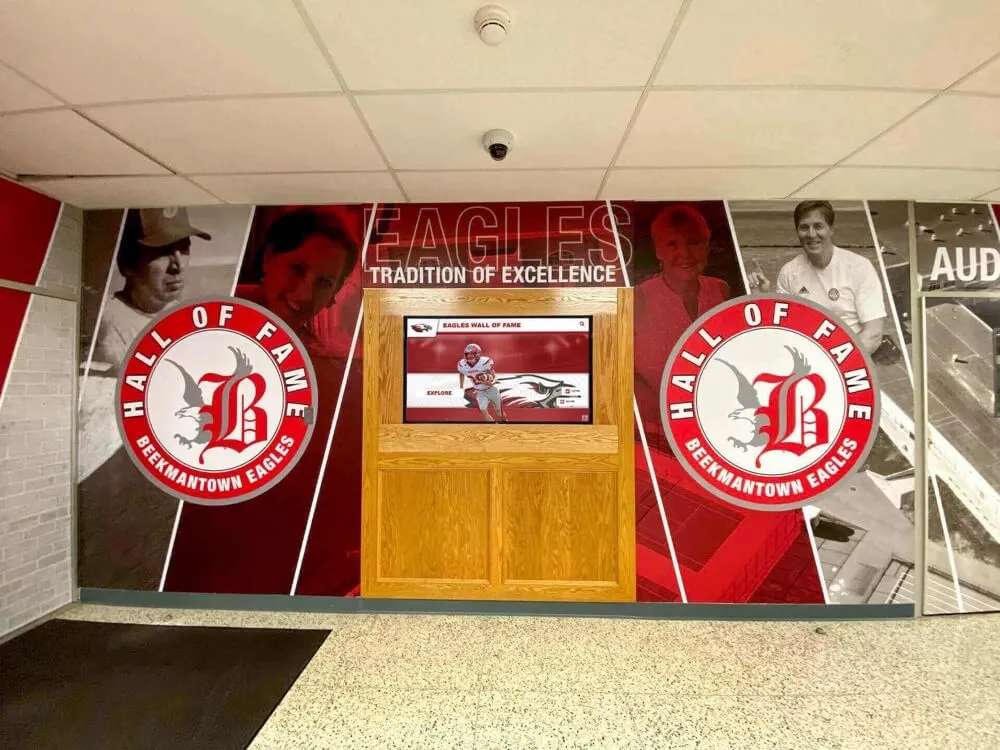
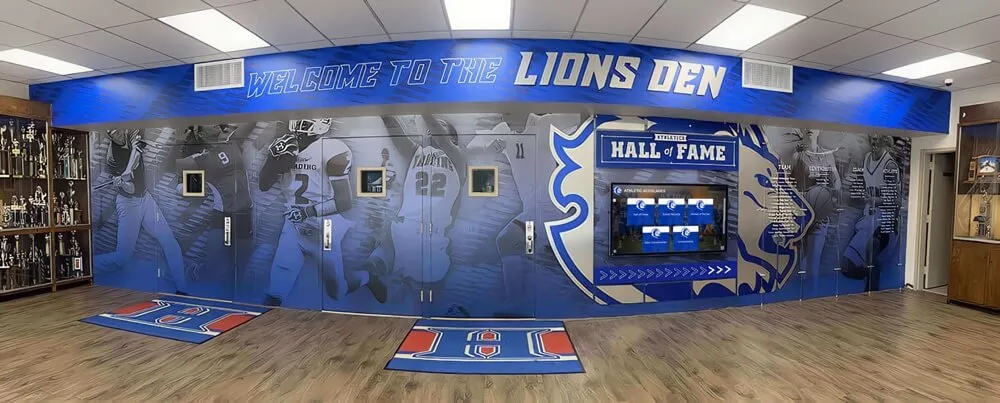
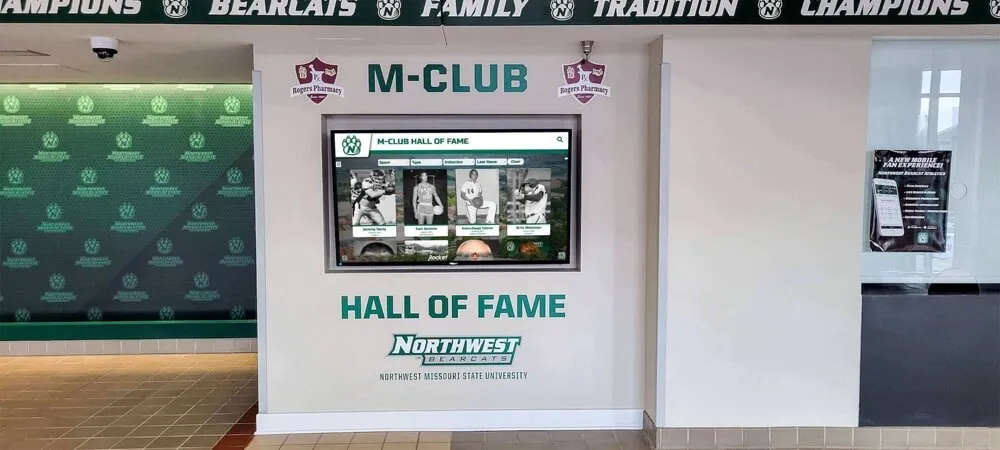
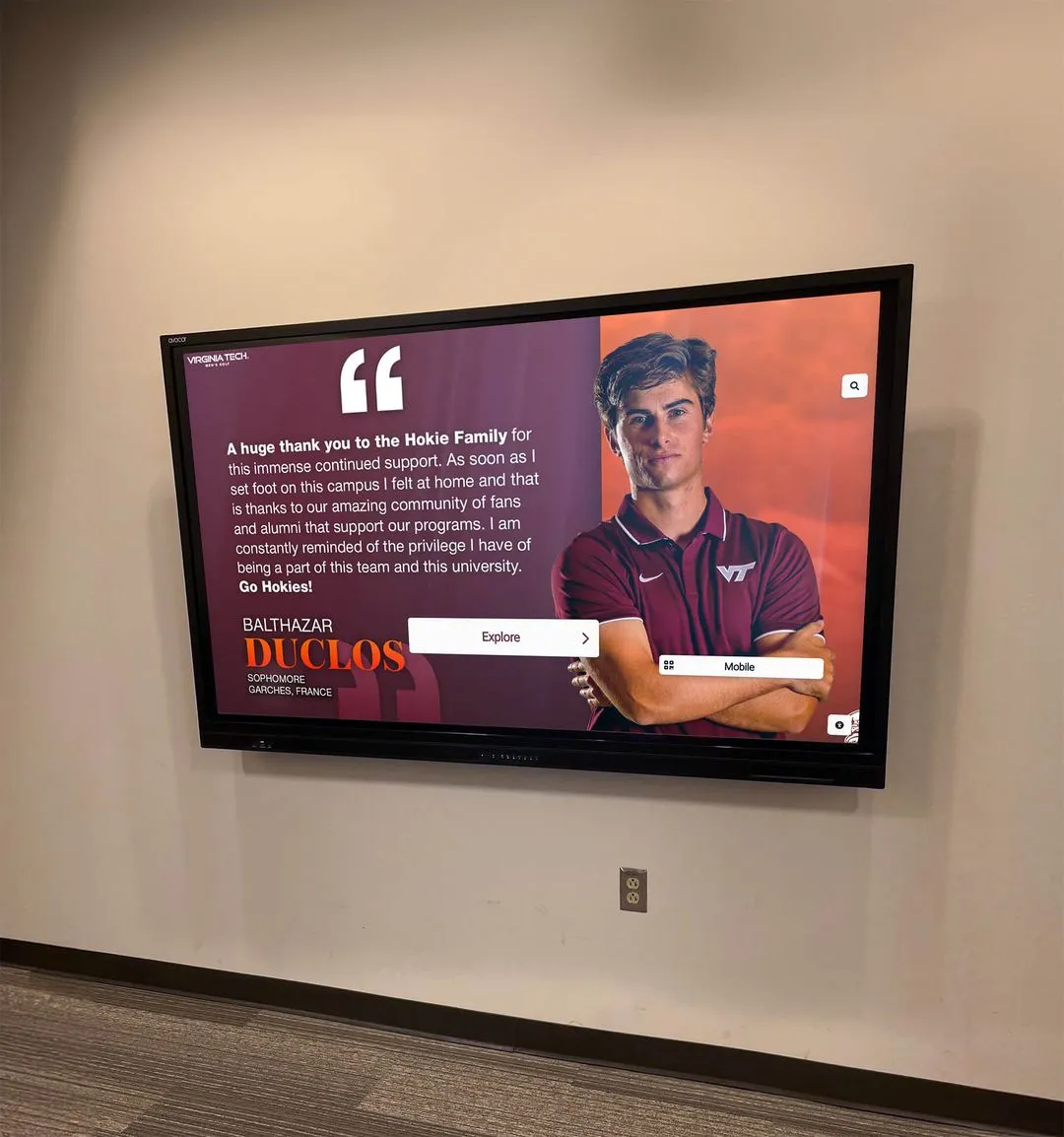
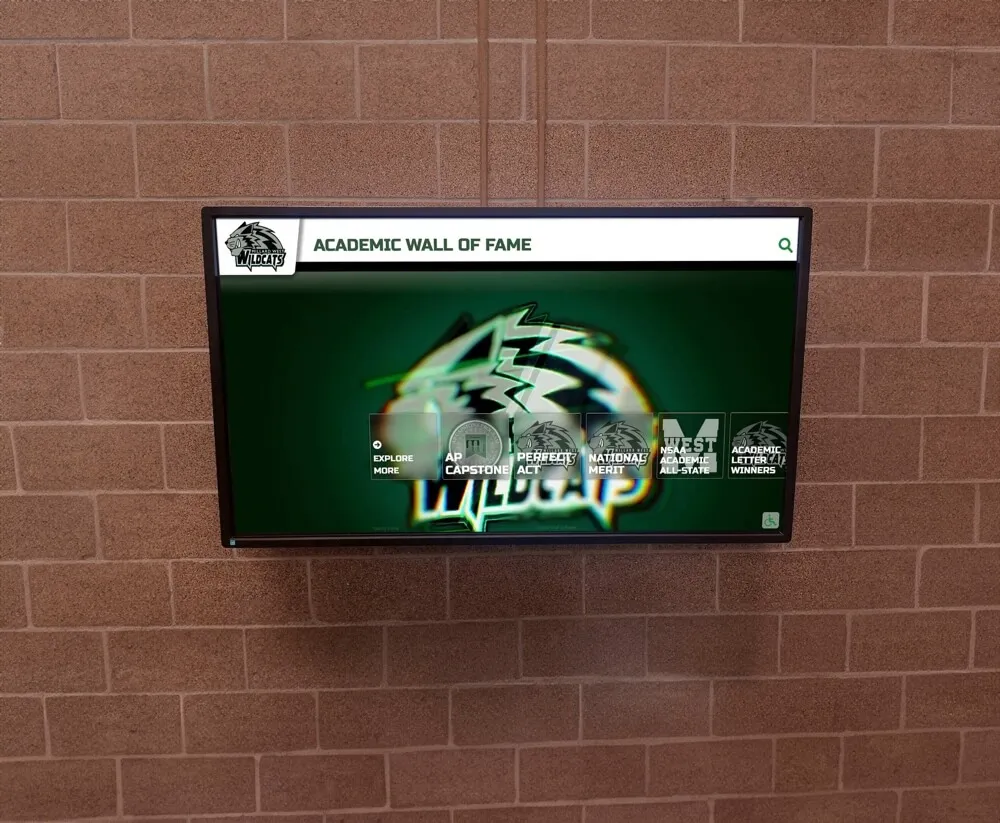
Individual recognition profiles celebrate both valedictorians and salutatorians with detailed academic achievement documentation
These Latin roots reveal that both honors originally emphasized the students’ ceremonial speaking roles as much as their academic standing. Today, while academic achievement determines selection, the speaking traditions remain central to how schools celebrate these honors.
Graduation Ceremony Roles and Traditions
Graduation traditions for valedictorians and salutatorians vary across schools but typically include specific speaking opportunities and recognition moments.
Traditional Valedictorian Ceremony Role
- Delivers the valedictory speech, usually as the final student address before diplomas
- Speech typically runs 5-10 minutes focusing on reflection, gratitude, and future aspirations
- Receives introduction highlighting academic achievements and accomplishments
- Often walks at the front or end of processional in special recognition
- Name appears most prominently in graduation programs
- May receive special regalia including honor cords, stoles, or medals
Traditional Salutatorian Ceremony Role
- Delivers the salutatory speech, typically opening or early in the ceremony program
- Speech usually runs 3-7 minutes welcoming attendees and setting ceremony tone
- Receives formal introduction and recognition of academic excellence
- Walks in prominent processional position
- Featured in graduation programs and materials
- May receive recognition regalia similar to valedictorian
Many modern schools have evolved these traditions to ensure both honors receive equal recognition. Some alternate speech order, allow both students equal speaking time, or even select graduation speakers through processes beyond class rank, while still formally recognizing valedictorian and salutatorian academic achievements.
Schools implementing comprehensive student leadership programs often find that both valedictorians and salutatorians have developed strong public speaking and leadership skills that serve them well during graduation ceremonies and beyond.
How Schools Determine Valedictorian and Salutatorian
Selection processes vary significantly across schools, though most follow GPA-based methodologies with specific policies governing calculation and recognition.
GPA Calculation Methods
The fundamental determination depends on cumulative grade point average, but schools use different calculation approaches:
Weighted GPA Systems (Most Common)
- Advanced courses receive additional GPA points reflecting increased difficulty
- Honors classes typically add 0.5 points (4.5 scale)
- AP and IB classes typically add 1.0 points (5.0 scale)
- Encourages students to challenge themselves with rigorous coursework
- Can result in GPAs exceeding traditional 4.0 maximum
- Used by approximately 70% of U.S. high schools
Unweighted GPA Systems
- All courses graded on standard 4.0 scale regardless of difficulty level
- An “A” equals 4.0 whether in basic or advanced coursework
- Simpler calculation but doesn’t account for course rigor
- May discourage students from taking challenging courses
- Less common for determining top academic honors
- Some schools use for rank but weighted for val/sal determination
Hybrid Approaches
- Weight only core academic courses (math, English, science, social studies)
- Different weighting for different subject areas or course levels
- Combination of weighted and unweighted calculations
- Varies significantly by district and state policies
The calculation method fundamentally shapes who receives valedictorian and salutatorian honors, making transparency about these policies critically important for students and families.

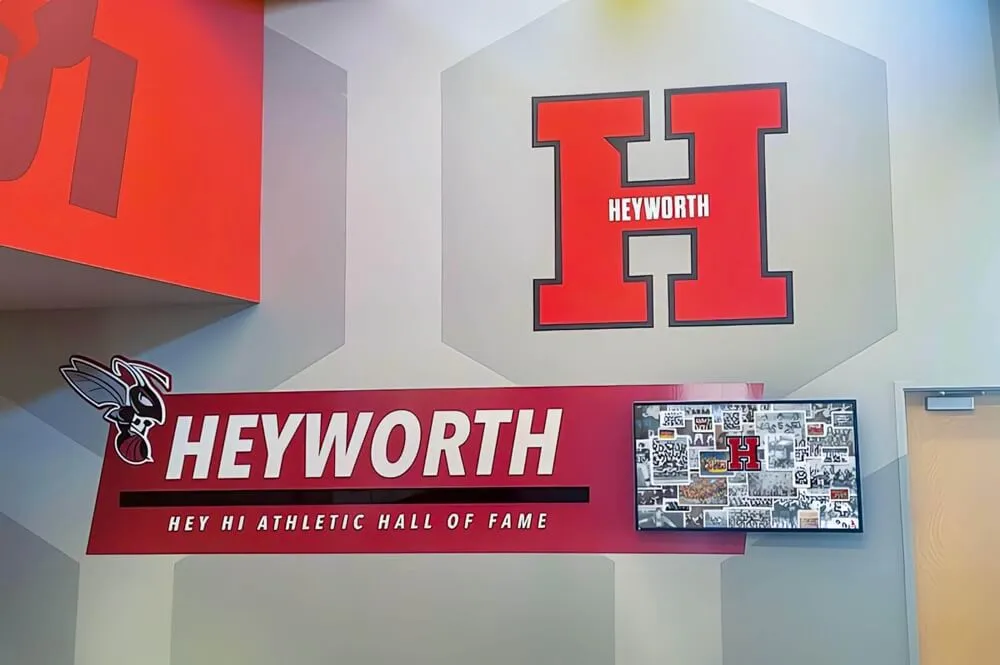
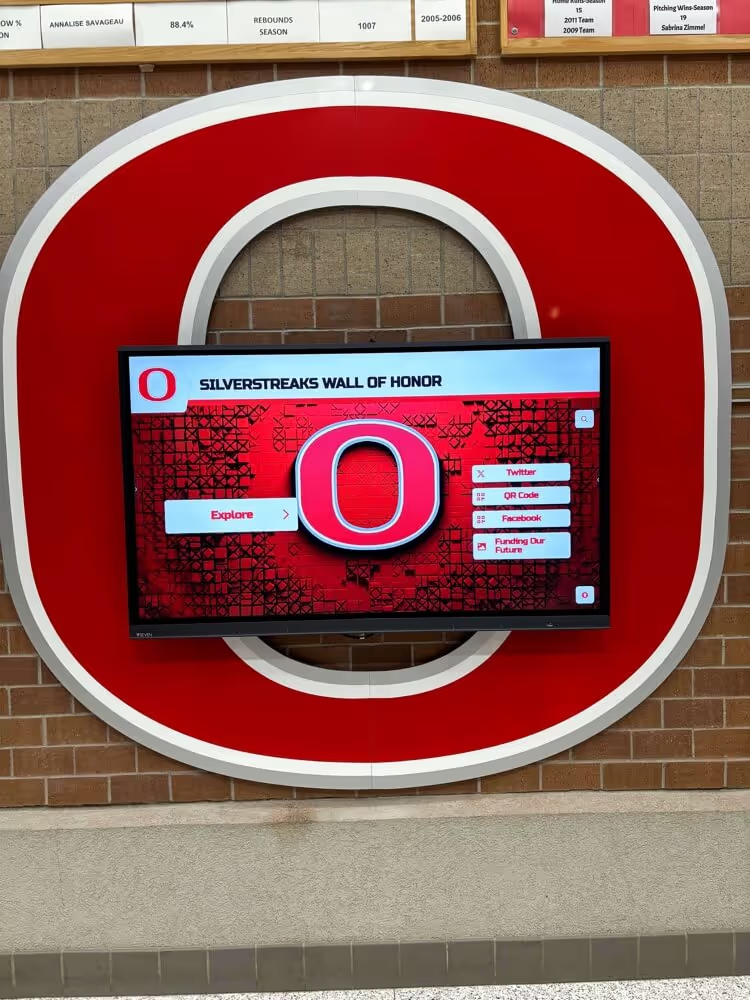
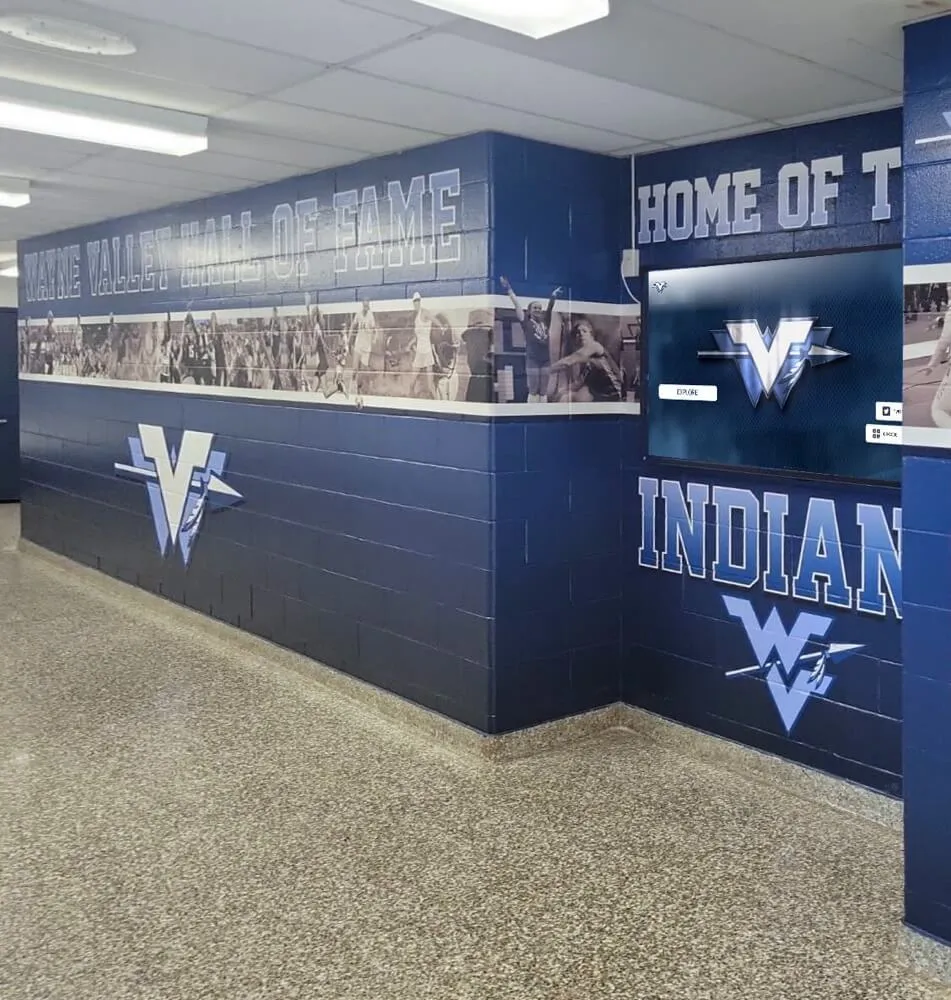
Interactive displays enable students to explore past graduation ceremonies and academic honor recipients throughout school history
Course Inclusion Policies
Schools establish specific guidelines determining which courses count toward class rank calculations:
Typically Included Courses
- Core academic subjects: English, mathematics, science, social studies
- World language courses
- Academic electives meeting graduation requirements
- Advanced Placement and International Baccalaureate courses
- Dual enrollment college classes completed during high school
- Approved career and technical education courses (varies by school)
Commonly Excluded Courses
- Physical education classes (though policies vary considerably)
- Pass/fail courses without letter grades
- Teacher assistant or office aide positions
- Some elective courses outside academic departments
- Credit recovery courses (at some schools)
- Certain courses taken at previous schools before transfer
These inclusion policies significantly impact outcomes. Understanding which courses count enables students and families to make informed decisions about course selection and academic planning from freshman year forward.
Timeline for Official Determination
The valedictorian and salutatorian selection process follows a specific chronological sequence:
Typical Determination Timeline
- Freshman-Junior Years: Cumulative GPA builds across first six semesters
- Fall Senior Year: Preliminary rankings emerge based on seven semesters of grades
- Spring Senior Semester: Final semester grades complete four-year calculation
- 6-8 Weeks Before Graduation: Final class rankings officially determined and verified
- 4-6 Weeks Before Graduation: Valedictorian and salutatorian official notification
- 3-4 Weeks Before Graduation: Speech submission deadlines (if required)
- 2-3 Weeks Before Graduation: Speech review and approval processes
- Graduation Day: Public recognition and speeches delivered
Most schools wait until final senior grades are submitted before making official determinations, meaning student performance literally through the last week of high school affects these honors. The positions can change between preliminary fall rankings and final spring determination.
Handling Tied Rankings
Schools increasingly encounter situations where multiple students share identical highest or second-highest GPAs:
Common Tiebreaker Approaches
- Extended Decimal Precision: Calculating GPAs to three, four, or more decimal places
- Multiple Co-Honors: Recognizing all students with top GPA as co-valedictorians
- Secondary Criteria: Considering standardized test scores, credit hours, or specific subject performance
- Co-Recognition Model: Officially designating multiple valedictorians and/or salutatorians
- Latin Honors Alternative: Implementing summa/magna/cum laude systems instead of single-position rankings
With weighted GPA systems and increasing numbers of students taking identical rigorous course loads, tied scenarios have become more common. Progressive schools often embrace co-valedictorians and co-salutatorians rather than seeking arbitrary tiebreakers, recognizing that multiple students genuinely deserve top recognition.
Schools celebrating academic excellence through end-of-year awards programs often include valedictorian and salutatorian recognition as centerpiece honors alongside numerous other academic achievements.
Graduation Ceremony Traditions for Both Honors
Understanding how schools traditionally recognize valedictorians and salutatorians during commencement helps appreciate the significance of both honors.
Speech Content and Preparation
The graduation speeches delivered by valedictorians and salutatorians follow distinct traditions while allowing individual expression:
Valedictorian Speech Themes
- Reflection on shared high school journey and experiences
- Gratitude to teachers, families, administrators, and community
- Acknowledgment of classmates’ diverse achievements and paths
- Looking forward to future opportunities and challenges
- Farewell message closing the high school chapter
- Often incorporates humor, memorable moments, and inspirational messages
- Balances nostalgia with optimism about what lies ahead
Salutatorian Speech Themes
- Welcome to families, faculty, and distinguished guests
- Acknowledgment of this significant milestone in students’ lives
- Recognition of the journey that brought everyone to graduation
- Introduction to the ceremony’s significance and purpose
- Setting a celebratory and reflective tone for the event
- Often lighter in tone, focusing on greeting and acknowledgment
Many schools review speeches before graduation to ensure appropriateness, though most allow considerable creative freedom. Both speakers typically work with faculty advisors during the writing and revision process.
Students seeking inspiration can explore valedictorian speech examples showcasing memorable addresses and effective structures for crafting compelling graduation remarks.
Special Recognition Elements
Beyond speeches, schools incorporate various recognition elements for both honors:
Common Recognition Components
- Special honor cords, stoles, or medallions worn with graduation regalia
- First and early acknowledgment during ceremony programs
- Extended biographical introductions highlighting achievements
- Special seating positions on stage or in processional
- Photography sessions with school leadership and board members
- Featured placement in graduation programs and yearbooks
- Recognition in local media and school publications
- Inclusion in permanent school archives and records

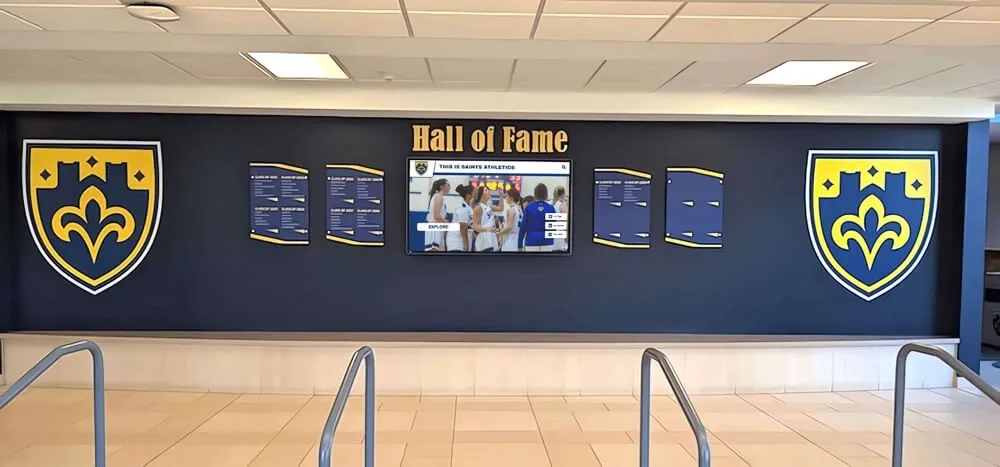
Integrated recognition systems showcase both valedictorians and salutatorians permanently alongside other academic honors
Modern Ceremony Innovations
Contemporary schools have evolved traditional practices to ensure both honors receive equitable recognition:
Equal Recognition Approaches
- Both students receive identical speaking time allocations
- Alternating which honor speaks first in different ceremonies
- Joint introductions highlighting both achievements simultaneously
- Equal billing in promotional materials and programs
- Combined photo opportunities and recognition moments
- Digital displays showcasing both students’ accomplishments during ceremony
- Post-ceremony receptions honoring both top achievers and families
These innovations reflect growing awareness that minimal GPA differences don’t necessarily warrant dramatically different recognition levels, particularly when both students have demonstrated exceptional academic excellence.
How Schools Permanently Honor Valedictorians and Salutatorians
While graduation ceremonies provide important recognition moments, lasting visibility requires permanent display and celebration systems.
Traditional Recognition Approaches
Historical methods for preserving valedictorian and salutatorian recognition include:
Physical Plaques and Trophy Cases
- Engraved brass or wooden plaques listing names and graduation years
- Physical trophy cases in hallways or lobbies
- Framed photographs in administrative offices or libraries
- School record books maintaining historical lists
- Yearbook preservation in school archives
Limitations of Traditional Methods
- Space constraints limiting how many years can display prominently
- Physical deterioration of plaques and photographs over time
- Static presentation with minimal biographical information
- Difficulty accessing for alumni who have moved away
- Expensive and time-consuming to update with new honorees
- Limited visibility relegated to specific locations
These traditional approaches provide some recognition but fail to give valedictorians and salutatorians the ongoing visibility and comprehensive celebration their achievements warrant.
Digital Recognition Displays Transform Academic Celebration
Modern schools increasingly implement digital recognition systems that eliminate traditional limitations while creating engaging, permanent celebration of academic excellence:
Unlimited Recognition Capacity Solutions like Rocket Alumni Solutions provide space to showcase every valedictorian and salutatorian throughout school history:
- Single display accommodates decades of honor recipients
- No need to remove historical recognition when adding new achievers
- Equal visibility for all recipients regardless of graduation year
- Searchable databases enabling exploration by name, year, or achievement
- Comprehensive archives preserving institutional academic traditions permanently
Rich, Engaging Profiles Digital displays transform simple name listings into comprehensive celebrations:
- Detailed biographical information and academic accomplishments
- Graduation ceremony photos and speech recordings when available
- College destinations and scholarship awards received
- Post-graduation achievements and career success stories
- Personal reflections and advice for current students
- Multiple photos showcasing student activities beyond academics
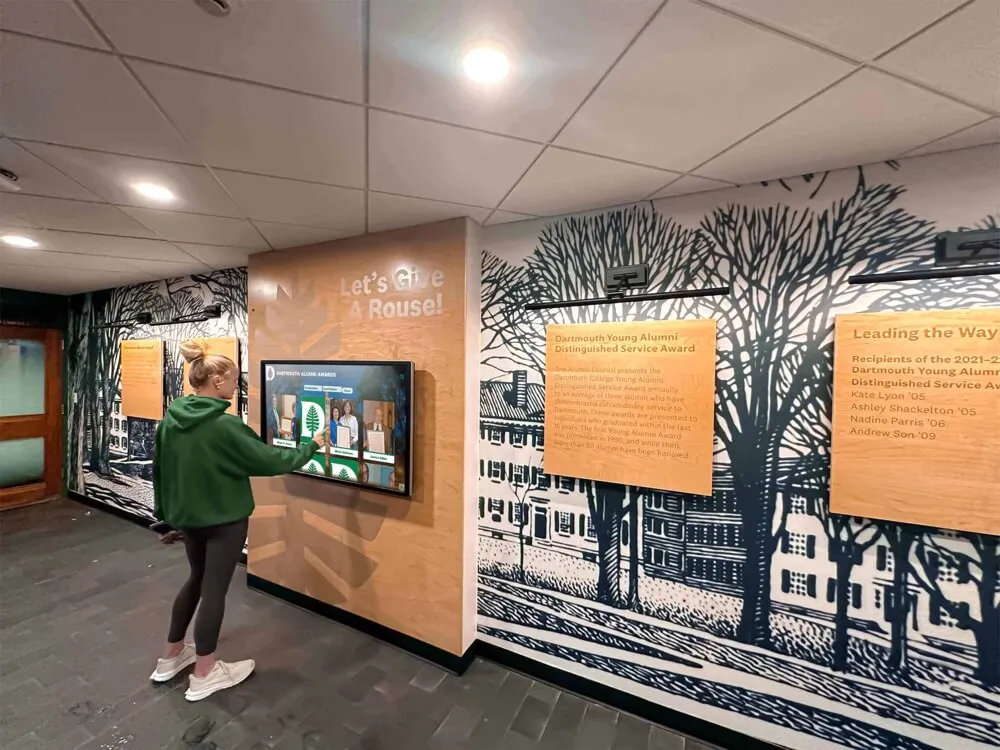
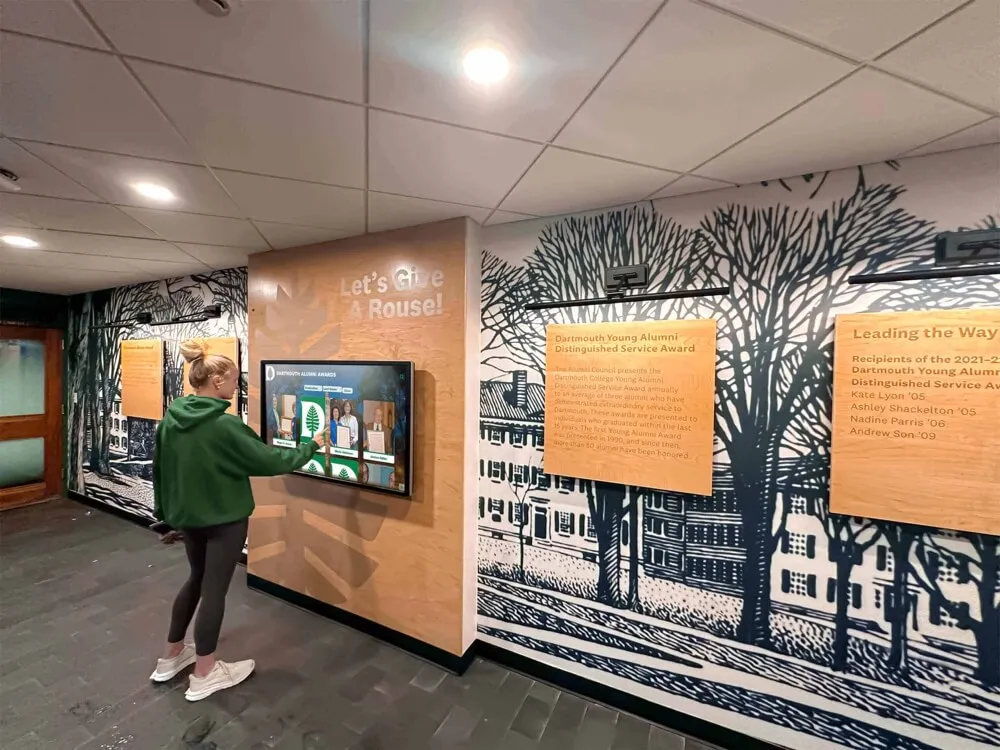
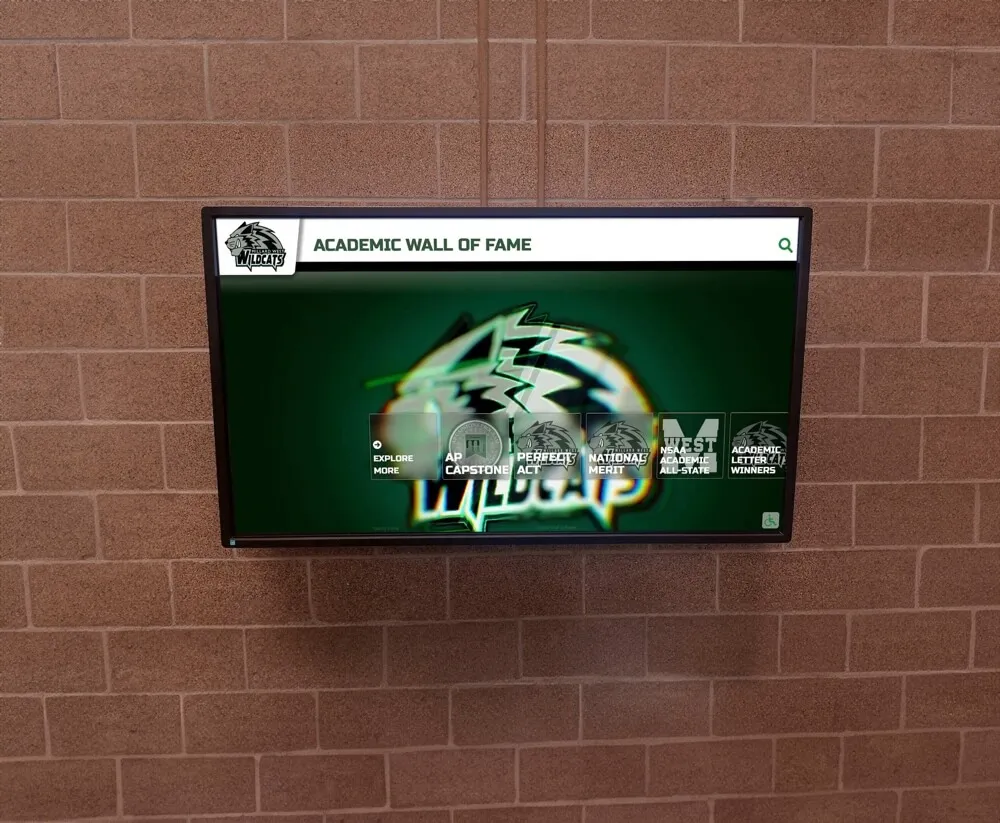
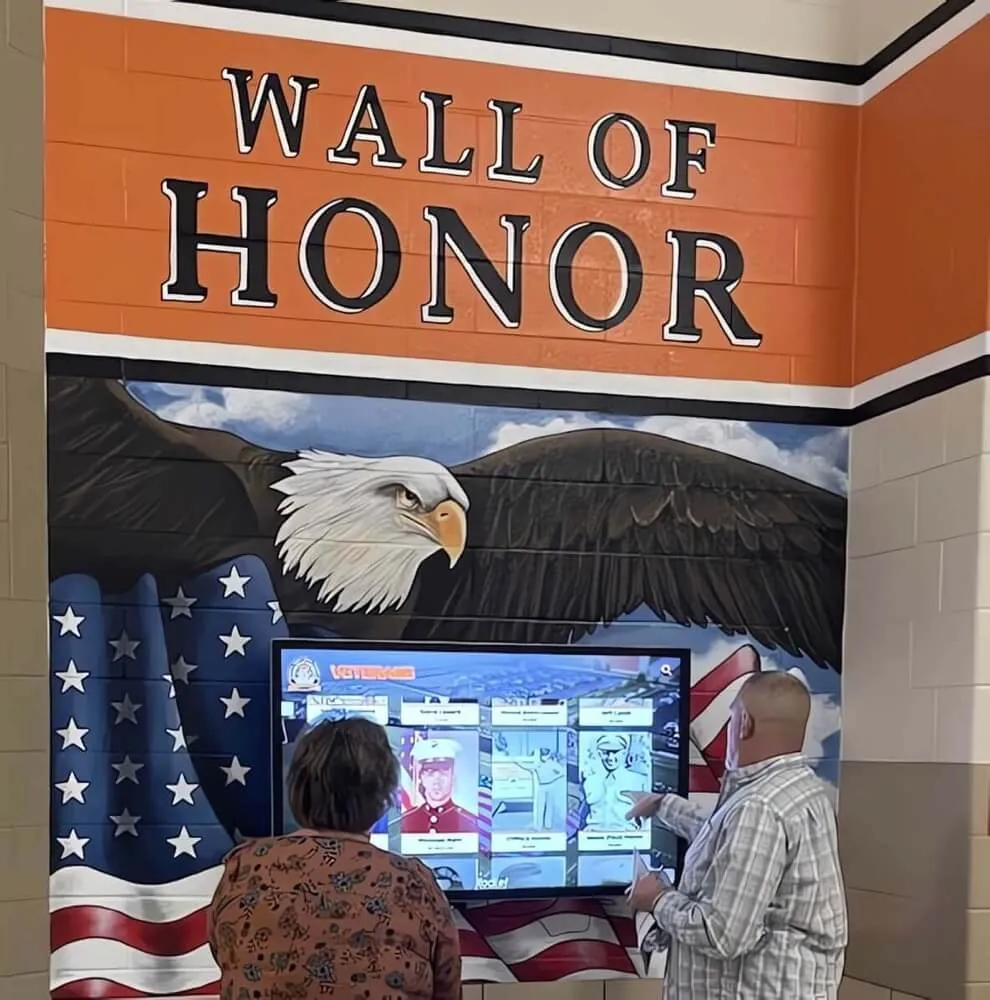
Interactive touchscreens enable visitors to explore comprehensive valedictorian and salutatorian profiles with photos, achievements, and career updates
Remote Management and Easy Updates Cloud-based recognition platforms simplify ongoing administration:
- Add new valedictorians and salutatorians from any internet-connected device
- Update profiles with post-graduation achievements and career milestones
- Schedule content publishing coordinating with graduation ceremonies
- No physical maintenance or trophy case reorganization required
- Administrators manage from offices without campus facility visits
- Real-time updates ensuring information always remains current
Extended Reach and Accessibility Modern recognition systems extend beyond physical campus boundaries:
- Alumni worldwide access recognition displays online from anywhere
- Mobile-optimized interfaces work on smartphones and tablets
- QR codes near physical displays unlock expanded mobile content
- Social media integration enables sharing across platforms
- Families and community members explore achievements remotely
- Graduates revisit their recognition years or decades later
Schools implementing comprehensive student achievement wall displays report that digital recognition creates more positive school culture by making academic excellence consistently visible and celebrated.
Recognition Display Placement Strategies
Location significantly impacts recognition visibility and institutional messaging:
High-Traffic Locations
- Main entrance lobbies greeting all visitors
- Cafeteria and common areas where students gather daily
- Hallways leading to administrative offices
- Library or media center entrances
- Auditorium lobbies near ceremony spaces
- Athletic facility entrances balancing academic with athletic recognition
Strategic placement ensures valedictorian and salutatorian recognition receives visibility equivalent to athletic achievements, communicating that academic excellence matters equally to school communities.
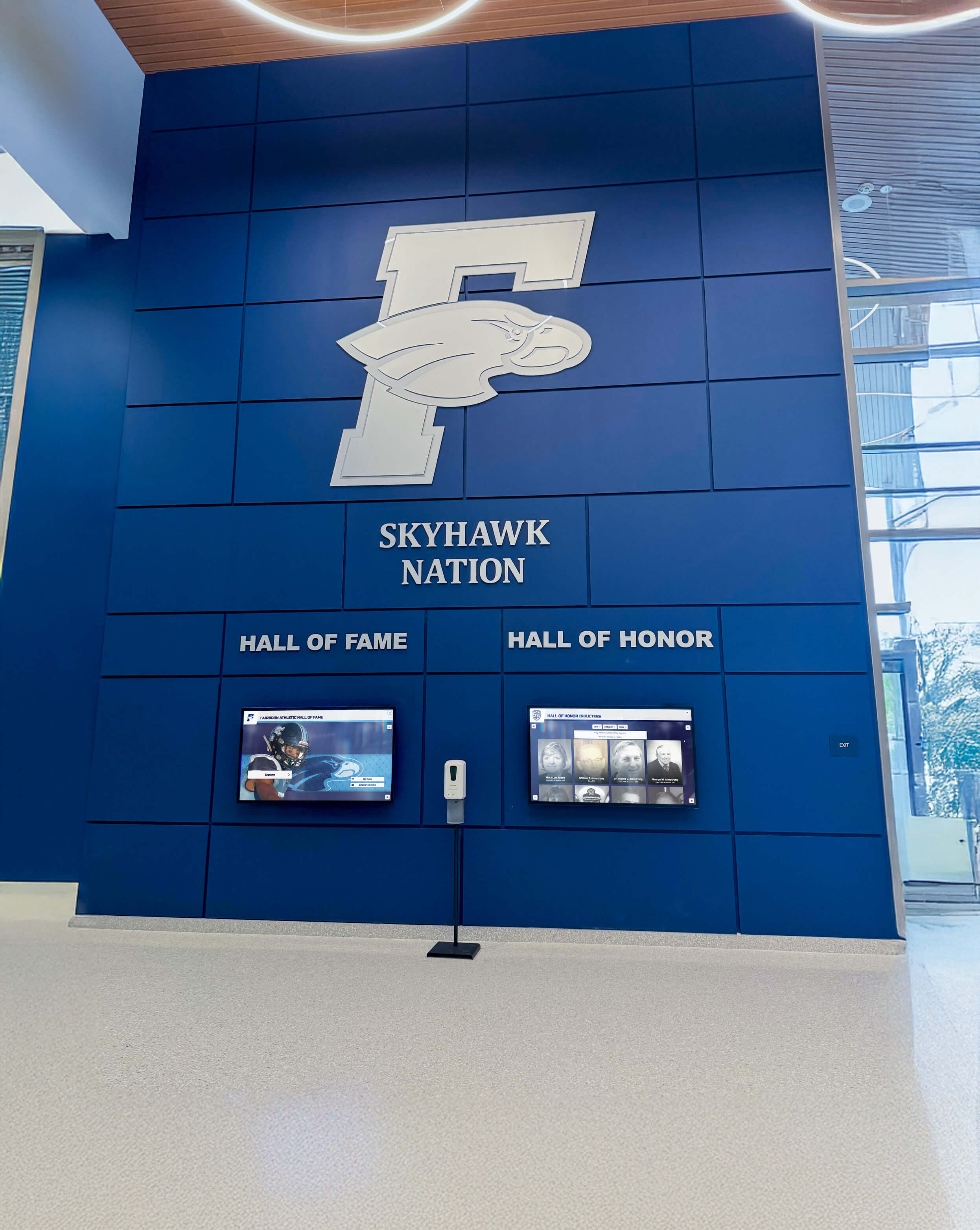
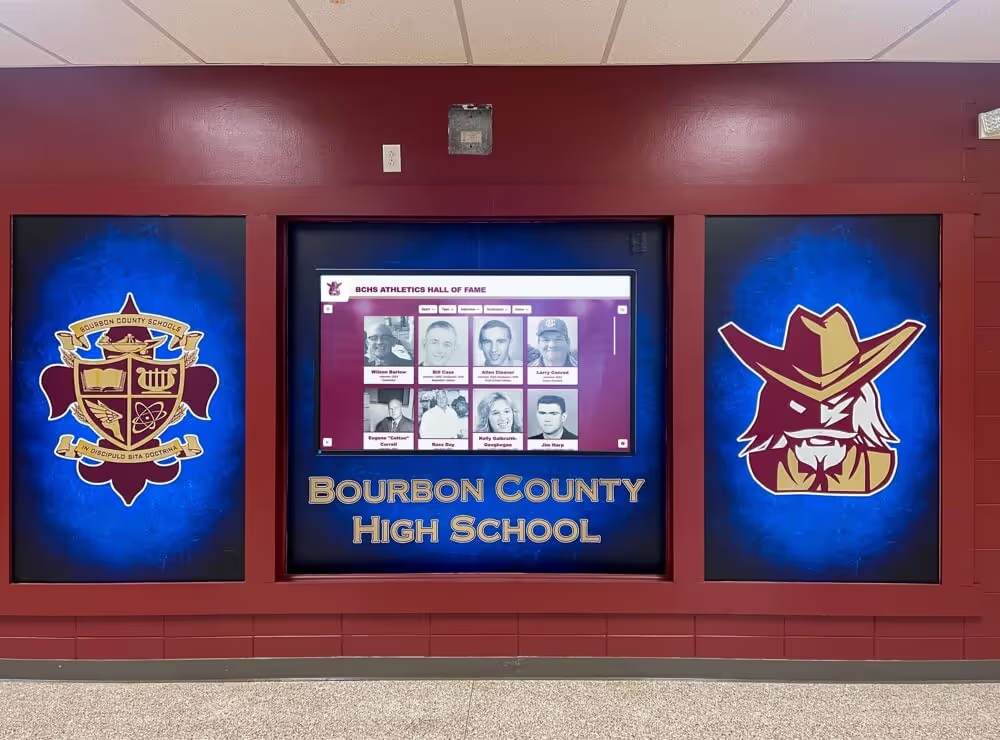
Prominent lobby placements give valedictorian and salutatorian recognition immediate visibility to everyone entering school facilities
The Significance: What These Honors Mean for Students
Understanding the practical value of both valedictorian and salutatorian designation helps contextualize their importance.
College Admissions Impact
Both honors significantly strengthen college applications, though their impact varies by institution and context:
Selective College Evaluation
- Both honors demonstrate sustained academic excellence over four years
- Signal discipline, work ethic, and intellectual capability
- Provide differentiation in competitive applicant pools
- Evaluated within school context and course rigor
- Salutatorian at rigorous school may impress more than valedictorian at less competitive institution
- Neither honor guarantees admission but both enhance strong overall profiles
Practical Admissions Considerations
- Many highly selective colleges have reduced emphasis on class rank in holistic review
- Both honors carry similar weight when combined with strong test scores and activities
- Academic strength demonstrated through multiple indicators beyond ranking
- Essays, recommendations, and extracurriculars matter alongside academic honors
Scholarship Opportunities
Both valedictorian and salutatorian status opens substantial scholarship possibilities:
Automatic Merit Scholarships
- Many state universities offer guaranteed scholarships for top class rank achievers
- Private colleges use merit awards for competitive recruitment of high-achieving students
- Both honors typically meet or exceed GPA thresholds for merit consideration
- Cumulative scholarship value can reach $50,000-$150,000+ across four years
External Scholarship Programs
- Local civic organizations prioritize top academic performers
- National Merit correlation often aligns with valedictorian/salutatorian achievement
- Industry-specific scholarships target high achievers in relevant fields
- Many applications specifically request class rank and academic honors
The financial impact of both honors extends significantly beyond ceremonial recognition.
Personal and Professional Development
Recognition provides lasting value beyond college admissions:
Resume and Career Impact
- Appropriate to include on resumes through early career stages
- Demonstrates achievement orientation to employers
- Relevant for graduate school applications years later
- Provides evidence of sustained excellence under pressure
Alumni Connection and Identity
- Permanent connection to school’s legacy of academic excellence
- Recognition in school communications and reunion materials
- Networking opportunities with other high-achieving alumni through alumni engagement programs
- Continued association with intellectual achievement throughout life
Does the Difference Between Valedictorian and Salutatorian Really Matter?
This question reflects practical concerns many students and families consider.
Functionally: Minimal Practical Difference
From objective perspectives, the distinction carries limited long-term impact:
College and Scholarship Considerations
- Both honors demonstrate exceptional academic achievement to admissions officers
- Scholarship eligibility and amounts typically identical for both
- Professional opportunities value both honors equally
- Long-term career trajectories show no meaningful difference
- Graduate schools evaluate both as evidence of academic capability
Equal Academic Excellence
- GPA differences often negligible (sometimes 0.01 points or less)
- Both students typically took equally rigorous coursework
- Small distinctions may reflect single grades in individual courses
- Academic capability and work ethic essentially equivalent
Symbolically: Personal Significance Varies
The symbolic meaning depends significantly on individual and school culture:
When the Distinction Matters
- Students and families who set valedictorian as personal goal
- School cultures placing high emphasis on academic competition
- Personal sense of accomplishment from achieving top rank
- Family or cultural expectations around academic recognition
When the Distinction Matters Less
- Recognition that tiny GPA differences don’t reflect meaningful capability gaps
- Focus on learning and growth over competitive rankings
- Appreciation that both honors represent remarkable achievement
- Understanding that intellectual excellence takes many forms
Healthy perspectives recognize both honors as celebrations of genuine accomplishment while understanding that minimal separations don’t define student worth or capability.
Creating Comprehensive Academic Recognition Programs
Most effective approaches position valedictorian and salutatorian honors within broader recognition frameworks:
Multiple Recognition Pathways
Schools should ensure students see various routes to academic acknowledgment:
Diverse Honor Categories
- Valedictorian and salutatorian as pinnacle academic honors
- Honor roll recognition for consistent strong performance
- Subject-specific departmental excellence awards
- Academic improvement recognition celebrating growth
- Scholar-athlete awards combining academic and athletic achievement
- Research and project-based learning recognition
- Academic competition success at regional and state levels
Multiple pathways create inclusive cultures where different types of excellence receive appropriate celebration.
Schools developing academic achievement display programs benefit from showcasing valedictorians and salutatorians alongside other honored students, demonstrating that excellence takes many forms.
Balancing Academic and Other Achievements
Comprehensive recognition programs celebrate diverse accomplishments:
Integrated Recognition Displays
- Academic honors including valedictorian/salutatorian recognition
- Athletic achievement and championship teams
- Arts and performance excellence
- Community service and leadership recognition
- Character awards and citizenship honors
- Innovation and entrepreneurship achievements
Balanced recognition signals that schools value multiple forms of excellence, reducing unhealthy academic pressure while maintaining appropriate celebration of intellectual achievement.
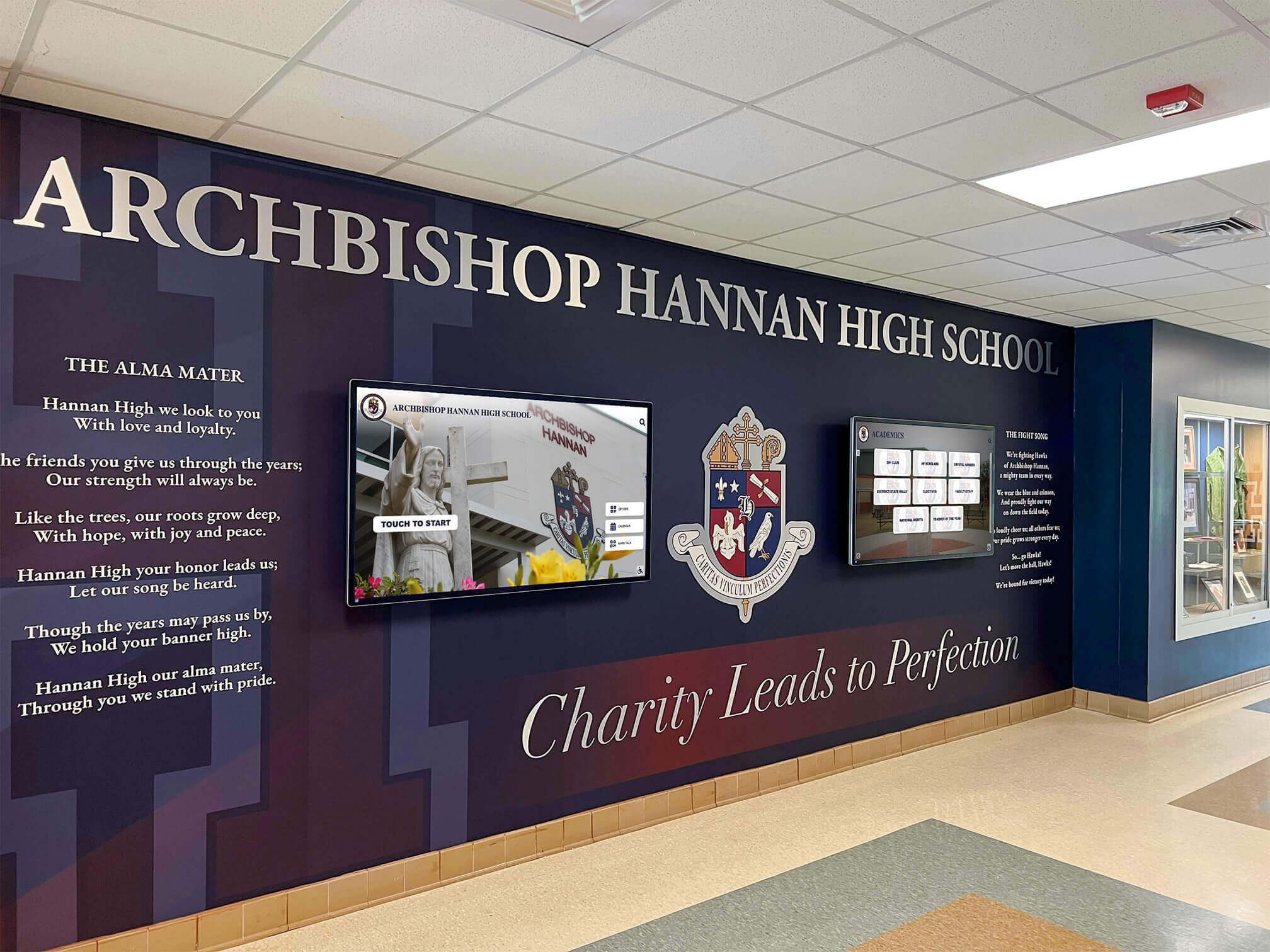
Comprehensive recognition displays in prominent locations celebrate academic achievers alongside athletic and community honors
Supporting Healthy Academic Culture
While celebrating valedictorian and salutatorian honors, schools should foster healthy achievement approaches:
Positive Cultural Elements
- Frame excellence as personal achievement rather than defeating classmates
- Emphasize learning and intellectual curiosity alongside grades
- Provide counseling support for students experiencing unhealthy pressure
- Encourage course selection based on interest and challenge, not just GPA impact
- Communicate clearly about calculation methods and criteria
- Celebrate consistency and growth alongside absolute achievement
Recognition programs should motivate excellence while maintaining student wellbeing and love of learning.
Common Questions About Valedictorian and Salutatorian Honors
Practical questions reveal what students and families most want to understand:
Can There Be Multiple Valedictorians or Salutatorians?
Yes. Schools increasingly recognize co-valedictorians and co-salutatorians:
Co-Honor Scenarios
- Multiple students sharing identical highest GPA receive co-valedictorian designation
- All students at second-highest GPA named co-salutatorians
- Becoming more common with weighted systems and rigorous course patterns
- Some schools recognize all students above specific thresholds
Speech Accommodations
- All co-valedictorians may deliver brief remarks
- Schools rotate speaking opportunities among recipients
- Selection through audition or volunteer processes
- Collaborative presentations featuring multiple voices
Do All Schools Recognize These Honors?
No. Recognition practices vary considerably:
Schools Maintaining Traditional Honors
- Most public high schools continue valedictorian/salutatorian recognition
- Many private and parochial schools maintain the tradition
- Schools with formal class ranking typically designate these honors
Schools Moving Away
- Approximately 40% of American high schools no longer provide class rank
- Some have eliminated valedictorian/salutatorian entirely
- Alternative approaches include Latin honors or top percentage recognition
- Progressive schools emphasize comprehensive achievement over single rankings
How Should These Honors Appear on College Applications?
Strategic positioning maximizes their application impact:
Placement Recommendations
- Include in “Honors” section of Common Application or other platforms
- Specify as “School” level recognition
- Note “Valedictorian” or “Salutatorian” with graduation year
- Reference in additional essays if relevant to personal narrative
- Include in resume/activity list submitted as supplement
Both honors strengthen applications most effectively when part of comprehensive profiles demonstrating sustained academic excellence, intellectual curiosity, and meaningful extracurricular engagement.
Transform How Your School Honors Academic Excellence
Discover how modern digital recognition displays enable your school to permanently celebrate valedictorians, salutatorians, and all academic achievers with the prominence they deserve. Give scholarly excellence ongoing visibility through professional systems that preserve your academic traditions for generations.
Explore Recognition SolutionsConclusion: Celebrating Both Honors With the Recognition They Deserve
The distinction between valedictorian and salutatorian ultimately represents a numerical ranking—first versus second in class GPA—but both honors celebrate exceptional academic achievement worthy of substantial recognition and celebration. While the valedictorian holds the technical distinction of highest academic standing, salutatorians have demonstrated virtually identical excellence, often separated by minimal GPA differences that don’t reflect meaningful capability gaps.
Understanding the specific differences helps students set appropriate goals, enables families to appreciate these accomplishments, and provides schools with frameworks for meaningful recognition. Graduation ceremony traditions give both honors important speaking roles and ceremonial acknowledgment, though many modern schools have evolved practices to ensure equitable celebration of both achievements.
The long-term impact of both honors proves remarkably similar. College admissions officers, scholarship committees, and employers view valedictorian and salutatorian status as comparable indicators of sustained academic excellence, work ethic, and intellectual capability. Neither honor guarantees any specific outcome, but both strengthen applications and opportunities when combined with other achievement indicators.
Most importantly, schools have opportunities to honor both achievements with permanent, professional recognition that extends far beyond graduation day ceremonies. Traditional physical plaques and trophy cases impose space limitations forcing difficult choices about which years and achievers display prominently. Modern digital recognition systems eliminate these constraints, enabling schools to showcase every valedictorian and salutatorian throughout institutional history with comprehensive profiles, photos, achievements, and career updates that inspire current students while honoring graduates permanently.
Whether your school maintains traditional valedictorian and salutatorian designations or has implemented alternative recognition approaches, the fundamental goal remains constant: creating systems that celebrate intellectual excellence, inspire academic achievement, and preserve your school’s tradition of scholarly success for entire communities to appreciate and access.
Ready to give your valedictorians and salutatorians the lasting recognition their remarkable achievements deserve? Modern digital recognition solutions provide unlimited capacity to celebrate both honors with equal prominence through professional displays that preserve academic excellence permanently while engaging students, families, and communities with your school’s tradition of intellectual achievement.