



Delivering a valedictorian speech represents one of education’s most significant honors—the opportunity to address your graduating class, reflect on shared experiences, and inspire classmates as they step into their futures. Yet this prestigious responsibility also brings considerable pressure. How do you craft remarks meaningful enough to honor four years of collective experiences while keeping hundreds of attendees engaged? How do you balance gratitude, humor, inspiration, and reflection without lapsing into clichés that audiences forget moments after you leave the podium?
Many valedictorians approach speech writing with anxiety rather than excitement, staring at blank pages while wrestling with questions about structure, tone, and content. Generic templates offering platitudes about “following your dreams” or “reaching for the stars” provide little guidance for creating authentic, memorable addresses. Meanwhile, the clock ticks toward graduation day while indecision and writer’s block consume valuable preparation time that could be spent refining and rehearsing truly compelling remarks.
This comprehensive guide provides valedictorian speech examples, proven templates, structural frameworks, and delivery strategies that help student speakers craft authentic addresses audiences actually remember. Whether you’re just beginning to outline your speech or refining a nearly complete draft, these practical approaches transform the daunting task of speech writing into a manageable process that produces genuinely inspiring results.
Effective valedictorian speeches balance personal authenticity with universal themes, acknowledge shared experiences without dwelling excessively on the past, inspire forward-thinking while remaining grounded in reality, and demonstrate genuine gratitude without turning into a lengthy thank-you list. The best addresses leave audiences feeling connected, motivated, and genuinely moved by words that honor the moment’s significance.

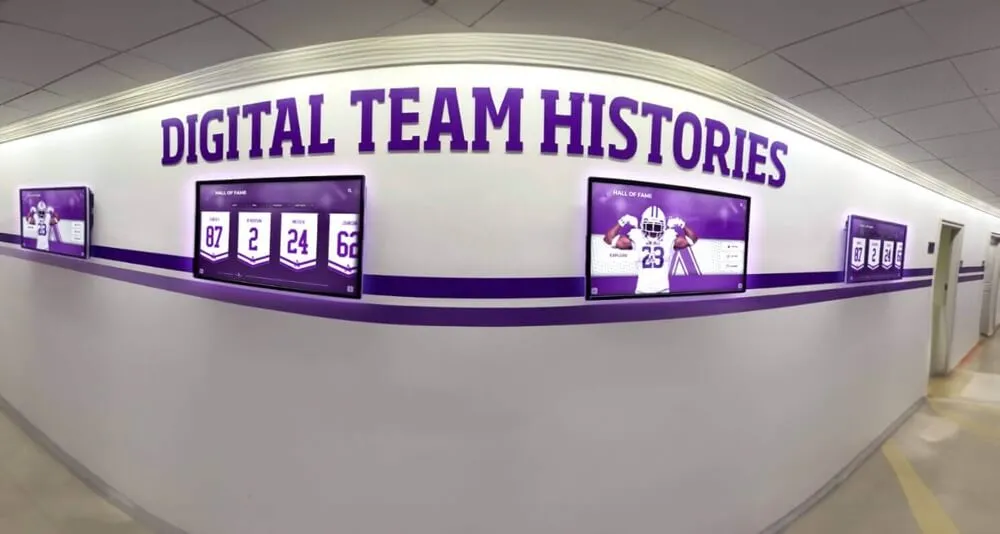
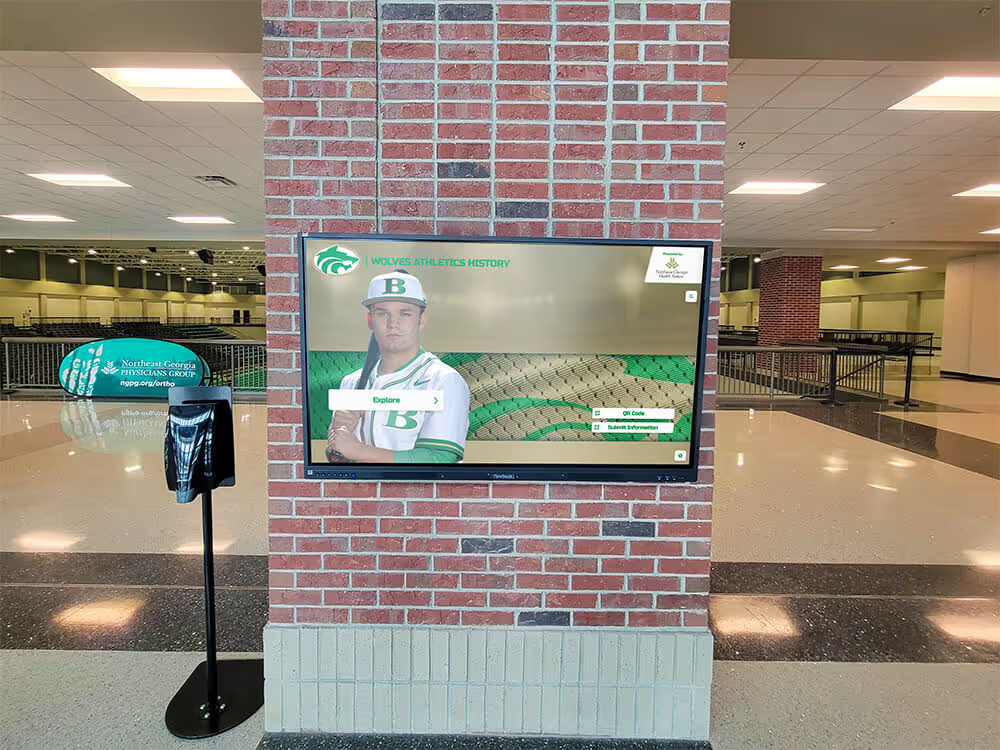
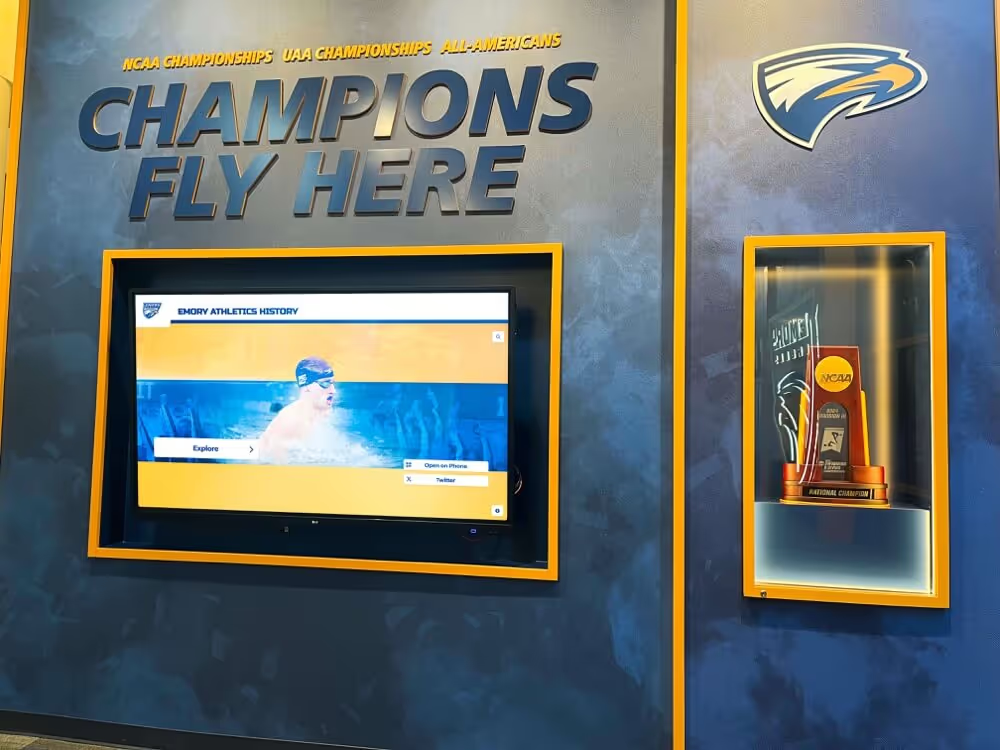
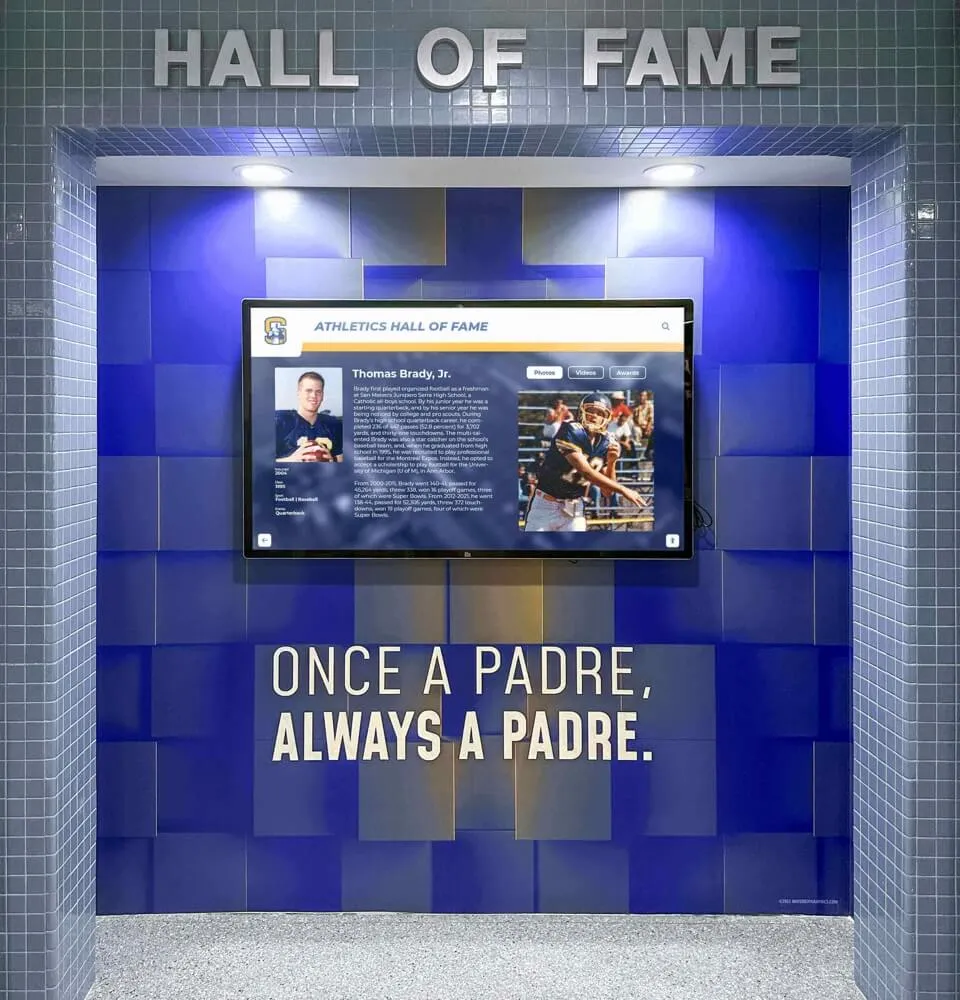
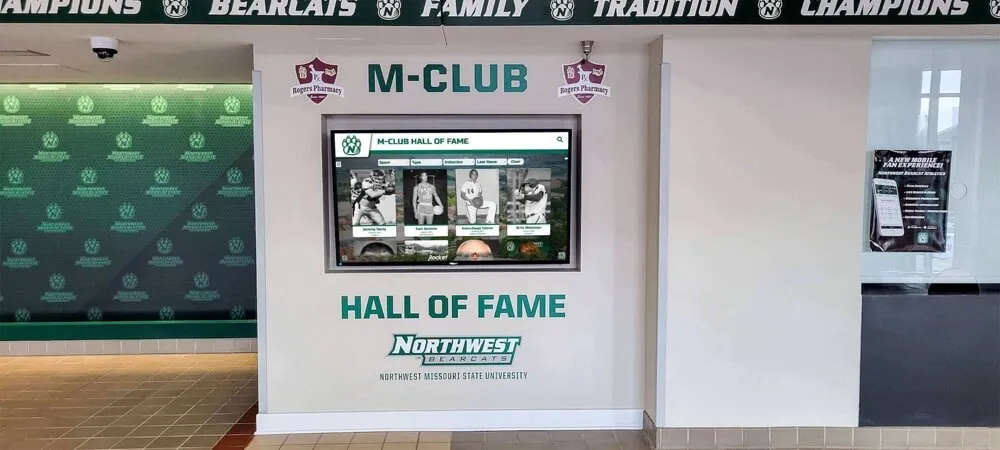
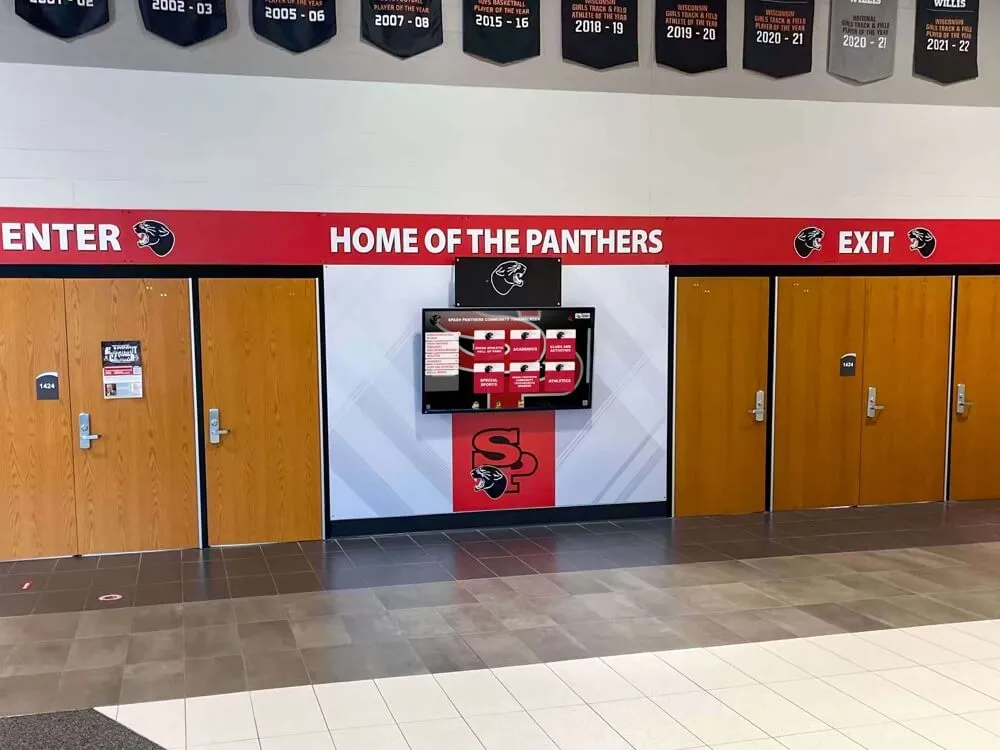
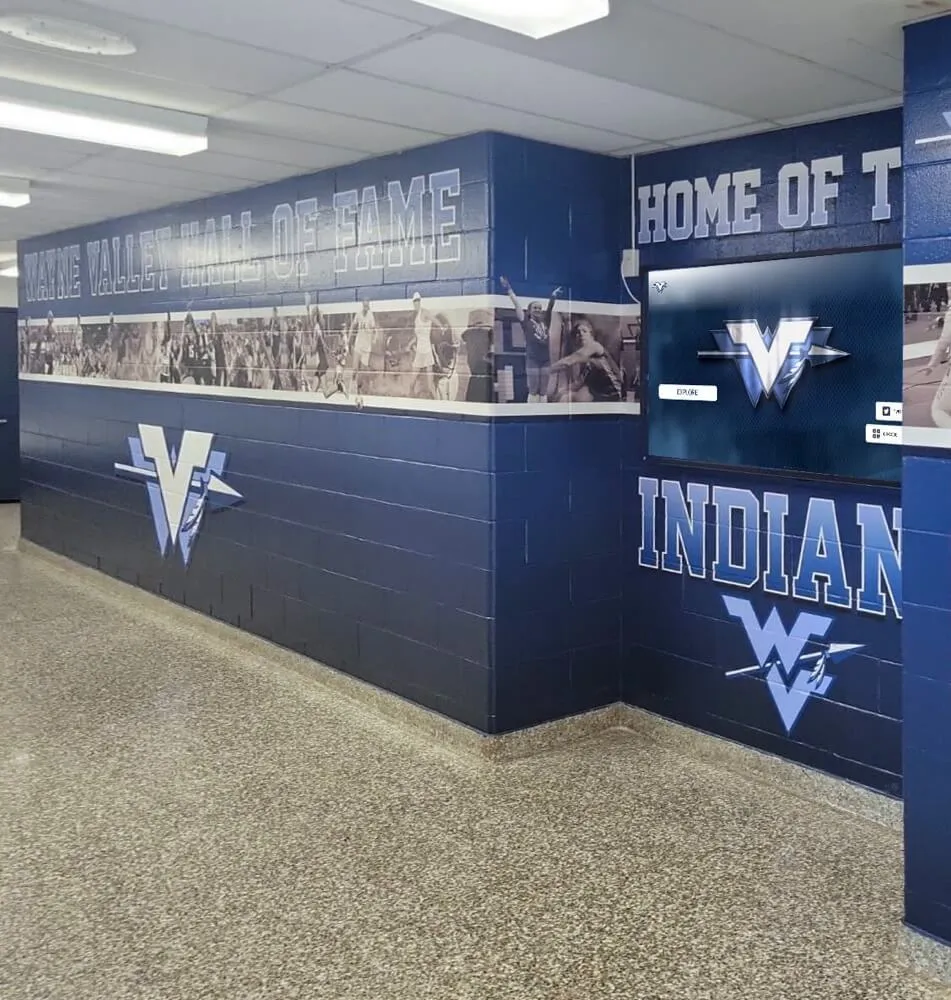
Academic achievement recognition displays celebrate valedictorians and top students who represent their graduating classes
Understanding Your Role as Valedictorian Speaker
Before writing your speech, clarifying what you’re meant to accomplish helps guide every content decision.
What Makes Valedictorian Speeches Different
Valedictorian addresses serve distinct purposes compared to other graduation speeches:
Speaking for Your Class, Not Just Yourself
Unlike guest speakers who bring outside perspectives, valedictorians speak from within the graduating class. Your classmates expect you to articulate shared experiences, capture collective feelings, and voice sentiments they themselves feel but may not have opportunity to express publicly. This peer spokesperson role means your speech should reflect communal experiences rather than focusing primarily on your personal journey.
Balancing Multiple Audiences
Your remarks must simultaneously resonate with:
- Classmates: Your primary audience who wants recognition of shared experiences and inspiration for what’s ahead
- Parents and Families: Who seek validation that their students’ education provided meaningful growth and preparation
- Faculty and Administrators: Who appreciate acknowledgment of their contributions and institutional pride
- Younger Students: If present, who benefit from accessible messaging about educational journeys
Effective speeches weave themes that connect across these diverse audience members rather than speaking exclusively to one group.
Creating a Ceremonial Moment
Graduation ceremonies are formal, traditional events with long institutional histories. Your speech contributes to this ceremonial significance by marking the transition from one life phase to another, acknowledging accomplishment, and looking forward to possibilities. The address should match the moment’s gravitas while remaining authentic to your voice and generation.
Common Valedictorian Speech Pitfalls to Avoid
Understanding frequent mistakes helps speakers sidestep predictable problems:
Generic Platitudes and Overused Metaphors
Speeches filled with tired clichés (“reach for the stars,” “follow your dreams,” “the future is yours”) blend into thousands of identical graduation addresses. Audiences immediately recognize recycled content and disengage mentally. Even if sentiments are genuine, overly familiar phrasing makes messages forgettable.
Excessive Nostalgia Without Forward Focus
While reflecting on shared memories has its place, speeches that dwell too long on “remember when” moments risk becoming backward-looking recitations of inside jokes rather than inspirational addresses. Balance requires acknowledging the past while keeping primary emphasis on future possibilities.
Making It Too Personal
Your classmates selected you as speaker, but they don’t want to hear your autobiography. Speeches centered on your individual experiences, family circumstances, or personal obstacles alienate audiences rather than uniting them. Share personal elements sparingly and only when they illuminate universal truths classmates can relate to.
Turning Speeches Into Thank-You Lists
Gratitude certainly belongs in valedictorian addresses, but speeches that devolve into lengthy acknowledgment lists lose momentum and audience engagement. Strategic, concise appreciation works better than exhaustive name-reading.
Reading Academic Statistics or Achievements
Your accomplishments earned you the speaking role, but audiences don’t want to hear about your GPA, test scores, or awards inventory. These details belong in introduction remarks from administrators, not in your address.
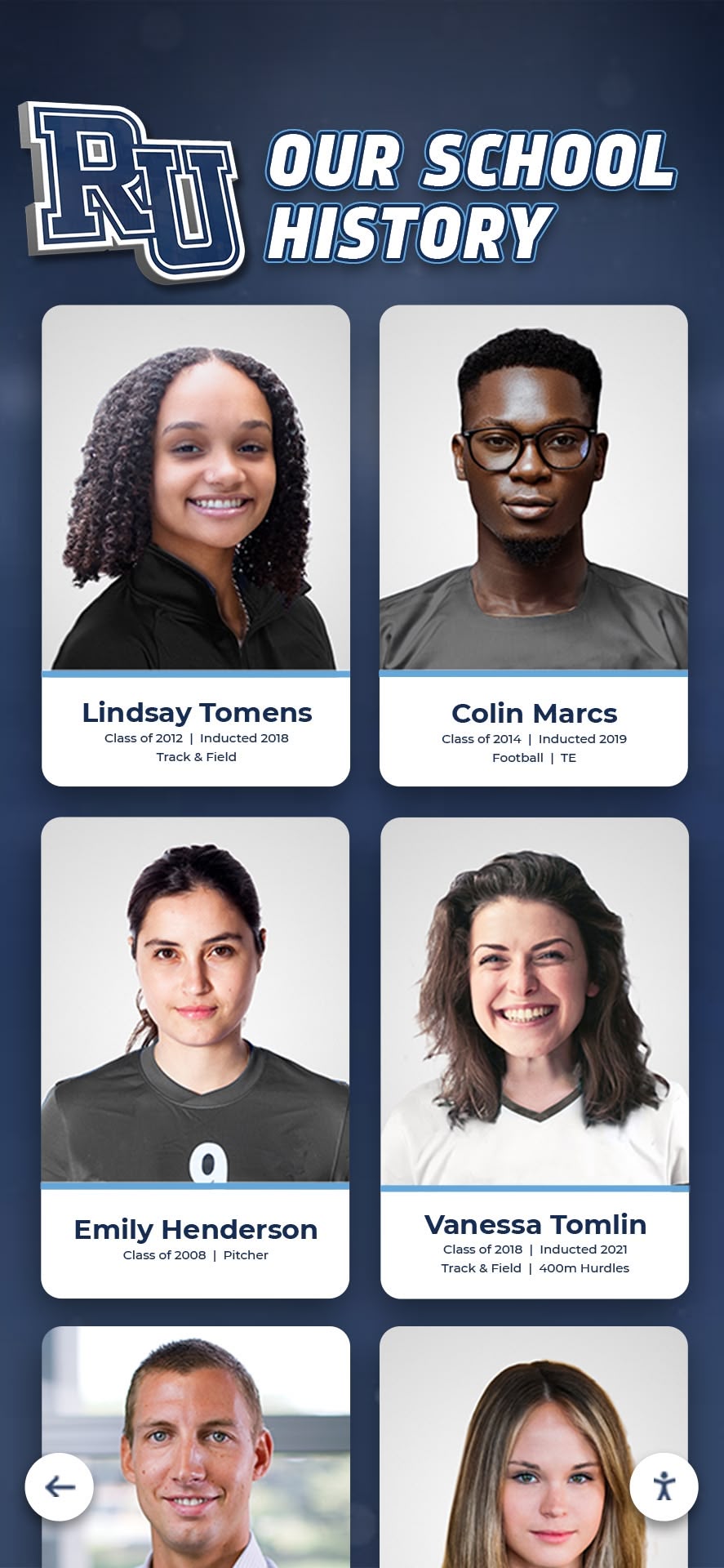
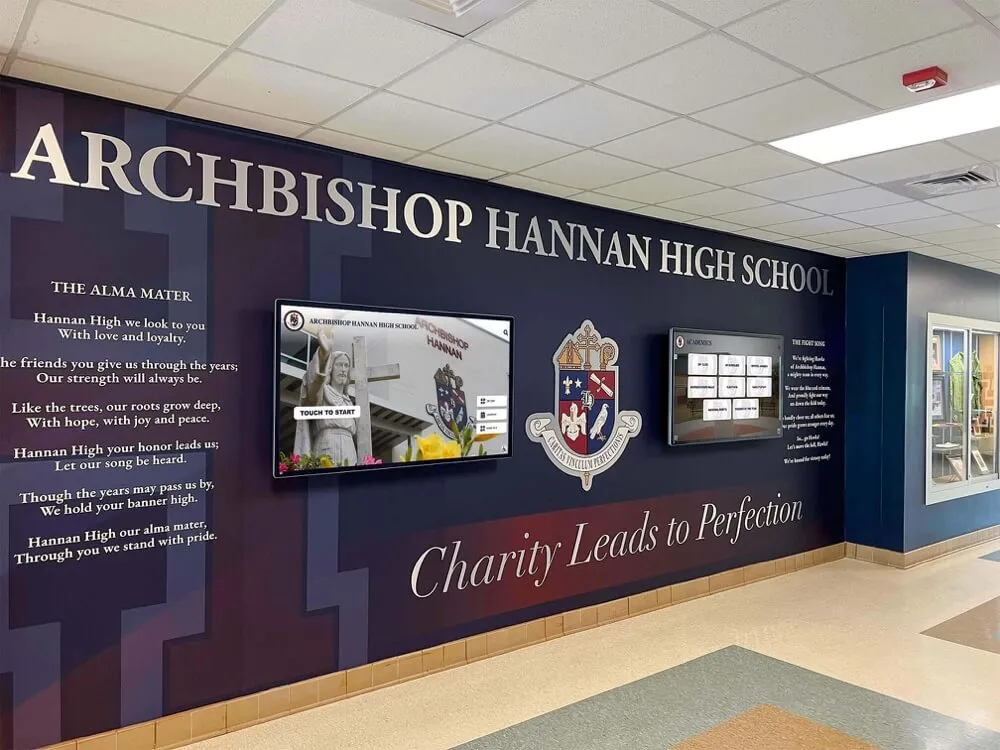
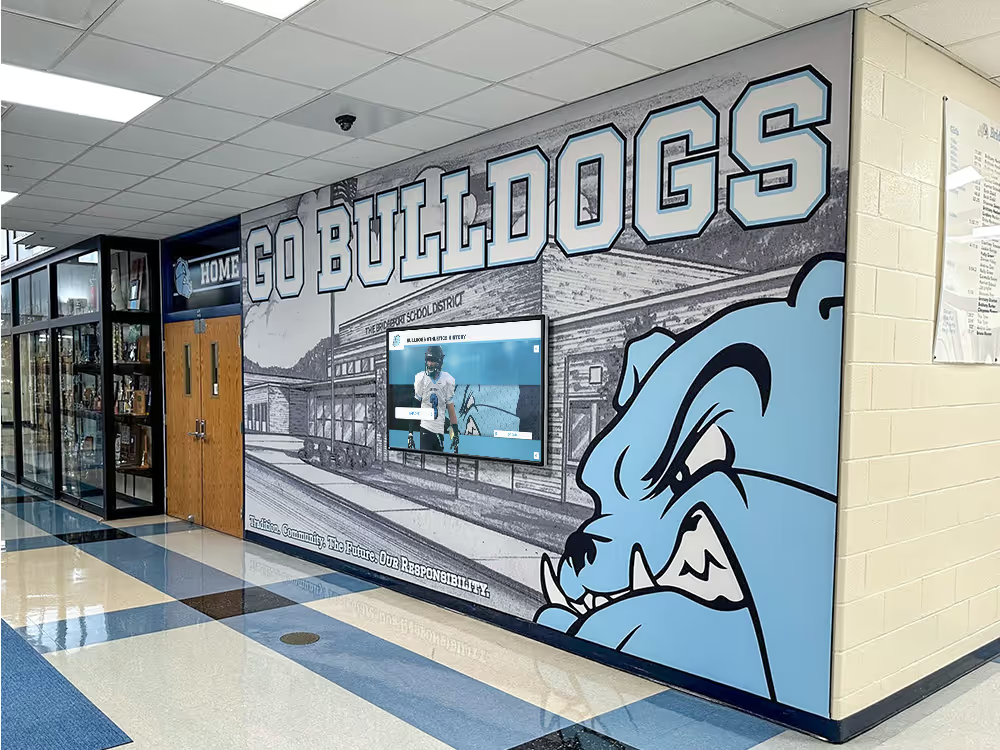
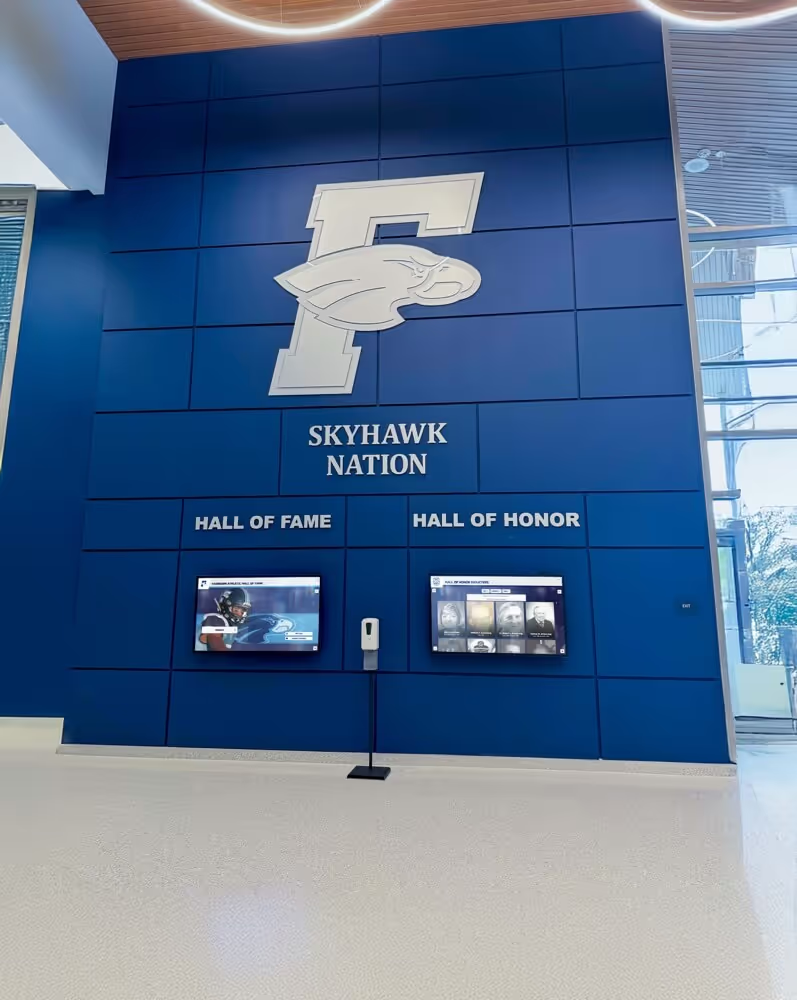
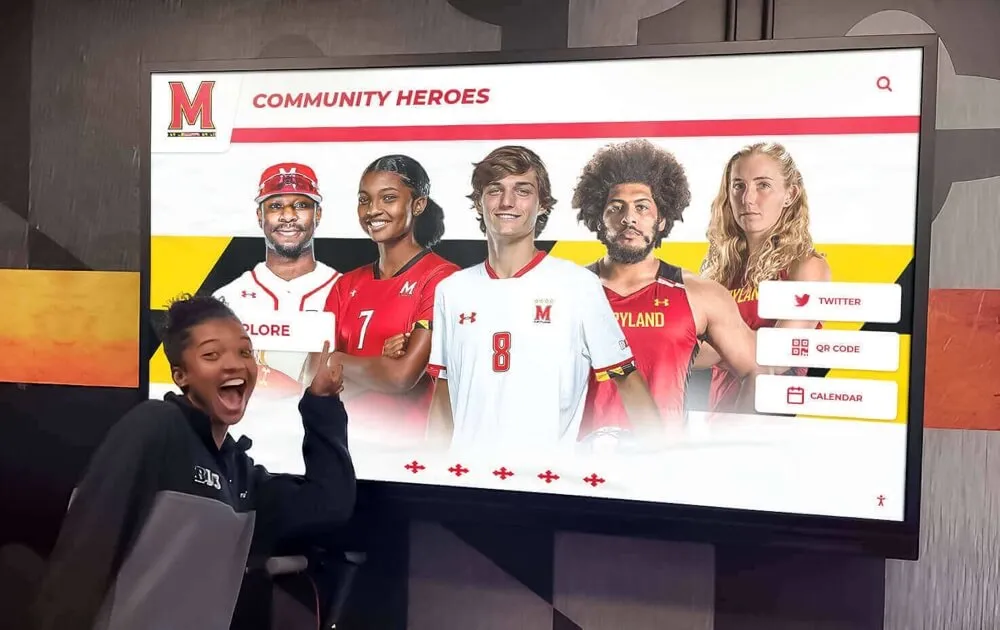
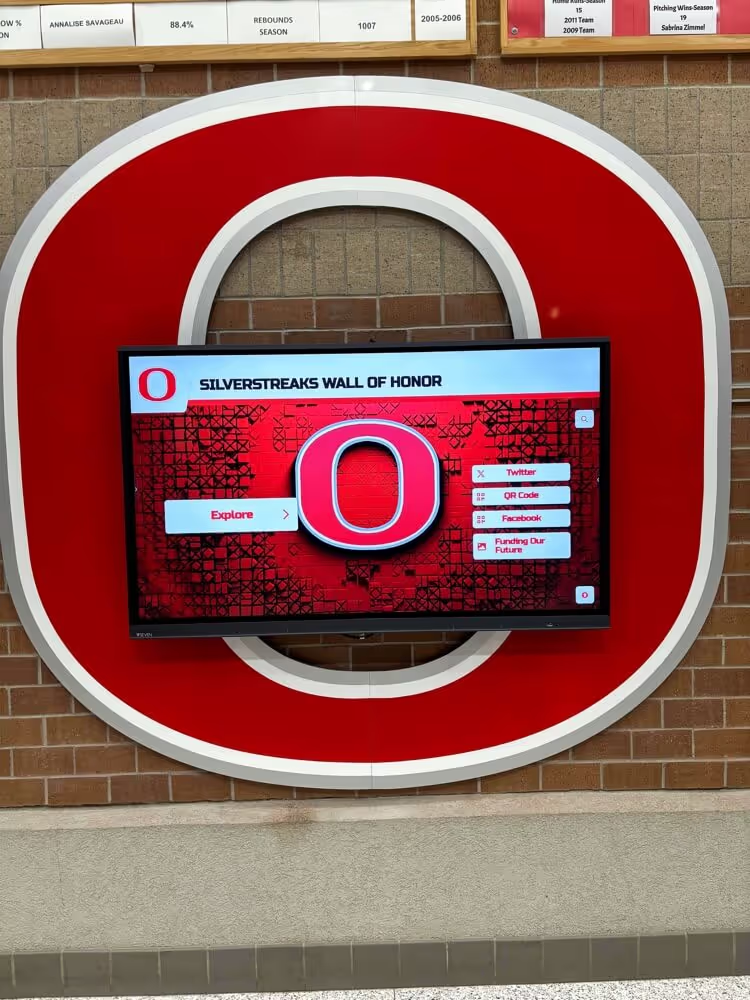
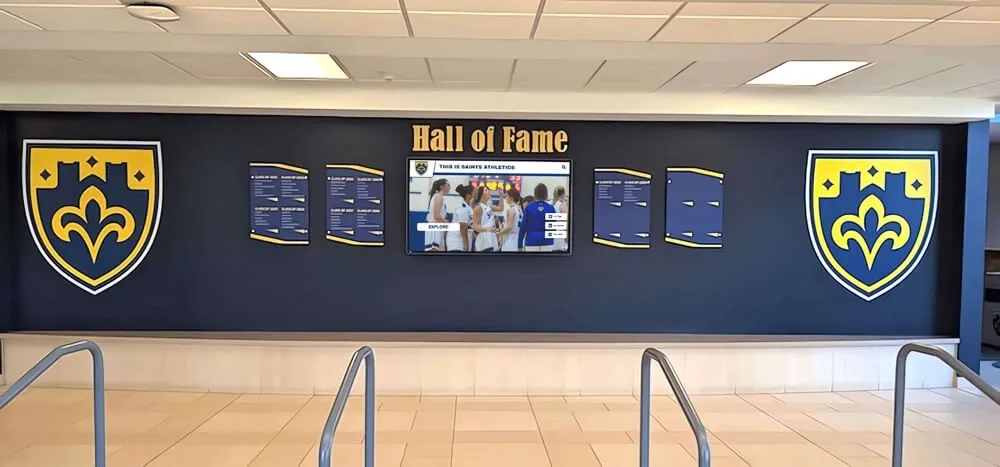
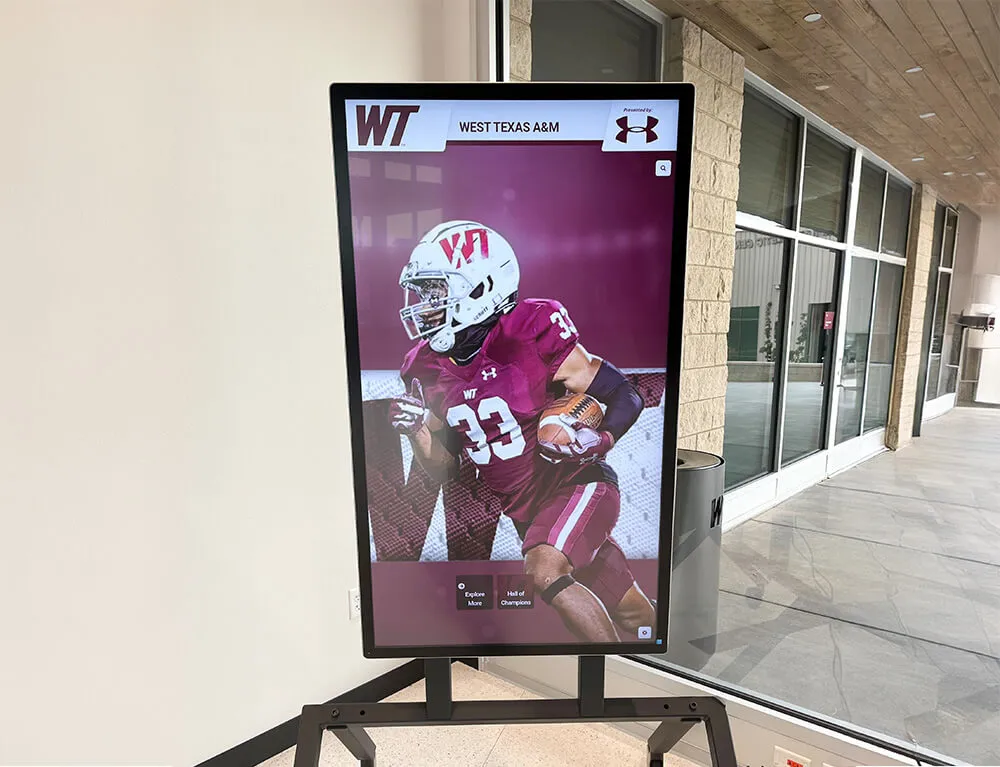
Recognition displays preserve academic achievements and leadership accomplishments that valedictorians represent
Proven Valedictorian Speech Structures and Templates
Effective speeches typically follow organizational patterns that create coherent, engaging narratives.
The Journey Framework
This structure traces the graduating class’s collective path from beginning to present:
Template Outline:
- Opening: Compelling hook capturing attention immediately
- Looking Back: Brief acknowledgment of the journey’s beginning and key shared experiences
- The Middle: Challenges faced, lessons learned, growth achieved together
- Present Moment: Recognizing achievement and this transitional milestone
- Looking Forward: Inspiration and guidance for the path ahead
- Closing: Memorable conclusion that unites themes
Example Application:
Opening: “Four years ago, we walked through these doors as strangers carrying backpacks that seemed impossibly heavy. Today, we carry something far more substantial—the knowledge, friendships, and resilience that will support us through whatever comes next.”
Looking Back: “Freshman year, we couldn’t locate our lockers, we got lost finding classrooms, and we genuinely believed we’d never survive Mr. Henderson’s biology exams…”
The Middle: “But somewhere between those uncertain first days and this moment, something shifted. We learned that the obstacles that seemed insurmountable became manageable when we faced them together…”
Present Moment: “Today, we’re no longer those uncertain freshmen. We’ve earned the right to be here, not just through test scores and assignments, but through persistence, adaptation, and genuine growth…”
Looking Forward: “The next chapter brings unknowns—different colleges, career paths, cities, and challenges. But we’re taking with us the fundamental lesson this place taught: we’re capable of far more than we initially believe possible…”
Closing: “So as we leave these familiar halls for the final time, we carry forward not just diplomas, but the knowledge that we’ve already proven we can adapt, persevere, and succeed. The future isn’t something that happens to us—it’s something we create, just as we’ve done here.”
The Theme-Based Structure
This approach organizes content around a central metaphor or theme running throughout the speech:
Popular Theme Options:
Building/Construction: Education as building foundation, skills as tools, future as construction project Journey/Navigation: School as voyage, lessons as compass, graduation as reaching harbor before new journey Growth/Seasons: Learning as cultivation, challenges as weather, graduation as harvest Stories/Chapters: School years as book chapters, graduation as turning page to new section
Theme Framework Template:
- Introduce Theme: Present your central metaphor immediately and clearly
- Apply to Past: Use theme to frame past experiences
- Connect to Lessons: Show how theme illuminates what was learned
- Extend to Future: Demonstrate theme’s relevance to what’s ahead
- Return to Theme: Circle back to strengthen cohesion
Example: “Building” Theme
“We’ve spent four years constructing something remarkable here—not just completing assignments or earning credits, but building the foundation everything ahead will rest upon. Every failed quiz taught us how to reinforce weak spots. Every successful project showed us what happens when we use quality materials and careful planning. Every collaboration demonstrated that the strongest structures require teamwork and trust.
Now we hold the blueprints for our futures, along with tools this place provided: critical thinking, resilience, creativity, discipline. The structures we build from here—careers, relationships, communities, lives—will only be as strong as the foundations we’ve built in these halls.
As we pick up our tools and move to new construction sites, we carry the fundamental builder’s knowledge: great things require patience, skill develops through practice, mistakes teach essential lessons, and the most important projects are never built alone.”

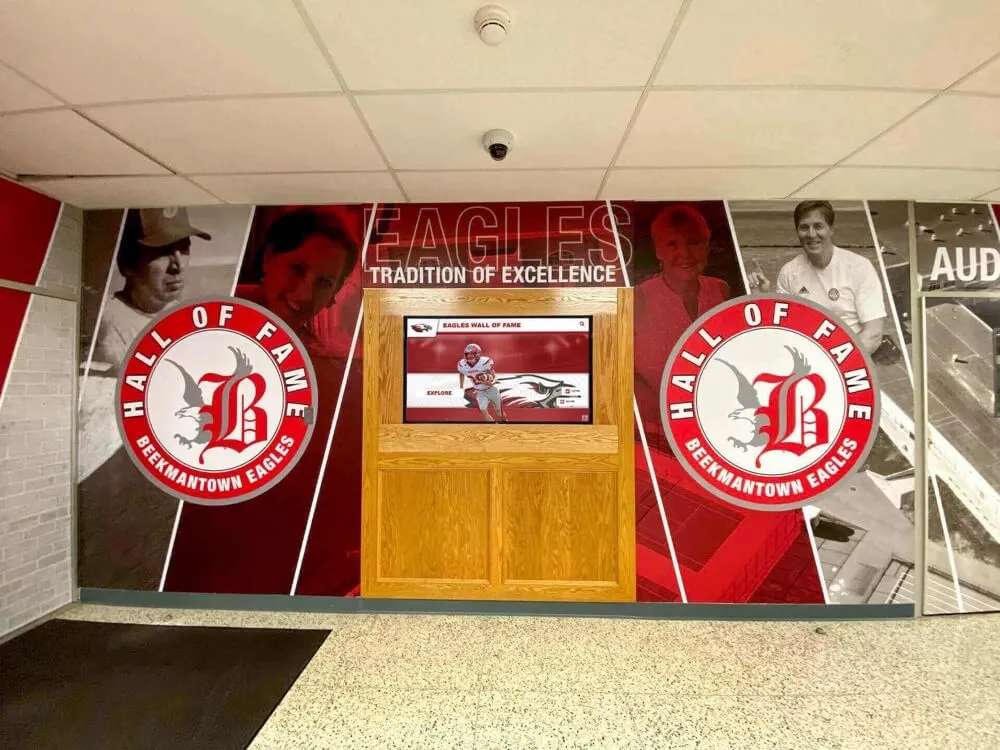
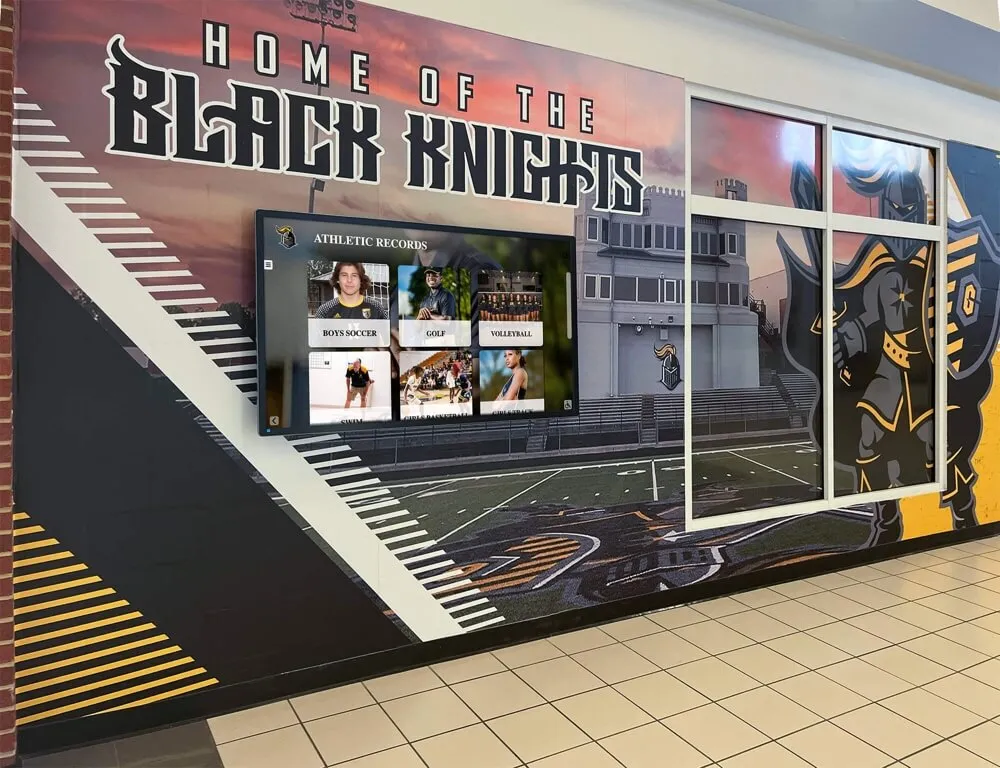
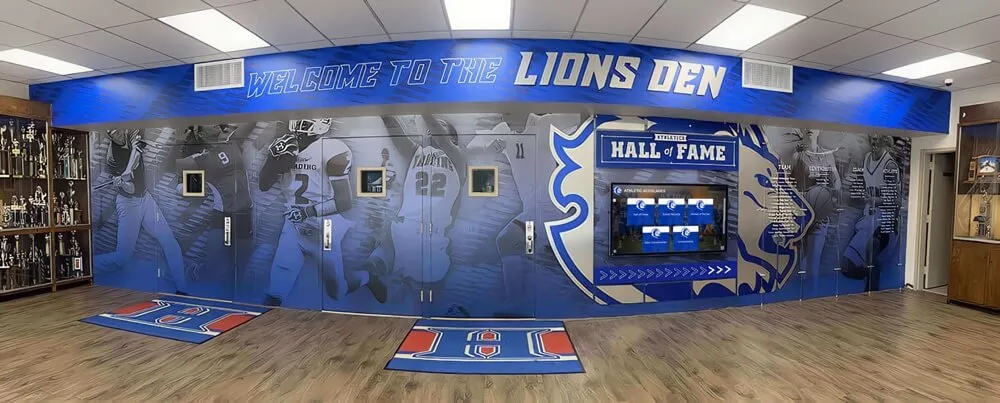
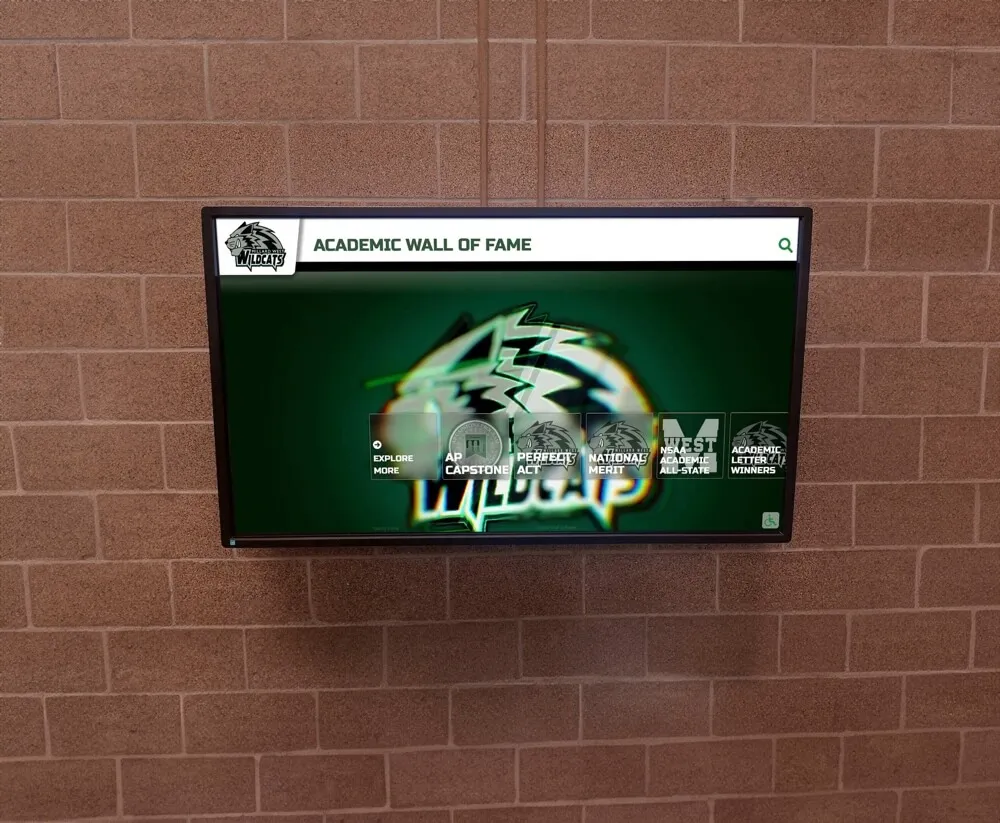
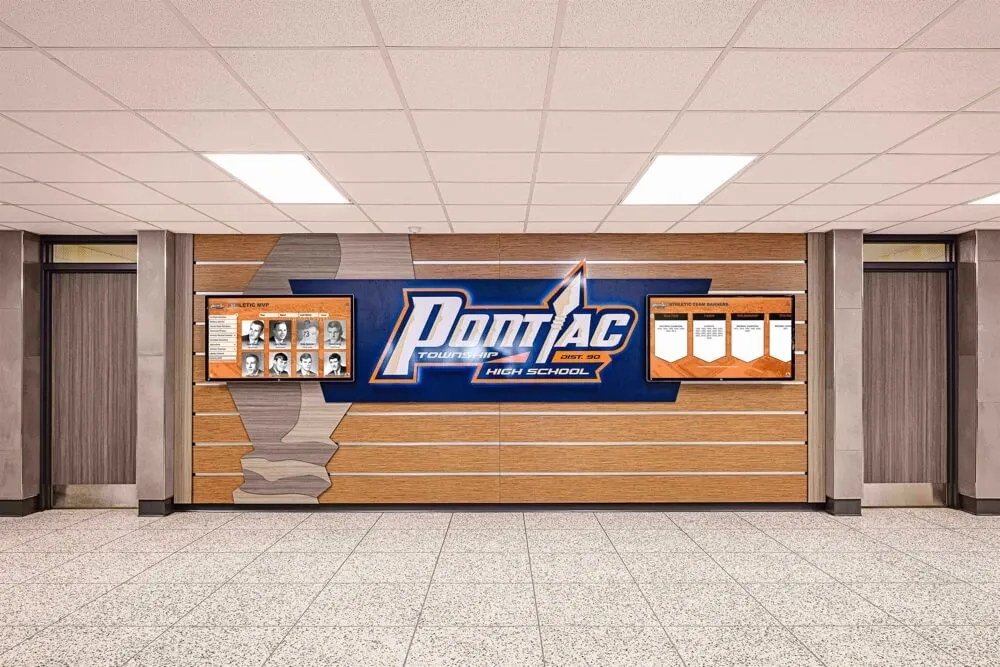
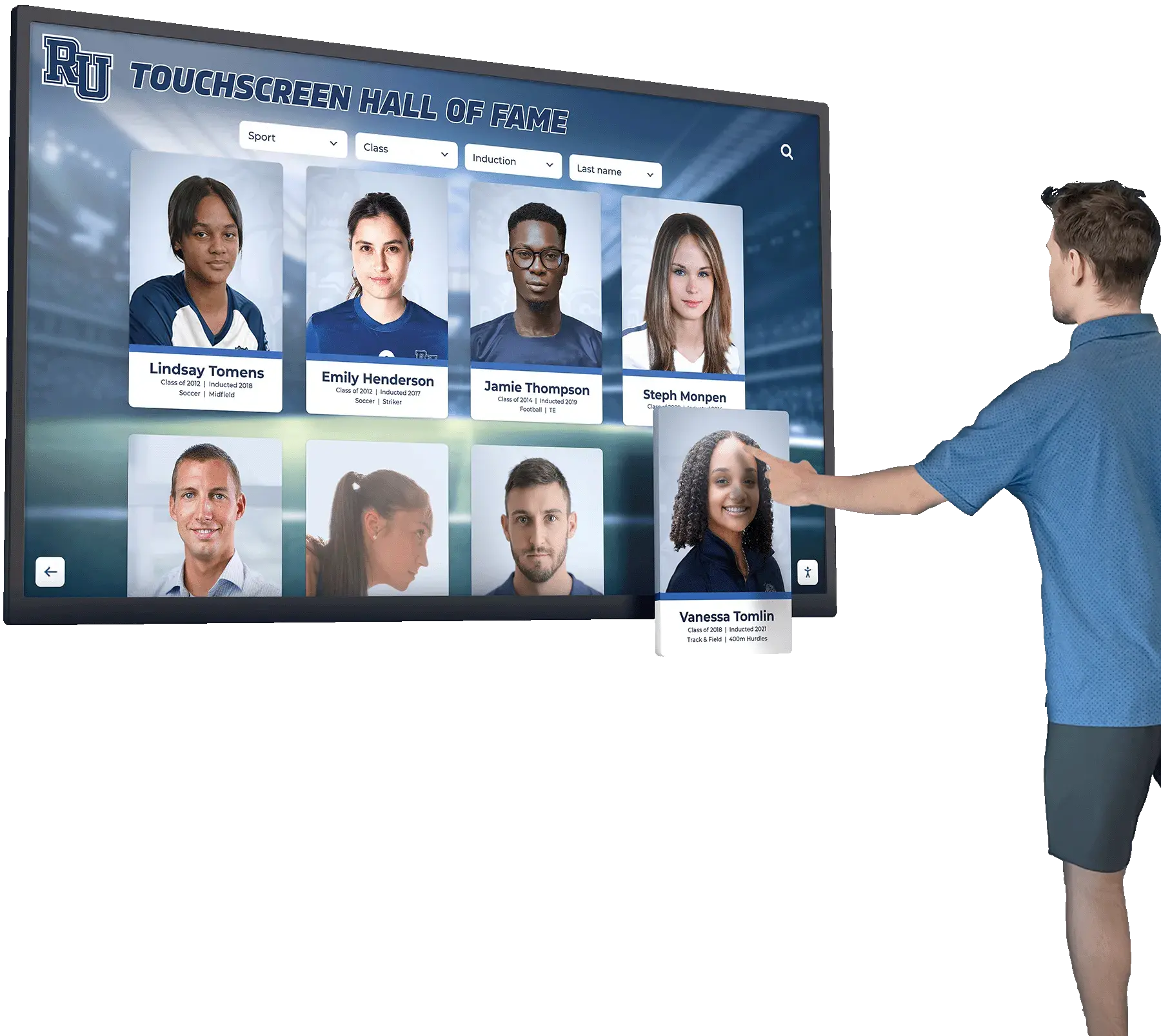
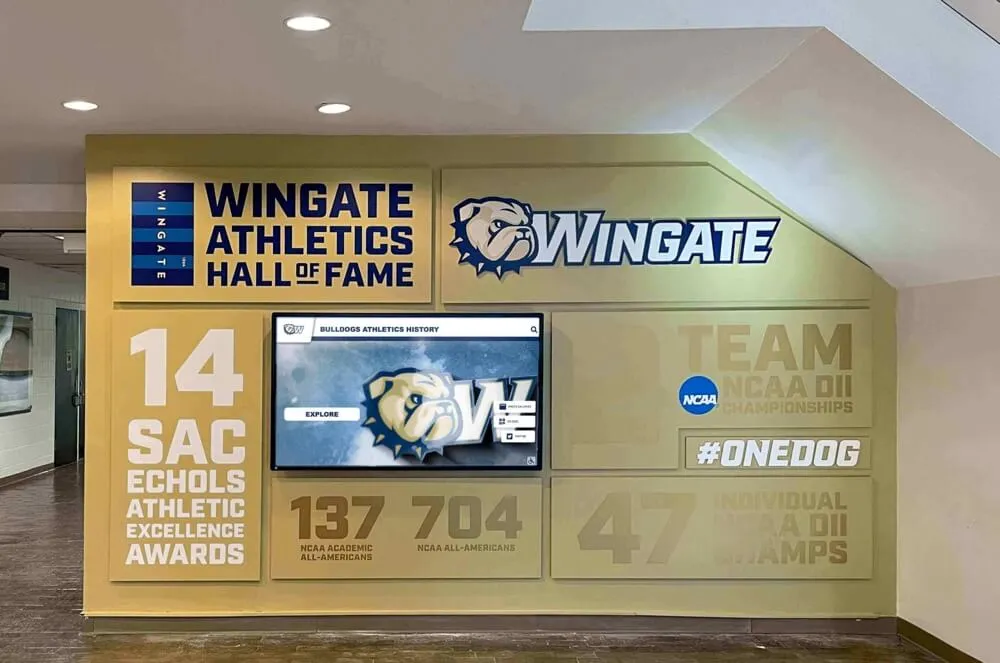
Interactive displays allow students and families to explore academic achievement histories including valedictorian recognition
The Lesson-Based Structure
This format identifies key lessons learned during school years and connects them to future application:
Template Outline:
- Opening: Pose question about what truly matters from education
- Lesson One: First major insight with brief supporting story or example
- Lesson Two: Second key learning, different dimension than first
- Lesson Three: Third essential lesson completing the set
- Integration: Show how lessons work together
- Application: Connect lessons to future challenges and opportunities
- Closing: Return to opening question with answer now clear
Lesson Selection Guidance:
Choose lessons that are:
- Specific enough to feel genuine and grounded in real experience
- Universal enough that all classmates can relate and recognize truth
- Forward-applicable so they clearly matter beyond school context
- Varied so they address different dimensions of growth and learning
Common effective lesson themes include:
- Failure teaches more than success when we learn from it
- Asking for help demonstrates strength, not weakness
- Comfort zones limit growth—discomfort signals learning
- Community and collaboration produce better outcomes than isolation
- Persistence matters more than initial talent
- Different paths to similar destinations are all valid
Schools implementing comprehensive academic recognition programs create cultures where these lessons become embedded in student experiences, providing rich material for valedictorian addresses.
Valedictorian Speech Examples by Style and Tone
Different approaches suit different speakers and contexts. These examples illustrate various effective styles:
Inspirational and Forward-Looking Example
Opening:
“Today we’re not ending something—we’re beginning everything. This ceremony doesn’t close the book on our education; it’s the moment we finally get to write our own pages. For four years, we’ve followed syllabi, met requirements, and prepared for this exact moment. Now comes the part where we discover what we’re actually preparing for.”
Body:
“During these years, we’ve accumulated knowledge—formulas, facts, historical dates, literary analysis skills. But the real education happened in moments between the formal curriculum: the study group at 2 AM before finals where we taught each other concepts our teachers couldn’t make clear. The conversation with a classmate from a completely different background that challenged assumptions we didn’t realize we held. The project that failed spectacularly, teaching us that setbacks aren’t endings but redirections.
These informal lessons prepared us for a future that doesn’t come with syllabi or rubrics. We’re entering a world where the problems we’ll face aren’t in textbooks, where there are no answer keys in the back, where showing your work matters more than arriving at predetermined correct answers. And that’s not something to fear—it’s an invitation to create, innovate, and contribute in ways we’re only beginning to imagine.
Some of us know exactly where we’re headed: specific colleges, clear career paths, detailed five-year plans. Others have no idea what’s next beyond knowing that we’ll figure it out, just as we’ve figured out everything else along the way. Both approaches are valid. Both groups will encounter surprises. And both will discover that the flexibility, resilience, and problem-solving skills we’ve developed here matter far more than certainty.”
Closing:
“So as we walk out of here today, we’re not leaving empty-handed. We carry knowledge, yes, but more importantly, we carry capability. The ability to learn what we don’t know. The courage to try what we haven’t attempted. The wisdom to seek help when we need it. And the confidence that comes from already proving we can handle challenges that once seemed impossible.
The future isn’t a distant destination we’re traveling toward. It starts the moment we move our tassels. And I can’t wait to see what we build with it.”
Humorous and Relatable Example
Opening:
“Thank you all for coming to witness the Class of 2026 officially becoming someone else’s problem. [Pause for laughter] But seriously, on behalf of my classmates, I want to thank our teachers, parents, and administrators for the patience you’ve shown during our… let’s call it ‘character development.’”
Body:
“We arrived here as freshmen convinced we knew everything. By sophomore year, we realized we knew nothing. Junior year, we stopped caring whether we knew anything. And senior year, we figured out that nobody else knows what they’re doing either—they’re just better at pretending. [Laughter]
But somewhere between the existential crisis of freshman algebra and the existential crisis of college applications, we actually learned some things. Like how to function on four hours of sleep. How to write entire essays in homeroom. And most importantly, how to look like we’re paying attention during assemblies while actually… well, I probably shouldn’t finish that sentence. [Laughter]
In all seriousness, though, we learned that real learning happens when we stop pretending to understand and actually admit we’re confused. We learned that the friends who help you study aren’t just generous—they’re also the smart ones, because teaching others is how you actually master material. We learned that perfectionism is just fear wearing a disguise, and that ‘good enough’ often turns out to be more than good enough.
And perhaps most surprisingly, we learned that teachers are actual human beings who want us to succeed. I know—shocking discovery. [Laughter] Turns out that when they assign challenging work, it’s not because they hate us, but because they believe we can handle it. Which is simultaneously flattering and exhausting.”
Closing:
“So as we move forward to college, careers, and whatever else life has planned—or hasn’t planned—we’re taking these lessons with us. Along with the ability to bullsh… I mean, ‘creatively problem-solve’… through situations where we have no idea what we’re doing.
To the Class of 2026: we made it. We survived. We actually learned things despite our best efforts to avoid it. And now we get to inflict ourselves upon the world. I genuinely feel sorry for everyone who has to deal with us next. But I’m also excited to see what we accomplish when we direct all this energy, creativity, and stubbornness toward building something meaningful.
Congratulations, everyone. Please remember me fondly when you’re all successful and I need professional favors.”
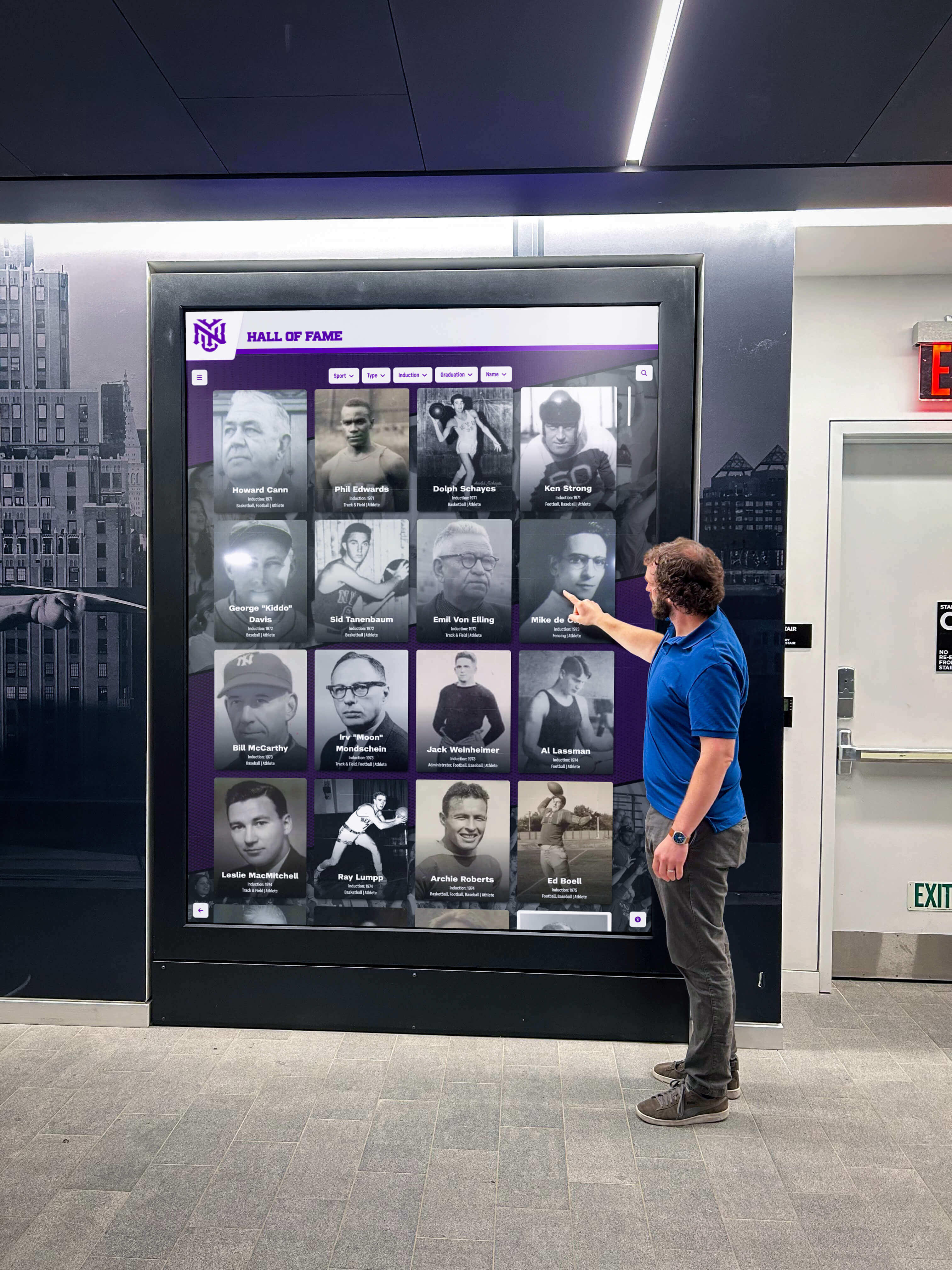
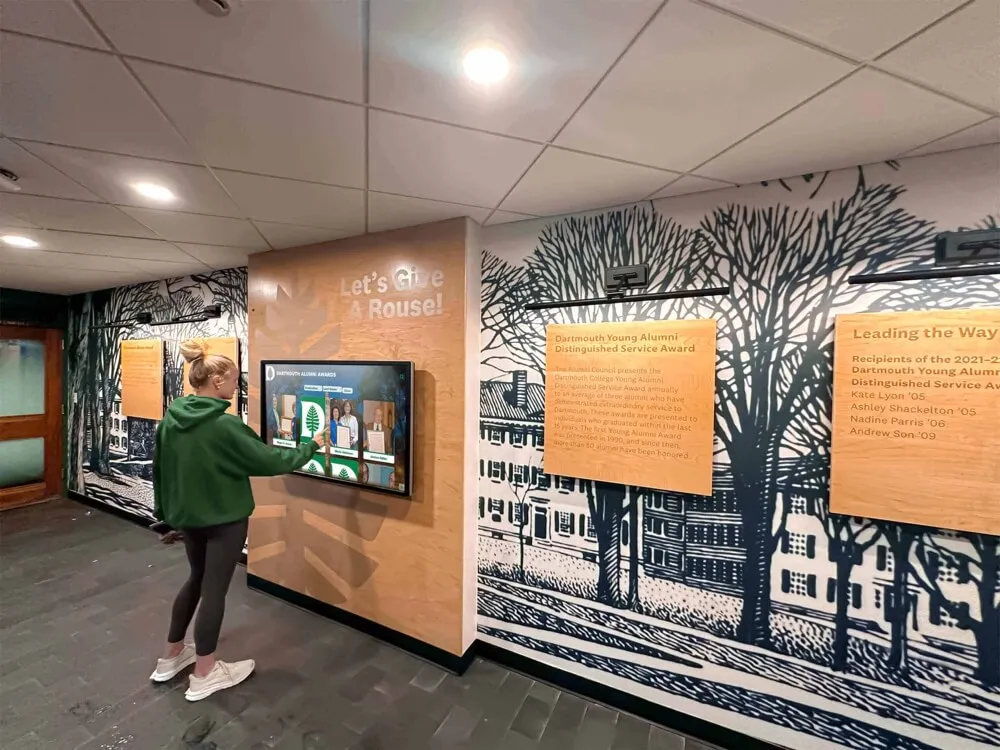
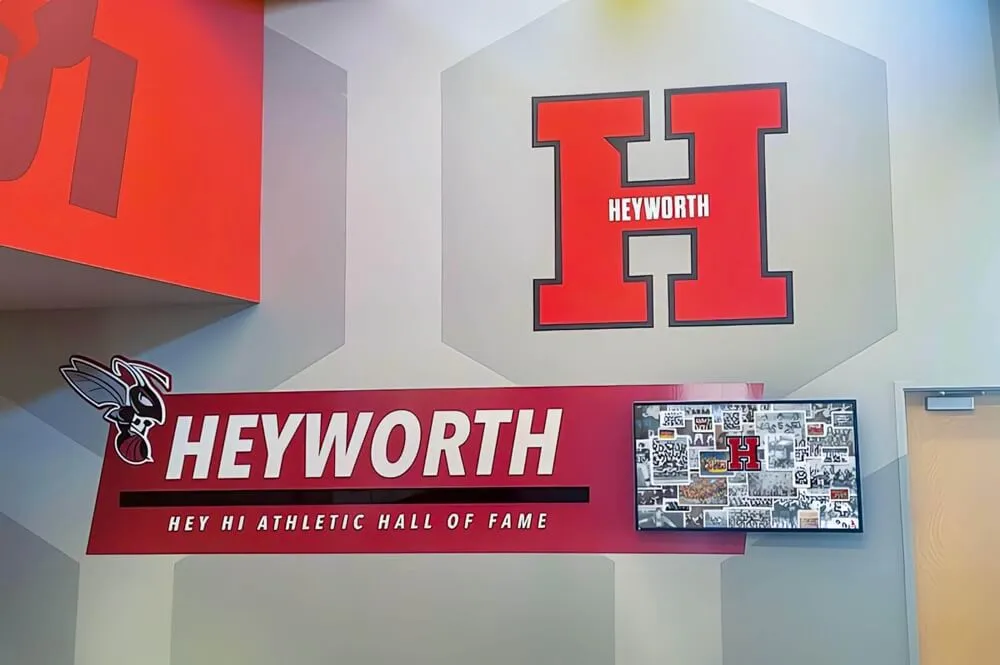
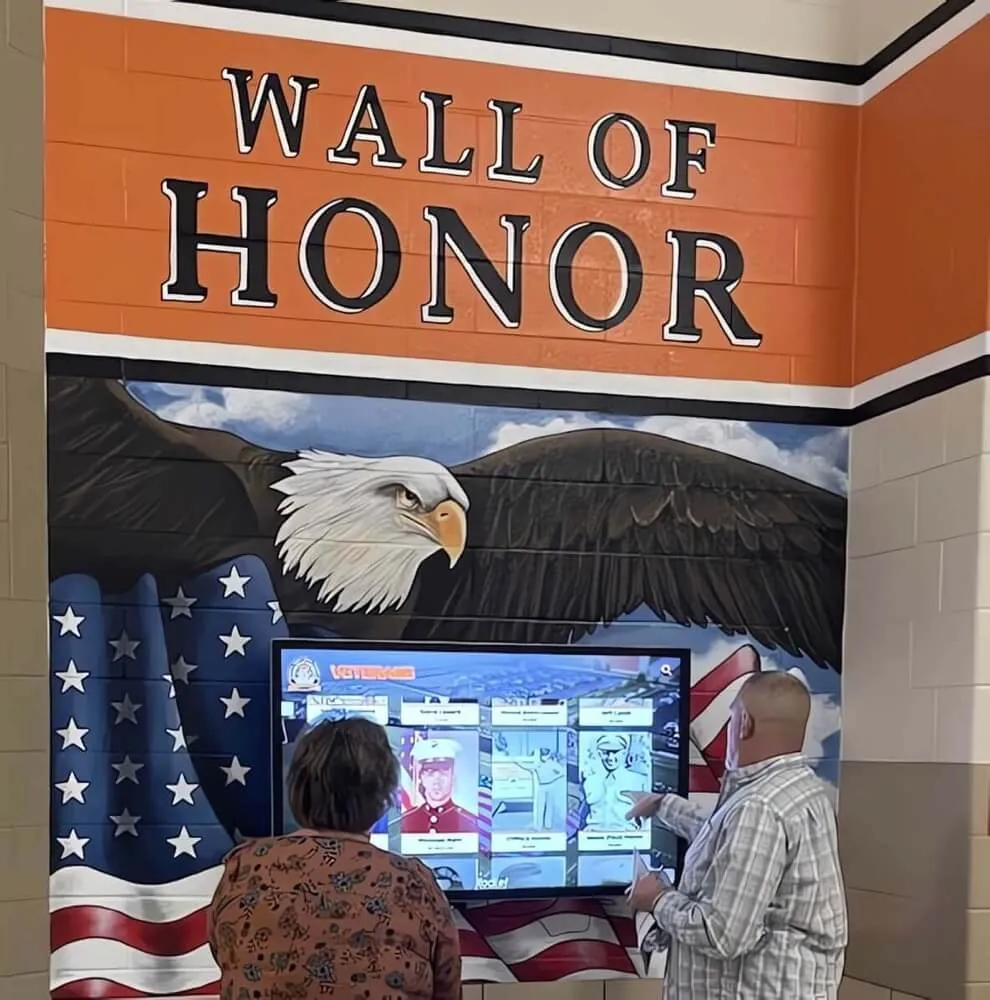
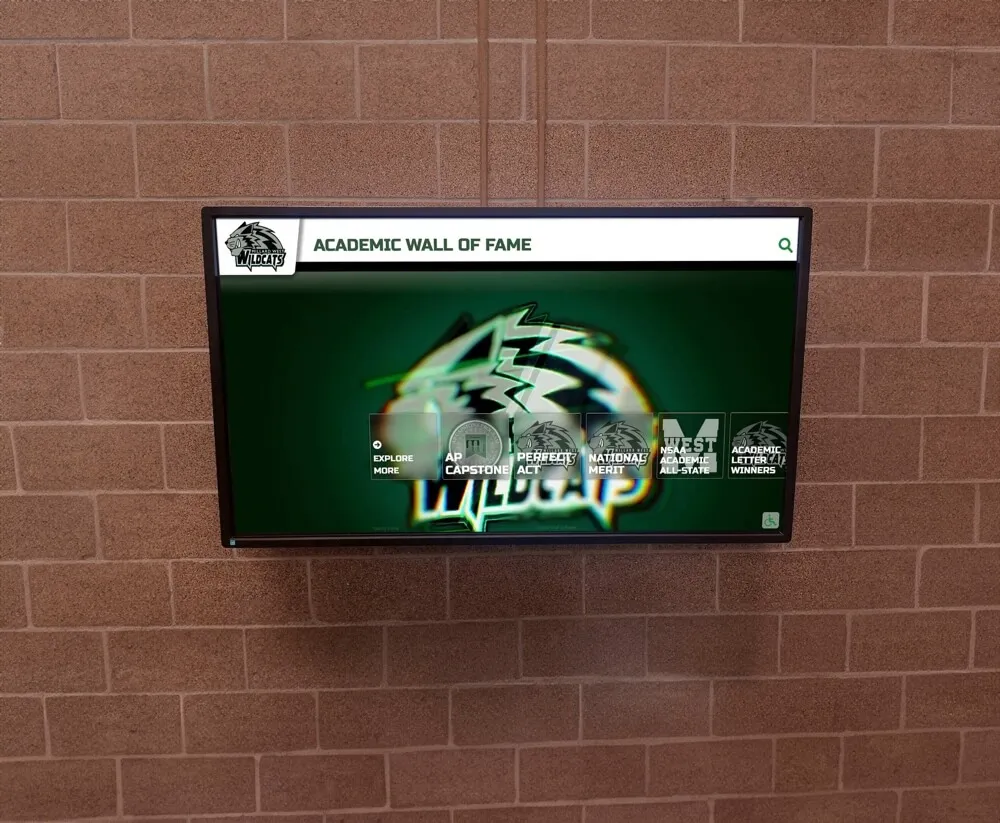
Recognition displays preserve valedictorian speeches and graduation moments alongside ongoing academic achievement celebration
Reflective and Thoughtful Example
Opening:
“When I started writing this speech, I kept asking myself: what could I possibly say that would matter? What words could capture four years of experiences that were different for every person in this room? How do you summarize growth that’s still happening, lessons we’re still learning, and futures we haven’t yet lived?
Then I realized: maybe that’s exactly the point.”
Body:
“We often treat graduation like a conclusion—a finish line we’ve finally reached after years of running. But the truth is, this moment is less like crossing a finish line and more like reaching a vista point on a long hike. We can look back and see how far we’ve climbed. We can see the paths we took, the obstacles we navigated, the points where we thought about turning back but didn’t. And we can also look forward to trails we haven’t yet explored, destinations we haven’t yet reached.
During these four years, we’ve changed in ways we’re only beginning to recognize. Not just academically—though yes, we know significantly more calculus and literature analysis than we did as freshmen. But more fundamentally, we’ve changed how we think about ourselves and our capabilities.
We’ve learned that intelligence isn’t fixed—it’s something we develop through effort and persistence. We’ve discovered that different people excel in different ways, and that struggling in one area doesn’t predict struggling in all areas. We’ve realized that the students we initially dismissed as ‘just smart’ actually work incredibly hard, while the ones we assumed had everything easy often faced challenges we never saw.
Most importantly, we’ve learned that we’re capable of more than we believed. The assignment that seemed impossible becomes manageable when we break it down. The skill that felt forever out of reach becomes accessible with practice and patience. The social situations that terrified us become comfortable when we’re willing to be vulnerable and authentic.”
Closing:
“As we leave here today, we’re taking with us not just knowledge or credentials, but something more fundamental: evidence. Evidence that we can learn difficult things. Evidence that we can overcome obstacles. Evidence that we can build friendships, navigate conflicts, recover from failures, and achieve goals we once thought impossible.
That evidence matters more than any diploma. It’s proof that whatever comes next—however challenging or uncertain—we have what it takes to handle it. Not because we’re special or uniquely talented, but because we’ve already demonstrated our capability.
To my classmates: thank you for the past four years. Thank you for making this place feel like a community rather than just an institution. Thank you for teaching me lessons I couldn’t learn from textbooks and for showing me perspectives I wouldn’t have discovered alone.
We don’t know what’s coming next. But we know we can handle it. Because we already have.”
Crafting Your Opening: Hooks That Capture Attention
The first 30 seconds determine whether audiences engage with your speech or zone out mentally.
Effective Opening Techniques
Provocative Questions
Start with a question that makes audiences think:
- “What if I told you that everything you learned in these halls is already obsolete?”
- “How many of you remember why you’re actually here today?”
- “When did we stop being the youngest students in this building and become the ones everyone looks up to?”
Unexpected Statements
Open with something surprising that contradicts assumptions:
- “I almost didn’t graduate. Not because of grades or attendance, but because I almost gave up.”
- “The best thing that happened to me during high school was failing Mr. Chen’s chemistry class sophomore year.”
- “Our generation is supposed to have everything figured out through technology. So why are we all terrified of what comes next?”
Vivid Imagery or Storytelling
Create an immediate scene audiences can visualize:
- “Picture yourself as a freshman: backpack too heavy, schedule incomprehensible, convinced everyone else knows exactly what they’re doing while you’re just pretending.”
- “It’s 3 AM. You’re surrounded by textbooks, empty energy drink cans, and the growing certainty that you’ve forgotten everything you studied. Sound familiar?”
Statistical Surprises
Open with an unexpected fact:
- “Our class has collectively spent approximately 5,400 hours in these classrooms. But the 90 minutes between classes, the lunch periods, the afterschool activities—that’s where we actually learned who we are.”
What to Avoid in Openings
Dictionary Definitions
Never open with “Webster’s Dictionary defines…” or similar approaches. This signals unoriginal thinking immediately and practically guarantees audience disengagement.
Generic Greetings
Extended opening pleasantries (“Good evening everyone, it’s wonderful to be here today…”) waste precious attention moments when audiences are actually listening.
Apologies or Self-Deprecation
Don’t undermine yourself by opening with “I’m nervous” or “I don’t know why they picked me for this.” Even if true, stating it makes audiences doubt you before you’ve begun.
Developing Your Middle: Content That Resonates
The body of your speech should deliver substance audiences actually remember.
Selecting Meaningful Stories and Examples
Choosing Stories That Represent Collective Experience
Effective anecdotes:
- Involve situations most classmates encountered or witnessed
- Illustrate broader points rather than existing solely as entertainment
- Feel authentic and specific rather than generic
- Connect to your speech’s central themes
Example of Effective Story Selection:
Weak: “I remember when I won the science fair and realized I wanted to be a researcher.” (Too personal, not relatable to most classmates)
Strong: “Remember the collective panic the week before finals when we realized we’d all procrastinated? Those marathon study sessions in the library weren’t just about cramming information—they were about learning that we’re more capable under pressure than we give ourselves credit for, and that asking each other for help makes everyone stronger.” (Relatable shared experience with clear lesson applicable to future)
Incorporating Diverse Perspectives
Your speech should acknowledge that not everyone had identical experiences:
Recognizing Different Paths
“Some of us found our place immediately—the sport we loved, the club where we belonged, the subject that clicked. Others searched for four years and still aren’t sure what lights us up. Both journeys taught valuable lessons: those who found their passion learned dedication and depth, while those still searching developed flexibility and breadth. Neither path is wrong.”
Acknowledging Varied Challenges
“We faced different obstacles during these years. For some, the struggle was academic—subjects that wouldn’t make sense no matter how long we studied. For others, it was social—finding where we fit in communities that felt established and impenetrable. For still others, it was external—family situations, financial pressures, responsibilities beyond school that nobody saw but that shaped every day. But whatever we faced individually, we learned universally that persisting through difficulty creates strength.”
Schools implementing comprehensive recognition programs through solutions like digital hall of fame displays ensure diverse student achievements receive ongoing celebration, creating environments where all paths to success gain validation.
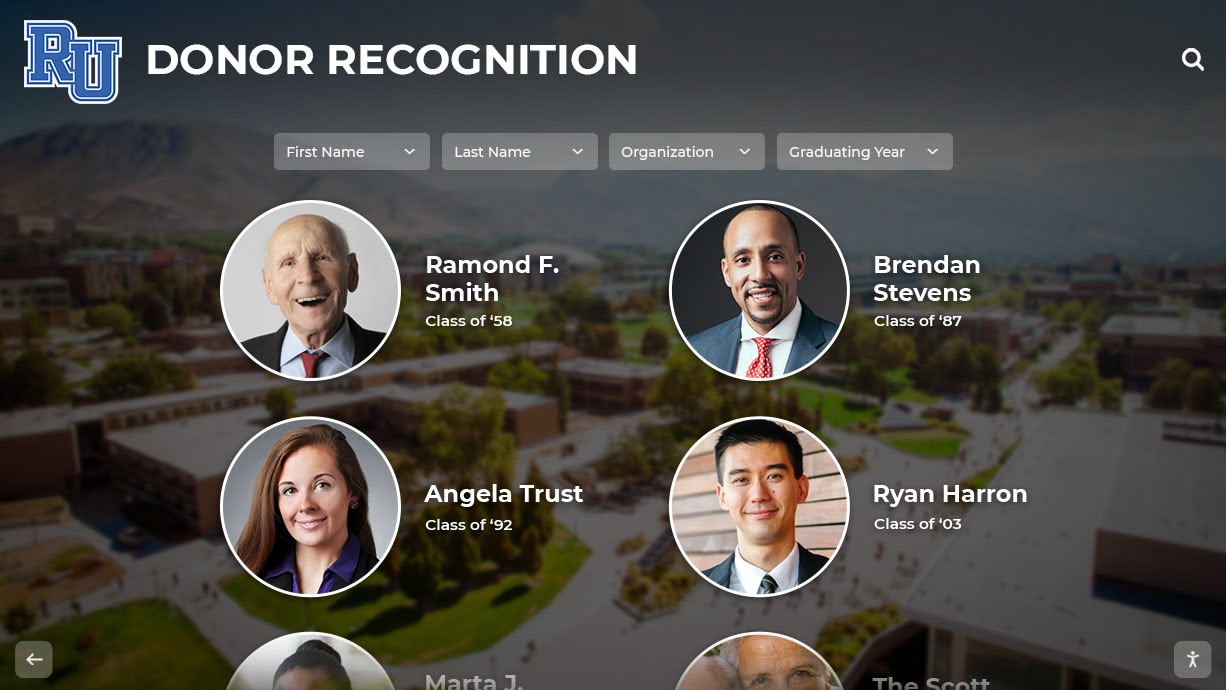
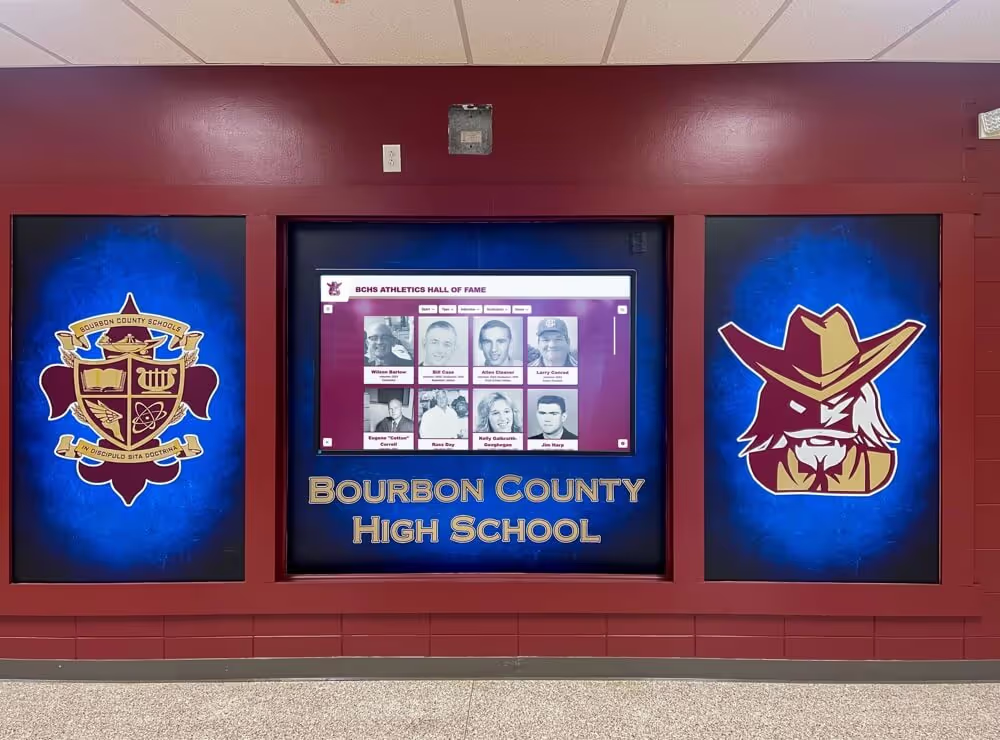
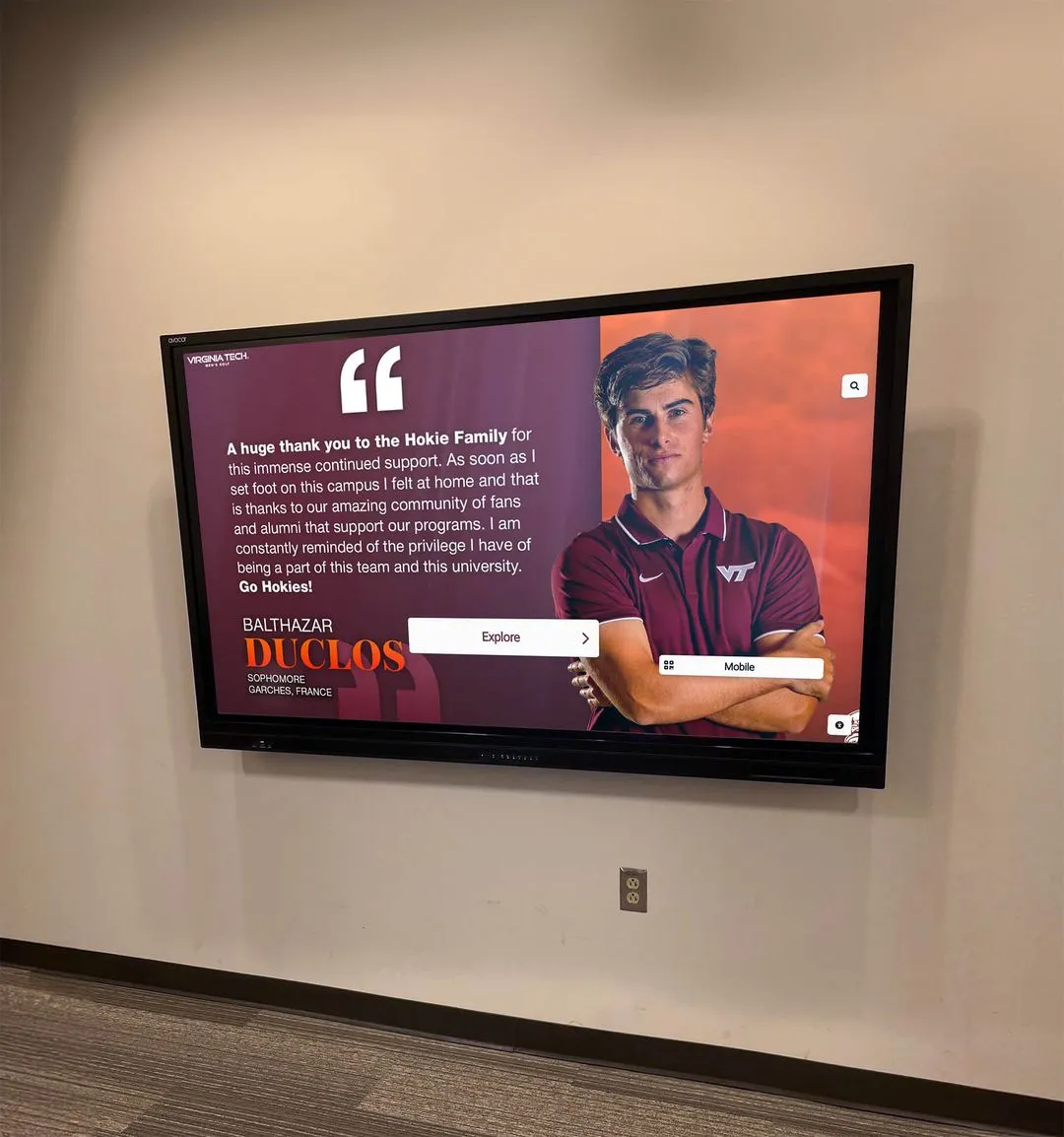
Comprehensive recognition systems celebrate diverse achievements including academic excellence, leadership, and service
Expressing Gratitude Without Creating Thank-You Lists
Acknowledgment belongs in valedictorian speeches, but it requires strategic handling.
Strategic Appreciation Approaches
Collective Acknowledgment by Group
Rather than naming individuals, acknowledge groups:
“To our teachers: thank you for seeing potential in us before we saw it ourselves, for pushing us beyond what we thought possible, and for the countless hours you invested that extended far beyond classroom time.
To our parents and families: thank you for supporting us through late-night panic attacks, early morning exhaustion, and the emotional rollercoaster that is adolescence. We didn’t always show appreciation in the moment, but we see it now.
To our administrators, counselors, and staff: thank you for creating an environment where learning could happen, for handling crises we never knew about, and for believing that investing in education matters.”
Gratitude Woven Throughout Rather Than Stacked at End
Instead of a dedicated thank-you section, incorporate appreciation naturally within your content:
“When Mrs. Rodriguez assigned that research project sophomore year that seemed impossibly complex, she wasn’t trying to torture us—though it felt that way at the time. She was teaching us that we could handle complexity, that academic rigor develops intellectual strength. And she was right.”
Common Gratitude Mistakes
Naming Specific Teachers or Individuals
Unless someone played an extraordinary role (like a teacher retiring after 40 years), avoid naming specific individuals. Those not mentioned feel overlooked, and it transforms speeches into awards ceremonies.
Excessive Personal Family Acknowledgment
Brief thanks to families collectively works well. Extended personal acknowledgment of “my mom, my dad, my grandmother who always believed in me…” belongs in private conversations, not public addresses.
Thanking People “For Making This Possible”
This phrasing implies you’re helpless without others. Better framing acknowledges support while maintaining agency: “We’ve had incredible support, and we’re grateful for it. But we’re also here because we did the work, made the effort, and persevered when things got difficult.”
Building Your Conclusion: Endings That Resonate
Strong closings leave audiences with clear messages they remember.
Effective Closing Techniques
Return to Your Opening
Circle back to your opening hook or question, now answered through your speech’s content:
Opening: “Four years ago, we arrived here as strangers.” Closing: “Today, we leave as a community. And while we’re going to different places, we carry these shared experiences forward, along with the knowledge that we’re capable of creating community wherever we go next.”
Call to Action or Challenge
Issue a specific challenge classmates can commit to:
“So here’s my challenge to all of us: Let’s stay curious. Let’s keep asking questions even when it’s easier to accept simple answers. Let’s remain open to perspectives different from our own, even when it’s uncomfortable. And let’s remember that the learning that happened here was just the beginning, not the conclusion.”
Powerful Final Sentence
Your last sentence should be quotable and memorable:
Strong examples:
- “We’re not just graduates—we’re proof that dedication, community, and resilience create possibility.”
- “The future doesn’t belong to us because we’re special; it belongs to us because we’re willing to build it.”
- “Today, we’re not ending our education—we’re finally beginning it.”
Closing Mistakes to Avoid
Introducing New Content
Your conclusion should synthesize and connect, not introduce topics you haven’t addressed previously.
Trailing Off or Weakening Message
End decisively rather than limping to conclusion with “so… yeah… anyway… that’s all I wanted to say.”
Overly Long Conclusions
Conclusions should be 10-15% of total speech length. If your closing takes as long as your body sections, you’re losing impact.
Delivery Strategies: How to Present Your Speech Effectively
Even brilliantly written speeches fall flat with poor delivery. Strategic practice transforms content into genuine impact.
Rehearsal Techniques That Actually Work
Practice Out Loud From the Beginning
Writing is different from speaking. Content that reads well silently often sounds awkward when spoken. Practice aloud from your earliest drafts to identify phrasing that doesn’t flow naturally.
Time Your Speech Multiple Times
Ceremonies impose time limits (typically 5-7 minutes for valedictorian addresses). Time multiple practice runs:
- First rehearsal is usually too fast (you rush due to nervousness)
- Add 10-15% to your “comfortable pace” time—that’s closer to actual delivery speed
- If you’re consistently over limit, cut content rather than speaking faster
Record Yourself and Watch/Listen
Recording reveals habits you don’t notice while speaking:
- Filler words (um, like, so, you know)
- Unintentional repetitive phrases
- Awkward transitions
- Sections where you lose energy or connection
Practice in Front of Real Audiences
Rehearse for family members, friends, or teachers who will give honest feedback. Solo practice only takes you so far—actual audiences help you learn to handle:
- Eye contact while speaking
- Responding to audience reactions
- Managing nervousness with people watching
- Pacing yourself appropriately
Schools that recognize student leadership through visible programs like interactive touchscreen displays create cultures where students develop public speaking confidence before reaching valedictorian addresses.
Managing Speaking Anxiety
Reframe Nervousness as Normal
Everyone gets nervous before public speaking—the difference is how speakers interpret that nervousness:
- Unhelpful: “I’m terrified and everyone will see me fail.”
- Helpful: “This adrenaline is my body preparing me to perform well. I’m excited to share this message.”
Use Physical Anxiety Management Techniques
Before speaking:
- Deep breathing (inhale for 4 counts, hold for 4, exhale for 6)
- Progressive muscle relaxation (tense and release major muscle groups)
- Power posing (expansive, confident posture for 2 minutes)
- Physical movement (walk, stretch) rather than sitting immobile
During speech:
- Ground yourself by feeling feet on floor
- Use deliberate gestures channeling nervous energy productively
- Make eye contact with friendly faces scattered throughout audience
- Pause intentionally rather than rushing when anxious
Accept That Perfection Isn’t the Goal
You’ll probably make small mistakes—mispronounce words, lose your place briefly, skip sentences. Audiences barely notice these moments. The speakers who recover well simply acknowledge briefly if necessary (“Let me rephrase that…”) and continue confidently.
Vocal Delivery Techniques
Vary Your Pace
Speaking at constant speed becomes monotonous. Strategic pacing creates engagement:
- Slow down for important points you want audiences to absorb
- Speed up slightly during transitional or setup content
- Pause before and after critical sentences creating emphasis
Project Without Shouting
Even with microphones, strong vocal projection ensures clarity:
- Speak from your diaphragm rather than throat
- Imagine directing your voice to the back row
- Maintain energy throughout—don’t let volume drop at sentence endings
Use Strategic Pauses
Silence is powerful. Pause:
- After asking rhetorical questions (let audiences mentally answer)
- Before important statements (builds anticipation)
- After significant points (allows absorption)
- When transitioning between sections (signals shift)
Most speakers pause too little rather than too much. What feels like an awkwardly long pause to speakers feels appropriately dramatic to audiences.
Body Language and Physical Presence
Posture and Stance
- Stand with feet shoulder-width apart for stability
- Keep weight distributed evenly rather than shifting
- Maintain upright posture projecting confidence
- Avoid locked knees (causes lightheadedness during long speaking)
Gestures
Effective gestures should:
- Feel natural rather than choreographed
- Reinforce content rather than distracting from it
- Involve arms and hands (avoid clutching podium or keeping hands in pockets)
- Occur above waist level for visibility
Eye Contact
- Scan entire audience rather than focusing on one section
- Make brief eye contact with individuals throughout room
- Avoid staring at notes, reading entirely from paper
- Look up during important points even if using notes for other sections
Facial Expressions
Your face should match your content:
- Genuine smiles during positive, uplifting content
- Serious expressions during reflective or challenging points
- Authentic emotion rather than forced cheerfulness throughout
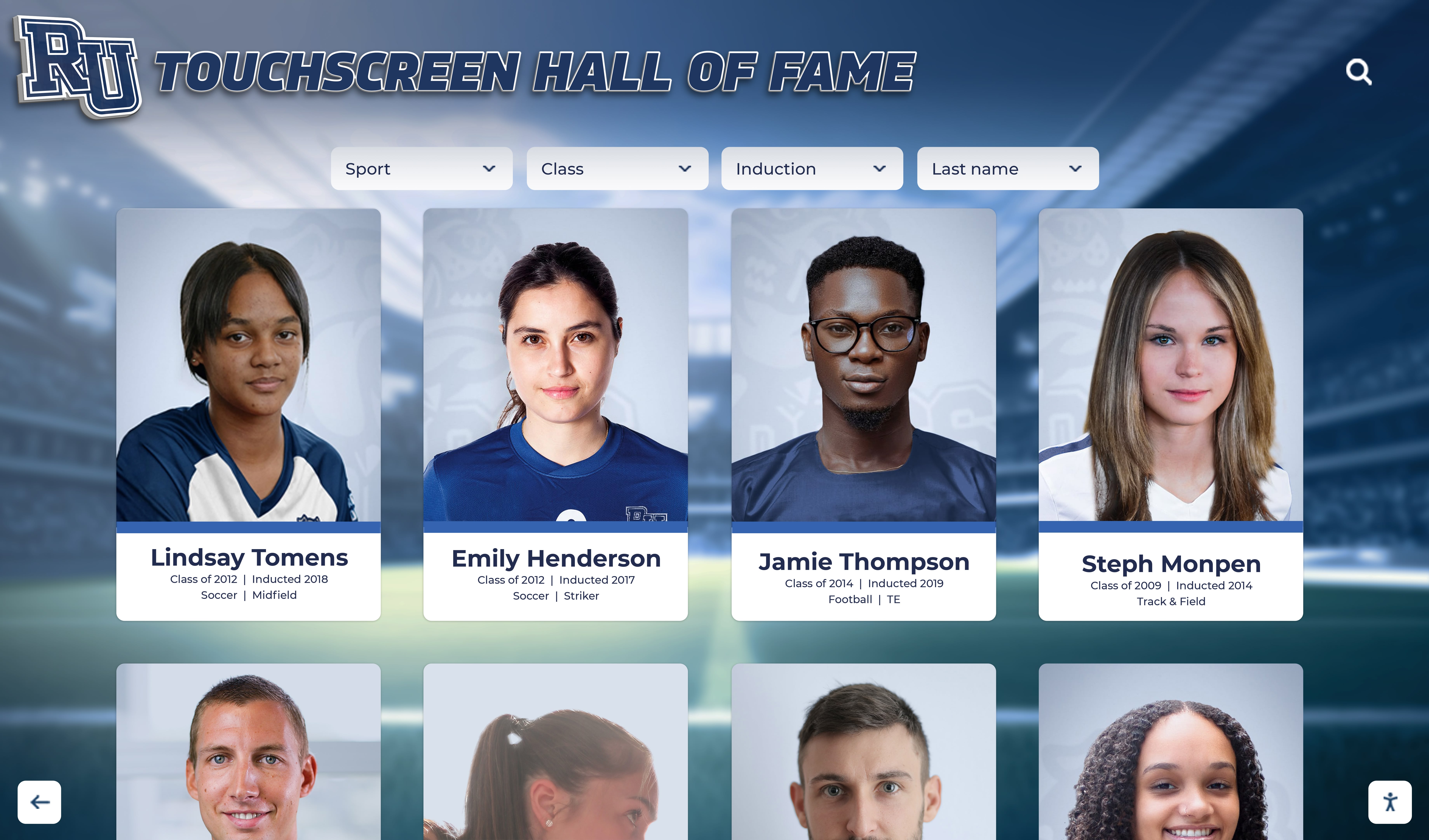
Recognition displays showcase diverse student achievements providing examples valedictorians can reference in addresses
Length and Timing Guidelines
Appropriate speech length significantly impacts audience reception.
Optimal Valedictorian Speech Duration
Standard Guidelines:
- High school valedictorian speeches: 5-7 minutes
- College/university addresses: 7-10 minutes
- Graduate school ceremonies: 8-12 minutes
These ranges reflect audience attention spans and ceremony format. Programs featuring multiple speakers, musical performances, and extensive diploma presentation need shorter speeches. Intimate ceremonies with fewer graduates can accommodate longer addresses.
Calculating Your Speech Length
Word Count Method:
Average speaking pace is 125-150 words per minute. Therefore:
- 5-minute speech: 625-750 words
- 7-minute speech: 875-1,050 words
- 10-minute speech: 1,250-1,500 words
Reality Check:
Write to your target length, then cut 10-15% during editing. Most drafts contain content that seemed essential during writing but proves unnecessary. Tight, concise speeches have greater impact than lengthy, meandering addresses.
Signs Your Speech Is Too Long
- You’re consistently running over time during practice
- You’re rushing through sections to stay within limits
- Audience members (during rehearsals) appear restless or distracted
- You have trouble remembering all content points
- Administrators specifically request you shorten it
Personalizing Templates to Your Voice and School
Generic templates provide structure, but authentic speeches require personalization.
Making Speeches Authentically Yours
Voice Consistency Test:
Read your speech aloud and ask:
- Does this sound like how I actually speak?
- Would my friends recognize this as my voice?
- Am I using vocabulary I never use in normal conversation?
- Does the humor match my personality and style?
If your speech sounds like it could be delivered by anyone, it needs more personal voice integration.
Balancing Formal and Conversational
Valedictorian speeches occupy interesting middle ground:
- Formal enough to respect ceremony significance
- Conversational enough to feel authentic and relatable
- Professional without being stiff
- Personal without being too casual
You can say “We learned that failure isn’t permanent” without saying “We learned that failing sucks but you get over it.”
Incorporating School-Specific Elements
Generic speeches that could apply to any school lack resonance. Integrate specific details:
School Traditions and Culture
Reference traditions your school community recognizes:
- Unique events (spirit weeks, annual competitions, school-specific ceremonies)
- Beloved teachers with distinctive teaching styles or memorable phrases
- Campus locations significant to student life
- School mottos, fight songs, or symbols that carry meaning
Shared Experiences Unique to Your Class
Acknowledge experiences particular to your graduating class:
- How your class experienced specific events (pandemic schooling, school renovations, major community events)
- Accomplishments specific to your class year
- Challenges or circumstances unique to your cohort
Schools often preserve these annual experiences through digital yearbook integration and recognition systems, providing material valedictorians can reference.
Working With Ceremony Organizers and Administration
Successful speech delivery requires collaboration with event planners.
Understanding Technical Requirements
Clarify Expectations Early:
Ask administrators:
- Maximum speech length (get specific time limit, not vague “keep it brief”)
- Where you’ll stand/speak from (podium, stage center, specific location)
- Microphone setup (handheld, lavalier, stationary)
- Audiovisual capabilities if incorporating visuals
- Required dress code beyond standard graduation regalia
Submission and Approval Processes:
Many schools require:
- Draft submission for administrator review several weeks before graduation
- Approval of content to ensure appropriateness
- Final version submission by specific deadline
- Notification of any last-minute changes
Don’t interpret review requirements as censorship—administrators ensure speeches meet ceremony standards and avoid potential issues.
Handling Required Edits or Changes
If administrators request revisions:
Understand the Reason:
- Is content inappropriate (controversial, offensive, overly political)?
- Is length exceeding limits?
- Does content conflict with other speakers or ceremony elements?
- Are there factual errors or misrepresentations?
Negotiate When Appropriate:
If requested changes compromise your message significantly, discuss alternatives:
- Offer different approaches achieving same purpose
- Clarify intent if administrators misunderstood your meaning
- Ask specifically what would make contested sections acceptable
- Be willing to compromise while maintaining core messages
Know What’s Worth Fighting For:
Some requests are non-negotiable (time limits, appropriateness standards). Others may be suggestions rather than requirements. Understand the difference and choose battles wisely.
Special Considerations for Different Educational Levels
Context matters when crafting valedictorian addresses.
High School Valedictorian Speeches
Unique High School Elements:
- Greater Shared History: Many classmates have known each other since elementary school, creating deeper collective experience to reference
- Family-Focused Audiences: Parents, grandparents, siblings, extended family constitute significant portion of attendees
- Diverse Post-Graduation Paths: Classmates heading to various colleges, military service, workforce, gap years require inclusive messaging
- Coming-of-Age Themes: Transition from adolescence to adulthood provides natural thematic material
- School Spirit and Tradition: High school loyalty and traditions often run deeper than college institutional connections
Content Approaches:
High school speeches typically work well with:
- Nostalgic reflections on growing up together
- Acknowledgment of how classmates have changed since elementary or middle school
- Gratitude toward parents and families who supported educational journey
- Recognition that paths diverge but shared foundation remains
- Balance between looking back (longer shared history) and looking forward
Schools implementing comprehensive recognition like athletic banquet celebrations create year-round achievement cultures that valedictorians can reference in addresses.
College and University Valedictorian Addresses
College-Specific Considerations:
- Shorter Shared History: Most classmates met four years ago rather than growing up together
- More Diverse Audiences: International students, non-traditional students, graduate students, varying ages and backgrounds
- Academic Focus: Intellectual growth and scholarly development carry more weight
- Professional Orientation: Transition to careers, graduate education, or professional paths more immediate
- Global Perspective: College addresses often take broader view beyond campus community
Content Approaches:
College speeches typically emphasize:
- Intellectual growth and perspective evolution
- Diversity of thought and experience within graduating class
- How education prepared graduates for professional contribution
- Global citizenship and broader impact beyond campus
- Less nostalgia, more forward professional focus
Graduate and Professional School Addresses
Advanced Degree Distinctions:
- Specialized Fields: Classmates share discipline-specific knowledge creating different common language
- Professional Maturity: Audience already has significant life and career experience
- Focused Goals: Clear professional pathways rather than exploratory post-graduation phases
- Research and Expertise: Academic contribution and field advancement more prominent
Content Approaches:
Graduate addresses often incorporate:
- Discipline-specific challenges and growth
- Research and scholarly contribution acknowledgment
- Professional responsibility and ethical practice
- Continuing education philosophy and lifelong learning
- Contribution to field and advancing knowledge
Preserving and Sharing Your Speech
Your address deserves preservation beyond the single ceremony delivery.
Recording and Documentation
Professional Recording:
Coordinate with ceremony organizers for:
- Official video recording of entire ceremony
- Professional audio recording ensuring quality
- Transcript creation preserving exact wording
- Photography during speech delivery
Personal Copies:
Create backup documentation:
- Save all speech drafts showing writing evolution
- Keep final delivered version separately
- Maintain any presentation materials or visual aids
- Record practice sessions for comparison to final delivery
Sharing Beyond the Ceremony
Immediate Post-Ceremony Sharing:
- School websites and social media featuring ceremony highlights
- Local media coverage if applicable
- Alumni newsletters and communications
- Class social media groups and shared spaces
Long-Term Preservation:
Forward-thinking schools implement permanent recognition displays where valedictorian information, photos, and speech excerpts remain accessible to future students and visitors, creating ongoing inspiration.
Digital recognition platforms enable:
- Searchable archives of past valedictorian addresses
- Video or audio integration with graduate profiles
- Alumni networking connecting current students with former valedictorians
- Historical documentation showing institutional evolution
- Mobile access allowing families to revisit ceremonies remotely
Personal Portfolio Integration:
Your valedictorian speech demonstrates:
- Leadership and public speaking ability
- Writing and communication skills
- Critical thinking and synthesis
- Community respect and achievement recognition
Include it in:
- College application supplements (if graduating high school)
- Professional portfolios and resumes
- LinkedIn profiles and professional bios
- Graduate school applications
- Scholarship and fellowship applications
Common Questions About Valedictorian Speeches
Should I Write My Own Speech or Get Help?
Write Your Own:
The speech should authentically represent your voice and perspective. However, “writing your own” doesn’t mean rejecting all assistance:
Appropriate Help:
- Teachers or mentors reviewing drafts and providing feedback
- English teachers helping refine structure and flow
- Friends or family offering honest audience perspective
- Speech coaches or counselors suggesting delivery techniques
Inappropriate Help:
- Someone else writing the speech while you claim authorship
- Using purchased or downloaded speeches even with modifications
- Allowing others to completely rewrite your content
What If I’m Nervous About Public Speaking?
Virtually all speakers experience nervousness—even experienced public speakers. The difference is managing anxiety rather than eliminating it:
- Practice extensively so content feels automatic
- Use anxiety management techniques (breathing, physical grounding)
- Reframe nervousness as excitement and preparation
- Remember that audiences want you to succeed
- Focus on message rather than self-consciousness
- Accept that minor mistakes don’t undermine overall impact
How Do I Handle Emotional Content Without Breaking Down?
If your speech includes moving content that affects you emotionally:
Prevention Strategies:
- Practice emotional sections repeatedly until they feel manageable
- Focus on technical delivery (breathing, pacing) rather than emotional content
- Look slightly above audience heads rather than directly at emotional family members
- Build in strategic pauses where you can collect yourself
- Have water available if voice becomes tight
If You Do Get Choked Up:
- Pause, take a breath, and continue when ready
- Acknowledge briefly if necessary (“Sorry, this part gets me”) and move forward
- Remember that authentic emotion often resonates with audiences
- Don’t apologize excessively—brief acknowledgment then continuation works best
Can I Use Humor in Valedictorian Speeches?
Absolutely—humor enhances speeches when used appropriately:
Effective Humor:
- Self-deprecating jokes about shared student experiences
- Gentle, affectionate humor about school life
- Situational humor acknowledging ceremony moment
- Callbacks to school-specific inside jokes classmates recognize
Humor to Avoid:
- Mean-spirited jokes about individuals or groups
- Controversial or potentially offensive content
- Humor that only small cliques understand
- Lengthy joke setup that disrupts speech flow
- Forced humor that doesn’t match your natural personality
When in doubt, test humorous content with diverse audiences during practice. If some consistently find it unfunny or inappropriate, cut it.
Preserve Valedictorian Achievement Beyond Graduation Day
Valedictorian speeches represent culminating moments of academic achievement that deserve lasting recognition beyond the ceremony itself. Digital recognition displays provide comprehensive platforms to showcase valedictorian addresses alongside complete student profiles, academic achievements, and leadership contributions—ensuring graduating students' accomplishments receive the permanent celebration they've earned. Modern recognition technology creates searchable, interactive systems where valedictorians' words and achievements inspire future generations while remaining accessible to families and alumni indefinitely.
Explore Recognition SolutionsFinal Checklist: Preparing for Speech Delivery
As graduation approaches, systematically verify readiness:
One Week Before Graduation
- Final speech draft completed and approved by administration
- Speech printed in large, readable font with page numbers
- Backup digital copy saved in multiple locations
- Complete practice run with family or friends providing feedback
- Speech timed to confirm it meets length requirements
- Emotional sections practiced until manageable
- Anxiety management techniques identified and rehearsed
Three Days Before Graduation
- Final delivery practice with attention to pacing and emphasis
- Outfit selected and tested with movement and speaking
- Any visual aids or technology tested with venue equipment
- Sleep schedule prioritized to ensure rest before ceremony
- Final review with teacher, counselor, or trusted advisor
- Backup plan established if microphone fails or technical issues arise
Day of Graduation
- Printed speech copies (two separate copies in case one is misplaced)
- Water available near speaking area
- Arrived early to test microphone and see speaking location
- Light meal eaten avoiding excessive caffeine or sugar
- 5-10 minutes alone for mental preparation before ceremony
- Deep breathing and physical warm-up completed
- Positive mindset focused on message rather than perfection
Immediately After Ceremony
- Notes about what worked well and what you’d change
- Feedback collected from trusted attendees
- Recording and transcript obtained if available
- Thank you messages sent to those who helped with preparation
- Speech saved in personal archives and portfolio materials
Beyond the Speech: Continuing Your Leadership Journey
Delivering a valedictorian address represents significant achievement, but it’s one moment in ongoing leadership development.
Translating Speech Skills Forward
The capabilities you’ve developed writing and delivering your valedictorian speech transfer directly to professional contexts:
Professional Communication:
- Presenting research findings and proposals
- Leading team meetings and facilitating discussions
- Delivering pitches to stakeholders or investors
- Teaching and training colleagues or subordinates
Academic Contexts:
- Conference presentations and paper deliveries
- Dissertation or thesis defenses
- Teaching assistant and instructor roles
- Academic networking and professional introduction
Community Leadership:
- Nonprofit board presentations
- Community advocacy and public comment
- Volunteer organization leadership
- Civic engagement and public testimony
Staying Connected to Your Institution
Valedictorians often maintain long-term connections with their schools:
Alumni Engagement:
- Mentoring current students navigating similar paths
- Participating in career panels and networking events
- Contributing to alumni publications and communications
- Supporting fundraising and development initiatives
Many institutions recognize valedictorians through permanent hall of fame displays that celebrate academic achievement alongside athletic and leadership accomplishments, creating visible examples for current students while preserving institutional history.
Conclusion: Your Words Matter
Delivering a valedictorian speech represents one of education’s most meaningful honors—the opportunity to speak on behalf of your graduating class at the moment when academic journeys conclude and new chapters begin. While the responsibility carries weight and the task can feel daunting, thousands of students before you have successfully crafted addresses that resonated deeply with audiences while authentically representing their voices and perspectives.
The difference between memorable speeches and forgettable ones lies not in eloquence or sophistication, but in authenticity, thoughtful preparation, and genuine connection with your audience. The most impactful valedictorian addresses acknowledge shared experiences, articulate universal truths classmates recognize, inspire forward-thinking without resorting to empty platitudes, and demonstrate gratitude while maintaining focus on the graduates themselves.
Your speech doesn’t need to be perfect. It needs to be honest, well-prepared, and genuinely yours. Audiences forgive minor stumbles, occasional nervousness, and imperfect delivery far more readily than they forgive inauthenticity, excessive length, or content that fails to honor the moment’s significance.
As you prepare your address, remember that you’re speaking not just to your immediate audience but also creating a moment that will be remembered, recorded, and preserved. Schools increasingly implement comprehensive recognition systems that showcase valedictorian achievements, speeches, and contributions through permanent displays accessible to future generations. Your words become part of institutional history, inspiring students who will follow your path years from now.
Approach speech writing as an opportunity rather than an obligation. This is your chance to articulate lessons that matter, acknowledge people who supported your journey, inspire classmates as they step into uncertainty, and create a ceremonial moment worthy of the achievement you’re all celebrating together.
Write authentically. Practice deliberately. Deliver confidently. And trust that your words—carefully chosen and genuinely felt—will resonate exactly as they’re meant to.
Ready to create recognition programs that celebrate academic achievement beyond graduation day? Discover comprehensive solutions that preserve valedictorian speeches, student accomplishments, and institutional history through interactive displays ensuring excellence receives the lasting visibility it deserves.