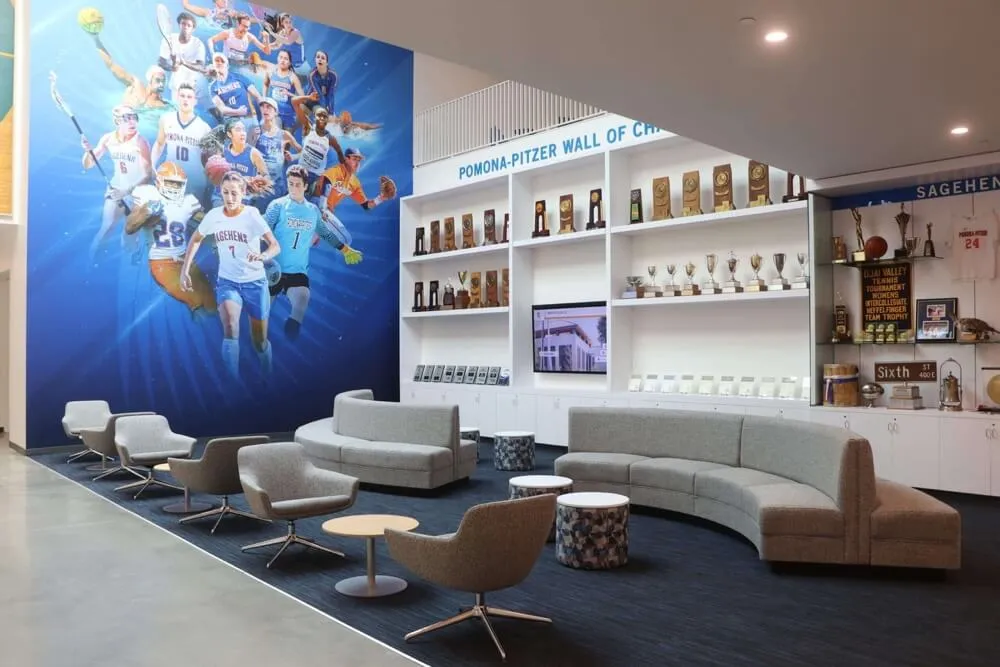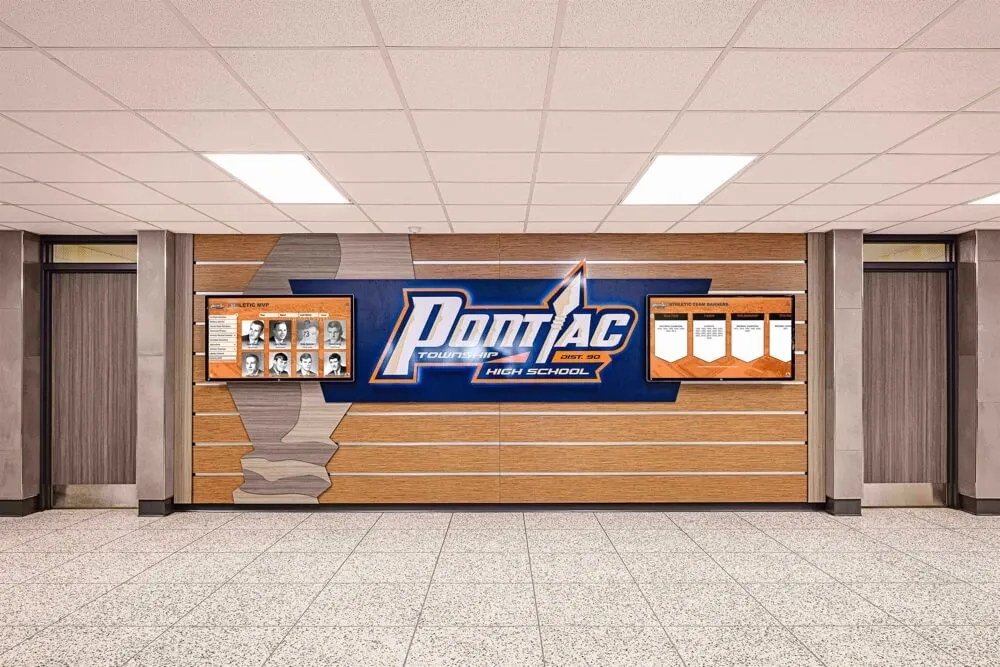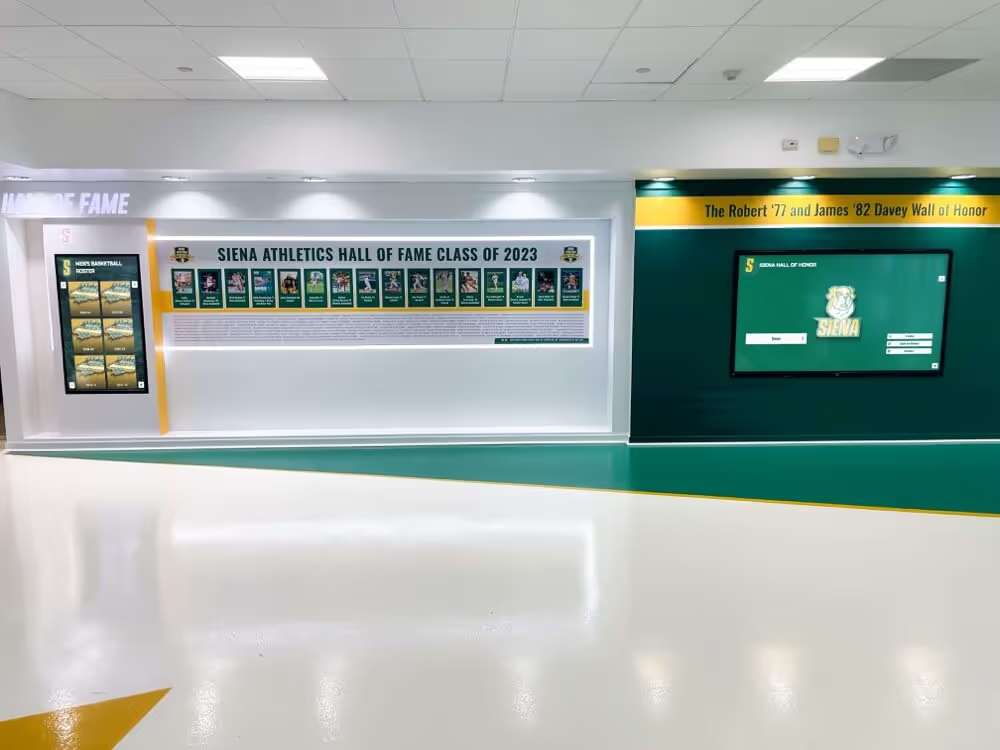




When walking through countless nonprofit facilities, schools, and community centers, you notice a troubling pattern: donor walls have become wallpaper. Row after row of identical brass plaques, alphabetically arranged names with minimal context, static displays that visitors glance past without a second thought. The recognition is there, but the engagement isn’t.
Your supporters deserve better. They’ve invested in your mission, funded transformational projects, and believed in your organization’s future. Generic recognition that blends into every other donor wall diminishes their contribution and misses opportunities to inspire future giving. The question isn’t whether to recognize donors—it’s how to create acknowledgment so compelling that people stop, engage, and feel motivated to join your community of supporters.
This comprehensive guide explores unique donor wall ideas that break from convention while maintaining the dignity philanthropy deserves. From interactive digital experiences to artistic installations, storytelling-focused displays to community-integrated recognition, these innovative approaches transform acknowledgment from obligatory lists into engagement opportunities that strengthen relationships and inspire continued support.
Organizations implementing unique donor recognition report 30-50% higher visitor engagement, increased social media mentions, and stronger emotional connections between donors and missions. Creative recognition doesn’t just honor past contributions—it cultivates future support by demonstrating that your organization values innovation, appreciates individuality, and celebrates generosity in memorable ways.

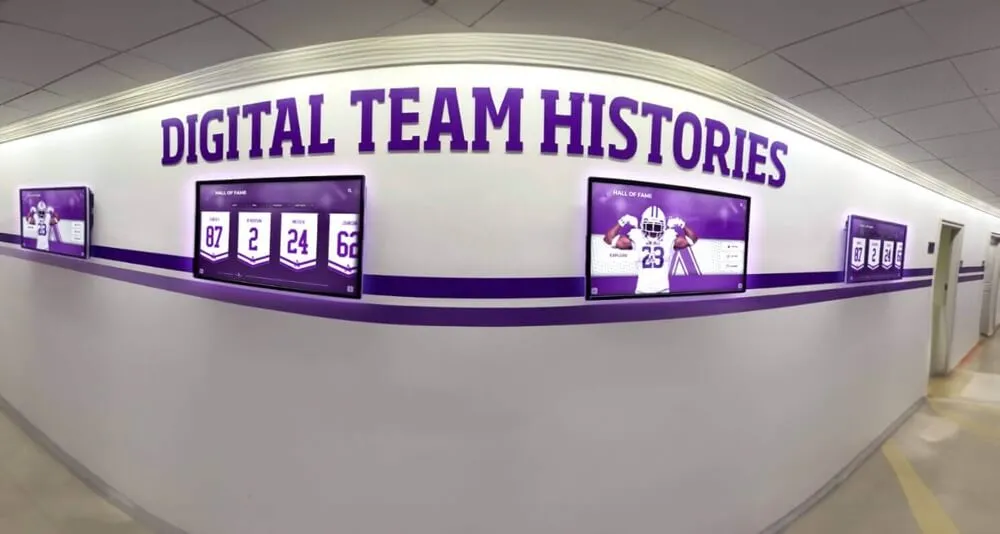
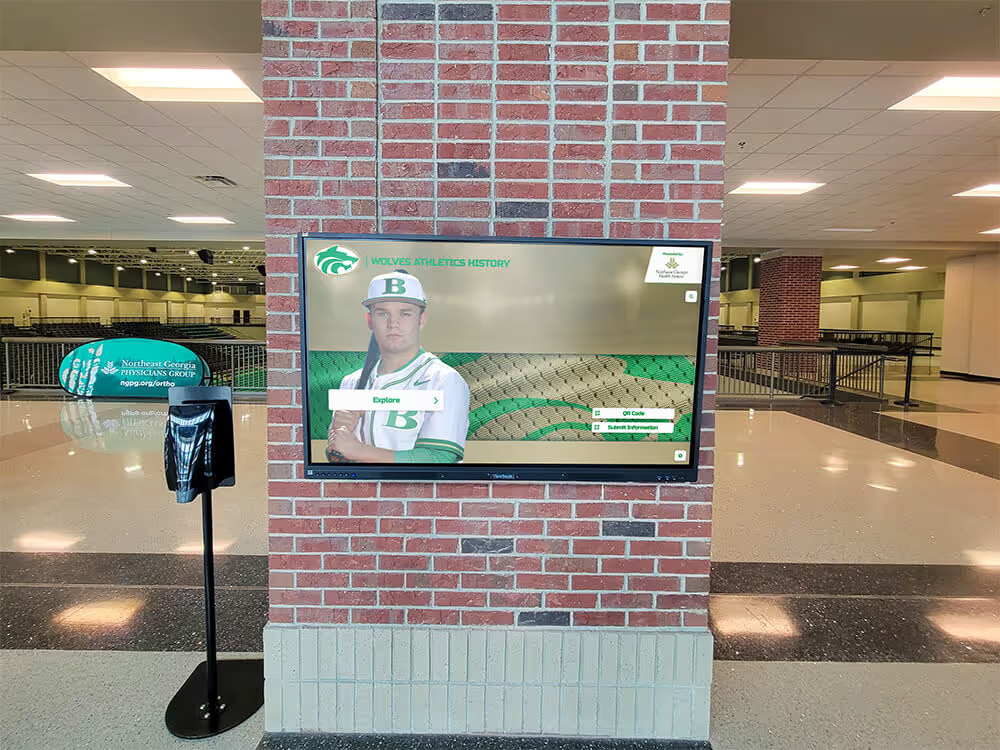
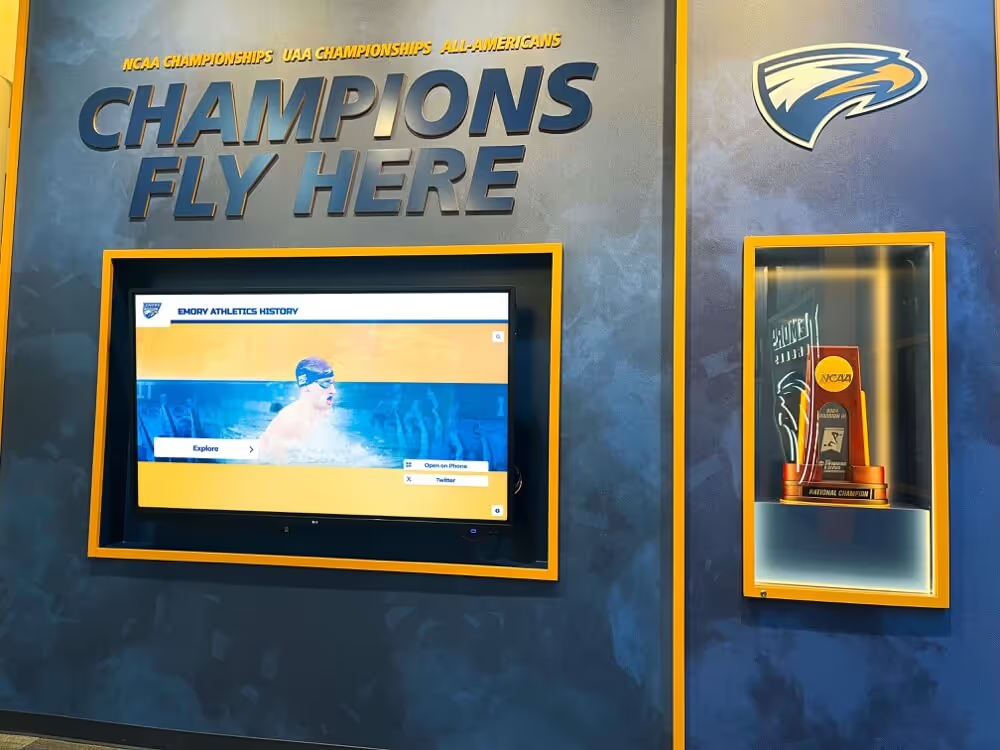
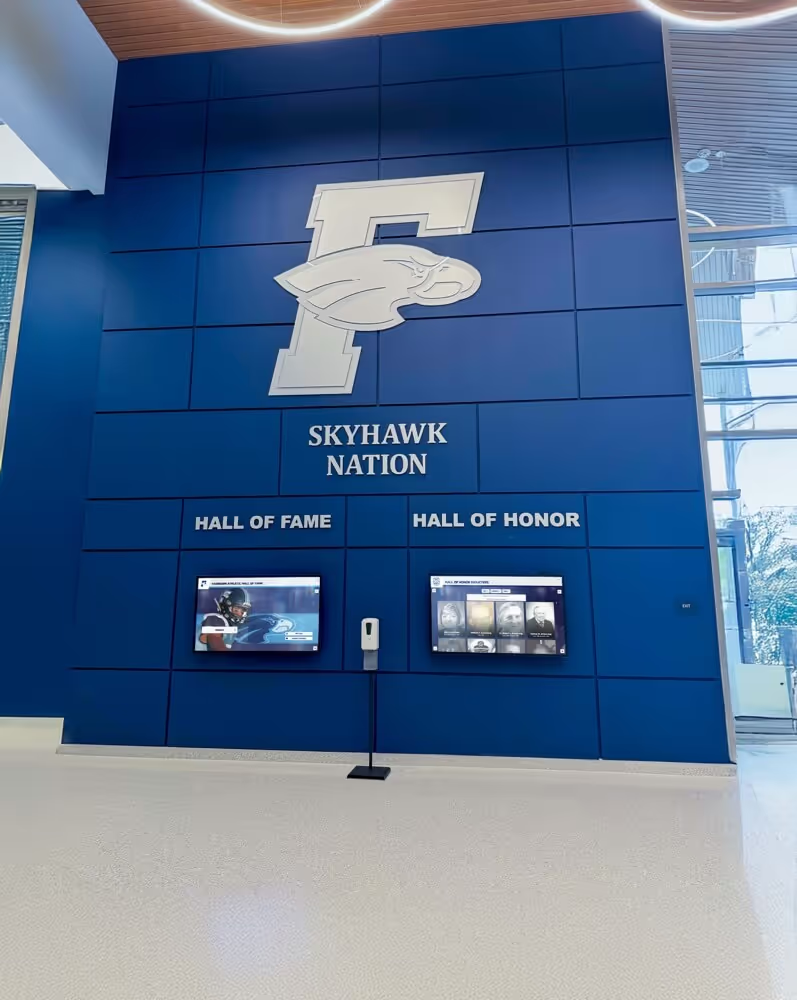
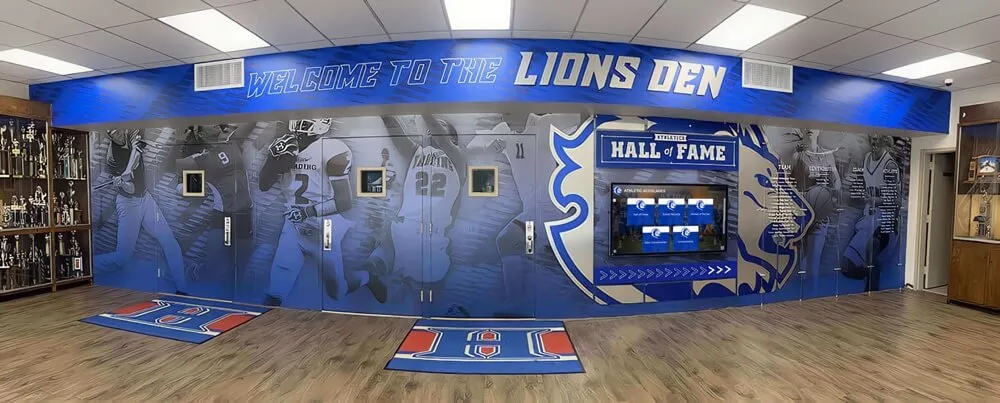
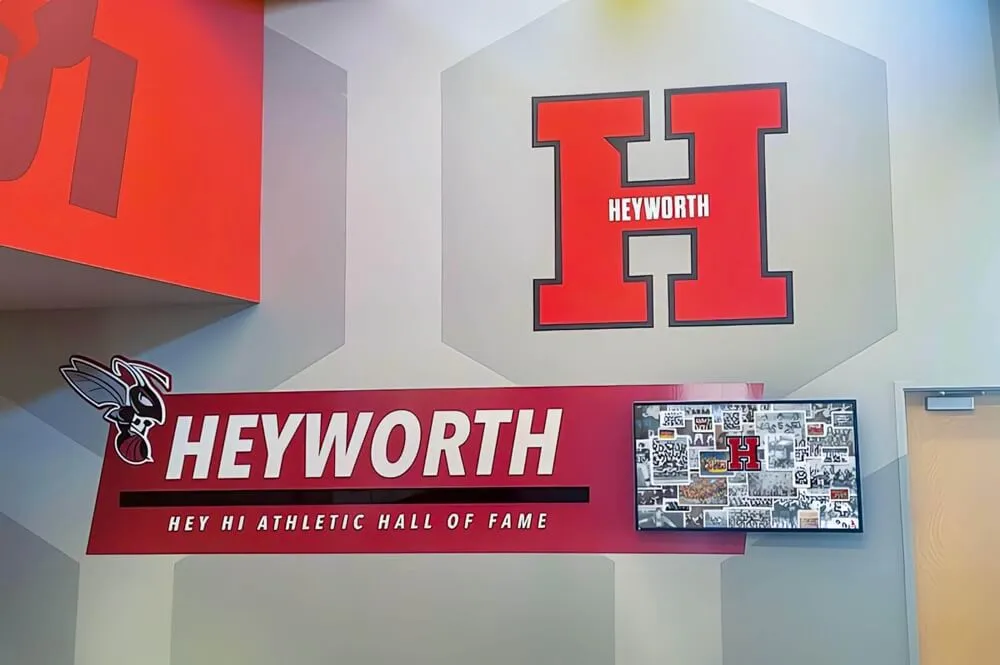
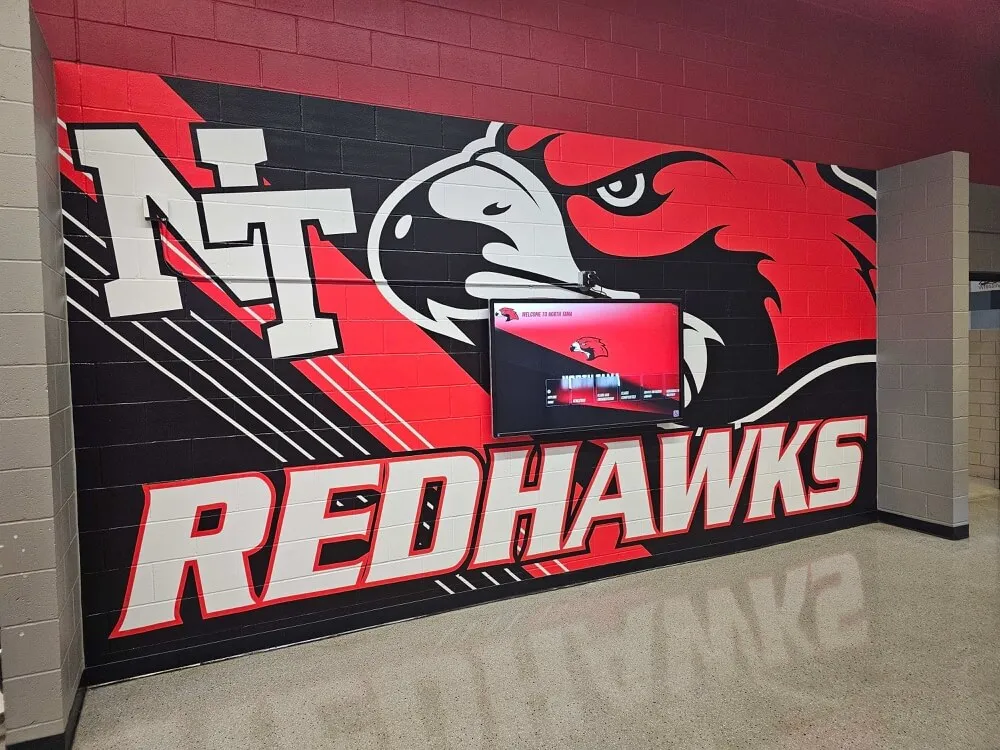
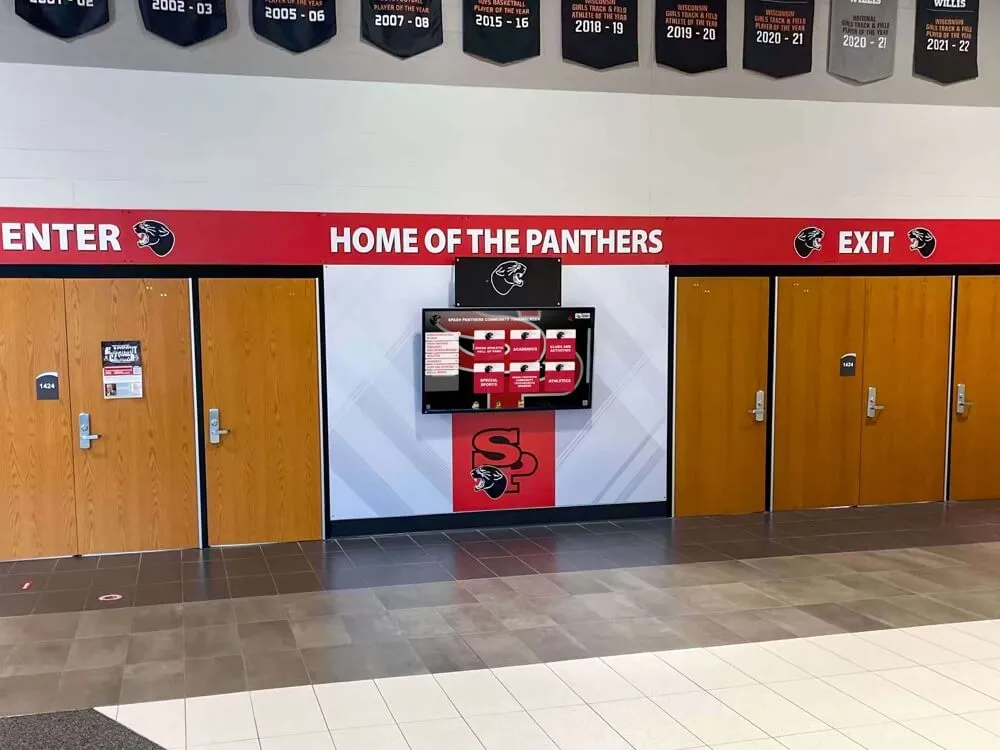
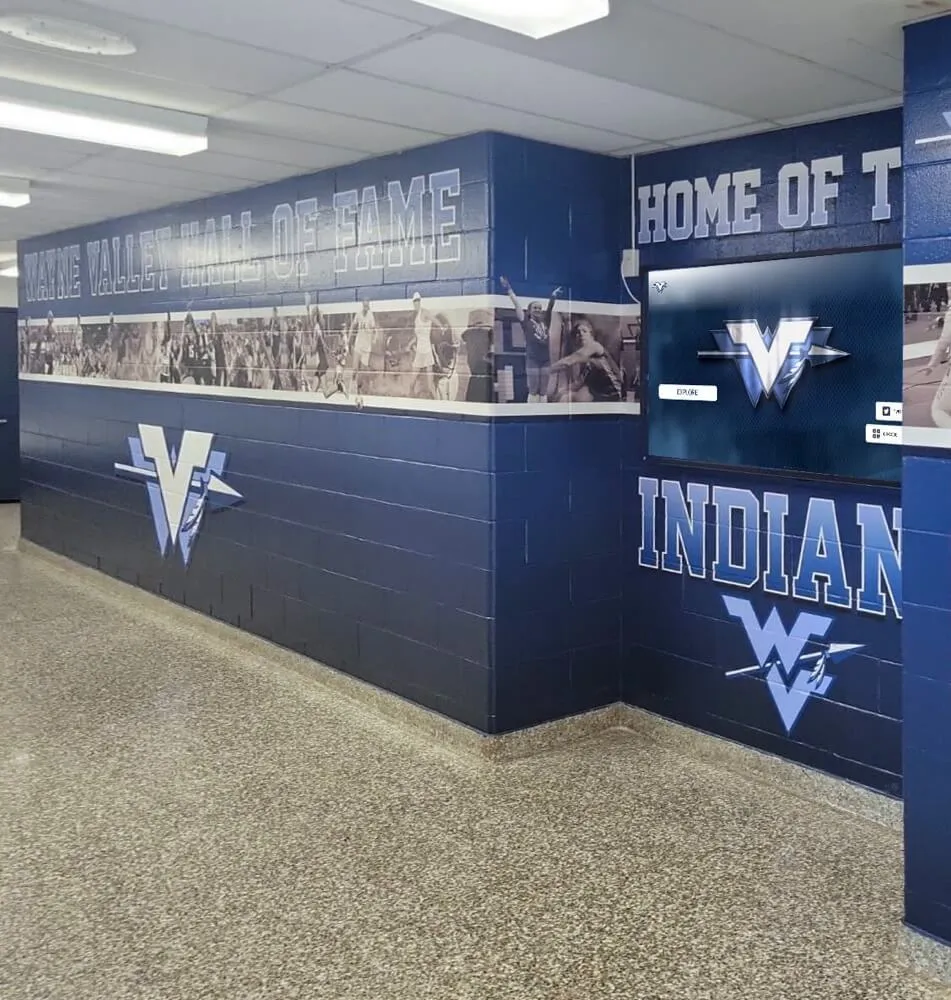
Innovative donor recognition creates memorable experiences that inspire continued support and community engagement
Why Traditional Donor Walls Fall Short
Before exploring unique alternatives, understanding why conventional approaches underperform helps clarify what innovative recognition must achieve.
The Limitations of Standard Plaque Walls
Traditional bronze plaques arranged in predictable grids face fundamental challenges:
Space Constraints Create Impossible Choices
- Physical walls accommodate limited names requiring difficult decisions about who receives visibility
- Adding donors necessitates construction projects or displaces existing recognition
- Growing donor programs quickly exhaust available wall space
- Organizations face choosing between cramped, unreadable displays or excluding deserving contributors
- Expansion requires architectural changes, facilities coordination, and significant expense
According to fundraising research, 60% of nonprofits with traditional donor walls report being at or near capacity within five years of installation, forcing difficult conversations about recognition criteria and space allocation.
Static Presentation Limits Storytelling
- Engraved text provides minimal context beyond names and dates
- No opportunity to share donor motivations, impact stories, or personal connections
- Visitors scan names quickly without emotional engagement or meaningful connection
- Recognition communicates “who gave” but not “why they gave” or “what they enabled”
- Lack of depth reduces recognition to transactional acknowledgment rather than relationship building
Engagement Challenges With Conventional Recognition
Traditional displays create passive viewing experiences:
Minimal Visitor Interaction
- Most people spend 10-20 seconds scanning conventional donor walls
- No mechanism for visitors finding specific donors among hundreds of names
- Alphabetical or giving-level organization provides logical structure but no engagement incentive
- Displays function as background elements rather than destinations
- Limited accessibility for visitors with visual impairments
Organizations implementing interactive donor recognition systems report 8-12 times longer visitor engagement compared to static plaques.
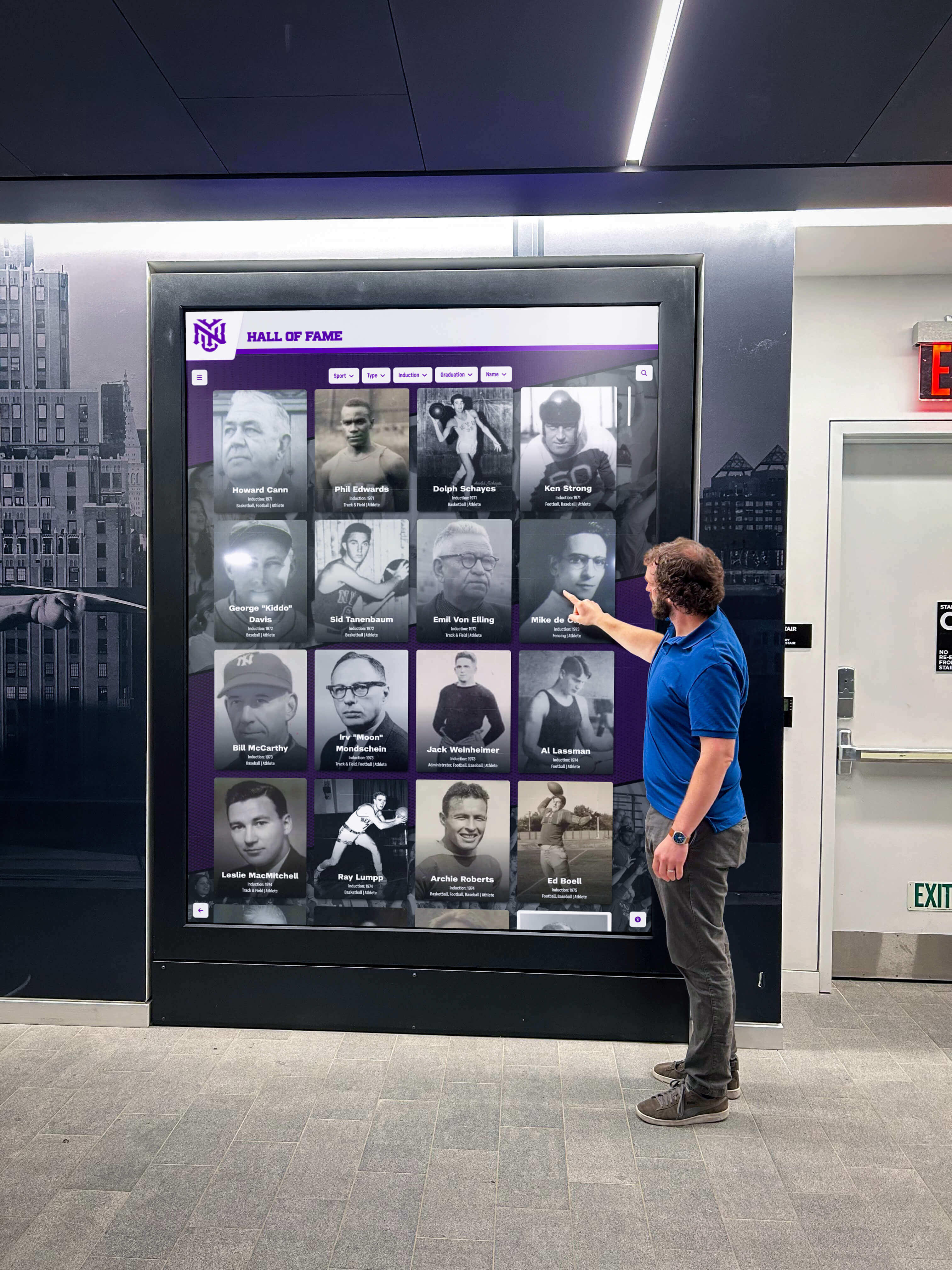
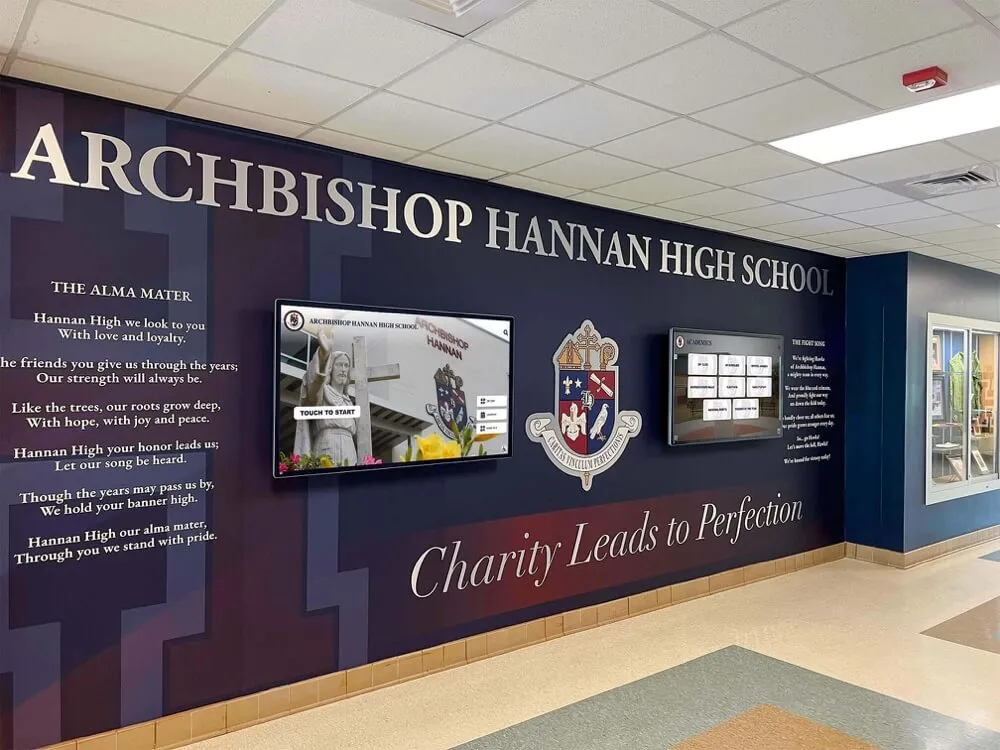
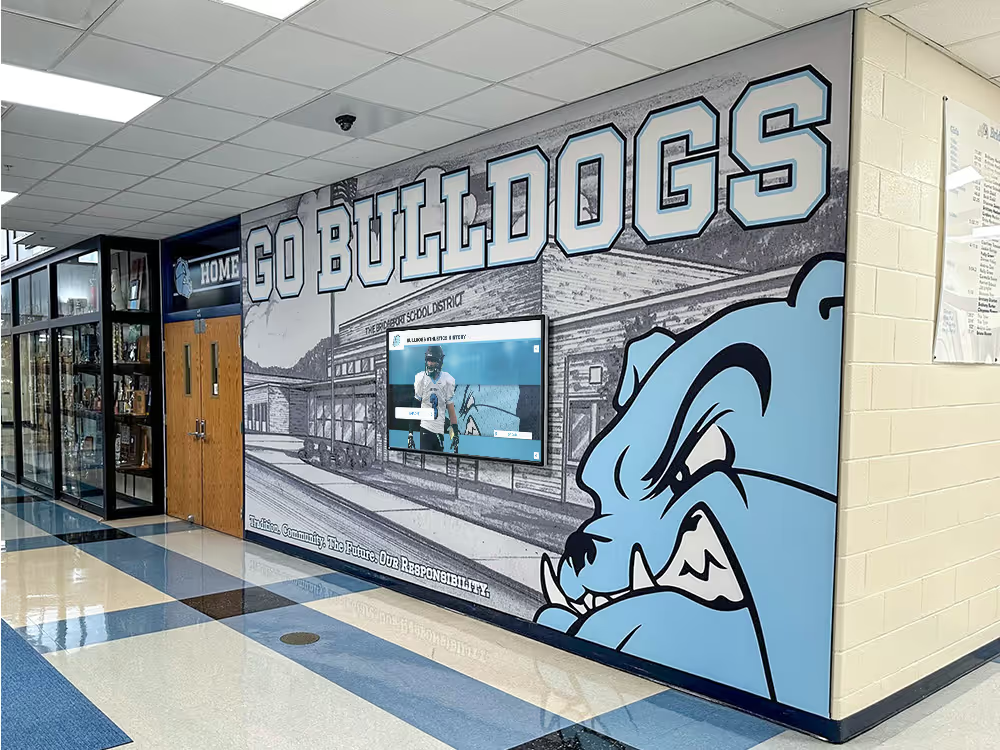
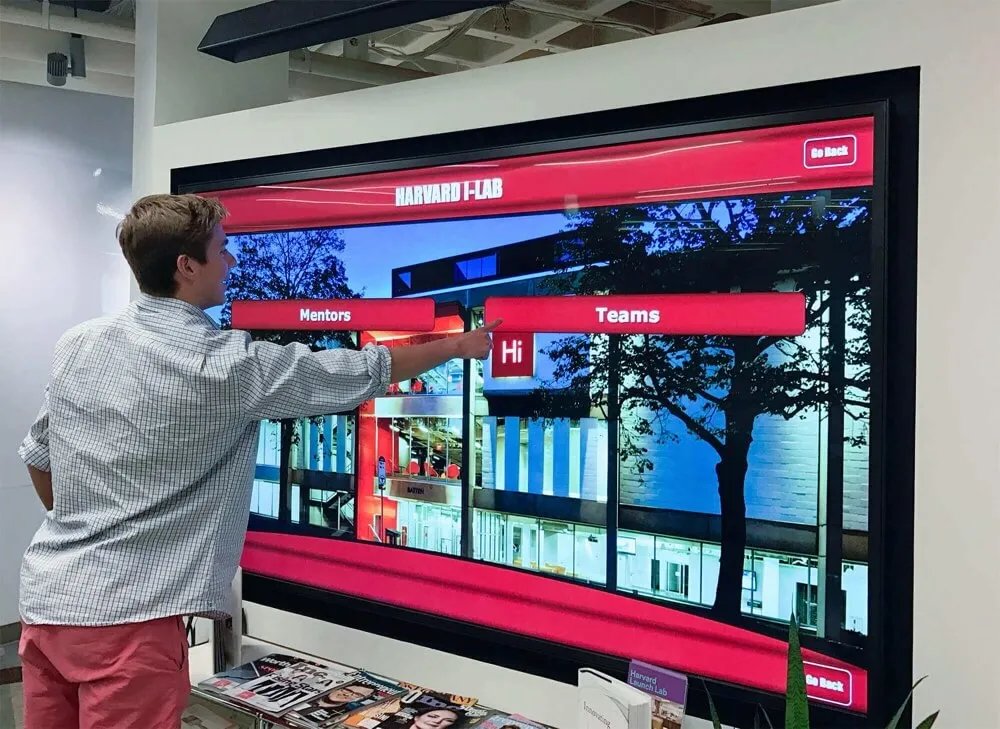
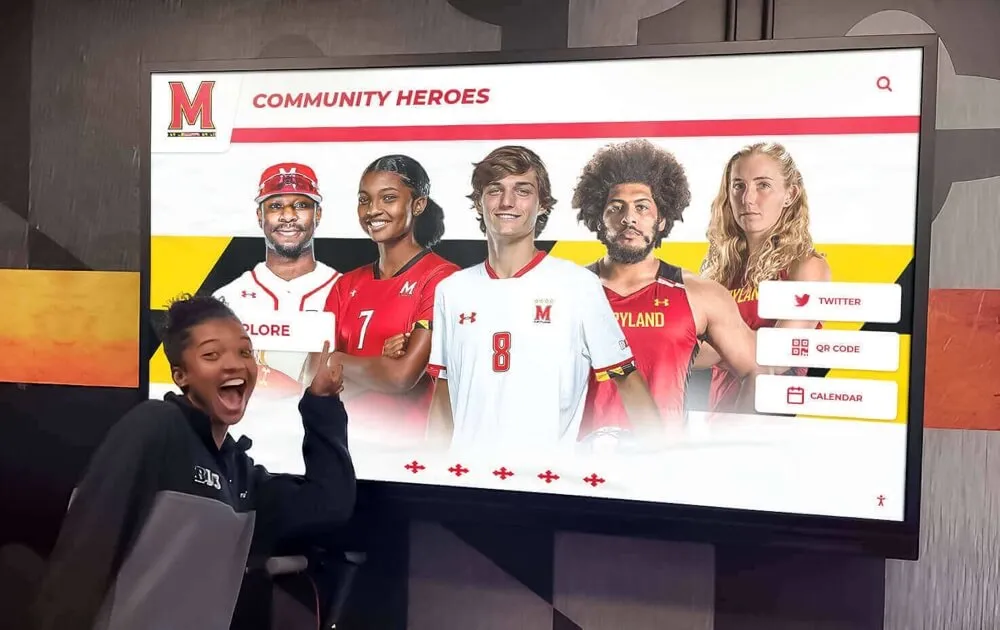
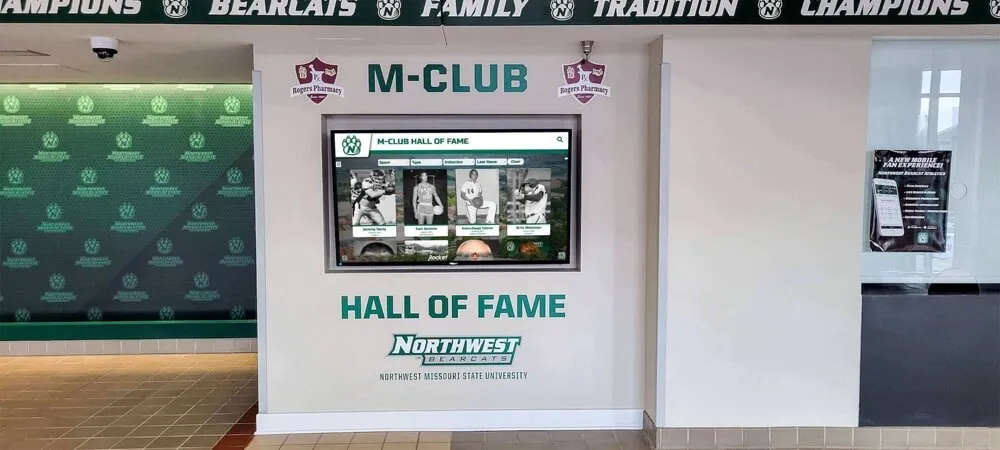
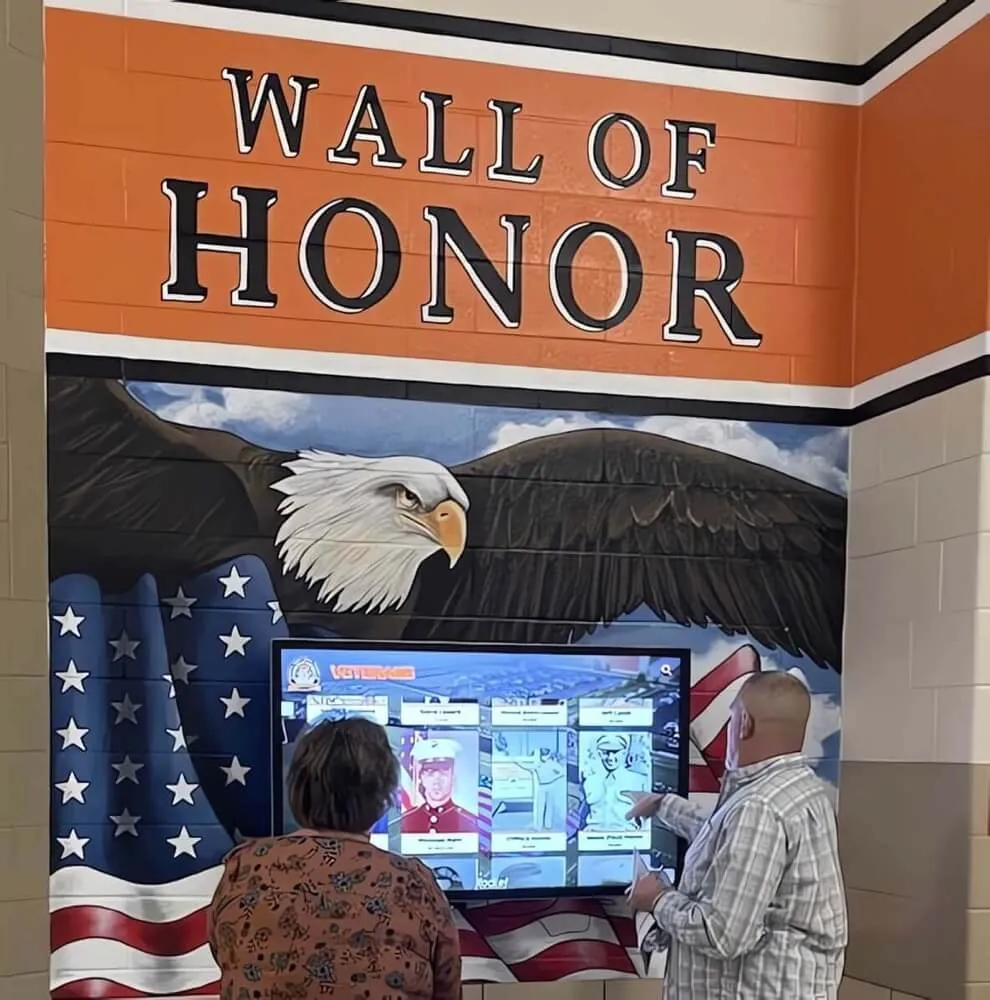
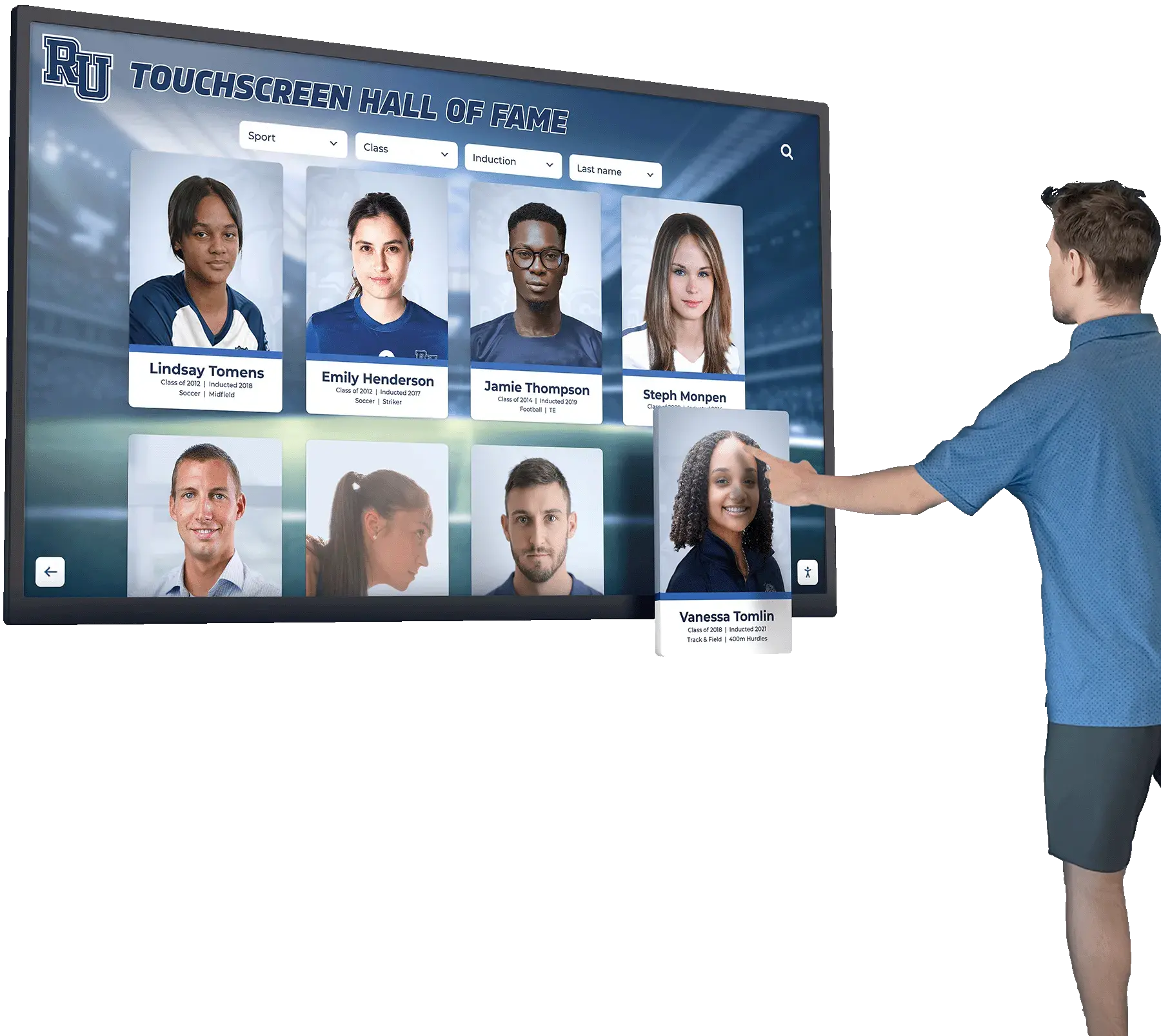
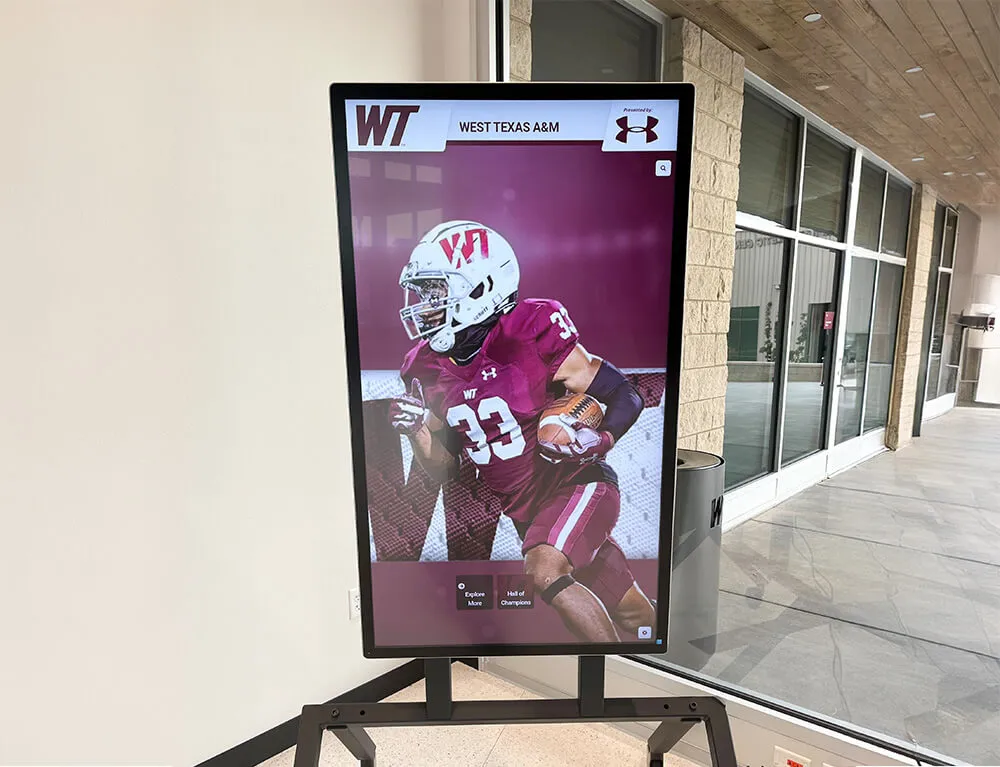
Interactive recognition invites exploration, transforming passive viewing into active engagement experiences
Update Complexity and Expense
- Adding new donors requires vendor coordination, facilities scheduling, and construction
- Updates typically take 3-6 months from donor commitment to physical recognition
- Costs of $200-500 per plaque plus installation make frequent updates prohibitively expensive
- Correcting errors or updating donor information proves difficult or impossible
- Administrative burden discourages timely recognition of new supporters
Unique Idea 1: Interactive Digital Donor Recognition
Technology transforms donor acknowledgment from static lists into dynamic storytelling platforms that engage visitors while simplifying administration.
Unlimited Capacity Touchscreen Displays
Modern digital recognition platforms eliminate the fundamental space constraints plaguing traditional walls:
Core Capabilities
- Display unlimited donors without physical space limitations or capacity concerns
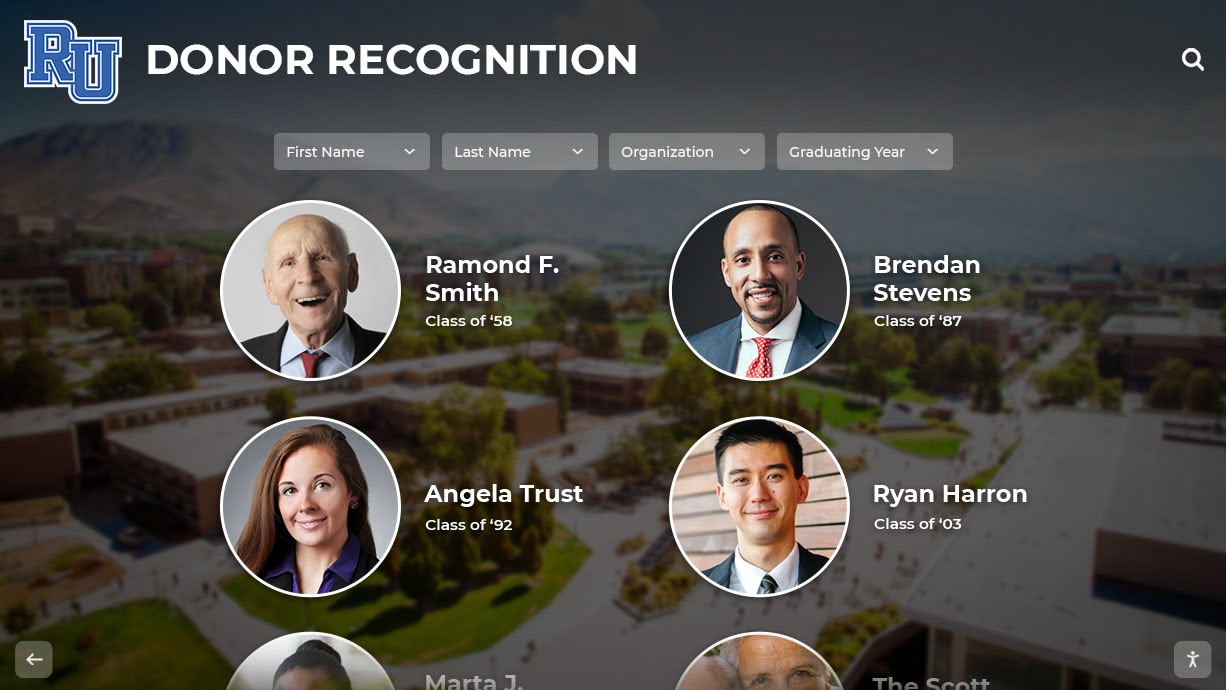
- Search functionality enables visitors instantly finding specific names among thousands
- Filter and browse by giving level, campaign, program area, or time period
- Alphabetical, chronological, or custom organization adapts to visitor preferences
- Detailed profiles share giving histories, personal motivations, and family connections
- Photo galleries showcase donors at events, with programs, and throughout relationship evolution
- Video testimonials feature donors explaining why they support your mission
- Impact stories connect specific contributions to tangible organizational outcomes
Solutions like Rocket Alumni Solutions provide comprehensive digital donor recognition designed specifically for nonprofits and educational institutions, offering dignified presentation with sophisticated content management that development staff can update instantly from anywhere.
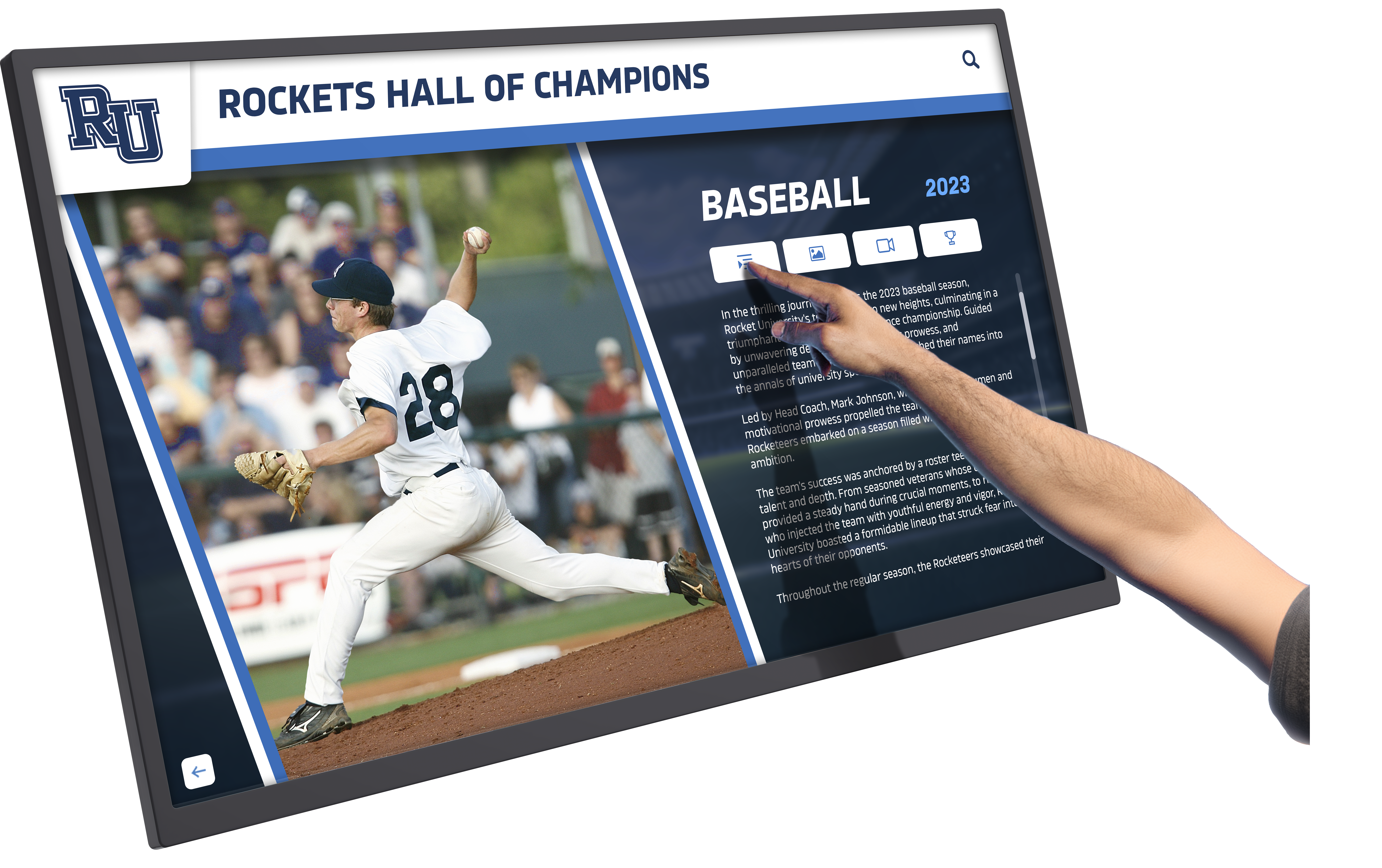
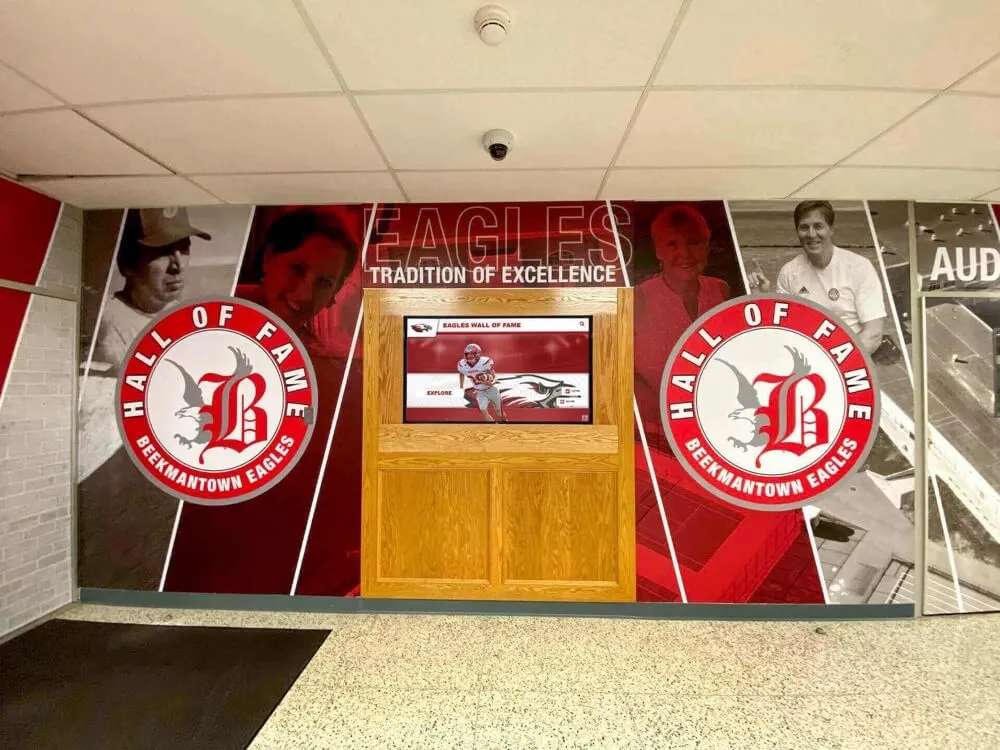
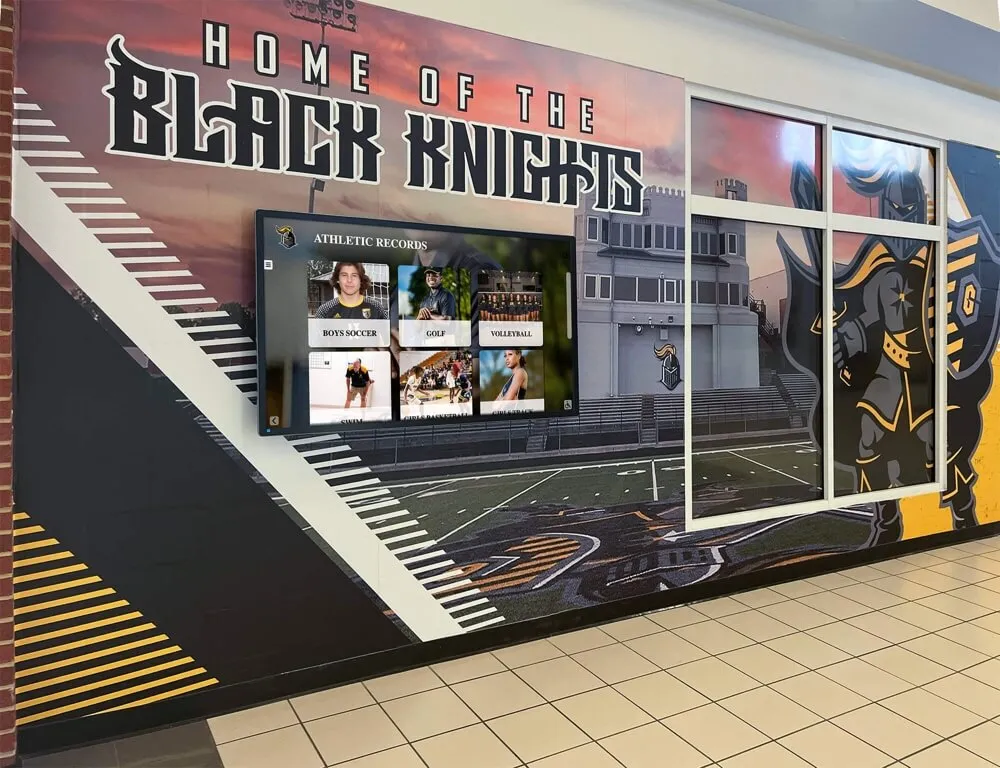
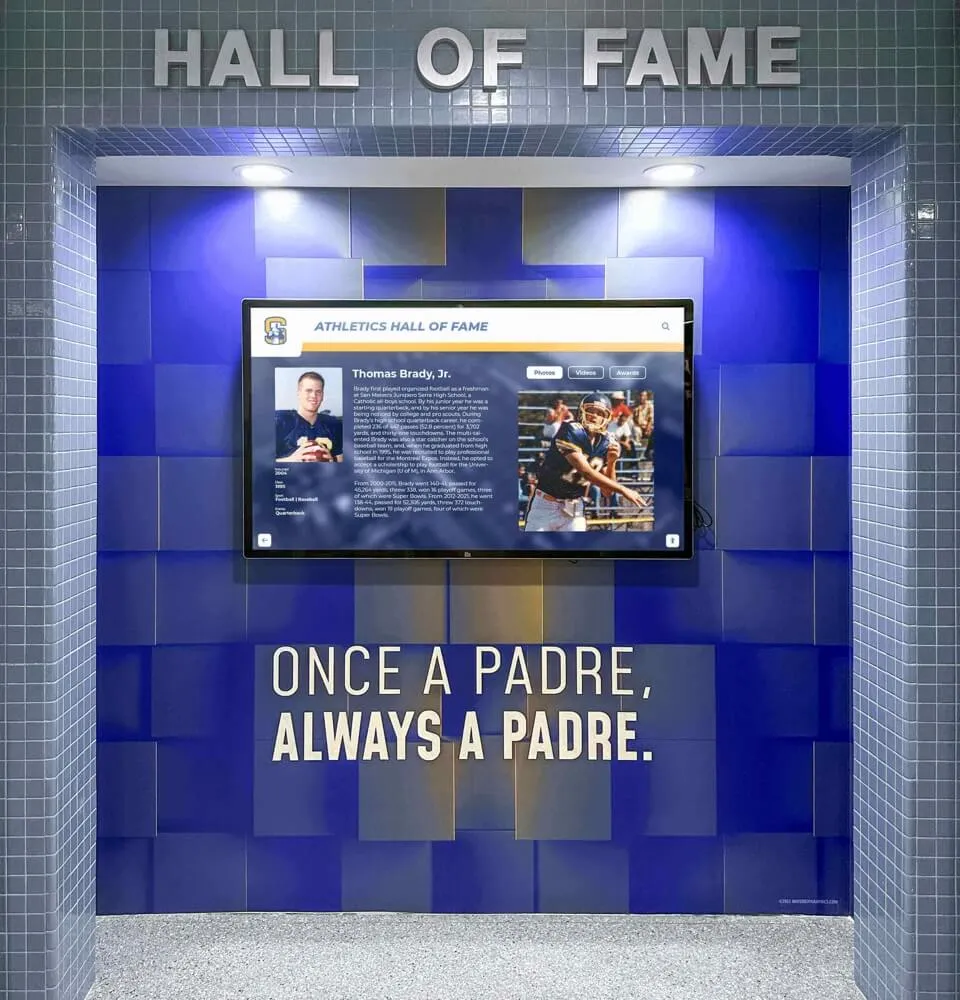
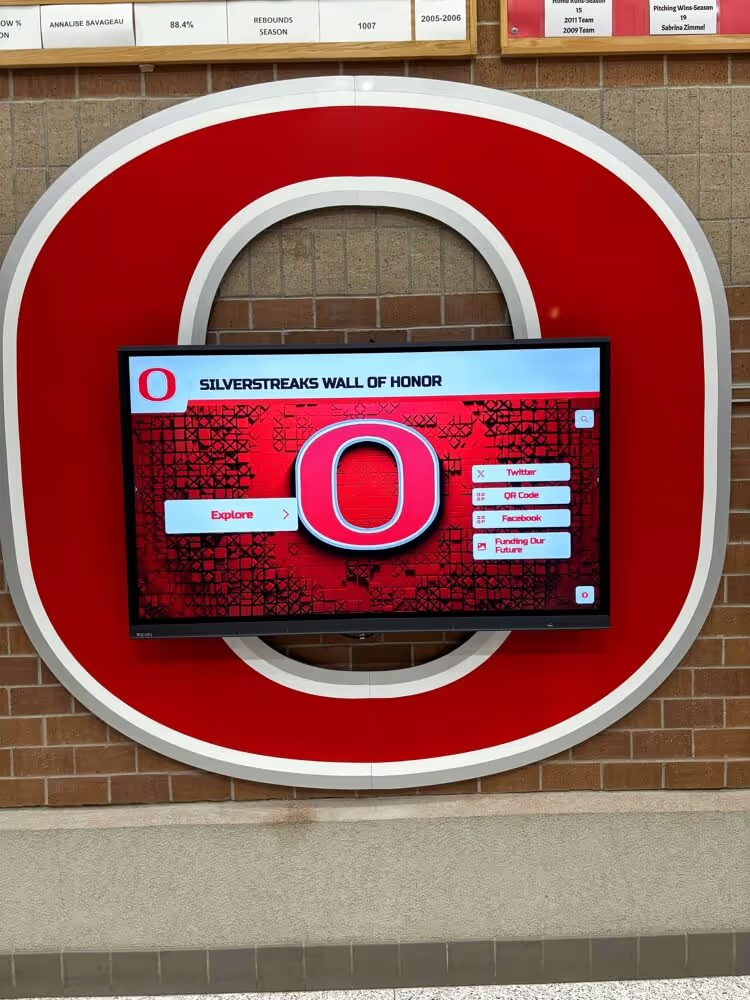
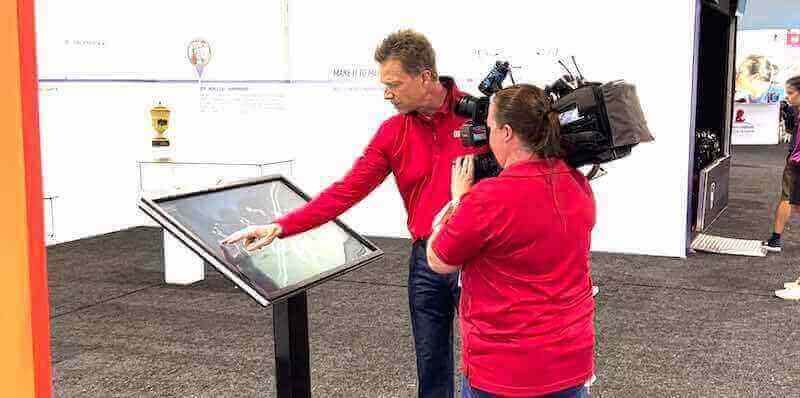
Touchscreen interfaces transform donor recognition from passive viewing into engaging exploration of stories and impact
Engagement Transformation Interactive displays fundamentally change visitor behavior:
- Average engagement time increases from 20 seconds to 4-7 minutes
- Search features enable donors finding themselves instantly, creating personal connections
- Multimedia presentations tell complete stories impossible with engraved text
- Family members explore giving legacies discovering multi-generational philanthropy
- Prospects visualize future recognition experiencing how acknowledgment appears
- Social sharing capabilities extend recognition visibility beyond physical locations
Organizations implementing digital donor walls report 40-60% higher donor retention rates according to recognition program research, attributing improvements to enhanced engagement and more meaningful acknowledgment.
Cloud-Based Content Management
Remote administration eliminates traditional maintenance challenges:
Simplified Operations
- Add new donors in minutes without construction, vendor coordination, or facilities involvement
- Update donor information remotely correcting errors or adding biographical details
- Schedule recognition unveiling coordinating acknowledgment with pledge fulfillment
- Feature rotating donors ensuring regular visibility for longtime supporters
- Bulk import historical donor data accelerating initial implementation
- Template-based profiles streamline consistent content creation
- Role-based access enables distributed management while maintaining quality control
Development staff manage recognition from any internet-connected device without technical expertise or IT department involvement. Updates that would require months and thousands of dollars with traditional plaques execute immediately at no additional cost.
Real-Time Recognition Digital platforms enable stewardship strategies impossible with static displays:
- Acknowledge donors immediately after gifts close rather than waiting months for plaque fabrication
- Display campaign progress metrics showing momentum toward goals
- Rotate featured donors highlighting different supporters weekly or monthly
- Coordinate recognition timing with donor events, anniversaries, or milestones
- Share current impact stories demonstrating how recent gifts create change
This immediacy strengthens relationships by demonstrating that organizations actively celebrate contributions rather than simply recording them for eventual permanent display.
Unique Idea 2: Artistic and Sculptural Recognition
Creative artistic interpretations transform donor acknowledgment into cultural experiences that engage communities beyond functional information display.
Commissioned Artwork Incorporating Donor Names
Artists create distinctive three-dimensional recognition reflecting organizational character:
Sculptural Recognition Approaches
- Abstract sculptures with donor names integrated into artistic forms and flowing designs
- Representational installations depicting organizational missions, programs, or communities served
- Kinetic sculptures with moving elements metaphorically powered by donor contributions
- Glass or acrylic installations featuring etched recognition with internal LED illumination
- Metal fabrications using copper, bronze, steel, or aluminum in distinctive custom designs
- Mixed-media installations combining traditional materials with contemporary elements
- Interactive sculptures inviting physical engagement creating memorable visitor experiences
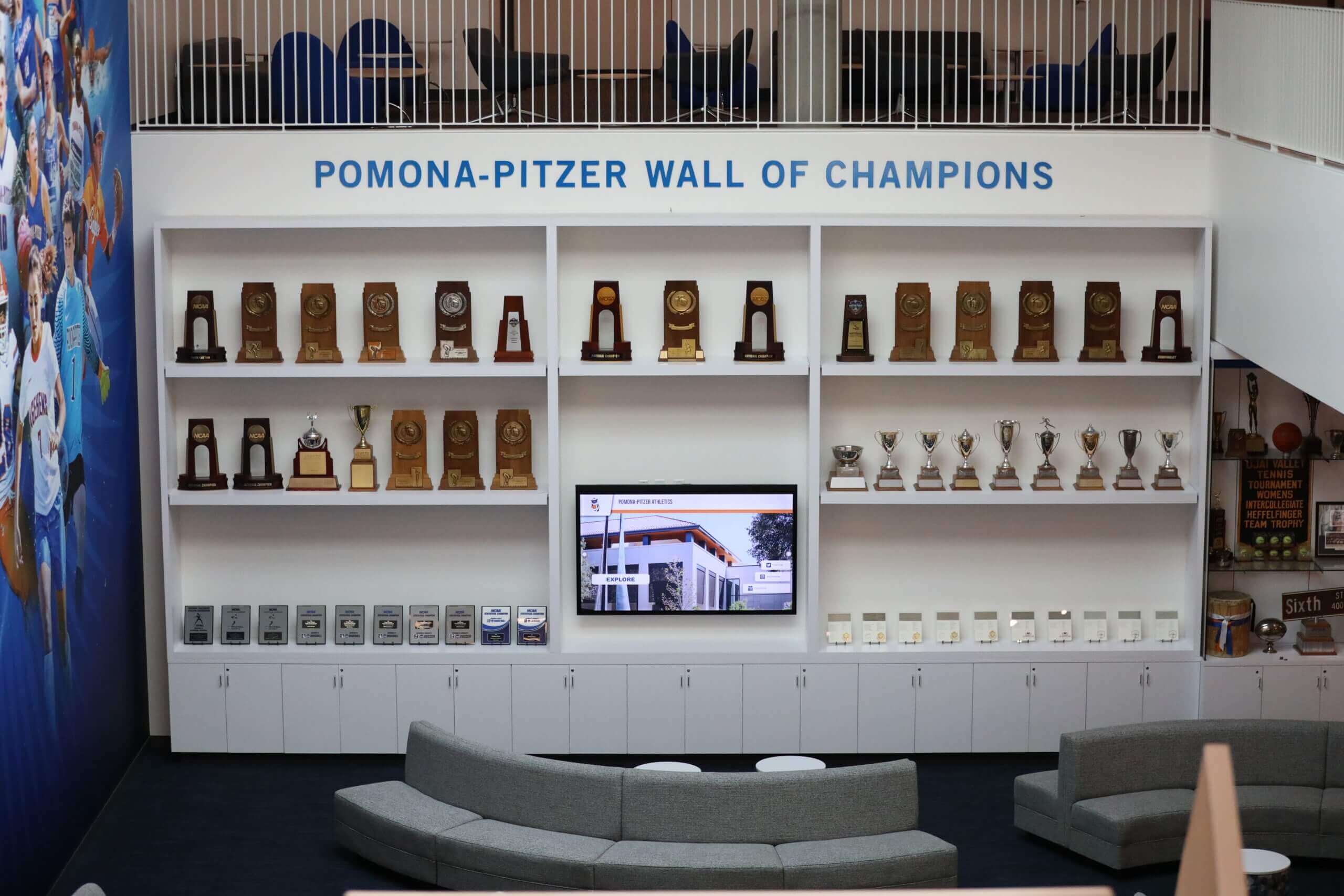
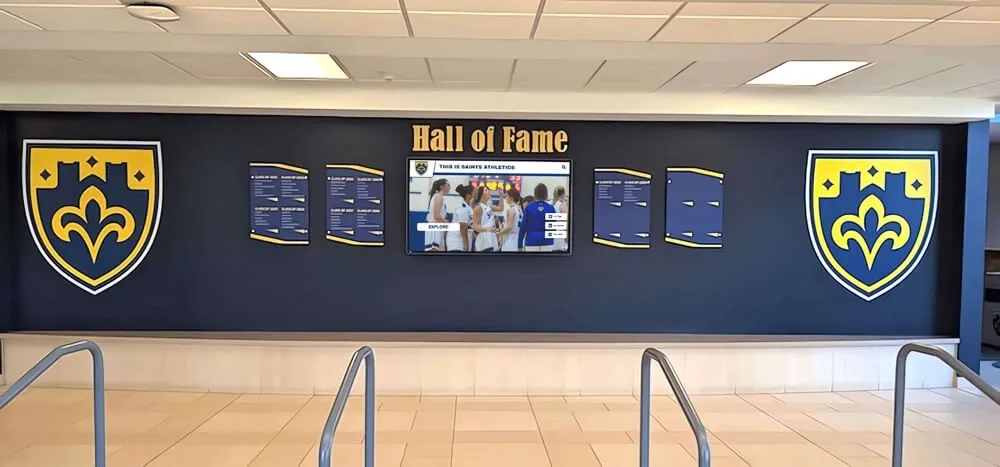
Artistic donor recognition creates visual landmarks that become signature organizational elements and photo destinations
Implementation Process Organizations developing sculptural recognition should:
- Issue calls for proposals to regional and national artists specializing in public installation
- Establish budgets typically ranging $25,000-150,000 depending on scale, complexity, and artist
- Form selection committees including development staff, facilities management, and community representatives
- Clarify donor capacity requirements and recognition tier differentiation expectations
- Address installation specifications including foundations, mounting, structural support, and safety
- Plan unveiling ceremonies celebrating both artistic and philanthropic dimensions
- Establish maintenance protocols preserving artistic integrity over decades
Strategic Advantages Artistic recognition provides unique benefits traditional plaques cannot match:
- Creates memorable visual landmarks becoming organizational signature elements
- Generates media coverage and publicity generic displays never receive
- Demonstrates institutional commitment to creativity, arts, and cultural engagement
- Appeals specifically to donors valuing artistic expression and innovation
- Becomes photography backdrop for countless events, publications, and social media over decades
- Differentiates your organization from competitors using predictable recognition approaches
Community-Created Mosaic Installations
Collaborative art projects create recognition with broad stakeholder participation:
Mosaic Recognition Components
- Individual tiles created by students, staff, clients, or community members honoring donors
- Professional mosaic artists incorporating donor names into larger artistic compositions
- Ceramic or glass tile installations with permanently fired recognition elements
- Community participation events where stakeholders contribute tiles to collective installations
- Educational integration allowing students creating recognition elements through arts curriculum
- Thematic designs reflecting organizational missions, values, geographic contexts, or cultural heritage
Participatory Benefits Mosaic approaches engage entire communities in recognition creation:
- Hundreds of stakeholders contribute to donor acknowledgment amplifying ownership
- Process itself builds community connection and organizational engagement
- Participants feel invested in donor recognition they helped create
- Educational opportunities teach artistic techniques while honoring philanthropy
- Documentation of creation process provides content for communications and stewardship
- Lasting artwork represents both donor generosity and community appreciation
Organizations using community-created recognition report enhanced donor satisfaction knowing entire communities participated in honoring their contributions.
Unique Idea 3: Story-Driven Recognition Displays
Narrative-focused approaches prioritize impact over names, creating recognition that emphasizes outcomes rather than simply acknowledging contributions.
Impact Storytelling Walls
Recognition emphasizing transformation and change donor support enabled:
Story-Focused Elements
- Large-format displays featuring specific programs, initiatives, or individuals donors funded
- Before/after visual comparisons showing transformation philanthropy created
- Beneficiary testimonials describing how donor support changed lives, created opportunities, or solved problems
- Photo essays documenting programs, services, or facilities in action
- Statistical dashboards showing quantifiable impact metrics, outcomes, and reach
- Staff or program director narratives explaining how gifts enable mission excellence
- Donor profiles emphasizing “why I give” rather than focusing on gift amounts or recognition levels
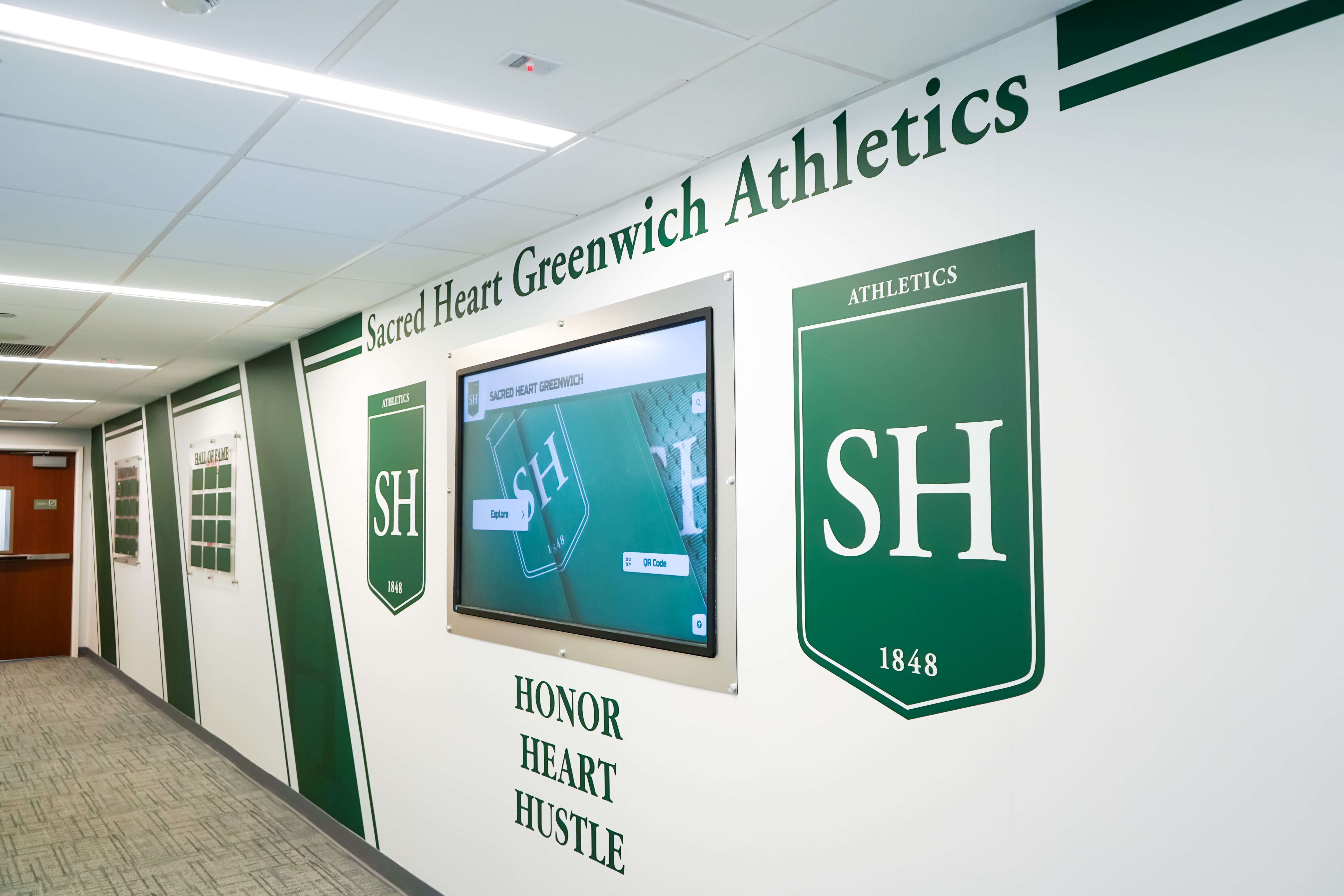
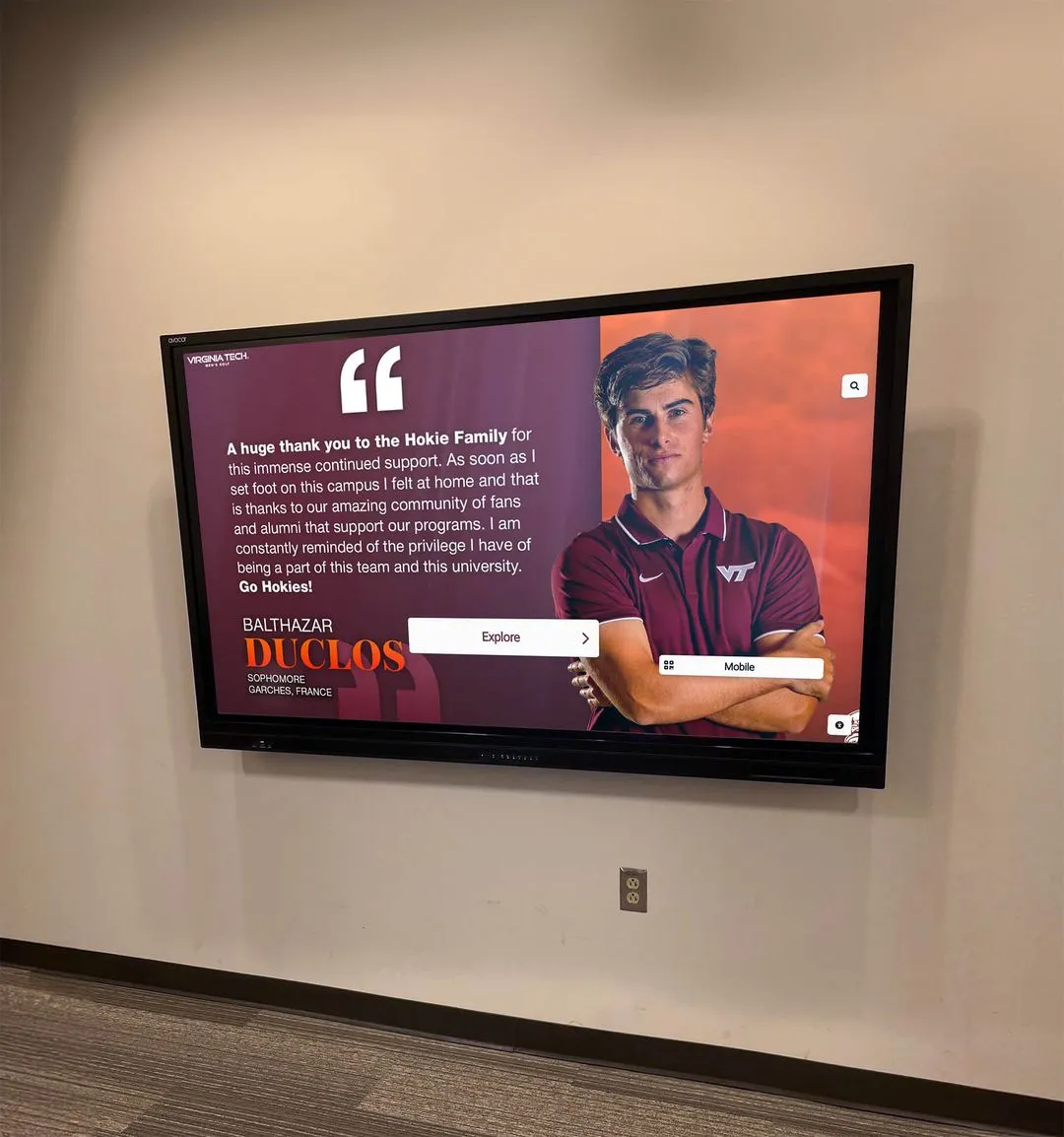
Impact-focused recognition connects donor generosity to tangible outcomes and transformational change
Content Development Strategy Effective impact storytelling requires systematic approach:
- Partnership between development and program staff identifying compelling success stories
- Professional photography and videography capturing authentic program moments and beneficiaries
- Interview processes collecting powerful testimonials from people directly helped by donations
- Writing emphasizing transformation and human impact over dollar amounts or giving statistics
- Regular content rotation ensuring fresh stories maintain visitor interest and repeat engagement
- Digital platforms enabling unlimited storytelling depth traditional displays cannot accommodate
Organizations implementing story-driven recognition report that younger donors respond more positively to impact narratives than traditional giving level hierarchies, particularly millennials and Gen Z supporters valuing tangible outcomes over social recognition.
Mission-Aligned Thematic Organization
Structure recognition around organizational priorities rather than arbitrary giving levels:
Thematic Organization Approaches
- Program area focus grouping donors by what they support (education, research, services, facilities)
- Values-based categories reflecting institutional missions (innovation, access, excellence, equity, service)
- Impact area organization (scholarships, faculty, equipment, programs, operations)
- Beneficiary-focused structure (students, families, communities, researchers, patients)
- Geographic recognition highlighting donor locations creating relationship maps
Strategic Advantages Mission-aligned organization provides multiple benefits:
- Helps prospects identifying giving opportunities matching their personal interests and passions
- Demonstrates comprehensive institutional priorities beyond single campaign focus
- Creates natural conversation starters during facility tours and cultivation events
- Enables donors seeing themselves within communities of supporters sharing similar values
- Reduces emphasis on giving amount hierarchies some donors find uncomfortable or divisive
- Facilitates recognition updates as organizational priorities evolve over time
Digital recognition platforms enable simultaneous organization by multiple taxonomies—viewing donors by giving level, program area, geographic location, or time period—providing flexibility impossible with single-structured physical displays.
Unique Idea 4: Technology-Enhanced Physical Recognition
Hybrid approaches combine traditional permanent materials with digital enhancements capturing benefits of both worlds.
QR-Code Enhanced Traditional Plaques
Augment physical recognition with unlimited digital content accessed via smartphones:
Implementation Approach
- Traditional bronze, stone, or acrylic plaques mounted in conventional architectural arrangements
- Individual QR codes associated with each donor, donor tier, or recognition category
- Smartphone scanning links to comprehensive donor profiles, giving histories, and impact stories
- Web-based content management enabling unlimited information depth and regular updates
- Multimedia content including photos, videos, testimonials, and detailed narratives
- Analytics tracking which donors receive most mobile engagement and interest
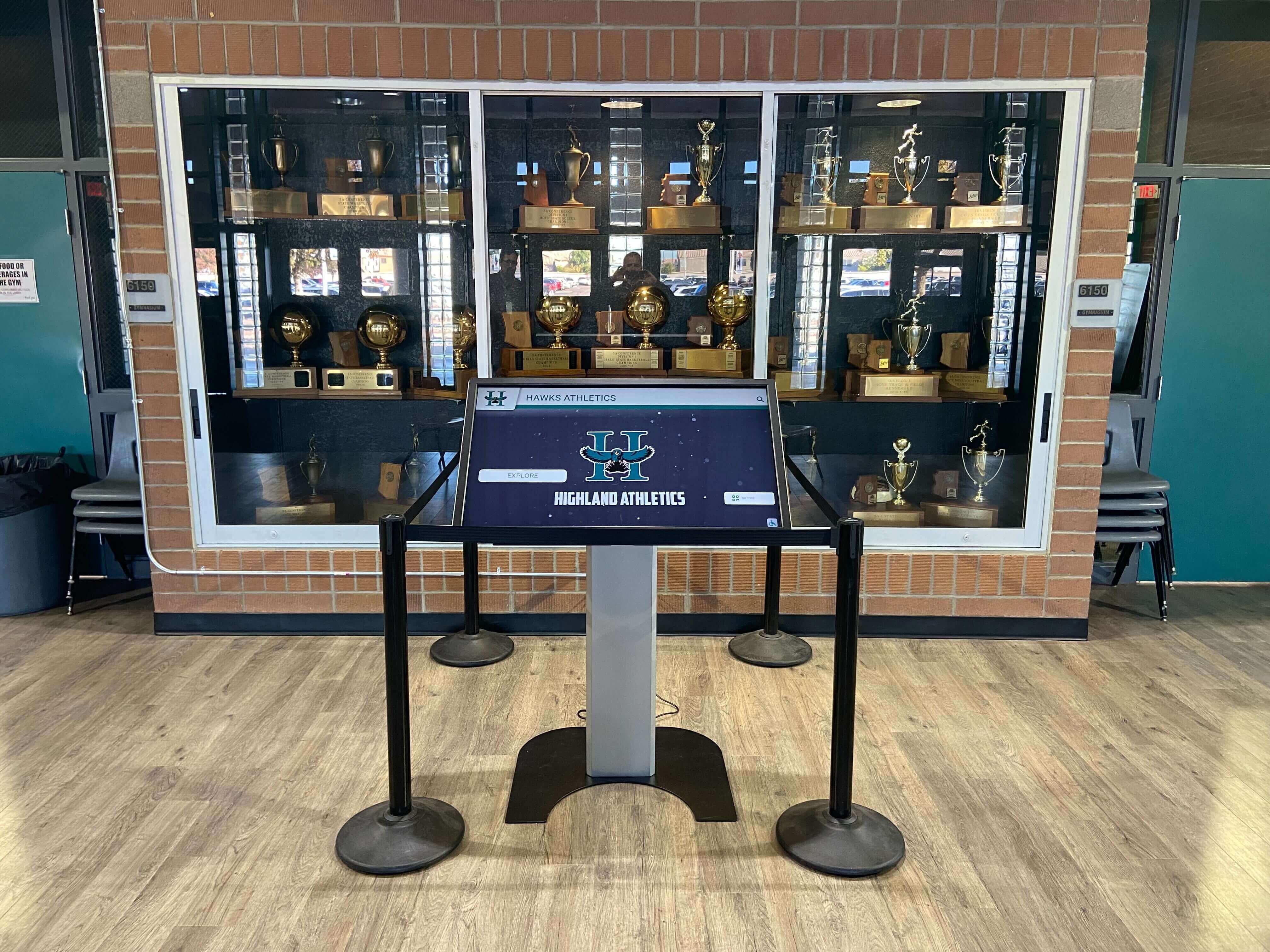
Technology-enhanced physical recognition provides traditional dignity with modern storytelling capabilities
Strategic Benefits QR enhancement provides compelling advantages:
- Preserves traditional aesthetic and perceived permanence many donors value
- Unlimited storytelling capacity overcoming space constraints of physical engraving
- Simple implementation adding innovation to existing traditional installations without replacement
- Content updates without physical construction, vendor coordination, or facilities involvement
- Generational appeal combining traditional forms older donors prefer with digital functionality younger supporters expect
- Cost-effective enhancement typically $500-3,000 for implementation including hosting and management
Organizations can implement QR enhancement for existing donor walls, instantly modernizing recognition without abandoning previous investments in traditional installations.
Integrated Hybrid Digital-Physical Walls
Architectural installations incorporating embedded digital screens:
Design Components
- Primary recognition using conventional materials (bronze plaques, etched glass, carved stone)
- Digital displays integrated within architectural framing showing supplemental rotating content
- Coordinated design ensuring technological and traditional elements feel cohesive and unified
- Content alternating between donor recognition, impact stories, campaign updates, and testimonials
- Touch-enabled screens adjacent to traditional displays providing search functionality and detail
- Synchronized content across digital and physical elements maintaining consistency
Implementation Considerations Successful hybrid recognition requires:
- Architectural planning integrating technology from initial design stages rather than afterthought
- Electrical infrastructure supporting digital display power, networking, and environmental requirements
- Professional installation ensuring cohesive aesthetic between traditional and digital components
- Content strategy determining what appears on physical versus digital elements
- Brand consistency maintaining visual identity across all recognition components
- Maintenance protocols addressing both traditional cleaning and technological support needs
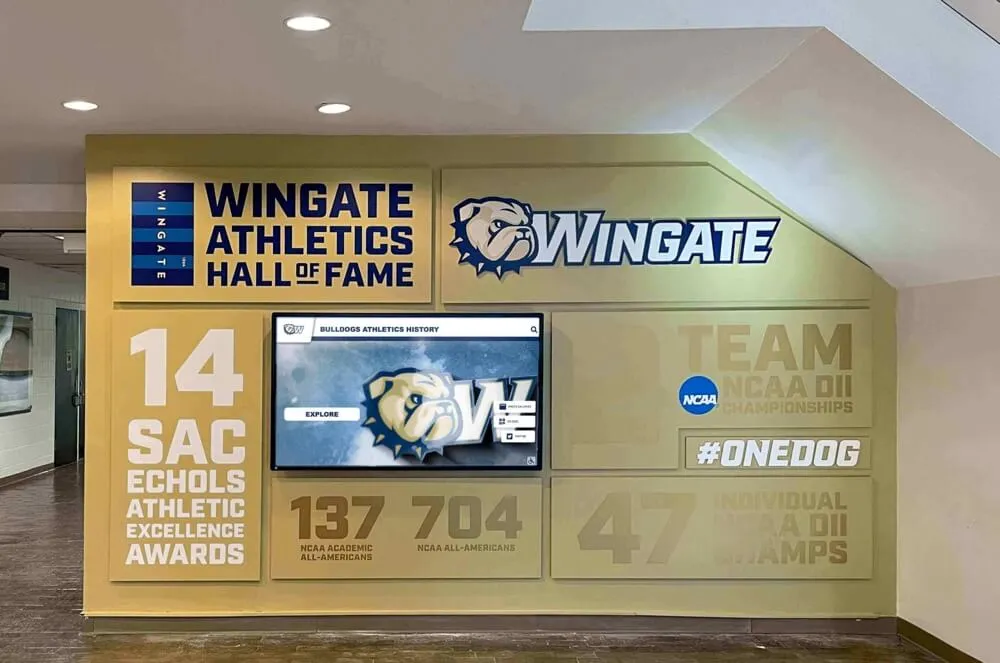
Hybrid approaches enable organizations honoring traditionalist donors valuing permanent physical recognition while engaging innovative supporters appreciating technological interaction and multimedia storytelling.
Unique Idea 5: Distributed Recognition Networks
Strategic placement throughout facilities rather than single centralized locations maximizes visibility and contextual relevance.
Multi-Location Digital Recognition Systems
Synchronized displays across multiple sites ensure donor visibility throughout organizations:
Network Configuration
- Digital recognition displays in every major building, facility, or program location
- Centralized content management distributing donor information across all installations
- Location-specific customization highlighting donors supporting particular programs or spaces
- Synchronized updates propagating changes instantly to all networked displays
- Consistent branding with location flexibility accommodating contextual priorities
- Analytics tracking engagement patterns across different sites and locations
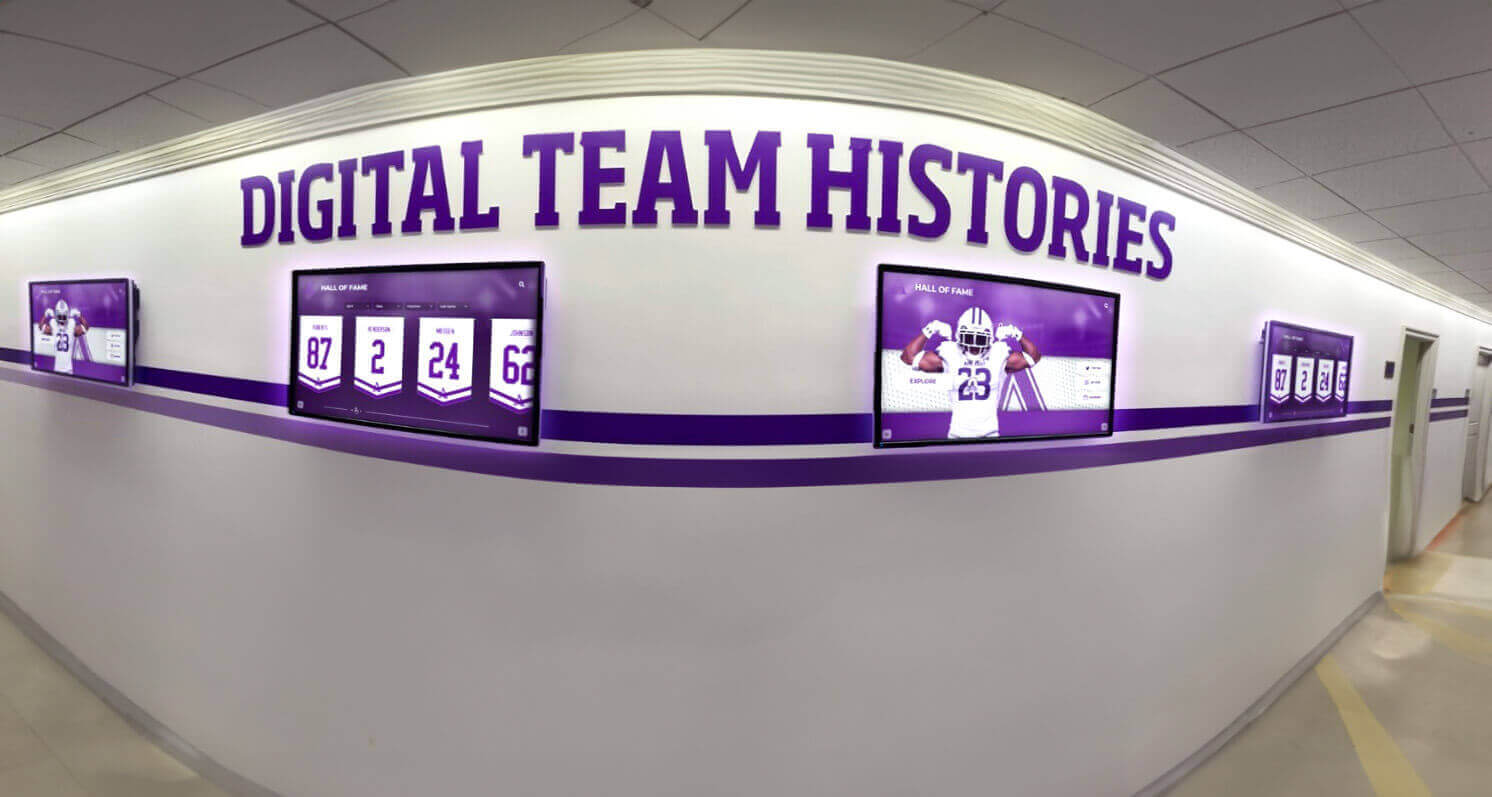
Distributed recognition networks ensure donor visibility across entire facilities and multiple visitor touchpoints
Strategic Advantages Multi-location recognition provides benefits single displays cannot:
- Multiple visibility touchpoints increasing donor acknowledgment frequency and exposure
- Contextual recognition connecting donors to specific spaces their giving enabled or programs they funded
- Accessibility for stakeholders who never visit central campus locations or main buildings
- Reduced crowding at any individual recognition location improving visitor experience
- Flexibility acknowledging donors with interests in multiple organizational areas
- Organic discovery as stakeholders encounter recognition throughout daily activities
Digital platforms enable these networked approaches sharing content from centralized databases while accommodating location-specific priorities, ensuring consistency while maintaining flexibility across distributed installations.
Contextual Recognition in Program Spaces
Place acknowledgment where donor impact manifests most clearly:
Context-Specific Placement
- Program facility donor walls near spaces funded through philanthropy
- Service area recognition adjacent to programs and services gifts directly enable
- Educational facility acknowledgment in classrooms, labs, and learning centers
- Healthcare recognition in treatment areas where donor support improves care
- Community spaces displaying recognition near gathering areas funded by supporters
- Athletic facilities showing donor walls in venues, locker rooms, and training areas
Connection Benefits Contextual placement strengthens relationships between donor generosity and tangible outcomes:
- Demonstrates impact immediately adjacent to recognition creating powerful association
- Program beneficiaries encounter donor acknowledgment during daily activities
- Facilities tours naturally showcase recognition where contributions made differences
- Context provides implicit storytelling about what donations accomplished
- Donors visiting their funded spaces experience direct connection to their impact
Organizations implementing recognition displays near funded projects report enhanced donor satisfaction and increased likelihood of continued support.
Unique Idea 6: Living Recognition Systems
Dynamic approaches continuously evolving rather than static permanent installations:
Digital Donor Spotlights and Featured Stories
Regularly rotating recognition ensuring all supporters receive prominent visibility:
Rotation Strategies
- Weekly or monthly featured donor spotlights highlighting different supporters on rotating schedules
- Milestone recognition automatically featuring donors on gift anniversaries or participation milestones
- Campaign-specific displays showcasing current initiative supporters during active fundraising
- Seasonal recognition highlighting donors supporting particular programs or events
- New donor welcome features celebrating recent supporters joining philanthropic community
- Legacy recognition periodically honoring longtime sustained supporters
Engagement Enhancement Rotating features create multiple benefits:
- Ensure every donor receives prominent visibility rather than permanent back-row placement
- Encourage repeat visits to see current featured donors and stories
- Create opportunities for ongoing communications highlighting featured supporters
- Demonstrate active stewardship rather than one-time permanent acknowledgment
- Enable timely recognition tied to organizational activities, seasons, or events
- Maintain fresh content keeping recognition displays engaging for frequent visitors
Digital platforms enable these rotation strategies through scheduled publishing, automated triggers based on dates or milestones, and simple content management requiring no technical expertise.
Real-Time Campaign Progress Displays
Show donor impact creating momentum and inspiring additional support:
Dynamic Campaign Elements
- Goal thermometers updating in real-time as gifts close showing progress toward targets
- Recent donor recognition immediately acknowledging new supporters within hours of gifts
- Challenge match status displays showing progress toward matching gift triggers
- Countdown timers creating urgency for time-limited campaigns or giving days
- Live participant counts during fundraising events showing community engagement
- Impact metric updates demonstrating what current campaign totals enable
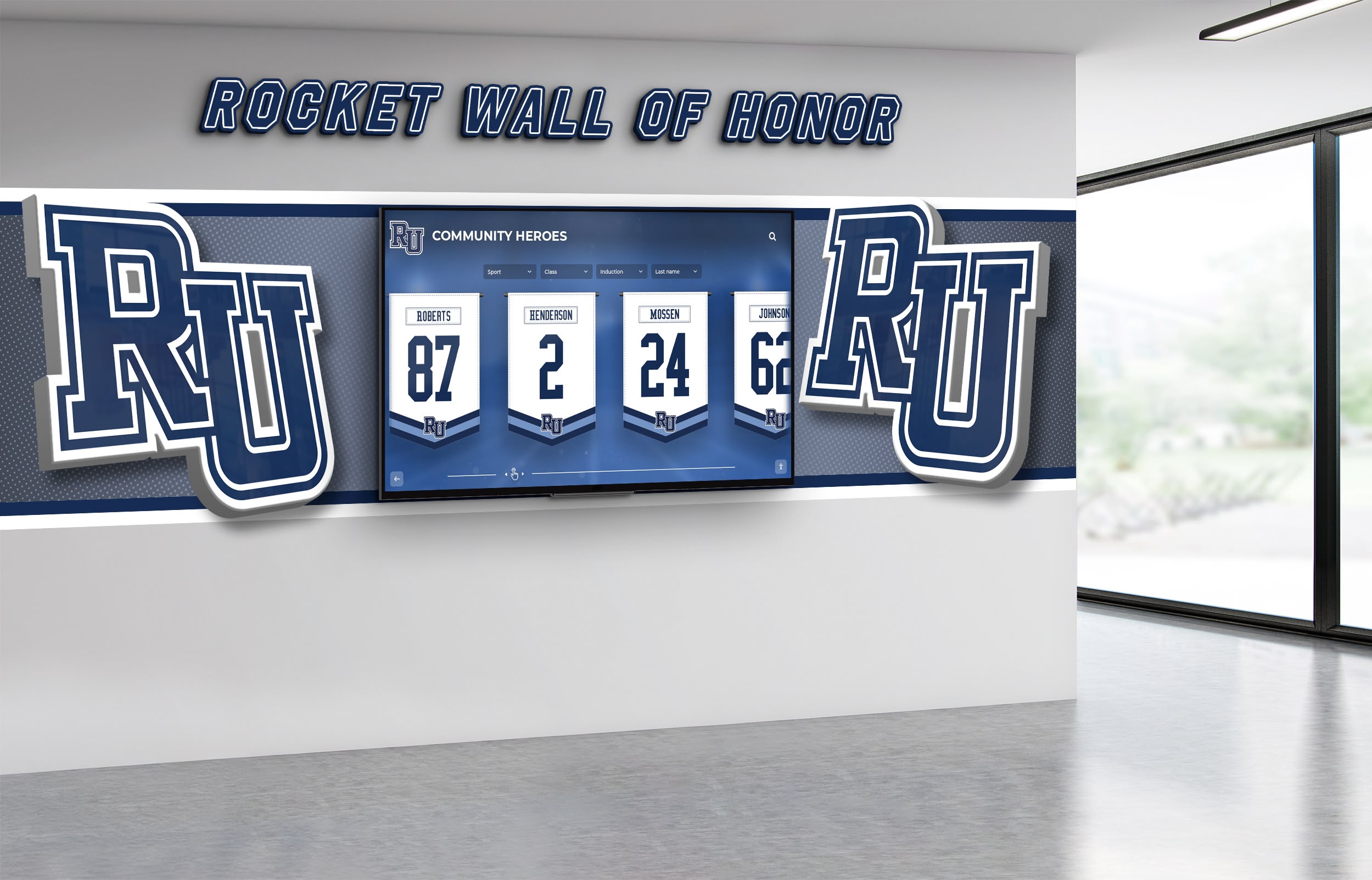
Real-time campaign displays create momentum and inspire participation by showing community engagement
Psychological Impact Dynamic campaign displays leverage powerful behavioral principles:
- Social proof demonstrates that giving represents community norms and widespread participation
- Progress visibility creates momentum effect encouraging continued support
- Recency bias ensures current supporters receive immediate prominent recognition
- Urgency elements motivate action through time-limited opportunities
- Tangible goal visualization helps donors understand specific targets and needs
- Real-time updates demonstrate organizational transparency and efficient stewardship
Organizations implementing interactive campaign displays during major fundraising initiatives report 15-25% higher participation rates attributed to visible momentum and social proof effects.
Unique Idea 7: Experiential and Immersive Recognition
Create memorable multi-sensory experiences transforming acknowledgment into destinations:
Interactive Timeline Walls
Donor recognition integrated with organizational history creating journey narratives:
Timeline Components
- Chronological displays showing organizational evolution with donor support milestones
- Interactive elements enabling visitors exploring specific eras, decades, or time periods
- Archival photos illustrating campus or facility changes over time
- Historical document facsimiles showing campaign materials, appeals, and donor communications
- Video compilations featuring donors reflecting on relationship evolution and changes witnessed
- Milestone achievements connecting organizational growth to philanthropic support periods
Narrative Engagement Timeline approaches create compelling storytelling:
- Connect donor contributions to specific organizational achievements and transformations
- Demonstrate how philanthropy enabled evolution from humble beginnings to current excellence
- Help donors understanding their place in ongoing institutional legacy
- Create context for giving showing how past support shaped present opportunities
- Inspire continued support by illustrating decades-long patterns of community generosity
Timeline recognition proves particularly effective for educational institutions, healthcare organizations, and community nonprofits with multi-generational relationships and rich institutional histories.
Projection Mapping Recognition Experiences
Transform building facades and interior spaces into dynamic recognition canvases:
Projection Capabilities
- Donor names and information projected onto architectural surfaces without permanent installation
- Dynamic content rotation showcasing different campaigns, time periods, or recognition categories
- Motion graphics and animations creating visual interest impossible with static displays
- Color and lighting changes reflecting campaigns, seasons, organizational colors, or special events
- Integration with events illuminating donor recognition during galas, ceremonies, or celebrations
- Scalability from small interior walls to entire building exteriors
Event Integration Projection recognition creates spectacular experiences for special occasions:
- Gala illuminations celebrating major donors during fundraising events
- Campaign kickoff projections building excitement and announcing major supporters
- Anniversary celebrations highlighting decades of donor relationships
- Dedication ceremonies dramatically revealing recognition for capital campaign contributors
- Community events showcasing philanthropy’s impact to broader public audiences
While projection requires specialized equipment, technical expertise, and ongoing operational support, the visual impact creates memorable experiences that generate significant media coverage, social sharing, and community engagement.
Implementing Unique Donor Recognition
Creative approaches require systematic planning ensuring innovation enhances rather than complicates acknowledgment.
Planning Process for Unique Recognition
Comprehensive preparation ensures successful implementation:
Strategic Planning Steps
- Conduct stakeholder assessment gathering input from development staff, donors, leadership, and community
- Evaluate organizational culture determining which innovative approaches align with values and preferences
- Assess budget parameters including initial investment and 10-year operational costs
- Research implementations by visiting organizations with innovative recognition or reviewing portfolios
- Define success metrics establishing how you’ll measure recognition effectiveness
- Develop content strategy determining what information appears and how it updates
- Create implementation timeline coordinating recognition with campaign milestones or completion
- Establish governance protocols clarifying approval processes and decision authority
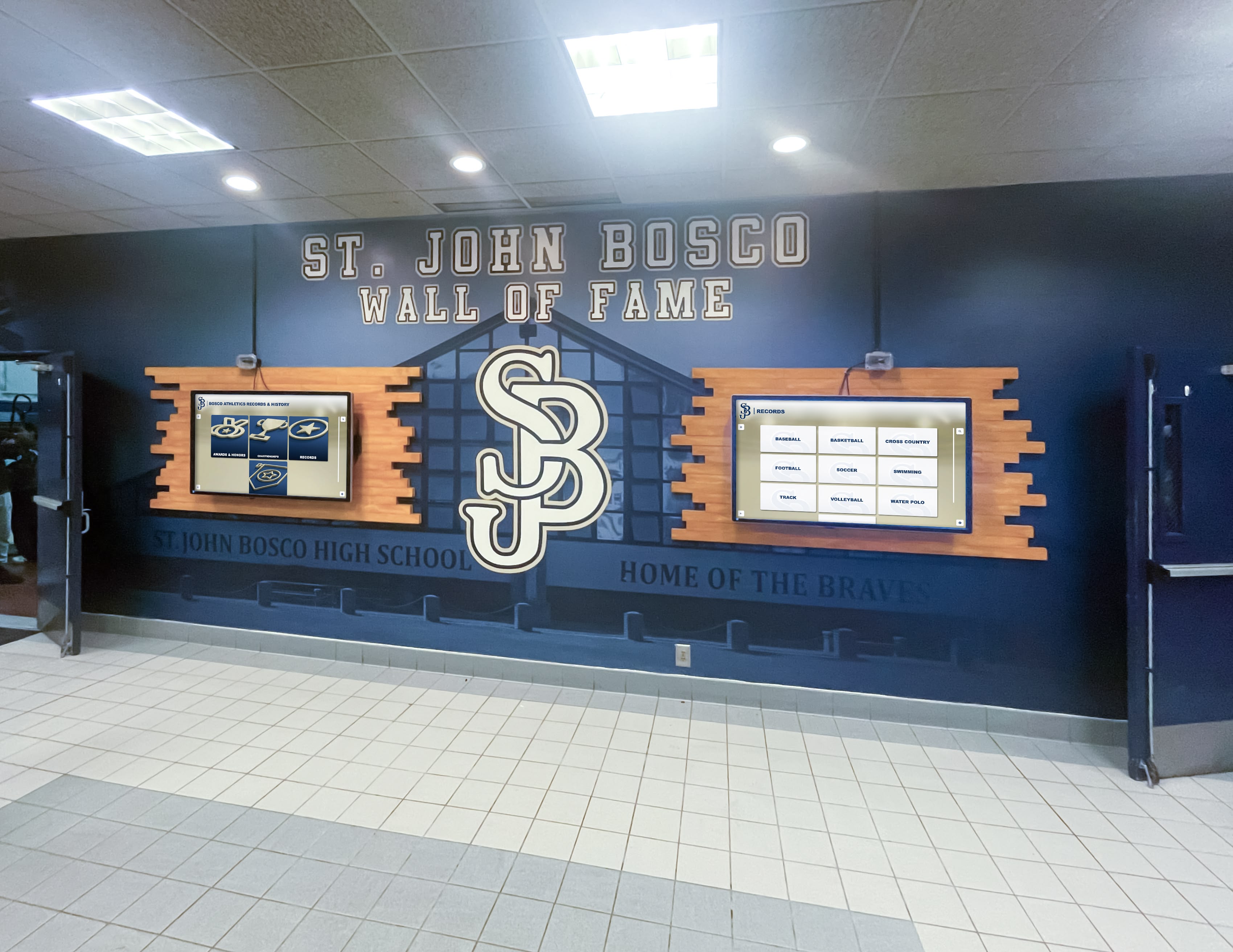
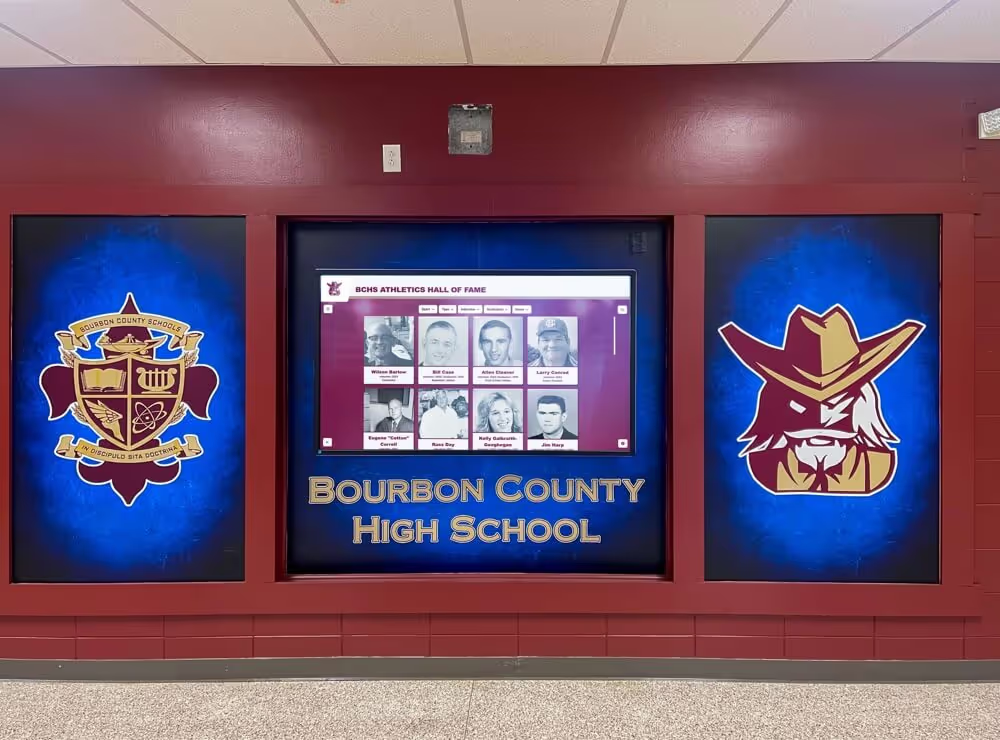
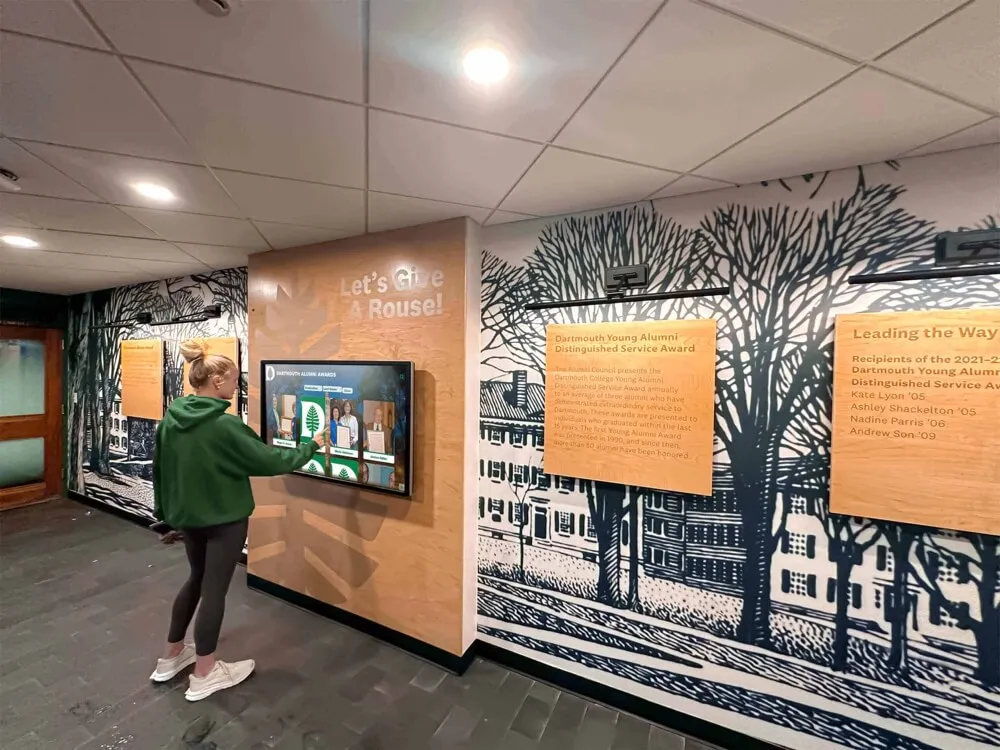
Professional planning and installation ensure recognition displays integrate seamlessly with facilities and architecture
Cross-Functional Collaboration Effective unique recognition requires diverse perspectives:
- Development professionals ensuring recognition serves cultivation and stewardship objectives
- Creative professionals (artists, designers, technologists) providing innovative expertise and ideas
- Facilities management addressing installation feasibility, structural requirements, and maintenance
- Communications staff ensuring brand consistency, messaging alignment, and quality standards
- Accessibility specialists guaranteeing universal design and ADA compliance
- Donor representatives providing authentic perspective on meaningful acknowledgment
- Leadership approval securing institutional commitment and appropriate resource allocation
Cross-functional teams produce solutions serving multiple organizational needs more effectively than single-department planning processes.
Content Development Excellence
Compelling content determines whether unique recognition succeeds or merely looks innovative:
Content Requirements High-quality donor recognition includes:
- Accurate donor names with correct spellings, formats, and preferred presentations
- Verified giving levels and appropriate recognition tier designations
- Engaging biographical details personalizing donors beyond names and amounts
- Impact narratives connecting contributions to specific measurable outcomes
- Professional photography showing donors, programs, beneficiaries, and facilities
- Video content featuring donor testimonials, program highlights, and impact demonstrations
- Historical context explaining campaign circumstances, challenges, and significance
- Regular updates maintaining fresh relevant information rather than stale outdated content
Storytelling Best Practices Transform donor lists into engagement experiences through:
- Personal motivations explaining why donors support your mission
- Connection narratives describing relationships between donors and organizations
- Outcome descriptions showing tangible differences contributions enabled
- Multi-generational stories highlighting family giving patterns and legacy
- Beneficiary perspectives sharing how donor support changed lives
- Staff insights explaining how gifts enable program excellence and innovation
Organizations implementing unique recognition should budget $5,000-25,000 annually for professional content development depending on donor volume, multimedia sophistication, and storytelling depth. This investment ensures recognition quality matches innovative presentation methods.
Explore content strategies for donor recognition displays that create emotional connections and inspire continued giving.
Budget Considerations for Unique Recognition
Creative approaches involve varied investment levels depending on complexity, scale, and chosen innovations.
Investment Ranges by Recognition Type
Understanding costs across unique recognition categories:
Digital Interactive Systems
- Basic touchscreen recognition: $10,000-25,000 initial investment
- Comprehensive platform with advanced features: $25,000-50,000 initial
- Multi-location networked system: $50,000-150,000+ initial
- Annual operating costs: $2,000-12,000 (software subscriptions, maintenance, support, updates)
- 10-year total cost of ownership: $30,000-170,000
Artistic and Sculptural Recognition
- Small-scale commissioned artwork: $15,000-50,000 complete installation
- Medium-scale sculpture or installation: $50,000-150,000
- Large-scale signature installation: $150,000-500,000+
- Annual maintenance: $1,000-5,000 (cleaning, inspection, minor repairs, landscaping)
- 10-year total cost: $25,000-550,000+
Hybrid Technology-Enhanced Traditional
- QR-enhanced plaques added to existing walls: $500-3,000 initial plus $200-1,000 annual
- New hybrid digital-physical installations: $30,000-100,000 initial
- LED lighting and enhancement systems: $10,000-50,000 depending on scale
- Annual technology maintenance and support: $1,000-5,000
- 10-year total cost: $15,000-150,000
Experiential and Projection-Based
- Projection mapping systems: $20,000-100,000 installation plus $5,000-20,000 annual operation
- Interactive timeline walls: $30,000-80,000 initial
- Multi-sensory installations: $50,000-200,000+
- Annual content and technical support: $5,000-25,000
- 10-year total cost: $70,000-400,000+
Return on Creative Recognition Investment
Measuring unique recognition effectiveness justifies investment:
Quantitative ROI Metrics Organizations implementing creative recognition report:
- 20-35% higher donor retention rates compared to traditional static displays
- 25-40% more upgrade conversions as donors increase giving levels
- 40-60% longer prospect engagement during cultivation facility tours
- 10-15% higher participation in annual giving campaigns
- 15-25% increased likelihood of planned giving inquiries and commitments
Qualitative Value Indicators Beyond direct fundraising metrics, unique recognition creates:
- Enhanced institutional reputation for innovation, creativity, and forward thinking
- Increased media coverage generating publicity traditional plaques never receive
- Stronger donor emotional connections to organizational missions and values
- Elevated facility aesthetics benefiting recruitment, community relations, and pride
- Differentiation from peer organizations competing for same donor prospects
- Social media content and sharing extending recognition visibility exponentially
Development professionals should evaluate recognition investment over 10-15 year horizons understanding that creative approaches generate compounding returns as donor relationships strengthen, word spreads, and organizational reputation benefits accumulate over time.
Future Trends in Unique Donor Recognition
Recognition continues evolving as technology advances and donor expectations change.
Emerging Technology Integration
Next-generation capabilities enhancing unique recognition:
Artificial Intelligence Applications
- Personalized recognition recommendations based on individual visitor interests and histories
- Automated content generation creating donor story drafts from structured database information
- Predictive analytics identifying which donors would appreciate enhanced recognition opportunities
- Natural language processing enabling conversational searches for donor information and stories
- Sentiment analysis improving content emotional resonance and impact effectiveness
Virtual and Augmented Reality
- Virtual recognition experiences enabling remote stakeholder engagement from anywhere globally
- AR overlays adding digital content layers to physical recognition installations through smartphones
- Immersive donor journey visualizations showing gift impact through interactive 3D environments
- Virtual facility tours featuring recognition displays for prospects unable to visit in person
- Gamified AR experiences encouraging campus exploration while discovering donor stories
Blockchain and Transparent Giving
- Distributed ledger technology providing permanent verifiable records of donor recognition
- Smart contract automation triggering recognition immediately when pledges fulfill
- Cryptocurrency gift tracking and acknowledgment for emerging donor demographics
- Transparent impact tracking showing exactly how gifts were used and what they accomplished
- NFT-based donor certificates creating unique digital collectibles and permanent acknowledgment
While mainstream adoption remains years away for some technologies, forward-thinking organizations experiment with emerging capabilities preparing for recognition’s continued evolution.
Changing Donor Expectations
Recognition must adapt to shifting philanthropic culture and generational preferences:
Impact-Focused Recognition Priority Younger donors increasingly prefer:
- Recognition emphasizing gift outcomes and changes created over donor acknowledgment and celebration
- Storytelling demonstrating measurable differences contributions made in beneficiary lives
- Beneficiary testimonials and perspectives rather than donor testimonials and motivations
- Transparency about how gifts were allocated, used, and what they accomplished specifically
- Focus on mission achievement and program success rather than individual philanthropy celebration
Immediate and Responsive Recognition Modern donors expect:
- Near-instant acknowledgment rather than multi-month delays between gifts and recognition
- Digital-first recognition accessible from smartphones, tablets, and personal devices
- Social media integration enabling easy sharing with personal networks and communities
- Ongoing engagement through recognition platforms rather than one-time static acknowledgment
- Two-way communication enabling donors contributing updates, stories, and continuing narratives
Organizations implementing unique donor recognition must balance traditional stewardship expectations from older donor generations with evolving preferences from younger supporters, creating flexible systems accommodating diverse recognition needs across demographic cohorts and giving patterns.
Conclusion: Creating Recognition That Truly Inspires
Unique donor walls represent strategic opportunities to differentiate your organization, demonstrate values through innovative practice, create memorable experiences strengthening relationships, and inspire continued giving through recognition that honors generosity meaningfully. Breaking from convention doesn’t mean abandoning dignity—it means finding creative approaches that respect donors while creating genuine engagement.
Traditional approaches including generic plaque arrangements and predictable formats no longer capture imaginations or adequately reflect transformational philanthropy’s impact on missions and communities. Organizations implementing unique recognition report superior outcomes including higher retention rates, increased upgrade conversions, stronger emotional connections, enhanced institutional reputations, and greater fundraising success.
Transform Your Donor Recognition With Innovation
Discover how modern digital recognition platforms enable unlimited donor acknowledgment, compelling multimedia storytelling, simplified administration, and creative presentation approaches impossible with traditional methods. Create donor recognition that captures attention, strengthens relationships, and inspires continued giving through engaging experiences that honor every supporter meaningfully.
Explore Recognition SolutionsThe unique donor wall ideas explored in this guide provide comprehensive frameworks for creating recognition that stands out from countless generic displays while maintaining the dignity philanthropy deserves. From interactive digital galleries to artistic sculptures, story-driven installations to technology-enhanced traditional approaches, distributed networks to experiential designs, these strategies enable development professionals designing acknowledgment that truly honors donor generosity.
Creative recognition investment generates lasting returns by differentiating your organization from competitors, demonstrating innovation in practice rather than only rhetoric, creating shareable experiences extending visibility beyond physical locations, building emotional connections inspiring lifetime philanthropic partnerships, and strengthening communities united by shared values and commitment to mission.
Start by honestly assessing current recognition approaches, identifying where convention limits effectiveness and engagement. Engage stakeholders gathering input about what meaningful acknowledgment looks like to diverse audiences including donors, board members, staff, and beneficiaries. Explore creative options balancing innovation with practical considerations including budget constraints, maintenance requirements, and long-term sustainability. Then implement systematically with attention to content quality, accessibility standards, stakeholder communication, and ongoing refinement based on donor feedback and engagement analytics.
Your donors’ generosity deserves recognition reflecting the transformational impact their contributions create. With thoughtful planning, creative courage, appropriate technology, and consistent stewardship, you can create donor recognition displays that capture imaginations, inspire continued giving, honor every contribution meaningfully, and differentiate your organization from countless others competing for philanthropic support in increasingly crowded landscape.
Ready to create unique donor recognition that truly inspires support and strengthens relationships? Discover how Rocket Alumni Solutions helps organizations design innovative recognition experiences that strengthen donor relationships while simplifying administration and overcoming traditional display limitations through unlimited capacity, compelling storytelling, and engaging interactive platforms.