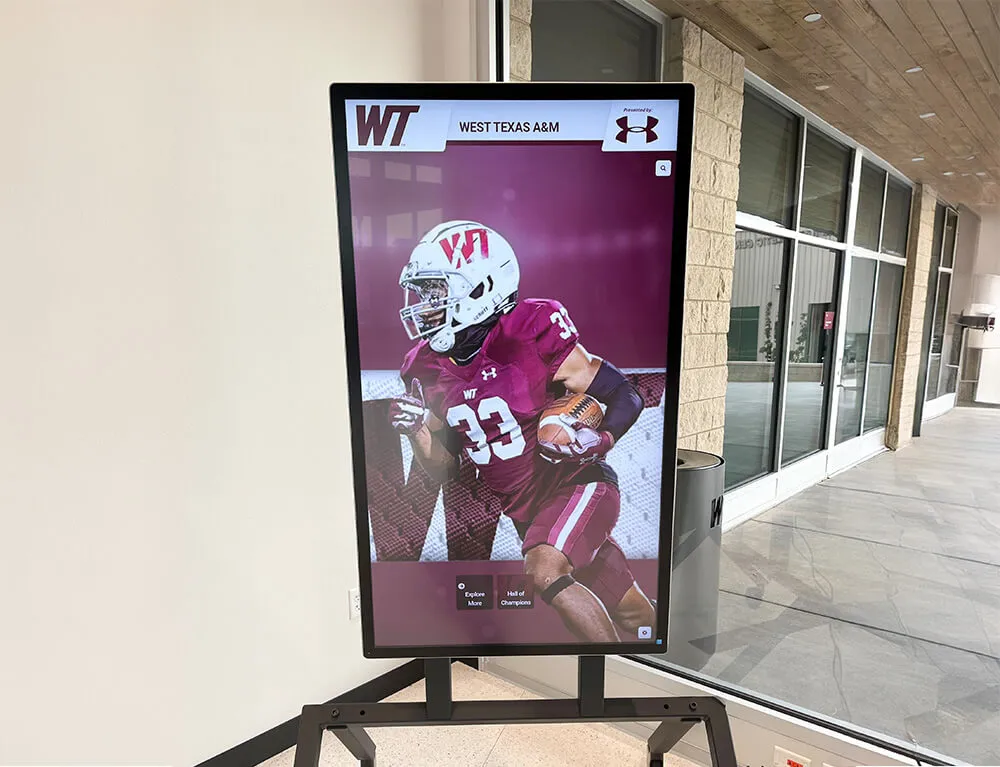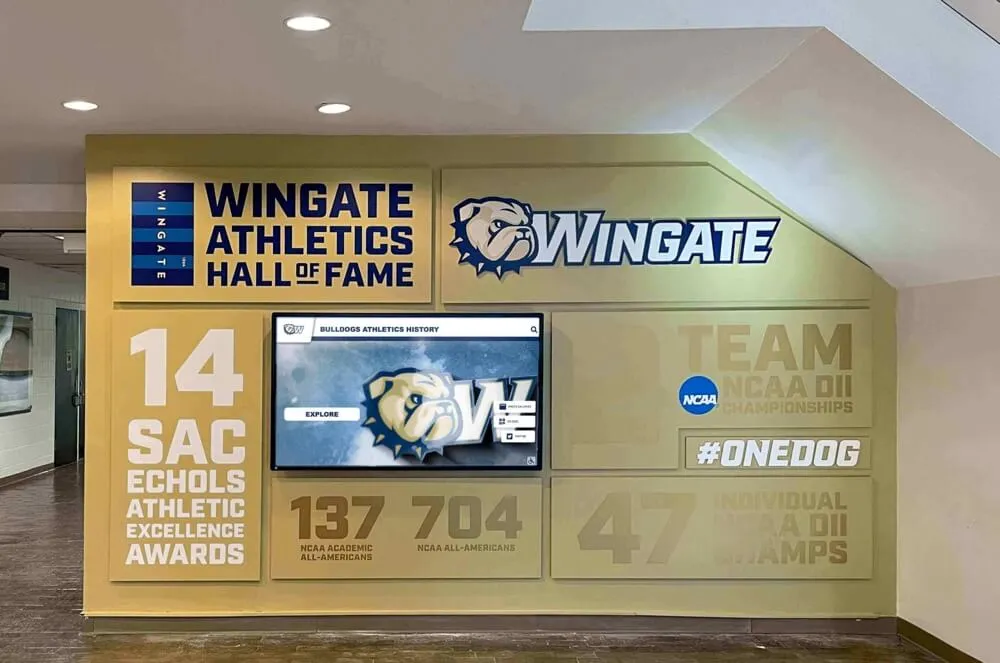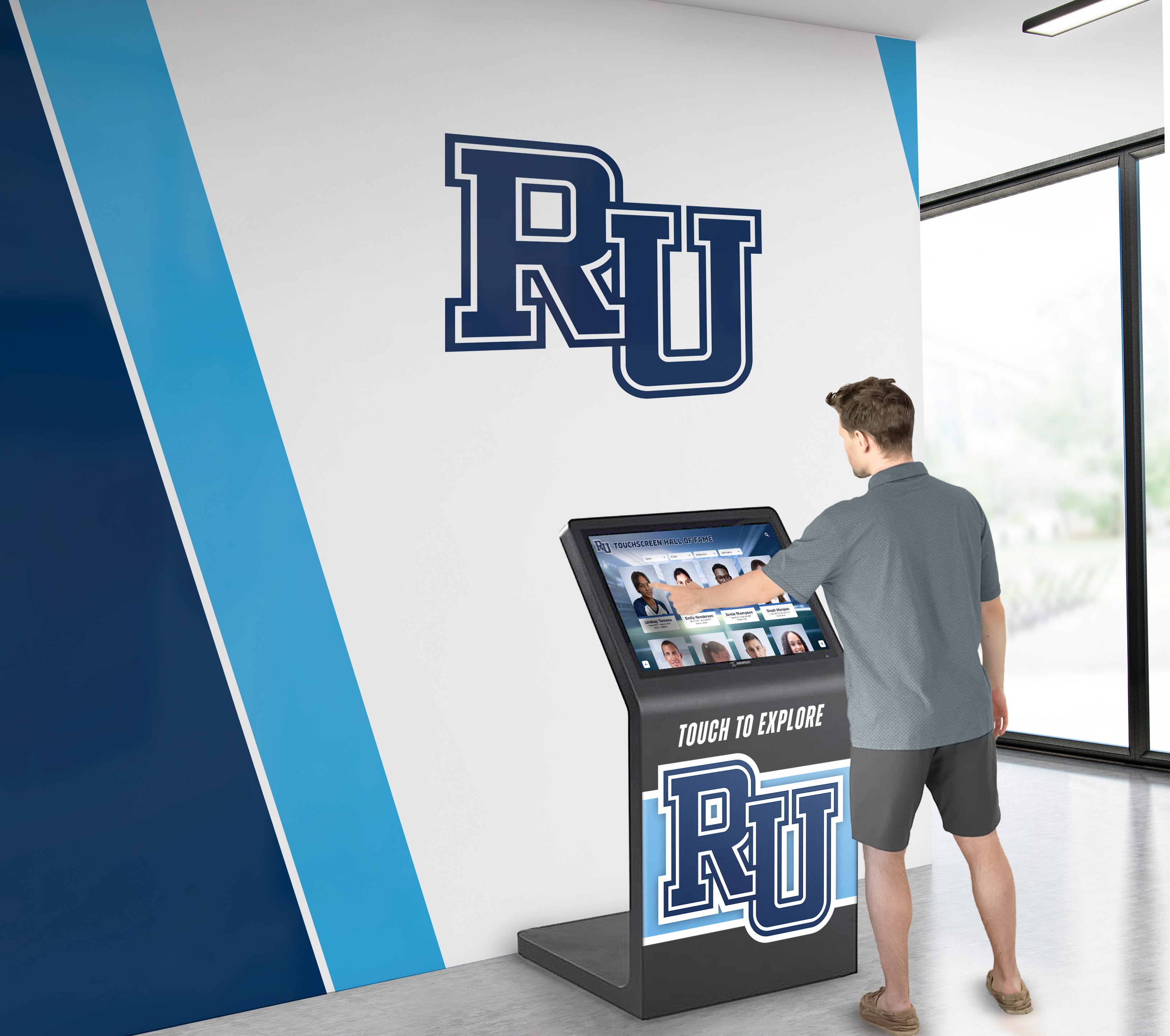




Schools researching digital hall of fame displays consistently encounter the same frustration: vendors provide display prices or software subscription costs but remain vague about everything else required for actual operation. What about content migration from existing trophy cases? Who handles installation and mounting? Does anyone train staff to manage the system? When piecing together quotes from separate vendors—display manufacturers, software providers, installation contractors, content designers—total costs balloon unpredictably while coordination complexity overwhelms already stretched administrative teams.
This fragmented vendor landscape explains why many schools delay digital recognition projects indefinitely. The path from budget approval to functional display appears fraught with technical decisions administrators feel unqualified to make, contractor coordination consuming weeks of calendar time, and knowledge gaps preventing confident system management after installation completes.
Turnkey digital hall of fame providers address these concerns by offering complete packages combining hardware, software, professional installation, initial content setup, and staff training under single contracts with transparent pricing. Rather than coordinating multiple vendors while costs accumulate through project surprises, schools receive comprehensive implementations with predictable budgets and single points of contact managing end-to-end delivery.
Understanding turnkey pricing requires examining what comprehensive packages actually include, comparing provider offerings across the market, evaluating total cost of ownership beyond initial installation, and identifying budget structures aligning with school procurement processes. This guide examines turnkey digital hall of fame solutions from providers including Rocket Alumni Solutions, touchhalloffame.us, halloffamewall.com, touchwall.us, and related services, focusing specifically on what schools receive in exchange for investment and how pricing models accommodate institutional budgeting requirements.

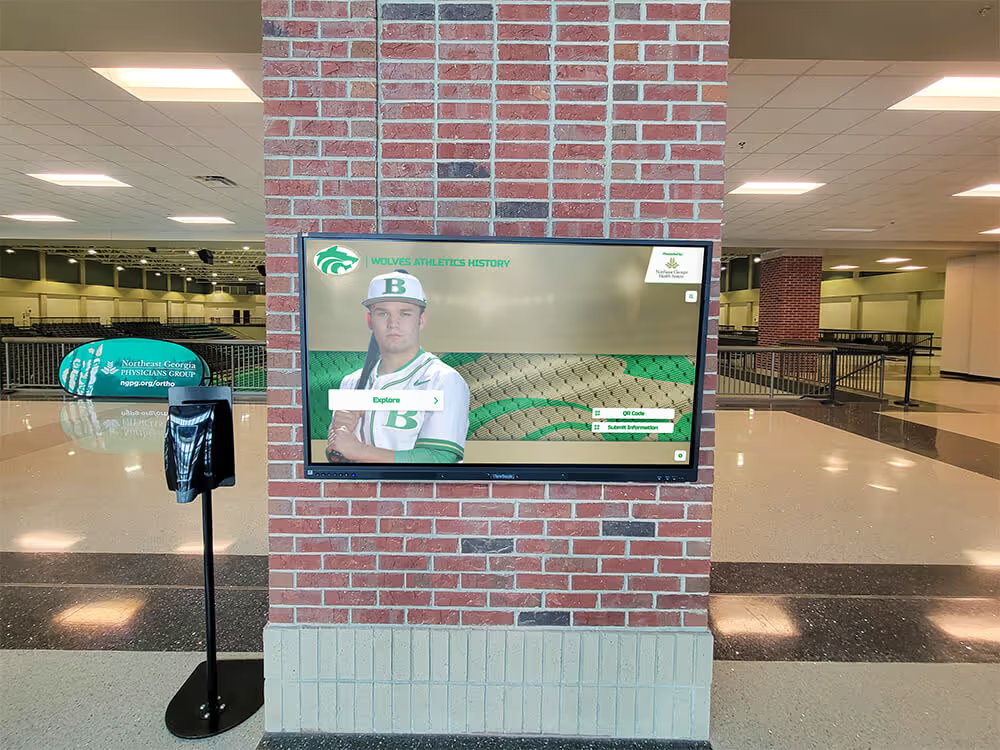
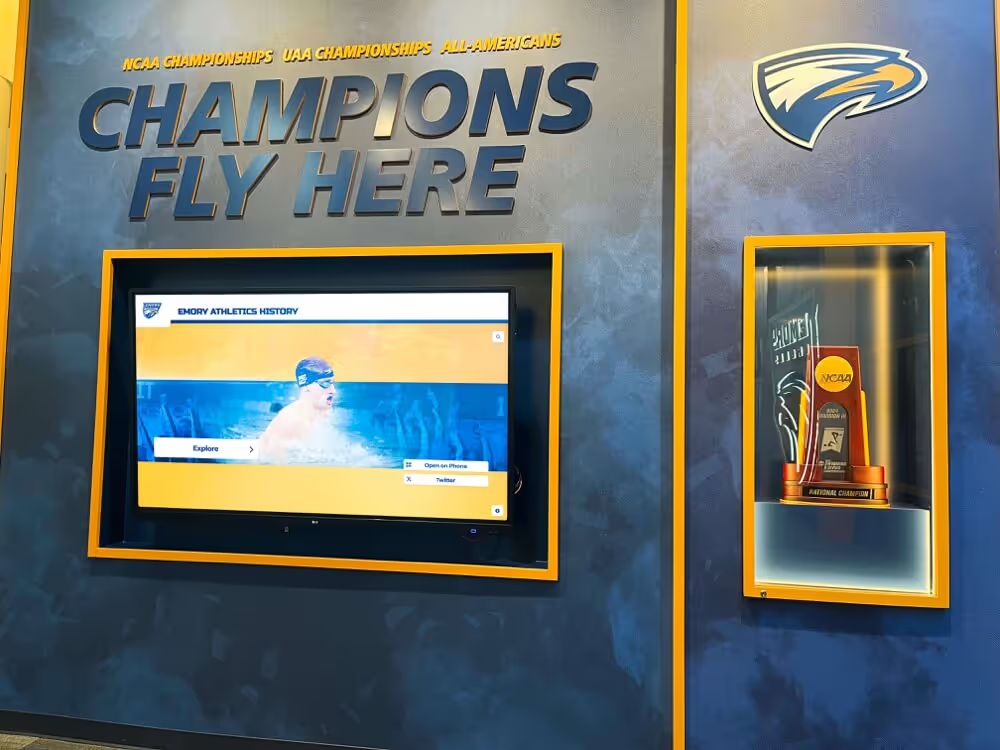
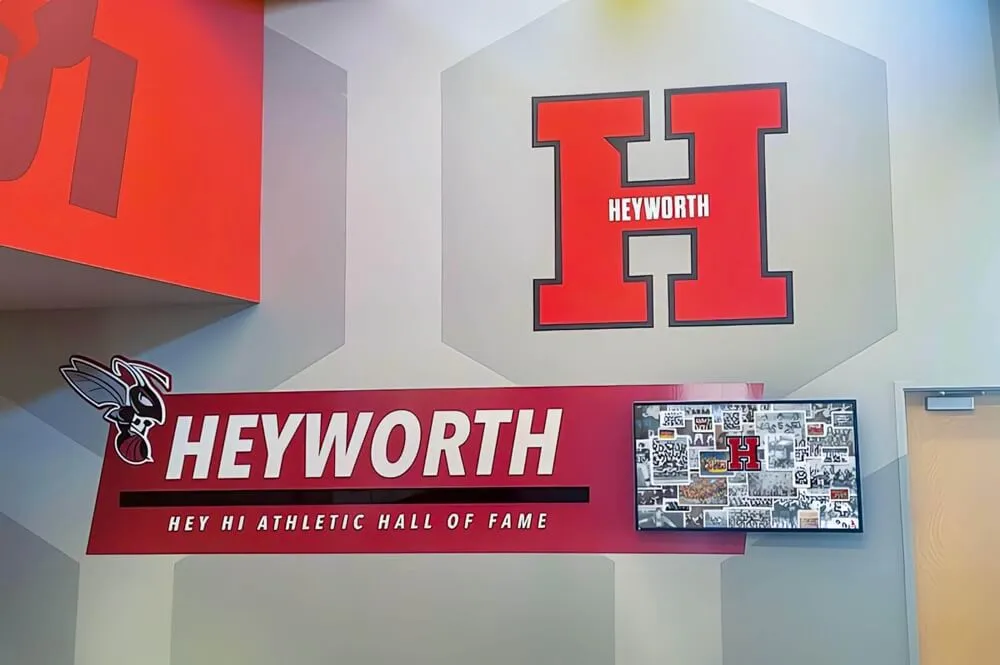
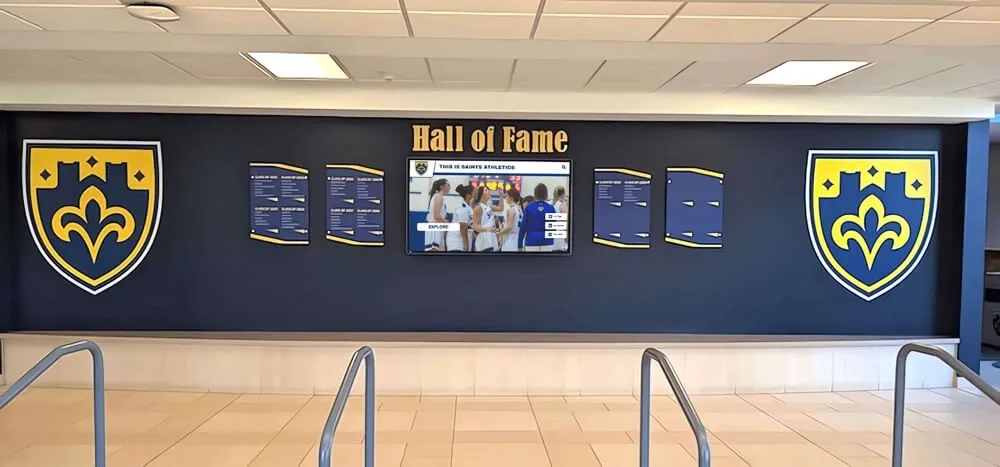
Turnkey solutions deliver fully operational displays including hardware, installation, content, and training
What “Turnkey” Actually Means for Digital Hall of Fame Projects
Before evaluating pricing, schools need clarity about what comprehensive providers include versus what component vendors exclude, creating hidden costs discovered only after commitments.
Complete Hardware Provision
Turnkey implementations provide all equipment required for operational displays:
Commercial-Grade Display Systems
Professional touchscreen displays rated for continuous institutional use rather than consumer televisions inadequate for public deployment. Commercial displays include industrial components designed for years of daily operation, higher brightness maintaining visibility in varied lighting, extended warranties reflecting commercial expectations, and durable construction withstanding public interaction.
Schools implementing touchscreen displays for athletics need commercial-grade equipment providing reliability impossible with consumer-grade alternatives.
Computing and Control Systems
Industrial computing devices running display software with solid-state storage eliminating mechanical failures, enterprise support ensuring component availability, and specifications supporting years of operation without replacement. Turnkey packages include these computing systems pre-configured and tested rather than requiring schools to source compatible components independently.
Mounting and Infrastructure
Commercial mounting brackets designed for display weights and sizes, cable management systems maintaining professional appearance, power management equipment preventing electrical issues, and network connectivity hardware ensuring reliable operation. Comprehensive packages include complete mounting and infrastructure rather than leaving schools to source these components separately.
Integration and Testing
Systems arrive pre-configured with software loaded, displays calibrated, touch responsiveness verified, and integrated components tested. This pre-implementation validation prevents the “doesn’t work out of the box” scenario common with component approaches where compatibility problems surface during installation, requiring additional troubleshooting and delayed timelines.

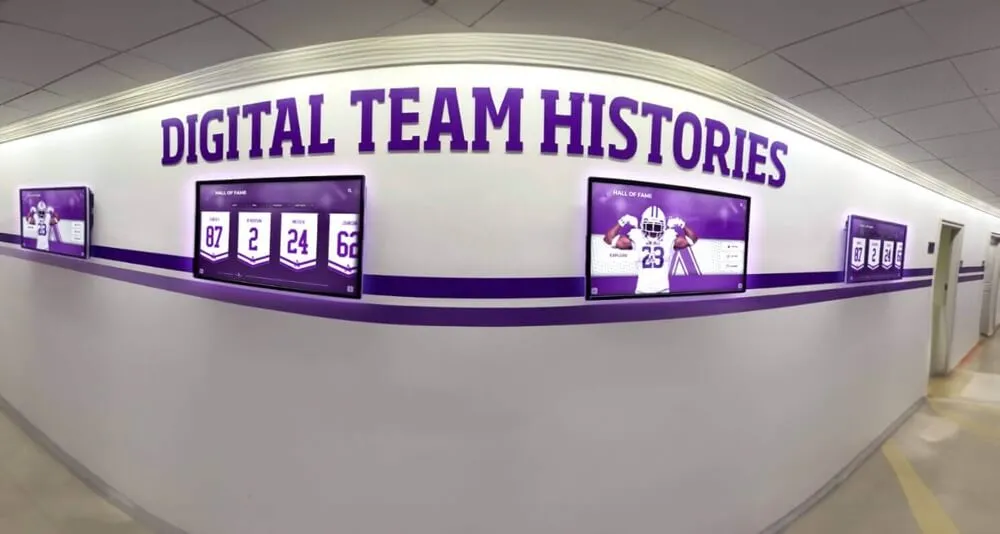
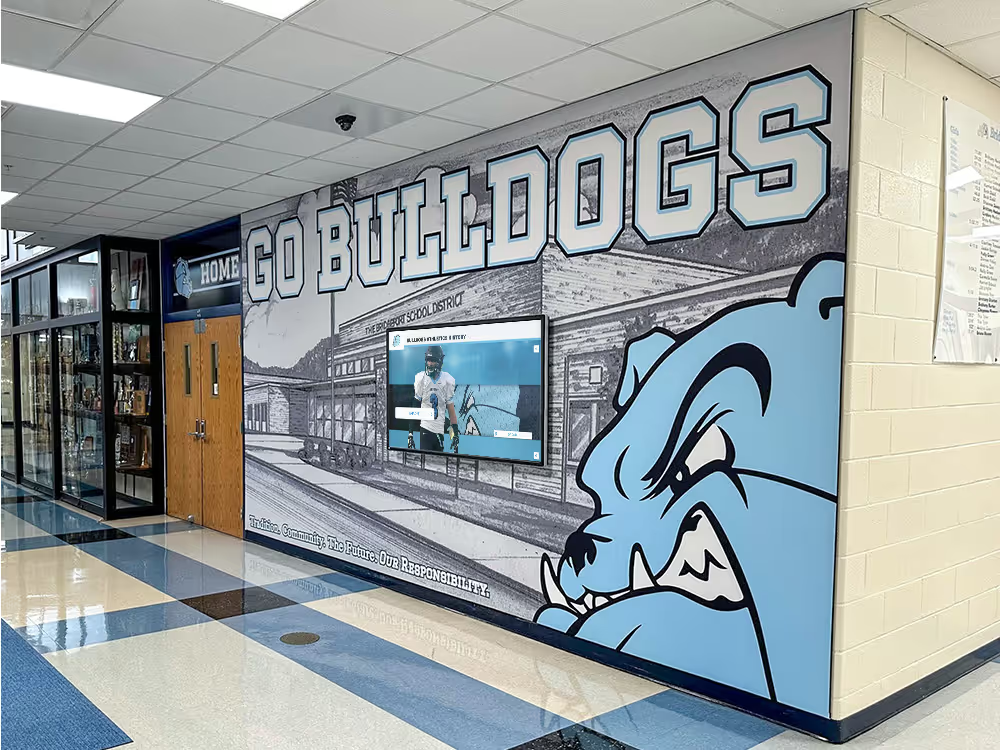
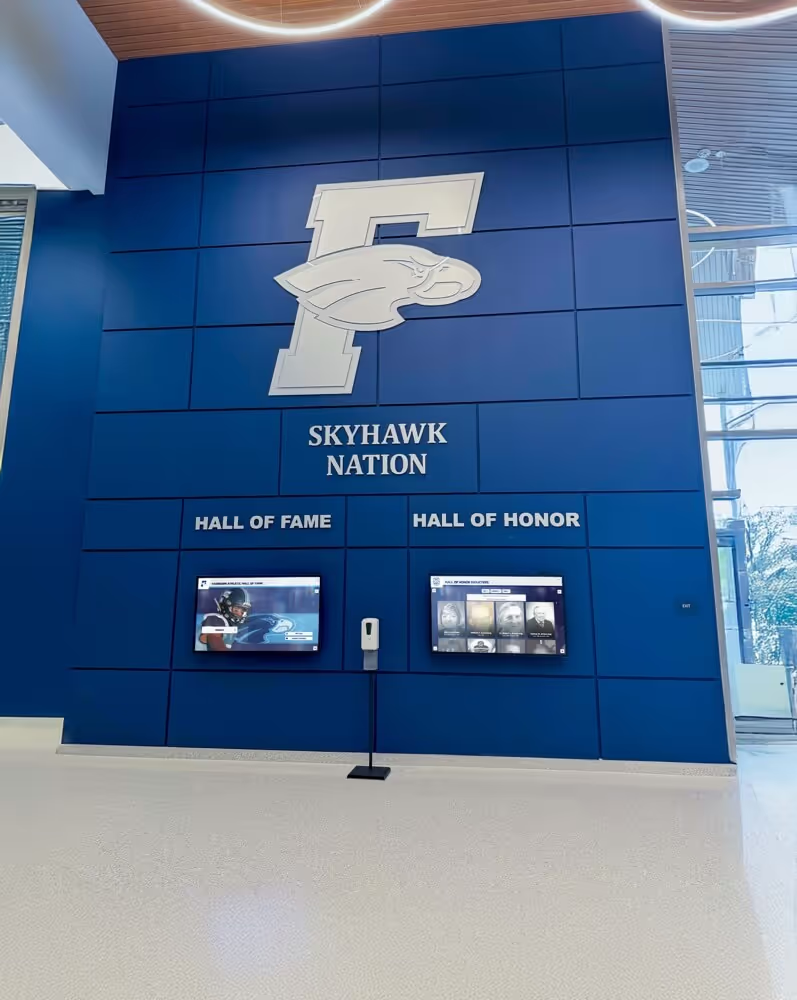
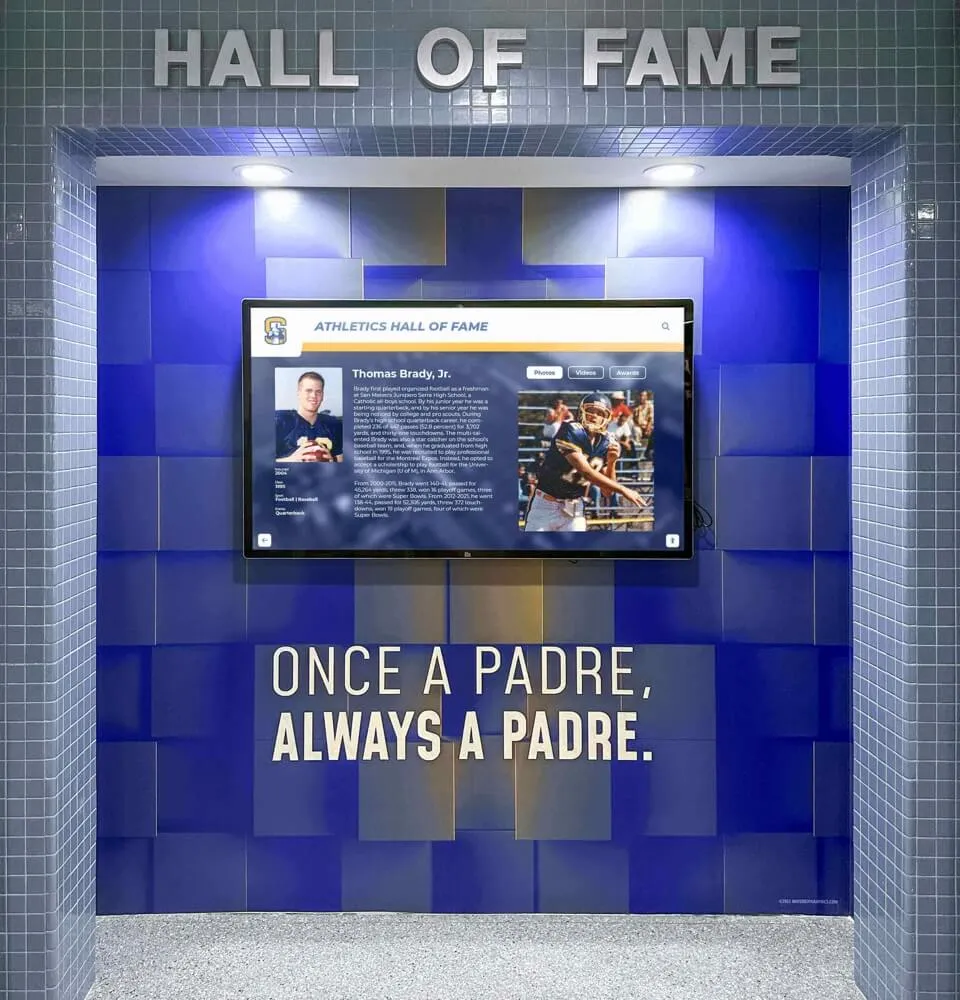
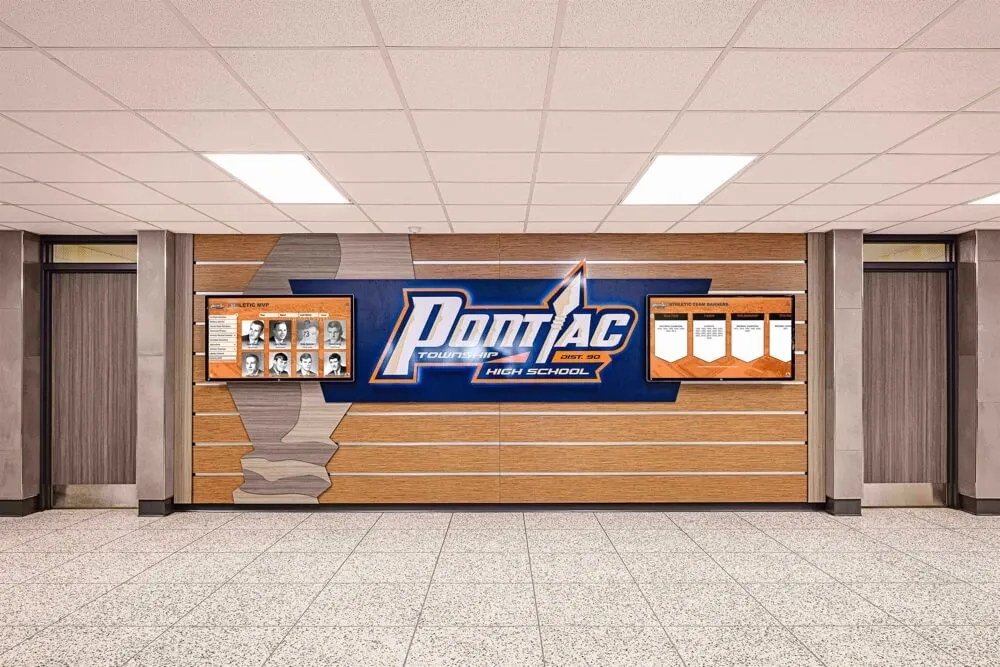
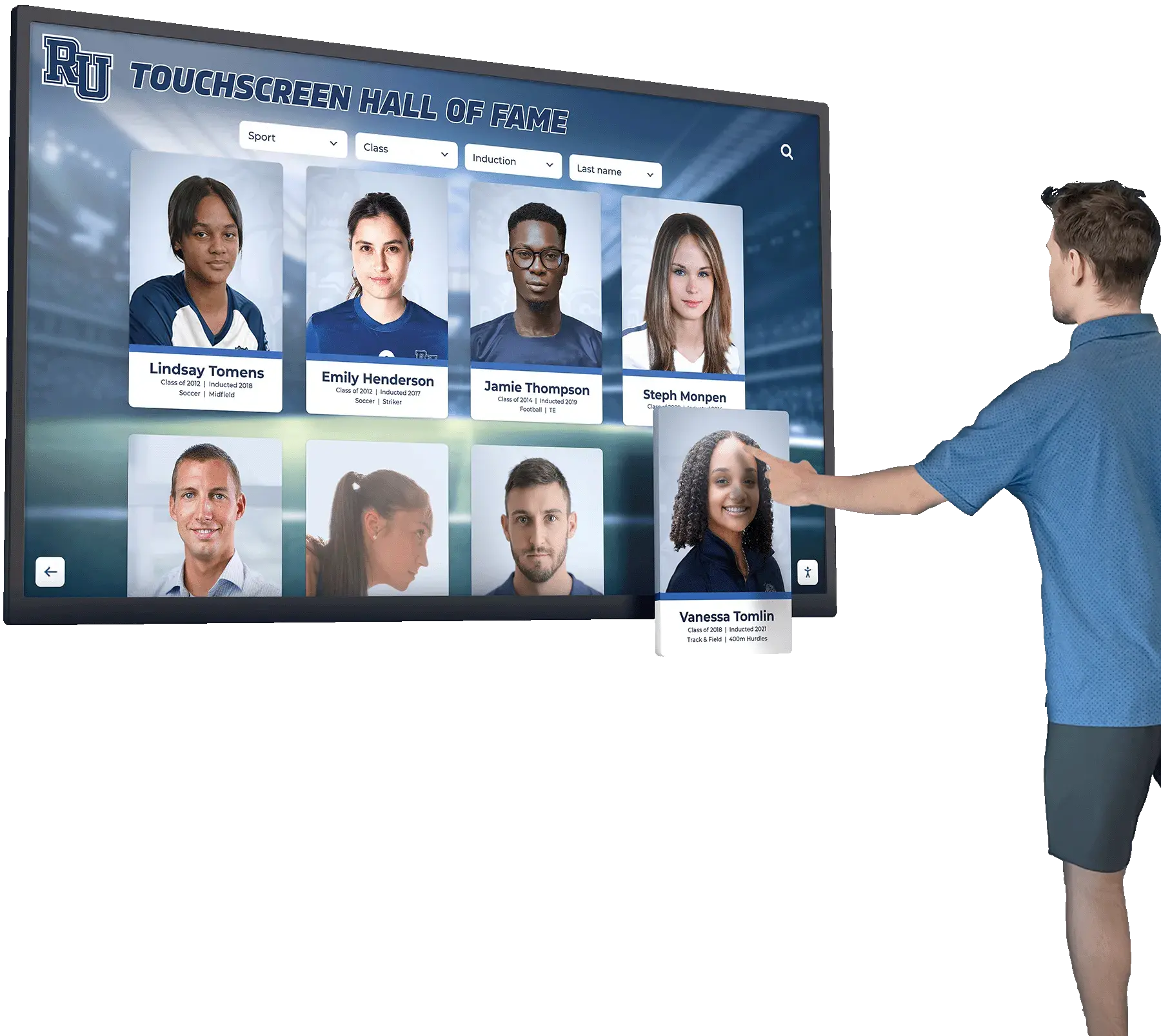
Turnkey installations include hardware, mounting, and complete system integration tested before delivery
Professional Installation Services
Comprehensive packages include coordinated installation rather than leaving schools to arrange contractors:
Site Assessment and Planning
Professional installers assess locations identifying optimal placement for visibility and accessibility, verify wall construction supporting mounting loads, plan electrical and network connections, and coordinate timing minimizing disruption to school operations. This planning prevents installation surprises requiring rework or compromised placement.
Physical Installation Execution
Secure display mounting using commercial brackets and appropriate wall anchoring, dedicated electrical circuits preventing nuisance tripping, clean network connections ensuring reliable connectivity, and cable routing protecting against physical damage while maintaining aesthetic appearance. Professional installation delivers both functional reliability and visual quality reflecting institutional standards.
System Commissioning
Post-installation testing verifying display operation, touch calibration, network connectivity, software loading, and content presentation before installer departure. Schools receive functional systems rather than mounted equipment requiring additional troubleshooting after contractors leave.
Professional installation coordination particularly benefits schools lacking facilities staff with commercial display expertise. Organizations implementing digital recognition displays avoid the coordination burden and technical knowledge gaps common when managing installation contractors independently.
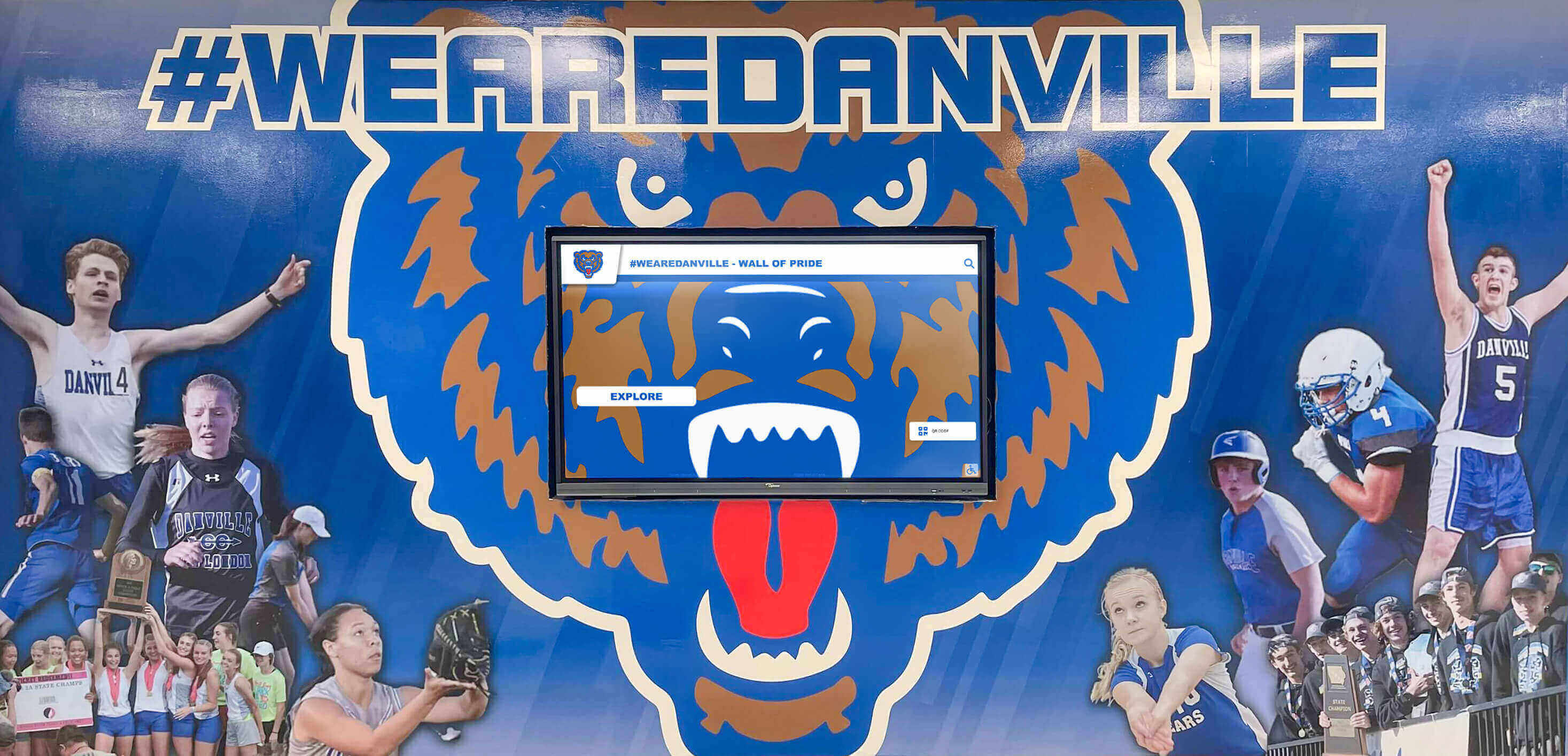
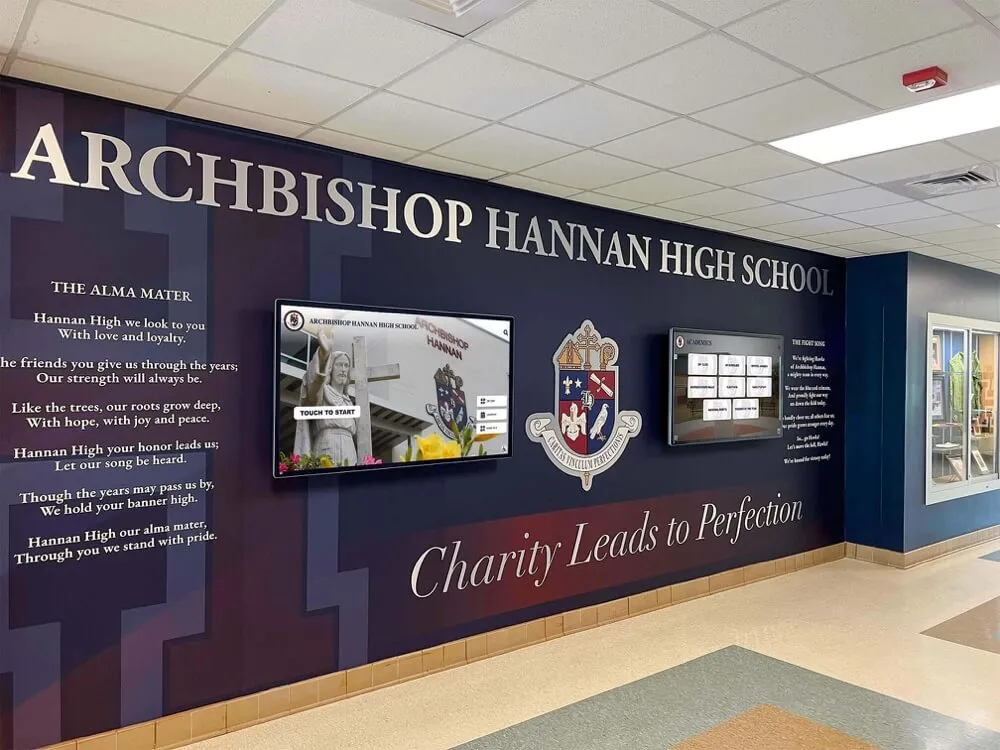
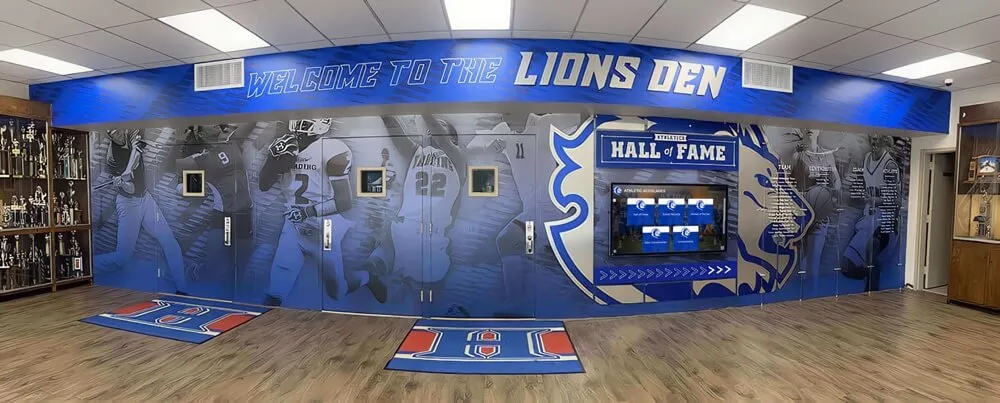
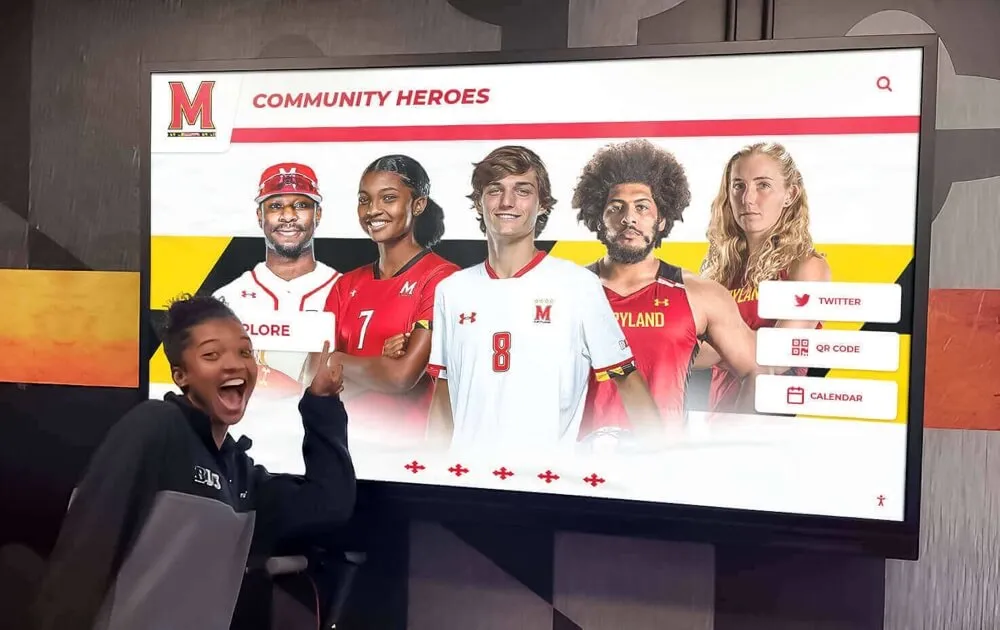
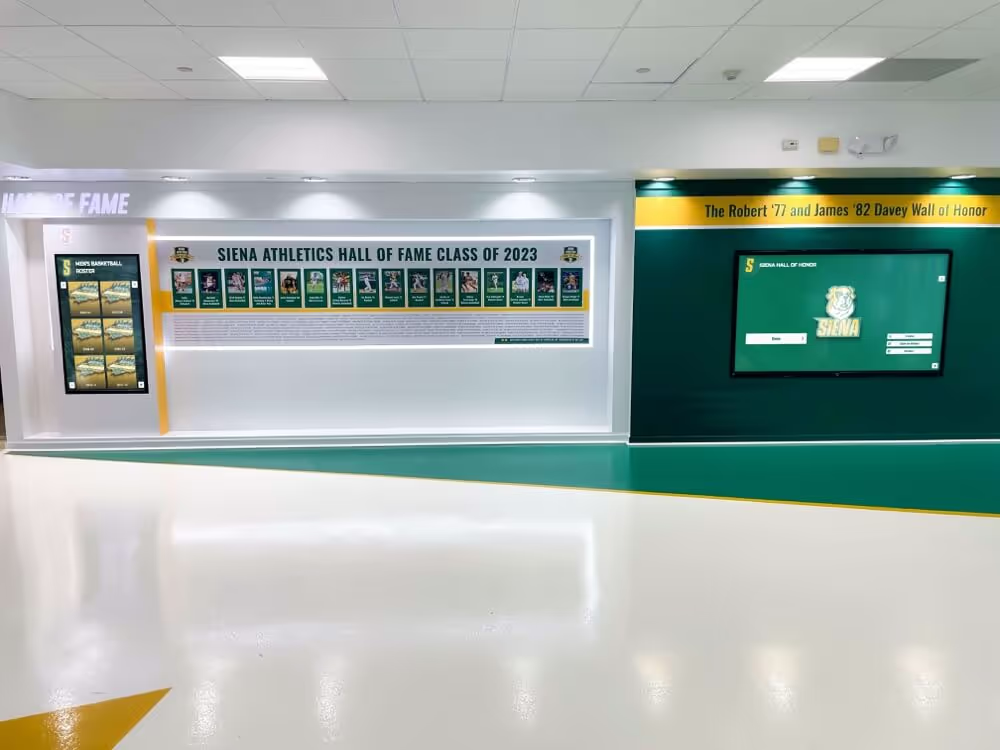
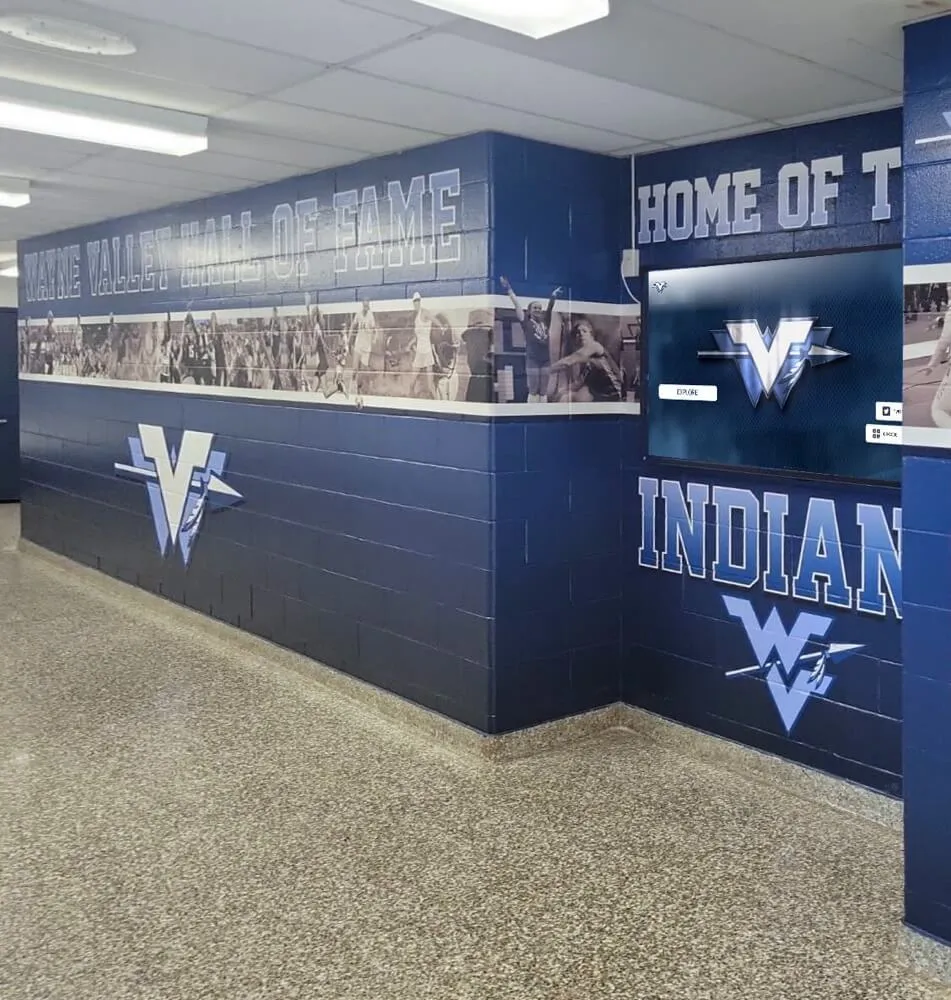
Professional installation integrates displays aesthetically with existing school environments
Initial Content Development
Turnkey packages include launching displays with actual content rather than blank screens awaiting schools to figure out content creation:
Content Migration Assistance
Providers help schools identify existing recognition data from trophy cases, award records, athletic archives, and alumni databases. Rather than expecting schools to format hundreds of records independently, comprehensive packages include migration assistance transforming existing information into display-ready content.
Template Design and Branding
Professional design templates incorporating school colors, logos, mascots, and branding elements create polished presentation matching institutional standards. Schools receive custom-branded displays rather than generic templates requiring design expertise to customize appropriately.
Initial Content Loading
Launch content population including hall of fame inductees, athletic records, donor recognition, academic honors, or other priority recognition categories. Displays go live with substantial content immediately rather than requiring months of staff effort before becoming presentable to visitors.
Schools implementing digital trophy case solutions particularly value content migration assistance because trophy case records often exist in inconsistent formats across plaques, paper records, and institutional memory rather than organized databases ready for digital presentation.
Photography and Asset Preparation
Assistance scanning historical photographs, digitizing yearbook images, formatting donor logos, and preparing visual assets for display presentation. Many schools possess valuable historical materials requiring digital preparation before display use—turnkey packages include this asset development rather than expecting schools to learn photo editing and formatting independently.
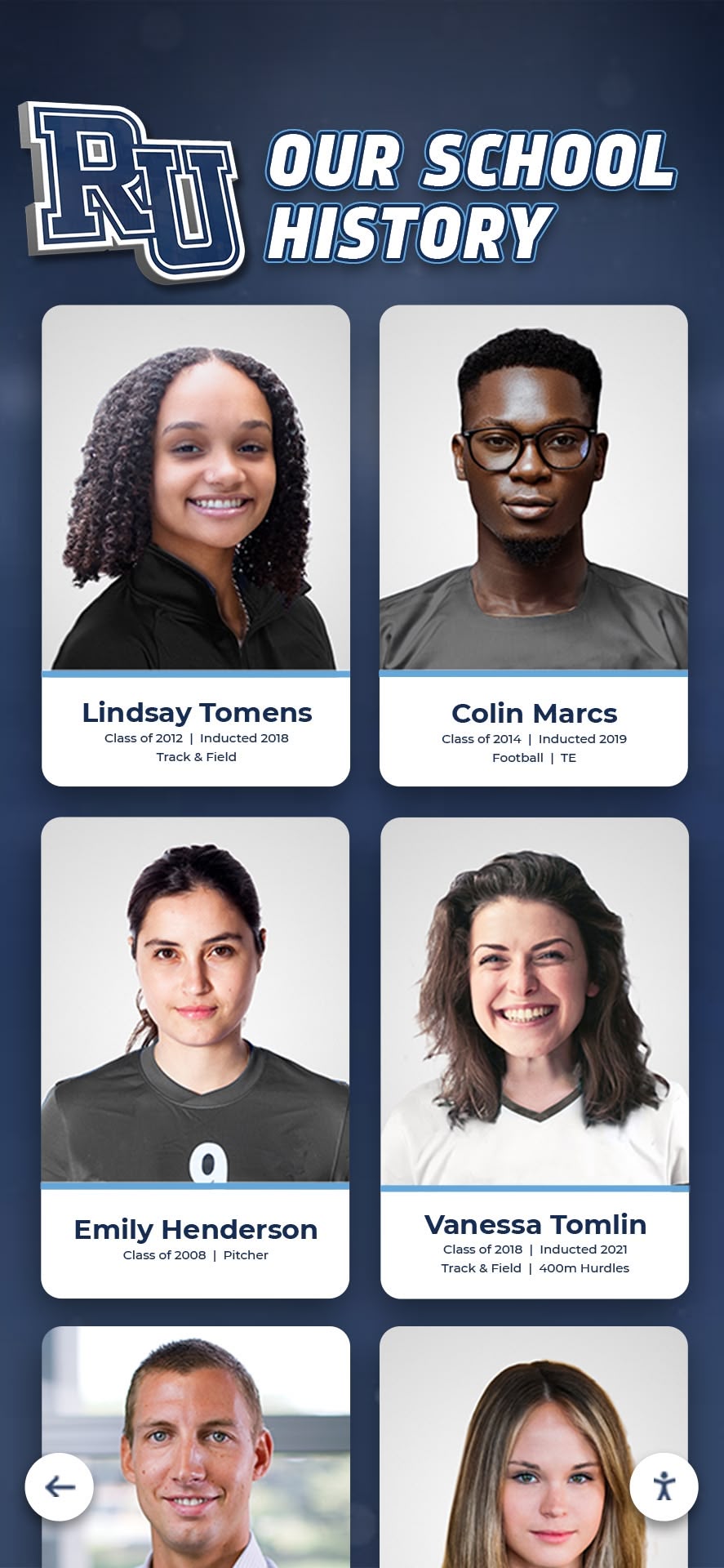
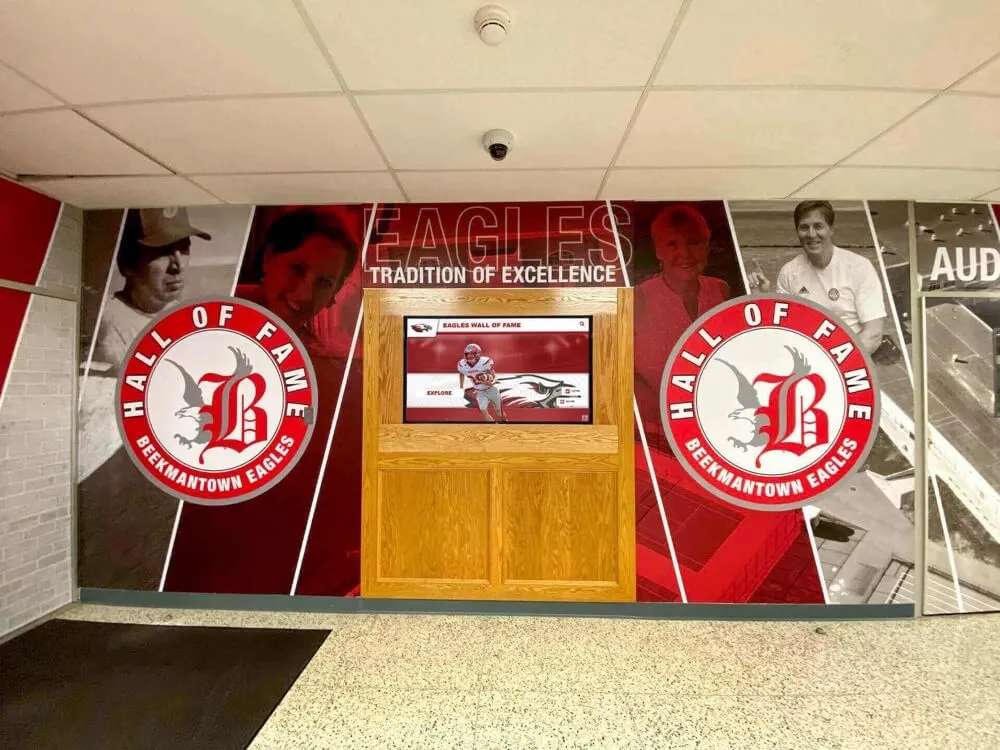
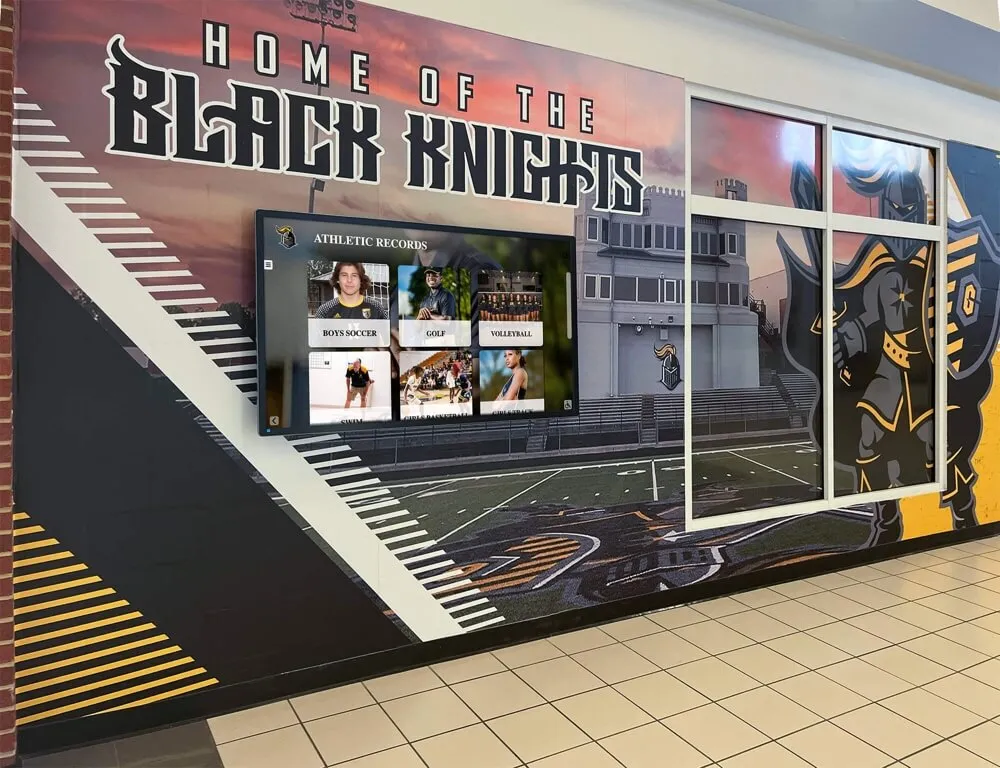
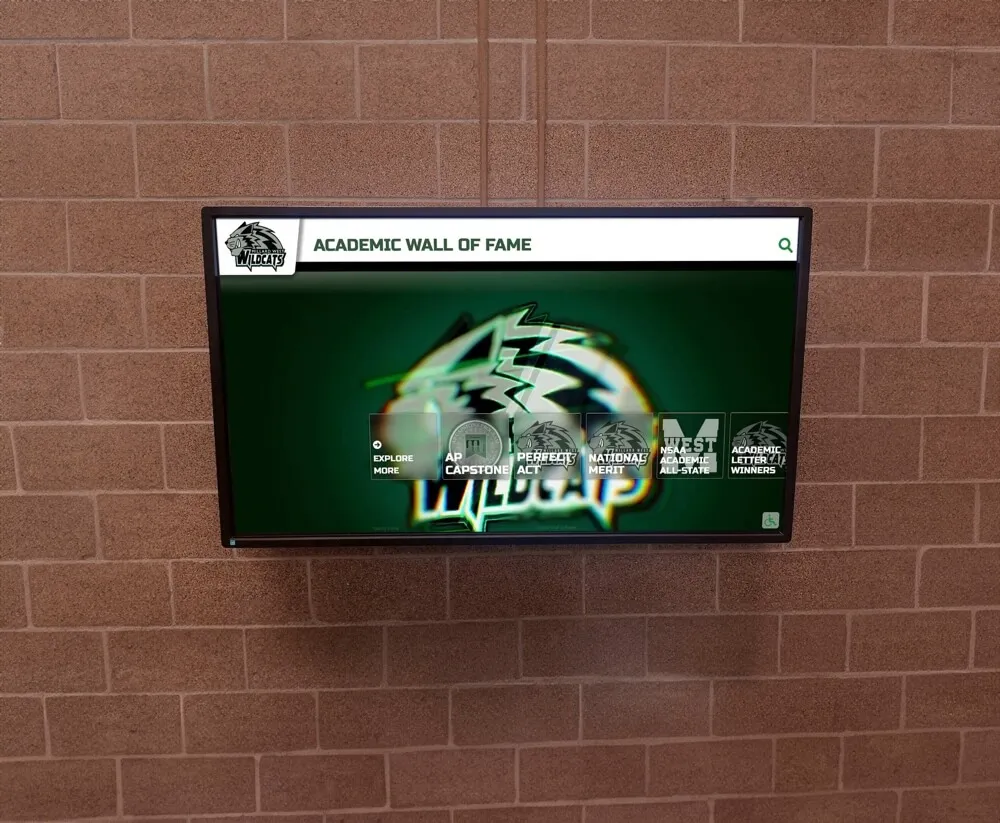
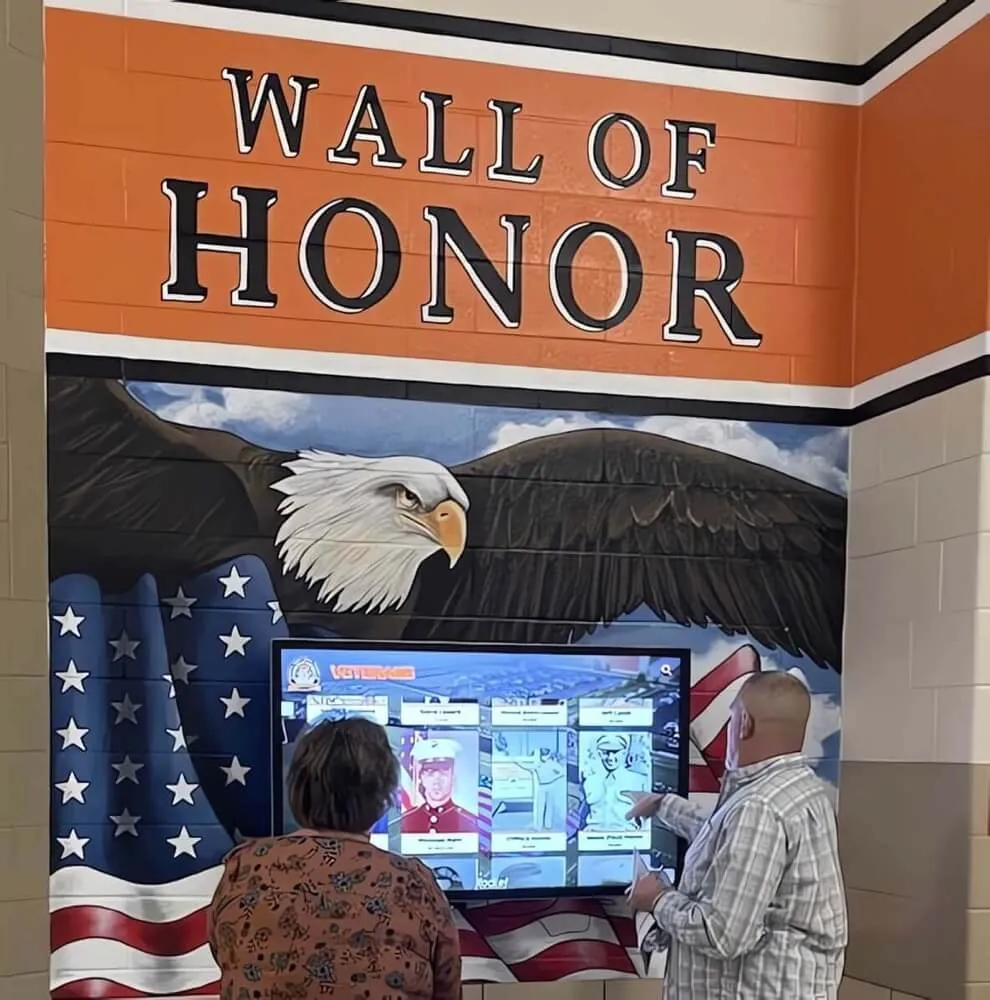
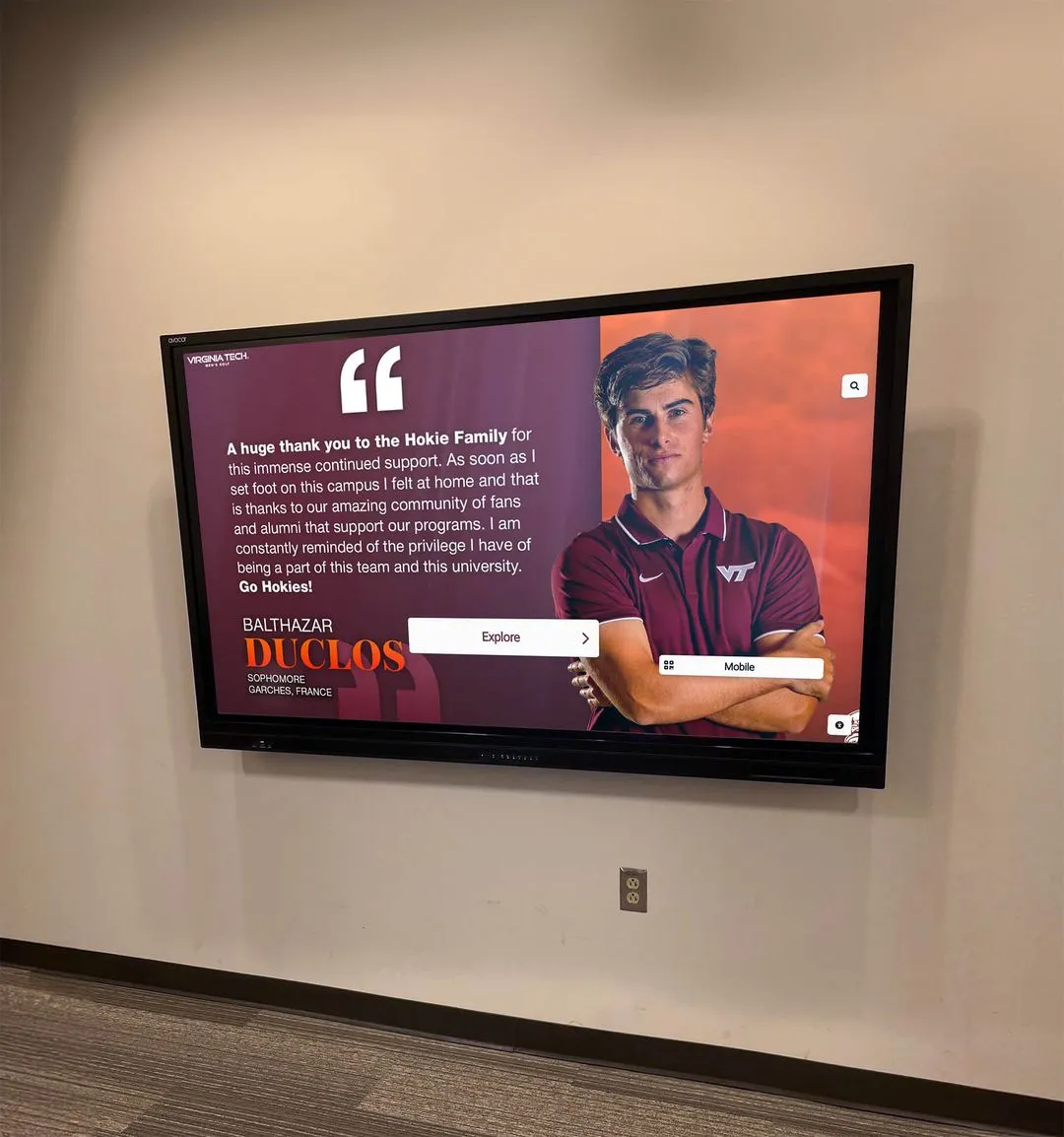
Content development services help digitize historical records and photographs for display presentation
Comprehensive Staff Training
Operational displays require staff capable of managing content—turnkey packages include training rather than assuming technical expertise:
Administrative Interface Training
Guided instruction on content management systems teaching staff to add new inductees, update athletic records, modify recognition categories, schedule content displays, and manage system settings. Training focuses on actual administrative tasks schools perform regularly rather than technical documentation requiring interpretation.
Hands-On Practice Sessions
Supervised practice adding sample content, editing existing records, uploading photographs, and navigating administrative functions builds confidence before staff manage systems independently. Hands-on training ensures staff understand procedures through direct experience rather than theoretical instruction alone.
Ongoing Support Resources
Documentation, video tutorials, help desk contact information, and access to customer success representatives when questions arise. Training establishes initial competence while ongoing resources support staff as they encounter new situations or requirements beyond initial training scope.
Organizations implementing interactive recognition systems report that comprehensive training determines whether displays remain current with regular updates or gradually decline as complexity overwhelms untrained staff reluctant to risk mistakes.
Multi-User Access and Permissions
Training on user account management enabling multiple staff members to manage content with appropriate permissions. Comprehensive access prevents dependence on single individuals while permission structures protect against accidental changes to critical content areas.
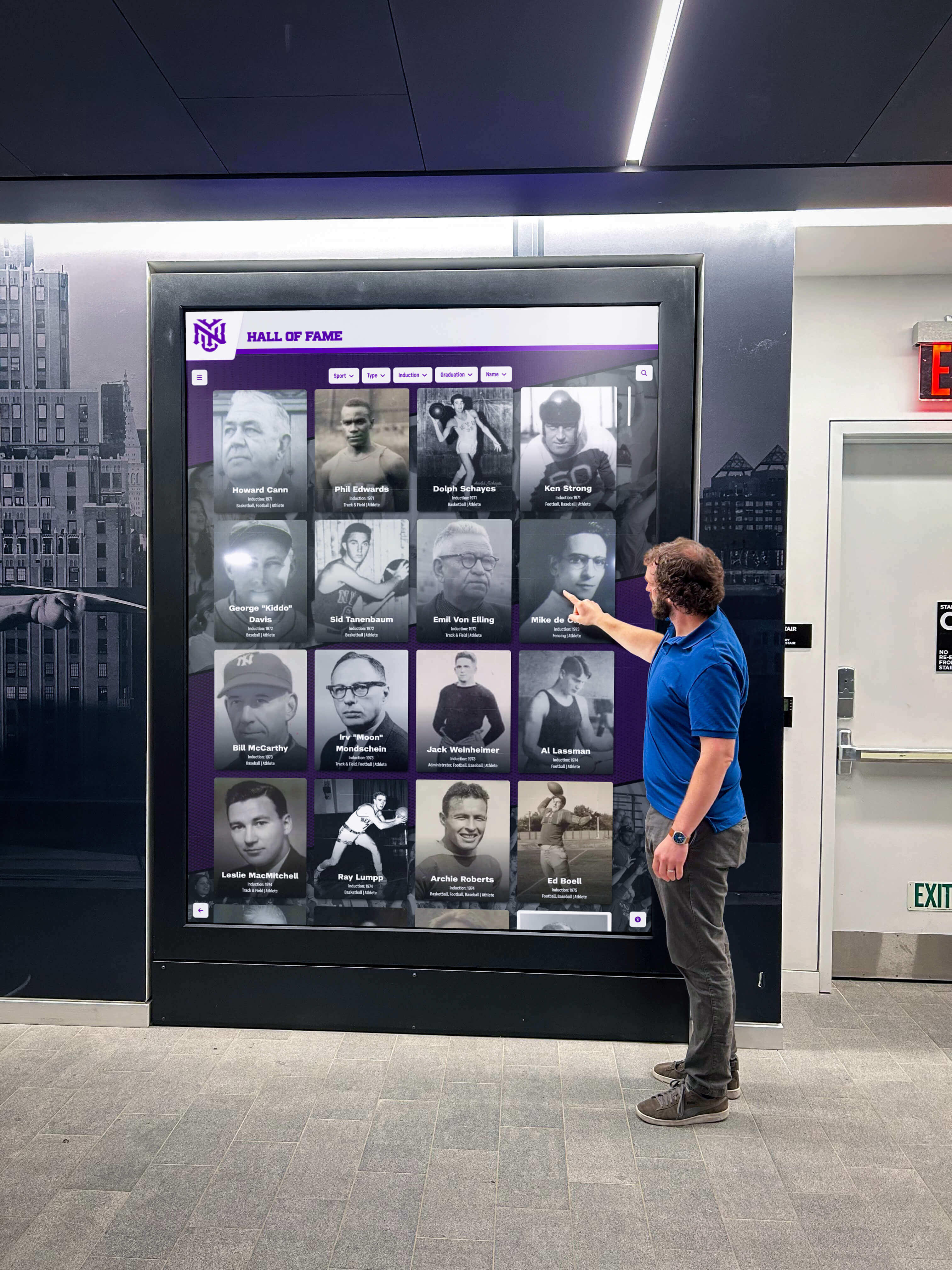
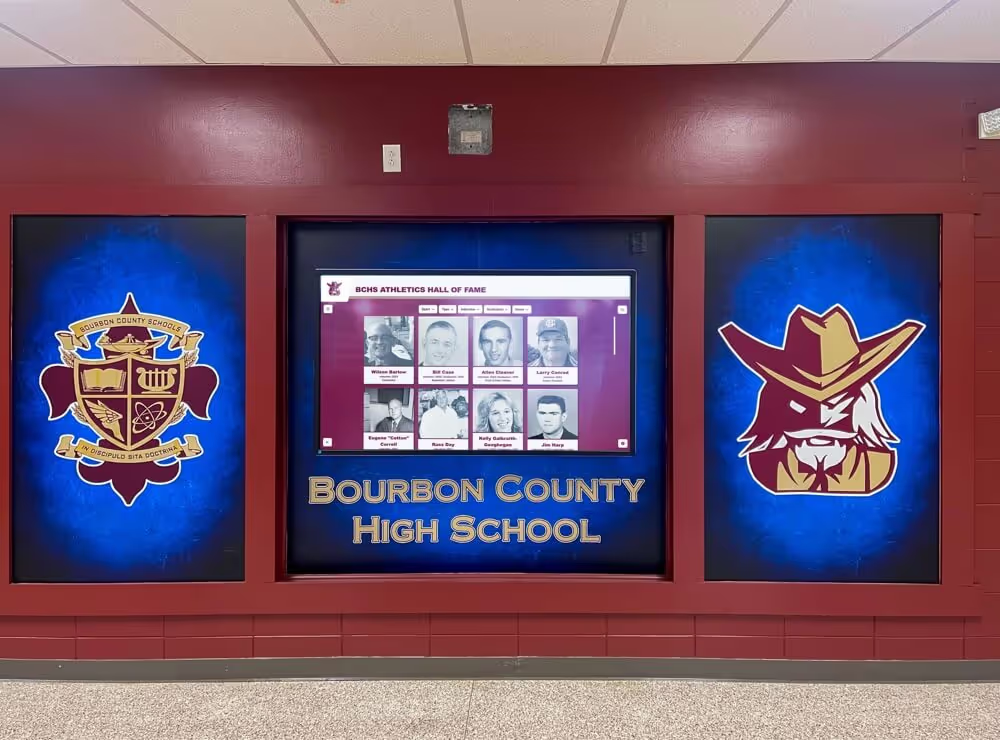
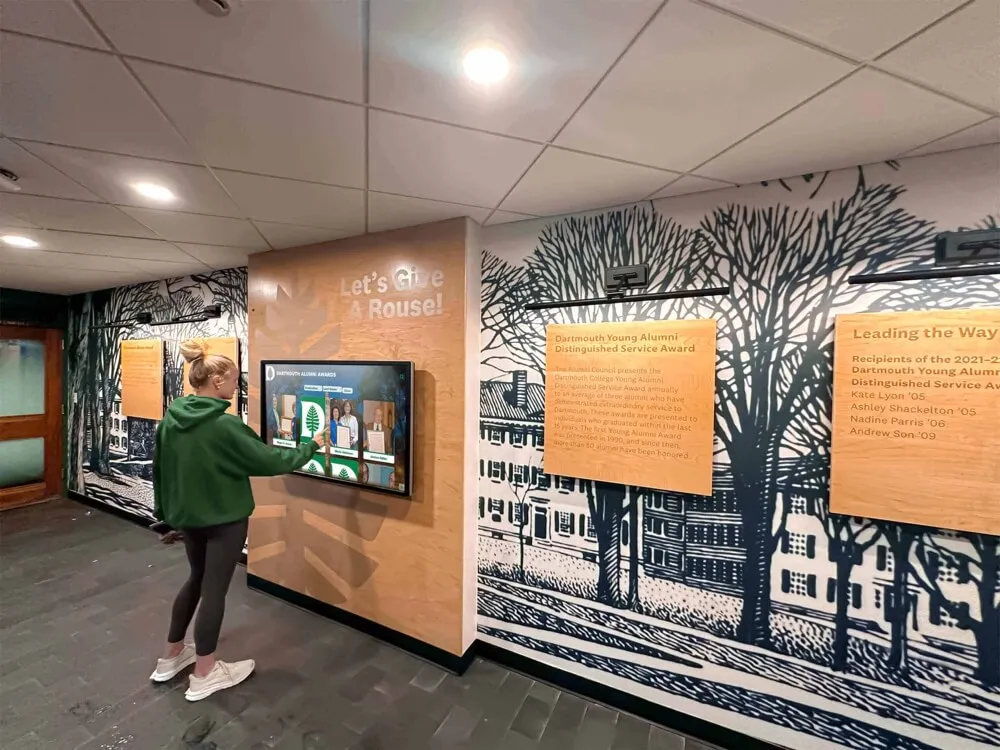
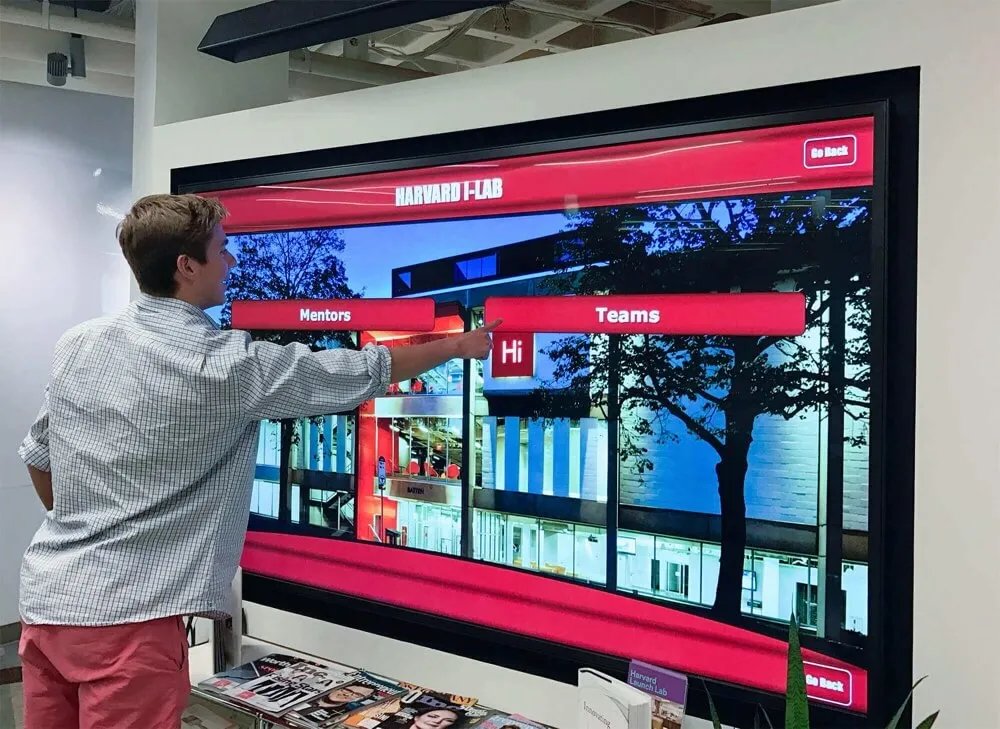
Staff training ensures displays remain current and engaging through confident content management
Comparing Turnkey Provider Offerings
Several providers offer complete digital hall of fame packages—understanding specific approaches helps schools evaluate options:
Rocket Alumni Solutions Comprehensive Approach
Rocket Alumni Solutions provides full-service implementations combining hardware provision, coordinated installation, content development assistance, staff training, and ongoing customer success support.
Hardware and Software Integration
Commercial touchscreen systems with cloud-based content management requiring no on-site servers or IT infrastructure. Rocket sources, configures, and tests complete systems delivering pre-integrated displays rather than component kits requiring assembly. Organizations seeking details about hardware setup and services can review Rocket’s comprehensive provision model covering complete technology stacks.
Single-Vendor Accountability
Customer Success serves as single point of contact for any issue—hardware, software, content, or training—owning problem resolution regardless of technical origin. Schools avoid coordinating between multiple vendors when questions or problems arise, instead working with familiar representatives understanding their specific installations.
Flexible Pricing Models
Subscription-based pricing with monthly or annual terms, multi-year prepaid options providing substantial discounts, and one-time purchase arrangements accommodating bond funding or grant requirements. Schools choose financial structures matching institutional procurement processes rather than accepting only subscription models potentially conflicting with budget restrictions.
Rocket’s flexible pricing structures accommodate diverse school budget situations including capital project funding, ongoing operational budgets, and multi-year planning cycles requiring price certainty protecting against future increases.
Unlimited Display Management
Platform subscriptions include unlimited displays without per-screen charges. Schools can add displays to multiple locations—main lobby, athletic facility, performing arts center, academic wing—without incremental software licensing costs common with per-display pricing models.
Continuous Platform Improvements
Subscription pricing funds ongoing software development delivering new features, security updates, accessibility improvements, and interface refinements benefiting all customers automatically without separate upgrade projects or additional charges.
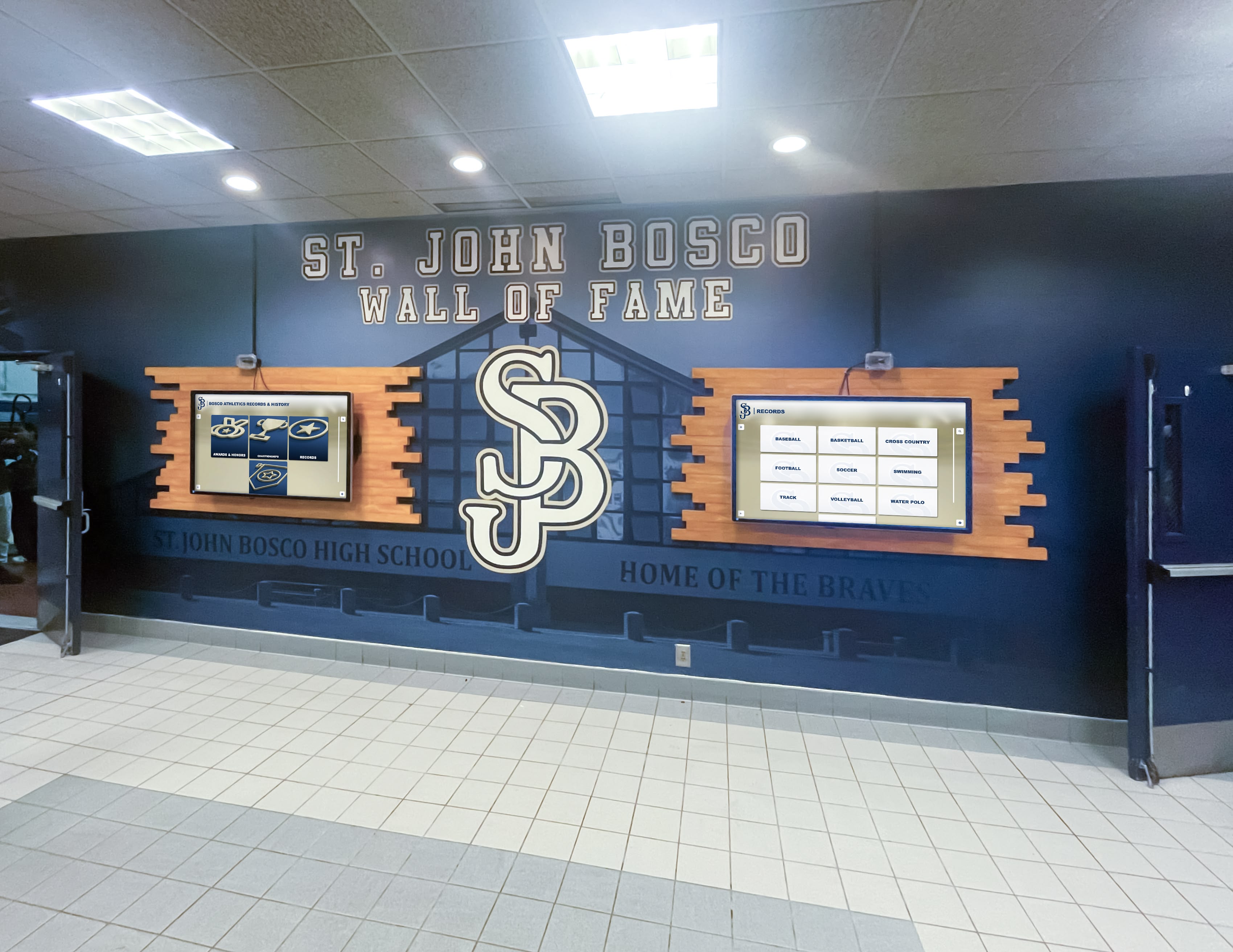
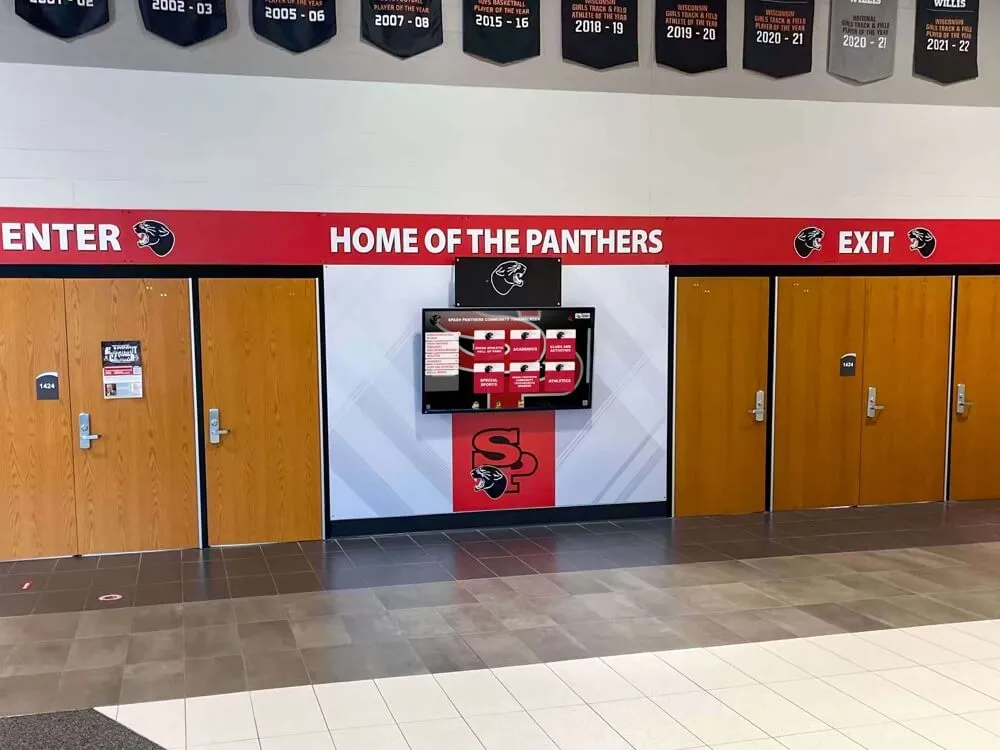
Comprehensive platforms support multiple displays across campus locations without per-screen charges
Touchhalloffame.us and Related Platforms
Touchhalloffame.us, along with halloffamewall.com and touchwall.us, represent additional providers offering digital recognition solutions. Schools evaluating options should request detailed proposals specifying exactly what turnkey packages include:
Scope Definition Requirements
When requesting proposals, schools should explicitly confirm inclusion of hardware provision (not just software), professional installation coordination, initial content migration assistance, comprehensive staff training, and ongoing technical support. Vendors sometimes market “complete solutions” while excluding services schools assume are included, creating budget surprises and implementation gaps.
Pricing Transparency
Request itemized pricing showing hardware costs, software licensing, installation fees, content development charges, training expenses, and ongoing support costs separately. Itemized proposals enable schools to compare offerings accurately and identify potential exclusions hidden in lower total prices.
Support and Maintenance Clarity
Clarify what ongoing support includes—remote troubleshooting, on-site service availability, warranty coverage, software updates, and content development assistance. Support quality affects long-term satisfaction more than initial implementation, making these details critical for informed evaluation.
Chase McKee and Industry Specialists
Chasemckee.com and similar industry specialists often provide consulting services helping schools evaluate options, coordinate implementations, or supplement vendor relationships with additional expertise.
Implementation Consulting
Specialists can assist schools lacking internal expertise to evaluate vendor proposals, assess technical specifications, coordinate installation contractors, and oversee project management ensuring implementations meet requirements. Consulting services particularly benefit schools attempting first digital recognition projects without prior experience informing vendor selection and project oversight.
Supplemental Content Services
Content development specialists complement vendor offerings by providing photography services, graphic design, historical research assistance, and ongoing content management for schools lacking staff capacity to maintain displays independently after initial setup.
Schools should evaluate whether consultant services add value justifying additional costs or whether comprehensive vendor packages like Rocket Alumni Solutions provide sufficient support through included Customer Success resources eliminating separate consulting needs.
Understanding Total Cost of Ownership
Initial pricing represents only one component of total investment—schools should evaluate comprehensive costs across expected display lifespans:
Upfront Implementation Costs
Complete turnkey packages typically range from initial investments covering hardware, installation, and first-year services:
Hardware Components
Commercial touchscreen displays sized appropriately for locations (43"-55" typical), industrial computing systems, mounting hardware and brackets, power and network infrastructure—comprehensive packages include complete equipment stacks. Hardware represents significant initial investment but provides 8-12 year operational life with proper maintenance.
Installation and Setup Services
Professional installation including site assessment, physical mounting, electrical and network connection, system commissioning, and verification. Installation costs vary based on location complexity—simple wall mounting in finished spaces costs less than installations requiring electrical upgrades or complex mounting in challenging locations.
Initial Content Development
Content migration for existing recognition data, template design incorporating school branding, launch content population, photography and asset preparation, and initial loading. Content development effort depends on volume—schools recognizing 50 inductees require less migration work than institutions with 500 historical records spanning decades.
Schools implementing digital signage for recognition should plan content budgets reflecting actual migration scope rather than assuming minimal content work when substantial historical records require digitization.
Training and Onboarding
Staff training sessions, administrative documentation, ongoing support resource development, and follow-up assistance during initial operation period. Comprehensive training reduces long-term support dependency but requires upfront investment ensuring staff competence.
Ongoing Operational Expenses
Annual costs maintaining displays include software licensing, support services, and incremental content updates:
Software Platform Subscriptions
Annual or monthly software licensing providing cloud-based content management, display operation software, automatic updates, and platform access. Subscription pricing typically ranges based on feature scope and support levels included.
Support and Maintenance Services
Ongoing technical support, warranty coverage or extended service plans, remote troubleshooting assistance, and periodic system health monitoring. Support costs protect against extended downtime when technical issues arise, maintaining display value through reliable operation.
Content Management Resources
Staff time managing content represents internal operational costs even when displays require no external services. Schools should realistically assess administrative capacity available for ongoing content management when evaluating total ownership costs.
Some schools budget for ongoing content development assistance supplementing internal capacity during peak recognition periods like athletic season endings or annual induction ceremonies when content volume temporarily exceeds normal staff capability.
Long-Term Upgrade Considerations
Planning for eventual system upgrades prevents budget surprises years into implementations:
Hardware Refresh Cycles
Commercial displays provide 8-12 year operational life. Schools should budget for eventual hardware replacement or plan multi-year display rotation gradually updating installations rather than replacing entire systems simultaneously.
Platform Migration Possibilities
Cloud-based software platforms enable hardware upgrades without content migration complexity. New displays run current software accessing existing content libraries, unlike legacy systems requiring complete rebuilds when hardware becomes obsolete.
Expansion Opportunities
Successful initial implementations frequently lead to expansion—additional displays in other locations, integration with other school systems, or enhanced features beyond original scope. Budget flexibility accommodating expansion enables schools to grow implementations matching demonstrated value rather than constraining systems to initial project scope.
Budgeting and Procurement Strategies
Schools structure digital recognition investments through various budget approaches depending on institutional financial processes:
Capital vs. Operational Budget Allocation
Understanding institutional budget structures determines appropriate pricing models:
Capital Project Funding
Schools with bond funding, capital improvement budgets, or facility renovation projects often require one-time purchase pricing rather than subscriptions. Hardware purchases align with capital expenditure requirements while ongoing software subscriptions fit operational budgets—providers offering hybrid pricing enable schools to split investments matching budget source restrictions.
Operational Budget Appropriations
Schools funding recognition projects through annual operational budgets typically prefer subscription pricing spreading costs across fiscal years. Monthly or annual subscription terms prevent large upfront appropriations requiring special approval while enabling immediate implementation funded through normal budget cycles.
Grant and Donation Funding
External funding sources like education technology grants, donor contributions, booster club fundraising, or memorial gifts often require expenditure within defined timeframes. One-time payment options accommodate grant restrictions requiring complete expenditure before funding expiration.
Multi-Year Budget Planning
Schools planning technology investments across multiple fiscal years benefit from pricing certainty:
Prepaid Multi-Year Contracts
Some providers offer substantial discounts for multi-year prepayment—schools pay several years of subscription costs upfront at reduced rates, gaining budget certainty protecting against future price increases while reducing annual renewal friction.
Price Lock Guarantees
Subscription pricing with guaranteed rates for defined periods (3-5 years typical) provides budget predictability enabling accurate multi-year planning without risking unexpected cost increases disrupting future budgets.
Phased Implementation Approaches
Schools can implement displays incrementally—starting with primary lobby installation, adding athletic facility displays next year, expanding to academic wings subsequently—spreading investment across budget cycles while demonstrating value justifying continued expansion.
Vendor Financing and Payment Terms
Some providers offer financing options accommodating budget constraints:
Payment Plans
Installment payment structures spreading upfront costs across multiple payments rather than requiring complete payment before implementation. Payment plans enable schools to begin implementations before complete funding arrives or to spread capital purchases across fiscal year boundaries.
Lease Arrangements
Equipment leasing options through third-party financing companies provide monthly payments including hardware, software, and services. Leasing may offer tax advantages for some institutions while enabling immediate implementation without large capital appropriations.
Educational Pricing Programs
Many commercial display manufacturers and software providers offer educational institution pricing providing discounts compared to commercial rates. Schools should verify that vendor quotes reflect educational pricing rather than standard commercial rates.
Evaluating Proposal Quality and Completeness
When comparing turnkey proposals from multiple providers, schools should systematically evaluate what’s actually included:
Detailed Scope Documentation
Comprehensive proposals specify exactly what’s included rather than vague “turnkey solution” descriptions:
Hardware Specifications
Display model numbers and specifications, computing system details, mounting hardware descriptions, included accessories and cables, and warranty terms. Specific hardware identification enables schools to verify appropriate commercial-grade equipment rather than consumer products inadequate for institutional deployment.
Installation Scope Definition
What installation includes—site assessment, physical mounting, electrical connection, network integration, system testing—and what schools must provide separately like existing electrical circuits or network connections. Clear installation scope prevents surprise charges when contractors discover “assumed” infrastructure doesn’t exist.
Content Development Boundaries
How many inductees or records initial content includes, what photography or asset preparation is included, whether template customization has limits, and what ongoing content assistance is provided. Content scope directly affects launch readiness and post-implementation workload schools must manage independently.
Training Specifications
Number of training sessions provided, how many staff members training accommodates, whether training occurs on-site or remotely, and what follow-up support is available after initial training. Training quality determines whether staff manage displays confidently or struggle with systems they don’t understand.
Service Level Commitments
Understanding ongoing support determines long-term satisfaction:
Response Time Guarantees
How quickly providers respond to support requests—same business day, 24 hours, 48 hours—and whether urgent situations receive expedited attention. Response times affect how long displays remain non-functional when problems occur, directly impacting investment value.
Support Channel Availability
Whether support operates through phone, email, online portals, or multiple channels, and what hours support is available. Schools need support channels matching their scheduling—summer implementation projects may require support during months when schools otherwise operate limited schedules.
Escalation Procedures
How unresolved issues escalate to senior technical resources or management attention ensuring problems don’t languish in support queues indefinitely. Clear escalation paths prevent situations where schools repeatedly explain problems to different representatives without resolution progress.
Warranty and Replacement Policies
What warranty coverage includes, how hardware failures are handled, whether replacement equipment ships immediately or requires claim processing, and who handles repair coordination. Warranty quality affects uptime more than initial hardware specifications because all equipment eventually fails.
Implementation Timeline Considerations
Turnkey projects require realistic timeline planning accommodating multiple phases:
Typical Project Phases
Understanding normal implementation duration helps schools plan appropriately:
Proposal and Contract Phase (2-4 weeks)
Vendor proposal development, school evaluation and comparison, stakeholder approval processes, contract negotiation and finalization, and purchase order processing. Procurement processes vary significantly between institutions—small private schools may approve projects within days while public districts require board approval adding weeks to timelines.
Pre-Implementation Planning (2-3 weeks)
Site assessment scheduling and execution, hardware ordering and configuration, content planning and data collection, staff identification for training, and installation contractor coordination. Planning phases often reveal requirements not evident during proposal stages, sometimes requiring timeline adjustments.
Installation and Configuration (1-2 weeks)
Physical installation execution, system commissioning and testing, initial content loading, and problem resolution for any installation issues. Installation duration depends on location complexity and whether multiple displays install simultaneously across campus.
Training and Launch (1-2 weeks)
Staff training sessions, supervised practice period, launch content finalization, and go-live transition. Adequate training time ensures staff confidence before taking independent responsibility for display management.
Post-Launch Support (4-8 weeks)
Follow-up assistance during initial operation period, problem resolution for unexpected issues, additional training for questions arising during actual use, and performance optimization based on early experience.
Seasonal Timing Considerations
Schools should consider institutional calendar cycles when scheduling implementations:
Summer Implementation Advantages
Summer installations avoid disrupting school operations, provide facility access without coordinating around class schedules, enable comprehensive training before fall term begins, and allow content refinement before student return creates time pressures.
Academic Year Considerations
Implementations during school terms require coordination minimizing disruption, may limit training availability when staff are managing regular responsibilities, but enable immediate display value during peak visitor periods like athletic events and school functions.
Event-Driven Deadlines
Schools often want displays operational before specific events—homecoming, hall of fame induction ceremonies, facility dedications, reunion weekends—requiring timeline planning working backward from fixed dates. Buffer time accommodating potential delays prevents missing event deadlines.
Conclusion: Investing in Complete Solutions
Schools researching digital hall of fame pricing should evaluate total value delivered by turnkey packages rather than comparing only initial costs. Comprehensive implementations combining hardware provision, professional installation, content development assistance, staff training, and ongoing support eliminate the vendor coordination complexity and hidden costs plaguing component approaches where schools manage multiple relationships while costs accumulate through project surprises.
Turnkey providers like Rocket Alumni Solutions, touchhalloffame.us, halloffamewall.com, touchwall.us, and related services offer varying approaches to complete packages. Schools benefit most from systematic evaluation comparing not just prices but specific scope inclusions, support quality commitments, pricing model flexibility accommodating institutional budget processes, and vendor track records demonstrating sustained customer success beyond initial implementations.
The investment in digital recognition displays serves institutional missions spanning decades—selecting providers based on comprehensive value rather than minimum initial cost protects these long-term investments through reliable hardware, intuitive software requiring minimal technical expertise, responsive support maintaining operational excellence, and partnership orientation supporting institutional success rather than simply selling products.
Schools ready to implement digital hall of fame displays should request detailed turnkey proposals specifying complete scope, compare offerings systematically across providers, validate that pricing models align with institutional budget processes, and select partners demonstrating commitment to customer success through comprehensive service models eliminating implementation complexity while delivering sustained operational value. Book a demo to explore how comprehensive turnkey solutions can transform your school’s recognition programs with transparent pricing and complete implementation support.