



Selecting the right display system is one of the most common comparison decisions athletic directors face. Intent: compare. Trophy cases for schools have anchored athletic hallways for generations, but the format that serves a program best in 2026 depends on factors most vendors don’t mention up front: how fast the achievement backlog is growing, whether alumni and families can actually see the displays, how much staff time is available for maintenance, and what happens when a championship trophy no longer fits on the shelf.
Physical cases, digital platforms, and hybrid installations each solve a real problem. None of them solves all problems. An honest comparison requires looking at what each format does well, where it creates friction, and what it costs over five to ten years — not just at installation.
This guide walks through all three options using the same set of criteria, then provides a decision checklist schools can use to identify which approach fits their specific situation. Rocket Alumni Solutions’ digital platform appears as one of the options, alongside practical guidance for schools planning any type of display.
Physical and digital trophy cases serve genuinely different functions in a school’s recognition ecosystem. Understanding those differences — rather than defaulting to what was always done — is what separates recognition programs that keep pace with achievement from those that consistently fall behind.

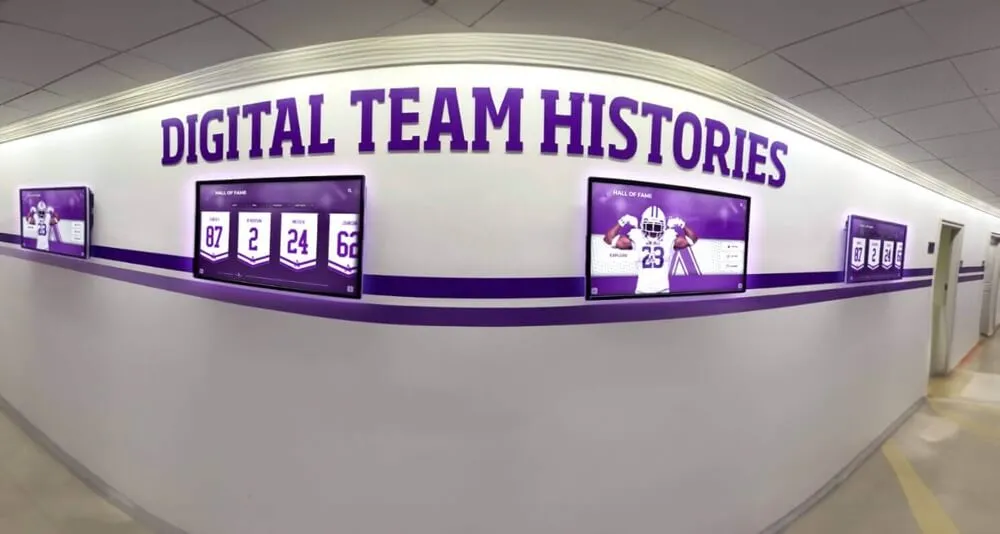
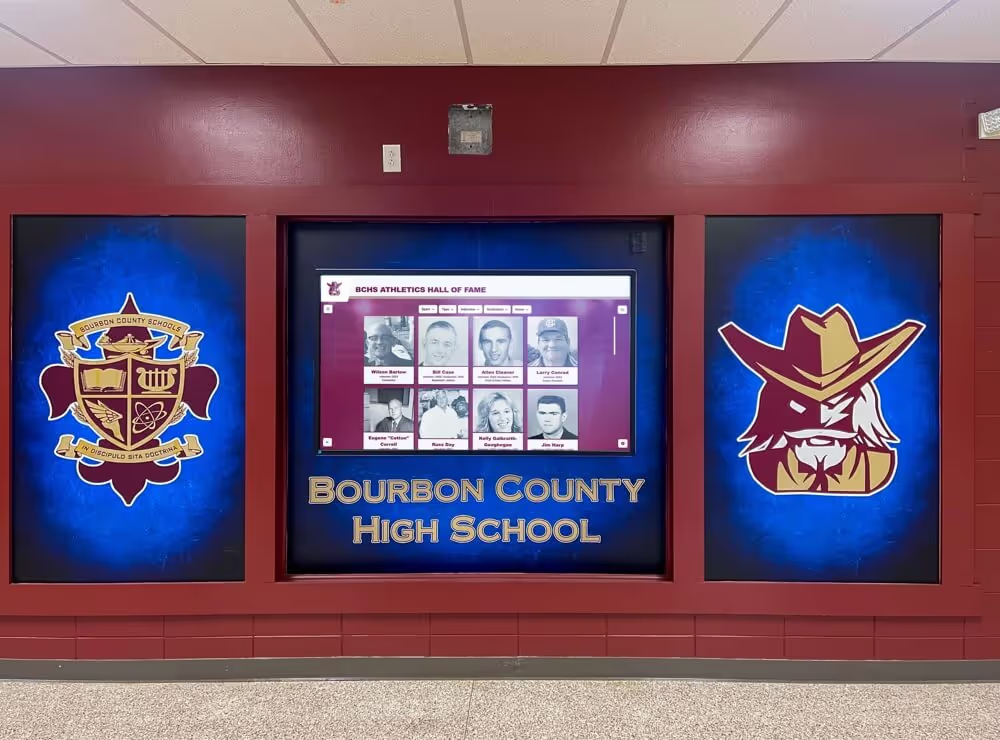
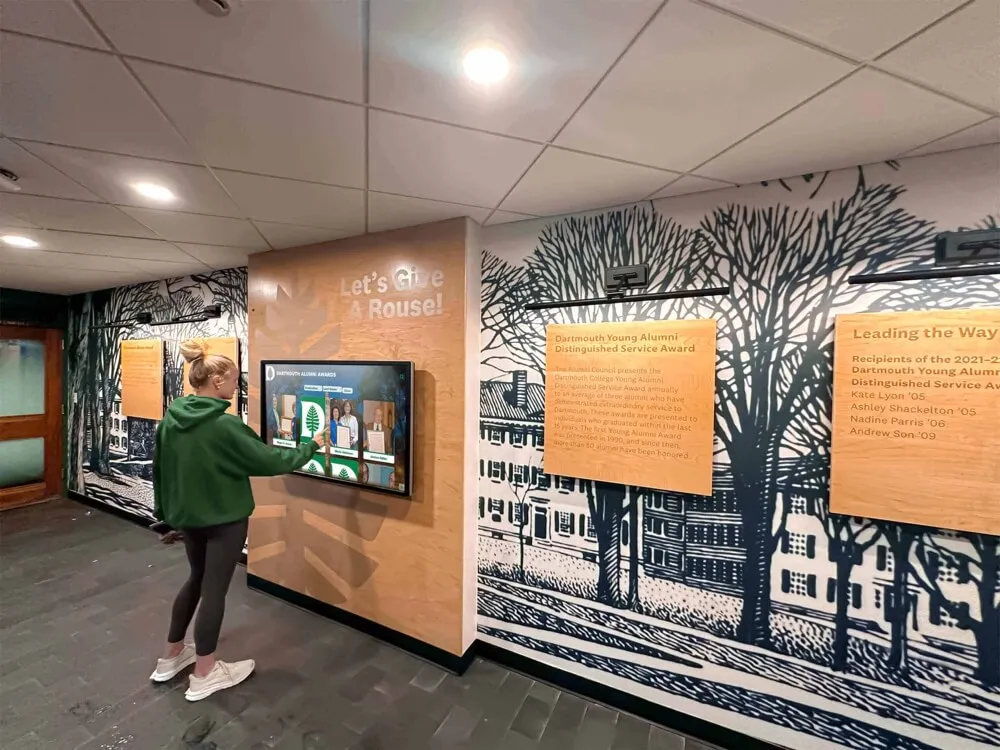
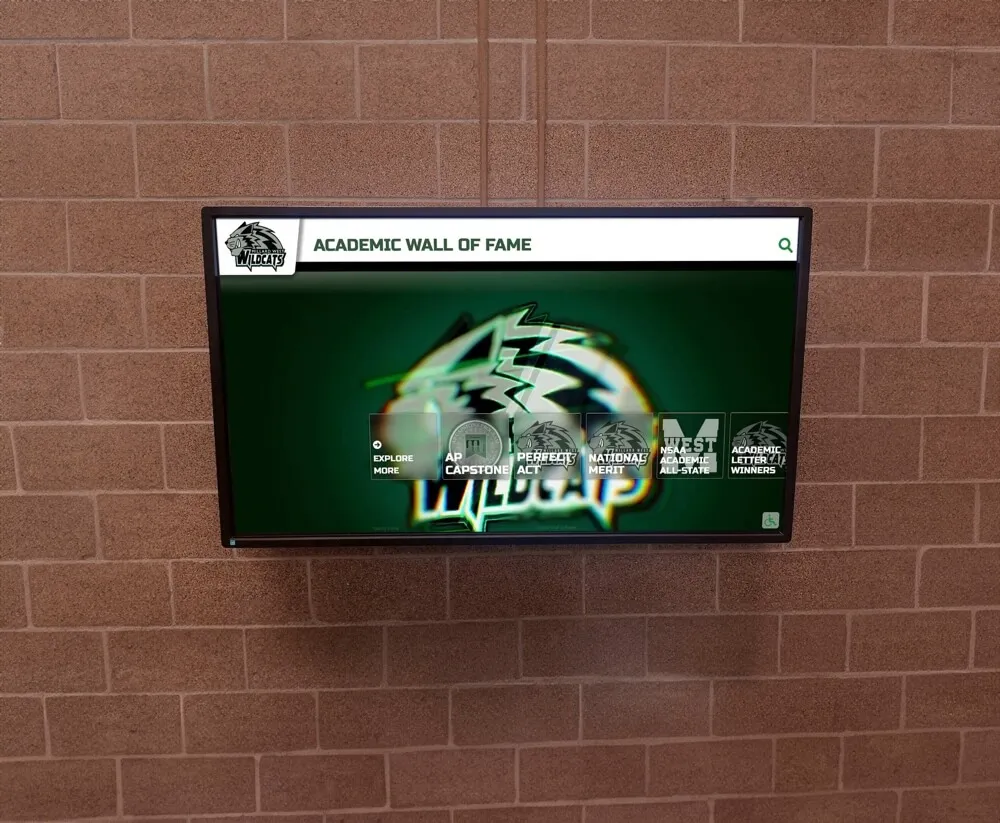
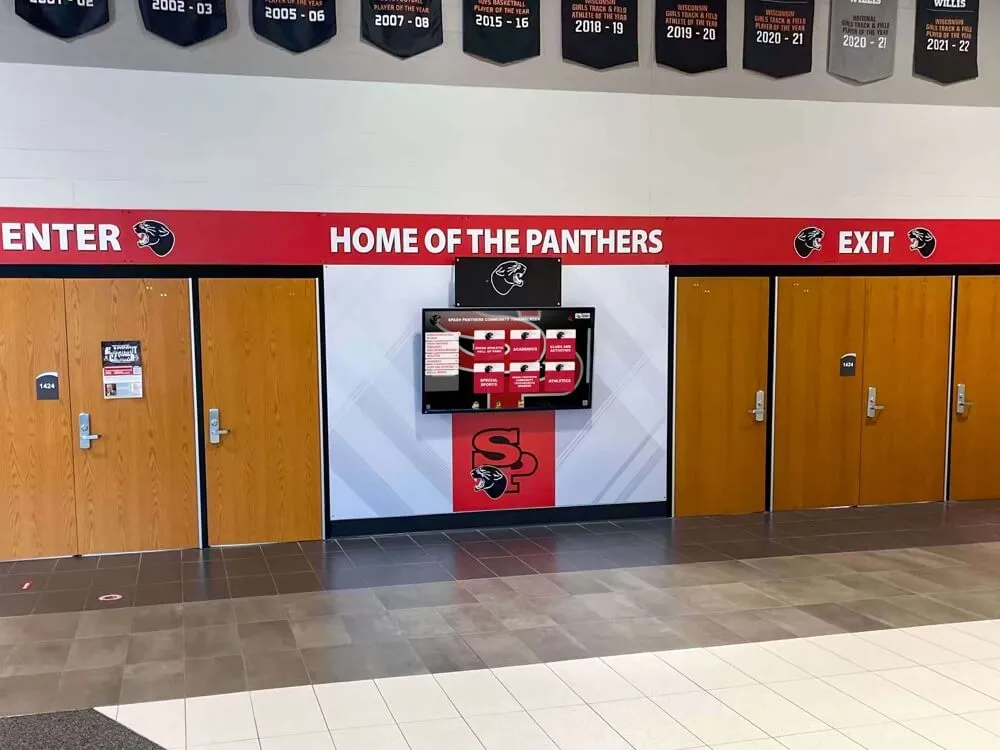
Modern school hallways increasingly blend traditional trophy cases with digital screens — each format handling the recognition work it does best
Three Types of Trophy Cases for Schools: At a Glance
Before diving into each option, this comparison table gives athletic directors and administrators a quick orientation:
| Factor | Physical Trophy Case | Digital Trophy Case | Hybrid Display |
|---|---|---|---|
| Upfront cost | Low–moderate | Moderate–high | Moderate–high |
| Ongoing cost | Low (maintenance, cleaning) | Low (cloud subscription) | Moderate |
| Achievement capacity | Fixed by cabinet size | Unlimited | Physical limited + digital unlimited |
| Update speed | Days to weeks | Minutes (remote) | Mixed |
| Interactive depth | None | High (search, browse, video) | High on digital side |
| Visitor engagement | Passive viewing | Active exploration | Both |
| ADA accessibility | Varies | WCAG 2.1 AA compliant | Mixed |
| Ideal for | Landmark championships, tangible tradition | Full program archives, ongoing updates | Schools wanting physical anchor + digital depth |
No single format wins every category. The right answer for a given school depends on which factors carry the most weight for its specific situation.
School Decision Checklist: Which Display Type Fits Your Program?
Work through these questions before evaluating vendors or budgets:
Capacity and growth
- Has your school run out of display space, or are trophies currently in storage? → Digital or hybrid
- Does your program add more than five or six significant achievements per year? → Digital or hybrid
- Do you want to display achievements from multiple decades with equal prominence? → Digital
Update speed and staffing
- Does your school have dedicated staff to physically update displays after events? → Physical remains viable
- Do you need same-day or same-week updates — for instance, after a playoff win? → Digital
- Is IT involvement required to make display changes? → Digital cloud systems eliminate IT dependency
Audience and engagement
- Do alumni, donors, and visiting families need to explore recognition beyond what is visible at a glance? → Digital
- Are your displays in a high-traffic location where passive recognition works? → Physical or hybrid
- Do you need QR code mobile access so remote audiences can engage? → Digital
Budget and timeline
- Is your budget primarily a one-time capital expense, or can you support an annual subscription? → Physical suits capital; digital suits subscription
- Are you replacing an aging, deteriorating trophy case that needs a full refresh? → Good entry point for digital or hybrid
Schools that answer “digital or hybrid” to most of the capacity and engagement questions above will generally find that physical-only cases create recurring frustration regardless of how well they are organized.
Physical Trophy Cases: Where Tradition Holds Value
Physical trophy cases remain the default for a reason. They create a tangible, immediate sense of program history that a screen cannot fully replicate. A state championship trophy sitting under glass — visible, physical, real — carries weight that a digital image of the same trophy does not.
Where Physical Cases Excel
Tangible recognition for landmark achievements. State titles, district championships, and program milestone trophies have more impact as physical objects than as database entries. Athletes who helped win those championships often want to see the hardware they earned, not a photograph of it.
Passive, always-on recognition. Physical cases work without electricity, login credentials, or anyone touching anything. They display achievements around the clock during every school day, every game night, and every community event without requiring interaction.
Lower technology barrier. Schools with limited IT support, older facilities, or restricted capital budgets can install a well-organized trophy case for a fraction of the cost of a digital platform. There is no software to learn, no subscription to renew, and no hardware that becomes obsolete.
Alumni and community nostalgia. Many alumni and community members have an emotional attachment to physical trophy cases. Removing or replacing them entirely can generate pushback that a hybrid approach avoids.
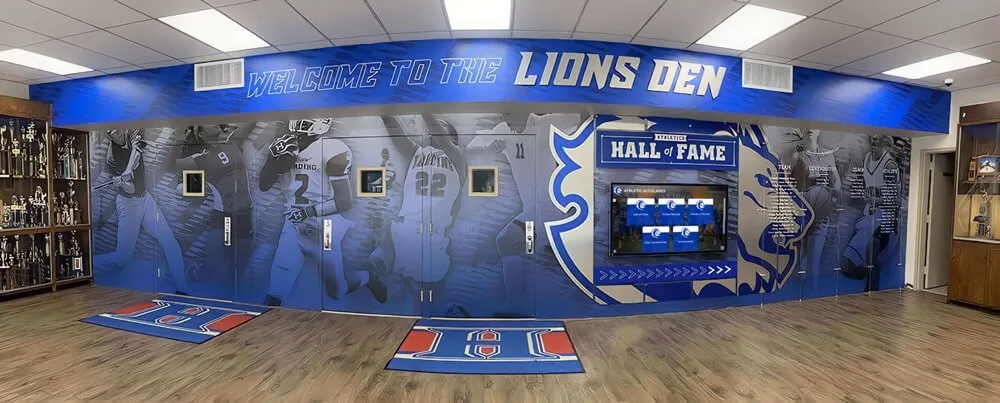
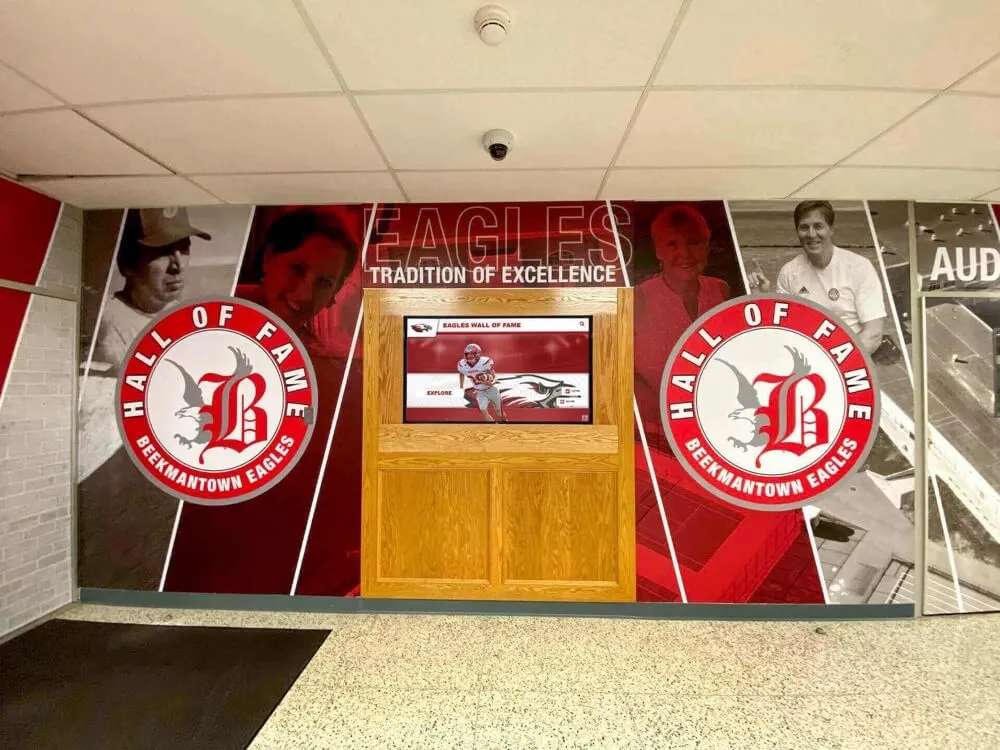
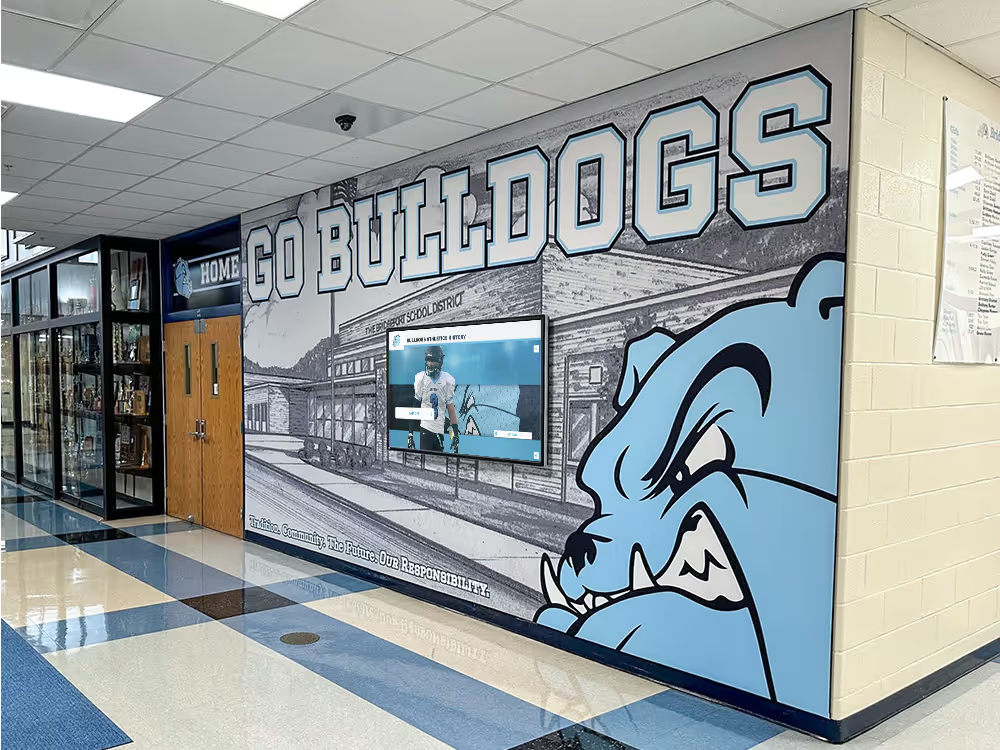
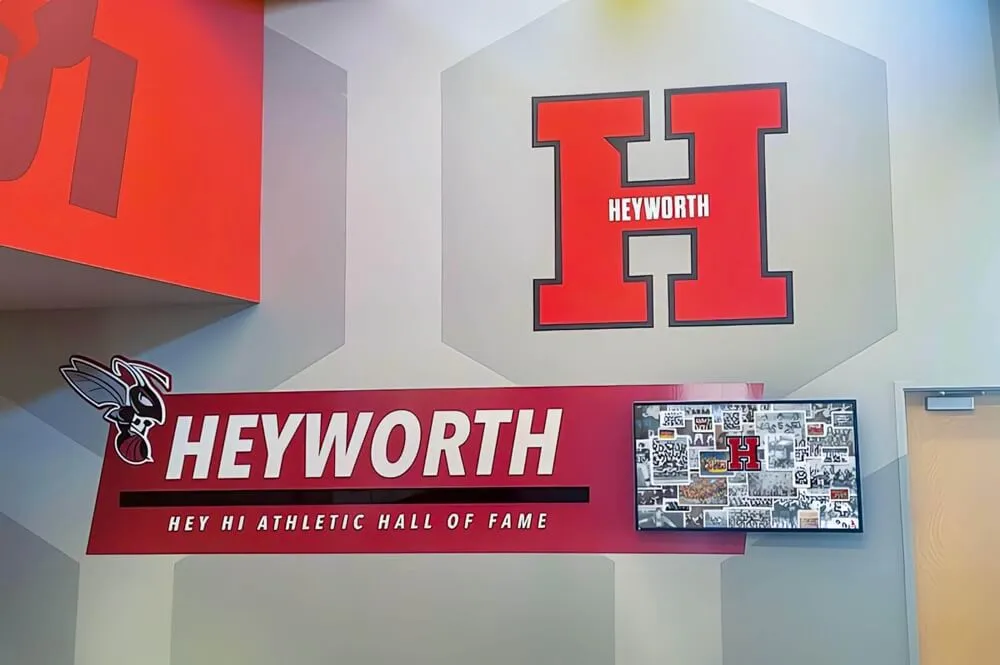
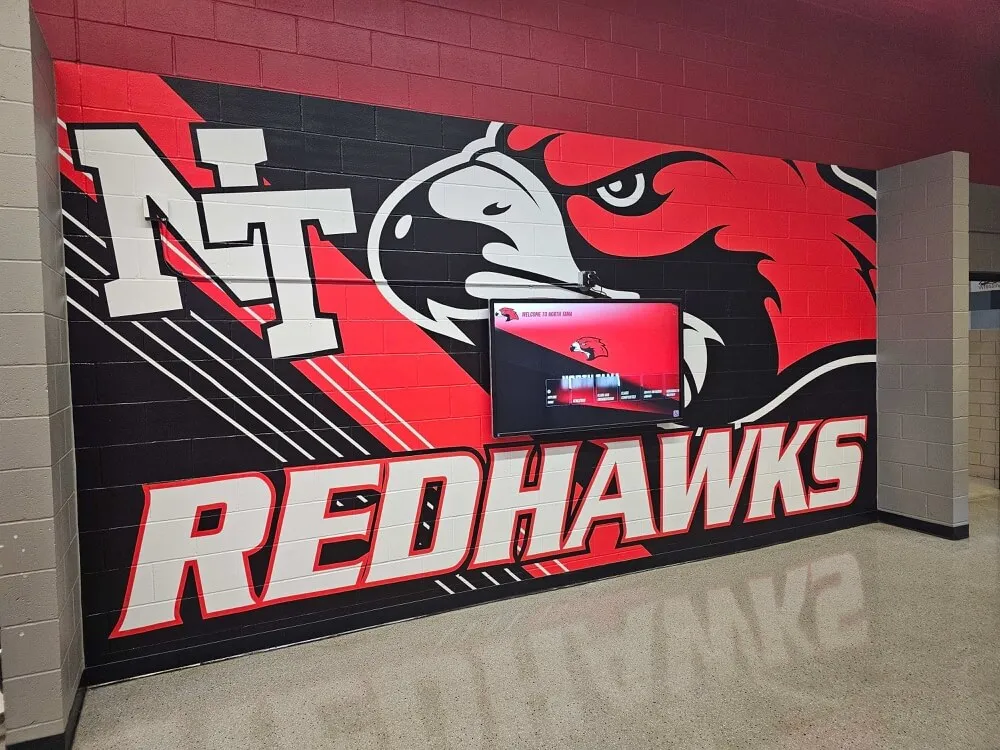
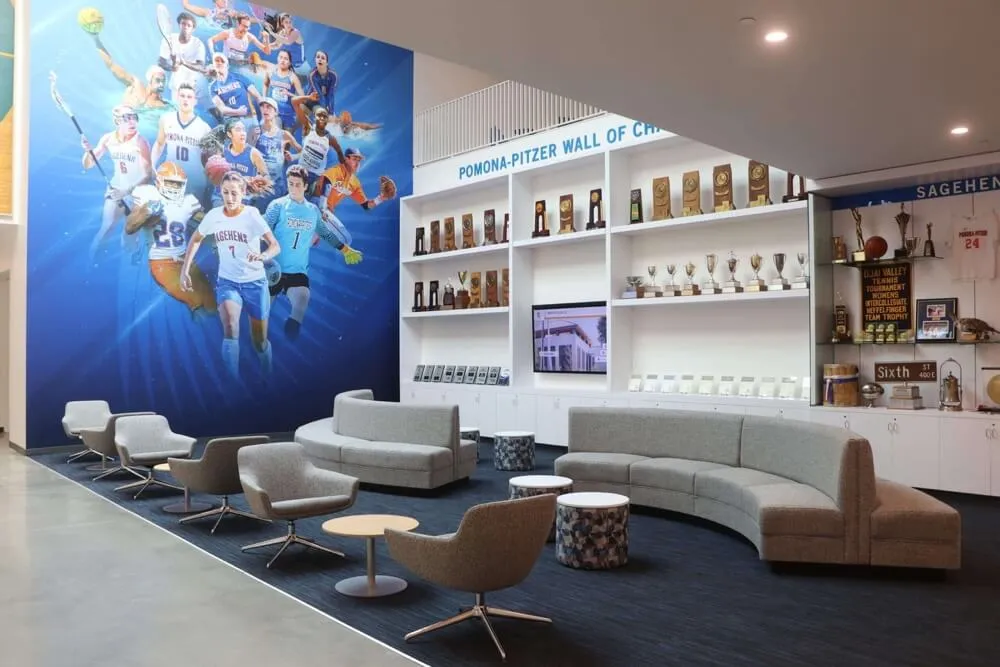
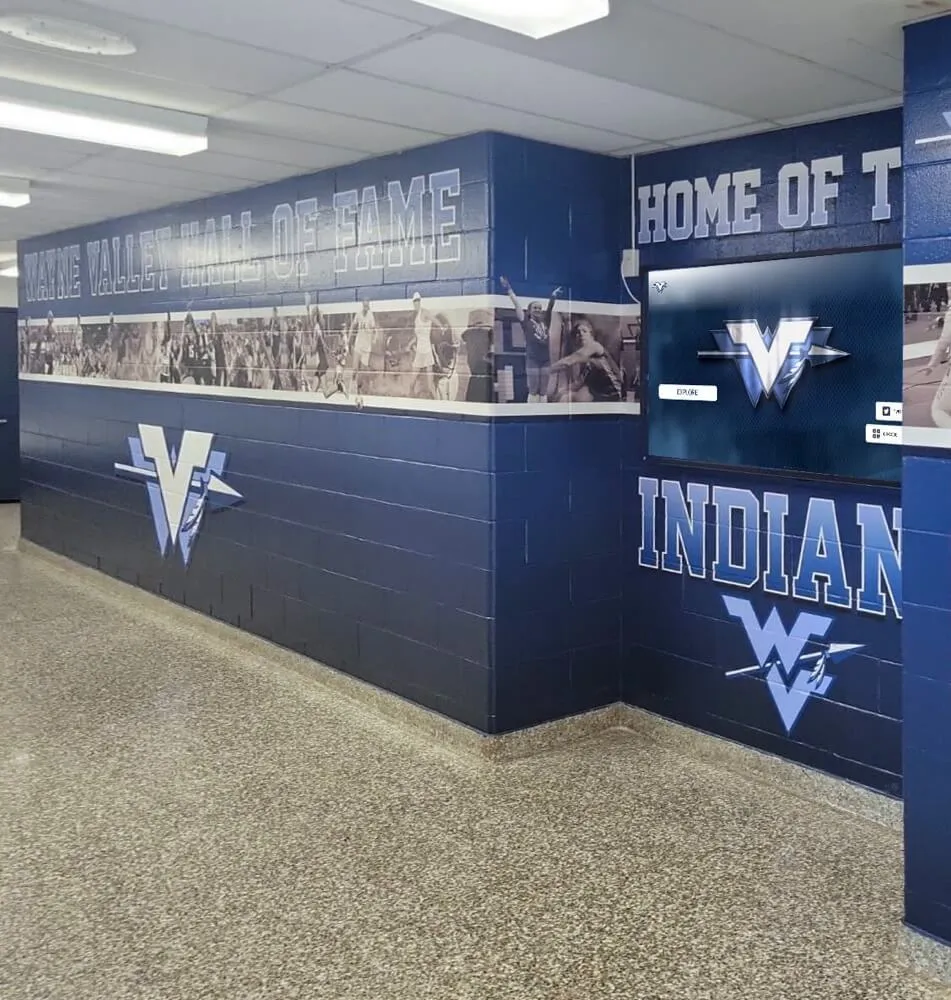
Physical trophy cases create a tangible sense of tradition — especially when integrated with murals and dedicated recognition spaces
Where Physical Cases Create Problems
Fixed capacity is the defining constraint. Every physical trophy case has a maximum number of items it can hold. Once that limit is reached, schools make choices they should not have to make: which championship gets removed from display, which individual honor gets boxed in a closet, which team’s legacy gets less visible recognition than an earlier era received.
This capacity problem is not hypothetical. Schools with successful athletics programs spanning multiple decades typically have more trophies in storage than on display.
Updating is slow and labor-intensive. Adding a new trophy, rearranging for better organization, or correcting a label requires physical access, often during school hours. If display cases are locked, the right staff member needs to be available with the right key at the right time. After a tournament win on a Friday night, the trophy may not appear until Monday at the earliest.
Context is nearly absent. A physical trophy identifies the sport, year, and achievement. It rarely shows the team roster, the season record, the players who set individual records that same year, or the coaching staff that built the program. Digital systems can carry all of that information; physical cases cannot.
Maintenance accumulates quietly. Glass cases collect dust, trophies tarnish, labels fade, and lighting fixtures burn out. These issues are easy to defer and surprisingly visible when they accumulate — sending the opposite message from the recognition the case is intended to convey.
For schools exploring the practical gap between physical cases and digital alternatives, this breakdown of award display cases vs digital awards displays for schools covers the space problem in specific terms.
Digital Trophy Cases: Unlimited Recognition Without Physical Limits
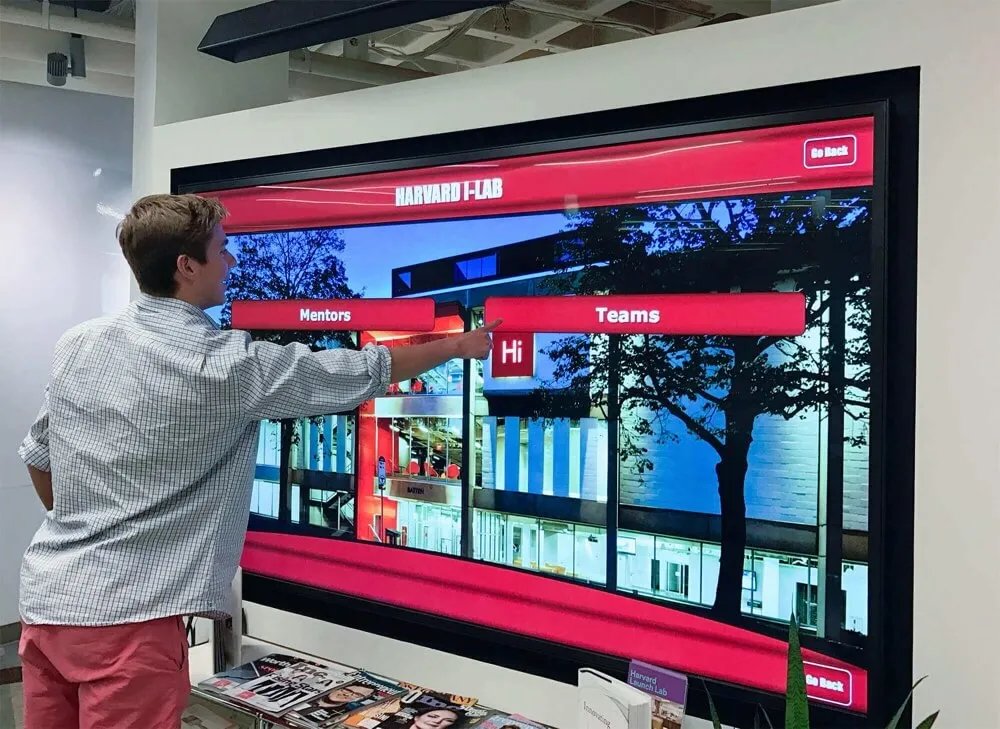
Digital trophy case platforms replace glass cabinets with cloud-managed, touchscreen-accessible systems that store and display an unlimited number of achievements. They are not simply screens that show a slideshow — they are searchable databases that visitors can actively explore.
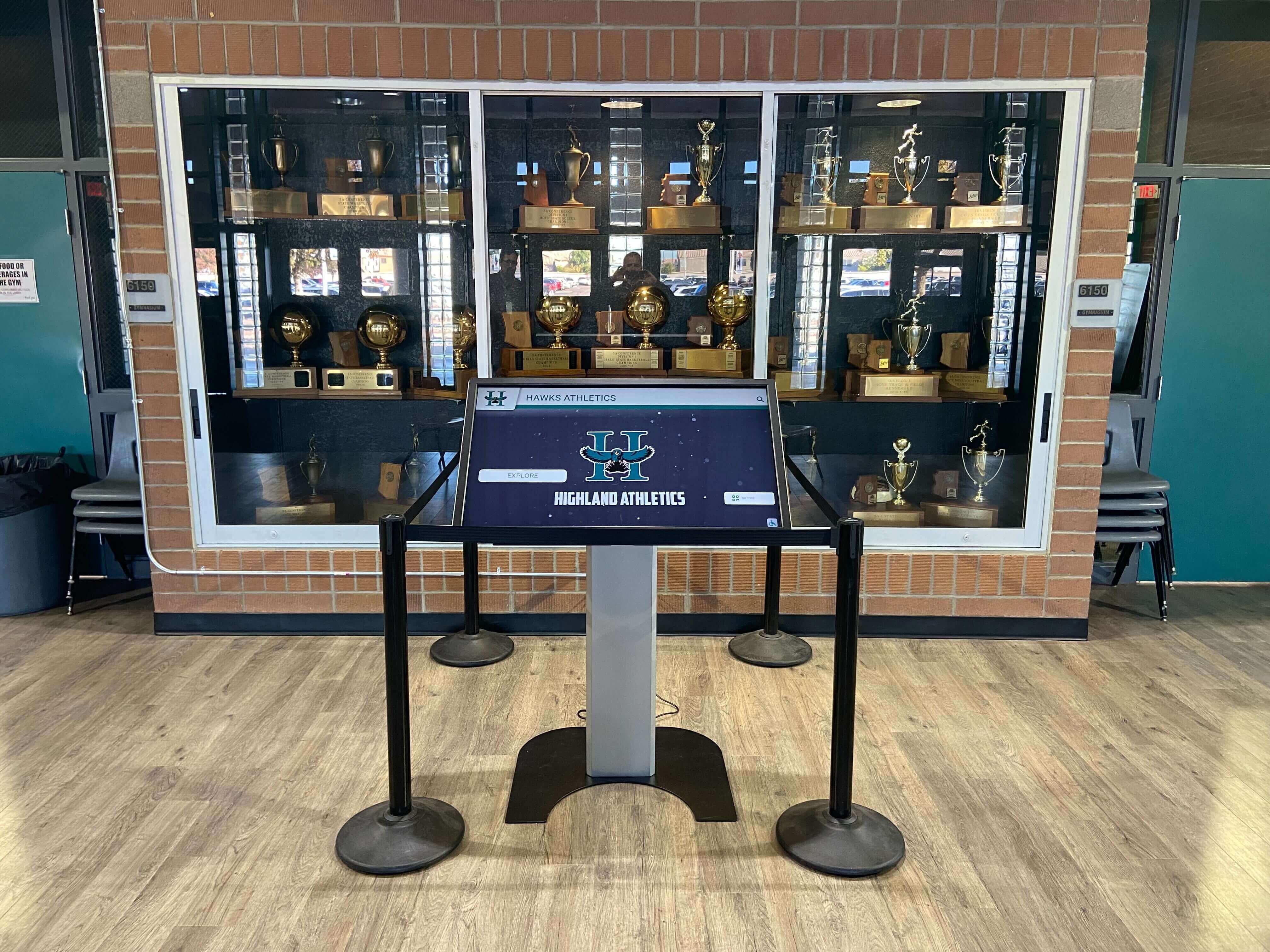
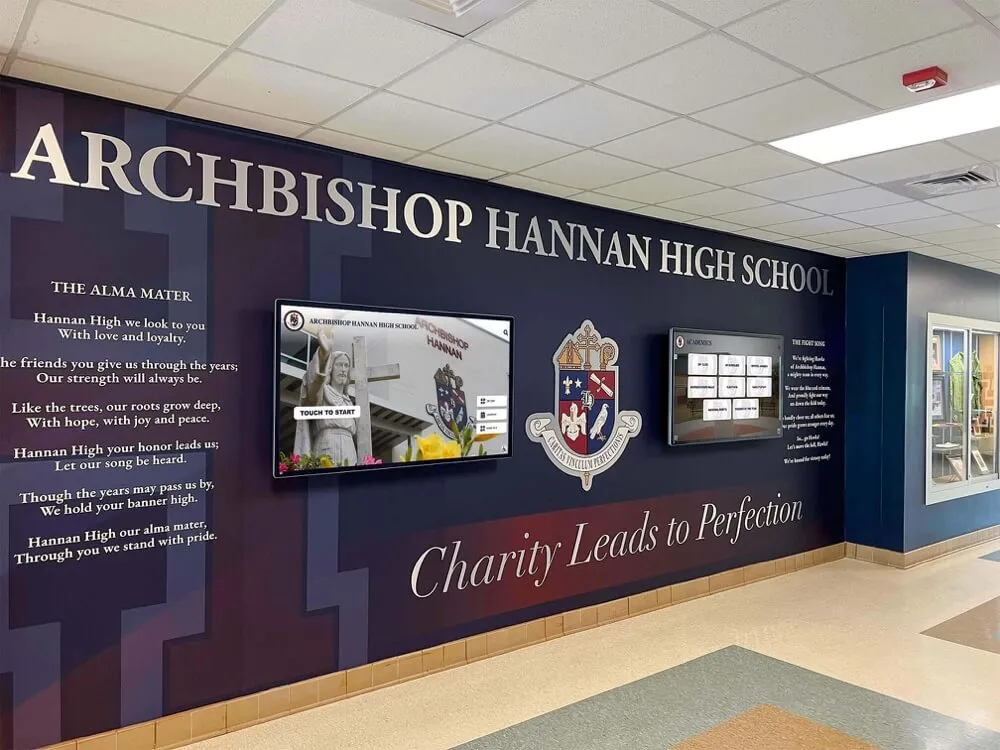
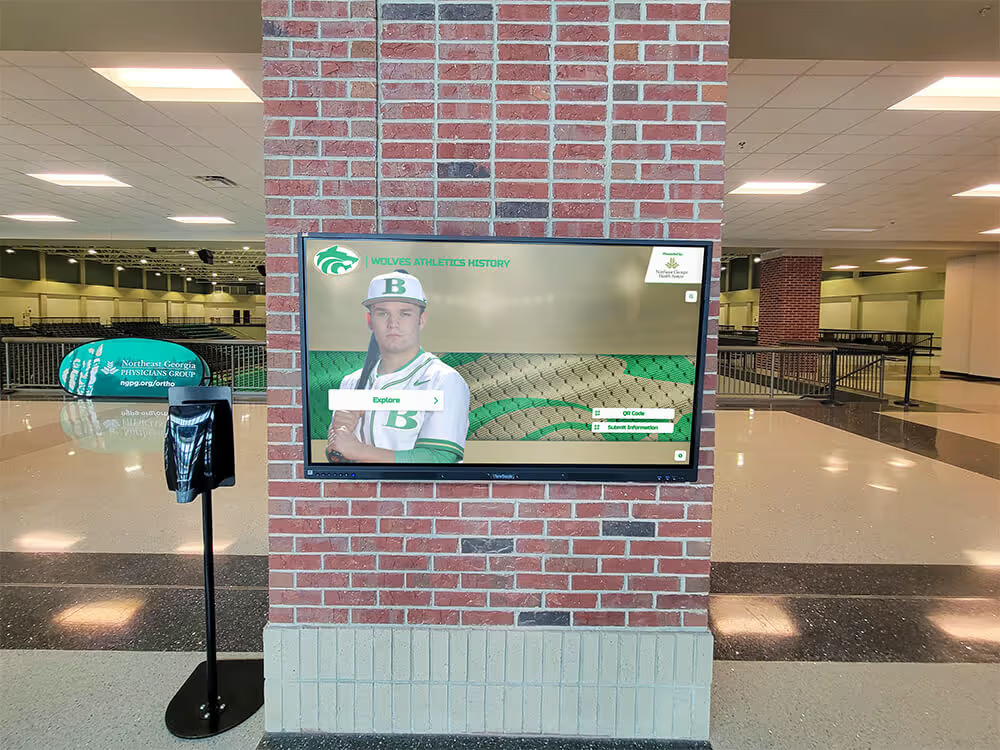
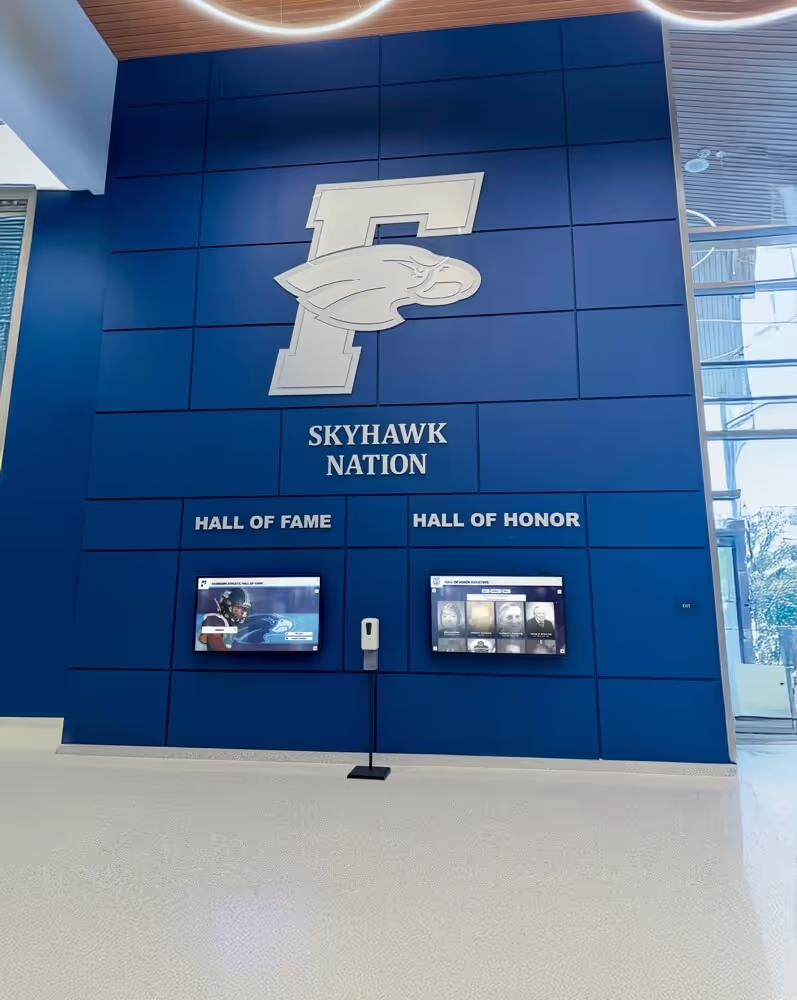
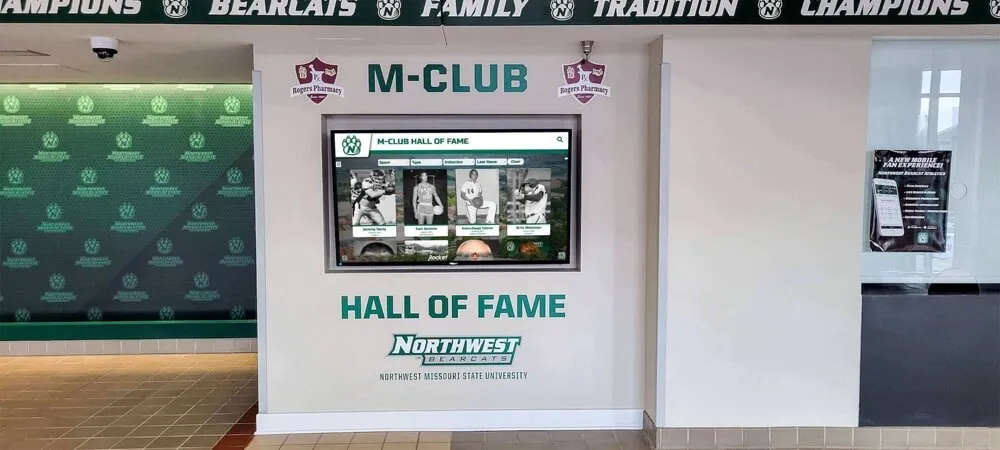
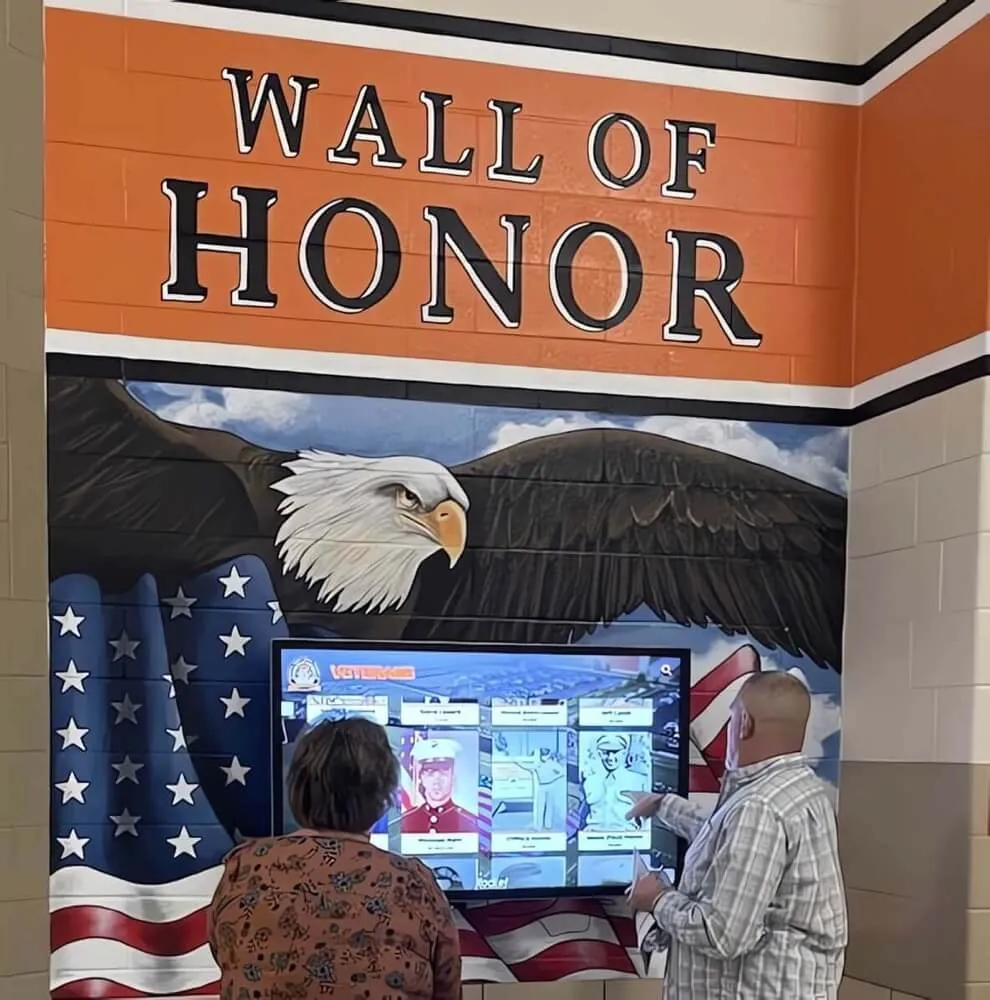
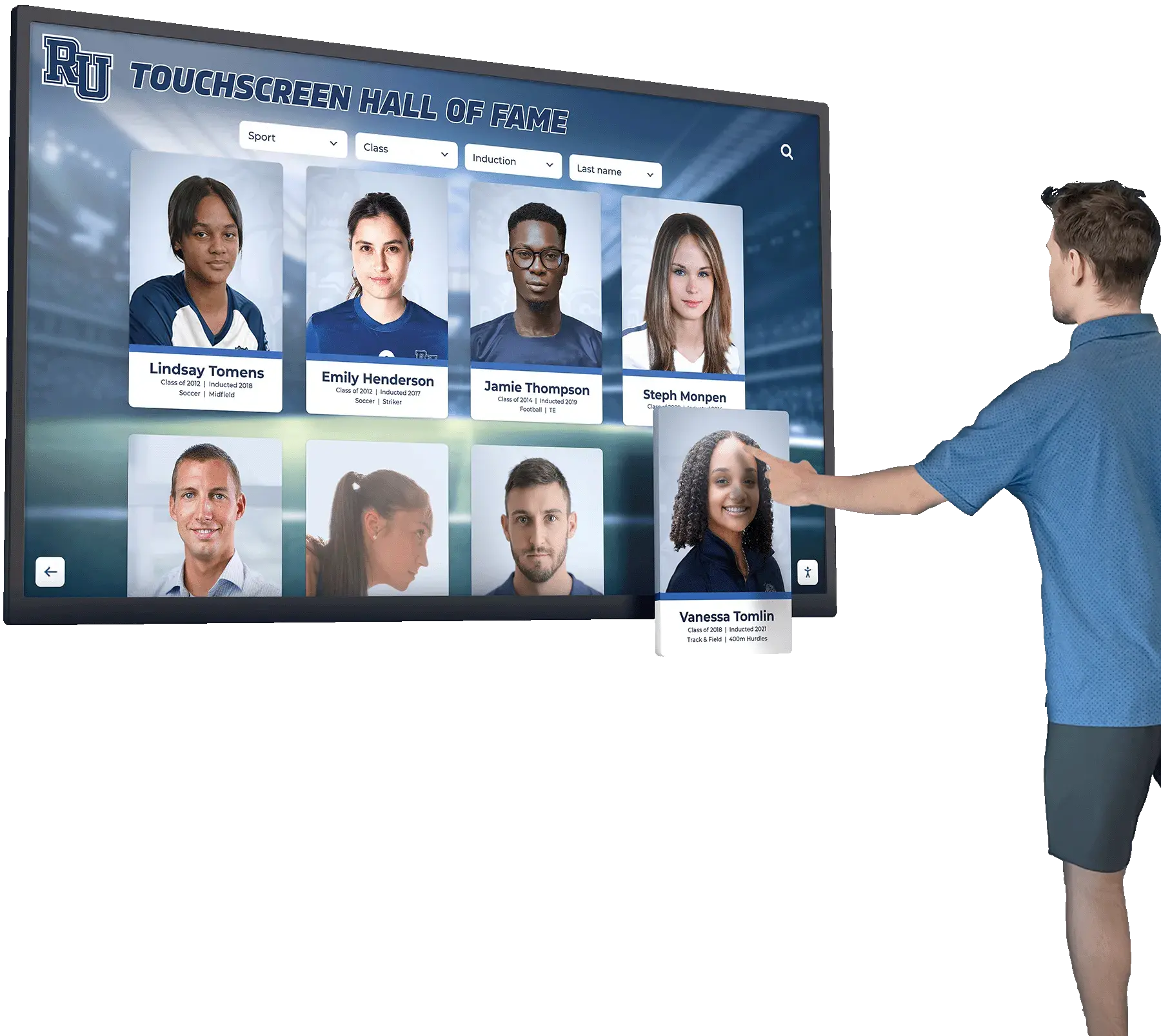
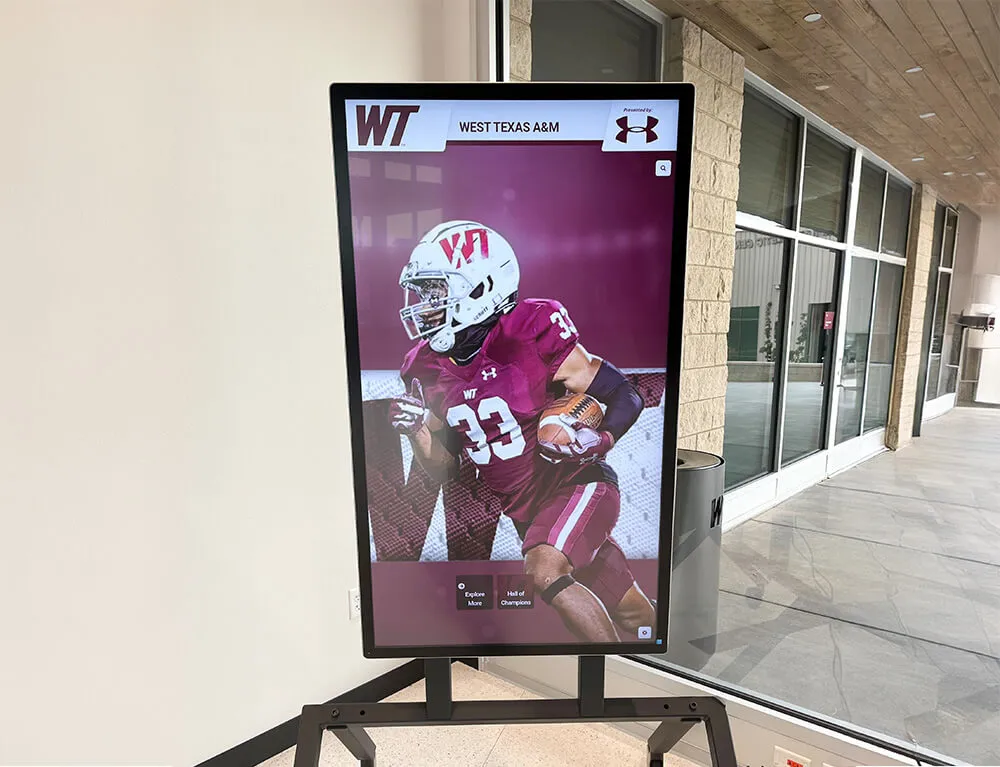
Touchscreen kiosks bring searchable recognition depth to the same hallway space a traditional trophy case occupies
What Digital Trophy Case Platforms Actually Do
Modern digital systems — such as the platform built by Rocket Alumni Solutions — handle athletic championships, individual record holders, hall of fame inductees, academic honorees, donor recognition, and coaching milestone achievements within a single cloud-managed system. Key capabilities include:
- Unlimited entries with no physical capacity ceiling
- Remote content updates from any internet-connected device, without IT involvement
- Scheduled publishing so new content can go live on a specific date automatically
- Auto-ranking and sorting that keeps records current without manual reordering
- QR code access enabling mobile viewing for remote alumni, families, and community members
- WCAG 2.1 AA accessibility compliance for users with disabilities
- Sponsorship display integration for donor and partner recognition alongside achievement content
A school with forty years of athletic history can display all four decades with equal prominence. A trophy that has been sitting in a storage closet for twelve years because the physical case ran out of room can finally receive public recognition.
The Update Speed Advantage
One frequently overlooked benefit of digital systems is how quickly recognition goes live. An athletic director at a playoff game on a Saturday night can update the platform from a phone. The state championship appears on the display before Monday morning — weeks before a physical trophy would be engraved, shipped, and installed.
The interactive digital trophy case guide for schools provides a useful overview of what the interaction model actually looks like from a visitor’s perspective: browsing by sport, searching by athlete name, viewing team rosters, and accessing historical records that would never fit on a physical label.
Where Digital Systems Require Planning
Upfront investment is higher. A digital platform involves hardware (touchscreen display or kiosk), software (cloud CMS with content management tools), and often professional installation. The annual subscription model is affordable at scale but represents a recurring cost that physical cases do not.
Content migration takes time. Schools with decades of achievement history need to digitize that content before the system feels complete. Photographs, season records, team rosters, and individual honors scattered across old programs, yearbooks, and athletic files must be gathered and entered. This is a one-time project, but it is not trivial.
Engagement requires traffic. Digital trophy cases are most effective in high-traffic areas where visitors are willing to pause and explore. A kiosk in a low-visibility corner will generate less engagement than one positioned at a main entrance or athletic lobby, regardless of how good the content is.
For a comprehensive walkthrough of the digital option from an implementation standpoint, the modern school recognition guide at Digital Record Board addresses content preparation, hardware placement, and ongoing management in practical terms.
See How Digital Trophy Cases Work in Schools
Rocket Alumni Solutions builds interactive, cloud-managed recognition displays for schools and athletic programs. If you're evaluating whether a digital platform fits your situation, a demo walks through exactly what the system looks like and how content is managed.
Schedule a DemoHybrid Displays: Combining Physical Presence with Digital Depth
The hybrid approach keeps physical trophy cases for landmark achievements while adding digital displays for the complete historical archive. It addresses the core tension between physical tradition and digital scale by assigning each format the work it does best.
How Hybrid Systems Work in Practice
Physical anchor for premier championships. State titles, regional finals, and multi-decade program milestones remain in glass cases or on wall-mounted displays. These are the achievements that warrant permanent physical commemoration and ambient recognition in competition venues.
Digital expansion for everything else. Conference championships, individual all-state selections, hall of fame inductees, record board entries, academic honorees, and coaching milestones all live in the digital system — searchable, updatable, and accessible to remote audiences via QR code.
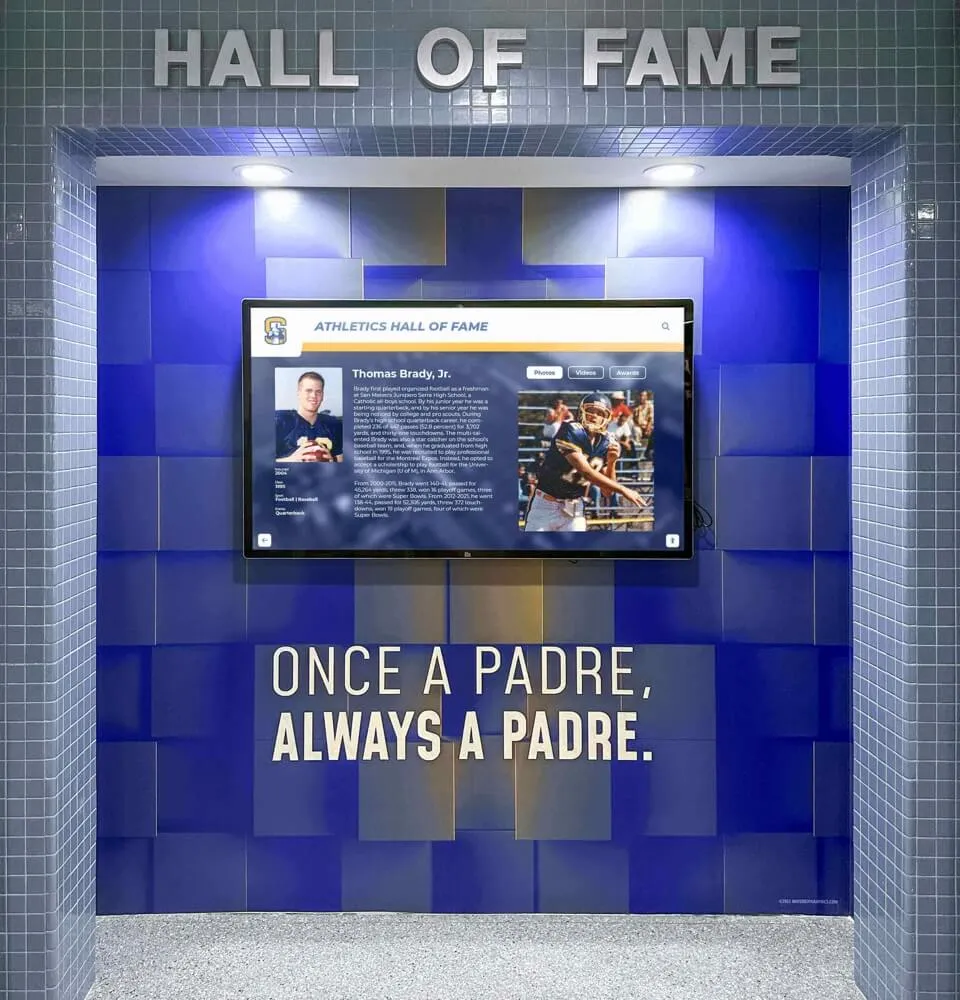
Coordinated visual presentation. Well-designed hybrid installations make both formats feel intentional rather than patched together. Physical cases serve as visual anchors; digital screens sit beside or behind them with complementary content that gives visitors a reason to stop and explore.
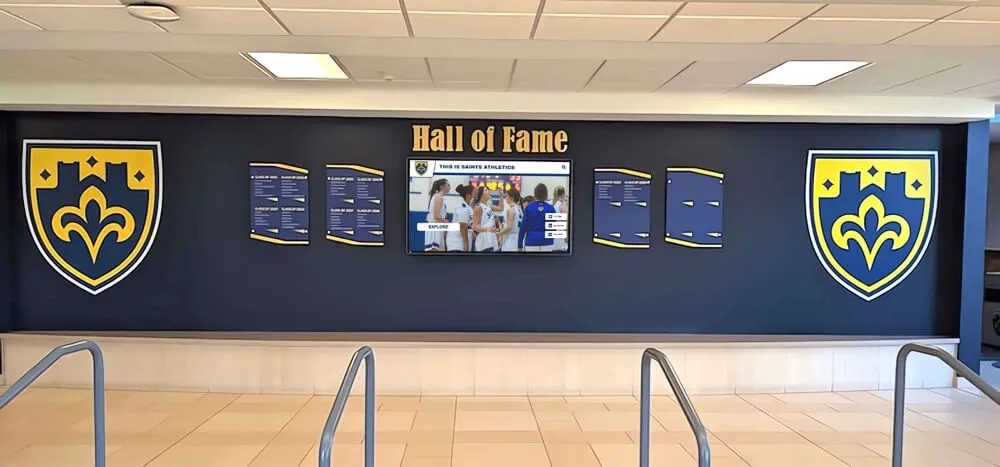
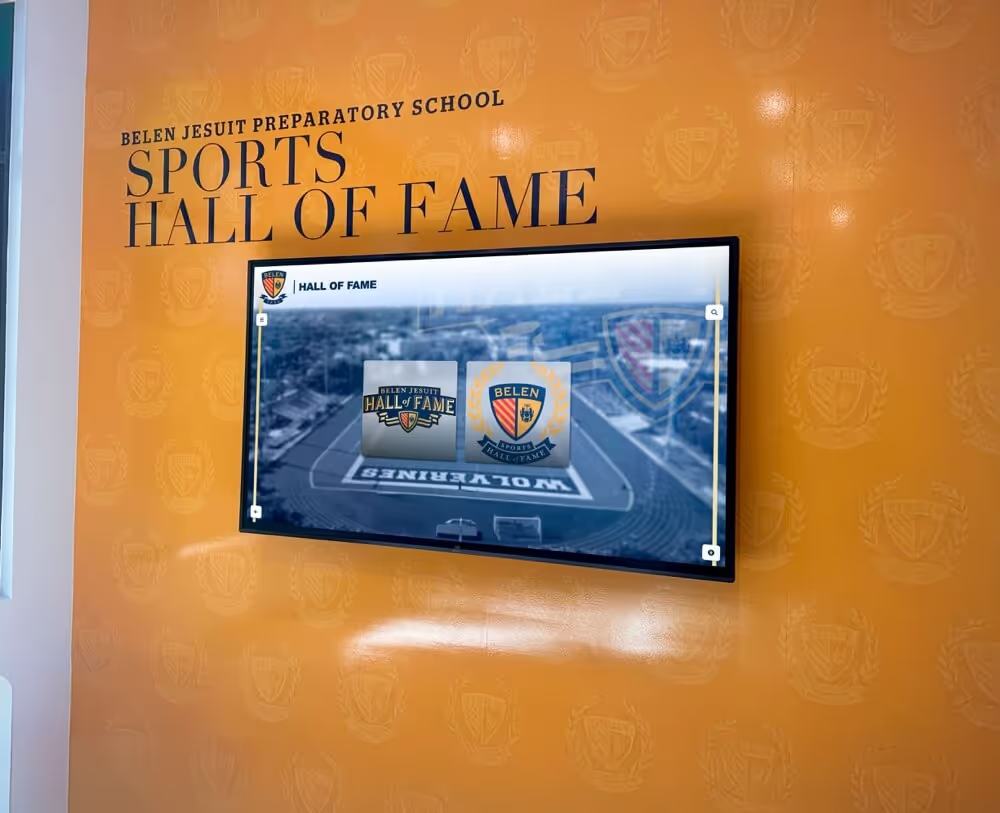
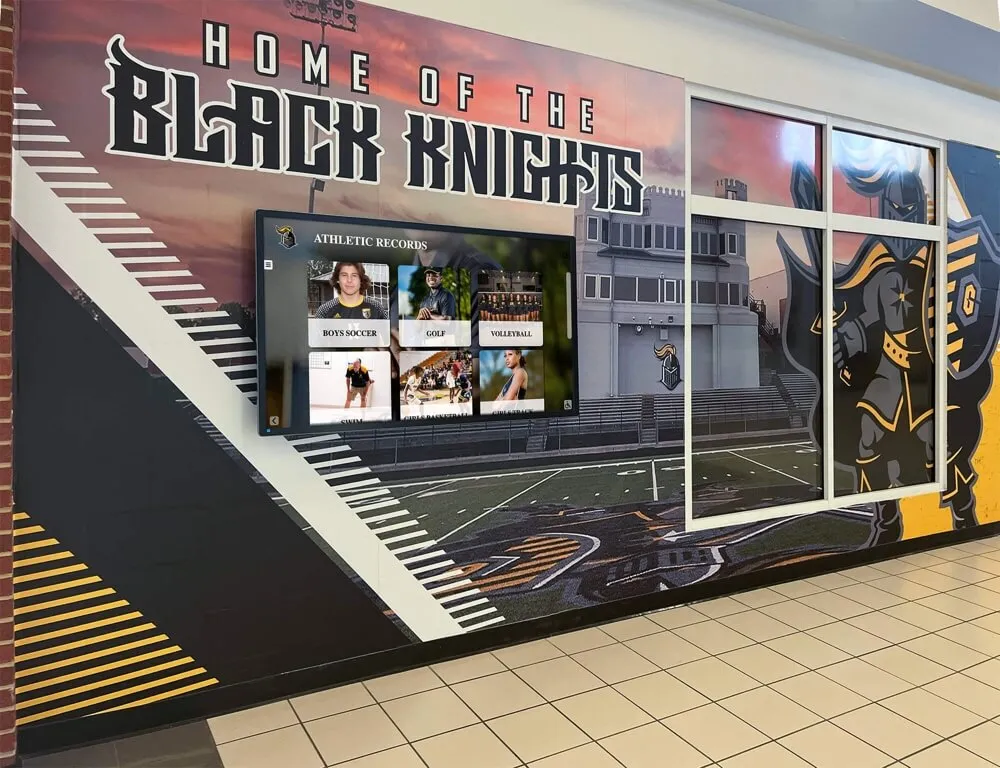
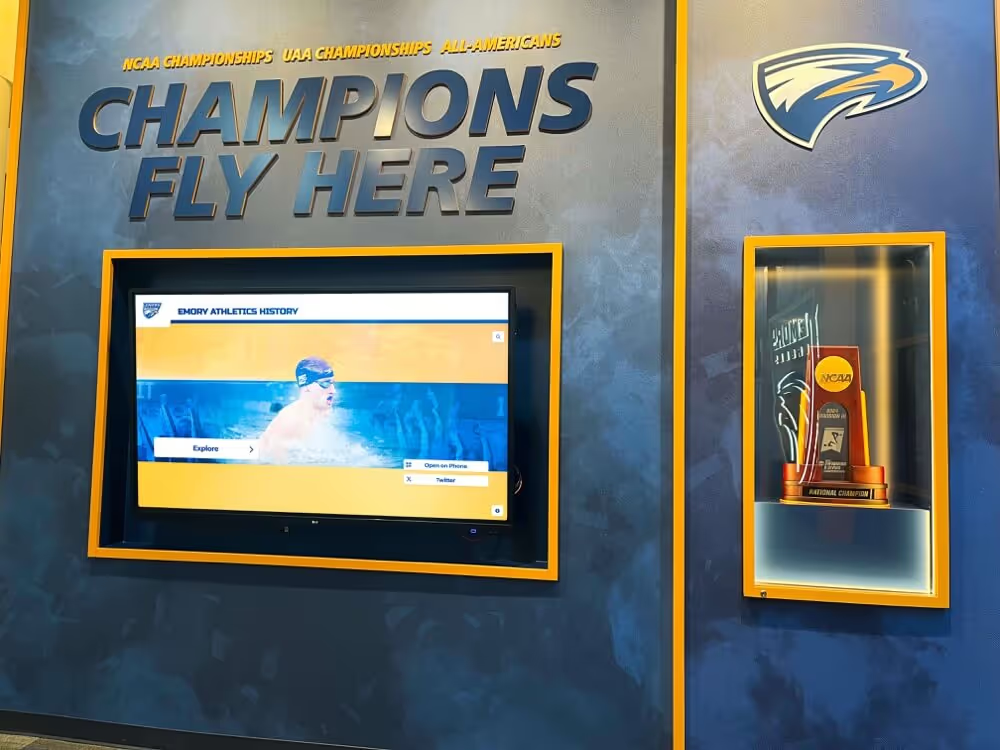
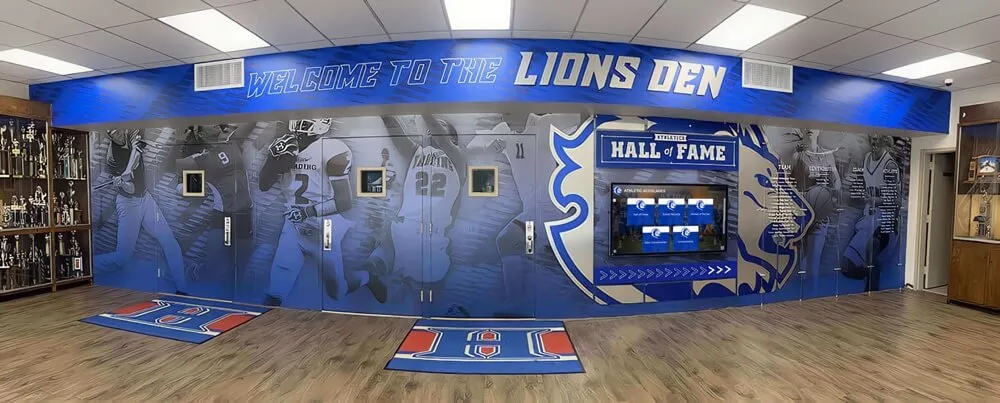
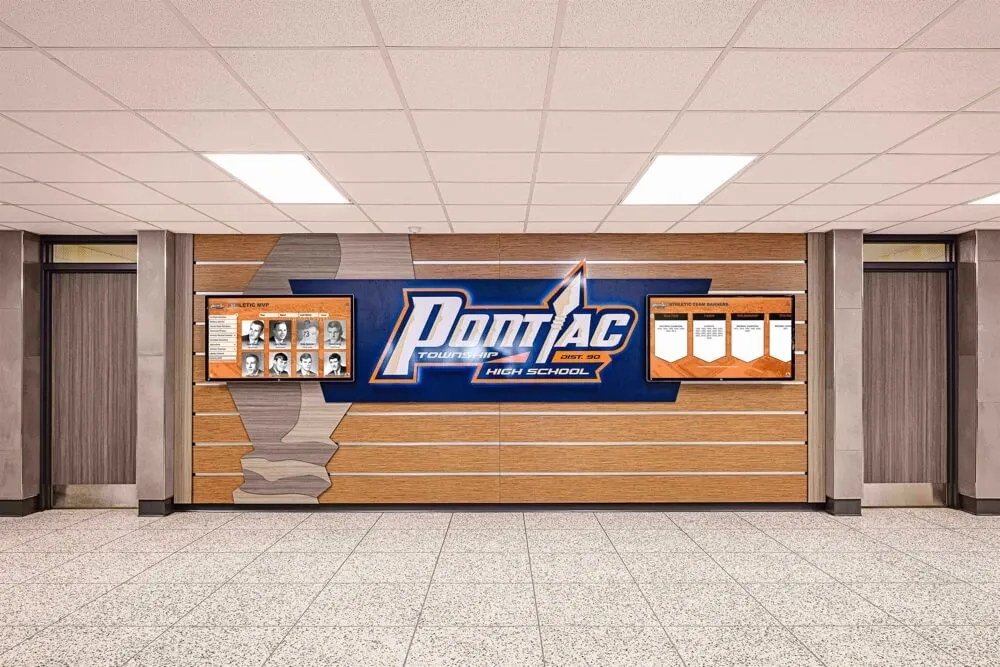
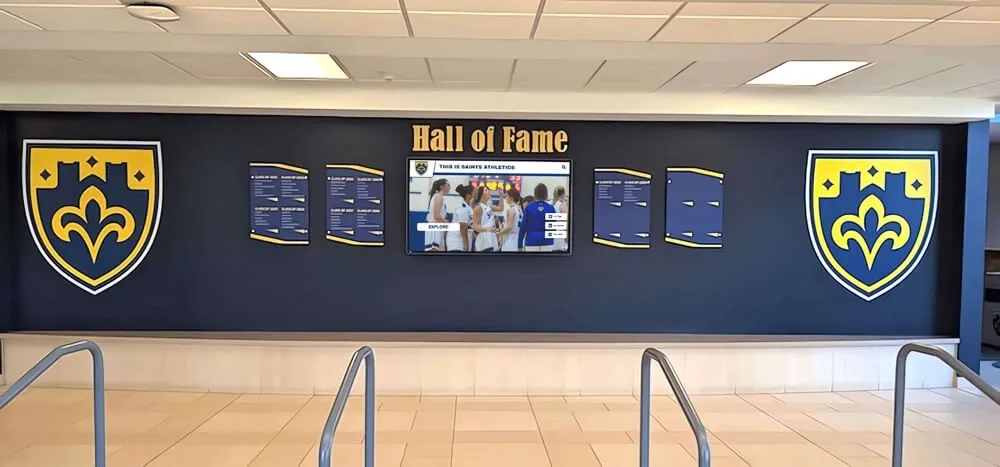
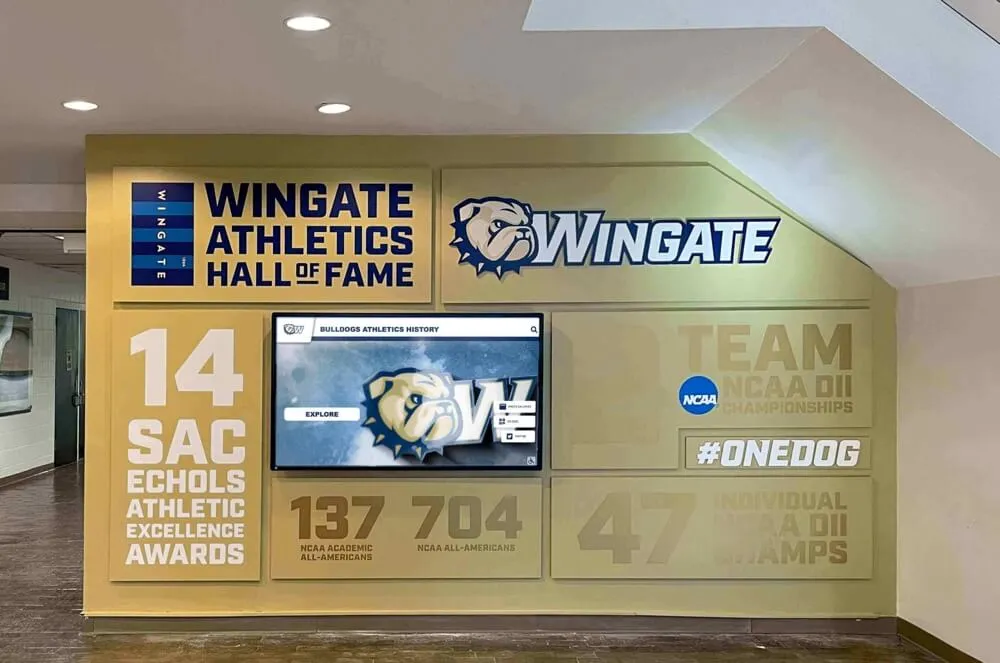
Hybrid installations keep physical championship elements as visual anchors while digital screens carry the full depth of program history
Schools That Benefit Most from Hybrid Approaches
Hybrid systems make the most sense for schools that:
- Have an established physical trophy case with strong community attachment they are unwilling to remove
- Are running out of physical display space but are not ready to abandon physical recognition entirely
- Want to preserve tangible championship hardware while solving the capacity and update-speed problems
- Have donor or alumni communities who value physical tradition alongside digital engagement
The key discipline in a hybrid installation is maintaining clear criteria for what goes physical versus digital. Without those criteria, the physical case fills up again quickly, and the digital system is underused.
For design ideas that extend beyond standard trophy case formats into full hall of fame installations, this guide on championship trophy display ideas for high school athletics covers creative approaches that work in hybrid contexts.
How Rocket Alumni Solutions Approaches School Trophy Cases
Rocket Alumni Solutions builds cloud-managed, touchscreen recognition platforms used by K–12 schools, high school athletic programs, and universities to display awards, athletic histories, hall of fame inductees, donor recognition, and academic honors.
The platform is not a digital version of a trophy case in the sense of a simple photo slideshow. It is a structured recognition database with:
- A content management system that non-technical staff can operate without IT support
- Automatic sorting and ranking so record boards stay current as new entries are added
- Scheduled publishing for future-dated content — useful for announcing hall of fame inductees on a specific date
- Weekly content updates managed remotely without physical access or engraving lead times
- QR code generation enabling mobile access for alumni watching games remotely or visiting from out of state
- WCAG 2.1 AA accessibility compliance meeting ADA requirements for school facilities
Schools working with Rocket typically install kiosks or wall-mounted touchscreens alongside existing physical trophy cases rather than replacing them entirely — a hybrid approach where the platform carries unlimited historical depth while existing physical hardware retains its traditional function.
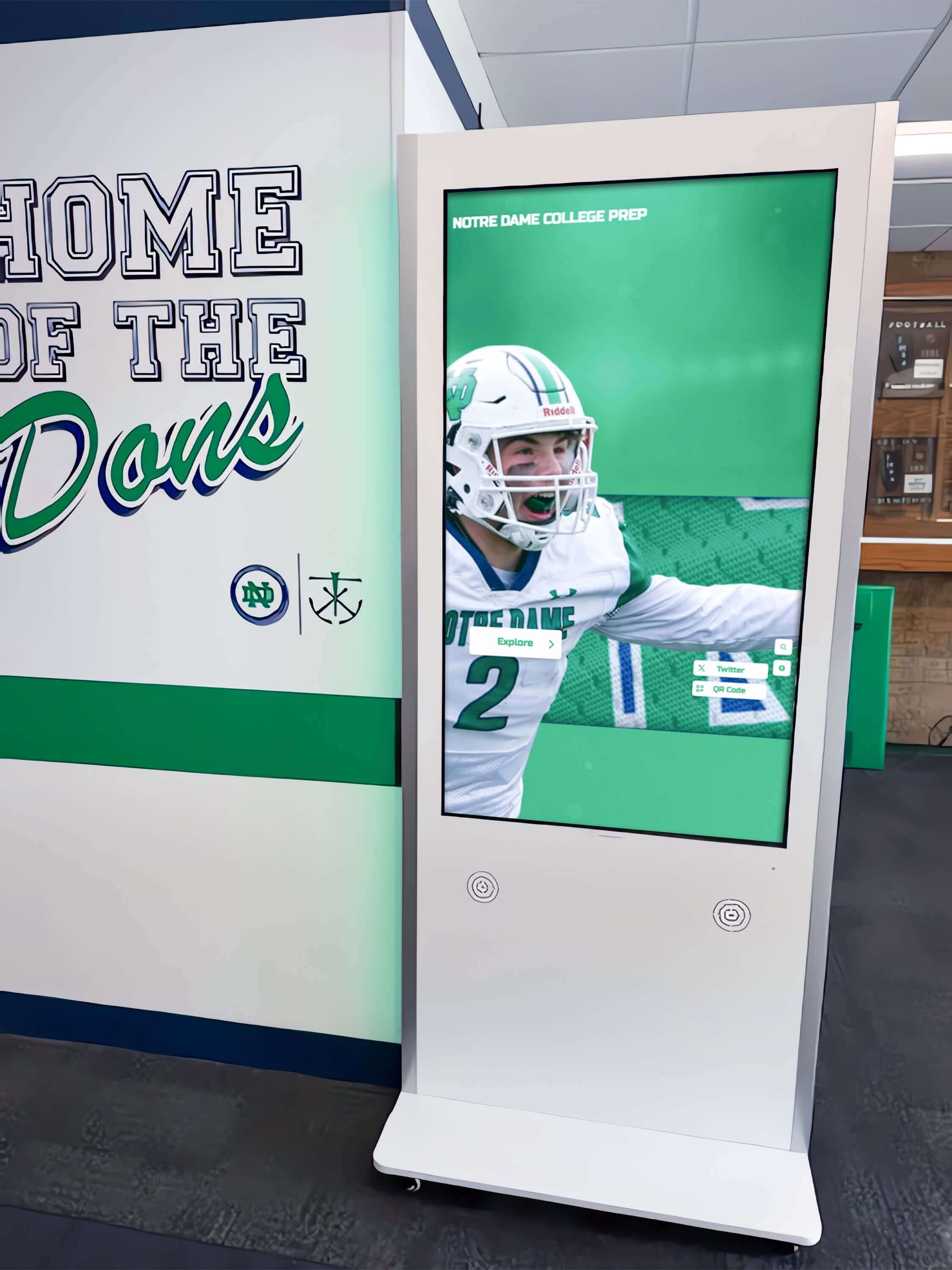
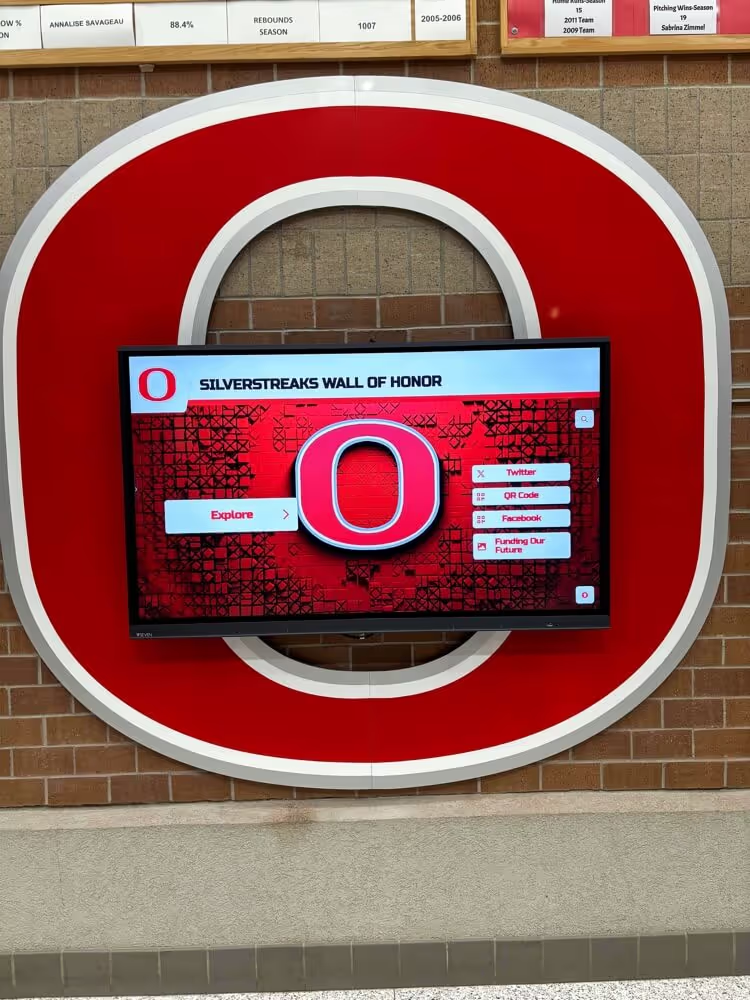
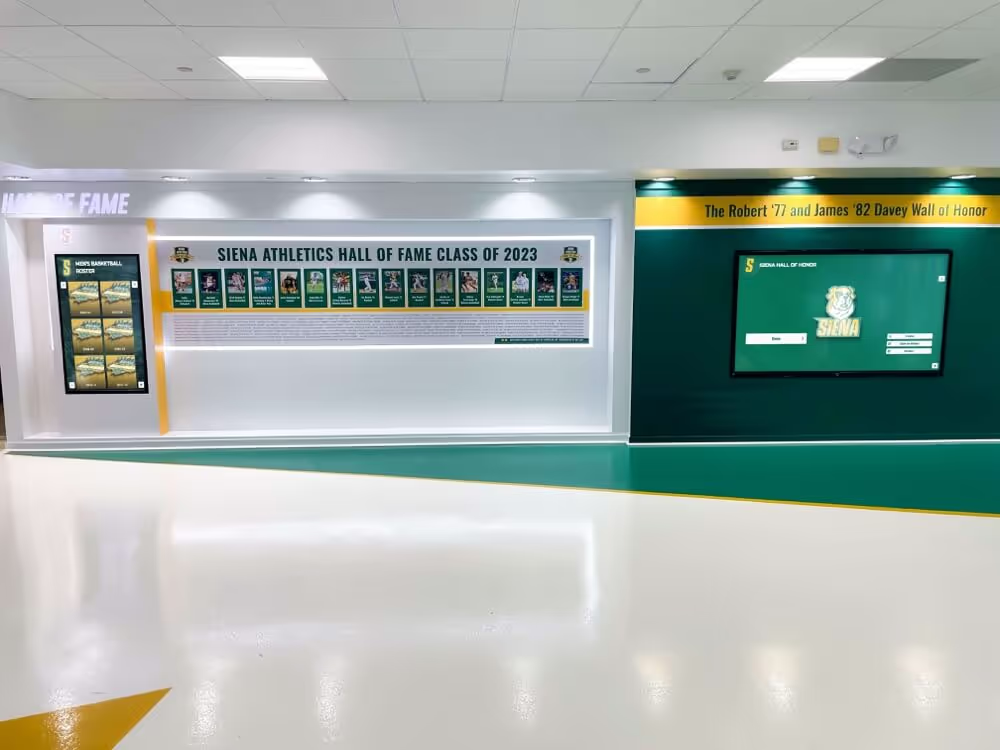
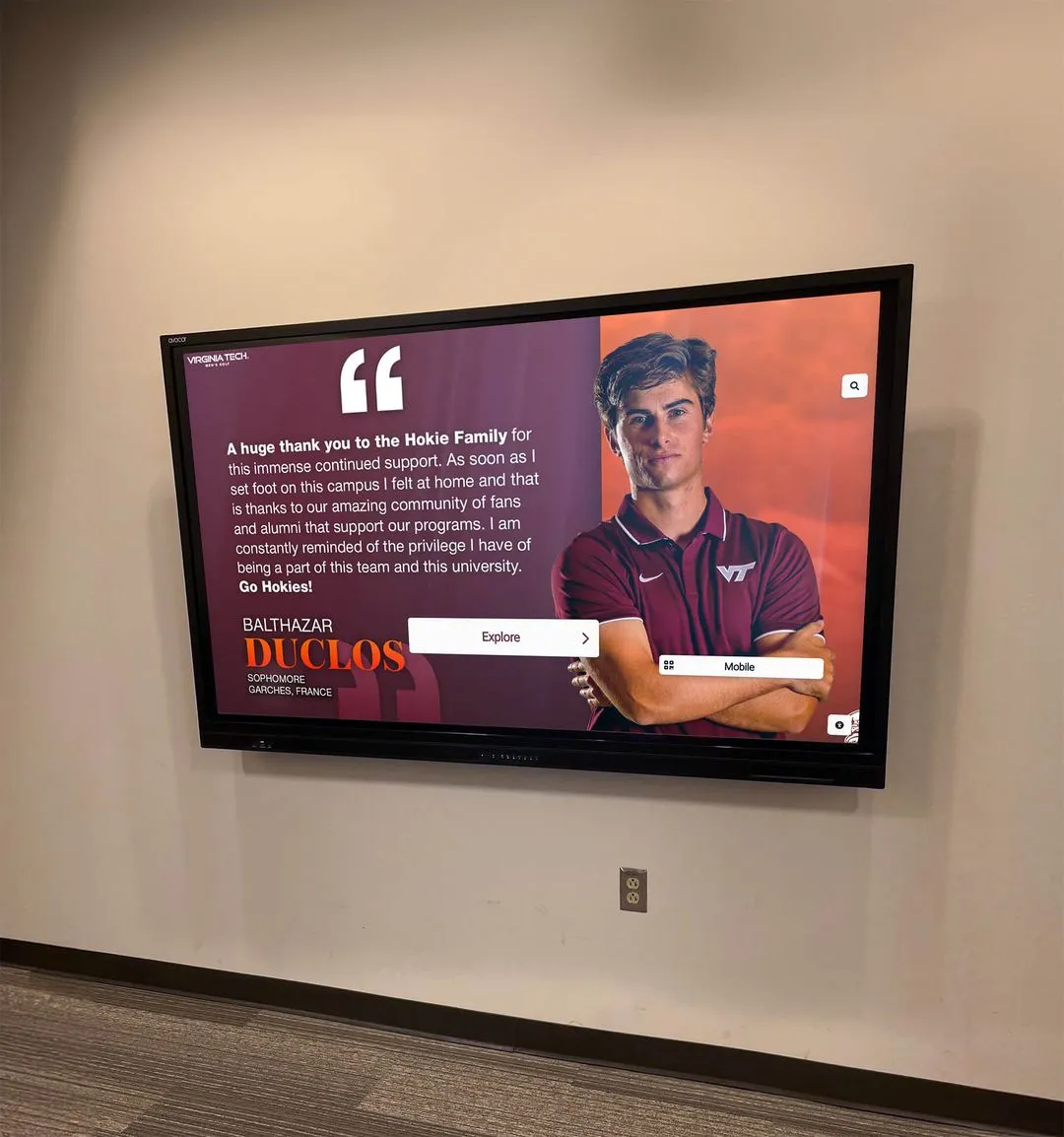
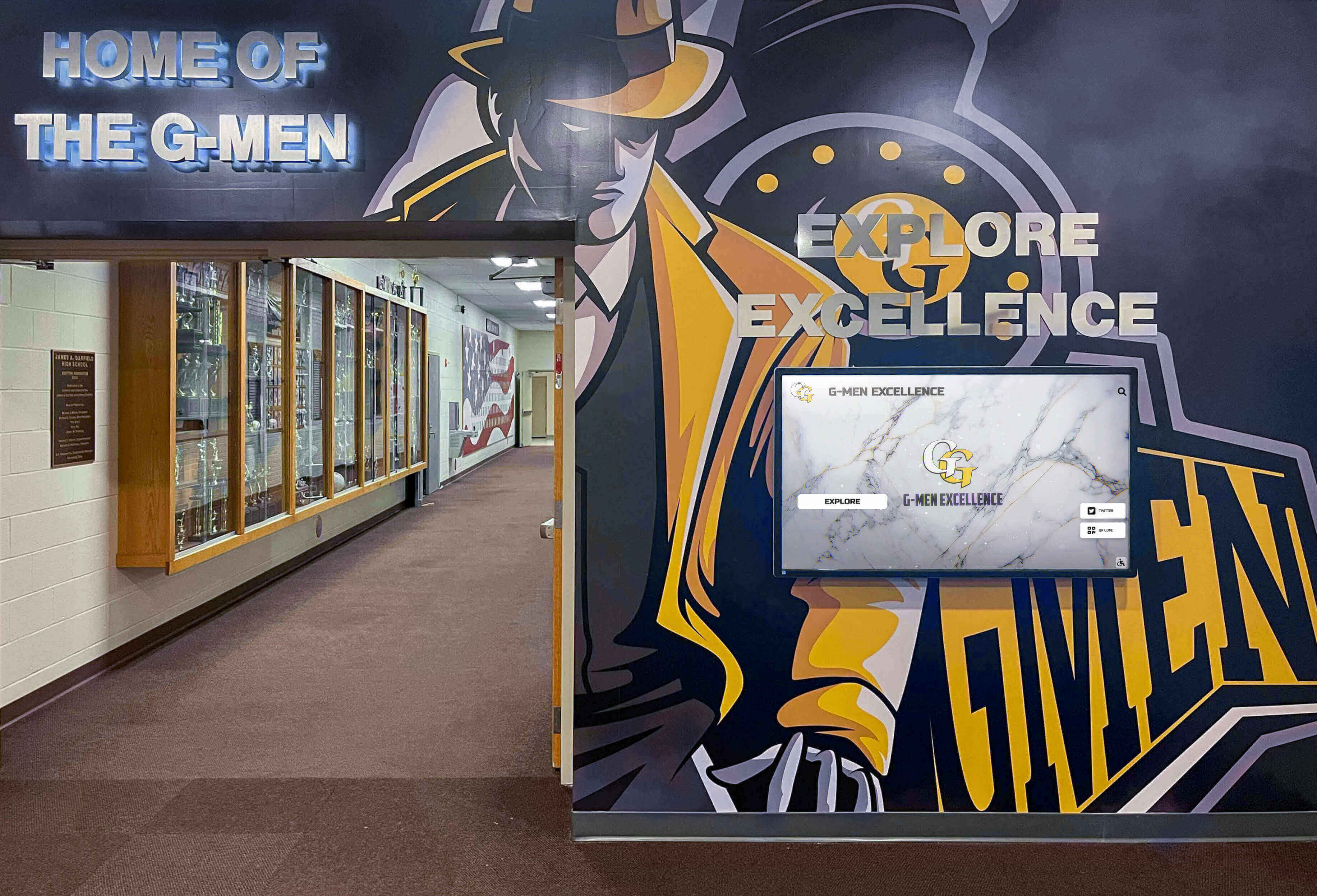
Dedicated kiosks let visitors explore complete program histories — rosters, statistics, photos, and records — in the same space a traditional trophy case would occupy
Resources comparing the digital and physical formats in detail include this side-by-side look at digital hall of fame displays vs traditional trophy cases in school hallways and a similar comparison from the school trophy case ideas perspective covering traditional vs digital display options.
Practical Factors That Drive the Decision
Beyond the format comparison itself, several operational factors consistently shape which option schools choose:
Staff Capacity and Athletic Department Bandwidth
Schools with athletic directors and administrative staff who already manage full schedules benefit most from digital systems that eliminate physical update labor. Updating a cloud-managed platform from a phone or laptop takes minutes. Rearranging a locked trophy case after a winning season requires coordinating physical access, often during busy pre-season or post-season periods.
Facility Age and Capital Improvement Cycles
Schools undergoing gymnasium renovations, lobby redesigns, or hallway refresh projects have a natural entry point for digital or hybrid systems. Installing touchscreen hardware during a renovation costs less in both time and construction disruption than retrofitting after completion.
Schools without near-term renovation plans can still add digital displays without major construction, but the installation logistics and wall-mounting decisions require upfront planning.
Alumni and Donor Engagement Goals
Programs actively cultivating alumni relationships and donor recognition benefit significantly from digital platforms with QR code mobile access. Alumni who graduated twenty years ago and return for a reunion can explore their team’s achievement history on a phone before arriving. Donor recognition displays can be updated instantly when new gifts are secured, without waiting for physical plaques to be engraved and installed.
The perspective on digital hall of fame displays from Touch Archives addresses how alumni reconnection experiences differ between physical and digital recognition systems.
Accessibility Requirements
Schools subject to ADA compliance requirements for public-facing displays should evaluate whether physical trophy cases meet current accessibility standards. Display height, viewing angle, and the absence of interactive elements can create barriers for visitors using wheelchairs or those with visual impairments.
Digital platforms designed to WCAG 2.1 AA standards include accessible contrast ratios, screen-reader compatibility, and touchscreen mounting heights that meet ADA guidelines. This is not typically a selling point that comes up early in trophy case conversations, but it is a compliance factor worth verifying before finalizing any display system.
What the Comparison Looks Like From a Five-Year View
Short-term cost comparisons between physical and digital systems favor physical cases. A well-organized glass cabinet with good lighting costs less to install than a digital platform with cloud subscription fees.
Over five years, the calculus shifts. Digital systems continue serving growing achievement databases without requiring new cabinets, construction projects, or storage decisions. Physical cases require ongoing maintenance and often face capacity ceiling problems that lead to either partial replacements or digital additions anyway — at higher total cost than implementing digital from the start.
The detailed comparison of physical and digital hall of fame options for schools covers the long-term operational comparison in more specific terms.
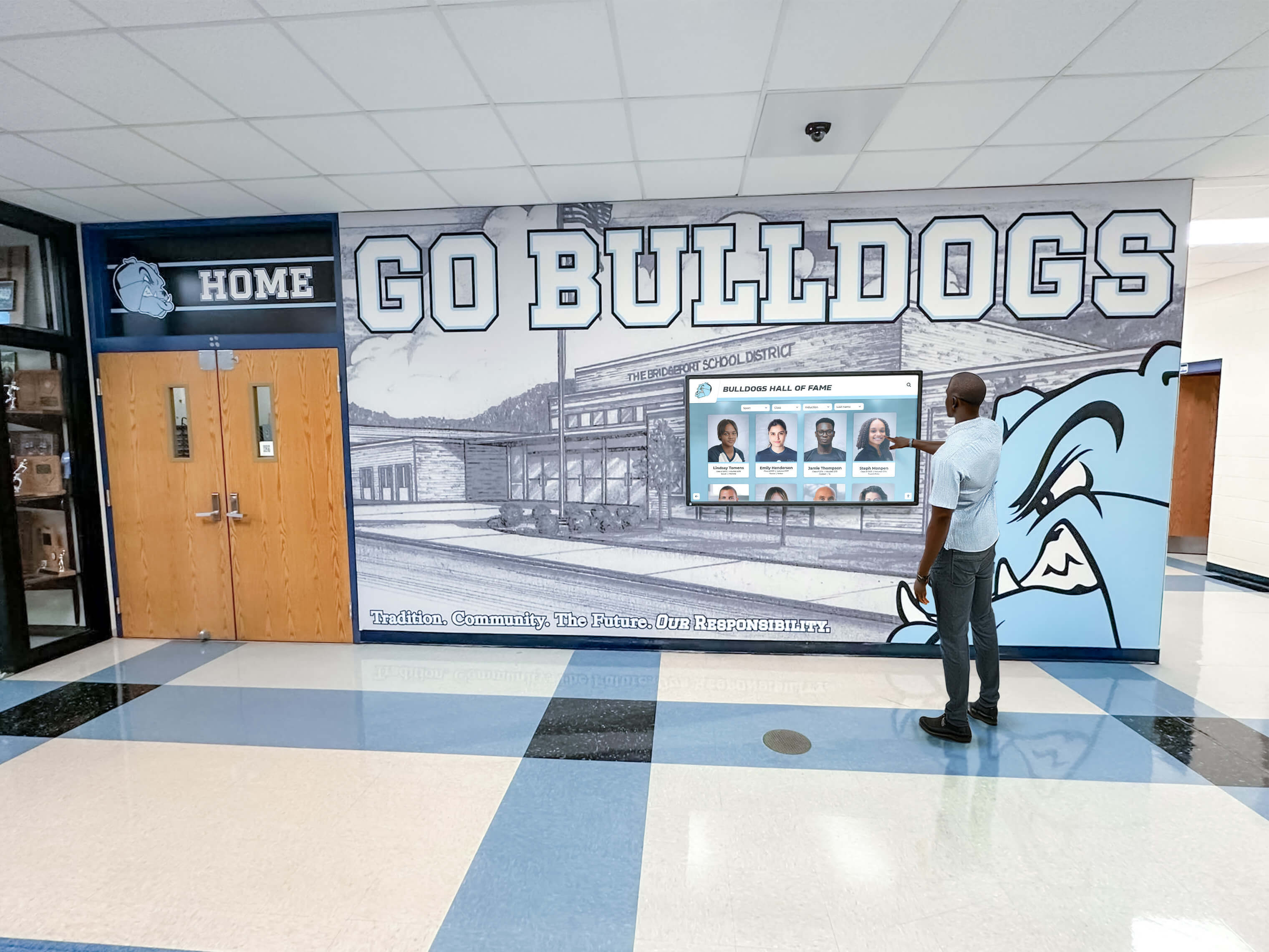
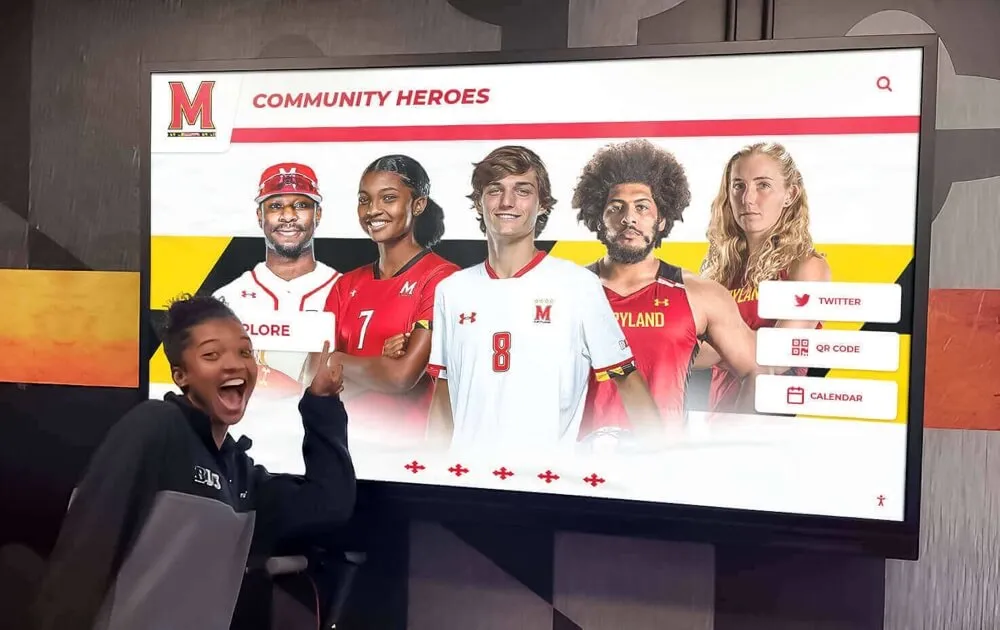
Active engagement with recognition displays demonstrates that content depth and searchability drive longer interactions than passive trophy viewing
Frequently Asked Questions
Can a school keep its existing physical trophy case and add a digital display?
Yes. Hybrid installations are common. Schools typically keep physical cases for flagship championship hardware while the digital system handles the complete historical archive and ongoing updates. The two systems complement each other rather than competing.
How long does it take to get a digital trophy case operational?
Hardware installation typically takes one to two days. The more significant timeline is content migration — gathering historical records, digitizing photographs, and entering team and individual achievement data. Schools with well-organized archives can complete content entry in a few weeks. Schools starting from scattered records may need two to three months for comprehensive data entry.
Who manages the content once it is live?
Cloud-based digital platforms are designed for non-technical staff to operate. Athletic directors, administrative assistants, or designated staff can add achievements, update records, and publish new content without IT support. The overview of how digital recognition systems work in school hallways describes the day-to-day management experience in practical terms.
What happens when the hardware needs maintenance or replacement?
Quality digital platform providers include hardware support in their service agreements. Screens and kiosks are commercial-grade equipment built for high-traffic environments. Cloud-based content storage means that if hardware is replaced, no content is lost — the database persists independently of the physical display hardware.
Are digital trophy cases visible to alumni who cannot visit the school in person?
QR codes on digital displays link to mobile-accessible versions of the recognition database. Alumni can access the complete achievement history from anywhere with an internet connection — particularly valuable for schools with alumni communities spread across the country.
How do schools decide what deserves a physical trophy vs digital recognition?
The most common framework reserves physical display for premier achievements: state championships, regional finals, multi-decade program milestones, and retired jerseys. Everything else — conference titles, individual honors, academic recognition, hall of fame inductees, and coaching milestones — routes to the digital system. This framework keeps the physical case from becoming cluttered while ensuring the digital system carries meaningful, regularly updated content. For more display ideas framed through this lens, digital hall of fame vs traditional trophy case approaches for school hallways offers a useful comparison.
Conclusion
Trophy cases for schools are not a one-size-fits-all decision. Physical cases serve tangible tradition and passive recognition for landmark achievements. Digital platforms solve the capacity, speed, and accessibility problems that physical cases cannot address. Hybrid installations combine both, assigning each format the work it handles best.
The right answer for a given school depends on how fast the achievement backlog is growing, what resources are available for ongoing maintenance, how important alumni and remote audience engagement are, and what the school’s five-year facility plans look like.
Starting with the decision checklist above — and being honest about which questions point toward physical limitations — generally clarifies the path forward faster than evaluating vendor demos before the format question is settled.
Ready to See How a Digital Trophy Case Fits Your School?
Rocket Alumni Solutions works with K–12 schools, athletic programs, and universities to design cloud-managed recognition displays that handle unlimited achievements, update in minutes, and give alumni and families searchable access to complete program histories. A demo shows you exactly what the system looks like and what content management involves for your staff.
Book a Demo