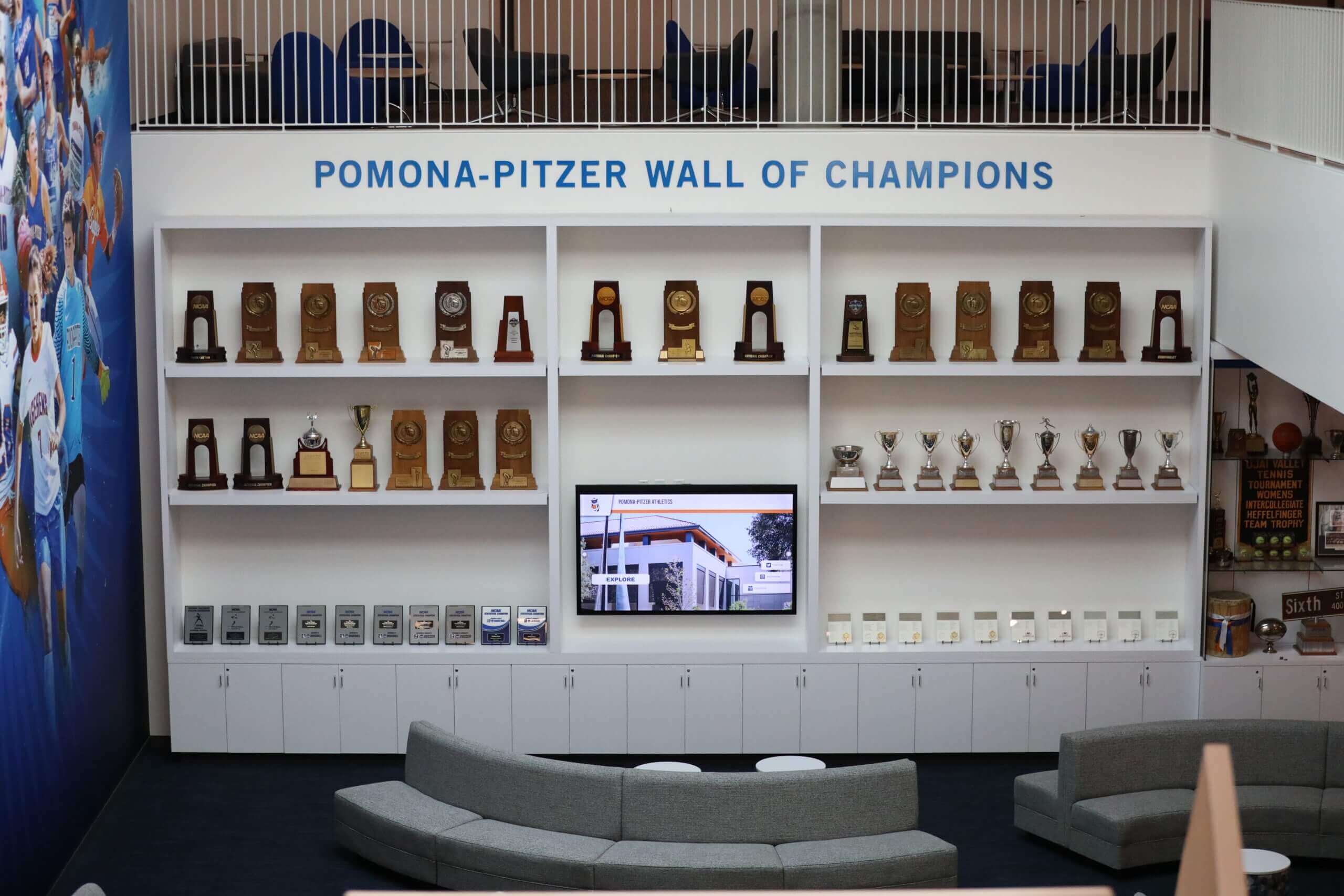




A trophy case silica gel replacement log is a dated maintenance record that tracks when desiccant packets inside display cases are inspected, tested, regenerated, or swapped out—and what humidity readings were found at each check. Most indicator-type silica gel needs attention every 60–90 days in climate-controlled school buildings; facilities teams in high-humidity climates or near HVAC discharge vents often need 30-day cycles. A written log converts an easy-to-forget consumable into a documented maintenance workflow that protects signed uniforms, championship photographs, paper programs, and metal awards from the tarnish, mold, and fiber degradation that unchecked moisture causes inside sealed glass cases.
Walk into a school trophy case area and you will typically see polished championship hardware, framed team photographs, retired jerseys, and paper programs that span decades of athletic history. What you will not see is how much moisture is trapped behind the glass—or whether the silica gel packets placed there six months ago are still doing anything at all.
Silica gel desiccant is the standard, low-cost tool for moisture control inside sealed display cases. It works well when it is fresh, properly sized for the case volume, and replaced before it reaches saturation. But silica gel is invisible once installed, and in busy school facilities environments, a packet placed during a preseason setup in August can still be sitting there—fully saturated and inert—the following spring, offering no protection whatsoever to the memorabilia it was meant to preserve.
A replacement log solves this gap by turning a passive assumption (“the silica gel must be fine”) into an active, documented cycle. This guide explains how to set up that log, what fields to include, how often to run inspections, and when the volume of physical memorabilia in a school’s cases makes a digital display the more practical long-term solution.

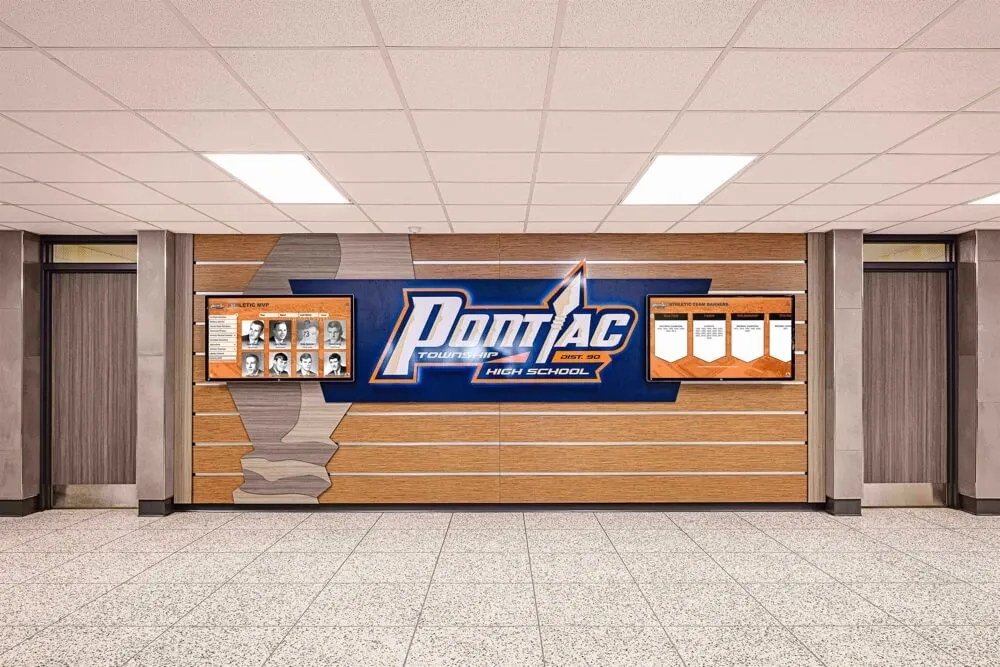
Trophy display areas holding decades of championship hardware, photographs, and fabric memorabilia need documented desiccant maintenance—not passive hope
Why Silica Gel Has a Log Problem in School Facilities
Silica gel desiccant sits at an awkward point in school maintenance workflows. It is too inexpensive to generate a purchase order and too invisible to trigger a repair ticket. Athletic directors know it matters; custodial staff are rarely trained on it; and facilities managers focus on systems—HVAC, plumbing, electrical—rather than consumables inside display cases.
The result is a pattern that repeats in schools nationwide: silica gel is placed correctly during an initial case setup or a trophy rearrangement, then forgotten. Packets remain in place for one or two school years. By the time anyone opens the case again, the gel has been fully saturated for 18 months, the case has been operating without desiccant protection, and the earliest signs of damage have already developed on the most vulnerable items.
Signed paper programs are often the first casualties—acid-catalyzed yellowing accelerates in sustained humidity above 55% RH. Metal award surfaces develop tarnish and corrosion pitting that polishing can remove only partially without abrading the engraving. Fabric jerseys show early mold colonization at seams and in folds, where moisture accumulates. Photographs develop surface tackiness and emulsion shift. None of these processes are reversible. All of them are preventable with a maintained desiccant cycle.
The athletic facility maintenance checklist most schools use for floor care, equipment inspection, and HVAC service rarely includes display case desiccant—making the replacement log the only reliable mechanism for ensuring this task actually happens.
How Silica Gel Works—and Why Sizing Matters
Silica gel is a porous form of silicon dioxide that adsorbs water vapor from surrounding air into its internal pore structure. A fresh packet draws moisture from the enclosed case air until the gel reaches equilibrium with the case’s humidity or until its absorption capacity is exhausted.
Capacity is finite. A standard 10-gram packet can adsorb roughly 2–4 grams of water before it is fully saturated. A glass trophy case measuring 4 feet wide × 2 feet deep × 5 feet tall—about 40 cubic feet of enclosed air—at 60% relative humidity contains far more moisture than one small packet can absorb. Undersizing silica gel is a common and consequential mistake: the packet reaches saturation within weeks, and the case continues to hold humidity at whatever level the building HVAC produces.
A practical starting point for sizing: provide approximately 1–2 ounces (28–56 grams) of silica gel per cubic foot of enclosed case volume. For a 40-cubic-foot case, that means starting with roughly 2.5 to 5 pounds of silica gel as a working supply, distributed across multiple packets placed low in the case where cooler, moister air settles.
Indicator-type silica gel provides visual status. Standard indicator gel shifts color as it approaches saturation—typically from blue (active, cobalt chloride–based) to pink, or from orange (DMF-free indicators) to green. Without an indicator type, there is no visual cue that the gel has exhausted its capacity. For school environments, DMF-free orange-to-green indicator gel is the preferred choice: it provides clear visual status without the health concerns associated with cobalt chloride indicators in occupied spaces.
Silica Gel Types for Trophy Display Cases
| Type | Indicator Colors | Regenerable | Best Use Case |
|---|---|---|---|
| DMF-free orange silica gel | Orange → Green | Yes | Preferred for occupied school spaces; non-toxic indicator |
| Cobalt chloride indicating gel | Blue → Pink | Yes | Effective but note health guidelines for cobalt chloride |
| Non-indicating white silica beads | None | Yes | Use only alongside a separate digital hygrometer in the case |
| Disposable indicating packets | Orange → Green or Blue → Pink | No | Convenient; appropriate for budget-constrained programs |
| Humidity-buffering panels | Color strip | No | Large cases; provide passive buffering over smaller packets |
Pair any silica gel type with a small digital hygrometer placed inside each case. Color indicators confirm saturation status of the gel; a hygrometer tells you what relative humidity the gel is actually maintaining inside the case—these are two different pieces of information, and both matter for your log.
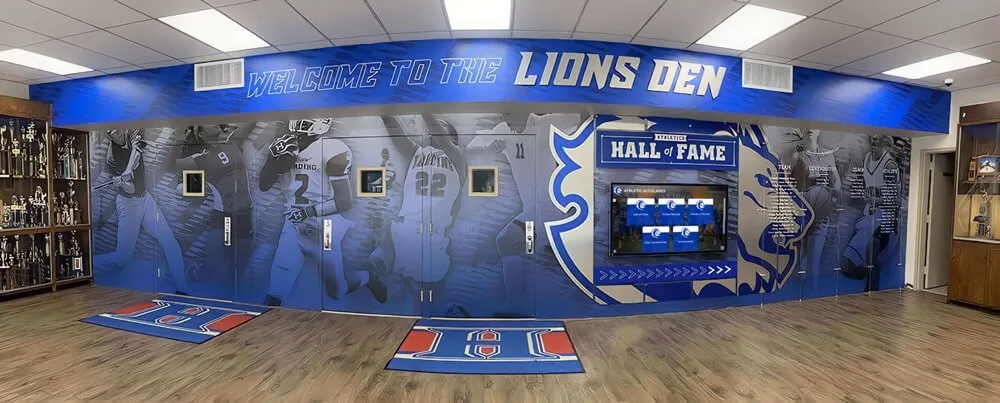
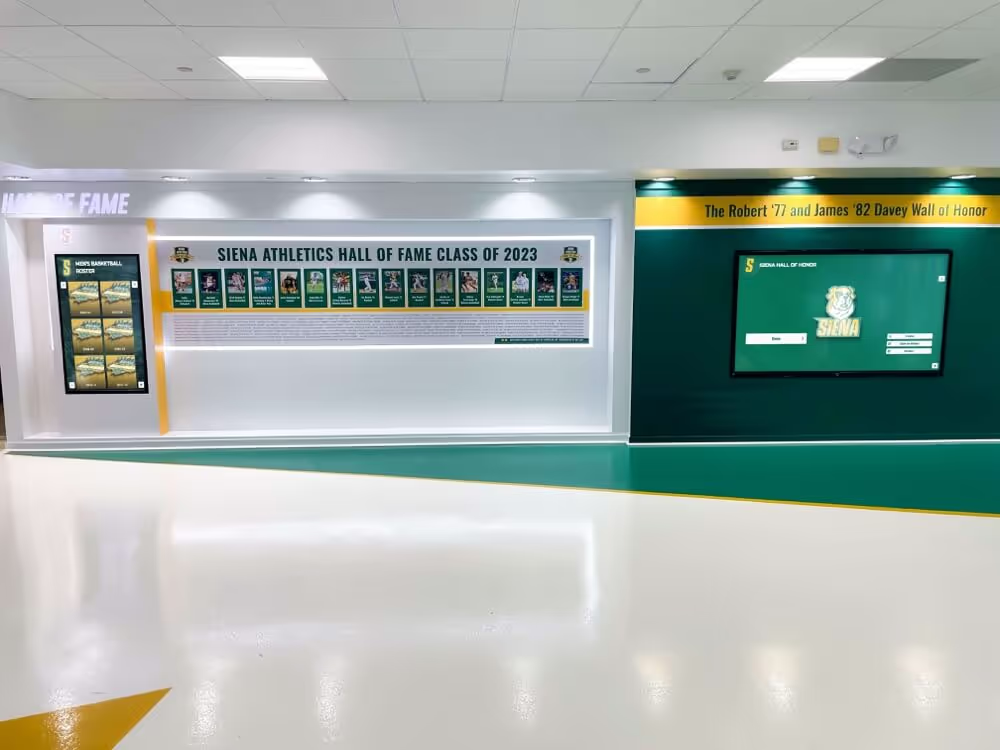
Multi-case trophy hallways require per-case desiccant logs—conditions can vary significantly from one location to another within the same building
Setting Up the Replacement Log
A silica gel replacement log does not need to be elaborate. A binder sheet kept near the silica gel supply or a shared spreadsheet accessible to both athletic and facilities staff works equally well. The critical requirement is that it survives staff turnover—new athletic directors and custodial supervisors should be able to pick up the log, understand the history of every case, and continue the cycle without a handoff meeting.
Required Log Fields
| Field | What to Record |
|---|---|
| Date of inspection | Full date (month/day/year)—not “last week” or “this fall” |
| Case ID or location | Consistent label: “Lobby Case A,” “Gym Hall Case 3,” “Athletic Wing Case South” |
| Silica gel status | Active / Partially saturated / Fully saturated |
| Hygrometer reading (RH %) | Record at time of inspection, before opening the case |
| Action taken | No action needed / Regenerated / Replaced |
| Packet quantity and size | e.g., “3 × 100g DMF-free orange packets” |
| Dry weight (rechargeable gel) | Record packet weight when dry; compare at each inspection |
| Regeneration date | If rechargeable packets were oven-regenerated, log the date |
| Next inspection due | Enter a specific calendar date, not a relative timeframe |
| Inspector initials | Accountability trail that helps identify questions during audits |
| Case seal condition | Gaskets firm and complete / Gap noted at [location] |
| Notes | Condensation observed, visible mold, item condition flags, unusual odor |
Keep the log physically adjacent to the silica gel supply station—typically a small storage cabinet near the display area. A log that requires a trip to the main office is a log that does not get filled in at every inspection.
Step-by-Step Inspection Checklist
Run this sequence at every scheduled inspection. One complete checklist per case.
- Retrieve the log and review the previous entry: last inspection date, RH reading, action taken, and next-due date.
- Note the current outdoor conditions. High outdoor humidity during summer or after rain events provides context for elevated case readings.
- Read the hygrometer inside the case before opening. Record the RH percentage and temperature in the log.
- Unlock and open the case. Before touching contents, note any visible condensation on interior glass surfaces, fogging at the case perimeter seal, or musty odor.
- Inspect the silica gel indicator color. Record the status as Active, Partially Saturated, or Fully Saturated.
- Weigh rechargeable gel packets if using a postal or kitchen scale. A packet absorbing its maximum water load reads measurably heavier than its dry weight. Compare to the dry weight recorded in the log.
- Inspect the case seal. Run a finger along the gasket perimeter. A healthy seal compresses firmly with no gaps. Note any location where daylight or air movement is detectable.
- Inspect visible memorabilia surfaces for new damage indicators: rust rings under trophy bases, mold spotting on fabric or paper, surface tackiness on photographs, or emulsion shift in framed prints.
- Remove saturated or partially saturated packets. Set aside for oven regeneration or discard if disposable.
- Position fresh or regenerated packets low in the case. Place packets on the case floor or a low shelf, never in direct contact with fabric or paper items. Silica gel can create localized dry spots if it presses against a fabric surface.
- Replace the humidity indicator card if the color has shifted past the target range.
- Close and re-lock the case. Verify the seal is snug around the full perimeter.
- Complete the log entry with all readings, actions, and the specific next-inspection date.
- Set a calendar reminder for the next inspection date in the facilities scheduling system. Do not rely on the log alone to trigger the next visit.
Replacement Intervals by Environment
Inspection frequency is not universal. Adjust cycles based on the specific conditions of each case location.
| Environment | Recommended Inspection Interval |
|---|---|
| Climate-controlled building, 40–50% maintained indoor RH | Every 90 days |
| Climate-controlled building, 50–65% maintained indoor RH | Every 60 days |
| High-humidity climate (Gulf Coast, Southeast, Pacific Northwest) | Every 30 days |
| Case near exterior wall or poorly insulated surface | Every 30–45 days |
| Older building with inconsistent or seasonal HVAC | Every 30–45 days |
| Summer building closure (HVAC setback period) | Inspect at summer start; inspect again within 2 weeks of fall reopening |
| Post-flooding or extended high-humidity weather event | Inspect immediately; replace all desiccant proactively |
Summer is the highest-risk period for most school trophy cases. When HVAC setpoints are raised during unoccupied periods, building humidity rises—and sealed cases amplify that rise. Scheduling a case inspection during the first week of August and again on the first day back in September addresses the two highest-risk transition windows in a single academic year.
Protecting Different Memorabilia Types
Different materials in a trophy case tolerate different humidity ranges. When your log’s notes field captures what item types are present in each case, that information informs both the urgency of a desiccant replacement and the priority for case-by-case seal repairs.
Signed uniforms and jerseys. Cotton and polyester fabrics tolerate a wider humidity range than paper, but the ink on autographs is not—ink penetration into woven fiber can crack and flake with repeated humidity cycling. Target: below 55% RH. Any mold visible on fabric requires consulting a textile conservator before any cleaning is attempted.
Photographs and framed prints. RC (resin-coated) prints and modern inkjet prints are more humidity-sensitive than older fiber-based prints. Emulsion softens at elevated humidity; surfaces stick together if prints are stored in contact. Target: 40–50% RH.
Paper programs, certificates, clippings, and award documents. Paper is the most sensitive common category in a school trophy case. Newsprint becomes brittle below 30% RH and develops mold above 65% RH. The acceptable range is narrow: 40–50% RH, with stability across seasons as important as hitting any specific number.
Metal trophies and plaques. Bronze, silver-plated, and zinc alloy trophies tarnish faster above 55% RH. After polishing, a light coat of paste wax (applied and buffed) slows re-tarnishing. Log wax application dates alongside silica gel checks.
Leather items. Game balls, award books with leather covers, and vintage equipment crack below 30% RH and develop surface mold above 65% RH. Leather requires the narrowest humidity range of any common trophy case material and justifies more frequent checks in cases where it appears.
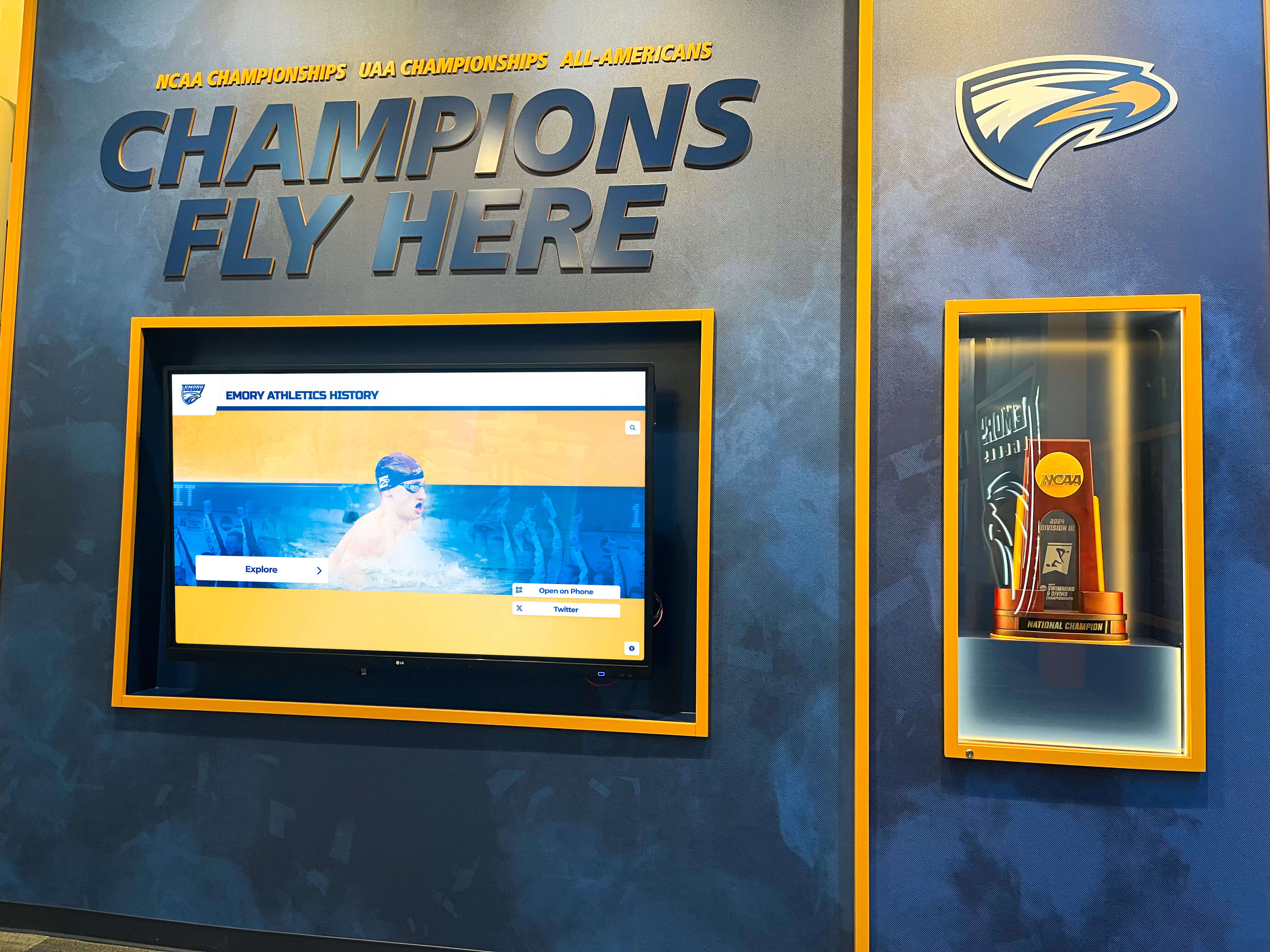
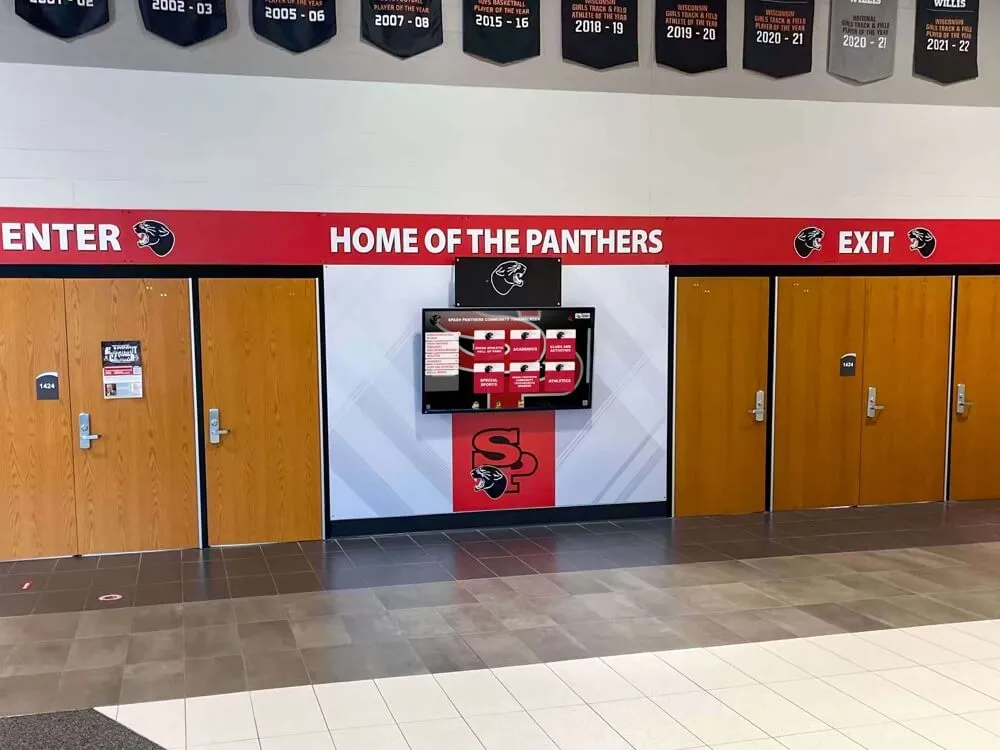
Championship trophy walls mixing metal hardware, framed photography, and textiles have multiple material types with different humidity tolerances—log notes should capture what is in each case
Managing Multiple Cases Across a Building
Schools with trophy cases at multiple locations—athletic wing, gymnasium hallway, main lobby, library archive area, donor recognition corridor—need a master log structure that gives supervisors an at-a-glance status view without requiring a walk through every location.
A shared spreadsheet with one tab per case allows facilities staff to sort by “next inspection due” date and generate a weekly or monthly work list. Color-code rows: green for cases with active desiccant and readings in range, yellow for cases within two weeks of their due date, red for overdue. A five-minute Monday morning review of the spreadsheet determines the week’s case inspection sequence.
Assign a named steward for each case cluster. When one person is accountable for three specific cases, those cases get checked. When responsibility is diffuse, cases fall through. Document steward assignments in the log header row—athletic director, facilities lead, or head custodian. That assignment should also appear in the staff’s job description or seasonal maintenance calendar.
Schools building or maintaining comprehensive recognition programs—from athletics to academics to donor appreciation displays—find that integrating case maintenance into broader program planning reduces the “forgotten consumable” problem. A resource on academic recognition program administration illustrates how program coordinators at well-run schools treat display maintenance as part of the recognition workflow rather than as a separate facilities task.
High-Frequency Maintenance Items to Log Alongside Desiccant
The inspection visit that happens every 30–90 days for silica gel is also the right moment to note other case conditions that build a maintenance history over time. Add these fields to the same log record:
- Case lock and latch function. Sticking locks indicate humidity-swollen hardware or worn cylinders; note any change in resistance.
- Lighting fixture condition. Trophy case interior lighting generates heat that affects local humidity. Note burned-out bulbs or flickering that generates thermal cycling.
- Display item position changes. If a trophy has shifted or a framed item has slipped from its mount, note it so the next person opening the case knows what they will find.
- Gasket condition. Silicone and foam gaskets compress and degrade over years. A gasket that no longer provides a complete seal allows the case to exchange moisture with the hallway air continuously, defeating silica gel regardless of quantity.
Athletic programs tracking recognition across multiple sports often find that the same documentation discipline useful in silica gel logs applies directly to all-state athlete recognition records and other award archives—consistent, dated records make historical inquiries answerable without relying on institutional memory.
Programs with JROTC or military honor components face an additional challenge: metal insignia, fabric rank patches, and ceremonial items stored in cases alongside athletic awards may have stricter humidity tolerances than the general athletic collection. The detail required to manage a JROTC honors and ranks display collection points toward maintaining a case-specific notes column that captures the most sensitive item in each case as the humidity target driver.
Transitioning the Log When Staff Changes
Athletic directors change. Head custodians retire. Facilities managers move to other districts. Every staff transition is a moment when undocumented institutional knowledge walks out the door—including knowledge about which cases hold the most sensitive memorabilia, when packets were last replaced, and which cases have known seal issues that have not yet been repaired.
A complete silica gel replacement log prevents that knowledge loss. When a new athletic director arrives, the log shows:
- The full inspection history for every case in the building
- Which cases required more frequent service than the standard cycle
- What items in each case drove that elevated service frequency
- What the humidity readings typically look like across seasons
- Which cases have outstanding seal issues
Transfer the log explicitly as part of staff onboarding, not as an afterthought. Keep a digital copy backed up to shared school storage, not only on a binder on someone’s desk.
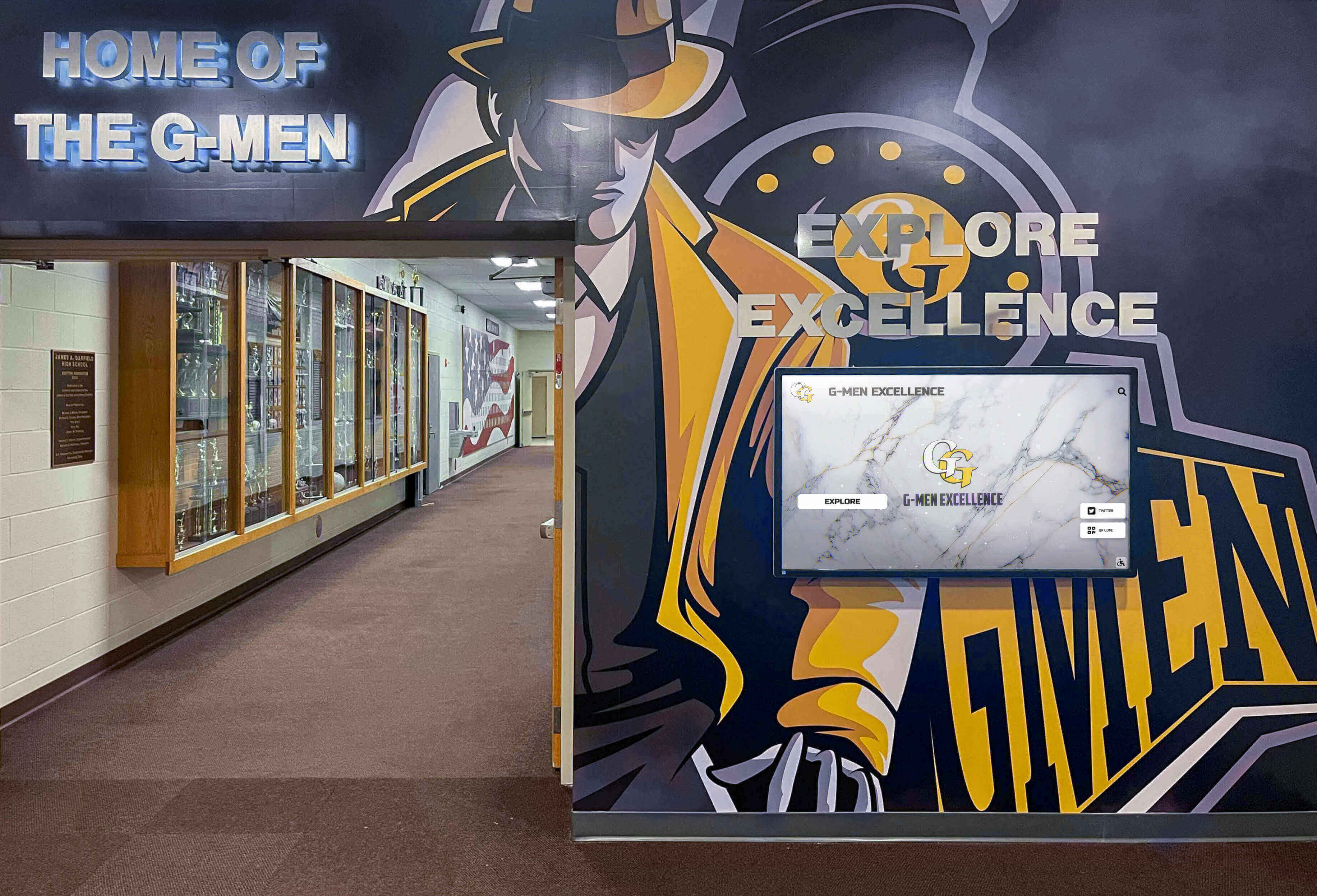
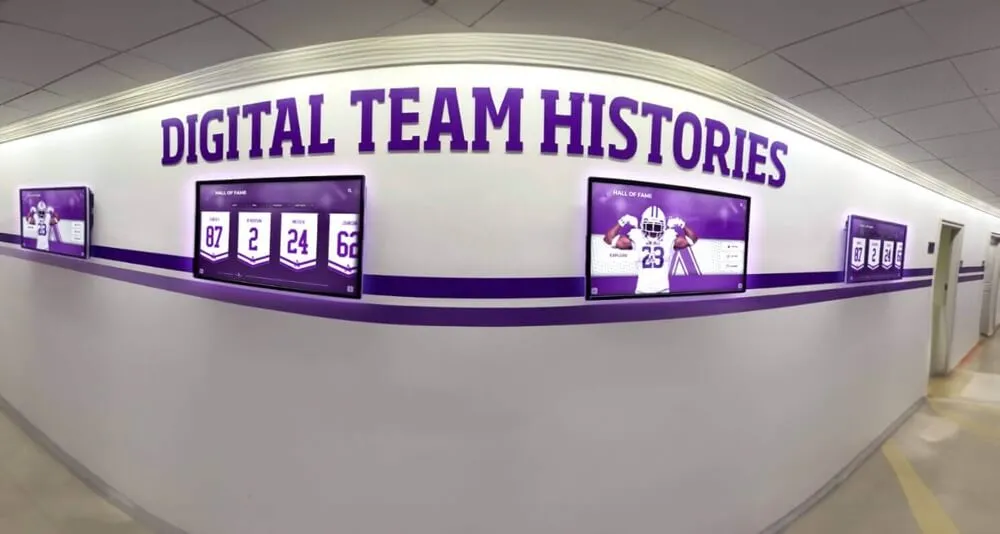
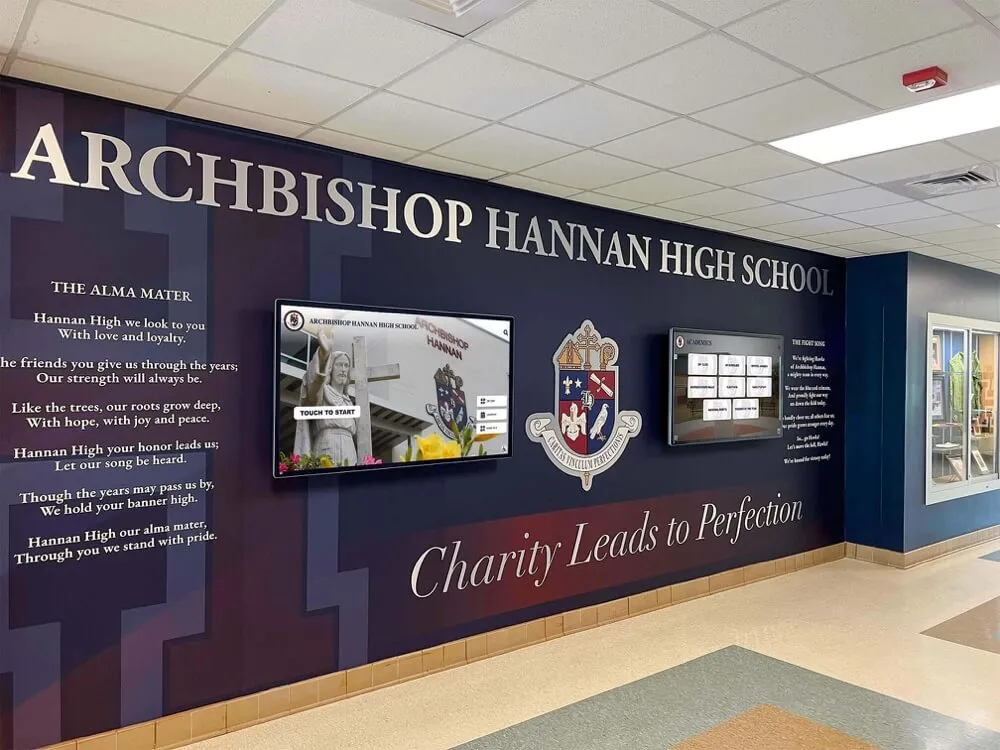
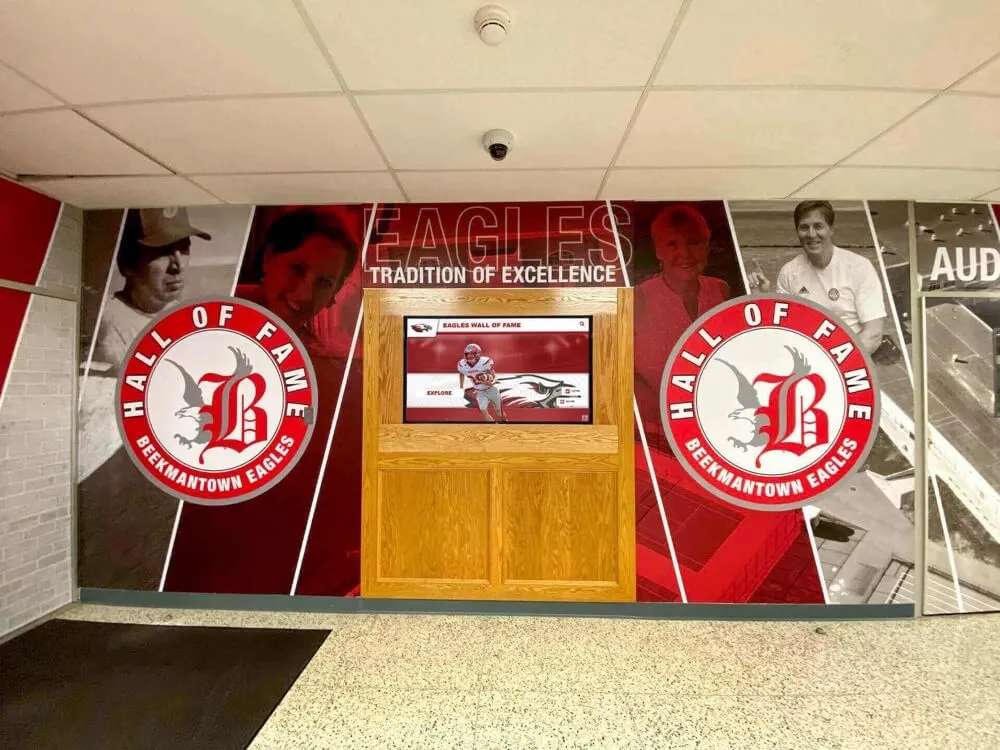
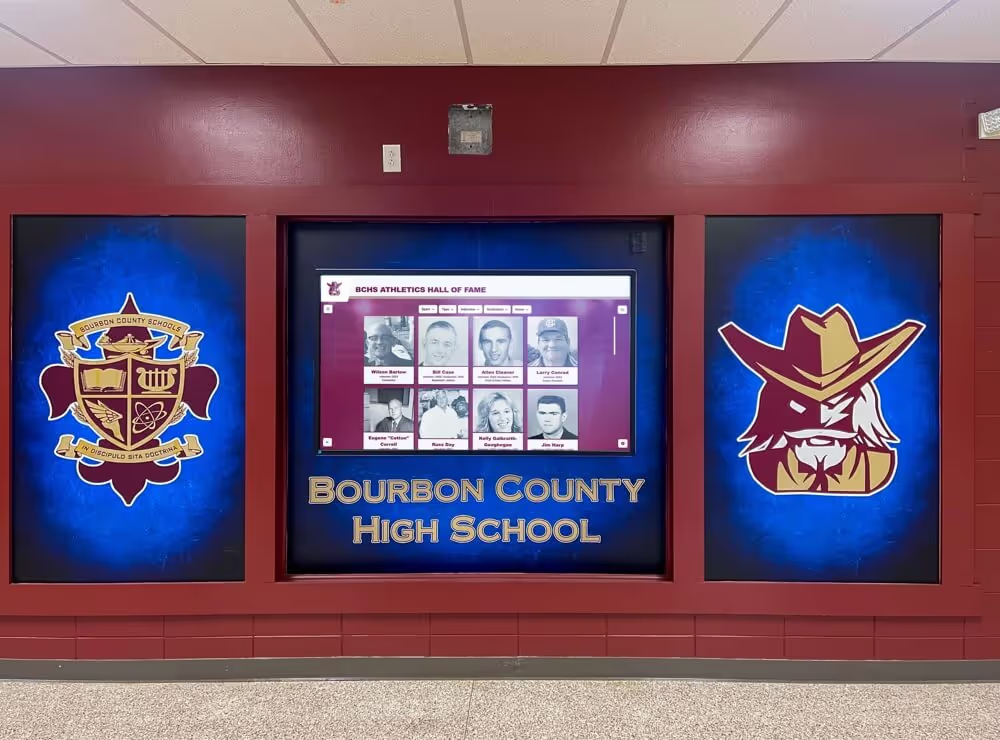
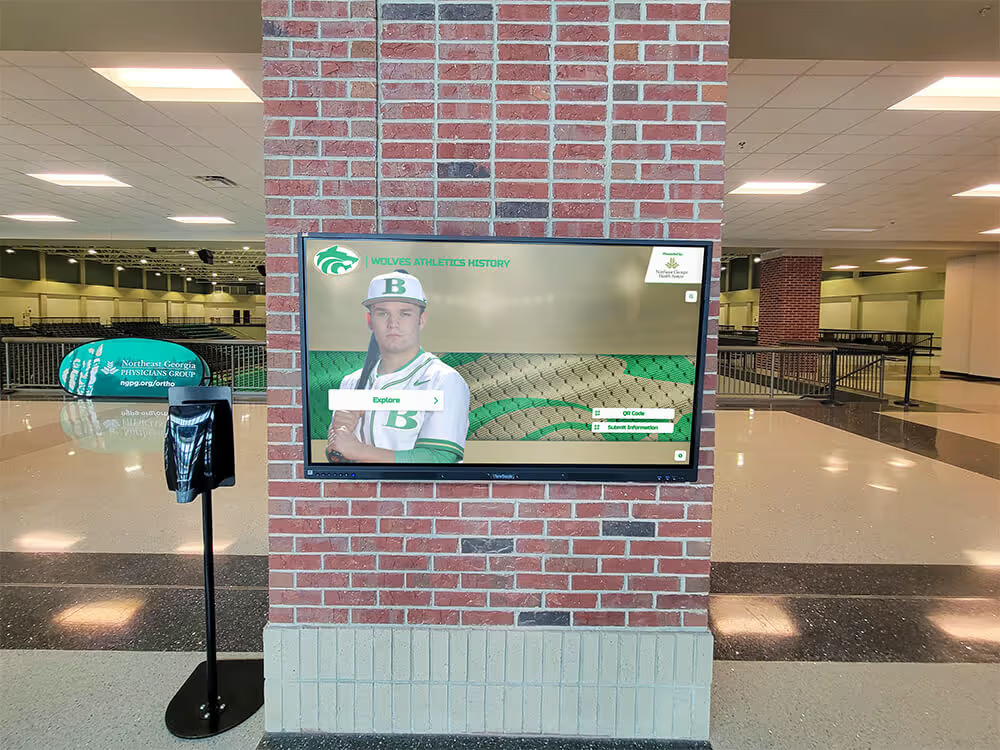
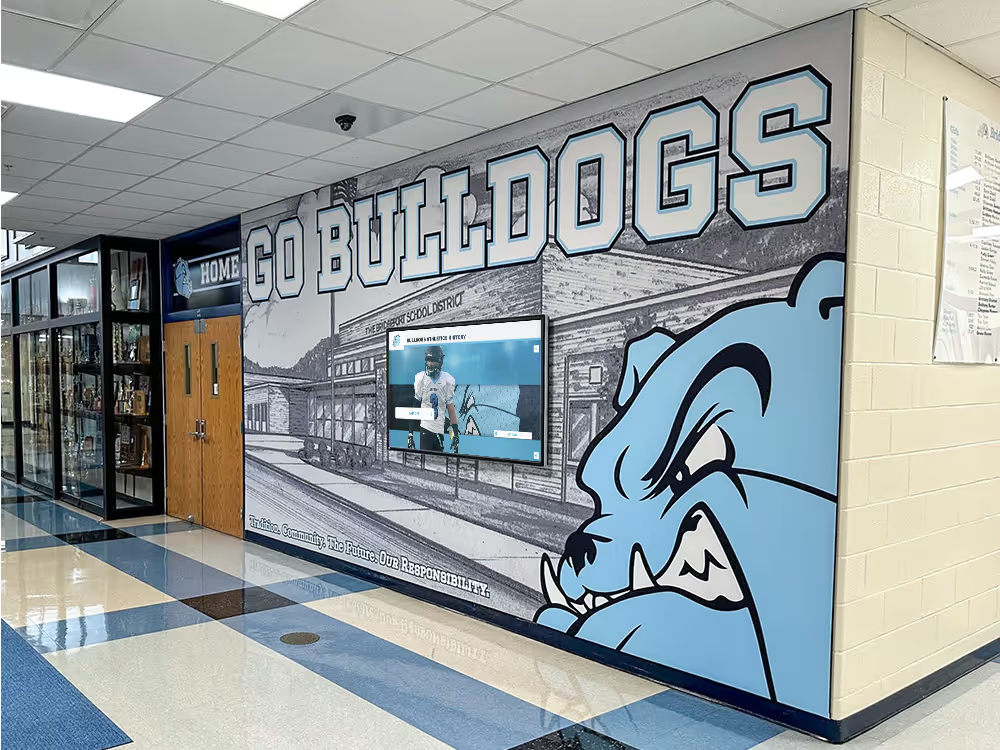
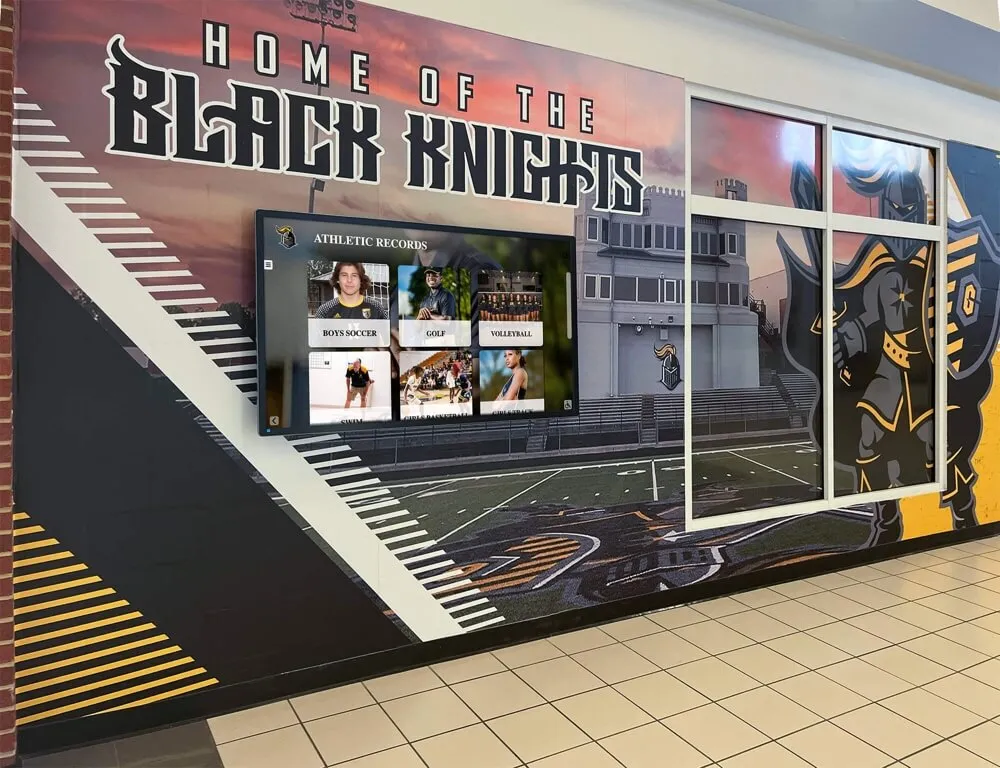
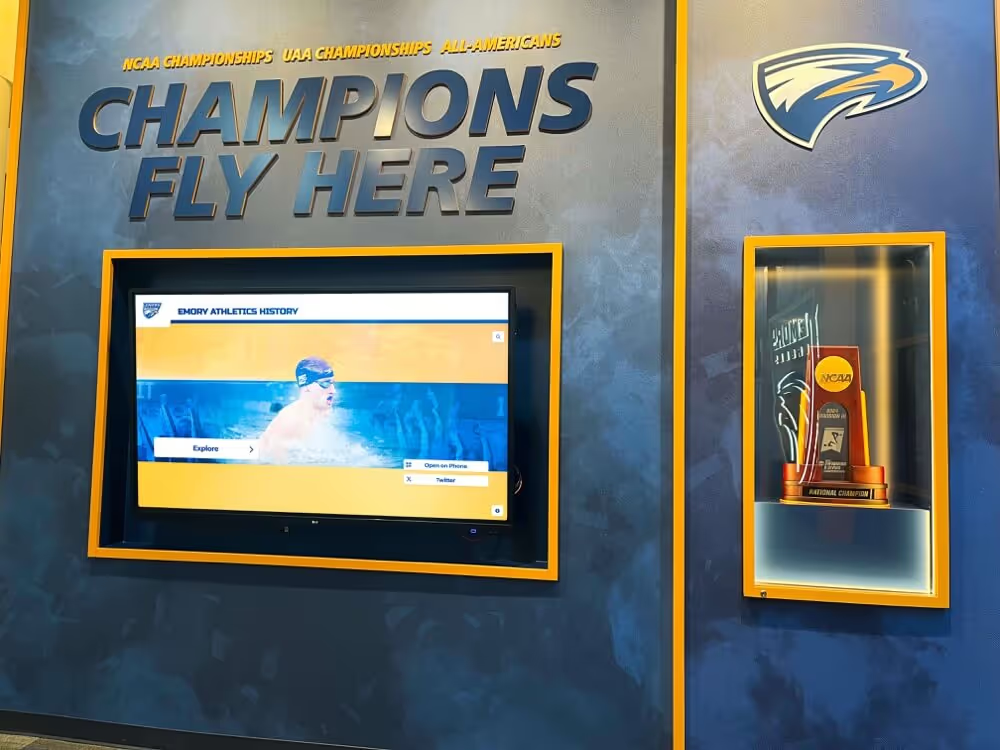
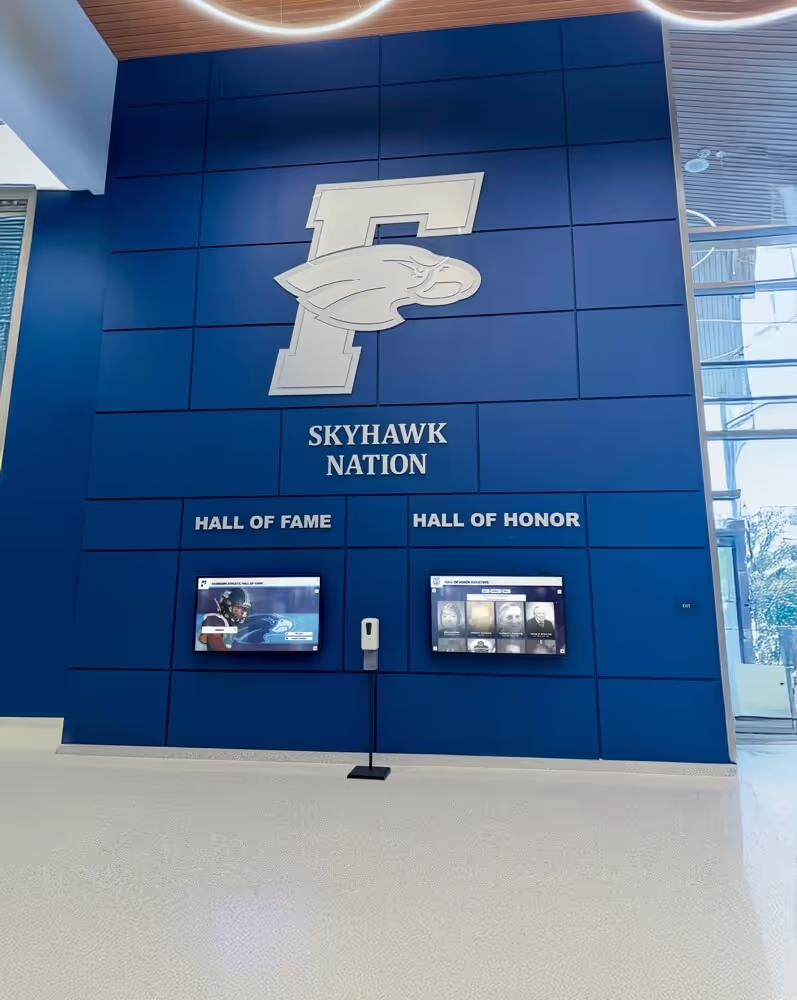
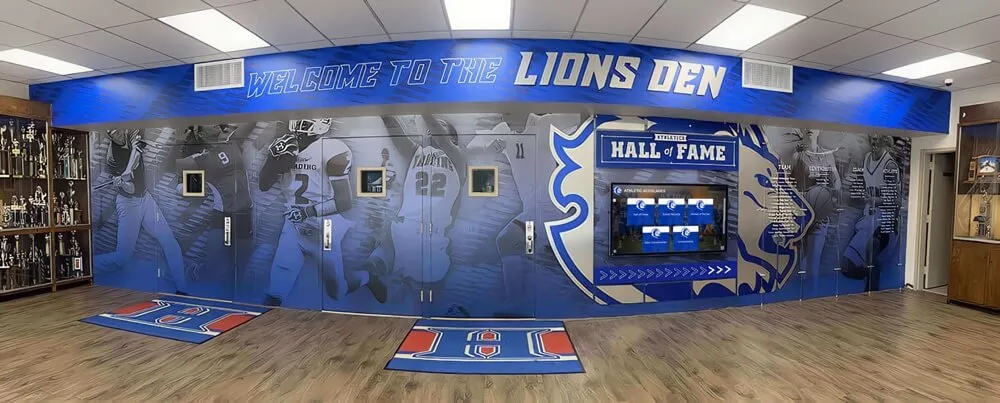
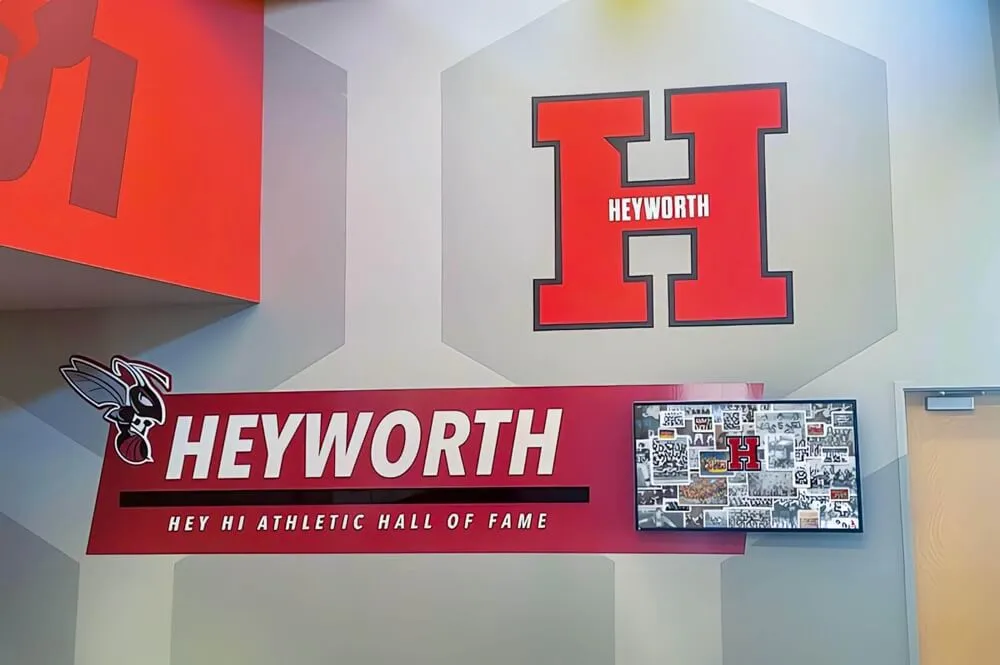
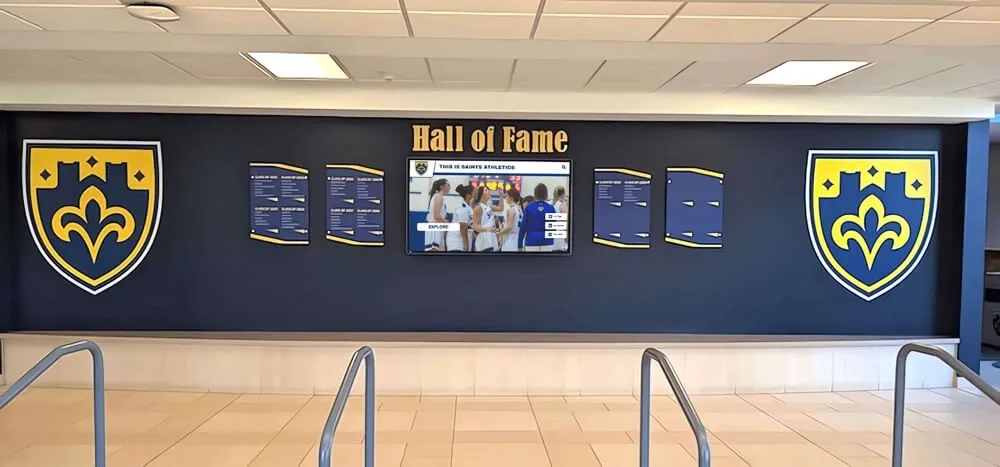
Schools are increasingly pairing traditional trophy cases with digital displays—reducing how much original memorabilia requires active desiccant protection
When a Digital Display Makes the Physical Log Redundant
The most permanent solution to the silica gel maintenance cycle is removing original memorabilia from sealed display cases entirely—while preserving every record, photograph, and achievement digitally.
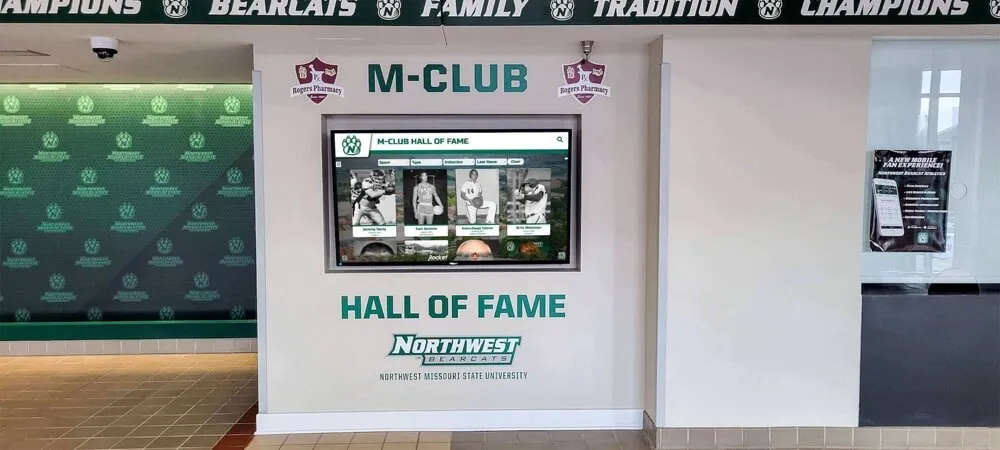
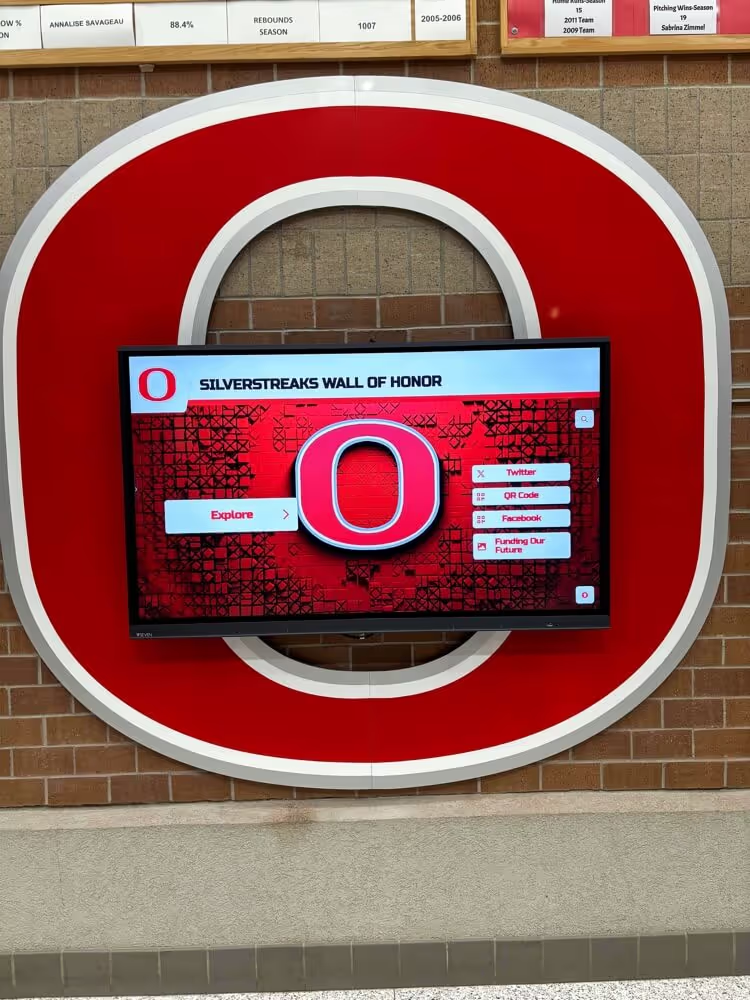
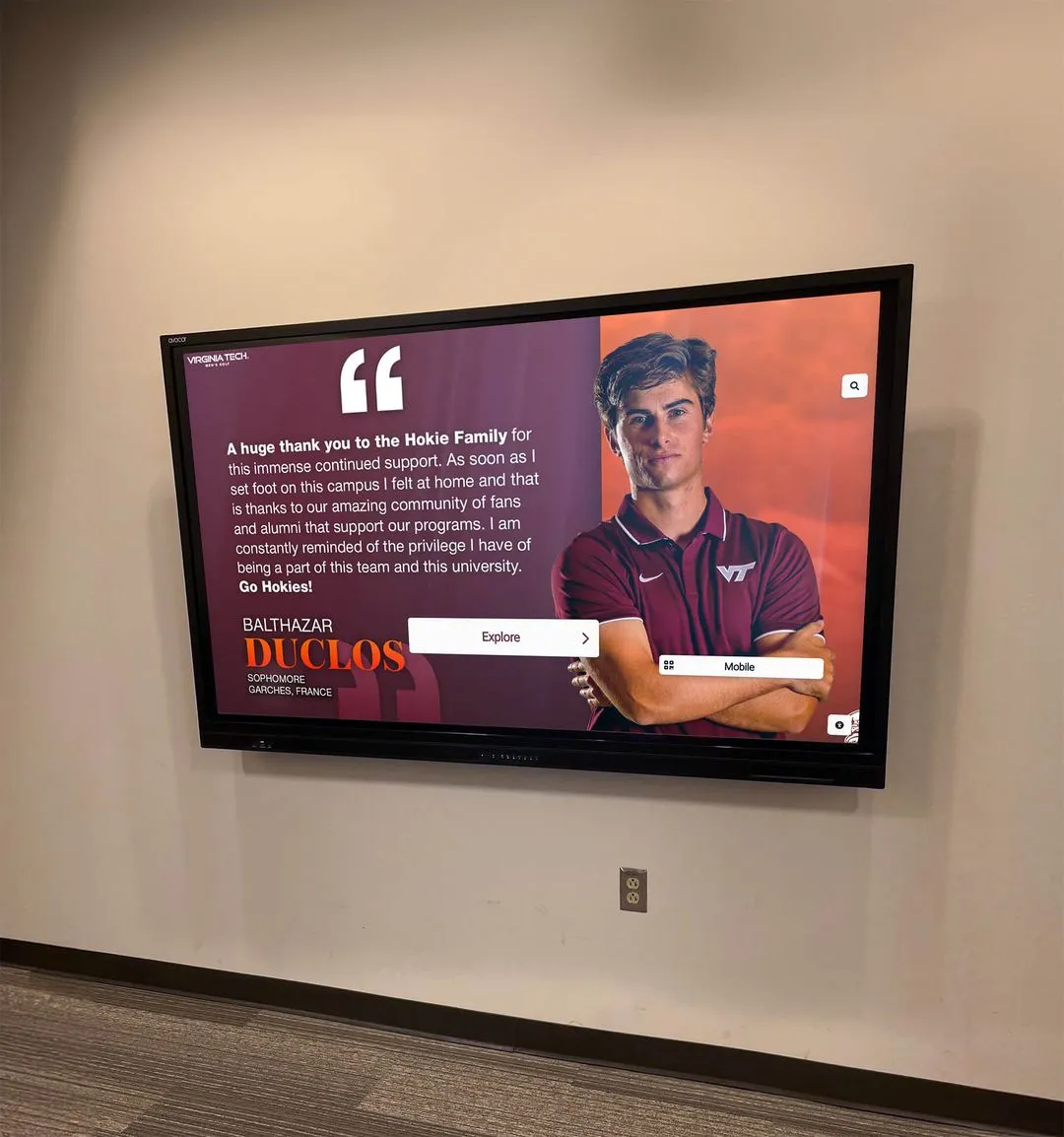
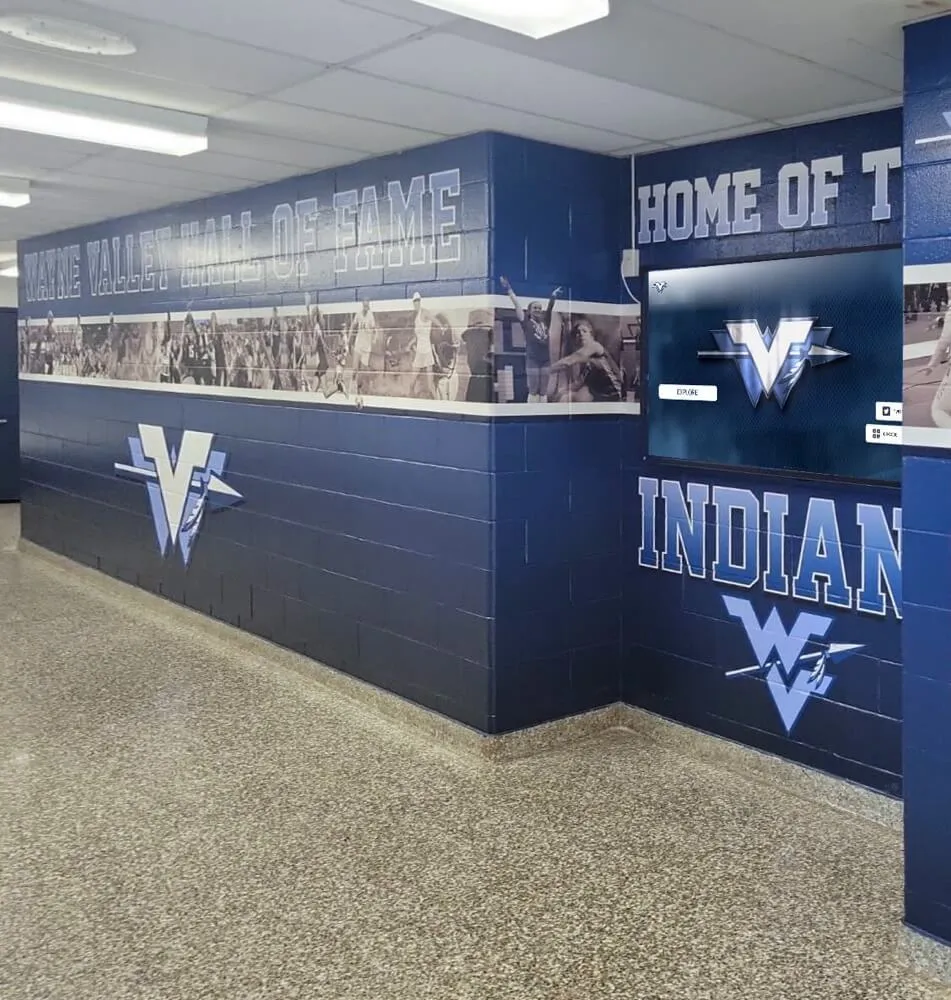
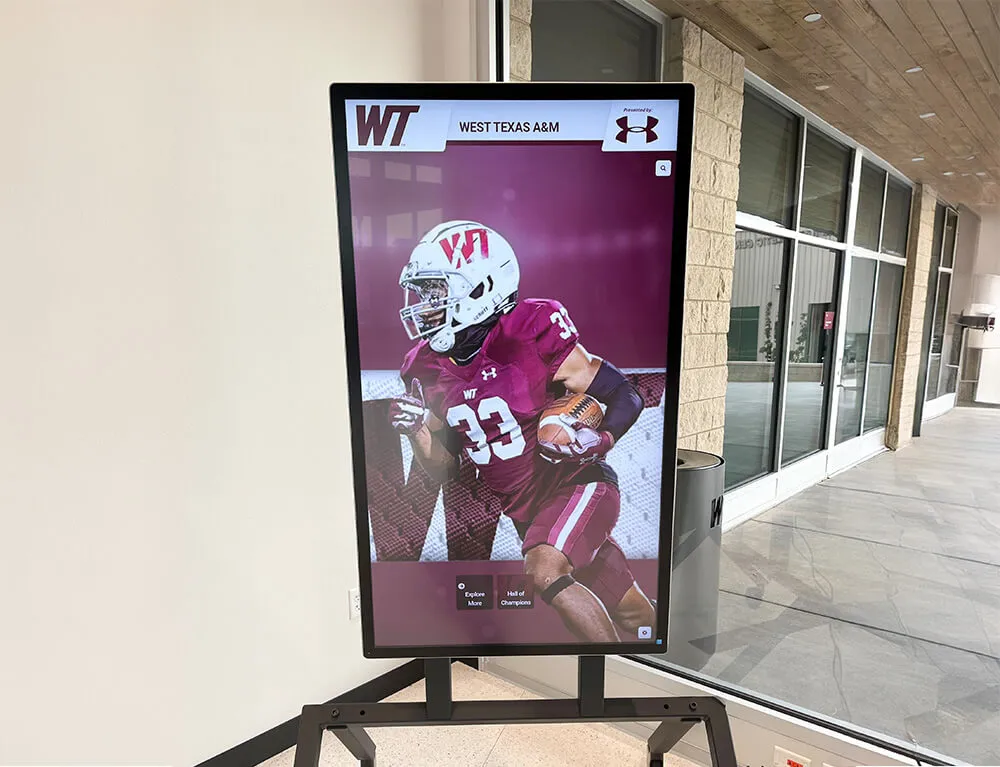
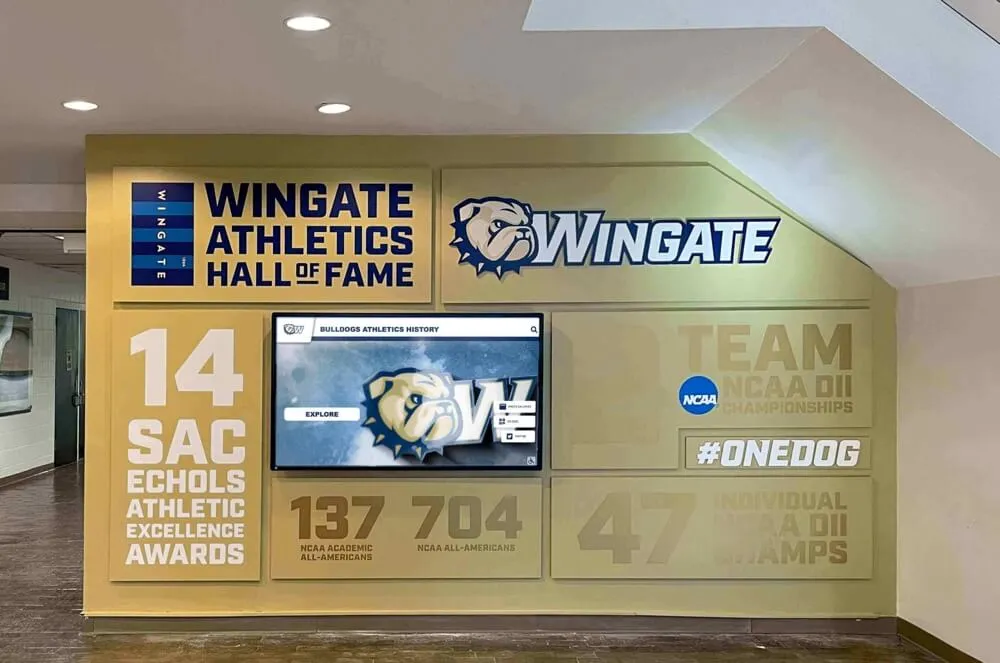
Schools that have digitized their trophy case collections scan or photograph each item at high resolution and load the images, athlete names, achievement dates, and record details into an interactive touchscreen display. Original physical items go into controlled archival storage or are returned to athletes and their families. The display case holds a touchscreen kiosk rather than irreplaceable paper and fabric.
This approach eliminates the silica gel maintenance problem at the display level: the touchscreen hardware has operating specifications (typically 10–90% non-condensing relative humidity) that are far less demanding than the 40–50% archival range required for paper and fabric memorabilia. Original items in proper archival storage are managed by a conservator or through archival-grade boxes and enclosures rather than retrofitted display case desiccant.
The preservation benefits extend beyond athletics. Schools maintaining archives of yearbooks, program records, and historical photographs alongside trophy cases face the same humidity risks for paper-based collections. Resources on yearbook archive preservation in digital formats illustrate how schools are eliminating fragile originals from display environments entirely, moving physical copies to archival storage while keeping the record publicly accessible through digital systems.
For donor recognition walls and recognition programs that extend beyond athletics, the same logic applies. Schools managing plaques, donor portraits, and naming acknowledgments in hallway display cases benefit from the same digitization strategy—a point covered in depth in digital hall of fame and donor wall implementation guides.
Ready to Stop Managing Silica Gel and Start Displaying Everything?
Rocket Alumni Solutions builds interactive digital trophy case and hall of fame displays for schools and athletic programs nationwide. Every championship, every athlete name, every record—displayed on an unlimited-capacity touchscreen with cloud-managed updates, ADA-compliant access, and QR code viewing for remote alumni. No humidity risk. No desiccant maintenance. No physical display running out of space.
Schedule a Demo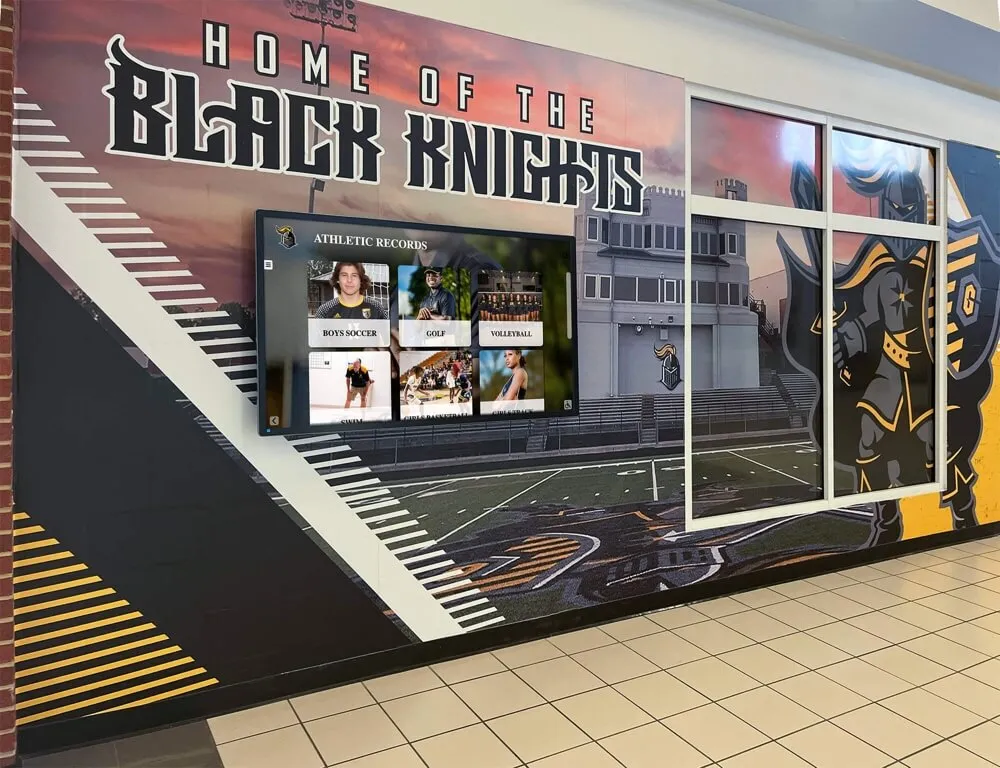
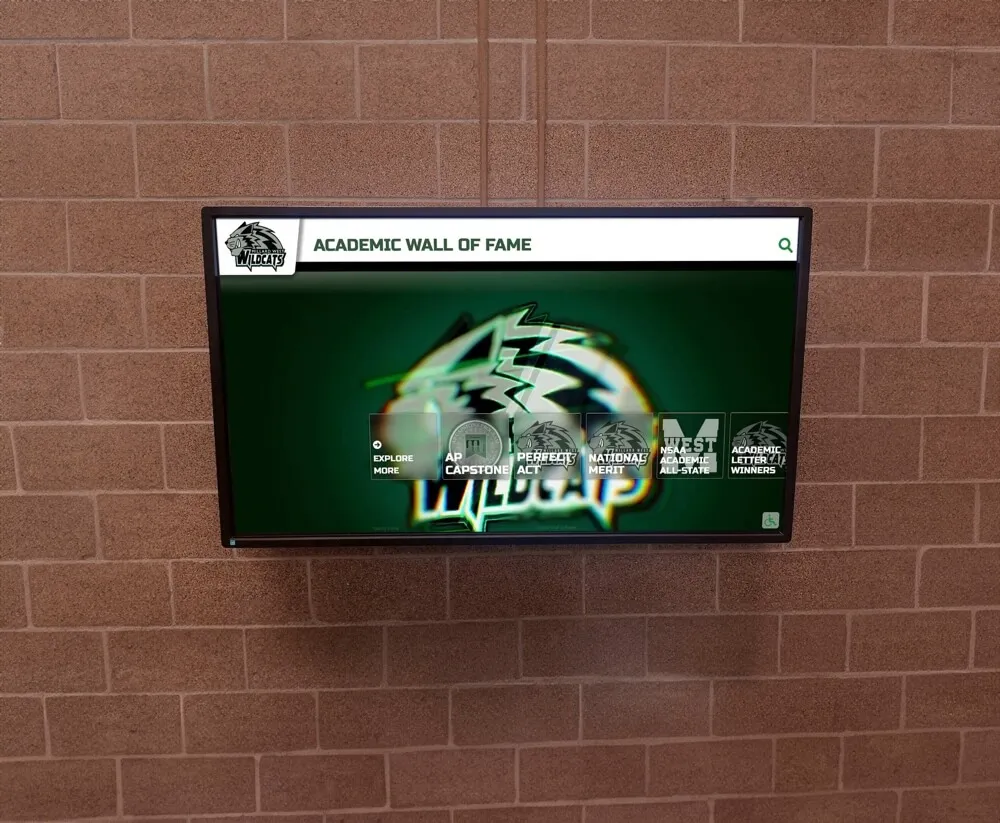
Athletic records and recognition displayed digitally remain permanently protected—original documents and photographs can move to proper archival storage rather than remaining in humidity-sensitive display cases
Frequently Asked Questions
How often should silica gel in a trophy case be checked?
Check indicator-type silica gel every 60–90 days in a climate-controlled school building. In high-humidity climates, near exterior walls, or during periods when building HVAC is reduced (summer setback), check every 30 days. Use logged schedule dates rather than memory—documented cycles are far more consistent than informal checks.
How much silica gel does a trophy case need?
A practical starting point is 1–2 ounces (28–56 grams) of silica gel per cubic foot of enclosed case volume. A case measuring 4 feet wide × 2 feet deep × 5 feet tall (approximately 40 cubic feet) needs roughly 2.5–5 pounds of silica gel as a starting supply, distributed across multiple packets placed low in the case. If a hygrometer inside the case consistently reads above 55% RH between 60-day checks, increase the silica gel quantity or reduce the inspection interval.
What is the best silica gel for school trophy cases?
DMF-free orange-to-green indicator silica gel is the preferred type for occupied school spaces. It provides clear visual status without the health considerations associated with cobalt chloride indicators, and it is regenerable—packets can be oven-dried (250°F / 120°C for approximately 1–2 hours) and returned to service repeatedly before disposal.
Can silica gel be placed on fabric items or paper programs?
No. Place packets on the case floor or a low shelf, separated from displayed items. Silica gel adsorbs moisture aggressively and can create localized dry spots or leave abrasion marks on delicate surfaces if placed in direct contact with fabric or paper.
What do I do if mold appears in a trophy case?
Remove affected items immediately and isolate them from other case contents. Do not attempt to clean mold off paper or photographic materials yourself—contact a qualified conservator. Surface mold on non-porous items (metal trophies, acrylic plaques) can be carefully cleaned with appropriate solutions, but the underlying humidity cause must be resolved first. Log the discovery with as much detail as possible: which items were affected, what the hygrometer read at the time, and any seal or desiccant failure evident. Replace all silica gel, repair any seal gaps, and increase inspection frequency to monthly until three consecutive readings confirm stable, acceptable humidity.
What relative humidity should a school trophy case maintain?
For mixed-material collections containing metal, fabric, and paper, target 40–50% RH. Paper-dominant collections (framed programs, certificates, photographs) benefit from the lower half of that range, around 40–45%. Metal-only cases tolerate slightly higher RH, but staying below 55% prevents visible tarnishing. Stability—avoiding large swings between seasons—is as important as hitting any specific target.
Does a digital trophy case display require silica gel maintenance?
No. Commercial-grade touchscreen displays operate within the typical indoor humidity range found in most schools (10–90% non-condensing) without desiccant management. The humidity-control burden exists because of the fragile paper, fabric, and metal items stored behind glass—removing originals from display cases and showcasing them digitally eliminates that burden at the display location.
What should a silica gel replacement log include?
At minimum: inspection date, case location, silica gel status, hygrometer reading, action taken, packet quantity and size, next inspection due date, and inspector initials. Adding fields for case seal condition and item-condition observations makes the log significantly more useful during audits, staff transitions, and post-damage assessments.
The silica gel replacement log is a small administrative investment with a measurable preservation return. Schools that document every inspection—rather than relying on annual informal checks—find that the log itself becomes a communication tool: it surfaces seasonal humidity patterns, identifies cases with recurring seal failures, and demonstrates to administration that recognition archives are actively maintained. For programs ready to move beyond silica gel as the primary preservation mechanism, a Rocket Alumni Solutions demo shows what cloud-managed, unlimited-capacity digital displays look like in practice—and how schools are moving original memorabilia to proper archival conditions while keeping every record permanently accessible.