



Intent: research — a trophy case pest inspection checklist gives school administrators, athletic directors, archives staff, and facilities personnel a structured method for detecting insect activity, rodent evidence, and mold growth in trophy cases housing textiles, paper records, photographs, and athletic hardware. Without periodic inspection, carpet beetles, silverfish, clothes moths, and mice can cause irreversible damage to jerseys, banners, letters, and paper-backed plaques before anyone notices. This guide delivers a numbered inspection checklist organized by material type, a severity escalation table, prevention strategies, and guidance on what digital records can preserve when physical memorabilia cannot be fully protected.
A retired jersey from a championship season, a paper-backed plaque from a district title twenty years ago, a letter jacket donated by an alumnus whose family still attends school events — these are not easily replaced objects. And they are exactly the kinds of materials that common building pests find attractive. Trophy cases create enclosed, low-traffic environments with consistent warmth, limited airflow, and organic materials that provide both food sources and nesting habitat for insects and rodents that routinely move through school buildings.
Most pest damage to trophy case contents goes undetected until it is significant. An inspection routine changes that. A school that checks its trophy cases with a specific pest-detection protocol will catch evidence of activity — frass deposits, fiber damage, paper tunneling, rodent droppings — at a stage where intervention is still meaningful rather than remedial.

Trophy cases holding textiles, paper records, and athletic hardware need periodic pest inspection — not just routine cleaning — to catch activity before it becomes irreversible damage
Why Pest Inspection Is a Separate Category from General Maintenance
Standard trophy case maintenance — cleaning glass, replacing bulbs, checking structural anchors — does not catch pest activity. Cleaning cycles address visible surfaces; pest evidence often concentrates in corners, under bases, in fabric folds, and along paper edges where routine cleaning does not reach. A cleaning pass that moves trophies and replaces them without examining their undersides, checking the interior corners of the case, or inspecting fabric items at the fiber level will not surface an emerging pest problem.
This distinction matters because the cost of missing pest activity is not a cosmetic problem. A jersey damaged by carpet beetle larvae has lost fiber permanently — there is no restoration path that returns the garment to its prior condition. A paper-mounted award with silverfish damage has lost legible text. A wood trophy base with rodent gnaw marks has structural damage that no amount of polishing addresses.
Textile and paper items in trophy cases also carry concentration risk that storage rooms typically do not: they sit in an enclosed, low-ventilation environment in a single location, often packed closely together with heat-generating lighting nearby, which creates the warm, stable conditions that many textile pests prefer for reproduction.
For athletic programs managing both physical memorabilia and a growing collection of digital records, the athletic memorabilia pest management checklist for school archives and displays offers a complementary framework for applying pest prevention discipline across a broader school archival program.
Pests That Target Trophy Case Materials
Understanding which pests are relevant helps staff know what evidence to look for during inspections. The four categories below cover the organisms that cause the most consistent damage to trophy case contents in school buildings.
| Pest Type | Materials Targeted | Visible Evidence | Peak Activity Window |
|---|---|---|---|
| Carpet Beetles (larvae) | Wool, felt, natural-fiber jerseys, leather, feathers, dried organic matter on trophies | Shed larval skins, irregular fiber loss in fabric, small oval larvae (tan/brown/banded), adult beetles near light sources | Spring through fall; larvae active year-round indoors |
| Clothes Moths (larvae) | Wool, silk, natural-fiber textiles, felt pennants, hair-containing items | Silk webbing or tubes on fabric surface, case-bearing larval tubes, irregular holes in fabric, granular frass near damage | Year-round indoors; worst in undisturbed areas |
| Silverfish and Firebrats | Paper-mounted plaques, photographs, labels, starched cotton, adhesive | Surface grazing on paper (irregular shiny patches), small yellow stains, pepper-like frass, scales at inspection sites | Year-round; prefer warm, humid, undisturbed spaces |
| Rodents (mice primarily) | Paper, fabric, wood bases, insulation behind cases | Droppings along case base or nearby baseboards, gnaw marks on wood or paper, nesting material behind or beneath cases | Year-round; peak entry in fall as outdoor temperatures drop |
Mold is not a pest, but it accompanies and is often confused with pest damage in closed trophy case environments. High humidity — from seasonal changes, HVAC inconsistency, or a leaking wall adjacent to the case — creates mold on organic materials that mimics the surface discoloration left by insect frass. A humid case may also attract silverfish and carpet beetle activity, since many textile pests prefer environments above 50% relative humidity.
The Trophy Case Pest Inspection Checklist
The following numbered checklist covers a complete pest inspection appropriate for quarterly use, with abbreviated checks recommended monthly. Assign the inspection to someone familiar with the contents of the case — ideally the athletic director, a hall-of-fame committee member, or a trained archives staff member who can identify what normal looks like for each item and will recognize change.
Before You Open the Case
- Photograph the case exterior before opening — record the current state of the glass, frame, and floor area directly beneath and around the case.
- Check the floor line and baseboards immediately adjacent to the case for rodent droppings, insect frass, shed insect skins, or dead insects before opening the doors.
- Note any visible webbing on the exterior glass or frame before handling — spider webs indicate potential pest entry points and access pathways into the case.
- Record the temperature and humidity of the corridor — note both values in your inspection log. Relative humidity above 55% or sustained corridor temperatures above 75°F warrant additional attention to humidity-sensitive materials.
Exterior Case Inspection
- Examine the case frame and seal condition — inspect where the case meets the wall and floor for gaps larger than 3mm, which may serve as insect and rodent entry points.
- Check ventilation openings or gaps in the case construction — many older trophy cases have small gaps at hinge points or between panels; inspect these for frass deposits, webbing, or rodent evidence.
- Inspect the case base at floor level — lower your inspection view to examine the base perimeter, particularly the back corners where debris and insect evidence concentrate.
- Look for adult beetles or moths near the interior lighting — light fixtures inside trophy cases attract adult carpet beetles and clothes moths; check fixture surfaces for dead or live adults.
Interior Case Inspection — General
- Remove items from one section at a time rather than opening the full case and inspecting everything simultaneously — sequential removal reduces the chance of missing evidence during a full unload.
- Inspect each shelf surface before replacing items — look specifically at corners, along the rear wall, and beneath any rubber shelf mats for frass, scales, or shed skins.
- Check the case floor panel thoroughly — the interior floor is the primary evidence zone for insects that have fallen from damaged items above. Use a flashlight and examine every corner.
- Inspect the back interior wall for moisture, mold, or staining that indicates humidity infiltration — high-humidity conditions accelerate both mold and pest activity.
Item-by-Item Inspection
- Examine every fabric item — hold jerseys, letter jackets, and banners up to light and look along seams and fold lines for irregular holes, fiber loss, or larval tubes. Unfold items fully if they have been stored in a folded position.
- Inspect natural-fiber felt items — pennants, felt-backed plaques, and decorative fabric elements are high-risk for carpet beetle and clothes moth activity. Part the fibers gently and look for frass and shed skins at the base of the pile.
- Check paper-mounted awards and photographs — hold at an angle to light and look for surface grazing (silverfish), irregular edge damage, or staining. Check label adhesive edges for moisture or separation.
- Examine wood bases at the bottom surface — turn trophies to inspect the underside of wood bases for powderpost beetle exit holes (small round holes, approximately 1–2mm diameter), rodent gnaw marks, or mold growth.
- Inspect metal trophy components for frass deposits settled in decorative details — insects do not eat metal, but frass and shed skins collect in engraved text, figurine joints, and mounting hardware gaps.
- Check the interior of trophy cup components — hollow interior cups on cup-style trophies are a documented location for small insect nesting; invert and inspect if the design permits.
A quarterly pest inspection goes beyond routine cleaning — examining item undersides, fabric folds, paper edges, and case corners that standard maintenance passes over
Post-Inspection Steps
- Photograph any evidence found before disturbing it — photographs document the type of pest evidence, the item affected, and its location within the case.
- Log every finding by item, location within the case, evidence type, and severity level — even negative findings should be logged to establish the baseline that makes future detections meaningful.
- Quarantine any item showing active pest evidence — place the item in a sealed polyethylene bag before removing it from the case to prevent spreading activity to adjacent items or other parts of the building.
- Do not return items to the case until both the case interior and the quarantined item have been assessed and addressed — returning an infested item to a clean case restarts the cycle.
- Notify the facilities director of any evidence of rodent activity or structural pest entry points immediately — this escalates beyond standard pest inspection to a facilities repair and pest management response.
Severity and Escalation Table
Not every inspection finding requires the same response. The table below defines three severity levels and the actions appropriate to each.
| Severity Level | What It Looks Like | Immediate Action | Follow-Up |
|---|---|---|---|
| Level 1 — Monitor | One or two dead adult beetles or moths near a light fixture; small quantity of frass in an interior corner with no visible item damage; single shed insect skin with no associated fabric loss | Photograph and log. Clean the specific area thoroughly. Increase inspection frequency from quarterly to monthly. | Recheck in 30 days. If evidence recurs, escalate to Level 2. Notify athletic director of monitoring status. |
| Level 2 — Treat | Active larvae on or near a fabric item; fresh frass deposit on paper or fabric; visible fiber damage on jersey or felt item; multiple adult insects found in a single inspection | Quarantine affected items in sealed bags. Remove all items from the case. Clean the case interior thoroughly. Contact a licensed pest management professional for inspection and treatment recommendation. | Do not return items to the case until pest management assessment is complete. Consult a textile conservator if fabric damage is present. Notify building principal. Document all affected items in inventory records. |
| Level 3 — Escalate | Rodent droppings inside or adjacent to the case; gnaw marks on items or case components; multiple items showing active insect damage simultaneously; structural entry points identified in case or adjacent wall | Remove all items from the case immediately. Secure in sealed containers. Contact licensed pest control for emergency building inspection. Notify building principal and facilities director. | Do not return items until structural entry points are repaired and professional pest management treatment is complete. Conduct a full inventory audit of all removed items. Photograph all damage. Notify affected item stakeholders (donors, alumni program contacts) if loaned items are involved. |
For schools developing a broader physical protection protocol around their trophy cases — incorporating pest inspection as one component of a larger system — the school trophy case security checklist provides a complementary framework for integrating pest inspection into a comprehensive physical security review.
Inspection Frequency Recommendations
Monthly abbreviated check:
- Floor area and baseboards adjacent to the case
- Interior floor panel and rear corners
- Any fabric items previously flagged as high-risk
- Lighting fixtures for dead adult insects
Quarterly full inspection:
- Complete numbered checklist above (all 23 steps)
- Full item-by-item review
- Photography of all case shelves
- Inspection log entry with humidity and temperature readings
Annual deep inspection:
- Complete quarterly checklist with full item removal
- Underside examination of every wood base
- Interior cup examination of all hollow trophy components
- Full case interior cleaning before return of items
- Review of inspection logs from all four quarterly checks; escalate any recurring patterns to facilities staff
Schools managing multi-case installations across athletic hallways, lobby display areas, and academic wing corridors should complete the full quarterly inspection across all locations on the same schedule — not staggered independently — so that a pest problem that has spread between adjacent locations is detected in both places at the same time.
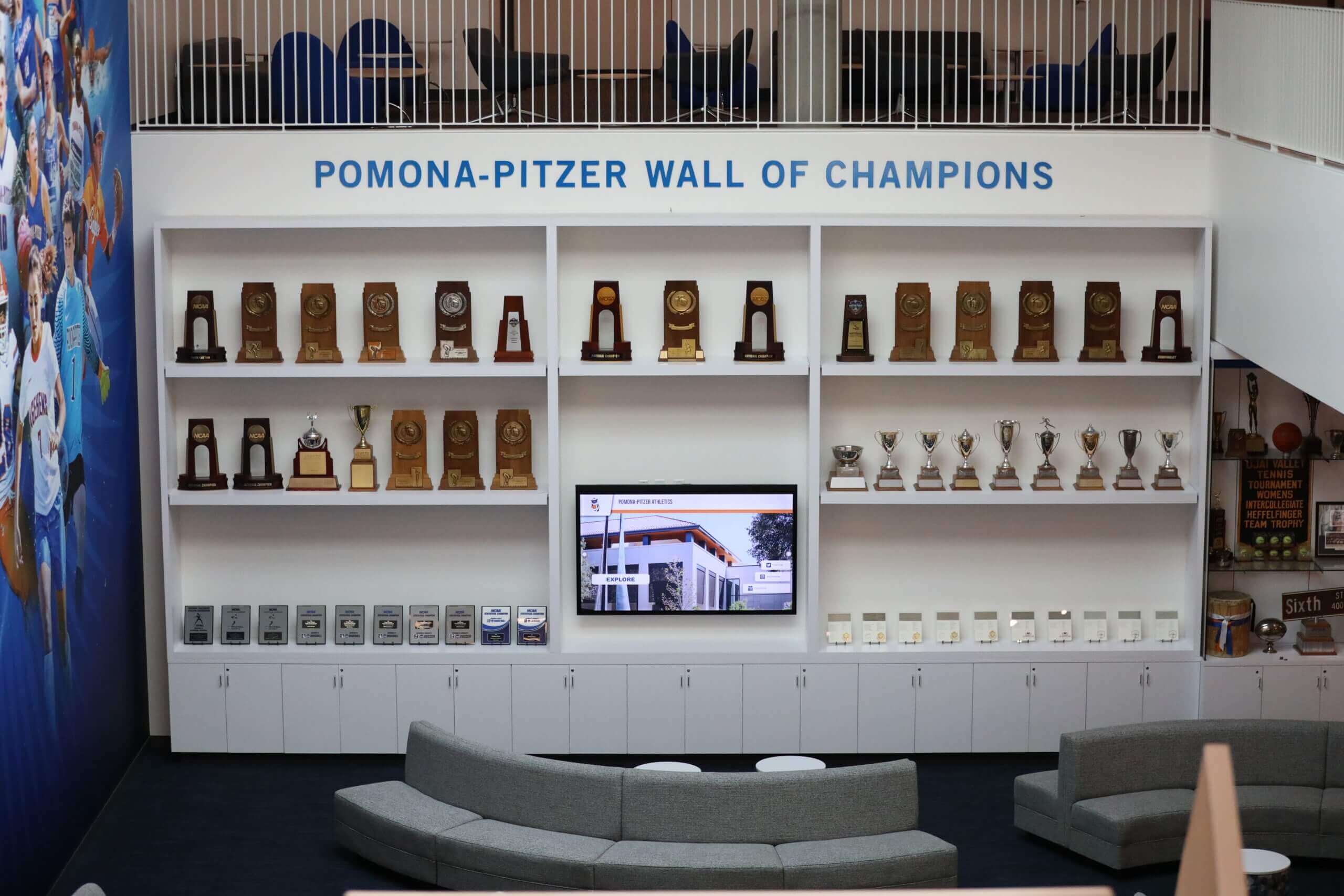
Multiple trophy case installations in the same building should follow the same inspection schedule — pest activity rarely confines itself to a single case
What to Look For by Material Type
Schools with diverse trophy case contents spanning multiple decades and many types of memorabilia need inspection guidance tailored to each material category, since each presents different evidence patterns.
Natural-Fiber Textiles (Jerseys, Letter Jackets, Pennants, Banners)
Wool, cotton, and felt items are the highest-risk category in most trophy cases. Carpet beetle larvae cause irregular holes concentrated along seams and fold lines, often accompanied by shed pale tan larval skins. Clothes moth larvae produce silk webbing or small larval cases that remain attached to the fabric surface. Check by holding items up to light, parting fibers along damage-prone seams, and examining the reverse side of any visible surface.
Items with previous staining from sweat, food, or body oils are more attractive to textile pests than clean items — the organic contamination provides additional nutrition. Jerseys mounted directly from use without cleaning before display carry elevated risk and warrant more frequent inspection than items cleaned before donation.
Paper-Mounted Awards, Photographs, and Printed Records
Silverfish damage presents as irregular surface grazing — thin, shiny patches where the paper surface has been scraped — along with small yellow-brown fecal stains and fine pepper-like frass. Damage concentrates at edges and corners where silverfish approach from the perimeter. Paper items stored in stacks or tight arrangements on lower shelves carry higher risk than individually displayed items with air circulation on all sides.
Photographs present the same risks as paper but may also show adhesive deterioration — photo-mount adhesive can soften under humidity and become attractive to silverfish.
For schools considering trophy display cases for schools that are purpose-built with better sealing and climate control than older installations, improved case construction directly reduces pest infiltration risk and limits the conditions that make existing cases hospitable to textile insects.
Wood Bases and Wood-Backed Plaques
Active powderpost beetle infestations in wood trophy bases are identified by fresh exit holes (smooth, round, 1–2mm diameter) and a flour-like frass that sifts out when the base is inverted. Old exit holes from a past, resolved infestation may be present in antique trophies without indicating current activity — distinguish by whether frass is present and whether holes appear sharp-edged (new) or weathered (old).
Moisture damage and mold on wood bases often precede pest activity. A mold-damaged base warrants both a pest inspection and a humidity assessment of the display area.
Metal Trophy Components and Engraved Plaques
Metal items are not food sources for pests, but they serve as collection points for frass, shed skins, and debris from adjacent items. Inspect metal components by examining the recessed areas of engraved text, the joints between figurine parts, and the base perimeter where metal meets the mounting post. Rodents may gnaw base mounting posts or case hardware, leaving scored metal and metal shavings as evidence.
Environmental Prevention
The most effective pest prevention for trophy cases addresses the conditions that make cases attractive rather than relying solely on inspection to detect established activity.
Humidity control is the highest-impact single factor. Most textile pests and silverfish thrive in environments above 50–55% relative humidity. If the school’s HVAC system does not maintain the display corridor below this threshold consistently, supplemental dehumidification near trophy display areas is worth considering.
Seal gaps in case construction. Older trophy cases with visible gaps at panel seams, hinge points, or base-to-floor joints provide pest access even when glass doors are properly closed. Caulking interior seams with an appropriate sealant reduces entry points for insects.
Clean items before display. The most effective prevention for textile pests is ensuring that donated items — particularly jerseys and letter jackets — are professionally cleaned before entering the case. Organic residues on display textiles are a primary attractant. Establish a standard that all fabric items entering the trophy case must be professionally cleaned within 90 days of donation.
Inspect items before placing them in the case. Any item brought from storage, from a private donor’s home, or from an outside location should be quarantined and inspected before entering the trophy case. Introducing an already-infested item is the most common way pest activity enters a case that otherwise has adequate environmental controls.
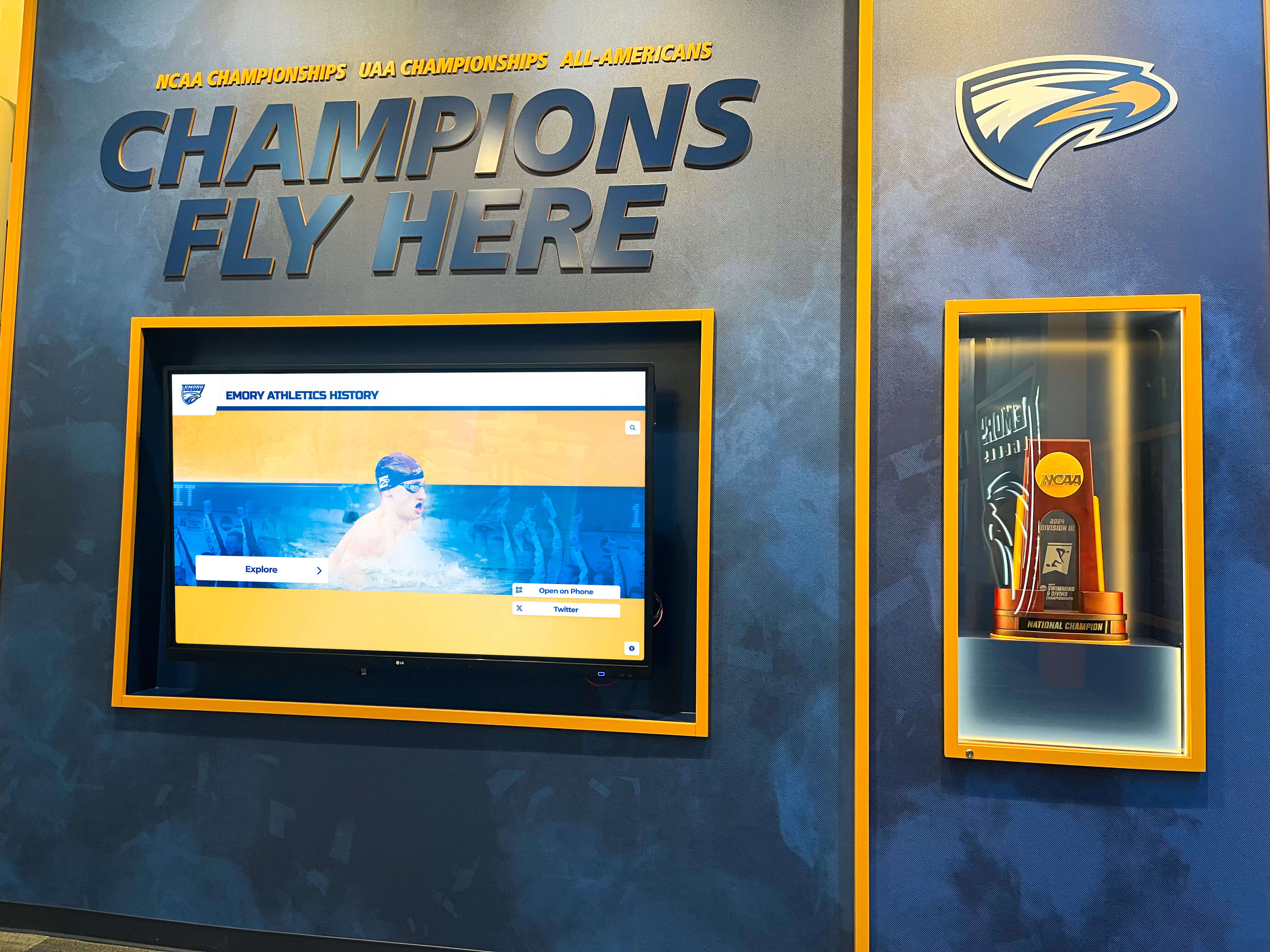
Championship hardware and associated textiles require different inspection approaches — metal components show evidence as frass deposits, while fabric items need fiber-level examination
How Pest Damage Intersects with a Broader Recognition Strategy
A pest inspection checklist addresses what happens to physical memorabilia over time. It does not address what happens to the information those items represent when the item itself can no longer be displayed.
A jersey damaged beyond further use takes the visual record of that championship season off the wall. A paper award destroyed by silverfish takes with it the name, year, and achievement that once connected an accomplishment to every student who walked past the case. A photograph too degraded to display removes one of the primary links between a current student body and the program’s history.
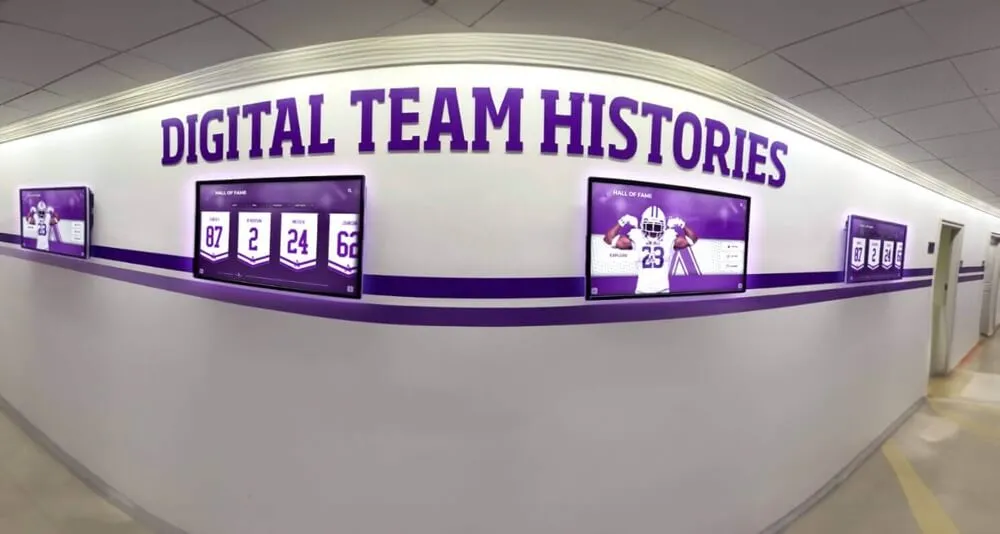
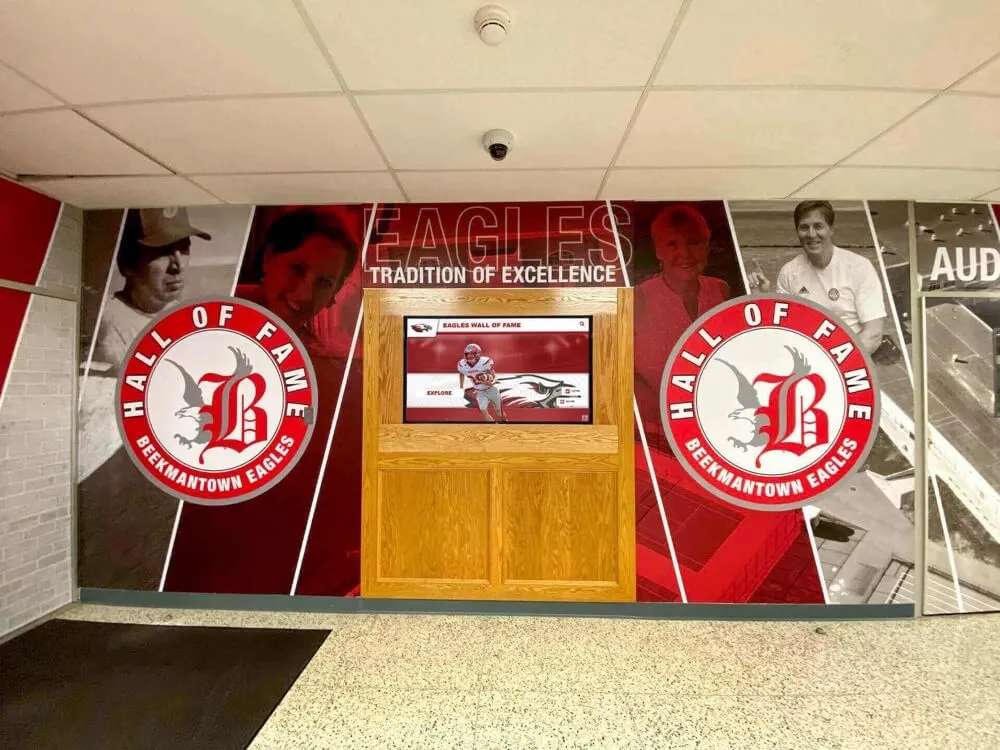
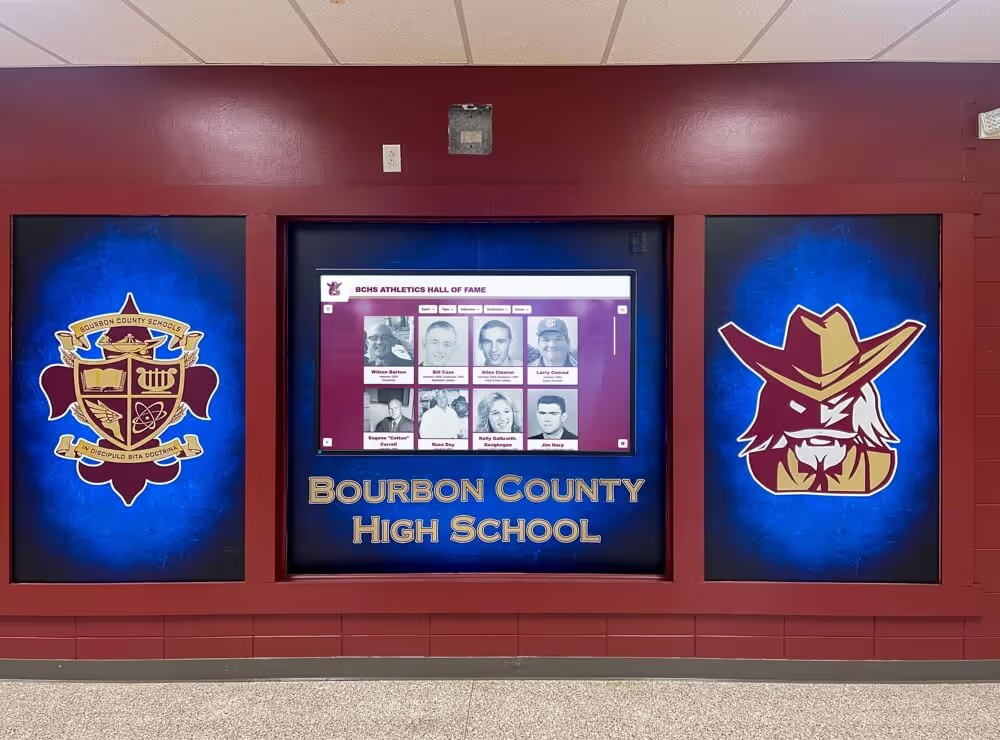
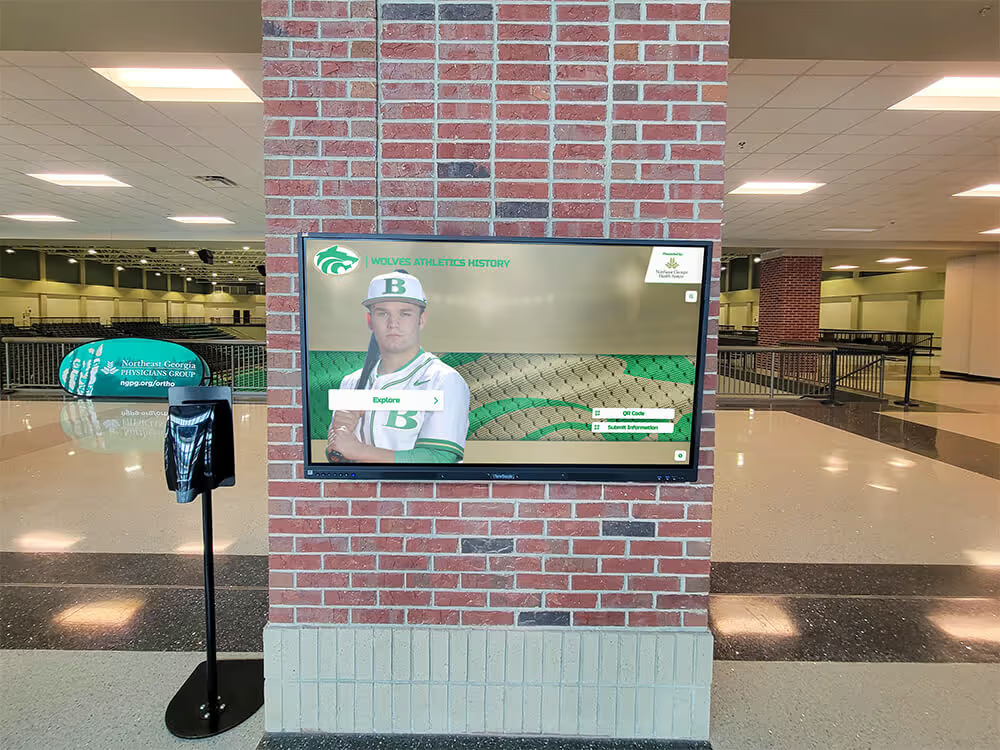
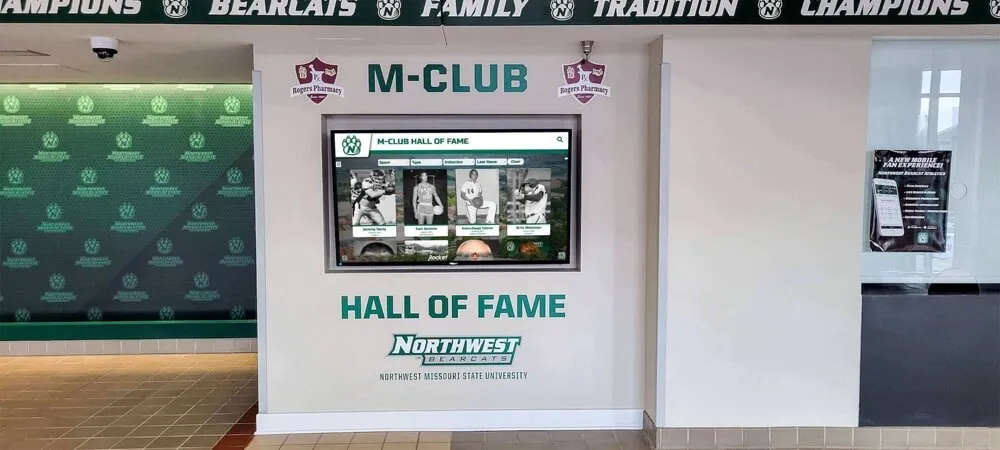
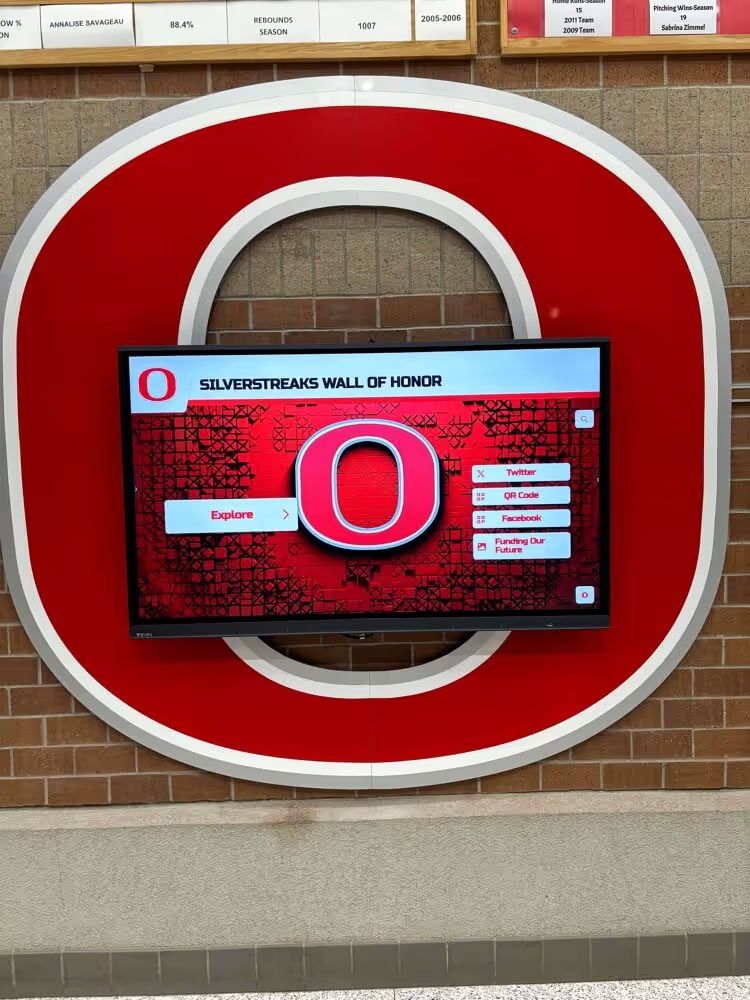
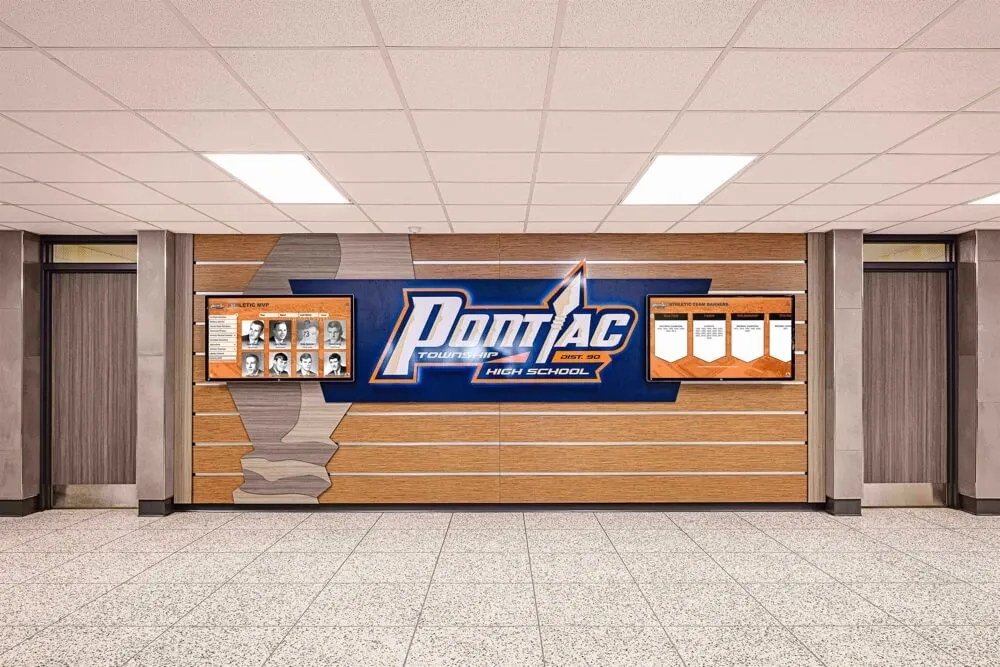
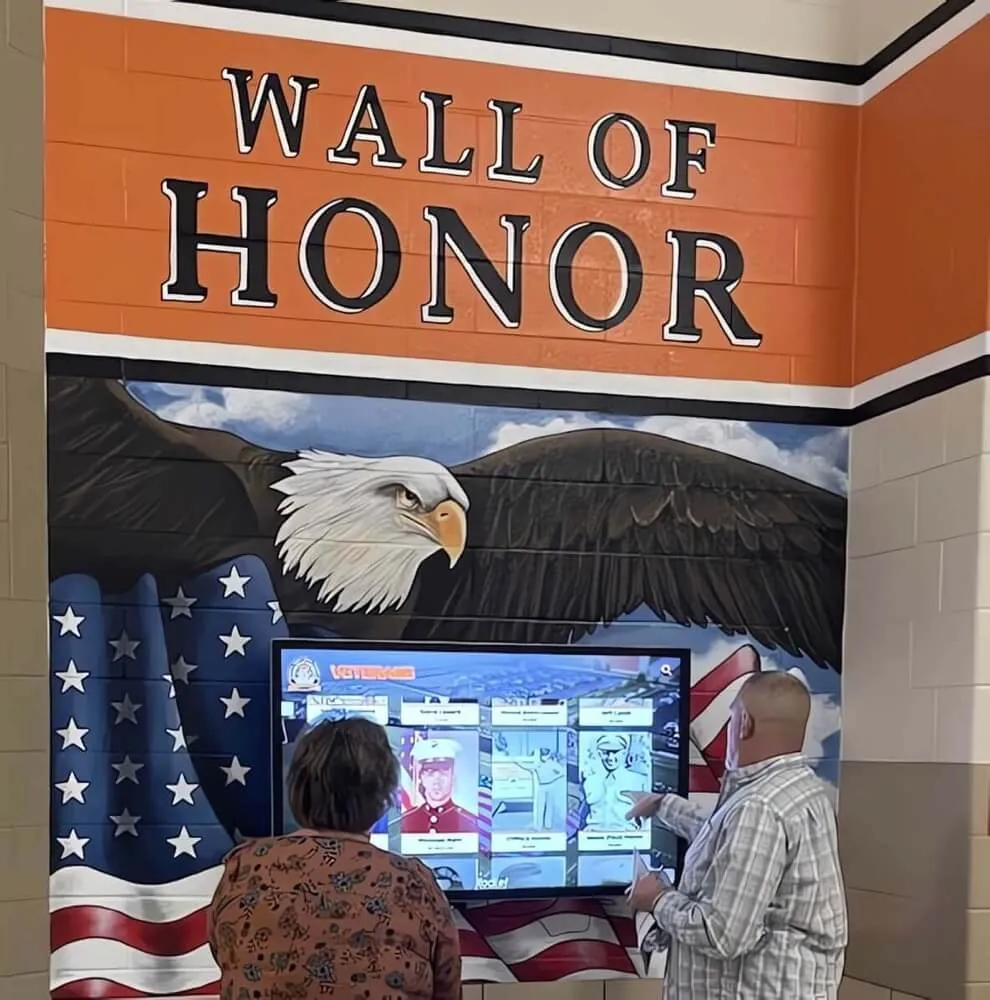
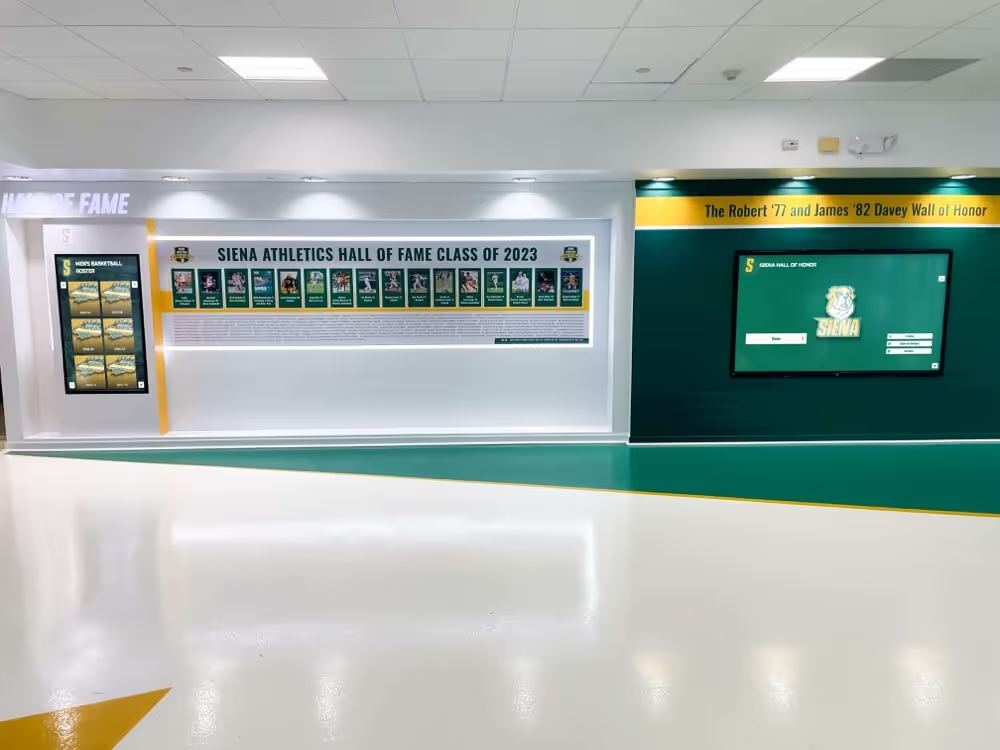
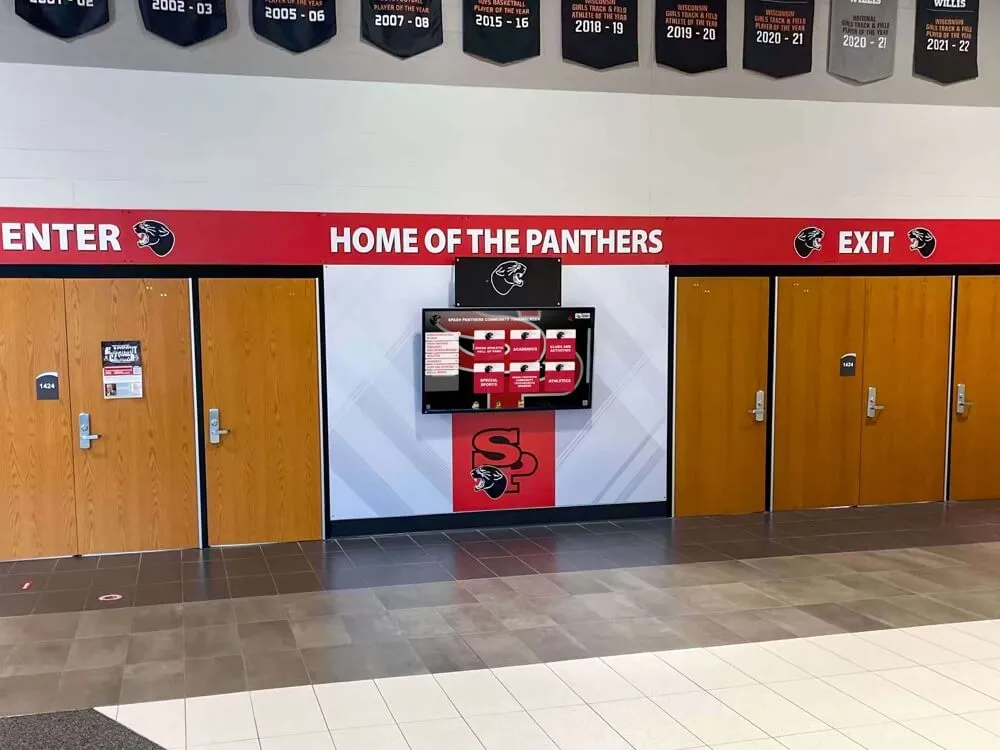
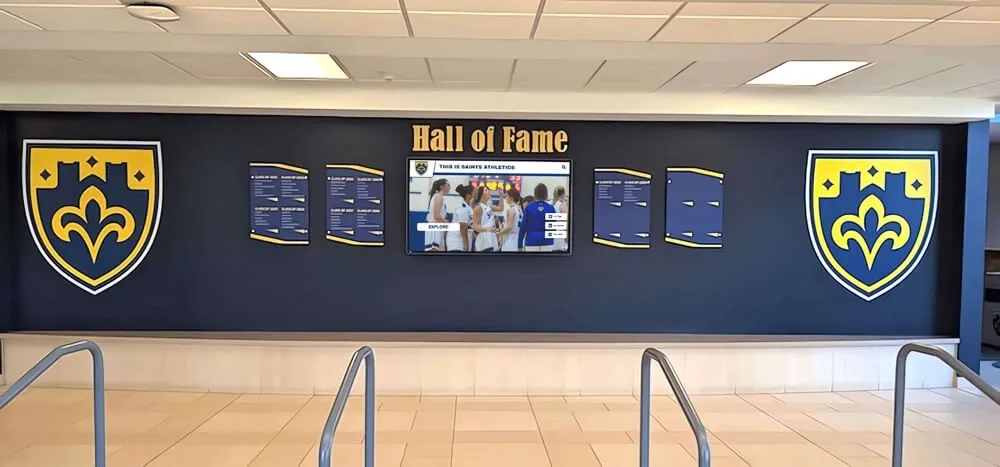
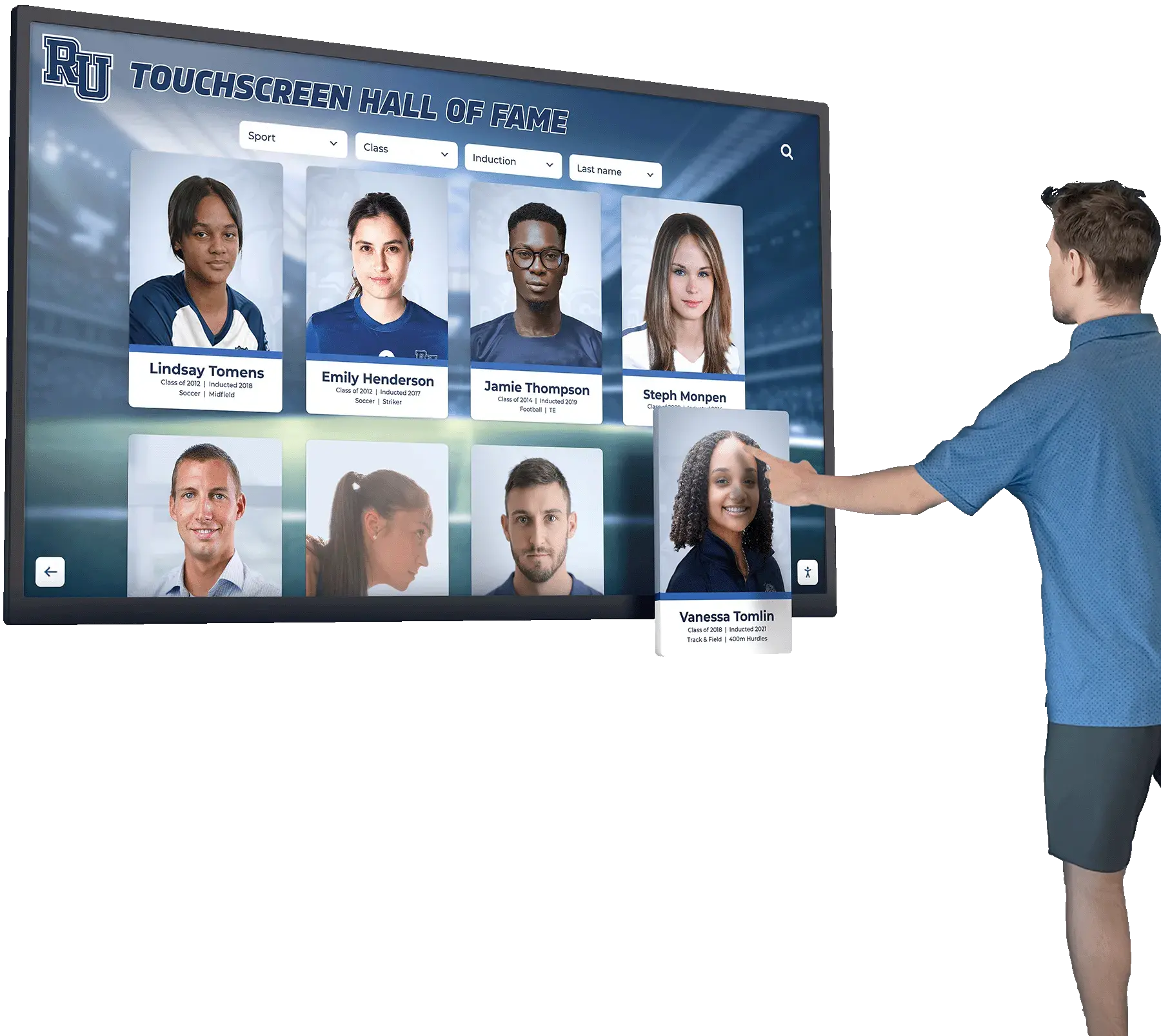
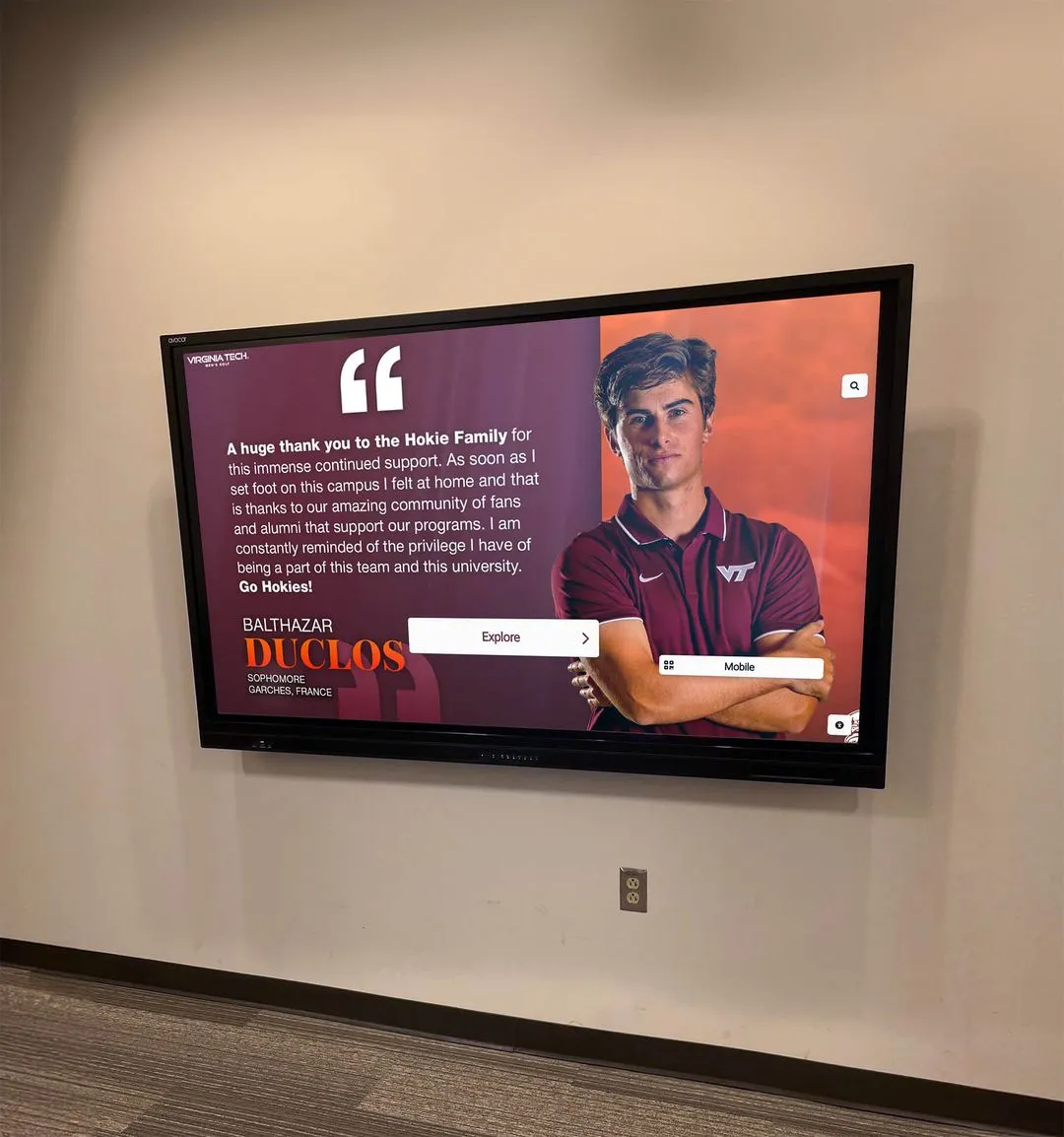
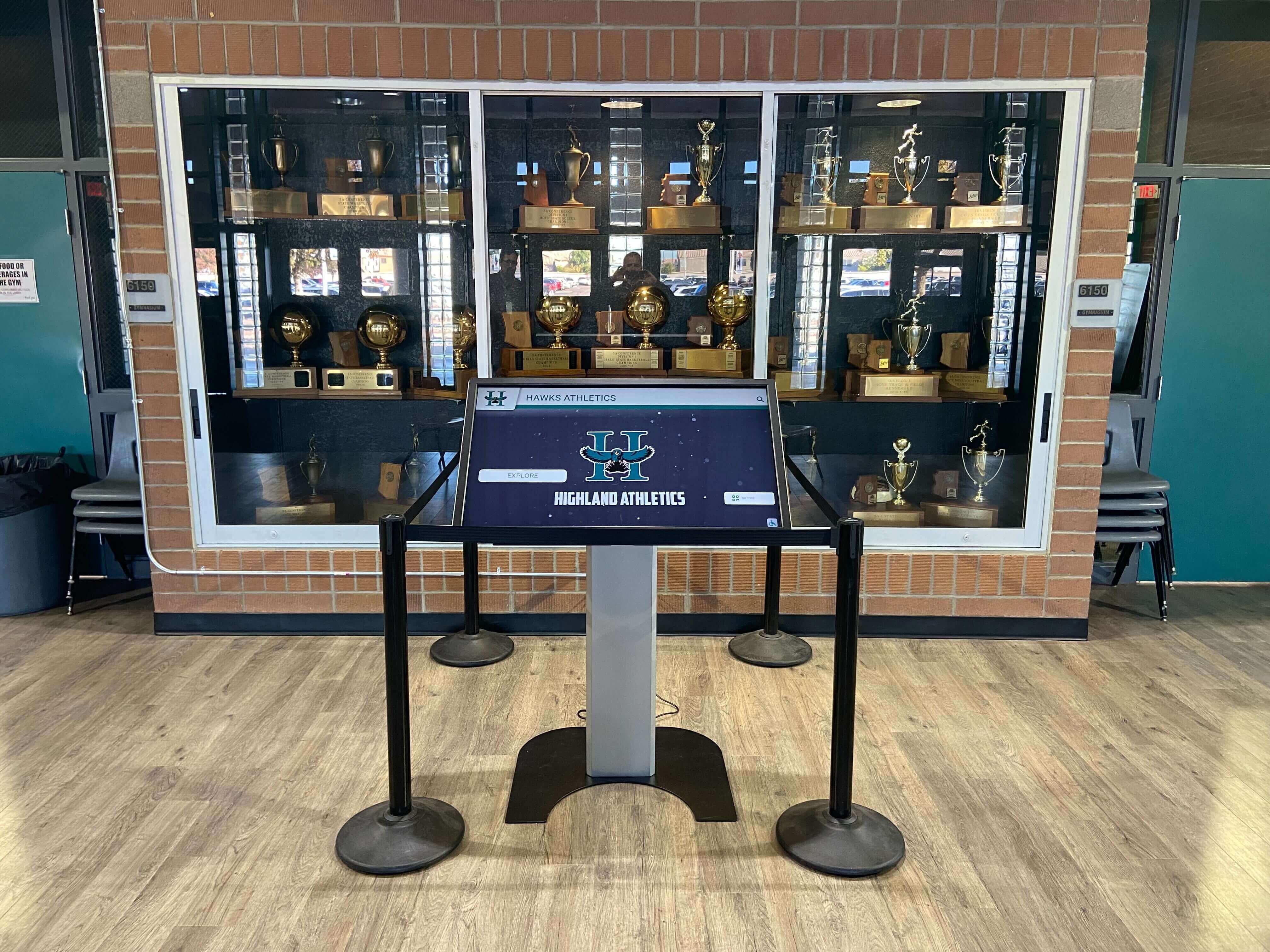
Schools that have developed parallel digital records — catalog entries, photographs, scanned documents — find that pest damage to a physical item does not erase the institutional record. The digital entry survives. A damaged jersey can be retired from the case while its story, photograph, and statistics remain visible on a cloud-managed touchscreen display accessible to any student or visiting alumnus.
This is not an argument against physical trophy cases — it is an argument for treating a pest inspection checklist and a digital catalog as complementary tools serving different aspects of the same preservation goal. The physical case provides ambient presence in the hallway; the digital record provides the permanent archive that physical condition cannot threaten.
For schools assessing how digital hall of fame displays compare to traditional trophy cases — particularly the preservation and capacity limitations that physical cases carry by design — the comparison points directly at the documentation advantages digital systems provide when physical memorabilia faces threats like pest activity, moisture, and material degradation over time.
Schools with substantial collections of historical memorabilia will also find value in the memorabilia display case ideas for showcasing school history, athletic trophies, and donor gifts, which addresses the design and curation questions that arise when a collection has grown beyond what a single physical case can accommodate.
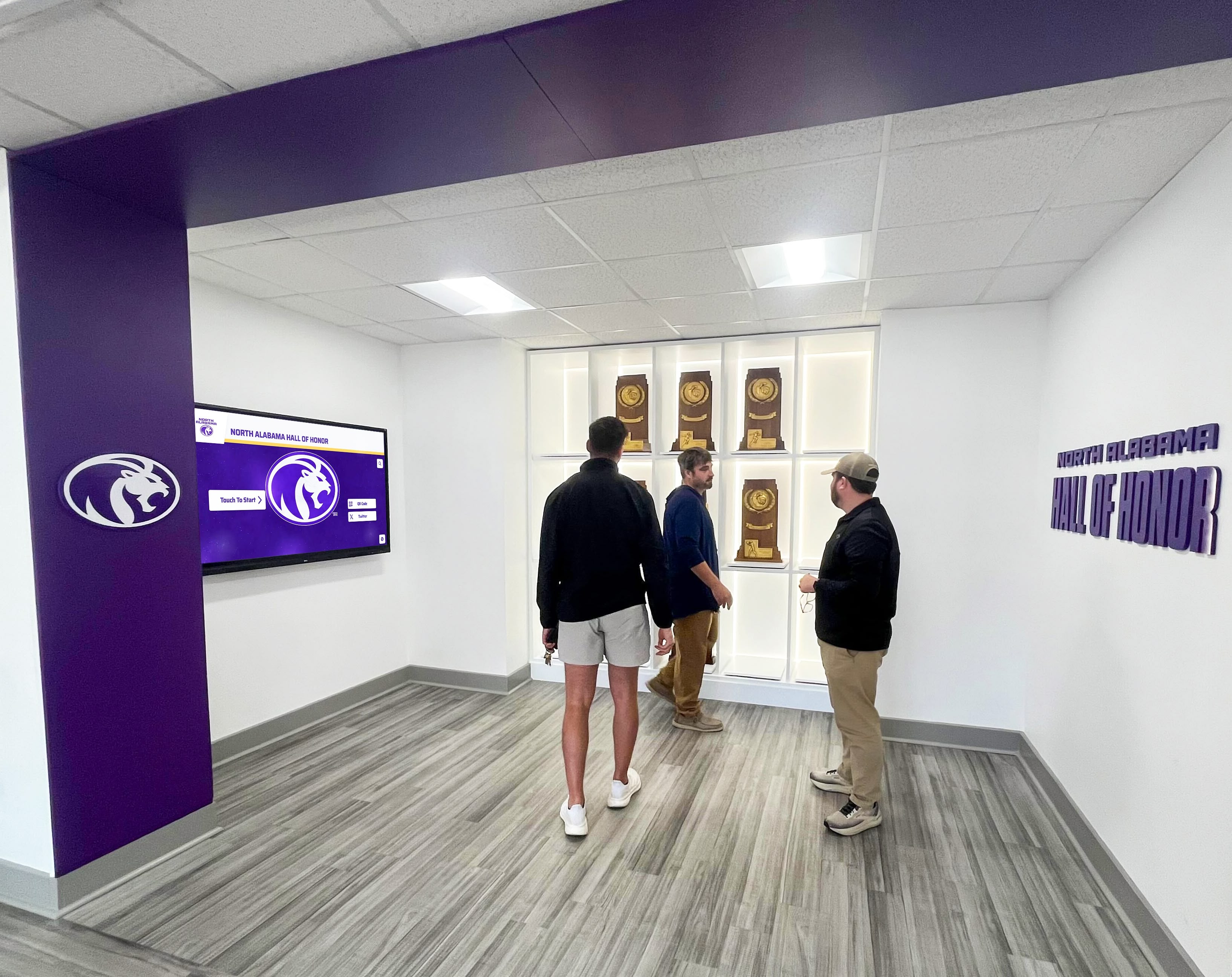
Quarterly pest inspection should involve staff who know the collection — changes in item condition are most reliably noticed by someone familiar with what normal looks like for each displayed piece
Assigning Pest Inspection Roles
A pest inspection checklist without assigned ownership will be completed irregularly or not at all. The table below maps inspection tasks to appropriate institutional roles.
| Inspection Task | Responsible Role | Escalation Path |
|---|---|---|
| Monthly abbreviated check | Athletic department staff or assigned student aide under supervision | Athletic director if any Level 1 evidence is found |
| Quarterly full inspection (checklist steps 1–23) | Athletic director or hall-of-fame committee chair | Facilities director and building principal if Level 2 or Level 3 evidence is found |
| Annual deep inspection | Athletic director with facilities staff present | Licensed pest management professional for any recurring evidence; building principal for structural findings |
| Quarantine and item assessment | Athletic director; textile conservator for fabric damage | Alumni relations or donor contact if loaned items are affected |
| Humidity and environmental monitoring | Facilities director | Building administration for HVAC-related remediation |
| Pest management treatment | Licensed pest management contractor | Building principal for access and remediation authorization |
Document role assignments in writing in both the athletic office and the facilities office. When an athletic director, facilities director, or building administrator changes roles, the inspection ownership assignments should transfer explicitly — not be assumed by the incoming person without guidance.
Frequently Asked Questions
What is a trophy case pest inspection checklist? A trophy case pest inspection checklist is a structured protocol for examining trophy case contents — textiles, paper items, photographs, wood components, and metal hardware — for evidence of insect activity, rodent presence, and mold growth. It specifies what to look for in each material category, where evidence concentrates, and what actions to take at each severity level. It supplements routine maintenance checklists, which address cleaning and structural condition but do not systematically detect pest evidence.
How often should a school inspect its trophy cases for pests? A monthly abbreviated check covering the case floor panel, interior corners, exterior baseboards, and any previously flagged fabric items takes five to ten minutes and catches new activity between fuller inspections. A complete quarterly inspection using the full numbered checklist is appropriate for most school installations. An annual deep inspection involving full item removal should supplement the quarterly routine.
Which trophy case contents are most at risk from pest damage? Natural-fiber textiles — wool jerseys, letter jackets, felt pennants, banners — carry the highest risk because carpet beetle larvae and clothes moths feed directly on natural fibers. Paper-mounted awards and photographs are at significant risk from silverfish. Wood bases can harbor powderpost beetles. Metal components are not direct food sources but collect evidence and may sustain rodent gnaw damage.
What does carpet beetle damage look like in a trophy case? Carpet beetle larvae damage presents as irregular holes concentrated along seams, fold lines, and inside folds of fabric, often accompanied by small tan or banded larval shed skins. Adult carpet beetles are small (2–4mm), oval, and often found near lighting sources within or immediately above the case. Fresh damage may appear as areas of fiber loss with ragged, not clean-cut, edges.
How do you identify silverfish damage on paper awards in a trophy case? Silverfish damage on paper presents as thin, shiny, scraped patches on the paper surface — the silverfish removes the outer layer rather than cutting through it. Fecal deposits appear as tiny pepper-like black specks near the damage. Damage concentrates at paper edges and corners and at adhesive-bearing surfaces such as label edges. A musty odor accompanying paper damage may indicate humidity issues alongside silverfish activity.
What should you do if you find rodent evidence near a trophy case? Remove all items from the case immediately, placing them in sealed polyethylene bags. Document and photograph all evidence before disturbing it. Notify the building principal and facilities director immediately — rodent activity in a hallway is a building-wide concern. Contact a licensed pest management contractor for assessment. Do not return items to the case until professional pest management treatment is complete and any structural entry points have been repaired.
Does a digital trophy case system reduce pest risk to school memorabilia? A digital system does not directly reduce pest risk to physical items, but it provides a preservation layer that limits the consequence of physical damage. When digital records — photographs, catalog entries, achievement descriptions, scanned awards — exist alongside physical memorabilia, pest damage to a physical item does not erase the institutional record. Schools with complete digital catalogs can retire a physically damaged item while keeping its story accessible and visible to current students and alumni.
How does humidity affect pest activity in trophy cases? Most textile pests, silverfish, and mold thrive in environments above 50–55% relative humidity. High humidity also accelerates material degradation in organic items — paper, textiles, and wood — independent of pest activity. Maintaining consistent humidity below 55% in display corridors reduces both pest activity and the rate of material deterioration. Recording humidity at each quarterly inspection creates a baseline that makes environmental changes visible over time.
For institutions considering how the traditional vs. digital trophy case question applies to a school where pest inspection, maintenance, and capacity constraints have accumulated simultaneously, the comparison clarifies what aspects of the recognition challenge each format addresses. Schools navigating the same question in the context of specific hallway installation decisions will find additional perspective in the digital hall of fame display vs. traditional trophy case review and the side-by-side analysis of recognition display formats for school hallways.
A cloud-managed digital recognition platform holds unlimited records without physical constraints, updates remotely in minutes without an IT ticket, meets ADA WCAG 2.1 AA accessibility standards, and generates QR codes that give alumni and visitors mobile access to the complete record on any device. You can explore the full recognition platform at Rocket Alumni Solutions digital recognition kiosks.
Protect Your School's Recognition History Beyond the Physical Case
Rocket Alumni Solutions builds interactive digital trophy cases and halls of fame for schools nationwide. Cloud-managed updates, unlimited record capacity, ADA WCAG 2.1 AA compliant touchscreens, and QR code access — so your complete recognition history stays accessible even when physical memorabilia faces the storage, condition, and pest risks that every physical collection eventually encounters. See how schools are building permanent digital archives alongside their physical displays.
Book A Demo