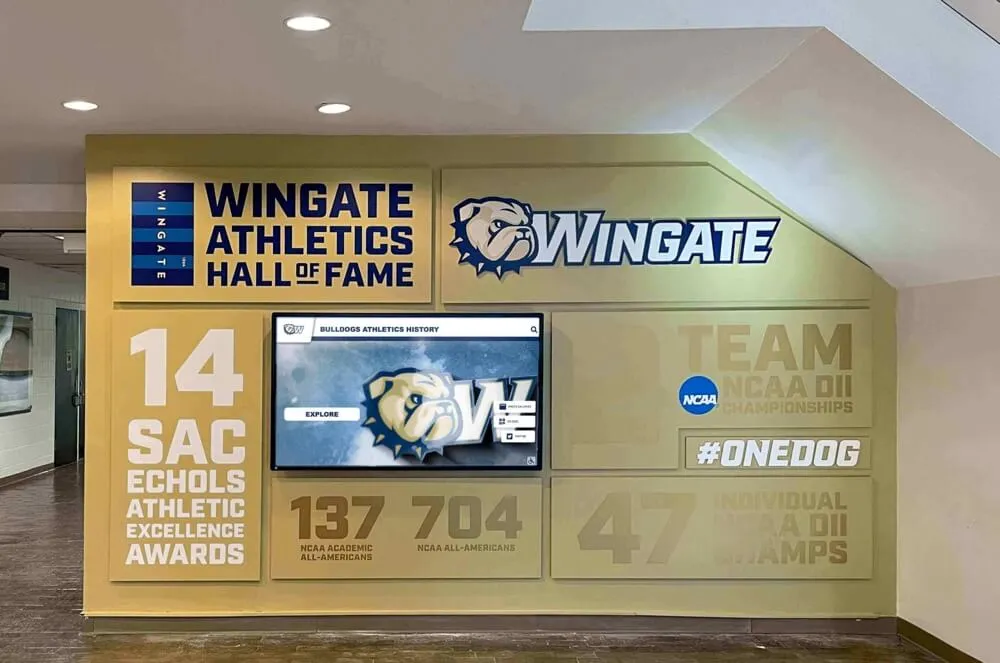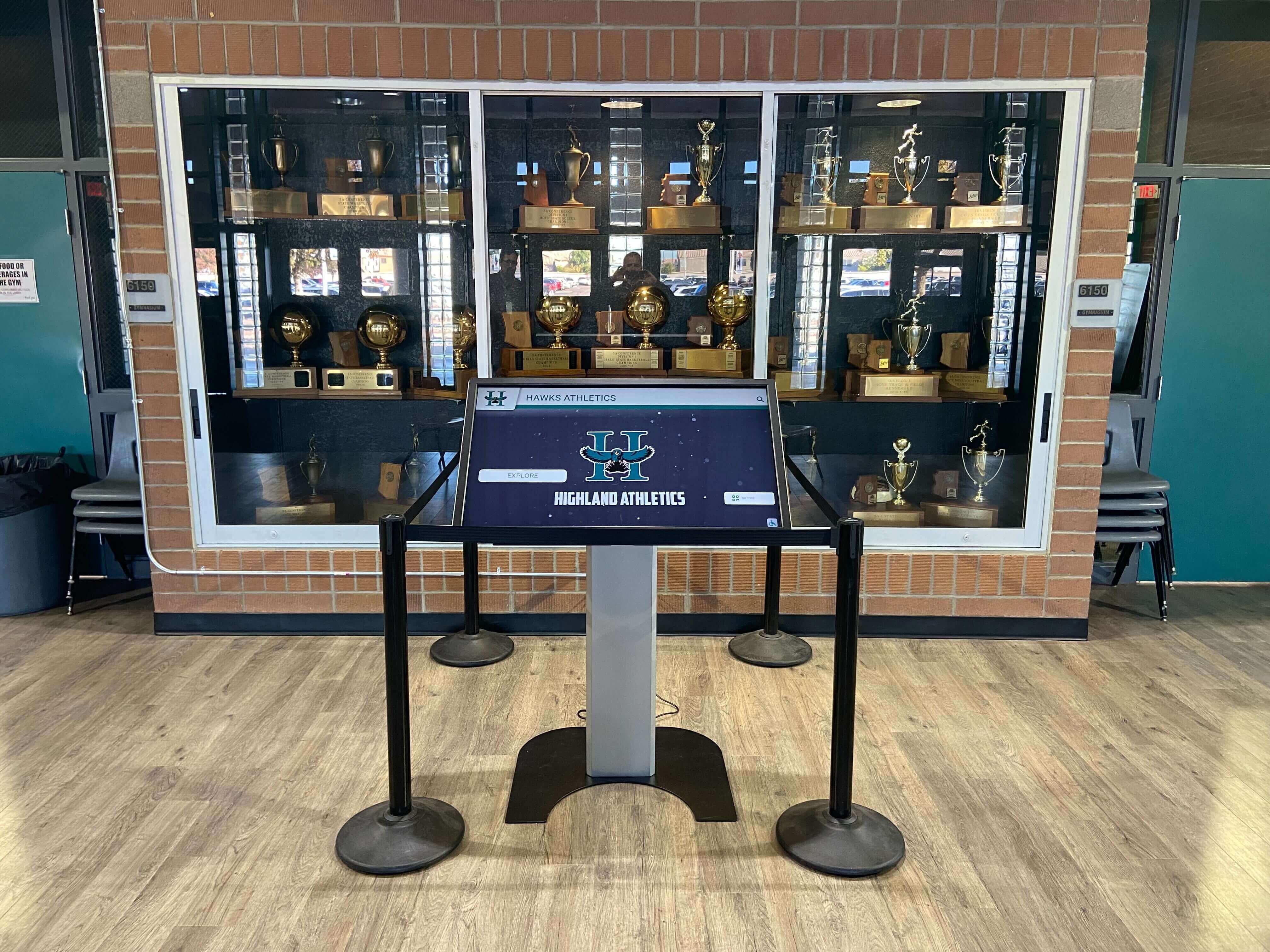




Intent: research — a trophy case maintenance checklist gives school administrators and athletic staff a repeatable schedule for cleaning glass panels, inspecting lighting, auditing labels and signage, and verifying structural safety throughout the academic year. Without a written routine, trophy cases accumulate grime, burned-out bulbs, peeling labels, and unchecked mounting hardware until a visitor complaint — or a safety incident — forces reactive attention. This guide delivers a complete, actionable checklist organized by frequency, plus practical guidance on what to do when a maintenance review reveals problems that physical cases alone cannot solve.
Walk into almost any school’s main hallway and you will find a trophy case. Walk up to it, and you are likely to find fingerprint-smeared glass, at least one dead bulb casting a shadow over an award no one can read, a label that has lifted at one corner, and a base plate that has shifted off-center since the last time anyone paid it attention. These are not signs of institutional negligence — they are signs that no one handed the athletic director a written maintenance schedule and said, “Here is your recurring checklist.”
A well-maintained trophy case communicates respect for the athletes and programs it honors. A neglected one communicates the opposite, regardless of how prestigious the hardware inside actually is.

A clean, well-lit trophy case signals institutional pride — and a written maintenance schedule is what keeps it that way all year
Why Trophy Case Maintenance Belongs on the Academic Calendar
Physical trophy cases are low on the priority list until something goes wrong. A parent visiting for a sporting event asks why the 1998 state championship trophy is coated in dust. A student brushes against a glass panel that is no longer properly seated. A maintenance crew discovers during summer cleaning that the case base has shifted off its anchor points.
Each of these scenarios is preventable with a scheduled inspection routine. Schools that formalize their trophy case maintenance — assigning ownership, creating written checklists, and tying tasks to the school calendar — spend far less time on reactive remediation than those that address issues only as they arise.
There is also a preservation argument. Championship trophies, retired jerseys, and engraved plaques are irreplaceable artifacts. A trophy stored in a case with excessive humidity fluctuation will corrode. A jersey displayed under high-UV fluorescent lighting will fade. A plaque with a loose mounting bracket will eventually fall. Routine maintenance prevents this degradation before it becomes permanent.
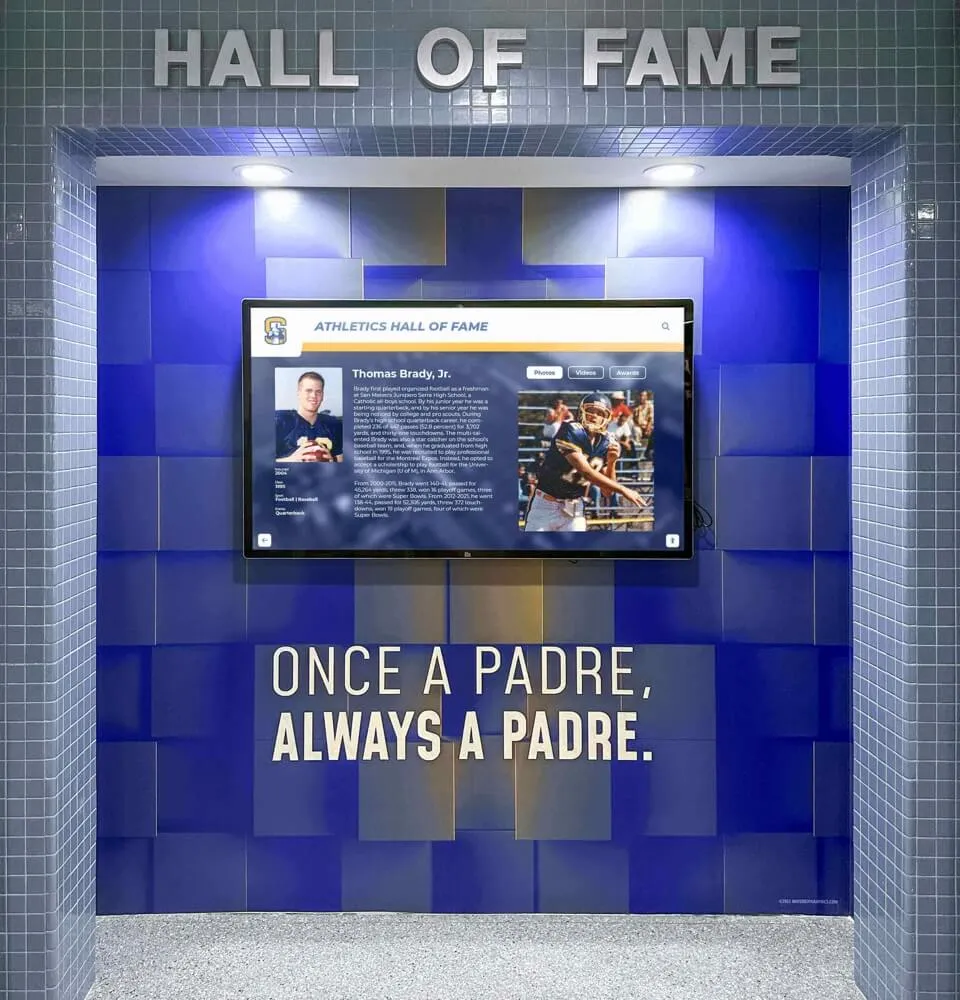
For schools already exploring how digital tools extend the life of their recognition programs, the overview of leading hall of fame display tools for athletics, donors, arts, and history shows how digital systems address the preservation limitations that physical maintenance alone cannot fully solve.
The Complete Trophy Case Maintenance Checklist
The checklist below is organized by frequency: weekly tasks that take minutes, monthly tasks that require a dedicated walk-through, and annual tasks that call for a more systematic review. Assign each frequency tier to a specific role — facilities staff for weekly cleaning, athletic department staff for monthly review, and an administrator or committee for the annual audit.
Weekly Maintenance Tasks
Cleaning — Exterior Surfaces
- Wipe exterior glass panels with a microfiber cloth and streak-free glass cleaner
- Remove fingerprints from door handles, hinges, and frame edges
- Sweep or vacuum the floor area directly beneath and around the case
- Check for visible debris, trash, or foreign objects placed on or around the case
Visual Spot Check
- Confirm all items are upright and properly positioned — nothing tilted or shifted since the last inspection
- Identify any obviously burned-out bulbs or darkened sections within the case interior
- Note any labels or identification cards that appear loose, curled, or missing
The weekly checklist should take five to ten minutes and is appropriate for custodial staff or an assigned student aide working under athletic department supervision.
Monthly Maintenance Tasks
Cleaning — Interior Surfaces
- Open all case doors and remove items from one section at a time before cleaning
- Wipe interior glass panels, backing panels, and shelving with appropriate cleaners (avoid ammonia-based products on metal components)
- Dust individual trophies using a soft-bristled brush or compressed air on intricate figurines
- Clean plaque surfaces with a dry or slightly damp cloth; avoid abrasive cleaners on engraved metal
- Clean jersey display rods and hanging hardware
- Return items to correct positions following your inventory reference
Lighting Inspection
- Test every light source in the display area — built-in case lighting, overhead fixtures, and any supplemental spotlights
- Replace burned-out bulbs immediately; do not leave sections in shadow between visits
- Check that bulb types are appropriate for display use — avoid high-UV output near fabrics and photographs
- Confirm that LED fixtures show no flickering, which indicates a failing driver
Label and Signage Audit
- Verify that every item in the case has a corresponding identification label
- Check that all labels are legible, properly attached, and consistent in format
- Note any items without labels and flag them for research before the next month’s inspection
- Confirm that label adhesive has not lifted; replace any labels that are peeling or curled
Structural Spot Check
- Open and close each case door to confirm hinges are operating smoothly
- Check that door latches and locks engage fully
- Inspect glass panels for cracks, chips, or visible edge damage
- Confirm that shelving brackets are seated properly and shelves are level
- Verify that the case frame shows no gaps at wall joints or floor anchors
Documentation
- Log the date and name of the staff member completing the inspection
- Record any issues found and their resolution status
- Flag items requiring repair, replacement, or research for follow-up before the next review
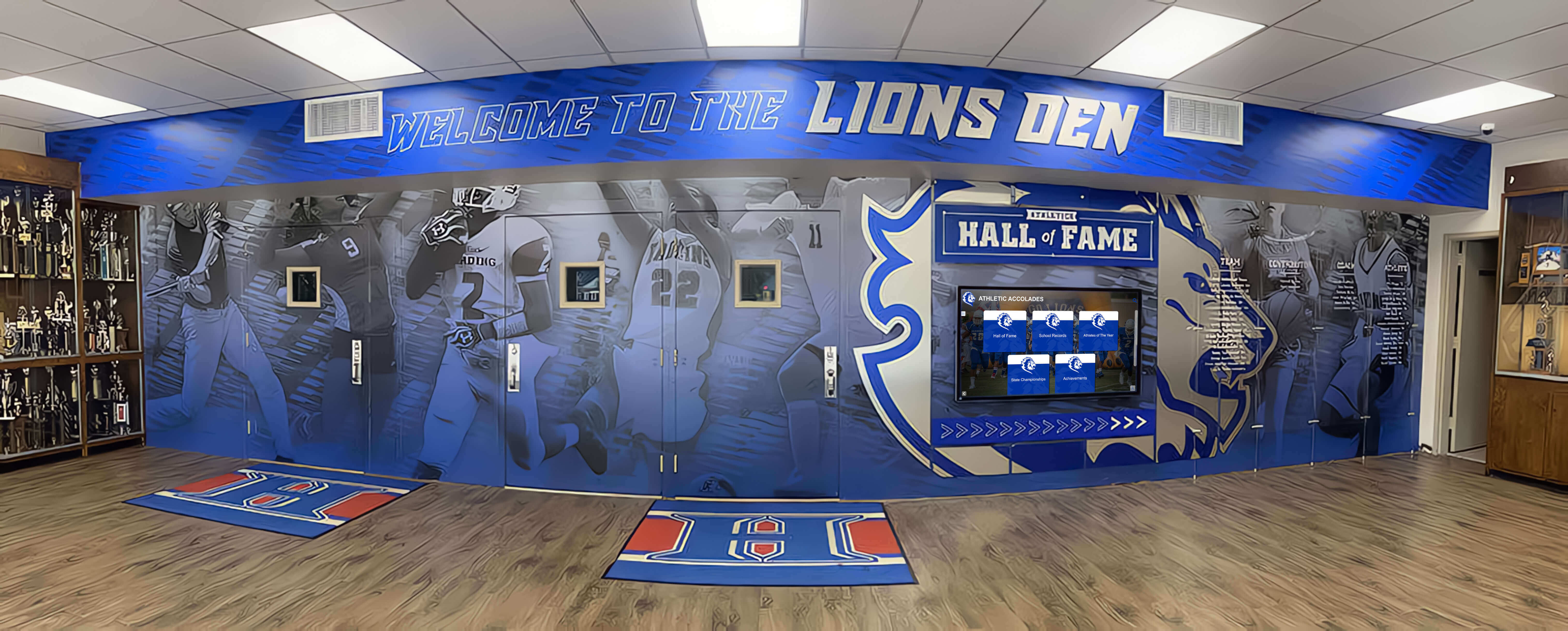
Monthly interior cleaning and label audits keep each item visible, identified, and properly displayed throughout the year
Annual Maintenance Tasks
The annual review is the most comprehensive layer of the checklist and typically occurs at the start of a new academic year, following summer cleaning, or before a major event such as homecoming or a hall-of-fame induction ceremony.
Full Inventory Reconciliation
- Cross-reference every item physically present in the case against your master inventory
- Document any items present but not listed in inventory (unlisted additions)
- Document any inventory items not currently in the case (on loan, in storage, or unaccounted for)
- Photograph every item with a current date stamp for condition documentation
- Update catalog entries with current condition notes
Deep Cleaning
- Remove all items from the case entirely before cleaning
- Clean interior backing, shelving, floor panel, and all interior surfaces
- Clean the case exterior, including hard-to-reach frame edges and decorative trim
- Inspect all cleaning supply labels and replace expired or incorrectly stored materials
Lighting System Review
- Assess whether existing lighting type — fluorescent, LED, or halogen — is appropriate for the displayed items
- Calculate remaining lifespan of current LED fixtures and plan replacements before failure
- Consider upgrading to lower-UV LED lighting if any fabric items, photographs, or paper-mounted plaques are displayed
- Evaluate whether current fixture positions create shadows over significant items and reposition if needed
Label and Signage Comprehensive Audit
- Replace all temporary or handwritten labels with permanent, printed alternatives
- Confirm that label information is accurate — verify years, names, and achievement descriptions against source records
- Standardize label format across all items if inconsistencies have accumulated
- Research and label any unlabeled items; escalate items that cannot be identified to alumni outreach
Structural and Safety Inspection
- Inspect all wall mounting points and anchors; tighten or replace as needed
- Check that floor-mounted cases have not shifted from their anchored positions
- Inspect glass panels for stress fractures not visible at normal walking distance
- Confirm that case frames show no rust, warping, or corrosion
- Evaluate whether the case meets current accessibility standards for viewing height and approach clearance
- Check that nearby electrical connections for interior lighting are properly covered and show no wear
Cleaning Guidance by Surface Type
Generic cleaning instructions are not sufficient for the variety of materials found in a typical school trophy case. Each material type requires different handling to avoid damage.
Glass Panels
Use a streak-free glass cleaner applied to a microfiber cloth — not sprayed directly on the glass, which allows liquid to seep into seams and damage surrounding materials. For heavily soiled panels, a first pass with a slightly damp cloth followed by a dry microfiber polish produces a cleaner result than a single application. Never use abrasive pads on glass.
For interior glass surfaces, ensure the case remains open long enough after cleaning to prevent chemical residue from being trapped against displayed items.
Metal Trophies and Hardware
Metal trophy surfaces respond well to dry dusting with a soft-bristled brush for routine maintenance. For tarnished pieces, use a metal polish appropriate to the specific alloy: brass, zinc, and aluminum react differently and should not be treated interchangeably. Apply polish with a soft cloth, buff off all residue, and allow the surface to dry fully before returning the piece to the case.
Avoid any polish near engraving. Residue trapped in engraved letters is difficult to remove and can obscure legible text over time.
Wood Bases and Plaques
Dust wood surfaces with a dry cloth. For deeper cleaning, a lightly damp cloth is appropriate for unfinished or sealed wood — avoid standing moisture on any wood surface, which causes warping and staining. Do not use furniture polish on plaques bearing adhesive label overlays, as solvents in some formulations lift adhesive bonds.
Fabric Items — Jerseys, Banners, and Letter Jackets
Fabric items displayed in cases should not be treated with liquid cleaners during routine maintenance. Surface dust is best addressed with a gentle vacuuming using a low-suction upholstery attachment. If a fabric item has developed soiling that requires wet cleaning, remove it from the display and consult a textile preservation professional before attempting any treatment. Irreversible fabric damage is a real risk from well-intentioned but uninformed cleaning attempts.
Lighting Inspection: What to Look For
Lighting inside and around a trophy case does more work than most administrators recognize. Poor lighting produces two categories of problems: visibility problems, where items are difficult to see and read, and preservation problems, where incorrect light sources accelerate material degradation over time.
Visibility Problems
- Burned-out bulbs create unlit zones that effectively hide the items beneath them
- Fixtures positioned at the back of a case create glare on front glass rather than illuminating the interior
- Single-point lighting creates deep shadows behind trophies with height, obscuring plaques and signage
- Fixtures with color temperatures below 3000K make engraved text difficult to read against similarly colored trophy surfaces
Preservation Problems
- Fluorescent tubes with high UV output accelerate color fading in jerseys, photographs, and paper-mounted awards
- High-wattage incandescent fixtures generate heat buildup in enclosed cases, accelerating adhesive failure on labels and potentially warping wood bases
- LEDs run cooler and produce significantly less UV output than comparable fluorescent or incandescent sources, making them the preferred choice for cases containing fabric items or photographs
When replacing lighting, specify LEDs with a color temperature between 3000K and 4000K and a Color Rendering Index (CRI) of 90 or higher. High-CRI lighting makes colors appear accurate and makes engraving significantly easier to read.
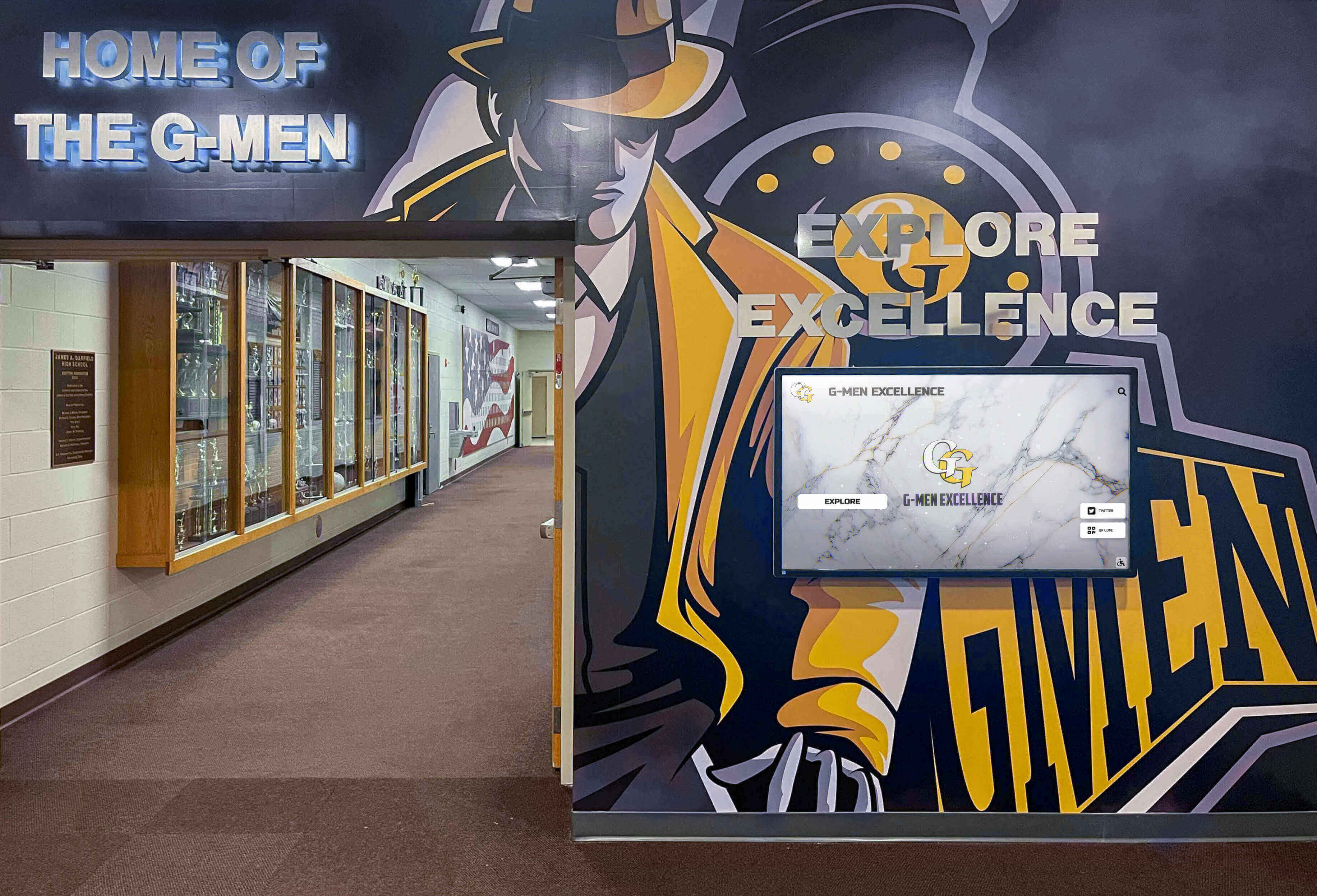
Proper lighting inside and around trophy displays makes every item visible and reduces long-term UV degradation of fabric items and photographs
Labels and Identification: The Most Overlooked Maintenance Category
Of the four core maintenance categories in this checklist — cleaning, lighting, labels, and safety — labeling receives the least consistent attention and causes the most long-term damage to institutional memory. An unlabeled trophy is, functionally, a decorative object. Its information is inaccessible to anyone who did not witness the achievement it commemorates.
Schools conducting annual label audits frequently discover that a significant portion of displayed items have either no label, an incomplete label, or a label whose information cannot be verified against any existing record. The resolution process varies by item.
For items with incomplete labels: Research using yearbooks, athletic record binders, district databases, or alumni outreach. Most schools have yearbooks dating to their founding year; these are the most reliable primary source for award year, sport, and recipient name.
For entirely unlabeled items: Begin with physical description — trophy style, manufacturer markings, and any remaining engraving — and cross-reference against available records from the approximate era. When identification is impossible through internal research, post a description and photograph to alumni social media groups. Former athletes and coaches frequently recognize championship hardware from their years.
For items that cannot be identified after exhaustive research: Document what is known, photograph the item, and add it to the inventory with a “provenance unknown” notation. Do not discard unlabeled items before exhausting research options. A traveling trophy from a defunct conference may be identifiable through the conference’s successor organization.
Connecting your label audit to a broader recognition strategy adds value beyond physical maintenance. For schools building out both athletic and academic achievement records alongside their physical displays, reviewing academic achievement award structures for high schools helps align label language and achievement categorization across both physical displays and any digital catalog.
Safety Checks: Structural Integrity and Mounting
Trophy cases are heavy furniture, often anchored to walls or floors, containing glass panels and significant metal weight. The safety inspection component of any maintenance checklist is not optional.
Wall-Mounted Cases
- Check that all lag screws or anchoring bolts are tight and have not loosened through building vibration or seasonal settling
- Inspect the wall material at mounting points for cracking, which indicates anchor failure
- Confirm that the case does not rock or flex when moderate pressure is applied to the front
- If any wall-mounted case shows instability, remove the contents and do not reload until a qualified facilities professional assesses the mounting condition
Floor-Standing Cases
- Confirm that anchor bolts or adhesive pads at floor contact points are intact
- Check that the case does not tip forward when a door is opened fully while holding a heavy item
- Inspect the floor beneath the case for soft spots, warping, or surface damage that may have compromised structural support
- Ensure the case has not crept from its original position through gradual movement — common in high-traffic hallways where passing contact repeatedly nudges free-standing furniture
Glass Safety
- Inspect all glass panels quarterly for stress fractures, edge chips, or visible cracking
- Panels with chips at the edges are more likely to develop full cracks under temperature change; schedule replacement before the fracture progresses
- If any panel shows a crack, remove it from service immediately — cracked safety glass remains unpredictable under additional stress regardless of how minor the fracture appears
- Confirm that all replacement glass is tempered or laminated safety glass; standard plate glass is not appropriate for a public display environment
Accessibility and Visitor Safety
- Confirm that open case doors do not extend into a thoroughfare — a door swinging into a main hallway presents a collision hazard during high-traffic periods
- Verify that viewing height allows most items to be read without unusual posture; cases where the majority of content sits above 72 inches are difficult for many visitors
- Ensure that no sharp edges on hardware, hinges, or trim are exposed at visitor contact height
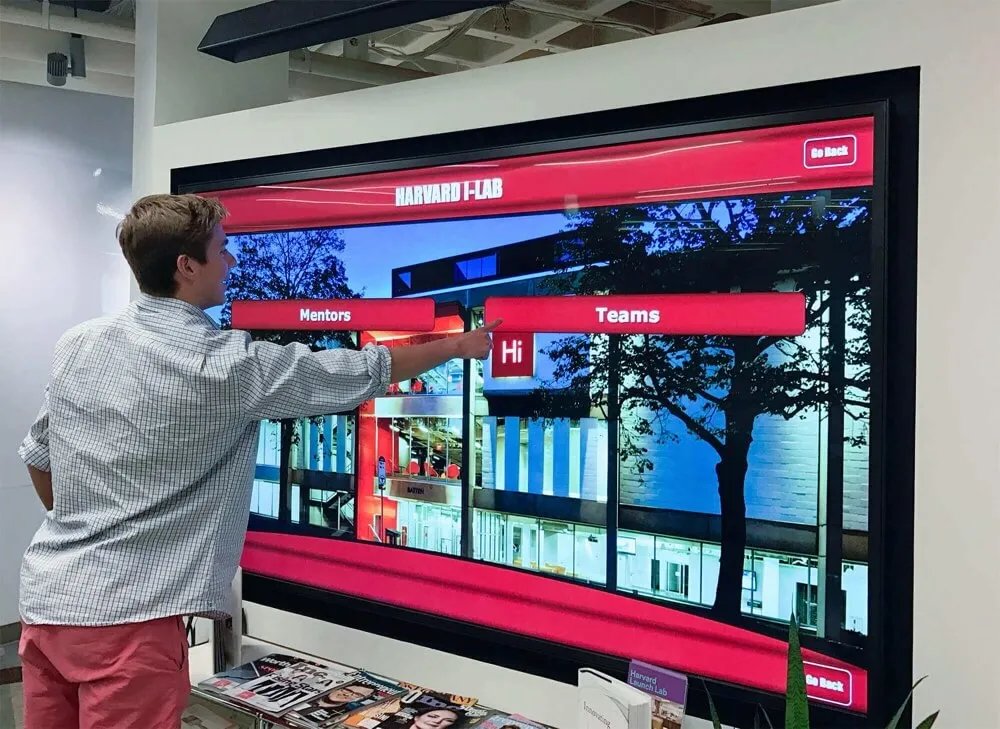
For schools assessing how digital systems complement these safety considerations — including how touchscreen displays handle the content access that glass-fronted cases cannot provide — the comparison of hall of fame tools for athletic programs and institutions offers a clear picture of what a modernized recognition setup looks like in practice.
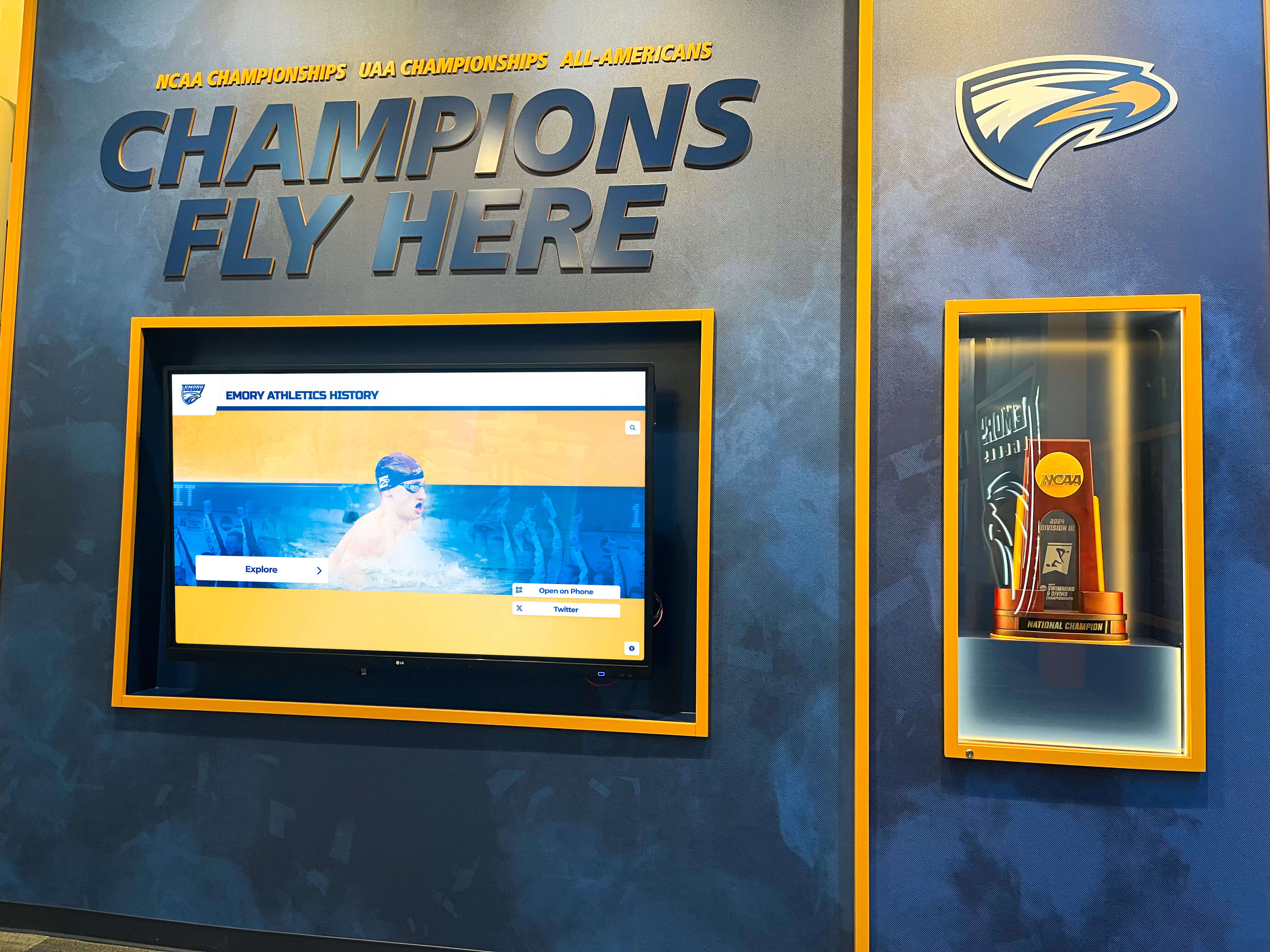
Championship hardware in good condition — clean, properly lit, labeled, and structurally secure — represents decades of program achievement worth protecting through routine maintenance
Assigning Maintenance Ownership: Who Does What
A checklist without an owner is not a system — it is a suggestion. Assign each maintenance tier to a specific role within your institution and document those assignments in writing.
| Task Frequency | Responsible Role | Approving Role |
|---|---|---|
| Weekly cleaning | Custodial staff or assigned student aide | Athletic department contact |
| Monthly review | Athletic department staff | Athletic director |
| Annual audit | Athletic director and/or designated committee | Principal or administrator |
| Structural concerns | Facilities director | Principal or administrator |
| Label research | Athletic department staff | Athletic director or school historian |
| Lighting replacement | Facilities staff | Athletic department contact |
Post the assigned roles alongside the checklist itself in the athletic office. When a new athletic director or facilities director arrives, the checklist and ownership structure should transfer without institutional knowledge being lost in the transition.
Routing authority for structural and safety concerns specifically through a facilities professional — rather than leaving them to athletic staff without maintenance training — reduces liability and ensures that repairs meet building code requirements rather than just addressing the visible symptom.
When Your Maintenance Review Reveals What Physical Cases Cannot Do
A thorough annual maintenance review often surfaces a set of problems that cleaning, new bulbs, and label research cannot fully resolve.
Space constraints that have become chronic. When items are stacked or overlapping because the case cannot hold the collection, routine maintenance cannot fix the root cause. The physical capacity of a glass case is fixed.
Condition problems too severe for in-place treatment. Trophies with significantly corroded metal, fabric items with advanced UV fading, or wood bases with structural warping require either professional restoration or retirement from display. Both options cost money; retiring items without documentation erases institutional history.
Records that exist only in staff memory. When the last person who knows what a particular trophy represents retires, the label research becomes unanswerable. Institutional memory locked in people rather than records is a maintenance problem no checklist solves.
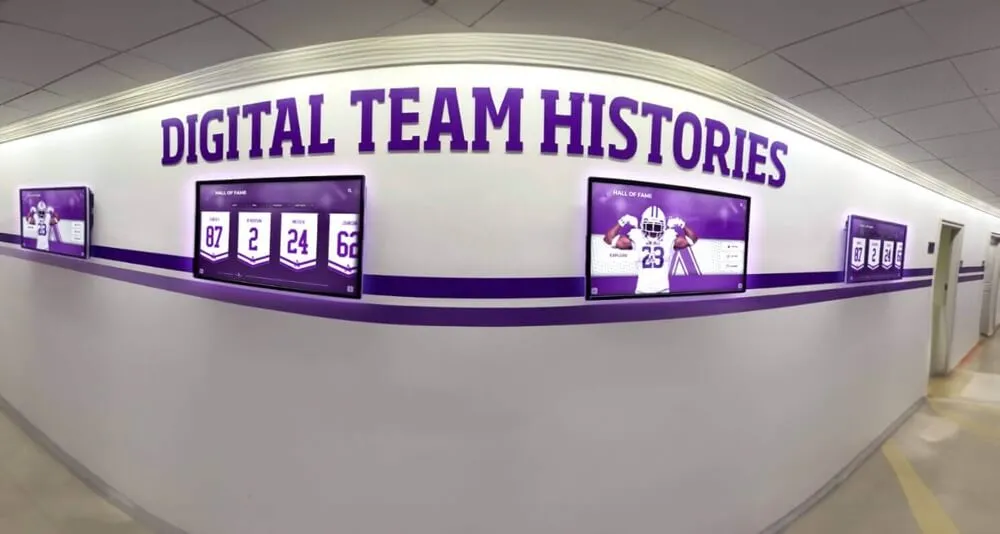
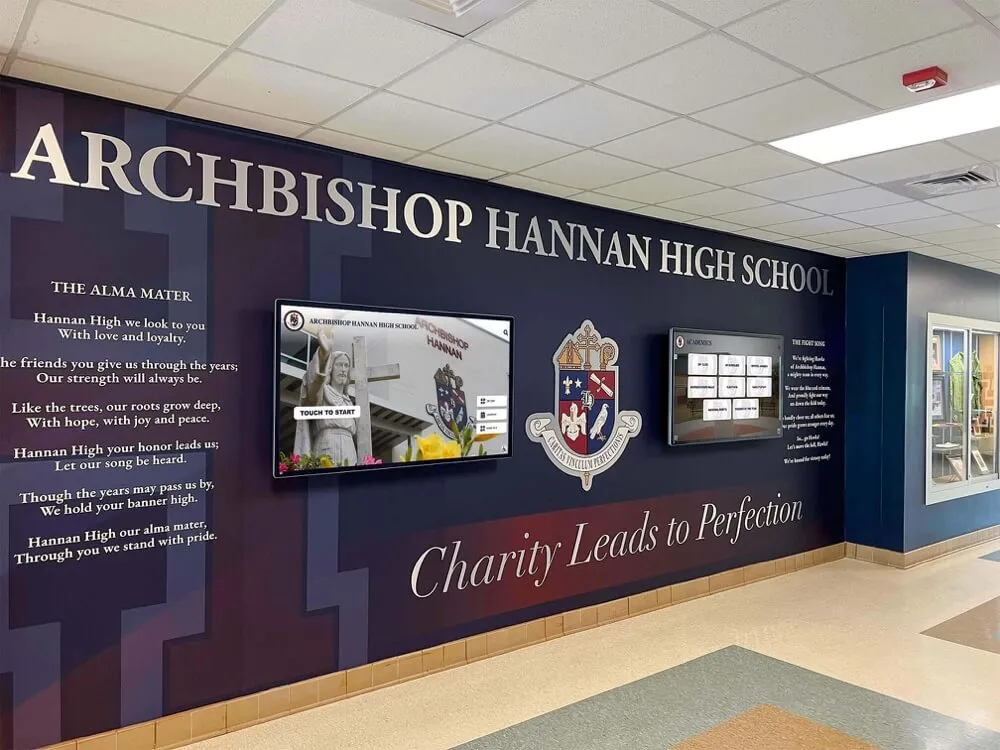
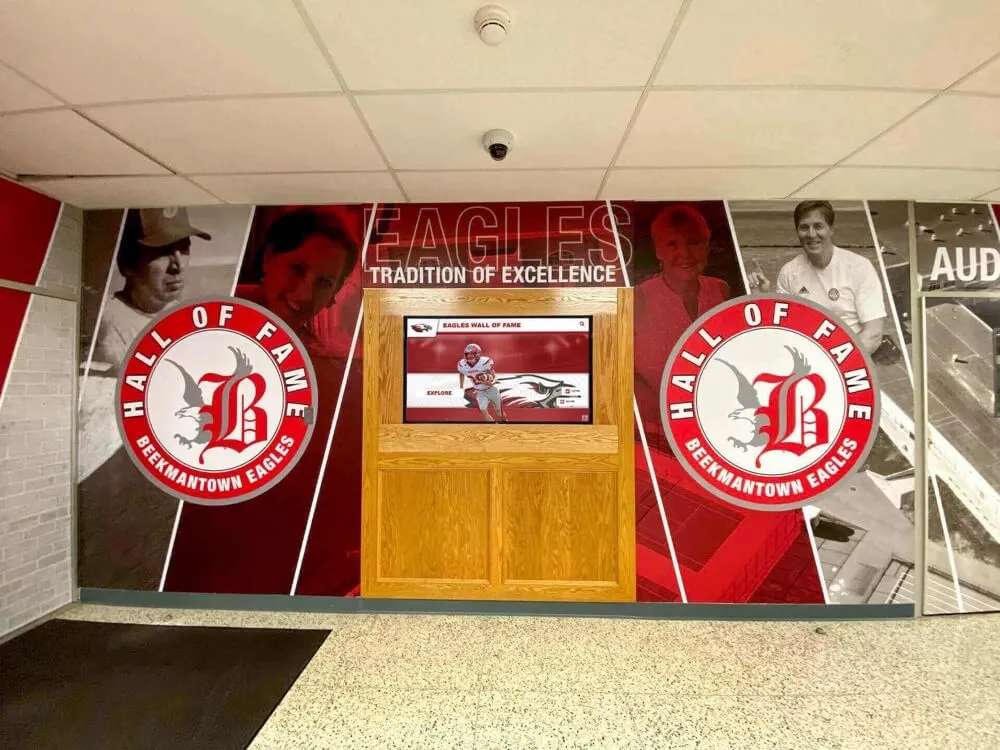
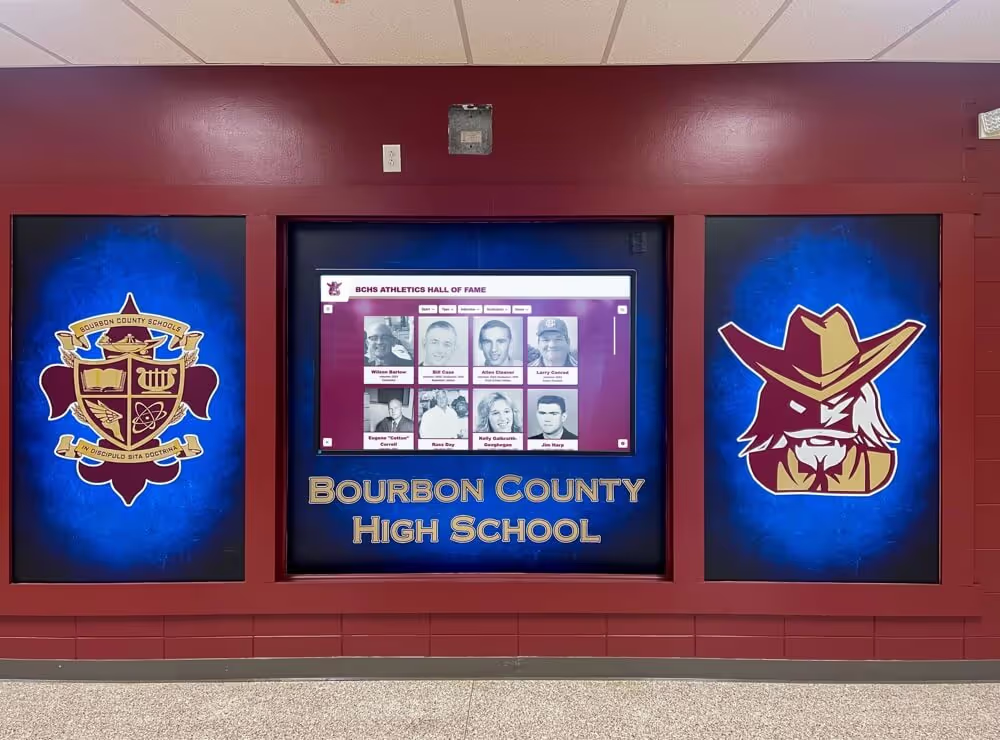
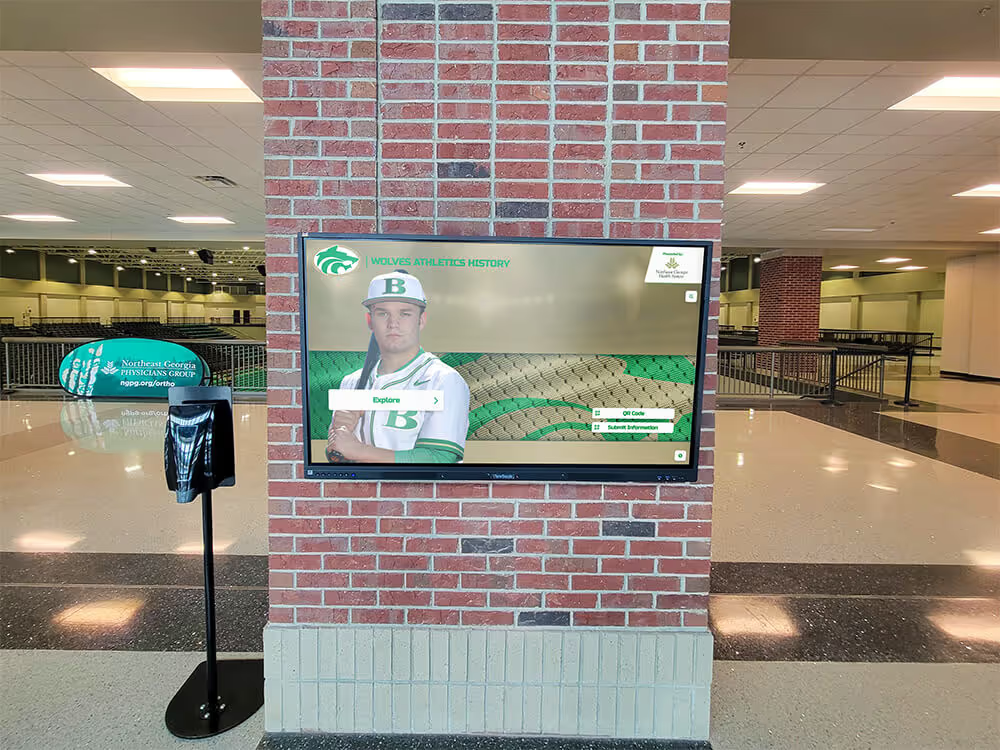
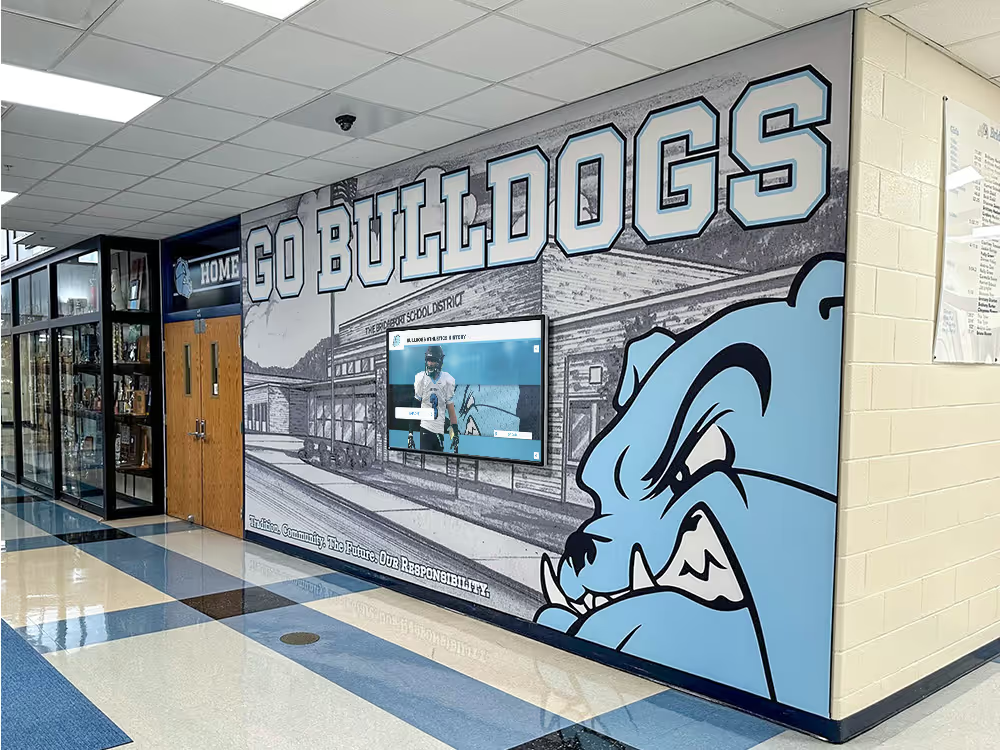
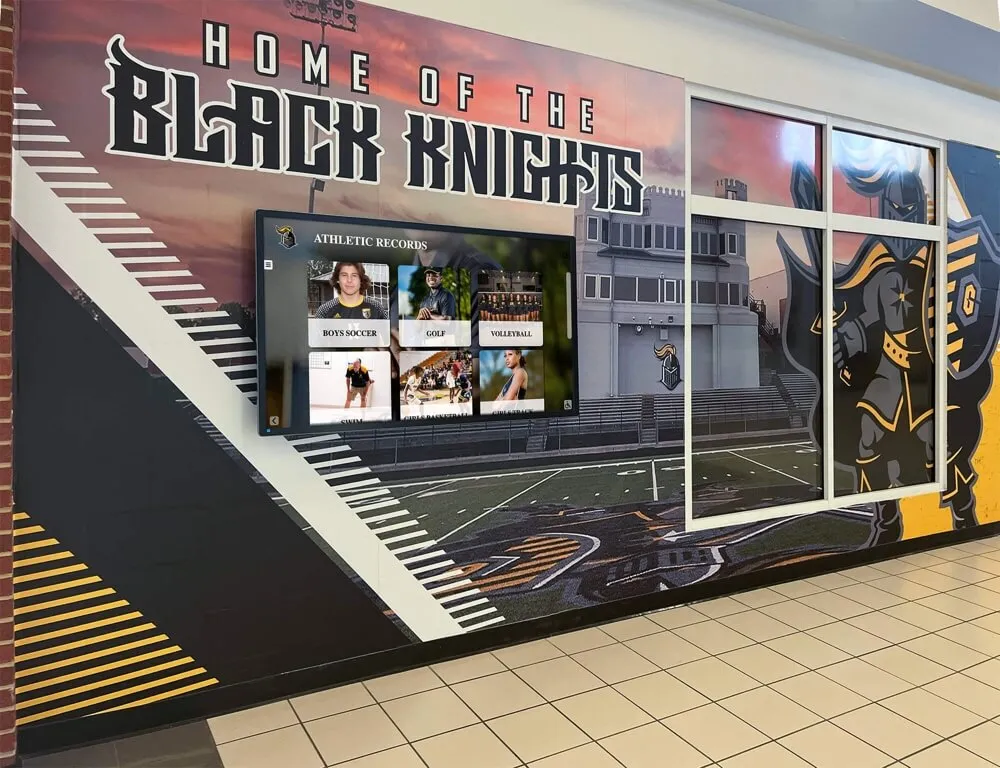
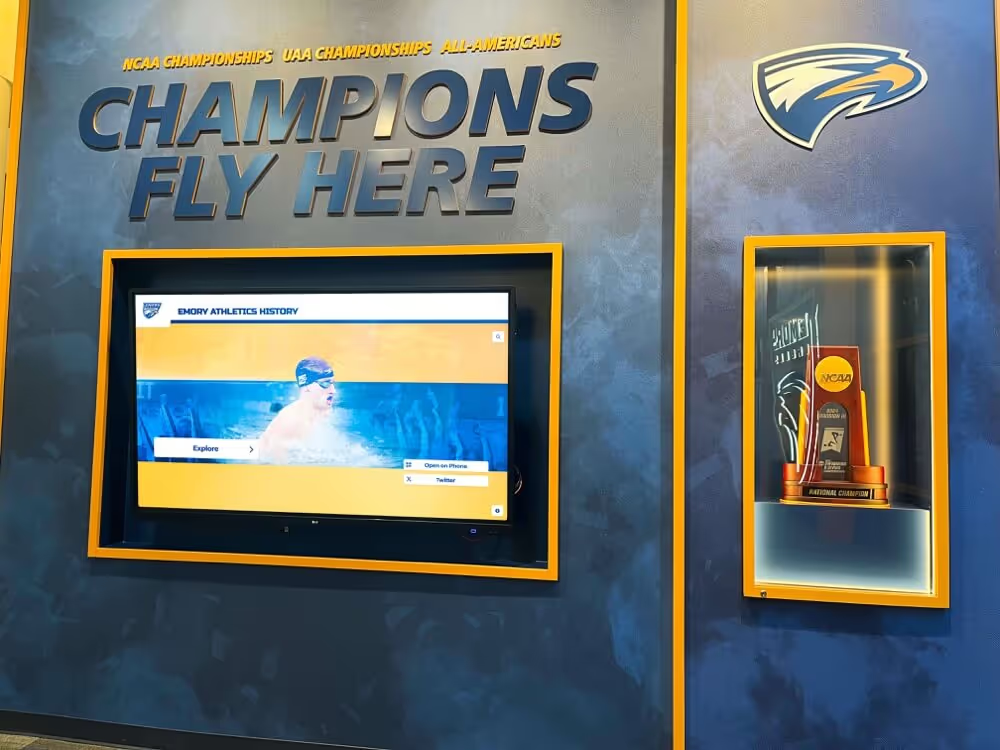
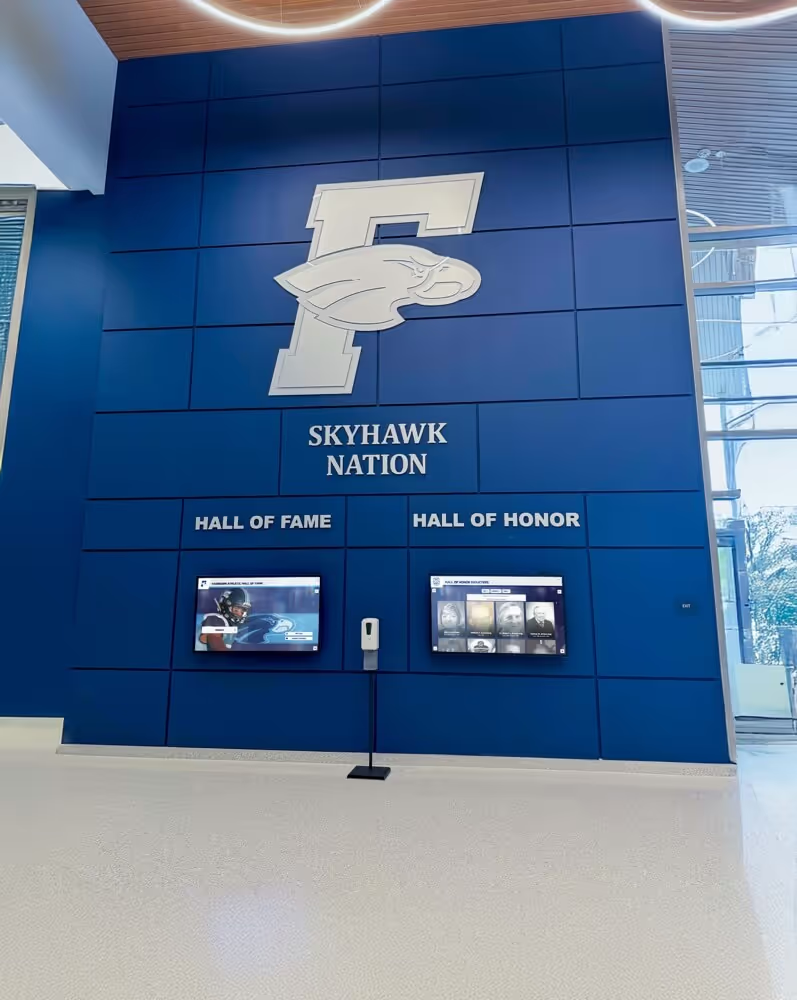
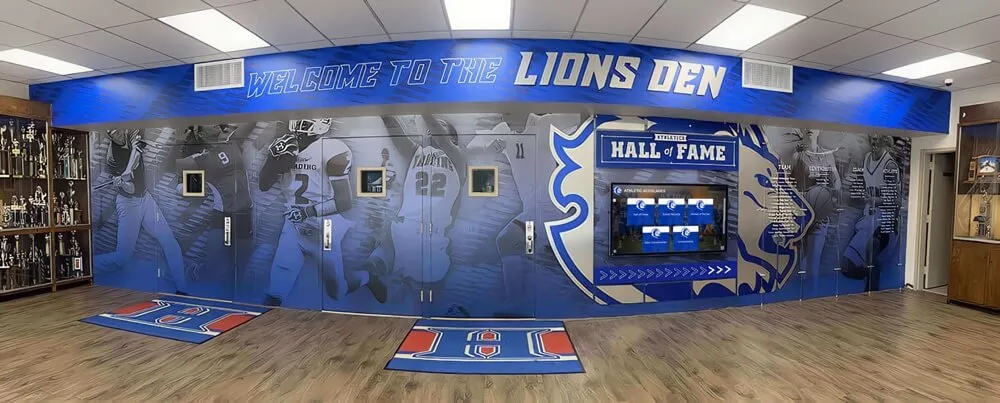
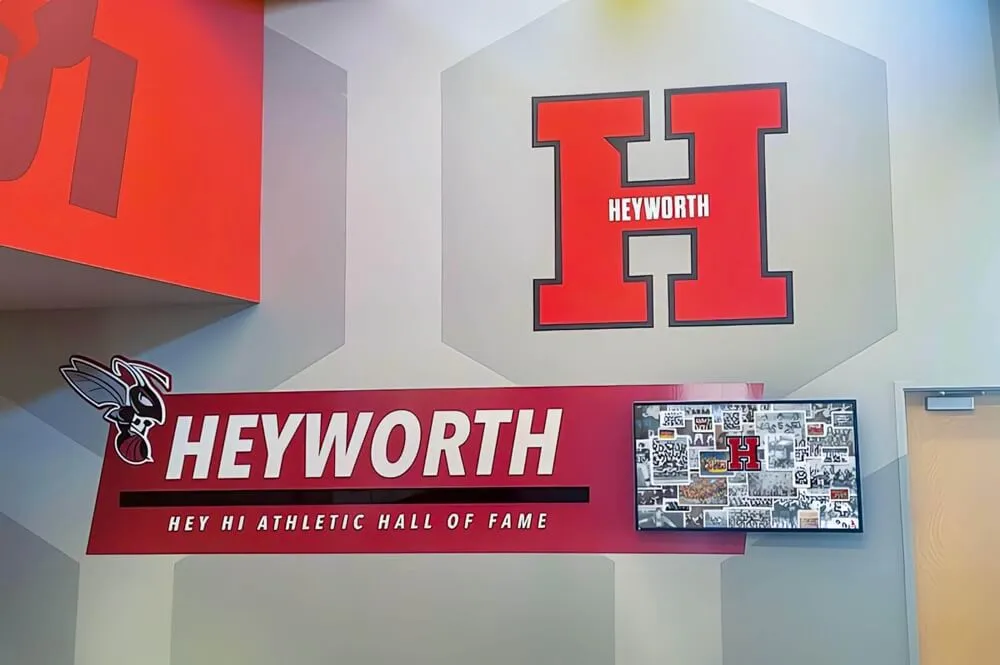
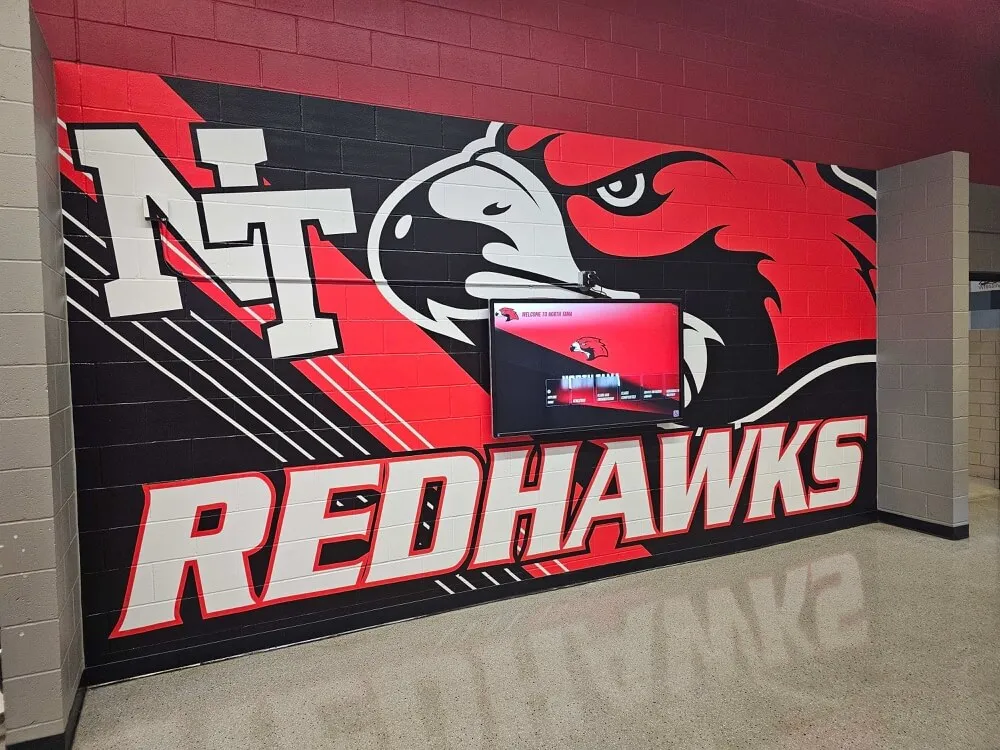
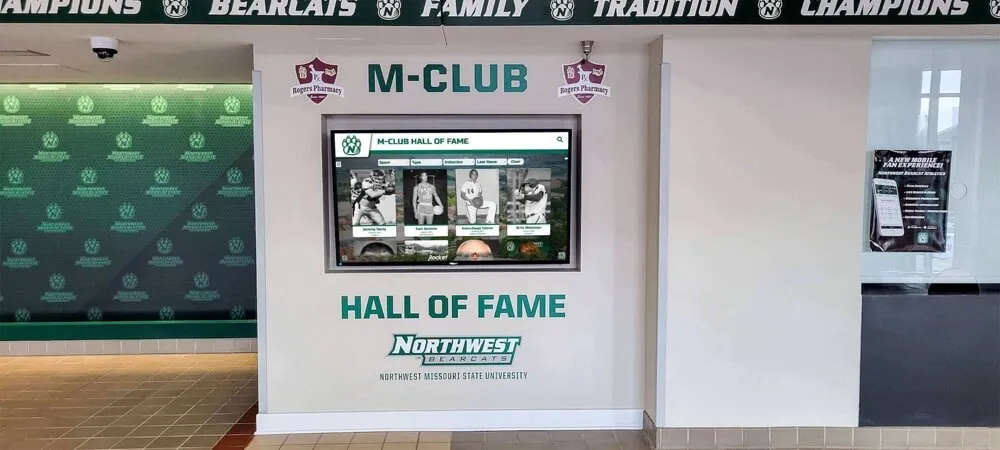
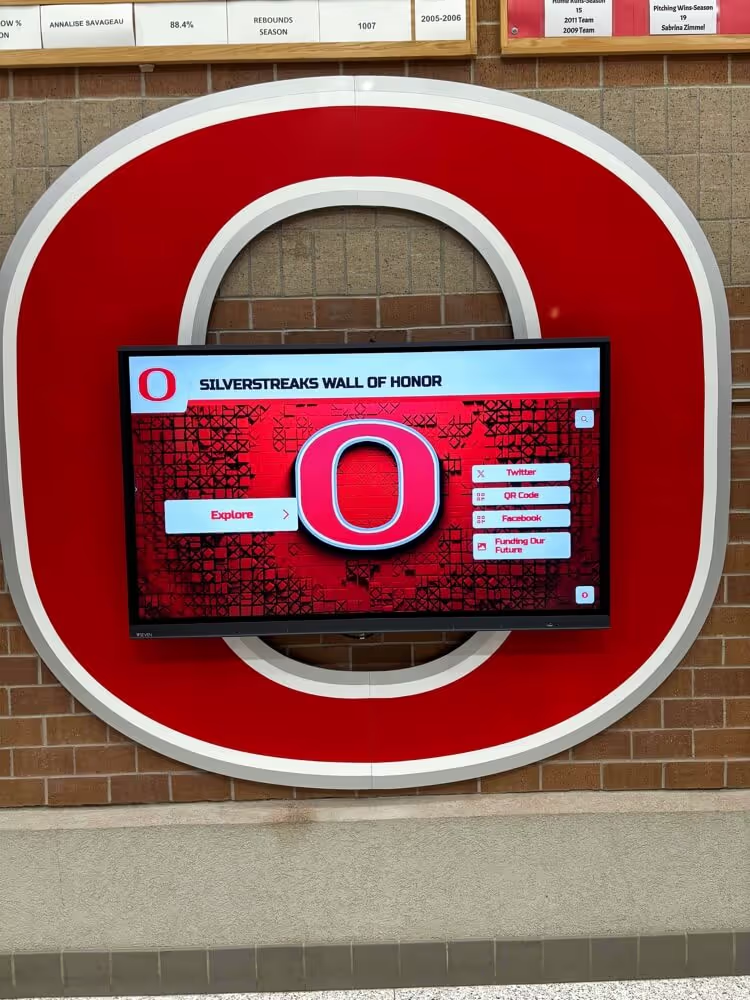
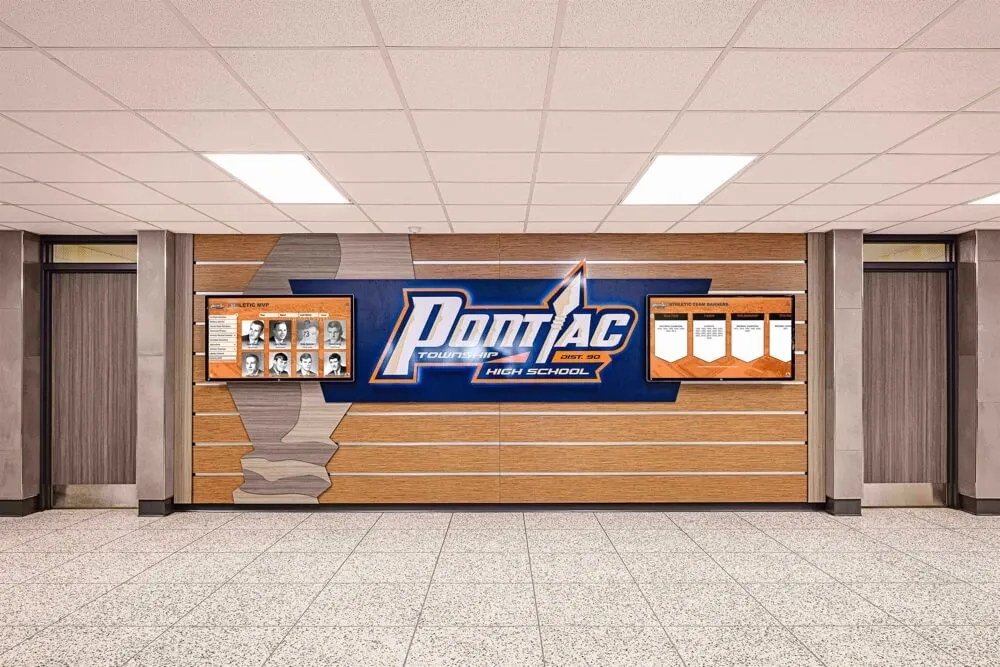
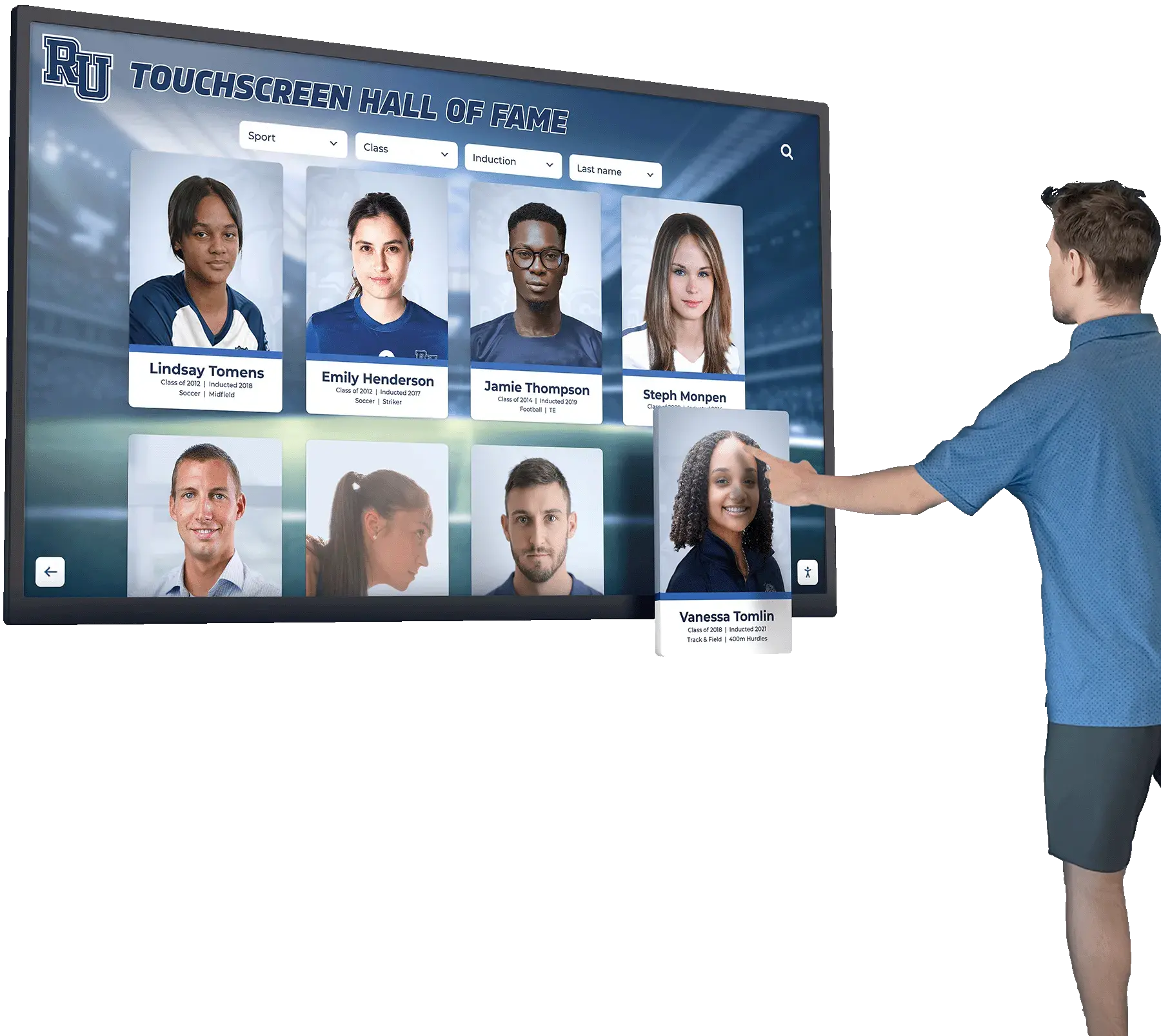
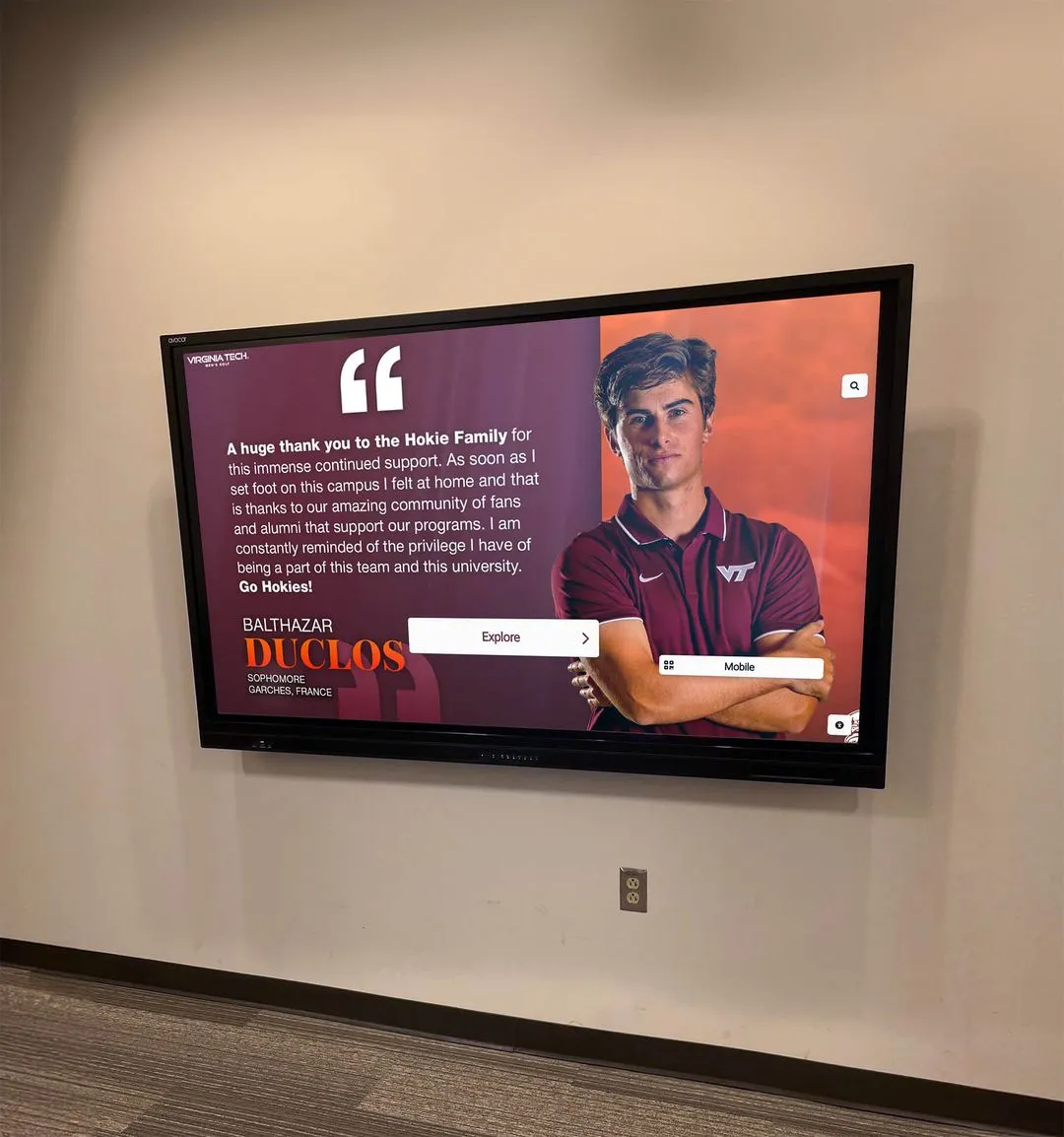
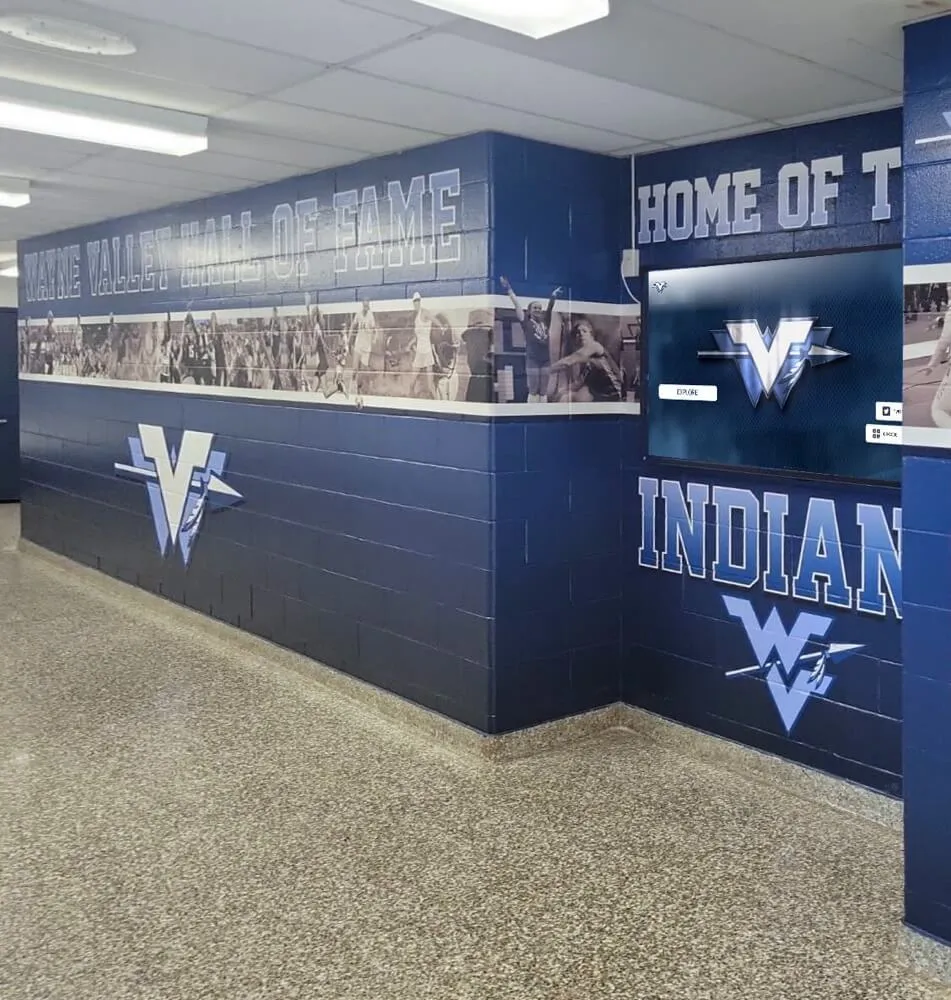
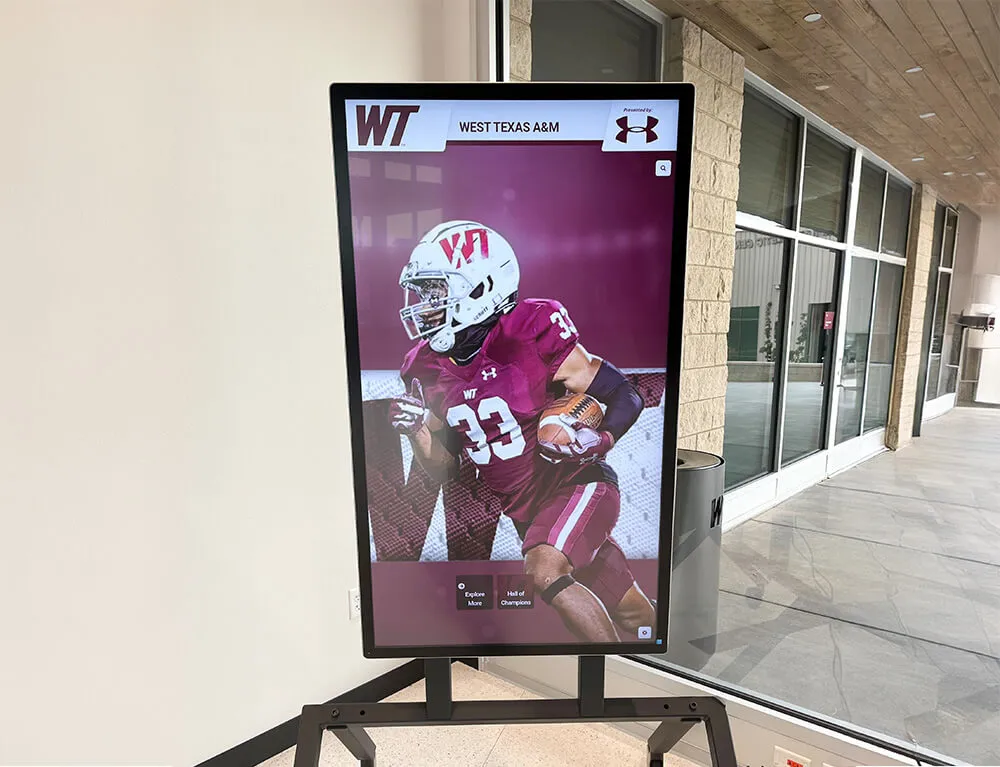
Each of these gaps points toward the same underlying need: a digital catalog that preserves the information that physical display cannot hold indefinitely. Schools building parallel digital records find that a well-maintained physical trophy case and a cloud-based recognition system serve complementary purposes — the physical case creates ambient presence in the hallway, while the digital system preserves the depth of information and completeness of the collection that no glass case alone can match.
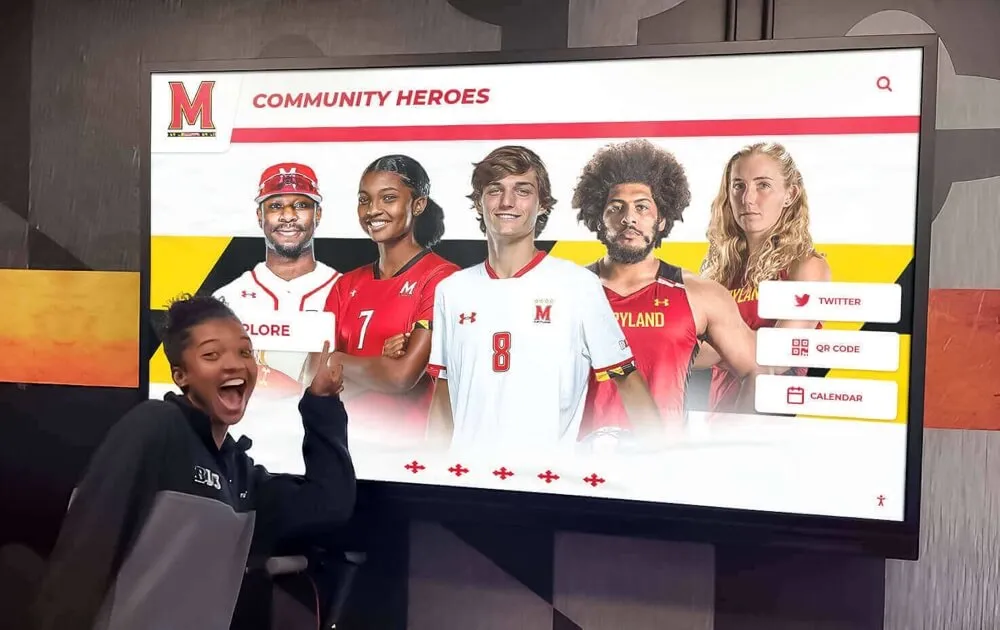
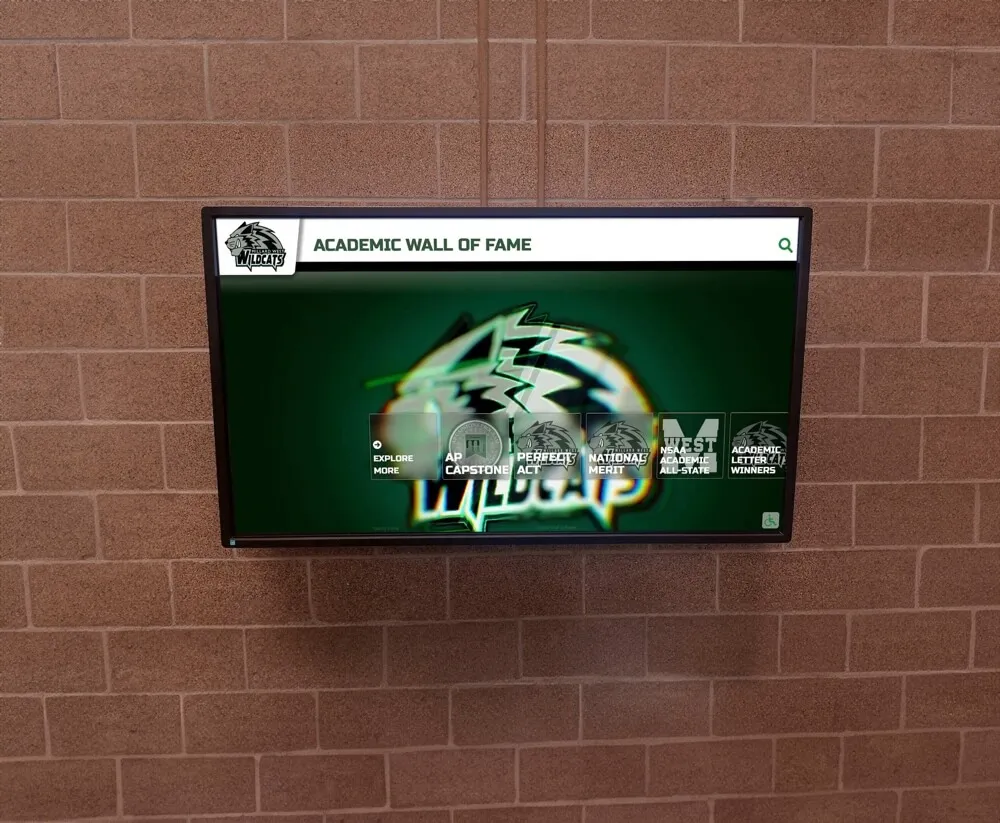
For school administrators thinking through how digital tools fit into a broader recognition strategy — from athletic halls of fame to donor walls to academic achievement displays — the guide to hall of fame recognition tools across athletics, donors, arts, and history surveys available options across institution types. A parallel review of hall of fame tools used by schools and athletic facilities provides additional context for administrators evaluating specific platforms.
Schools that have built digital records alongside their physical collections report being able to surface championship information that was previously buried in storage, reconnect alumni with recognition they did not know was preserved, and add a new award to the public record within minutes of a ceremony — capabilities that no physical maintenance checklist can replicate.
For administrators evaluating data quality in digital recognition platforms before committing to one, the advisory on data integrity in the digital hall of fame market raises important questions worth considering during the selection process. And for institutions wanting a comprehensive view of recognition display options across school types, the breakdown of hall of fame tools for athletics, donors, arts, and history covers a wide range of scenarios.
Frequently Asked Questions
What should a trophy case maintenance checklist include? A complete trophy case maintenance checklist covers four core categories: cleaning (interior and exterior surfaces, individual items), lighting (bulb condition, fixture type, UV output), labels and signage (completeness, accuracy, legibility), and safety (structural anchoring, glass integrity, accessibility). Each category should have tasks at weekly, monthly, and annual intervals assigned to a specific staff role.
How often should you clean a school trophy case? Exterior glass surfaces warrant weekly attention. Interior surfaces, individual trophies, and shelving should be cleaned monthly. A full deep clean with all items removed should occur at least once annually, typically at the start of each school year or before a major recognition event.
What is the best way to clean trophies inside a display case? For metal trophies, use a soft-bristled brush for routine dust removal and an alloy-appropriate metal polish for tarnished surfaces — matching the product to the specific material (brass, zinc, or aluminum). For wood bases, use a dry or lightly damp cloth. For fabric items like jerseys, use a low-suction vacuum with an upholstery attachment. Never use abrasive cleaners or standard furniture polish on display items.
What lighting is best for a school trophy case? LED fixtures with a color temperature between 3000K and 4000K and a Color Rendering Index of 90 or higher produce the best visibility and cause the least long-term damage to displayed materials. Avoid fluorescent tubes with high UV output near fabric items and photographs, and avoid high-wattage incandescent fixtures that generate heat buildup inside enclosed cases.
How do you label items in a trophy case? Each item should carry a permanent printed label — not handwritten — that includes the award name, year, sport or activity, recipient name or names if applicable, and achievement level. Labels should be consistent in format across the entire case. Use adhesive formats removable without leaving residue, so corrections can be made without damaging the case interior.
What are the main safety risks associated with school trophy cases? The primary risks include inadequately anchored wall-mounted cases that can tip or collapse, cracked or chipped glass panels that may fail under temperature or impact stress, and door swing paths that create collision hazards in high-traffic hallways. Regular structural inspections and prompt remediation of identified deficiencies are the primary preventive measures.
What should you do when a maintenance review reveals unlabeled or unidentified items? Conduct research using yearbooks, athletic record binders, alumni outreach, and any available district databases before treating an item as permanently unidentifiable. For items that resist all research efforts, document what is known — physical description, approximate era, condition — and note the research gap in your inventory. Consider a digital catalog system that preserves both confirmed records and research-in-progress entries for future staff to pick up.
Who should be responsible for trophy case maintenance in a school? Weekly cleaning typically falls to custodial staff. Monthly reviews belong to athletic department staff. Annual audits should involve the athletic director, and structural and safety concerns should route through a qualified facilities professional. Document these assignments in writing so that staff turnover does not erase the maintenance system.
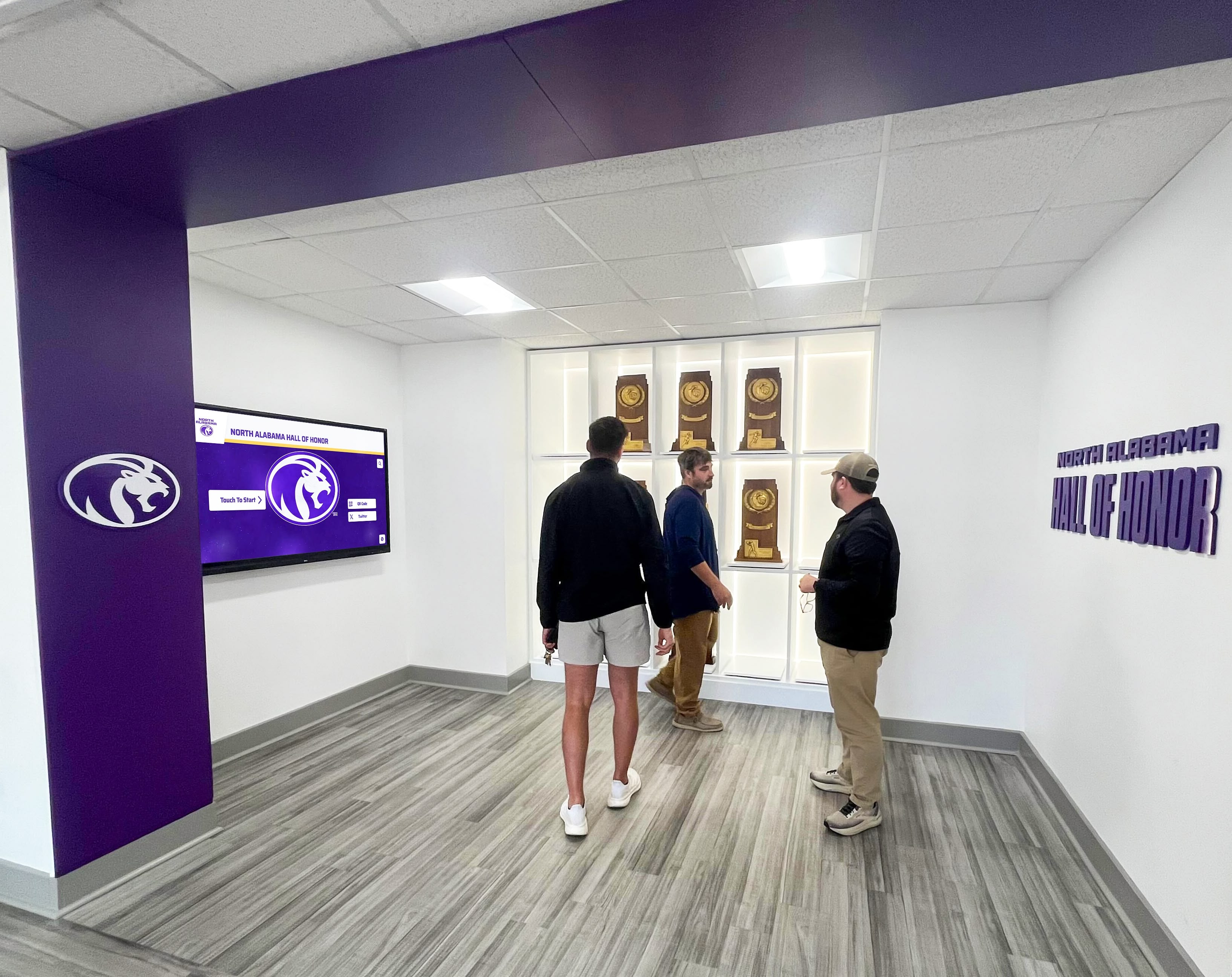
A well-staffed annual review — combining athletic, facilities, and administrative perspectives — catches problems that routine weekly checks miss
From Physical Maintenance to a Complete Recognition System
A trophy case maintenance checklist solves the immediate problem of degradation and neglect. It does not solve the broader challenge that most school athletic departments face: a recognition collection that has outgrown the physical space available to display it, with institutional history scattered across binders, spreadsheets, and staff memory that will eventually retire.
The longer-term answer integrates physical maintenance discipline into a comprehensive digital recognition system — a cloud-managed platform where every trophy, plaque, jersey, and record exists as a searchable entry. When a maintenance review reveals a damaged trophy too far gone for restoration, its record survives permanently in the digital catalog. When an annual audit uncovers an unlabeled piece whose identity emerges from alumni research six months later, the digital entry gets updated in minutes. When space constraints force removal of physical items, the digital record preserves full history without requiring any physical footprint.
The two systems work together rather than replacing one another. A clean, well-lit, properly labeled physical trophy case remains a meaningful ambient presence in a school hallway. A digital recognition platform ensures that the depth of achievement, the names, the records, and the stories those cases represent are accessible to every student, alumnus, and visitor — indefinitely.
Ready to Complement Your Physical Checklist with a Digital Record?
Rocket Alumni Solutions builds interactive digital trophy cases and halls of fame for schools nationwide. Unlimited record capacity, cloud-managed updates, ADA WCAG 2.1 AA compliant touchscreens, and QR code access — so your complete recognition history is preserved and accessible whether an artifact is on the shelf or temporarily off-site. See how schools are keeping every championship, every name, and every record safe for the long term.
Book A DemoA maintained trophy case is an act of institutional respect — for the athletes who earned those championships, the coaches who built those programs, and the students currently writing the next chapter of your school’s history. The checklist above gives administrators a concrete, frequency-based system for keeping glass clean, lighting accurate, labels legible, and hardware structurally sound year after year. And when routine maintenance surfaces gaps that no amount of cleaning or labeling can close, a digital recognition system provides the parallel infrastructure that physical cases alone were never designed to hold.