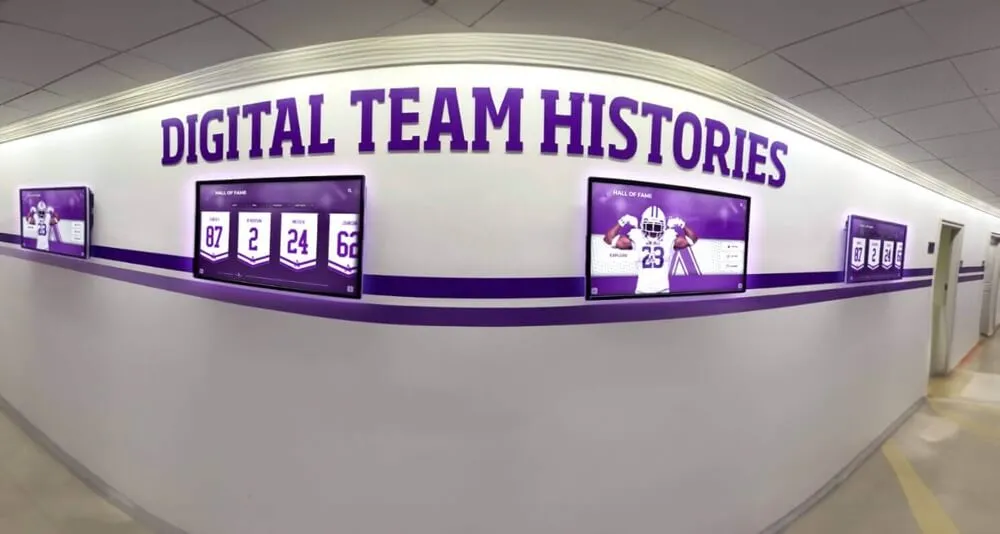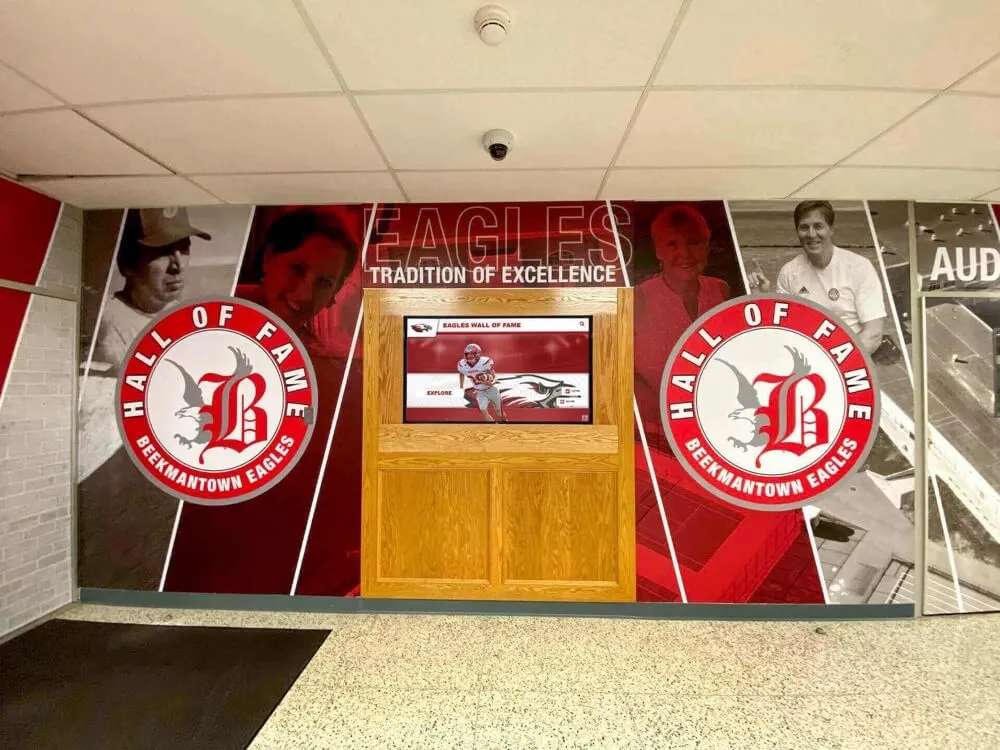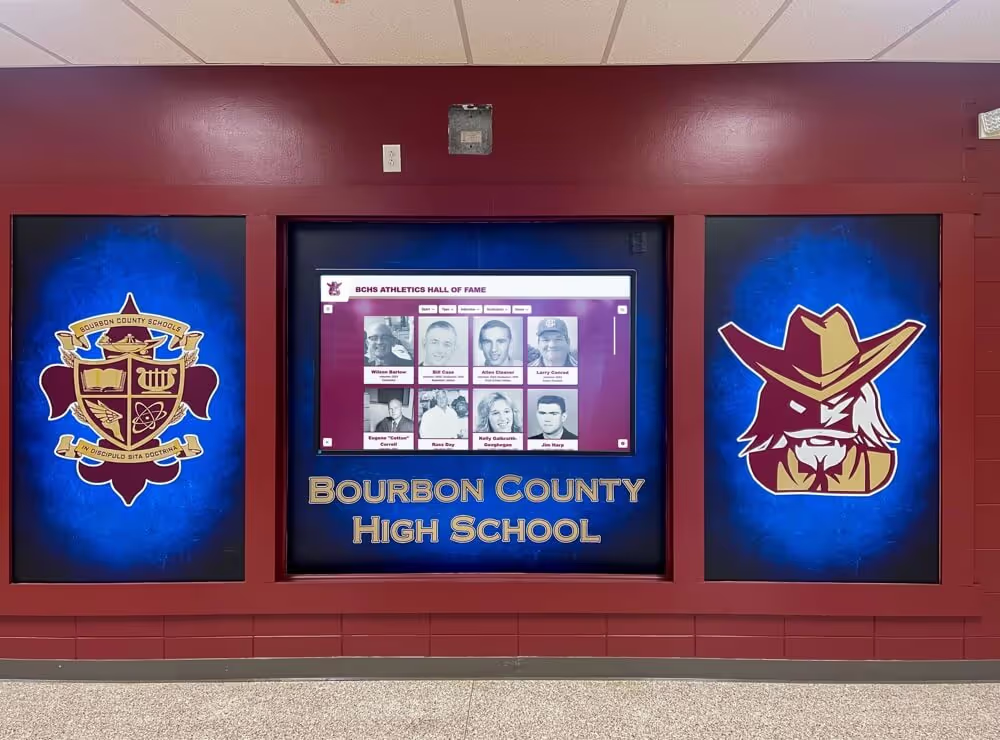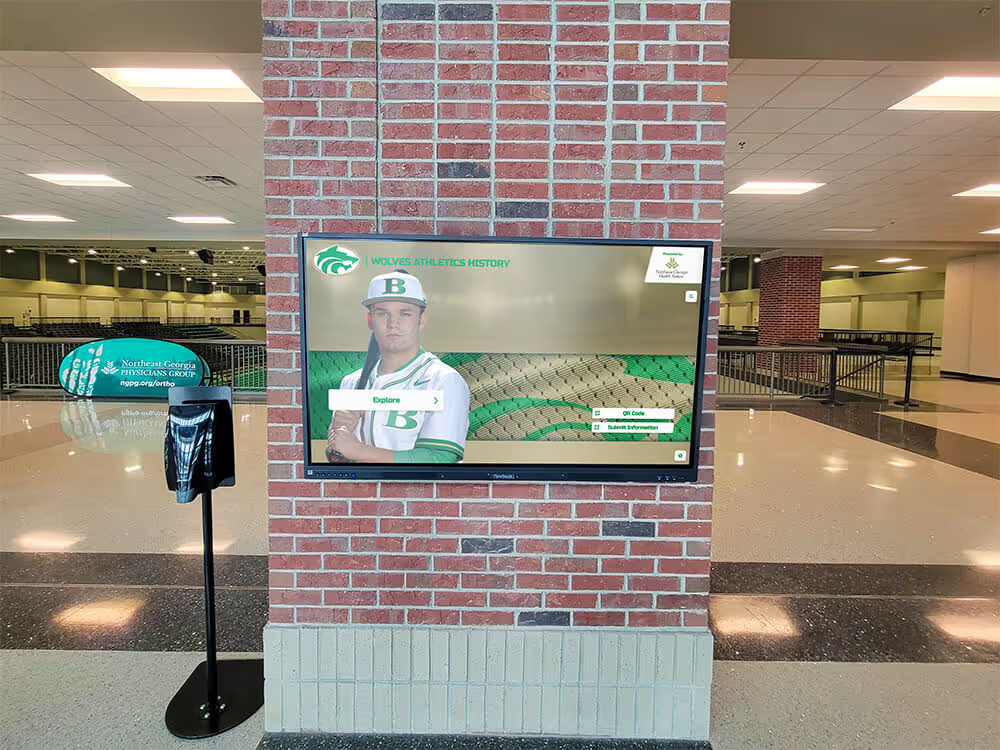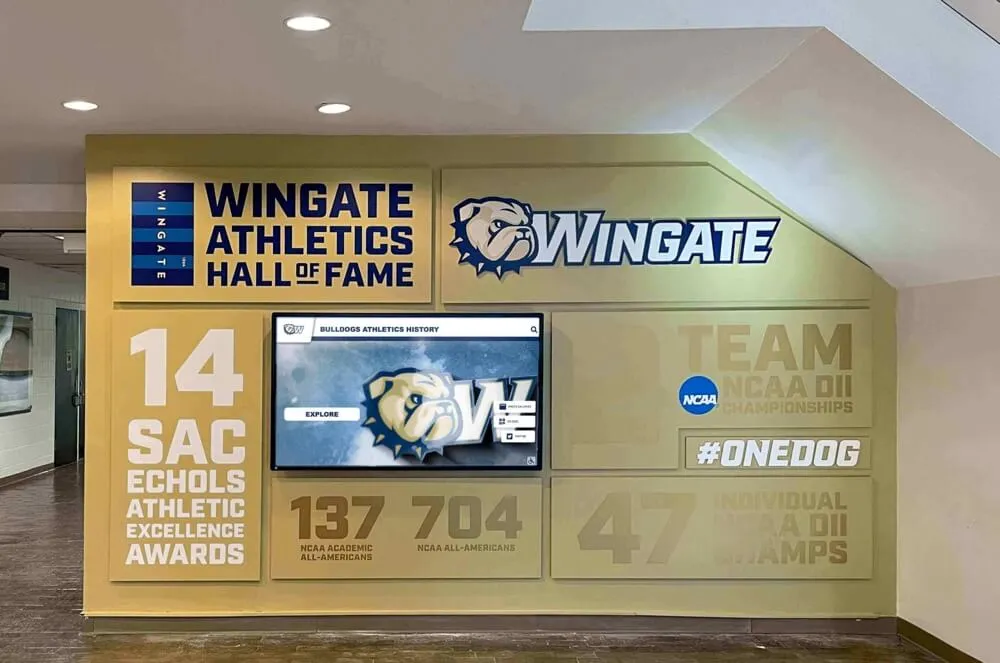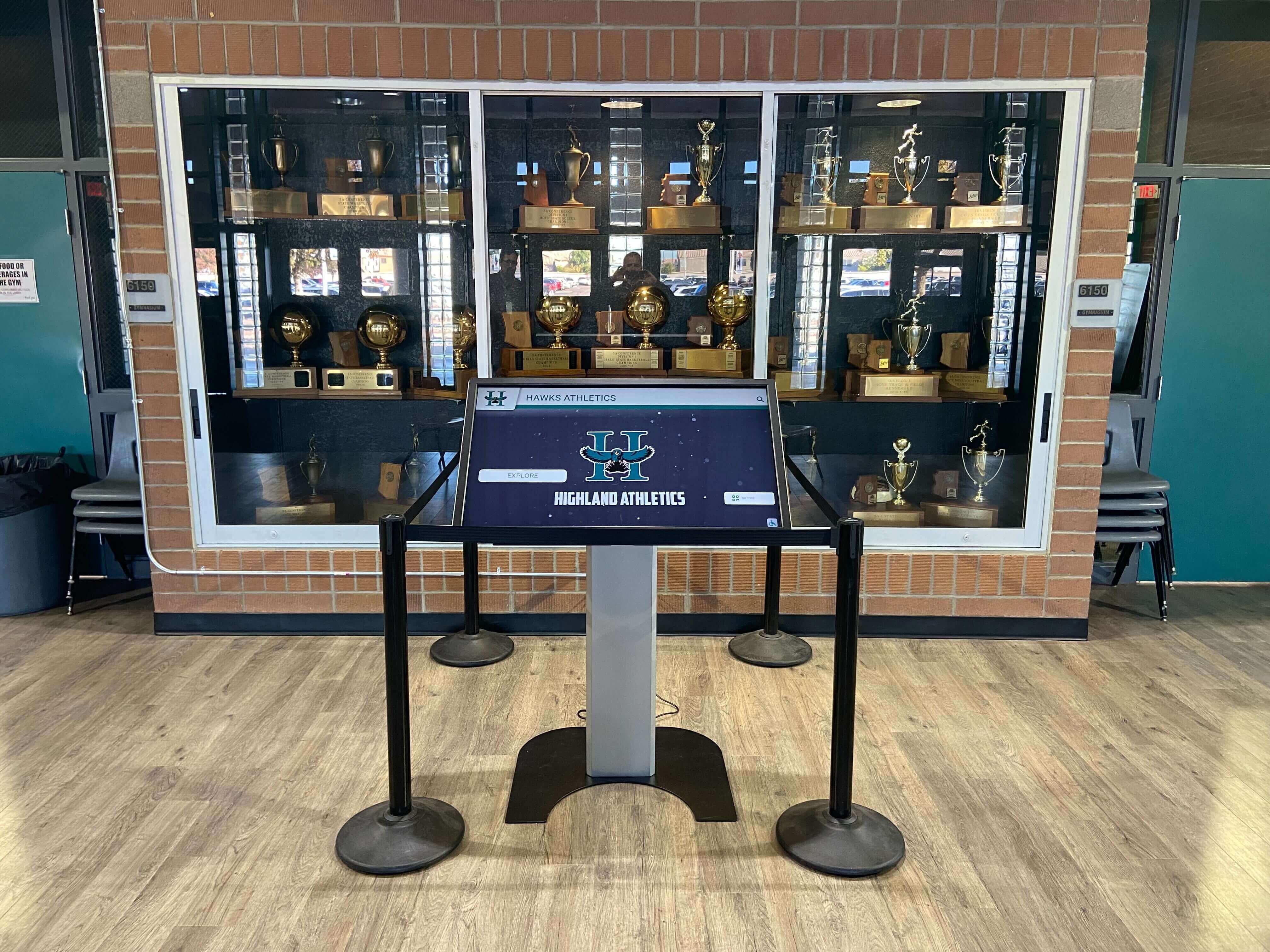




Intent: research — a trophy case key control log gives school administrators, athletic directors, hall-of-fame committees, and archives staff a reliable system for recording who holds keys to physical trophy cases, when access was granted, why it was needed, and when keys were returned. Without this record, a school has no way to determine who had access during the window when a trophy went missing, a display was disturbed, or a loaned memorabilia item disappeared. This guide delivers a practical log format, a step-by-step access workflow, and guidance on when physical key logs should be supplemented with digital access tools.
A trophy case in a school hallway is not just a decorative fixture. It holds championship trophies earned over decades, jerseys retired in honor of standout athletes, plaques representing academic and community achievement, and in some schools, loaned memorabilia from alumni donors whose trust is difficult to rebuild if an item is damaged or lost. The key to that case is a transfer of responsibility — and every time it changes hands, that transfer should be recorded.
Most schools do not have a formal key control log for trophy cases. Keys circulate among athletic staff, coaches, custodians, and administrators without a written trail. When something goes wrong — and in schools with active programs and high hallway traffic, it eventually does — the absence of an access record makes a clear response nearly impossible.

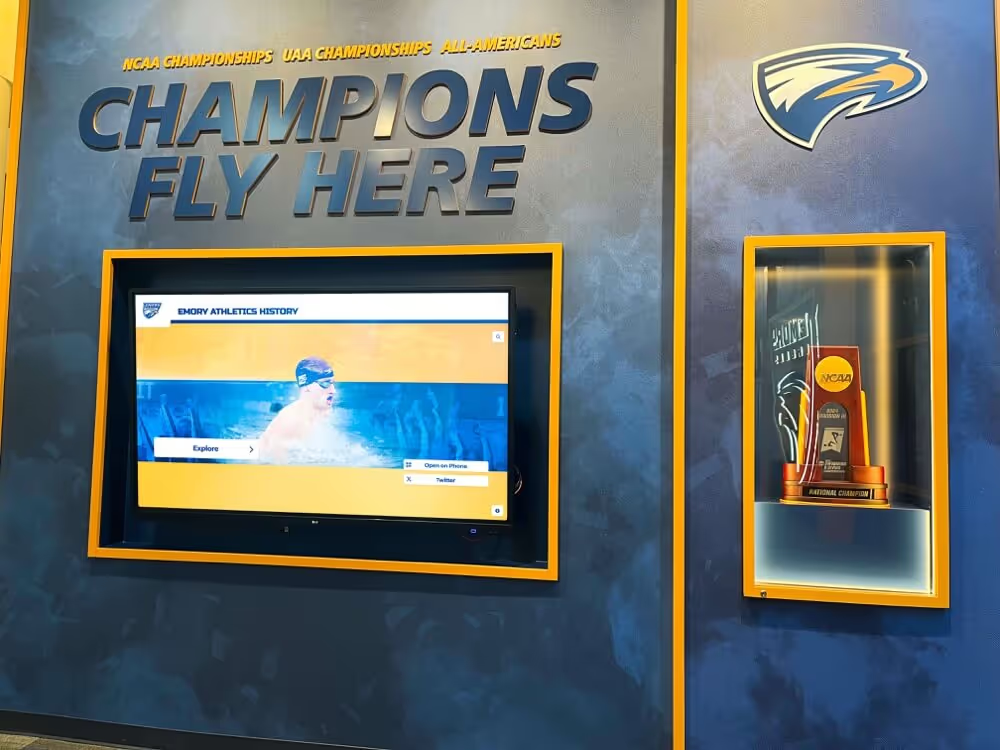
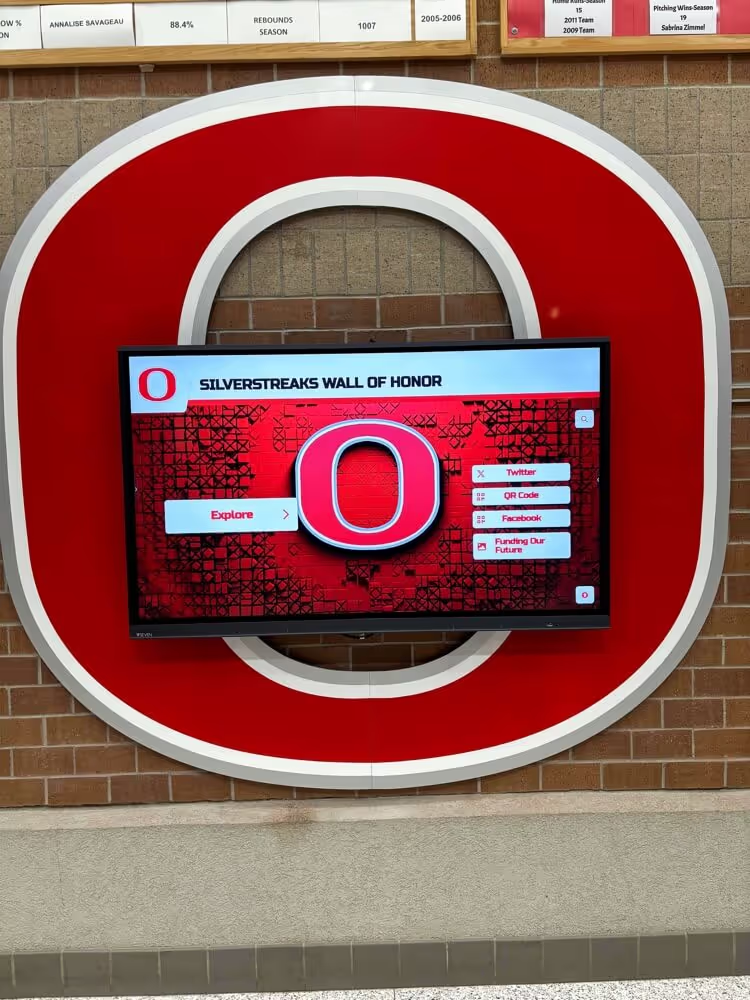
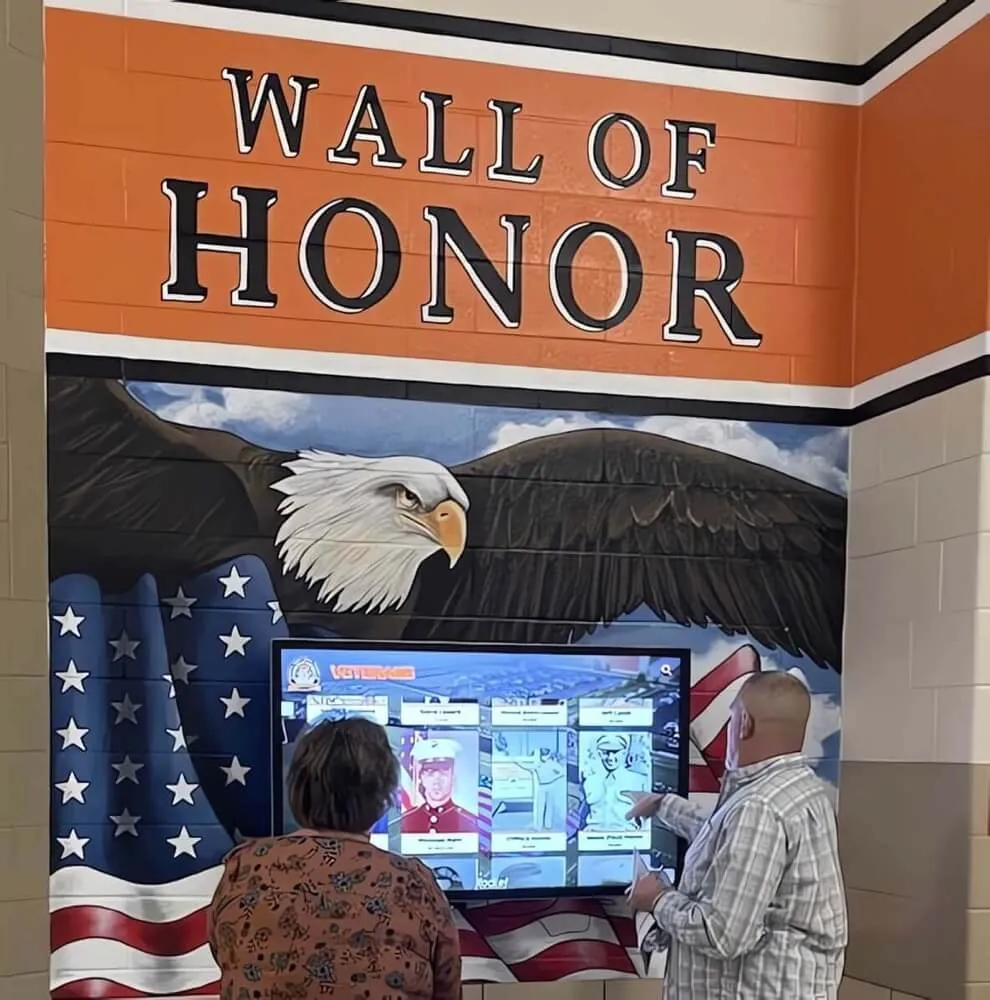
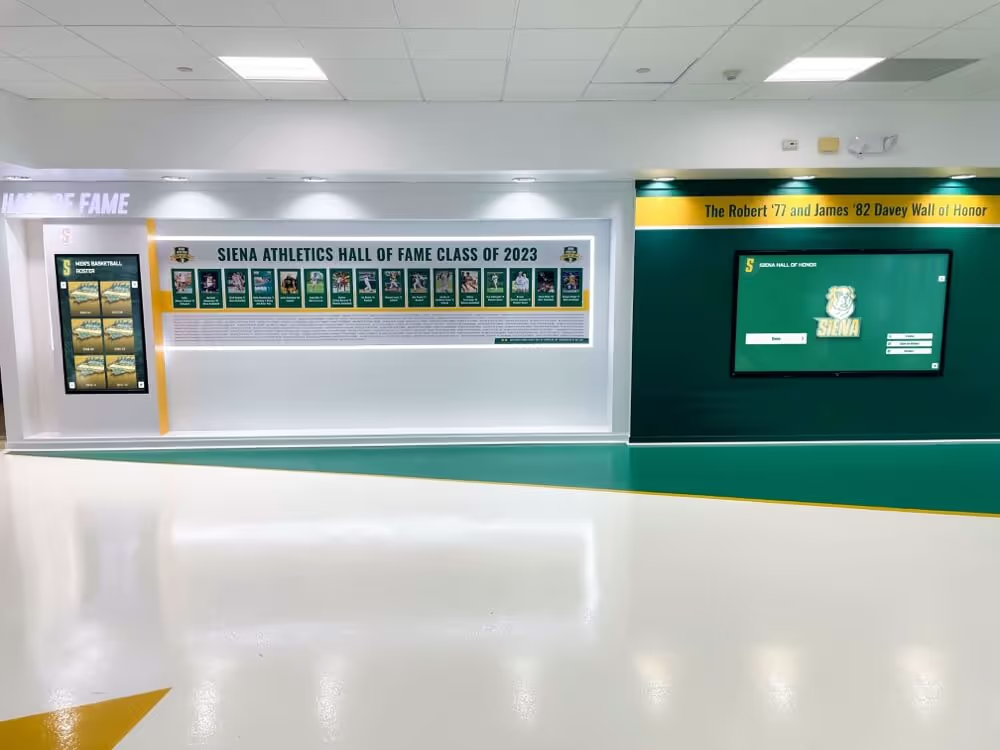
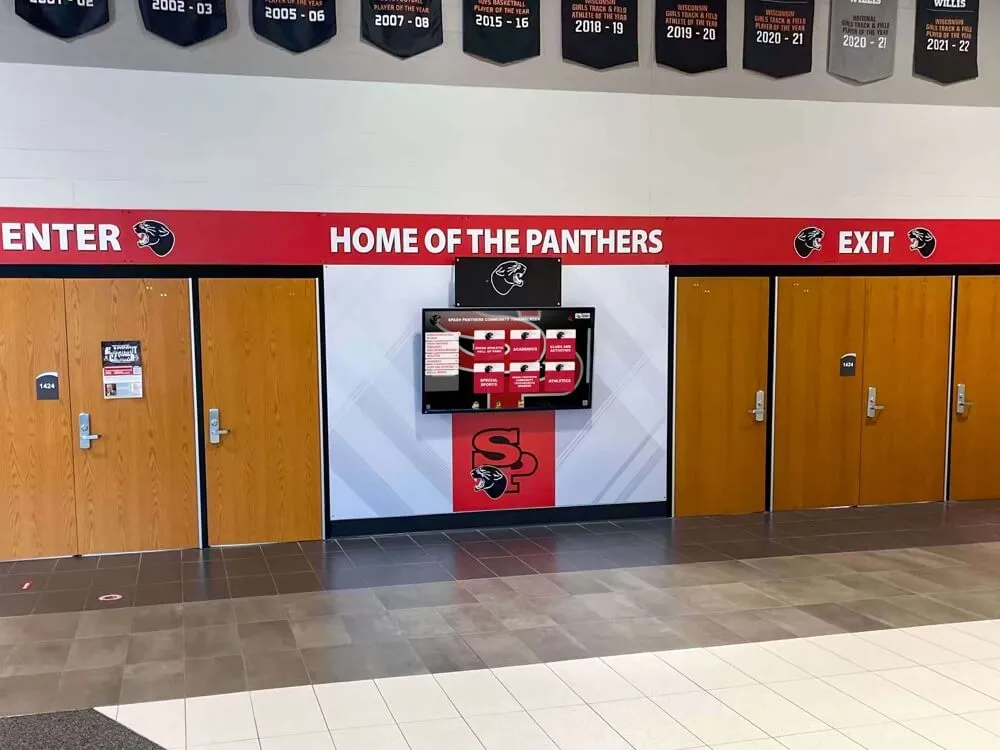
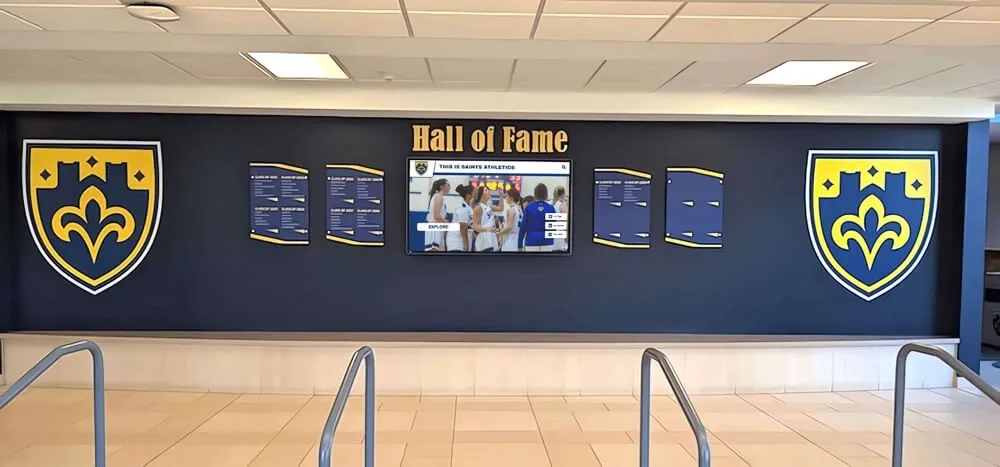
A key control log covers every physical trophy case in the building — from traditional glass displays to adjacent digital recognition kiosks that may share a locked enclosure
Why Trophy Case Key Control Is a Governance Issue, Not Just a Facilities Task
Most key management conversations in schools focus on building access — exterior doors, classrooms, server rooms. Trophy cases rarely make this list, even in institutions where those cases hold items of genuine historical significance. This gap reflects a common misclassification: trophy cases are treated as display furniture rather than as secured repositories.
The practical consequences are consistent. When an athletics director retires, keys may transfer informally without documentation. When a coach is reassigned, case keys may follow them to a different building without anyone updating the key list. When a cleaning contractor cycles through new staff, the master key that includes the trophy case area passes to each new hire without a logged record.
None of these transfers are necessarily problematic on their own. All of them become problematic the moment something in the case is missing, damaged, or out of position — because without a log, there is no starting point for an investigation.
Schools that maintain active recognition programs — with athletics, academic honors, donor contributions, and community awards all represented in physical displays — recognize that the integrity of those programs depends on documented access control. For institutions planning events where recognition is a central element, planning frameworks for school celebration programs emphasize that administrative documentation — including access records — is foundational to running recognition programs that sustain alumni and donor confidence over time.
Who Should Hold Keys to a School Trophy Case
The first step in establishing a key control log is defining which roles should have authorized access in the first place. This list should be explicit, documented, and reviewed at the start of each school year.
Primary keyholder roles typically include the athletic director (or assistant athletic director), the building principal or their designated administrator, and the head of facilities or building operations. These roles have ongoing access authority — they may need to open the case on short notice for any purpose related to recognition or maintenance.
Secondary keyholder roles are staff who need periodic access for defined purposes. This includes the head coach or program coordinator for any sport or team whose trophies are housed in the case, a hall-of-fame committee chair or archivist if the school maintains a formal recognition program, and a designated facilities staff member responsible for interior cleaning and maintenance.
Temporary access covers any instance where a person not on the primary or secondary list needs the case opened — a yearbook photographer, a parent donor returning or contributing a memorabilia item, a community media outlet covering an award ceremony. Temporary access should always be supervised: the case is opened by an authorized keyholder who remains present for the duration and logs the access before relocking.
The Trophy Case Key Control Log: What to Record
A key control log is only as useful as the information it captures. The fields below represent a complete record for each key transaction. Adapt column widths based on whether your log is kept on paper, in a shared spreadsheet, or in a school facility management system.
| Field | What to Record |
|---|---|
| Key ID or Number | A unique identifier for the specific key (useful when multiple keys to the same lock exist — each copy should have its own ID) |
| Date Issued | The calendar date the key was checked out |
| Time Issued | The time the key was handed over; important when multiple checkouts occur the same day or when an incident window needs to be established |
| Issued To | Full name of the person receiving the key |
| Role / Department | The staff member's position and department; confirms this is an authorized role and creates a record for auditing patterns over time |
| Purpose of Access | A brief factual description of why the case is being opened — for example: "Add 2025 regional championship plaque," "Interior cleaning," "Retrieve retired jersey for alumni display," "Photograph contents for yearbook" |
| Expected Return Date/Time | When the key is expected back; short-term checkouts (same day) should note the expected return time; multi-day holds should note the return date |
| Authorized By | Name and role of the administrator who approved this checkout; for primary keyholders checking out their own key, this field may reference the standing authorization policy |
| Issuer Signature or Initials | The signature or initials of the staff member handing over the key; creates accountability at both ends of the transaction |
| Recipient Signature or Initials | Confirms the recipient accepted the key and understands the return obligation |
| Date/Time Returned | The actual date and time the key was returned; leaves a blank field until physically verified |
| Returned To | Name of the staff member who received the key back; this person confirms the return and initials the log |
| Notes | Any relevant observations at checkout or return — a case door that required extra force to lock, an item that appeared shifted, a light that was out — brief factual observations only |
Keep the physical log in a fixed location: either in a locked drawer in the athletic director’s office, or secured in the facilities office, depending on which office manages the key cabinet. A log that circulates or is stored informally defeats its own purpose.
Running the Key Control Workflow Day to Day
Having a log format is the starting point. The workflow that surrounds it determines whether the log gets used consistently.
Checkout procedure: When a staff member needs case access, they come to the designated key location, complete the checkout fields in the log in the presence of the issuing staff member, and receive the key. The issuer initials the log before handing over the key. The key should not be handed over before the log entry is complete.
Return procedure: When the key is returned, the receiving staff member confirms the key physically, records the return date and time, signs or initials the log, and confirms the key is replaced in the cabinet or designated storage. If the issuing staff member who checked it out is not present at return, a second authorized staff member can receive it — but that person’s name should be recorded in the “Returned To” field.
Overnight holds: If an authorized keyholder (such as the athletic director) retains a key overnight as part of a multi-day project, the log should reflect this as a standing checkout with the expected return date. No key should be off the log record without a documented explanation for the hold duration.
Scheduled audits: At the beginning and end of each semester, conduct a key count against the log. Every key that exists should appear in the log — either as returned (in storage) or as a current active checkout with documented authorization. Unaccounted keys require immediate follow-up.
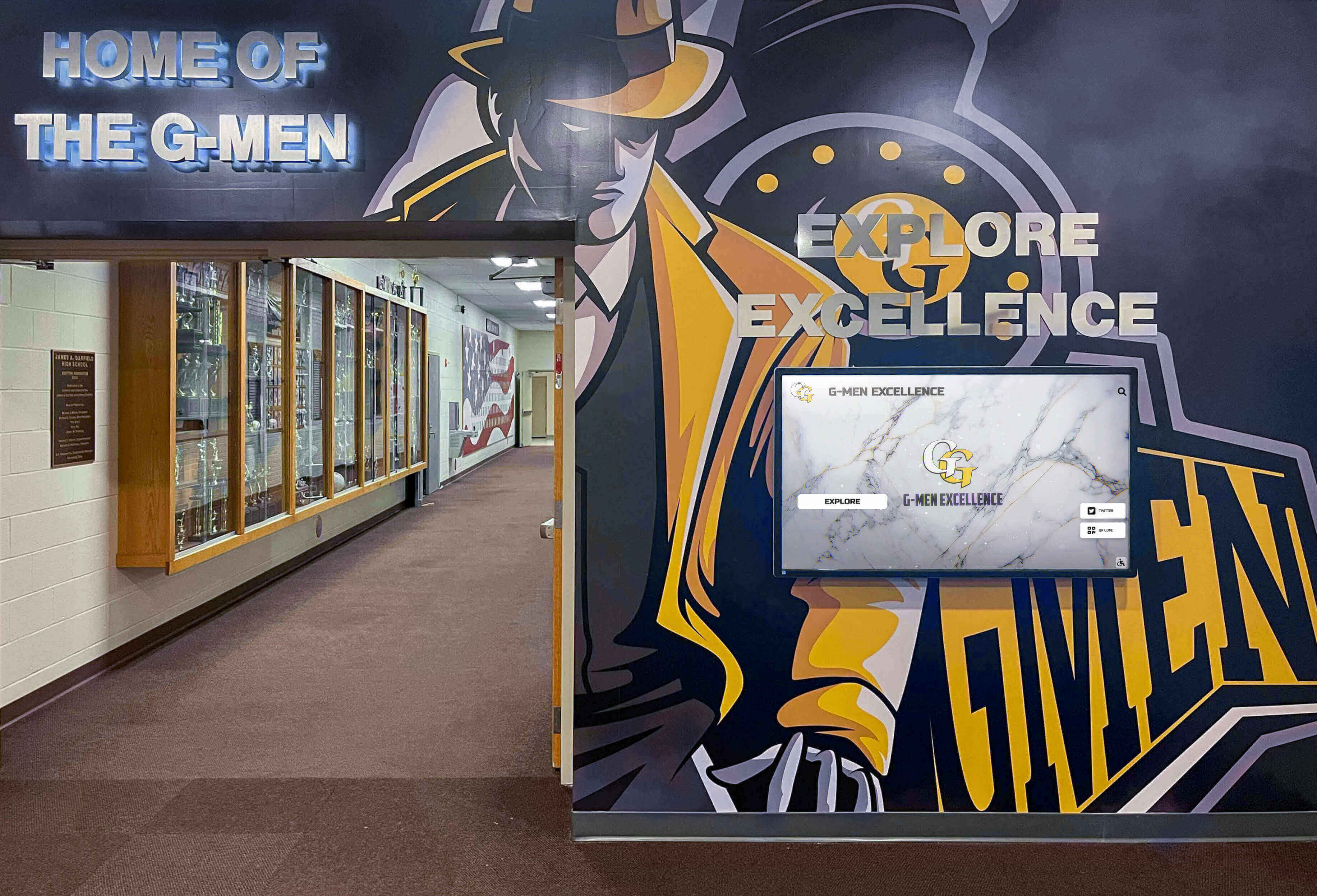
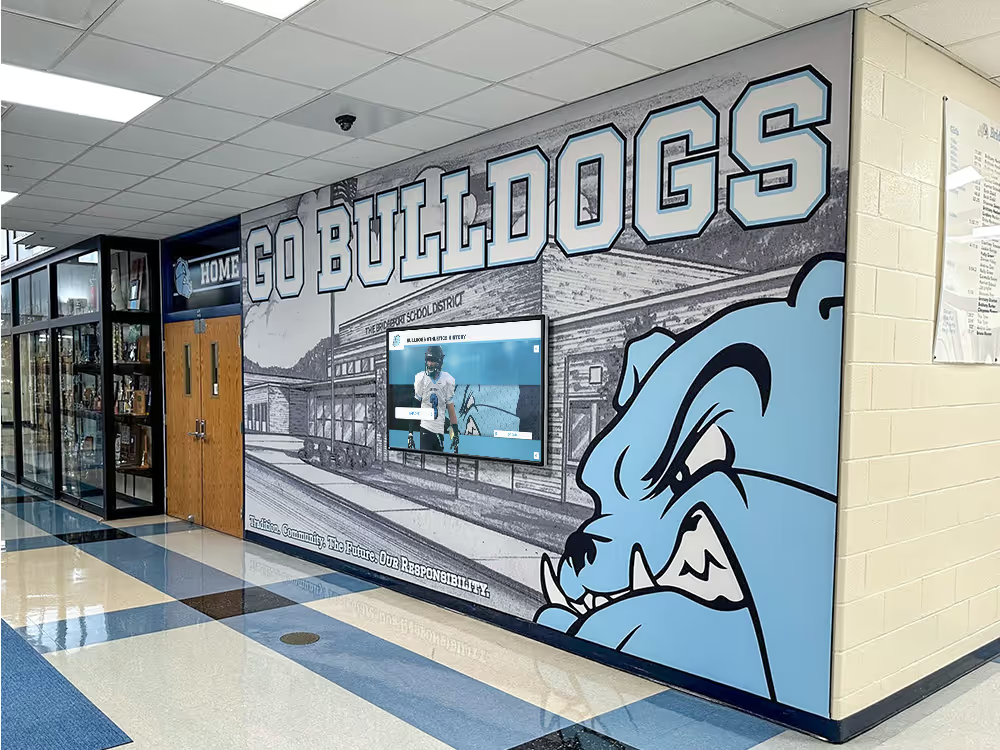
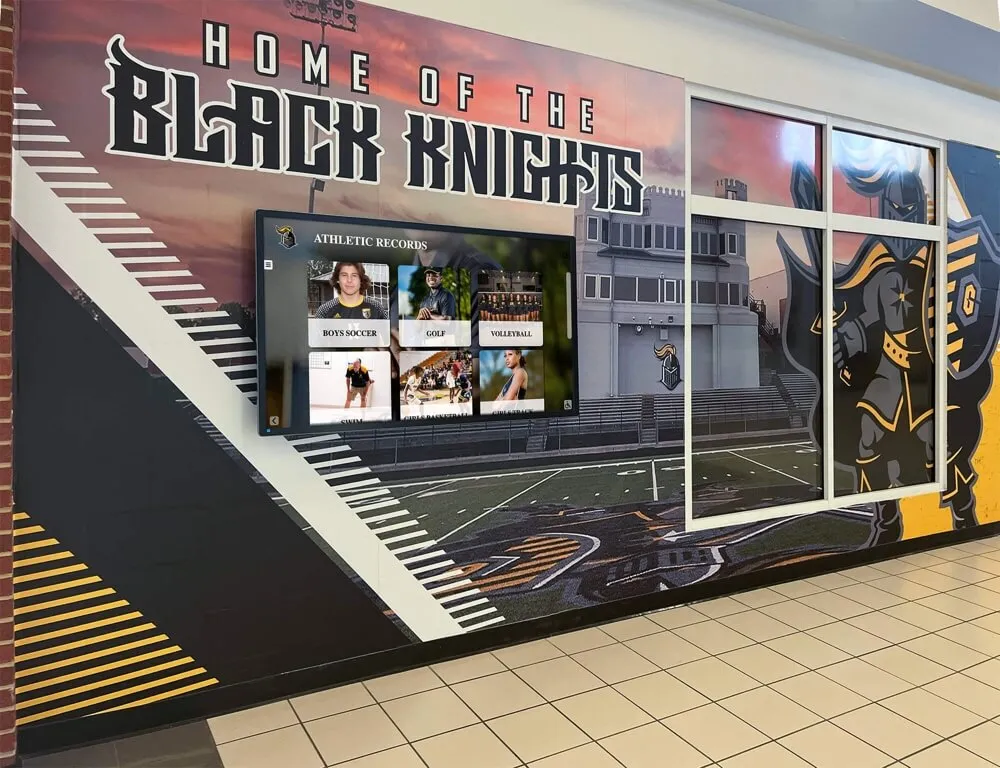
In hallways where trophy cases and digital displays share the same space, key control documentation covers the physical enclosures while digital systems maintain their own cloud-based access records
Handling Lost Keys, Unreturned Keys, and Staff Transitions
A key control log is most tested when something goes wrong. Three scenarios require specific protocol beyond the standard checkout-and-return workflow.
Lost keys: If a staff member reports a key lost, document the loss immediately in the log with the date reported, the staff member’s name, and the last confirmed date the key was in their possession. Report the loss to the building principal or facilities director. The lost key scenario requires a decision on whether to re-key the affected locks — a cost the institution must weigh against the number of keys currently in circulation and the value of the items in the case.
Unreturned keys: If a key is not returned by the expected date and the keyholder cannot be reached, escalate to the athletic director or building principal within one school day. An unreturned key is an open access risk, not an administrative oversight to resolve whenever it becomes convenient.
Staff transitions: Before any staff member departs — resignation, retirement, reassignment, end of contract — verify that all keys held by that individual are returned and logged as returned before their last day. This applies to coaches who hold team-specific case keys, facilities staff who hold master keys that include trophy case access, and any staff member who received a temporary key that was never formally returned. Building a key return confirmation into the official offboarding checklist is the most reliable way to prevent gaps.
Schools with formal donor and alumni recognition programs face particular exposure in staff transition scenarios. If a departing staff member had access to a case containing loaned alumni memorabilia and the key is not accounted for, the institution’s relationship with the donor family rests on whether it can document its access controls credibly. School fundraising and donor engagement program examples consistently highlight that donor trust is built on institutional accountability — and for physical recognition assets, documented access control is a concrete expression of that accountability.
Connecting Key Control to Broader Recognition Program Security
A key control log for the trophy case should not exist in isolation. It belongs within a broader security and access management framework that covers every location where school recognition assets are housed or displayed.
For schools that have expanded recognition beyond a single hallway trophy case — into donor recognition walls, athletic record boards, hall-of-fame installations, and multi-building display programs — the documentation discipline that a key log instills transfers directly to those larger systems. The governance principles behind access logging for physical cases align with the data privacy and access management requirements for digital recognition systems, which are covered in depth in the data privacy and security compliance guide for digital recognition systems.
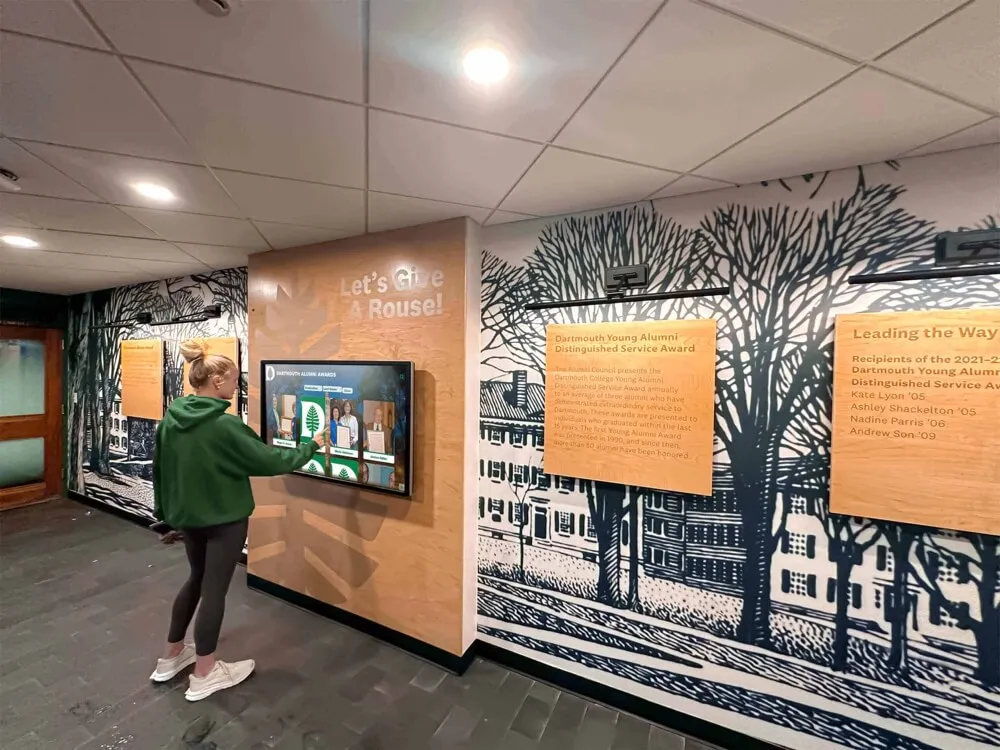
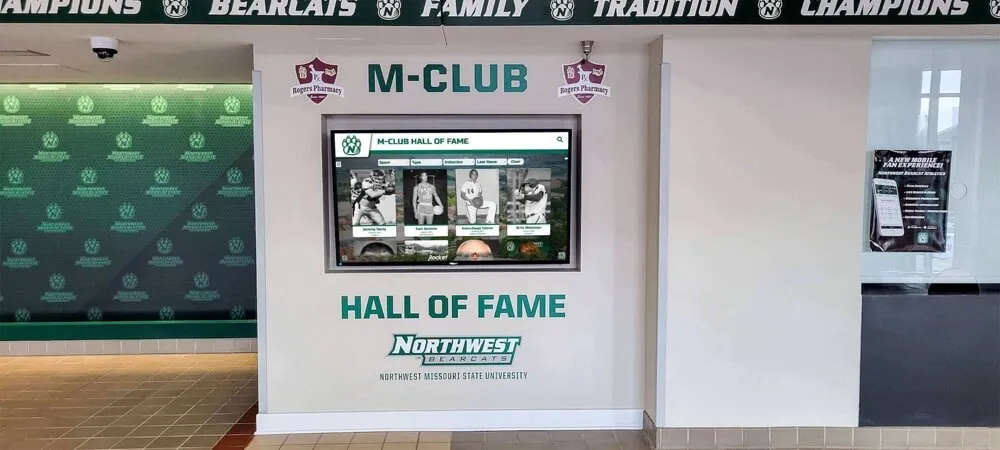
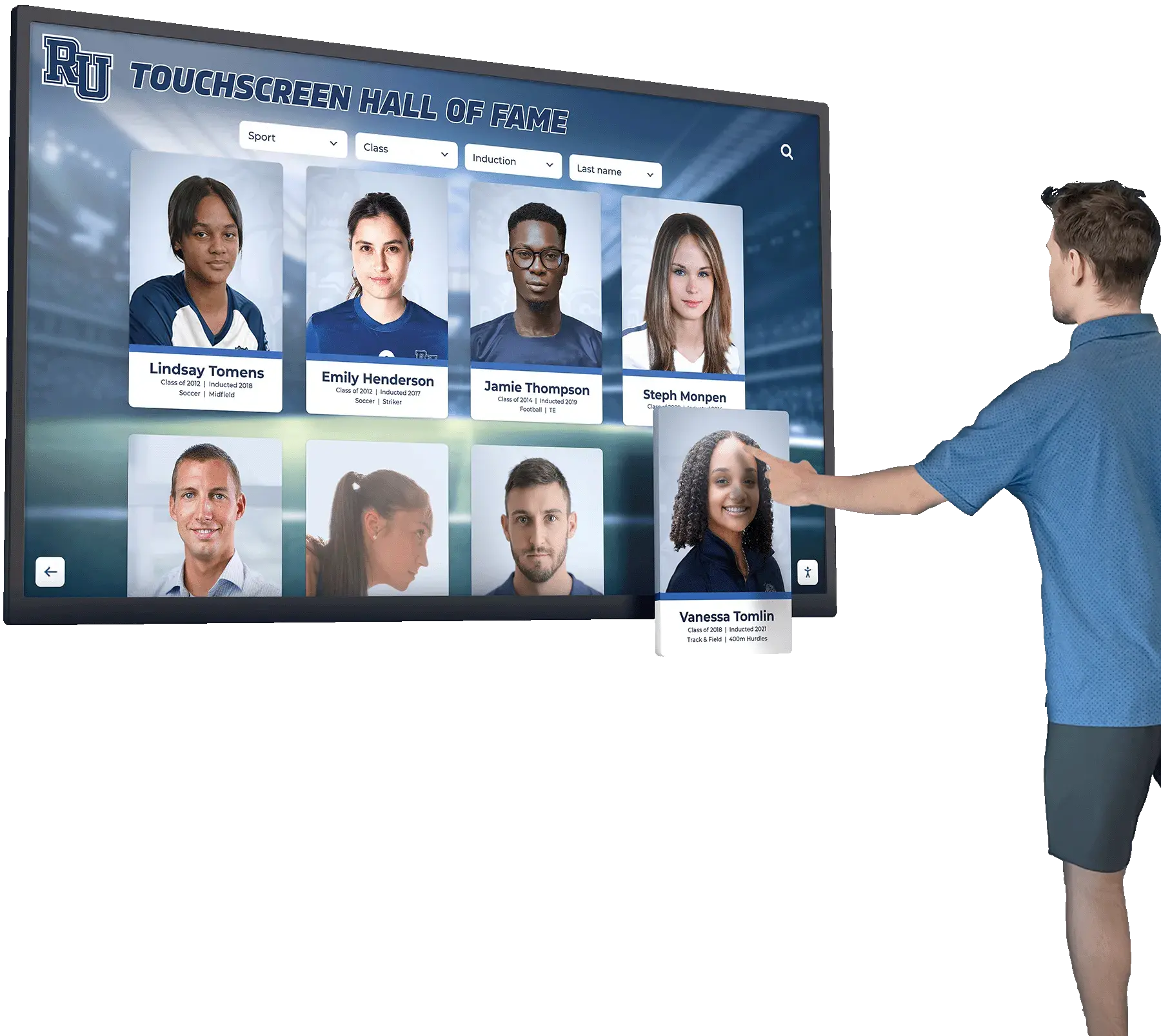
For schools managing touchscreen hall-of-fame displays alongside physical trophy cases, digital access management operates through role-based login credentials and audit logs in the CMS rather than physical keys — but the underlying logic is identical: record who accessed what, when, and why. Selecting a touchscreen hall-of-fame system for schools includes access control and auditability as evaluation criteria, reflecting that institutions with established governance habits from physical key logs are better positioned to implement digital recognition systems effectively.
Recognition programs that span multiple stakeholder groups — athletic department, academic honors, alumni relations, and donor recognition — benefit from a unified security framework. The digital hall of fame buying guide for high schools addresses how institutions assess security requirements when evaluating recognition systems that need to serve multiple departments with different access needs.
Key Control for Loaned and Donor Memorabilia
Some school trophy cases contain items that do not belong to the institution. Retired jerseys on loan from former athletes, championship rings in display cases contributed by alumni, photographs and artifacts from donor families — these items carry a different category of responsibility than school-owned trophies.
For loaned memorabilia, the key control log should be supplemented by a loan agreement that documents the terms under which the item was received, its condition at intake, who has custody rights, and the conditions under which it may be returned. The key log then records every instance of case access that occurs while a loaned item is in the display.
This matters for insurance as well as institutional relationships. If a loaned item is damaged and the institution cannot demonstrate who had access — and when — it is in a significantly weaker position for both the insurance claim and the conversation with the donor family. Documented access control is the evidentiary baseline for that conversation.
For schools developing recognition programs that actively engage alumni donors in physical displays, sports graphic design templates for recognition displays offer context on how the visual presentation of donor contributions — plaques, jersey displays, commemorative graphics — connects to the institutional relationships that physical security practices are designed to protect.
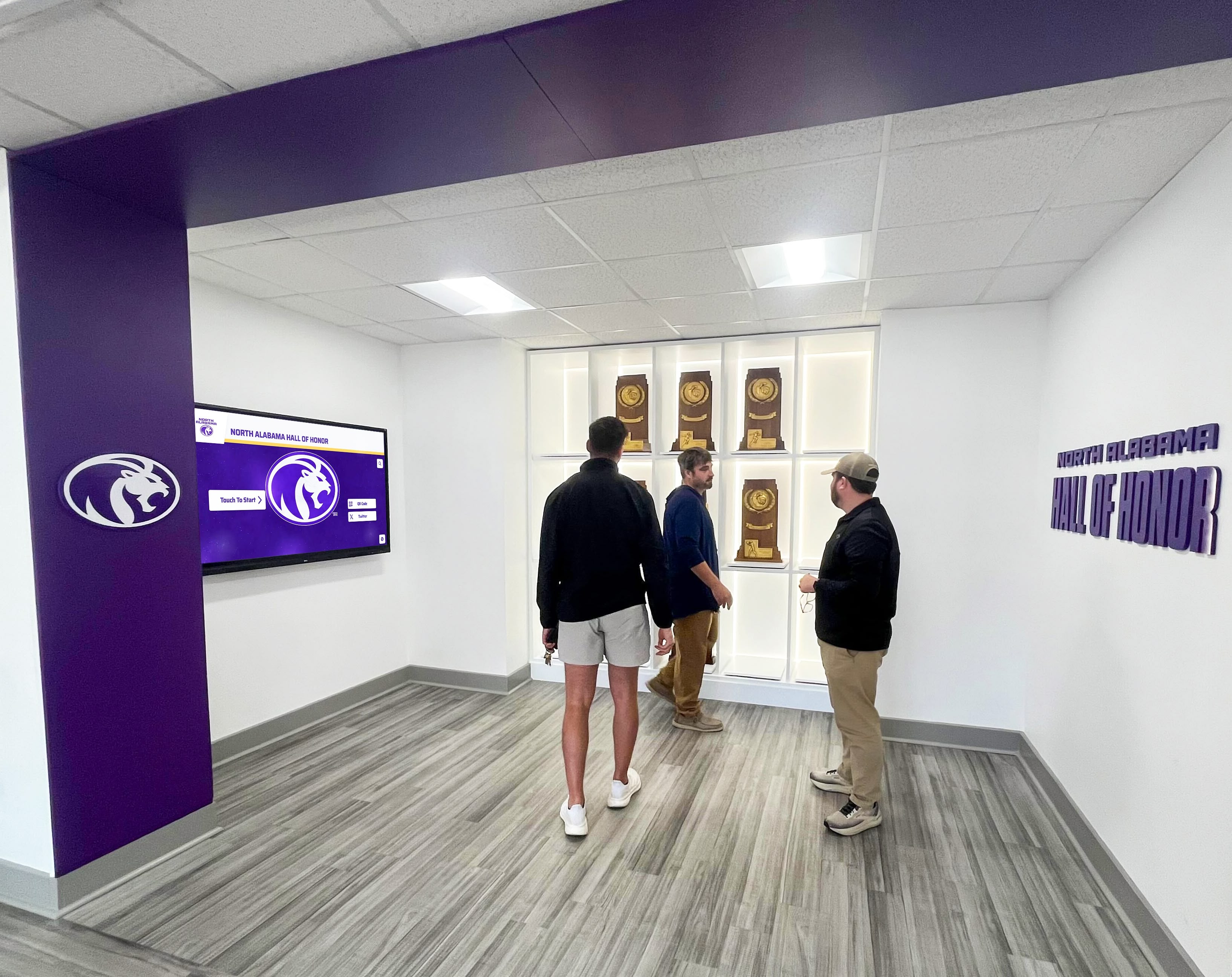
For trophy cases and honor displays containing loaned alumni memorabilia, key control documentation is part of the institution's stewardship obligation to the donor
When a Physical Key Log Points Toward a Digital Solution
A well-maintained key control log surfaces patterns that a casual management approach misses. Reviewing three months of log entries often reveals problems that were always there: the same key checked out repeatedly for “cleaning access” that lasts several hours, unscheduled checkouts clustered around evening events, keys returned the morning after an overnight hold with no documentation of what occurred.
When these patterns emerge, the log is doing its job — it is surfacing access management problems that physical key systems alone cannot solve. At that point, the conversation shifts from how to maintain the log more carefully to whether the underlying physical infrastructure is the right tool for the recognition program the school is actually running.
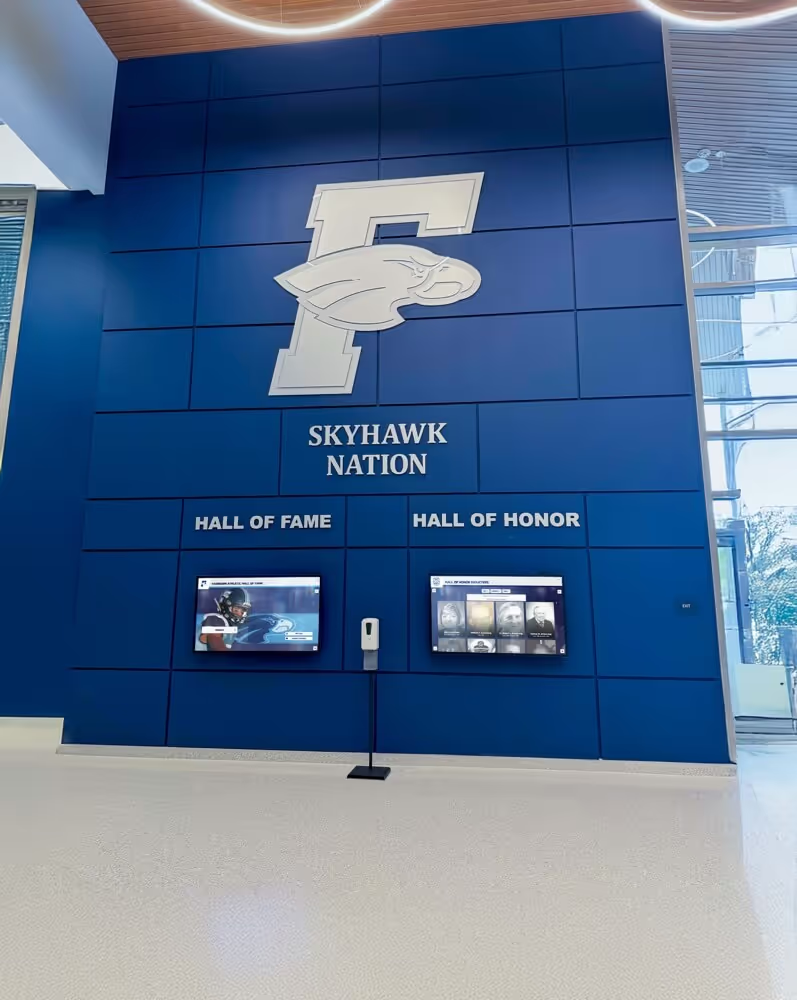
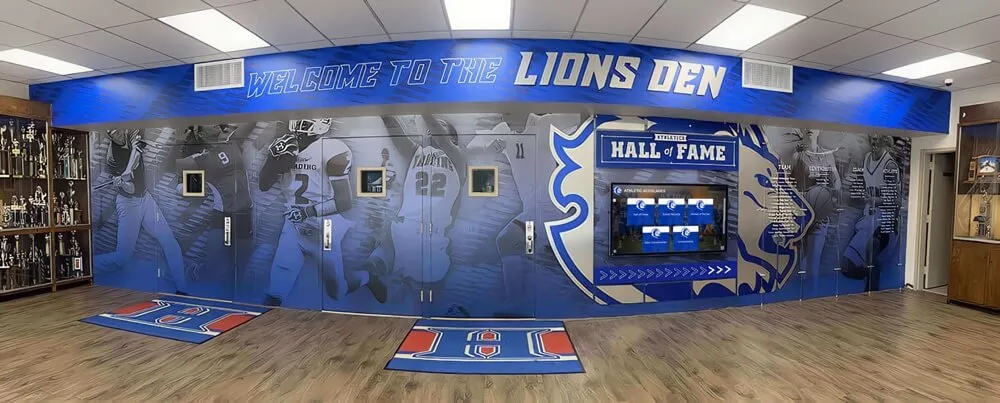
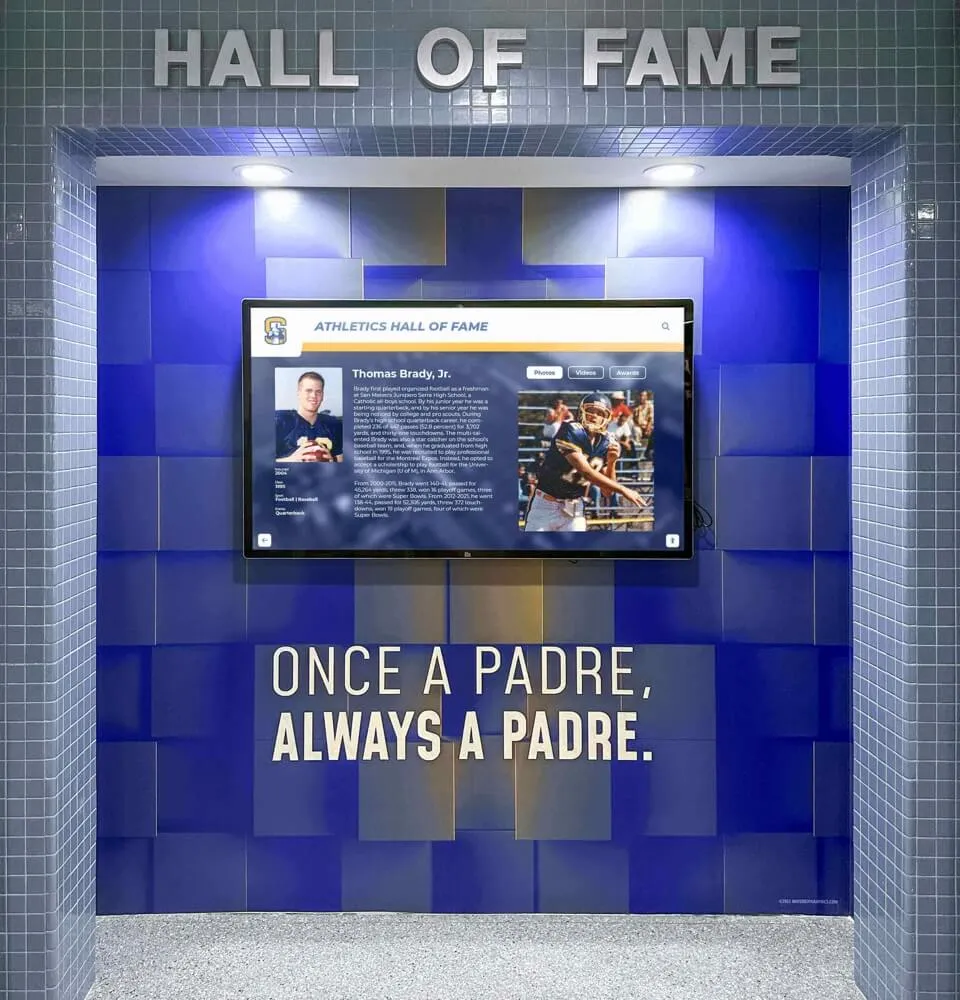
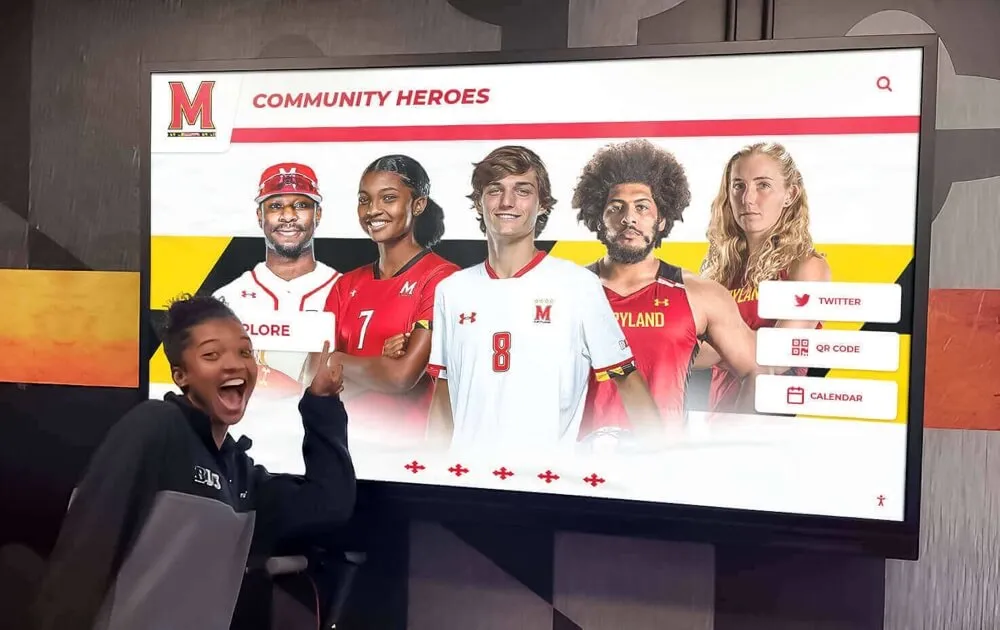
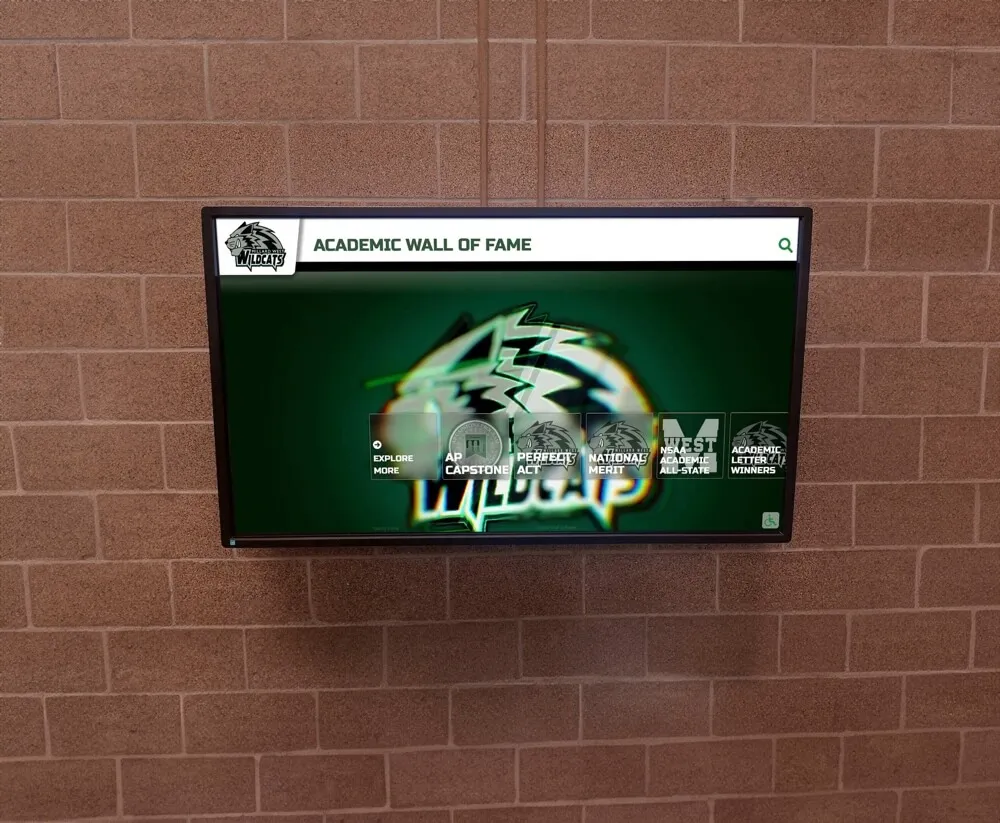
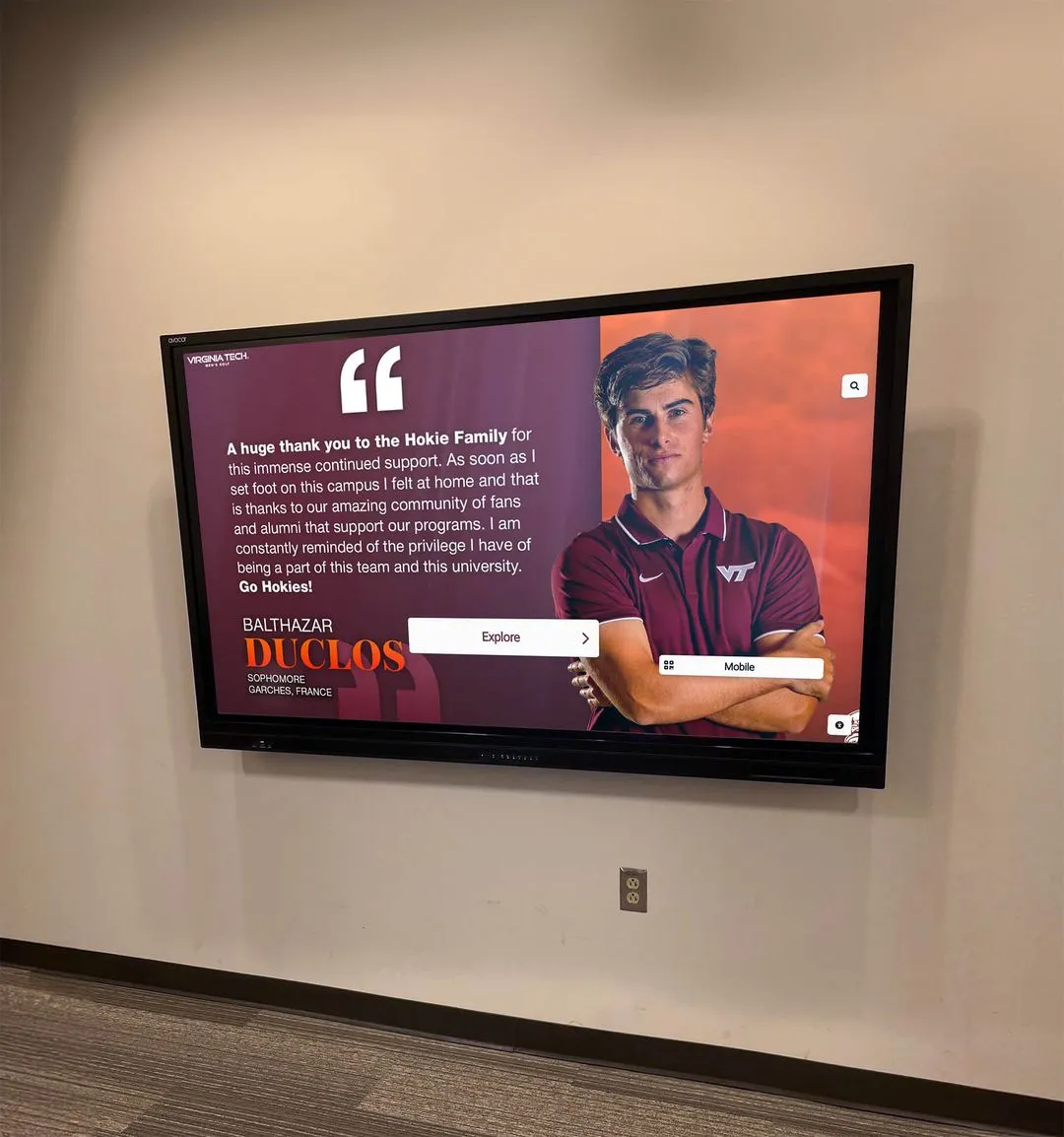
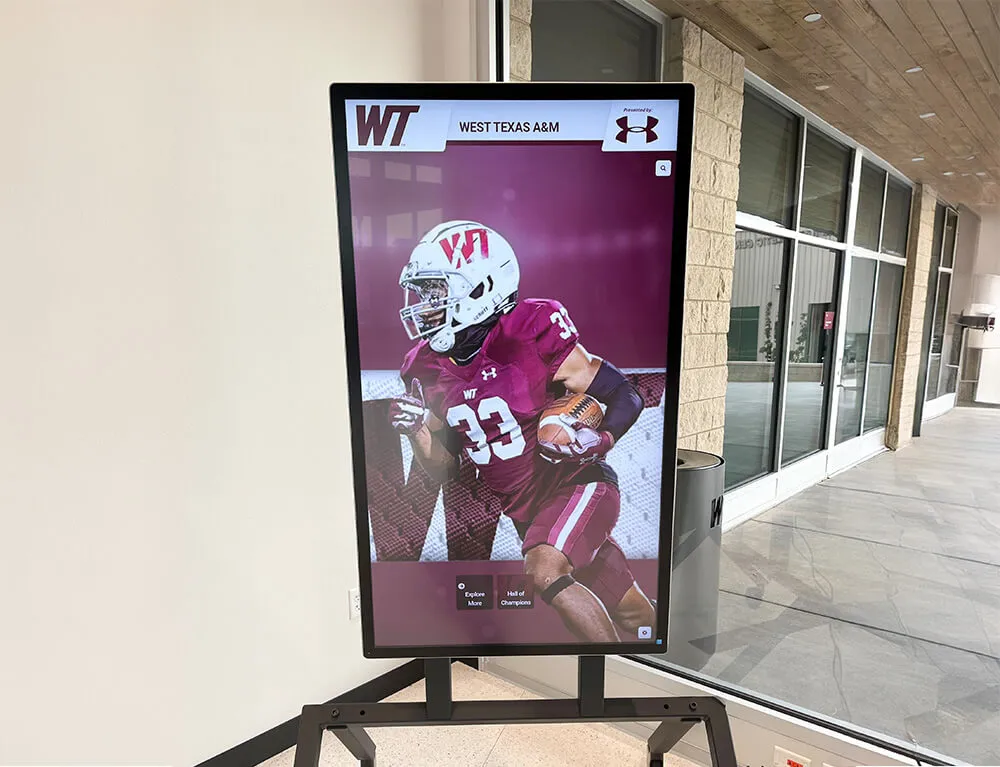
Schools that have modernized their recognition infrastructure report a consistent operational shift: cloud-managed digital displays eliminate the physical key vector entirely for content access. Coaches and program coordinators update trophy records and add new achievements through a web-based CMS, accessible by role-specific login from any device, without physical presence at the display location. Updates appear on interactive touchscreens in the hallway immediately or on a scheduled publish date chosen in advance.
Physical access for maintenance and hardware is still managed with a key — but the frequency drops substantially when content management requires no physical access at all. A digital recognition platform holds unlimited entries, meets ADA WCAG 2.1 AA accessibility standards, generates QR codes for mobile viewing by alumni and visitors who cannot visit in person, and publishes new records on a schedule without requiring an IT ticket. You can explore what this infrastructure looks like in practice at the full recognition platform overview.
Frequently Asked Questions
What is a trophy case key control log? A trophy case key control log is a written record that tracks every instance of physical key access to a school trophy case. It documents who received the key, when, for what purpose, who authorized the access, and when the key was returned. It provides an auditable chain of custody for access to school awards, trophies, plaques, and any loaned or donated memorabilia housed in the display.
Who should be authorized to hold trophy case keys? At minimum, authorized keyholders should include the athletic director, building principal or a designated administrator, and the head of facilities. Secondary authorization may extend to specific head coaches or program coordinators for teams with trophies in the case, and a designated facilities or cleaning staff member. Temporary access — for photographers, parent donors, or external guests — should always be supervised and logged.
How long should you keep trophy case key log records? Retain key log records for at least three years. For logs that include transactions involving loaned or donated memorabilia, retain for the duration of the loan plus three years. Key logs may become relevant for insurance claims, internal investigations, or donor relations conversations years after the original access occurred. Destroying records prematurely eliminates the institutional protection they provide.
What should you do when a trophy case key is not returned on time? Escalate within one school day. Contact the keyholder directly; if no response, notify the athletic director or building principal. Document the escalation in the log with date, time, and action taken. Assess whether the case should be re-keyed based on the circumstances and the value of items inside. Do not treat an unreturned key as a routine administrative delay — it is an open access risk until resolved.
Does a key control log satisfy insurance requirements for trophy case theft? A key control log is a supporting document, not a substitute for an insurance policy. For trophy cases containing items with significant monetary or historical value — championship trophies, loaned memorabilia, retired jerseys — review your institution’s property and liability coverage with your insurance provider. A log that documents access history is valuable evidence in a claim, but coverage terms and claim requirements vary by policy. Consult your insurance representative for guidance specific to your institution’s circumstances.
How does key control work when a school adds a digital trophy case display? Physical keys still apply to any locked hardware enclosure housing digital display equipment. Content management — adding new records, updating profiles, publishing new trophies — moves to a cloud-based CMS with role-specific login credentials and a digital access audit trail, which is more granular and automatically timestamped. The physical key log covers hardware access; the CMS audit log covers content access. Both should be reviewed periodically.
What should a key audit at the start of the school year include? At minimum, a back-to-school key audit should: count all keys physically and reconcile against the log, confirm that all keys held by staff who departed are marked returned, remove access authorization for any role that changed over the summer, issue new keys if staff have changed and the outgoing keyholder’s key was not recovered, and update the authorized keyholder list in writing before the school year begins.
Protect Your Recognition Program Beyond Physical Keys
Rocket Alumni Solutions builds interactive digital trophy cases and halls of fame for schools nationwide — cloud-managed, touchscreen-accessible, and designed to hold unlimited records without the access control gaps that physical cases create. Role-based CMS logins replace key checkouts for content updates. ADA WCAG 2.1 AA compliant displays. QR codes for alumni and remote visitors. Scheduled publishing so new achievements appear exactly when you choose. See how schools are modernizing their recognition infrastructure.
Book A Demo