



Intent: research — a trophy case IEC 62471 photobiological safety check reviews the photobiological risk group classification of LED luminaires installed near visitors and memorabilia in school award display environments. IEC 62471, the international standard for photobiological safety of lamps and lamp systems, places each light source into one of four risk groups based on its potential to produce UV, blue-light, or thermal radiation hazards. In trophy case settings — where fixtures may be positioned inside the case at close range to memorabilia, or mounted overhead in positions that visitors lean toward to read award content — confirming that luminaires carry appropriate risk group documentation is a baseline step in responsible facilities management.
This guide explains what IEC 62471 evaluates, how to interpret risk group labels on LED product data sheets, and how to run a structured documentation review before installing or replacing fixtures in trophy case environments.
When a school retrofit project replaces fluorescent tubes with LED strip lights inside a trophy case, or installs new accent fixtures above a glass-fronted award case in the main lobby, the purchase decision is typically driven by wattage, correlated color temperature, and CRI. IEC 62471 risk group classification — the parameter that describes the photobiological hazard potential of the fixture for people in the exposure zone — rarely appears in the purchasing conversation. For installations where visitors stand within arm’s reach of luminaires, where internal case fixtures are positioned centimeters from jerseys and photographs, and where display areas receive continuous LED illumination during school hours, verifying the risk group classification before installation closes the safety documentation loop.

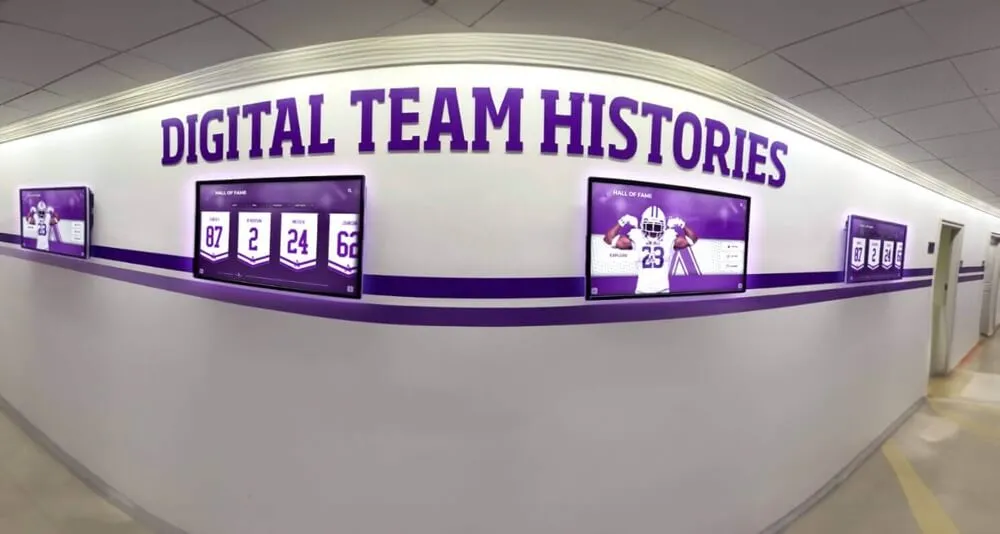
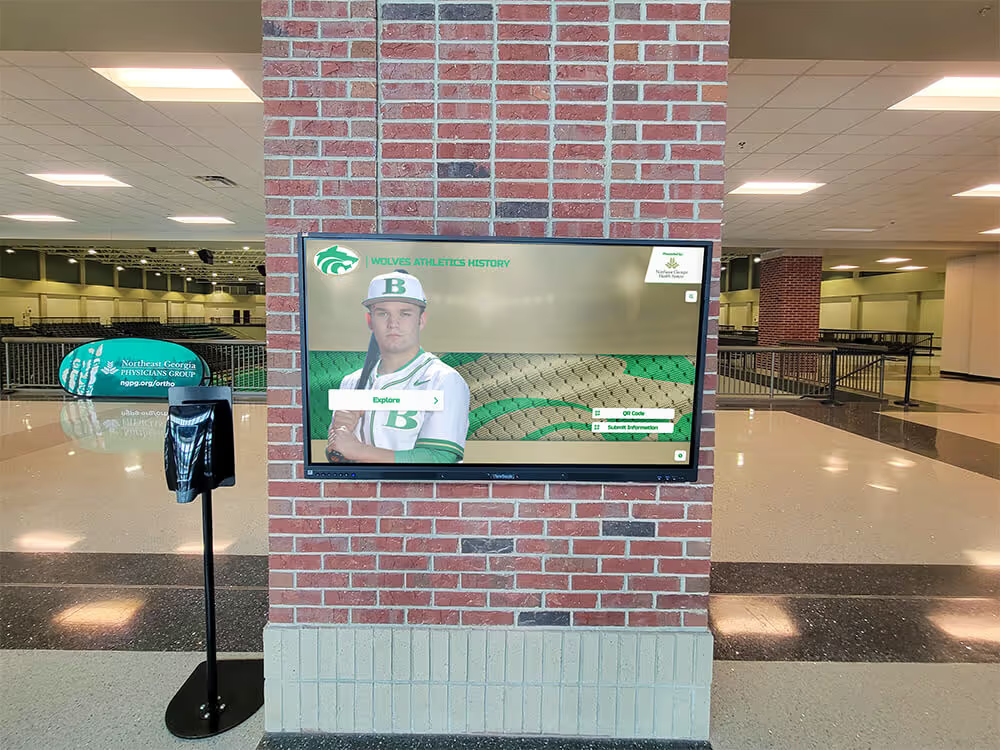
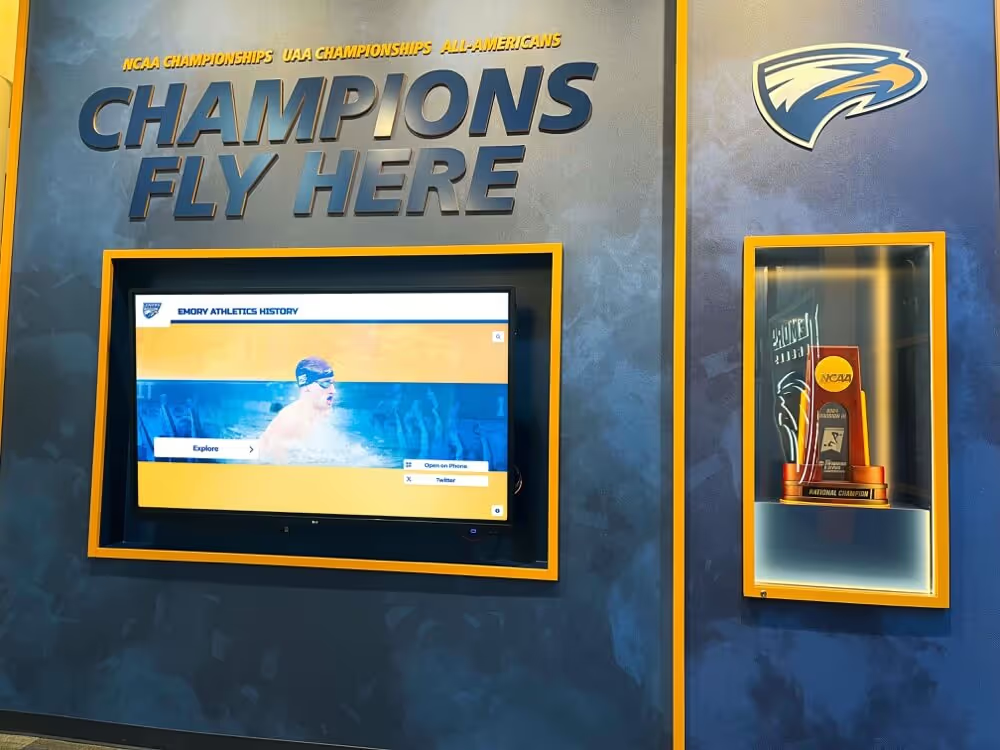
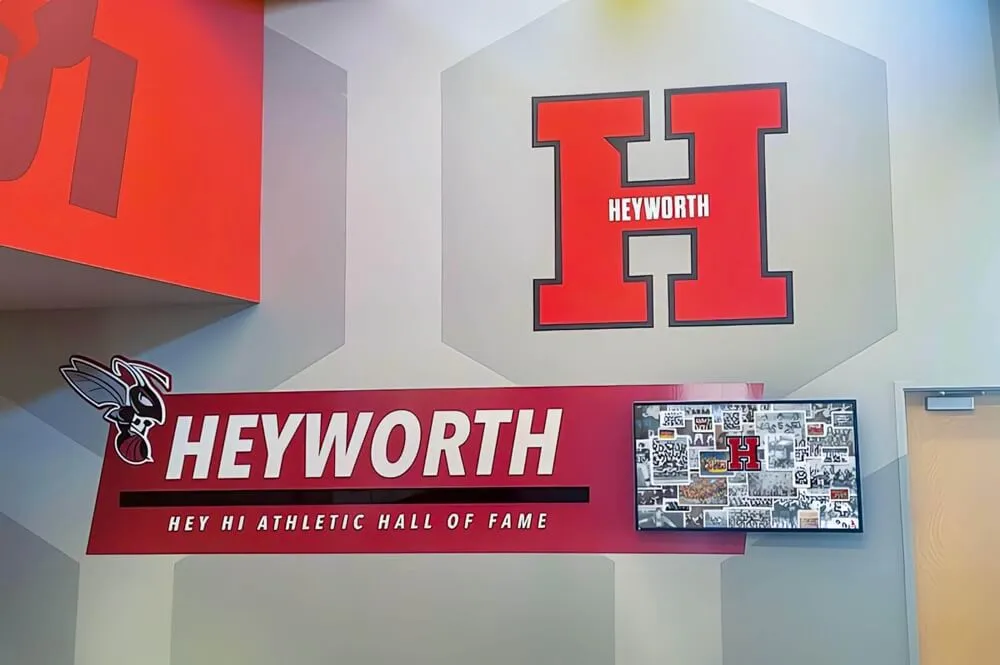
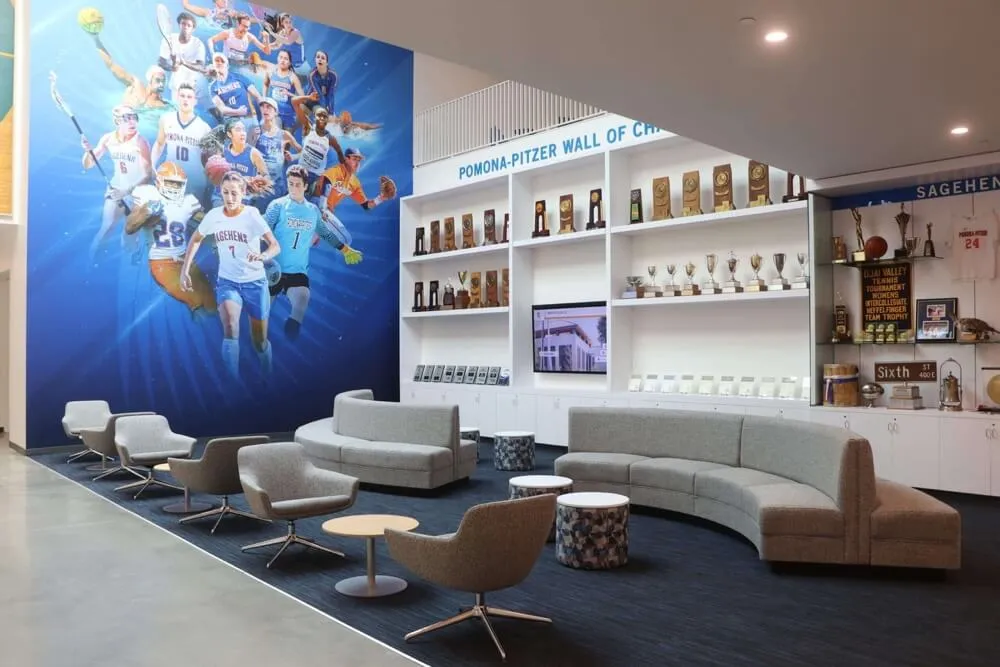
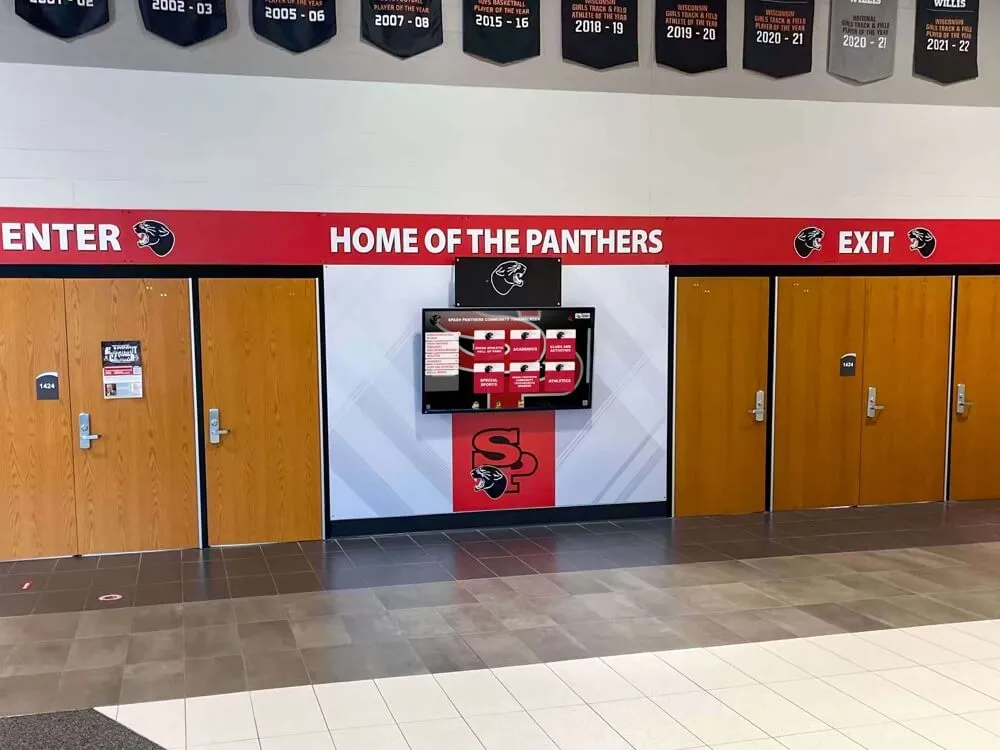
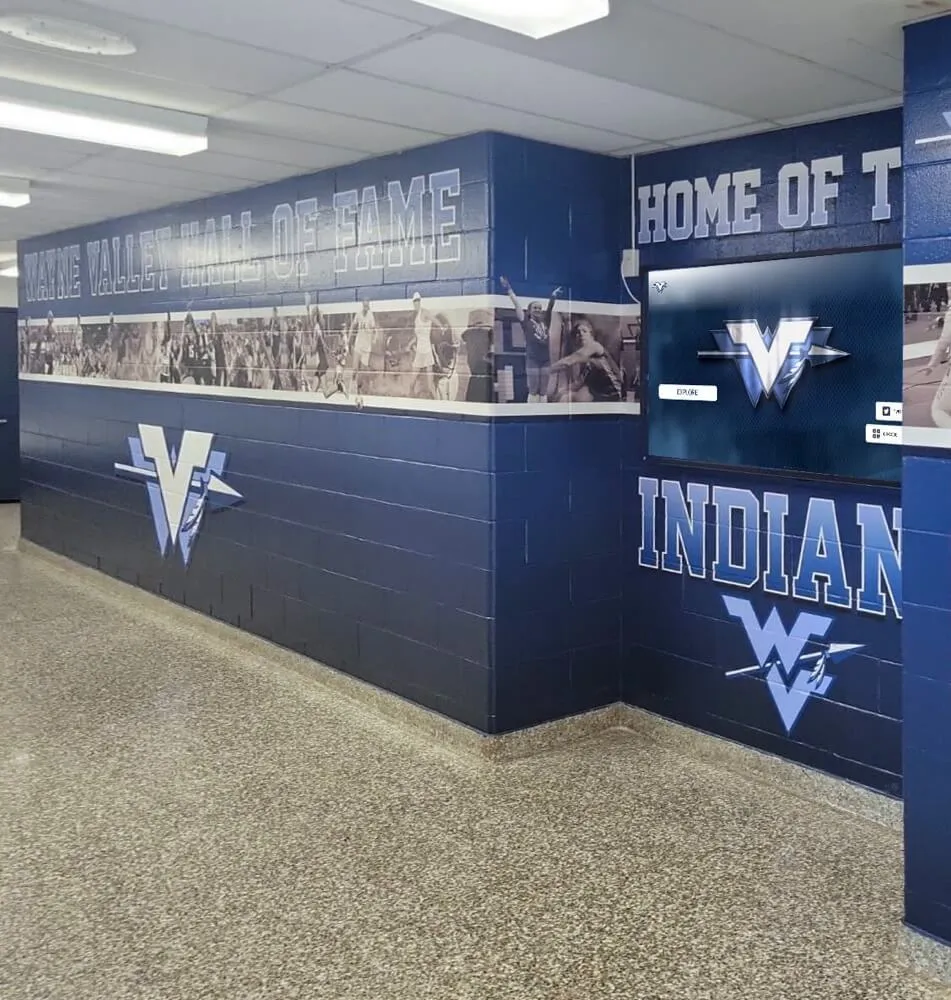
Trophy case displays position visitors close to LED fixtures — photobiological safety documentation confirms that risk group classifications are appropriate for the actual installation geometry
What IEC 62471 Measures and Why It Applies to Trophy Case Environments
IEC 62471:2006, “Photobiological safety of lamps and lamp systems,” is the international standard developed jointly by the International Electrotechnical Commission (IEC) and the Commission Internationale de l’Éclairage (CIE). It establishes measurement methods and exposure limit comparisons for the principal hazard bands produced by artificial light sources:
- Actinic UV hazard (200–400 nm): Covers UV wavelengths that cause photochemical damage to skin and to the cornea and lens of the eye. UV-A, UV-B, and UV-C bands are each weighted to reflect their biological effectiveness.
- Near-UV hazard to the eye (315–400 nm): Evaluates the UV-A band specifically, which can contribute to photokeratitis and cataracts with cumulative exposure.
- Blue light hazard (380–500 nm): Evaluates the potential for blue and violet visible light to cause photochemical retinal damage. This is the category most relevant for modern phosphor-converted white LED sources, which produce white output by converting a blue-wavelength pump diode (~440–460 nm) through a phosphor layer. Some residual blue light passes through the phosphor unconverted.
- Retinal thermal hazard (380–1400 nm): Evaluates the potential for visible and near-infrared radiation to cause thermal retinal burns when the eye is focused on a bright source.
- Infrared radiation hazard (780–3000 nm): Covers IR thermal hazards to the cornea, lens, and skin.
For standard commercial LED luminaires used in school settings — ceiling-mounted track lights, recessed panels, LED tube replacements, and LED strip lights inside trophy cases — the blue light hazard and actinic UV hazard are the two categories that most often produce non-exempt risk group classifications. High-output, cool-white LEDs (CCT above 5000K) carry proportionally higher blue light content in their spectral output; warm-white LEDs (2700–3000K CCT) have relatively lower blue light content. The standard measures each hazard at a specified distance from the source and compares the weighted irradiance or radiance against published exposure limits to assign the risk group.
Why Blue Light Hazard Matters for Trophy Case LED Fixtures
White LEDs produce light by exciting a phosphor coating with a blue-wavelength pump diode. That pump wavelength — typically centered around 445–460 nm — passes partially through the phosphor. The residual blue light contributes to the blue light hazard radiance that IEC 62471 evaluates. In trophy case environments where visitors look toward open-case fixture positions, or where fixtures are mounted at eye-level angles in a display alcove, the blue light hazard classification determines whether that exposure geometry falls within the limits the standard sets for non-hazardous occupancy.
Why UV Hazard Matters for Memorabilia and Visitors
Some LED products — particularly those using violet or UV pump diodes rather than blue, or those incorporating UV-emitting phosphors — produce measurable UV-A output. For trophy case memorabilia (jerseys, photographs, signed award documents, championship banners), UV emission at close range accelerates photochemical fading independent of the visitor safety concern. Verifying the actinic UV hazard classification and confirming near-zero UV emission in product data for internal case fixtures addresses both the visitor exposure and the memorabilia preservation dimensions using the same fixture documentation.
Trophy case environments create three installation geometries that are absent from typical classroom or corridor lighting contexts and that affect how IEC 62471 classifications should be interpreted:
Internal case fixtures: LED strip lights or miniature spotlights mounted inside the trophy case illuminate memorabilia from centimeters away. At these distances, the irradiance at the memorabilia surface can be substantially higher than at the standard measurement distance used for IEC 62471 classification. Internal case fixtures should be evaluated against actual operating distances, not only against the classification reference distance.
Eye-level track or accent fixtures: Trophy case accent lights mounted at eye level — whether on ceiling tracks angled toward the case or on side-rail systems — may be within the direct line of sight of visitors, particularly younger students. Risk group classification at the standard measurement distance may not represent the exposure geometry for an observer looking directly toward the fixture from across the case.
Continuous occupancy in display corridors: Unlike offices where occupancy is intermittent, a school hallway trophy case typically receives continuous LED illumination during all school hours. Schools hosting regular recognition events — athletic banquets, championship celebrations, end-of-season sports award receptions, or senior nights — should note the expected visitor dwell time in the recognition environment alongside the risk group classification when building their documentation file.
IEC 62471 Risk Group Classifications
IEC 62471 places every evaluated light source into one of four risk groups based on how its weighted irradiance compares to published biological exposure limits. The classification applies at the measurement distance specified in the standard for each source type.
| Risk Group | Label | Hazard Description | Trophy Case Verdict |
|---|---|---|---|
| Exempt | RG0 | No photobiological hazard under any reasonable exposure scenario, including direct viewing at the measurement distance | Fully acceptable for all trophy case positions — internal, overhead, and side-mounted |
| Risk Group 1 | RG1 | Low risk — does not pose a hazard under normal behavioral limitations on exposure; no hazard from brief involuntary viewing | Acceptable for most trophy case applications; confirm actual installation distance is equal to or greater than the measurement distance used for classification |
| Risk Group 2 | RG2 | Moderate risk — does not pose a hazard due to the natural aversion response (approximately 0.25 seconds for blue-light sources); hazardous with prolonged intentional staring | Not appropriate for fixtures aimed at visitor eye level or installed inside open cases where memorabilia is continuously illuminated; consult a lighting specifier before installation |
| Risk Group 3 | RG3 | High risk — hazardous even for momentary or brief exposure; the aversion response cannot be relied upon as a safety margin | Not acceptable in any occupied space; do not install in any trophy case position |
Practical note on classification distance: The measurement distance for IEC 62471 risk group determination is 200 mm (20 cm) for many luminaire types. A fixture classified as RG1 at 200 mm typically falls below RG1 thresholds at normal viewing distances of 1–3 meters, which provides an adequate safety margin for most overhead display applications. For fixtures inside a trophy case — where memorabilia may sit within 5–30 cm of the light source — the 200 mm classification distance may actually correspond closely to the actual installed condition. In this geometry, confirming that the fixture was classified at or near the actual installation distance is essential; assuming that “more distance always equals less hazard” does not apply when the installation matches the measurement distance.
Hazard Categories and Trophy Case LED Lighting: What to Verify
Not all IEC 62471 hazard categories require equal attention in a school trophy case context. The following framework prioritizes categories by their relevance to typical LED display lighting installations:
Priority 1 — Blue Light Hazard (BLH)
Blue light hazard is the most likely non-exempt classification for modern white LEDs. Cool-white fixtures (CCT 4000K–6500K) used to achieve high apparent brightness in trophy cases have proportionally more blue pump light in their spectral output. The BLH risk group on the product data sheet — typically labeled as “blue light hazard” or “retinal blue light hazard” classification — is the primary value to verify for any fixture in a position where visitors can look toward the source.
Priority 2 — Actinic UV Hazard
Verify that fixtures installed inside trophy cases have negligible UV output — ideally confirmed by a manufacturer statement that UV emission is below the measurement threshold, or by a published UV irradiance value at the installation distance. Standard phosphor-converted white LEDs produce very low UV; however, some violet-pump LED systems can carry measurable UV-A-adjacent output. The product data sheet or test report should include the actinic UV irradiance value measured per IEC 62471 methodology.
Priority 3 — Near-UV Hazard to the Eye
For visitors standing at normal viewing distances from overhead or side-mounted fixtures, near-UV hazard is unlikely to drive a risk group classification. It becomes relevant for fixtures positioned inside display alcoves or spotlights aimed at angles where a visitor could look directly at the source for an extended period.
Priority 4 — Retinal Thermal and Infrared Hazards
Standard commercial LEDs for display applications produce negligible retinal thermal and infrared hazards at typical room brightness levels. These categories are more relevant for high-intensity focused beams used in theatrical or projector applications than for ambient or accent display lighting. Verify only if the fixture type includes focused high-intensity beams aimed directly into the case interior.
Trophy Case IEC 62471 Photobiological Safety Check: Step-by-Step Documentation Review
The following checklist is a documentation review process — it requires no specialized instrumentation when conducted as a pre-installation verification. For facilities teams reviewing existing installed fixtures, the same steps apply to product data sheets for luminaires already in place.
Step 1: Compile a Fixture Inventory
Before reviewing any documentation, create a complete list of every LED luminaire in or adjacent to the trophy case environment:
- Document internal case fixtures — LED strips, puck lights, or miniature spotlights installed inside the case structure, with the approximate distance from each fixture to the nearest memorabilia surface
- Document external display fixtures — overhead track lights, recessed fixtures, or wall-mounted accents that illuminate the case from outside
- Document corridor fixtures — general-purpose luminaires in the hallway or lobby whose output reaches the trophy case area and the visitors standing in front of it
- Record the manufacturer, model number, and CCT for each fixture type
- Note which positions visitors can directly face while viewing the case — these are the positions where viewer-directed hazard categories are most relevant
Assign each fixture type an identifier (F1, F2, etc.) and mark its position on a simple fixture map. The fixture map becomes the reference document for the photobiological safety review, and it can be updated each time a fixture is replaced or repositioned.
Step 2: Locate the IEC 62471 Risk Group Classification on Product Data Sheets
For each fixture identifier in your inventory, obtain the manufacturer’s product data sheet or technical specification sheet. Search for the following:
- Risk group label: The classification may appear as “IEC 62471 Risk Group,” “Photobiological safety classification,” or simply “RG0,” “RG1,” “RG2,” or “RG3” followed by the standard designation
- Standard reference: Confirm the classification references IEC 62471, EN 62471, or an equivalent adopted national standard
- Measurement distance: Note whether the risk group is stated at 200 mm, 500 mm, or another distance — the distance is essential for evaluating whether the classification applies to the actual installation geometry
- Hazard category breakdown: Some data sheets list the risk group by specific hazard (e.g., “Blue light hazard: RG1; UV hazard: Exempt”). Record each category separately rather than relying on a single composite label
If the data sheet does not include an IEC 62471 classification, request it from the manufacturer or distributor before installation. Absence of published photobiological safety data is itself a documentation gap that warrants follow-up — suppliers of museum, gallery, and display-grade LED products routinely publish this data.
Step 3: Verify the Risk Group Against Actual Installation Geometry
Compare the documented risk group and measurement distance against each fixture’s actual installation position:
- For internal case fixtures rated at a measurement distance of 200 mm: confirm that the actual distance from the fixture to the nearest memorabilia surface and the nearest visitor eye position is equal to or greater than 200 mm. If either is closer, the rated distance does not represent the worst-case exposure geometry
- For external fixtures aimed at the case: confirm that the risk group evaluation angle reflects how a visitor standing in front of the case could see the fixture — not only at perpendicular incidence from directly below
- For fixtures at or near visitor eye level: note whether the risk group was evaluated at a viewing angle consistent with an observer’s likely line of sight toward the fixture, or only at the most favorable measurement angle
Document any fixture position where the classification distance or evaluation angle does not match the actual installation. These positions require additional review — or replacement with RG0-classified alternatives — before the display area hosts high-density visitor traffic.
Step 4: Verify UV Emission Data for Internal Case Fixtures
For every fixture installed inside the trophy case — within 30 cm of jerseys, photographs, certificates, or other memorabilia — locate or request UV emission data from the manufacturer:
- UV irradiance at 200 mm should be stated in µW/cm² or mW/m²
- Confirm that the fixture type does not use a UV or violet pump diode — violet pump diodes (typical peak wavelengths 380–405 nm) and UV pump diodes (below 380 nm) produce higher UV output than standard blue pump diodes (~440–460 nm)
- Request a manufacturer statement confirming that the product is “UV-free” or that UV emission is below measurable thresholds, as an explicit documentation item rather than an implied characteristic
- For fixtures within 10 cm of photosensitive memorabilia, request UV emission data at the actual operating distance if possible, or calculate the approximate irradiance at that distance from the 200 mm measurement value
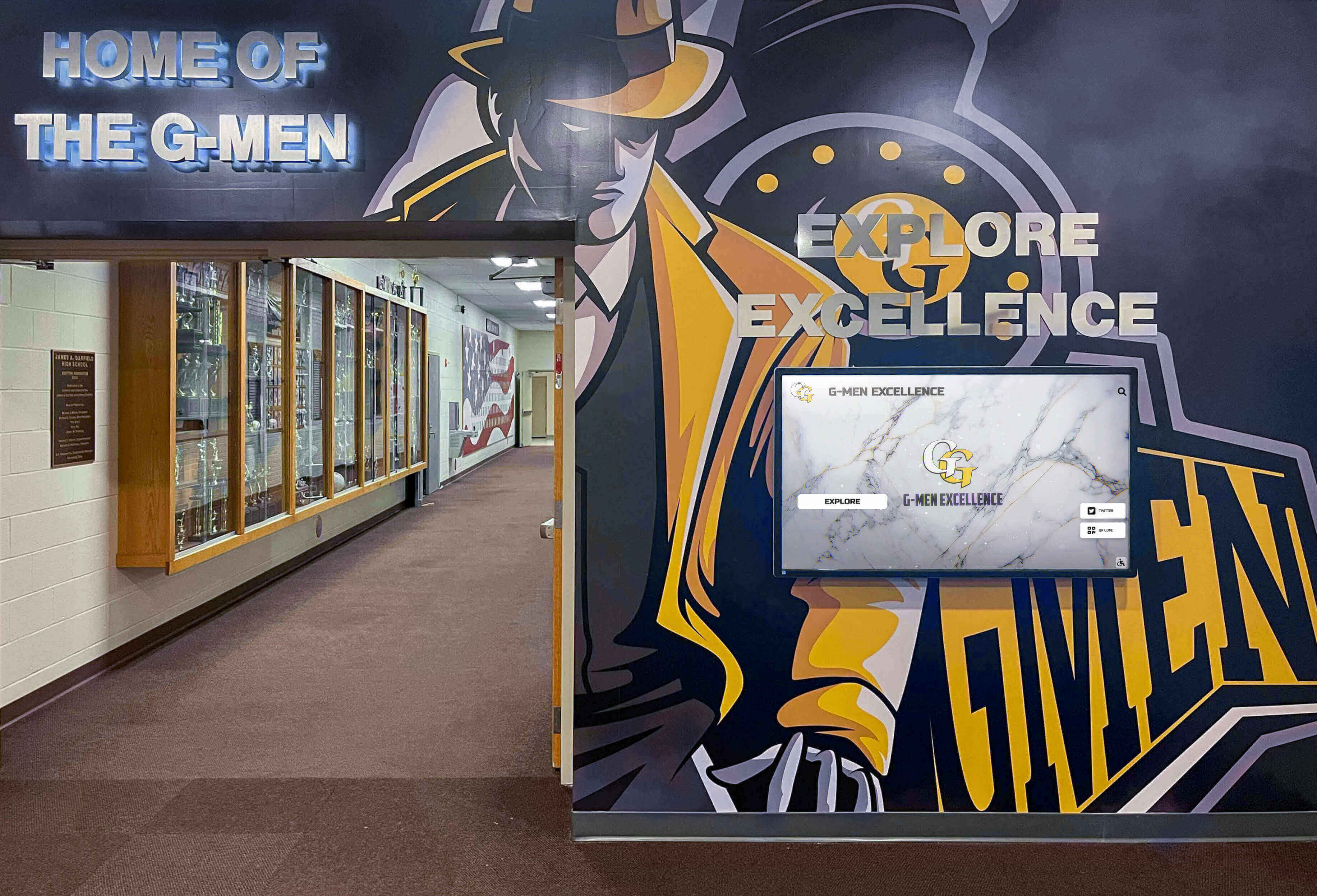
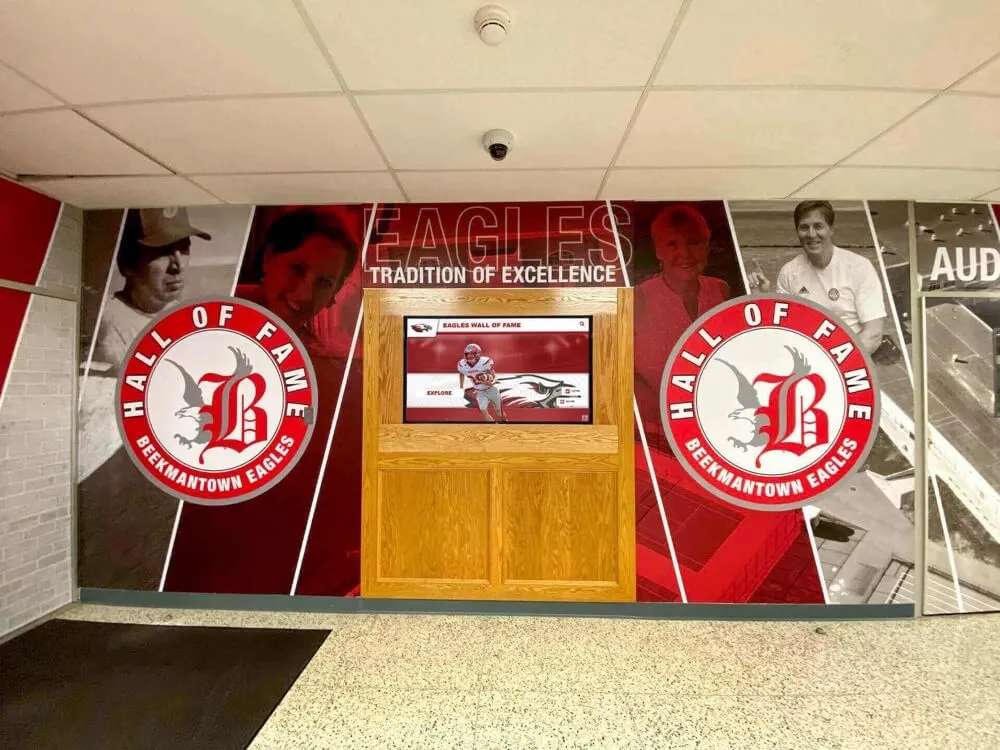
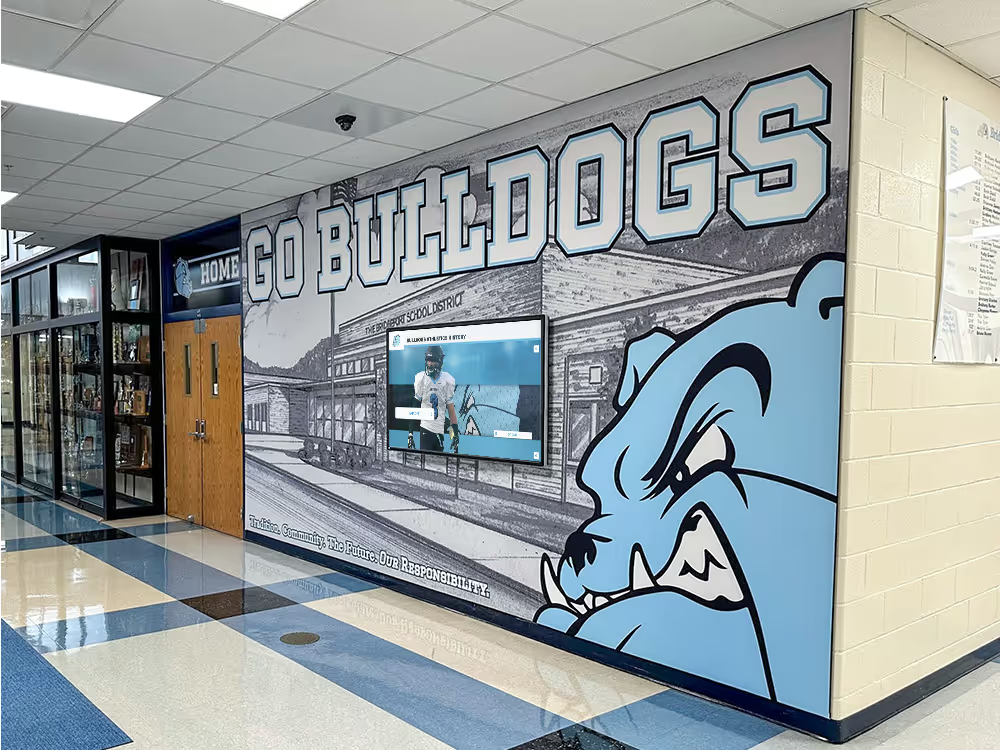
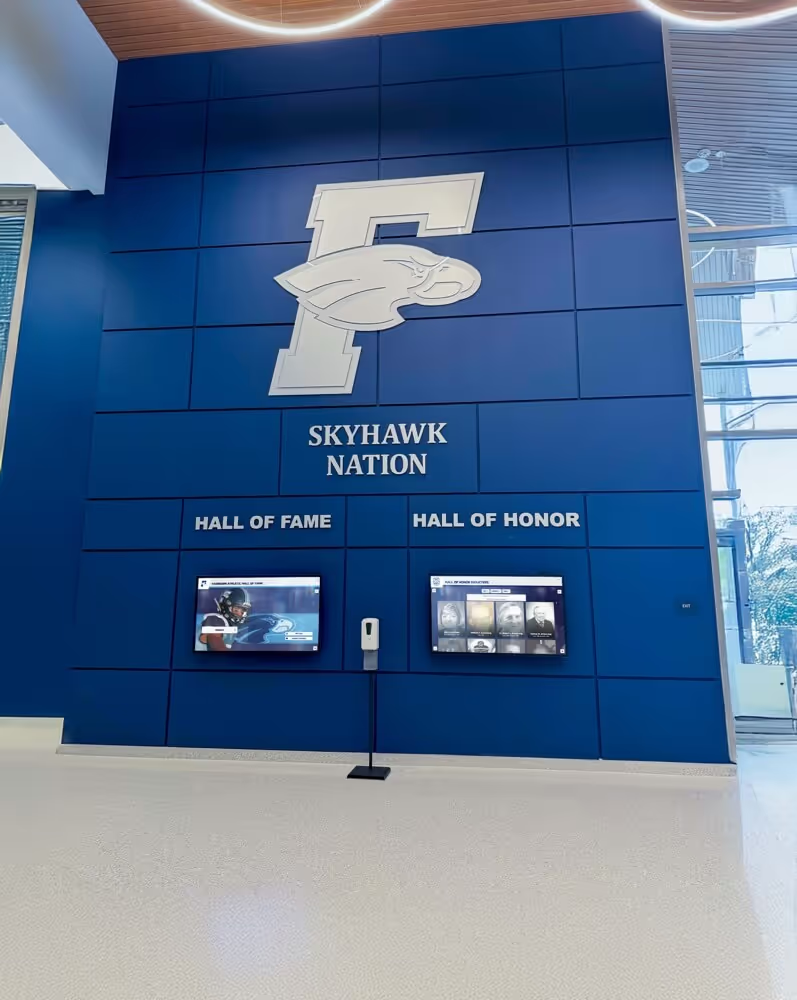
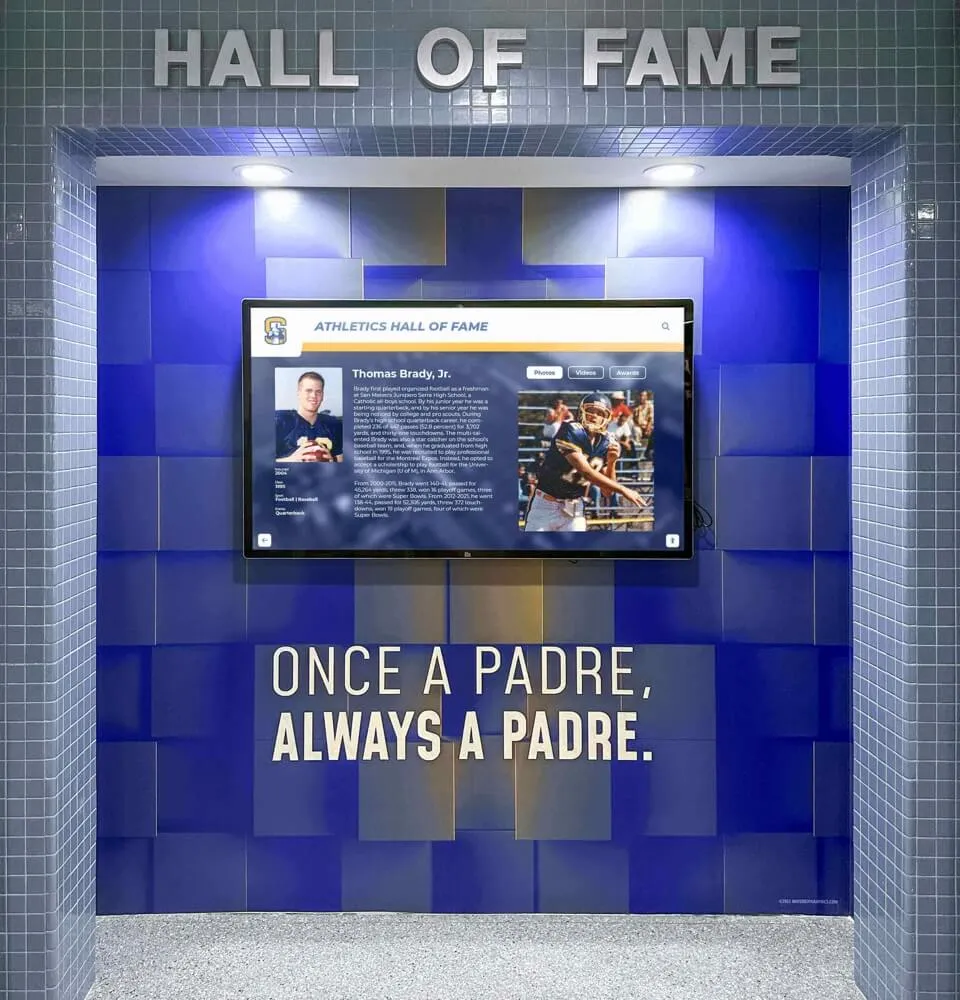
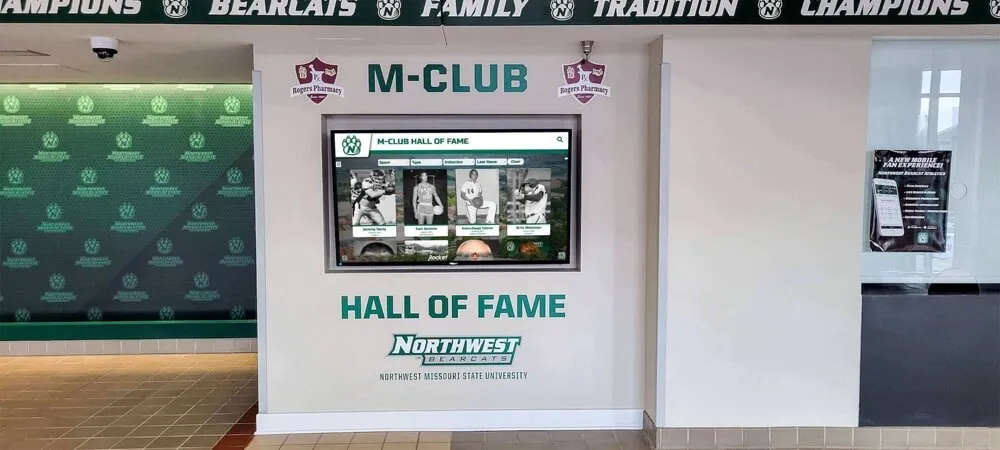
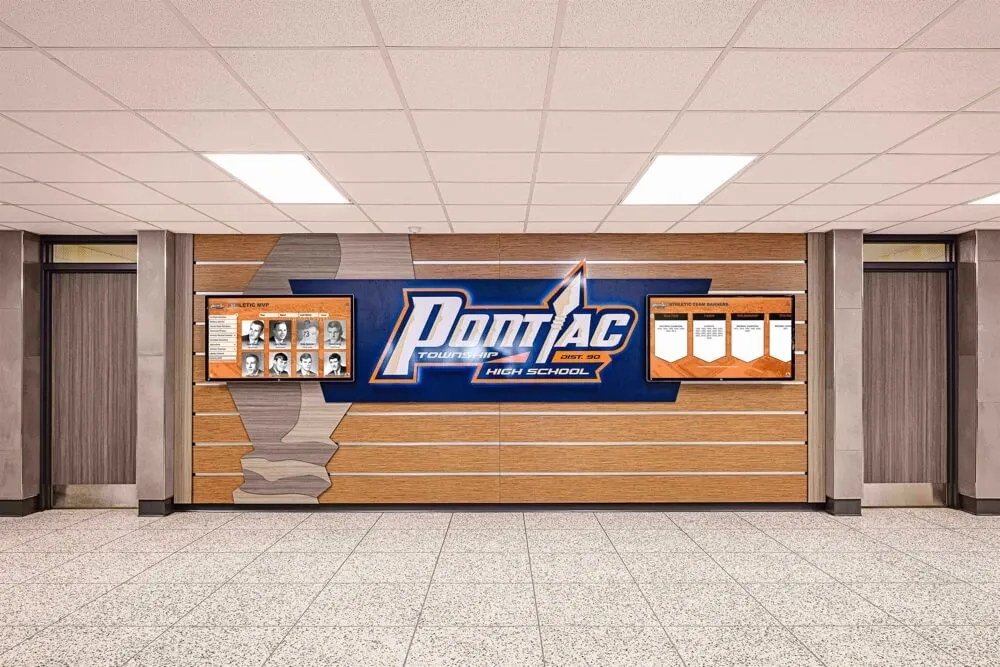
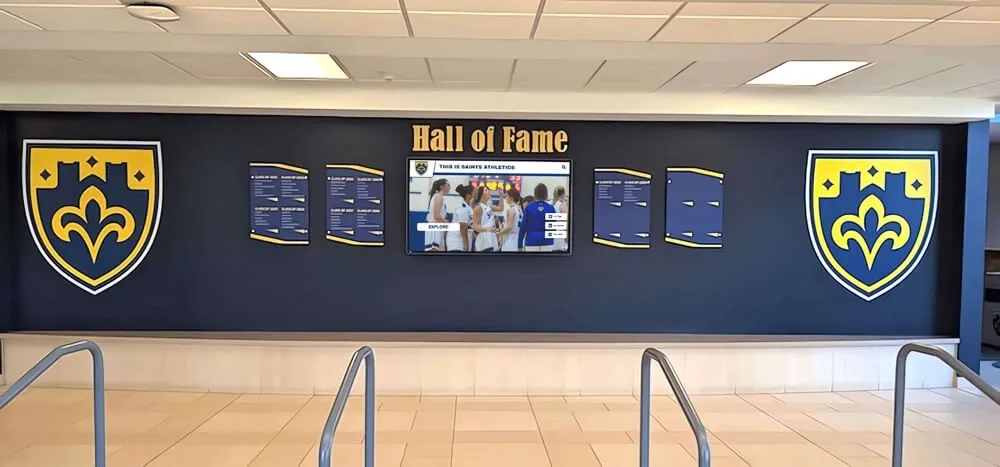
Athletic corridors combining traditional trophy cases with digital recognition panels require photobiological safety verification across all fixture types in the shared lighting environment
Step 5: Evaluate Blue Light Hazard Data for Viewer-Facing Fixtures
For each fixture that visitors can look directly toward — overhead accent lights, side-mounted spotlights, and internal case fixtures with exposed LEDs visible through the case glass — review the blue light hazard classification specifically:
- Confirm the BLH risk group is RG0 or RG1 for any fixture in a direct-viewing position
- For RG1 fixtures, note whether the classification was measured at 200 mm or at a greater distance — RG1 at 200 mm indicates the source does not produce blue light hazard at normal viewing distances, which provides an adequate safety margin for most display environments
- Flag any fixture with a BLH classification of RG2 for immediate review — RG2 sources depend on the natural aversion response (the involuntary blink or gaze-shift that limits direct-source viewing to approximately 0.25 seconds) as the safety margin; young visitors and individuals with certain visual conditions may not exhibit a reliable aversion response
- Review whether RG1 fixtures are aimed in directions where a visitor could look at the source for an extended period — for example, a track spotlight positioned at eye level and aimed outward rather than at the case
Step 6: Compare Results Against the Risk Group Acceptability Table
Apply the following decision framework to each fixture position based on the documentation review:
| Fixture Position | Acceptable Risk Groups | Requires Review | Not Acceptable |
|---|---|---|---|
| Inside trophy case, ≤30 cm from memorabilia | RG0 (Exempt) | RG1 — confirm actual installation distance ≥ measurement distance | RG2, RG3; or RG1 where actual distance is shorter than measurement distance |
| Overhead accent, >1 m above visitors and memorabilia | RG0, RG1 | RG2 — confirm fixture aiming does not expose visitors to direct source at close range | RG3 |
| Side-mounted accent at visitor eye level | RG0 | RG1 — confirm fixture is not aimed toward the visitor's line of sight | RG2, RG3 |
| Corridor general lighting, >2 m from observers | RG0, RG1 | RG2 — confirm distance and aiming direction | RG3 |
Step 7: Document Findings and Escalate Where Documentation Is Incomplete or Non-Compliant
After completing the documentation review, prepare a summary record for each fixture position:
- Fixture manufacturer, model, CCT, and position identifier from the fixture map
- IEC 62471 risk group by hazard category (BLH, UV hazard, overall)
- Measurement distance at which the risk group was assigned
- Actual installation distance and viewing geometry, compared against measurement distance
- Decision: Pass (documentation complete, risk group acceptable for position), Review (documentation gaps or geometry question), or Escalate (RG2 in a direct-viewing position, RG3 in any position, or no documentation available)
For any fixture with a Review or Escalate determination:
- Contact the manufacturer to obtain missing documentation before the next school event where the display area will have high visitor traffic — athletic banquets, open houses, or national signing day athlete commitment celebrations near trophy and recognition walls are occasions that significantly increase visitor dwell time in the display environment
- For fixtures with RG2 classification in direct-viewing positions: consult with the luminaire manufacturer or a qualified lighting specifier before continuing to operate — or replace with a documented RG0 or RG1 alternative
- For internal case fixtures lacking UV emission data: remove from inside the case until documentation is obtained or replace with fixtures carrying an explicit UV-free certification
Digital Recognition Platforms: Factory-Certified Display Safety Without Annual Fixture Reviews
Digital trophy case platforms built on commercial-grade display panels carry factory-certified photobiological safety documentation — IEC 62471 risk group classification, blue light hazard verification, and display emission standards are part of the product certification that ships with the hardware. Recognition programs that migrate from physical case LED fixtures to digital platforms eliminate the annual fixture documentation review cycle while gaining unlimited award capacity, cloud-managed content updates, QR code mobile access, and WCAG 2.1 AA accessibility built in.
See a DemoConnecting UV Hazard Documentation to Memorabilia Preservation
The IEC 62471 UV hazard classification addresses the risk to visitors, but the same UV emission data has a direct application for memorabilia preservation. Jerseys, championship photographs, signed award documents, and fabric banners stored in trophy cases are photosensitive — UV radiation at the wavelengths measured by IEC 62471 drives photochemical fading at close range in ways that accumulate silently over years.
A fixture rated Exempt (RG0) for UV hazard at 200 mm confirms that the measured UV irradiance at that distance is below the threshold that the standard identifies as a health hazard. It does not guarantee zero UV emission. For memorabilia positioned closer than 200 mm to an internal case fixture, the actual UV irradiance at the memorabilia surface is higher — irradiance increases approximately with the inverse square of distance, so halving the distance roughly quadruples the irradiance.
For schools maintaining athletic archives that span decades — from early championship photographs to recent signed jersey displays — the connection between photobiological safety documentation and preservation practice runs through the same fixture data sheet. Facilities teams that request UV emission values in µW/cm² alongside the IEC 62471 risk group obtain the number needed to estimate cumulative UV exposure at the memorabilia surface and make informed decisions about display duration or protective glass selection.
Baseball award programs for youth recognition and other athletic recognition traditions that produce physical memorabilia — signed balls, game-worn jerseys, championship plaques — place those items on long-term display under whatever lighting the trophy case provides. Photobiological safety documentation is the mechanism through which the installation decision accounts for the items that will live in the case for the next decade or more.
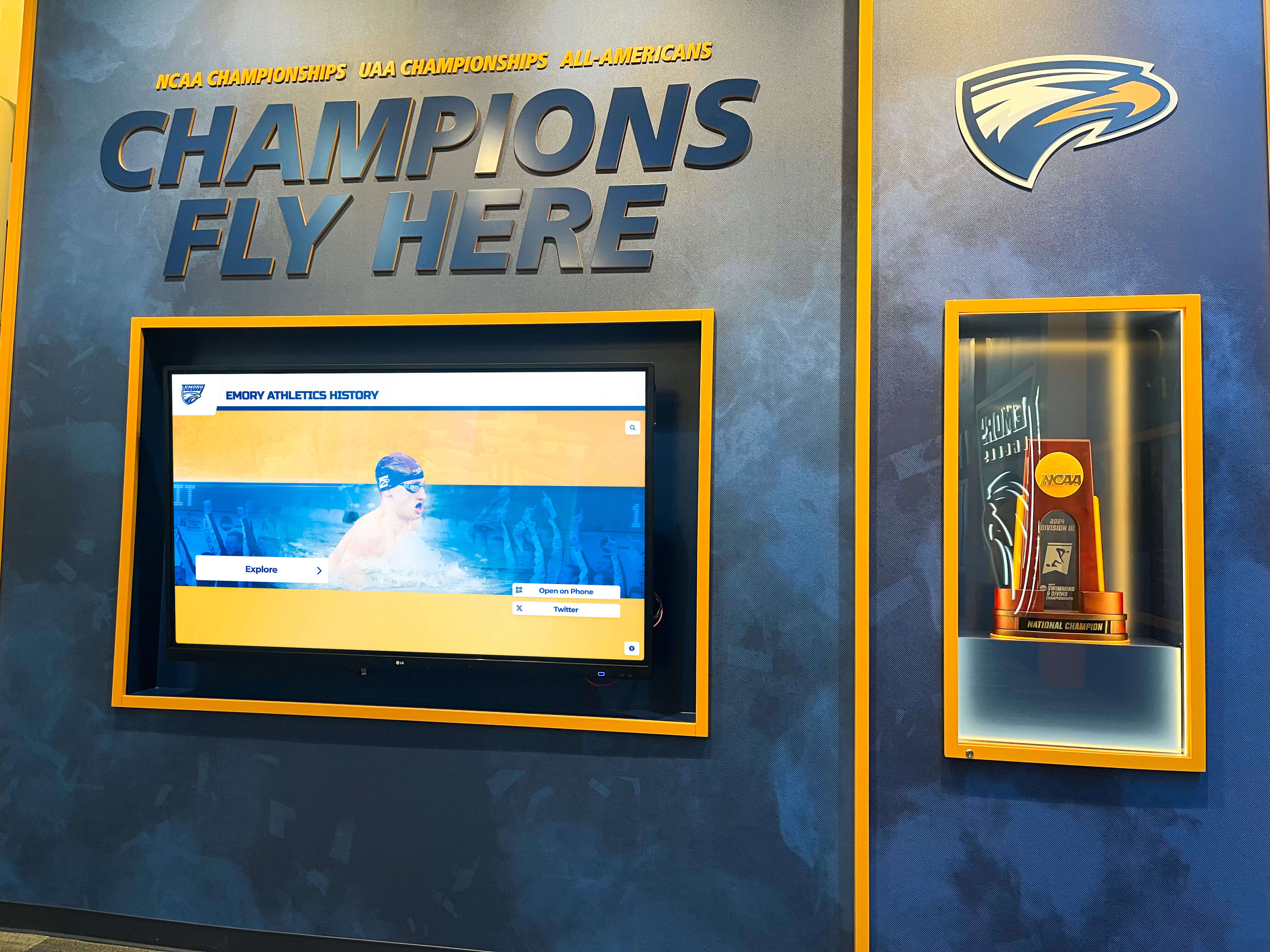
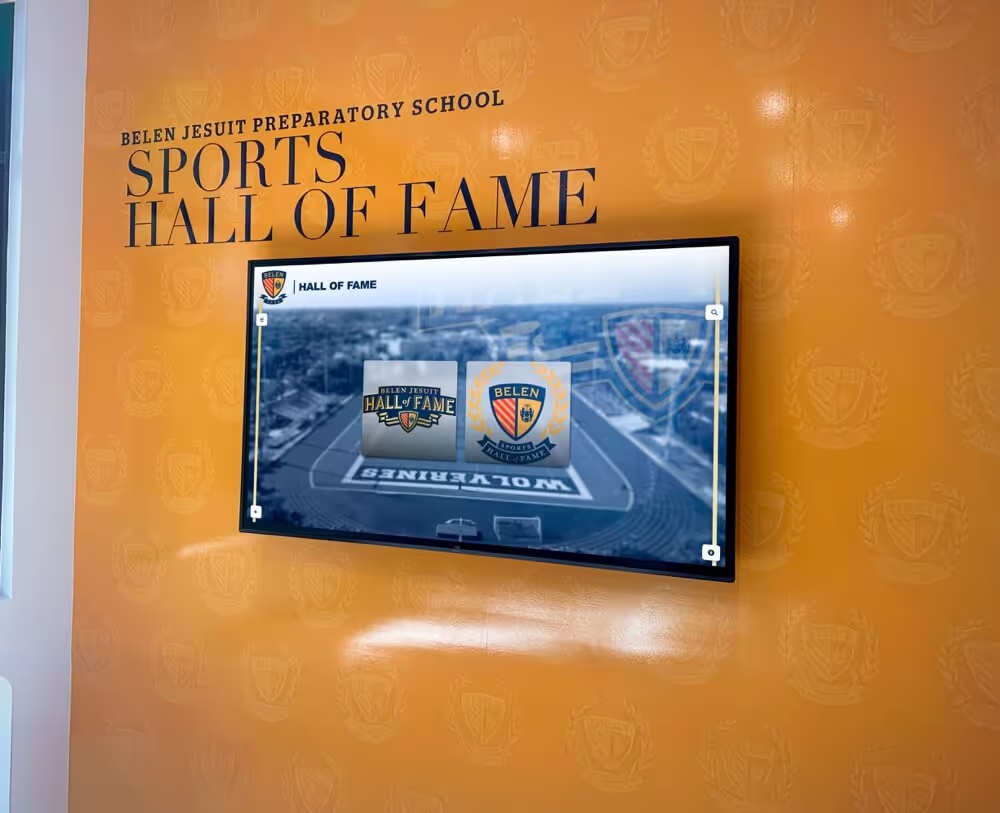
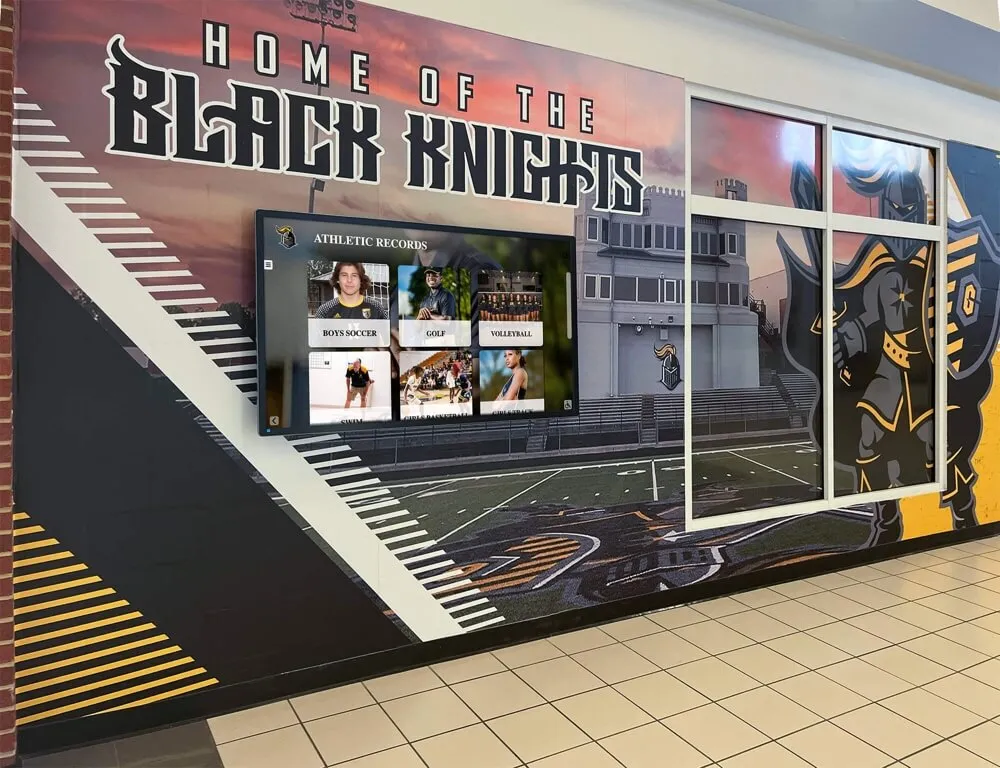
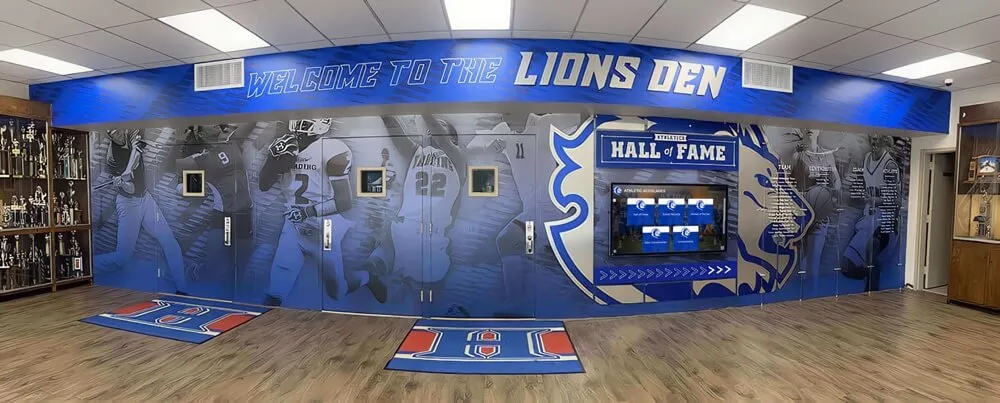
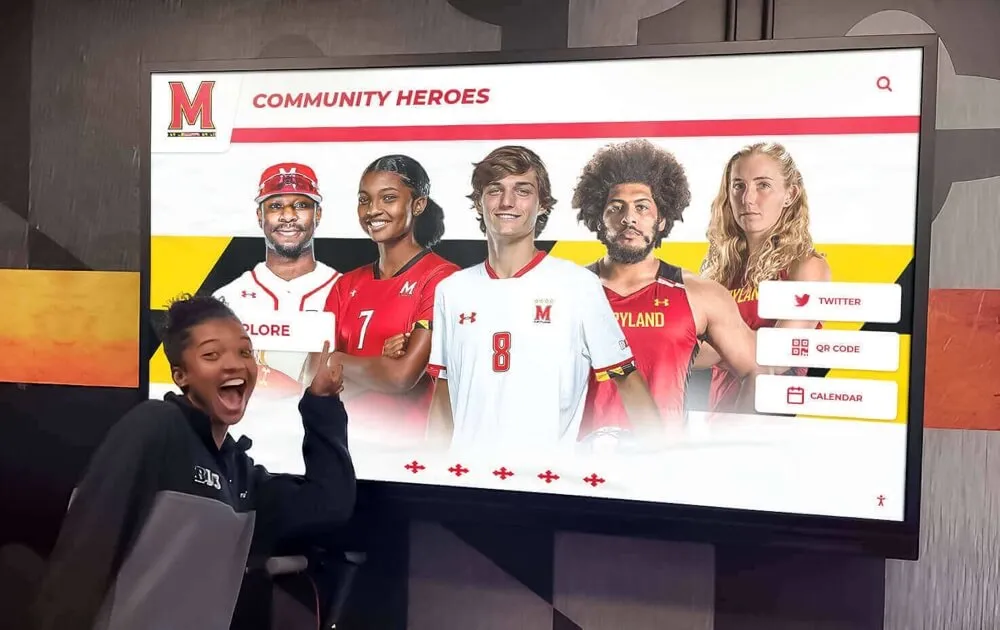
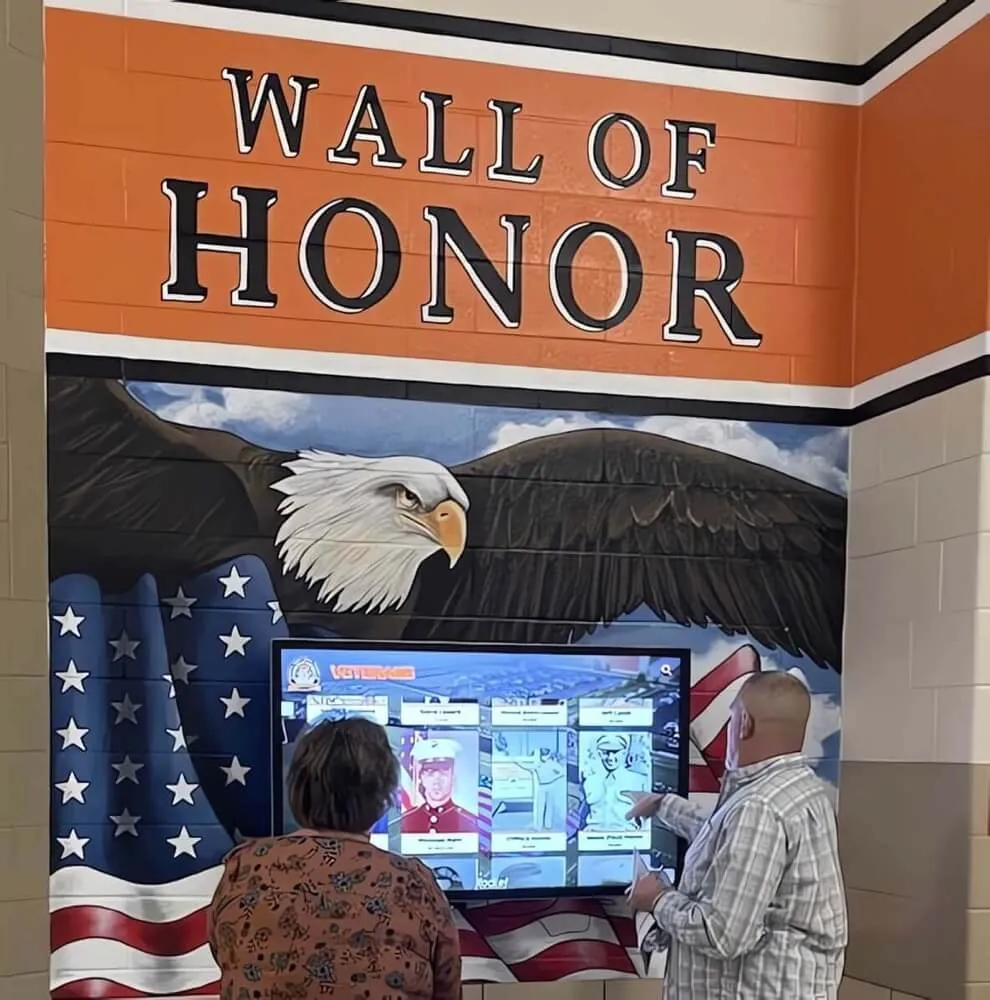
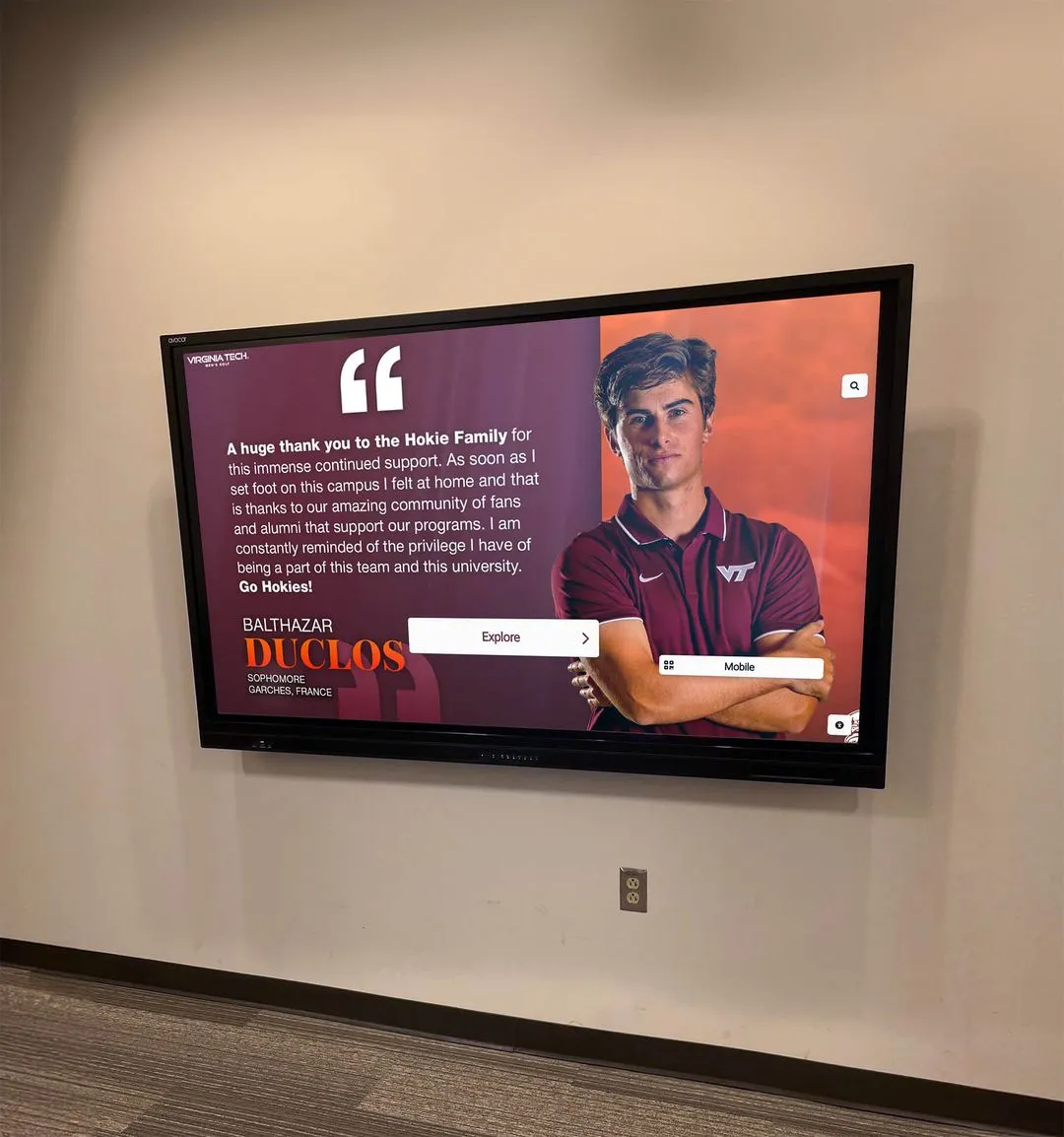
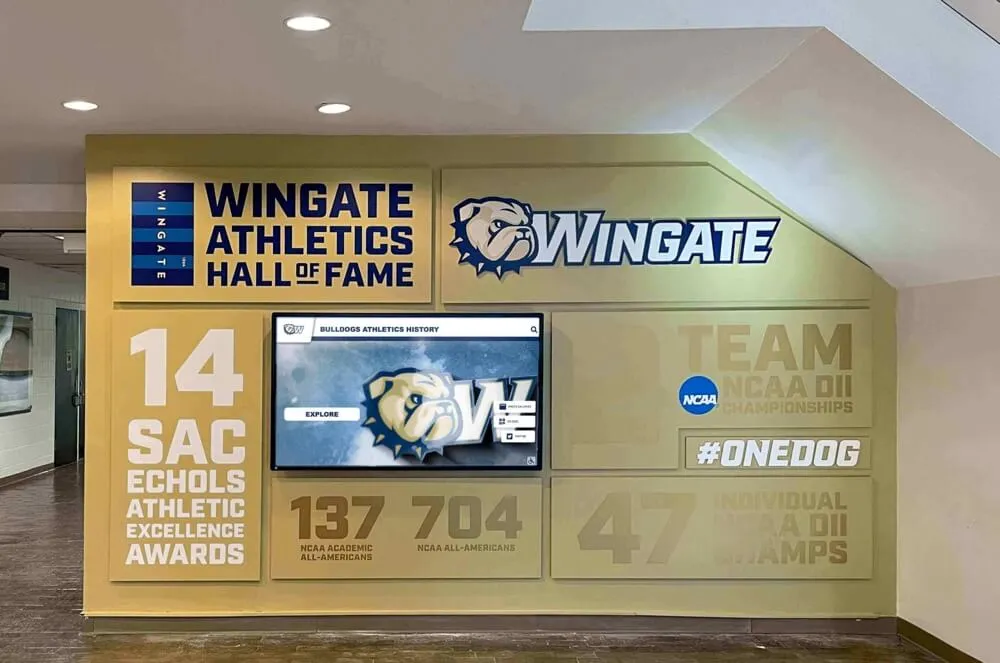
Championship recognition walls invest in the physical record of athletic achievement — photobiological safety documentation protects both the visitors who engage with these displays and the memorabilia that makes them meaningful across decades
Procurement Standards: Requiring IEC 62471 Documentation Before Purchase
The most efficient point at which to verify photobiological safety documentation is before fixture purchase, not after installation. Facilities teams that include IEC 62471 requirements in written purchase specifications receive compliant documentation automatically and create a procurement record that persists through staff transitions.
Recommended procurement specifications for trophy case LED fixtures:
- Risk group requirement by position: State the maximum acceptable risk group for each fixture position type — for example, “Internal case fixtures must be IEC 62471 Exempt (RG0) for all hazard categories; external display fixtures must be RG0 or RG1 for blue light hazard and UV hazard at 200 mm measurement distance”
- UV emission threshold: “Manufacturer must confirm UV irradiance at 200 mm is below [specified threshold, e.g., 1 µW/cm²] and provide UV emission data as part of the product package”
- Third-party test basis: “IEC 62471 risk group classification must be supported by a third-party test report or manufacturer test data consistent with IEC 62471 methodology; self-declaration alone is not sufficient for internal case positions”
- CCT specification: Including CCT in the specification (e.g., 2700K–3500K for warm-white display applications) reduces the probability of receiving high-CCT fixtures with proportionally higher blue light content than the evaluated product
- Measurement distance disclosure: “Supplier must state the measurement distance at which each risk group classification was determined”
Schools planning recognition programs around high school state championship brackets and display archives invest in the physical integrity of their achievement records — procurement specifications that include photobiological safety documentation protect those records and the visitors who engage with them using the same institutional discipline that governs other facilities standards.
IEC 62471 in the Context of the Broader Trophy Case Lighting Program
A trophy case IEC 62471 photobiological safety check is one component of a complete trophy case lighting quality program. The standard addresses hazard classification for visitor and memorabilia safety; it does not address glare, color rendering, color consistency, or illuminance distribution — each of which requires separate evaluation.
The full lighting quality framework for a school trophy case environment includes:
IEC 62471 photobiological safety check (this review): Confirms that luminaires do not pose UV, blue-light, or thermal radiation hazards to visitors at close range, and that internal case fixtures are appropriate for continuous close-range illumination of memorabilia.
UGR check: Confirms that luminaires do not produce discomfort glare or veiling reflections on the glass case front that prevent visitors from reading award content comfortably. The recommended limit for glass-fronted display spaces is UGR ≤ 16.
MacAdam ellipse / SDCM check: Confirms that all fixtures in the case produce consistent color output across shelf positions, so that award finishes and school colors appear uniform across the full display.
Duv tint check: Confirms that fixtures do not produce a green or magenta tint that distorts white certificate backgrounds, athlete photographs, and school colors.
TM-30 Rf and Rg evaluation: Confirms that fixtures render the full color spectrum — including saturated reds, golds, and blues common in championship awards — with appropriate fidelity and gamut.
Running all five checks and documenting results builds an institutional audit record that protects the display environment’s quality across staff transitions. Schools connecting their recognition archives to digital platforms for events like digital yearbook-style achievement archives or interactive alumni engagement programs benefit from the same documentation discipline applied to their physical display environment.
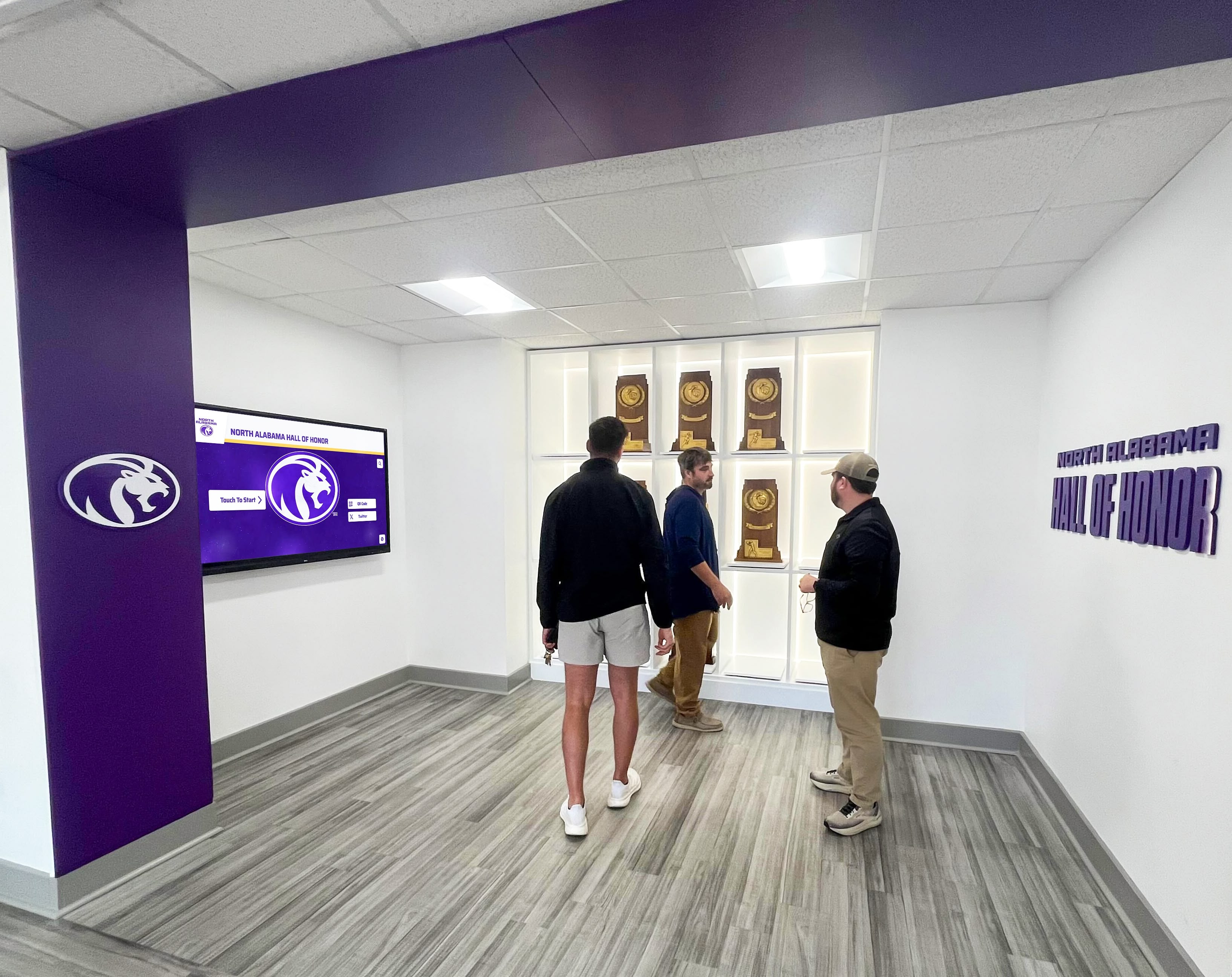
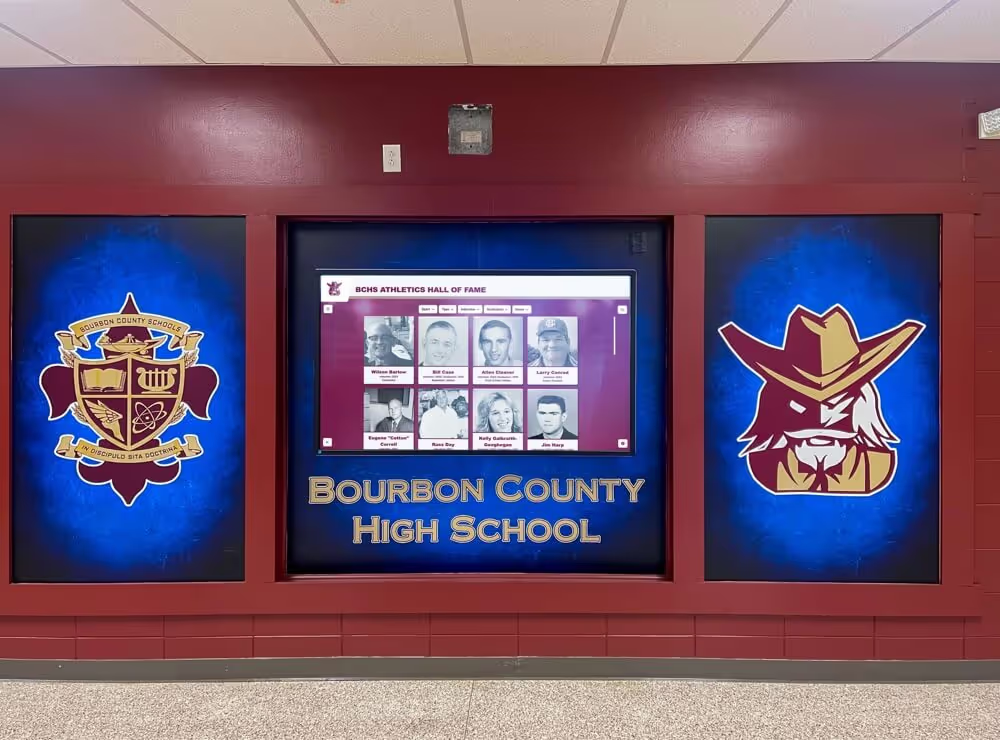
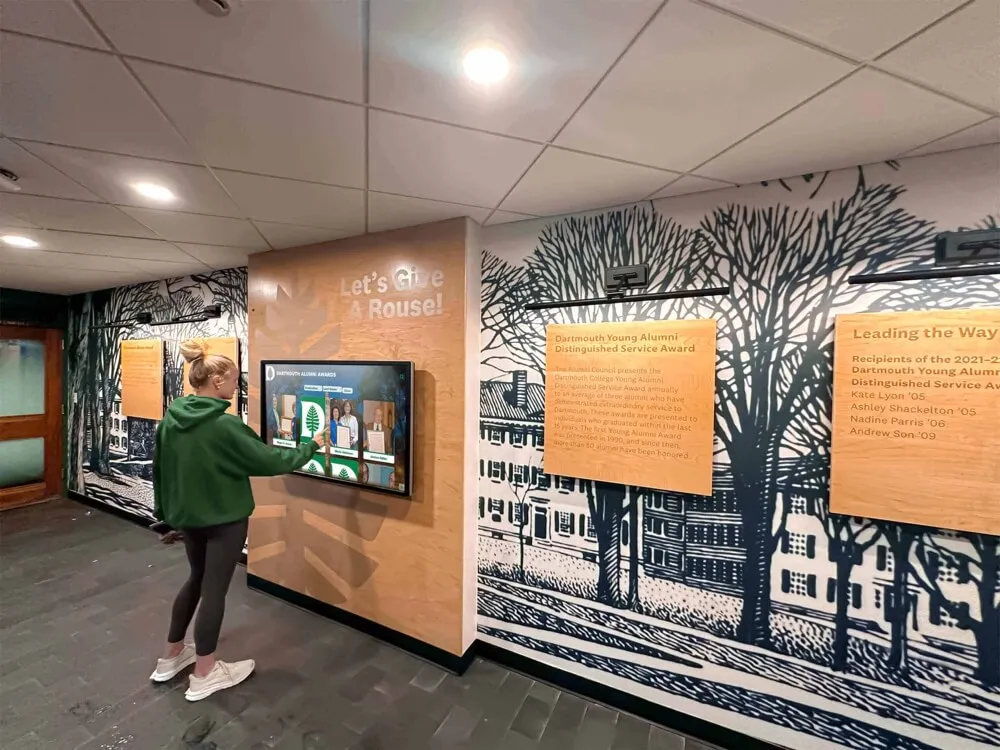
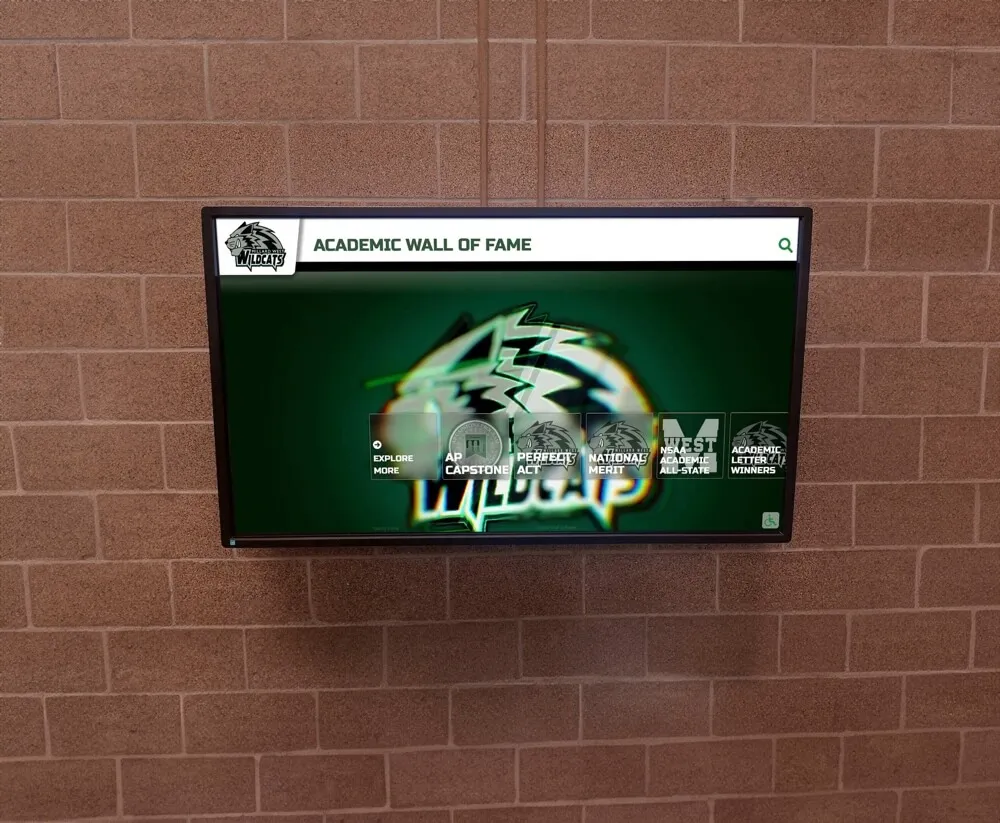
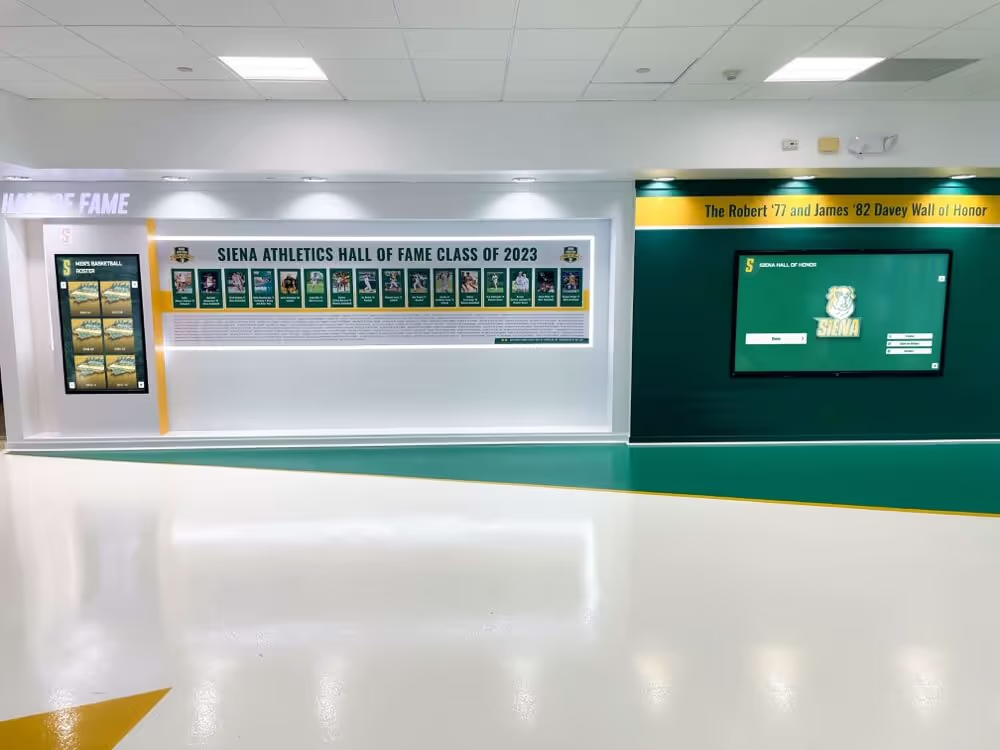
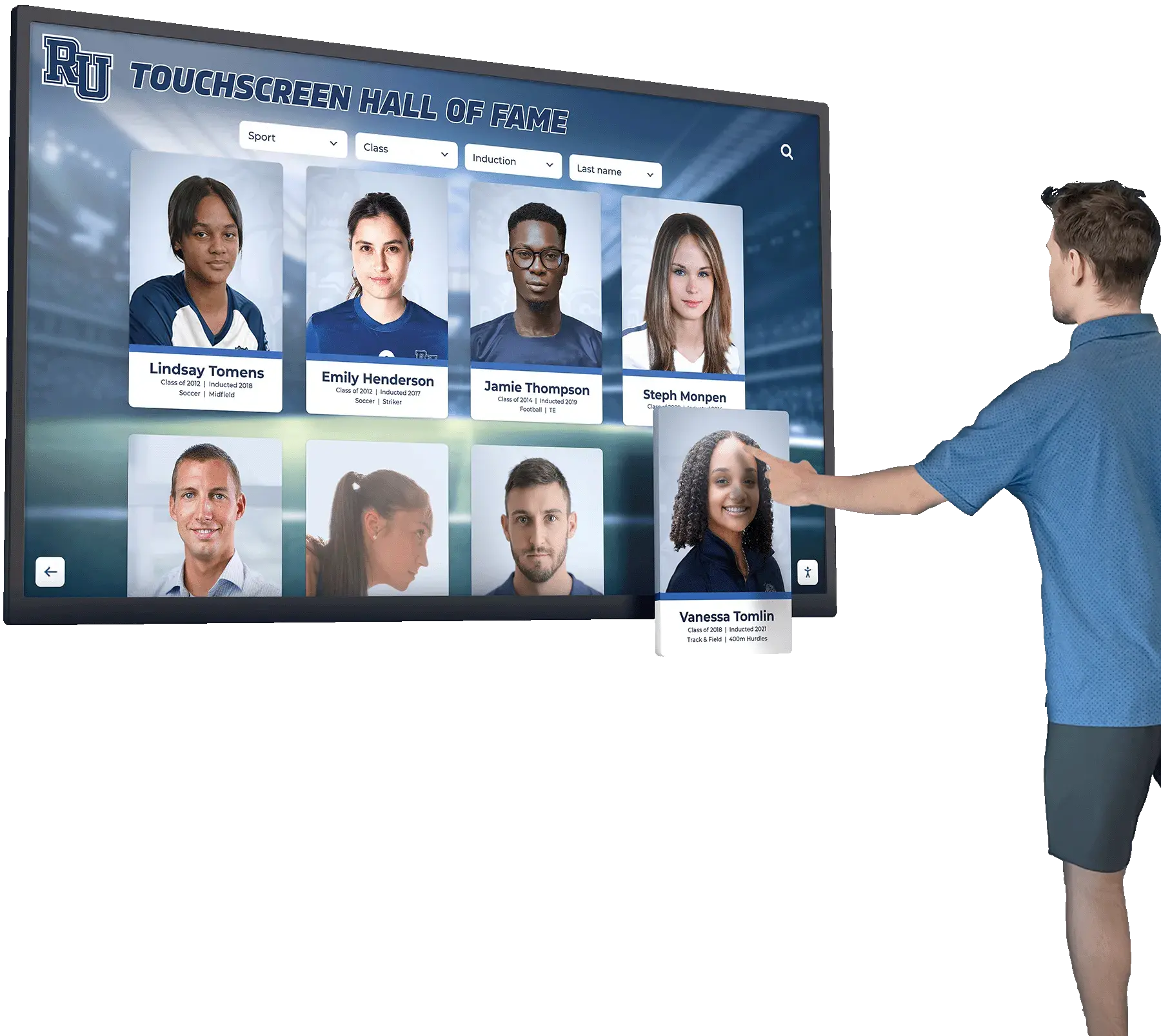
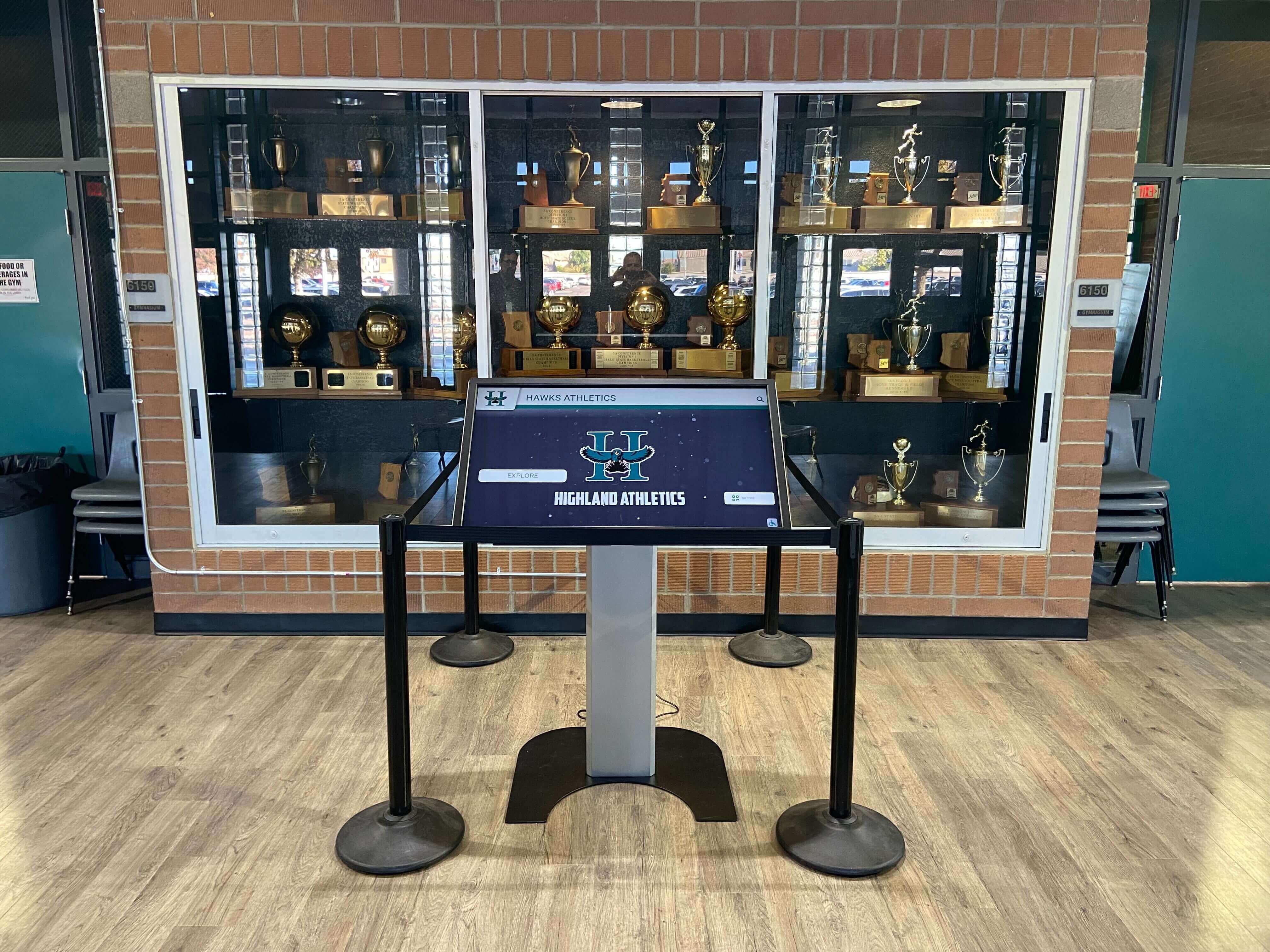
Recognition spaces where visitors and staff spend extended time benefit from comprehensive lighting documentation — photobiological safety review is the starting point for confirming that the environment meets current standards
Recognition Corridors, Hall of Fame Environments, and Extended Visitor Dwell Time
The photobiological safety considerations for a single trophy case scale differently in dedicated recognition corridors and hall of fame environments, where visitors spend extended time engaging with display content. A school hallway where visitors walk past a case in passing has a different exposure profile than a recognition alcove where families gather for 20–30 minutes during an awards reception or open house.
For recognition environments designed for extended visitor dwell time, the cumulative exposure implications of even low-classification fixtures become more relevant. A fixture classified as RG1 — which is appropriate for normal behavioral exposure — warrants documentation that includes expected visitor dwell time alongside the classification value, particularly for events where the display area serves as a gathering space rather than a transit corridor.
Organizations with comprehensive hall of fame programs — including country club-style digital recognition environments and school lobbies designed for visitor engagement — face the same photobiological safety documentation requirements as a standard school trophy case, scaled to the size and visitor volume of the installation.
Digital recognition panels placed within these environments alongside physical cases follow a different documentation path. Commercial-grade display panels are factory-certified to IEC 62471 and related standards as part of their CE marking or UL listing process. The photobiological safety documentation for a digital recognition kiosk is part of the product’s compliance package and does not require annual fixture-by-fixture review in the way that retrofit LED luminaires do. For programs considering how to position digital recognition alongside physical trophy cases, the display certification structure is a meaningful difference in the ongoing compliance maintenance each approach requires.
FAQ: Trophy Case IEC 62471 Photobiological Safety Check
Conclusion: Photobiological Safety Documentation as a Facilities Standard
A trophy case IEC 62471 photobiological safety check closes a documentation gap that standard LED procurement rarely addresses. Risk group classifications, UV emission data, and blue light hazard values are available from manufacturers of display-grade LED products and should be part of the specification package for any fixture installed inside a trophy case or at close range to visitors in a recognition corridor.
The seven-step review in this guide requires no specialized instrumentation for pre-installation documentation checks — it is a data collection and comparison process. The result is a fixture map annotated with risk groups, measurement distances, and installation geometry comparisons that provides a structured record of the photobiological safety review. That record can be updated at each fixture replacement cycle and retained alongside TM-30, UGR, MacAdam ellipse, and Duv documentation as part of a complete trophy case lighting audit file.
For recognition programs where ongoing LED fixture documentation review competes for facilities management attention with other operational priorities, digital recognition platforms offer a different starting point: factory-certified display panels with photobiological safety documentation already established as part of product certification, combined with unlimited recognition capacity, remote cloud-based content management, and WCAG 2.1 AA accessibility — without the annual fixture-by-fixture review cycle that physical LED trophy case installations require.
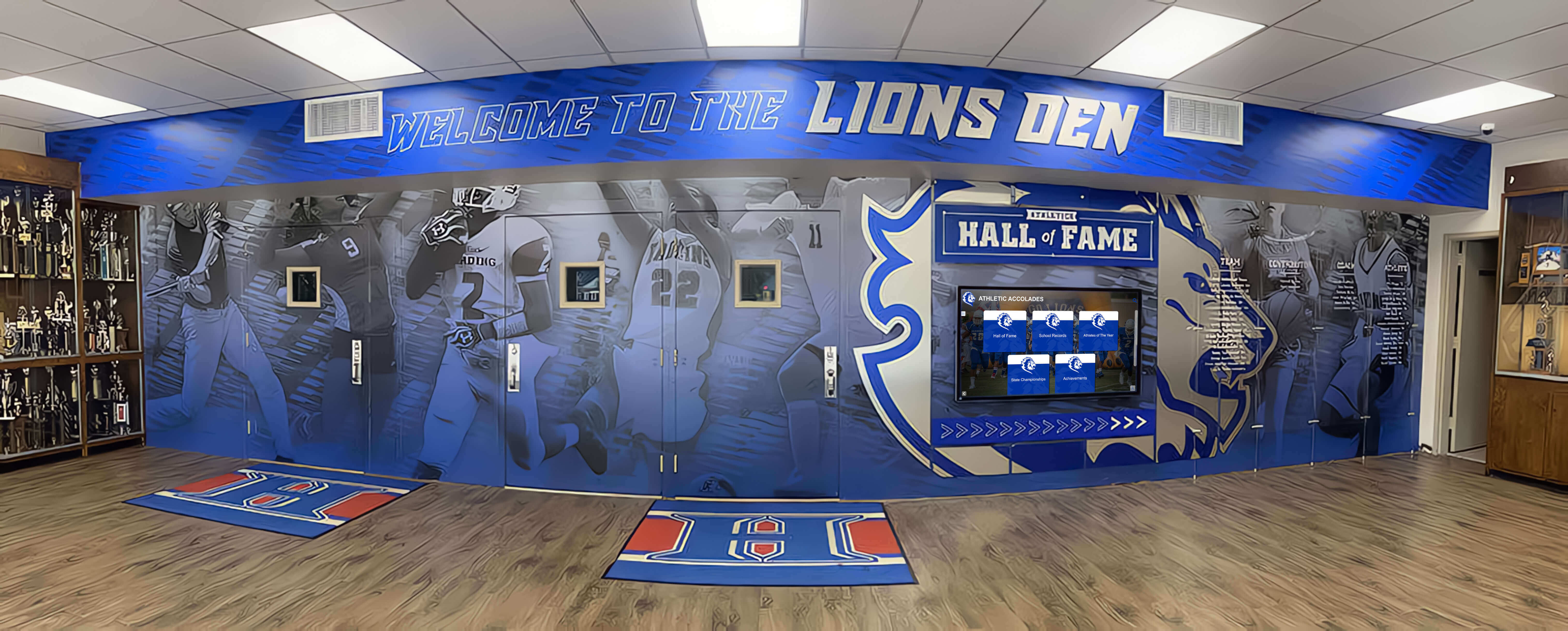
Recognition corridors that maintain complete photobiological safety documentation deliver a display environment where both visitors and memorabilia are protected — the foundation for a recognition program that serves the school across decades
See How Rocket Alumni Solutions Delivers Recognition Displays Built to Certified Display Standards
Digital recognition platforms built on commercial-grade display hardware include factory-certified photobiological safety documentation, anti-glare screen treatments, and WCAG 2.1 AA accessibility — without the annual LED fixture documentation review cycle that physical trophy cases require. See how schools showcase unlimited award records, championship photographs, and athlete achievements through displays that meet current safety and accessibility standards from day one.
Schedule Your Demo