



Intent: research — a trophy case fire safety inspection checklist gives school administrators, athletic directors, and facilities staff a structured process for verifying that display cases holding trophies, memorabilia, and athletic hardware meet fire-safety requirements related to electrical installation, lighting fixtures, combustible load, exit pathway clearance, and suppression system access. This guide delivers a numbered checklist organized by inspection category, a responsibility table mapping tasks to roles, a common-deficiency reference, and guidance on how digital displays reduce the fire-risk profile of recognition areas. Nothing in this article constitutes legal or code-compliance advice — always consult your authority having jurisdiction (AHJ) and applicable codes for your specific facility.
A trophy case in a school hallway is a source of institutional pride, a daily reminder of championship history, and — if not periodically evaluated from a life-safety perspective — a potential fire hazard. Enclosed wood and glass display cases containing fabric items, paper programs, wood trophies, and in many cases internal lighting represent a combustible load positioned in high-traffic corridors, athletic lobbies, and gymnasium entryways that must remain navigable during an emergency.
Fire safety inspectors working through schools regularly flag trophy case areas for electrical concerns, blocked egress paths, inadequate fixture clearances, and combustible material accumulations that have grown incrementally over years of item additions. Most of these deficiencies are straightforward to correct — but only if they are identified before an inspection report arrives.
This checklist gives facilities staff and school administrators the framework to conduct a proactive internal review before a formal inspection, address findings while time allows, and document the corrective actions that demonstrate due diligence.

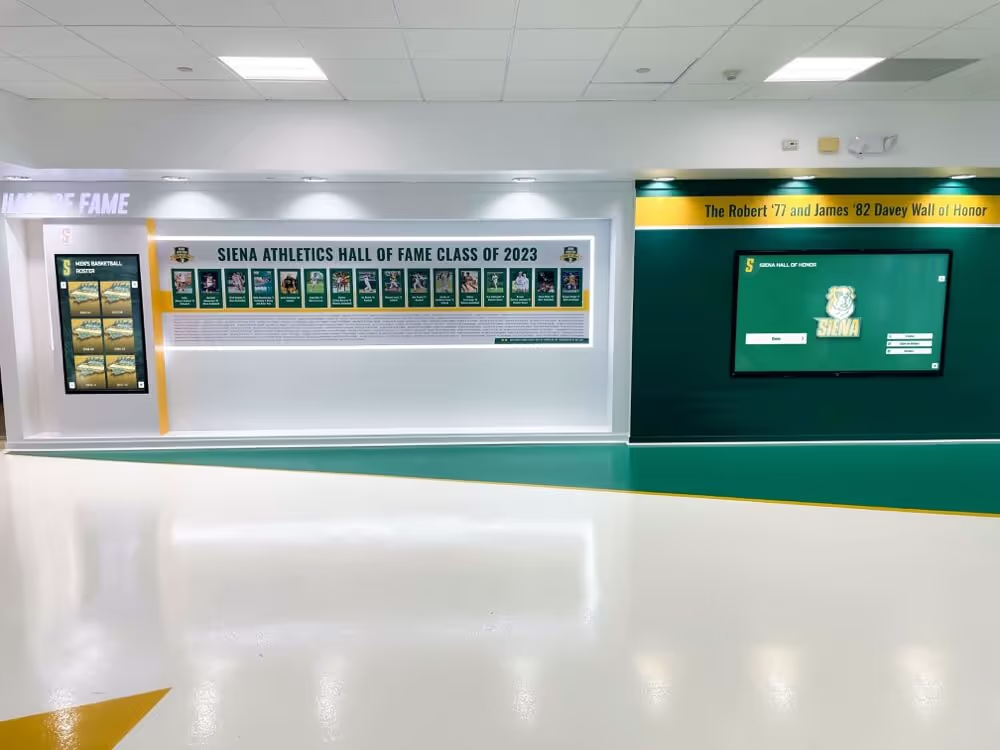
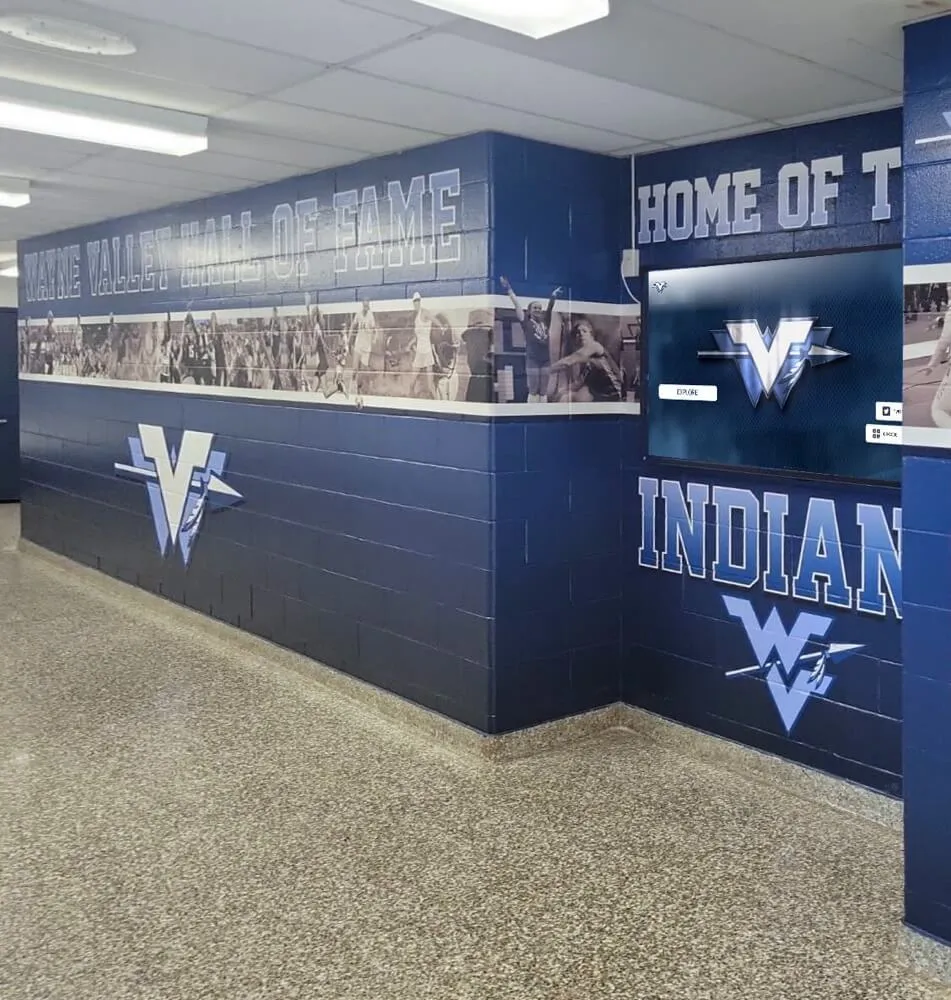
Trophy cases in school corridors fall under fire safety review requirements that cover egress clearance, combustible load, and electrical installation — a proactive checklist surfaces issues before they appear on an inspection report
How to Use This Checklist
This checklist is organized into six inspection categories. Work through each category in sequence during a scheduled walk-through. Assign a specific staff member to each category or conduct the review as a joint walk-through with facilities, athletic department, and administration representation.
For each item, mark the finding as Pass, Needs Attention, or Escalate (requires qualified personnel or code review). Log the date, reviewer name, and any corrective action taken. Retain all logs for a minimum of three years or as required by your district record-retention policy — whichever is longer.
Important: This checklist supports internal review and does not substitute for a formal fire inspection conducted by a certified inspector or your authority having jurisdiction. Use it to prepare for official inspections, identify obvious deficiencies, and establish a documented maintenance record.
Category 1: Electrical Installation and Wiring
Internal lighting, power outlets used for supplemental displays, and wiring routed inside or adjacent to trophy cases represent the most common source of electrical fire risk in recognition display areas.
Checklist — Electrical:
- All electrical wiring visible inside or behind the trophy case is enclosed in approved conduit or raceway — no exposed wiring runs
- Extension cords are not used as permanent wiring to power case lighting or supplemental displays
- Power strips used in or near the display area are surge-protected, UL-listed, and not daisy-chained
- No power strips are located inside enclosed trophy cases where airflow is restricted
- Outlets serving the trophy case area are not visibly overloaded — no multiple adapters stacked in a single receptacle
- Ground fault circuit interrupter (GFCI) protection is present where outlets are within six feet of any water source (janitor’s closet, drinking fountain, exterior door with potential water intrusion)
- All junction boxes, conduit entry points, and outlet covers within or adjacent to the display area have proper covers installed — no open electrical boxes
- Electrical panels or sub-panels are not blocked by trophy case structures or overflow storage — a minimum 36-inch clearance is maintained in front of any panel
- Any recent wiring work has been permitted and inspected by the appropriate authority; permits are retained in facility records
Common finding: Power strips run through case interiors to power LED accent lighting are a frequently cited deficiency. Replace with hardwired LED fixtures installed by a licensed electrician.
Category 2: Display Lighting — Fixture Type, Clearance, and Output
Trophy case lighting directly affects fire risk. Older incandescent and halogen fixtures generate significant heat; sealed cases with inadequate ventilation can reach temperatures that degrade nearby combustible materials over time. Lighting placed in direct contact with fabric items presents an ignition concern.
Checklist — Lighting:
- All internal display lighting fixtures are UL-listed for their installed application (enclosed fixtures, if installed in a sealed case; open fixtures, if installed in a ventilated case)
- Incandescent and halogen fixtures have been replaced with LED equivalents, or a review has confirmed current fixtures meet minimum clearance from combustible materials specified by fixture manufacturer and applicable code
- No fabric items (jerseys, banners, pennants, letter jackets) are in direct contact with any lighting fixture or within the minimum manufacturer-specified clearance distance
- No paper documents or photographs are mounted directly adjacent to heat-generating fixtures without a physical barrier
- All light fixtures inside cases are secured — no loose fixtures hanging by their wiring
- Any recessed lighting above the trophy case area has proper insulation contact (IC) rating if insulation is present in the ceiling cavity
- Lighting timers or control circuits are functioning correctly — fixtures are not left continuously energized when the building is unoccupied without a documented operational reason
- External spotlights or track lighting aimed at trophy cases do not illuminate in a way that creates heat buildup inside an adjacent enclosed case
Maintenance note: LED retrofit kits for older trophy case lighting systems are widely available and significantly reduce both heat generation and long-term energy cost. Documenting this upgrade supports your facility’s sustainability reporting as well as fire safety compliance.
Category 3: Combustible Load Inside the Display Case
Trophy cases hold a mix of materials with varying ignition characteristics. The aggregate combustible load — the total amount of material inside or immediately surrounding the case that would contribute to fire spread — is a factor in how quickly a localized fire in a display area can escalate. Facilities staff are not expected to conduct a formal combustible load analysis, but a visual review can identify accumulations that exceed what should reasonably be present.
Checklist — Combustible Load:
- No loose paper items (programs, newspaper clippings, certificates) are stored unsecured inside the case where they could fall against a lighting fixture
- Paper and cardboard backing materials used inside cases are kept to the minimum necessary for display purposes — not accumulated year over year without review
- Fabric items (jerseys, pennants, letter jackets) are mounted securely and not packed tightly enough to restrict airflow around lighting fixtures
- No items made of highly flammable materials — aerosol cans, chemical cleaners, flammable polish — are stored inside trophy cases or in the immediate display area
- Packing materials (foam, bubble wrap, cardboard boxes) used during display changes are removed from the case interior and storage immediately after use
- The space above, below, and immediately behind the trophy case is not used as informal storage for combustible materials — no overflow boxes, seasonal supplies, or athletic equipment stored in the display zone
- Trophy case backing materials (fabric-covered foam board, paper-lined shelves) are reviewed periodically and replaced when damaged or heavily soiled — soiled organic materials present higher ignition risk
Context: Schools managing large collections of paper-based records — programs, newspaper clippings, historic box scores — benefit from a parallel archival review. The athletic archive OCR quality checklist for building searchable school collections addresses how to digitize and index paper items, which simultaneously reduces the combustible paper load inside physical display cases.
Category 4: Egress Clearance and Corridor Access
Trophy cases are frequently installed in the corridors, lobbies, and gymnasium entryways that serve as primary egress routes during an emergency. The footprint of a display case — particularly freestanding cases or cases with extended bases — can narrow a corridor below required minimum widths. Overflow items placed around case bases create trip hazards during evacuation.
Checklist — Egress:
- Trophy cases do not reduce the clear corridor width below the minimum required by applicable codes — in most school occupancies under NFPA 101, this is a minimum of 44 inches for corridors serving educational occupancies (confirm the specific requirement with your AHJ)
- No items — temporary displays, athletic equipment, fundraising tables — are placed against or around trophy cases in a way that further reduces corridor width
- Exit signage is not obstructed by trophy case structures, overhead signage, or items mounted at high display positions
- Emergency exit door swing paths are not blocked by adjacent trophy cases or overflow display items
- Floor space directly in front of case doors is clear and will not cause a trip hazard during rapid egress
- Freestanding trophy cases are anchored to prevent tipping — an unanchored freestanding case knocked over during an emergency evacuation creates a serious secondary hazard
- Cases installed in gymnasium lobbies or near exterior doors do not block the view of exit hardware for approaching occupants
Related consideration: Schools redesigning athletic hallways or lobbies should integrate fire safety clearances into the design process from the beginning. The guide to high school gymnasium design for inspiring athletic spaces provides context on how modern athletic facilities plan egress and recognition display zones together, which simplifies compliance rather than treating it as an afterthought.
Category 5: Fire Suppression System Access and Coverage
Most school corridors are served by automatic sprinkler systems. Trophy cases — particularly large, enclosed, wall-mounted units or freestanding structures — can interfere with sprinkler coverage patterns if improperly positioned. This category addresses whether display case installation affects suppression system function.
Checklist — Suppression System:
- No trophy case structure blocks or redirects a sprinkler head — the area below and around each head is clear of obstructions that would deflect spray pattern
- A minimum 18-inch clearance below each sprinkler head is maintained — display materials, signage, and trophy heights do not intrude into this space (standard clearance under NFPA 13 — confirm with your specific system requirements)
- Freestanding trophy cases are positioned such that their footprint does not sit directly below a sprinkler head without documented review by your sprinkler contractor
- Any reconfiguration of trophy case placement that involved moving, adding, or removing cases near sprinkler heads was reviewed by the sprinkler system contractor before work was completed
- Fire extinguisher locations within the recognition display area are accessible — no trophy case, freestanding display, or temporary exhibit blocks the path to a wall-mounted extinguisher
- The maintenance log for the sprinkler system includes the most recent inspection date; inspection is current per applicable NFPA 25 requirements
- Corridor smoke detectors near the trophy case area are clear of obstructions and have been tested within the current inspection cycle
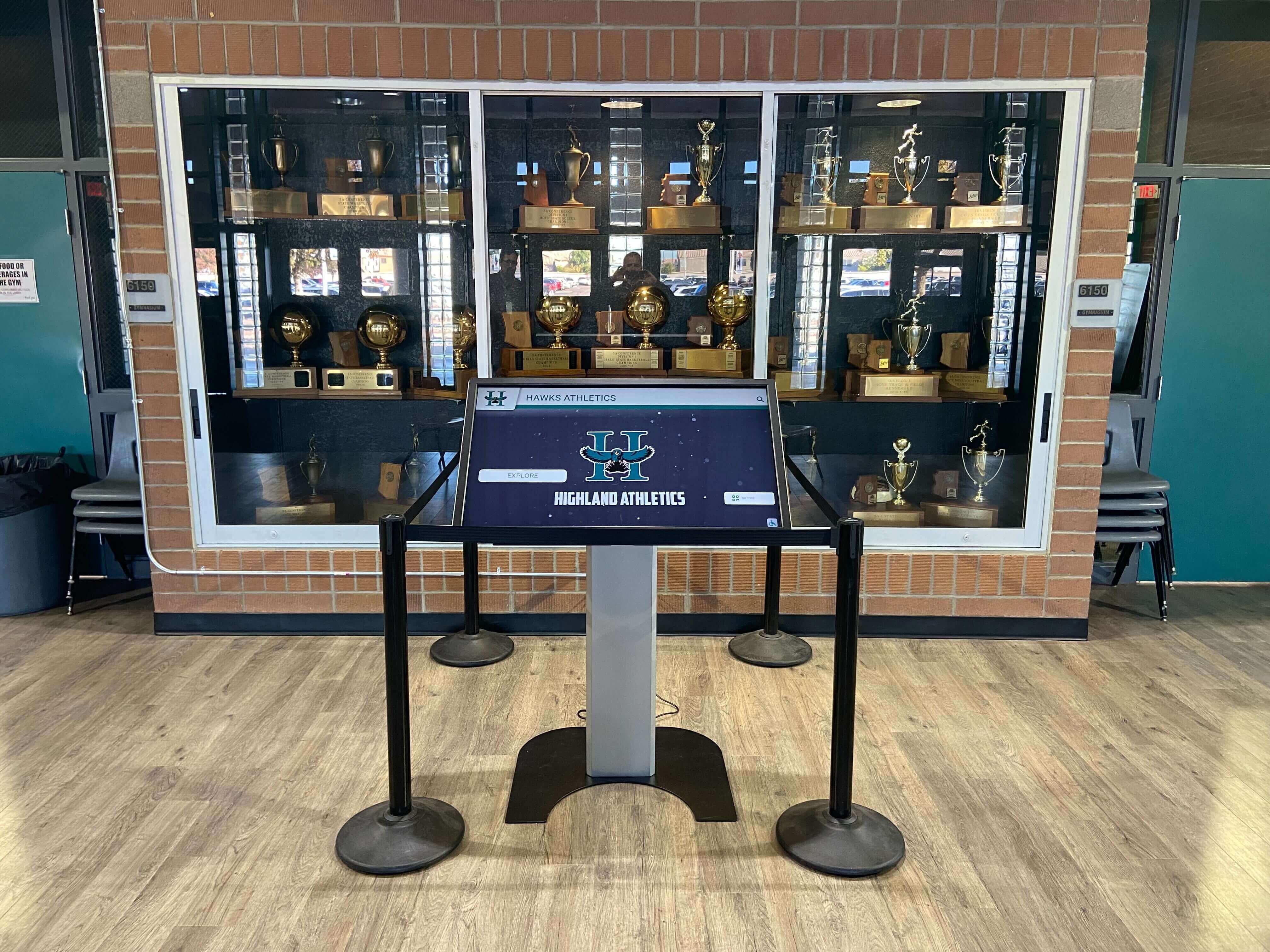
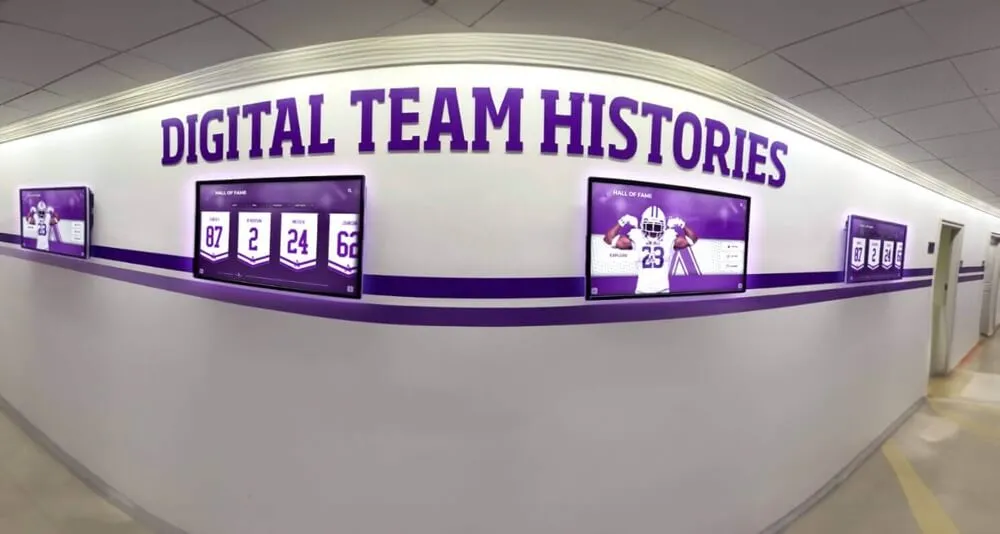
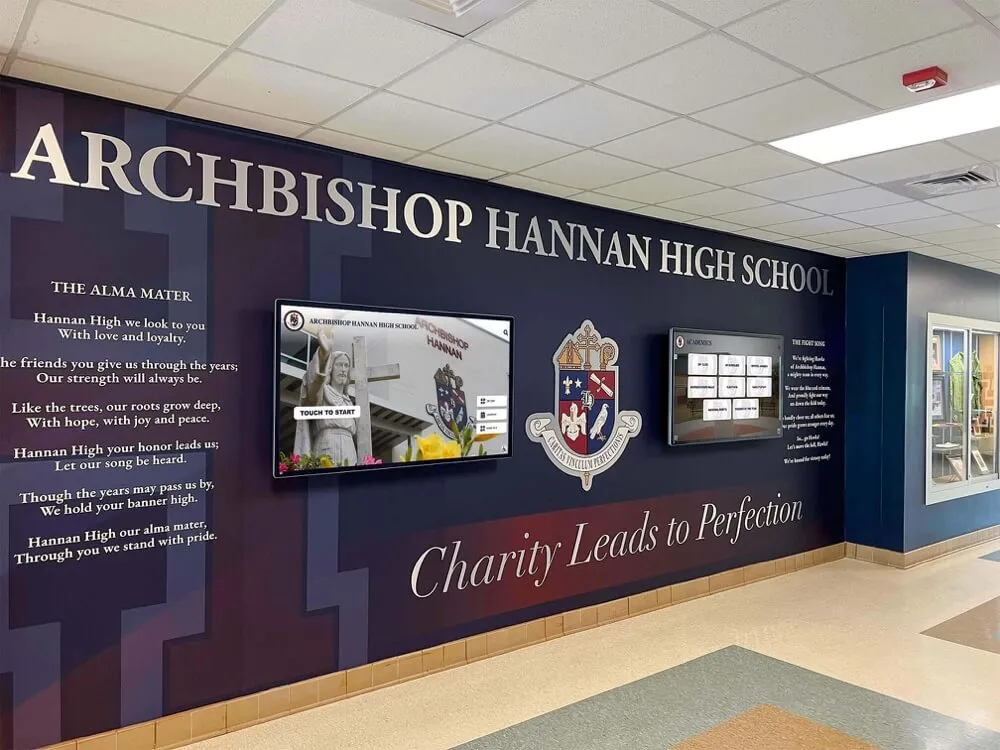
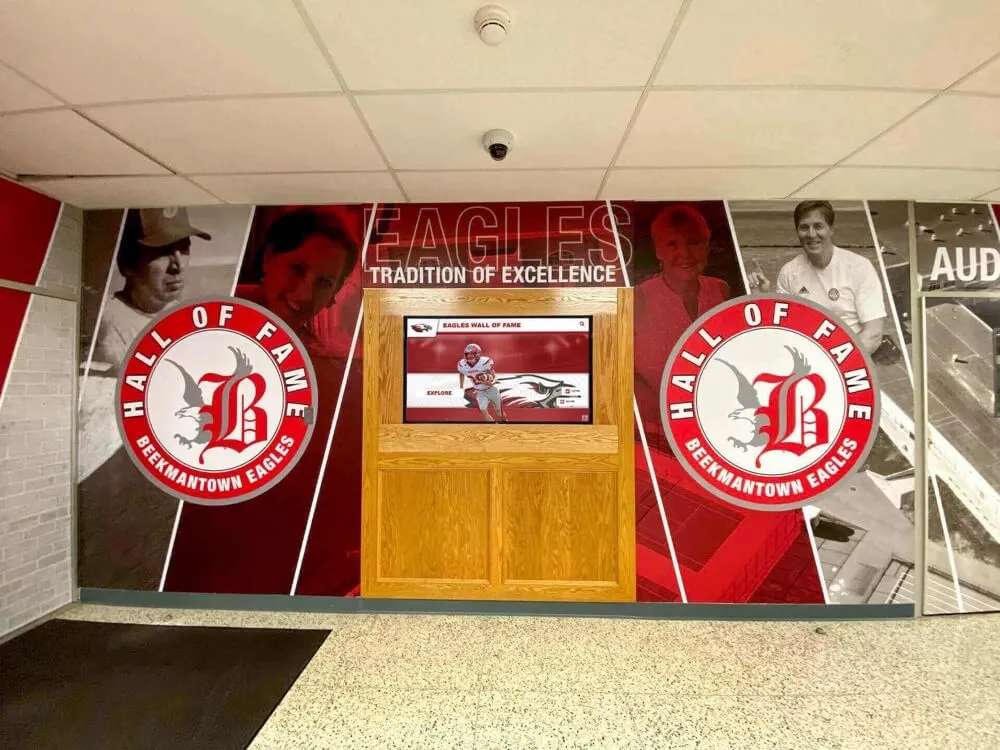
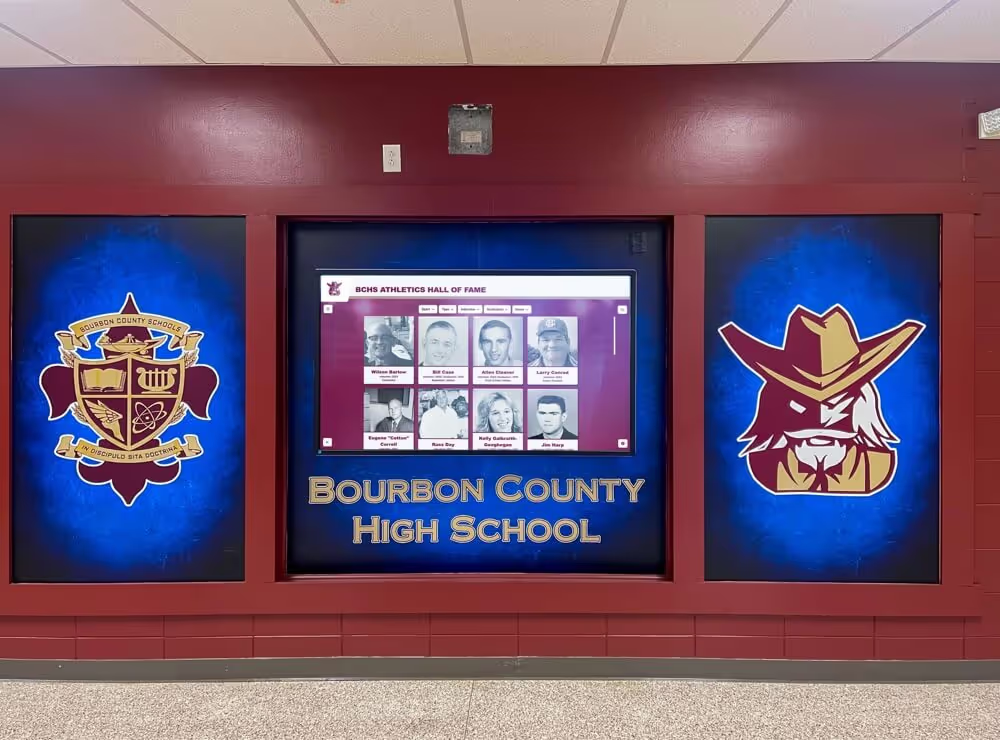
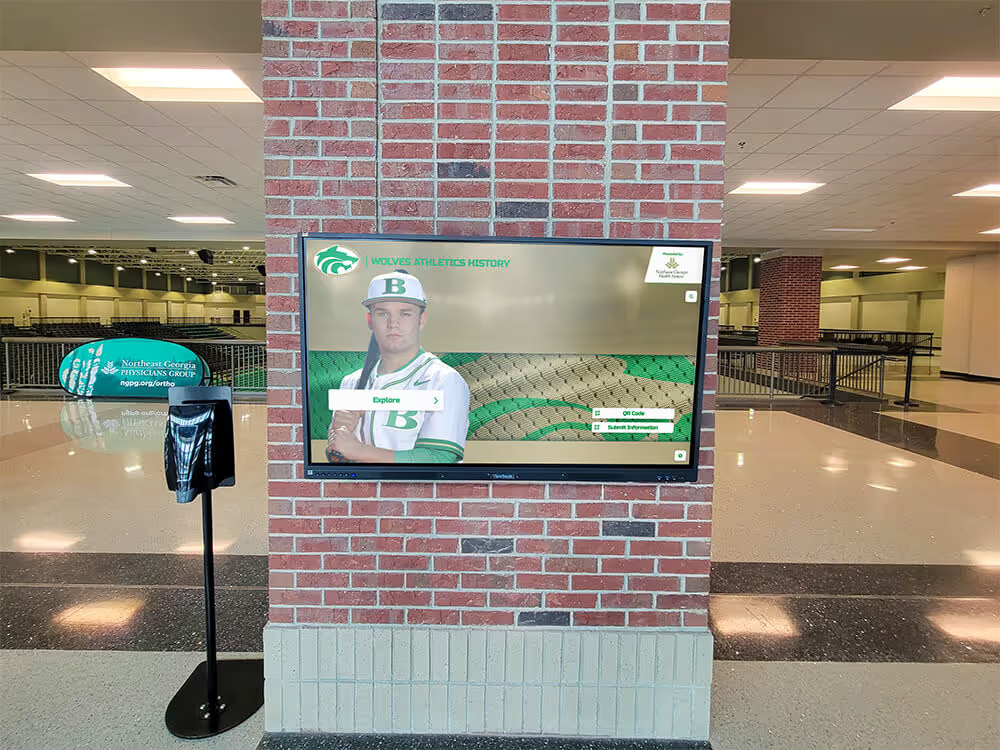
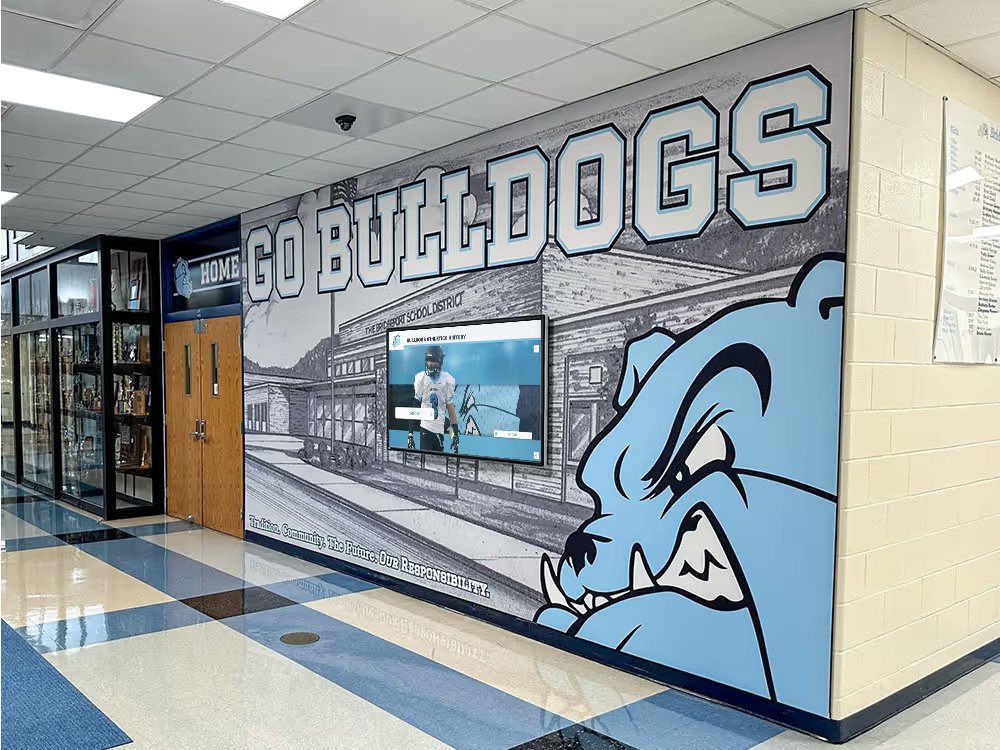
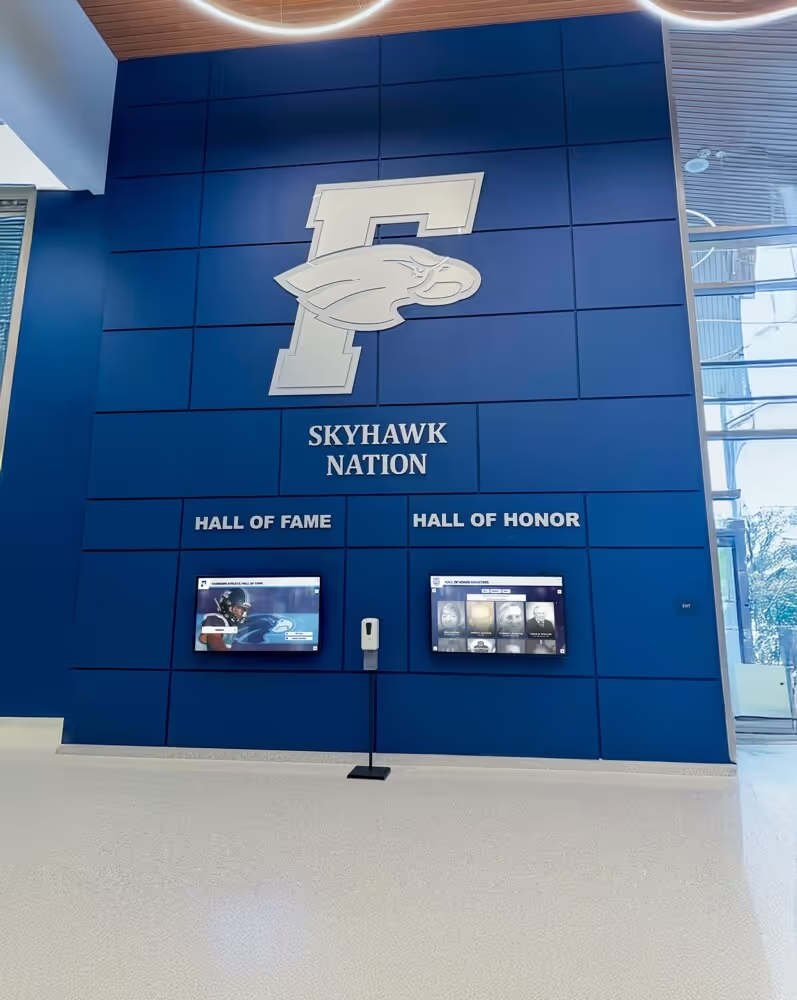
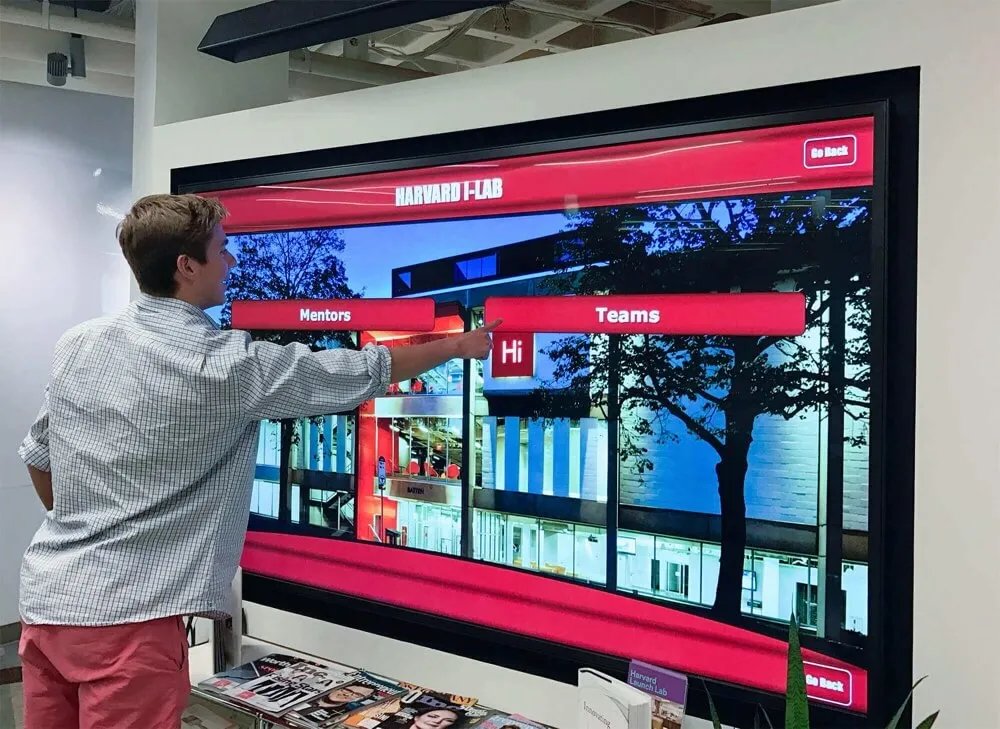
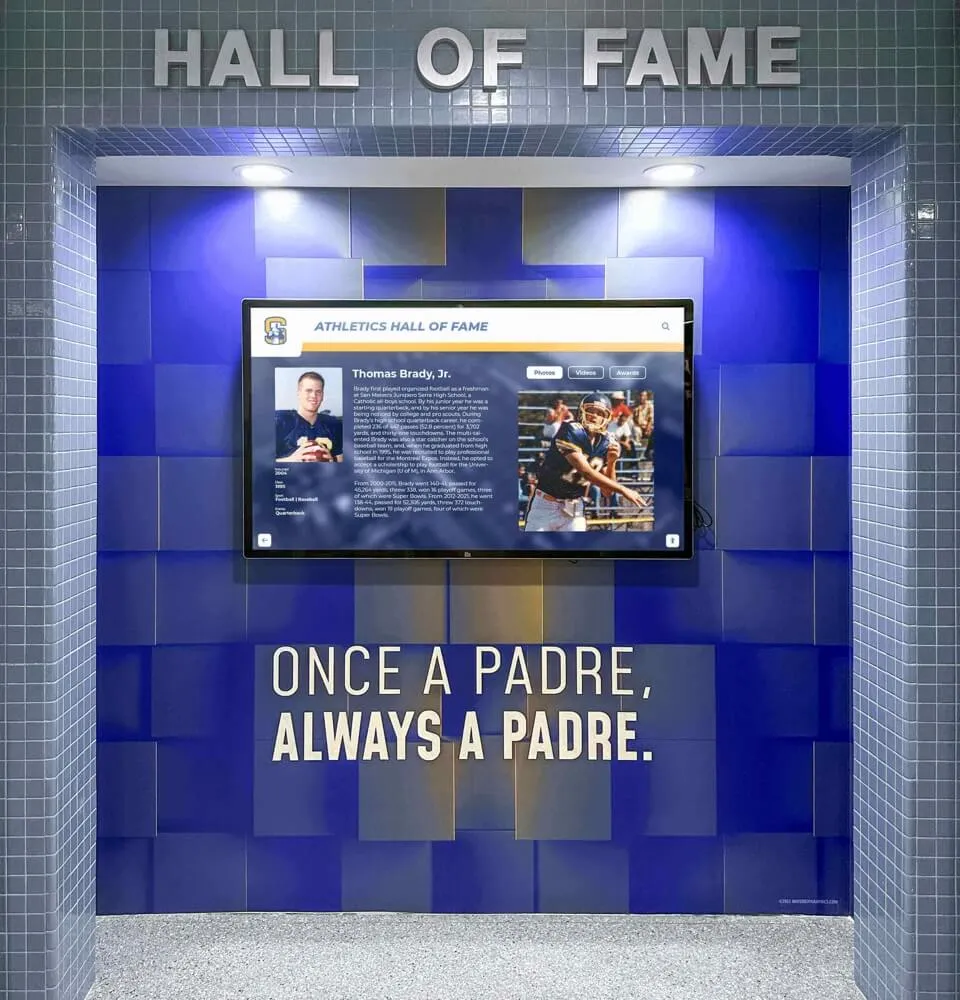
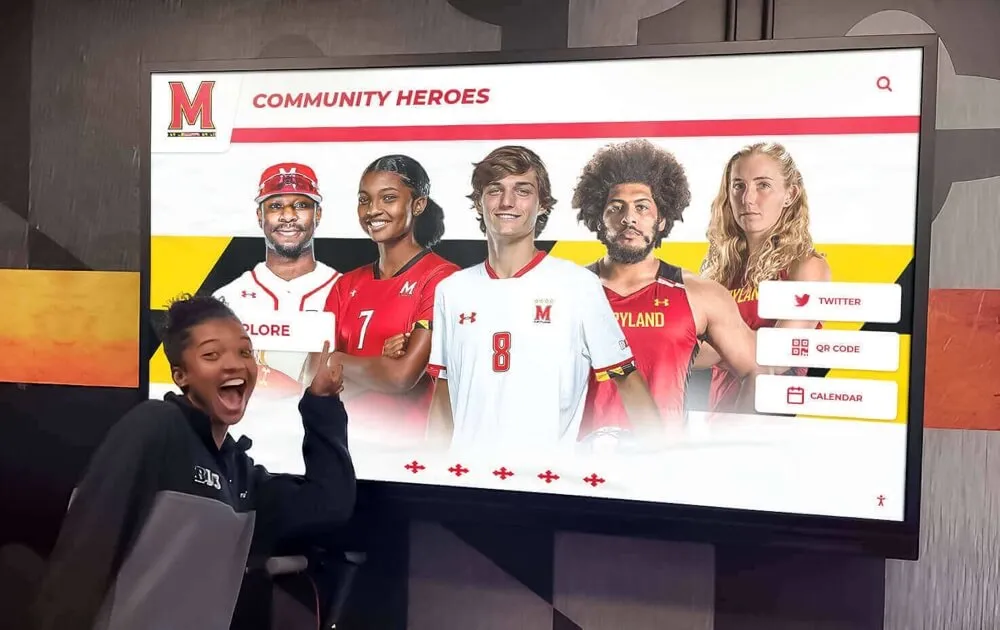
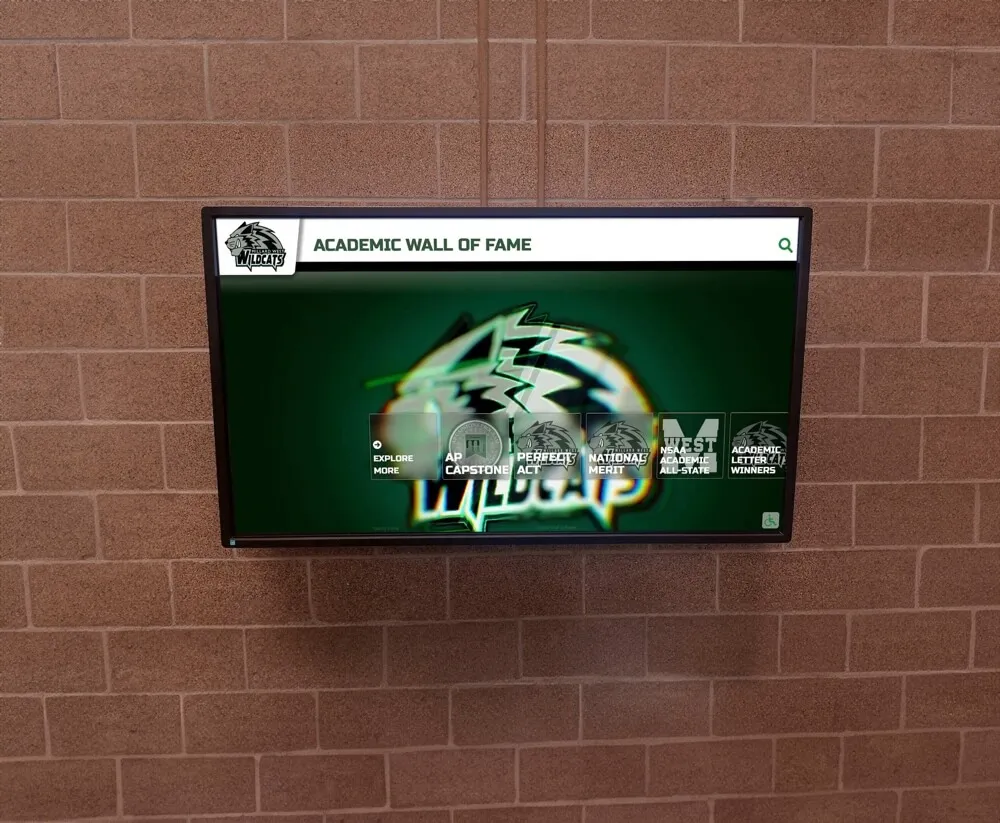
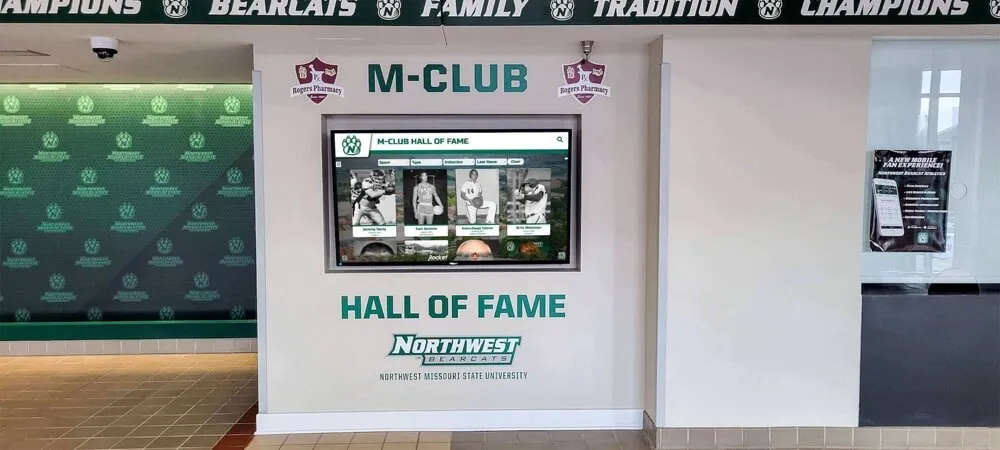
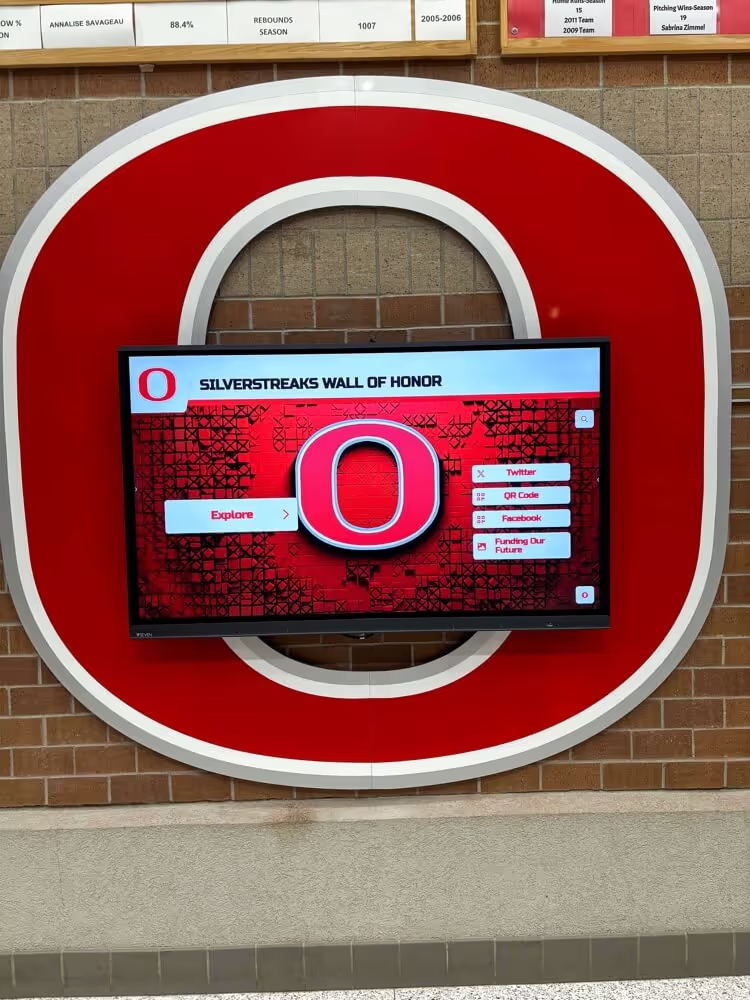
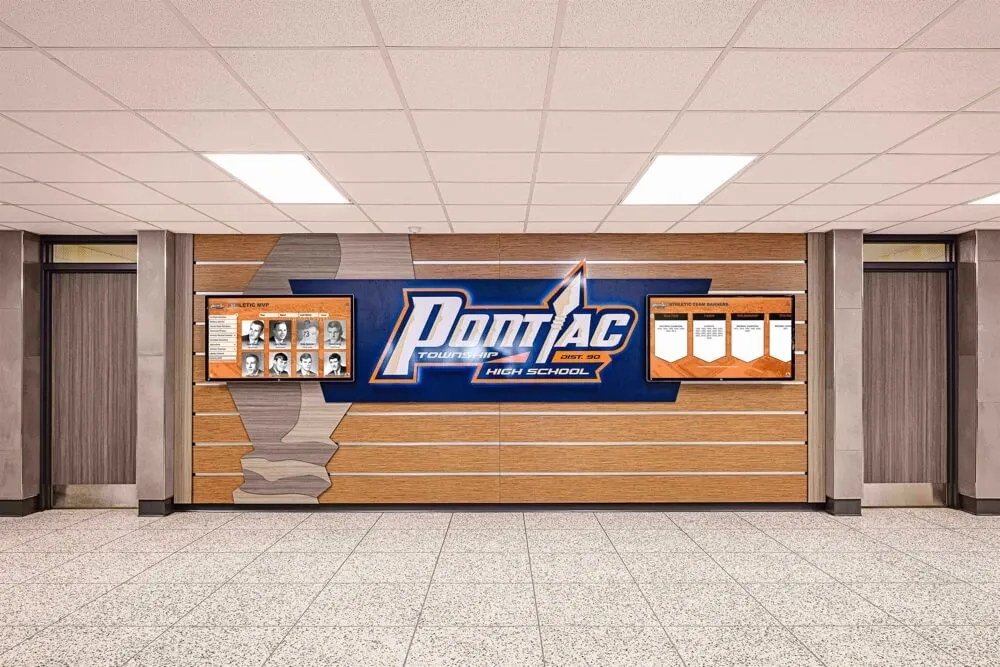
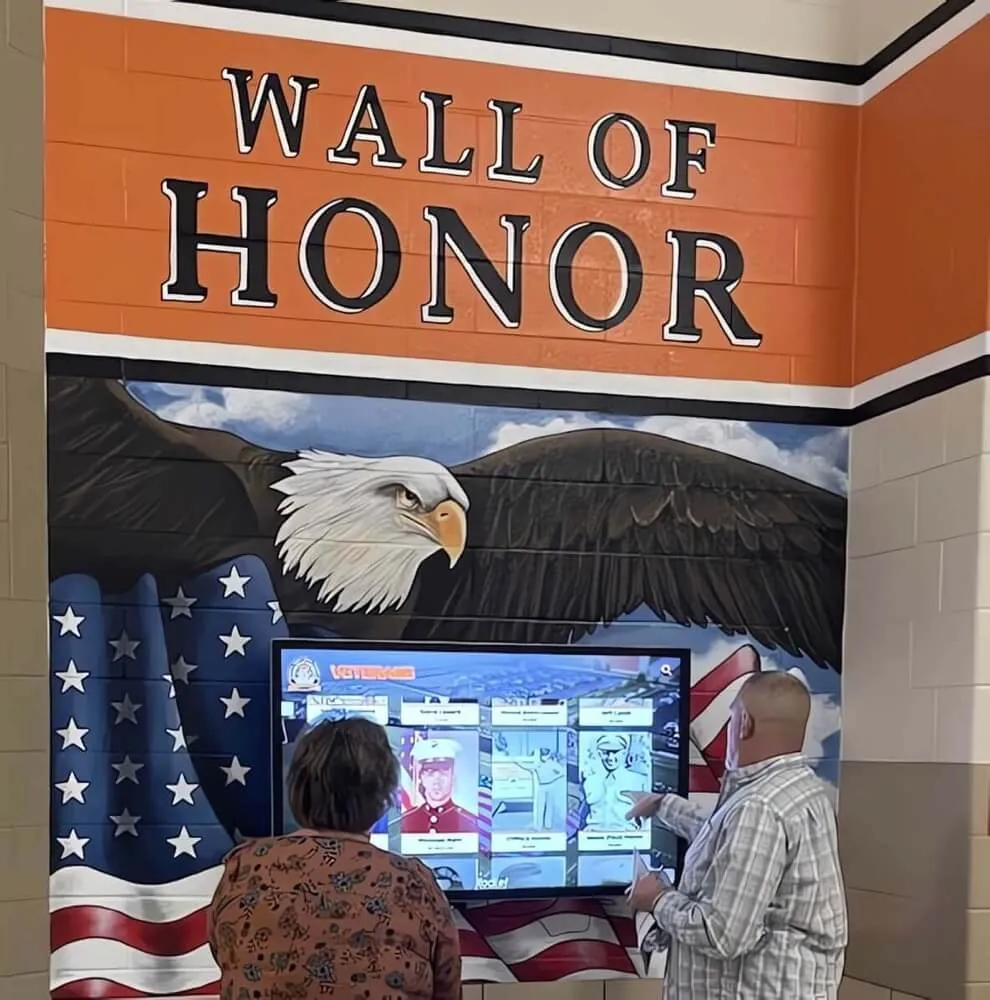
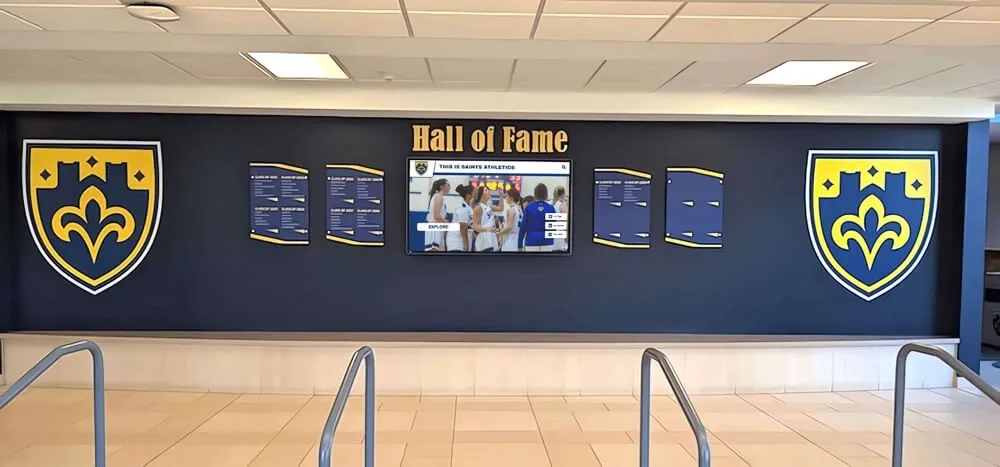
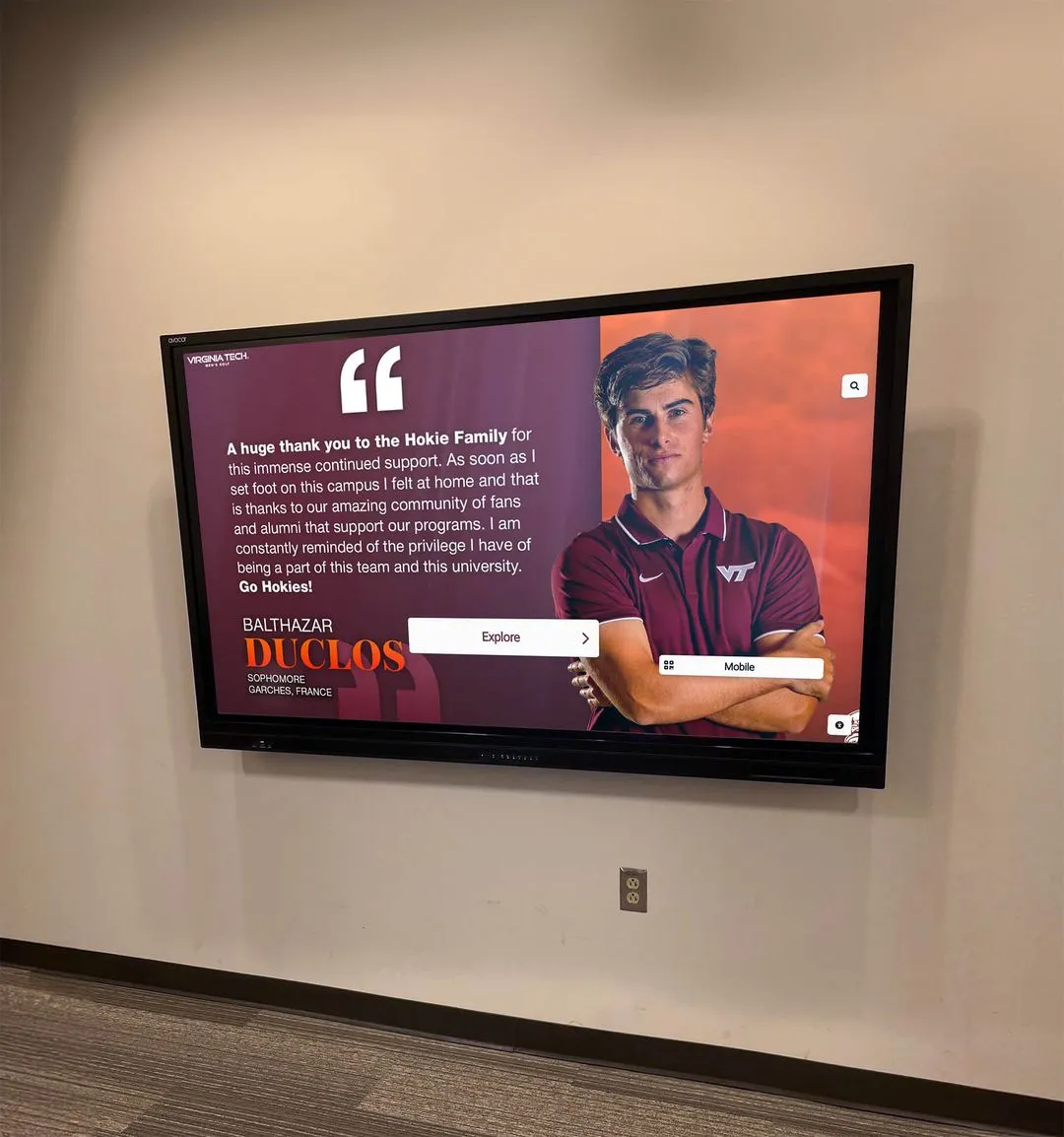
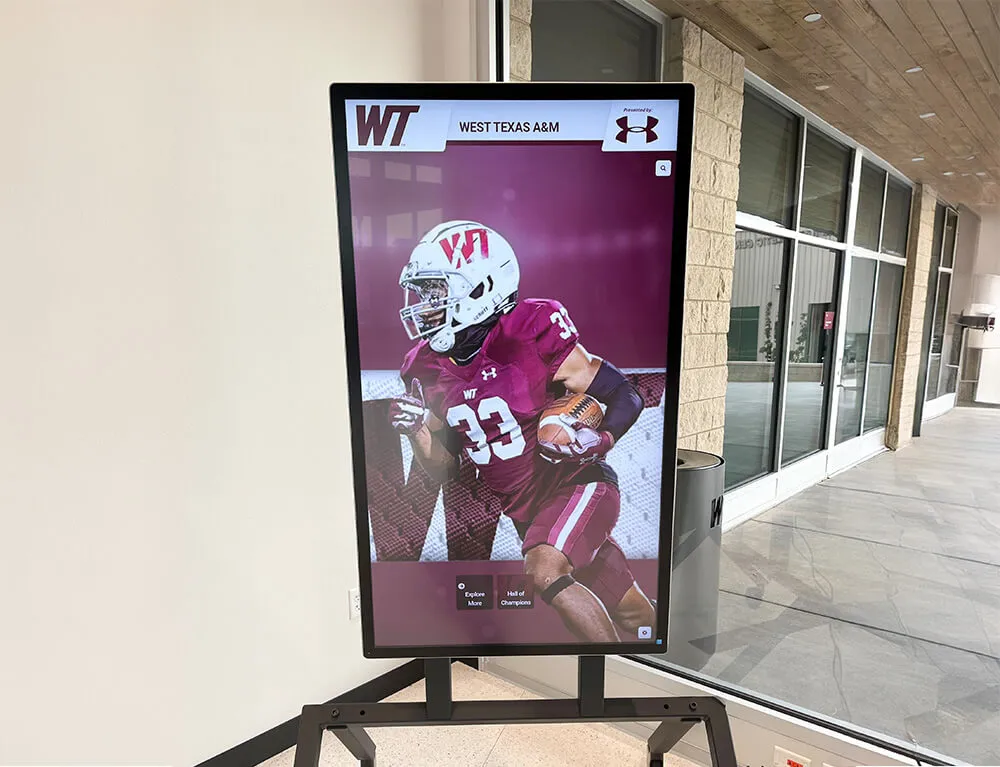
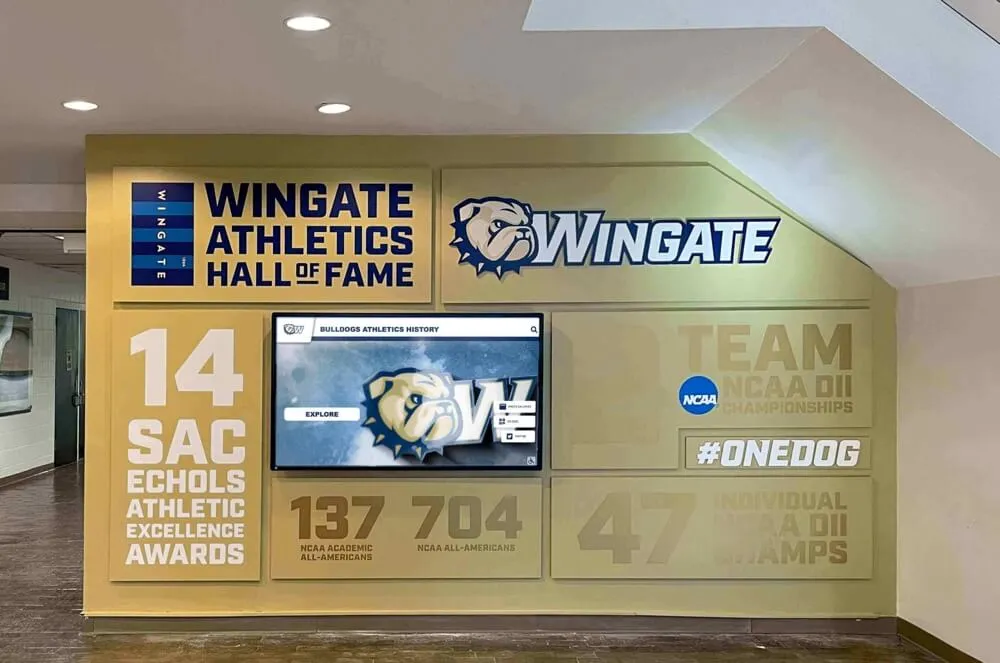
Digital touchscreen displays installed in place of enclosed trophy cases eliminate internal wiring, sealed combustible spaces, and lighting fixture clearance concerns from the fire safety equation
Category 6: Documentation, Signage, and Compliance Records
A trophy case fire safety review is only defensible if it is documented. This final category covers the record-keeping practices that demonstrate ongoing compliance awareness and support your AHJ during a formal inspection.
Checklist — Documentation:
- A written log of all previous trophy case fire safety reviews is retained and accessible to the fire marshal or AHJ upon request
- Corrective actions identified in previous reviews have been completed and dated — open items from prior reviews are not still listed as pending without explanation
- The installation date and electrical permit information for any built-in case lighting is on file
- Any variances, special approvals, or exemptions granted by the AHJ for existing display installations are documented and available
- Staff assigned to trophy case management have been briefed on the location of the nearest fire extinguisher and the procedure for reporting a fire concern in the display area
- Emergency contacts — facilities director, fire safety coordinator, sprinkler contractor — are posted or accessible to staff responsible for the recognition display area
- Trophy case areas are included in the building’s emergency evacuation diagram, particularly where cases are positioned adjacent to primary exit routes
Responsibility Table: Who Owns Each Category
Assigning clear ownership to each inspection category prevents the “someone else will handle it” gap that allows deficiencies to persist. The table below maps each category to the staff role best positioned to complete it.
| Inspection Category | Primary Responsibility | Secondary / Review | Escalation Path |
|---|---|---|---|
| Electrical Installation | Facilities Director | Maintenance Staff | Licensed Electrician / AHJ |
| Display Lighting | Facilities Staff | Athletic Director | Licensed Electrician |
| Combustible Load | Athletic Director | Facilities Staff | Facilities Director |
| Egress Clearance | Facilities Director | Athletic Director | Fire Marshal / AHJ |
| Suppression System | Facilities Director | School Administrator | Sprinkler Contractor / AHJ |
| Documentation | School Administrator | Athletic Director | District Compliance Officer |
Post this table in the athletic office alongside the checklist. When an athletic director or facilities director transitions, the ownership structure should transfer explicitly — institutional fire safety knowledge cannot depend on a single person’s memory.
Common Deficiencies Found During Trophy Case Fire Safety Inspections
The following table summarizes findings that school fire safety coordinators and AHJ inspectors commonly identify in recognition display areas, with practical guidance on correction.
| Deficiency | Category | Typical Correction | Priority |
|---|---|---|---|
| Extension cord used as permanent lighting power | Electrical | Replace with hardwired circuit; engage licensed electrician | High |
| Power strip inside enclosed case | Electrical | Remove immediately; relocate or eliminate supplemental outlet | High |
| Jersey in contact with fluorescent fixture | Lighting | Install spacer or relocate item; upgrade to LED with lower heat output | High |
| Freestanding case unanchored | Egress | Anchor to wall studs or floor per manufacturer specification | High |
| Case narrows corridor below 44 inches | Egress | Relocate or reconfigure case; document AHJ consultation | High |
| Sprinkler head clearance under 18 inches | Suppression | Remove obstructing display item or consult sprinkler contractor | High |
| Paper accumulation against backing board | Combustible Load | Remove excess materials; digitize paper records | Medium |
| Outdated incandescent bulbs still installed | Lighting | Replace with UL-listed LED retrofit kit | Medium |
| No log of previous fire safety reviews | Documentation | Begin logging immediately; back-date what is known | Medium |
| Exit sign partially blocked by mounted signage | Egress | Relocate competing signage; confirm exit visibility from approach angle | Medium |
| Open electrical junction box behind case | Electrical | Install cover plate; document completion | Medium |
How Digital Trophy Case Displays Change the Fire Safety Equation
Physical trophy cases present fire safety challenges that are structural to how they work: enclosed spaces, internal wiring, heat-generating lighting in proximity to combustible materials, and glass-and-wood construction that adds to corridor combustible load. A thorough inspection routine addresses these challenges — but it does not eliminate them.
Digital touchscreen displays installed in place of enclosed trophy cases change the risk profile in several practical ways:
Reduced combustible load. A flat-panel display mounted to a wall contains no paper, fabric, or wood materials that contribute to combustible load in the corridor. The physical items held inside a traditional case — jerseys, paper programs, wood-based trophies — are removed from the display environment when recognition shifts to a digital platform.
Simplified electrical compliance. A wall-mounted touchscreen display connects to a single dedicated outlet or hardwired circuit. There is no internal fixture wiring, no power strip routing, and no heat-generating bulbs in proximity to fabric items. The electrical installation is straightforward and consistent with standard commercial display installations.
Egress footprint. A wall-mounted display occupies less floor projection than a glass-front trophy case, reducing corridor footprint impact on egress clearance. Freestanding kiosk-style digital displays have a defined footprint that can be positioned with egress clearance as a design parameter from the outset.
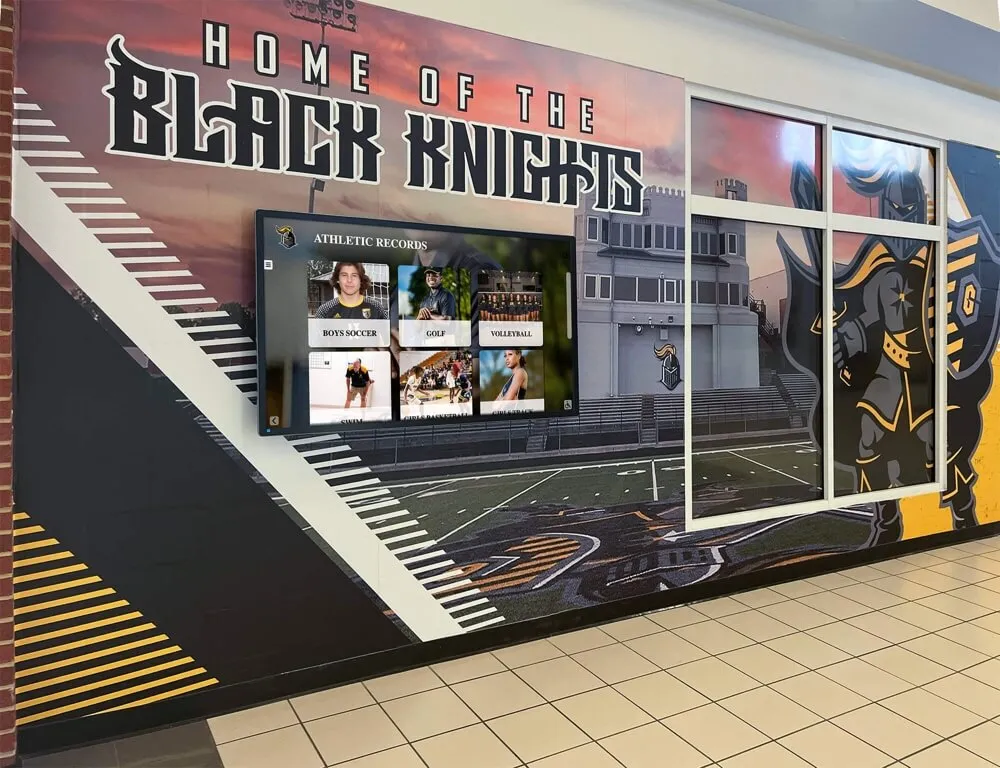
No suppression obstruction concerns. A flat display does not create overhead obstruction of sprinkler heads the way a top-heavy trophy case or large freestanding unit can. Digital displays are low-profile installations that do not typically disrupt coverage patterns.
Schools that have transitioned recognition programs from physical cases to digital platforms often find that facilities staff spend significantly less time on fire-safety-related trophy case maintenance — because the risk categories that require ongoing management simply no longer apply in the same way.
For schools exploring what a digital recognition display looks like in practice, the complete guide to donor recognition screens illustrates how these platforms work across recognition types — from athletics to academic honors to donor acknowledgment — all from a single managed display that does not require internal lighting, enclosed combustible spaces, or ongoing structural inspection.
Schools managing recognition archives alongside their displays — particularly those working through historical records that include championship histories and program statistics — can reference the athletic archive orphan works review checklist as a parallel framework for ensuring digital records are complete and legally documented before retiring physical items from the display.
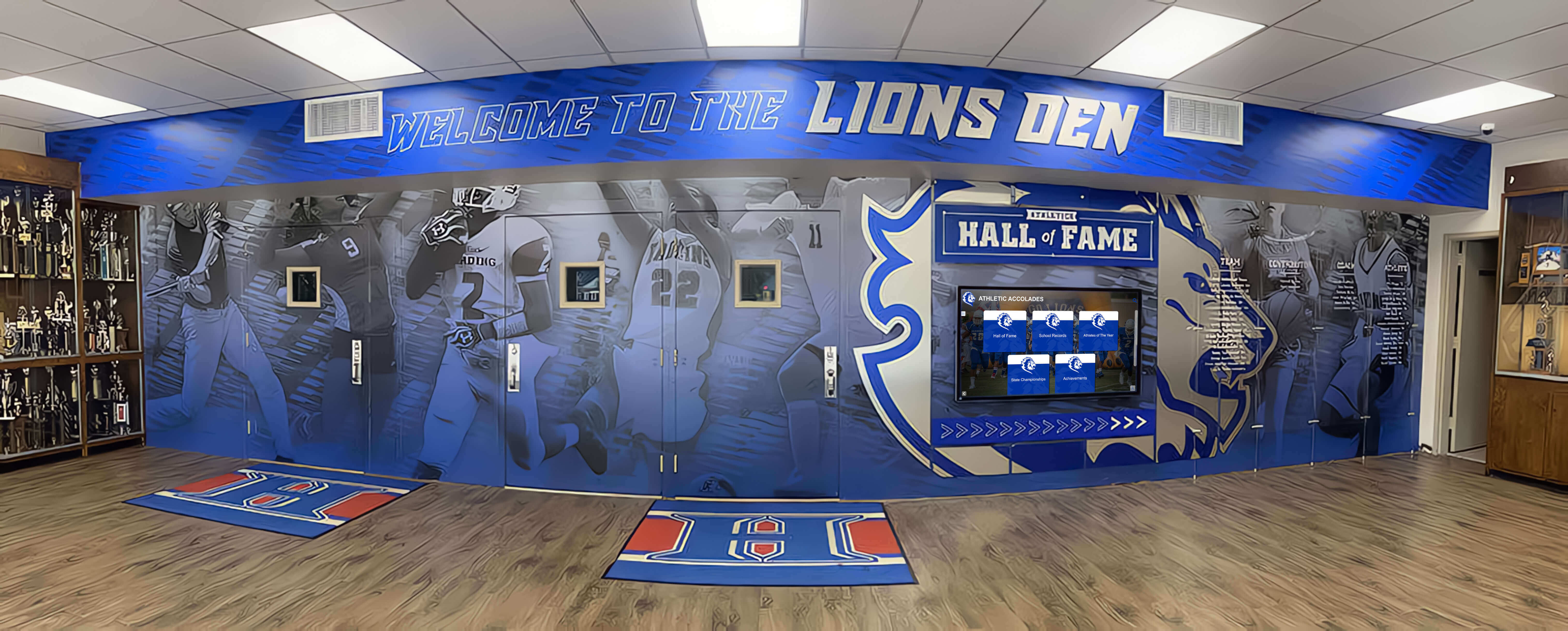
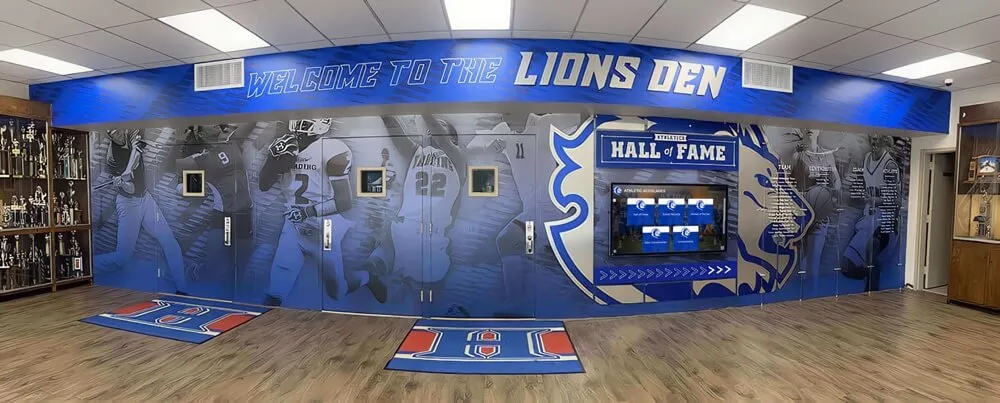
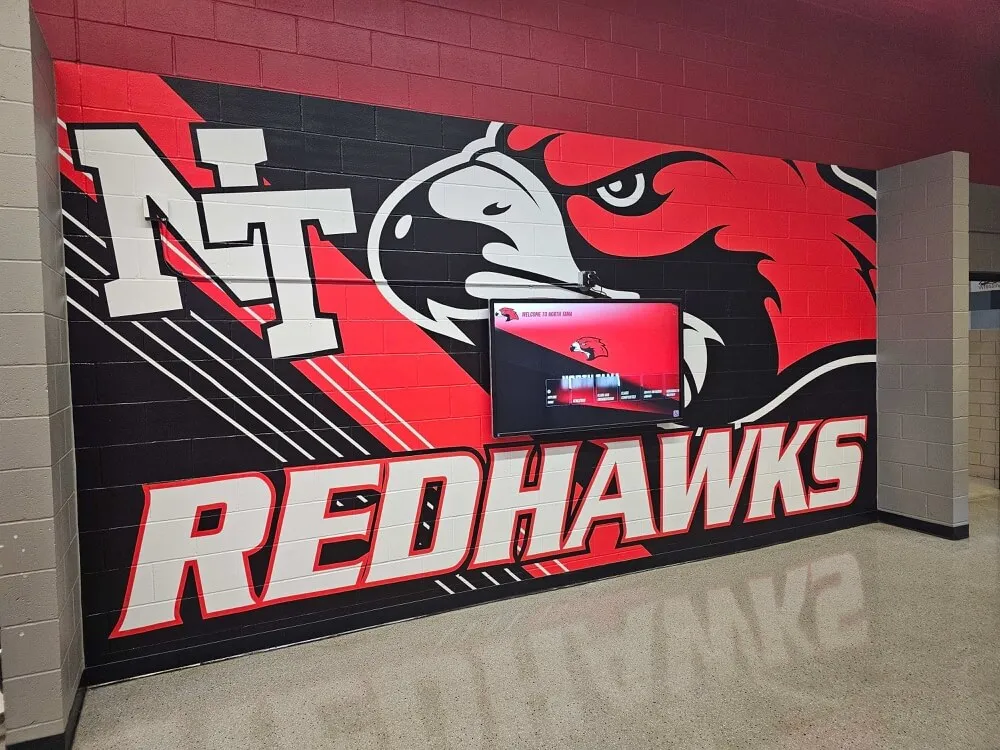
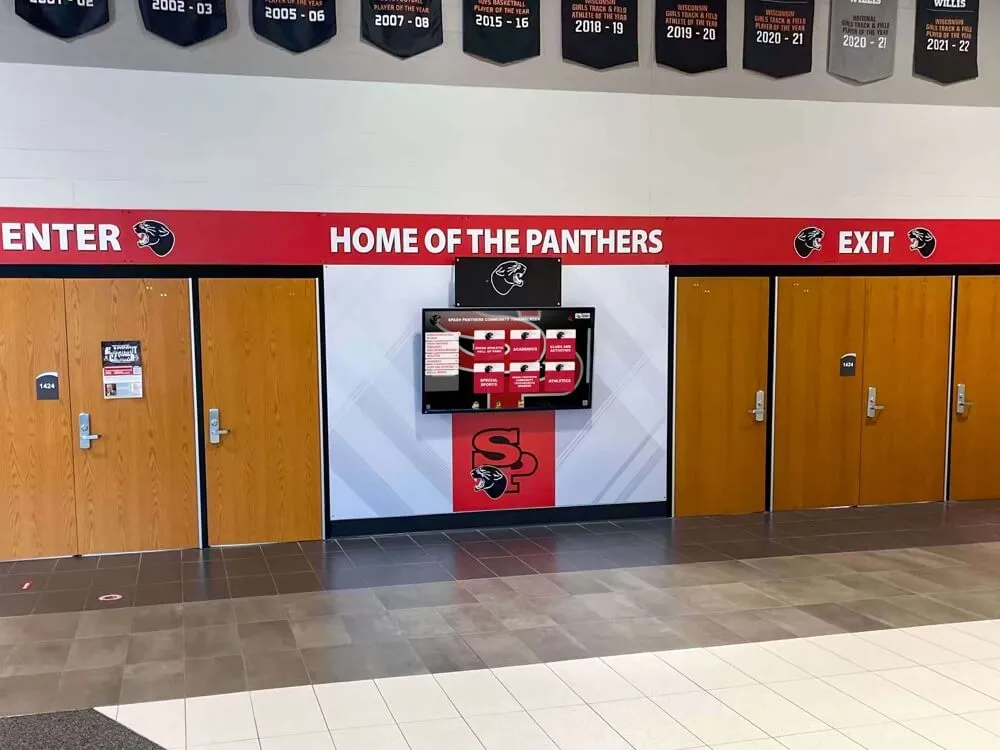
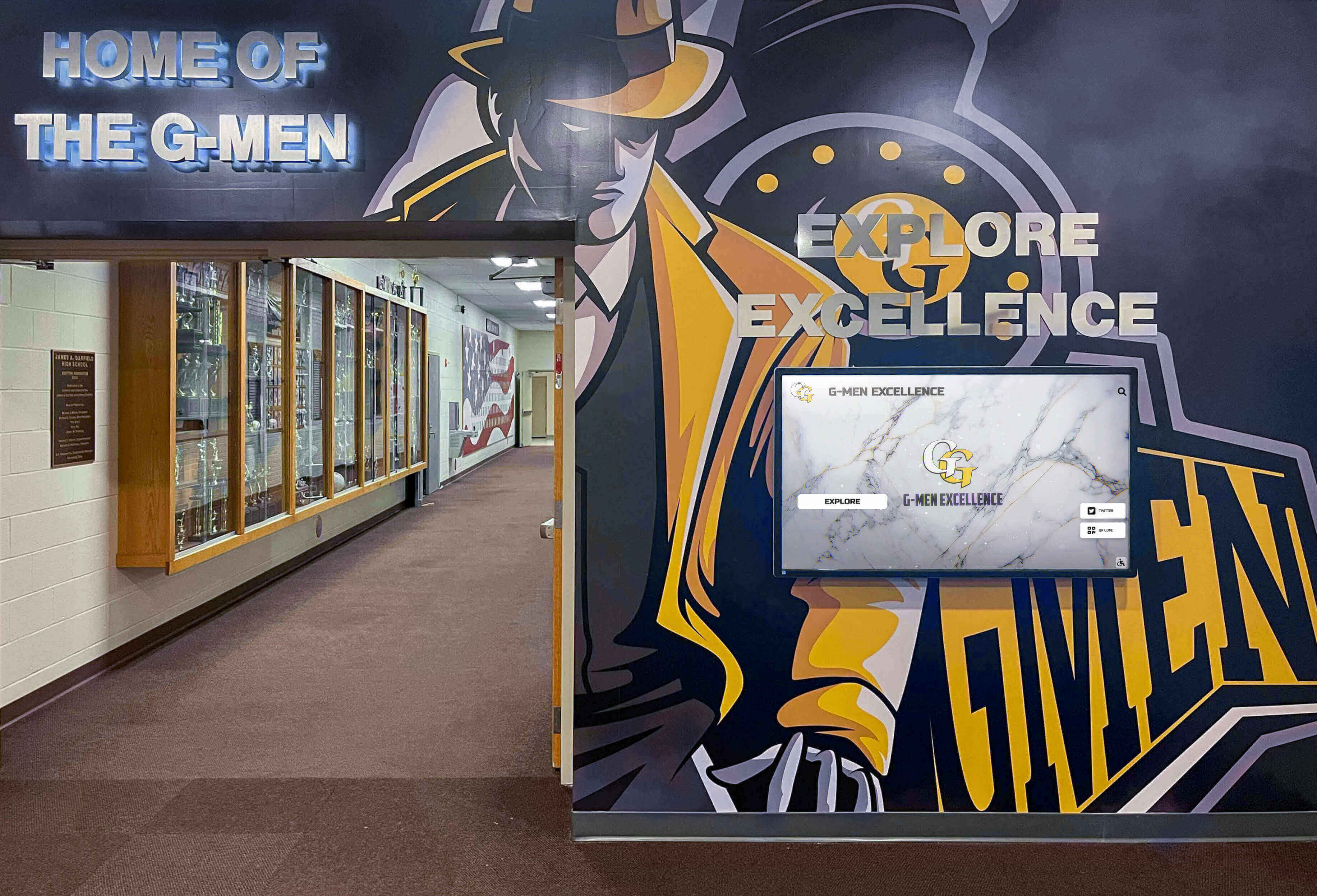
High-traffic recognition corridors that combine physical cases with digital displays benefit from a proactive fire safety review that evaluates each element separately
Connecting Fire Safety to Recognition Modernization
For schools undertaking a broader recognition modernization effort, the fire safety inspection checklist often surfaces issues that are the practical catalyst for transitioning physical trophy cases to digital platforms. A case that requires electrical rework, egress reconfiguration, or a significant combustible-load reduction becomes a natural candidate for replacement rather than repair.
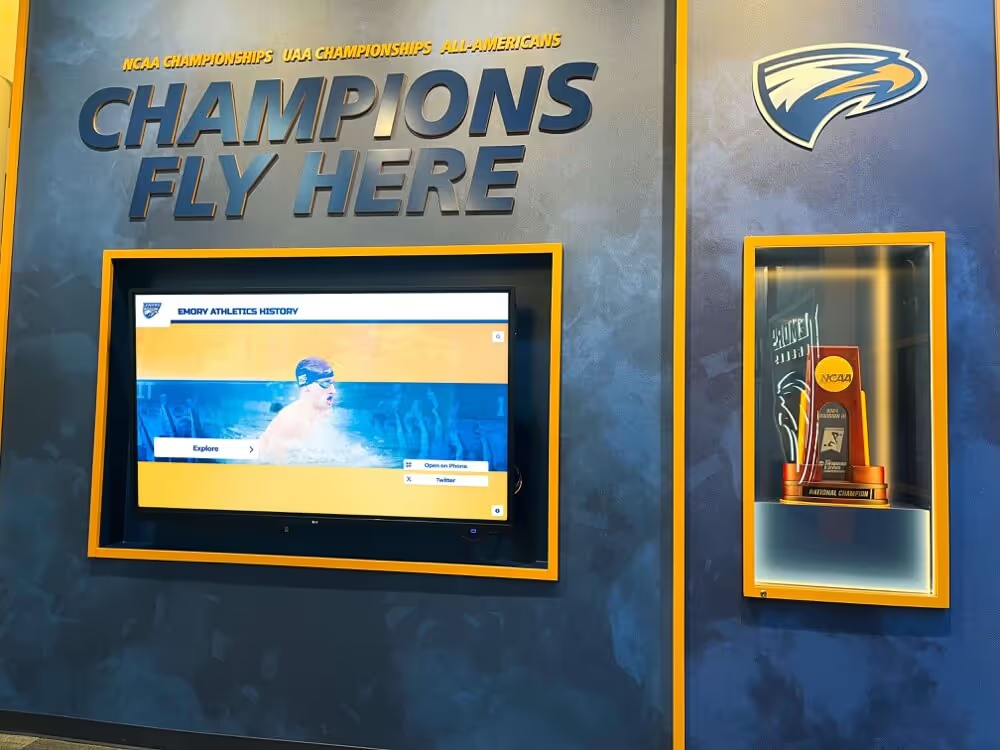
Schools managing multi-sport recognition programs — tracking swimming records, athletic milestones, and championship histories across decades — find that digital displays accommodate the full scope of program history without the physical constraints that make fire safety management progressively more complex as collections grow. The swimming record board guide provides a detailed look at how one sport’s recognition history can be structured digitally, a model applicable across the athletic program as schools transition from physical case display.
When physical trophy cases hold donor recognition plaques alongside athletic awards, the fire safety review applies to all materials equally. Schools evaluating how to present donor recognition in a way that is both compelling and manageable from a facilities standpoint will find donor recognition plaque display options helpful for understanding where digital presentation resolves both the recognition quality and the facilities compliance challenges simultaneously.
Annual Fire Safety Inspection Schedule
A trophy case fire safety checklist is most useful when it runs on a documented schedule, not on an ad hoc basis. The following schedule provides a framework schools can adapt to their academic calendar and district inspection cycles.
| Timing | Review Scope | Responsible Party | Documentation Required |
|---|---|---|---|
| August — Before School Year | Full six-category checklist; all corrective actions from prior year verified complete | Facilities Director + Athletic Director | Completed checklist, corrective action log |
| November — Pre-Winter Break | Electrical and lighting spot check; egress clearance review for any new items added fall semester | Facilities Staff | Short-form spot-check log |
| January — After Winter Break | Visual combustible load check; confirm no materials added over break period that affect case interior | Athletic Director | Brief written note in maintenance log |
| April — Pre-AHJ Inspection Season | Full six-category checklist; flag any open items for immediate corrective action | Facilities Director | Completed checklist ready for AHJ review |
| Following Any Case Modification | Targeted review of affected categories (electrical, egress, suppression as applicable) | Facilities Director | Written record of modification and review date |
Frequently Asked Questions
What fire safety codes apply to school trophy cases? Trophy cases in school buildings are typically subject to the Life Safety Code (NFPA 101), the National Electrical Code (NFPA 70), and NFPA 13 for sprinkler system clearances — as well as any state-adopted variants and local amendments. Your authority having jurisdiction (AHJ) — typically the local fire marshal — applies and interprets these codes for your specific facility. This checklist supports internal review but does not substitute for an AHJ determination.
How often should a school conduct a trophy case fire safety inspection? At minimum, annually and following any modification to the display area. Most school facilities conduct a full review before the school year begins and a lighter spot check before winter break. If the AHJ schedules regular facility inspections, conducting your internal review one to two months before that inspection allows time to address findings without pressure.
Who is responsible for trophy case fire safety at a school? Shared responsibility between the facilities director (structural, electrical, and suppression compliance) and the athletic director (combustible load, display content, and egress clearance around cases). The school administrator carries ultimate accountability and should ensure the documentation record is complete and retained. Use the responsibility table in this guide to establish written ownership.
Can a school be cited for fire code violations related to a trophy case? Yes. Common deficiency categories — improper electrical installation, egress obstruction, and sprinkler head clearance — are citable violations in most jurisdictions. Documented corrective action and an internal inspection record demonstrate good-faith compliance effort, which is relevant context even when a violation has occurred.
What should a school do if an inspection reveals a potentially serious deficiency? Address high-priority items immediately and consult your facilities director or a licensed professional before the next inspection cycle. For items that may require AHJ consultation — such as egress width concerns or sprinkler coverage questions — contact your fire marshal’s office proactively. Voluntary disclosure of a self-identified issue and a corrective action plan is viewed more favorably than a deficiency discovered during a formal inspection.
Does switching to a digital trophy case reduce fire safety obligations? A digital display installation simplifies the fire safety profile of the recognition area by eliminating internal lighting wiring, enclosed combustible materials, and heat-generating fixtures inside glass cases. The display itself is still subject to standard electrical installation requirements, and egress clearance still applies to any mounted or freestanding display. The overall inspection burden is significantly reduced compared to a large collection of physical cases.
How does a fire safety review relate to recognizing student and alumni achievements? The two are connected through the physical space where recognition lives. A trophy case that is fire-safe is also a trophy case that will be there next year, the year after, and for the graduating classes that follow. Protecting the display area protects the recognition program it serves. Schools building digital recognition displays alongside or in place of physical cases — whether featuring high school graduate displays or athletic swimming achievement histories — benefit from both the recognition value and the simplified facilities compliance profile that digital platforms provide.
What records should a school keep related to trophy case fire safety? Retain completed inspection checklists, corrective action logs with dates, electrical and installation permits for any case lighting, sprinkler system inspection records, and any AHJ correspondence. A three-year minimum retention period is a reasonable baseline; consult your district’s record-retention policy for the applicable requirement.
Simplify Your Recognition Display — and Your Compliance Review
Rocket Alumni Solutions builds interactive digital trophy cases and halls of fame for schools nationwide. Wall-mounted touchscreens eliminate the electrical, combustible-load, and lighting-clearance concerns that make physical trophy case maintenance complex — while giving every student, athlete, and alumnus access to decades of recognition history on a cloud-managed, ADA WCAG 2.1 AA compliant display. See how schools are modernizing their recognition program without the facilities overhead of a traditional case.
Book A DemoA trophy case fire safety inspection checklist is not a bureaucratic exercise — it is a direct investment in the longevity of your school’s recognition program. The athletics history, championship trophies, and institutional memorabilia a physical case holds are irreplaceable. Protecting them from fire risk is the same act as honoring the athletes and programs they represent. Run this checklist before the school year begins, assign clear ownership, document every finding and correction, and treat the review as a recurring part of your facilities calendar — not a one-time response to an external inspection.
For schools ready to reduce both the complexity of physical case maintenance and the fire safety obligations that come with it, exploring interactive recognition platforms that replace enclosed cases with cloud-managed digital displays is a natural next step.