



Intent: research — a trophy case Duv lighting check measures whether LED fixtures in a school award display are producing a green or magenta tint that distorts how jerseys, banners, gold finishes, and award certificates appear to visitors. Duv (delta-uv) is the metric that quantifies tint on the green–magenta axis, and it captures a dimension of color quality that CCT labels, CRI scores, and even TM-30 Rf values do not directly surface. Fixtures can carry identical 3000K ratings and near-identical Rf scores while producing visibly different tint — and that difference shows up on every white plaque face, every certificate background, and every athlete portrait mounted in the case.
This guide explains what Duv measures, why tint matters specifically in school recognition environments, how to run a structured check with readily available instruments, and how to apply results to confident fixture replacement and procurement decisions.
Most trophy case lighting problems get attributed to the wrong cause. Facilities teams replace fixtures because “they look dim” or “the color looks off,” but without measuring Duv, the root cause of a tint problem goes unidentified — and replacement fixtures sourced without a tint specification reproduce the same issue. A structured trophy case Duv lighting check converts a subjective complaint into a measured value, a documented threshold, and a specific procurement requirement that can be written into a purchase order.

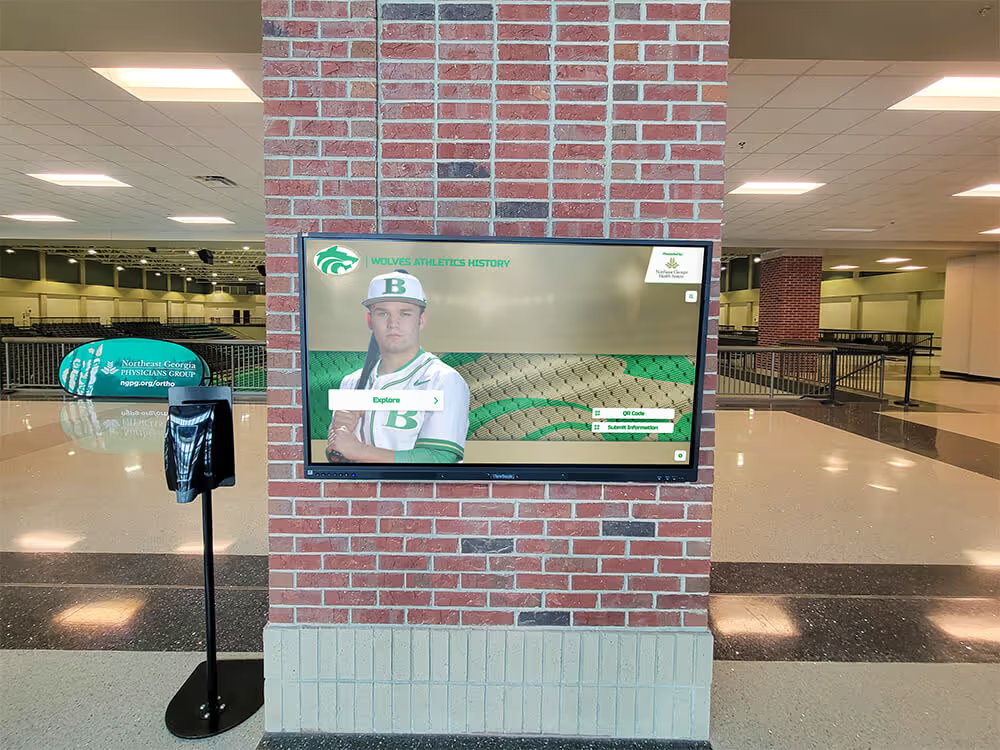
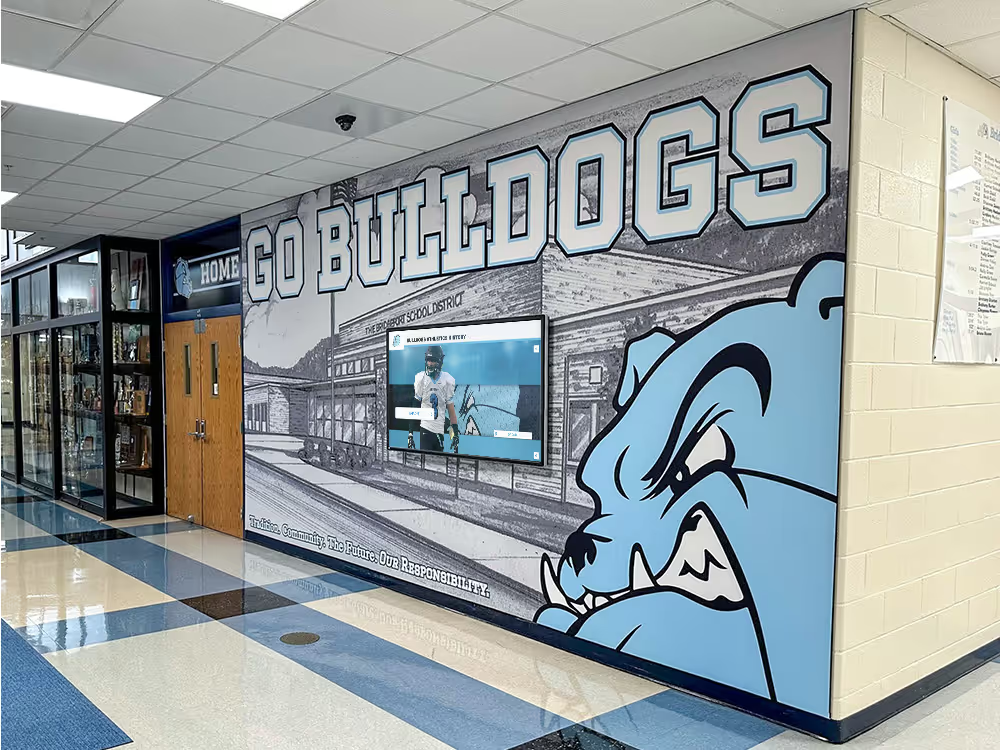
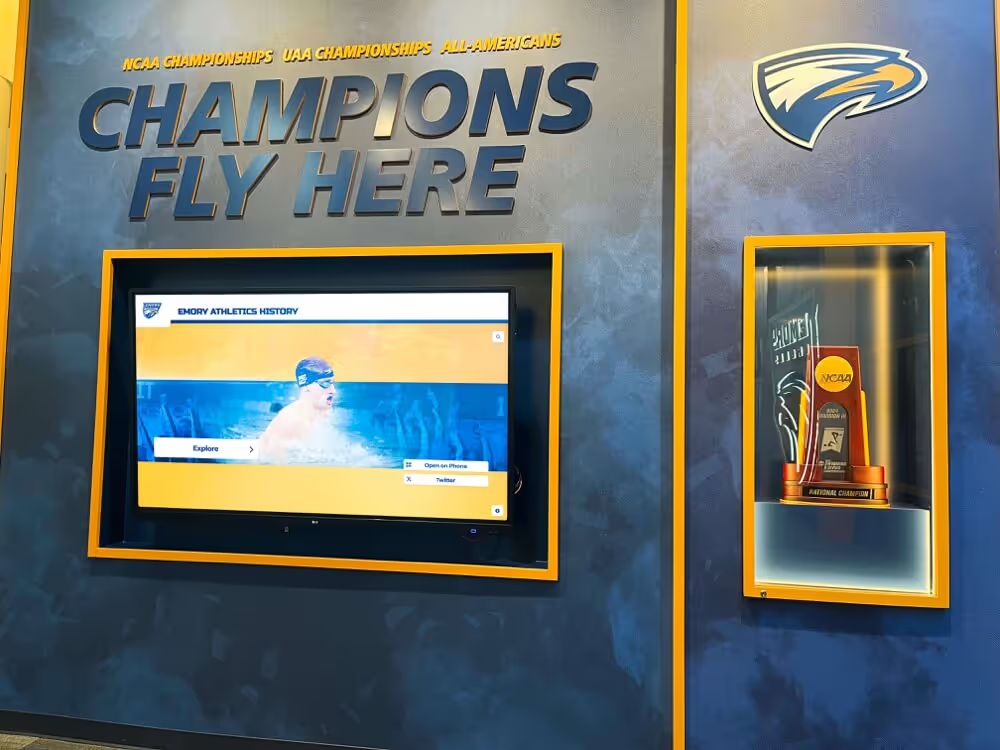
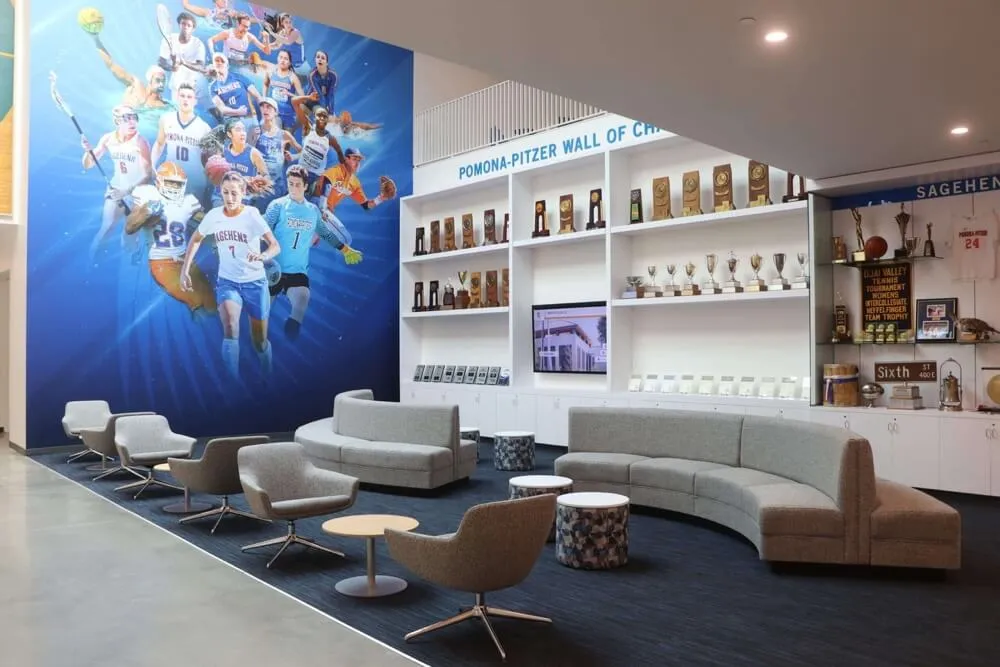
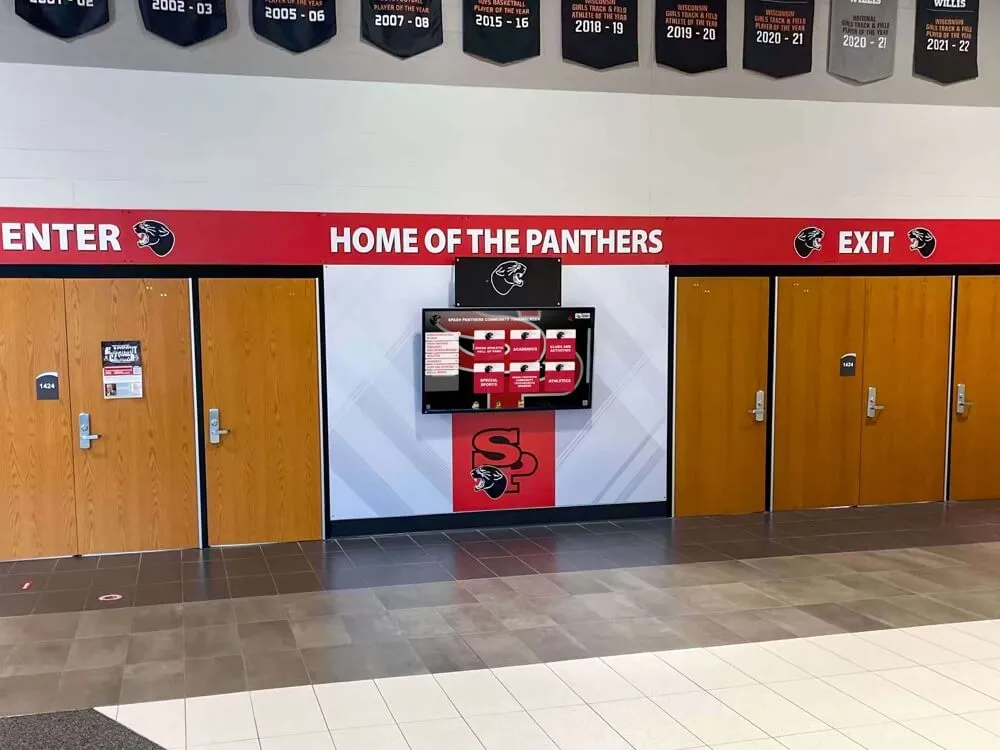
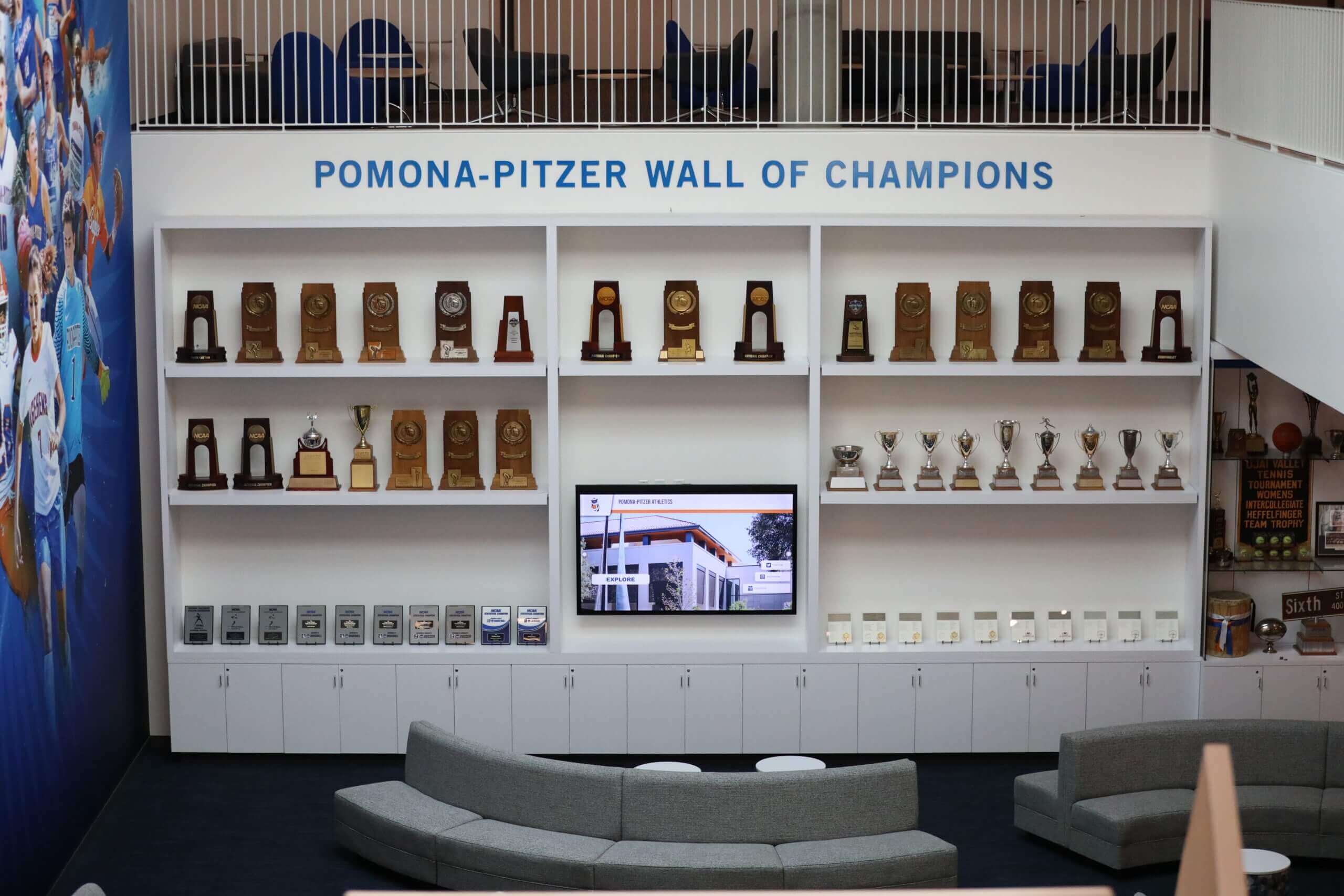
Trophy case and recognition lounge displays depend on tint-neutral lighting to present award finishes, school colors, and athlete photographs without color distortion
What Duv Measures: The Green–Magenta Tint Axis
Duv is a single signed number that describes how far a light source sits above or below the Planckian locus — the curve in CIE color space that traces the color of an ideal blackbody radiator across its temperature range. Every correlated color temperature (CCT) value corresponds to a specific point on the Planckian locus.
Positive Duv means the light source sits above the Planckian locus in CIE 1960 UCS color space — toward the green region. A fixture with a positive Duv produces a green tint on illuminated surfaces.
Negative Duv means the light source sits below the Planckian locus — toward the magenta or pink region. A fixture with a negative Duv produces a magenta cast on white surfaces and neutral objects.
Zero Duv (or near-zero) means the light source sits directly on the Planckian locus, producing no perceptible tint cast.
The scale is typically expressed in increments of 0.001 Δuv. The just-noticeable difference for tint under direct comparison is approximately 0.003–0.004 Δuv units. The ANSI C78.377 standard for indoor LED lighting allows Duv within ±0.006 of the Planckian locus for each CCT bin — a tolerance designed for general illumination, not critical display applications.
Why Duv Is Independent of CCT and CRI
A fixture rated at 3000K can produce any Duv value from strongly negative (magenta) to strongly positive (green) — the CCT label describes only where the fixture falls on the warm–cool axis, not whether it tilts toward green or magenta. CRI measures fidelity against a reference illuminant but does not report Duv. Even TM-30's Rf score, which evaluates 99 color samples, does not substitute for a direct Duv measurement. A fixture with Rf 88 could sit at Duv +0.008 (visibly green) or Duv −0.005 (slightly magenta) — different problems requiring different procurement responses.
Why Tint Shows Up on Trophy Case Materials
Tint is most visible on objects with neutral or near-neutral reference colors: white certificate backgrounds, chrome trophy components, silver medal finishes, and white border matting in plaque frames. These surfaces act as tint amplifiers — a visitor's eye reads the white as "off-white" and perceives the shift without necessarily naming it. School colors set against a tint-shifted white background appear less accurate, and athlete portrait photographs lose the skin-tone neutrality that makes them look professional rather than slightly ill (green tint) or oversaturated in reds (magenta tint).
Why Tint Matters in School Recognition Environments
School trophy cases display materials that are particularly vulnerable to Duv-driven tint:
Athlete portrait photographs. Green-shifted Duv values above +0.006 produce a sickly undertone in skin tones that no print quality adjustment compensates for. The effect is subtle enough that most visitors do not identify “green tint” as the cause, but strong enough to undermine the professional quality impression that recognition displays are designed to create.
White and near-white award certificate backgrounds. Award certificates from state athletic associations, academic honor societies, and district recognition programs use white backgrounds as a visual reference point for reading printed text and seals. Tint-shifted lighting makes those whites read as green or pink, which makes documents look faded, dirty, or cheaply produced — none of which reflects the recognition program’s intent.
School color accuracy. Athletic directors and coaches who supervise trophy case displays often notice that the school’s official gold or crimson “doesn’t look right” without being able to quantify why. In many cases, a Duv problem is the explanation: a green-shifted fixture makes gold look olive or khaki; a magenta-shifted fixture makes warm golds read slightly orange and cool blues shift toward purple. Schools that have done the work to match official Pantone colors on banners and award plaques lose that precision under tint-shifted lighting.
Photography of the display. Athletic events, senior nights, and championship ceremonies often involve photographing students in front of trophy cases. A camera’s automatic white balance partially compensates for tint but introduces inconsistency across photographs taken under different fixtures — especially when some fixtures in the case are within tolerance and others are not. Consistent, low-Duv lighting eliminates this variability. Guidance on how digital recognition platforms address display consistency in connected school environments is available in this school recognition display configuration overview.
Trophy Case Duv Lighting Check: Step-by-Step Process
Step 1: Identify an Instrument That Reports Duv
Not all colorimeters or lux meters report Duv. Instruments suitable for this check include:
- Spectroradiometers with TM-30 output: Most instruments that produce full TM-30 reports also output Duv or allow its calculation from reported u′, v′ chromaticity coordinates.
- Dedicated color measurement meters: Many mid-range instruments from lighting measurement suppliers include Duv as a standard output alongside CCT, CRI, and lux.
- Colorimeters with chromaticity output: If the instrument reports CIE 1960 u, v coordinates, Duv can be calculated manually using published Planckian locus reference tables.
If your school does not own a suitable instrument, regional lighting distributors and some state energy efficiency programs offer loaner instruments for educational institutions. Contact your state utility efficiency office before purchasing equipment outright.
Step 2: Prepare the Space
- Turn on all trophy case fixtures and any overhead lighting that illuminates the display area.
- Allow all fixtures to warm up for a minimum of 30 minutes. LED tint values can shift significantly during the first 10–15 minutes of operation. Measurements taken on cold fixtures will not reflect steady-state performance.
- Block direct daylight that reaches the measurement area during the check. Daylight entering through windows or skylights near the trophy case will contaminate readings.
Step 3: Document Fixture Positions
Before measuring, create a simple fixture map:
- Assign each fixture position an identifier (F1, F2, F3, and so on).
- Photograph each fixture and record its label or part number if accessible.
- Note the brand, model, and nominal CCT (e.g., 3000K) from the packaging or fixture label.
- Flag any positions that appear visually different from the others during warm-up — these are likely candidates for out-of-tolerance Duv values.
Step 4: Measure Each Fixture
For each fixture position:
- Position the measurement instrument’s sensor in the plane of illumination. For downlights or track lights, point the sensor upward toward the fixture at the appropriate distance for your instrument.
- Allow the reading to stabilize (typically 3–5 seconds per reading).
- Record the Duv value alongside the fixture identifier on your map.
- Note the CCT reading as well — large CCT deviations between fixtures with similar Duv values indicate a separate color consistency problem best addressed by a MacAdam ellipse check.
If the instrument displays u′, v′ coordinates instead of Duv directly, calculate Duv by finding the Planckian locus u, v coordinates for the measured CCT from the ANSI C78.377 reference tables, then computing the straight-line distance between your measured coordinates and the locus reference point.
Step 5: Record and Interpret Results
Enter all fixture Duv readings in a table alongside each fixture’s identifier, CCT, and any notes. Apply the interpretation thresholds from the table below to classify each position.
| Duv Range | Tint Direction | Visual Effect on Trophy Case Materials | Recommendation |
|---|---|---|---|
| −0.003 to +0.003 | Neutral | No perceptible tint; white plaques, certificates, and photographs appear neutral | Pass — retain fixture |
| +0.003 to +0.006 | Very light green | Barely perceptible green on white surfaces; visible on direct comparison with neutral reference | Acceptable — flag for replacement at next cycle |
| −0.003 to −0.006 | Very light magenta | Barely perceptible pink on white backgrounds; less disturbing to observers than equivalent green tint | Acceptable — flag for replacement at next cycle |
| +0.006 to +0.012 | Light to moderate green | Visible green on white plaques and certificates; athlete photographs appear slightly sickly; school colors shift toward yellow-green | Review — prioritize replacement |
| −0.006 to −0.012 | Light to moderate magenta | Visible pink on certificate backgrounds; warm colors (gold, crimson) shift slightly orange | Review — prioritize replacement |
| Above +0.012 | Strong green | Obvious green cast; portrait photographs unusable for display; school colors significantly distorted | Replace immediately |
| Below −0.012 | Strong magenta | Obvious pink cast on whites; hue shift visible across all display materials | Replace immediately |
Step 6: Specify Replacement Fixtures with a Duv Requirement
When purchasing replacement LED fixtures, include a Duv specification in the order:
- For critical display applications (trophy cases, award corridors, recognition areas): Duv within ±0.003 of the Planckian locus at rated CCT.
- For standard display applications: Duv within ±0.006 (ANSI C78.377 compliance minimum).
Write this requirement into the purchase order and request that the supplier provide a photometric data sheet or test report confirming the Duv value for the specific product and batch being supplied. Suppliers who cannot provide Duv data on request are supplying fixtures that have not been binned for tint — a signal that color consistency cannot be guaranteed within a shipment.
Duv and the Broader Lighting Quality Picture
A trophy case Duv lighting check addresses tint but does not capture every dimension of lighting quality relevant to school recognition spaces. Comprehensive trophy case lighting evaluation includes:
Duv (this check): Confirms that fixtures do not produce a green or magenta tint that distorts white surfaces, photographs, and school colors.
MacAdam ellipse / SDCM check: Confirms that all fixtures in the case produce the same color, so that award finishes and school colors appear consistent across the full display rather than varying by shelf or zone.
TM-30 Rf and Rg evaluation: Confirms that fixtures render the full color spectrum — including saturated reds, golds, and blues — faithfully and with appropriate gamut. A fixture with excellent Duv can still underperform on Rf if its spectral power distribution is narrow or irregular.
Flicker index and Percent Flicker: Confirms that fixtures do not produce stroboscopic effects that affect camera photography or cause visitor discomfort during prolonged viewing.
Running all four checks annually, and spot-checking any replacement fixture against the documented record, provides a complete audit trail for trophy case lighting quality.
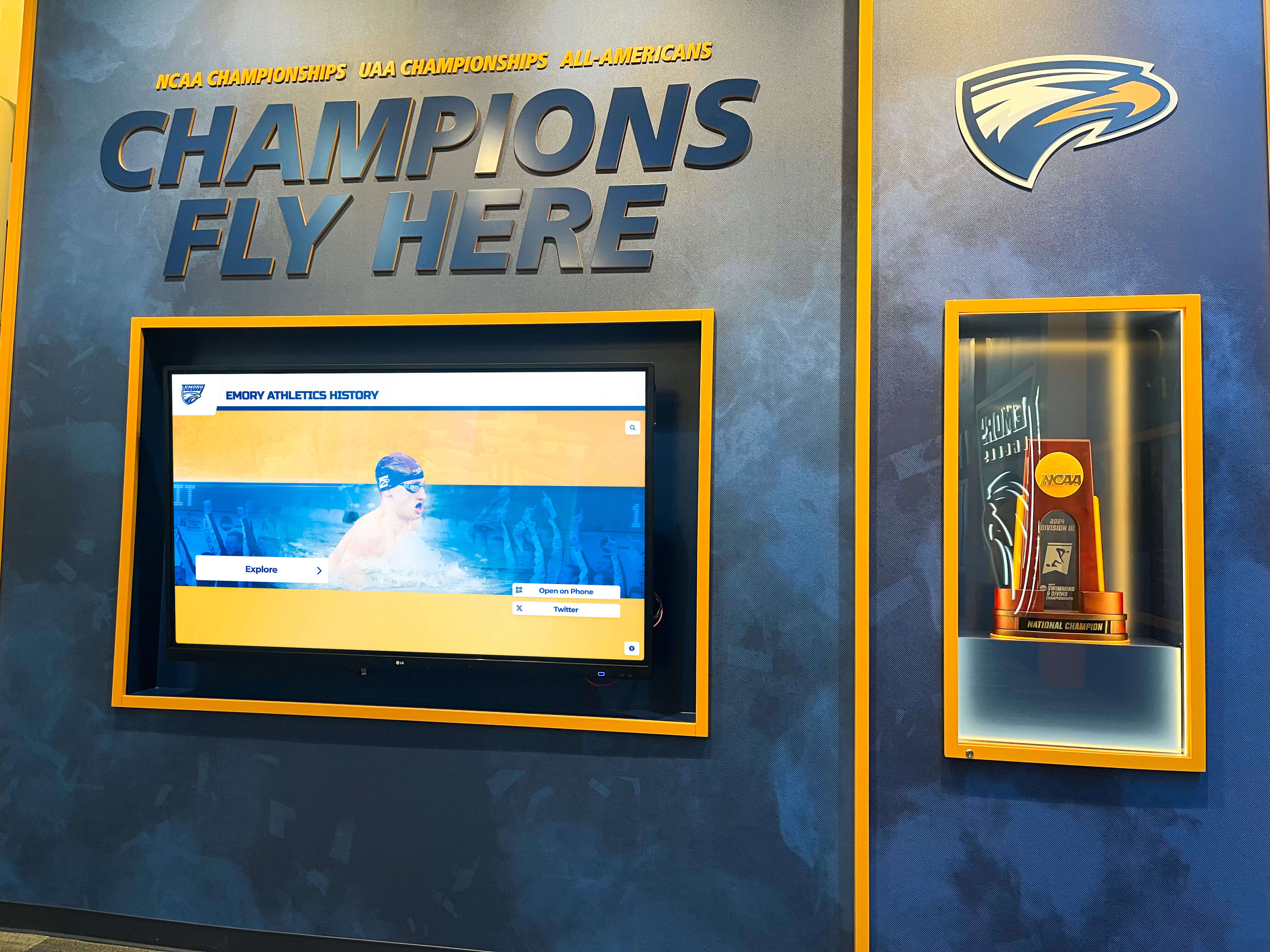
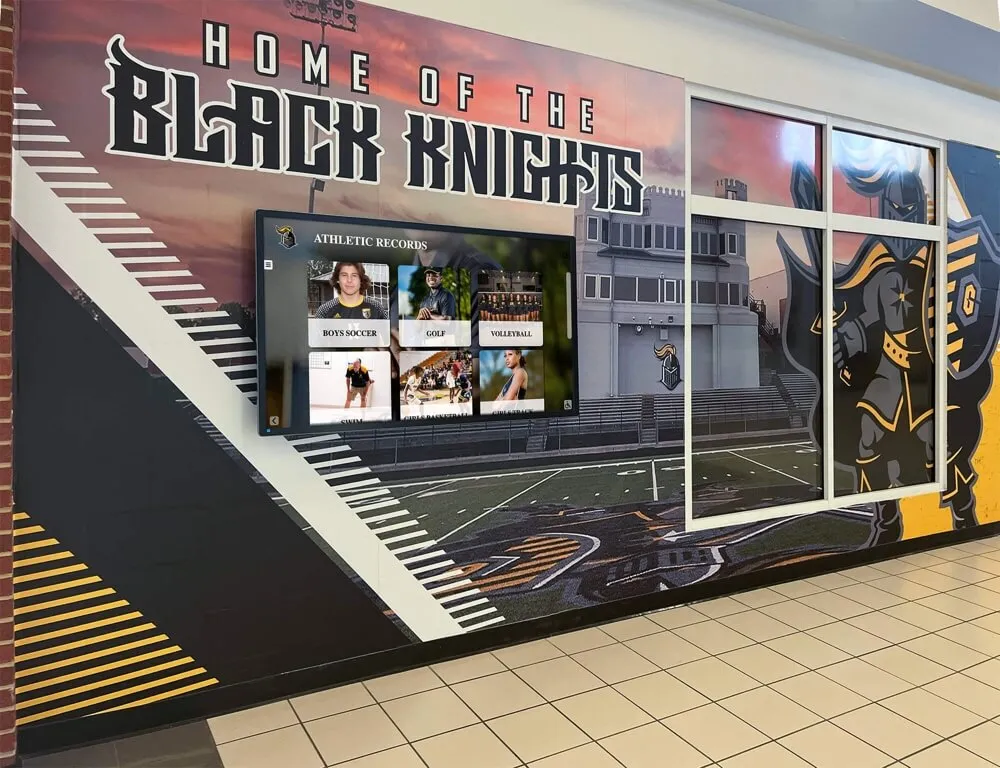
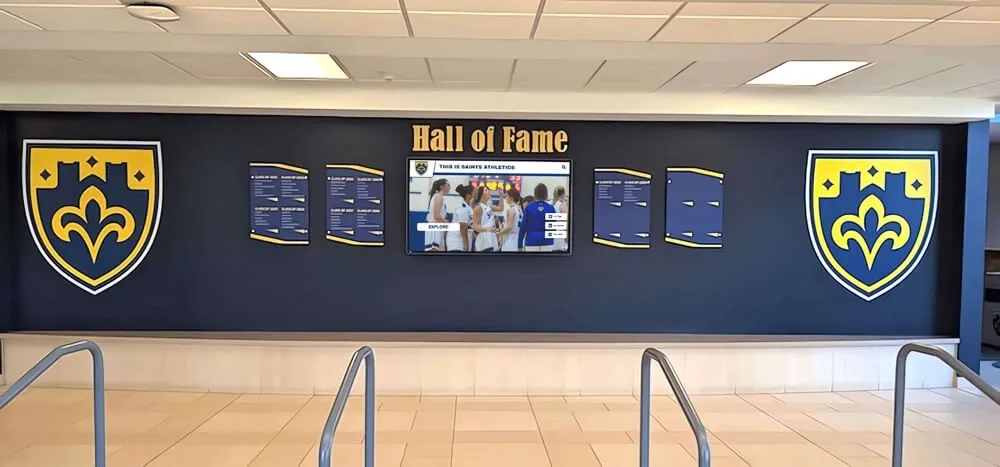
Championship trophy displays and portrait panels are tint-sensitive: green or magenta shifts visible on one shelf undermine the credibility of the entire recognition space
Common Tint Problems in School Trophy Cases
Problem: All Fixtures Are within CCT Tolerance but the Display Still Looks “Off”
Cause: Duv variation between fixtures, not CCT variation. Two fixtures both rated 3000K can produce Duv values of +0.002 and +0.009 — both within typical CCT binning tolerance but representing a visible tint difference. A CCT-only check misses this entirely.
Solution: Run a Duv check on all fixture positions and replace any fixture measuring outside ±0.006 of the Planckian locus. If the display previously looked correct and has gradually shifted, the most recently replaced fixture is usually the culprit.
Problem: Green Tint Appears Only on Certain Shelves
Cause: One or two fixtures with elevated positive Duv installed in positions that illuminate specific shelves. Fixtures from different production batches can have different Duv values even within the same product line when manufacturers do not bin LEDs for tint.
Solution: Identify the fixtures producing the highest Duv readings and replace them with a specification requiring Duv ≤ +0.003. Verify the replacement fixture’s Duv before closing the case.
Problem: Athlete Portrait Photographs Look Sickly or Off-Color
Cause: Green-shifted Duv (positive values above +0.006) is the most common cause. Skin tones are particularly sensitive to tint — green-shifted light produces a yellow-green undertone that no print adjustment corrects.
Solution: Replace the fixture illuminating the photograph zone with a tint-neutral or slightly negative Duv fixture (Duv between −0.003 and +0.002 is ideal for portrait applications).
Problem: New Fixtures Installed This Year Made the Case Look Worse
Cause: Replacement fixtures sourced without a Duv specification produced a different Duv value than the retained original fixtures. The combination of original fixtures at Duv +0.001 and new fixtures at Duv +0.009 creates a patchwork of tint zones that is more visible than a uniformly shifted case.
Solution: Run a post-installation Duv check immediately after any fixture replacement, before finalizing the work order. Include Duv in writing on all future purchase orders and request written confirmation from the supplier that the supplied stock meets the specification.
How Digital Recognition Displays Relate to Duv Management
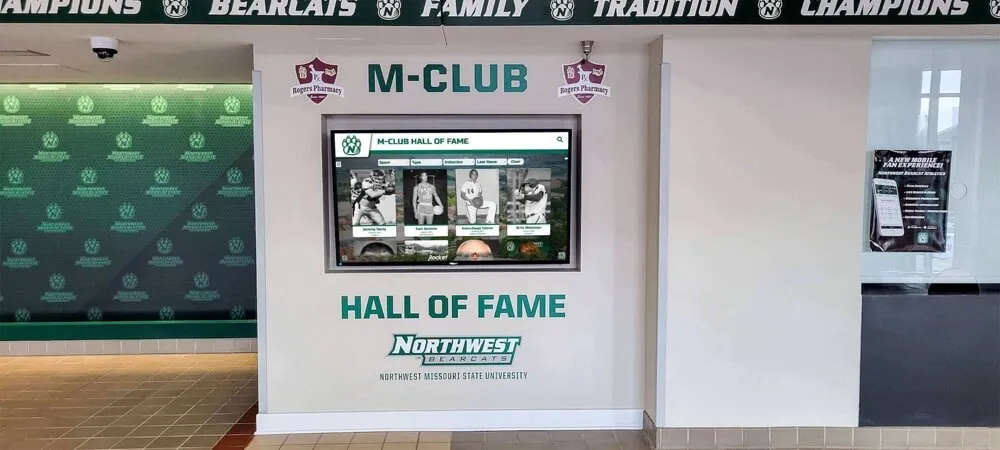
For athletic directors and school administrators managing both physical trophy cases and digital recognition displays in the same hallway or lobby, the relationship between lighting and display quality takes two forms:
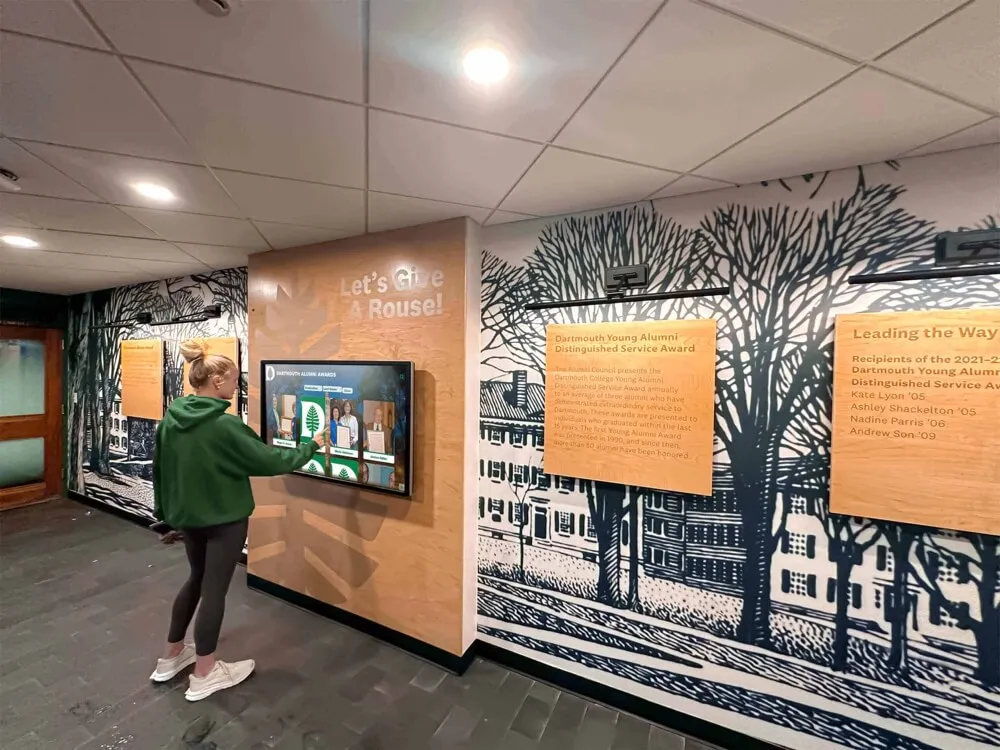
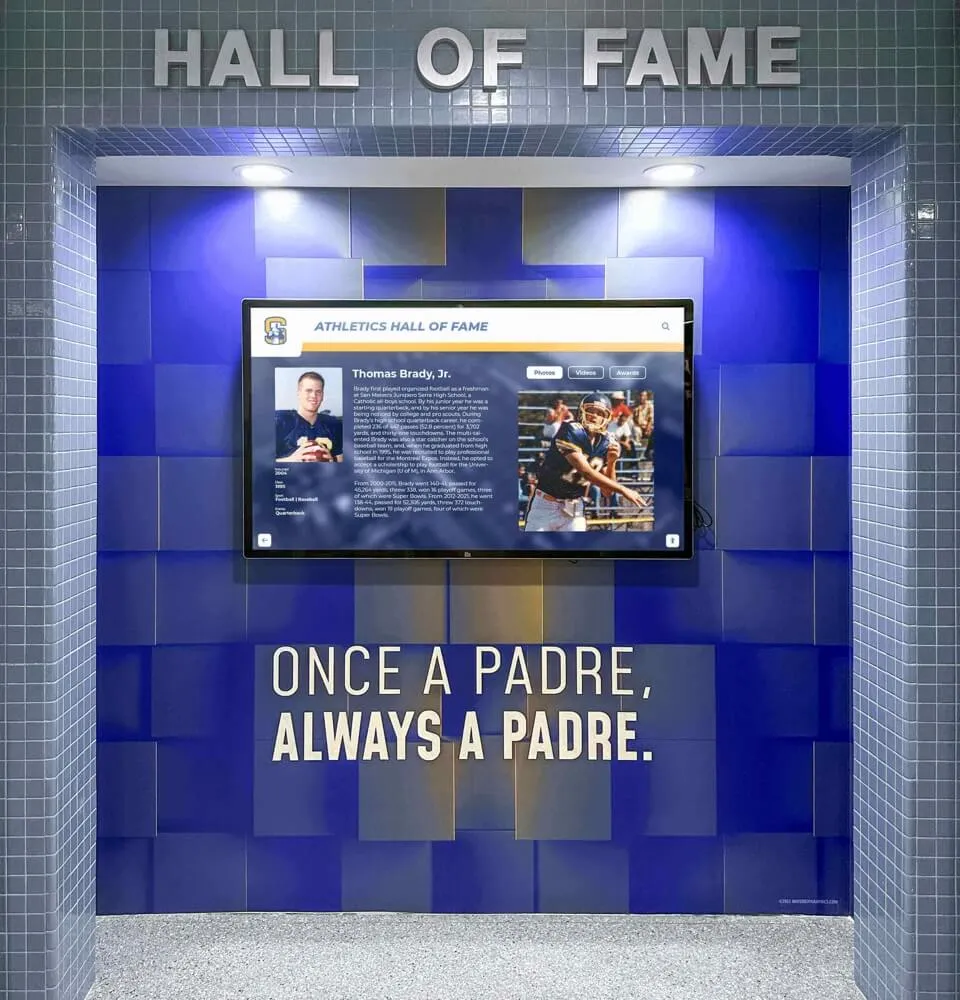
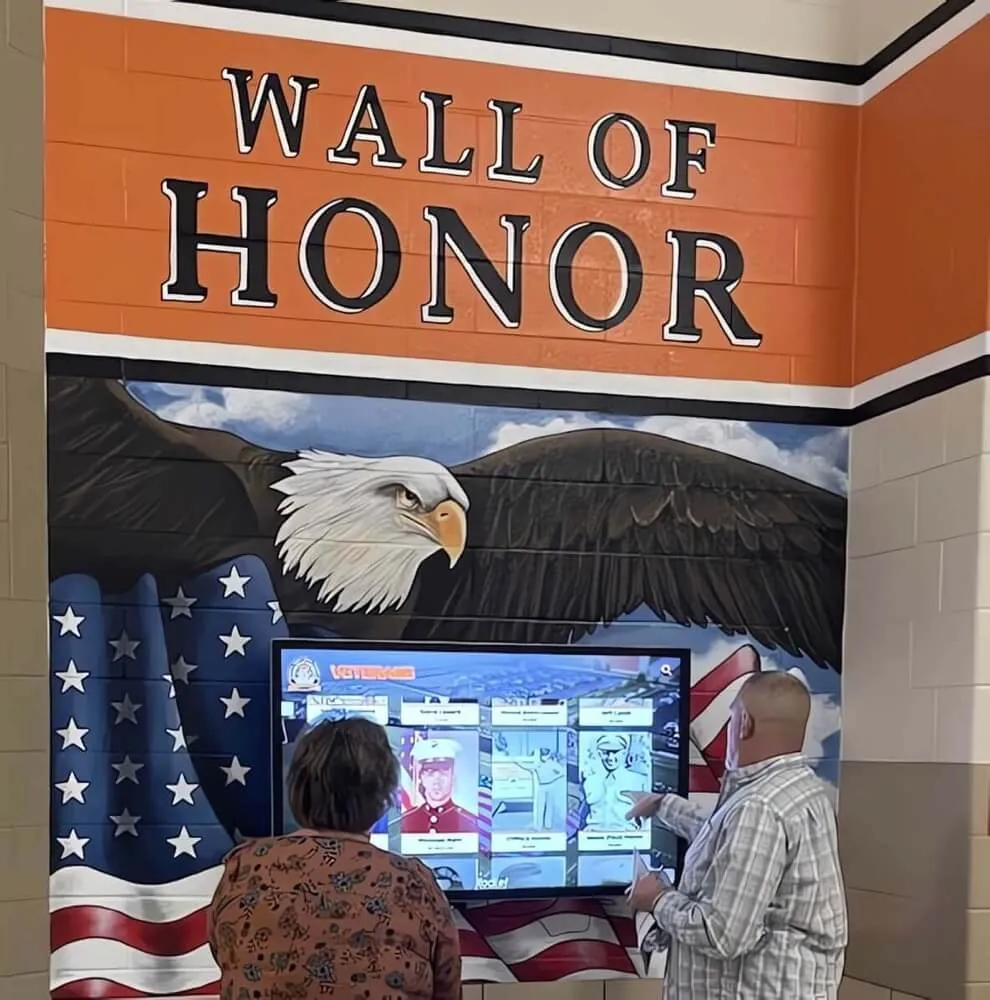
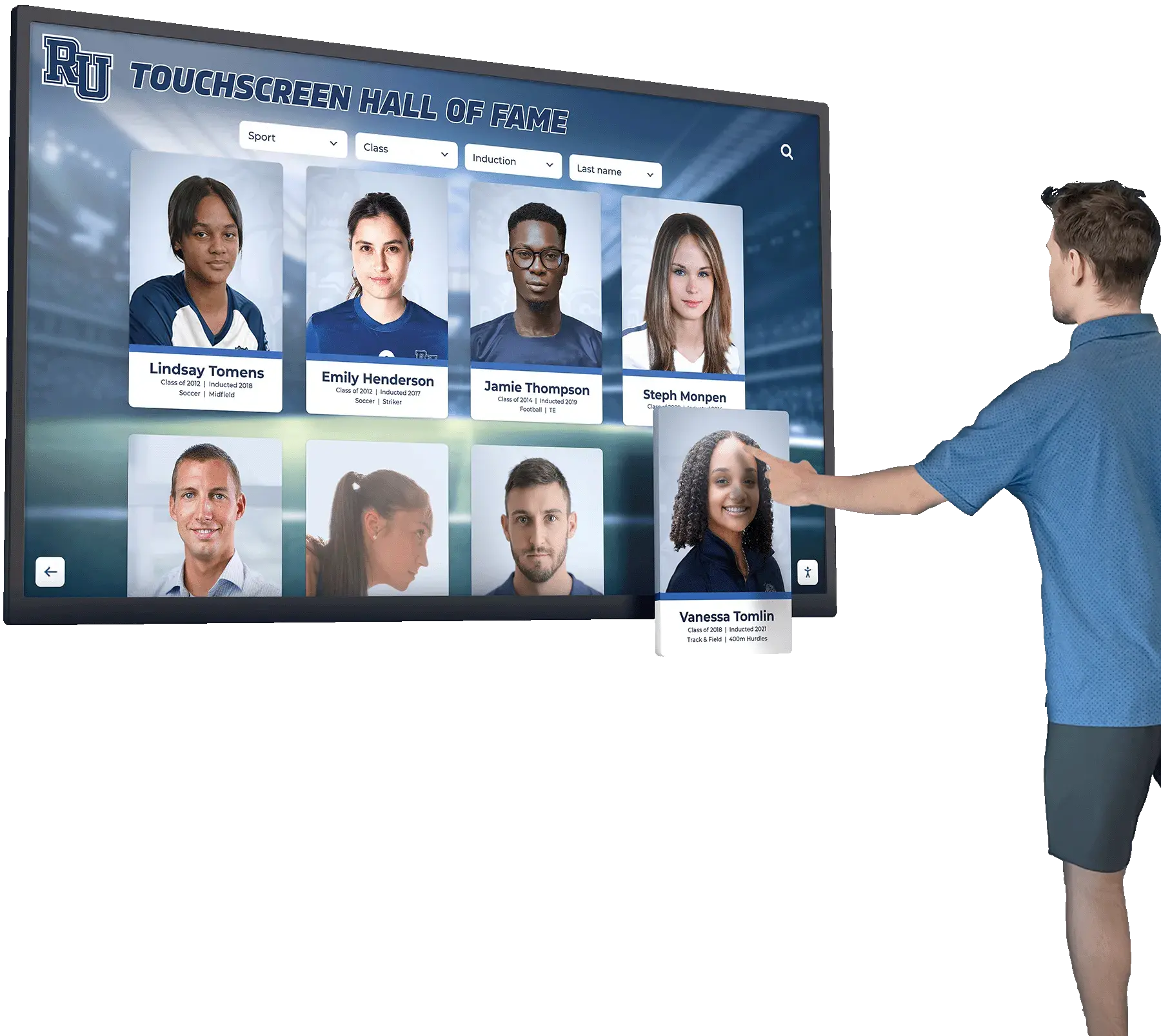
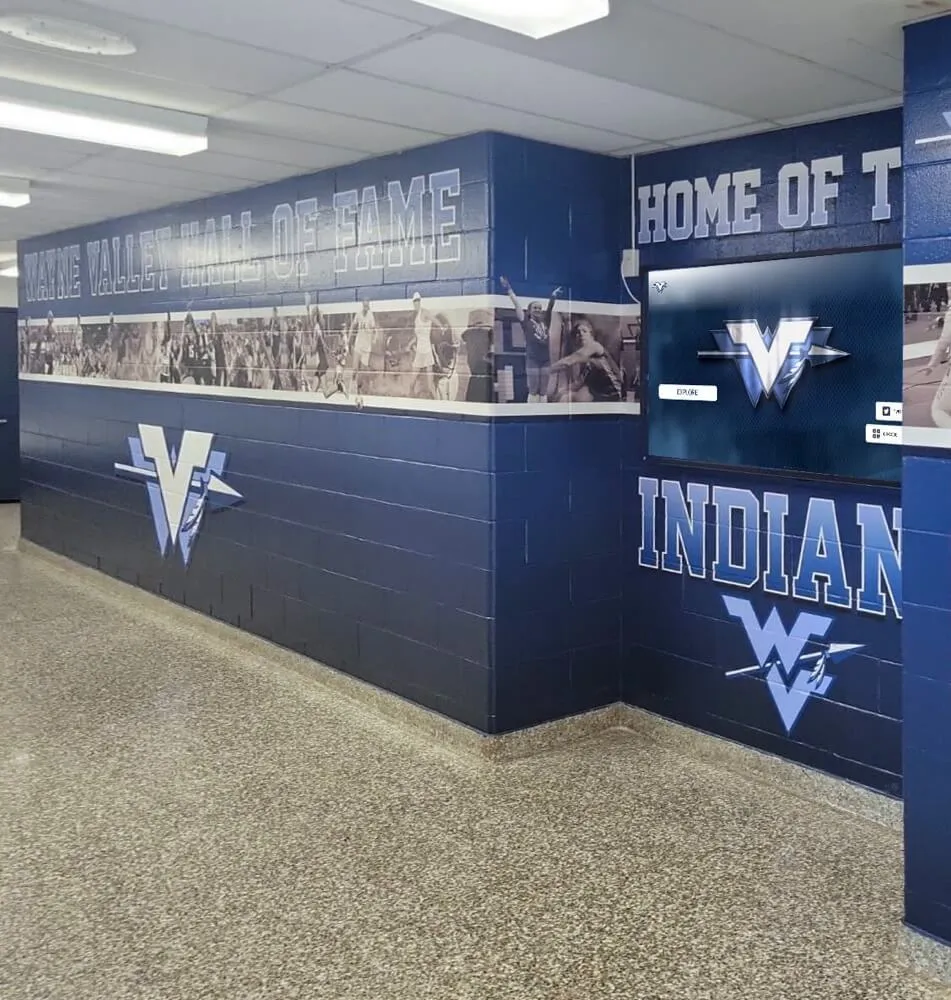
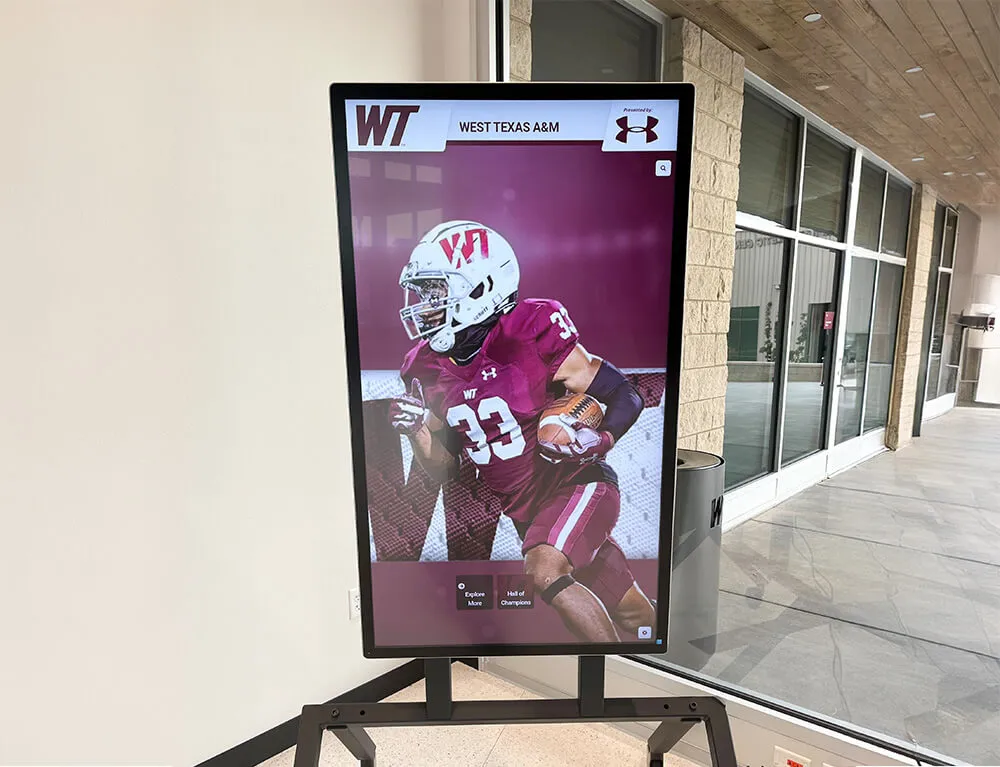
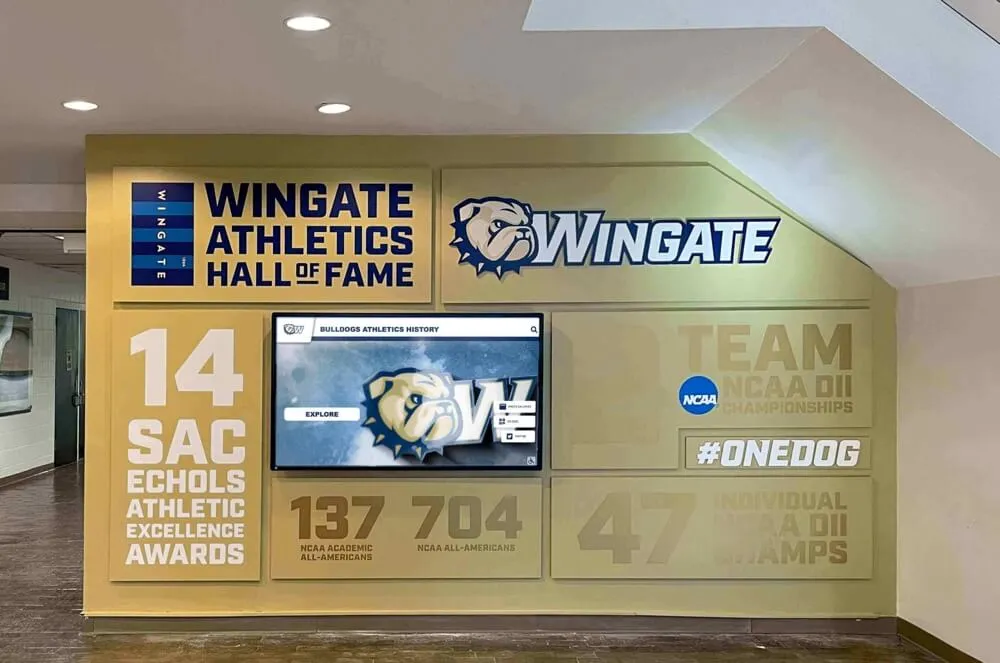
Digital display panels are self-illuminated. Commercial-grade touchscreen panels used in digital recognition kiosks produce their own light with factory-calibrated white points. The panel’s color accuracy is largely independent of the ambient lighting Duv — a green-shifted ambient fixture does not alter what appears on the screen. Schools doing the award data quality work needed to populate digital recognition platforms should keep this distinction in mind when planning display environments.
Physical trophies, banners, and plaques near digital displays require the same Duv management. If a digital kiosk sits alongside physical trophy shelves — a common configuration in athletic hallways — the lighting fixtures above the physical display area need tint management regardless of the digital screen’s presence. A visitor whose eye moves from a factory-calibrated digital screen to a physically lit trophy shelf at Duv +0.010 will notice the quality difference immediately.
Digital displays eliminate the trophy case lighting maintenance cycle for content that migrates to the platform. Award records, championship photographs, and honor roll entries that transfer to a digital platform no longer require optimized physical lighting. The platform handles color management internally, and cloud-managed updates — accessible remotely without IT intervention — mean recognition programs can add unlimited entries and keep displays current without the procurement and installation cycles that physical trophy case lighting requires. Maintaining a structured award winner database that feeds both physical and digital recognition displays is a common migration strategy for schools moving from physical-only to hybrid recognition programs.
For schools exploring what a fully managed digital recognition platform includes, alumni management software feature comparisons provide useful context on how recognition platforms handle content updates, accessibility, and display configuration — dimensions that differ significantly from the physical trophy case maintenance environment.
See How Digital Trophy Case Platforms Handle Color Without Ongoing Calibration
Schools integrating digital recognition alongside physical trophy cases can schedule a demo to see how factory-calibrated displays maintain consistent, vivid color presentation for unlimited award records — without annual Duv checks, fixture sourcing, or tint correction cycles.
Schedule a DemoDuv and Hall of Fame Recognition Spaces
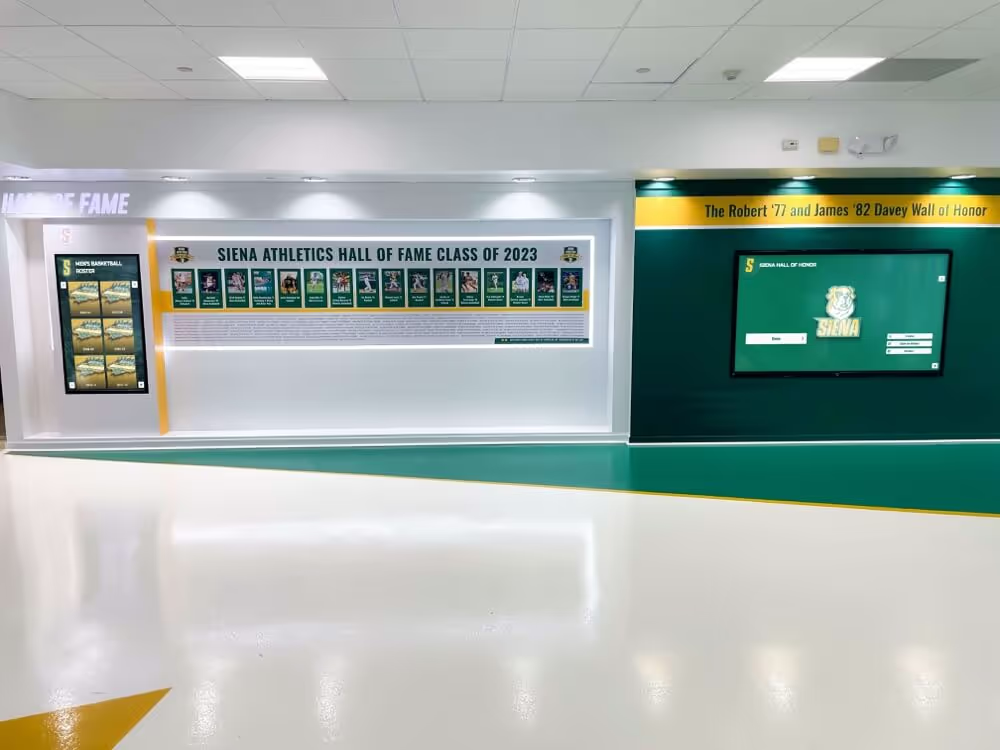
Beyond the standard trophy case, schools with dedicated hall of fame corridors, recognition walls, or championship display rooms face the same Duv considerations at larger scale. A hall of fame corridor with 20 track lights sourced from three different purchasing events over seven years will almost certainly contain fixtures spanning a Duv range wide enough to produce visible tint variation between sections.
The visibility problem intensifies in hall of fame environments because visitors move through the space and directly compare sections. An athletic director’s portrait at the corridor entrance looks different from the championship team photograph at the midpoint not because the prints differ in quality, but because the fixtures above them have drifted apart in Duv. Resources on building comprehensive basketball hall of fame recognition systems note that display environment quality — including lighting consistency — is a standard consideration in recognition space design.
For recognition programs considering the full scope of accessible, quality display environments, WCAG text spacing and display accessibility audits cover complementary dimensions of recognition space quality. Physical lighting and digital display accessibility address different layers of the same visitor experience, and programs that invest in one typically benefit from addressing both.
Schools using digital recognition platforms as part of a hall of fame upgrade benefit from built-in display quality that does not require ongoing Duv management. The physical display areas adjacent to digital kiosks still benefit from a Duv check, but the scope of ongoing maintenance shifts substantially toward content management rather than physical fixture calibration.
FAQ: Trophy Case Duv Lighting Check
Conclusion: A Precise Measurement for a Precise Problem
A trophy case Duv lighting check converts a vague complaint — the display “doesn’t look right” — into a specific measurement, a documented threshold, and an actionable procurement requirement. Duv captures the green–magenta tint axis that CCT labels, CRI scores, and even TM-30 Rf values do not directly surface. A facility that runs this check annually, specifies Duv on all replacement fixture orders, and spot-checks every new installation before closing the case will maintain a display environment where jerseys, gold finishes, certificates, and athlete portraits look exactly as they were designed to look.
The check integrates naturally into a broader annual lighting quality program — alongside MacAdam ellipse consistency measurements and TM-30 Rf/Rg evaluations — to give the school’s recognition space a documented, defensible quality standard. For programs where ongoing lighting maintenance is challenging, or where the physical trophy case is approaching its capacity limits, digital recognition platforms provide factory-calibrated color accuracy that holds across the product’s rated lifespan without requiring Duv checks, fixture replacements, or photometric audits. Unlimited recognition entries, scheduled publishing, remote cloud updates, and WCAG 2.1 AA accessibility are built into the platform rather than managed through ongoing facilities work.
See How Rocket Alumni Solutions Delivers Accurate Award Color Without Ongoing Lighting Audits
Digital recognition platforms built to commercial display standards maintain color accuracy that trophy case Duv checks are designed to verify in physical fixtures — without annual instrument checks, fixture sourcing, or tint correction cycles. See how schools showcase unlimited award records, championship photographs, and school colors with factory-calibrated display quality.
Schedule Your Demo