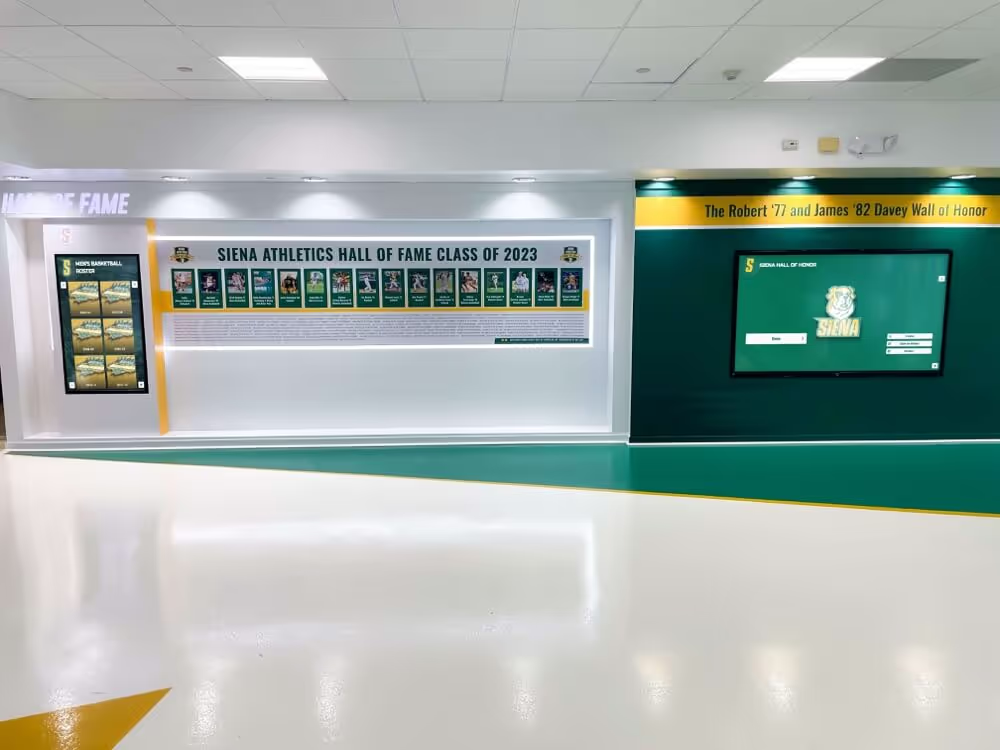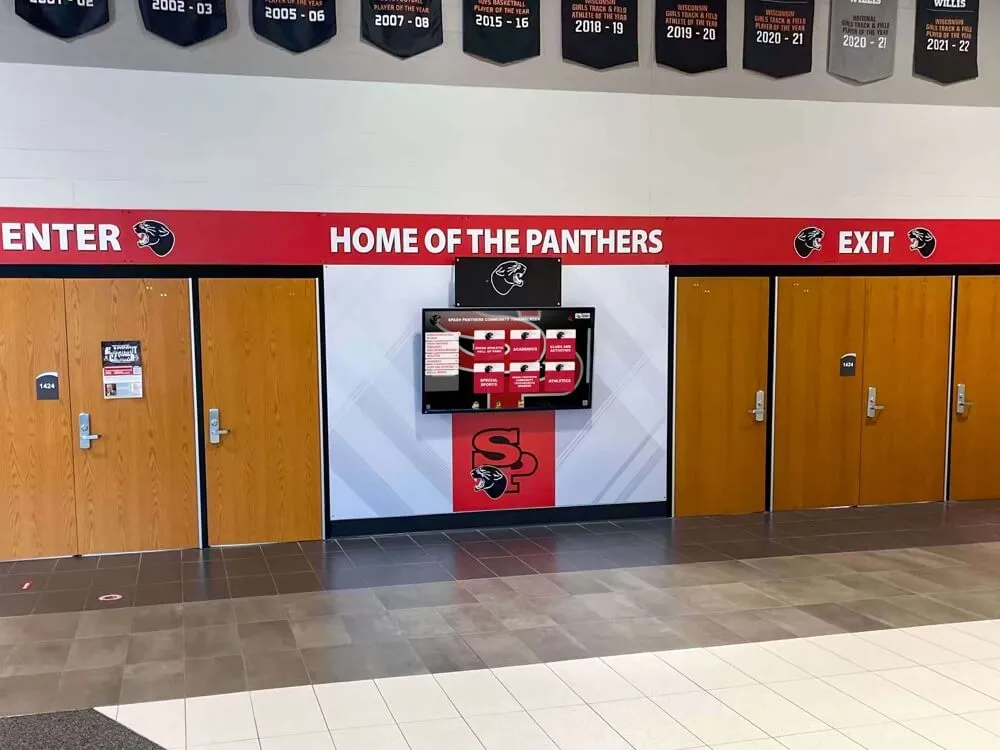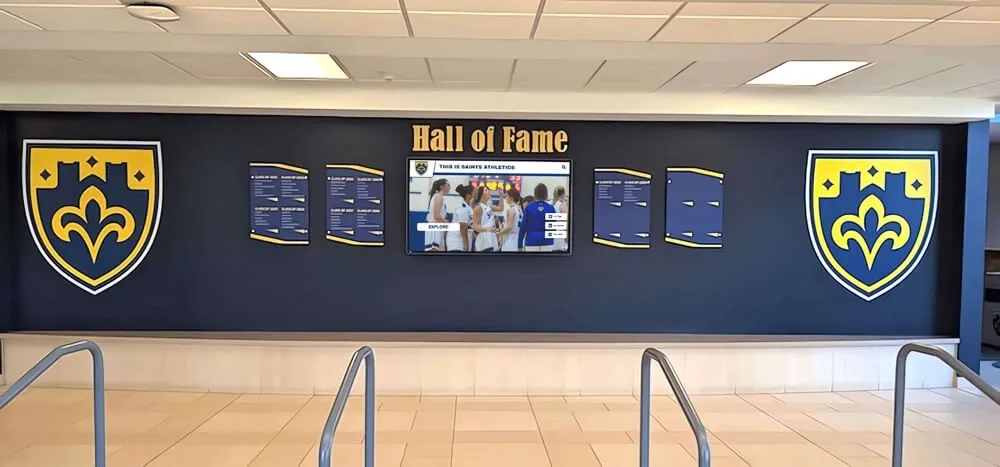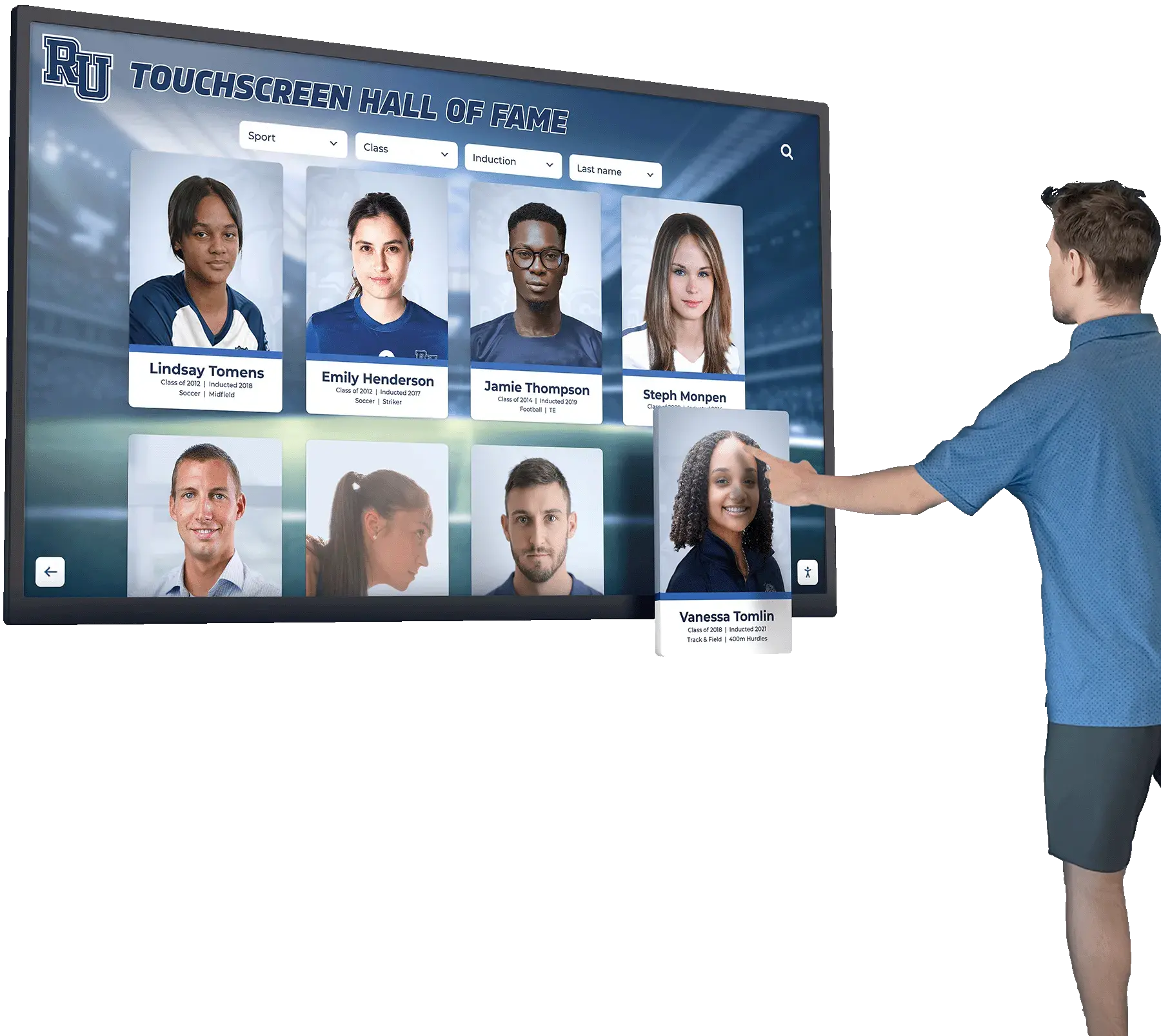




Intent: research — a trophy case CRI R9 lighting check determines whether the LED fixtures illuminating a school award display reproduce saturated red accurately enough to show crimson jerseys, scarlet ribbons, maroon championship banners, and red-accented trophies at their true color. R9 is the supplementary metric in the IES color rendering framework that specifically scores a light source’s rendering of deep, saturated red — a hue that the standard CRI calculation (R1–R8) does not test at all. Many LED products achieve CRI 80 or higher while carrying an R9 value below 20, which is low enough to shift red-dominant objects toward brown or orange and drain the vibrancy from school colors that include any crimson or scarlet component.
This guide explains what R9 measures, why it matters specifically in school trophy case environments, how to locate or measure R9 values for fixtures already installed, and how to apply results to confident procurement and replacement decisions.
Families photograph championship banners. Coaches give tours of trophy cases to incoming athletes. Athletic directors use the hallway display as a recruiting asset and a daily reminder of the program’s history. When the school’s official crimson reads as brownish-red on a banner from last season, or when first-place red ribbons look faded against silver trophies, the display underperforms — not because the awards are dim, but because the fixtures are rendering saturated red poorly. A structured CRI R9 lighting check identifies the exact magnitude of the problem and provides the procurement language to correct it.

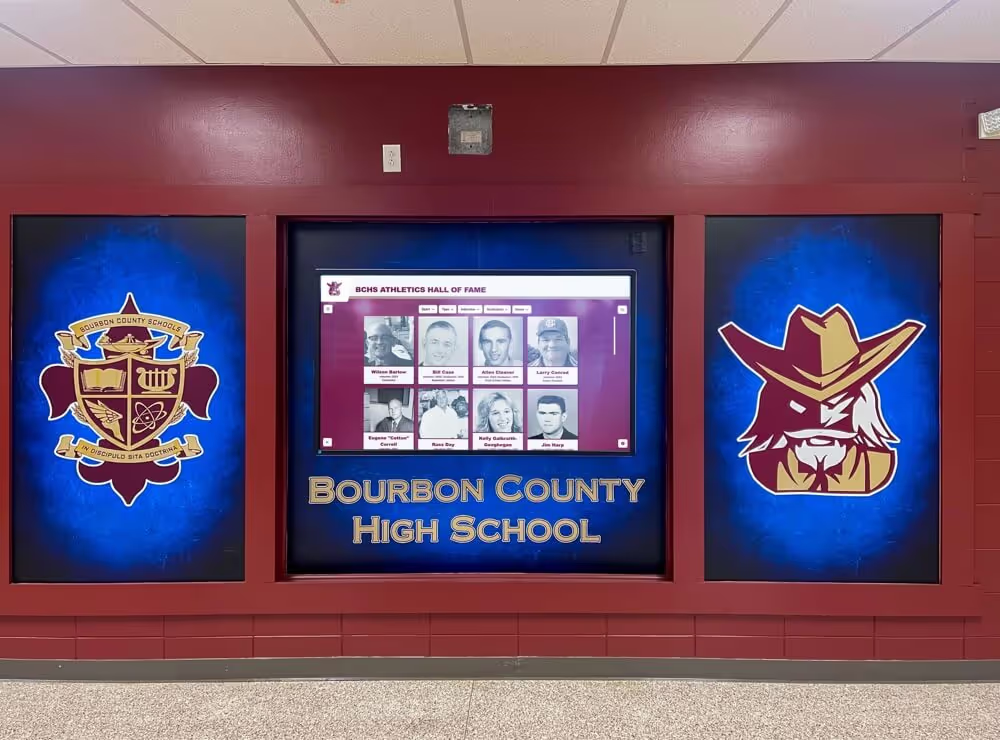
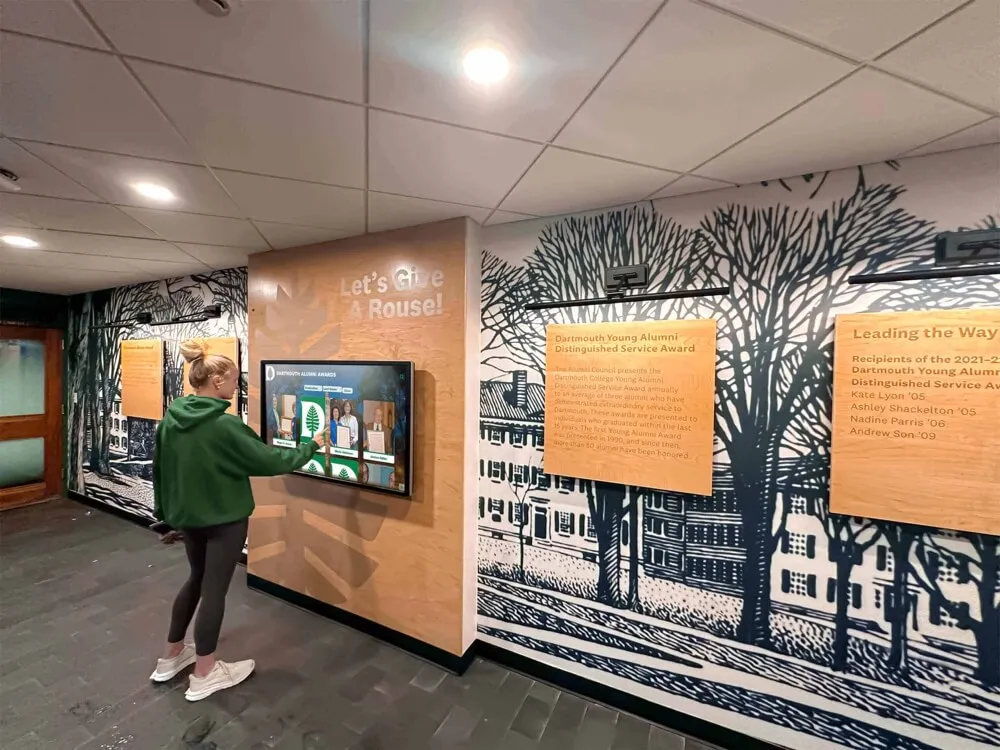
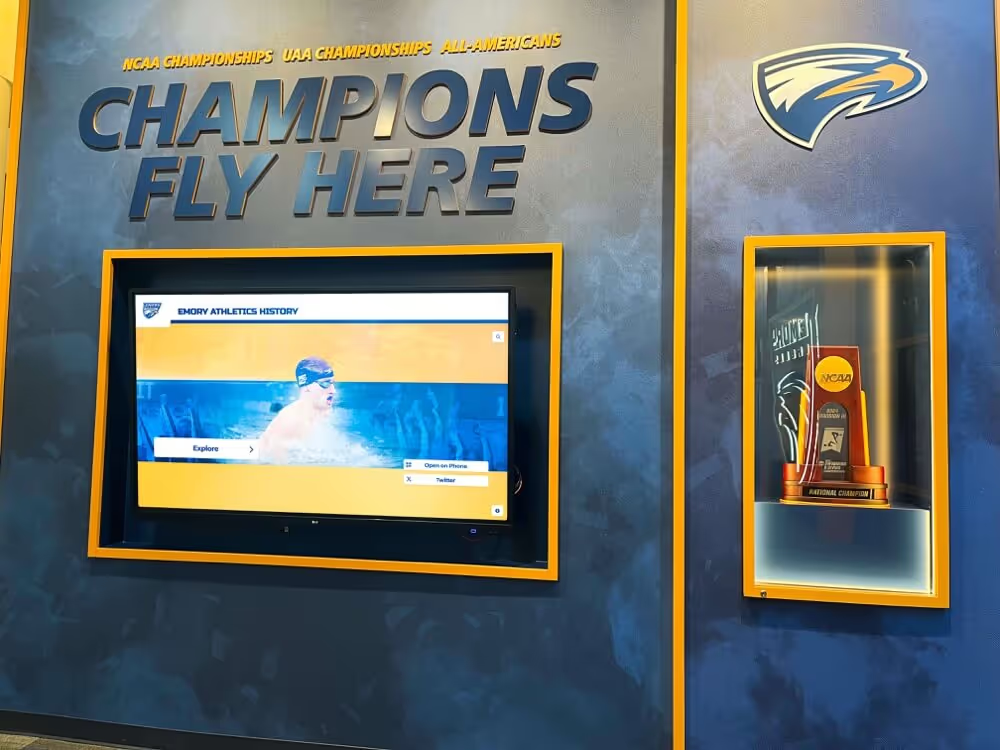
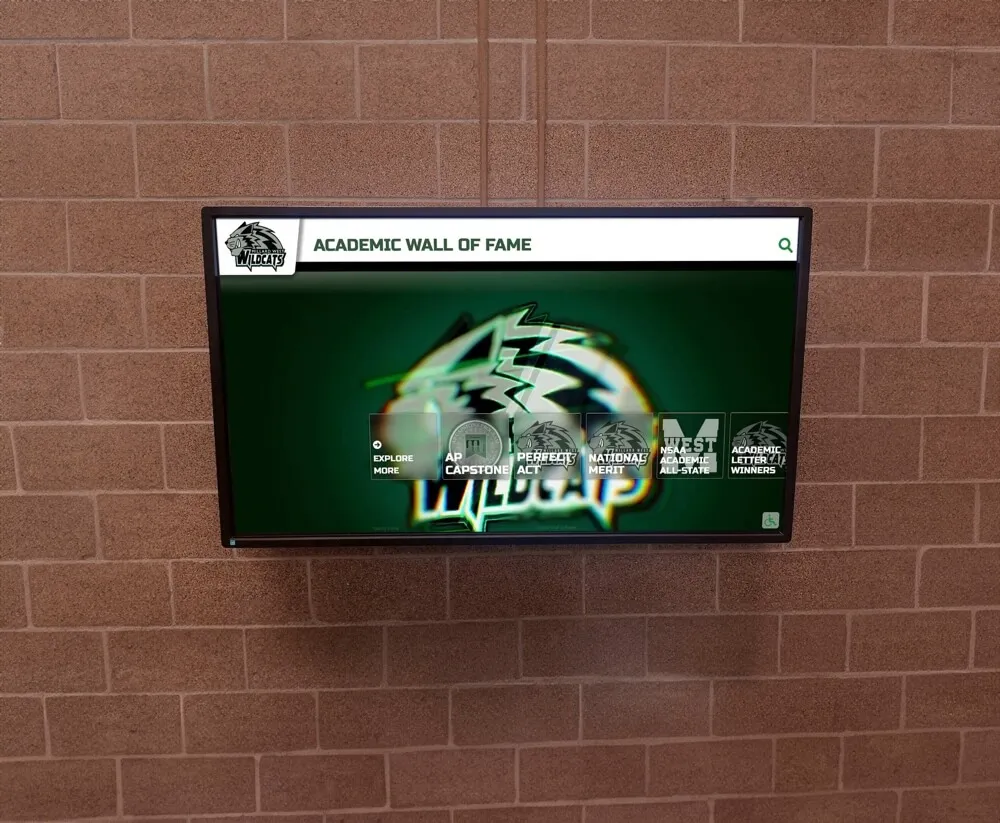
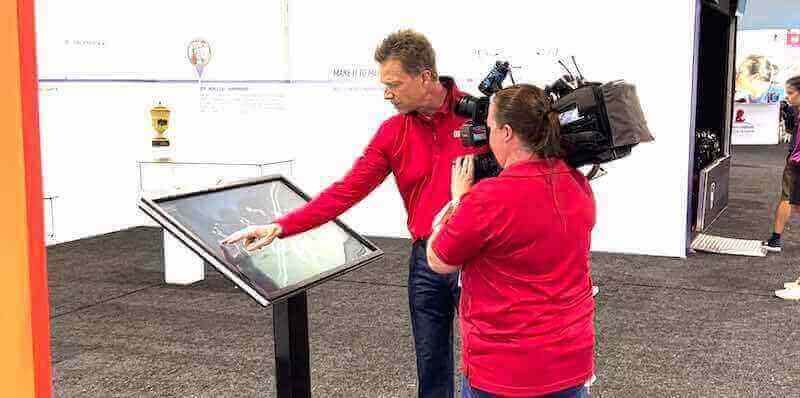
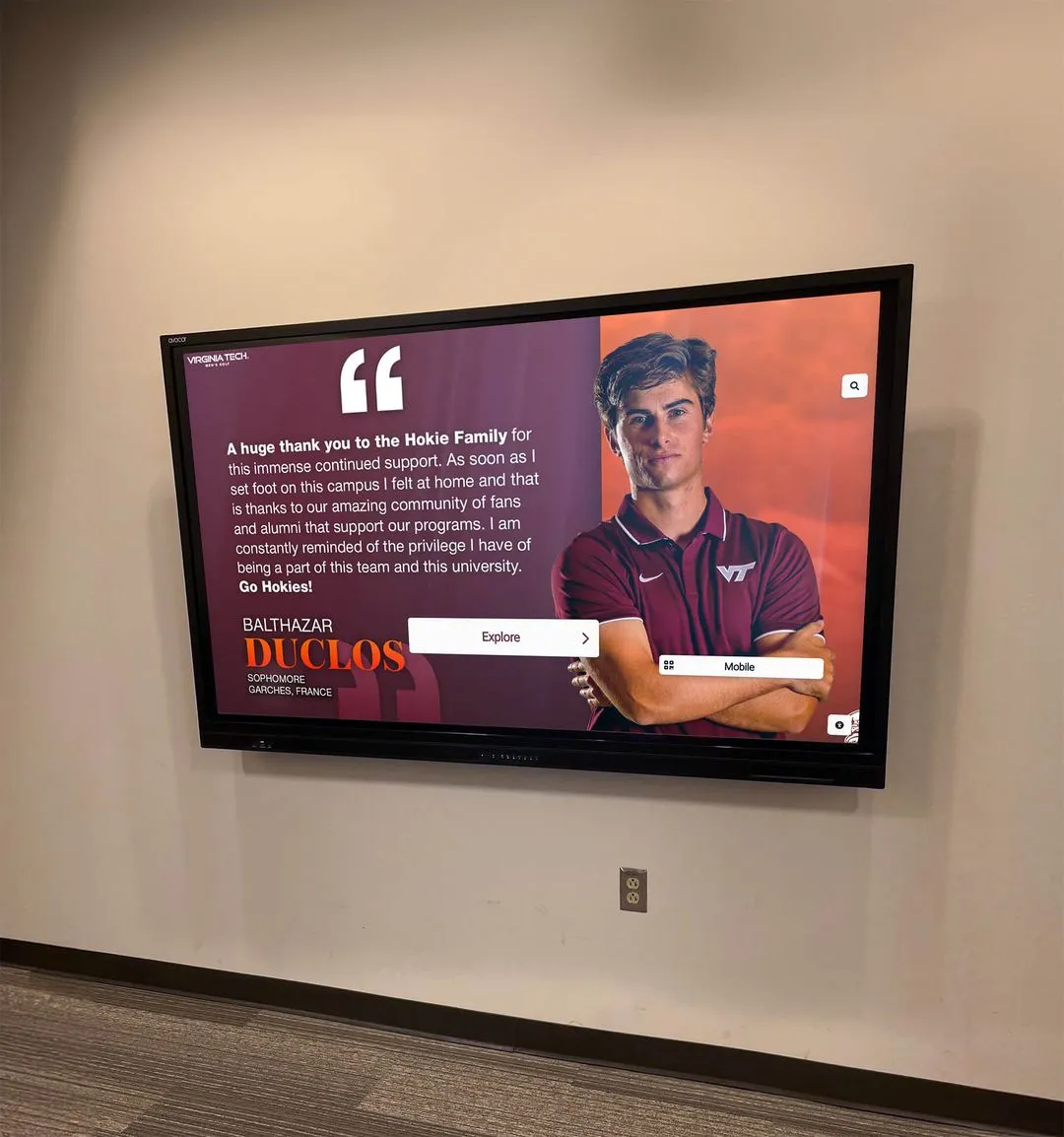
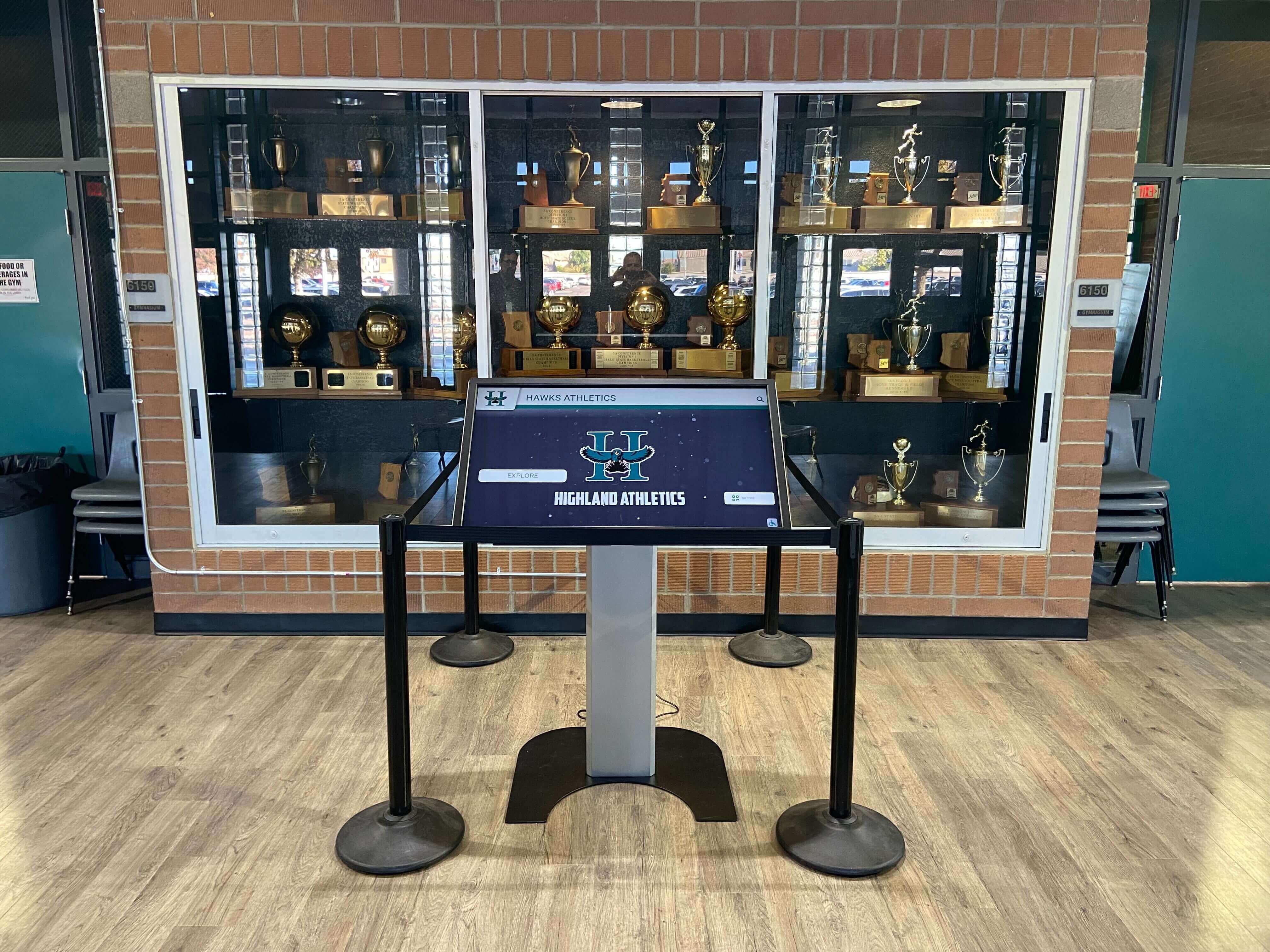
Trophy case environments require accurate red rendering to present school colors, ribbons, jerseys, and championship hardware at their intended appearance
What CRI R9 Is and Why It Differs from Headline CRI
The Color Rendering Index published on most LED product packaging is calculated from eight moderately saturated test colors labeled R1 through R8. These samples span a range of hues — soft red, yellow-green, yellow, orange, yellow-amber, olive-green, light blue, and medium blue — but all are chosen at moderate saturation levels. No deeply saturated color is included in the standard calculation.
R9 is a separate, optional metric that scores a light source’s rendering of a single deeply saturated red test sample. Its scale runs from −100 to 100, where 100 represents perfect rendering of that sample relative to a reference illuminant of the same correlated color temperature. Unlike R1–R8, R9 is not averaged into the headline CRI number. A manufacturer can report “CRI 85” without disclosing R9, and a facility purchasing on that specification alone has no information about how that fixture handles red.
Why R9 Can Be Negative
Because R9 measures deviation from a reference, a light source can receive a negative R9 score. A value of −10 means the fixture renders the deep red sample in a way that is worse than random — it actively shifts that hue toward a different color, typically brown, orange, or desaturated pink, depending on the fixture's spectral power distribution in the 620–680 nm range. Negative R9 values are not rare in budget commercial LED products. They indicate a measurable problem for any display where red-dominant objects are present.
Why Standard CRI Misses the Problem
The eight R1–R8 test colors used in standard CRI include a soft red (R1) that is significantly less saturated than the crimson on a school jersey, the scarlet on a first-place ribbon, or the maroon on a championship banner. A fixture can score R1 = 90 — excellent rendering of that soft-red test sample — while scoring R9 = 15, indicating serious underperformance on the deeper red that school athletic colors actually contain. Buying on CRI alone does not protect against poor red rendering in a trophy case environment.
The IES and ENERGY STAR programs both acknowledge R9 as a meaningful quality indicator for commercial applications. ENERGY STAR’s LED luminaire specifications require R9 ≥ 0 as a minimum threshold for products awarded that certification — a floor that represents a meaningful quality bar for mass-market LEDs but falls short of the standard appropriate for color-critical display environments such as school trophy cases.
Why R9 Matters for School Trophy Case Environments
School athletic and academic recognition programs contain a disproportionately high density of red-dominant display materials. Understanding which specific items are most affected by low R9 helps facilities teams prioritize the check and communicate the stakes to administration.
Championship banners and school color fabric. Crimson, scarlet, and maroon are among the most common primary school colors in American secondary athletics. A banner sewn to the school’s official Pantone specification will look accurate under a fixture with R9 ≥ 80 and distorted — often reading as brownish-red or muddy burgundy — under a fixture with R9 below 30. The shift is gradual enough that staff who see the display daily often do not notice it, while parents and visiting athletes who compare photographs from prior seasons immediately perceive that something is different.
Award ribbons. First-place ribbons in most US academic and athletic competition contexts are red by tradition. A case full of red first-place ribbons under low-R9 lighting loses the visual distinction between the red first-place and the blue second-place ribbons — both appear desaturated and similar in luminosity, diminishing the visual hierarchy that makes a ribbon board communicate achievement at a glance.
Jersey and uniform displays. Many schools frame or mount game-worn jerseys in trophy cases as program memorabilia. Jerseys with red numbers, red accents, or red body panels depend on accurate R9 rendering to present the garment as it looked on the field. Under R9 < 20 fixtures, red jersey numbers can appear to lose contrast against a white body, or red-body garments can appear to shift toward burnt orange or terracotta.
Red-accented trophy hardware. Some championship trophies incorporate red acrylic bases, red felt liners, or red-enameled components as part of the manufacturer’s design. These accents are intended to provide visual distinction and prestige; under poor R9 illumination, they flatten and lose the color contrast that the manufacturer designed them to deliver.
Commemorative photographs and printed displays. Athlete portraits, action photographs, and program commemorative prints that include red elements — uniforms, backgrounds, decorative borders, ribbon graphics — are directly affected by R9. Print color that looks accurate under a reference illuminant appears distorted under a fixture with a spectral gap in the 620–680 nm red range. For academic recognition programs that display printed citations, honor roll certificates, and formal portraiture, R9 accuracy affects the perceived quality of every printed document in the case.
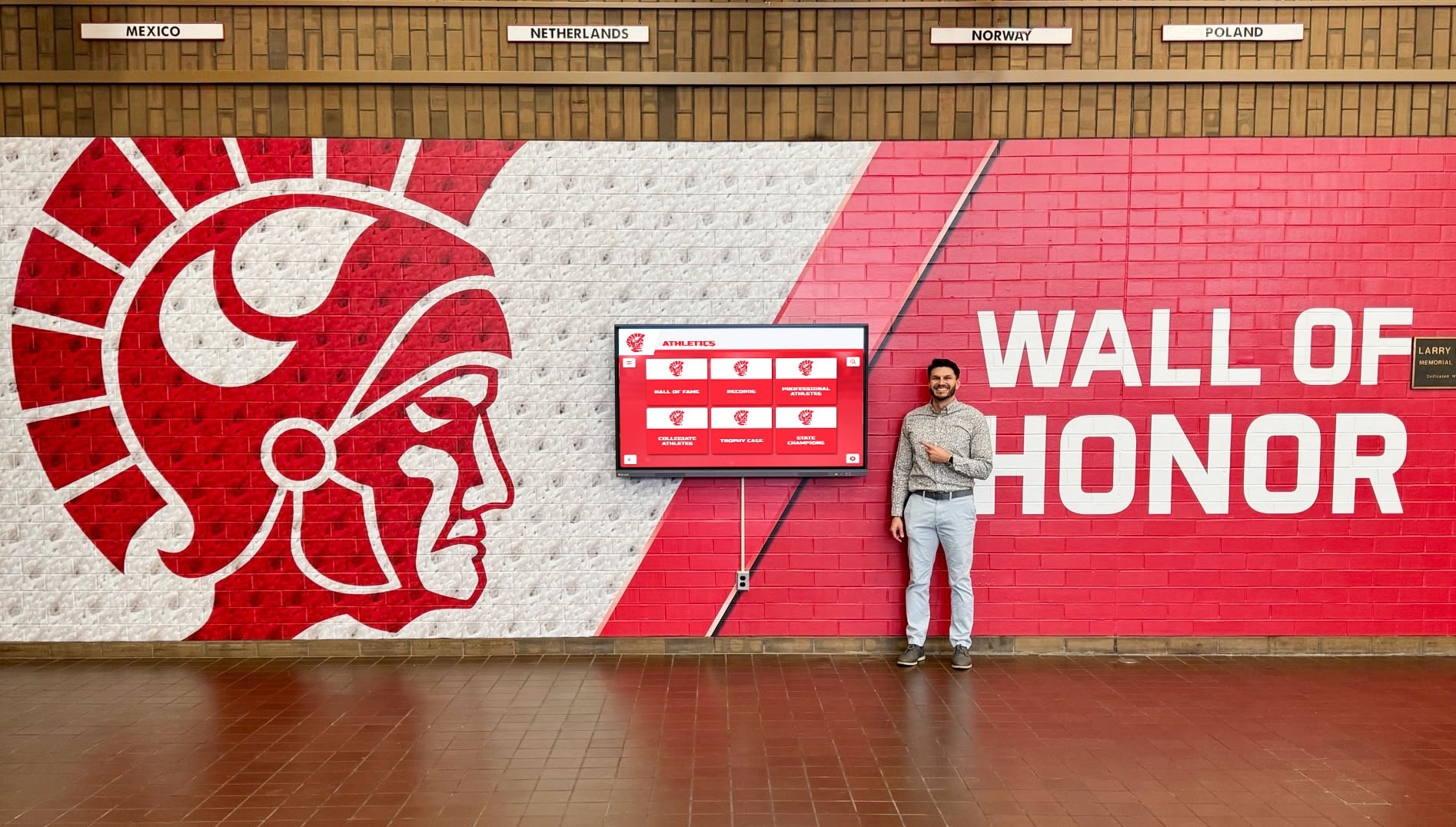
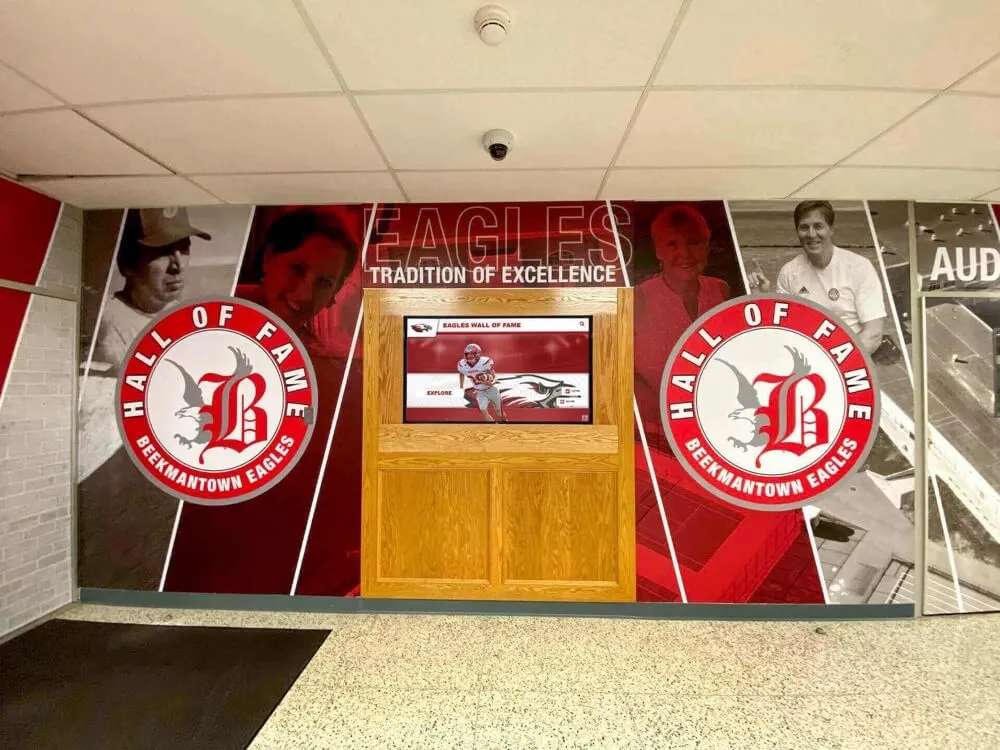
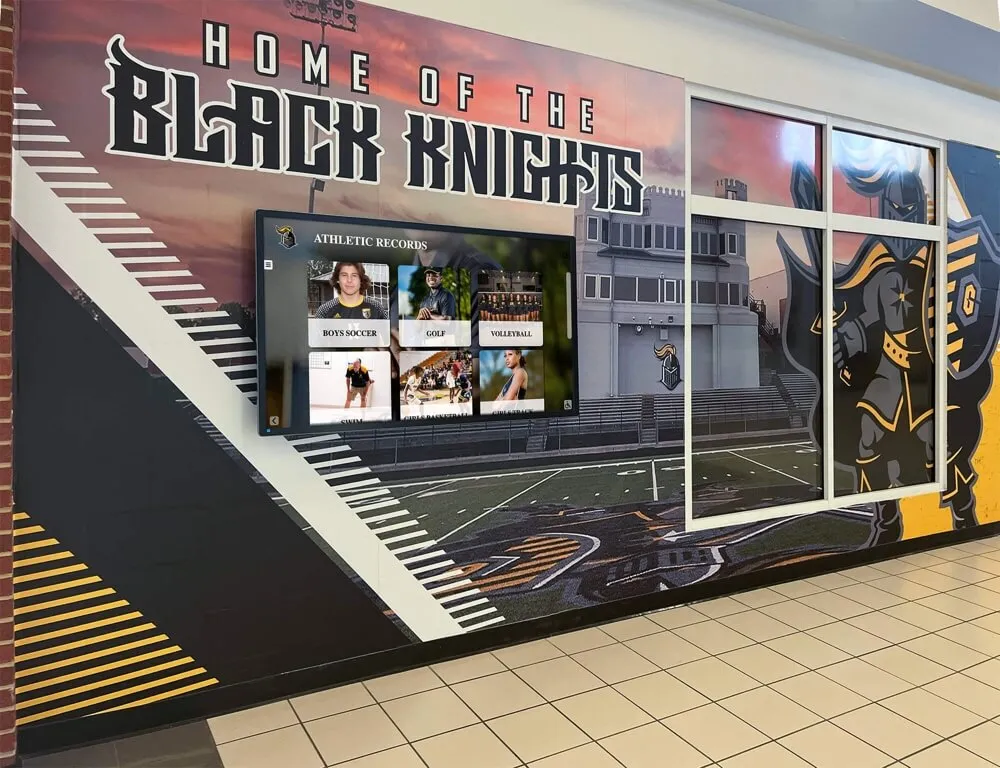
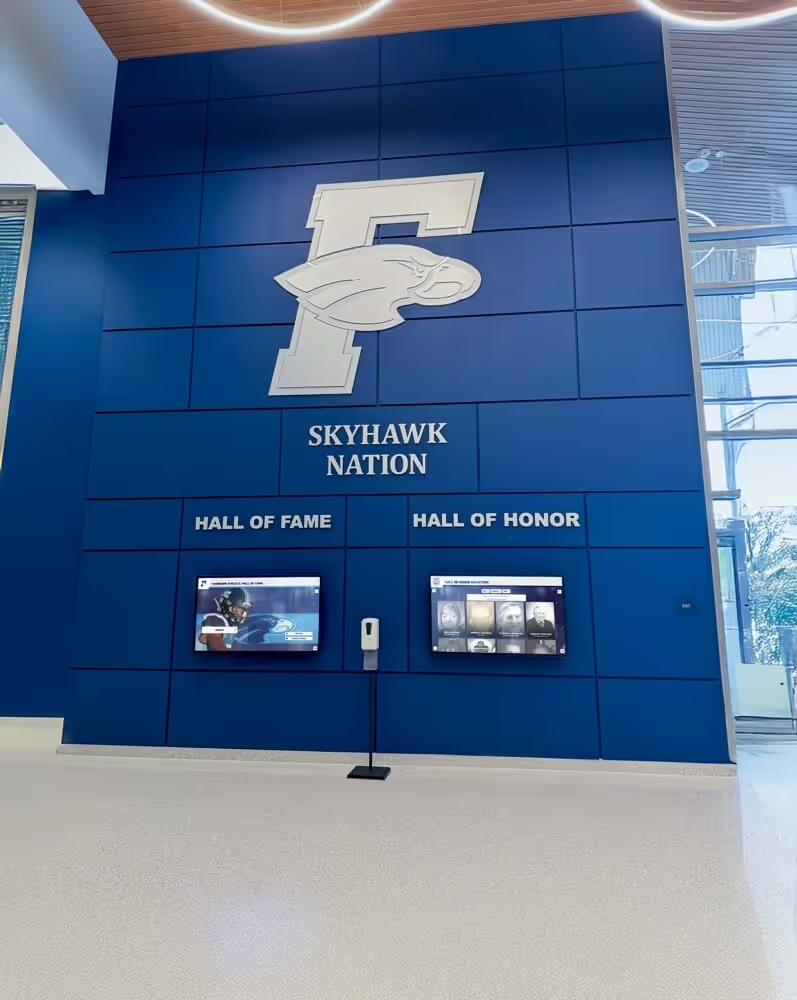
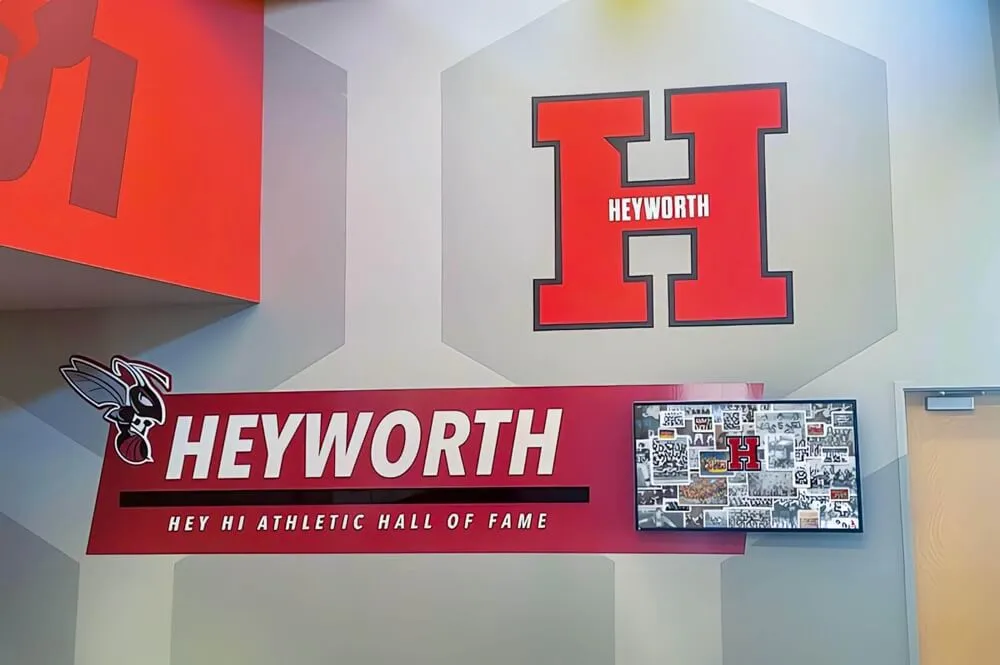
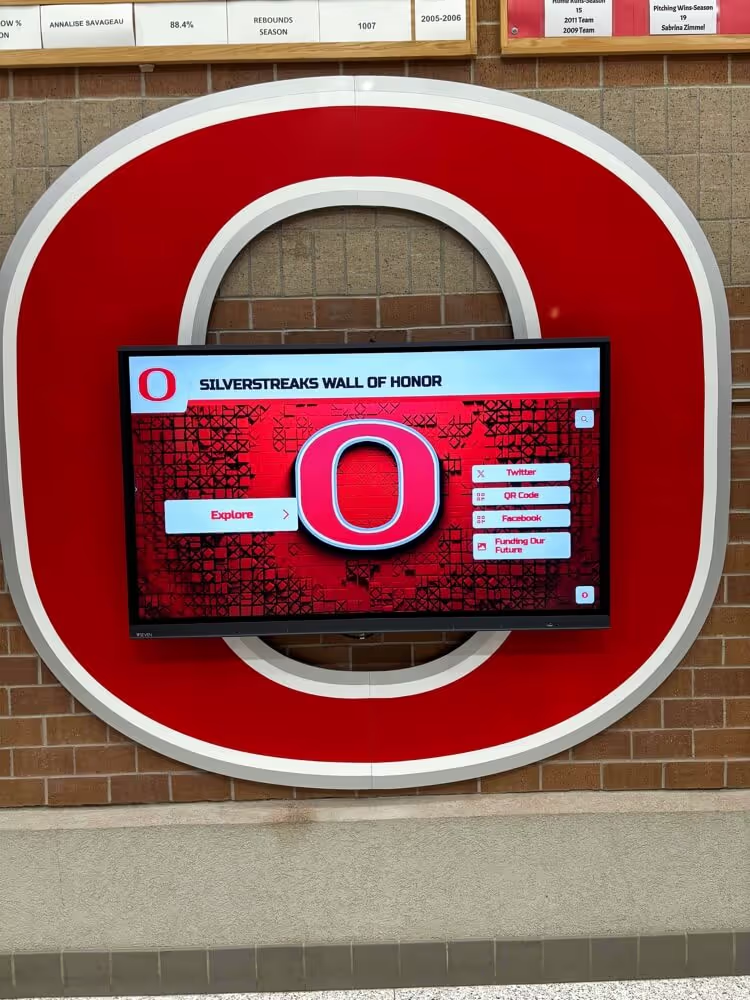
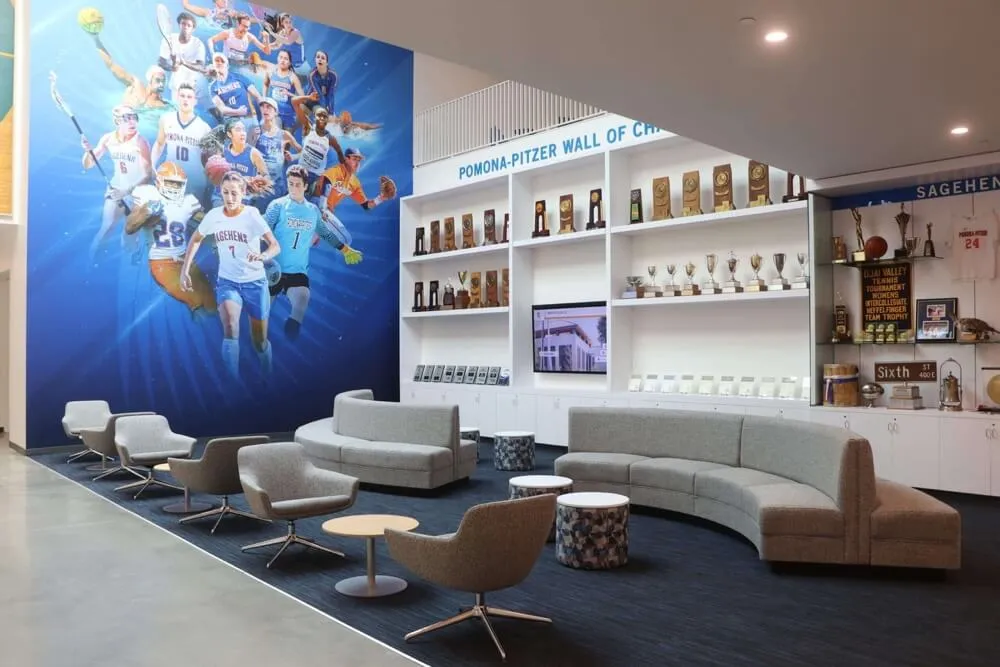
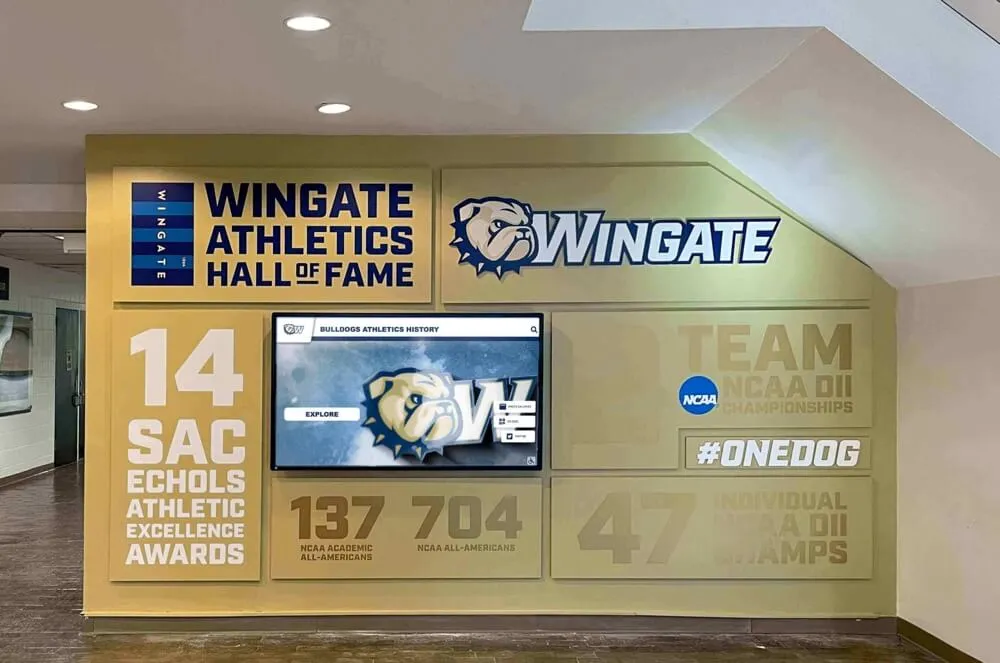
School walls of honor and trophy cases that feature school colors, red accents, and branded display elements require fixtures with high R9 values to reproduce those colors accurately
Trophy Case CRI R9 Lighting Check: Step-by-Step
Step 1: Build a Fixture Inventory
Before measuring anything, document every luminaire position in the trophy case environment:
- Assign each fixture position an identifier (F1, F2, F3, and so on) and photograph it.
- Record the manufacturer name, model or part number, and nominal CCT (typically 2700K, 3000K, or 4000K) from the fixture label or packaging.
- Note the installation date or approximate age if available from maintenance records.
- Flag any positions where fixtures were replaced within the past three years — these may differ from the original specification.
This inventory becomes your reference for correlating measured R9 values to specific fixture positions and procurement records. Maintain it as a living document updated after each check.
Step 2: Locate Published R9 Data
For each fixture in your inventory, search for published spectral data:
- Check the manufacturer’s product page for a specification sheet or photometric data file. Many manufacturers now publish R1–R15 values alongside headline CRI and CCT on dedicated product data sheets; R9 appears in this extended breakdown.
- Request the IES photometric file (.ies format). If your facilities team or a lighting supplier can open this file in lighting software, the full color rendering breakdown is available without measurement.
- Check ENERGY STAR certification records. The ENERGY STAR product database includes some R9 data for certified products and is publicly searchable by manufacturer and product model.
- Contact the manufacturer directly if no published R9 value is available. A reputable LED manufacturer will provide R9 from their production test data for any current product.
If R9 values are not obtainable from published sources for any fixture position, move to Step 3. If all fixture positions have documented R9 values, proceed to Step 5.
Step 3: Measure R9 with a Spectroradiometer
When published data is unavailable, R9 can be measured directly using a spectroradiometer — an instrument that captures the full spectral power distribution of a light source and calculates all color rendering metrics from that data. Entry-level spectroradiometers suitable for this task are available from lighting measurement equipment suppliers, and regional lighting distributors or state energy efficiency programs sometimes offer short-term instrument loans to educational institutions.
Prepare the measurement environment:
- Turn on all trophy case fixtures and allow them to stabilize for a minimum of 30 minutes. LED color rendering metrics can shift noticeably during the first 10–15 minutes of cold-start operation.
- Block daylight entering through windows or skylights near the trophy case. Ambient daylight contamination will produce inaccurate readings.
- If the trophy case is enclosed, open it and position the measurement instrument’s input optic in the plane where the awards are displayed, pointing toward the fixture.
Conduct measurements:
- For each fixture position, position the spectroradiometer sensor at the appropriate measurement distance per the instrument’s operating instructions.
- Allow the reading to stabilize (typically 3–5 seconds per position).
- Record R9 alongside CCT, headline CRI, and any other metrics the instrument reports — including Rf and Rg if the instrument supports TM-30 output. For a complete evaluation of trophy case lighting color quality, athletic award specifications and color rendering standards provide useful context on which metrics correlate with specific display quality requirements.
- Record each reading on your fixture map by position identifier.
Step 4: Record All R9 Values in the Fixture Map
Complete the fixture documentation table with the following fields for each position:
| Position | Manufacturer | Model | CCT | Headline CRI | R9 | Data Source | Status |
|---|---|---|---|---|---|---|---|
| F1 | — | — | — | — | — | Spec sheet / Measured | — |
Add a “Status” column using the thresholds in Step 5 to flag each position for action or acceptance.
Step 5: Apply R9 Thresholds to Each Position
Compare each recorded R9 value against the following thresholds, which reflect published guidance from lighting quality organizations and museum and gallery lighting practice adapted for school recognition display environments:
| R9 Value | Classification | Display Impact | Recommended Action |
|---|---|---|---|
| ≥ 90 | Excellent | Deep reds rendered with high fidelity; museum/gallery-grade accuracy for crimson jerseys, scarlet ribbons, red trophy accents | Accept; document as reference standard for future procurement |
| 80–89 | Good | Accurate rendering for most school recognition contexts; minor deviation from reference that is typically below the threshold of casual visual notice | Accept; note value in records for future comparison |
| 50–79 | Marginal | Visible desaturation of deep reds under direct comparison; crimson may read as brownish; ribbons may appear less vivid than intended | Flag for replacement at next procurement cycle; specify R9 ≥ 80 in replacement order |
| 0–49 | Poor | Noticeable red shift; school colors containing crimson or scarlet components appear significantly altered; red-accented award materials lose visual distinction | Priority replacement; do not permit into new installations |
| < 0 (Negative) | Deficient | Active color distortion of red hues; deep reds shift toward brown, orange, or desaturated pink; fixture performance is below the ENERGY STAR minimum threshold for this metric | Immediate replacement; document as a quality failure in fixture procurement records |
Step 6: Document Findings and Issue a Procurement Action Log
After completing the evaluation, produce a single-page summary document:
- Pass positions: Fixture identifier, R9 value, data source, date measured, and next scheduled review date.
- Review positions (R9 50–79): Fixture identifier, R9 value, planned replacement date, and R9 specification for replacement order.
- Replace positions (R9 < 50): Fixture identifier, R9 value, priority designation, and procurement language (see below).
File the summary alongside your fixture map photographs. This documentation protects the recognition program’s quality standard across staff transitions and provides an audit trail for administrative review if display quality concerns are raised.
What to Do When R9 Falls Short
Writing R9 Into Procurement Language
The most common root cause of trophy case lighting quality decline is replacement purchasing that specifies only CCT and lumen output — leaving R9 undefined and permitting suppliers to substitute whatever product meets those two parameters. Correct this by including a written R9 requirement in every LED purchase order for trophy case fixtures:
“LED luminaires for trophy case and award display applications shall carry a minimum R9 value of 80 as documented by the manufacturer’s published spectral data or IES photometric file. Suppliers shall provide R9 documentation before order fulfillment. Products without published R9 data will not be accepted.”
This language gives the purchasing team a concrete, verifiable specification, prevents undocumented substitution, and signals to suppliers that R9 is a required quality parameter — not an optional disclosure.
Fixture Categories That Typically Achieve R9 ≥ 80
Standard commercial LED replacement lamps and downlights are designed to meet ENERGY STAR and DLC (DesignLights Consortium) minimum thresholds, which require only R9 ≥ 0. Products marketed specifically for museum, gallery, retail jewelry, or art display applications are engineered to higher R9 targets and typically document R9 ≥ 80 or higher. Track lighting systems used in commercial gallery and retail environments also frequently achieve R9 ≥ 80 as part of their design intent.
Warm CCT products (2700K–3000K) tend to achieve better R9 scores than neutral or cool products at the same quality tier, because warmer spectral distributions naturally include more output in the red wavelength range. For trophy cases displaying warm-toned hardware such as gold and bronze trophies alongside red accents, 2700K–3000K sources with documented R9 ≥ 80 typically provide the best overall result.
Contextual Check: Are Your School Colors Red-Dominant?
R9 matters most to schools whose primary or secondary color falls in the red-to-crimson range. Schools with navy and gold, forest green and white, or purple and gold primary colors still benefit from adequate R9, but the display impact of low R9 is less immediately visible than for crimson-dominant programs. Use your school's official Pantone color specification to identify the hue angle of your primary colors:
- Crimson, scarlet, cardinal, red: Primary school colors in this family are directly and severely affected by R9 < 50. Prioritize R9 ≥ 80.
- Maroon, burgundy, wine: These red-adjacent hues include significant red content; R9 < 60 produces visible desaturation. Target R9 ≥ 80.
- Orange, coral, rust: These hues are partly red; R9 < 40 may shift them toward yellow-brown. Target R9 ≥ 70.
- Gold, yellow, navy, forest green, purple, white: Lower R9 sensitivity; R9 ≥ 50 generally acceptable for these primary colors, though higher values improve red-accented secondary elements.
The CRI R9 Check in the Context of a Complete Trophy Case Lighting Evaluation
R9 is one metric in a set of color quality parameters that a thorough trophy case lighting program addresses. The following table shows how R9 relates to adjacent checks that facilities teams commonly run alongside or after an R9 review:
| Metric | What It Measures | When to Add It |
|---|---|---|
| R9 | Rendering accuracy of saturated deep red specifically | Any trophy case with red-dominant school colors, ribbons, or memorabilia |
| Headline CRI (R1–R8 average) | Broad color rendering across moderate saturation hues | Baseline specification for all fixtures; run alongside R9 |
| TM-30 Rf + Rg | Full-spectrum fidelity (99 samples) and gamut expansion/compression | When a more complete color quality picture is needed across all hues |
| Duv (tint) | Green–magenta tint on the chromaticity diagram | When white surfaces, portraits, or certificates appear tinted |
| MacAdam ellipse / SDCM | Color consistency across multiple fixtures in the same installation | When adjacent fixtures appear visibly different in color even at the same CCT |
| Flicker index | Temporal light modulation visible to cameras and some visitors | When photographs of the case show banding, or when staff report visual discomfort |
The R9 check is typically the lowest-effort entry point into a structured trophy case lighting evaluation: it requires only the fixture’s manufacturer data sheet in many cases, and when measurement is required, a single spectroradiometer reading per fixture position yields R9 alongside headline CRI, CCT, and — on instruments with TM-30 output — Rf and Rg simultaneously. Running R9 alongside the adjacent metrics above in a single instrument session provides a comprehensive picture of fixture color quality without requiring multiple separate visits.
For schools that want to understand how consistent, accurate color rendering connects to school recognition display configuration and system integration in broader athletic corridor contexts, the display environment around the trophy case often benefits from the same lighting quality standards applied inside it.
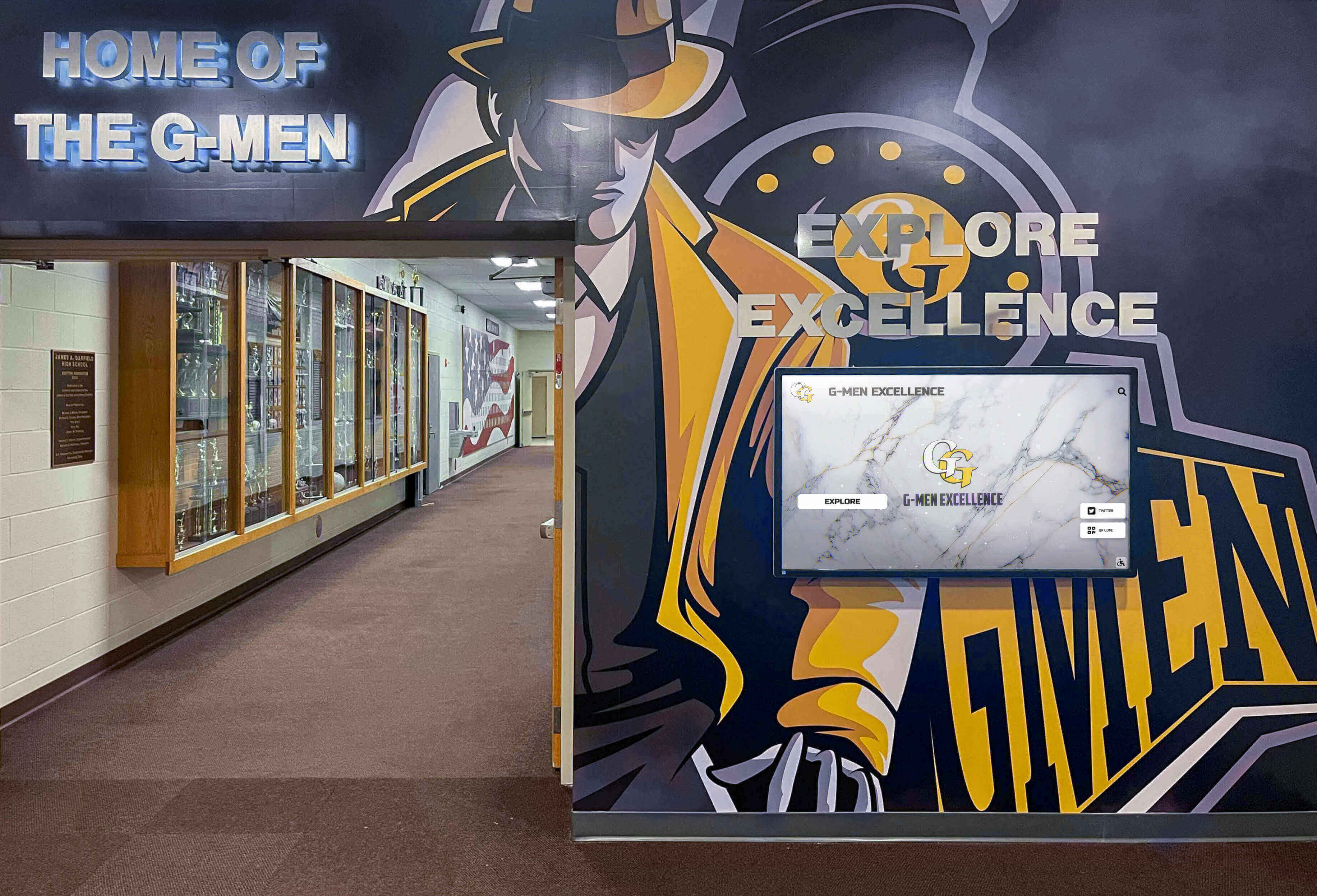
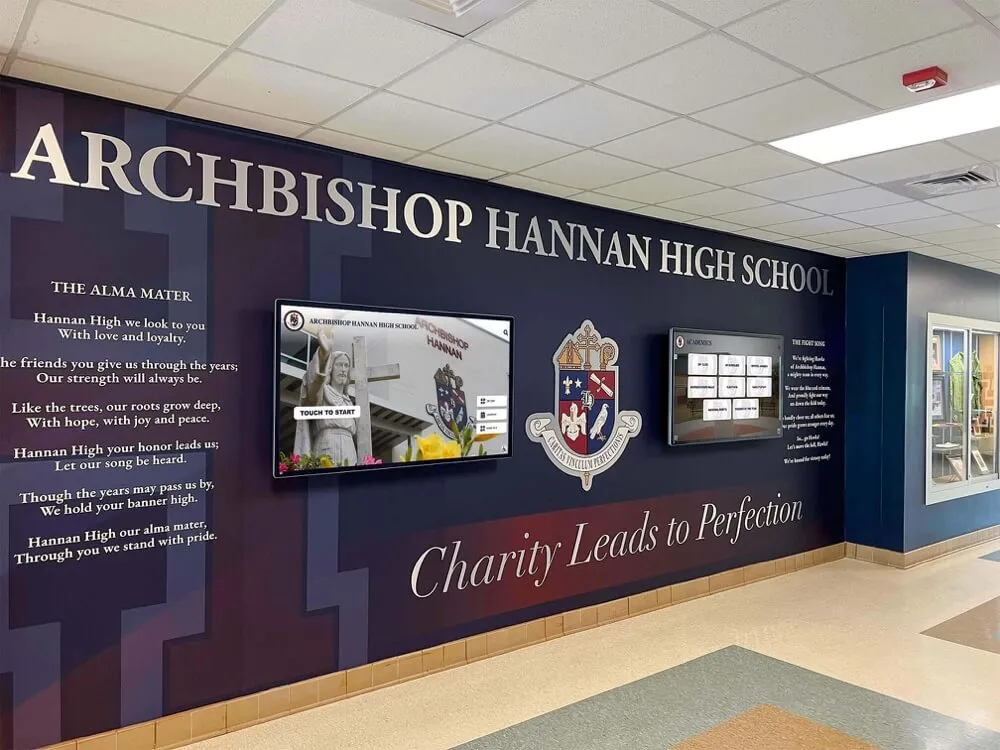
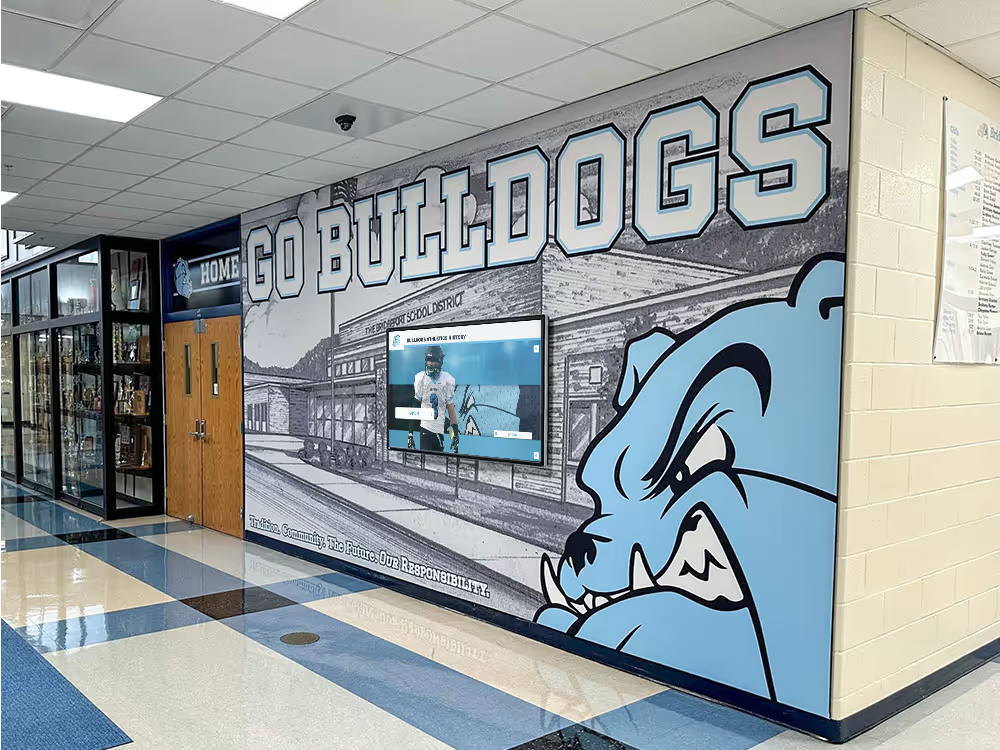
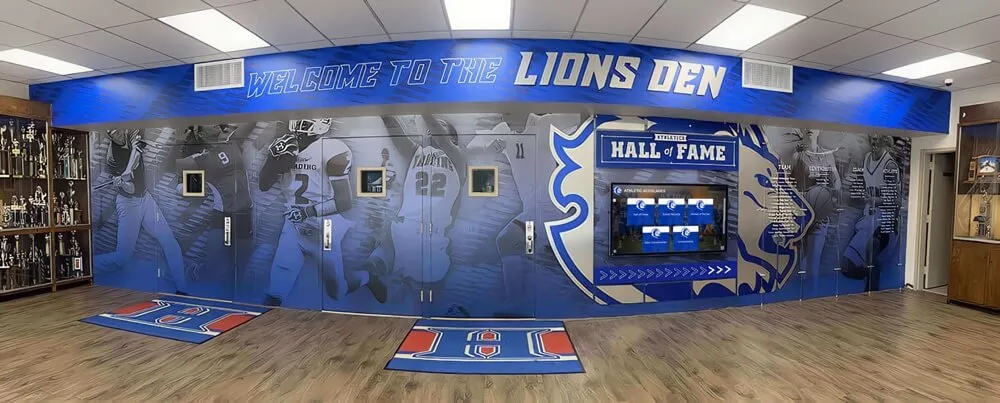
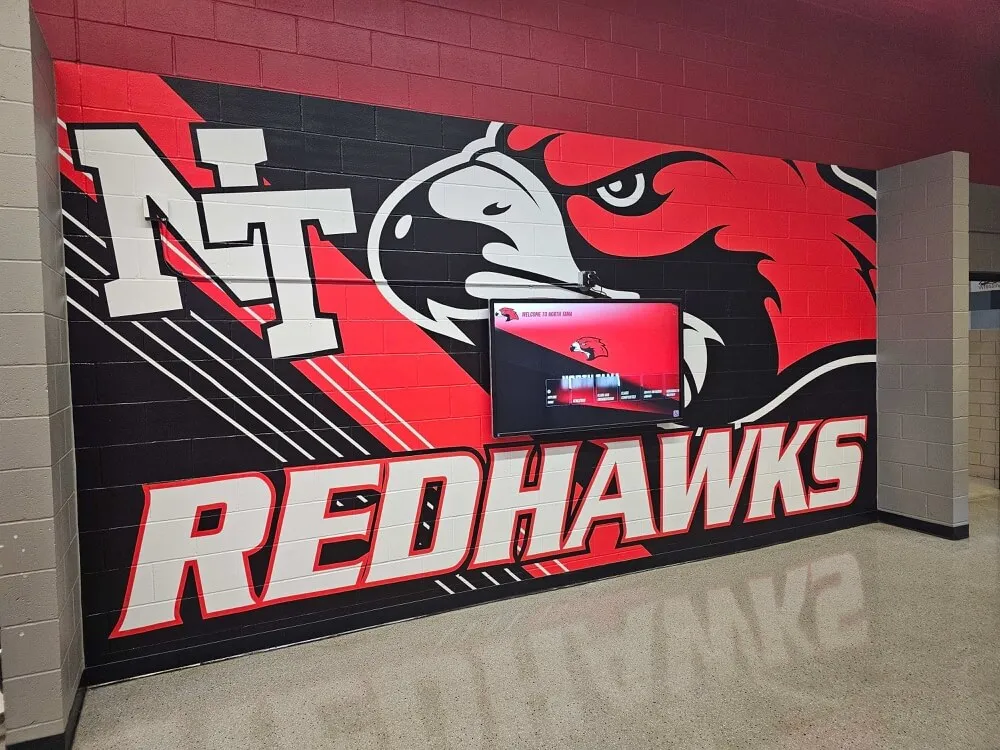
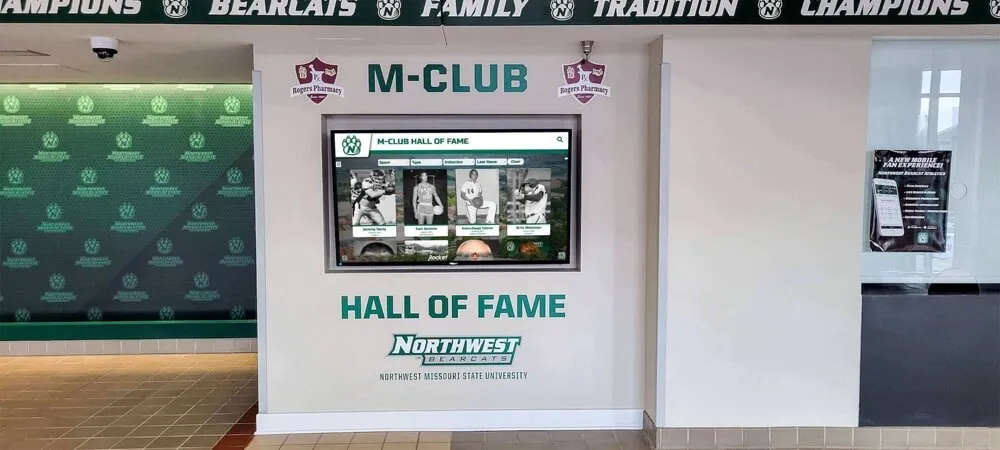
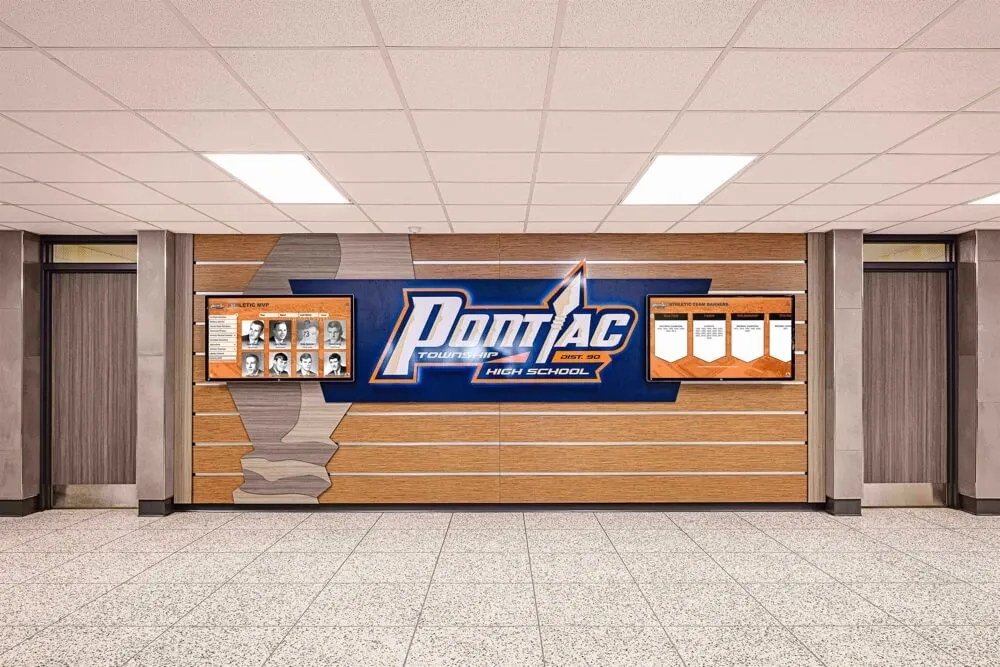
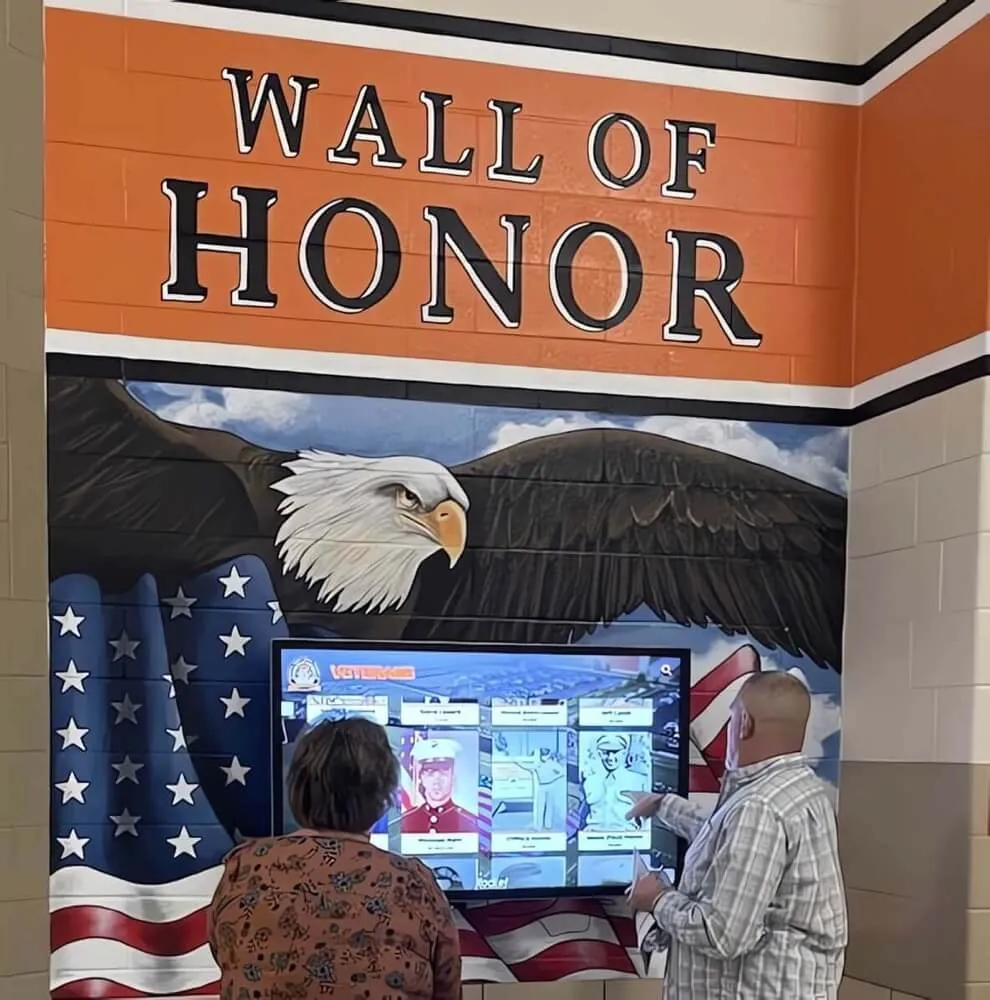
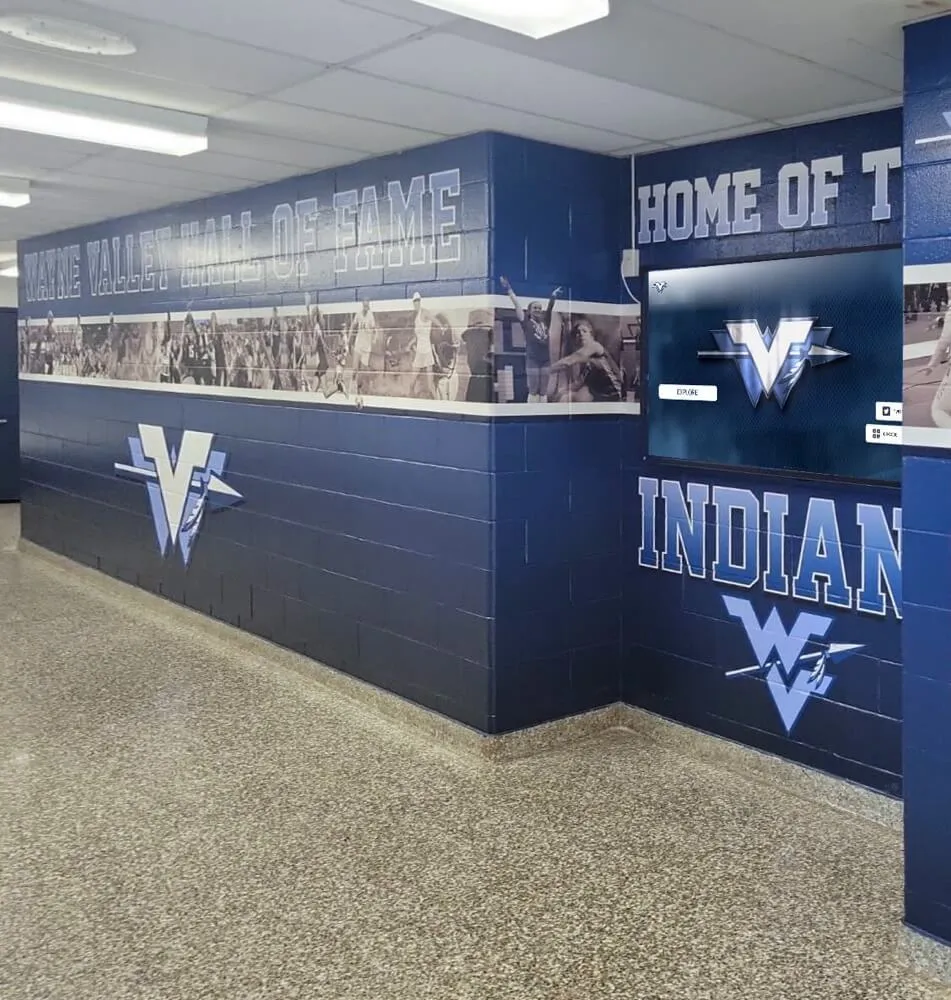
Recognition hallways combine mural art, digital displays, and physical trophy cases — consistent R9-compliant lighting serves the full corridor, not just the case interior
When Low R9 Appears Across Multiple Fixture Positions
If the CRI R9 lighting check reveals R9 < 50 across most or all fixture positions in the trophy case environment, the most likely causes are:
Undocumented specification substitutions over time. Each individual replacement lamp purchase, made on CCT and lumen equivalency alone, may have introduced fixtures from different spectral quality tiers. The cumulative effect is a case where no single purchase decision looks obviously wrong, but the accumulated substitutions have degraded color quality across the board.
Original specification inadequate for display use. Some trophy case lighting was originally installed to general-purpose commercial LED standards (CRI ≥ 80, R9 undocumented) appropriate for hallway or office lighting but not for color-critical display environments. The check reveals a specification gap that has existed since installation, not a quality decline.
Product line discontinuation forcing substitution. When a manufacturer discontinues a fixture model, facilities teams sometimes accept whatever replacement is available from their supplier. The substitute product may carry a different spectral profile and significantly lower R9 without the difference being visible in the fixture’s headline specifications.
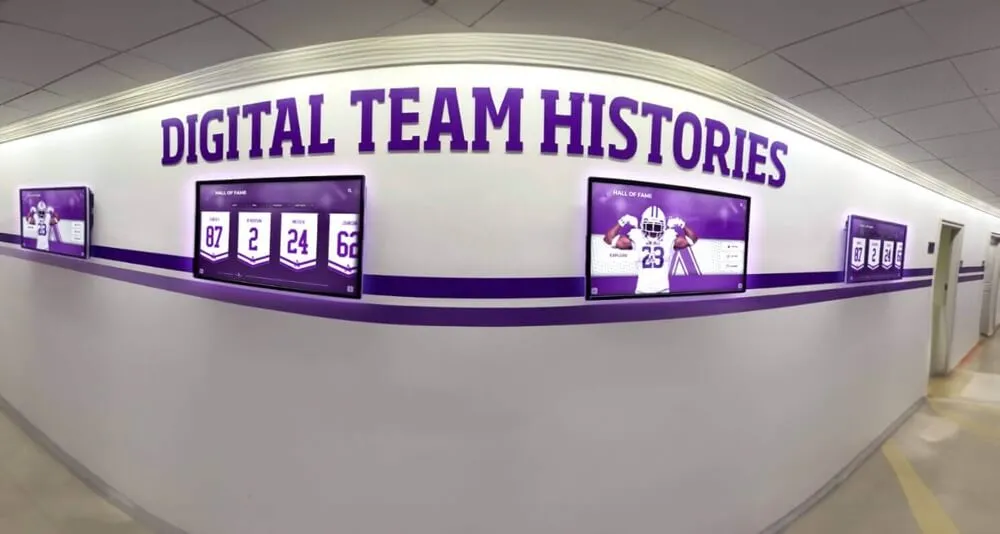
In any of these scenarios, the path to correction is the same: document the current state via the R9 check, write an R9 ≥ 80 requirement into the next procurement cycle, and replace out-of-tolerance fixtures with documented products that meet that specification. Digital hall of fame displays operate on factory-calibrated panels that maintain color accuracy without requiring periodic R9 audits — for schools evaluating the full recognition corridor, this maintenance difference is worth factoring into long-term planning.
How Digital Recognition Platforms Address Red Rendering Differently
Physical trophy case lighting requires recurring R9 monitoring because individual fixture replacements introduce spectral variation, LED drivers drift across the product’s lifespan, and procurement decisions made under time pressure often prioritize CCT and lumen output over documented color rendering metrics. Each of these factors can reduce R9 below an acceptable threshold without triggering a visible failure mode that prompts immediate attention.
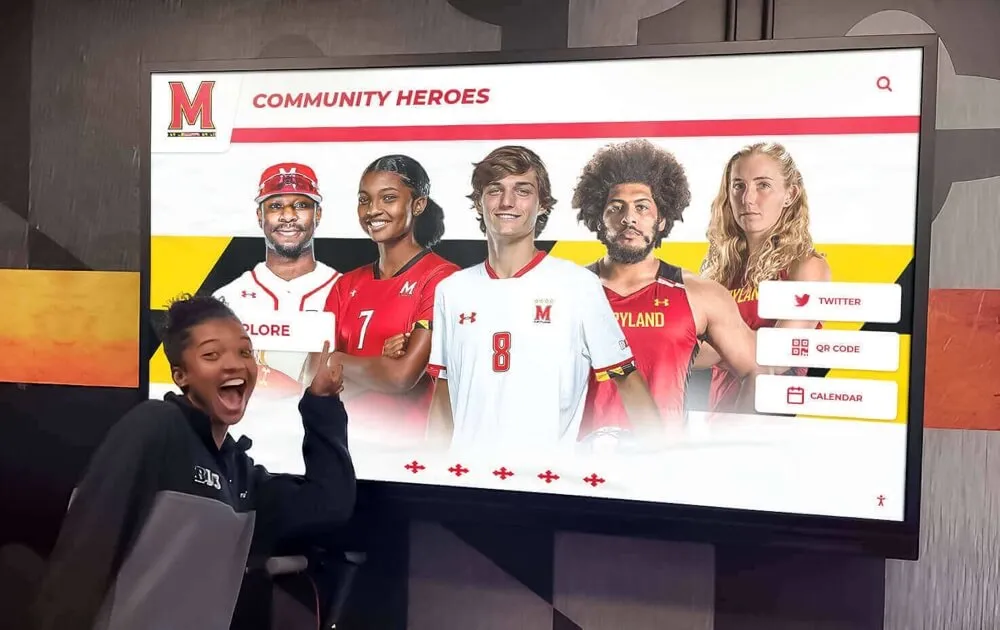
Commercial-grade digital recognition displays are built to display industry color accuracy standards — panels engineered for color-critical retail, broadcast, and museum applications maintain consistent color gamut coverage across their rated lifespan, including accurate rendering of saturated red. A school that transitions from a physical trophy case to a digital recognition platform does not eliminate the need for display quality standards, but it changes the maintenance model: color rendering performance is a factory specification rather than a field measurement requiring periodic equipment and staff time.
For athletic programs with red-dominant school colors, the ability to display championship photography, video highlights from recognition ceremonies, and digital archive content — with consistent color accuracy for crimson jerseys, scarlet banners, and red-ribbon award images — without recurring spectral measurement audits is a meaningful operational advantage. The full recognition platform available from Rocket Alumni Solutions provides unlimited display capacity, cloud-managed content updates, and WCAG 2.1 AA accessibility compliance for schools evaluating this path.
Recognition programs that span decades of athletic and academic achievement — encompassing high school athletic competitions and championship history, honor roll archives, and graduation and recognition ceremonies — benefit from display infrastructure that scales with the institution’s archive rather than requiring physical space expansion and recurring lighting maintenance.
Evaluate Your Recognition Display Options
If your trophy case lighting check reveals R9 deficiencies that will require recurring fixture management, it may be a good moment to evaluate what a digital recognition platform would look like for your school. Rocket Alumni Solutions works with athletic directors, facilities teams, and administrators to assess the right recognition display approach for each institution's archive, space, and budget.
Request a ConsultationFrequently Asked Questions
Conclusion: From Specification Gap to Documented Quality Standard
A trophy case CRI R9 lighting check converts the headline CRI number — a metric that cannot reveal poor red rendering — into a specific, actionable score for the one hue family most commonly underspecified in school recognition environments. When facilities teams know the R9 value at each fixture position, the evaluation is a comparison against a documented threshold rather than a subjective debate about whether crimson looks right this season.
The process is structured and achievable: build a fixture inventory, locate published R9 data from manufacturer spec sheets, measure with a spectroradiometer where documentation is unavailable, compare each value against the threshold table, and write R9 ≥ 80 into the next procurement order for any position that falls short. Maintained as an annual check — alongside headline CRI, MacAdam ellipse consistency, and flicker index evaluations — the R9 audit protects the school’s investment in recognition display quality and ensures that every red ribbon, crimson jersey, and scarlet championship banner reads at the color that athletes earned and families expect to see.
See How Rocket Alumni Solutions Delivers Accurate Color for School Recognition
Digital recognition platforms built to commercial display standards reproduce school colors — including deep reds and crimsons — with factory-calibrated accuracy across the display's rated lifespan. See how schools use cloud-managed, touchscreen recognition displays to showcase unlimited athletic and academic achievements without recurring lighting audits.
Schedule Your Demo