



A track meet involves dozens of events running simultaneously across multiple areas of a facility—sprints on straightaways, distance races circling the track, field events scattered around the infield, and relay exchanges requiring precise timing. Without clear, accessible scheduling, athletes miss events, officials struggle to maintain flow, and spectators lose track of when their favorite competitors perform.
The track meet schedule serves as the operational backbone of any successful competition, coordinating timing, lane assignments, heat placements, and field event rotations. Whether managing a small dual meet or hosting an invitational with hundreds of competitors, effective schedule organization determines whether your event runs smoothly or descends into chaos.
Modern track programs face growing expectations for professional event management, real-time communication, and comprehensive documentation of results and achievements. This guide explores proven strategies for organizing track meet schedules, examines display methods that keep everyone informed, and reveals how digital solutions transform event coordination while building lasting athlete recognition.
Track and field competitions present unique scheduling challenges compared to other sports. Multiple events occur simultaneously, athletes often compete in several events, timing sequences must accommodate both running and field competitions, and schedule changes due to weather or timing issues require immediate communication across large venues.

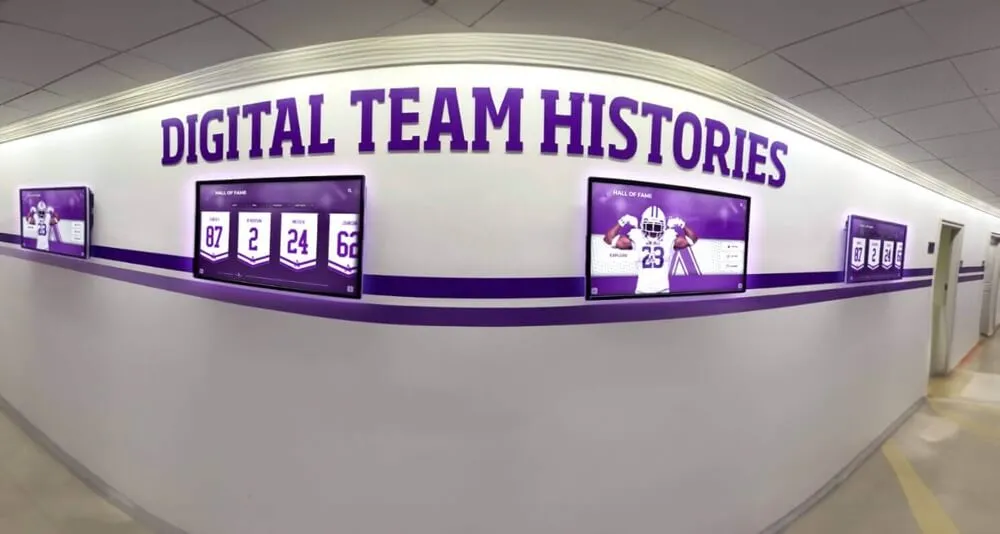
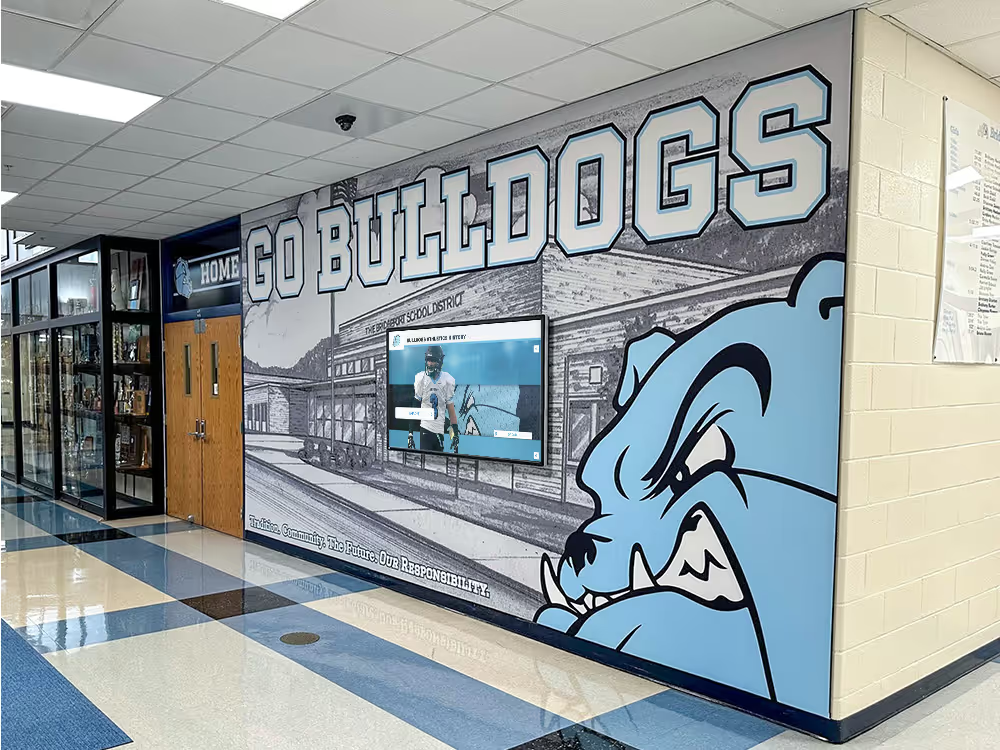
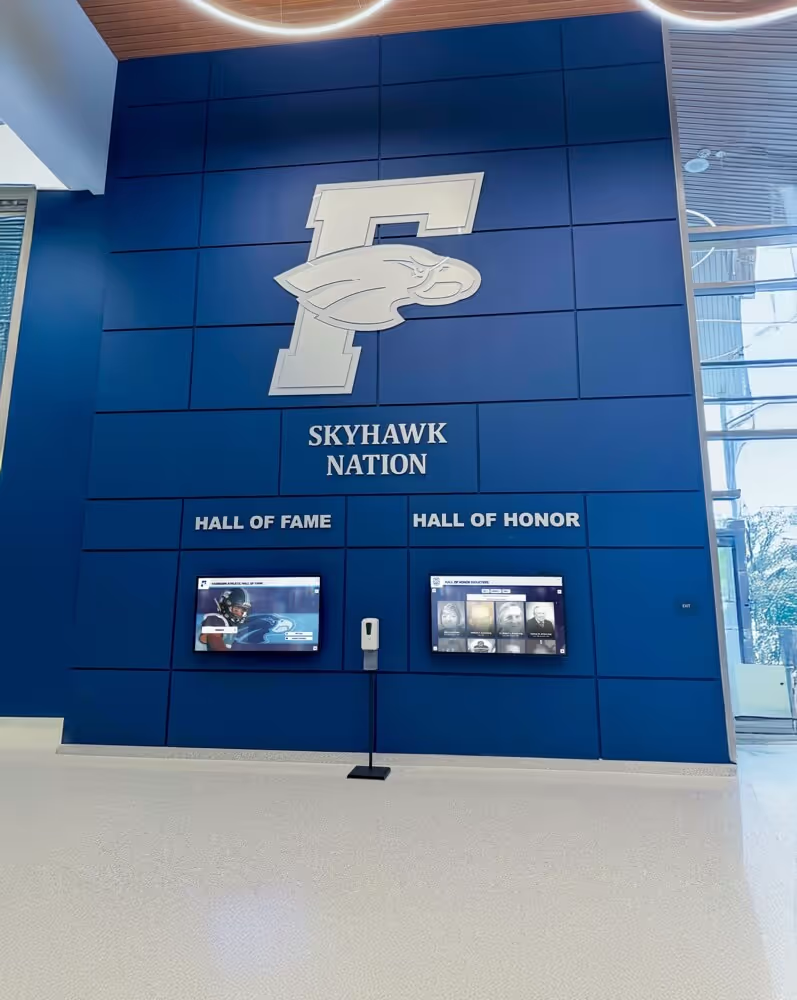
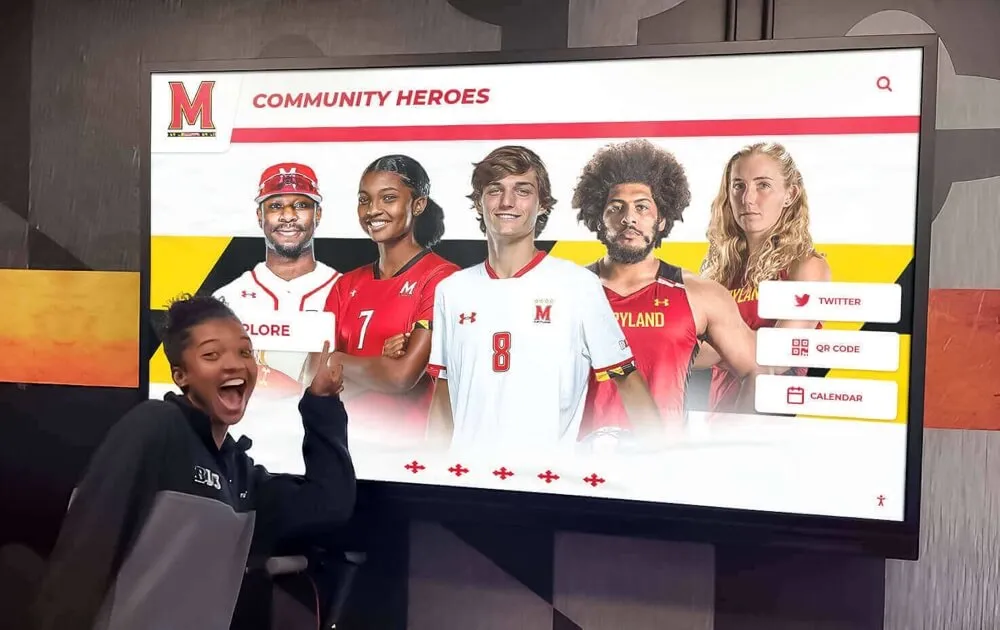
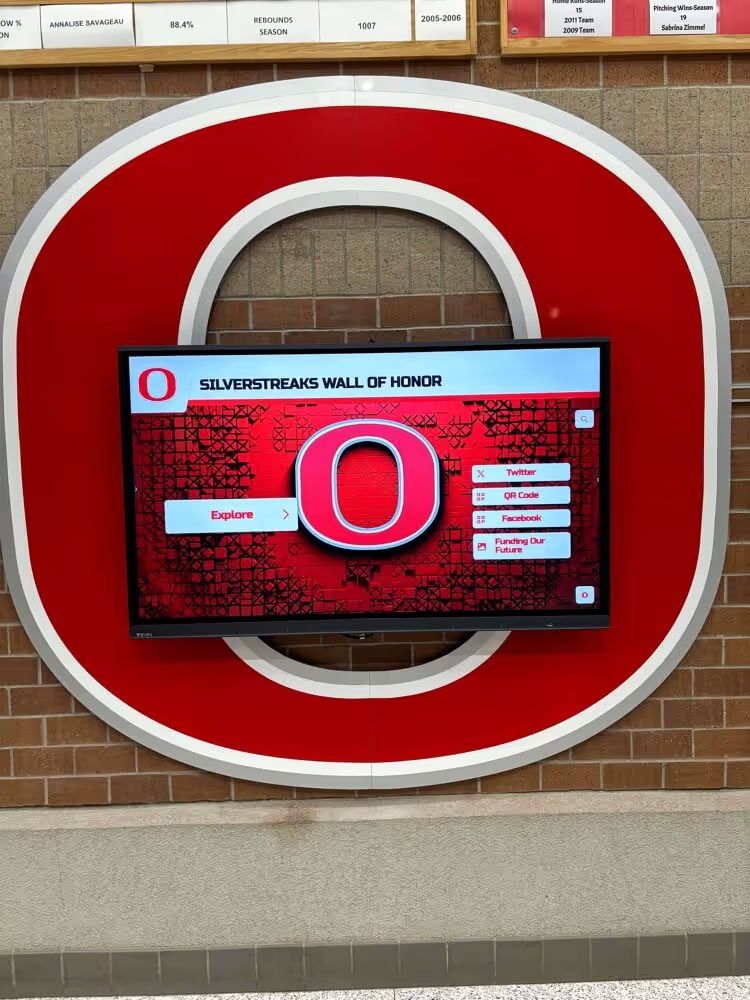
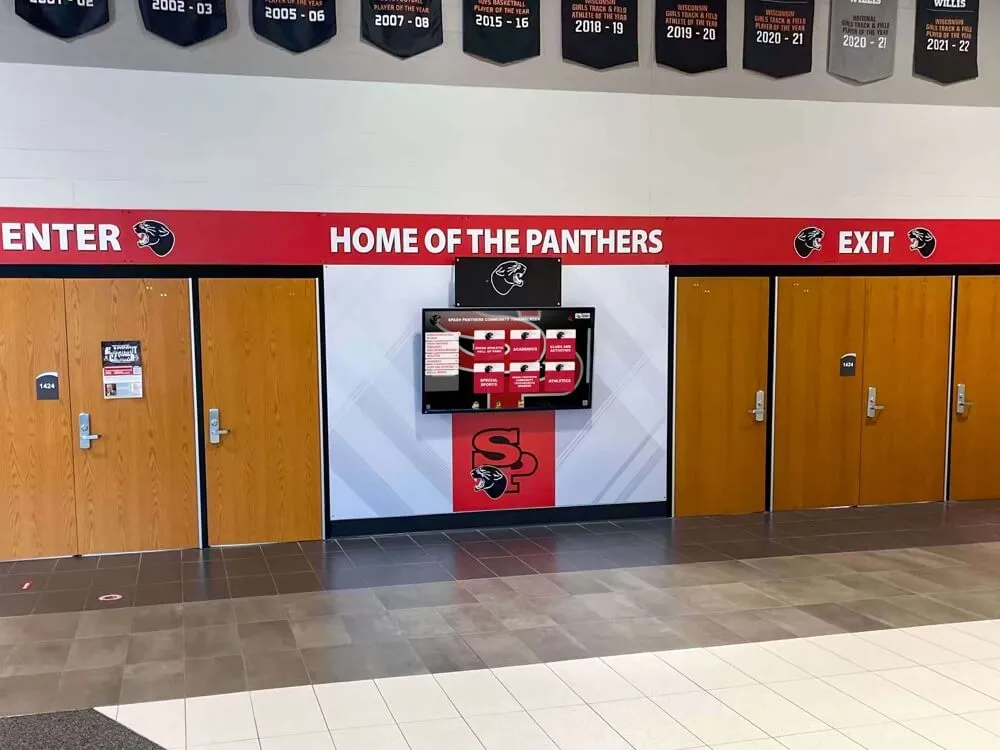
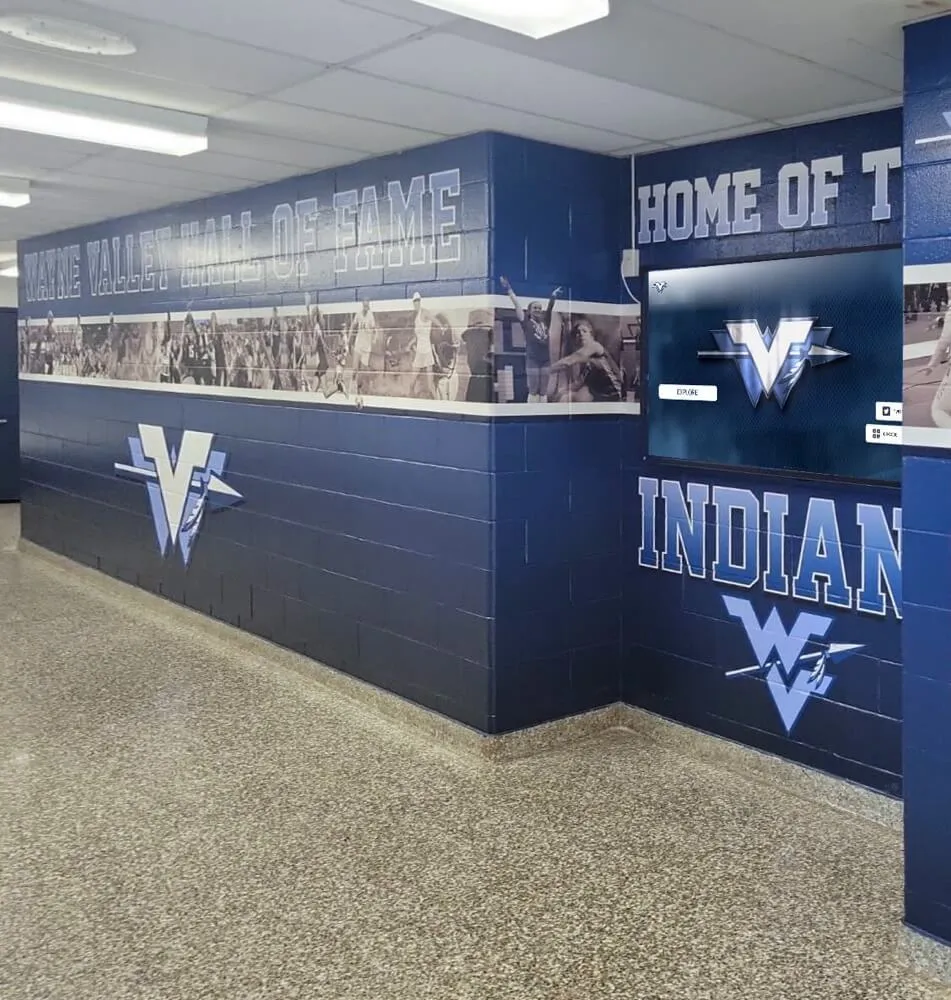
Modern digital displays celebrate track and field achievements while providing event information and athlete profiles
Understanding Track Meet Schedule Components
Effective track meet scheduling requires coordinating numerous moving parts that must work together seamlessly throughout competition.
Essential Schedule Elements
Every comprehensive track meet schedule should include specific information that athletes, coaches, and officials need:
Event Sequencing and Timing
- Start times for each running and field event
- Expected duration and spacing between events
- Field event flight divisions and rotation schedules
- Relay event placement within the meet flow
- Breaks for awards ceremonies or special recognitions
Proper timing intervals prevent bottlenecks where athletes competing in multiple events face conflicts between running races and field event attempts. Standard practice spaces field events throughout the meet rather than clustering them, allowing multi-event athletes to manage their competition schedules.
Heat and Lane Assignments
- Preliminary heat divisions for qualifying events
- Lane assignments based on seed times or random draw
- Field event flight assignments grouped by qualifying marks
- Running order within field events
- Alternate athlete positioning for potential scratches
Heat sheets showing detailed lane or flight assignments help athletes and coaches plan warmup timing and event preparation. Many meets provide separate heat sheets alongside the master schedule specifically for this purpose.
Facility Logistics
- Specific track or field area designations (discus cage, long jump pit, pole vault area)
- Check-in locations and deadlines for each event
- Warmup area availability and restrictions
- Athlete staging areas near start lines
- Equipment requirements and specifications
Large invitationals often use multiple throwing areas or jumping pits simultaneously, requiring clear facility designations so athletes report to correct locations. Schedules should specify these details rather than assuming everyone knows site logistics.
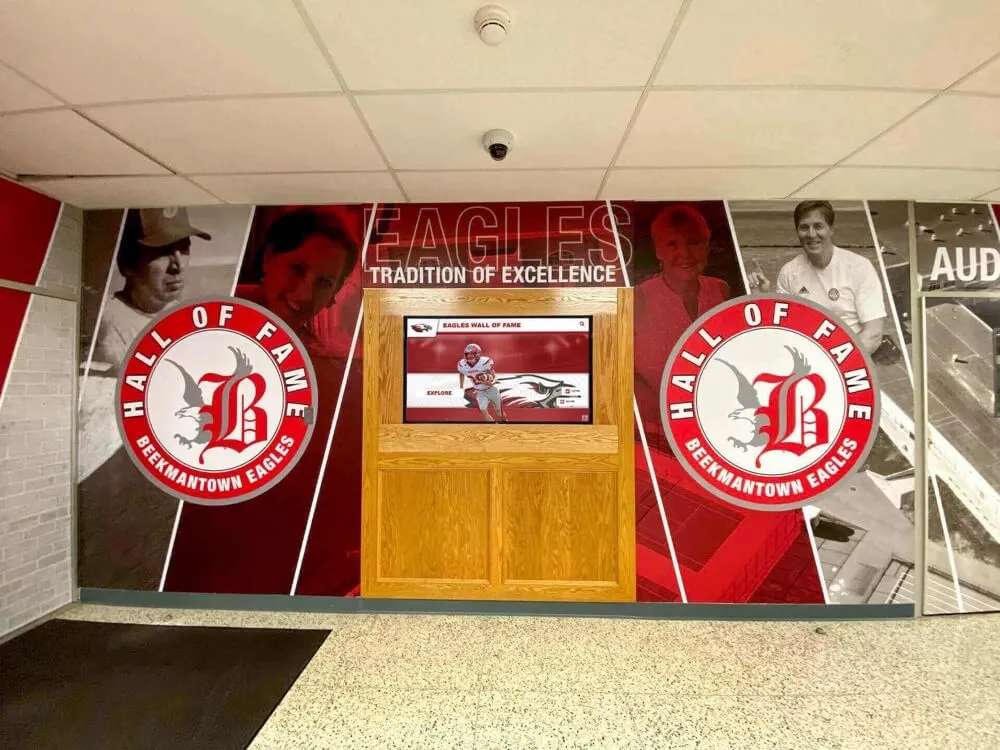
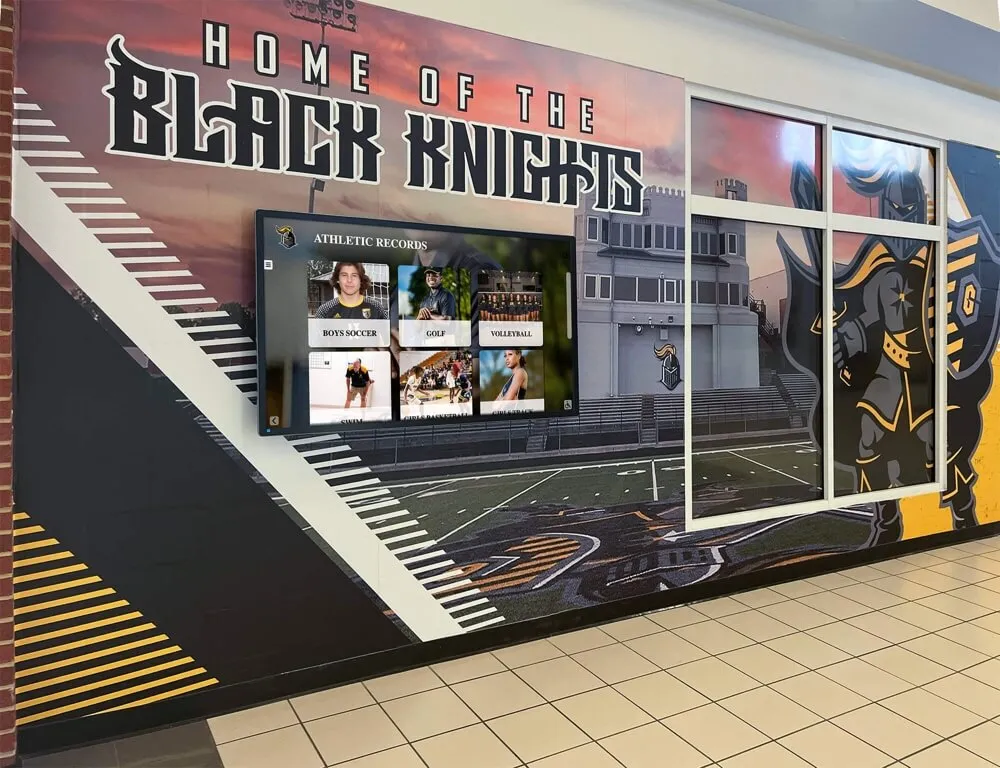
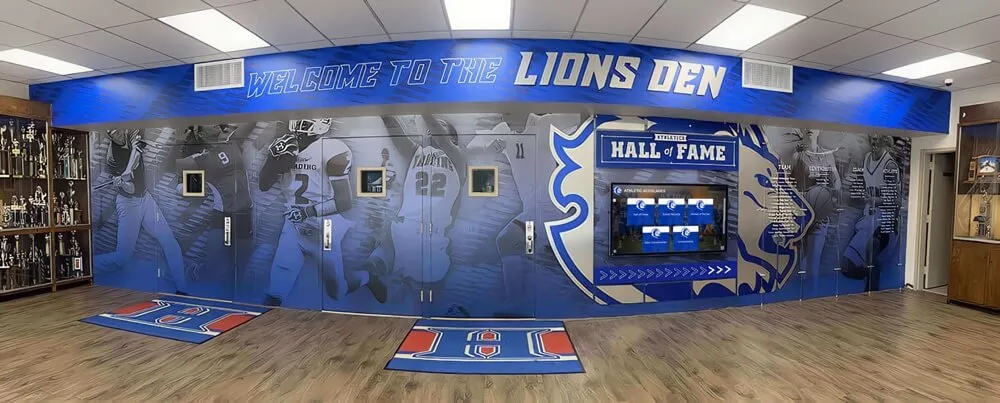
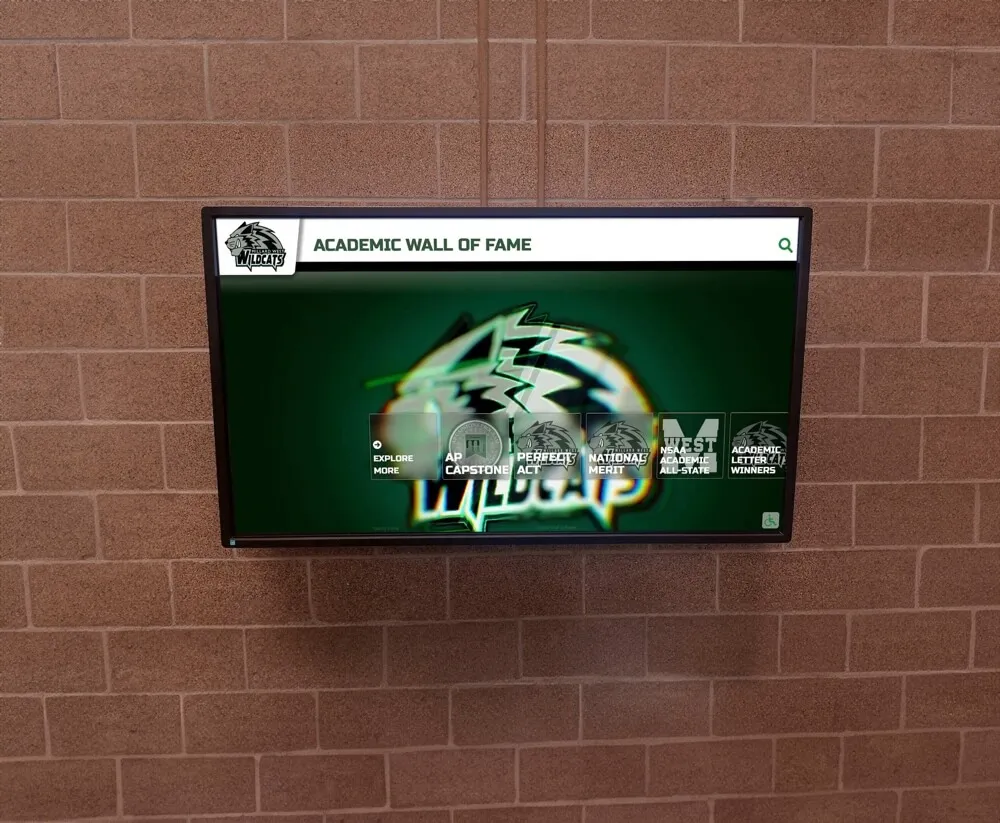
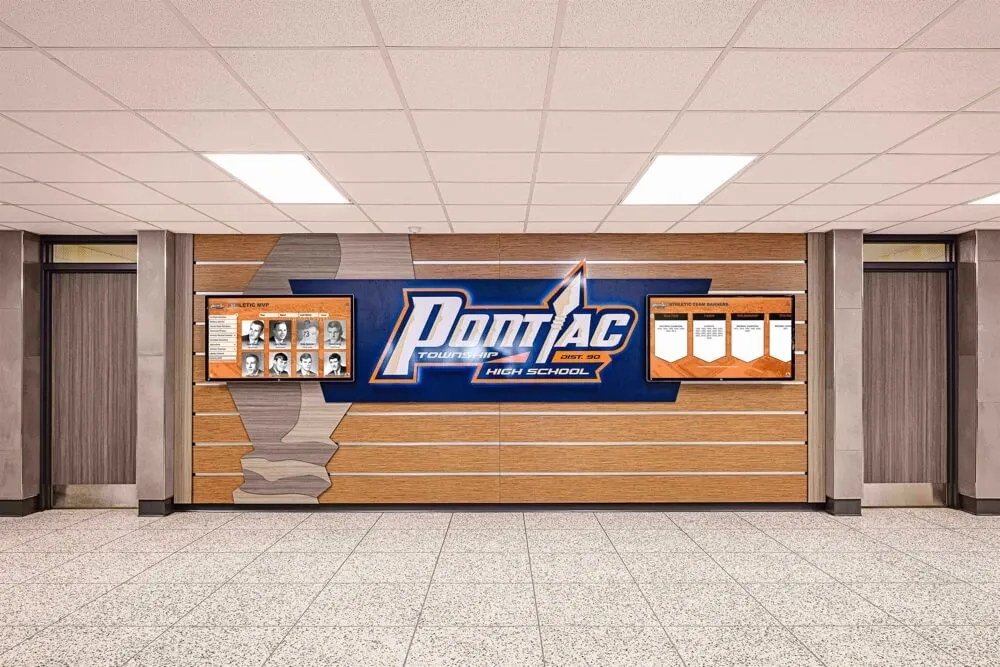
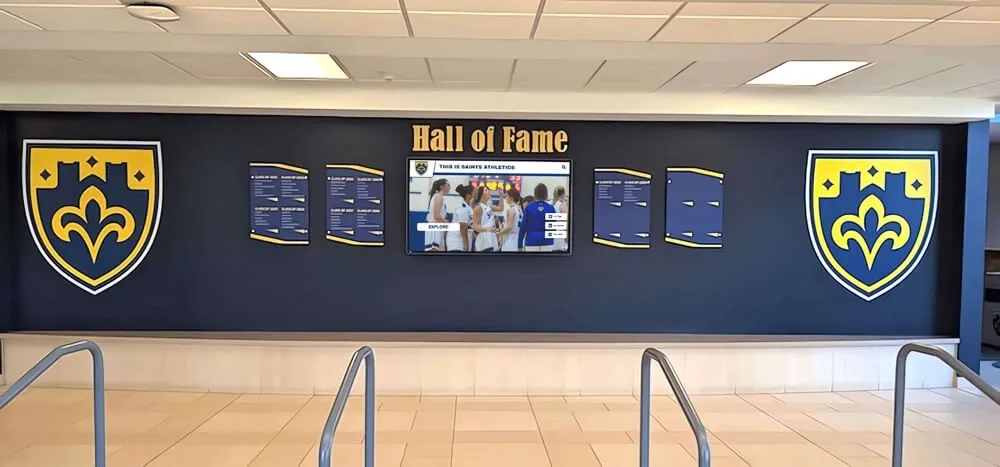
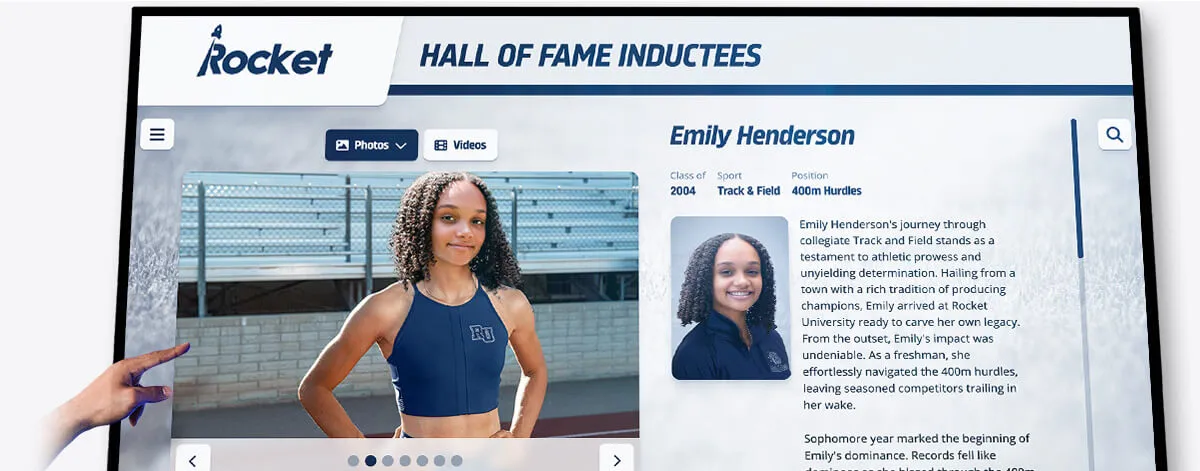
Interactive displays enable quick access to athlete information, event schedules, and competition results
Different Schedule Formats for Various Meet Types
Track meet schedules vary significantly based on competition level and format:
Dual and Triangular Meets Smaller competitions between two or three teams typically run more linear schedules with fewer heats and straightforward progression. These meets often complete in 2-3 hours with simplified scheduling since athlete volume remains manageable. Schedule complexity stays minimal, allowing handwritten heat sheets and paper schedules to function adequately.
Invitationals and Championship Meets Large competitions with many schools require sophisticated scheduling coordinating preliminaries, semifinals, and finals across full competition days. These events might involve:
- Morning preliminary sessions with multiple heats per event
- Afternoon or evening finals featuring top qualifiers
- Concurrent running and field events throughout the day
- Multiple sections or divisions competing simultaneously
- Continuous schedule adjustments based on actual event completion
Championship meets demand professional scheduling that accounts for qualification standards, advancement rules, and proper rest periods between rounds.
Multi-Day Competitions State championships and large invitationals often span multiple days, requiring schedule coordination across sessions:
- Day one preliminary rounds in most events
- Day two semifinals and finals
- Field event finals scheduled strategically
- Weather contingency plans built into multi-day format
- Award ceremonies integrated between competition sessions
Multi-day formats allow more generous rest periods between preliminary and final rounds while accommodating larger athlete fields than single-day competition permits.
Creating an Effective Track Meet Schedule
Building a functional schedule requires understanding standard event progressions, timing considerations, and logistical constraints specific to your facility.
Standard Event Ordering Principles
Track meets typically follow established event orders that officials and coaches expect:
Traditional Running Event Progression Most meets proceed from shorter to longer distances:
- Sprint events (100m, 200m, 100m/110m hurdles)
- Middle distance races (400m, 800m, 400m hurdles)
- Distance events (1600m, 3200m)
- Relay events (4x100m, 4x200m, 4x400m, 4x800m)
This progression allows proper recovery time for athletes competing in multiple events while maintaining spectator engagement through varied race distances. Starting with exciting sprint events generates energy, while closing with relays provides dramatic team competition to end the meet.
Field Event Integration Field events typically begin before or concurrent with running events and continue throughout the meet:
- Long jump and triple jump often start early in competition
- High jump begins early and continues as athletes are eliminated
- Shot put, discus, and javelin space throughout the meet
- Pole vault frequently starts late and extends into final events
Experienced meet directors stagger field event starts preventing athletes from facing conflicts with their running events. A well-designed schedule ensures that athletes in both shot put and 100m dash, for example, don’t face simultaneous competition demands.
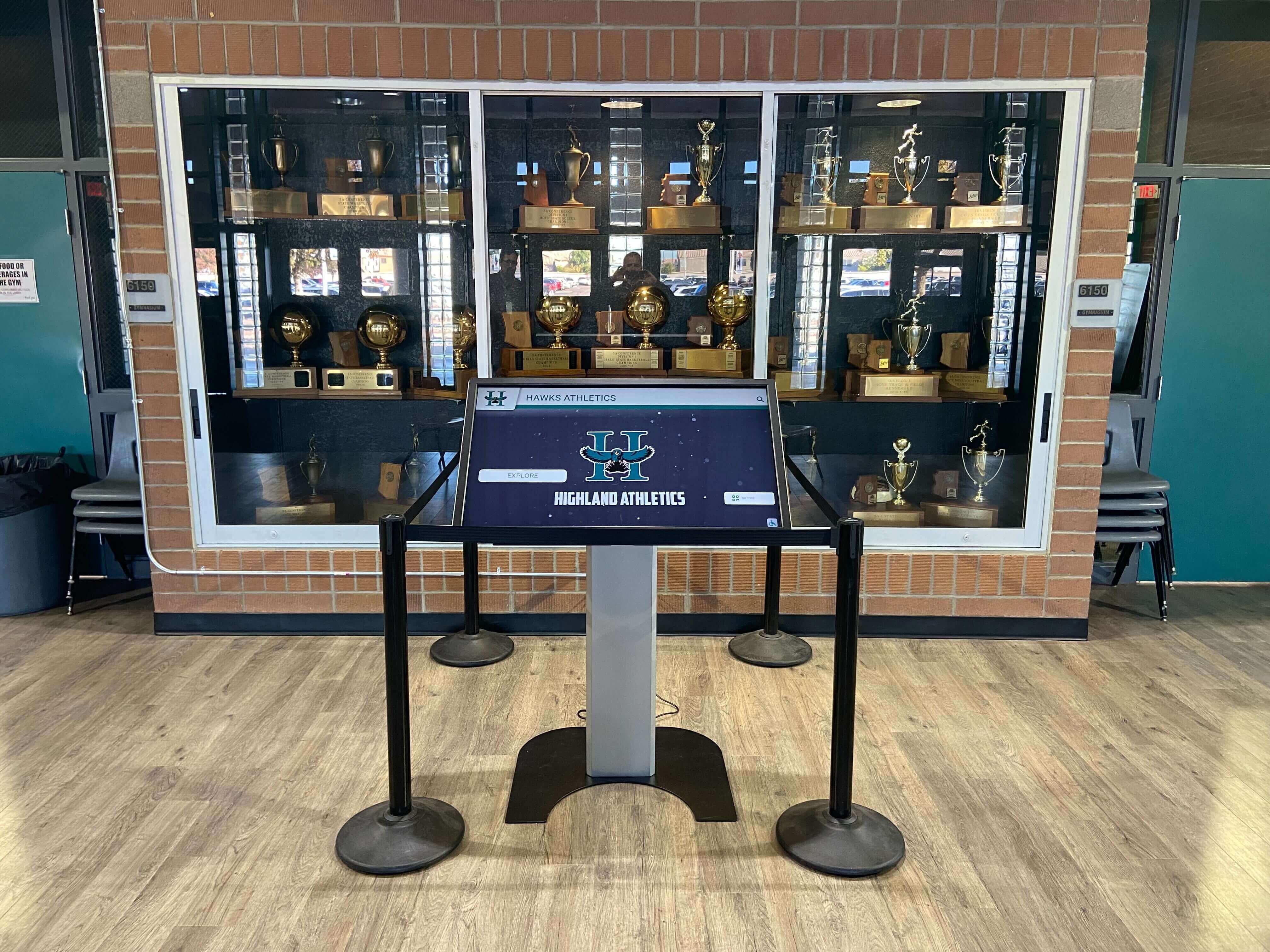
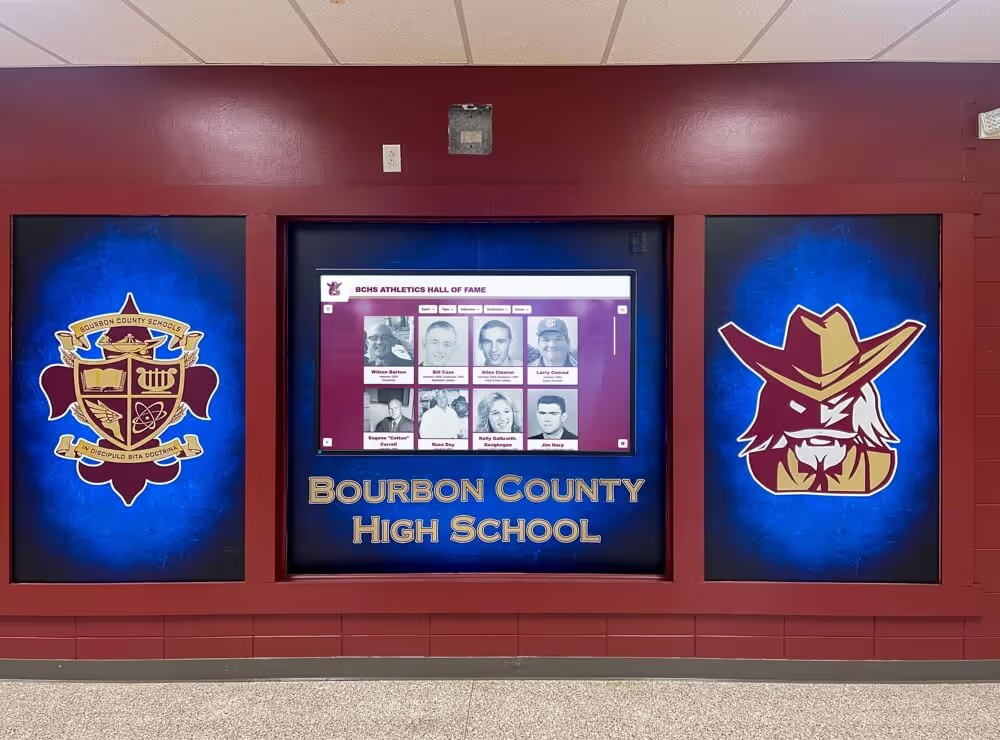
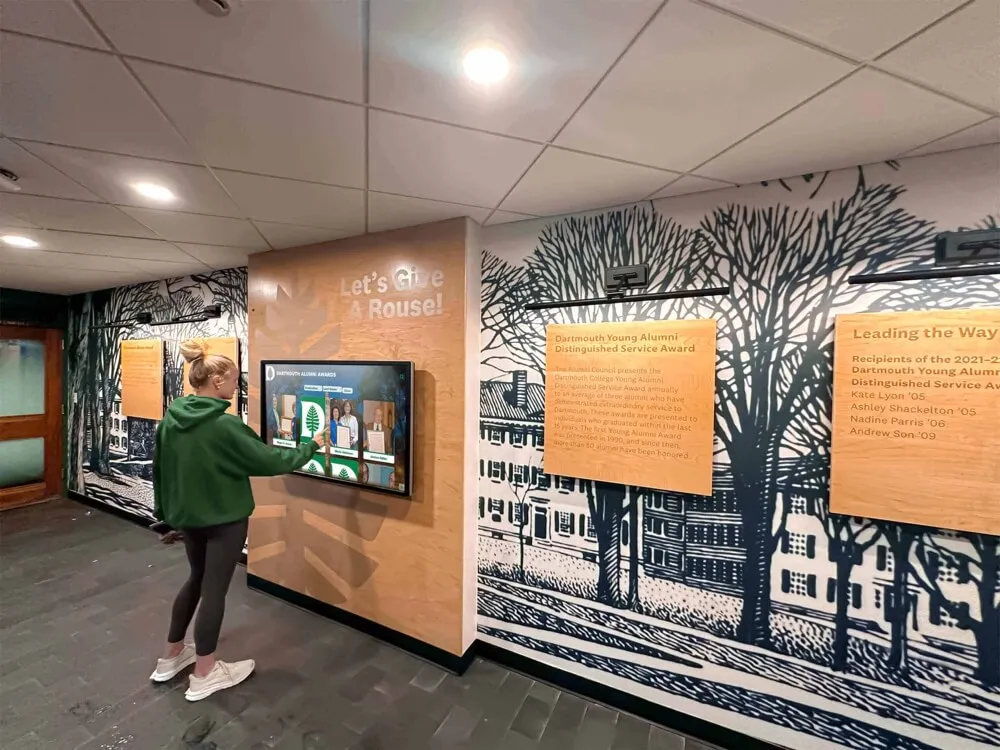
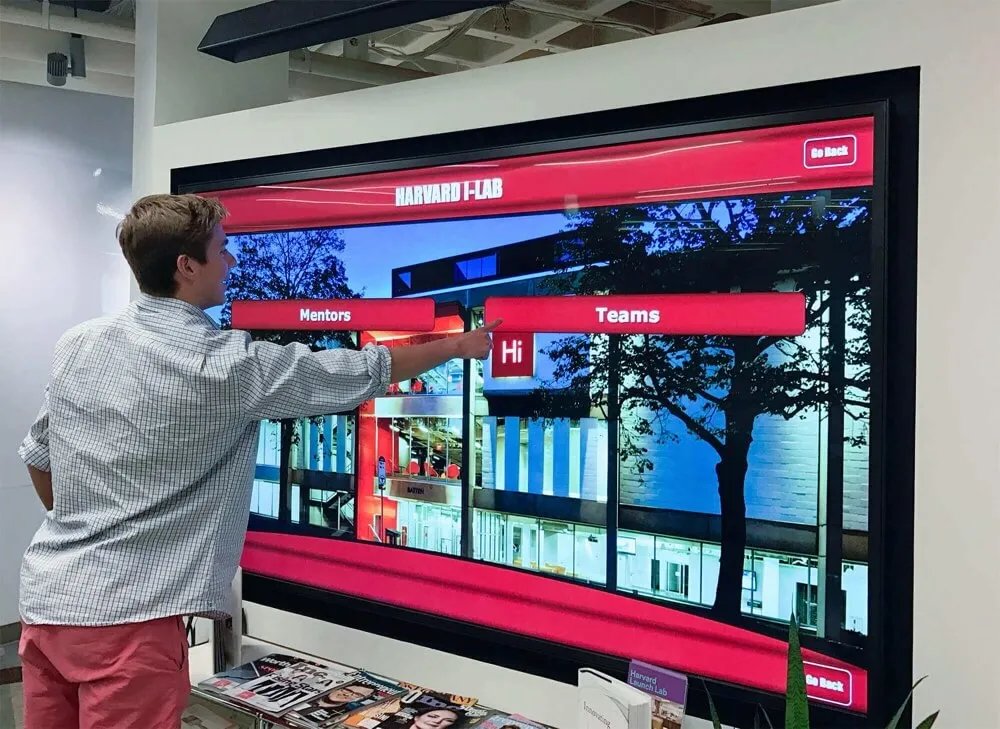
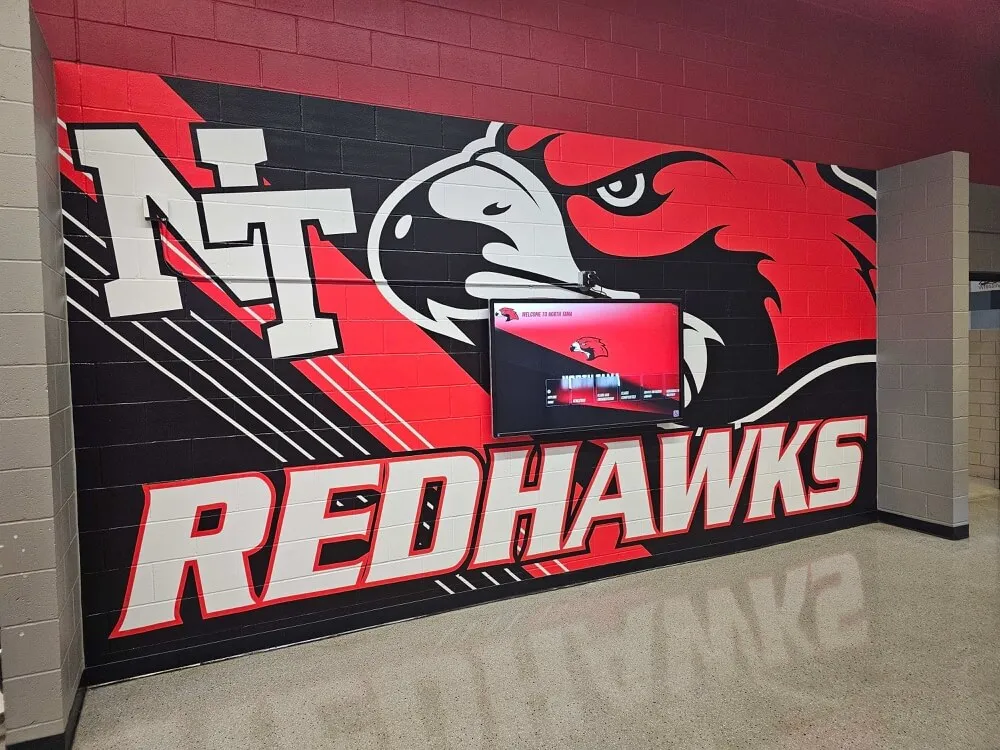
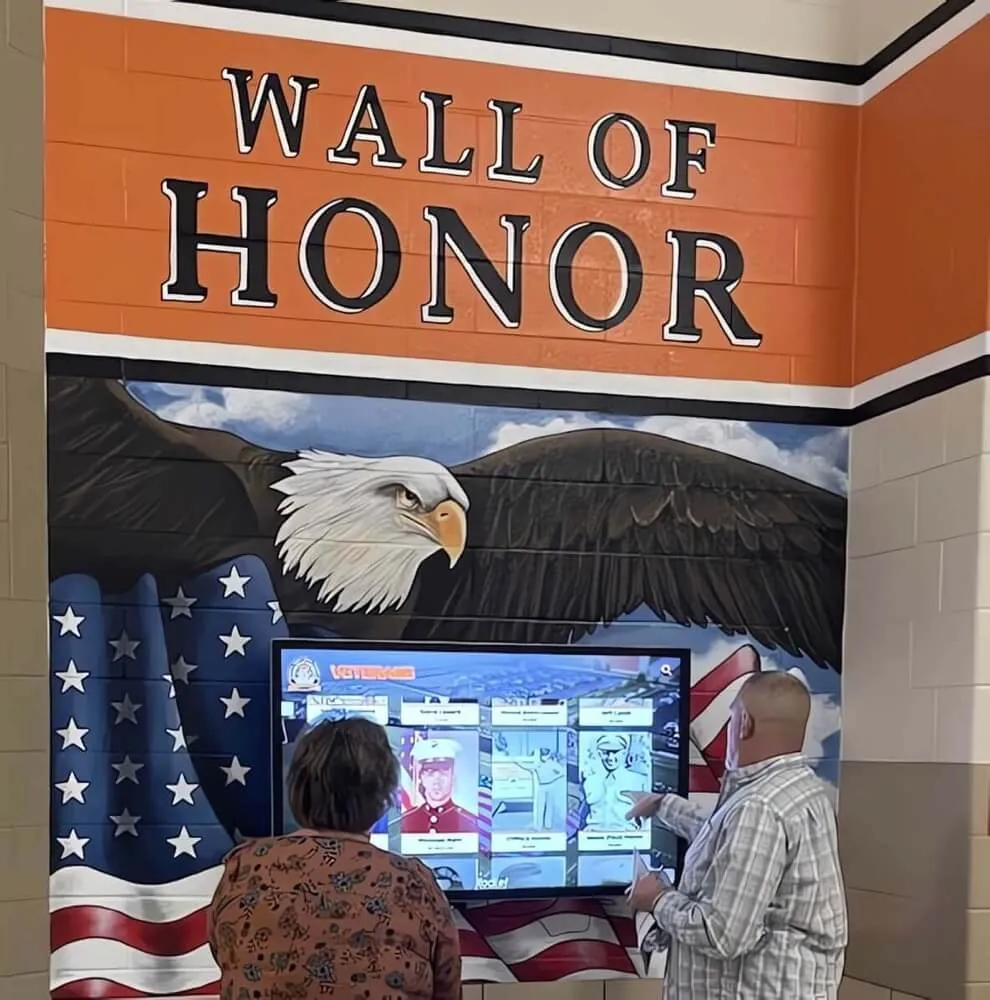
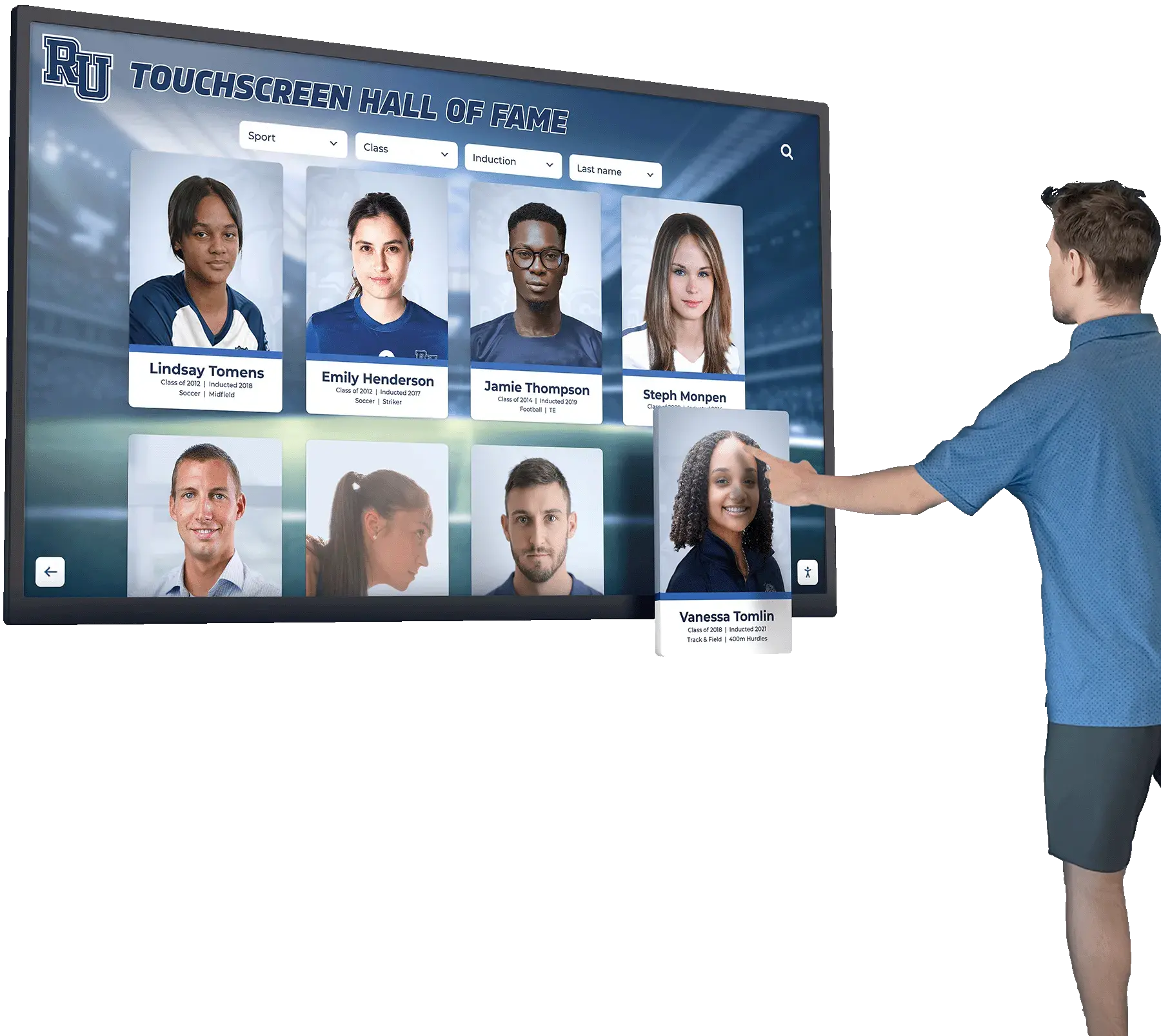
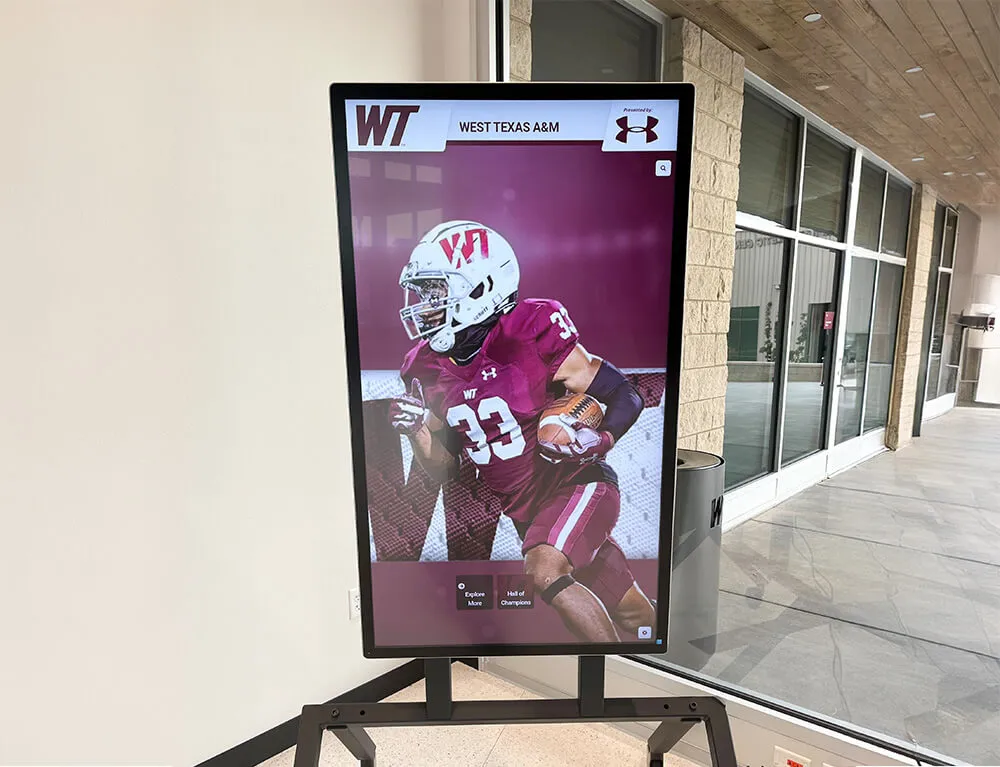
Touchscreen kiosks provide comprehensive athletic information including schedules, results, and historical achievements
Timing Considerations and Event Spacing
Proper time allocation prevents schedule collapse while keeping competition moving efficiently:
Estimated Event Duration Guidelines
- Sprint races (100m-400m): 30-45 minutes per event including all heats
- Middle distance (800m): 20-30 minutes depending on heat count
- Distance races (1600m+): 15-25 minutes per race
- Hurdle events: 35-45 minutes for all heats
- Relay events: 20-30 minutes per relay
- Field events: 60-120 minutes depending on competitor count
These estimates account for athlete check-in, officials’ preparation, race execution, and result recording. Actual timing varies based on efficiency, technology use, and unexpected delays.
Multi-Event Athlete Protection Scheduling must provide adequate rest for athletes competing in multiple events. Standard guidelines recommend:
- Minimum 30 minutes between running events for the same athlete
- At least 45 minutes between demanding events (hurdles, 400m, 800m)
- Two-hour minimum between preliminary and final rounds
- Strategic field event timing allowing athletes to complete throws/jumps between races
Coaches appreciate schedules showing potential conflicts, allowing them to make informed decisions about athlete entries or to request schedule modifications when legitimate conflicts exist.
Creating Heat and Flight Divisions
Dividing athletes into heats or flights requires balancing competition quality with time management:
Heat Assignment Strategies
- Seeded heats: Fastest qualifiers placed in final heats (common for preliminaries)
- Random draw: Used in smaller meets or when qualifying times unavailable
- Section placement: Championship meets carefully seed athletes across heats ensuring competitive balance
- Lane assignments: Top seeds typically receive center lanes (3-6) with strategic placement
Well-constructed heats ensure that fast athletes don’t all compete in the same preliminary round, allowing more athletes to advance to finals based on time rather than place. This approach rewards performance rather than penalizing athletes for facing strong preliminary competition.
Field Event Flight Management Field events divide athletes into flights of 8-12 competitors, with organizations varying by meet scale:
- Fewer flights with more athletes per flight saves time
- Smaller flights provide more attempts per hour, important in technical events
- Championship meets often use qualifying rounds to create competitive finals
- Some events alternate between two pits or areas running concurrent flights
Flight assignments should account for qualifying marks when possible, creating competitive groups rather than mixing elite and novice performers in ways that dramatically extend event duration.
Traditional Methods for Displaying Track Meet Schedules
How you communicate schedule information dramatically affects meet flow and participant experience.
Printed Programs and Heat Sheets
Paper-based schedule distribution remains common at many track meets:
Meet Programs Comprehensive printed programs typically include:
- Complete event schedule with estimated start times
- Athlete entry lists organized by school and event
- Facility maps and information
- Scoring explanations and advancement rules
- Historical meet records and past results
Programs work well for providing overview information but become outdated quickly when schedule adjustments occur. Athletes and coaches often mark up programs tracking scratches, time changes, and actual results as the meet progresses.
Separate Heat Sheets Many meets distribute detailed heat sheets showing:
- Specific lane or flight assignments for each athlete
- Seed times or marks for all competitors
- Heat numbers and estimated start times
- Organized by event for easy reference
Heat sheets prove more useful than programs for athletes and coaches managing competition preparation. However, printing costs and distribution logistics make heat sheets expensive at large invitationals where hundreds of copies are needed.
Public Address Announcements
Track meets traditionally rely heavily on PA announcements for schedule communication:
Announcement Best Practices
- Call events 15-20 minutes before scheduled start
- Provide updates on schedule changes or delays
- Announce results and scoring updates
- Call field event flights for next group rotation
- Remind athletes of check-in requirements
Effective announcers keep athletes, coaches, and spectators informed while creating exciting atmosphere. However, PA announcements only reach those currently at the venue and provide no reference for checking information later.
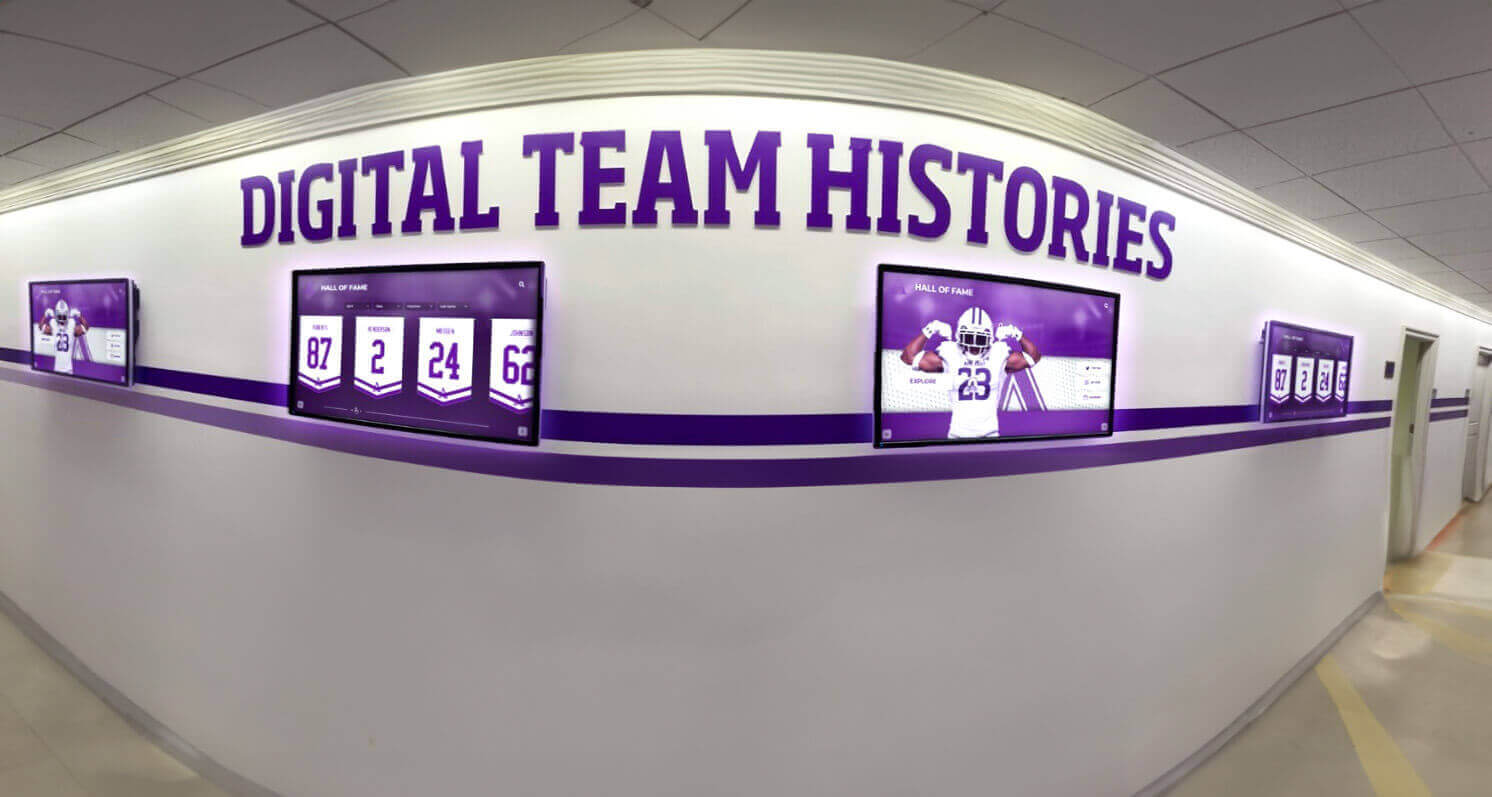
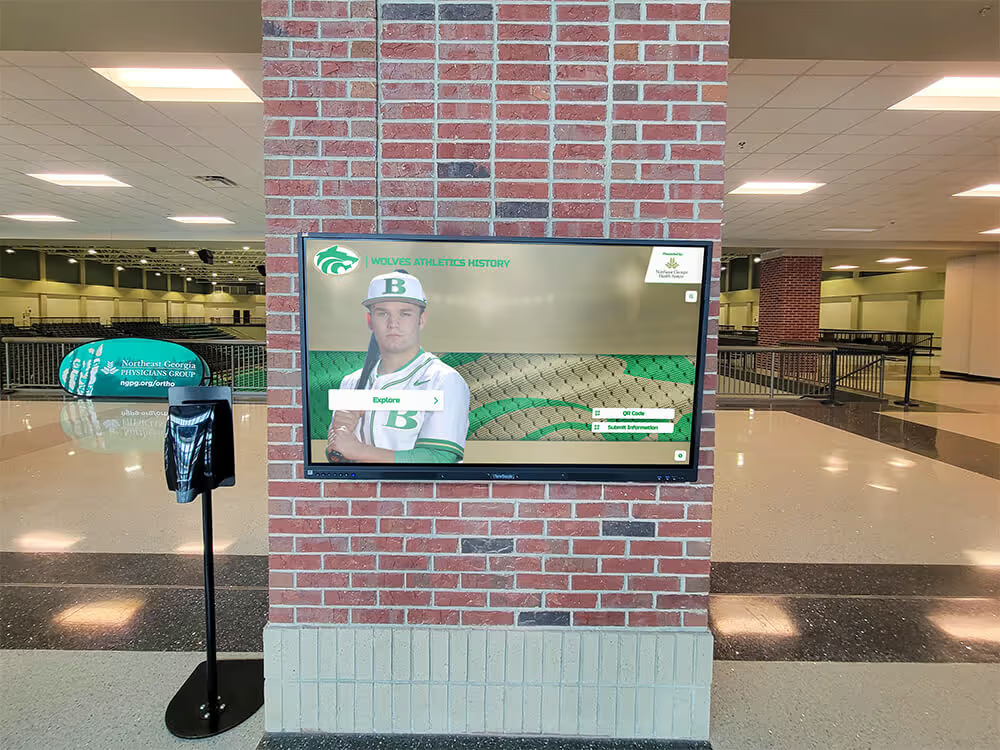
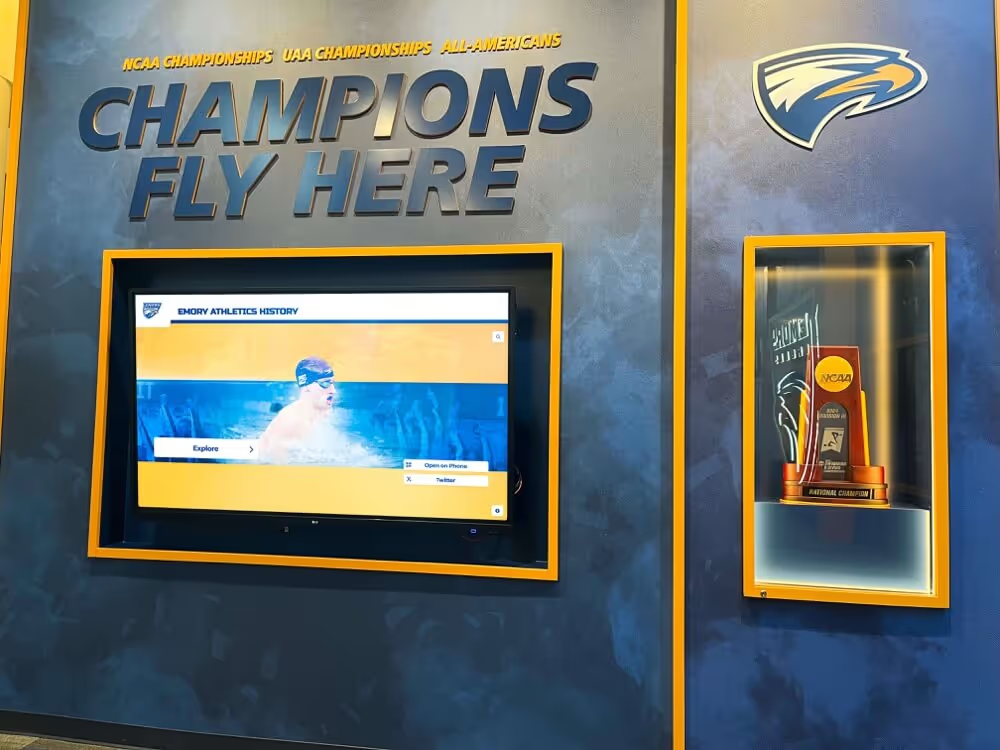
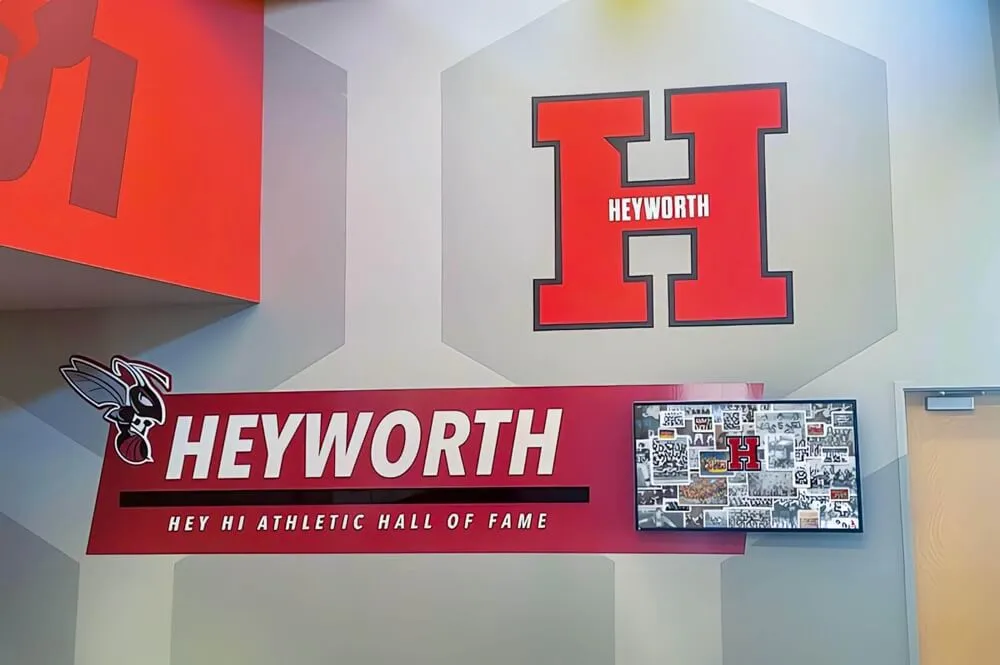
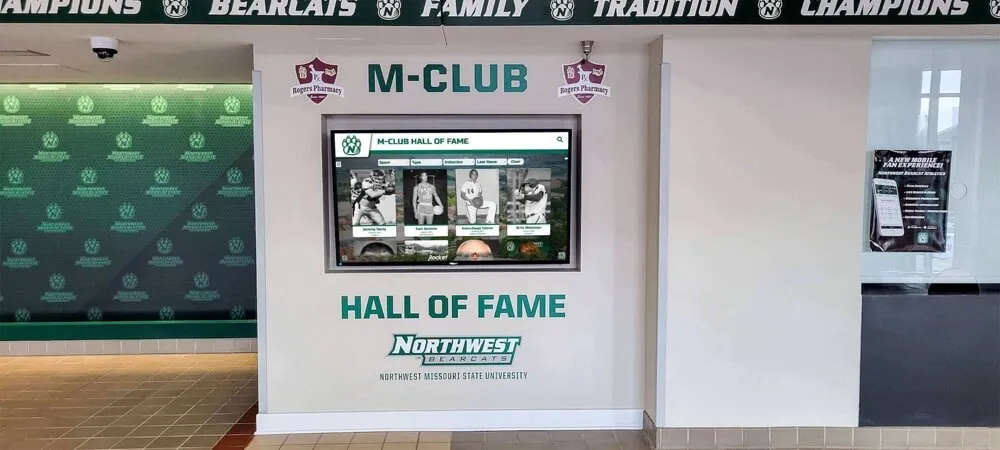
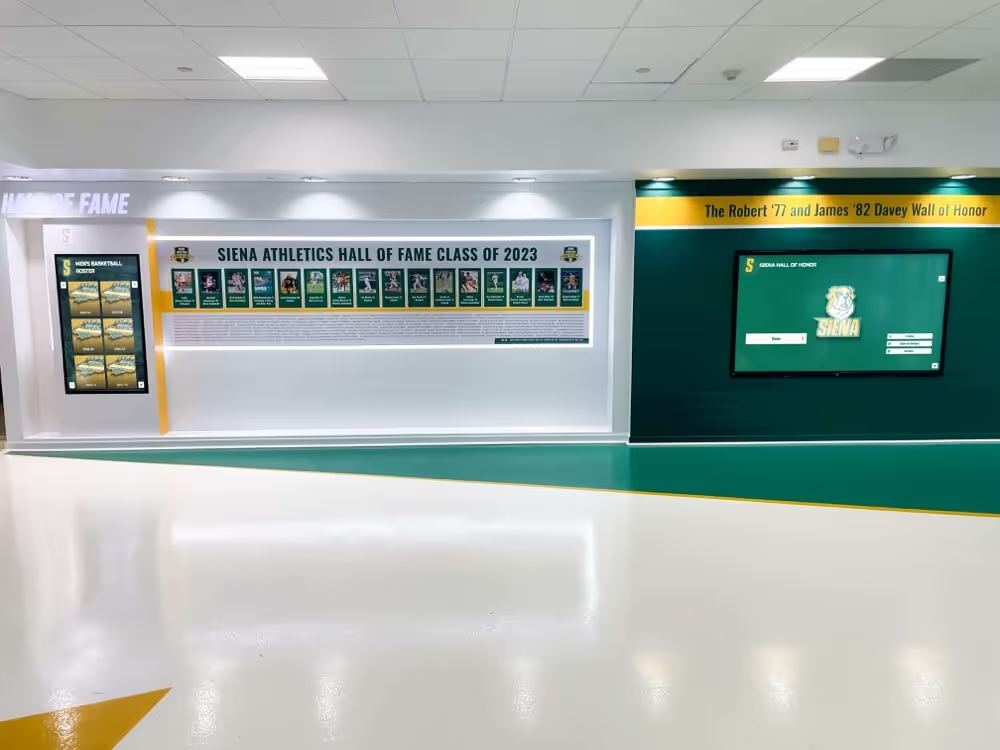
Digital displays in athletic facilities provide dynamic information accessible throughout competition venues
Posted Schedule Boards
Physical schedule boards at various venue locations help athletes stay informed:
Traditional Board Locations
- Near track finish line showing current and upcoming events
- At field event areas displaying flight rotations
- By team staging areas for coach and athlete reference
- Near concessions where spectators gather
- At venue entrances for arriving participants
Whiteboard or poster board schedules work reasonably well but require manual updates as the meet progresses. Changes made to one board location don’t automatically appear elsewhere, creating potential confusion when schedules are updated inconsistently.
Modern Digital Solutions for Track Meet Schedules
Technology has transformed how meets share schedule information, providing real-time updates and better athlete experience.
Live Results and Schedule Websites
Online platforms now provide comprehensive meet information accessible from any device:
Digital Schedule Features
- Real-time schedule updates pushed to all users simultaneously
- Current event status (upcoming, in progress, completed)
- Heat sheets accessible from phones without printing costs
- Live results updated as events finish
- Searchable databases finding specific athletes or schools
Services like Athletic.net, MileSplit, and DirectAthletics have become standard at competitive meets, allowing athletes to check their schedules from warmup areas while coaches monitor team members across multiple events. Parents and fans follow competition remotely, dramatically expanding meet engagement beyond those physically present.
Mobile App Integration Dedicated meet apps provide enhanced functionality:
- Push notifications alerting athletes before their events
- Personalized schedules showing only events for specific athletes
- Team tracking for coaches managing multiple competitors
- Live streaming integration with schedule coordination
- Historical results comparison showing progression
These digital tools largely solve traditional communication challenges that plagued track meets for decades, though internet connectivity at some venues remains limiting.
Digital Display Boards at Venues
Electronic scoreboards and displays provide prominent schedule information throughout facilities:
Modern Display Capabilities
- Large LED boards showing current and next several events
- Scrolling displays rotating through upcoming schedule
- Split screens showing running events and field event flights simultaneously
- Live results integrated with schedule information
- Weather alerts and safety information when needed
Well-positioned digital boards ensure athletes can check schedules from anywhere in the venue without relying solely on PA announcements or paper schedules. The investment in display technology pays dividends through improved meet flow and reduced athlete confusion.
Athletic programs increasingly use comprehensive digital recognition systems like those from Rocket Alumni Solutions that serve dual purposes—displaying live meet information during competitions while showcasing athlete achievements and records year-round. This approach maximizes technology investment beyond single-day meet usage.
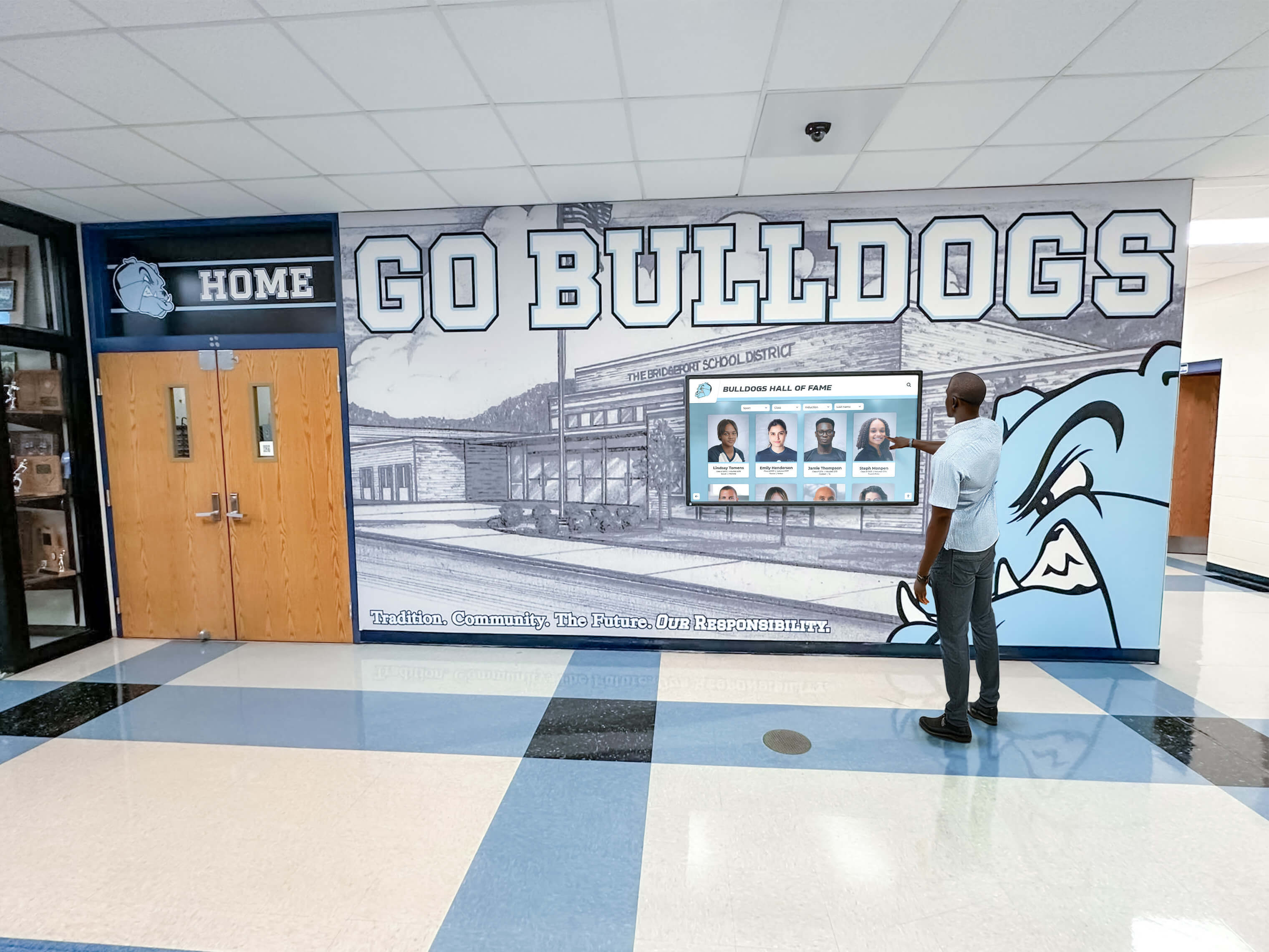
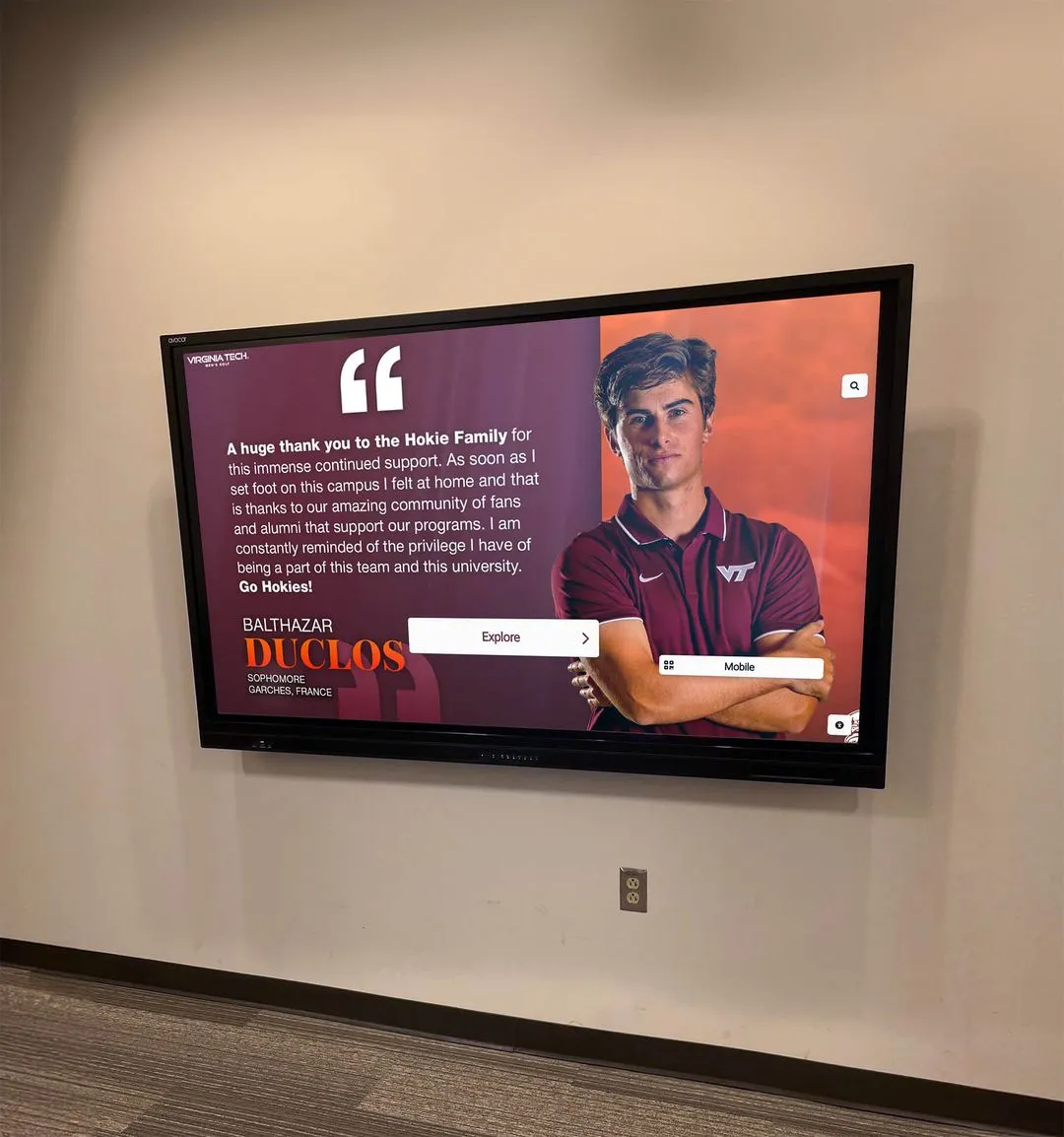
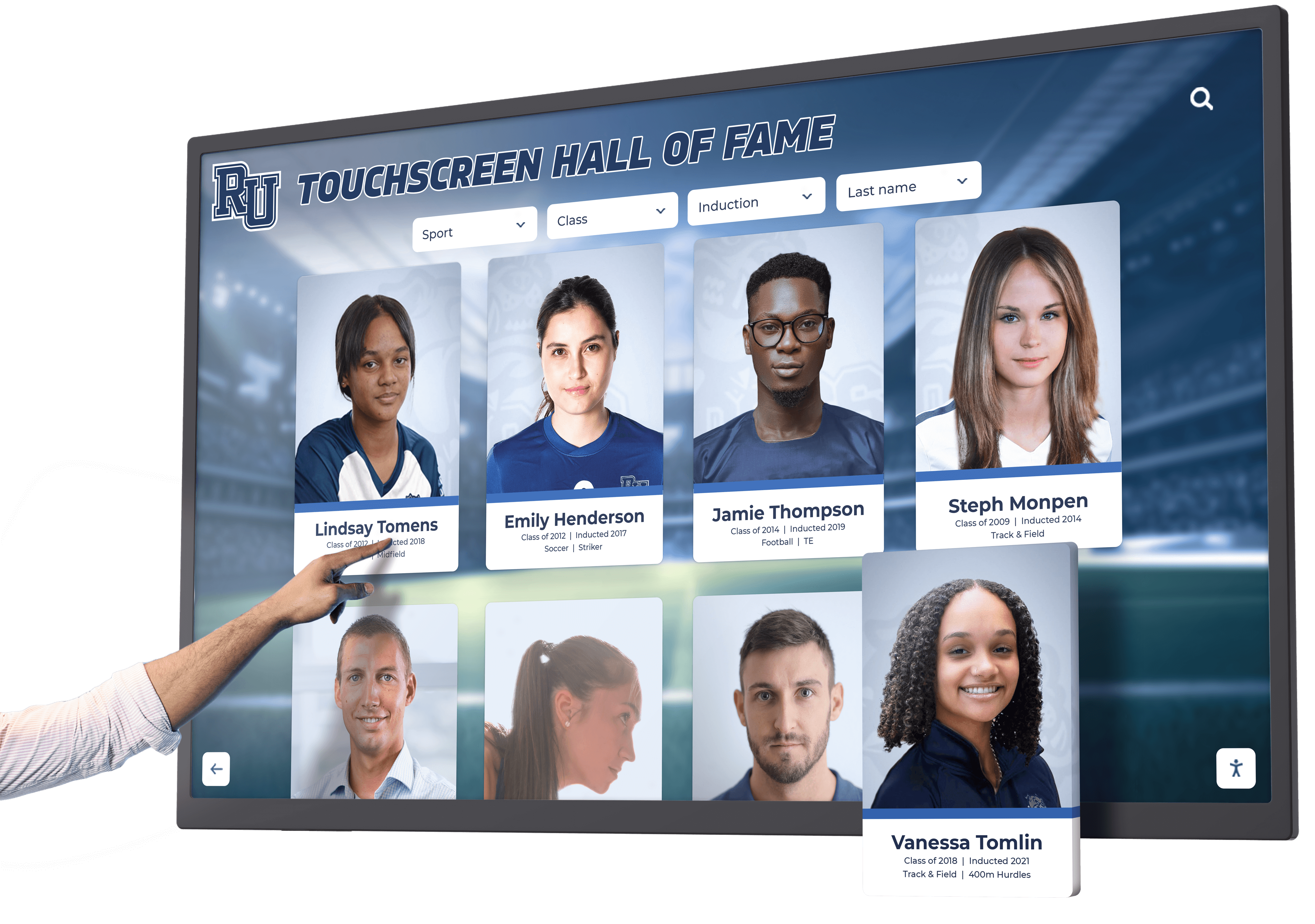
Interactive athletic displays provide event information during competitions and athlete recognition throughout the year
Automated Timing System Integration
Professional timing systems now connect directly with schedule displays:
Integrated Timing Benefits
- Automatic progression from event to event based on completion
- Real-time schedule adjustments when events run ahead or behind
- Immediate result posting without manual data entry
- Heat advancement automatically calculated and displayed
- Unified system managing timing, results, and scheduling
While automated systems require significant investment, they dramatically reduce meet staffing needs and virtually eliminate timing errors or result delays. Championship-level meets increasingly expect this level of technological sophistication.
Best Practices for Track Meet Schedule Management
Successful meet directors employ proven strategies that smooth operations and improve participant experience.
Pre-Meet Schedule Planning
Thorough preparation prevents most schedule problems:
Advance Planning Steps
- Build preliminary schedule 2-3 weeks before competition
- Share draft schedules with participating coaches for feedback
- Identify potential athlete conflicts and make adjustments
- Confirm official availability for all events
- Test timing systems and display technology before meet day
- Create contingency plans for weather delays or equipment issues
- Print backup materials in case of technology failures
Experienced directors build extra time into schedules knowing that meets rarely run exactly as planned. A schedule showing 3.5 hours of events actually needs 4-hour blocks accounting for inevitable delays.
Day-of-Meet Schedule Execution
Real-time management keeps competitions on track:
Meet Management Priorities
- Designate schedule coordinator monitoring progress against timeline
- Maintain communication between timing officials and event coordinators
- Update digital displays and announcements as schedule shifts
- Warn coaches 15-20 minutes before schedule changes
- Track athletes who scratch after heat sheets are published
- Adjust field event pacing if meets run significantly ahead or behind
The best meet directors anticipate problems before they cascade, making small adjustments that keep schedules on track rather than waiting until major delays accumulate. For guidance on managing comprehensive athletic programs, athletic directors can explore resources about athletic director responsibilities that include event management best practices.
Post-Meet Schedule Evaluation
Learning from each competition improves future events:
Post-Meet Review Process
- Document actual vs. scheduled timing for each event
- Note which events consistently run long or short
- Gather coach feedback about schedule issues
- Identify technology or communication breakdowns
- Update standard schedules based on lessons learned
- Archive successful schedules as templates for future meets
Programs hosting multiple meets per season should refine scheduling approaches throughout the year, with early-season meets informing improvements for championship competitions.
Connecting Meet Schedules with Athlete Recognition
Track meet results represent opportunities for lasting athlete recognition beyond single-day competitions.
Recording and Displaying Personal Records
Well-organized meets systematically track athlete achievements:
Achievement Documentation
- Personal record (PR) identification during meets
- School record recognition when marks or times qualify
- Meet record tracking and celebration
- Season progression documentation
- All-time performance rankings
Digital displays showing personal bests alongside live results create excitement while documenting performances for permanent recognition. Athletes competing for school records benefit from knowing target marks during competition, information that digital systems easily provide.
Schools implementing comprehensive digital athletic recognition systems can automatically update athlete profiles with new achievements immediately after meets, ensuring recognition displays remain current without manual intervention. This integration transforms individual meet results into comprehensive athletic career documentation.
Building Historical Performance Databases
Track and field lends itself naturally to extensive record-keeping:
Database Elements
- Event-specific school records dating back decades
- Top-10 all-time performances in each event
- Seasonal progression for current athletes
- Meet-by-meet result tracking
- Relay team compositions and records
- State meet qualifiers and placers
Historical databases provide context for current performances while celebrating past athletes. When today’s high jumper clears a height approaching a 20-year-old school record, that connection creates meaningful moments linking generations of athletes.
Programs interested in comprehensive achievement tracking should consider sports achievement display solutions that integrate meet scheduling, results tracking, and permanent recognition into unified systems.
Creating Year-Round Athletic Recognition
Track meet schedules and results feed into permanent recognition displays:
Recognition Integration
- Meet results automatically updating athlete profiles
- Season highlights featured on lobby displays
- Conference and state meet qualifiers prominently recognized
- Team records and relay compositions permanently documented
- Individual career progressions showcased across seasons
Rather than treating meet schedules as isolated event logistics, forward-thinking programs connect competition organization with comprehensive athlete recognition. The same digital infrastructure managing meet day scheduling continues showcasing those achievements throughout school facilities year-round.
Technology Solutions for Schedule Management
Various platforms and systems help coordinate track meet logistics effectively.
Meet Management Software Options
Specialized software handles track meet complexity:
Popular Software Platforms
- Hy-Tek Meet Manager: Industry standard for timing integration and results
- Athletic.net: Online meet hosting with live results
- MileSplit: Meet management with live streaming integration
- DirectAthletics: Cloud-based meet management and registration
- RunnerSpace: Results and video platform
Each platform offers different strengths, with selection depending on meet scale, budget, and desired features. Many high school programs successfully use free or low-cost options, while professional meets invest in comprehensive systems.
Display Technology Considerations
Digital displays for track venues require specific capabilities:
Technical Requirements
- Outdoor visibility in direct sunlight (minimum 2500 nit brightness)
- Weather resistance for outdoor installations
- Network connectivity for live data feeds
- Content management allowing real-time updates
- Sufficient screen size for readability from distance
- Reliable power systems preventing mid-meet failures
Many schools partner with digital recognition display providers who design systems serving multiple purposes—meet day scheduling and year-round athlete recognition—maximizing return on technology investments.
Mobile Communication Tools
Smartphones enable new communication approaches:
Mobile Strategies
- Text message alerts for event calls
- Coach apps tracking multiple athletes across events
- Parent communication keeping families informed
- Social media updates for remote fans
- Team communication platforms coordinating logistics
While not replacing traditional meet communications, mobile tools supplement PA announcements and posted schedules with personalized notifications ensuring athletes never miss events.
Special Scheduling Considerations
Certain meet formats require adapted approaches:
Youth and Middle School Meets
Younger athletes need modified scheduling approaches:
Youth Meet Considerations
- Shorter overall meet duration maintaining attention and energy
- More generous spacing between events for less experienced athletes
- Simplified event offerings (fewer hurdle heights, fewer field events)
- Educational opportunities explaining meet procedures
- Emphasis on participation over competition
Middle school meets often function as learning experiences teaching athletes meet procedures they’ll use throughout high school. Clear, simple schedules help young competitors navigate their first track experiences successfully. Programs recognizing youth achievements can explore youth sports awards approaches that celebrate participation and improvement alongside top performances.
Championship Meets and Large Invitationals
Major competitions demand sophisticated scheduling:
Championship Meet Specifics
- Multiple preliminary, semifinal, and final rounds
- Qualification standards determining advancement
- Strategic final event scheduling for maximum spectator attendance
- Detailed check-in procedures with enforced deadlines
- Backup plans for weather delays or facility issues
- Award ceremonies scheduled between competition blocks
Large meets might run across multiple sessions or days, requiring careful coordination ensuring adequate rest between rounds while maintaining event flow. These competitions justify investment in professional timing systems and comprehensive display technology.
Multi-School Combined Meets
Hosting multiple competitions simultaneously creates unique challenges:
Combined Meet Strategies
- Varsity and JV competitions running concurrent schedules
- Boys and girls events alternating throughout meet
- Separate track and field schedules preventing conflict
- Careful facility allocation when multiple competitions share venues
- Distinct announcements and displays for different competition levels
Some facilities host freshman, JV, and varsity competitions simultaneously, requiring three parallel schedules and meticulous coordination preventing confusion about which athletes compete in which events.
Addressing Common Track Meet Schedule Challenges
Even well-planned schedules encounter predictable problems:
Weather Delays and Lightning Protocols
Outdoor track faces weather challenges requiring contingency planning:
Weather Management
- Lightning detection systems triggering mandatory delays
- Shelter-in-place protocols for all athletes and spectators
- Schedule compression strategies when delays occur
- Event prioritization deciding which competitions to cut if time runs out
- Make-up procedures for incomplete meets
Experienced meet directors build weather buffer time into schedules and develop clear communication plans for delays. Meets in regions with frequent afternoon thunderstorms often start earlier or schedule important events first ensuring championship competition occurs regardless of later weather.
Athletes Competing in Multiple Events
Multi-event athletes create scheduling complexity:
Managing Athlete Conflicts
- Schedule spacing providing adequate rest between events
- Field event flight adjustments accommodating running event conflicts
- Communication systems alerting athletes when conflicts arise
- Procedures for athletes requesting event holds during other competitions
- Understanding about scratch deadlines and conflict resolution
While schedules try to prevent conflicts, they remain inevitable in large meets. Clear policies about how officials handle unavoidable timing conflicts help everyone manage these situations smoothly.
Equipment Issues and Facility Limitations
Physical constraints affect scheduling:
Facility Challenge Solutions
- Sharing field event areas when limited facilities exist
- Moving field events between attempts when running events need track space
- Equipment repair contingencies (backup hurdles, starting blocks, pit equipment)
- Officiating staff rotation preventing burnout during long meets
- Technology backup plans when primary systems fail
Meet directors should walk through facilities before competitions identifying potential equipment or space issues rather than discovering problems during events.
The Future of Track Meet Scheduling
Technology continues evolving how meets manage scheduling and communication.
Real-Time Personalization
Emerging systems provide individualized experiences:
Personalization Features
- Custom athlete apps showing only relevant events
- GPS-based notifications when athletes approach check-in areas
- Augmented reality venue navigation helping athletes find event locations
- Predictive scheduling suggesting warmup timing
- Historical performance comparison during competitions
These technologies transform generic meet schedules into personalized competition management tools helping athletes optimize preparation and timing.
Integrated Recognition Ecosystems
Modern systems connect scheduling, results, and long-term recognition:
Comprehensive System Integration
- Meet results automatically updating athlete recognition profiles
- Digital displays switching between live schedule during meets and achievement recognition otherwise
- Social media integration sharing accomplishments automatically
- Web accessibility extending recognition beyond physical venues
- Historical tracking showing athlete progression across careers
Rather than treating meet management and athlete recognition as separate functions, integrated systems like those from Rocket Alumni Solutions handle both seamlessly. The same infrastructure providing meet-day scheduling continues showcasing those performances permanently, maximizing technology value while improving both competition management and athlete recognition.
Schools exploring comprehensive athletic recognition should consider digital hall of fame solutions that incorporate live event scheduling alongside permanent achievement celebration, creating unified systems serving athletic programs year-round.
Artificial Intelligence Applications
AI promises to optimize scheduling automatically:
AI-Powered Scheduling
- Automatic heat assignment optimizing competition quality and timing
- Predictive schedule adjustments based on actual event pace
- Conflict identification and resolution suggestions
- Historical data analysis improving future meet planning
- Automated announcements and athlete notifications
While still emerging, AI-assisted meet management will likely become standard at competitive levels within coming years, freeing meet directors to focus on competition quality rather than manual schedule adjustments.
Common Questions About Track Meet Schedules
Coaches, athletes, and meet directors frequently ask these questions:
How long does a typical track meet last?
Meet Duration Varies by Format Small dual meets with limited entries typically complete in 2-3 hours. Medium-sized invitationals with preliminaries and finals run 4-6 hours. Large championship meets often span entire days (8-10 hours) or multiple days when preliminary rounds, semifinals, and finals occur across different sessions.
How do you prevent athlete conflicts in multi-event competition?
Conflict Prevention Strategies Build schedules with minimum 30-45 minute gaps between running events for the same athletes. Stagger field event flights throughout the meet rather than clustering them. Allow athletes in field events to “pass” attempts when they’re competing in running events, returning for later attempts. Use scheduling software identifying potential conflicts before publishing final schedules.
What’s the best way to communicate schedule changes during meets?
Multi-Channel Communication Combine PA announcements with digital display updates, mobile app notifications, and direct coach communication. Update all channels simultaneously preventing confusion from inconsistent information. Provide advance warning before changes take effect, giving athletes and coaches time to adjust warmups and preparation.
How do digital displays improve track meets compared to traditional methods?
Digital Display Advantages Digital systems provide real-time schedule updates visible simultaneously across entire venues, unlike paper schedules that become outdated instantly. They reduce athlete confusion by keeping current information accessible from anywhere in the facility. Digital displays eliminate printing costs while providing more dynamic information. The same systems can serve dual purposes—event scheduling during meets and athlete recognition year-round—maximizing technology investment. Solutions like touchscreen recognition systems provide comprehensive platforms managing both scheduling and lasting athlete achievement celebration.
Transform Track Meet Management and Athlete Recognition
Discover how modern digital display solutions can streamline your track meet scheduling while creating permanent athlete recognition that celebrates achievements long after competitions end. Provide real-time schedule information during meets and year-round achievement celebration through integrated systems that maximize your technology investment.
Explore Digital Recognition SolutionsConclusion: Scheduling That Supports Athletic Excellence
Track meet schedules represent far more than logistical documents—they create frameworks enabling athletes to perform their best, help officials coordinate complex competitions smoothly, and allow coaches to manage team members effectively across multiple simultaneous events. Well-designed schedules demonstrate respect for athletes’ preparation and coaches’ planning while maintaining competition flow that keeps spectators engaged.
The evolution from paper schedules and PA announcements to digital displays and mobile apps has dramatically improved track meet experiences. Real-time schedule updates, personalized athlete notifications, and immediate result posting solve communication challenges that plagued meets for decades. These technological advances benefit programs at all levels, from small dual meets to major championships.
Forward-thinking athletic programs recognize that meet scheduling infrastructure serves purposes beyond single competition days. The same digital displays providing live schedule information during meets can showcase athlete achievements, team records, and program history throughout the year. This dual-purpose approach maximizes technology investments while creating comprehensive recognition systems that celebrate track and field excellence permanently.
Whether you’re managing a middle school developmental meet, coordinating a large invitational, or hosting championship competition, effective scheduling practices separate smoothly-run events from chaotic experiences. Clear communication, appropriate event spacing, conflict-aware planning, and modern technology combine to create professional track meets where athletes focus on performance rather than logistics.
For athletic programs ready to modernize meet management while building lasting athlete recognition, digital display solutions provide integrated platforms handling both functions seamlessly. Transform how your track meets operate while ensuring performances achieved during competitions receive the permanent celebration they deserve through comprehensive systems that serve your athletic program year-round.