



Walk into any successful classroom, athletic team, or student organization and you’ll immediately sense it—that intangible cohesion where students work together naturally, support each other’s efforts, and celebrate collective achievements as enthusiastically as individual wins. This culture of cooperation doesn’t happen by chance. It develops through intentional team building experiences that teach children how to communicate effectively, trust their peers, and contribute meaningfully to shared goals.
Yet many schools struggle to move beyond superficial “trust fall” exercises that students tolerate rather than embrace. Traditional team building often feels forced, fails to engage diverse learners, or addresses cooperation in isolation rather than weaving it throughout school culture. Meanwhile, research consistently demonstrates that students who develop strong collaboration skills during elementary and middle school years carry those abilities throughout their lives, achieving better academic outcomes, stronger relationships, and greater career success.
This comprehensive guide explores 30+ proven team building activities for kids that genuinely develop cooperation while strengthening school spirit. Whether you’re an elementary teacher planning classroom activities, a PE instructor designing collaborative games, or an administrator building school-wide culture initiatives, these strategies create meaningful experiences that transform students into confident team players.
Effective team building for children requires approaches matched to developmental stages, creating psychologically safe environments, and recognizing that cooperation skills develop gradually through consistent practice rather than one-time events. Schools excelling at developing collaborative students understand that team building represents an ongoing cultural commitment extending far beyond occasional activities into daily interactions, recognition systems, and the physical environment itself.

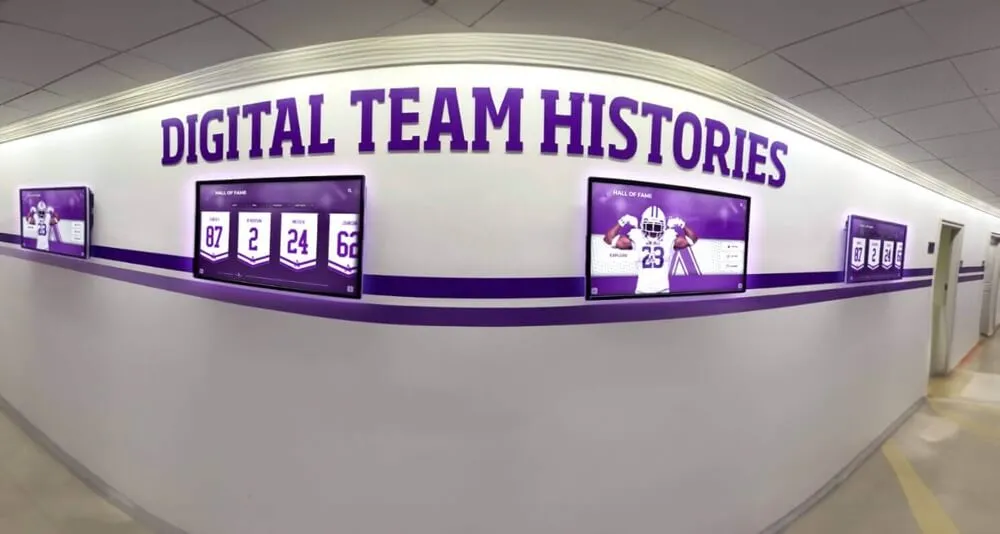
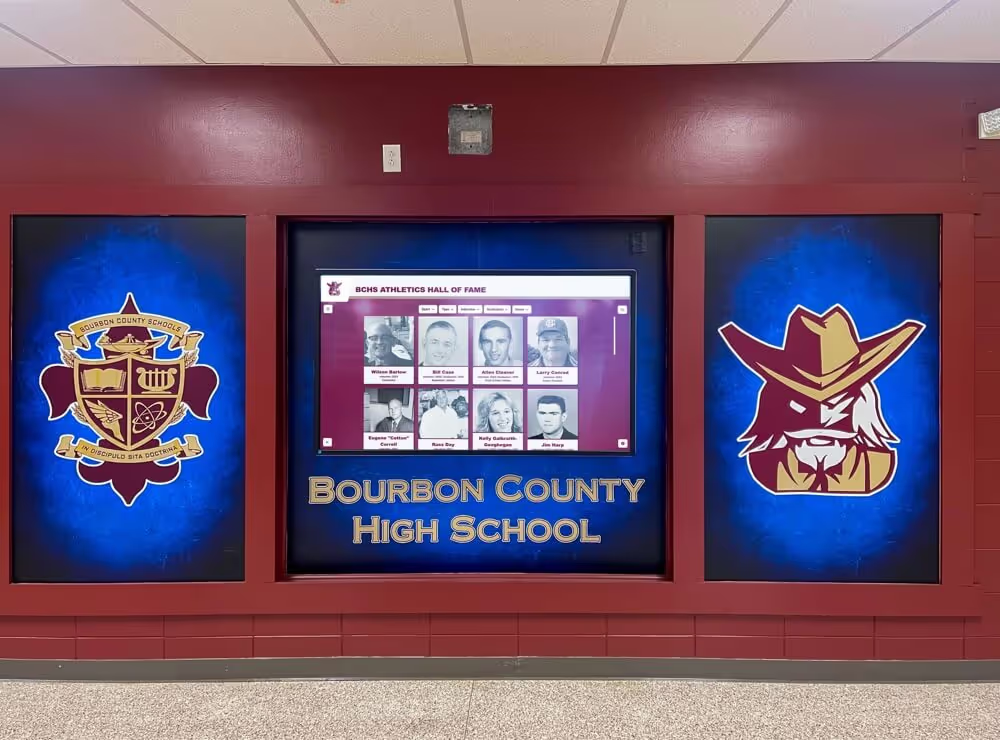
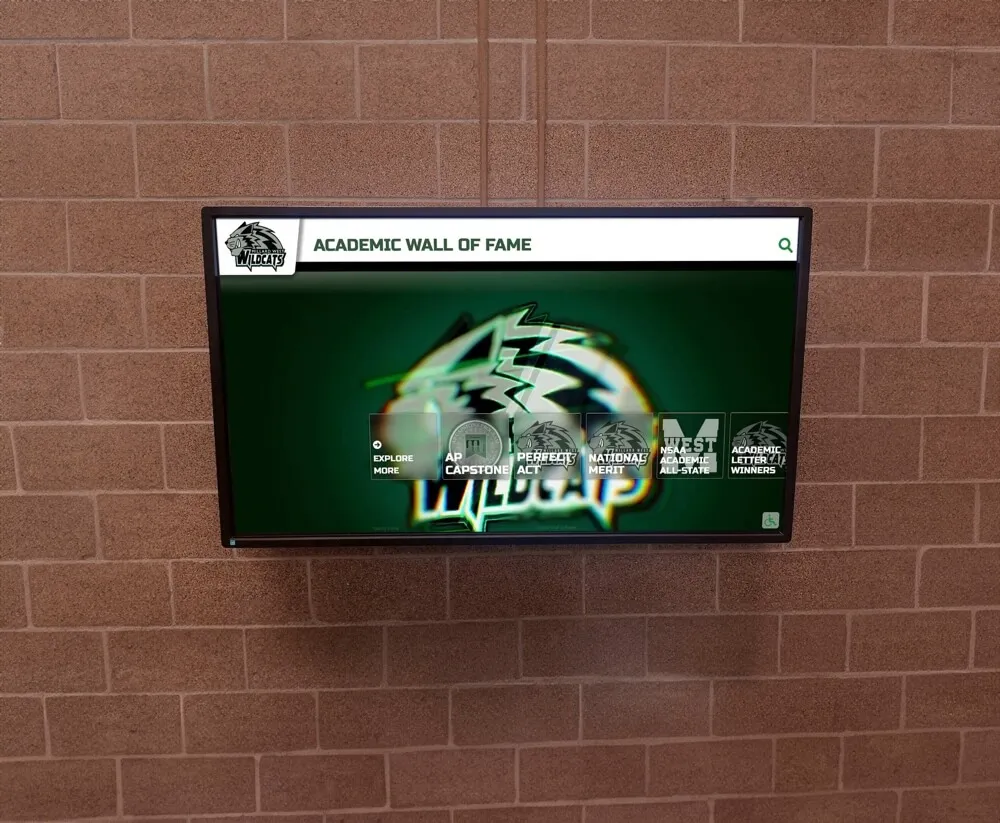
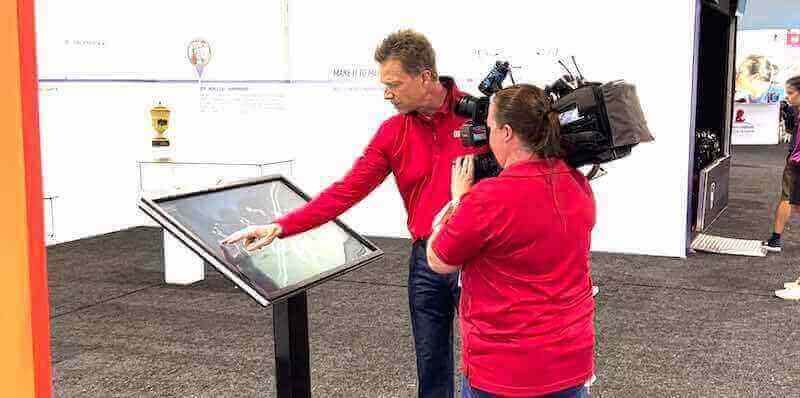
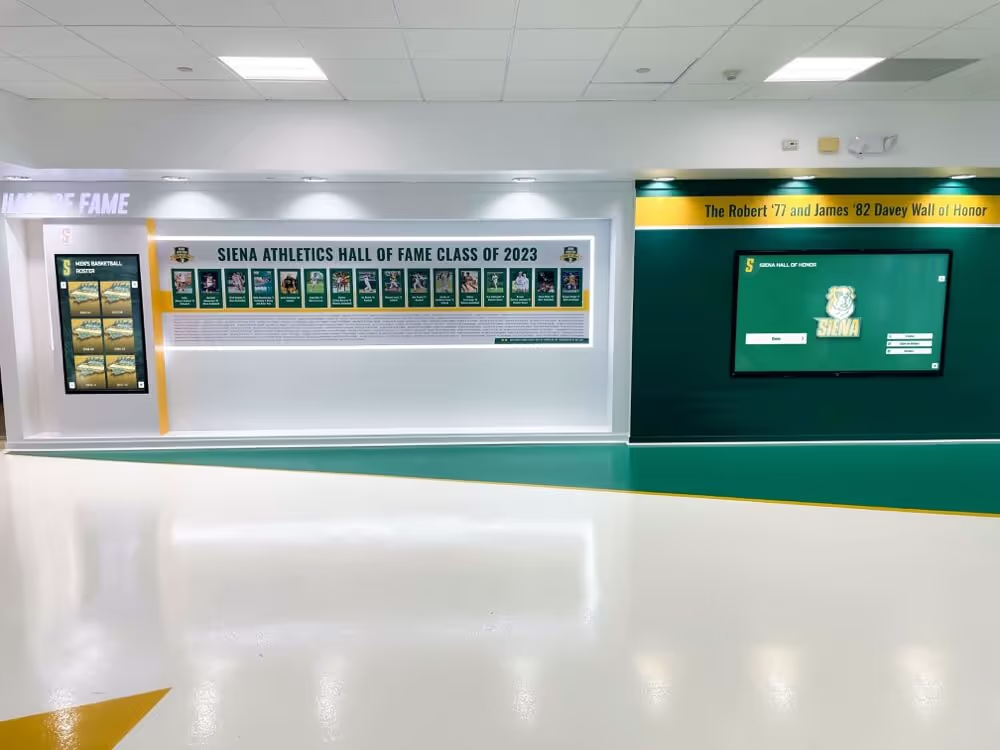
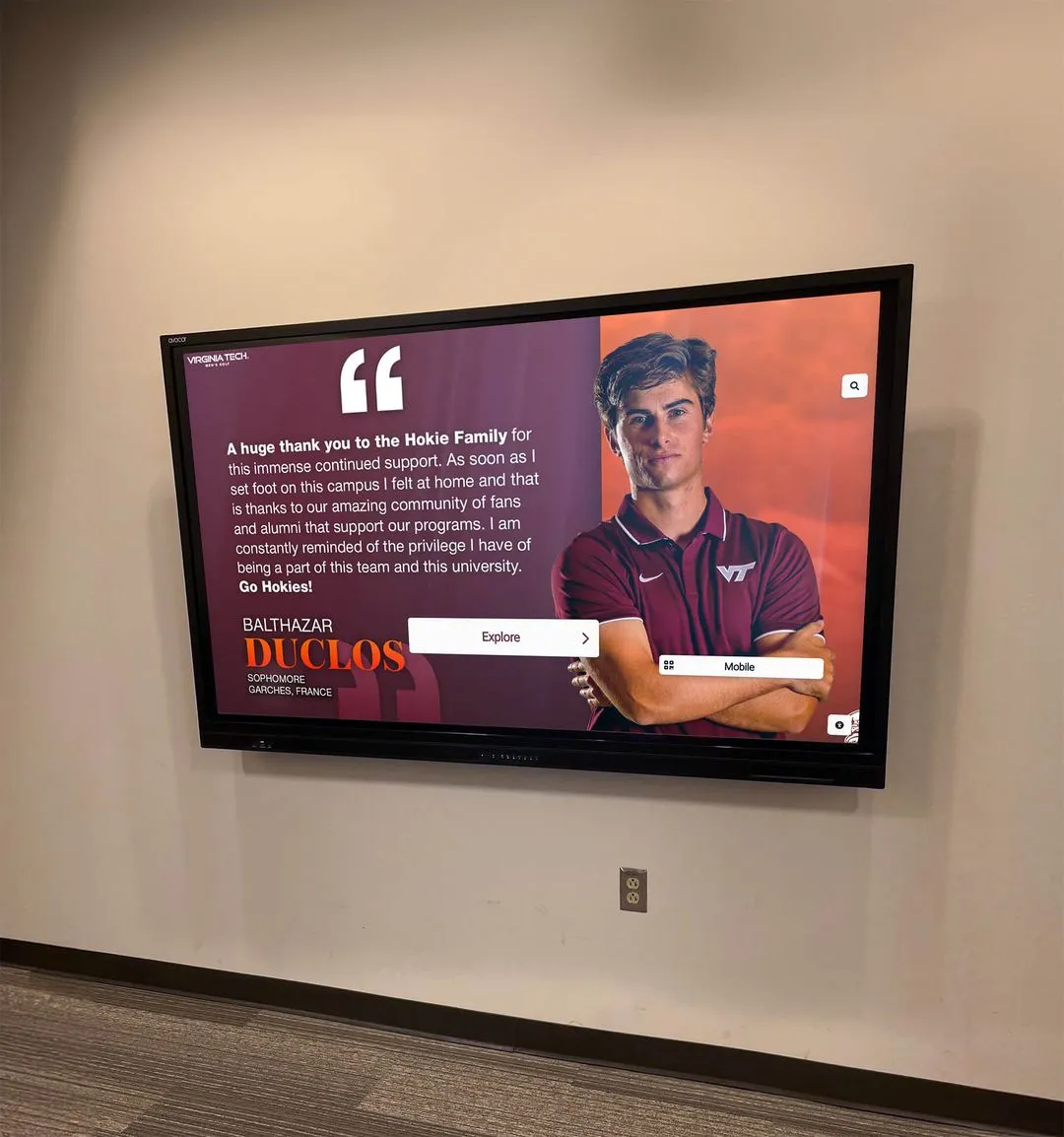
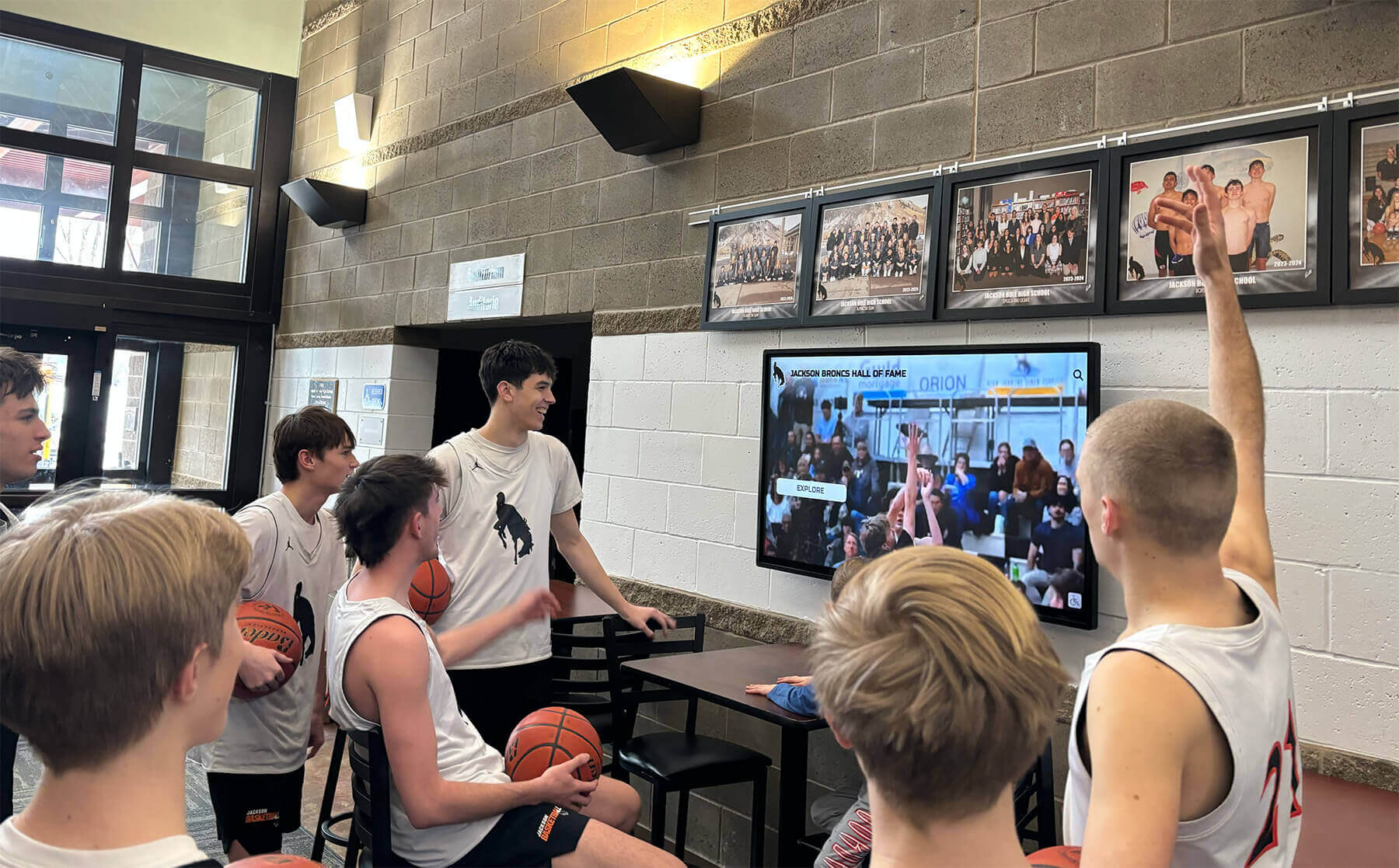
Team spirit develops when students see their collective achievements celebrated prominently, creating shared pride in group accomplishments
Understanding Team Building for Different Age Groups
Before implementing specific activities, understanding developmental differences ensures age-appropriate approaches that genuinely engage students.
Elementary School Team Building (Grades K-5)
Developmental Characteristics
Young children bring unique qualities to team building:
- Concrete thinking requiring clear, tangible goals and rules
- Limited perspective-taking ability still developing empathy
- Short attention spans necessitating frequent activity changes
- High enthusiasm and willingness to participate
- Strong desire for adult approval and positive reinforcement
- Beginning to understand fairness and taking turns
- Developing basic communication and conflict resolution skills
Appropriate Activity Features
Effective elementary team building includes:
- Simple rules easily understood after brief explanation
- Physical movement accommodating high energy levels
- Immediate feedback showing progress toward goals
- Everyone-wins possibilities reducing competitive stress
- Clear adult guidance throughout activities
- Brief duration (10-20 minutes) matching attention capacity
- Positive framing celebrating effort over perfection
Middle School Team Building (Grades 6-8)
Developmental Characteristics
Middle schoolers present different considerations:
- Abstract thinking enabling complex problem-solving
- Intense peer focus making social dynamics paramount
- Self-consciousness about appearance and performance
- Developing identity exploration and autonomy seeking
- Increased capability for perspective-taking and empathy
- Strong desire for fairness and justice
- Growing communication sophistication
Appropriate Activity Features
Middle school team building should incorporate:
- Increased complexity allowing strategic thinking
- Choice and voice in activity structure when possible
- Low-risk environments minimizing embarrassment potential
- Relevant connections to student interests and cultures
- Balance of structure with autonomy and creativity
- Activities allowing different strengths to contribute
- Debriefing conversations processing experiences and learning
Creating Psychologically Safe Team Environments
Foundation for Successful Collaboration
Team building fails without psychological safety where students feel:
- Safe making mistakes without ridicule or punishment
- Confident that effort receives recognition regardless of outcome
- Comfortable expressing ideas even when uncertain
- Respected by peers and adults throughout experiences
- Valued for unique contributions rather than competing
- Supported when struggling rather than judged harshly
Building Safety Through Systems
Schools create psychological safety through:
- Clear expectations about respectful interaction and support
- Immediate intervention when disrespectful behavior occurs
- Modeling cooperation and encouragement by adults
- Celebrating diverse contributions equally
- Framing challenges as learning opportunities
- Recognition systems honoring team achievements alongside individual accomplishments
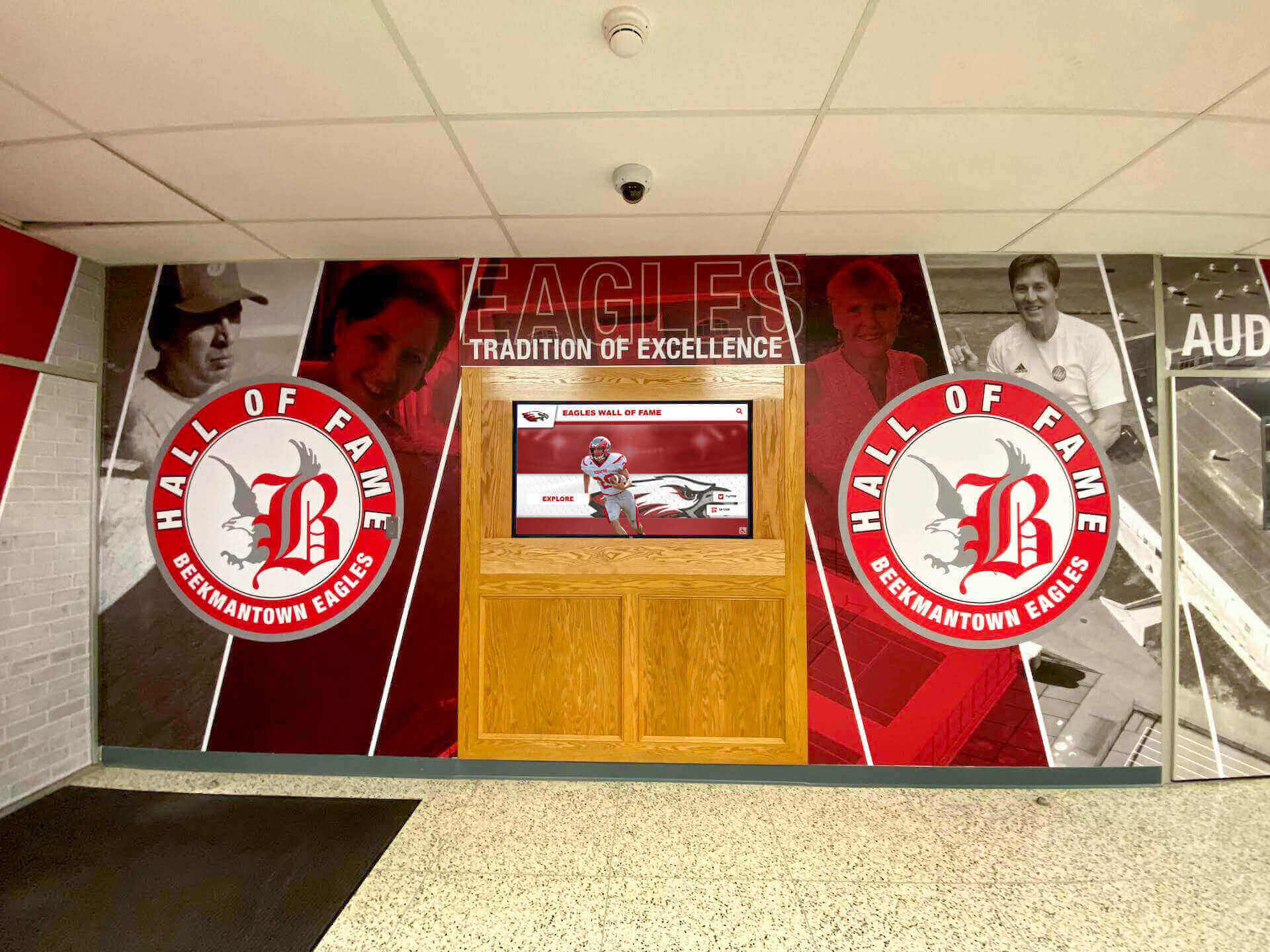
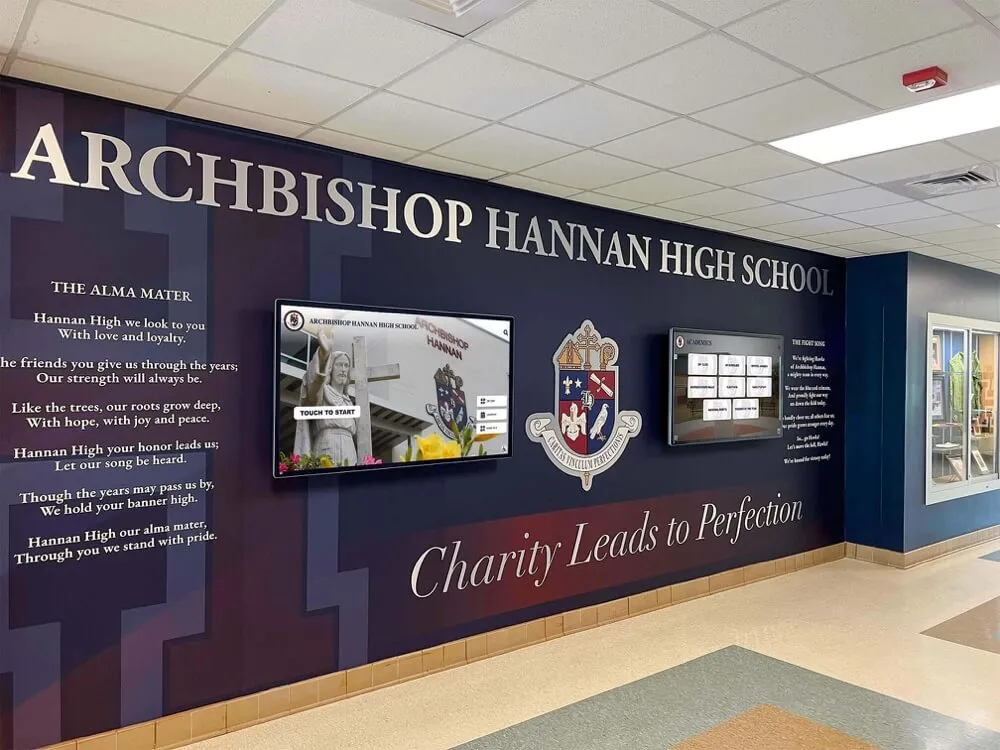
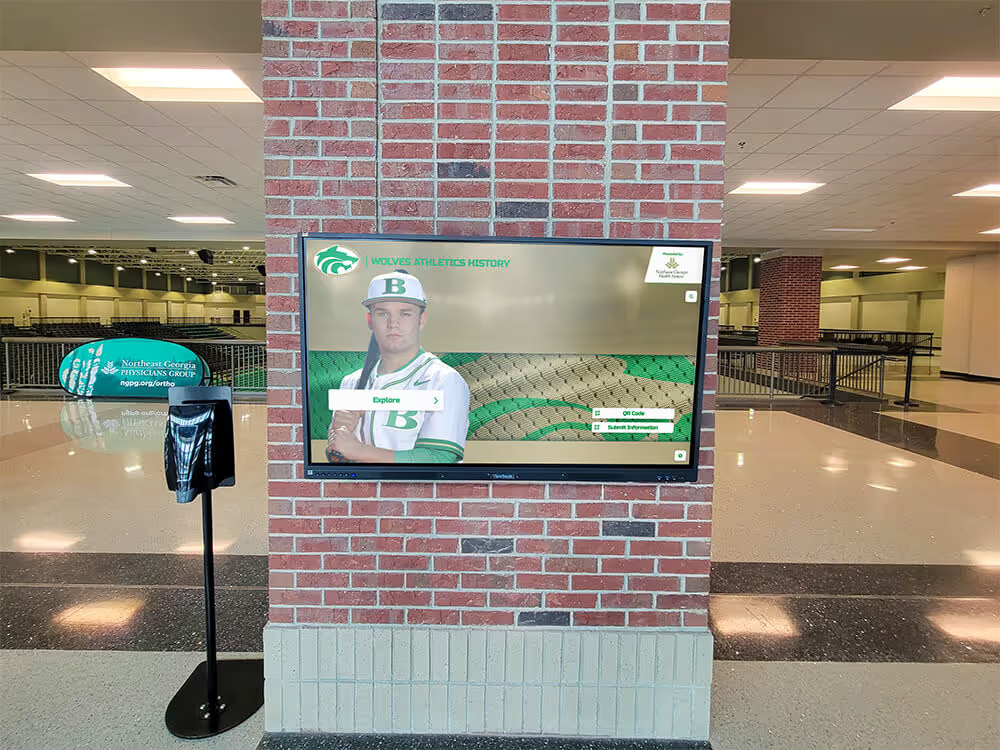
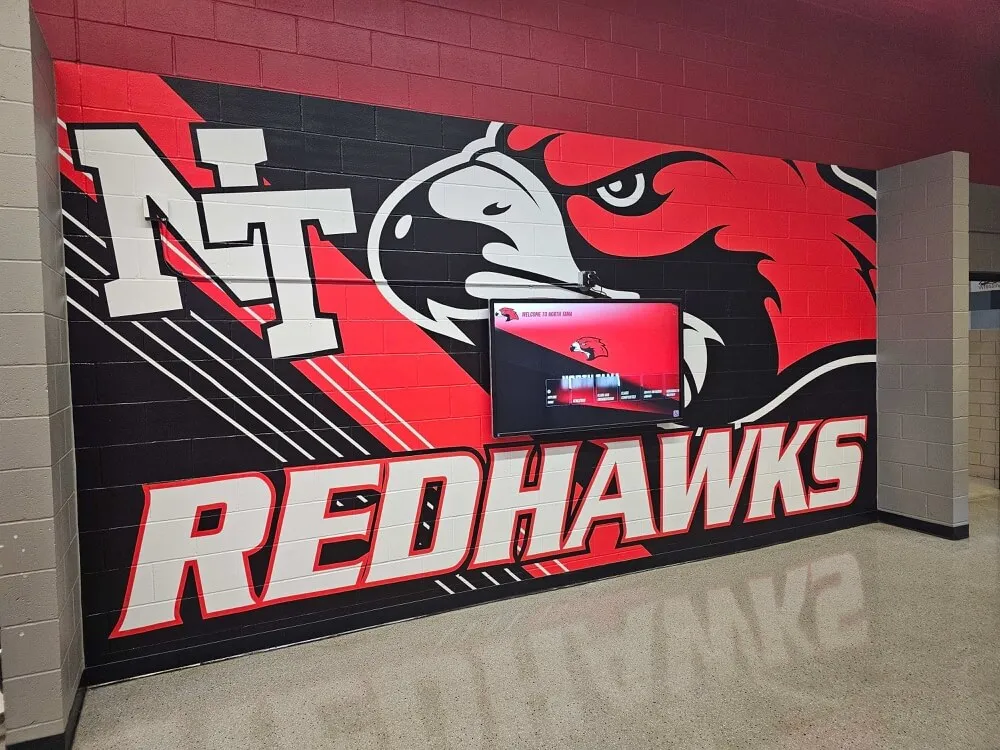
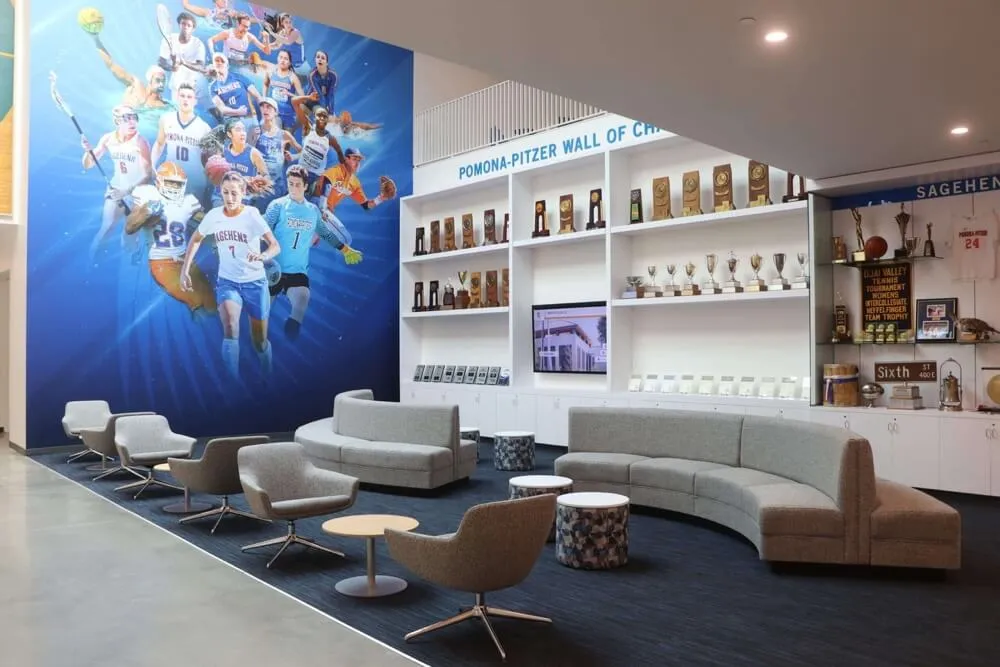
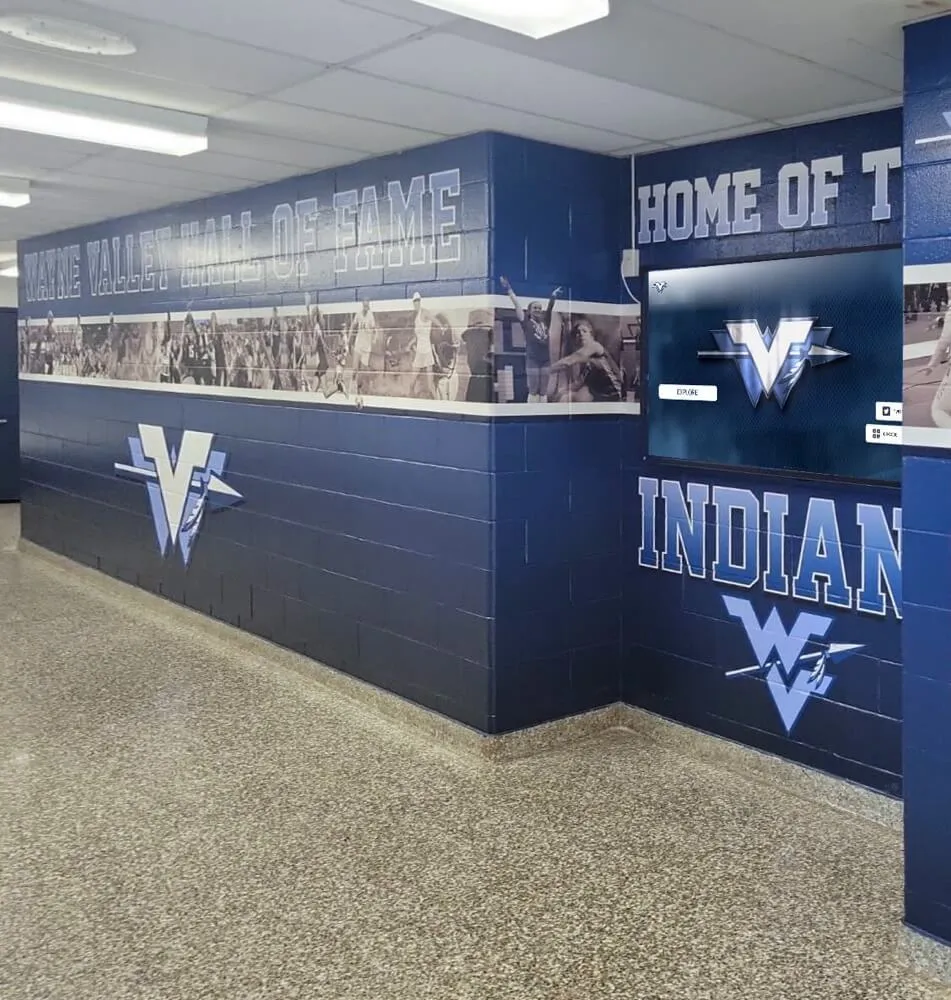
Lobby displays celebrating collaborative achievements demonstrate institutional commitment to teamwork as a core value
When schools implement comprehensive recognition programs showcasing team accomplishments alongside individual achievements, students understand that cooperation receives genuine value and celebration.
Quick Classroom Team Building Activities
Brief activities integrated into regular classroom routines develop cooperation without requiring extensive time or resources.
Five-Minute Team Builders
Human Knot
Classic quick activity building communication:
- Students stand in circle holding hands with two different people across from them
- Without releasing hands, groups work together untangling themselves
- Requires clear communication, patience, and collaborative problem-solving
- Typically takes 5-10 minutes with debrief
- Works well with groups of 6-12 students
- Adapt for younger children with simplified starting positions
Back-to-Back Drawing
Communication exercise highlighting clear instruction:
- Partners sit back-to-back, one with picture, one with blank paper
- Picture holder describes image without revealing what it depicts
- Drawer attempts recreation based solely on verbal directions
- Compare results discussing what communication strategies worked best
- Builds awareness of precision in giving and following directions
- Switch roles for second round applying learned strategies
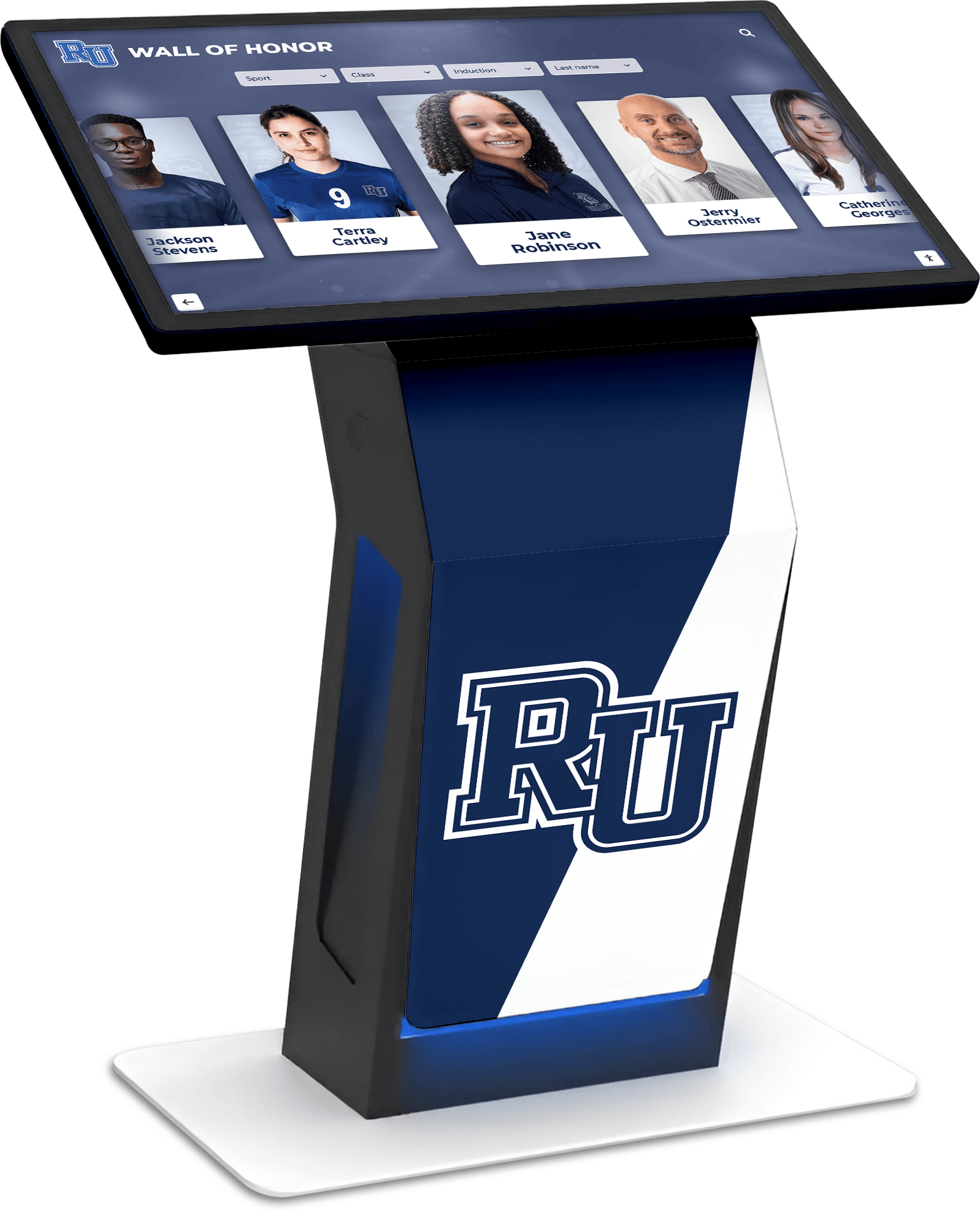
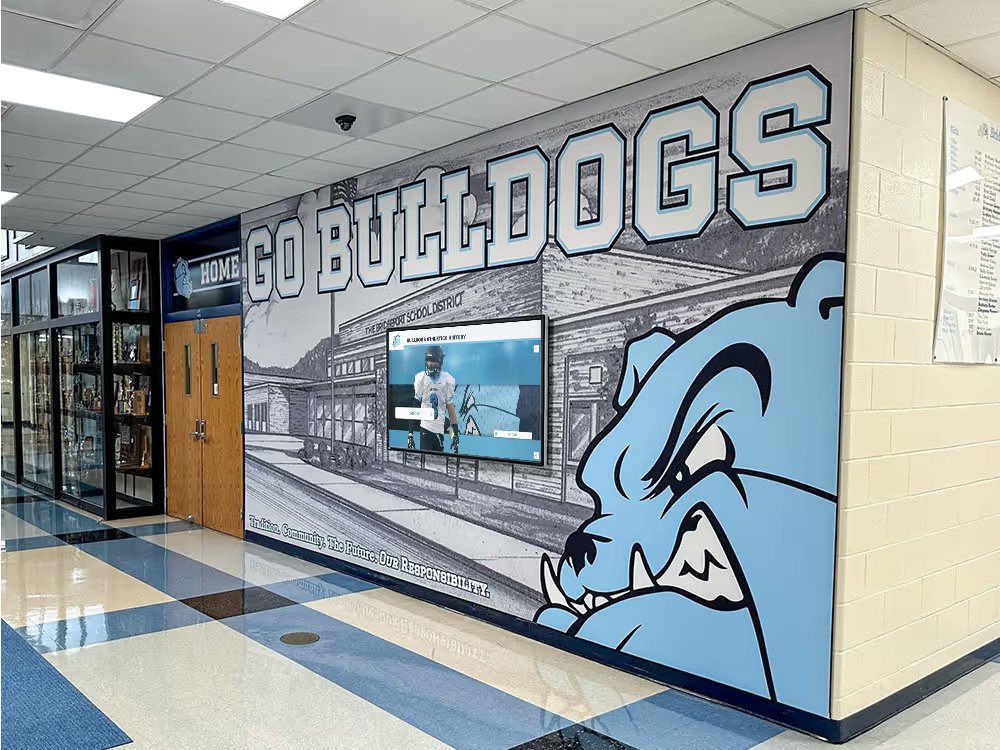
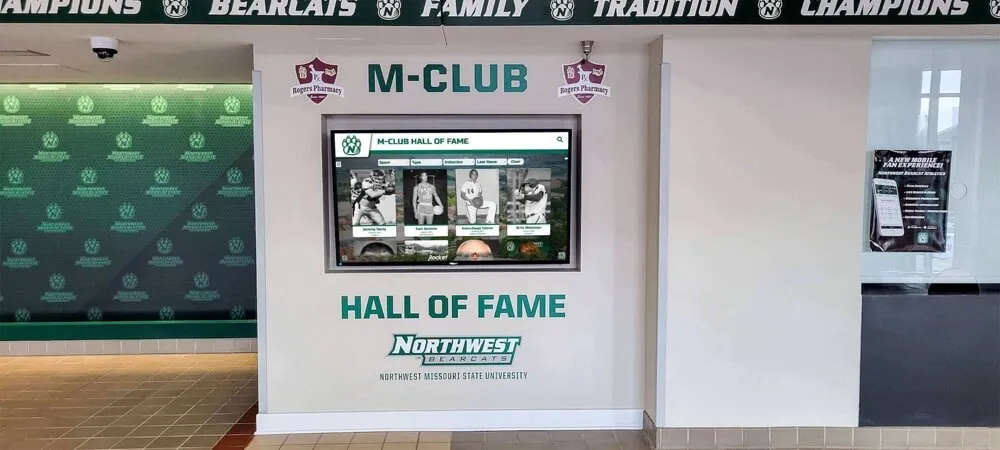
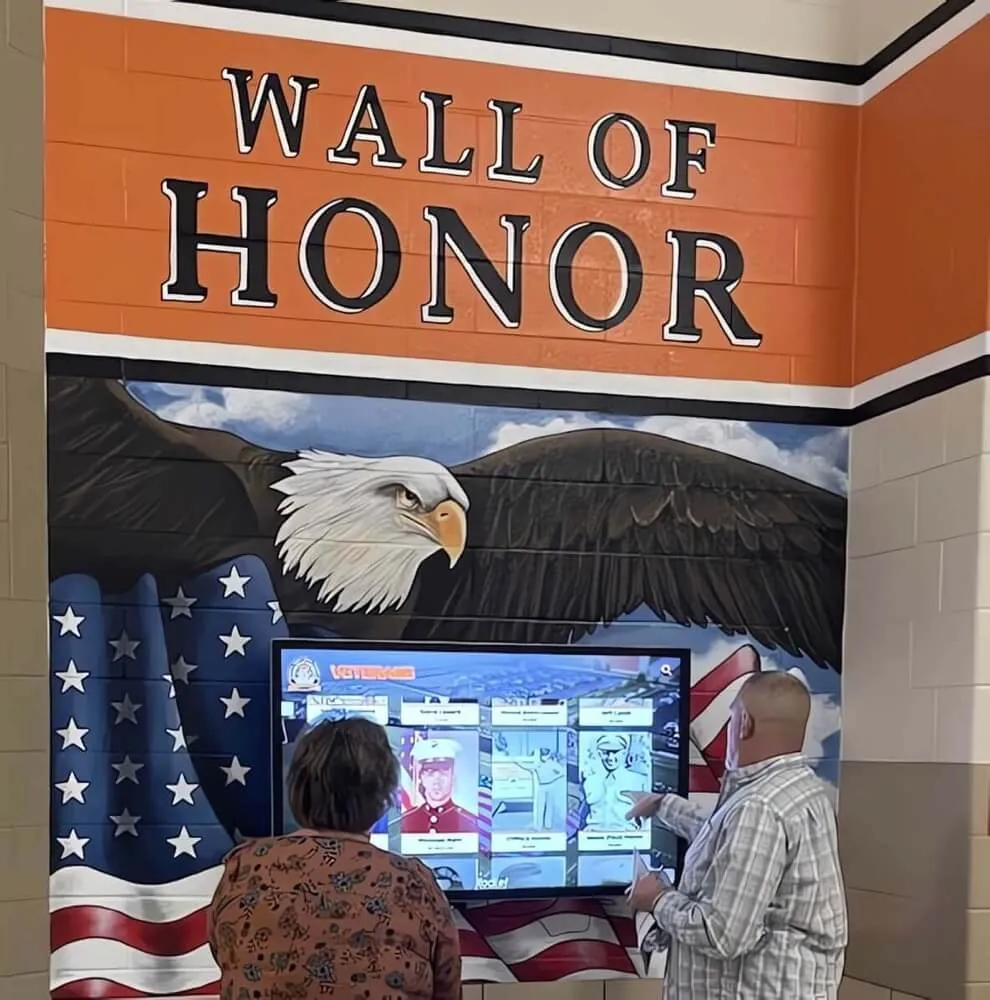
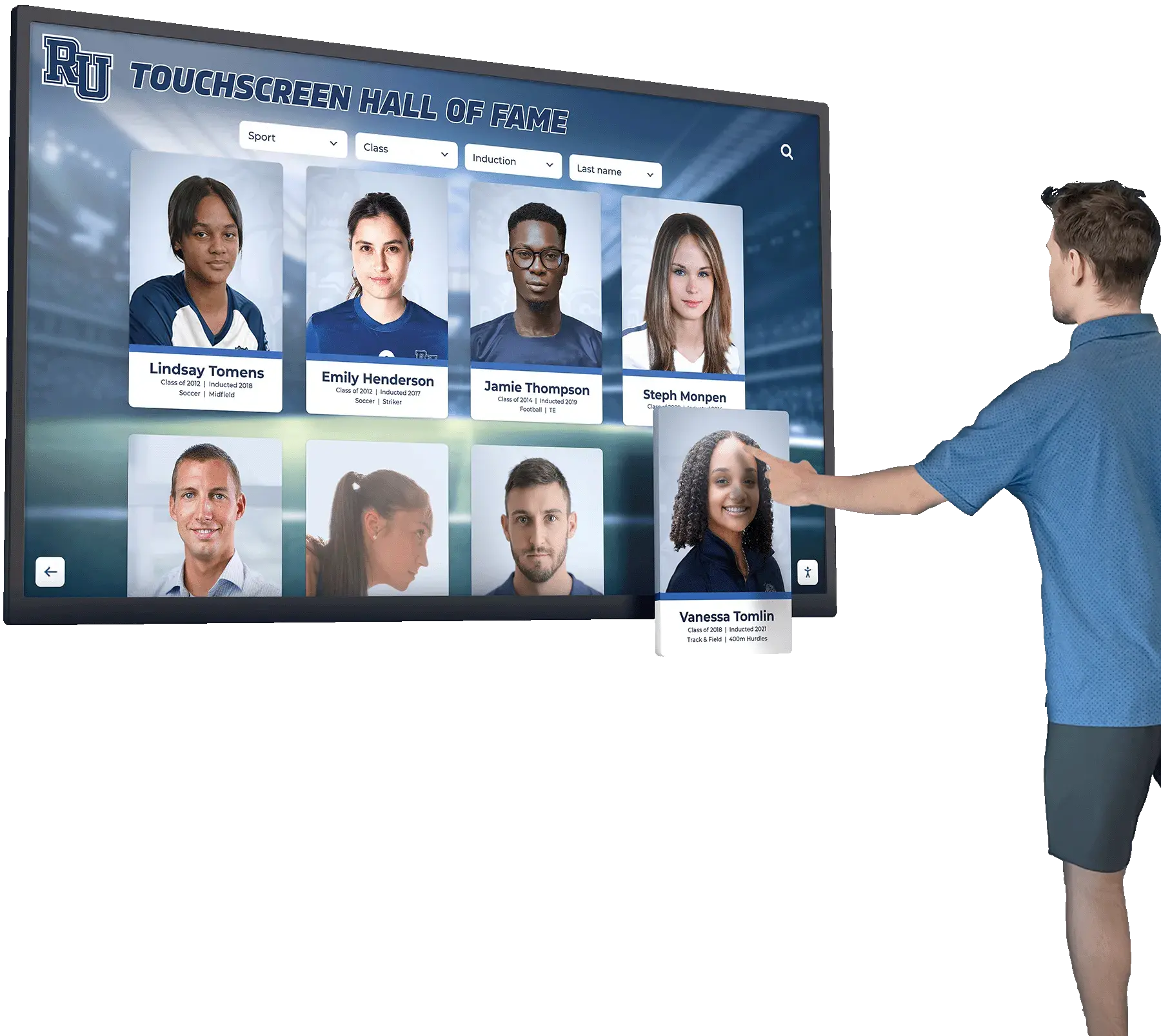
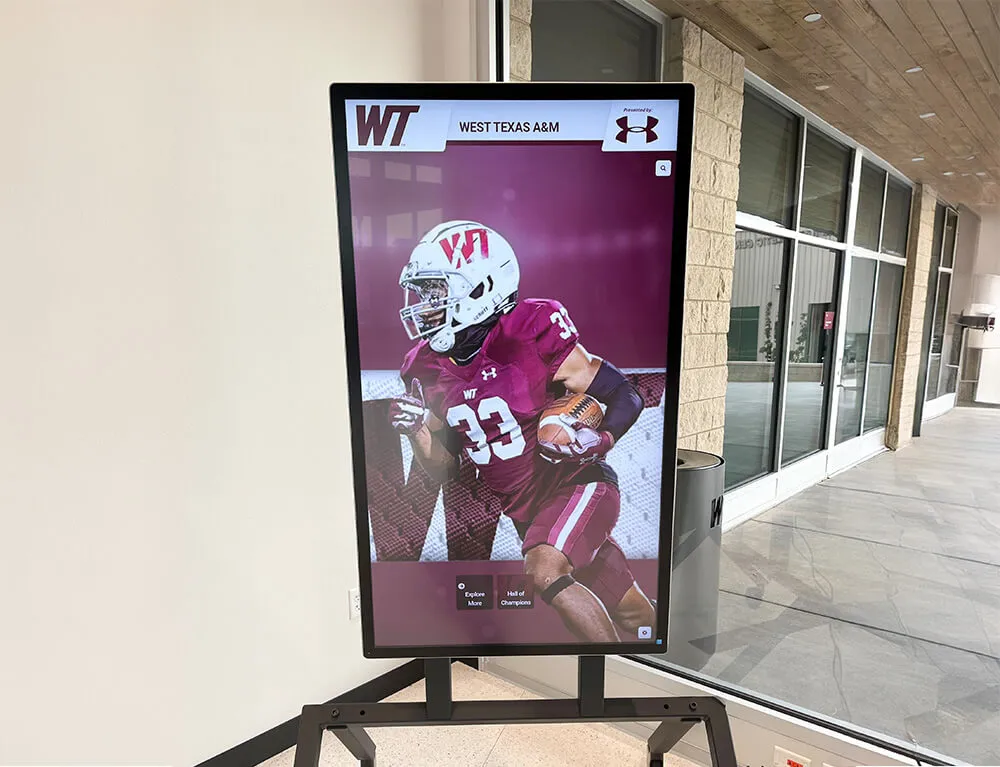
Interactive displays feature team achievements and group projects, reinforcing that collaboration leads to recognition and celebration
Shared Object Pass
Trust-building coordination activity:
- Circle formation passing ball, beanbag, or other object
- Start with simple pattern, gradually increase complexity
- Add multiple objects traveling different directions simultaneously
- Variation: Pass object behind backs requiring trust in teammates
- Emphasizes attention, coordination, and supporting others’ success
- Quick reset allowing multiple rounds with increased difficulty
Ten-Minute Collaborative Challenges
Marshmallow Tower Challenge
Engineering teamwork exercise:
- Teams receive 20 spaghetti sticks, tape, string, and one marshmallow
- Build tallest freestanding tower supporting marshmallow on top
- Time limit (typically 10-15 minutes) creates urgency
- Requires planning, testing, adapting strategies
- Natural roles emerge: designers, builders, quality checkers
- Debrief discussing what strategies succeeded and why
Group Juggle Pattern
Memory and coordination challenge:
- Circle formation establishing ball-passing pattern everyone learns
- Add additional balls following same pattern simultaneously
- Count successful catches before pattern breaks down
- Requires concentration, anticipation, and encouraging teammates
- Increase difficulty: faster pace, more balls, eyes closed
- Celebrates improvement over multiple attempts
Collaborative Storytelling
Creative team exercise building on contributions:
- Teacher provides story opening sentence
- Each student adds one sentence continuing narrative
- Story travels around circle or random selection
- Goal: Create coherent, entertaining group story
- Variation: Provide constraints (genre, character requirements, setting)
- Demonstrates how individual contributions create collective product
- Younger students may contribute single words rather than sentences
Implementation Tips: Record stories for playback, celebrate particularly creative group stories, display written versions on classroom walls, or publish in class newsletter.
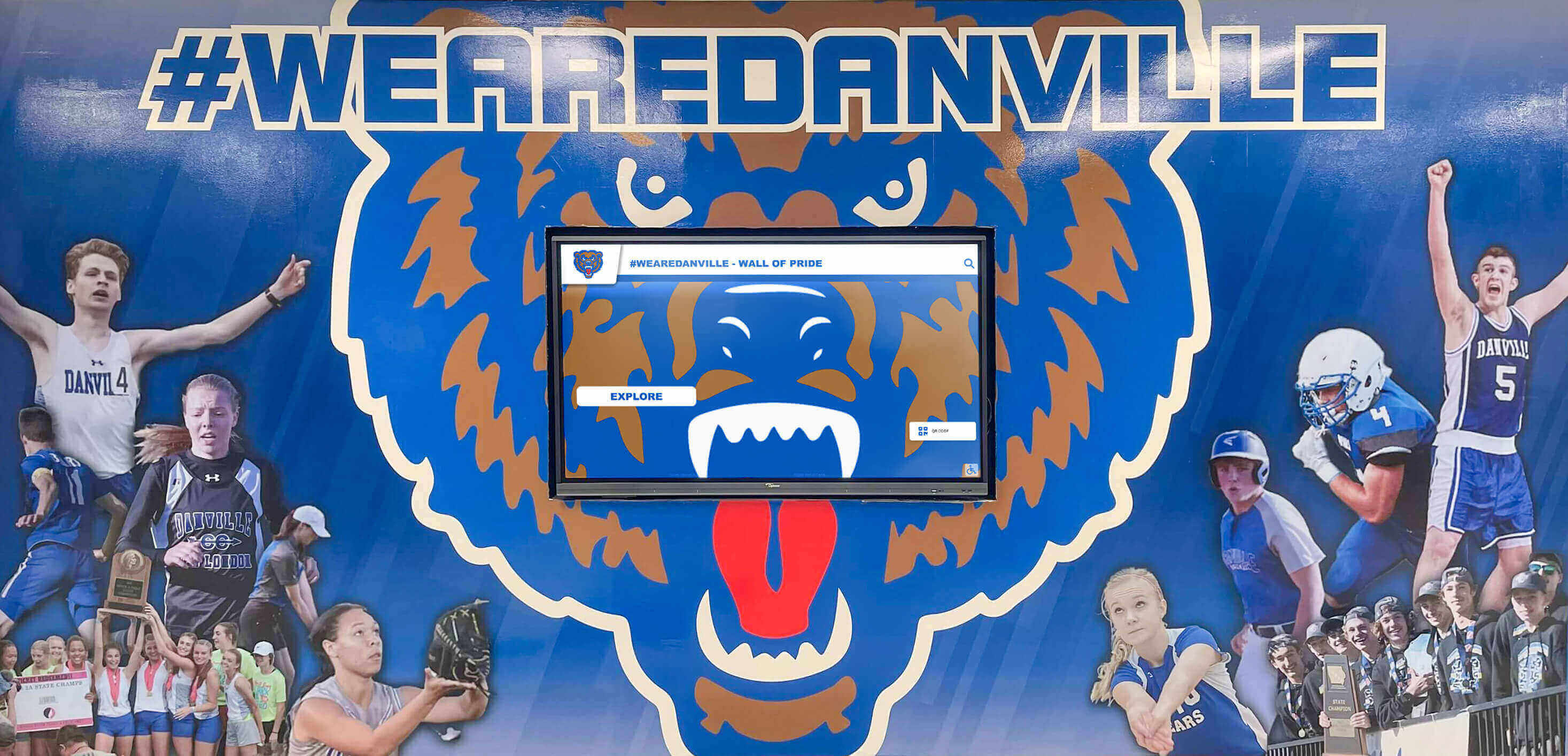
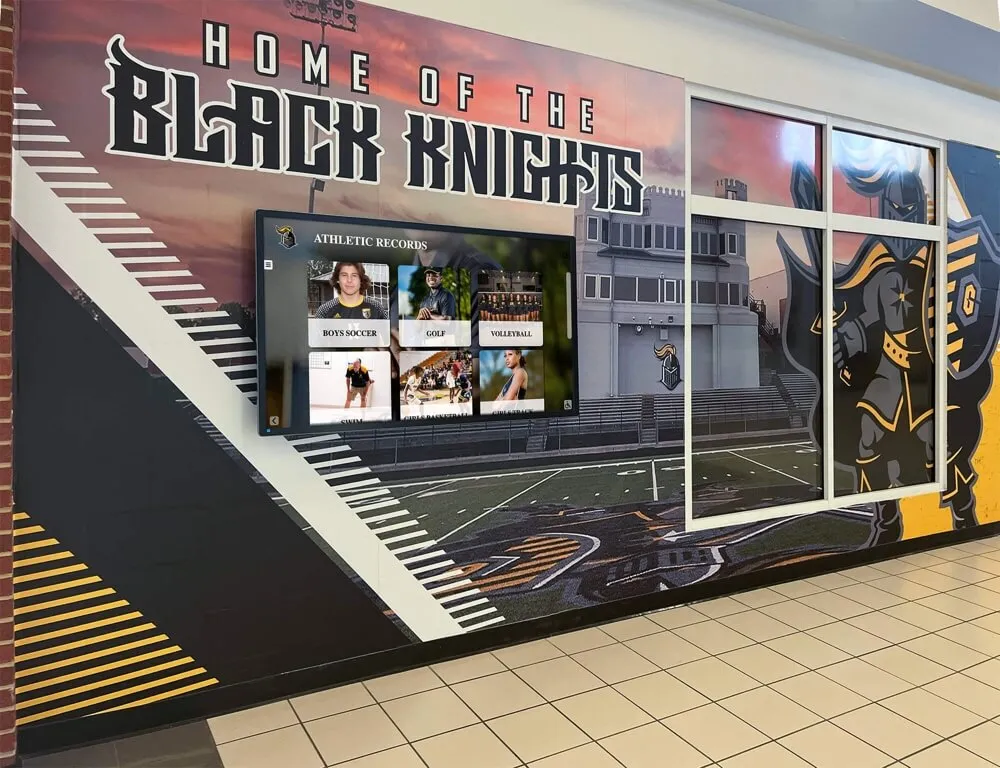
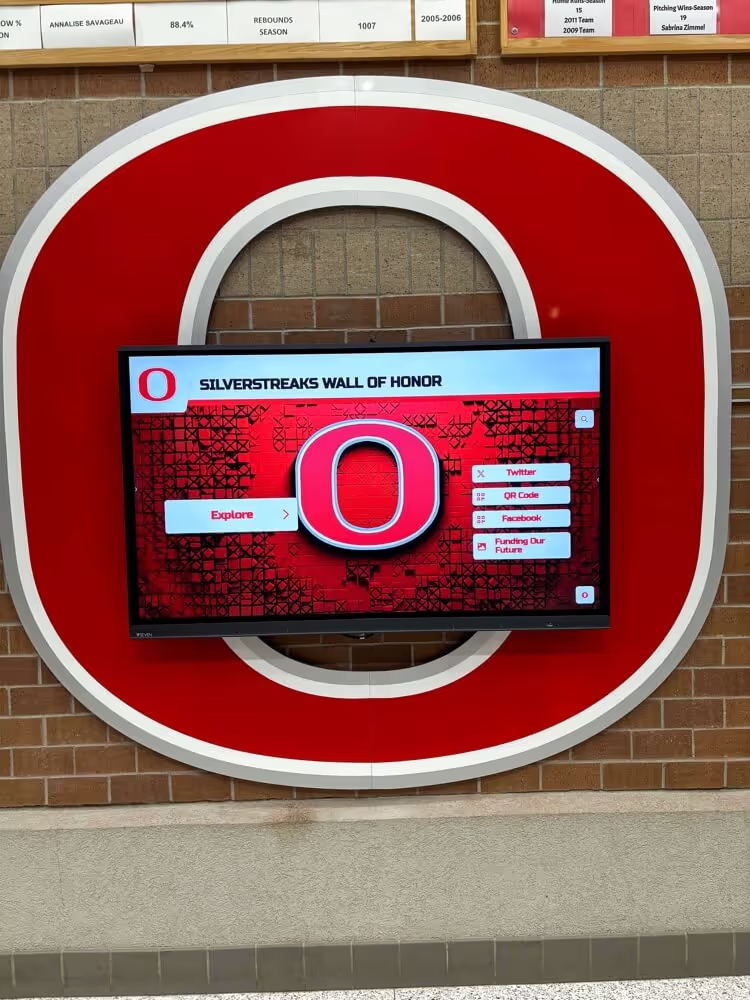
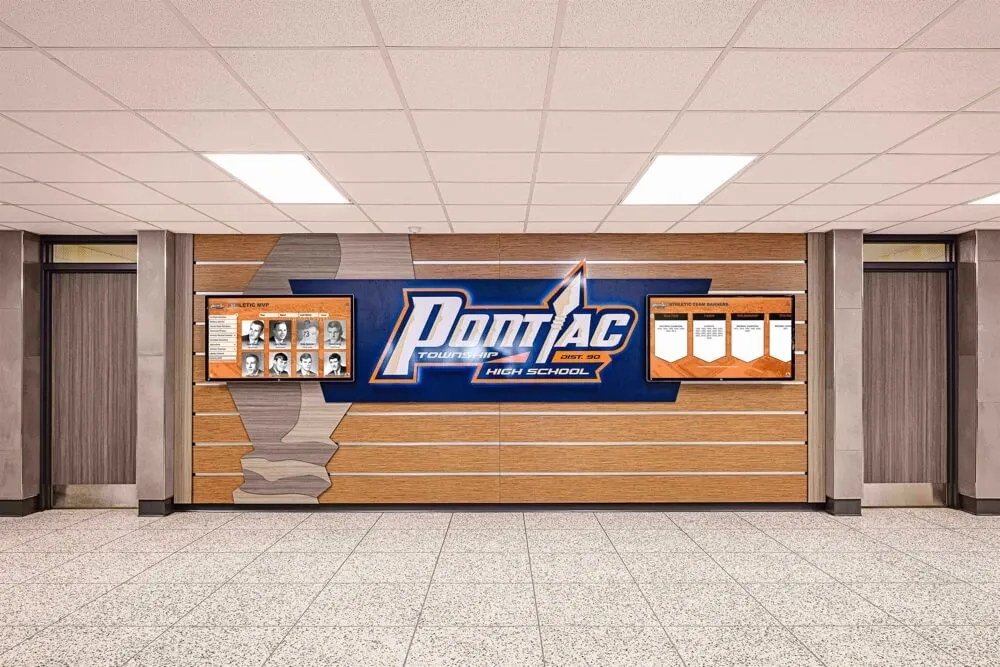
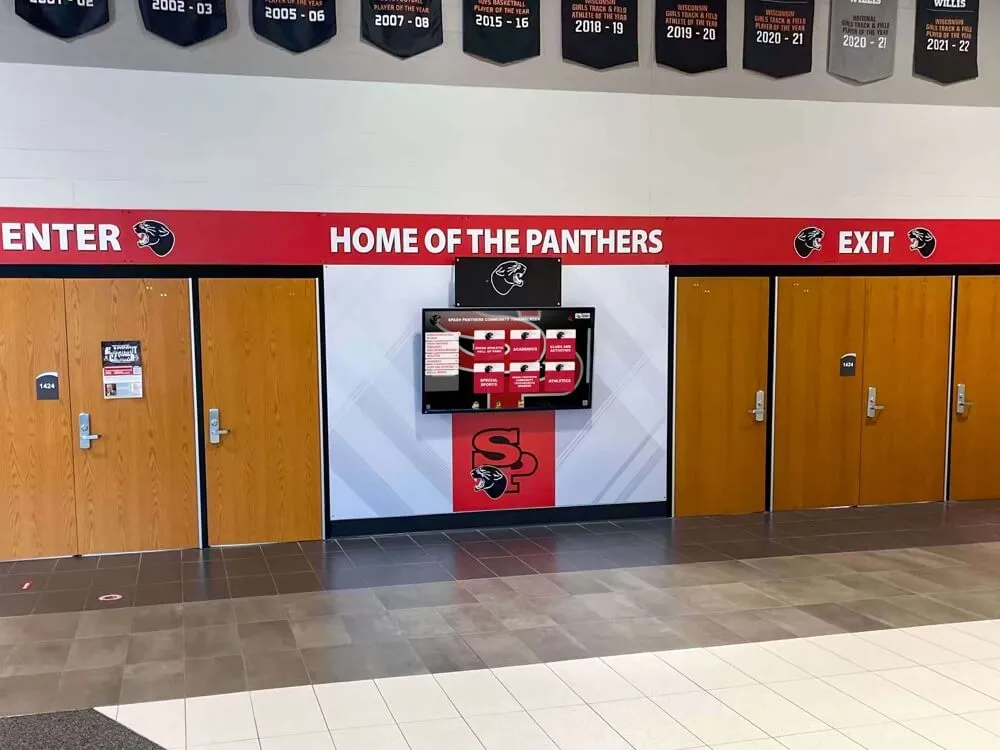
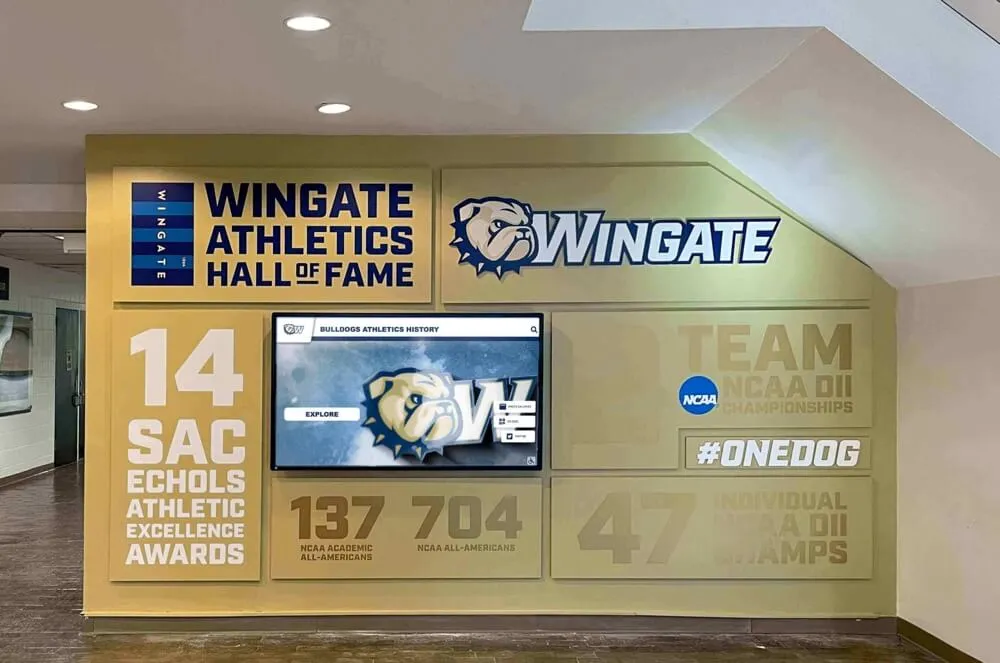
Hallway displays celebrating team accomplishments create daily reminders that cooperation receives recognition throughout school culture
Schools implementing character education programs leverage team building activities to demonstrate specific character traits like cooperation, patience, and encouraging others in action.
Physical Team Building Games
Active games engage kinesthetic learners while developing cooperation through coordinated movement and shared physical challenges.
Cooperative PE Activities
Parachute Games
Colorful group coordination:
- Large parachute (20-30 feet) held by students around perimeter
- Activities: Popcorn (bouncing balls), mushroom (creating dome), merry-go-round (circular movement)
- Waves requiring synchronized lifting and lowering
- Ball rolling attempting to score goals through cooperation
- Switch positions underneath while maintaining parachute height
- Requires listening to instructions and coordinated action
- Naturally inclusive with all participation levels contributing
Human Obstacle Course Relay
Active problem-solving challenge:
- Teams create obstacle courses using gym equipment and PE supplies
- Each team member completes course designed by teammates
- Variation: Course designers must verbally guide blindfolded teammate through
- Emphasizes creating appropriate challenges considering everyone’s abilities
- Switch and try courses designed by other teams
- Debrief discussing how teams accommodated different skill levels
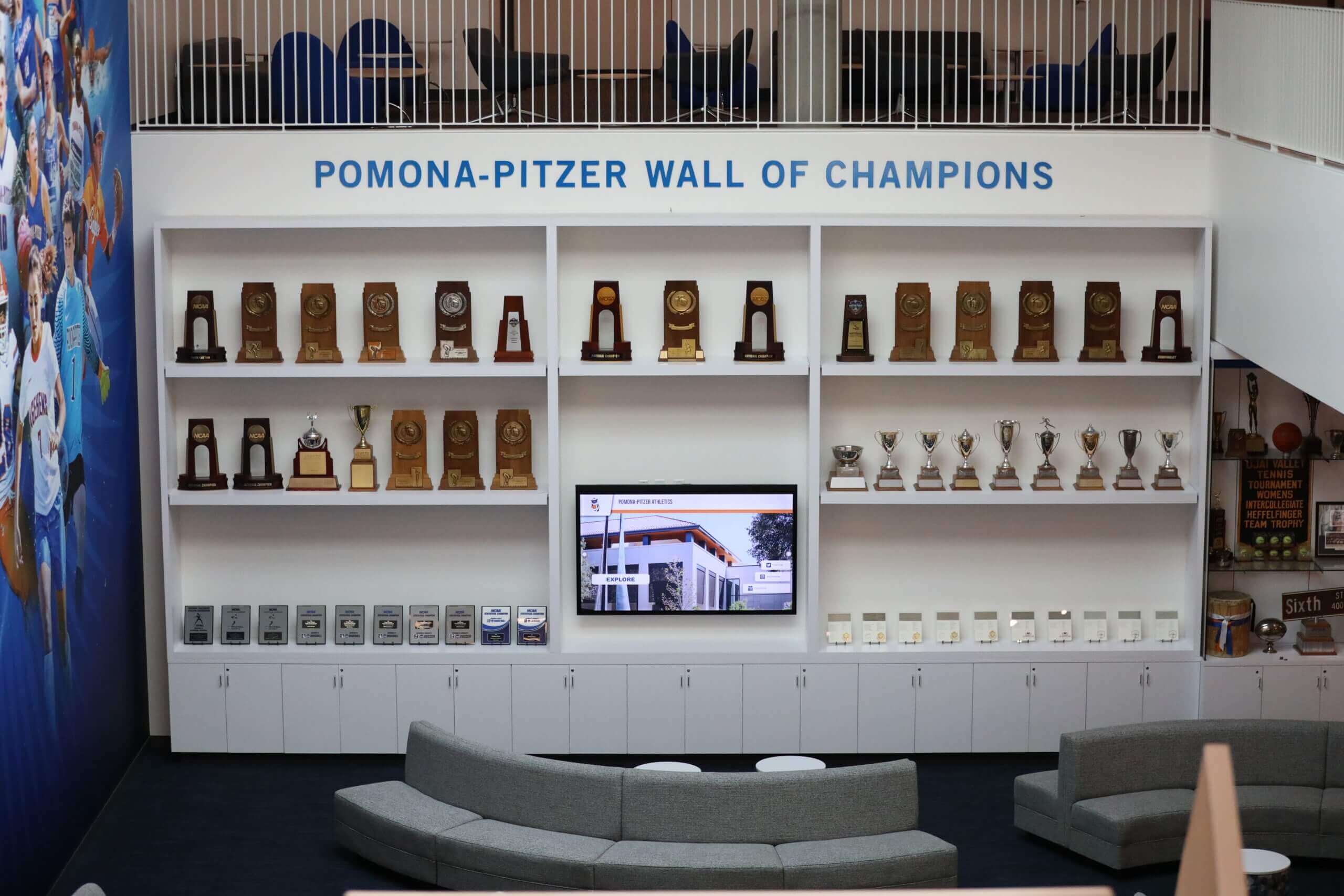
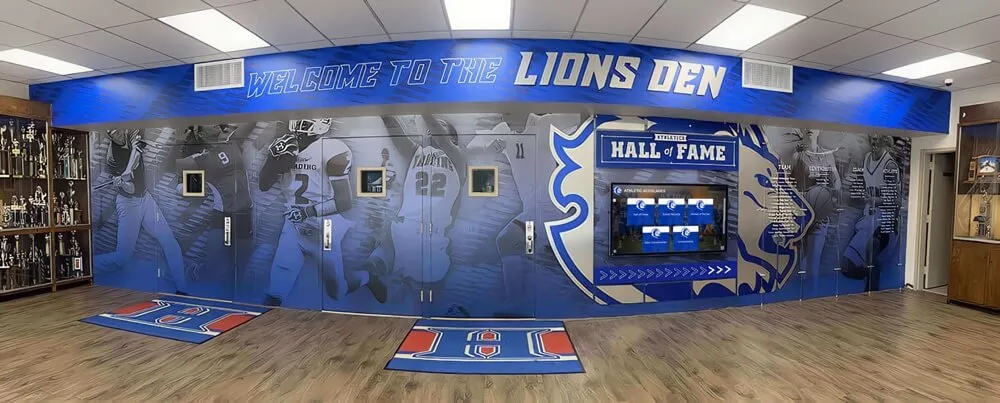
Athletic lounges featuring team championship displays create venues celebrating collaborative athletic achievements
Team Jump Rope Challenges
Coordinated timing activity:
- Long rope turned by two students while teammates jump
- Begin with one jumper, gradually add participants
- Count consecutive successful jumps as team goal
- Variation: Double Dutch adding complexity
- Requires rhythm awareness and encouraging struggling teammates
- Track improvement over multiple sessions celebrating progress
- Natural differentiation with varied participation levels
Outdoor Cooperative Games
Islands Crossing
Strategic movement challenge:
- Teams receive limited “islands” (carpet squares, hula hoops, mats)
- Goal: Transport entire team across designated space using only islands
- Cannot touch ground outside islands or restart
- Requires planning, taking turns, physical support
- Adapt difficulty by adjusting space distance and island quantity
- Emphasizes including all team members regardless of physical ability
Group Balloon Keep-Up
Energy-filled cooperation game:
- Teams attempt keeping multiple balloons airborne simultaneously
- Set goals: number of touches, time duration, or incorporating all members
- Add complexity: Specific body parts only, increasing balloon quantity
- Instant feedback about collective performance
- High energy with universal appeal across ages
- Variation: Silent version requiring non-verbal communication
Spider Web Challenge
Problem-solving coordination activity:
- Create “spider web” using rope or elastic between trees/poles
- Openings of various sizes throughout web
- Team must transport all members through web without touching ropes
- Each opening can only be used once
- Requires strategic planning about who goes through which opening
- Physical support and trust as teammates lift/guide each other
- Adapt for younger students with larger openings and simpler rules
Safety Considerations: Ensure soft landing areas, appropriate opening sizes, adult supervision of any lifting, and voluntary participation in physical contact activities.
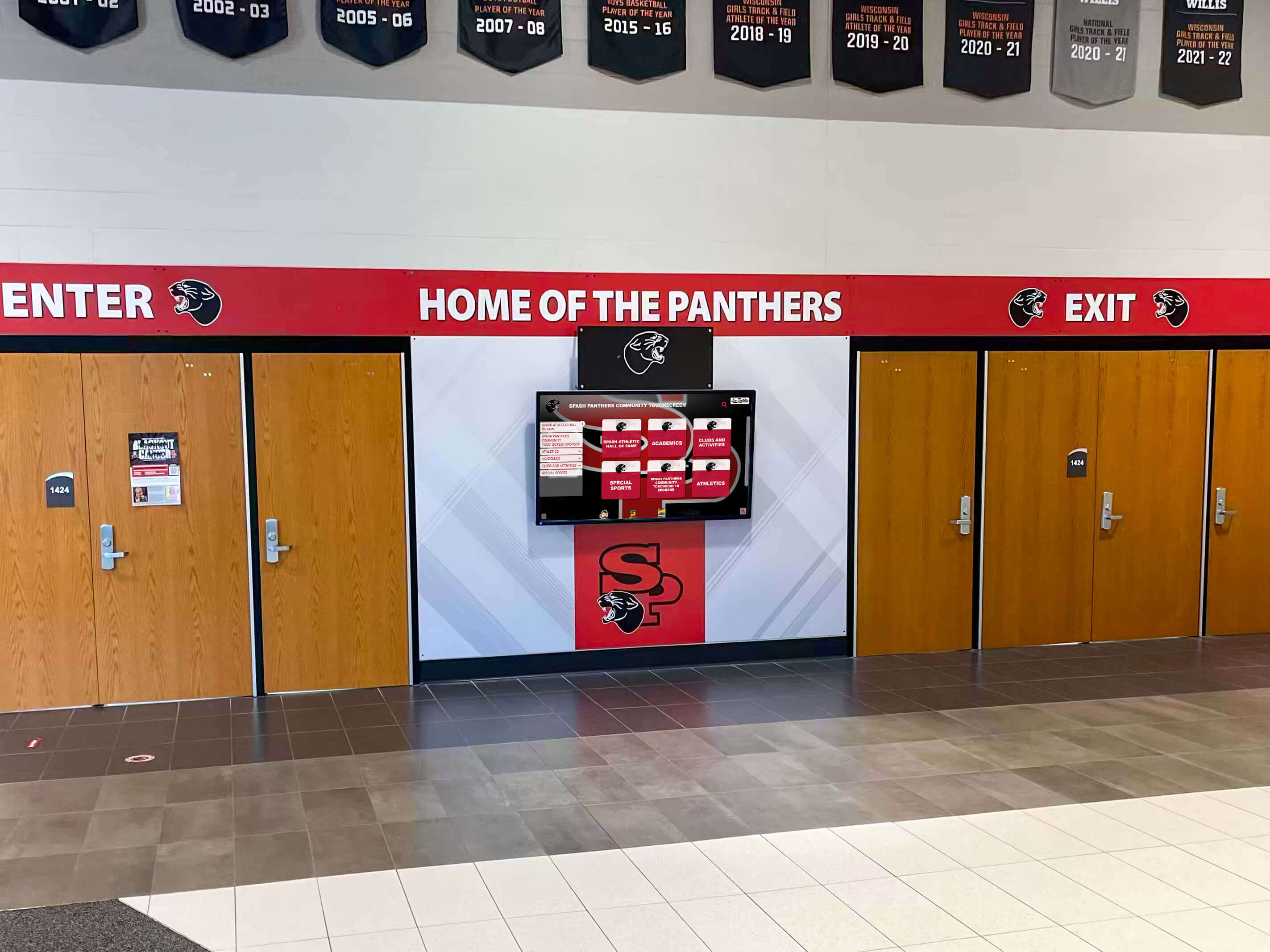
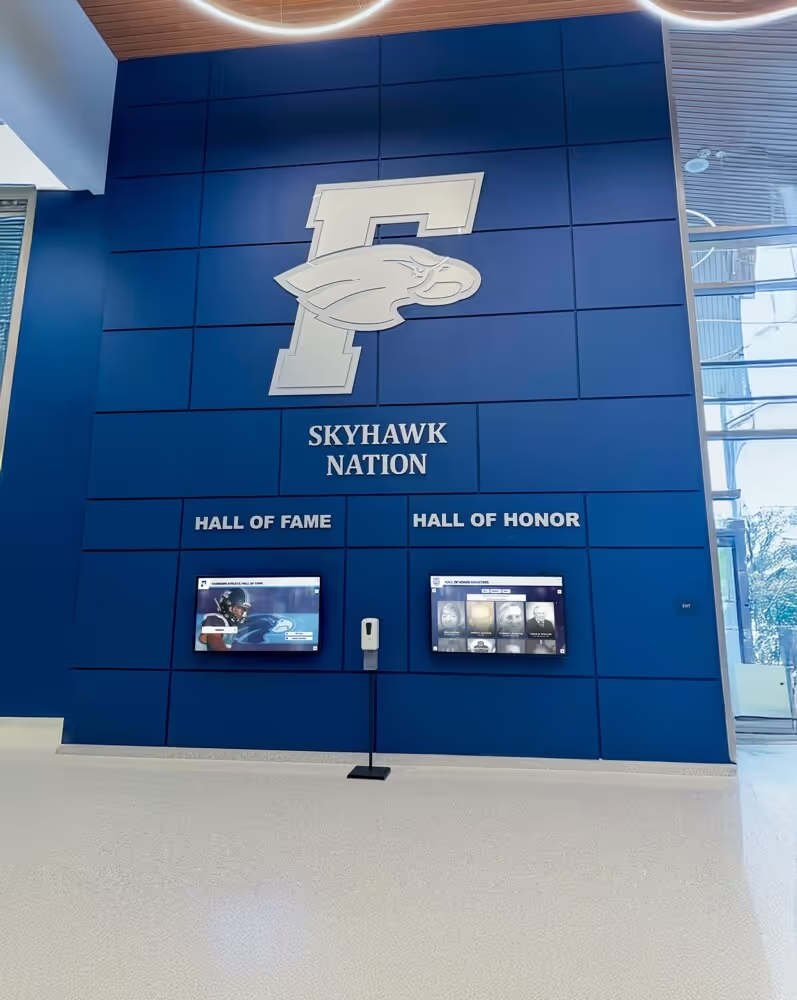
Entrance displays welcome everyone with messaging reinforcing school values including teamwork and cooperation
Schools celebrating athletic achievements comprehensively ensure team accomplishments receive recognition equal to individual athletic honors, demonstrating that cooperation leads to shared success.
Problem-Solving Team Challenges
Activities requiring strategic thinking and collaborative planning develop higher-order cooperation skills.
Construction and Building Challenges
Bridge Building Competition
Engineering teamwork challenge:
- Teams receive identical materials (popsicle sticks, tape, glue, cardboard)
- Design and build bridge spanning specified distance
- Test structural integrity with weight-bearing challenges
- Time limit creates urgency requiring efficient collaboration
- Roles emerge naturally: engineers, builders, testers, timekeepers
- Younger students: Simpler materials and designs
- Older students: Budget constraints, design specifications, presentation requirements
Paper Tower Challenge
Quick collaborative construction:
- Materials: Newspaper and tape only
- Goal: Build tallest freestanding tower in specified time
- Must support small object on top (tennis ball, stuffed animal)
- Requires planning, testing, adapting when designs fail
- Multiple rounds allow applying learned strategies
- Debrief discussing what approaches worked and team dynamics
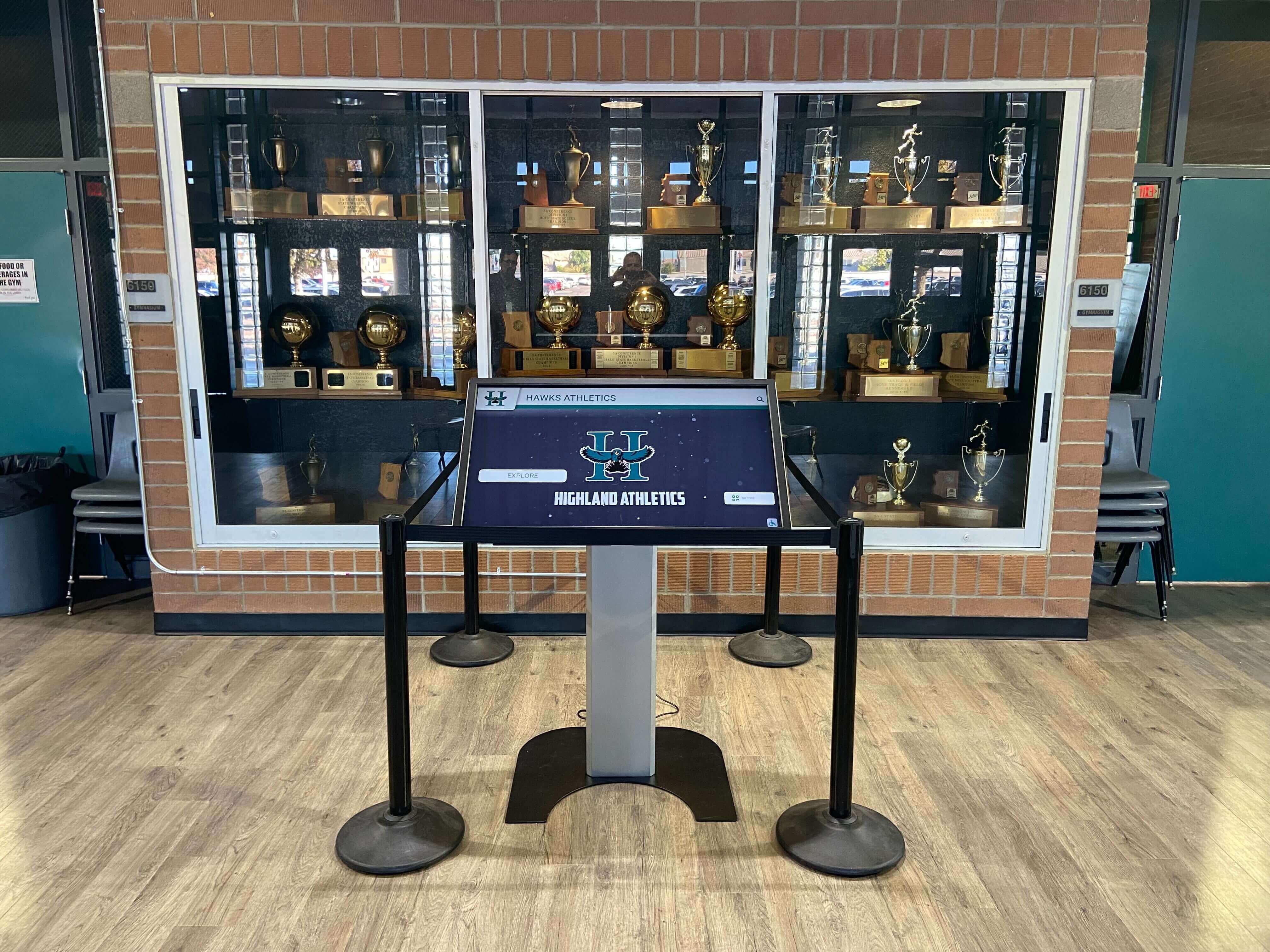
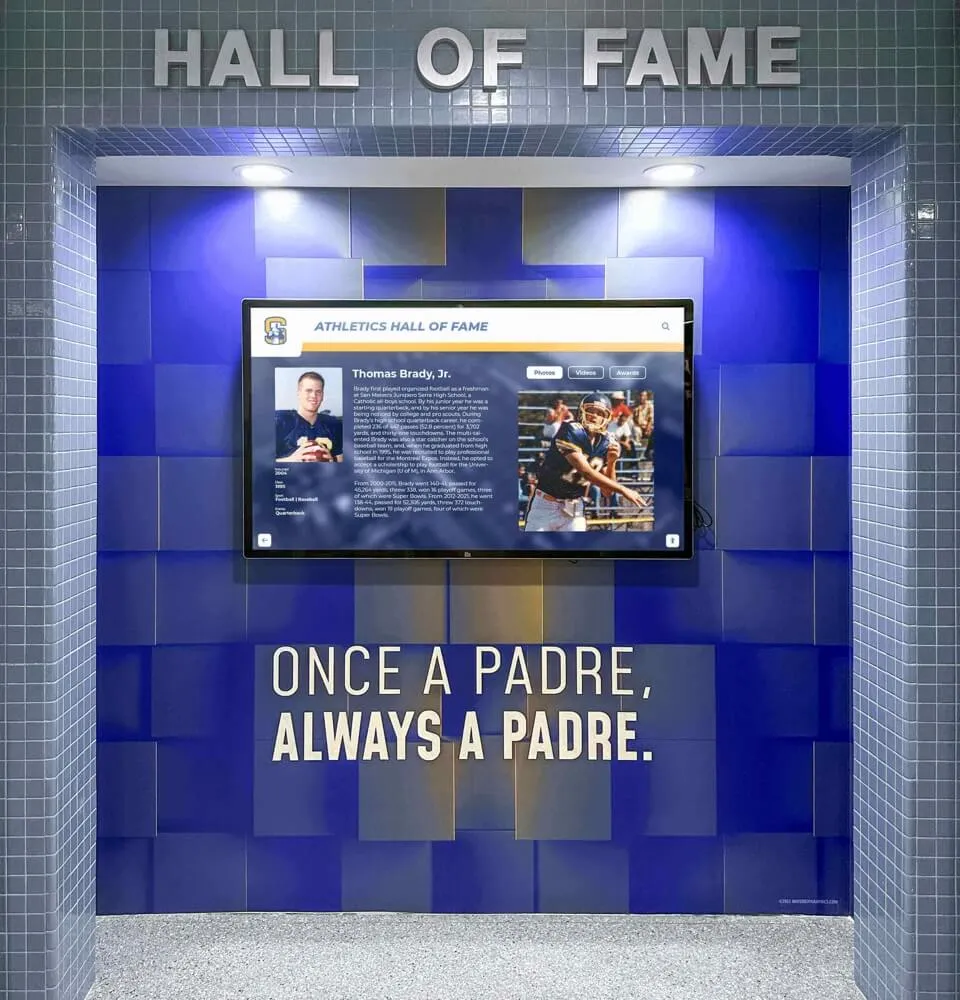
Digital displays expand trophy case capacity showcasing unlimited team achievements from all programs and activities
Puzzle and Logic Challenges
Group Jigsaw Puzzle Race
Collaborative completion challenge:
- Multiple teams receive identical puzzles or different puzzles of similar difficulty
- Working together, complete puzzle in shortest time
- Variation: Mix puzzle pieces from multiple puzzles requiring sorting cooperation
- Teams must develop strategies: border first, color grouping, assigned sections
- Emphasizes task division and supporting teammates in their assigned areas
- Track improvement times over multiple attempts
Escape Room Adaptations
Age-appropriate puzzle sequences:
- Create classroom “escape room” with series of puzzles
- Teams work together solving challenges to “escape” or find treasure
- Puzzles require different skills ensuring all students contribute
- Examples: Math problems, word puzzles, physical challenges, observation tasks
- Provides clues when teams struggle to prevent frustration
- Celebrate successful completion regardless of time
- Adapt complexity to grade level and student abilities
Mystery Box Challenge
Sensory problem-solving:
- Sealed box with various puzzles, locks, or challenges
- Teams work together to open box and retrieve contents
- Requires trying different approaches and learning from failures
- Physical puzzles engaging hands-on learners
- Incorporate literacy, math, and logic across puzzle types
- Creates natural discussion about strategies and approaches
Schools implementing academic recognition programs highlight collaborative academic achievements like team competitions, group projects, and peer tutoring contributions.
Communication-Focused Activities
Exercises specifically developing verbal and non-verbal communication skills essential for effective teamwork.
Verbal Communication Challenges
Telephone Game with a Twist
Communication accuracy exercise:
- Classic telephone game passing whispered message around circle
- Variation 1: Draw what you hear, next person describes drawing, repeat
- Variation 2: Act out message, next person describes action, repeat
- Highlights how messages change through transmission
- Discusses importance of clear communication and asking clarifying questions
- Demonstrates active listening versus passive hearing
- Younger students: Shorter, simpler messages
- Older students: Complex instructions or detailed descriptions
Direction Following Challenge
Precision communication practice:
- One student describes simple shape arrangement without revealing pattern
- Teammates attempt recreating pattern based solely on verbal directions
- Compare results to original discussing what made instructions clear or confusing
- Switch roles allowing all students to practice both giving and following directions
- Increase complexity with more elaborate patterns
- Emphasizes specific language and checking for understanding
Group Story Sequencing
Collaborative organization challenge:
- Provide story printed on individual cards (one sentence per card)
- Without showing cards to each other, team verbally communicates content
- Collectively determine correct sequence placing cards in order
- Requires description skills, active listening, and negotiation
- Variation: Each person receives different part of puzzle solution
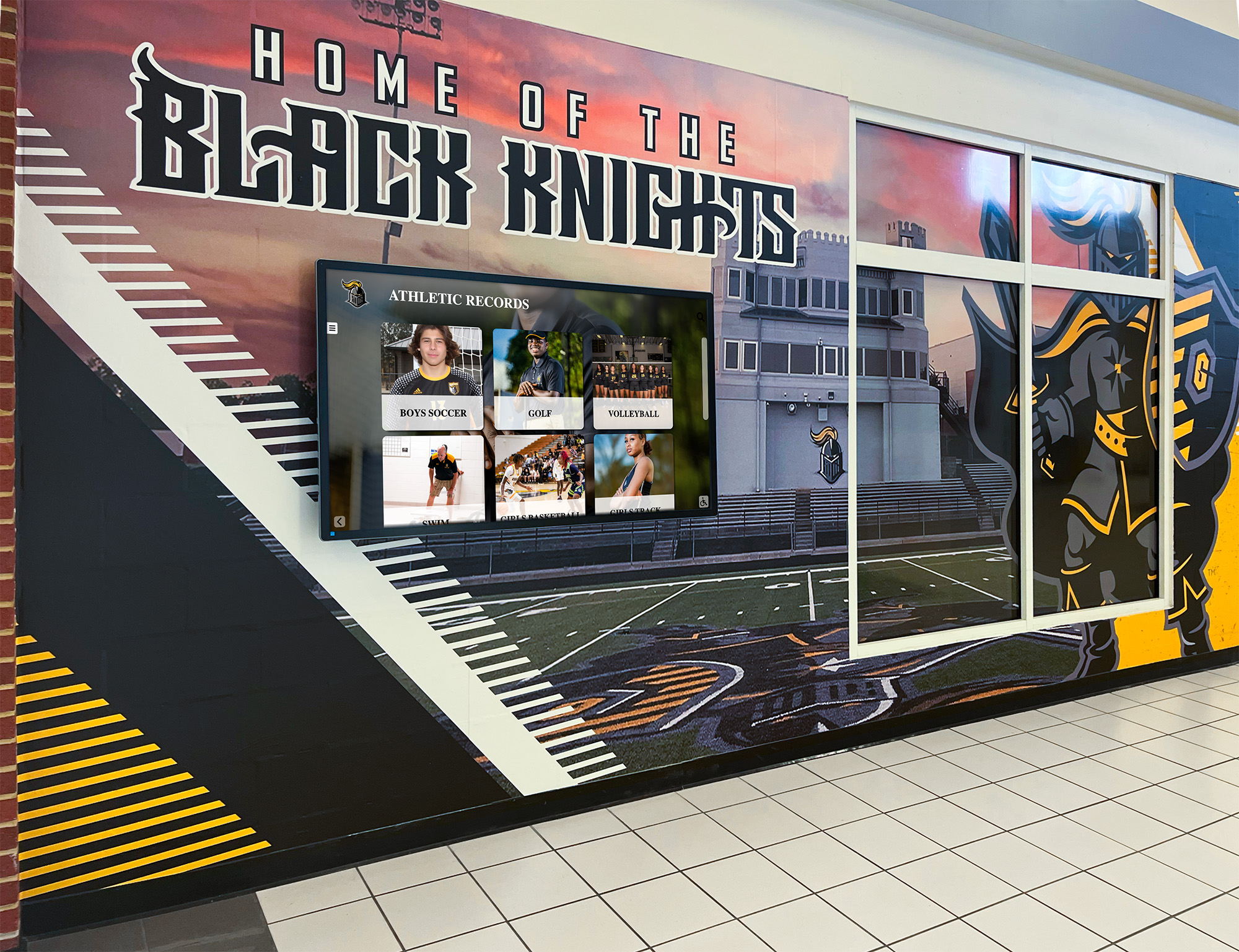
Hallway displays document team accomplishments throughout school history, connecting current students to collaborative traditions
Non-Verbal Communication Activities
Silent Line-Up Challenge
Organization without talking:
- Teams must arrange themselves in order without speaking
- Categories: Birthday, height, alphabetical by name, age in months, shoe size
- Requires creative non-verbal communication strategies
- Quick activity providing immediate feedback about success
- Discuss what communication methods worked effectively
- Emphasizes observation and adaptability
Mirror and Shadow
Movement coordination exercise:
- Partners face each other, one leads movements, other mirrors exactly
- Switch roles after set time period
- Progress to shadow version: Leader faces away, partner follows from behind
- Requires attention, prediction, and smooth controlled movement
- Debrief about what made following easier or harder
- Variation: Groups of 3-4 with one leader, multiple mirrors
Emotion Charades
Emotional intelligence development:
- Students draw emotion cards acting out feelings non-verbally
- Teams guess emotions based on facial expressions and body language
- Discusses how we recognize others’ emotions
- Connects to empathy and responding to classmates’ feelings
- Younger students: Basic emotions (happy, sad, angry, scared, surprised, excited)
- Older students: Complex emotions (frustrated, disappointed, overwhelmed, proud)
Schools celebrating diverse student achievements feature team projects, collaborative performances, and group service initiatives alongside individual accomplishments.
Trust-Building Activities
Exercises specifically developing trust among team members create foundations for deeper cooperation.
Progressive Trust Development
Trust Lean
Introduction to trust activities:
- Partners stand facing each other, arms extended
- One leans forward while partner provides support preventing falling
- Gradually increase lean distance as confidence builds
- Emphasizes clear communication about readiness
- Switch roles ensuring both students experience both positions
- Debrief about what made them feel safe or nervous
- Gateway activity before more complex trust challenges
Blind Walk
Guided support exercise:
- One partner closes eyes or wears blindfold
- Sighted partner verbally guides through simple obstacle course
- Emphasizes clear, specific directions and patient guidance
- Switch roles so all students experience both positions
- Progress from simple to more complex courses
- Discuss feelings about trusting partner and responsibility of being guide
- Variation: Non-verbal guidance using gentle physical direction on shoulders
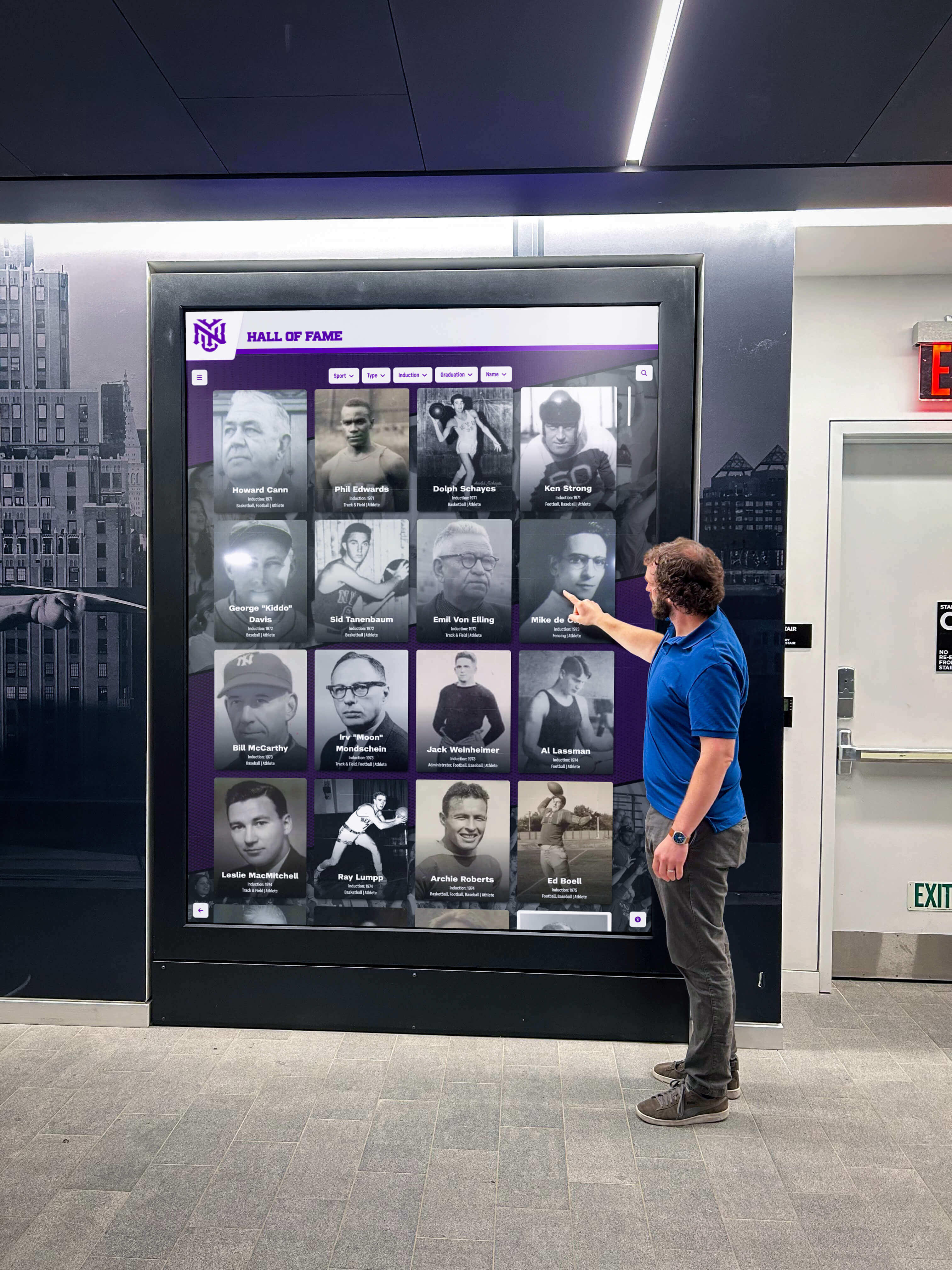
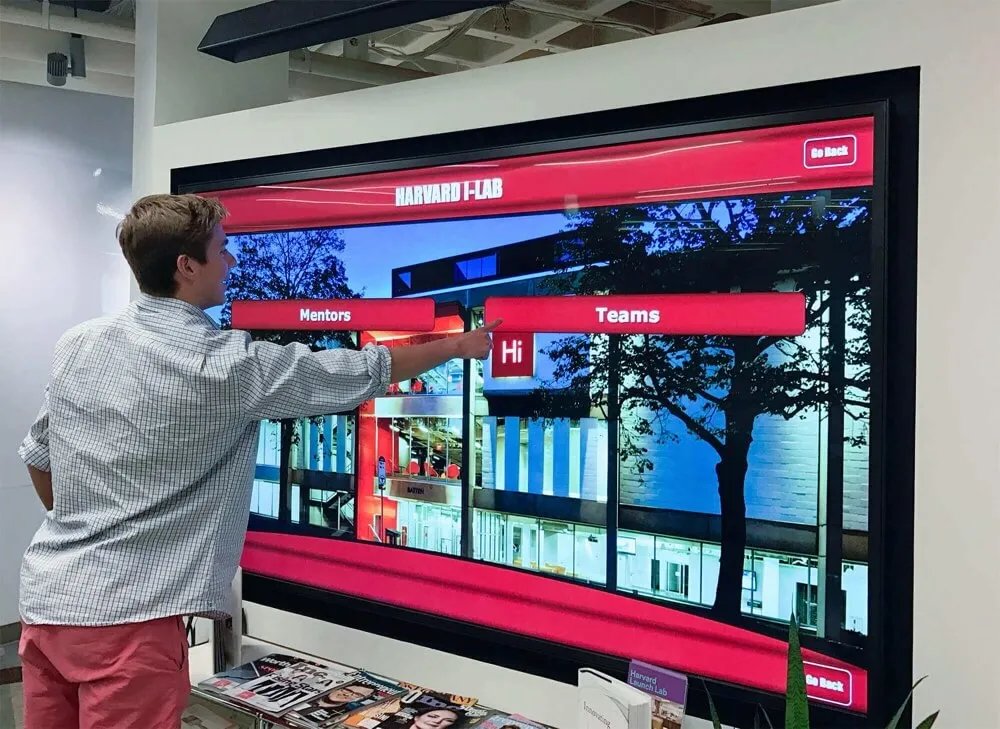
Interactive displays allow students to explore team achievements and member contributions, celebrating individual roles within group success
Group Trust Activities
Trust Fall (Properly Supervised)
Classic trust-building when done safely:
- Small height differences only (standing on floor or low platform)
- Multiple catchers forming proper catching position
- Clear verbal communication protocol before falling
- Extensive safety instruction and practice
- Voluntary participation never forced
- Professional supervision throughout activity
- Younger students: Skip this activity using lower-risk alternatives
- Older students: Appropriate with proper training and supervision
Group Lap Sit
Cooperative balance challenge:
- Circle formation all facing same direction
- On count, everyone simultaneously sits on lap of person behind
- Requires precise timing and mutual support
- If successful, entire circle supports itself
- Demonstrates literal interdependence
- Safe, inclusive trust activity appropriate for most ages
- Can attempt moving as connected group once stable
Trust Walk Maze
Navigation cooperation:
- Create simple maze using cones, rope, or tape on floor
- Blindfolded students navigate with teammates’ verbal guidance
- One guide or team providing instructions
- Emphasizes trusting instructions even when uncertain about path
- Debrief about what made instructions helpful or confusing
- Variation: Silent guides using specific sound signals only
Schools implementing comprehensive student leadership programs leverage team building to develop collaborative leadership skills where students learn to work together toward shared goals.
Creative and Artistic Team Building
Activities incorporating creativity and artistic expression engage different learners while developing collaboration.
Visual Arts Collaboration
Group Mural Creation
Collaborative artwork project:
- Large paper or designated wall space for group artwork
- Theme connected to school values, curriculum, or current learning
- All students contribute to unified artistic vision
- Requires planning composition before beginning
- Negotiating space, color choices, and subject matter
- Celebrate completed mural with prominent display
- Document process through photos showing collaboration
Exquisite Corpse Drawing
Surreal collaborative art game:
- Paper divided into sections (typically thirds)
- First artist draws head/top section, folds paper hiding most of drawing
- Second artist adds middle section seeing only small overlap
- Third artist completes bottom without seeing earlier sections
- Reveal full drawing celebrating unexpected combinations
- Discuss how individual contributions created collective product
- Variation: Use story writing instead of drawing
Team Collage Creation
Mixed-media cooperation:
- Teams receive magazines, scissors, glue, and large posterboard
- Create collage representing specific theme or concept
- All members contribute materials and placement decisions
- Requires aesthetic negotiation and inclusive decision-making
- Present finished collages to class explaining choices
- Display prominently celebrating all group artwork equally
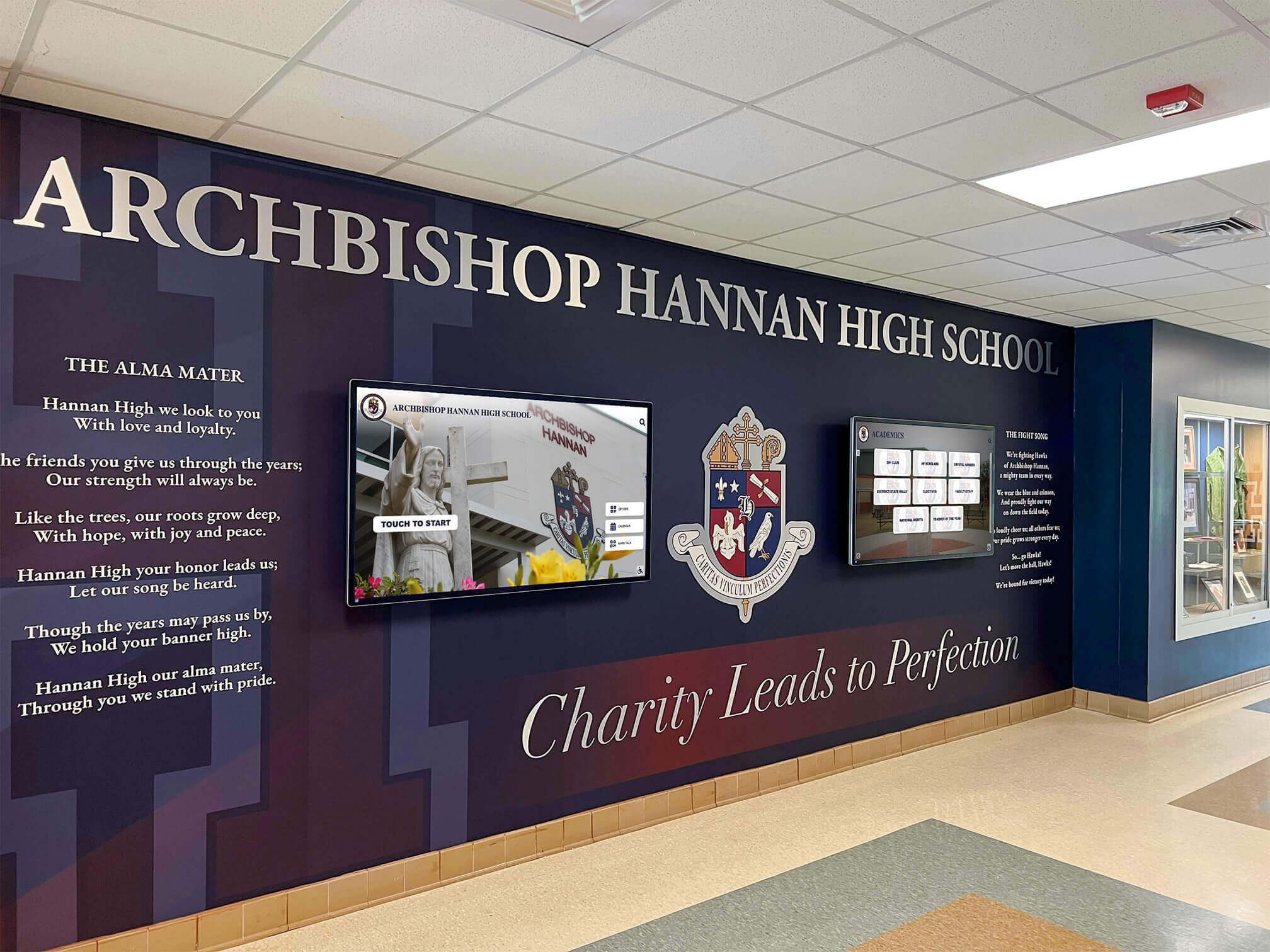
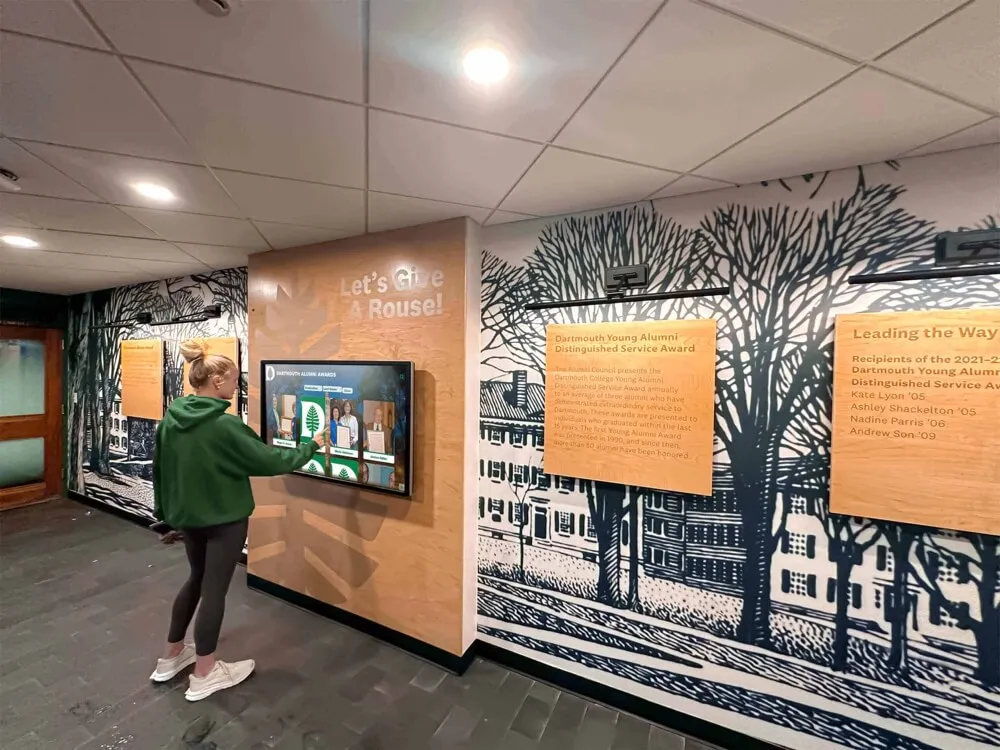
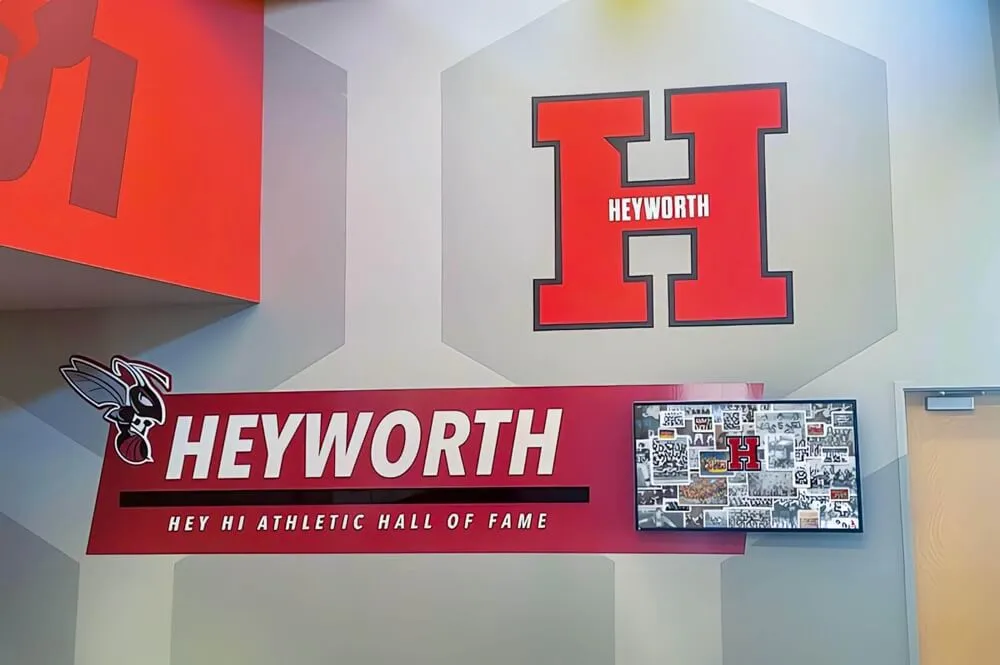
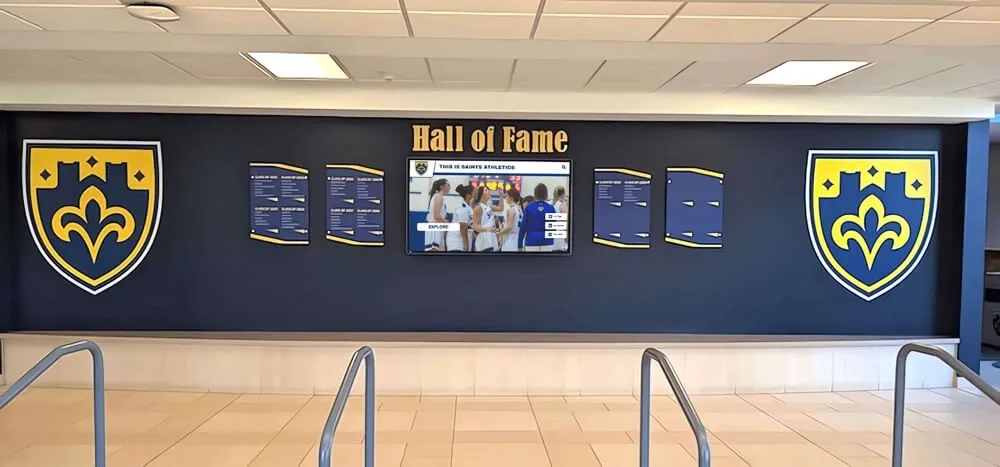
Lobby displays combine traditional school imagery with modern recognition celebrating how cooperation contributes to institutional success
Performing Arts Team Building
Group Music Creation
Collaborative rhythm activity:
- Each team member creates simple rhythm pattern using body percussion
- Practice individually then perform layered combination as group
- Requires listening, maintaining own pattern while hearing others, coordination
- Record performance for playback
- Variation: Simple instruments like rhythm sticks, shakers, drums
- No musical experience required, focuses on cooperation not talent
Collaborative Movement Sequence
Dance teamwork without performance pressure:
- Teams create short movement sequence (30-60 seconds)
- Everyone contributes moves incorporated into final product
- Teach sequence to another team promoting communication
- Emphasizes creativity and inclusion over polished performance
- Appropriate music increasing engagement
- Present sequences casually celebrating participation over perfection
Improv Theater Games
Spontaneous creative cooperation:
- “Yes, And” exercises building on partners’ contributions
- Group scenes where everyone adds details and advances action
- Emphasizes acceptance, flexibility, and supporting others’ ideas
- Reduces perfectionism focusing on spontaneity over scripted excellence
- Develops comfort with ambiguity and adapting to changes
- Lots of laughter creating positive associations with teamwork
Schools featuring arts program achievements prominently demonstrate that collaborative creative projects receive recognition equal to individual artistic accomplishments.
Service Learning Team Projects
Activities where teams collaborate to benefit broader communities develop teamwork while teaching social responsibility.
Classroom and School Service
Buddy Reading Program
Cross-grade tutoring teamwork:
- Older students paired with younger readers
- Collaborative planning about book selections and activities
- Teams support each other’s tutoring experiences
- Regular meetings discussing strategies and challenges
- Requires patience, communication, and adapting to learner needs
- Celebration recognizing both tutors and reading partners
- Track reading progress showing concrete impact
School Beautification Projects
Collaborative physical improvement:
- Teams identify areas needing enhancement (gardens, murals, organization)
- Plan projects with adult guidance
- Execute improvements working together
- Requires coordinating tasks, resource sharing, and sustained effort
- Visible results providing tangible evidence of teamwork impact
- Documentation through before/after photos
- Permanent installations creating lasting legacy
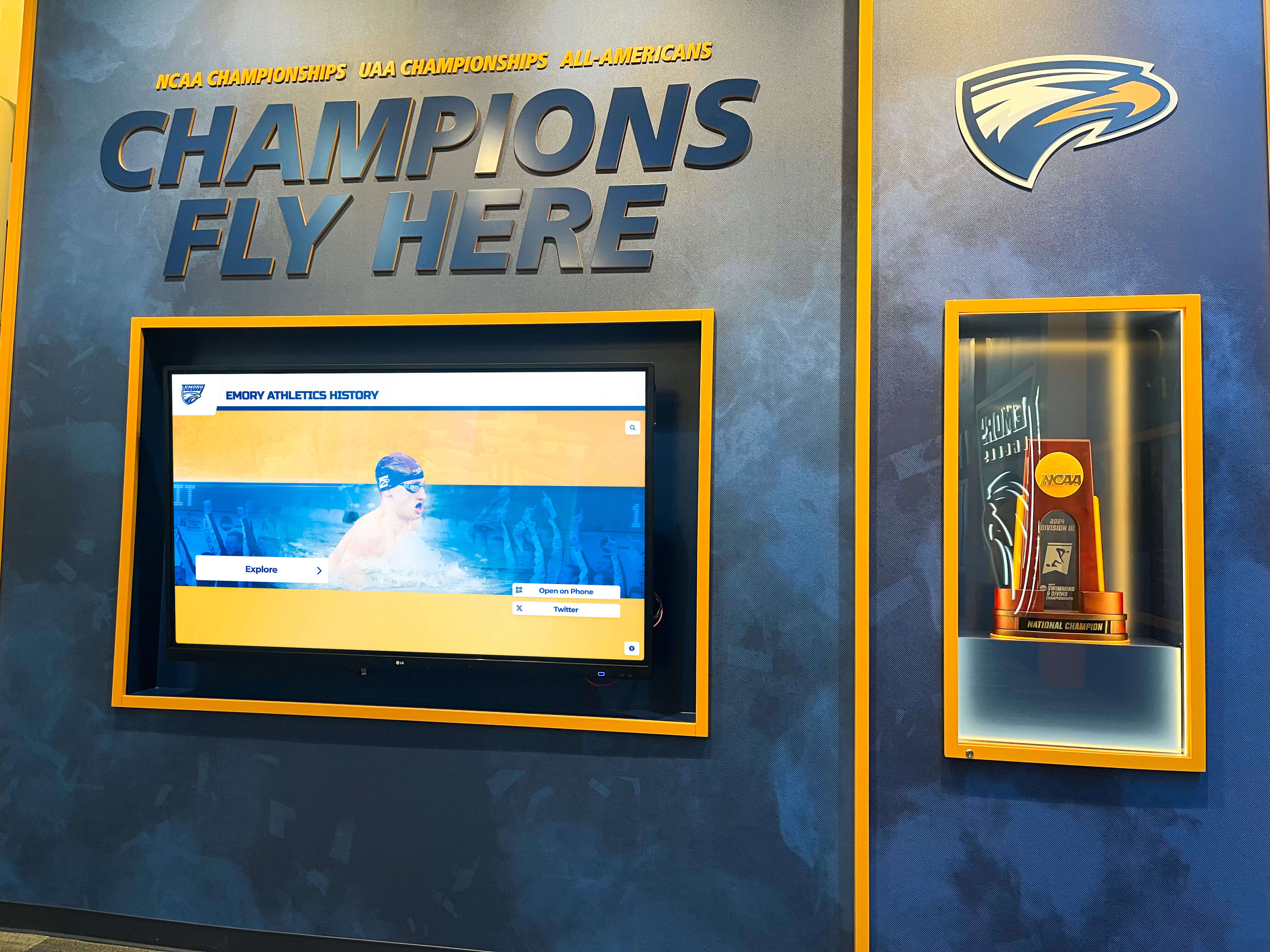
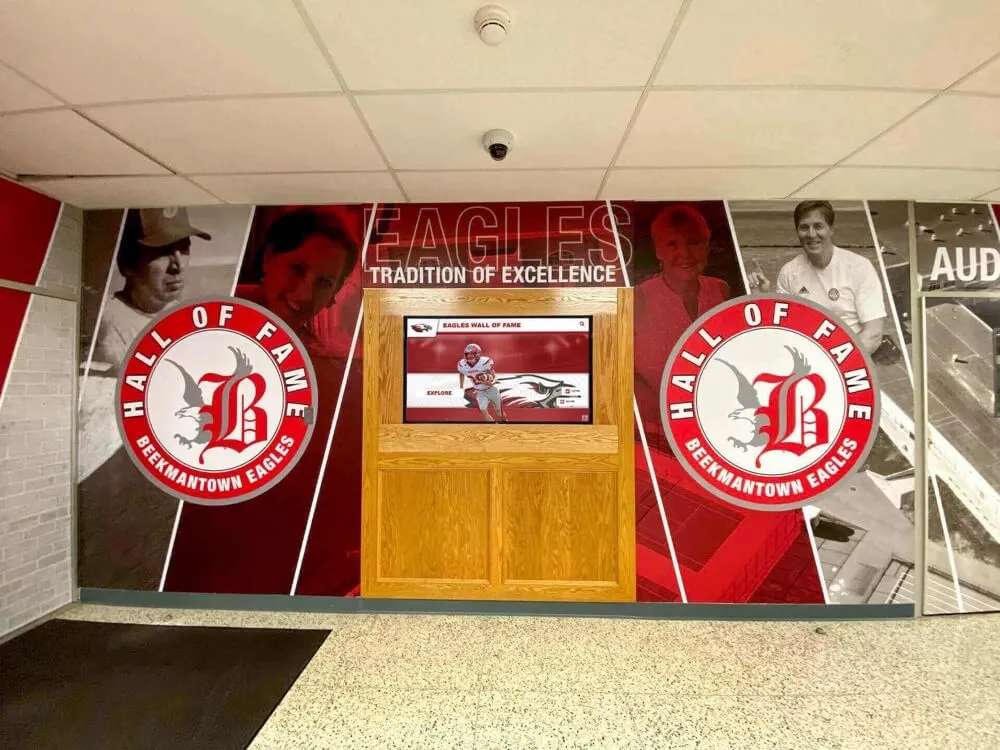
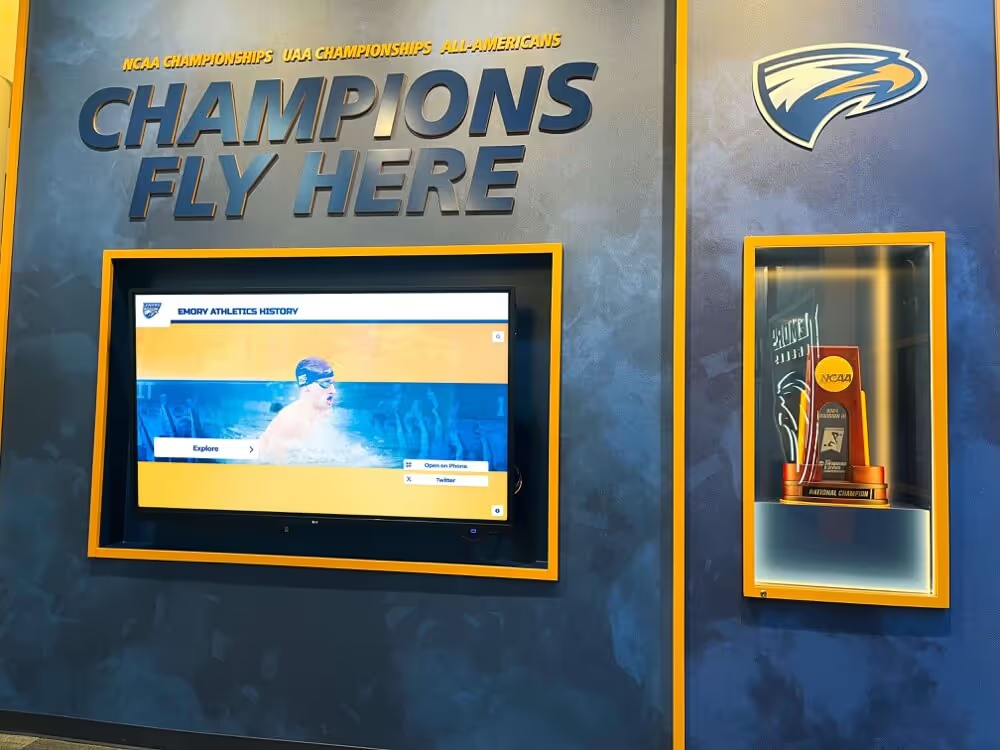
Championship displays document team achievements creating visual evidence that cooperation and collaboration lead to success
Community Service Team Projects
Food Drive Organization
Coordinated charitable effort:
- Teams organize collection, sorting, and delivery of food donations
- Different roles: Promotion, collection, organization, delivery coordination
- Requires planning, communication with external partners, execution
- Track impact through pounds collected or families served
- Connects teamwork to meaningful community benefit
- Reflection discussions about working together toward important goals
Environmental Team Initiatives
Collaborative conservation projects:
- School or community cleanup teams working together
- Recycling program development and implementation
- Tree planting or habitat restoration projects
- Requires sustained coordination over weeks or months
- Tangible environmental impact from collective efforts
- Partnerships with environmental organizations providing guidance
Senior Center or Nursing Home Partnerships
Intergenerational cooperation:
- Teams plan and execute activities for senior community members
- Holiday cards, performances, game afternoons, technology tutoring
- Requires understanding different audience needs and adapting approaches
- Intergenerational relationships building empathy and perspective-taking
- Gratitude from seniors providing meaningful feedback about impact
- Regular commitments teaching responsibility and follow-through
Schools implementing community service recognition feature team service projects prominently, demonstrating that collaborative community contributions receive celebration alongside individual volunteer efforts.
School-Wide Team Building Events
Large-scale activities engaging entire grades or schools create memorable shared experiences while developing cooperation.
Field Day Team Competitions
Cooperative Field Day Design
Rethinking traditional competitive structure:
Rather than purely competitive field day, incorporate cooperative challenges:
- Teams of mixed abilities working together rather than competing against each other
- Activities requiring all members’ participation for success
- Challenges where faster completion without team coordination fails
- Stations mixing athletic skills with problem-solving and creativity
- Points awarded for teamwork, sportsmanship, and inclusion alongside performance
- Everyone contributes regardless of athletic ability level
Station Examples
- Water relay requiring careful coordination to avoid spilling
- Group jump rope challenges counting team’s collective jumps
- Tug-of-war against clock rather than opposing team
- Obstacle courses where slowest teammate determines team time emphasizing support
- Problem-solving challenges requiring planning before physical execution
House System Implementation
Creating Long-Term Team Structure
Many schools implement “house” systems inspired by international models:
House System Benefits
- Students assigned to houses (randomly or strategically) for entire school career
- Multi-grade teams creating mentorship opportunities
- Ongoing points competition throughout year rewarding various achievements
- Academic performance, service, sportsmanship, and character recognition
- House identity with colors, mascots, and traditions
- Regular house meetings building cross-grade relationships
- House cups or trophies recognizing annual winners
House Event Examples
- Monthly challenges requiring house collaboration
- Service projects where houses compete to generate most impact
- Academic competitions showcasing house intellectual talents
- Athletic competitions alongside traditional sports teams
- Spirit competitions during key school events
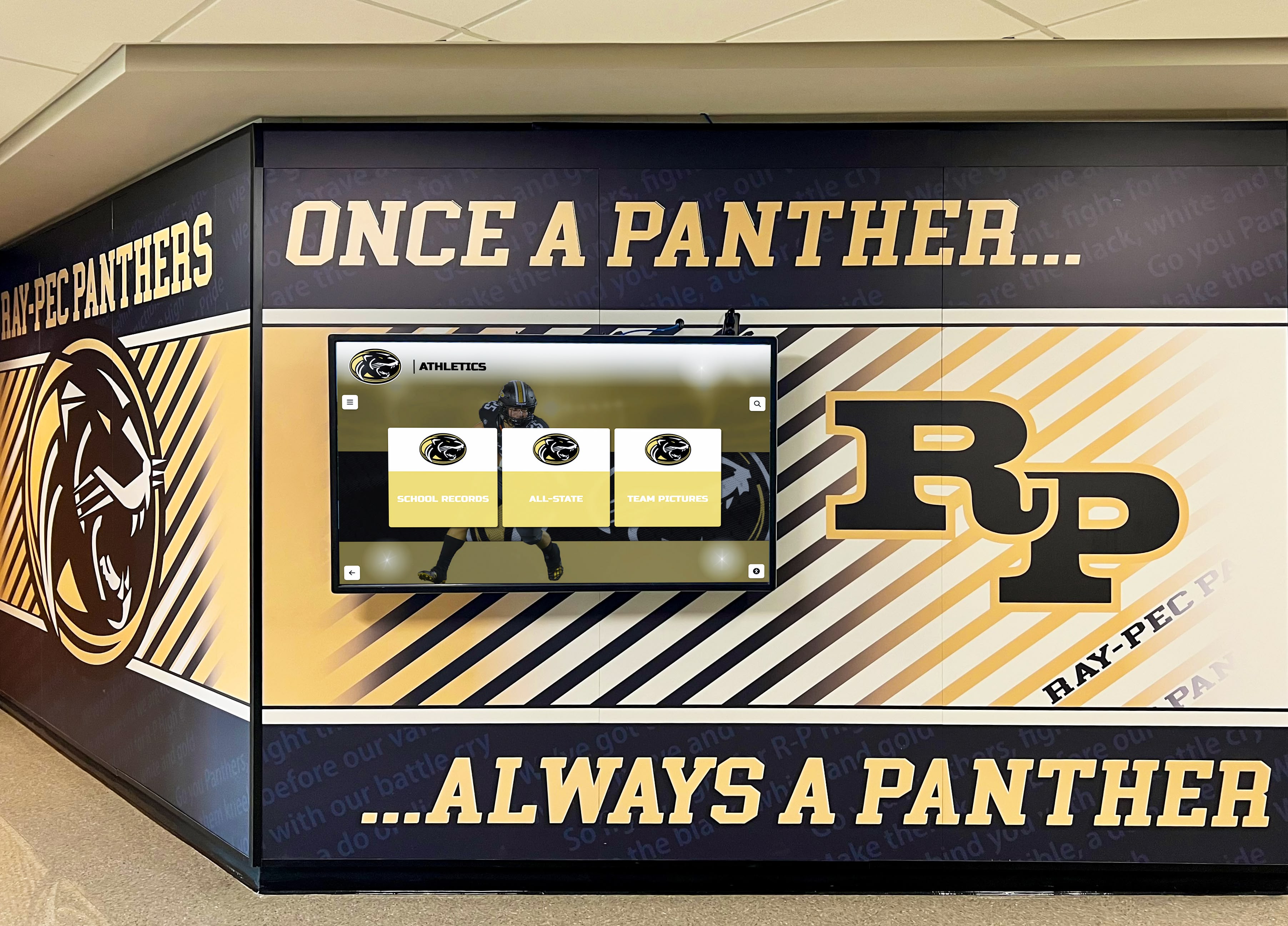
School branding combined with recognition displays creates environments where team achievements receive consistent visibility
School-Wide Challenge Days
STEM Challenge Day
Coordinated problem-solving event:
- All classes or grade levels receive same challenge to solve
- Teams work independently but results compared school-wide
- Examples: Egg drop protection, bridge building, catapult contests, solar ovens
- Cross-curricular integration of science, math, and engineering
- Culminating exhibition where teams present solutions
- Celebration honoring creative approaches alongside successful designs
- Emphasizes multiple paths to success
Arts Integration Day
Creative collaboration showcase:
- Teams create large-scale artistic installations or performances
- Cross-grade partnerships pairing older with younger students
- Integration of visual arts, music, drama, and creative writing
- Installation throughout school building transforming environment
- Community invited to view completed projects
- Documentation preserving collaborative creative achievements
Schools implementing comprehensive recognition infrastructure showcase these school-wide collaborative achievements alongside individual accomplishments, demonstrating institutional commitment to cooperation as core value.
Integrating Team Building Into Daily School Culture
Lasting cooperation skills develop through consistent integration rather than isolated activities.
Classroom Structure Supporting Collaboration
Cooperative Learning Structures
Daily instructional approaches building teamwork:
- Think-Pair-Share requiring partnerships before whole-class discussion
- Jigsaw activities where students teach peers their expert topics
- Group projects with structured roles ensuring equitable participation
- Peer review and editing partnerships developing feedback skills
- Collaborative problem-solving in math, science, and other subjects
- Team competitions like academic quiz bowl or Jeopardy-style reviews
Classroom Jobs and Responsibilities
Shared classroom maintenance building community:
- Rotating job assignments ensuring everyone contributes
- Team-based jobs requiring coordination: classroom librarians, technology team, supplies managers
- Morning meeting routines building daily connection and communication
- Class meetings discussing issues and making collective decisions
- Collaborative goal-setting for academic or behavioral objectives
- Recognition of excellent teamwork and helping behaviors
Athletic spaces featuring team championship recognition create environments celebrating collaboration leading to shared success
Recess and Lunch Cooperation
Structured Recess Options
Guided play building teamwork:
- Recess coaches teaching cooperative games versus default competitive sports
- Equipment rotation ensuring variety in activities available
- Inclusive games where everyone can participate regardless of athletic skill
- Problem-solving challenges available alongside traditional play
- Peer mediators helping resolve conflicts and include marginalized students
- Recognition of students demonstrating excellent sportsmanship and inclusion
Lunch Buddy Programs
Social connection across boundaries:
- Structured lunch groups mixing grade levels, friend groups, or demographics
- Conversation starters or discussion questions provided
- Older students mentoring younger through lunch partnerships
- Reduction of social isolation for students struggling to connect
- Monthly rotation exposing students to diverse peers
- Creates relationships supporting cooperation in other contexts
Morning Meetings and Advisory
Community-Building Routines
Daily practices strengthening relationships:
- Greetings acknowledging each student personally
- Sharing time allowing students to express themselves
- Group activities practicing cooperation skills
- Morning messages reinforcing school values including teamwork
- Class cheer or ritual creating shared identity and belonging
- Brief problem-solving discussions when team issues arise
Schools implementing character education comprehensively weave teamwork into daily expectations, recognition, and visible celebration throughout facilities.
Recognition Systems Supporting Team Culture
How schools acknowledge cooperation significantly impacts whether students value teamwork.
Team Achievement Recognition
Celebrating Collaborative Success Visibly
Recognition infrastructure matters:
Traditional trophy cases typically showcase individual athletic achievements, creating environments implicitly valuing individual success over teamwork. Modern schools increasingly implement comprehensive recognition systems celebrating both individual and team accomplishments across all areas.
Digital recognition platforms like Rocket Alumni Solutions enable schools to:
- Showcase unlimited team achievements without physical space constraints
- Feature team rosters with individual member profiles showing who contributed
- Display group project documentation from academic classes
- Recognize service learning team initiatives and community impact
- Celebrate athletic team championships alongside individual honors
- Include performing arts ensemble achievements and collaborative productions
- Document student government and leadership team contributions
These systems create environments where students see concrete evidence that teamwork receives genuine celebration, reinforcing cooperation as core school value.

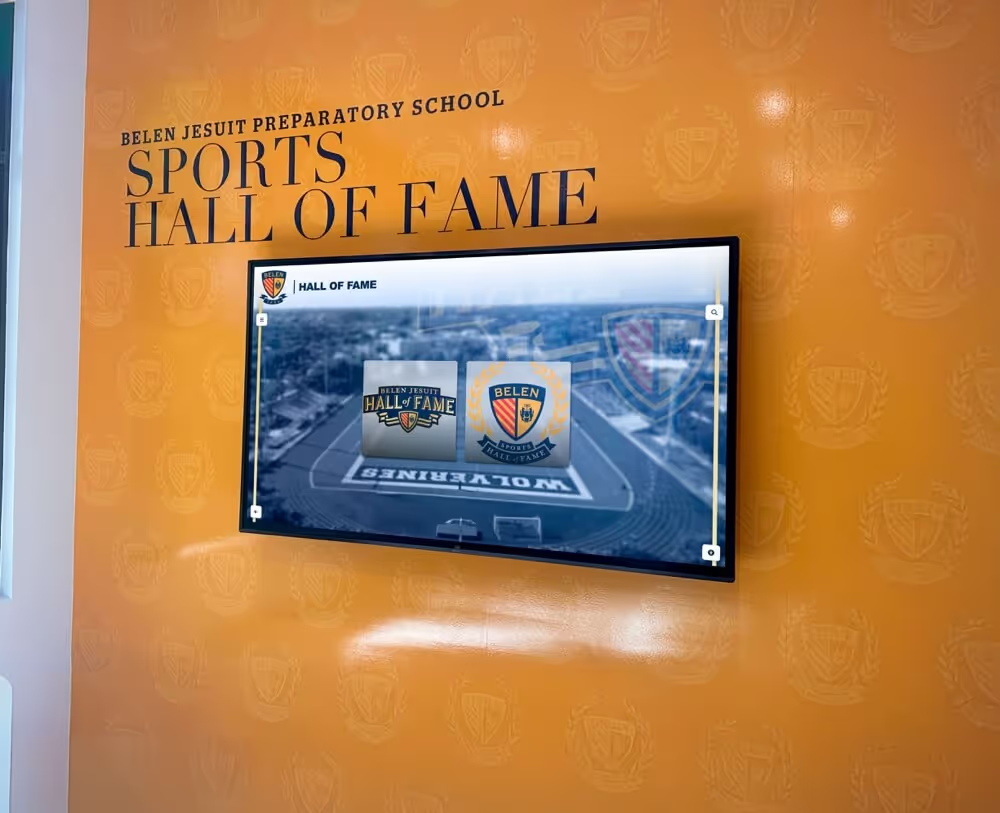
Interactive displays allow exploring both team achievements and individual contributions, showing how personal efforts create collective success
Awards and Incentives for Collaboration
Recognition Programs Honoring Cooperation
Team Player Awards
- Regular recognition of students demonstrating excellent teamwork
- Specific behaviors highlighted: encouraging others, including peers, productive conflict resolution
- Nominated by teachers, peers, or based on observed behaviors
- Certificate or badge recognition displayed prominently
- Featured on digital displays alongside other achievements
Collaborative Project Showcases
- Gallery walks displaying team projects from all subject areas
- Presentations where teams explain their collaborative process
- Documentation showing how teams divided work and supported each other
- Recognition of exemplary teamwork alongside project quality
- Family invitations to view collaborative work
Sportsmanship and Fair Play Recognition
- Athletic awards specifically for teamwork and supporting teammates
- Equal prominence with individual performance awards
- Stories shared about examples of excellent team support
- Photos and videos documenting great teamwork moments
- Athletic recognition systems featuring both team championships and individual cooperation honors
Peer Recognition Systems
Student-to-Student Appreciation
Empowering students to acknowledge peers:
Kindness Boards
- Bulletin boards where students post notes appreciating teammates
- Recognition of specific helpful behaviors observed
- Regular reading aloud of appreciations during class meetings
- Documentation showing how students support each other
- Creates culture of noticing and celebrating cooperation
Team of the Week Recognition
- Classes nominate teams demonstrating excellent collaboration
- Brief explanation of what made teamwork exemplary
- Featured on morning announcements or social media
- Small recognition like certificate or classroom display
- Rotating through different types of teams (academic, athletic, service, creative)
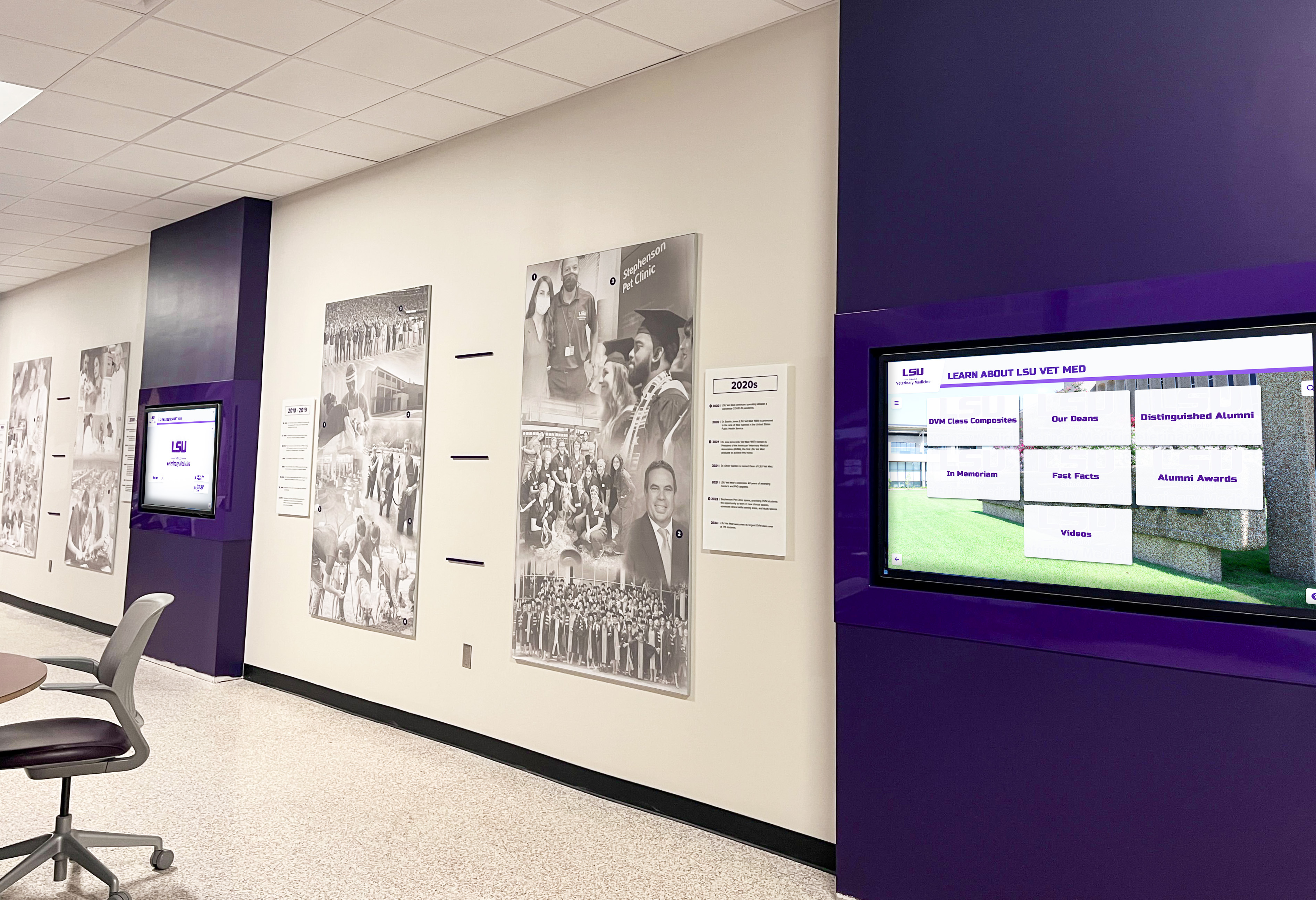
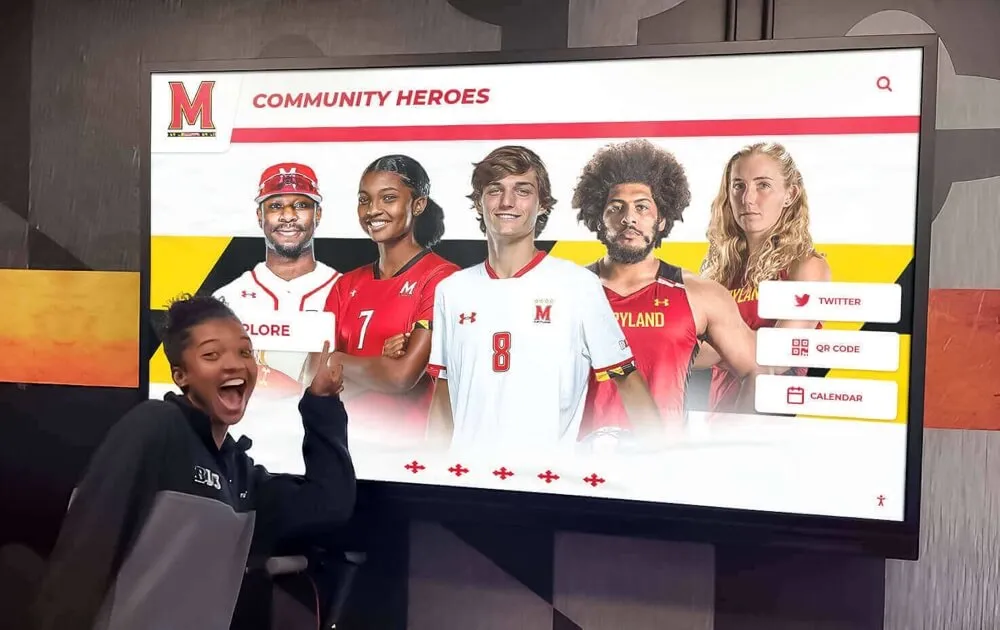
Multiple coordinated displays create comprehensive recognition environments celebrating achievements across all collaborative endeavors
Schools implementing comprehensive school spirit initiatives ensure that team-oriented messages and cooperative behaviors receive consistent reinforcement through visible recognition systems.
Assessment and Reflection for Deeper Learning
Team building activities generate greatest impact when combined with intentional reflection and skill assessment.
Debriefing Activities Effectively
Processing Team Experiences
Structured reflection questions:
Immediate Debrief (Right After Activity)
- What did your team do well during this challenge?
- What was difficult or frustrating about working together?
- How did your team communicate and make decisions?
- What role did you play in helping your team succeed?
- If we did this again, what would you do differently?
- How did you feel when your team succeeded (or struggled)?
Making Connections to Real Life
- When else do you need to work in teams (classroom, sports, home)?
- How are the skills we practiced today useful in other situations?
- What did you learn about yourself as a team member?
- What did you learn about how to work effectively with others?
Younger Students: Use simpler questions focusing on concrete observations. “What helped your team work together?” “How did you feel during the activity?”
Ongoing Skill Development Tracking
Cooperation Skill Rubrics
Assessing growth in specific competencies:
Key Teamwork Skills to Assess
- Communication: Expressing ideas clearly, listening actively to others
- Responsibility: Completing assigned tasks, supporting team goals
- Problem-solving: Contributing ideas, adapting when plans don’t work
- Inclusivity: Ensuring all voices heard, valuing diverse contributions
- Conflict resolution: Disagreeing respectfully, finding compromises
- Encouragement: Supporting teammates, celebrating others’ contributions
Assessment Approaches
- Self-assessment where students reflect on own teamwork
- Peer feedback highlighting teammates’ contributions
- Teacher observation during activities noting specific behaviors
- Growth tracking showing development over time rather than single snapshot
- Goal-setting for improving specific cooperation skills
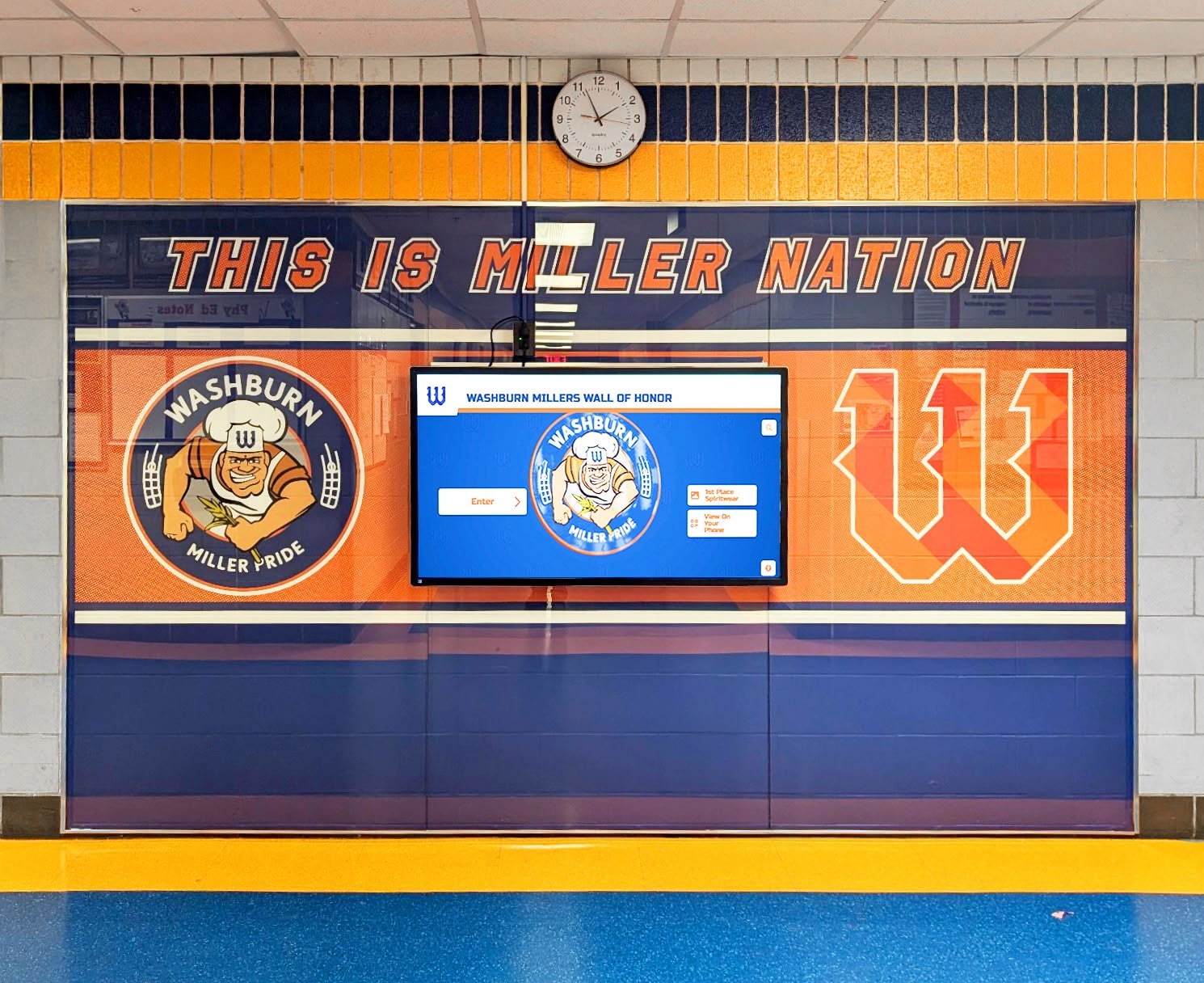
Hallway recognition displays documenting team achievements create daily reminders that cooperation receives ongoing celebration
Portfolio Documentation
Capturing Team Building Journey
Creating lasting records of growth:
- Photos and videos from team building activities showing collaboration
- Written reflections about what students learned working in teams
- Examples of successful team projects from academic classes
- Awards or recognition received for excellent teamwork
- Goal-setting and progress tracking for cooperation skills
- Presentation to families during conferences showing teamwork development
Documentation serves multiple purposes: Personal growth tracking, celebration of achievements, evidence for families about skill development, and creating school culture artifacts demonstrating cooperation emphasis.
Addressing Team Building Challenges
Understanding common obstacles helps schools plan proactive responses.
Challenge: Student Who Won’t Participate
Problem: Individual student refuses to engage in team activities
Underlying Causes
- Social anxiety or fear of judgment by peers
- Previous negative team experiences creating resistance
- Developmental differences affecting social interaction comfort
- Attention-seeking through oppositional behavior
- Genuine physical or sensory concerns about specific activities
Approaches
- Private conversation understanding barriers to participation
- Modified roles allowing comfortable engagement level
- Gradual exposure starting with low-risk activities
- Partner with trusted peer reducing anxiety
- Choice within structure: Different ways to contribute
- Celebrate small steps toward greater participation
- Avoid forced participation creating power struggles
- Address underlying skill deficits through separate instruction
Challenge: Dominant Students Controlling Groups
Problem: One or two students make all decisions while others disengage
Approaches
- Assign specific roles with clear responsibilities for all members
- Rotation of leadership positions across activities
- “Equal airtime” rules requiring everyone’s input
- Evaluation including individual contribution assessment
- Private coaching of dominant students about inclusive leadership
- Recognition celebrating students who support quieter teammates
- Structured turn-taking protocols built into activities
- Teacher intervention when domination observed
Challenge: Conflict and Disagreement
Problem: Team members argue or refuse to work together constructively
Approaches
- Pre-teaching conflict resolution strategies before problems arise
- “Disagree and commit” protocol for moving forward
- Mediation support when conflicts exceed student capacity
- Emphasis on respectful disagreement as normal and healthy
- Reframing conflict as problem-solving opportunity
- Time-outs allowing cooling down before resolution
- Adult modeling of productive conflict resolution
- Recognition of teams successfully navigating disagreements
Schools implementing comprehensive student support systems address underlying social-emotional skill gaps preventing successful team participation while continuing team building with appropriate supports.
Creating Sustainable Team Building Programs
Long-term success requires systematic approaches embedded in school operations.
Schoolwide Team Building Calendar
Consistent, Progressive Programming
Annual planning ensuring regular team building:
Elementary School Sample Calendar
- September: Community-building activities establishing norms
- October: Communication skills focus across all classrooms
- November: Service learning team projects
- December: Creative collaboration for seasonal performances
- January: New semester team formation and goal-setting
- February: Problem-solving challenges introducing complexity
- March: Trust-building progressive activities
- April: School-wide collaborative challenge day
- May: Reflection and celebration of teamwork growth
Integration With Existing Programs
- PE classes featuring cooperative games regularly
- Recess structured with team-building options available
- Academic classes using cooperative learning strategies
- Advisory or morning meeting time for community building
- School-wide events designed with collaboration emphasis
- After-school programs incorporating team challenges
Professional Development for Staff
Building Faculty Capacity
Teachers need support implementing team building effectively:
Training Topics
- Developmental appropriate activities for different age groups
- Facilitation skills: Debriefing, managing conflicts, ensuring inclusion
- Integrating team building into curriculum naturally
- Assessment of cooperation skills and tracking growth
- Creating psychologically safe environments for risk-taking
- Modifying activities for students with diverse needs
- Recognizing and celebrating teamwork systematically
Ongoing Support Systems
- Team building activity library with detailed instructions
- Faculty sharing successful approaches and lessons learned
- Video examples showing excellent facilitation
- Co-teaching or coaching for teachers building confidence
- Regular faculty team building modeling desired approaches
- Time allocated in staff meetings for planning and reflection
Celebrate Team Achievements Throughout Your School
Discover how digital recognition displays transform team building efforts by showcasing collaborative achievements year-round. Feature unlimited team projects, group accomplishments, and cooperative successes across academics, athletics, arts, and service. Create environments where students see concrete evidence that teamwork receives celebration equal to individual achievement. Explore how schools nationwide build cooperation culture through comprehensive recognition infrastructure.
Explore Recognition SolutionsConclusion: Building Lifelong Cooperation Skills
The team building activities and approaches explored throughout this comprehensive guide provide foundations for developing cooperation skills children carry throughout their lives. From quick classroom exercises building communication to elaborate school-wide events creating memorable shared experiences, intentional team building transforms students into confident collaborators who understand how individual contributions create collective success.
Effective team building requires matching activities to developmental stages, creating psychologically safe environments where risk-taking feels comfortable, and recognizing that cooperation skills develop gradually through consistent practice rather than one-time events. Schools excelling at developing collaborative students integrate team building systematically throughout school culture—from daily classroom structures to physical environments celebrating cooperative achievements.
The recognition systems schools implement matter tremendously. When students see team accomplishments showcased as prominently as individual achievements, they understand viscerally that cooperation receives genuine value. Modern digital recognition platforms provide unlimited capacity to celebrate collaborative successes across academics, athletics, arts, and service, creating environments where teamwork becomes central to institutional identity rather than occasional emphasis.
Begin where you are with team building activities matching your current capacity and resources, then systematically expand toward comprehensive approaches your students deserve. Every child who develops strong cooperation skills through intentional school team building experiences gains capabilities supporting academic success, healthy relationships, professional achievement, and civic engagement throughout their lifetime.
Your students deserve school communities where they feel safe taking risks, comfortable expressing ideas, confident their contributions matter, and proud of what they accomplish together. With appropriate activity selection, thoughtful facilitation, inclusive participation structures, and recognition systems celebrating both individual and collective achievements, you create team-building cultures preparing students for collaborative challenges they’ll face throughout their lives while strengthening school spirit through shared accomplishment and mutual support.