The energy is palpable as students stream through school entrances wearing neon colors, decades costumes, or creative twin-day outfits. Spirit week transforms ordinary school days into celebrations where students express creativity, build community connections, and demonstrate pride in their institution. Yet the most memorable spirit weeks accomplish more than temporary excitement—they create lasting memories worth preserving and celebrating long after the final bell rings.
Many schools struggle with spirit week themes that feel repetitive, fail to engage diverse student populations, or focus exclusively on athletic events rather than broader school community. Meanwhile, the best spirit weeks integrate inclusive themes encouraging universal participation, connect daily themes to underlying school values, and preserve memorable moments through recognition systems extending celebration beyond a single week.
This comprehensive guide explores 30+ creative spirit week themes proven to build authentic school spirit across elementary, middle, and high schools. Whether you’re planning your first spirit week or reimagining an existing tradition, these strategies help create inclusive experiences that strengthen school culture while providing memories and achievements worth celebrating permanently.
Effective spirit weeks require thoughtful theme selection matching your school community, inclusive participation structures ensuring all students find ways to engage, and recognition systems preserving the achievements and memories these celebrations create. Schools excelling at spirit week understand that the goal extends beyond temporary enthusiasm—these events build lasting pride, strengthen relationships, and create traditions connecting current students to institutional legacy.
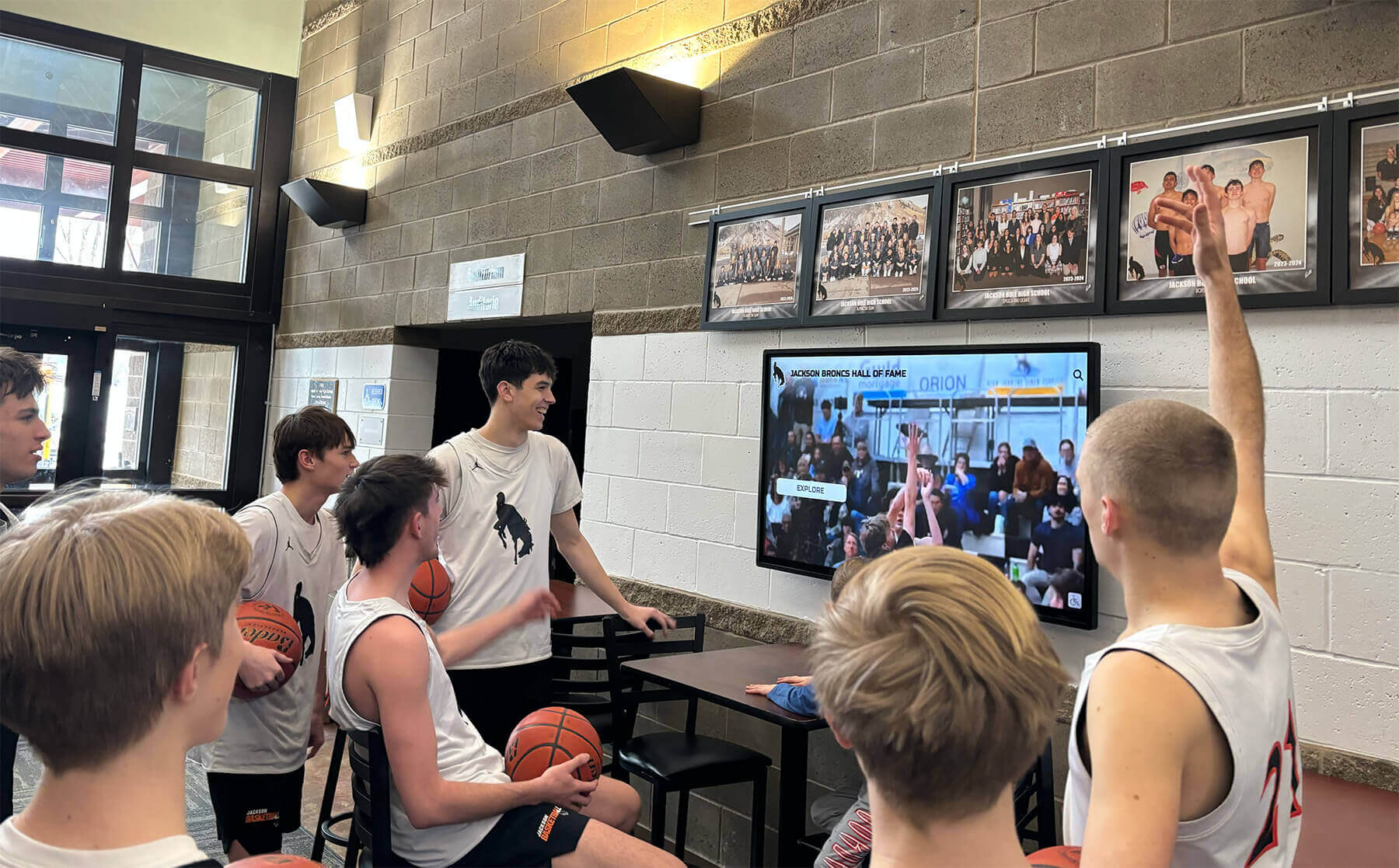
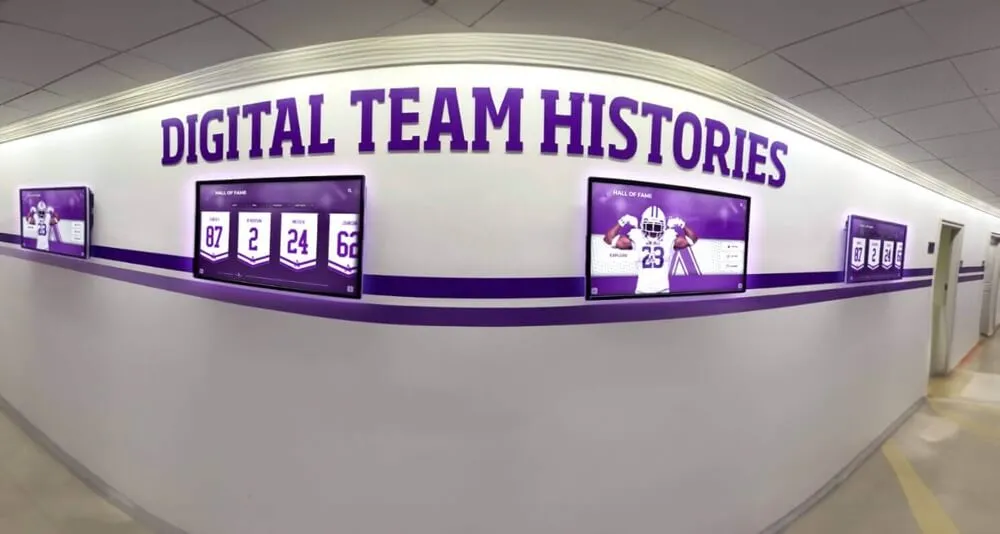
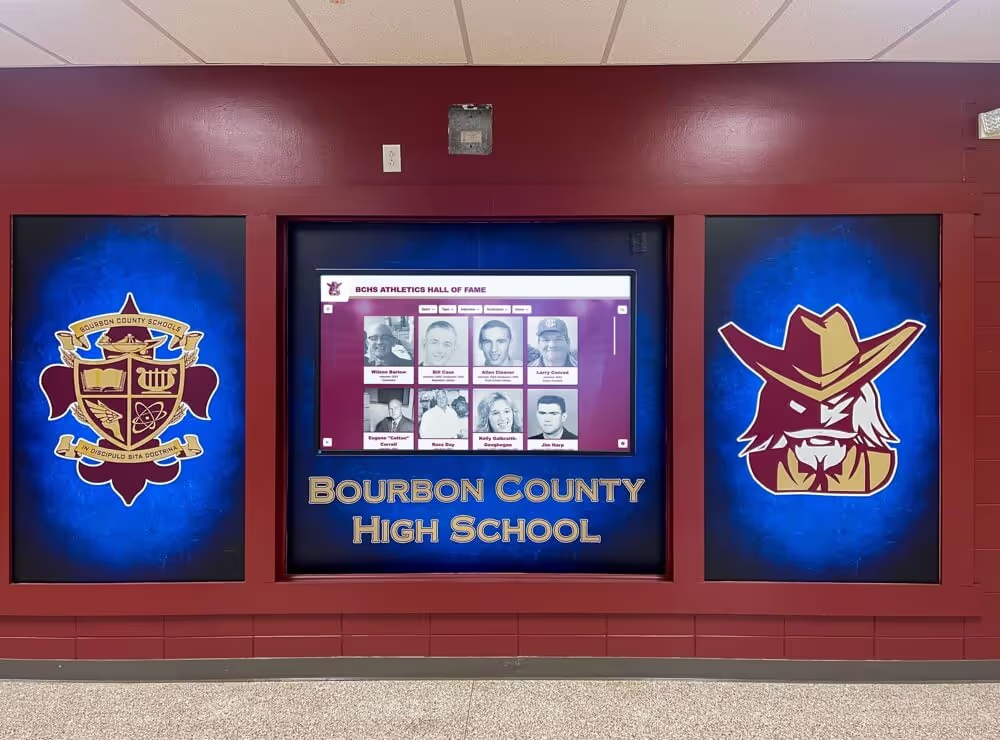
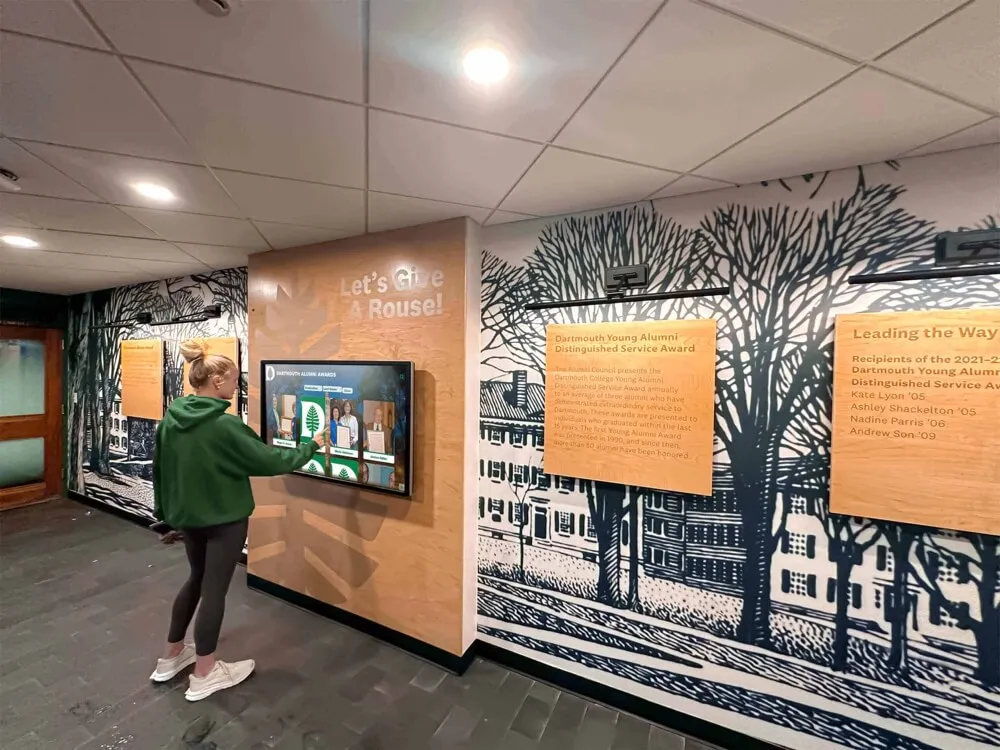
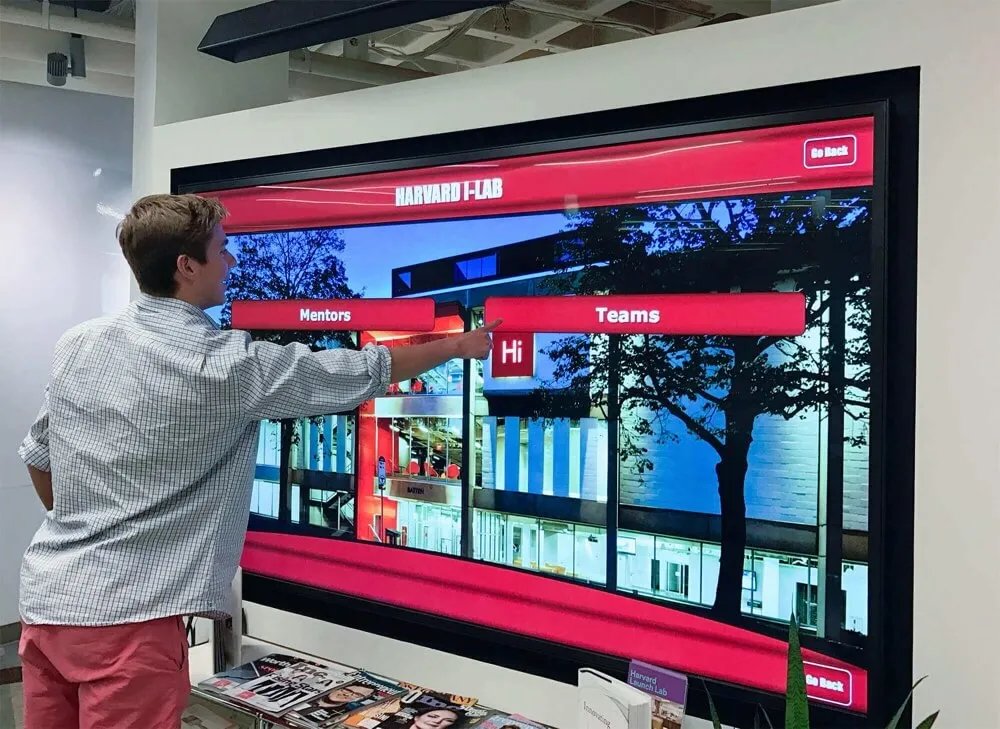
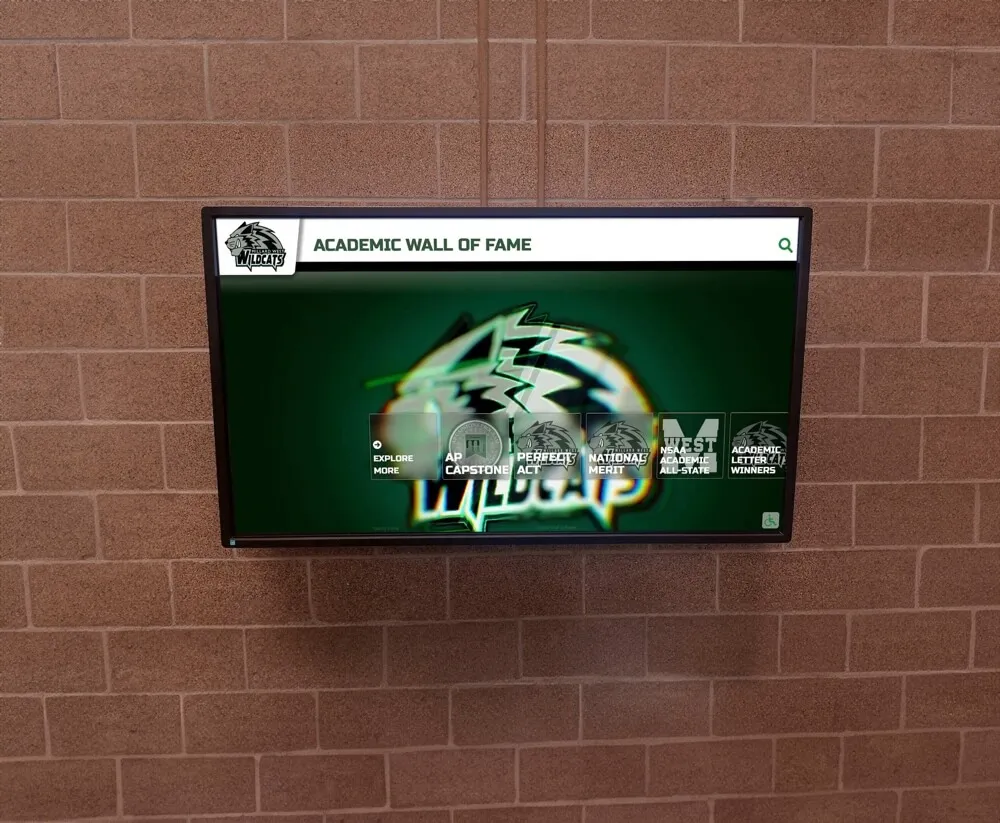
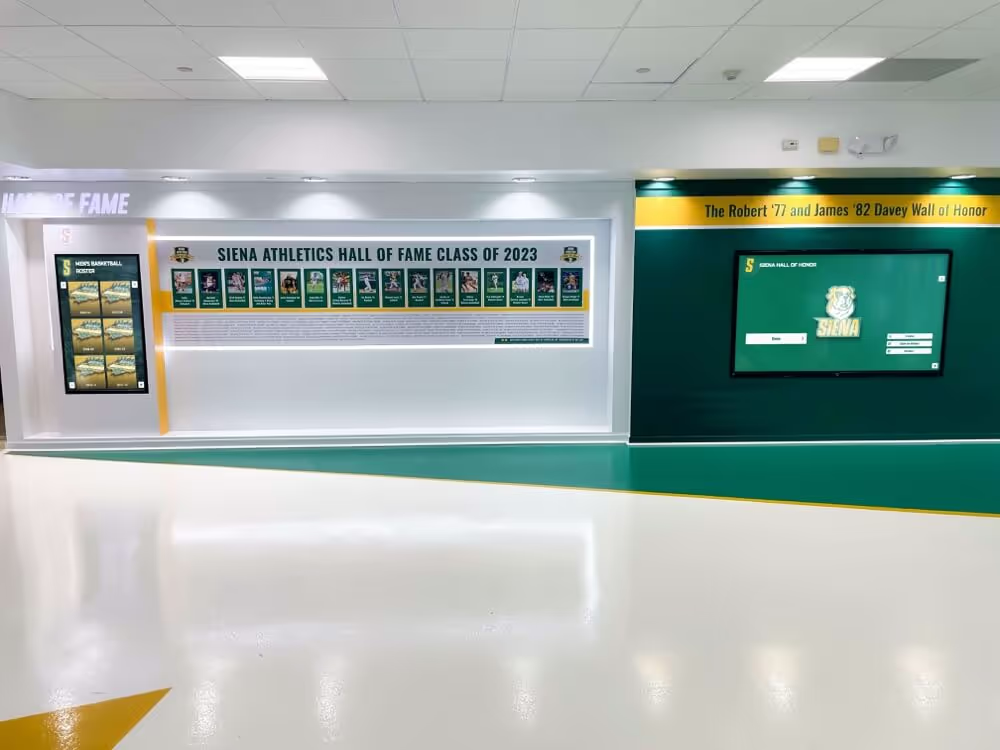
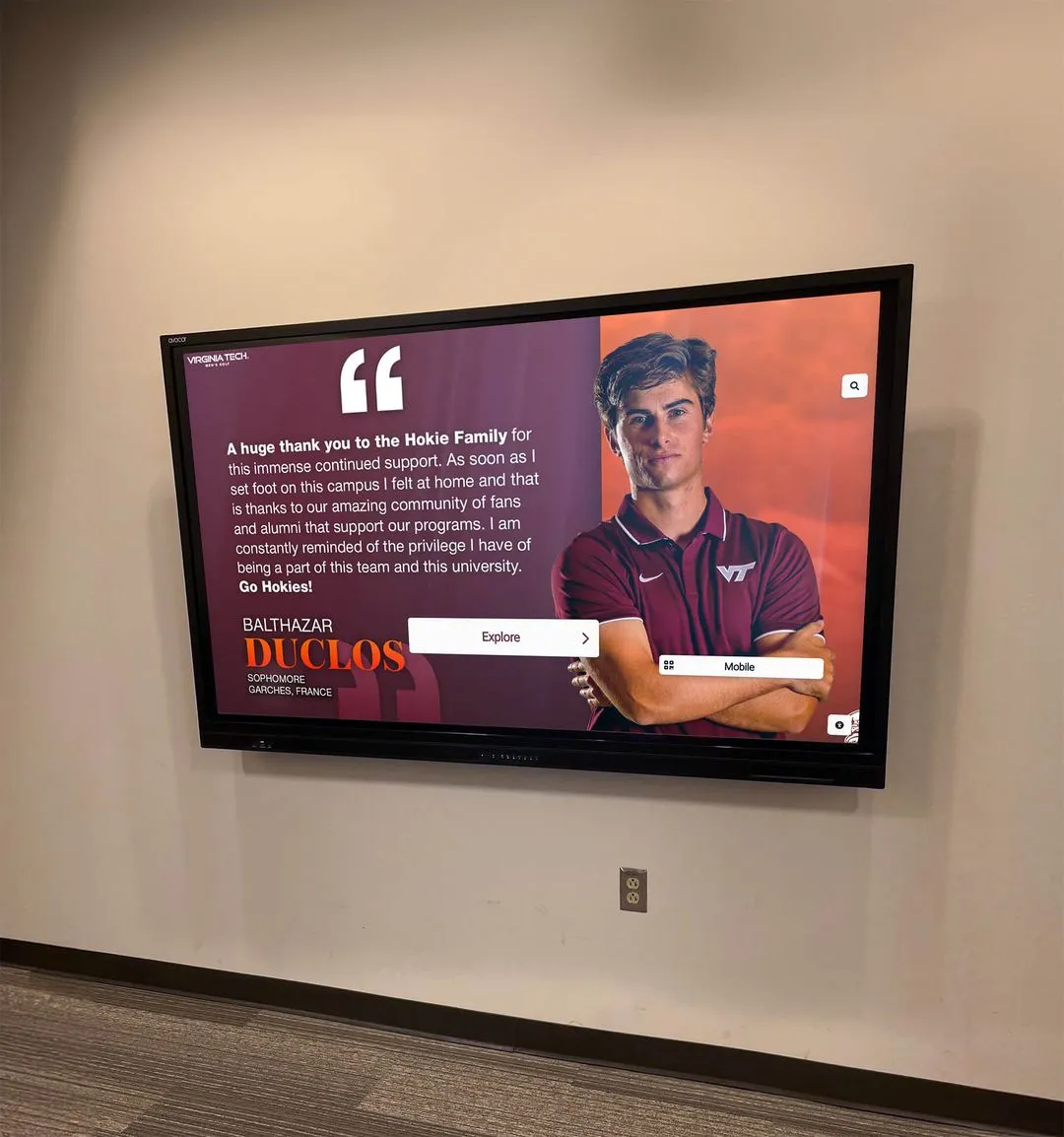
Spirit week celebrations create memorable moments that deserve permanent recognition through modern display systems
Understanding Spirit Week Purpose and Planning
Before selecting specific themes, understanding what makes spirit weeks truly effective helps schools design experiences that build lasting community rather than just temporary excitement.
The Goals Behind Effective Spirit Weeks
Building Authentic School Pride
Well-designed spirit weeks accomplish multiple strategic objectives:
- Unite students across grade levels, social groups, and activity areas through shared experiences
- Create opportunities for creative expression and personality showcase
- Build anticipation and excitement around school events, competitions, or milestones
- Strengthen institutional identity through traditions students anticipate annually
- Generate positive memories shaping how students feel about their school experience
- Demonstrate that school values participation, creativity, and community engagement
Research on organizational culture consistently shows that shared experiences—collective laughter, creative expression, and celebration—strengthen community bonds more effectively than information delivery alone. Spirit weeks leveraging this principle become culture-building moments with lasting impact rather than temporary distractions.
Creating Inclusive Participation Opportunities
The most successful spirit weeks ensure:
- Themes appealing to diverse student interests beyond just athletics
- Multiple ways to participate accommodating different comfort levels
- Cost-free participation options ensuring socioeconomic inclusion
- Culturally responsive themes reflecting diverse student populations
- Recognition celebrating participation across all engagement levels
- Activities where introverted and extroverted students both find comfortable ways to participate
Planning Timeline and Logistics
Advance Preparation for Maximum Impact
Successful spirit weeks require substantial planning:
8-12 Weeks Before
- Form spirit week planning committee with student voice represented
- Survey students about theme preferences and interests
- Select themes ensuring variety and inclusivity
- Establish budget and identify resource needs
- Coordinate with athletic schedules and school calendar
- Secure administrator approval for selected themes
4-6 Weeks Before
- Launch promotional campaign building anticipation
- Create visual materials explaining each day’s theme
- Coordinate with teachers about classroom integration
- Plan recognition and documentation approaches
- Organize any special activities, competitions, or assemblies
- Prepare judging criteria if including class competitions
1-2 Weeks Before
- Intensive promotion through announcements, social media, posters
- Provide specific examples and inspiration for each theme
- Address questions and concerns about participation
- Finalize competition structures and point systems
- Prepare recognition approaches and awards
- Coordinate photographer coverage for documentation
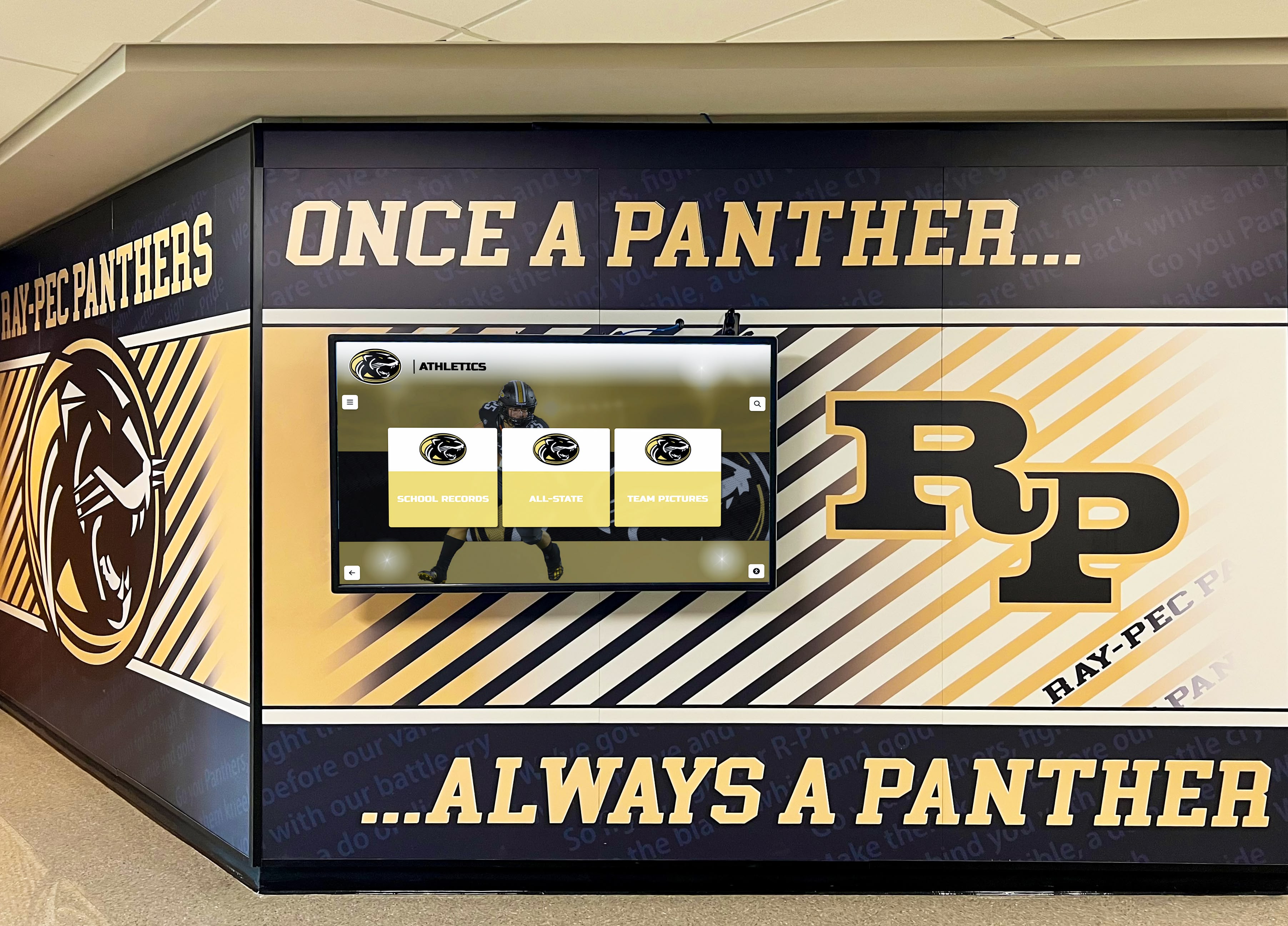
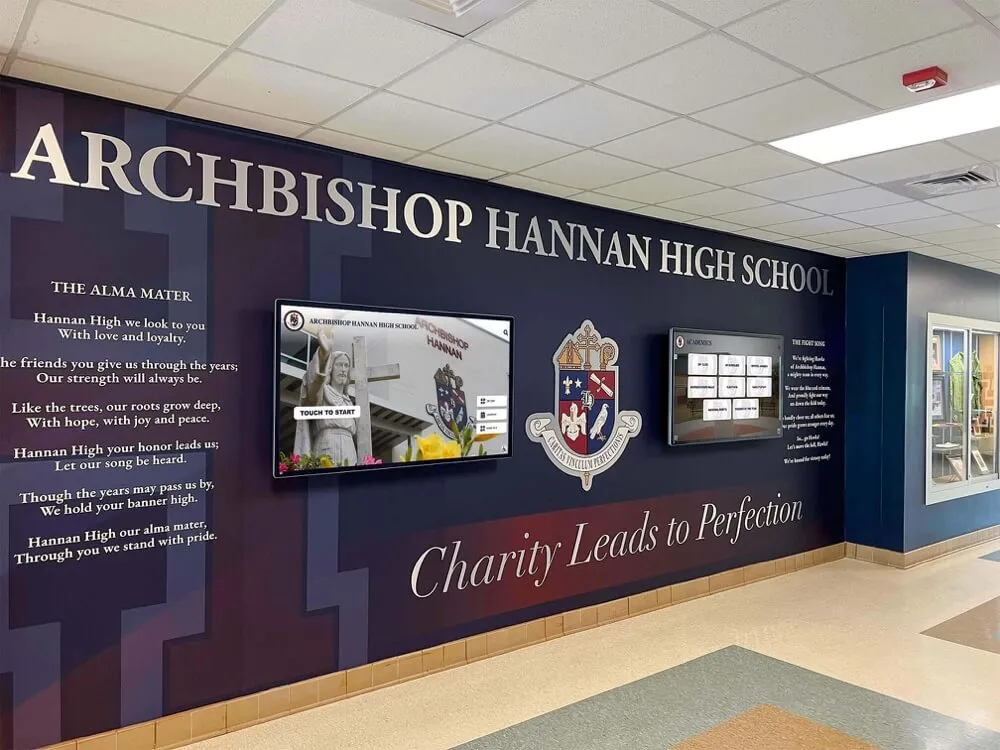
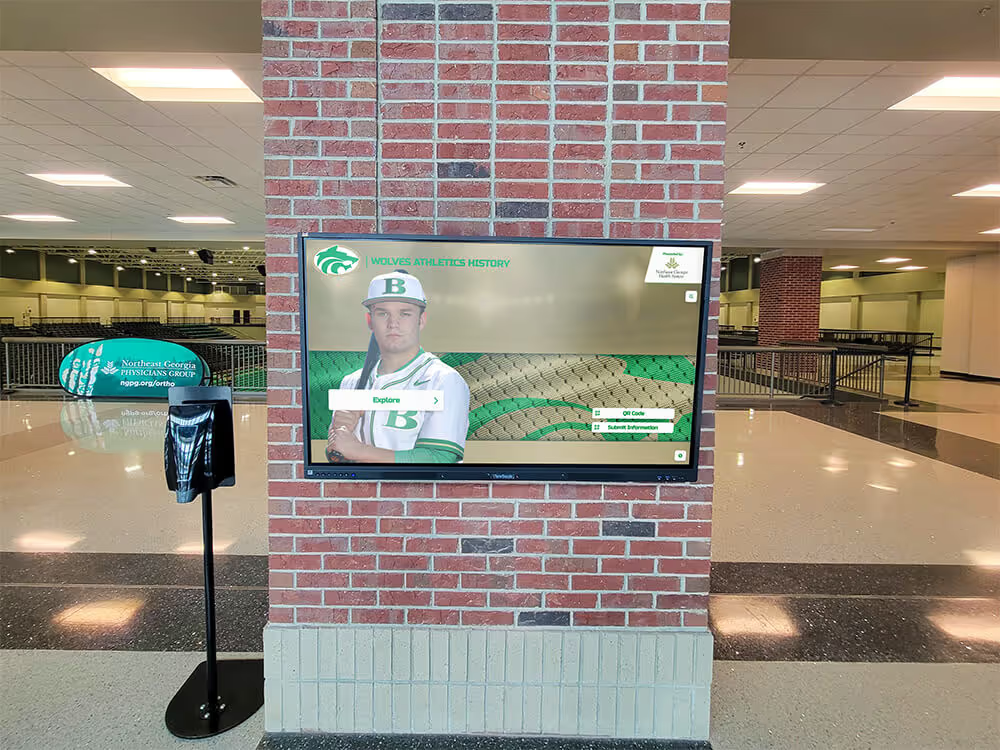
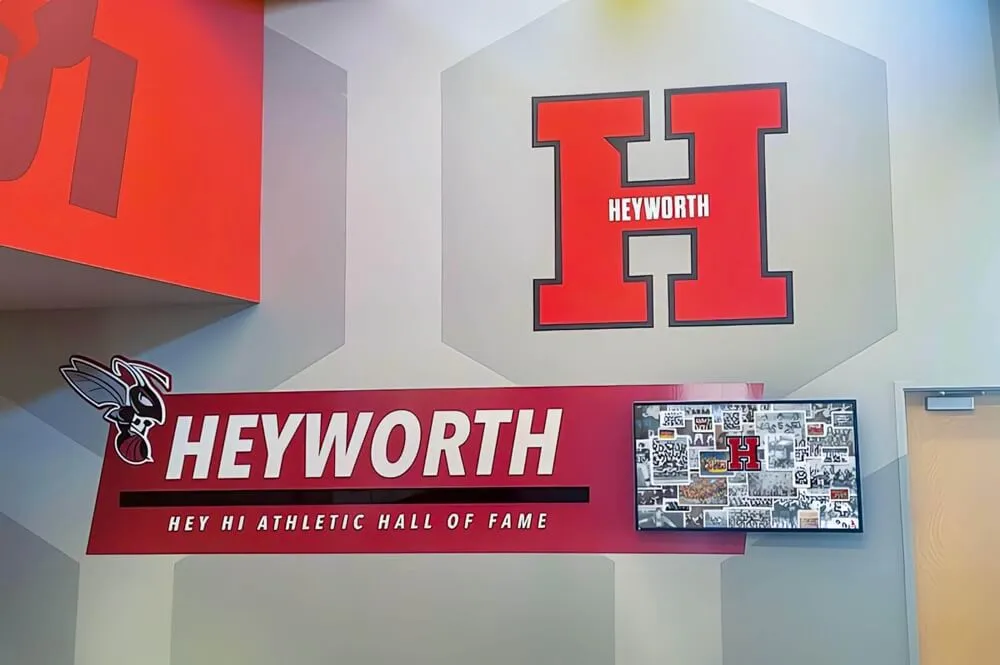
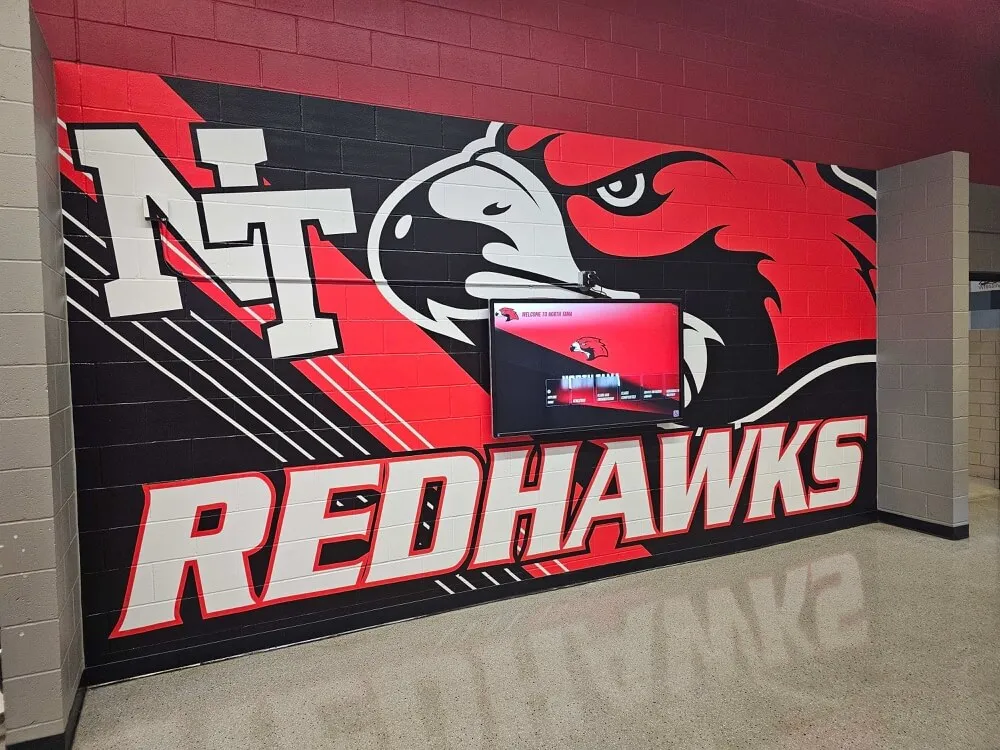
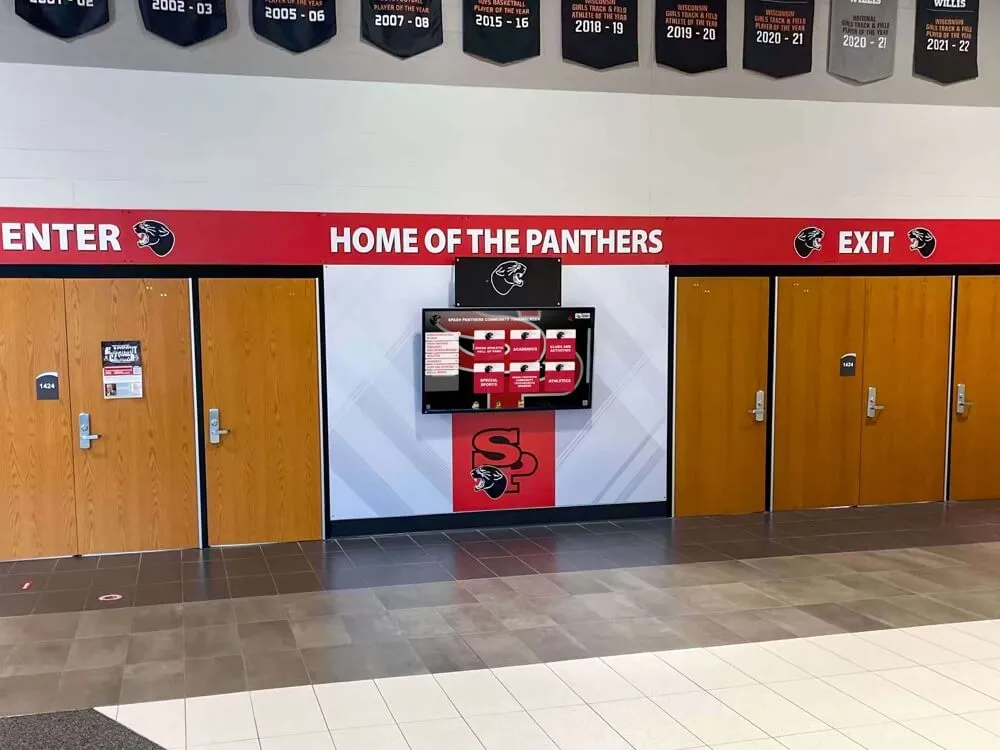
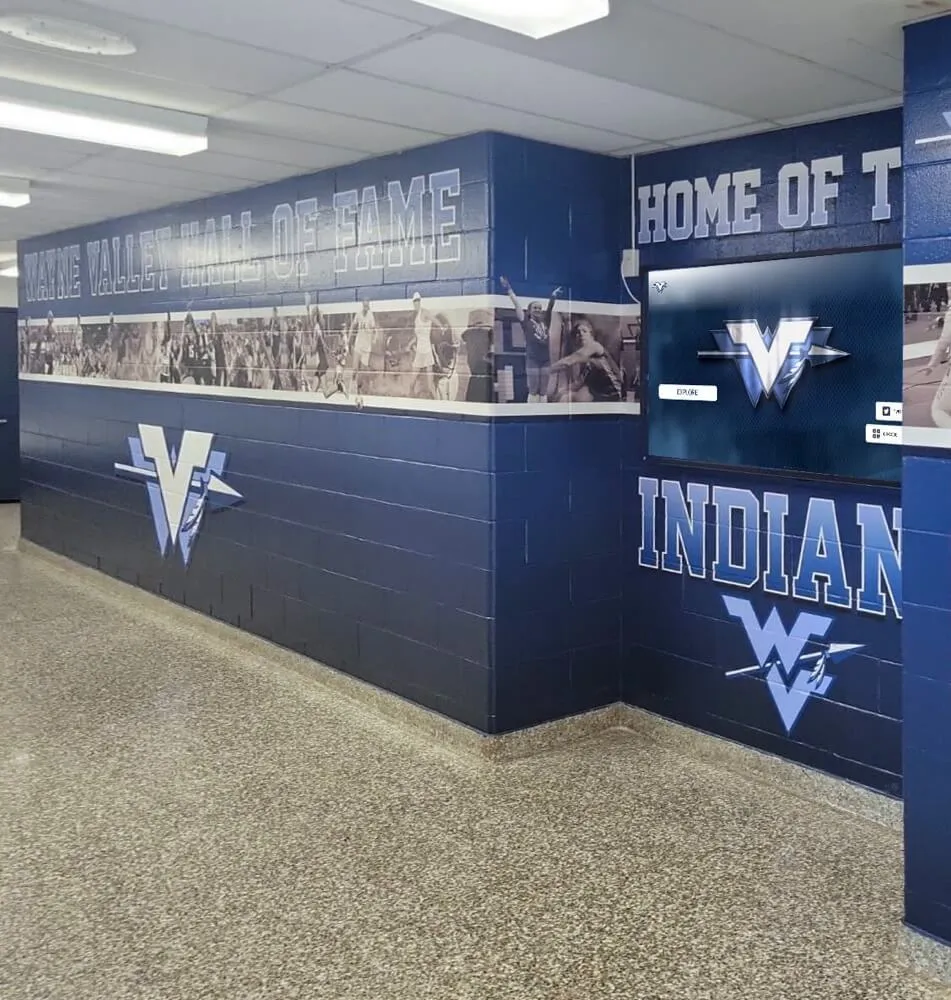
Permanent recognition displays extend spirit week energy throughout the year, celebrating participation and achievements
During Spirit Week
- Document participation through photos and videos
- Recognize creative participation and class engagement
- Maintain enthusiasm through announcements and visibility
- Track participation for any competition structures
- Feature student creativity on social media and school communications
- Create welcoming atmosphere for all participation levels
Schools implementing comprehensive school spirit initiatives find that spirit weeks succeed when integrated within broader culture-building efforts rather than treated as isolated events.
Classic Spirit Week Themes with Modern Twists
Traditional themes remain popular because they work—but contemporary schools often add creative variations making classic concepts feel fresh.
Decades Day Variations
Traditional Decades Theme
Students dress representing different decades:
- 1950s: Poodle skirts, leather jackets, saddle shoes, slicked hair
- 1960s: Tie-dye, peace signs, bell bottoms, flower power accessories
- 1970s: Disco, bell bottoms, platform shoes, bold patterns
- 1980s: Neon colors, leg warmers, big hair, windbreakers
- 1990s: Flannel shirts, overalls, scrunchies, platform sneakers
- 2000s: Low-rise jeans, butterfly clips, cargo pants, velour tracksuits
Modern Variations
- Assign different decades to grade levels creating visual variety
- “Through the Decades” showing fashion evolution throughout school history
- “Decades Dance-Off” where classes perform choreography from assigned decades
- “Historical Decades” connecting to curriculum (Ancient Rome, Renaissance, Victorian Era)
- “Future Decades” encouraging creative interpretation of fashion 50-100 years ahead
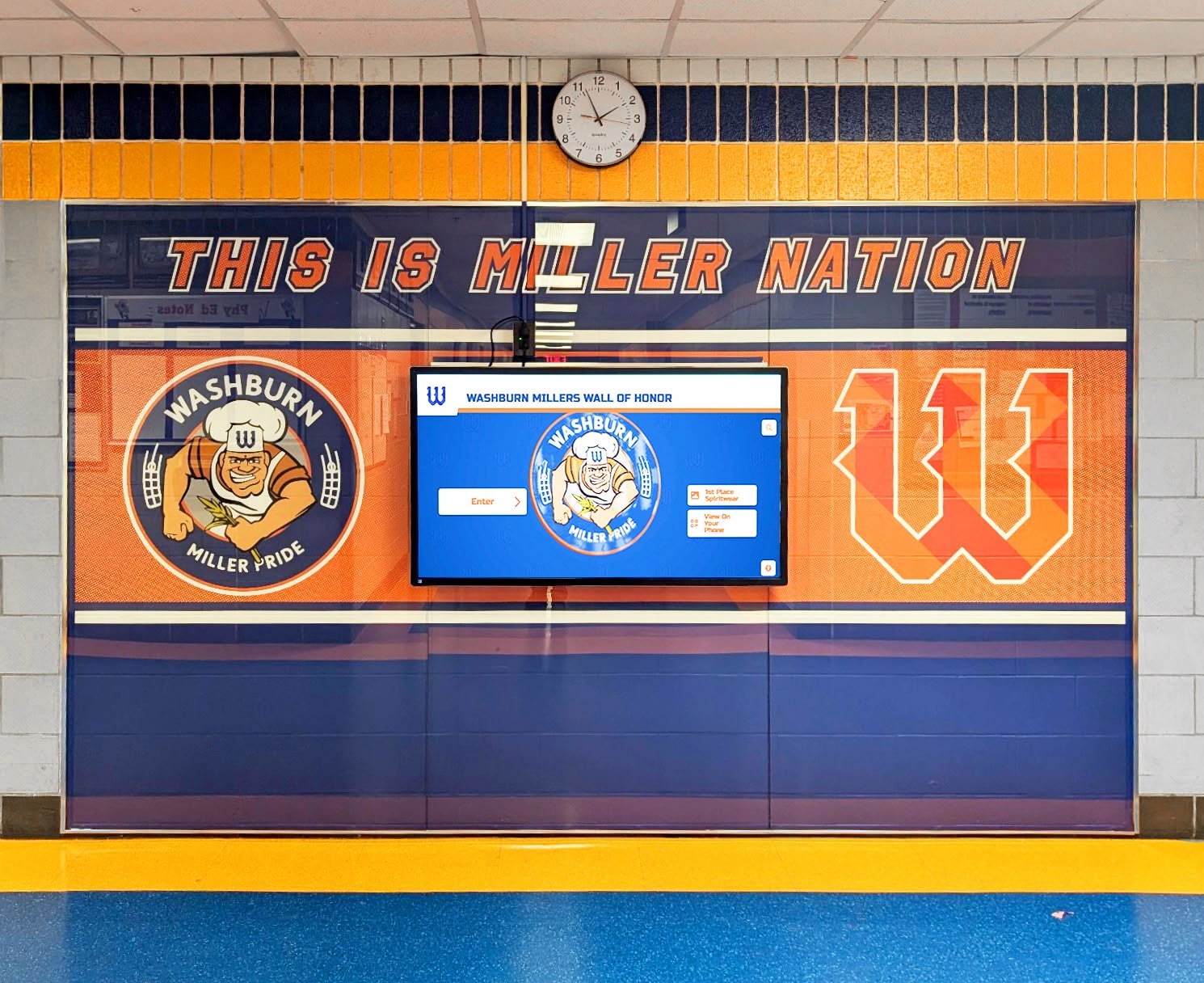
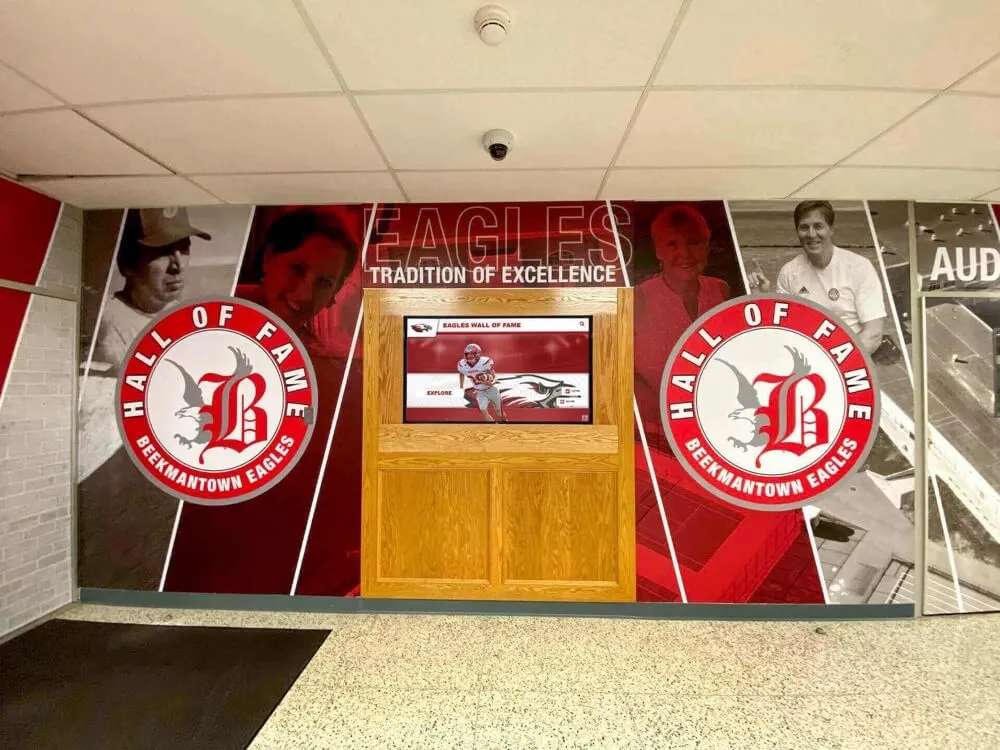
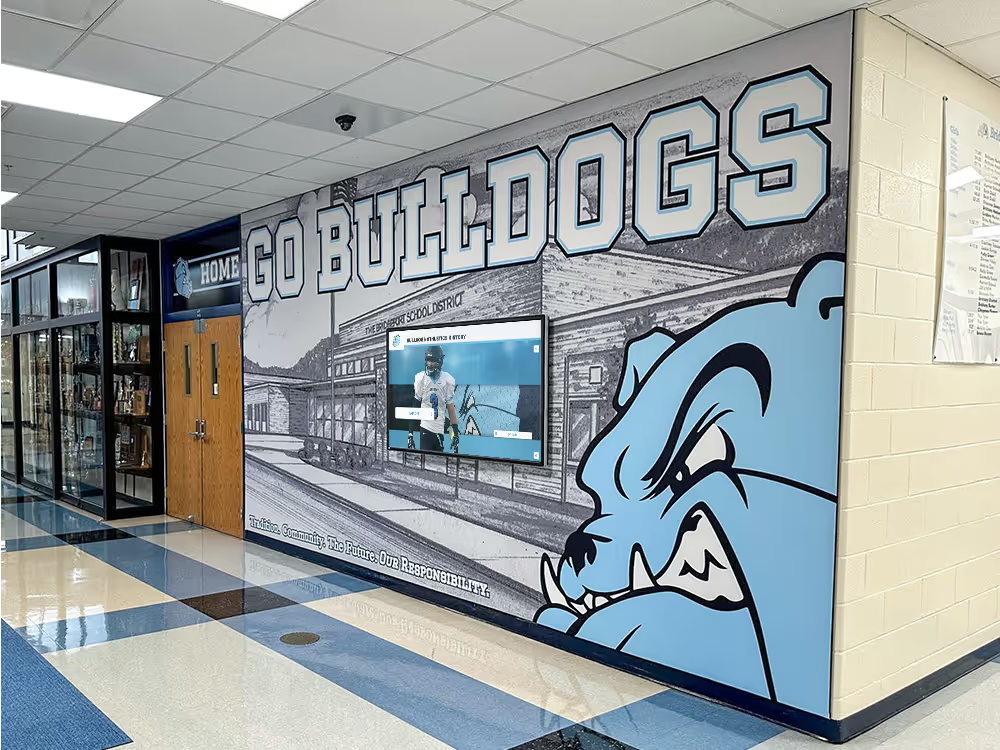
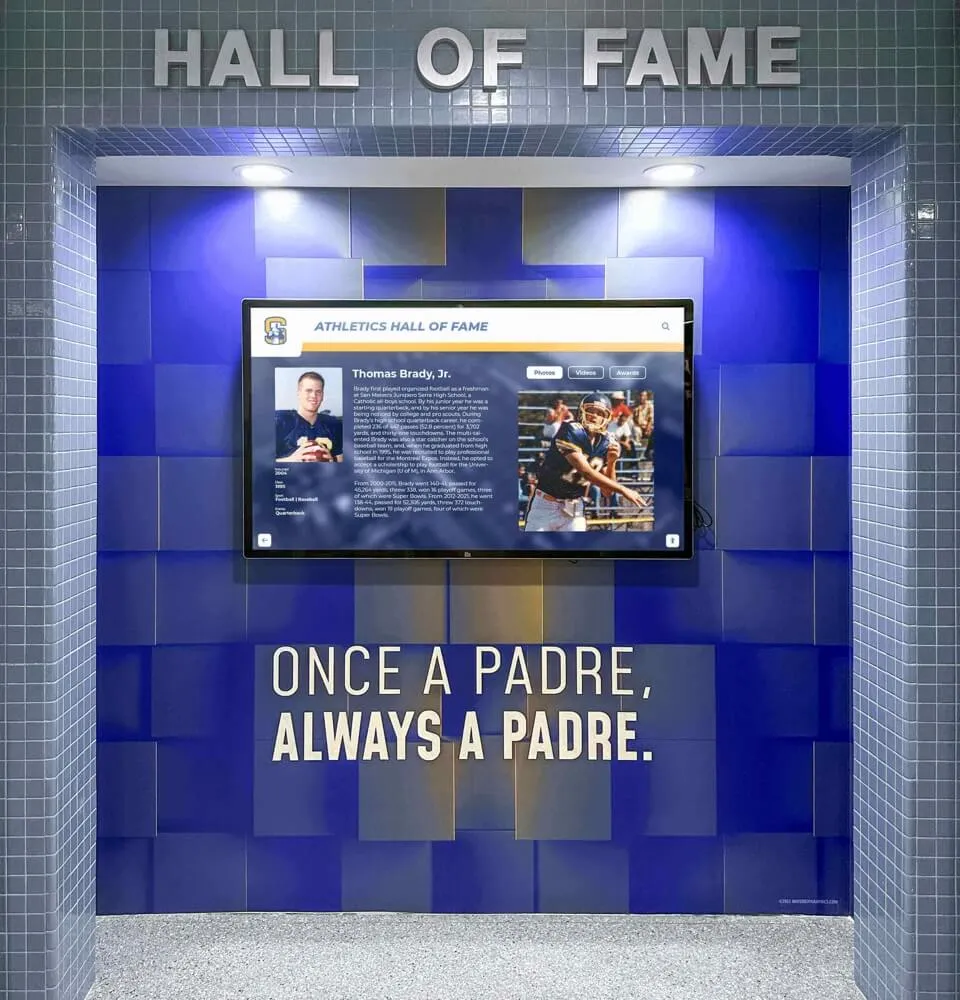
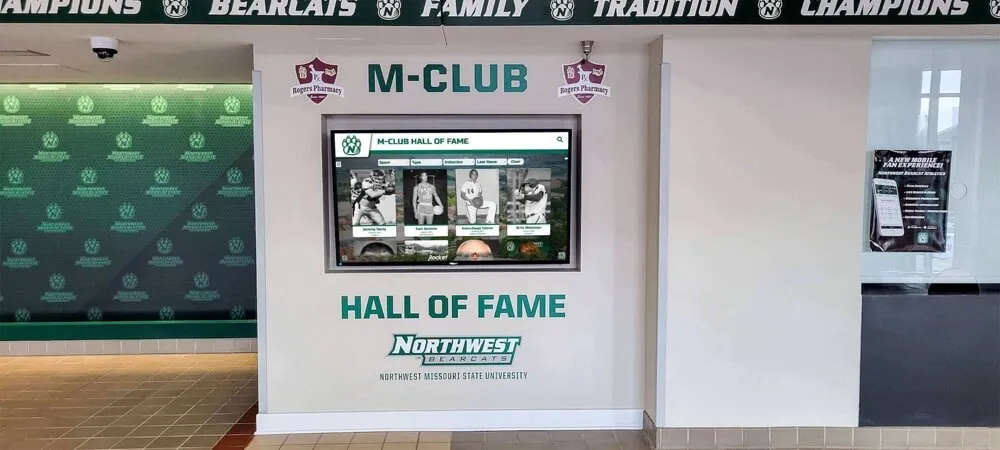
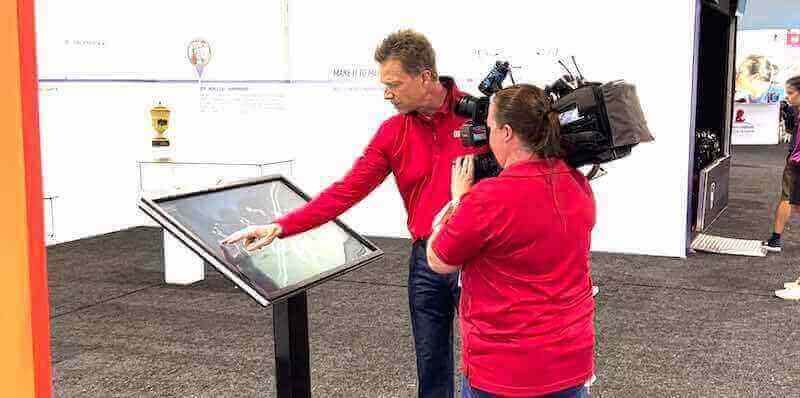
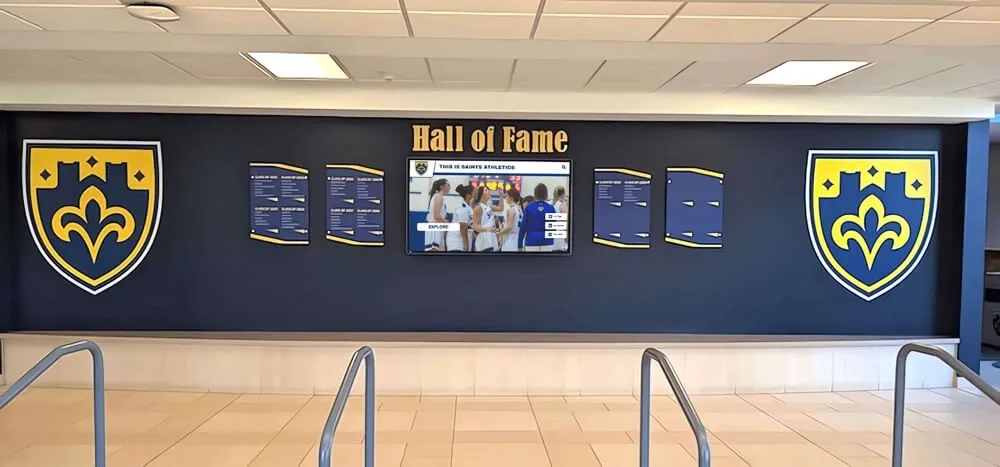
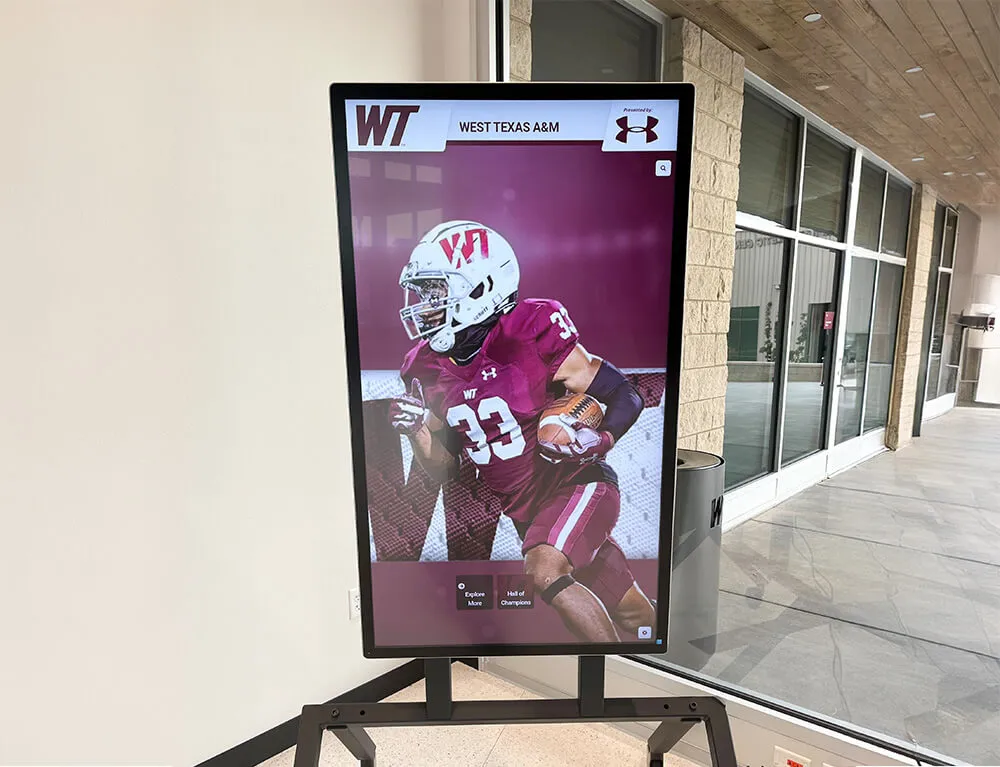
Digital displays preserve spirit week memories and winning class photos for permanent celebration and future inspiration
Color Wars and Grade Level Pride
Traditional Color Day
Students wear school colors or grade-level colors:
- Simple participation wearing school colors (easy, highly accessible)
- Grade-level color assignments creating visual grade identity
- “Blackout” or “Whiteout” themes where entire school wears single color
- Rainbow day with different colors assigned to different groups
- Color-coordinated class competitions for most participation
Creative Extensions
- “Monochromatic Monday” - head-to-toe single color outfit
- “Neon Day” - brightest, most eye-catching colors possible
- “Color Clash” - intentionally mismatched, clashing color combinations
- “School Colors vs. Rival Colors” before competition weeks
- “Pastel Day” or “Dark Colors Day” creating specific aesthetic
Implementation Tips: Ensure all students can participate regardless of wardrobe. Consider allowing face paint, accessories, or even colored paper items for students lacking clothing in specific colors.
Twin Day and Group Coordination
Classic Twin Day Approaches
Partners or groups dress identically:
- Traditional pairs dressing in matching outfits
- Triplets, quadruplets, or larger groups coordinating
- Entire friend groups creating matching themes
- Teachers pairing with students for cross-generational twinning
- Celebrity or character twin pairs (historical figures, famous duos)
Variations Increasing Engagement
- “Dynamic Duo Day” - pairs dress as famous partnerships (peanut butter & jelly, salt & pepper)
- “Squad Day” - friend groups coordinate elaborate matching outfits
- “Class Clone Day” - entire class attempts to look as similar as possible
- “Twin Teachers” - students dress like favorite teachers
- “Through the Years” - partners dress as same person at different life stages
Schools celebrating student engagement comprehensively often feature spirit week highlights on permanent displays, honoring particularly creative participation and preserving class spirit competition winners.
Creative and Themed Spirit Days
Moving beyond classics, creative themes generate excitement through novelty and creative expression opportunities.
Fantasy and Character Days
Superhero Day
Students dress as superheroes—commercial or original creations:
- Classic comic book heroes (Marvel, DC characters)
- Original superhero creation with unique powers and costumes
- “Real-Life Heroes” honoring teachers, parents, community members as heroes
- Superhero team coordination (Avengers, Justice League groups)
- DIY superhero costumes emphasizing creativity over purchased costumes
Storybook Character Day
Celebrate literary characters:
- Childhood favorites and picture book characters
- Young adult literature and contemporary book series
- Classic literature connections to English curriculum
- Historical figure biographies as “living history”
- “Favorite Book Cover” - dress as book cover imagery
Movie and TV Character Day
Popular entertainment inspiration:
- Disney character day (broad appeal, many options)
- Pixar character celebration
- Classic movie characters across decades
- TV show character day (sitcoms, dramas, reality shows)
- Animated vs. live-action character options
- “Streaming Service Day” representing Netflix, Disney+, etc. shows
Video Game Character Day
Modern theme appealing to gaming culture:
- Classic arcade game characters (Pac-Man, Mario, Sonic)
- Modern gaming franchises (Minecraft, Fortnite, Zelda)
- Character creation allowing personal interpretation
- “Level Up” theme encouraging creative costume design
- E-sports team representation and gaming culture celebration
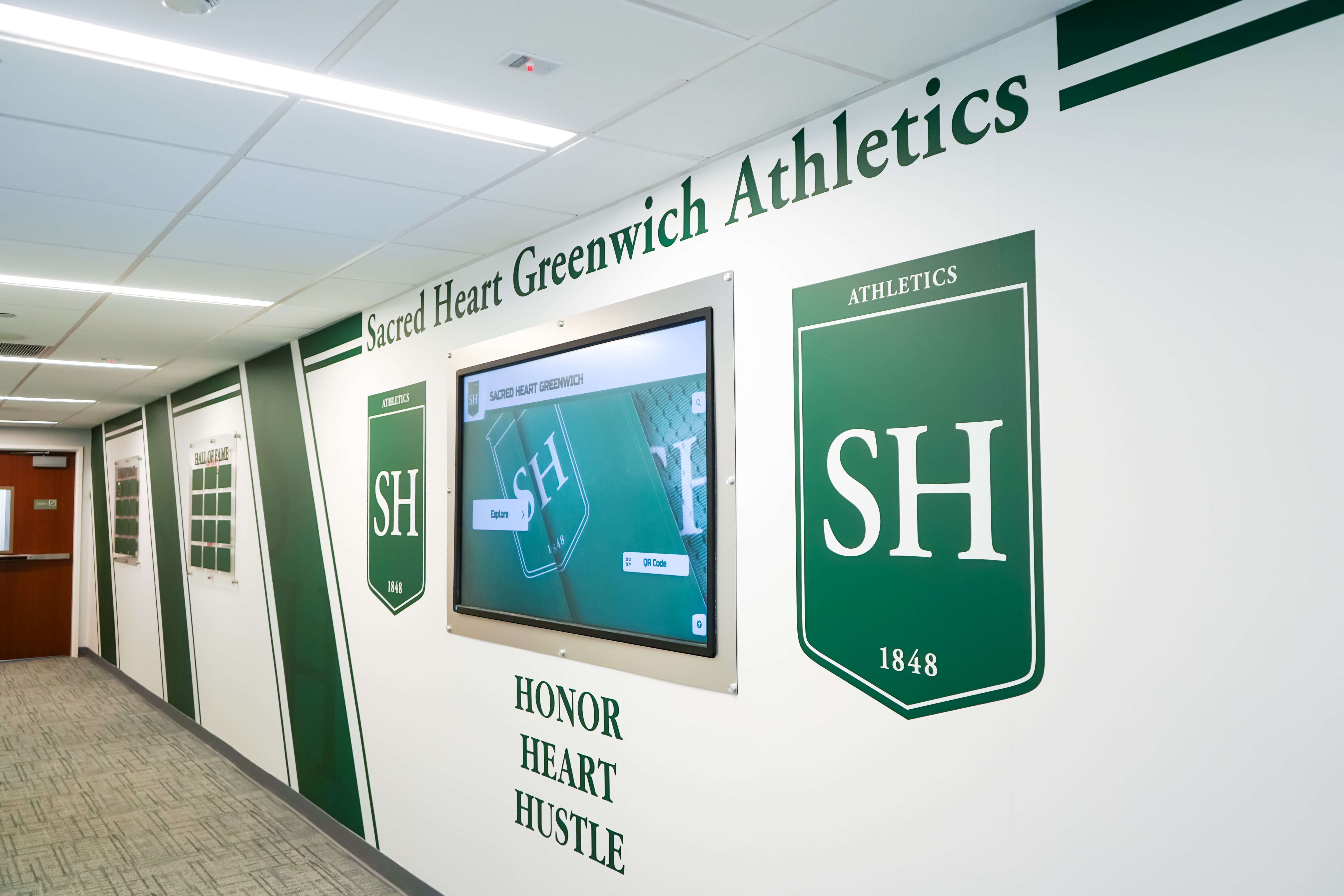
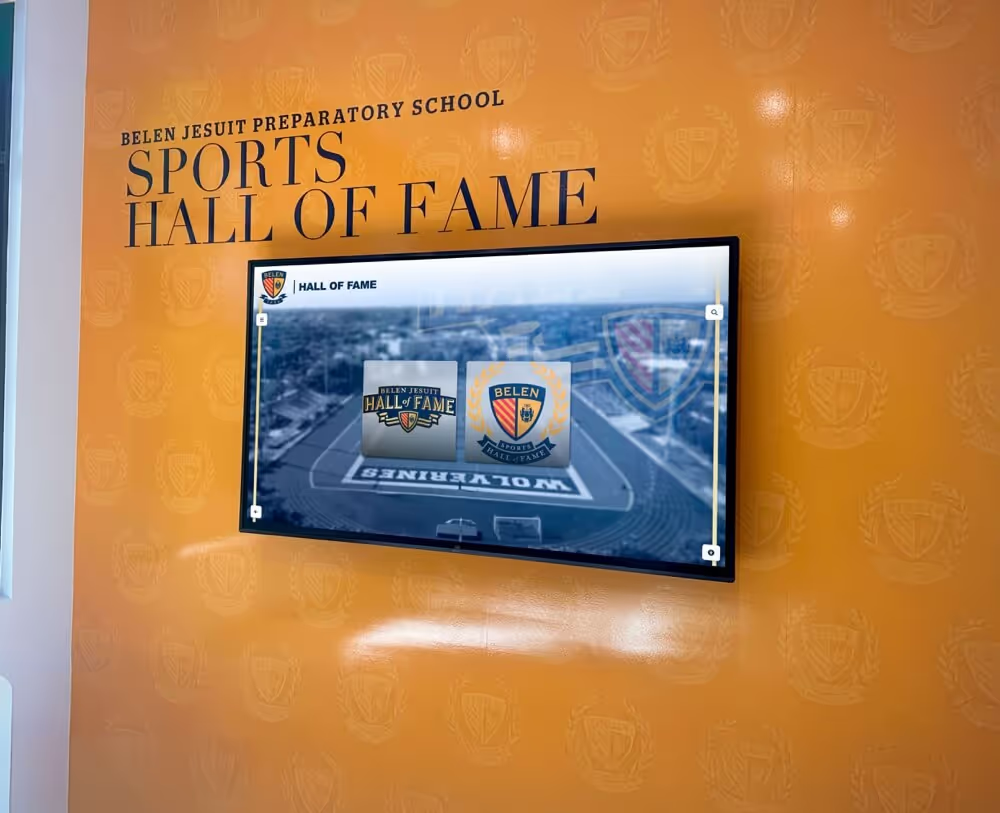
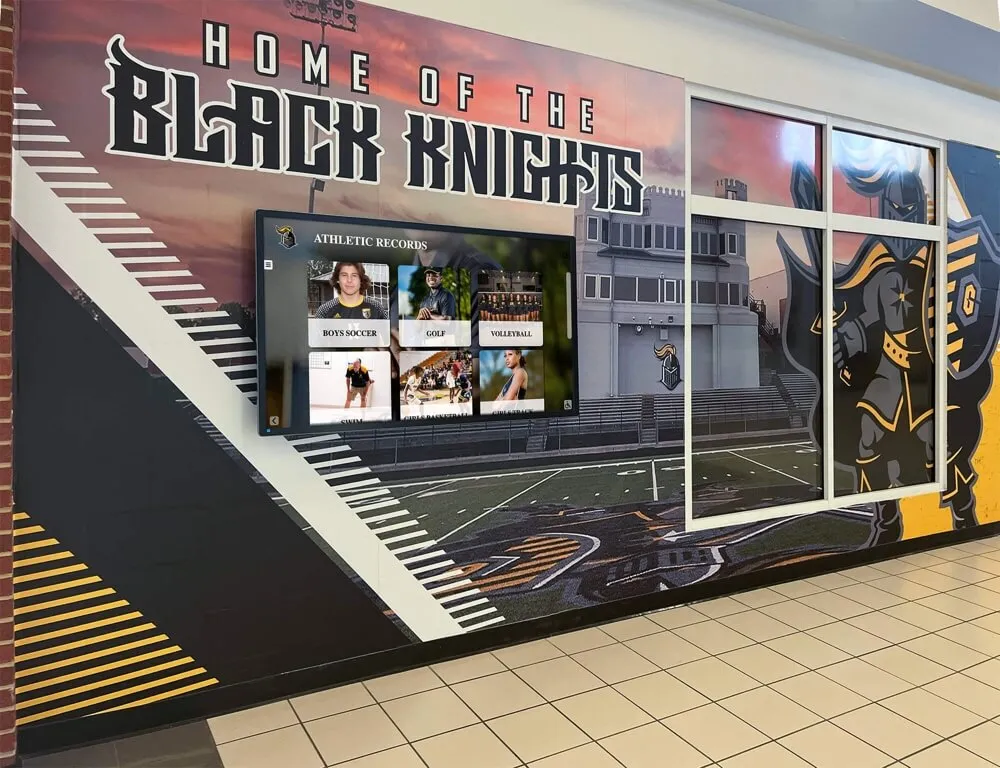
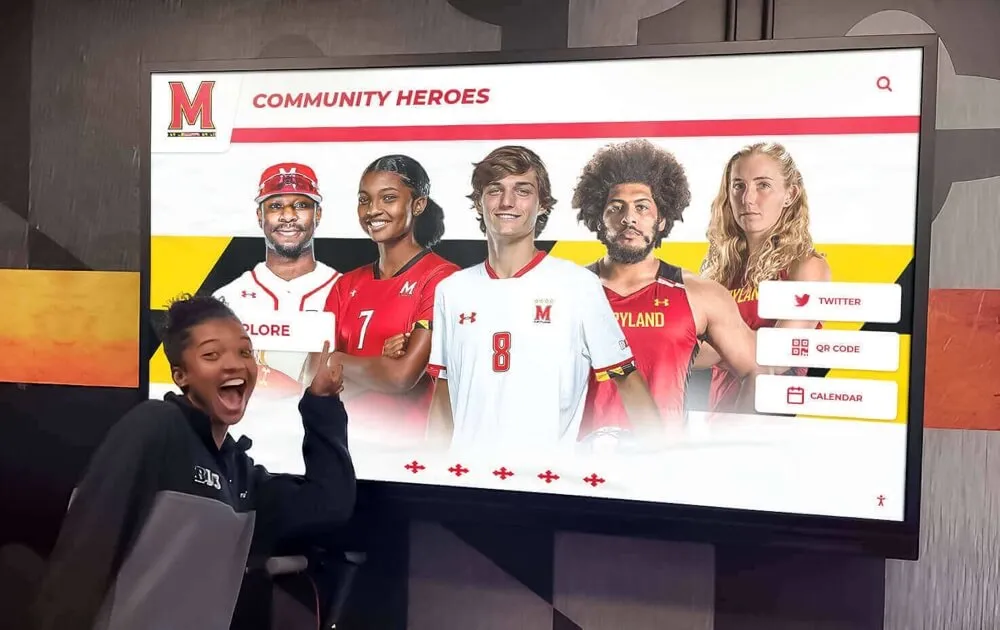
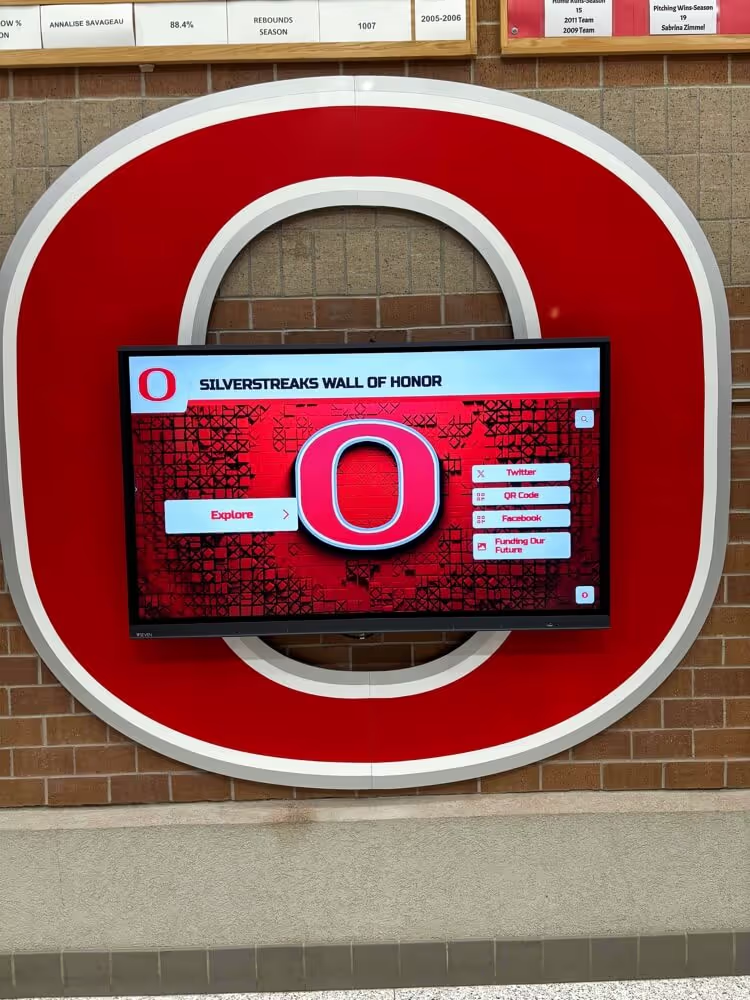
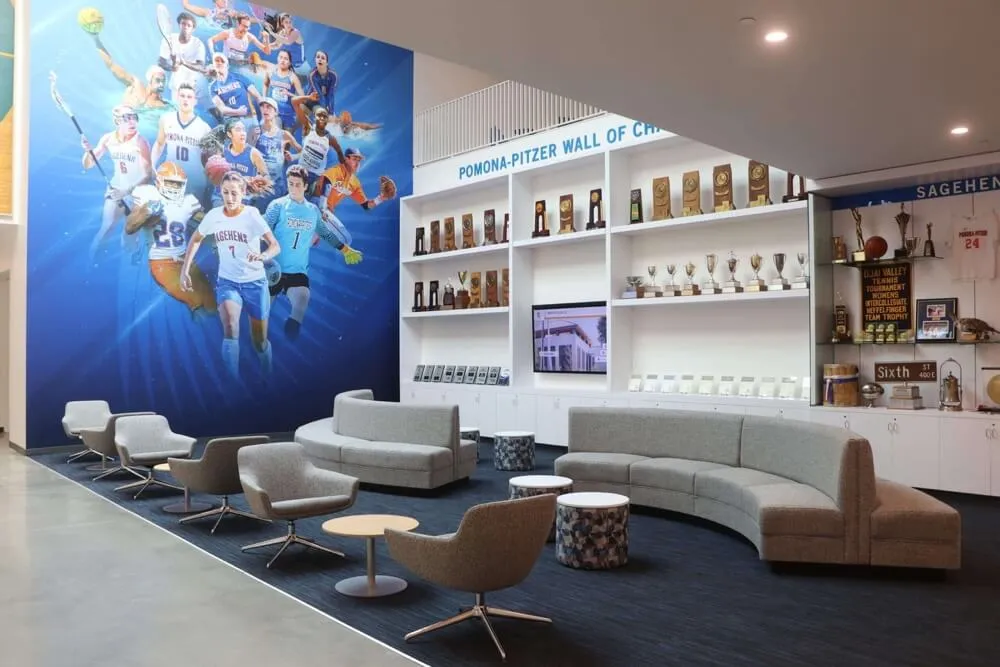
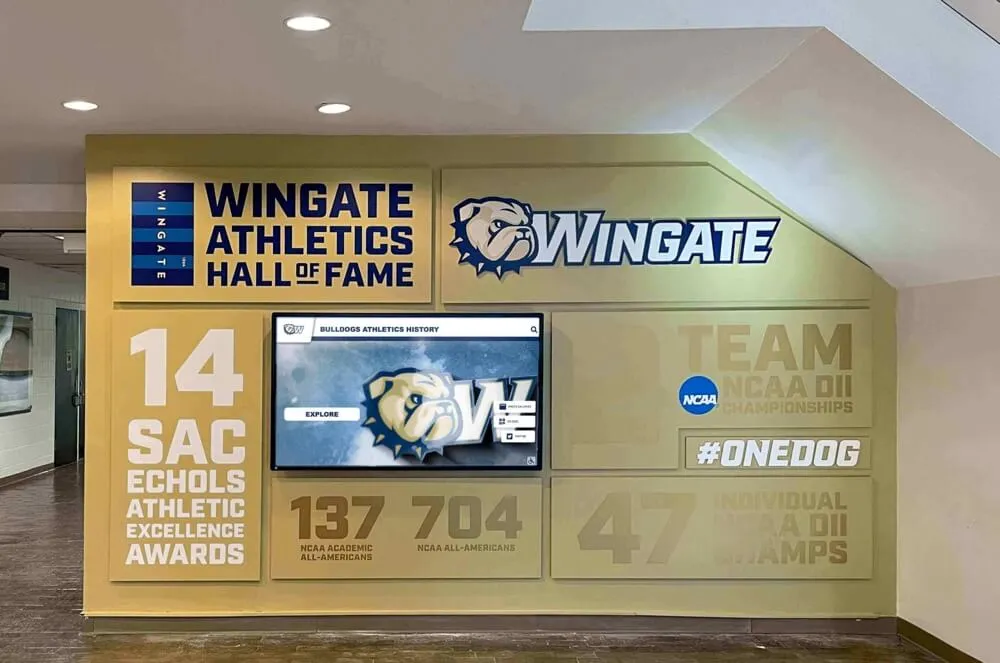
Achievement displays create context for spirit week celebrations, connecting current events to program traditions and pride
Occupation and Future-Focused Themes
Career Day
Students dress as future professions or aspirations:
- Traditional careers (doctor, lawyer, teacher, engineer)
- Creative professions (artist, musician, designer, filmmaker)
- Trades and technical careers (electrician, plumber, carpenter, mechanic)
- Emerging careers (social media manager, app developer, drone pilot)
- Entrepreneurial ventures and business ownership
- College major representation for high school students
Tourist Day
Celebrate travel and cultures:
- Students dress representing places they’ve visited
- Cultural dress celebrating family heritage and background
- “World Traveler” - accessories representing multiple countries
- State or regional pride showing local identity
- “Dream Destination” - dress representing places they hope to visit
- Geography curriculum connections highlighting world cultures
Sports and Recreation Themes
Jersey Day
Athletic team representation:
- School team jerseys showing program support
- Professional sports team representation
- Recreational league and club sport jerseys
- International team jerseys (World Cup, Olympics)
- Retired numbers honoring athletic legends
- “Create Your Own” jersey design for students without jerseys
Olympics Day
International competition celebration:
- Country representation with flags and colors
- Sport-specific attire for Olympic events
- Medal ceremony recognition for top participants
- Opening ceremony recreation during assembly
- Class competitions as “countries” competing
- Winter vs. Summer Olympics theme split
Schools implementing athletic recognition programs often coordinate spirit weeks with athletic seasons, building excitement for upcoming competitions while celebrating current team achievements through permanent displays.
Pattern and Style-Based Spirit Days
Themes focusing on clothing patterns and styles rather than specific costumes create accessible participation options.
Pattern Days
Stripes and Patterns Day
Simple visual themes:
- Horizontal stripes creating unified visual
- Vertical stripes for variety
- Polka dots and circular patterns
- Plaid and checkered patterns
- Animal prints (leopard, zebra, tiger)
- Geometric patterns and abstract designs
Pajama Day
Comfortable, universally accessible theme:
- Traditional pajama sets and sleepwear
- Robes, slippers, and cozy accessories
- Stuffed animal companions
- Sleep masks and nightcaps
- “Bedhead” hairstyle creativity
- Blanket capes and comfort items
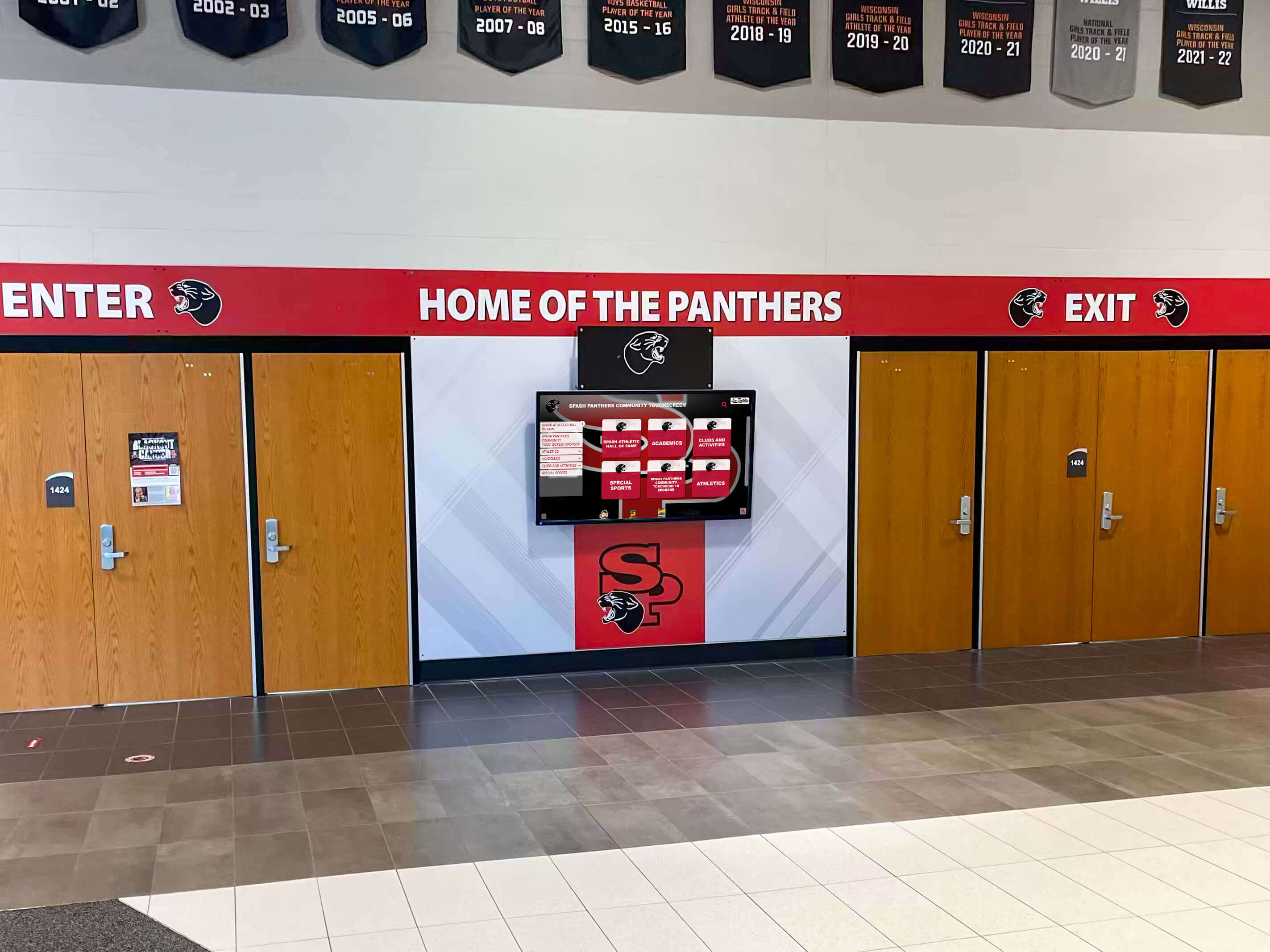
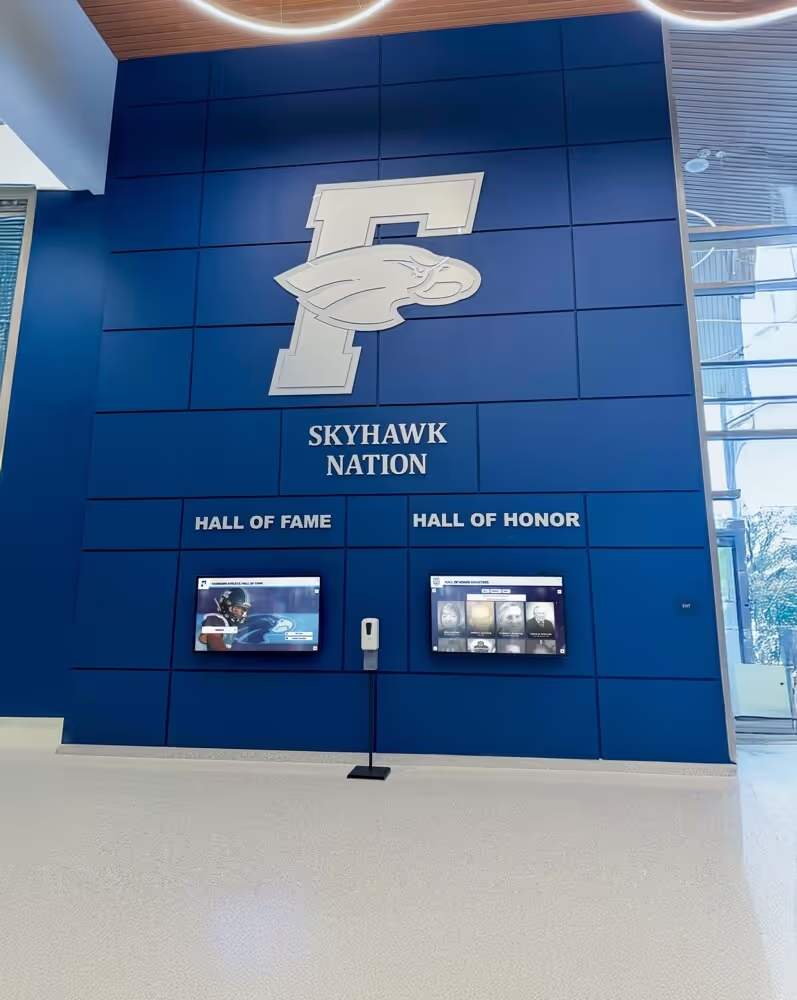
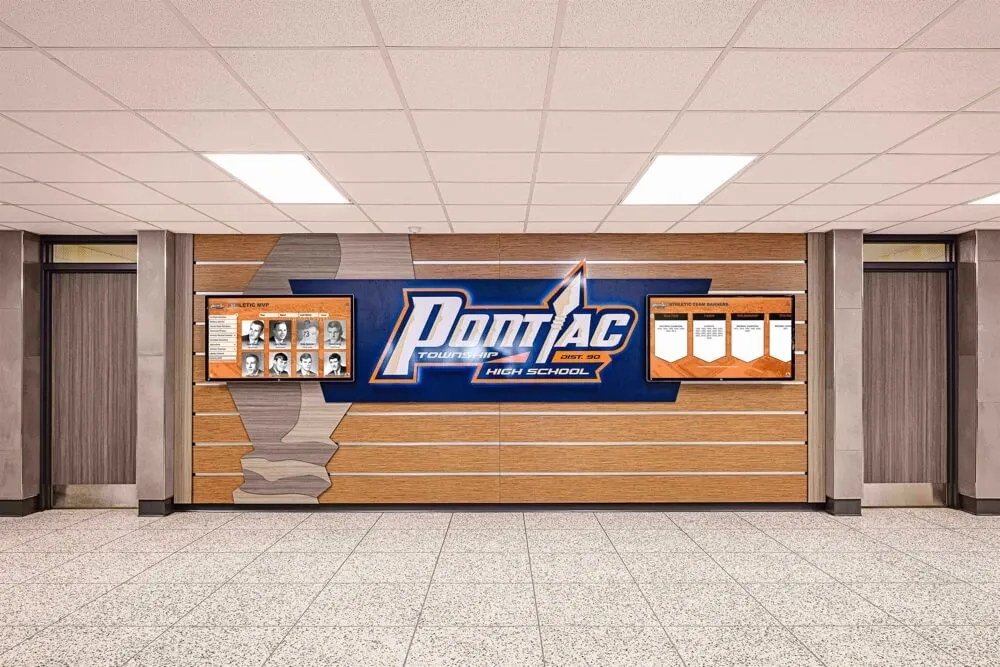
Entrance displays welcome students with spirit week schedules and participation highlights throughout the week
Fashion Style Themes
Formal vs. Casual Day
Dress code extremes:
- “Dress to Impress” - formal wear (suits, dresses, dress shoes)
- “Beach Day” - Hawaiian shirts, sunglasses, flip-flops
- “Business Casual” - professional attire
- “Loungewear Luxury” - upscale comfortable clothing
- “Red Carpet Ready” - celebrity event fashion
- “Split Personality” - formal on one side, casual on other
Backwards Day
Reverse everything possible:
- Clothing worn backwards (shirts, hats, jackets)
- Inside-out clothing revealing seams and tags
- Backwards scheduling (end-of-day activities first)
- Reverse greetings (“Goodbye” for “hello”)
- Walking backwards (safely, in designated areas)
- Backwards spelling on name tags
Mismatch Day
Intentional outfit chaos:
- Mismatched shoes and socks
- Clashing patterns and colors
- Inside-out and backwards combination
- Multiple seasons represented simultaneously
- Accessories that don’t match outfit
- “Fashion Disaster” creative interpretation
Academic and Educational Spirit Themes
Connecting spirit week to academic content creates meaningful integration beyond pure entertainment.
Subject-Specific Days
Math and Science Day
STEM celebration:
- Lab coats and safety goggles
- Math pun t-shirts and equation designs
- Scientist costumes (Einstein, Marie Curie, Neil deGrasse Tyson)
- Periodic table elements assigned to students
- “Pi Day” theme with circular patterns
- Robot and technology-inspired outfits
- Calculator and protractor accessories
Literature and Language Arts Day
Reading and writing celebration:
- Favorite book character representation
- Author dress-up day
- Punctuation mark costumes and accessories
- Literary period representation (Shakespearean, Victorian, Modern)
- “Living Library” - students as book covers
- Writing utensil and notebook themes
- Dictionary and thesaurus costume creativity
History and Social Studies Day
Historical period representation:
- Ancient civilizations (Egypt, Greece, Rome, China)
- American history periods (Colonial, Revolutionary, Civil War, Roaring ’20s)
- World history figures and leaders
- Historical fashion evolution
- “Living Museum” with historical figure presentations
- Geography representation showing world cultures
Arts Integration Day
Creative curriculum celebration:
- Famous artist representation (Picasso, Frida Kahlo, Van Gogh)
- Musical genre representation and performer costumes
- Art movement inspiration (Impressionism, Pop Art, Abstract)
- Theater and drama character day
- Dance style representation
- Color theory application in outfits
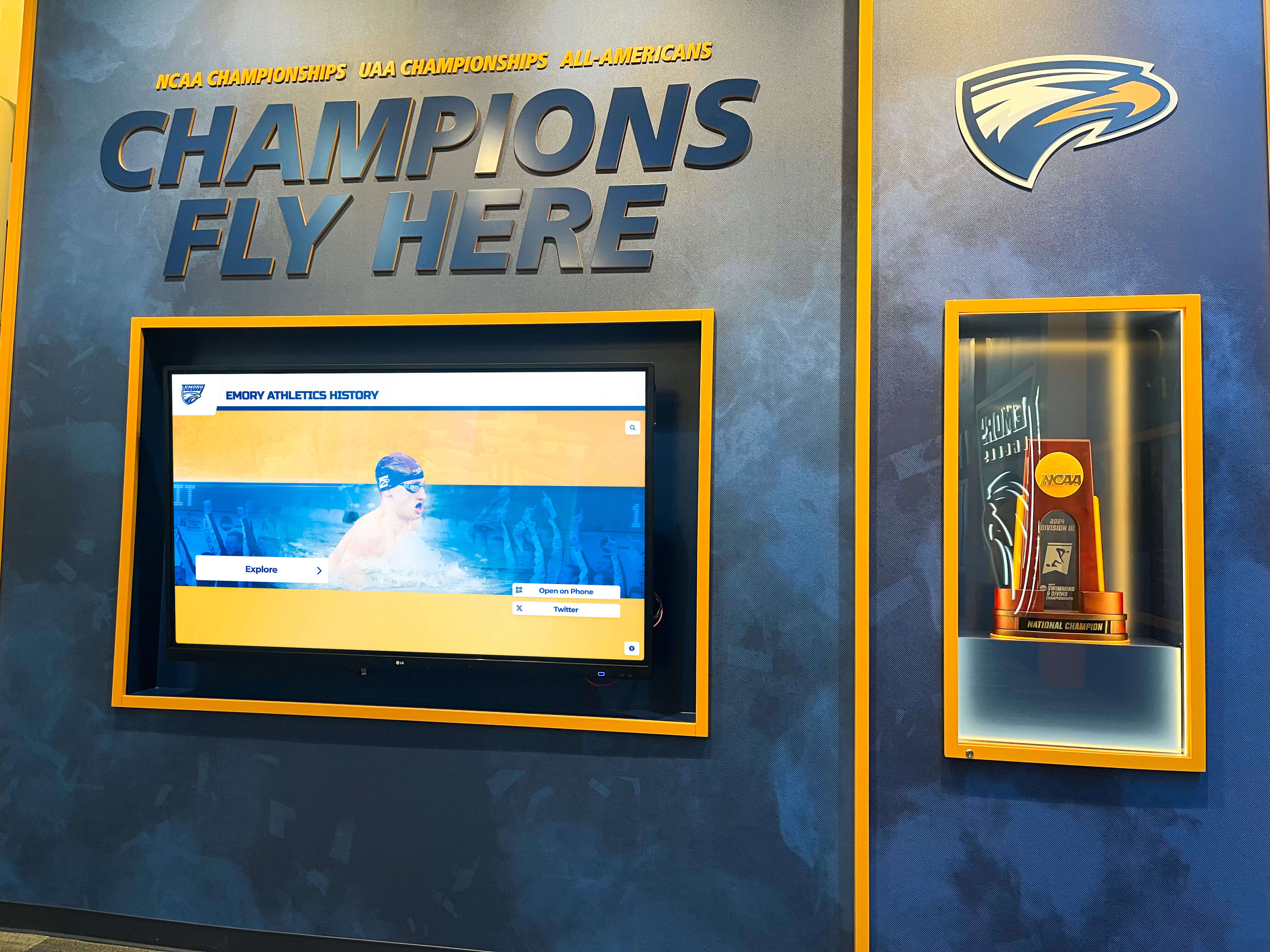
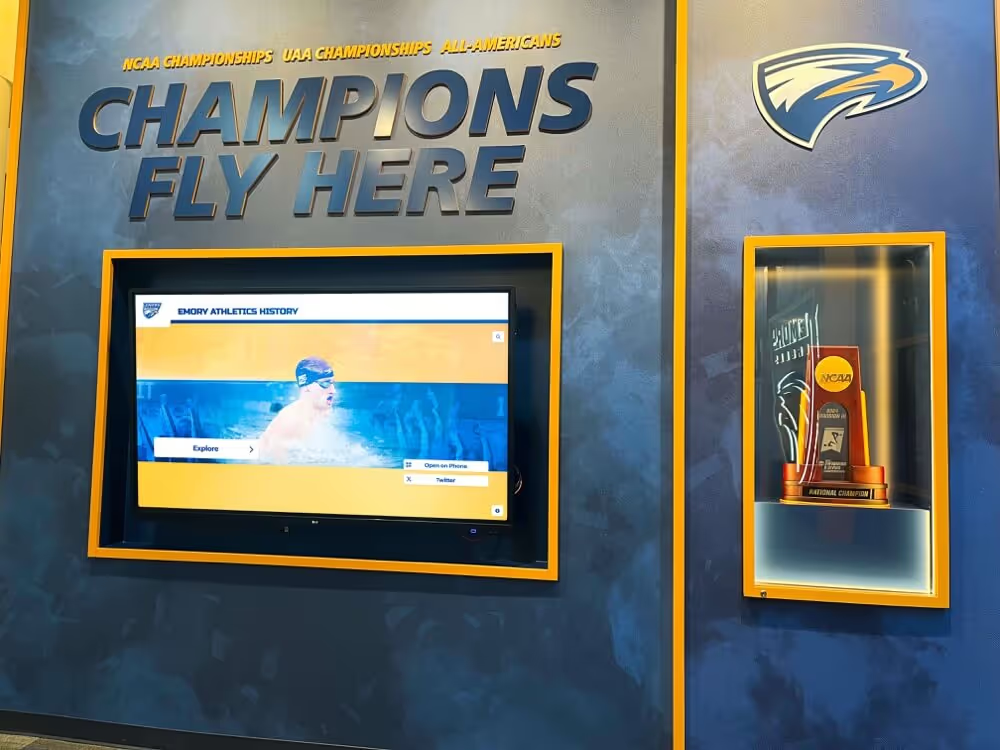
Championship displays provide context for spirit week celebrations around athletic competitions and tournament excitement
Schools celebrating academic achievements prominently often coordinate academic spirit days with recognition of honor roll students, academic competition teams, and scholarly accomplishments displayed throughout school facilities.
Seasonal and Holiday-Adjacent Themes
Timing spirit weeks around seasonal transitions or holidays creates natural thematic connections.
Fall Spirit Themes
Autumn Colors Day
Seasonal palette celebration:
- Orange, red, yellow, and brown color schemes
- Flannel shirts and cozy fall fashion
- Leaf-inspired accessories and decorations
- Pumpkin-themed orange outfits
- “Fall Harvest” agricultural theme
- Sweater weather and layered clothing
Halloween Week Extensions
October spirit beyond single holiday:
- “Meme Day” - dress as viral internet memes
- “Punny Costumes” - visual pun representation
- “Decades of Horror” - scary movies through time
- “Not-So-Scary” - friendly, cute costume alternatives
- “DIY Costumes Only” - no store-bought costumes allowed
- “Group Theme” - entire friend groups coordinate elaborate concepts
Winter Spirit Themes
Winter Wonderland Week
Cold weather celebration:
- “Ugly Sweater Day” - tackiest holiday sweaters
- “Winter Sports Day” - ski gear, hockey jerseys, winter athletics
- “Hot Cocoa Day” - brown and white color schemes with cozy accessories
- “Snowman Day” - all-white outfits with carrot nose accessories
- “Northern Lights” - aurora-inspired colors (purple, green, blue shimmer)
- “Winter Around the World” - how different cultures celebrate winter
Holiday Spirit (Secular)
December celebration without religious specificity:
- “Giving Season” - service-oriented dress code
- “Family Traditions” - cultural celebration representation
- “Winter Break Dreams” - vacation destination representation
- “Cozy Season” - comfortable, warm clothing celebration
- “Festival of Lights” - bright, illuminated accessories
- “Year in Review” - representing 2024 highlights
Spring Spirit Themes
Spring Awakening Week
Season change celebration:
- “Flower Power” - floral patterns and botanical accessories
- “Pastel Day” - soft spring color palette
- “Rain or Shine” - raincoat and rain boots OR sunglasses and shorts
- “Garden Party” - elegant spring fashion
- “Spring Sports Kickoff” - athletic team representation
- “Earth Day” - green and nature-inspired outfits
April and May Themes
End-of-year celebrations:
- “Senior Sunrise” - early morning senior class celebration
- “Countdown to Summer” - beach and vacation themes
- “Finals Week Survival” - pajamas and comfort food themes
- “Last Day of School” - nostalgic elementary school themes
- “Promotion Celebration” - dress-up representing next grade level
Schools planning end-of-year recognition programs often coordinate spring spirit weeks with award ceremonies, creating comprehensive celebration of year-long achievements and spirit week participation.
Grade-Level Specific Considerations
Different school levels require adapted approaches matching developmental stages and interests.
Elementary School Spirit Themes
Age-Appropriate Elementary Themes
Simple, achievable themes for younger students:
- “Silly Sock Day” - crazy, mismatched, or character socks
- “Favorite Color Day” - wear your favorite color head-to-toe
- “Stuffed Animal Day” - bring beloved stuffed companion
- “Hat Day” - crazy hats, caps, or creative headwear
- “Favorite Book Character” - picture book representation
- “Superhero Day” - cape and mask DIY creation
- “Pajama Day” - comfortable participation for all
- “Inside-Out Day” - simple wardrobe reversal
- “Pattern Day” - stripes, polka dots, or plaid
- “Career Day” - simple profession representation
Elementary Implementation Tips
- Keep themes simple requiring minimal preparation
- Ensure participation possible without purchasing special items
- Provide examples and inspiration through photos and demonstrations
- Celebrate all participation equally avoiding competitive elements
- Integrate themes into learning activities and curriculum
- Allow stuffed animal companions for comfort
- Consider parent volunteer support for activities
- Take class photos preserving memories
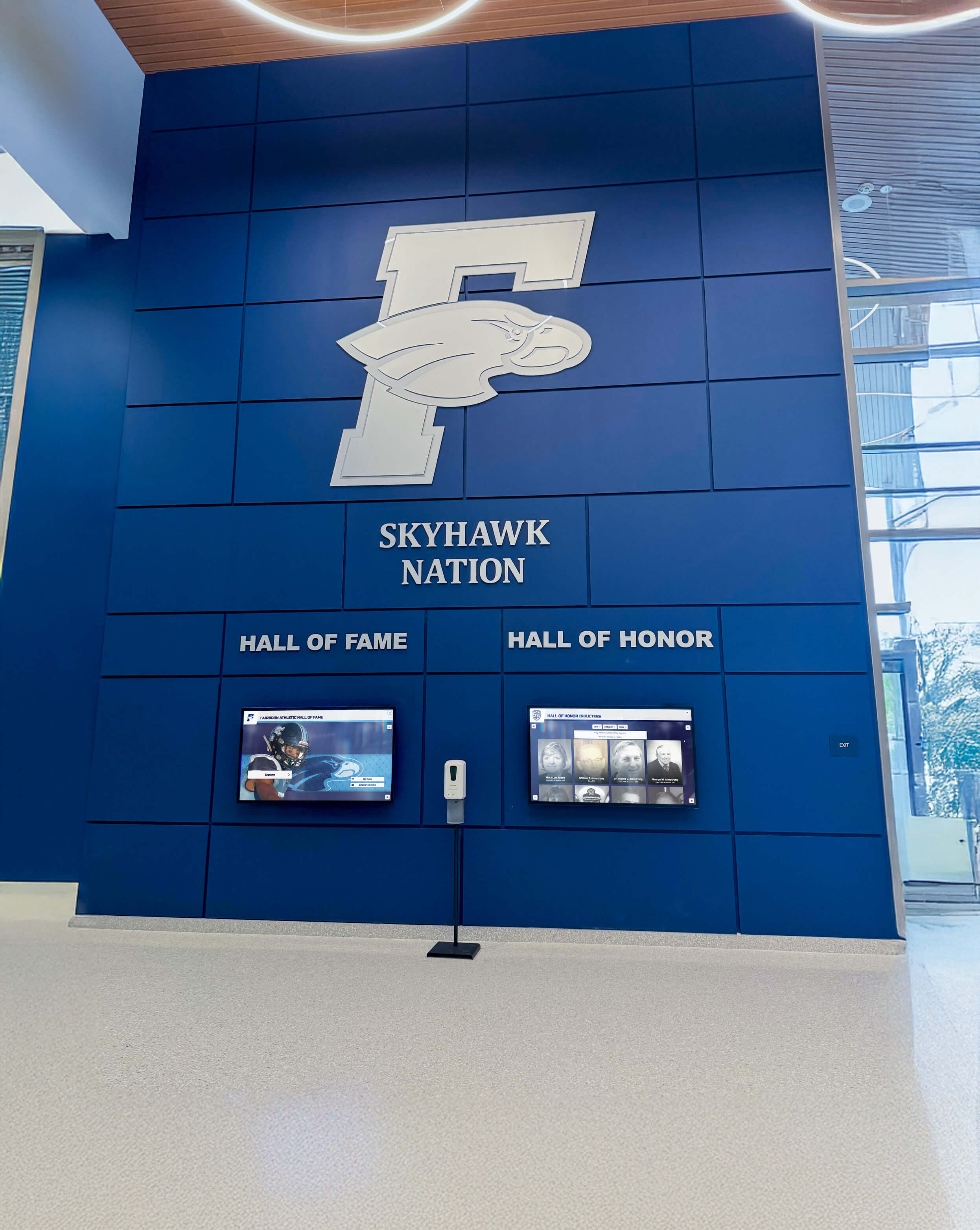
Elementary lobby displays celebrate spirit week participation alongside academic and character achievements
Middle School Spirit Themes
Age-Appropriate Middle School Themes
Themes balancing fun with social awareness:
- “Meme Day” - current internet culture representation
- “Decades Day” - historical fashion with friends
- “Twin Day” - coordination with friend groups
- “Jersey Day” - sports team and athlete representation
- “Dress Like a Teacher” - playful tribute to staff
- “Tourist Day” - cultural exploration and travel
- “Color Wars” - grade-level competition and pride
- “Pajama Day” - comfortable, low-pressure participation
- “Neon Day” - bold self-expression
- “Decades of Music” - genre and artist representation
Middle School Considerations
- Respect social anxiety and self-consciousness at this age
- Provide multiple participation options (accessories if not full costume)
- Avoid themes potentially excluding or embarrassing students
- Allow friend group coordination reducing individual pressure
- Respect that some students won’t participate—make that okay
- Consider grade-level themes creating group identity
- Balance competitive and cooperative elements
- Address potential bullying or mocking proactively
High School Spirit Themes
Age-Appropriate High School Themes
Sophisticated themes allowing creativity:
- “Biopic Day” - dress as someone with movie about their life
- “Decades Day” with historical accuracy research
- “CEO vs. Intern” - corporate hierarchy humor
- “Reality TV Stars” - contemporary television representation
- “College Colors Day” - university pride and future goals
- “Throwback Thursday” - elementary/middle school nostalgia
- “Senior Privilege Day” - seniors dress distinctively
- “Class Color Competition” - grade-level spirit competition
- “Occupation Day” - future career representation
- “Time Travel” - past, present, or future self representation
High School Implementation Strategies
- Student leadership in planning and execution
- Social media integration for promotion and documentation
- Photography station for group photos and memories
- Class competition structure with spirit points
- Assembly or rally as culminating celebration
- Senior privileges and special recognition
- Balance tradition with innovation yearly
- Alumni connection through traditional themes
- College application and scholarship documentation opportunities
Schools implementing comprehensive student recognition feature spirit week winners and particularly creative participation alongside academic, athletic, and character achievements.
Competitive Spirit Week Structures
Many schools enhance spirit week engagement through friendly competition between grade levels or houses.
Class Competition Models
Spirit Point Systems
Structured competition framework:
Earning Spirit Points
- Daily theme participation percentage per class
- Creative costume and commitment scoring
- Assembly attendance and energy demonstration
- Hallway decoration and class area personalization
- Spirit week event participation (competitions, games)
- Social media engagement and class pride visibility
- Sportsmanship and positive behavior during competition
- Community service or positive contribution activities
Point Calculation Methods
- Participation percentage (number participating / total class size)
- Judge scoring for creativity and effort on rubric (1-10 scale)
- Event placement (1st place: 100 points, 2nd: 75 points, 3rd: 50 points)
- Attendance percentage at spirit events and assemblies
- Bonus points for all-class participation or exceptional creativity
- Deductions for poor sportsmanship or inappropriate behavior
Recognition and Rewards
Winners receive:
- Spirit Week Champion trophy displayed prominently
- Class names featured on digital recognition displays permanently
- Special privileges (early lunch dismissal, preferred parking, dress-down day)
- Class photo in yearbook and school publications
- Social media recognition and celebration
- Spirit stick or traveling trophy for winning class
- Small rewards (pizza party, ice cream social, class celebration)
Competition Guidelines
Ensure healthy competition:
- Clear rules established and communicated before spirit week
- Emphasis on fun and participation over winning at all costs
- Judges evaluating fairly with transparent criteria
- Sportsmanship expectations communicated and enforced
- Celebration of all participation, not just winners
- Multiple award categories ensuring varied recognition
- Staff oversight preventing intimidation or pressure
- Focus on positive pride rather than negative rivalry
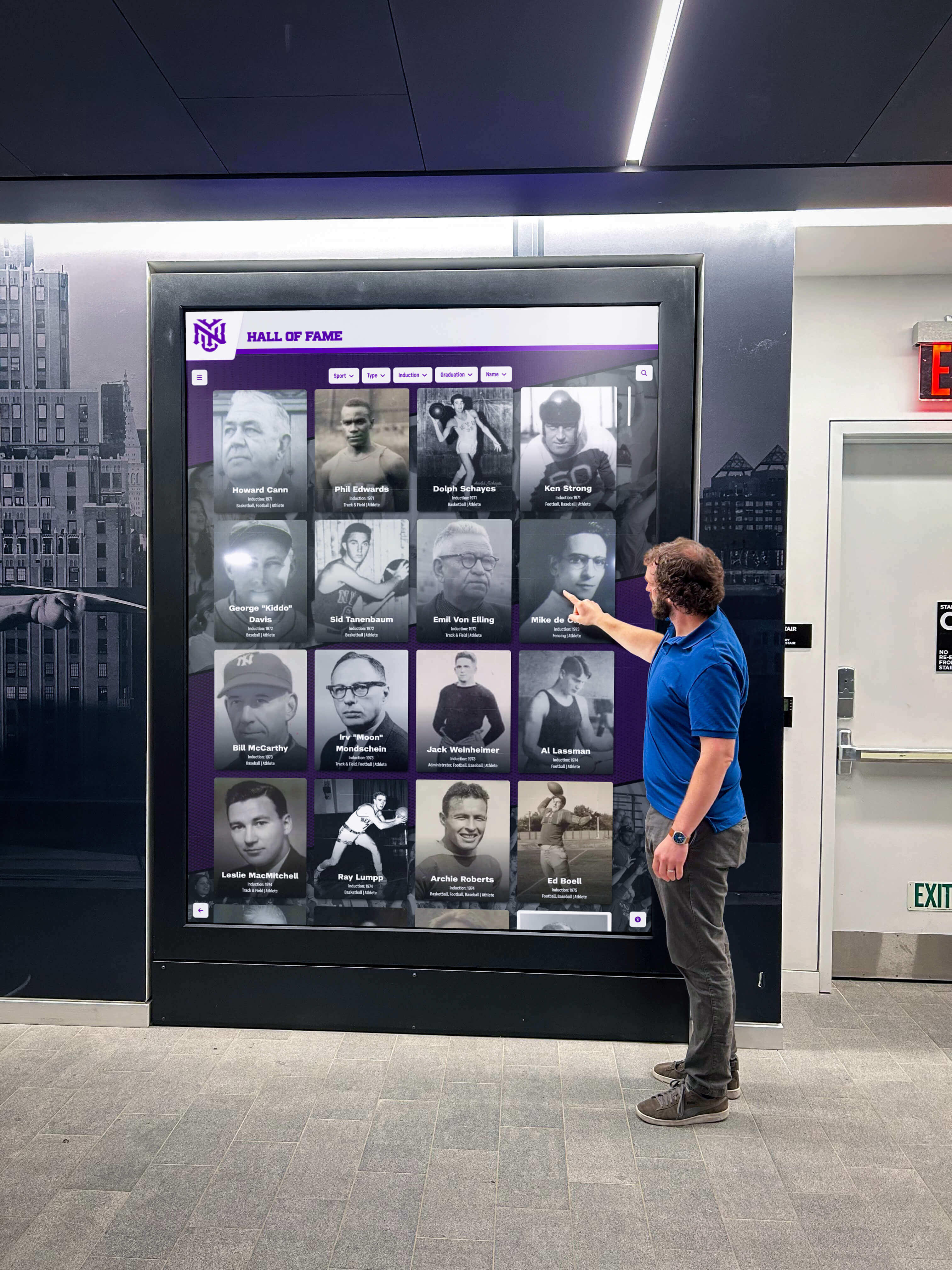
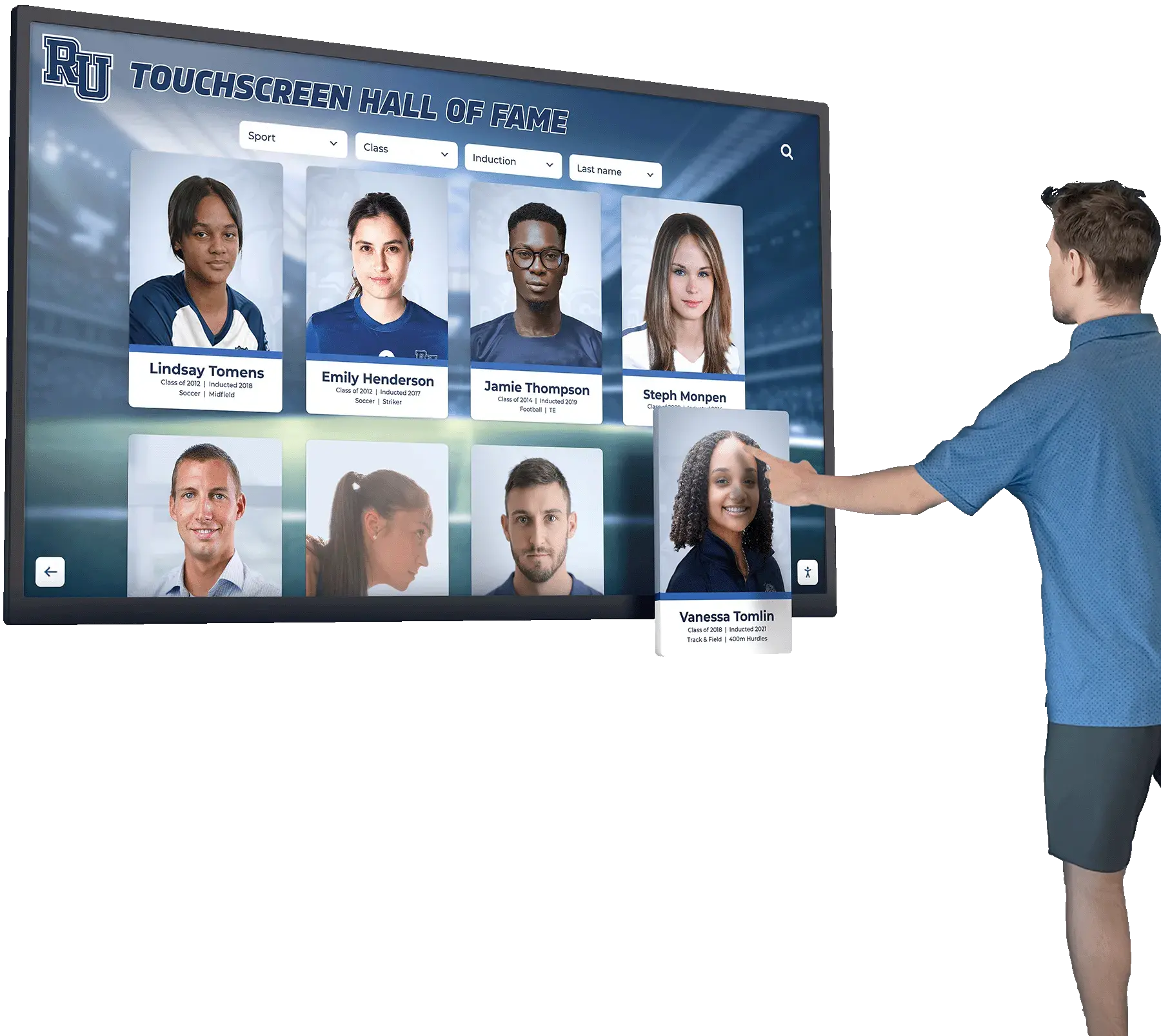
Interactive displays allow exploration of spirit week history, past winners, and memorable participation moments
House System Integration
House-Based Spirit Competition
For schools with house systems:
- Spirit week as major house competition event
- Points contributing to year-long house championship
- Multi-grade house teams creating mentorship
- House-specific themes and color coordination
- House unity activities and team-building
- House pride displays and decorated areas
- Cross-grade collaboration and leadership opportunities
- Annual house cup awarded partially based on spirit week
Schools implementing comprehensive spirit programs often integrate spirit weeks with broader school traditions, creating connected celebration systems rather than isolated events.
Inclusive and Culturally Responsive Spirit Themes
Ensuring all students feel welcome to participate requires intentional inclusive planning.
Cultural Celebration and Heritage
Heritage Pride Day
Celebrate diverse backgrounds:
- Students wear clothing representing cultural heritage
- Traditional dress from family countries of origin
- Color combinations from family flags
- Cultural accessories, jewelry, or head coverings
- “Heritage Flag” creation representing mixed backgrounds
- Cultural food sharing (if food allowed and dietary restrictions addressed)
- Presentation opportunities sharing cultural traditions
Implementation Considerations
- Provide advance notice allowing family consultation
- Education about cultural appreciation vs. appropriation
- Clear guidelines about respectful representation
- Honor multiple heritages for students from diverse backgrounds
- Alternative participation for students unsure of heritage
- Educational component teaching about represented cultures
- Avoid stereotyping or costume-like representation of cultures
Accessibility and Inclusion
Sensory-Friendly Considerations
Accommodations for diverse needs:
- Quiet spaces for students overwhelmed by increased stimulation
- Advance notice of schedule changes for students preferring routine
- Visual schedules showing spirit week daily themes
- Alternative participation methods (accessories rather than full costumes)
- Understanding that some students won’t participate—make that acceptable
- Adaptive costume options for students with mobility devices
- Allergy awareness for any makeup, face paint, or materials
- Gender-inclusive theme language and costume expectations
Socioeconomic Inclusion
Ensuring equity:
- Themes achievable without purchasing anything new
- DIY emphasis over store-bought costumes
- School-provided materials for students needing support
- “Swap Shop” for costume sharing and exchange
- Accessory-based participation (paper, markers, borrowed items)
- No competition categories requiring expensive elements
- Celebration of creativity and effort over costume expense
- Private support for students facing financial barriers
Gender-Inclusive Themes
Avoiding exclusionary concepts:
- “Wear Your Favorite Color” rather than “Girls wear pink, boys wear blue”
- “Dress as Your Favorite Character” rather than “Princess and Prince Day”
- Avoid gendered assumptions about career day costumes
- Use inclusive language in all theme descriptions
- Allow all students to participate in all themes regardless of gender identity
- Respect students’ self-identification and expression
- Address potential bullying or mockery immediately
Schools committed to inclusive recognition ensure that spirit week celebration extends to all students through permanent displays showcasing diverse participation and achievement.
Documentation and Memory Preservation
Spirit weeks create memorable moments worth preserving permanently.
Photography and Videography
Capturing Spirit Week Highlights
Professional documentation:
Daily Documentation
- Designated photographers covering each day’s theme
- Multiple locations ensuring all participation captured
- Candid shots showing authentic enthusiasm and creativity
- Group photos of coordinated friend groups and twins
- Class photos showing collective participation
- Individual portraits of particularly creative costumes
- Staff participation photos celebrating adult engagement
Video Content Creation
- Highlight reels showing best moments from each day
- Time-lapse videos of costume arrivals and hallway energy
- Interview clips with students explaining costumes
- Behind-the-scenes footage showing preparation and coordination
- Assembly and event coverage capturing competitions
- Social media content in platform-specific formats (Reels, TikToks, Stories)
- Year-end compilation celebrating entire spirit week journey
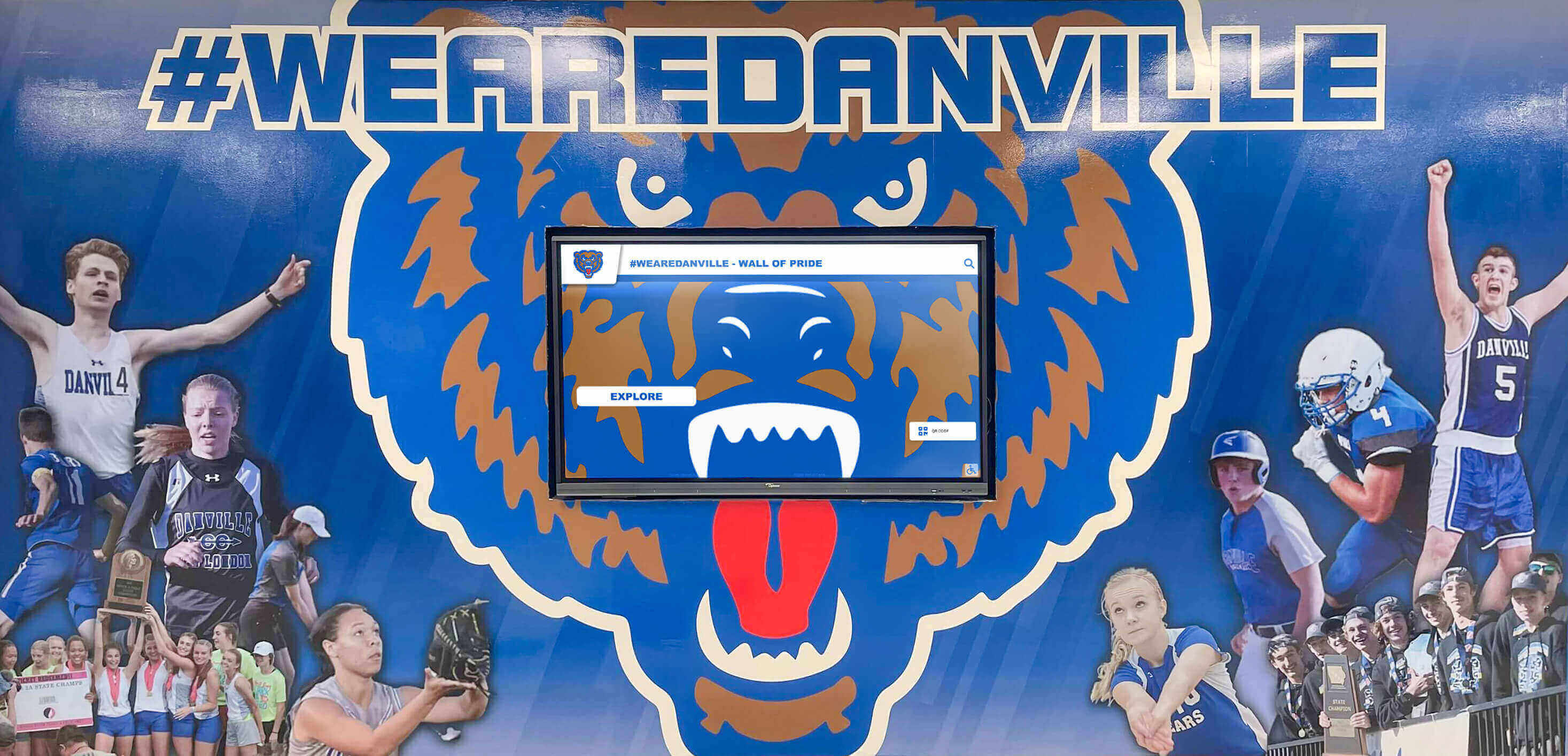
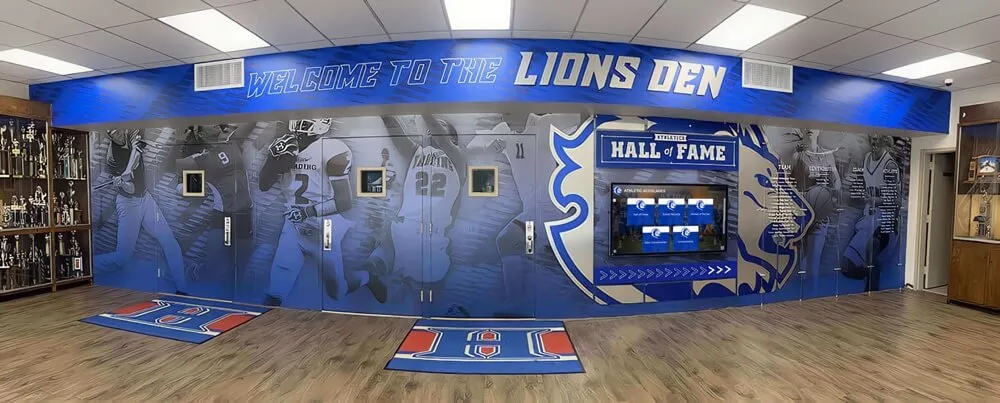
Hallway displays feature spirit week highlights alongside other achievements, preserving memorable participation moments
Digital Recognition Systems
Permanent Spirit Week Celebration
Modern schools extend spirit week recognition beyond the event:
Solutions like Rocket Alumni Solutions enable schools to:
- Showcase spirit week winners and participation highlights permanently
- Display photo galleries from each day’s themes
- Feature particularly creative costumes and group coordination
- Document multi-year spirit week traditions and evolution
- Create searchable archives of historical spirit weeks
- Include QR codes allowing families to explore photos remotely
- Preserve memories accessible to alumni returning to campus
- Connect spirit week to other school pride initiatives
Year-Round Spirit Building
Digital displays maintain spirit beyond designated weeks:
- Countdown timers building anticipation for annual spirit week
- Historical spirit week highlights shown throughout year
- Alumni spirit week memory features connecting generations
- Planning committee recognition and student leadership celebration
- Spirit week winner recognition displayed prominently
- Integration with other school pride and recognition systems
- Mobile access allowing remote community engagement
These systems transform spirit week from temporary event to enduring tradition, demonstrating that creativity, participation, and school pride receive lasting celebration rather than brief acknowledgment.
Extending Reach Through Digital Platforms
Modern spirit week documentation:
Platform-Specific Content
- Instagram Stories showing real-time participation
- Photo posts with daily theme hashtags
- TikTok videos featuring costume showcases and transitions
- Facebook albums for family sharing and community engagement
- Twitter updates celebrating school spirit
- YouTube highlight reels preserving complete documentation
Engagement Strategies
- School-specific hashtag for spirit week (#SmithHighSpiritWeek2026)
- Student takeover days where students control school accounts
- Photo contests encouraging student and family posting
- Feature fan submissions and tag students in photos
- Alumni engagement sharing their historical spirit week memories
- Community interaction celebrating school pride broadly
- Live coverage during assemblies and special events
Schools implementing comprehensive social media strategies extend spirit week impact far beyond physical campus, engaging families, alumni, and broader community in celebration.
Common Spirit Week Challenges and Solutions
Understanding frequent obstacles helps schools plan proactive responses.
Challenge: Low Student Participation
Problem: Only small percentage of students dress up, creating underwhelming atmosphere
Underlying Causes
- Themes not appealing to diverse student interests
- Social anxiety about standing out or being judged
- Lack of awareness or understanding of themes
- Perception that spirit week is only for certain groups
- Previous negative experiences with spirit events
- Financial barriers to participation
- Time constraints for costume preparation
Solutions
- Student voice in theme selection ensuring relevance
- Multiple participation options (full costume, accessories only, color participation)
- Clear, inspiring examples provided well in advance
- Celebrity/teacher participation modeling that dressing up is valued
- Class incentives encouraging group participation
- Simple, achievable themes requiring minimal preparation
- Free materials provided for students needing support
- Positive reinforcement celebrating all participation levels
- Address bullying immediately ensuring psychological safety
Challenge: Inappropriate Costumes or Themes
Problem: Students wearing offensive, revealing, or inappropriate costumes
Solutions
- Clear costume guidelines communicated before spirit week
- Examples of appropriate vs. inappropriate provided explicitly
- Cultural sensitivity training about appropriation vs. appreciation
- Dress code enforcement consistent with school policies
- Alternative costume options provided for students dressed inappropriately
- Education about why certain themes are problematic
- Administrator visibility throughout day addressing issues promptly
- Parent communication about expectations and guidelines
Challenge: Competition Becoming Too Intense
Problem: Class competition creating pressure, conflict, or poor sportsmanship
Solutions
- Clear sportsmanship expectations communicated upfront
- Multiple award categories ensuring varied recognition
- Participation celebration alongside competition results
- Adult supervision preventing intimidation or exclusion
- Point deductions for poor sportsmanship or inappropriate behavior
- Focus on fun and pride rather than winning at all costs
- Transparent judging criteria and processes
- Class meetings debriefing competition experiences
- Recognition that choosing not to participate is acceptable
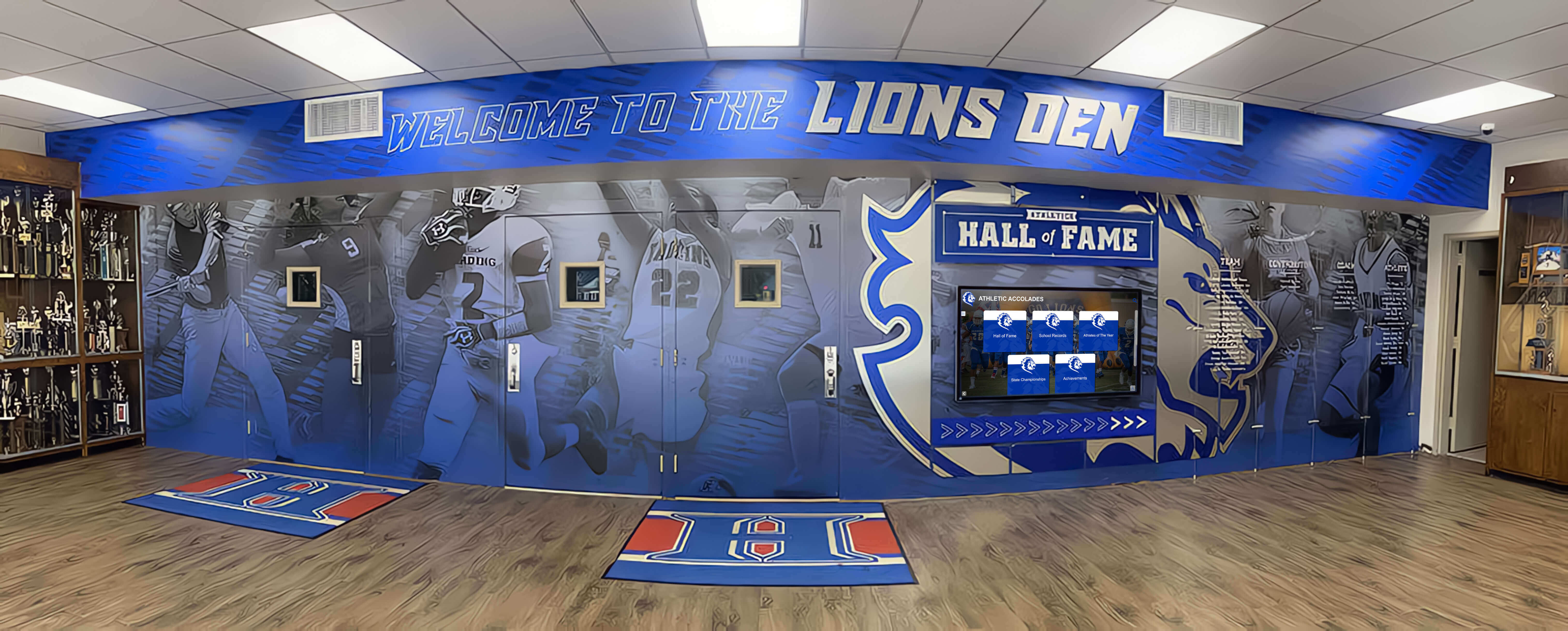
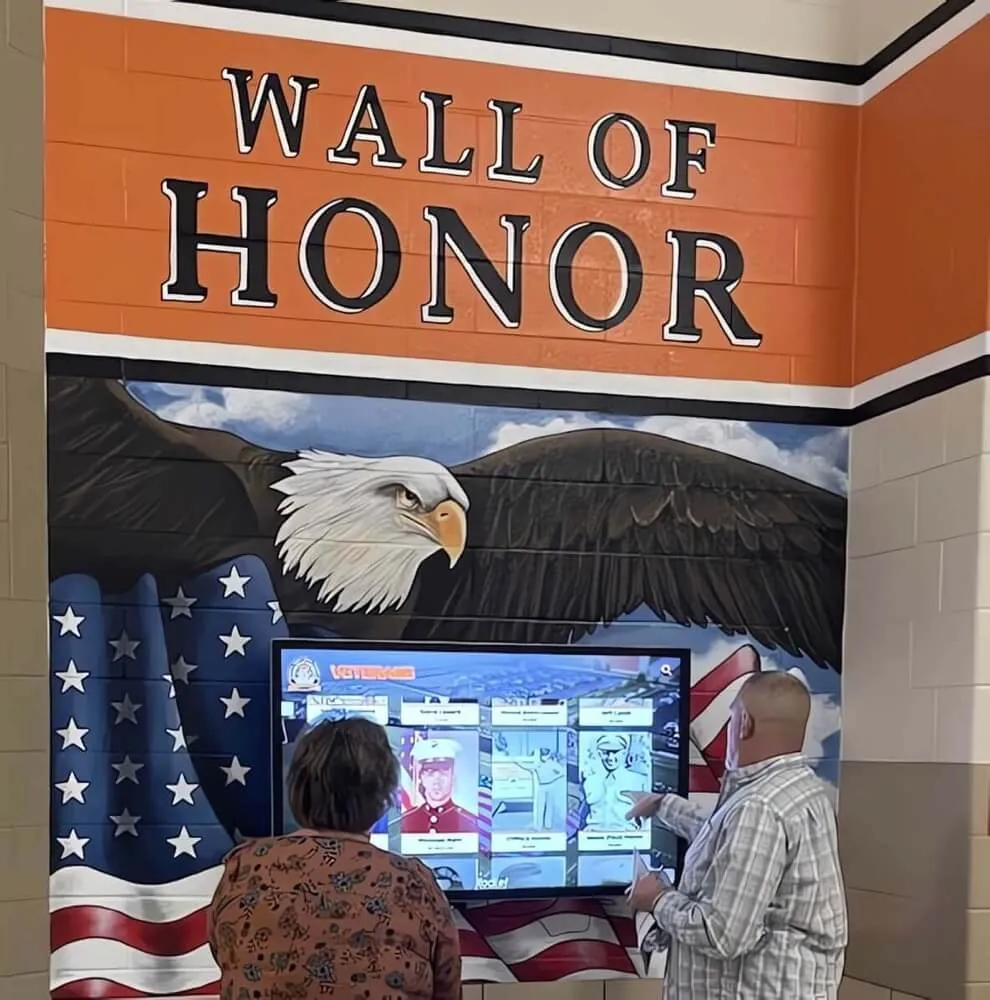
Comprehensive recognition areas celebrate spirit week winners alongside other achievements, creating integrated pride displays
Challenge: Maintaining Enthusiasm Throughout Week
Problem: Strong Monday participation declining significantly by Friday
Solutions
- Save most exciting, easiest themes for later in week
- Build anticipation through daily announcements and reveals
- Progressive competition where points accumulate maintaining engagement
- Special events or assemblies scheduled for later week days
- Surprise bonus themes or activities announced mid-week
- Celebrity judges or special guests appearing throughout week
- Daily recognition maintaining visibility and celebration
- Social media updates celebrating participation daily
Schools implementing sustained engagement programs understand that maintaining energy requires strategic planning rather than hoping enthusiasm naturally persists.
Assessment and Continuous Improvement
Effective spirit week programs incorporate evaluation ensuring continuous enhancement.
Measuring Spirit Week Success
Quantitative Indicators
Numerical assessment:
- Participation rates per day and overall
- Comparison to previous years showing trends
- Class participation percentages showing equity
- Social media engagement metrics (likes, shares, reach)
- Photo documentation quantity showing visibility
- Event attendance at assemblies and special activities
- Budget actual costs versus estimates
- Time requirements versus allocated resources
Qualitative Assessment
Experience evaluation:
- Student feedback surveys about theme preferences
- Focus groups discussing what worked well and improvement areas
- Teacher observations about engagement and classroom impact
- Parent feedback about family involvement and perception
- Social media comment analysis showing community response
- Photography review showing enthusiasm and creativity levels
- Planning committee debrief identifying lessons learned
- Comparison to school culture goals and objectives
Post-Event Evaluation Process
Structured Debriefing
Within two weeks of spirit week conclusion:
Planning Committee Meeting
- Review each day’s theme: participation, challenges, highlights
- Analyze competition structure and fairness
- Evaluate communication and promotion effectiveness
- Discuss logistical issues and operational challenges
- Identify surprise successes and unexpected problems
- Document lessons learned for future planning
- Capture participant feedback and suggestions
Stakeholder Feedback Collection
- Student surveys about theme preferences and experience
- Teacher input about classroom integration and management
- Administrator perspective on school culture impact
- Parent survey about communication and participation support
- Photo review identifying most successful themes
- Social media analysis showing community engagement
Documentation for Future Reference
- Theme list with participation rates and feedback
- “Keep, Change, Remove” assessment for each element
- Budget actuals with notes about expense justification
- Timeline with notes about optimal scheduling
- Promotion materials that worked effectively
- Challenge log with solutions that addressed issues
- Photo and video archive for inspiration and marketing
This systematic evaluation ensures each year’s spirit week builds on previous successes while addressing identified challenges.
Preserve Spirit Week Memories Permanently
Discover how digital recognition displays transform spirit week from temporary event to enduring tradition. Showcase participation photos, celebrate class competition winners, and preserve memorable moments in searchable archives. Display spirit week highlights alongside academic, athletic, and character achievements, creating comprehensive school pride systems. See how schools nationwide extend spirit week celebration year-round through modern recognition technology.
Explore Recognition SolutionsConclusion: Building Spirit That Endures
Spirit weeks represent powerful opportunities to build authentic school pride through inclusive celebration, creative expression, and community connection. The 30+ themes explored throughout this guide—from classic decades days and color wars to creative character themes and inclusive cultural celebrations—provide frameworks for designing experiences that genuinely engage diverse student populations while creating memories worth preserving permanently.
Effective spirit weeks require thoughtful theme selection matching your community’s interests and values, inclusive participation structures ensuring all students find comfortable ways to engage, and recognition systems extending celebration beyond a single week. Schools excelling at spirit building understand that these events create touchpoints within comprehensive pride systems rather than isolated entertainment.
The documentation and recognition approaches schools implement matter tremendously for lasting impact. Moving beyond brief Instagram stories toward permanent digital showcases preserving spirit week highlights, winners, and creative participation creates environments demonstrating that school spirit receives genuine celebration. Modern recognition displays transform temporary enthusiasm into enduring tradition accessible year-round to current students, families, alumni, and prospective community members.
Your students deserve spirit week experiences reflecting the creativity, diversity, and pride that make your school community unique. With appropriate theme selection, inclusive planning approaches, effective promotion strategies, and recognition systems celebrating both participation and achievement, you create spirit week traditions students anticipate eagerly, remember gratefully, and celebrate proudly throughout their school years and beyond.
Ready to enhance how your school celebrates spirit week achievements and builds year-round pride? Explore how digital recognition solutions extend spirit week recognition from brief moments to permanent celebration that strengthens school culture.