



The batter steps into the box, confident after crushing fastballs all season. Your pitcher winds up and delivers what looks identical to her previous pitch—but this time the ball drops sharply below the swing, catching the outside corner for strike three. The difference? A subtle change in grip that transformed a straight pitch into devastating movement.
Mastering softball pitching grips represents the difference between throwing hard and pitching strategically. While velocity matters, pitch variety keeps batters off-balance, creates weak contact, and separates pitchers who dominate from those who simply throw. Yet many young pitchers and their coaches struggle to understand the precise finger placements, pressure points, and release mechanics that create reliable pitch movement.
This comprehensive visual guide breaks down the essential softball pitching grips—the rise ball, drop ball, curve ball, and changeup. Whether you’re a pitcher building your arsenal or a coach developing your staff, understanding these fundamental grips provides the foundation for creating the pitch variety that wins championships and earns spots on digital record boards celebrating career strikeout leaders.
The most effective pitchers develop diverse arsenals where multiple pitch types keep batters guessing and unable to time their swings. Success requires not just understanding individual grips, but mastering the subtle mechanical adjustments that make each pitch move consistently while maintaining deceptive similarity in arm action and release.

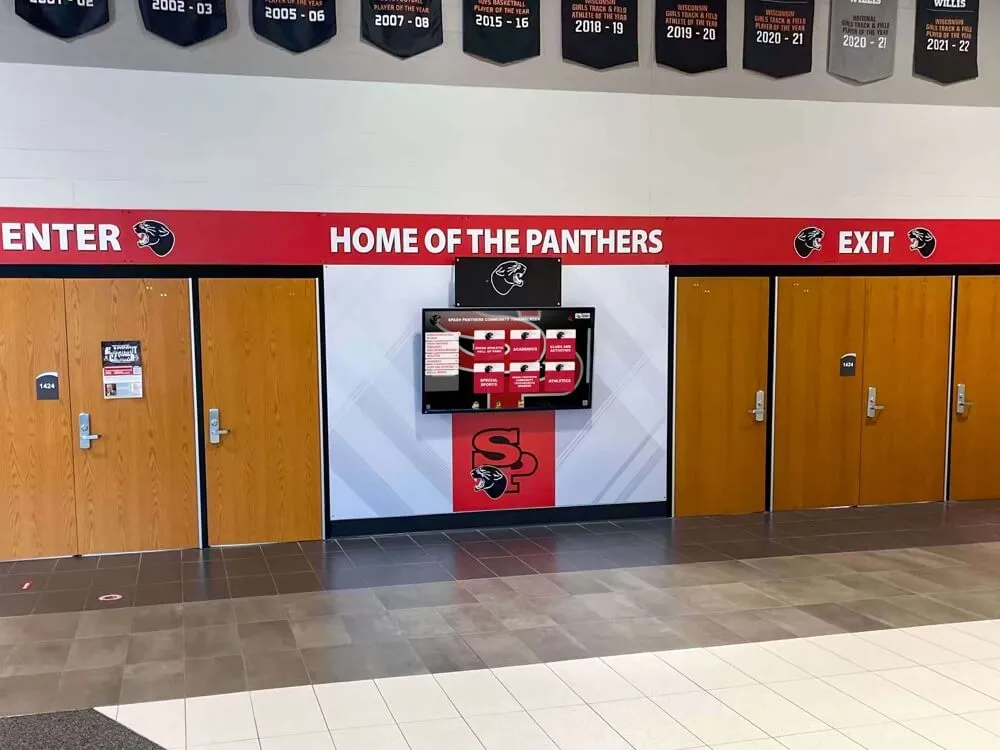
Recognition displays celebrate pitching legends whose mastery of diverse pitch grips led to championship seasons and career records
The Fastball Grip: Your Foundation Pitch
Before mastering movement pitches, every pitcher must establish a consistent fastball grip that serves as the foundation for pitch sequencing and provides the baseline against which movement pitches create deception.
Basic Fastball Grip Mechanics
Finger Placement and Pressure
The fastball grip establishes fundamental finger positioning patterns that later variations will modify:
Standard Four-Seam Grip
- Index and middle fingers placed across the widest seam spacing
- Fingertips apply pressure, not finger pads
- Thumb positioned directly underneath, creating tripod base
- Ring finger and pinky curl comfortably against ball side
- Moderate pressure—firm but not squeezing
- Small gap between ball and palm for proper release
Two-Seam Fastball Variation
- Fingers follow the narrow seam spacing
- Creates slight natural movement due to seam rotation
- Same pressure principles as four-seam grip
- Often moves slightly toward pitching-hand side
- Useful for inducing ground balls
- Good transition grip when learning movement pitches
The fastball grip should feel natural and repeatable. Pitchers develop slight individual variations based on hand size, finger length, and comfort—the key is consistency that allows muscle memory to develop through thousands of repetitions.
Release Point Consistency
Establishing Your Reference Point
Creating reliable fastball mechanics provides the standard against which you’ll measure movement pitch effectiveness:
Key Release Elements
- Same arm speed across all pitch types
- Consistent release point location
- Identical arm circle path
- Matching follow-through mechanics
- Deceptive delivery that hides grip changes
- Repeatable wrist snap timing
Common Fastball Grip Mistakes
Avoiding Foundational Errors
These frequent problems undermine fastball effectiveness:
Grip Issues to Correct
- Squeezing too tightly, reducing wrist snap
- Ball buried too deep in palm
- Inconsistent finger placement between pitches
- Uneven pressure distribution
- Fingers too close together or too wide
- Thumb position shifting
Once pitchers establish consistent fastball command with a reliable grip, they’re ready to add movement pitches that create the pitch variety needed for competitive success.
The Rise Ball Grip: Mastering the Upward Movement
The rise ball remains one of softball’s most devastating pitches when executed properly—a pitch that appears to jump upward as it approaches the plate, causing batters to swing beneath it for easy strikeouts.
Rise Ball Grip Fundamentals
Creating Upward Spin
The rise ball’s effectiveness comes from extreme backspin that creates upward lift as the ball travels toward the plate:
Finger Positioning for Backspin
- Index and middle fingers positioned under the ball
- Fingertips apply upward pressure during release
- Thumb rests on top-side of ball (reversed from fastball)
- Fingers positioned along seams that enhance spin
- Pressure applied through fingertips, not pads
- Ball positioned slightly deeper in hand than fastball
Grip Variations Based on Hand Size
- Smaller hands: fingers slightly wider apart for stability
- Larger hands: can bring fingers closer for spin concentration
- Some pitchers use three fingers (index, middle, ring) for control
- Finger pressure distribution varies by individual
- Experiment to find grip that maximizes backspin
- Consistency matters more than exact finger spacing
The rise ball grip feels unnatural initially because the thumb-on-top position contradicts instinctive throwing mechanics. Developing comfort requires dedicated practice focusing specifically on grip feel rather than immediate pitch results.
Championship trophy cases display the hardware earned by pitchers who mastered diverse pitch arsenals including devastating rise balls
Release Mechanics for Rise Ball Effectiveness
Generating Maximum Backspin
The release mechanics determine whether the ball actually rises or simply floats high:
Critical Release Elements
- Upward snap of wrist at release point
- Fingers drive up and through ball’s bottom
- Explosive upward finger movement creates spin
- Follow-through continues upward direction
- Release point slightly lower than fastball
- Power from legs and hips drives upward motion
Common Rise Ball Mistakes
- Insufficient backspin due to weak wrist snap
- Releasing ball too high in arm circle
- Slowing arm speed (telegraphs pitch)
- Rolling wrist sideways instead of upward snap
- Floating ball high without actual rising movement
- Inconsistent release point reducing command
The true rise ball creates a late upward break that causes batters to swing under the pitch. Developing this requires mastering both grip and release mechanics through extensive repetition and coaching feedback.
Rise Ball Practice Progression
Building rise ball proficiency requires systematic development:
Developmental Stages
- Master grip feel without throwing
- Close-distance wall work focusing on backspin
- Short-distance (20-25 feet) repetitions emphasizing spin
- Gradually increase distance while maintaining spin quality
- Incorporate into bullpen sessions with target work
- Practice sequencing rise ball after fastballs
- Develop confidence to throw in game situations
Pitchers typically need 6-12 months of consistent practice before the rise ball becomes a reliable weapon. Those who master it often find it becomes their most effective strikeout pitch, earning them recognition on senior night celebrations and career achievement displays.
The Drop Ball Grip: Creating Downward Movement
If the rise ball is softball’s strikeout pitch, the drop ball is its ground ball generator—a pitch that breaks sharply downward, inducing weak contact and double-play opportunities.
Drop Ball Grip Technique
Establishing Topspin Rotation
The drop ball requires topspin that pulls the pitch downward as it approaches the plate:
Standard Drop Ball Finger Placement
- Index and middle fingers positioned on top of ball
- Fingers placed along or across seams for maximum spin
- Thumb supports underneath ball
- Pressure concentrated through fingertips
- Ball positioned toward fingertips, not deep in palm
- Slight stiffness in wrist during delivery
Grip Pressure Distribution
- Firm pressure from top fingers driving downward
- Thumb provides stable base without excessive pressure
- Fingers positioned to create maximum forward spin
- Contact point on ball’s top-center area
- Maintain pressure consistency throughout delivery
- Avoid squeezing that restricts wrist action
The drop ball grip feels more natural than the rise ball because the finger positioning aligns with normal throwing mechanics. However, creating sufficient topspin to generate noticeable downward break requires specific release techniques.
Drop Ball Release Mechanics
Maximizing Downward Movement
Release technique determines drop ball effectiveness:
Release Point Essentials
- Slightly higher release than fastball
- Fingers drive down and through ball
- Sharp downward wrist snap
- Forward spin accelerates through release
- Extended follow-through downward
- Consistent arm speed maintains deception
Drop Ball Variations
Adjusting Movement Characteristics
Different situations call for drop ball variations:
Movement Options
- Standard drop (straight downward)
- Drop curve (downward with lateral movement)
- Quick drop (less break, more speed)
- Slow drop (more break, reduced velocity)
- Rise-drop sequence for maximum deception
- Location variations (inside/outside targeting)
Effective drop ball pitchers learn to vary speed and break amount while maintaining consistent mechanics, keeping batters from timing their swings or recognizing pitch type early in delivery.
The Curve Ball Grip: Lateral Movement Mastery
The curve ball adds horizontal dimension to a pitcher’s arsenal, breaking away from same-side batters or jamming opposite-side hitters with movement that challenges plate coverage.
Curve Ball Grip Fundamentals
Creating Side Spin
Curve ball effectiveness comes from the sidespin that causes lateral movement:
Basic Curve Ball Finger Positioning
- Fingers positioned on ball’s side relative to target
- Index finger applies primary pressure
- Middle finger supports and guides direction
- Thumb positioned opposite fingers for stability
- Wrist cocked slightly toward glove side
- Ball contacts fingers’ inside edges
Right-Handed vs. Left-Handed Grips
The curve ball grip mirror-images based on throwing hand:
Right-Handed Pitcher
- Fingers positioned on right side of ball
- Breaks toward first base side
- Most effective against right-handed batters
- Can back-door left-handed batters
- Grip pressure concentrates on index finger
Left-Handed Pitcher
- Fingers positioned on left side of ball
- Breaks toward third base side
- Most effective against left-handed batters
- Can work inside to right-handed batters
- Same pressure principles, opposite orientation

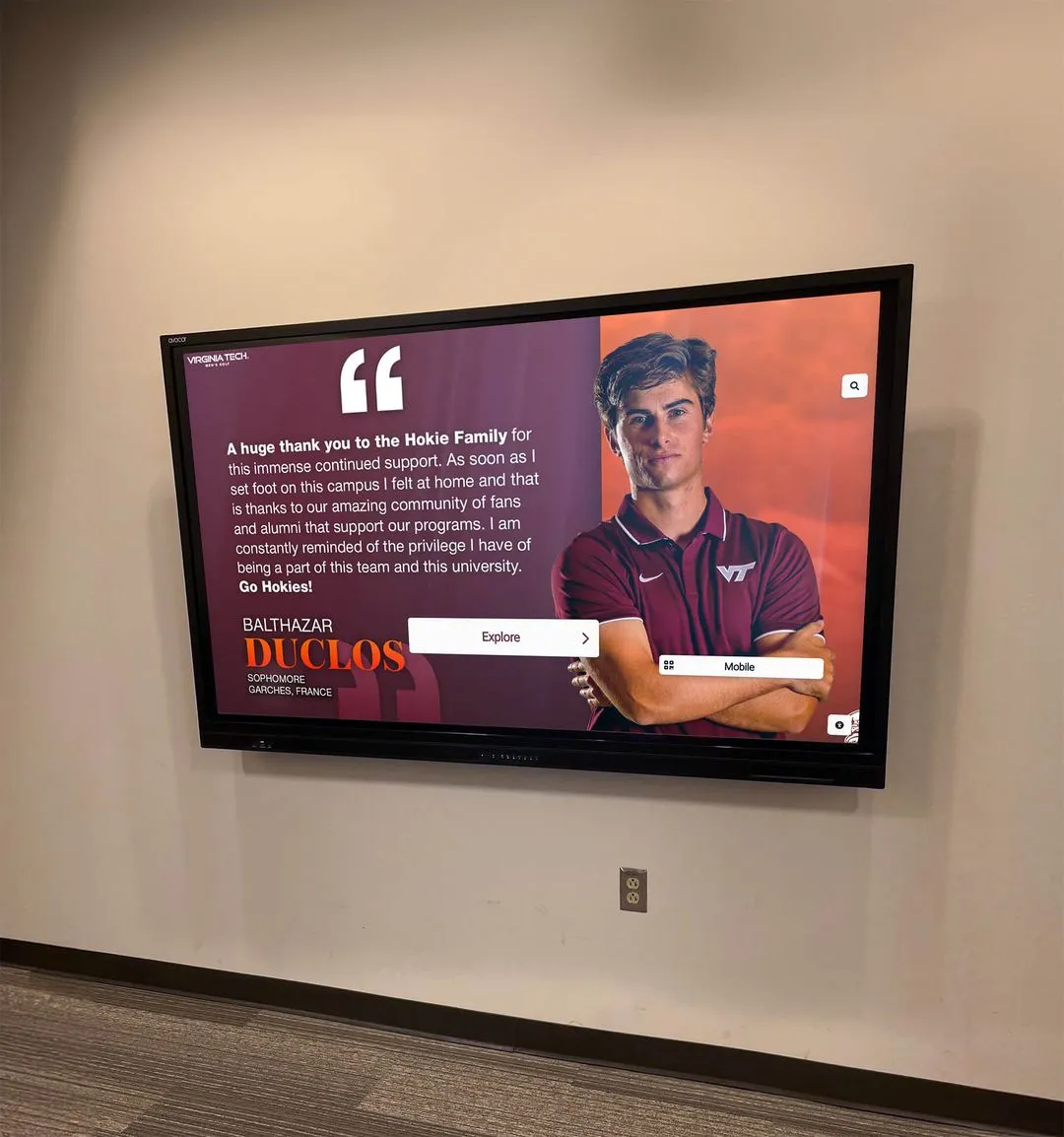
Digital recognition walls celebrate pitchers whose mastery of curves and breaking pitches led to all-conference honors and championship seasons
Curve Ball Release Technique
Generating Effective Lateral Break
The release mechanics create the sidespin that produces horizontal movement:
Release Point Mechanics
- Wrist snap toward glove side at release
- Fingers sweep across ball’s side during release
- Follow-through continues in break direction
- Maintain same arm speed as fastball
- Release point matches fastball location
- Spin axis perpendicular to desired break direction
Break Amount Control
Pitchers adjust curve ball break through subtle mechanical changes:
Controlling Movement Variables
- Increased wrist snap creates more break
- Finger pressure concentration affects spin rate
- Release point timing influences break sharpness
- Arm angle variations modify movement plane
- Speed differential impacts movement amount
- Practice develops feel for break control
The curve ball typically represents the third pitch pitchers add to their arsenal, after establishing fastball and either rise or drop ball. Its lateral movement complements vertical-breaking pitches, creating three-dimensional pitch variety that makes pitch sequencing highly effective.
Curve Ball Strategic Applications
Game Situation Usage
Understanding when to throw curves maximizes effectiveness:
Strategic Deployment
- Breaking away from same-side batters for strikeouts
- Backdoor breaking balls catching outside corner
- Sequencing after inside fastballs
- Two-strike putaway pitch options
- Inducing weak contact on outside edge
- Disrupting timing after vertical-movement pitches
Pitchers developing complete arsenals often find that mastering the curve ball’s lateral movement complements their vertical pitches perfectly, creating the pitch variety that leads to dominant performances and recognition on school record boards celebrating career achievements.
The Changeup Grip: Speed Deception Mastery
While rise balls, drop balls, and curves rely on movement to deceive batters, the changeup creates deception through speed differential—looking like a fastball but arriving significantly slower, causing batters to swing early and off-balance.
Changeup Grip Variations
Reducing Velocity While Maintaining Mechanics
The changeup challenge involves slowing the pitch without altering arm speed or delivery mechanics that would tip off batters:
Circle Changeup Grip
- Index finger and thumb form circle on ball’s side
- Middle, ring, and pinky fingers spread across top
- Ball contacts palm more than fastball grip
- Circle creates air resistance slowing pitch
- Palm contact reduces force transfer
- Maintains similar appearance to fastball grip
Three-Finger Changeup
- Index, middle, and ring fingers spread evenly on ball
- All three fingers apply equal pressure
- Thumb and pinky provide stability underneath
- Wider finger spacing reduces velocity
- More ball-to-palm contact than fastball
- Feels stable and controllable for most pitchers
Palm Ball Changeup
- Ball positioned deeper into palm
- Fingers spread wider than fastball
- Palm contact absorbs energy transfer
- Natural velocity reduction from palm position
- Requires larger hands for effective control
- Good option for pitchers with plus-size hands
Each changeup variation achieves the same goal—velocity reduction without mechanical changes—but different hand sizes and individual preferences determine which grip works best for each pitcher.
Changeup Delivery Mechanics
Selling the Fastball Illusion
The changeup’s effectiveness depends entirely on identical arm action to the fastball:
Critical Deception Elements
- Exact same arm speed as fastball
- Identical arm circle path and timing
- Matching release point location
- Same leg drive and body mechanics
- Follow-through mirrors fastball finish
- No grip change visible to batter
- Confident, aggressive delivery
Common Changeup Mistakes
- Slowing arm speed (obvious tell)
- Altering release point
- Different follow-through pattern
- Aiming pitch rather than attacking zone
- Telegraphing grip change during wind-up
- Tentative delivery lacking conviction
- Inconsistent release point reducing command
The changeup requires tremendous confidence because throwing a pitch significantly slower while maintaining aggressive mechanics feels counterintuitive. Developing this confidence requires extensive practice and game experience.
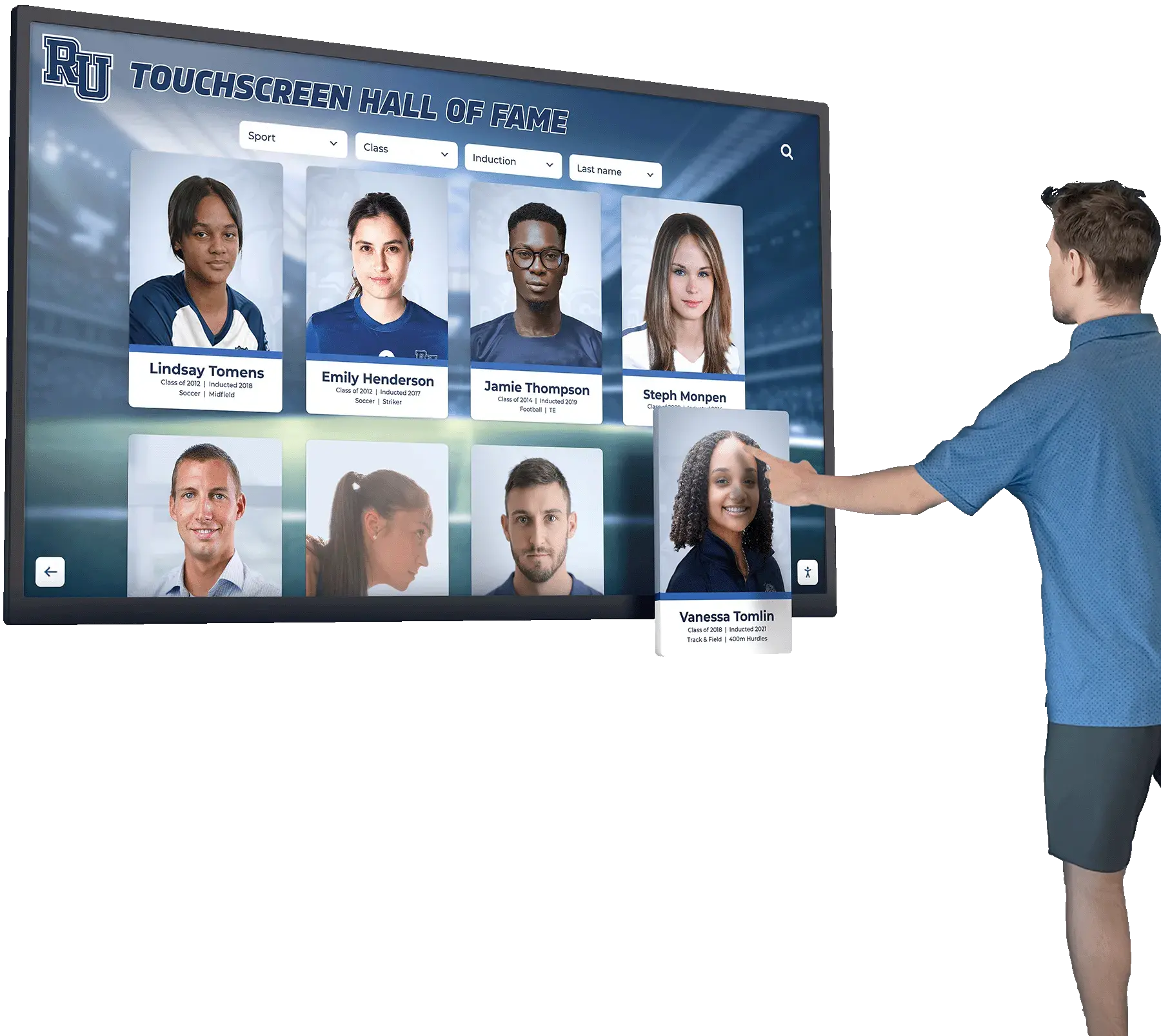
Interactive recognition displays let visitors explore career statistics including the pitch variety that made legendary pitchers dominant across entire seasons
Changeup Speed Differential Guidelines
Optimizing Velocity Gap
The changeup’s effectiveness depends on appropriate speed differential from the fastball:
Speed Difference Targets
- Youth pitchers (10-12 years): 5-8 mph differential
- Middle school pitchers: 7-10 mph differential
- High school pitchers: 8-12 mph differential
- Elite pitchers: 10-15 mph differential
- Too small: batters adjust timing easily
- Too large: appears obviously different, reduces command
Developing appropriate changeup speed while maintaining fastball arm action represents one of pitching’s most difficult skills. Pitchers who master it gain a weapon that complements their movement pitches perfectly, creating complete arsenals.
Changeup Strategic Sequencing
Maximizing Timing Disruption
The changeup’s effectiveness multiplies when sequenced strategically:
Effective Sequences
- Fastball-fastball-changeup (establishes speed, then disrupts)
- Rise ball-changeup (different speeds, similar plane)
- Changeup-fastball (fastball appears faster after changeup)
- Two-strike changeup (waste pitch or strikeout option)
- Behind in count (surprise pitch when batters expect fastball)
- Same location as previous fastball (looks identical until arrival)
Pitchers developing all four pitch types—fastball, rise/drop, curve, and changeup—possess the complete arsenals that dominate batters, win championships, and earn hall of fame nominations and athlete recognition honors.
Grip Selection and Development Progression
Building a complete pitching arsenal requires systematic development that respects physical maturation, skill progression, and competitive level appropriateness.
Age-Appropriate Pitch Development
Developmental Timeline Recommendations
Introducing pitches at appropriate ages prevents injury and ensures proper development:
Youth Division (10U-12U)
- Master fastball grip and basic mechanics
- Introduce changeup for speed variation
- Focus on control and strike-throwing
- Avoid complex breaking pitches
- Emphasize proper mechanics over pitch variety
- Build arm strength and endurance safely
Middle School Division (13U-14U)
- Refine fastball and changeup command
- Introduce either rise ball or drop ball
- Continue mechanical refinement
- Begin understanding pitch sequencing
- Develop consistent release points
- Add second movement pitch if first is controlled
High School Division (15U+)
- Build complete four-pitch arsenal
- Master pitch sequencing and strategy
- Develop pitch-specific command
- Understand batter tendencies and pitch selection
- Refine individual pitch characteristics
- Create deceptive delivery across all pitches
Rushing pitch development before physical and mechanical readiness leads to injury risk and ingrained bad habits that limit future development.
Individual Development Factors
Customizing Progression Plans
Every pitcher develops differently based on multiple factors:
Consideration Variables
- Hand size affecting grip options
- Arm strength and maturity level
- Natural movement tendencies
- Learning speed and retention
- Competitive level and needs
- Physical development stage
- Injury history considerations
Pitch Development Order
Recommended Addition Sequence
Most pitchers follow this progression:
Typical Development Path
- Fastball (four-seam, then two-seam)
- Changeup (speed variation)
- Rise ball OR drop ball (movement foundation)
- Second vertical pitch (complete vertical variety)
- Curve ball (lateral movement dimension)
- Pitch variations and refinements
Patient development following appropriate progressions creates pitchers with complete, reliable arsenals rather than pitchers with multiple half-developed pitches lacking game effectiveness.
Grip Adjustment for Different Ball Conditions
Game conditions and equipment variations require grip adjustments that maintain pitch effectiveness across varying circumstances.
Weather and Environmental Factors
Adapting to Conditions
Different environmental conditions affect grip security and ball behavior:
Hot Weather Adjustments
- Sweaty hands reduce grip security
- Apply rosin or approved grip aids
- Wider finger spacing may improve control
- More frequent ball rotation to dry spot
- Adjust pressure to compensate for slickness
- Monitor blisters developing from increased friction
Cold Weather Modifications
- Reduced finger sensitivity affects feel
- Tighter grip may be necessary
- Hand warmers between innings
- Additional warm-up time for mechanics
- Ball feels harder, affecting release
- Movement may be slightly reduced in cold air
Humid Conditions
- Ball surface becomes tacky
- May require reduced grip pressure
- Enhanced grip can increase spin rate
- Monitor for unexpected movement changes
- Adjust mechanics for grip feel differences

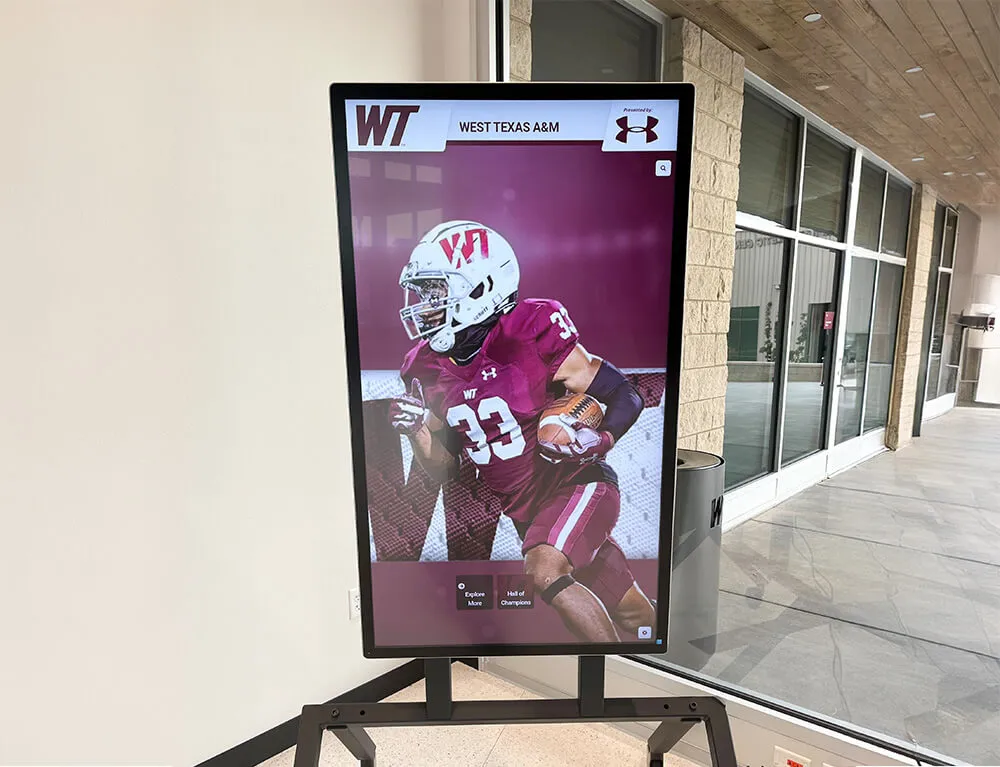
Recognition displays celebrate pitchers who mastered their craft across all conditions, earning spots among school athletic legends
Ball Condition Variations
Adjusting to Equipment Differences
Different ball conditions require grip modifications:
New vs. Worn Balls
- New balls: smoother surface, may require firmer grip
- Worn balls: rougher surface provides better grip
- Seam height affects spin generation
- Adjust finger placement for seam variations
- Monitor consistency between different balls
- Practice with game-condition balls
League Ball Specifications
- Different leagues use varying ball brands
- Cover materials affect grip feel
- Seam construction impacts spin rate
- Size variations (11-inch vs. 12-inch) require adjustment
- Practice with actual game balls
- Develop adaptability across ball types
Pitchers who develop adaptable grips that adjust to conditions and equipment variations maintain effectiveness regardless of circumstances, demonstrating the versatility that coaches value and that recognition programs highlight when celebrating complete athletes.
Common Grip Problems and Solutions
Even experienced pitchers encounter grip-related issues that affect pitch effectiveness. Identifying and correcting these problems quickly prevents performance declines.
Diagnosis and Correction Methods
Identifying Grip Issues
Specific pitch behavior problems often trace to grip errors:
Problem: Inconsistent Break on Movement Pitches
Potential grip causes:
- Finger placement varying between pitches
- Inconsistent pressure application
- Grip fatigue affecting finger positioning
- Ball positioned too deep or shallow in hand
- Seam alignment changing between pitches
Solutions:
- Mark reference points on practice balls
- Film grip from catcher’s view for consistency check
- Practice grip muscle memory without throwing
- Develop pre-pitch grip routine
- Monitor finger fatigue and adjust accordingly
Problem: Reduced Velocity or Movement
Grip-related velocity issues:
- Squeezing ball too tightly
- Ball too deep in palm
- Insufficient finger pressure
- Thumb pressure excessive
- Poor finger placement relative to seams
Solutions:
- Lighten grip pressure, focus on wrist snap
- Position ball toward fingertips
- Concentrate pressure through fingertips
- Reduce thumb involvement
- Experiment with seam vs. across-seam grips
Problem: Wild Pitches or Control Issues
Grip problems affecting command:
- Inconsistent release point from grip variations
- Ball slipping during delivery
- Grip too loose or unstable
- Fingers positioned unevenly
- Hand size mismatched to grip technique
Solutions:
- Establish pre-pitch grip consistency routine
- Apply appropriate grip aids (rosin, approved substances)
- Adjust pressure for secure but not tight feel
- Verify symmetrical finger positioning
- Modify grip technique for hand size
Hand Care and Grip Maintenance
Protecting Your Investment
Maintaining hand health ensures consistent grip capability:
Blister Prevention and Treatment
- Build calluses gradually through progressive throwing
- Use athletic tape on hot spots before blisters form
- Apply blister prevention products to vulnerable areas
- Allow proper healing time when blisters develop
- Modify grips temporarily to reduce friction on injured areas
- Never pitch through open blisters (infection risk)
Finger Strength Development
- Finger strengthening exercises between sessions
- Grip strength training specific to pitching
- Avoid overuse causing finger tendon issues
- Monitor soreness indicating overuse
- Balance strength with flexibility
- Develop individual finger strength, not just whole-hand grip
Proper hand care and grip maintenance separate pitchers who remain healthy and effective across full seasons from those who battle recurring hand issues that limit performance.
Integrating Grips into Complete Pitch Arsenal
Understanding individual pitch grips represents just the foundation—building complete arsenals requires integrating multiple pitches into strategic sequencing that keeps batters off-balance.
Pitch Sequencing Strategies
Creating Effective Combinations
Pitch variety becomes effective through strategic sequencing:
Speed Change Sequences
- Fastball-fastball-changeup (establish speed, then disrupt)
- Changeup-fastball (fastball appears faster)
- Mixing speeds throughout at-bat prevents timing
- Avoid predictable patterns batters recognize
- Vary sequences based on count and situation
Movement Combination Sequences
- Rise ball-drop ball (opposite vertical planes)
- Fastball-curve (establish inside, break away)
- Drop ball-rise ball (change eye level dramatically)
- Curve-fastball inside (set up jam pitch)
- Multiple planes prevent barrel contact
Location and Movement Integration
- Inside fastball-outside curve (horizontal movement)
- Low drop-high rise (complete vertical coverage)
- Same location, different pitches (visual deception)
- Corner-to-corner movement combinations
- Waste pitches expanding zone after strikes
Effective pitch sequencing creates situations where batters cannot cover all possible pitch types, speeds, and locations—even when they know generally what pitches the pitcher throws.

Hall of fame displays honor pitchers whose strategic mastery of complete arsenals led to dominant careers and championship seasons
Pitch Selection Based on Game Situation
Strategic Decision Making
Different counts and situations call for specific pitch selections:
Ahead in the Count (0-2, 1-2, 0-1)
- Expand zone with movement pitches
- Rise ball above zone for chase
- Curve ball off plate for swing-and-miss
- Changeup as surprise putaway
- Waste pitches acceptable
- Make batter chase your pitch
Behind in the Count (2-0, 3-1, 2-1)
- Fastball for strikes most common
- Changeup as surprise option
- Commanded movement pitch to quality spot
- Avoid walks with disciplined hitters
- Trust your best control pitch
- Attack zone aggressively
Even Count (1-1, 2-2)
- Full pitch arsenal available
- Read batter’s approach
- Sequence based on previous pitches
- Two-strike approach with strike two
- Avoid predictable patterns
- Mix speeds and locations
Understanding situational pitch selection transforms grips and mechanics into game-winning strategy.
Developing Pitch-Calling Chemistry
Building Pitcher-Catcher Communication
Effective arsenal use requires strong pitcher-catcher relationships:
Communication Development
- Review opposition scouting reports together
- Discuss individual batter tendencies
- Establish sign system for all pitches
- Create rapport enabling trust in pitch calls
- Develop shake-off protocol
- Post-game review of pitch selection effectiveness
In-Game Adjustments
- Recognize when specific pitch isn’t working
- Communicate grip issues affecting movement
- Adjust strategy based on umpire strike zone
- Adapt to changing weather conditions
- Modify sequences when batters adjust
- Trust between-inning feedback and modifications
The pitcher-catcher battery relationship often determines whether talent translates to results, making communication and chemistry as important as physical grips and mechanics.
Building Recognition for Pitching Excellence
Pitchers who master complete arsenals through proper grip development, mechanical consistency, and strategic sequencing often become program legends whose achievements deserve lasting recognition.
Celebrating Pitcher Milestones
Achievement Benchmarks Worth Recognizing
Specific accomplishments mark pitching excellence:
Career Achievement Milestones
- Career strikeout totals and single-season records
- No-hitters and perfect games
- Win-loss records and winning percentages
- Conference and district championship performances
- All-conference and all-state selections
- Scholarship achievements and college commitments
Season Performance Recognition
- Single-season strikeout records
- Earned run average achievements
- Complete games and shutouts
- Innings pitched totals
- Tournament performances
- Championship game contributions
Schools celebrating these achievements create cultures where current pitchers see the standards set by program legends and aspire to similar excellence, understanding that lasting recognition honors those who master their craft.
Modern Recognition Technology
Digital Displays for Pitcher Legacy
Traditional trophy cases have evolved into dynamic recognition platforms that better showcase pitching achievements:
Digital Recognition Advantages
- Display video highlights of signature performances
- Update career statistics in real-time throughout seasons
- Showcase multiple pitch types through visual demonstrations
- Present complete career arcs, not just single-season achievements
- Engage viewers through interactive exploration
- Maintain current and historical pitcher profiles simultaneously
Digital recognition platforms transform static achievement displays into engaging experiences that inspire current athletes while honoring program legends. These systems allow softball programs to properly celebrate the pitchers whose mastery of rise balls, drop balls, curves, and changeups led to the strikeouts, championships, and careers worth remembering.
Rocket Alumni Solutions provides digital recognition platforms that help softball programs showcase pitcher achievements through interactive displays combining statistics, video highlights, and career narratives. These systems create permanent recognition for pitchers whose grip mastery and strategic excellence defined program success, while inspiring current athletes to develop the complete arsenals that lead to similar achievement.
Resources for Continued Grip Development
Mastering softball pitching grips requires ongoing learning, practice, and refinement throughout a pitcher’s development.
Training Tools and Equipment
Supporting Grip Development
Specific training aids help pitchers develop and refine their grips:
Practice Equipment
- Grip trainer balls with marked finger positions
- Weighted balls for finger strength development
- Mirror or camera for grip position verification
- Practice nets for high-volume repetition
- Target zones for command development
- Radar gun for velocity monitoring across pitch types
Video Analysis Resources
- Side-angle filming for arm circle verification
- Catcher’s-view recording for grip consistency
- Slow-motion analysis identifying release issues
- Comparison videos showing proper vs. improper mechanics
- Recording progressive skill development
- Game situation review for strategic learning
Coaching Resources and Development
Building Coaching Expertise
Coaches developing pitchers benefit from specific resources:
Educational Opportunities
- Pitching-specific coaching clinics and certifications
- College coaching observation opportunities
- Online course platforms offering pitching instruction
- Mentorship from experienced pitching coaches
- Conference presentations on pitcher development
- Professional development focused on injury prevention
Analysis and Planning Tools
- Pitch count monitoring and arm care protocols
- Development progression planning templates
- Individual pitcher profile tracking systems
- Practice plan structures for diverse skill levels
- Game strategy planning based on opposition
- Performance analytics identifying improvement areas
Coaches committed to continuous learning develop the expertise that helps pitchers maximize their potential while maintaining arm health throughout development.
Connecting Fundamentals to Recognition
Pitching excellence emerges from the foundation of proper grips, consistent mechanics, strategic sequencing, and dedicated practice. Pitchers who master these fundamentals develop the complete arsenals that dominate batters, win championships, and earn the recognition that celebrates their achievement.
From the rise ball’s upward jump causing swings-and-misses, to the drop ball’s downward break inducing ground balls, to the curve’s lateral movement expanding the zone, to the changeup’s speed deception disrupting timing—each pitch type requires specific grip mastery and mechanical consistency. Together, they create the pitch variety that separates ordinary pitchers from program legends.
Schools recognizing these achievements through championship celebration displays and permanent athlete recognition create cultures where current pitchers understand that grip mastery and strategic excellence lead to lasting legacy. These recognition systems inspire the practice, patience, and persistence required to develop complete pitching arsenals.
The journey from learning basic fastball finger placement to commanding four pitch types with strategic precision represents thousands of pitches thrown, countless adjustments made, and dedicated commitment to continuous improvement. Pitchers embracing this journey while focusing on proper grip fundamentals position themselves for the success that defines careers and creates the achievements worth celebrating for generations.