



The pitcher circles the rubber, windmill motion locked in perfect rhythm, driving ball after ball past bewildered batters. Behind every dominant softball pitcher stands hundreds of hours of deliberate practice—not just throwing pitches, but mastering specific drills that build mechanics, develop movement, and forge the mental toughness required when the championship game hangs on every pitch.
Yet many coaches struggle to design effective pitching practices beyond basic throwing programs. They recognize that pitching wins games, but lack structured progressions that systematically develop mechanics, build pitch variety, and prepare pitchers for game pressure. Meanwhile, talented athletes plateau without the specific skill development that separates recreational pitchers from scholarship-caliber competitors.
This comprehensive guide explores proven softball pitching drills, practice plan structures, and developmental progressions that help coaches build complete pitchers. Whether you’re developing beginners learning proper mechanics or refining advanced pitchers adding movement pitches, these strategies provide the systematic approach every successful pitching program requires.
Effective pitching development extends beyond repetition—it requires progressive skill building, targeted mechanical refinement, game situation preparation, and the recognition systems that motivate pitchers through the demanding development process. Programs excelling at pitcher development create structured training environments where athletes build foundational mechanics before advancing to complex skills, while celebrating the milestones that mark progress toward pitching excellence.

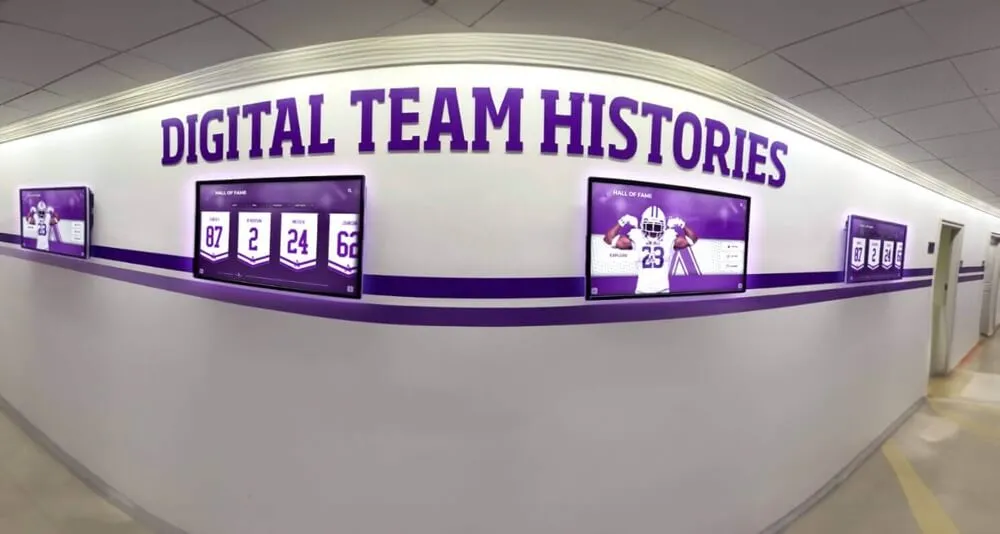
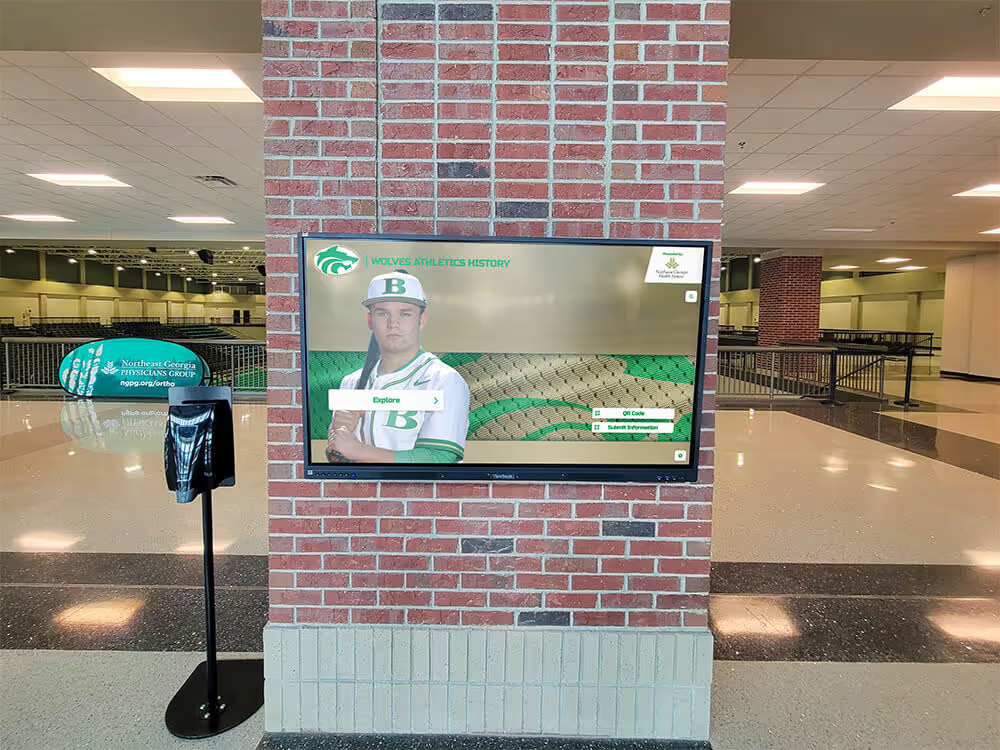
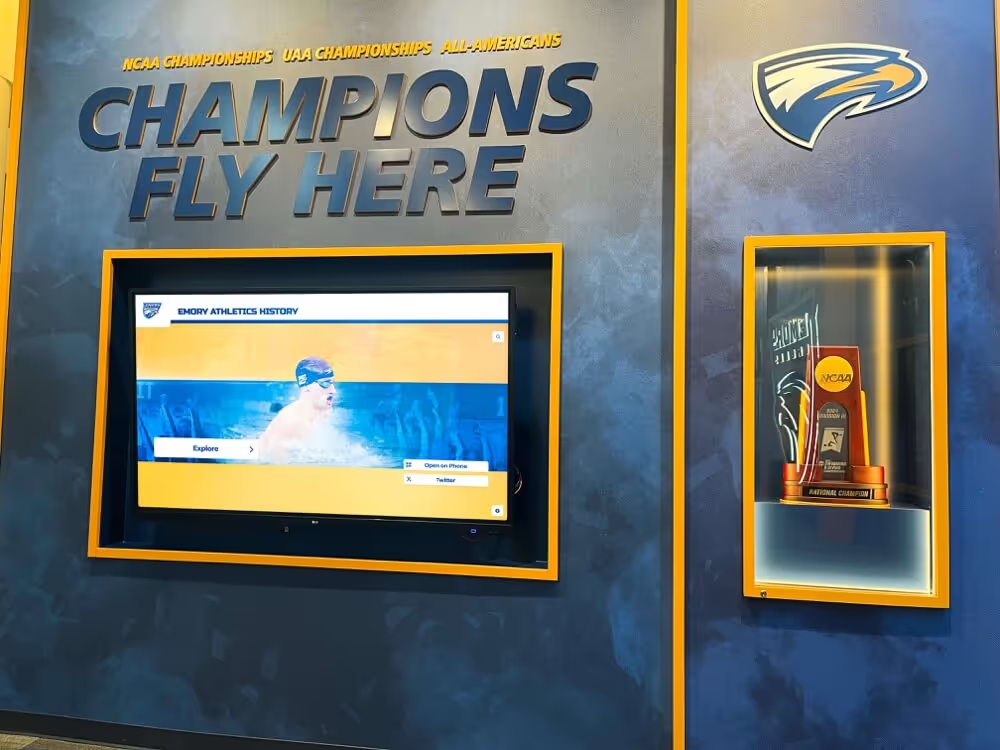
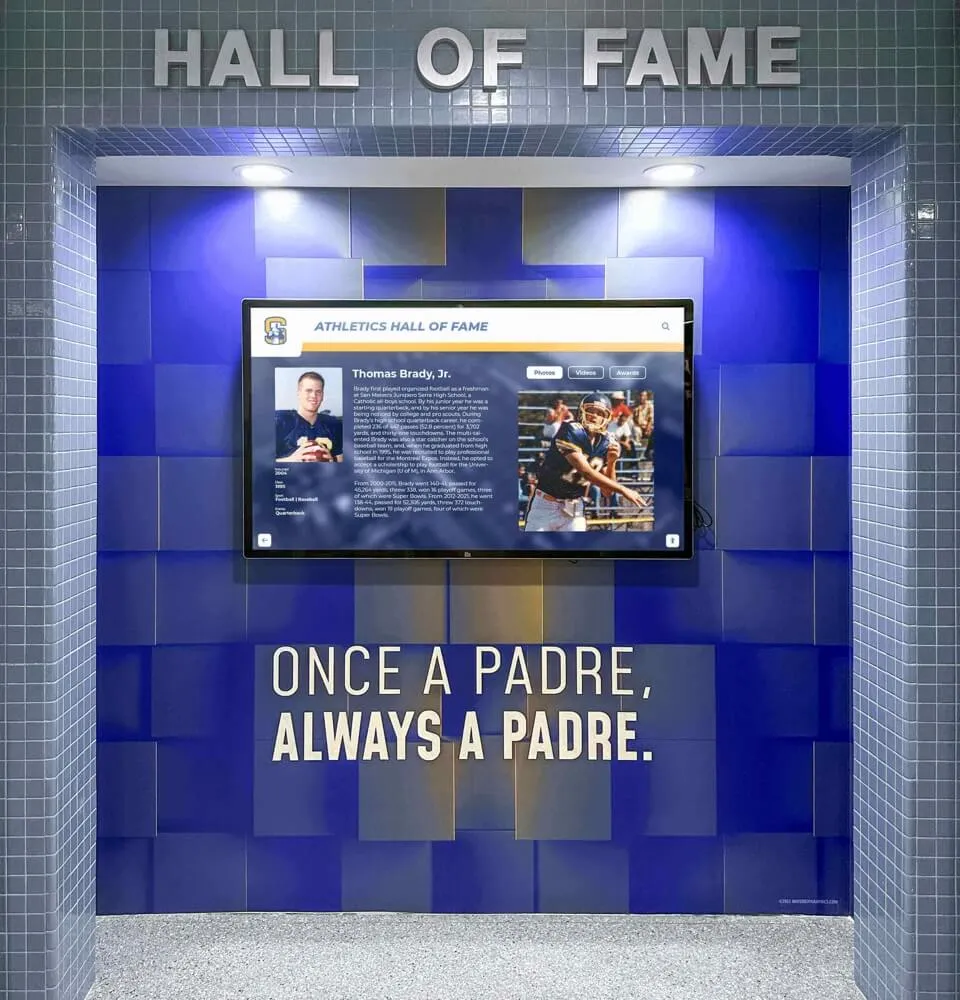
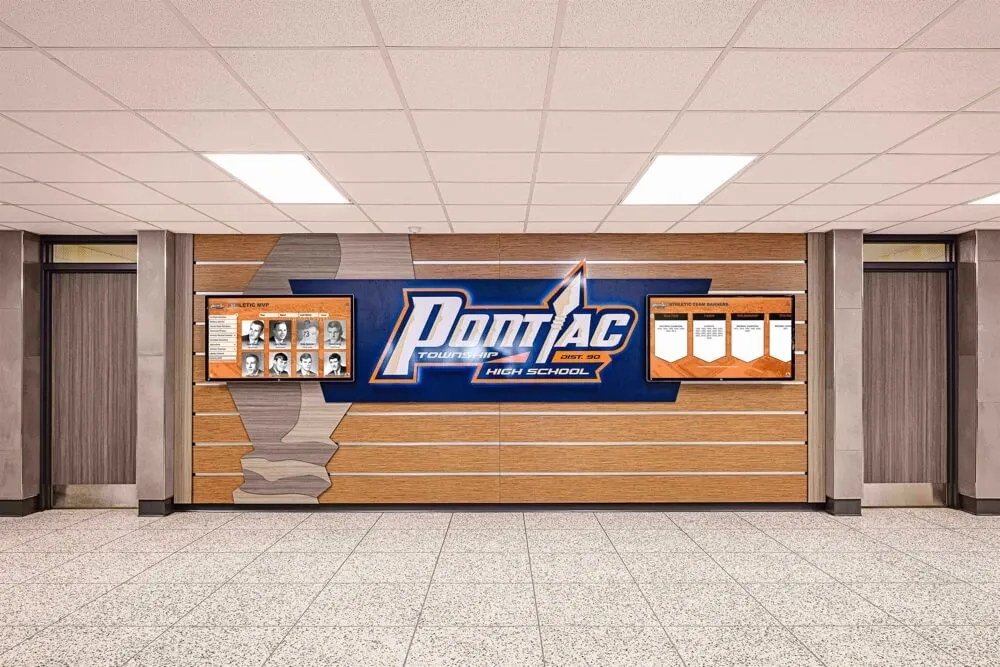
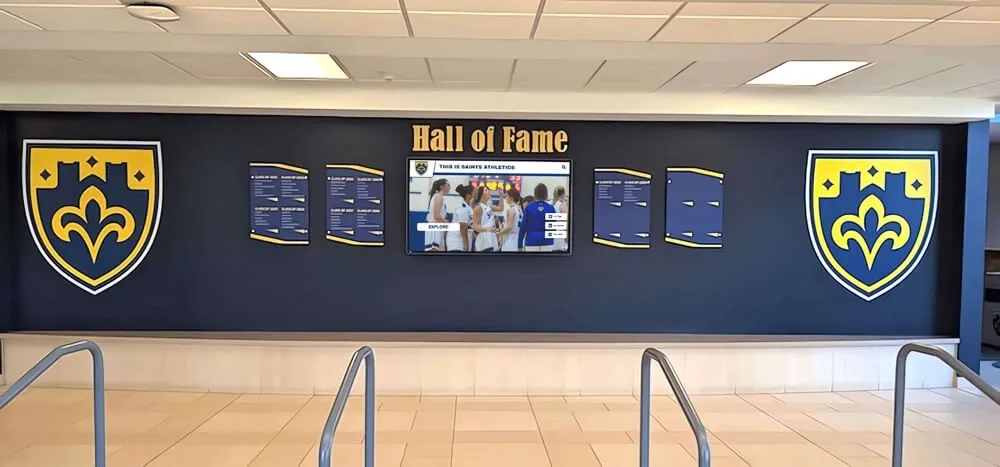
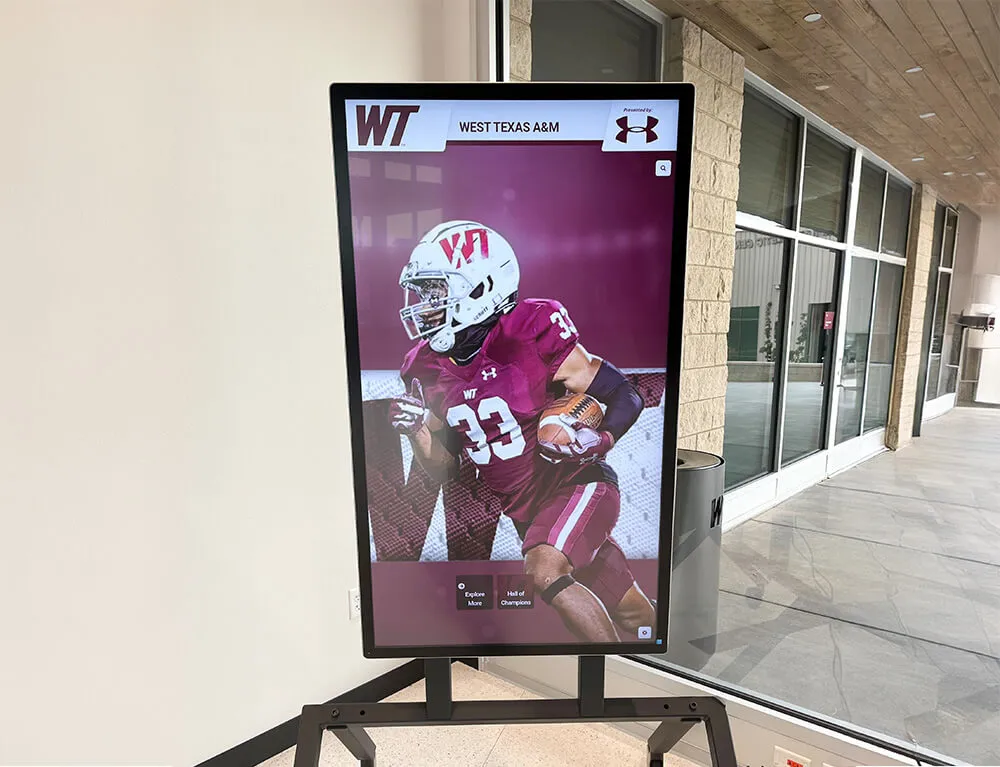
Digital recognition displays celebrate pitching achievements, showcasing no-hitters, strikeout records, and pitcher legacies that inspire current athletes
Building Foundational Mechanics: Essential Drills for Every Practice
Before pitchers develop velocity or master movement pitches, they must establish proper mechanics that create consistency, prevent injury, and provide the foundation for advanced skill development.
The Windmill Motion Breakdown
Component-Focused Progression Drills
Breaking the complex windmill motion into component parts allows pitchers to master each element before integrating full delivery:
Arm Circle Drills
- Standing arm circles without stride or push
- Focus on smooth, consistent circle path
- Maintain relaxed shoulder throughout rotation
- Practice 3 sets of 10-15 repetitions
- Emphasize wrist snap position at release point
- Check for proper arm angle and elbow positioning
Stride and Push Development
- Isolated push-off from rubber
- Proper weight transfer timing
- Hip opening sequence practice
- Landing leg stability work
- Distance and direction consistency drills
- Power leg engagement exercises
These fundamental drills establish the mechanical foundation that supports everything pitchers will develop throughout their careers. Coaches should return to these basics regularly, even with experienced pitchers, to reinforce proper movement patterns and correct emerging mechanical flaws.
Wall Work for Mechanical Refinement
Controlled Environment Development
Wall drills eliminate distance variables, allowing pitchers to focus purely on mechanics:
Close-Distance Wall Work (5-10 feet)
- Release point consistency development
- Wrist snap emphasis
- Follow-through completion
- Arm speed building without power leg
- Quick repetitions for muscle memory
- Immediate visual feedback on ball trajectory
Mirror Work Integration
- Visual feedback on body positioning
- Arm circle symmetry verification
- Balance point assessment
- Posture maintenance monitoring
- Real-time correction capability
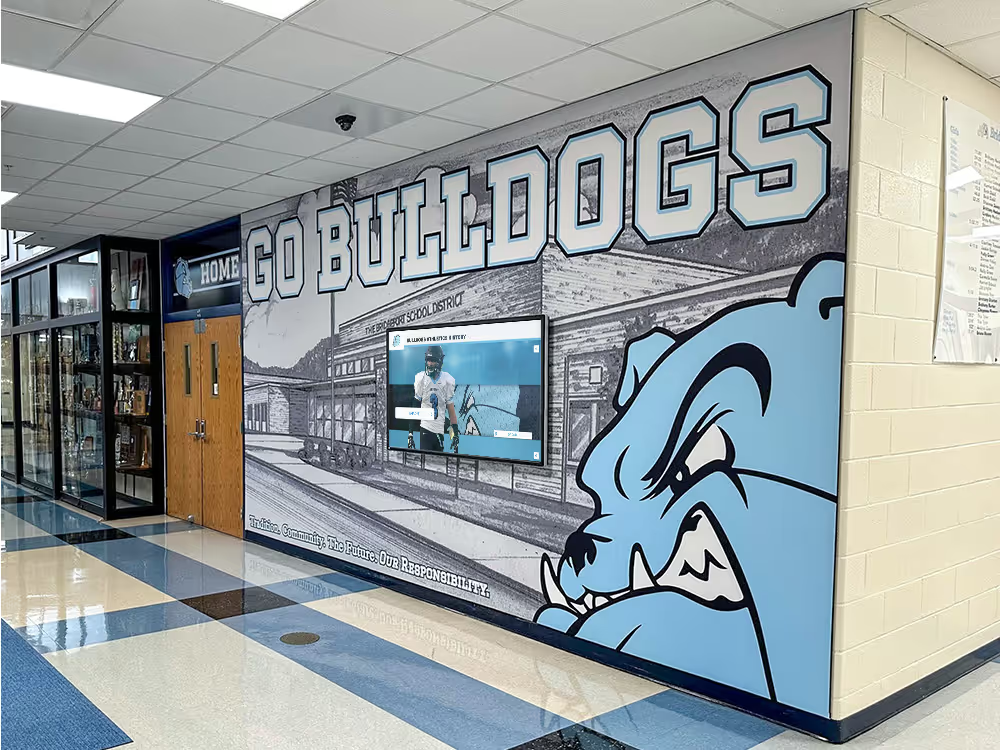
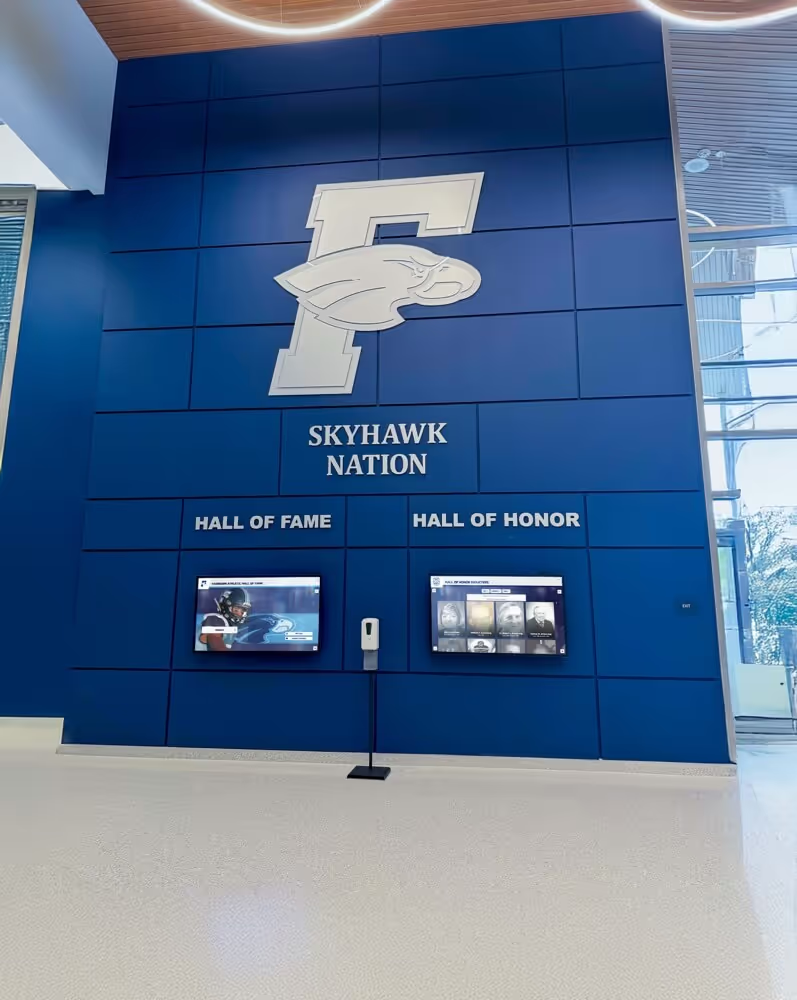
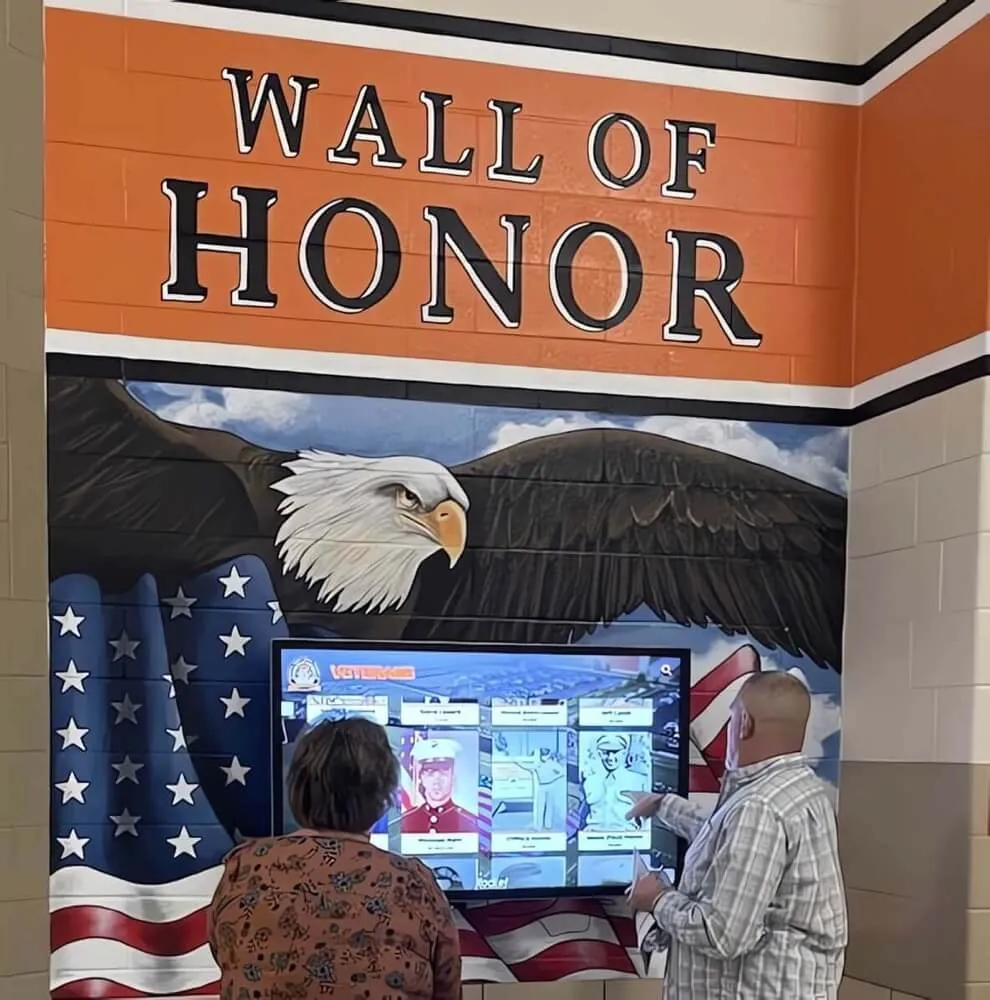
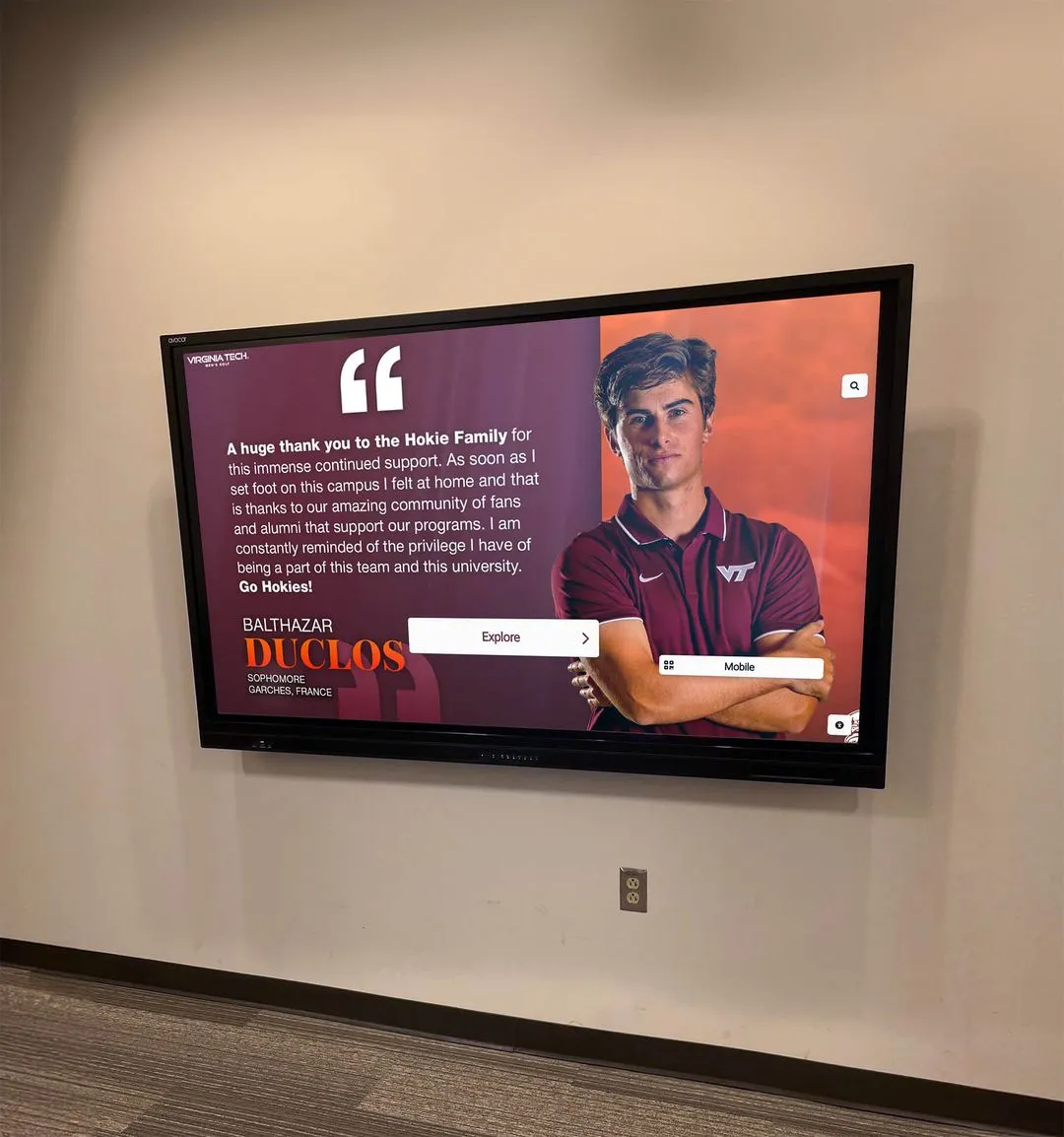
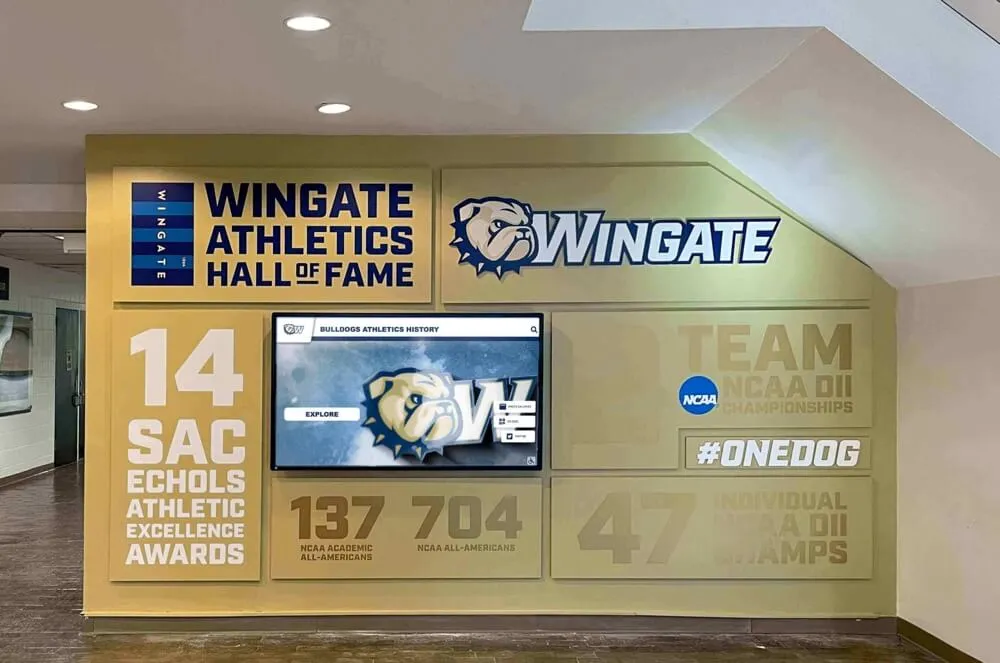
Athletic recognition spaces showcase pitching excellence alongside other achievements, building program pride and motivation
Wall work provides efficient, high-repetition practice that builds muscle memory without the physical demands of full-distance throwing, making it ideal for mechanical refinement sessions and injury recovery periods.
Developing Velocity: Progressive Power Building
After establishing proper mechanics, pitchers can focus on developing the speed that makes pitches challenging for batters to time and contact.
Lower Body Power Development
Explosive Movement Drills
Pitching velocity originates primarily from lower body drive and hip rotation rather than arm strength:
Drive Leg Exercises
- Single-leg box jumps building explosive push-off
- Resistance band work for drive leg strengthening
- Plyometric drills developing power transfer
- Wall push exercises emphasizing leg drive
- Balance and stability work on landing leg
- Core strengthening for rotational power
Hip Opening Drills
- Isolated hip rotation exercises
- Medicine ball rotational throws
- Resistance training for hip flexors and abductors
- Timing drills for optimal hip opening sequence
- Flexibility work preventing mechanical restrictions
Research consistently demonstrates that lower body power generation accounts for more velocity increases than arm strengthening alone. Programs focusing development efforts on drive leg explosiveness and hip rotation typically achieve more significant velocity improvements than those emphasizing primarily upper body conditioning.
Arm Speed and Extension Work
Progressive Speed Building
Controlled Velocity Progression
- Begin with 50% intensity focusing on mechanics
- Gradually increase effort levels as mechanics stabilize
- Use radar gun for objective velocity tracking
- Establish mechanical consistency before maximum effort
- Monitor for fatigue-related mechanical breakdown
- Build arm endurance supporting sustained velocity
Long Toss Programs
- Gradual distance extension building arm strength
- Arc trajectory work developing different release angles
- Flat-ground throwing maintaining proper mechanics
- Recovery periods preventing overuse injuries
- Integration with regular pitching practice schedule
Programs developing pitchers for competitive recognition understand that sustainable velocity development requires patient progression that prioritizes injury prevention alongside speed increases.
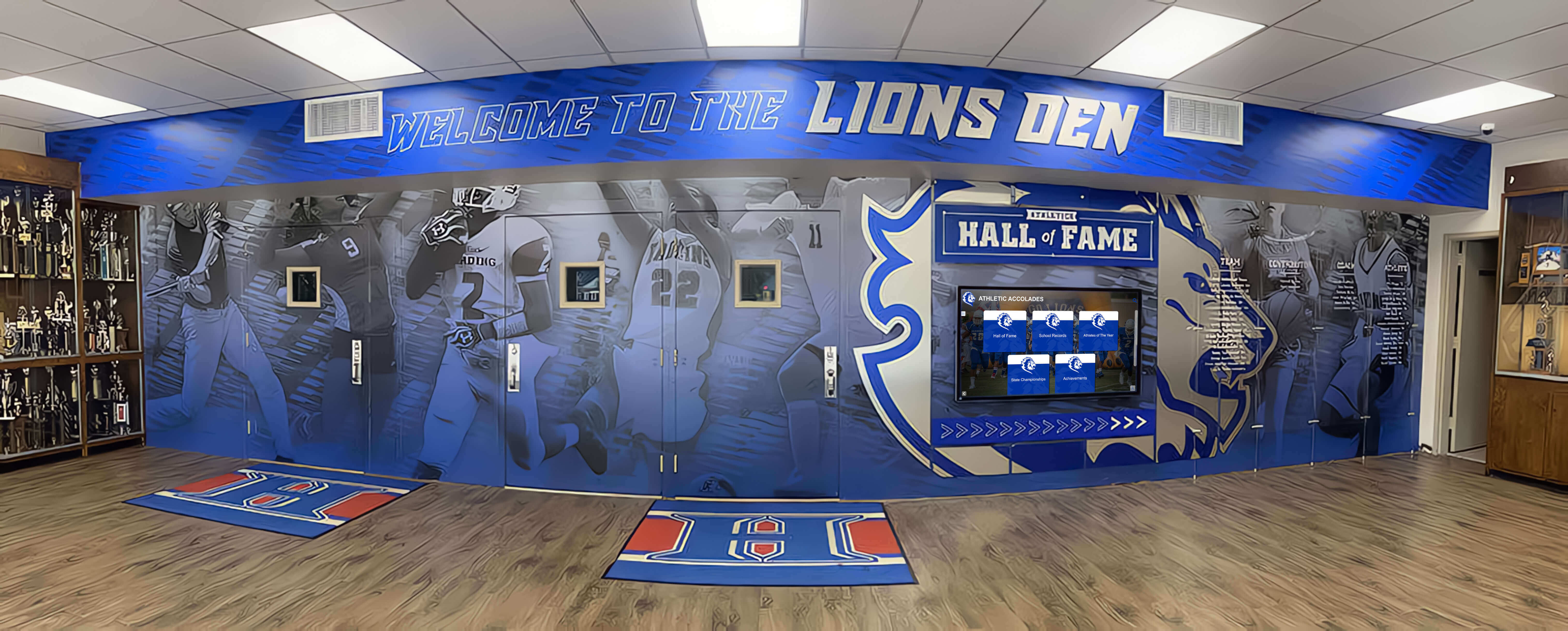
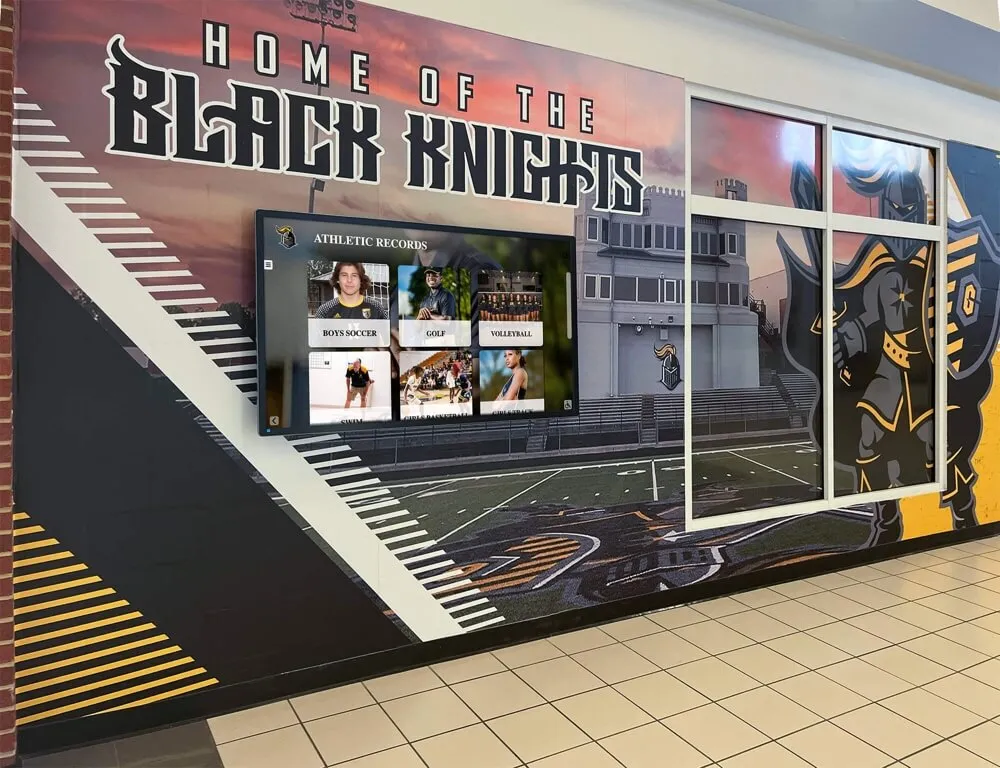
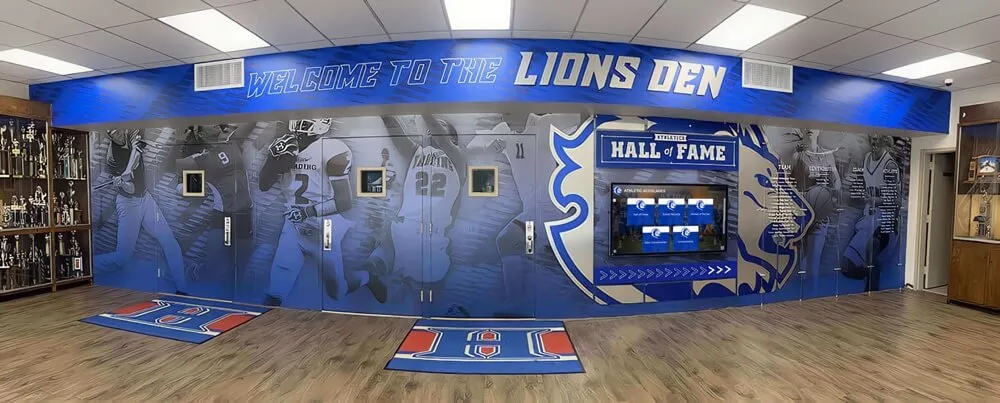
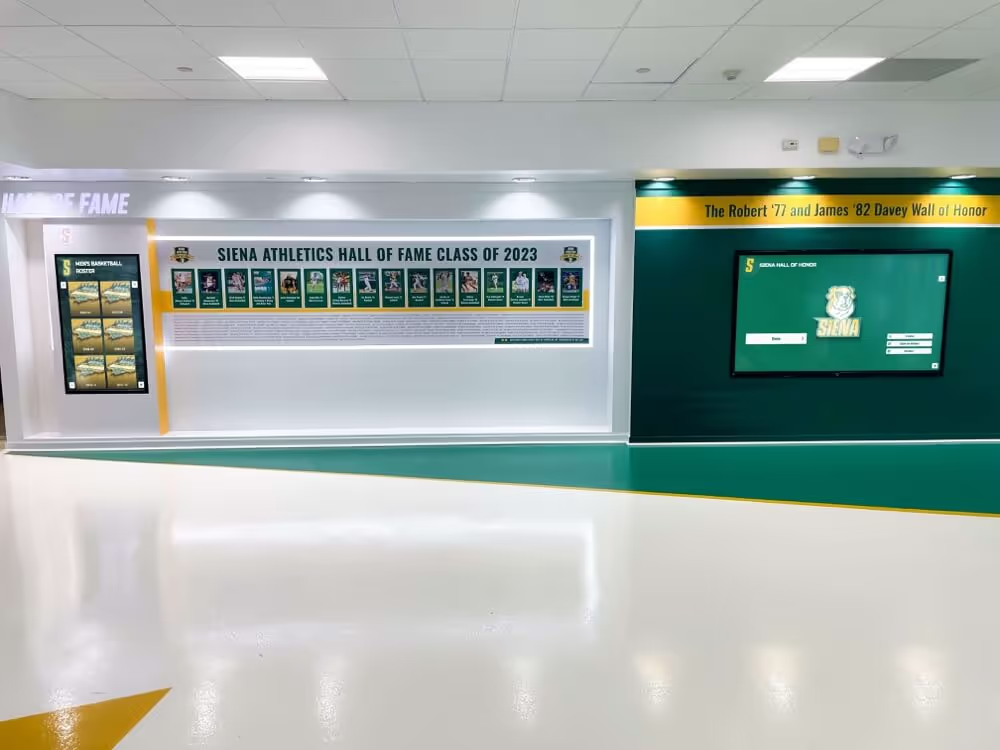
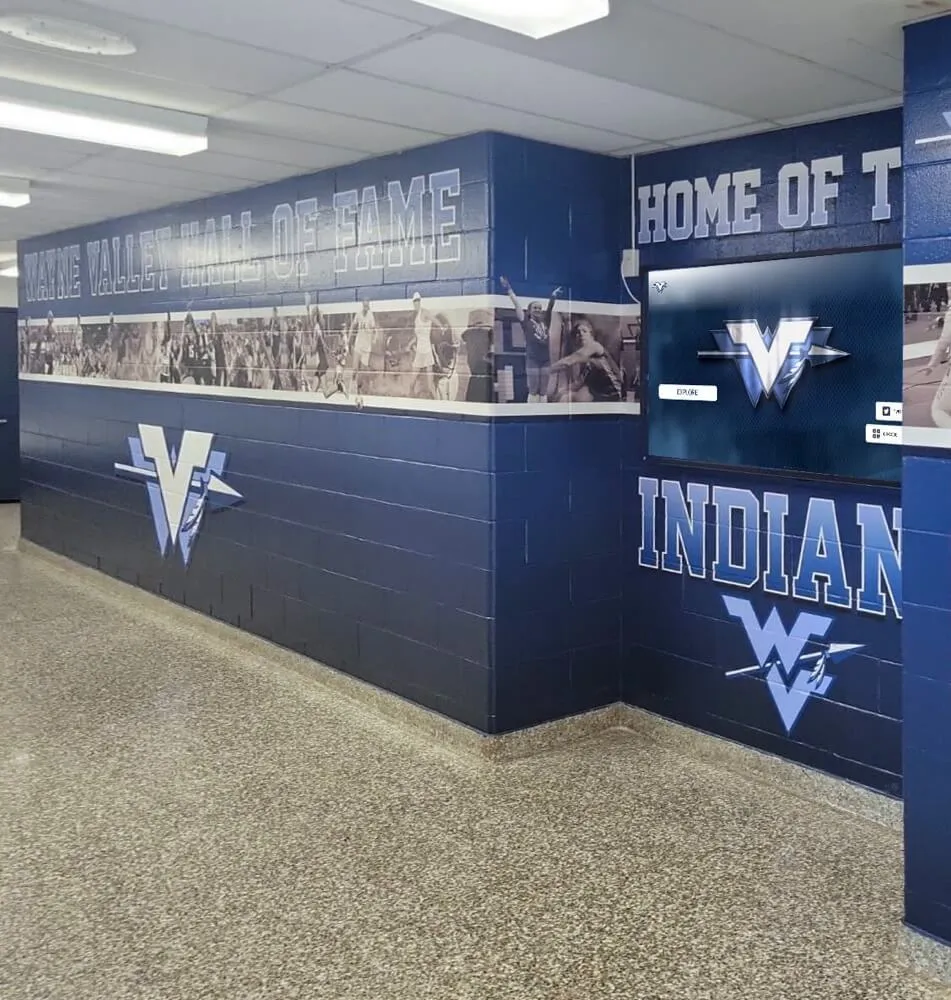
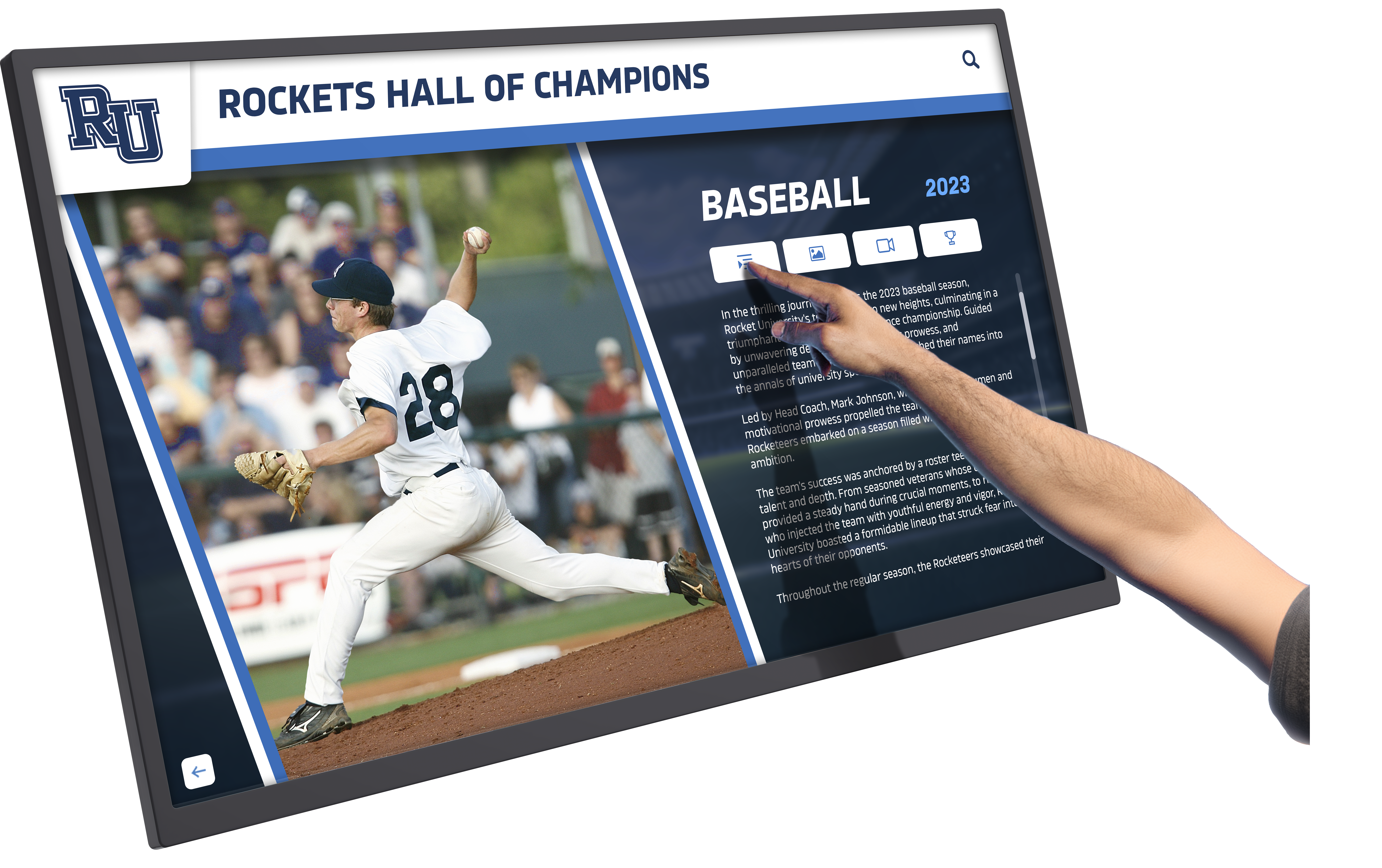
Trophy cases and recognition displays celebrate pitching milestones, creating visible goals that motivate developmental commitment
Mastering Movement Pitches: Spin and Location Development
Once pitchers establish velocity with proper mechanics, developing pitch variety separates good pitchers from dominant competitors who keep batters consistently off-balance.
Rise Ball Development
Teaching the Most Challenging Pitch
The rise ball represents softball pitching’s most difficult skill to master, requiring exceptional mechanics and significant practice investment:
Progression Sequence
- Wrist snap drills emphasizing upward rotation
- Close-distance spin work (10-15 feet)
- Gradual distance extension maintaining spin rate
- Strike zone location refinement
- Game situation integration
- Sequencing with other pitches
Key Teaching Points
- Release point slightly earlier than fastball
- Wrist snap drives ball upward
- Follow-through extends upward
- Finger pressure creates backspin
- Hip rotation timing adjustment
- Maintain velocity while achieving rise
Many coaches introduce rise ball work too early in pitcher development. Athletes typically need 1-2 years of consistent mechanical foundation before successfully adding rise ball to their repertoire without compromising fastball effectiveness.
Drop Ball and Curve Ball Techniques
Complementary Movement Pitches
Drop Ball Development
- Late release point creating downward movement
- Proper finger positioning for topspin
- Hip rotation timing for maximum drop
- Location targeting low strike zone
- Disguising delivery from fastball
- Velocity maintenance while achieving movement
Curve Ball Progression
- Grip variations for different break amounts
- Release point adjustments for lateral movement
- Arm angle modifications
- Strike zone location patterns
- Sequencing effectiveness
- Count-specific deployment strategies
Athletes establishing multiple pitch repertoires create matchup advantages that extend beyond raw velocity. Programs implementing comprehensive athletic recognition systems often track pitch development milestones, celebrating when pitchers add new offerings to their competitive arsenals.
Location Drills: Precision and Command Development
Velocity and movement prove ineffective without the command that places pitches precisely where catchers target throughout the strike zone.
Target Work and Spot Throwing
Systematic Location Refinement
Zone-Specific Drills
- Nine-square strike zone target work
- Inside/outside corner emphasis
- High/low location differentiation
- Sequencing different locations
- Count-specific location patterns
- Batter handedness adjustments
Progressive Difficulty Levels
- Large target zones (full plate width)
- Half-plate location targets
- Corner-specific precision work
- Moving target adjustments
- Called pitch location hitting
- Game situation simulation with location demands
Tracking and Measurement
- Percentage metrics for each zone
- Consistency across different pitch types
- Fatigue impact on command assessment
- Practice-to-game command transfer evaluation
- Progressive difficulty adjustment based on success rates
Pitch Sequencing Practice
Strategic Location Patterns
Situation-Based Sequences
- First-pitch strike approaches
- Two-strike putaway patterns
- Behind-in-count recovery sequences
- Batter tendency exploitation
- Game situation-specific strategies
- Defensive positioning coordination
Pitchers mastering location command create competitive advantages regardless of velocity limitations. Many championship teams feature pitchers who win through precision and strategic sequencing rather than overpowering speed.
Mental Game Development: Building Competitive Toughness
Physical skills establish capability, but mental preparation determines performance consistency under competitive pressure.
Pressure Situation Simulation
Game-Like Practice Intensity
Competitive Drill Structures
- Consequence-based training sessions
- Pressure pitch scenarios
- Fatigue simulation work
- Adversity response practice
- Scoring systems creating stakes
- Team-involved pressure situations
Mental Skills Integration
- Pre-pitch routine development
- Between-pitch reset protocols
- Adversity response strategies
- Confidence building techniques
- Focus maintenance methods
- Competitive mindset cultivation
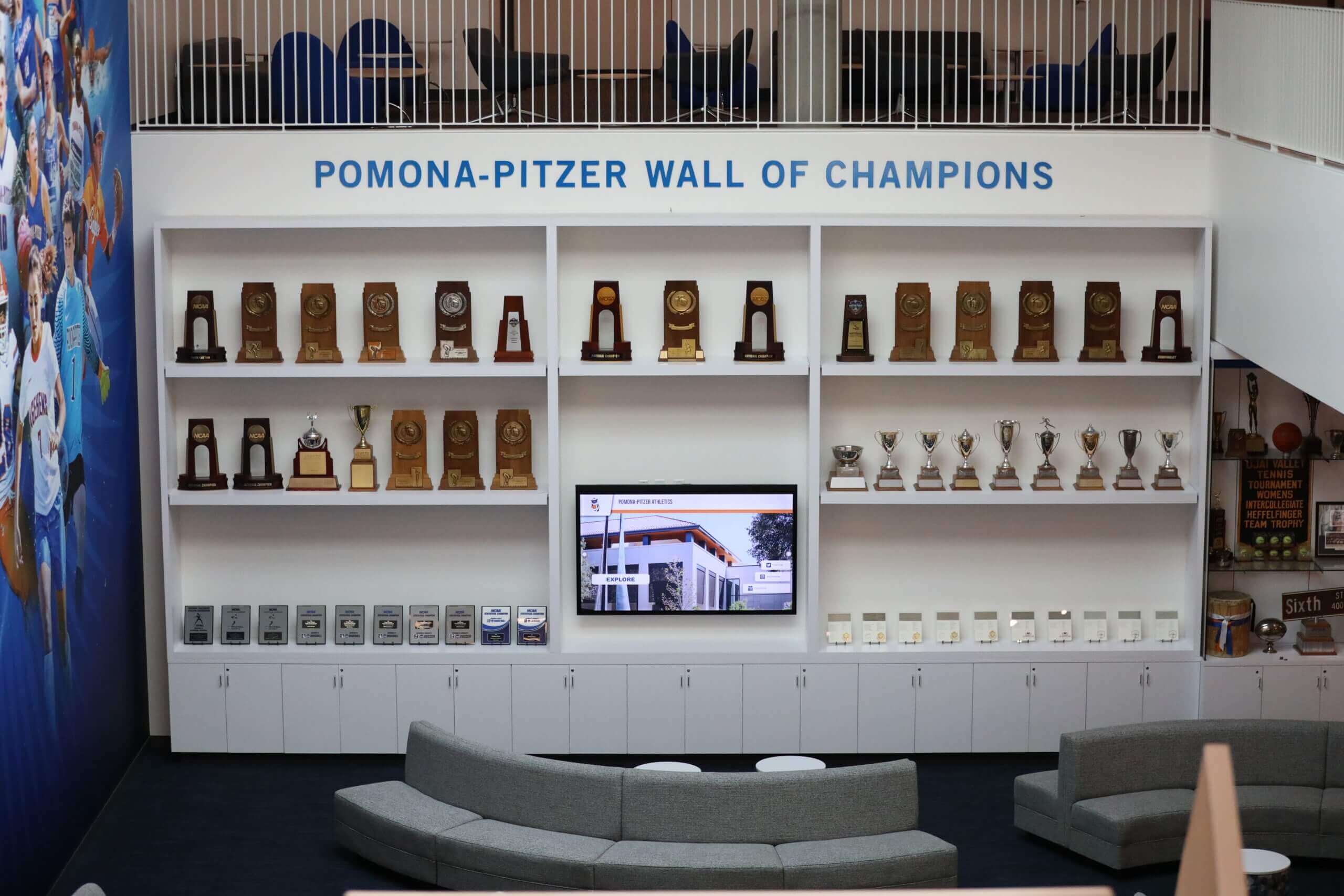
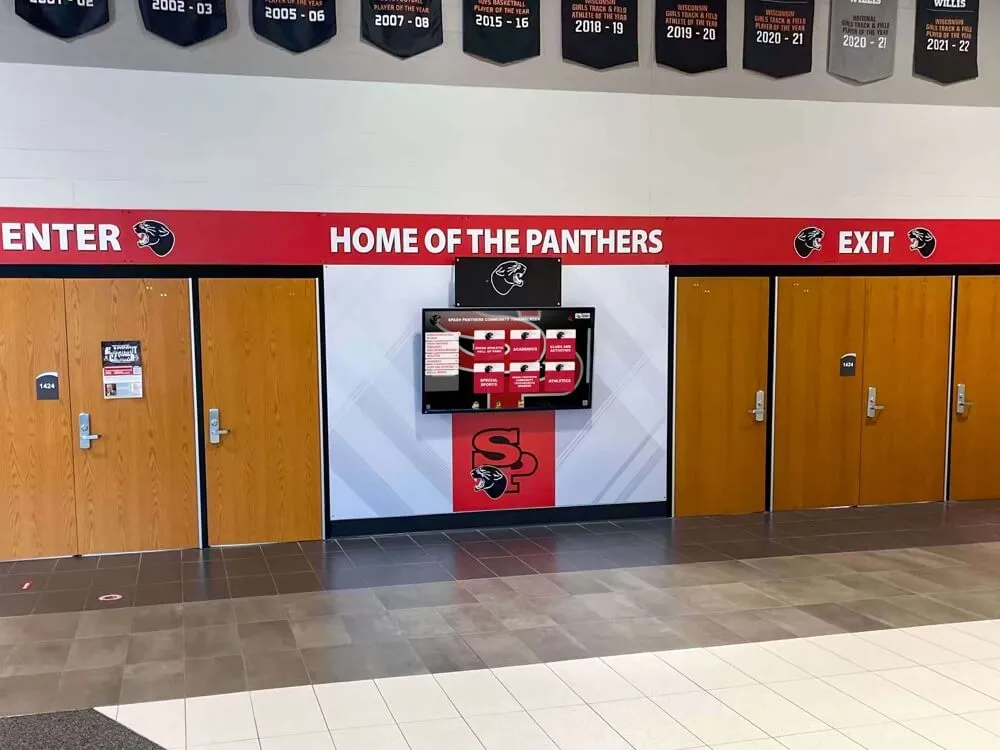
Championship recognition displays remind pitchers of program excellence standards and the competitive legacy they continue
Programs developing elite competitors understand that celebrating athletic achievement extends beyond physical skills to include the mental toughness that separates practice success from game performance.
Adversity Response Training
Building Competitive Resilience
Controlled Failure Integration
- Intentional challenging situations
- Recovery opportunity emphasis
- Process focus over outcome fixation
- Mistake response protocol development
- Competitive confidence building despite setbacks
- Team support system integration
Championship pitchers distinguish themselves not by avoiding mistakes but by responding effectively when adversity inevitably occurs during competition.
Structured Practice Plan Design
Effective pitcher development requires systematic practice structures that balance different developmental priorities while preventing overuse injuries.
Weekly Practice Structure
Balancing Development Priorities
Sample Week Organization
Monday - Mechanical Foundation Day
- Light throwing volume
- Detailed mechanical work
- Video analysis integration
- Individual instruction focus
- Drill-based practice structure
- Recovery emphasis from weekend competition
Wednesday - Full Bullpen Day
- Game simulation throwing
- All pitch types integration
- Location work emphasis
- Pitch count monitoring
- Catcher involvement
- Situation-specific sequences
Friday - Competition Prep
- Moderate volume throwing
- Game plan integration
- Mental preparation focus
- Specific opponent preparation
- Confidence building emphasis
- Fresh arm maintenance
Recovery and Throwing Volume Management
Overuse injuries represent the greatest risk to pitcher development, requiring careful volume monitoring:
- Track weekly pitch counts
- Maintain throwing logs documenting intensity
- Implement mandatory rest periods
- Monitor mechanical breakdown indicators
- Schedule recovery weeks reducing volume
- Coordinate with tournament schedules
Programs implementing comprehensive sports recognition systems often track health and durability alongside performance statistics, recognizing that sustained availability creates more value than peak performance interrupted by injury.
Age-Appropriate Progressions
Developmental Stage Considerations
Youth Pitchers (Ages 10-12)
- Mechanics foundation primary focus
- Fastball and change-up only
- Limited pitch counts (50-60 per outing)
- Fun and engagement emphasis
- Basic location work
- Success and confidence building
- Injury prevention priority
Middle School (Ages 13-14)
- Mechanical refinement continuing
- First movement pitch introduction
- Moderate pitch counts (60-75 per outing)
- Competitive skill development
- Strategic thinking introduction
- Physical development accommodation
- Form over velocity emphasis
High School (Ages 15-18)
- Complete pitch repertoire development
- Velocity maximization work
- Standard pitch counts (70-90 per outing)
- Advanced strategy integration
- College preparation focus
- Leadership development
- Recognition of achievement milestones
Drill Library: Complete Practice Resource
Successful programs maintain diverse drill libraries supporting different developmental focuses across practice cycles.
Mechanics Drills
Foundational Technique Work
- Balance Point Holds - Static position work at top of motion
- Walk-Through Pitching - Slow-motion full delivery breakdown
- Stride Mat Work - Landing position and direction practice
- Push Board Drills - Lower body drive development
- Towel Drills - Arm path and snap without ball
- One-Knee Drills - Upper body isolation work
- Resistance Band Circles - Arm circle strengthening
Velocity Development Drills
Power Building Exercises
- Weighted Ball Progressions - Overload/underload training
- Explosive Drive Drills - Lower body power emphasis
- Medicine Ball Throws - Rotational power development
- Crow Hop Throwing - Momentum-based velocity building
- Run-and-Gun Drills - Movement into delivery practice
- Timed Velocity Challenges - Measured speed work
- Maximum Effort Sets - Peak velocity exploration with recovery
Movement and Location Drills
Precision Development Work
- Spin Rate Focus - Rotation emphasis on movement pitches
- Target Ladder Work - Progressive location precision
- Box Drill Sequences - Nine-zone strike zone coverage
- Pitch Mix Patterns - Sequencing different offerings
- Called Pitch Work - Catcher signal following practice
- Situational Targets - Game scenario location demands
- Blindfold Location - Feel-based command development
Programs celebrating achievement through comprehensive athletic recognition often showcase specific skill milestones, acknowledging when pitchers achieve velocity benchmarks, master new pitches, or reach strikeout records.
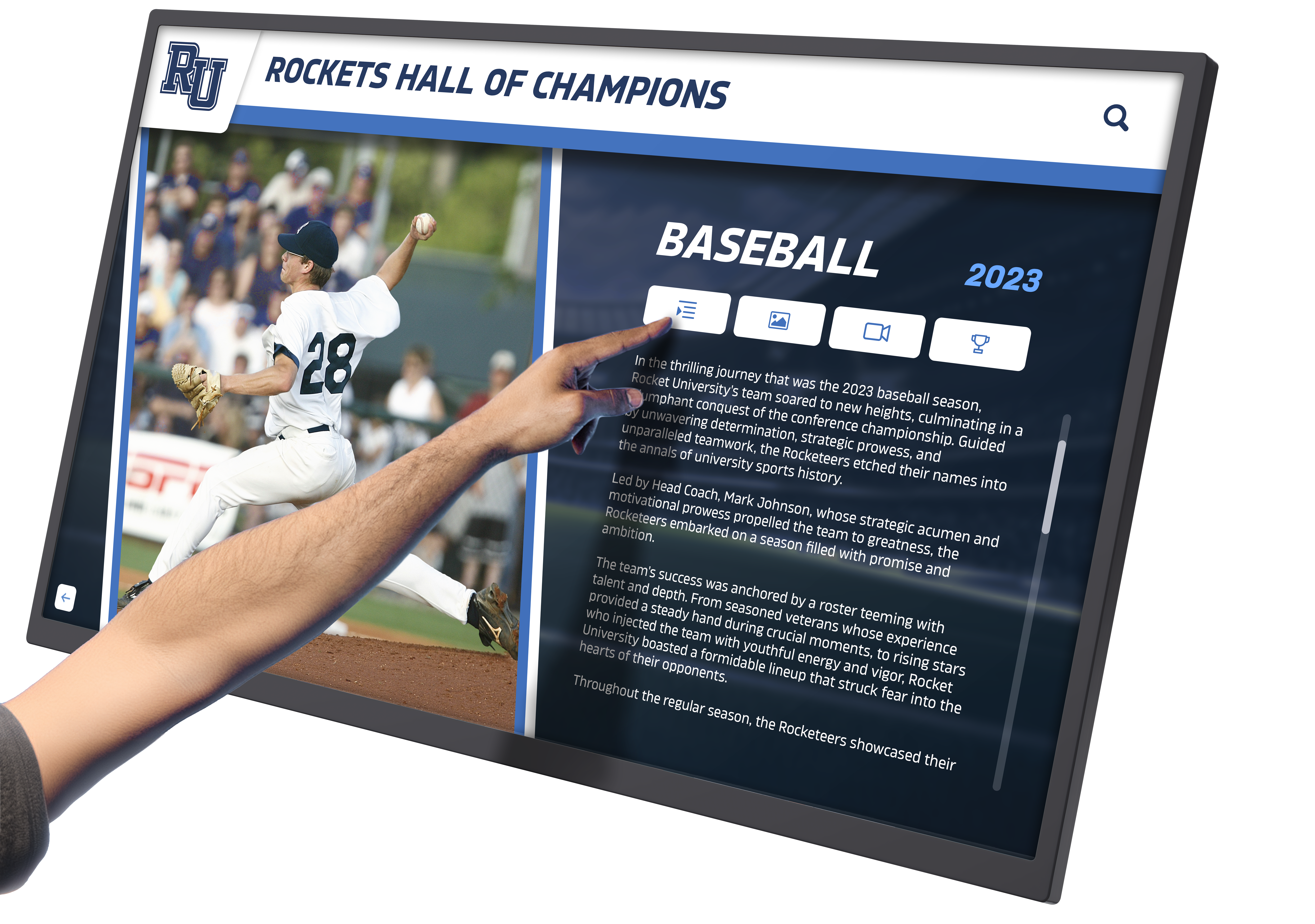
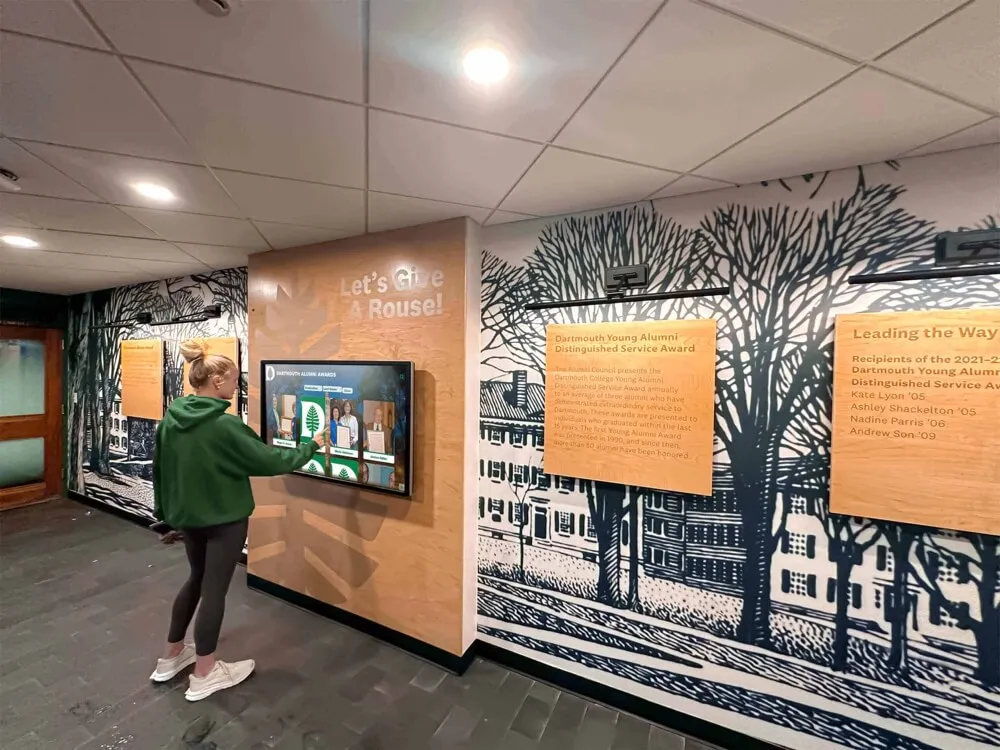
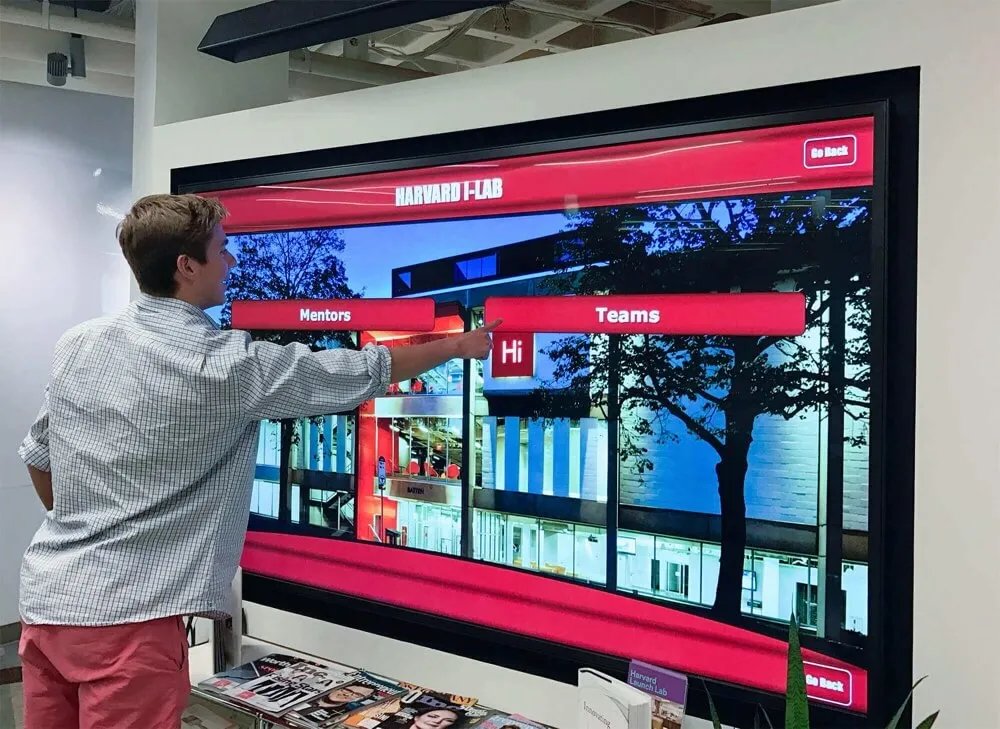
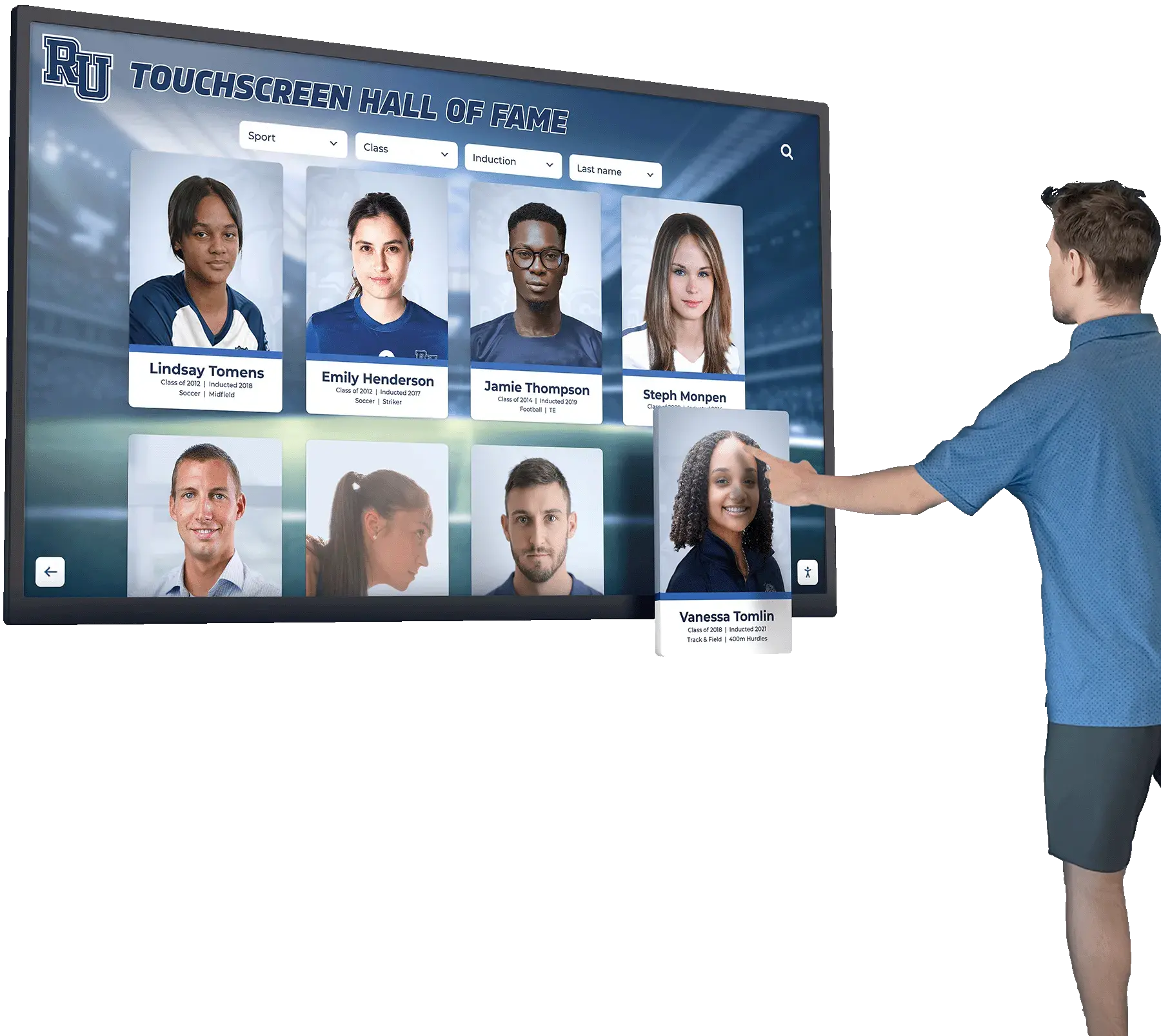
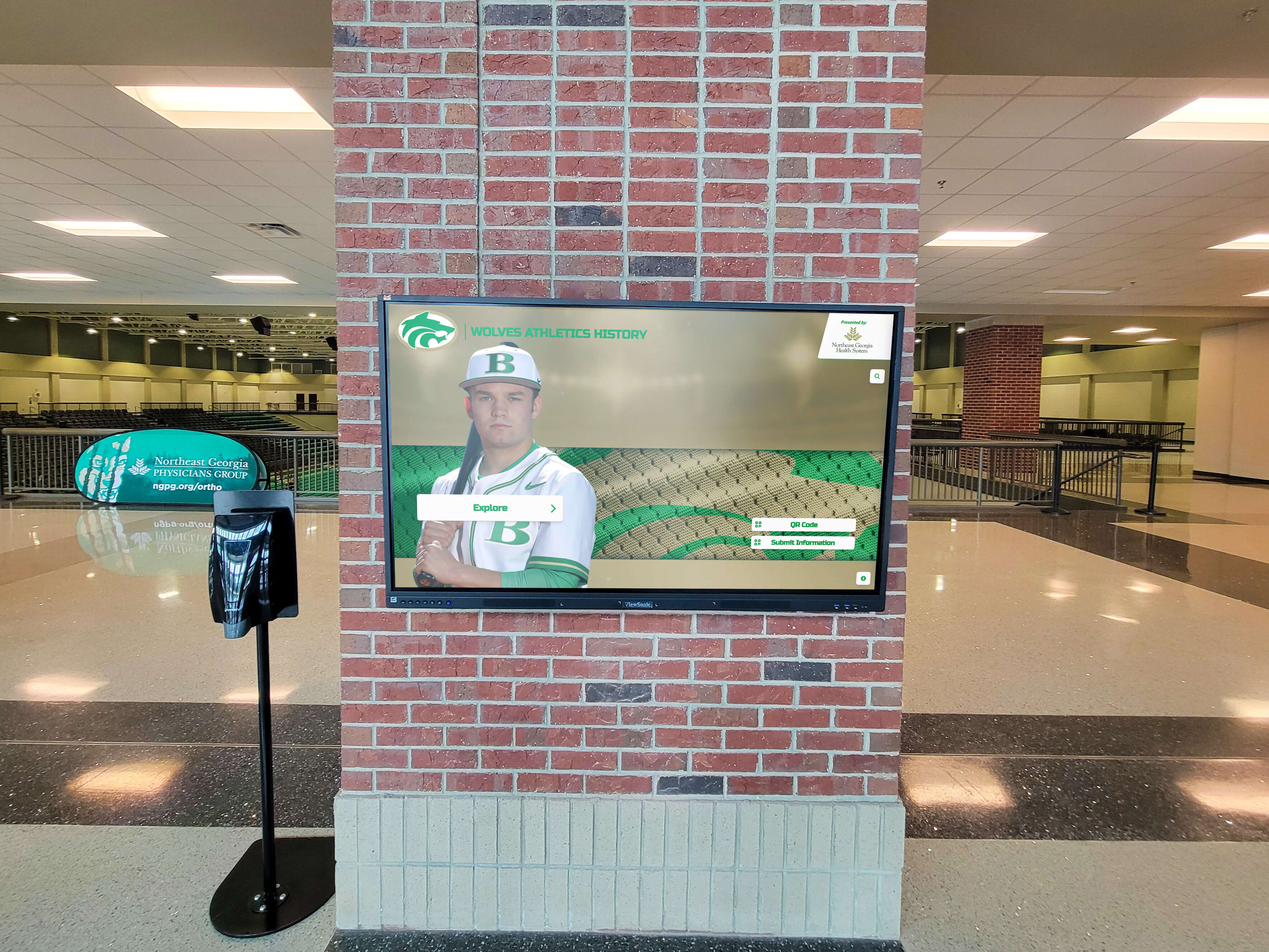
Interactive recognition systems showcase individual pitcher achievements, celebrating no-hitters, season records, and career milestones that define program excellence
Injury Prevention and Arm Care
Sustainable pitcher development requires proactive injury prevention integrated throughout training programs.
Pre-Practice Warm-Up Protocol
Systematic Preparation Routine
Dynamic Warm-Up Sequence (15-20 minutes)
- General cardiovascular activity (light jogging, jump rope)
- Dynamic stretching (leg swings, arm circles, trunk rotation)
- Shoulder activation exercises (band work, internal/external rotation)
- Progressive throwing from short distance to full distance
- Gradual intensity increase to working velocity
- Mechanics check before full practice begins
Common Mistakes to Avoid
- Insufficient warm-up time rushing into intense throwing
- Static stretching before activity (save for post-practice)
- Skipping lower body preparation
- Inadequate shoulder activation
- Beginning with maximum velocity attempts
- Ignoring individual athlete warm-up needs
Post-Practice Recovery Protocol
Systematic Recovery Promotion
Cool-Down Sequence (10-15 minutes)
- Gradual throwing intensity reduction
- Arm circles and shoulder stretches
- Ice application (if needed based on volume/intensity)
- Static stretching for major muscle groups
- Foam rolling for lower body recovery
- Hydration and nutrition attention
Recovery Day Protocols
- Light activity (walking, swimming) promoting blood flow
- Continued stretching and mobility work
- Rest from throwing while maintaining fitness
- Recovery monitoring for fatigue or soreness indicators
- Sleep and nutrition optimization
- Mental recovery and reflection time
Programs implementing team celebration systems recognize that health and availability represent achievements worth celebrating alongside competitive success.
Video Analysis Integration
Modern technology enables precise mechanical analysis that accelerates development and prevents performance regression.
Recording Setup and Analysis Process
Systematic Video Integration
Recording Best Practices
- Side view camera angle (3rd base line for righties)
- Front view for arm path and stride direction
- Consistent distance and height positioning
- High-speed capability for detailed analysis
- Game footage for competitive delivery comparison
- Regular recording schedule for progress tracking
Analysis Focus Areas
- Arm circle consistency and path
- Stride length and landing position
- Hip opening timing and sequence
- Follow-through completion and balance
- Release point consistency across pitches
- Mechanical differences under fatigue or pressure
Feedback Implementation
- Immediate review after practice sessions
- Side-by-side comparison with previous footage
- Elite pitcher model comparison
- Specific correction focus for next session
- Progress documentation and celebration
- Athlete self-analysis skill development
Video analysis transforms subjective coaching observations into objective mechanical documentation, enabling precise corrections and measurable improvement tracking.
Pitcher-Catcher Relationship Development
Elite pitching requires seamless battery coordination extending beyond pitch calling to trust, communication, and mutual performance enhancement.
Building Effective Battery Communication
Systematic Partnership Development
Pre-Game Planning Processes
- Opposing lineup analysis and approach discussion
- Pitch selection strategy for different batters
- Situational calling patterns agreement
- Backup plan establishment for ineffective pitches
- Non-verbal communication signals review
- Confidence and trust building dialogue
In-Game Communication
- Between-inning adjustment discussions
- Real-time pitch effectiveness feedback
- Location refinement coordination
- Strategic adjustment implementation
- Encouragement and support maintenance
- Post-game debriefing and analysis
Programs celebrating achievement through multi-sport recognition systems often showcase battery partnerships, acknowledging the collaborative success that produces championship-level pitching performance.
Target Work and Framing Practice
Collaborative Skill Development
Catcher-Focused Pitcher Development
- Target presentation consistency
- Movement adjustment for different pitches
- Framing technique optimizing strike calls
- Receiving location for strategic sequencing
- Block and recovery coordination
- Communication during pitcher struggle periods
Championship batteries develop through intentional practice time working together rather than pitchers throwing to rotating catchers without relationship development emphasis.
Competition Day Routines and Game Management
Practice skills prove irrelevant without systematic approaches to game day preparation and in-competition management.
Pre-Game Preparation Protocol
Competition Day Routine
Mental Preparation (2-3 hours before start)
- Opponent analysis review
- Personal game plan establishment
- Visualization of successful execution
- Confidence-building self-talk
- Focus development and distraction elimination
- Competitive mindset activation
Physical Preparation (45-60 minutes before start)
- Systematic warm-up protocol execution
- Progressive intensity building
- Full pitch repertoire review
- Location precision verification
- Velocity establishment
- Final mechanical check
- Readiness assessment
In-Game Management Strategies
Performance Optimization During Competition
Pitch Count Monitoring
- Predetermined limits based on rest schedule
- Mechanical breakdown indicators
- Velocity decrease awareness
- Location command deterioration signs
- Fatigue management decisions
- Post-game recovery planning
Strategic Adjustment Implementation
- Umpire strike zone adaptation
- Pitch effectiveness evaluation
- Batter tendency recognition
- Defensive positioning coordination
- Momentum management
- Competitive poise maintenance
Programs implementing state-level competitive recognition understand that game management skills separate athletes with physical talent from complete competitors who consistently deliver championship-level performance under pressure.
Measuring Development and Progress Tracking
Systematic measurement enables objective assessment of developmental effectiveness while providing motivation through visible improvement documentation.
Statistical Tracking Systems
Comprehensive Performance Metrics
Essential Statistics
- Innings pitched and appearances
- Strikeouts and walks
- Earned run average (ERA)
- Opponent batting average
- Win-loss record (with appropriate context)
- Pitch count averages
- Strike percentage and first-pitch strike rate
Advanced Metrics
- Strikeout-to-walk ratio
- Ground ball to fly ball ratio
- Pitch velocity by pitch type
- Movement measurements on breaking pitches
- Location accuracy percentages by zone
- Situational performance (runners on, two strikes, etc.)
- Competitive performance vs. practice measurements
Developmental Milestones
- Velocity increases over time periods
- New pitch mastery achievement
- Command improvement metrics
- Competitive performance consistency
- Durability and health maintenance
- Leadership and mental game development
Recognition and Motivation Systems
Celebrating Pitcher Development
Elite pitching programs understand that recognition systems motivate continued commitment through the demanding development process required for pitching excellence.
Milestone Celebrations
- First varsity strikeout or victory
- Season strikeout record achievements
- Velocity milestone reaching (55, 60, 65 mph)
- No-hitter or perfect game accomplishments
- Conference or all-state selections
- Career achievement markers
- Pitch mastery certifications
Schools implementing comprehensive digital recognition systems create permanent tributes to pitching excellence that inspire current athletes while preserving program legacy. Digital displays accommodate unlimited recognition compared to traditional trophy cases, ensuring every pitcher’s significant achievement receives appropriate acknowledgment.
Season-Long Recognition Programs
- Weekly performance highlights
- Improvement tracking celebrations
- Practice excellence acknowledgment
- Team leadership recognition
- Academic-athletic balance honors
- Character and sportsmanship awards
Programs excelling at pitcher recognition create cultures where pitching excellence becomes aspirational, development commitment intensifies, and the demanding preparation required for sustained pitching success receives appropriate celebration.
Building Complete Pitchers
Championship-level softball pitching extends beyond physical skill mastery to encompass mental preparation, strategic thinking, leadership development, and the competitive poise that separates practice success from game performance under pressure.
Effective pitching programs implement systematic approaches balancing mechanical development, physical conditioning, skill progression, injury prevention, competitive preparation, and recognition systems that sustain motivation through the multi-year commitment elite pitching requires. Coaches who invest in structured development rather than hoping talented athletes naturally progress create more consistent results while building deeper, more competitive programs.
The most successful programs recognize that pitcher development represents a comprehensive process requiring patience, systematic progression, individualized attention, and consistent recognition of achievement milestones. When coaches combine proven drill progressions with strategic practice design, age-appropriate expectations, and meaningful recognition celebrating developmental progress, they create environments where pitchers flourish and programs achieve sustained competitive excellence.
Excellence in softball pitching demands dedication from both athletes and coaches. Programs providing the structured development, systematic skill progression, competitive preparation, and recognition systems outlined throughout this guide position their pitchers—and their programs—for sustained success extending far beyond any single season. The investment in comprehensive pitcher development pays dividends through competitive victories, individual achievement, and the lasting impact of athletes who discover their full potential through systematic excellence pursuit.
Ready to celebrate your softball program’s pitching excellence? Modern digital recognition displays showcase pitcher achievements, preserve program history, and inspire current athletes through permanent tributes to no-hitters, strikeout records, and championship performances that define your softball legacy.