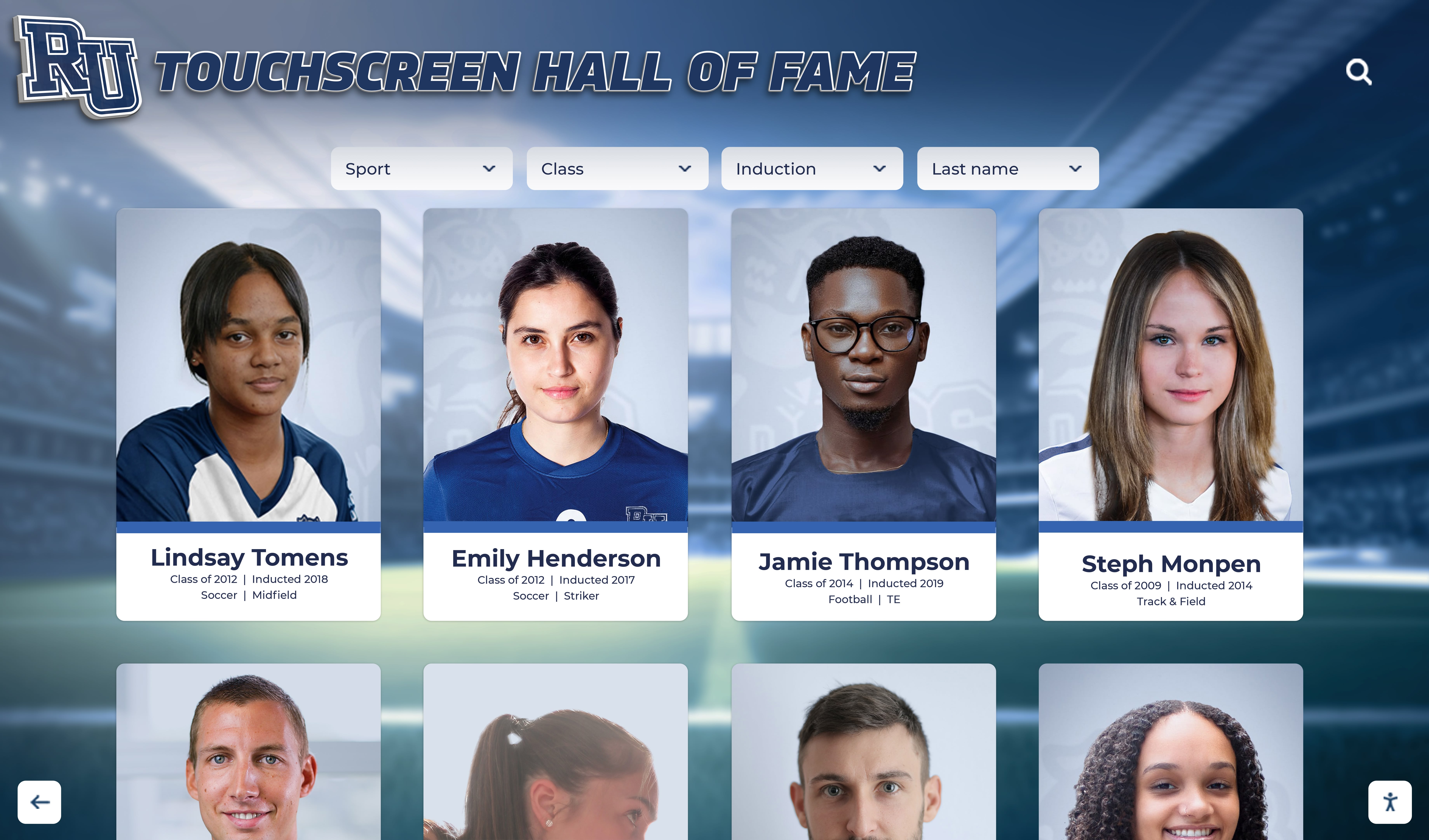
The Easiest Touchscreen Solution


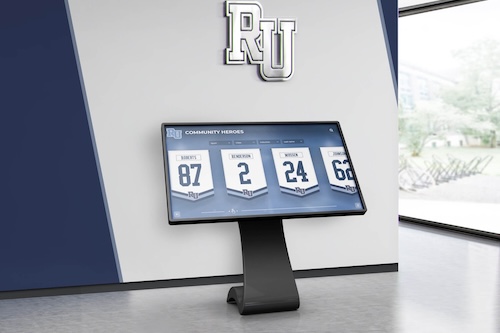
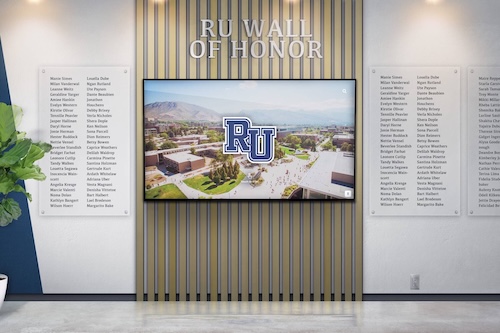
Live Example: Rocket Alumni Solutions Touchscreen Display
Interact with a live example (16:9 scaled 1920x1080 display). All content is automatically responsive to all screen sizes and orientations.
Finding the right words for a senior athlete can feel harder than it looks. A senior night quote that works is not a polished speech or a borrowed line from a famous coach—it is one or two honest sentences that say exactly what you mean, short enough to fit on a poster or a recognition card and personal enough to land with the athlete who reads it.
This guide offers 24 original senior night message templates organized by speaker and tone. Parents, coaches, and teammates will each find wording they can adapt, alongside a before-and-after personalization example and a quick format guide showing how to match message length to the medium.
All examples on this page are original message templates written for this guide. They are sample wording you can adapt—not quotations from real people or real events.
Senior night calls for words that are specific, sincere, and short. A message that takes thirty seconds to read is more likely to reach an athlete standing in the tunnel than one that requires three minutes. The goal is a phrase worth keeping, not a paragraph worth skimming.

Recognition displays that pair an athlete's photo with a verified name and a short personal message turn a single night's celebration into a lasting tribute
What makes a good senior night message
A good senior night message does three things: it names something real about the athlete’s effort or character, it comes from the speaker’s own perspective, and it fits the format where it will appear. Length matters. A poster message needs to work from ten feet away; a recognition card can carry a bit more.
The tone you choose shapes the experience. Gratitude lands warmly. Calling out a quiet contribution—the athlete who rarely earned a spotlight but made everything work—can mean more to that player than a list of statistics. Acknowledging perseverance speaks directly to difficulty without dwelling on it. A forward-looking, next-chapter message closes the ceremony on momentum rather than sadness.
If you are writing a short message and want context on how longer remarks are built, senior night speech frameworks can help—but a senior night quote and a full speech serve different purposes. A quote belongs on paper; a speech belongs at the microphone.
Original senior night messages you can adapt
The 24 examples below are original message templates grouped by speaker—parents and family, coaches, teammates—and then by tone. Every example is sample wording. Adapt any detail that makes it yours.
Messages from parents and family
Gratitude
“Watching you compete for four years has been the greatest honor of our lives. We are so proud of the athlete and person you have become.”
“Thank you for letting us be in the stands for every game. We would not trade a single early morning for anything in the world.”
Quiet contribution
“You showed up every single day—at practice, in games, and for your teammates. That kind of consistency speaks louder than any highlight reel.”
“The hours nobody else saw made you into the athlete we celebrate tonight. We noticed every one of them.”
Perseverance
“You faced setbacks and kept going anyway. That resilience is what we are most proud of, and it will carry you everywhere you go from here.”
“There were moments when the season felt long and hard. You pushed through all of them, and tonight is yours because of that.”
Next chapter
“Senior night marks the end of one chapter and the beginning of many more. Whatever comes next, you have already shown us who you are.”
“From the first practice to tonight, we watched you build something real. Carry that work ethic with you always.”
Messages from coaches
Gratitude
“Coaching you has reminded me why I love this sport. Thank you for the effort you brought to every single practice.”
“Four years ago you walked into this gym as a freshman. You leave tonight as someone who made this program better—thank you for that.”
Quiet contribution
“Not every contribution shows up in the box score. Yours showed up in how your teammates competed when things got difficult.”
“You were the player who stayed late, asked the right questions, and made the people around you better. That is what I will remember.”
Perseverance
“You handled adversity the way every coach hopes their players will—with honesty, hard work, and a steady attitude. I am proud of you.”
“Some seasons test a player’s character more than their skill. You proved yours this year, and it made a lasting impression on this program.”
Next chapter
“Tonight closes your chapter here, but the habits you built on this team will open doors you have not imagined yet.”
“You competed with integrity from your first day to your last. Take that with you—it will matter far more than any final score.”
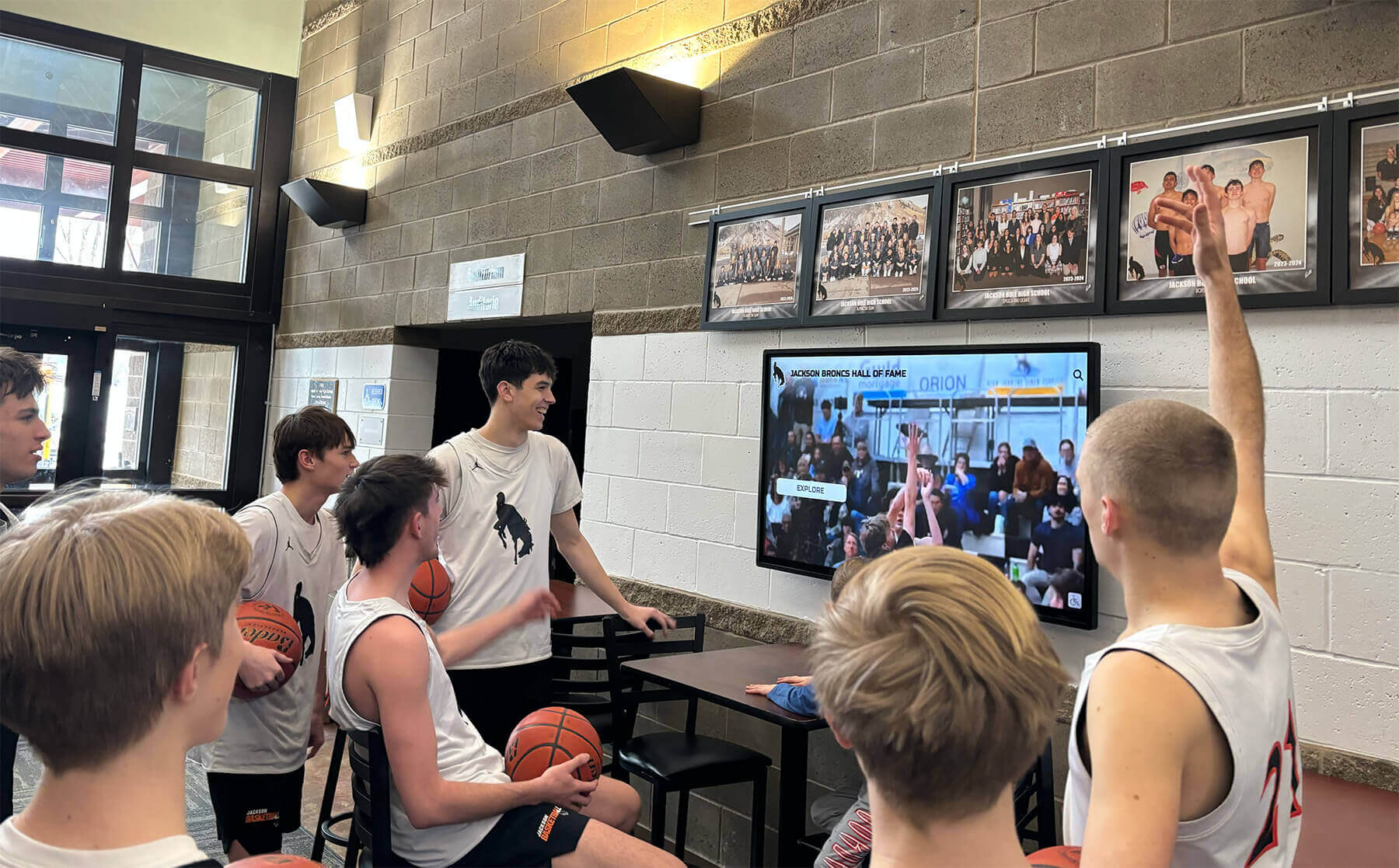
Sharing a short personal message alongside ceremony highlights reinforces recognition in a way athletes and families remember long after the event
Messages from teammates
Gratitude
“You made the hard practices feel lighter. I cannot imagine this team without you, and I am grateful every day that we played together.”
“Thank you for always having my back—in games and in everything else. You made this season one I will never forget.”
Quiet contribution
“You never worried about the spotlight. You worried about the team. That is the kind of player I want beside me every game.”
“Half of what we accomplished this season started with something you did quietly. You deserve every bit of tonight.”
Perseverance
“You worked for this moment when no one was watching. That is the part of your story your teammates already know by heart.”
“Watching you keep showing up through a difficult season—that is the thing I will carry with me long after tonight.”
Next chapter
“Senior night is bittersweet, but you are ready for whatever comes next. You proved that to all of us this year.”
“We will miss you on this team more than you know. But wherever you go, you will bring this same heart with you.”
How to personalize a senior night message
The templates above work best as starting points. Swapping one or two details transforms a general message into something that could only be about the athlete you are honoring.
Template:
"[Name], watching you compete for four years has been the greatest honor of our lives. We are so proud of the [sport] athlete and person you have become."
Personalized:
“Jordan, watching you compete for four years has been the greatest honor of our lives. We are so proud of the soccer player and person you have become.”
The change is small, but a named athlete reads a message directed at them—not at any senior. The same principle applies to any placeholder: a specific sport, a position, a year, a role on the team.
When a message will appear in print, read it aloud before finalizing. If it sounds like something you would actually say to this athlete, it is ready. If it still sounds borrowed, change one more detail until it does not.
Adapting your message for different formats
A message written for a senior recognition card may be too long for a poster caption and too short for a digital profile. The table below shows practical guidance for each format. Suggested lengths are examples based on common uses, not universal platform limits.
For context on how visual formats shape recognition overall—from layout to material choices—senior-night poster design ideas cover the creative side of those decisions.
| Format | Suggested length | Adaptation tip |
|---|---|---|
| Poster | 1–2 sentences, roughly 20–30 words | Keep only the most personal line; pair with the athlete’s name and graduation year |
| Program caption | 1 sentence, roughly 15–20 words | Trim to a single strong idea; include the sport or jersey number for quick identification |
| Senior recognition card | 3–4 sentences | Combine lines from two tones—for example, gratitude plus next chapter—and add a family or team sign-off |
| Digital trophy-case profile | 2–3 sentences | Use a complete thought; include the sport and season so the message stays meaningful over time |
Pairing a message with a recognition display
A written message carries more weight when it appears alongside the athlete’s verified name, sport, graduation year, and a clear photo. Whether the display is a printed card, a lobby poster, or a digital recognition screen, accuracy matters: confirm the spelling of the athlete’s name, the correct graduation year, and that the photo shows the right person before publishing.
Recognition platforms such as Rocket Alumni Solutions allow programs to pair these short personal messages with an athlete’s profile in a searchable display—keeping the wording visible long after the senior night ceremony concludes. The message that fits a program caption today can remain part of how that athlete is remembered in the building for years ahead.
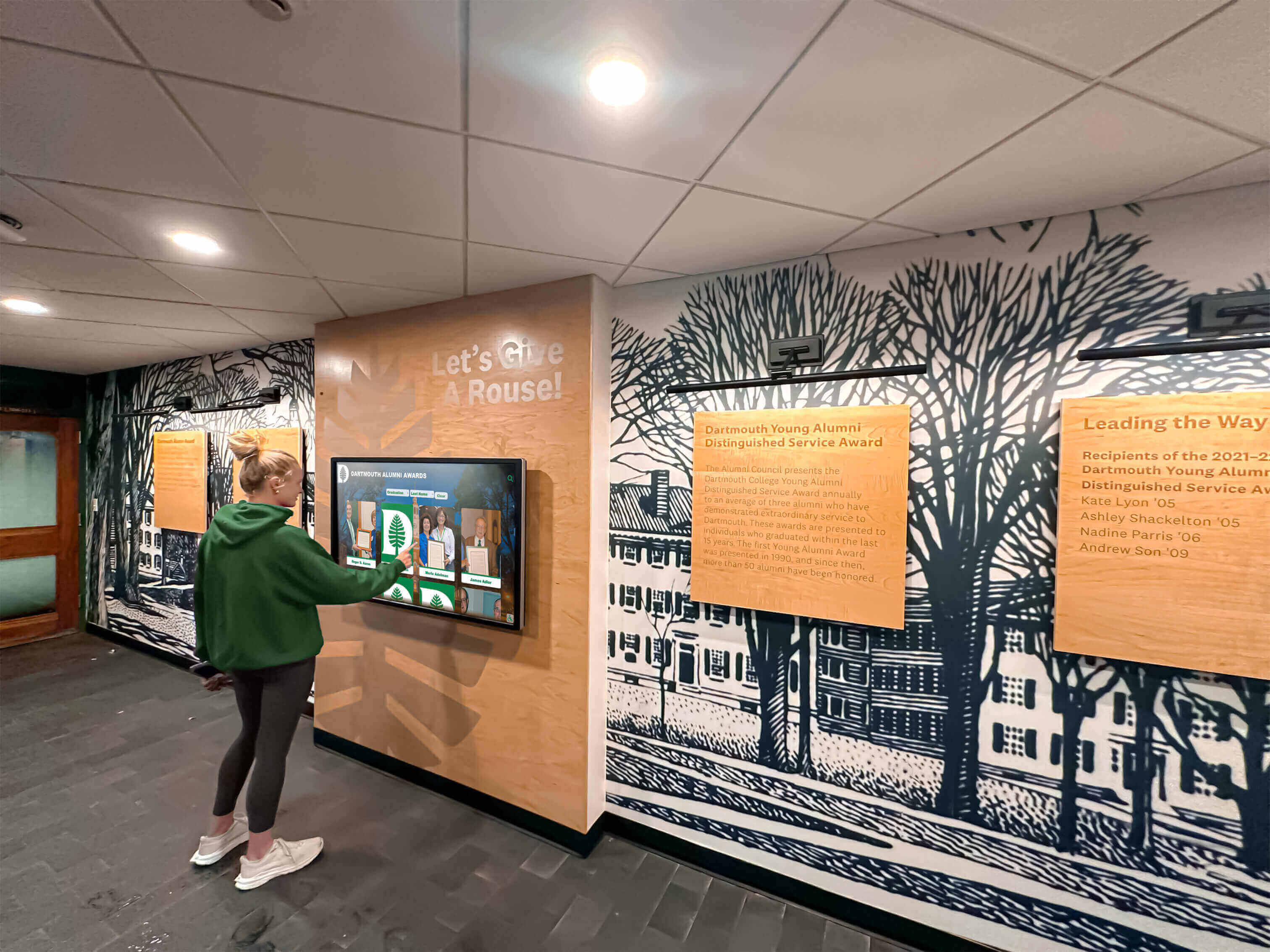
A recognition display that pairs a verified athlete profile with a short personal message stays accessible to students and alumni well beyond the ceremony
Frequently asked questions
What should I write for a senior night message?
Focus on one specific thing you honestly observed about the athlete—a consistent work habit, a way they supported their teammates, how they responded to a difficult stretch of the season. One genuine observation makes a better message than three general compliments. Start with gratitude or a concrete detail, and close with a forward-looking line if space allows.
How can parents personalize a senior night quote?
Replace any general reference with a specific one. Swap “the athlete” for the athlete’s first name and sport. Trade “four years” for an accurate count if the career was shorter or longer. Adding one detail only the family would know—a milestone the athlete worked toward all season, a position they grew into over time—makes the message unmistakably personal without requiring extra length.
How are these examples different from real quotations?
Every example in this guide is labeled as an original message template written for this page. None are attributed to a named coach, parent, or player. None are drawn from famous speeches, published books, song lyrics, or wording that appears elsewhere. They are sample sentences designed to be adapted, not quotations from real people or real events.
What is the right length for a senior night message?
For a poster or ceremony card, one to two sentences is usually enough—short enough to read at a glance and personal enough to land. A recognition card can carry three to four sentences. A digital profile has room for a brief paragraph. In every case, shorter is easier to personalize and more likely to stay with the athlete who reads it.
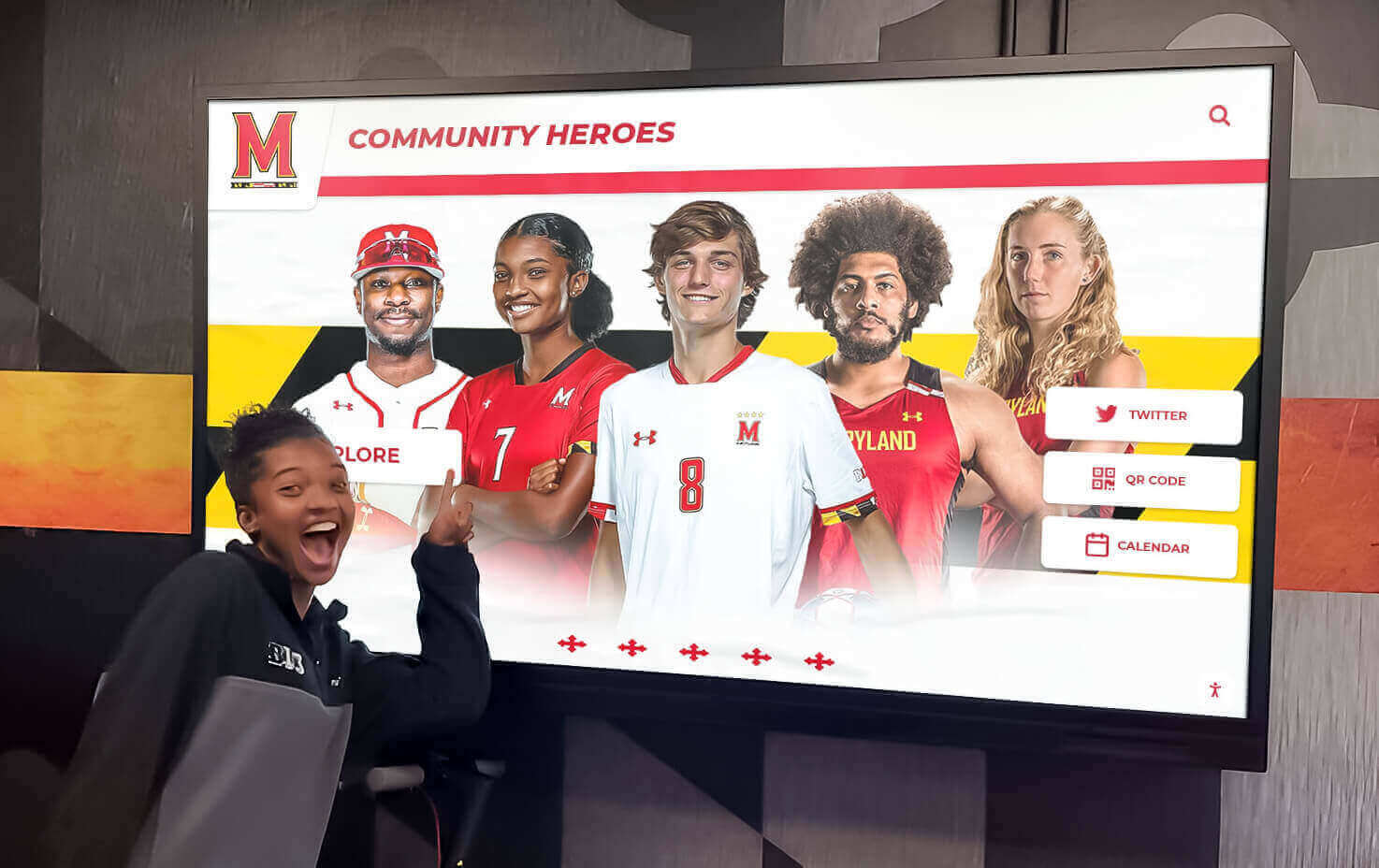
Senior night messages paired with athlete profiles in a recognition display stay visible to students and visitors long after the ceremony itself
Can the same message be used for multiple seniors?
The templates are designed to be adapted individually. Using the same unedited text for multiple athletes reduces the personal weight that makes these messages effective. Even a small change—a name, a sport, a single concrete detail—is enough to distinguish one message from another and make each athlete feel genuinely recognized rather than processed.
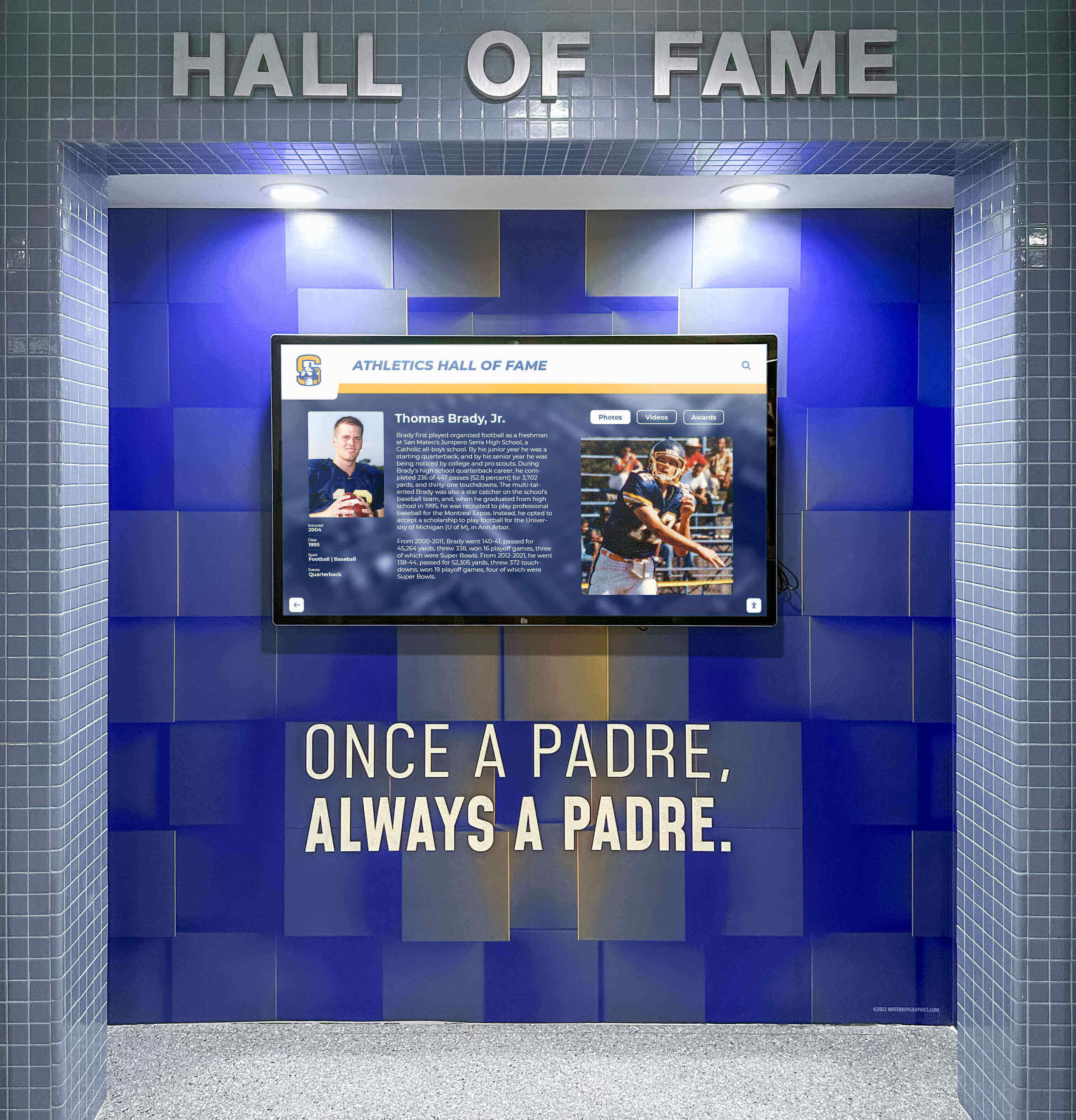
A well-placed recognition display keeps senior night messages connected to verified athlete profiles—visible throughout the year, not just on ceremony night
Keep Senior Night Recognition Visible All Year
Pair the message you write tonight with a lasting digital recognition profile. Rocket Alumni Solutions helps programs display verified athlete names, photos, and personal messages in a searchable, cloud-managed display—keeping senior night recognition accessible long after the ceremony concludes.
Request a DemoLive Example: Rocket Alumni Solutions Touchscreen Display
Interact with a live example (16:9 scaled 1920x1080 display). All content is automatically responsive to all screen sizes and orientations.