



Senior living communities increasingly recognize that resident engagement, dignity, and quality of life depend substantially on visible acknowledgment of contributions, achievements, and participation in community life. Traditional cork boards with printed certificates, static memorial plaques, and paper committee rosters fail to create the dynamic, engaging recognition environments that modern senior living facilities require.
Touchscreen awards and digital recognition displays address this challenge by transforming passive hallway bulletin boards into interactive celebration systems where residents, families, and staff explore committee involvement, view memorial tributes, discover neighbor recognition programs, access building directories, and celebrate achievements through intuitive touch interfaces requiring no technical expertise.
This comprehensive guide explores how senior living facilities, retirement communities, assisted living centers, and continuing care campuses successfully implement touchscreen recognition systems that enhance resident dignity, simplify administrative updates, strengthen community connections, and create memorable environments that celebrate every resident contribution without physical space limitations.
Senior living communities that implement effective touchscreen recognition report dramatic improvements in resident engagement, family satisfaction during tours, and staff efficiency managing recognition programs. The most successful implementations focus on what matters most to senior living residents and their families: honoring individual dignity, preserving memories, celebrating participation, facilitating connections, and creating welcoming environments that feel like home rather than institutional settings.

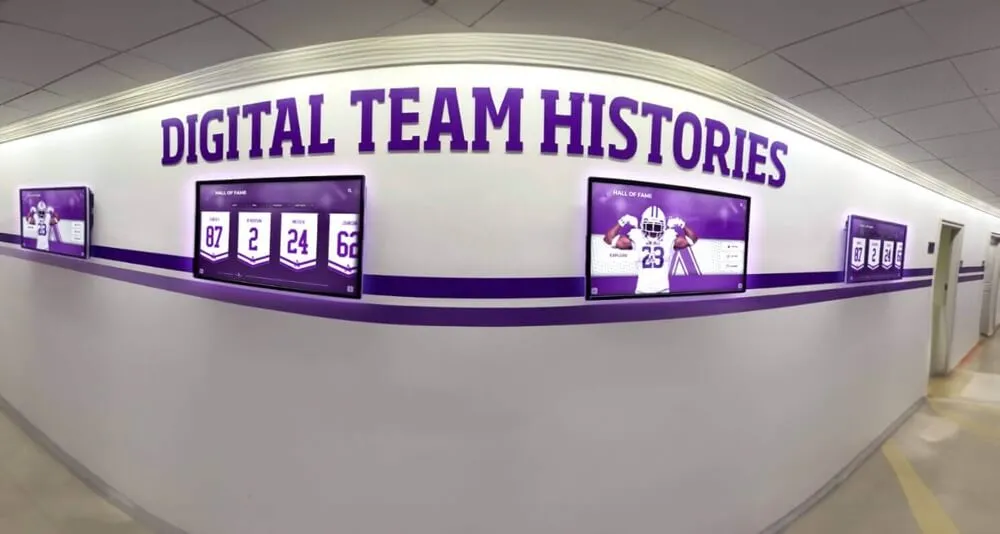
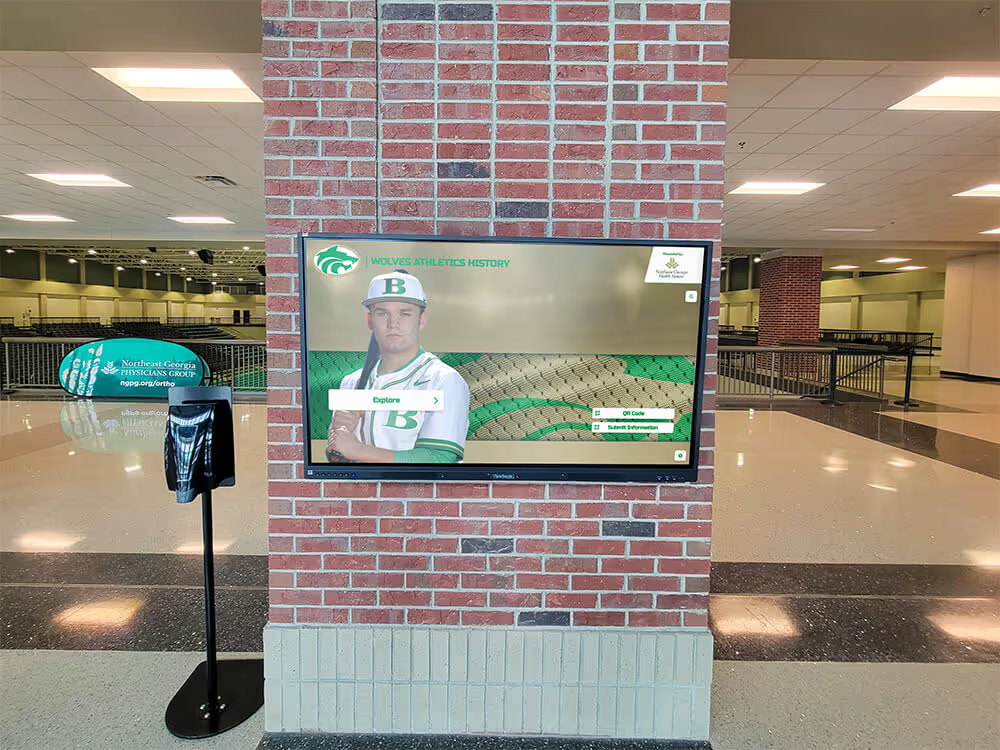
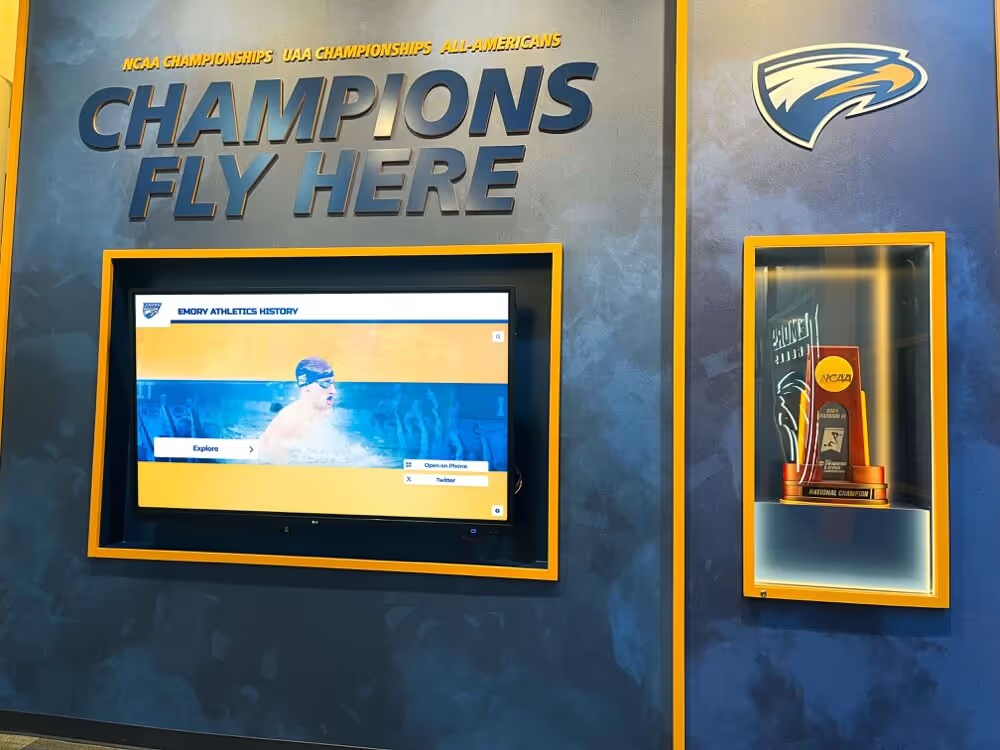
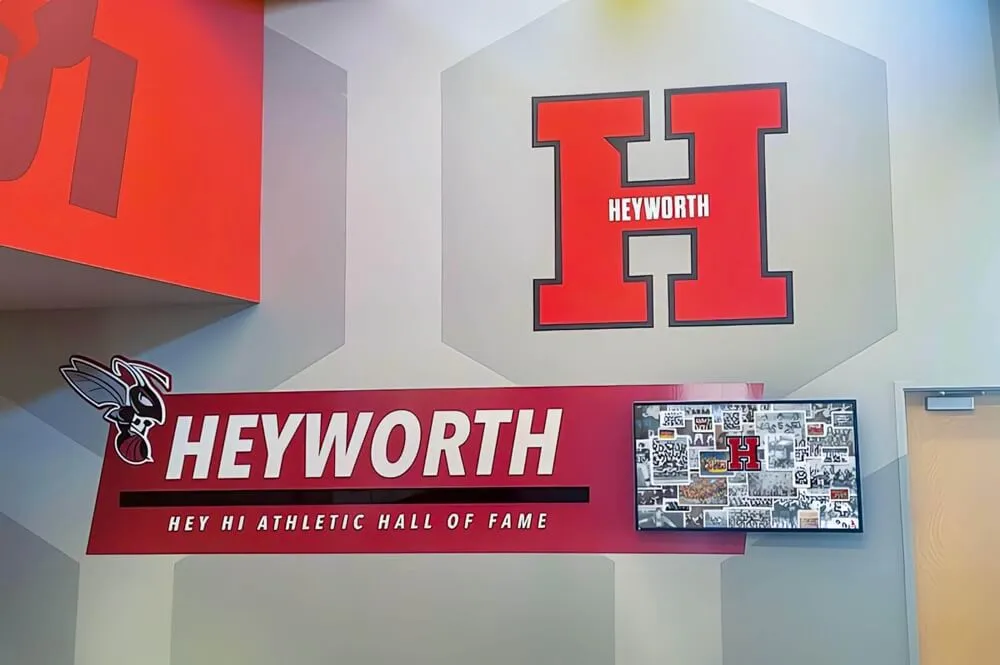
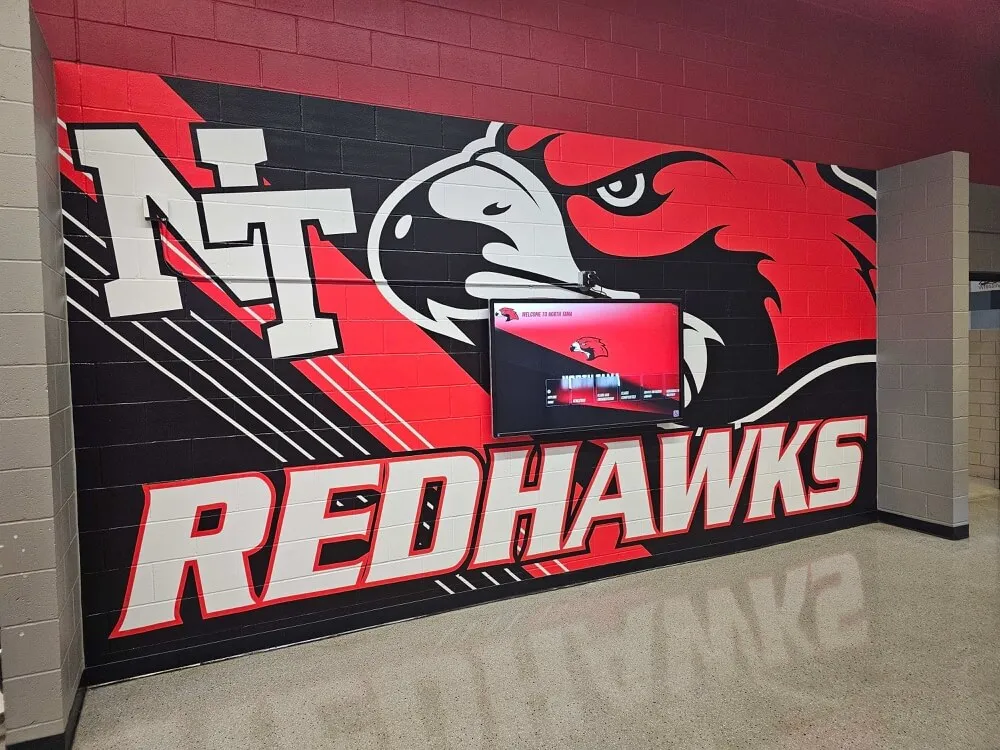
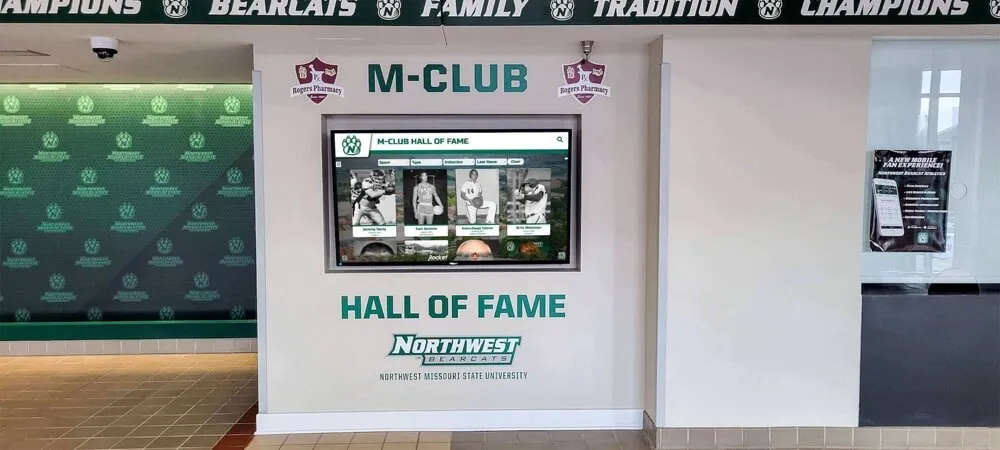
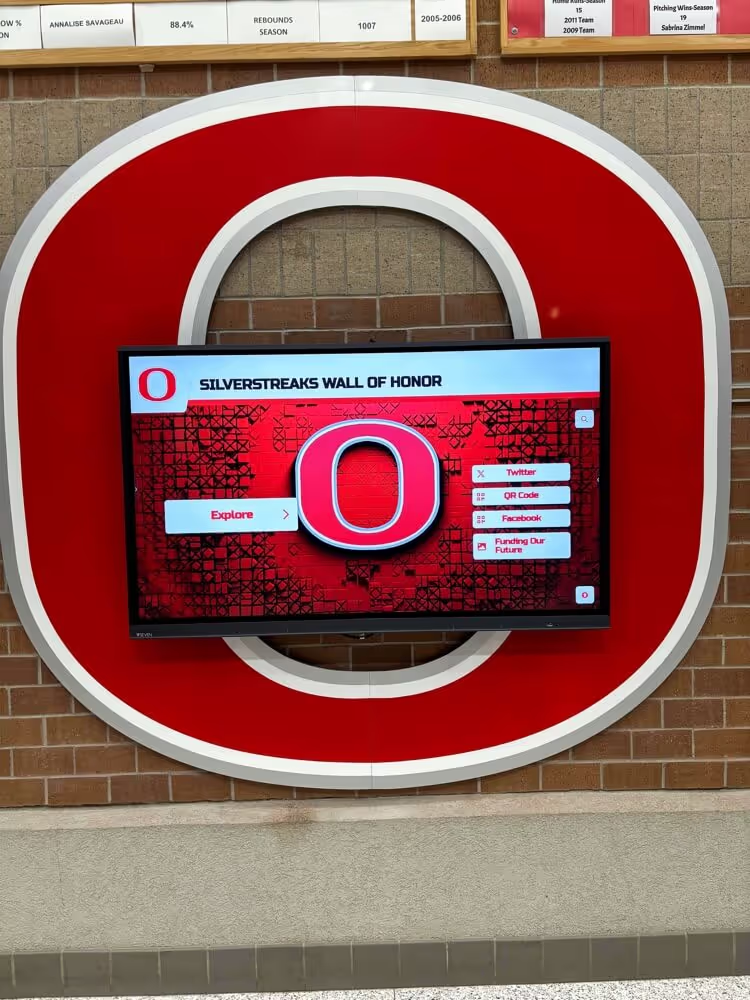
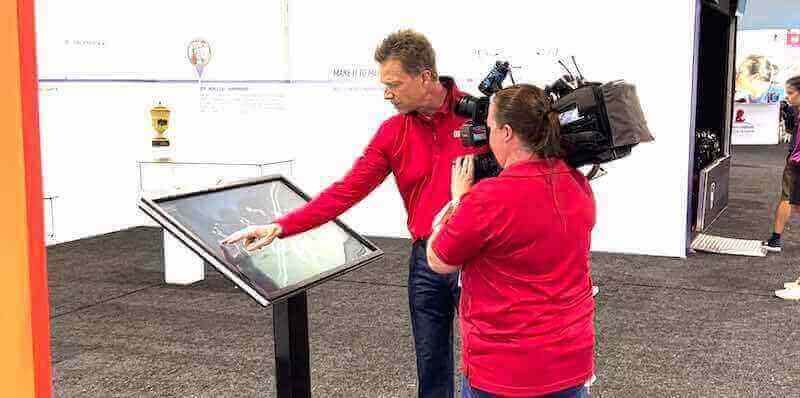
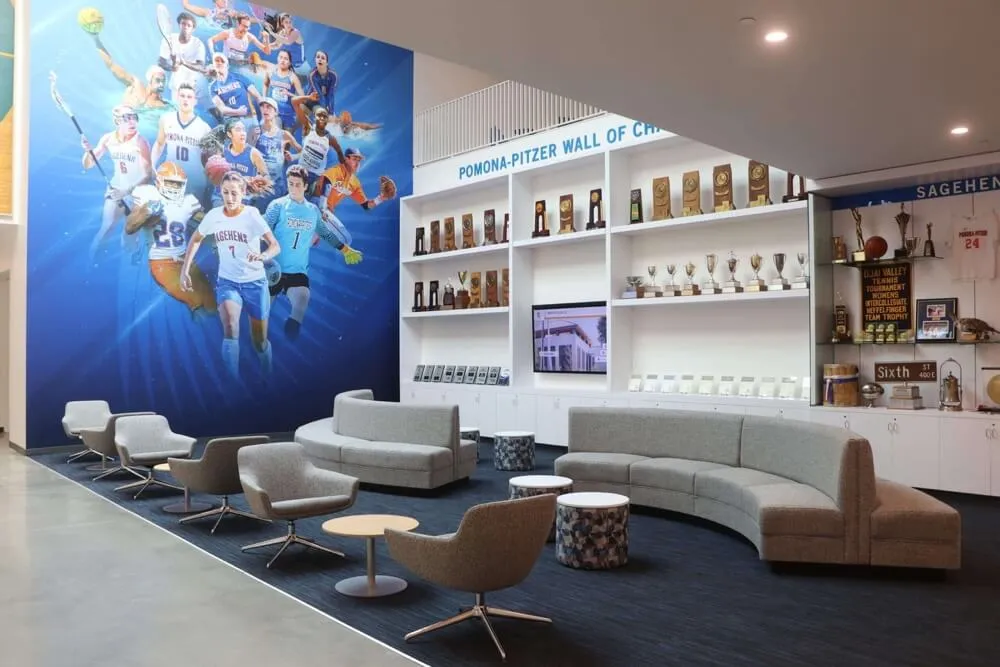
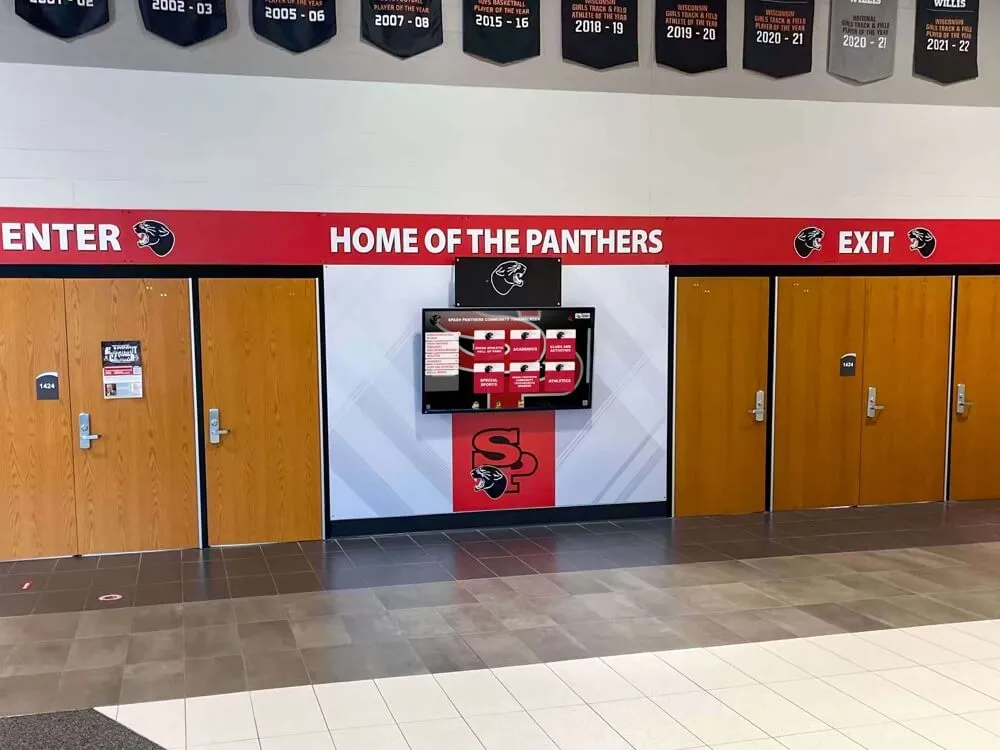
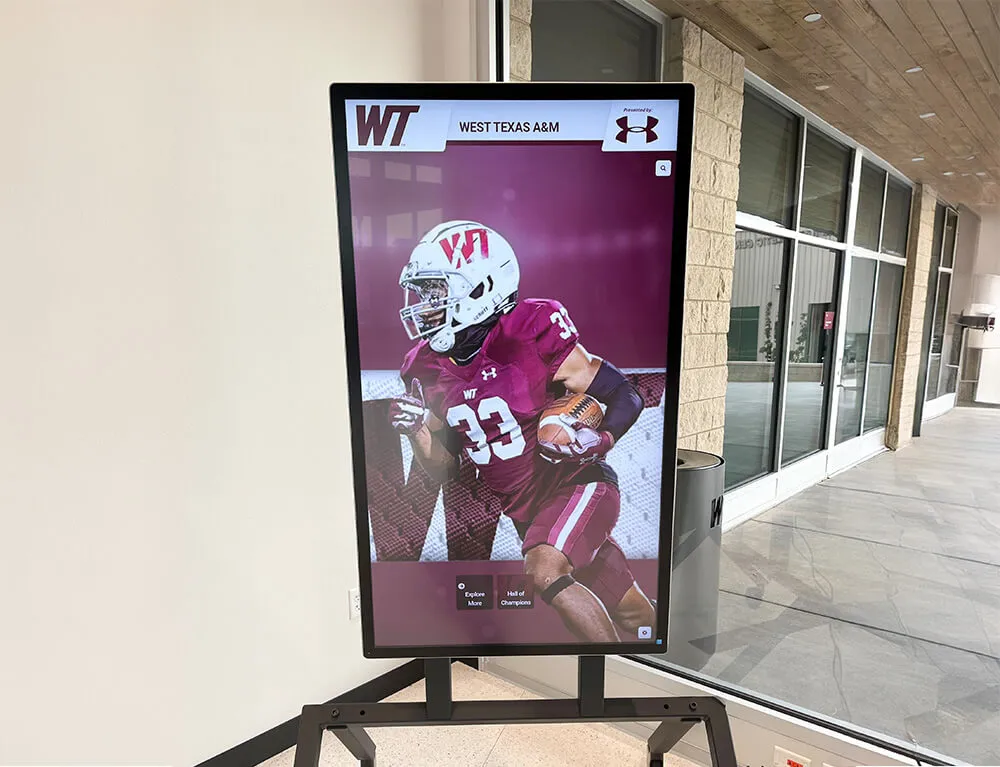
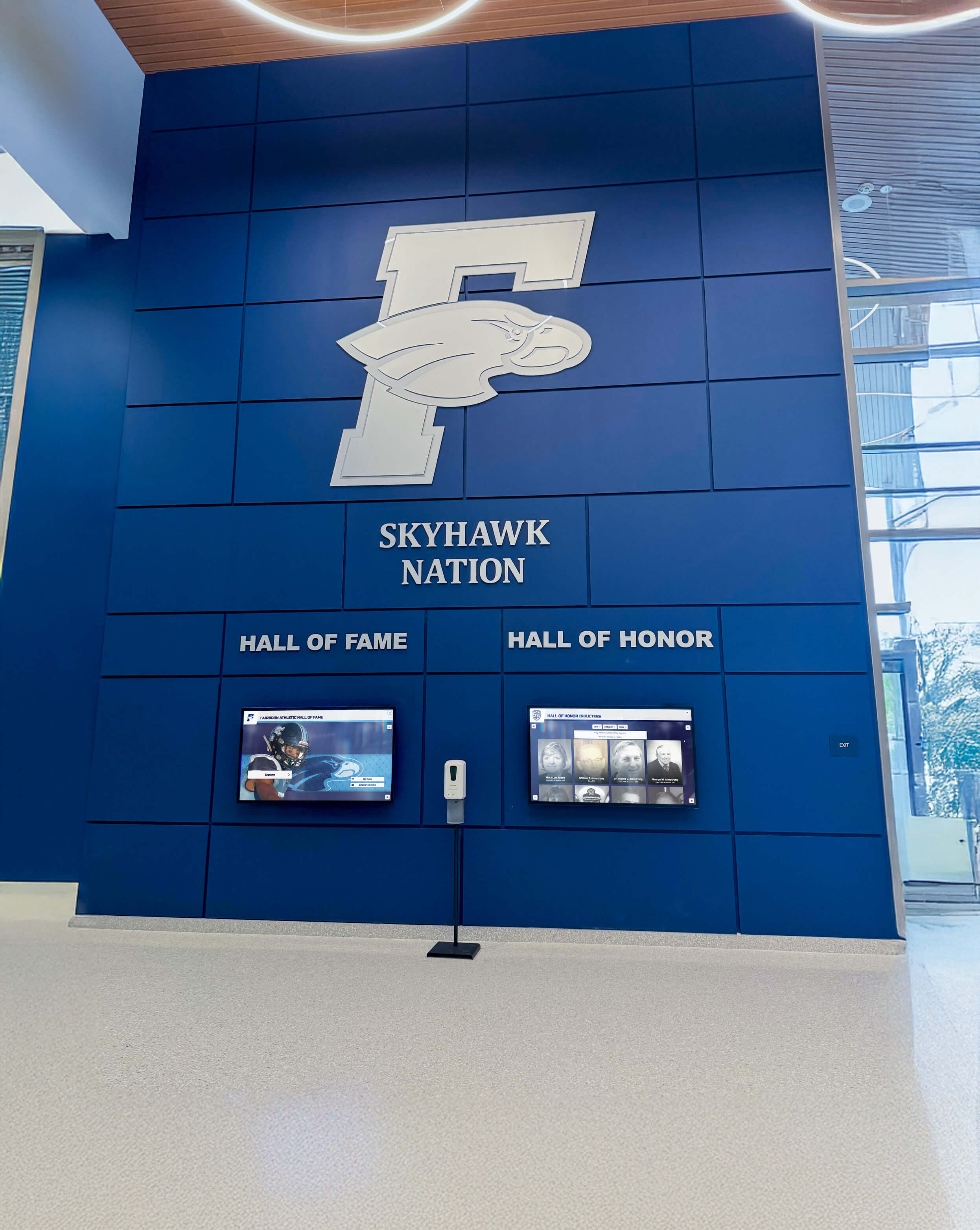
Interactive touchscreen displays in senior living lobbies provide intuitive access to resident directories, committee information, and recognition programs
Understanding Senior Living Recognition Needs
Before exploring specific touchscreen applications, administrators must understand the unique recognition priorities that distinguish senior living environments from other institutional settings.
What Senior Living Facilities Care Most About
Effective recognition systems address the specific values and concerns that drive senior living administration and resident satisfaction:
Resident Dignity and Personalization
Senior living communities prioritize maintaining resident dignity through personalized acknowledgment of life achievements, current contributions, and community participation. Generic institutional approaches that work in corporate or educational settings prove insufficient for populations deserving recognition that honors decades of life experience and ongoing contributions.
Touchscreen platforms enable detailed resident profiles celebrating professional legacies, military service, family histories, hobbies and talents, and volunteer leadership within the community. This depth of personalization demonstrates that the facility views residents as complete individuals rather than room numbers or care recipients.
Family Engagement and Tour Effectiveness
Families evaluating senior living options assess how facilities honor and celebrate residents, recognizing that visible recognition indicates organizational culture and values. Interactive displays featuring resident achievements, committee participation, and community life provide powerful differentiation during competitive facility tours.
Prospective residents and families exploring touchscreen directories and recognition displays gain immediate insight into active community life, resident engagement, and facility commitment to honoring individual dignity. This tangible demonstration proves more persuasive than marketing materials or verbal assurances during tours.
Administrative Efficiency and Accuracy
Senior living staff juggle extensive recognition responsibilities including updating resident directories as moves occur, maintaining memorial recognition for departed residents, tracking committee memberships as interests change, posting event calendars and activity schedules, and managing special recognition programs like neighbor of the week.
Cloud-based touchscreen systems enable immediate updates from administrative offices without requiring facilities coordination, IT support, or vendor involvement. Recognition that previously required days or weeks to update executes in minutes, ensuring accuracy while reducing administrative burden.
ADA Compliance and Accessibility
Federal accessibility requirements hold particular importance in senior living environments where residents may experience vision impairment, mobility limitations, hearing difficulties, or cognitive changes. Recognition systems must accommodate diverse abilities ensuring all residents can access directories, view recognition, and participate in community information systems.
Modern touchscreen platforms designed for institutional applications include adjustable text sizing for vision accommodation, high contrast viewing modes, screen reader compatibility for audio access, wheelchair-accessible mounting heights, and simple navigation supporting varied technical comfort levels. These features ensure inclusive access rather than creating frustration or exclusion.
The Limitations of Traditional Recognition
Conventional approaches create substantial challenges in senior living environments:
Physical Space Constraints
Wall-mounted bulletin boards and display cases offer limited capacity forcing administrators to choose which residents, committees, and achievements receive visibility. As communities grow and recognition programs expand, physical space limitations require removing earlier recognition to accommodate new content.
This creates awkward situations where long-serving committee members disappear from displays, memorial recognition gets displaced, or worthy achievements go unacknowledged due to simple space constraints rather than importance.
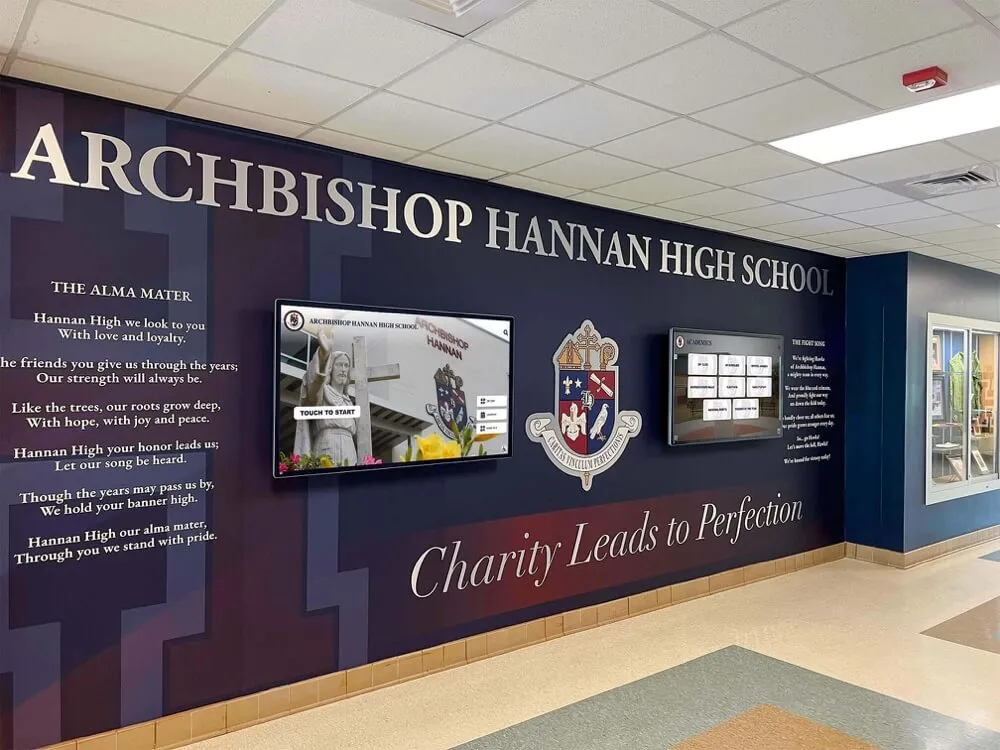
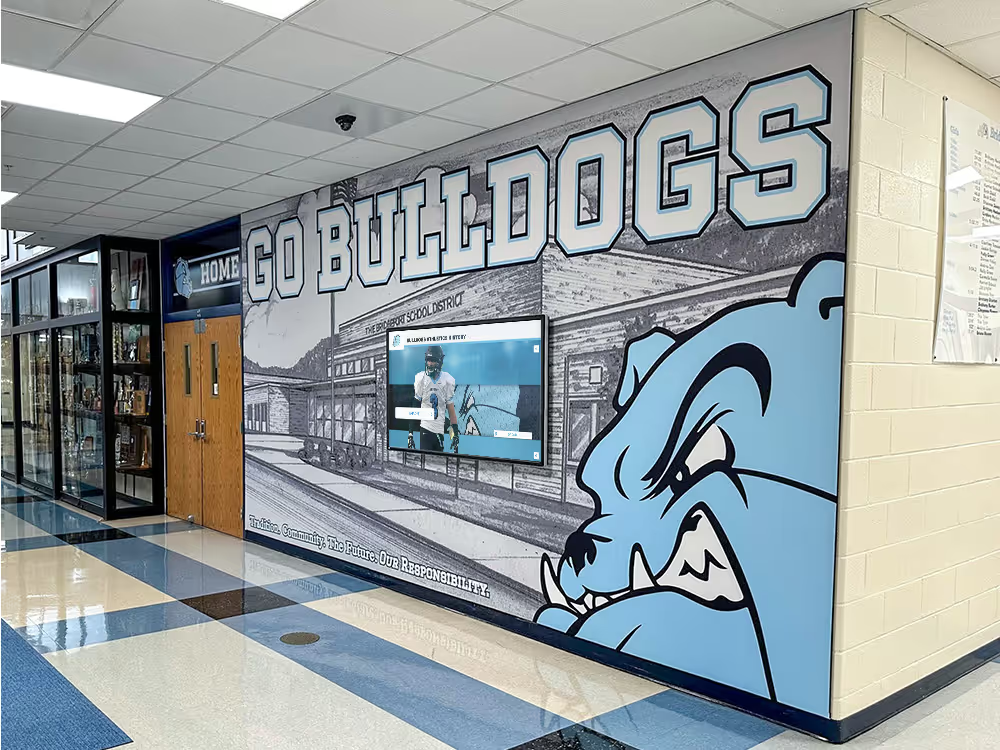
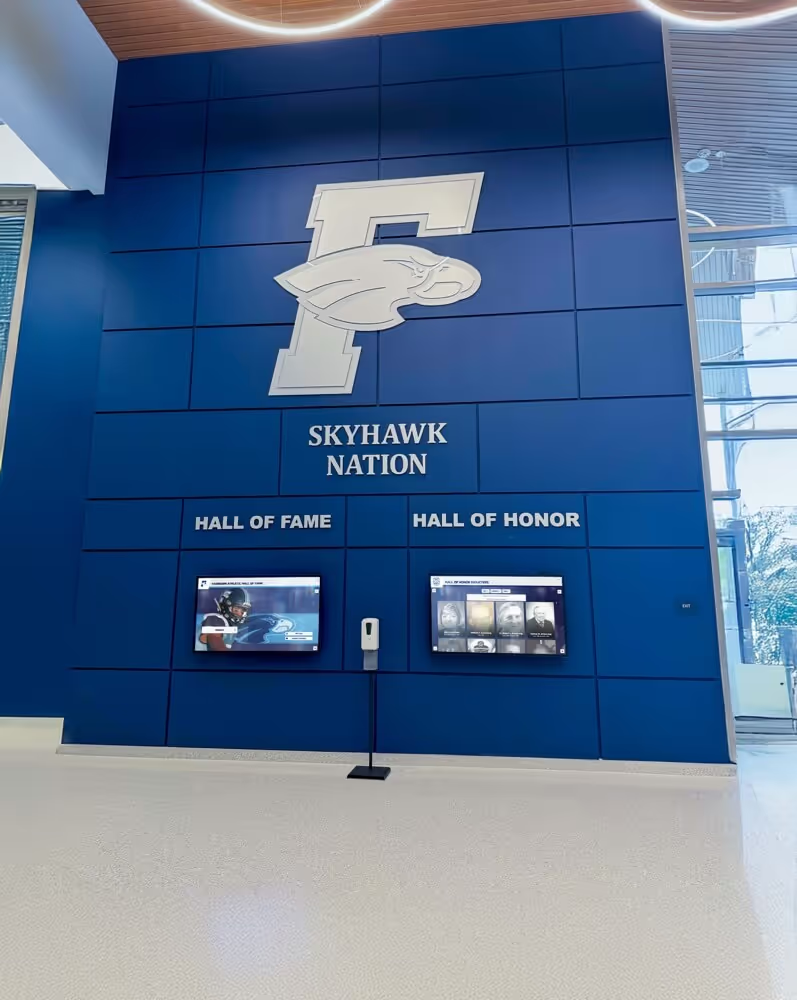
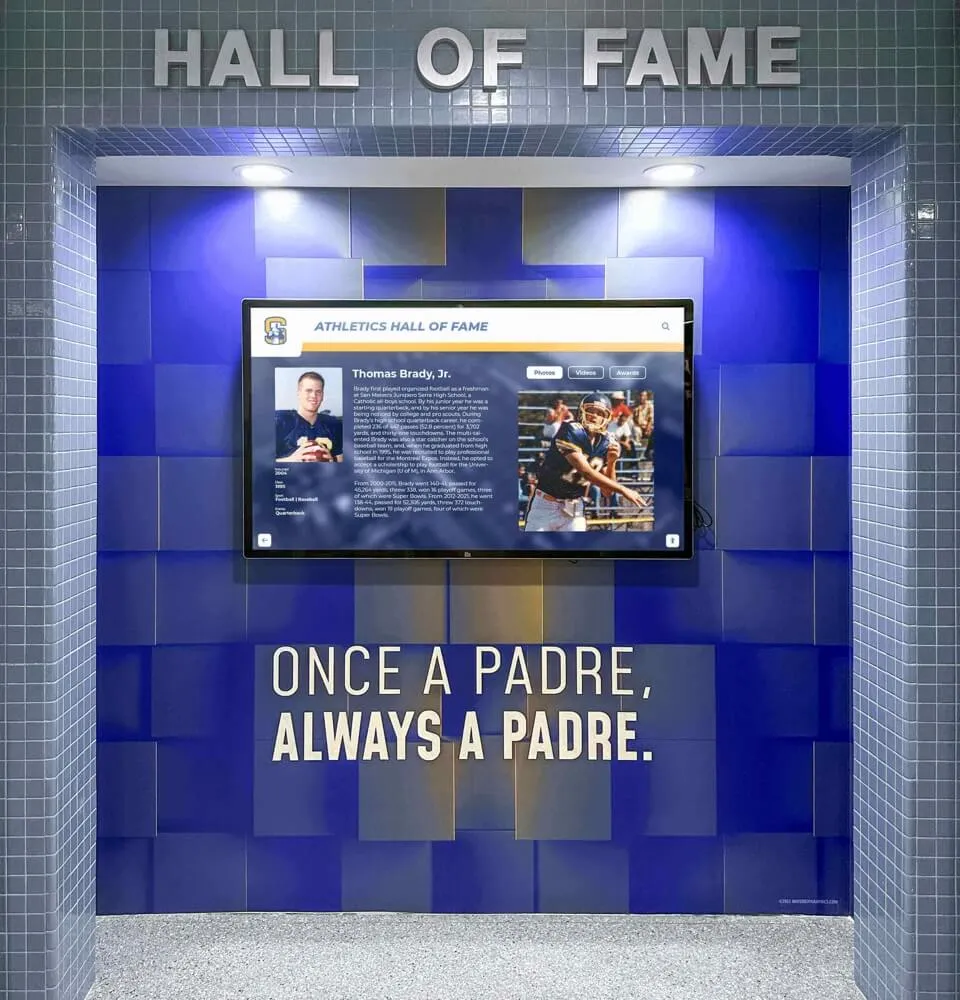
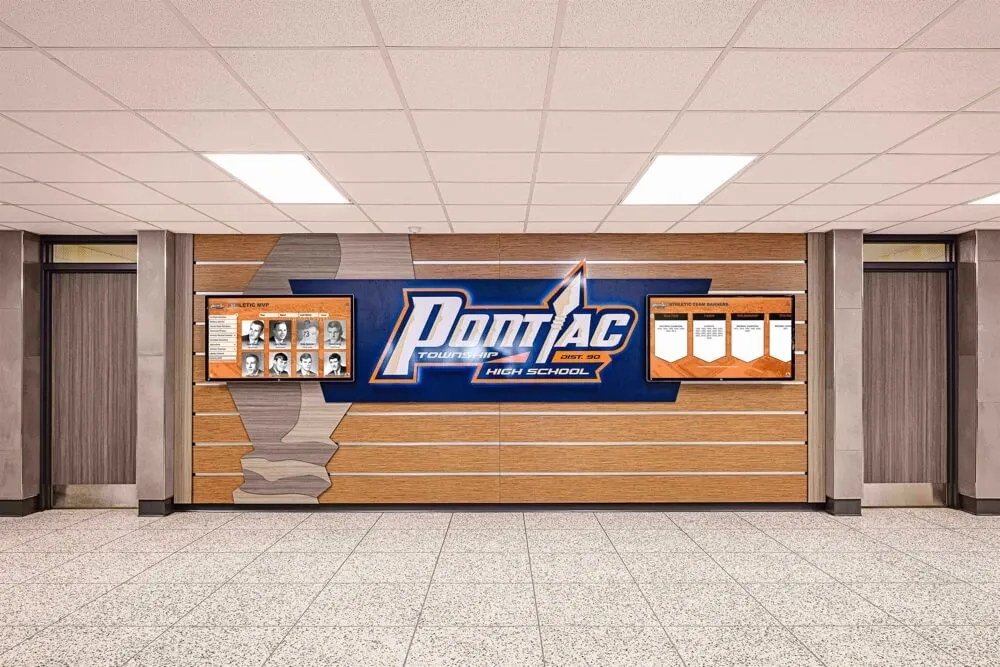
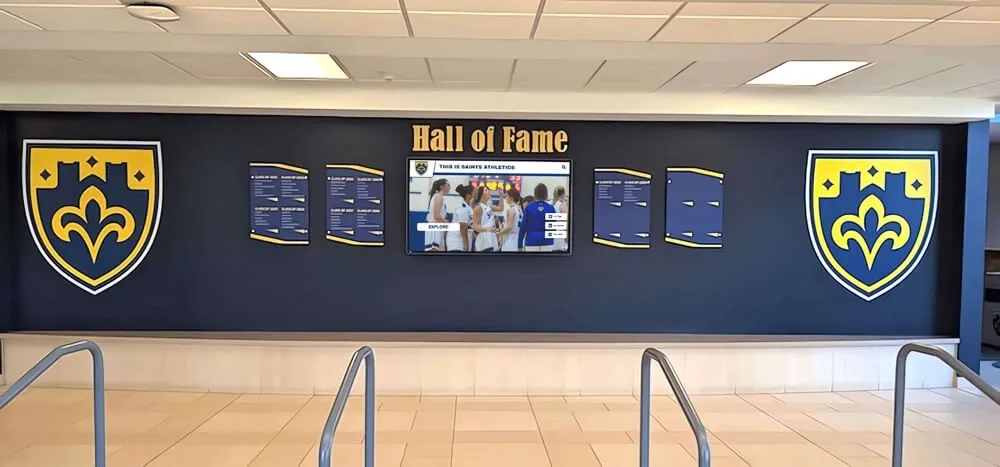
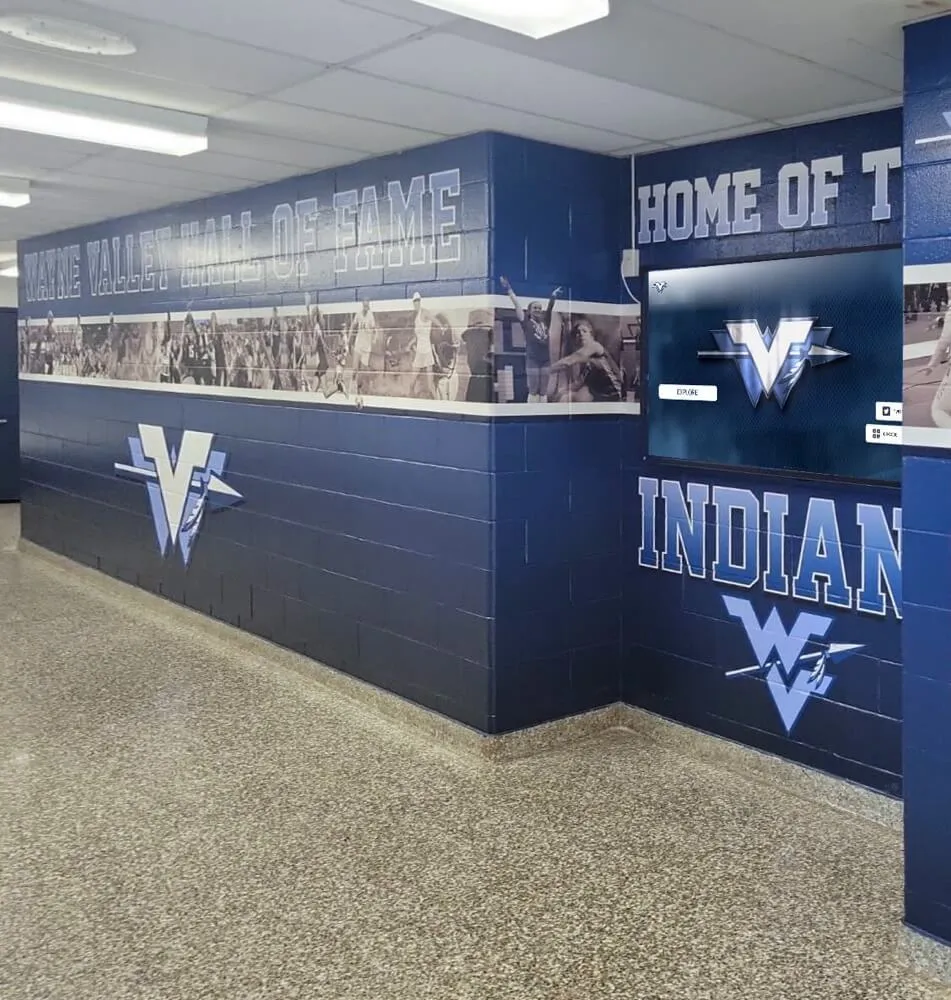
Digital displays overcome physical space limitations while providing professional presentation quality
Update Complexity and Delays
Traditional recognition requires physical access to update bulletin boards, print new materials, or coordinate with vendors for plaque updates. These processes create delays between resident achievements and visible acknowledgment, reducing recognition impact and creating administrative frustration.
Committee rosters become outdated as participation changes, directories show departed residents while omitting new arrivals, and memorial recognition lags weeks or months behind memorial services. These delays communicate that recognition programs lack importance or administrative capacity, undermining resident confidence in facility organization.
Limited Engagement and Accessibility
Static printed materials on bulletin boards create passive viewing experiences where residents scan posted information without deeper engagement. Small print proves difficult for residents with vision challenges, alphabetical directories require visual scanning of extensive lists, and static presentations provide no search functionality enabling quick information location.
These accessibility barriers particularly disadvantage the populations senior living communities serve, creating frustration rather than connection and inclusion.
Core Touchscreen Recognition Applications for Senior Living
Successful implementations address the specific information and recognition needs that matter most to senior living residents, families, and staff.
Interactive Building Directory and Resident Profiles
Searchable directories with detailed resident profiles form the foundation of senior living touchscreen systems:
Comprehensive Resident Information
Digital directories include resident names with preferred forms and nicknames, apartment or room locations with building and wing identifiers, welcome photos showing friendly faces, emergency contact procedures when appropriate, and arrival dates celebrating tenure milestones.
Search functionality enables visitors and staff locating specific residents instantly by name rather than scanning alphabetical printed lists. Residents finding friends and neighbors within the community use simple search interfaces requiring no technical expertise.
Solutions like campus directory touchscreen displays adapted for senior living applications provide intuitive search and filtering capabilities ensuring all community members can access directory information efficiently.
Personal Profile Pages
Resident profiles extend beyond basic directory information to share life stories and achievements including professional career highlights and accomplishments, military service and veteran recognition, family information celebrating children, grandchildren, and spouses, hobbies, talents, and special interests, and community involvement within the senior living facility.
These detailed profiles honor resident life experiences while providing conversation starters for fellow residents building friendships and family members learning about their loved ones’ neighbors during visits.
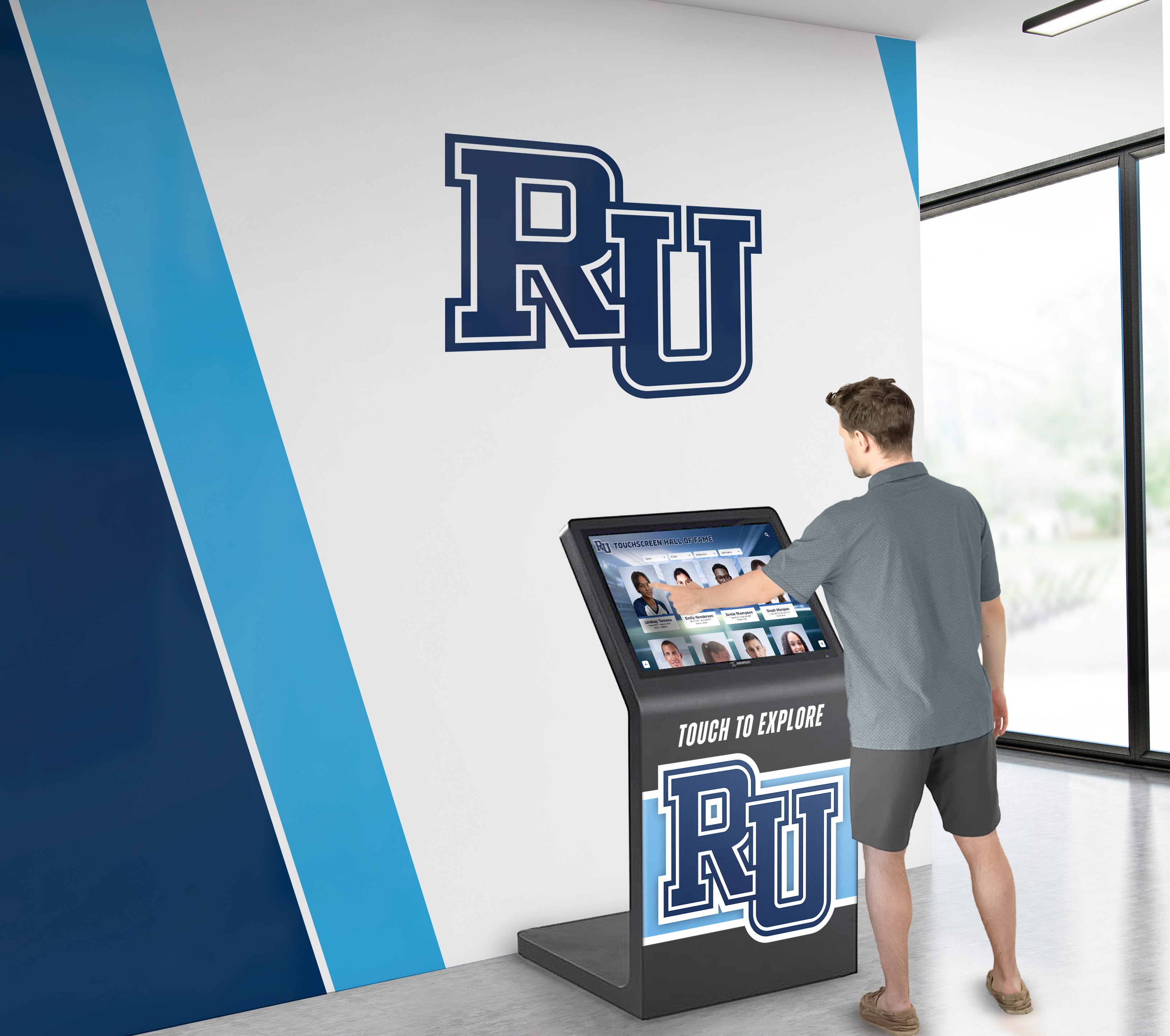
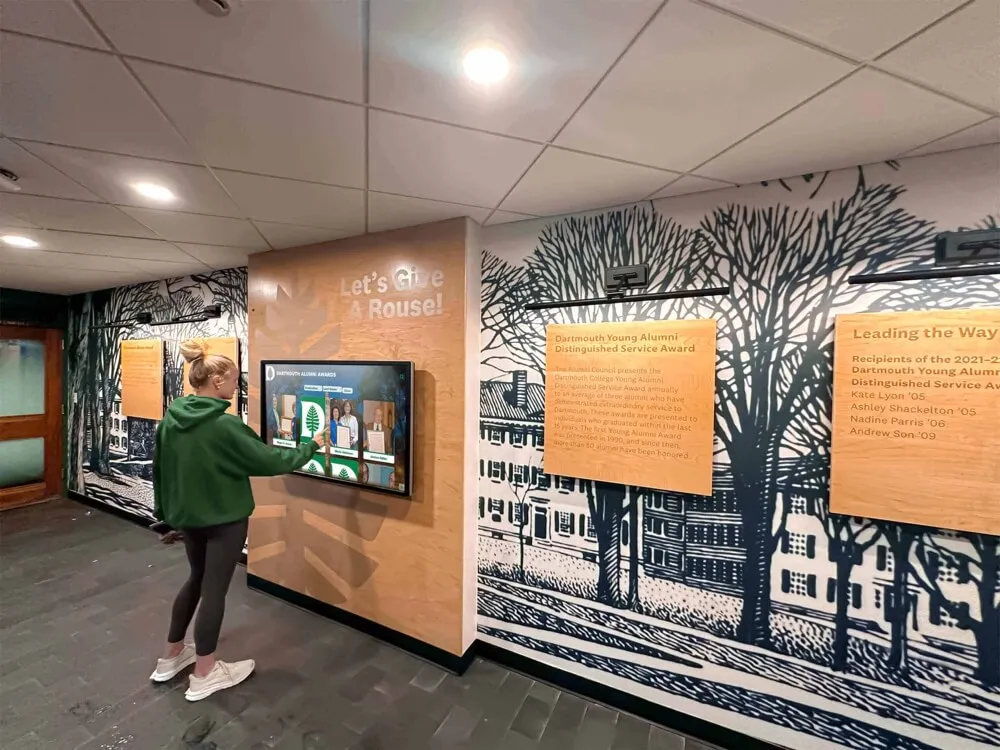
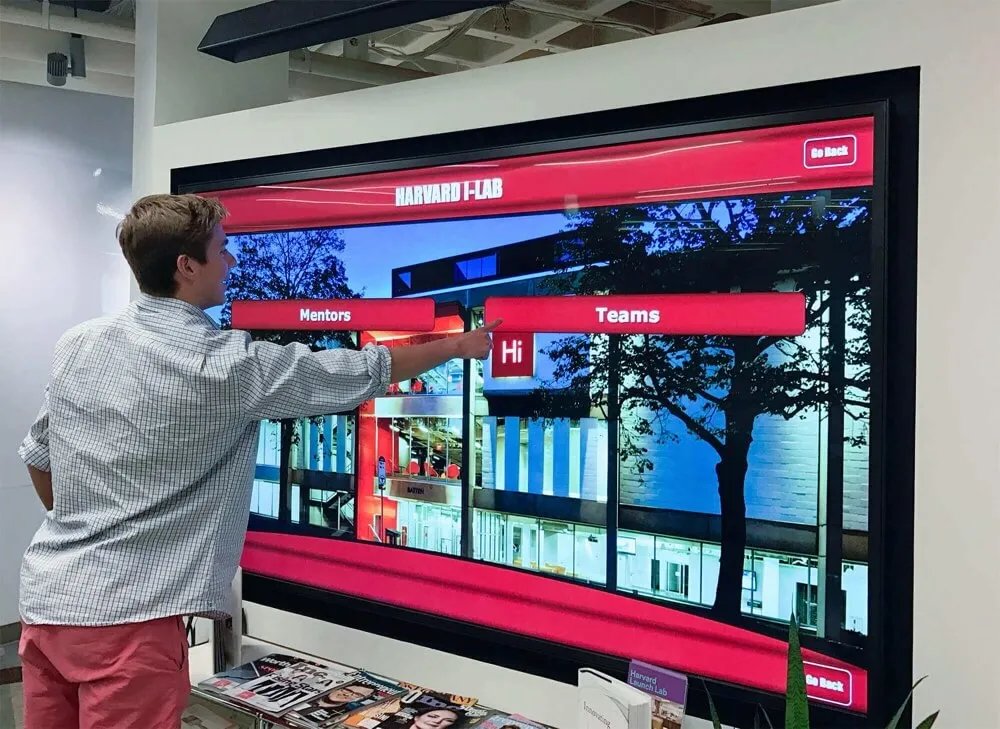
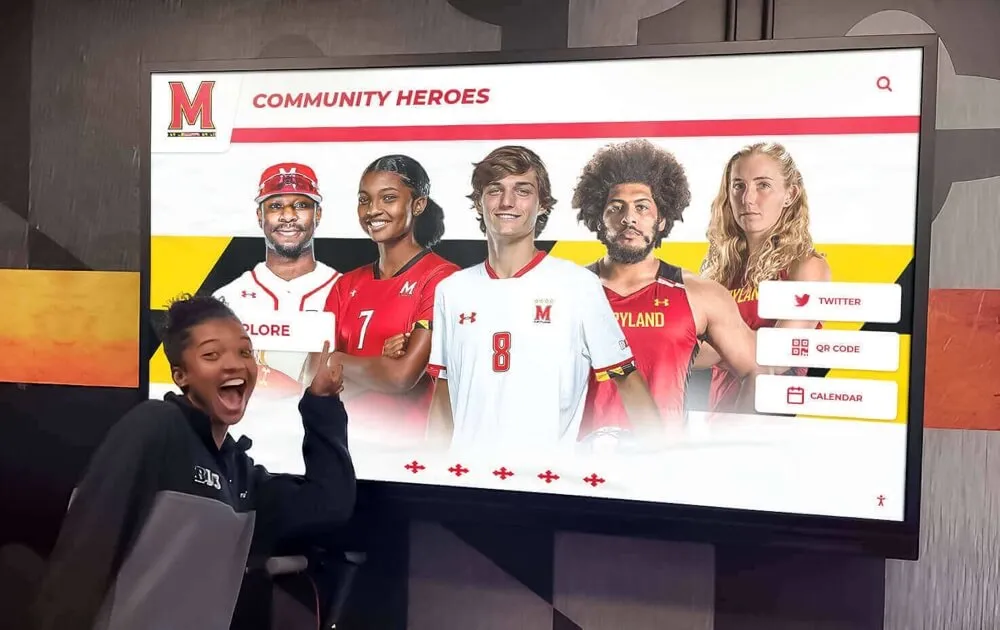
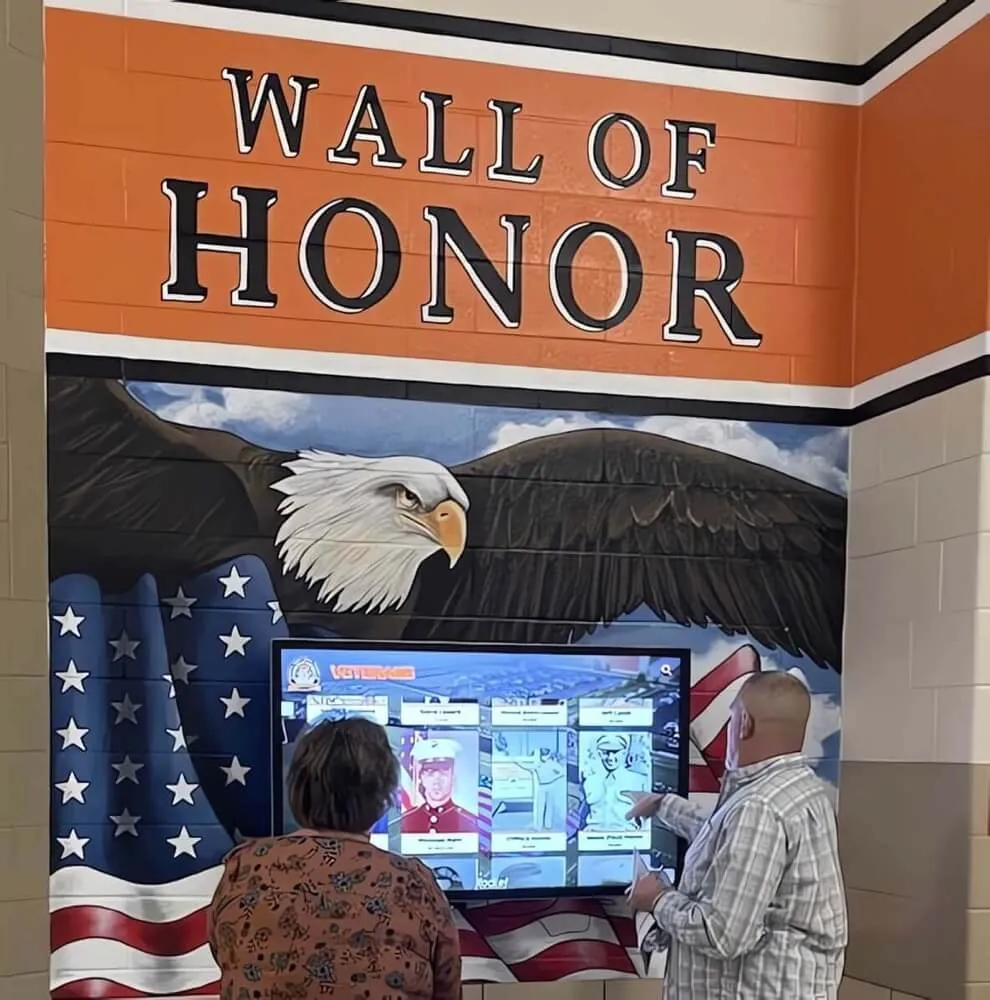
Intuitive touch interfaces enable residents of all technical backgrounds to search directories and explore community information
Privacy Controls and Personalization
Not all residents desire the same level of public information sharing. Directory systems must accommodate varying privacy preferences through options to display full profiles with photos and biographical details, names and locations only without personal information, limited visibility to registered family members and staff only, or complete privacy exclusion from public directories.
Cloud-based administration enables residents and families adjusting privacy preferences as comfort levels change over time, providing control that printed directories cannot accommodate.
Internal Committee Recognition and Participation Tracking
Senior living communities depend on resident committees providing governance, social programming, and operational input:
Parking Committee and Transportation Coordination
Many senior communities maintain parking committees managing limited parking spaces, visitor parking policies, transportation scheduling, and vehicle registration. Digital recognition displays showcase current committee members with photos and tenure, meeting schedules and policy updates, contact information for parking questions and concerns, and recognition of problem-solving achievements.
Parking committee visibility demonstrates resident self-governance while providing practical information about policies affecting daily life. Employee recognition wall displays adapted for resident committees create professional acknowledgment of volunteer leadership.
Internal Government and Resident Councils
Resident councils and internal governance structures shape community life through policy recommendations, activity planning, quality concerns, and administrative communication. Recognition displays document council officers and representatives, terms of service and election information, meeting minutes and action items, upcoming governance meetings and agendas, and accomplishments and policy improvements achieved.
Visible governance structures demonstrate resident voice and empowerment while keeping the broader community informed about representation and decision-making processes affecting daily life.
Social Programming and Activity Committees
Activity committees plan events, coordinate interest groups, organize outings, and create community social fabric. Touchscreen displays celebrate committee participation, upcoming events and registration details, past event photo galleries, volunteer opportunities and leadership positions, and special interest group formation and meeting schedules.
These displays market activities while recognizing volunteers who create engaging community life, encouraging broader participation and celebrating organizer contributions.
Wellness and Fitness Committees
Health-focused committees coordinate fitness programming, walking groups, nutrition education, and wellness initiatives. Recognition includes committee member wellness leadership, fitness class schedules and instructor profiles, wellness challenge participation and achievements, health education event announcements, and resources for healthy aging.
Wellness committee visibility reinforces facility commitment to healthy aging while inspiring resident participation in health-promoting activities.
Neighbor of the Week and Resident Recognition Programs
Systematic recognition programs celebrating individual residents strengthen community bonds and acknowledge contributions:
Neighbor of the Week Highlights
Regular featured resident programs create rotating recognition ensuring all community members receive visibility over time. Weekly spotlights include current resident photo and biography, unique life experiences and achievements, contributions to community life, hobbies and interests connecting residents, and inspirational messages or advice to share.
Neighbor of the week programs create anticipation as residents wonder who receives featured recognition next while ensuring equitable visibility across the entire community. Families visiting see their loved ones celebrated, creating positive impressions of facility culture and resident value.
Volunteer Service Recognition
Many residents continue contributing through facility volunteer roles including welcoming new residents, assisting with activities and events, mentoring fellow residents, participating in facility committees, and representing the community externally. Recognition programs document volunteer hours and contributions, service milestones and tenure achievements, specific impact of volunteer efforts, opportunities for expanded involvement, and appreciation from staff and fellow residents.
Visible volunteer recognition encourages participation while demonstrating that the facility values resident contributions beyond rent payment, creating partnership rather than purely transactional relationships.
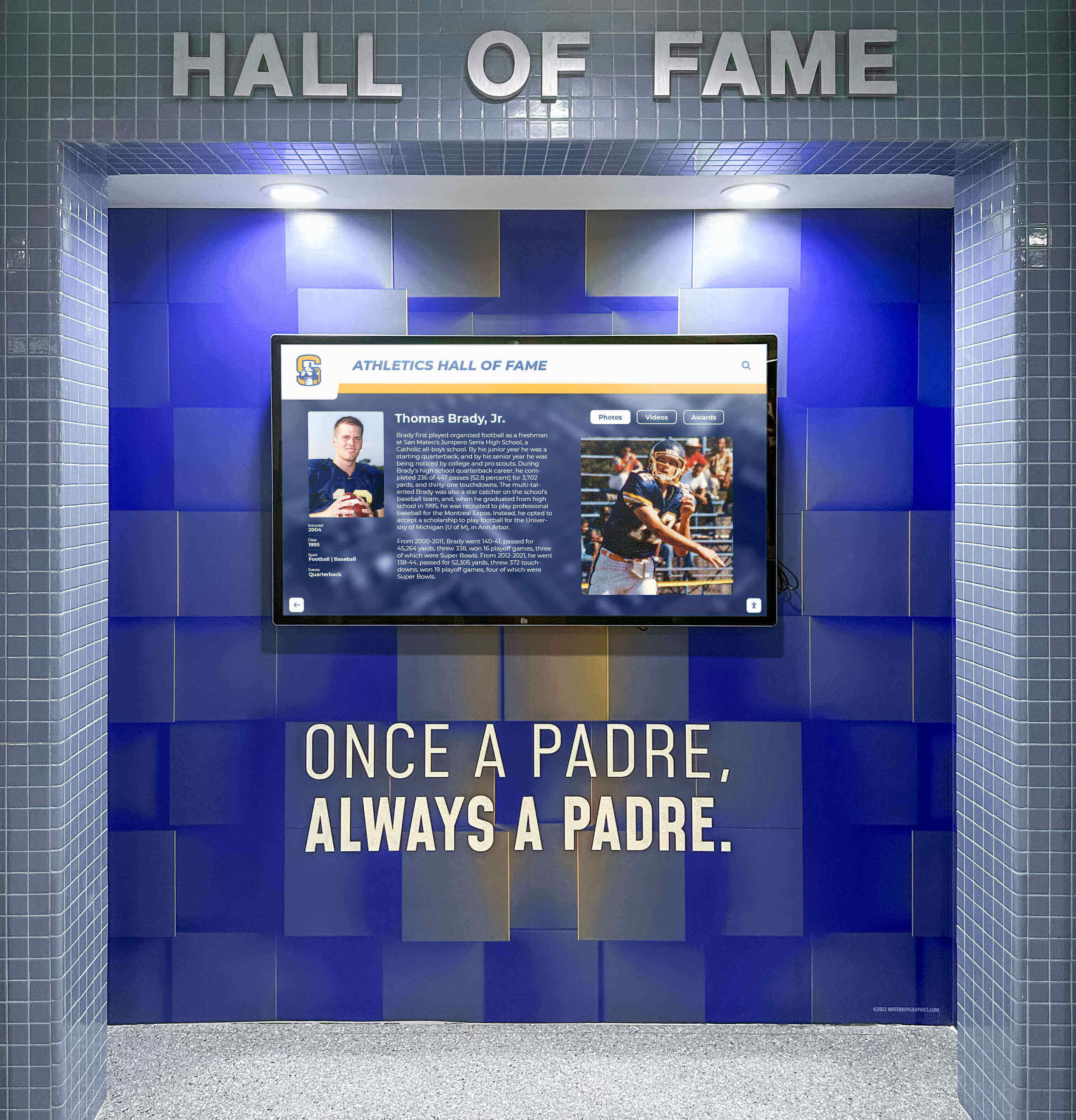
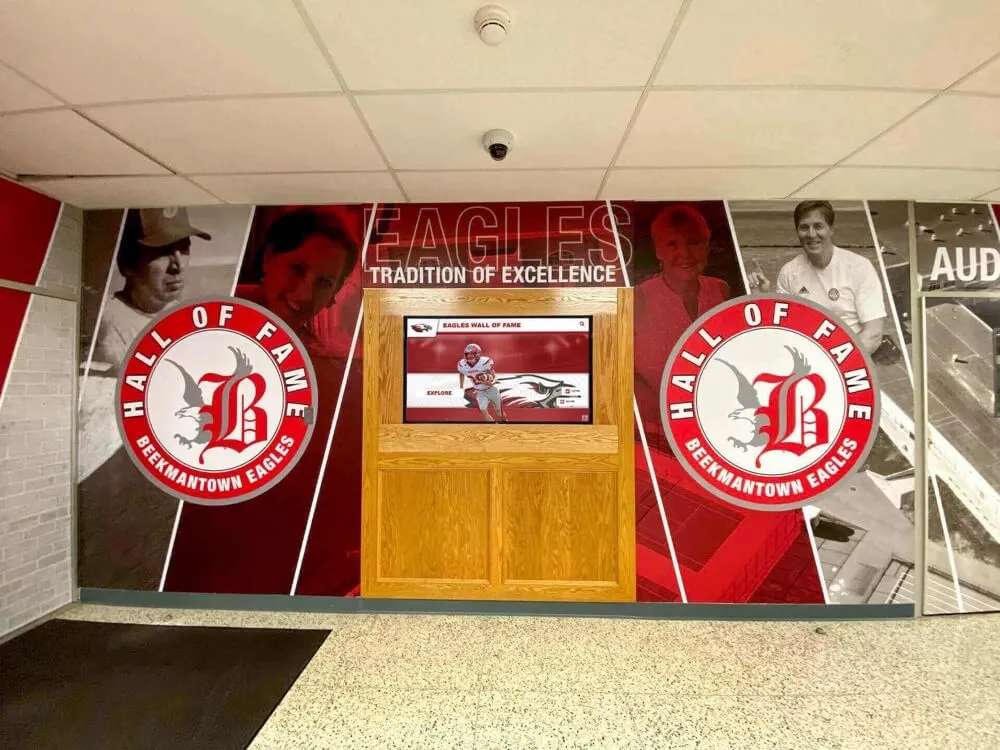
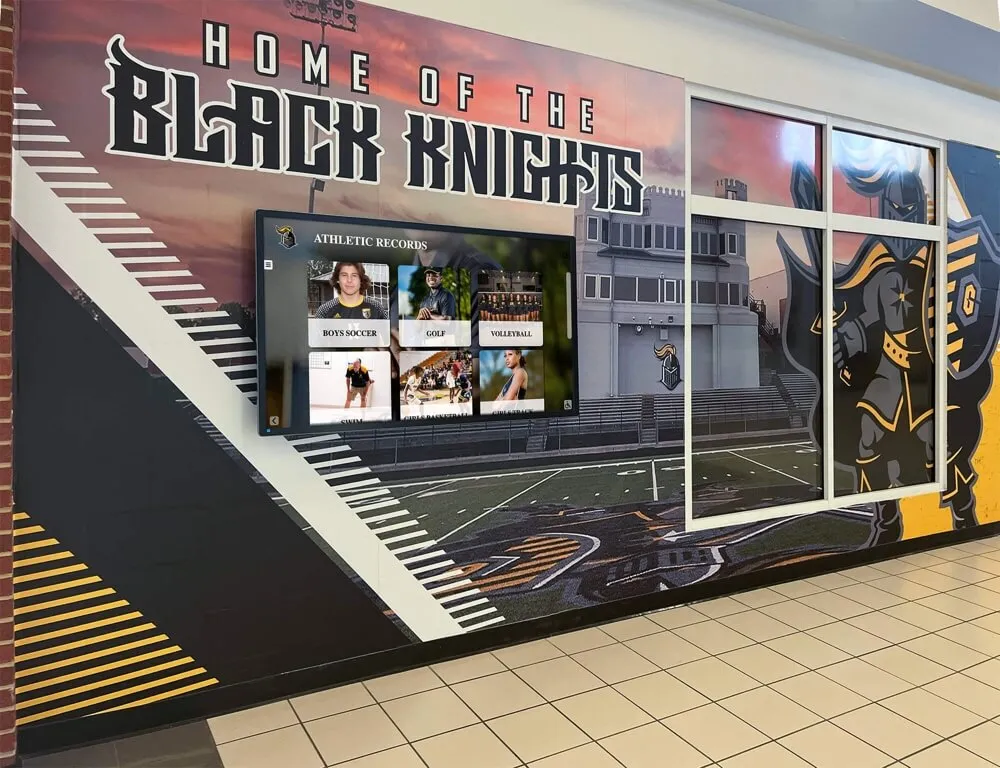
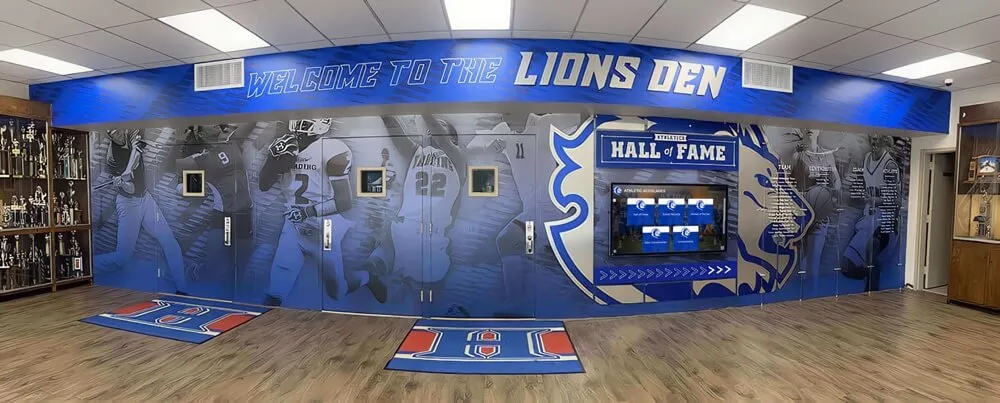
Professional digital displays create permanent recognition space for ongoing resident achievement programs
Milestone Birthday and Anniversary Recognition
Celebrating resident milestones honors longevity and life achievement through birthday recognition with ages residents choose to share, wedding anniversaries celebrating lasting marriages, facility tenure anniversaries marking years in residence, and special milestone celebrations for 90th, 95th, 100+ birthdays.
Milestone recognition creates celebration opportunities while demonstrating facility attention to individual residents and important life markers worthy of acknowledgment.
New Resident Welcomes and Introductions
Welcoming new community members facilitates integration and connection through new resident profiles and welcome messages, backgrounds and interests supporting conversation starters, previous hometown and career information, invitation for community members to introduce themselves, and scheduled welcome events and orientation activities.
New resident visibility accelerates social integration, reduces isolation during transitions, and signals that the community values each member from arrival forward.
Memorial Recognition and In Memoriam Displays
Honoring departed residents provides comfort to families while preserving community memory:
Permanent Memorial Recognition
Touchscreen platforms offer unlimited capacity for memorial acknowledgment without displacing earlier recognition or requiring physical space allocation decisions. Memorial displays include resident names and residence dates, memorial photos chosen by families, life summaries celebrating achievements and contributions, family messages and remembrances, and memorial service information when appropriate.
Digital memorial recognition ensures departed residents remain part of community history permanently rather than disappearing when physical space requires updates. This permanence provides lasting comfort to families while demonstrating facility commitment to honoring all residents throughout their time in the community.
Memorial Gardens and Tribute Spaces
Some facilities integrate touchscreen displays near physical memorial gardens or tribute areas enabling visitors to explore detailed memorial information while visiting remembrance spaces. These integrations bridge physical and digital recognition creating meaningful experiences for families maintaining connections to departed loved ones.
Learn about comprehensive memorial approaches through memorial plaque ideas adapted for senior living memorial programs.
Annual Memorial Services and Remembrance Events
Many communities hold annual memorial services honoring all residents who passed during the previous year. Touchscreen displays support these events through memorial event announcements and details, departed resident scrolling recognition during services, family invitation and participation information, comfort resources and grief support, and community reflection and remembrance messages.
Technology supports meaningful commemoration while ensuring every family feels their loved one receives appropriate honor during community remembrance.
Twenty Creative Recognition Ideas for Senior Living Communities
Beyond core applications, innovative facilities implement diverse recognition programs celebrating resident life and contributions:
Achievement and Milestone Recognition
Century Club Recognition - Celebrate residents reaching 100 years with special profiles, life timelines, and wisdom sharing
Longest Tenure Awards - Honor residents who have lived in the community longest with anniversary recognition
Fitness Achievement Tracking - Document fitness class participation milestones and wellness challenge completions
Educational Accomplishments - Recognize residents who take classes, complete educational programs, or teach fellow residents
Creative Arts Showcases - Display resident artwork, poetry, photography, and creative expressions with artist profiles
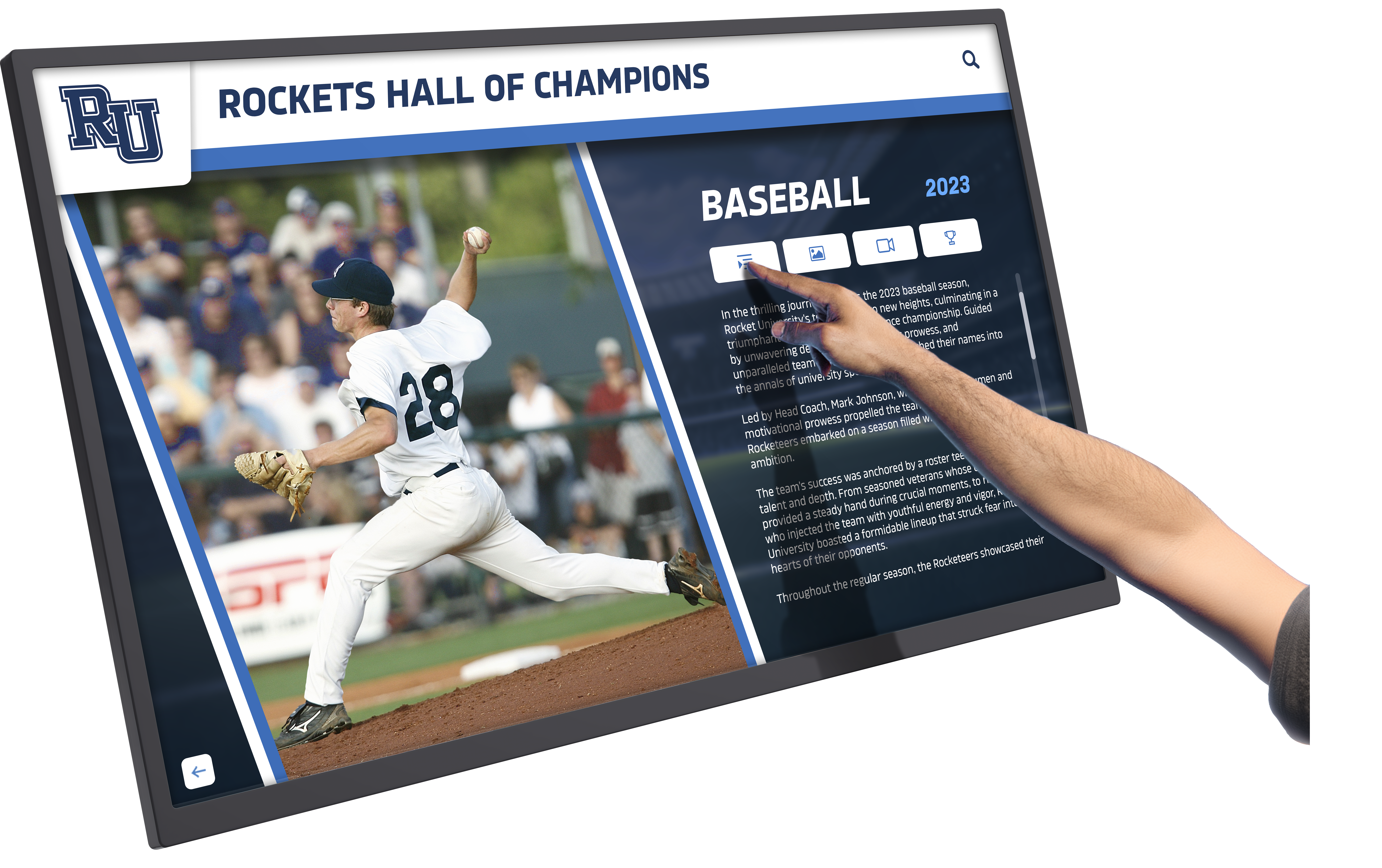
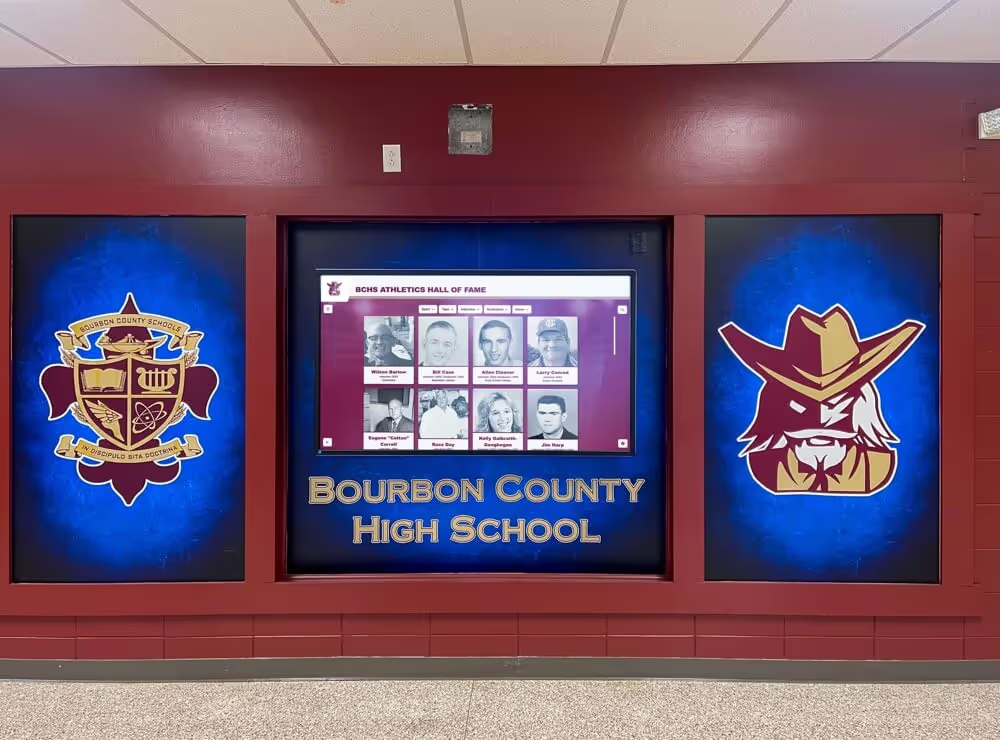
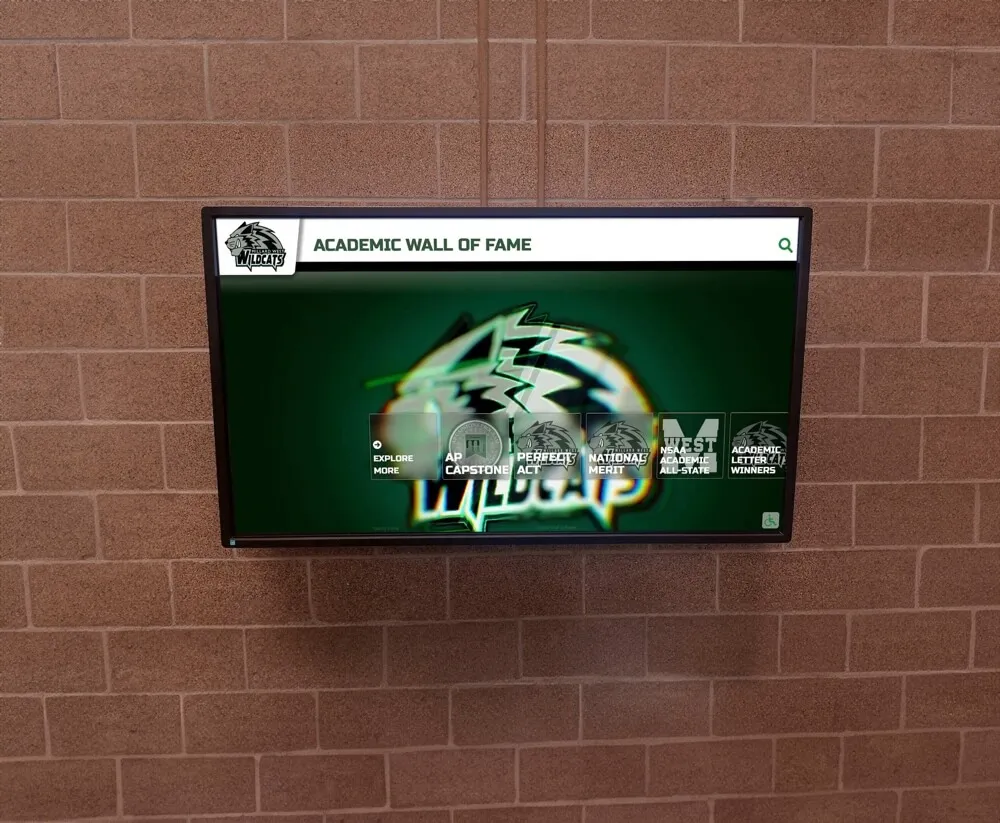
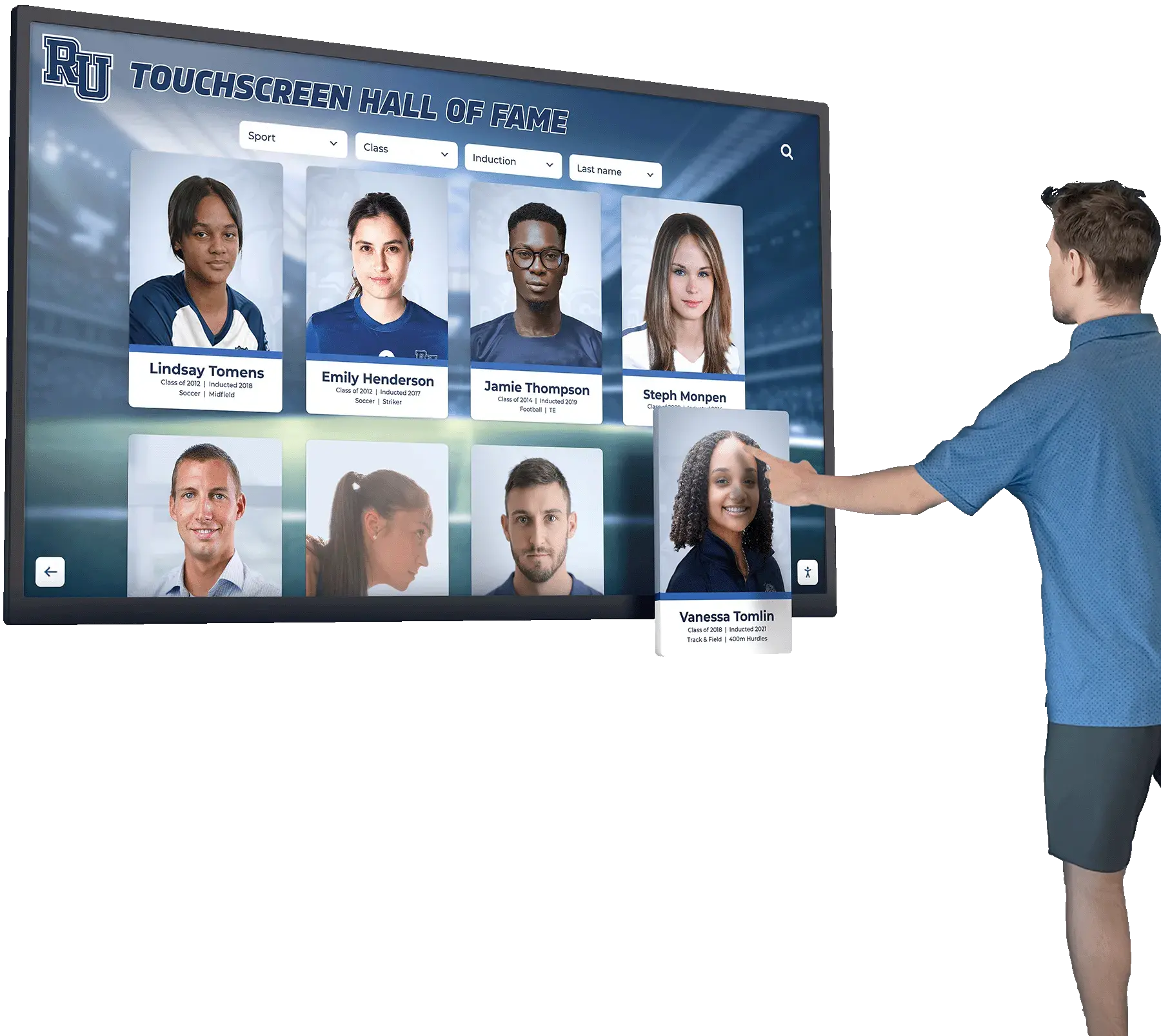
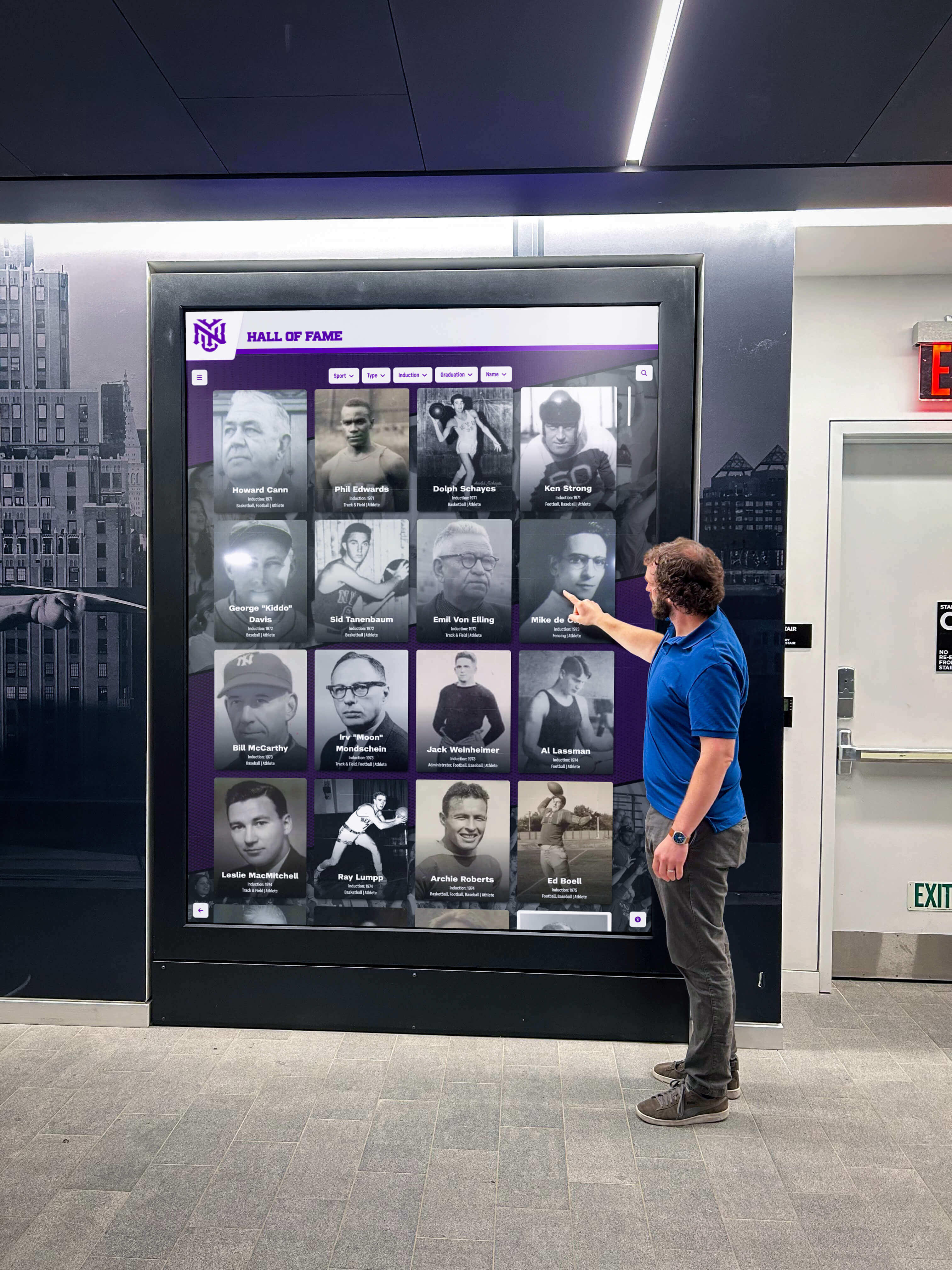
Intuitive card-based interfaces enable easy exploration of resident profiles and recognition content
Community Contribution Recognition
Parking Committee Excellence - Highlight parking committee problem-solving and policy improvements benefiting residents
Garden Committee Beautification - Showcase gardening committee members and seasonal garden transformations
Library Committee Curation - Recognize residents managing community libraries and book clubs
Technology Mentors - Honor residents helping fellow community members learn technology skills
Welcome Committee Leaders - Celebrate residents who welcome and mentor new community members
Cultural and Historical Recognition
Veteran Honor Wall - Create searchable profiles of resident veterans with service branches, ranks, and service periods
Professional Legacy Profiles - Document residents’ career achievements across diverse fields and industries
Heritage and Immigration Stories - Share resident family histories, immigration journeys, and cultural backgrounds
Historical Event Witnesses - Recognize residents who lived through significant historical events with personal perspectives
Multigenerational Family Trees - Celebrate large families with multiple generations of descendants
Interest Group and Activity Recognition
Bridge Club Championships - Track ongoing bridge game results and tournament winners
Book Club Featured Reads - Highlight book club selections, discussion leaders, and member recommendations
Walking Group Milestones - Document walking group participation and cumulative distance achievements
Bingo Champions League - Maintain ongoing bingo winner recognition creating friendly competition
Holiday Decoration Awards - Recognize apartment decoration creativity during holiday seasons
These diverse recognition applications demonstrate touchscreen platform versatility serving varied community interests while celebrating resident participation across all activity types.
Technical Considerations for Senior Living Environments
Implementing touchscreen systems in senior living facilities requires attention to population-specific requirements:
Hardware Selection for Senior Users
Equipment must accommodate senior residents’ physical capabilities:
Display Sizing and Viewing Distance
Larger displays support comfortable viewing from standard standing and wheelchair positions. Minimum 43-inch displays for individual viewing stations, 55-65 inch screens for lobby installations serving multiple viewers, and high-resolution displays preventing text pixelation supporting readability.
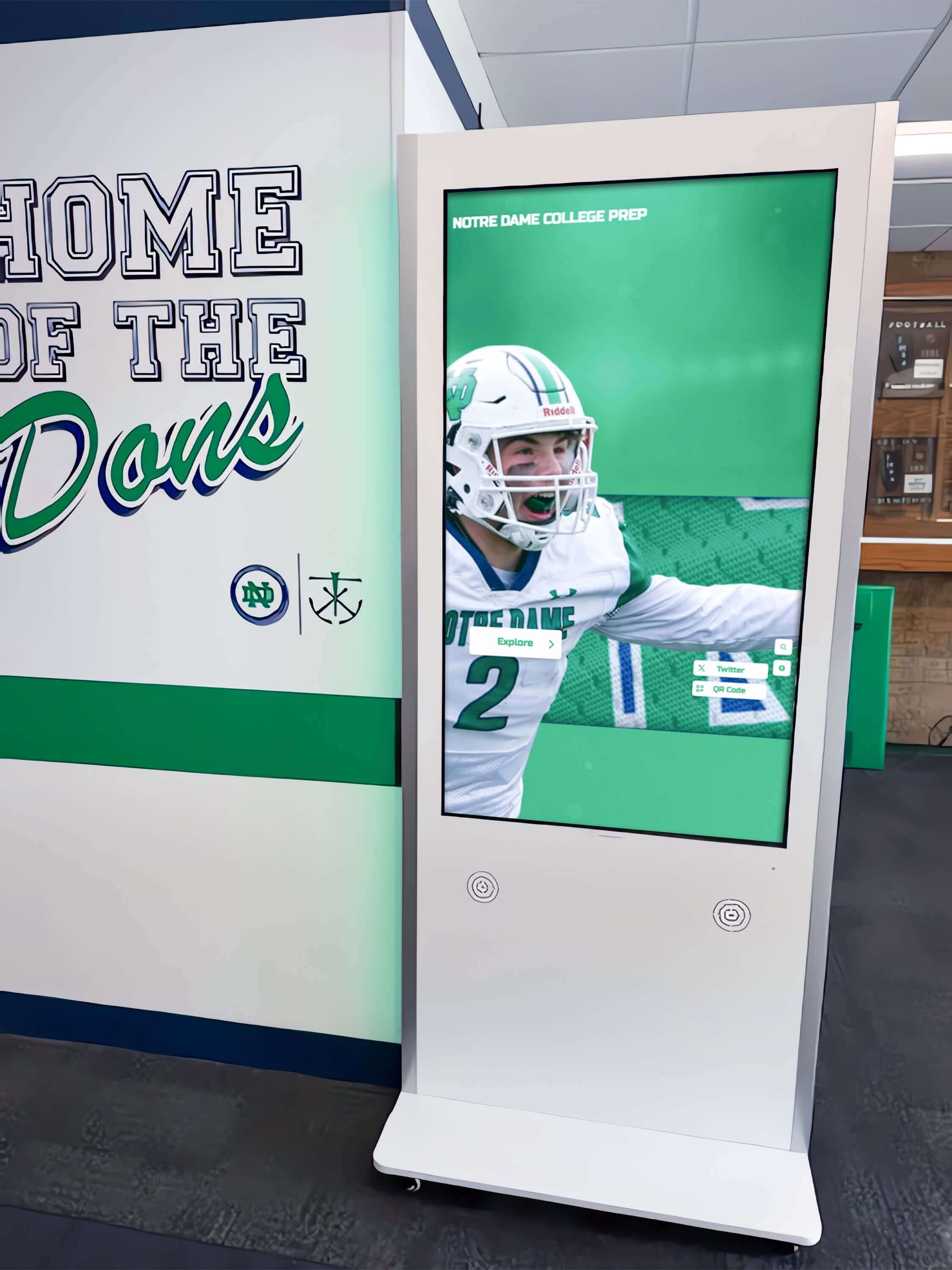
Strategic hallway placement ensures resident encounters with recognition displays during daily routines
Touch Sensitivity and Accessibility
Senior users may have reduced manual dexterity or touch sensitivity challenges requiring responsive capacitive touchscreens requiring minimal pressure, large touch targets accommodating reduced precision, adjustable sensitivity for varied abilities, and multi-touch gesture support while maintaining simple tap navigation.
Organizations serving senior populations should evaluate interactive touchscreen displays designed specifically for accessibility and ease of use.
Mounting Height and Wheelchair Access
ADA-compliant installations ensure universal access through maximum touch heights enabling wheelchair users to reach all interface elements, clear floor space accommodating wheelchair approach, angled displays reducing neck strain for seated users, adjustable mounting systems accommodating varied user heights, and glare-free positioning preventing screen washout from windows or lighting.
Facilities should consult accessibility guidelines early in planning ensuring compliant installations serving all residents regardless of mobility limitations.
Software Interface Design for Senior Residents
User interfaces must accommodate varied technical comfort and cognitive capabilities:
Simplified Navigation Structures
Complex hierarchical menus confuse users preferring straightforward paths to information. Effective interfaces use large, clearly labeled buttons with descriptive text, flat navigation structures minimizing menu depth, consistent layout and button positioning across screens, obvious “home” and “back” navigation buttons, and minimal text with clear visual hierarchy.
Senior-friendly interfaces prioritize simplicity over feature density, ensuring residents confidently use systems without frustration or assistance.
Text Sizing and Readability
Vision changes require careful typography selection through base font sizes of 24-30 pixels minimum, adjustable text sizing enabling user preference control, high contrast color schemes, sans-serif fonts improving character distinction, and generous line spacing preventing crowding.
Facilities should test interfaces with resident focus groups ensuring readability for users with varied vision capabilities before full deployment.
Timing and Interaction Patterns
Senior users may require additional time completing interactions. Supportive design includes extended timeout periods before resetting to home screens, confirmation dialogs for accidental touches, forgiving interface design preventing irreversible actions, patient response to hesitant or repeated touches, and audio feedback confirming successful interactions.
These considerations create confident user experiences rather than frustrating systems that reset before residents complete desired tasks.

Card-based selection interfaces provide familiar smartphone-like interactions suitable for varied technical backgrounds
Content Management and Administrative Workflows
Sustainable touchscreen programs require efficient content management supporting busy senior living staff:
Cloud-Based Content Management Systems
Remote administration eliminates technical barriers through web-based interfaces accessible from office computers, no specialized software or IT expertise required, template-based content creation streamlining profile development, bulk import tools accelerating initial directory population, and scheduled publishing automating time-sensitive updates.
Senior living administrators report that cloud platforms enable recognition updates in 5-10 minutes that previously required days coordinating with IT departments, facilities staff, or external vendors.
Multi-User Administration and Permissions
Distributed management prevents bottlenecks through role-based permissions supporting activity coordinators updating events, memory care staff managing resident profiles, administration controlling directory information, family access for profile updates when appropriate, and audit trails tracking content changes and responsible parties.
Clear permission structures enable appropriate staff updating relevant content independently without requiring centralized administration approval, ensuring timely updates without overwhelming single administrators.
Integration with Existing Systems
Touchscreen platforms gain efficiency through connections with existing software including resident management systems for automated directory synchronization, event management platforms for calendar integration, photo galleries and shared drive access, emergency alert systems for critical communications, and family portal systems when appropriate.
System integration reduces manual data entry while ensuring consistency between touchscreen displays and other community information systems.
Budgeting and Implementation Planning
Senior living decision-makers must understand investment requirements and expected returns:
Initial Investment Components
Comprehensive budgets address multiple cost categories including commercial-grade touchscreen displays ($3,000-$8,000 per unit), computer or media player systems ($800-$2,000), mounting and installation ($1,000-$3,000 per location), software platform licensing ($2,000-$8,000 annually for cloud systems), initial content development and migration ($2,000-$10,000), and administrator training and onboarding ($500-$2,000).
Single-display pilot implementations typically range from $8,000-$20,000 total investment while multi-location deployments across larger campuses scale to $30,000-$100,000 depending on display quantity and content complexity.
Ongoing Operational Costs
Annual expenses include software subscription renewals, content update management (internal staff time), technical support and maintenance, hardware warranty and replacement planning, and content photography and video production.
Organizations report total ongoing costs typically represent 15-25% of initial implementation investment annually, with cloud-based systems showing substantially lower maintenance costs compared to locally-hosted alternatives requiring IT department involvement.
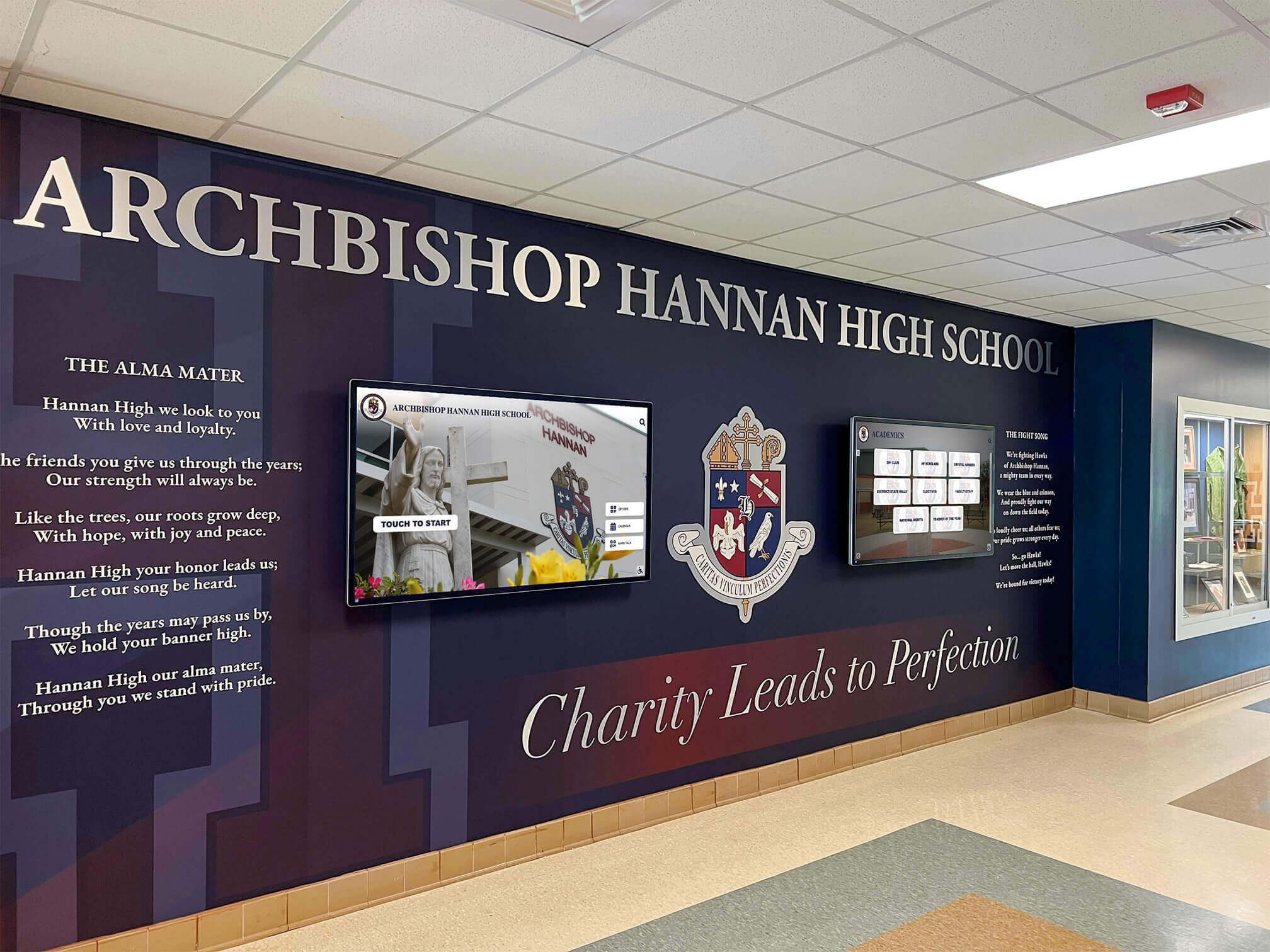
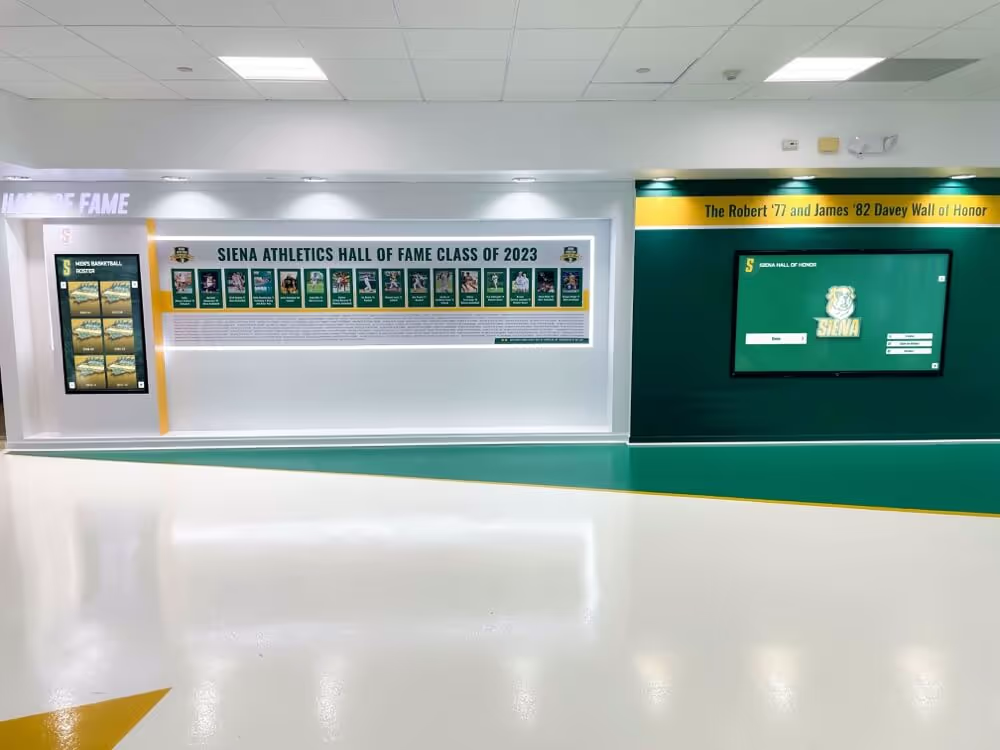
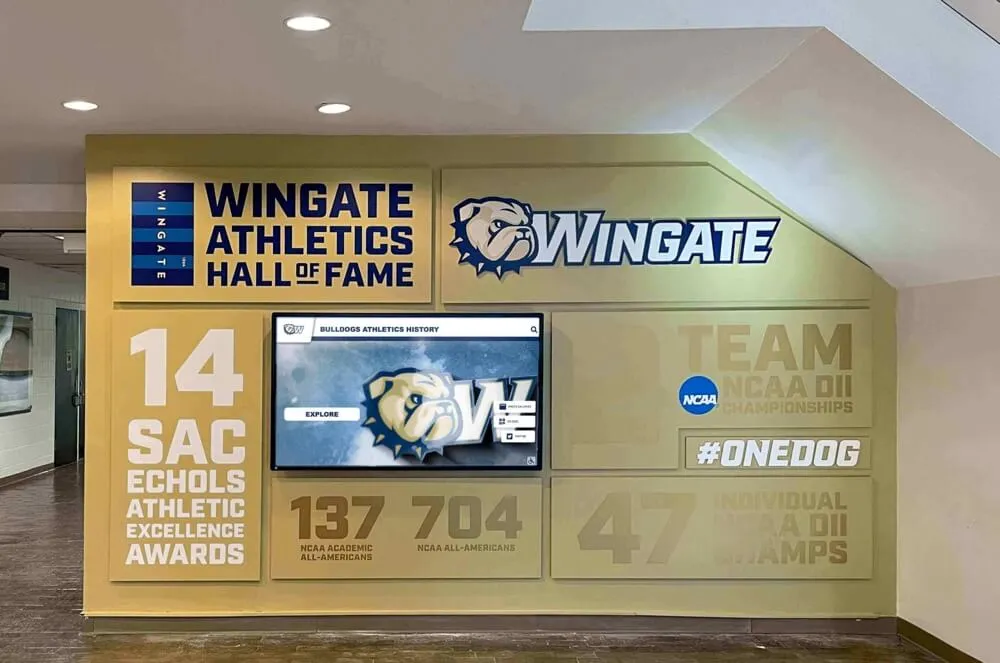
Multiple coordinated displays provide recognition capacity while enabling diverse content presentation
Return on Investment Considerations
While challenging to quantify precisely, benefits include improved tour conversion rates from prospective residents, enhanced family satisfaction and resident retention, reduced administrative time managing recognition programs, competitive differentiation in crowded markets, and improved resident engagement and community cohesion.
Senior living administrators report that visible resident recognition systems influence facility selection decisions for 60-80% of families evaluating multiple communities, making recognition investment strategic marketing expense beyond simple operational improvement.
Case Applications Across Senior Living Settings
Different facility types emphasize distinct recognition priorities:
Independent Living Communities
Active senior communities prioritize resident achievement and participation through committee leadership and self-governance recognition, activity participation and social engagement, educational and cultural program involvement, volunteer service within and beyond the facility, and fitness and wellness achievement tracking.
Independent living recognition emphasizes active lifestyle and community contribution, appealing to prospective residents seeking rich social environments and continued purpose.
Assisted Living and Memory Care
Higher-acuity settings focus on dignity and family connection through simplified directories for visiting families, staff recognition alongside resident profiles, family message boards and photo sharing, participation recognition scaled appropriately, and memorial recognition honoring departed residents.
Assisted living recognition maintains individual dignity while supporting family connections that prove increasingly important as residents require additional support.
Continuing Care Retirement Communities
Multi-level campuses serve residents across independence spectrum requiring unified recognition spanning all campus levels through community-wide directories and resident locations, recognition following residents through care transitions, committee participation across all populations when possible, memorial recognition maintaining community membership, and campus event calendars serving entire populations.
CCRC implementations create unified community identity while respecting varied capabilities across independent living, assisted living, and skilled nursing populations.
Learn about accessible digital recognition displays ensuring inclusive experiences for all residents regardless of care level or cognitive capabilities.
Staff Training and Resident Orientation
Technology succeeds only when communities understand and embrace it:
Administrator Training Programs
Content managers require systematic preparation through hands-on platform orientation and practice, content creation workshops with examples, troubleshooting common issues and support access, privacy policy implementation and resident preferences, and ongoing support resources including video tutorials.
Training sessions typically require 2-4 hours initially with follow-up sessions addressing questions arising during regular operation. Effective vendors provide comprehensive training ensuring confident independent administration.
Resident Introduction and Orientation
Community members benefit from gentle technology introduction through touchscreen demonstrations during community meetings, individual assistance sessions for interested residents, printed quick-reference guides for basic operations, staff availability for questions and assistance, and gradual feature rollout preventing overwhelming initial launches.
Most residents quickly adopt touchscreen systems when introduced patiently with appropriate support, particularly when content directly relates to their interests and community participation.
Family Engagement and Communication
Families appreciate facility investment in resident recognition through tour integration highlighting recognition systems, family portal access to touchscreen content, resident spotlight sharing via email or newsletters, invitation for family photo and biography contributions, and explanation of privacy controls and personalization options.
Family engagement creates buy-in while providing content contributions enriching resident profiles beyond administrative records.
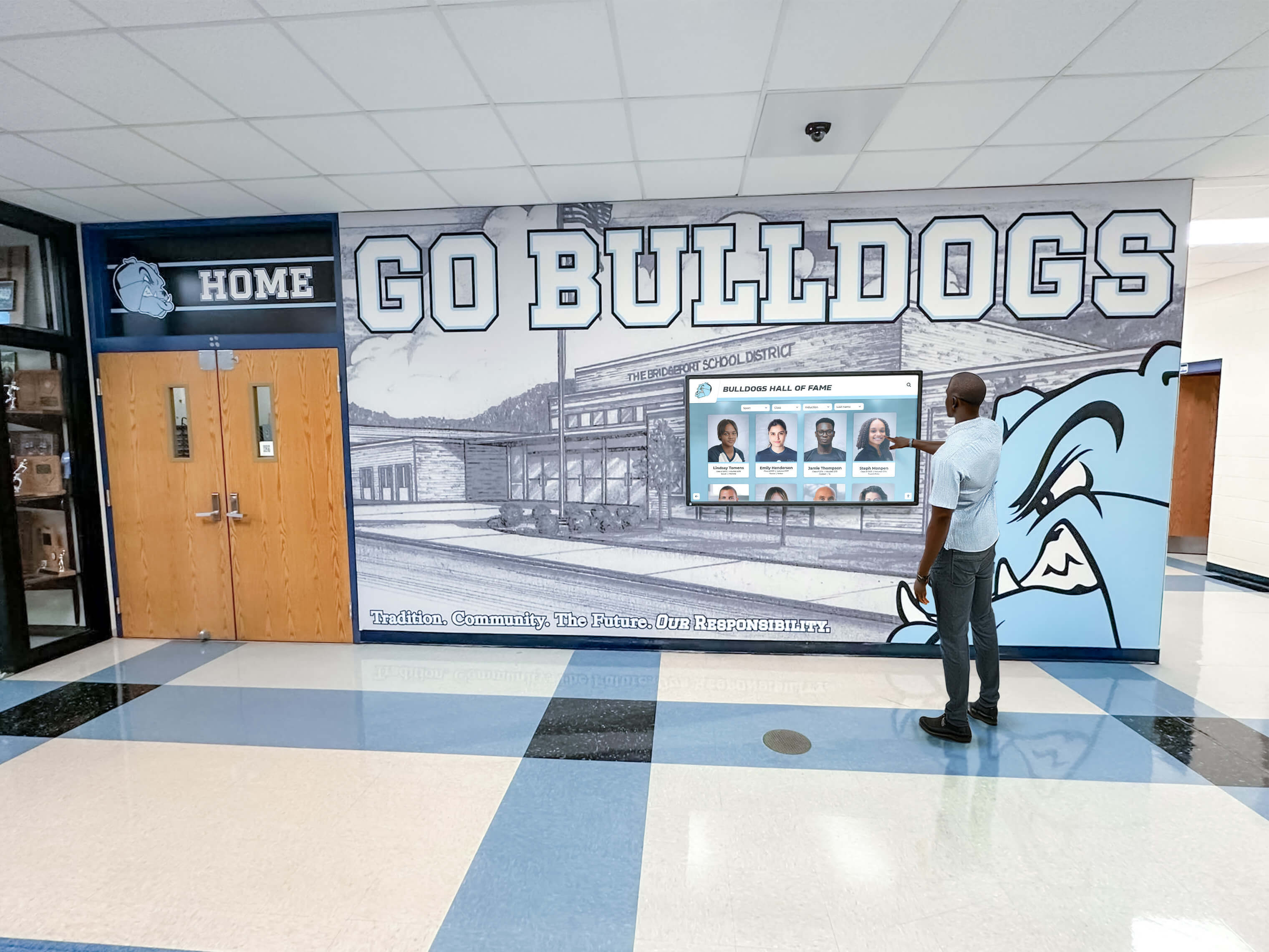
Hallway placement ensures frequent resident encounters with recognition displays during daily routines
Privacy and Ethical Considerations
Senior living recognition requires careful attention to privacy and dignity:
Informed Consent and Participation
Residents must control personal information sharing through clear opt-in consent for profile creation and photo use, explanation of information visibility and audience, ability to limit information shared publicly, family involvement in decisions when cognitive impairment exists, and periodic confirmation of continued consent.
Facilities should never assume residents desire public recognition, instead respecting individual preferences while encouraging participation.
HIPAA Compliance and Health Information
Recognition systems must scrupulously avoid health information disclosure through no diagnosis or medical condition information, no medication or treatment details, no care level or assistance requirement disclosure, generic room location without medical unit identification, and strict separation between marketing/recognition and medical records.
Facilities should consult compliance officers ensuring recognition systems respect privacy regulations while celebrating resident life and contribution.
Dementia and Cognitive Impairment Considerations
Memory care populations require sensitive approaches through simplified information suitable for varied cognition, emphasis on visual recognition over text, family involvement in content creation and consent, recognition maintaining dignity during capability changes, and memorial transitions handled sensitively with family input.
Facilities serving memory care populations should carefully consider whether touchscreen systems enhance or complicate resident experience, prioritizing dignity over technology implementation.
Implementation Roadmap for Senior Living Facilities
Systematic rollout ensures successful adoption and sustainable operation:
Phase 1: Planning and Pilot (Months 1-2)
Initial groundwork includes needs assessment and stakeholder input gathering, vendor evaluation and platform selection, pilot location identification with high visibility, budget approval and timeline establishment, and committee formation for content and policy guidance.
Phase 2: Pilot Launch (Months 3-4)
Limited deployment tests approach through hardware installation at pilot location, initial content development for core applications, administrator training and handoff, soft launch with staff and resident council preview, and feedback collection informing refinement.
Phase 3: Community Rollout (Months 5-6)
Broader deployment extends success through additional display installations at priority locations, comprehensive content expansion across all programs, community orientation and training sessions, official launch celebration and promotion, and family communication and engagement initiatives.
Phase 4: Optimization (Months 7-12)
Ongoing refinement ensures sustained success through content refresh and expansion, analytics review and interface optimization, resident feedback collection and responsiveness, staff training refreshers, and documentation of best practices and lessons learned.
Phased implementation reduces risk while building organizational confidence and community buy-in through demonstrated success before comprehensive deployment.
Conclusion: Celebrating Resident Dignity Through Technology
Touchscreen awards and digital recognition displays transform senior living environments from institutional settings into vibrant communities where every resident receives acknowledgment of life achievements, current contributions, and community membership. The most successful implementations focus relentlessly on what matters most to senior living populations: maintaining individual dignity, preserving memories, celebrating participation, facilitating connections, and creating environments that honor the fullness of resident life.
Traditional recognition approaches including printed directories, cork board announcements, and static memorial plaques impose artificial limitations forcing administrators to choose whose contributions receive visibility while creating update delays that reduce recognition timeliness and impact. These constraints prove particularly problematic in senior living where resident transitions, committee membership changes, and memorial recognition require frequent updates that traditional systems handle poorly.
Modern touchscreen platforms like Rocket Alumni Solutions eliminate these fundamental limitations through unlimited recognition capacity ensuring every resident receives appropriate acknowledgment, cloud-based administration enabling immediate updates from any internet-connected device, intuitive interfaces accessible to residents with varied technical backgrounds, comprehensive accessibility features accommodating vision and mobility challenges, and flexible privacy controls respecting individual preferences and family involvement.
Transform Your Senior Living Recognition Programs
Discover how touchscreen recognition displays designed specifically for senior living communities can celebrate resident achievements, simplify administrative updates, and create engaging experiences that honor every community member—without overwhelming your staff or requiring technical expertise.
Schedule a DemoThe twenty recognition ideas explored in this guide demonstrate touchscreen platform versatility serving diverse senior living needs from parking committee acknowledgment through memorial recognition, neighbor of the week programs through veteran honor walls. This flexibility ensures technology investment serves multiple purposes rather than single-use applications with limited value.
Senior living communities implementing comprehensive touchscreen recognition report improved tour conversion rates as prospective residents and families observe vibrant community life and resident value, enhanced current resident satisfaction and engagement through visible acknowledgment, reduced administrative burden managing recognition and directory updates, competitive differentiation in crowded senior living markets, and strengthened community cohesion as residents explore fellow member profiles building connections.
Technical considerations including hardware accessibility, senior-friendly interface design, and simplified administration ensure systems serve senior populations effectively rather than creating frustration or exclusion. Careful attention to privacy, informed consent, and HIPAA compliance maintains resident dignity while celebrating contributions and community membership.
Begin by assessing current recognition challenges and missed opportunities in your community. Engage residents, families, and staff gathering input about recognition priorities and preferences. Evaluate touchscreen platforms designed specifically for senior living applications with appropriate accessibility features, content management simplicity, and vendor support. Then implement systematically starting with pilot deployment demonstrating value before comprehensive rollout.
Your residents’ life achievements, current contributions, and community participation deserve recognition reflecting the dignity and respect they merit. With thoughtful planning, appropriate technology selection, and person-centered implementation, touchscreen recognition displays can transform your senior living environment into a community where every resident feels valued, acknowledged, and celebrated throughout their time in your care.
Ready to explore how touchscreen recognition can enhance your senior living community? Discover how solutions designed specifically for senior living help facilities nationwide celebrate resident dignity while simplifying administrative recognition management.