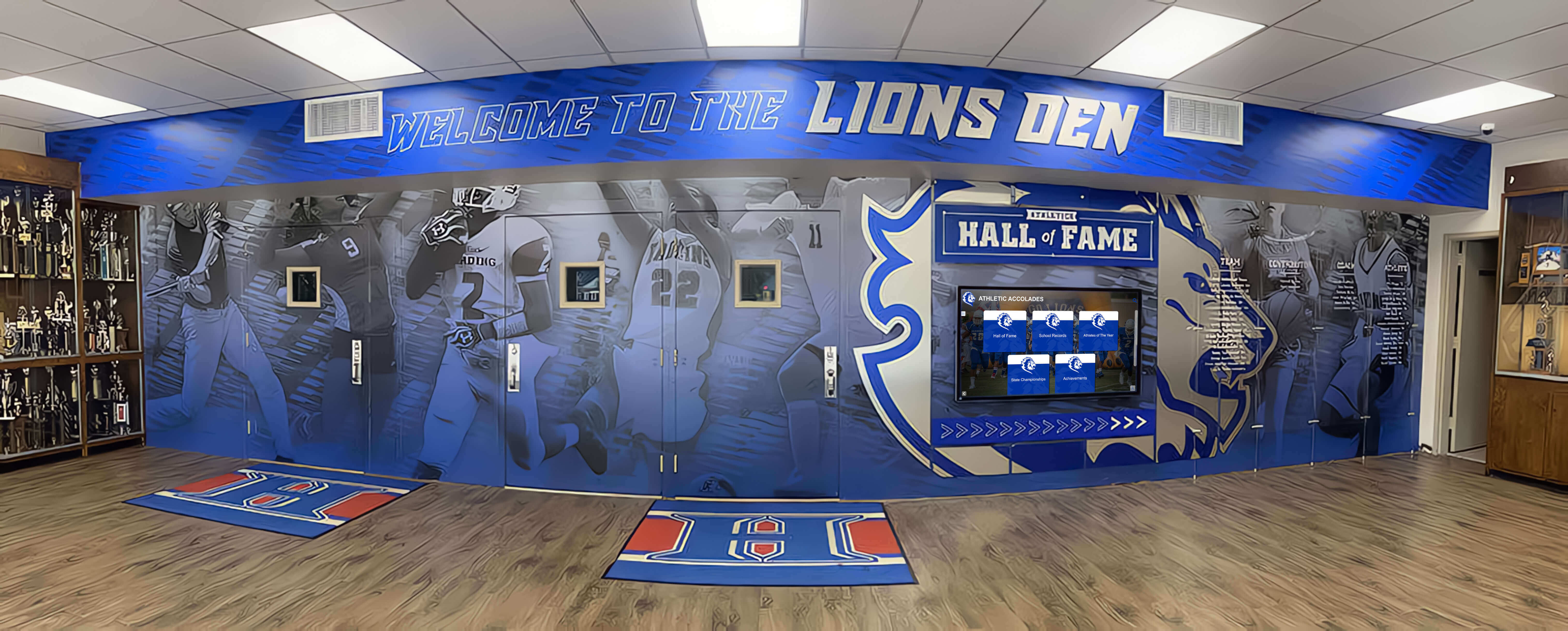
The Easiest Touchscreen Solution


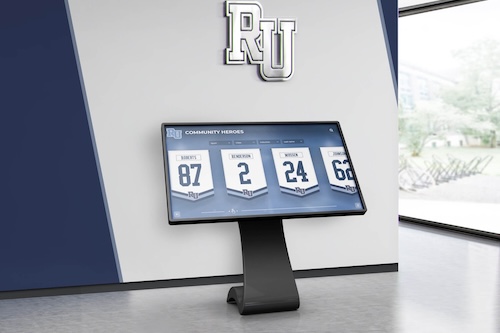

Live Example: Rocket Alumni Solutions Touchscreen Display
Interact with a live example (16:9 scaled 1920x1080 display). All content is automatically responsive to all screen sizes and orientations.
Microcrystalline wax is a protective coating that conservators sometimes apply to metal objects — including display-case trophies, championship cups, and engraved plaques — when environmental controls alone are insufficient to slow corrosion or tarnish. It is not a routine cleaning product, and it is not appropriate for every metal surface in a school trophy case. Before a school athletic program considers wax as part of its preservation approach, the collection items need to be assessed against a specific set of criteria: what is the substrate, what coatings or plating already exist, how porous is the surface, and is the treatment reversible if circumstances change. This checklist walks athletic directors, facilities staff, and recognition program administrators through that assessment in a structured sequence.

A school trophy case holds decades of championship hardware — not all of it shares the same substrate, coating history, or surface porosity, and those differences determine whether microcrystalline wax is appropriate for any individual item
Why Microcrystalline Wax Requires a Decision Checklist
The Canadian Conservation Institute’s guidance on metal objects states directly that coatings — including wax — “are not recommended” as a first response to metal deterioration in collection settings, because of the difficulty of applying them evenly and of removing them when necessary. The same source notes that coatings “may, in some instances, have net benefits,” particularly for objects on open display or those that are handled by visitors.
That conditional framing is the reason a decision checklist matters. Wax is not universally wrong, and it is not universally right. Applied to the wrong substrate — a rough, porous cast surface, for example — microcrystalline wax is described by conservation authorities as “extremely difficult to remove.” Applied to a copper-based metal without specialist oversight, wax residues containing fatty acids can react with the metal surface to produce green corrosion products (copper soaps), making the condition worse than before treatment. Applied over an existing lacquer coating, wax can complicate future conservation by trapping moisture and debris between layers.
A school that works through this checklist before any wax application avoids decisions that cannot be undone.
The checklist also serves a documentation function. When a specialist does apply a protective coating to an award, the pre-treatment condition record becomes the baseline for every future inspection. Schools building modernized athletic recognition displays that combine physical hardware with digital records benefit from that documentation discipline on both sides — physical condition logged, digital record preserved.
Before You Begin: Document the Item with Photographs
Regardless of how the checklist resolves, every item assessed should be photographed before the assessment begins. Digital photographs taken under overhead light and under low-angle raking light preserve the item’s pre-assessment condition in enough detail to detect changes at the next inspection cycle. For metal awards, photograph:
- Full item from the front under overhead lighting
- Full item from the front under raking light (flashlight held at 10–20 degrees to the surface) — this reveals surface texture, pitting, and existing coating imperfections that flat lighting hides
- Close-up of engraved or stamped text areas
- All joints, seams, and hardware connections
- The underside of the base, if accessible without removing the item from display
- Any areas of existing tarnish, corrosion, or surface anomaly identified during initial observation
File these photographs with the item’s inventory record. Do not touch, polish, or apply any product to the item before the pre-assessment photographs are complete. The photograph is the evidence; cleaning before photographing destroys it.
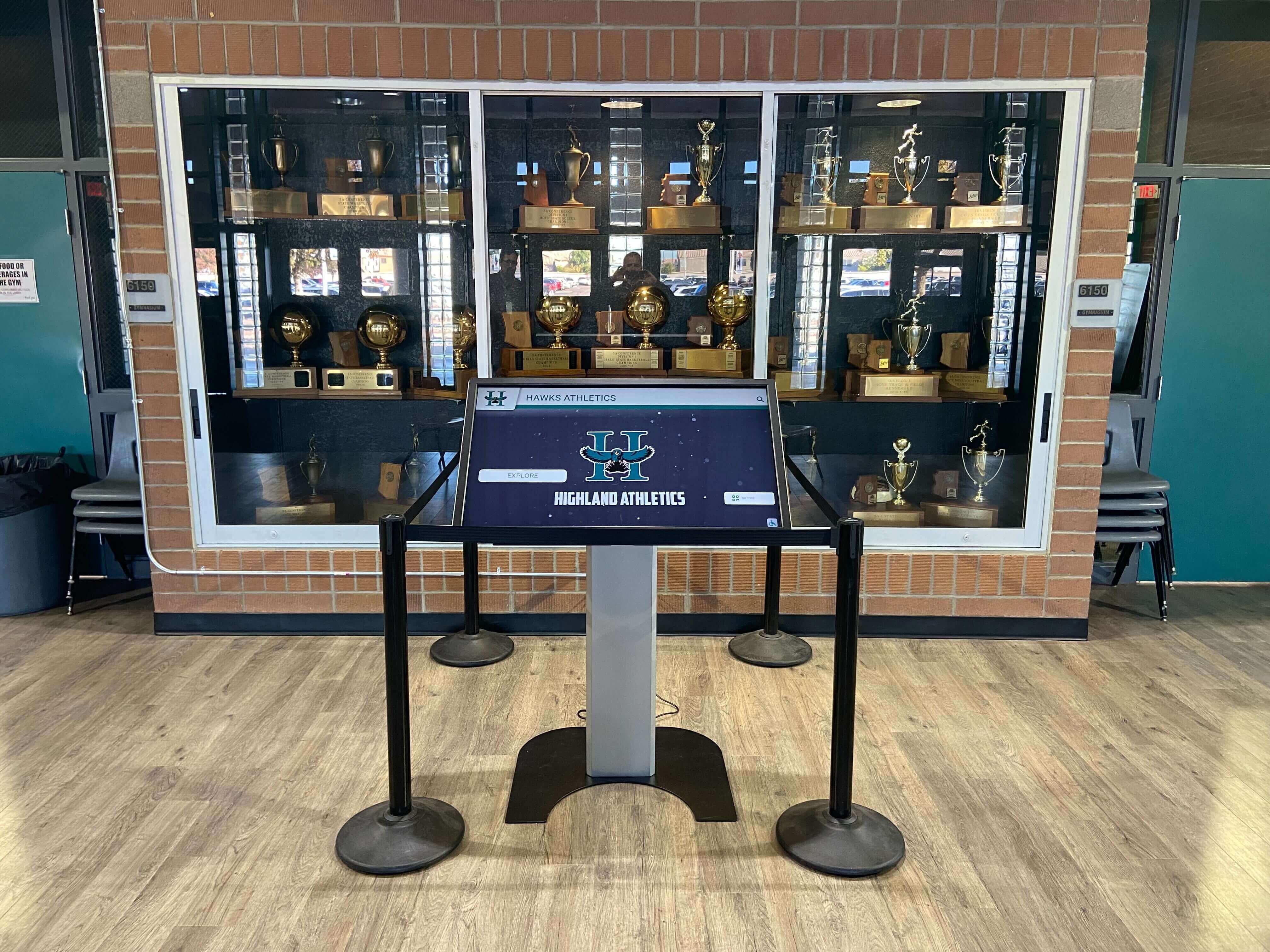
Pre-assessment photographs create a reference baseline for every item considered for protective treatment — and a digital recognition platform can link those images directly to each item's achievement record
Checklist Step 1: Substrate Identification
Microcrystalline wax interacts differently with different metal substrates. A checklist that does not begin with substrate identification cannot produce a reliable recommendation for any individual item.
Work through the following substrate identification questions for each item being assessed. Record your findings in the item’s condition log before proceeding to Step 2.
| Substrate Identification Question | Guidance |
|---|---|
| Is the item solid metal or plated? | Look for stamps such as “E.P.N.S.” (electroplated nickel silver), “E.P.” (electroplated), or “Sheffield Plate.” An item marked silver-plated has a thin silver layer over a base metal — typically copper or a copper-nickel alloy. Solid silver items are typically stamped with a purity mark (925, Sterling, or national hallmark). Most school trophies with a silver appearance are silver-plated, not solid silver. |
| What is the base material? | For plated items, the base metal affects corrosion risk. Copper-based alloys (copper, brass, bronze, nickel silver) are the most common bases for silver-plated trophies and plaques. Zinc die-cast is common in trophy figurines. Iron or steel may appear in trophy hardware, internal supports, or older cup cores. The base metal affects how wax residues interact with the surface if the plating has thinned or failed. |
| Is the item a copper-based alloy (brass, bronze, copper)? | Wax and oil residues containing fatty acids can react with copper, brass, and bronze surfaces to produce green corrosion products (copper soaps). An unplated brass plaque or bronze commemorative piece carries a specific risk that does not apply to silver-plated or chrome-plated items. Flag these items for conservator consultation rather than routine wax assessment. |
| Is the item zinc die-cast? | Zinc figurines are common in manufactured school trophies. They are dimensionally vulnerable (subject to “zinc pest” in susceptible alloys), and their surface porosity varies. Wax on porous zinc surfaces is difficult to apply evenly and may not be appropriate without specialist assessment. |
| Is the item chrome-plated? | Chrome plating is harder and less porous than silver plating and provides its own corrosion resistance. Wax is rarely indicated as a protective measure on intact chrome-plated surfaces, which do not tarnish in the same way silver-plated items do. |
If the substrate cannot be identified with confidence: Do not proceed to wax consideration. Record “substrate unknown” in the condition log and flag the item for conservator assessment. Applying any treatment to an item of unknown composition is a risk that is not justified by potential protective benefit.
For school athletic programs that include a wide range of award types — including all-conference awards, championship hardware, and commemorative plaques — resources that explain the range of award formats recognized in school athletic programs, such as guides to all-conference awards in high school athletics, are a useful context for understanding the diversity of metal items that may be held in a single collection.
Checklist Step 2: Surface Condition and Existing Coatings
Before wax is appropriate as a consideration, the item’s current surface condition and any existing protective coatings must be assessed. Wax applied over a failing lacquer, over active corrosion, or over previous wax residue does not provide protection — it complicates future treatment.
| Surface Condition Check | What to Look For | Action if Present |
|---|---|---|
| Is there an existing lacquer coating? | Lacquered surfaces typically have a slight plastic sheen. Look for areas where the lacquer has cracked, yellowed, lifted, or shows peeling edges — often first visible at joints, edges, or engraved lines. | Do not apply wax over failing lacquer. Failing lacquer requires conservator assessment; wax would trap debris under the failing layer. Intact lacquer already provides a barrier; adding wax without removing the lacquer first is not standard practice. |
| Is there active corrosion present? | Powdery green deposits (verdigris), orange-brown flaking rust, white powdery spots, or dark pitting in engraved areas are signs of active corrosion. | Do not apply any coating to an item with active corrosion. Active corrosion requires conservator treatment. Sealing corrosion products under a wax layer traps moisture and corrosion agents and can accelerate the damage. |
| Has the plating thinned or failed? | On silver-plated items, look for areas where the surface appears yellowish or copper-colored — the base metal showing through where the silver layer has been removed. | Wax is not appropriate for items with significant plating loss. Where the base metal is exposed, the wax-metal interaction changes based on the base material (see copper-based alloy note in Step 1). Flag for conservator assessment. |
| Are there areas of previous wax application? | Old wax residue may appear as a dull or slightly waxy surface film, often visible at engravings or in recesses where wax accumulated during a past application. | Layering new wax over old wax residue without removing the previous layer is not recommended. Previous wax must be assessed for condition and removed by an appropriate method before new application. |
| Are there previous polish residues? | A pale green corrosion characteristic of certain metal polish residues reacting with copper alloys is sometimes found on brass or bronze items that have been polished with general-purpose cleaners. | Polish residues should be removed by a conservator before any protective coating is applied. Wax over polish residue does not neutralize the chemical activity of the residue. |
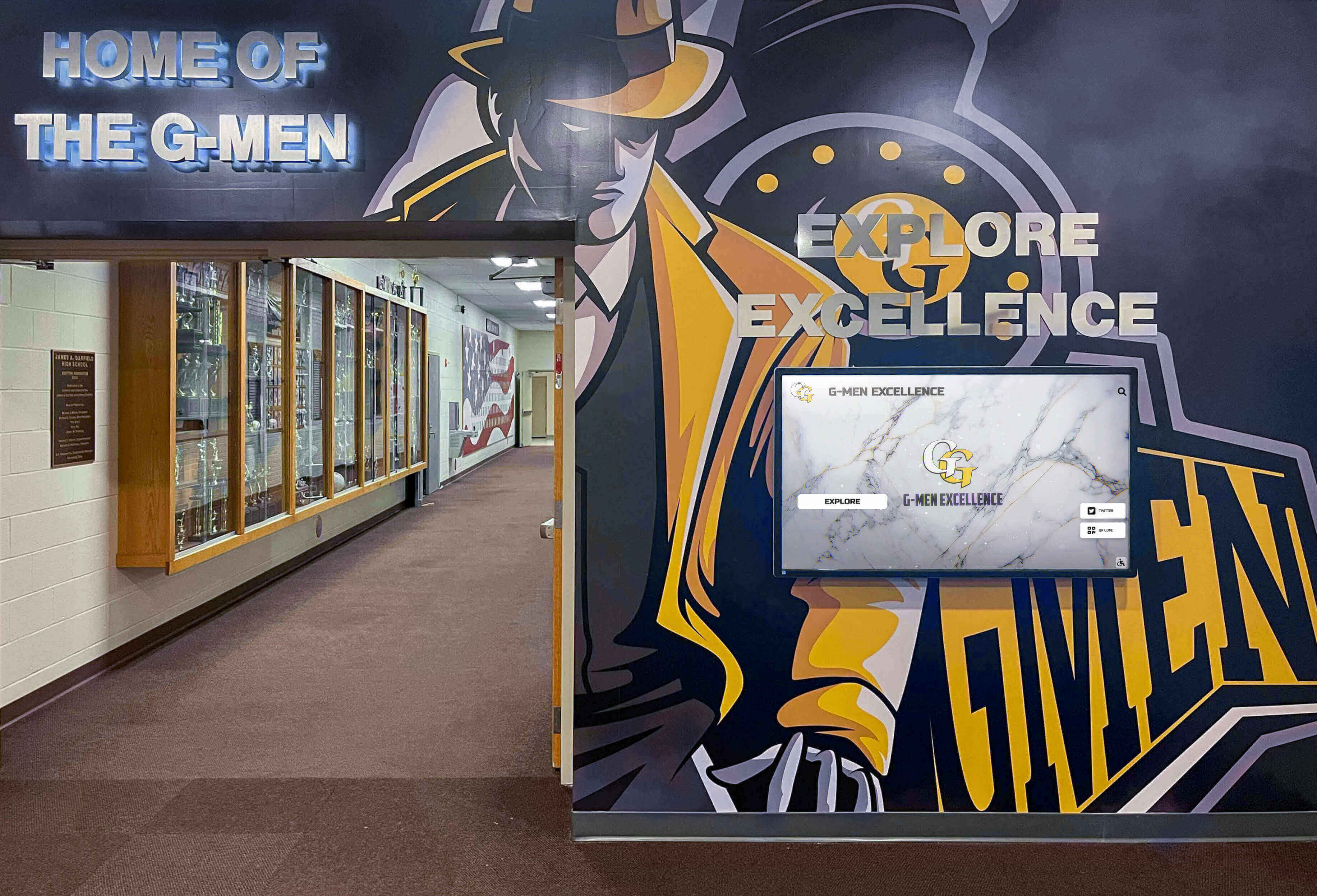
Trophy cases that hold championship hardware from multiple decades may include items with lacquer coatings, items that have been previously polished, and items with varying degrees of plating wear — surface condition assessment is essential before any protective coating decision
Checklist Step 3: Porosity and Surface Texture Assessment
The Canadian Conservation Institute guidance identifies porosity as a key factor in wax suitability: wax applied to rough, porous surfaces is “extremely difficult to remove,” which compromises future treatment options and can trap particles that accelerate corrosion. This step assesses surface texture.
- Assess surface texture visually and under raking light. Highly polished, smooth metal surfaces (mirror-finish trophy cups, chrome-plated items, smooth-faced engraved plaques) have lower porosity than cast or textured surfaces.
- Note any cast or textured areas. Trophy figurines, decorative relief elements, and commemorative medallions with raised detail are often cast rather than machined, producing a more porous surface texture.
- Note any areas of surface roughness not present at the last inspection. Surface roughness that has developed since the last documented condition check may indicate corrosion-related material loss rather than the original surface texture.
Wax on a highly polished, smooth-surfaced metal item carries a lower removal risk than wax on a cast figurine with detailed surface relief — but the Canadian Conservation Institute also notes that wax “may not be aesthetically desirable on highly polished metals,” which is an additional factor to weigh for display items that will remain in a public case.
Cast surfaces with significant depth and detail — particularly zinc or bronze figurines — fall into the category where wax removal is difficult and specialist consultation is appropriate before any treatment decision.
Checklist Step 4: Reversibility and Treatment Documentation
Conservation best practice requires that treatments be reversible: that is, the treatment can be removed in the future without damaging the object, so that a conservator twenty years from now has the same options as a conservator today. Microcrystalline wax on smooth metal surfaces is generally considered reversible under appropriate conditions. On porous or textured surfaces, it is not.
Complete the following documentation steps for any item being evaluated:
- Record substrate and surface condition findings from Steps 1–3 in the item’s condition log. The log entry should name the metal type, note any existing coatings, record surface condition findings, and include the date and the name of the person completing the assessment.
- Confirm that the pre-assessment photographs are filed and linked to the item’s inventory record.
- Record the reason wax is being considered. Is this item on open display and handled during events? Is the case environment difficult to control (a gymnasium lobby or exterior corridor with seasonal humidity variation)? Conservation decisions should be documented so that future staff understand why a treatment was applied.
- Record who will apply the treatment. Microcrystalline wax application — even when appropriate — should be performed by or with the direct guidance of a qualified conservator for any item of significant historical value. Schools should not treat wax as a self-service cleaning product.
- Plan the post-treatment inspection interval. A wax coating is not permanent. It requires periodic re-assessment and reapplication, and the condition of the coating must be monitored. Set a specific follow-up inspection date — typically within six to twelve months of treatment — and log it.
Decision Table: Go / No-Go for Wax Consideration
Use this table after completing Steps 1–4. Any single “No-Go” finding means wax is not appropriate for that item without prior conservator consultation.
| Assessment Factor | Go | No-Go — Conservator Consultation Required |
|---|---|---|
| Substrate identified? | Substrate is known and documented | Substrate unknown or uncertain |
| Copper-based alloy (unplated)? | Item is not an unplated copper, brass, or bronze surface | Unplated copper, brass, or bronze — fatty acid risk present |
| Existing lacquer? | No lacquer present, or lacquer has been professionally removed | Lacquer present (intact or failing) |
| Active corrosion? | No active corrosion; surface is stable | Any powdery, flaking, or spreading corrosion deposit |
| Plating intact? | Plating is intact with no visible base metal exposure | Plating thinned or failed, base metal visible |
| Previous wax or polish residue? | No previous wax or residue, or professionally removed | Previous wax or polish residue present |
| Surface texture? | Smooth, polished surface; low porosity | Cast, textured, or rough/porous surface |
| Historical significance? | Routine display item with documented provenance | Irreplaceable historical piece; unique or one-of-a-kind |
| Aesthetic acceptability? | Matte or brushed-finish surface where wax effect is acceptable | Highly polished mirror finish where wax dulls the appearance |
| Application by qualified person? | Conservator or conservator-supervised application planned | Untrained application by facilities or volunteer staff only |
An item that clears all rows as “Go” is a candidate for wax consideration — not a confirmed treatment. The final decision belongs to the conservator who physically examines the item before any product is applied. The checklist determines whether it is worth consulting a conservator about this item, not whether wax is definitely appropriate.
Championship hardware collections spanning multiple decades include items with different substrates, surface histories, and display environments — each warrants individual assessment before any protective treatment is considered
Environmental Controls Come First
The Canadian Conservation Institute guidance on metal objects is explicit that coatings are “an insufficient remedy” compared to addressing the environmental conditions that drive corrosion. Before a school considers any protective coating for metal awards, the display environment itself should be assessed:
- Relative humidity (RH): Maintaining interior humidity below 65% RH is the most impactful control available. Conservation guidance identifies 65% RH as a threshold above which corrosion accelerates significantly on most metals. Cases in gymnasium lobbies, exterior-facing corridors, and ground-floor entries are at elevated risk during humid seasons.
- Pollutant sources: Sulfur-containing gases tarnish silver at concentrations below the odour threshold. Wood backing panels inside sealed cases can emit acetic acid as they age (a vinegar-like smell when the case is first opened is a diagnostic indicator). Felt liners may contain sulfur compounds that contact silver and copper-alloy surfaces directly.
- Silica gel desiccant: Silica gel packets inside sealed cases reduce interior humidity and slow corrosion without the risks associated with coating application. They require periodic replacement and should be included in the inspection schedule.
When environmental controls are appropriate and in place, many metal display items — particularly those in climate-controlled buildings with sealed, well-maintained cases — may not require any protective coating at all. The decision to evaluate wax is relevant primarily when environmental controls are limited or when items are on open, unenclosed display where handling contact is likely.
Schools comparing how physical trophy collections are managed alongside interactive recognition platforms will find useful context in resources examining the differences between digital hall of fame displays and traditional trophy cases — particularly regarding the environmental maintenance burden that physical collections require over time.
When a Conservator Makes the Call
The role of this checklist is to identify items that are plausible candidates for wax consideration and to document the pre-treatment condition in enough detail for a conservator to begin their own assessment. The checklist does not replace that assessment.
A qualified metal conservator — one with objects or decorative arts conservation specialization — can determine alloy composition, assess plating thickness and integrity, identify active versus stable corrosion, select the appropriate microcrystalline wax product and application method for the specific substrate, and document the treatment in a format suitable for institutional records. They can also advise on whether wax is the right choice at all, or whether a different approach — improved case sealing, silica gel desiccant, targeted pollutant control — would achieve better results without the risks of coating application.
The American Institute for Conservation (AIC) maintains a conservator directory searchable by specialization and region. State historical societies and museum associations also maintain referral resources. For high-value championship hardware or irreplaceable commemorative pieces, a conservator consultation is a proportionate investment relative to what is being preserved.
Do not apply microcrystalline wax — or any protective coating — to a historically significant trophy, plaque, or award without professional guidance.
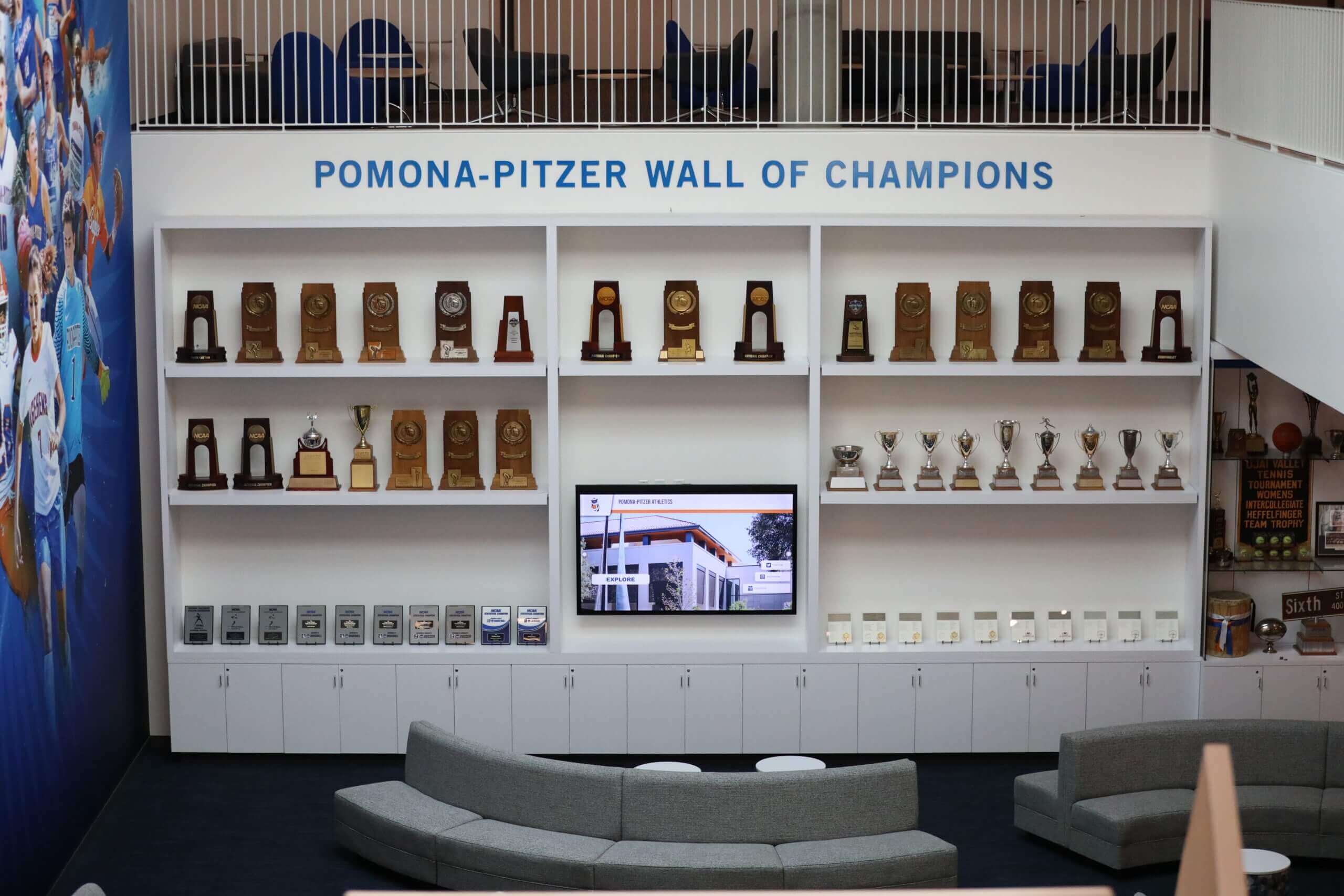
A well-managed trophy display serves as the physical record of a school's athletic history — both the hardware and its condition documentation belong in the institution's permanent records
How Digital Records Support Physical Conservation
One of the most practical steps a school can take before any physical treatment of a metal award is to create a high-resolution digital record of the item. A digital photograph captures the detail, inscriptions, and condition of a championship trophy in a format that does not degrade over time, is not affected by relative humidity or sulfur pollutants, and is accessible to future administrators regardless of what happens to the physical item.
Schools that maintain digital records alongside physical trophy collections are building a form of redundancy that physical preservation alone cannot provide. When a conservator eventually treats a corroded plaque, the pre-treatment photographs confirm what the item looked like before intervention. When a 1970s championship trophy is assessed decades later by staff who were not present when it was acquired, the digital record provides provenance that the object itself may not carry.
Recognition programs that integrate digital documentation with physical display management are increasingly common at schools considering their long-term preservation responsibilities. The comparison between what digital and physical formats each do well — and what they each cannot do — is covered in depth in discussions of digital hall of fame displays versus traditional trophy cases.
For school programs that are digitizing athletic histories alongside managing physical collections, digital yearbook and hall of fame display platforms illustrate how digital and physical records complement each other in practice.
Frequently Asked Questions
What is microcrystalline wax, and how is it used on metal awards?
Microcrystalline wax is a petroleum-derived wax used in conservation as a protective coating for some metal objects. Unlike paraffin wax, it has a finer crystal structure that produces a more uniform film on metal surfaces. According to the Canadian Conservation Institute’s guidance on metal objects, microcrystalline wax paste can be gently applied and warmed with hot air to spread it evenly. It is considered for objects on open display or those designated for handling when environmental controls alone are insufficient — but conservation authorities note that coatings in general are not the first-line recommendation, and that applying them unevenly or to unsuitable surfaces can initiate corrosion rather than prevent it.
Why doesn’t every metal trophy qualify for wax treatment?
Several factors disqualify specific items. Unplated copper-based alloys (brass, bronze) carry a risk that fatty acids in wax residues will react with the copper to form green corrosion products. Items with active corrosion should never have a coating applied over the corrosion products. Items with existing lacquer coatings present a layering problem. And items with rough or porous surfaces — cast zinc figurines, textured commemorative medals — are difficult or impossible to treat reversibly, because wax on porous surfaces is extremely difficult to remove without damaging the underlying material.
Can school staff apply microcrystalline wax themselves?
For historically significant or irreplaceable items, no. Conservation literature and professional guidelines consistently recommend that protective coatings be applied by or under the direct supervision of a qualified conservator. For very low-value items with no historical significance, some light protective treatment may be within the scope of a careful facilities team — but those items are rarely the ones driving the preservation concern. Any item worth protecting is, by that definition, worth protecting correctly.
Does wax harm silver-plated trophies?
Silver-plated items are among the substrates where wax is more commonly considered — silver tarnishes in the presence of sulfur compounds, and a barrier coating can slow that process. However, silver plating is very thin, and the plating risks being compromised by any abrasive application. Wax on silver-plated items should be applied without rubbing pressure that could affect the plating layer, and only after the plating has been confirmed intact. The Canadian Conservation Institute also notes that wax may not be aesthetically desirable on highly polished metals — a consideration for display pieces where appearance is central to their purpose.
How often does a wax coating need to be reapplied?
There is no universal interval — it depends on the environment, the metal type, the quality of the initial application, and the traffic exposure of the display. Conservation guidance recommends monitoring coated items at regular intervals and reapplying when the coating shows signs of failure (uneven coverage, dull spots, visible tarnish through the coating). A conservator who applies the initial treatment should advise on the re-inspection schedule appropriate for the specific items and environment.
What is the relationship between the wax checklist and the school’s broader trophy case inspection program?
The microcrystalline wax decision checklist is a specialized assessment within the broader trophy case preservation program — one that activates when metal items are being evaluated for protective coating. It does not replace routine corrosion inspections, artifact handling protocols, or environmental monitoring. Schools that already conduct annual metal condition inspections and maintain documented inventory records will find that this checklist fits naturally into that framework: the substrate and condition data gathered during routine inspections becomes the starting point for wax suitability assessment when the question arises.
Preserve Every Achievement — Physically and Digitally
Rocket Alumni Solutions builds cloud-managed digital trophy cases and recognition displays for schools nationwide — unlimited record capacity, high-resolution athlete and award profiles, ADA WCAG 2.1 AA compliant touchscreens, QR code access for alumni and families, and remote content updates without IT tickets. See how a digital recognition platform complements your physical trophy case preservation program and keeps your school's athletic legacy accessible for every generation of students, families, and alumni.
Book A DemoLive Example: Rocket Alumni Solutions Touchscreen Display
Interact with a live example (16:9 scaled 1920x1080 display). All content is automatically responsive to all screen sizes and orientations.