



Intent: define — a school trophy case door closer inspection is the systematic check of door alignment, latch engagement, and closing speed that protects trophies, plaques, and memorabilia from dust, humidity, and accidental impact. Facilities teams that schedule this inspection quarterly catch hardware wear before it becomes a display-threatening failure. This guide provides a repeatable protocol that requires no specialized equipment beyond a tape measure, a feeler gauge, and a stopwatch.
School trophy cases hold irreplaceable objects: state championship trophies, retired jerseys, signed game balls, framed certificates, and decades of team photographs that cannot be reproduced. A door-closer mechanism that drifts out of alignment, fails to latch fully, or swings at unsafe speed puts that entire collection at risk every day. Yet door-closer hardware typically receives attention only after something goes wrong—a hinge fails, a glass panel cracks, or a custodian discovers a case standing open on a Monday morning.
Building a systematic inspection into the facilities calendar changes that pattern. By checking three specific failure modes—misalignment, incomplete latching, and unsafe closing speed—on a regular schedule, schools protect physical awards while avoiding the cost of emergency repairs or damaged memorabilia that cannot be replaced.

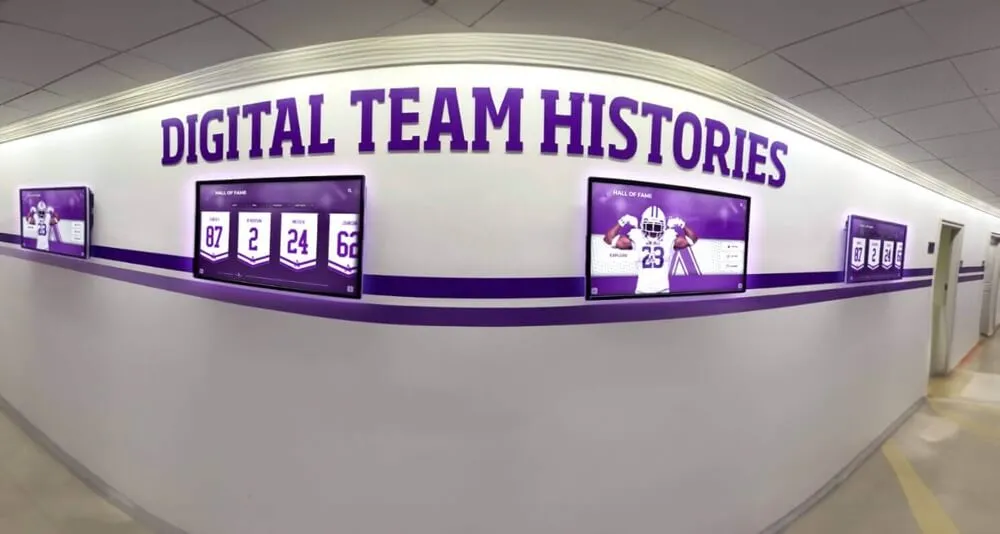
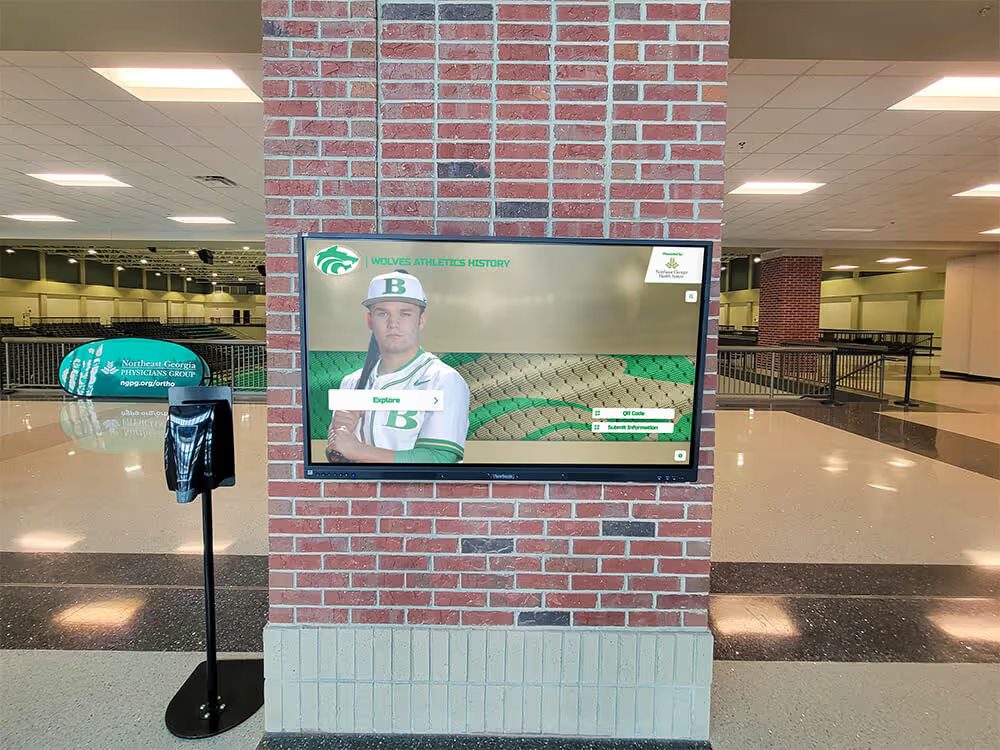
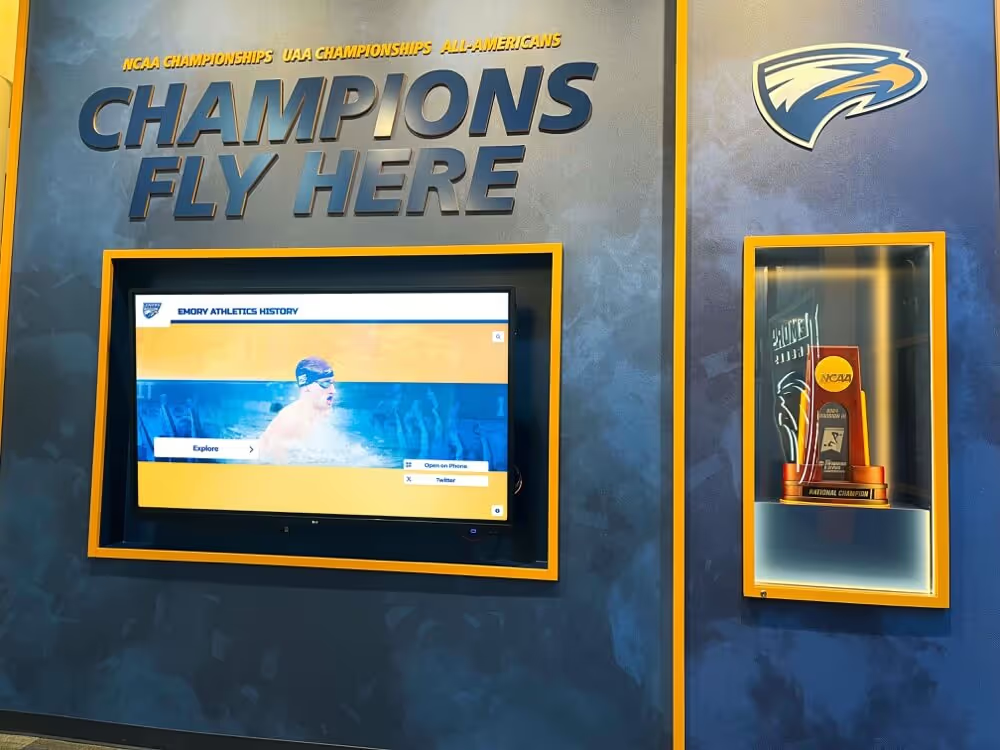
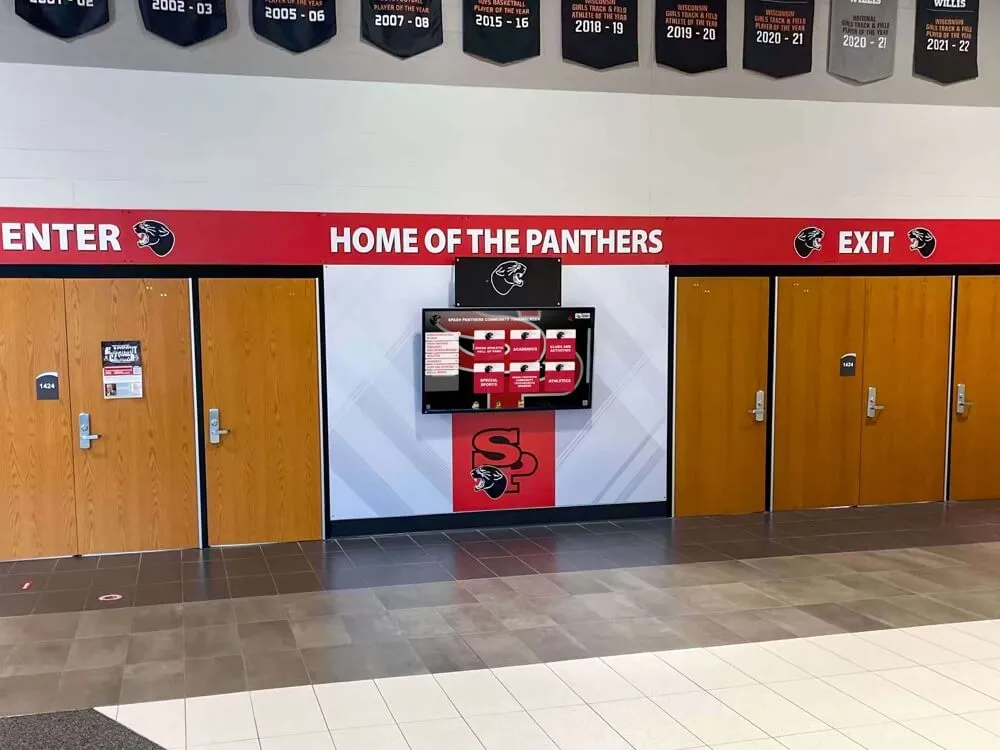
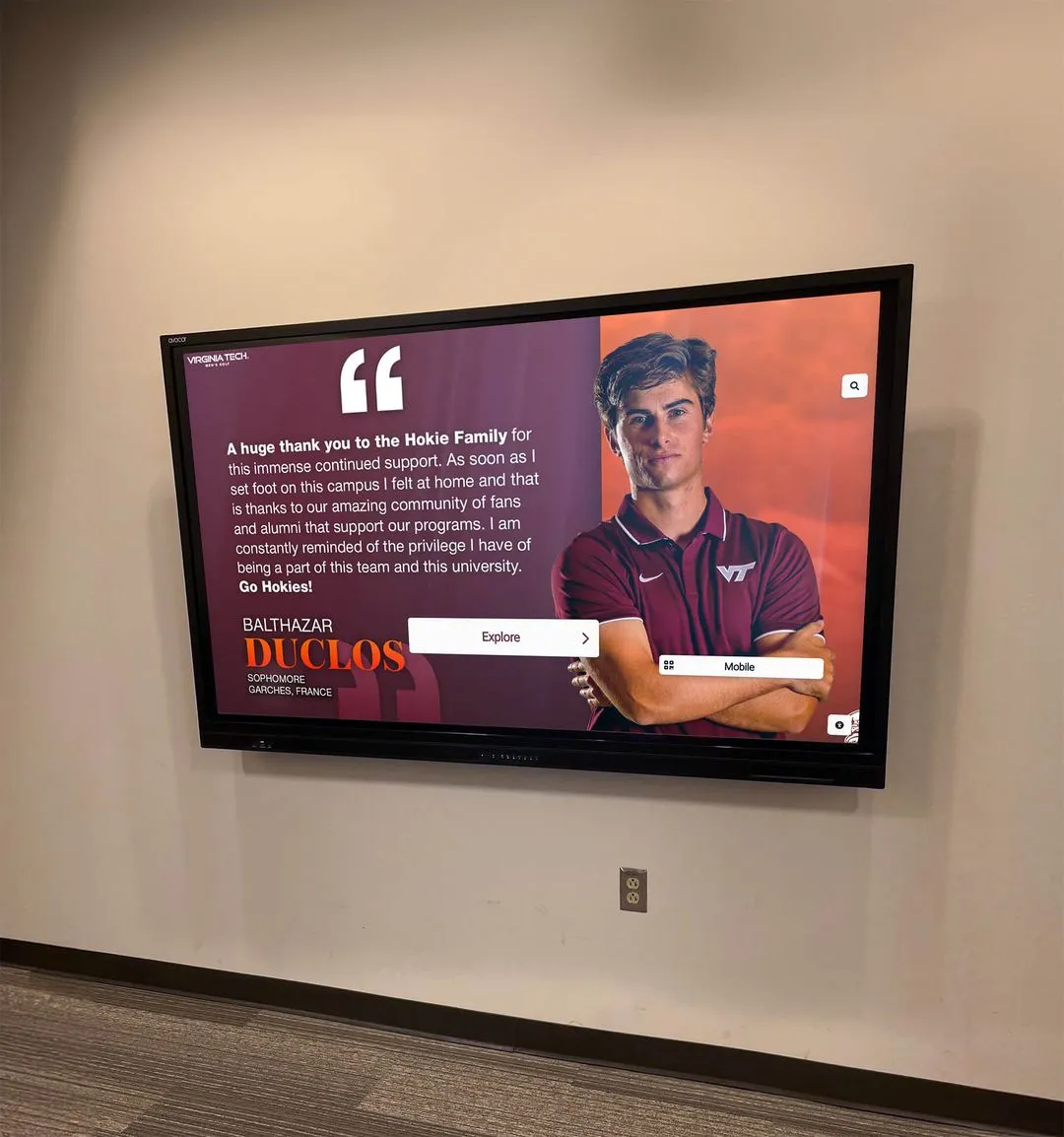
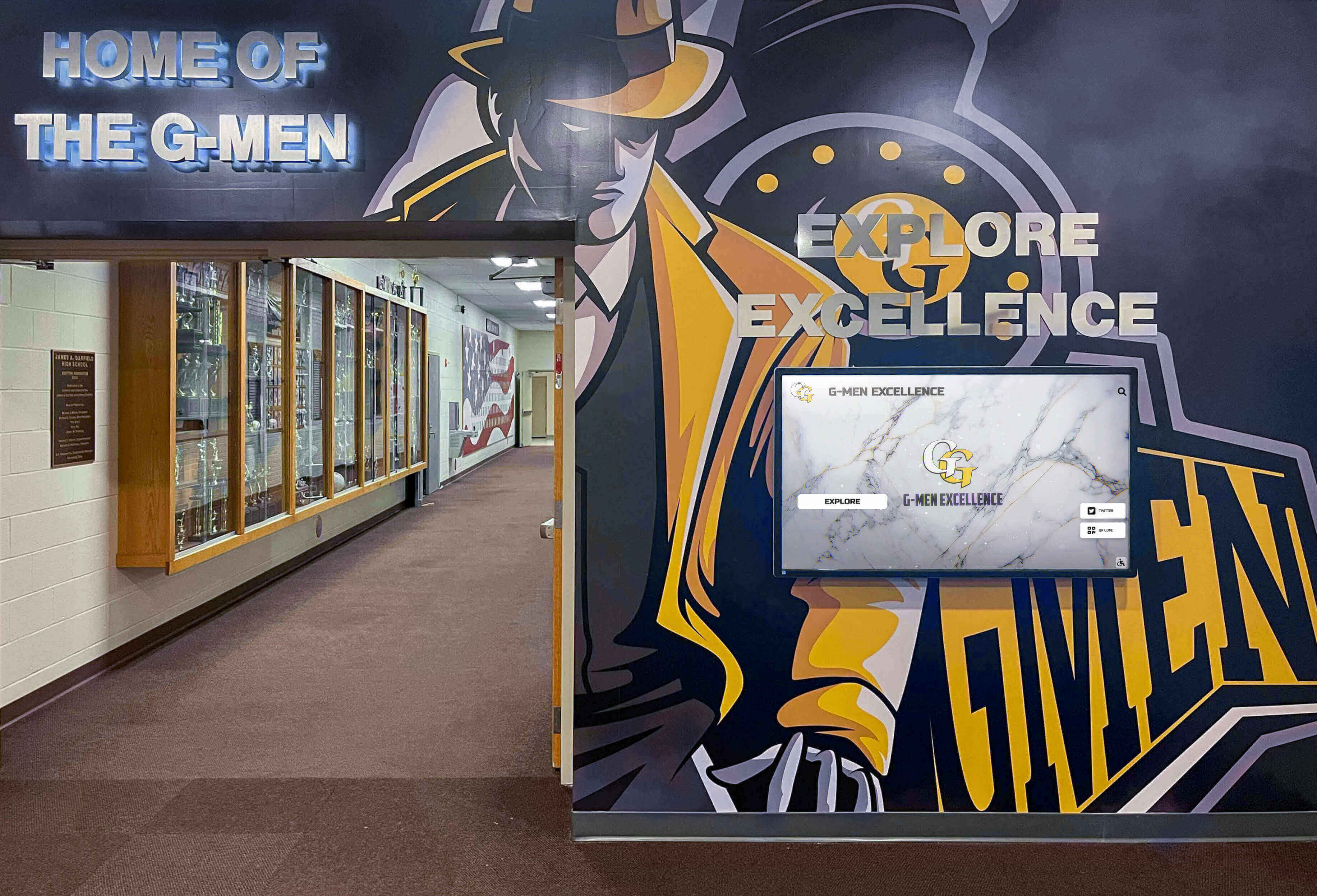
Trophy cases positioned along school hallways house irreplaceable championship hardware and athletic memorabilia that proper door-closer maintenance helps protect year-round
Why Door-Closer Inspection Belongs on the Facilities Calendar
A trophy case door closer does more than control whether the door is open or shut. It regulates the rate at which the door closes, preventing slams that stress glass panels and frame joints. When the mechanism drifts out of specification, three distinct problems follow.
Misalignment causes the door to rub against the frame, creating friction that accelerates wear on seals and hinges. Over months, an off-square door stops seating properly, leaving a gap that admits dust and humidity fluctuations—both of which accelerate tarnishing on metal trophies and discoloration of paper-based certificates and photographs stored inside.
Incomplete latching means the door appears closed but the latch bolt has not engaged the strike plate. A passerby brushing against the case, or vibration from hallway foot traffic, can push the door open. In trophy cases positioned along main corridors—where athletic programs display their most prominent hardware for students, parents, and visiting teams—an unlatched door also presents a minor safety concern if the door swings unexpectedly against someone walking past.
Unsafe closing speed is the most immediately dangerous failure mode. A hydraulic or pneumatic door closer that has lost fluid pressure, or whose adjustment screw has been bumped out of position, can allow the door to swing shut with enough force to crack tempered glass or catch a student’s hand in the frame.
Athletic directors managing high school athletic department budgets for awards, records, and digital displays consistently cite unexpected repair costs as among the most disruptive items in their planning cycles. Routine door-closer inspection is among the lowest-cost preventive measures that keeps those surprises off the calendar.
Setting the Inspection Interval
A quarterly inspection cadence catches most door-closer problems before they escalate. The following schedule aligns with natural school rhythms:
- August (pre-school opening): Full inspection before the high-traffic season begins. Replace any hardware that showed wear in the spring before new-year foot traffic increases.
- November: Follow-up check after the first months of school. Fall athletics generate heavy hallway use near trophy cases, and early-season findings are easier to repair during a break than mid-season.
- February: Mid-year check. Winter temperature swings cause frame expansion and contraction that affects alignment on cases built into exterior walls or alcoves.
- May (post-season): Final check before summer. Identifying maintenance needs in May allows procurement of parts and contractor scheduling before the fall rush.
Cases positioned in high-traffic corridors near gymnasiums, main entrances, or dedicated trophy rooms warrant more frequent spot checks—monthly during active sports seasons when foot traffic peaks and the risk of accidental contact is highest.
Step 1: Visual Alignment Inspection
Begin each inspection with a visual assessment before touching any hardware.
What to look for:
Stand directly in front of the closed trophy case and examine the gap between the door edge and the frame on all four sides. A properly aligned door shows a consistent gap of roughly 1/8 inch (3 mm) on the hinge side, latch side, and top. A gap that narrows on one side while widening on the opposite side indicates that the door has shifted out of square.
Next, open the door to 90 degrees and observe whether it stays at that position or drifts on its own. Mild drift toward closed is normal for spring-loaded mechanisms; a door that swings shut rapidly from 90 degrees without any touch suggests the closer tension is set too high or that the mechanism has developed internal binding.
Measurement check:
Use a tape measure or alignment gauge to record the gap dimension at four points: top hinge corner, bottom hinge corner, top latch corner, and bottom latch corner. Log these measurements. Variation of more than 1/16 inch between any two corners on the same side indicates misalignment that warrants correction before the next inspection cycle.
Common causes of misalignment:
- Hinge screws that have backed out or stripped their anchors in the case frame
- Warping of wooden or composite case frames due to seasonal humidity cycles
- Settling of the case itself if it is floor-mounted on an uneven surface
- Prior impact damage that bent the hinge side of the frame slightly inward
Corrective actions typically involve tightening or replacing hinge screws, shimming hinges to restore the original plane, or—in cases of significant frame warp—adjusting the strike plate position to meet the door where it now sits rather than where it was originally designed to land.
Step 2: The Latching Test
The latching test confirms that the door’s latch bolt engages the strike plate fully when the door closes under its own power from the closer mechanism.
Test procedure:
- Open the door approximately 12 inches from the fully closed position.
- Release the door and allow the closer to draw it shut without pushing or guiding it.
- After the door appears fully closed, grasp the door edge—not the handle—and attempt to push it open without operating the handle or latch release.
A properly latched door will not move. If the door swings open under light pressure, the latch bolt did not engage the strike plate.
Feeler gauge check:
Insert a 0.005-inch feeler gauge between the latch bolt and strike plate with the door in the closed position. The gauge should encounter firm resistance from the engaged bolt. If the gauge passes through freely, the latch bolt is not reaching the strike plate—indicating that the strike plate needs repositioning or that the door has dropped enough that the latch misses the plate entirely.
Strike plate adjustment:
Strike plates on trophy cases attach with two to four screws. Loosening those screws, repositioning the plate to align with the latch bolt’s actual path, and re-tightening resolves most latching failures. If the case frame is wood or MDF and the screw holes have stripped, a toothpick-and-wood-glue repair or installation of larger-diameter screws restores thread purchase before repositioning.
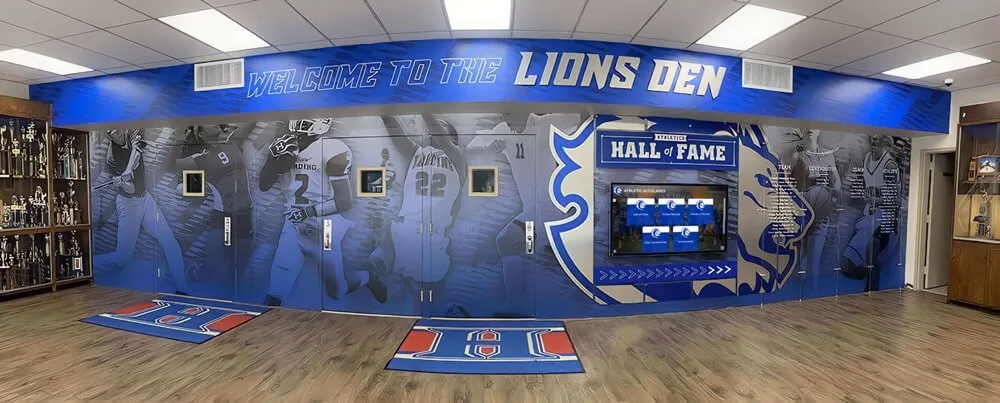
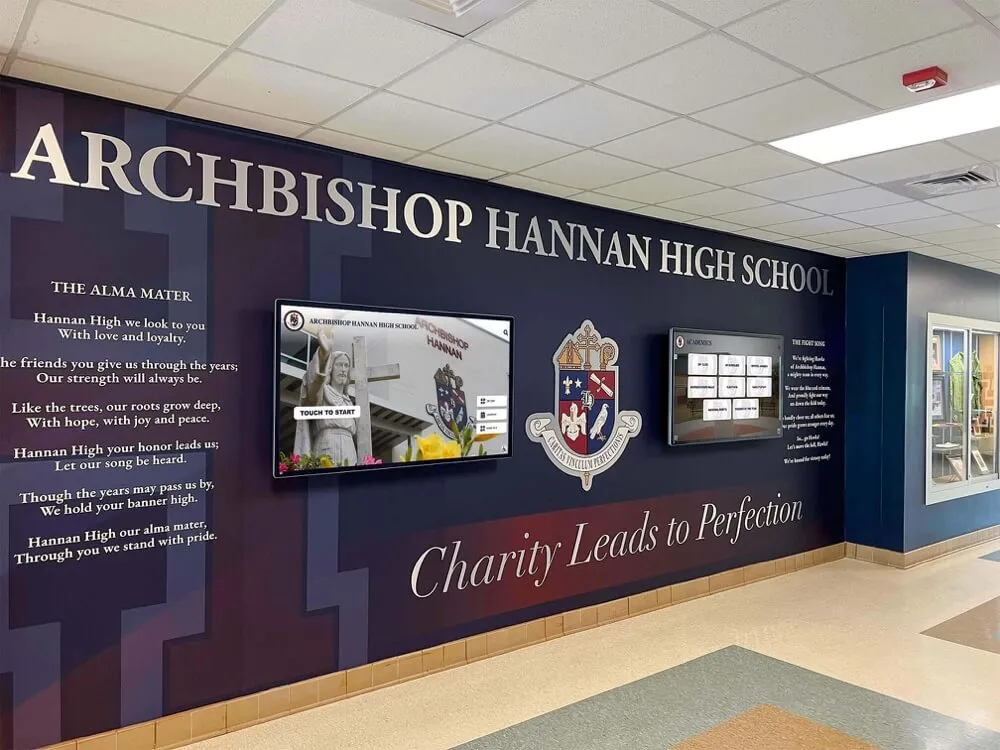
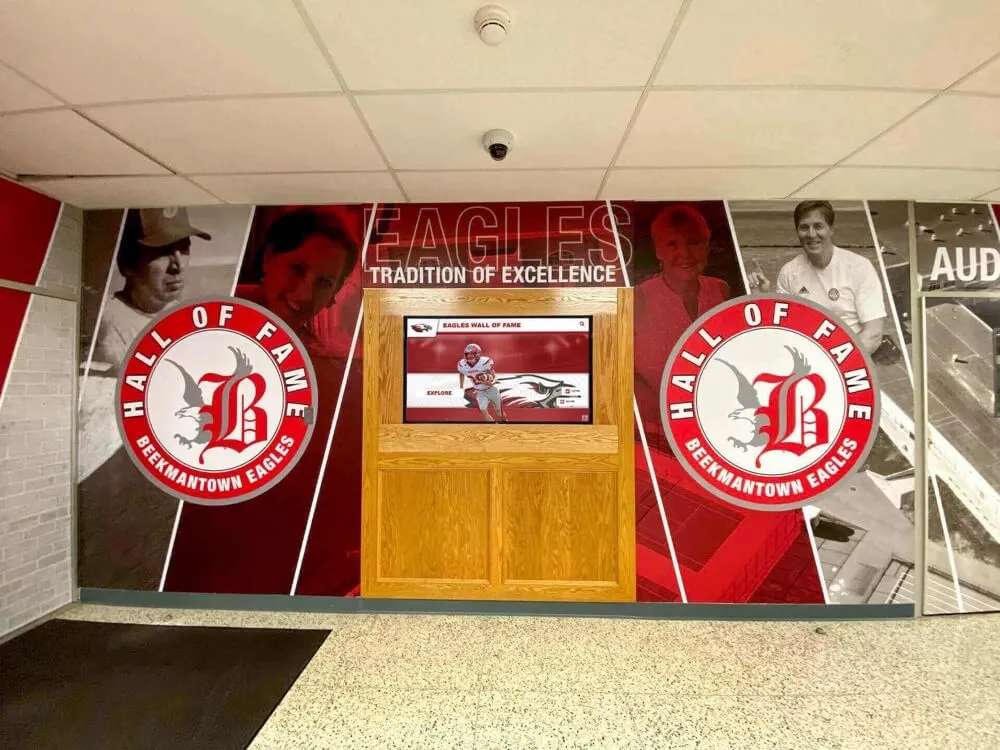
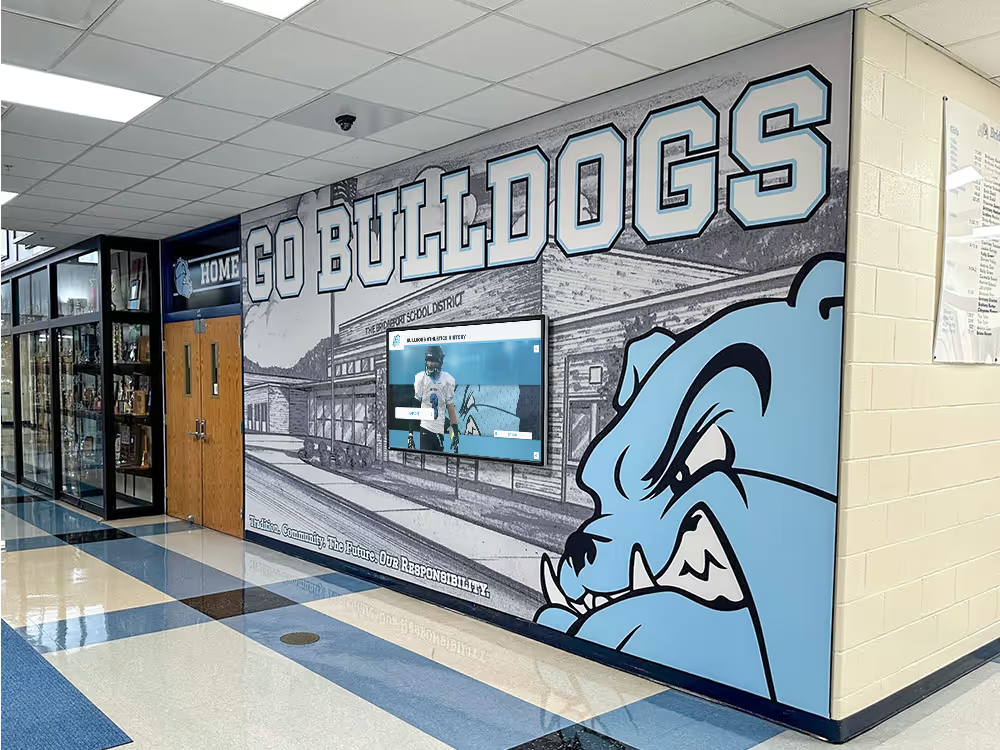
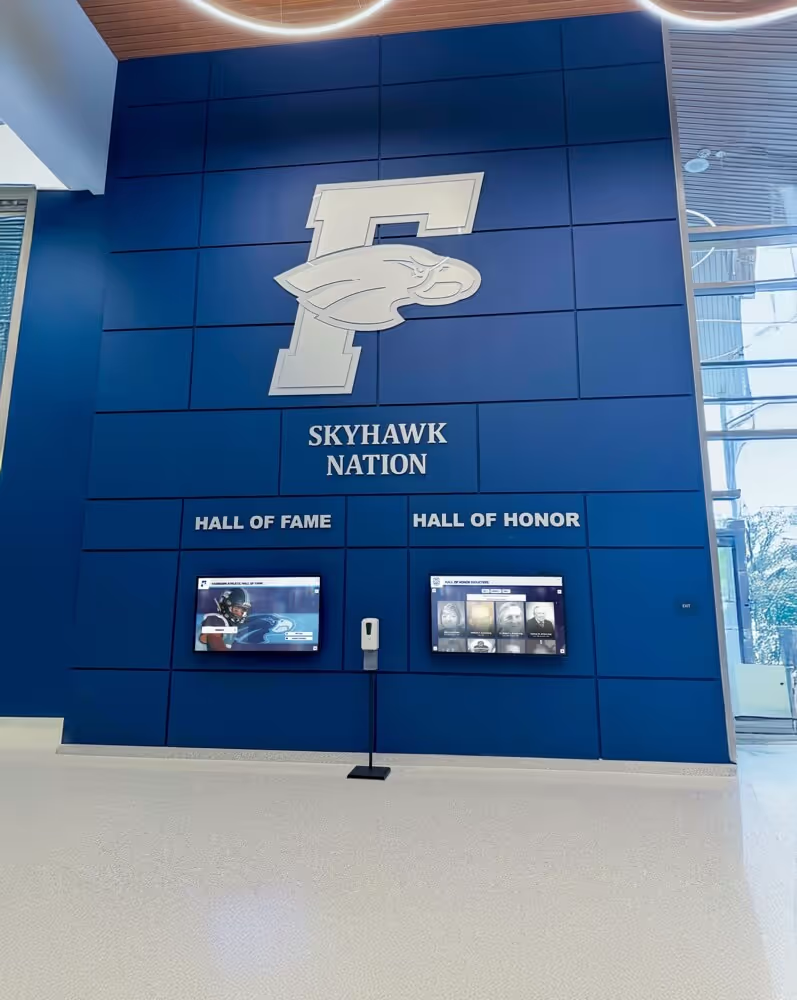
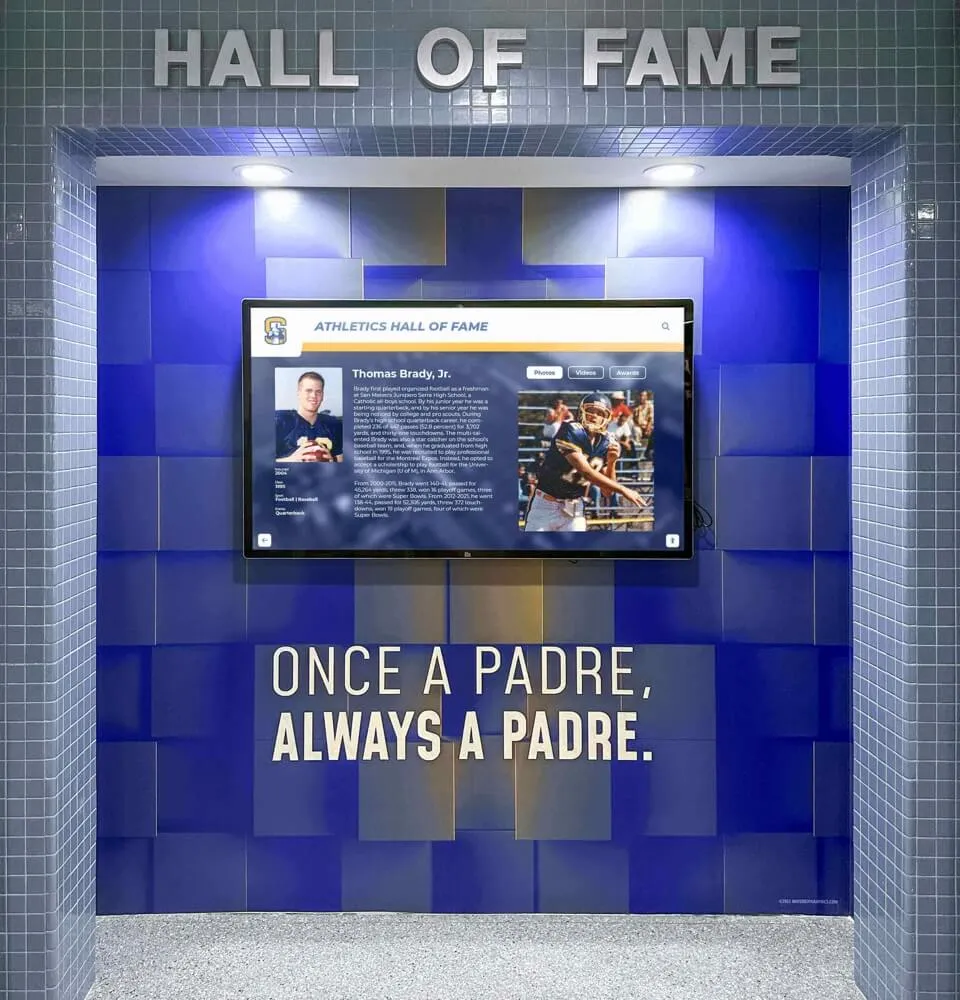
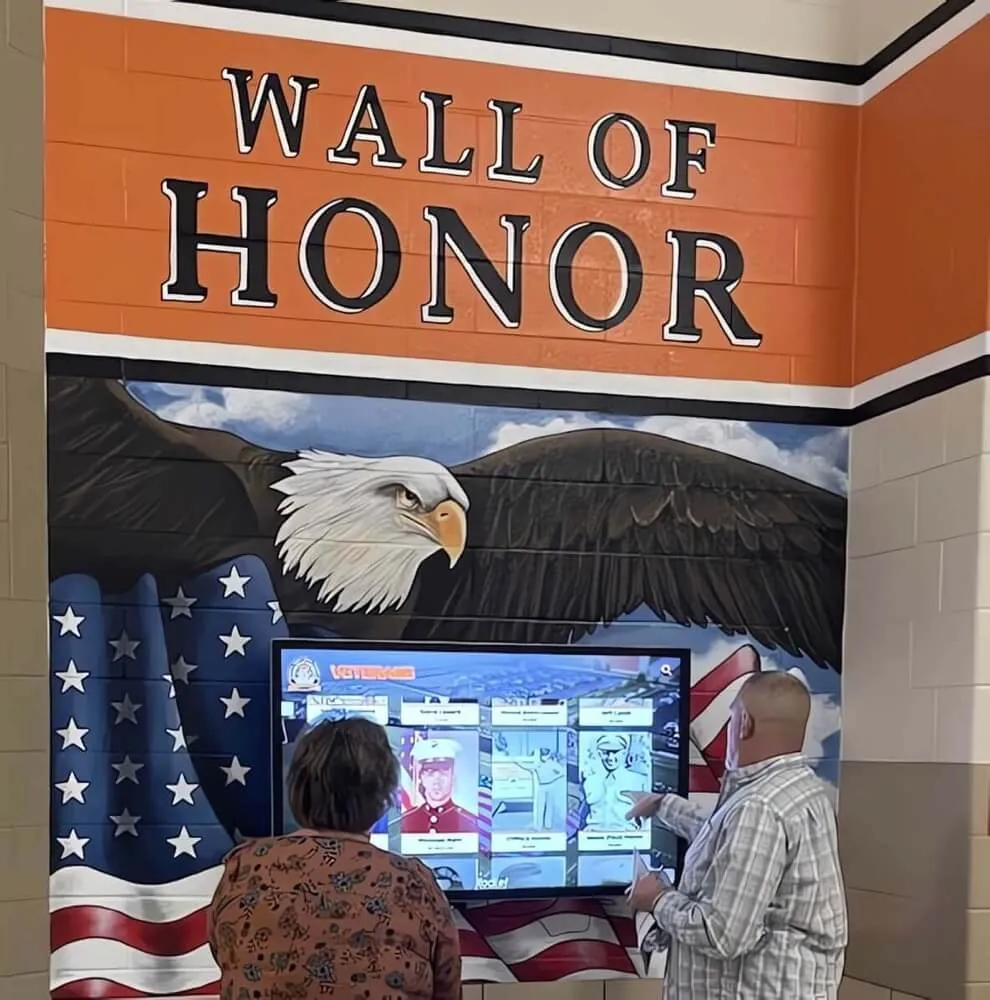
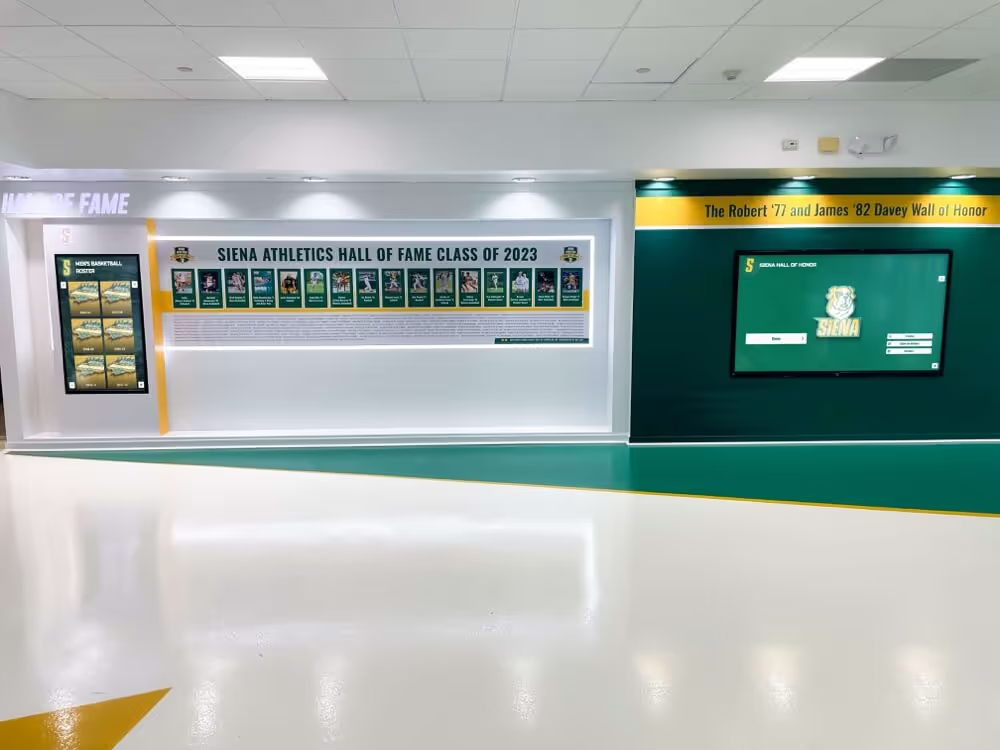
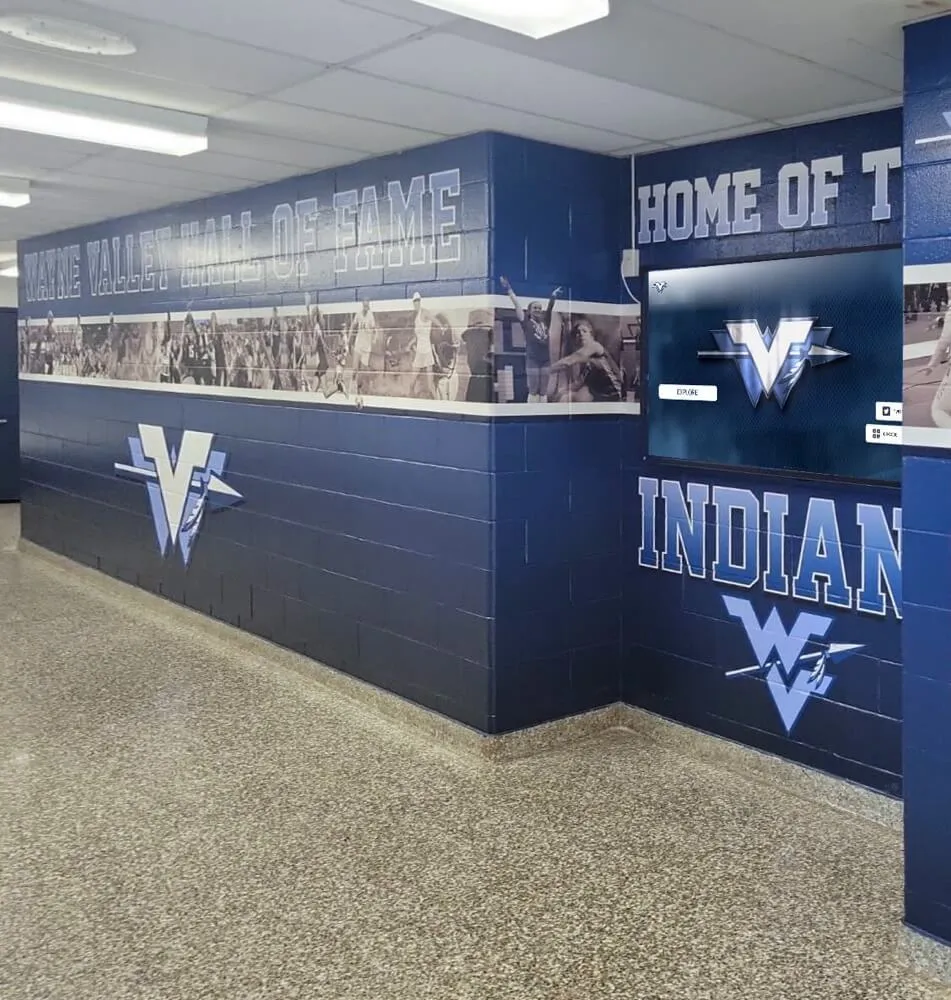
Trophy cases positioned alongside hall of fame murals in high-traffic hallways benefit from quarterly latch and alignment checks to keep contents sealed and protected
Step 3: Closing Speed Test
Closing speed is the most safety-critical variable in a trophy case door-closer inspection. Industry guidance for commercial door hardware describes acceptable door closing in terms of sweep time and latch time. While trophy cases are not subject to the same ADA egress-door requirements that govern school exterior doors, a useful practical benchmark is that a trophy case door should take no fewer than 1.5 seconds to travel from the 70-degree open position to the fully closed position.
Stopwatch method:
- Open the door to 70 degrees from the frame.
- Release the door and start the stopwatch simultaneously.
- Stop the timer when the door contacts the frame.
Record the time and repeat three times, then average the results. A result below 1.5 seconds indicates the closing speed needs to be reduced. A door that takes more than 8 to 10 seconds to close from 70 degrees may have a depleted closer mechanism that will eventually fail to pull the door fully shut—trading one safety problem for another.
Adjusting hydraulic closers:
Most commercial door closers—including the smaller mechanisms found on built-in trophy cases—feature one or two adjustment screws controlling sweep speed and latch speed, typically accessible on the end cap of the closer housing. Turning the sweep speed screw clockwise (on most makes) slows the door through its main arc. Turning the latch speed screw clockwise slows the final travel before the door contacts the frame.
Make adjustments in small increments—no more than one-quarter turn at a time—and retest after each adjustment. Always verify that the door still pulls fully shut after slowing the mechanism; over-correction produces a door that moves lazily through its arc but fails to achieve the final latch.
When adjustment is insufficient:
If a hydraulic closer is visibly leaking fluid or does not respond to screw adjustment, the mechanism requires replacement. Field refilling of a leaking hydraulic closer is not effective; the internal valve geometry cannot be recalibrated without factory equipment.
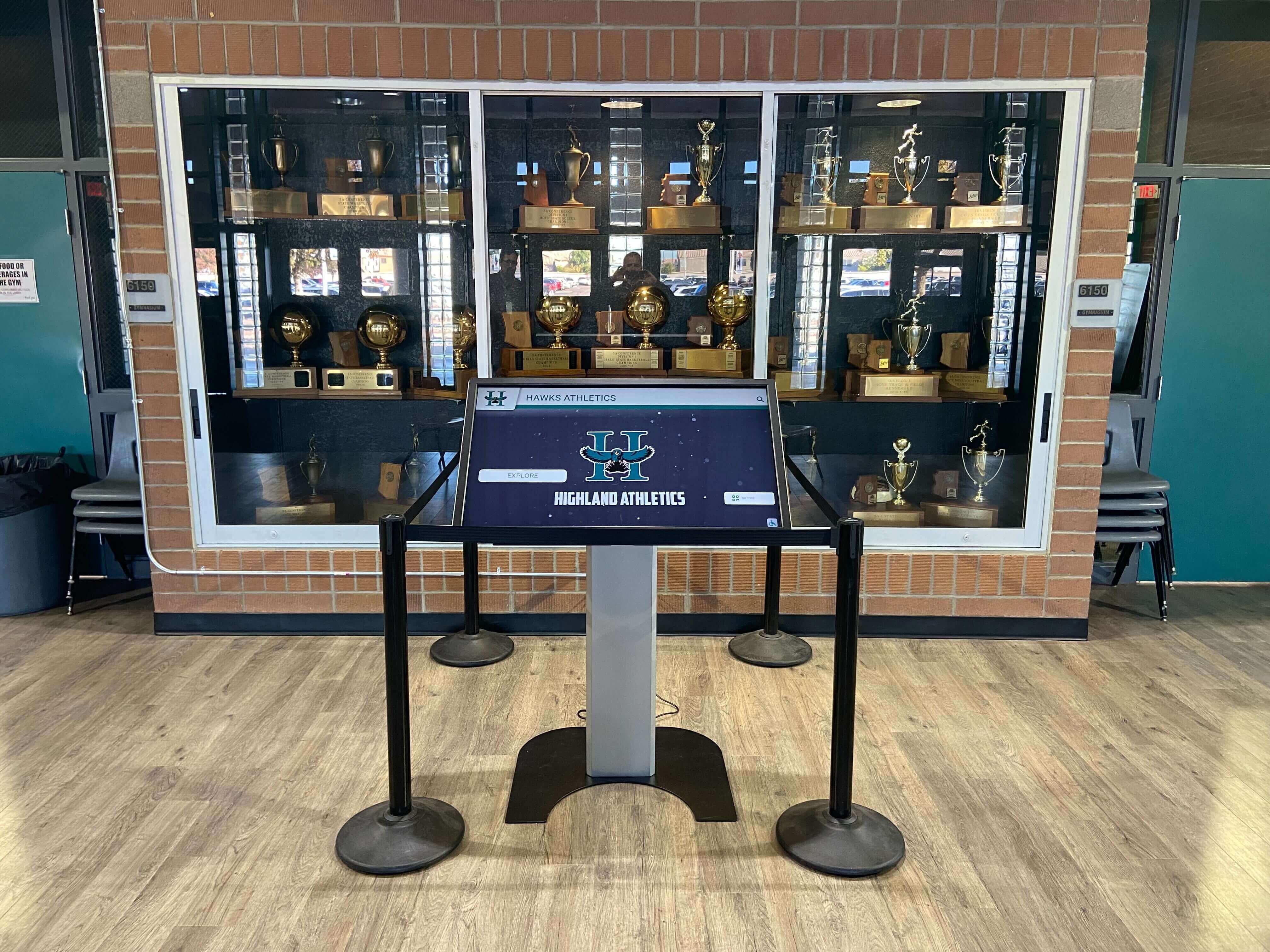
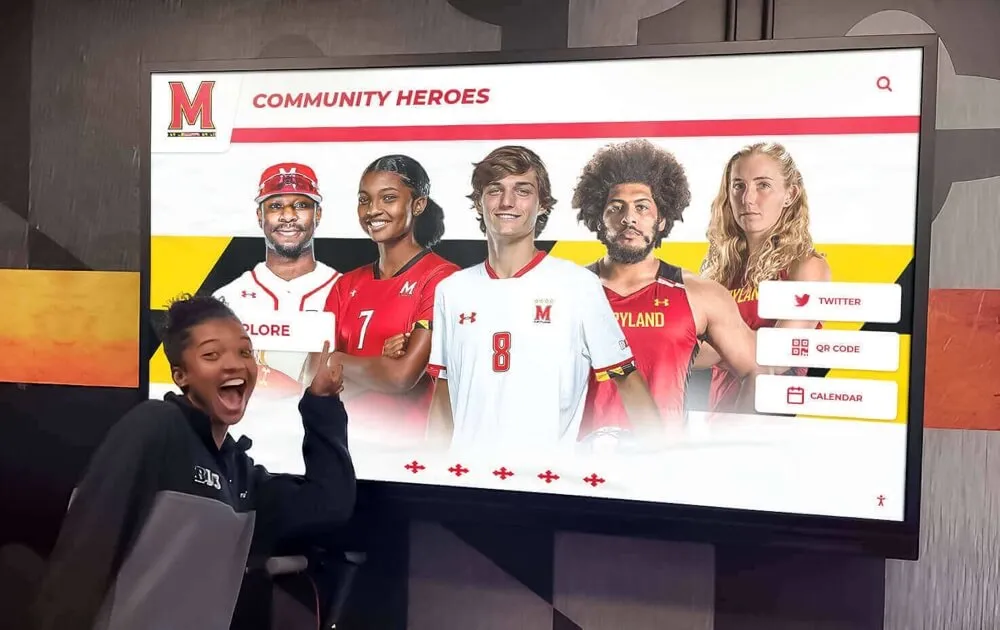
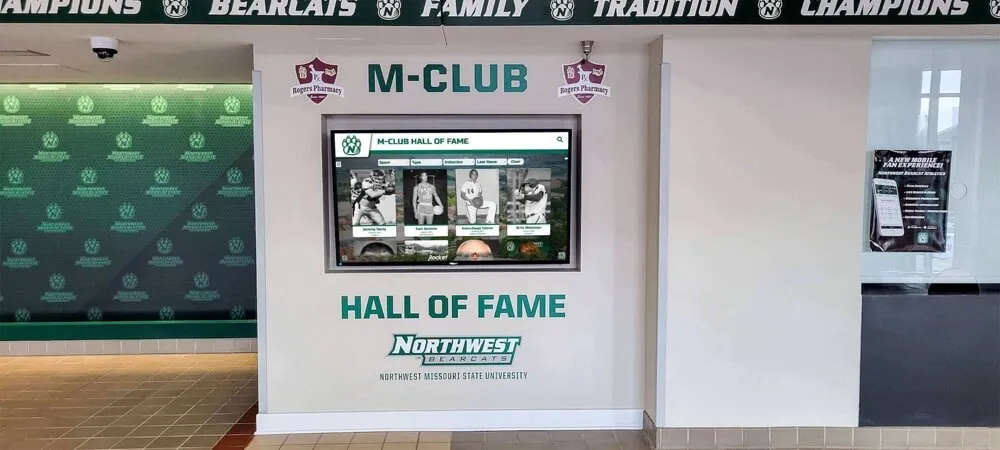
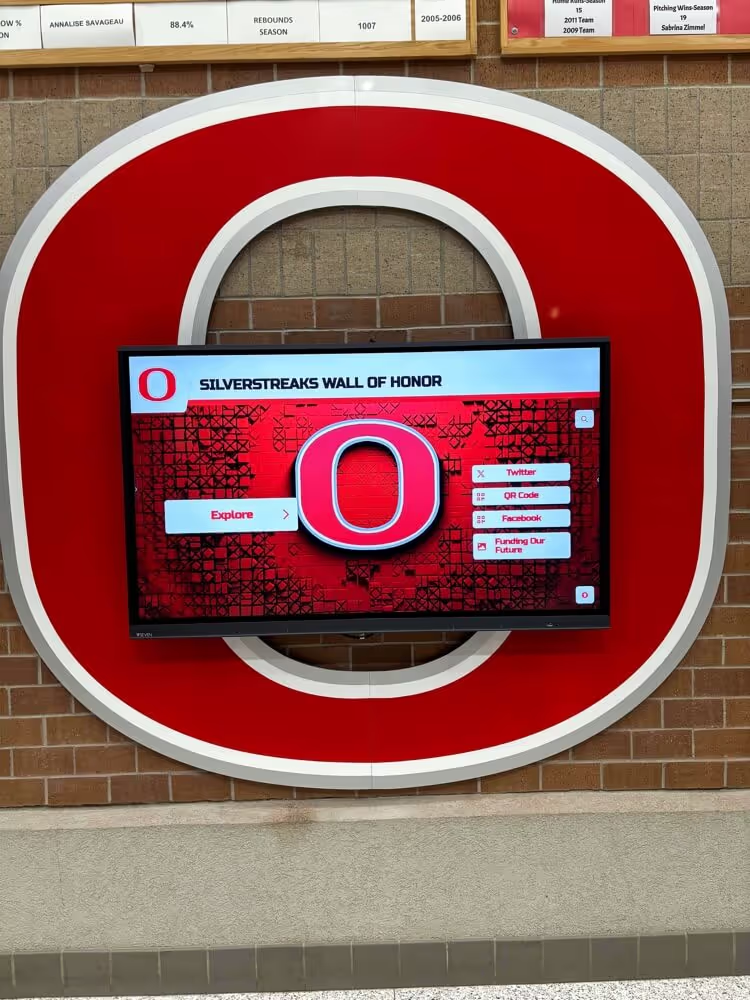
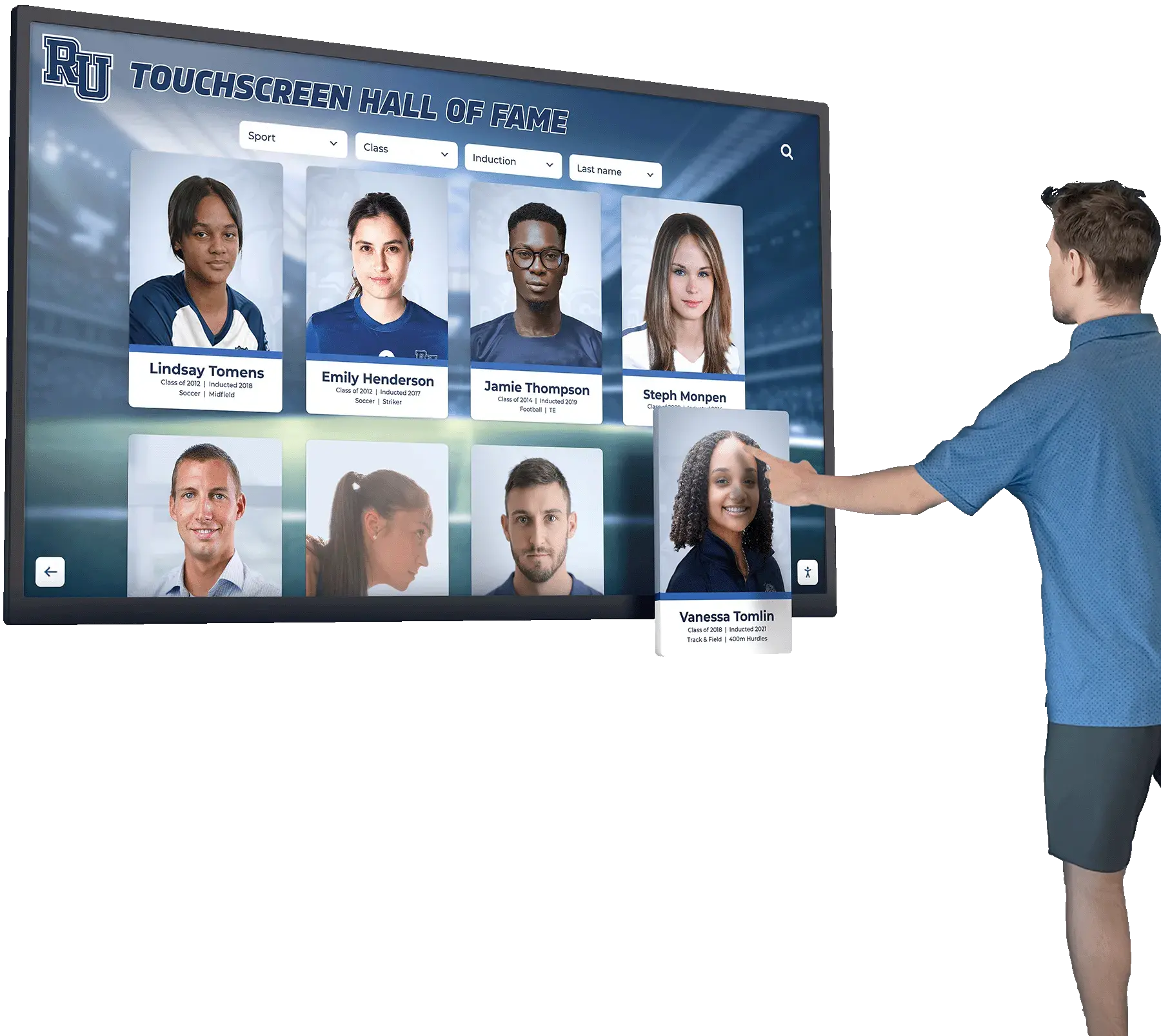
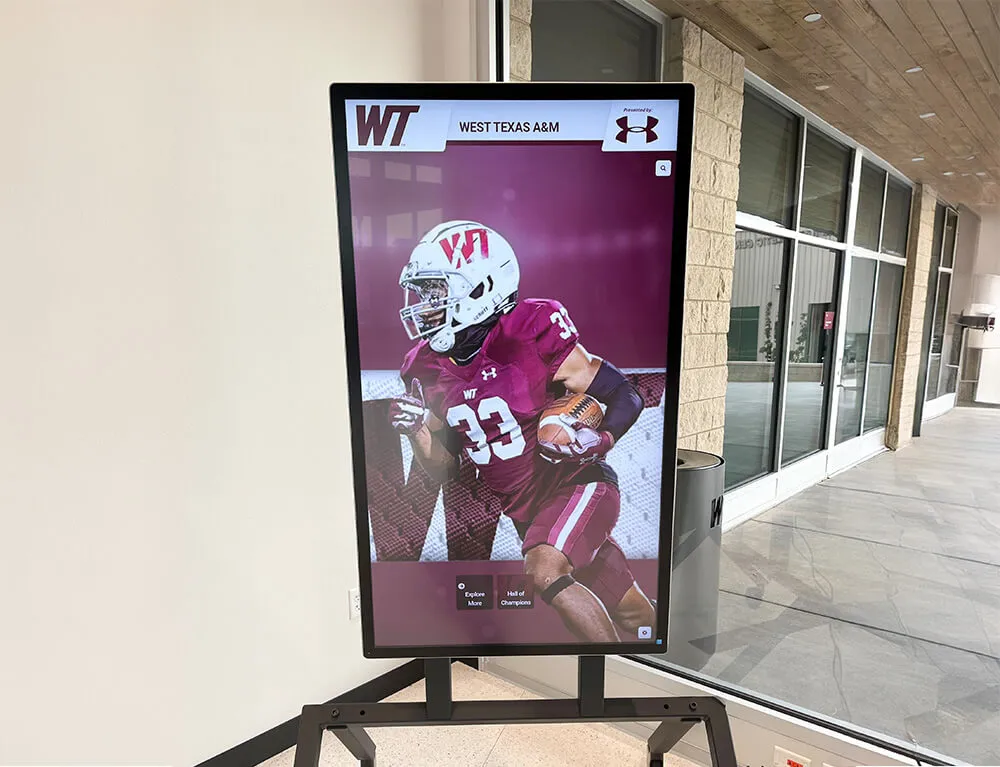
Schools integrating interactive digital displays alongside physical trophy cases manage both physical door hardware and digital content maintenance as part of a unified recognition strategy
Common Failure Causes by Case Type
Door-closer failure patterns differ by trophy case construction type, and knowing which type a school operates helps facilities teams prioritize inspection steps.
Recessed wall cases built into drywall or masonry alcoves experience frame shift most frequently from building settlement. Even without visible symptoms, minor annual shifts compound over years; checking alignment annually as a minimum prevents surprises when the case has moved far enough to require significant correction.
Freestanding floor cases are susceptible to leveling drift. A case that is not perfectly plumb develops a door swing bias—the door tends to drift open or closed depending on which direction the case has tilted. Re-leveling the case corrects the drift without requiring any adjustment to door hardware, making it a useful first step before touching hinges or closers.
Countertop display cases used for individual trophies near reception areas or in trophy-room side tables typically use friction hinges rather than hydraulic closers. Inspection for these focuses on hinge pin wear and whether hinges remain flush with the frame; worn hinge pins allow the door to develop vertical play that prevents consistent latching.
Glass-door cases with magnetic catches have no traditional door closer—the door’s own weight and a magnetic catch control closure. Inspect magnetic strength quarterly by testing the force required to open the door. A magnet that releases with minimal pressure has weakened and should be replaced; a magnet holding too firmly can make the door difficult to open without applying stress to the glass.
Documentation: Building an Inspection Record
A written inspection record serves multiple functions. It creates accountability among facilities staff, supports warranty claims with hardware suppliers, and preserves institutional knowledge that new team members need when taking over maintenance responsibilities.
A basic door-closer inspection log for trophy cases should capture:
- Case location (building, hallway, room number, or description)
- Date of inspection and inspector name
- Alignment gap measurements at four corners
- Latch test result (pass or fail, with notes if fail)
- Average closing speed in seconds
- Adjustments made and parts replaced
- Scheduled date for next inspection
Format—paper binder, spreadsheet, or CMMS entry—matters less than consistency of capture across inspection cycles. Schools using school history software platforms to manage institutional records sometimes log physical display maintenance alongside digital content records, creating a unified archive of how recognition assets are maintained over time.
Athletic directors responsible for comprehensive recognition programs—encompassing physical trophies, banners, donor plaques, and academic honor rolls—benefit from connecting physical maintenance documentation to the broader institutional story that these displays tell. Schools looking to strengthen alumni engagement through their recognition programs find that a well-maintained, professionally presented display environment reinforces the value placed on the achievements being celebrated.
When to Replace Rather Than Repair
Repair is appropriate when:
- Hinge screws are loose but the hinge body is structurally intact
- The strike plate needs repositioning but the door frame is sound
- The closer mechanism responds to speed adjustment within two or three attempts
- Glass is uncracked and seals are intact
Replacement is warranted when:
- The door frame is warped beyond correction through shimming or strike plate repositioning
- The hydraulic closer leaks visibly or does not respond to screw adjustment
- Glass panels are cracked or the glazing compound has hardened and separated from the frame
- Hinge barrels are worn to the point where the door has measurable vertical play when lifted by the edge
For high-profile display locations—main lobbies, athletic hallways, or trophy rooms where students, recruits, and community members form lasting impressions—visual condition matters alongside functional performance. A case with deteriorating hardware communicates institutional neglect regardless of the quality of items inside. Schools weighing refurbishment cost against new infrastructure should review resources on donor recognition screen investments for comparable frameworks that apply when evaluating physical-to-digital transitions in recognition display environments.
Coordinating Inspection With Digital Display Maintenance
Schools operating both physical trophy cases and adjacent digital recognition displays benefit from aligning maintenance schedules. A facilities team inspecting door hardware on the same day that IT or AV staff performs content audits on nearby touchscreen kiosks creates a unified maintenance window that minimizes hallway disruption and builds cross-department awareness of the full recognition environment.
The responsibilities that fall under athletic director oversight increasingly encompass both physical facilities used for recognition and the content decisions governing what achievements are celebrated on digital platforms. Coordinating physical and digital maintenance gives the athletic director a complete picture of whether the program’s recognition infrastructure—in all its forms—presents the school’s history accurately and professionally at any given moment.
Schools actively digitizing historical records such as championship programs, team photographs, and yearbook archives alongside physical trophy maintenance will find that the best yearbook digitization services establish archival quality standards that apply equally to the photographic documentation of trophy collections before items are refurbished, relocated, or retired.
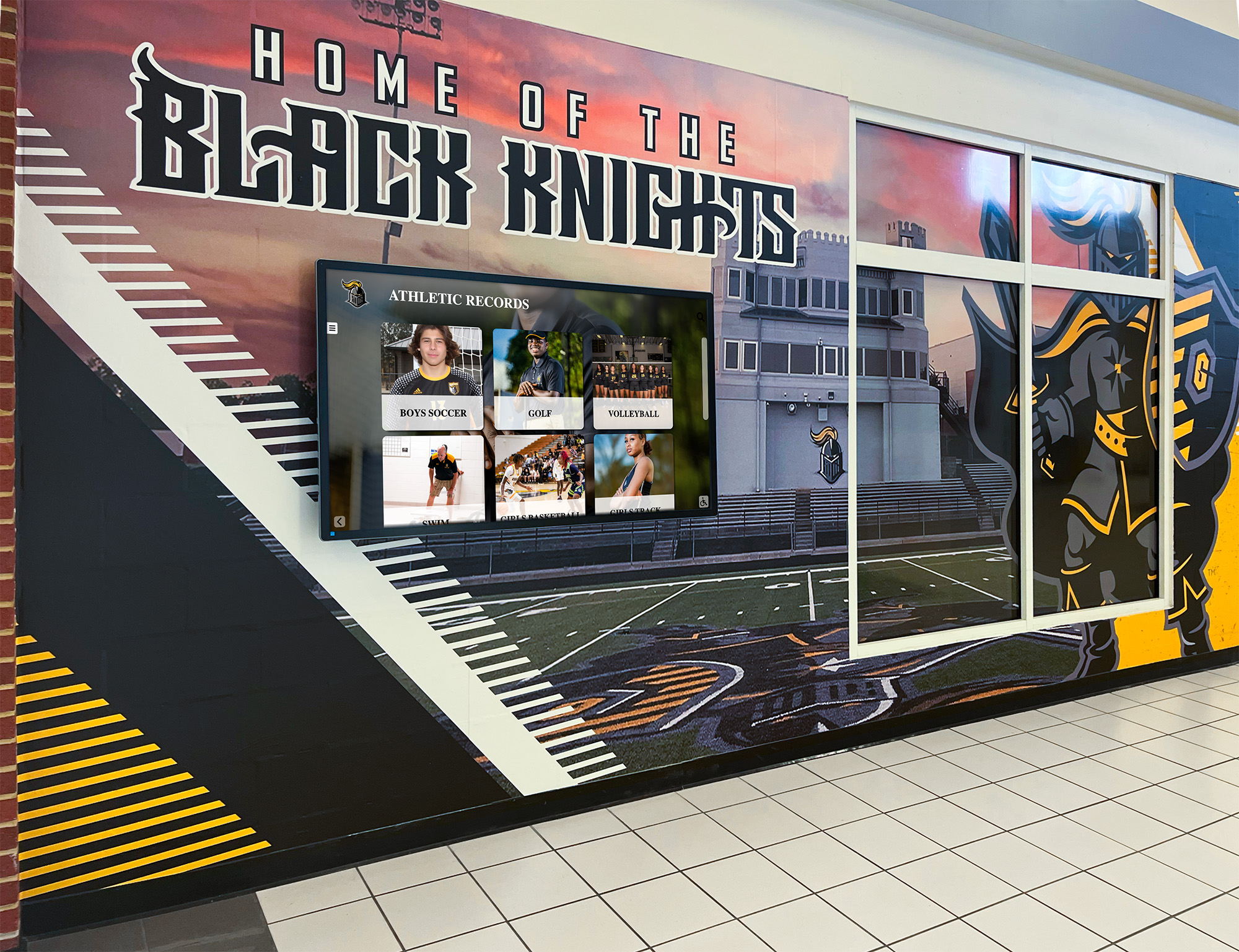
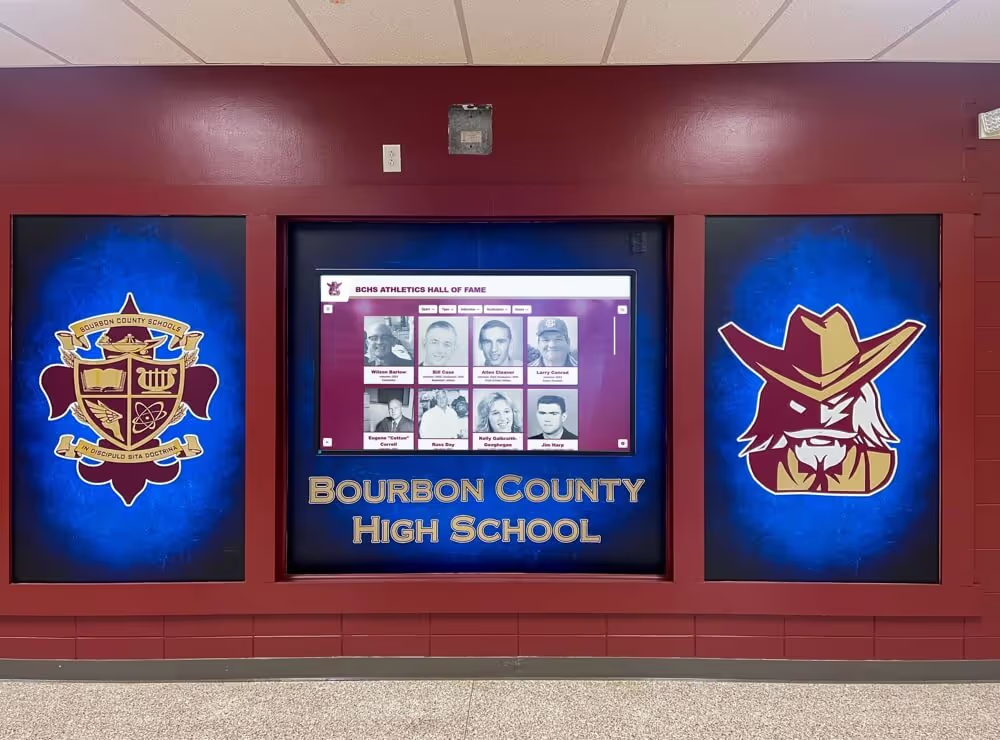
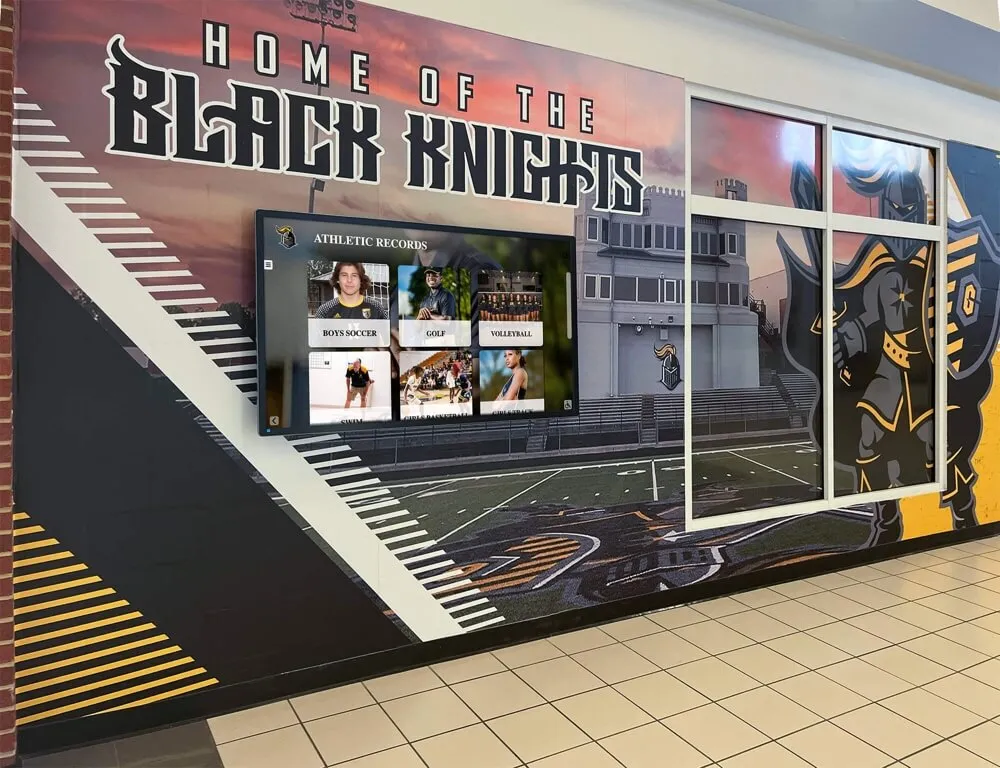
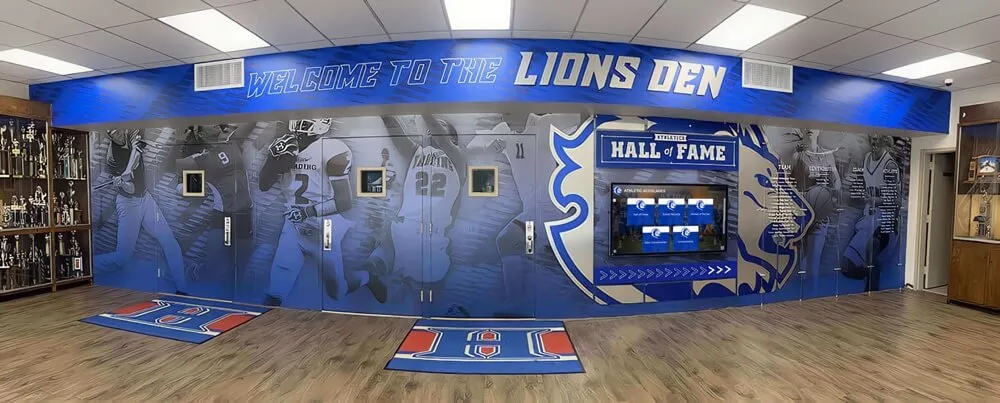
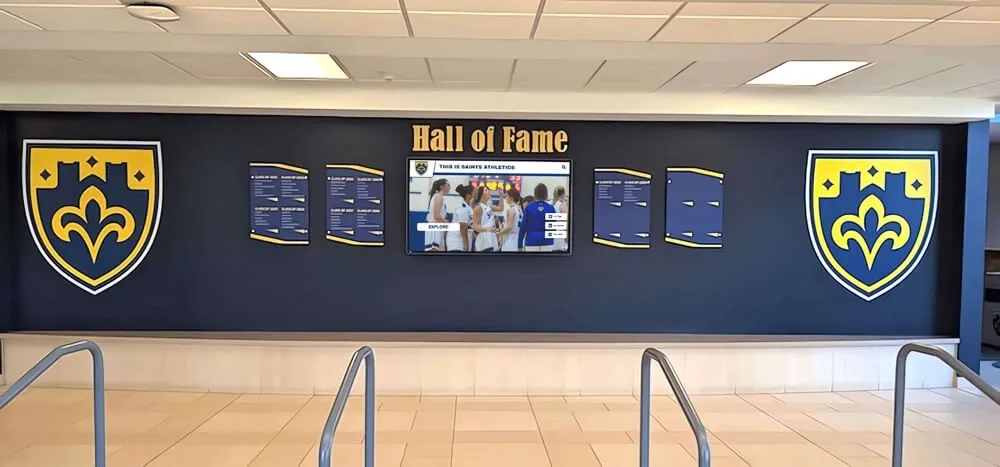
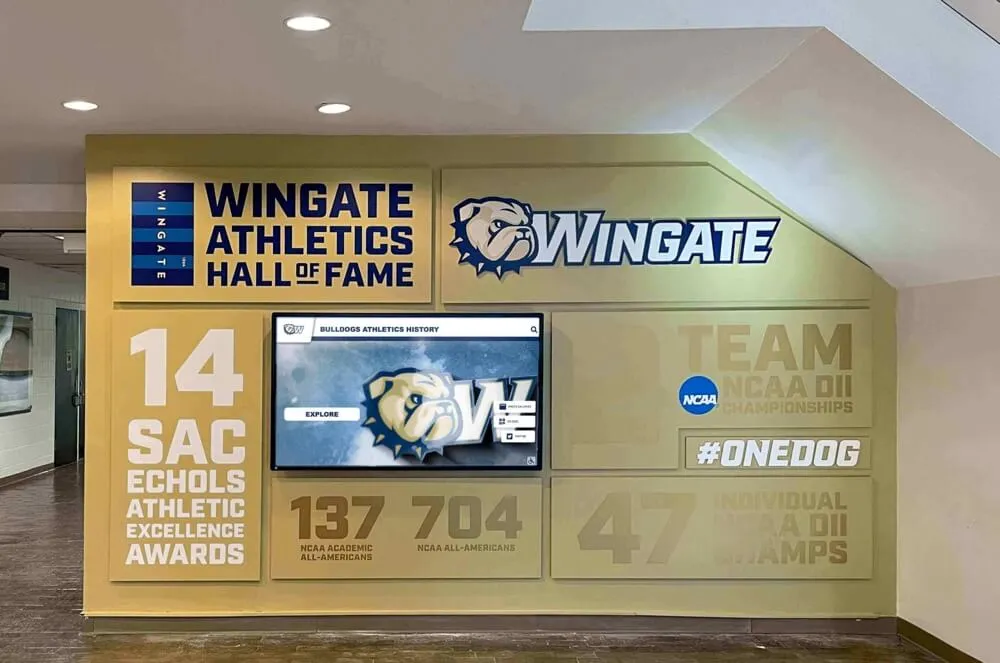
Coordinating trophy case hardware maintenance with adjacent digital display upkeep keeps an entire recognition hallway presenting consistently and professionally
Moving Beyond Physical Maintenance: When Digital Displays Make More Sense
A systematic door-closer inspection protocol extends the useful life of physical trophy cases, but it cannot overcome the fundamental limitations of physical enclosures: finite display space, labor-intensive content updates, and the inability to engage audiences who never set foot in the building.
Schools that are already managing recurring repairs on aging cases—replacing hydraulic closers, re-glazing panels, re-leveling freestanding units, or repairing stripped hinge hardware—often discover that the cumulative maintenance cost over five to ten years approaches or exceeds the investment in a modern touchscreen recognition display. Unlike physical cases, interactive displays hold unlimited entries, update remotely without requiring anyone to open a door or handle fragile items, and extend reach to students and alumni who can browse championship history from a phone via QR code.
The transition from physical to digital recognition displays is happening across institution types. Organizations as varied as religious institutions and universities have found that digital touchscreen donor and recognition displays eliminate the physical maintenance cycle while making recognition programs more accessible and updatable. For schools, the same logic applies across athletic, academic, and community recognition contexts.
Programs tracking seasonal athletic achievements—from volleyball state runs to swim championship banners—find that digital platforms handle the constant flow of new content without the display-space constraints that make physical case management perpetually challenging. When volleyball teams and other seasonal programs add new records each season, a digital system absorbs them without requiring a facilities team to reconfigure physical display arrangements.
If your facilities or athletic department is ready to move beyond maintenance cycles toward a recognition platform that grows with your program, schedule a demo with Rocket Alumni Solutions to see how cloud-managed touchscreen displays replace physical trophy cases while preserving everything your school’s athletic and academic history represents.
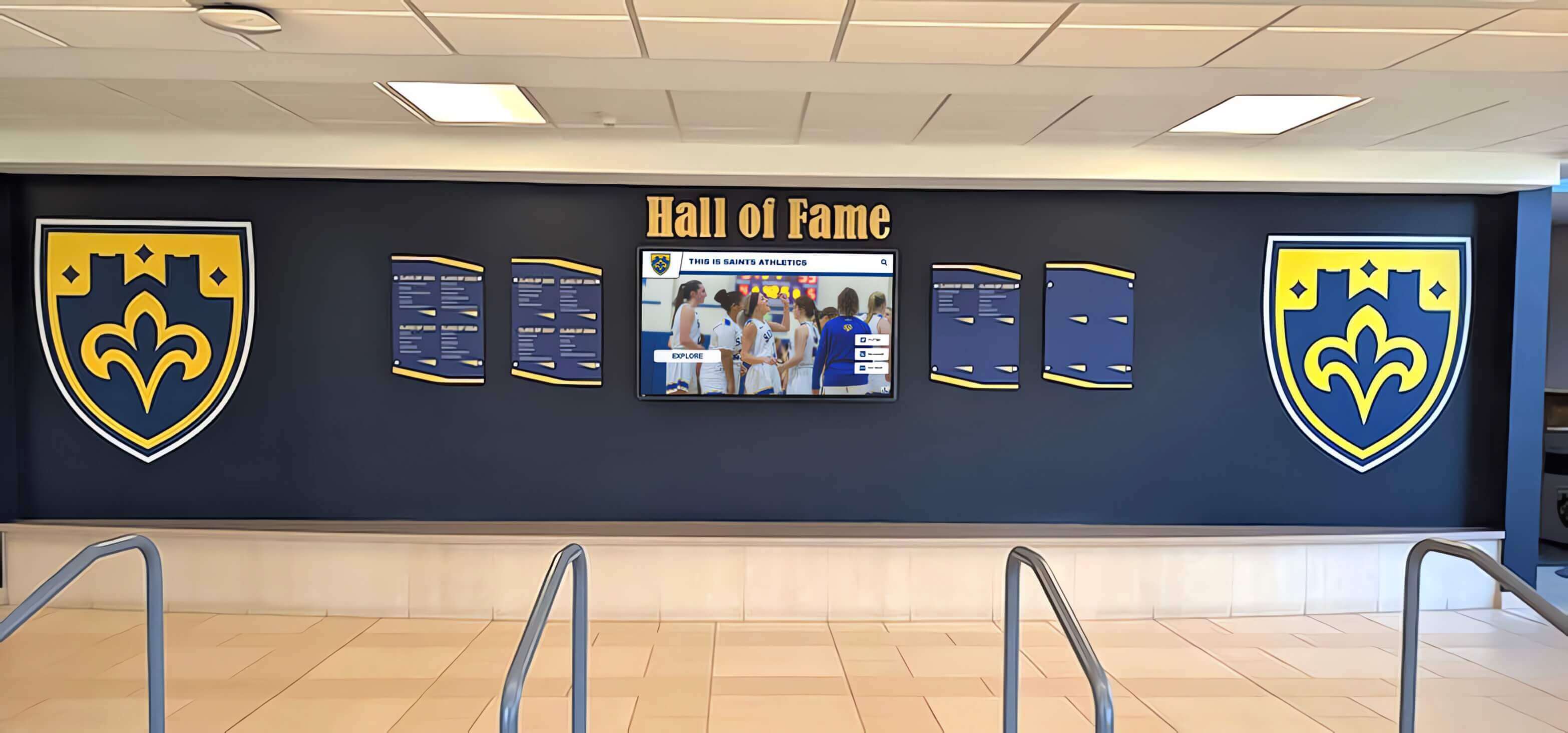
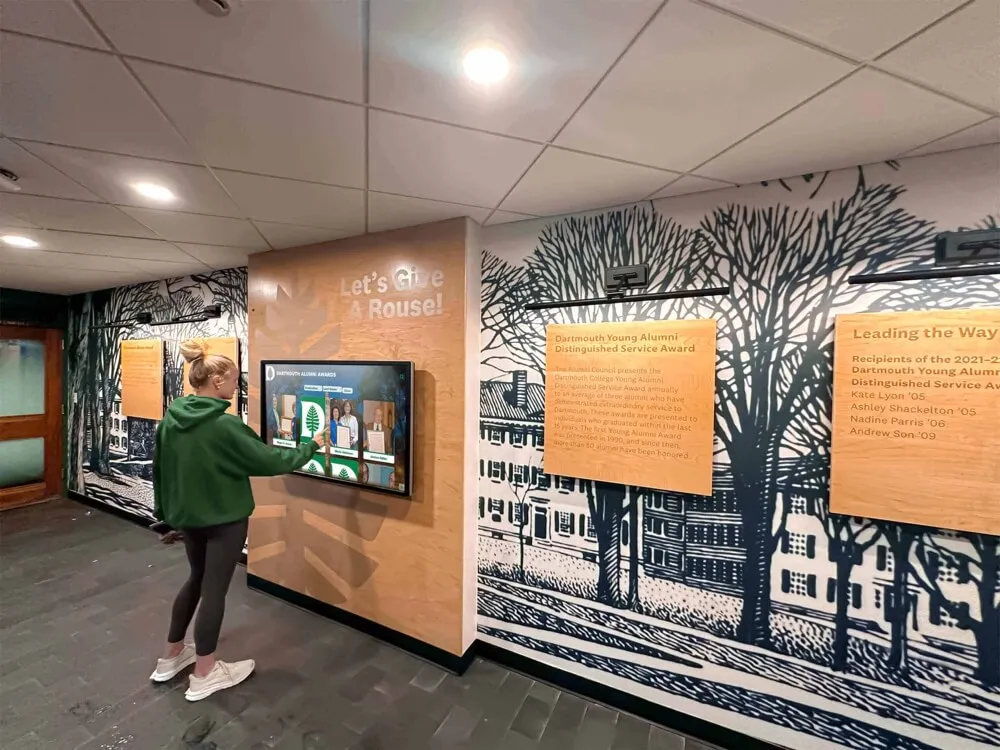
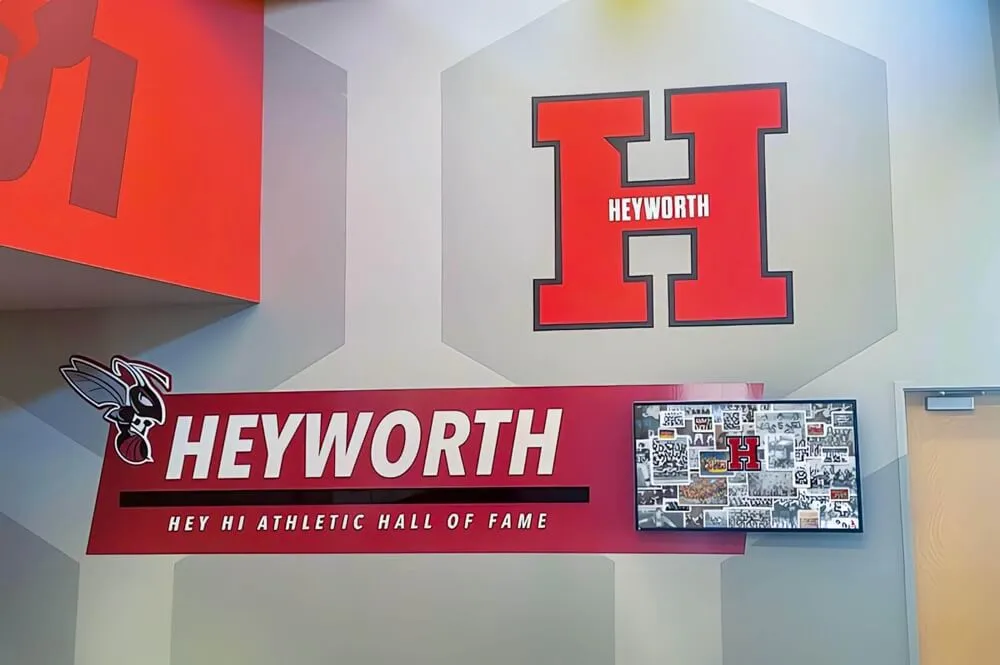
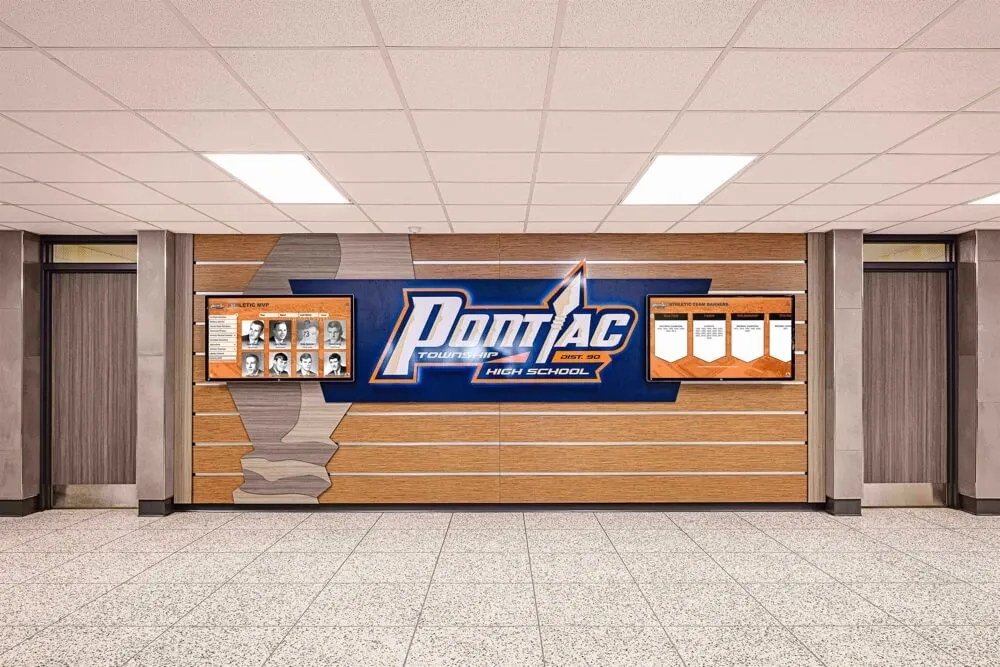
Schools combining physical trophy displays with integrated digital screens can phase maintenance schedules to transition smoothly from physical upkeep to interactive recognition management
Frequently Asked Questions
How often should a school inspect trophy case door closers?
Quarterly inspections catch most problems before they escalate. Schools with high-traffic corridors or cases in exterior-wall alcoves subject to significant temperature variation may benefit from monthly spot checks during peak sports seasons when foot traffic and incidental contact are highest.
What tools are needed for a door-closer inspection?
A tape measure or feeler gauge for alignment measurement, a stopwatch for closing speed testing, a screwdriver set for adjustment screws and hinge hardware, and a consistent inspection log for recording results. No specialized training is required for the inspection itself. Hydraulic closer replacement should be performed by a facilities technician familiar with the specific hardware model.
Can a trophy case door closer be adjusted without calling a contractor?
In most cases, yes. Hydraulic closers have externally accessible adjustment screws on the closer housing, and strike plate repositioning requires only a screwdriver. Hinge shimming and loose-screw correction are also within the skill set of most facilities staff. Contractor involvement is appropriate when the case frame itself is structurally compromised or when glass replacement is needed.
What is an acceptable closing speed for a trophy case door?
A practical benchmark is 1.5 to 8 seconds for the door to travel from the 70-degree open position to fully closed. Faster than 1.5 seconds risks impact stress on glass and frames; slower than 8 to 10 seconds may indicate a mechanism losing tension that will eventually fail to complete the closure.
How does door-closer failure affect the condition of trophies inside?
Misalignment and incomplete latching create gaps that admit dust, humidity, and insects—all of which accelerate tarnishing on metal trophies and deterioration of paper-based items. Rapid slamming from an over-tensioned or failed closer risks vibration damage to delicate items and, in worst cases, cracked glass that exposes the entire case contents to the surrounding environment.
How does physical trophy case maintenance relate to digital display planning?
Schools tracking maintenance costs on aging trophy cases often use that data to justify investment in digital recognition platforms. When recurring hardware repair costs—closers, glass, hinges, seals—approach or exceed a consistent annual threshold, the cost-benefit comparison with a digital touchscreen display that eliminates those maintenance cycles becomes compelling. Documenting inspection and repair costs from the start builds the data needed to support that conversation.
Protect Your Recognition Program—Physical and Digital
Physical trophy cases require consistent maintenance—door closers, hinges, glass panels, seals—to preserve the awards inside. Interactive digital displays from Rocket Alumni Solutions eliminate those maintenance cycles while expanding what your school can celebrate and who can experience it. Cloud-managed updates, unlimited entries, ADA-accessible touchscreen navigation, and QR code unlocks for mobile viewing mean your athletic and academic history is always current, always accessible, and never dependent on a door closing correctly.
Schedule a demo with Rocket Alumni Solutions to see how schools replace aging physical trophy cases with touchscreen recognition platforms that protect institutional history without the ongoing maintenance demands.