The Easiest Touchscreen Solution




Live Example: Rocket Alumni Solutions Touchscreen Display
Interact with a live example (16:9 scaled 1920x1080 display). All content is automatically responsive to all screen sizes and orientations.
Picture Monday morning when students arrive in mismatched socks and pajama pants, Tuesday transforms into a sea of neon colors, Wednesday brings decades-spanning costumes from the ’70s to the 2000s, Thursday showcases twin outfits coordinated between best friends, and Friday erupts in school colors worn proudly by every grade level. This is spirit week at its finest—five consecutive days when ordinary school routines give way to creativity, laughter, and collective celebration that strengthens community bonds in ways traditional academics never could.
Spirit week themes serve as cultural cornerstones that unite diverse student populations, create inclusive participation opportunities, and build traditions that strengthen institutional identity year after year. Yet many schools struggle with theme selection that balances accessibility with creativity, generates genuine excitement across different age groups and interest areas, and creates lasting memories worth celebrating beyond a single week.
The difference between spirit weeks students tolerate and those they genuinely anticipate lies in thoughtful theme selection, strategic planning that removes participation barriers, and recognition systems that preserve these celebrations throughout the school year. Whether you’re launching your school’s first spirit week or refreshing an established tradition that’s lost momentum, the right combination of themes creates enthusiasm that permeates your entire school culture.
Spirit week represents far more than costume contests and social media photo opportunities. These carefully orchestrated celebrations serve multiple developmental and institutional purposes simultaneously—building social connections, fostering inclusive communities, creating shared experiences, and establishing traditions that give schools distinctive identities students proudly claim as their own.

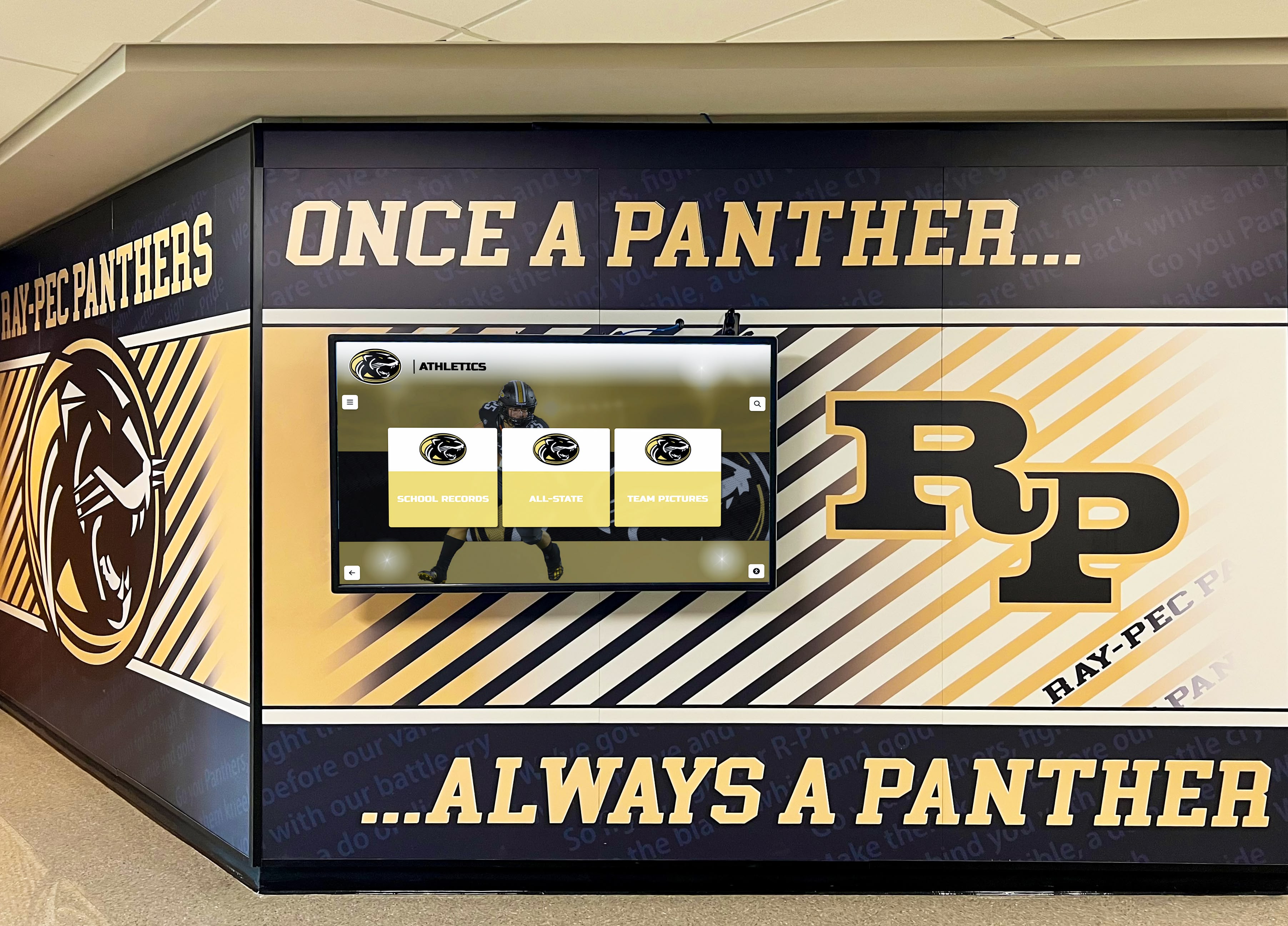
Schools that celebrate student participation through visible recognition displays create environments where spirit week excitement extends throughout the entire year
Why Spirit Week Themes Matter for School Culture
The most effective spirit week themes accomplish several critical objectives that contribute directly to positive school climate and student wellbeing.
Building Inclusive School Communities
Spirit week themes create structured opportunities for students who might never interact otherwise to connect through shared experiences. When freshmen and seniors both participate in decades day or when students from different friend groups coordinate twin-day outfits, these interactions build social bridges that strengthen overall school culture.
Research consistently demonstrates that students who feel connected to their school community show higher attendance rates, improved academic performance, stronger mental health outcomes, and greater overall satisfaction with their educational experience. Spirit weeks provide low-stakes entry points for students who struggle with traditional social integration—those who don’t play sports, participate in performing arts, or join clubs still find ways to demonstrate school pride through spirit week participation.
Key Benefits of Well-Designed Spirit Week Themes:
- Create multiple entry points for diverse participation styles
- Build traditions that give schools distinctive identities
- Generate positive memories associated with school experience
- Foster creativity and self-expression in supervised environments
- Strengthen relationships between students and staff
- Provide content for year-round recognition and celebration
Schools that extend spirit week celebrations beyond five isolated days create more lasting impact. Digital displays that showcase student participation throughout the year transform temporary excitement into permanent institutional pride, allowing future students to see established traditions and anticipate their own participation.
Strategic Planning Creates Better Participation
The difference between spirit weeks with 20% participation and those approaching 80% involvement comes down to intentional planning that removes common barriers:
Accessibility Considerations
- Financial barriers: Choose themes students can execute with items already in their closets
- Time constraints: Avoid themes requiring extensive preparation or costume creation
- Cultural sensitivity: Ensure themes respect diverse backgrounds and avoid appropriation
- Comfort levels: Include options for varying participation intensity
- Academic impact: Schedule spirit week to avoid conflict with major testing or deadlines
Theme Selection Balance
- Mix classic favorites with fresh creative options
- Rotate annually to maintain novelty while preserving best traditions
- Include at least one theme requiring zero costume preparation
- Offer individual and group participation options
- Consider grade-level specific variations of broader themes
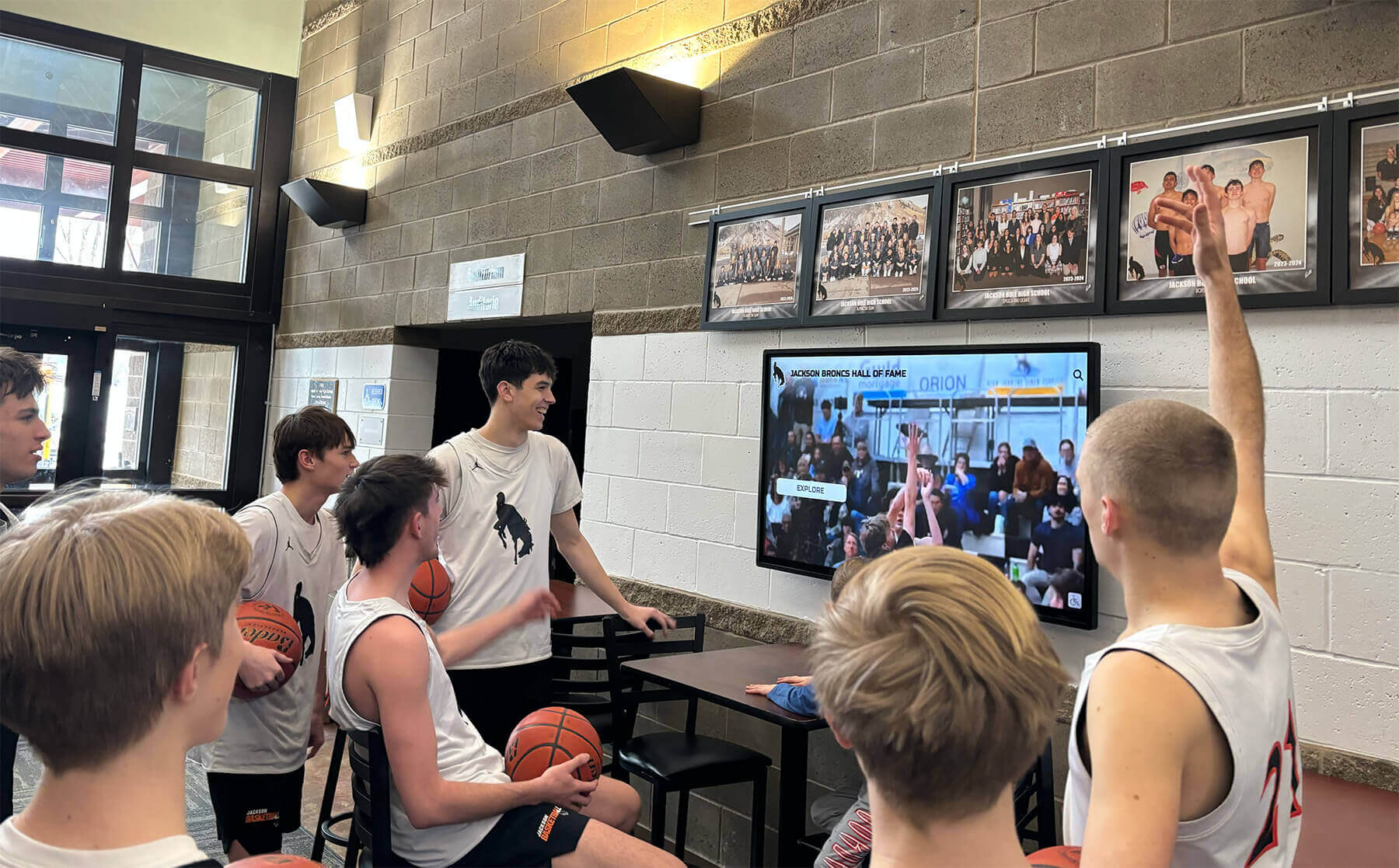
Interactive displays that celebrate student achievements create year-round connections to special events and traditions
Schools planning spirit weeks benefit from student input during theme selection, ensuring chosen themes resonate with current student interests rather than administrator assumptions about what appeals to teenagers. Many successful programs use student council votes, social media polls, or grade-level representative input to guide final decisions.
Classic Spirit Week Themes That Consistently Engage Students
Certain spirit week themes have earned their place in high school traditions through demonstrated ability to generate broad participation across diverse student populations year after year.
Decades and Time-Period Themes
Decades themes remain perennially popular because they offer creative flexibility, utilize items often available in family closets, and allow personal interpretation across wide style ranges.
1. Decades Day (Student Choice) Students select any decade from the 1950s through the 2010s, creating hallways that look like time machines with bobby socks, bell bottoms, neon windbreakers, and early 2000s low-rise jeans all coexisting simultaneously. This theme works particularly well because it accommodates various comfort levels—some students go all-out with wigs and accessories while others simply wear vintage band t-shirts.
2. Specific Decade Days Rather than open choice, some schools dedicate different days or different grade levels to specific decades:
- 1950s: Poodle skirts, leather jackets, slicked hair, saddle shoes
- 1960s: Mod fashion, peace signs, flower power, go-go boots
- 1970s: Disco, bell bottoms, tie-dye, platform shoes, big sunglasses
- 1980s: Neon colors, leg warmers, big hair, athletic wear, Members Only jackets
- 1990s: Grunge, denim-on-denim, scrunchies, flannel, baggy jeans
- 2000s: Low-rise jeans, Ugg boots, velour tracksuits, butterfly clips
The 1980s consistently ranks as the most popular single-decade theme due to its visually striking neon aesthetic and widespread availability of appropriate clothing items.
3. Time Travelers Day Students dress in historical costumes spanning ancient Egypt to the distant future, incorporating history curriculum connections and allowing creative interpretation beyond recent decades.
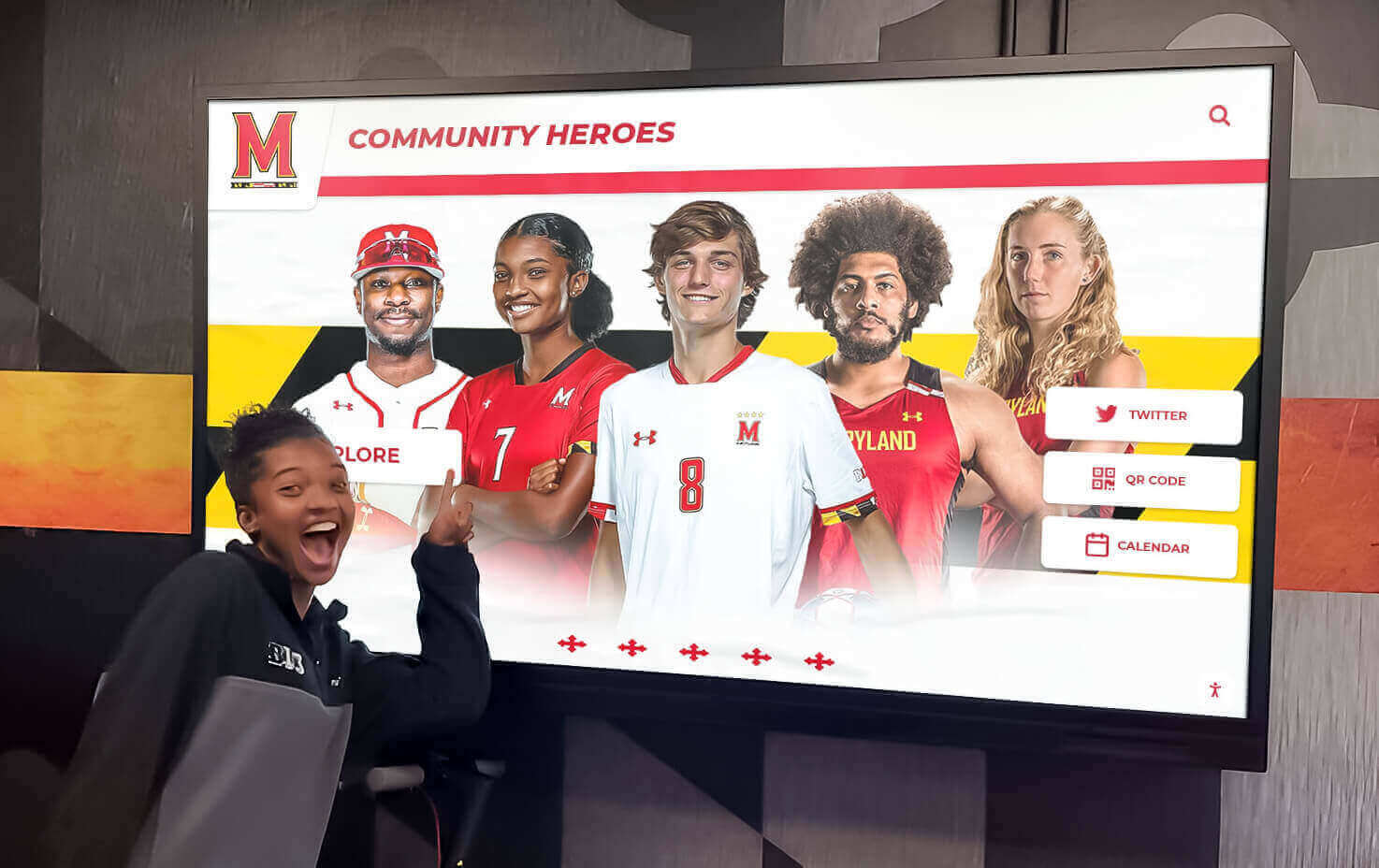
Recognition displays that highlight student participation and achievement create touchpoints that reinforce school pride throughout the academic year
Color-Based Themes
Color themes represent the most accessible spirit week options because they require no costume creation, work with existing wardrobes, and allow participation at every comfort and investment level.
4. Class Color Competition Each grade level claims a specific color and competes for the highest participation percentage. This theme builds class unity, creates visually spectacular school-wide photos, and allows simple implementation through clothing students already own. Common approaches include:
- Freshmen: Green (representing growth)
- Sophomores: Blue (representing development)
- Juniors: Purple (representing maturity)
- Seniors: Gold or black (representing achievement)
5. Neon and Glow Day Bright fluorescent colors in any combination create visually striking hallways and work particularly well when paired with blacklight-themed pep rallies or evening events. This theme succeeds because “neon” encompasses wide color ranges and style interpretations.
6. Rainbow Day Each homeroom, club, or student section represents a different rainbow color, creating spectacular coordinated photos when groups gather. This theme works well for outdoor assemblies where the full spectrum becomes visible from elevated viewpoints.
7. Black and White Day Simple, elegant, and universally accessible, this theme requires only single-color clothing items students definitely own. The unified aesthetic creates sophisticated group photos and works well for formal assemblies or recognition ceremonies.
8. Pattern Clash Day Students intentionally mismatch patterns—stripes with polka dots, plaids with florals, animal prints with geometric designs. This theme celebrates creativity while requiring zero costume investment beyond combining existing wardrobe items in unconventional ways.
9. School Colors Day The simplest and most inclusive theme possible—students wear official school colors to demonstrate institutional pride. This theme works particularly well on Fridays before major athletic events or as the spirit week finale building toward homecoming games.
Many schools incorporate recognition ceremonies during spirit week, connecting daily themes to broader celebrations of achievement and community values.
Creative Character and Media-Inspired Themes
Character-based themes tap into shared cultural experiences and allow students to embody favorite fictional personalities, creating opportunities for elaborate creativity or simple interpretation depending on individual preference.
Pop Culture and Character Days
10. Favorite Character Day Students dress as any character from movies, TV shows, books, comics, video games, or theater. This broad category accommodates every interest area while encouraging creative costume design. Students show up as everything from classic literary figures to contemporary streaming show characters.
11. Superhero and Villain Day Marvel, DC, and original creations all qualify, with costume complexity ranging from simple color-scheme t-shirts to elaborate homemade cape-and-mask ensembles. Consider allowing both heroes and villains to increase participation options.
12. Disney Character Day With nearly a century of characters spanning princess tales, Pixar animations, classic films, and contemporary releases, Disney themes offer something for every age and interest level. Students appreciate the range from simple (mouse ears) to elaborate (full costume recreation).
13. Storybook and Literary Character Day This theme connects spirit week to academic curriculum, allowing students to represent favorite book characters from childhood picture books through contemporary young adult novels. English teachers particularly appreciate the cross-curricular connection.
14. Video Game Character Day Gaming culture’s mainstream acceptance makes this theme increasingly popular, especially among students who typically skip traditional dress-up days. Characters range from retro arcade games to contemporary online multiplayer favorites.
15. Cartoon and Animated Character Day Students dress as characters from animated series spanning Saturday morning classics to contemporary streaming animations, with costume complexity ranging from character t-shirts to detailed recreations.

Interactive recognition systems allow schools to celebrate spirit week participants alongside athletic and academic achievers
Paired and Group Costume Themes
16. Twin Day Students coordinate matching outfits with friends, emphasizing connection and collaboration. This theme works particularly well for building relationships across grade levels when underclassmen pair with upperclassmen mentors.
17. Dynamic Duo Day Famous pairs from history, entertainment, literature, or pop culture inspire creative partnered costumes—peanut butter and jelly, Batman and Robin, historical figures and their contemporaries.
18. Squad Day Small groups create coordinated looks showcasing friendship circles. These might include matching color schemes, coordinated character groups (Wizard of Oz characters, Scooby-Doo gang, Avengers teams), or creative group concepts.
19. Clash of the Couples Fictional or historical couples provide costume inspiration, from Romeo and Juliet to contemporary on-screen romances. Some schools include friend pairs to maintain inclusivity beyond romantic partnerships.
Professional, Academic, and Career-Themed Days
Career-oriented themes connect spirit week celebrations to future aspirations while maintaining accessibility and fun.
20. Career Day Students dress in professional attire representing future career interests—medical scrubs, business suits, construction gear, chef’s whites, military uniforms, or creative profession costumes. This theme works well when paired with career exploration programming or guest speaker events.
21. College Day Students wear apparel representing colleges they hope to attend or that family members attended, creating natural conversations about post-secondary planning. This theme works particularly well during college application season and builds excitement about future educational opportunities.
22. STEM Day Lab coats, safety goggles, periodic table t-shirts, math puns, and science-themed accessories celebrate academic achievement in science, technology, engineering, and mathematics fields.
23. Future Professional Day Similar to career day but focused specifically on students’ intended professions, encouraging research and reflection about career pathways.
24. Teacher Look-Alike Day Students dress to resemble favorite teachers (with staff permission and good humor), celebrating positive student-teacher relationships and creating memorable interactions. Teachers often participate by trying to identify who’s representing them.
Schools implementing spirit week themes benefit from creating visual displays that preserve these celebrations beyond the event itself, maintaining excitement throughout the academic year.
Sports, Hobby, and Interest-Based Themes
These themes allow students to showcase personal interests and passions while creating opportunities to discover shared interests with peers.
25. Jersey Day Students wear jerseys representing favorite sports teams, school athletics, or recreational leagues they participate in. This theme celebrates athletic involvement at every level from professional sports fandom to personal participation.
26. Athlete vs. Mathlete Day Students choose to represent athletic interests or academic pursuits, creating friendly competition between different strength areas while celebrating both as equally valuable.
27. Sports Team Spirit Day Rather than individual jerseys, students coordinate to represent specific professional, college, or school teams, creating visible fan groups throughout hallways.
28. Hobby Day Students dress to represent favorite hobbies—artists bring paint palettes, musicians wear band t-shirts, dancers dress in leotards, gamers wear gaming merchandise, readers carry favorite books as accessories.
29. Music Genre Day Different grades or sections represent musical genres—country, rock, hip-hop, classical, jazz, pop—through fashion choices associated with those styles.
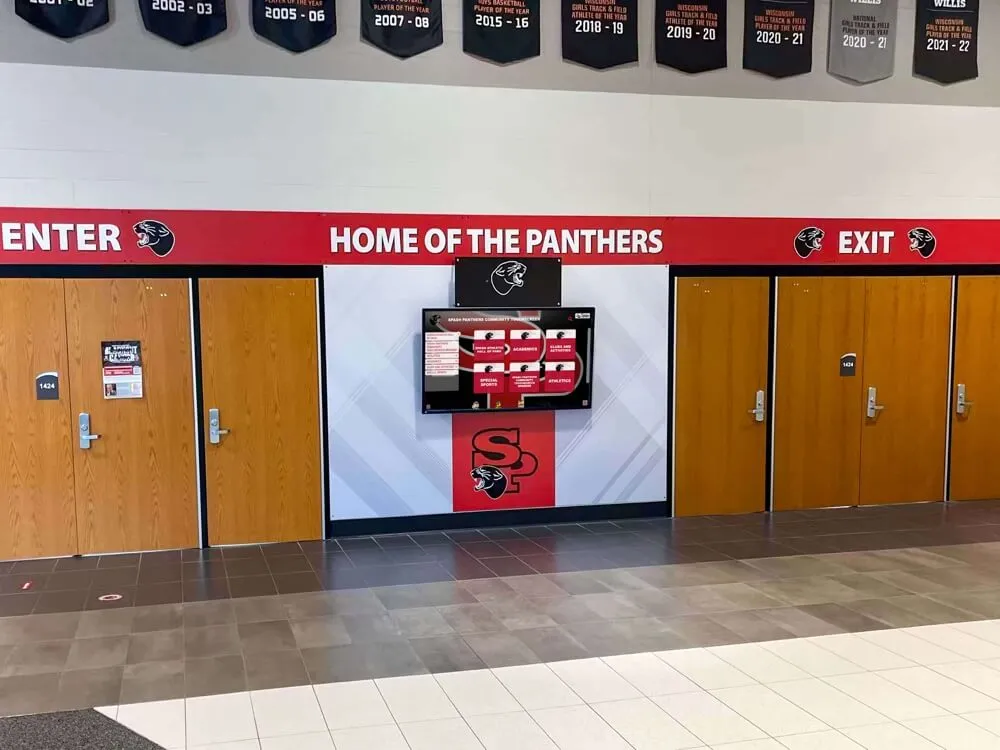
Permanent displays in high-traffic areas maintain spirit week momentum throughout the year
30. Fan Fandom Day Students represent favorite fandoms from any category—book series, movie franchises, TV shows, sports teams, musical artists, gaming communities—celebrating the diverse interests that make up school populations.
Comfort, Pajama, and Casual Themes
These themes rank among the most popular because they require minimal preparation while maximizing comfort—a winning combination for busy students.
31. Pajama Day Students wear pajamas, robes, slippers, and carry stuffed animals, creating the most comfortable school day possible. This theme consistently generates high participation because it requires items students definitely own and removes all costume barriers.
32. Cozy Day Slightly more school-appropriate than full pajamas, cozy day includes sweatpants, hoodies, fuzzy socks, blankets-as-capes, and comfortable loungewear.
33. Backwards Day Students wear clothing backwards—shirts, hats, even backpacks worn on chests. Some interpretations include wearing clothes inside-out or sporting typical evening outfits during the school day.
34. Mismatch Day Mismatched shoes, socks, patterns, and style aesthetics create intentionally chaotic looks that celebrate creativity without requiring any costume investment beyond combining existing items unconventionally.
35. Hat Day Simple implementation allowing students to wear any hat—baseball caps, beanies, cowboy hats, novelty hats—with minimal disruption to normal school operations. This theme works particularly well at schools with no-hat policies during regular days.
36. Sunglasses and Beach Day Students wear summer attire, sunglasses, leis, and beach-themed accessories, bringing tropical vibes to school hallways regardless of weather conditions outside.
Cultural, Holiday, and Seasonal Themes
These themes connect spirit week to broader cultural moments and seasonal celebrations while requiring cultural sensitivity during implementation.
37. Around the World Day Students represent different countries and cultures through traditional dress, flags, or cultural symbols. Careful planning ensures this theme celebrates cultural diversity authentically rather than perpetuating stereotypes or encouraging appropriation. Consider requiring students to represent their own cultural heritage or having schools provide cultural education alongside participation.
38. Seasonal Celebration Day Different seasons inspire different aesthetic choices—fall flannel and pumpkin colors, winter snowflake patterns and cozy knits, spring pastels and floral prints, summer bright colors and beach themes.
39. Holiday Spirit Day Non-denominational holiday themes focus on winter celebrations, spring festivals, or fall harvest imagery. Schools must carefully navigate religious inclusivity when implementing holiday-themed spirit days.
40. Heritage and Cultural Pride Day Students celebrate personal cultural backgrounds through traditional clothing, symbols, or colors representing family heritage. This theme works best when accompanied by educational programming that helps students understand diverse backgrounds represented in their school community.
Many schools preserve cultural celebrations through recognition systems that honor diverse achievements, creating year-round visibility for the multicultural communities that make schools special.
Creative and Unique Theme Ideas
These innovative themes go beyond traditional categories, offering fresh takes that maintain student interest even in schools with established spirit week traditions.
41. Meme Day Students dress as popular internet memes, bringing digital culture into physical school spaces. This contemporary theme particularly resonates with students immersed in online communities.
42. Anything But a Backpack Day Students carry school supplies in unconventional containers—laundry baskets, shopping carts, coolers, suitcases, wagons—creating hilarious hallway scenes. Ensure building accessibility remains possible when implementing this theme.
43. Decades Mashup Day Rather than choosing single decades, students combine elements from multiple eras in single outfits—’90s scrunchies with ’70s bell bottoms and ’80s neon jackets.
44. Childhood Throwback Day Students dress in styles from elementary school years—favorite cartoon character shirts, light-up shoes, childhood fashion trends—creating nostalgic connections while celebrating personal growth.
45. Reality TV Day Students represent characters, contestants, or themes from reality television shows, from cooking competitions to home renovation programs to talent contests.
46. Age Swap Day Students dress either much younger (children’s clothing, baby accessories) or much older (retirement casual, grandparent aesthetics), creating humorous generational perspective shifts.
47. Formal Day Students dress in formal attire—suits, dresses, dress shoes—creating elegant atmospheres usually reserved for proms or awards ceremonies. This theme photographs beautifully and creates memorable contrast with typical casual school environments.
48. Camouflage and Army Day Military-inspired clothing, camouflage patterns, and tactical gear create unified aesthetics while honoring military service. Some schools coordinate this theme with veteran recognition events or military appreciation programming.
49. Tacky Tourist Day Students dress as stereotypical tourists—Hawaiian shirts, fanny packs, cameras, maps, sun visors, socks with sandals—creating humorous interpretations of vacation aesthetics.
50. Blast from the Past (Personal Edition) Students bring photos from elementary school and dress in similar styles or wear actual clothing items from younger years that still fit, creating before-and-after comparisons that celebrate growth and change.
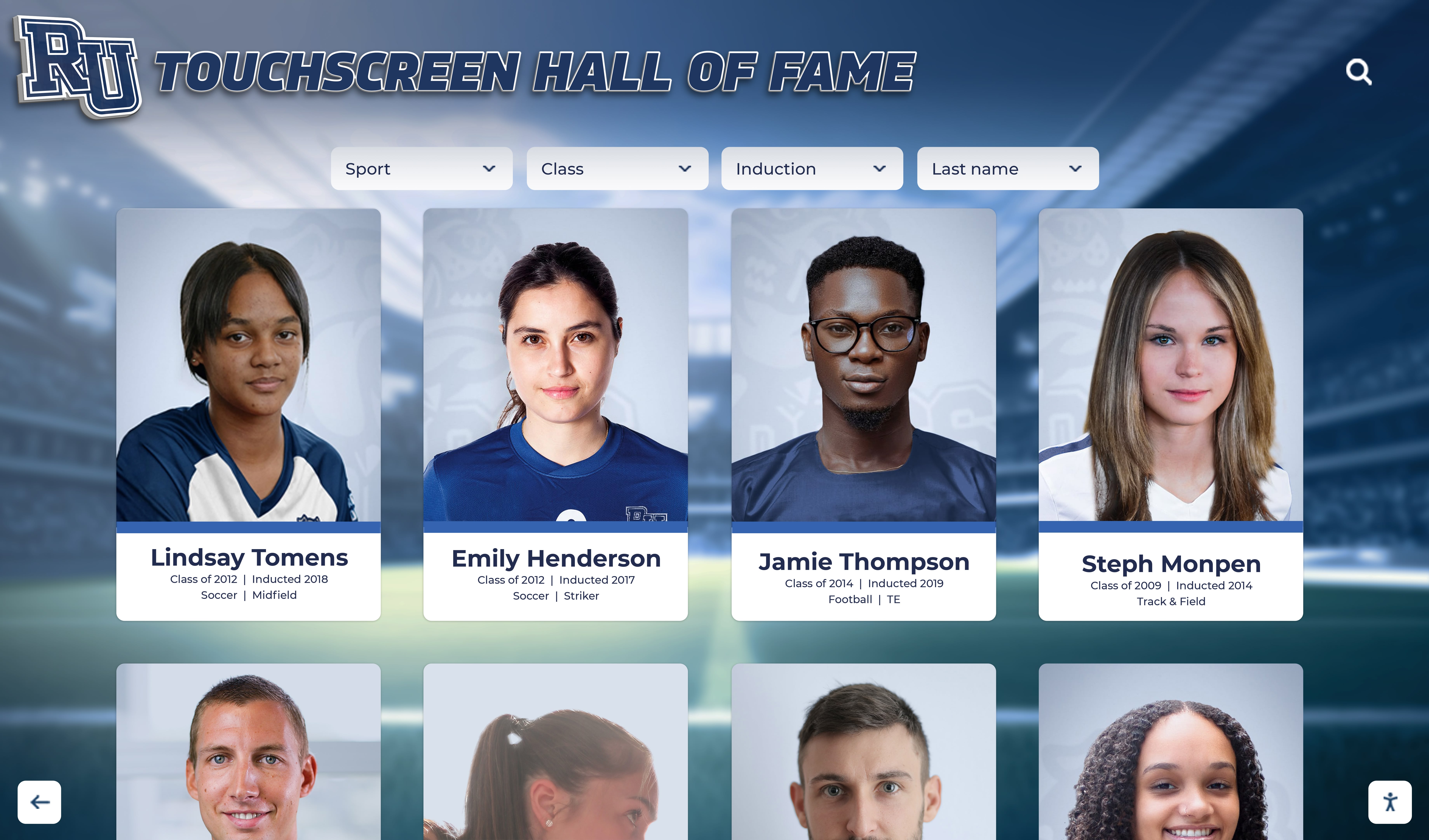
Digital recognition platforms allow schools to preserve spirit week memories alongside academic and athletic achievements
Planning Successful Spirit Week: Implementation Strategies
Selecting engaging themes represents only part of creating successful spirit weeks. Strategic implementation determines whether chosen themes generate broad participation or fall flat despite creative concepts.
Timeline and Communication Planning
Start Early Begin planning 6-8 weeks before spirit week to allow adequate time for theme selection, approval processes, communication rollout, and promotional material creation.
Build Anticipation Gradually
- Week 6-8: Announce spirit week dates and request student input for theme preferences
- Week 4-5: Reveal selected themes through creative announcements
- Week 3: Launch promotional campaign with daily theme explanations and participation examples
- Week 2: Share daily reminders and address student questions about themes
- Week 1: Final countdown with participation incentives and class competition details
- Spirit Week: Daily recognition of participants and running competition updates
Multi-Channel Communication
- Morning announcements explaining each theme
- Social media posts with visual examples and inspiration
- Hallway posters illustrating each day’s theme
- Email communications to parents explaining spirit week purpose and themes
- Teacher talking points for class discussions
- Student council ambassadors answering peer questions
Creating Inclusive Participation Structures
Remove Financial Barriers Every theme should be accomplishable with items students already own or can borrow from family members. Avoid themes requiring costume purchases or elaborate prop creation that disadvantages students from families facing financial constraints.
Accommodate Comfort Levels Students participate at varying comfort levels with dress-up activities. Successful spirit weeks offer participation options ranging from elaborate costumes to minimal accessories that still demonstrate theme engagement:
- Decades Day: Full costume or simply a decade-appropriate t-shirt
- Character Day: Complete costume or character-themed accessories
- Color Day: Full monochrome outfit or single colorful accessory
Consider Cultural Sensitivity Review themes through cultural competency lenses, ensuring celebrations don’t perpetuate stereotypes, encourage cultural appropriation, or exclude students from minority backgrounds. Consult with diversity coordinators and student representatives from various cultural groups when planning themes with potential cultural implications.
Maintain Academic Standards Spirit week enhances school culture but shouldn’t disrupt learning environments. Establish clear guidelines about:
- Themes that remain school-appropriate (no overly revealing costumes, violent characters, or inappropriate references)
- Academic expectations remain unchanged during spirit week
- Spirit week activities that don’t interfere with testing schedules or major academic deadlines
Competition and Recognition Strategies
Class Competitions Grade-level competitions for highest participation percentages motivate collective involvement. Track participation through:
- Morning homeroom counts (percentage of students participating per class)
- Photo submissions showing theme participation
- Teacher observations throughout the day
- Cumulative scores across all five days
Recognition Systems Celebrate participation through multiple recognition channels:
- Daily announcements highlighting creative interpretations
- Social media features showcasing diverse participation
- Hallway photo displays during and after spirit week
- End-of-week awards ceremony recognizing class winners and individual creativity
- Digital displays preserving spirit week memories throughout the year
Schools implementing comprehensive recognition strategies often find that digital platforms for displaying achievements create year-round touchpoints that maintain spirit week momentum long after the actual event concludes.
Safety and Appropriateness Guidelines
Costume Safety Standards
- No masks or face coverings that obscure identity (security concerns)
- No costumes that impede movement or create tripping hazards
- No props that could be mistaken for weapons
- No costumes with offensive symbols or messages
- Appropriate coverage standards (no costume variations of inappropriate attire)
Theme Appropriateness Review Before finalizing themes, review against potential issues:
- Cultural appropriation concerns
- Gender stereotype reinforcement
- Socioeconomic barriers to participation
- Exclusion of specific student groups
- Potential for bullying or inappropriate interpretations
Extending Spirit Week Impact Beyond Five Days
The most successful school spirit weeks create ripple effects that extend well beyond the five days of themed dress-up, building traditions that strengthen school culture throughout the academic year and across multiple graduating classes.
Preserving Spirit Week Memories
Digital Documentation Capture spirit week through comprehensive photo and video documentation that can be shared, celebrated, and preserved:
- Designate student photographers for each day
- Create themed photo booths during lunch periods
- Encourage student social media sharing with official hashtags
- Compile highlight videos showcasing participation across all themes
- Create year-end retrospectives featuring spirit week alongside other major events
Year-Round Recognition Displays Transform spirit week from isolated event to ongoing cultural touchstone through permanent displays that showcase participation:
- Hallway displays featuring spirit week highlight photos
- Digital screens rotating through themed participation images
- Trophy cases including spirit week competition awards
- Yearbook spreads dedicating significant space to spirit week coverage
- Online galleries parents and community members can access
Schools discovering that physical and digital recognition systems create powerful connections to special events often invest in comprehensive platforms that showcase spirit week participation alongside academic achievements, athletic accomplishments, and other recognition moments throughout the year.
Building Traditions Across Years
Signature Theme Development Certain themes become signature events that students anticipate year after year:
- Annual decade themes rotating through different eras
- Traditional final-day school colors showing before homecoming
- Unique themes specific to your school’s identity and culture
- Themes tied to school mascot or institutional history
Alumni Connections Spirit week traditions create touchpoints with alumni who participated in similar celebrations during their school years:
- Social media campaigns inviting alumni to share spirit week photos from their eras
- Reunion events scheduled during spirit week
- Digital displays featuring spirit week participation across decades
- Alumni feedback informing current theme selection
Evolving While Honoring Tradition Balance preserving beloved traditions with introducing fresh themes that maintain current student interest:
- Keep 2-3 signature themes that appear annually
- Rotate 2-3 themes based on student votes and cultural trends
- Introduce 1 completely new experimental theme each year
- Retire themes that consistently generate low participation
Connecting Spirit Week to Broader School Culture
Academic Integration Connect spirit week themes to curriculum when possible:
- Historical decades days tied to history class units
- Literary character days coordinating with English curriculum
- STEM days highlighting science and math achievements
- Career days connected to guidance programming
Community Building Beyond Spirit Week Use spirit week momentum to launch other community-building initiatives:
- Monthly theme days maintaining spirit week energy
- Quarterly celebrations honoring different achievement areas
- Recognition events showcasing diverse student accomplishments
- Tradition-building ceremonies creating new annual celebrations
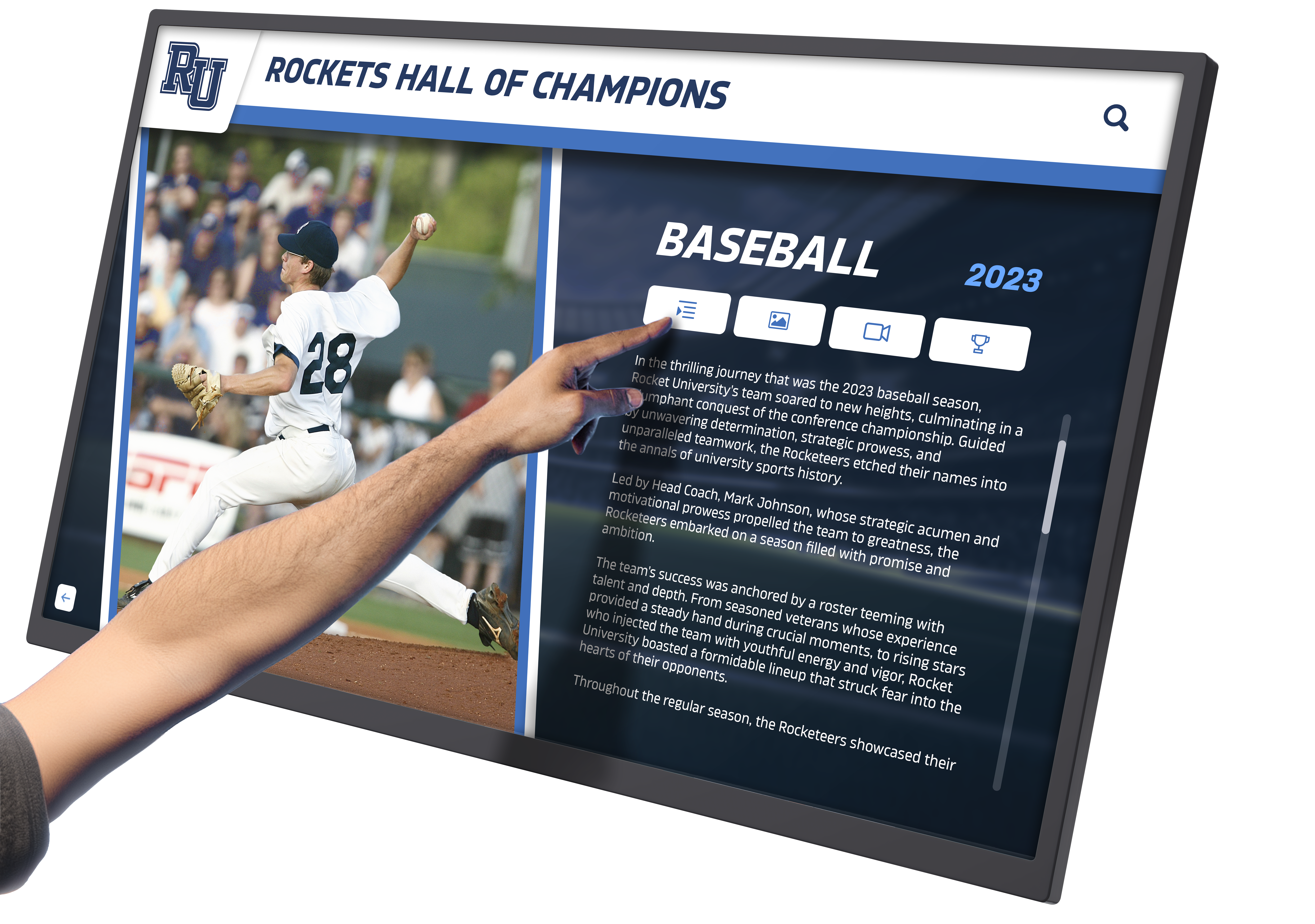
Comprehensive recognition systems celebrate spirit week participation alongside athletic and academic excellence
Measuring Spirit Week Success Evaluate spirit week effectiveness through multiple metrics:
- Participation percentages by grade level and overall
- Student satisfaction surveys gathering feedback
- Behavioral data (attendance rates, discipline incidents during spirit week)
- Photographic documentation showing diversity of participation
- Year-over-year comparisons tracking trend
Creating Lasting Recognition of School Spirit
Spirit week themes create powerful moments of community celebration that deserve recognition extending well beyond five isolated days. Schools that transform temporary excitement into permanent traditions build stronger cultures where students feel genuinely connected to institutional identity and proudly claim their schools as meaningful parts of their personal stories.
The most effective approach combines engaging theme selection with comprehensive recognition systems that preserve these celebrations throughout the academic year and across graduating classes. When students see spirit week photos displayed in main hallways months after the event, when digital screens rotate through participation highlights alongside athletic championships and academic honors, when yearbooks dedicate substantial space to these celebrations—spirit week becomes woven into the permanent fabric of school culture rather than remaining an isolated annual event.
Modern recognition platforms allow schools to showcase spirit week participation alongside other achievement areas, creating comprehensive celebrations of everything that makes school communities special. Interactive touchscreen displays in main lobbies give students, staff, and visitors opportunities to explore spirit week archives, view participation photos from current and previous years, and build anticipation for upcoming celebrations.
Celebrate School Spirit Year-Round with Digital Recognition
Transform spirit week from isolated event to lasting tradition with interactive displays that preserve these celebrations alongside academic achievements, athletic accomplishments, and community milestones throughout the year.
Spirit week themes serve as more than costume contests and photo opportunities—they represent structured celebrations that build inclusive communities, strengthen institutional identity, and create shared experiences students remember long after graduation. By selecting engaging themes that balance creativity with accessibility, implementing thoughtful planning that removes participation barriers, and preserving these celebrations through comprehensive recognition systems, schools transform spirit week into powerful cultural traditions that unite diverse student populations and build the lasting pride that makes great schools special.
Live Example: Rocket Alumni Solutions Touchscreen Display
Interact with a live example (16:9 scaled 1920x1080 display). All content is automatically responsive to all screen sizes and orientations.