



Spirit Week arrives each year with the promise of unifying students across grade levels, fostering school pride, and creating memorable traditions that students recall long after graduation. Yet planning truly effective spirit weeks that engage diverse student populations while building authentic community requires more than generic theme days and costume contests. Too often, spirit weeks feel forced rather than fun, attract limited participation beyond already-engaged students, and fade quickly from memory once normal routines resume.
The most successful spirit weeks don’t just provide entertainment—they create meaningful opportunities for students to express school pride, connect with peers across social groups, and contribute to something larger than themselves. These exceptional celebrations transform typical school weeks into festivals of community where every student finds ways to participate authentically, regardless of athletic prowess, academic standing, or social status.
This comprehensive guide explores 50+ creative school spirit week ideas spanning daily themes, recognition strategies, competition formats, and celebration approaches that build lasting traditions while uniting your entire school community in genuine pride and participation.
Effective spirit weeks balance structure with flexibility, provide inclusive participation opportunities, and create moments worth remembering. Schools that excel at spirit week planning design celebrations that honor traditions while remaining responsive to current student interests, leverage recognition technology extending impact beyond single weeks, and build systematic approaches ensuring consistent quality regardless of which students serve on planning committees.

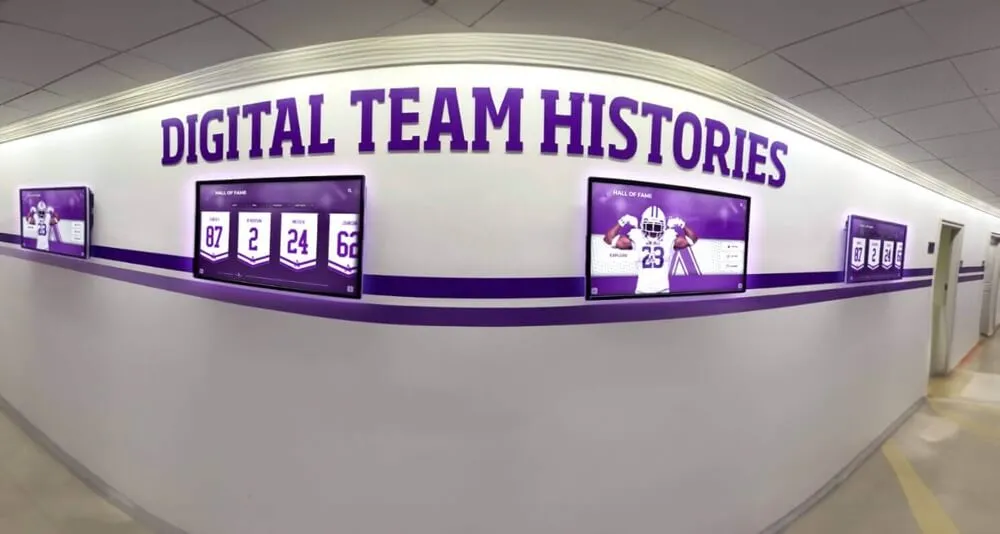
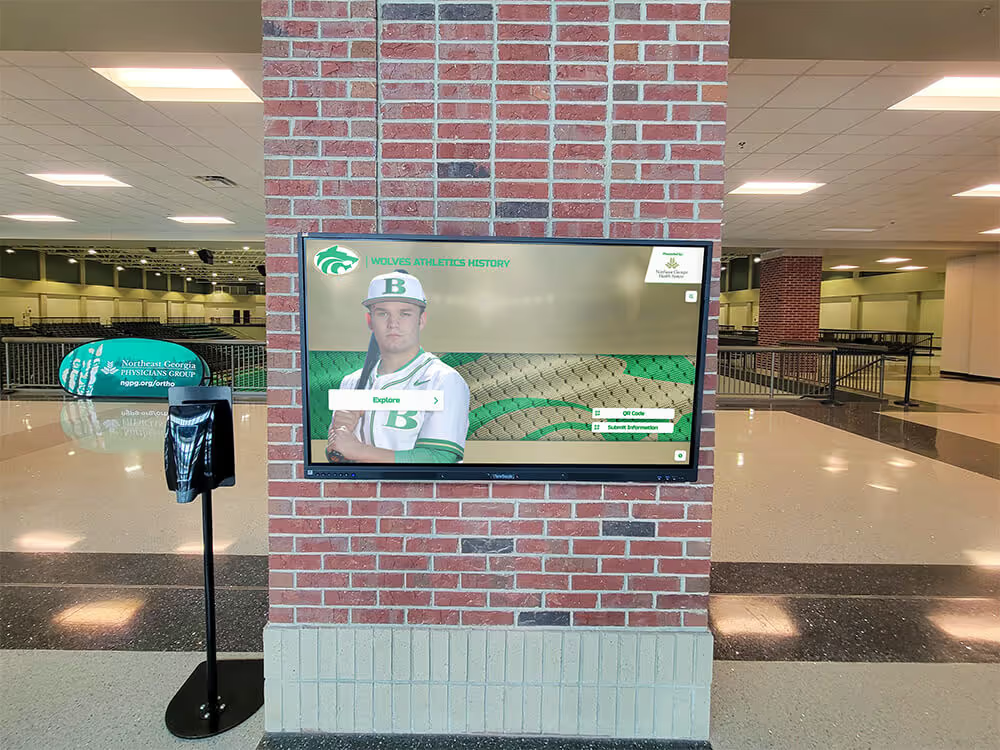
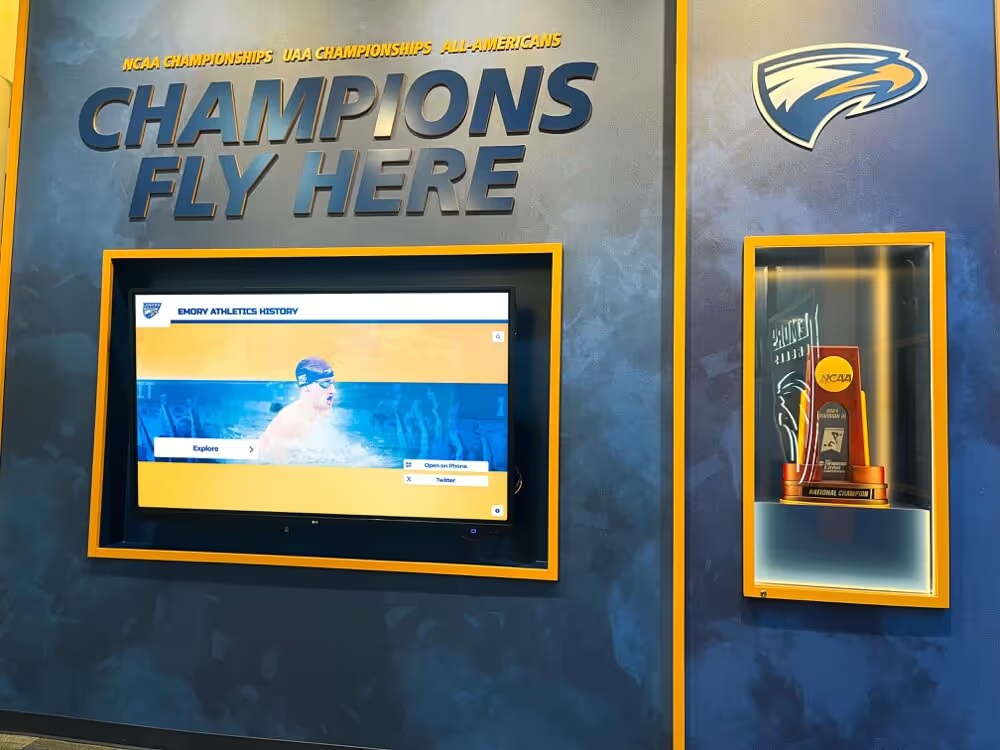
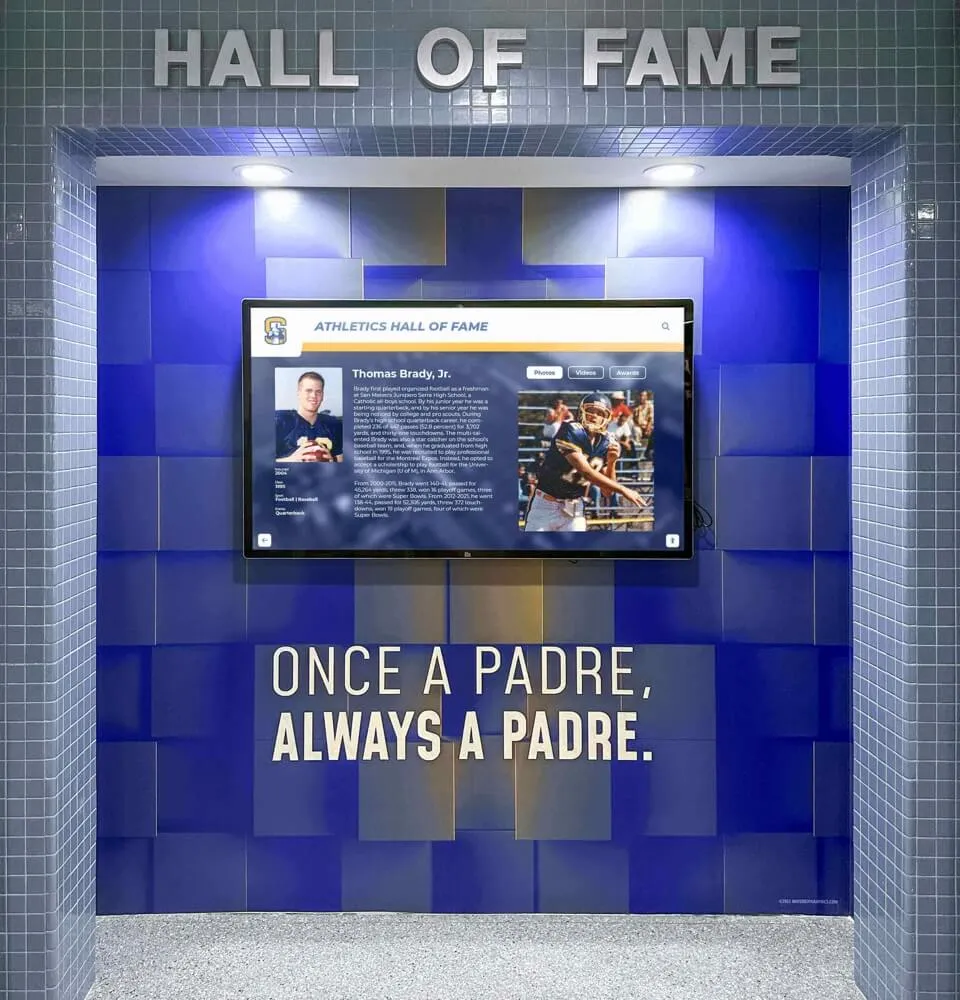
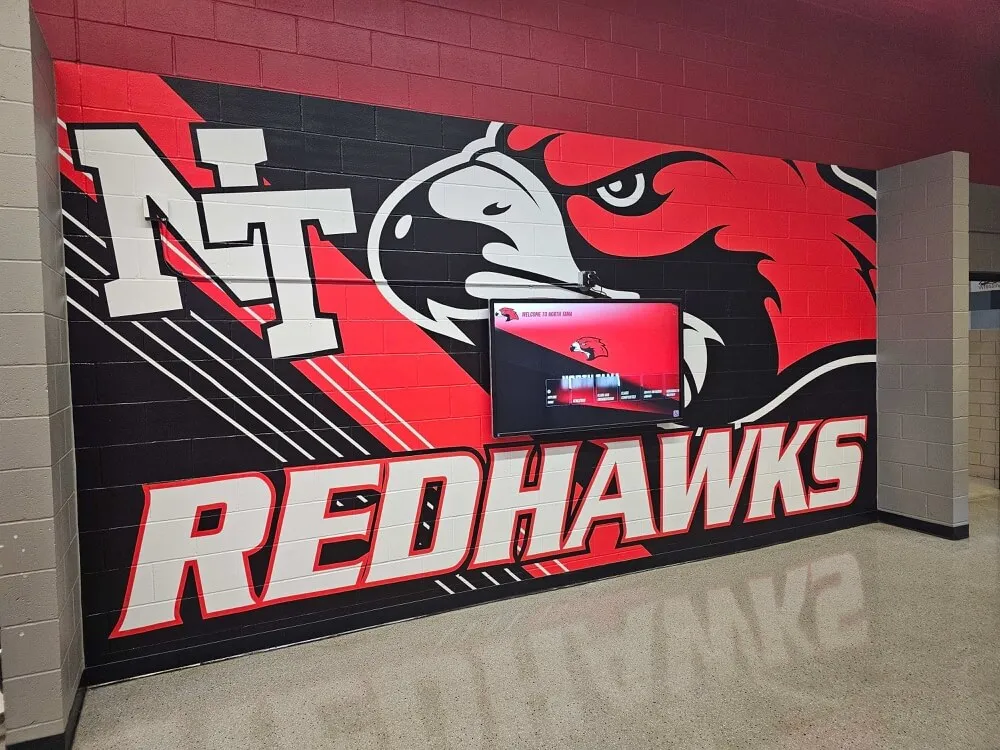
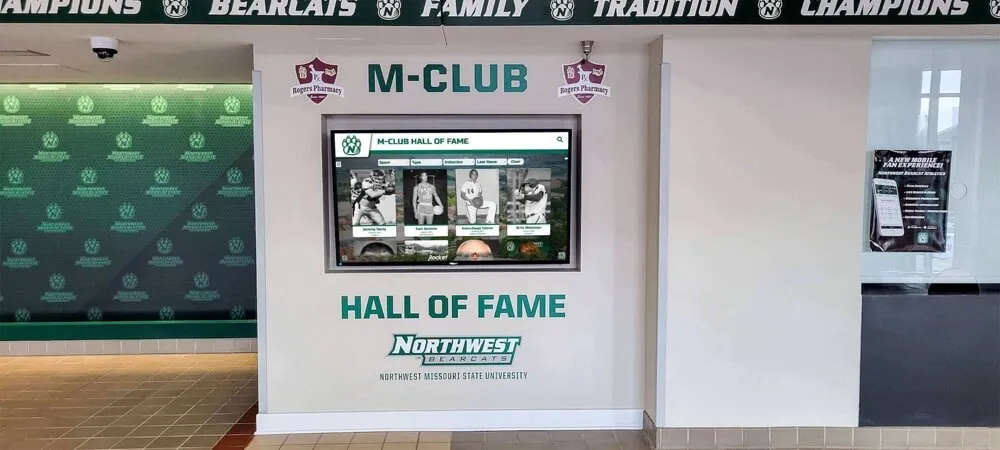
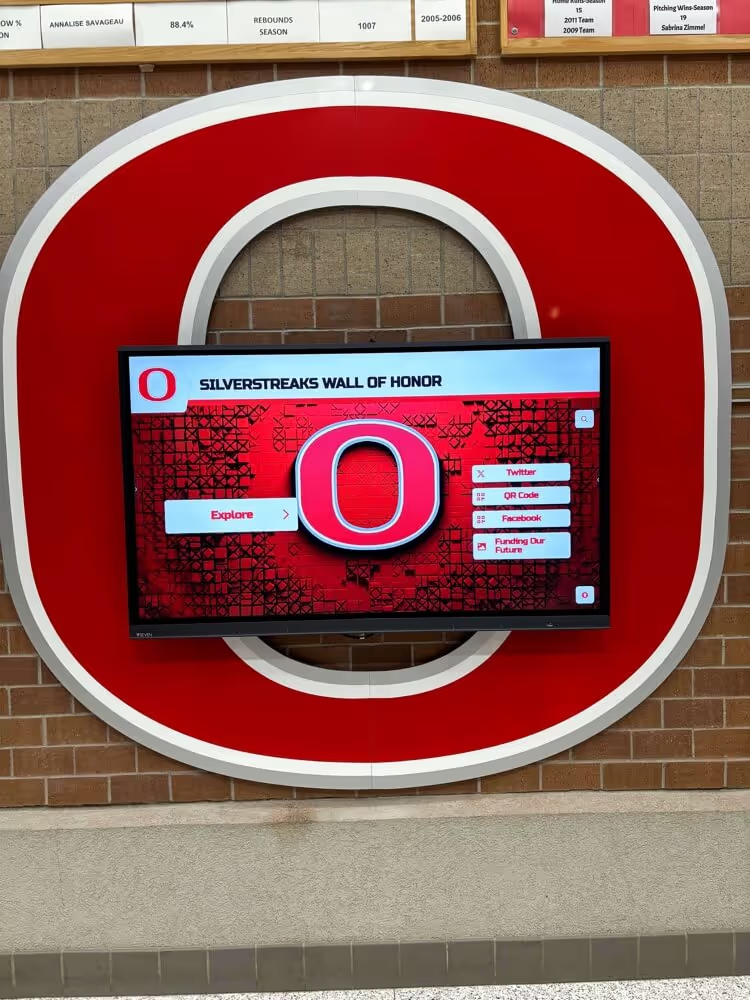
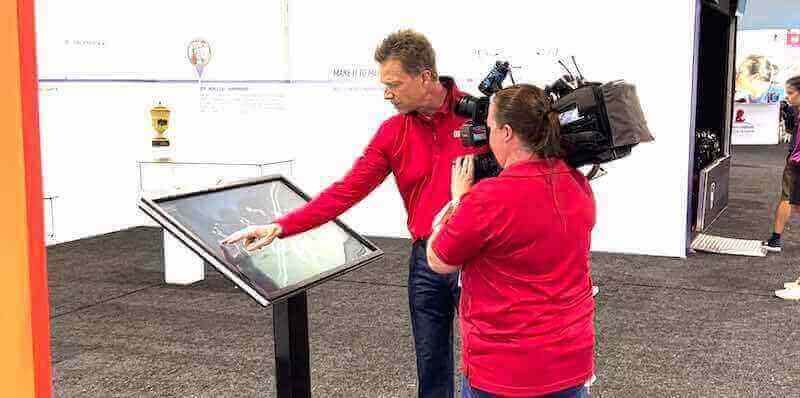
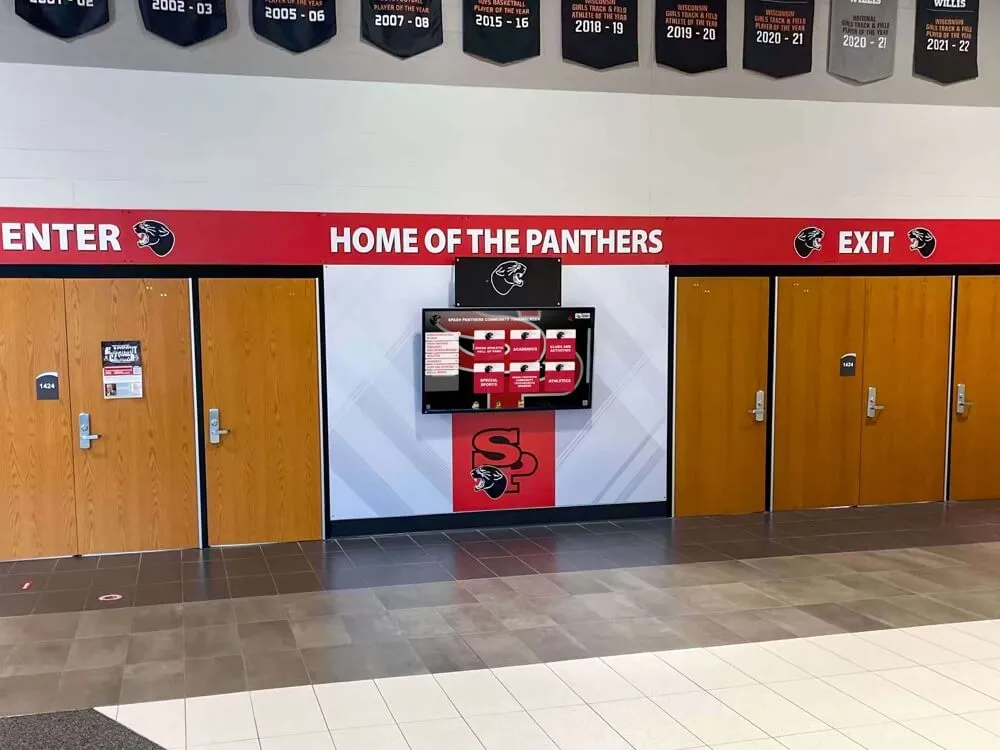
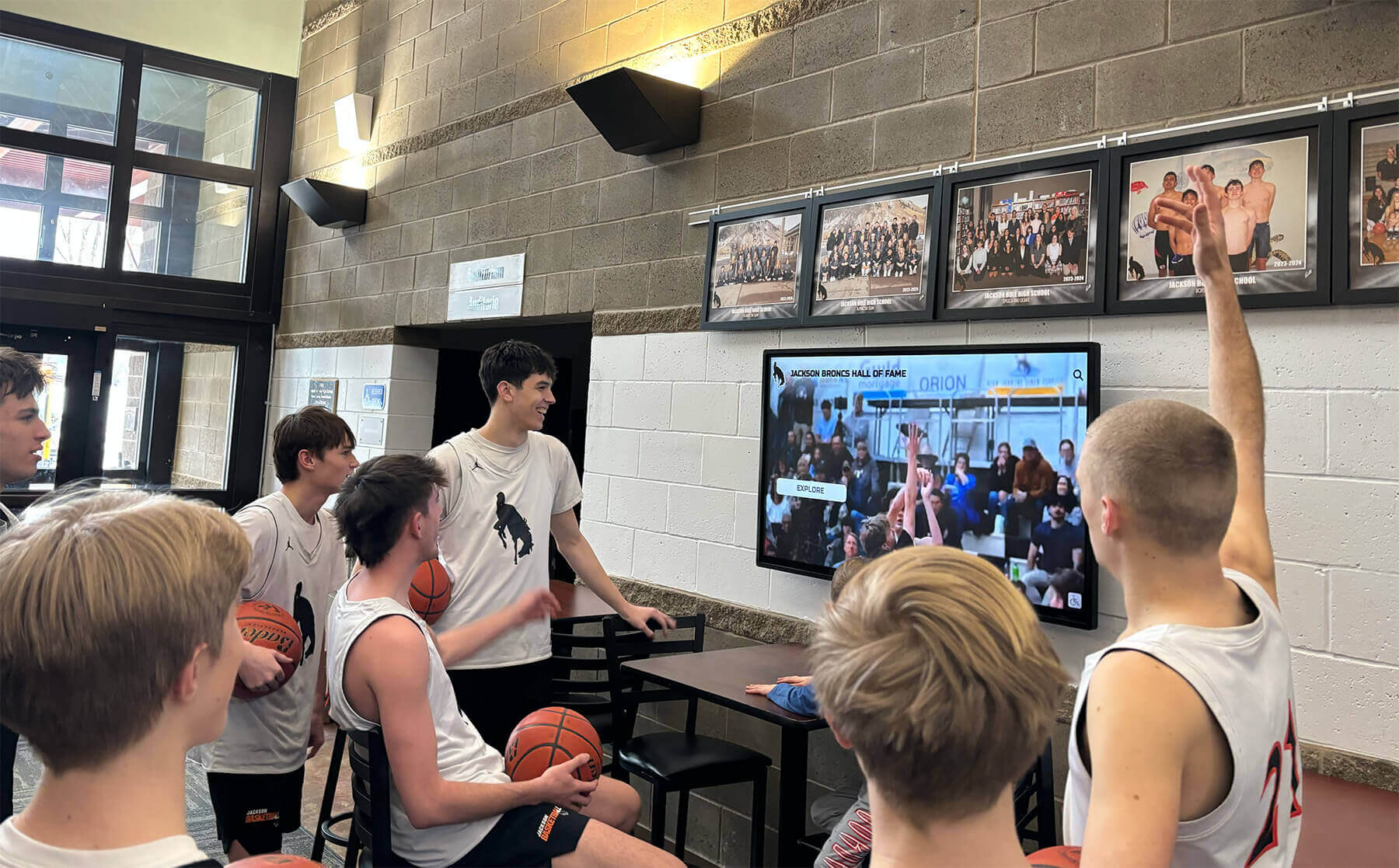
Digital displays create engaging focal points during spirit weeks, allowing students to explore school achievements and connect with institutional pride
Understanding What Makes Spirit Weeks Successful
Before exploring specific theme ideas, understanding the underlying principles that separate memorable spirit weeks from forgettable ones helps schools design more effective celebrations.
Core Elements of Effective Spirit Weeks
Inclusive Participation Opportunities
The best spirit weeks ensure every student finds ways to participate:
- Multiple daily theme options accommodating diverse interests
- Recognition for participation rather than just winning
- Low-barrier activities requiring minimal cost or preparation
- Academic and arts-focused themes alongside athletic competitions
- Voluntary participation without social pressure or consequences
Clear Connection to School Identity
Spirit weeks strengthen institutional pride when they:
- Celebrate unique school traditions and history
- Incorporate school colors, mascots, and symbols meaningfully
- Connect current students to alumni through shared traditions
- Reinforce school values and community standards
- Build on previous years’ successes while adding fresh elements
Balanced Competition and Collaboration
Effective spirit weeks create healthy competition while maintaining unity:
- Class competitions building grade-level bonds
- School-wide challenges uniting entire community
- Recognition for effort and creativity beyond just winning
- Sportsmanship expectations preventing negative rivalry
- Celebration of collective school spirit over individual classes
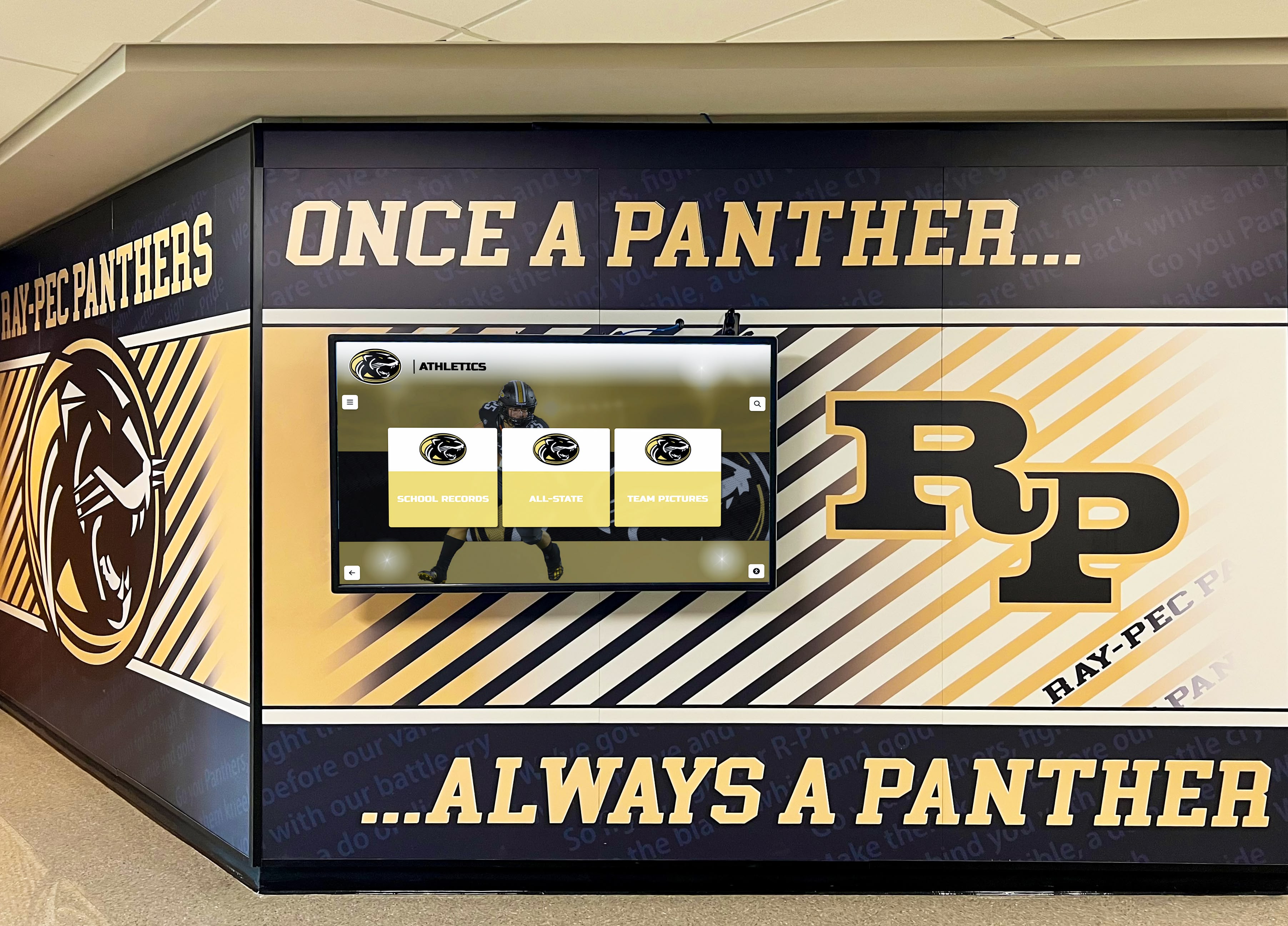
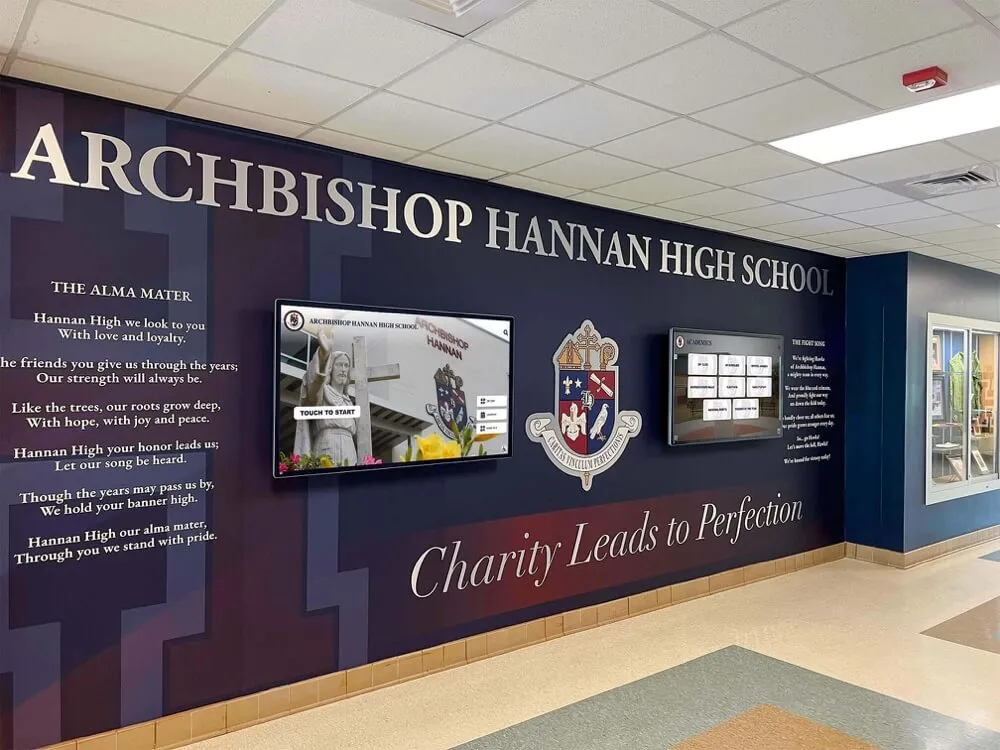
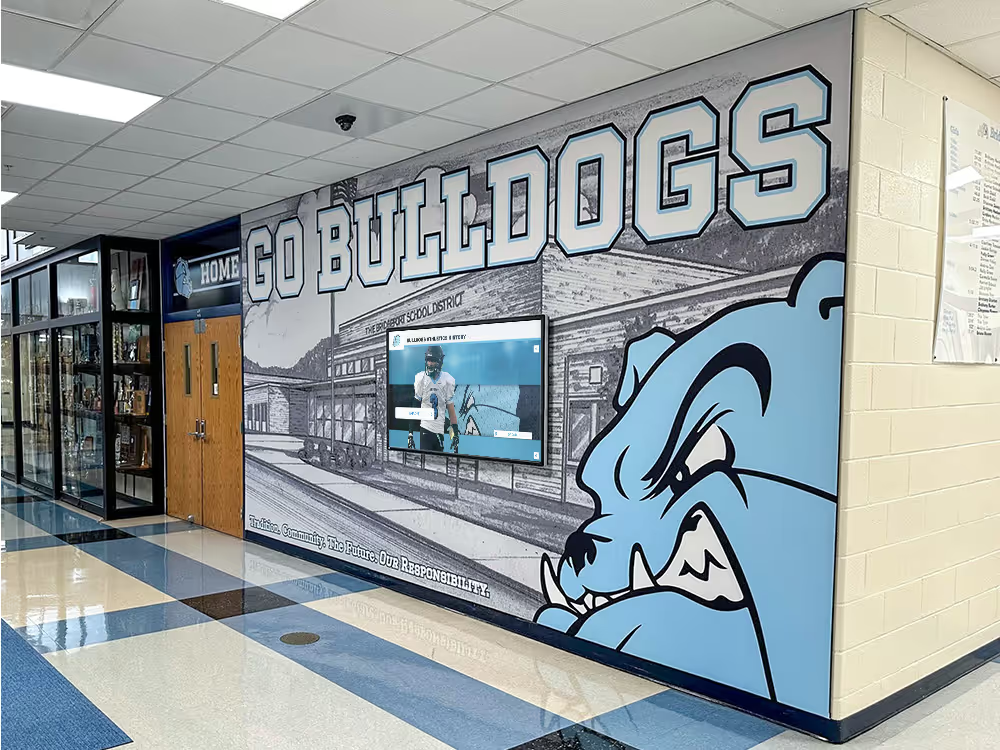
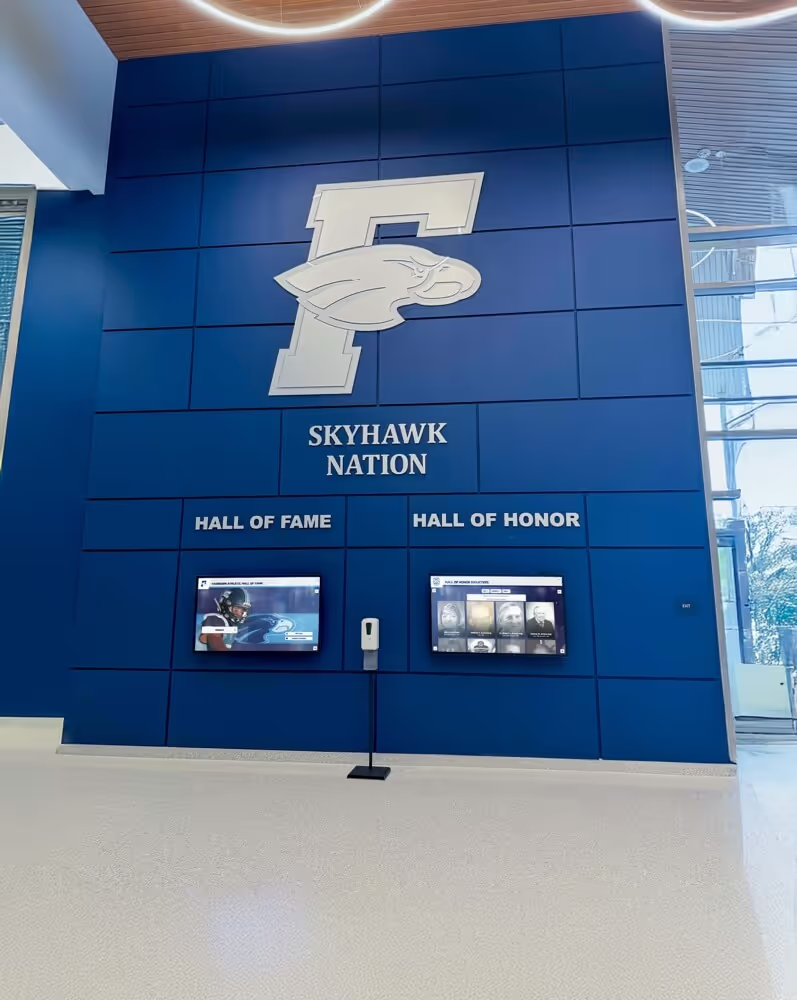
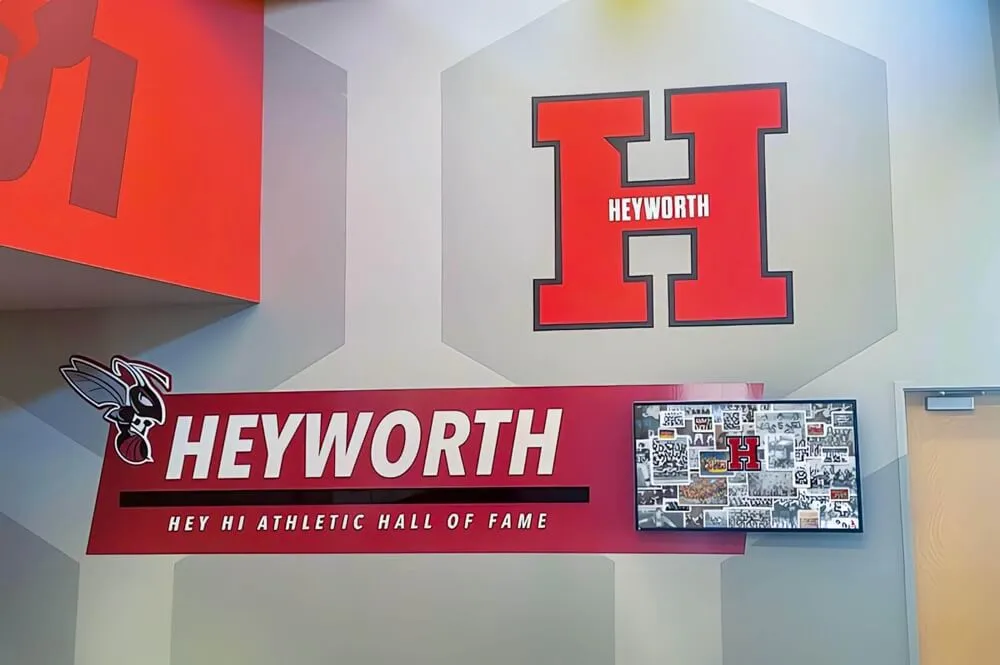
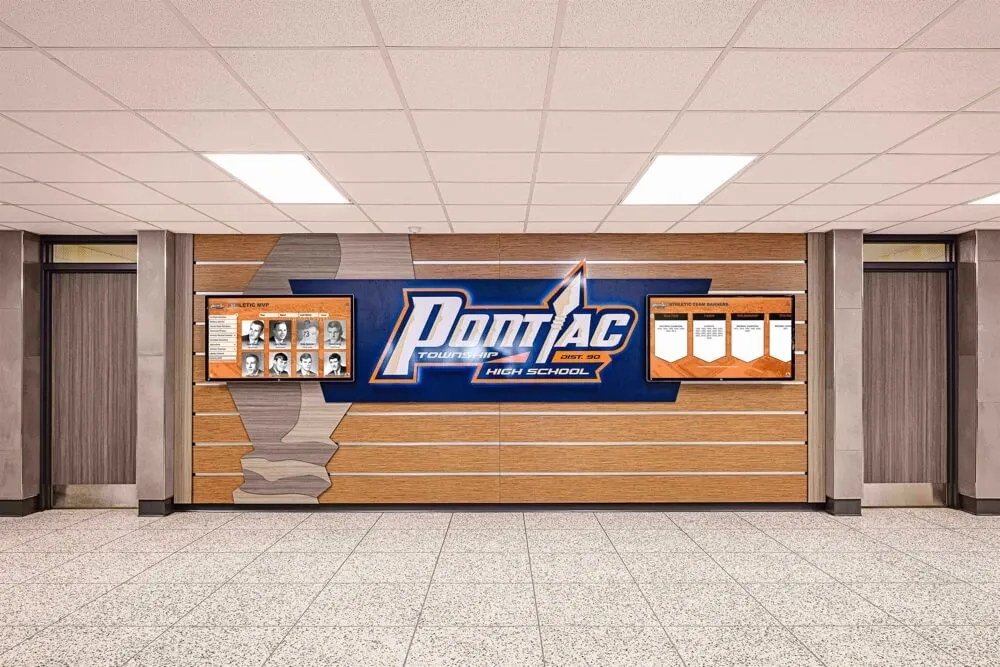
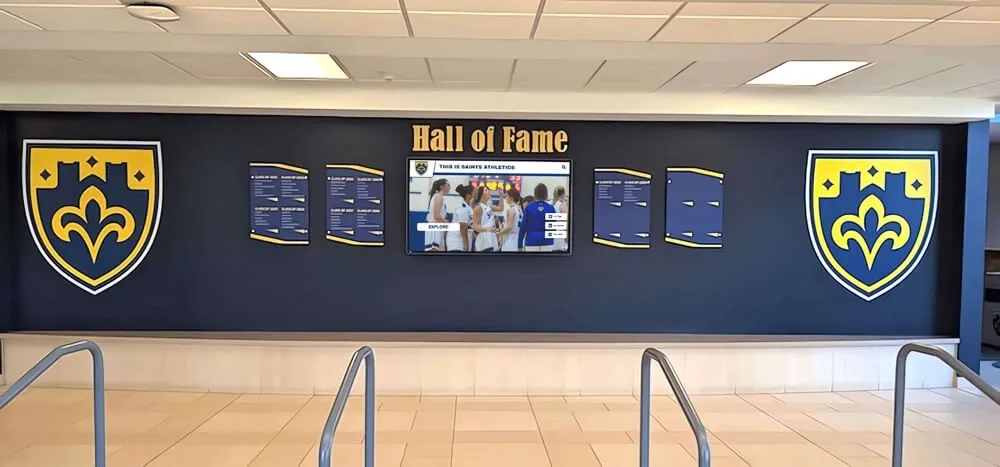
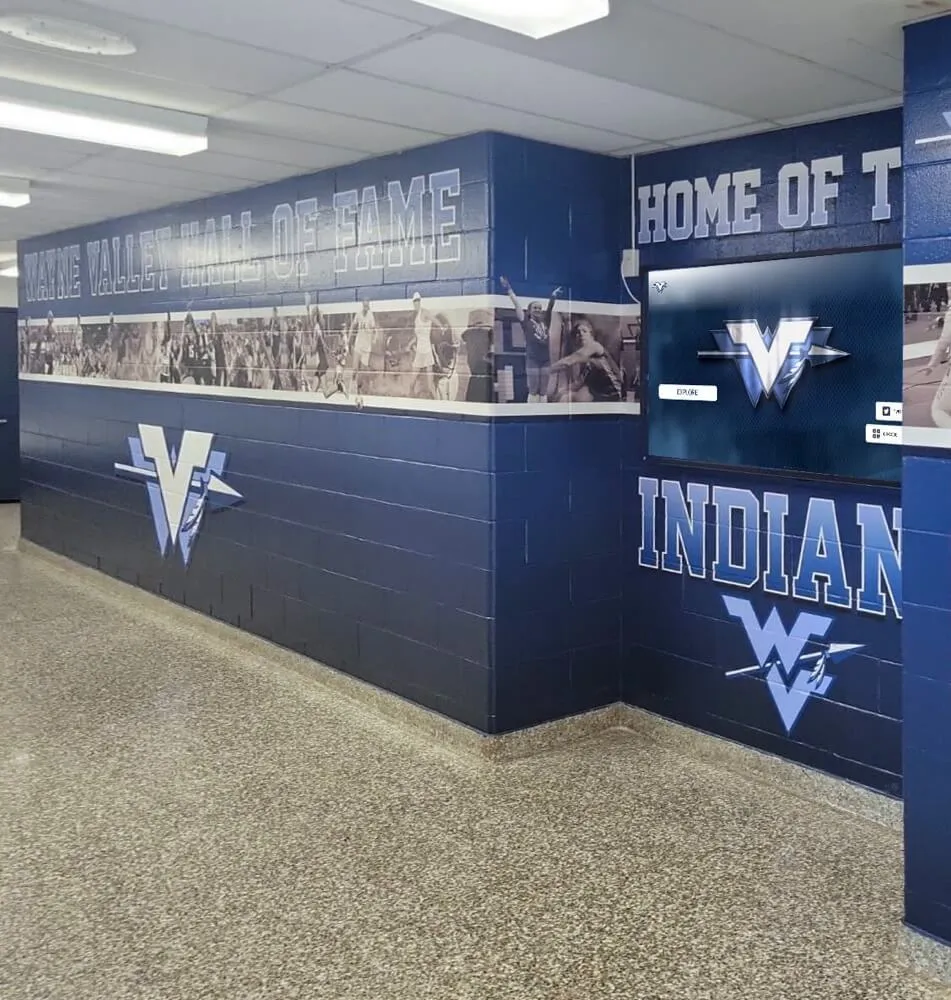
Strategic hallway displays reinforce [school pride initiatives](https://touchwall.us/blog/school-pride-creative-ways-build-spirit-community/?utm_source=organic&utm_medium=seo-auto&utm_content=digital-trophy-case&utm_campaign=school-spirit-week-ideas&utm_term=seo) throughout spirit weeks and beyond
Why Spirit Weeks Matter
Research consistently demonstrates that strong school spirit correlates with positive outcomes:
Academic and Behavioral Benefits
- Students with high school pride show increased engagement in academic activities
- Strong school spirit reduces chronic absenteeism and dropout rates
- Positive school culture decreases behavioral incidents and discipline referrals
- School connection predicts greater academic effort and persistence
- Institutional pride supports student resilience during challenges
Social and Emotional Impact
- Spirit weeks create belonging opportunities for marginalized students
- Shared celebrations build connections across typical social boundaries
- Positive school experiences support mental health and wellbeing
- Spirit activities provide stress relief during demanding academic periods
- Community celebrations create positive memories strengthening alumni engagement
Long-Term Community Building
- Annual traditions create continuity connecting graduating classes
- Spirit week memories become stories alumni share for decades
- Successful celebrations reinforce positive school reputation in communities
- Strong school spirit attracts families seeking engaged school communities
- Pride in institution encourages alumni support and giving
These outcomes justify significant investment in comprehensive spirit week planning that extends beyond superficial activities.
50+ Spirit Week Daily Theme Ideas
Diverse theme options ensure every student finds days where they can participate enthusiastically.
Classic Spirit Week Themes
Color Wars and Class Colors
Organize by grade level with each class assigned colors:
- Freshmen in neon/bright colors
- Sophomores in pastels or earth tones
- Juniors in metallics or jewel tones
- Seniors in school colors (claiming ultimate spirit)
- Points awarded for participation percentages by class
- Photo contests showcasing most creative interpretations
Pajama Day
Universally accessible comfort-focused theme:
- Students wear appropriate sleepwear or loungewear
- Bring stuffed animals or blankets to designated areas
- “Breakfast for Lunch” special cafeteria offerings
- Photo booth with bedroom-themed props
- Cozy reading corners in library or commons
- Relaxed atmosphere relieving academic stress
Twin/Dynamic Duo Day
Partner-focused celebration building connections:
- Students dress identically with friends or groups
- Creative interpretations (famous duos, complementary concepts)
- Photo opportunities for matching groups
- “Find Your Twin” activities for students participating solo
- Recognition for most creative duo concepts
- Inclusive for friend groups of any size
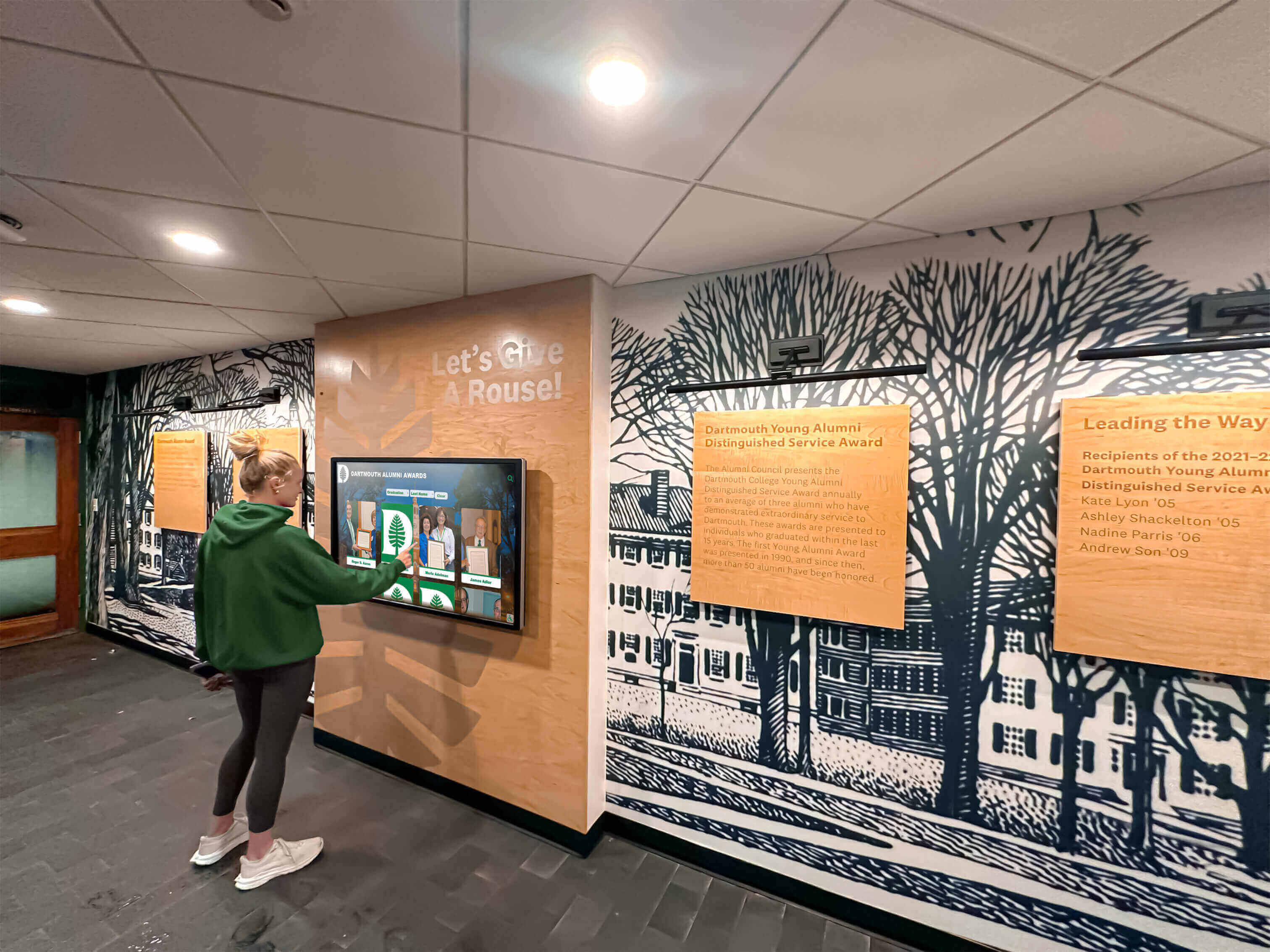
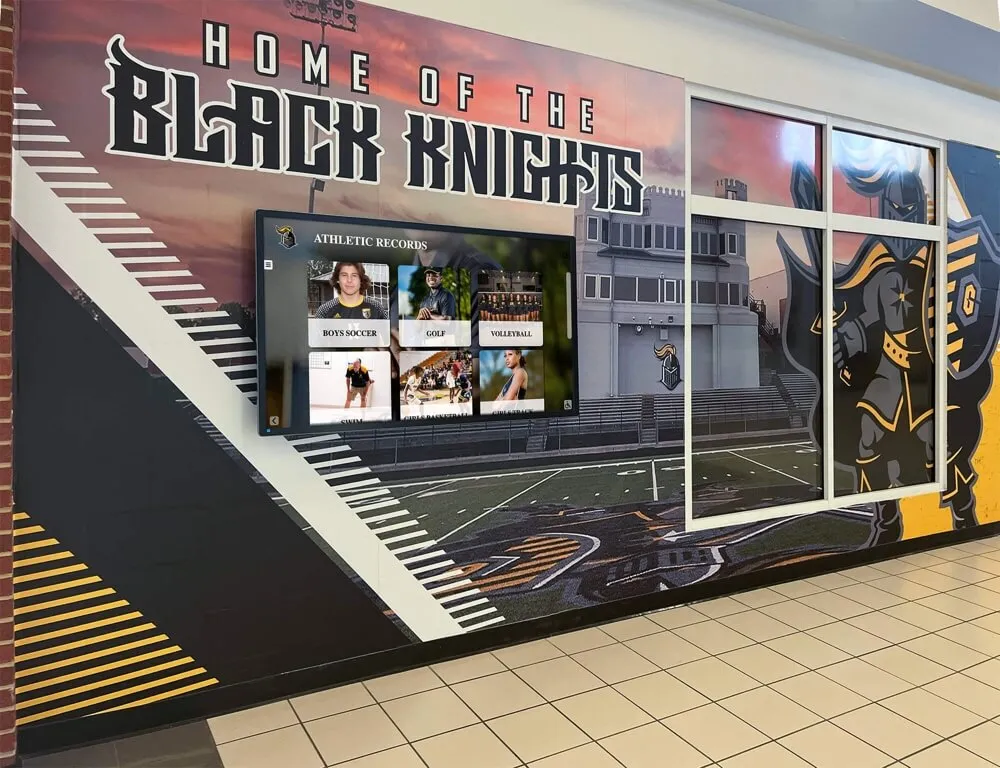
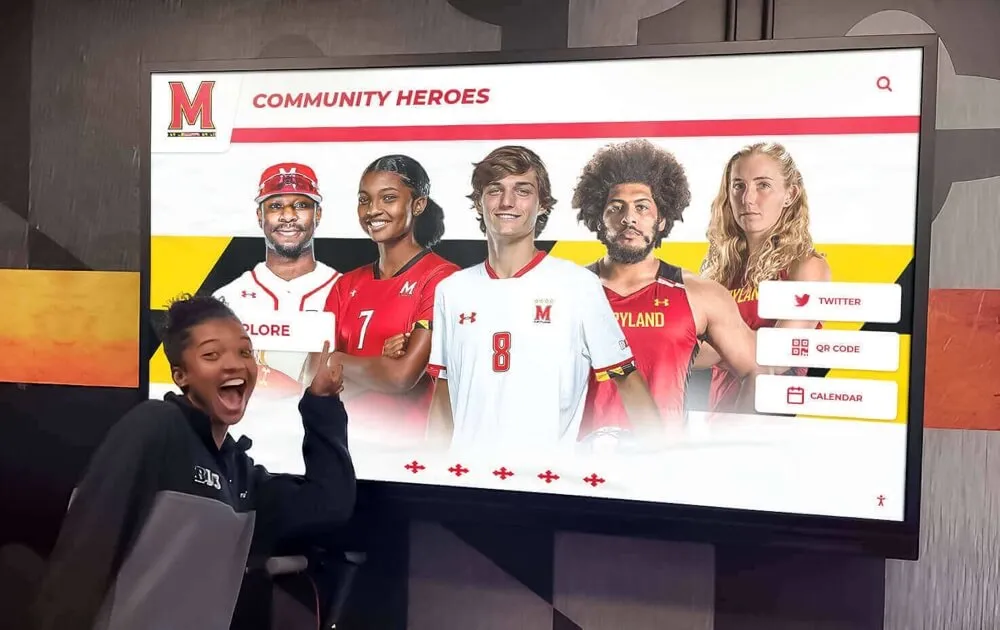
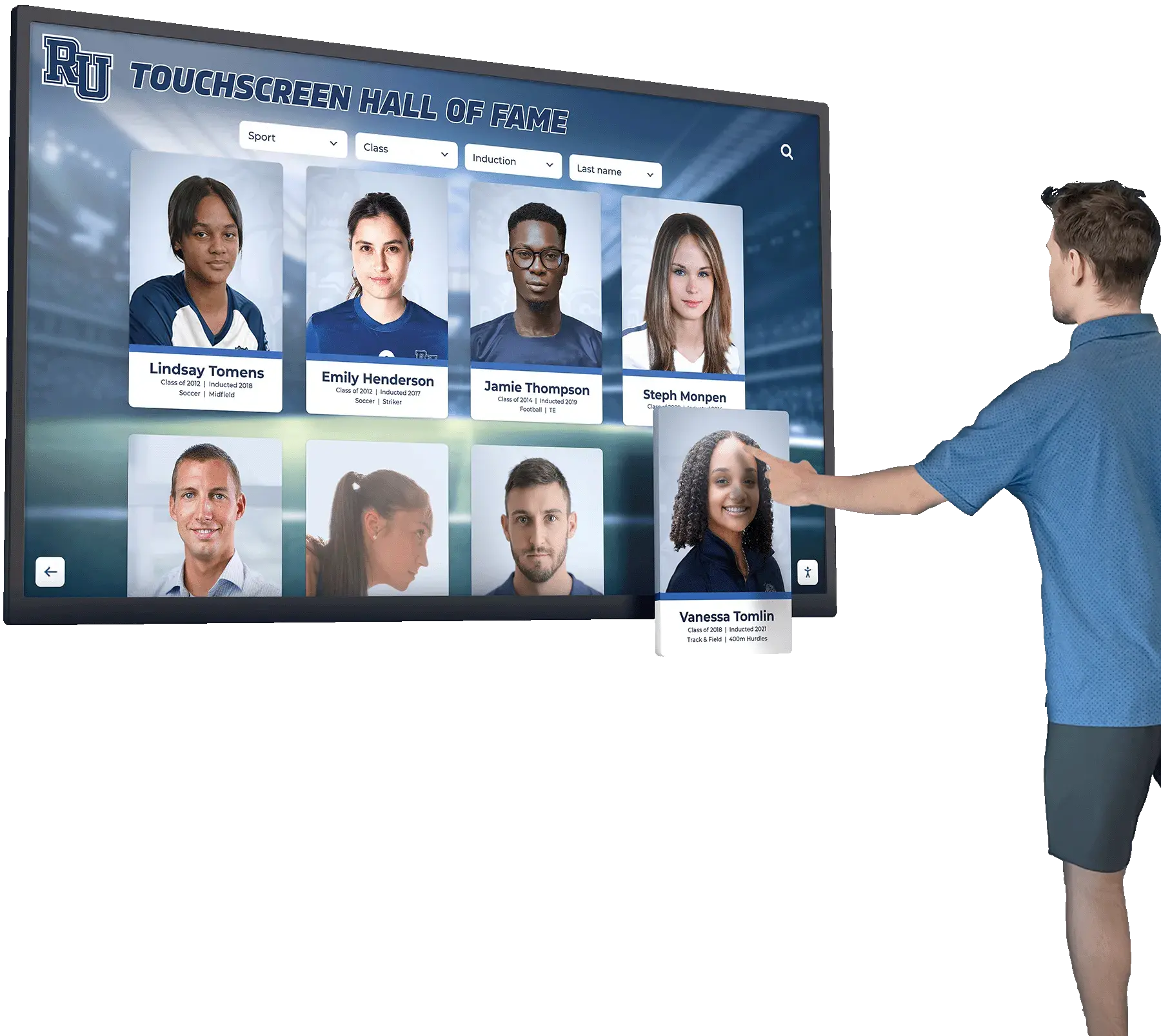
Interactive displays allow students to explore school traditions and [spirit week histories](https://donorswall.com/blog/spirit-week-daily-events-rankings-guide/?utm_source=organic&utm_medium=seo-auto&utm_content=digital-trophy-case&utm_campaign=school-spirit-week-ideas&utm_term=seo) during celebrations
Decades Day
Time-travel celebration exploring different eras:
- 50s sock hop styling with poodle skirts
- 60s hippie fashion and peace symbols
- 70s disco with bell bottoms and platforms
- 80s neon and athletic wear
- 90s grunge and boy band fashion
- 2000s early-internet culture references
- Each grade assigned different decade or free choice
Meme Day
Modern theme resonating with current students:
- Students embody popular internet memes through clothing/props
- Keep it school-appropriate with pre-approved meme list
- Photo contest showcasing best interpretations
- Student-created meme displays throughout school
- Connection to digital literacy and modern communication
- Generational divide humor as staff participate
Academic and Arts-Focused Themes
Favorite Book Character Day
Celebrates reading and literacy:
- Students dress as characters from favorite books
- Library displays featuring popular character choices
- Author spotlights connecting books to real world
- Reading recognition programs showcasing accomplished readers
- Book recommendations from student participants
- Connection to English curriculum and reading initiatives
STEM/Science Fiction Day
Honors academic achievement:
- Lab coats, scientist costumes, or futuristic fashion
- Science demonstrations during lunch or passing periods
- Math and science competition showcases
- Famous scientist or inventor costumes
- Robot or technology-themed decorations
- Recognition of STEM academic achievements
Arts and Theater Day
Celebrates creative accomplishments:
- Students dress as famous artists, musicians, or performers
- Paint-splattered clothing and artistic expression
- Musical performances during lunch periods
- Art displays throughout school hallways
- Drama excerpts or improv performances
- Recognition of arts achievements and productions
College Colors Day
Builds post-secondary aspirations:
- Students wear apparel from colleges they hope to attend
- Staff wear alma mater gear
- College information tables in commons areas
- Alumni volunteers sharing college experiences
- Career pathway discussions
- Senior college commitment recognition
Teacher Appreciation Theme
Students honor educators:
- Dress like favorite teacher (respectfully)
- Thank-you note writing stations
- Teacher recognition displays highlighting excellence
- Student performances honoring teachers
- Breakfast or lunch provided by students/families
- Video tributes to retiring or long-serving educators
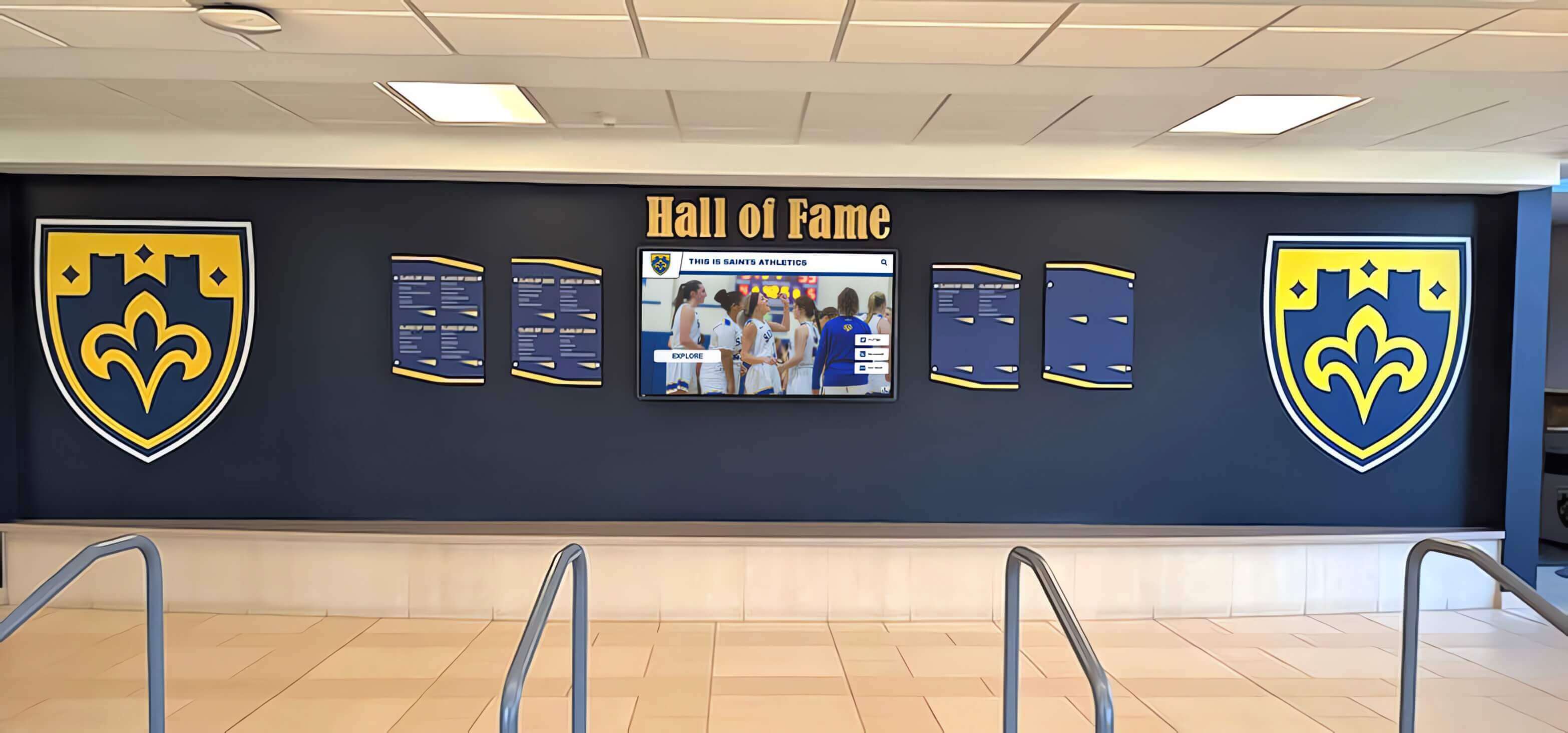
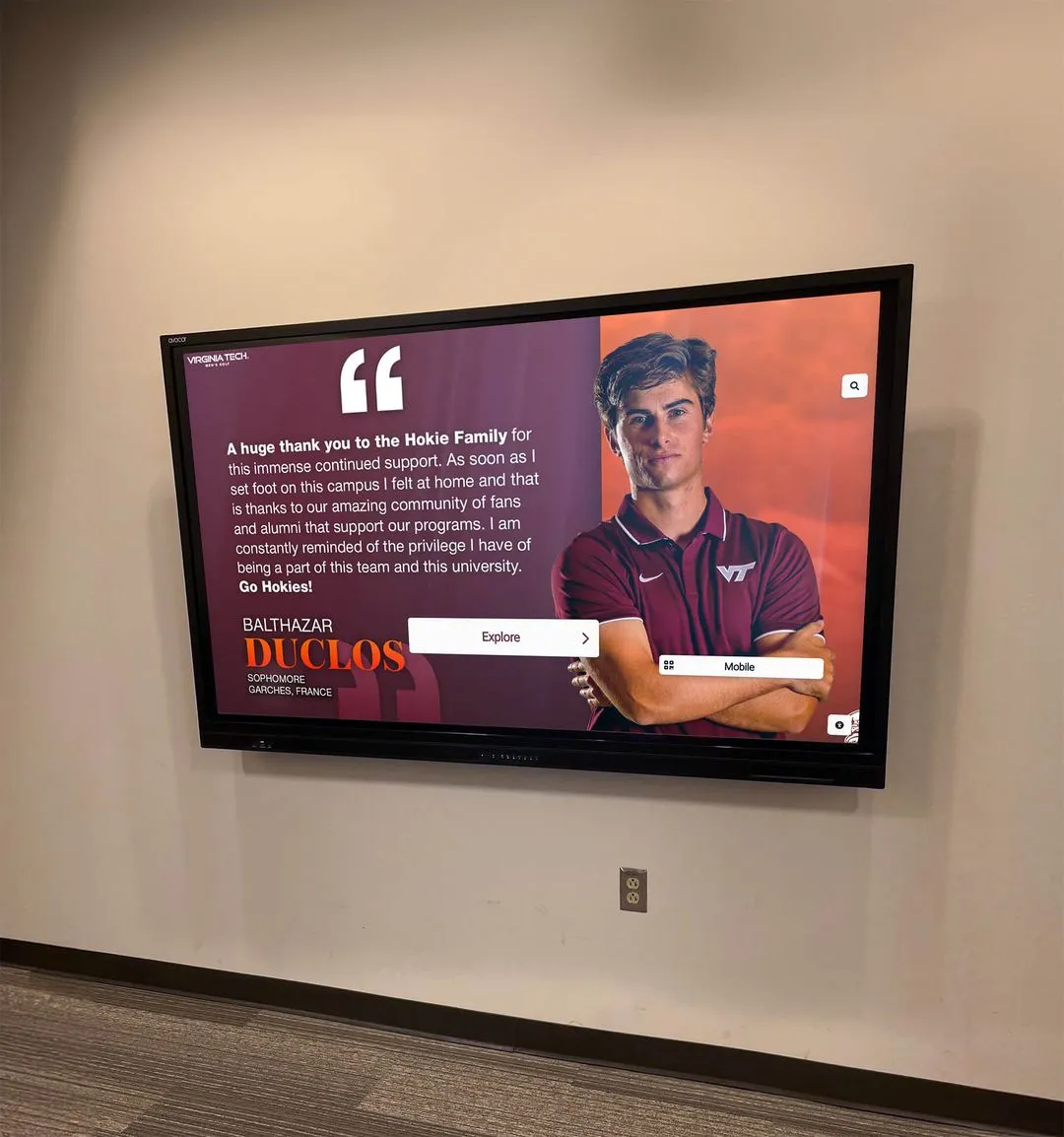
Recognition walls celebrate achievements during spirit weeks and throughout the school year
Athletic and Competition Themes
Jersey Day
Celebrates athletic participation:
- Students wear sports jerseys (school or professional teams)
- Recognition of fall, winter, or spring athletes
- Athletic achievement displays throughout campus
- Sports team recognition highlighting recent successes
- Lunchtime pickup games or demonstrations
- Connection to upcoming athletic events
Olympics/Sports Competition Day
Class-based athletic contests:
- Multiple event options ensuring broad participation
- Track and field style competitions
- Non-traditional sports (ultimate frisbee, dodgeball)
- Academic competitions alongside physical events
- Recognition for participation and sportsmanship
- Points contribute to overall spirit week standings
Adventure/Outdoor Day
Celebrates active lifestyles:
- Camping, hiking, or outdoor recreation attire
- Nature and conservation themes
- Outdoor education activities
- Challenge course or team-building exercises
- Environmental awareness connections
- Recognition of outdoor education programs
Pop Culture and Entertainment Themes
Superhero Day
Comic book and hero celebration:
- Students dress as favorite superheroes or create original characters
- “Superpower” themed activities (what’s your special talent?)
- Character-building connections (real-life heroes)
- Service project tie-ins (being heroes for community)
- Costume contest with creative categories
- Discussion of heroic values and school character
Favorite TV Show or Movie Day
Pop culture celebration:
- Students embody characters from beloved media
- Keep references school-appropriate
- Decade variety ensuring broad appeal
- Trivia contests during lunch periods
- Photo booth with show/movie themes
- Connection to media literacy discussions
Game Day
Video game and board game focus:
- Students wear gaming-related apparel
- Gaming club demonstrations or tournaments
- Board game setups in commons areas
- Discussion of gaming as modern social activity
- E-sports team recognition
- Balance with technology responsibility messages
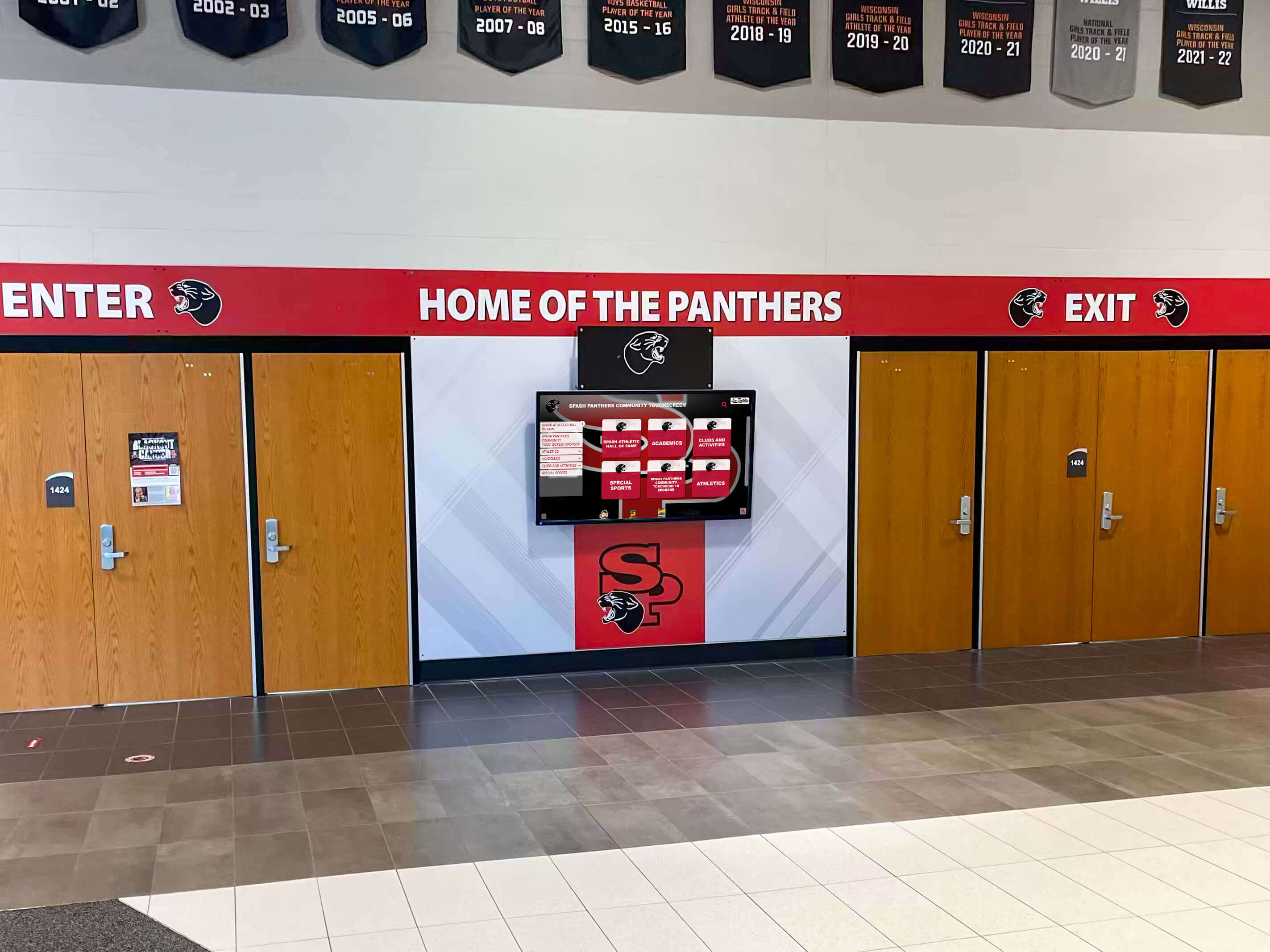
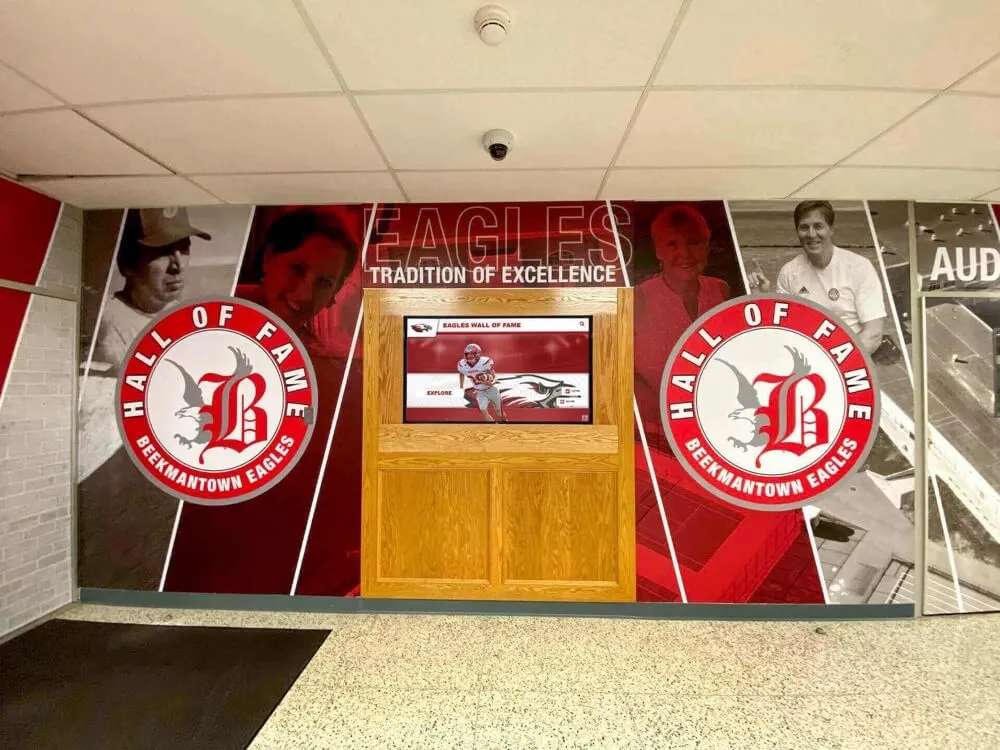
Entrance displays welcome students during spirit weeks while reinforcing institutional pride
Music Genre Day
Musical celebration across styles:
- Students dress representing favorite music genres
- Country, rock, hip-hop, classical, pop, indie representations
- Student performances during lunch
- Music history connections
- Band and choir recognition
- Diverse music appreciation emphasis
Social Media Day
Digital age theme:
- Students embody social media platforms or internet culture
- Digital citizenship and responsibility discussions
- Photo opportunities with platform-themed props
- Conversation about healthy social media use
- Student-created content celebrating school
- Balance between connection and screen time
Career and Future-Focused Themes
Career Day/Future Profession
Professional exploration theme:
- Students dress as future career aspirations
- Career pathway presentations
- Community professional volunteers
- Discussion of education and career connections
- Alumni career panels
- Work-readiness skill building
Entrepreneur/Business Day
Innovation and leadership focus:
- Students dress as business professionals
- Student business showcase opportunities
- Economics and financial literacy connections
- Leadership skill discussions
- Alumni entrepreneur presentations
- Innovation and creativity celebration
Military Appreciation Day
Honoring service members:
- Camouflage or patriotic attire
- Veterans visit and share experiences
- Military family recognition
- Service and sacrifice discussions
- Connection to civic responsibility
- Respectful celebration of military contributions
Cultural Celebration and Diversity Themes
Around the World/International Day
Celebrates diversity:
- Students wear clothing representing cultural heritage
- International food sampling opportunities
- Language demonstrations and learning
- Cultural performance showcases
- Geography and global awareness connections
- Inclusive celebration of school diversity
Heritage and Family Day
Family tradition celebration:
- Students share cultural backgrounds and traditions
- Multigenerational participation opportunities
- Family history projects and displays
- Storytelling and oral history activities
- Connection to social studies curriculum
- Strengthens family engagement with school
Service and Community Day
Contribution-focused theme:
- Students wear service organization apparel
- Community service project participation
- Service hour recognition displays
- Volunteer opportunity showcases
- Character and citizenship emphasis
- Connection to school values
Fun and Creative Themes
Backwards Day
Silly celebration with creative possibilities:
- Clothing worn backwards or inside-out
- Breakfast foods served at lunch
- Schedule modifications (if feasible)
- Backwards spelling or writing challenges
- Creative thinking and flexibility emphasis
- Low-pressure fun participation
Wacky Wednesday/Crazy Hat Day
Simple, accessible participation:
- Outrageous hats or hair styling
- Mismatched clothing combinations
- Silly sock displays
- Accessories and props encouraged
- Low cost and high creativity
- Photo contests and recognition
Tropical/Beach Day
Seasonal escape theme:
- Hawaiian shirts, leis, and beach attire
- Tropical decorations in commons areas
- Beach-themed music and activities
- Stress relief and relaxation emphasis
- Indoor “beach” photo opportunities
- Winter blues relief (if scheduled appropriately)
Cartoon Character Day
Nostalgic and fun theme:
- Students dress as childhood favorite characters
- Generational cartoon discussions
- Animation history connections
- Art class tie-ins
- Cross-grade level connections through shared characters
- Creative costume interpretations
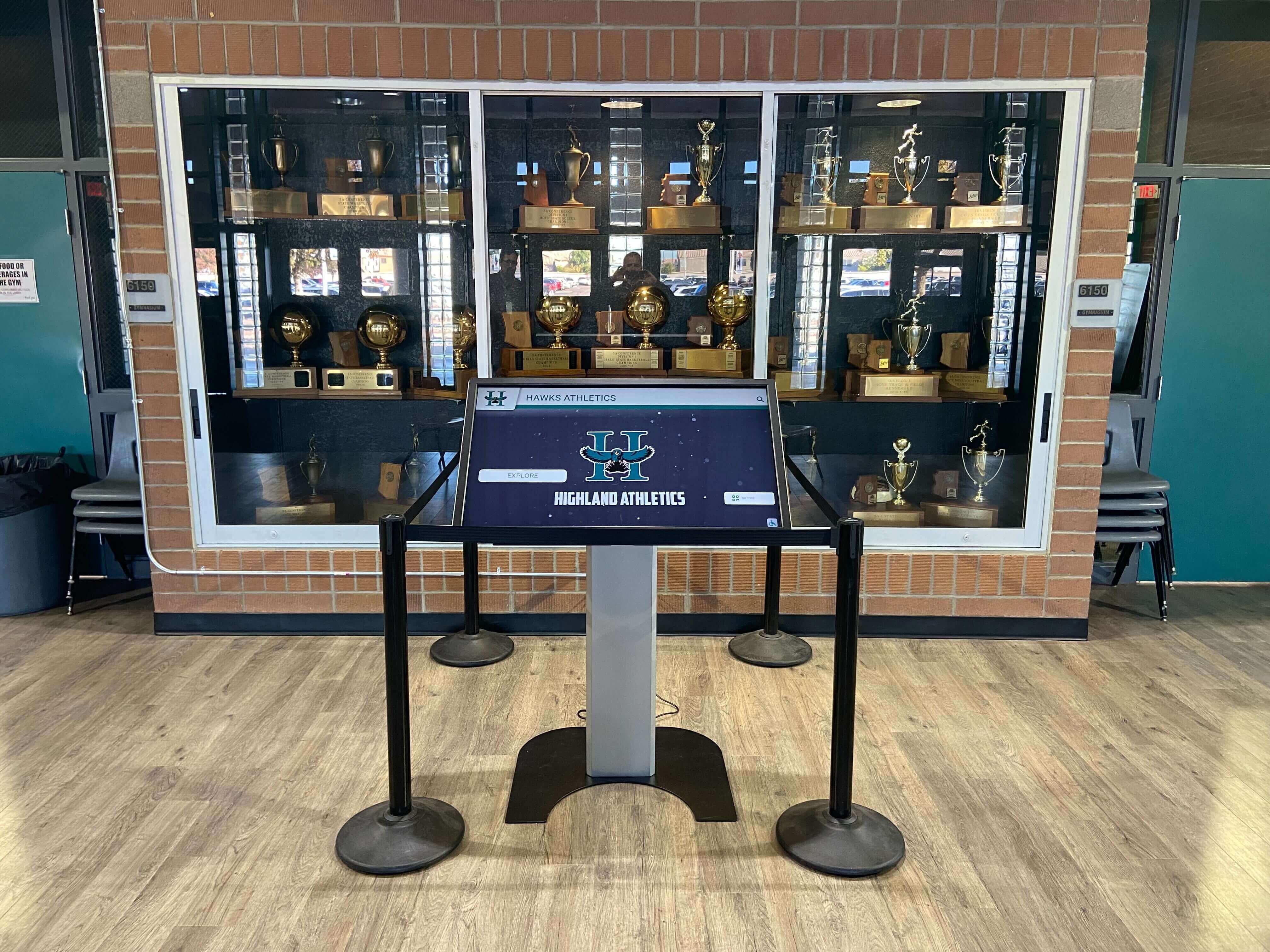
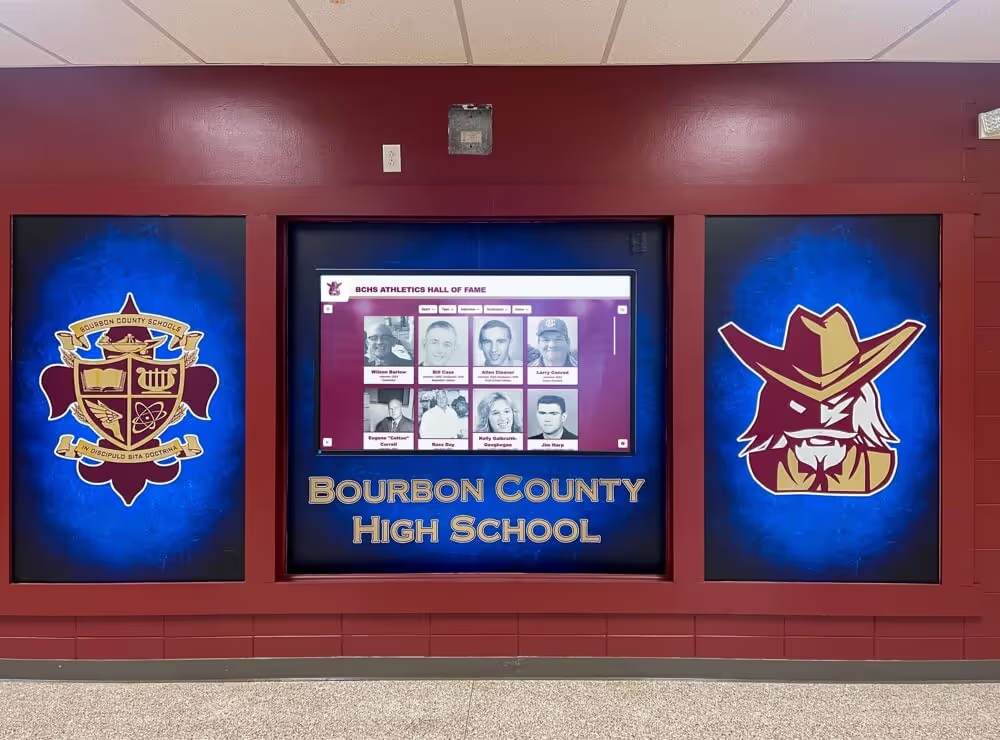
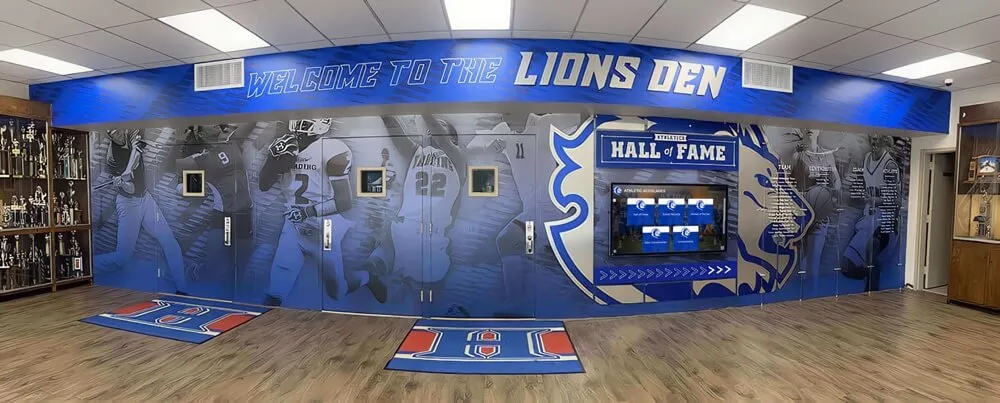
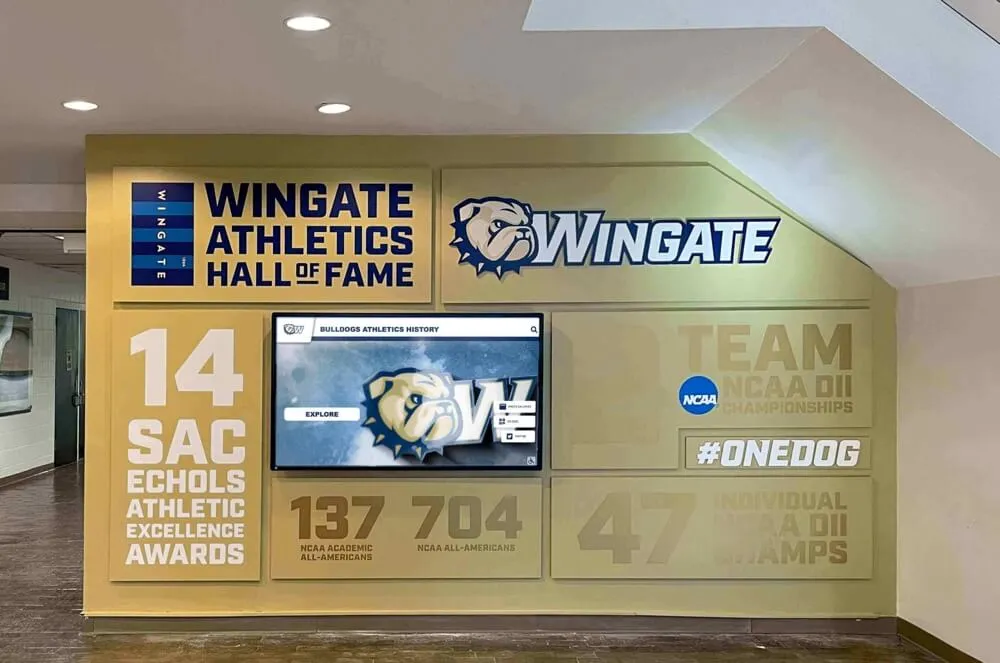
Digital kiosks complement traditional displays, creating [comprehensive recognition](https://best-touchscreen.com/blog/high-school-trophy-case-traditional-vs-digital/?utm_source=organic&utm_medium=seo-auto&utm_content=digital-trophy-case&utm_campaign=school-spirit-week-ideas&utm_term=seo) systems during spirit celebrations
Anything But a Backpack Day
Creative problem-solving theme:
- Students carry books in alternative containers
- Wagons, laundry baskets, coolers, luggage
- Engineering and creativity emphasis
- Photo opportunities showcasing creativity
- Practical challenge with humor
- Size and safety parameters established
Flannel Friday
Simple, comfortable theme:
- Flannel shirts or cozy attire
- Fall or winter season celebration
- Comfortable, low-stress participation
- School color flannel encouraged
- Photo opportunities
- Casual community building
Spirit Week Competition Structures
Beyond daily themes, competition formats drive participation and build grade-level unity.
Point-Based Class Competitions
Daily Participation Scoring
Award points for dress-up participation:
- Teachers conduct participation counts each period
- Classes earn points based on participation percentage
- Incentivizes broad participation over just enthusiastic students
- Running tally displayed prominently throughout week
- Final winner announced at week-end celebration
- Recognition for improvement and effort alongside winners
Activity Challenge Points
Multiple point-earning opportunities:
- Spirit assembly attendance and participation
- Hallway decoration quality and creativity
- Lunchtime game participation
- Social media engagement (school-appropriate)
- Community service project completion
- Academic achievement recognition
Sportsmanship and Respect Points
Behavior-focused scoring:
- Points awarded for positive conduct during competitions
- Recognition of classes supporting other grades
- Deductions for poor sportsmanship or rule violations
- Emphasis on healthy competition over winning at all costs
- Character education integration
- Reinforces school values during celebrations
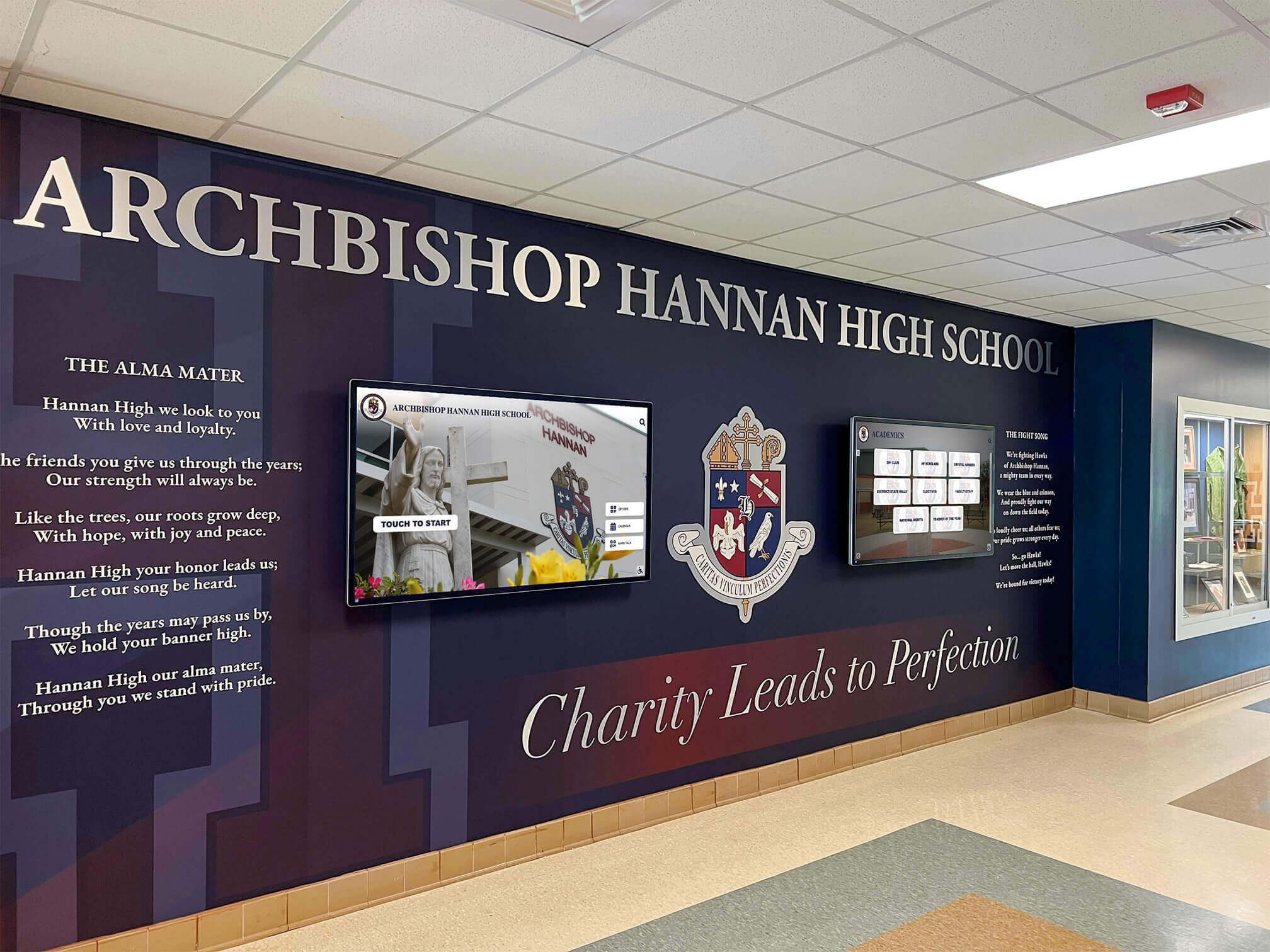
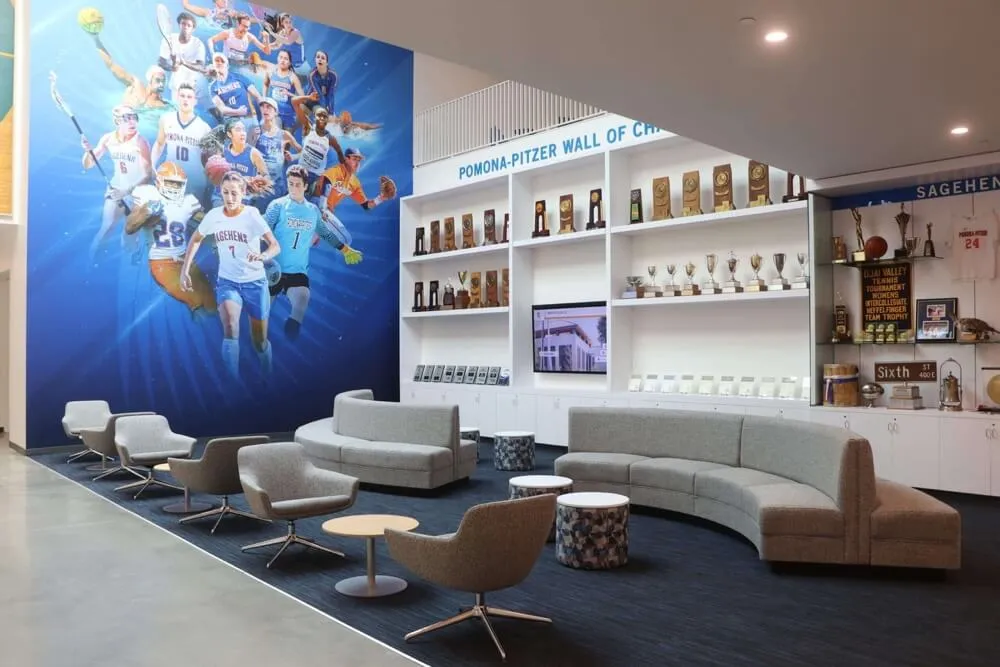
Comprehensive lobby displays create inspiring environments for spirit week celebrations and year-round pride
Spirit Week Event Ideas
Morning Announcements Takeover
Classes create daily segments:
- Student-produced video content
- Class cheers and spirit demonstrations
- Achievement recognition and shout-outs
- Creative presentations judged for points
- Builds class unity through collaboration
- Develops student leadership and creativity
Lunchtime Competitions
Quick, engaging contests:
- Relay races with creative challenges
- Trivia competitions across subjects
- Pep rally games and activities
- Talent showcases from each class
- Sports demonstrations or pickup games
- Student vs. staff competitions
Hallway Decoration Contests
Class creativity showcase:
- Assigned hallway sections for each grade
- Theme interpretation through decorations
- Budget limits ensuring fairness
- Judging criteria including creativity, craftsmanship, spirit
- Community voting component
- Displayed throughout spirit week
Spirit Video Challenges
Digital age participation:
- Classes create short videos showcasing spirit
- TikTok-style challenges (school-appropriate)
- Posted to school social media with class hashtags
- View counts and engagement contributing to points
- Student creativity and leadership development
- Modern format appealing to current generations
Door Decoration Competitions
Classroom-based participation:
- Teachers or advisory groups decorate doors
- Theme interpretation at smaller scale
- Judges tour building evaluating entries
- Photo documentation for recognition
- Creates visible spirit throughout building
- Lower-barrier participation option
All-School Unity Activities
School-Wide Service Project
Collective contribution emphasis:
- Food drive or supply collection
- Community beautification project
- Fundraising for cause selected by students
- Measurable goal creating shared purpose
- Connection to service learning
- Builds pride through positive impact
Mass Participation Events
Creating memorable moments:
- School-wide choreographed dance or performance
- Synchronized activities (all students doing same thing)
- Photo or video capturing entire school
- Guinness record attempts (if appropriate)
- Creates lasting memories
- Media and community attention
Alumni Engagement Activities
Connecting past to present:
- Alumni return for spirit week events
- Former students share spirit week memories
- Athletic alumni participate in demonstrations
- Cross-generational celebration of traditions
- Strengthens alumni engagement
- Builds tradition continuity
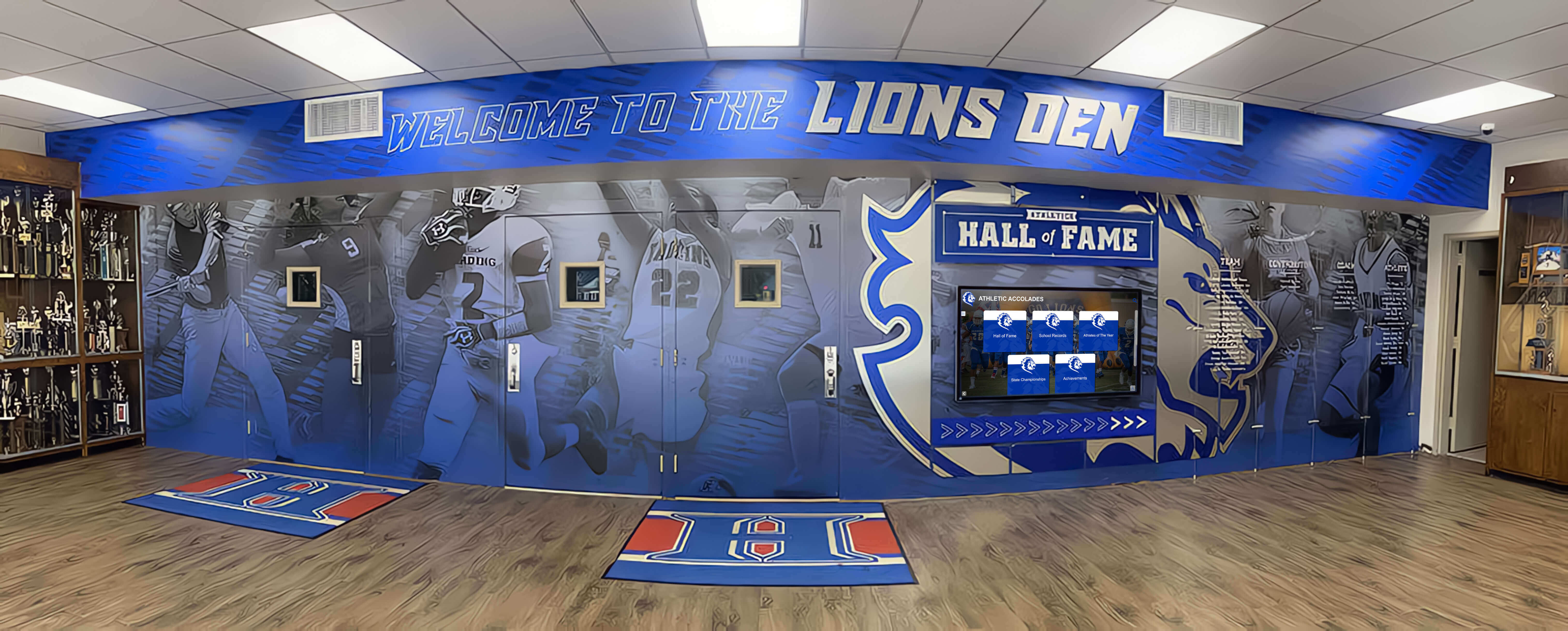
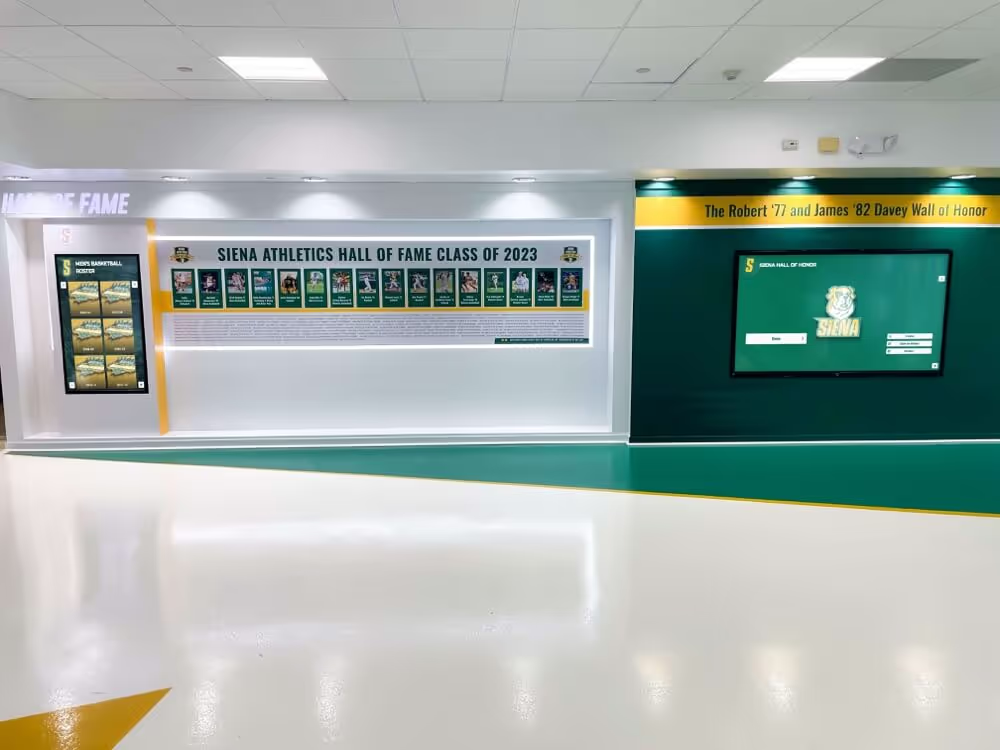
Integrated physical and digital recognition creates comprehensive environments celebrating spirit week achievements
Planning and Organizing Successful Spirit Weeks
Effective celebrations require systematic planning beginning well before spirit week arrives.
Planning Timeline
8-10 Weeks Before Spirit Week
Early planning foundation:
- Form student planning committee with grade-level representation
- Survey students about theme preferences and ideas
- Establish budget and identify funding sources
- Set spirit week dates avoiding conflicts
- Outline preliminary competition structure
- Recruit faculty sponsors and advisors
6-8 Weeks Before
Theme and activity finalization:
- Finalize daily themes based on student input
- Design competition formats and point systems
- Plan specific lunchtime and assembly activities
- Create promotional materials and communications
- Establish judging criteria and processes
- Recruit volunteers and judges
4-6 Weeks Before
Communication and preparation:
- Launch promotional campaign building anticipation
- Communicate expectations and guidelines to students
- Provide class representatives with planning resources
- Order necessary supplies or materials
- Confirm facility reservations for events
- Begin training student leaders
2-4 Weeks Before
Final preparations:
- Intensify promotional efforts
- Conduct student leader training sessions
- Finalize logistics for all activities
- Prepare recognition materials and prizes
- Test technology and audio-visual equipment
- Create backup plans for potential issues
Week Before
Last-minute details:
- Distribute final schedules and information
- Prepare daily tracking systems
- Organize materials and supplies
- Brief all staff on expectations and roles
- Build excitement through countdowns
- Ensure all systems ready to launch
Student Leadership Development
Spirit Committee Structure
Effective organization distributes responsibilities:
- Overall coordinator(s) managing entire week
- Daily theme leads planning specific days
- Competition coordinators tracking points
- Communication team managing promotion
- Logistics coordinators handling supplies and setup
- Class representatives connecting to grade levels
Leadership Skill Development
Spirit week planning builds capabilities:
- Project management and timeline adherence
- Budget management and resource allocation
- Team coordination and delegation
- Creative problem-solving under pressure
- Communication and promotion skills
- Conflict resolution and decision-making
Faculty Support and Guidance
Balancing student leadership with adult oversight:
- Faculty advisors providing structure and accountability
- Administrative approval of themes and activities
- Safety and appropriateness review
- Financial oversight and budget monitoring
- Conflict mediation when needed
- Celebration of student accomplishments
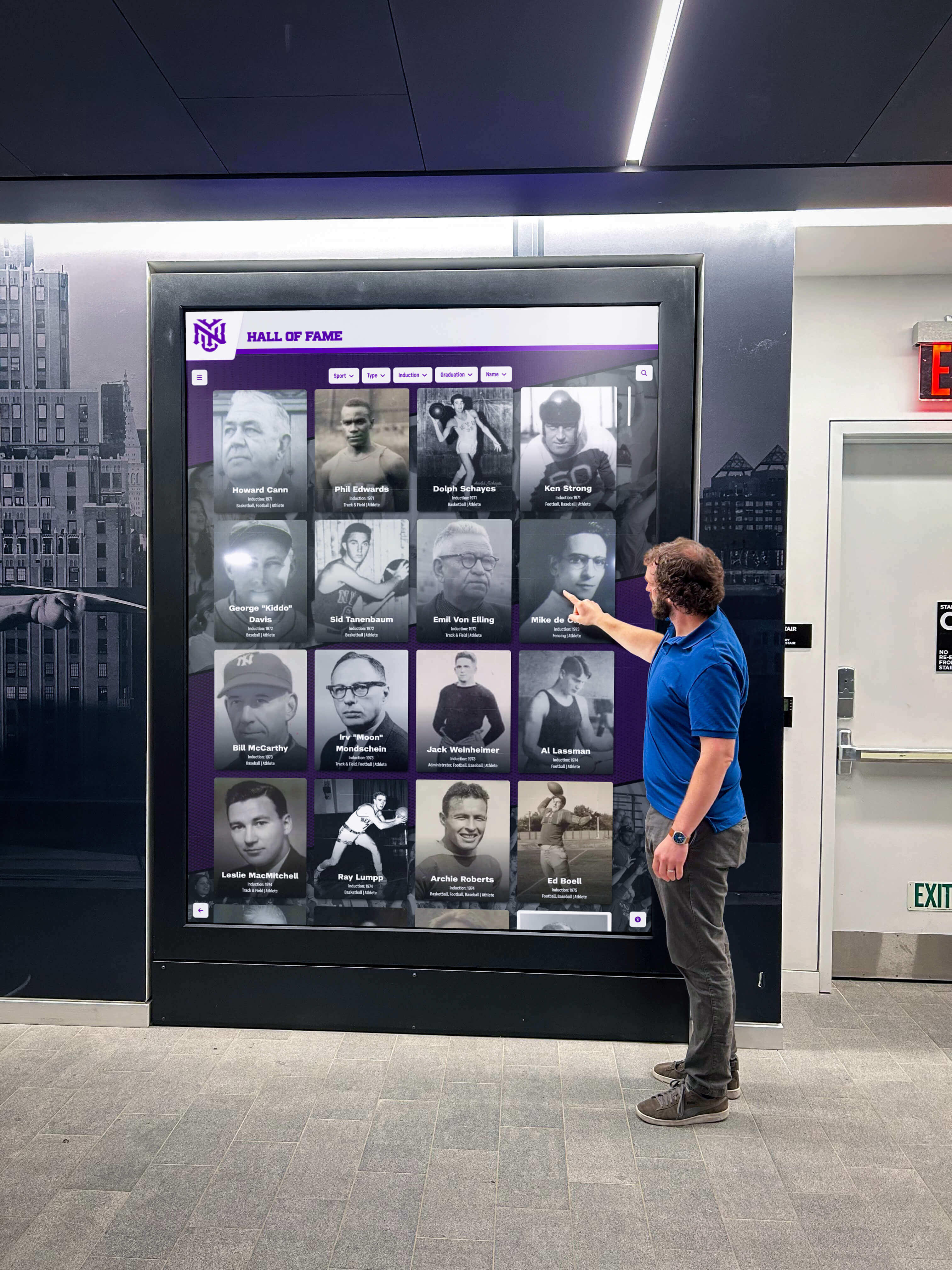
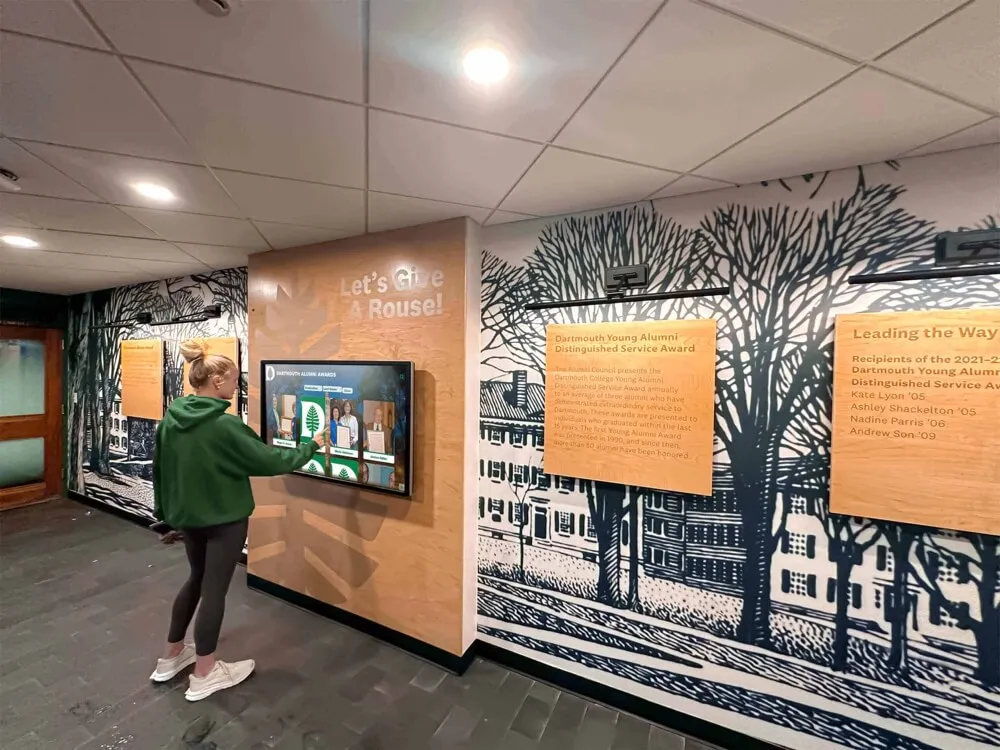
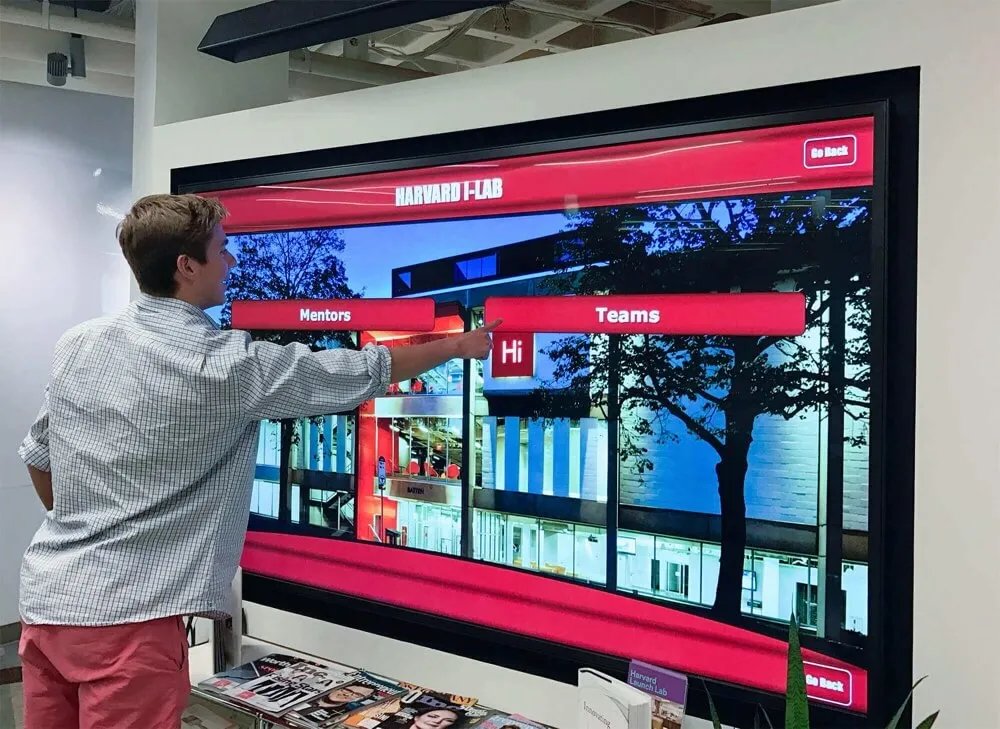
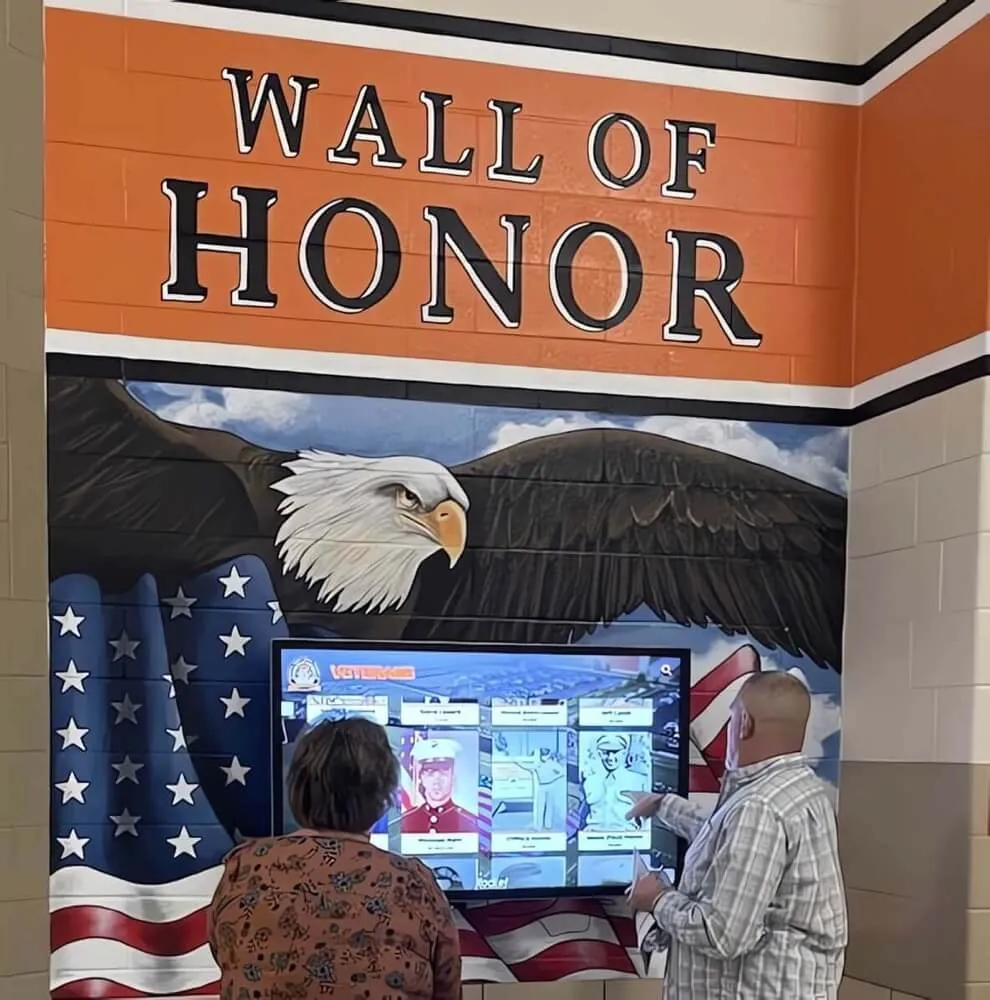
Interactive displays engage students and visitors in exploring school spirit traditions and achievements
Budget Considerations
Typical Spirit Week Expenses
Planning realistic budgets:
- Decorating supplies (streamers, posters, paint): $200-500
- Competition prizes and recognition: $100-300
- Audio-visual equipment rentals: $100-200
- Promotional materials (flyers, social media): $50-100
- Assembly performers or entertainment: $200-500
- Food for events or prizes: $100-300
- Miscellaneous and contingency: $100-200
Total typical range: $850-$2,100
Cost-Saving Strategies
Maximizing impact on limited budgets:
- Focus spending on most impactful elements
- Leverage student creativity over purchased items
- Reuse decorations from previous years
- Seek donations from local businesses
- Use digital promotion over printed materials
- Choose activities requiring minimal purchased supplies
- Emphasize participation and recognition over prizes
Fundraising and Sponsorship
Generating spirit week funding:
- Student council fundraising throughout year
- Local business sponsorship packages
- Spirit week merchandise sales (t-shirts)
- Parent organization contributions
- Alumni association support
- School budget allocations
Making Spirit Weeks Inclusive and Accessible
The most successful celebrations ensure all students can participate regardless of circumstances.
Financial Accessibility
Removing Cost Barriers
Ensuring broad participation:
- Choose themes requiring minimal purchased items
- Provide costume pieces or accessories for borrowing
- Accept creative interpretations rather than elaborate costumes
- Never require participation fees
- Offer free school spirit gear to students in need
- Emphasize creativity over expense
Free Participation Options
Low-barrier theme interpretations:
- Color-based themes using existing clothing
- Face paint or temporary tattoos (provided by school)
- Paper accessories students create
- School-provided props and costume pieces
- Simple actions (backwards day) requiring nothing special
- Recognition for effort over elaborate execution
Cultural Sensitivity
Inclusive Theme Selection
Avoiding problematic themes:
- Review all themes for cultural sensitivity
- Avoid stereotyping or cultural appropriation
- Provide diverse representation in theme options
- Ensure themes reflect school diversity
- Include cultural celebration days honoring diversity
- Seek input from diverse student voices
Creating Welcoming Environment
Supporting all students:
- Make clear that participation is optional
- Provide alternatives for students with concerns
- Respect religious or cultural dress requirements
- Never ridicule or pressure non-participants
- Celebrate diversity in participation styles
- Model inclusive and respectful behavior
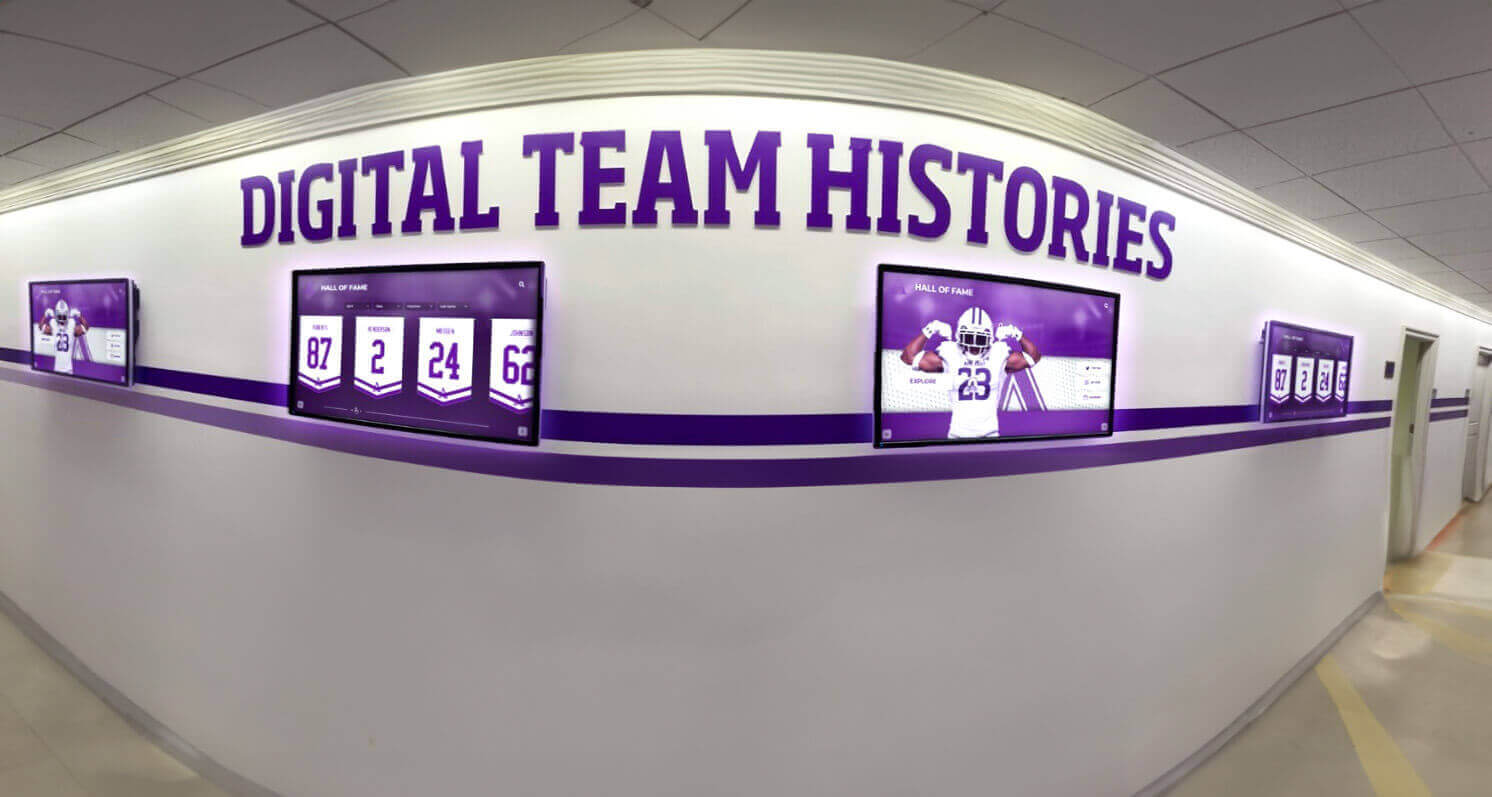
Hallway displays create multiple touchpoints celebrating spirit week participation and school traditions
Physical and Social Accessibility
Accommodating All Abilities
Ensuring universal participation:
- Choose physically accessible activities
- Provide modified competition options
- Ensure decorations don’t block accessibility
- Create participation options for all mobility levels
- Offer sensory-friendly alternatives
- Support students with special needs appropriately
Social Inclusion Strategies
Supporting varied participation styles:
- Offer individual and group activities
- Create observer/supporter roles
- Provide structured social opportunities
- Support students uncomfortable with attention
- Celebrate quiet participation equally
- Build community across social boundaries
Amplifying Spirit Week Impact Through Recognition
Strategic recognition extends spirit week impact beyond single celebration weeks.
During Spirit Week
Real-Time Recognition
Building momentum through celebration:
- Daily announcements highlighting participation
- Photo galleries posted on social media
- Running point totals displayed prominently
- Individual and class recognition
- Teacher shout-outs acknowledging student effort
- Surprise recognition for unexpected participants
Visible Celebration
Creating omnipresent spirit:
- Hallway decorations throughout building
- Commons area displays showcasing classes
- Digital screens running spirit week content
- Morning announcement takeovers
- Staff participation modeling enthusiasm
- Music and energy in passing periods
Post-Spirit Week Recognition
Immediate Celebration
Recognizing results and participation:
- All-school assembly announcing winners
- Prize distribution and trophy presentation
- Photo montages celebrating week highlights
- Social media recap and thank yous
- Recognition of planning committee
- Appreciation for faculty support
Long-Term Celebration
Preserving spirit week memories:
Modern schools increasingly implement digital recognition displays showcasing spirit week achievements permanently:
Unlimited Recognition Capacity
- Preserve every spirit week winner across years
- Include photos, videos, and participation highlights
- Display competition results and point standings
- Showcase creative costumes and performances
- Document tradition evolution over decades
Interactive Exploration
- Touchscreen displays enabling browsing of spirit week history
- Search by year, theme, or winning class
- View detailed profiles of each spirit week
- Compare participation across different eras
- Connect current students with traditions
Year-Round Visibility
- Strategic placement in high-traffic areas
- Daily reminders of spirit week traditions
- Alumni access enabling graduates to revisit memories
- Mobile-friendly platforms extending reach
- Integration with broader school recognition systems
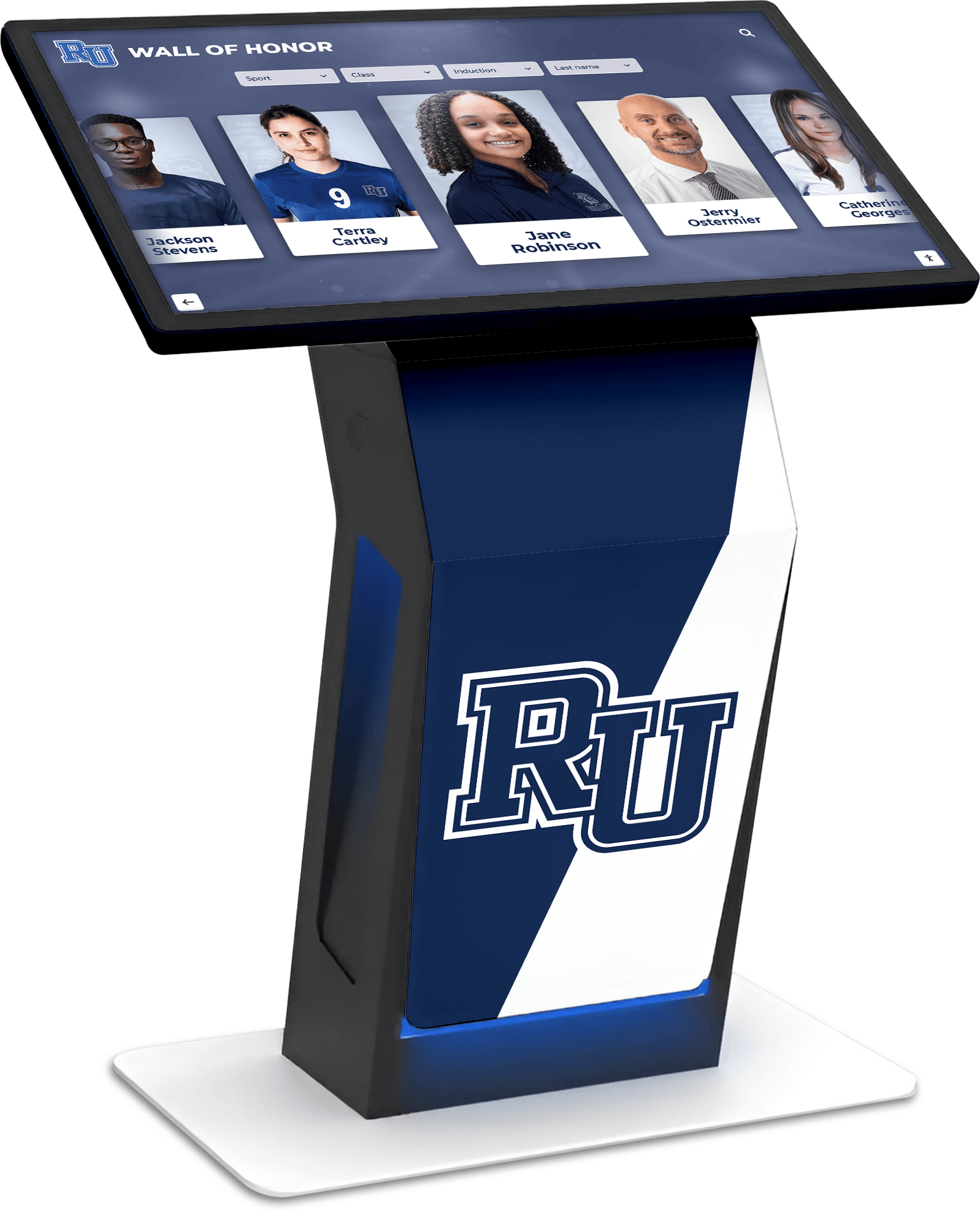
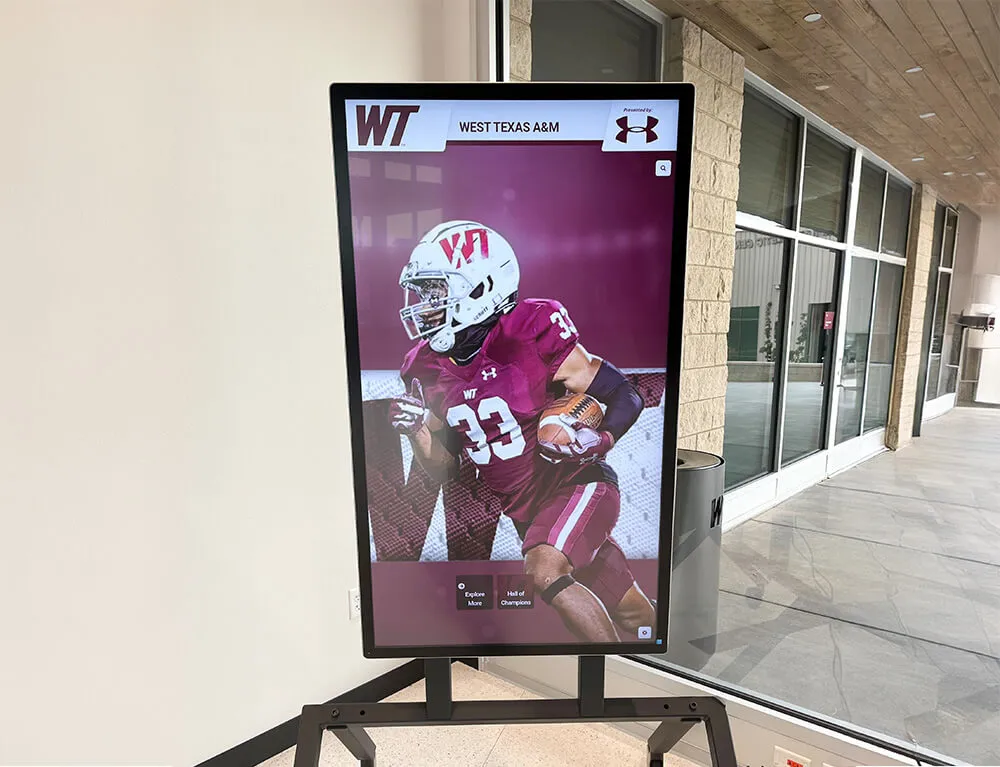
Modern recognition kiosks provide engaging platforms where communities explore spirit week traditions and school pride initiatives
Documentation Best Practices
Comprehensive Photo and Video Capture
Preserving memories effectively:
- Designate student photographers for each day
- Capture participation across all grade levels
- Document events and activities
- Record spontaneous spirit moments
- Create diverse representation in images
- Maintain organized digital archives
Creating Spirit Week Legacy
Building institutional memory:
- Maintain spirit week archives across years
- Document winning strategies and ideas
- Preserve planning materials for future committees
- Collect student testimonials and reflections
- Track participation trends over time
- Build tradition narrative connecting years
Spirit Week Safety and Behavioral Expectations
Celebrations must maintain safe, respectful environments for all students.
Establishing Clear Guidelines
Costume and Dress Code Standards
Maintaining appropriateness:
- All school dress code policies remain in effect
- Costumes must not disrupt learning
- No weapons or realistic weapon replicas
- Face coverings allow identification
- Shoes appropriate for activities and safety
- Prohibit offensive, insensitive, or inappropriate themes
Behavioral Expectations
Setting standards for participation:
- Sportsmanship during competitions
- Respect for non-participants
- No mocking or ridiculing interpretations
- Appropriate energy levels in classrooms
- Following staff directions
- Consequences for violations clearly communicated
Competition Conduct
Maintaining healthy rivalry:
- Class competition guidelines emphasizing respect
- Prohibitions on negative chants or signs
- Focus on supporting own class over denigrating others
- Teacher monitoring of class activities
- Swift response to inappropriate behavior
- Celebration of good sportsmanship
Managing Potential Issues
Balancing Spirit and Academics
Maintaining educational priorities:
- Schedule most activities outside instructional time
- Minimize classroom disruptions
- Maintain academic expectations
- Strategic timing avoiding major assessment periods
- Communication with teachers about concerns
- Flexibility for classes needing focus time
Addressing Exclusion or Bullying
Ensuring inclusive environment:
- Monitor for students feeling excluded
- Address pressure or mockery of non-participants
- Respond to reports of exclusion quickly
- Provide alternative participation options
- Emphasize voluntary nature of participation
- Support students uncomfortable with activities
Managing Overly Competitive Behavior
Preventing negative aspects:
- Intervene when competition becomes unhealthy
- Redirect focus from winning to participation
- Recognize sportsmanship as value equal to winning
- Address cheating or rule-bending
- Model appropriate competitive behavior
- Maintain perspective on spirit week purpose
Spirit Week Variations for Different School Types
Different educational settings require adapted approaches.
Elementary School Spirit Weeks
Age-Appropriate Modifications
Designing for younger students:
- Simpler themes children understand easily
- Shorter duration (3 days vs. full week)
- Less competitive, more participatory focus
- Significant parent communication and support
- Teacher-led rather than student-organized
- Classroom-based activities over all-school events
Elementary-Friendly Themes
Themes resonating with younger children:
- Favorite storybook character day
- Silly sock or crazy hair day
- Pajama day with stuffed animals
- Career dress-up day
- Colorful clothing days
- Animal theme days
Middle School Spirit Weeks
Navigating Developmental Stage
Addressing middle school dynamics:
- Balance between childlike fun and teen sophistication
- Careful monitoring of peer pressure dynamics
- Strong emphasis on inclusion and kindness
- Multiple participation option levels
- Cool factor alongside silliness
- Adult guidance with student voice
Middle-Grade Appropriate Themes
Themes working for this age group:
- Decade days with educational components
- Sports and athletic celebrations
- Future career explorations
- Pop culture themes (monitored for appropriateness)
- School color and mascot focus
- Team and collaboration themes
High School Spirit Weeks
Maximizing Student Leadership
Leveraging high school maturity:
- Extensive student planning and organization
- Sophisticated competition structures
- Complex multi-day events
- Senior class leadership and legacy
- Connection to homecoming or major events
- Tradition maintenance and innovation balance
High School Theme Complexity
More elaborate theme interpretations:
- Detailed costume expectations
- Pop culture and media references
- Class-specific themes creating identity
- Senior privilege themes
- Sophisticated decorating competitions
- Performance and talent showcases
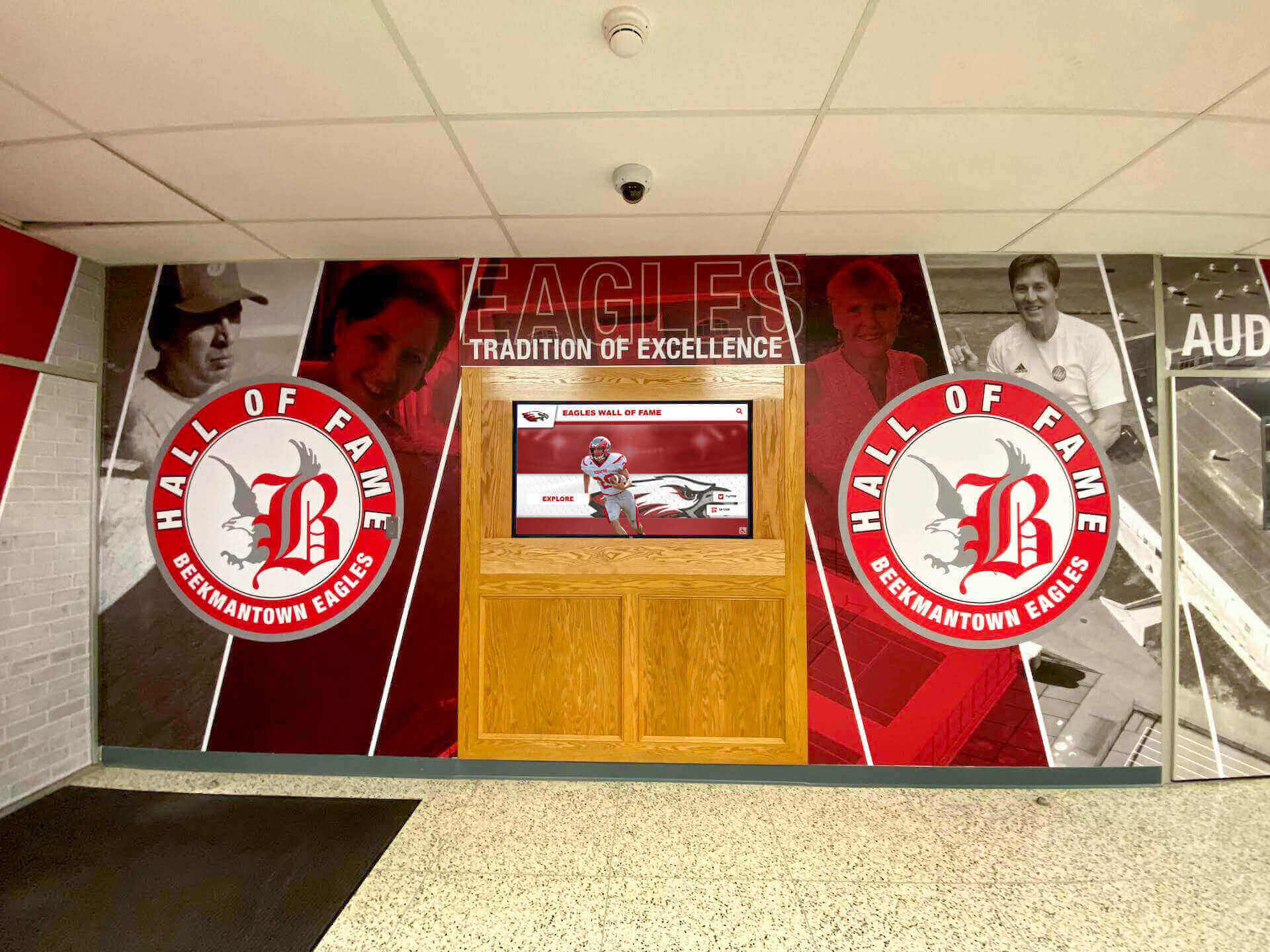
Entrance murals and recognition displays create inspiring environments for spirit week celebrations and ongoing pride
Measuring Spirit Week Success
Effective programs assess impact ensuring continuous improvement.
Quantitative Metrics
Participation Data
Tracking engagement levels:
- Daily participation counts by grade level
- Percentage of student body participating
- Event attendance numbers
- Competition entry quantities
- Social media engagement metrics
- Year-over-year participation trends
Behavioral Indicators
Measuring impact on school culture:
- Attendance rates during spirit week
- Discipline referrals compared to typical weeks
- Student survey responses
- Parent feedback and engagement
- Staff observations and reports
- Community response and media coverage
Qualitative Assessment
Student Feedback
Gathering participant perspectives:
- Post-spirit week surveys
- Focus groups with diverse students
- Student council debriefs
- Informal conversations and observations
- Social media sentiment analysis
- Suggestions for improvement
Stakeholder Input
Broader community assessment:
- Staff feedback on execution and impact
- Parent observations and comments
- Community member reactions
- Alumni perspectives on tradition continuation
- Administrative evaluation
- Comparison to school goals and values
Continuous Improvement Process
Post-Event Evaluation
Learning from each celebration:
- Planning committee debrief meeting
- Identification of successful elements
- Discussion of challenges and solutions
- Budget analysis and financial review
- Documentation of lessons learned
- Recommendations for future years
Building Institutional Knowledge
Creating sustainability:
- Spirit week planning manual development
- Template documents for future committees
- Contact lists and vendor relationships
- Timeline and checklist maintenance
- Archive of successful themes and activities
- Transition planning for new student leaders
Connecting Spirit Week to Broader School Culture
Effective celebrations exist within larger context of pride-building initiatives.
Year-Round Spirit Building
Beyond Single Week
Creating sustained pride:
- Monthly spirit days maintaining momentum
- Regular recognition of achievements
- Ongoing competition between classes
- Weekly traditions building consistency
- Seasonal celebrations throughout year
- Connection to athletic events and performances
Integrated Recognition Systems
Comprehensive approaches to celebration:
- Digital displays showcasing ongoing achievements
- Student recognition programs throughout year
- Academic, athletic, and arts celebration
- Service and character acknowledgment
- Connection between spirit events and values
- Systematic rather than sporadic recognition
Building Traditions That Last
Creating Institutional Memory
Ensuring continuity:
- Annual spirit week timing consistency
- Signature themes returning each year
- Trophy or recognition maintained across classes
- Alumni involvement in planning or judging
- Documentation preserving history
- Balance between tradition and innovation
Connecting Graduating Classes
Building alumni engagement:
- Spirit week memories creating shared experiences
- Class identity built through competitions
- Reunion conversations referencing spirit weeks
- Alumni return for spirit celebrations
- Tradition stories passed to new students
- Institutional pride extending beyond graduation
Transform Spirit Week Recognition With Modern Displays
Discover how digital recognition displays preserve spirit week memories, showcase participation achievements, and celebrate traditions year-round. See how schools nationwide create engaging touchscreen experiences that connect current students with decades of school spirit history while building lasting community pride.
Explore Recognition SolutionsConclusion: Building Spirit Weeks That Unite Communities
School spirit weeks represent more than temporary celebrations—they create defining moments where students experience authentic belonging, express school pride, and build connections that strengthen entire communities. When planned thoughtfully with inclusive themes, meaningful competition, and genuine recognition, spirit weeks become annual traditions that students anticipate eagerly and remember fondly long after graduation.
The 50+ theme ideas and strategic planning approaches explored in this guide provide frameworks for creating celebrations that engage diverse student populations, honor varied interests and talents, and build the kind of school spirit that transforms institutional culture. Success emerges not from elaborate budgets or complex logistics but from authentic student leadership, creative energy, and systematic attention to ensuring every student finds ways to participate meaningfully.
Schools maximizing spirit week impact extend celebration beyond single weeks through year-round recognition, digital displays preserving memories permanently, and intentional connection between spirit events and broader culture-building initiatives. Modern recognition technology enables schools to celebrate spirit week achievements indefinitely, creating inspirational touchpoints reminding students daily of the traditions and pride defining their communities.
Your school community deserves spirit weeks that build authentic pride, create inclusive participation opportunities, and establish traditions connecting graduating classes across generations. With thoughtful planning, student leadership, and modern recognition approaches, you can design celebrations that strengthen school culture while creating the memorable experiences students treasure throughout their lives.
Ready to enhance your spirit week celebrations and preserve traditions permanently? Explore how digital recognition displays provide unlimited capacity to showcase spirit week winners, participation achievements, and school pride initiatives that build community and tradition year-round.