



Walk into any high school athletic facility and you’ll likely see record boards displaying decades of athletic achievements: fastest times, highest jumps, most points scored, championship seasons. These displays serve as permanent testaments to excellence, motivating current student-athletes while honoring past performers who set the standards others chase.
Yet many schools struggle with record board design, maintenance, and capacity. Painted boards become outdated the moment new records fall. Vinyl lettering peels and fades. Limited wall space forces difficult decisions about which sports and which records receive visibility. And static displays fail to capture the stories behind the numbers—the dedication, circumstances, and achievements that make records meaningful.
This comprehensive guide explores creative school record board ideas addressing these challenges while maximizing recognition impact. From innovative traditional approaches to modern digital solutions, you’ll discover strategies for displaying athletic records that engage students, preserve program history, and inspire future achievement across all sports and competitive levels.
Effective record boards do more than list statistics—they celebrate athletic excellence, create aspirational goals for current athletes, and preserve institutional memory spanning decades. Schools succeeding at record recognition implement solutions balancing tradition with innovation, ensuring records remain visible, accurate, and meaningful to students who will eventually pursue those same marks.

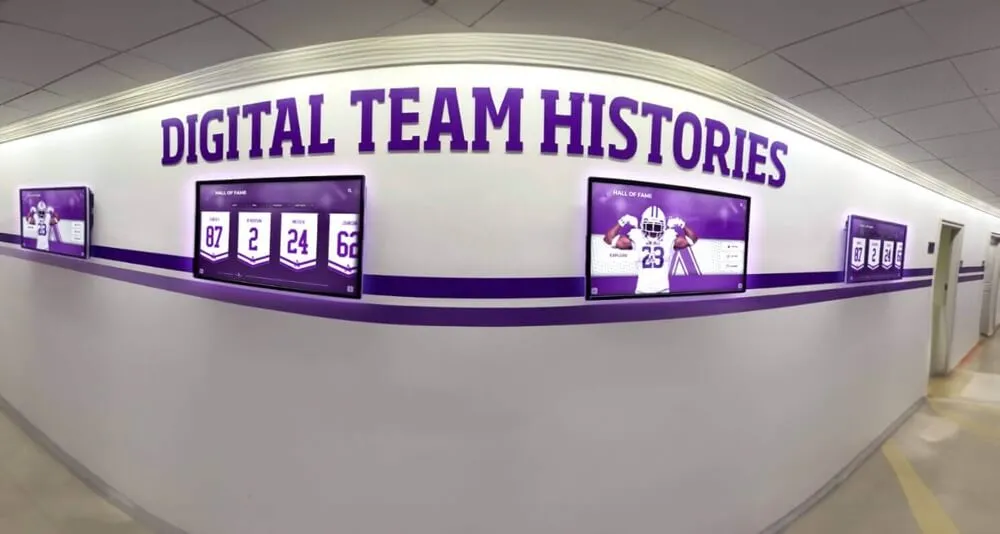
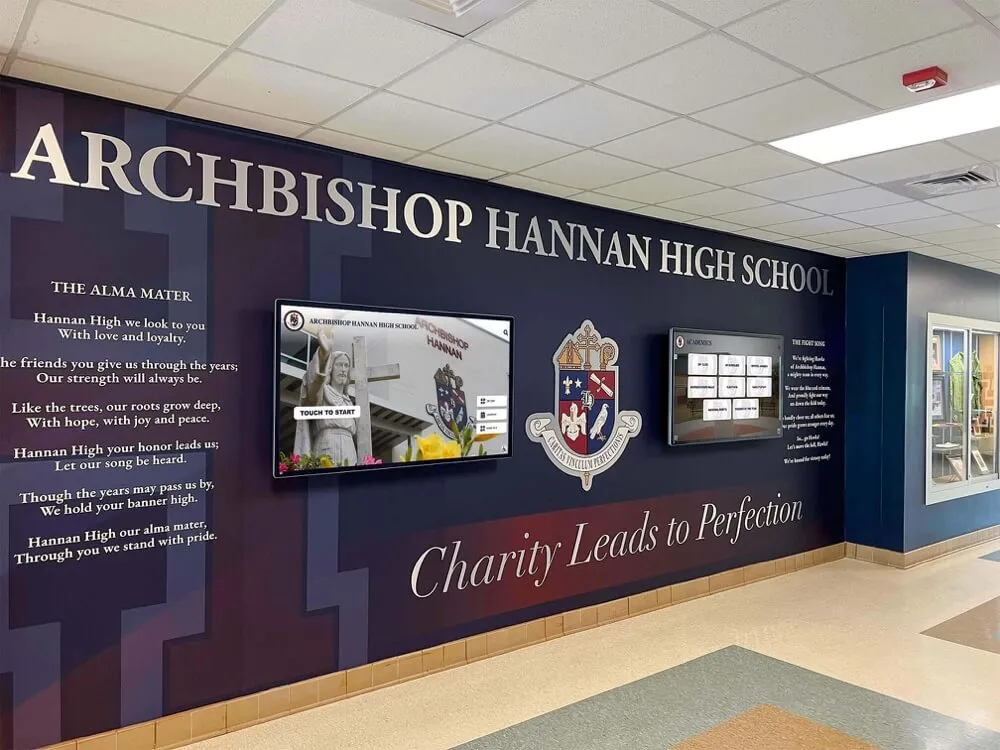
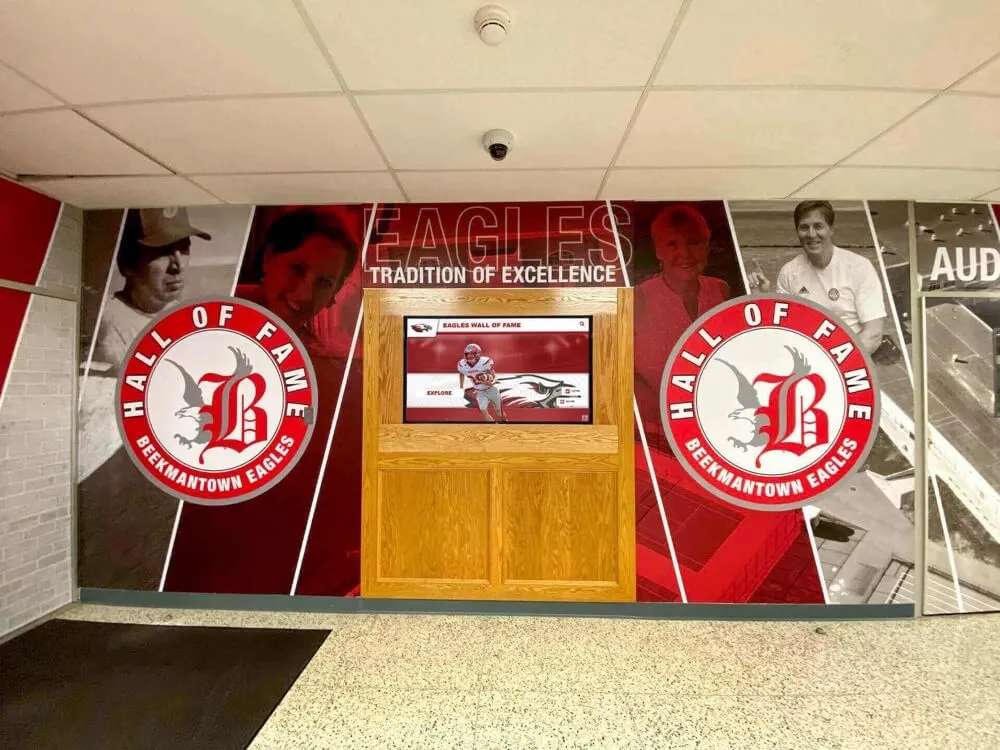
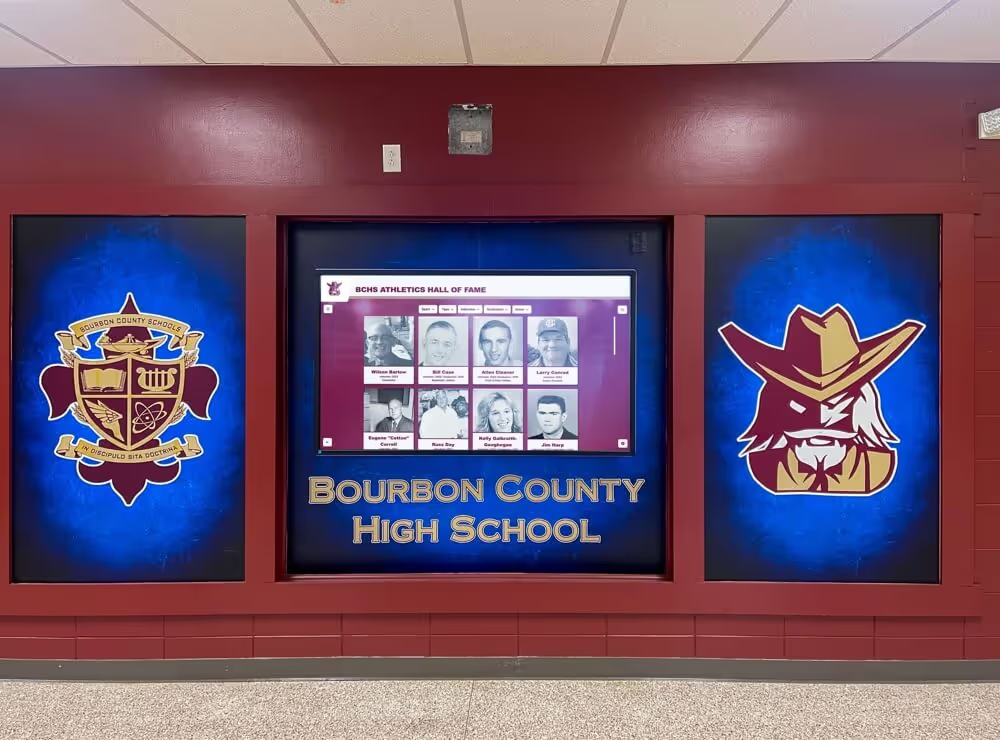
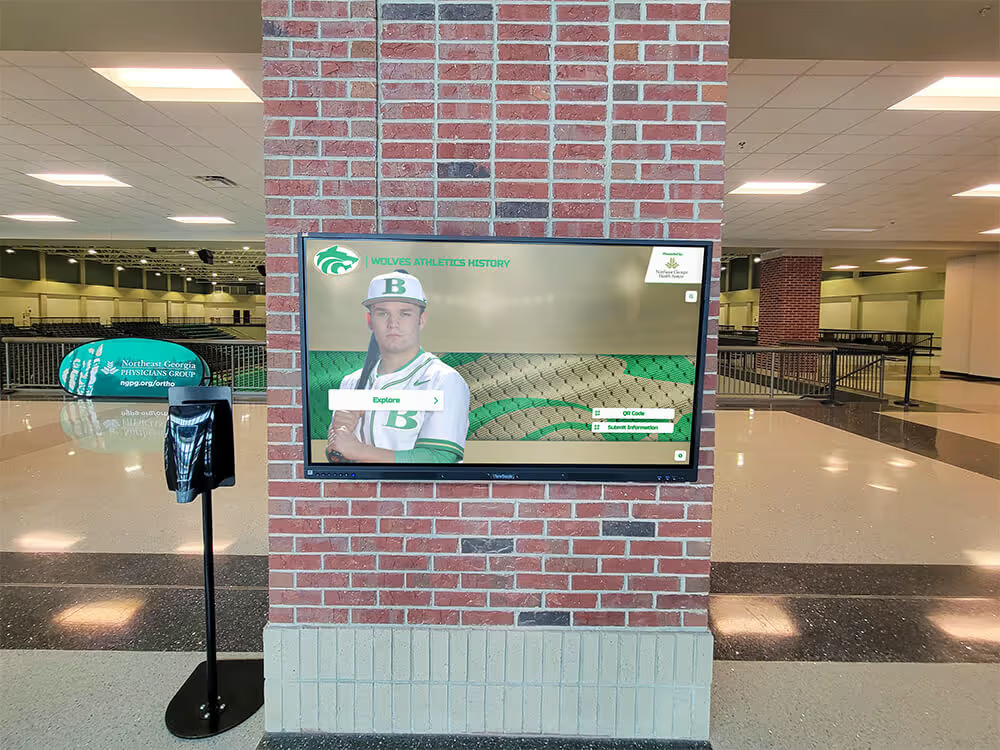
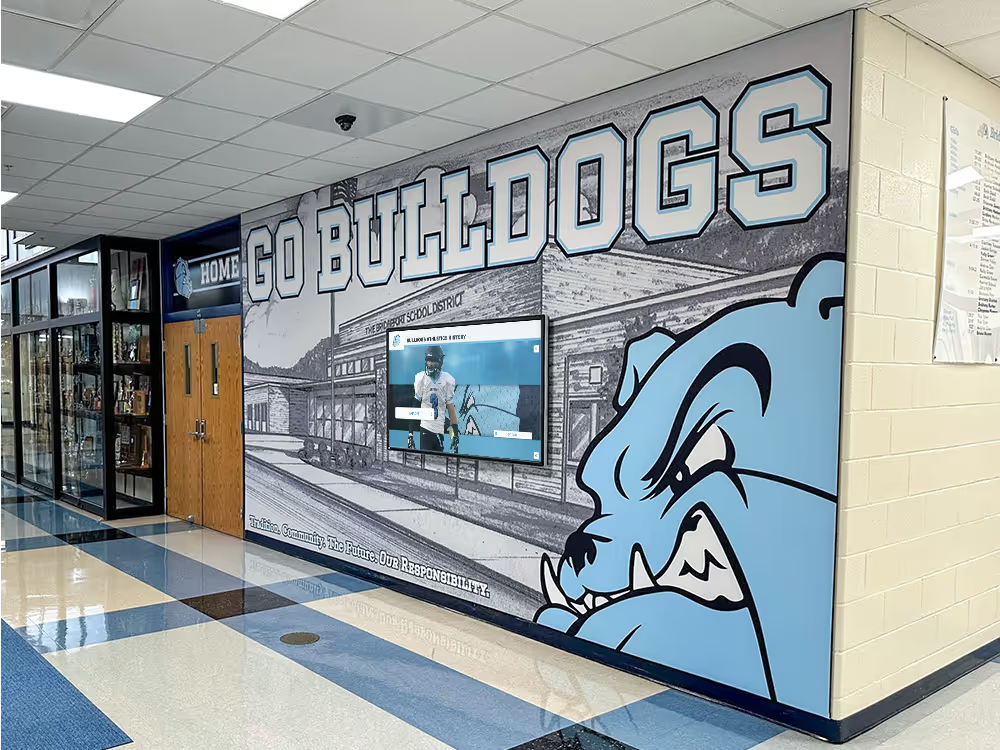
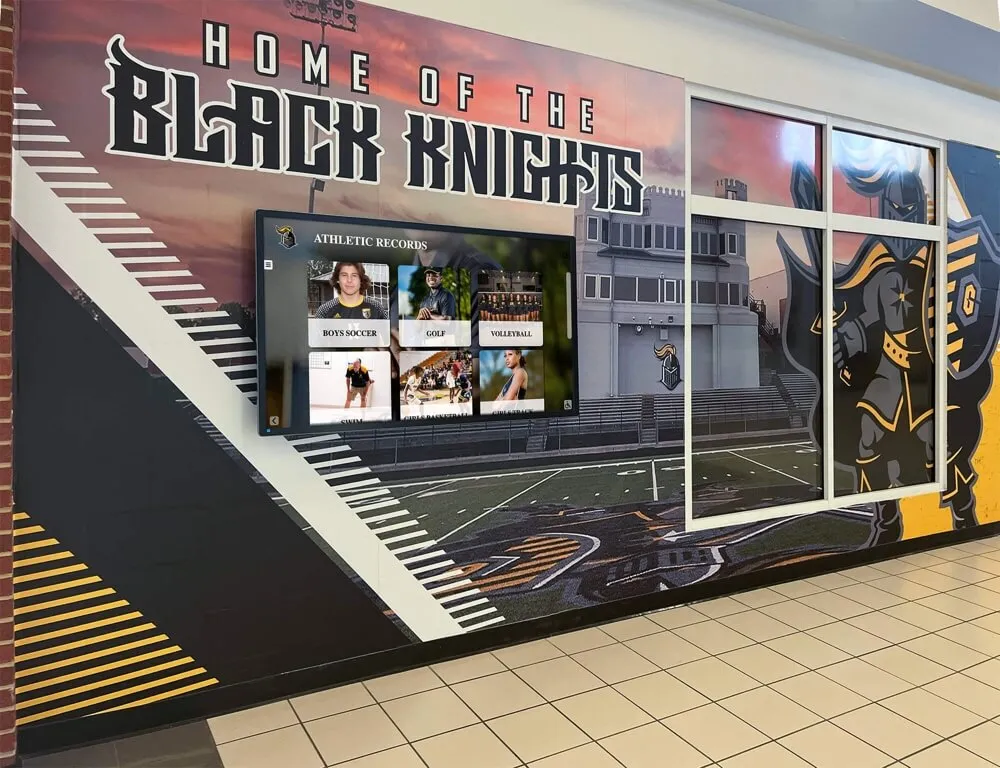
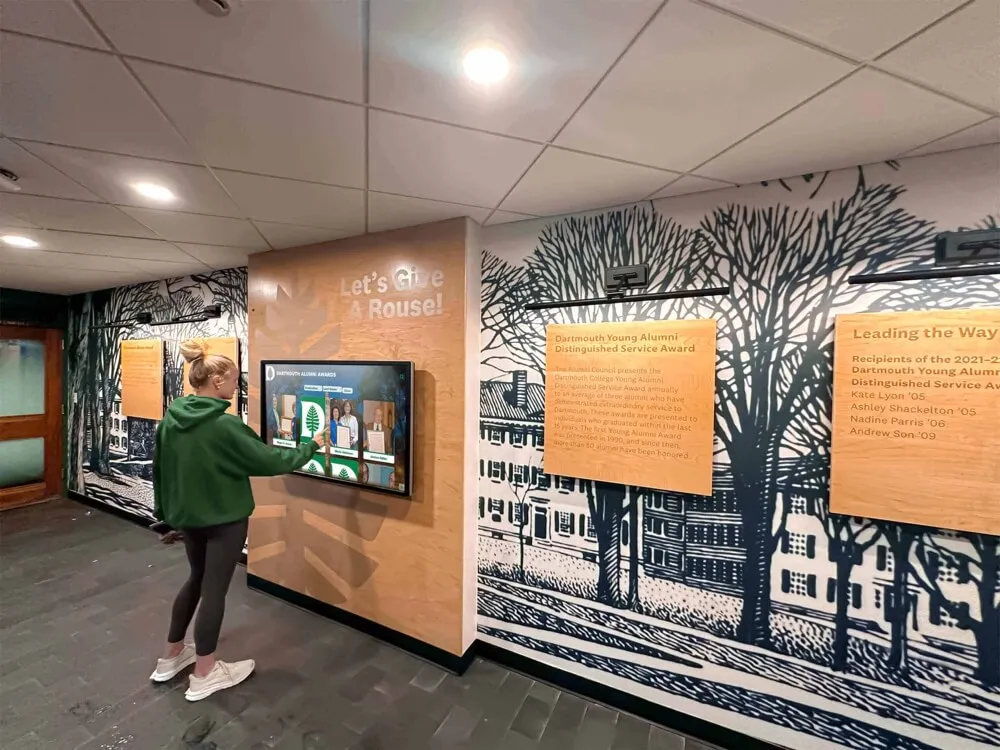
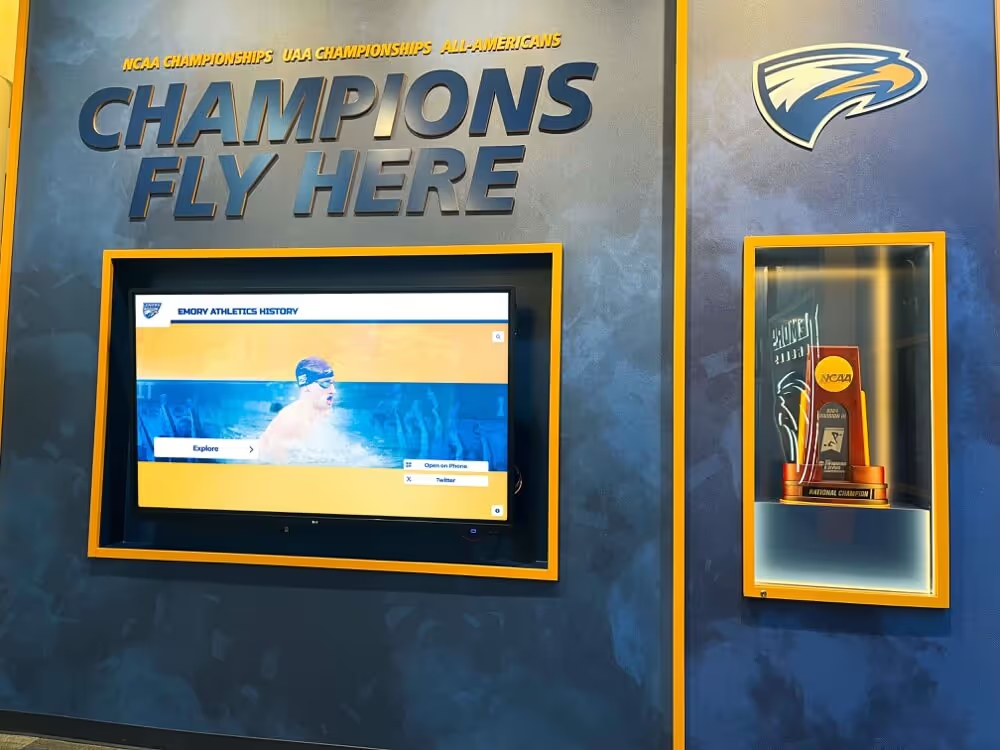
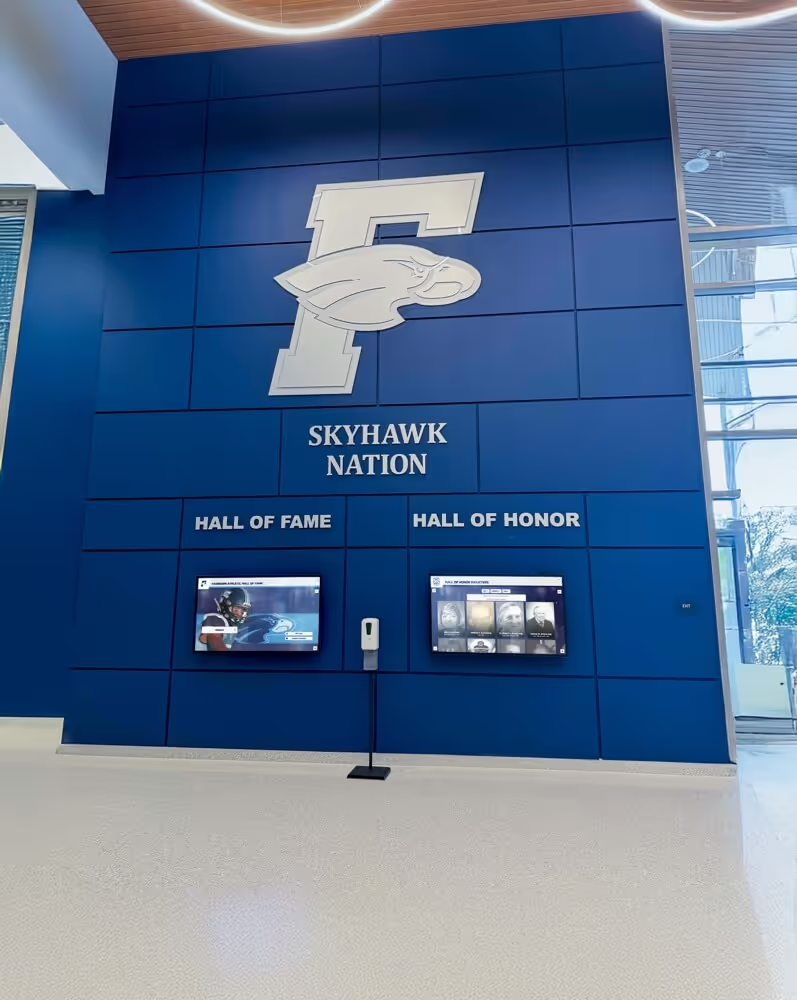
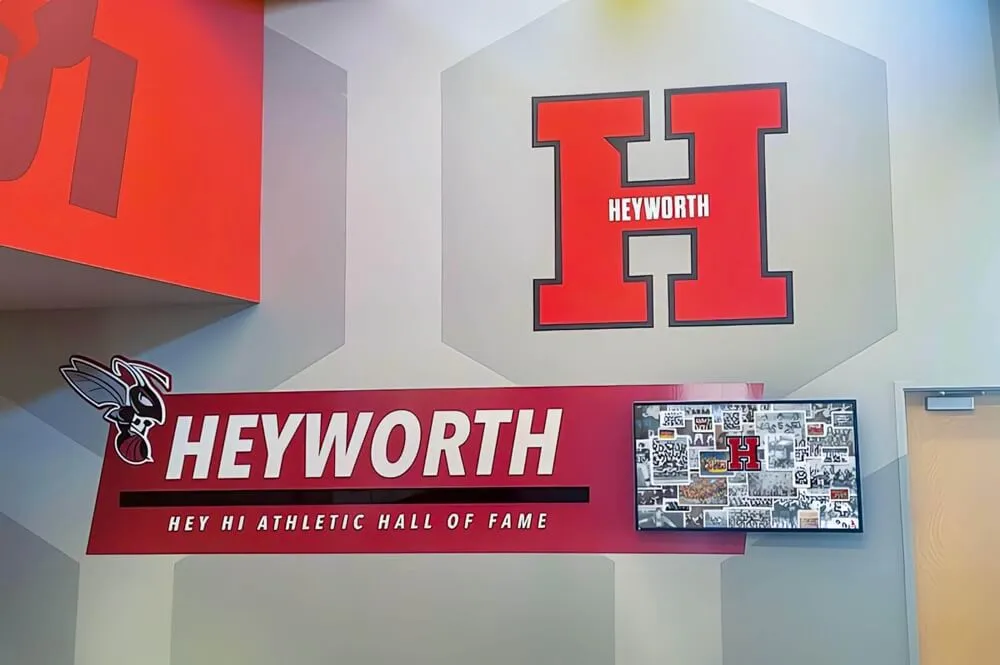
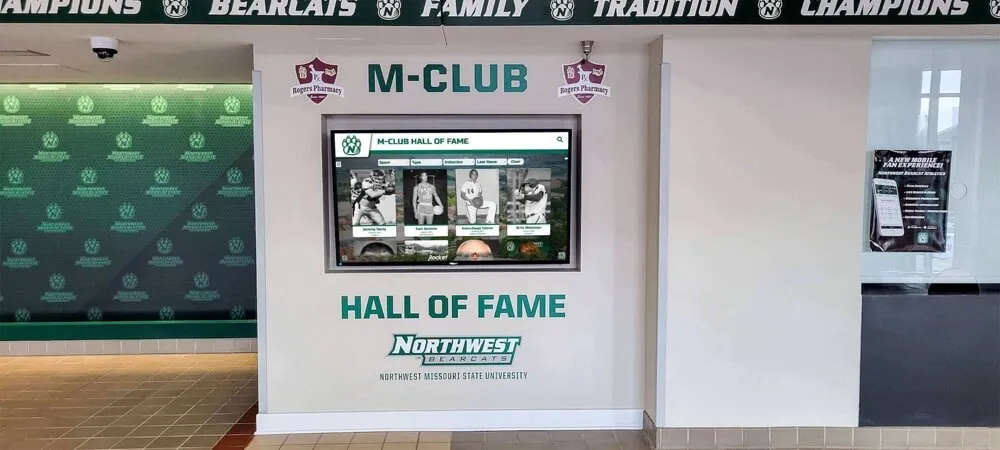
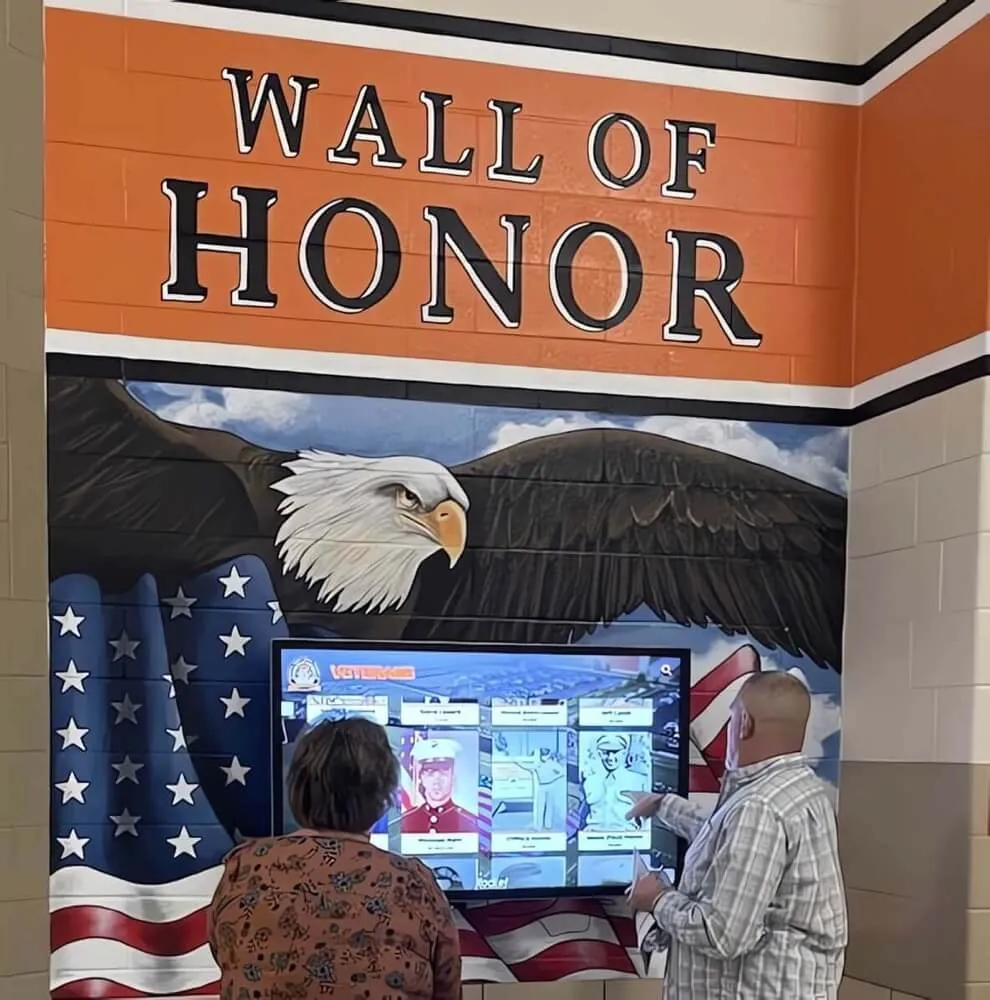
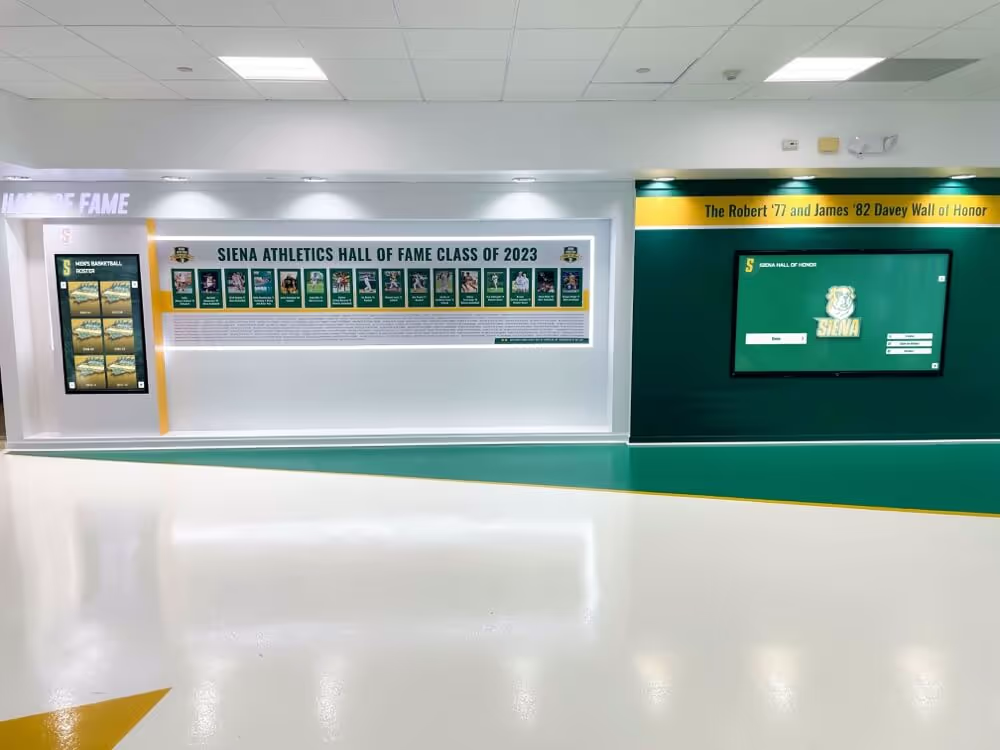
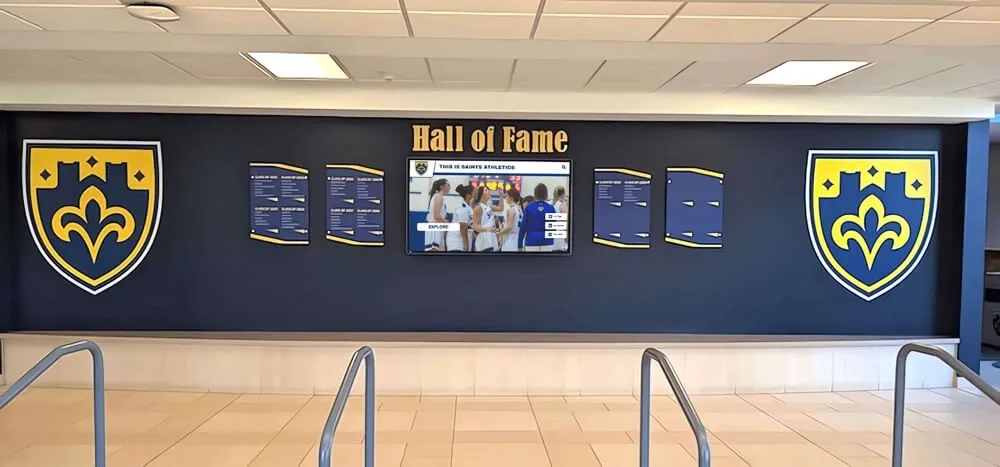
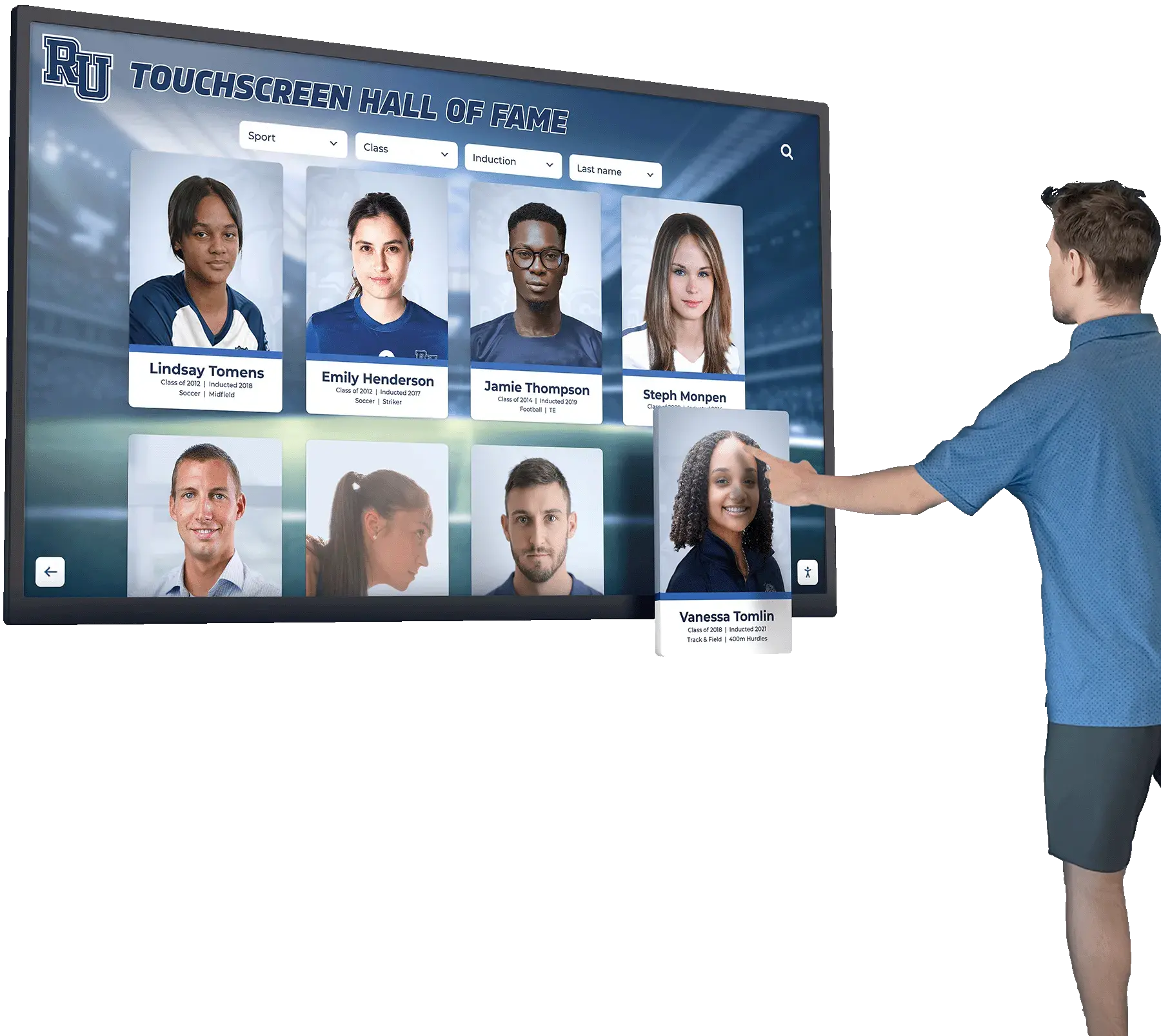
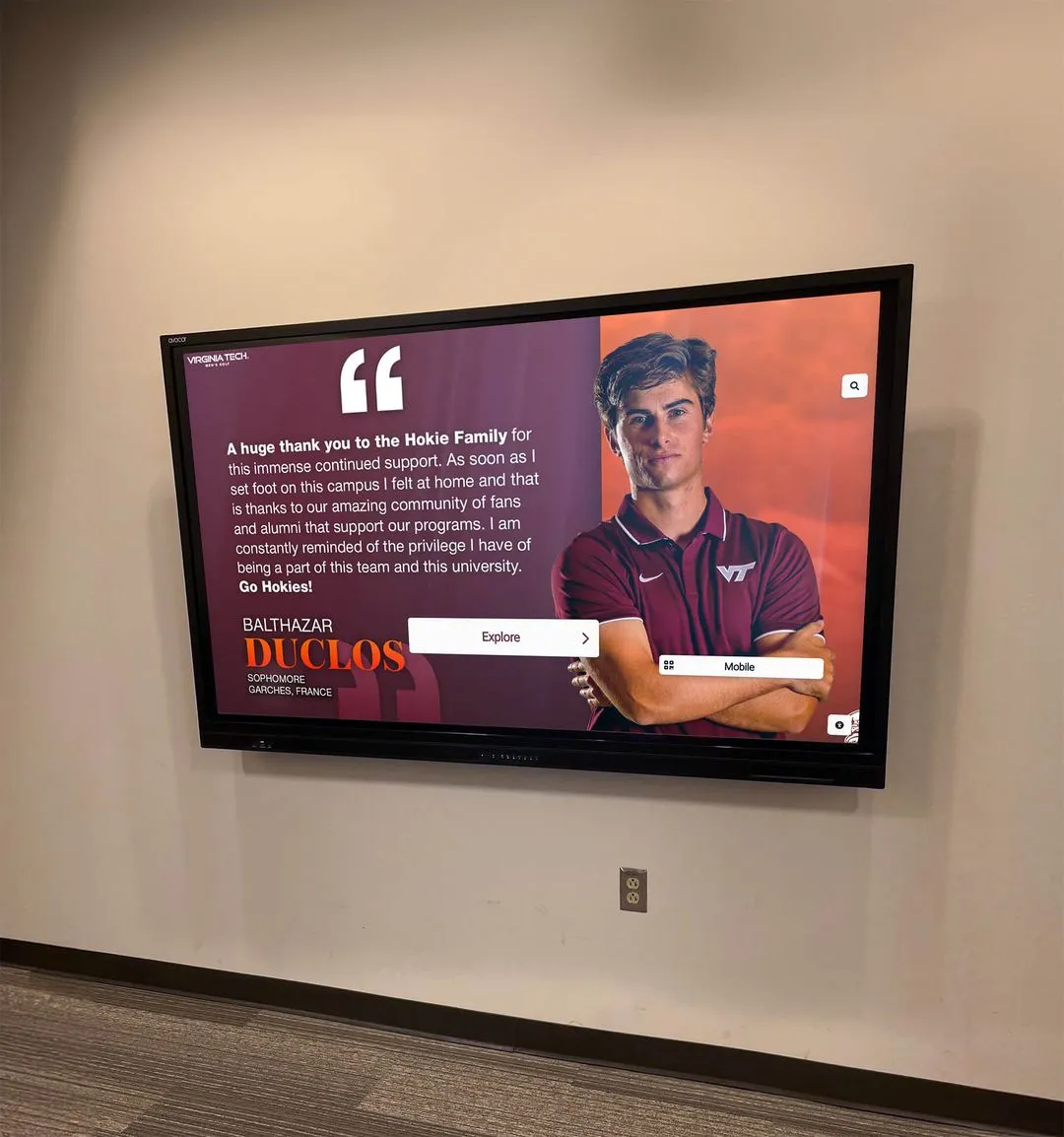
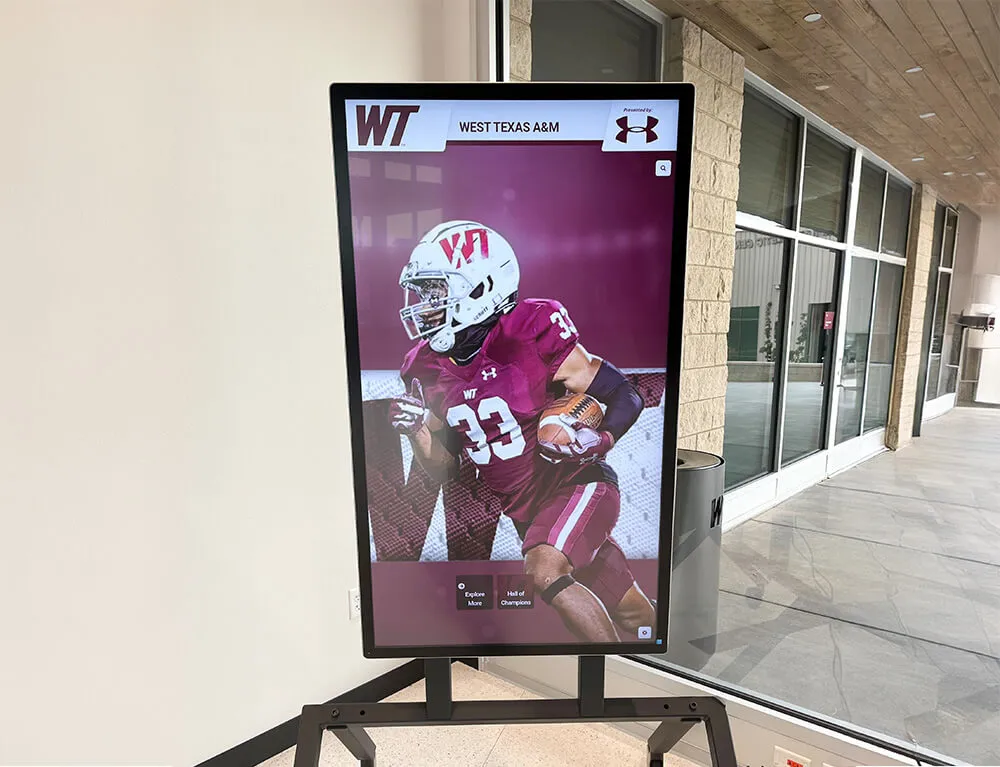
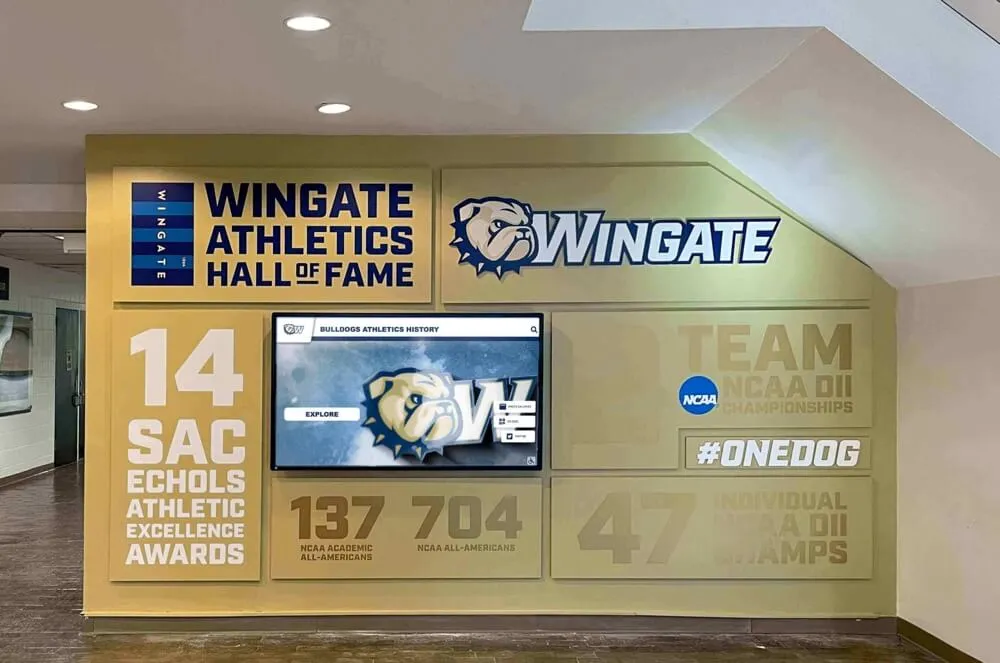
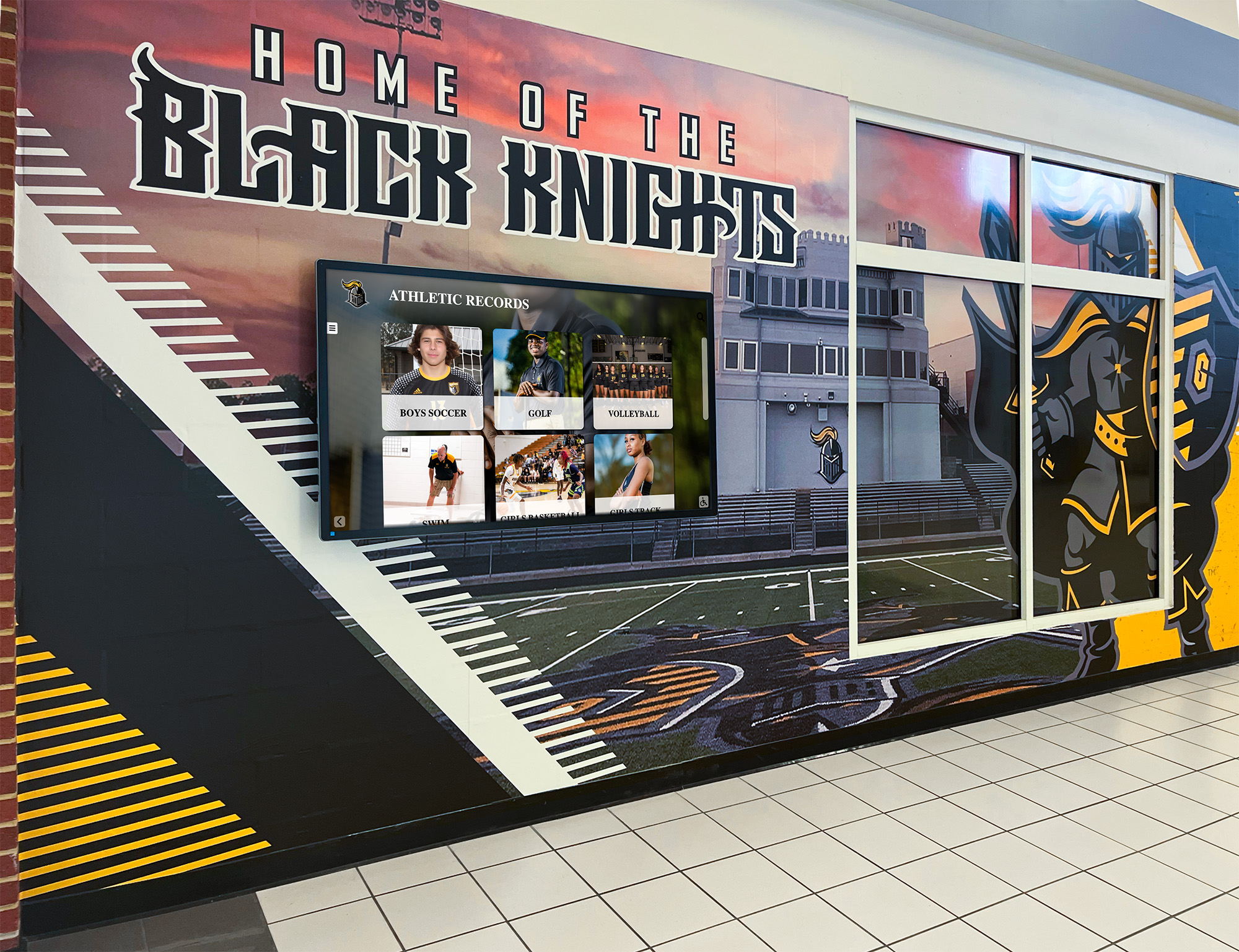
Modern record board installations combine visual impact with comprehensive recognition, creating engaging displays that students notice and explore
Understanding Record Board Challenges in Modern Athletic Programs
Before exploring solutions, recognizing common problems helps athletic directors design displays addressing actual needs rather than perpetuating ineffective approaches.
Space Limitations Create Recognition Gaps
Traditional record boards impose harsh physical constraints:
Fixed Display Capacity Problems
- Athletic programs expand from 12-15 sports to 20-25 offerings over decades
- Girls’ programs added after Title IX compete for display space with established boys’ records
- Emerging sports like lacrosse, soccer, and competitive cheer lack dedicated recognition areas
- Individual record categories multiply as statistical tracking becomes more sophisticated
- Multiple record types (single-season, career, single-game) compete for limited board space
According to the National Federation of State High School Associations, the average high school athletic program has grown significantly in the past three decades, yet most gymnasium record boards remain unchanged since original construction. This creates systematic recognition inequities where certain sports receive comprehensive displays while others get minimal or no visibility.
Forced Prioritization Decisions Space constraints force difficult choices:
- High-profile sports receive multiple board sections while smaller programs get squeezed out
- Recent records displace historical achievements as new marks are established
- Team records receive prominent placement while individual accomplishments get secondary positioning
- Schools must choose between showcasing current season leaders versus all-time record holders
- Certain achievement categories get excluded entirely due to space limitations
These allocation decisions send powerful messages about which sports and which athletes the school genuinely values, creating tensions among programs when recognition appears unequal.

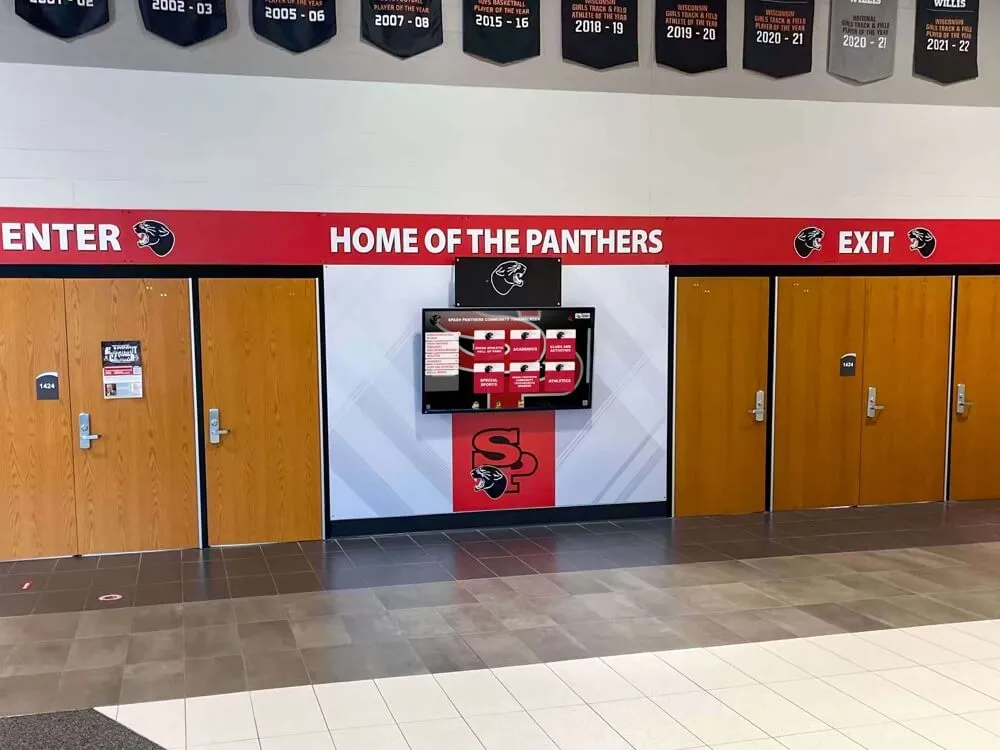
Strategic placement in high-traffic athletic areas ensures record boards receive visibility that motivates current student-athletes
Maintenance Burdens and Update Complexity
Physical record boards demand ongoing labor many schools cannot sustain:
Labor-Intensive Update Processes
- Removing and replacing vinyl lettering for each record change
- Repainting board backgrounds during facility updates
- Coordinating with facilities staff for ladder access and safety procedures
- Ordering custom materials matching original fonts and colors
- Waiting weeks or months for materials to arrive before completing updates
Many athletic directors report that physical record boards receive updates only annually or less frequently due to competing time demands. This results in displays showing outdated information that students notice and question, undermining credibility and reducing motivational impact.
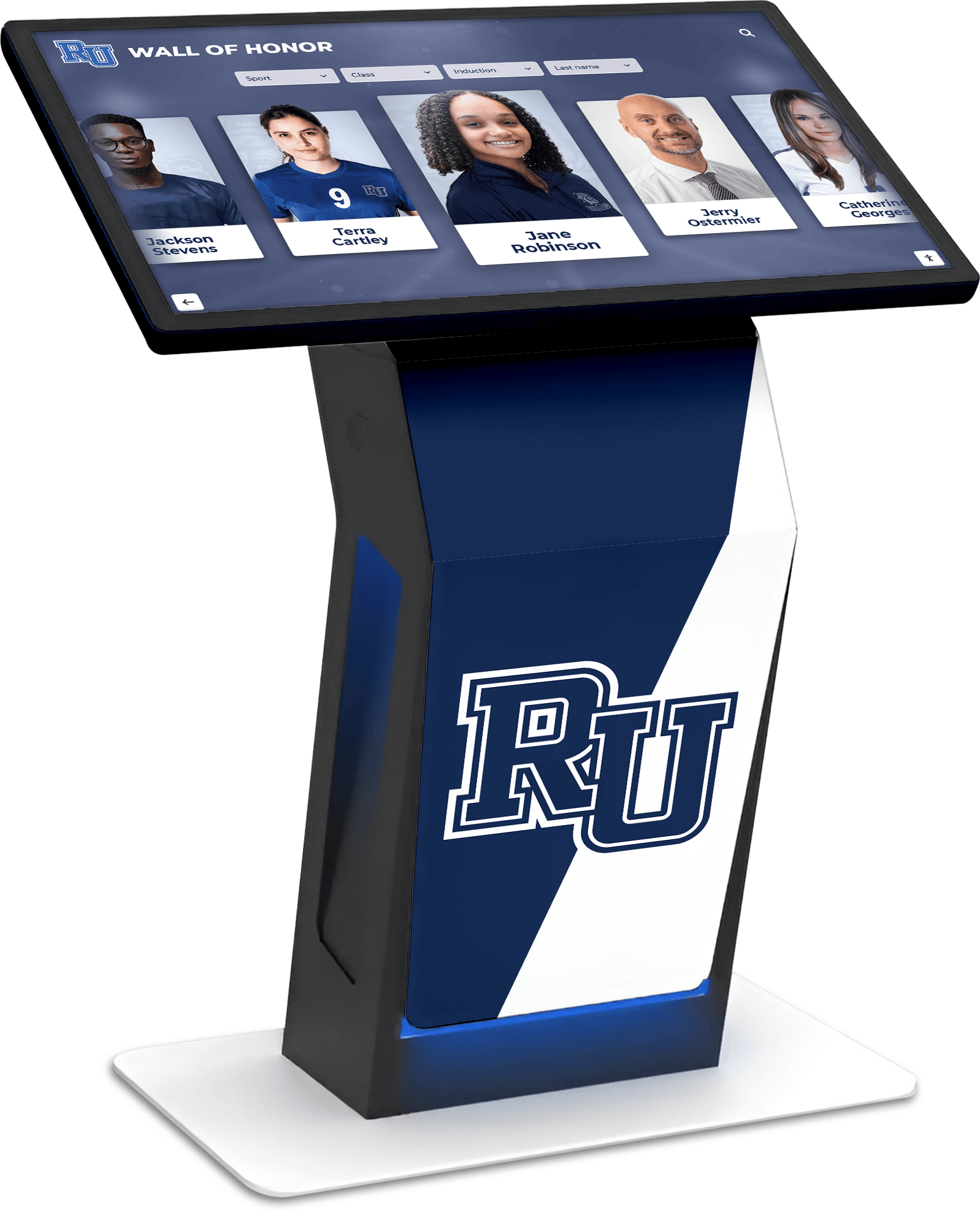
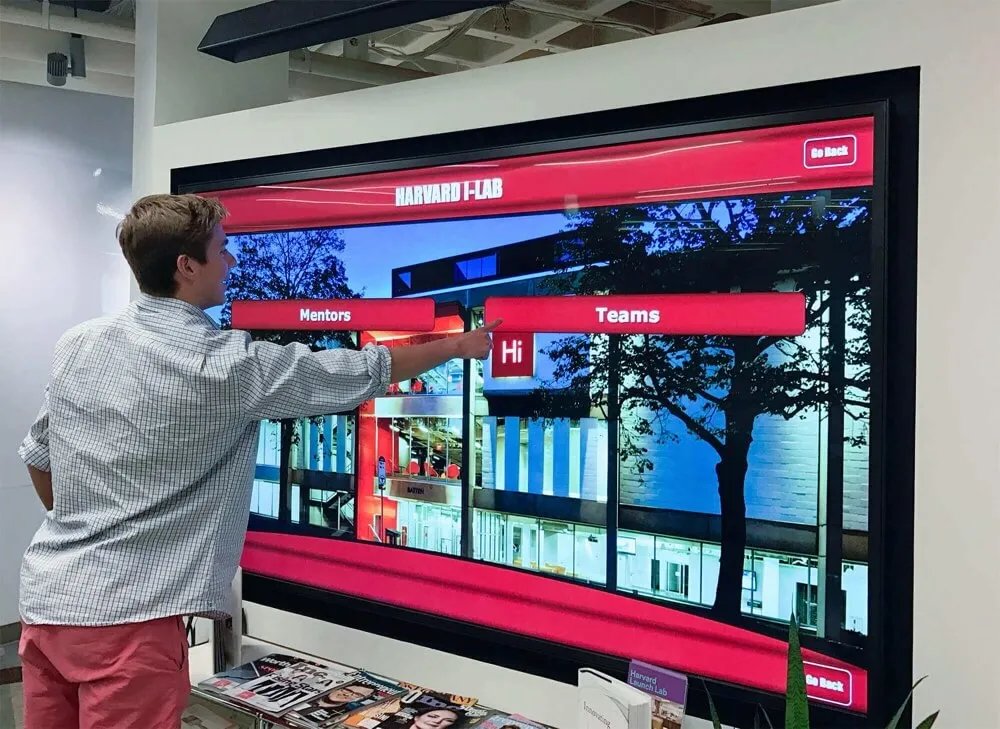
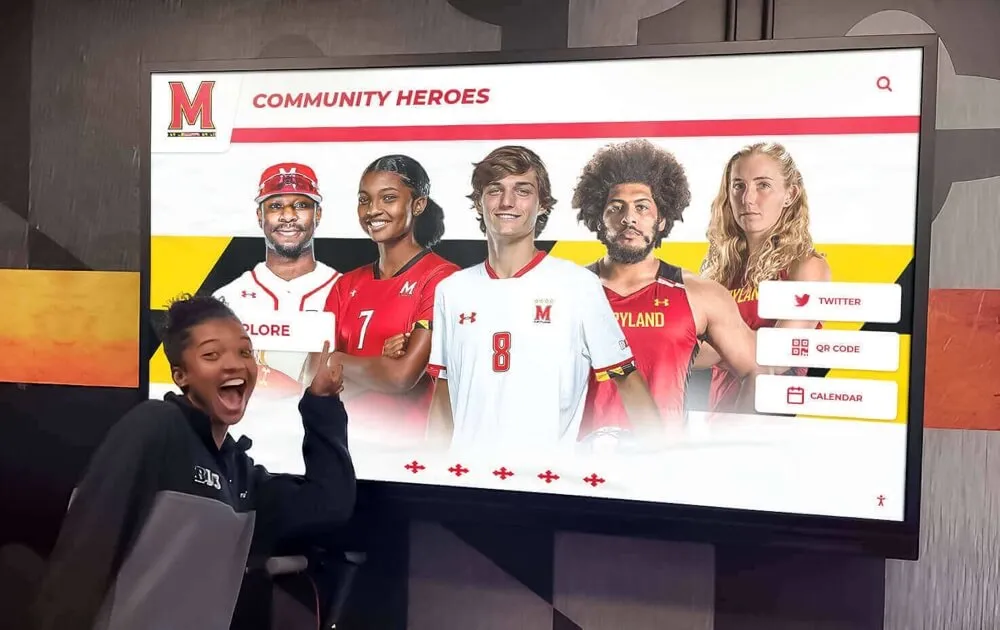
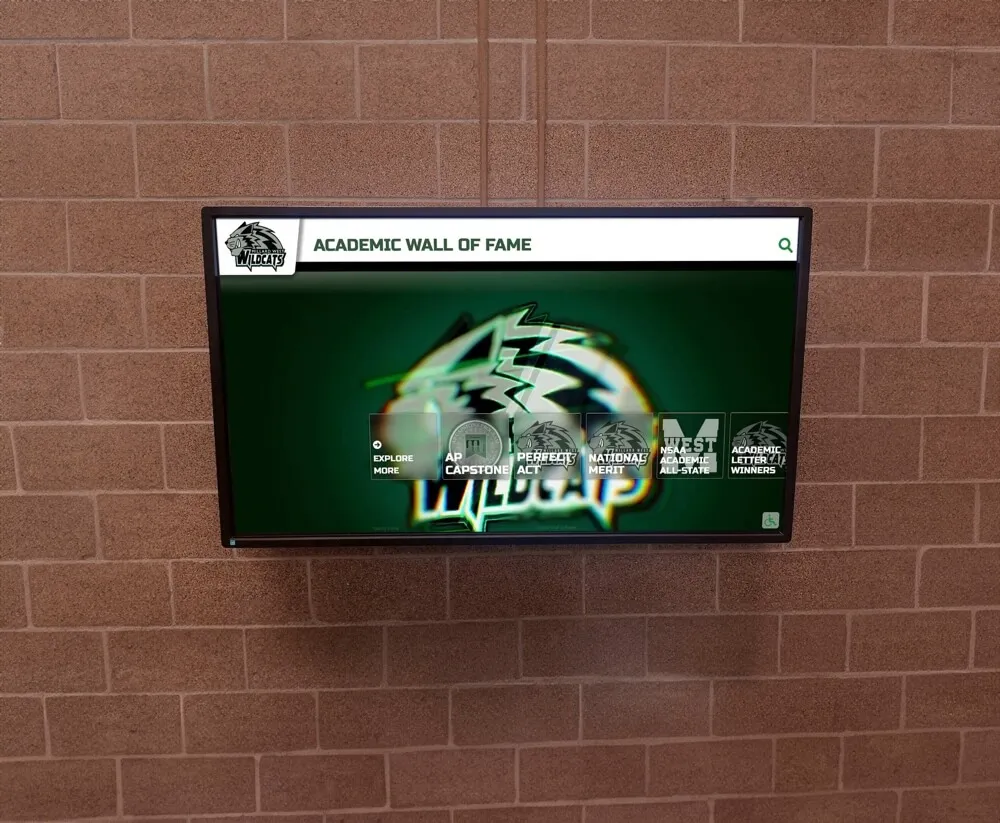
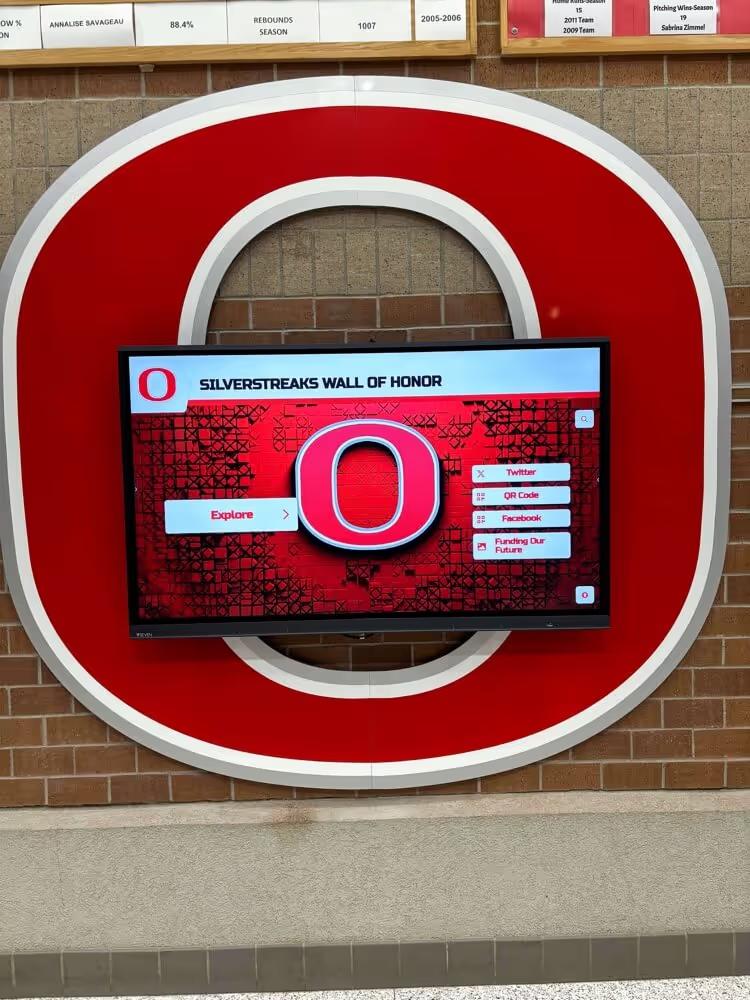
Modern touchscreen systems eliminate maintenance burdens while enabling instant record updates from any internet-connected device
Accuracy and Verification Challenges Manual update processes introduce errors:
- Transcription mistakes when transferring statistical information to boards
- Difficulty verifying whether records listed remain current and accurate
- Conflicting information when different sources document records inconsistently
- Lost institutional knowledge as coaches who remember historical records retire
- No systematic process for athletes or families to report potential errors
Schools often discover that physical record boards contain multiple inaccuracies that went unnoticed for years because verification requires extensive research through historical documents and archives.
Limited Engagement and Context
Static record boards provide minimal information failing to create meaningful connections:
Information Scarcity Physical space limits restrict detail boards can include:
- Record listings typically show only athlete name, achievement, and year
- No context about competition, opponent, or circumstances of record-setting performances
- Missing information about athlete post-graduation achievements or current activities
- No photos, videos, or multimedia content bringing records to life
- Lack of comparison data showing how current records compare to historical standards
Passive Viewing Without Interaction Traditional boards become background scenery students stop noticing:
- Static displays fade into visual background as students become habituated
- No way for students to explore records by sport, year, or achievement type
- Cannot search for specific athletes or compare records across eras
- No connection to current season statistics or ongoing pursuit of records
- Alumni and families visiting campus cannot easily locate specific athletes or teams
Research on institutional recognition indicates that unchanging displays receive decreasing attention over time, dramatically reducing motivational impact on student-athletes who rarely engage with static information they walk past daily.
Traditional Record Board Concepts with Modern Twists
Physical record boards remain popular and can be optimized through thoughtful design, strategic placement, and creative implementation approaches.
Painted Wall Record Boards
Classic Gymnasium Wall Displays Directly painted record boards create permanent installations with institutional character:
- Professional lettering and typography creating polished presentations
- School colors and branded elements reinforcing institutional identity
- Dedicated wall sections organized by sport and achievement type
- Multiple columns enabling comprehensive record categories
- Header graphics and mascot imagery creating visual interest
Painted boards work particularly well in gymnasiums, field houses, and athletic facility corridors where wall space allows substantial displays. Initial professional painting typically costs $2,500-6,000 depending on size, complexity, and level of detail, but provides durable displays lasting 10-15 years before requiring refreshing.
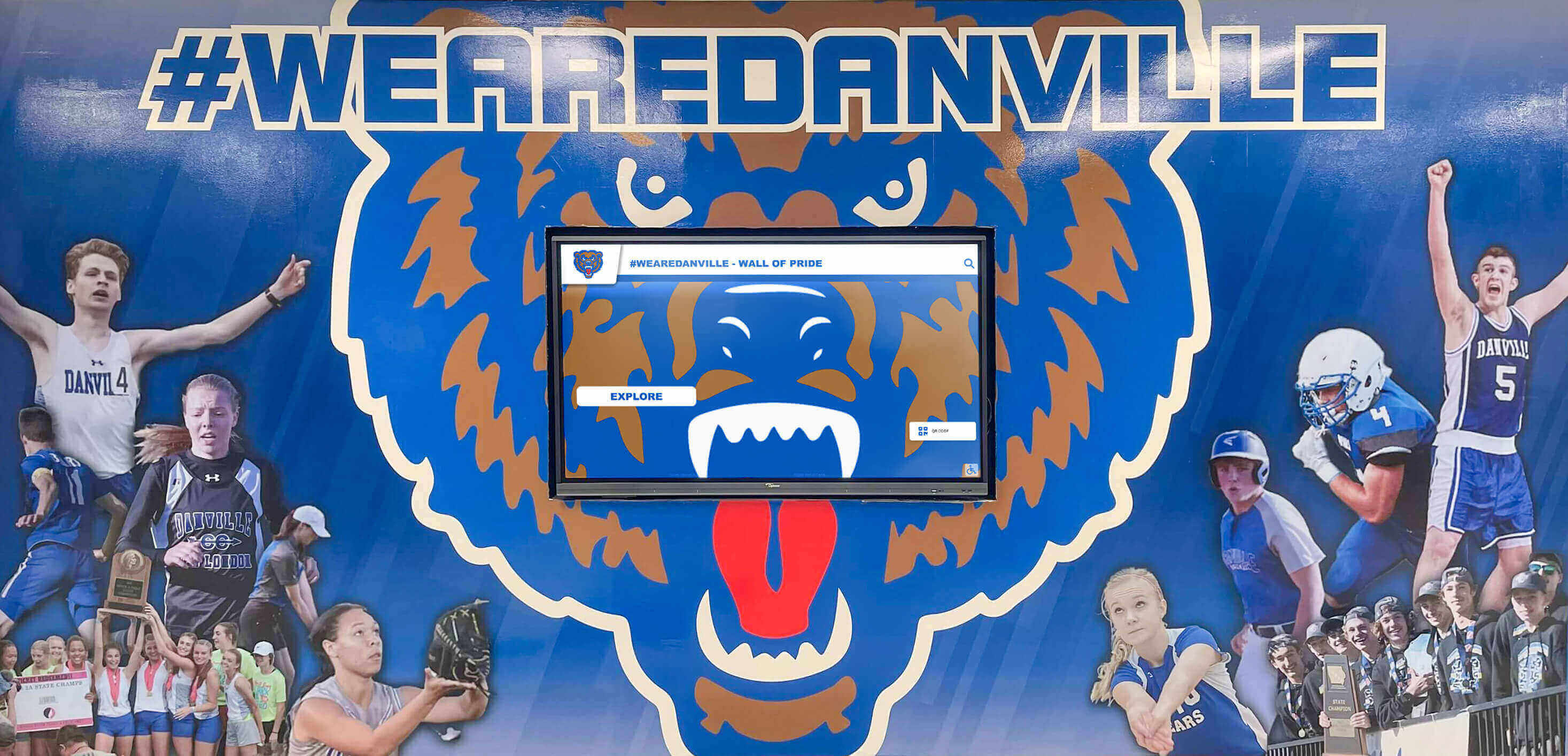
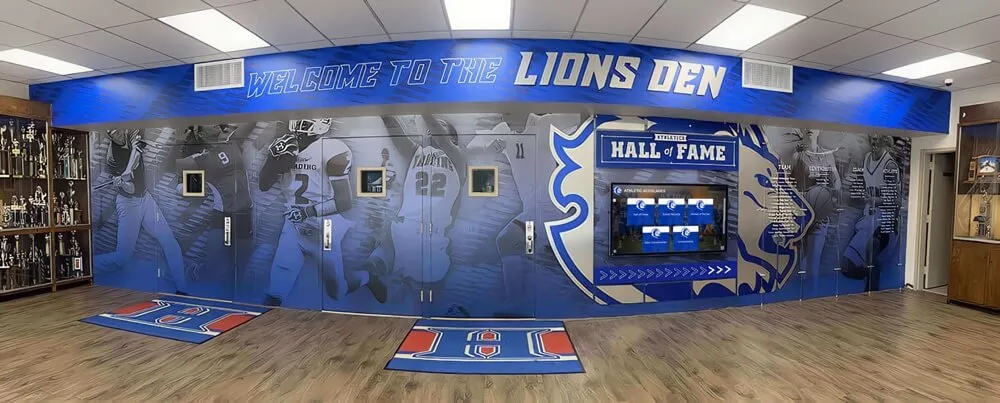
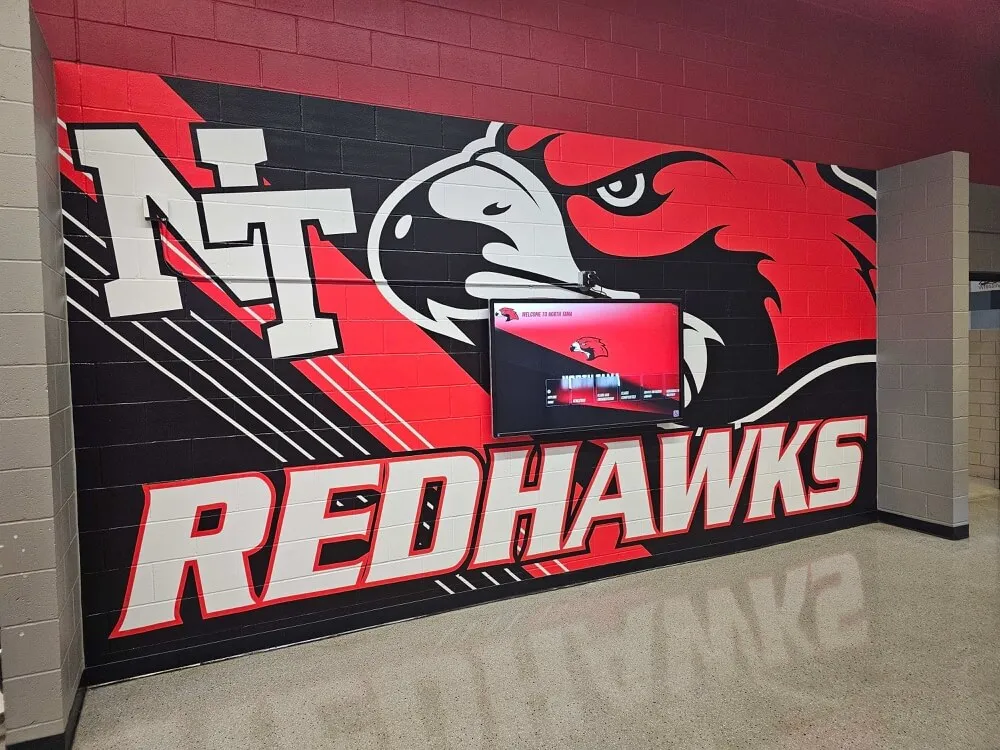
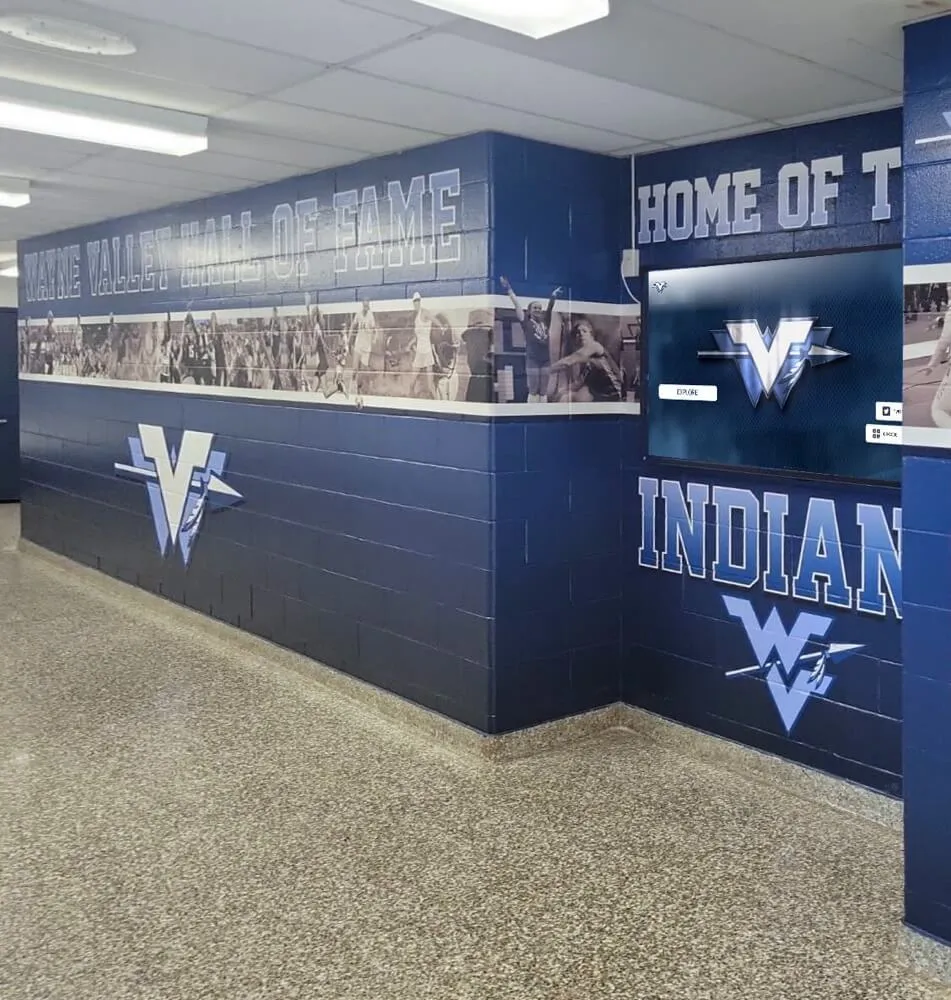
Athletic murals incorporating record boards create immersive branded environments celebrating program excellence and tradition
Design Strategies for Maximum Impact
Sport-Specific Sections Organize boards by athletic program:
- Fall sports: Football, volleyball, soccer, cross country, field hockey
- Winter sports: Basketball, wrestling, swimming, gymnastics, hockey
- Spring sports: Baseball, softball, track & field, tennis, lacrosse
- Year-round: Competitive cheer, dance, golf, bowling
Each section displays relevant record categories specific to that sport’s statistical tracking (rushing yards for football, hitting percentage for volleyball, personal best times for track, etc.).
Visual Hierarchy and Readability Design elements ensure visibility from viewing distances:
- Large bold headers identifying sport and record category (minimum 4-6 inch letters)
- Record holder names in clear fonts readable from 15-20 feet
- Achievement numbers prominently displayed with appropriate units
- Year information in consistent format
- High-contrast color combinations ensuring visibility in varied lighting
Strategic Location Selection Placement dramatically affects engagement:
- Main gymnasium walls visible during games and practices
- Athletic hallway corridors where student-athletes pass daily
- Locker room areas providing frequent exposure
- Weight room and training facility walls where athletes spend substantial time
- Field house entryways serving multiple sport programs
Schools implementing comprehensive athletic banquet planning often coordinate record board updates with end-of-season celebrations, creating ceremonial moments when new records receive recognition on permanent displays.
Vinyl Lettering and Modular Systems
Flexible Update Solutions Removable vinyl lettering enables easier maintenance:
Vinyl System Advantages
- Record updates without complete board repainting
- Color-matched materials maintaining visual consistency
- Professional appearance with clean, uniform lettering
- Relative affordability compared to full painting projects
- DIY installation possible for schools with skilled facilities staff
Implementation Approaches
- Professionally painted background and headers
- Vinyl lettering for record holder information enabling updates
- Magnetic backing systems allowing non-damaging attachment
- Clear protective coating preventing premature wear
- Template systems ensuring consistent spacing and alignment
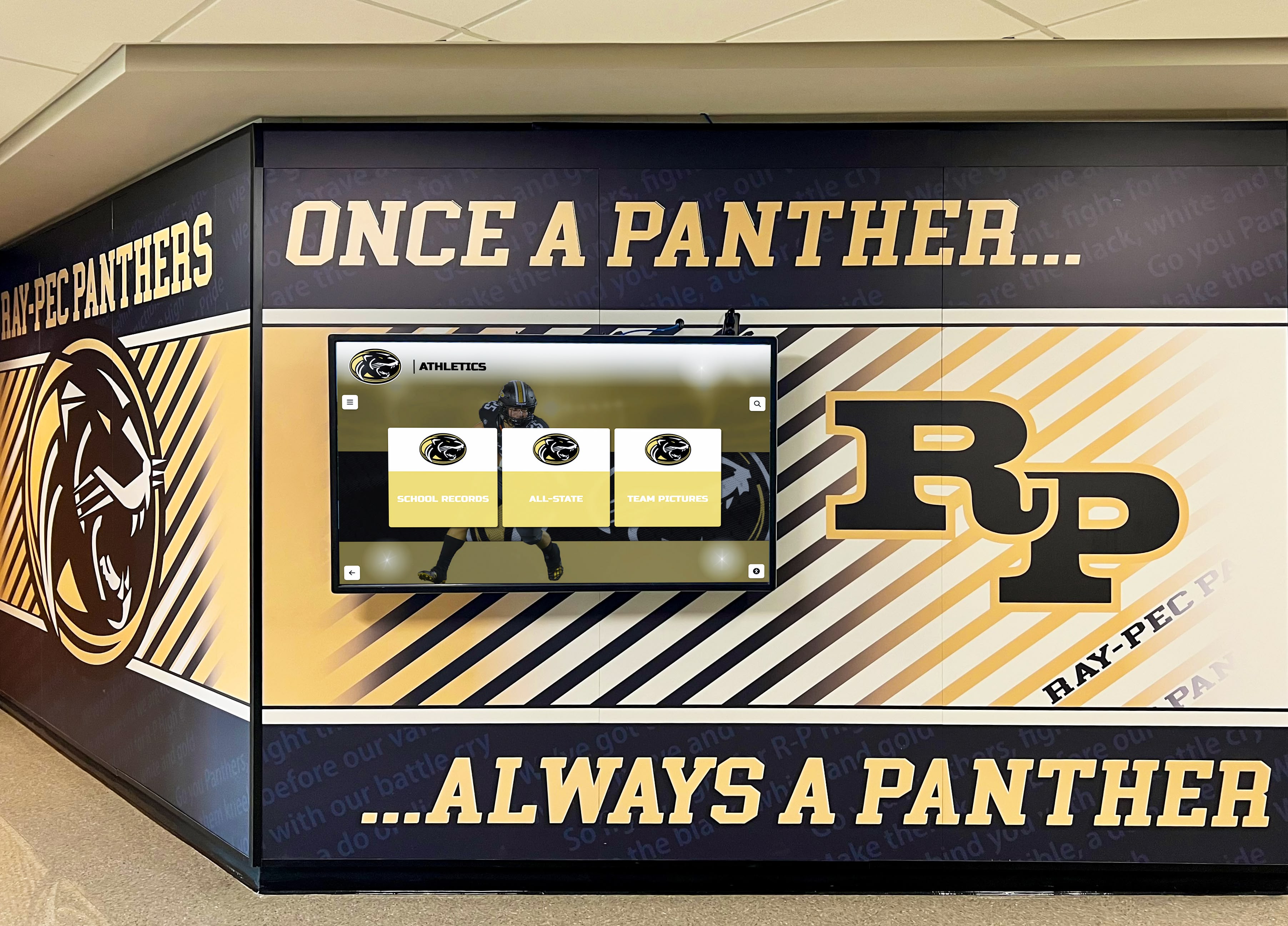
Combining traditional murals with modern display elements creates layered recognition environments serving diverse stakeholder preferences
Vinyl systems work best when schools anticipate regular updates and want flexibility without constant repainting. Material costs typically range from $200-500 per update depending on quantity of records changed, making this approach sustainable for active programs breaking records frequently.
Illuminated Record Board Displays
LED and Backlit Systems Lighting transforms record boards from passive displays to focal points:
Lighting Design Options
- Spotlights highlighting entire board sections creating dramatic emphasis
- LED strip lighting outlining board edges and divisions
- Individual record illumination for recent achievement highlights
- Programmable lighting sequences drawing attention during events
- Motion-activated systems conserving energy while ensuring visibility
Proper lighting increases record board visibility by 60-80% according to facility design research, particularly in gymnasiums with challenging lighting conditions during games and events. Schools implementing exciting hallway displays find that illuminated record boards receive substantially more student attention than unlit displays.
Installation Considerations
- Electrical access and circuit capacity for lighting systems
- Fixture selection appropriate for athletic facility environments
- Timer systems enabling automatic operation
- Dimming capability for varied event requirements
- Energy-efficient LED technology reducing operational costs
Professional installation including electrical work typically adds $1,000-3,000 to record board projects, but creates premium presentations demonstrating institutional commitment to athletic recognition.

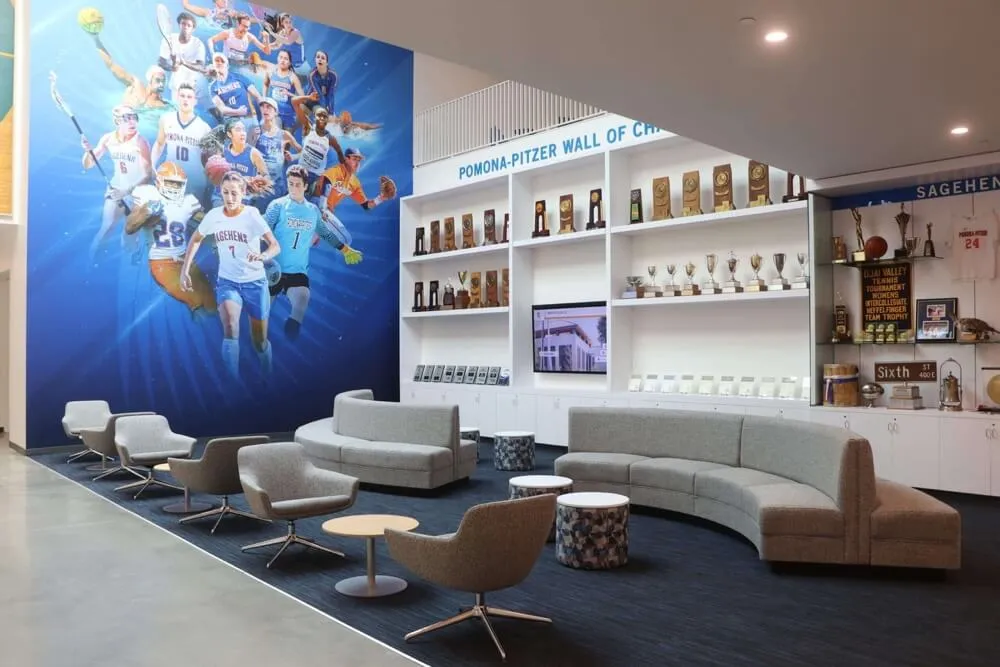
Professional lobby installations create impressive first impressions for visitors while celebrating athletic excellence and program tradition
Modern Digital Record Board Solutions
Digital displays fundamentally transform record recognition by eliminating space constraints while adding engagement features impossible with traditional painted boards.
Interactive Touchscreen Record Displays
Digital platforms address the core limitations that make physical record boards challenging:
Unlimited Recognition Capacity The most immediate benefit of digital record boards is complete elimination of physical space constraints:
- Display unlimited records across all athletic programs without competition for space
- Present every record category without forced prioritization decisions
- Include discontinued sports preserving complete institutional athletic history
- Feature individual records, team records, and career statistics simultaneously
- Maintain both current record holders and historical progression showing previous marks
Solutions like Rocket Alumni Solutions enable schools to display records from program founding through current seasons, creating complete athletic documentation impossible with physical boards constrained by wall dimensions. This comprehensive approach ensures gender equity, as girls’ and boys’ programs receive equal visibility regardless of facility space limitations.
Enhanced Storytelling and Context Digital platforms provide detail impossible on painted boards:
- Photo galleries showing record-setting performances and athlete celebrations
- Video clips from games when records were established
- Detailed athlete profiles including background, achievements, and current activities
- Season summaries documenting context of record performances
- Newspaper articles and media coverage preserving historical perspective
- Statistical graphics visualizing record progression over time
- Comparison data showing how records rank regionally and nationally
This multimedia storytelling creates emotional connections with achievements that simple name-and-number listings cannot match, helping students understand the dedication and circumstances behind visible statistics.

Intuitive touch interfaces enable students to explore athletic records through natural interaction patterns they use daily on personal devices
Search and Discovery Features Touchscreen interactivity transforms record recognition from passive viewing to active exploration:
- Search by athlete name finding all records held instantly
- Filter by sport, achievement type, or era exploring specific interests
- Browse chronologically through record progression timelines
- Compare current season leaders to all-time record holders
- Navigate alphabetically through athlete directories
- View related achievements and team connections
- Access mobile versions enabling remote exploration
This searchability creates personal connections as students discover family members, teammates, or athletes from their own programs throughout record books that traditional boards make unsearchable. Schools implementing digital touchscreen systems in athletic buildings report that interactive features generate 5-10x more student engagement compared to static physical boards students walk past without noticing.
Cloud-Based Content Management Systems
Modern record boards eliminate traditional update complexity:
Remote Administration Benefits
- Update displays from any internet-connected device without campus visits
- No ladders, paint, materials ordering, or facilities coordination required
- Scheduled publishing enables preparation during off-hours with automatic display
- Multiple authorized staff can contribute updates with role-based permissions
- Template systems accelerate record entry with consistent formatting
- Bulk import capabilities for historical data entry
- Edit histories tracking who changed what information and when
Athletic directors report 85-90% reduction in time spent updating athletic records after implementing digital systems, freeing resources for student-athlete support and program development rather than maintenance tasks.
Instant Record Recognition Digital platforms enable immediate acknowledgment:
- Update record boards within hours of record-breaking performances
- Publish achievement recognition coordinating with school announcements
- Feature current statistical leaders updating continuously throughout seasons
- Highlight approaching records creating anticipation as athletes chase marks
- Coordinate major record achievements with social media celebration
- Automatically flag records when performances meet thresholds
This immediacy creates relevance that physical boards updated annually or quarterly cannot match, ensuring student-athletes see their accomplishments recognized promptly when excitement and pride peak.
Accuracy and Verification Systems Digital systems reduce errors through structured data management:
- Database-driven content ensuring consistency across multiple displays
- Automated comparisons flagging potential conflicts between records
- Review workflows enabling verification before public display
- Centralized record management eliminating duplicate entry
- Historical preservation preventing accidental deletion
- Audit trails documenting all changes
Schools report significant accuracy improvements after implementing digital record boards, as systematic content management replaces ad hoc manual processes prone to transcription errors.
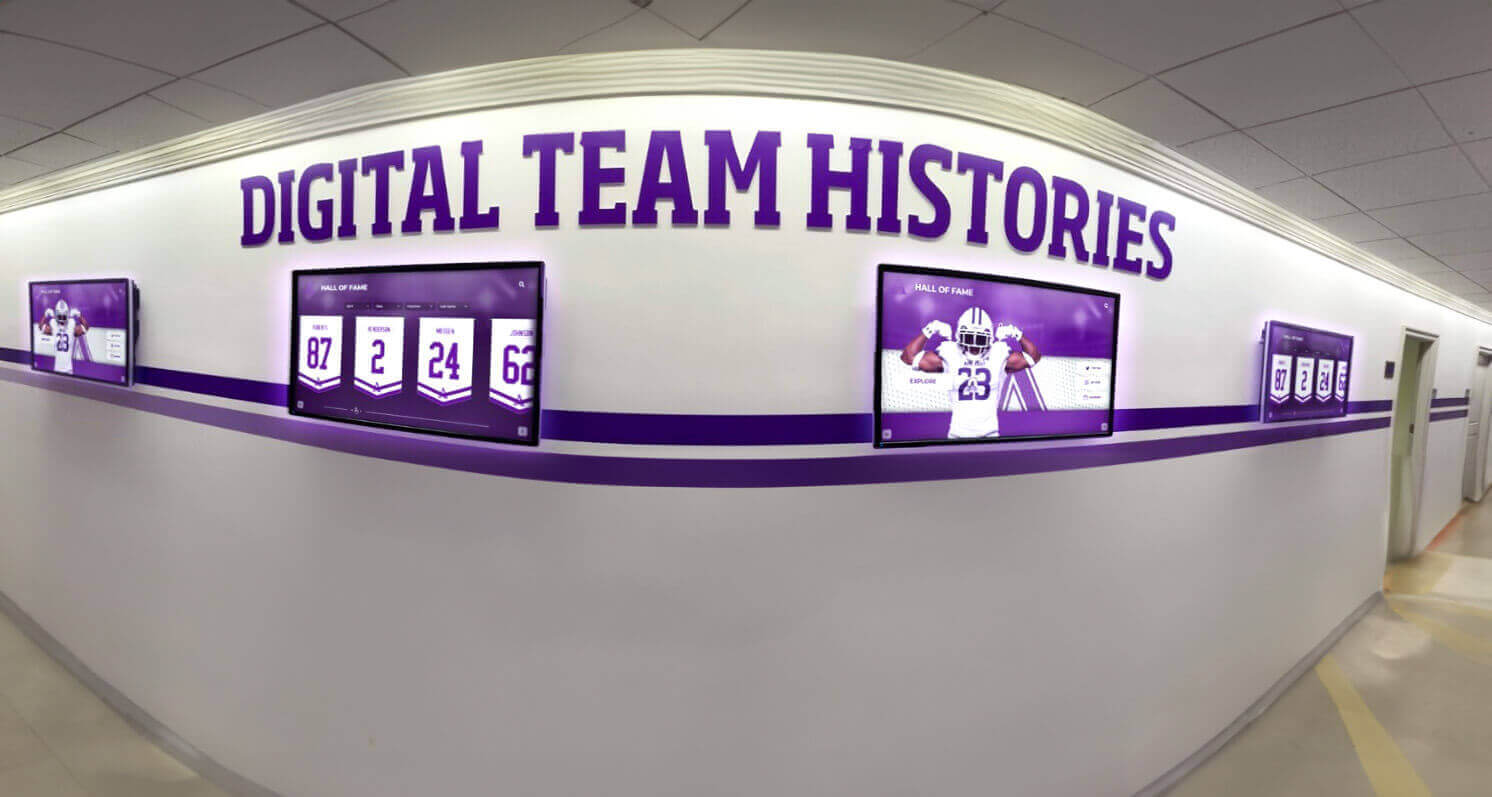
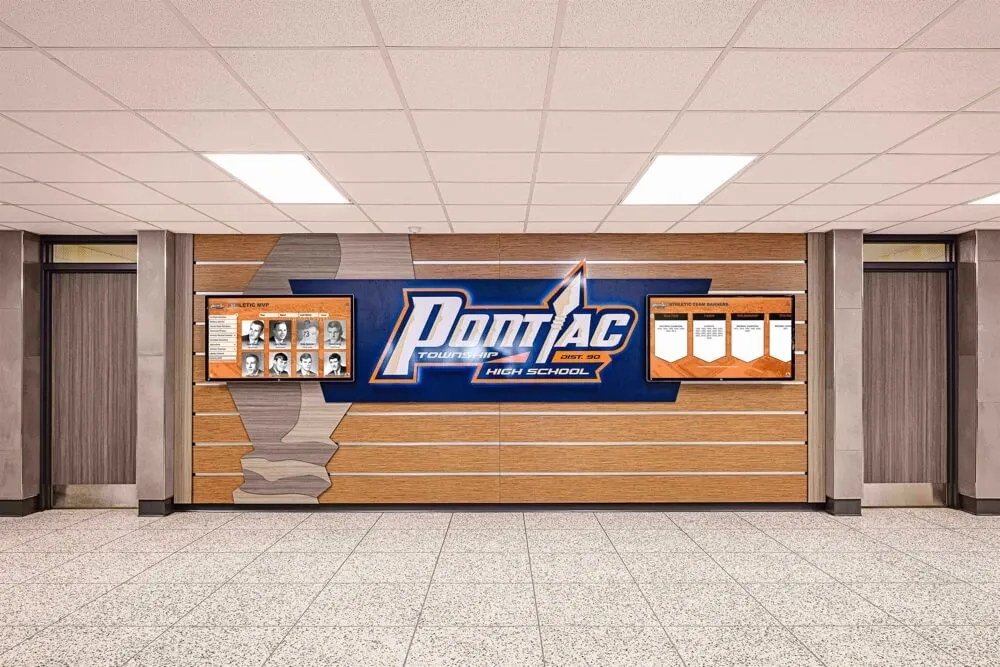
Hallway installations ensure record boards receive consistent visibility from students throughout daily campus activities
Mobile and Remote Access Features
Recognition extends beyond gymnasium visits:
QR Code Integration
- QR codes near traditional displays linking to expanded digital content
- Mobile viewing from personal devices anywhere
- Alumni access to athletic records from across country maintaining program connection
- Families exploring current season leaders and career progression from home
- College coaches reviewing program statistical history during recruiting evaluations
Social Media Sharing
- Direct sharing of record achievements from displays
- Automated social media posts when records fall
- Athlete profile sharing celebrating accomplishments
- Historical throwback content featuring past record holders
- Engagement tracking showing reach and impact
Athletic directors implementing youth sports awards programs report that mobile access creates ongoing engagement rather than recognition visible only during occasional gymnasium visits for games and events.
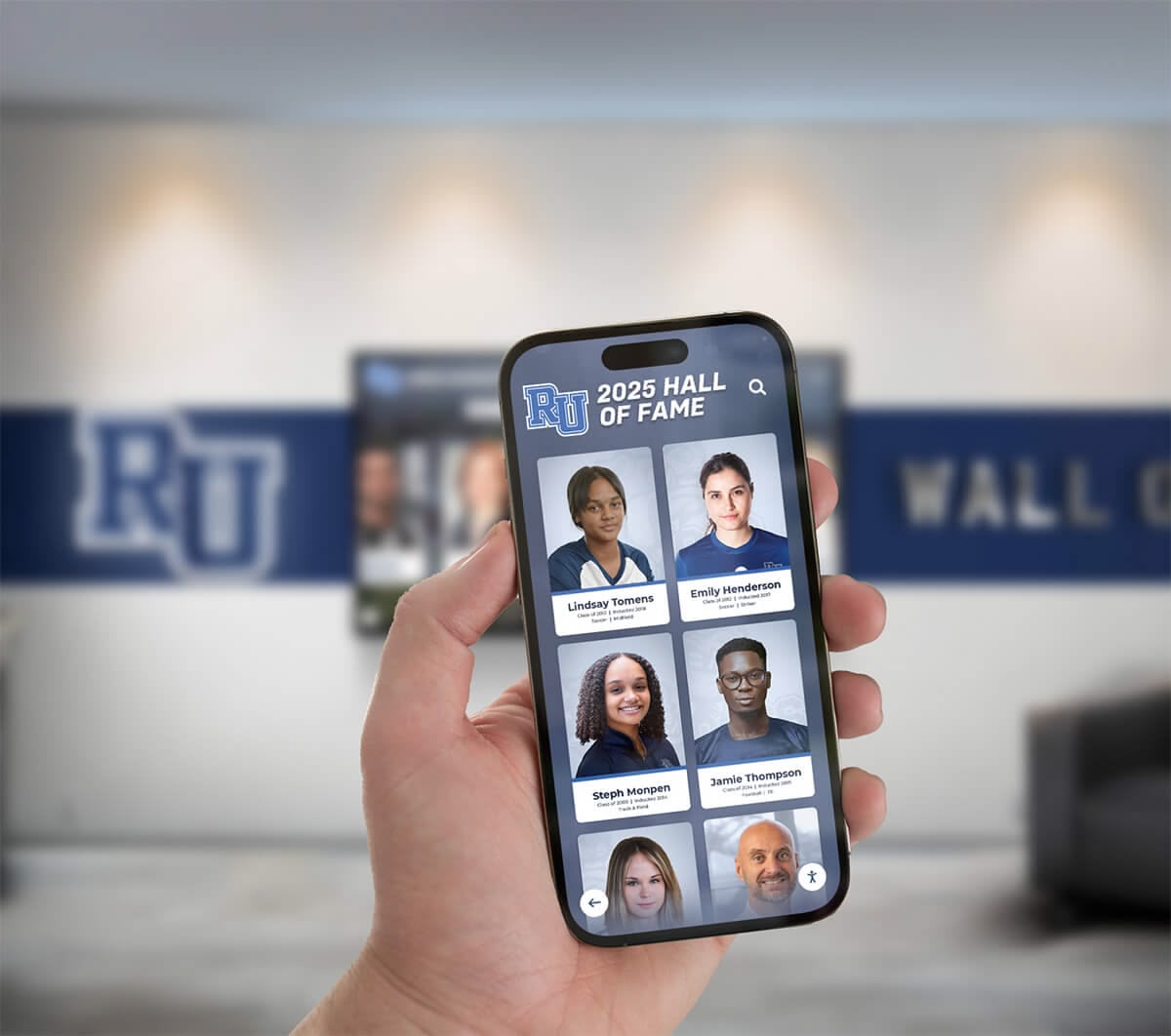
Mobile accessibility enables alumni and families to explore athletic records from anywhere, extending recognition reach beyond physical campus
Sport-Specific Record Board Design Ideas
Different sports benefit from tailored approaches maximizing relevance and impact.
Football Record Boards
Comprehensive Statistical Categories Football’s complexity requires extensive record tracking:
Offensive Records
- Career rushing yards, single-season rushing yards, single-game rushing yards
- Career passing yards, touchdown passes, completion percentage
- Career receiving yards, receptions, receiving touchdowns
- Single-game offensive performance records
- Career scoring leaders and points per game averages
Defensive Records
- Career tackles, tackles for loss, quarterback sacks
- Interceptions, fumble recoveries, defensive touchdowns
- Single-game defensive performance records
- Shutouts and points allowed records
Team Records
- Season win-loss records and winning percentages
- Playoff advancement and championship appearances
- Consecutive wins and undefeated seasons
- Points scored and points allowed season records
- Attendance records for home games
Schools developing football banquet programs often coordinate record board updates with end-of-season celebrations, creating ceremonial recognition moments for record-breaking performances.
Track and Field Record Boards
Event-Specific Organization Track programs require detailed event-by-event record tracking:
Running Events
- Sprints: 100m, 200m, 400m
- Middle distance: 800m, 1600m
- Distance: 3200m, 5000m
- Hurdles: 110m/100m hurdles, 300m/400m hurdles
- Relays: 4x100m, 4x200m, 4x400m, 4x800m
Field Events
- Jumps: High jump, long jump, triple jump, pole vault
- Throws: Shot put, discus, javelin, hammer throw
Indoor and Outdoor Records Many programs maintain separate record boards for indoor and outdoor seasons, as conditions and venue differences affect performance standards.
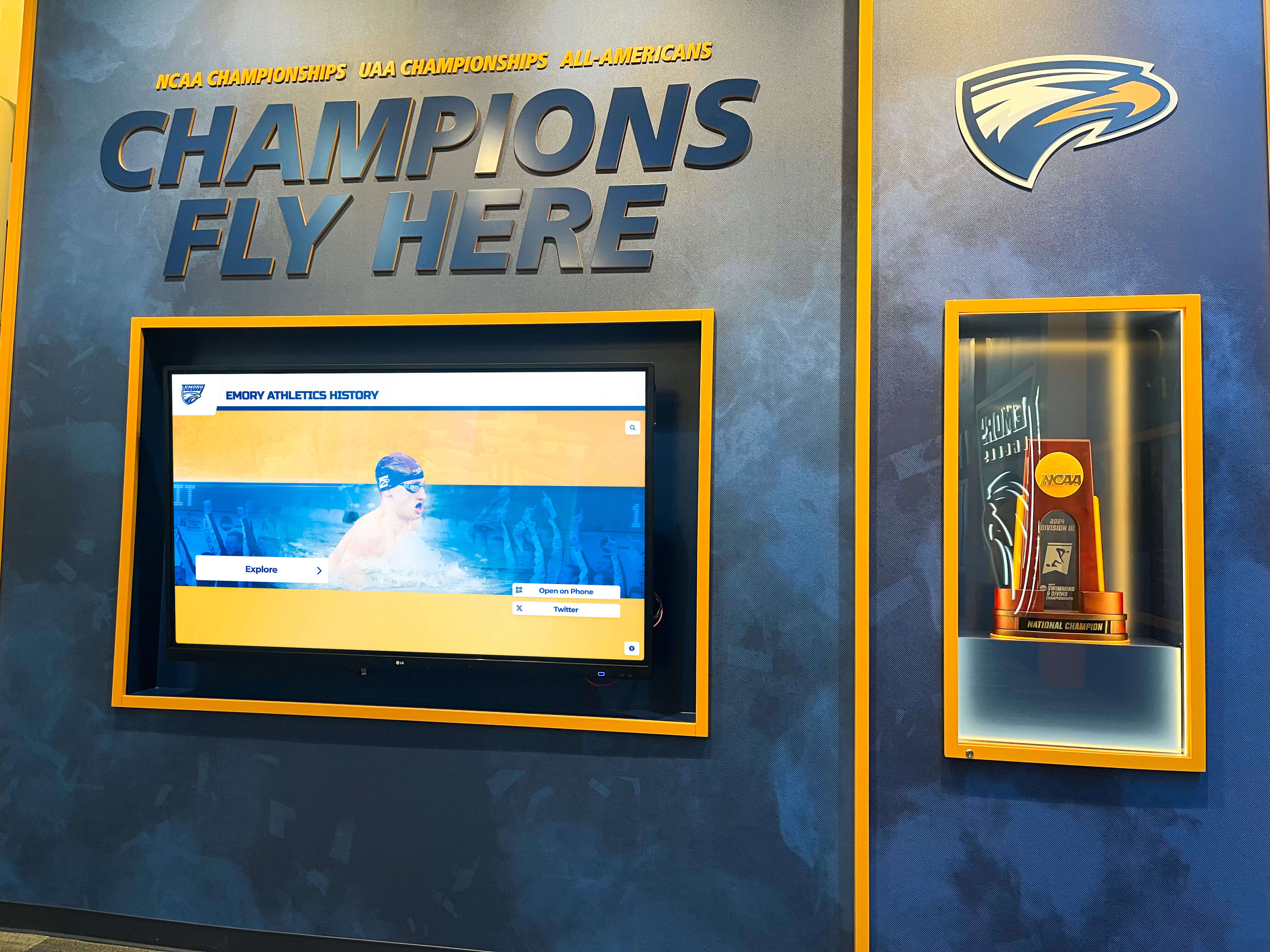
Championship displays complement individual record boards, celebrating both team success and personal achievement milestones
Basketball Record Boards
Scoring and Performance Statistics Basketball generates extensive individual and team records:
Individual Career Records
- Points scored, points per game average
- Rebounds, rebounds per game
- Assists, steals, blocked shots
- Three-point field goals made
- Field goal percentage, free throw percentage
- Double-doubles and triple-doubles
Single-Game Records
- Points scored in a single game
- Rebounds in a single game
- Assists in a single game
- Three-pointers made in a single game
Team Season Records
- Wins in a season, winning percentage
- Points scored in a season, scoring average
- Defensive efficiency and points allowed
- Consecutive wins, championship appearances
Schools implementing sport-specific end-of-year awards often coordinate record recognition with awards ceremonies, creating comprehensive celebration events.
Swimming and Diving Record Boards
Event and Distance Organization Aquatic programs track numerous event records:
Swimming Events
- Freestyle: 50, 100, 200, 500, 1650 yards
- Backstroke: 100, 200 yards
- Breaststroke: 100, 200 yards
- Butterfly: 100, 200 yards
- Individual medley: 200, 400 yards
- Relay records: Multiple freestyle and medley configurations
Diving Events
- 1-meter springboard
- 3-meter springboard
- Platform diving (where available)
Many swimming programs display high school swimming records prominently in natatorium facilities where teams train daily, ensuring consistent visibility for current athletes.
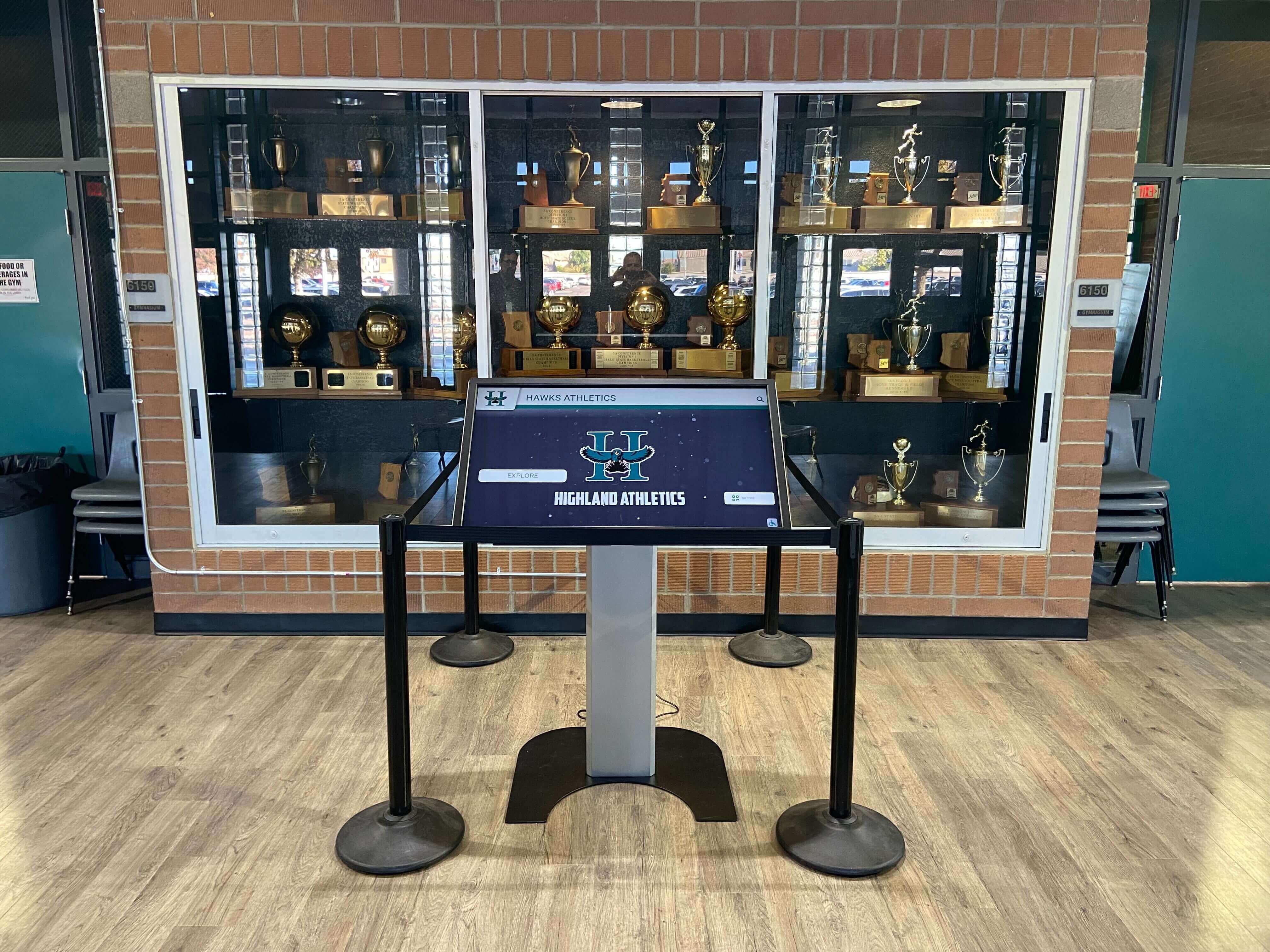
Integrated displays combine traditional trophy cases with digital record boards, preserving physical hardware while adding unlimited statistical recognition
Creative Multi-Sport Record Board Solutions
Comprehensive approaches serve diverse athletic programs efficiently.
Rotating Display Systems
Seasonal Record Highlighting Physical or digital rotation keeps displays fresh:
Fall Sports Emphasis (August-November)
- Football, volleyball, soccer, cross country
- Current season statistical leaders alongside all-time records
- Upcoming schedule and opponent information
- Recent game results and performance highlights
Winter Sports Focus (December-February)
- Basketball, wrestling, swimming, gymnastics
- Conference standings and playoff positioning
- Record pursuit tracking as athletes chase marks
- Historical championship team recognition
Spring Sports Showcase (March-May)
- Baseball, softball, track & field, tennis
- Individual achievement milestones approaching
- Senior recognition and career accomplishments
- Program history and tradition highlights
Rotating displays maintain visual freshness while ensuring all sports receive premium visibility during their competitive seasons rather than year-round competition for static space.
All-Sports Record Consolidation
Unified Multi-Sport Displays Comprehensive boards presenting all programs together:
Organizational Approaches
- Alphabetical sport ordering ensuring equal visibility
- Grouped by season (fall, winter, spring)
- Arranged by achievement type across sports
- Coordinated color coding by program
- Visual dividers separating sport sections
Content Prioritization Strategies
- Major records only (top 3-5 per category)
- Championship achievements and school records
- Records standing for significant time periods
- Multi-sport athlete recognition sections
- Links to expanded digital records for complete history
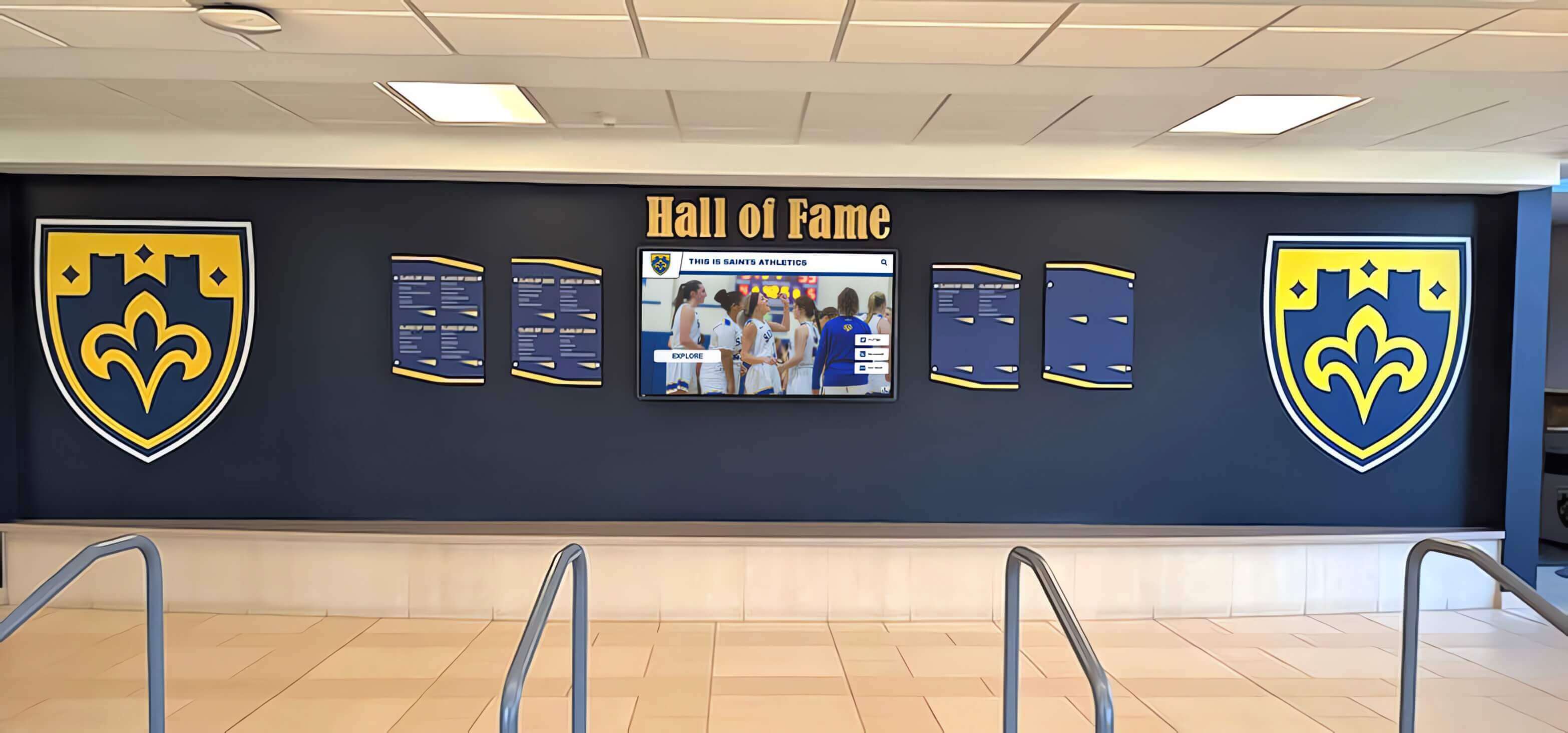
Lobby installations combining traditional elements with digital displays create layered recognition environments serving diverse preferences
All-sports approaches work particularly well in main school lobbies or athletic facility entrance areas where space allows substantial comprehensive displays serving entire athletic programs rather than individual sports.
Gender-Balanced Recognition Displays
Title IX Compliance and Equity Equal visibility ensures compliance with federal requirements:
Parallel Display Strategies
- Side-by-side boys’ and girls’ record boards for each sport
- Equal size allocations ensuring comparable visibility
- Identical record categories tracked across genders
- Coordinated design and presentation quality
- Simultaneous update schedules maintaining parity
Combined Sport Displays Some schools integrate boys’ and girls’ records within single displays:
- Clearly labeled gender categories within sport sections
- Equal positioning and prominence
- Coordinated record types and statistical tracking
- Unified visual design and branding
Ensuring gender equity in record recognition requires intentional design and ongoing monitoring, as historical patterns often favored boys’ athletics. Schools implementing student athlete recognition programs should audit displays regularly verifying equal representation.
Implementation Planning and Best Practices
Successful record board projects require systematic planning addressing design, content, and maintenance considerations.
Needs Assessment and Goal Definition
Current State Evaluation Begin by honestly assessing existing recognition:
- Inventory all current record displays and their locations
- Evaluate space capacity and utilization efficiency
- Assess maintenance burden and update frequency
- Identify equity issues in sport representation
- Survey coaches about record tracking and documentation quality
- Measure student engagement and awareness levels
Objective Setting Clear goals guide effective solutions:
- Capacity targets (how many records need visibility)
- Update frequency requirements (real-time, weekly, seasonal)
- Budget parameters and phasing options
- Equity goals ensuring balanced sport representation
- Engagement objectives creating student interest
- Technology preferences (traditional vs. digital)
Content Development and Historical Research
Comprehensive record documentation requires systematic research:
Source Material Identification
- Athletic department files and coaching records
- School yearbooks and student publications
- Local newspaper archives and media coverage
- State athletic association record books
- Alumni outreach and former coach interviews
- Previous record board documentation
Verification and Validation Establishing record accuracy:
- Cross-referencing multiple sources for confirmation
- Resolving conflicts when sources disagree
- Documenting sources for future reference
- Creating standardized formats for consistency
- Establishing ongoing verification processes
Schools implementing academic history archiving programs can apply similar systematic approaches to athletic record documentation, ensuring comprehensive historical preservation.
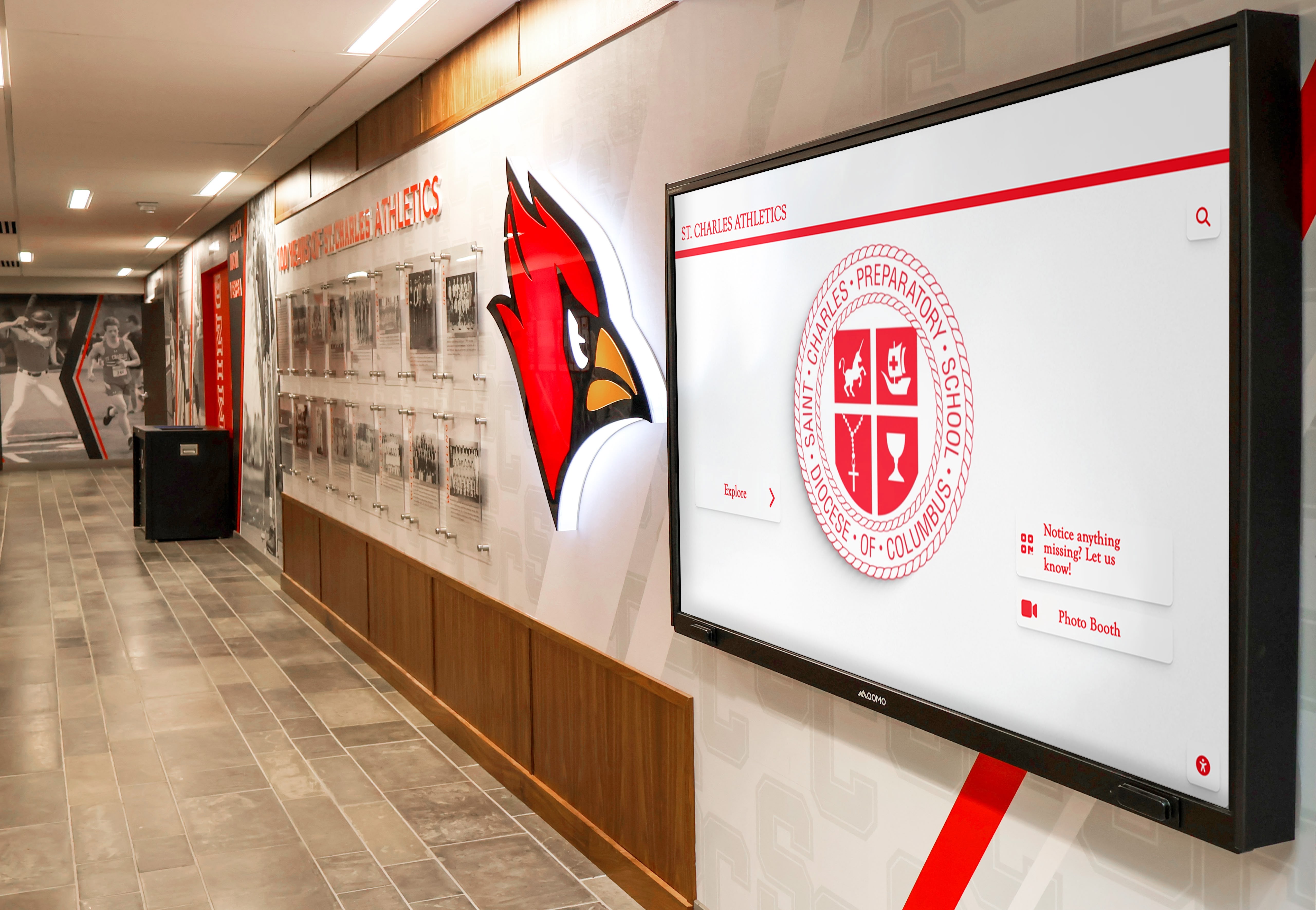
Athletic facility installations create context-appropriate recognition where student-athletes spend substantial time training and competing
Budget Considerations and ROI Analysis
Traditional Record Board Costs Physical displays require initial investment:
- Professional painting: $2,500-6,000 per major board
- Vinyl lettering systems: $1,500-3,500 initial, $200-500 per update
- Illuminated displays: Additional $1,000-3,000 for lighting
- Annual maintenance: $300-800 for touch-ups and updates
Digital Display Investment Modern systems involve different cost structure:
- Commercial touchscreen display (55-65 inches): $3,500-8,000
- Professional installation and mounting: $1,500-3,000
- Content management software subscription: $2,500-8,000 annually
- Initial content development: $3,000-10,000 for historical data
- Total first-year investment: $12,000-29,000
Long-Term Value Comparison Digital systems often prove more cost-effective over time:
- Unlimited ongoing record additions without construction costs
- Administrative time savings (85-90% reduction in maintenance hours)
- No materials, painting, or vinyl replacement expenses
- Enhanced engagement creating motivational value
- Mobile access extending recognition reach
- 10-year total cost typically 40-60% lower than equivalent traditional expansion
Schools recognizing 50+ athletic records annually typically see digital solutions reaching cost parity with traditional approaches within 3-5 years while providing substantially superior capacity and engagement.
Maintenance and Update Protocols
Traditional Board Maintenance Physical displays require scheduled care:
- Annual inspection of paint quality and lettering condition
- Regular cleaning removing dust and marks
- Prompt updates when records fall (ideally within 2-4 weeks)
- Periodic professional refreshing every 8-12 years
- Documentation of changes and update history
Digital System Administration Electronic displays need different attention:
- Weekly content review ensuring accuracy and currency
- Immediate updates after record-breaking performances
- Seasonal content refreshes highlighting current programs
- Annual comprehensive audits verifying complete documentation
- Regular photo and video additions maintaining freshness
- Technical support coordination for any system issues
Establishing clear responsibility assignment and update procedures ensures record boards remain current and accurate regardless of format selected.
Hybrid Approaches: Combining Traditional and Digital
Many athletic programs implement balanced solutions leveraging strengths of both recognition formats.
Strategic Physical Board Usage
Reserve limited traditional board space for highest-impact content:
Showcase Major Records Physical boards displaying:
- School records across major statistical categories
- State records and national-level performances
- Long-standing marks demonstrating historical excellence
- Current season statistical leaders creating timely relevance
- Championship team recognition celebrating recent success
Seasonal Rotation Systems Physical content changes throughout year:
- Fall sports featured August through November
- Winter sports highlighted December through February
- Spring sports showcased March through May
- Year-round access to all records through digital displays
- Physical updates coordinating with competitive seasons
Schools implementing college campus directory systems find that seasonal rotation maintains fresh visual environments while digital systems provide permanent comprehensive access.
Digital System Strategic Advantages
Touchscreen platforms handle recognition categories where physical displays struggle:
Comprehensive Historical Documentation
- Every record category across program history
- Record progression showing previous marks
- Discontinued record categories
- Sport-by-sport comprehensive statistics
- Individual and team records without prioritization
Dynamic Current Content
- Current season leaders updated continuously
- Live leaderboards showing record pursuit
- Recent performance highlights
- Breaking news about achievements
- Real-time statistical tracking

Traditional honor boards remain effective when maintained regularly and positioned strategically in high-traffic athletic facility areas
Enhanced Context and Storytelling
- Complete athlete profiles and backgrounds
- Detailed performance context
- Comparative historical analysis
- Coach commentary and athlete reflections
- Media coverage documentation
Most schools implementing hybrid approaches find that physical boards maintain traditional appeal while digital systems address the comprehensive documentation and regular updates that traditional boards cannot sustain.
Conclusion: Creating Record Boards That Inspire and Motivate
School record boards serve purposes extending beyond simple statistical documentation—they preserve athletic legacy, motivate current student-athletes toward excellence, and create aspirational standards that define program culture. Whether implementing traditional painted boards, modern digital displays, or hybrid approaches combining both formats, the underlying principles remain constant: make records visible, keep information current, ensure equitable representation, and provide context that helps students understand the dedication behind achievements.
Traditional record boards will always hold appeal for schools valuing tangible permanence and visual impact that physical installations create. These displays can be optimized through strategic design, quality materials, proper lighting, and systematic maintenance creating impressive showcases within space limitations. For schools with stable programs and infrequent record changes, well-designed traditional boards provide effective recognition at reasonable cost.
Transform Your Athletic Record Recognition
Discover how modern digital record boards eliminate space constraints while providing unlimited recognition capacity, multimedia storytelling, interactive exploration, and simple remote management. See how schools nationwide showcase decades of athletic records through engaging displays that students actively explore.
Book A DemoDigital recognition platforms like Rocket Alumni Solutions address fundamental limitations of physical record boards by providing unlimited showcase capacity, eliminating impossible choices about which achievements receive visibility. Touchscreen interactivity transforms passive viewing into active exploration, with students discovering program history through intuitive interfaces. Cloud-based content management enables instant updates, maintaining relevance that static displays cannot match. And multimedia storytelling capabilities turn simple statistical listings into rich narratives connecting students emotionally with achievements.
Schools succeeding at record recognition take honest inventory of current limitations, engage coaches and athletic directors in defining priorities, evaluate both traditional and digital solutions against actual needs rather than familiar defaults, implement strategically within budget constraints, and commit to ongoing maintenance ensuring displays remain effective long-term. Record boards represent strategic investment in student motivation, program culture, and athletic legacy—not merely facilities decoration or data storage.
Your athletic achievements deserve recognition reflecting the dedication, training, competition, and character they represent. With thoughtful planning, appropriate technology choices, strategic design implementation, and sustained maintenance commitment, you can create record boards that truly honor accomplishment while inspiring the next generation of student-athletes toward their own excellence.
Ready to explore how digital record boards can complement or enhance your existing displays while providing unlimited capacity for comprehensive achievement recognition? Discover modern solutions helping schools nationwide transform record recognition from static walls into dynamic celebration systems engaging students and preserving athletic legacy for generations.