



Your school lobby creates the first impression for every visitor who walks through your doors. Intent: This guide demonstrates how to transform ordinary school lobbies into dynamic, welcoming spaces that celebrate achievements, communicate your school’s identity, and engage everyone who enters—from prospective families to returning alumni.
The difference between a forgettable lobby and an inspiring one often comes down to thoughtful design choices, strategic use of space, and the ability to showcase what makes your school special. A cluttered bulletin board with faded announcements, overcrowded trophy cases from decades past, and uninviting seating areas send the wrong message about your institution. Meanwhile, schools with well-designed lobbies create immediate connections with visitors, build community pride, and establish positive perceptions that influence enrollment decisions, donor relationships, and overall school culture.
The best school lobbies balance multiple functions: welcoming visitors warmly, providing clear wayfinding, celebrating student and staff achievements comprehensively, and creating spaces where people want to gather. Whether you’re renovating an existing entrance or designing a new facility, the right combination of recognition displays, design elements, and functional features creates lobbies that truly represent your school’s excellence.
Creating an exceptional school lobby requires more than aesthetic choices—it demands strategic thinking about how this crucial space serves your school community. Every element should work together to communicate your values, celebrate your achievements, and create environments where visitors feel genuinely welcomed.

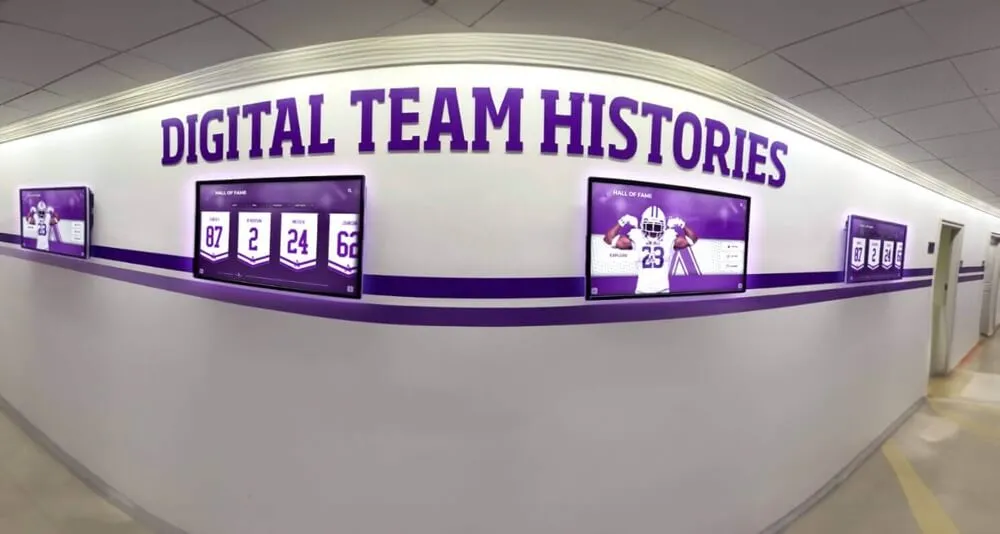
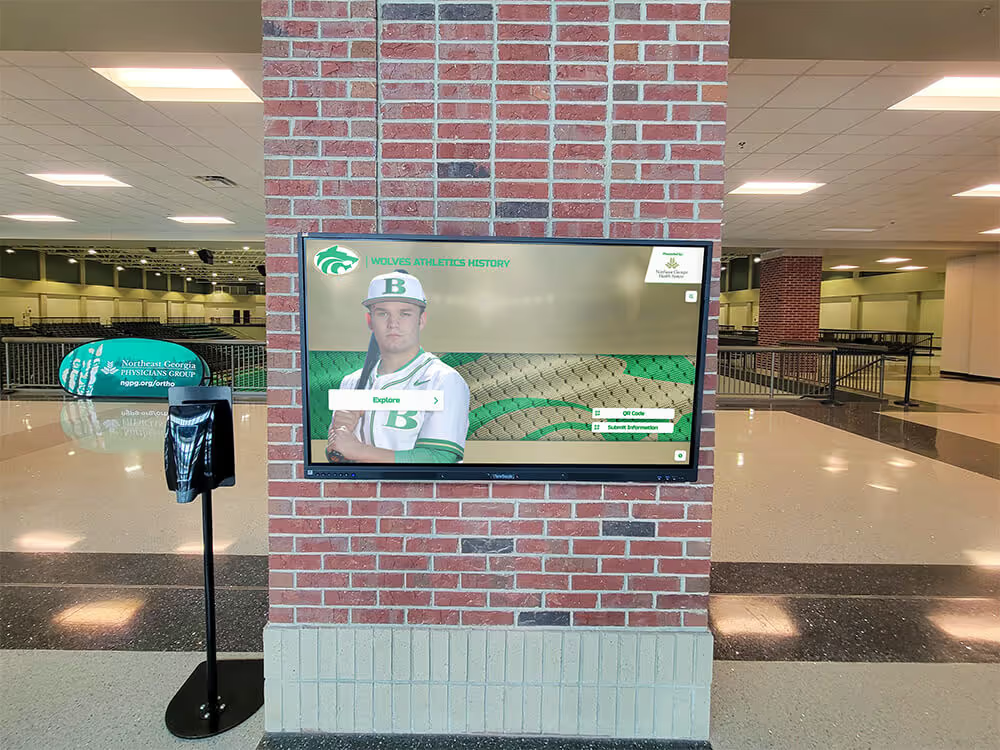
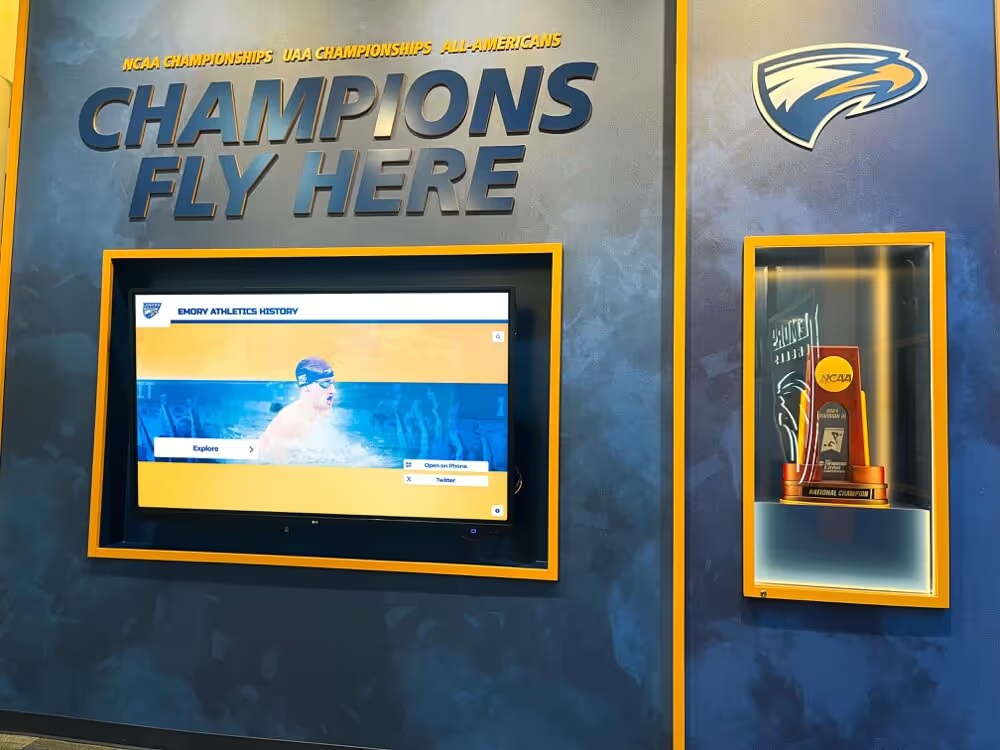
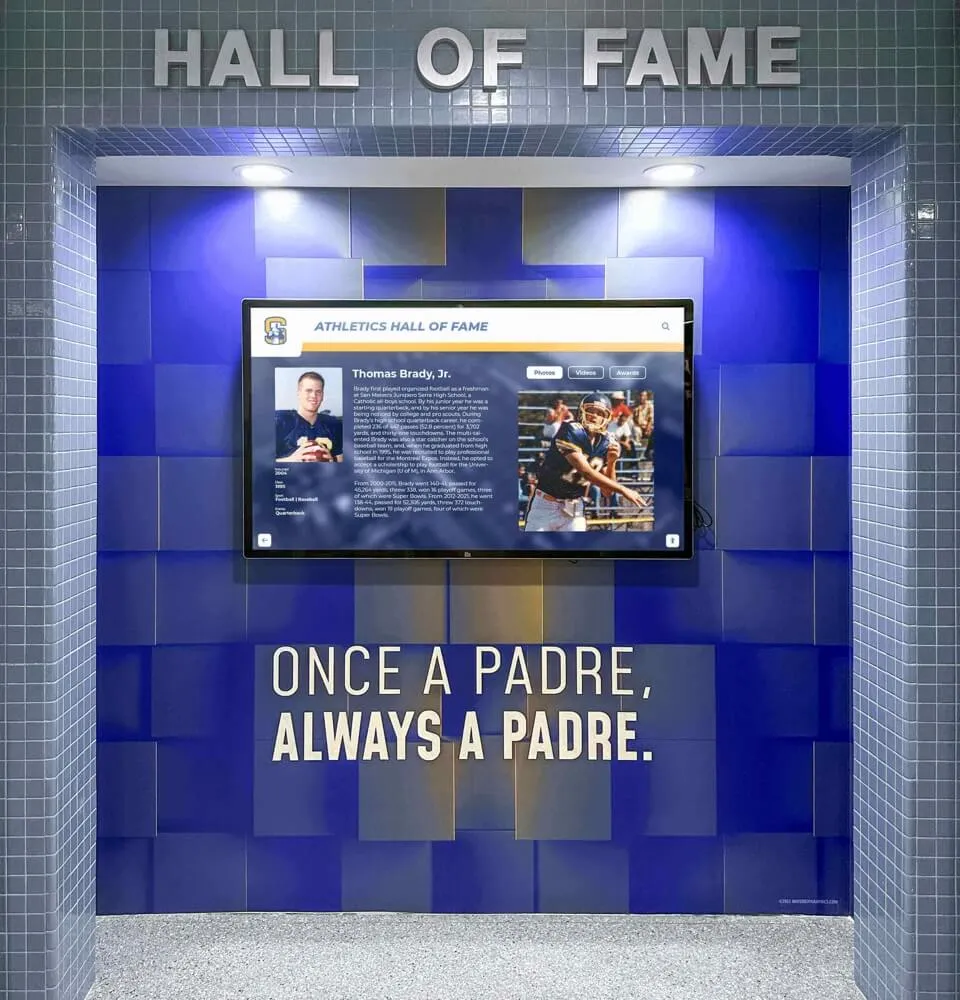
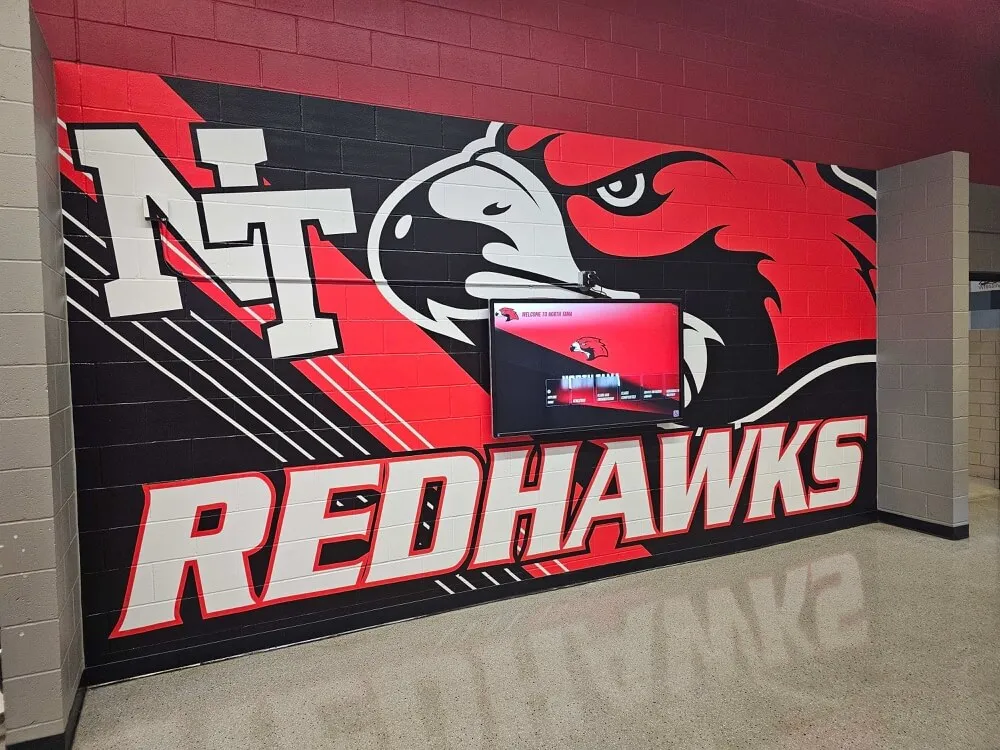
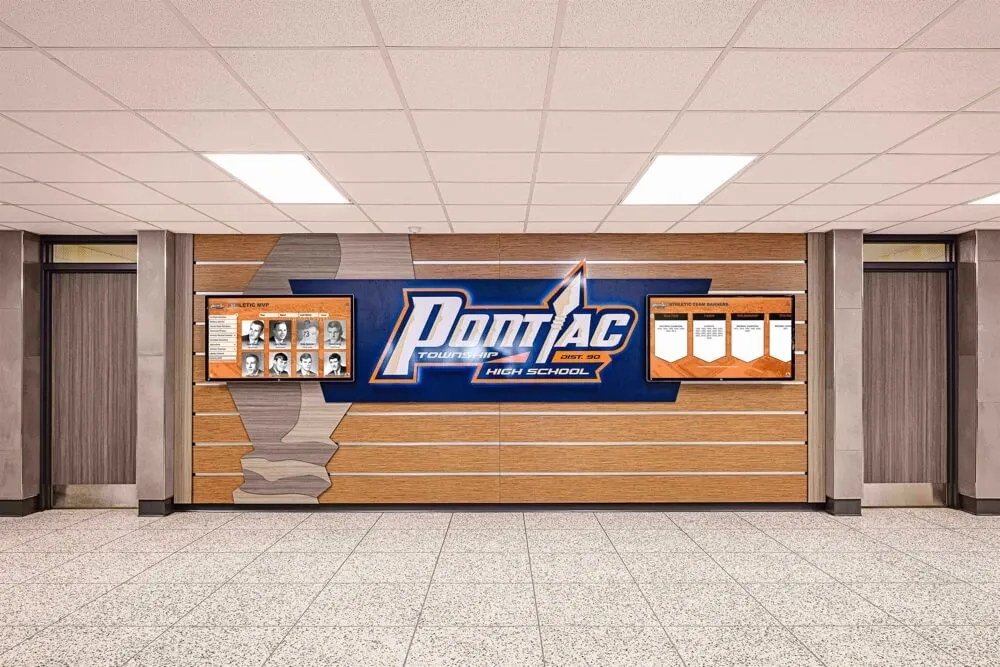
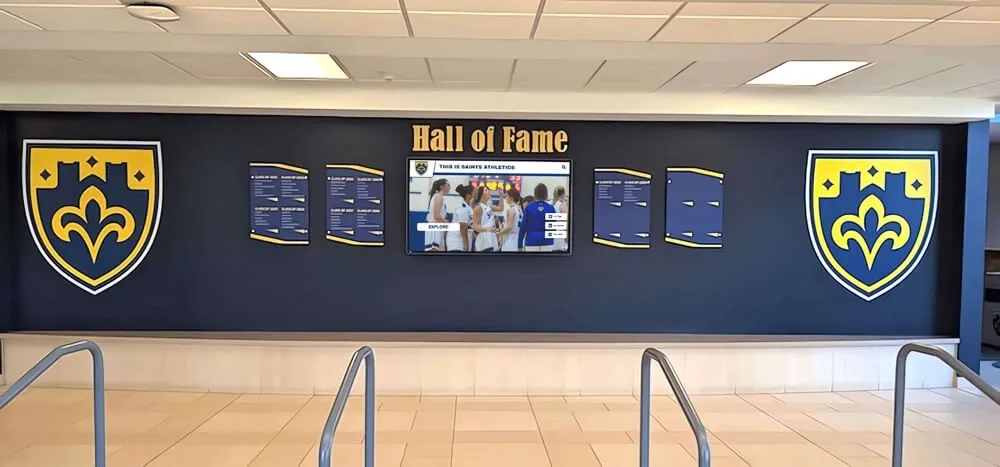
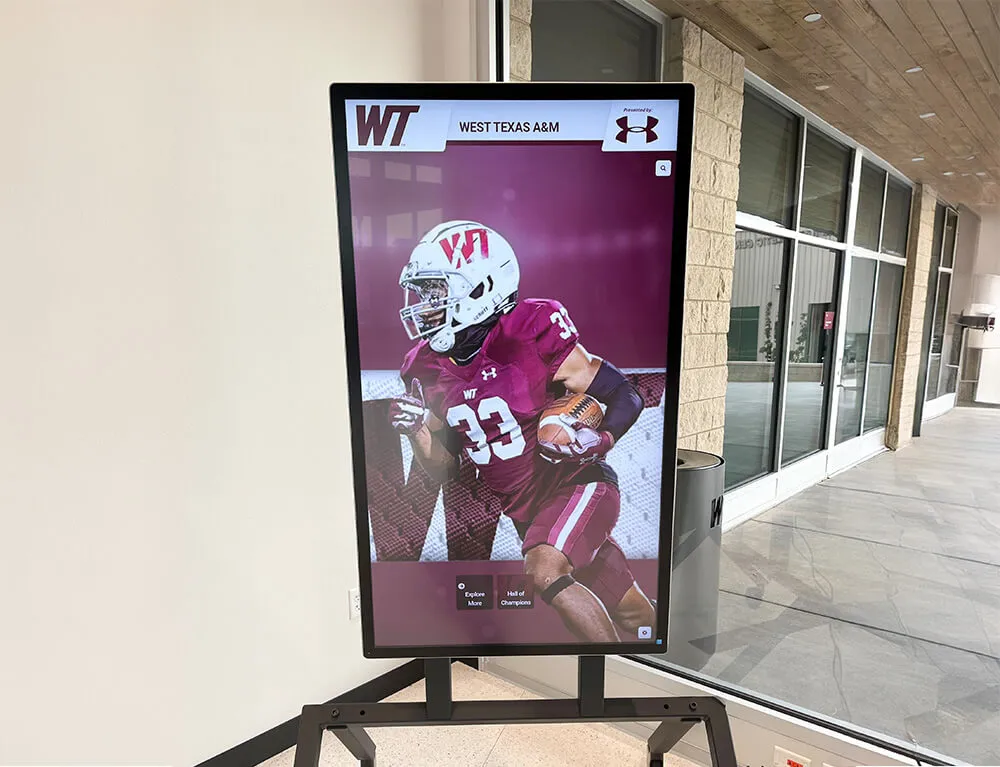
Interactive digital displays in school lobbies engage visitors while showcasing unlimited achievements and school history
The Strategic Importance of School Lobby Design
School lobbies serve as more than transitional spaces—they function as powerful communication tools that shape stakeholder perceptions within seconds of entry. Research consistently shows that prospective families form lasting impressions during the first five minutes of campus visits, with lobby environments playing disproportionate roles in these critical moments.
First Impressions That Influence Enrollment
When prospective families enter your school for tours, they immediately begin evaluating whether your institution aligns with their values and expectations. A well-designed lobby communicates professionalism, care for facilities, commitment to recognition, and organizational quality before anyone says a word.
Clean, thoughtfully organized spaces with clear signage signal administrative competence. Recognition displays showcasing diverse achievements—academics, athletics, arts, service, and leadership—demonstrate that your school values all students and their varied talents. Professional aesthetics with school branding establish clear institutional identity while creating memorable environments that families remember when comparing school options.
Districts competing for open enrollment or private schools seeking to attract students cannot afford to overlook lobby design. The families most likely to contribute to school culture and support institutional goals are precisely those who notice and appreciate these details.
Building School Culture and Community Pride
Lobbies don’t just serve external visitors—they shape how current students, staff, and families perceive and connect with their school. Spaces that prominently celebrate achievements create environments where students see themselves represented and valued.
When students enter school daily and see their names, photos, and accomplishments featured in lobby displays, they develop stronger connections to their institution. Recognition displays that include honor roll achievements, athletic championships, performing arts excellence, academic awards, and community service contributions communicate that success takes many forms.
Staff appreciation through lobby recognition—teacher awards, milestone celebrations, and professional achievements—builds positive school culture while demonstrating that your institution values educator contributions. Alumni recognition connecting past to present creates traditions that strengthen institutional identity across generations.
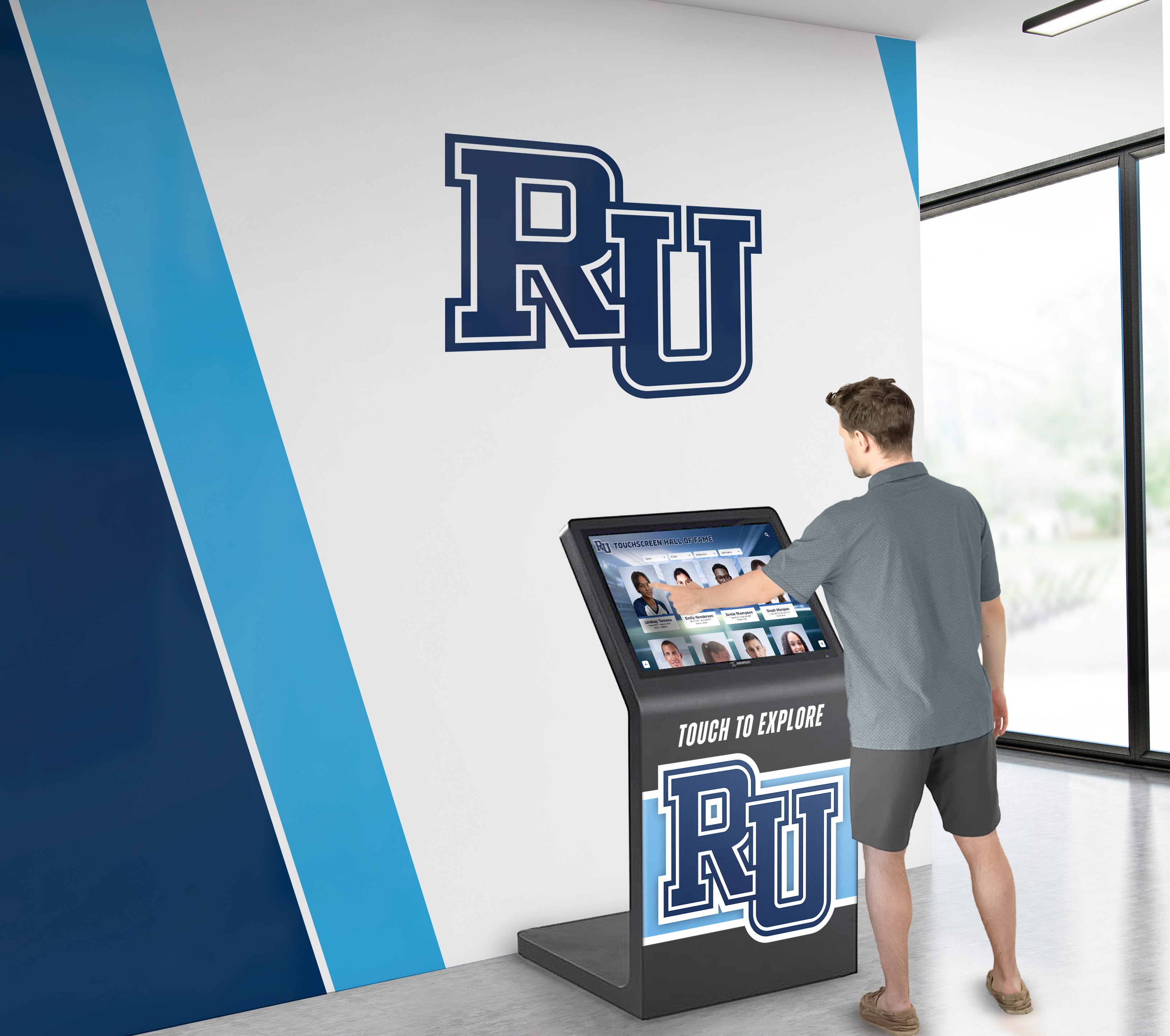
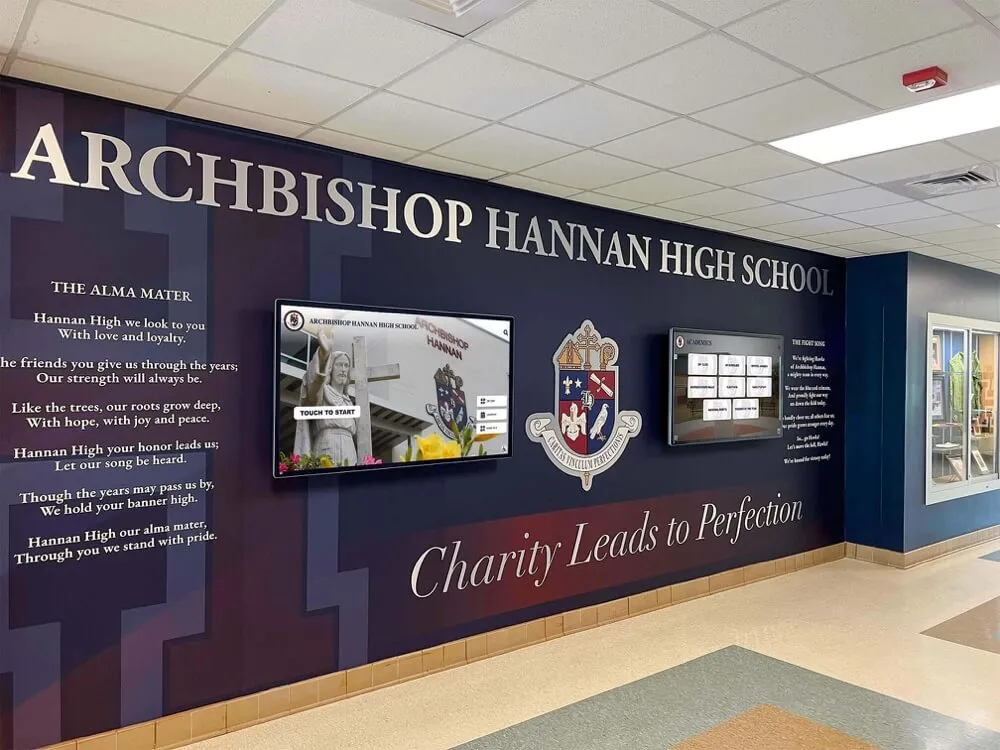
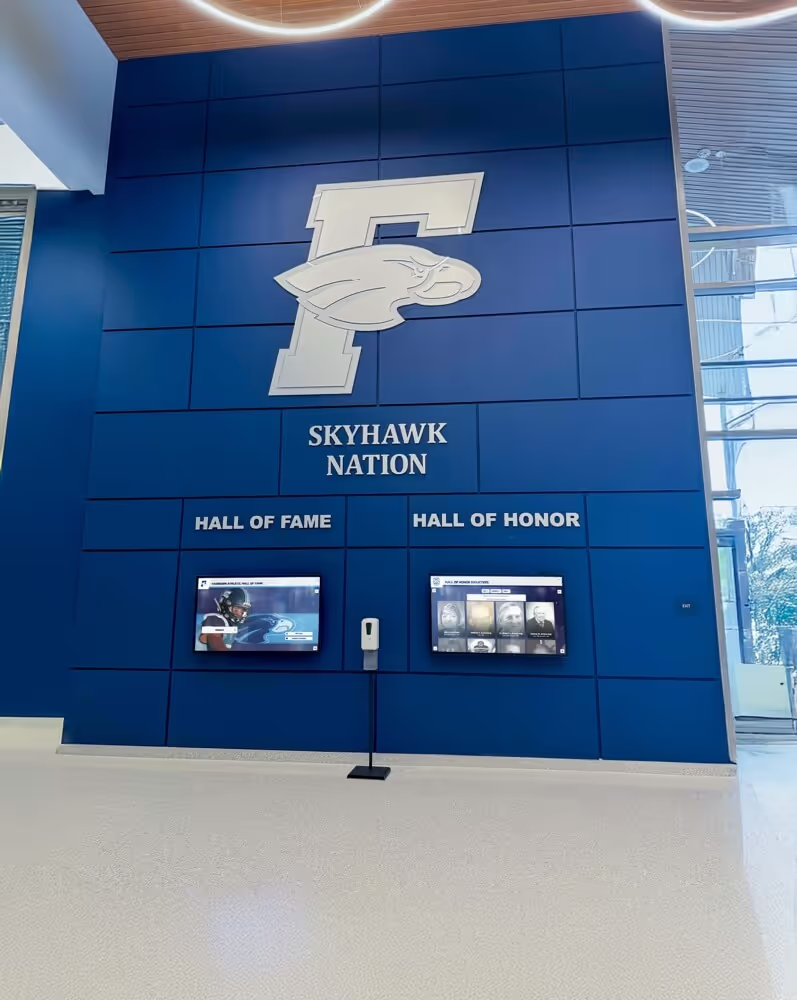
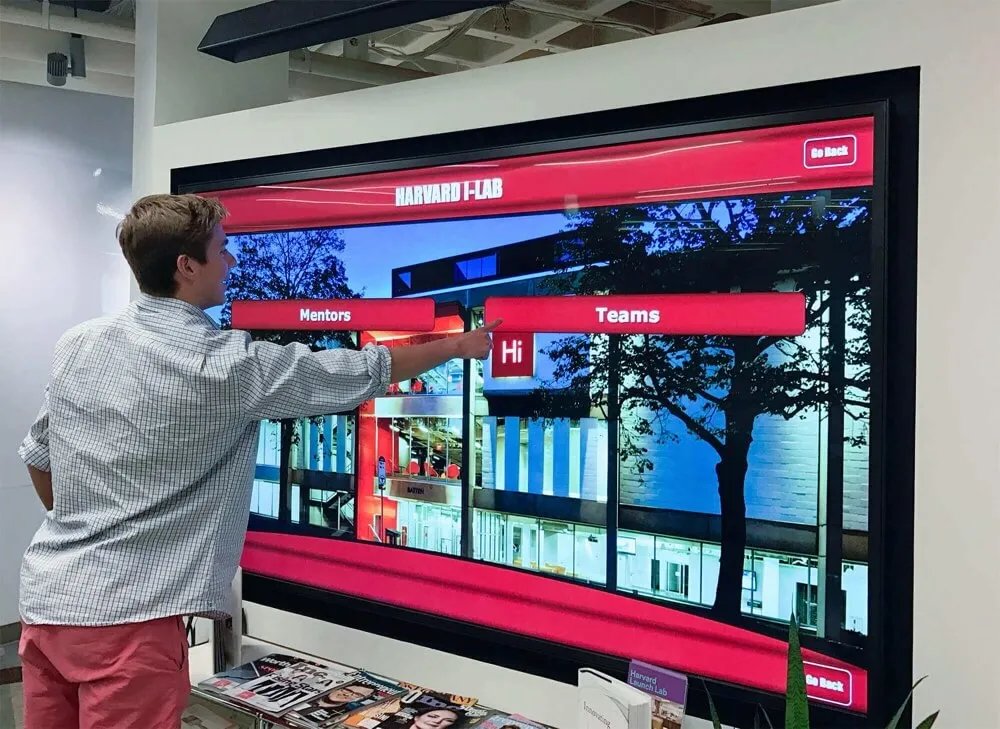
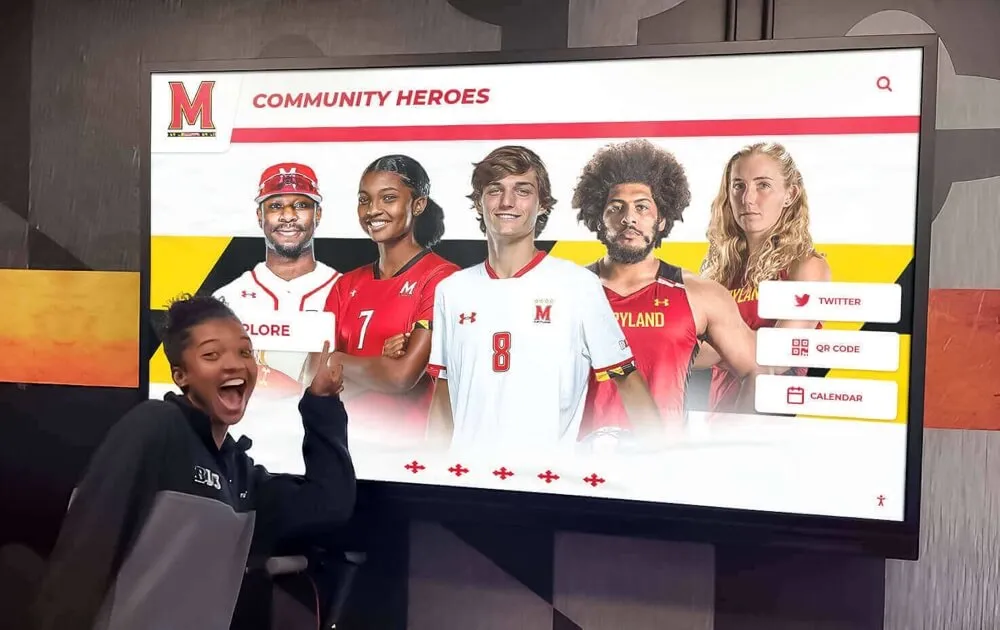
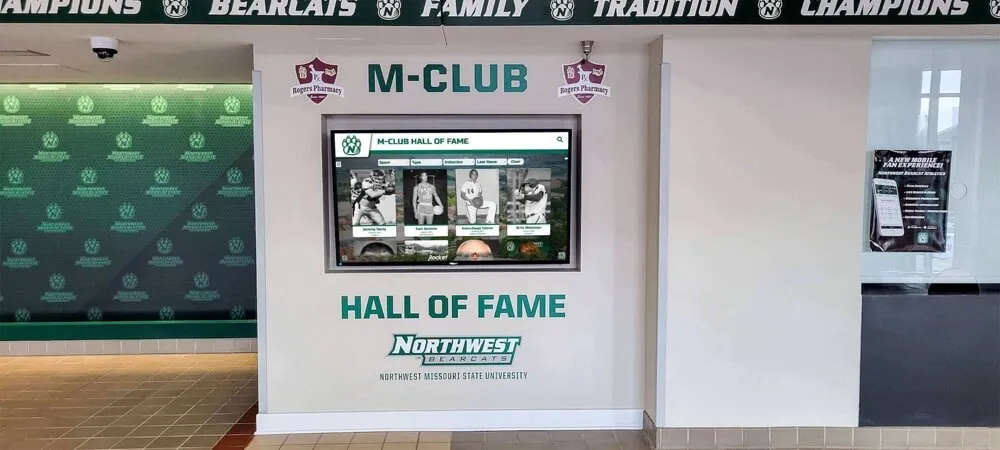
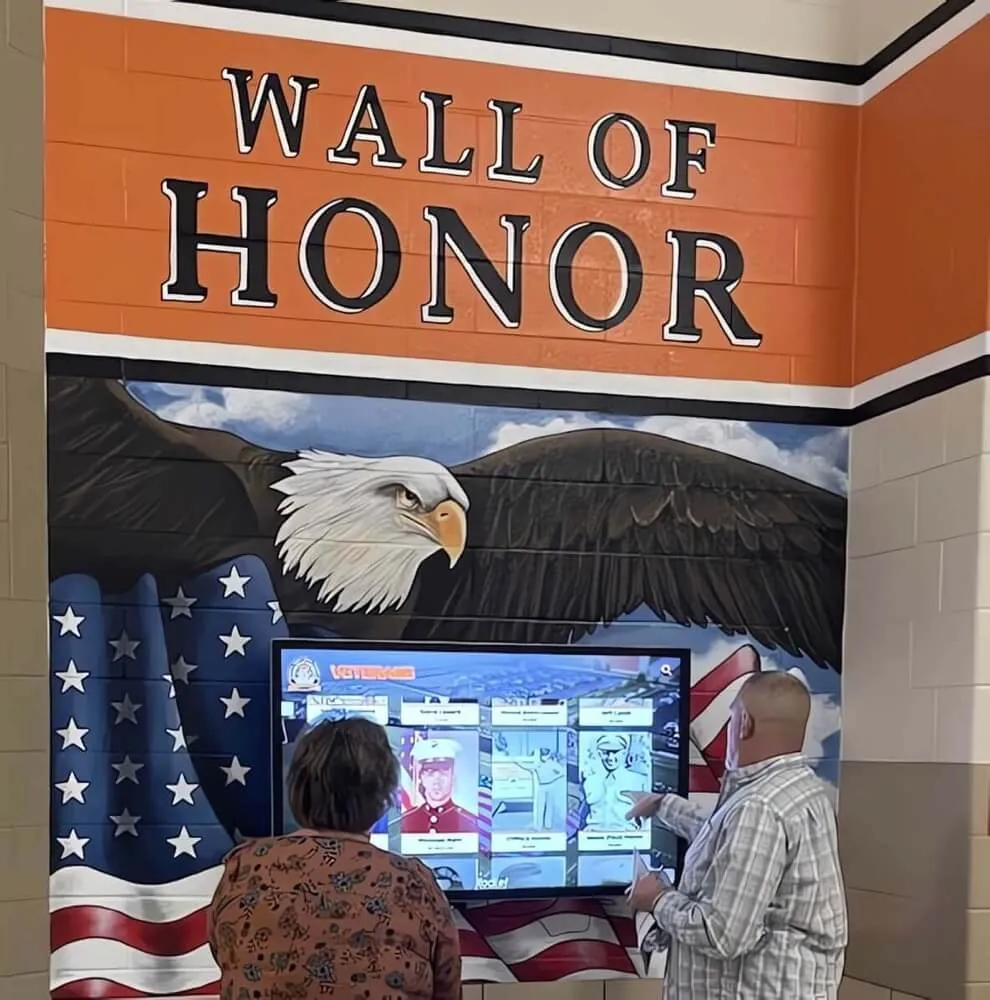
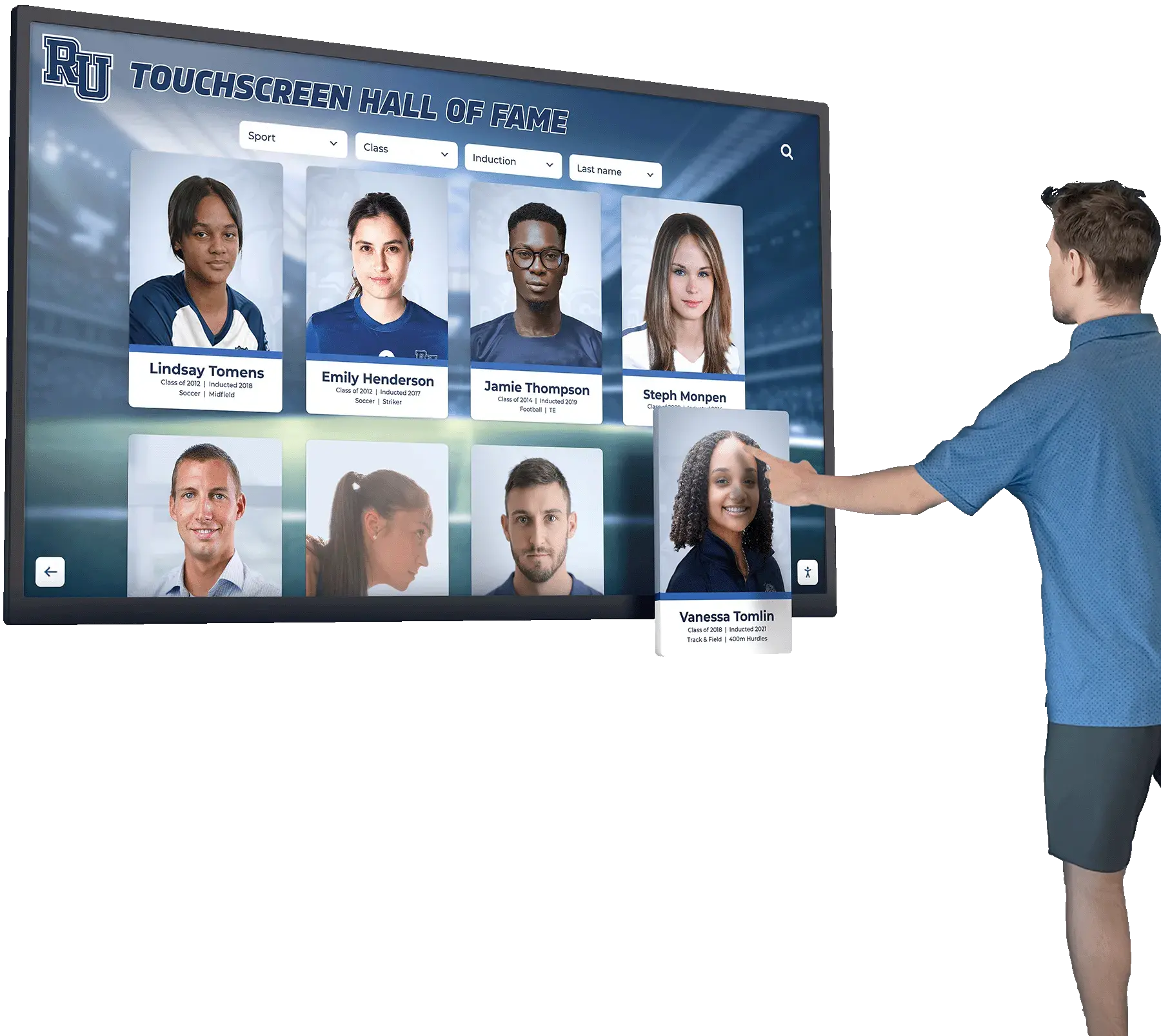
Touchscreen kiosks provide self-guided exploration of school history, achievements, and community stories
Essential Elements of Effective School Lobbies
Successful school lobbies integrate multiple components working together to create cohesive, functional, and inspiring environments. Consider each element as part of a comprehensive strategy rather than isolated design choices.
Clear and Welcoming Entry Sequences
The moment visitors cross your threshold, they should immediately understand where to go and feel genuinely welcomed. This requires intentional entry sequence design that guides people intuitively through spaces.
Position visitor check-in stations or reception desks prominently near main entrances where they’re immediately visible. Clear pathways from doors to administrative offices prevent confusion while maintaining security by naturally channeling visitors to appropriate locations. Professional signage indicating office locations, directional guidance, and building directories helps visitors navigate independently when staff are occupied.
Security requirements—badge systems, visitor management kiosks, or check-in procedures—should feel welcoming rather than intimidating. Frame security measures as protective care for students rather than restrictive barriers, using friendly signage and approachable staff positioning.
Recognition and Display Spaces That Tell Your Story
School lobbies provide ideal locations for celebrating community achievements and communicating institutional identity. The challenge lies in showcasing accomplishments comprehensively without creating cluttered or overwhelming environments.
Traditional trophy cases have served schools for decades but face inherent limitations. Physical cases can only display finite items, forcing difficult decisions about what receives visibility and what gets relegated to storage. New achievements require removing existing recognition, creating maintenance challenges and potential equity concerns when some programs receive prominent placement while others get pushed to back shelves.
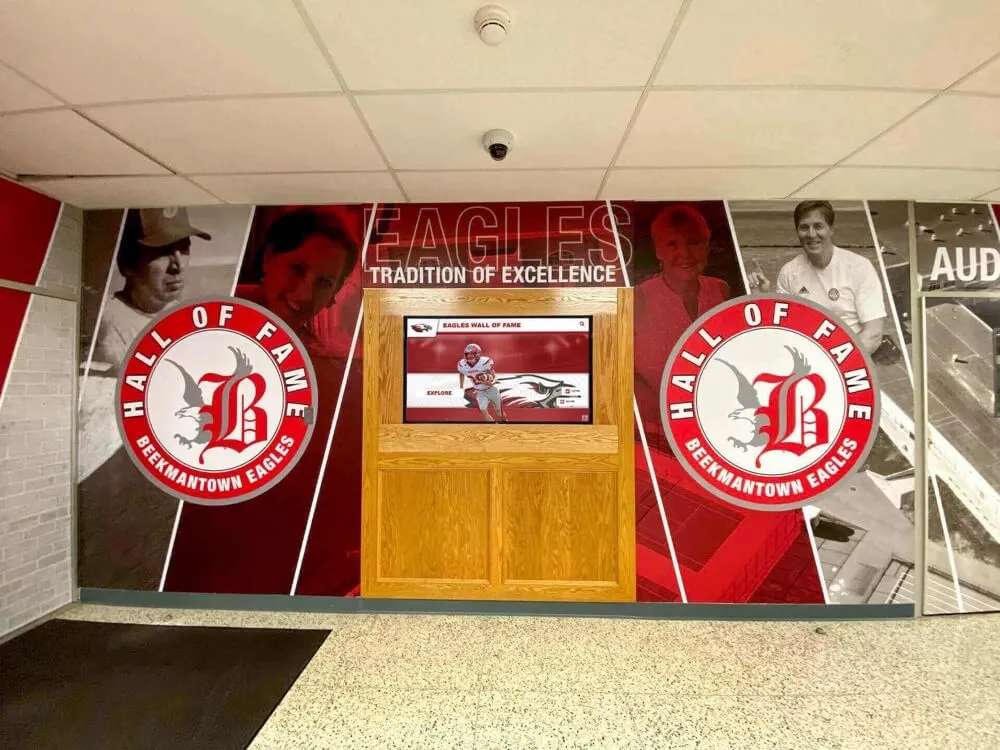
Modern schools increasingly complement or replace traditional trophy cases with digital recognition displays that address these limitations. Digital solutions like Rocket Alumni Solutions provide unlimited capacity to showcase every achievement across all programs—athletics, academics, arts, service, and extracurriculars—without space constraints.
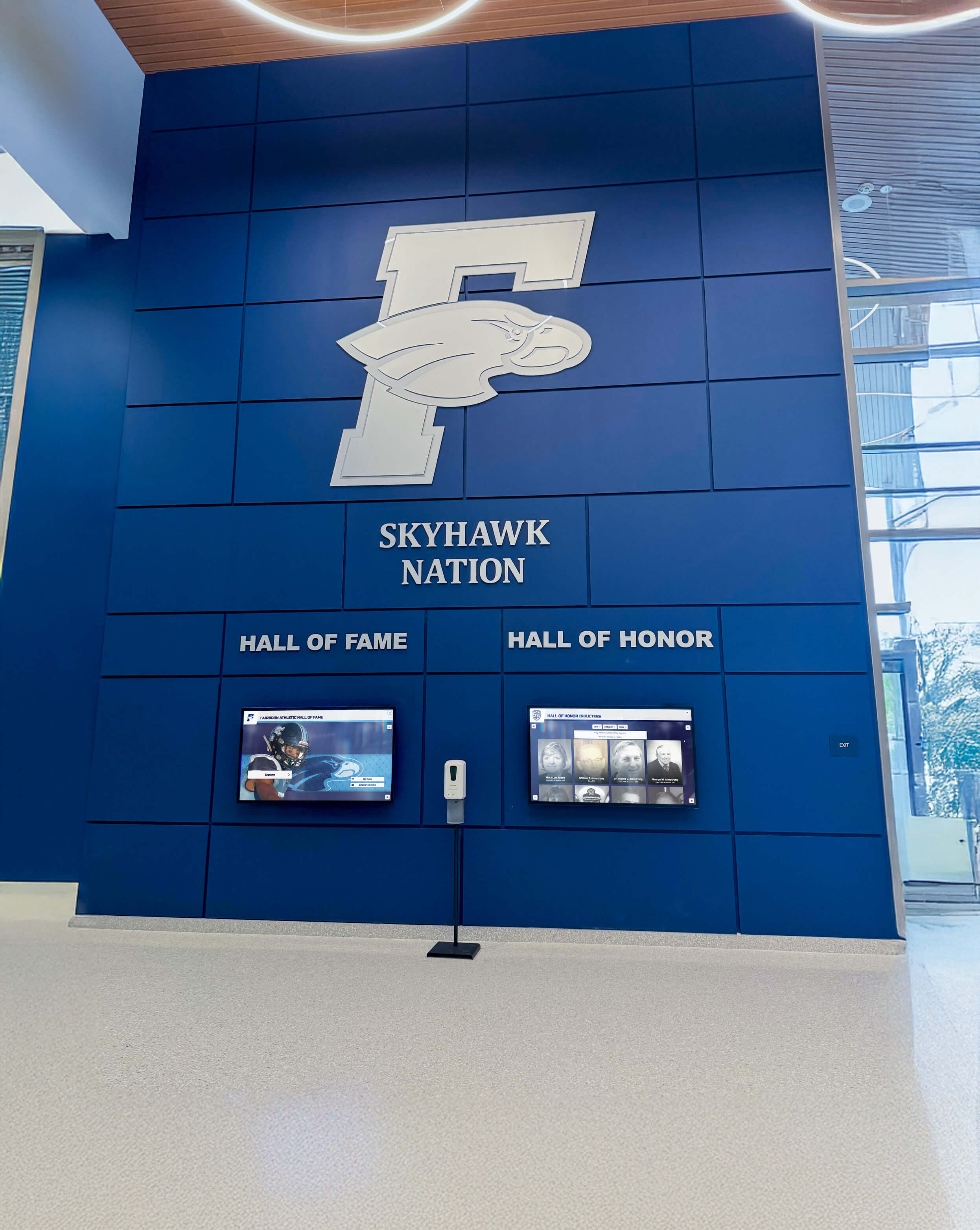
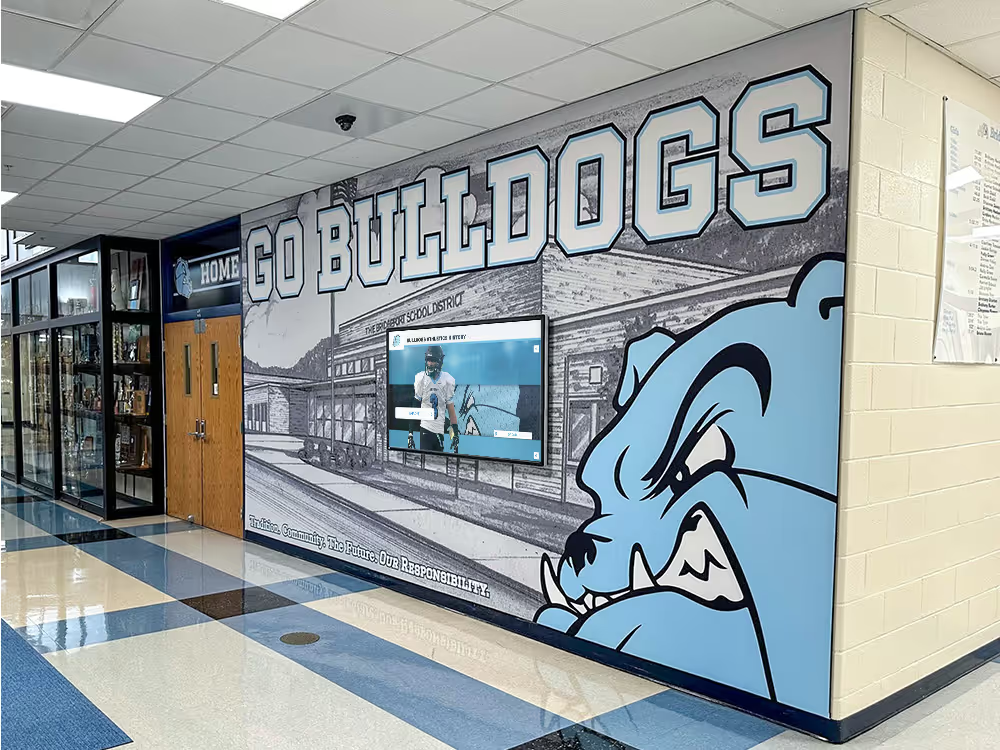
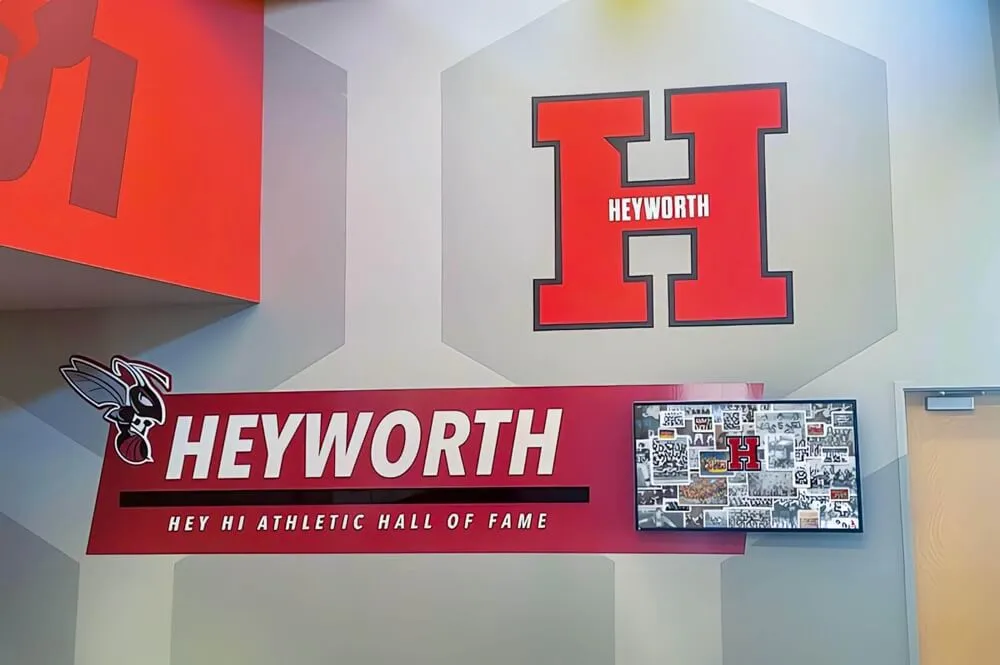
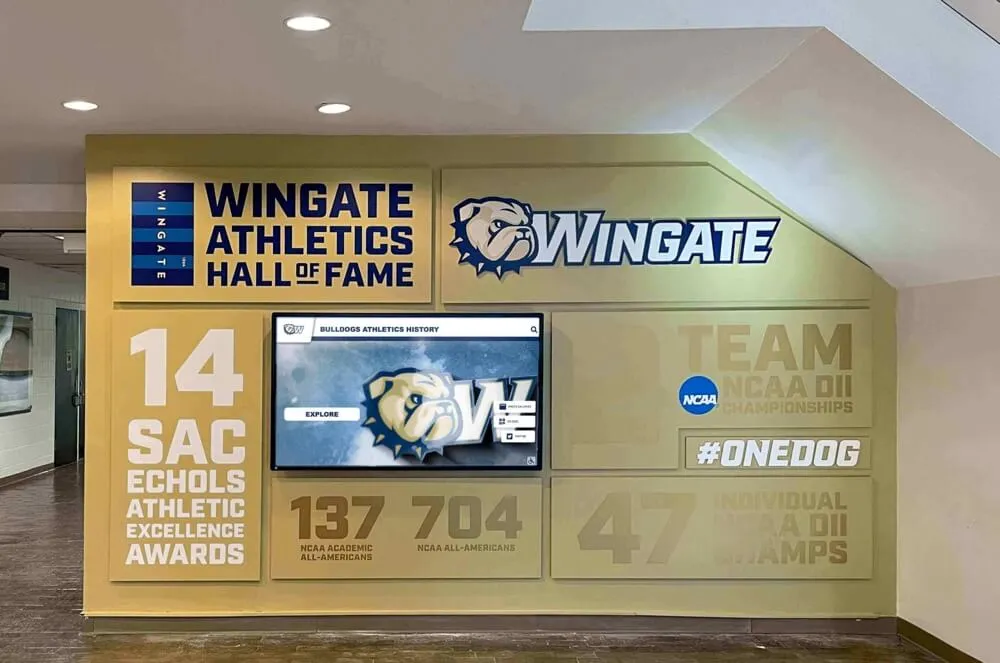
Branded lobby environments with integrated digital displays create memorable first impressions while providing unlimited recognition capacity
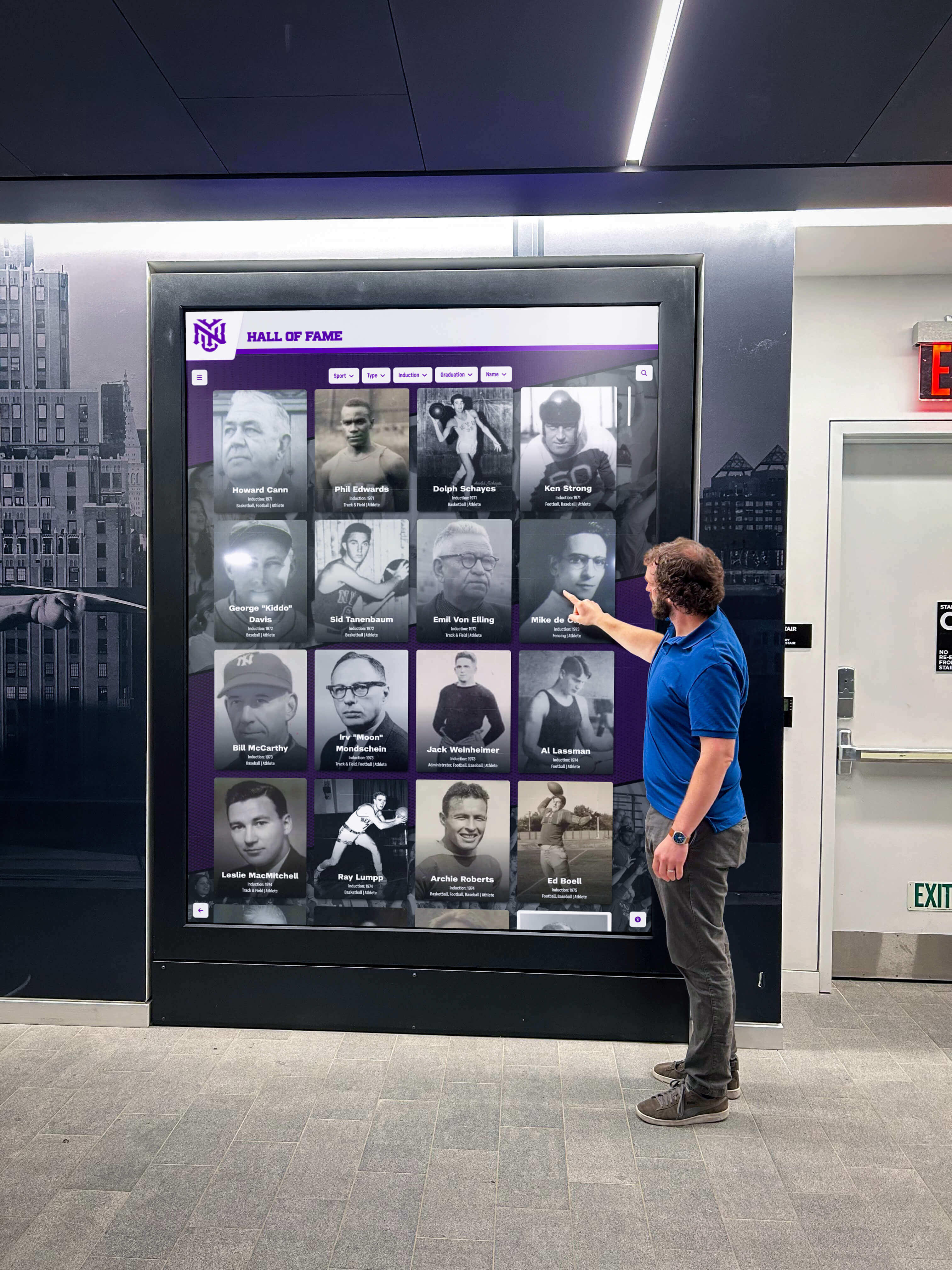
These interactive touchscreen systems engage visitors who explore achievements by sport, activity, year, or student name. Search functionality enables families to find specific students instantly, photo galleries provide visual storytelling, and video content brings accomplishments to life in ways static plaques cannot match.
Cloud-based content management allows administrators to update displays remotely without keys, glass removal, or physical rearrangement—adding new recognition in minutes rather than requiring facility staff intervention. Scheduled publishing coordinates recognition with award ceremonies automatically, and template systems accelerate content creation while ensuring consistent professional presentation.
Schools implementing comprehensive digital recognition report 5-10x higher engagement compared to static trophy cases, with visitors spending minutes rather than seconds exploring achievements. The ability to feature every student receiving recognition—not just championship teams or highest achievers—creates inclusive environments where all students see themselves valued.
Functional Gathering and Waiting Areas
Lobbies serve as temporary holding spaces for parents waiting during conferences, visitors arriving early for meetings, and students gathering before or after school. Comfortable, functional seating areas make these transitions pleasant rather than uncomfortable.
Select commercial-grade furniture that withstands institutional use while maintaining professional aesthetics. Arrange seating in small groupings rather than auditorium-style rows, creating conversation opportunities while allowing multiple groups to occupy spaces simultaneously without awkwardness.
Consider diverse seating options accommodating different needs—individual chairs for solo visitors, benches or sofas for families with multiple children, standing-height counters for brief device use or form completion, and accessible seating meeting ADA requirements at multiple locations.
Position furniture away from main traffic paths so people can sit without being in the way, but maintain sightlines enabling security monitoring. Coffee stations, charging ports, and reading materials transform waiting from inconvenient obligations into hospitable experiences.
Wayfinding and Communication Systems
Even the most beautiful lobby fails if visitors cannot find their destinations efficiently. Clear, professional wayfinding systems reduce stress and demonstrate organizational competence.
Essential wayfinding elements include building directories listing offices and personnel with room numbers, directional signage indicating pathways to key destinations, floor plans showing facility layouts for first-time visitors, and multilingual options supporting diverse school communities.
Digital displays enhance wayfinding while serving additional purposes. Touchscreen directories provide searchable personnel and location lookups, display systems show daily schedules and event calendars, emergency notification capabilities ensure rapid communication during incidents, and rotating informational content shares announcements or celebrates achievements.
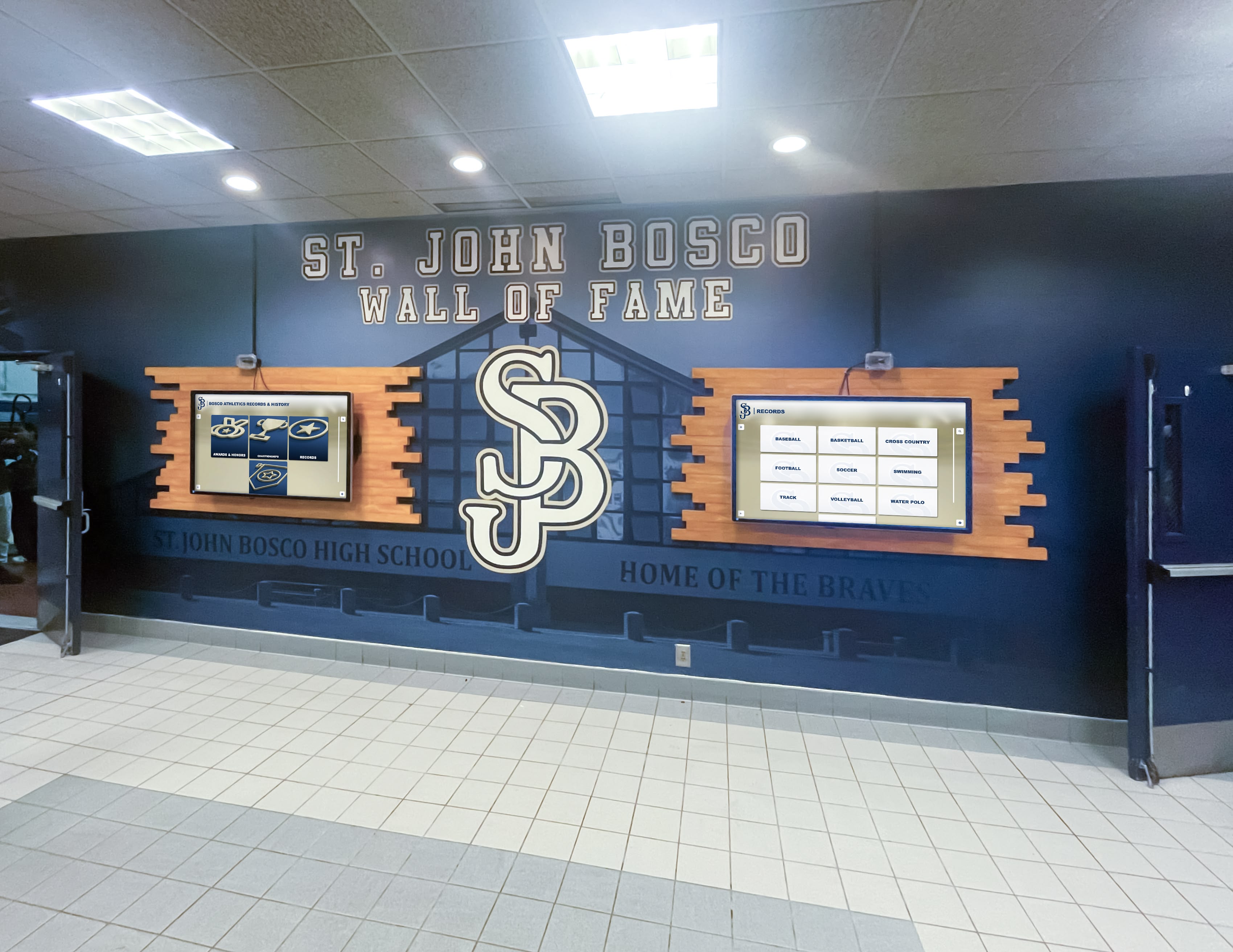
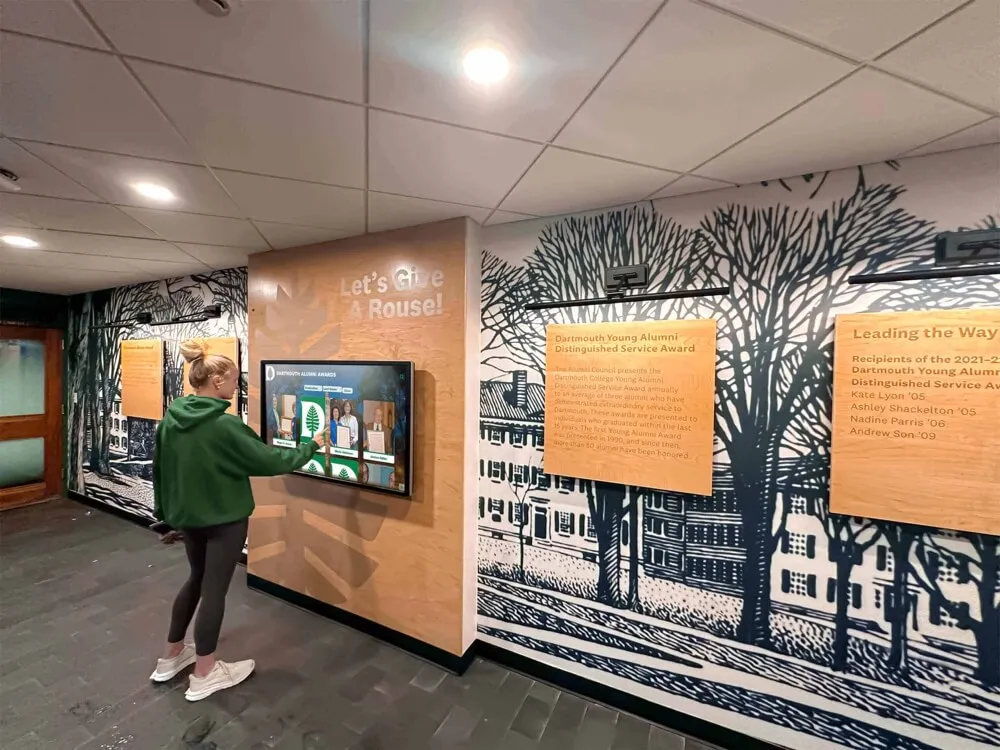
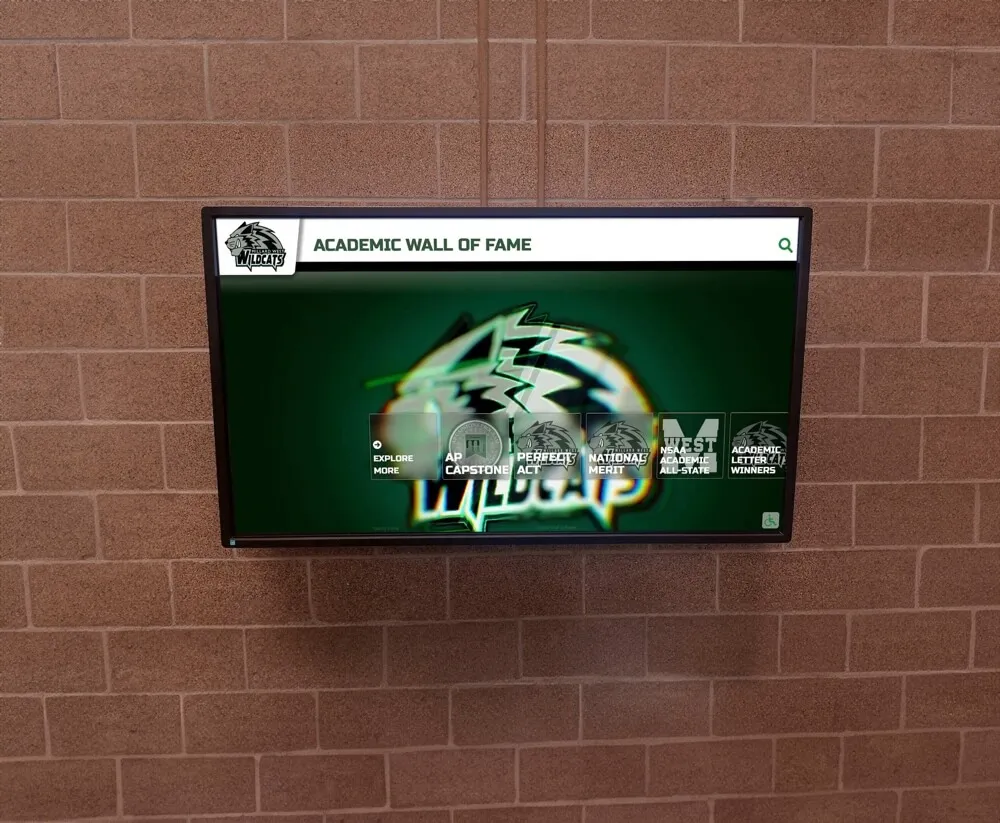
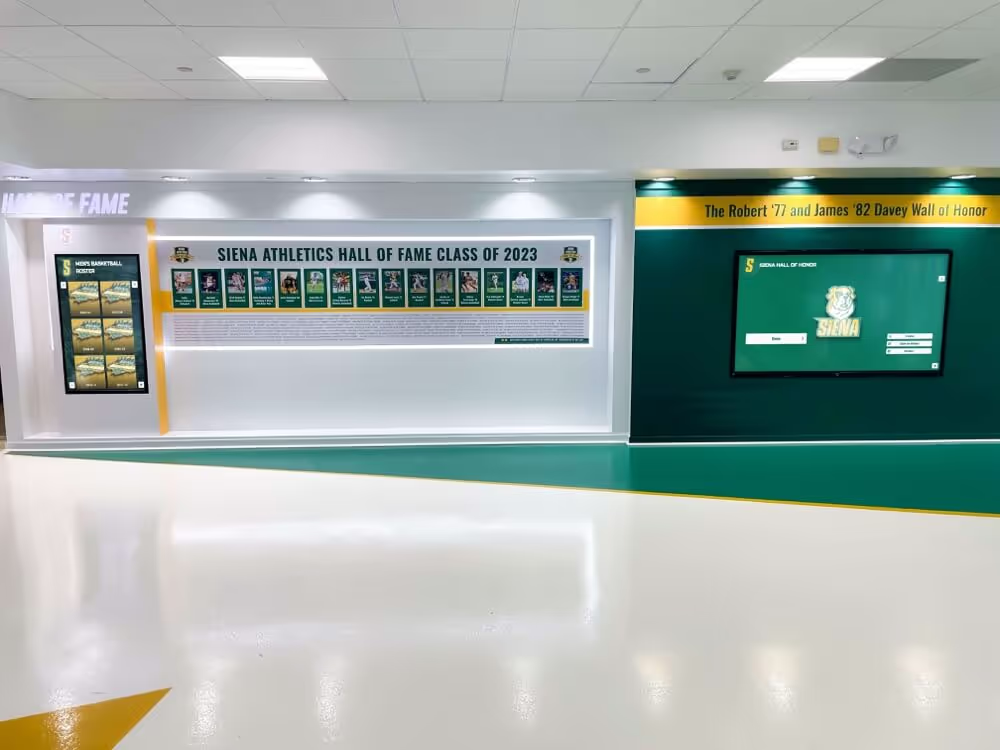
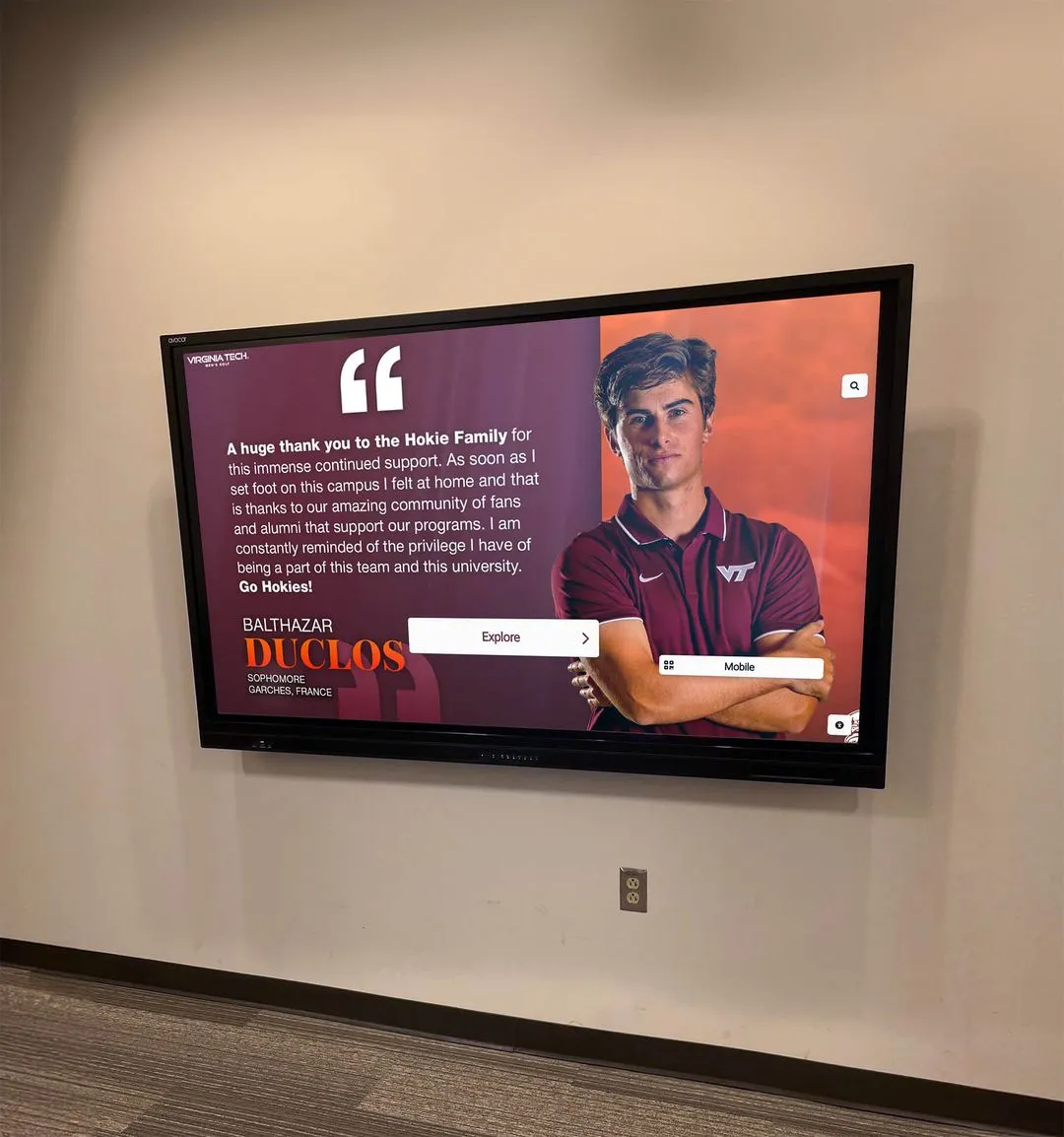
Multiple digital displays throughout lobby and adjacent hallways provide comprehensive recognition and information capacity
Branded Environmental Design
Your lobby should communicate school identity immediately through cohesive branded design that reflects institutional character without overwhelming spaces.
Incorporate school colors through paint selections, furniture fabrics, and accent elements. Display mascot imagery at appropriate scale—large enough to create impact but not so dominant that it feels unprofessional. Feature school logos in strategic locations reinforcing identity without redundancy.
Mission statements and core values displayed prominently communicate what your school stands for. Many institutions create feature walls with inspirational quotes, historical photos documenting institutional evolution, or memorial plaques honoring community members who made significant contributions.
Professional execution matters immensely—amateur-looking wall decals or poorly printed banners undermine rather than enhance institutional image. Invest in quality materials and professional installation for elements representing your school to visitors daily.
Creative Design Ideas for Memorable School Lobbies
Beyond essential functional elements, creative design features differentiate memorable lobbies from merely adequate ones. These special touches create distinctive environments reflecting unique school character.
Large-Scale Murals and Artwork
Feature walls with large-scale murals create dramatic focal points while telling institutional stories. Commission local artists or engage art students in creating murals depicting school history, community values, or inspirational themes aligned with your mission.
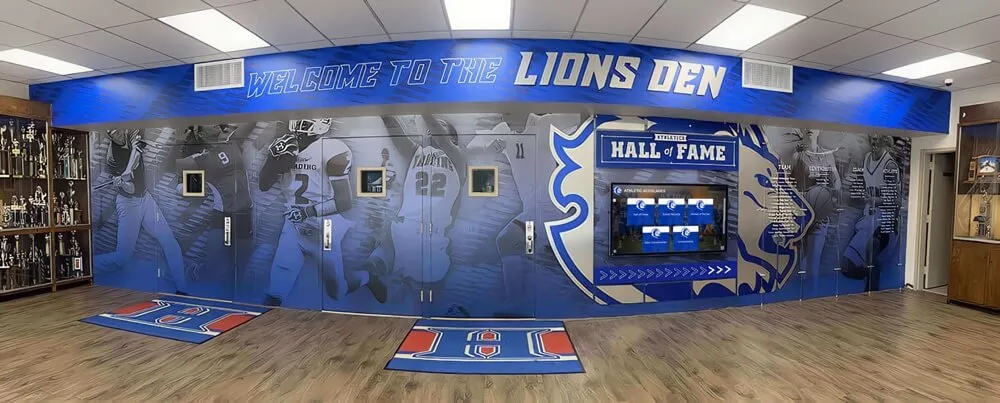
Athletic-focused murals work particularly well in schools with strong sports traditions—action imagery celebrating various sports, mascot illustrations creating school spirit, or historical championship moments documenting program excellence. Academic institutions might feature murals celebrating learning, discovery, or notable alumni achievements.
Abstract designs incorporating school colors create visual interest without literal representation. Some schools commission portrait walls featuring influential community members, distinguished alumni, or founding administrators, creating connections between past and present.
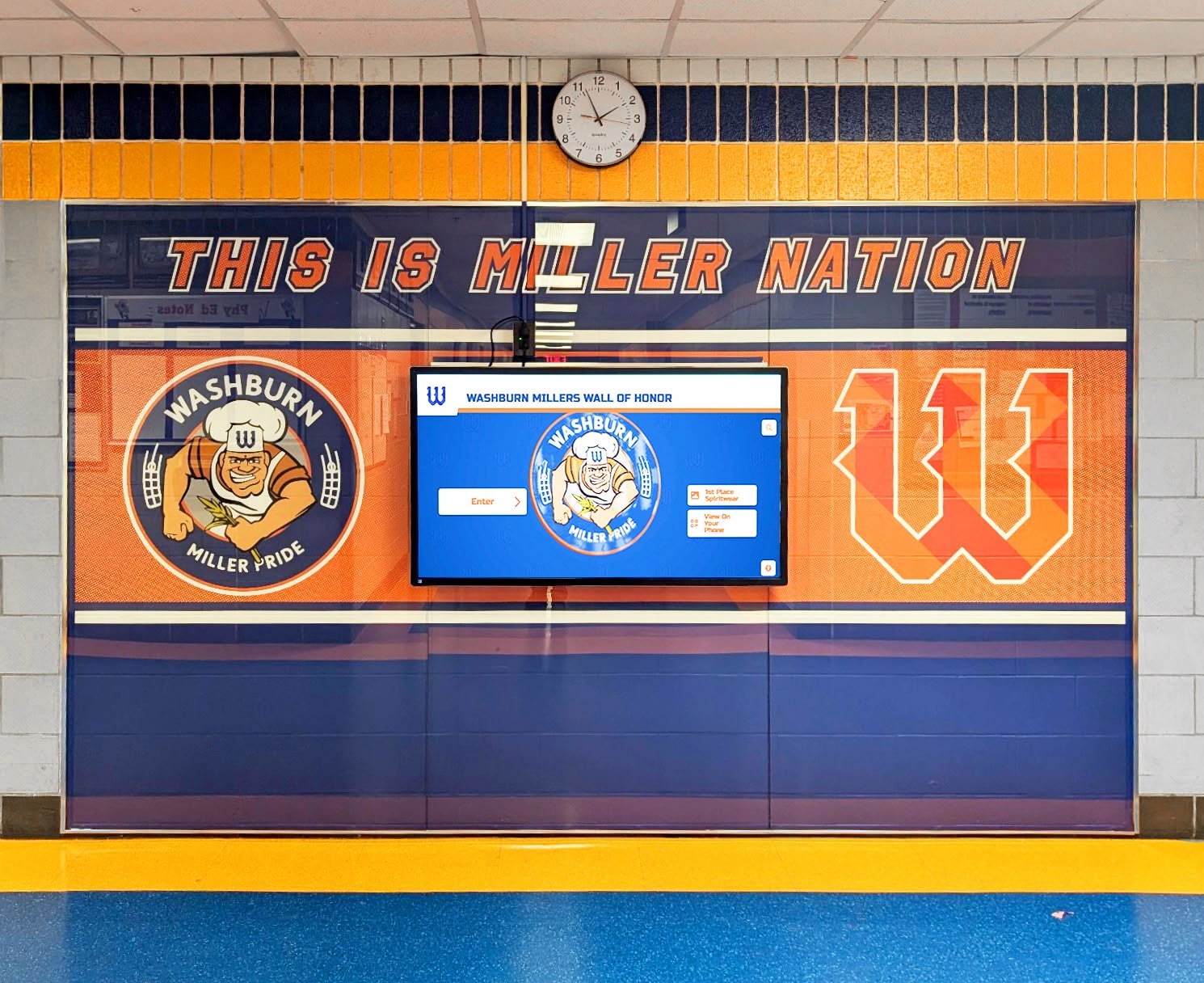
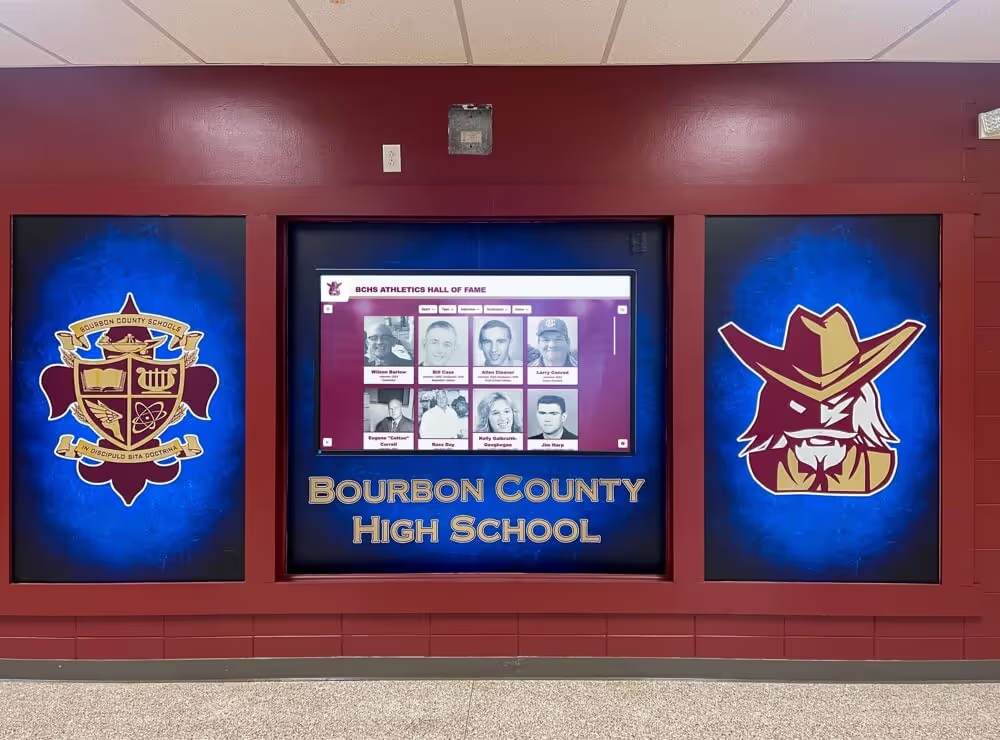
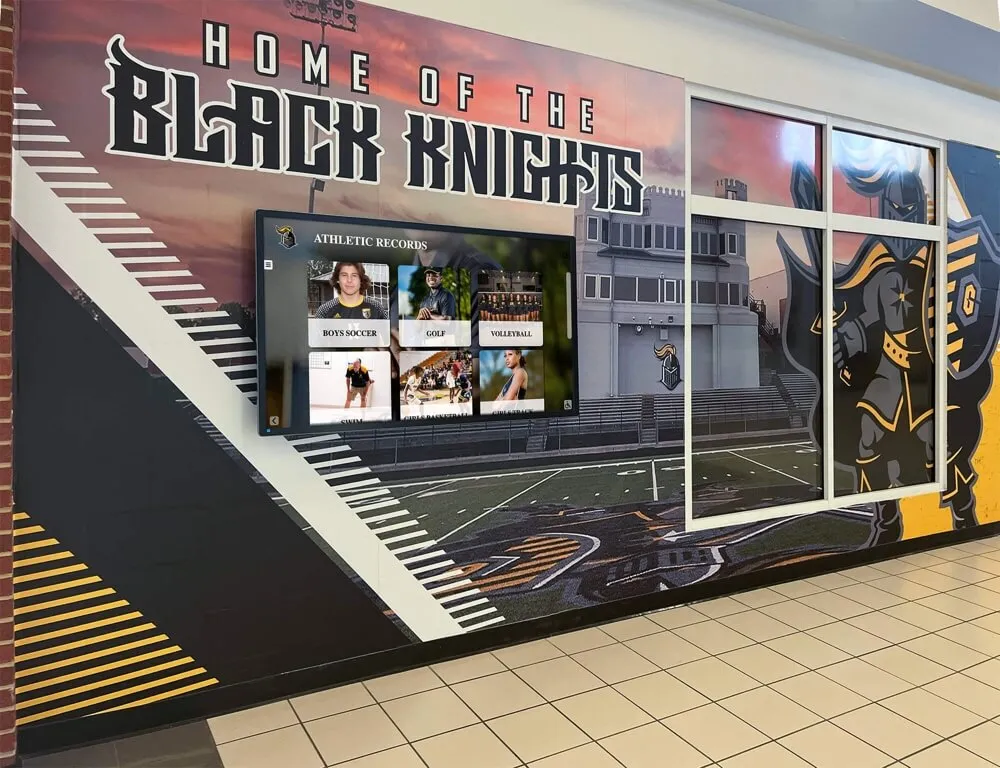
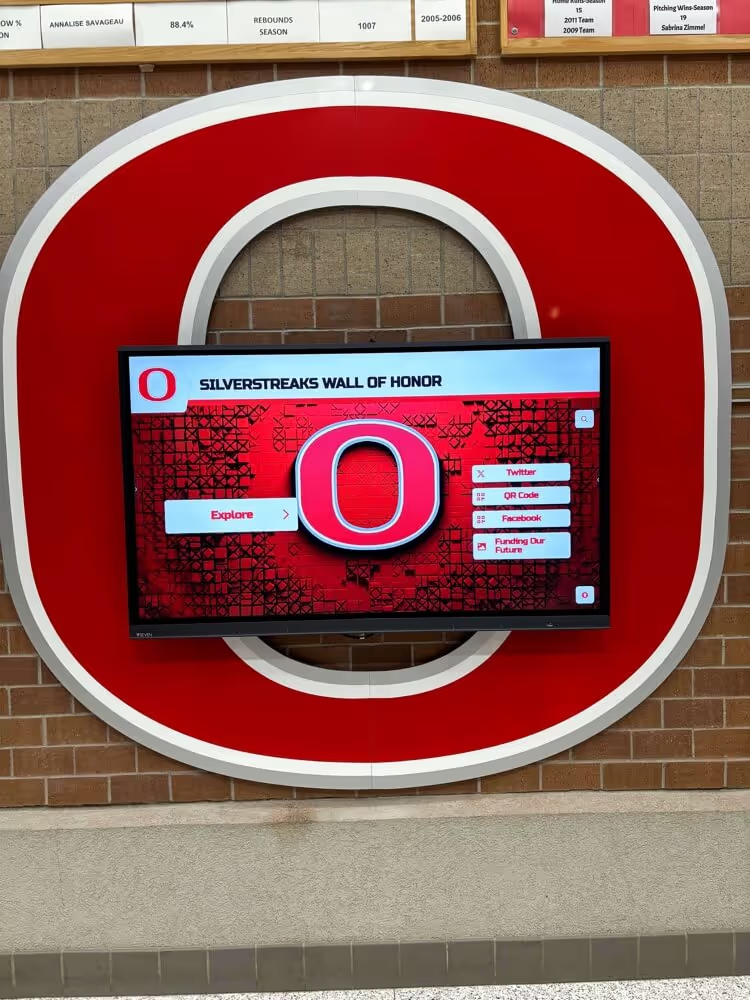
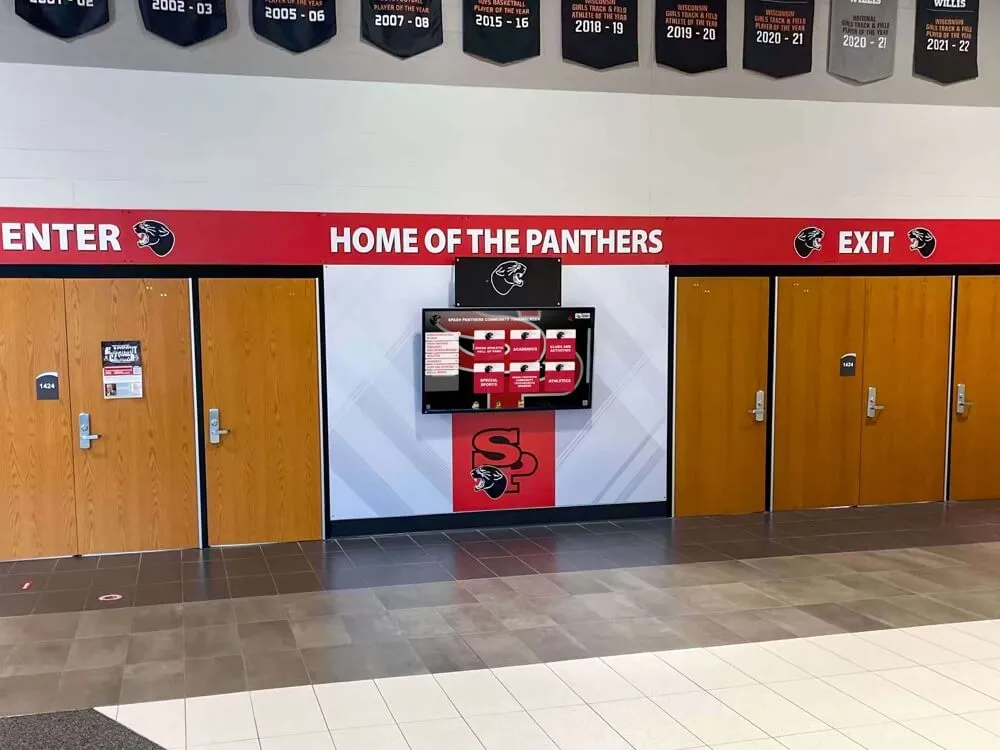
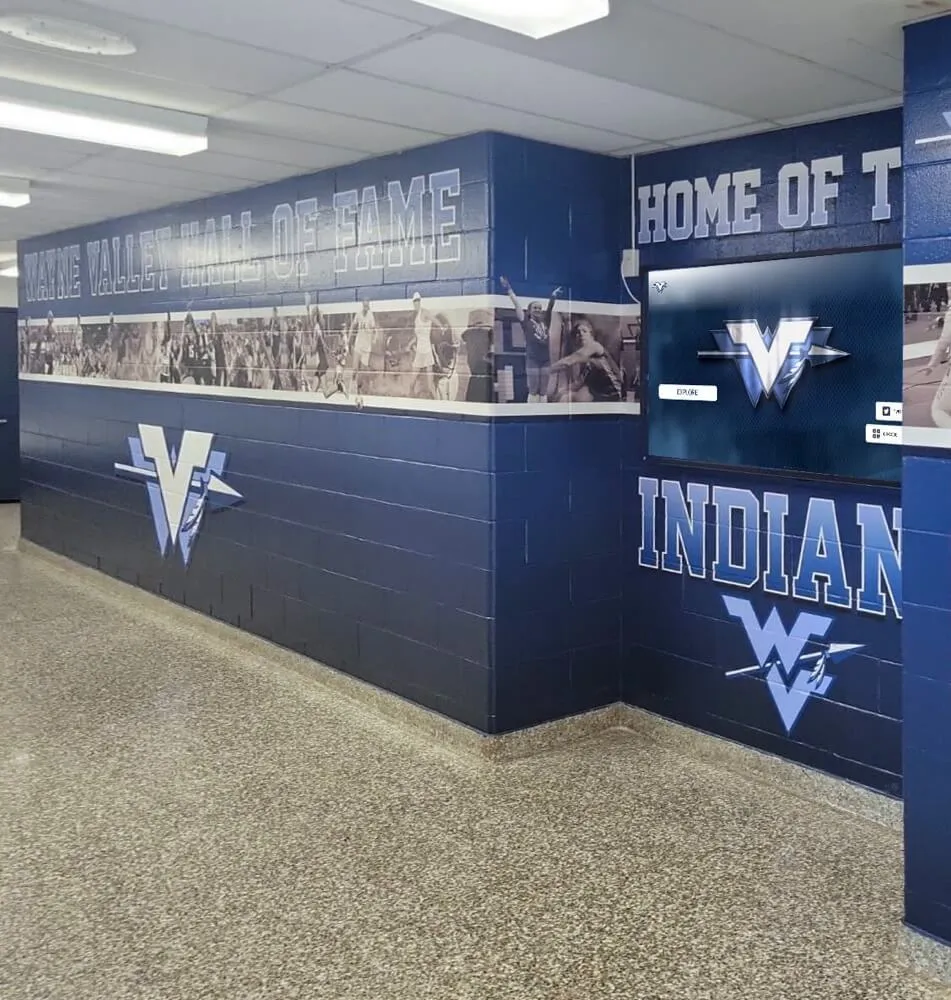
Branded environmental graphics combined with digital recognition create cohesive lobbies reflecting school identity
Interactive Technology Features
Modern lobbies increasingly incorporate technology features that engage visitors while serving functional purposes. Beyond recognition displays, consider interactive elements that enhance visitor experiences.
Building directory kiosks with touchscreen interfaces help visitors find personnel and locations independently. Some schools implement QR codes throughout lobbies linking to extended digital content—scanning a code near the trophy case might reveal full championship game highlights, athletic program histories, or athlete interviews adding depth to physical displays.
Digital hall of fame systems often include QR functionality enabling visitors to access recognition content on personal devices, sharing achievements via social media or saving information for later review.
Consider sound systems supporting daily announcements, welcome messages for campus tours, or background music creating pleasant atmospheres. Video walls displaying student project showcases, athletics highlight reels, performing arts recordings, or welcome messages from school leaders create dynamic environments that change regularly.
Architectural Features Creating Visual Interest
When budgets allow more substantial renovations, architectural features dramatically enhance lobby aesthetics and functionality.
Ceiling treatments—skylights introducing natural light, exposed structural elements in modern industrial designs, coffered ceilings adding traditional architectural character, or suspended acoustic panels improving sound quality—transform standard lobbies into distinctive spaces.
Feature walls using varied materials create texture and visual interest. Stone or brick accent walls add warmth and permanence, wood paneling provides traditional institutional character, glass walls introduce transparency and natural light, or textured wall coverings create subtle sophistication.
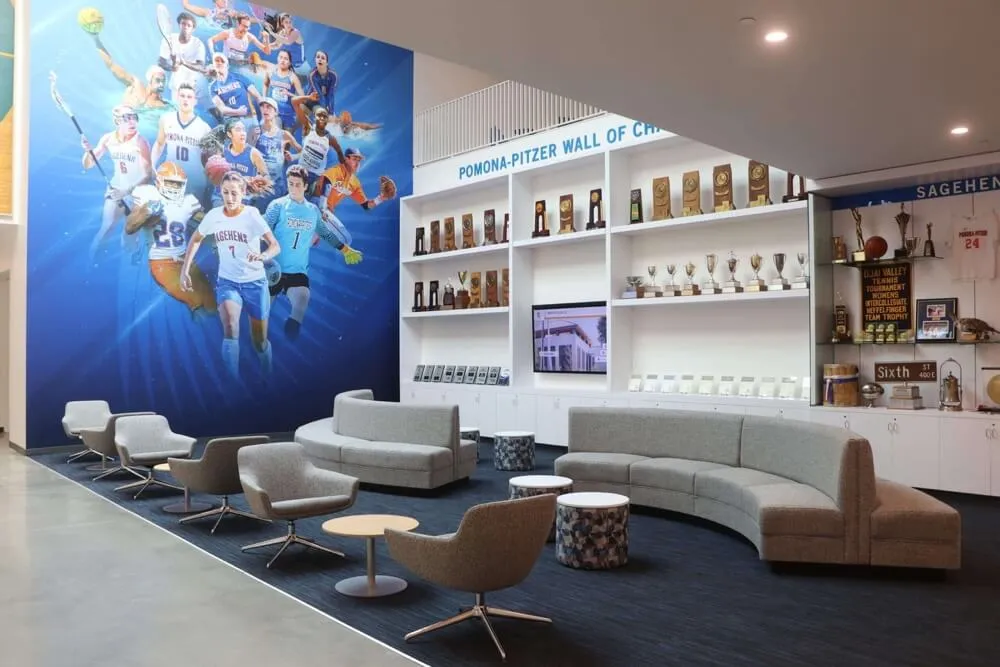
Some schools incorporate architectural display elements specifically designed for recognition—built-in shelving systems displaying trophies and awards, backlit glass cases creating museum-quality presentation, or integrated digital display surrounds making technology feel like permanent architectural features rather than afterthoughts.
Donor Recognition Integration
School lobbies provide natural locations for donor recognition walls acknowledging supporters who fund facility improvements, scholarship programs, or annual giving campaigns.
Traditional donor walls use engraved plaques arranged by giving levels—permanent physical recognition of philanthropic support. However, digital donor walls offer advantages including easy updates when new donors contribute, unlimited capacity accommodating growing donor bases, multimedia recognition featuring donor stories and impact statements, and flexible displays highlighting different donor categories or campaigns.
Some schools implement hybrid approaches combining physical donor recognition for major gifts with digital displays showcasing broader annual giving participation. This balance honors transformational donors with permanent physical presence while enabling comprehensive recognition of all supporters regardless of contribution size.
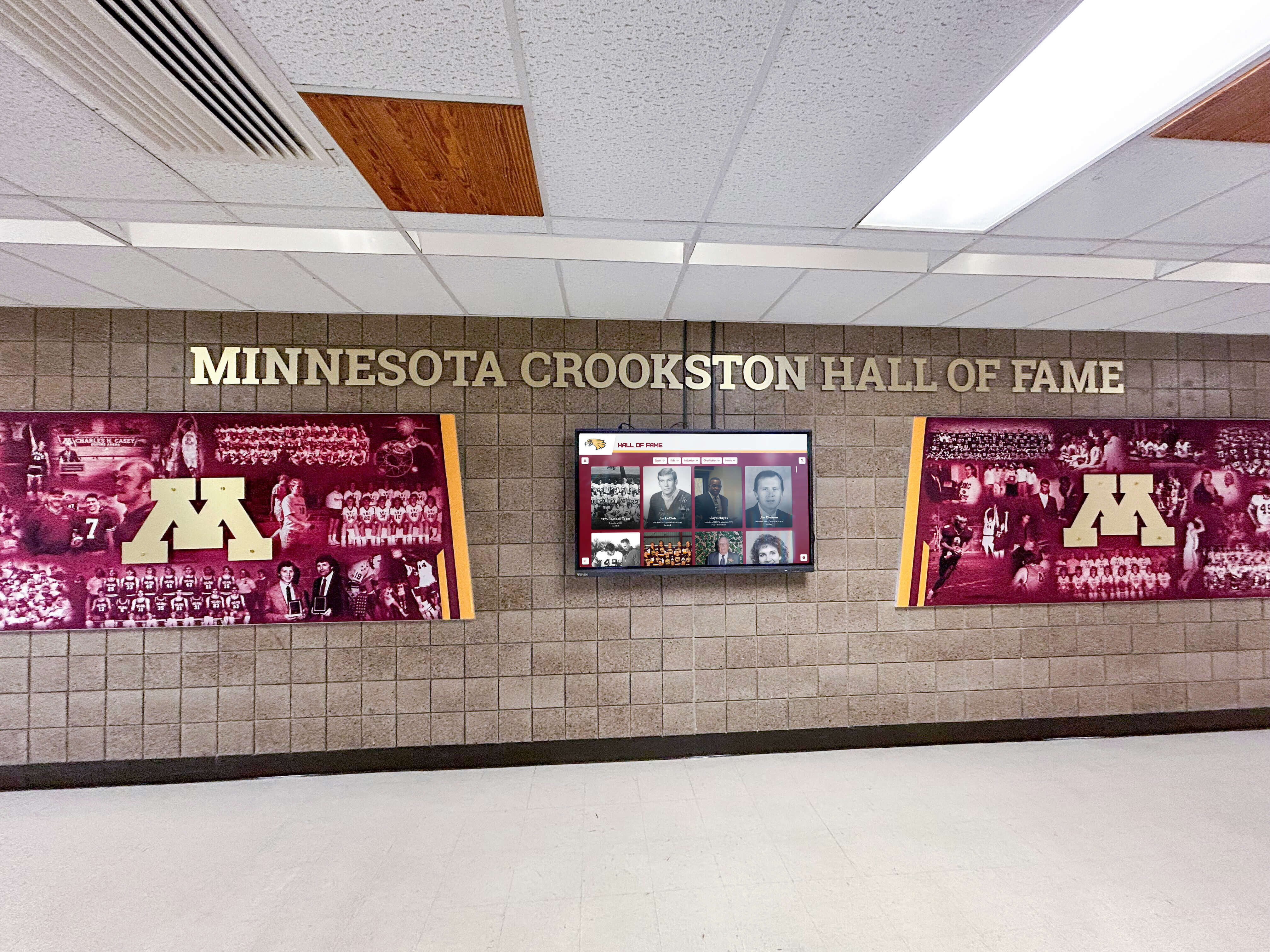
Coordinated murals and digital displays create unified recognition environments celebrating school heritage and current achievements
Practical Implementation Strategies
Transforming school lobby concepts into reality requires practical planning addressing budgets, timelines, stakeholder input, and ongoing maintenance.
Assessment and Planning Process
Begin with honest assessment of your current lobby—what works well and what needs improvement? Gather input from multiple stakeholder groups including administrators, teachers, students, parents, and facilities staff. Different constituencies notice different aspects and have varied priorities that comprehensive planning should address.
Define clear goals for your lobby redesign. Are you primarily focused on improving first impressions for prospective families? Building school culture through enhanced recognition? Addressing functional problems with traffic flow or wayfinding? Clear objectives guide decision-making when faced with competing options or budget constraints.
Document current lobby dimensions, electrical locations, network infrastructure, and architectural constraints affecting design options. This information helps designers and vendors provide accurate proposals while avoiding costly surprises during implementation.
Budget-Conscious Improvement Approaches
Meaningful lobby transformations don’t always require complete renovations or unlimited budgets. Strategic phased approaches create visible improvements while managing costs.
Phase 1: Foundation Improvements Start with fundamental changes creating clean slates—fresh paint in school colors, thorough cleaning or flooring replacement, improved lighting brightening spaces, furniture repair or replacement addressing obvious deficiencies, and decluttering establishing organizational systems.
Phase 2: Recognition and Identity Build on foundations with elements establishing school identity—wall graphics or wraps adding affordable branding, digital recognition display implementation, trophy case reorganization or lighting improvement, and mission statement or values displays.
Phase 3: Advanced Features Complete transformations with sophisticated elements—architectural feature additions like accent walls, technology upgrades including interactive kiosks, furniture replacement with coordinated commercial pieces, advanced lighting systems with control capabilities, and permanent architectural recognition installations.
Phased approaches enable schools to demonstrate value and build support for continued investment while spreading costs across multiple budget cycles.
Leveraging Multiple Funding Sources
Many schools fund lobby improvements through creative resource combinations rather than relying solely on district facilities budgets.
Parent organizations frequently fund recognition displays or furniture upgrades as visible projects demonstrating member contributions. Alumni associations may sponsor donor recognition walls or historical displays connecting graduates to current students. Local businesses sometimes provide sponsorships for lobby technology in exchange for appropriate acknowledgment.
Capital campaigns celebrating school anniversaries, facility improvements, or program expansions naturally include lobby renovations as components of larger fundraising efforts. Foundation grants supporting facilities enhancements or community spaces may fund lobby improvements meeting grant criteria.
Consider creative partnerships—art departments creating murals, parent volunteers handling painting, or alumni contractors providing services at reduced rates. These approaches build community investment while managing costs.
Ongoing Maintenance and Content Management
Sustaining lobby quality requires systematic attention preventing gradual deterioration of earlier investments.
Establish daily maintenance routines including floor cleaning, glass door cleaning, furniture straightening, and basic tidiness. Weekly tasks should include detailed cleaning, display case maintenance, and content updates ensuring accuracy and relevance.
For digital displays, assign responsibility for regular content updates to specific staff members. Cloud-based management systems enable remote updates from any internet-connected device without requiring campus visits or technical expertise. Establish content calendars ensuring recognition additions occur promptly after awards ceremonies or achievement announcements.
Schedule seasonal deep cleaning addressing light fixtures, detailed window washing, and facility assessments identifying emerging repair needs. Proactive maintenance prevents small issues from becoming major problems requiring expensive repairs.
Measuring Lobby Design Success
Evaluate lobby effectiveness ensuring investments achieve intended goals and informing future improvements.
Stakeholder Feedback Collection
Systematic feedback gathering provides crucial insights about lobby performance:
Prospective Family Surveys During campus tours, gather impressions about lobby environments and first impressions. Many schools find that positive lobby experiences correlate with higher enrollment conversion rates.
Current Community Input Regular surveys of students, staff, and current families assess whether lobby spaces serve daily needs effectively and create desired cultural atmosphere.
Visitor Observations Track questions visitors ask staff—frequent directional inquiries suggest wayfinding improvements needed, confusion finding check-in locations indicates entry sequence problems.
Functional Performance Metrics
Quantifiable indicators of lobby effectiveness include:
Recognition Engagement For digital displays, track interaction frequency and duration using system analytics. Rocket Alumni Solutions provides detailed usage data showing which achievements receive most attention, peak engagement times, and search patterns revealing visitor interests.
Operational Efficiency Monitor visitor check-in processing times, security incident frequency, and space utilization patterns throughout days. Improvements should enhance rather than complicate daily operations.
Cultural Indicators Track social media mentions of lobby spaces, parent comments during school events, community conversation about school facilities, and prospective family conversion rates after tours.
Regular assessment enables continuous refinement ensuring lobbies consistently serve schools effectively.
Special Considerations for Different School Types
While fundamental principles apply across institutions, specific school types face unique lobby design considerations.
Elementary School Lobbies
Elementary lobbies should feel warm, welcoming, and appropriate for young children. Lower furniture heights enable children to see and navigate independently, bright colors and playful elements create age-appropriate environments, and clear visual wayfinding using pictures alongside text supports young readers.
Security considerations take particular importance—controlled entry preventing unauthorized access, visitor management systems tracking everyone entering buildings, and visual supervision enabling office staff to monitor entrances continuously.
Recognition displays might emphasize classroom achievements, character development awards, reading accomplishments, and inclusive recognition ensuring every child experiences visibility at some point during the year.
Middle and High School Lobbies
Secondary school lobbies balance diverse needs serving athletic programs, performing arts departments, academic recognition, and varied student activities. More sophisticated aesthetics appeal to adolescent students while maintaining professional impressions for adult visitors.
These lobbies typically feature more extensive athletic hall of fame displays celebrating sports achievements, academic honor rolls recognizing scholarly excellence, performing arts recognition showcasing choir, band, theater, and visual arts achievements, and college acceptance displays celebrating post-secondary plans.
Space for informal student gathering becomes more important as adolescents use lobby areas for social connection before and after school.
Private and Independent School Lobbies
Private school lobbies often emphasize distinctive institutional character and heritage while communicating educational philosophy and values. These spaces may feature more extensive historical displays, prominent donor recognition, elaborate architectural finishes, and refined aesthetics reflecting private school positioning.
Admissions considerations take heightened importance as enrollment directly affects operating budgets. Lobby design should support recruitment by immediately communicating educational quality, community culture, and institutional values that justify tuition investment.
Conclusion: Creating Lobbies That Welcome and Inspire
School lobbies represent far more than transitional spaces between parking lots and classrooms—they serve as powerful communication tools conveying institutional identity, celebrating community achievements, and creating immediate impressions that influence stakeholder relationships. Every design decision, from furniture placement to recognition display selection, contributes to environments that either enhance or undermine your school’s mission.
The most effective school lobbies balance competing priorities successfully. They welcome all visitors warmly while maintaining appropriate security, celebrate diverse achievements comprehensively without creating cluttered environments, communicate clear school identity while maintaining professional aesthetics, and serve functional operational needs while creating spaces where people genuinely want to gather.
Recognition displays play central roles in successful lobby design, transforming these spaces from simple entryways into celebration hubs that build school culture and pride. Modern digital recognition solutions address traditional trophy case limitations through unlimited display capacity showcasing every achievement, interactive exploration engaging visitors actively, multimedia storytelling bringing accomplishments to life, and simple remote management eliminating update burdens.
Whether planning new construction, major renovations, or incremental improvements to existing lobbies, systematic approaches considering stakeholder needs, balancing functional requirements with aesthetic aspirations, and implementing sustainable solutions create welcoming environments reflecting your school community’s best qualities. Start with honest assessment, engage stakeholders in defining priorities, research solutions addressing identified needs, and implement improvements creating lobbies that genuinely serve your institution.
Transform Your School Lobby with Modern Recognition Displays
Discover how digital recognition solutions can elevate your school lobby by providing unlimited capacity to celebrate all achievements, creating engaging interactive experiences that visitors remember, and offering simple cloud-based management requiring no technical expertise. See how schools nationwide are transforming lobbies into dynamic community hubs that build pride, strengthen culture, and create lasting impressions that influence enrollment and donor relationships.
Explore Recognition SolutionsYour school lobby creates first impressions shaping stakeholder perceptions, serves functional purposes supporting daily operations, and provides opportunities celebrating community achievements that build institutional pride. With thoughtful planning, strategic investment, and sustained attention, you can create lobby environments that genuinely welcome all visitors, efficiently serve operational needs, and communicate the excellence characterizing your institution.