



School budgets continue to tighten while expectations for enrichment programs, technology upgrades, and facility improvements keep rising. Teachers need classroom supplies. Athletic programs require new equipment. Arts departments seek instruments and materials. Meanwhile, traditional fundraisers like bake sales and cookie dough campaigns often generate diminishing returns while exhausting volunteers and families alike.
The schools that succeed at fundraising in 2026 take a fundamentally different approach. Rather than viewing fundraising as isolated events that interrupt the school year, they build comprehensive strategies that engage their entire community, create meaningful recognition for supporters, and establish sustainable revenue streams that compound over time.
This complete guide explores school fundraiser ideas proven to work across elementary, middle, and high school settings. You’ll discover event-based fundraisers, digital giving strategies, sponsorship programs, and recognition approaches that transform one-time donors into lasting supporters who champion your school’s success year after year.
Modern school fundraising requires more than executing individual events—it demands strategic thinking about how to build donor relationships, demonstrate impact transparently, and recognize supporters in ways that inspire continued generosity. Schools implementing comprehensive approaches report 50-80% higher fundraising totals compared to those relying on traditional methods alone.

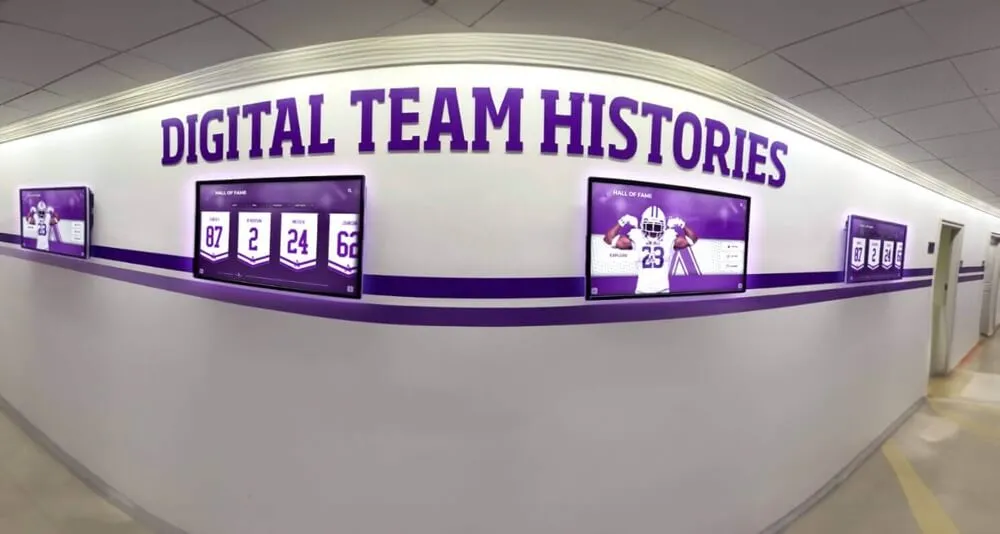
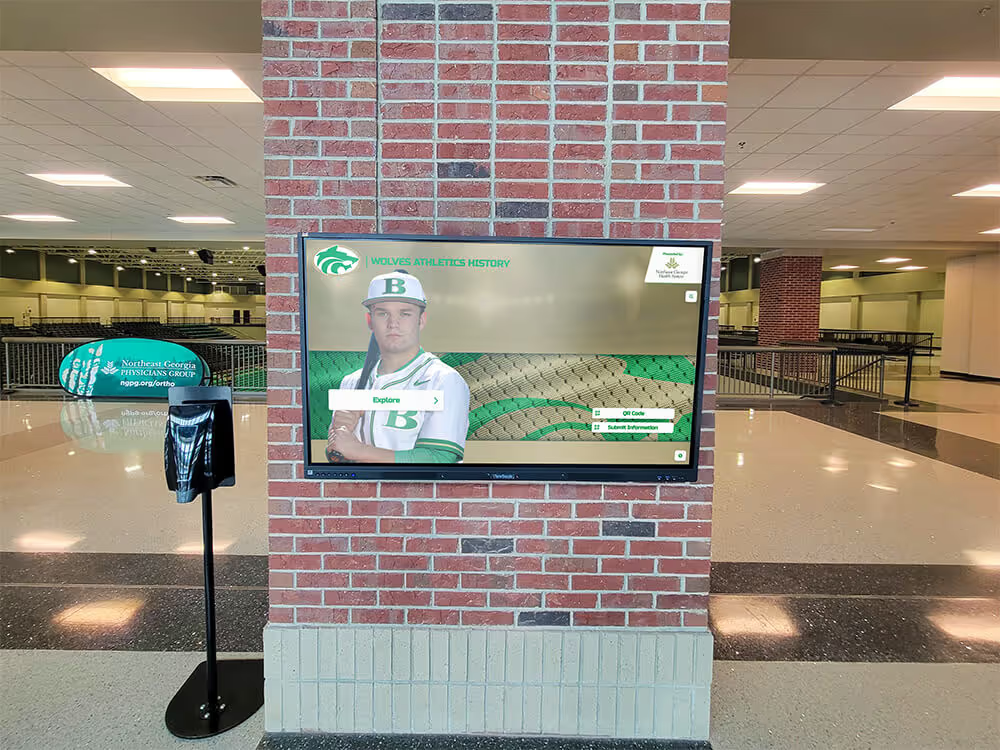
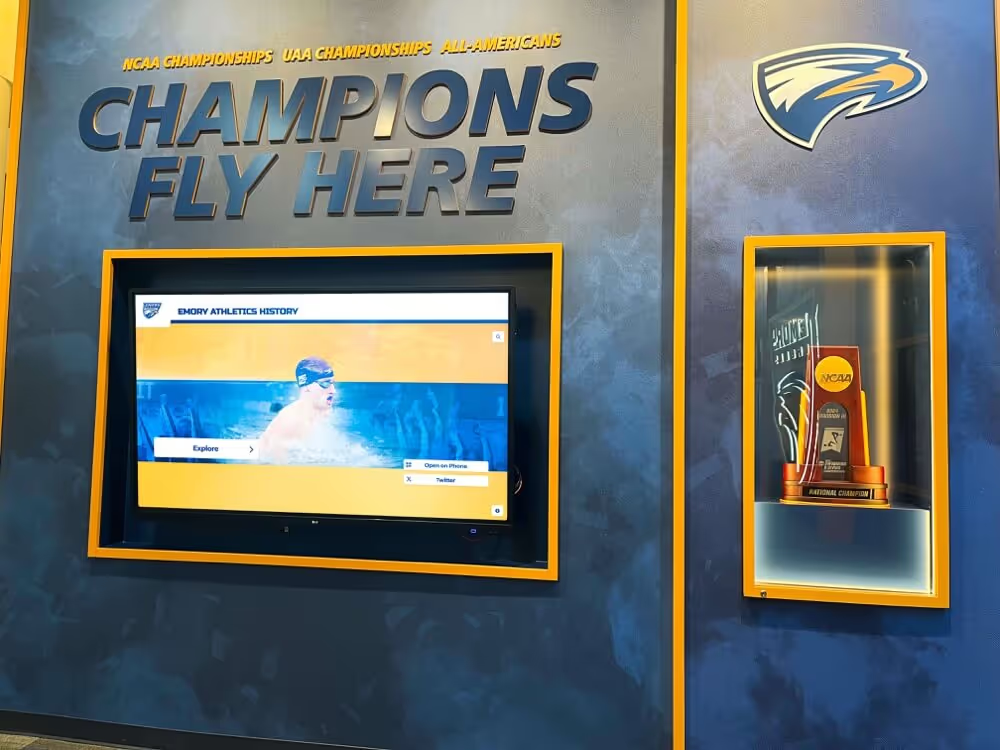
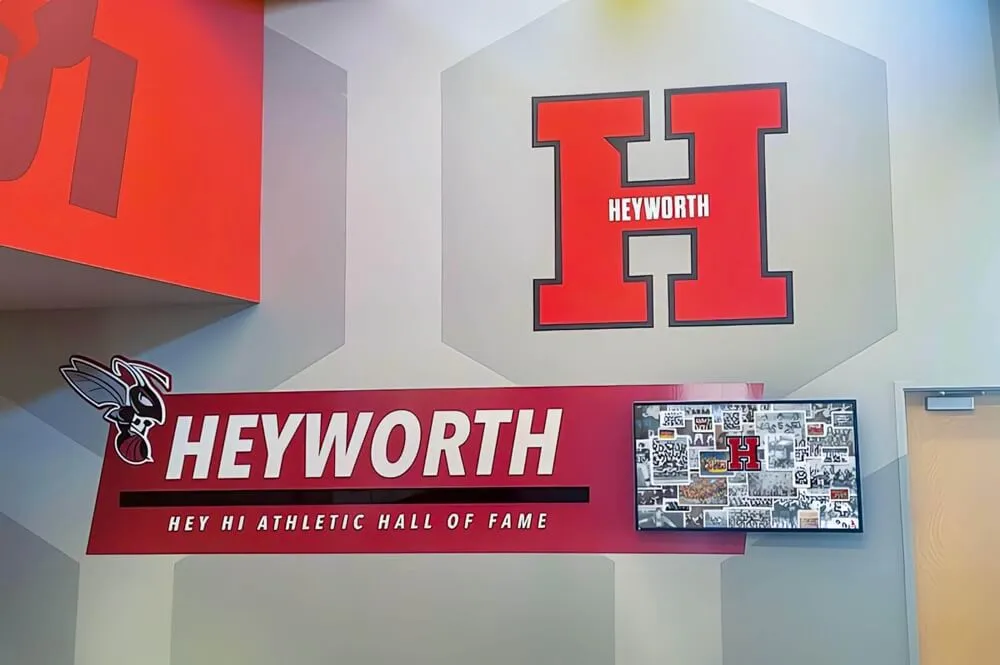
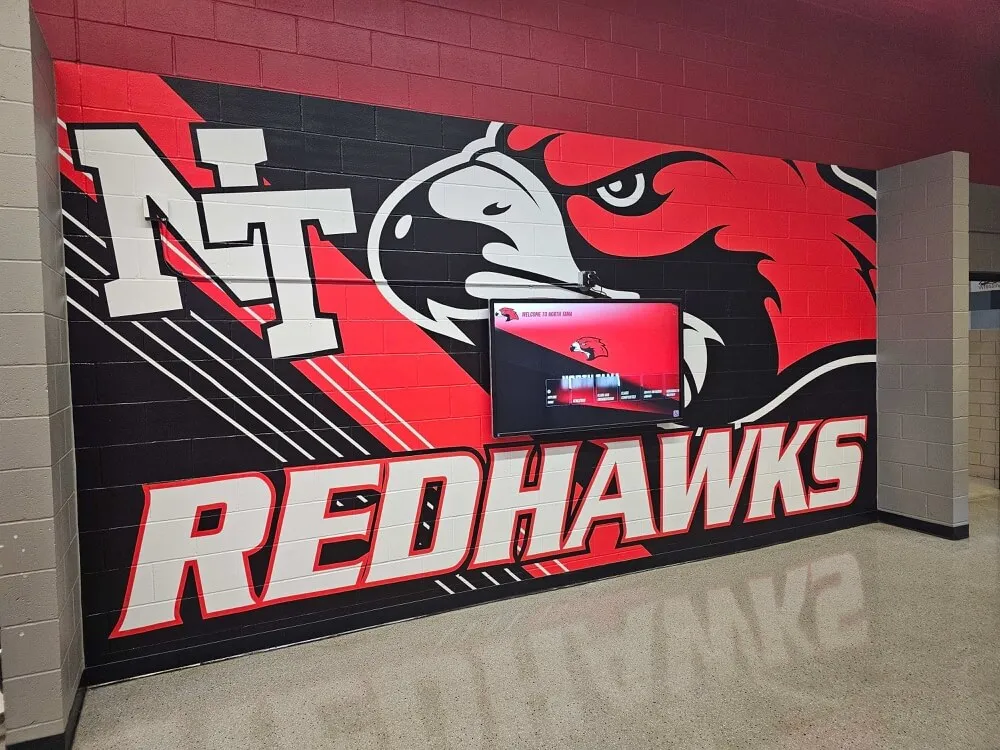
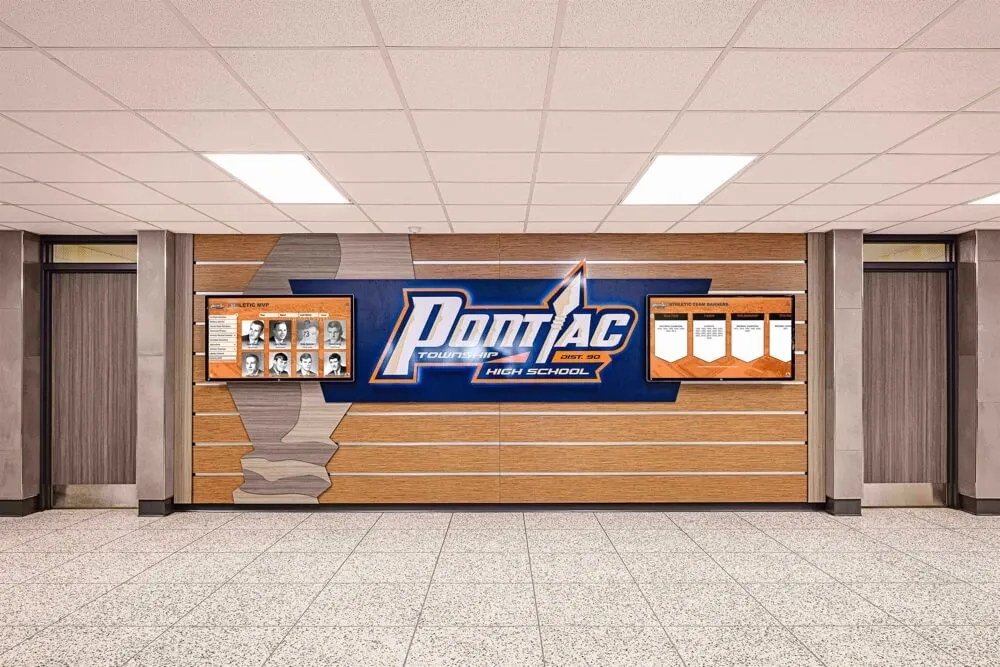
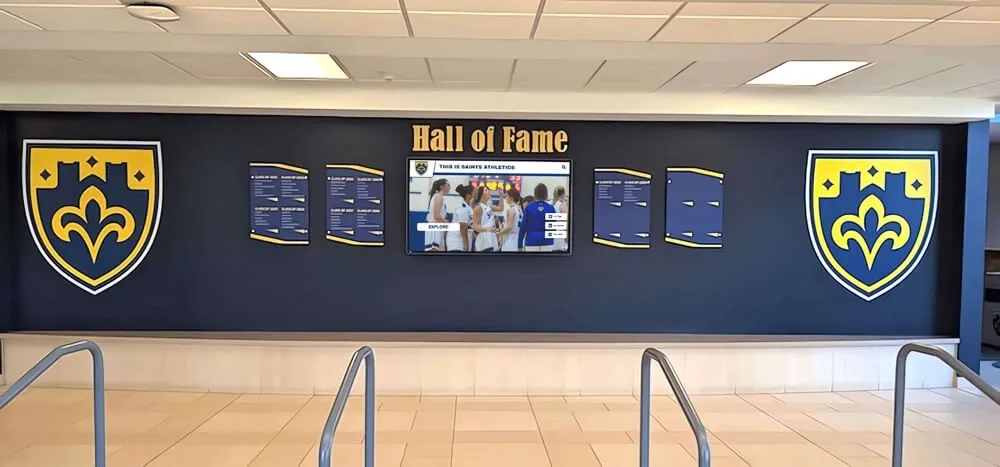
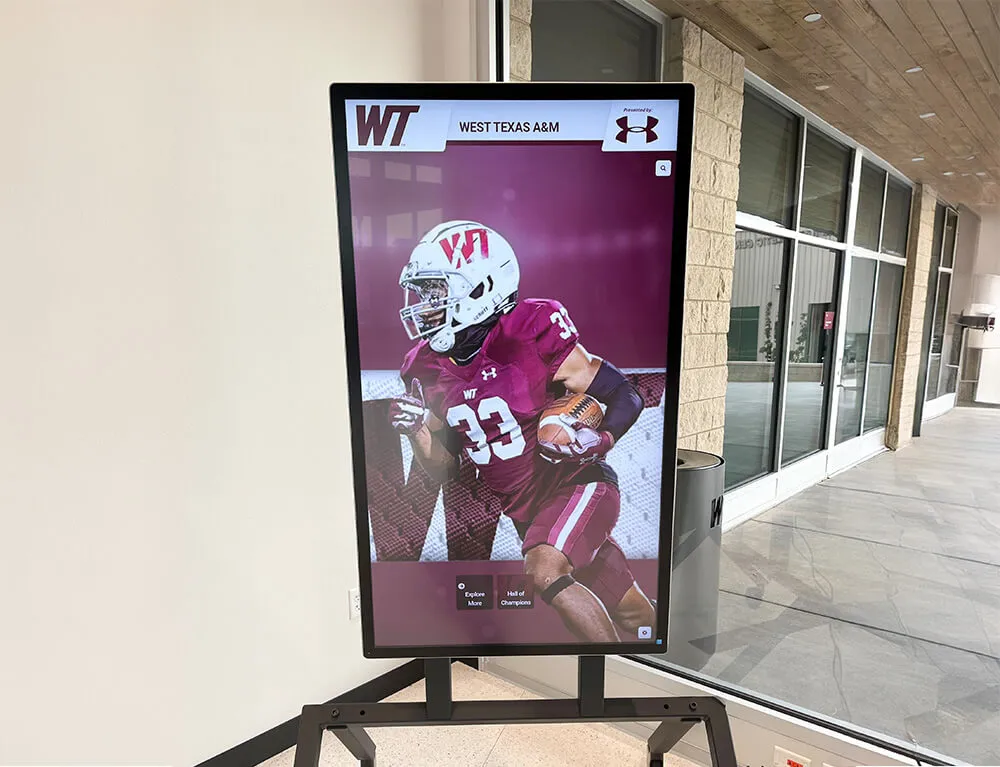
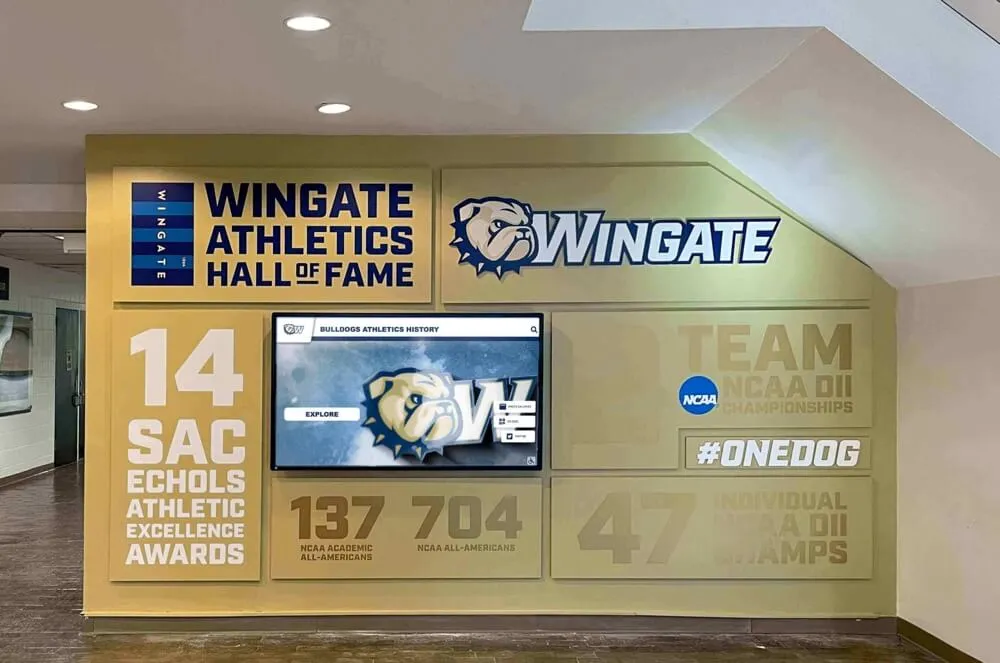
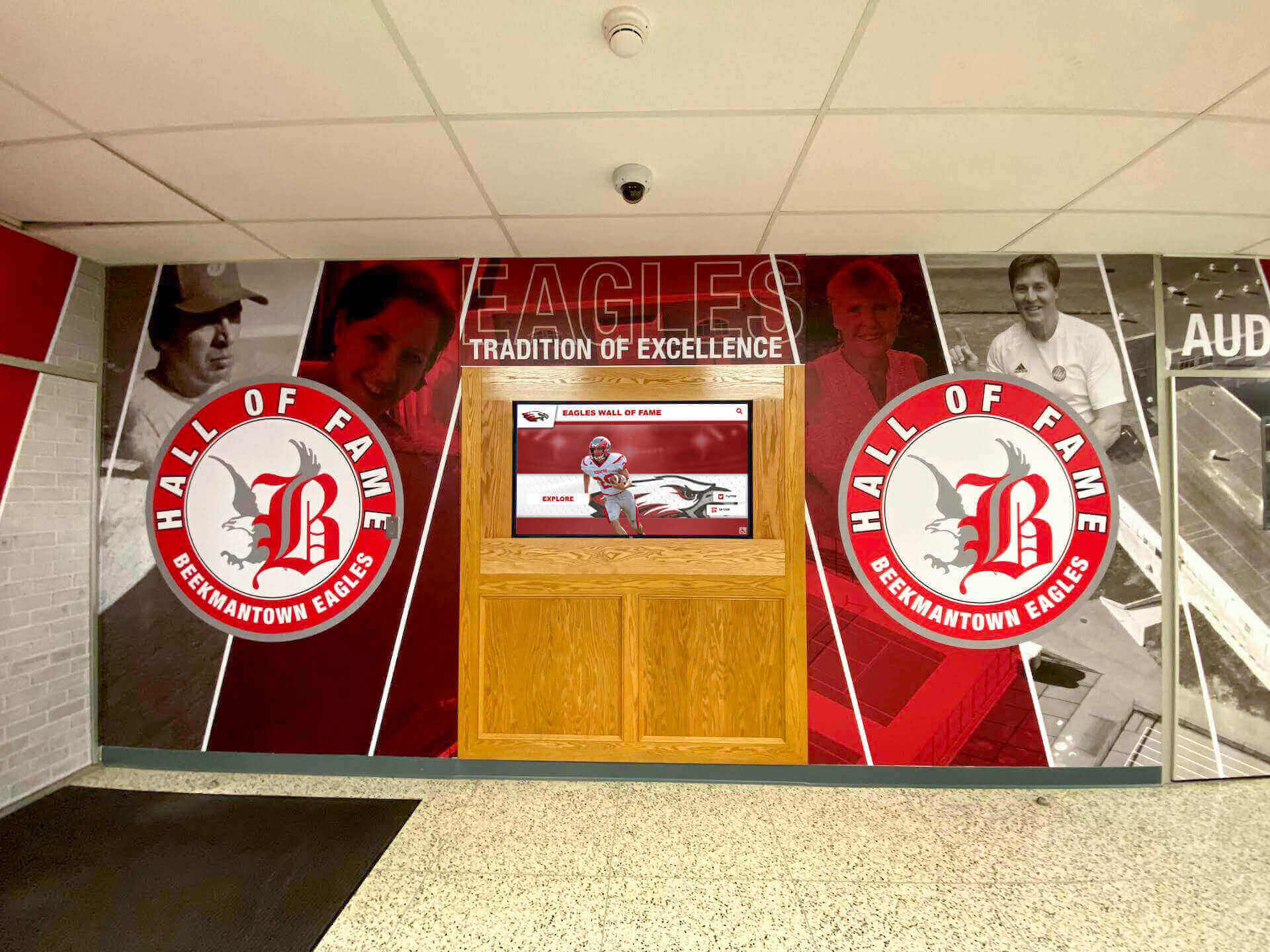
Modern school lobbies combine recognition displays with fundraising messaging, showcasing both student achievement and community support
Understanding What Makes School Fundraisers Successful
Before exploring specific fundraiser ideas, it’s essential to understand the fundamental elements that separate highly successful campaigns from mediocre efforts.
The Three Pillars of Effective School Fundraising
Community Engagement and Participation
Successful fundraisers engage broad stakeholder groups rather than depending on small volunteer teams. The best campaigns create participation opportunities for parents, grandparents, local businesses, alumni, community organizations, and students themselves. This distributed approach spreads workload while expanding donor networks exponentially.
Schools report the highest participation rates when fundraisers offer multiple engagement levels—from small donations requiring minimal effort to hands-on volunteer opportunities for those seeking deeper involvement.
Transparent Impact Communication
Today’s donors want to see exactly how their contributions create measurable results. Generic appeals for “school improvement” generate far lower response than specific campaigns with clear goals and transparent reporting.
Effective fundraising campaigns specify precise funding targets, explain exactly what will be purchased or improved, and follow up with detailed reporting showing how funds were spent and what impact resulted. Schools implementing digital recognition displays for donor recognition find transparency becomes easier as they can continuously update supporters on campaign progress and results.
Meaningful Donor Recognition
Recognition motivates giving more powerfully than nearly any other factor. Yet many schools miss opportunities by treating recognition as an afterthought rather than central fundraising strategy.
The most successful school fundraising programs create visible, lasting recognition that honors contributions appropriately while inspiring others to give. This extends beyond simple thank-you notes to comprehensive recognition systems showcasing donor support throughout facilities.
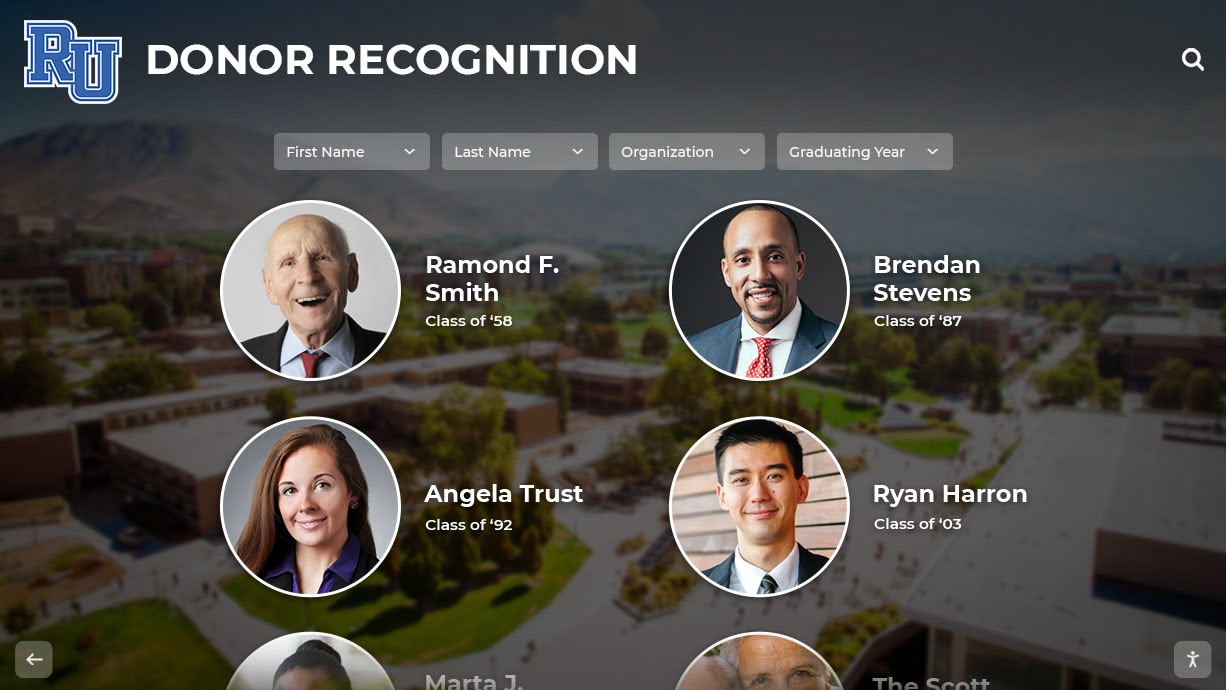
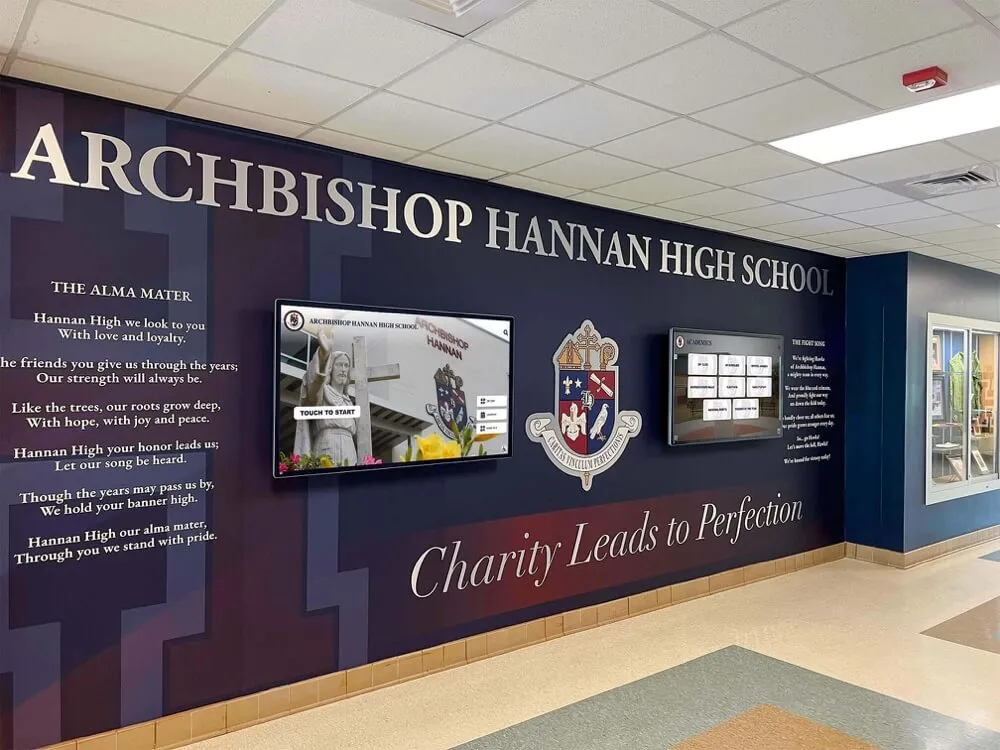
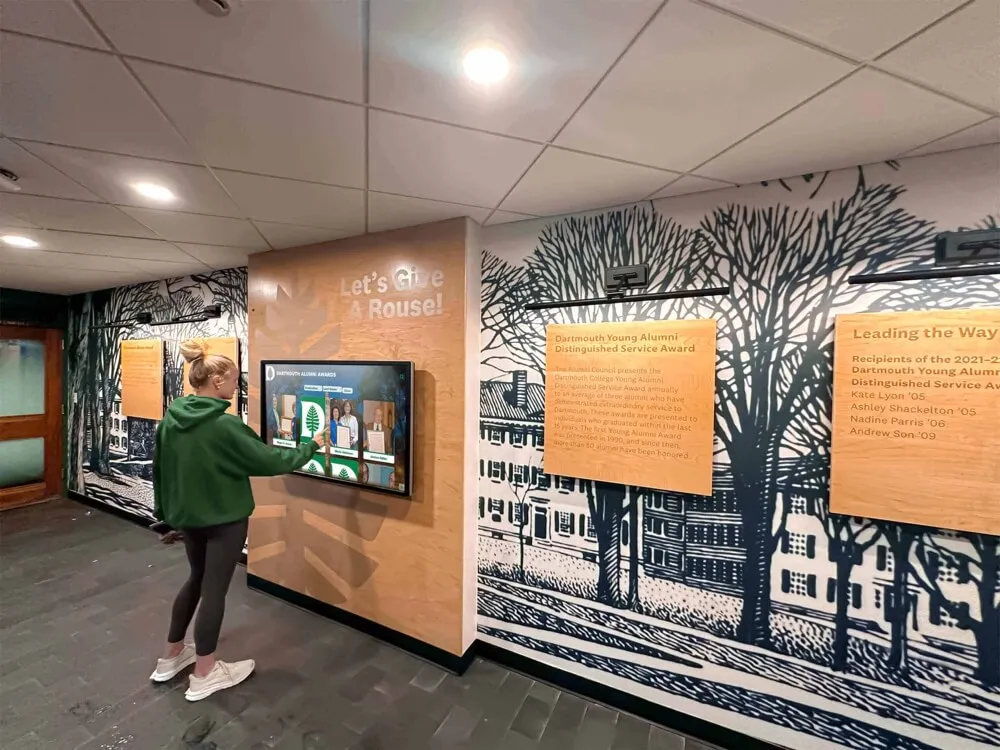
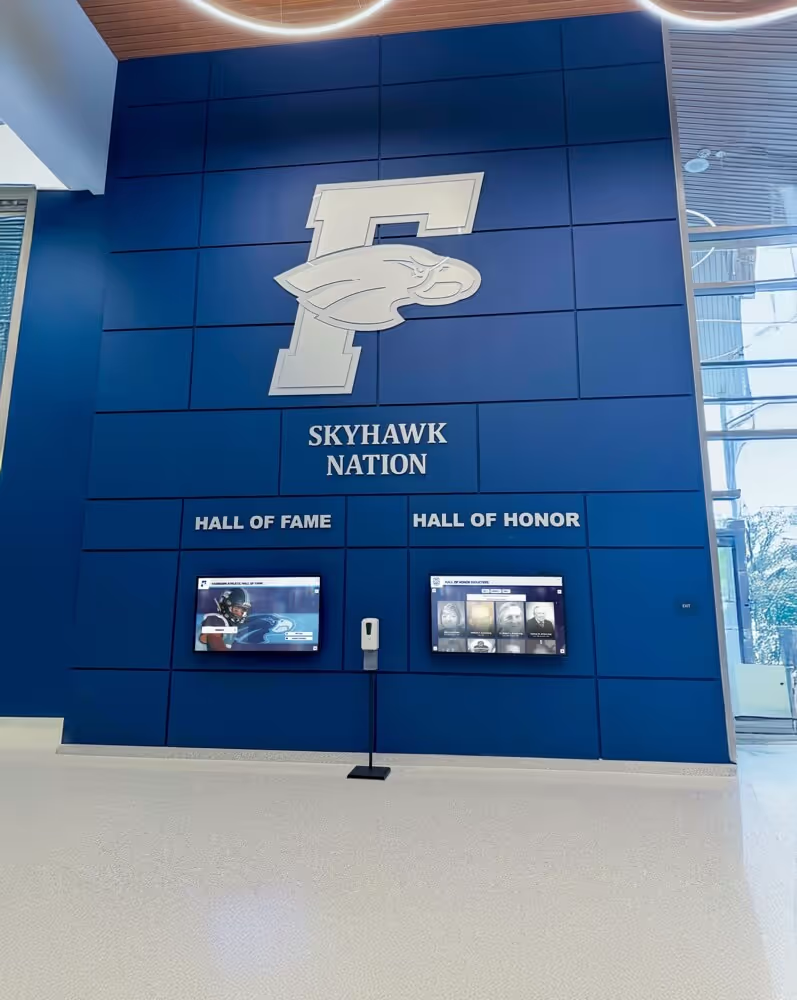
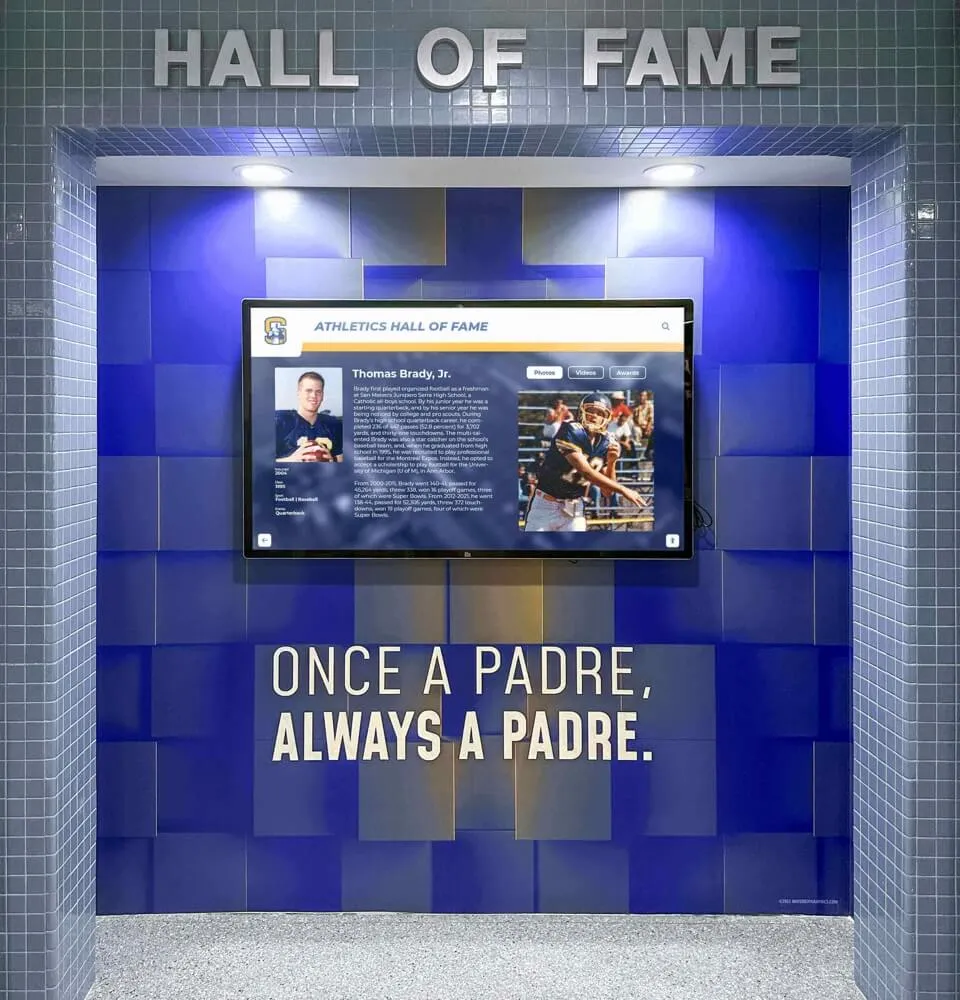
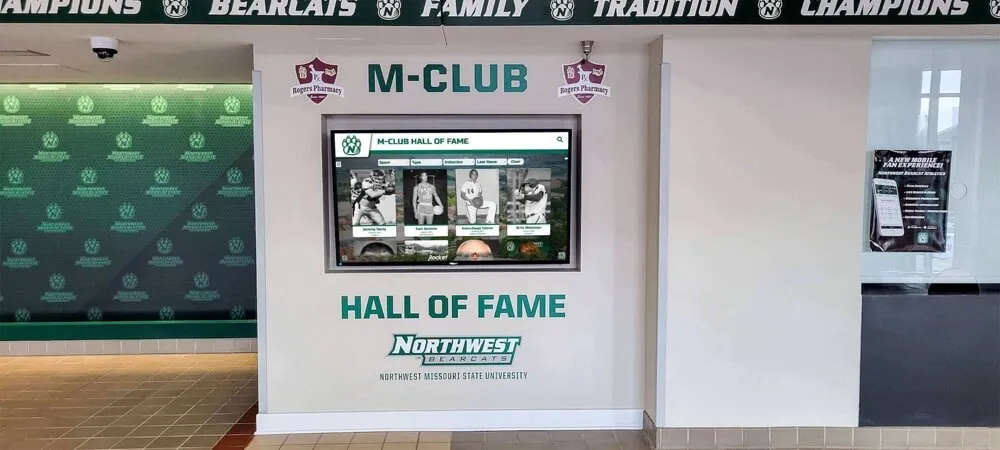
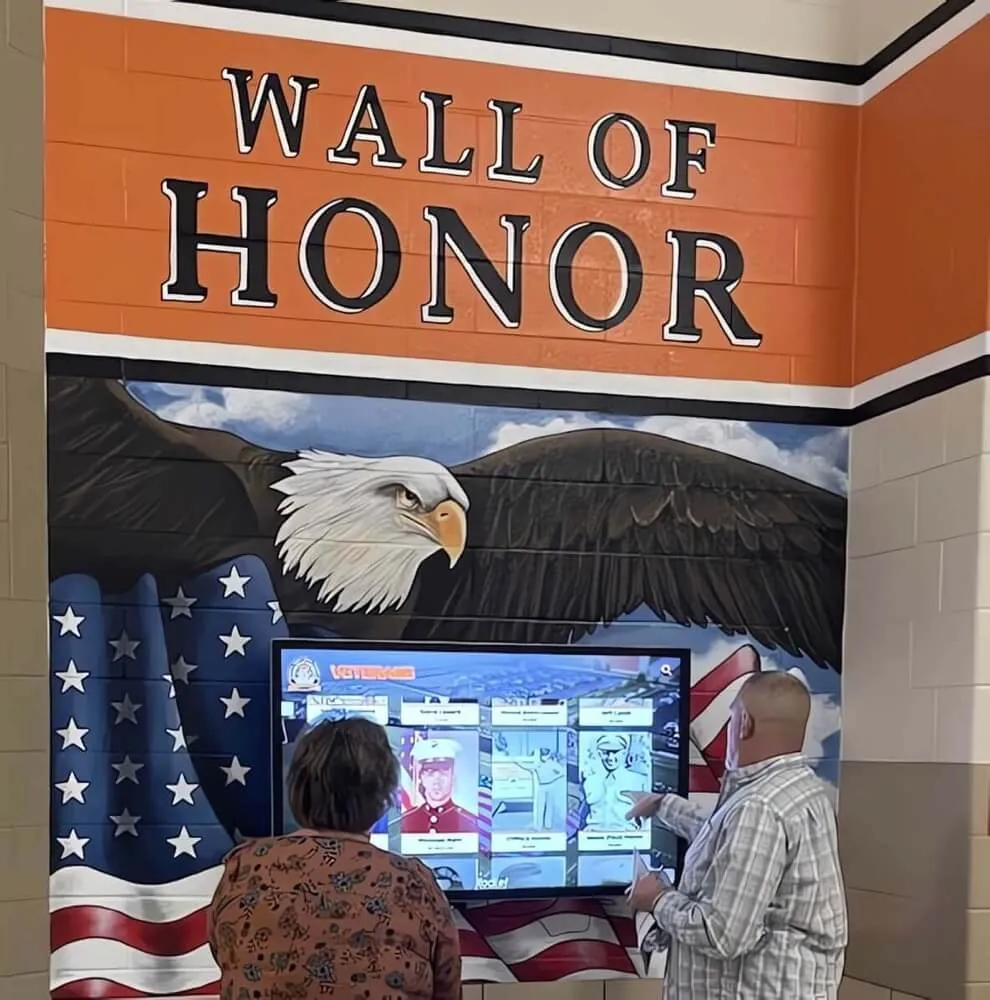
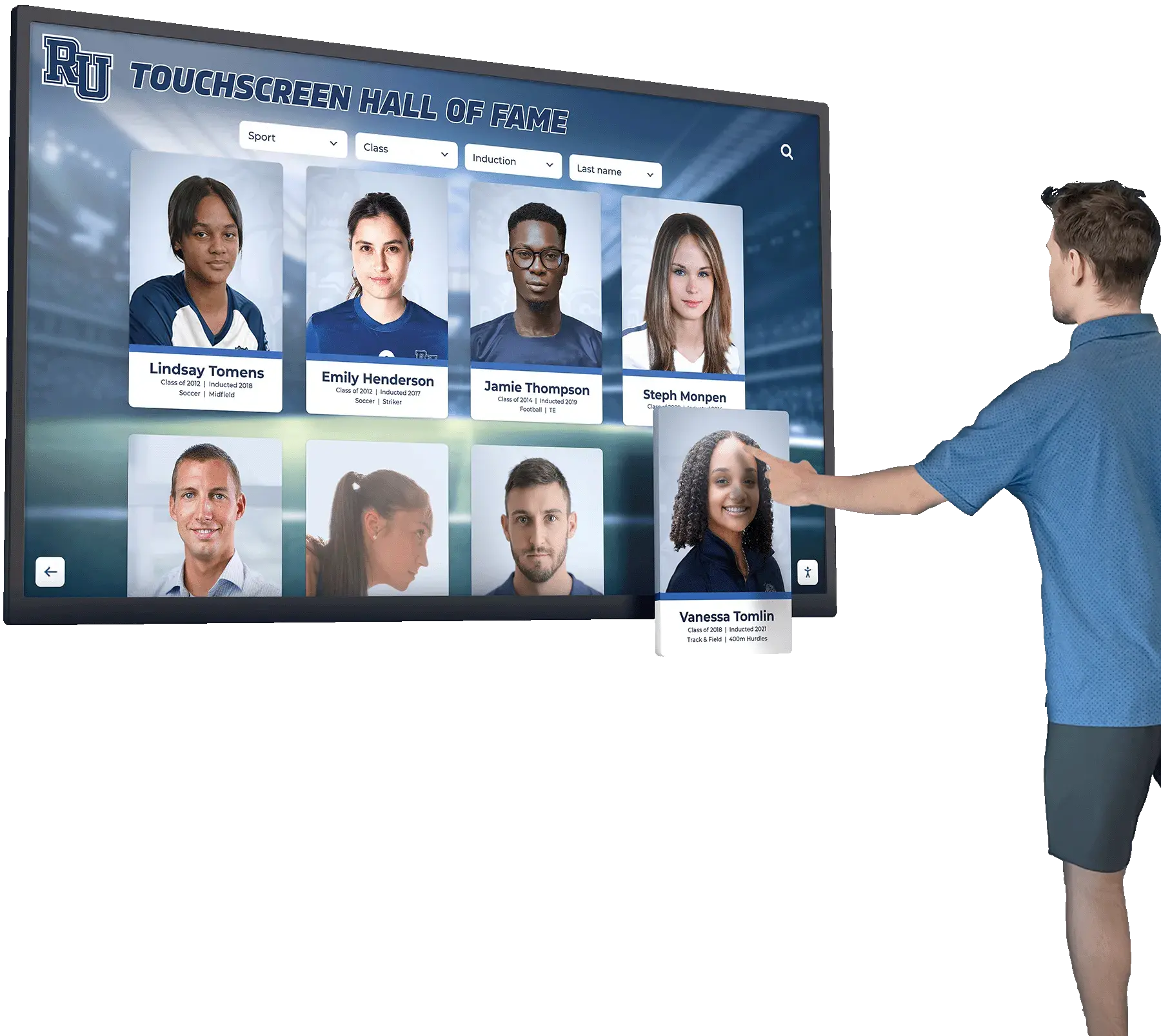
Comprehensive donor recognition systems showcase community support while motivating continued giving through visible appreciation
Traditional School Fundraiser Ideas with Modern Updates
Classic fundraising approaches remain effective when updated with contemporary elements that increase participation and streamline execution.
Product Sale Fundraisers
Product sales represent time-tested school fundraising methods that generate predictable revenue when managed strategically.
Spirit Wear and School Merchandise
Custom apparel and accessories featuring school branding create pride while generating revenue:
- School-branded t-shirts, hoodies, and athletic wear for students and families
- Custom items timed to major events like homecoming, championships, or school spirit week
- Online ordering platforms extending sales beyond specific event windows
- Stadium blankets, water bottles, and car decals showing school pride
- Limited edition designs creating urgency and collectibility
Modern spirit wear programs use pre-order systems eliminating inventory risk while ensuring profit margins of 40-60%. Partner with quality vendors offering design assistance and direct-to-customer shipping options reducing volunteer workload.
Seasonal Product Campaigns
Traditional product fundraisers work best when timed strategically:
- Fall flower bulbs and mums for autumn planting
- Holiday wrapping paper, cookie dough, and gift items before winter celebrations
- Spring plant sales and garden items for Mother’s Day gifting
- Summer frozen dessert or snack items
Choose vendors offering 40-50% profit margins with simple ordering processes and reliable fulfillment. The most successful programs limit duration to 2-3 weeks, creating urgency while preventing family fundraising fatigue.
Discount Card Programs
Community discount cards provide year-round value encouraging purchases:
- Partnership with 15-20 local businesses offering exclusive cardholder discounts
- Restaurant deals, retail savings, and service provider promotions
- Digital card options with app-based redemption replacing physical cards
- Family packages encouraging multiple card purchases
- Annual renewal programs creating recurring revenue streams
Cards typically sell for $20-30 with 60-70% margins after coordination and printing costs. Success depends on securing high-value business partnerships offering discounts customers actually use.
Event-Based School Fundraisers
Well-executed events generate revenue while building school community and creating memorable experiences.
School Fun Runs and Walk-a-Thons
Participation events combining physical activity with fundraising engage entire school populations:
- Students secure pledges based on laps completed or distance traveled
- Corporate sponsors provide matching donations or per-lap contributions
- Pre-event activities building excitement and promoting pledge collection
- Themed events like glow runs or color runs increasing appeal
- Family participation options allowing parents and siblings to run together
Schools implementing fun runs report average per-student revenue of $75-150 with properly executed pledge campaigns. Partner with professional fun run companies providing turnkey event management, marketing materials, and online pledge collection platforms.
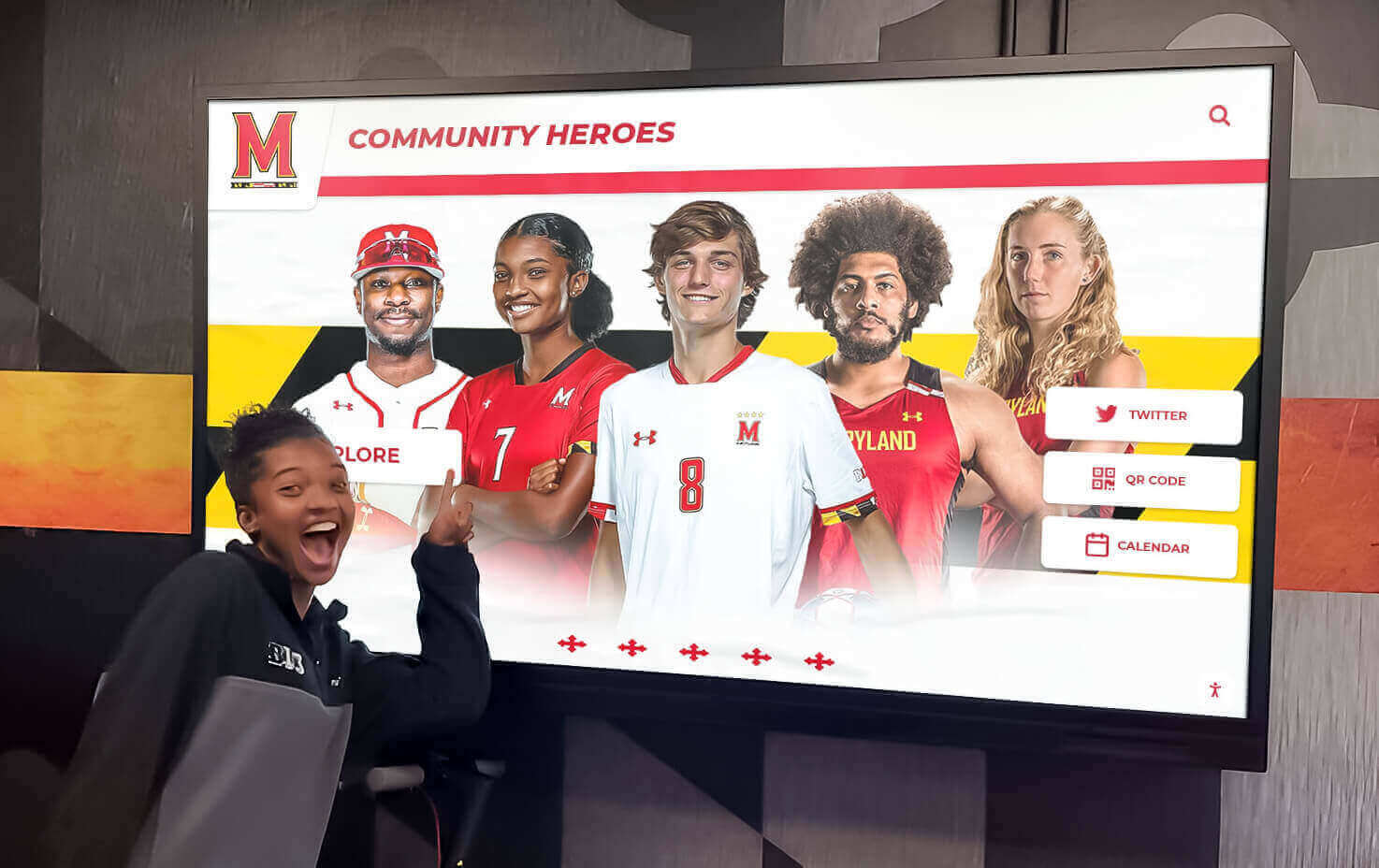
Student engagement with school programs increases when they see community support recognized visibly
Read-a-Thons and Academic Challenges
Educational fundraisers align with school mission while generating revenue:
- Students gather pledges for books read during designated periods
- Grade-level or classroom competitions encouraging maximum participation
- Partnership with local libraries or bookstores for prizes
- Academic achievement challenges with pledges for test scores or project completion
- Service hour challenges combining community service with fundraising
Academic fundraisers teach goal-setting while avoiding the “selling” aspect some families resist. They work particularly well at elementary and middle school levels.
School Carnivals and Family Fun Nights
Community events create festive atmospheres while generating multiple revenue streams:
- Game booths charging tickets or per-activity fees
- Food and beverage sales including concessions and bake sale items
- Raffle ticket sales with prizes donated by local businesses
- Photo booth rentals and face painting services
- Silent auction areas featuring experience packages and gift baskets
Successful carnivals require substantial volunteer coordination but can generate $5,000-15,000 for schools with strong community engagement. Secure business sponsors covering major expenses to maximize net revenue.
Themed Social Events for Adults
Parent-focused fundraisers appeal to demographics with greater financial capacity:
- Trivia nights with team competitions and prizes
- Wine tasting or craft beer sampling events
- Comedy nights featuring regional performers
- Murder mystery dinner theaters
- Gala dinners with live entertainment and auctions
Adult events work particularly well at secondary schools where parent networks are well-established. Price tickets to cover direct costs while generating 50-70% profit margins.
Digital-Era School Fundraising Strategies
Technology enables fundraising approaches that reach broader audiences with lower administrative burden than traditional methods.
Online Crowdfunding and Giving Platforms
Digital fundraising democratizes giving by making small contributions convenient and accessible.
Project-Specific Crowdfunding Campaigns
Focused campaigns toward defined goals generate stronger responses than general appeals:
- New playground equipment with specific itemized costs
- Classroom technology upgrades including tablets or smartboards
- Library expansion campaigns showing before/after renderings
- Arts program instrument purchases with student testimonials
- Athletic equipment needs broken down by sport and use
Successful campaigns feature compelling visual storytelling, regular progress updates, donor recognition tiers, and specific cost breakdowns showing exactly how funds will be spent. Include photos and videos from students explaining how improvements will enhance their educational experience.
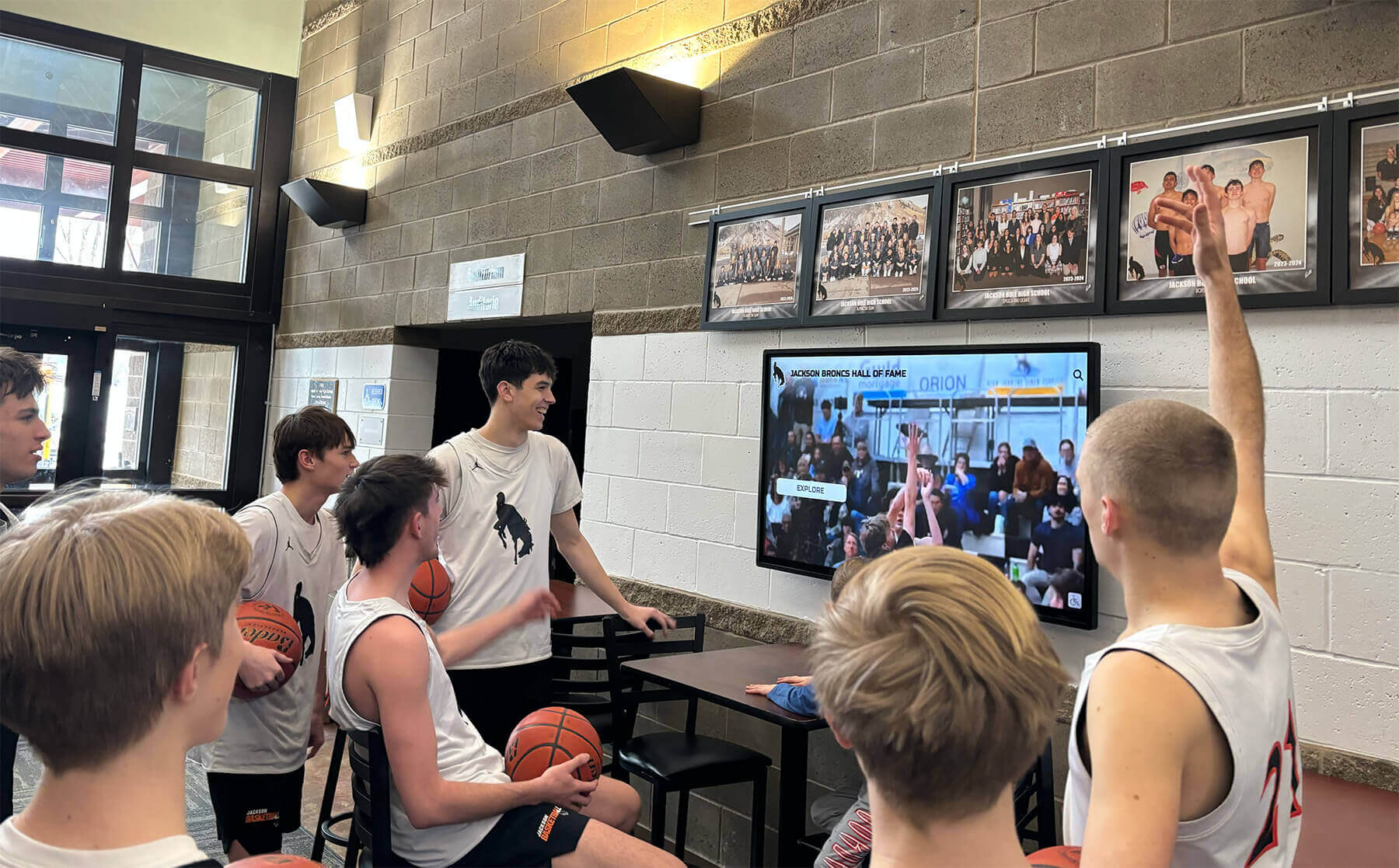
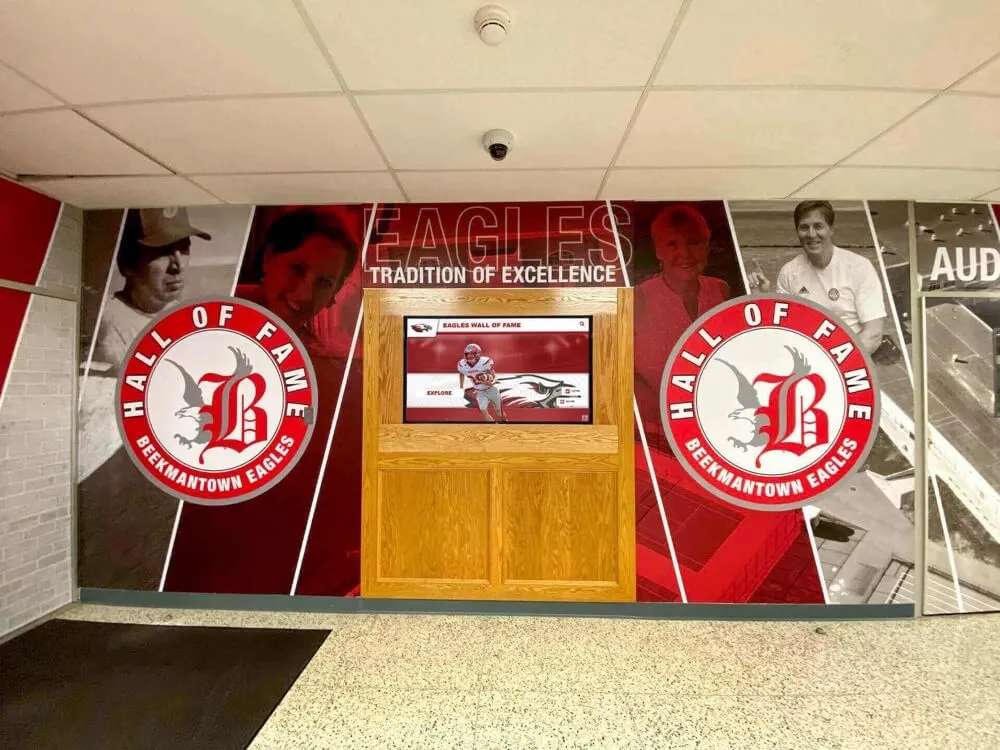
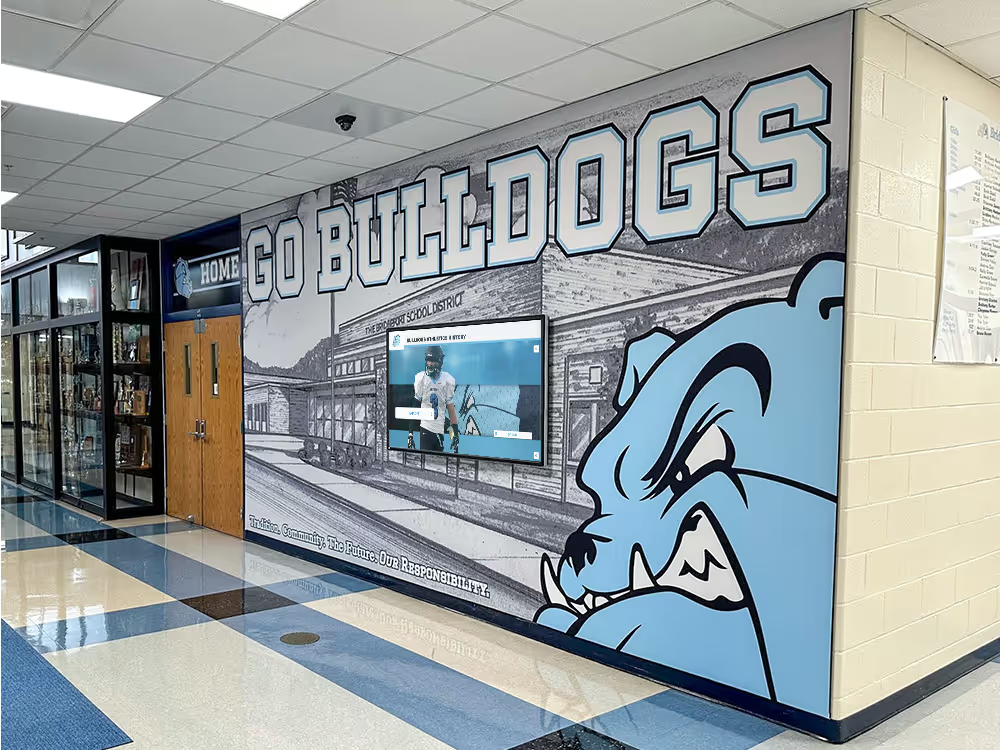
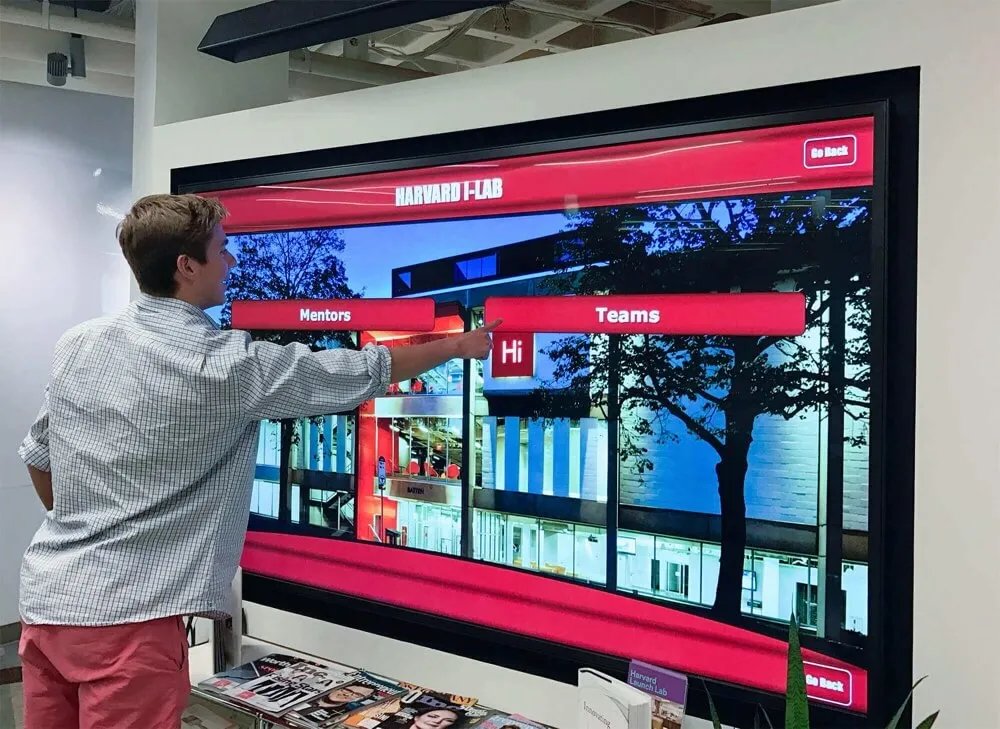
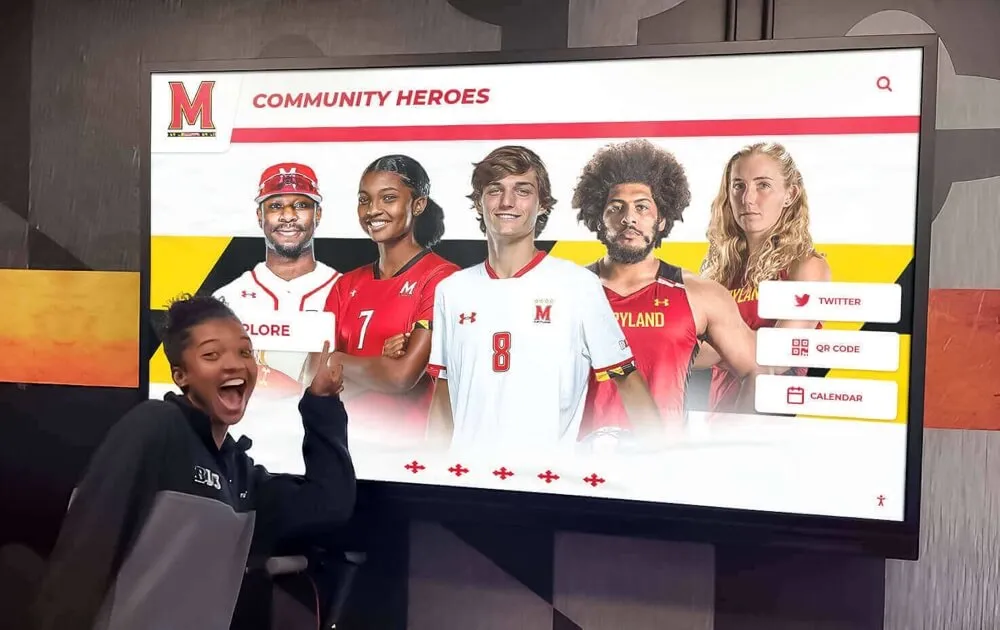
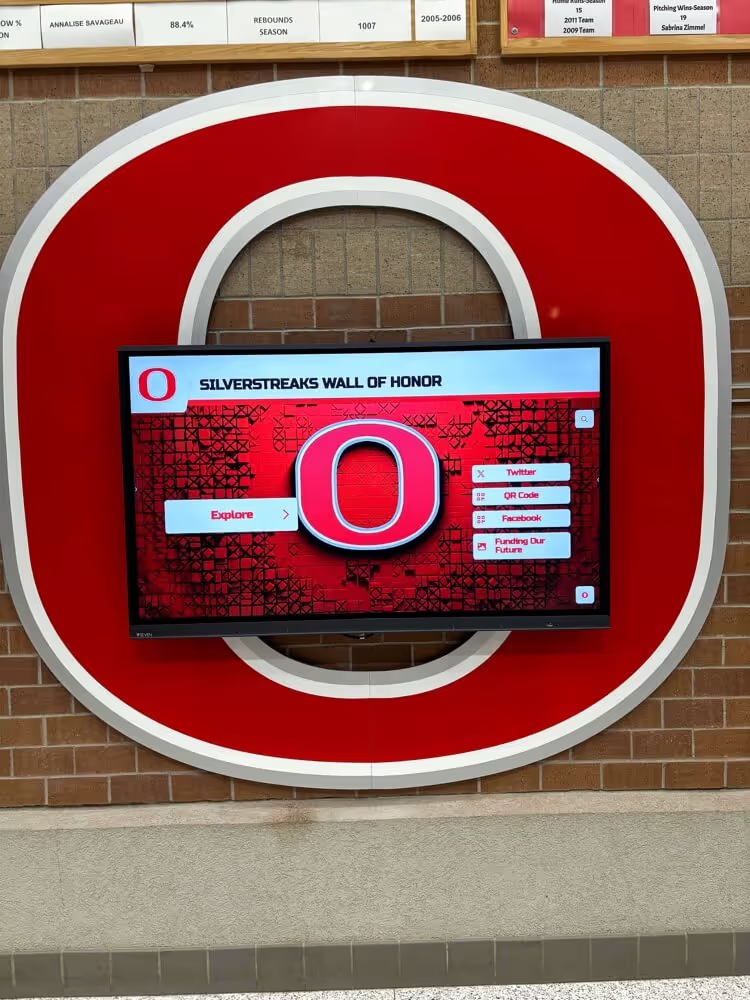
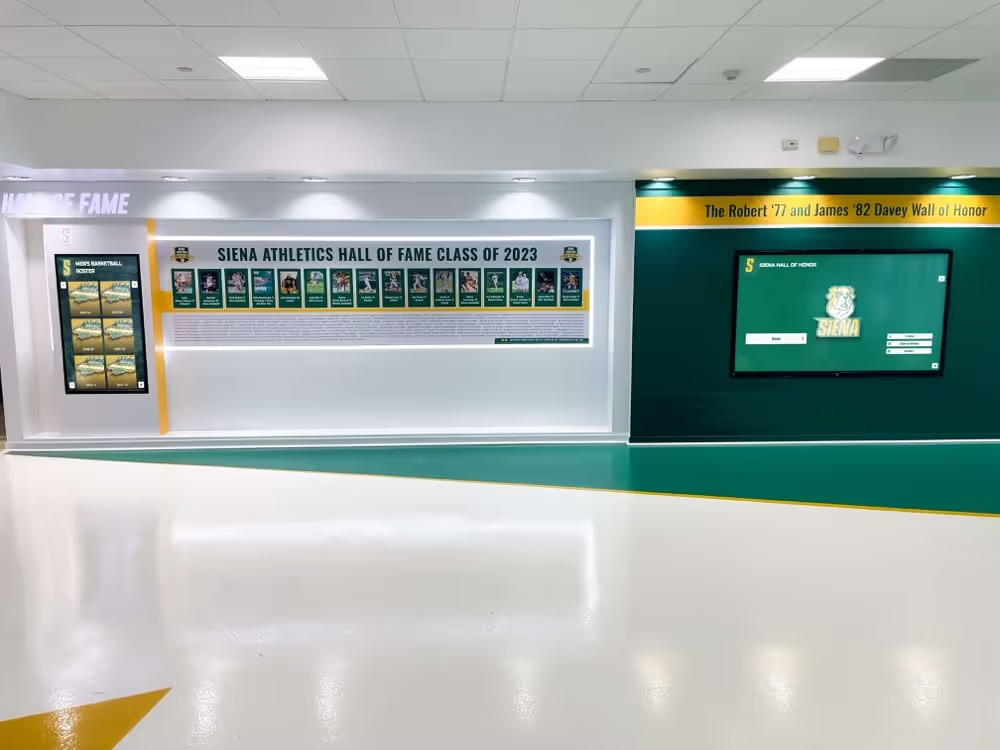
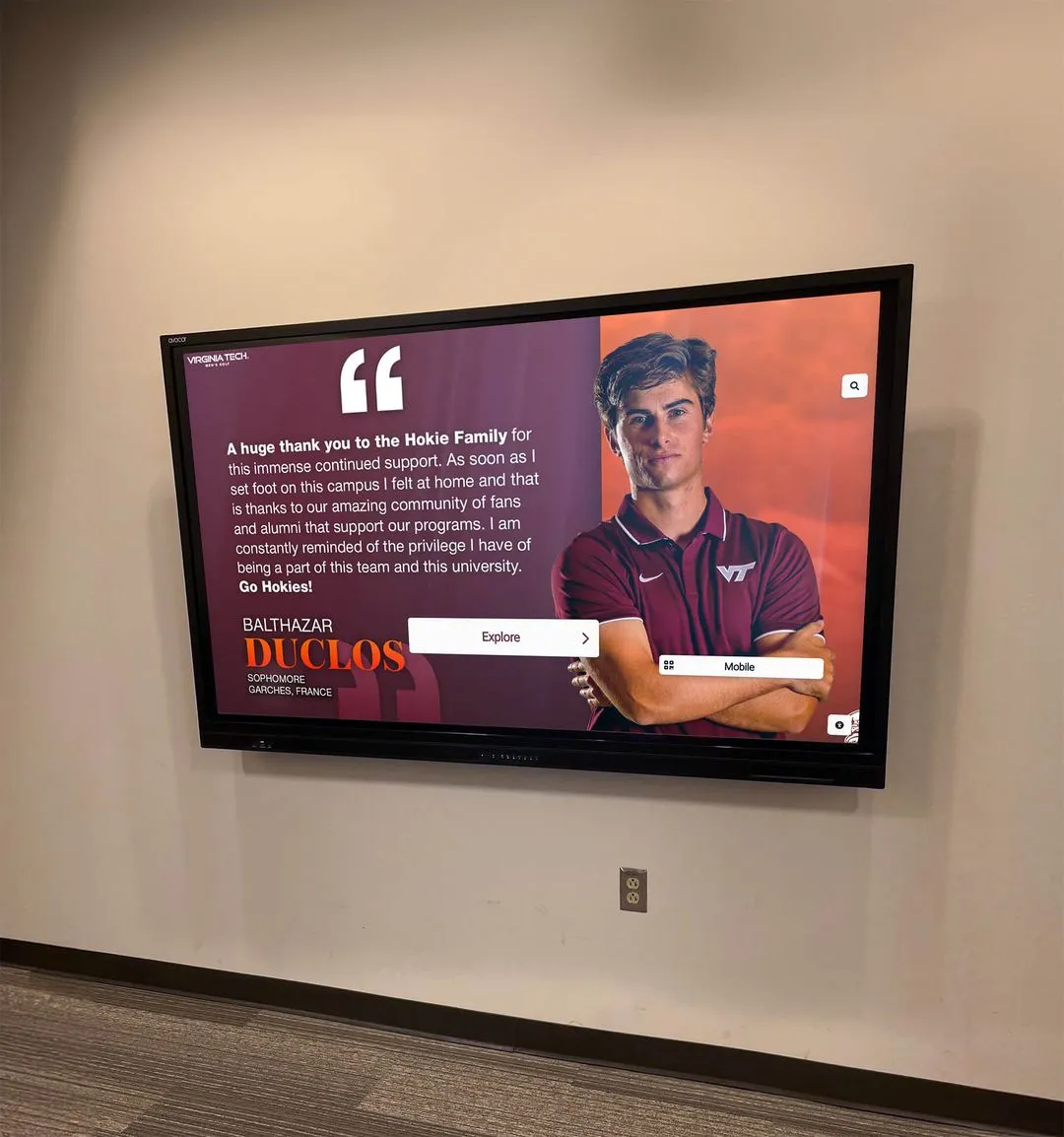
Digital displays showcase student achievement while providing platforms for fundraising messaging and donor recognition
Platforms like DonorsChoose, GoFundMe Charity, and Facebook Fundraisers provide established audiences and social sharing capabilities that amplify campaign reach.
Peer-to-Peer Fundraising
Empower community members to fundraise within their personal networks:
- Individual fundraising pages for students, parents, and staff members
- Classroom or grade-level competitions for highest fundraising totals
- Social sharing tools making it easy to promote campaigns
- Leaderboards recognizing top fundraisers
- Matching gift programs where employers double employee donations
Provide fundraising toolkits including sample social media posts, email templates, and talking points helping supporters confidently solicit their networks.
Giving Days and Challenge Grants
Time-limited campaigns create urgency driving concentrated participation.
Annual School Giving Days
Dedicated 24-hour giving events generate excitement and momentum:
- Specific date marketed heavily in advance
- Hour-by-hour challenges unlocking additional donor gifts
- Real-time fundraising thermometers showing progress
- Social media campaigns encouraging sharing and participation
- Volunteer phone banks thanking donors and encouraging additional gifts
Schools report giving day totals 40-60% higher than comparable traditional campaign periods due to concentrated focus and time-limited urgency.
Matching Gift Campaigns
Leverage major donor commitments to inspire broader participation:
- Lead donors commit to match all gifts up to specified amounts
- Time-limited windows creating sense of urgency
- First-time donor matches focused on expanding supporter base
- Specific program matches (arts matching, athletics matching, etc.)
- Milestone matches activated when participation goals are reached
Clearly communicate matching opportunities and provide real-time updates showing both direct donations and matching funds secured.
Building Sustainable Revenue Through Donor Recognition
The most impactful long-term fundraising strategy involves creating comprehensive recognition systems that transform one-time donors into sustained supporters.
The Power of Visible Recognition
Research consistently demonstrates that visible recognition drives charitable giving more effectively than nearly any other factor. Schools implementing prominent donor recognition report 50-80% higher giving levels compared to those with minimal or hidden recognition.
Strategic recognition accomplishes multiple objectives simultaneously:
- Honors donors appropriately for their generosity
- Demonstrates organizational gratitude publicly
- Creates social proof encouraging others to give
- Builds community pride in collective support
- Provides lasting visibility sustaining donor relationships
Traditional brass plaques and static donor walls create recognition barriers through limited space and expensive update processes. Many deserving donors never receive recognition simply because physical space constraints prevent adding their names.

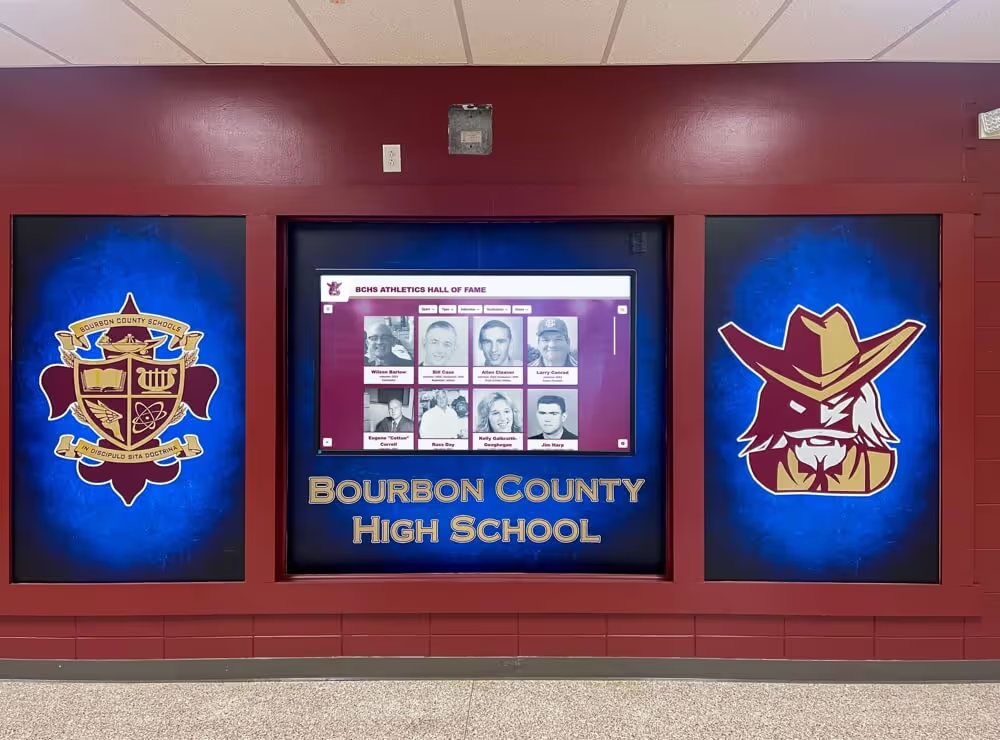
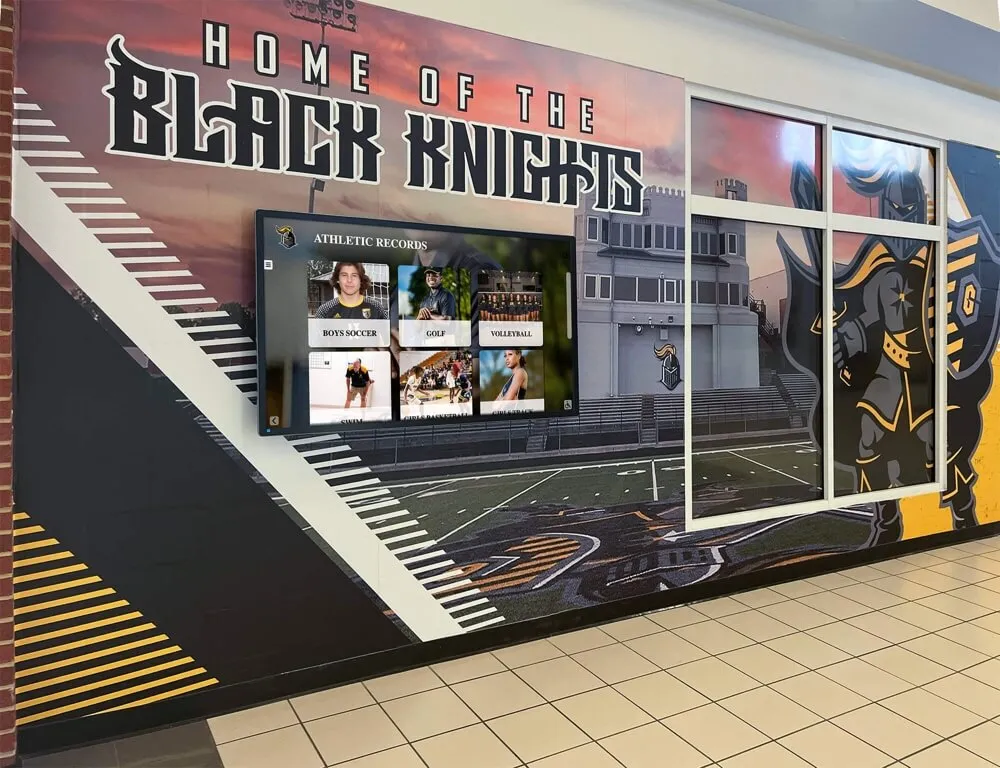
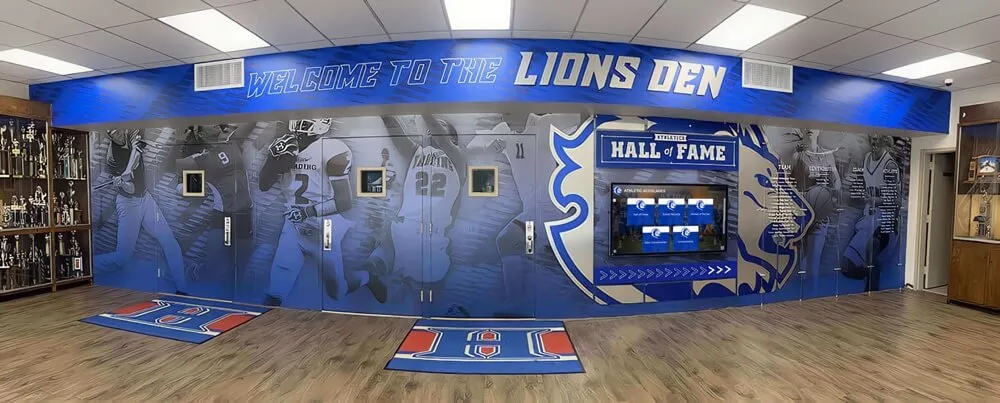
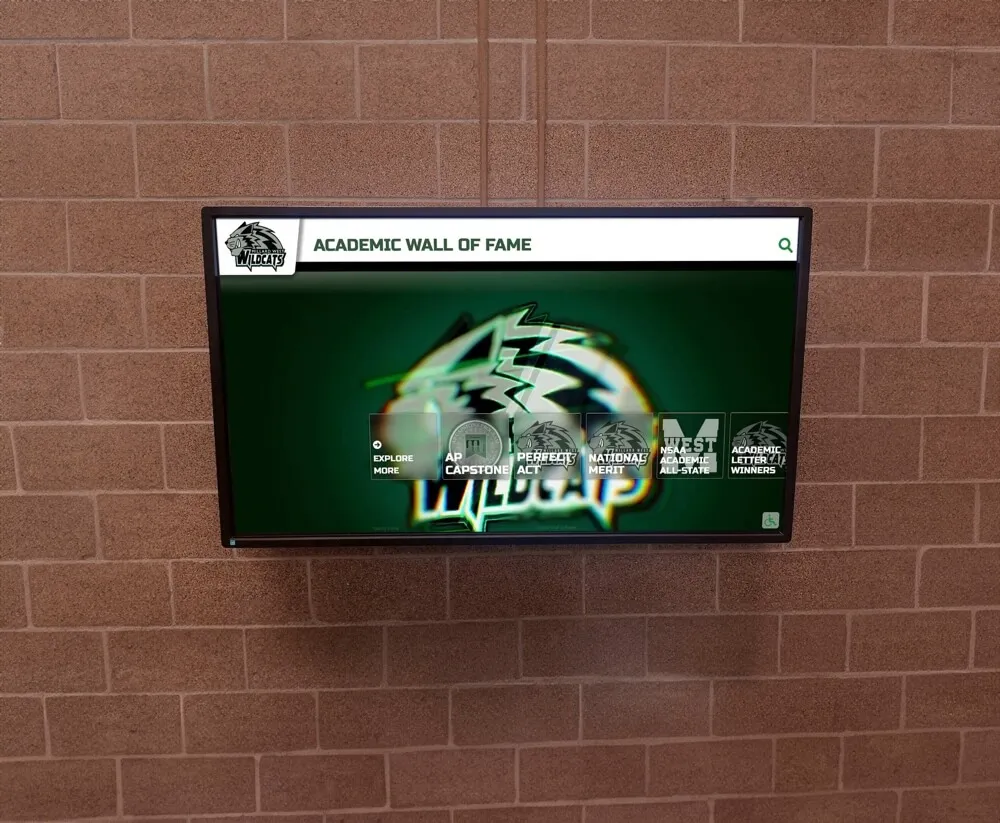
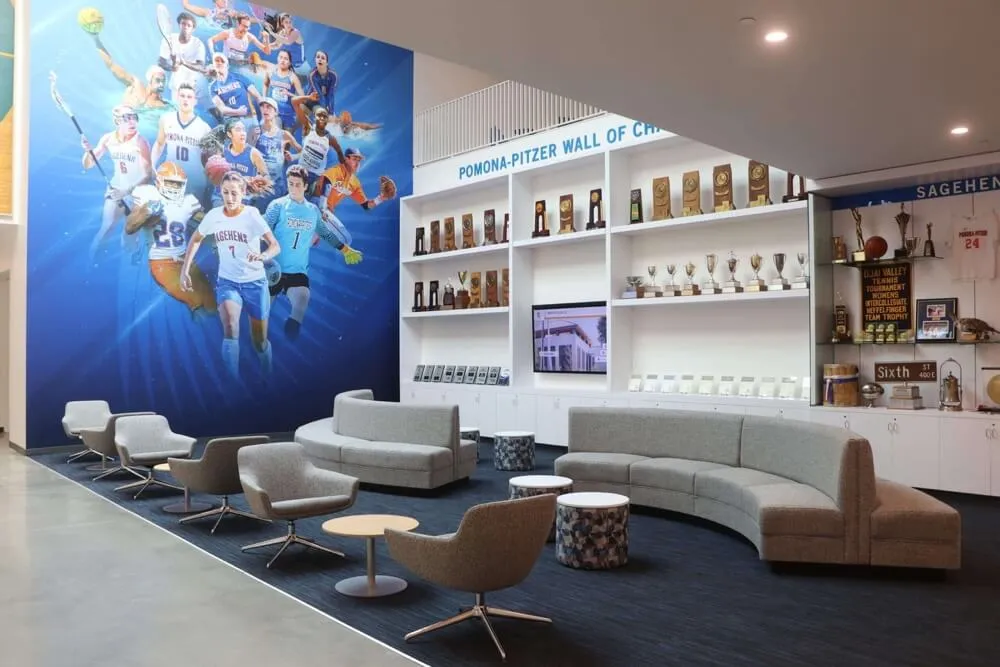
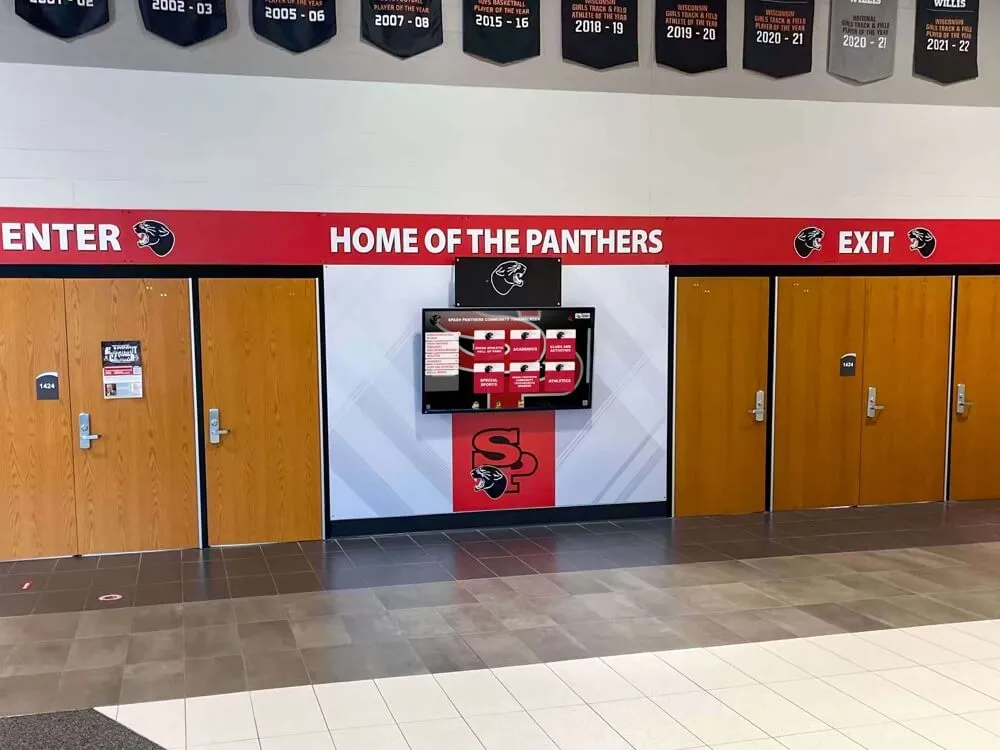
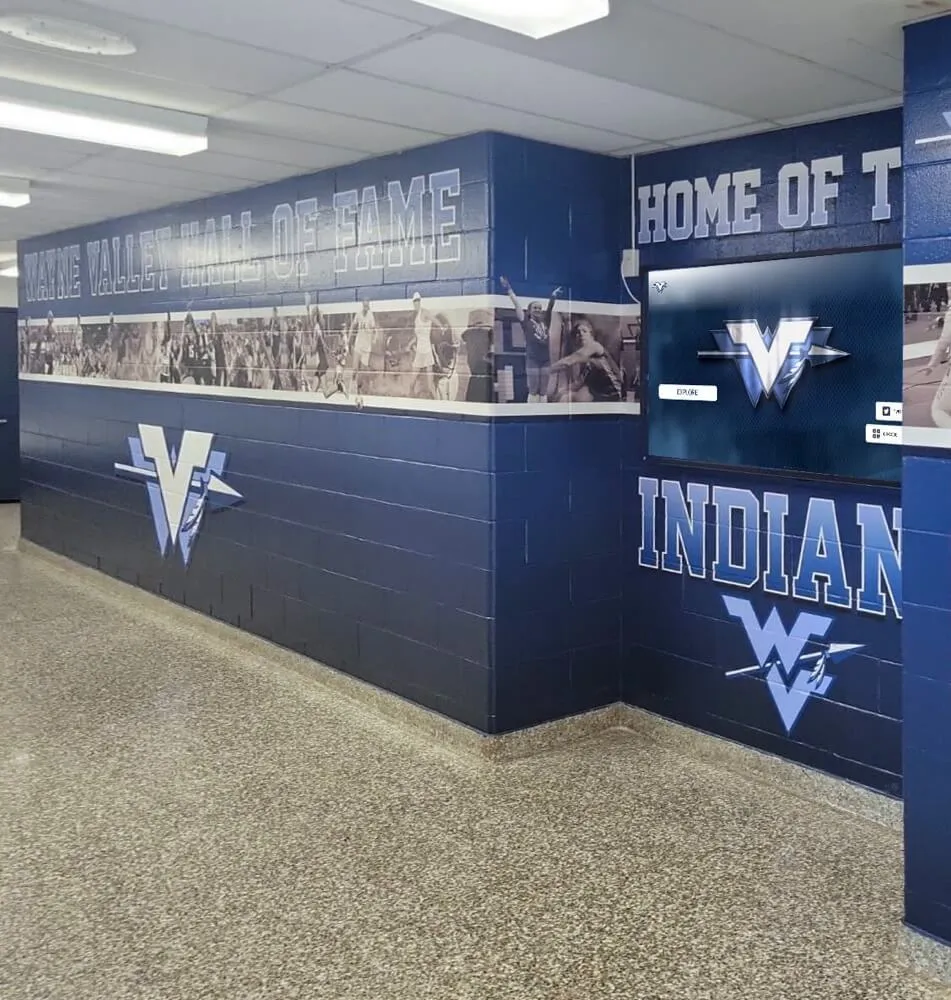
Modern recognition solutions combine digital displays with traditional elements, providing unlimited capacity for honoring supporters
Digital Recognition Displays as Fundraising Tools
Modern recognition technology eliminates space limitations while creating engaging displays that strengthen donor relationships.
Unlimited Recognition Capacity
Digital recognition platforms overcome the fundamental constraint limiting traditional donor walls—physical space. Schools can recognize:
- Unlimited donors at all giving levels without construction requirements
- Annual fund contributors alongside major gift donors
- In-kind donations and volunteer contributions
- Legacy donors and memorial tributes
- Student fundraising campaign participants
This unlimited capacity enables schools to create recognition programs acknowledging all supporters rather than restricting visibility to top-tier donors only.
Ongoing Recognition Opportunities
Digital platforms enable perpetual fundraising through continuous recognition:
- Annual recognition renewals keeping donors visible
- Tribute additions as families celebrate graduations or milestones
- Upgraded recognition levels for increased contributions
- Program-specific displays funded through designated giving
- Class reunion campaigns encouraging alumni support
Unlike static plaques representing one-time installations, digital recognition creates renewable revenue streams as donors update tributes and add new recognition over time.
Integrated Fundraising Messaging
Recognition displays double as fundraising tools by:
- Showcasing impact of previous donor support
- Providing QR codes linking to current giving campaigns
- Rotating between recognition content and fundraising appeals
- Demonstrating community participation levels
- Creating aspirational examples motivating new donors
Solutions like Rocket Alumni Solutions provide touchscreen recognition platforms that schools can update remotely, adding fundraising content during active campaigns while maintaining permanent donor recognition.
Comprehensive Recognition Strategies
Effective donor recognition extends beyond single displays to create integrated systems throughout school facilities.
Multi-Location Recognition
Strategic placement in high-traffic areas ensures recognition reaches maximum audiences:
- Main entrance lobbies where all visitors enter daily
- Athletic facility entrances and gymnasium concourses
- Performing arts centers and auditoriums
- Library and media center spaces
- Cafeteria and common areas where students gather
Multi-location recognition multiplies donor visibility while reinforcing that community support extends throughout the entire school.
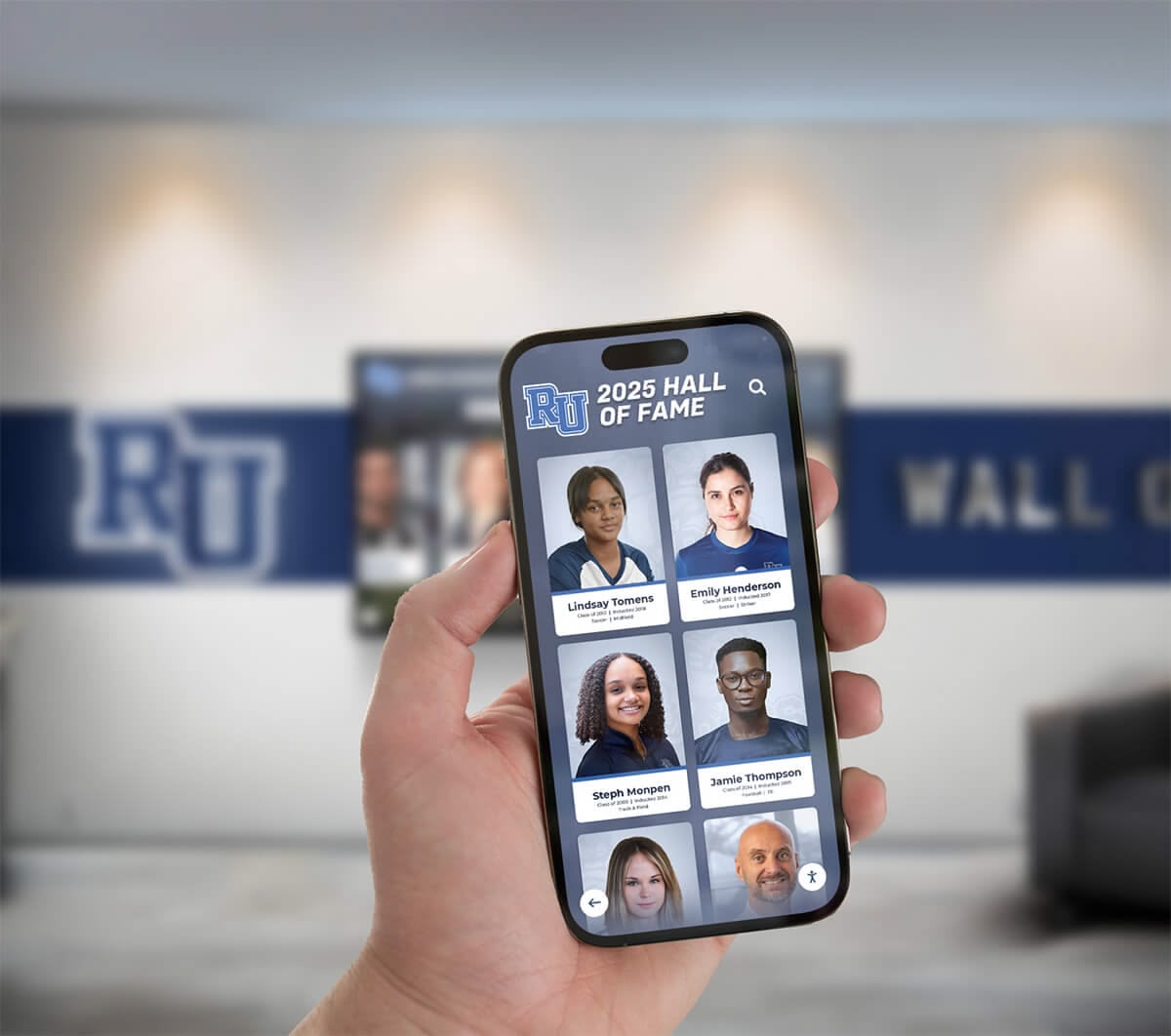
Mobile-responsive recognition extends donor visibility beyond physical campus, keeping alumni and supporters connected from anywhere
Mobile and Online Recognition Extensions
Digital recognition should extend beyond physical displays:
- Online donor recognition portals accessible worldwide
- Mobile-responsive displays viewable on smartphones and tablets
- Social media sharing capabilities letting donors promote their support
- QR codes connecting physical displays to expanded online profiles
- Email notifications when donors are added or recognition updates occur
Alumni and community supporters maintain connection to schools regardless of geographic location through always-accessible digital recognition.
Corporate Sponsorship and Business Partnership Programs
Strategic business relationships create recurring revenue streams while providing marketing value for local companies.
Tiered Sponsorship Packages
Structured giving levels with defined benefits simplify corporate decision-making.
Creating Sponsorship Tiers
Clear sponsorship levels make supporting schools straightforward for businesses:
- Presenting sponsors receiving premier visibility across all school materials
- Gold/silver/bronze tiers with progressively scaled recognition benefits
- Program-specific sponsorships supporting athletics, arts, or academics
- Event sponsorships for specific fundraising events or award ceremonies
- Facility sponsorships tied to specific spaces or equipment
Include tangible benefits justifying investment such as banner placement, program advertisements, social media recognition, and digital display visibility in high-traffic areas.
Recognition Benefits for Sponsors
Provide sponsors with visibility matching their contribution levels:
- Logo placement on digital displays rotating with donor recognition
- Website recognition on school homepage and sponsor pages
- Social media features highlighting business support
- Recognition at school events including athletic competitions and performances
- Newsletter and email campaign acknowledgments to parent communities
Document all recognition benefits clearly in sponsorship agreements preventing misunderstandings.
Small Business Partnership Programs
Community-focused partnerships create win-win relationships generating revenue while supporting local businesses.
Percentage Nights and Fundraiser Days
Restaurant and retail partnerships host events benefiting schools:
- Designated evenings where percentage of sales support school programs
- Breakfast or lunch fundraisers at local establishments
- Online shopping events with promo codes triggering donations
- Service provider appreciation days donating portions of service fees
- Retail shopping nights with exclusive discounts and donation components
Promote events heavily through school communication channels while businesses market to their customer bases, creating mutual benefit. These partnerships work particularly well when businesses have parent owners or when schools can drive meaningful customer traffic.
In-Kind Donation Programs
Companies support schools through goods and services rather than cash:
- Printing companies providing materials for programs, posters, or signage
- Restaurants catering events or providing meal donations
- Construction companies contributing labor for facility improvements
- Technology companies donating equipment or software licenses
- Professional services including legal, accounting, or marketing support
Recognize in-kind donors alongside financial sponsors, assigning equivalent dollar values to their contributions for recognition purposes.
Student-Focused Fundraising Activities
Engaging students directly builds program investment while teaching fundraising skills and civic participation.
Student-Led Initiatives
Student-driven campaigns create authenticity and leverage peer influence.
Service-a-Thon Programs
Students secure pledges for service hours contributed:
- Community service projects benefiting local organizations
- School beautification efforts improving facilities
- Peer tutoring programs helping younger students
- Environmental initiatives like park cleanups or recycling drives
- Senior citizen assistance programs providing needed services
Service fundraisers teach civic responsibility while generating revenue and positive community publicity for schools.
Student Talent Showcases
Performance events highlight student abilities while raising funds:
- Talent shows featuring student performers with admission fees
- Student art exhibitions with artwork available for purchase
- Battle of the bands competitions
- Poetry slams or spoken word events
- Student achievement celebrations combining recognition with fundraising
Student performance events work particularly well when students handle production responsibilities, building leadership skills while reducing adult volunteer requirements.
Classroom and Grade-Level Competitions
Friendly competition drives participation and creates excitement.
Grade Challenge Campaigns
Competitions between grades motivate maximum participation:
- Per-student fundraising averages compared across grade levels
- Participation percentage competitions recognizing grades with highest involvement
- Creative fundraising challenges scored on innovation and results
- Victory celebrations for winning grades including recognition assemblies or special privileges
- Traveling trophies awarded to annual champions
Grade competitions create sustainable fundraising cultures where upper grades set participation examples for younger students.
Specialty Fundraising for Specific School Programs
Targeted fundraisers supporting specific programs often generate higher response than general school appeals.
Athletic Program Fundraising
Sports-specific campaigns appeal to dedicated supporter bases.
Athletic Booster Club Programs
Organized booster clubs create systematic athletic fundraising:
- Season ticket packages for priority seating
- Sports banquet sponsorships and ad sales
- Team-specific fundraising events like golf outings or runs
- Concession stand operations during home competitions
- Athletic program donor recognition displays showcasing supporter contributions
Strong booster organizations generate $15,000-50,000 annually for athletic programs through diversified revenue streams.
Senior Night and Special Event Fundraisers
Milestone events create fundraising opportunities:
- Senior night recognition programs where families purchase tribute advertisements
- Championship celebration events with ticketed admission
- Alumni game events bringing former athletes back
- Awards ceremony programs with advertisement sales
- Season highlight video sales to families
These emotionally significant events generate strong fundraising response as families celebrate student-athlete accomplishments.
Arts and Music Program Fundraising
Creative programs inspire dedicated supporter communities.
Performance-Based Fundraisers
Showcase student talent while generating revenue:
- Concert series with ticketed admission
- Musical theater productions with multi-night runs
- Art show openings featuring student work for purchase
- Music lesson marathon events where students perform pledged songs
- Dinner theater events combining meal service with performance
Schools with strong arts traditions report per-event revenue of $3,000-10,000 from well-executed performance fundraisers.
Instrument and Equipment Adoption Programs
Major purchases inspire targeted giving:
- Named instrument donations recognizing donors on equipment
- Equipment adoption campaigns allowing donors to fund specific needs
- Recording studio or performance space naming opportunities
- Technology adoption for sound systems, lighting, or production equipment
- Digital art gallery displays showcasing student work and donor support
Specific, tangible giving opportunities generate higher response than general program support appeals.
Capital Campaign Strategies for Major School Improvements
Large-scale facility improvements require strategic multi-year fundraising approaches.
Campaign Planning and Goal Setting
Successful capital campaigns begin with thorough planning and realistic goal establishment.
Feasibility Studies and Needs Assessment
Before launching campaigns, determine:
- Community capacity and willingness to support major initiatives
- Competing fundraising efforts that might affect giving
- Lead donor prospects capable of anchor gifts
- Timeline requirements based on construction or project needs
- Professional counsel recommendations for goal setting
Schools should secure 60-70% of campaign goals through major gifts before public campaign launches ensure success.
Recognition Opportunities for Capital Donors
Major facility campaigns create significant recognition opportunities.
Naming Rights Programs
Permanent recognition for transformative gifts:
- Building or wing naming for largest donors
- Classroom and laboratory naming opportunities
- Athletic facility naming including fields, gymnasiums, or stadiums
- Performing arts space naming for theaters or practice rooms
- Common area naming for lobbies, libraries, or gathering spaces
Establish clear naming rights policies specifying minimum gift levels, recognition duration, and approval processes ensuring consistency and transparency.
Legacy Recognition Systems
Capital campaigns justify investment in comprehensive recognition:
- Prominent donor walls in new or renovated facilities
- Digital recognition displays showcasing all campaign supporters
- Cornerstone or dedication plaques marking facility openings
- Donor recognition gardens or outdoor spaces
- Historical timeline displays documenting campaign impact
Comprehensive recognition reinforces that facilities resulted from community support, strengthening ongoing giving culture.
Maximizing Fundraising Through Strategic Recognition
The single most impactful long-term fundraising investment involves creating recognition systems that continuously motivate giving year after year.
Why Recognition Drives Fundraising Success
Visible recognition accomplishes multiple fundraising objectives:
Social Proof and Community Participation
Public recognition demonstrates that giving represents normal community behavior rather than exceptional action. When families see classmates, neighbors, and local businesses recognized as donors, participation becomes aspirational social expectation.
Schools with prominent recognition displays throughout facilities report 40-60% higher participation rates in annual giving campaigns compared to schools with minimal or hidden donor acknowledgment.
Donor Motivation and Retention
Recognition strengthens emotional connection between donors and institutions. Supporters who see their names displayed prominently maintain giving relationships significantly longer than those receiving only private acknowledgment.
Annual fund renewal rates for donors receiving public recognition average 65-75% compared to 35-45% for donors receiving only mailed thank-you letters.
Multi-Generational Engagement
Recognition creates legacy motivation where families establish giving traditions spanning generations. Grandparents, parents, and eventually students themselves participate in recognition programs, building lifetime giving relationships.
Stewardship Communication
Recognition displays provide perpetual stewardship, thanking donors every time they visit facilities rather than limiting gratitude to single acknowledgment letters. This continuous appreciation strengthens relationships without additional staff effort.
Implementing Comprehensive Recognition Programs
Strategic recognition requires investment, but returns compound over decades.
Budgeting for Recognition Systems
Schools should allocate 5-10% of major campaign totals toward permanent recognition systems. This investment generates ongoing fundraising returns far exceeding initial costs.
For annual fund programs, recognition infrastructure represents one-time capital investment enabling unlimited future donor additions without recurring costs.
Choosing Recognition Solutions
Modern digital recognition offers compelling advantages over traditional approaches:
- Unlimited donor capacity without space constraints
- Remote content management enabling instant updates
- Lower lifetime costs compared to repeated plaque engraving
- ADA accessibility compliance for all visitors
- Engaging touchscreen interactivity encouraging visitor engagement
- Integration with online recognition extending reach beyond campus
Solutions like Rocket Alumni Solutions provide comprehensive digital recognition platforms that schools manage remotely through cloud-based systems, adding donors and updating content without technical expertise or additional fees.
Creating Your School Fundraising Strategic Plan
Sustainable fundraising requires moving from event-to-event thinking toward comprehensive strategic planning.
Diversifying Revenue Streams
Successful schools build portfolios combining:
- Annual giving campaigns providing predictable baseline revenue
- Event-based fundraisers generating concentrated amounts
- Corporate sponsorships creating multi-year relationships
- Product sales offering low-barrier participation
- Major gift cultivation developing transformative donations
- Planned giving programs establishing legacy commitments
Diversification ensures that underperformance in any single area doesn’t derail overall funding.
Building Volunteer Infrastructure
Sustainable fundraising requires distributed leadership preventing burnout.
Committee Structure
Organize fundraising through specialized teams:
- Annual giving committee managing donor solicitation
- Event committees planning specific fundraisers
- Corporate relations committee cultivating business partnerships
- Recognition committee managing donor acknowledgment systems
- Communications committee promoting campaigns and impact
Clear role definition and staggered leadership terms maintain institutional knowledge while preventing volunteer fatigue.
Measuring and Communicating Impact
Demonstrate fundraising effectiveness through comprehensive reporting.
Key Performance Indicators
Track metrics including:
- Total funds raised compared to goals and historical performance
- Donor acquisition, retention, and upgrade rates
- Average gift sizes across giving levels
- Participation rates by constituent groups
- Volunteer engagement and hours contributed
- Return on investment for specific fundraising methods
Regular metric review enables data-driven decision-making about which fundraising approaches generate best results.
Impact Storytelling
Share results with community stakeholders:
- Annual reports detailing revenue sources and spending
- Project completion announcements with before/after documentation
- Student testimonials explaining how support improves education
- Graduation celebrations recognizing donor impact on student success
- Recognition display updates showcasing growing supporter community
Transparent impact communication motivates sustained giving by demonstrating that contributions create meaningful results.
Conclusion: Building Lasting Fundraising Success
School fundraising succeeds when organizations move beyond transactional event thinking toward relationship-building strategies that engage communities deeply and sustainably. The most effective programs combine traditional approaches with modern digital strategies, ensuring diverse fundraising methods reach different donor demographics and preferences.
From creative events engaging entire school communities to strategic recognition systems honoring supporters with lasting visibility, successful schools build comprehensive fundraising portfolios generating resources students deserve while strengthening community connections to educational mission.
Transform Fundraising Through Strategic Donor Recognition
Discover how modern digital recognition platforms create perpetual fundraising opportunities while showcasing supporter contributions with unlimited capacity. Solutions like Rocket Alumni Solutions provide engaging touchscreen displays that increase donor visibility and motivation while eliminating space constraints that limit traditional recognition approaches.
Explore Recognition SolutionsStrategic recognition programs represent particularly powerful fundraising investments because they create compounding returns over decades. Every donor recognized today inspires multiple future donors who see their contributions celebrated prominently. This multiplication effect transforms recognition from simple gratitude expression into sophisticated fundraising infrastructure generating sustainable revenue streams.
Begin building your comprehensive fundraising strategy by assessing current efforts and identifying gaps. Consider which traditional approaches your school executes well and which need refinement. Explore modern digital strategies you haven’t yet implemented. Most importantly, invest in recognition systems providing long-term value by continuously showcasing supporter contributions and inspiring additional giving.
Schools that implement diversified fundraising strategies combined with comprehensive recognition systems create win-win relationships where donors receive meaningful appreciation, students gain resources enabling their success, and communities build lasting pride in educational excellence. With strategic planning, consistent execution, and modern tools amplifying your recognition capabilities, your school can generate the sustainable revenue necessary to provide exceptional educational experiences for every student.