



Writing scholarship recommendation letters represents one of the most impactful contributions teachers and counselors make to student futures. A well-crafted letter can tip the balance in competitive scholarship decisions, securing funding that transforms educational opportunities for deserving students. Yet many educators struggle with these letters—unsure how to structure compelling narratives, which achievements merit emphasis, and how to differentiate one strong student from another in ways that resonate with scholarship committees.
The pressure intensifies when considering the financial stakes. Scholarship awards ranging from $1,000 to full-ride packages worth $200,000+ often hinge partially on recommendation quality. Students with identical GPAs and test scores compete for limited funds, making the recommendation letter the deciding factor that either opens doors or leaves talented students without needed support. Teachers juggling dozens of recommendation requests need efficient approaches producing powerful letters without consuming excessive time.
This comprehensive guide provides templates, examples, and strategic frameworks that help educators write scholarship recommendation letters that stand out. Whether you’re a teacher writing your first recommendation or a seasoned counselor refining your approach, these resources streamline the writing process while ensuring letters showcase students in ways that scholarship committees value most.
Effective scholarship recommendations balance specific achievement documentation with character insight, quantifiable metrics with qualitative assessment, and genuine enthusiasm with professional credibility. Understanding what scholarship committees seek helps educators craft letters that address selection criteria directly.

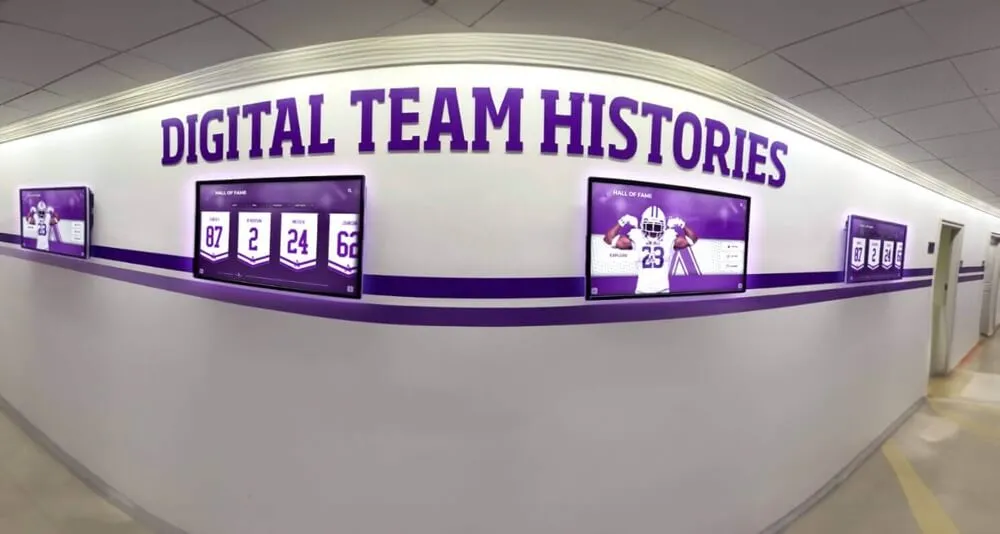
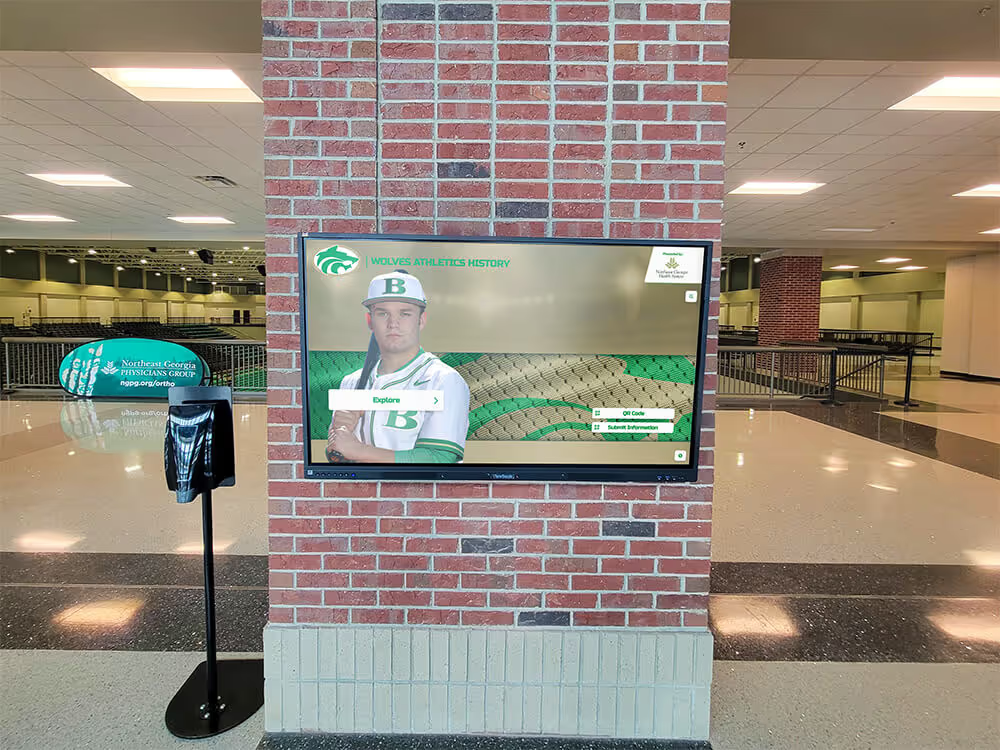
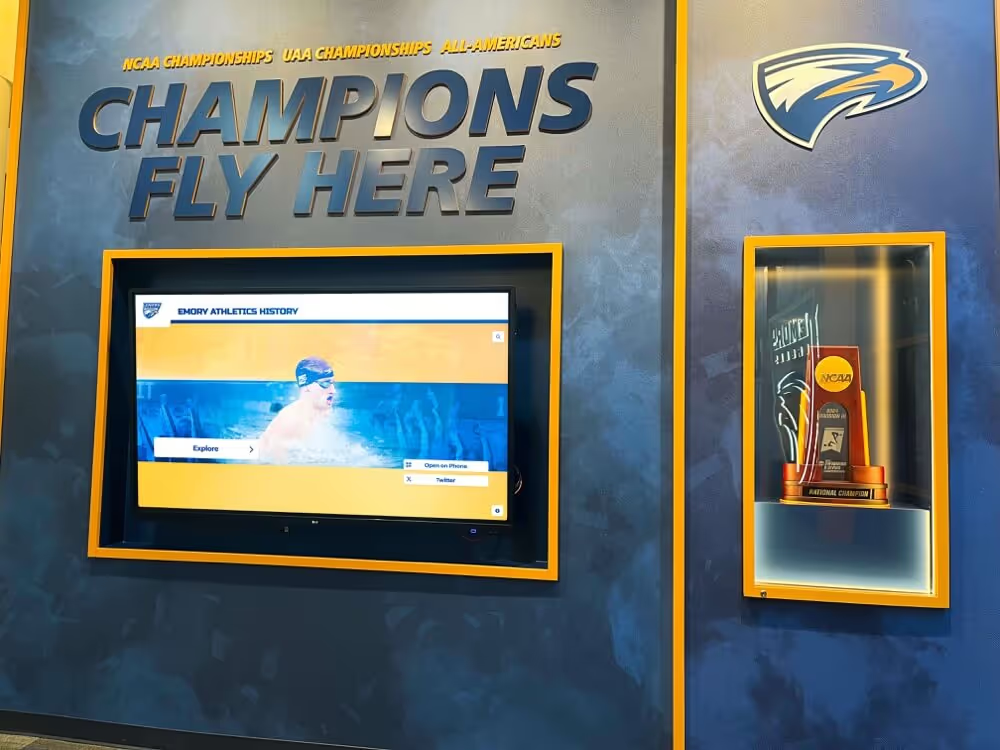
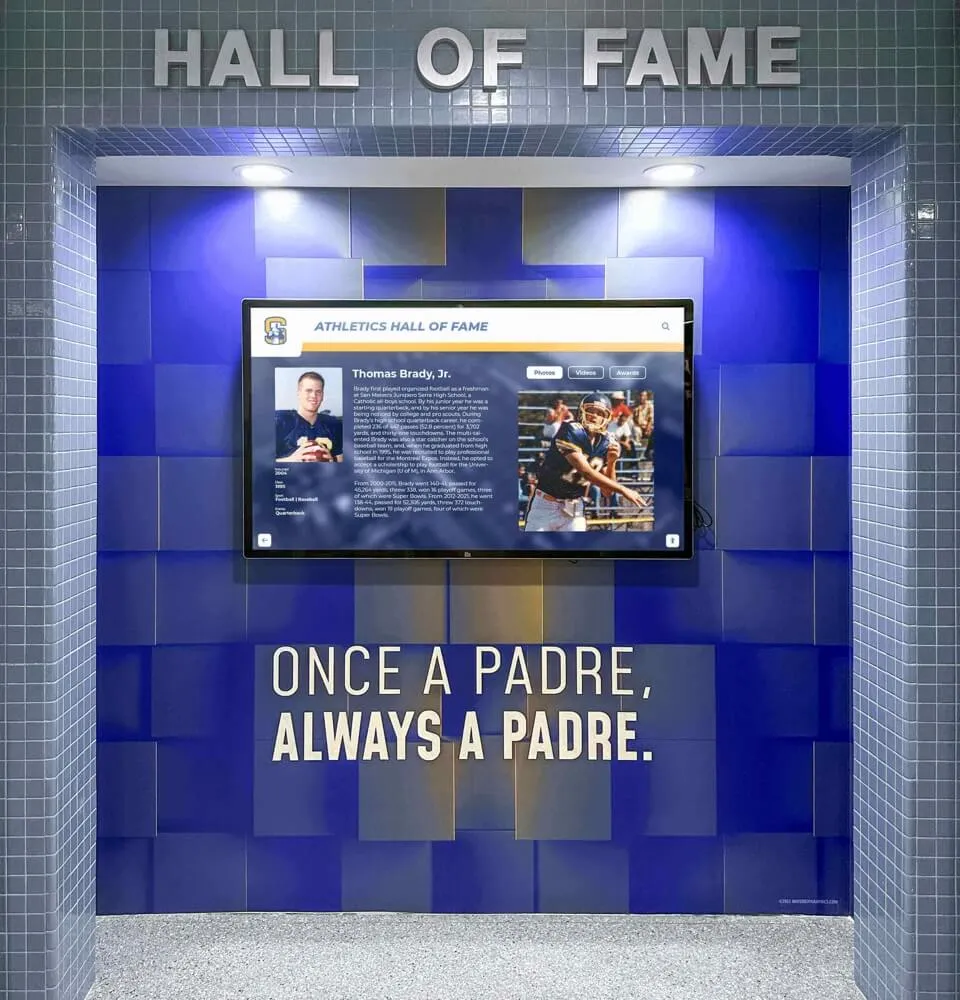
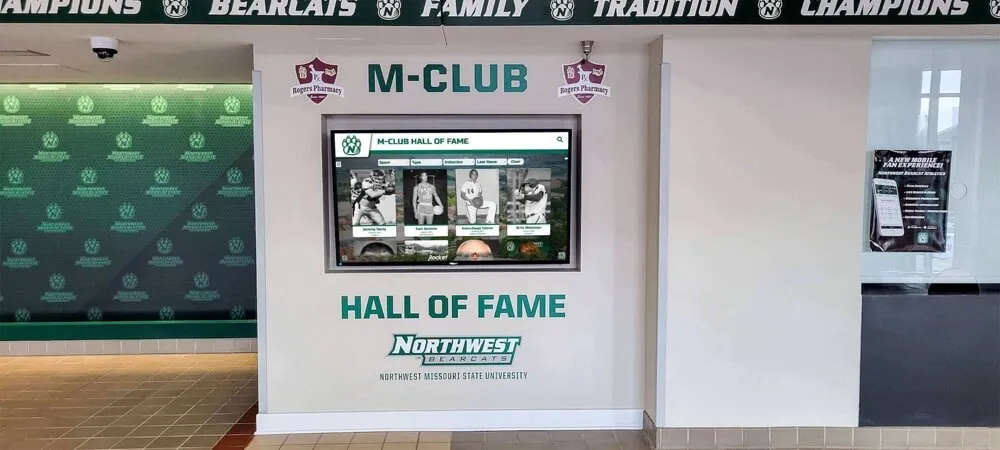
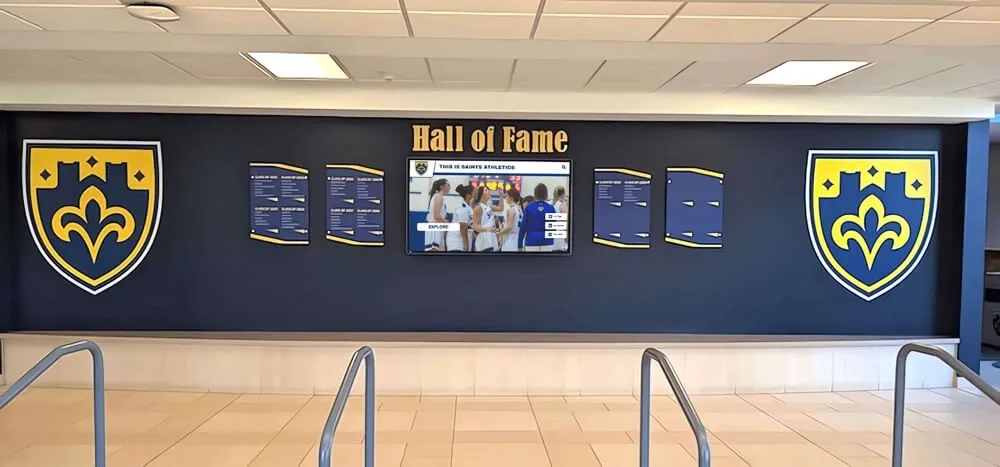
Recognition systems that track detailed achievement records provide educators with comprehensive information when writing scholarship recommendations
What Scholarship Committees Look for in Recommendation Letters
Before exploring templates and examples, understanding the evaluation perspective helps educators emphasize elements that influence scholarship decisions most significantly.
The Purpose Behind Recommendation Requirements
Scholarship committees require recommendations to gain insight beyond what transcripts, test scores, and student essays reveal:
Character and Integrity Validation
Grade point averages demonstrate academic capability but reveal little about character. Committees rely on educator perspectives to confirm that students demonstrate integrity, ethical decision-making, and values aligning with scholarship organization missions. Letters addressing character carry particular weight for merit scholarships emphasizing leadership and community contribution beyond pure academic excellence.
Context for Achievement Interpretation
Raw statistics lack context that recommendation letters provide. A 3.7 GPA means something different for a student managing family responsibilities and part-time work than for one without external obligations. Educators who explain achievement context help committees understand student potential more accurately than numbers alone convey.
Growth Trajectory and Future Potential
Committees invest scholarship funds expecting recipients will maximize educational opportunities and contribute significantly post-graduation. Strong recommendations project future success based on observed growth patterns, learning approaches, and response to challenges—indicators suggesting how students will perform at the college level and beyond.
Differentiation Among Strong Candidates
Competitive scholarship pools include many qualified applicants with similar credentials. Recommendation letters that move beyond generic praise to specific examples, memorable anecdotes, and comparative context help committees distinguish exceptional candidates from merely strong ones.
Educators writing “She’s a great student who works hard” provide minimal differentiation. Those offering “In 15 years teaching AP Biology, I’ve had three students demonstrate comparable lab research initiative—Sarah’s independent work on water quality analysis resulted in methodology improvements we’ve since integrated into curriculum” create memorable, compelling advocacy.
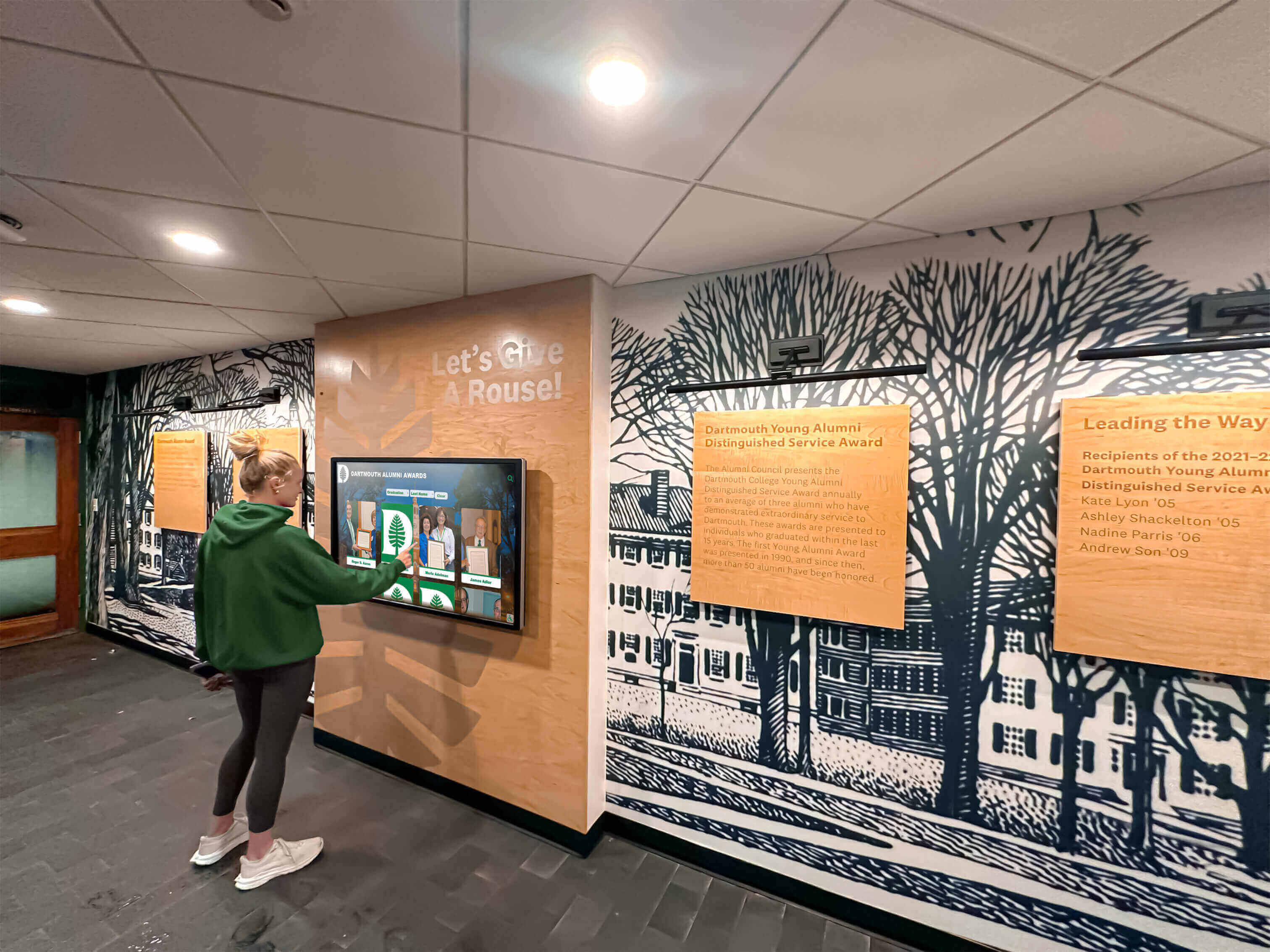
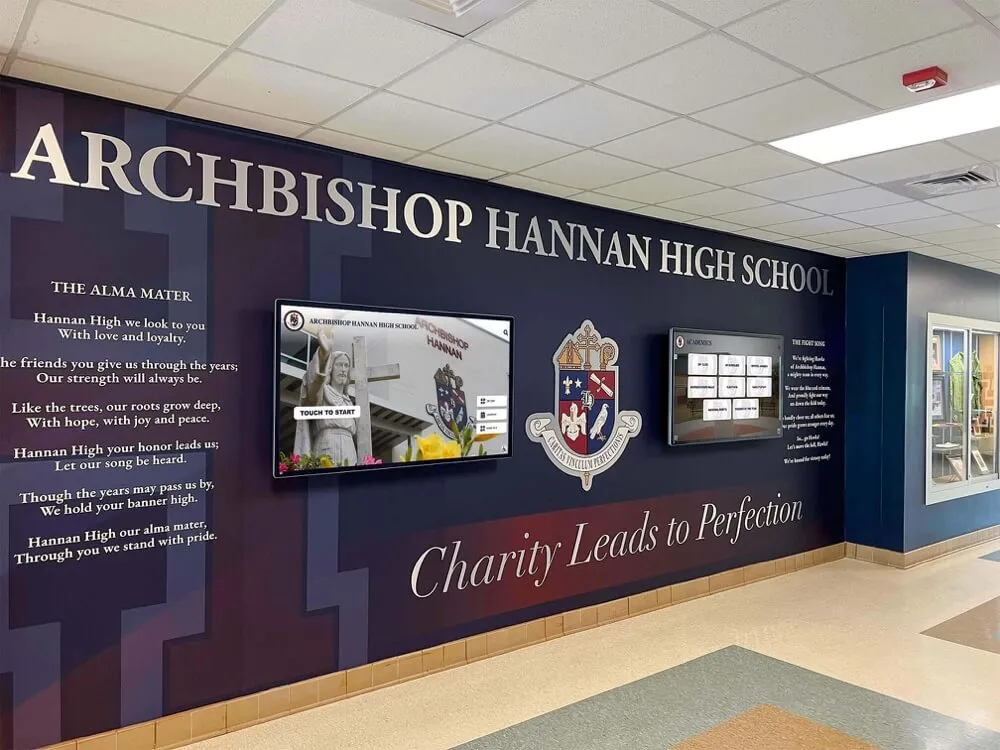
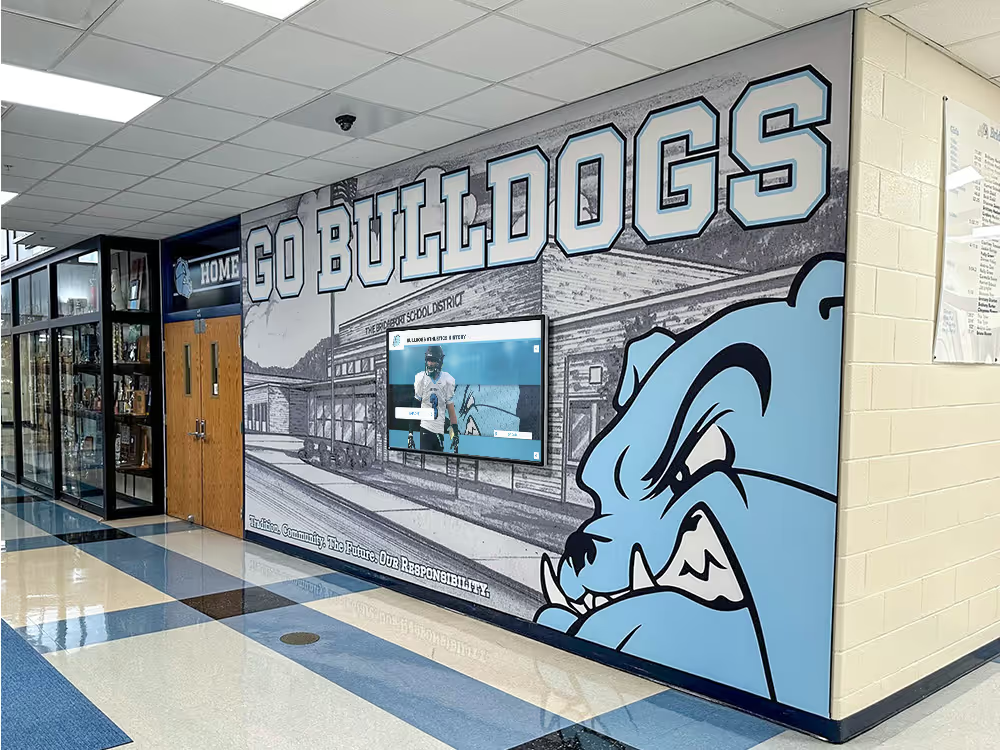
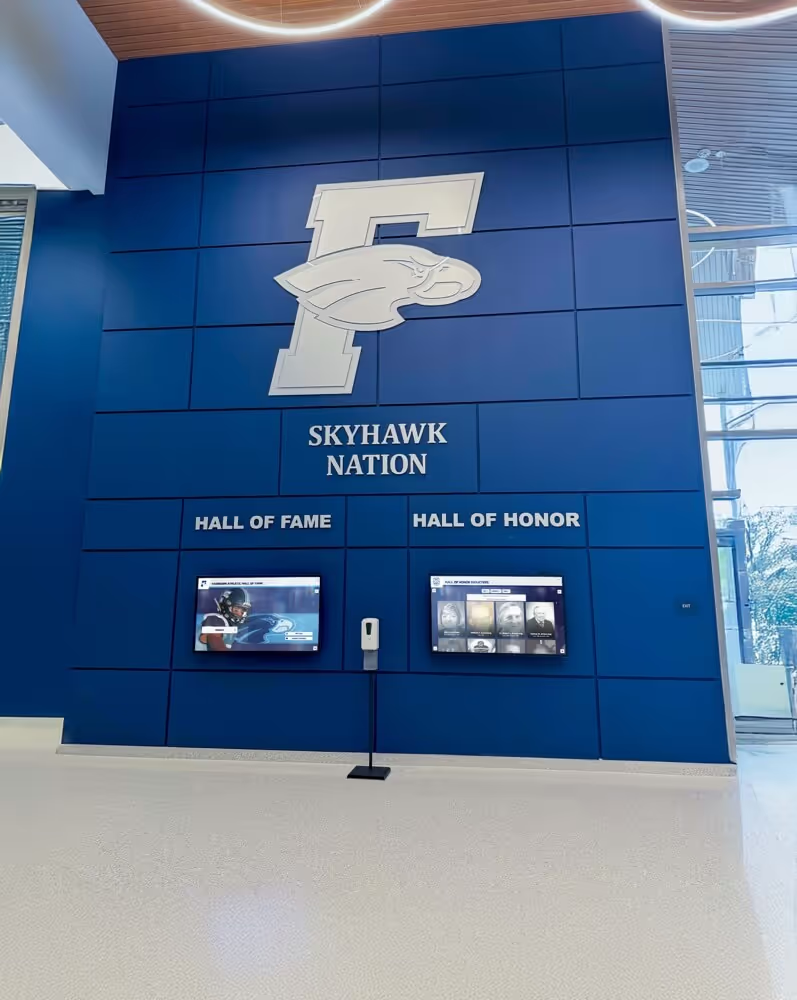
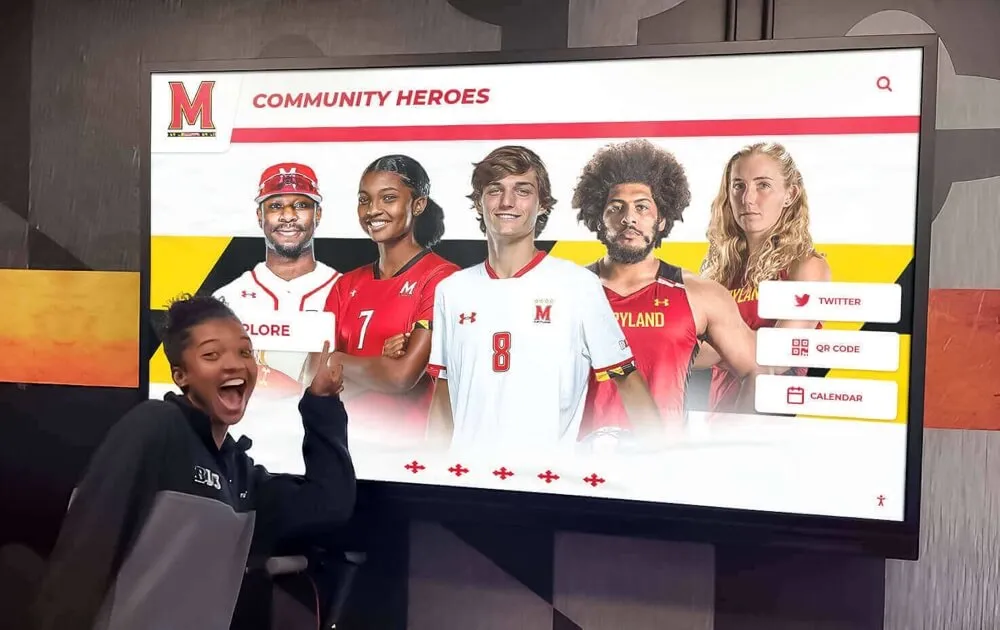
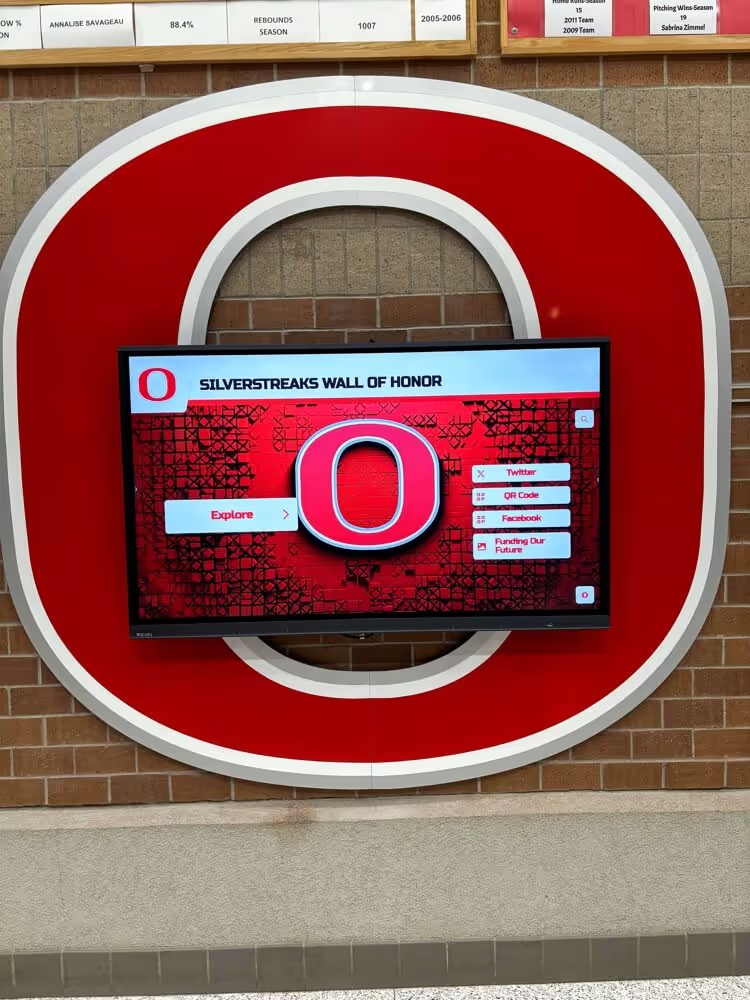
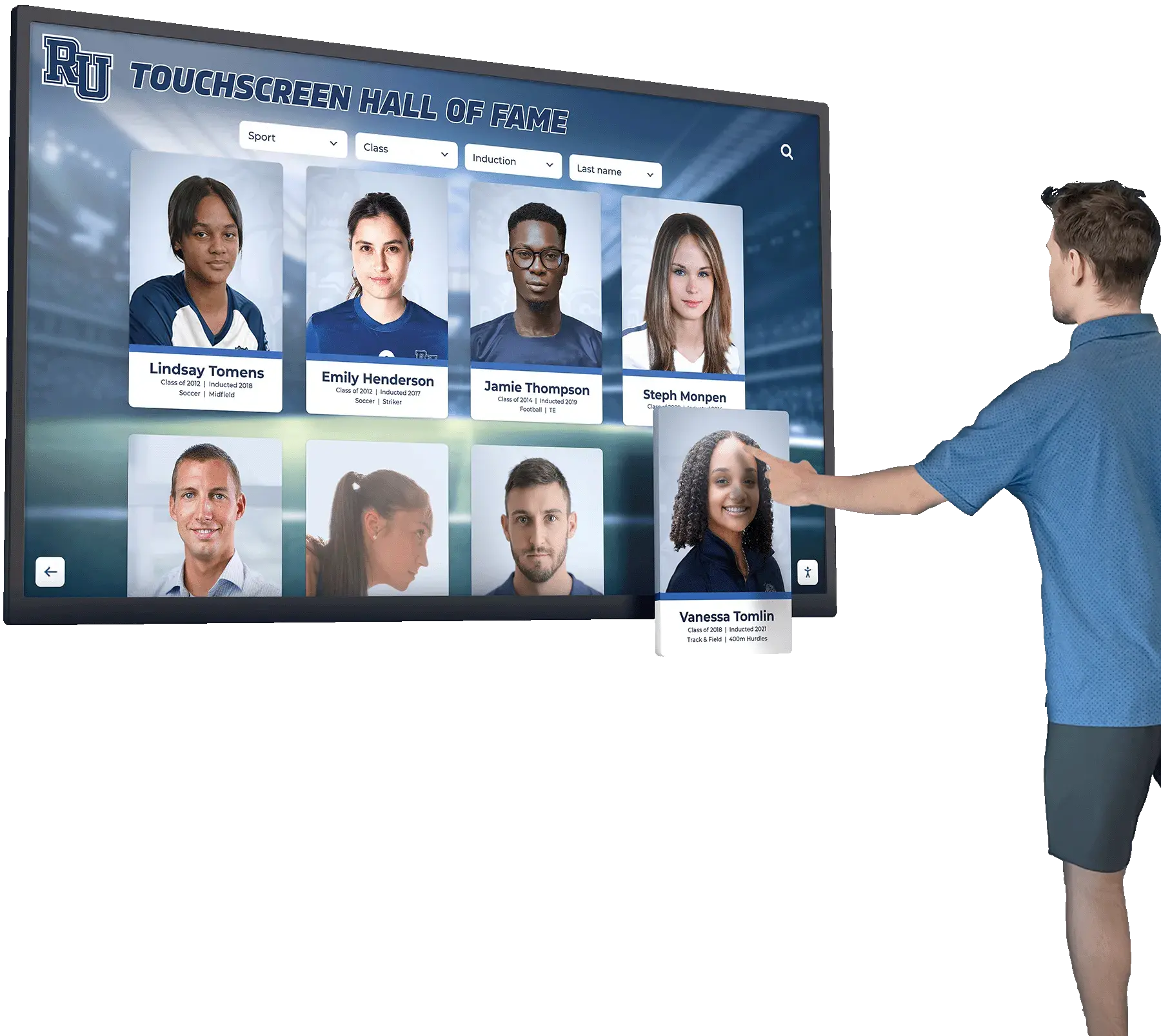
Modern recognition platforms enable students to build comprehensive achievement portfolios that support scholarship applications
Common Scholarship Recommendation Criteria
Most scholarship committees evaluate recommendations across consistent dimensions:
Academic Excellence and Intellectual Curiosity
- Evidence of academic achievement relative to opportunities and resources
- Demonstration of genuine intellectual curiosity beyond grade pursuit
- Engagement with challenging material and advanced coursework
- Independent learning initiative and research capability
- Critical thinking and analytical skill development
Leadership and Impact
- Leadership roles held and responsibilities managed
- Positive influence on peers and school community
- Initiative in creating or improving programs and activities
- Ability to motivate and organize others effectively
- Examples of meaningful contribution to team or organizational success
Character and Personal Qualities
- Integrity and ethical decision-making in challenging situations
- Resilience when facing obstacles or setbacks
- Work ethic and consistent effort quality
- Respect for others and inclusive approach to community
- Maturity and personal growth demonstrated over time
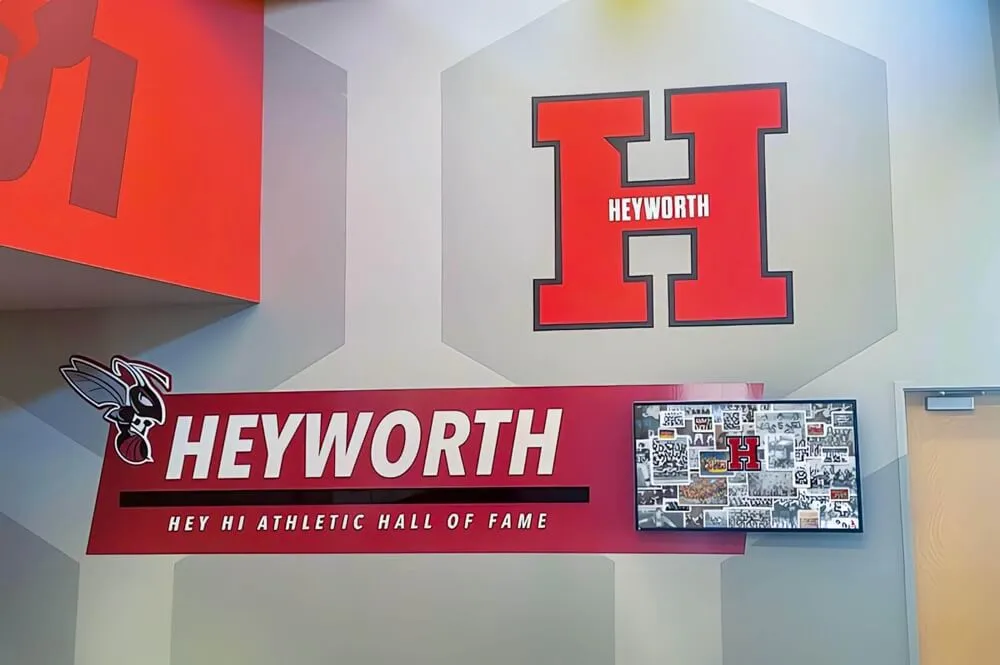
Schools implementing comprehensive student recognition systems provide educators with detailed achievement records simplifying the identification of specific accomplishments worth highlighting in scholarship recommendations.
Scholarship Recommendation Letter Structure and Format
Well-structured letters follow conventional business format while organizing content to maximize impact.
Standard Letter Components
Professional Header and Greeting
Begin with your contact information, date, and appropriate salutation:
[Your Name]
[Your Title]
[School Name]
[School Address]
[City, State ZIP]
[Email Address]
[Phone Number]

[Date]

[Scholarship Committee Name]
[Organization Name]
[Address]
[City, State ZIP]

Dear [Scholarship Committee/Specific Name if known]:
Opening Paragraph: Context and Relationship
The first paragraph should immediately establish your credibility and relationship with the student:
- Your role and qualifications
- How long and in what capacity you’ve known the student
- Specific courses, activities, or contexts where you’ve observed them
- Your enthusiastic recommendation statement
Body Paragraphs: Evidence and Examples (2-3 paragraphs)
The letter body provides specific evidence supporting your recommendation:
- Academic Paragraph: Discuss academic strengths, intellectual qualities, and relevant achievements
- Character/Leadership Paragraph: Address personal qualities, leadership experiences, and community impact
- Additional Strength Paragraph: Highlight distinctive qualities or accomplishments setting this student apart
Each paragraph should include concrete examples rather than generic assertions.
Closing Paragraph: Strong Endorsement
Conclude by reiterating your strong recommendation and offering contact availability:
- Summarize why the student deserves scholarship support
- Address fit with scholarship mission or criteria
- Provide contact information and willingness to discuss further
- Close with formal signature
Optimal Length and Tone
Length Considerations
Most effective scholarship recommendations span 400-600 words (one full page). Shorter letters may appear perfunctory, suggesting limited knowledge or tepid support. Longer letters risk losing reader attention amid hundreds of applications.
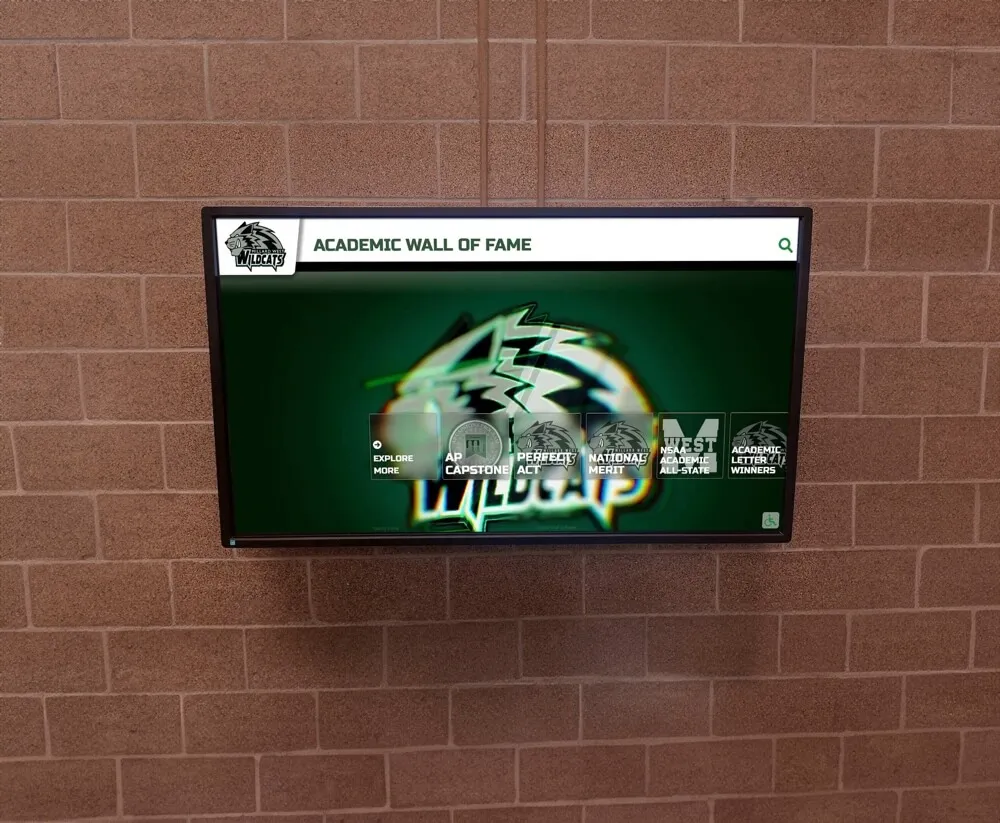
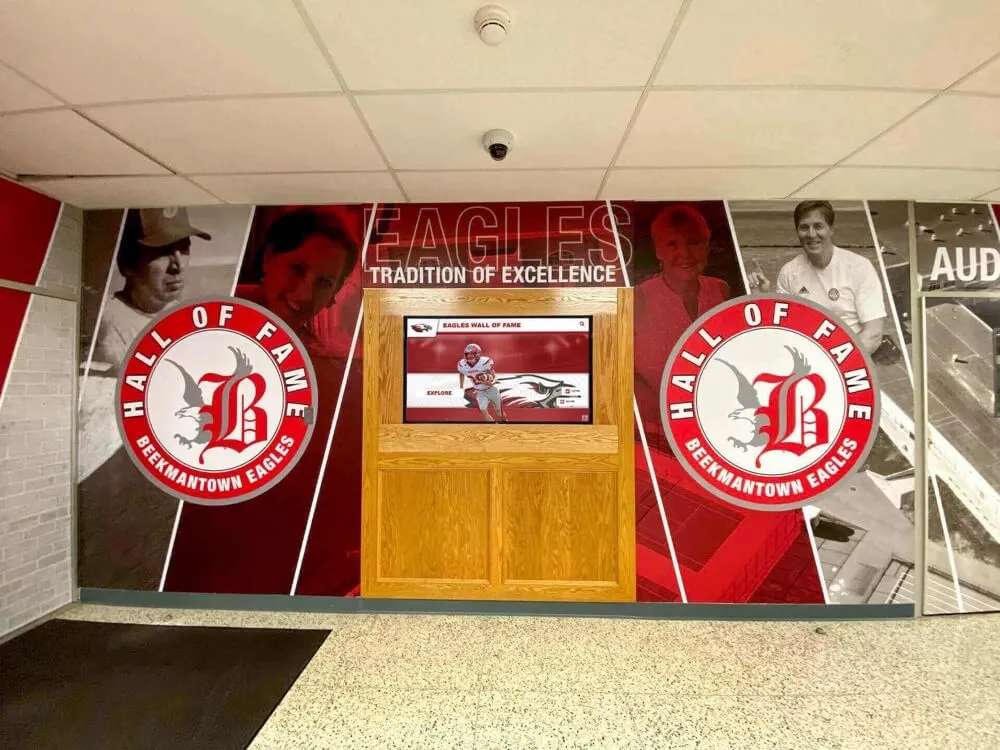
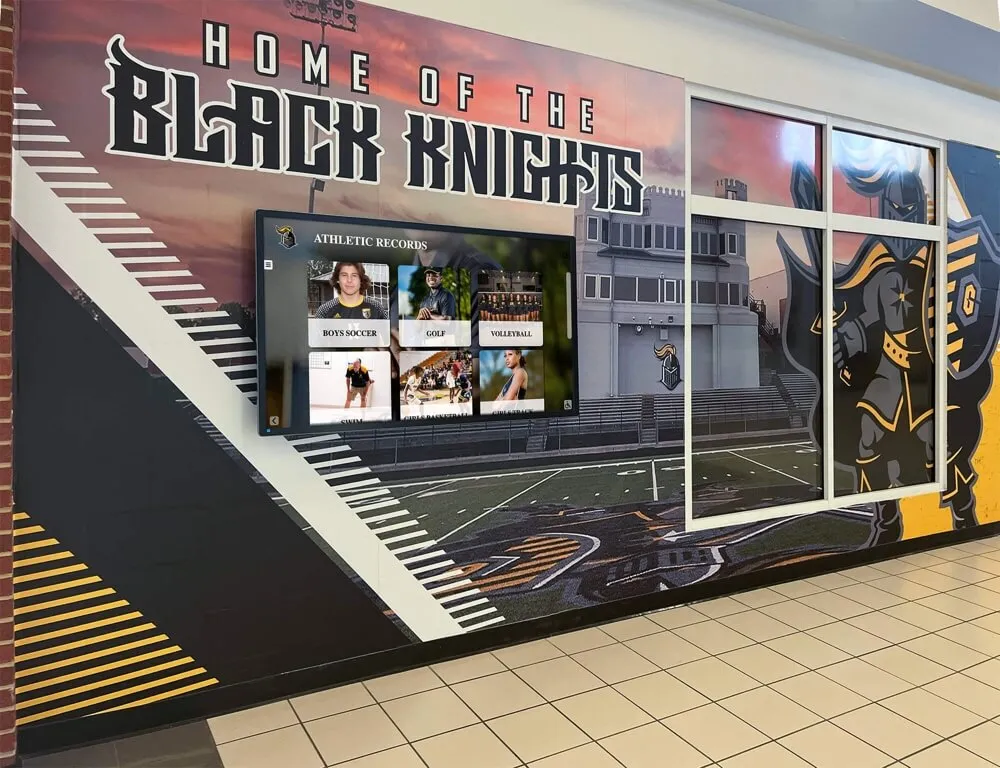
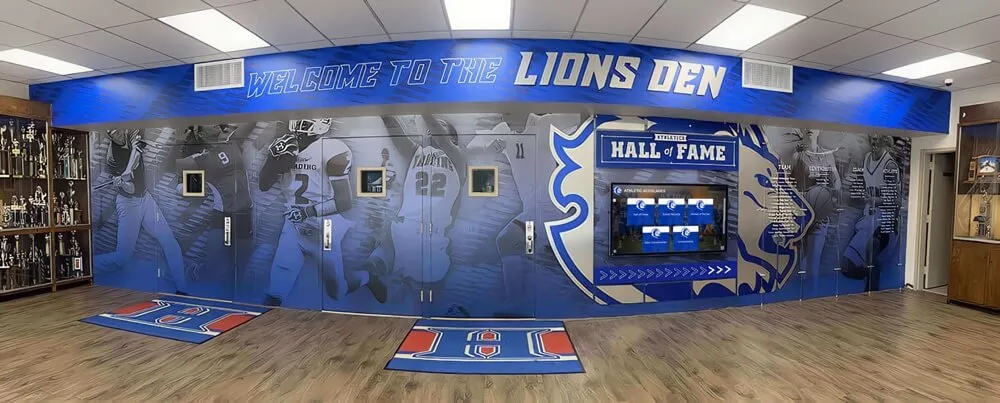
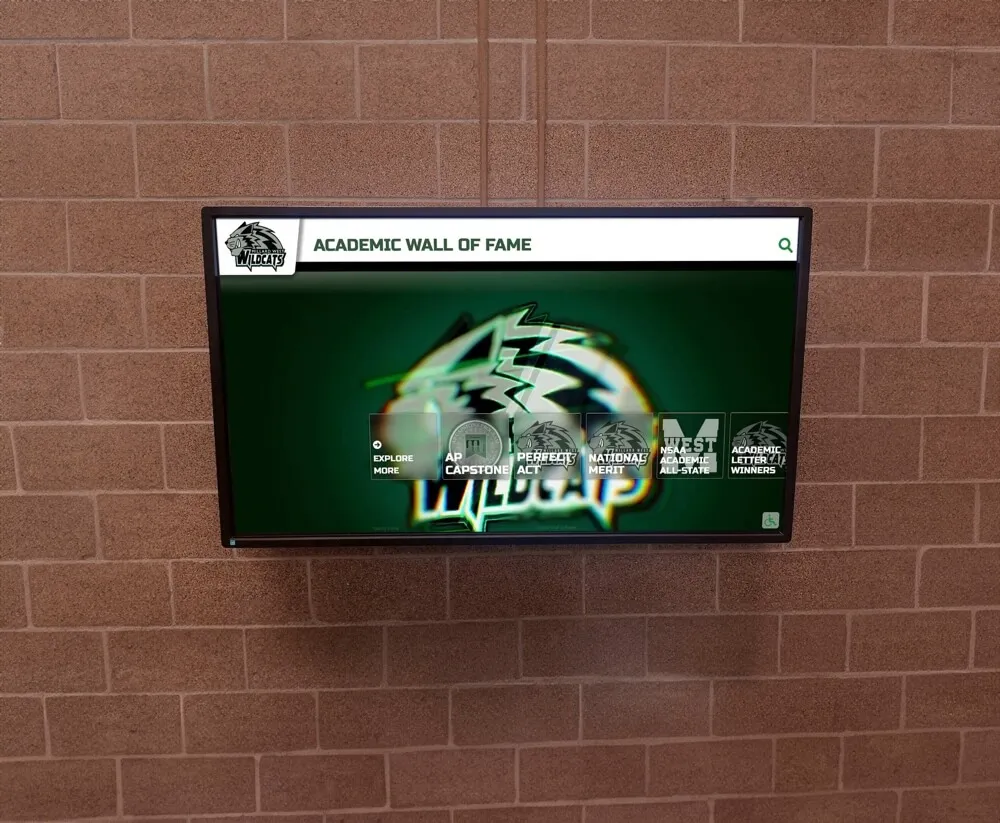
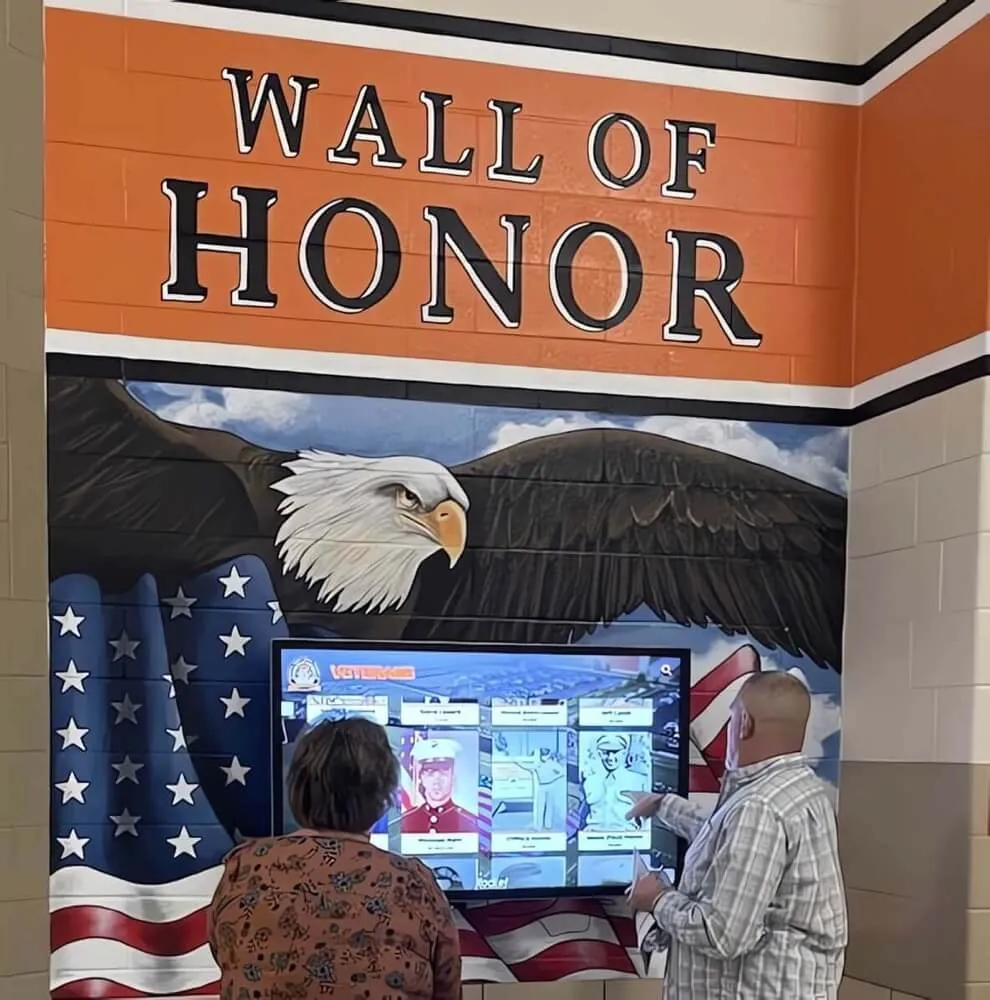
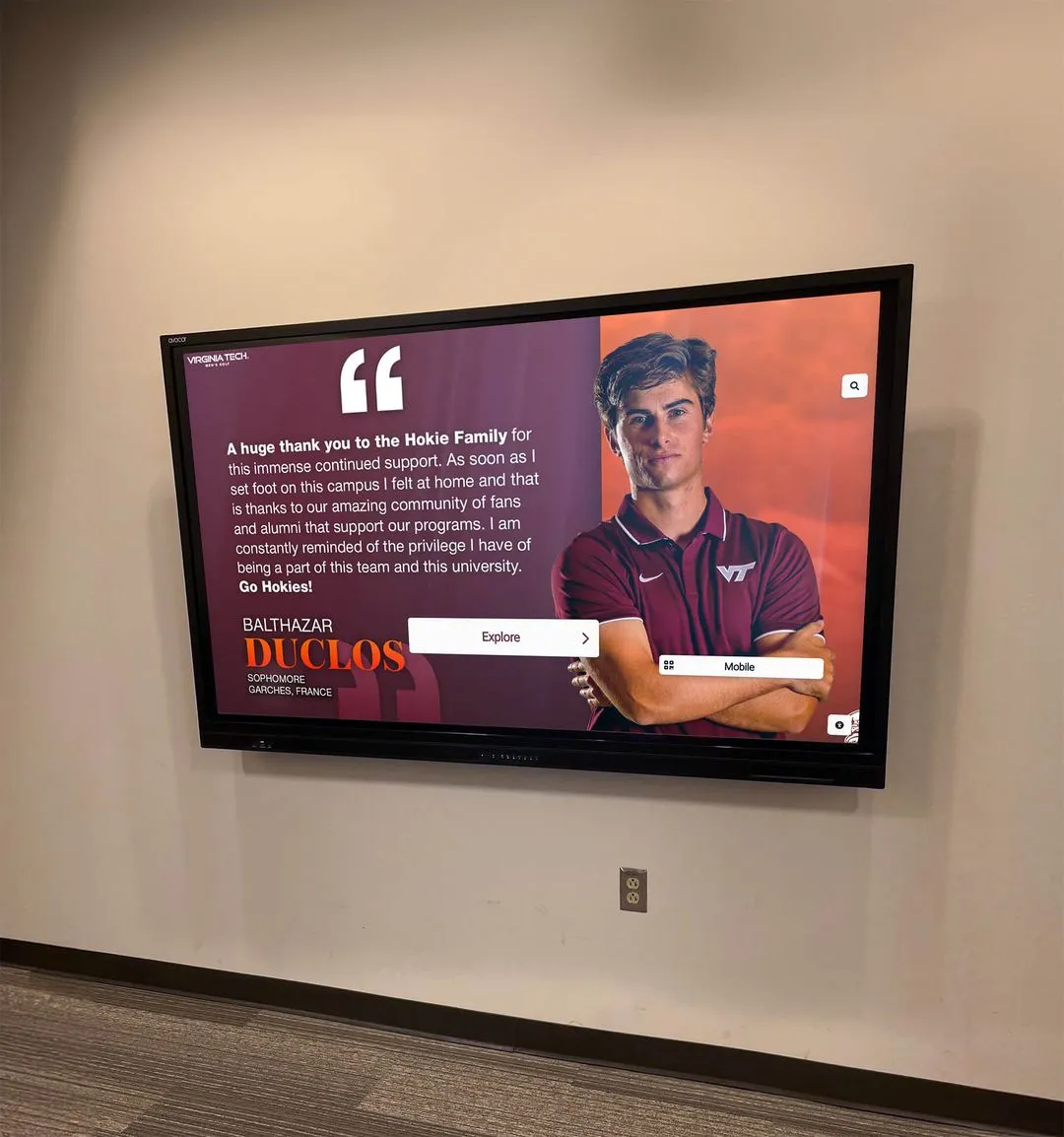
Prominent academic recognition displays celebrate scholarly achievement with the same visibility traditionally reserved for athletic honors
Tone Guidelines
Effective scholarship recommendations maintain professional enthusiasm:
- Confident and Definitive: Use strong, clear language rather than hedging qualifiers
- Specific and Evidence-Based: Ground assertions in concrete examples
- Genuinely Enthusiastic: Convey authentic belief in student potential
- Professionally Appropriate: Maintain formal business letter standards
- Balanced and Credible: Acknowledge growth areas when relevant, demonstrating honest assessment
Avoid hyperbole that undermines credibility (“the best student in 30 years” loses impact through overuse). Instead, provide context making excellence clear through comparison and specific achievement detail.
Scholarship Recommendation Letter Template for Teachers
This template provides adaptable structure for subject teachers writing scholarship recommendations:
[Your Contact Information Header]
[Date]
[Scholarship Committee Information]
Dear Scholarship Committee:
I am pleased to write this letter recommending [Student Full Name] for [Specific Scholarship Name]. As [Student’s First Name]’s [Subject] teacher for [specify course(s) and years] at [School Name], I have had extensive opportunity to observe [his/her/their] academic capabilities, intellectual curiosity, and personal character. I recommend [First Name] with genuine enthusiasm, confident [he/she/they] will maximize the educational opportunities your scholarship provides.
[First Name] distinguishes [himself/herself/themselves] through [2-3 specific academic qualities]. In my [course name], [he/she/they] consistently [specific example of academic performance or engagement]. For instance, [detailed anecdote illustrating intellectual capability, work ethic, or achievement]. This [performance/approach/achievement] reflects not only natural aptitude but also [work ethic quality] that positions [First Name] for continued academic success at the college level.
Beyond academic excellence, [First Name] demonstrates [character qualities or leadership attributes]. [Specific example illustrating these qualities—community contribution, peer leadership, overcoming obstacles, etc.]. This [quality] particularly impressed me when [specific situation or context]. [His/Her/Their] ability to [relevant skill or attribute] while maintaining [academic/other standards] indicates the maturity and capability necessary for maximizing college educational opportunities.
[Optional additional paragraph highlighting unique qualities, special circumstances, or additional achievements]
I recommend [Student Full Name] for [Scholarship Name] without reservation. [He/She/They] possesses the intellectual capability, personal character, and drive that your scholarship seeks to support. Should you require additional information, please contact me at [email] or [phone].
Sincerely,
[Signature] [Typed Name] [Title]
Scholarship Recommendation Letter Template for Counselors
Counselors often write from broader perspective, emphasizing overall student profile, growth patterns, and contextual factors:
[Your Contact Information Header]
[Date]
[Scholarship Committee Information]
Dear Scholarship Selection Committee:
As [Student Name]’s school counselor at [School Name] for the past [time period], I have followed [his/her/their] academic progress, personal development, and community involvement throughout [his/her/their] high school career. I enthusiastically recommend [First Name] for [Scholarship Name], confident that [he/she/they] represents exactly the type of student your organization seeks to support—one who combines academic achievement with character, leadership, and commitment to positive impact.
[First Name]’s academic record reflects sustained excellence despite [contextual factors if relevant—e.g., challenging family circumstances, rigorous course load, work obligations]. [He/She/They] has maintained a [GPA] while completing [number] Advanced Placement/honors courses and earning [relevant test scores or academic recognition]. Teachers consistently note [common themes from teacher feedback]. This achievement becomes even more impressive considering [relevant context about student’s background, responsibilities, or obstacles overcome].
[First Name] contributes significantly to our school community through [leadership roles, activities, and service]. As [leadership position], [he/she/they] [specific accomplishment or impact]. Additionally, [his/her/their] involvement in [other activities] demonstrates commitment to [relevant values or skills]. [Specific anecdote illustrating leadership or character]. These experiences have developed [relevant qualities] that will serve [First Name] well in college and beyond.
[Optional paragraph addressing special circumstances, challenges overcome, or unique qualities]
I have written numerous scholarship recommendations during my [years] years as a school counselor. [Student Name] stands among the most deserving students I have recommended, combining academic excellence with character qualities and personal circumstances that make scholarship support particularly impactful. [He/She/They] will represent your organization well and maximize the educational opportunities your scholarship provides.
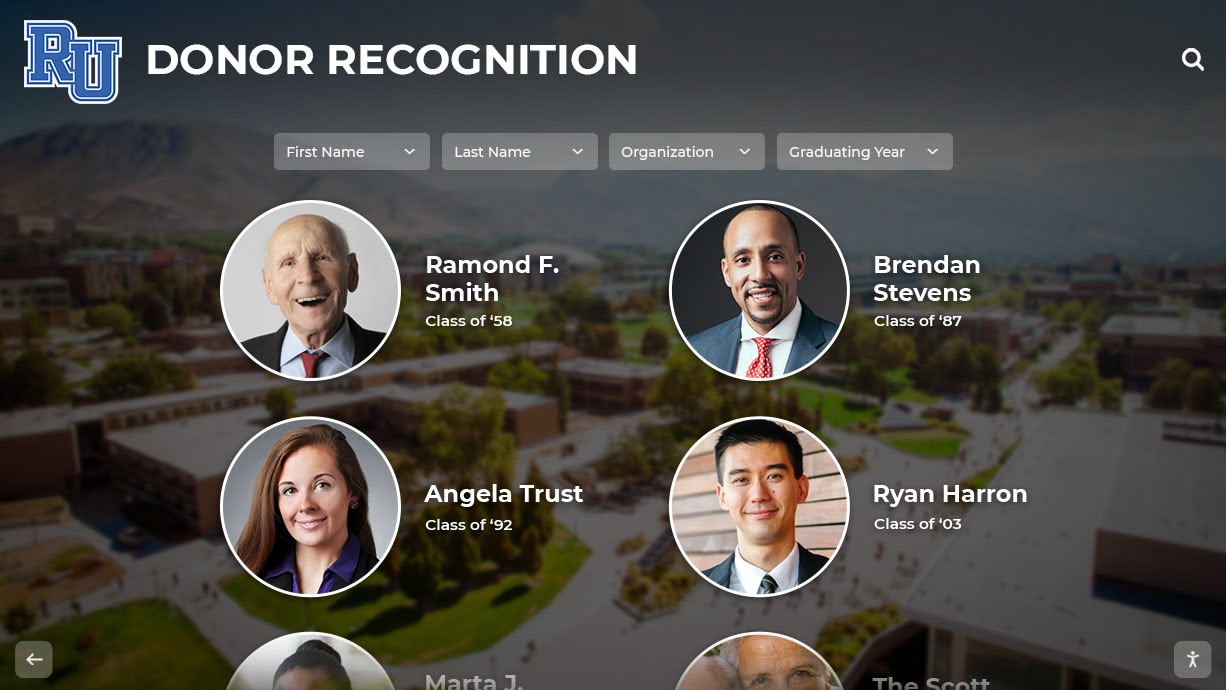
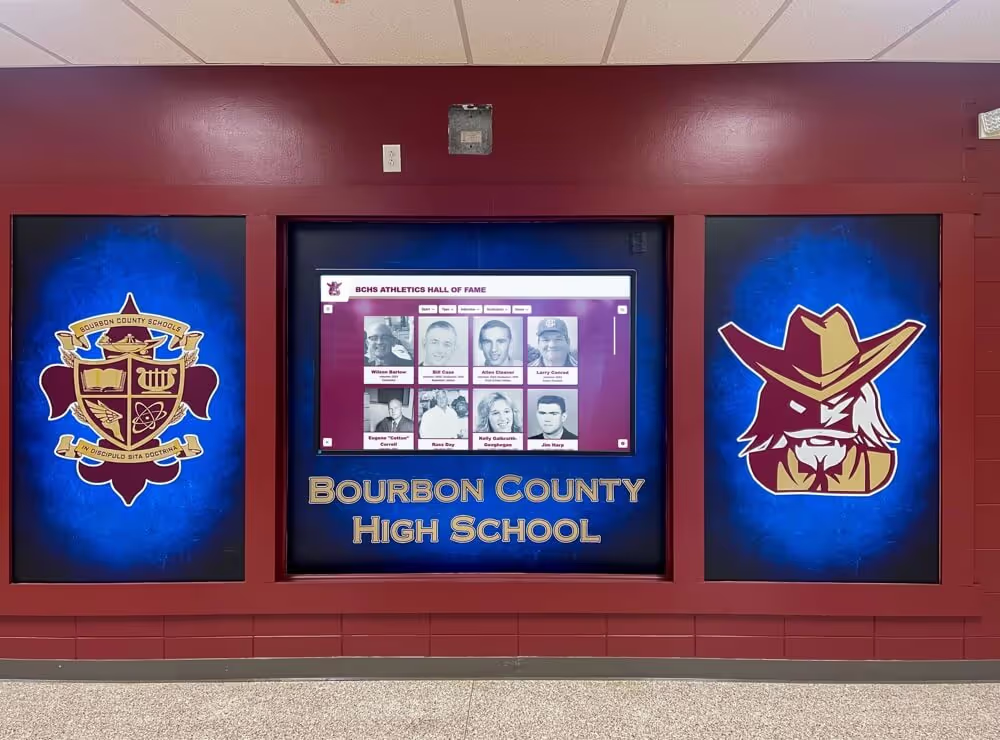
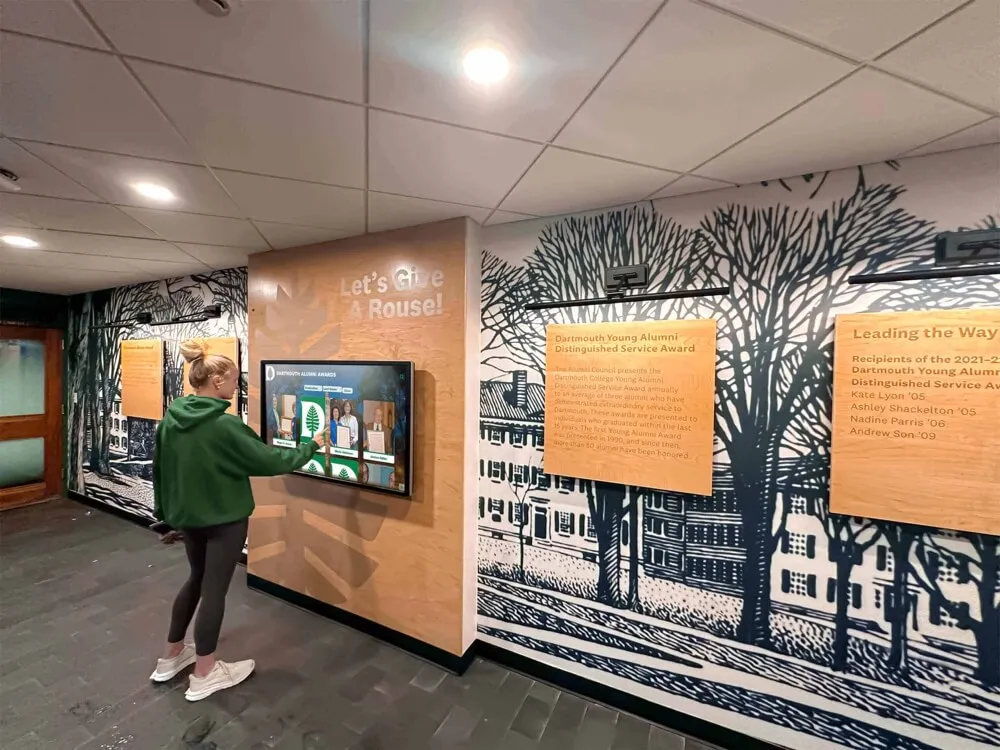
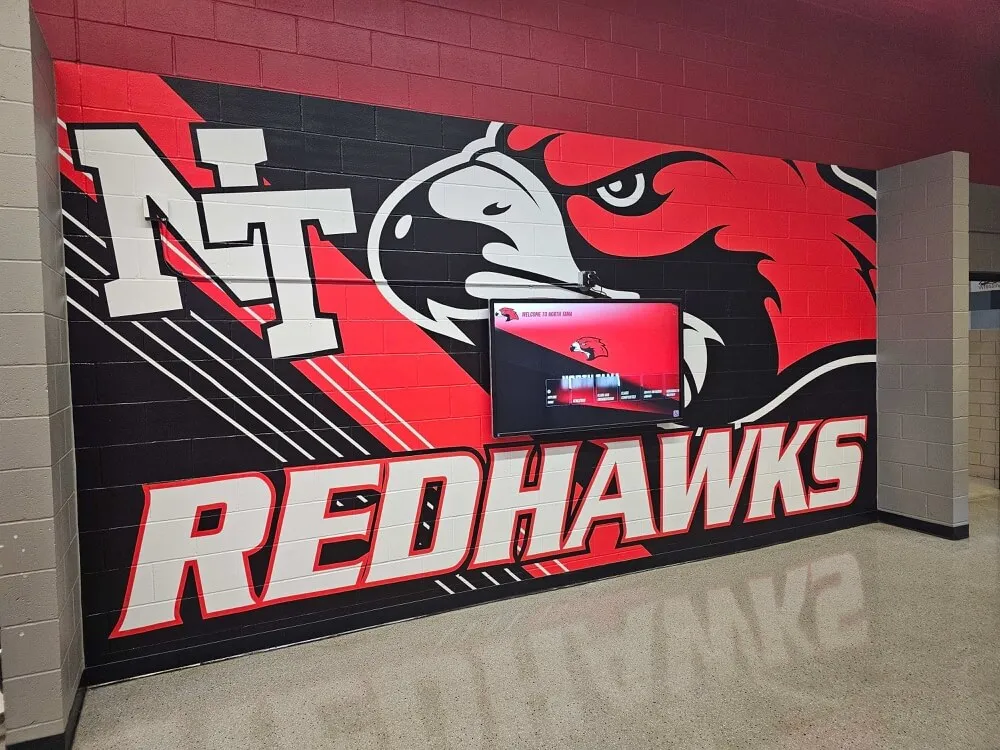
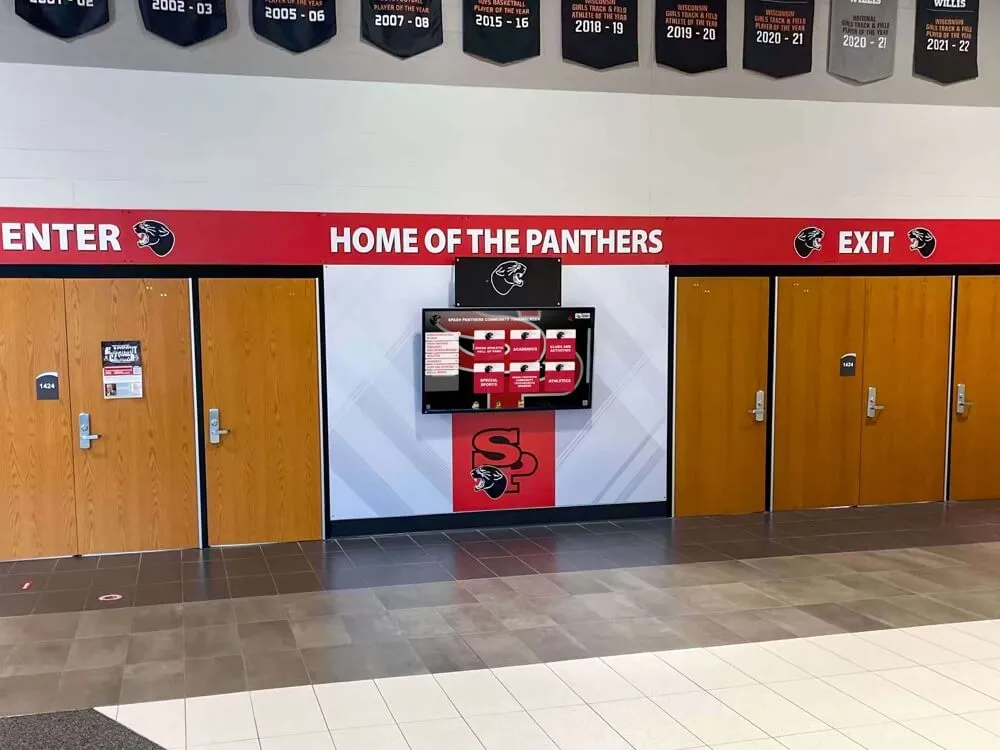
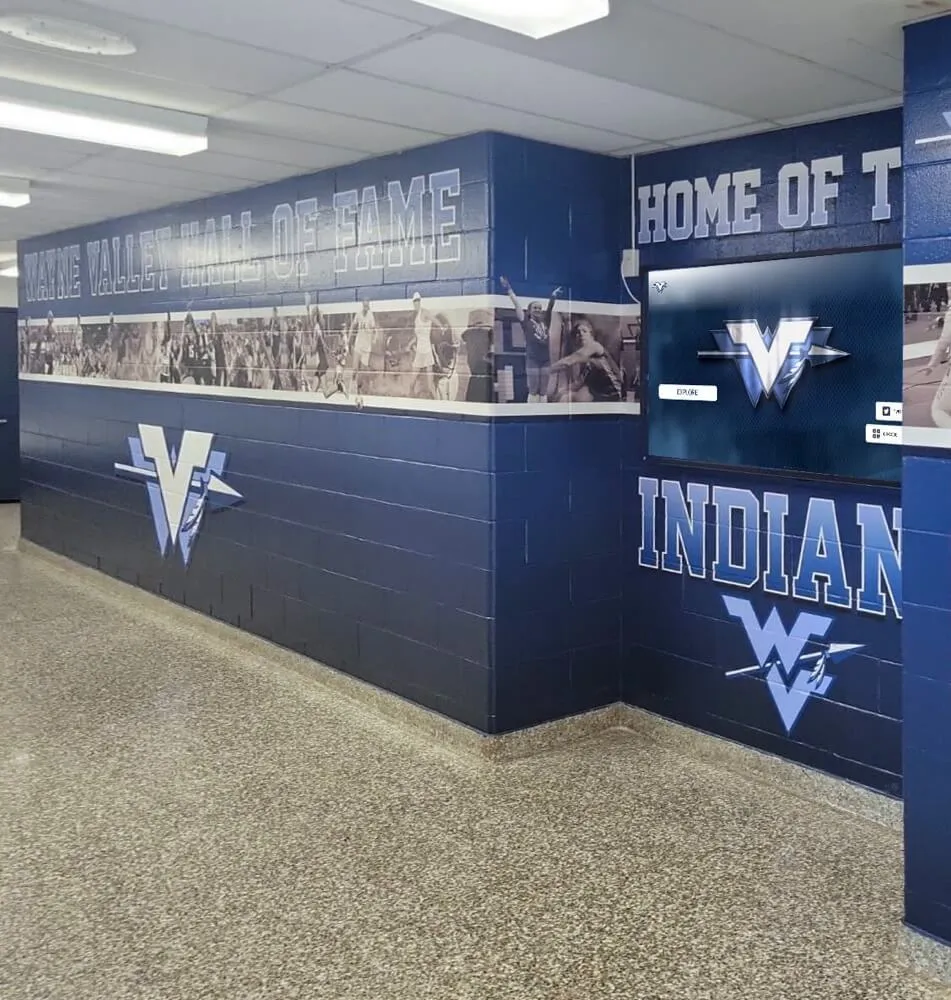
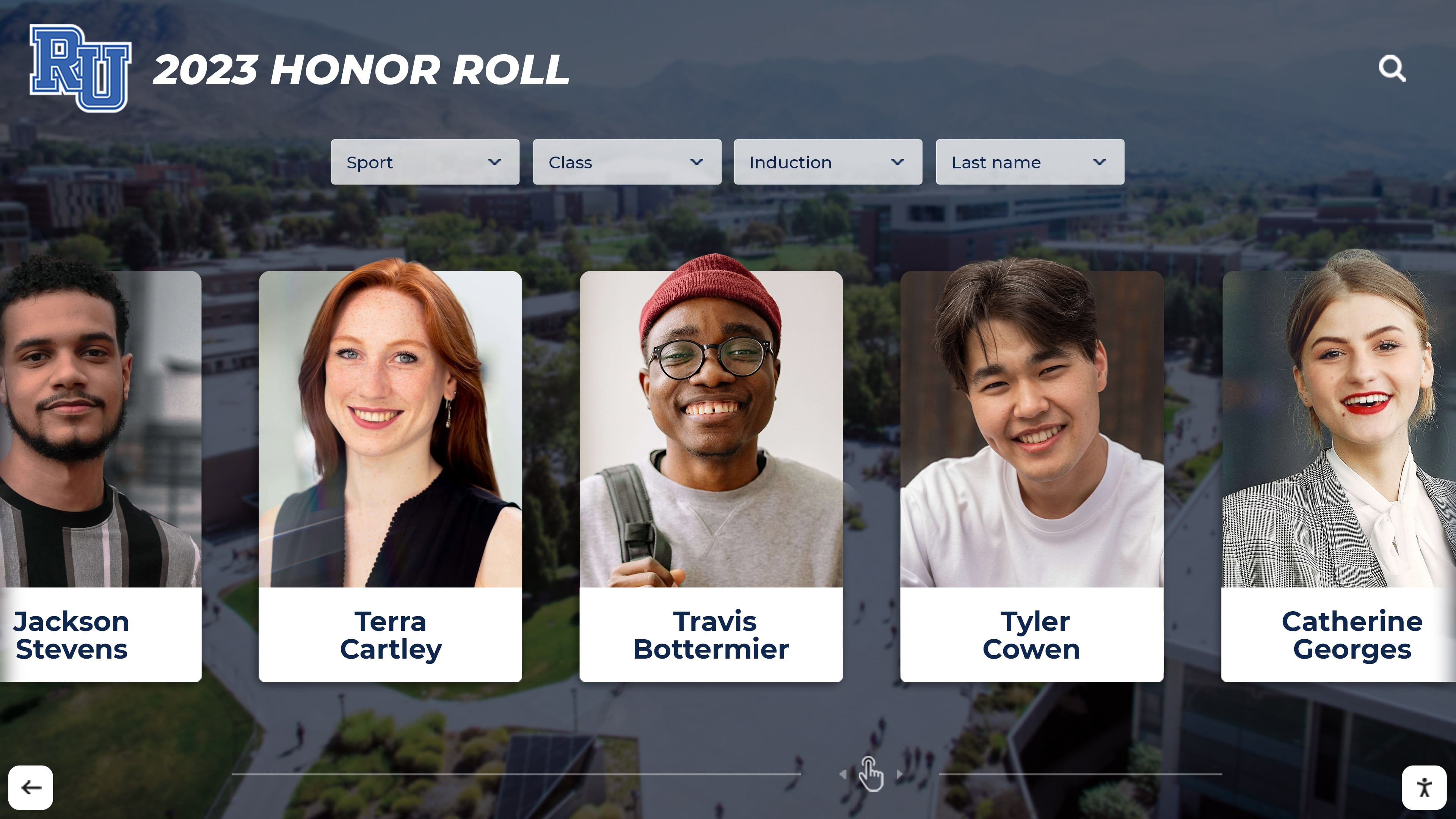
Recognition systems celebrating scholarship recipients and program supporters inspire future student achievement and donor investment
Please contact me at [email] or [phone] should you require additional information or documentation.
Sincerely,
[Signature] [Typed Name] [Title]
Scholarship Recommendation Letter Examples
Reviewing complete examples helps educators see how templates translate into compelling finished letters.
Example 1: Academic Merit Scholarship Recommendation
Maria Chen — AP Calculus Teacher Lincoln High School
This example emphasizes academic excellence and intellectual curiosity for a STEM scholarship
Dear National STEM Scholars Selection Committee:
I enthusiastically recommend Jamal Williams for the National STEM Scholars Program. As Jamal’s AP Calculus BC and Math Team advisor for the past two years at Lincoln High School, I have observed his exceptional mathematical aptitude, problem-solving creativity, and genuine passion for STEM fields that align perfectly with your program’s mission.
Jamal approaches mathematics with rare sophistication and creativity. In AP Calculus BC, he consistently identifies multiple solution pathways for complex problems, often discovering more elegant approaches than textbook solutions provide. During our optimization unit, Jamal independently researched applications of calculus in machine learning algorithms—material well beyond AP curriculum—and presented findings to classmates that sparked fascinating discussion about mathematical applications in artificial intelligence. His willingness to explore mathematics beyond grade requirements reflects authentic intellectual curiosity rather than mere college admission strategy.
Beyond classroom excellence, Jamal leads our Math Team with both technical skill and collaborative generosity. As team captain, he has mentored younger members, transforming our competitive approach from individual problem-solving to collaborative strategy development. This leadership directly contributed to our school’s first regional Math League championship in eight years. Jamal’s ability to explain complex concepts clearly and patiently demonstrates teaching capability alongside mathematical mastery—a combination suggesting strong potential for the peer tutoring component of your scholars program.
I have taught AP mathematics for 14 years and advised Math Team for six. Jamal ranks among the top three students I have taught in terms of mathematical aptitude and among the very best in terms of intellectual curiosity, work ethic, and collaborative approach to learning. Students achieving comparable recognition in mathematics programs like those honored on academic achievement displays consistently excel in collegiate STEM programs, and I am confident Jamal will follow this pattern.
I recommend Jamal Williams for the National STEM Scholars Program with complete confidence. He possesses the intellectual capability, work ethic, and character your program seeks to support. Please contact me at m.chen@lincolnhs.edu or 555-0123 should you require additional information.
Sincerely,
Maria Chen AP Calculus Teacher & Math Team Advisor Lincoln High School
Example 2: Community Service Scholarship Recommendation
David Richardson — School Counselor Riverside High School
This example emphasizes service leadership and character for a community-focused scholarship
Dear Community Leaders Scholarship Committee:
As school counselor at Riverside High School, I have worked with hundreds of students pursuing various paths and demonstrating different strengths. I write to recommend Sarah Martinez for the Community Leaders Scholarship with enthusiasm reserved for truly exceptional young people whose commitment to service distinguishes them from peers.
Sarah’s dedication to community service extends far beyond resume-building activities common among college-bound students. For the past three years, she has volunteered 15-20 hours weekly at Valley Community Food Bank, progressing from basic sorting tasks to coordinating the weekend distribution program serving 200+ families. When she identified transportation barriers preventing some families from accessing services, Sarah independently researched and helped implement a delivery program now serving 30 homebound seniors—an initiative that continues benefiting our community through volunteer infrastructure she established.
This service commitment becomes even more remarkable considering Sarah’s family circumstances. As the eldest of four children in a single-parent household where her mother works two jobs, Sarah manages significant family responsibilities including caring for younger siblings, yet maintains a 3.8 GPA in challenging coursework while devoting extensive hours to community service. Her ability to excel academically while contributing meaningfully to family and community demonstrates maturity, organizational capability, and genuine service orientation rather than obligatory activity accumulation.
Sarah’s teachers consistently describe her as respectful, hardworking, and inclusive—someone who goes out of her way to help struggling classmates and welcome students who might otherwise feel isolated. Her nomination for our school’s community service recognition reflects peer acknowledgment of her positive impact. Students like Sarah who demonstrate sustained commitment to serving others represent exactly the future community leaders your scholarship seeks to support through college access.
Sarah faces significant financial barriers to college attendance. This scholarship would transform her educational opportunities, enabling her to pursue the social work degree she seeks while continuing the community service that defines who she is. I recommend Sarah Martinez without reservation, confident she will honor the investment your organization makes in her future.
Please contact me at d.richardson@riversidehs.edu or 555-0199 for any additional information.
Sincerely,
David Richardson School Counselor Riverside High School
Example 3: Athletic Leadership Scholarship Recommendation
Jennifer Lopez — Athletic Director & Varsity Soccer Coach Central High School
This example balances athletic achievement with academic success and leadership for a student-athlete scholarship
Dear Student-Athlete Excellence Scholarship Committee:
I recommend Marcus Thompson for the Student-Athlete Excellence Scholarship as someone who embodies the term “student-athlete” through genuine commitment to both academic achievement and athletic excellence. As Marcus’s varsity soccer coach and athletic director at Central High School for the past three years, I have observed leadership qualities, competitive drive, and character that distinguish him among the hundreds of athletes I have coached throughout my 18-year career.
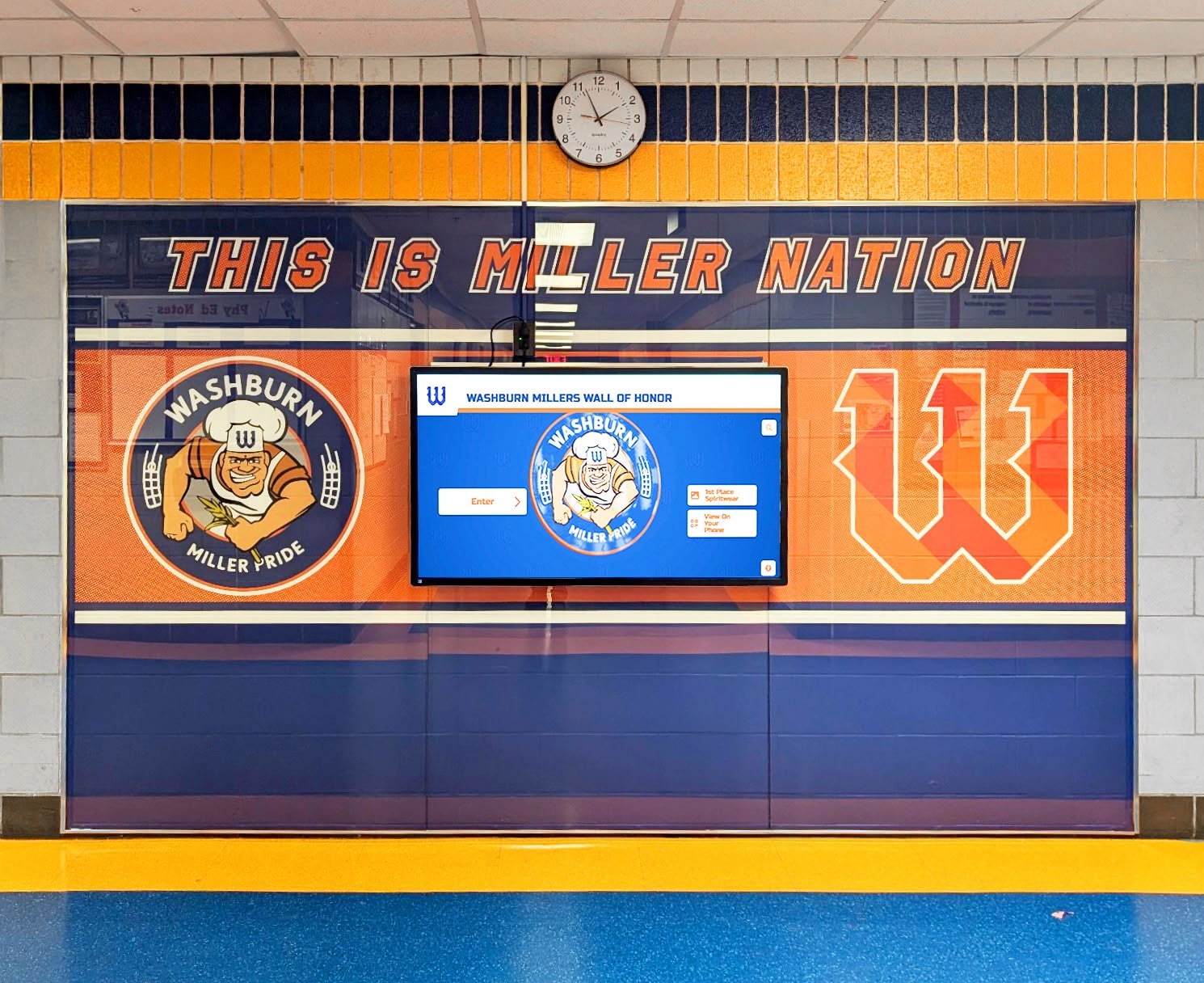
Modern recognition platforms celebrate student-athlete achievement across academics and athletics, showcasing the complete student profile
Marcus’s athletic accomplishments speak for themselves: three-year varsity starter, two-time team captain, All-Conference selection, and our program’s all-time leading goal scorer. Yet his impact extends beyond statistics. As captain, Marcus transformed team culture from a collection of talented individuals into a cohesive unit that reached our regional semifinal—our deepest playoff run in a decade. He accomplished this through consistent encouragement of teammates, constructive feedback delivered respectfully, and personal accountability that set standards others followed. When our starting goalkeeper struggled with confidence after early season mistakes, Marcus organized extra practice sessions and public support that helped rebuild trust essential to our defensive success.
Marcus maintains this athletic commitment while achieving 3.7 GPA in advanced coursework and contributing 100+ community service hours annually through youth soccer clinics serving underprivileged children. His ability to balance these commitments demonstrates time management, discipline, and priorities reflecting mature perspective often lacking in high school students. Teachers note his consistent preparedness, engagement in class discussion, and respectful approach to learning despite demanding athletic schedule.
The character Marcus demonstrates on the field carries into all aspects of his life. When our team bus was delayed before a critical conference match, causing us to miss warm-up time, Marcus kept teammates focused and positive rather than allowing frustration to undermine performance. That composure under pressure—choosing constructive response over complaint when facing obstacles—reveals character that will serve him well in college and beyond.
Students demonstrating excellence across academics, athletics, and community service—often recognized through comprehensive student achievement displays—consistently excel at the collegiate level because they have developed self-discipline and balanced perspective essential for managing demanding schedules while maintaining performance standards.
I recommend Marcus Thompson for the Student-Athlete Excellence Scholarship with complete confidence. He represents the ideal student-athlete your program seeks to support. Please contact me at j.lopez@centralhs.edu or 555-0167 for any additional information.
Sincerely,
Jennifer Lopez Athletic Director & Varsity Soccer Coach Central High School
Key Writing Strategies for Effective Scholarship Recommendations
Beyond templates and examples, specific writing strategies strengthen scholarship recommendation impact.
Use Specific Examples Instead of Generic Praise
Weak: “Jessica is an excellent student who works very hard.”
Strong: “When Jessica struggled initially with AP Chemistry concepts, she attended tutoring three times weekly, created detailed study guides she shared with classmates, and ultimately earned an A second semester—demonstrating the persistence and growth mindset essential for collegiate science programs.”
Specific examples create memorable impressions that generic praise cannot achieve. Scholarship committees read dozens or hundreds of recommendations containing similar superlatives. Concrete anecdotes differentiate students through unique stories that readers remember during final selection discussions.
Provide Comparative Context
Statements like “outstanding student” mean little without comparison context. Strengthen recommendations by providing reference points:
- “In 12 years teaching English, I’ve had perhaps five students demonstrate comparable analytical writing capability…”
- “Among the 120 students I currently advise, Marcus ranks in the top three in terms of…”
- “This achievement placed her in the 95th percentile nationally among…”
These comparative statements help committees understand how exceptional a student truly is relative to broader populations rather than relying solely on recommender assertions.
Address the “Why” Behind Achievements
Committees see many students with impressive résumés. Explaining motivation behind achievements provides insight revealing character and values:
Surface Level: “David volunteers at the community center weekly.”
Deeper Insight: “David began volunteering at the community center after his younger sister participated in after-school programs there. Recognizing how the program supported his family when his parents worked evening shifts, David now mentors children facing similar circumstances, providing both homework help and the consistent adult presence he found valuable during his own middle school years.”
The “why” transforms activity lists into character revelation, helping committees understand student values and authentic commitment versus résumé building.
Balance Strengths with Authentic Growth Narrative
Strong recommendations need not present students as flawless. Addressing growth areas honestly—particularly when demonstrating how students improved—can strengthen rather than weaken recommendations:
“While Marcus initially struggled with time management when juggling athletics and advanced coursework, he proactively sought guidance from teachers and implemented organizational systems that helped him improve from B’s to A’s while maintaining athletic performance. This ability to identify challenges, seek help, and implement solutions demonstrates maturity and self-awareness valuable in college environments.”
This approach demonstrates genuine assessment rather than unbelievable perfection, increasing overall recommendation credibility.

Schools celebrating scholarship recipients through prominent recognition displays inspire future students to pursue academic excellence and achievement
Connect Student Qualities to Scholarship Mission
Strong recommendations explicitly connect student characteristics to scholarship organization values and selection criteria:
If recommending for a STEM scholarship emphasizing diversity in technology: “As one of few female students in advanced computer science courses, Maria not only excels personally but actively mentors female middle school students through our Girls Who Code chapter, directly supporting the pipeline diversification your scholarship program champions.”
This explicit connection helps committees see scholarship mission alignment, strengthening the case that investing in this particular student advances organizational goals.
Quantify Achievements When Possible
Numbers add concrete impact to assertions:
- “Sarah improved her AP Spanish exam score from 3 to 5 between junior and senior year”
- “Led fundraising campaign generating $12,000 for new uniforms—triple our previous record”
- “Tutored 15 struggling math students, with 12 improving grades by at least one letter”
- “Maintains 3.9 GPA while working 20 hours weekly and caring for younger siblings”
Quantified achievements provide specific evidence committees can evaluate objectively, supplementing qualitative character assessment with measurable accomplishment documentation.
Common Mistakes to Avoid in Scholarship Recommendations
Understanding frequent weaknesses helps educators avoid recommendations that fail to serve students effectively.
Mistake 1: Generic Letters Lacking Personalization
Letters that could describe any strong student fail to distinguish the specific individual:
Problematic: “Jennifer is a wonderful student who participates actively in class, completes assignments thoroughly, and maintains excellent grades. She is respectful to teachers and peers. I recommend her highly.”
This describes thousands of students. Nothing memorable or distinctive helps committees remember Jennifer specifically.
Better Approach: Include specific anecdotes, unique qualities, particular achievements, and contextual details that could only describe this individual student.
Mistake 2: Focusing on Activities List Rather Than Impact
Simply listing student activities wastes precious recommendation space:
Weak: “Michael participates in National Honor Society, Math Team, Robotics Club, and volunteers at the library.”
Strong: “As Robotics Club president, Michael transformed our program from six members building basic designs to 25 members competing successfully at state level by implementing peer mentoring system that helped novices develop skills rapidly while experienced members refined leadership capabilities.”
Committees already have activity lists from student applications. Recommendations should provide context, impact, and qualities the lists cannot convey.
Mistake 3: Hyperbole That Undermines Credibility
Excessive superlatives without supporting evidence damage rather than enhance recommendations:
“Amanda is the most brilliant student I have ever encountered in my entire career. She is absolutely perfect in every way and will undoubtedly become one of the most influential leaders of her generation.”
This reads as insincere exaggeration. Strong recommendations use measured, credible language supported by specific evidence.
Mistake 4: Ignoring the Specific Scholarship Focus
Generic recommendations failing to address scholarship-specific criteria miss opportunities to strengthen student candidacy:
A recommendation for a community service scholarship that focuses exclusively on academic achievement without addressing service commitment fails to provide information committees most need for evaluation. Students like those recognized for exceptional standardized test performance or competitive athletic achievement need recommendations addressing the specific excellence areas relevant to each scholarship opportunity.
Mistake 5: Submitting Late or Incomplete Recommendations
Even outstanding letters submitted after deadlines or missing required elements (signature, contact information, proper formatting) may disqualify students from consideration.
Teachers should establish recommendation management systems ensuring timely, complete submission for all student requests.
Managing Multiple Recommendation Requests Efficiently
Popular teachers and counselors often face dozens of recommendation requests each scholarship season. Efficient systems help manage this workload while maintaining letter quality.
Create a Student Information Form
Develop a standard form students complete when requesting recommendations, gathering information needed for personalized letters:
- Full name and preferred name
- Scholarship name, organization, and deadline
- Scholarship focus areas (academic merit, community service, leadership, etc.)
- Student’s GPA, test scores, and academic honors
- List of courses taken with you and grades earned
- Extracurricular activities and leadership roles
- Community service and work experience
- Specific achievements or experiences they’d like you to highlight
- Challenges overcome or special circumstances relevant to application
- Why they’re applying for this particular scholarship
- Career/educational goals
- Three words that describe their strengths
- Specific examples from your class that stood out to them
This form provides the detailed information needed for specific, personalized letters while reducing the time spent gathering information from memory or student records.
Maintain a Recommendation Writing System
Organize recommendation workflow to manage multiple requests efficiently:
- Request Deadline: Require students to request recommendations at least three weeks before scholarship deadlines
- Information Gathering: Review completed student forms and consult grade records, notes, or colleague feedback
- Drafting Schedule: Allocate specific time blocks for recommendation writing rather than attempting to fit them into irregular moments
- Tracking System: Use spreadsheet tracking all requests, submission deadlines, completion status, and submission method
- Follow-up Protocol: Confirm receipt with scholarship organizations when possible; notify students of submission
Develop Personal Paragraph Library
While each recommendation should be personalized, maintaining a library of paragraph drafts describing teaching philosophy, assessment approaches, and school context saves time:
- Introduction paragraph templates for different recommendation types
- Standard school description and context paragraphs
- Closing paragraphs offering contact information and additional support
- Common academic quality descriptions that can be personalized with specific examples
This library provides starting framework requiring only personalization rather than complete drafting from scratch for each letter.
Set Reasonable Boundaries
Educators cannot write quality recommendations for unlimited students. Establish clear policies:
- Maximum recommendations per year based on available time
- Minimum relationship requirement (e.g., must have had student in class or advised them for specific duration)
- Advance notice requirements
- Declining requests when unable to write genuinely strong recommendation
Students benefit more from “I’m unable to write you a strong recommendation given our limited interaction” than from a weak, generic letter submitted to meet their request.
Supporting Scholarship Success Beyond Recommendations
While strong recommendations significantly support student scholarship success, educators can contribute to student outcomes through additional support strategies.
Help Students Build Recognition Portfolios
Students applying for scholarships benefit from comprehensive documentation of achievements throughout high school rather than scrambling to recall accomplishments during senior year application season:
Schools implementing digital recognition platforms provide students with documented achievement records they can reference when completing scholarship applications. These systems capture academic honors, leadership roles, competition results, service hours, and other accomplishments that might otherwise be forgotten or inadequately documented.
Connect Students with Relevant Scholarship Opportunities
Many students, particularly first-generation college students, lack awareness of scholarship opportunities beyond highly publicized national programs:
- Maintain updated scholarship opportunity lists organized by focus area, demographic criteria, and deadline
- Share relevant opportunities with specific students whose profiles align with scholarship criteria
- Host scholarship information sessions explaining application processes and requirements
- Connect students with college access counselors and scholarship search resources
Teach Scholarship Application Skills
Strong scholarship applications require specific skills many students lack:
- Personal statement and essay writing focused on scholarship themes
- Achievement articulation emphasizing impact rather than mere activity listing
- Interview skills for scholarships requiring finalist interviews
- Portfolio development documenting achievements effectively
Consider offering workshops, resources, or individual coaching helping students develop these capabilities.
Celebrate Scholarship Success Publicly
When students earn scholarships, public recognition serves multiple purposes:
- Validates recipient achievement and effort invested in applications
- Provides role models inspiring younger students to pursue scholarship opportunities
- Demonstrates to families and community members that scholarships represent achievable goals
- Builds school culture valuing academic achievement and scholarship pursuit
Schools often showcase scholarship recipients through recognition walls celebrating academic achievement, honor roll systems, or comprehensive student success displays that inspire achievement across student populations.
Recognizing Scholarship Recipients and Mentors
Schools celebrating scholarship success create cultures where academic achievement and college preparation receive emphasis alongside athletic and extracurricular accomplishments.
Creating Comprehensive Recognition Systems
Traditional trophy cases display athletic achievements prominently while academic honors often receive minimal visibility. Modern recognition approaches give scholarship recipients and academic achievers the same prominent acknowledgment:
Digital recognition platforms enable schools to showcase:
- Scholarship recipients with award amounts and scholarship organizations
- Academic honor recipients including National Honor Society inductees
- College admission achievements and institutional scholarship awards
- Teacher and counselor recognition for supporting student scholarship success
- Alumni who provide scholarship recommendations or funding
This visibility makes scholarship pursuit aspirational throughout student populations, motivating younger students to build profiles supporting future scholarship applications.
Honoring Educators Supporting Student Success
Teachers and counselors investing significant time in scholarship recommendations deserve recognition for contributions enabling student college access:
- Acknowledge educators writing recommendations during scholarship award ceremonies
- Feature teachers and counselors on recognition displays alongside students they supported
- Share scholarship success stories noting educator contributions in school communications
- Implement peer nomination systems recognizing colleagues providing exceptional student support
This recognition validates educator effort while modeling the mentorship relationships supporting student achievement.
Conclusion: The Lasting Impact of Strong Recommendations
Scholarship recommendation letters represent more than administrative tasks on educator to-do lists. These letters open educational doors that transform student futures, enabling college access that might otherwise remain financially impossible. A thoughtfully crafted recommendation highlighting student strengths, providing specific examples, and connecting capabilities to scholarship mission can tip competitive decisions in favor of deserving students.
The time educators invest in developing strong recommendation writing skills and creating efficient management systems multiplies many times over through student outcomes. Students who secure scholarships partially because of compelling recommendations remember teachers and counselors who advocated effectively on their behalf, often returning years later to express gratitude for support that changed life trajectories.
By following the templates, examples, and strategies provided in this guide, educators can write scholarship recommendations that stand out among competitive applicant pools, serve students effectively, and contribute meaningfully to expanding college access for talented young people whose potential deserves recognition and support.
Whether you’re writing your first recommendation or your hundredth, the fundamental approach remains consistent: know your students well, document specific achievements and qualities, provide concrete examples that bring students to life on paper, connect capabilities to scholarship criteria, and advocate enthusiastically for young people whose futures you help shape through words on a page.
Ready to transform how your school recognizes student achievement, scholarship recipients, and academic excellence? Modern recognition platforms from Rocket Alumni Solutions provide interactive, accessible displays that celebrate scholars alongside athletes, showcase scholarship success prominently, and create comprehensive achievement documentation supporting future recommendation letters. Explore how digital recognition displays inspire academic excellence, motivate scholarship pursuit, and give students the visible acknowledgment their achievements deserve.