



Recognition drives organizational culture, donor engagement, and student motivation in ways that spreadsheets and databases never capture. When schools honor athletic achievements, celebrate academic excellence, or acknowledge philanthropic generosity through visible permanent displays, they create environments where accomplishment receives the celebration it deserves while inspiring others toward similar success.
Traditional recognition approaches face persistent challenges: physical trophy cases fill quickly, forcing difficult choices about whose achievements remain visible. Bronze plaques require months to order and thousands of dollars to update. Static displays fail to tell complete stories behind the names engraved on metal or etched in glass. Growing recognition needs inevitably outpace physical space, leaving deserving individuals unacknowledged despite their contributions.
Rocket Recognition solves these fundamental limitations through interactive touchscreen displays that combine unlimited capacity with compelling storytelling, instant updates, and accessible management. Schools, universities, athletic departments, nonprofit organizations, and community institutions nationwide use this platform to transform how they celebrate achievement and honor contributions.
This comprehensive guide examines how Rocket Recognition works, why organizations choose this platform, implementation considerations, cost structures, and proven strategies for creating recognition programs that genuinely strengthen culture and relationships. Whether you’re replacing outdated trophy cases, modernizing donor walls, or establishing new recognition systems, you’ll find practical insights from actual implementations serving diverse institutional needs.

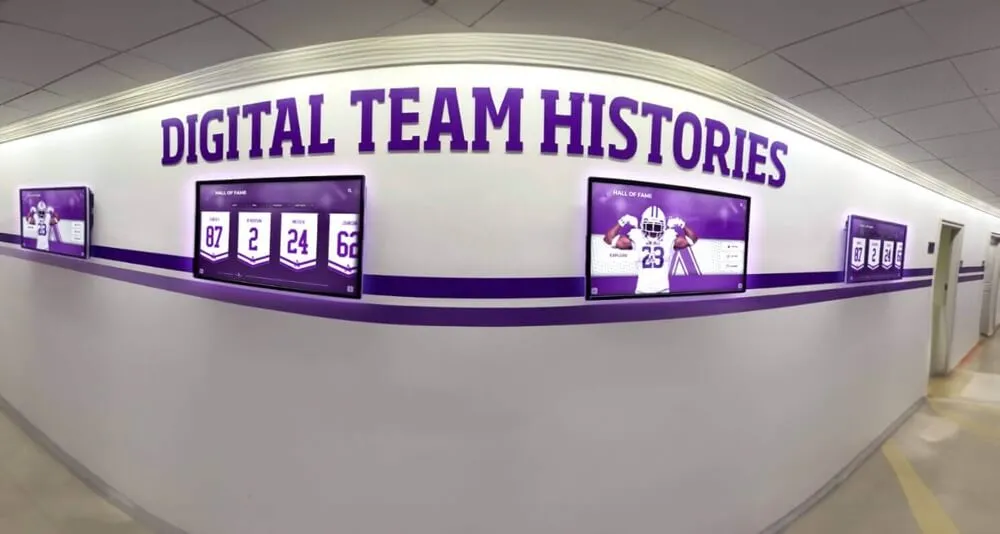
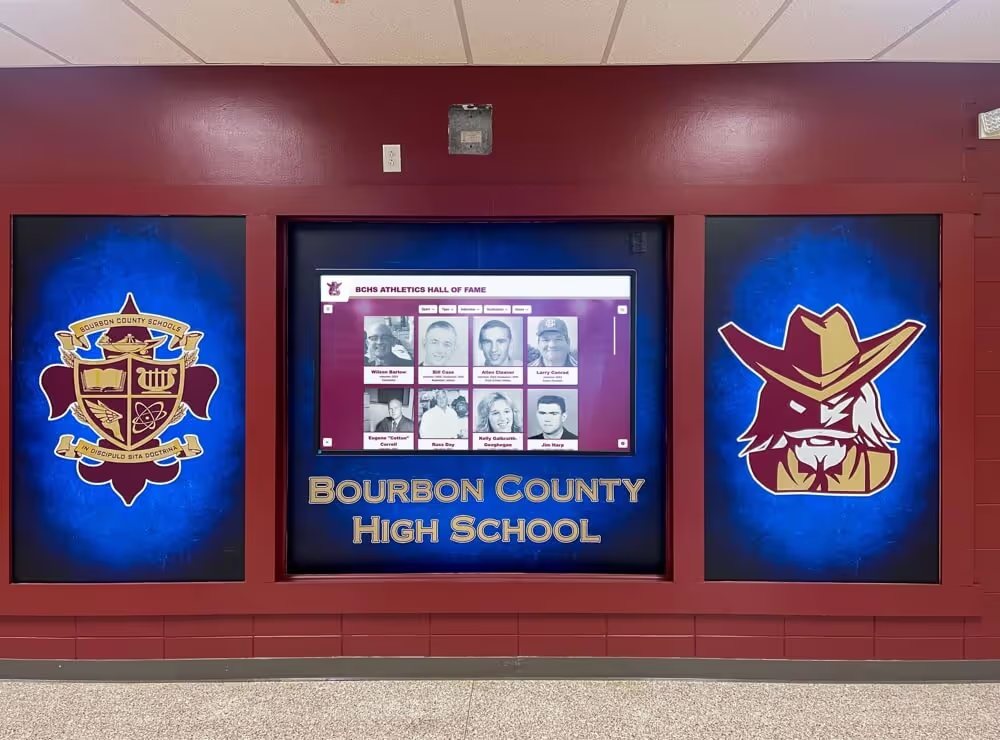
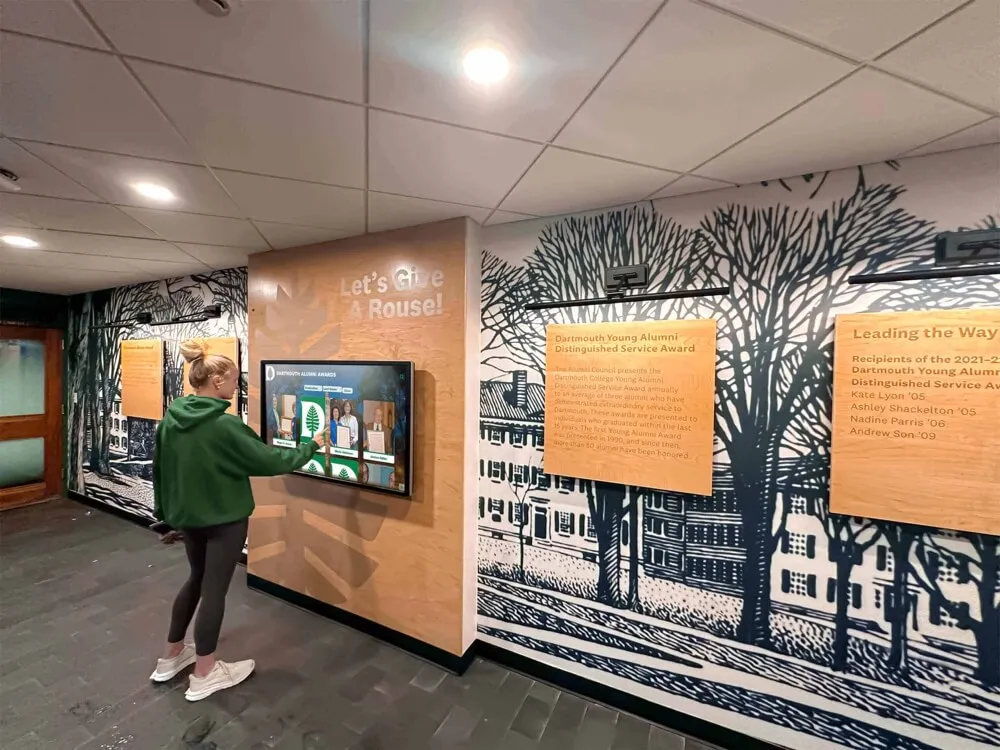
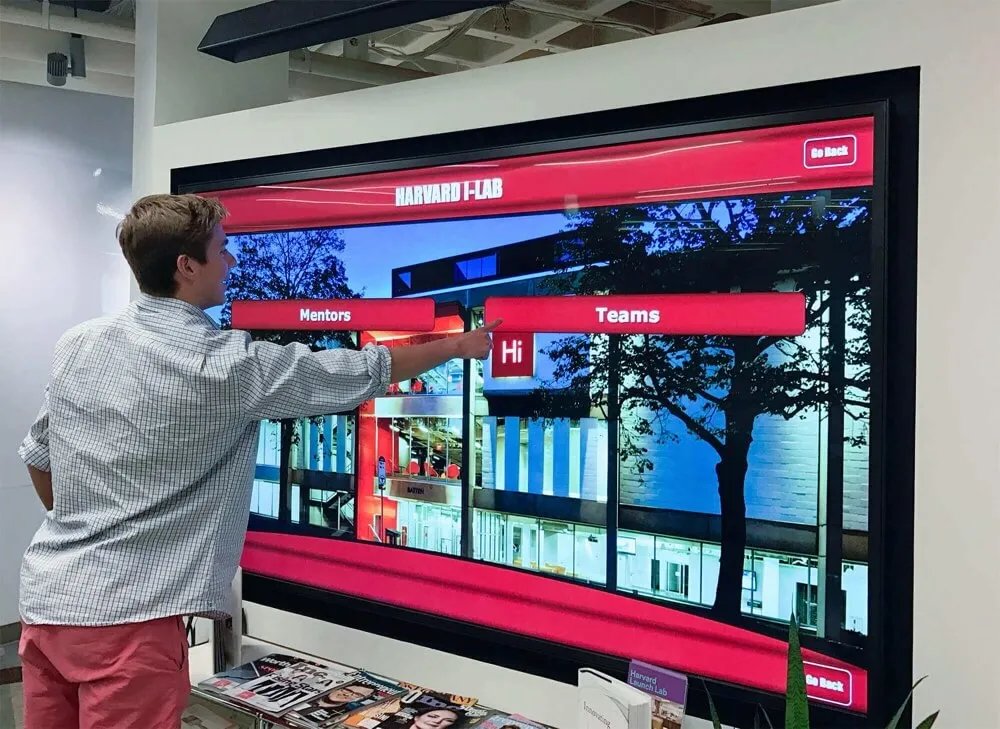
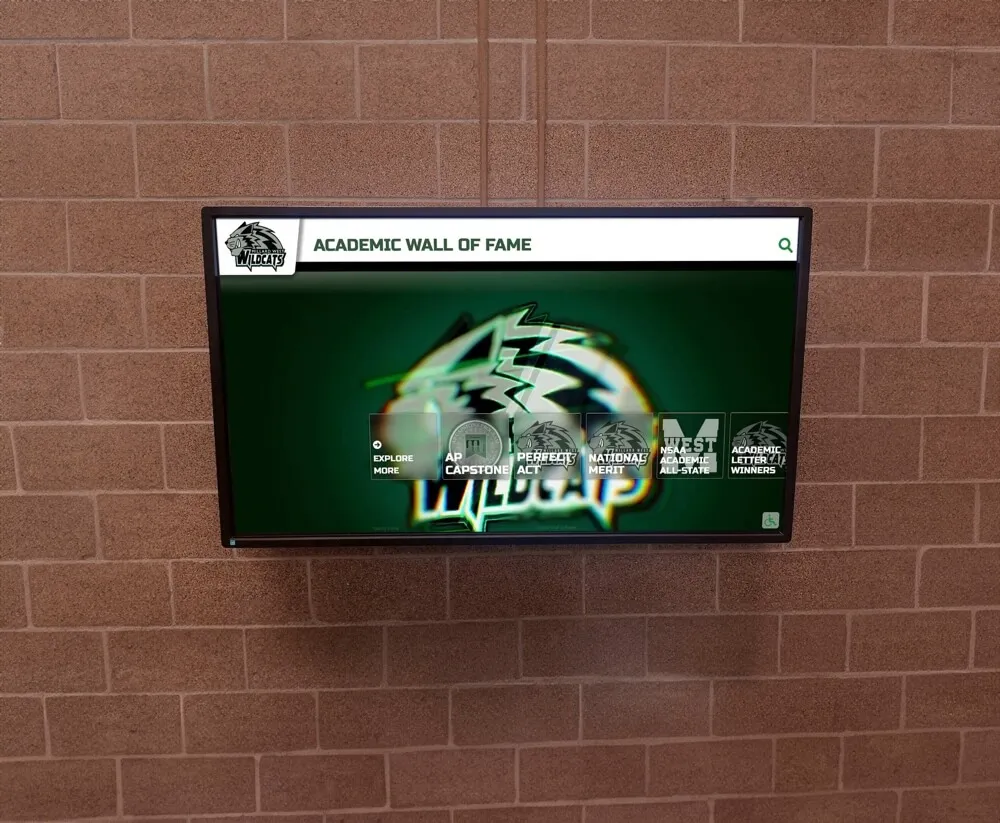
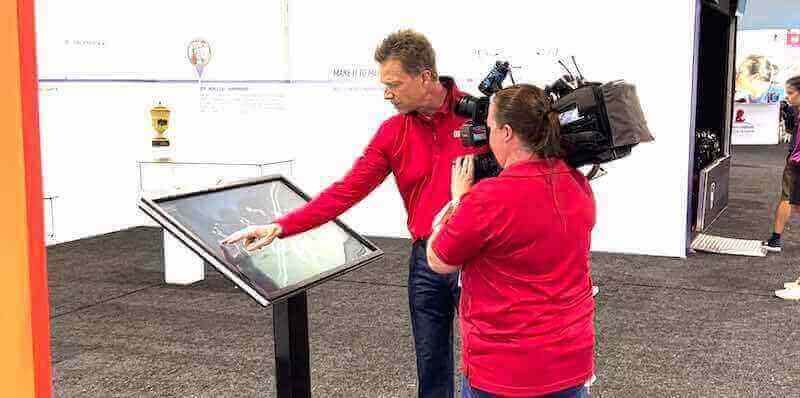
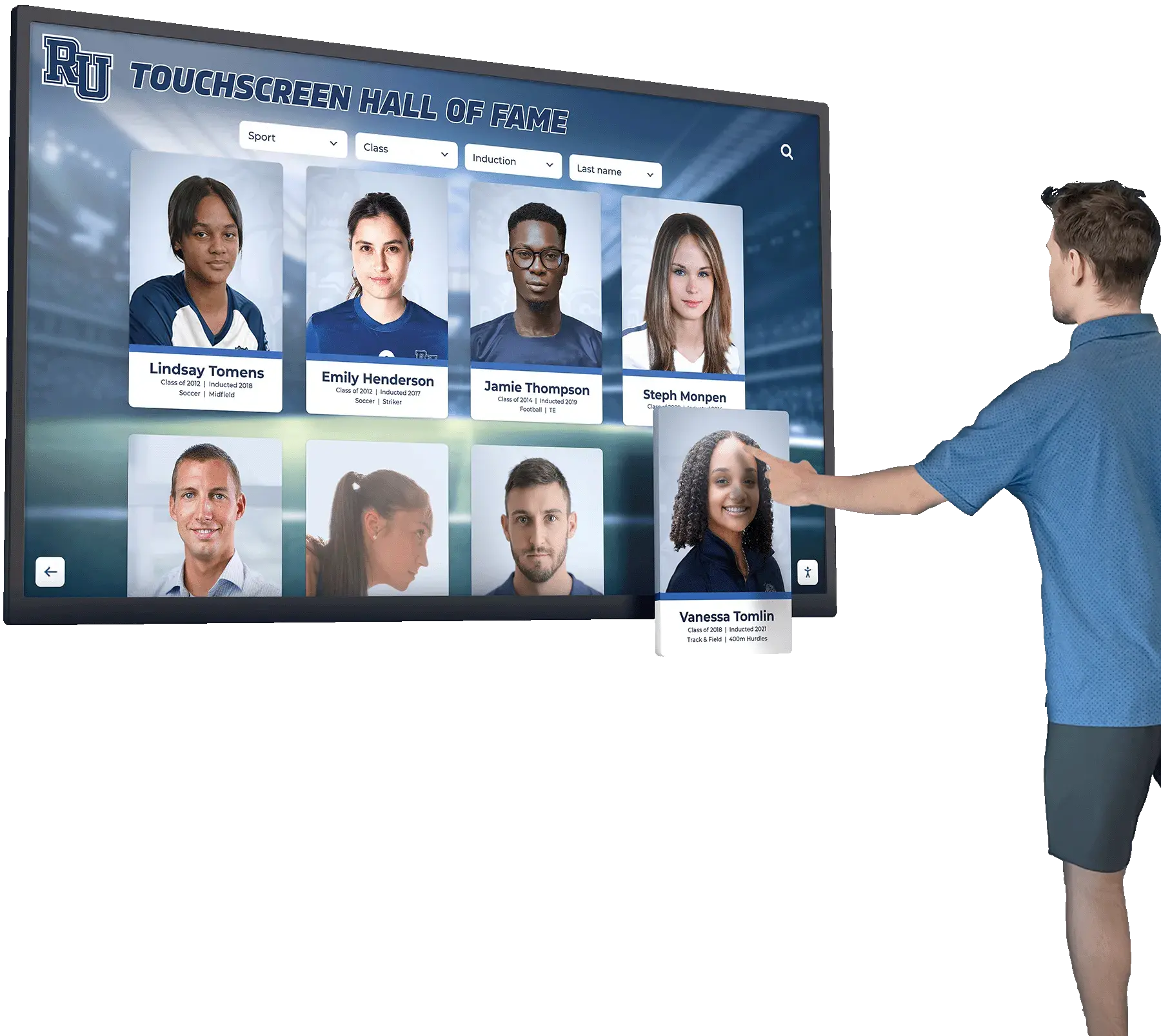
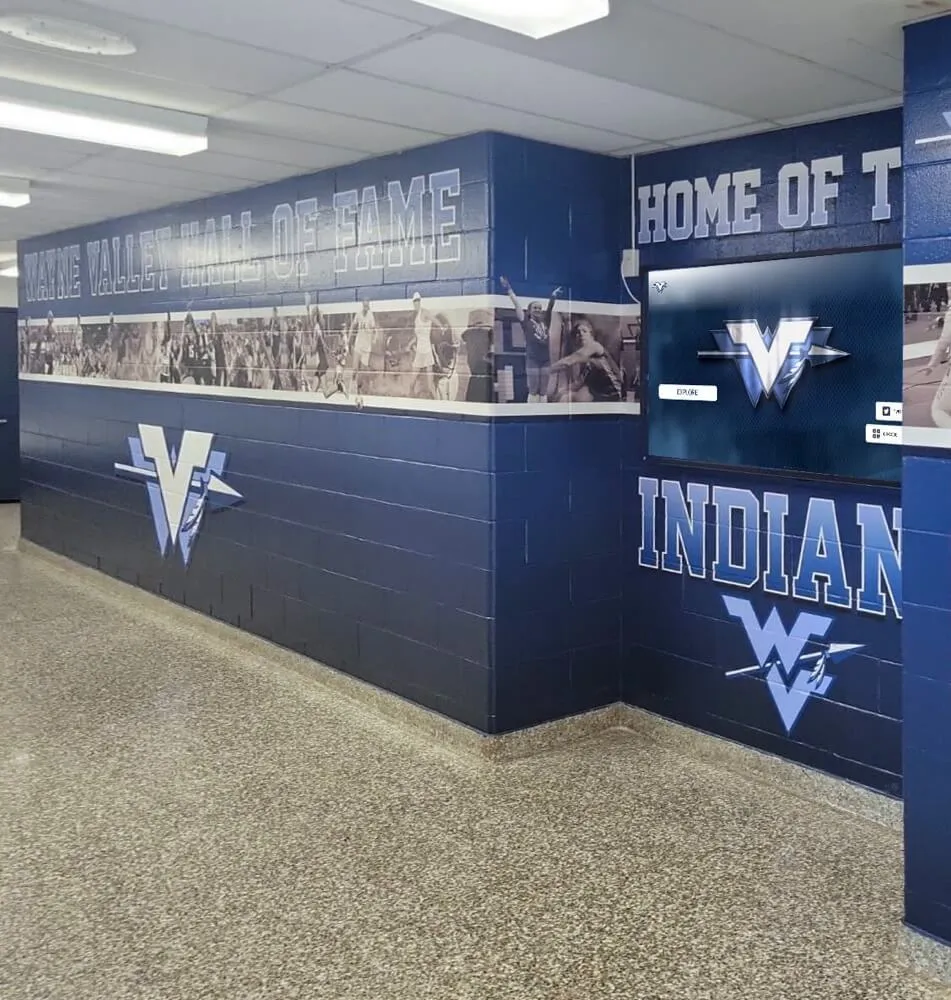
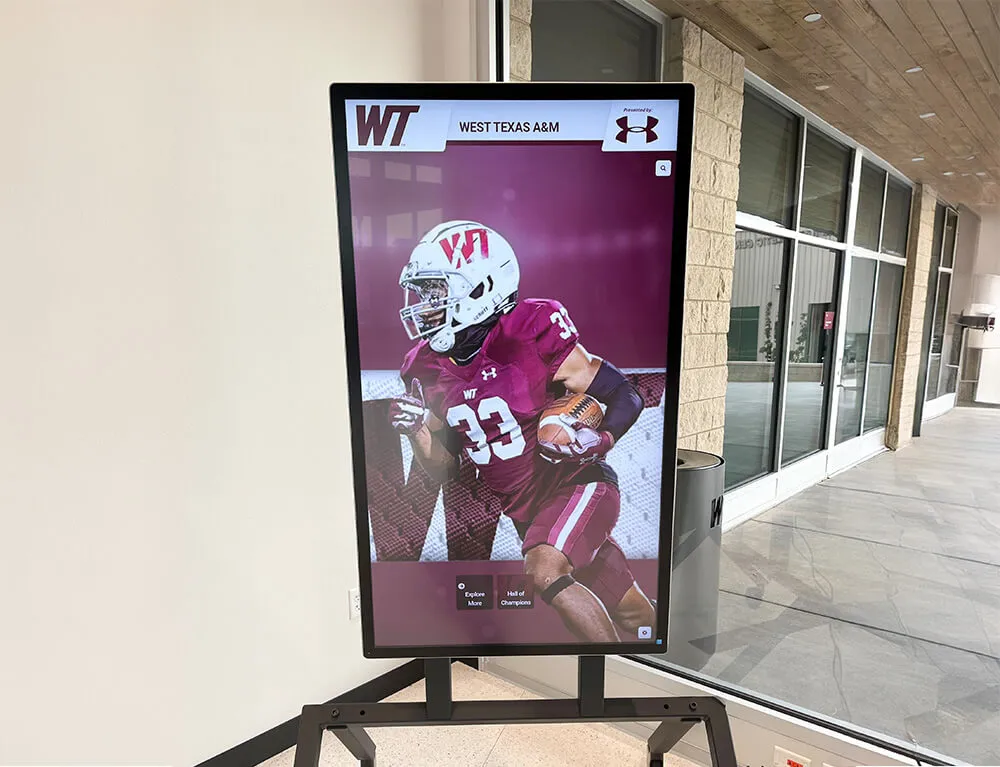
Interactive touchscreen displays invite exploration, enabling visitors to discover detailed achievement stories that static plaques cannot communicate
What is Rocket Recognition?
Understanding the platform’s capabilities and design philosophy helps organizations evaluate whether this approach addresses their specific recognition needs.
Platform Overview and Core Capabilities
Rocket Recognition is a digital recognition platform from Rocket Alumni Solutions that enables organizations to display unlimited honorees through interactive touchscreen systems. Rather than physical plaques limited by wall space, the platform presents achievement profiles through intuitive touch interfaces that visitors can search, filter, and explore.
Complete Recognition System
The platform includes integrated hardware and software delivering turnkey implementations:
- Commercial-grade touchscreen displays ranging from 43" to 65" diagonal
- Cloud-based content management accessible from any internet-connected device
- Unlimited recognition capacity accommodating thousands of profiles without space constraints
- Multimedia support including photos, videos, biographical information, and achievement documentation
- Responsive design ensuring proper display across different screen sizes
- ADA WCAG 2.1 AA accessibility compliance supporting diverse visitor needs
- Mobile QR code integration extending recognition beyond physical displays
Multi-Purpose Recognition Applications
Organizations implement Rocket Recognition for diverse acknowledgment needs:
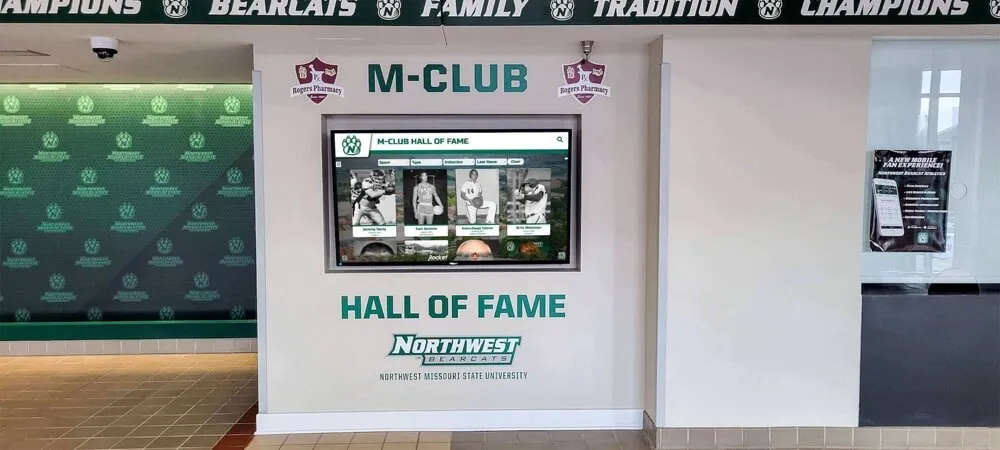
- Athletic halls of fame celebrating championship teams, record holders, and coaching excellence
- Donor recognition walls honoring philanthropic contributions at all giving levels
- Academic achievement displays showcasing honor roll students, scholarship recipients, and distinguished alumni
- Employee recognition programs celebrating milestone anniversaries and outstanding contributions
- Historical preservation presenting organizational evolution through photos and narratives
- Memorial walls honoring individuals who shaped institutional legacy
This versatility makes Rocket Recognition suitable across educational institutions, nonprofit organizations, religious institutions, corporations, and community organizations requiring visible permanent acknowledgment systems.
How Rocket Recognition Differs from Traditional Approaches
Digital recognition fundamentally changes what organizations can accomplish:
Space Limitations Eliminated
Traditional trophy cases hold perhaps 50-200 items before capacity exhausts. Bronze plaque walls accommodate maybe 100-300 names depending on wall size and layout density. Schools inevitably face impossible choices about which achievements receive visibility.
Rocket Recognition displays unlimited profiles. Whether you honor 100 athletes or 10,000 donors, the system accommodates growth indefinitely without construction projects or display expansion.
Update Speed Transformed
Adding names to bronze plaques requires 2-4 months including ordering, engraving, installation coordination, and facilities scheduling. Glass etching takes similar timelines. Organizations commonly add inductees at annual ceremonies, then wait months before recognition appears, frustrating honorees expecting timely acknowledgment.
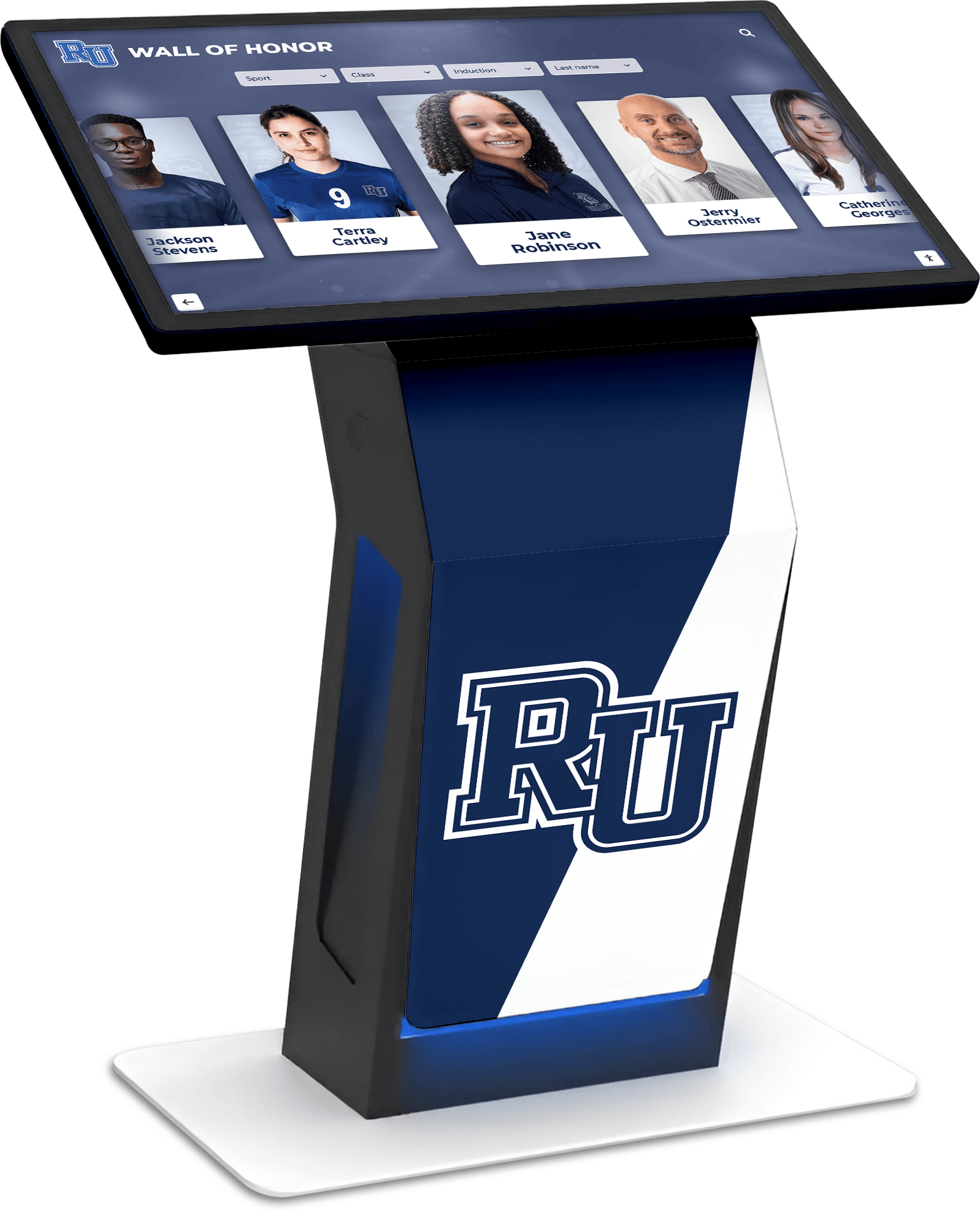
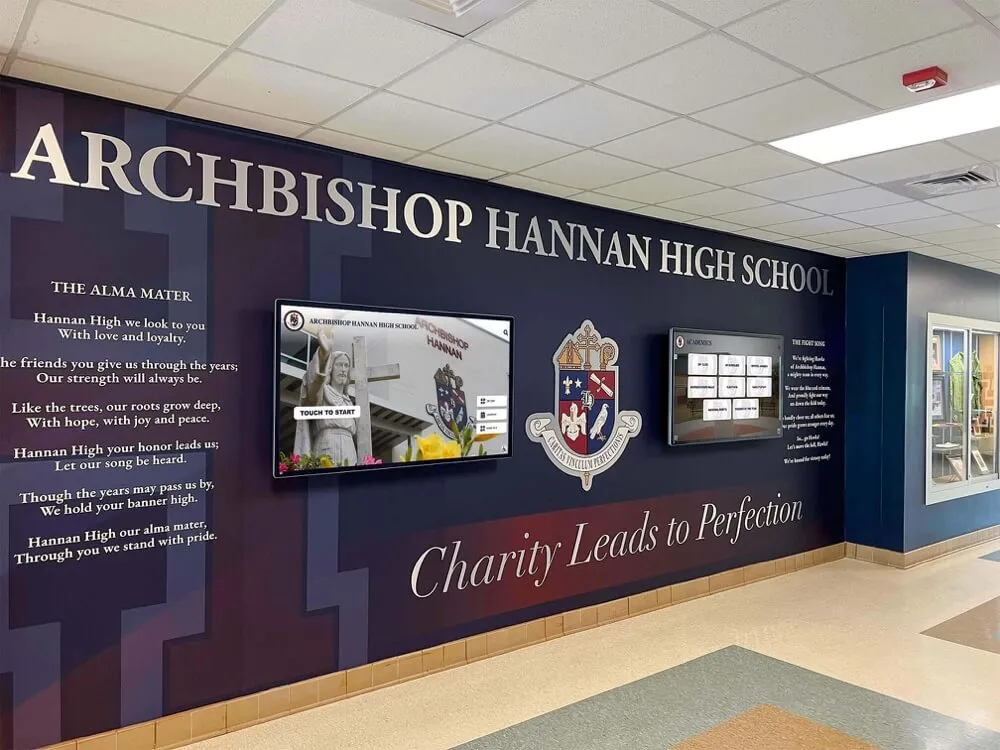
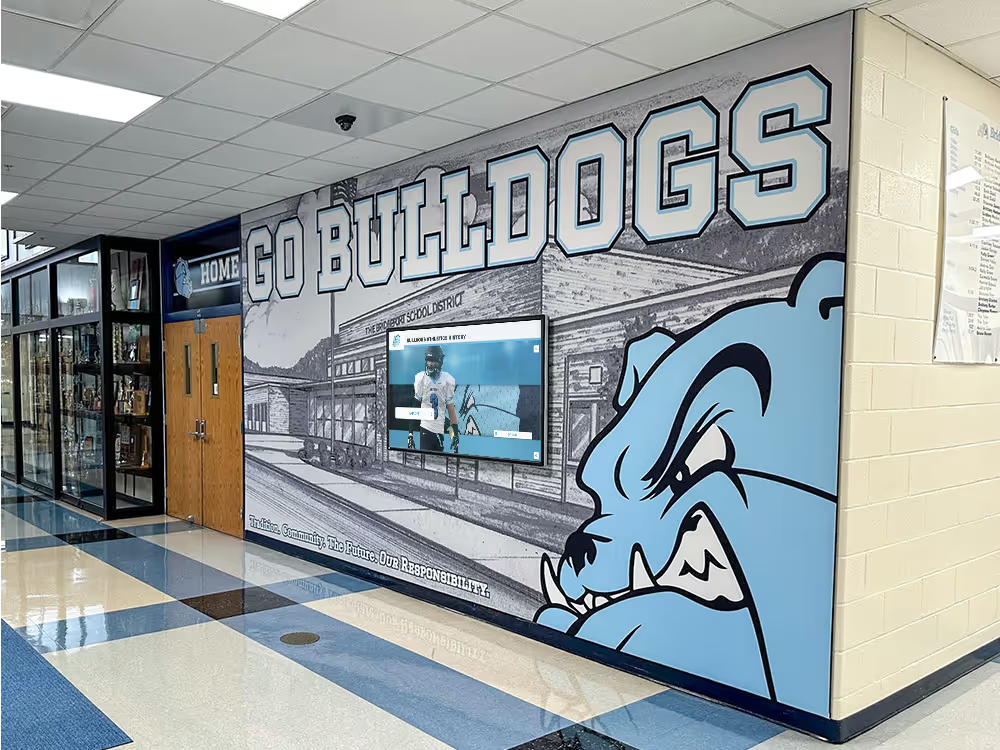
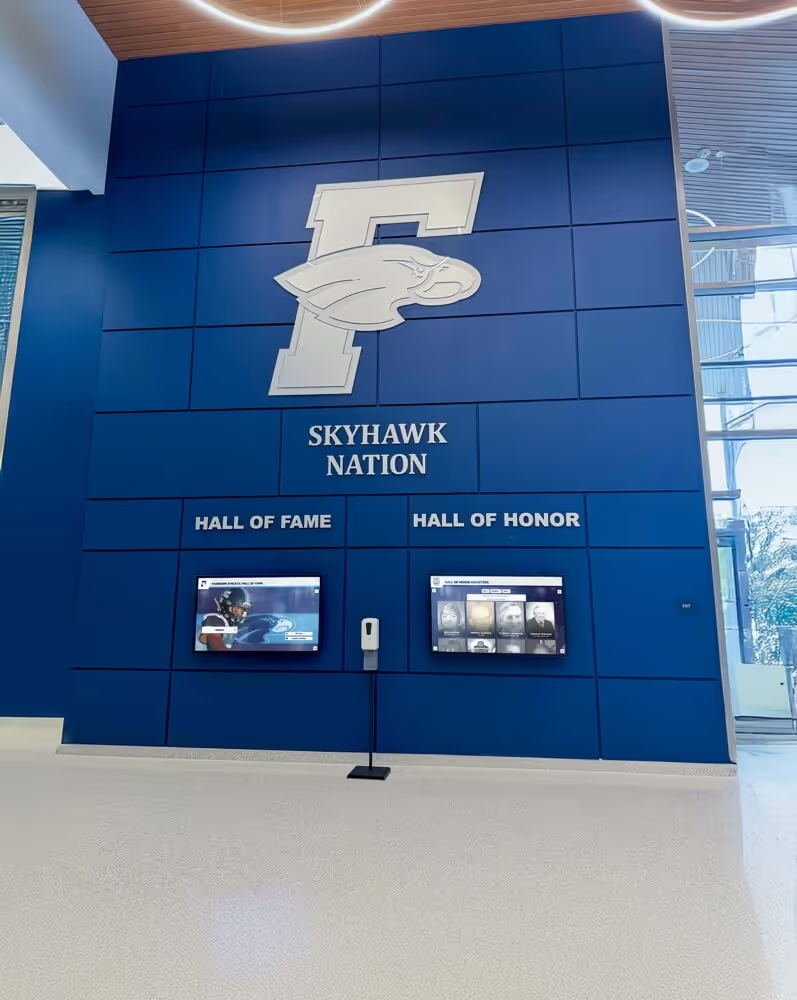
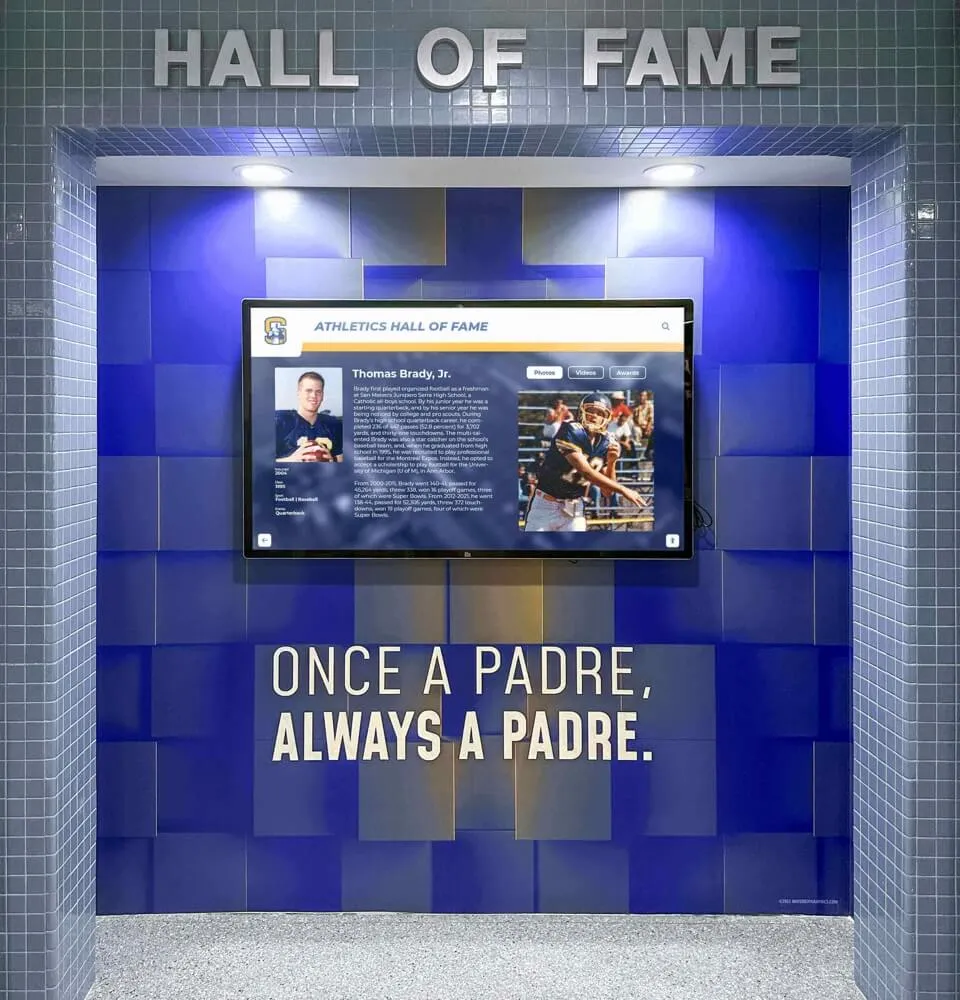
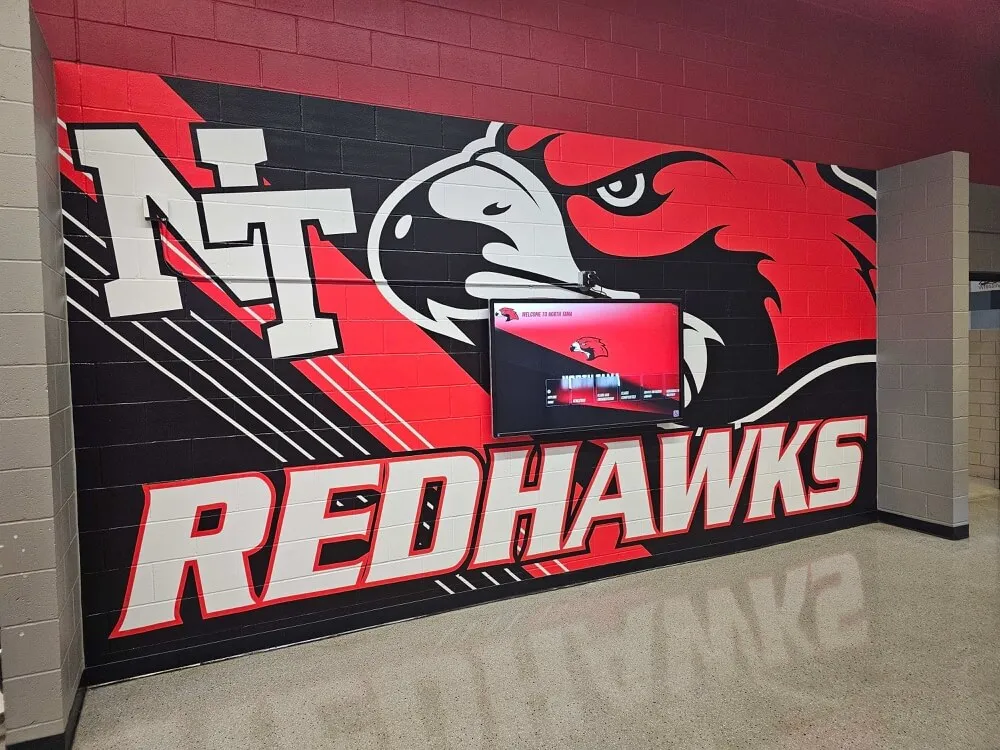
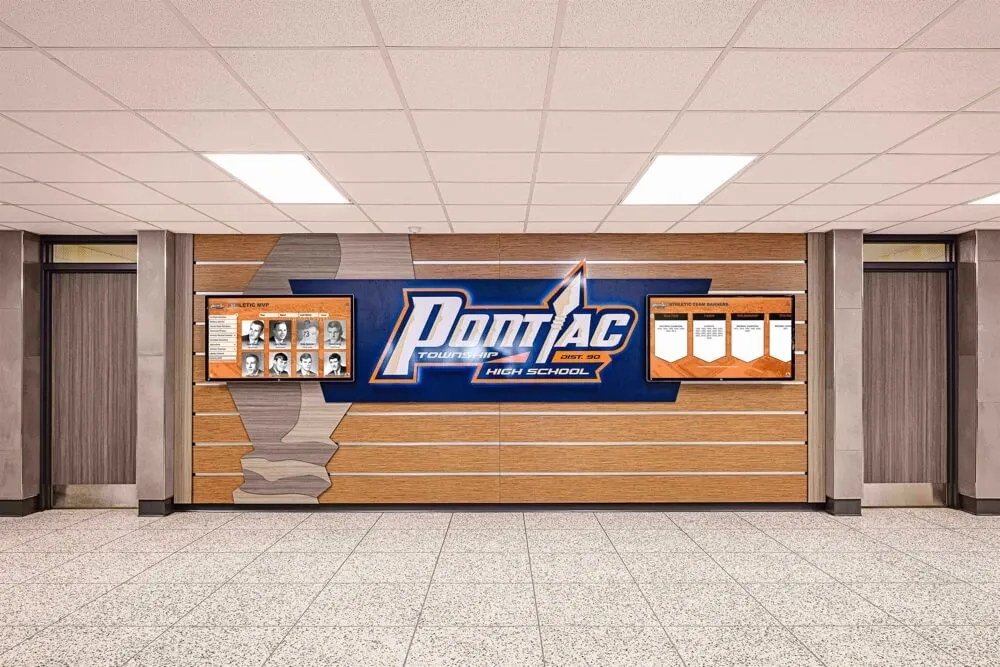
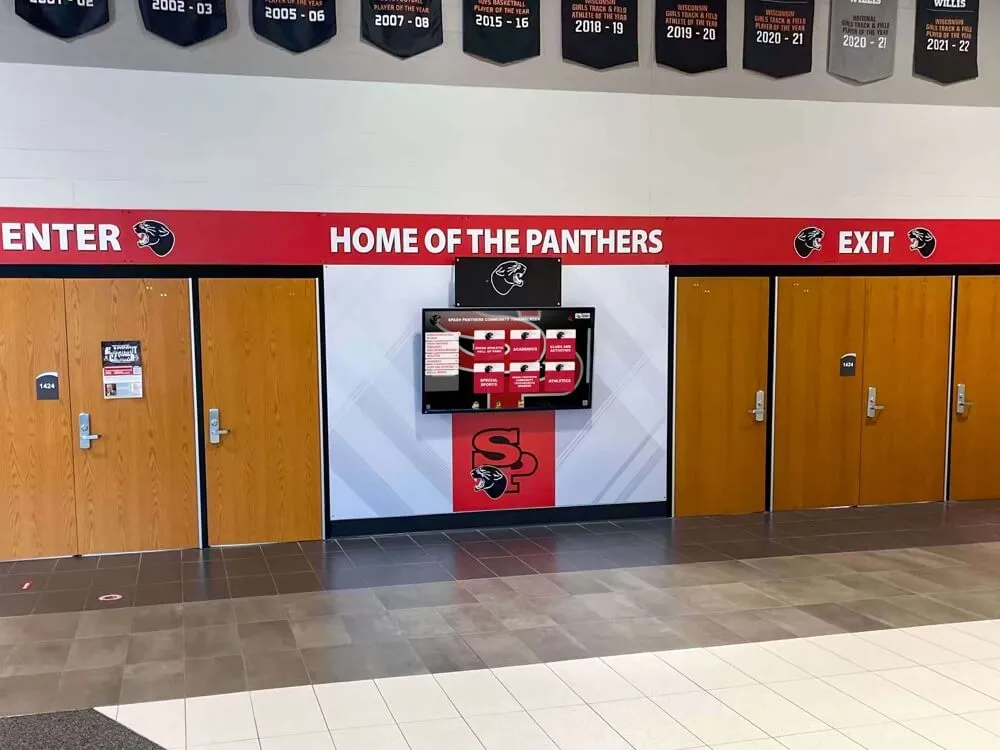
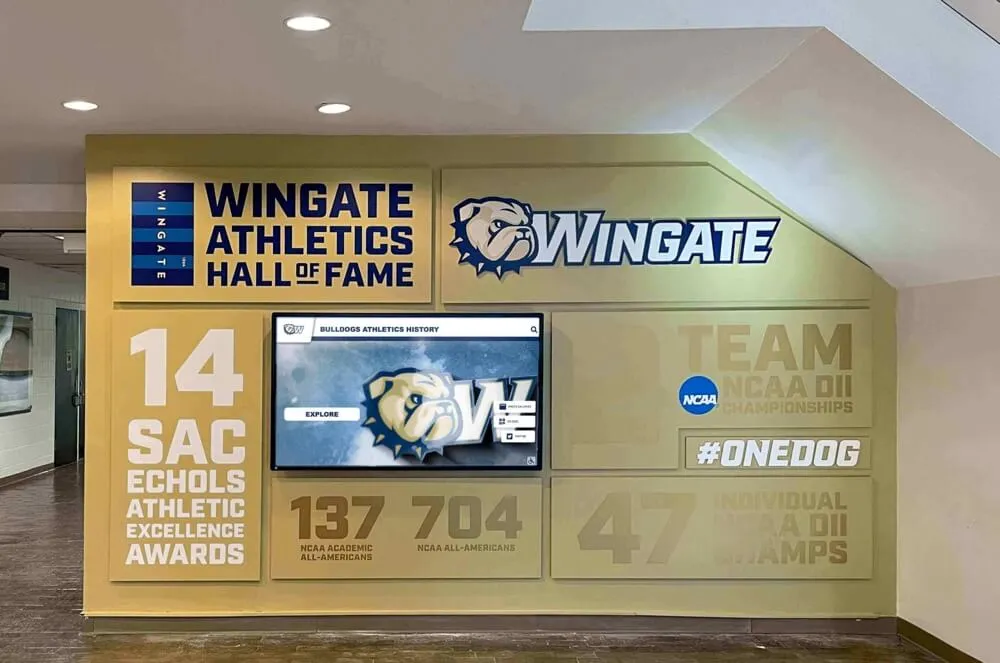
Professional kiosk installations integrate seamlessly with school environments while providing unlimited recognition capacity
Digital platforms enable same-day updates. Add new honorees within minutes through simple web interfaces requiring no technical expertise. Correct errors immediately rather than ordering replacement plaques. Update information as relationships evolve without multi-month delays.
Storytelling Depth Expanded
Physical plaques display perhaps 30-50 characters: name, year, achievement category. This constraint reduces complex accomplishments to minimal text unable to convey actual impact or personal stories behind achievements.
Rocket Recognition presents comprehensive profiles including multiple photos, detailed biographical information, achievement narratives, statistics and records, video segments and testimonials, family connections across generations, and impact documentation showing contribution outcomes. Visitors discover meaningful stories rather than scanning name lists.
Engagement Quality Enhanced
Static displays receive passive glances as visitors walk past. Few people stop to read bronze plaques beyond finding specific names they already know.
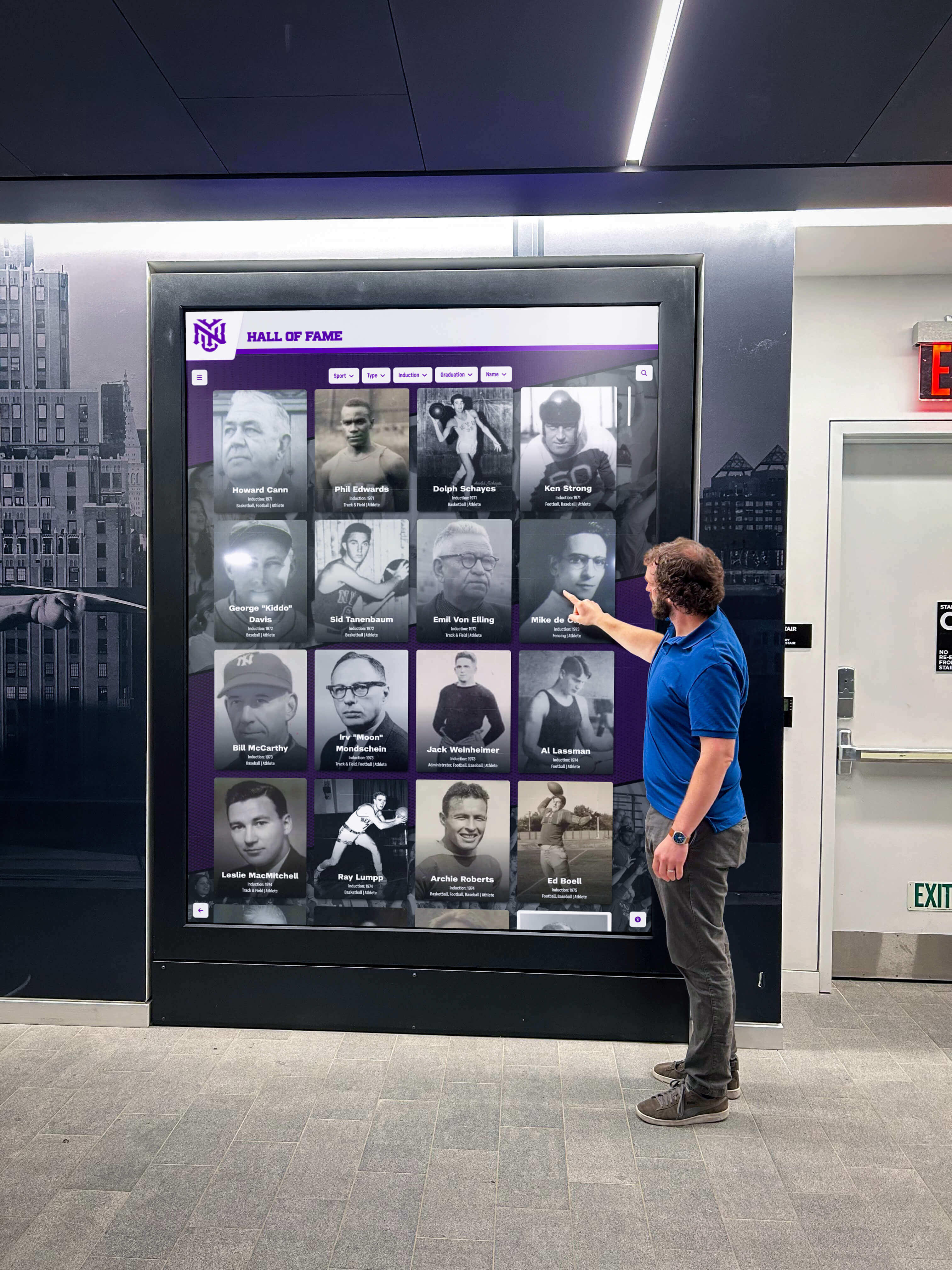
Interactive touchscreens invite exploration through search functionality, filtering by sport or category, timeline navigation, featured profile rotation, and QR codes extending recognition to personal mobile devices. Organizations report 4-8 minute average visitor engagement compared to 15-30 seconds for traditional plaques—representing 15-30x higher interaction quality.
Why Schools Choose Rocket Recognition
Educational institutions face unique recognition challenges that digital platforms address particularly effectively.
Athletic Department Recognition Needs
High school and college athletic programs accumulate recognition obligations that quickly overwhelm physical trophy cases:
Multiple Sports Creating Competing Demands
Schools commonly sponsor 15-25 varsity sports, each generating annual achievements deserving acknowledgment. Championship teams, individual records, all-conference selections, academic all-Americans, coaching milestones, and hall of fame inductees compete for limited display space. Traditional trophy cases force unfair choices prioritizing some sports while marginalizing others.
Solutions like Rocket Alumni Solutions enable comprehensive athletic hall of fame programs that honor achievement across all sports equally without space-driven compromises.
Historical Recognition Accumulation
Athletic programs spanning decades accumulate hundreds or thousands of deserving honorees. Schools with 50-year athletic histories might identify 500-2,000 athletes, coaches, and teams warranting recognition. Physical displays accommodate perhaps 100-200 names before space exhausts completely.
Digital recognition eliminates this constraint entirely. Comprehensive athletic history preservation becomes achievable rather than forcing painful decisions about whose legacy receives visibility.
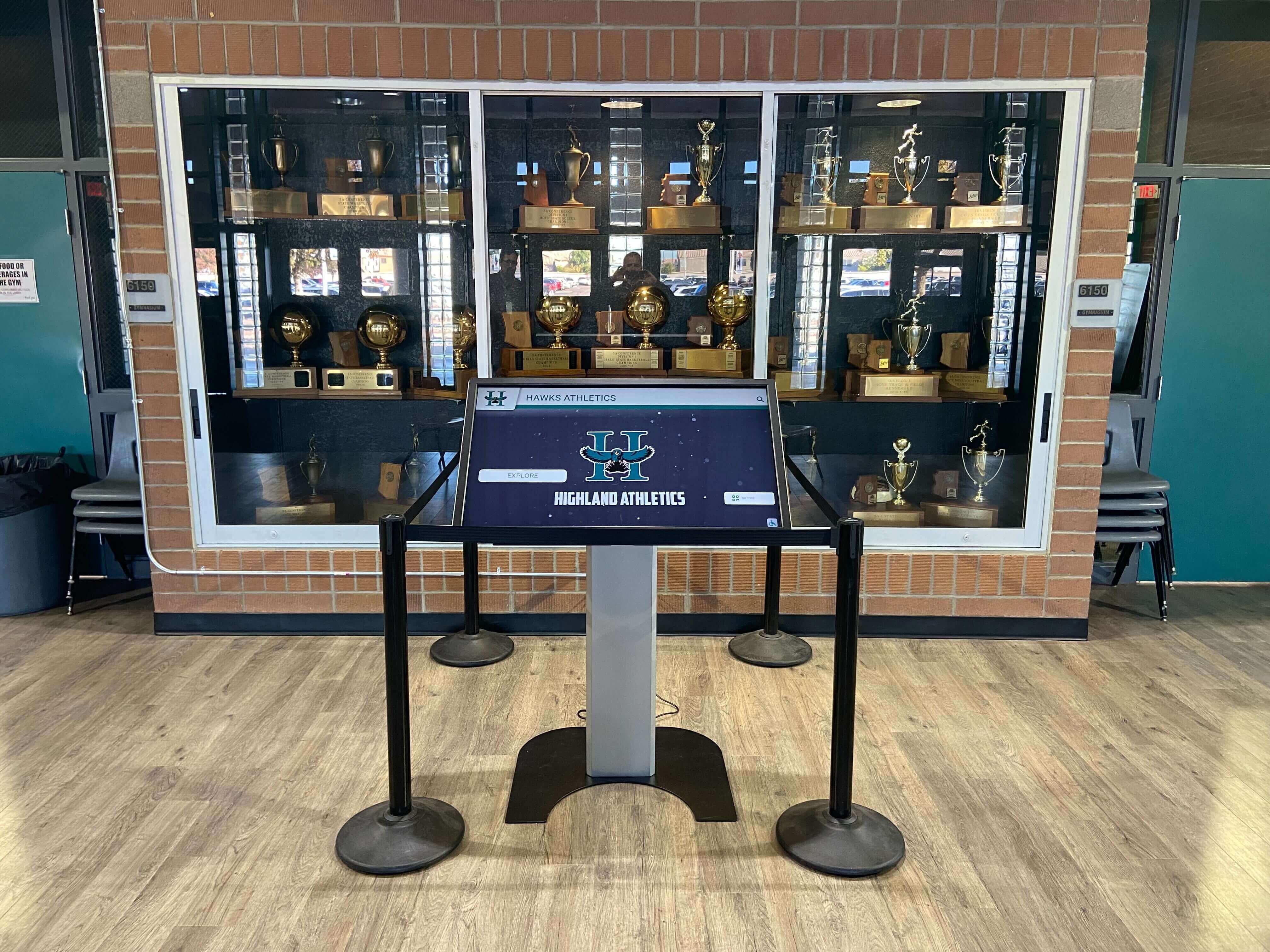
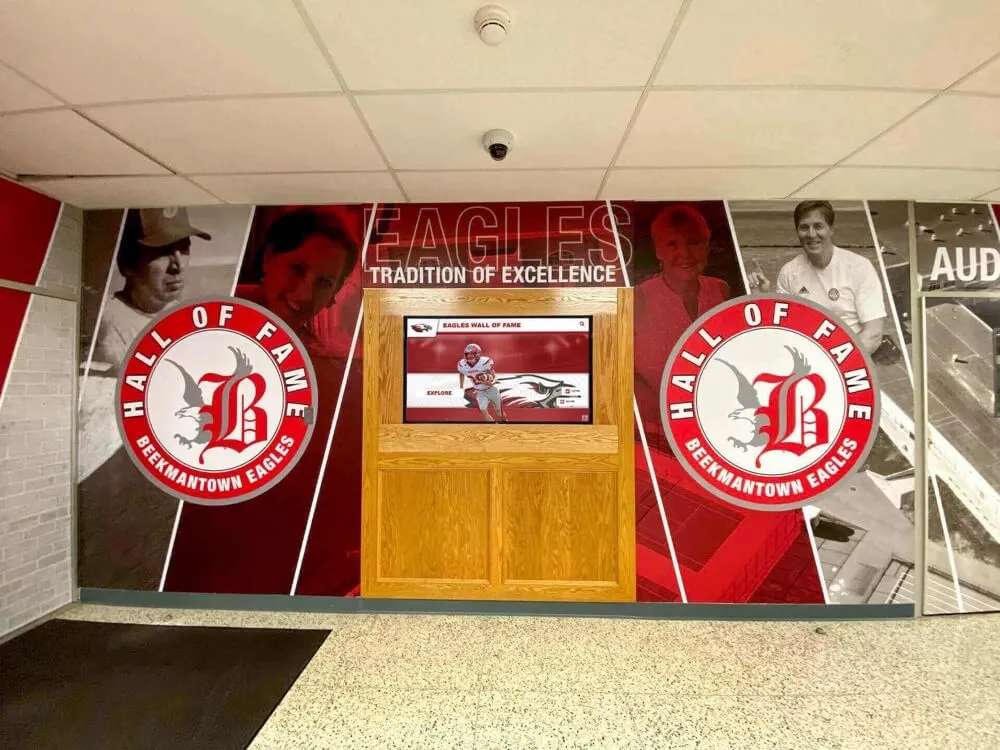
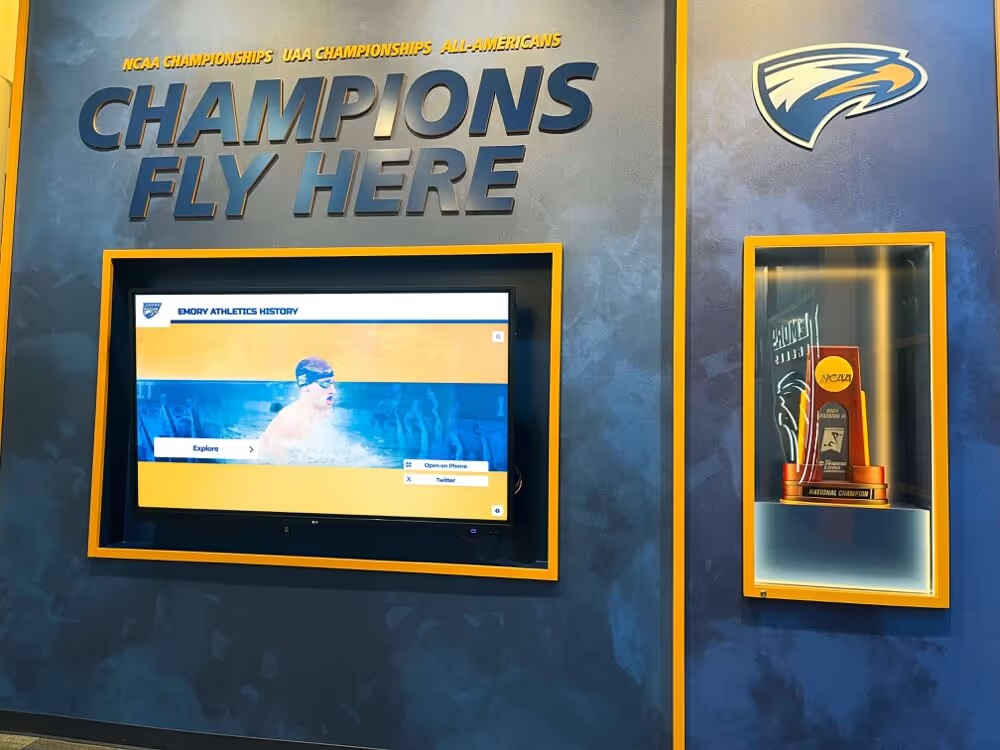
Digital displays complement existing trophy cases, adding unlimited capacity for athlete profiles, team histories, and coaching records
Record Board Maintenance Complexity
Athletic record boards listing top performers in various categories require constant updates as current athletes surpass historical marks. Traditional approaches involve repainting walls, ordering new signs, or manually updating displays—creating maintenance burdens that often lead to outdated information remaining visible for years.
Digital record board systems enable immediate updates maintaining accurate current information while preserving historical context showing how records evolved across decades.
Academic Recognition Requirements
Schools implementing comprehensive student recognition programs quickly exceed physical display capacity:
Honor Roll and Academic Excellence Programs
Schools recognizing honor roll students, perfect attendance, scholarship recipients, and academic awards across multiple quarters and grade levels generate substantial recognition volume. Elementary schools might honor 50-150 students quarterly. High schools commonly recognize 200-500+ students through various academic programs annually.
Traditional paper lists on bulletin boards fade and deteriorate. Permanent recognition requires expensive installations that fill rapidly. Academic recognition programs benefit substantially from platforms accommodating growth while providing dignified professional presentation.
Alumni Achievement Celebration
Schools maintaining connections with distinguished graduates want visible recognition systems showcasing alumni success. Medical school graduates, corporate executives, artistic achievers, military service members, and community leaders reflect institutional educational quality while inspiring current students.
Traditional alumni walls accommodate perhaps 50-200 graduates before space constraints force recognition cessation. Digital platforms enable unlimited alumni profiles creating comprehensive directories celebrating every graduate’s post-graduation accomplishments.
Advancement and Development Recognition
Fundraising success depends substantially on donor stewardship quality, making recognition systems essential advancement tools:
Growing Donor Programs
Successful development programs cultivate increasing donor numbers over time. Organizations might begin capital campaigns with 50-100 major donors, then grow to 500-1,000+ contributors across multiple giving levels over subsequent years and campaigns.
Traditional donor walls designed for initial campaigns lack capacity for program growth. Digital platforms enable unlimited donor capacity accommodating organizational development success without forcing capacity compromises or expensive wall reconstruction.
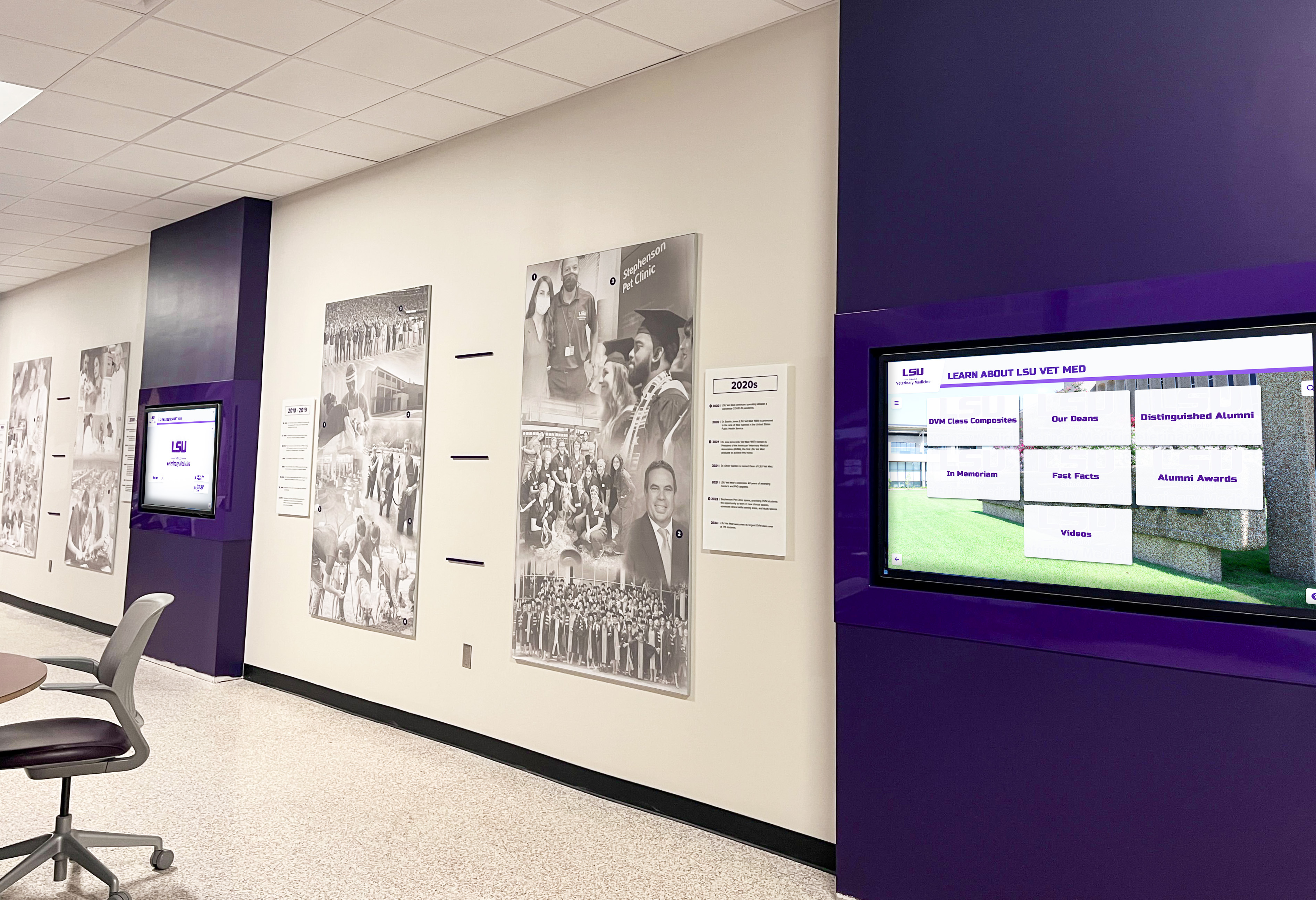
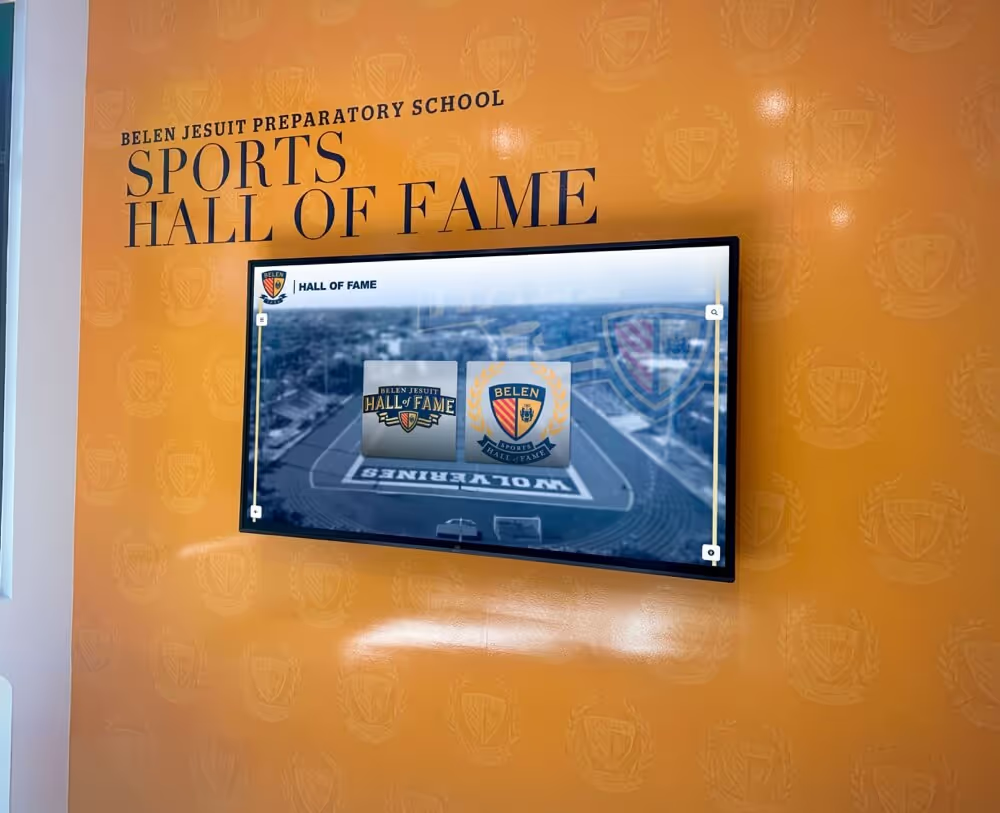
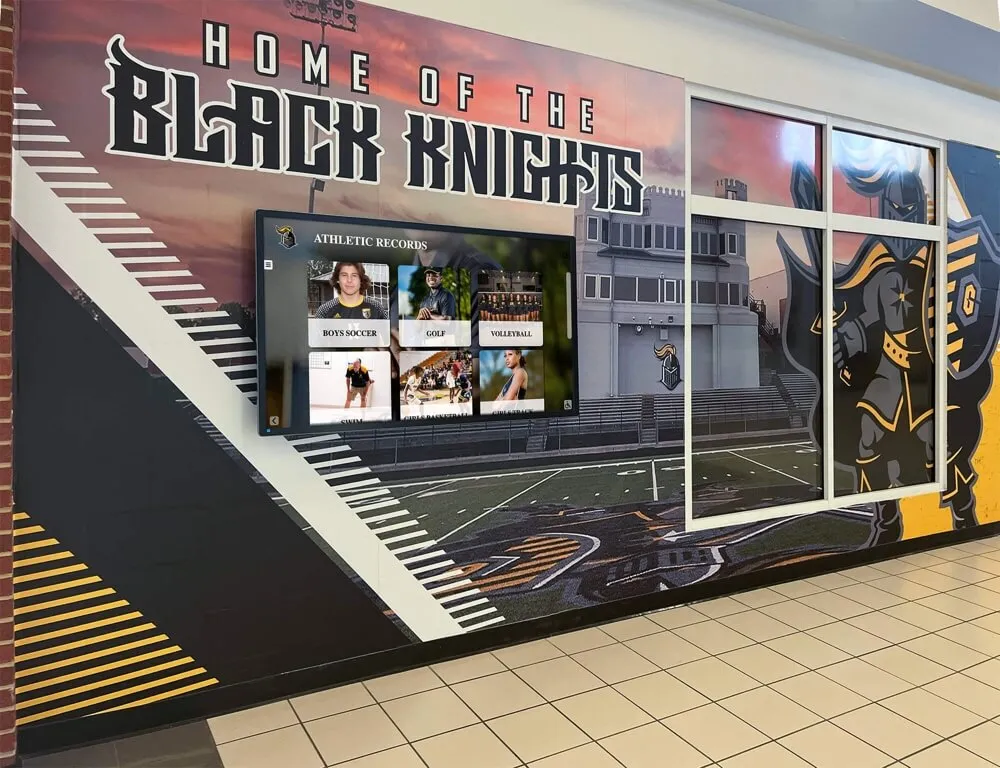
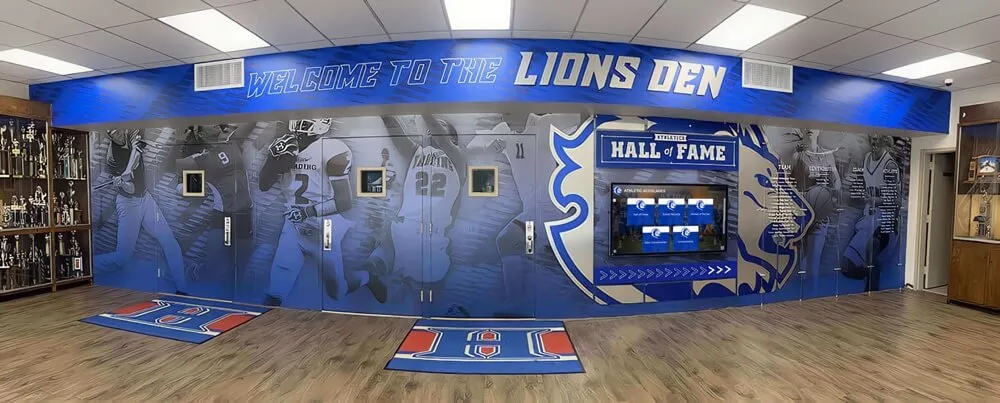
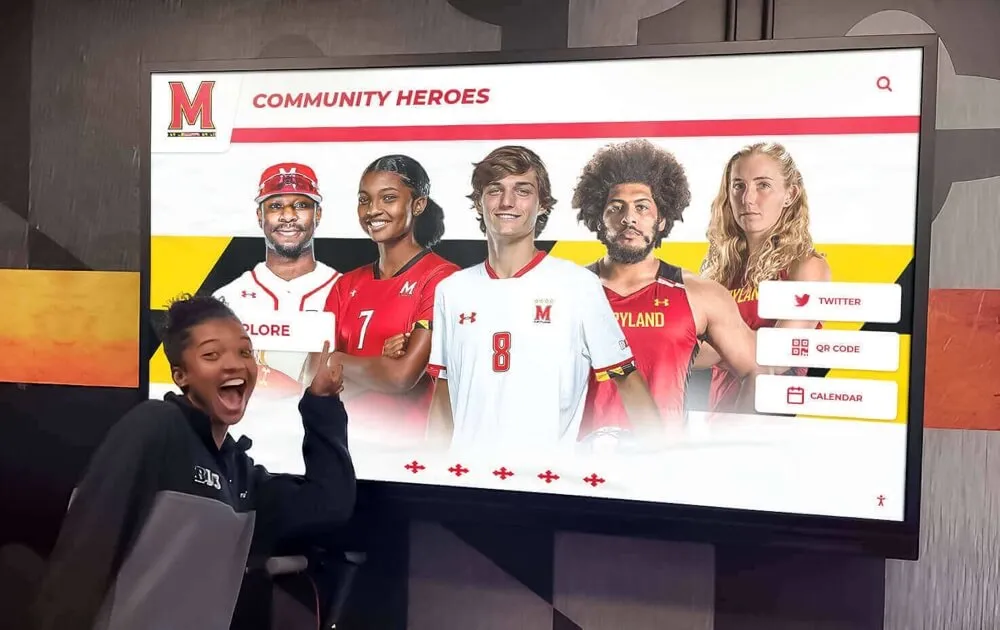
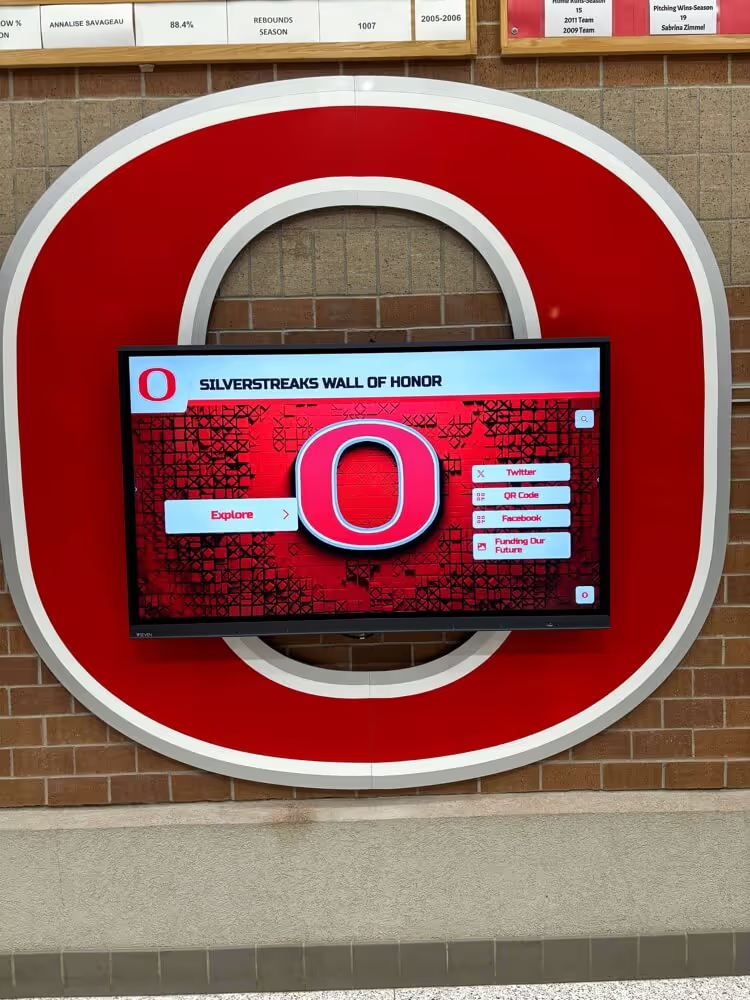
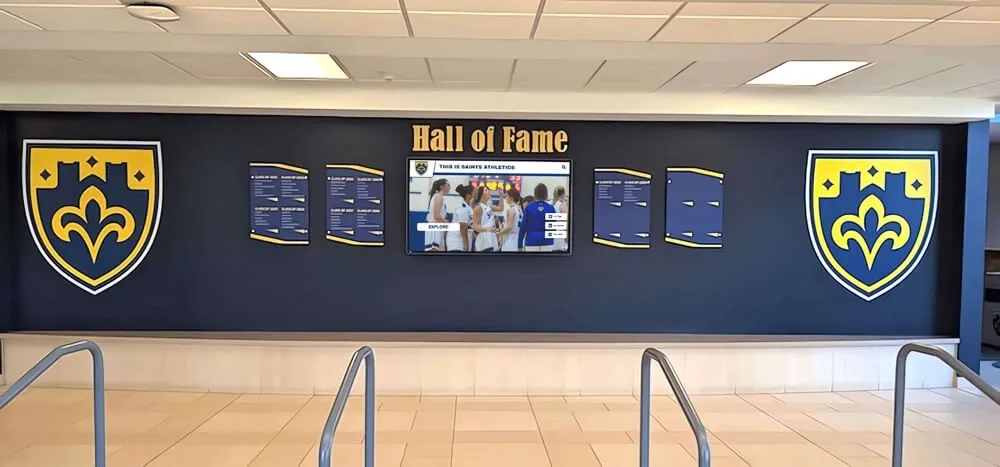
Multiple coordinated displays enable comprehensive recognition across diverse programs and achievement categories
Recognition Tier Management
Comprehensive donor recognition includes multiple giving levels from modest annual fund supporters through transformational major gift contributors. Traditional approaches struggle differentiating tier visibility appropriately—either treating all donors identically regardless of contribution level, or creating obvious disparities that alienate lower-tier supporters.
Digital systems enable sophisticated tier presentation through enhanced profile depth for major donors while maintaining dignified recognition for all contributors. Platforms can showcase leadership donors on featured rotation while ensuring every supporter receives appropriate permanent acknowledgment.
Impact Storytelling Requirements
Modern donors expect visibility into gift utilization and outcomes. Recognition should demonstrate how contributions enabled specific programs, facilities, scholarships, or research rather than merely listing donor names and amounts.
Organizations implementing donor recognition walls find that multimedia platforms communicating impact through photos, videos, and detailed narratives strengthen relationships while inspiring additional giving substantially more effectively than name-only plaques.
How Rocket Recognition Works
Understanding implementation process, content management, and ongoing operation helps organizations evaluate platform fit for specific needs.
Hardware and Technical Infrastructure
Rocket Recognition implementations include complete turnkey systems:
Commercial-Grade Display Components
Professional hardware ensures reliable long-term operation:
- Commercial touchscreen displays rated for continuous public use (50,000-100,000 hour lifespan)
- Industrial computing systems designed for 24/7 always-on deployment
- Projected capacitive touchscreen technology providing smartphone-like responsiveness
- Anti-glare treated displays maintaining visibility in varied lighting conditions
- Reinforced tempered glass protecting against damage in high-traffic environments
Professional Installation Services
Rocket Alumni Solutions coordinates complete implementation:
- Site assessment identifying optimal placement locations
- Electrical and network infrastructure coordination
- Professional mounting ensuring secure attachment and proper viewing angles
- System configuration and software setup
- Network connectivity testing and verification
- Staff training on content management and basic troubleshooting
- Quality inspection before final handoff
Organizations receive functional systems ready for content rather than boxes of components requiring technical assembly and configuration.
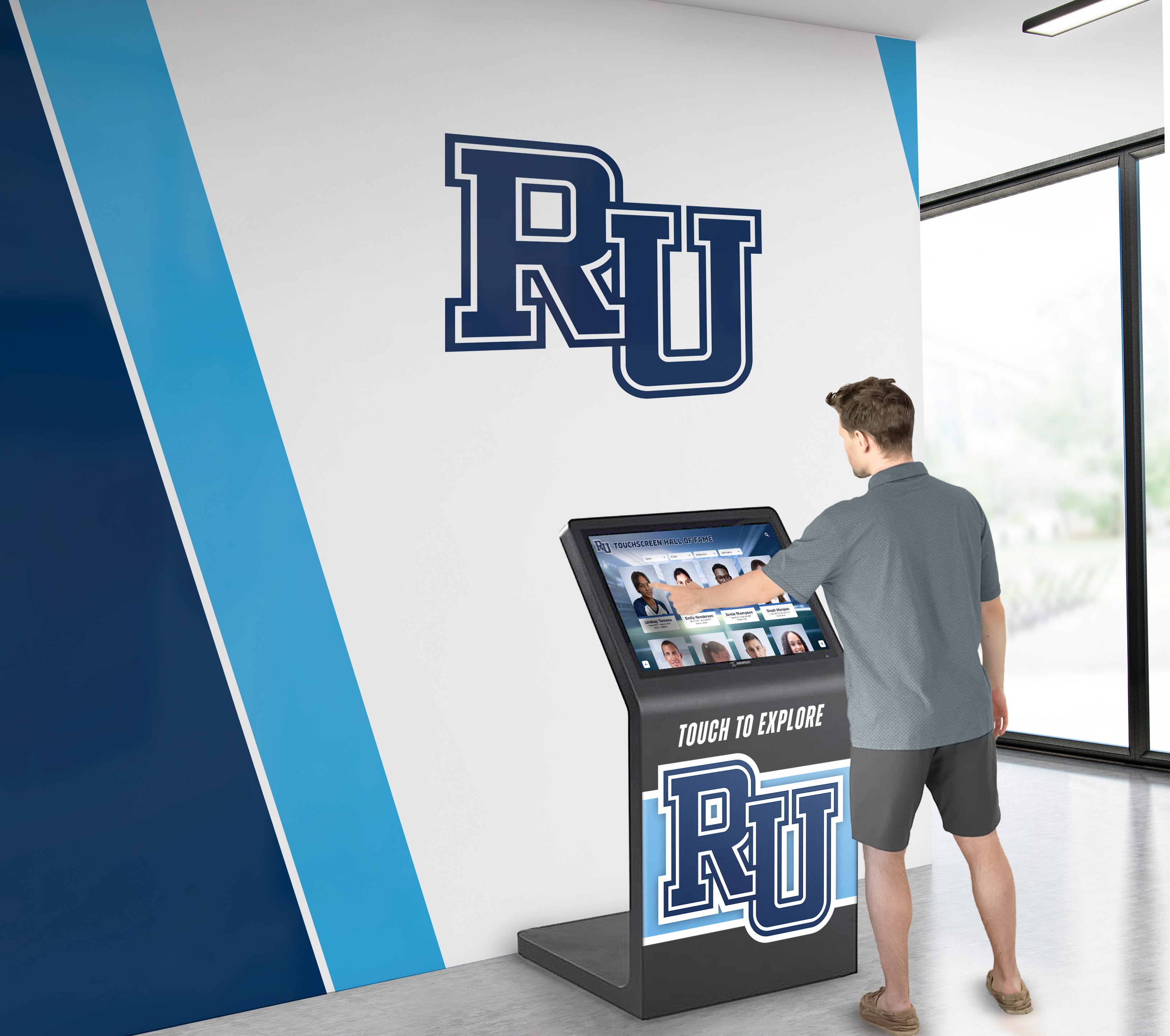
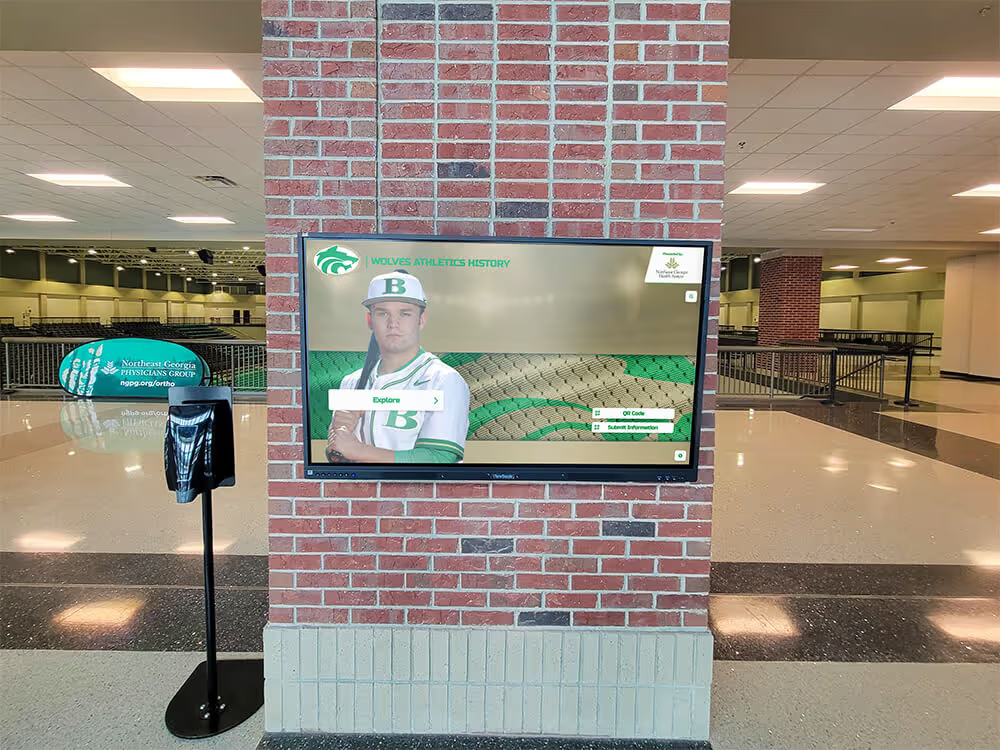
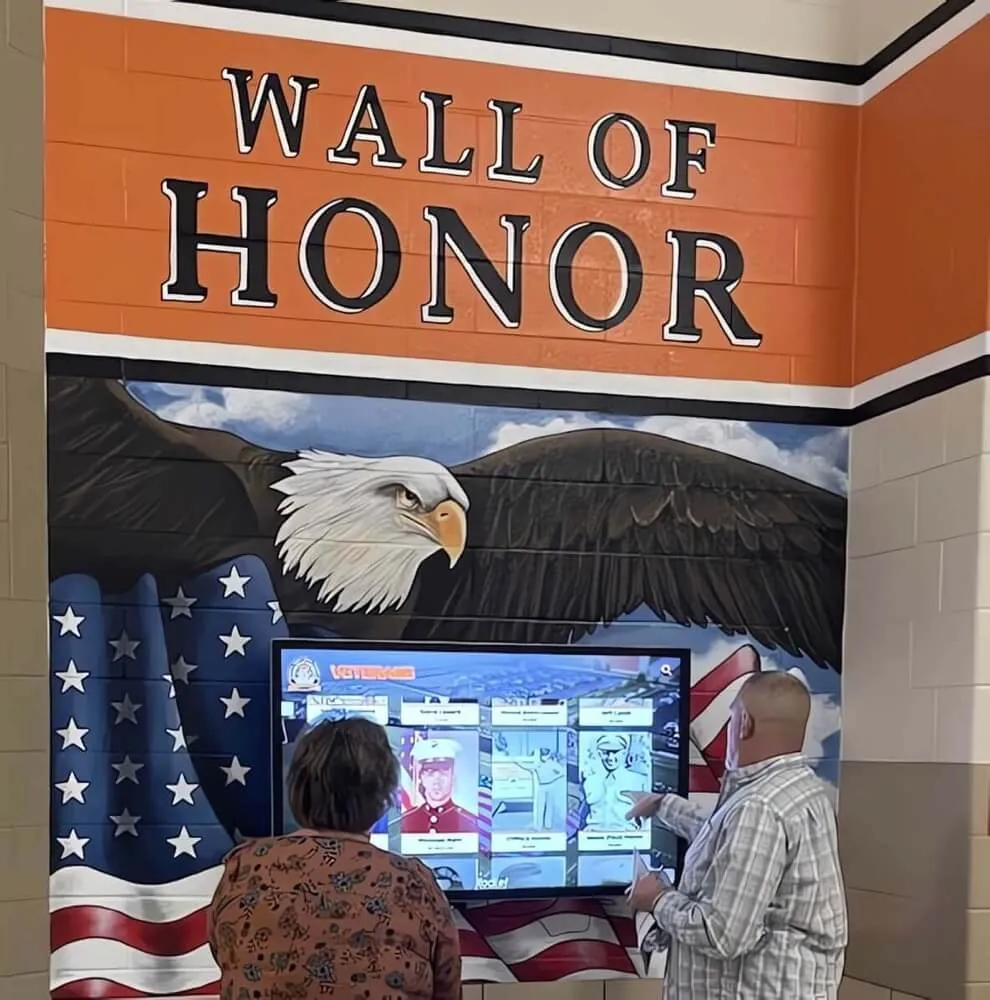
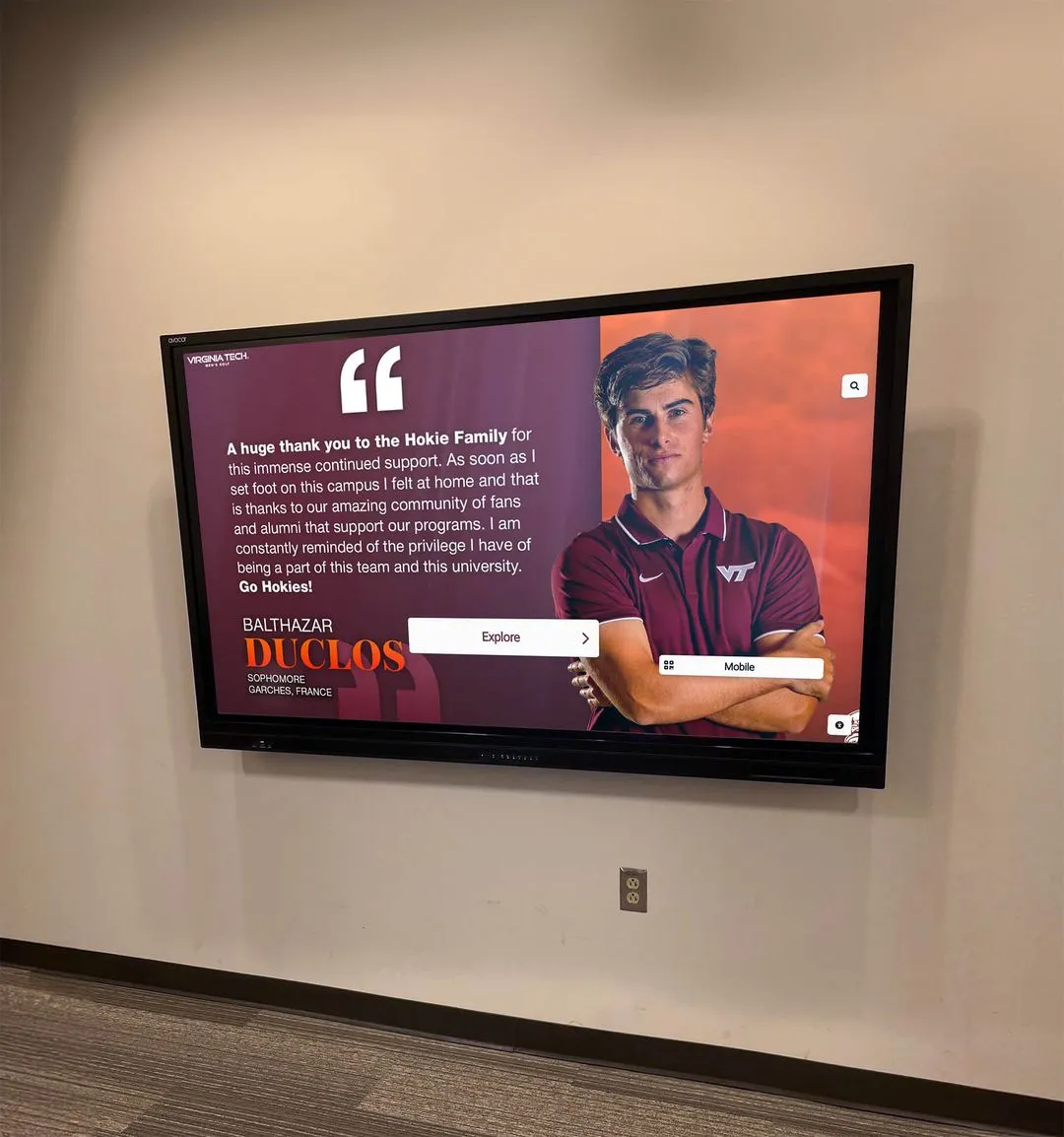
Professional installations ensure displays integrate seamlessly with campus environments while providing accessible intuitive interfaces
Network and Connectivity Requirements
Cloud-based platforms require internet connectivity:
- Standard wired Ethernet preferred for reliability (WiFi acceptable as alternative)
- Typical bandwidth requirements minimal (similar to web browsing)
- No special firewall configurations required for most networks
- Remote access enabling content management from any location
- Automatic software updates maintaining current capabilities
Schools with existing network infrastructure accommodate Rocket Recognition without specialized IT modifications in most environments.
Content Management System
Platform administration requires no technical expertise, enabling advancement staff, athletic directors, or designated administrators to manage content independently:
Intuitive Administrative Interface
Cloud-based dashboards provide straightforward content control:
- Simple forms for creating new honoree profiles requiring only basic information
- Photo and video upload through standard drag-and-drop interfaces
- Rich text editing for biographical information and achievement narratives
- Template structures ensuring consistent professional presentation
- Preview functionality verifying appearance before publishing
- Bulk import tools for adding large historical datasets efficiently
Organizations commonly train multiple staff members on content management within 30-60 minutes, enabling distributed administration without creating vendor dependency for routine updates.
Profile Organization and Management
Sophisticated systems accommodate diverse recognition needs:
- Multiple recognition categories within single displays (athletics, academics, donors, etc.)
- Tiered structures differentiating major honorees from general recognition
- Timeline organization showing achievement progression across decades
- Sport-specific or program-specific filtering enabling focused exploration
- Search functionality allowing visitors locating specific individuals instantly
- Featured profile rotation ensuring periodic visibility for all honorees
Scheduled Publishing and Expiration
Advanced platforms enable content automation:
- Schedule profile publication dates coordinating with induction ceremonies
- Set temporary recognition for annual programs with automatic renewal requirements
- Publish content during specific date ranges for seasonal or event-specific acknowledgment
- Coordinate multiple profile launches simultaneously for class or ceremony-based recognition
Digital signage content management accessibility determines whether schools maintain displays effectively or systems gradually decline into neglect as complexity overwhelms staff capacity.
Visitor Experience and Interaction
User-facing interfaces determine recognition effectiveness:
Intuitive Touch Navigation
Visitor interaction requires no training or instruction:
- Home screen clearly presenting available categories and featured profiles
- Large touch targets accommodating varied user comfort with technology
- Consistent navigation patterns matching smartphone and tablet conventions
- Back buttons and home icons preventing users from getting lost
- Automatic timeout returning displays to attract mode after interaction cessation
Visitors ranging from elementary students through senior adults successfully navigate interfaces without assistance.
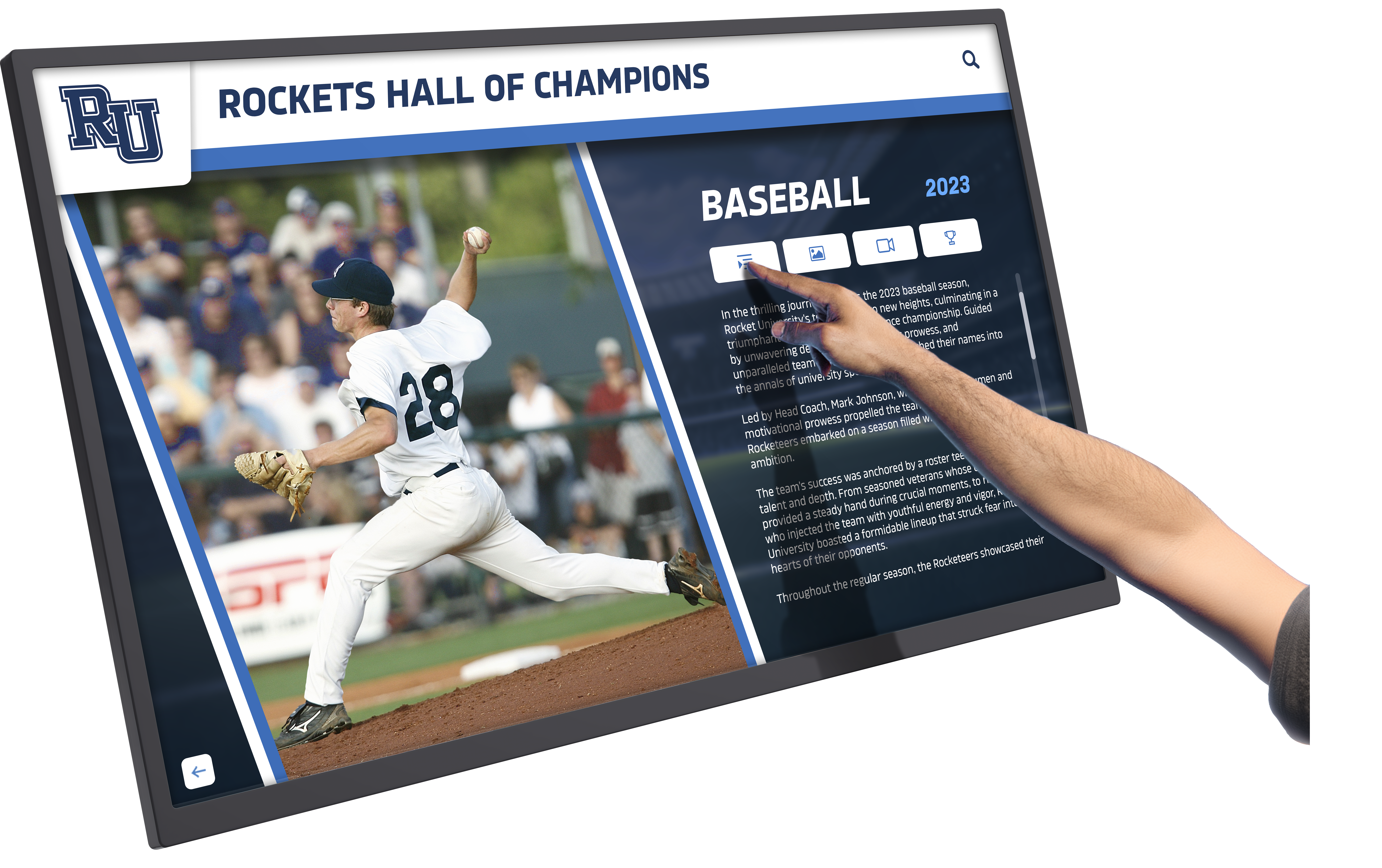
Smartphone-like interfaces make exploration intuitive for visitors comfortable with modern touchscreen devices
Comprehensive Search and Filtering
Sophisticated discovery tools enable targeted exploration:
- Alphabetical browsing by last name
- Sport or category filtering showing specific groups
- Year or era selection displaying particular decades or date ranges
- Achievement type filtering (championships, records, awards, etc.)
- Keyword search finding relevant profiles quickly
- Related profile suggestions connecting family members or team connections
Rich Profile Presentation
Detailed pages tell complete stories:
- Multiple high-quality photos showing different career moments or life stages
- Comprehensive biographical narratives providing context and personal background
- Achievement summaries with statistics, records, and accomplishment documentation
- Video segments including interviews, game footage, or ceremony highlights
- Family connections showing multi-generational involvement
- Impact statements describing contribution outcomes for donor recognition
- Social sharing options enabling honorees to celebrate with personal networks
Rocket Recognition Pricing and Investment
Understanding complete cost of ownership across initial implementation and ongoing operation enables informed budget planning.
Initial Implementation Investment
Turnkey projects include hardware, software, installation, and content development:
Hardware and Installation Costs
Physical infrastructure comprises:
- Commercial touchscreen display (43"-65"): $3,500-8,000
- Computing system and mounting hardware: $1,500-3,000
- Professional installation and configuration: $1,500-4,000
- Network connectivity setup: $500-1,500
- Total hardware investment: $7,000-16,500
Display size selection depends on viewing distance, content density, and available wall space. Larger screens support more comfortable group viewing and richer visual presentation.
Software Platform and Content
Initial software setup includes:
- First year platform subscription: $2,500-7,500
- Initial content development assistance: $3,000-12,000
- Administrative training and orientation: $500-1,500
- Brand customization and design: $1,000-3,000
- Total software and content: $7,000-24,000
Content development costs vary substantially based on initial honoree volume, historical research requirements, photo quality and availability, and whether organizations provide finished content or require vendor assistance with research and writing.
Total Initial Investment: $14,000-40,000 for complete turnkey implementations ready for public use.
Organizations with existing photo archives, well-documented achievement information, and staff capacity for content creation invest toward lower ranges. Those requiring extensive historical research, photo digitization, and professional content development invest toward higher ranges.

Professional installations integrate recognition displays with existing architectural elements and school branding
Ongoing Annual Costs
Recurring expenses maintain platform functionality and support:
Annual Subscription Fees
Platform access and support includes:
- Cloud hosting and software access: $2,500-7,500 annually
- Unlimited content updates and modifications
- Software improvements and feature additions
- Technical support and troubleshooting assistance
- Accessibility compliance maintenance
- Security updates and platform monitoring
Subscription costs typically tier based on screen quantity and included support levels rather than content volume or usage metrics.
Optional Ongoing Services
Some organizations purchase additional support:
- Content development assistance: $0-5,000 annually (most organizations self-manage)
- Extended warranty or hardware replacement insurance: $300-800 annually
- Premium support packages with guaranteed response times: $500-2,000 annually
Total Annual Investment: $2,500-10,000 for most standard implementations.
Cost Comparison: Digital vs Traditional Recognition
Evaluating 10-year total cost of ownership reveals digital advantages for growing programs:
Traditional Bronze Plaque Wall (50 initial inductees, adding 20 annually):
- Initial installation: $25,000
- Year 1-10 additions (200 plaques @ $400 each): $80,000
- Installation coordination (10 cycles @ $2,000): $20,000
- Annual maintenance: $5,000
- 10-year total: $130,000
- Final capacity: 250 honorees
Rocket Recognition System (unlimited capacity):
- Initial implementation: $25,000
- Annual subscription (10 years @ $5,000): $50,000
- Hardware replacement (Year 7): $10,000
- Content updates: $10,000
- 10-year total: $95,000
- Final capacity: Unlimited
Digital platforms show 25-40% lower total ownership costs while providing unlimited capacity, instant updates, rich storytelling capabilities, and substantially higher visitor engagement compared to traditional approaches.
Organizations can explore implementation details through hardware and setup information documenting complete service scope.
Implementing Rocket Recognition Successfully
Effective recognition requires strategic planning beyond technical installation, addressing organizational readiness, content development, and stakeholder engagement.
Preparation and Planning Phase
Successful implementations begin with careful groundwork:
Needs Assessment and Goal Definition
Organizations should clarify recognition objectives:
- Which groups require acknowledgment (athletes, donors, students, employees, etc.)
- Historical depth intended (current year only vs. comprehensive decades-long archives)
- Update frequency anticipated (daily, weekly, monthly, annually)
- Administrative responsibility and staff capacity for ongoing management
- Integration requirements with existing databases or information systems
- Budget constraints and funding sources
Clear objectives guide appropriate platform configuration and content development scope.
Location Selection and Site Preparation
Placement substantially affects recognition impact:
- High-traffic areas ensuring maximum visibility (main lobbies, entrance corridors, athletic facilities)
- Viewing distance and angle considerations for comfortable interaction
- Electrical outlet accessibility and network connectivity
- Lighting conditions avoiding glare or excessive brightness
- Architectural appropriateness complementing existing design
- ADA compliance for wheelchair users and visitors with disabilities
Strategic placement decisions influence recognition effectiveness more than design quality or feature sophistication, making site selection critical.
Stakeholder Engagement and Communication
Successful launches involve key constituents:
- Athletic director or advancement director oversight
- Selection committee involvement for hall of fame programs
- IT coordination for network access and technical support
- Facilities management for installation scheduling
- Marketing and communications for launch promotion
- Board or leadership approval for significant investments
Early engagement prevents implementation delays while building organizational enthusiasm supporting long-term success.
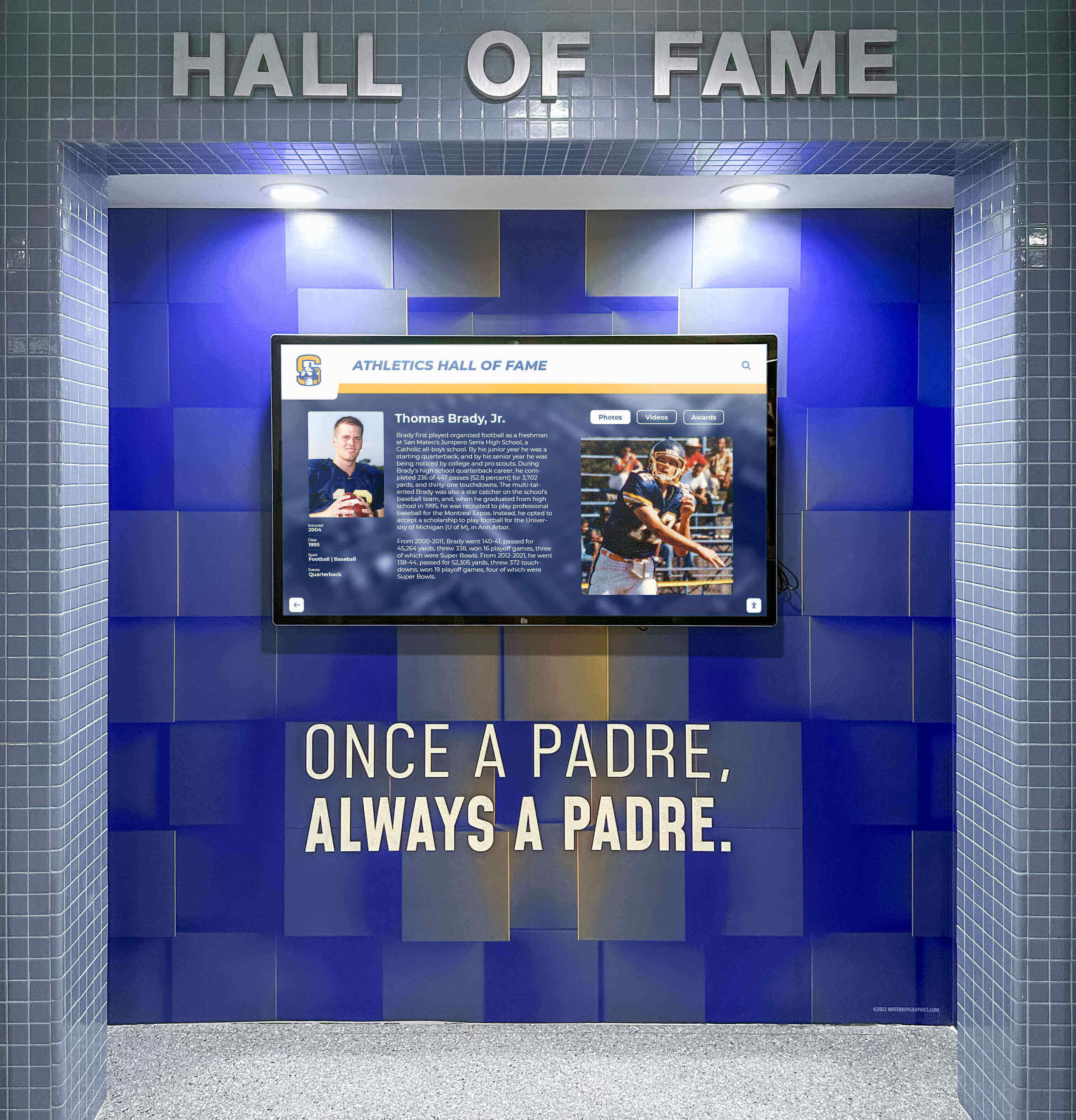
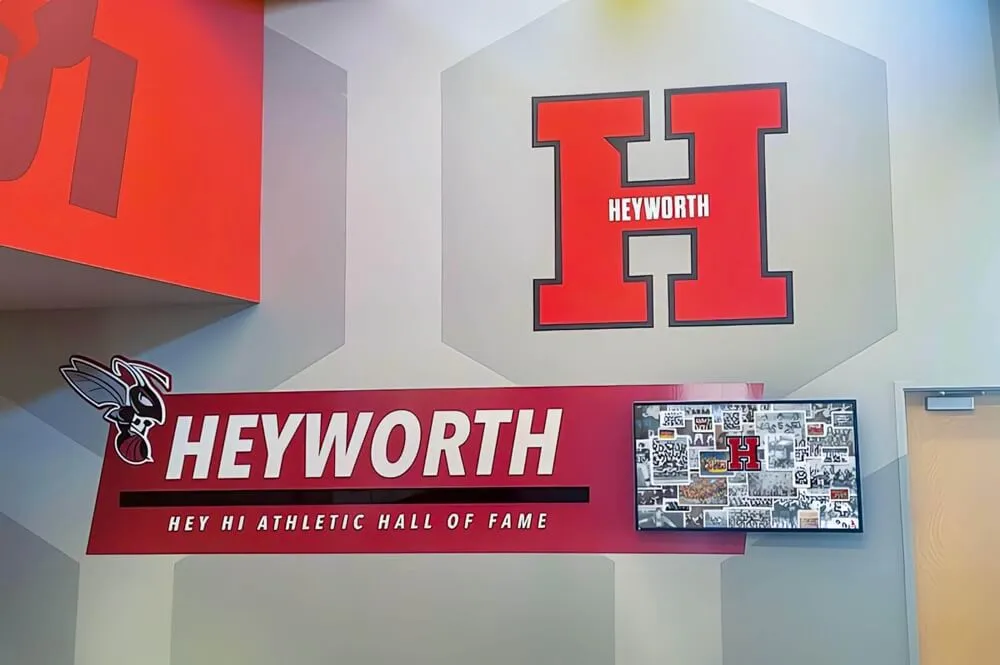
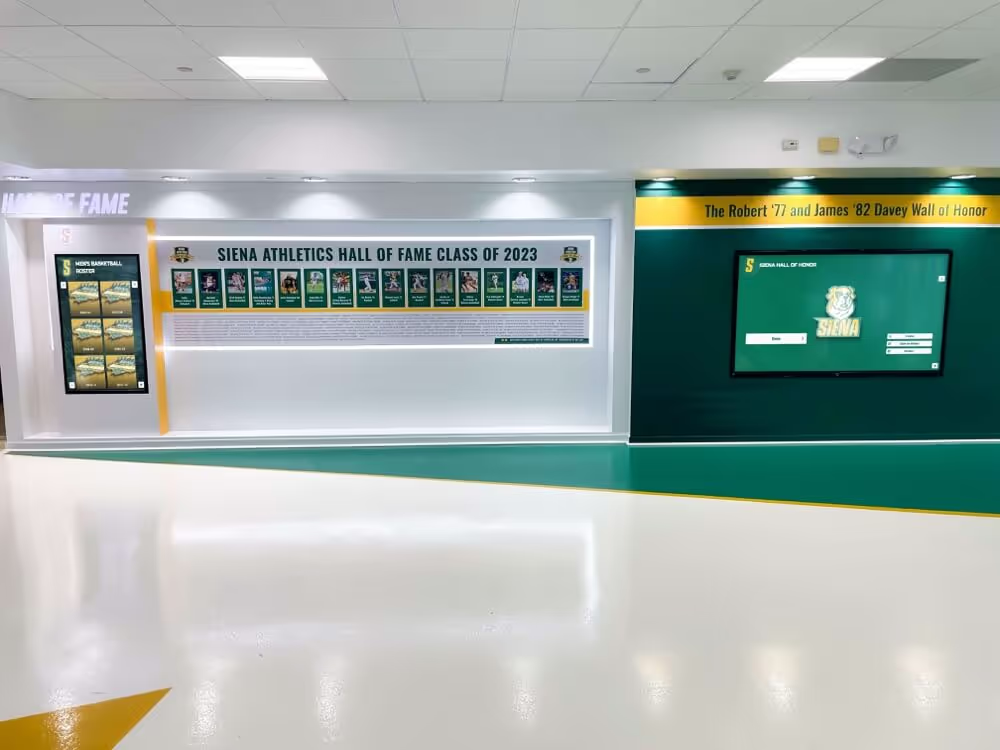
Clean professional installations in athletic facilities celebrate program history while motivating current student-athletes
Content Development Strategy
Recognition quality depends substantially on profile completeness and storytelling effectiveness:
Information Gathering and Research
Comprehensive profiles require systematic data collection:
- Achievement documentation from record books, yearbooks, and program histories
- Biographical information from alumni databases and public sources
- Photo acquisition from school archives, family submissions, and professional collections
- Video footage from athletic archives, media partners, or personal collections
- Statistical verification ensuring accuracy of records and achievements
- Family approval for deceased honorees or sensitive information
Organizations should establish clear content standards ensuring consistent quality and completeness across all profiles.
Writing and Storytelling Approach
Effective narratives balance factual achievement with personal context:
- Opening paragraphs establishing why this individual deserves recognition
- Specific accomplishment documentation with statistics and context
- Personal background explaining what made success possible
- Impact description showing how contributions benefited programs or organizations
- Legacy statements connecting past achievement to current programs
- Appropriate tone matching organizational culture and honoree dignity
Professional writing significantly affects visitor engagement and honoree satisfaction with recognition quality.
Photo and Media Standards
Visual quality matters substantially:
- Minimum resolution requirements ensuring clear display on large screens
- Color correction and enhancement improving archival photo quality
- Consistent aspect ratios and framing across profiles
- Mix of formal portraits and action or candid shots showing personality
- Captioning identifying context, dates, and other individuals in photos
- Copyright verification for media from external sources
Organizations implementing digital class composites and recognition displays find that photo quality substantially affects perceived recognition value.
Launch and Promotion Activities
Recognition investment requires visibility ensuring stakeholder awareness:
Dedication Events and Ceremonies
Launch celebrations create cultivation opportunities:
- Invitation of recognized honorees, families, and organizational leadership
- Program featuring speaker remarks and recognition demonstrations
- Media coverage through press releases and local news partnerships
- Photography and videography documenting event for future promotion
- Social media promotion extending reach beyond physical attendees
- Donor or sponsor recognition for individuals funding recognition systems
Dedication events transform recognition launches into relationship-building occasions while generating awareness driving ongoing engagement.
Ongoing Promotion and Awareness
Sustained visibility maximizes recognition value:
- Email campaigns to alumni, donors, and stakeholders announcing platform
- Website integration with virtual tour or direct access links
- Social media series highlighting featured honorees regularly
- Facility tour integration ensuring visitor exposure during campus visits
- Event utilization during homecoming, reunions, and cultivation gatherings
- Print materials explaining how honorees can share recognition with personal networks
Organizations should treat recognition systems as ongoing cultivation tools rather than one-time projects, continuously promoting visibility and encouraging exploration.
Special Recognition Applications
While athletic and donor recognition represent primary use cases, Rocket Recognition supports diverse acknowledgment needs:
Teacher and Staff Recognition Programs
Schools honoring educator excellence benefit from permanent visible acknowledgment:
- Teacher of the Year awards across multiple years and departments
- Milestone anniversary recognition celebrating decades of service
- Retiree tributes documenting career contributions and impact
- Support staff acknowledgment ensuring non-teaching employees receive visibility
- Administrator legacy preservation documenting leadership tenures
Learn more about comprehensive approaches through teacher recognition programs that strengthen culture while improving retention.
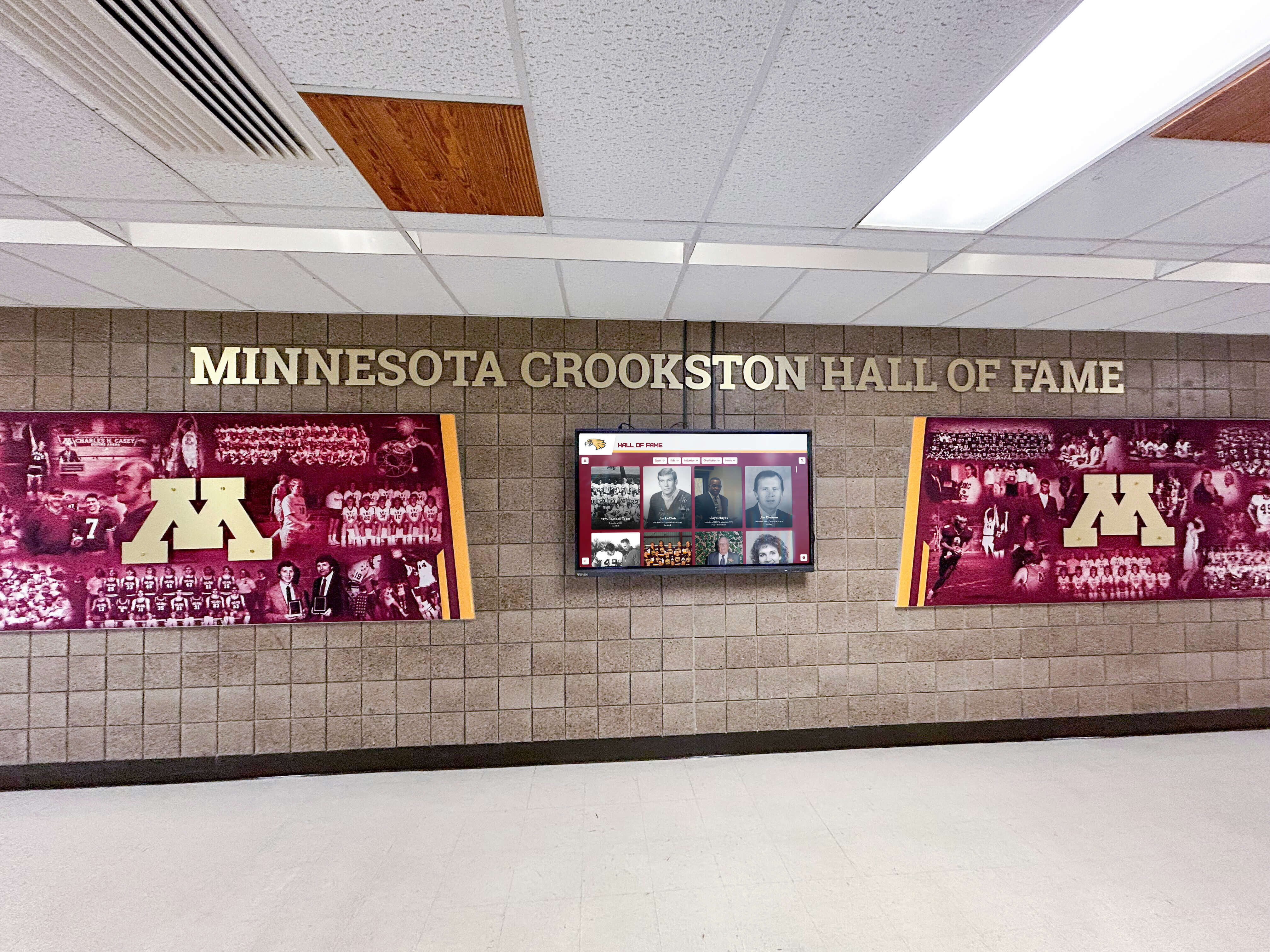
Coordinated displays can honor diverse achievement categories from athletics through academics and distinguished alumni
Corporate and Business Recognition
Organizations beyond education implement similar systems:
- Employee milestone celebrations and anniversary recognition
- Sales achievement and performance acknowledgment
- Safety records and operational excellence programs
- Client appreciation and partnership recognition
- Founder and leadership legacy preservation
- Innovation and patent achievement celebration
Corporate environments benefit from similar unlimited capacity, instant updates, and compelling storytelling that educational recognition requires.
Community and Memorial Recognition
Public spaces use recognition displays for:
- Veterans and military service member honor rolls
- Memorial walls documenting individuals who shaped community history
- Civic leader and volunteer acknowledgment
- Local business and economic development recognition
- Historic preservation presenting community evolution across generations
- Service organization and nonprofit leadership celebration
Flexible platforms accommodate varied recognition categories while maintaining professional presentation quality appropriate for public installation.
Frequently Asked Questions
Organizations evaluating Rocket Recognition commonly ask:
Can we add profiles ourselves or do we need vendor assistance?
Cloud-based content management enables complete organizational independence. After initial training (typically 30-60 minutes), designated staff add profiles, upload photos, edit information, and manage content without vendor involvement. Technical support remains available for complex questions, but routine updates require no external assistance.
What happens when displays need hardware replacement?
Commercial displays last 5-10 years with continuous operation. Rocket Alumni Solutions maintains hardware support throughout display lifecycles. When replacement becomes necessary, organizations purchase new displays at current market rates while software subscriptions continue uninterrupted. Content transfers seamlessly to new hardware without migration projects.
How do visitors access recognition if they cannot visit campus?
Many implementations include companion websites or mobile apps providing remote access to recognition content. QR codes on physical displays enable visitors to save profiles to personal devices. Some organizations integrate recognition directly into institutional websites making honoree exploration available worldwide.
Can we maintain traditional plaques alongside digital displays?
Hybrid approaches work well. Many schools preserve existing bronze plaques honoring historical significance while adding digital capacity for ongoing recognition growth. This strategy respects institutional tradition while embracing modern capability.
What if internet connectivity fails?
Displays cache content locally, continuing operation during temporary network outages. Content updates require connectivity, but visitor interaction remains functional with locally stored information. Organizations with unreliable connectivity should address network infrastructure before implementing cloud-dependent systems.
Conclusion: Creating Recognition That Genuinely Strengthens Culture
Rocket Recognition transforms how schools, nonprofits, and organizations celebrate achievement, honor contributions, and preserve institutional legacy. By eliminating physical space constraints that force impossible recognition choices, the platform enables comprehensive acknowledgment honoring everyone who shaped organizational success rather than the limited few whose names fit on bronze plaques or in trophy cases.
Unlimited capacity, instant updates, rich multimedia storytelling, accessible content management, and substantially lower long-term costs compared to traditional approaches make digital recognition compelling for organizations with growing acknowledgment needs and limited physical space. Visitor engagement quality 15-30x higher than static plaques demonstrates that interactive exploration creates meaningful connections traditional displays never achieve.
Transform Your Recognition Program
Discover how schools, universities, and organizations nationwide use Rocket Recognition to celebrate unlimited achievements without space constraints. Schedule a demonstration to see interactive recognition displays in action and explore how this platform could strengthen your community culture.
Book A DemoOrganizations implementing Rocket Recognition report measurable benefits: athletic departments finally honor all deserving athletes rather than those who fit in limited trophy cases, development offices strengthen donor relationships through compelling impact storytelling, academic programs celebrate student achievement comprehensively rather than selectively, and alumni relations teams create engaging platforms connecting graduates to current institutional life.
Recognition quality affects culture, relationships, and organizational identity in ways that justify thoughtful investment. Static trophy cases and bronze plaques served institutions well for generations but impose fundamental limitations that growing programs inevitably exceed. Digital platforms like Rocket Recognition enable the comprehensive inclusive acknowledgment modern organizations need while delivering superior engagement, simplified administration, and long-term cost efficiency.
Your community’s achievements deserve recognition reflecting their importance to organizational success and mission fulfillment. Whether you’re modernizing outdated displays, establishing new programs, or addressing capacity constraints limiting current systems, explore how Rocket Recognition could transform your recognition approach from space-limited selection to unlimited comprehensive celebration honoring everyone who contributed to your institutional legacy.