



Schools and organizations researching digital recognition displays often ask the same critical question: “What happens when something breaks? Will we be stuck dealing with multiple vendors, tracking down warranties, and navigating technical support labyrinths while our display sits dark in the lobby?”
This concern reflects painful lessons learned from technology projects where software providers claim “we’re just the software company” and hardware vendors respond “that’s a software issue.” The result: frustrated administrators spending hours on hold, coordinating between unresponsive parties, while visitors encounter broken displays undermining credibility.
Rocket Alumni Solutions approaches hardware differently. Rather than offloading hardware responsibility to schools, Rocket provides the complete hardware stack, maintains expertise across the full kiosk system, and delivers Customer Success as the single point of contact for any issue—hardware, software, or anything in between—owning the outcome of uptime regardless of where problems originate.
This comprehensive review examines Rocket Alumni Solutions’ hardware and setup services based on actual customer experiences, testimonials from schools nationwide, and analysis of how full-service provider models compare to fragmented vendor approaches requiring institutions to coordinate multiple relationships.

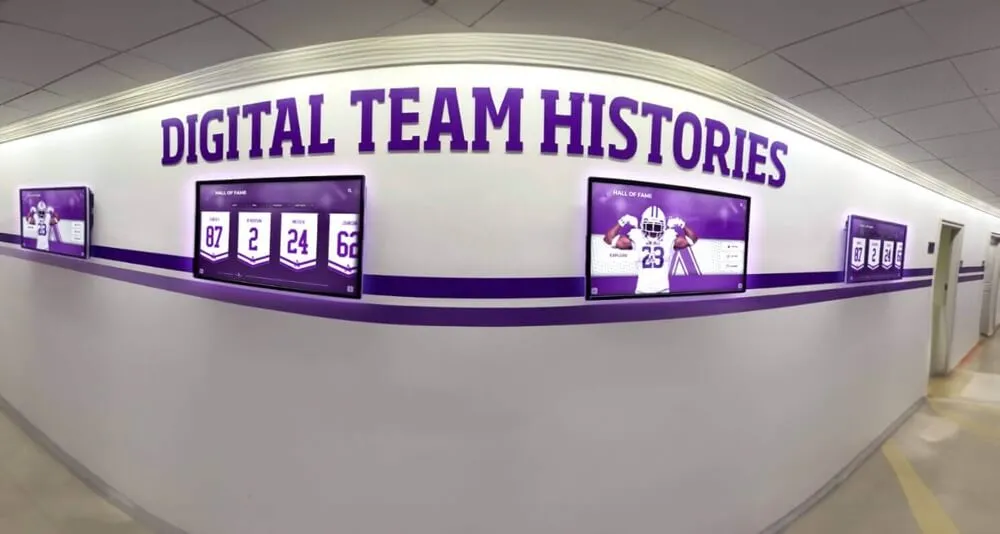
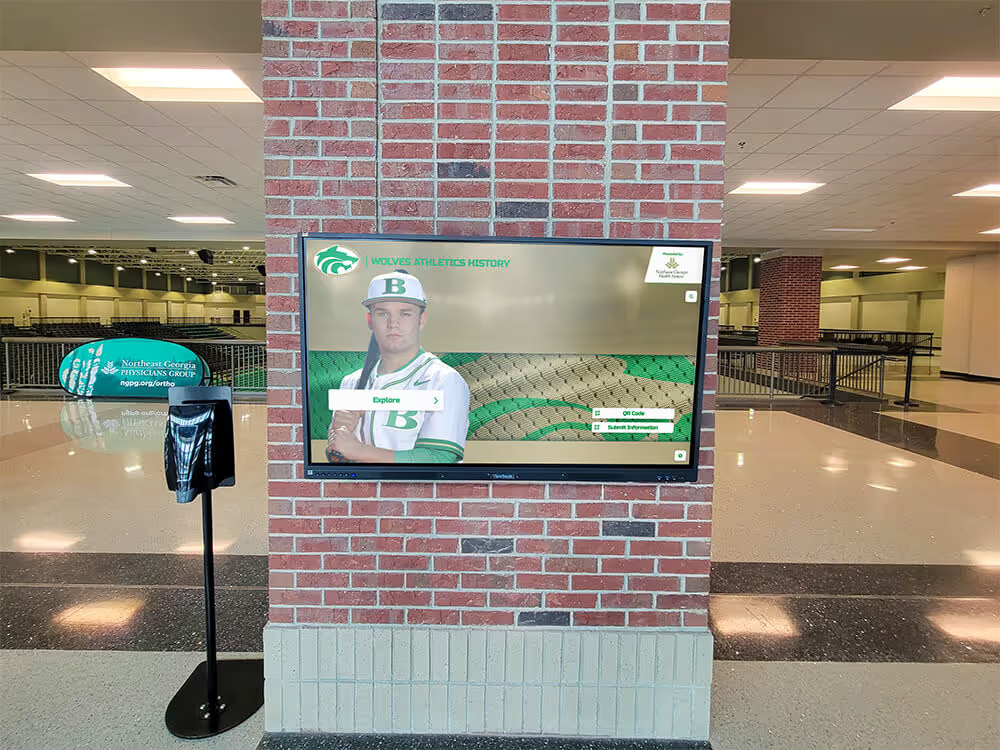
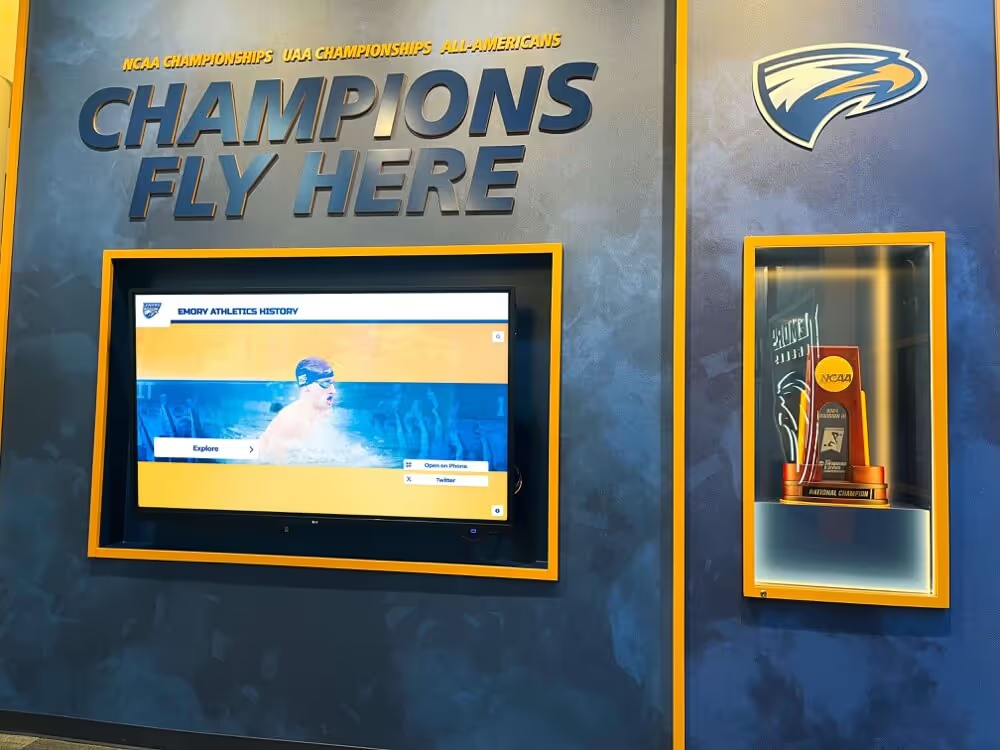
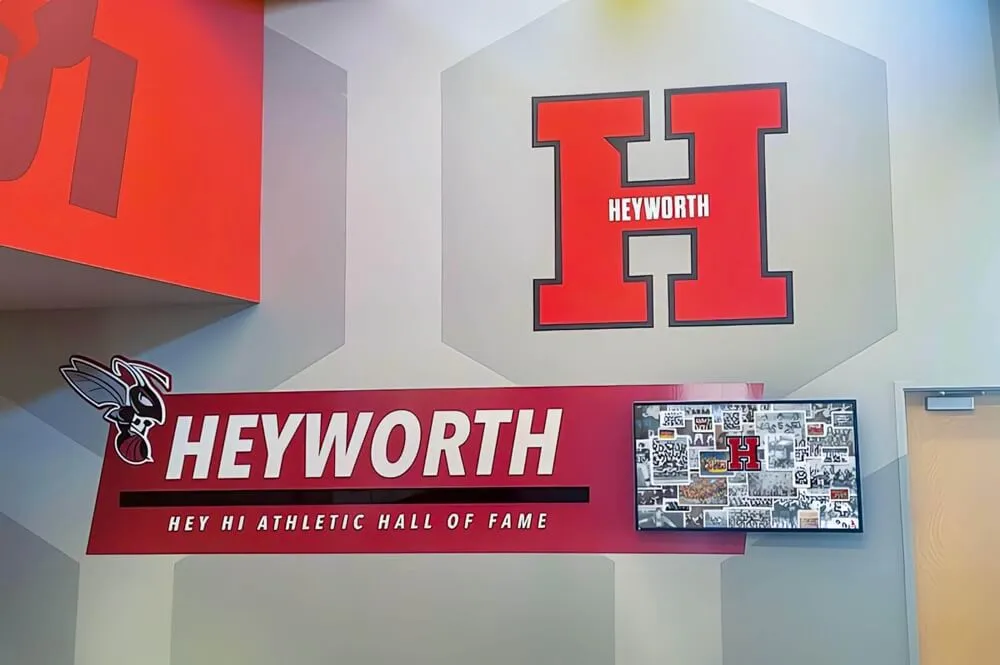
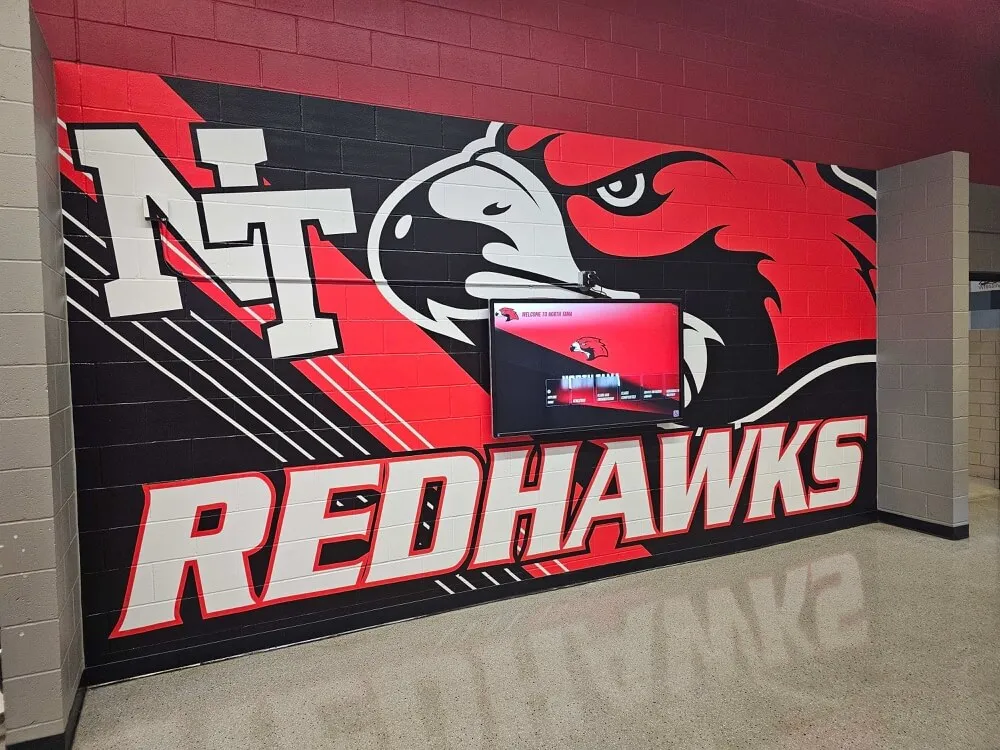
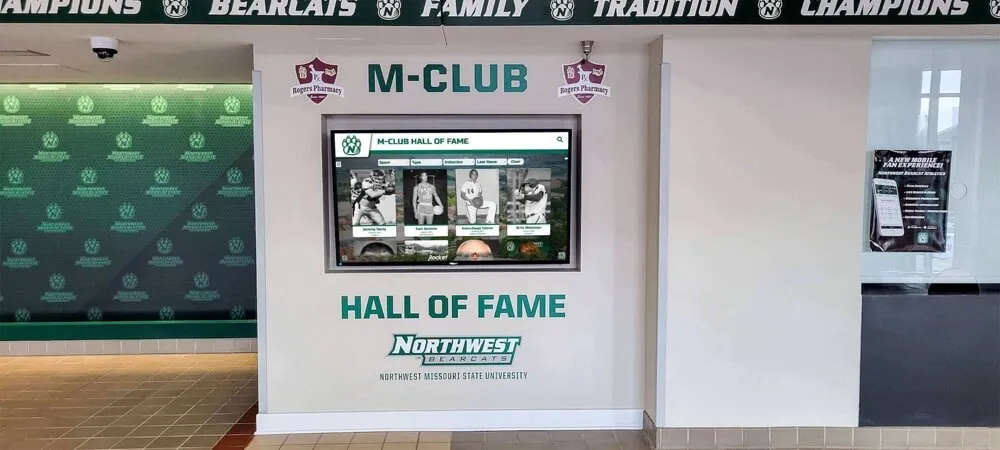
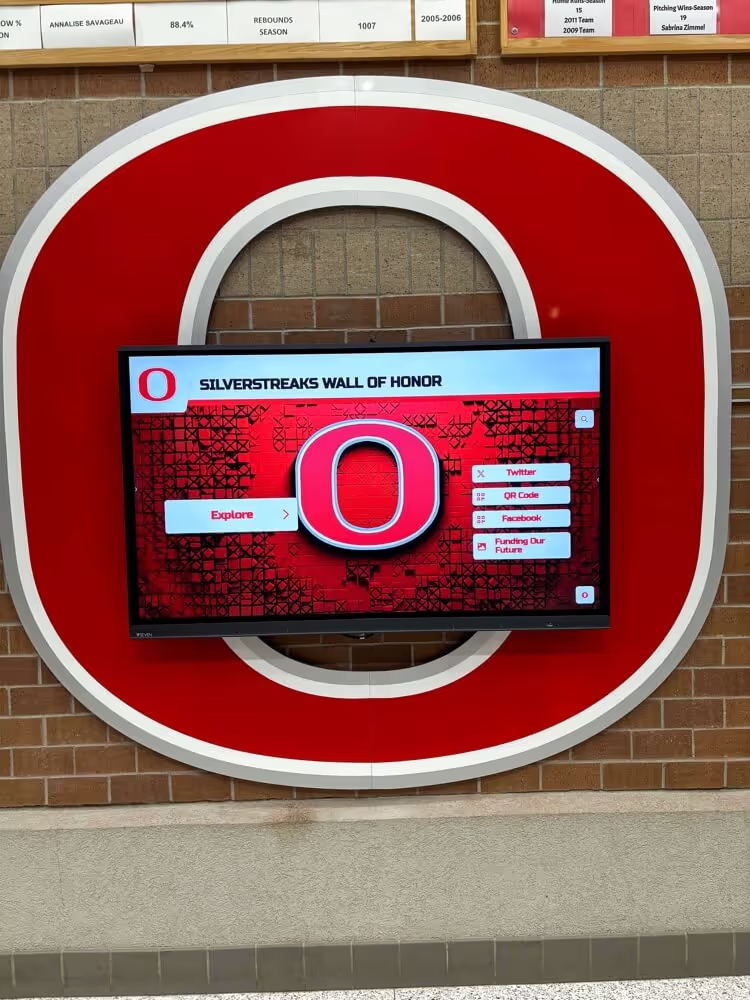
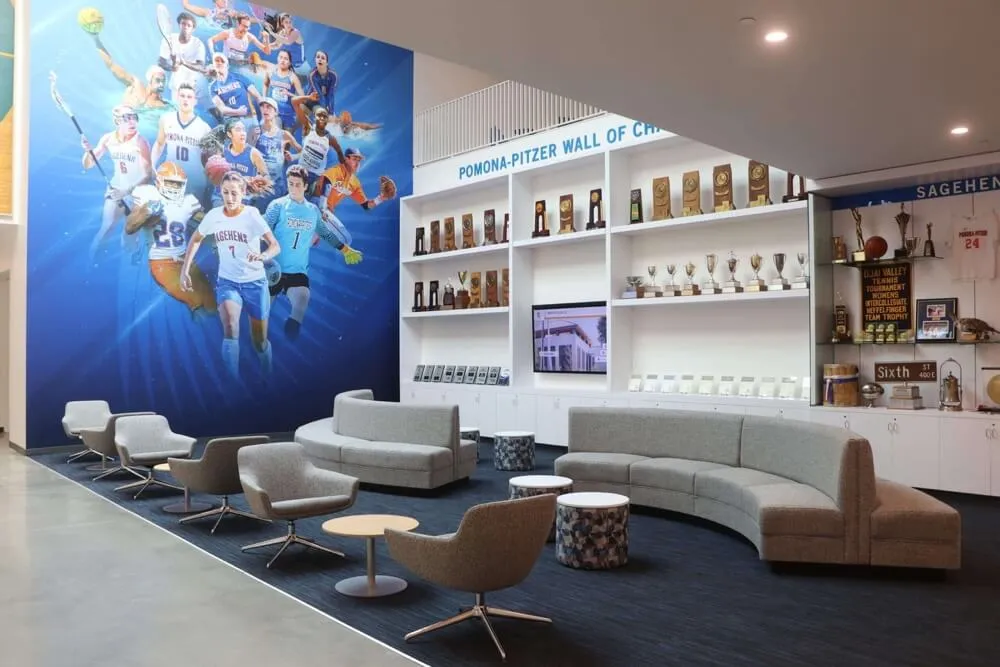
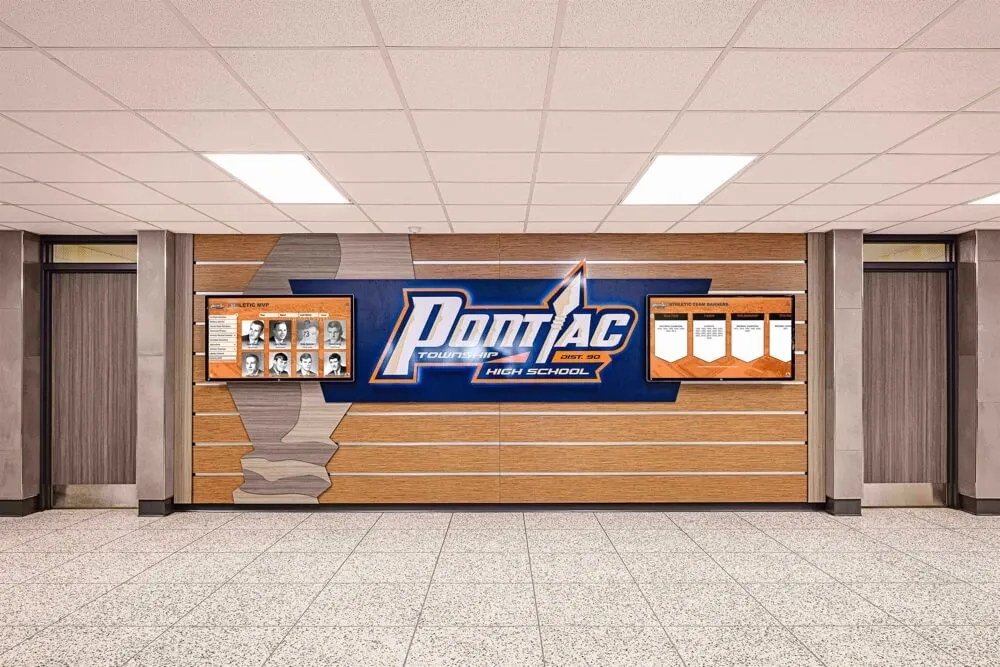
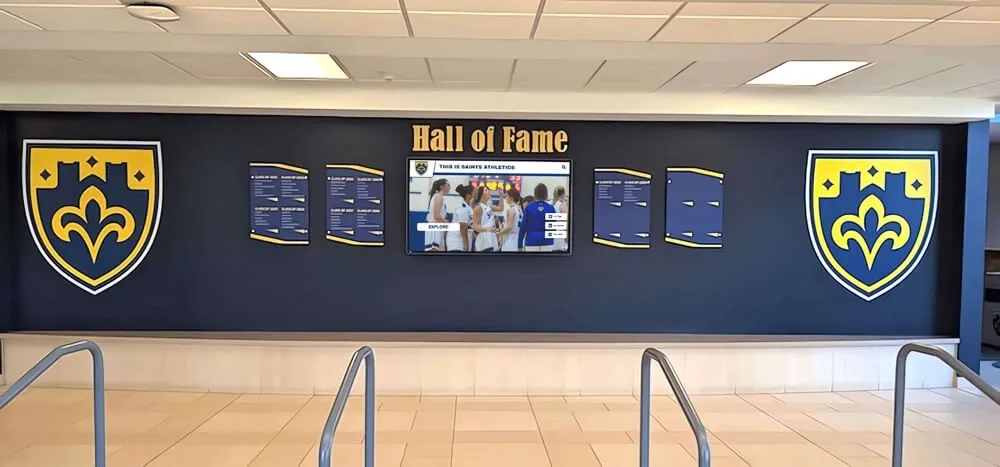
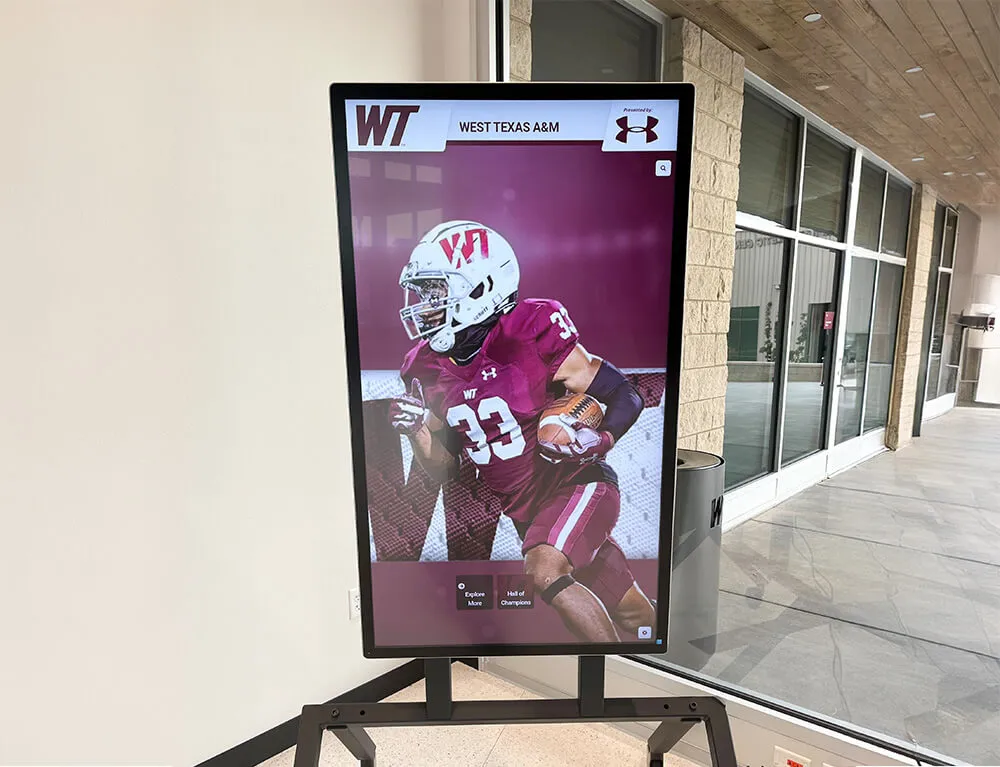
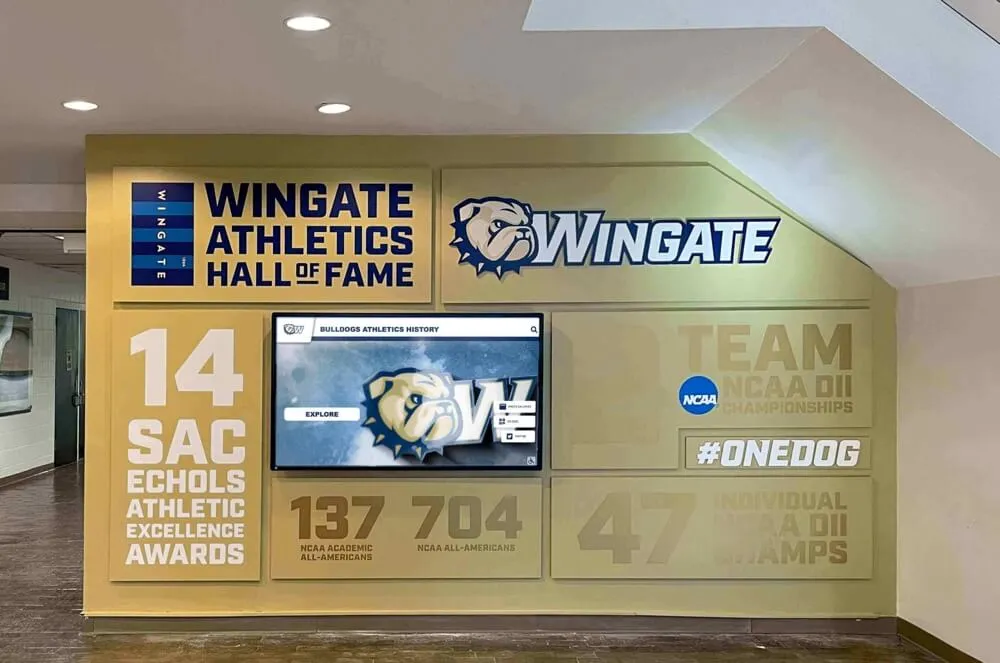

Professional-grade touchscreen kiosks require expertise across hardware, software, and integration—Rocket provides complete stack ownership
Understanding Full-Service Hardware Provision
Before reviewing specific Rocket hardware and support capabilities, understanding what “full-service” actually means helps organizations evaluate provider approaches.
The Hardware Fragmentation Problem
Traditional digital signage and recognition display implementations typically involve fragmented vendor relationships:
Multi-Vendor Coordination Burden
Schools purchase commercial displays from one vendor, computing devices from another, mounting hardware from a third, and software licensing from a fourth. When problems emerge, determining accountability becomes an exercise in vendor finger-pointing. Display manufacturers claim software issues. Software vendors blame hardware configurations. Schools waste administrative hours coordinating diagnosis while displays remain non-functional.
According to educational technology administrators, coordinated vendor troubleshooting often requires 10-15 hours of staff time per incident, not including actual repair execution. Problems that could resolve in minutes with single-vendor accountability stretch into multi-week sagas as each party investigates, tests, and ultimately redirects responsibility elsewhere.
Hardware Knowledge Gaps
Software-only providers lack deep hardware expertise because they don’t provision equipment, resulting in inadequate support when technical issues emerge. They can’t remotely diagnose display power problems, touch calibration issues, or network connectivity challenges because they never developed expertise in those domains.
Schools implementing solutions from software-only vendors frequently discover that “technical support” means “we’ll help with our software interface” but anything involving the physical hardware becomes “contact your display manufacturer” or “check with your IT department.” This limitation surfaces precisely when schools need help most—when something stops working.
OEM Warranty Limitations
Even when equipment includes manufacturer warranties, navigating warranty claims requires technical expertise many schools lack. Warranty documentation demands specific diagnostic information. Claim processes require particular forms and procedures. Repair authorization involves multiple approval steps and shipping coordination.
Schools working directly with equipment manufacturers often experience weeks-long resolution cycles for problems that should resolve quickly. Waiting for warranty claim approval while visitors encounter dark displays undermines the entire investment value regardless of eventual repairs.
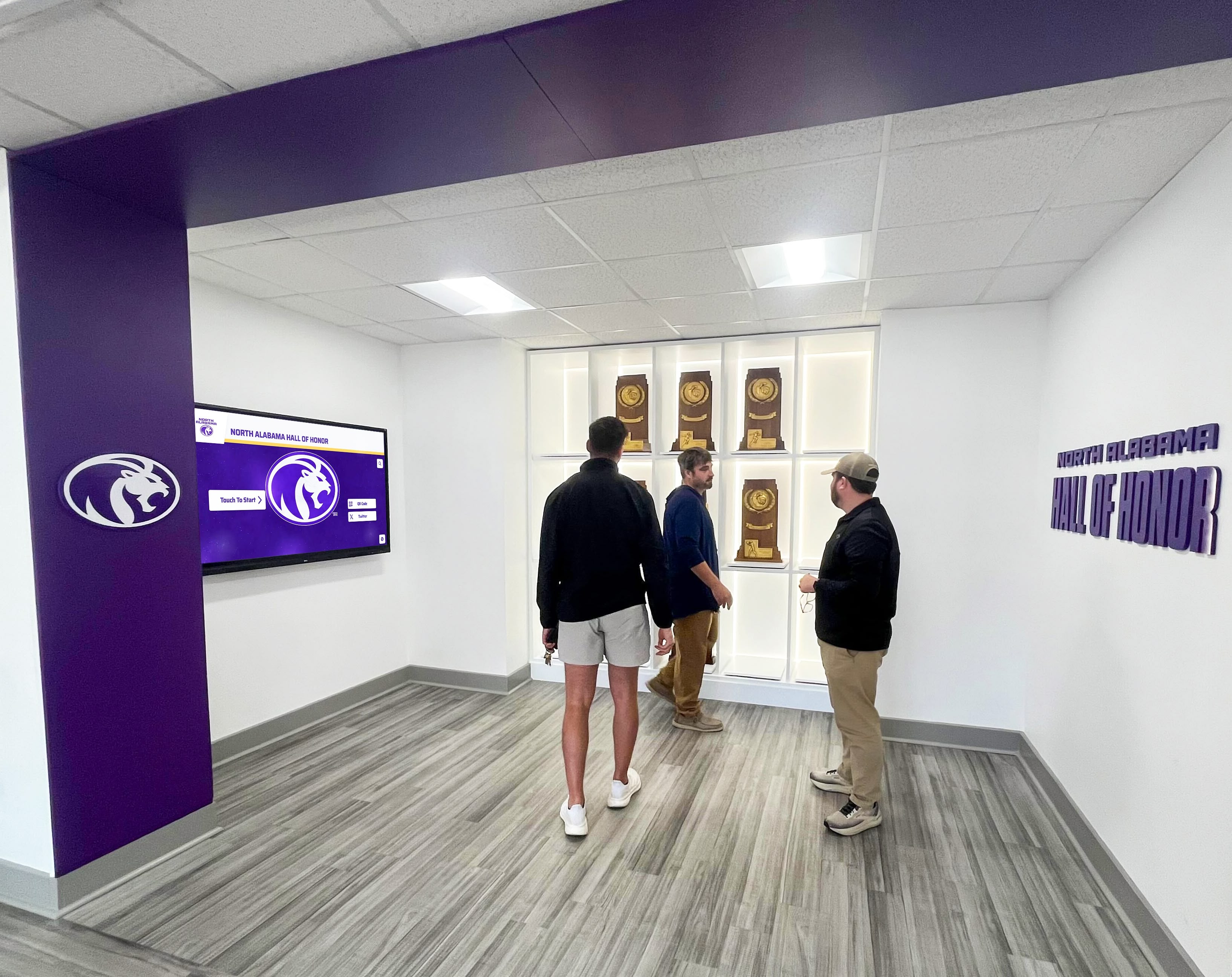
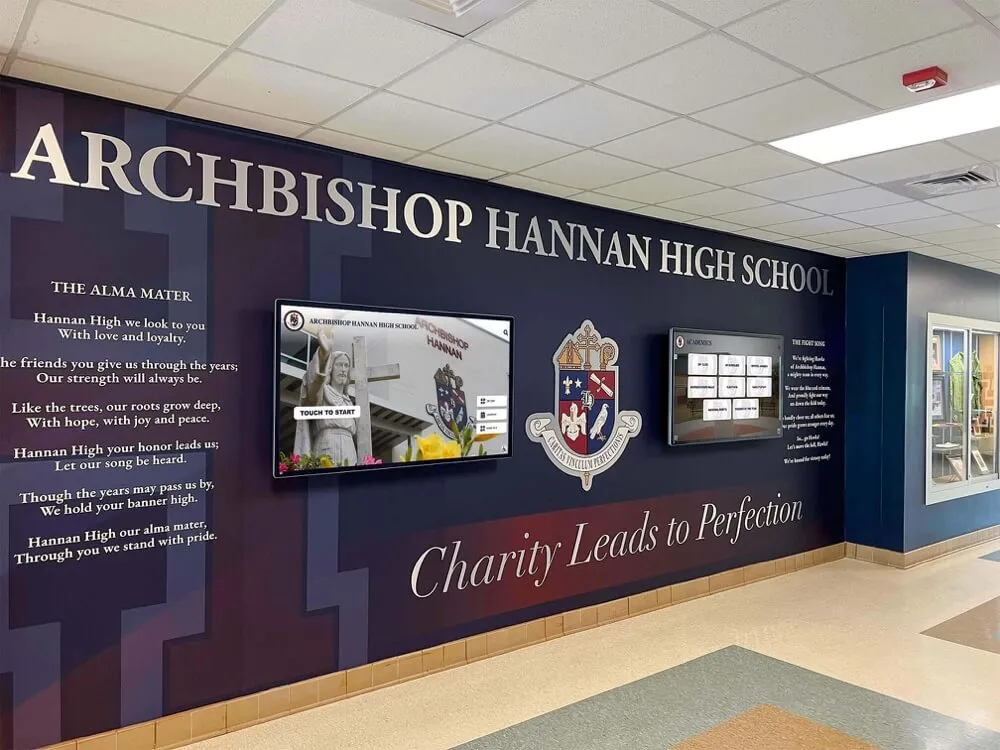
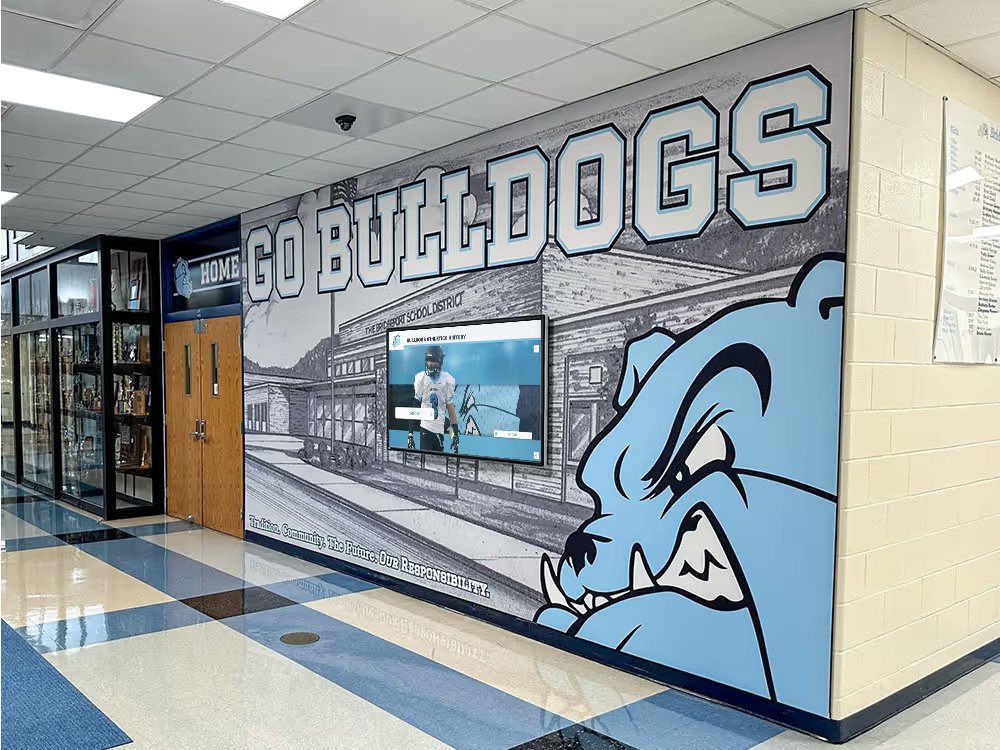
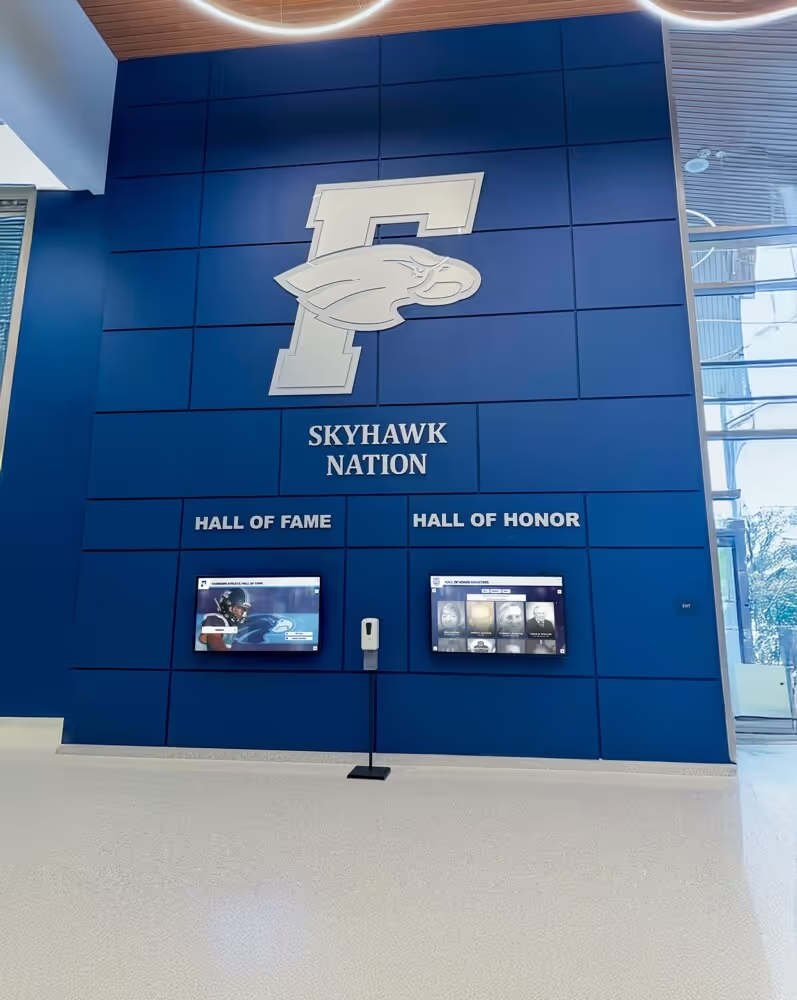
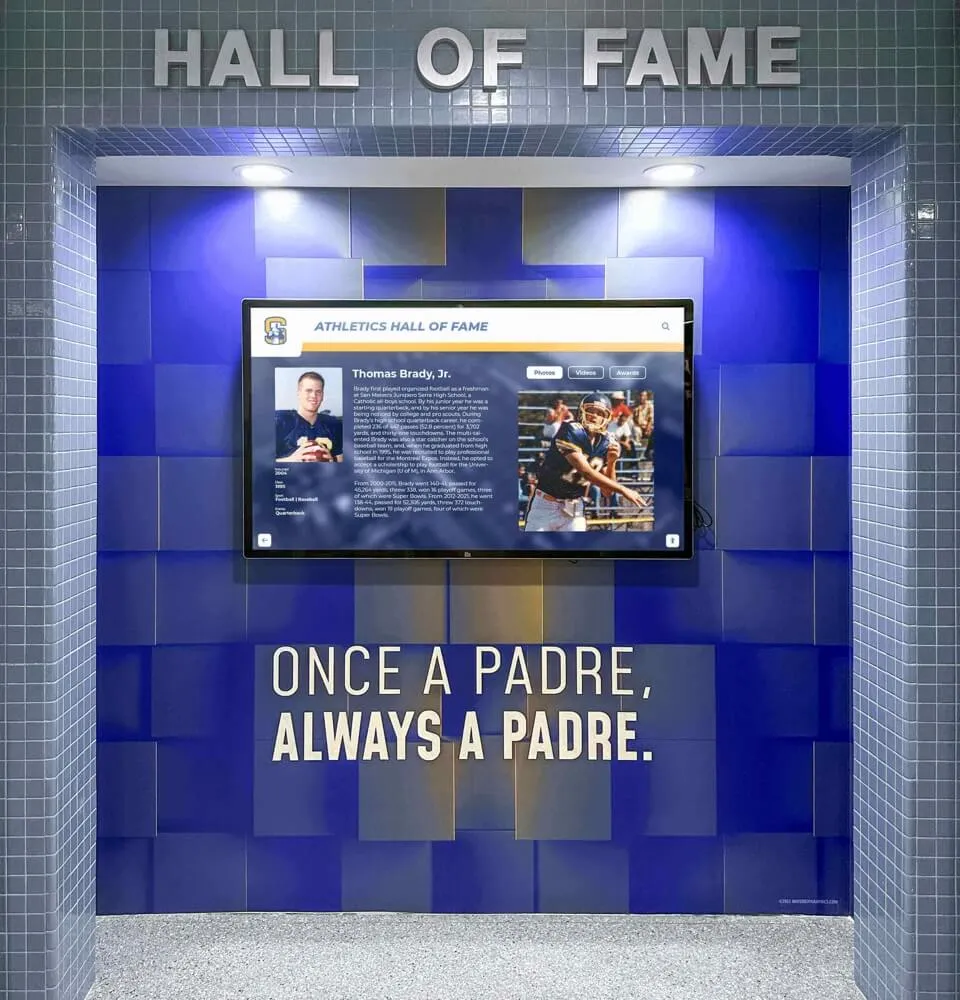
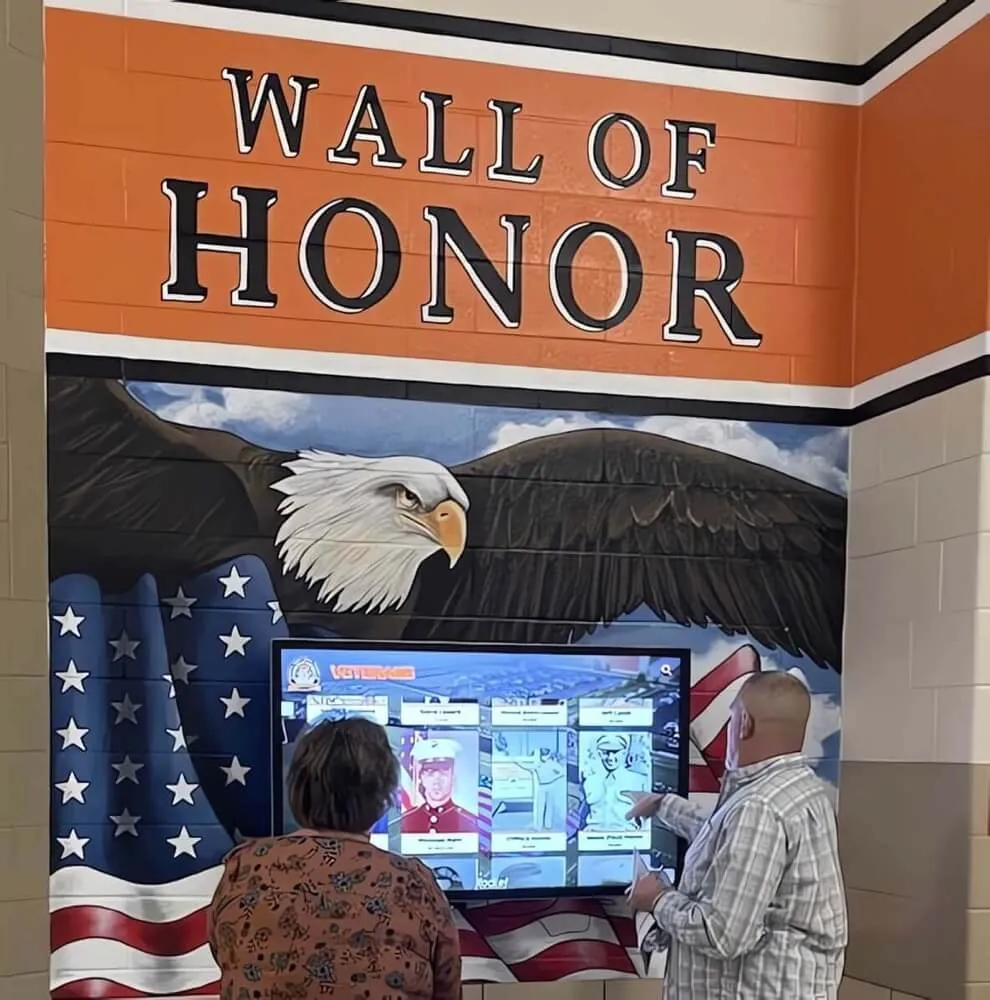
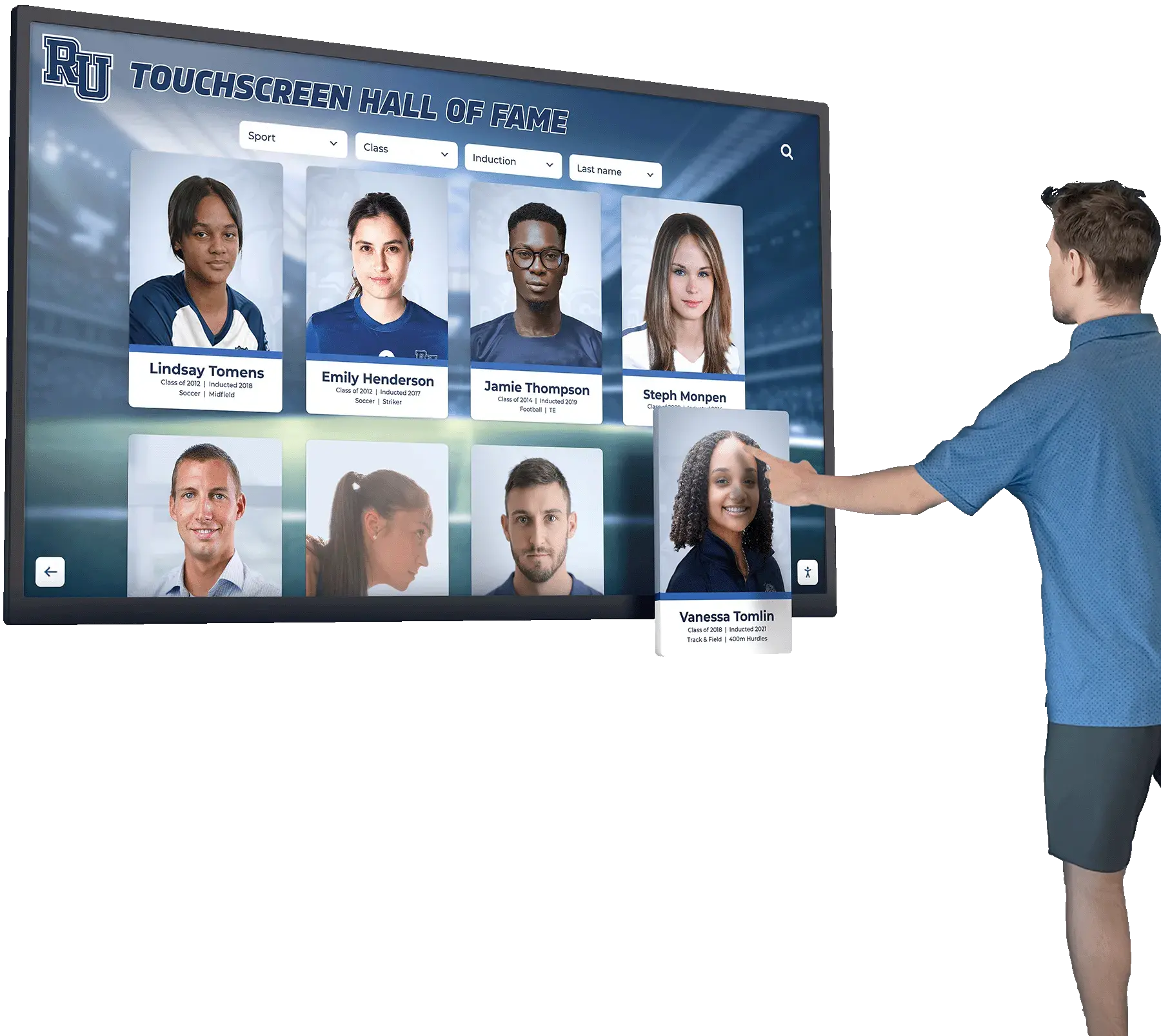
Professional installations require integrated hardware, software, and support—fragmented vendors create accountability gaps
Rocket’s Full-Stack Ownership Model
Rocket Alumni Solutions provides hardware as part of comprehensive turnkey implementations:
Complete Hardware Provision
Rocket sources, configures, and delivers commercial-grade touchscreen displays, computing systems, mounting hardware, power management equipment, and network connectivity components. Schools receive complete systems pre-configured and tested rather than boxes of components requiring assembly and integration.
This turnkey approach eliminates the hardware procurement learning curve. Schools don’t research display specifications, compare computing platforms, evaluate mounting options, or coordinate compatibility across components. Rocket applies institutional display expertise developed across hundreds of implementations, selecting appropriate equipment for specific applications.
Pre-Implementation Testing and Configuration
Before shipping to schools, Rocket technicians test complete systems ensuring proper operation. Software loads on computing devices, displays calibrate correctly, touch responsiveness meets standards, and integrated components communicate properly. Systems arrive ready for installation rather than requiring on-site troubleshooting during setup.
Pre-testing dramatically reduces installation complications. Installers mount functional systems rather than discovering compatibility problems during on-site work. Schools avoid the “it doesn’t work out of the box” scenario common with component-based approaches where problems don’t surface until field installation.
Coordinated Professional Installation
Rocket coordinates installation including display mounting, electrical connection, network integration, and system commissioning. Even when local contractors perform physical mounting work, Rocket manages the process ensuring installations meet specifications and systems operate correctly before project completion.
Installation coordination prevents the common problem where mounting contractors install displays but lack expertise to verify proper system operation, leaving schools with mounted equipment that doesn’t work properly, requiring additional troubleshooting and return visits.
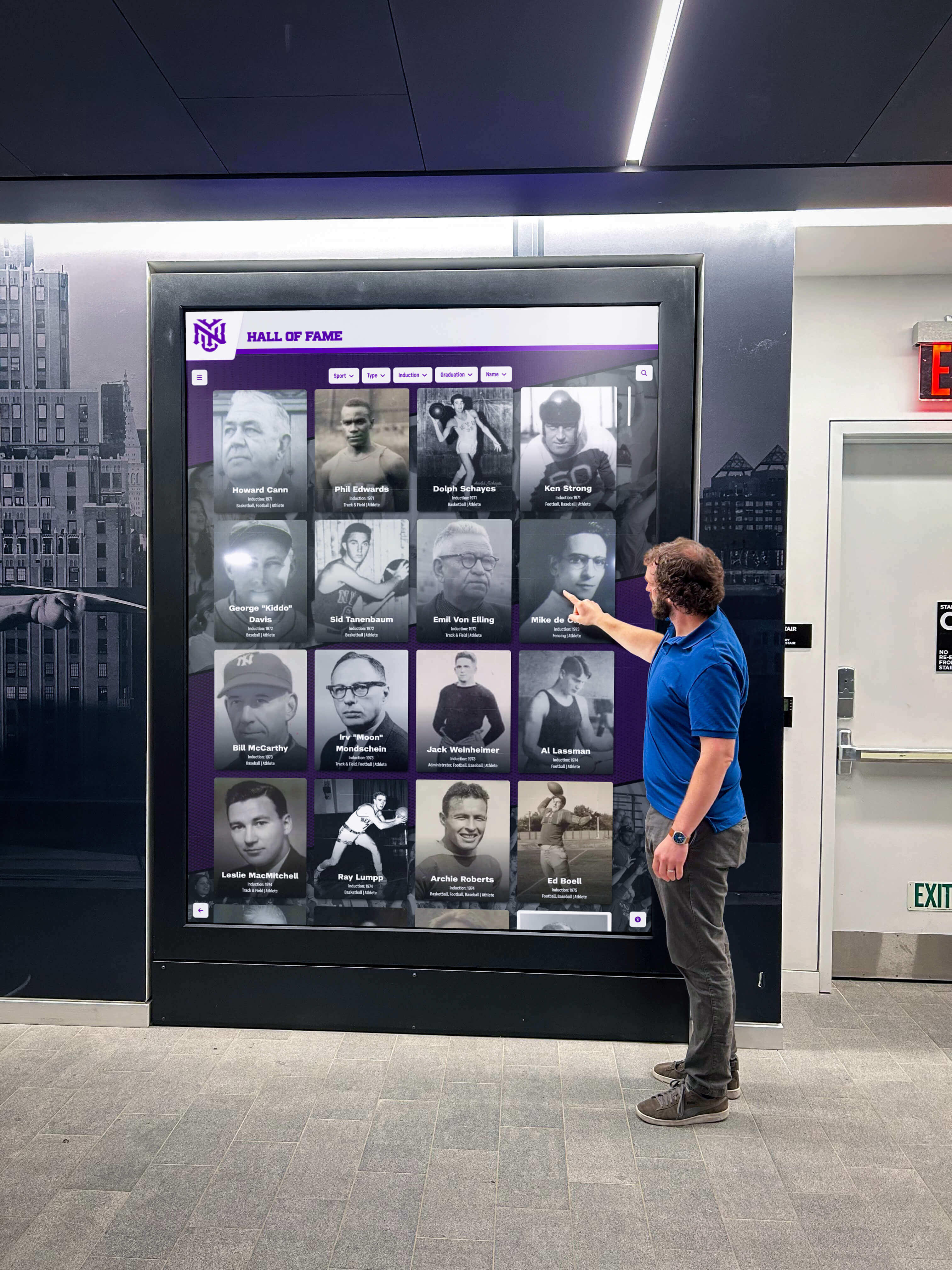
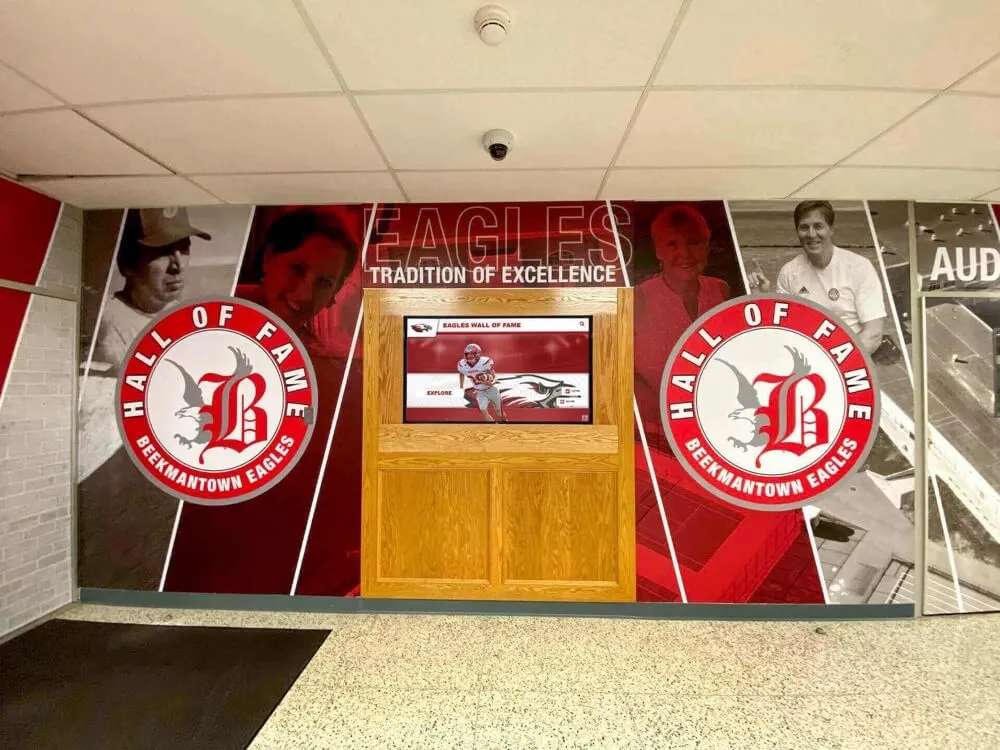
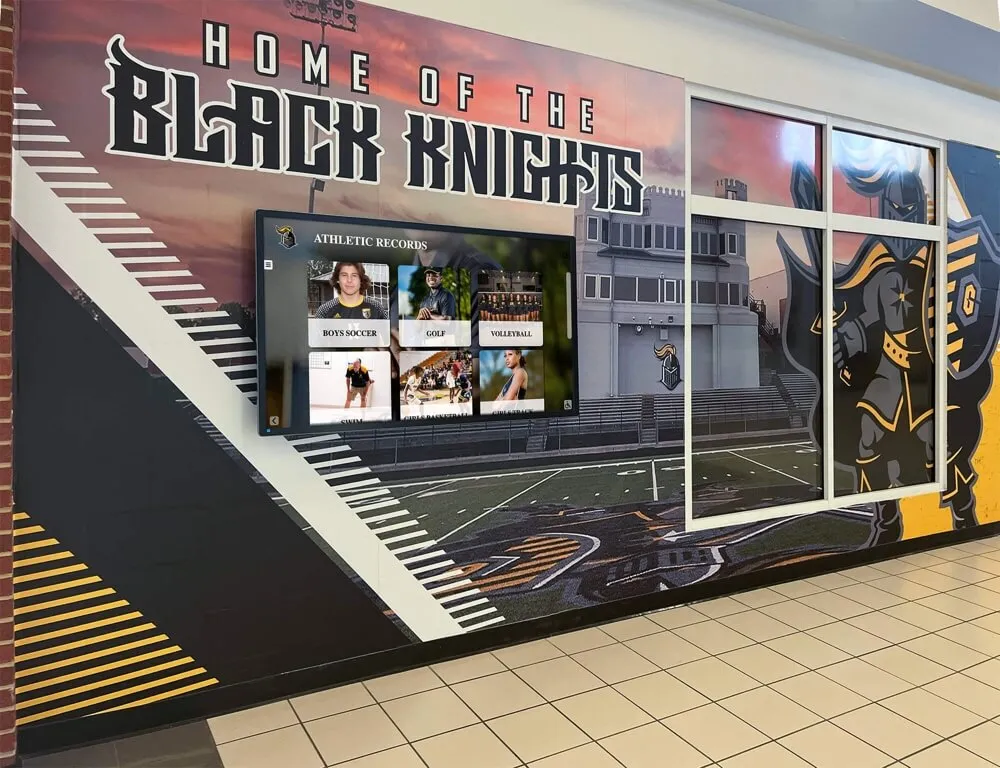
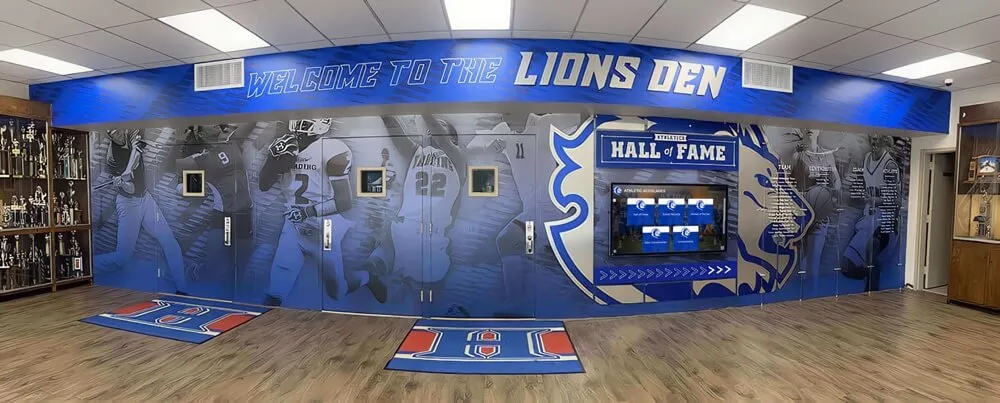
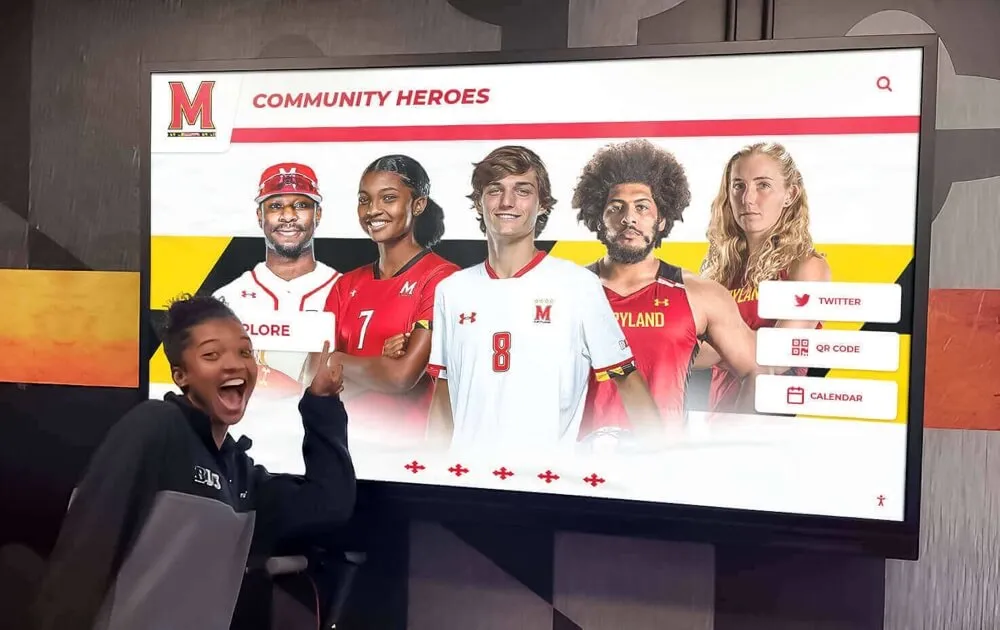
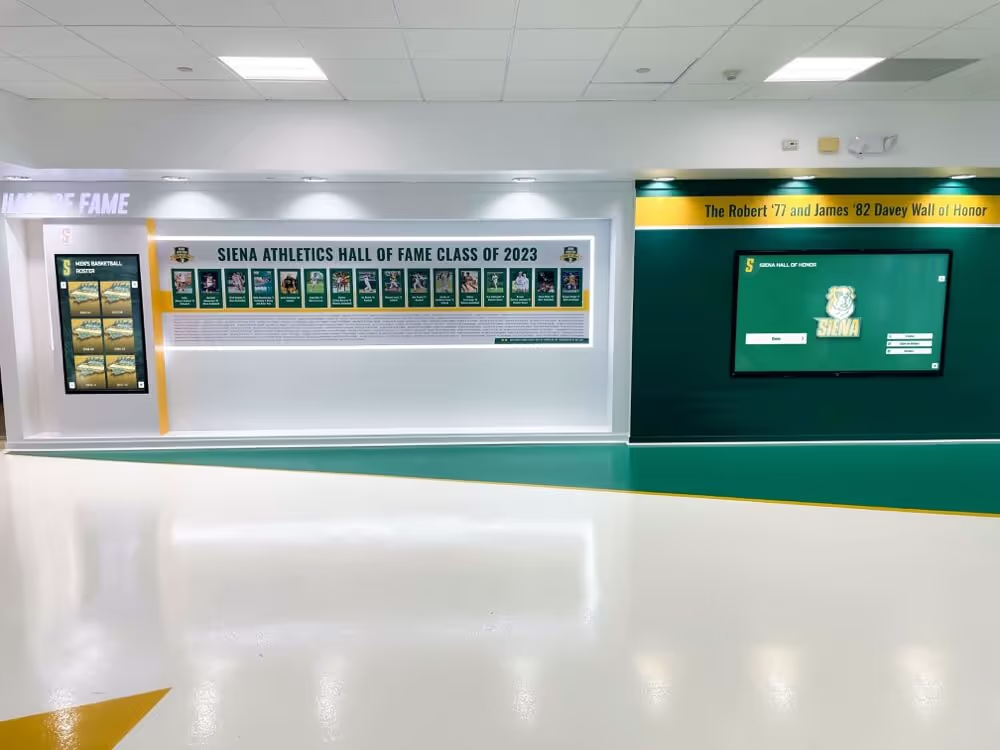
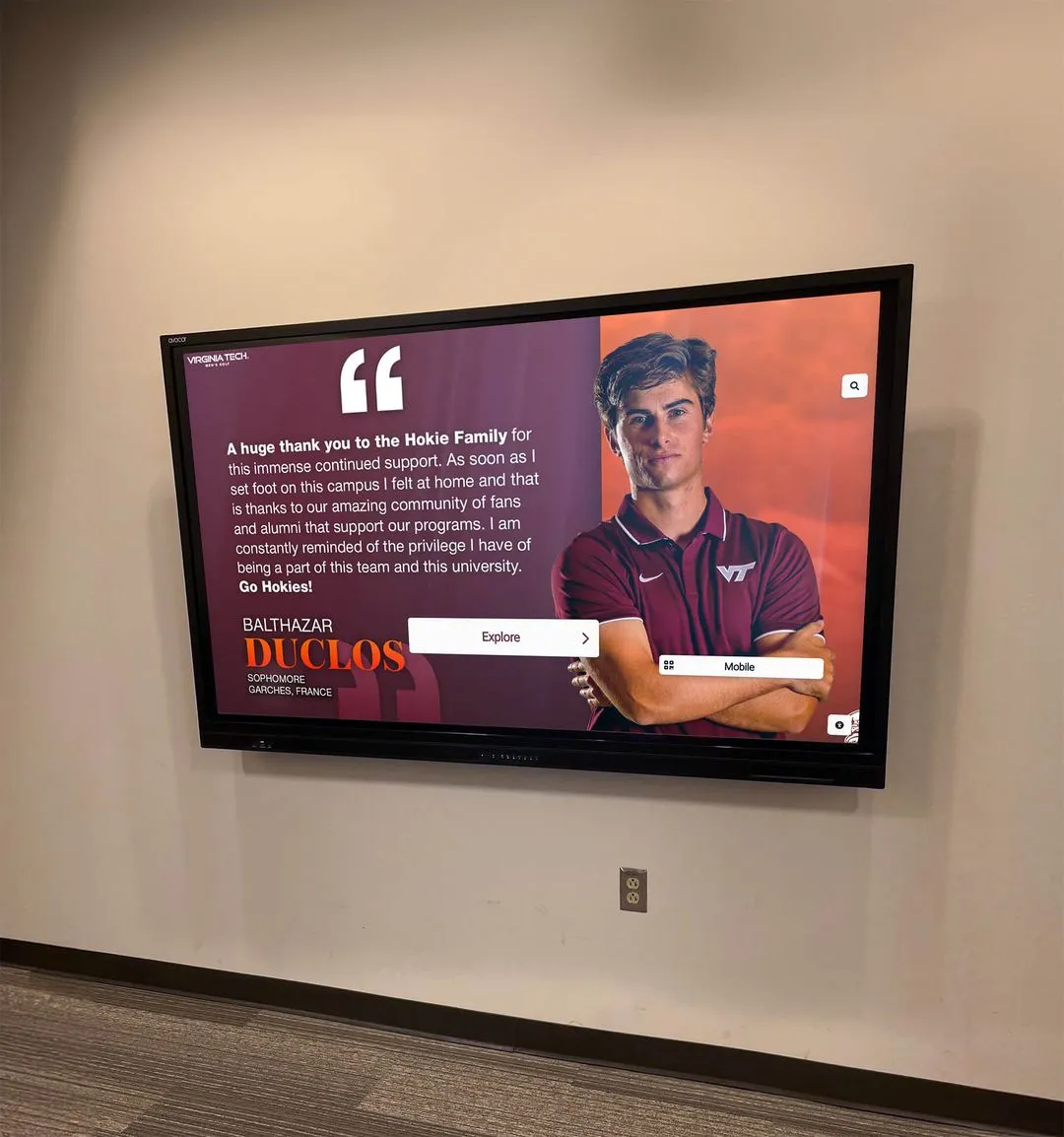
Professional installations combine hardware expertise with software configuration, tested and verified before customer handoff
Customer Success: Single Point of Contact
Rocket’s most significant differentiation lies in its Customer Success model providing unified support regardless of issue origin.
Triage and Problem Resolution
When problems occur, schools contact Rocket Customer Success—not hardware vendors, not software support, not separate technical lines:
Unified Support Entry Point
Single phone number or email address reaches Rocket support for any issue. Display won’t power on? Contact Customer Success. Touch screen unresponsive? Same contact. Software content not updating? Same team. Network connectivity problems? Rocket handles it.
This unified approach eliminates the “which vendor should I call?” decision tree frustrating administrators. Regardless of problem source, schools know exactly where to start, and Rocket owns problem resolution even when underlying causes involve multiple system components.
Expert System-Wide Triage
Because Rocket understands the complete system stack—they provided and configured all components—Customer Success representatives perform accurate triage quickly. They know which symptoms indicate hardware versus software problems. They understand how components interact. They can remotely diagnose many issues without requiring schools to become technical experts.
Schools implementing touchscreen kiosk solutions report that accurate initial triage saves days compared to multi-vendor scenarios where schools spend time coordinating diagnosis across parties before actual problem-solving begins.
Remote Resolution When Possible
Many issues resolve remotely through software updates, configuration adjustments, or guided troubleshooting. Rocket’s cloud-based platform enables remote diagnosis and repair without requiring on-site visits. Customer Success representatives can verify content delivery, check display connectivity, review system logs, and push corrective updates.
Remote resolution delivers dramatically faster turnaround. Problems discovered morning can resolve by afternoon rather than waiting days for on-site service calls. Schools maintain display uptime while avoiding the coordination complexity of scheduling technician visits.
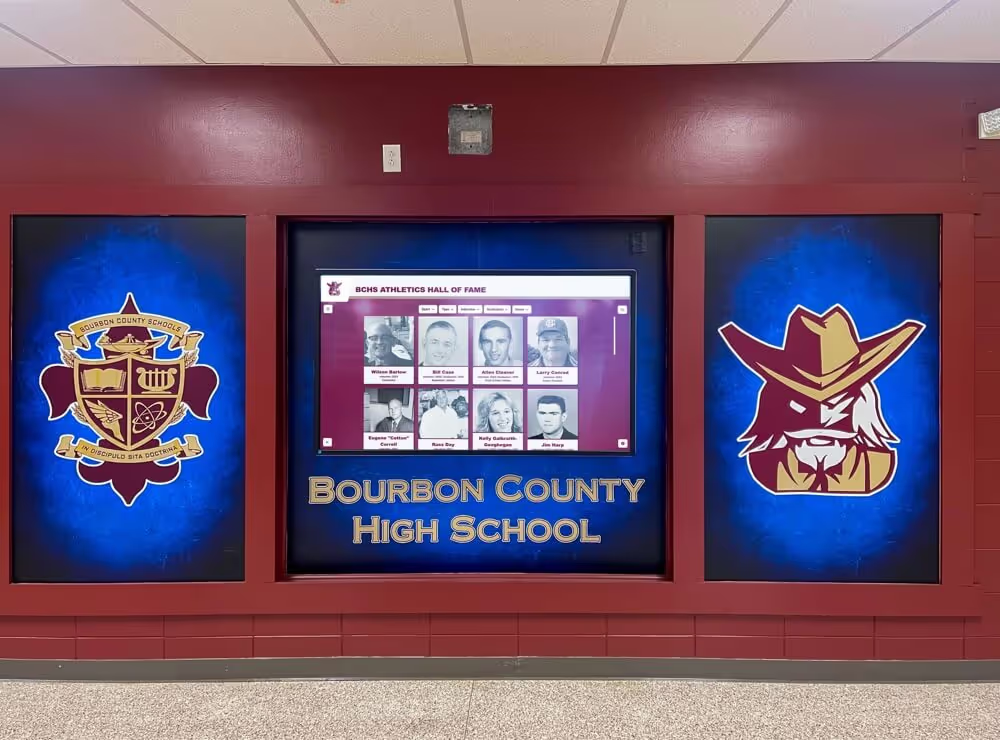
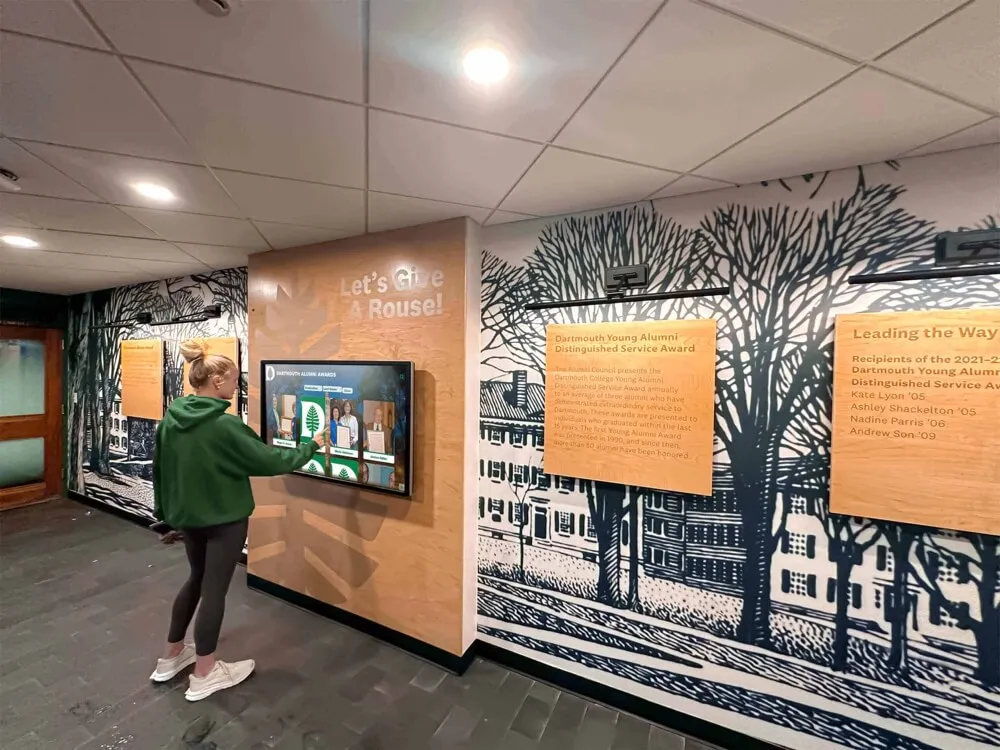
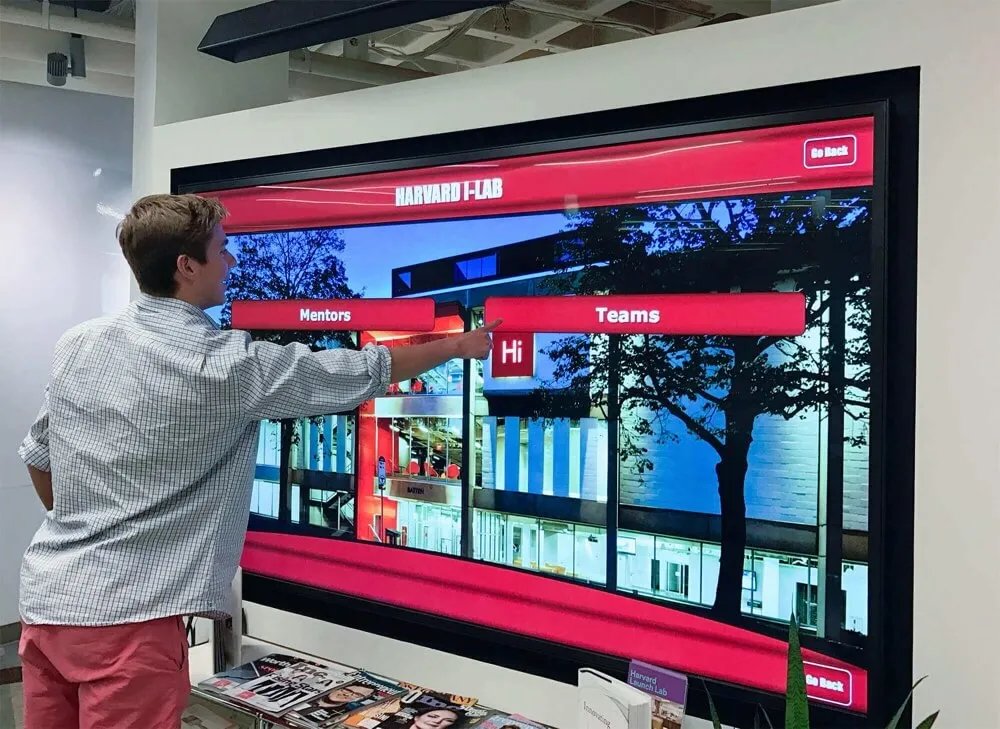
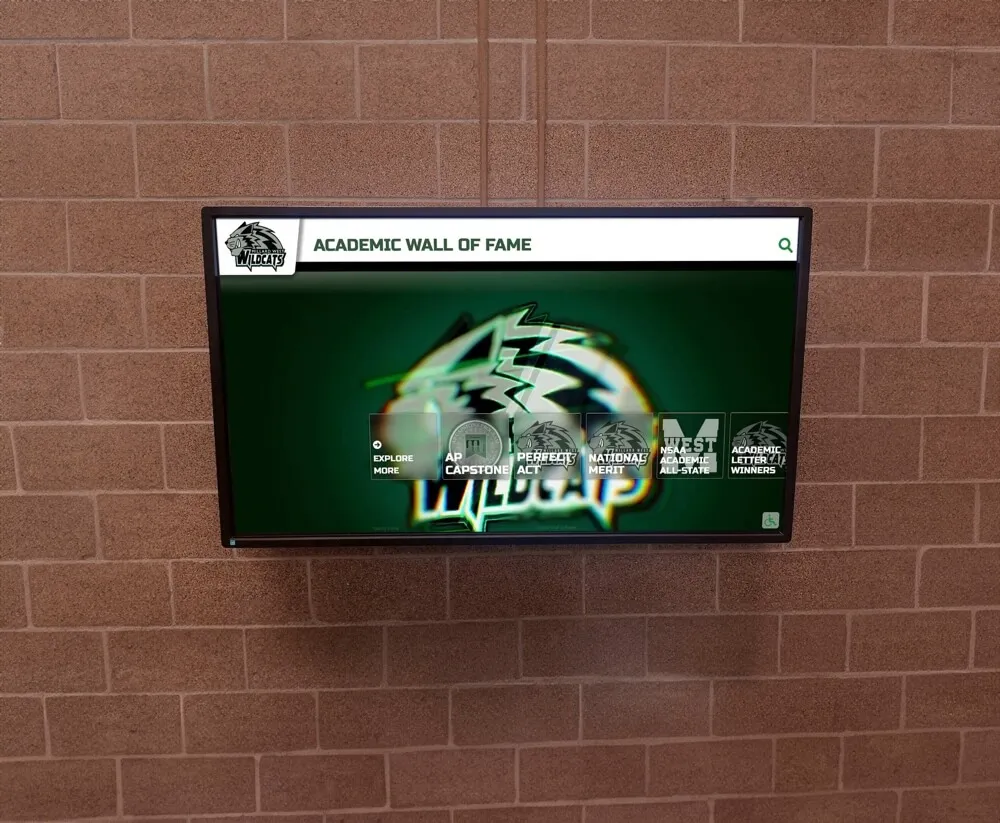
Cloud-based platforms enable remote troubleshooting and updates, resolving many issues without on-site visits
On-Site Service Coordination
When problems require physical intervention, Customer Success coordinates necessary service. Rocket determines whether issues warrant warranty claims, schedules required service, ships replacement components when needed, and follows up ensuring complete resolution.
Schools don’t navigate warranty processes, research authorized service providers, or coordinate shipping logistics. Customer Success handles these operational details, keeping schools informed while eliminating administrative burden.
Ownership of Uptime Outcomes
Rocket’s fundamental commitment focuses on operational outcomes—functional displays serving schools effectively—rather than technical processes:
Accountability Regardless of Problem Source
Even when underlying problems trace to component manufacturer issues covered by OEM warranties, Rocket maintains ownership of resolution. Schools don’t wait for warranty claim processing or navigate manufacturer support procedures. Customer Success handles background coordination with equipment vendors while keeping schools operational.
This accountability model transforms customer experience. Schools care that displays work, not whether problems originated in display hardware, computing devices, software configuration, or network infrastructure. Rocket accepting responsibility regardless of technical cause aligns vendor interests with customer needs.
Proactive Monitoring and Prevention
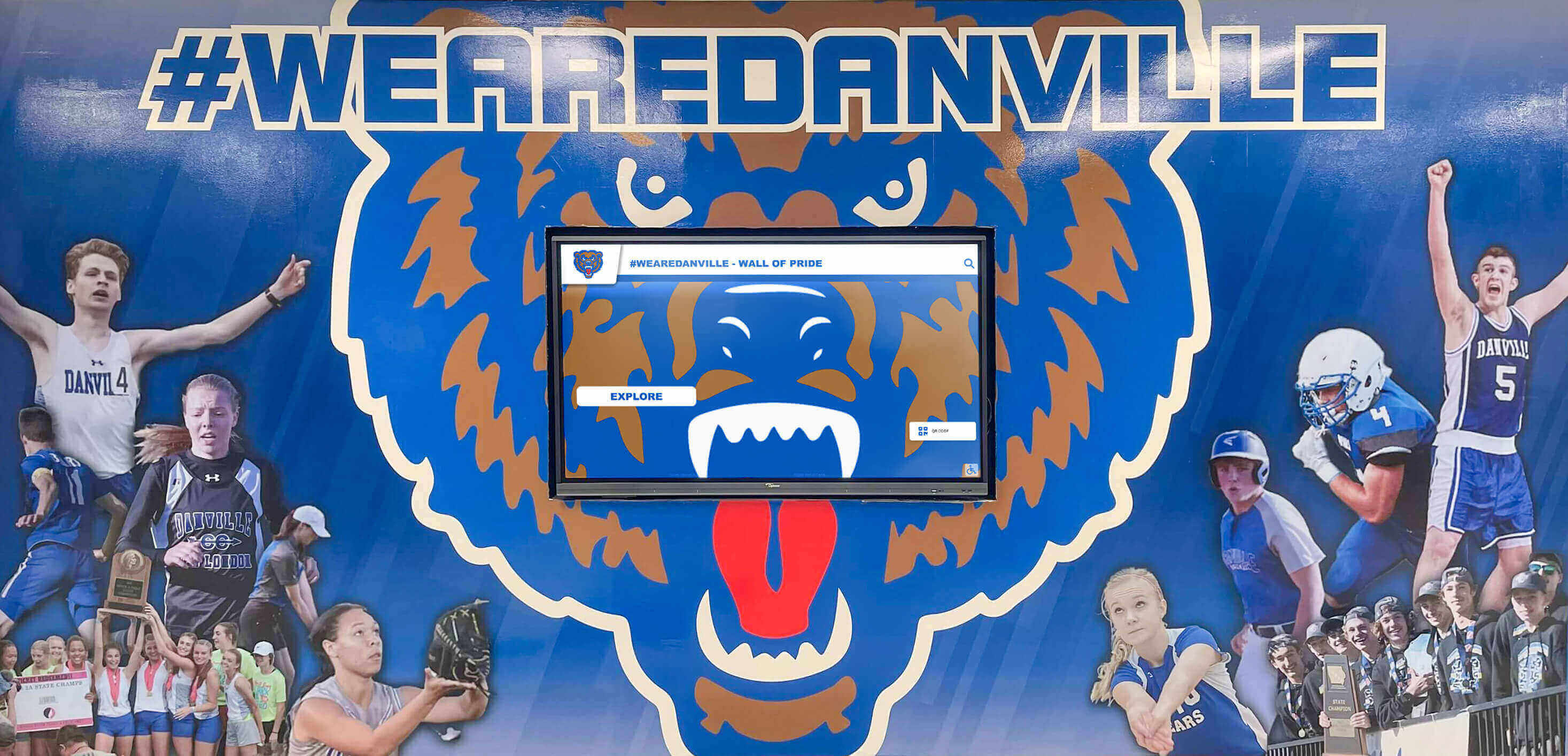
Beyond reactive problem resolution, Rocket monitors systems continuously detecting potential issues before schools encounter failures. Cloud-connected displays report health status, connectivity problems, and performance degradation. Customer Success reviews monitoring data identifying displays requiring attention before visitors encounter non-functional systems.
Digital signage monitoring systems enable preventive maintenance dramatically improving uptime compared to reactive “fix it when it breaks” approaches where problems accumulate unnoticed until displays fail completely.
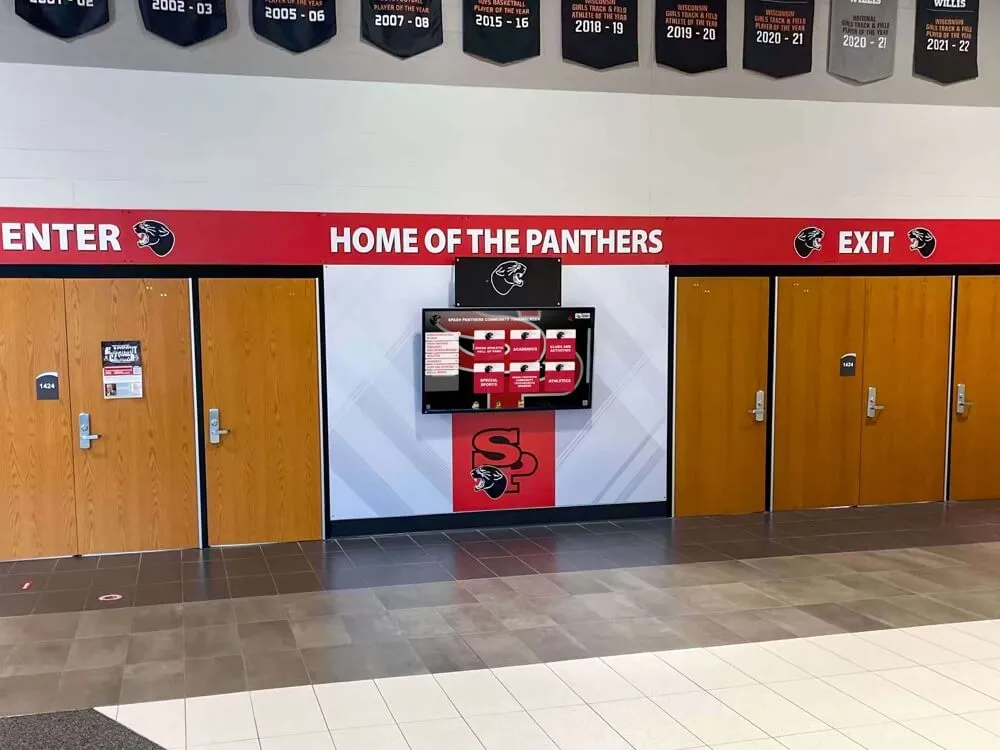
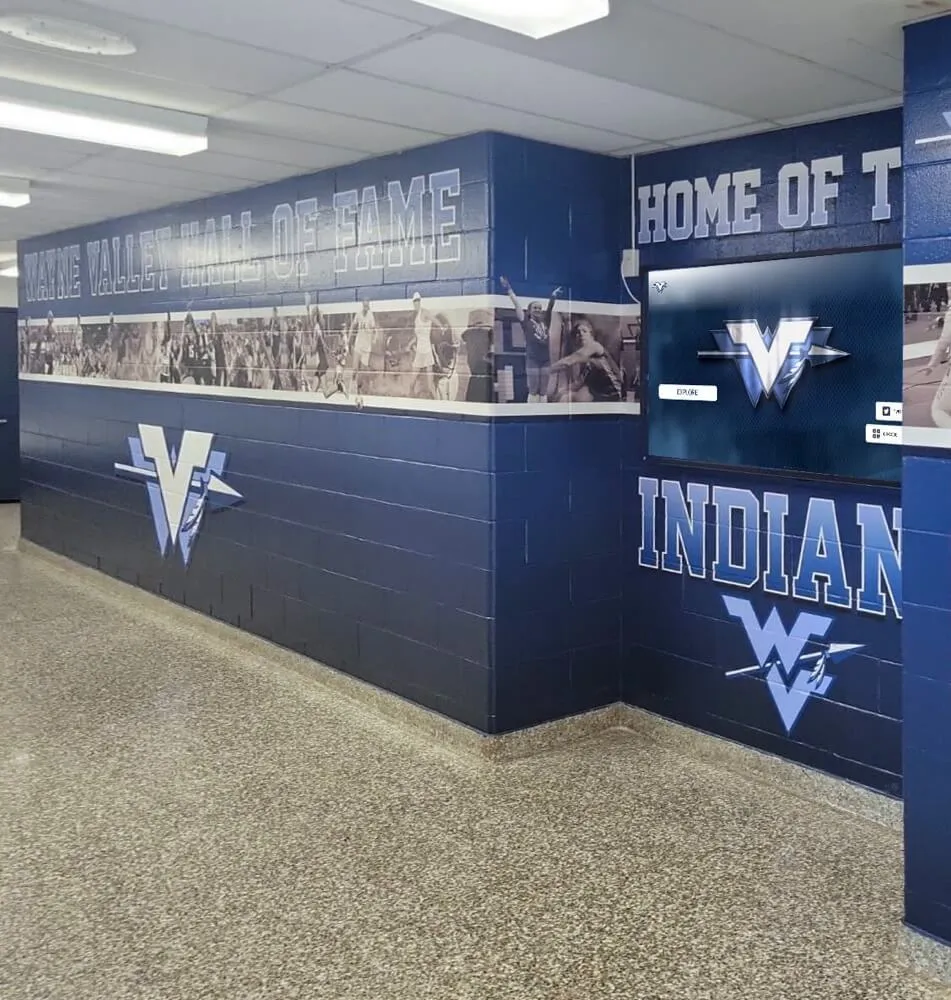
Professional-grade installations combine durable hardware with proactive monitoring ensuring reliable long-term operation
Replacement Hardware Stock
Rocket maintains inventory of replacement components enabling rapid response when hardware failures occur. Rather than waiting weeks for manufacturer replacement processing and shipping, Customer Success ships replacement displays, computers, or components immediately, restoring operation quickly while handling warranty claims in the background.
This inventory investment demonstrates Rocket’s commitment to customer uptime over minimizing vendor costs. Maintaining stock costs money but delivers value through dramatically reduced customer downtime.
Real Customer Experiences: Testimonial Evidence
Customer testimonials from schools nationwide validate Rocket’s full-service hardware and support approach. While we cannot share specific customer case studies without permission, Rocket Alumni Solutions’ public testimonials page (rocketalumnisolutions.com/testimonials) contains extensive feedback from schools, universities, and organizations describing their experiences.
Common themes in these testimonials include:
Ease of Implementation
Customers consistently praise turnkey implementation removing technical complexity. Schools without dedicated IT departments successfully deploy sophisticated touchscreen systems because Rocket handles hardware selection, configuration, installation coordination, and initial content development. The provider model enables schools to focus on content and messaging rather than technical infrastructure.
Responsive Customer Support
Testimonials repeatedly highlight responsive support when questions or issues arise. Customers describe quick email responses, helpful phone support, and proactive problem resolution. This responsiveness matters most when time-sensitive situations like event deadlines or facility emergencies require rapid assistance.
Single Vendor Simplicity
Schools appreciate having one relationship for everything—hardware, software, content support, and technical assistance. Rather than coordinating between multiple vendors when problems occur, customers work with familiar Rocket representatives who understand their specific installations and history.
Organizations implementing interactive recognition displays emphasize that single-vendor relationships reduce administrative overhead significantly compared to coordinating multiple technology providers.
Long-Term Partnership Orientation
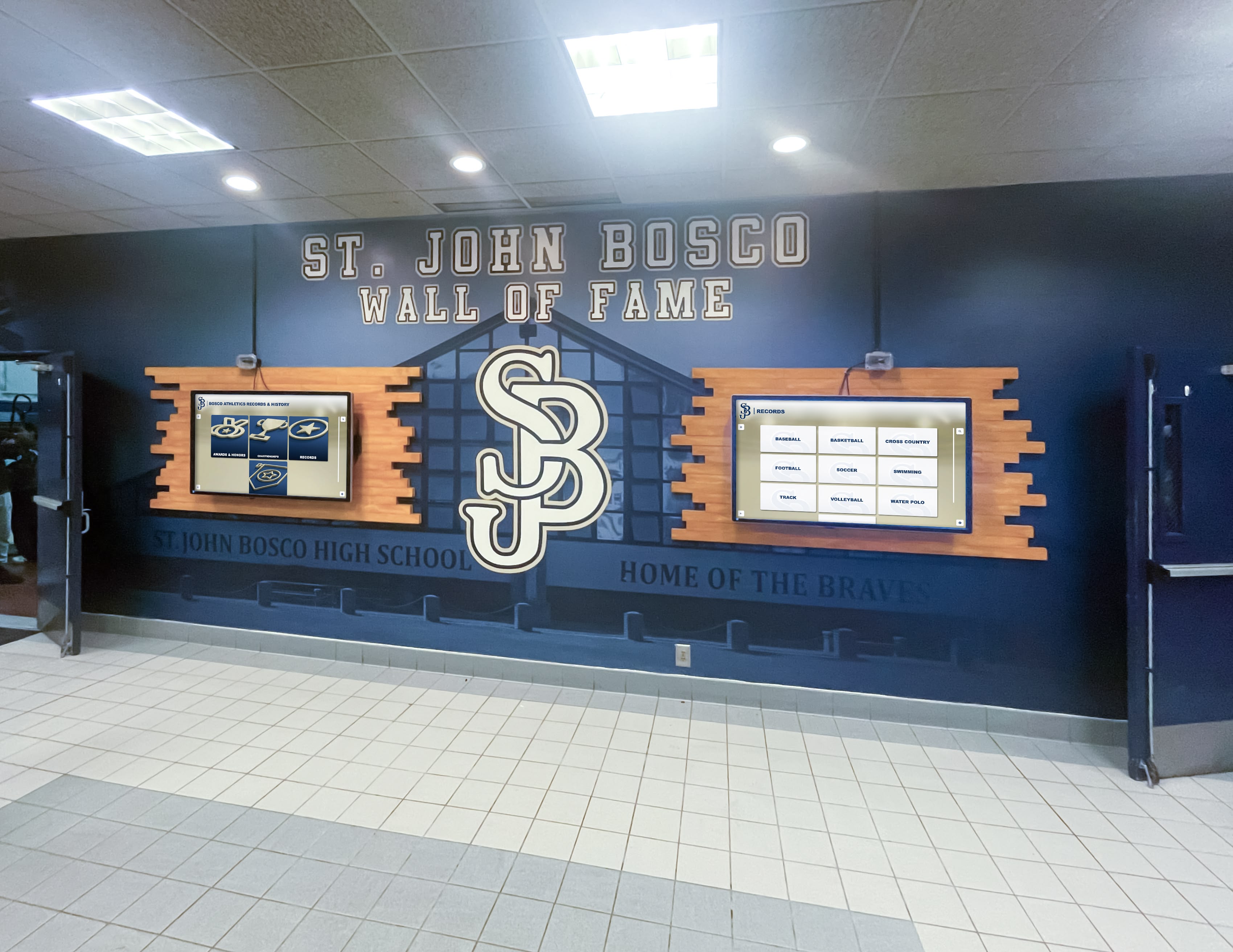
Multiple testimonials come from schools with years-long Rocket relationships. This longevity suggests sustained satisfaction beyond initial implementation. Organizations describe expanding implementations, adding displays to additional locations, and implementing new features—patterns indicating ongoing value delivery beyond original projects.
Long-term customer retention validates that Rocket’s service model performs well past the initial sale when many technology vendors reduce support focus after implementation completion.
Successful installations lead to expansion projects as schools add displays to additional locations
Empowerment Through Training
Schools highlight that Rocket doesn’t just install systems and disappear. Training enables staff to manage content confidently without constant vendor dependency. Customer Success remains available when needed, but trained administrators handle routine content management independently.
This balance between independence and available support provides optimal value. Schools control their messaging and timing while retaining expert assistance for technical situations beyond staff expertise.
Hardware Specifications and Quality
Beyond service model considerations, actual hardware quality affects long-term satisfaction and total cost of ownership.
Commercial-Grade Components
Rocket provisions commercial-grade equipment designed for institutional deployment rather than consumer devices inadequate for public use:
Commercial Display Panels
Professional displays rated for continuous operation differ significantly from consumer televisions. Commercial panels include industrial-grade components designed for years of daily operation, higher brightness levels maintaining visibility in varied lighting, extended warranties reflecting commercial application expectations, and durable construction withstanding public interaction.
According to commercial display manufacturers, commercial panels typically last 50,000-100,000 hours of operation compared to 20,000-30,000 hours for consumer televisions. For displays operating 12 hours daily, commercial displays provide 10+ years of reliable service versus 4-6 years for consumer equipment.
Touchscreen Technology
Rocket uses projected capacitive touchscreen technology providing excellent accuracy, multi-touch gesture support, protection through reinforced glass, and familiar smartphone-like responsiveness. This technology contrasts with cheaper resistive touch requiring pressure and providing inferior user experiences that frustrate visitors.
Touchscreen display technology selection significantly affects user satisfaction and system durability in high-traffic institutional environments.
Reliable Computing Platforms
Computing systems running Rocket software use industrial-grade components designed for 24/7 operation rather than consumer PCs inadequate for always-on deployment. Solid-state storage eliminates mechanical drive failures, industrial temperature tolerances accommodate varied environments, and enterprise support contracts ensure component availability.
Computing reliability particularly matters because failures affect entire display functionality. Commercial-grade computers cost more initially but deliver substantially higher reliability reducing total ownership costs through fewer failures and longer operational life.

Commercial-grade components provide reliability necessary for continuous operation in institutional environments
Installation Quality and Durability
Professional installation affects both aesthetic results and long-term functionality:
Secure Mounting Systems
Displays mount securely using commercial brackets designed for display weights and sizes. Proper wall anchoring prevents accidents. Cable management maintains clean professional appearance. Installations accommodate building codes and accessibility requirements.
Poor mounting practices common with inexperienced installers create both safety risks and maintenance problems. Displays that gradually sag or tilt require remounting. Inadequate anchoring risks expensive equipment falling. Professional installation provides proper mounting from the start.
Electrical and Network Integration
Professional installations include dedicated electrical circuits preventing nuisance tripping, proper grounding protecting expensive equipment, clean network connections ensuring reliable connectivity, and cable routing protecting against physical damage while maintaining appearance.
School digital signage infrastructure requires electrical and networking expertise beyond typical IT staff capabilities, making professional installation particularly valuable.
Aesthetic Integration
Professional installations integrate displays appropriately with existing architecture rather than appearing as afterthoughts bolted to walls. Color-matched mounting hardware, coordinated placement with existing elements, cable concealment maintaining clean appearance, and appropriate scaling for viewing distances create polished professional results reflecting institutional standards.
Aesthetic quality particularly matters in lobby and entrance locations where displays create first impressions for visitors, prospective students, and donors. Professional installation quality demonstrates institutional commitment to excellence.
Comparing Full-Service vs. DIY Approaches
Schools evaluating digital recognition displays often consider whether to work with comprehensive providers like Rocket or assemble solutions from individual components.
Total Cost Comparison
Initial pricing sometimes appears lower for component-based approaches, but total ownership costs tell different stories:
Upfront Investment
Component approaches may show lower initial quotes because they exclude services comprehensive providers include. Display-only pricing omits computing devices, mounting hardware, installation coordination, software configuration, content development assistance, and training. Schools discover these “excluded” costs only after commitment.
Full-service proposals appear higher initially but include complete implementation. Rather than surprise costs emerging during projects, comprehensive pricing provides accurate total investment understanding enabling proper budgeting and expectation setting.

Comprehensive implementations include hardware, software, installation, and support providing accurate total cost visibility
Hidden Coordination Costs
Component-based approaches require substantial school staff time coordinating vendors, researching compatibility, managing installation, troubleshooting problems, and coordinating support. Administrator time has value—schools calculating hourly rates for time spent on technology coordination often discover component approaches cost more than comprehensive solutions when internal effort is valued appropriately.
Full-service providers eliminate most coordination burden. Schools invest time on strategic decisions and content development rather than technical implementation details and vendor management.
Long-Term Support Expenses
Multi-vendor scenarios generate ongoing support complexity as schools coordinate between parties when issues arise. Each support interaction consumes administrative time determining which vendor to contact, explaining problems multiple times, and facilitating communication between uncooperative vendors.
Single-vendor relationships streamline support dramatically. One call resolves problems regardless of technical origin. Schools avoid the “vendor ping-pong” consuming hours of staff time without problem resolution progress.
Upgrade and Expansion Simplicity
As schools expand implementations adding displays to additional locations or implementing new features, working with comprehensive providers who understand existing installations simplifies expansion dramatically compared to restarting procurement and vendor selection for each addition.
Organizations implementing digital hall of fame systems frequently expand beyond initial implementations as value becomes evident, making expansion simplicity particularly important.
Risk and Accountability Considerations
Component-based approaches shift risk and accountability to schools, while comprehensive providers accept these burdens:
Technical Expertise Requirements
Assembling components requires schools possess or develop expertise in display technology, computing platforms, network infrastructure, mounting specifications, and software configuration. Schools lacking this expertise make expensive mistakes or hire consultants eliminating initial cost savings.
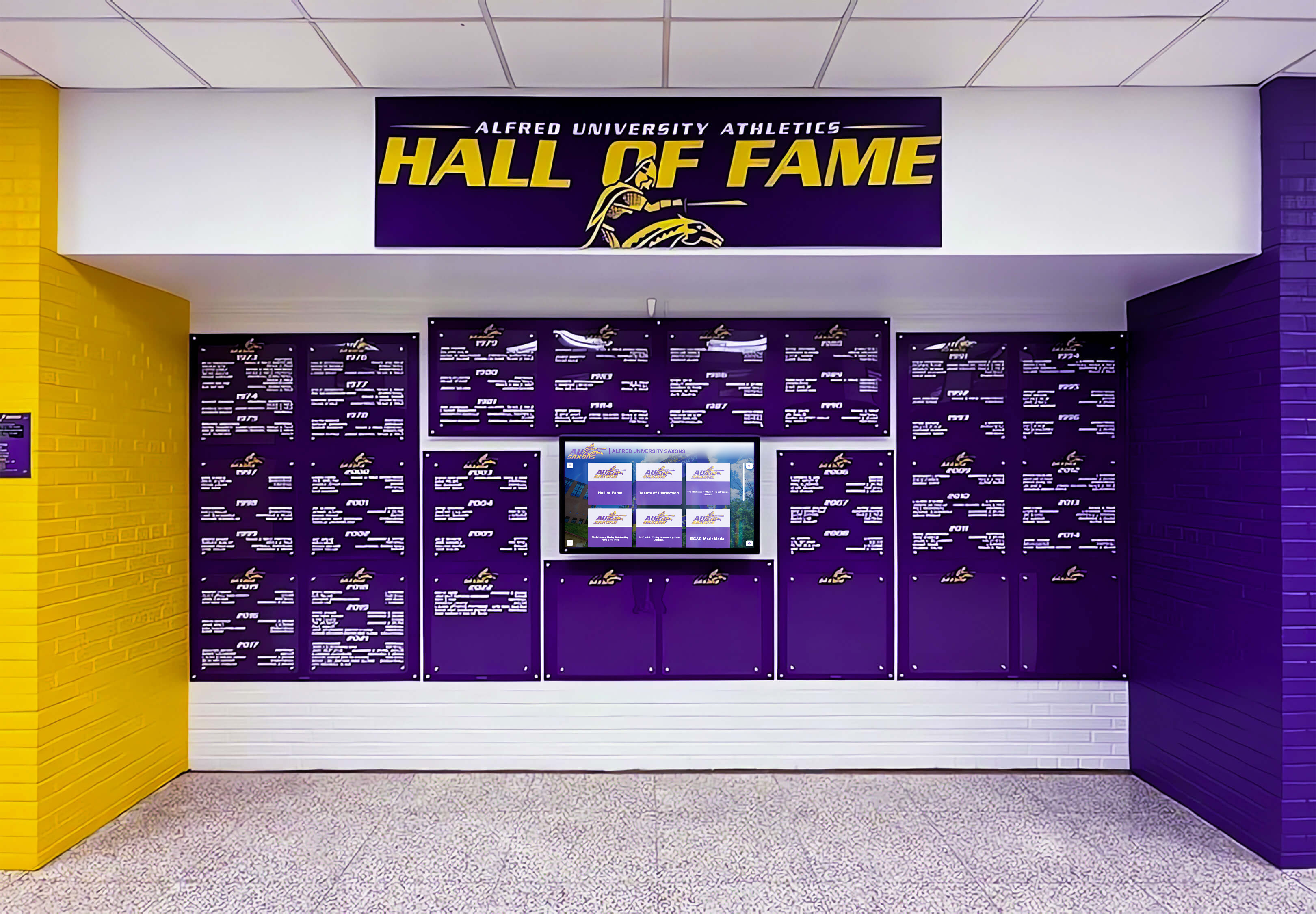
Comprehensive providers apply institutional display expertise developed across hundreds of projects. Schools benefit from this accumulated knowledge without developing expertise internally or learning through expensive trial and error.
Warranty Coordination Complexity
Multiple vendors mean multiple warranties with different terms, contact procedures, and claim processes. Determining which warranty covers specific problems requires technical knowledge. Processing claims demands administrative time and expertise navigating vendor procedures.
Single-vendor relationships consolidate warranty complexity. Rocket handles warranty claims in the background while maintaining customer uptime regardless of underlying manufacturer warranty processing timelines.
Professional implementations deliver reliable long-term performance through proper component selection and installation quality
Finger-Pointing Prevention
When problems involve multiple components, multi-vendor scenarios frequently devolve into finger-pointing as each party claims problems originate elsewhere. Schools waste time facilitating communication and pushing for resolution while displays remain non-functional undermining investment value.
Single-vendor accountability eliminates finger-pointing. Rocket owns problem resolution regardless of technical cause because they provided all components and understand complete system integration.
What Rocket Provides: Service Summary
Reviewing the complete Rocket hardware and service scope clarifies value compared to fragmented alternatives:
Hardware Provision
Complete touchscreen display systems including commercial-grade display panels, computing devices, touchscreen interfaces, mounting hardware and brackets, power management equipment, and network connectivity components. Schools receive tested, configured systems rather than components requiring assembly.
Professional Installation
Coordinated installation services including site assessment and planning, professional mounting and electrical connection, network integration and configuration, system commissioning and testing, and staff training on operation and basic troubleshooting.
Software Platform
Cloud-based content management system providing intuitive administrative interfaces requiring no technical expertise, unlimited display management across locations, split-screen layout capabilities presenting multiple content types, scheduled content publishing and expiration, and mobile device access enabling remote management.
Digital signage content management accessibility determines whether schools maintain displays effectively or systems gradually decline into neglect as complexity overwhelms staff capacity.
Customer Success Support
Single point of contact for any issue providing unified support entry regardless of problem origin, system-wide expertise enabling accurate triage, remote problem resolution when possible, coordinated on-site service when necessary, and warranty claim handling in the background.
Ongoing Services
Continuous system monitoring detecting potential issues before failures, software updates and security patches, content development assistance when requested, training refreshers for new staff, and expansion support as schools add displays.
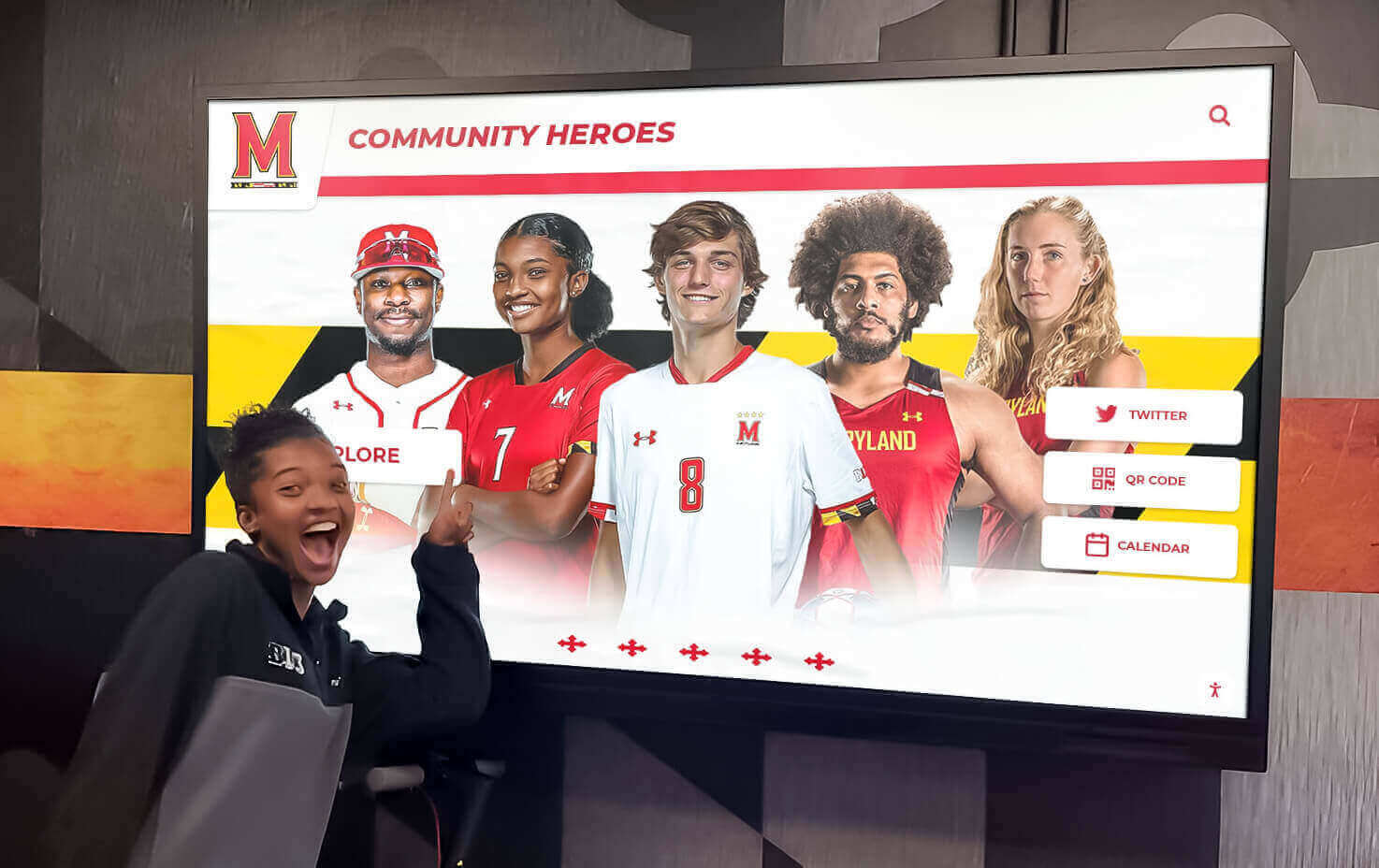
Successful implementations combine reliable hardware with intuitive software and responsive support enabling effective student engagement
Addressing Common Concerns
Schools evaluating comprehensive providers often raise predictable questions:
“Isn’t Single-Vendor Risky?”
Some organizations worry that single-vendor relationships create dependency problems if providers fail or service quality declines:
Financial Stability Evidence
Rocket Alumni Solutions has operated successfully for years with extensive customer base spanning hundreds of schools, universities, and organizations. Long-term customer relationships and continued expansion indicate financial health and customer satisfaction. Companies struggling financially typically show customer attrition and implementation decline rather than growth patterns evident in Rocket’s operations.
Industry-Standard Components
Rocket uses commercial off-the-shelf components from major manufacturers rather than proprietary hardware unavailable elsewhere. Displays, computers, and mounting hardware come from standard industry suppliers. If unthinkable worst-case scenarios occurred, replacement hardware sources exist unlike proprietary systems requiring specific vendor components.
Transferable Software Platform
Rocket’s web-based software operates on standard commercial displays and computing devices. Schools aren’t locked into proprietary hardware requiring specific vendor replacement. Cloud-based platforms provide greater flexibility than custom software installed on specific equipment.
“Can We Handle Basic Troubleshooting Ourselves?”
Schools appropriately want some independence rather than total vendor dependency for every minor issue:
Training Provides Independence
Rocket training enables staff to handle routine content management, perform basic troubleshooting like display restarts, verify network connectivity, and access help resources for common questions. Schools operate independently for day-to-day management while retaining expert support availability when needed.
Tiered Support Approach
Support model empowers schools to resolve simple issues independently through training and documentation while providing expert assistance for problems exceeding staff expertise. This balance maximizes school autonomy while ensuring complex technical issues receive appropriate professional attention.
Interactive kiosk troubleshooting training reduces support dependency while maintaining professional assistance availability preventing schools from getting stuck when problems exceed internal capabilities.
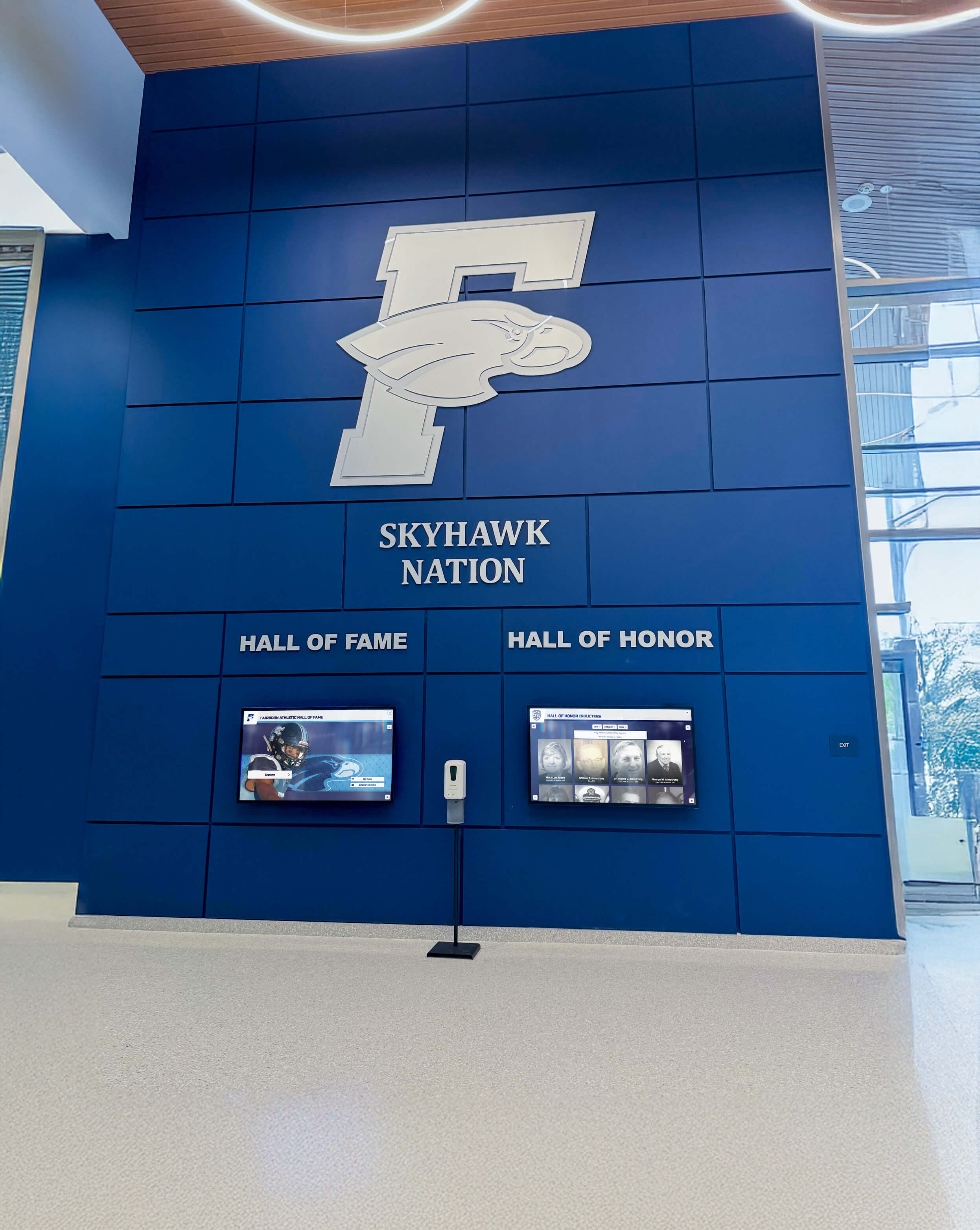
Professional implementations deliver reliability enabling schools to focus on content and community engagement rather than technical troubleshooting
“What About Technology Evolution?”
Organizations worry about technology platforms becoming obsolete, leaving investments stranded on outdated systems:
Cloud Platform Advantages
Cloud-based software updates automatically without requiring hardware replacement or on-site service calls. Rocket continuously improves platform capabilities, adds features, and updates interfaces benefiting all customers without individual upgrade projects. Schools implementing displays receive current capabilities plus years of future improvements through automatic updates.
Hardware Longevity
Commercial-grade displays and computers provide 8-12 year operational life with proper maintenance. By the time hardware replacement becomes necessary, schools have received substantial value from investments. Replacement involves improved hardware at lower costs reflecting technology advancement rather than emergency failures requiring immediate unplanned expenses.
Forward Compatibility Commitment
Rocket maintains forward compatibility enabling schools to add new displays to existing installations rather than replacing entire systems when expanding. This commitment protects investments while enabling gradual expansion matching budget availability and organizational growth.
Conclusion: Hardware Matters Because Uptime Matters
Rocket Alumni Solutions’ approach to hardware and support reflects fundamental recognition that schools care about functional displays serving communities effectively—not technical processes, warranty details, or vendor coordination complexity. By providing complete hardware stacks, maintaining expertise across all system components, and delivering Customer Success as single point of contact owning uptime outcomes, Rocket eliminates the fragmented vendor experience frustrating schools and undermining display value.
Customer testimonials from schools nationwide validate this comprehensive service model. Organizations appreciate turnkey implementations removing technical complexity, responsive support resolving issues quickly, single-vendor simplicity reducing administrative burden, and long-term partnership orientation supporting sustained success beyond initial implementations.
The “we’re just the software company” position common among digital signage providers shifts hardware responsibility and risk to schools lacking expertise to manage these burdens effectively. Rocket’s acceptance of complete system ownership—including hardware provision, installation coordination, comprehensive support, and outcome accountability—aligns vendor interests with customer needs, creating genuine partnerships rather than transactional relationships ending after initial sales.
Schools evaluating digital recognition displays should consider total ownership experience beyond initial pricing comparisons. Comprehensive providers like Rocket deliver value through simplified implementation, unified support reducing administrative burden, proactive problem prevention, rapid issue resolution, and expansion simplicity enabling growth. These operational benefits often outweigh apparent initial cost differences, particularly when internal coordination time is valued appropriately and long-term support complexity is considered realistically.
The hardware and setup question ultimately asks whether schools want technology partners accepting responsibility for complete system success or vendors providing components while shifting integration complexity, support coordination, and operational risk to school staff. Rocket Alumni Solutions’ model demonstrates that full-service approaches deliver superior customer experiences by owning outcomes schools actually care about—functional displays engaging communities effectively with minimal administrative burden.
Organizations ready to implement digital recognition displays should evaluate providers based on comprehensive service scope, customer success track records, and system ownership accountability rather than exclusively comparing initial hardware prices. Visit Rocket Alumni Solutions to explore how their full-service approach addresses hardware, setup, and support comprehensively through single-vendor accountability designed specifically for schools, universities, and organizations nationwide.