



Few universities cultivate campus traditions as distinctive and deeply cherished as Rice University. Nestled in Houston’s Museum District, Rice has developed a unique culture shaped by its residential college system, academic excellence, and quirky student-led celebrations that have persisted for decades. From the legendary Beer Bike race to the midnight Baker 13 runs, these traditions create bonds that transform classmates into lifelong communities.
Understanding Rice University traditions reveals more than just entertaining campus customs—it illuminates how institutions build identity, foster belonging, and create the shared experiences that define college years. Whether you’re a prospective student, curious parent, engaged alumnus, or education professional studying campus culture, Rice’s tradition-rich environment offers valuable lessons about what makes university communities thrive.
This comprehensive guide explores the history, significance, and current practices of Rice’s most beloved traditions, examining how a relatively young university (founded in 1912) has cultivated customs that rival those of institutions centuries older.
Rice University stands apart from peer institutions through its commitment to traditions that are simultaneously irreverent and meaningful, competitive yet inclusive, student-driven while institution-supported. These customs don’t simply happen to students—they actively shape the Rice experience, creating the distinctive culture that alumni reference decades after graduation.

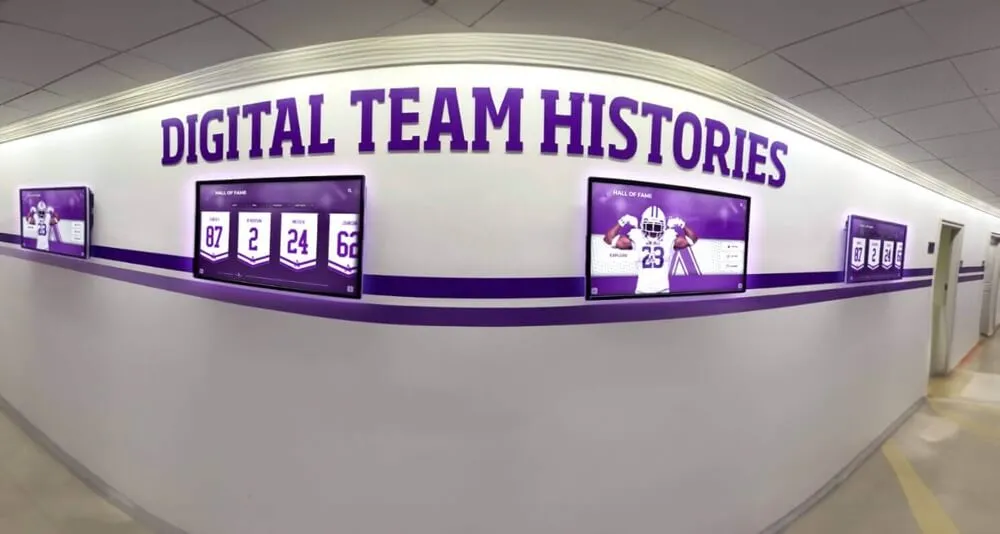
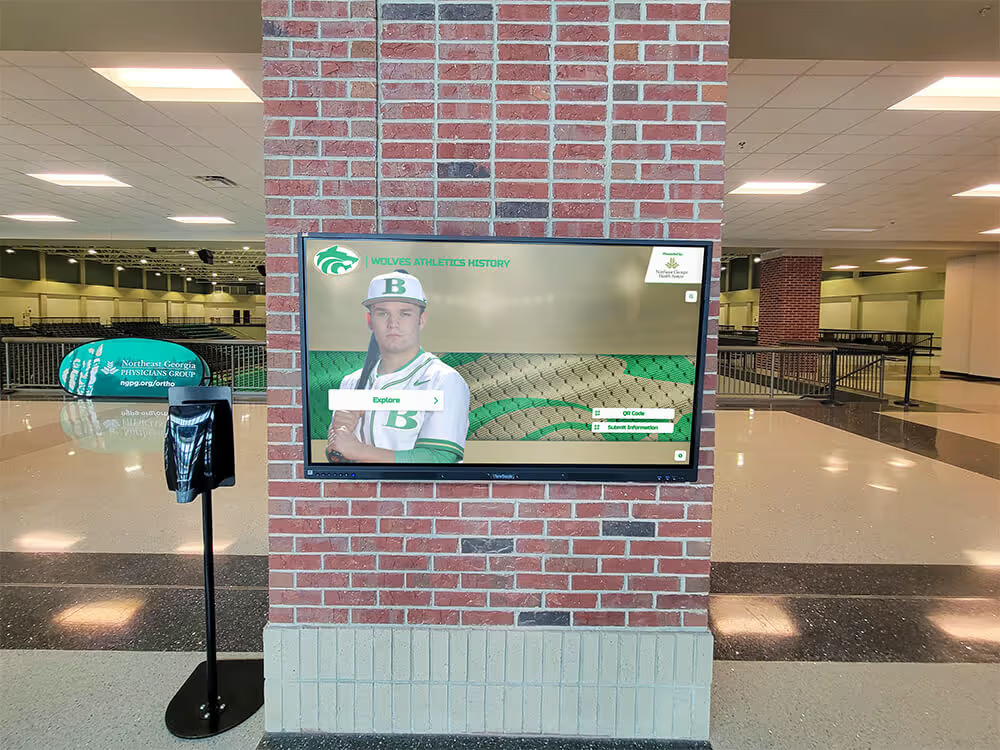
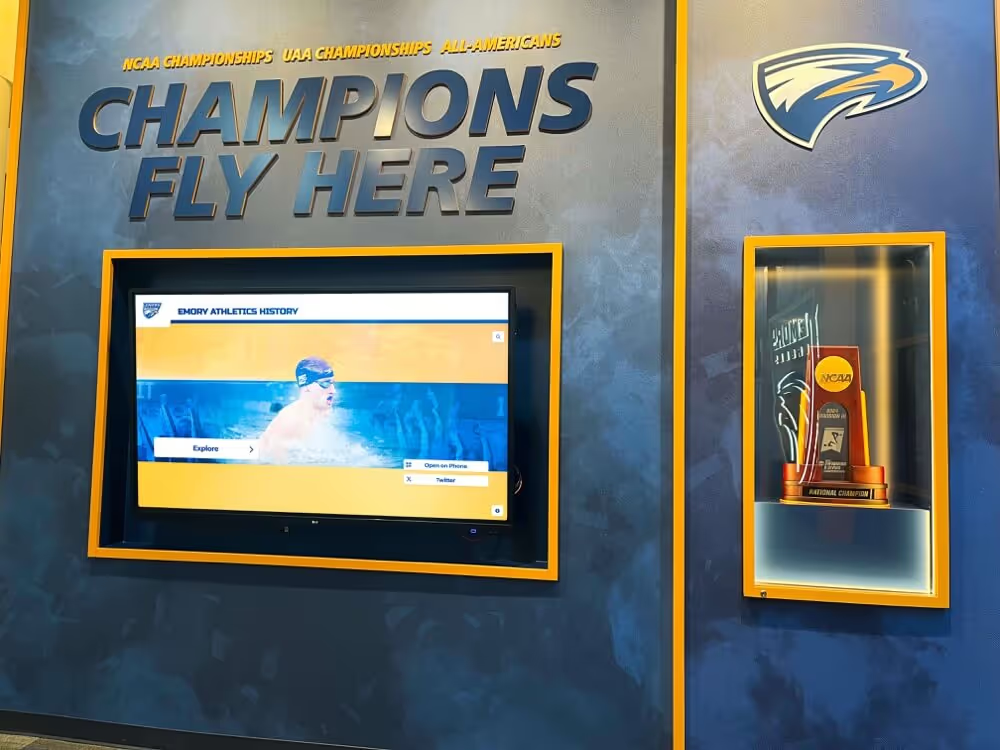
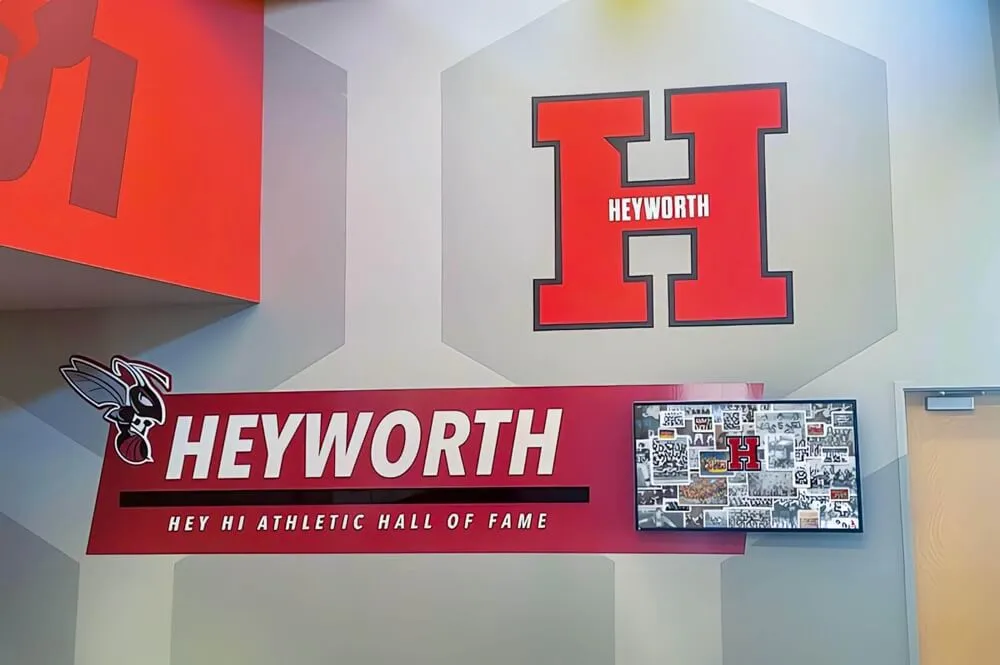
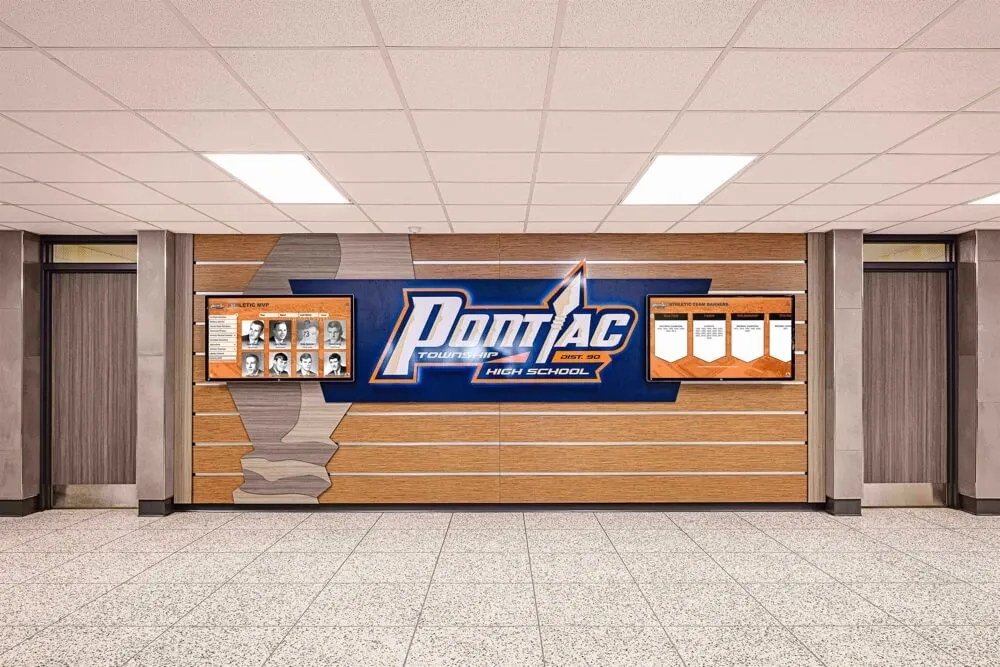
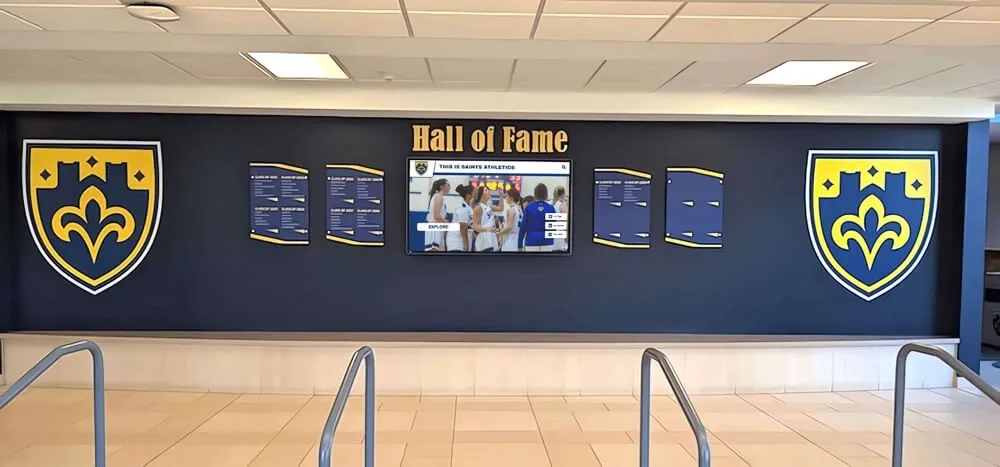
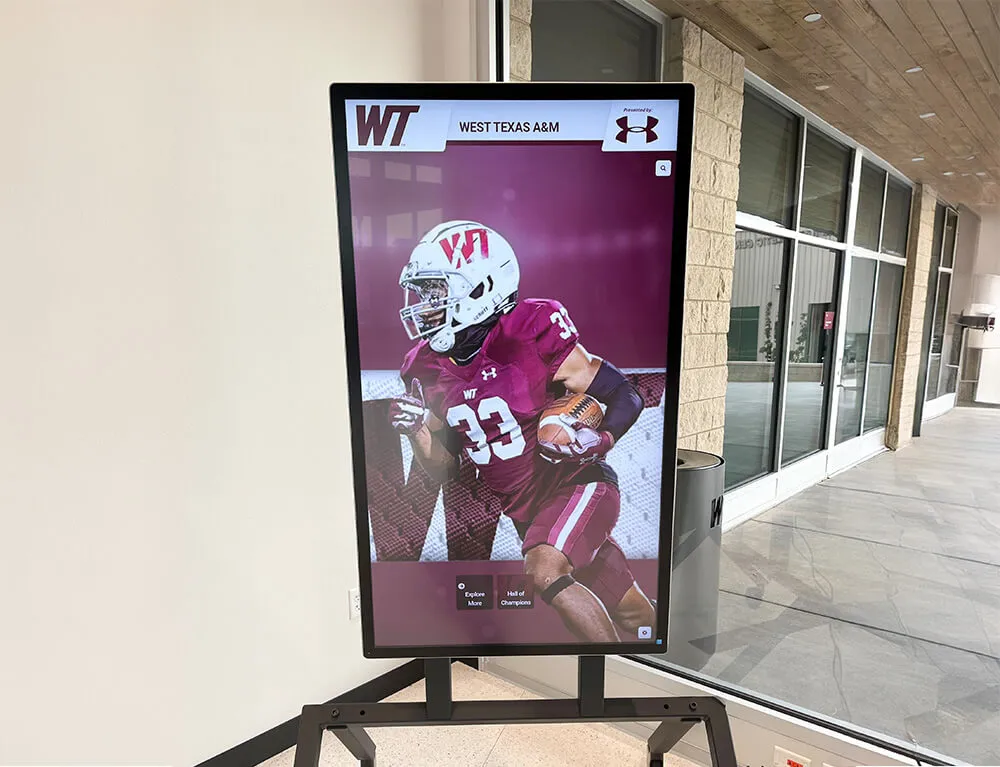
University traditions create the foundation for alumni connections that last generations, often preserved through recognition displays celebrating shared experiences
The Residential College System: Foundation of Rice Traditions
Before exploring specific traditions, understanding Rice’s residential college system is essential—it’s the organizational structure that makes most traditions possible and meaningful.
How the College System Works
Rice University divides its undergraduate population into eleven residential colleges, each functioning as a self-contained community within the larger university:
College Structure and Identity
- Each college houses approximately 250-400 students from all four years
- Students remain members of their assigned college throughout their time at Rice
- Colleges compete academically, athletically, and culturally throughout the year
- Each college develops distinct personality, traditions, and identity markers
- College loyalty often exceeds school spirit in day-to-day student life
The Oxford and Cambridge Influence Rice’s founders deliberately modeled the residential college system after Oxford and Cambridge universities, but adapted it for American higher education:
- Colleges are named for major university benefactors and Rice leaders
- Each college has a magister (faculty head) and resident associates (faculty living in the college)
- Colleges feature dedicated dining facilities, study spaces, and recreational areas
- The system intentionally fosters smaller community connections within the larger university
This structure creates the competitive framework that drives many Rice traditions, as colleges vie for bragging rights throughout the academic year.
Inter-College Rivalry and Bonding
The residential college system generates friendly rivalries that fuel traditional events:
Competition Across Domains
- Athletic competitions during Powderpuff football and college sports
- Academic challenges through intramural quiz competitions
- Cultural competitions for best O-Week production and beer bike themes
- Community service challenges and philanthropy competitions
- Spirit points accumulated throughout the year determining overall college rankings
Creating Lifelong Connections The college system transforms temporary roommates into permanent community members. Alumni frequently identify themselves by college affiliation first (“I’m a Hanszenite” or “Wiess ‘08”) before mentioning their major or graduation year.
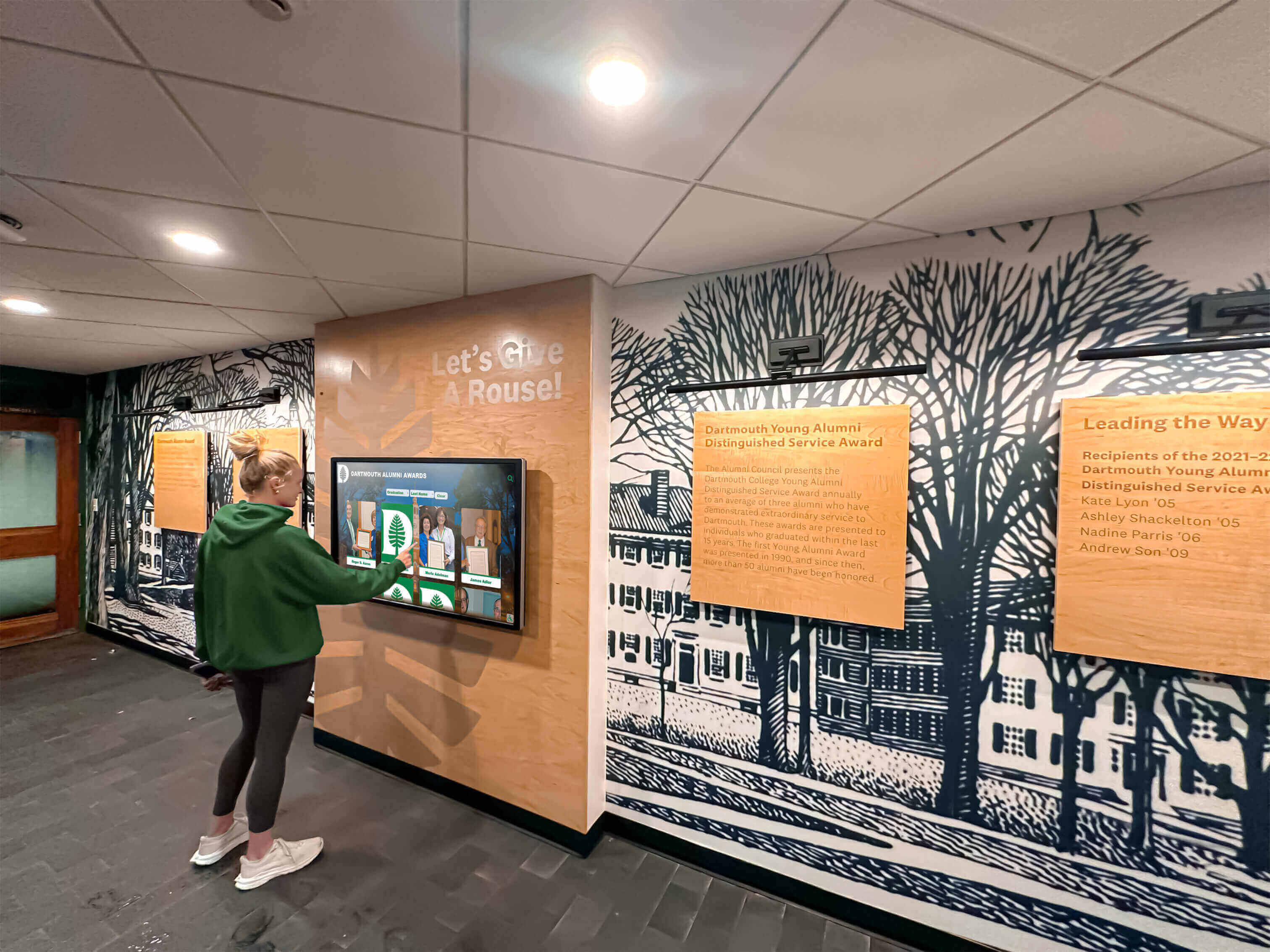
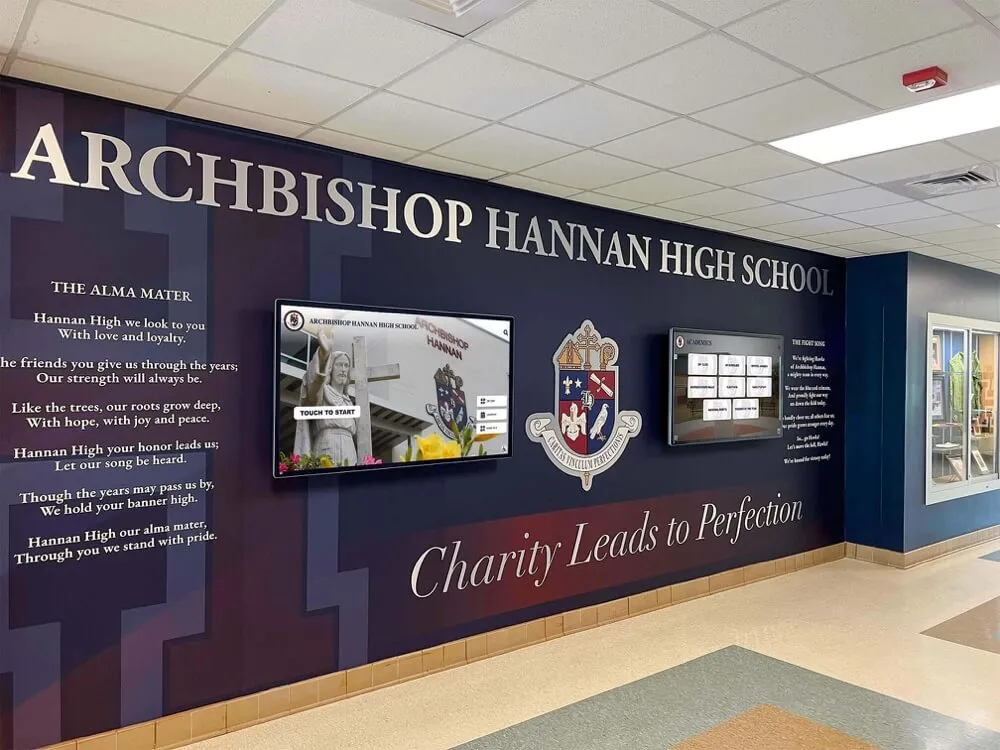
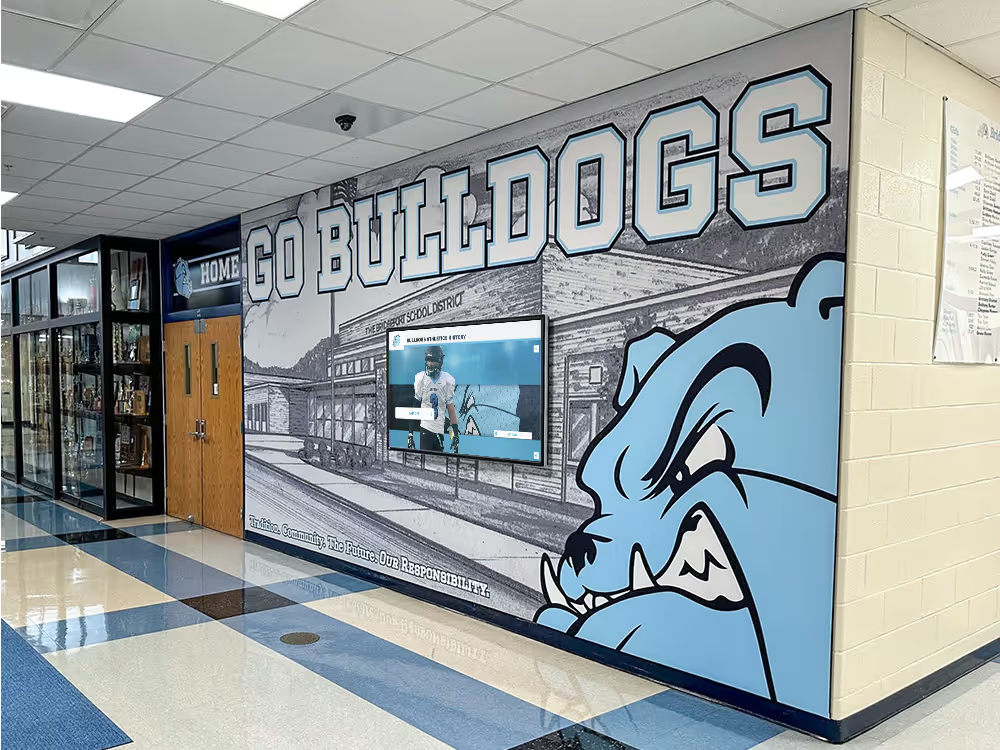
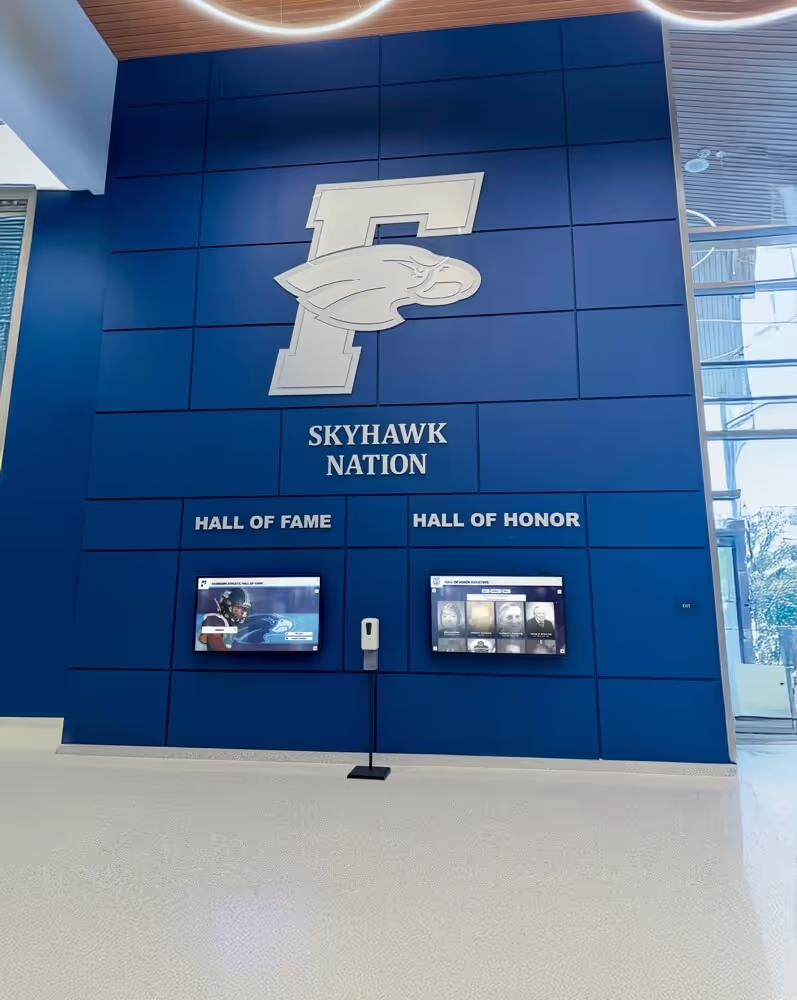
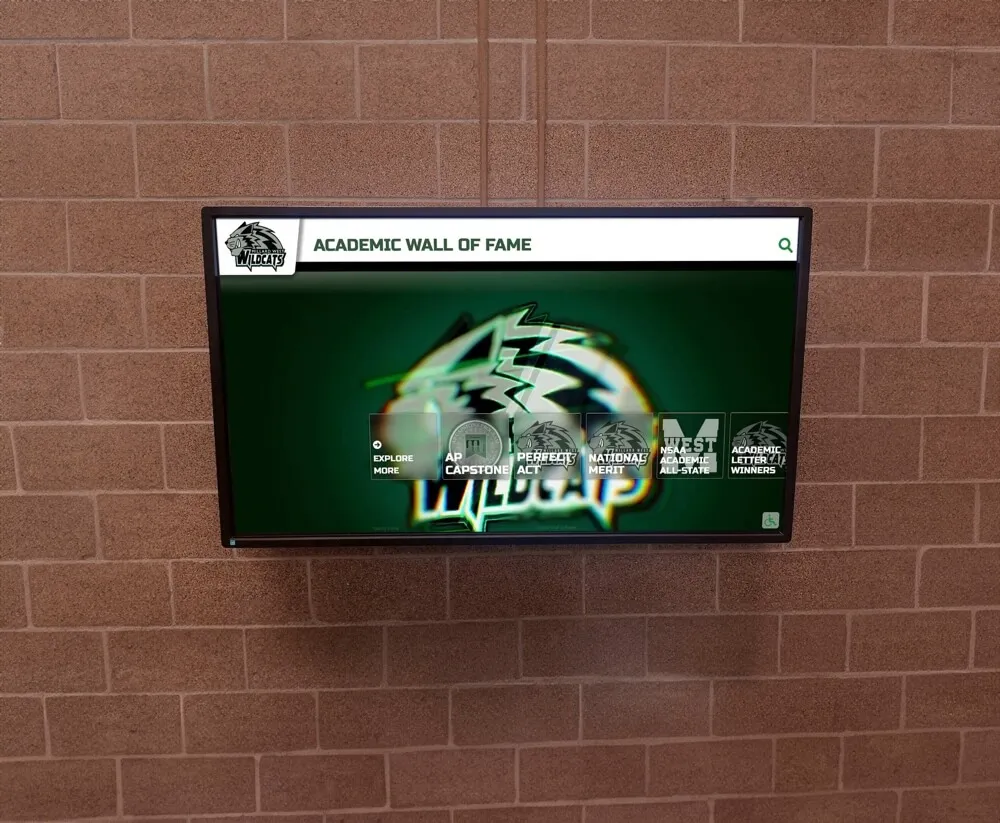
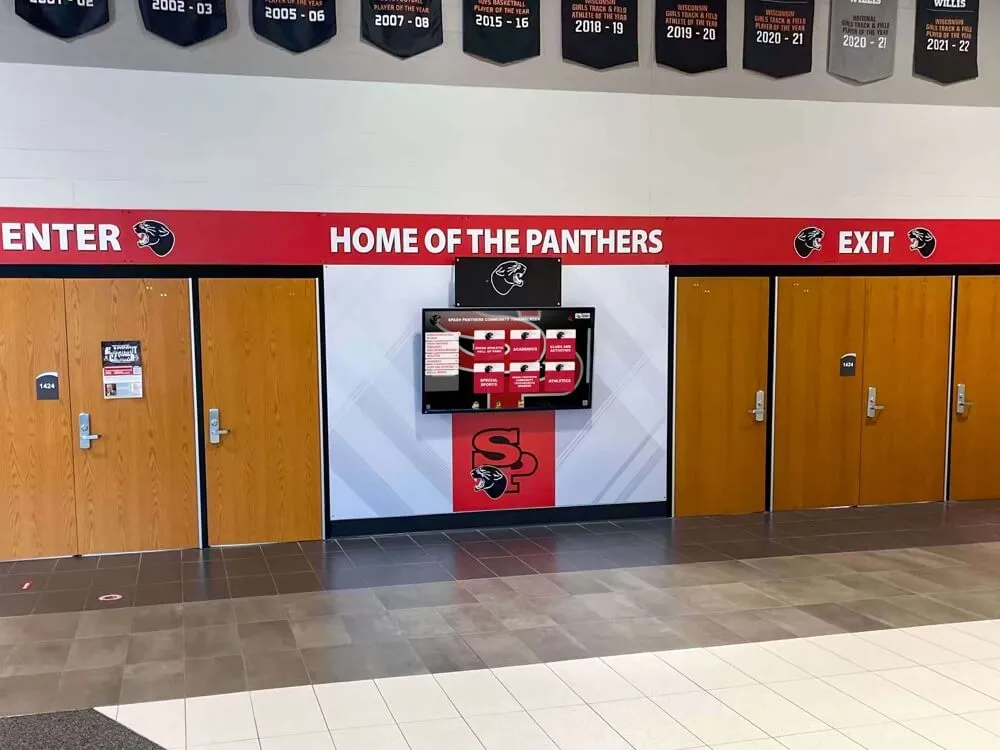
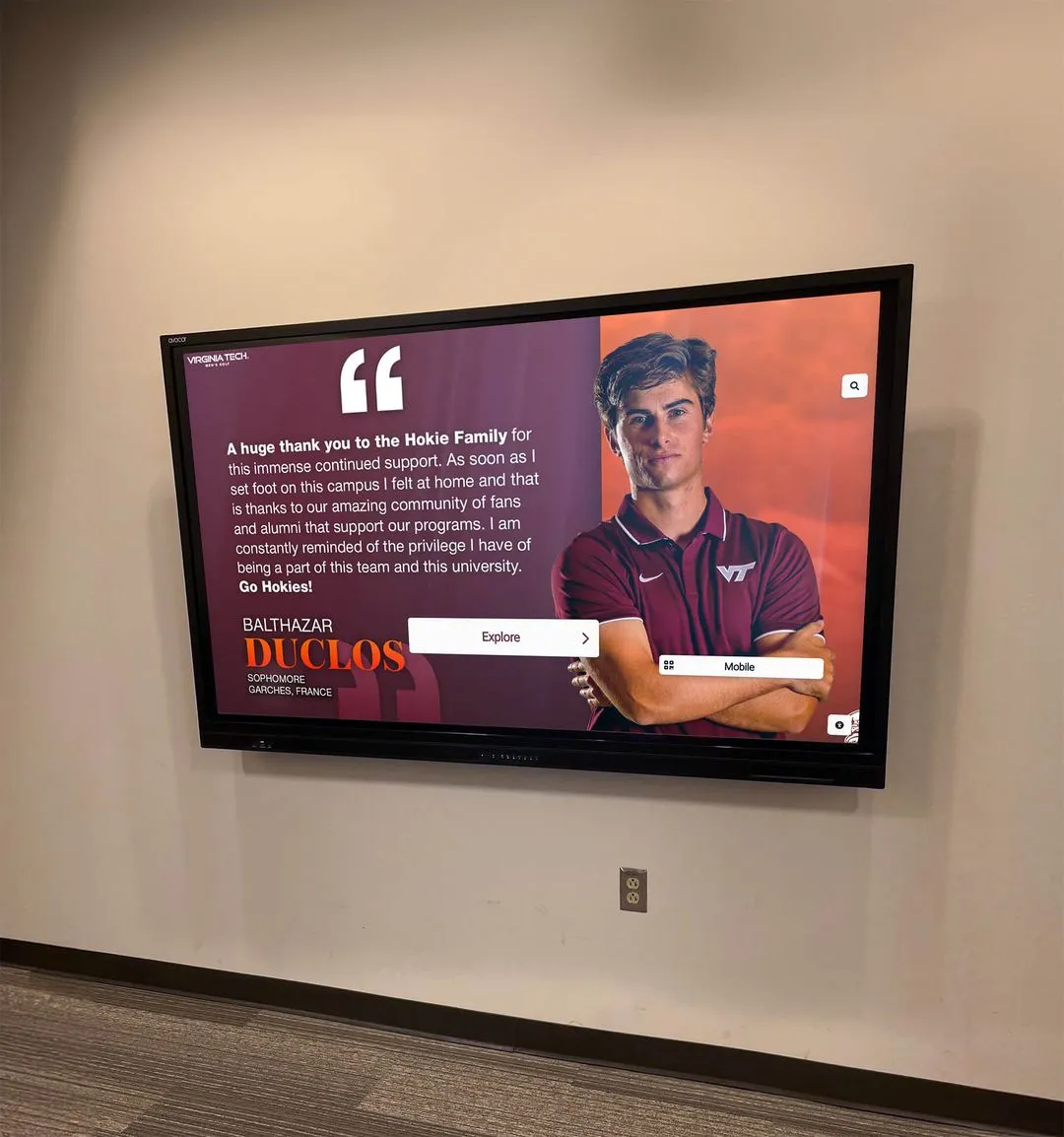
Modern universities preserve tradition through [interactive digital displays](https://touchwall.tv/blog/college-residence-hall-informational-interactive-display/?utm_source=organic&utm_medium=seo-auto&utm_content=digital-trophy-case&utm_campaign=rice-university-traditions&utm_term=seo) that engage current students while honoring history
Universities and schools looking to strengthen their own community identity often study how institutions like Rice leverage organizational structures to create meaningful traditions. Many implement recognition systems celebrating their unique heritage through both physical and digital means.
Beer Bike: Rice’s Most Iconic Tradition
No Rice tradition captures the university’s spirit quite like Beer Bike, an annual competition combining cycling, drinking, and elaborate themes that has defined spring weekends since 1957.
The History and Evolution of Beer Bike
Beer Bike emerged from a simple bet between colleges and evolved into Rice’s signature event:
The Original Concept
- Started in 1957 as a friendly competition between colleges
- Combined two beloved student activities: cycling around campus and socializing
- Originally men-only, expanded to include women’s teams in the 1970s
- Evolved from informal race to highly organized annual competition
Modern Beer Bike Structure Today’s Beer Bike is a sophisticated production involving months of preparation:
- Teams of cyclists and “chuggers” compete by residential college
- Separate races for men’s and women’s teams
- Alumni races allowing former students to relive glory days
- Elaborate theme development with costumes, decorations, and performances
- Campus-wide parade featuring college floats, costumes, and spirit displays
Safety and Legal Evolution Like many college traditions involving alcohol, Beer Bike has adapted to changing times:
- Strict safety protocols including designated chugging areas and medical staff
- Participants must be of legal drinking age to participate in chug portions
- Non-alcoholic alternatives available (water bikes as competitive option)
- University administration works with students to ensure responsible celebration
- Event demonstrates how traditions can evolve while maintaining core spirit
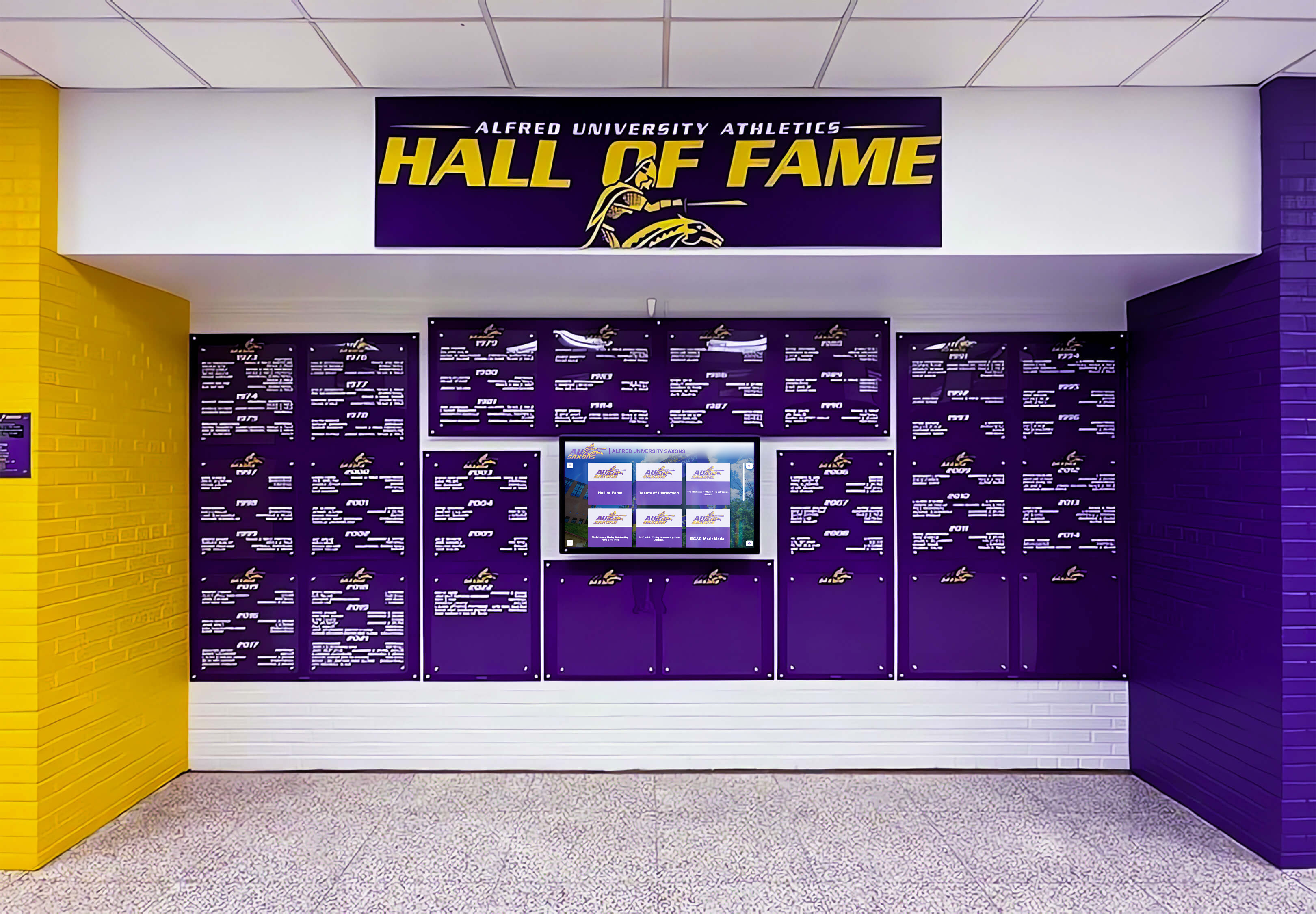
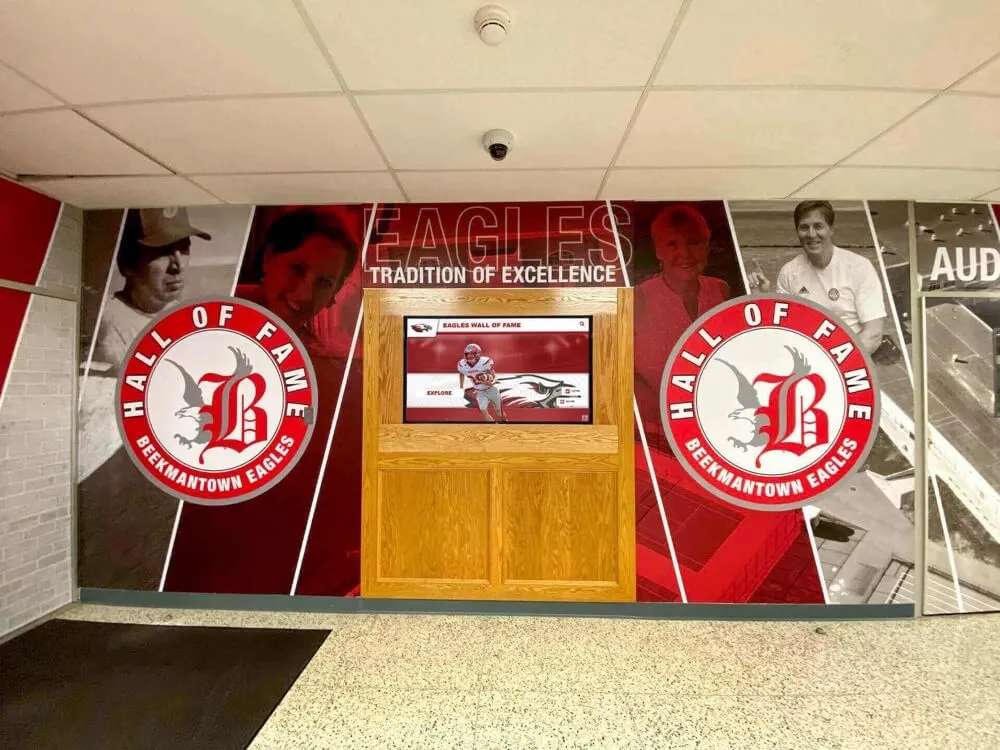
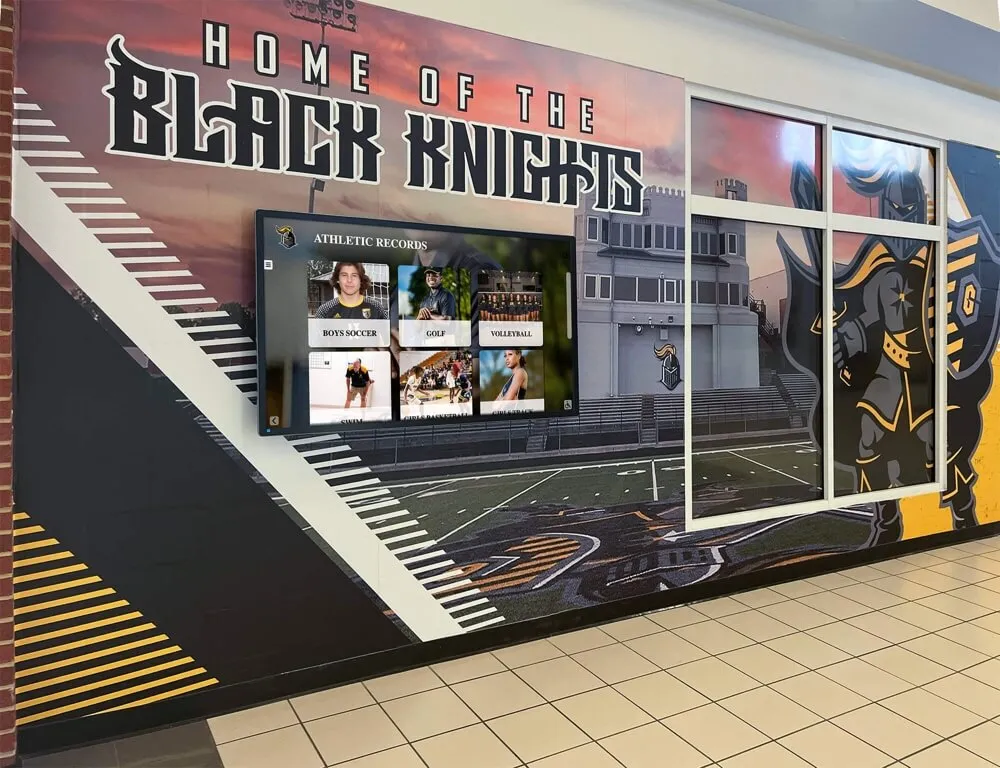
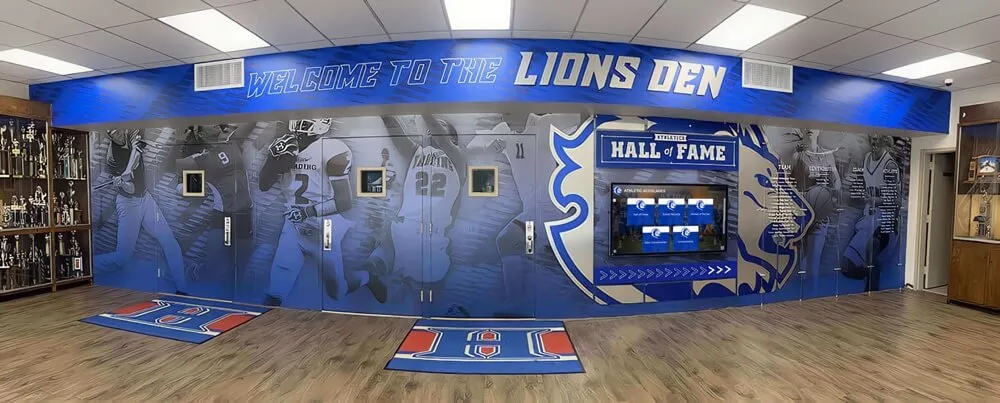
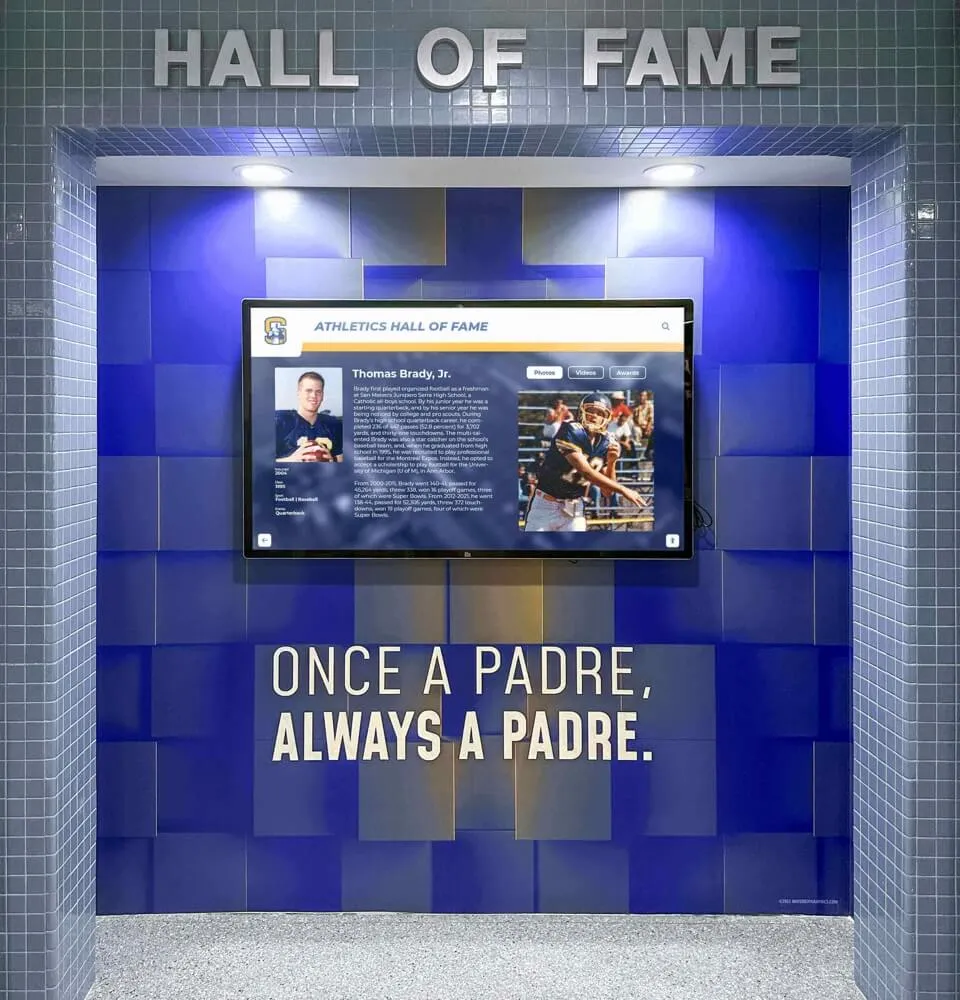
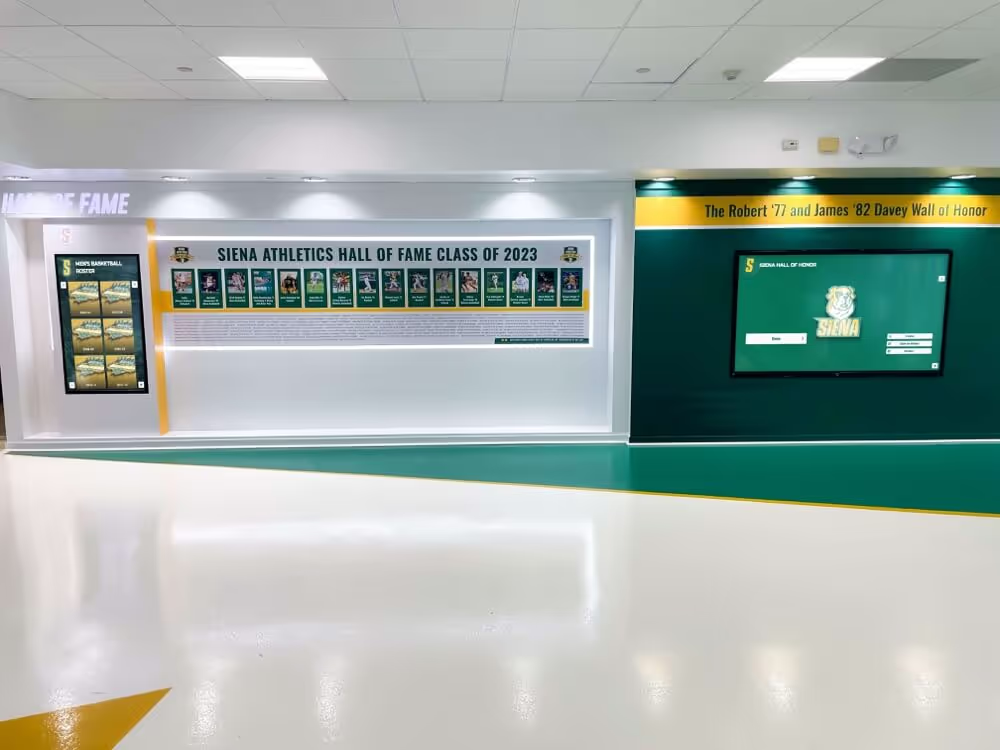
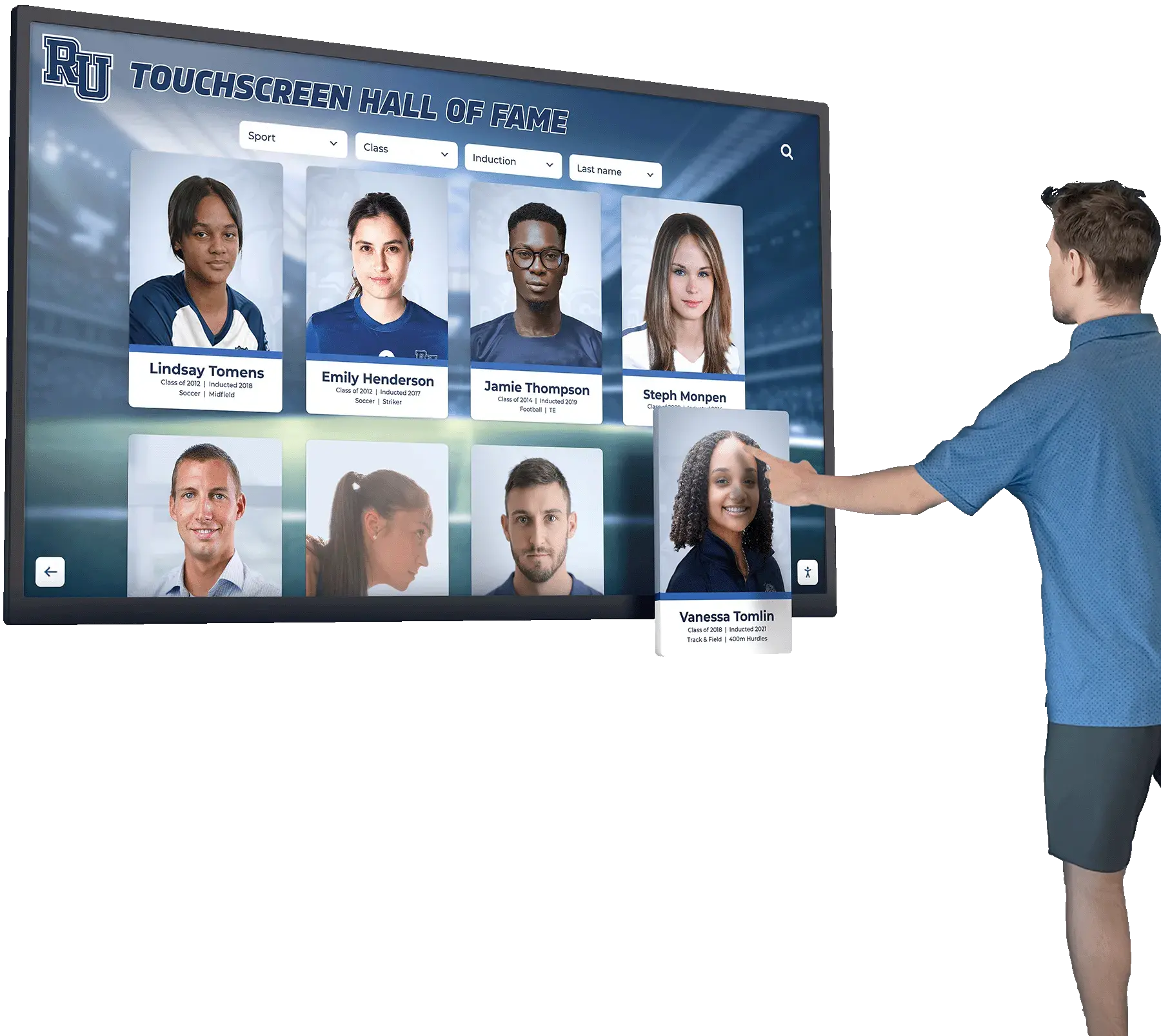
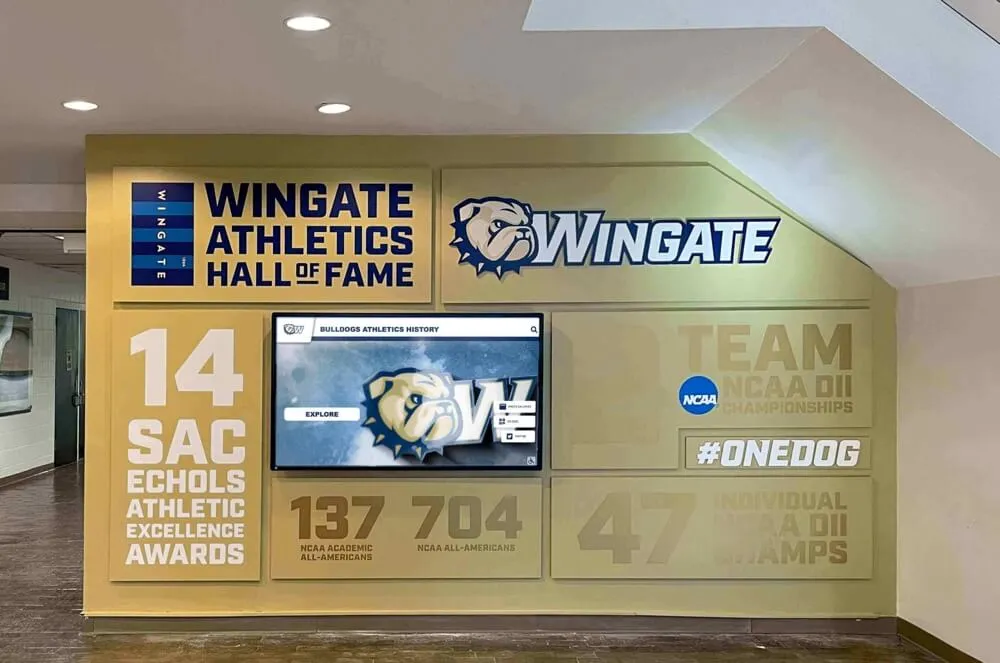
Competitive university traditions build the same spirit showcased in athletics halls of fame, where accomplishments become permanent institutional memory
The Beer Bike Experience
For participants and spectators, Beer Bike represents peak Rice culture:
Months of Preparation
- Colleges select themes and begin planning in early spring semester
- Teams practice cycling formations and transitions
- Students design and construct elaborate floats and costumes
- Musical performances and skits prepared for parade
- College spirit reaches fever pitch as event approaches
Race Day Atmosphere
- Entire campus transforms into celebration venue
- Alumni return specifically for Beer Bike weekend
- College sections in stands create electric competitive atmosphere
- Elaborate pre-race ceremonies featuring theme presentations
- Post-race celebrations continuing into evening
Beyond the Competition Beer Bike’s significance extends beyond winning:
- Freshman participation creates immediate college bonding
- Seniors experience final college-wide event before graduation
- Alumni connections strengthened through shared tradition
- Demonstrates Rice’s unique balance of academic rigor and play
- Creates stories students tell for decades afterward
O-Week: The Foundation of the Rice Experience
Orientation Week (O-Week) at Rice represents more than typical freshman orientation—it’s an intensive introduction to college culture, traditions, and identity that shapes students’ entire Rice experience.
The Structure of O-Week
Rice’s O-Week differs significantly from standard university orientations:
Advisor System
- Each college selects upperclassmen as advisors (O-Week coordinators)
- Small groups of freshmen assigned to specific advisors
- Advisors plan months in advance, developing elaborate week-long programs
- Advisor-advisee bonds often last throughout college years
- System creates immediate mentorship and belonging
Programming Intensity O-Week packs extraordinary experiences into one week:
- College-specific activities introducing traditions and culture
- Academic preparation sessions and course registration
- Campus-wide social events meeting students from other colleges
- Service projects connecting students to Houston community
- College O-Week shows: elaborate musical productions showcasing college culture
Creating Instant Community O-Week’s effectiveness comes from intentional community building:
- Freshmen separated from parents early in week
- Constant interaction with advisors and fellow students
- Sharing vulnerable “firsts” creates bonding
- College loyalty established before classes begin
- Traditions introduced experientially rather than explained
Universities nationwide study Rice’s O-Week model when developing their own orientation programs, recognizing that strong student engagement from day one dramatically impacts retention and satisfaction.
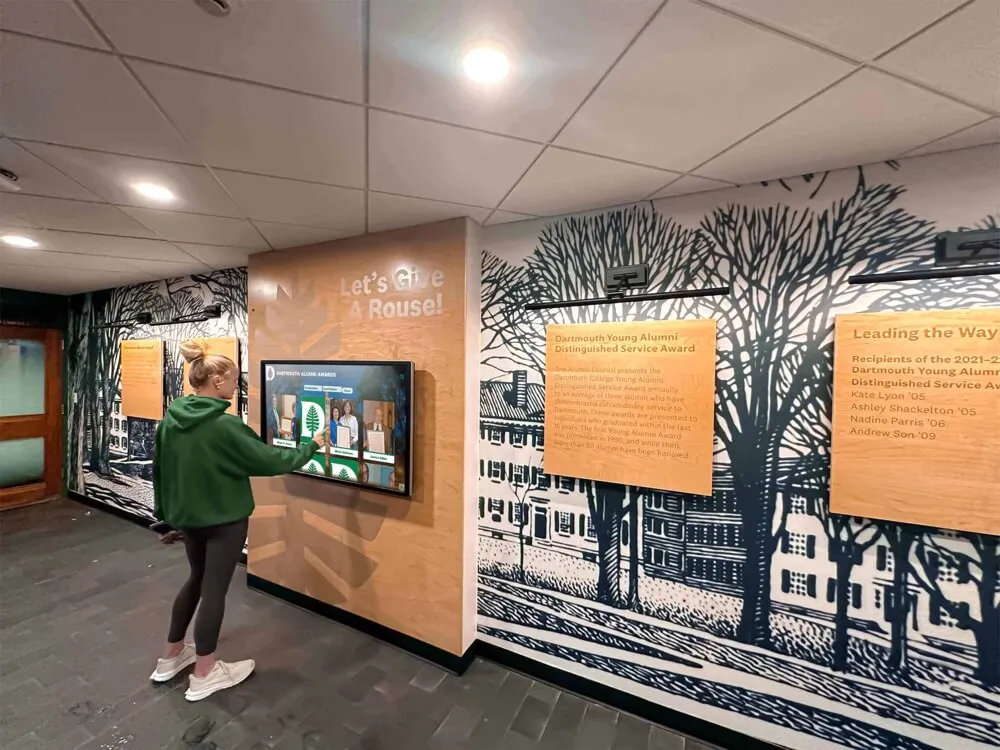
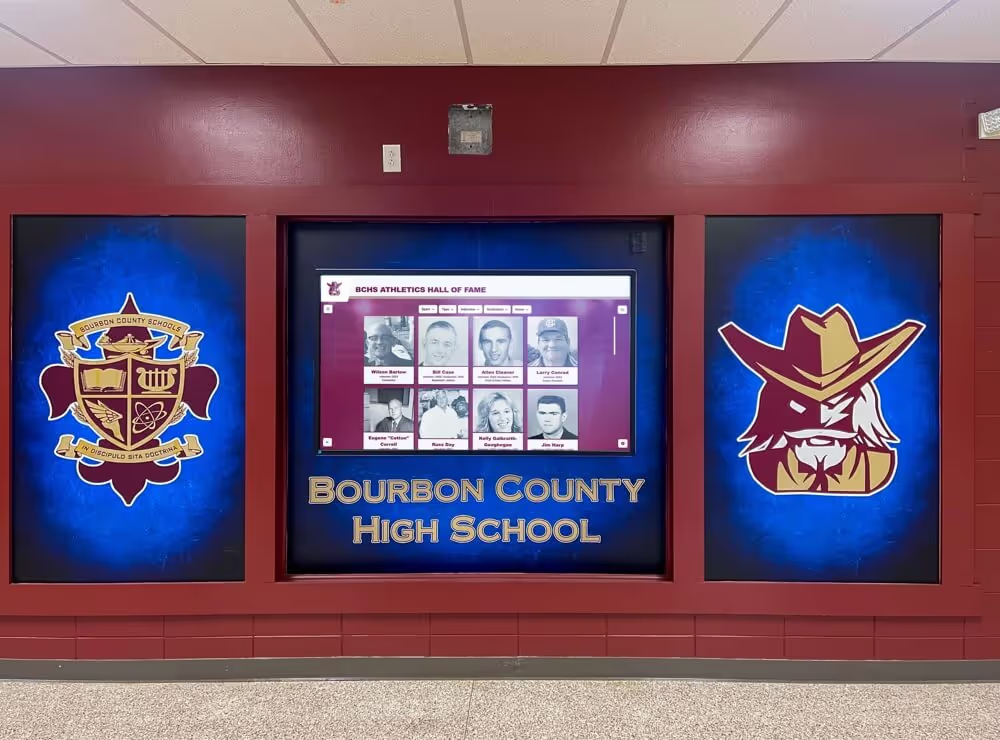
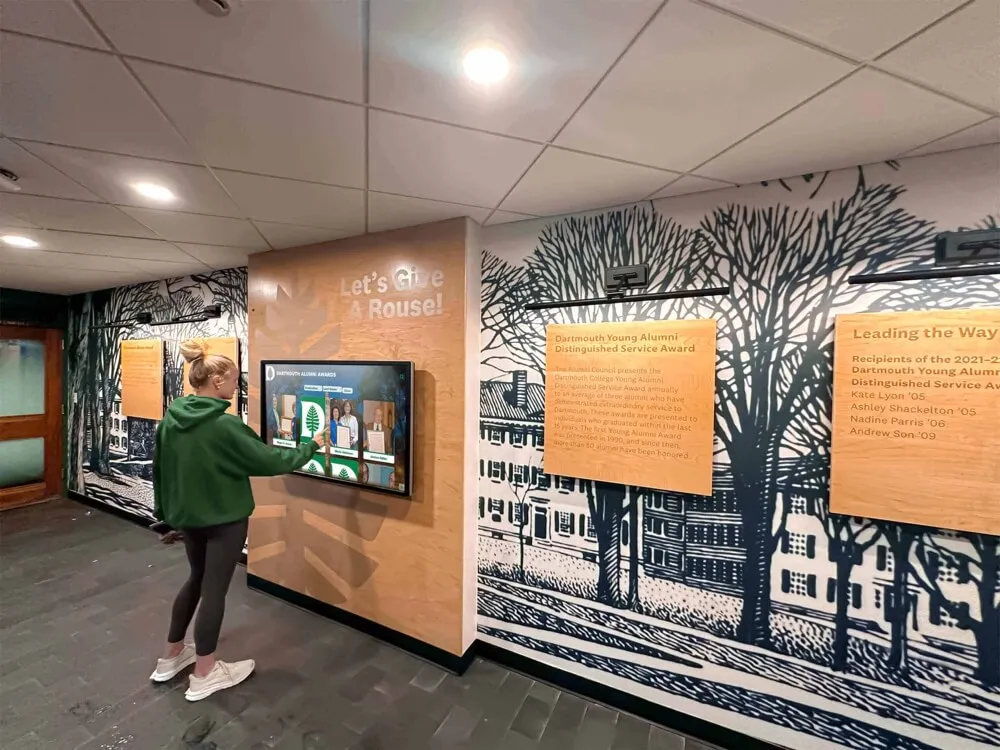
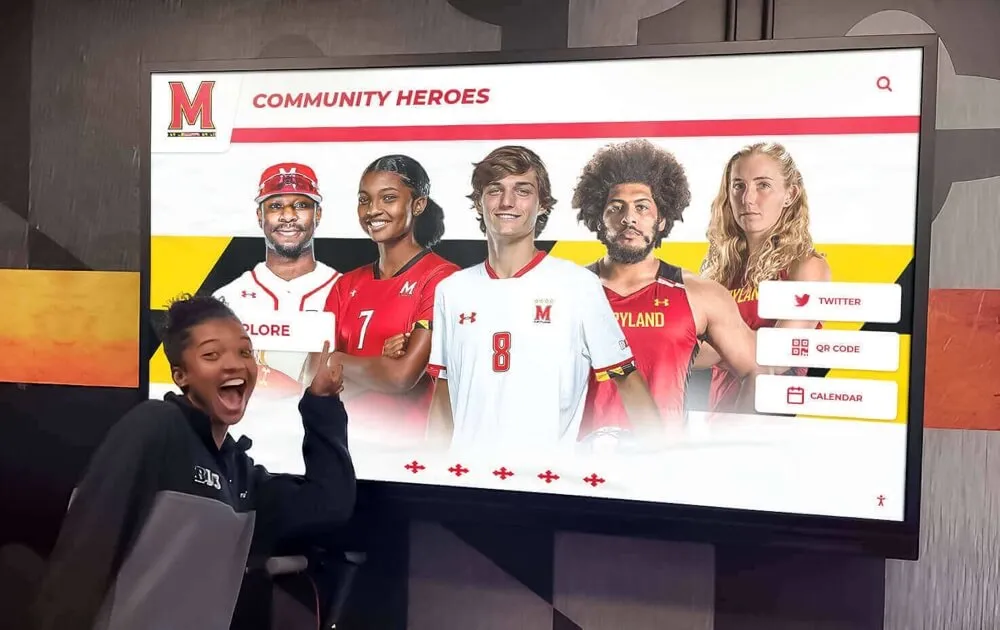
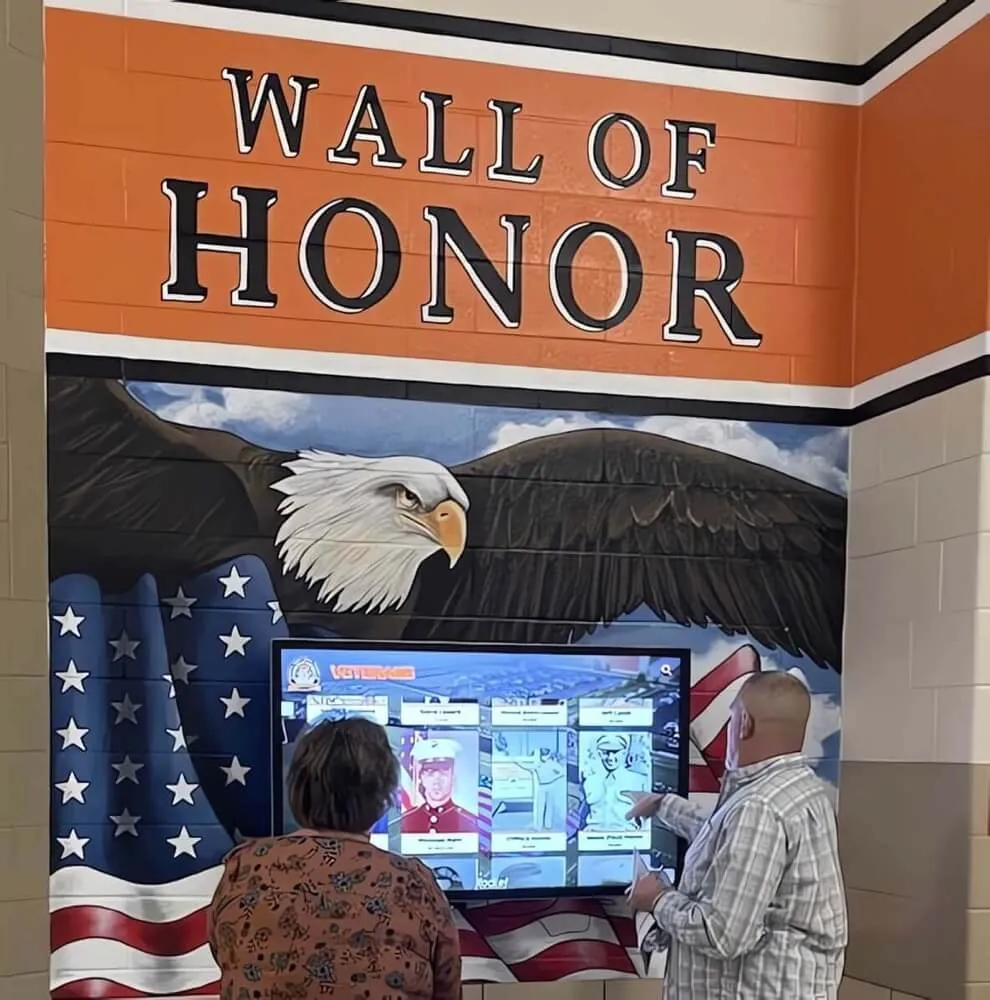
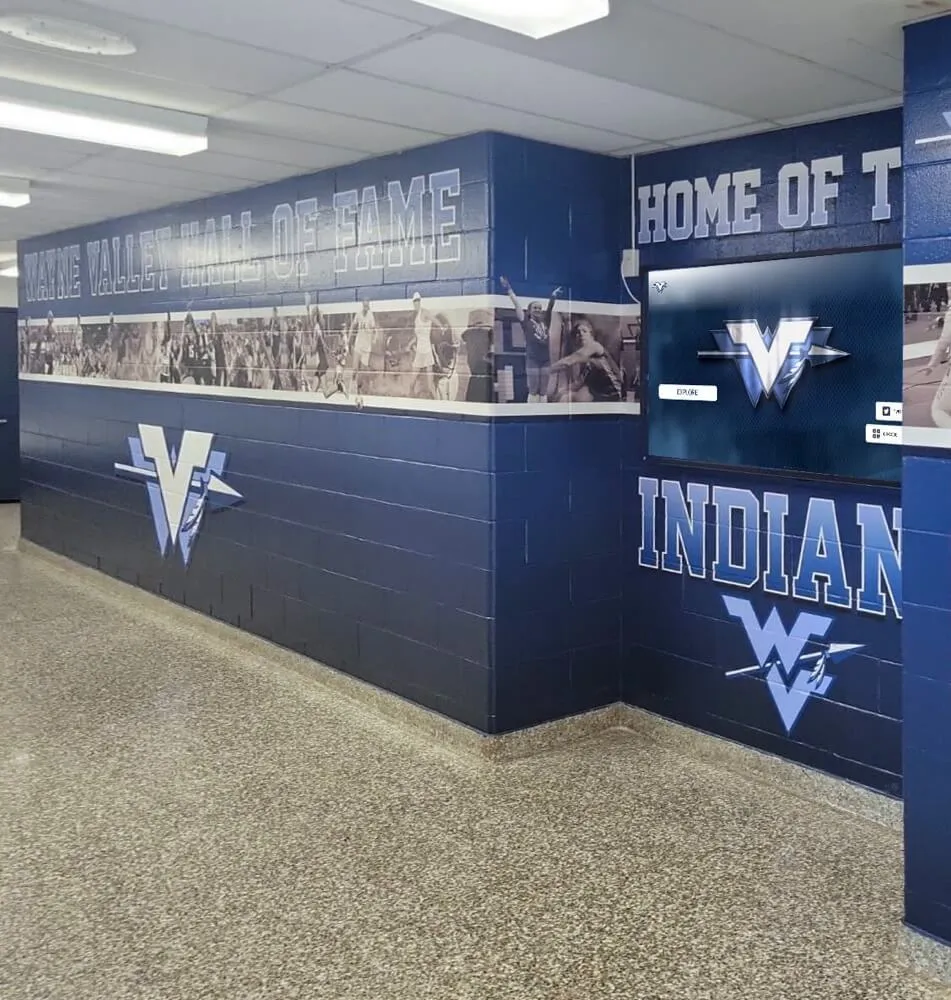
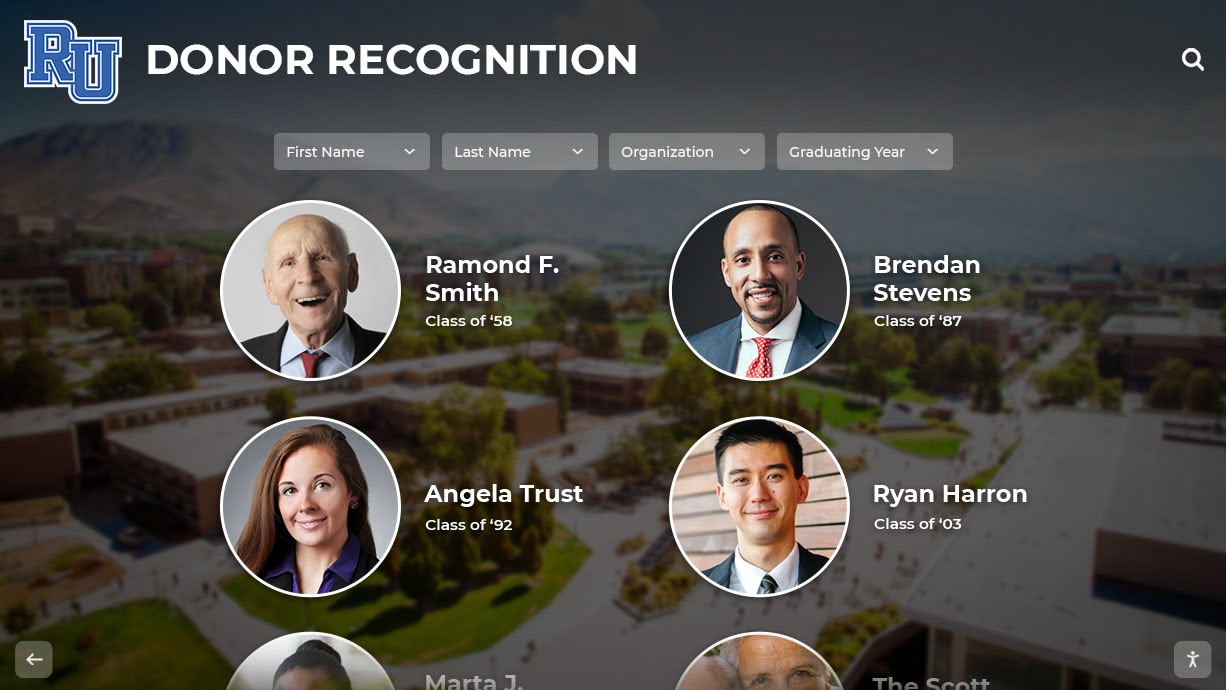
Universities preserve O-Week memories and traditions through interactive displays allowing students to explore institutional history and celebrate their place in ongoing story
O-Week Shows and College Culture
Each residential college produces an O-Week show introducing freshmen to college culture:
Show Characteristics
- Full-length musical productions written and performed by students
- Satirize college stereotypes, campus culture, and Rice traditions
- Feature original songs, choreography, and elaborate costumes
- Upperclassmen spend months preparing shows
- Freshmen experience first example of college’s personality
Cultural Significance These shows serve multiple purposes:
- Introduce inside jokes and college-specific traditions
- Demonstrate that academic excellence coexists with creativity
- Create shared cultural touchpoints for incoming class
- Alumni frequently reference their O-Week show years later
- Shows become part of college lore, with legendary performances remembered for decades
Baker 13: The Midnight Run Tradition
Among Rice’s quirkier traditions, the Baker 13 run stands out for its consistent execution every thirteenth of the month, regardless of weather, exams, or calendar placement.
Understanding Baker 13
This tradition combines physicality, exhibitionism, and community bonding:
The Basic Tradition
- On the 13th of every month at midnight, students from Baker College run through campus
- Participants wear minimal clothing (shaving cream serves as “uniform”)
- Run follows specific route touching all residential colleges
- Other colleges prepare to “greet” the runners with water, food items, or other surprises
- Tradition has continued virtually uninterrupted for decades
Historical Origins The tradition’s beginning remains somewhat murky:
- Started sometime in the 1970s or early 1980s
- Began as Baker College response to perceived athletic shortcomings
- Evolved from internal college tradition to campus-wide event
- Name references both the college and the monthly occurrence
- University administration has learned to accommodate rather than fight tradition
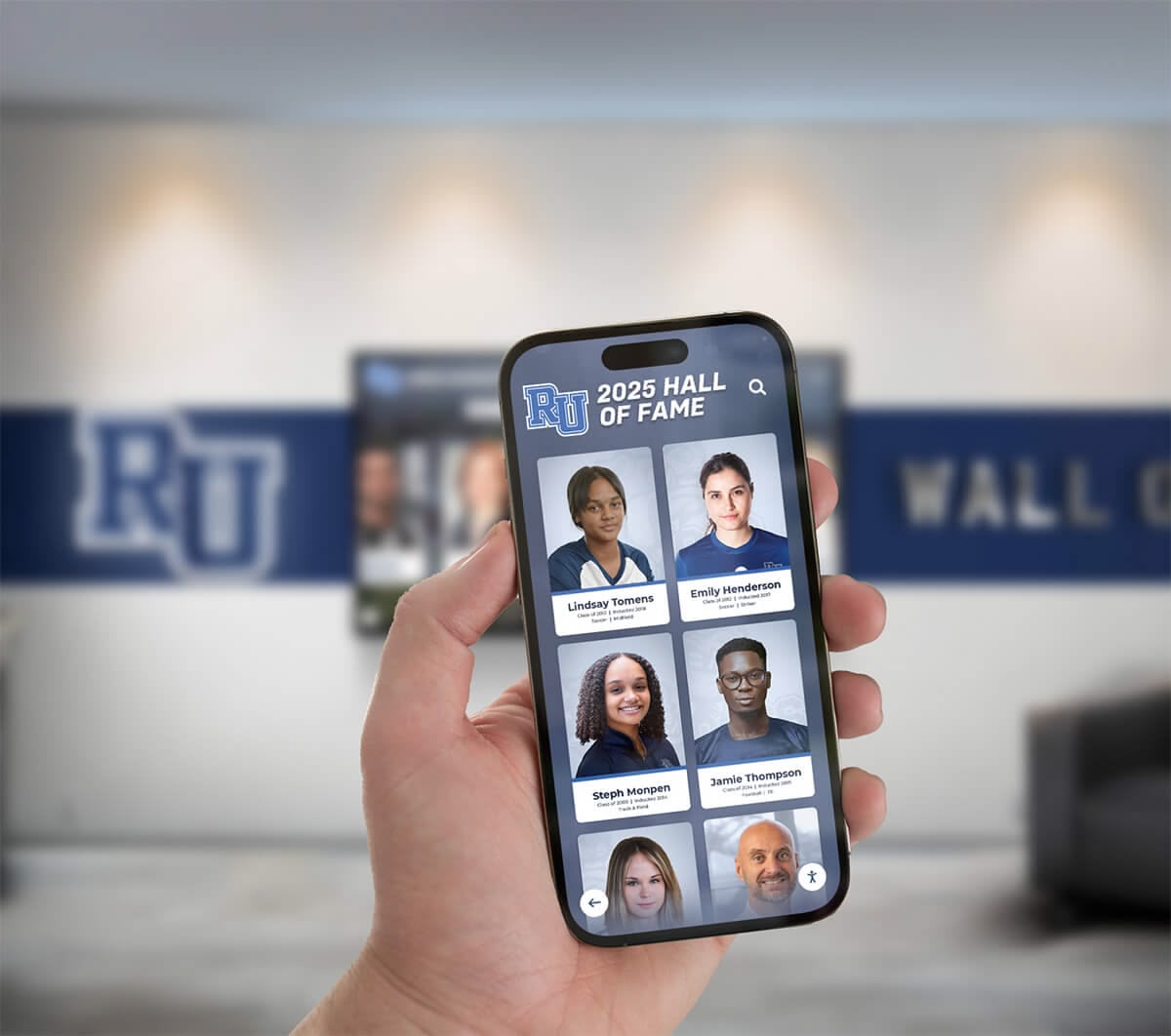
Just as Baker 13 runners traverse campus creating community connections, digital recognition platforms help universities celebrate traditions and achievements across their entire community
The Experience and Cultural Impact
For participants and observers, Baker 13 represents pure Rice culture:
Why Students Participate
- Bonding experience unique to Baker College identity
- Rite of passage for Baker residents
- Breaking social norms in safe, structured way
- Creating memorable college experience
- Participating in decades-old tradition
Broader Campus Impact Baker 13 affects the entire Rice community:
- Other colleges prepare “receptions” for runners
- Creates mid-month event marking time passage
- Provides stress relief during intense academic periods
- Generates stories shared with prospective students and alumni
- Demonstrates Rice’s tolerance for unconventional traditions
Willy Week and Class Celebrations
Willy Week (short for “William Marsh Rice Week”) represents Rice’s spring celebration featuring coordinated events, competitions, and general revelry as the academic year concludes.
Willy Week Programming
This week-long celebration includes diverse activities:
Organized Events
- College-sponsored activities and competitions
- Campus-wide concerts featuring popular artists
- Academic celebration events and research showcases
- Cultural performances and art exhibitions
- Culminating in weekend-long celebration activities
Academic and Social Balance Willy Week demonstrates Rice’s philosophy:
- Occurs after major academic deadlines but before finals
- Rewards year-long hard work with celebration
- Maintains Rice’s “work hard, play hard” ethos
- Faculty participation in some events bridges academic-social divide
Evolution Over Time Like many traditions, Willy Week has changed:
- Expanded from single day to week-long celebration
- Added more structured programming alongside informal parties
- Increased budget and professional event planning
- Safety protocols implemented while maintaining spirit
- Alumni weekend often coordinated with Willy Week timing
The Role of Senior Traditions
Rice seniors experience specific traditions during their final weeks:
Senior Week Activities
- Special events exclusively for graduating class
- College-specific senior celebrations and dinners
- Faculty recognition of graduating students
- Final participation in beloved campus traditions
- Passing of college leadership to junior class
Many universities have developed their own end-of-year celebration traditions that honor student achievements while building lasting memories.

Universities preserve graduating class traditions and achievements through permanent recognition displays celebrating each cohort's unique contributions
Night of Decadence and Campus-Wide Celebrations
Night of Decadence (NOD) represents one of Rice’s most infamous traditions—a Halloween-adjacent party known for creative costumes, elaborate themes, and Rice’s characteristic blend of intelligence and irreverence.
The NOD Tradition
This annual party has become legendary beyond Rice’s campus:
Event Characteristics
- Historically held around Halloween at different residential colleges
- Costume themes typically creative and boundary-pushing
- Elaborate decorations transforming college spaces
- Student-organized with significant planning investment
- Attracts alumni returning specifically for event
Cultural Significance NOD demonstrates several Rice characteristics:
- Students’ ability to balance academic excellence with creative expression
- Self-governance and student-led tradition management
- Pushing boundaries while maintaining community standards
- Creating shared experiences that become institutional memory
- Generating stories that bond participants across graduating classes
Administrative Relationship Like Beer Bike, NOD illustrates university-student collaboration:
- University administration provides safety framework
- Students maintain creative control and planning
- Evolving policies reflecting changing societal norms
- Balance between tradition preservation and risk management
- Model for how institutions can support rather than suppress student culture
Academic and Competitive Traditions
Beyond social celebrations, Rice maintains traditions emphasizing its academic mission and competitive spirit.
The Honor Code
Rice’s Academic Honor Code represents more than policy—it’s a foundational tradition:
Honor Code Principles
- “In all my work in this course, I pledge not to have given or received unauthorized aid”
- Self-scheduled examinations trusting students to maintain integrity
- Unproctored tests taken in dorm rooms, libraries, or outdoor spaces
- Students sign honor code pledge on all academic work
- Honor Council comprised of students addresses violations
Cultural Impact The Honor Code shapes Rice’s academic culture:
- Demonstrates institutional trust in students
- Creates mutual respect between faculty and students
- Reduces adversarial relationships common at other universities
- Becomes point of pride distinguishing Rice from peers
- Alumni frequently cite Honor Code as defining Rice characteristic
Powderpuff Football and Sports Traditions
College-based competitions extend to athletics:
Powderpuff Football
- Annual flag football competition between residential colleges
- Women’s teams compete while men serve as coaches and cheerleaders
- Intense preparation and college pride investment
- Demonstrates Rice’s gender-inclusive approach to competition
- Creates athletic participation opportunities beyond varsity sports
Many institutions have found that intramural and recreational sports programs build community connections rivaling varsity athletics, making recognition of these achievements increasingly important.
Preserving and Celebrating University Traditions
As Rice demonstrates, university traditions require intentional preservation and celebration to maintain their significance across generations.
Documentation and Historical Preservation
Effective tradition preservation requires systematic approaches:
Archival Documentation
- Photographing annual events systematically
- Recording oral histories from participants and organizers
- Maintaining written records of tradition evolution
- Preserving physical artifacts (t-shirts, programs, decorations)
- Creating accessible archives for research and reminiscence
Digital Preservation Methods Modern technology enables new preservation approaches:
- Video documentation of annual traditions
- Social media archives capturing student perspectives
- Interactive digital displays showcasing tradition history
- Mobile applications sharing tradition stories with campus community
- Virtual experiences allowing remote alumni participation
Solutions like Rocket Alumni Solutions help universities preserve and showcase their unique traditions through interactive touchscreen displays and digital recognition platforms. These systems allow institutions to celebrate their distinctive culture while making tradition history accessible to current students, prospective families, and returning alumni.
Engaging Alumni Through Tradition
University traditions create powerful alumni engagement opportunities:
Tradition-Based Programming
- Beer Bike alumni races bringing graduates back to campus
- Reunion programming coordinated with major tradition events
- Alumni storytelling sharing tradition experiences across generations
- Virtual participation options for geographically distant alumni
- Tradition anniversary celebrations (25th, 50th events)
Recognition and Celebration Universities increasingly recognize those who strengthen traditions:
- Honoring long-serving advisors and tradition organizers
- Celebrating colleges’ tradition accomplishments
- Creating alumni awards for tradition advancement
- Showcasing tradition leaders in recognition displays
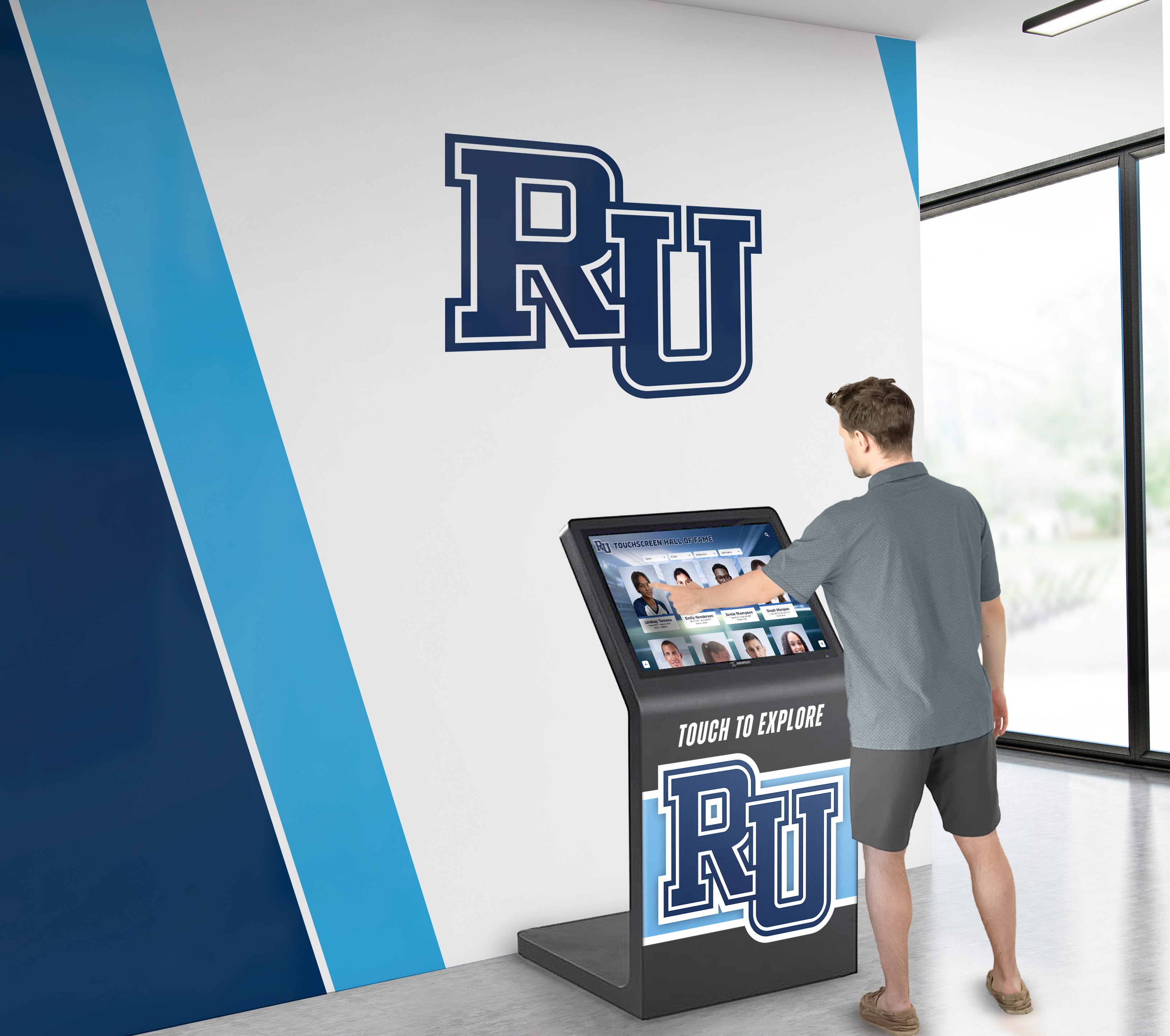
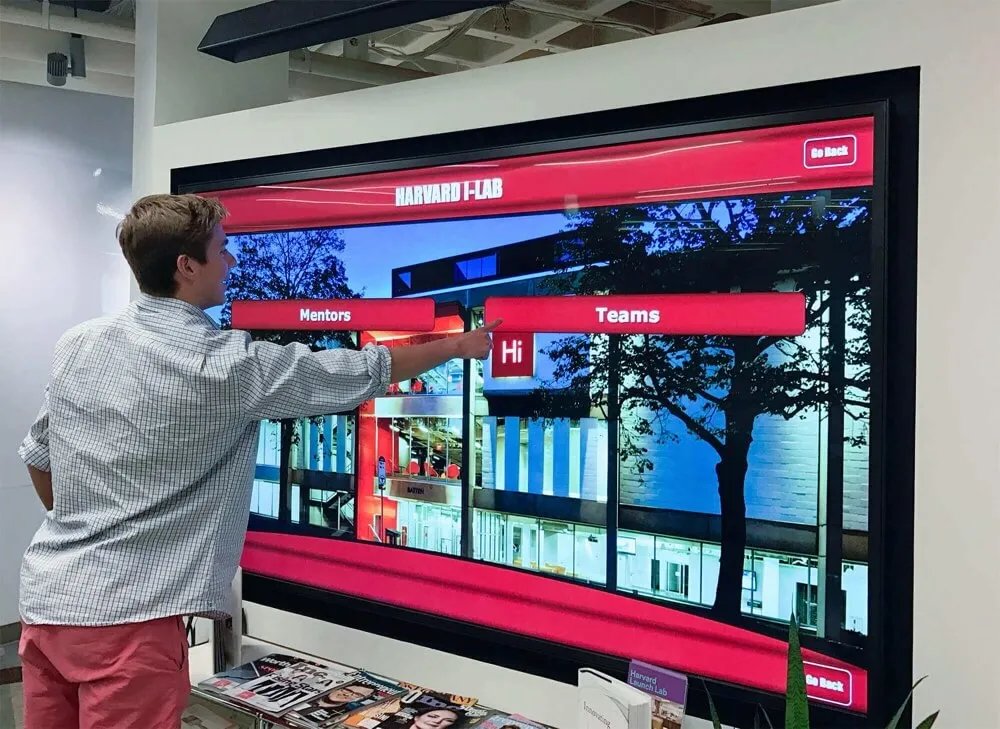
Interactive touchscreen displays in campus lobbies allow universities to showcase tradition history, celebrate participants, and engage current students with institutional culture
Many universities recognize that preserving fraternity and sorority history, along with broader campus traditions, requires dedicated systems that make memories accessible and celebrated.
Lessons from Rice’s Tradition-Rich Culture
Rice University’s tradition landscape offers valuable insights for other institutions seeking to build or strengthen their own campus culture.
What Makes Traditions Succeed
Analyzing Rice’s most enduring traditions reveals common characteristics:
Student Ownership and Leadership
- Traditions led by students rather than administration persist longest
- Student investment in planning and execution creates authenticity
- Passing leadership to next generation builds continuity
- Allowing tradition evolution maintains relevance
Balancing Structure and Flexibility
- Core elements remain consistent (Beer Bike date, Baker 13 route)
- Details evolve with each iteration (themes, specific activities)
- Rigidity kills traditions as circumstances change
- Framework flexibility allows adaptation without losing essence
Creating Inclusive Participation
- Multiple ways to engage (participant, organizer, spectator, supporter)
- Traditions accessible to students with varying interests and abilities
- Competition balanced with community celebration
- Recognition for different contribution types
Institutional Support Without Control
- University provides resources and safety framework
- Administration trusts students with tradition stewardship
- Collaborative problem-solving when issues arise
- Recognizing traditions enhance rather than detract from mission
Building Tradition in Educational Institutions
Schools and universities can apply Rice’s model:
Starting New Traditions
- Identify organic student activities worth formalizing
- Create annual events tied to calendar milestones
- Establish friendly competitions between organizational units
- Develop recognition ceremonies celebrating institutional values
- Enable student creativity in tradition development
Strengthening Existing Traditions
- Document tradition history and significance
- Create opportunities for alumni participation
- Invest in proper resources and promotion
- Celebrate tradition milestones and anniversaries
- Use digital recognition displays to showcase tradition evolution
Educational institutions across all levels recognize that traditions create the emotional connections transforming students into lifelong community members and engaged alumni.
The Future of Rice Traditions
As Rice enters its second century, its traditions continue evolving while maintaining core characteristics.
Adapting to Changing Times
Contemporary challenges require tradition adaptation:
Technology Integration
- Social media amplifying and documenting traditions
- Virtual participation options for global community
- Digital archives preserving tradition history
- Interactive displays sharing stories with campus visitors
- Technology enhancing rather than replacing in-person experiences
Diversity and Inclusion Considerations
- Evaluating traditions through equity lens
- Creating multiple tradition types appealing to diverse students
- Ensuring all students feel welcome participating
- Balancing tradition preservation with inclusive evolution
- Recognizing changing social norms and expectations
Sustainability and Responsibility
- Environmental considerations in tradition execution
- Alcohol-related tradition modifications
- Safety protocols protecting participants
- Financial accessibility ensuring participation isn’t cost-prohibitive
- Balancing celebration with academic mission
The Enduring Power of Tradition
Despite changes, Rice’s traditions remain central to institutional identity:
Why Traditions Matter
- Create shared experiences bonding diverse communities
- Generate institutional distinctiveness in competitive landscape
- Provide stress relief during academically intense periods
- Build alumni engagement and philanthropic support
- Establish campus culture attracting like-minded students
Lessons for All Educational Institutions Rice’s tradition-rich environment demonstrates principles applicable across educational contexts:
- Traditions require intentional cultivation and support
- Student ownership creates authentic, enduring customs
- Balance between structure and flexibility enables evolution
- Documentation and celebration reinforce tradition significance
- Traditions transform institutional missions into lived experiences
Universities, colleges, and even secondary schools can learn from Rice’s approach to building and maintaining traditions that create distinctive identity and lasting community bonds.
Conclusion: The Legacy of Rice University Traditions
Rice University traditions represent more than entertaining customs—they form the connective tissue binding students, faculty, staff, and alumni into a cohesive community defined by shared experiences and common culture. From the competitive intensity of Beer Bike to the midnight irreverence of Baker 13, from the bonding power of O-Week to the celebration of Willy Week, these traditions create the Rice experience that shapes thousands of students annually.
For educational institutions seeking to strengthen their own campus culture, Rice offers a compelling model. The most powerful traditions emerge from student initiative, receive institutional support without control, balance structure with flexibility, and create inclusive opportunities for diverse participation. These traditions become the stories alumni tell, the memories they cherish, and the connections they maintain decades after graduation.
As your institution considers how to build, strengthen, or celebrate its own unique traditions, remember that today’s customs become tomorrow’s cherished memories. Whether through annual celebration events, systematic recognition programs, or innovative preservation methods, investing in tradition pays dividends in community strength, alumni engagement, and institutional distinctiveness.
Ready to celebrate and preserve your institution’s unique traditions? Discover how interactive recognition displays can showcase your campus culture, honor tradition participants, and engage your community with the stories that make your institution special. Modern technology enables you to bring tradition history to life through touchscreen displays, mobile applications, and digital platforms that make institutional memory accessible and celebrated throughout your campus.